Free Abstract Coloring Pages
Creative abstract coloring pages with unique geometric patterns, flowing shapes and modern art-inspired designs.
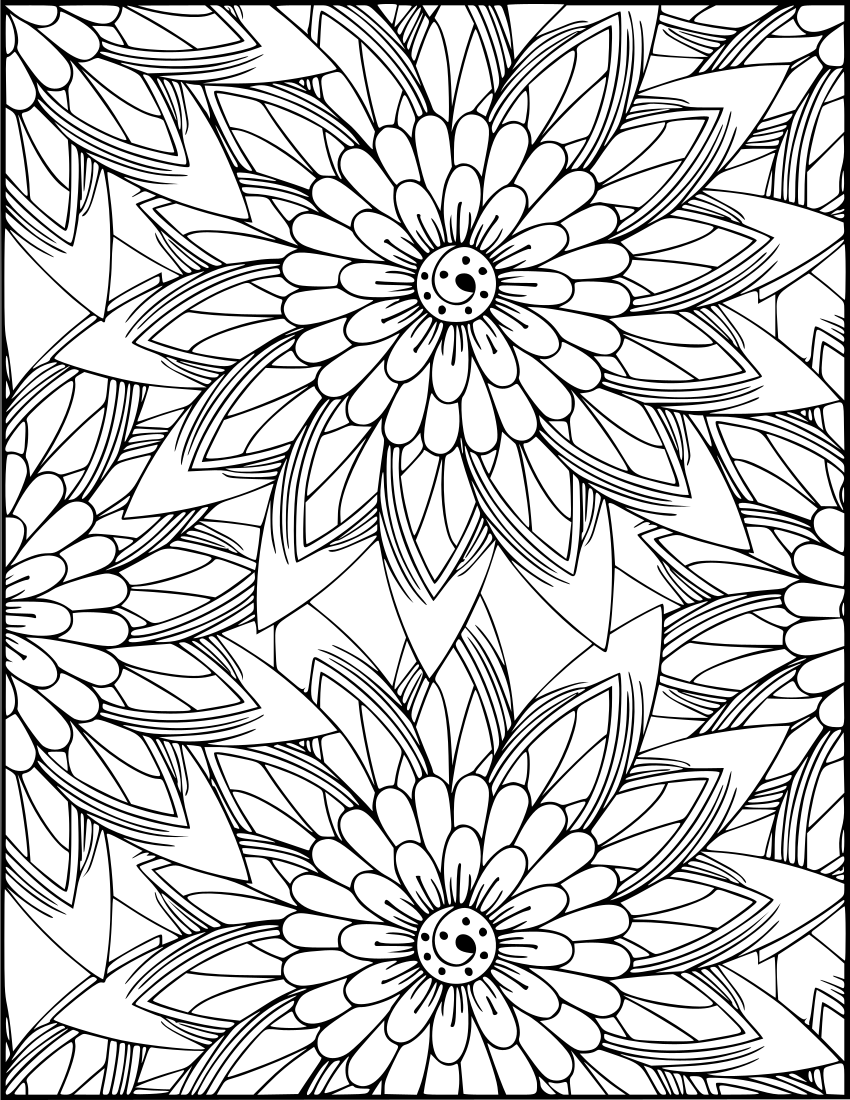
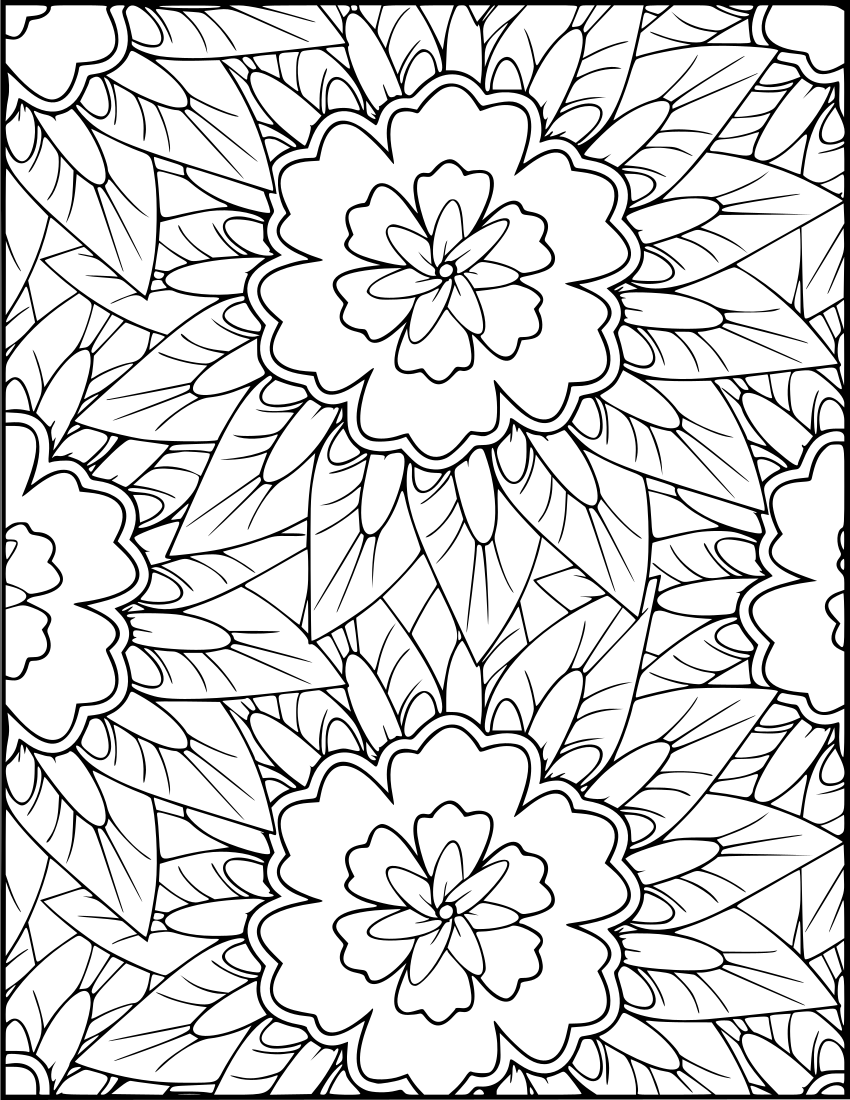
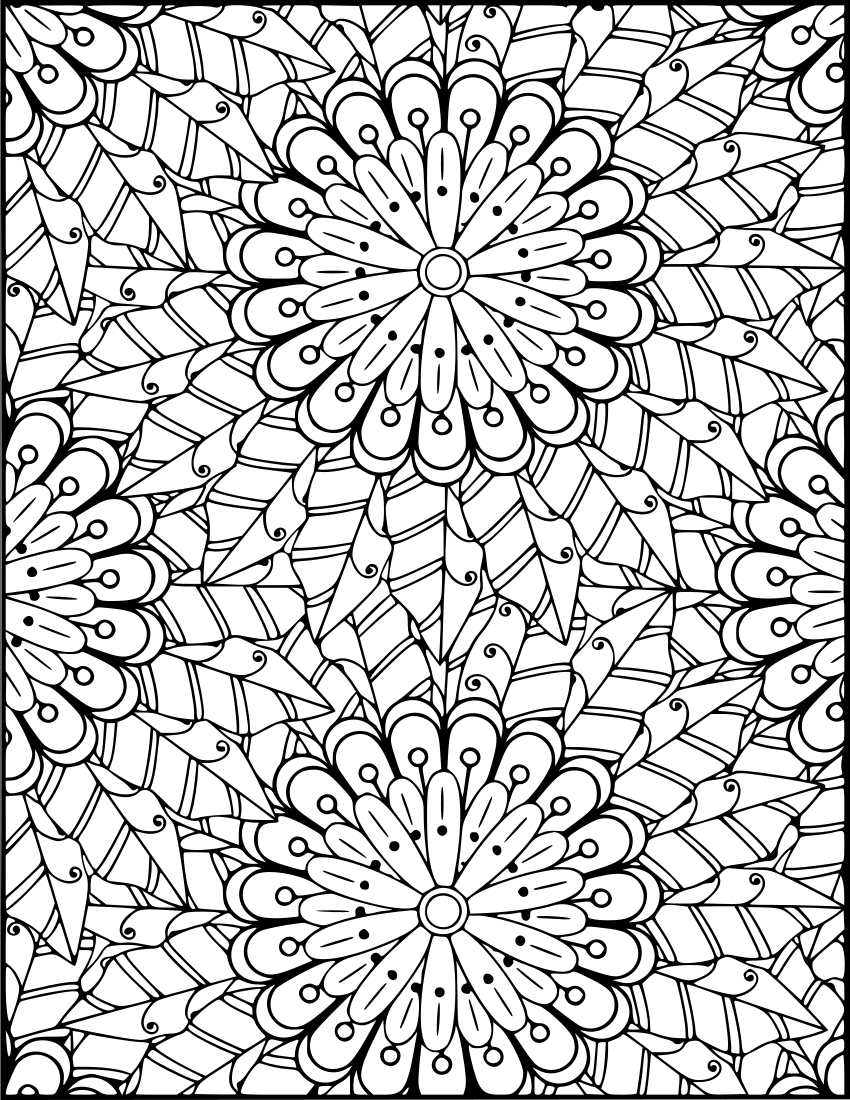
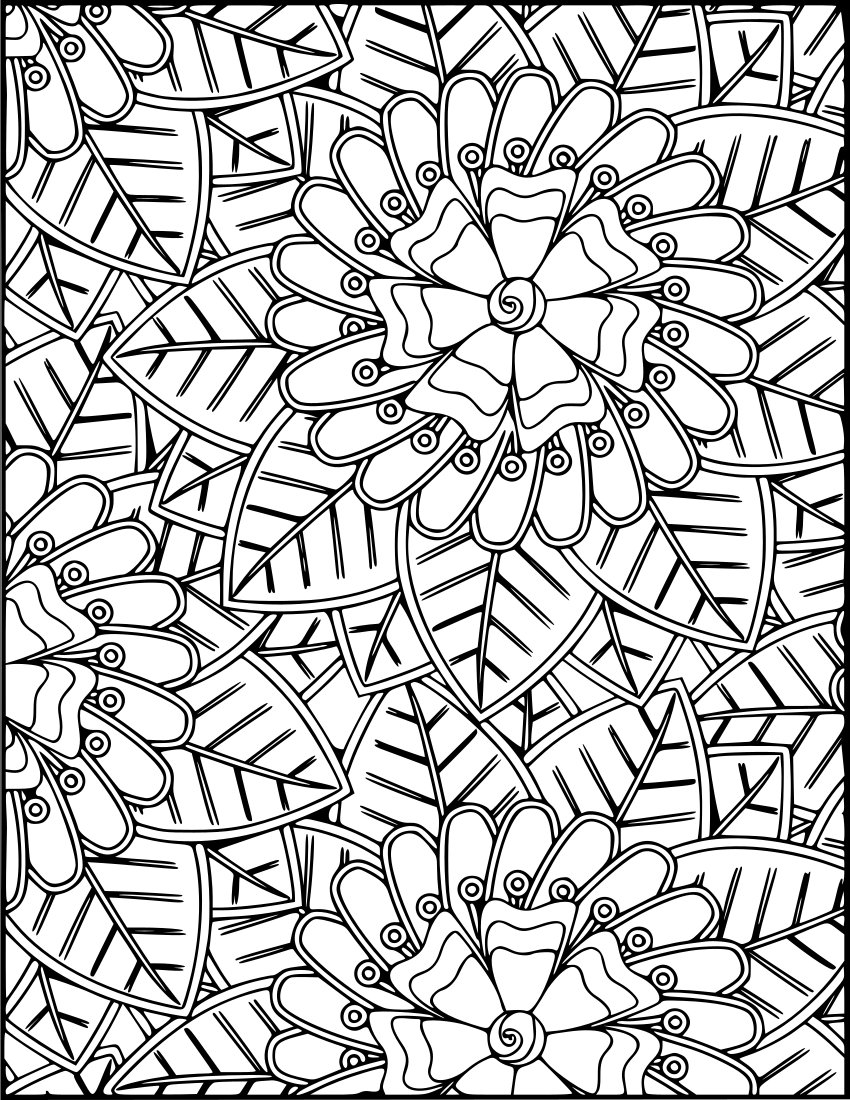
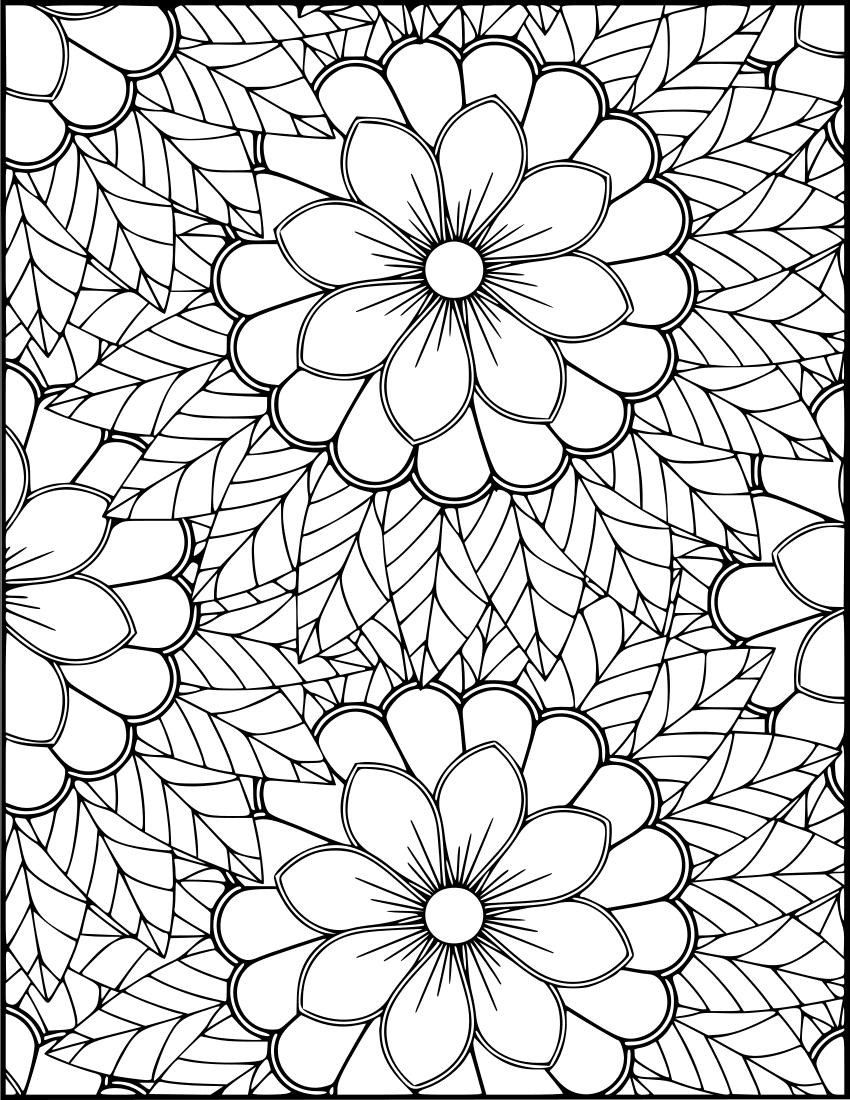
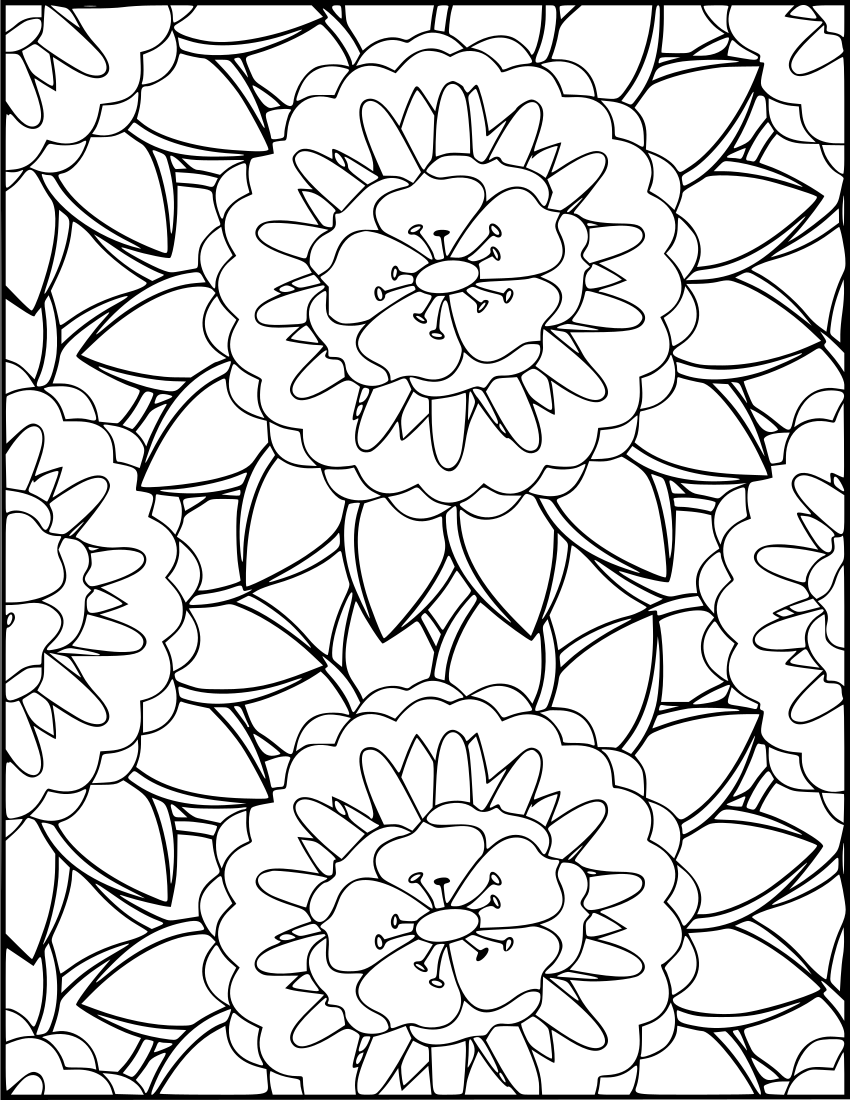
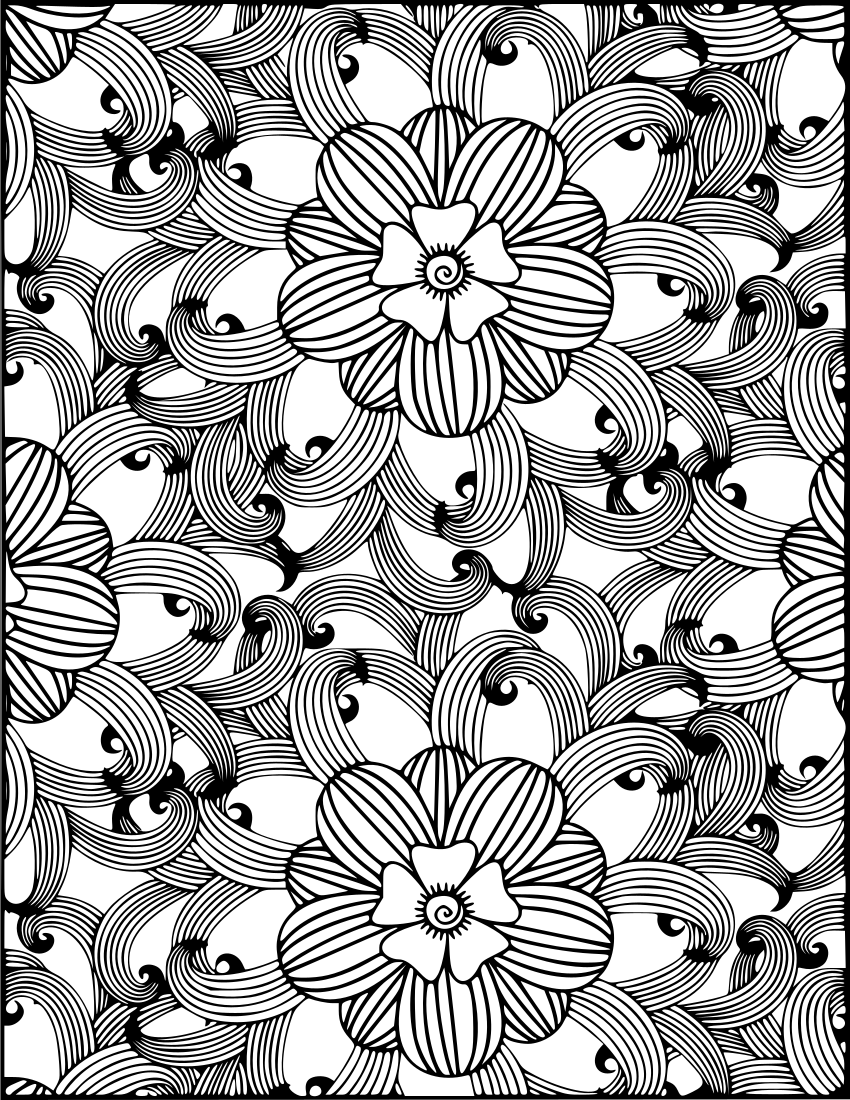
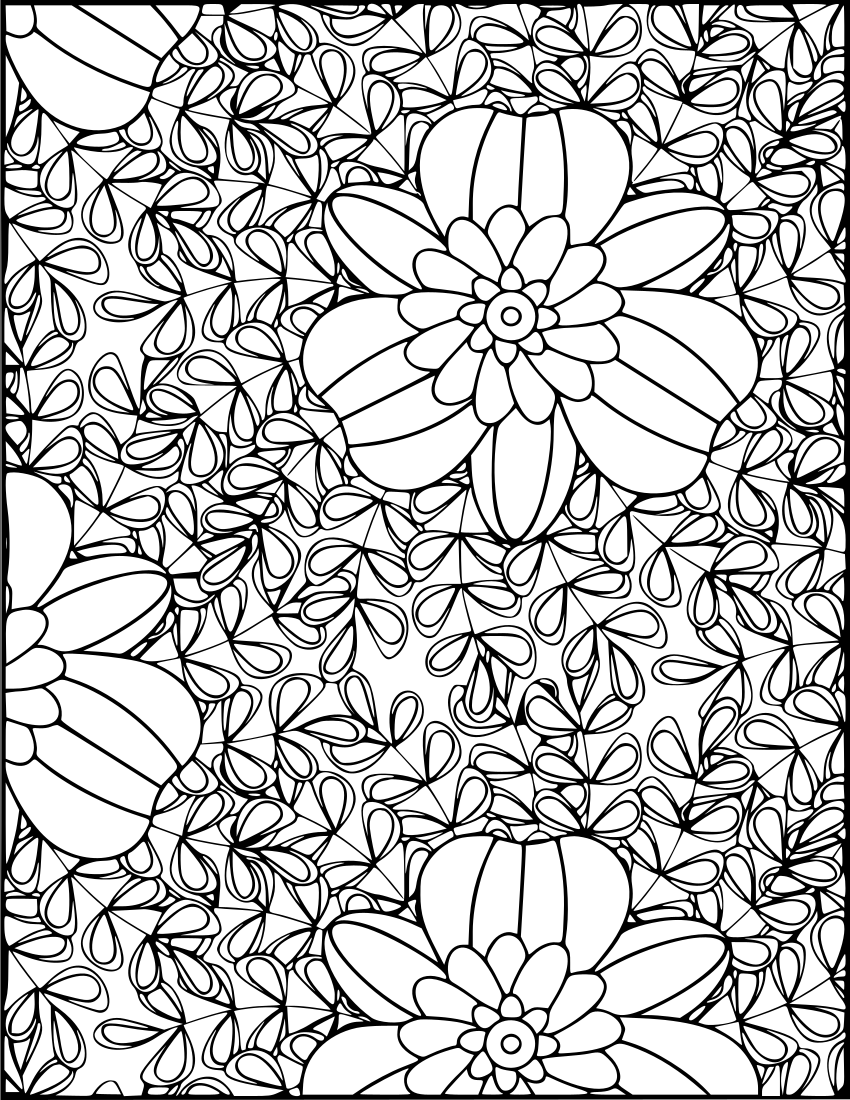
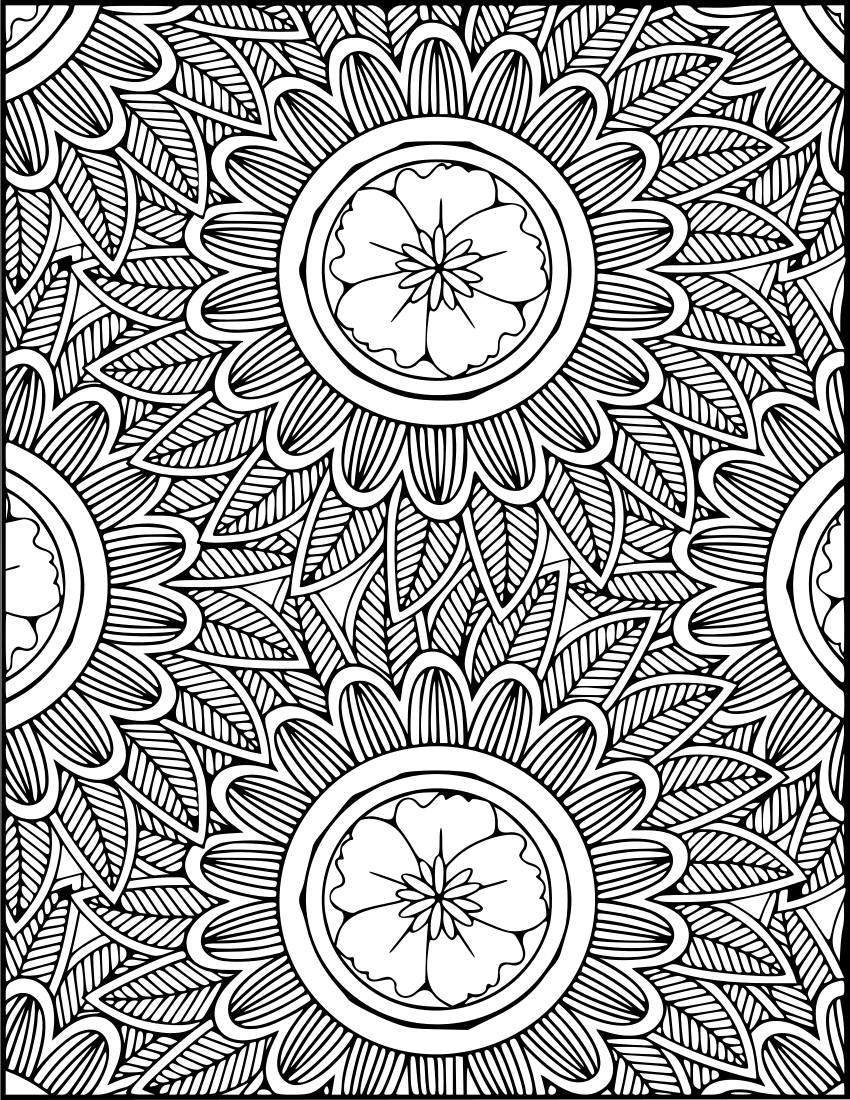
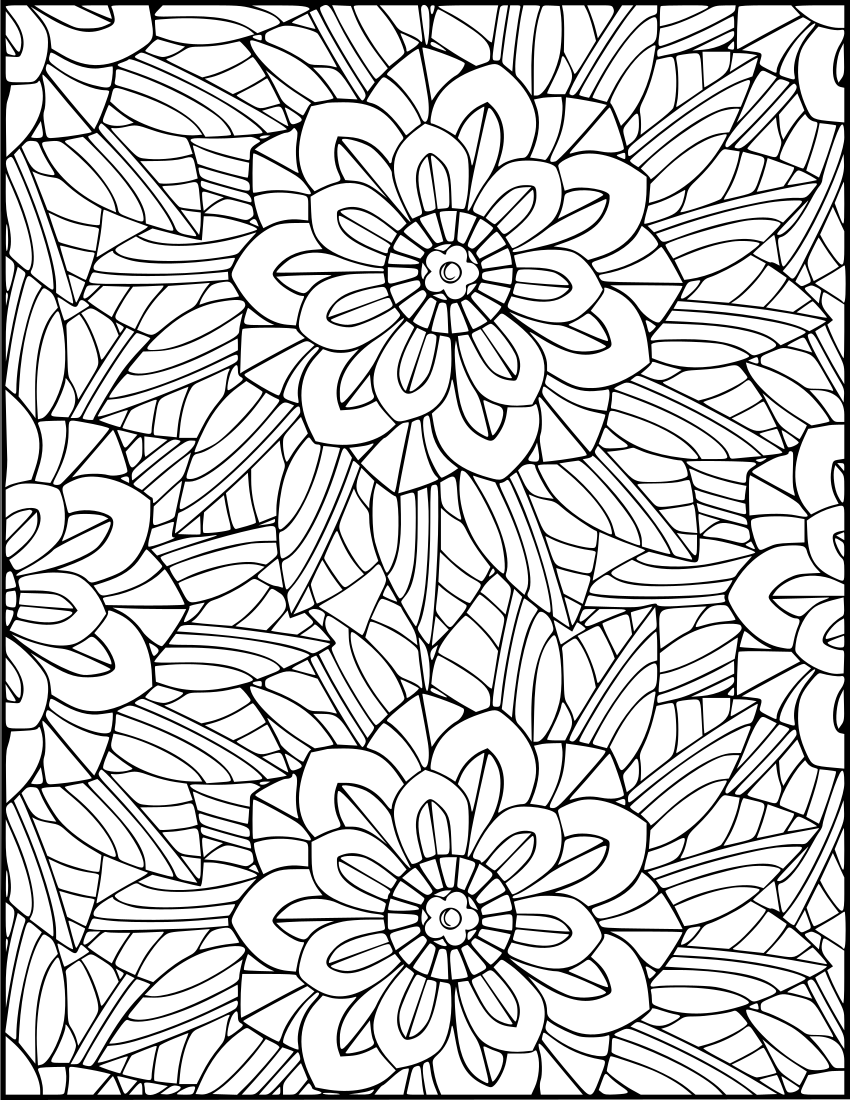
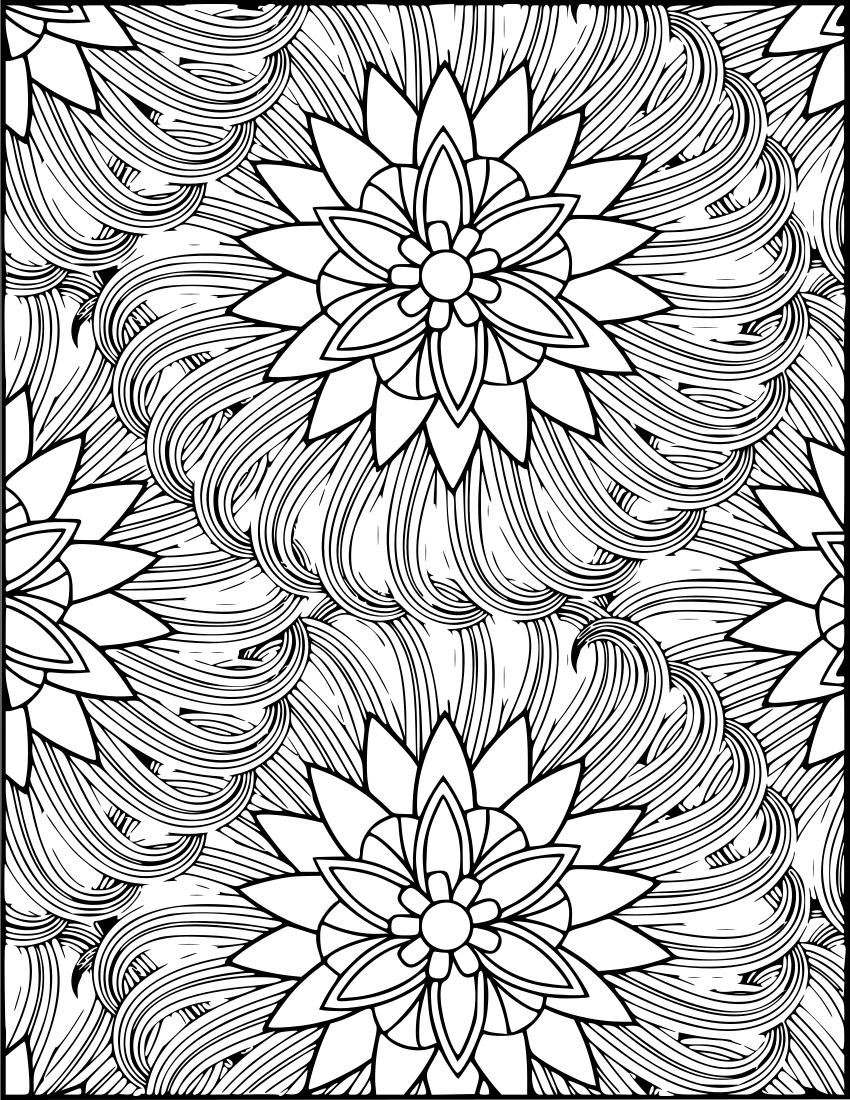
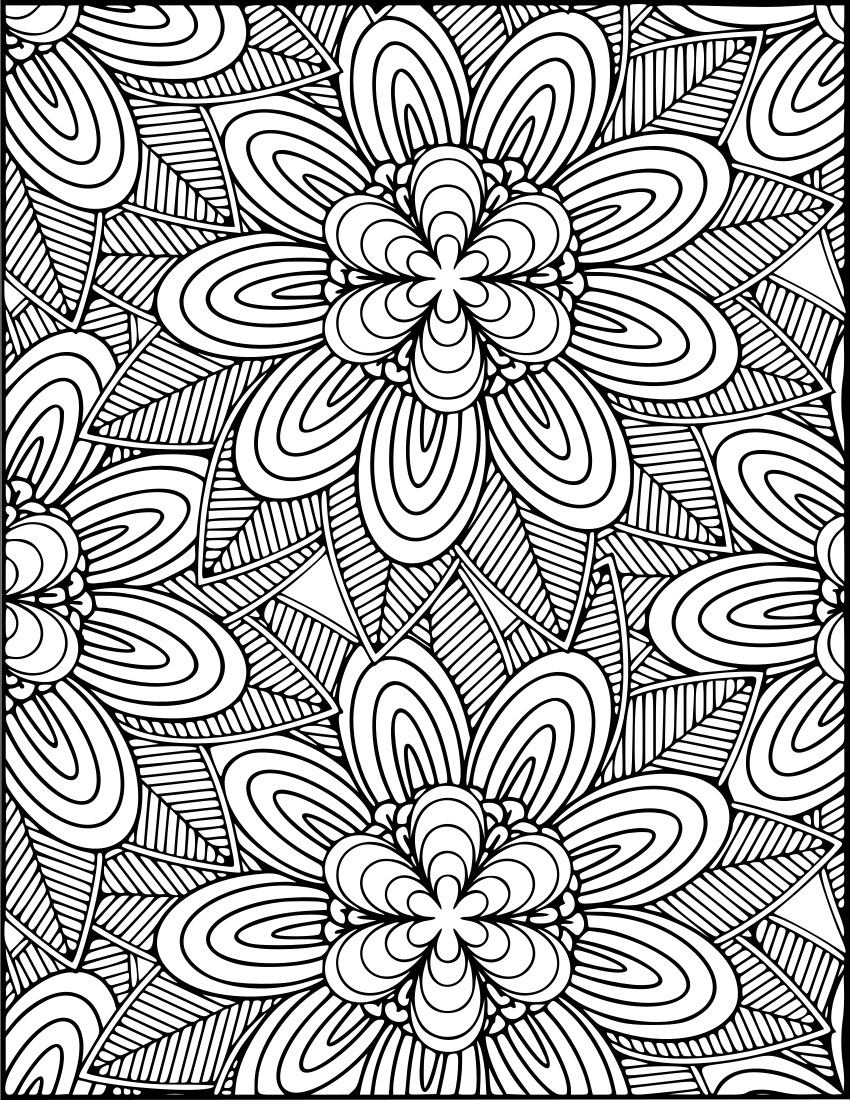
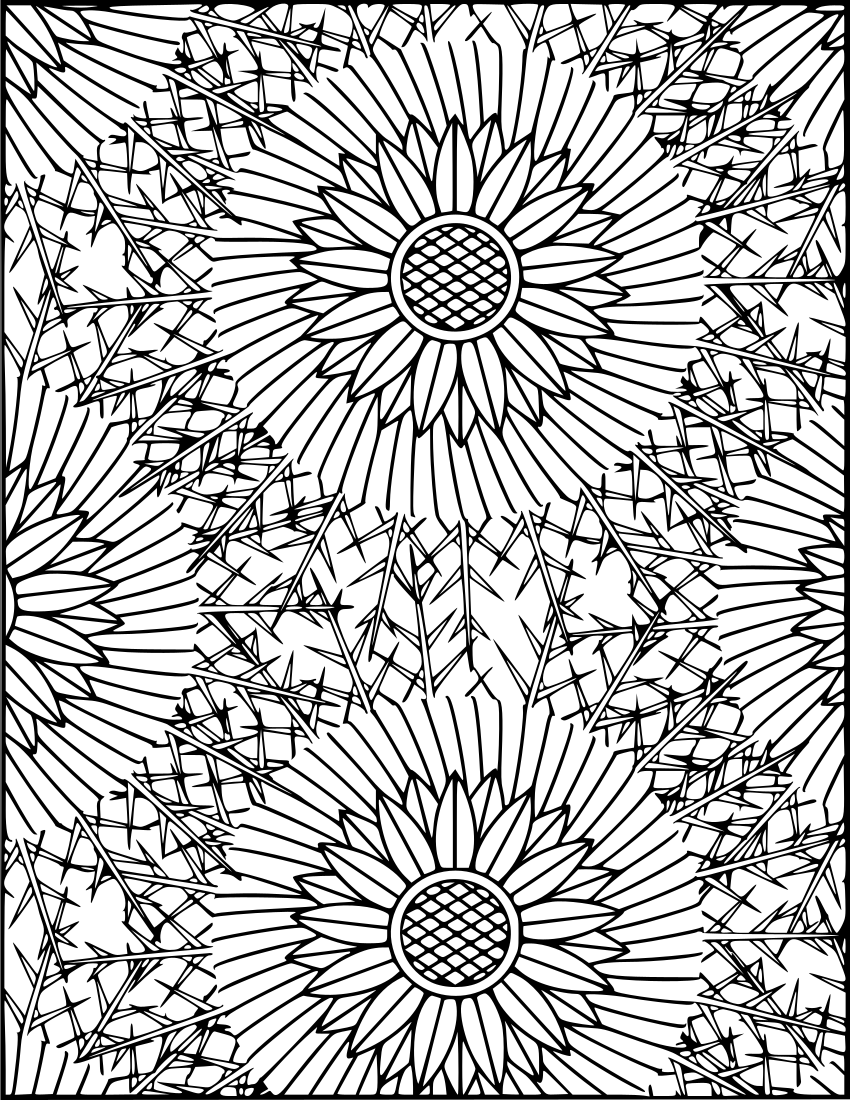
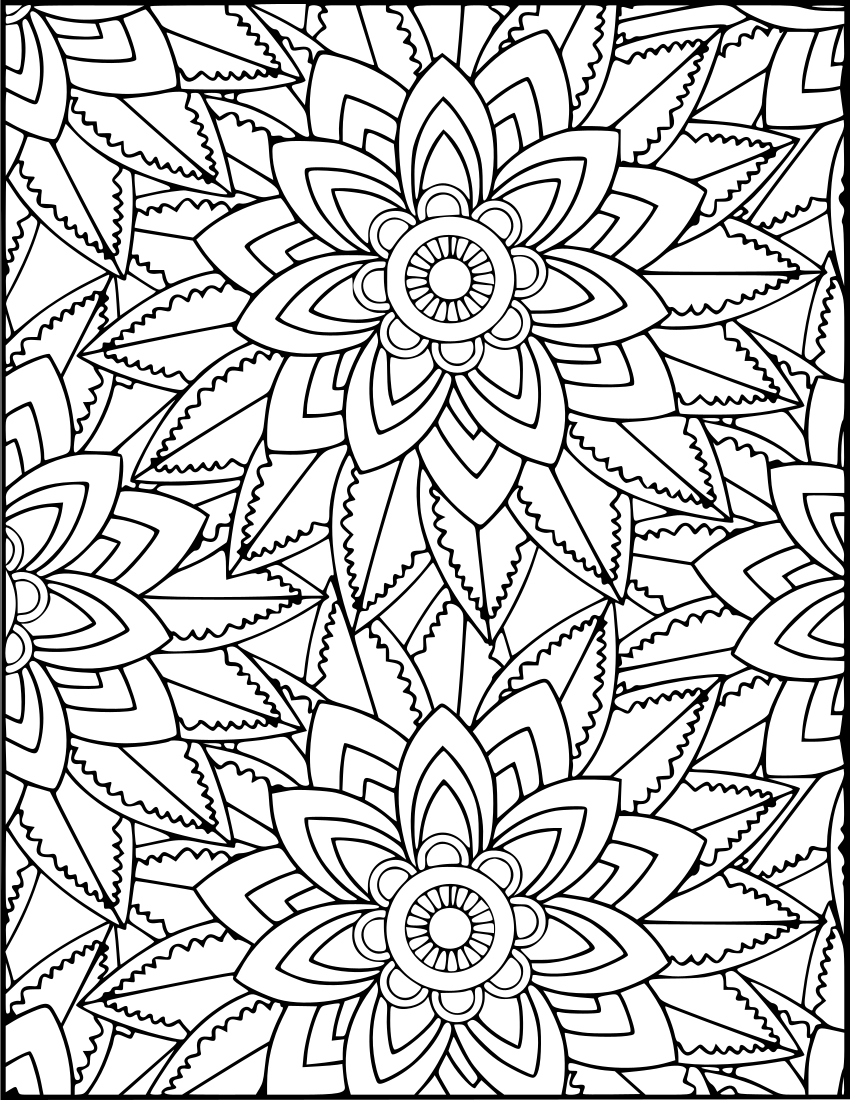
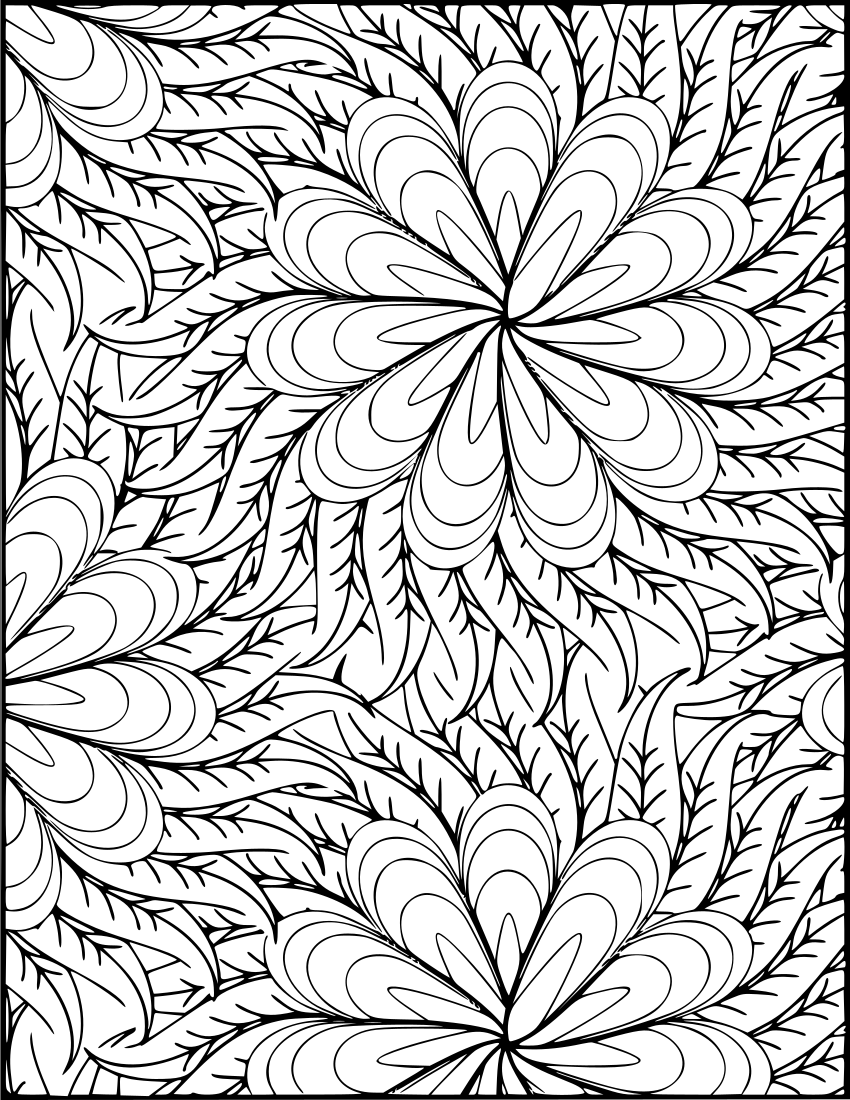
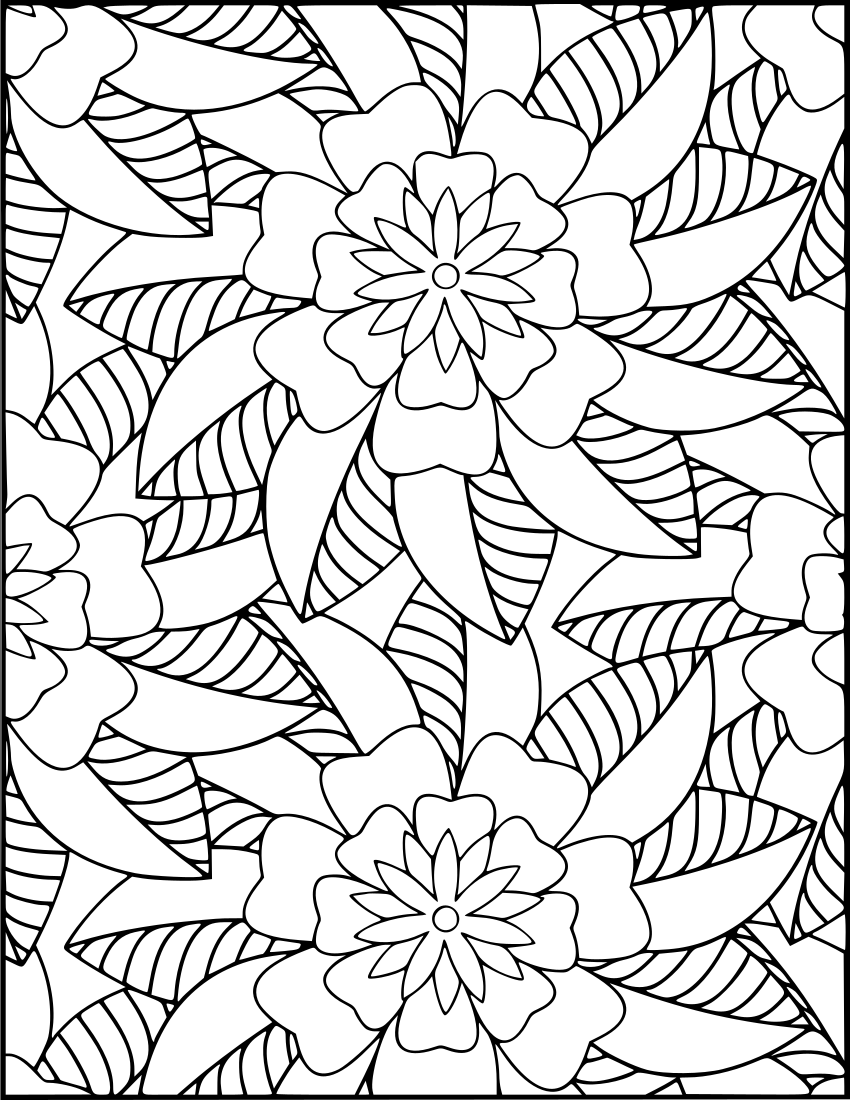
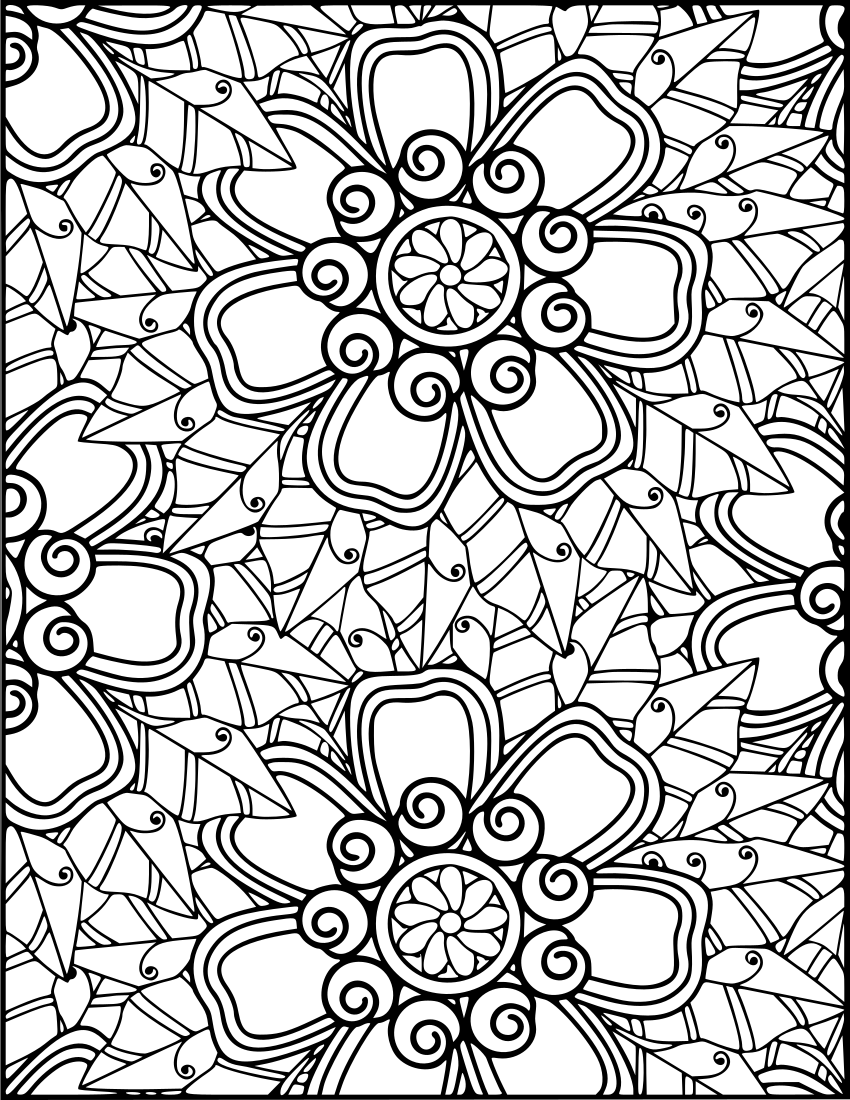
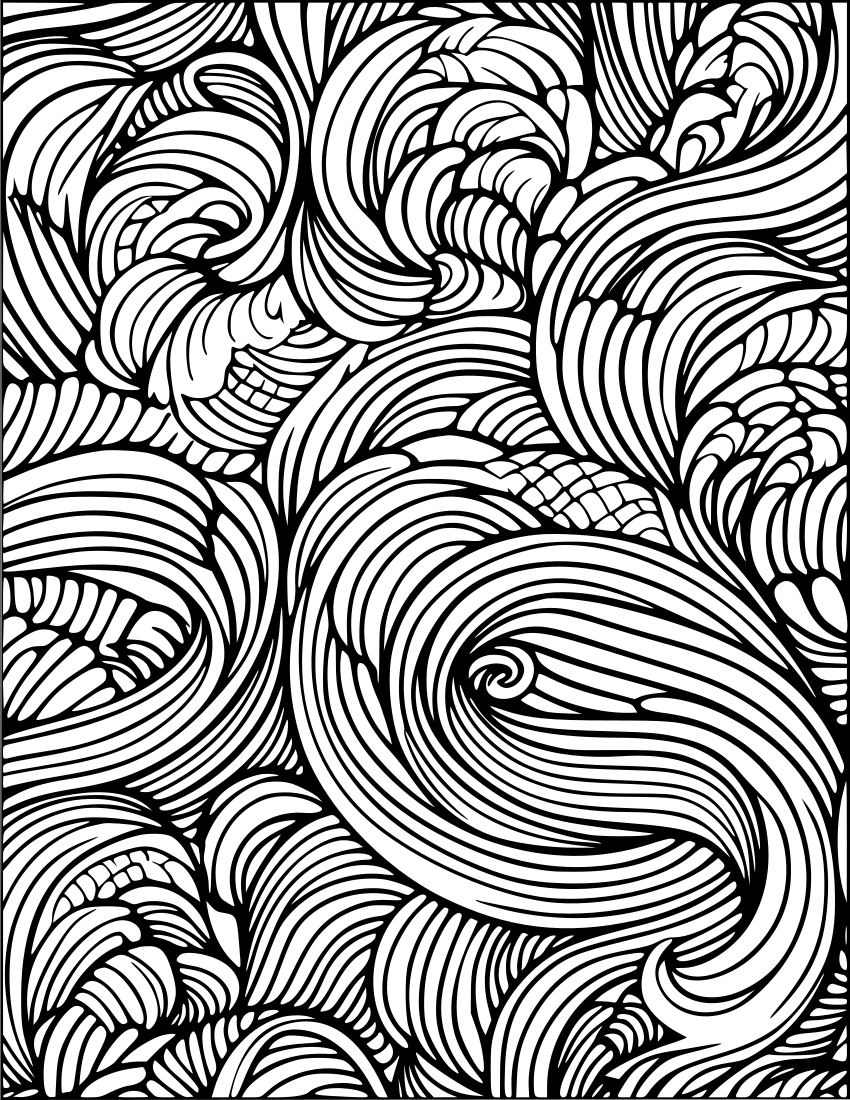
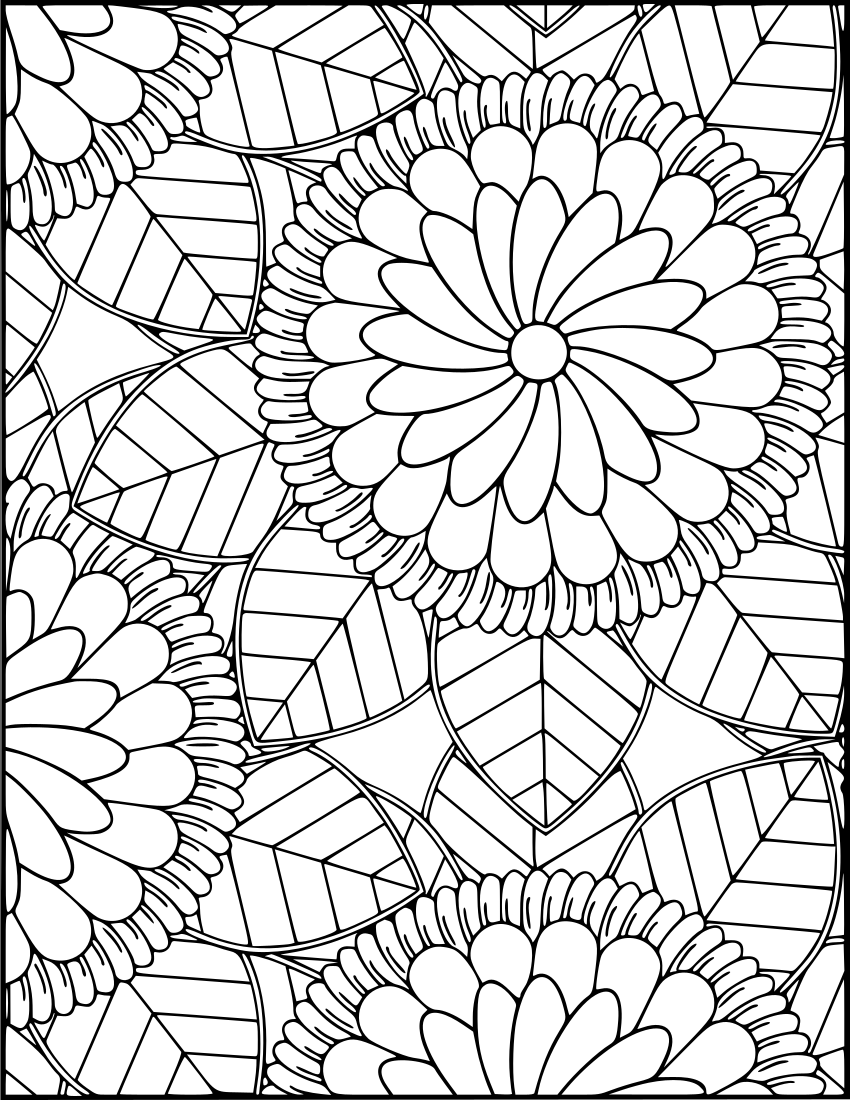
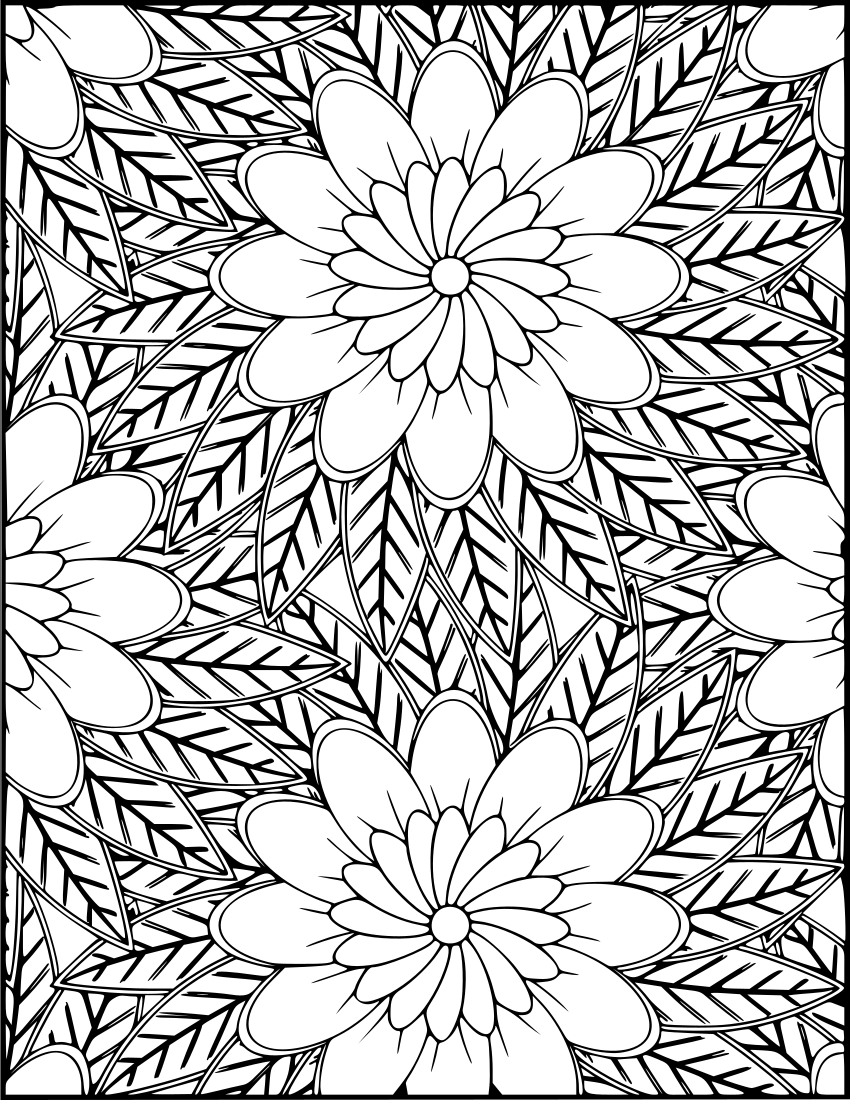
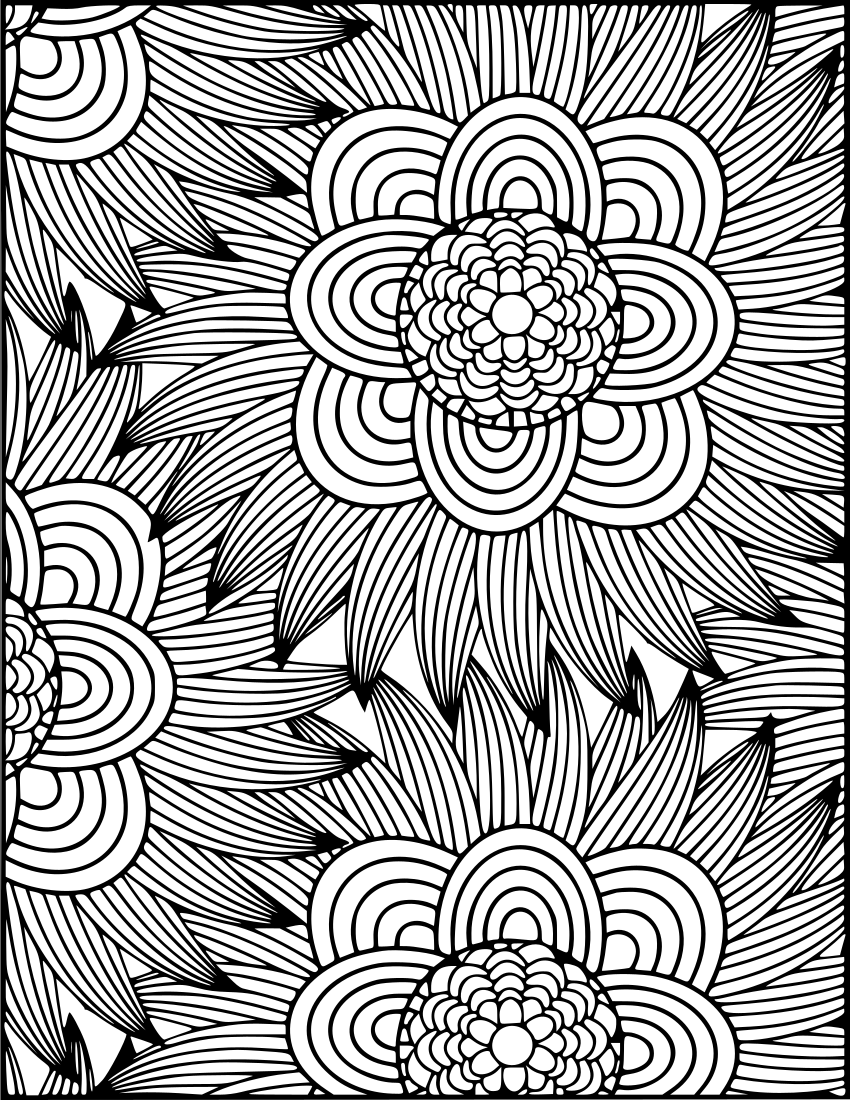
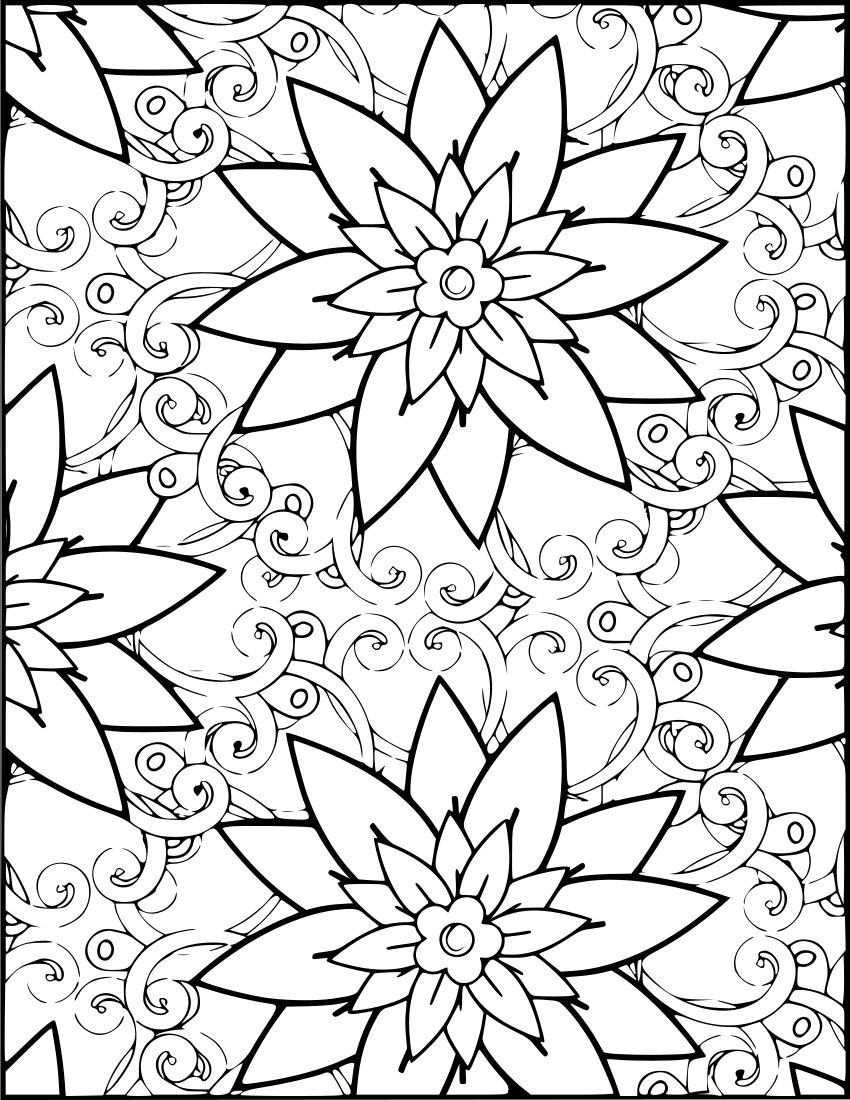
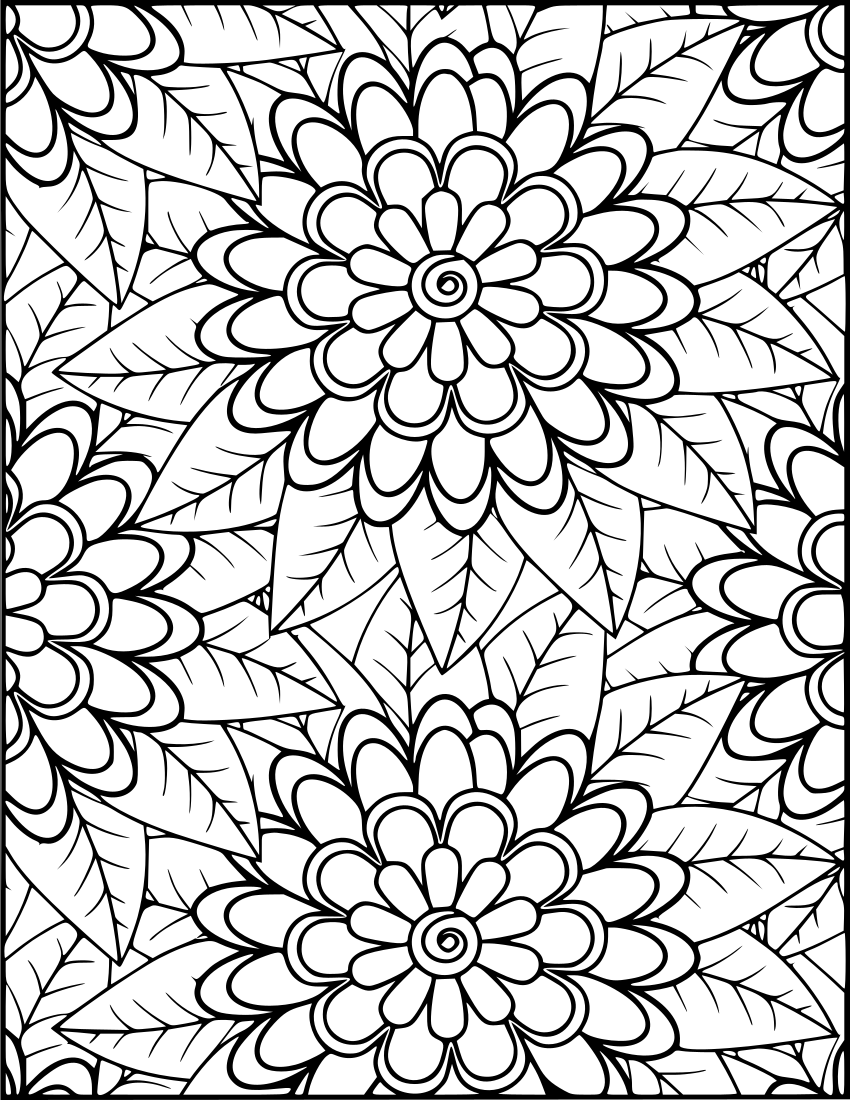
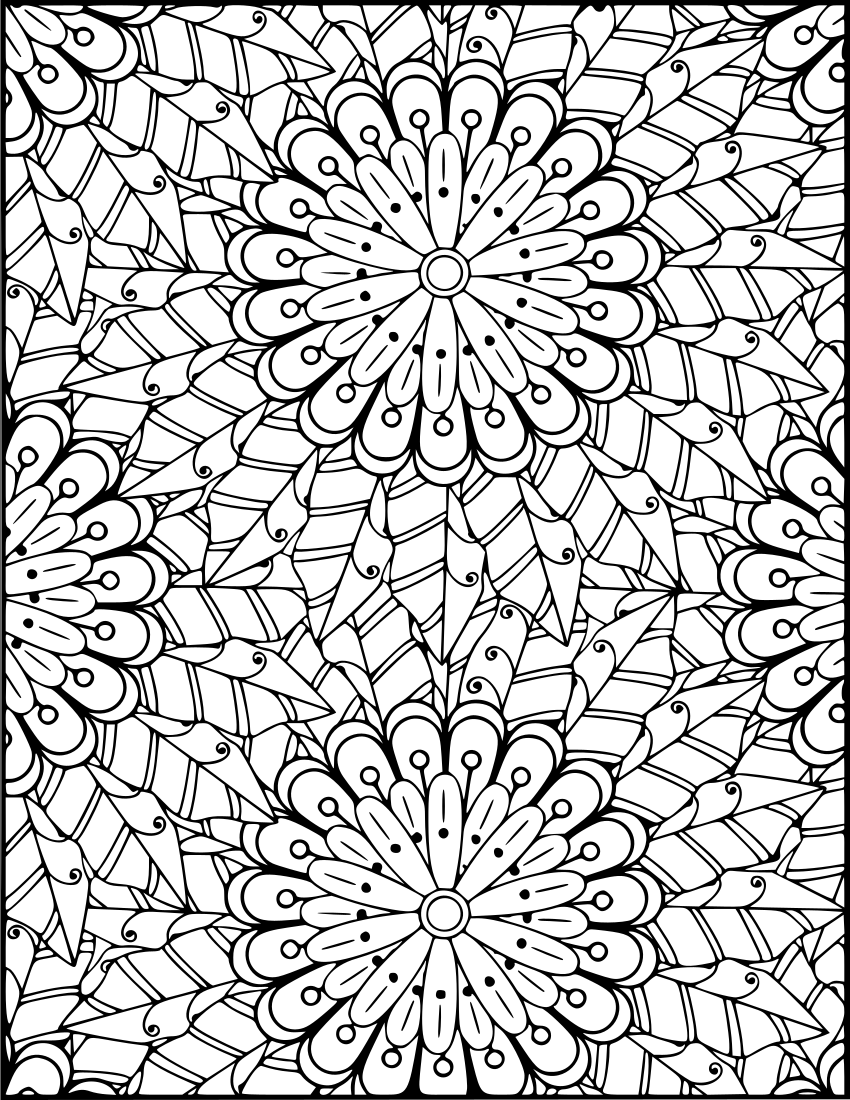
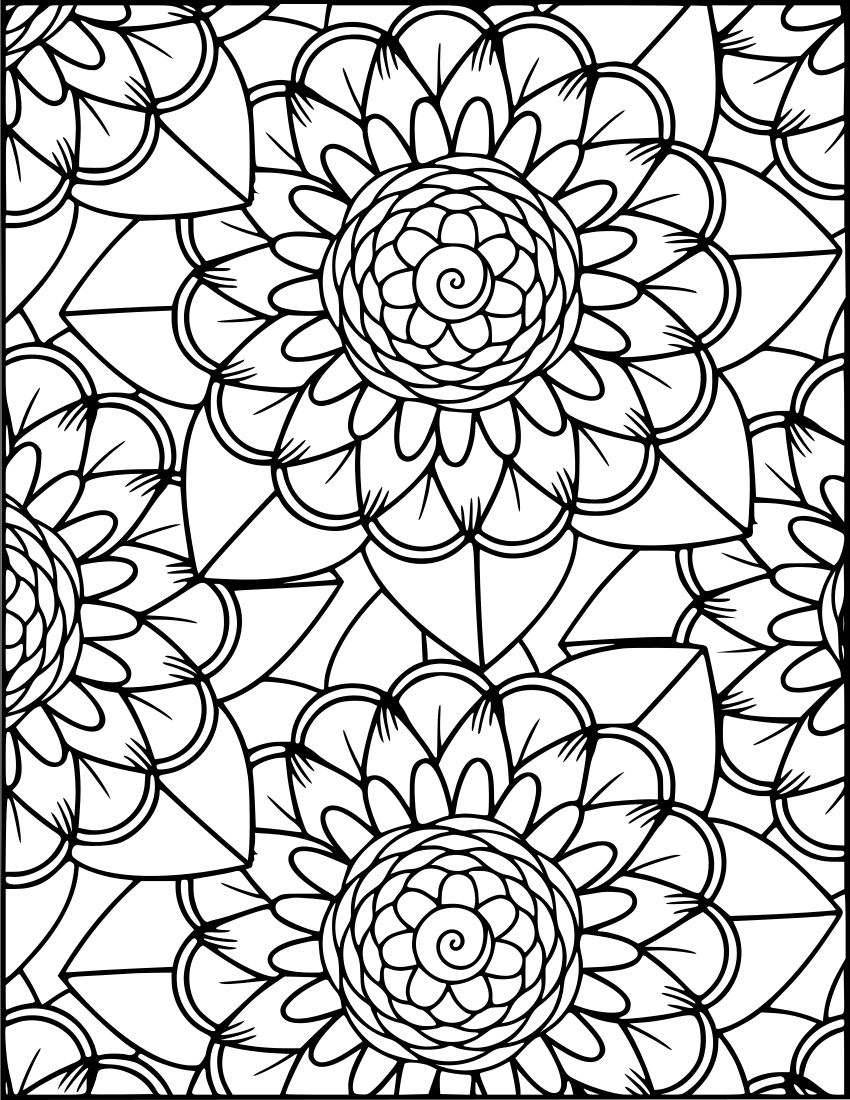
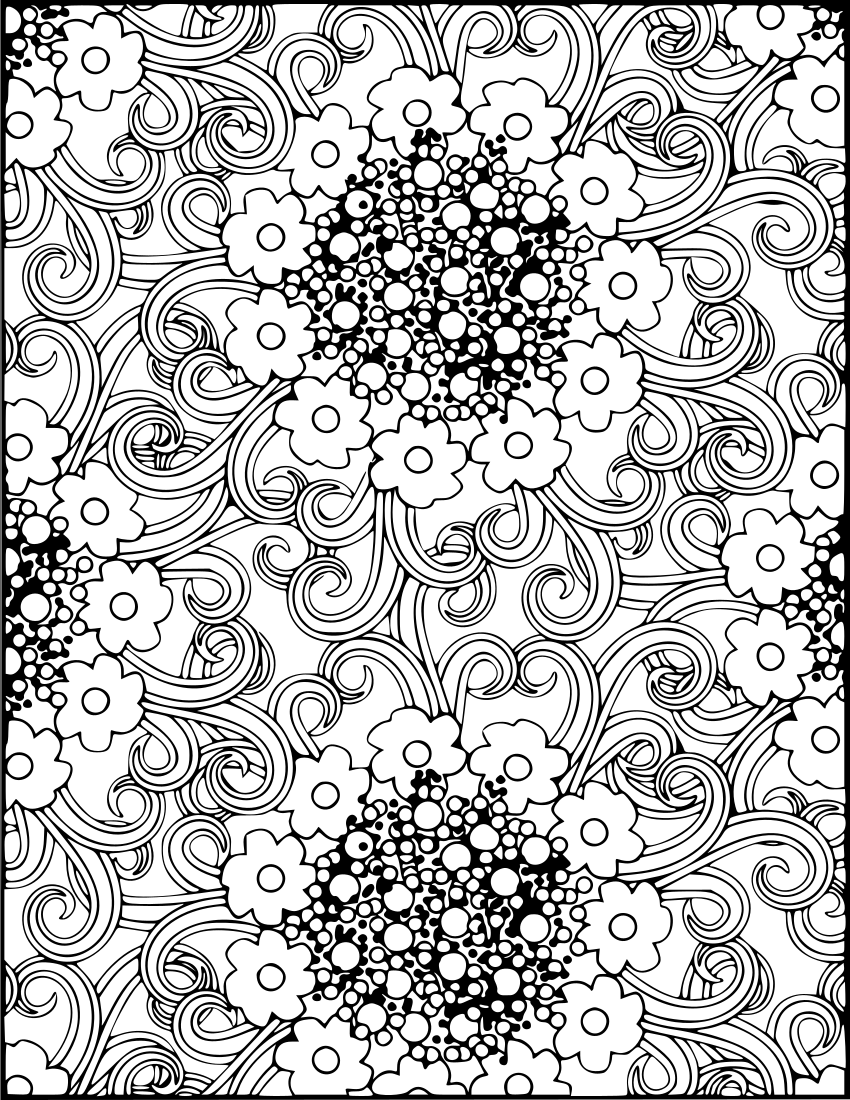
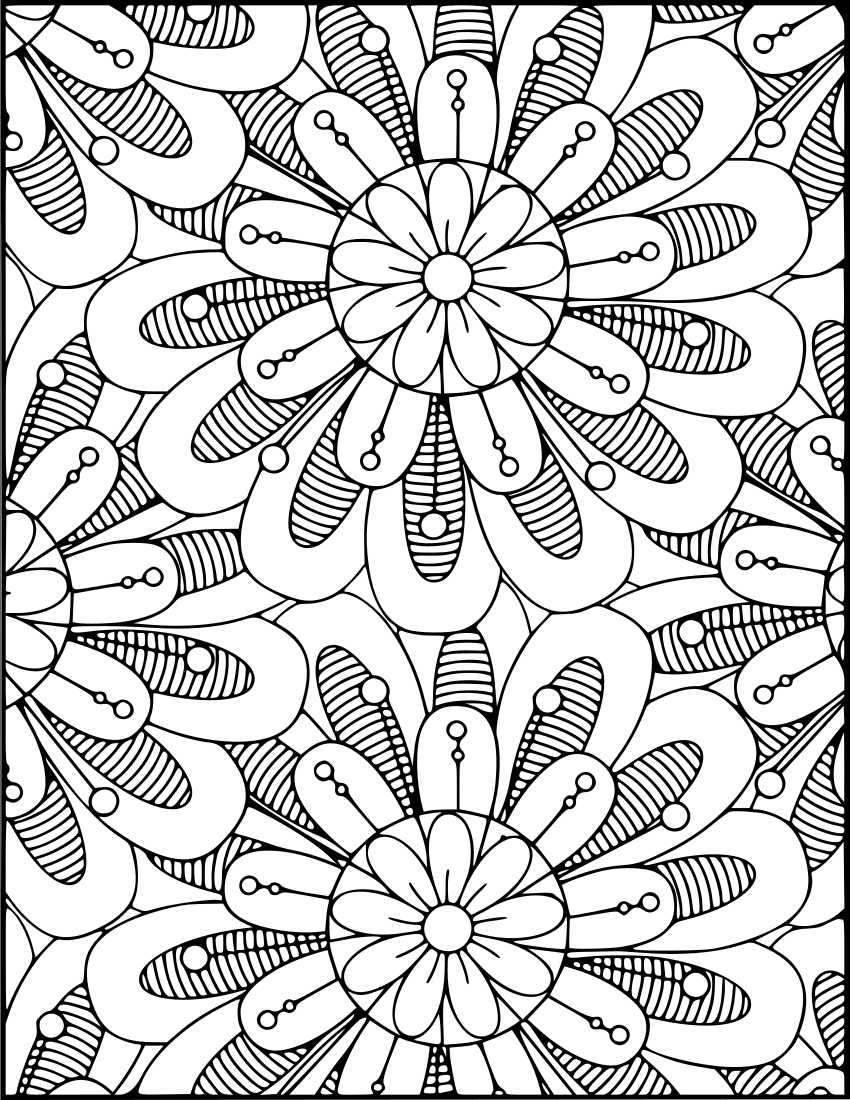
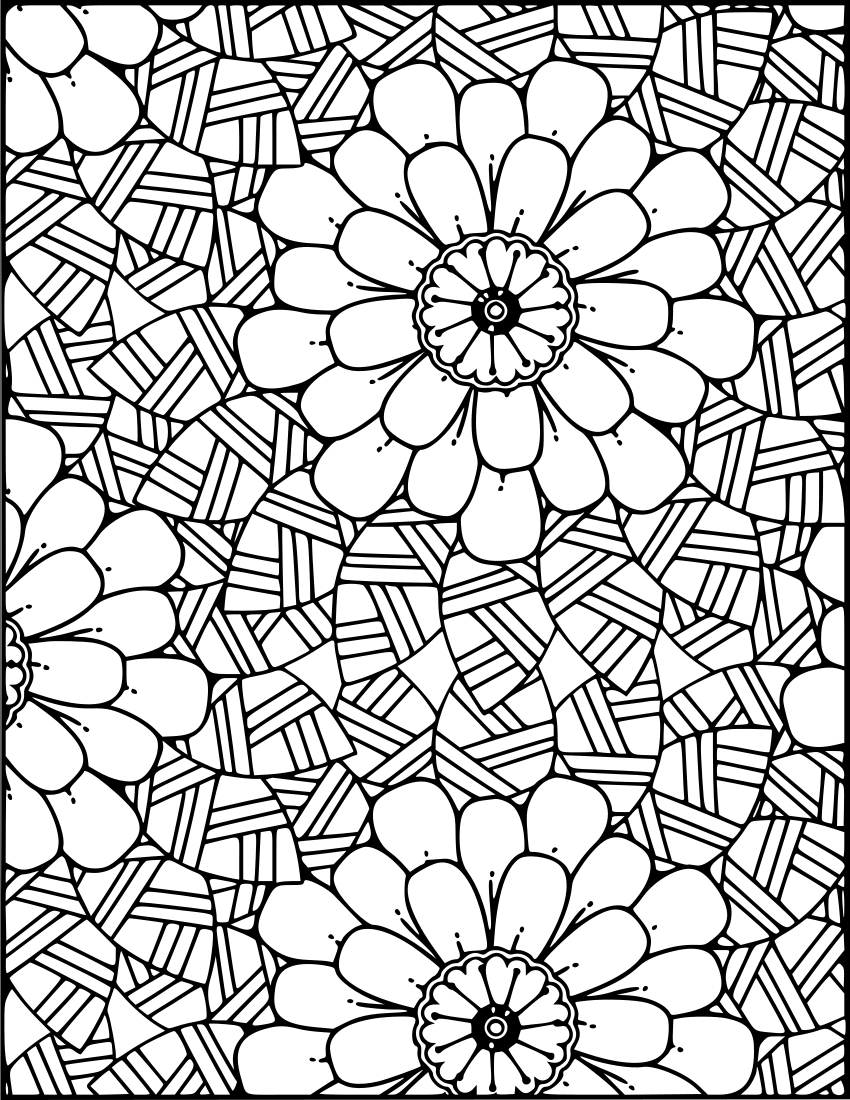
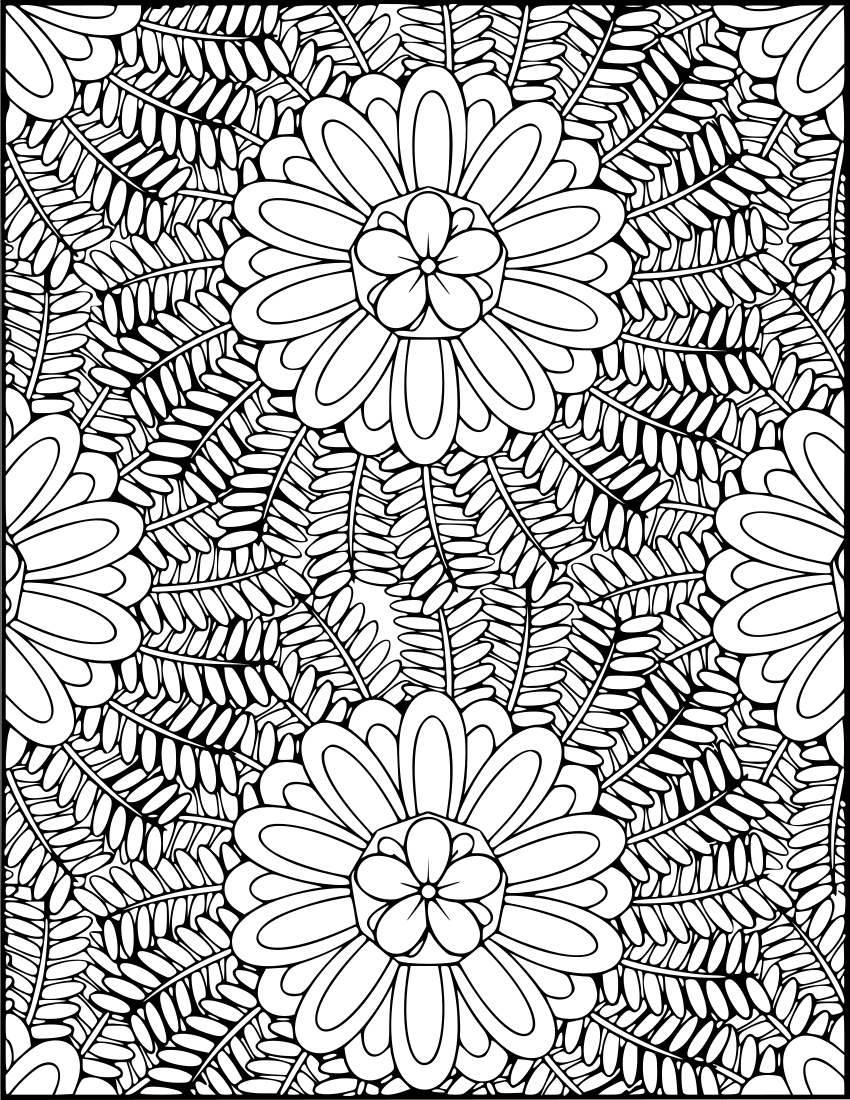
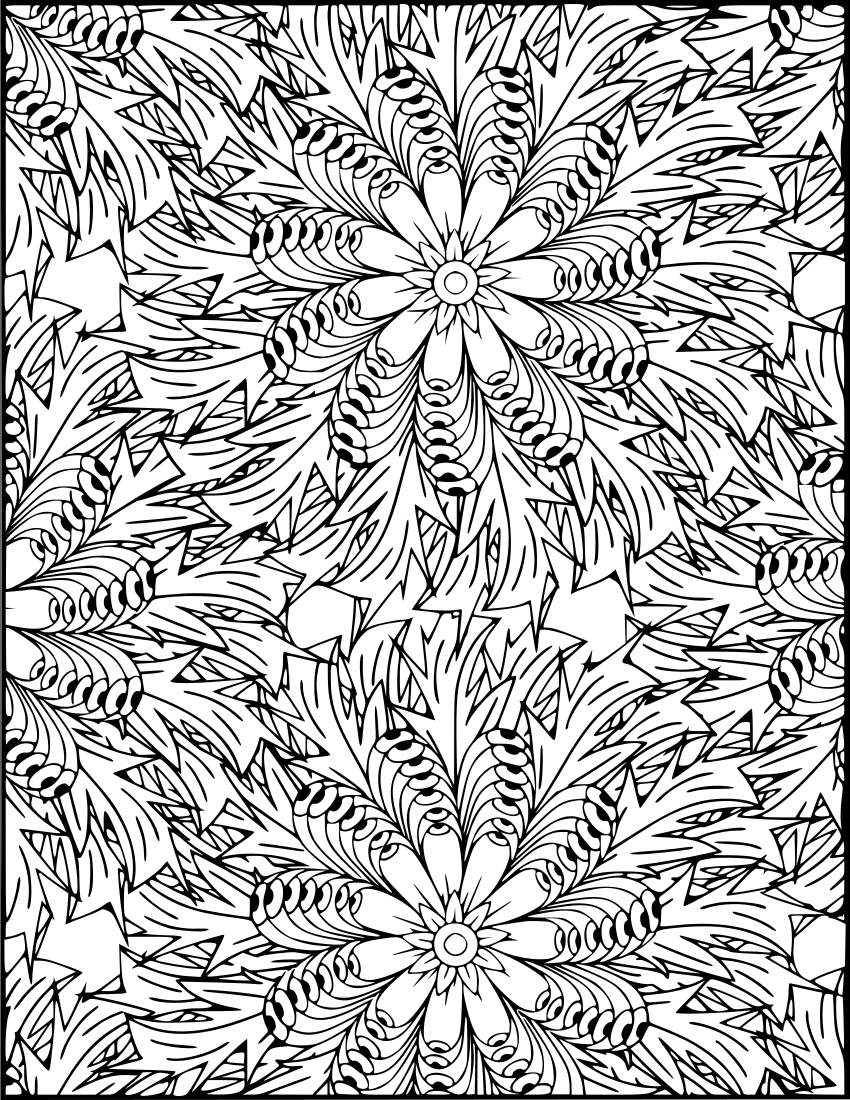
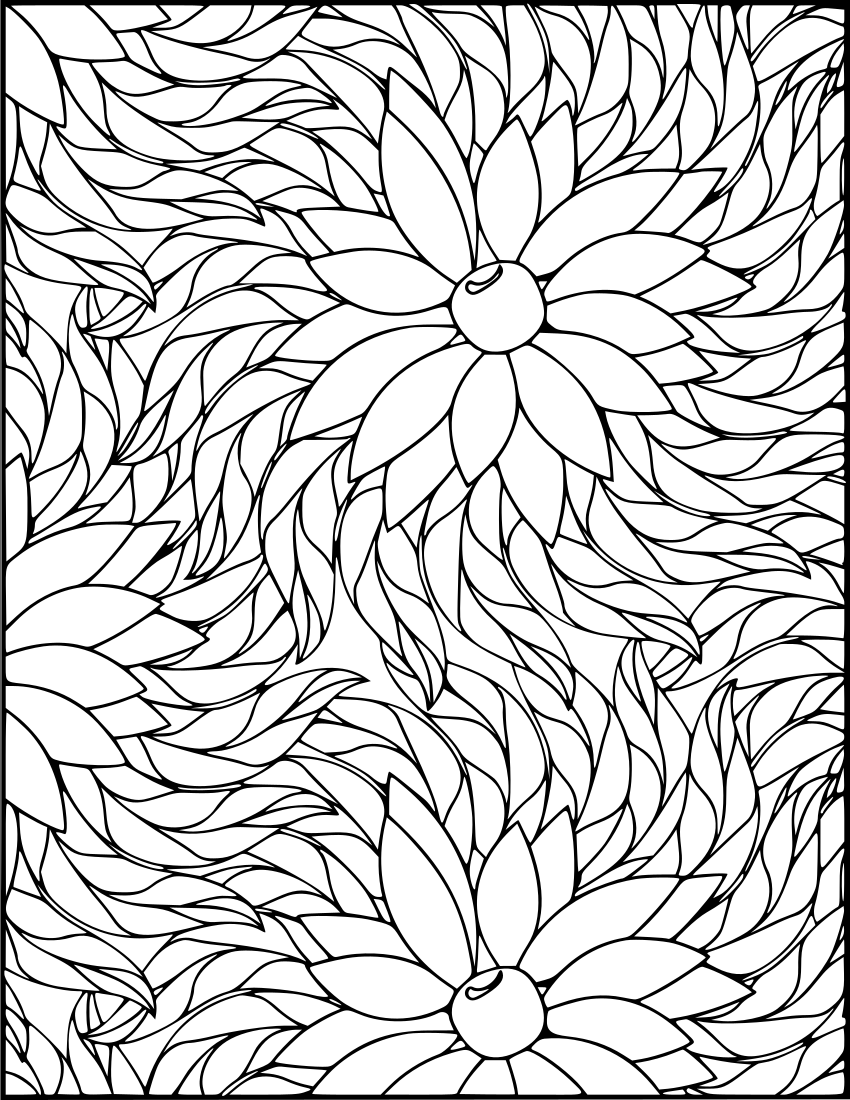
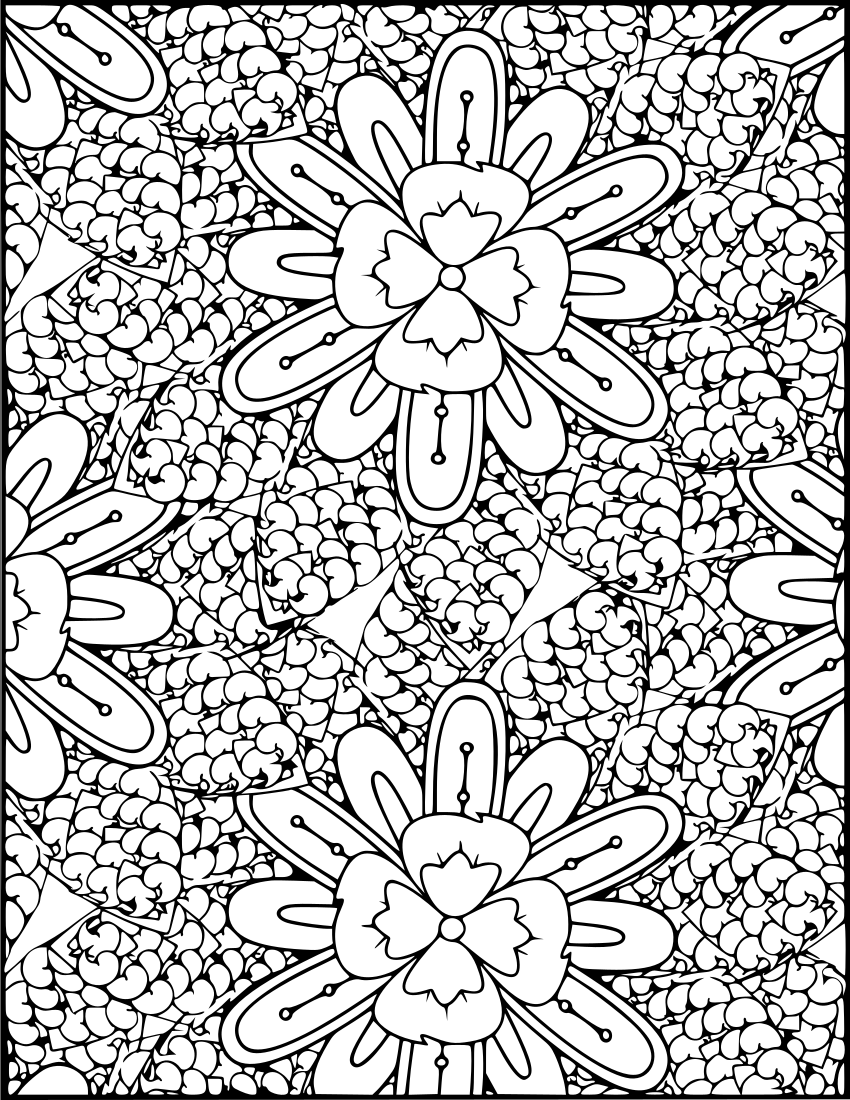
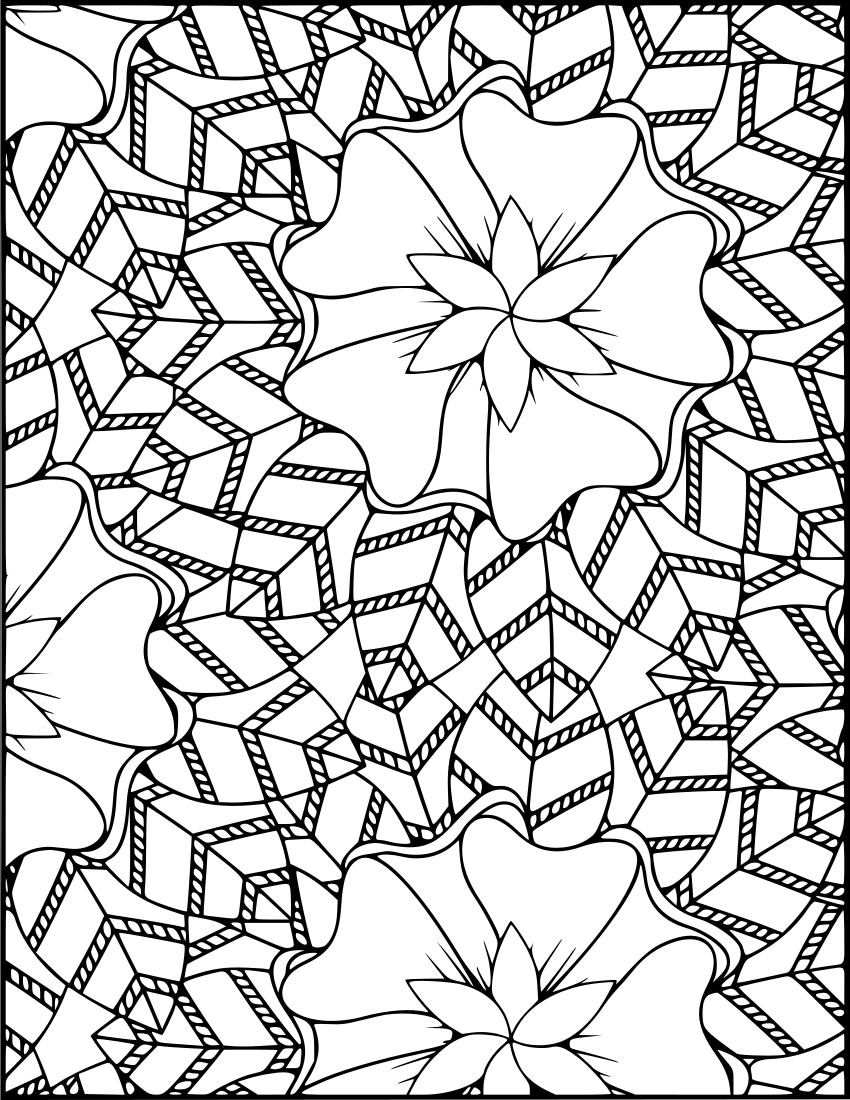
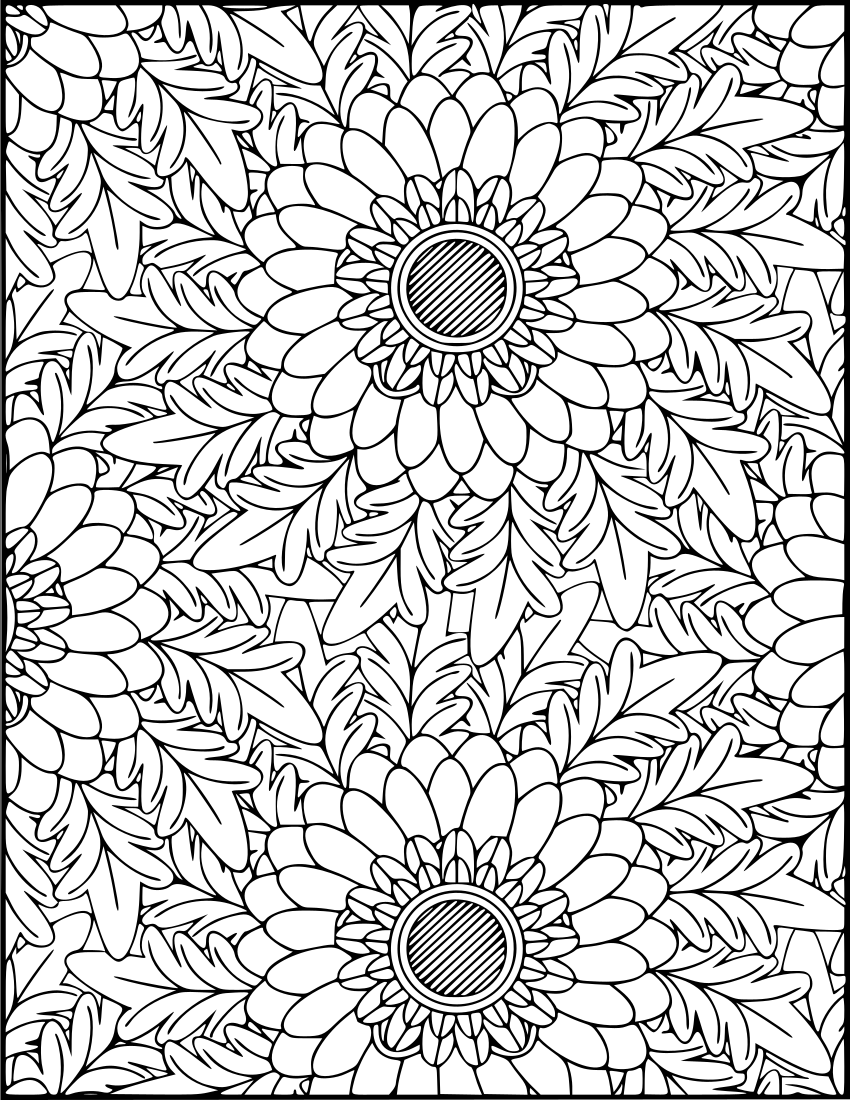
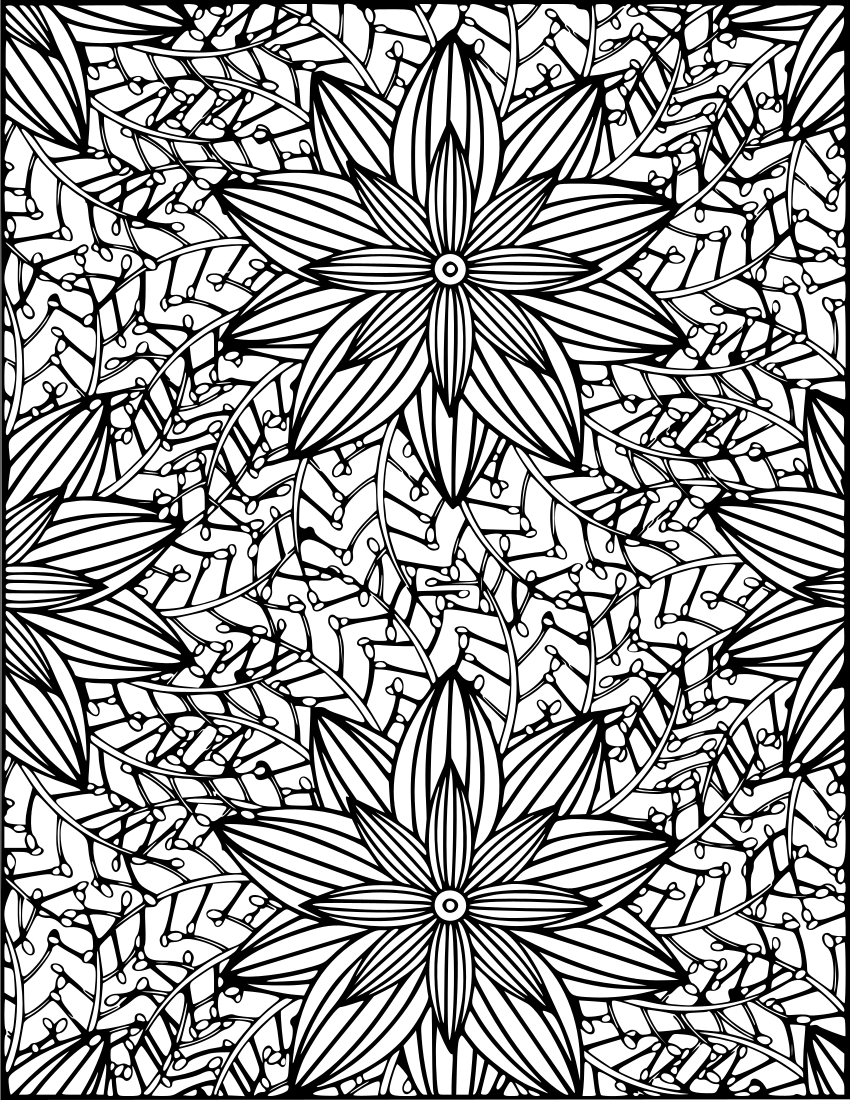
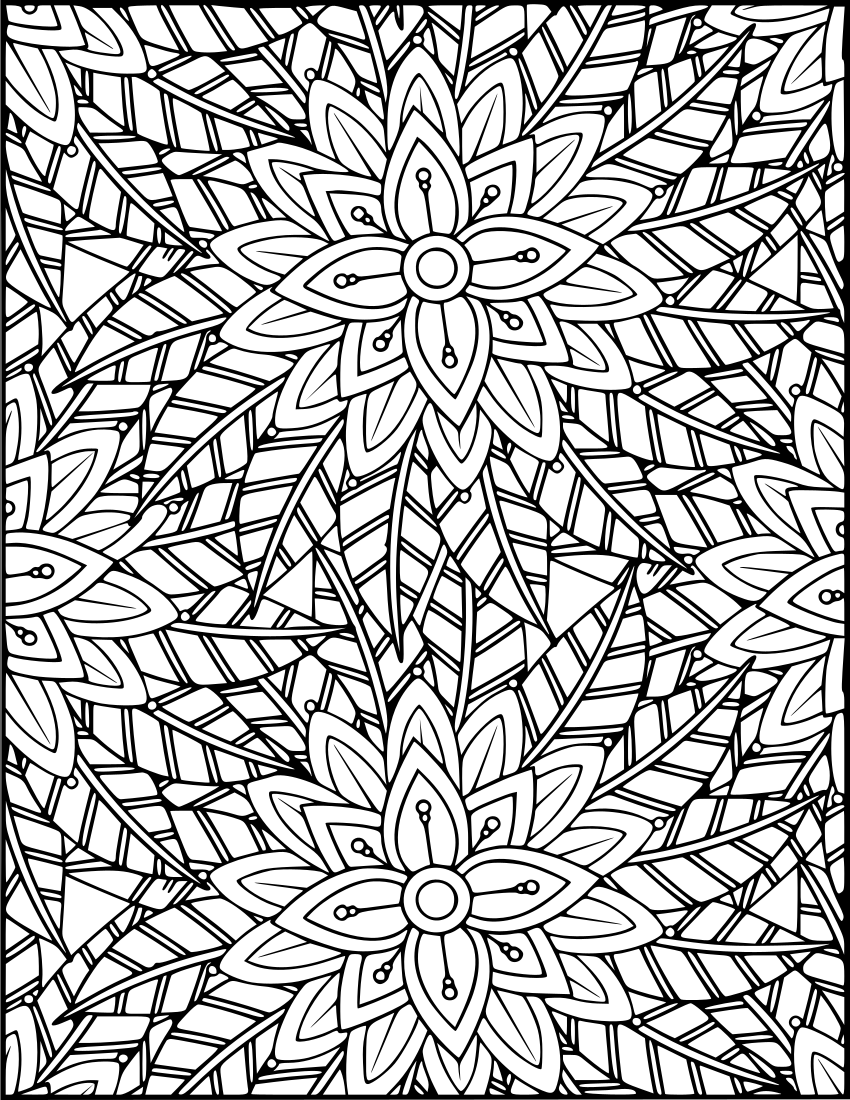
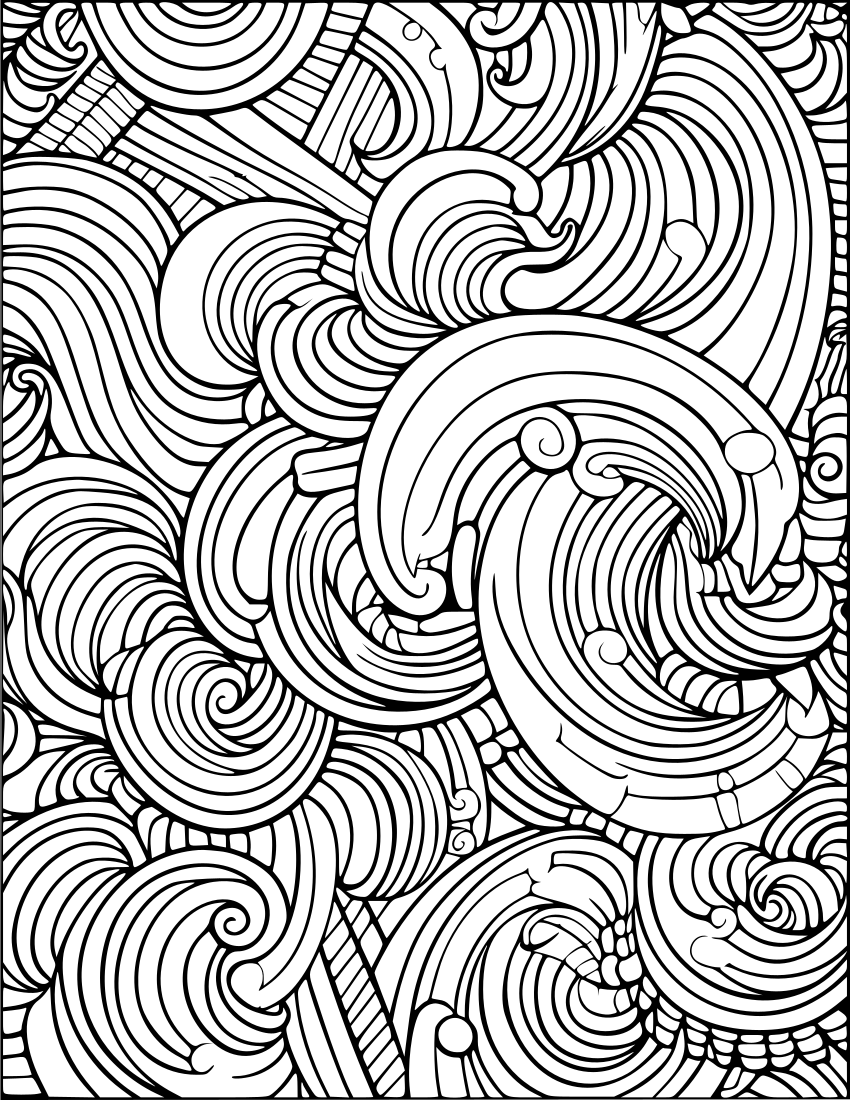
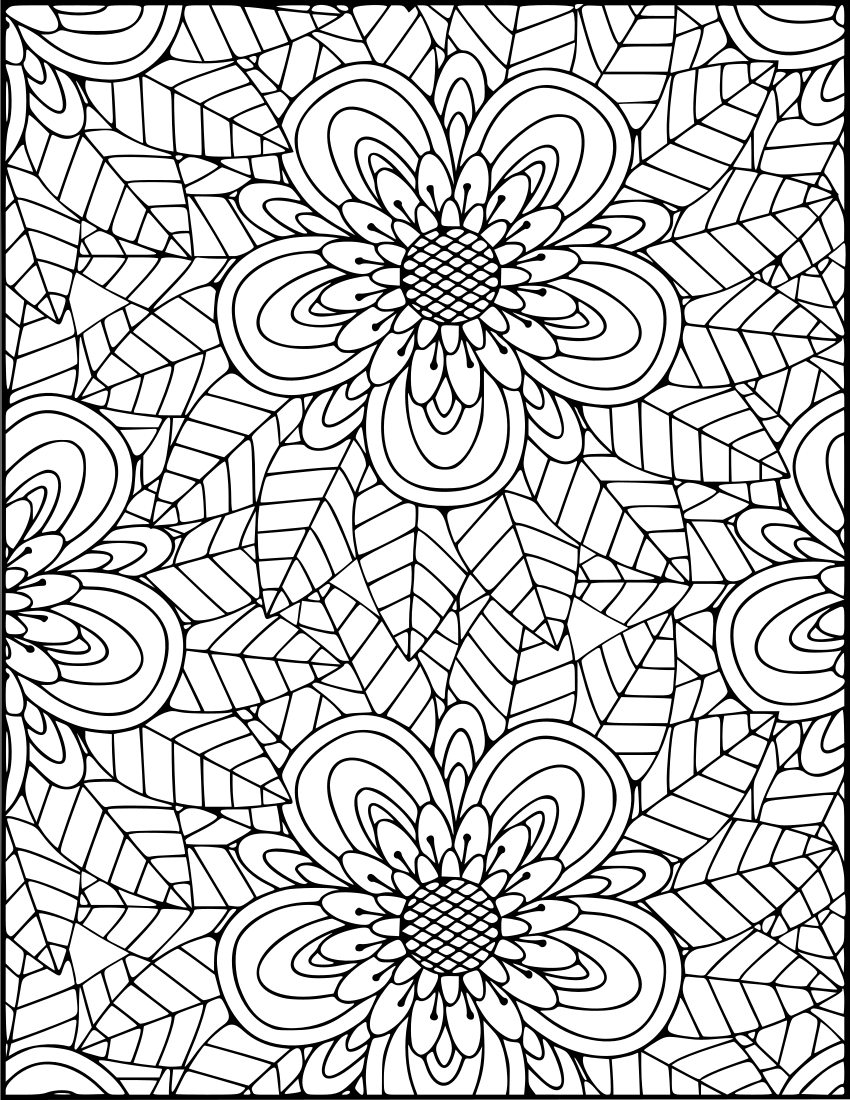
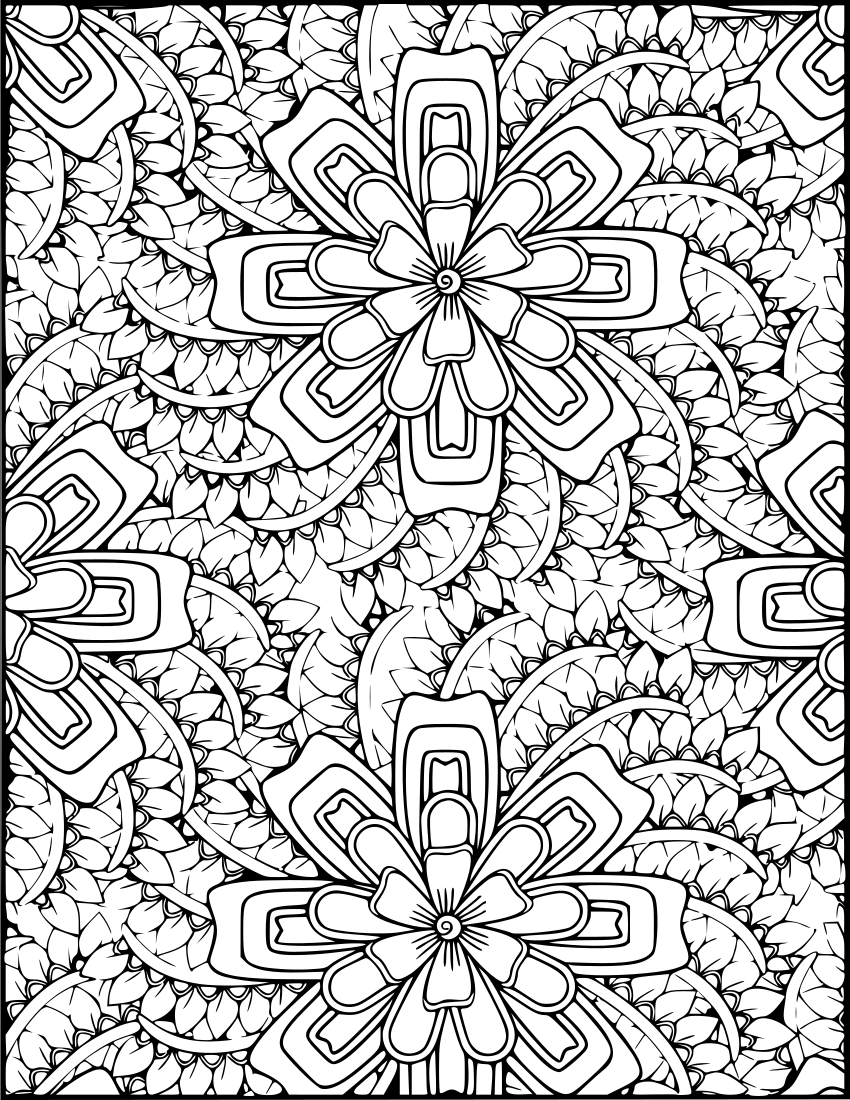
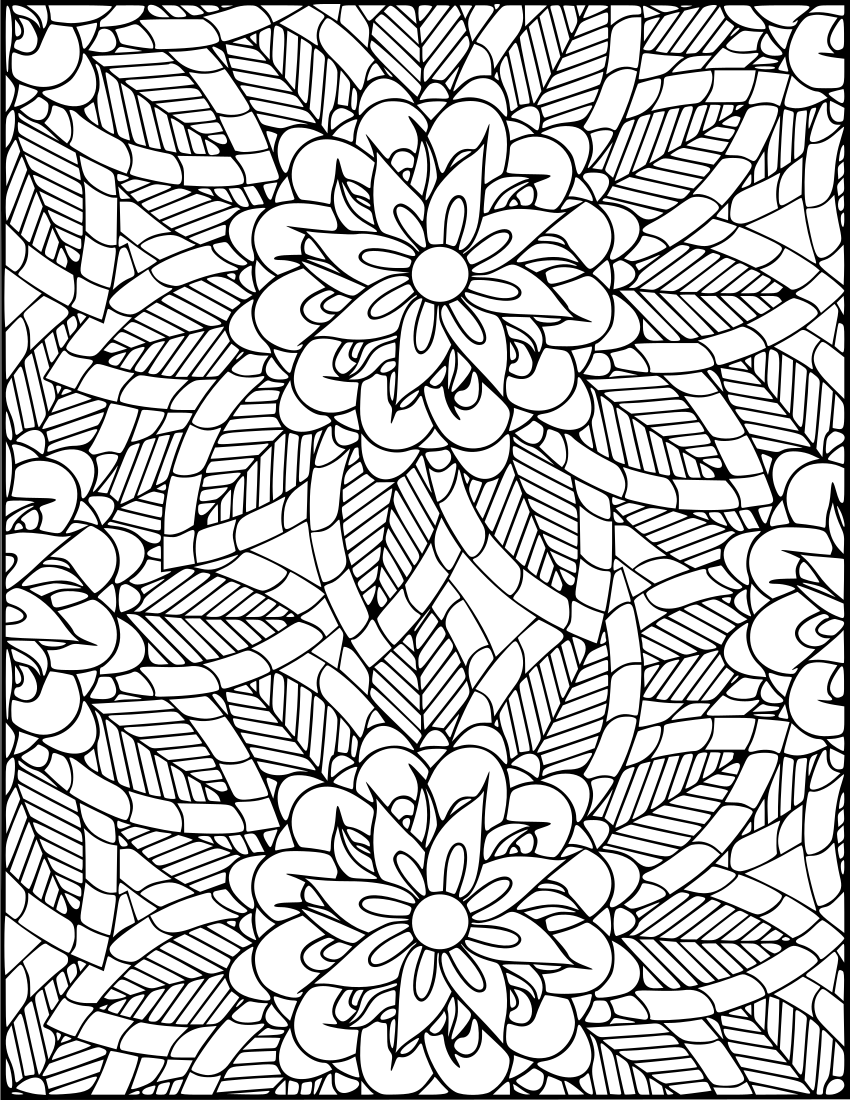
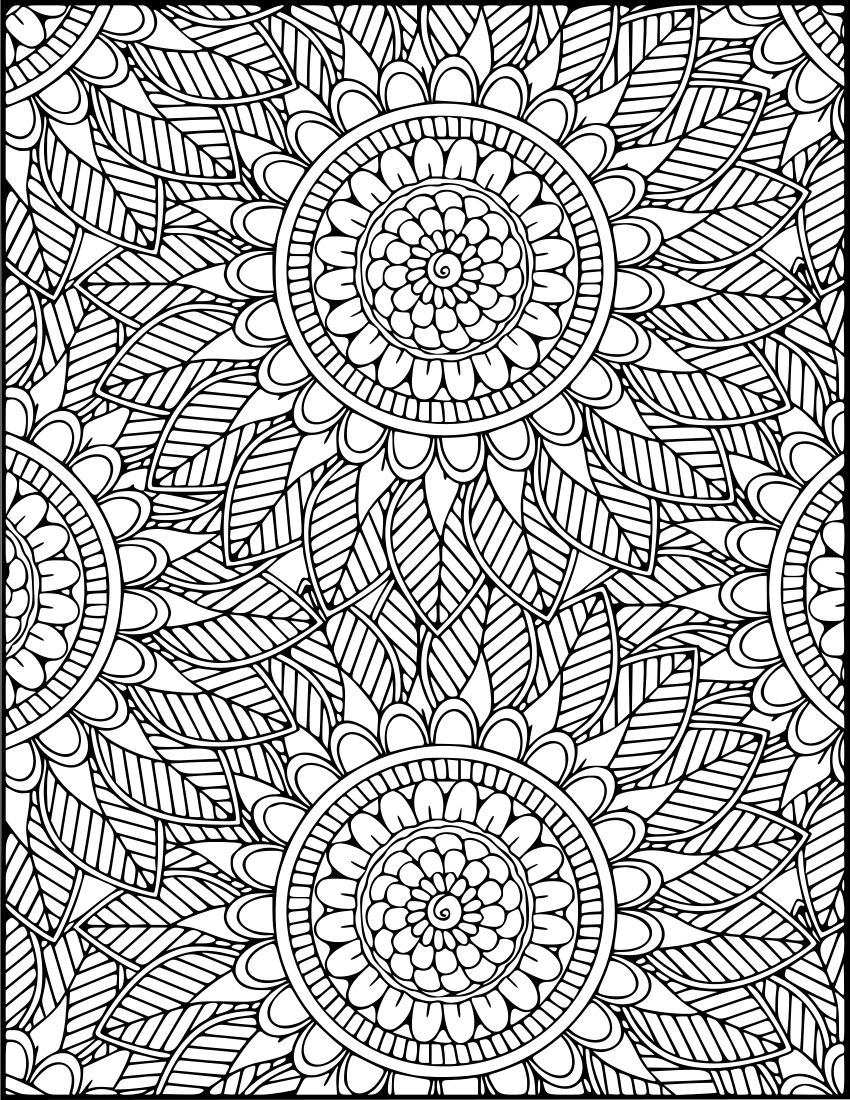
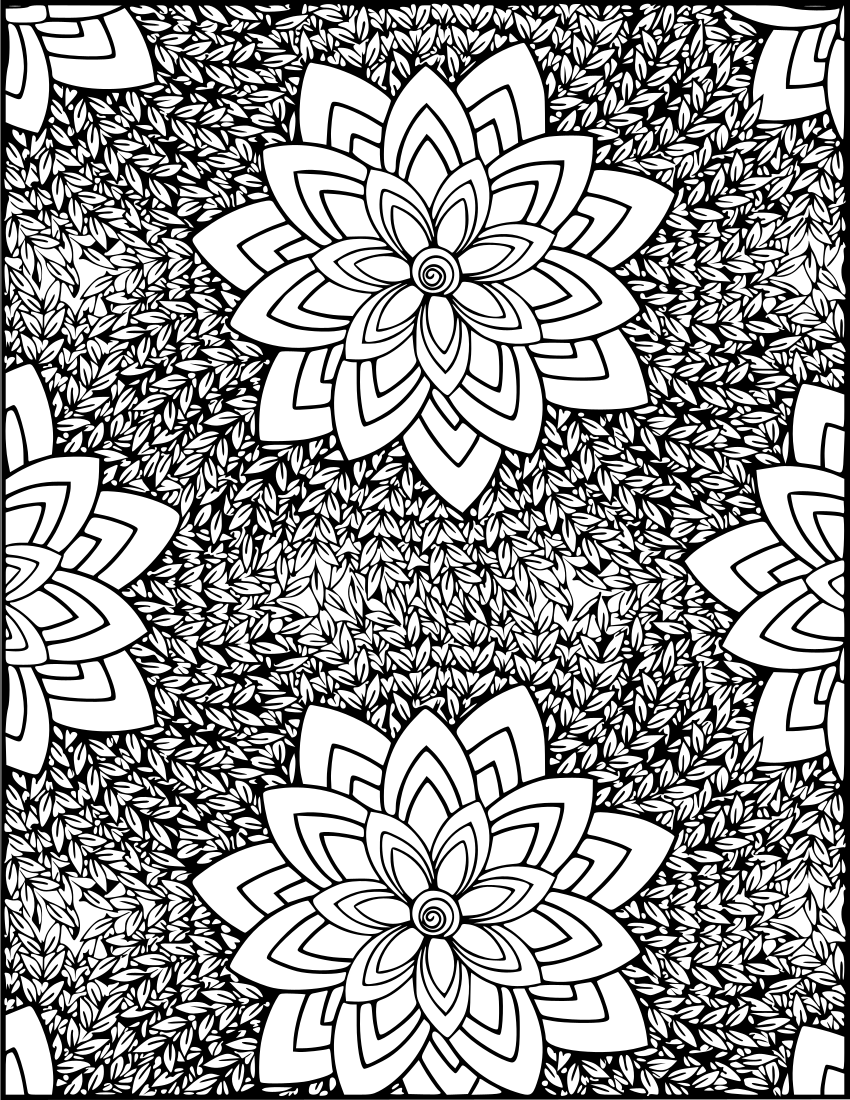
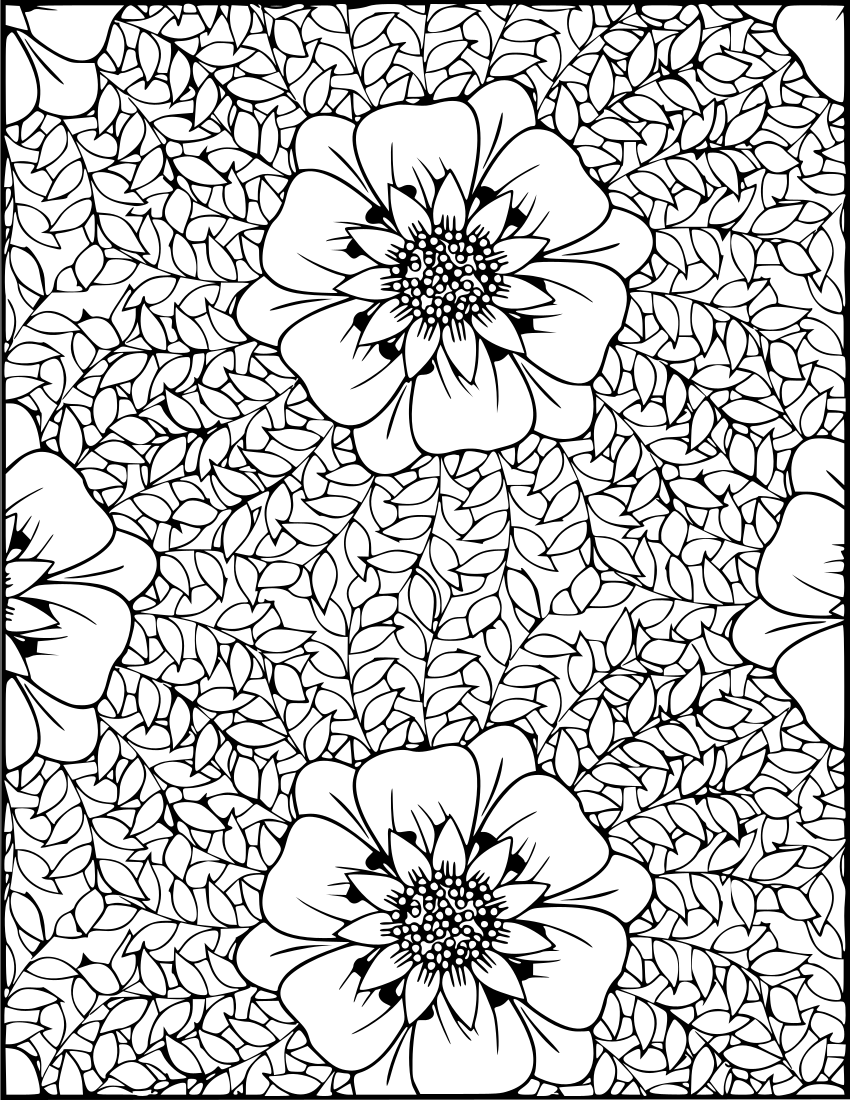
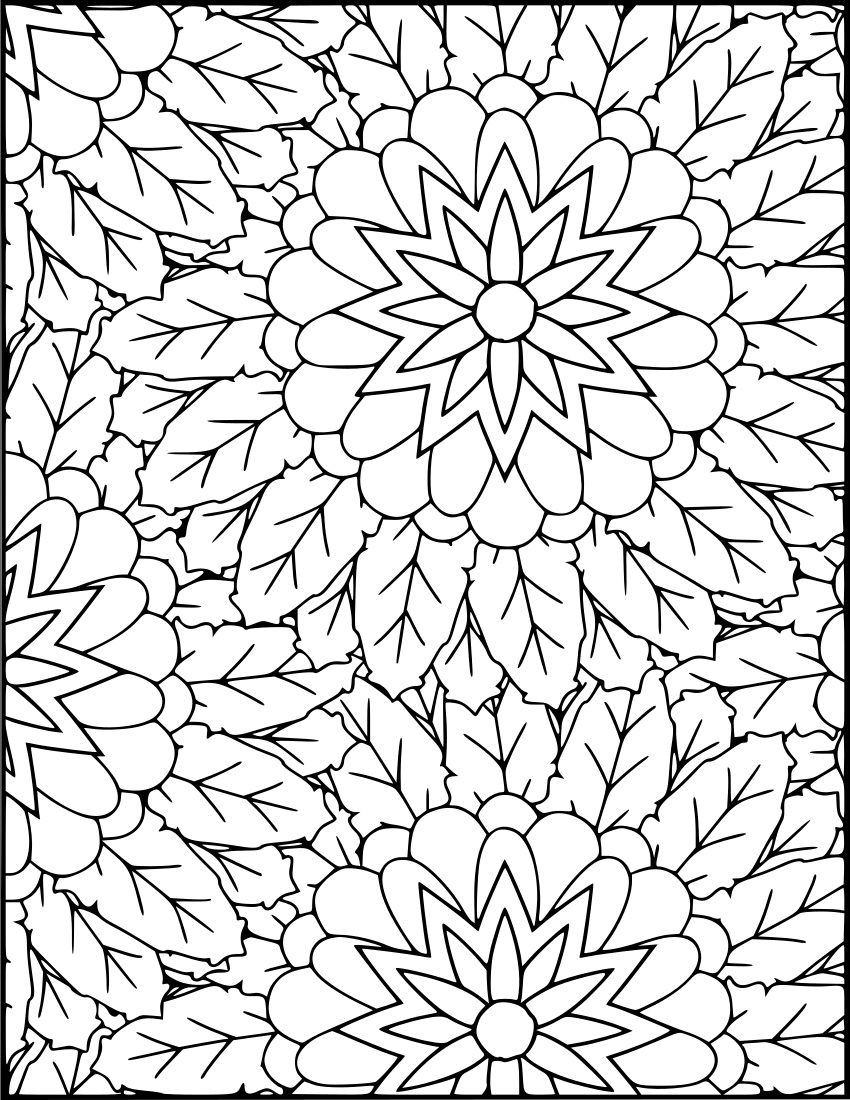
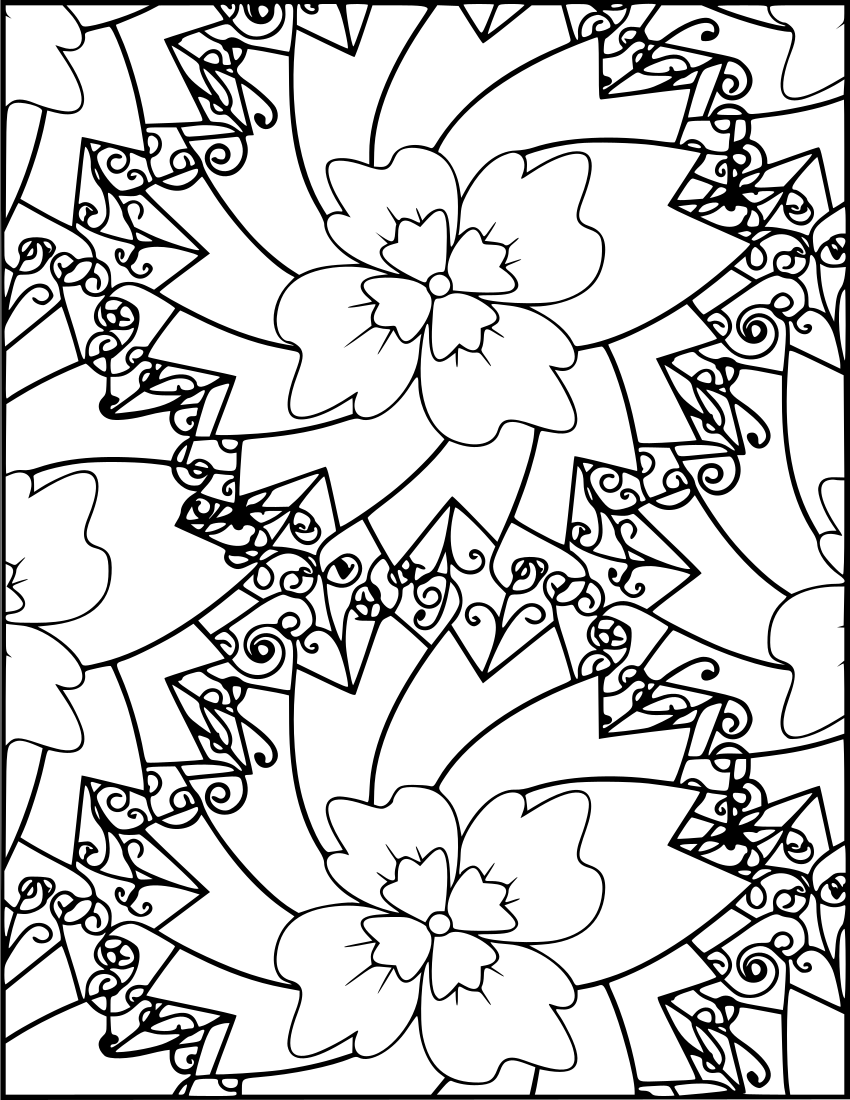
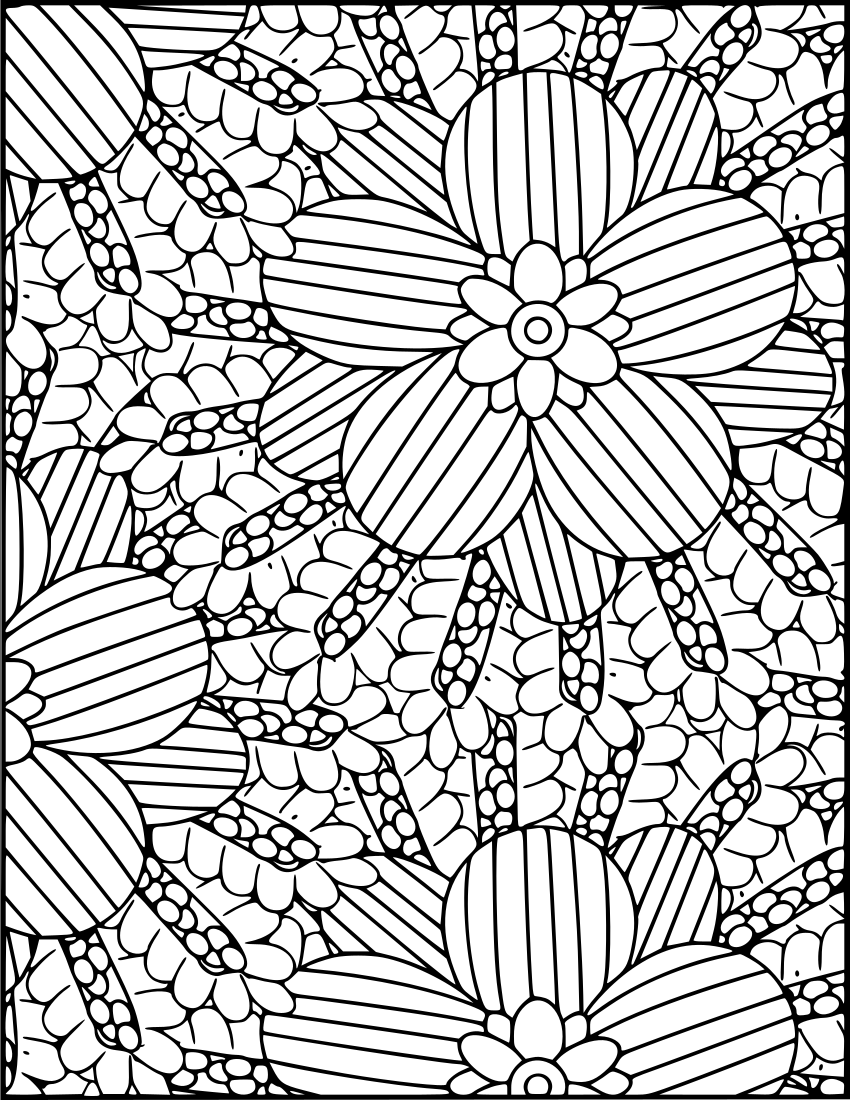
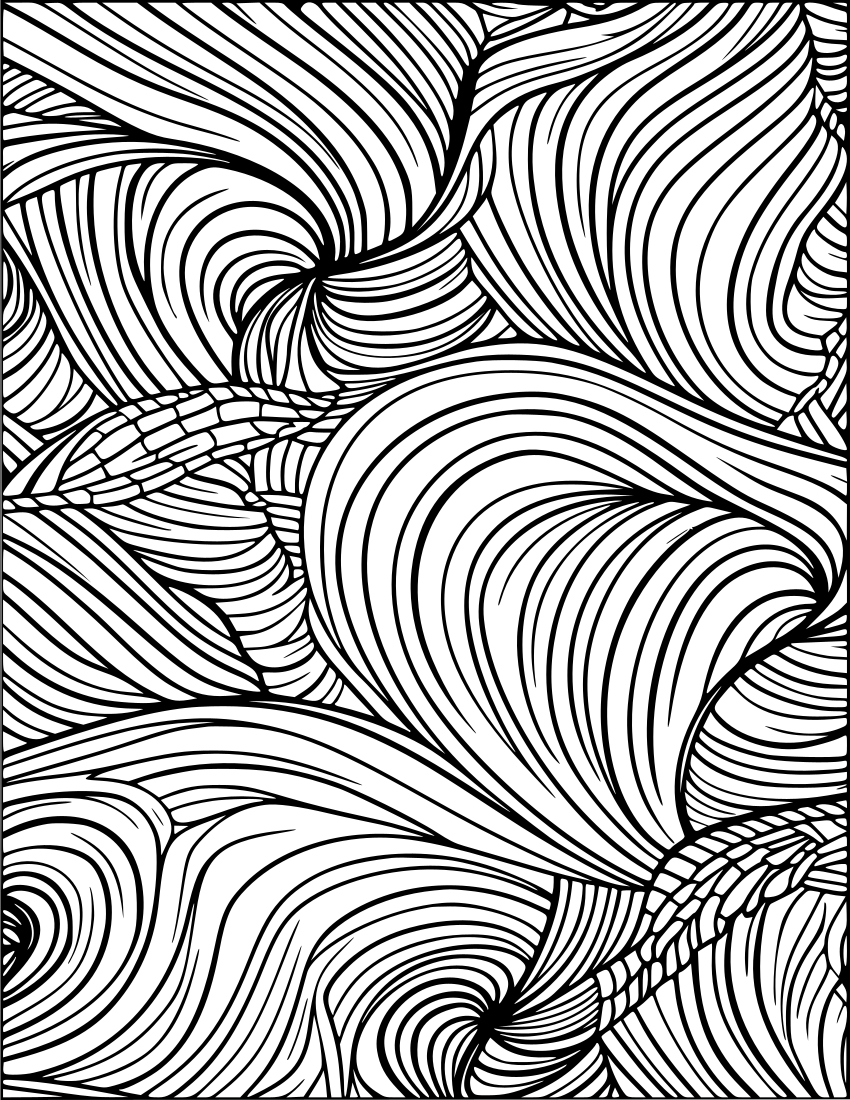
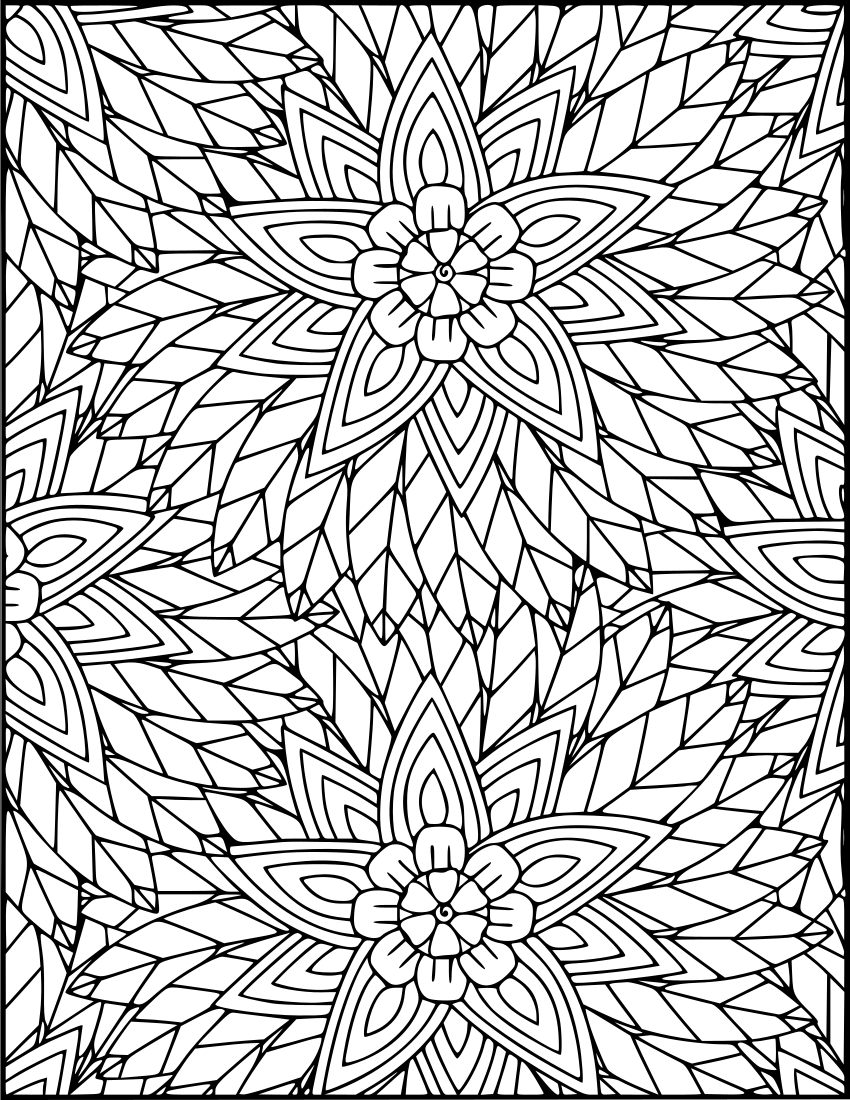
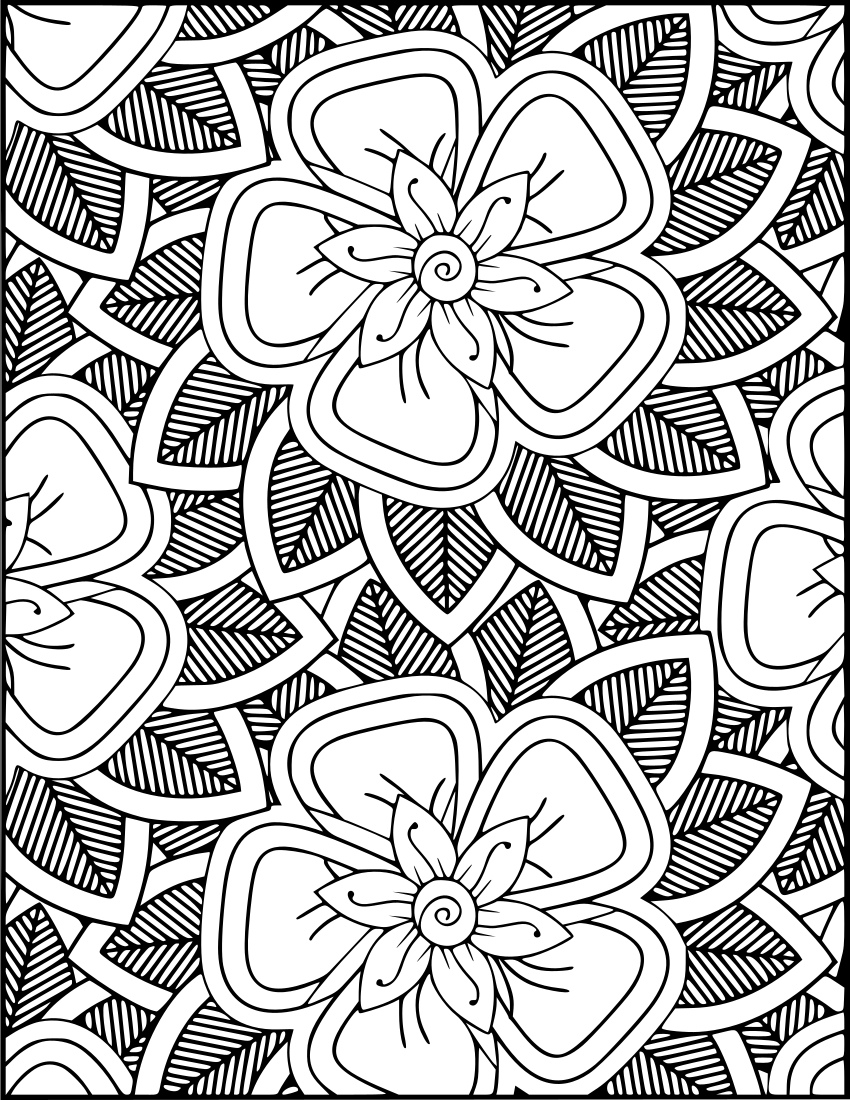
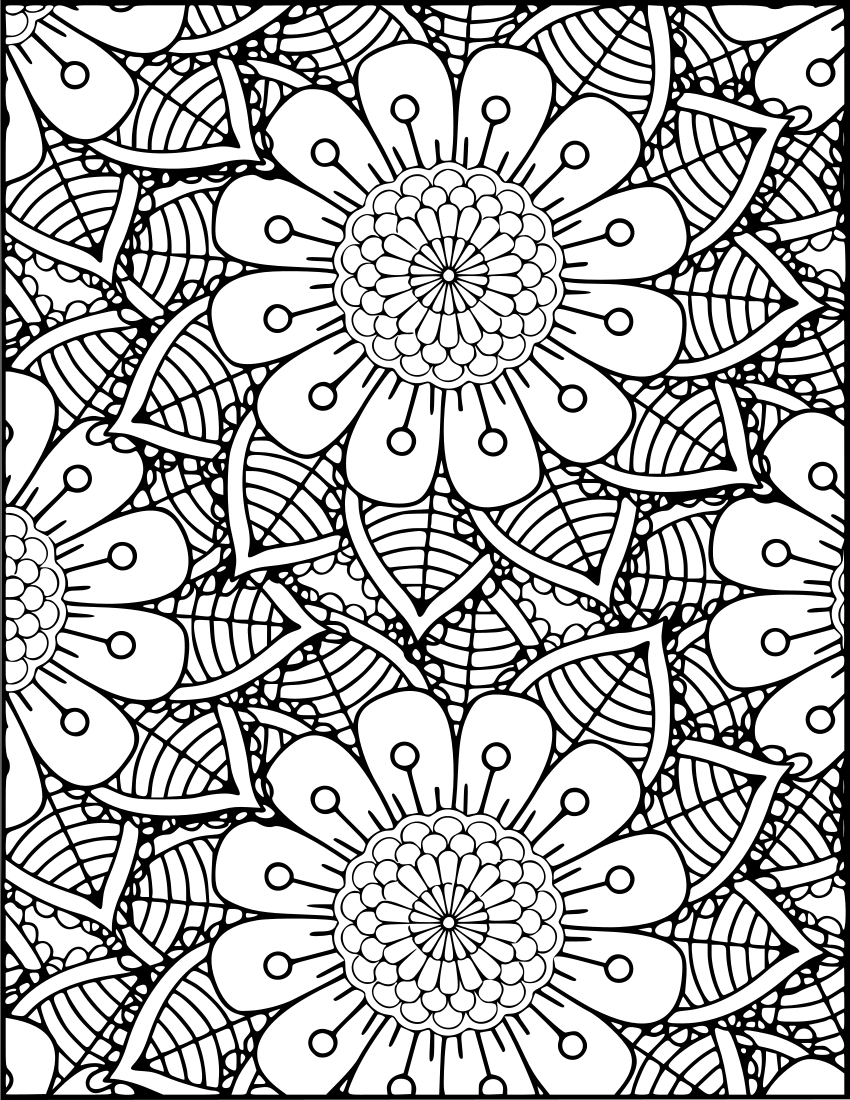
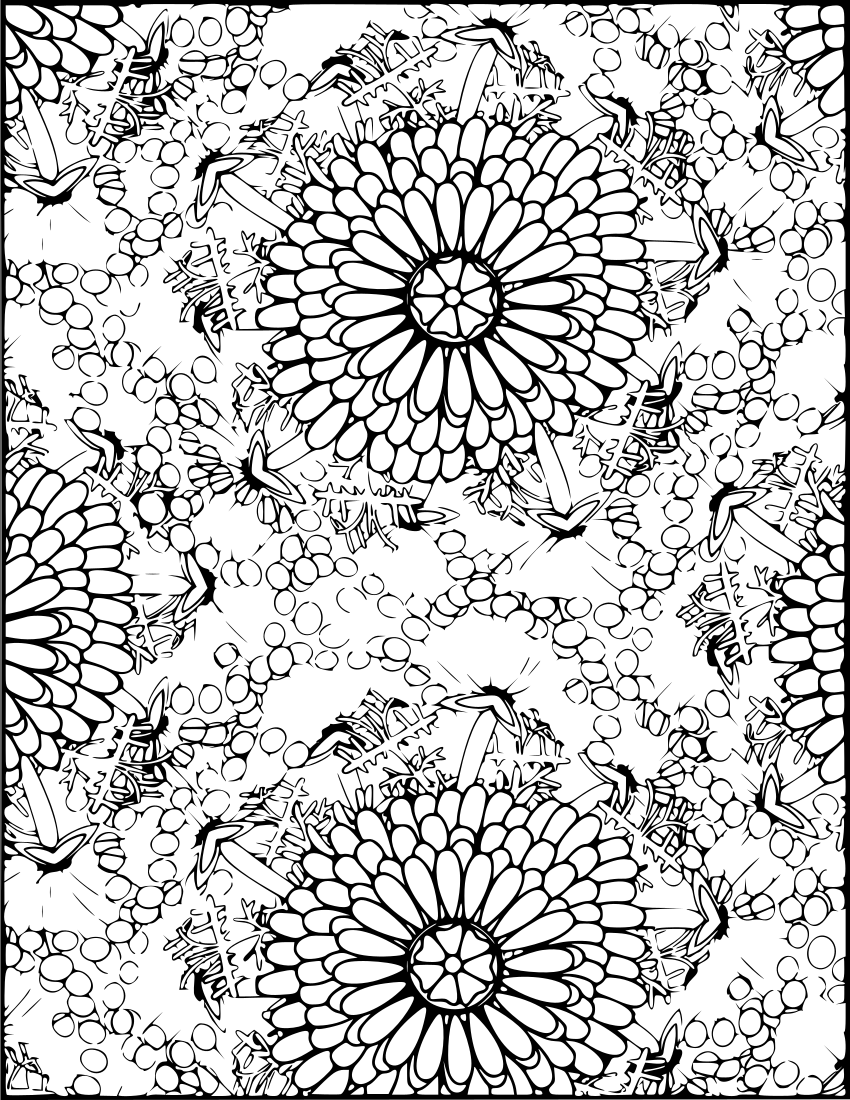
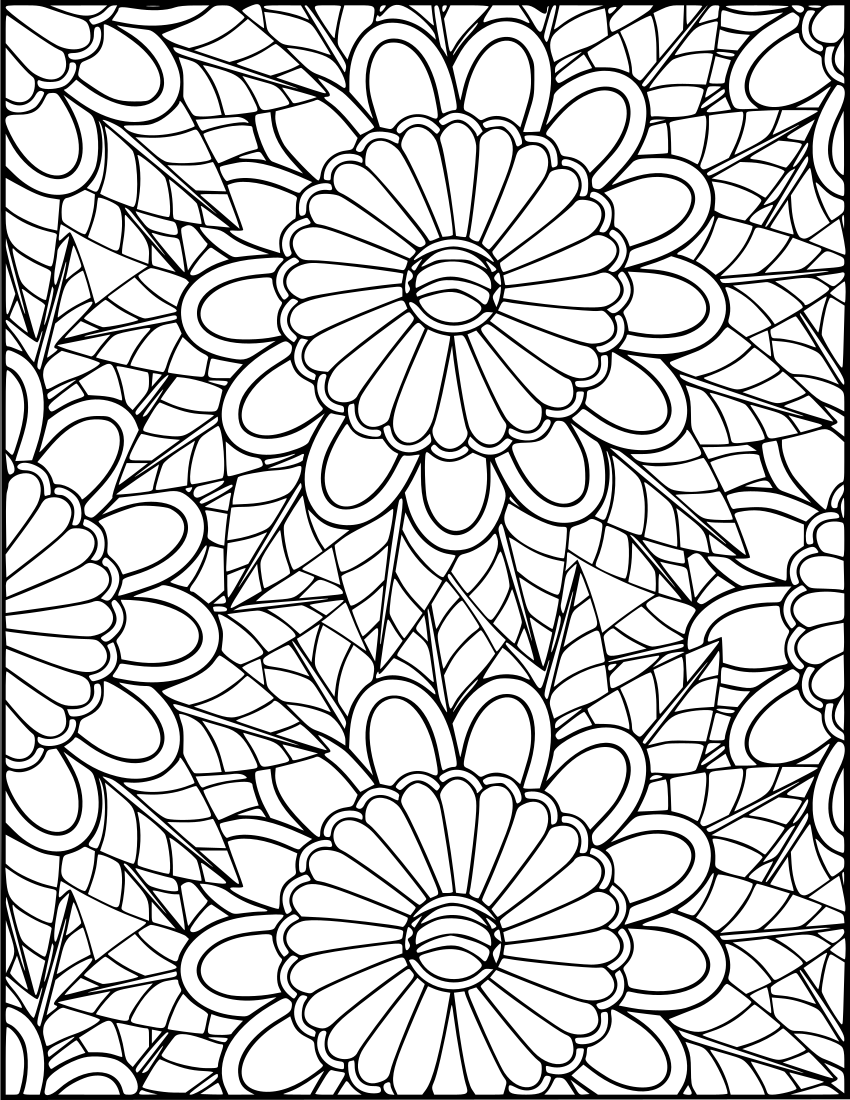
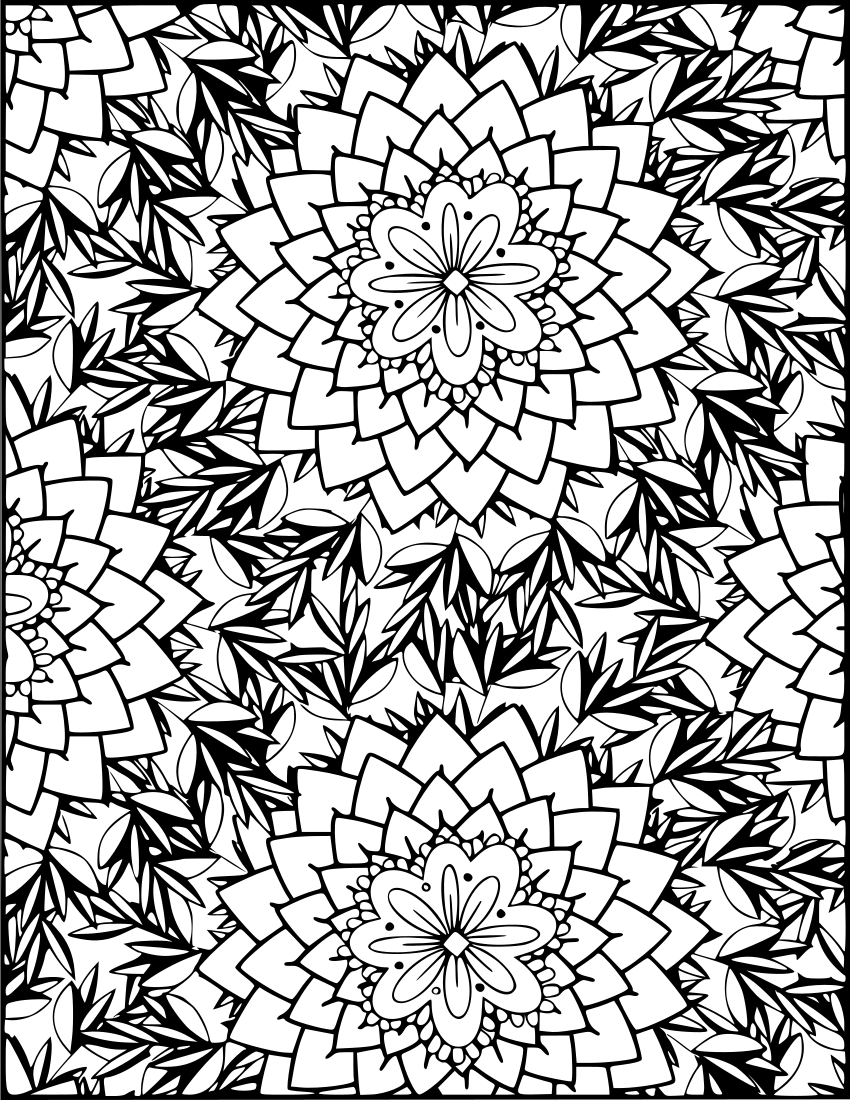
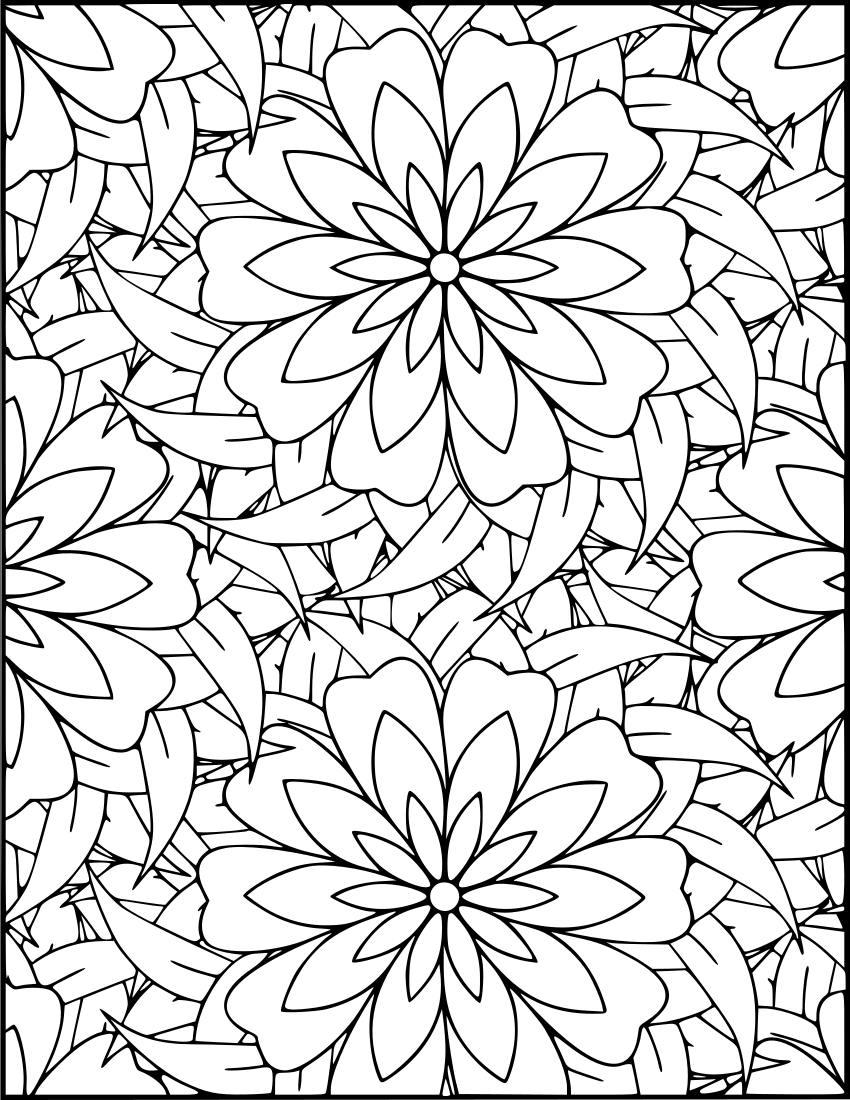
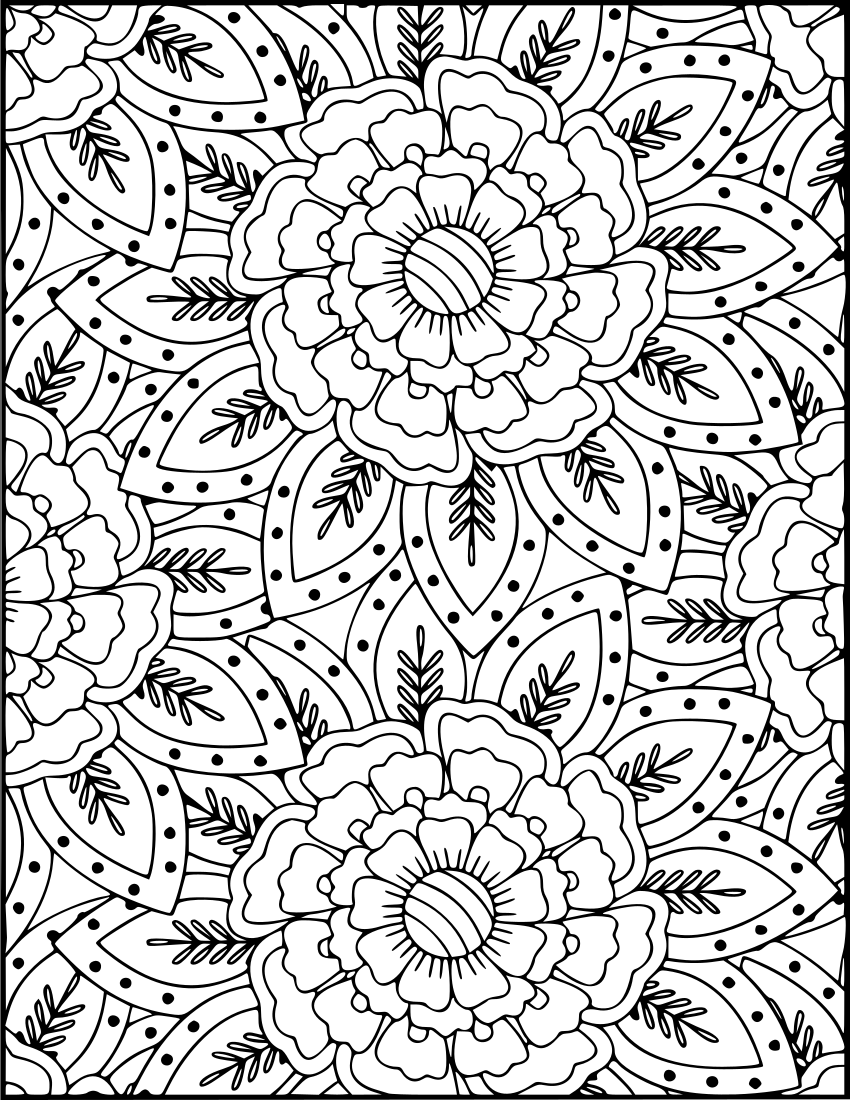
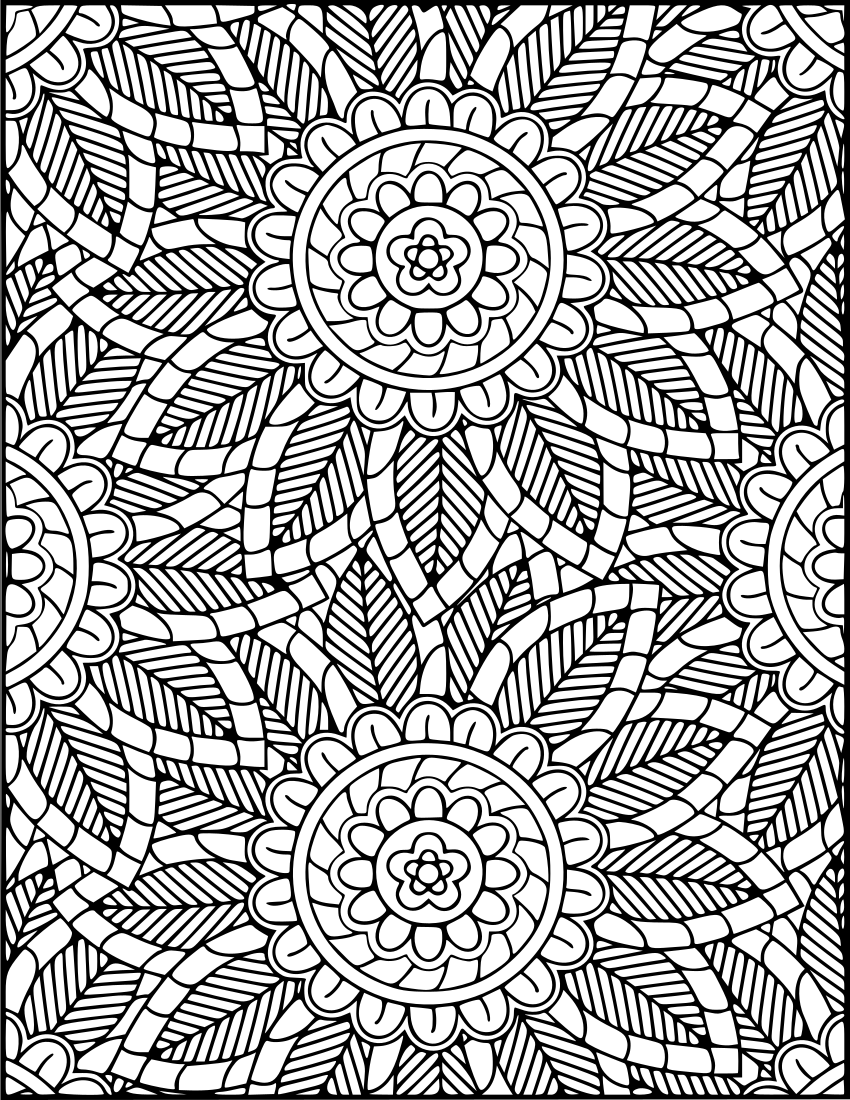
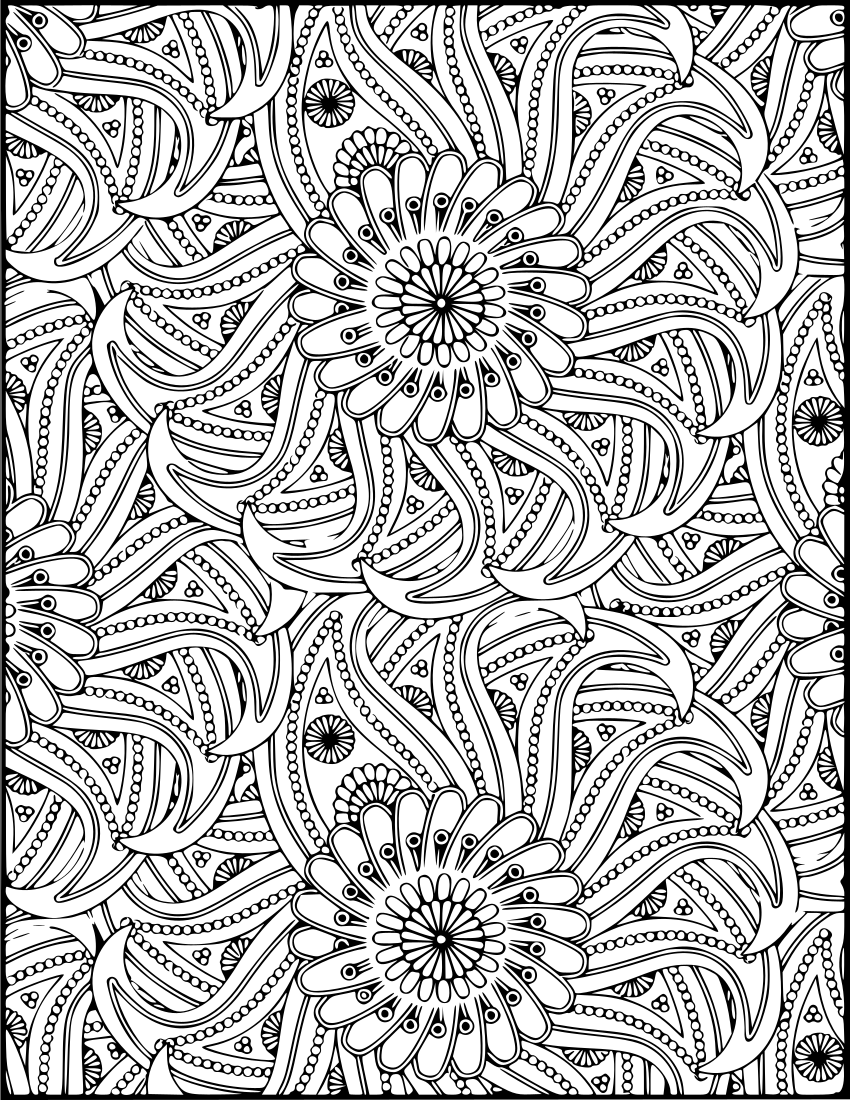
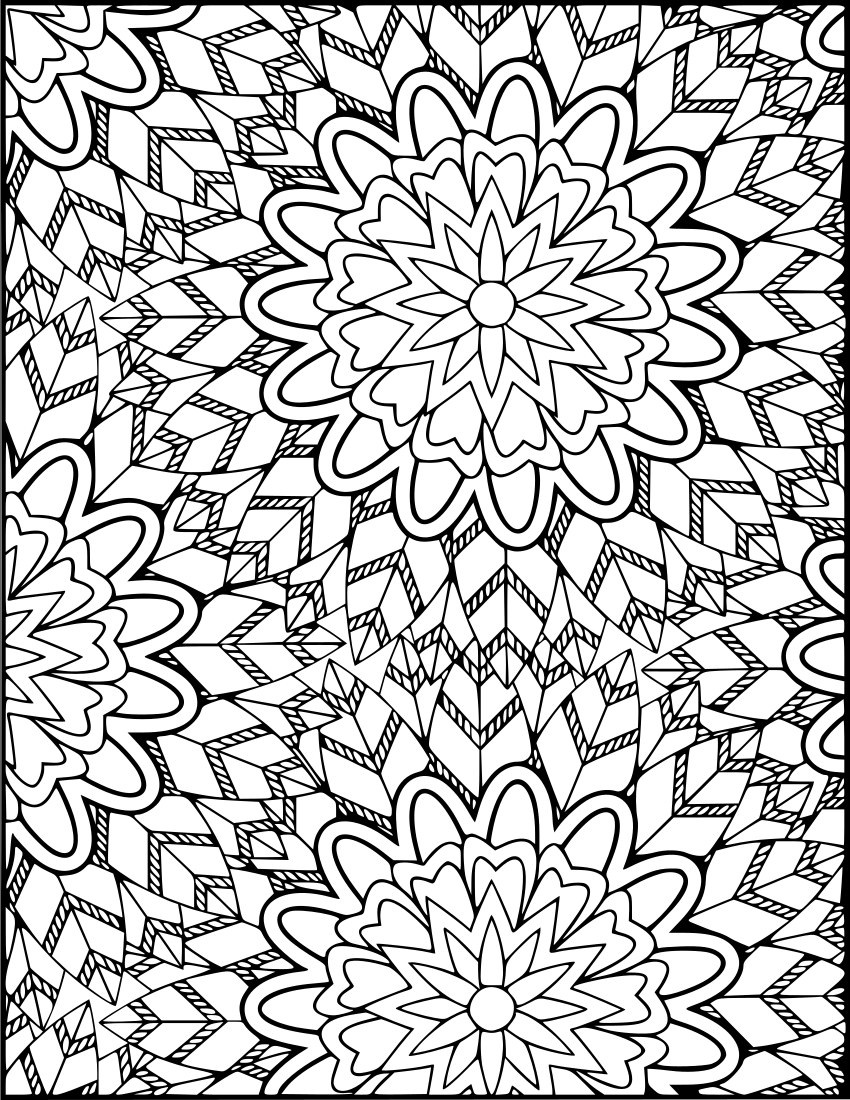
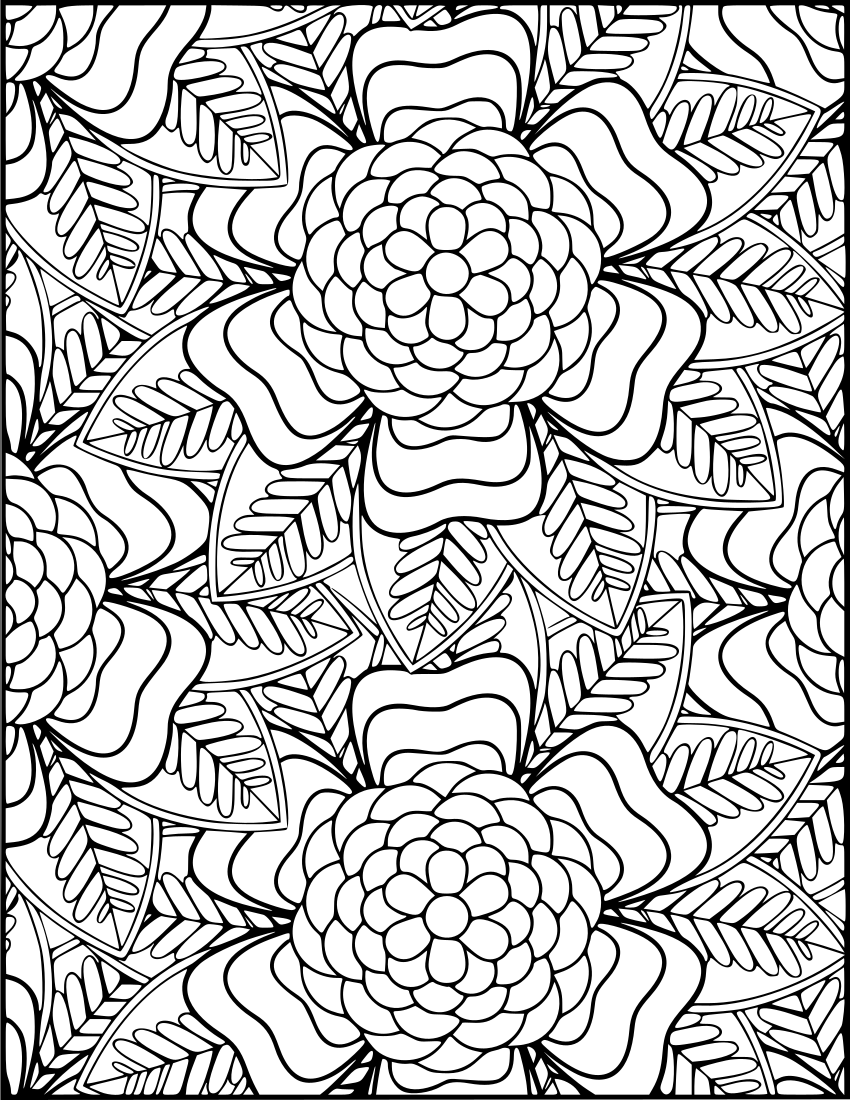
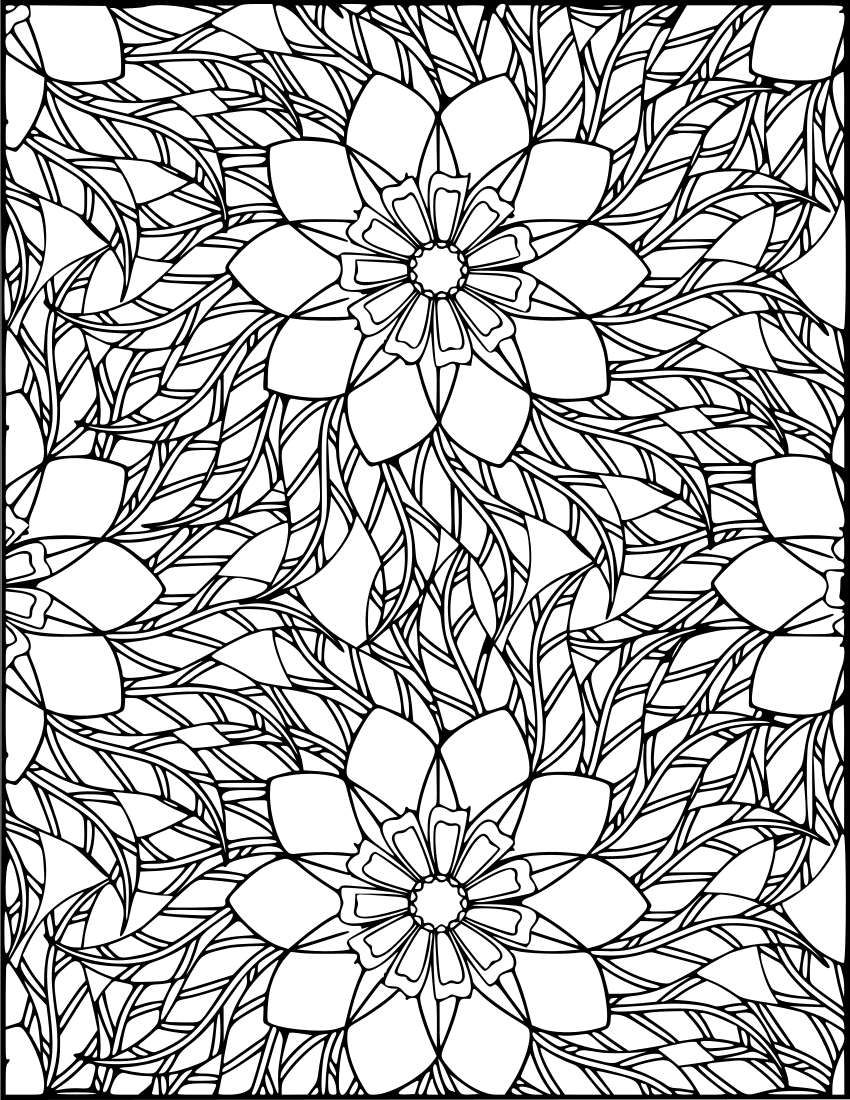
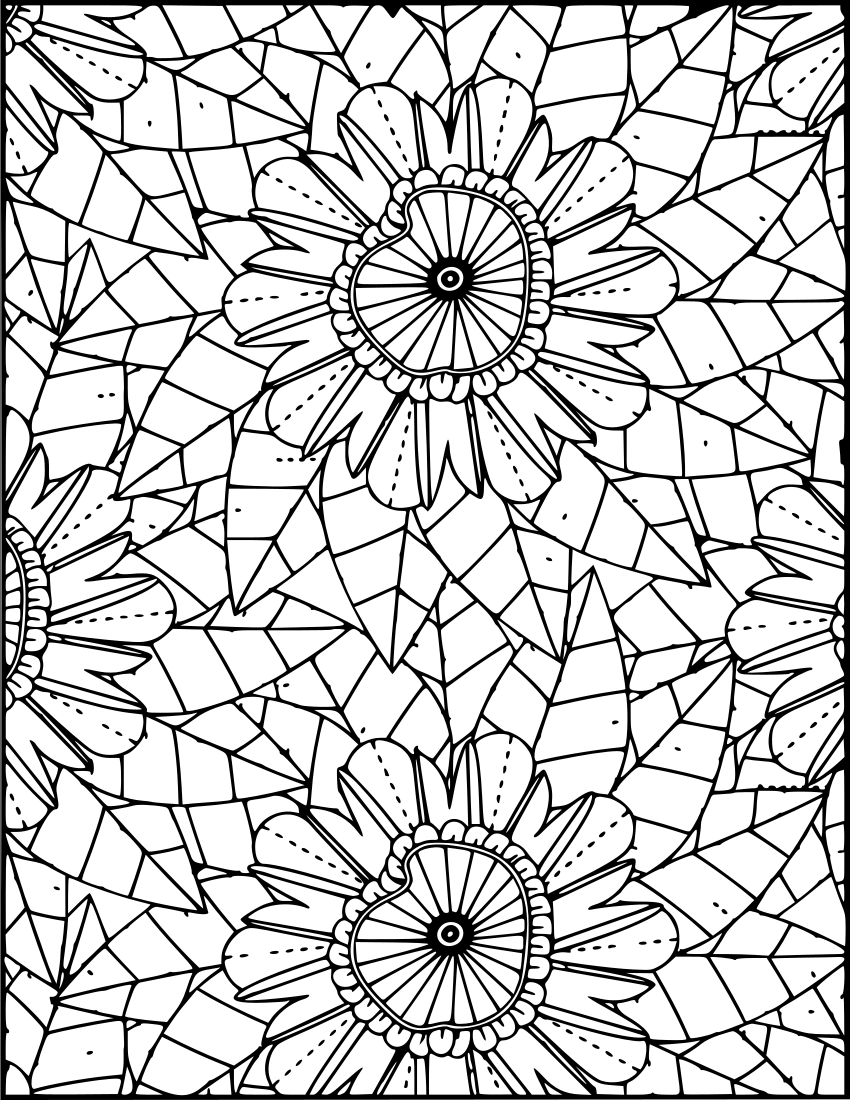
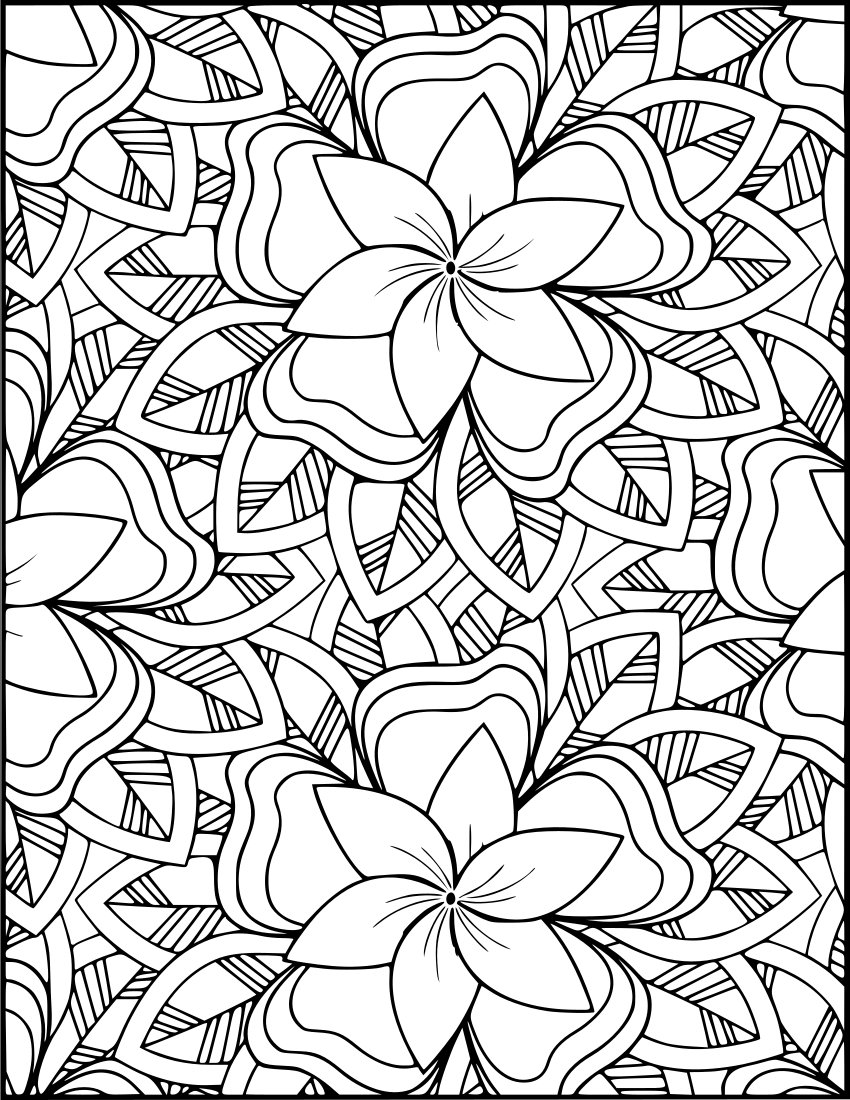
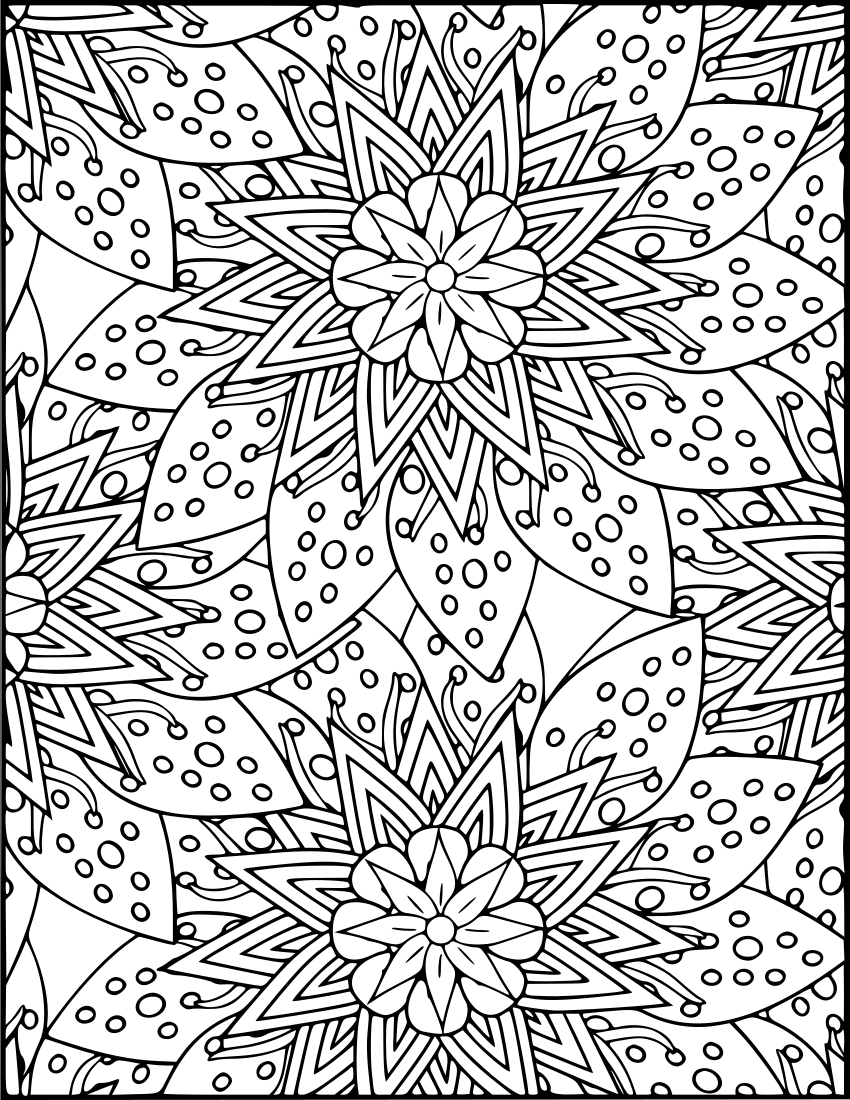
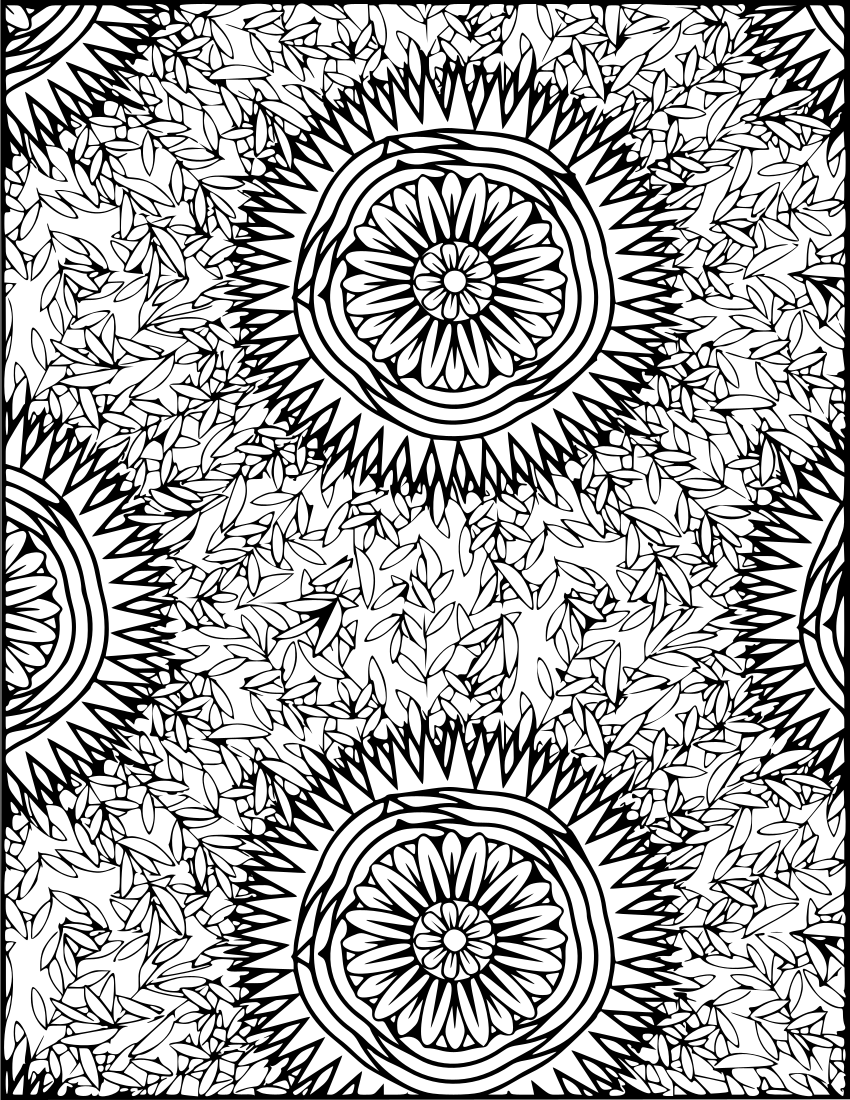
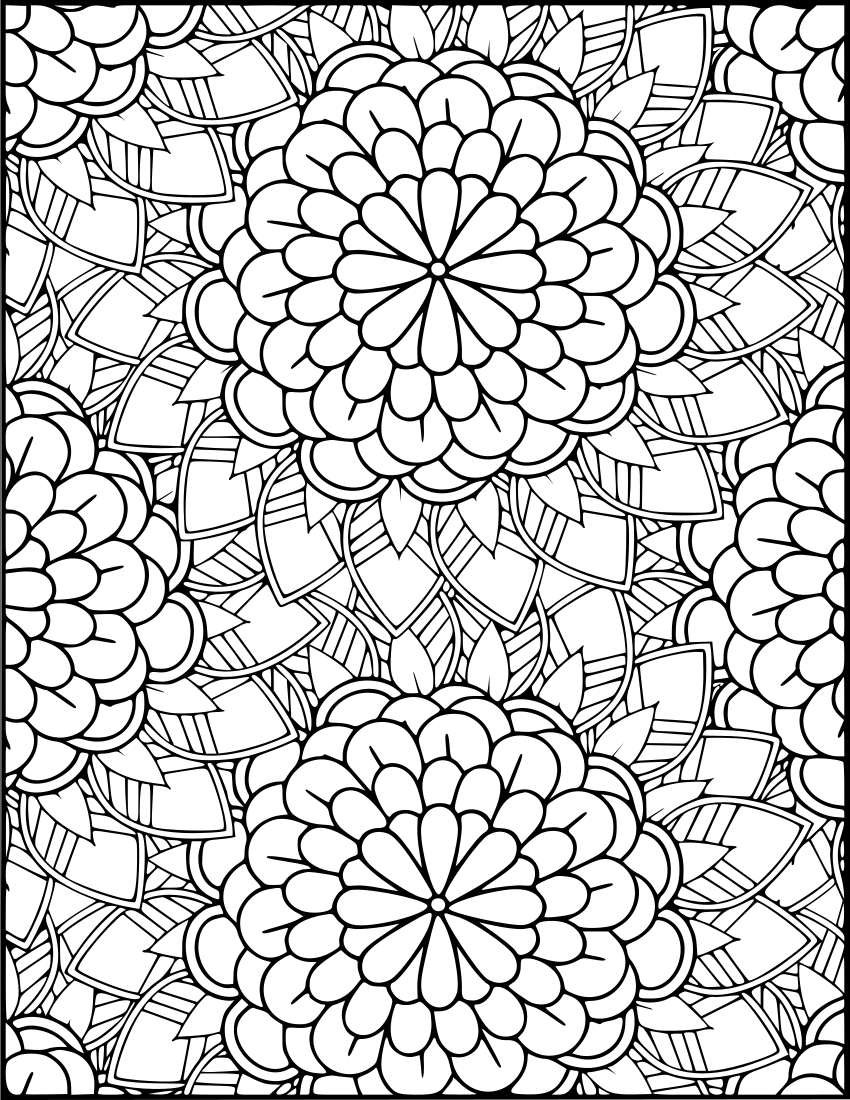
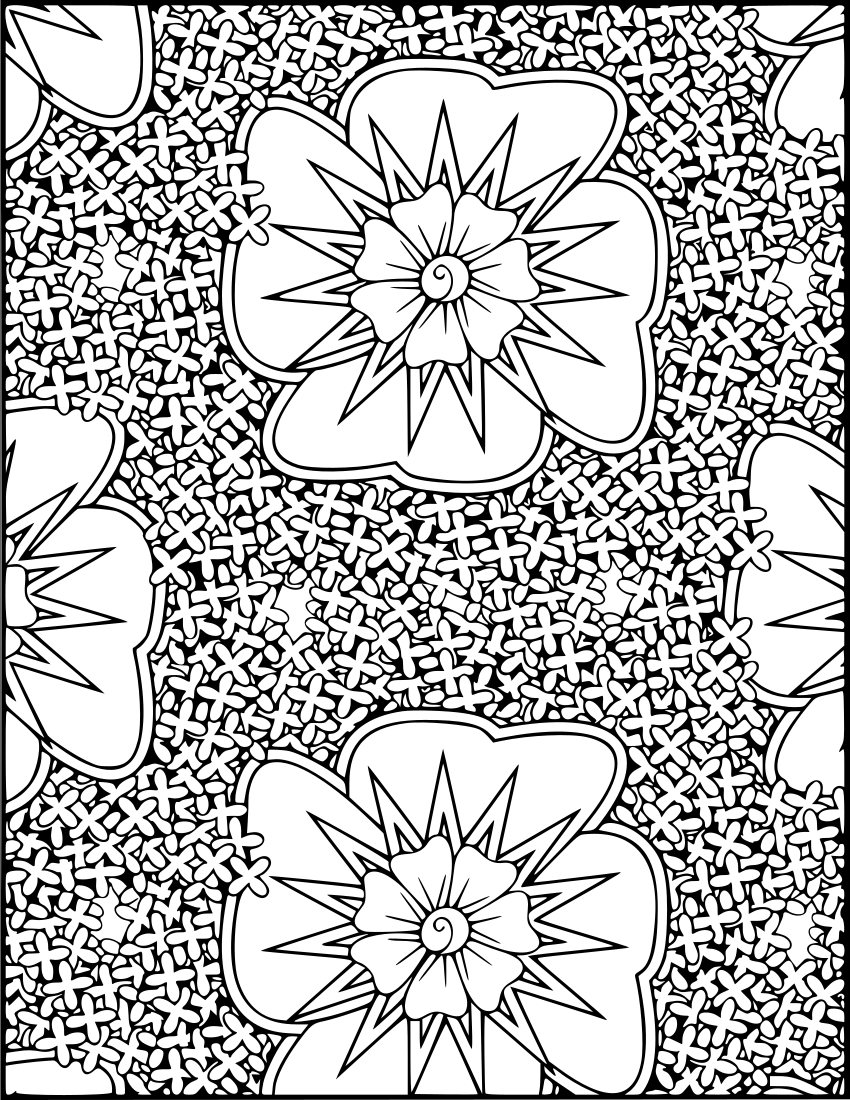
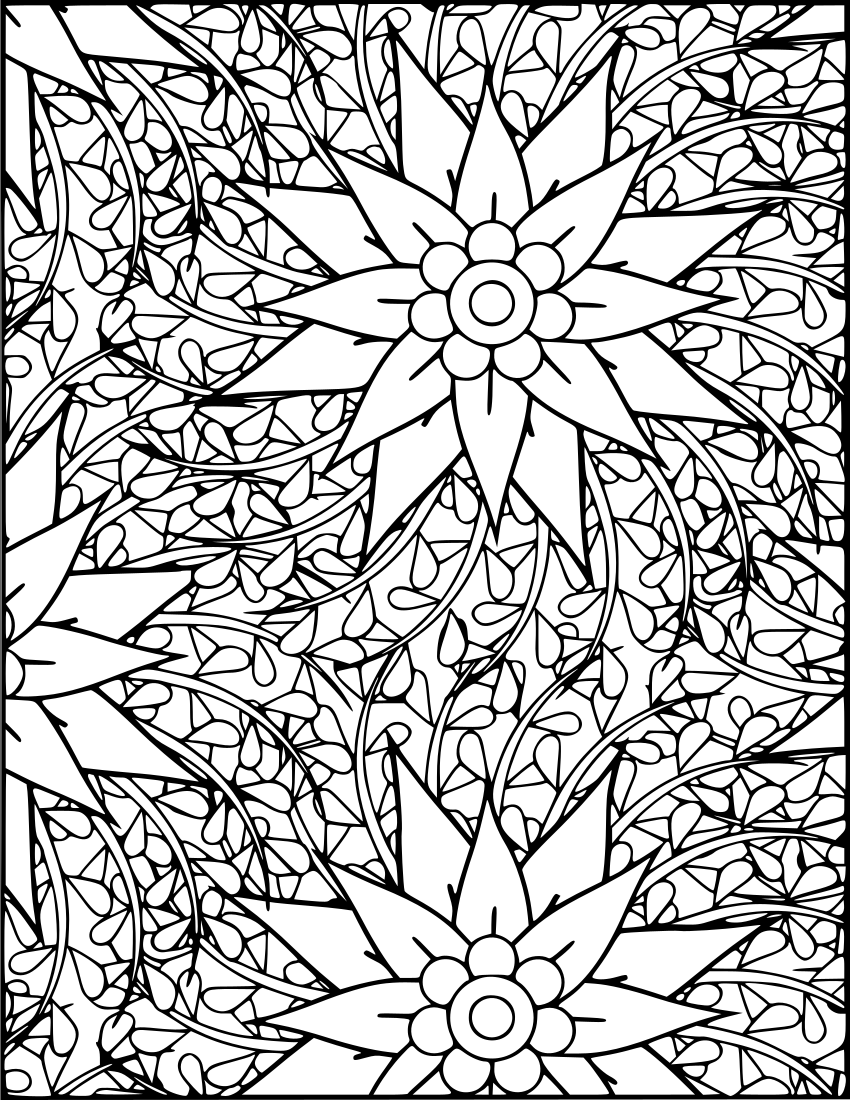
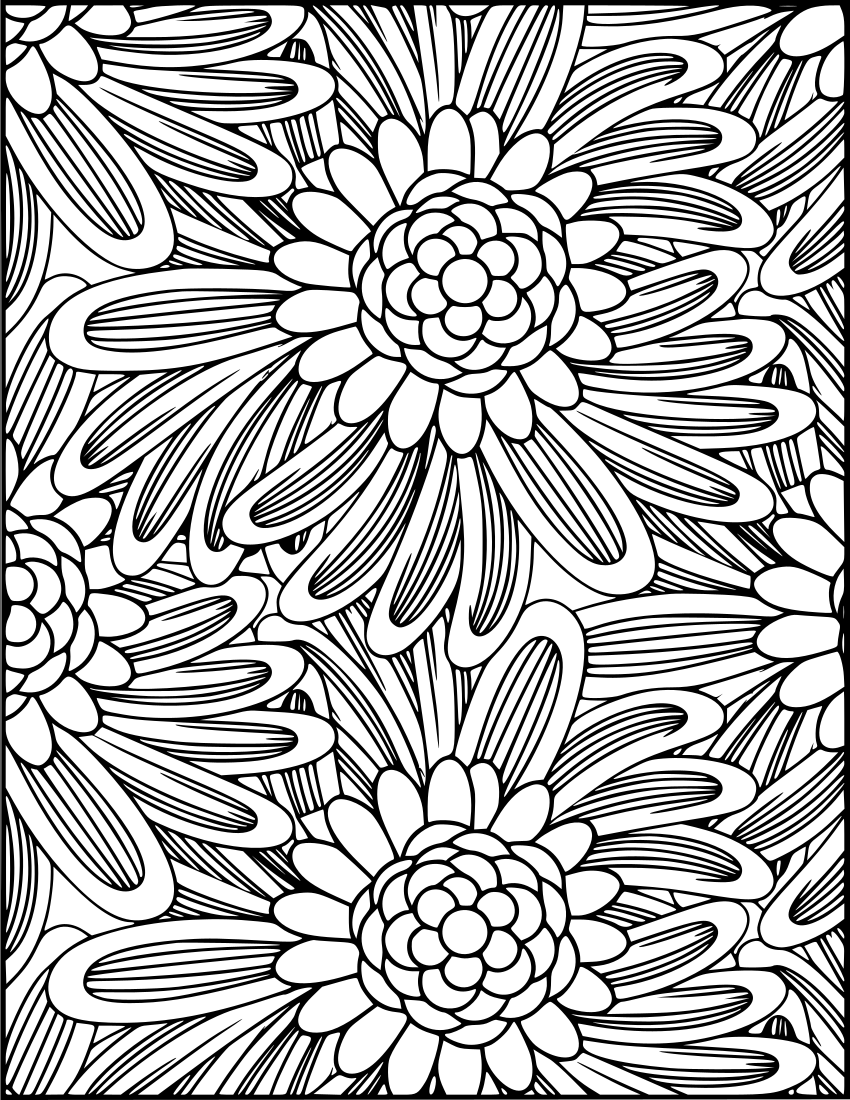
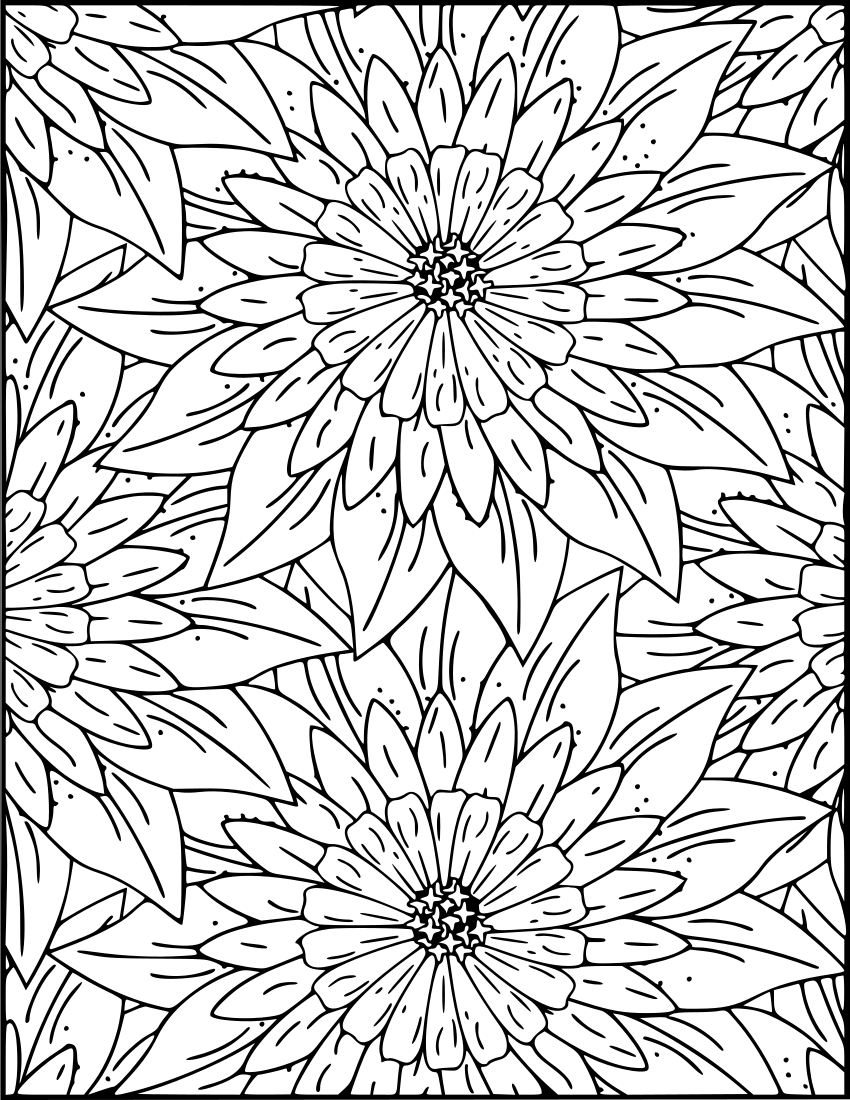
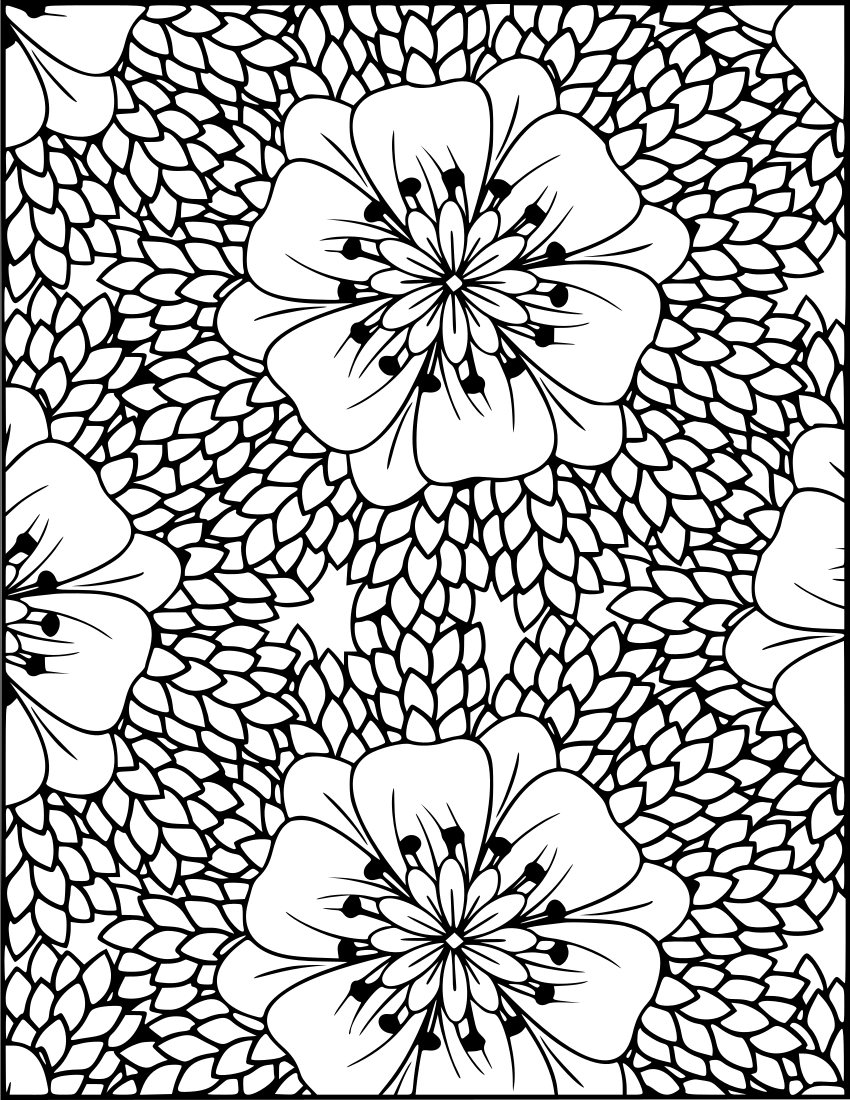
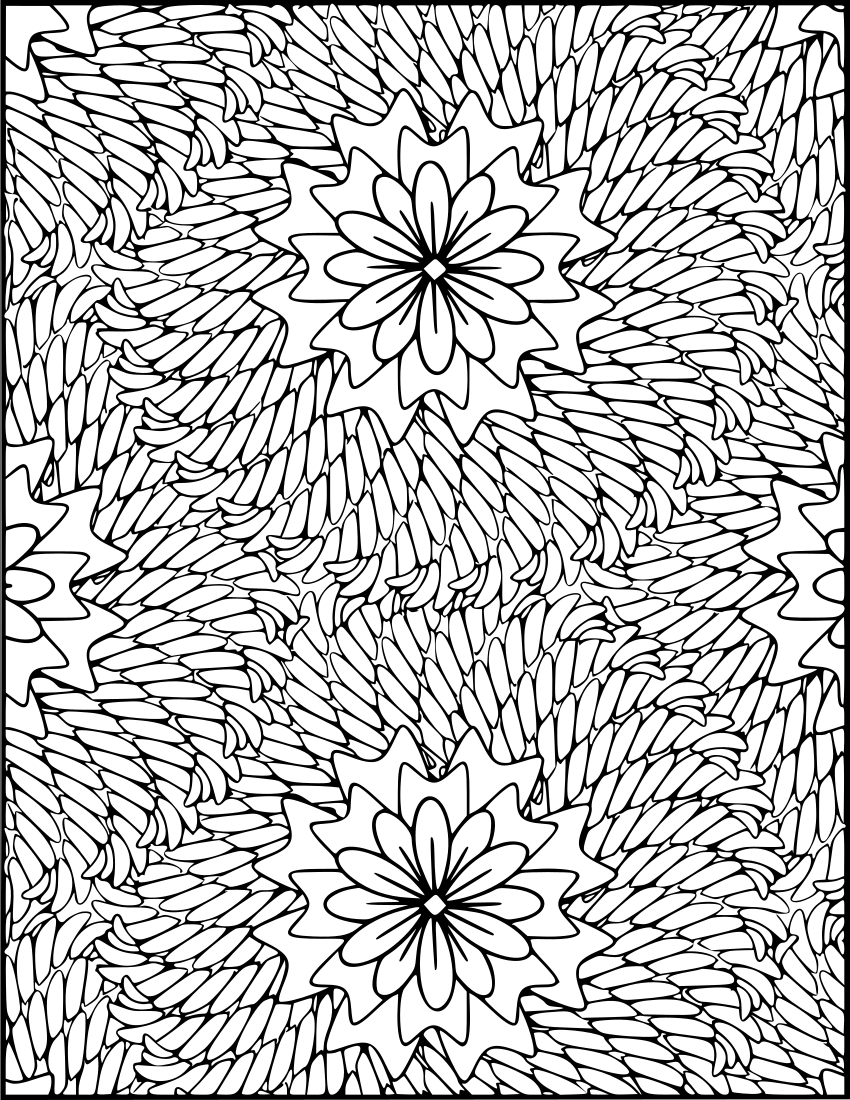
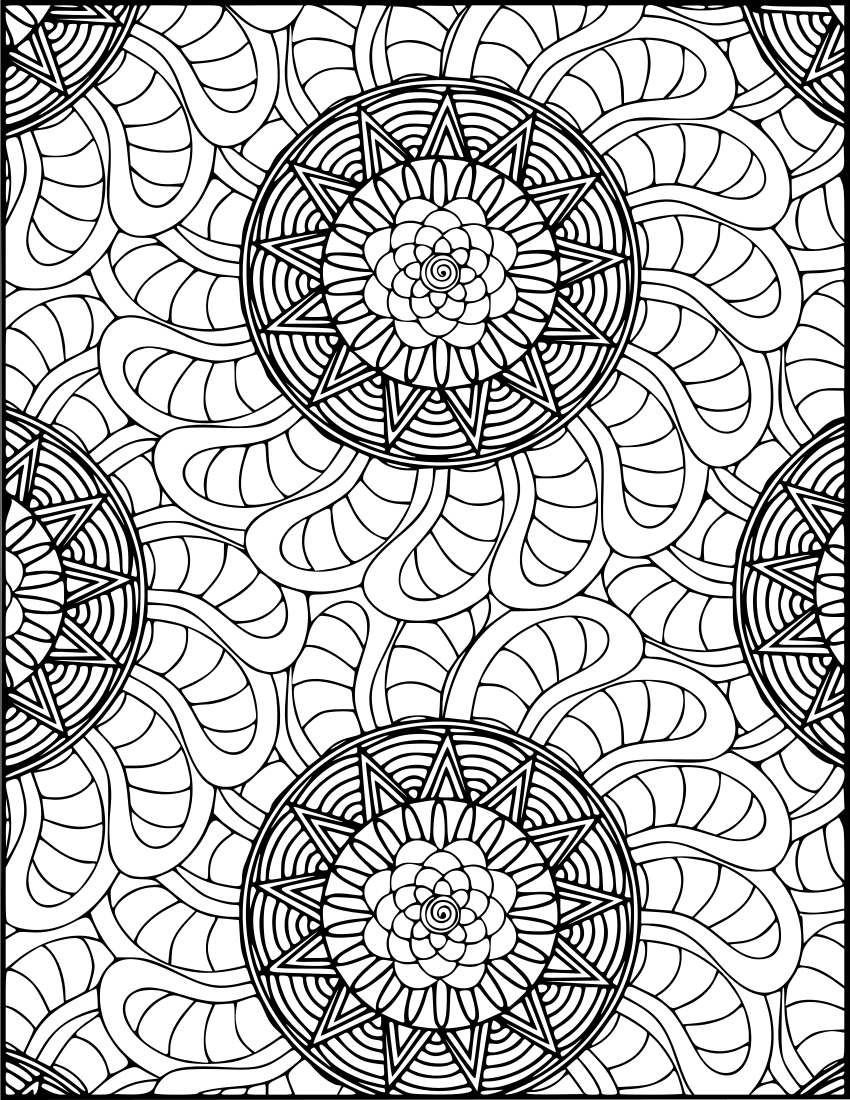
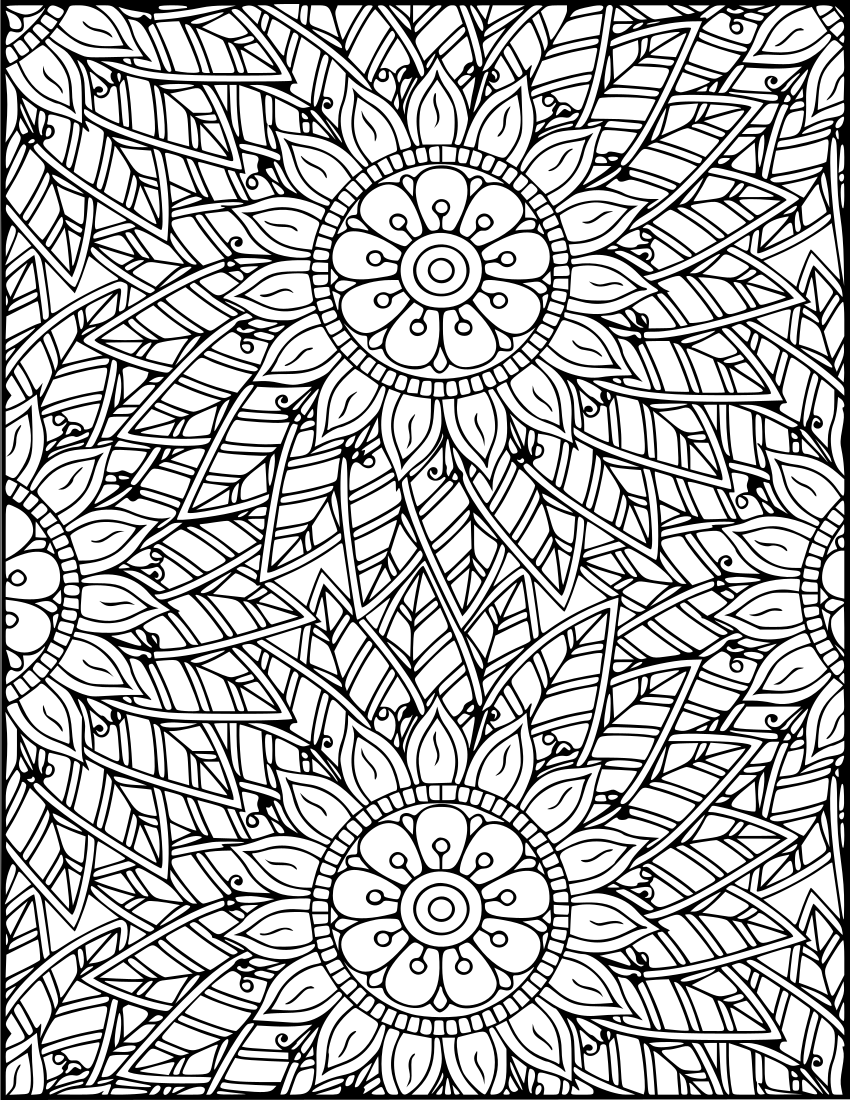
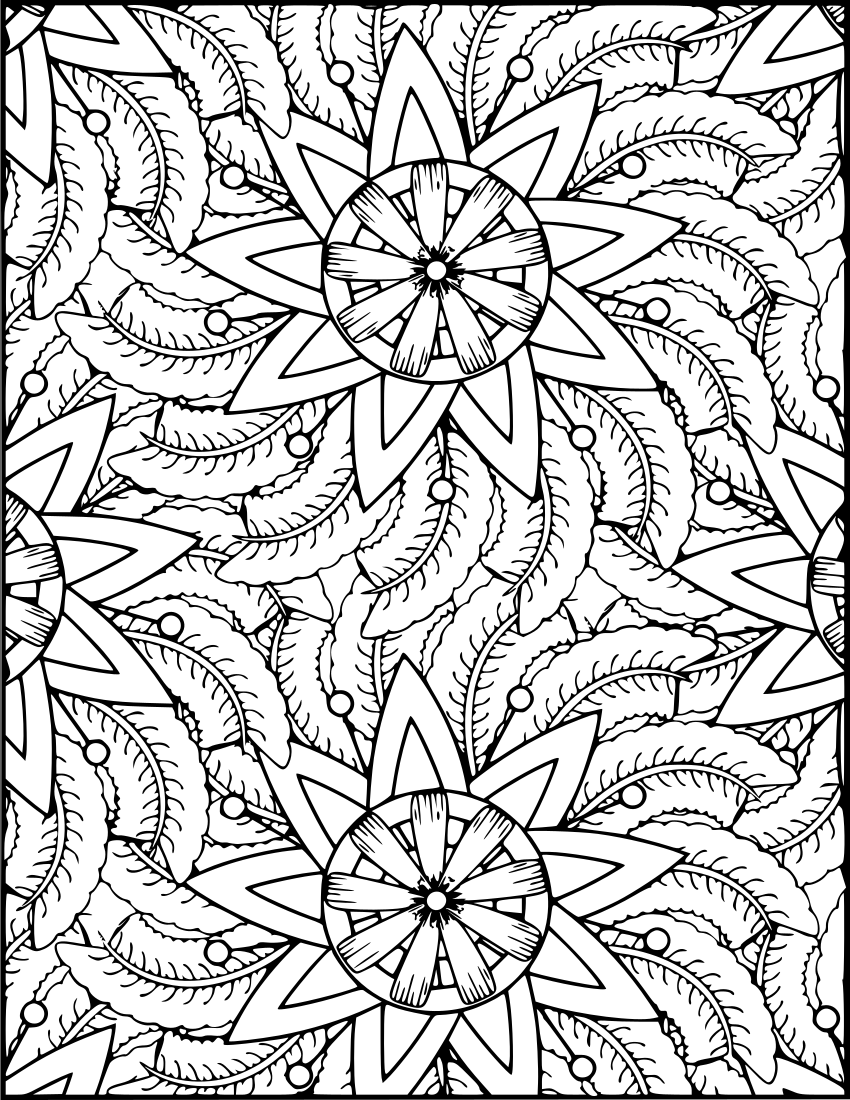
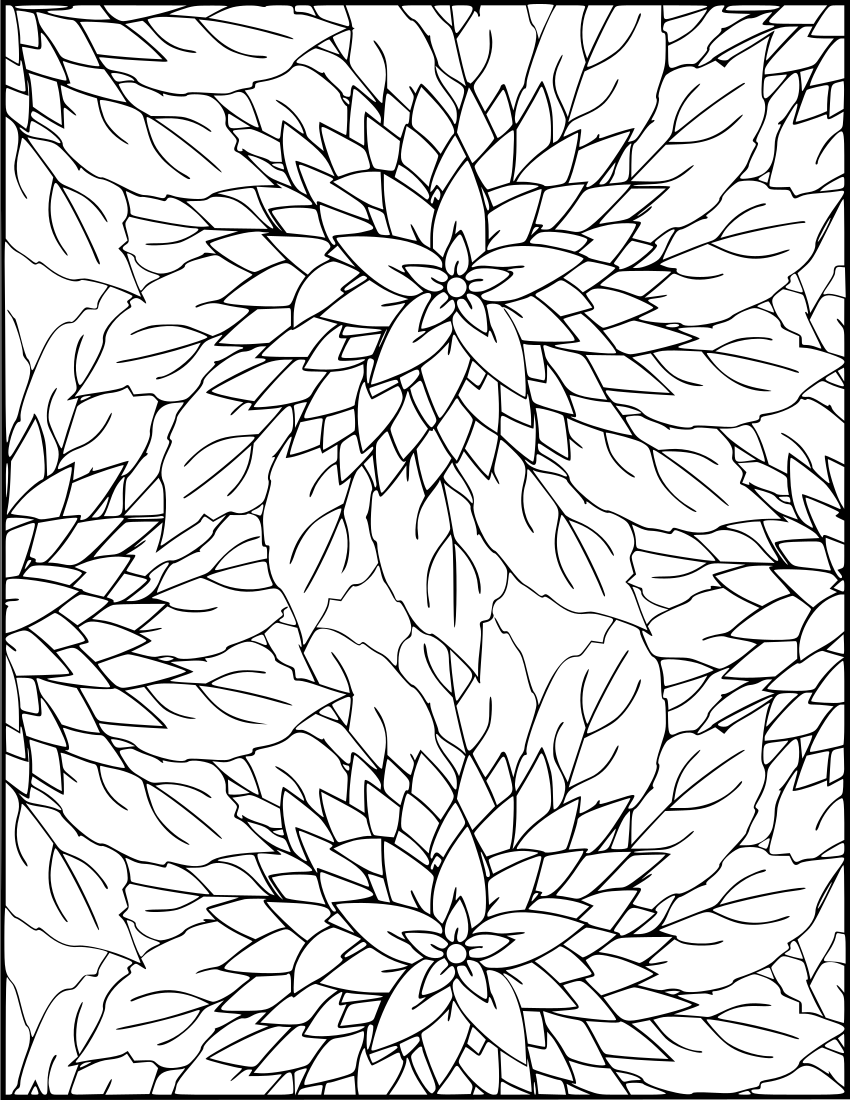
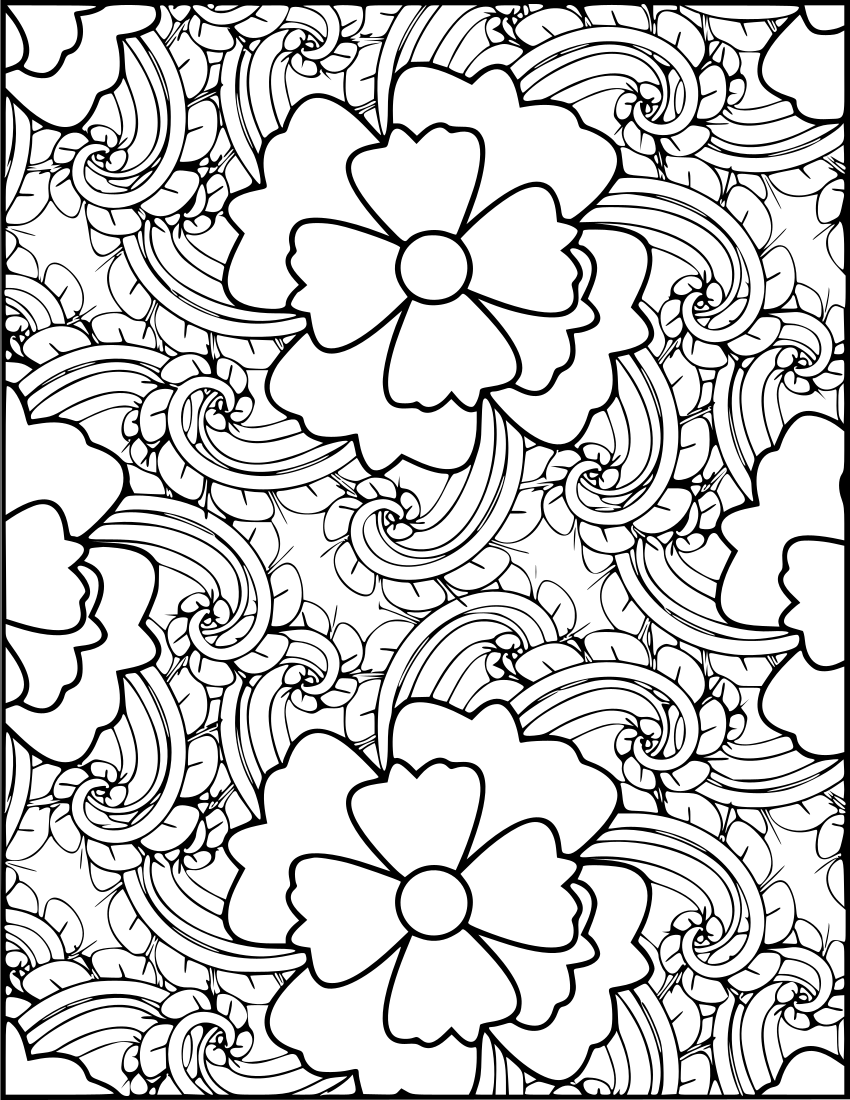
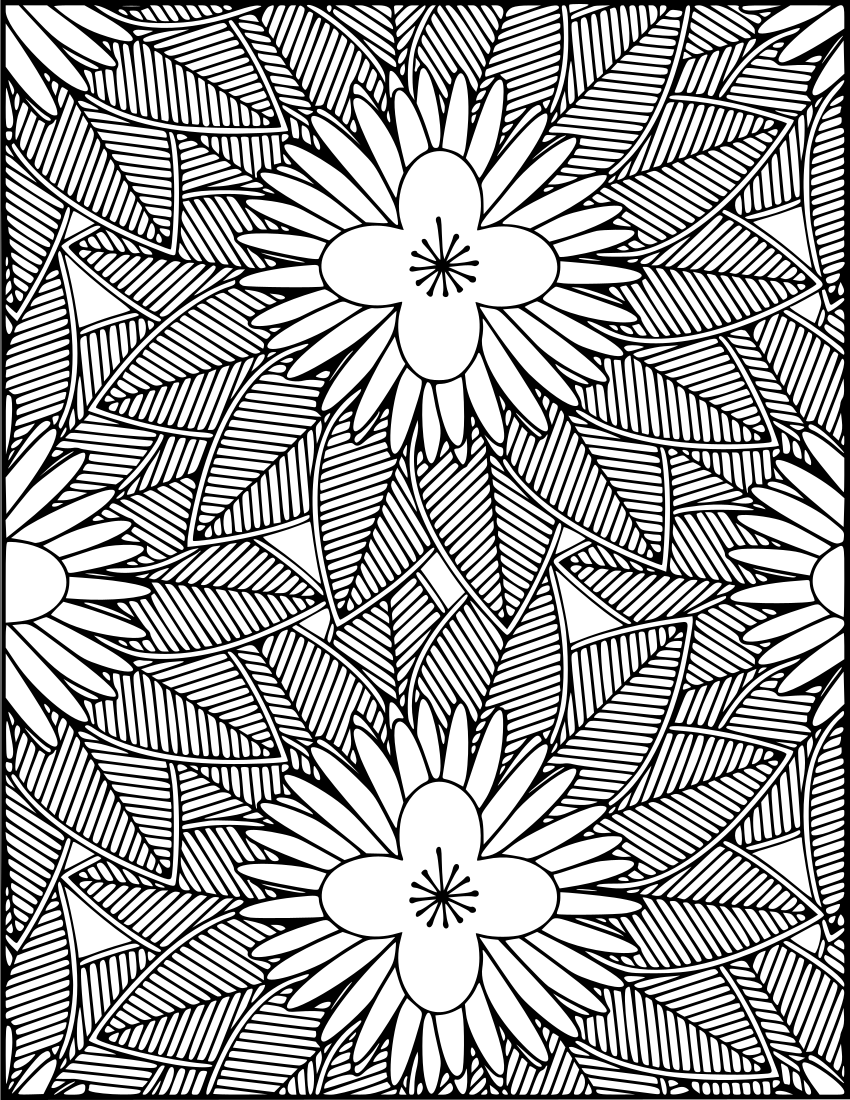
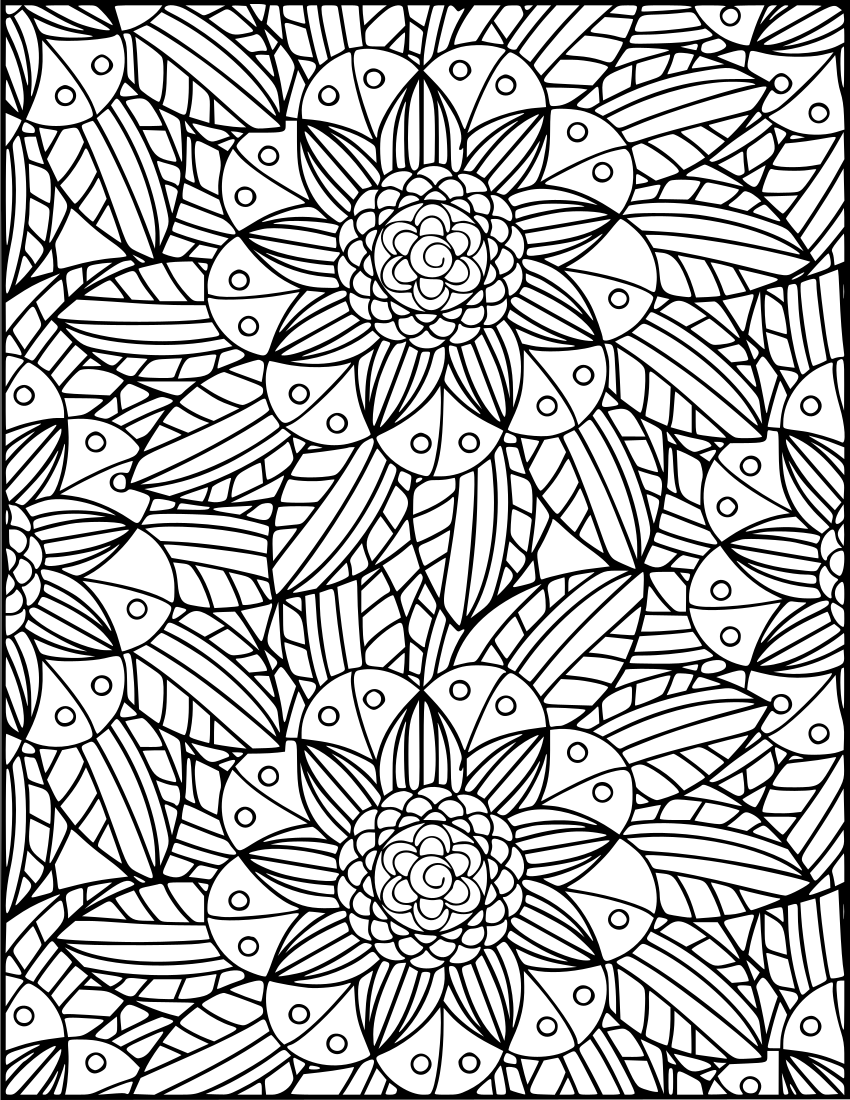
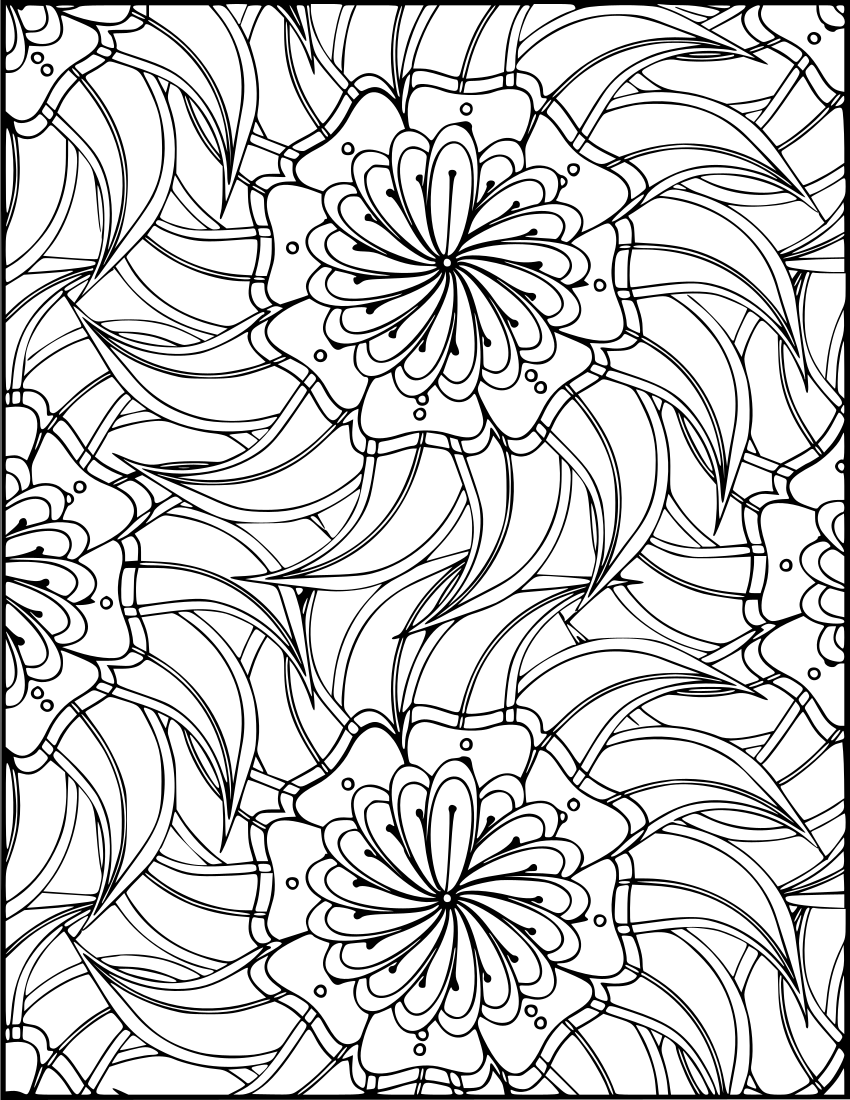
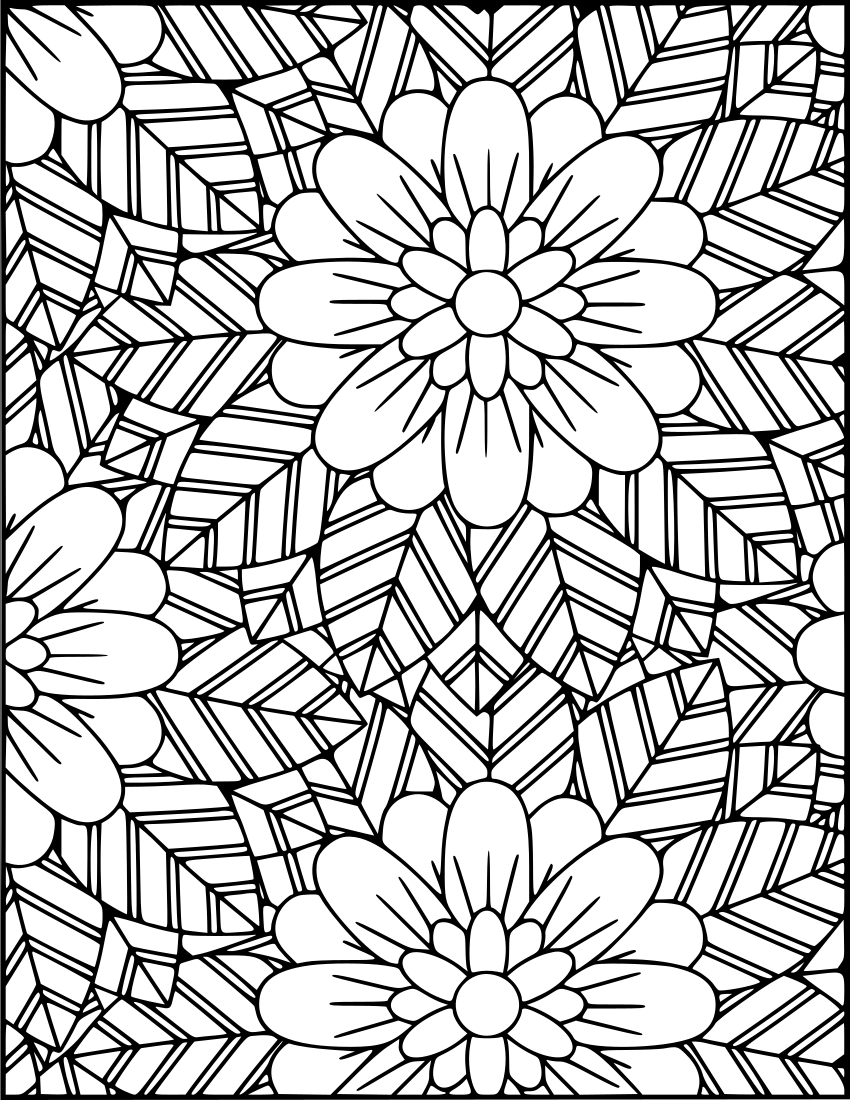
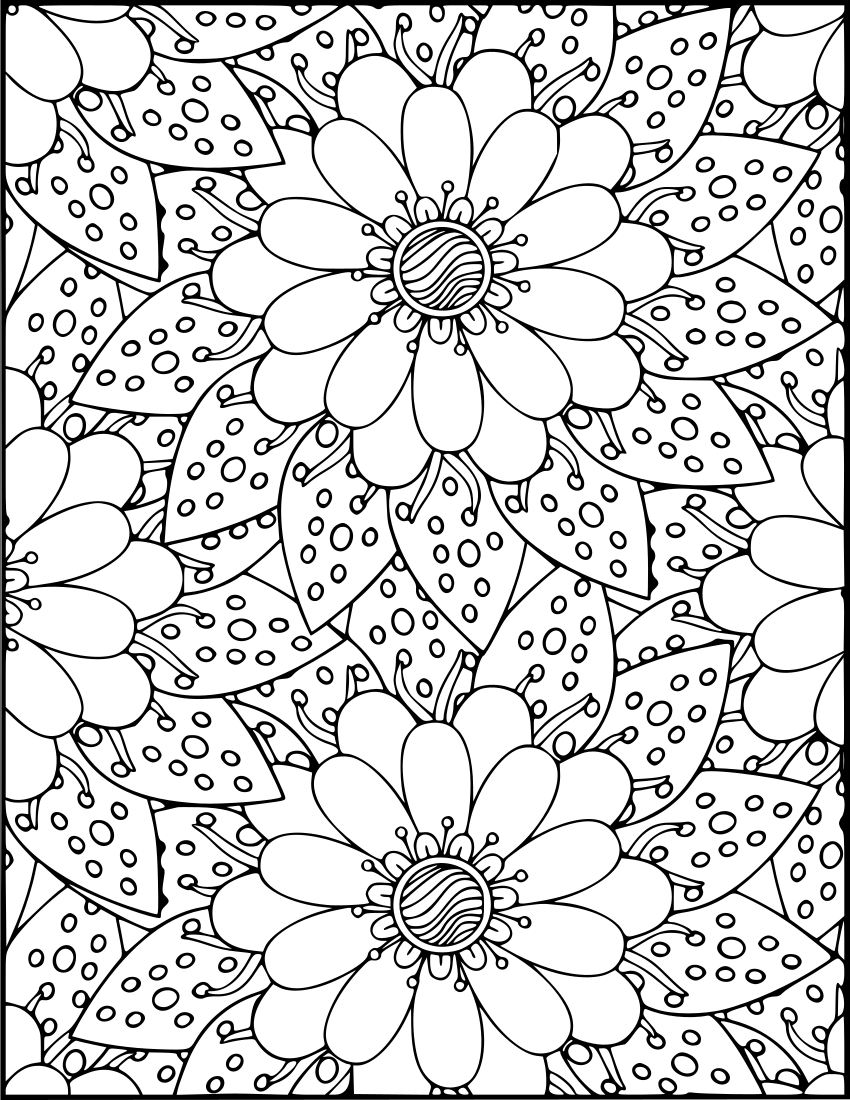
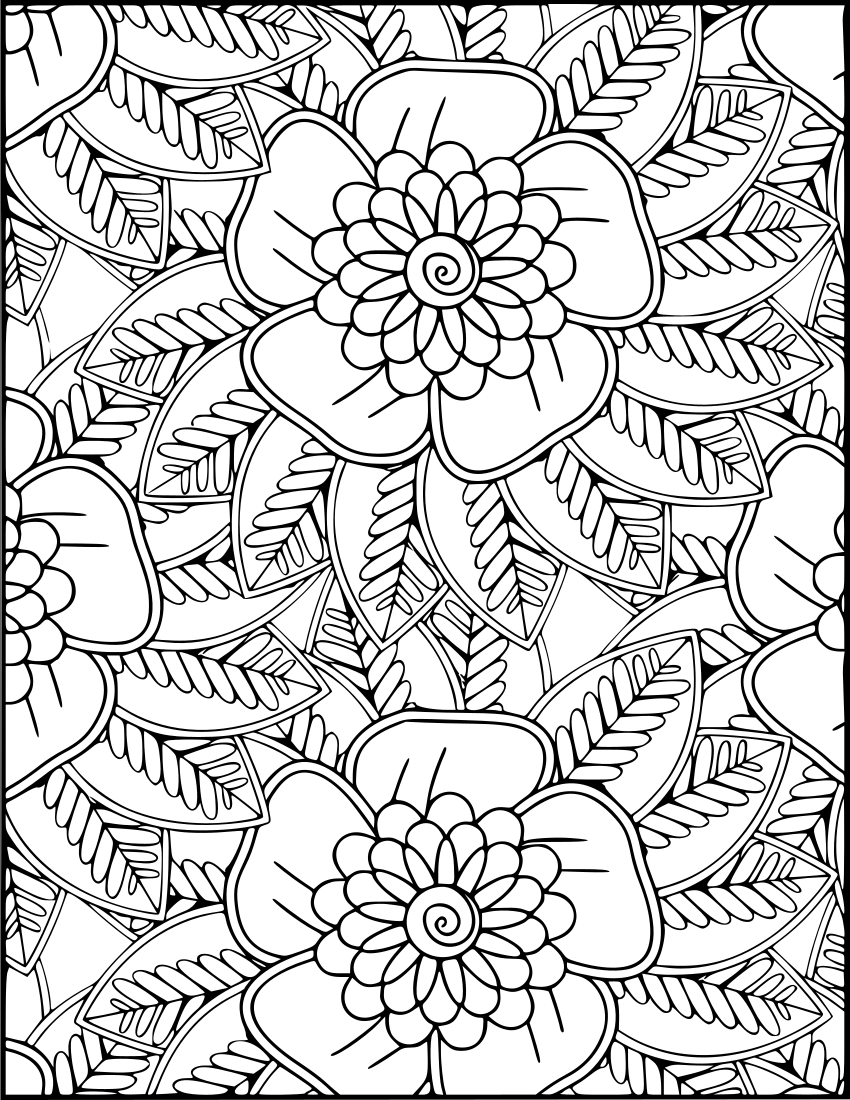
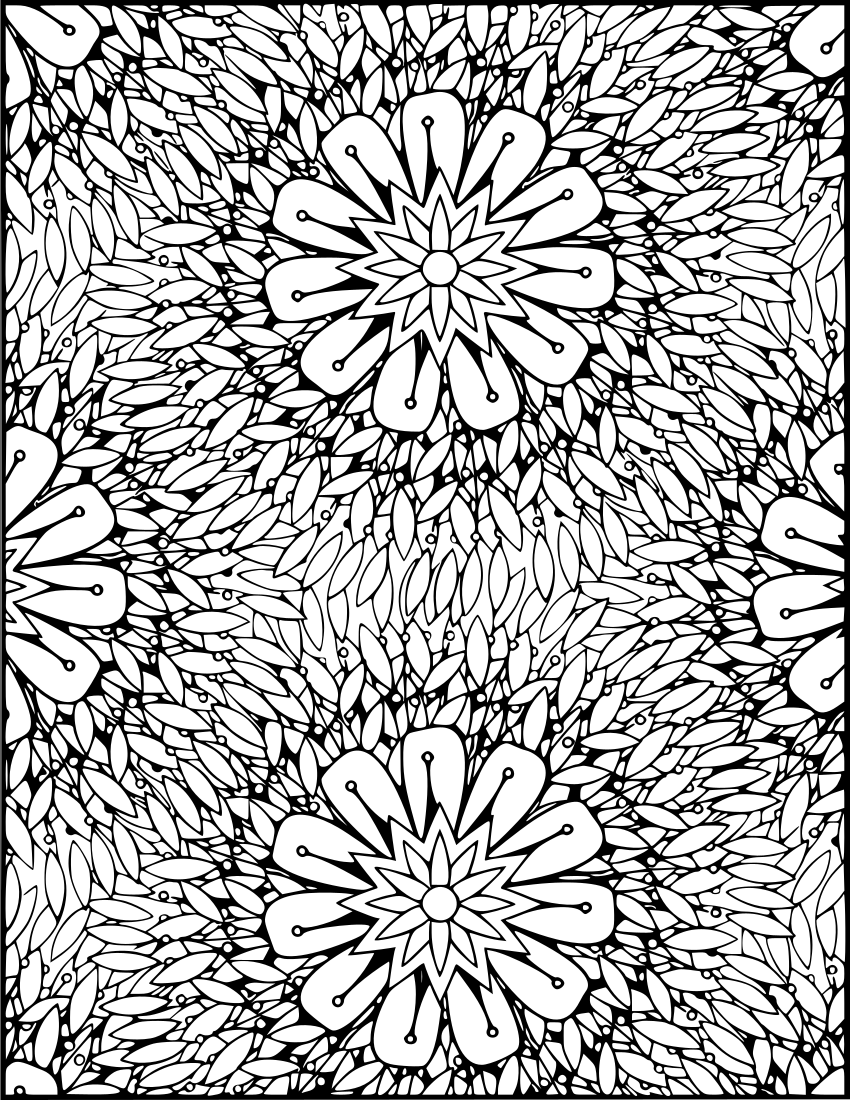
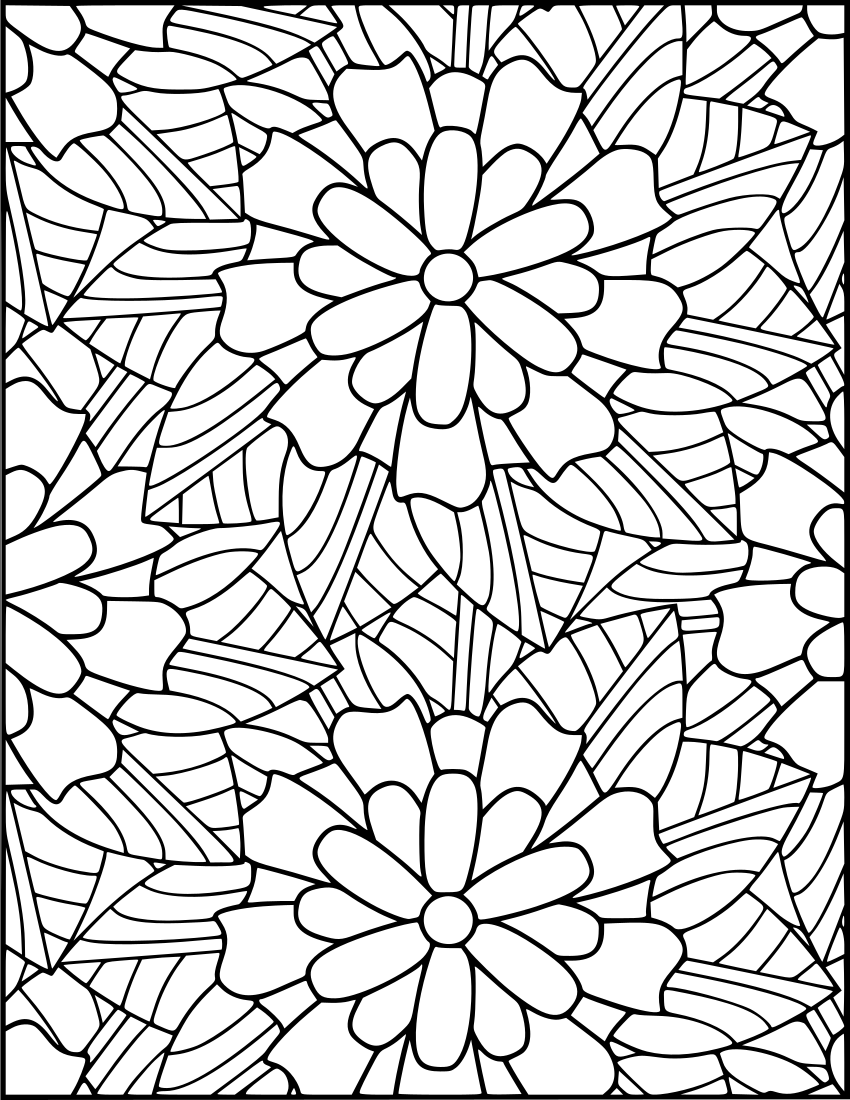
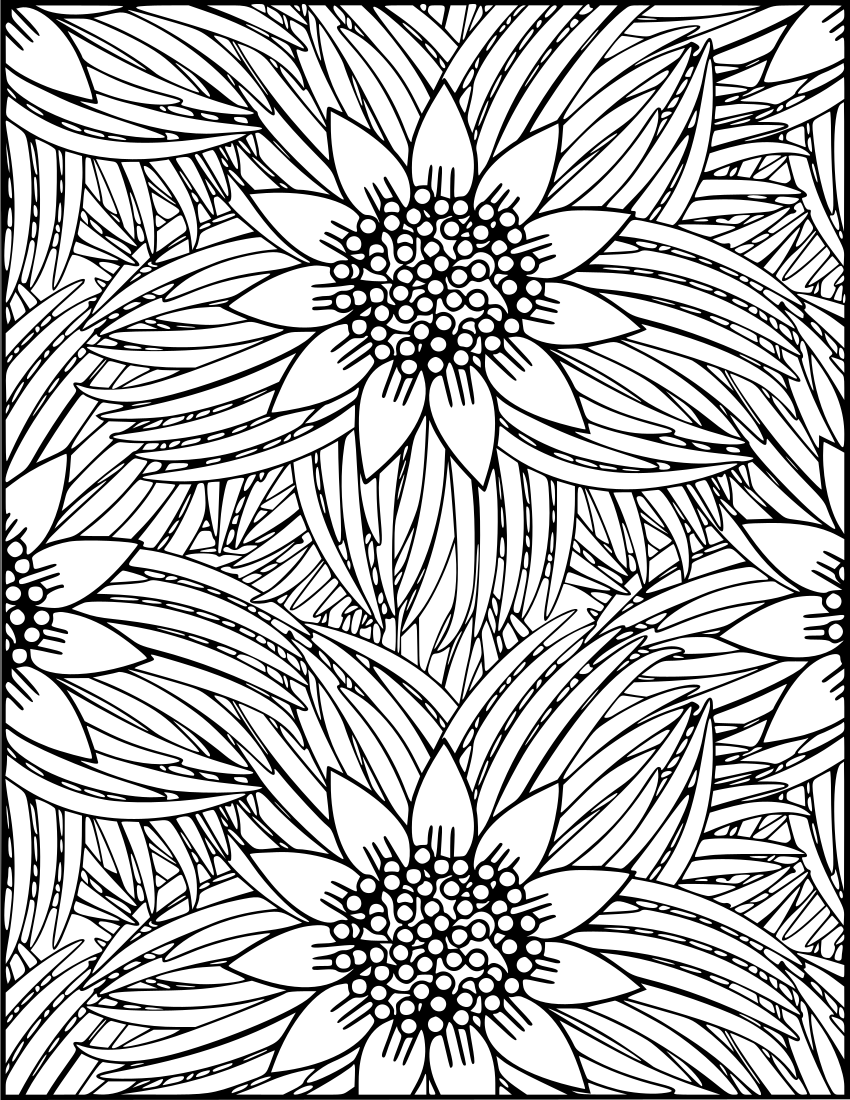
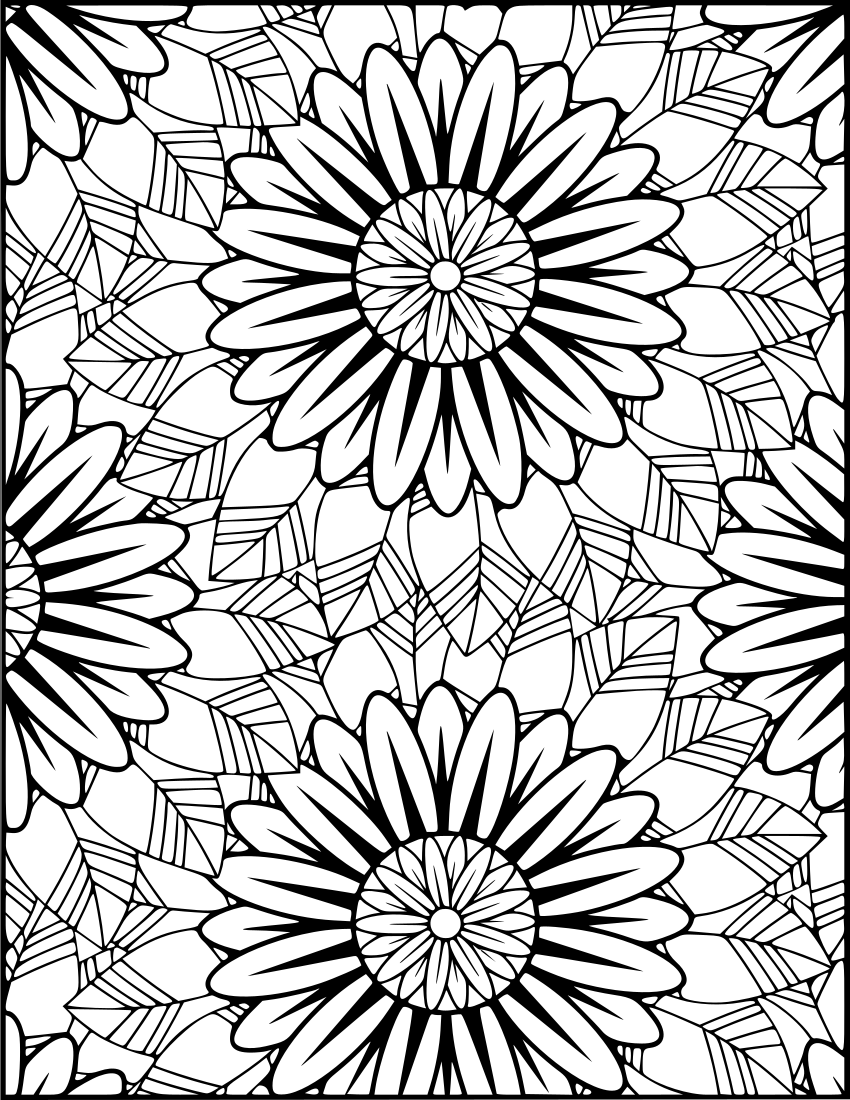
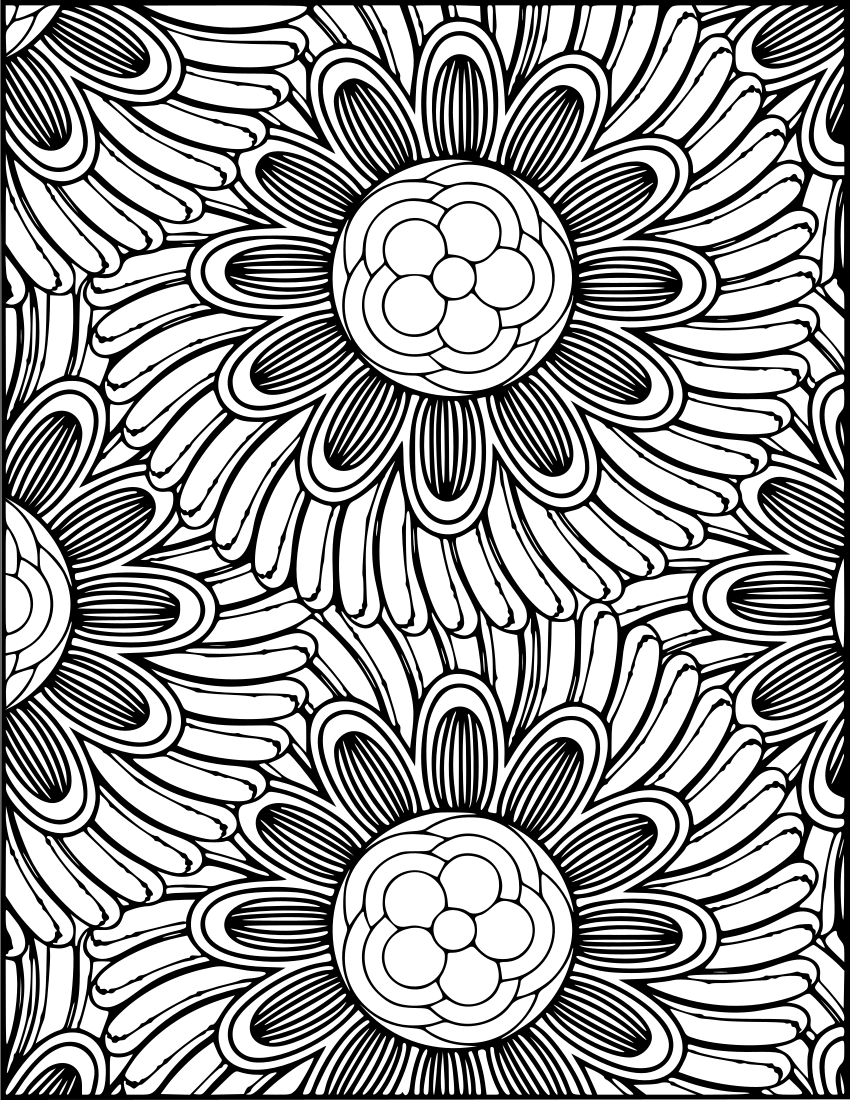
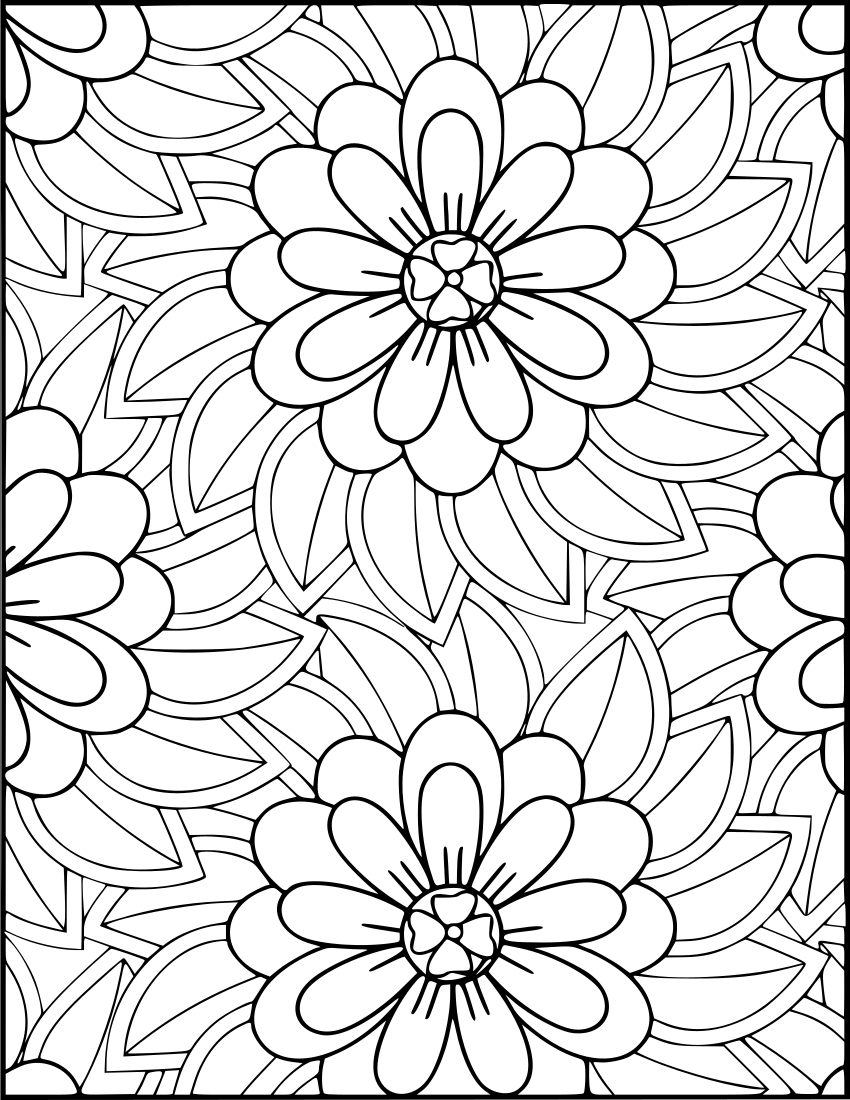
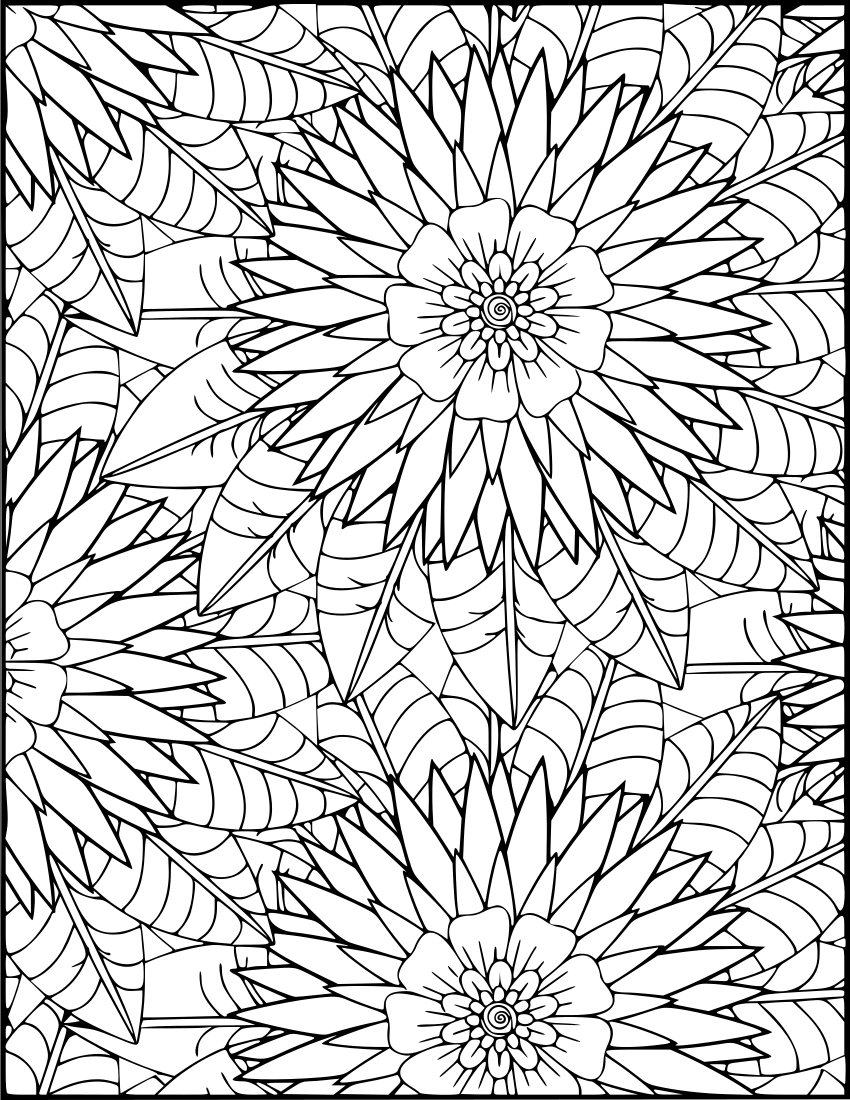
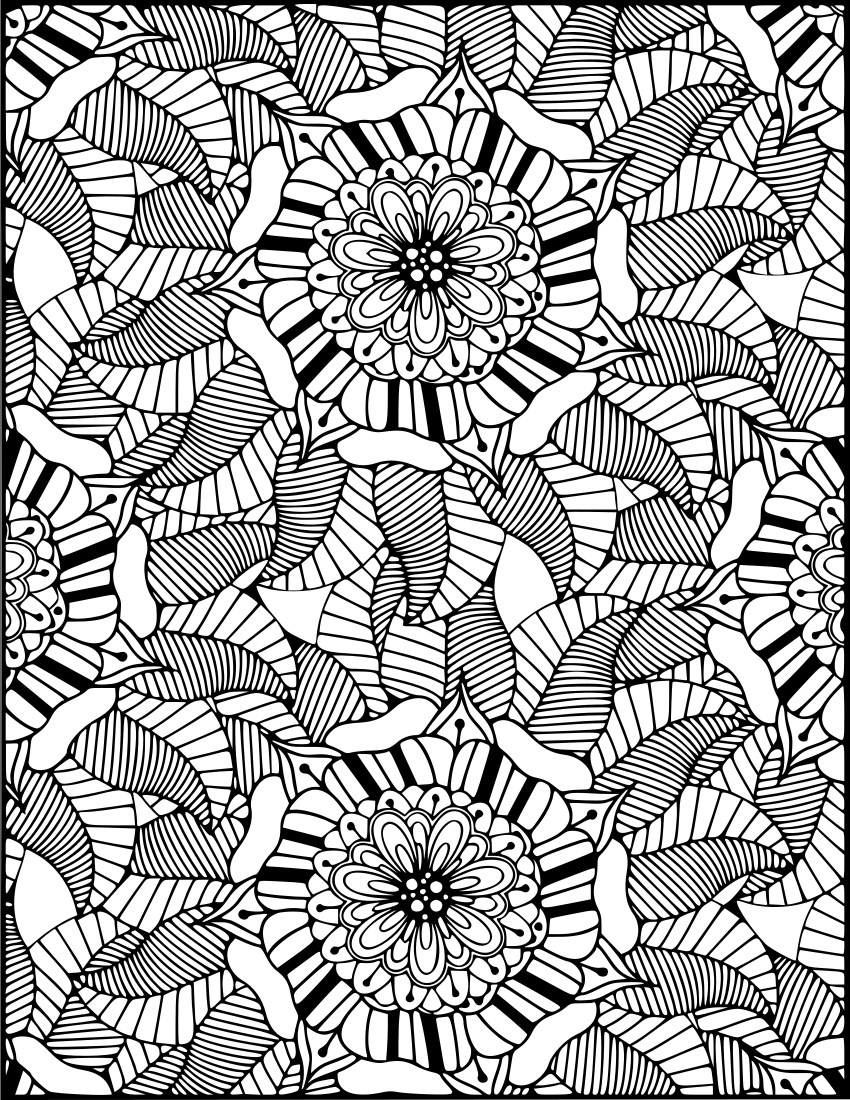
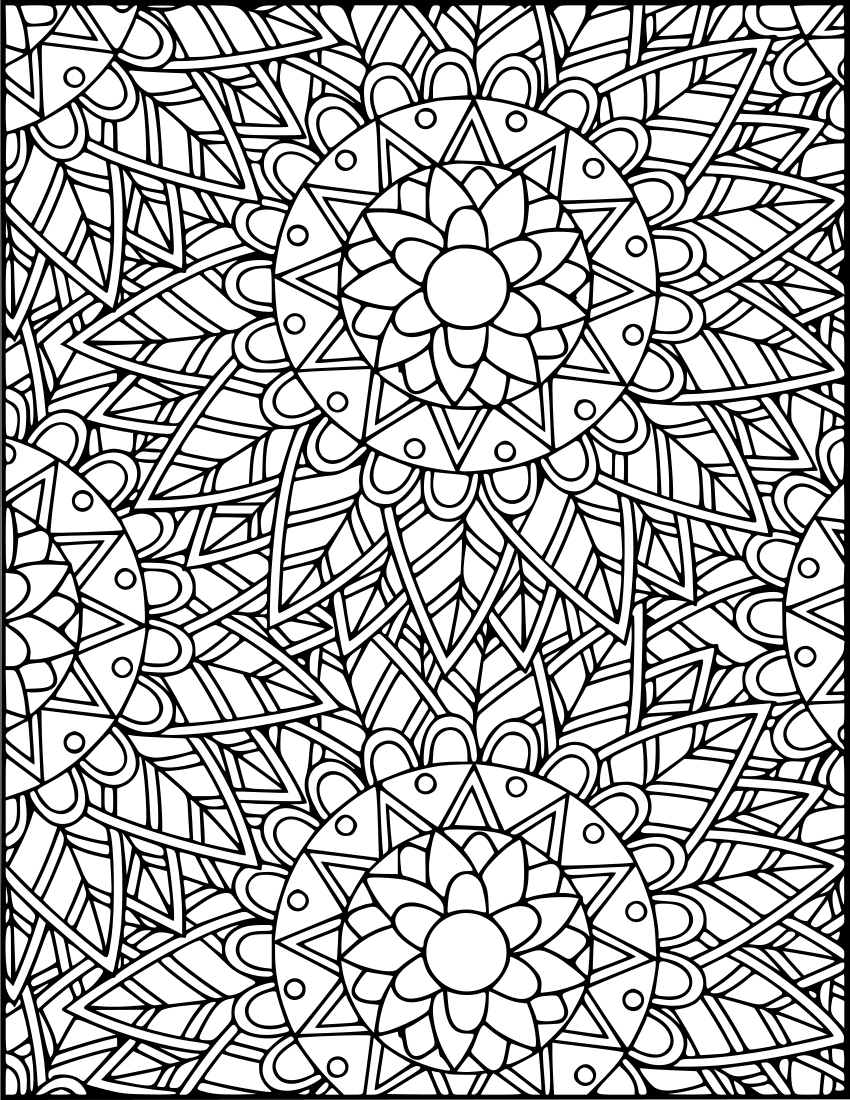
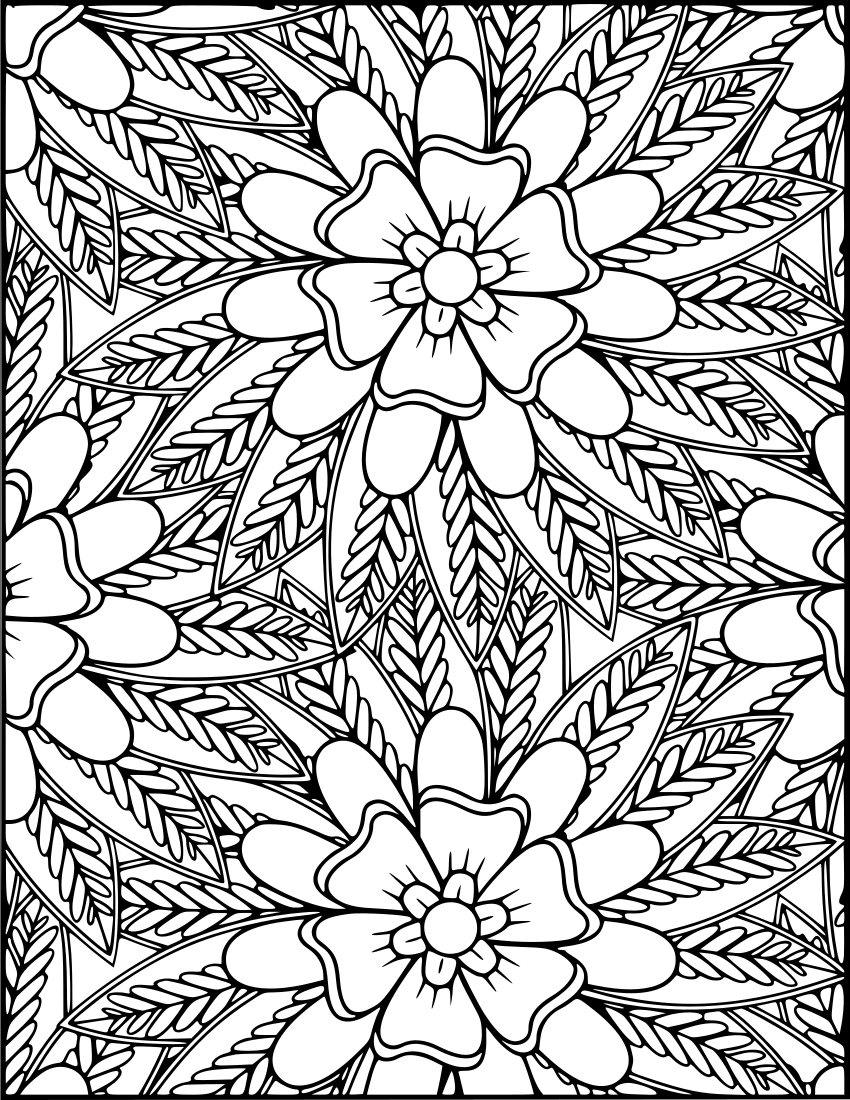
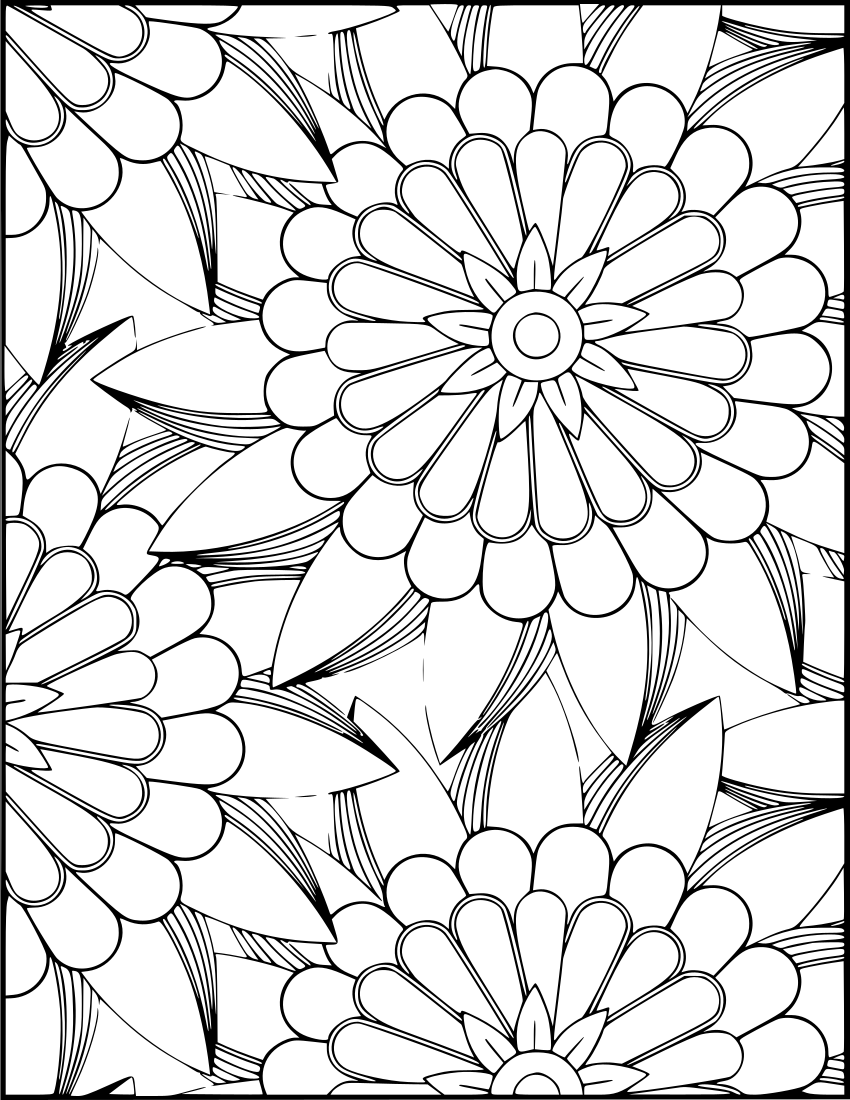
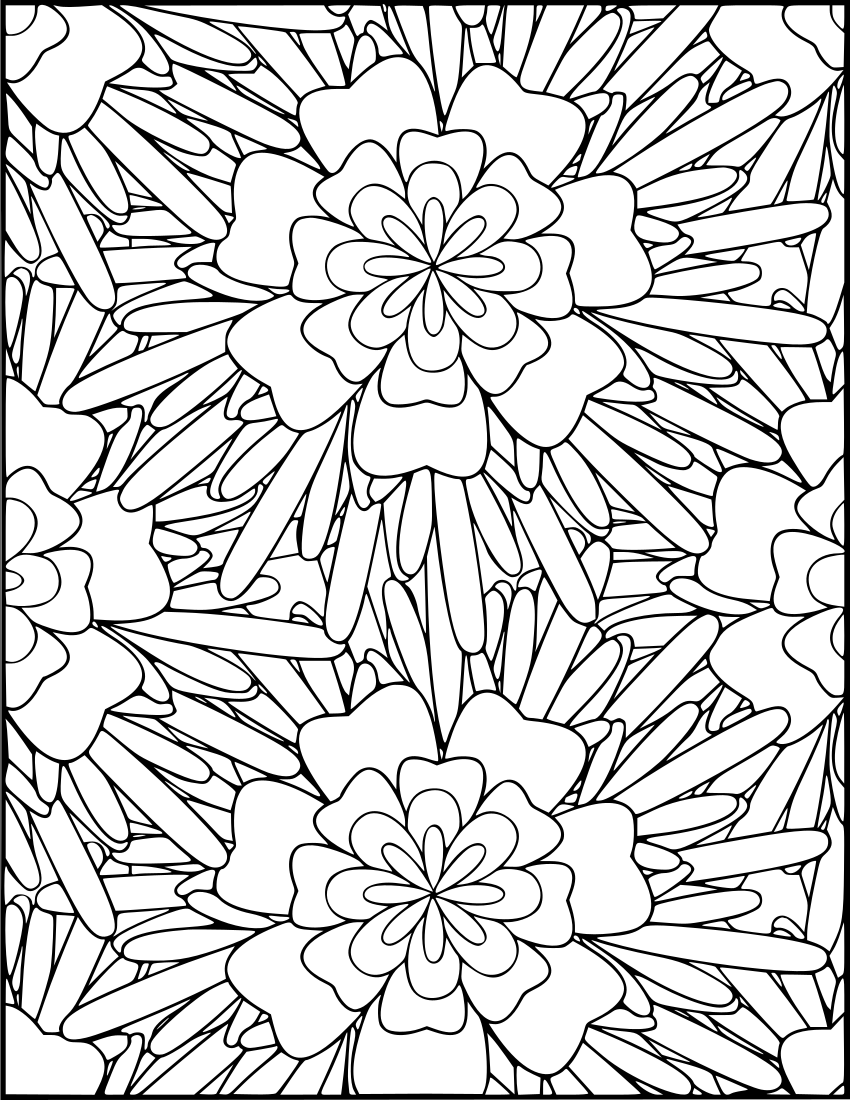
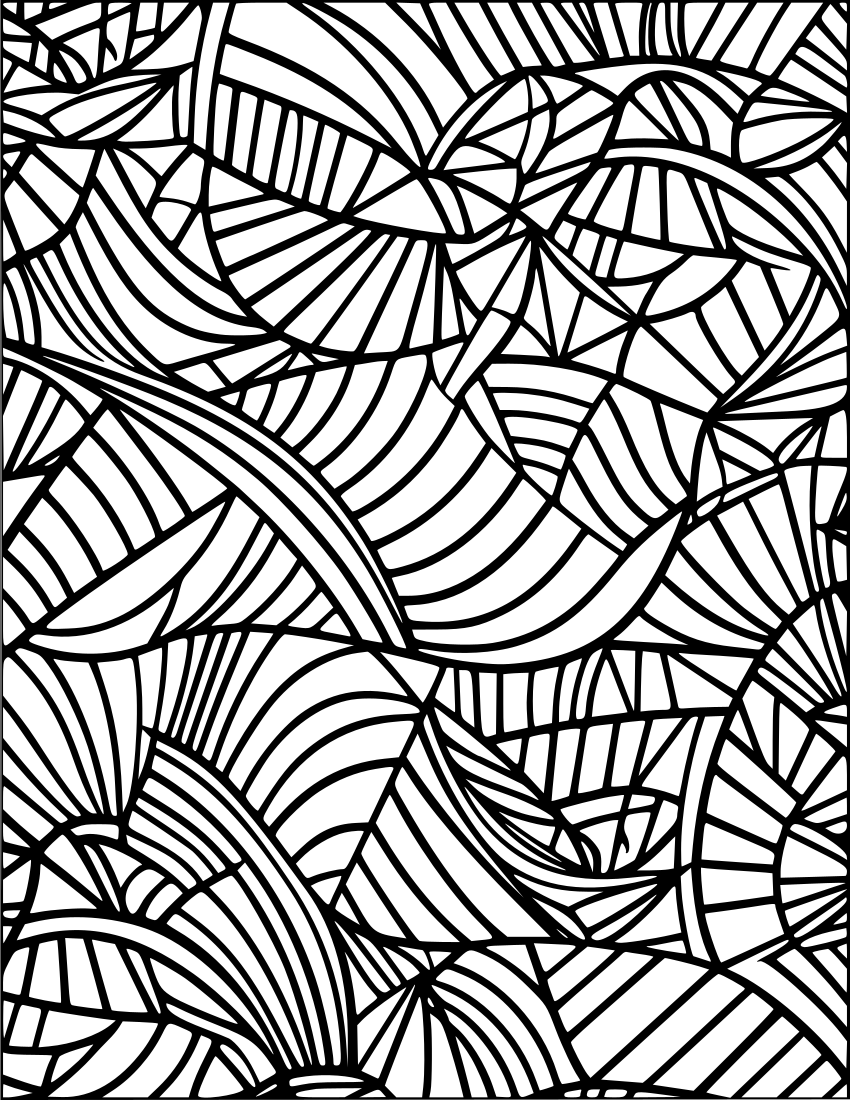
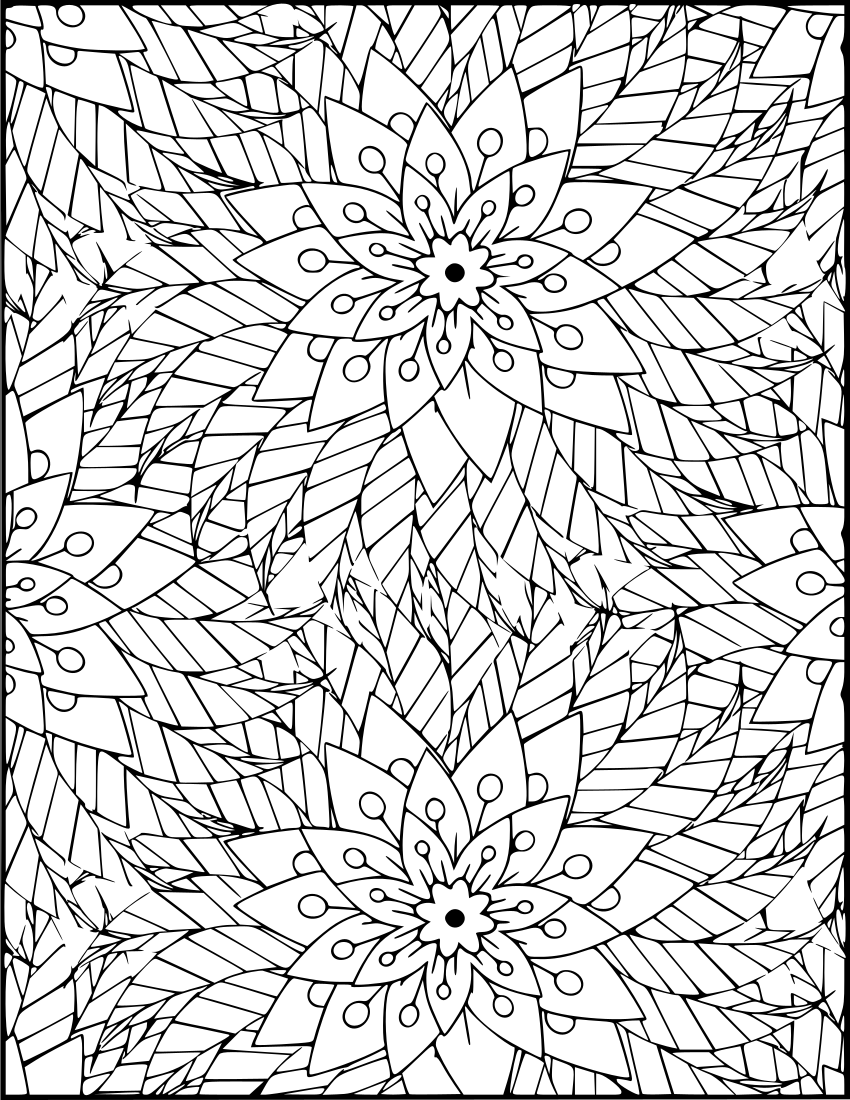
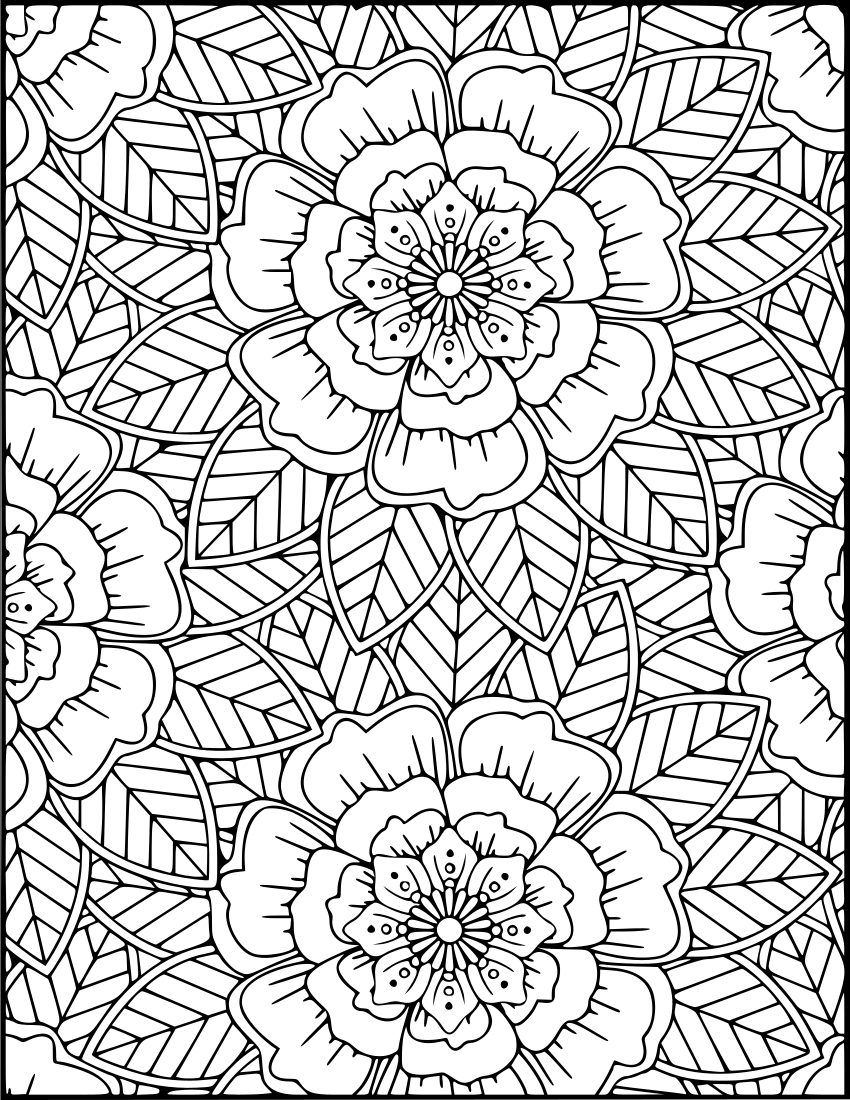
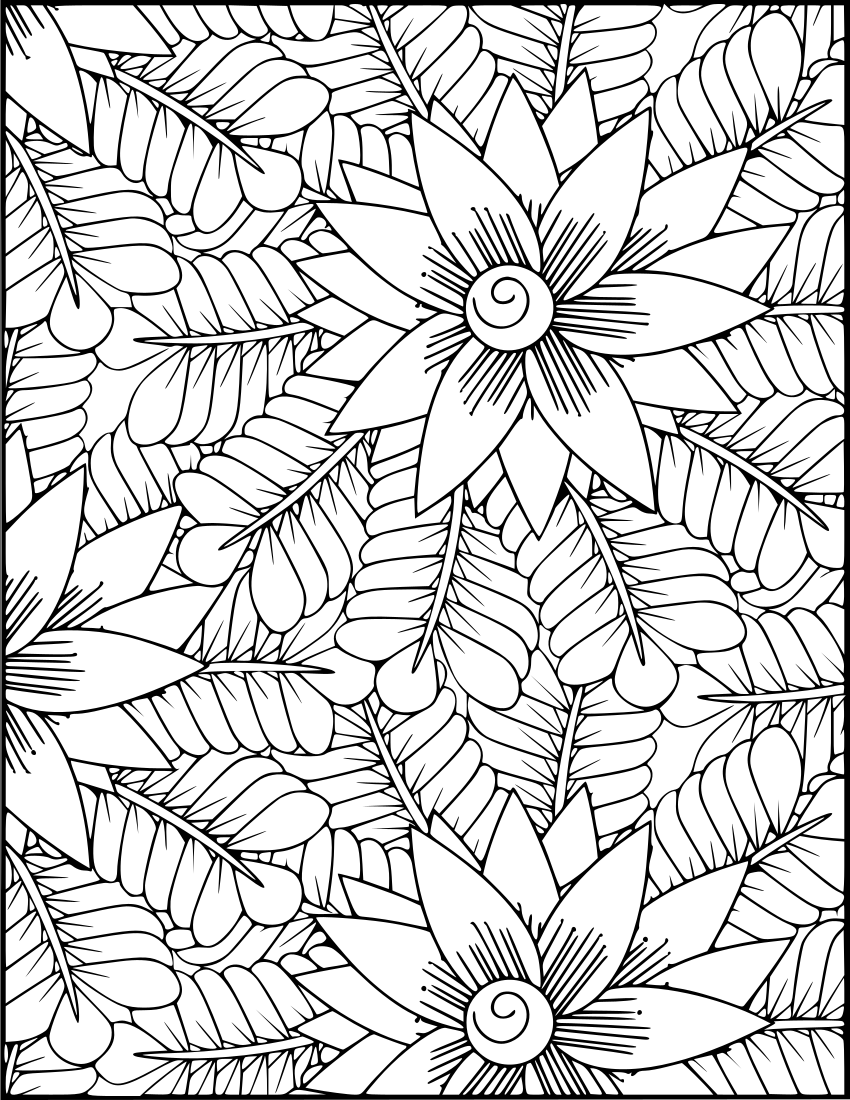
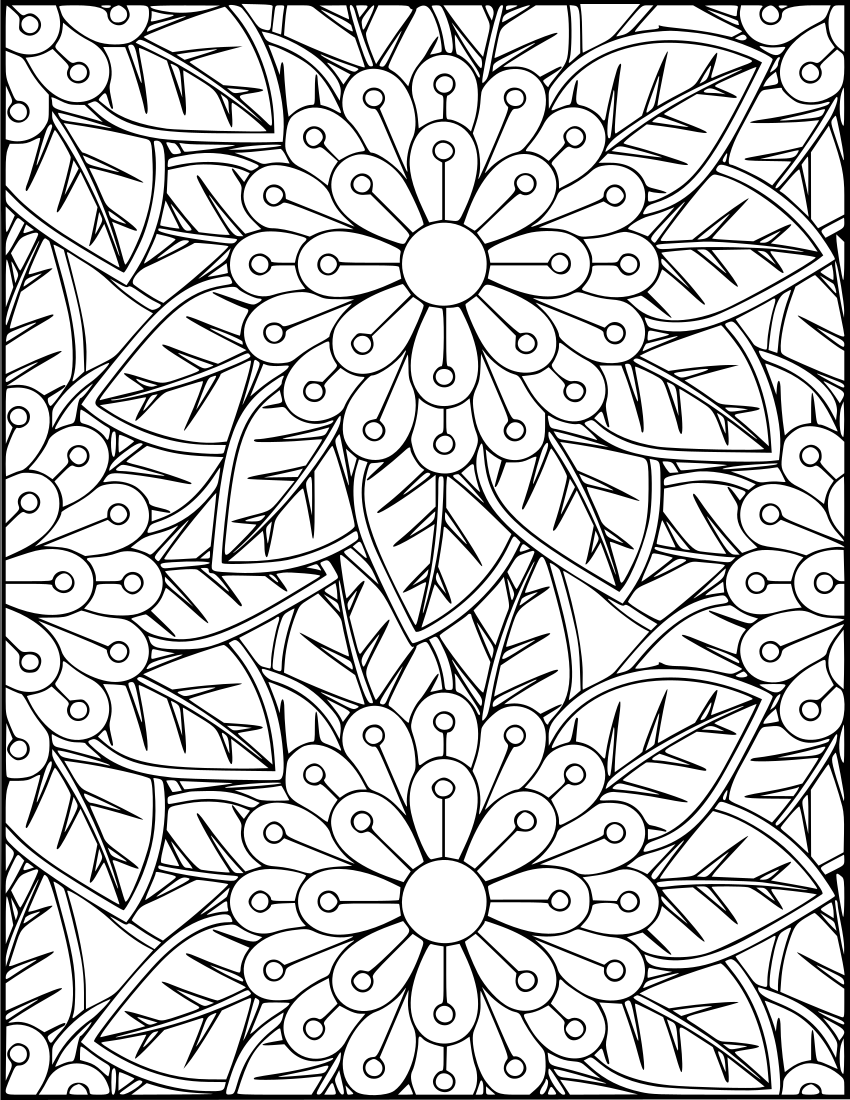
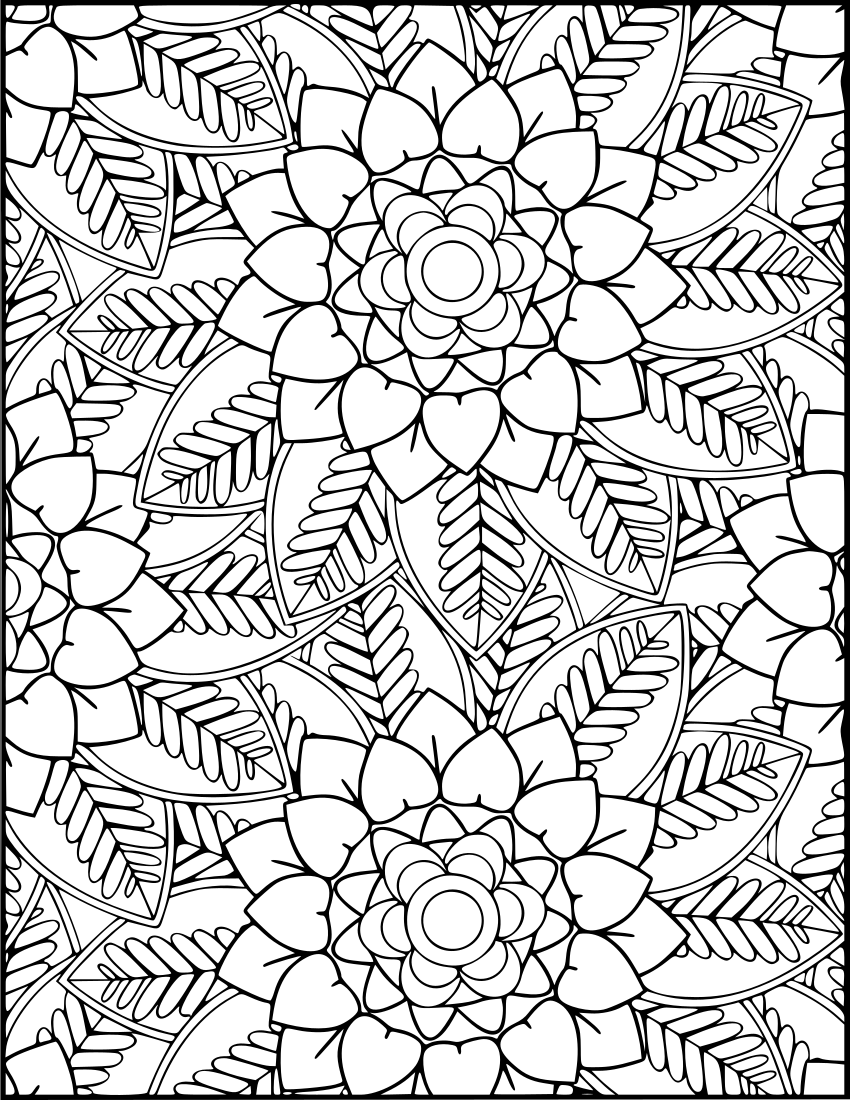
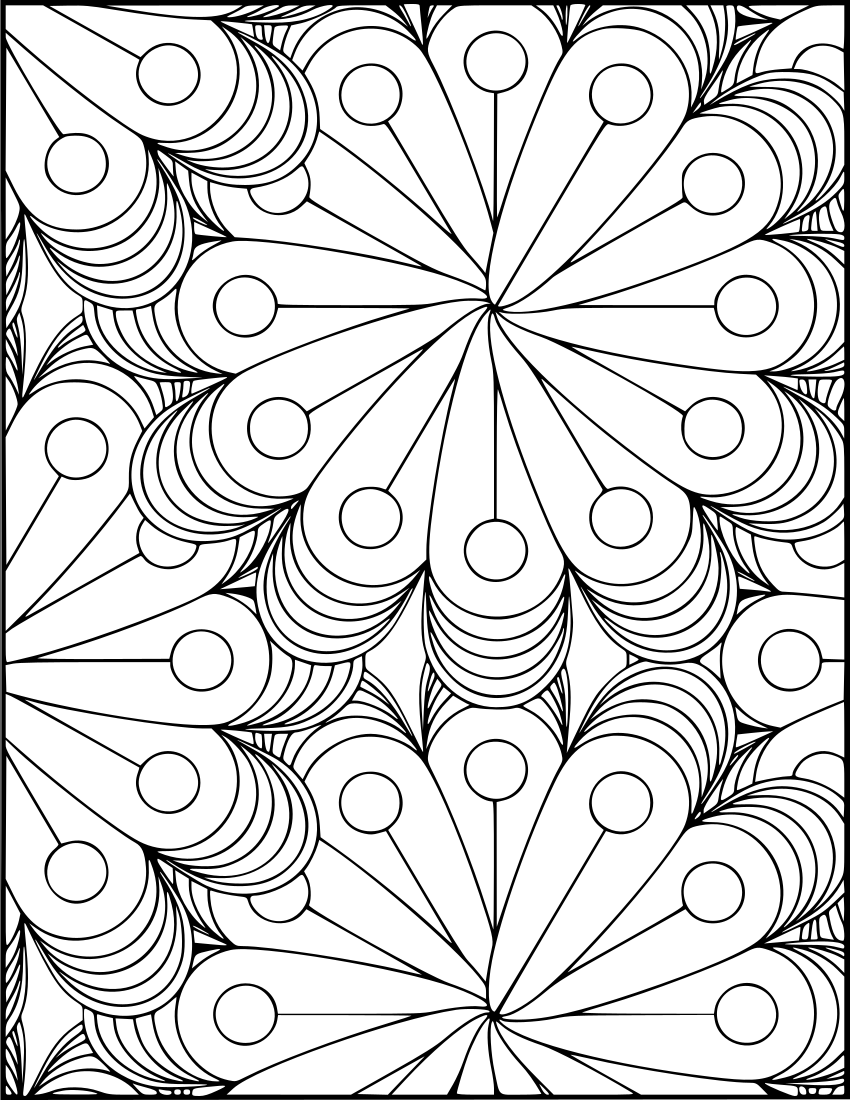
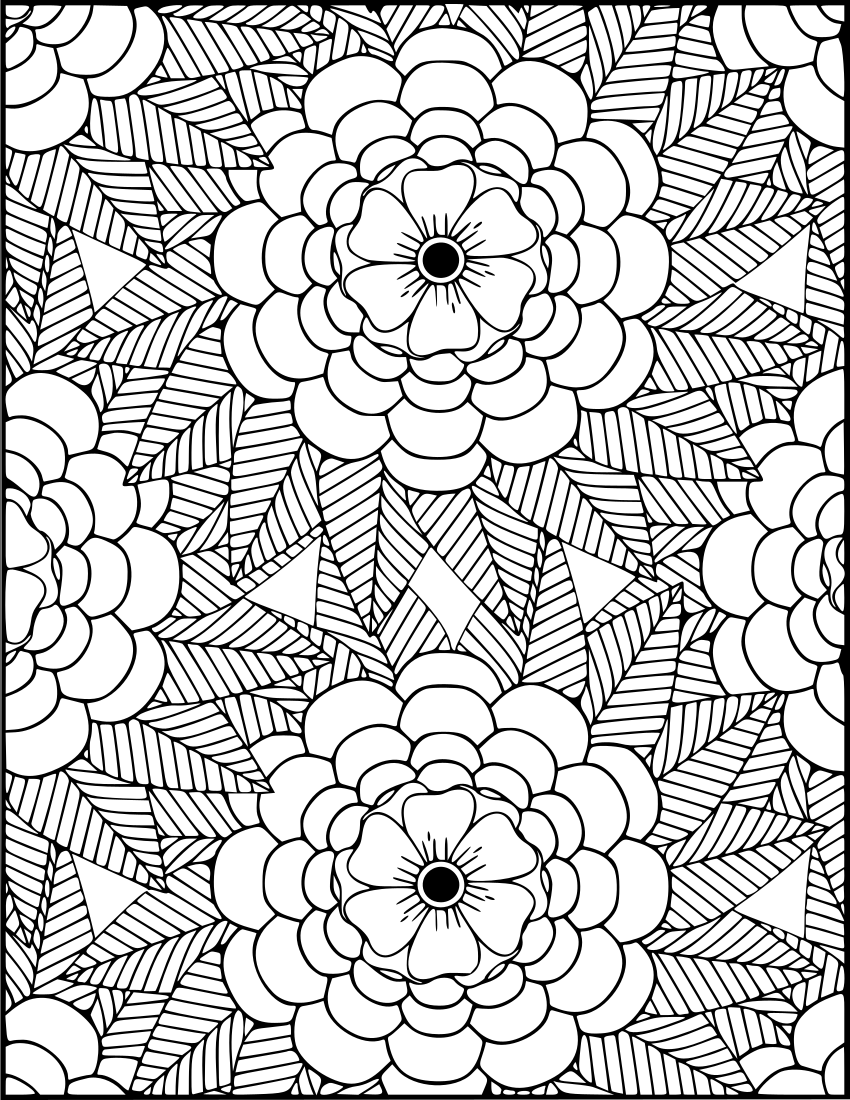
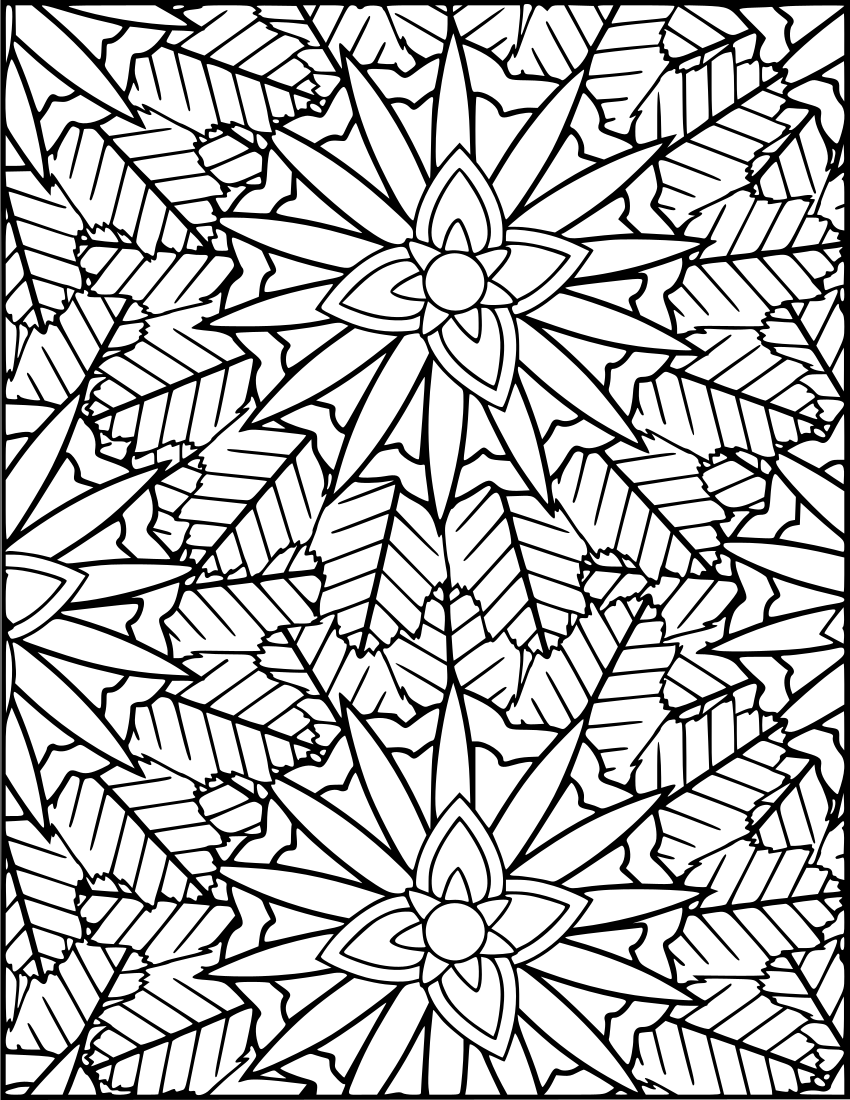
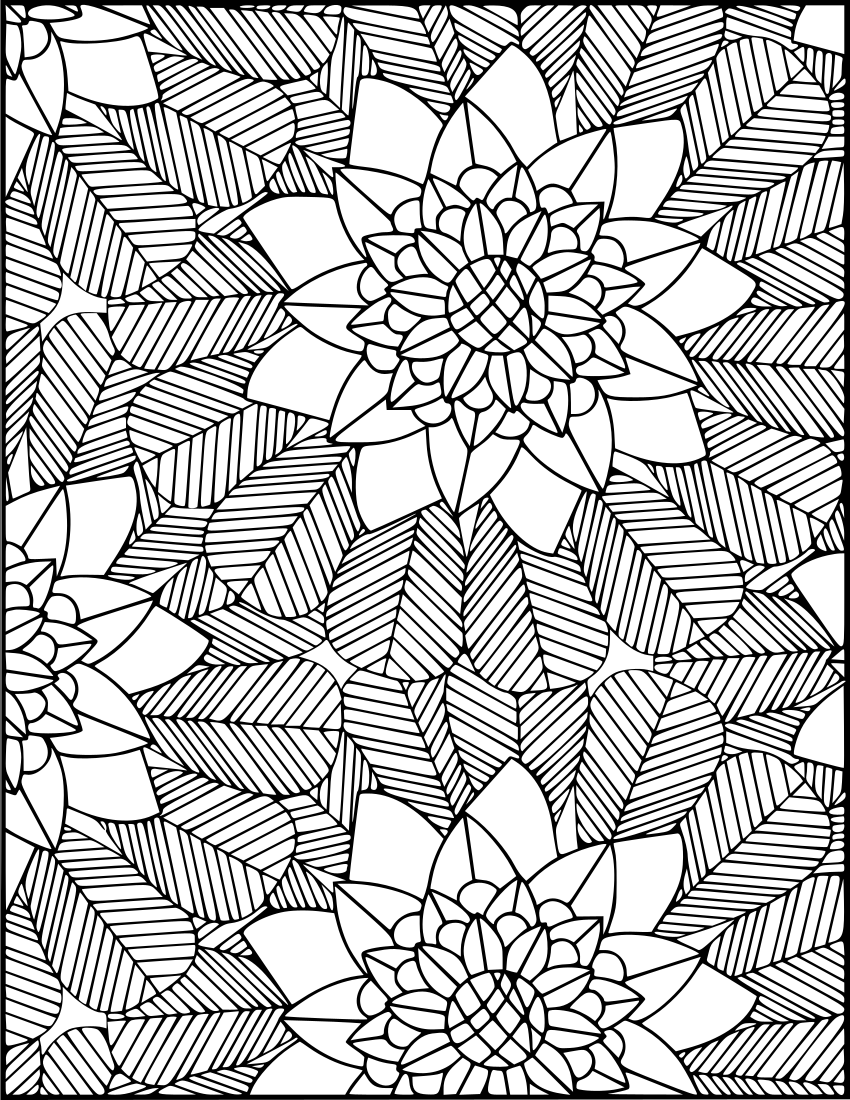
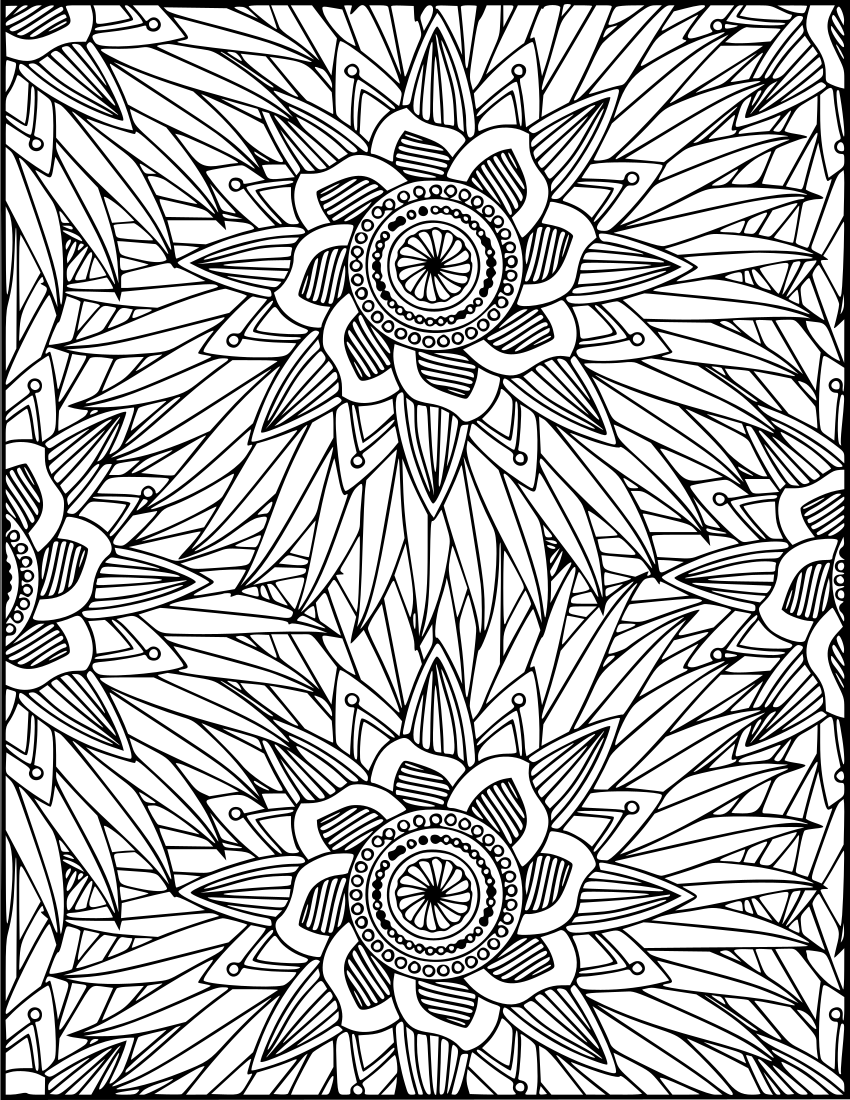
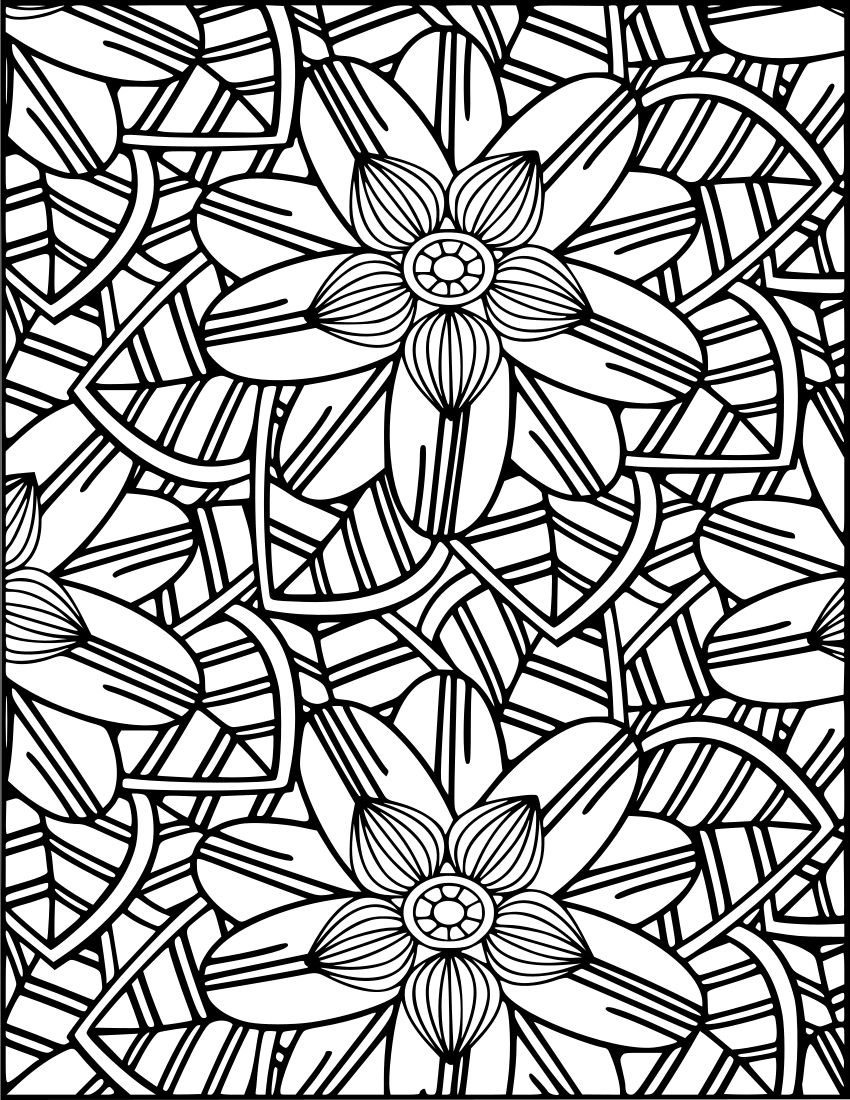
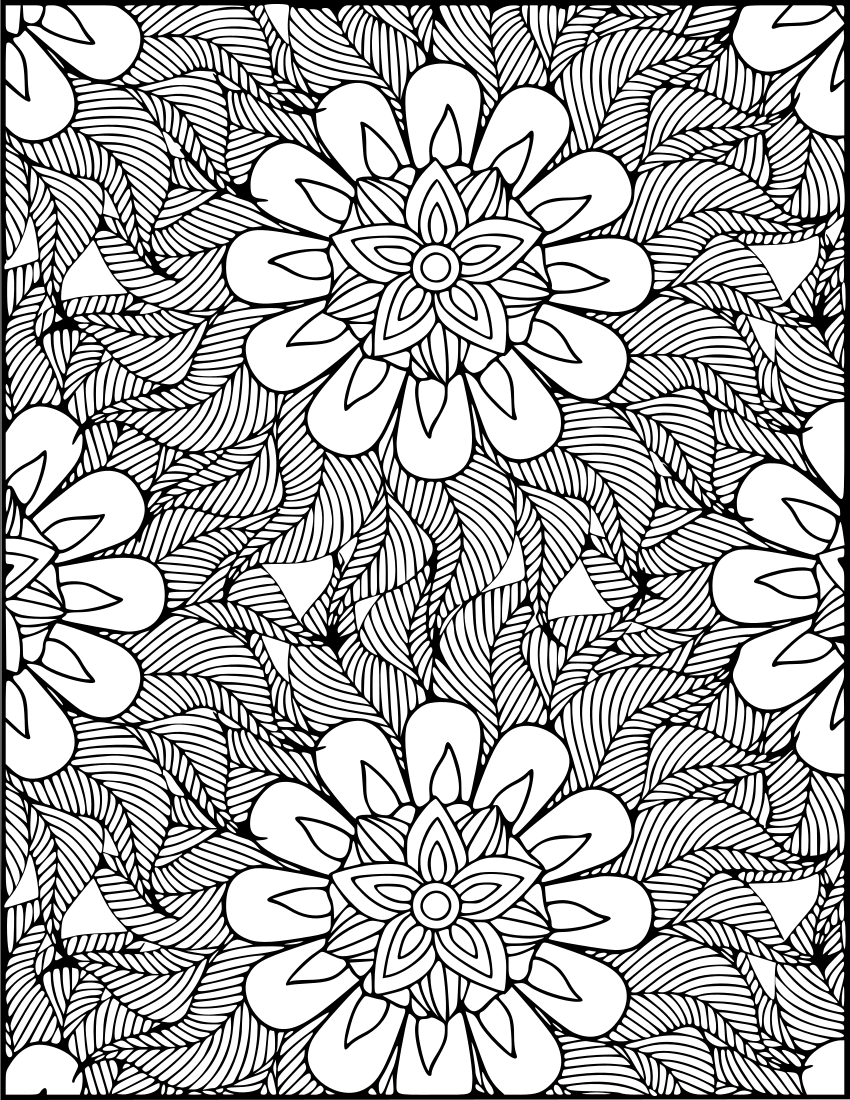
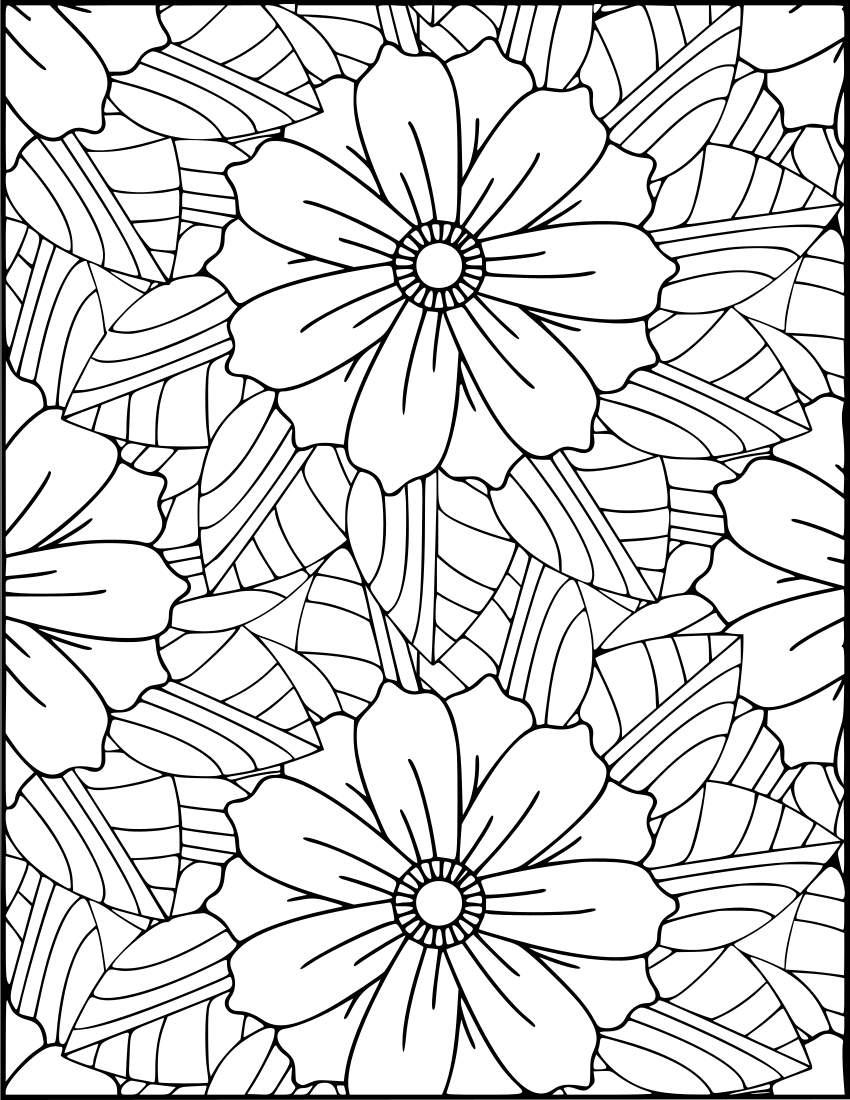
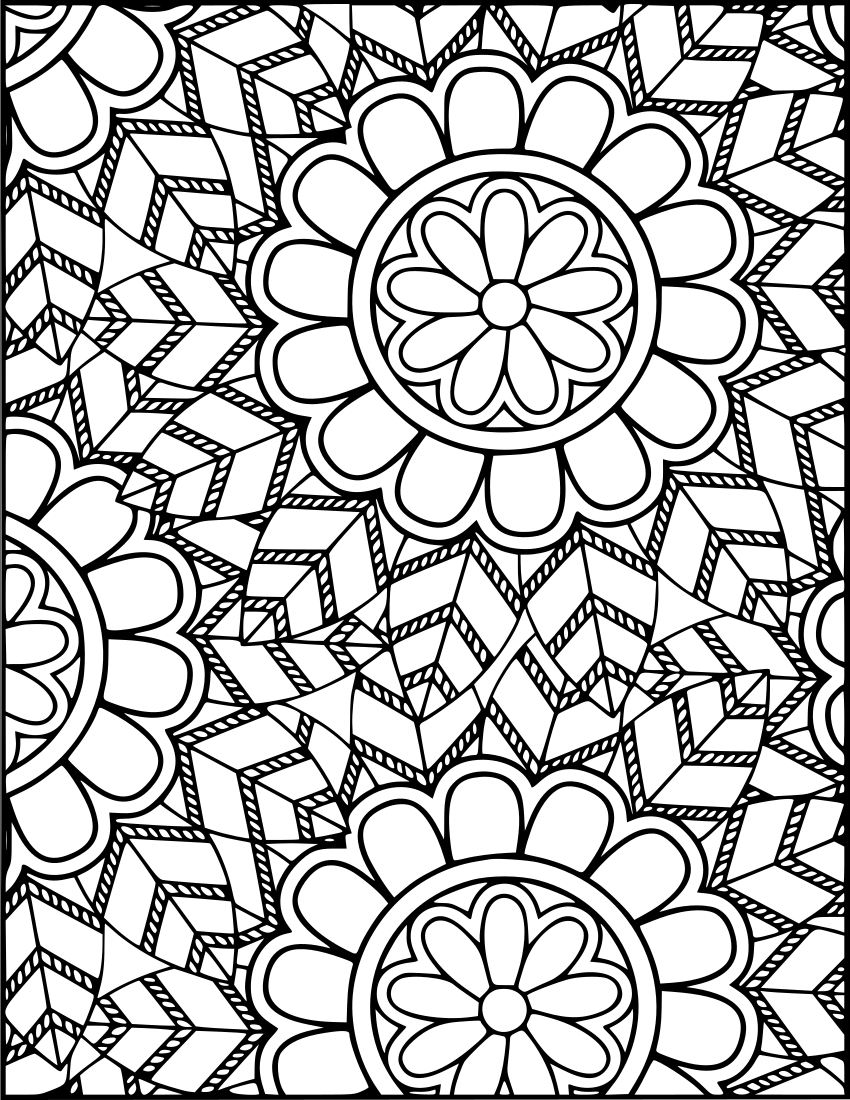
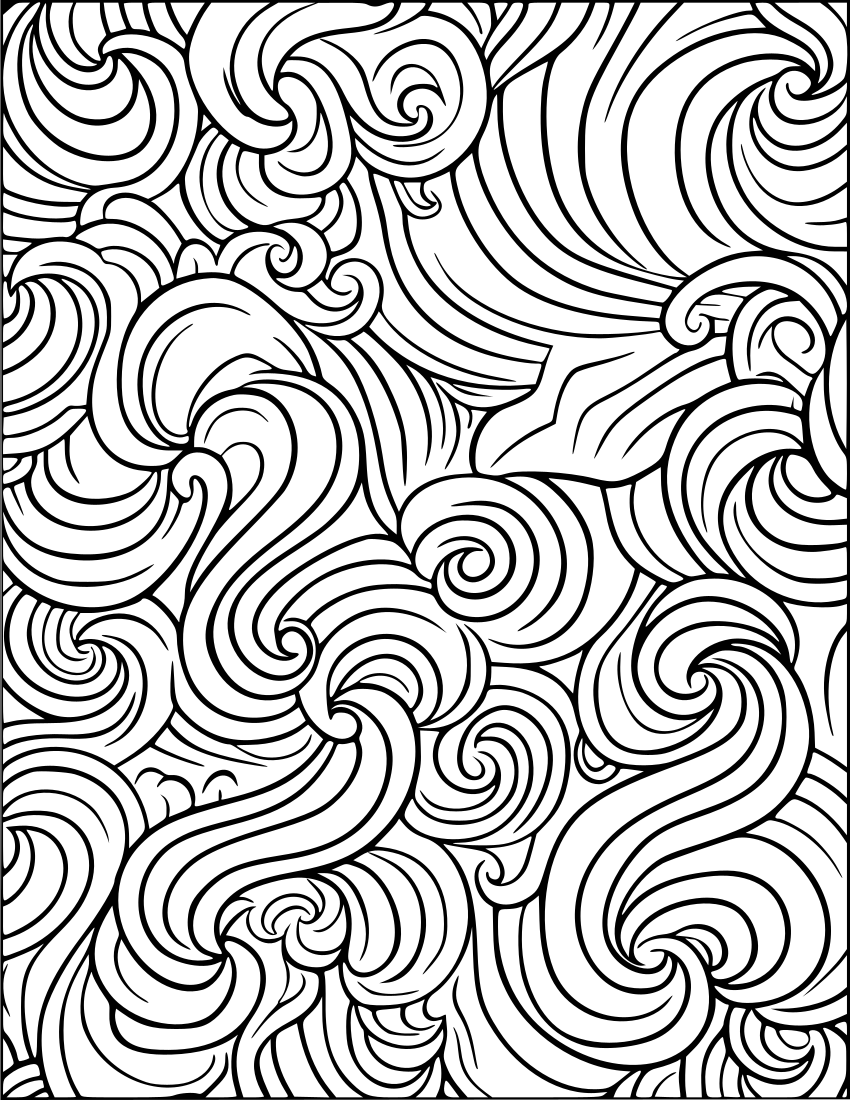
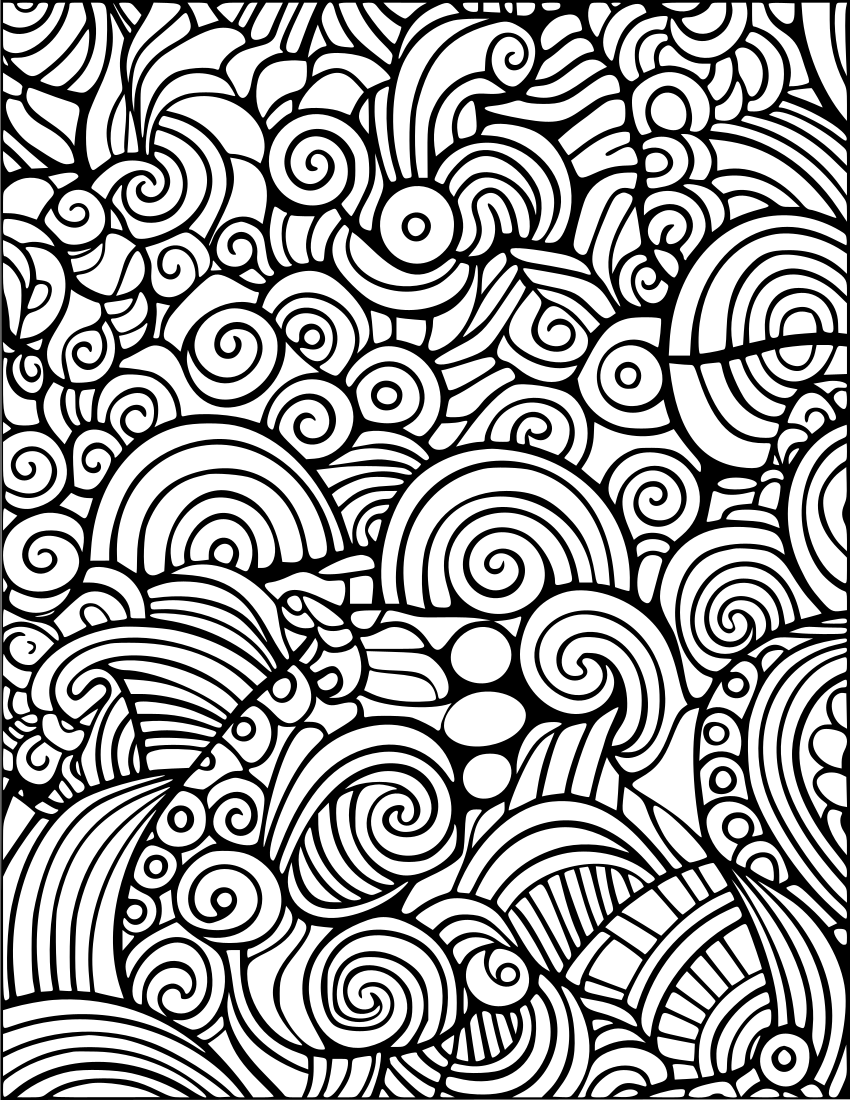
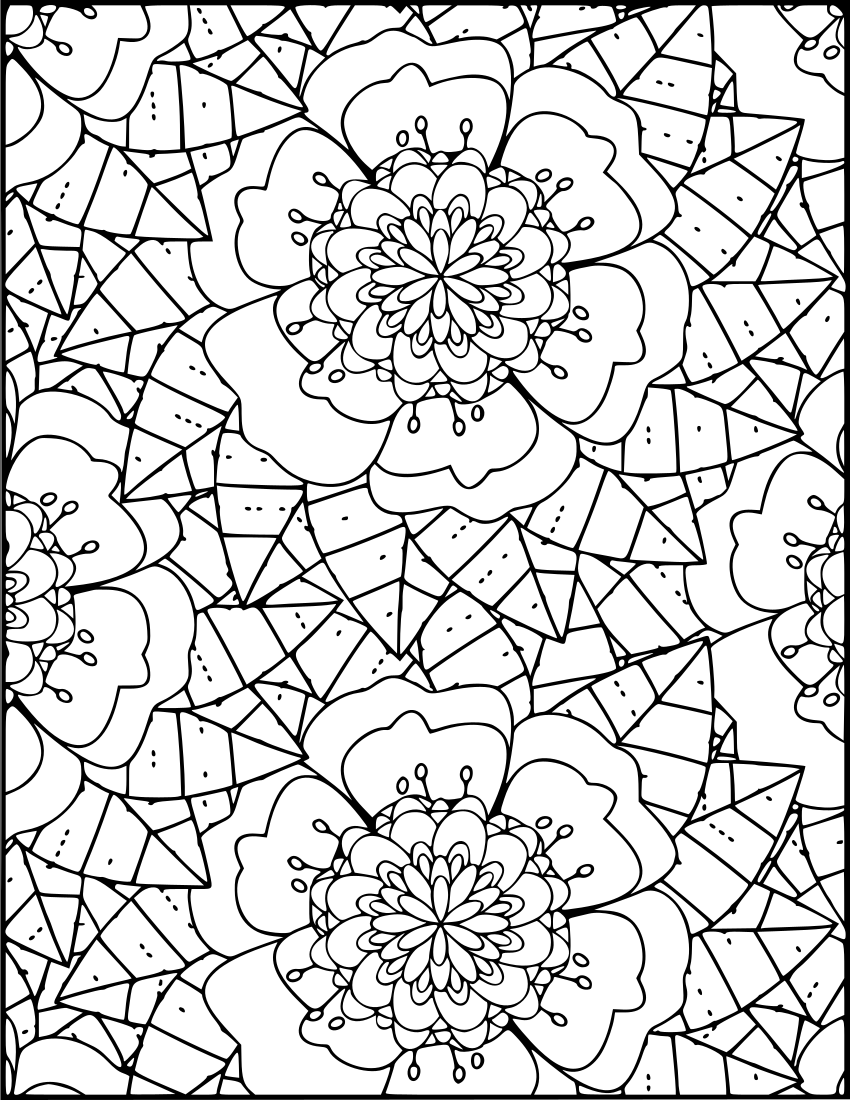
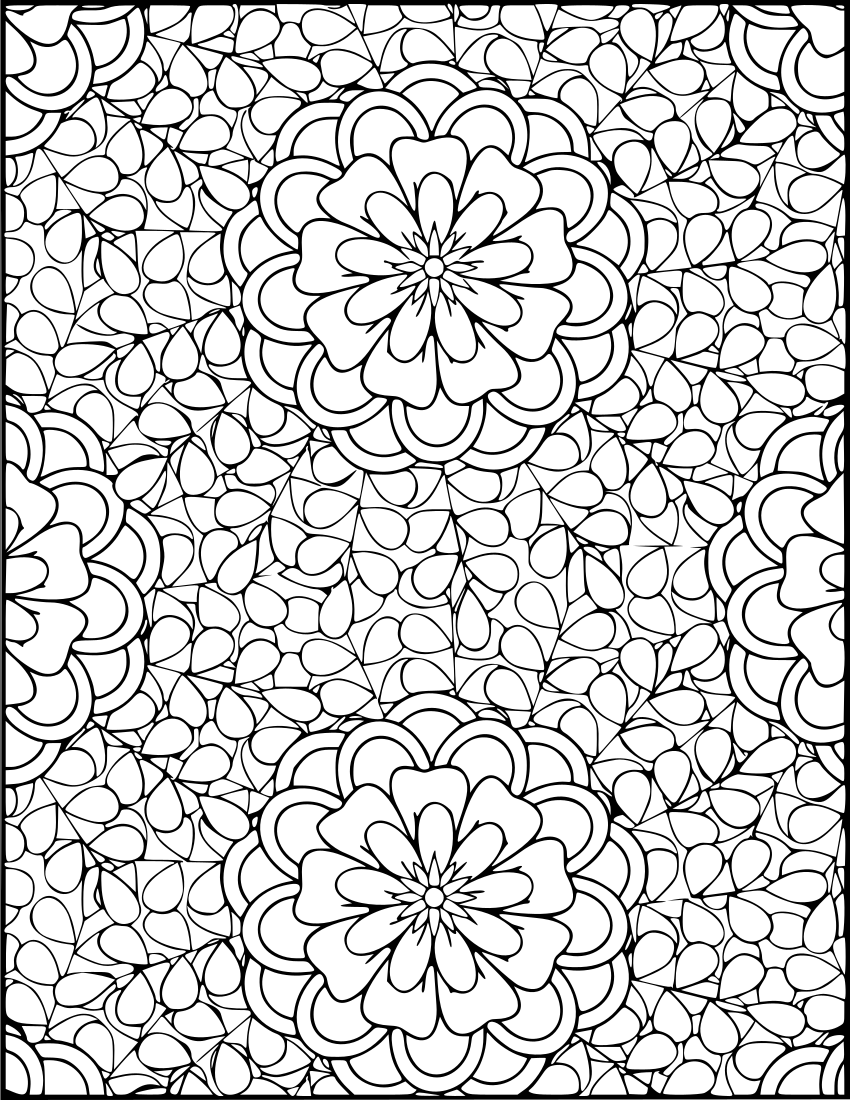
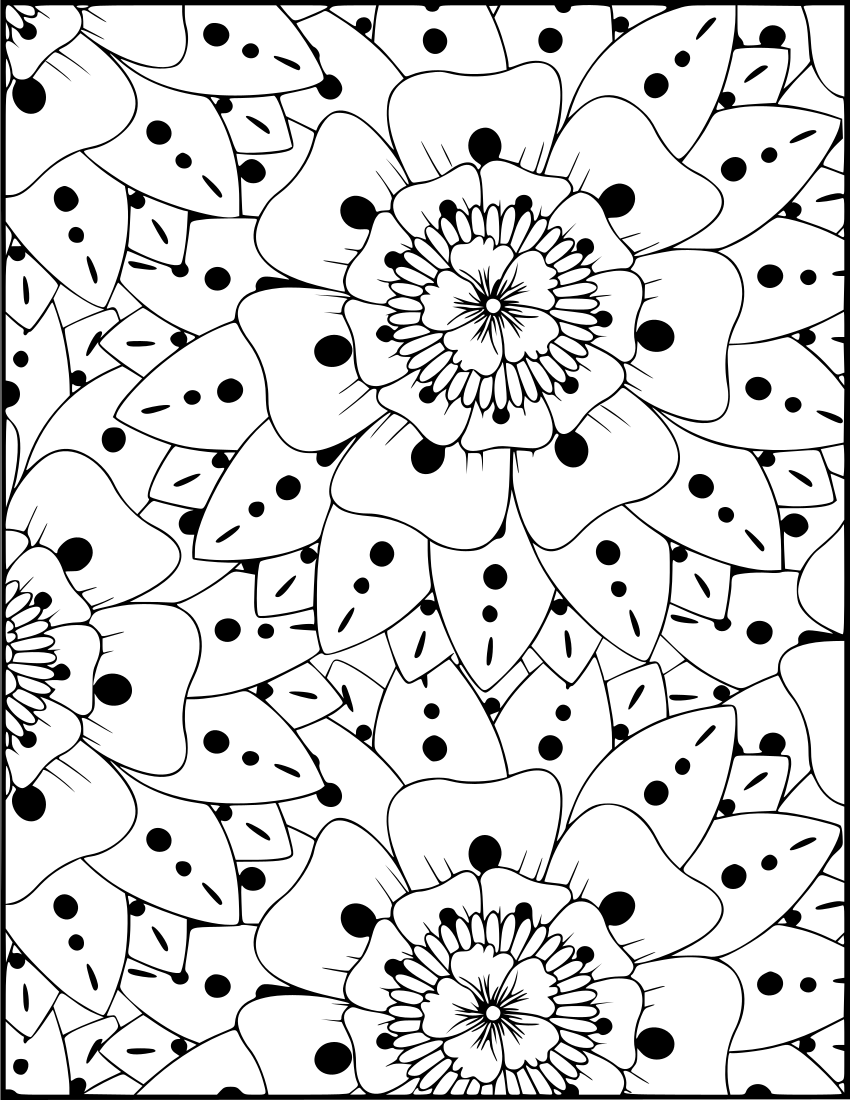
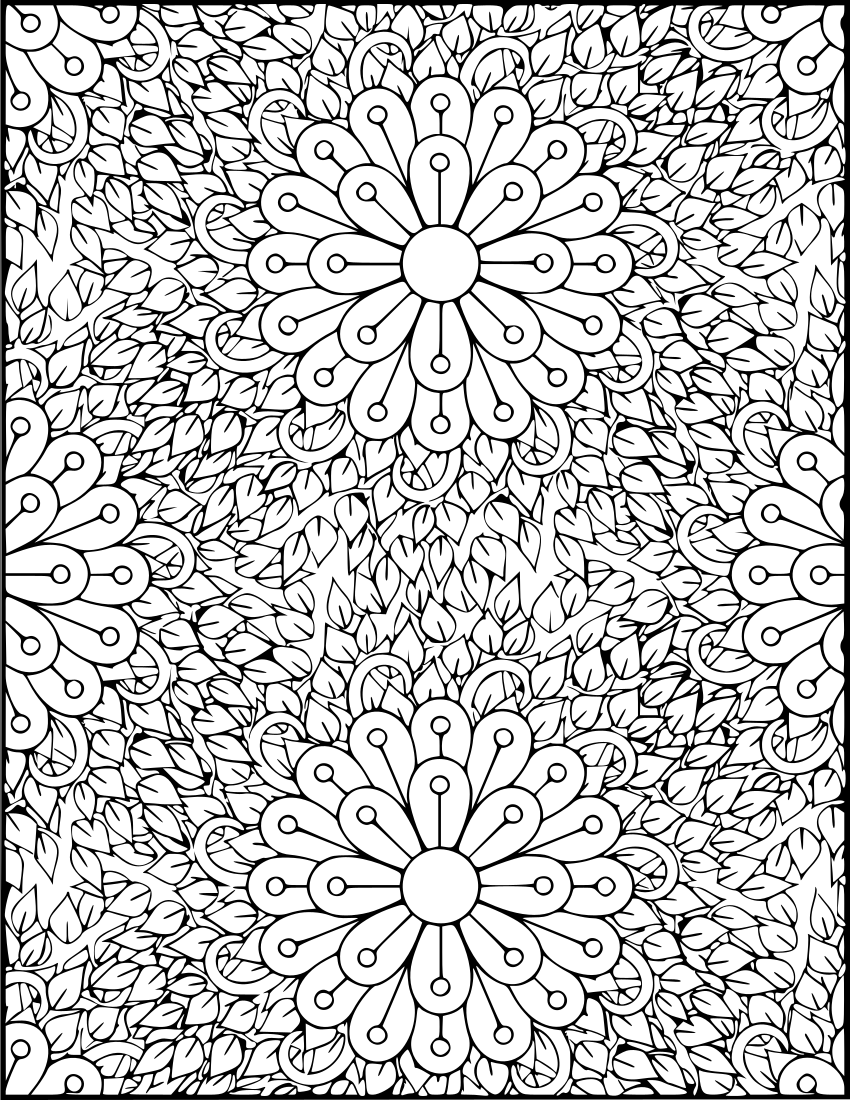
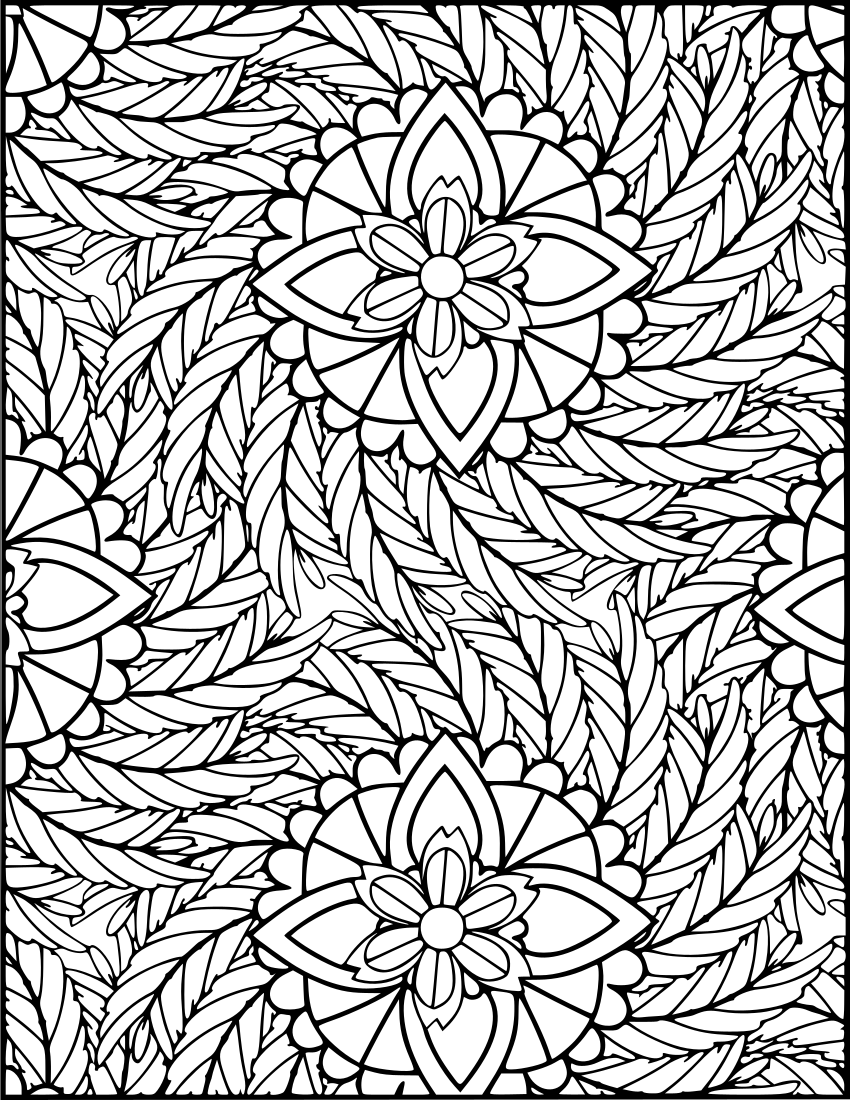
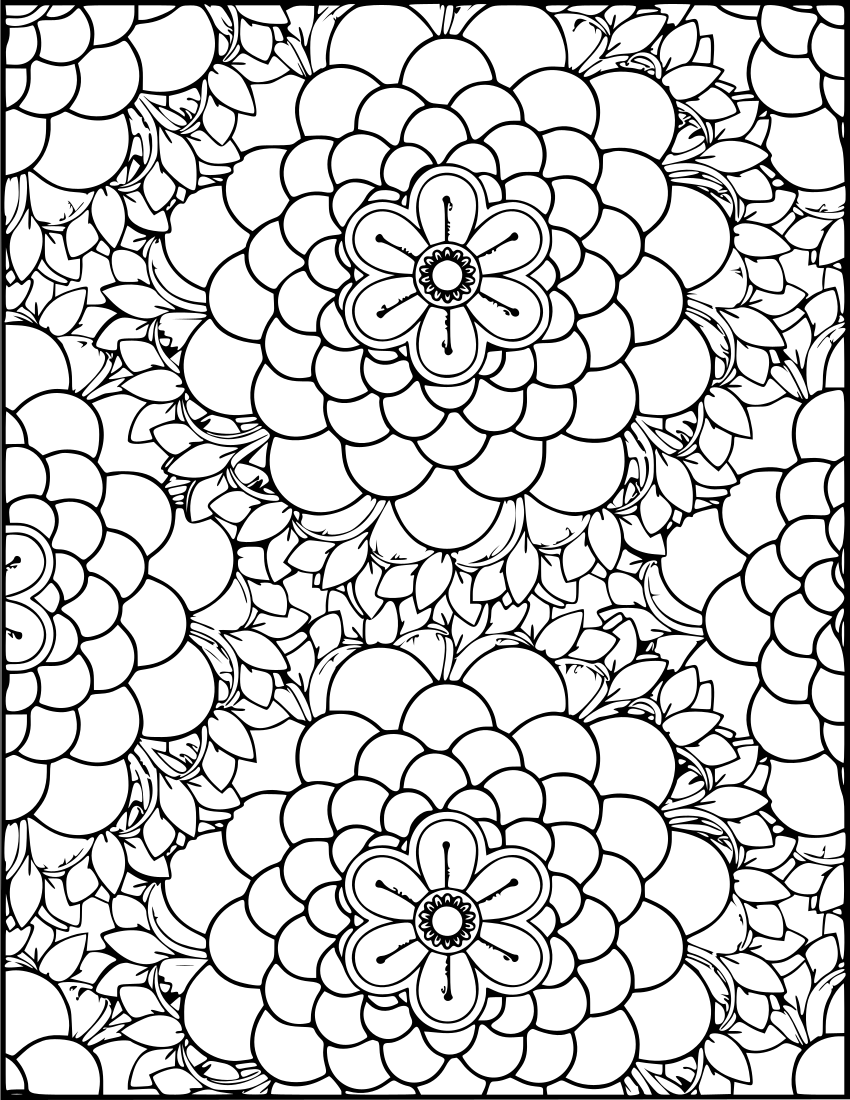
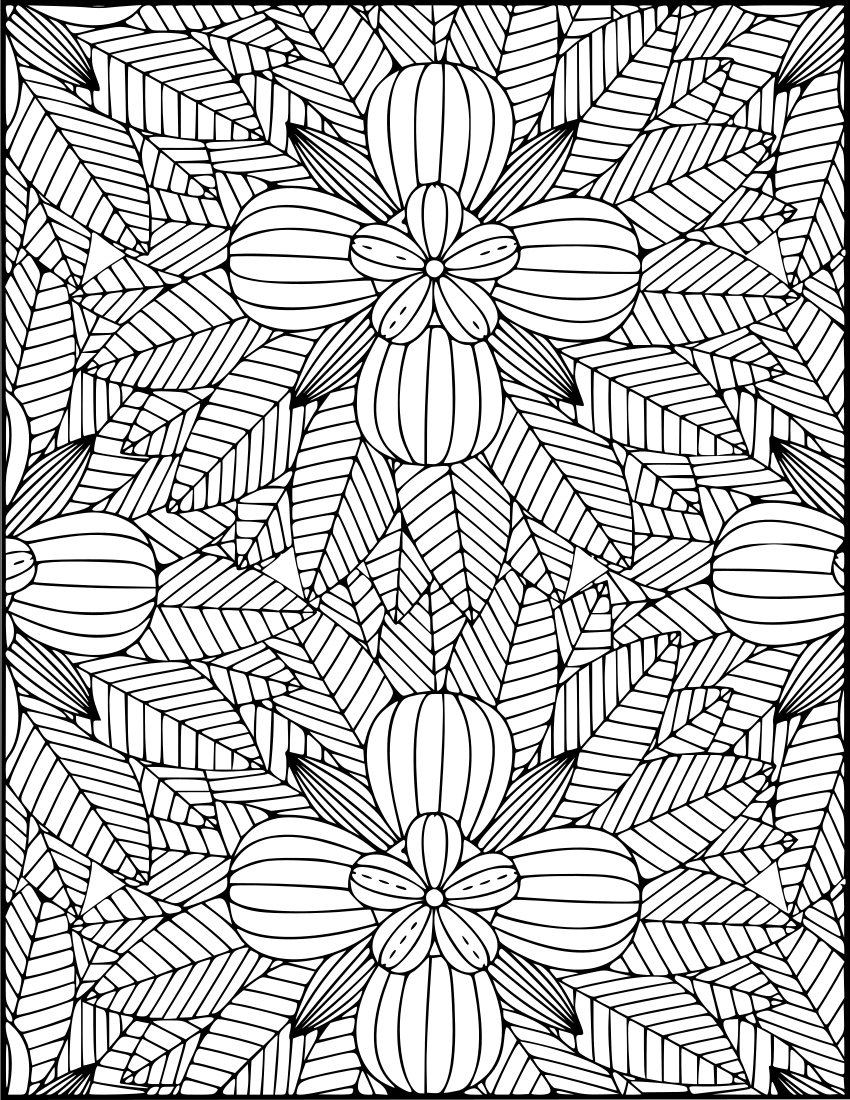
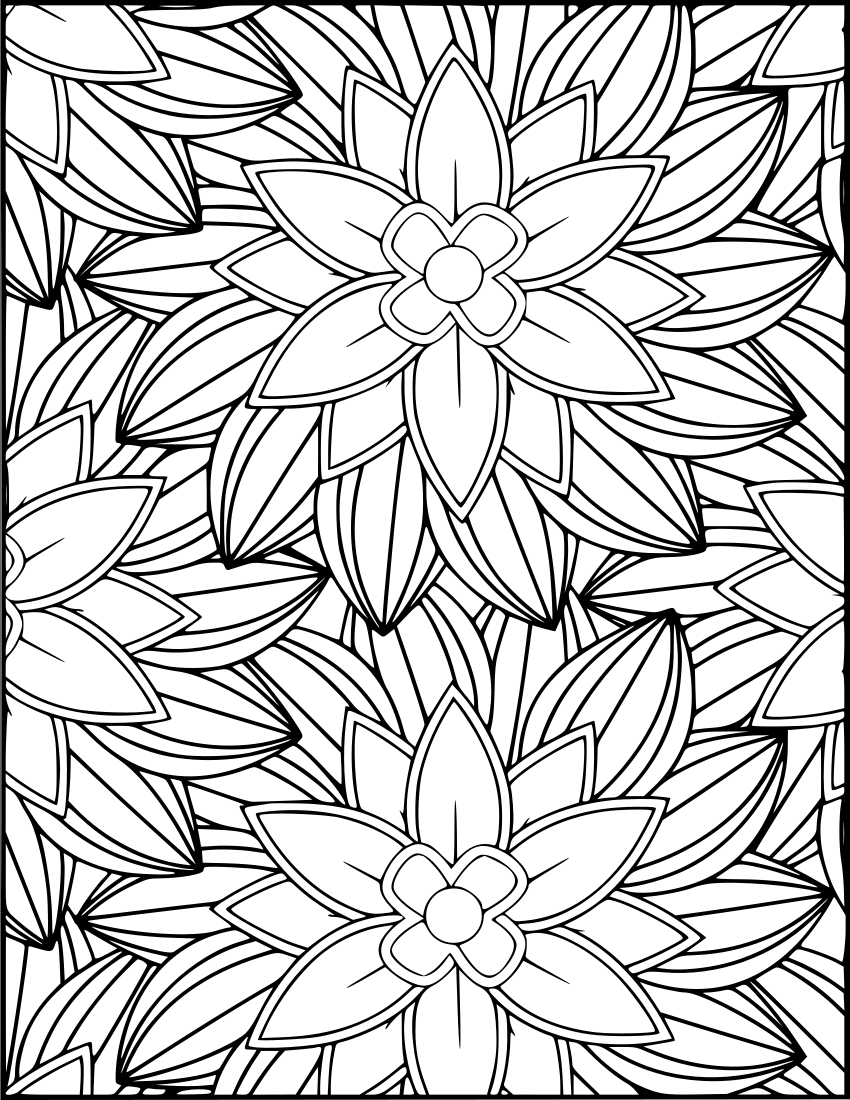
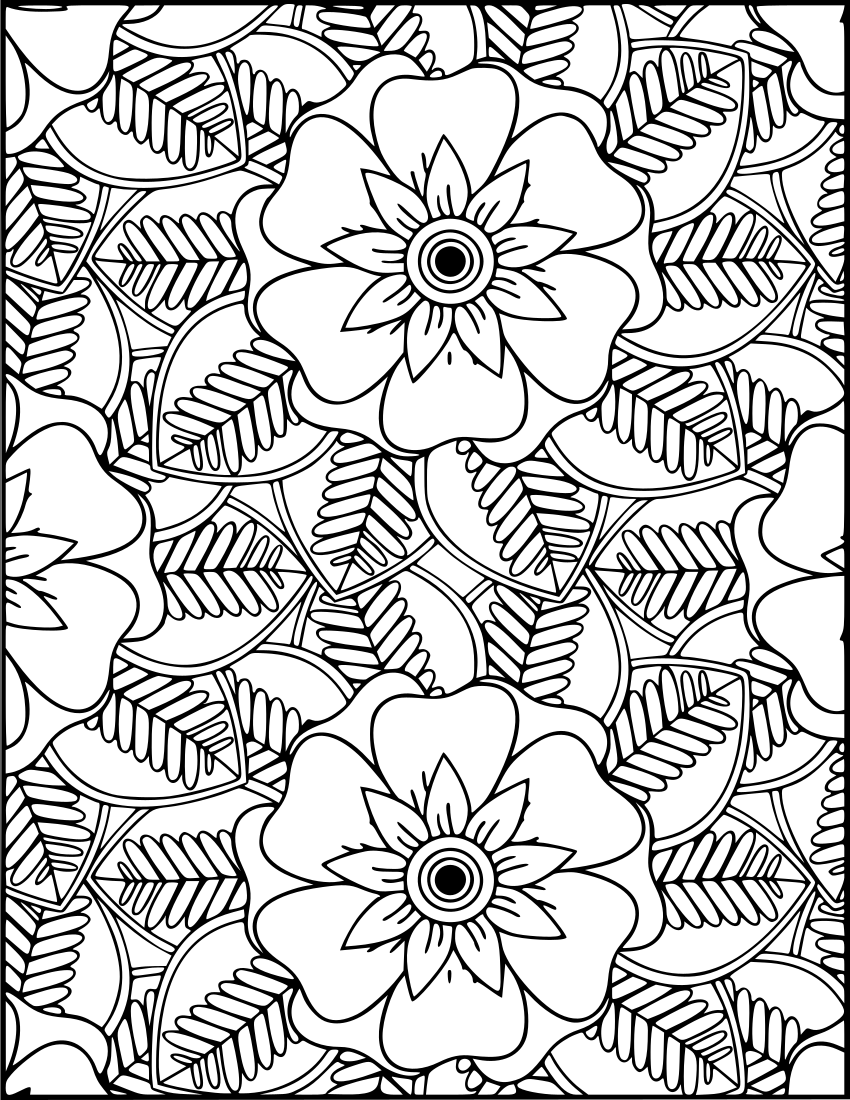
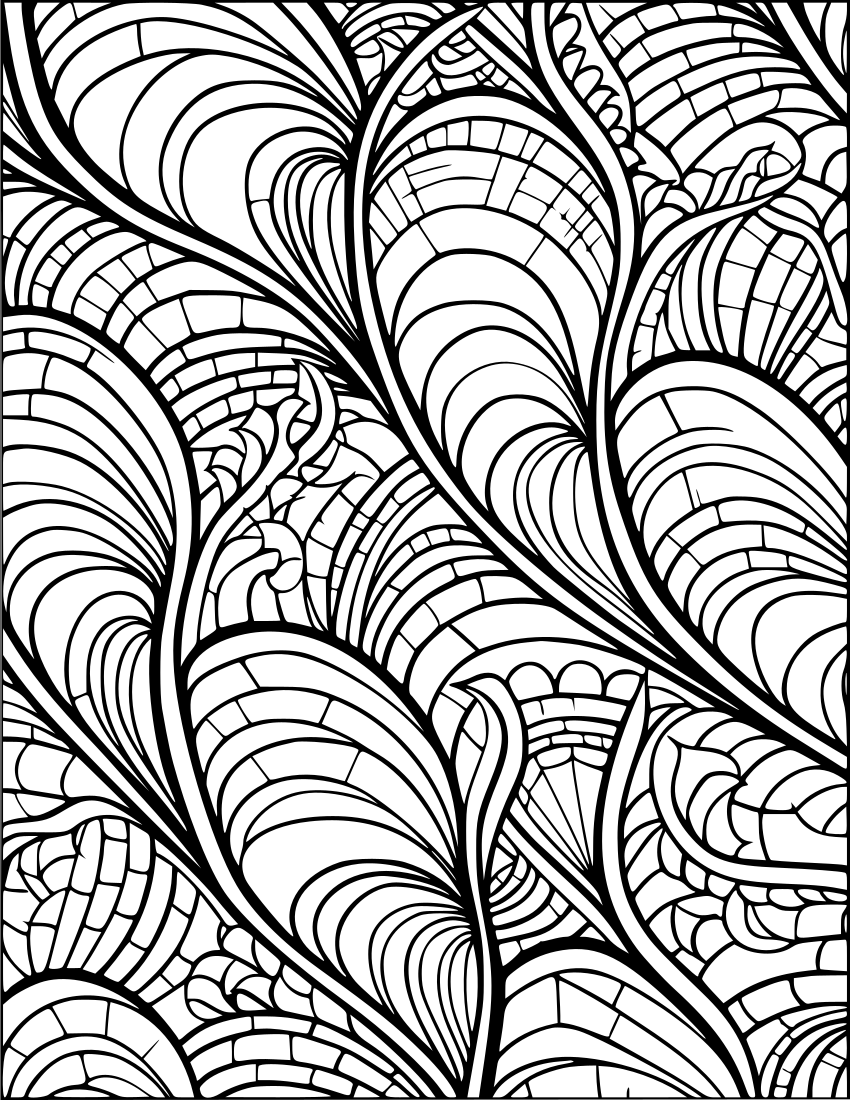
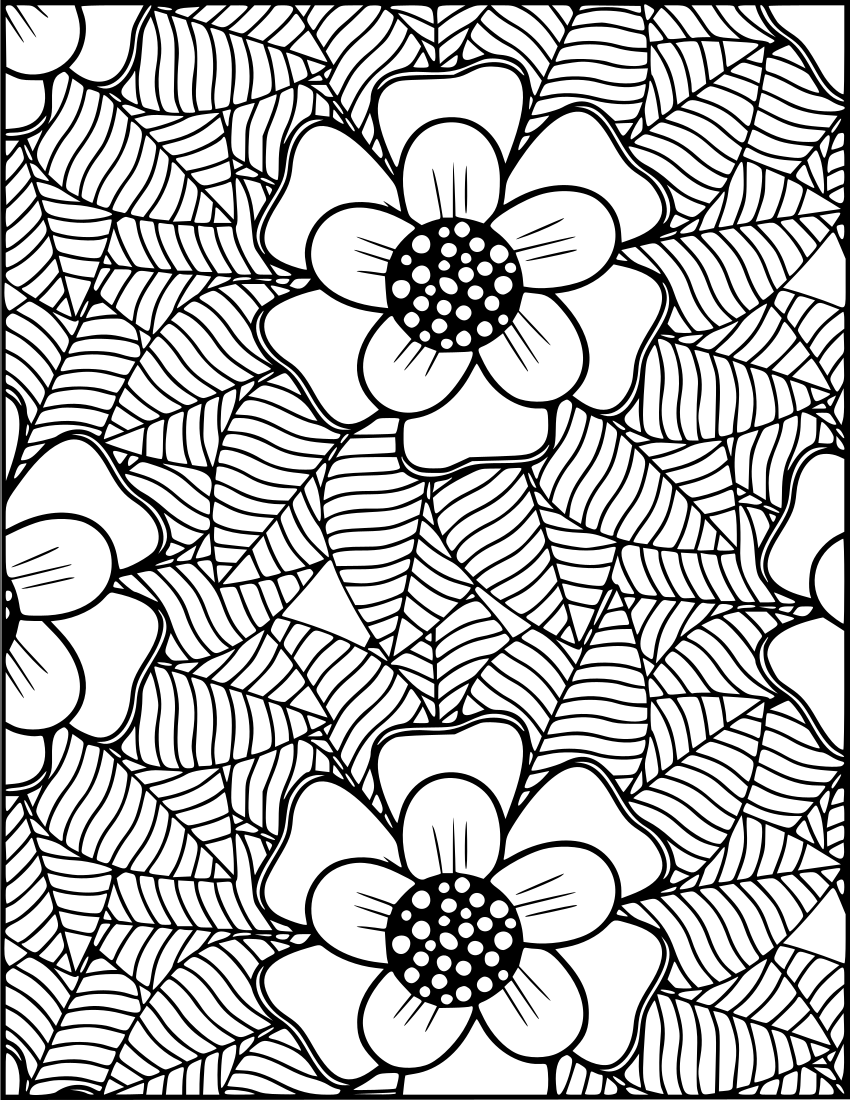
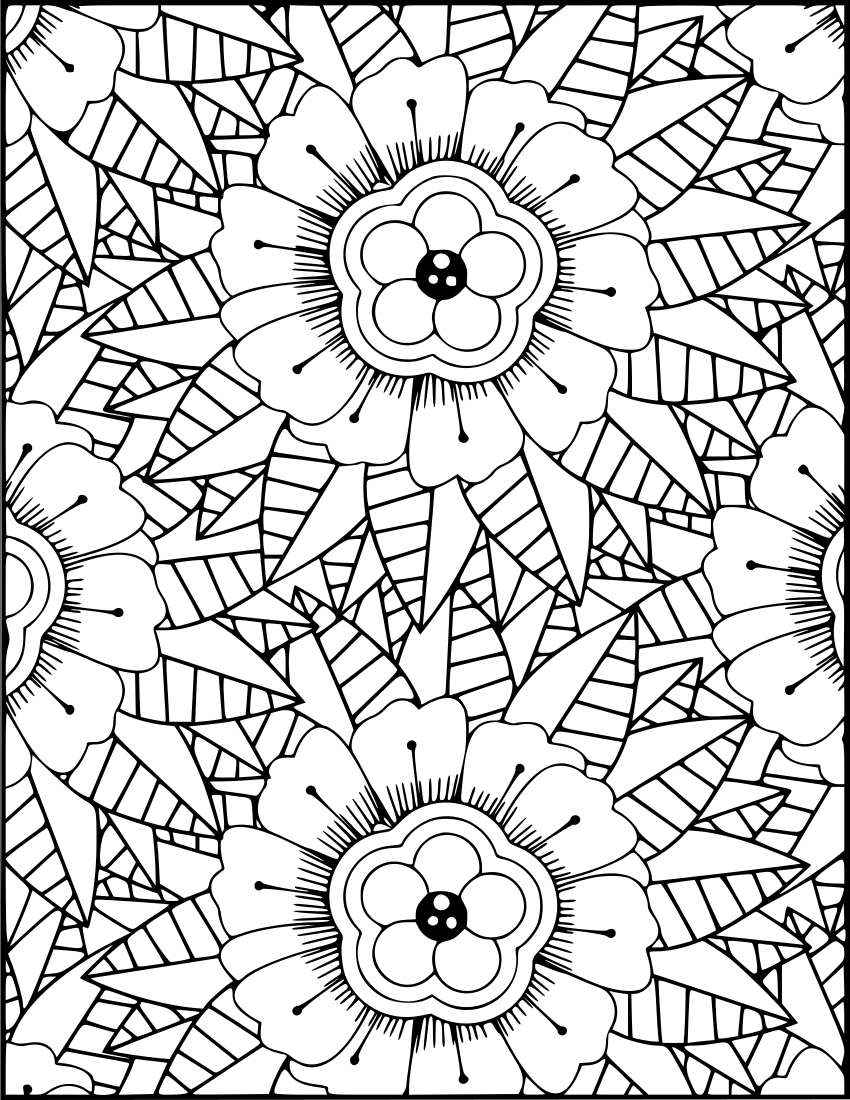
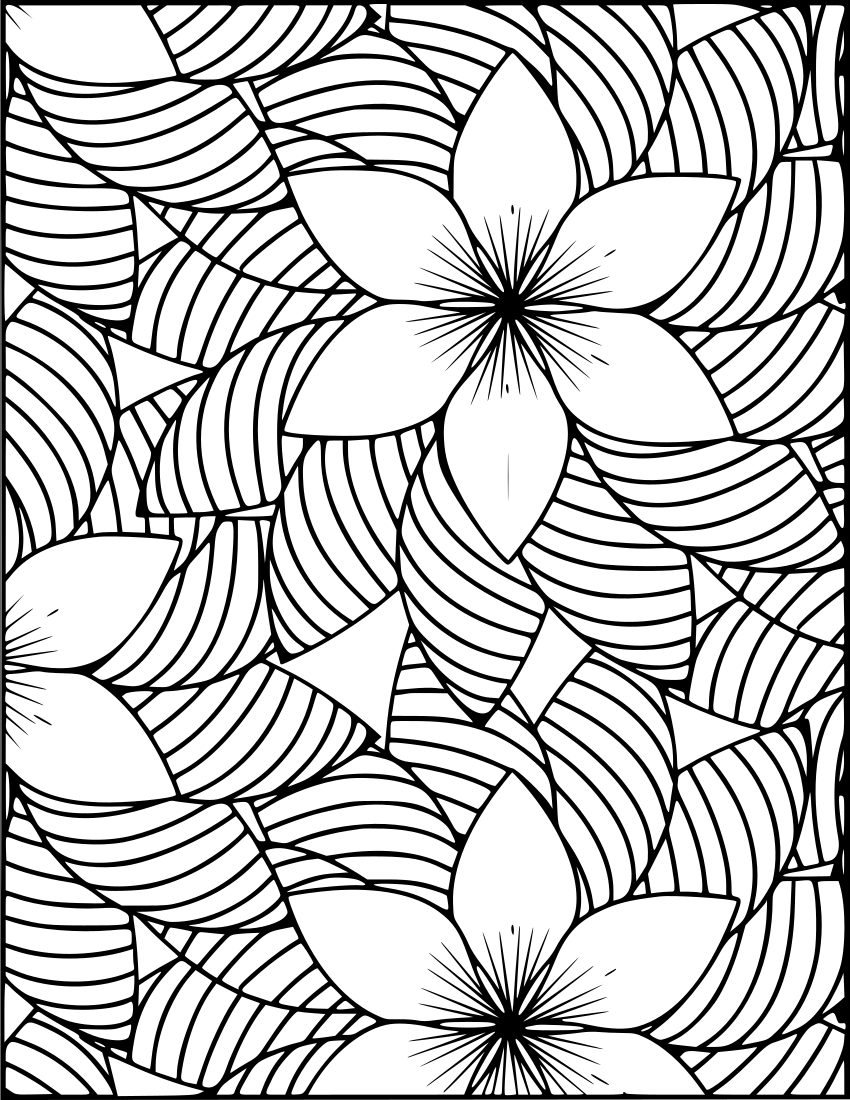
About Abstract Coloring Pages
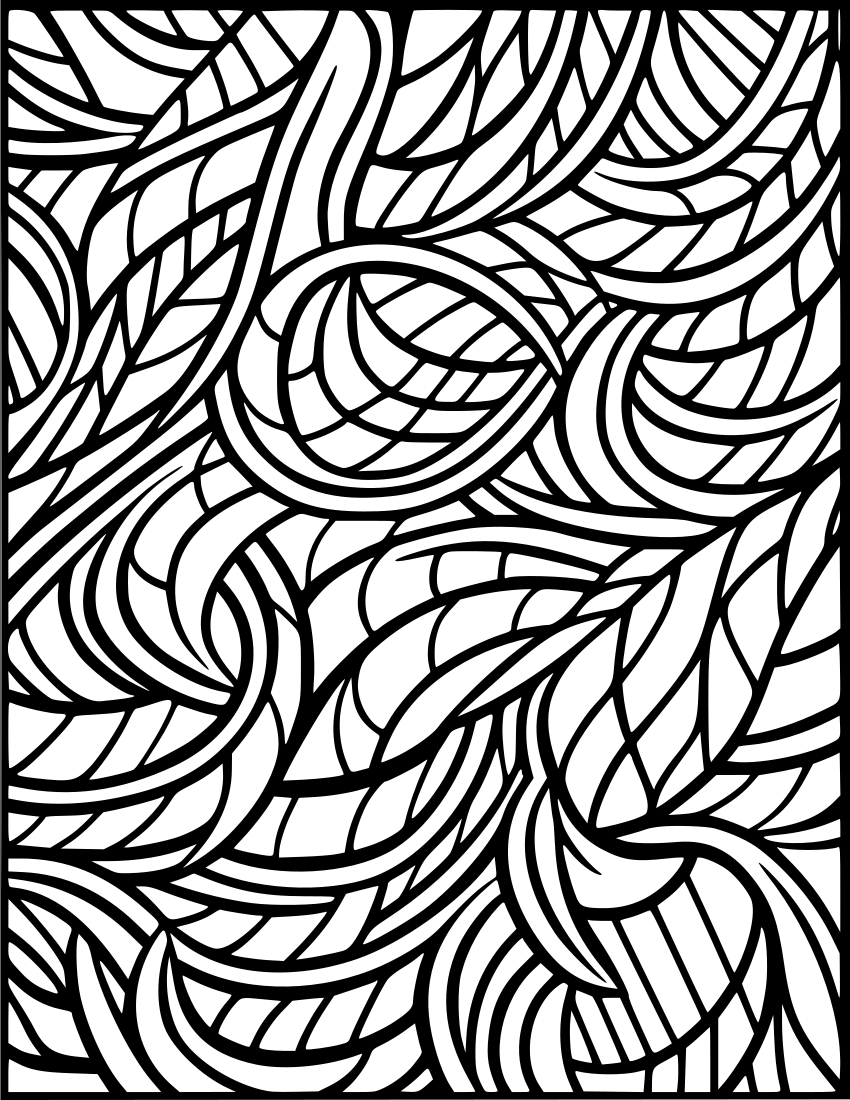
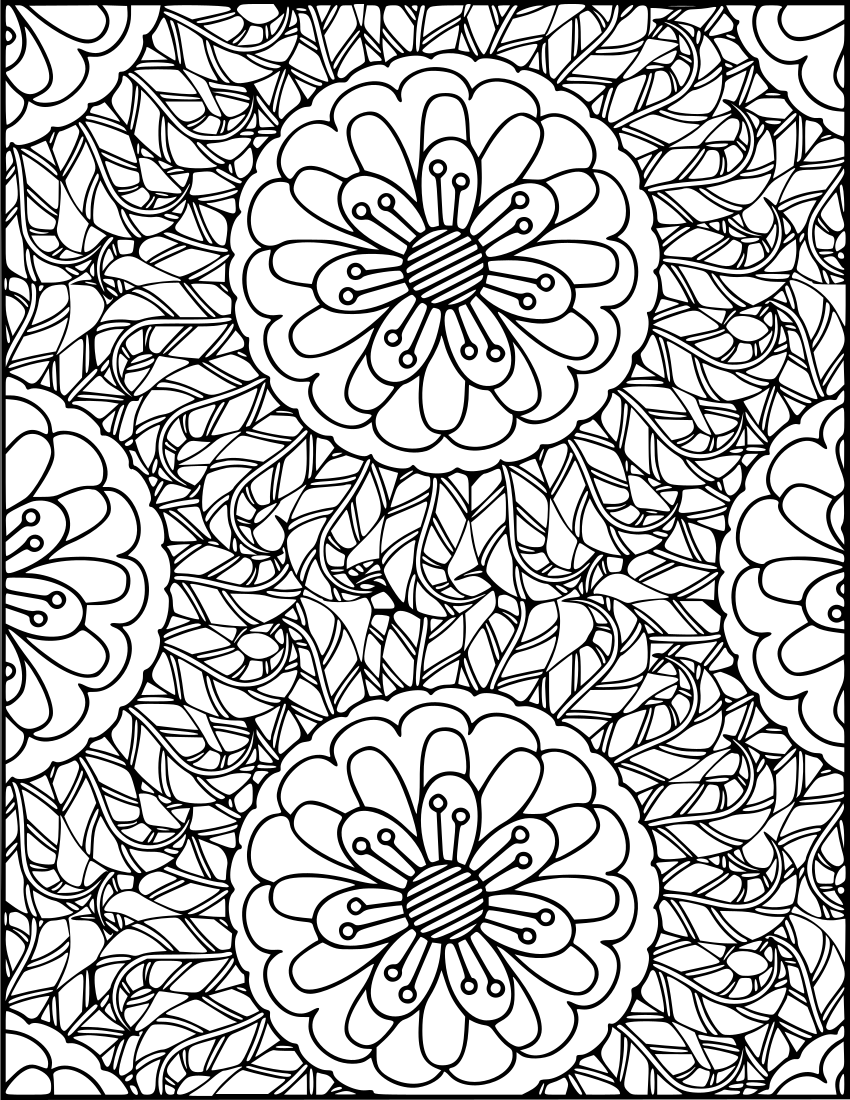
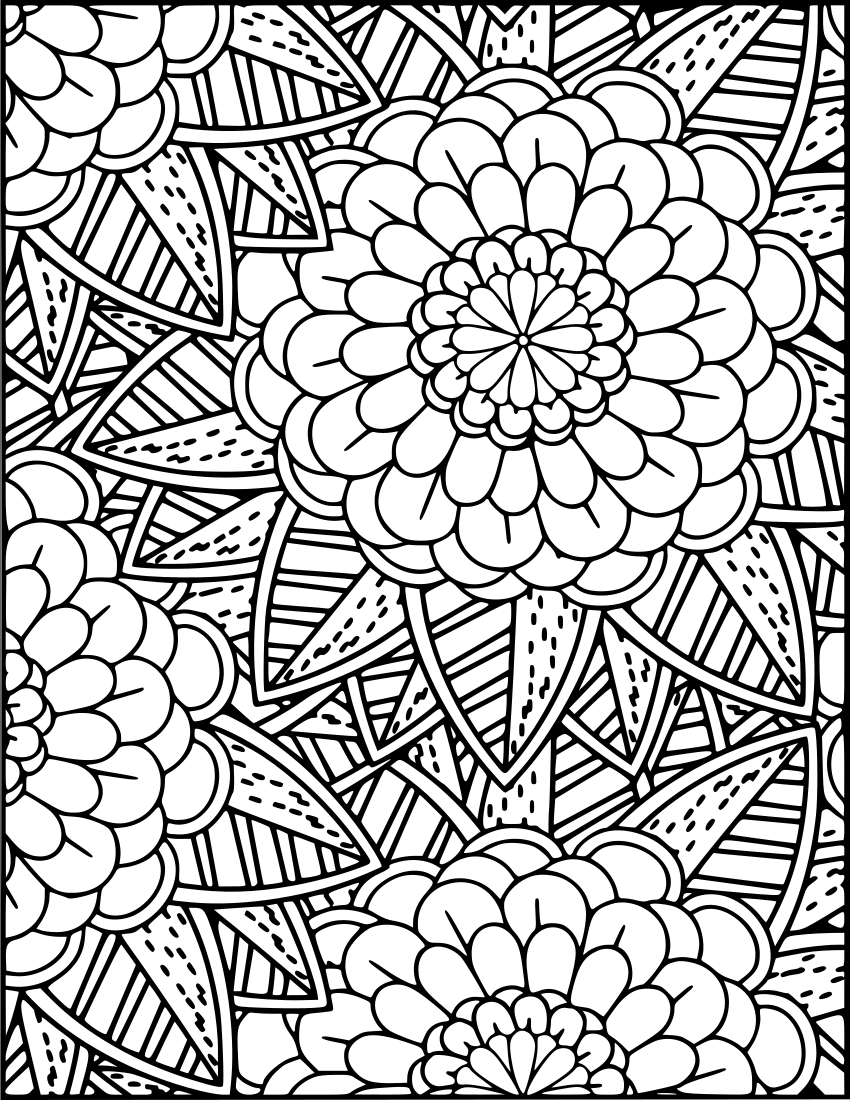
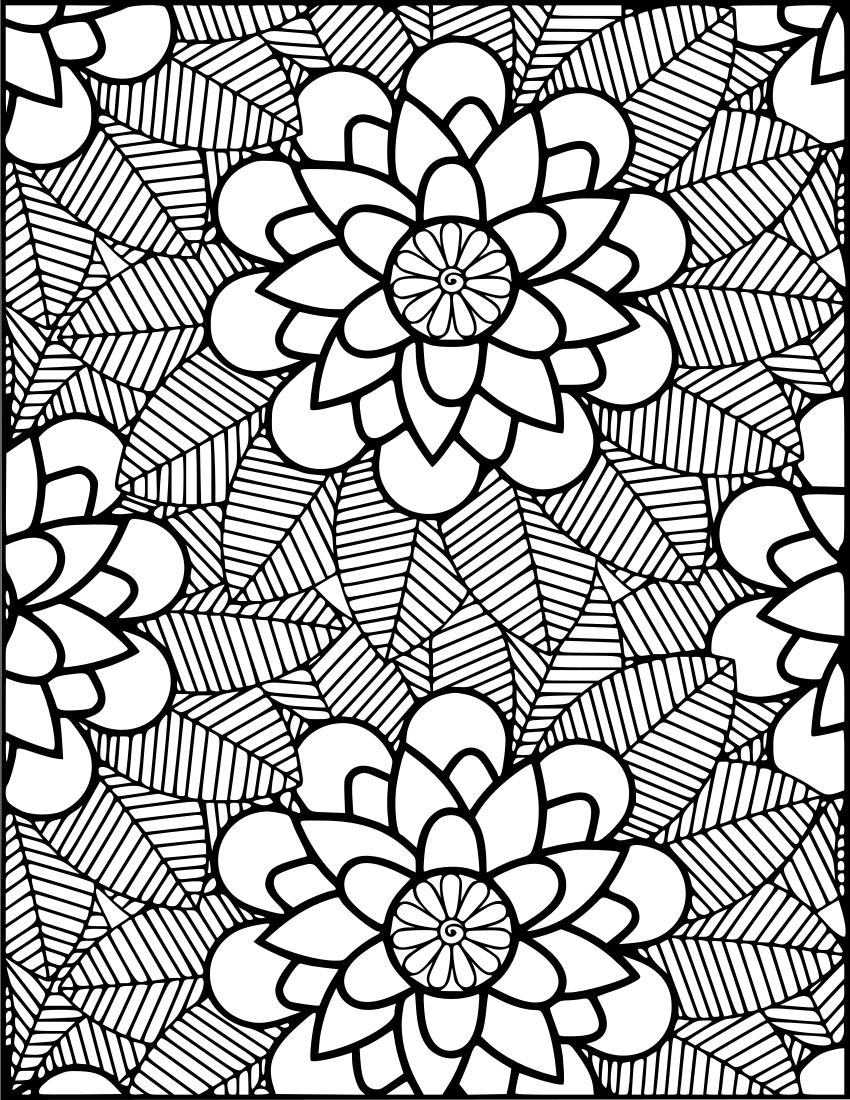
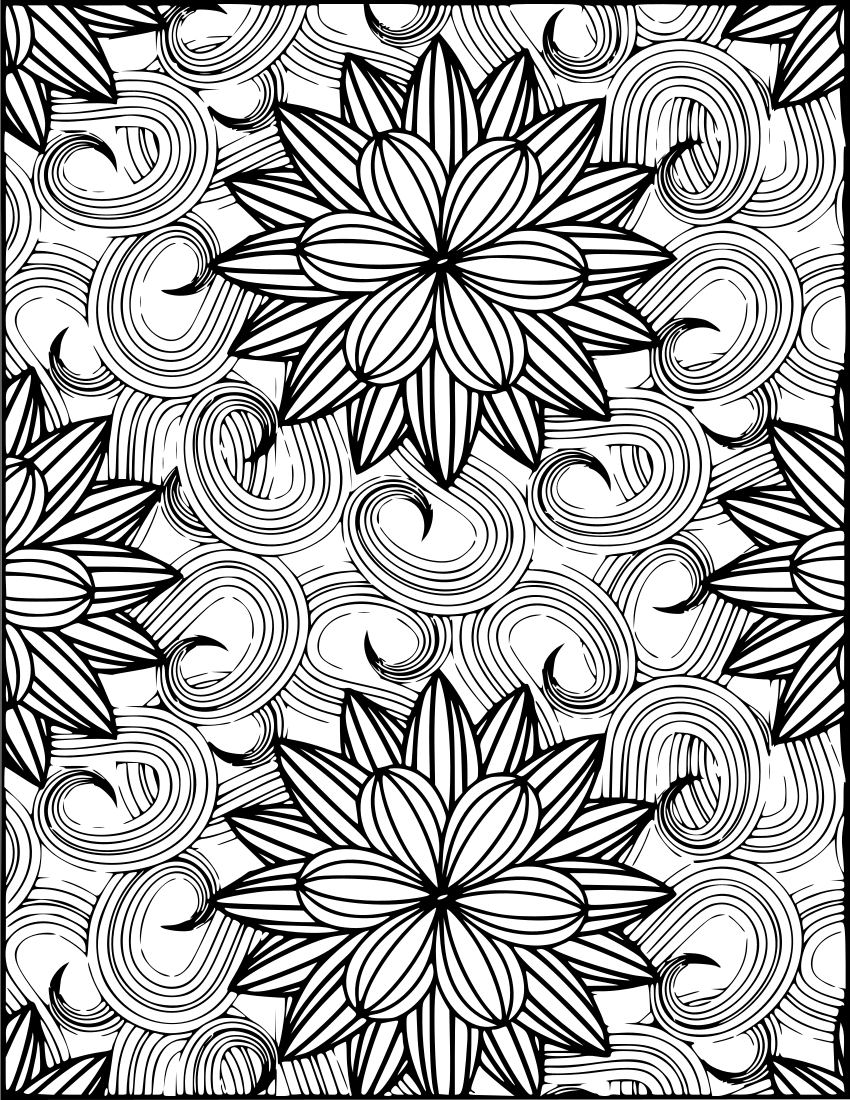
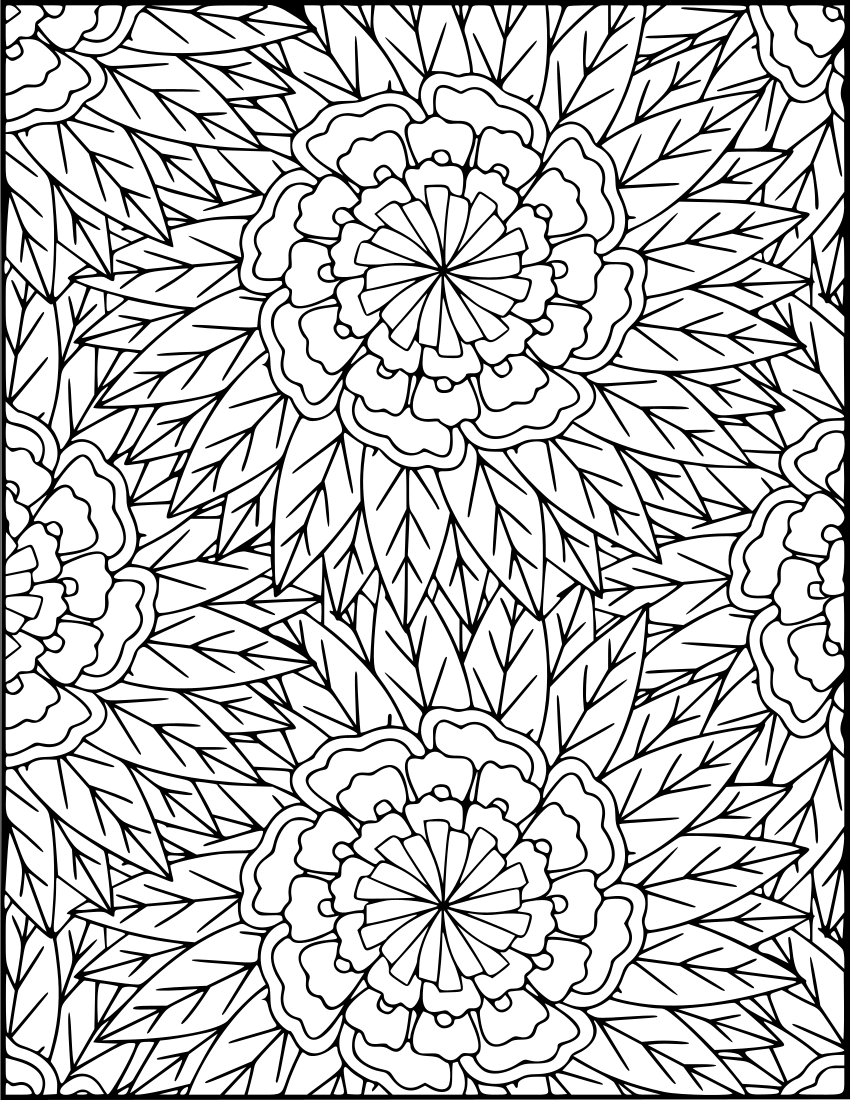
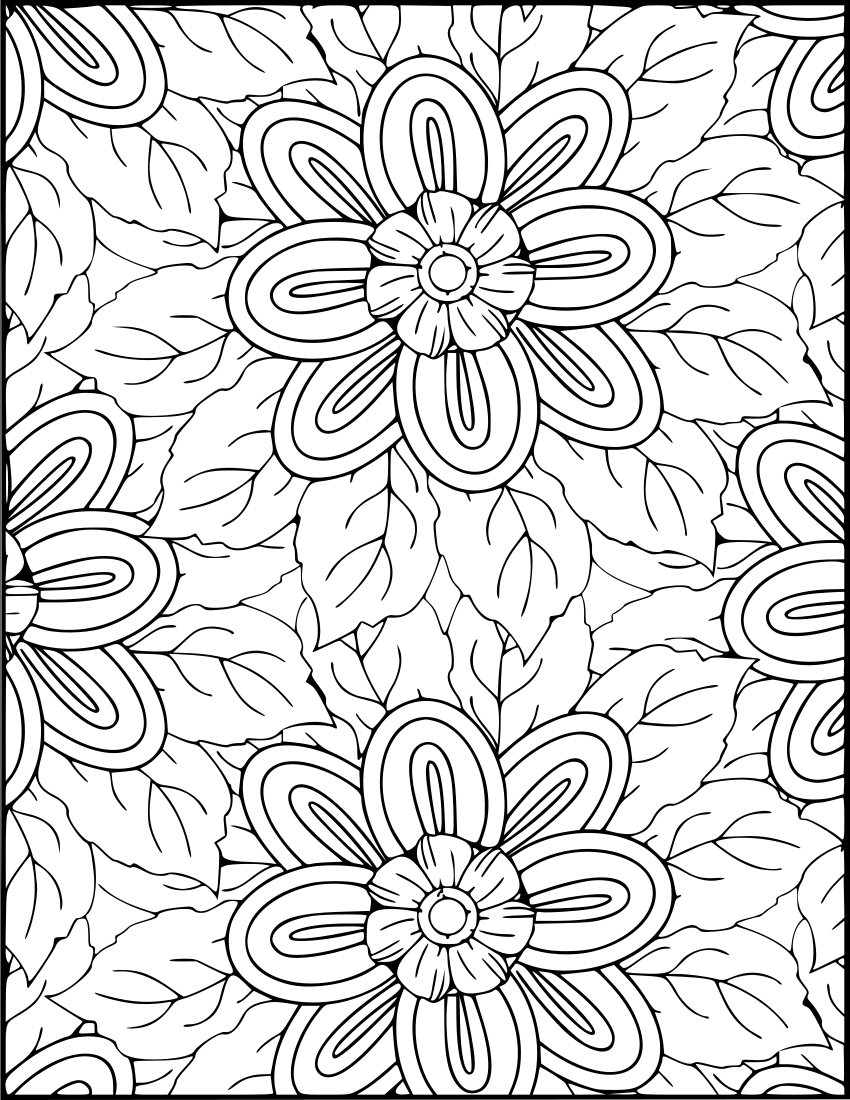
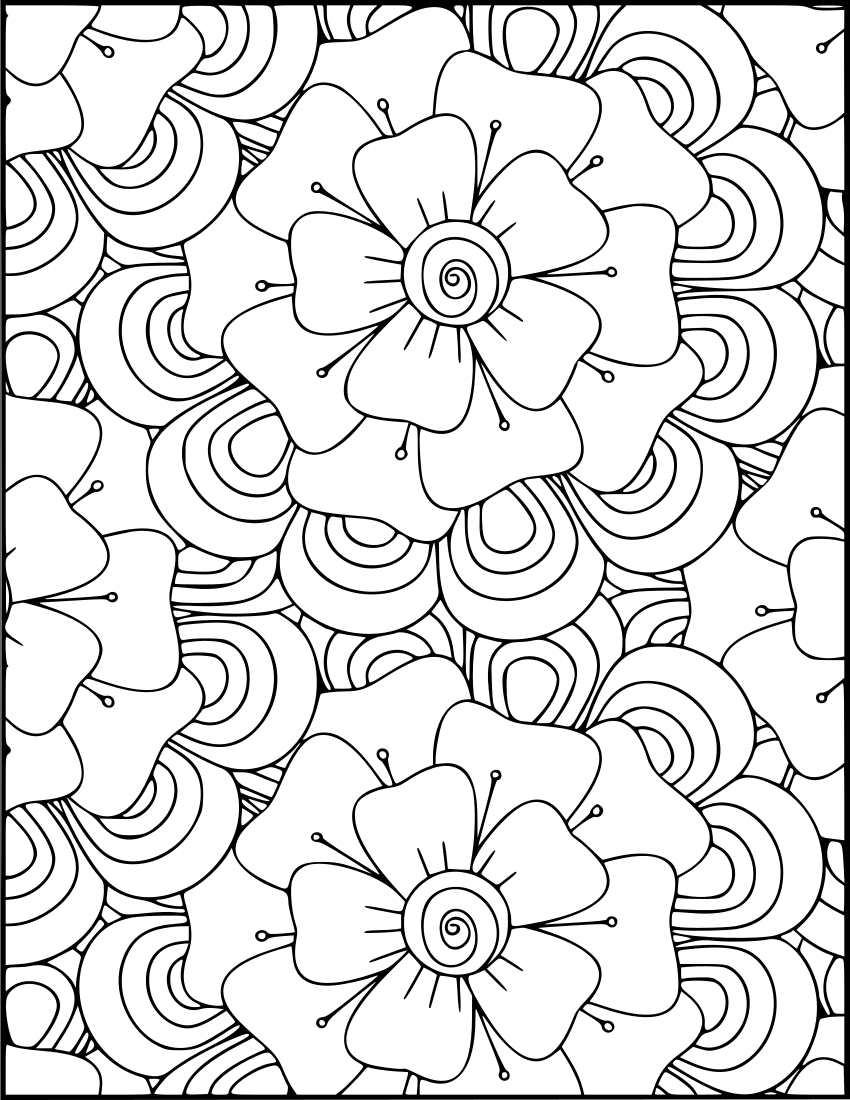
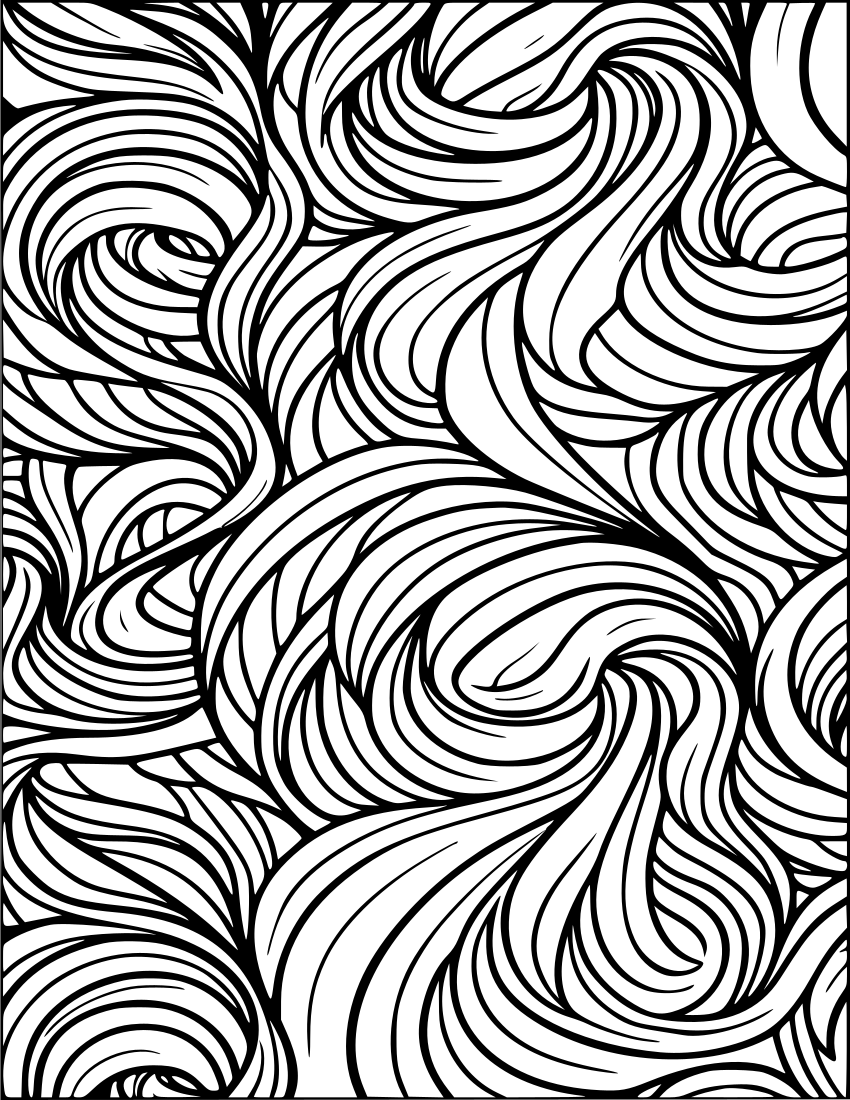
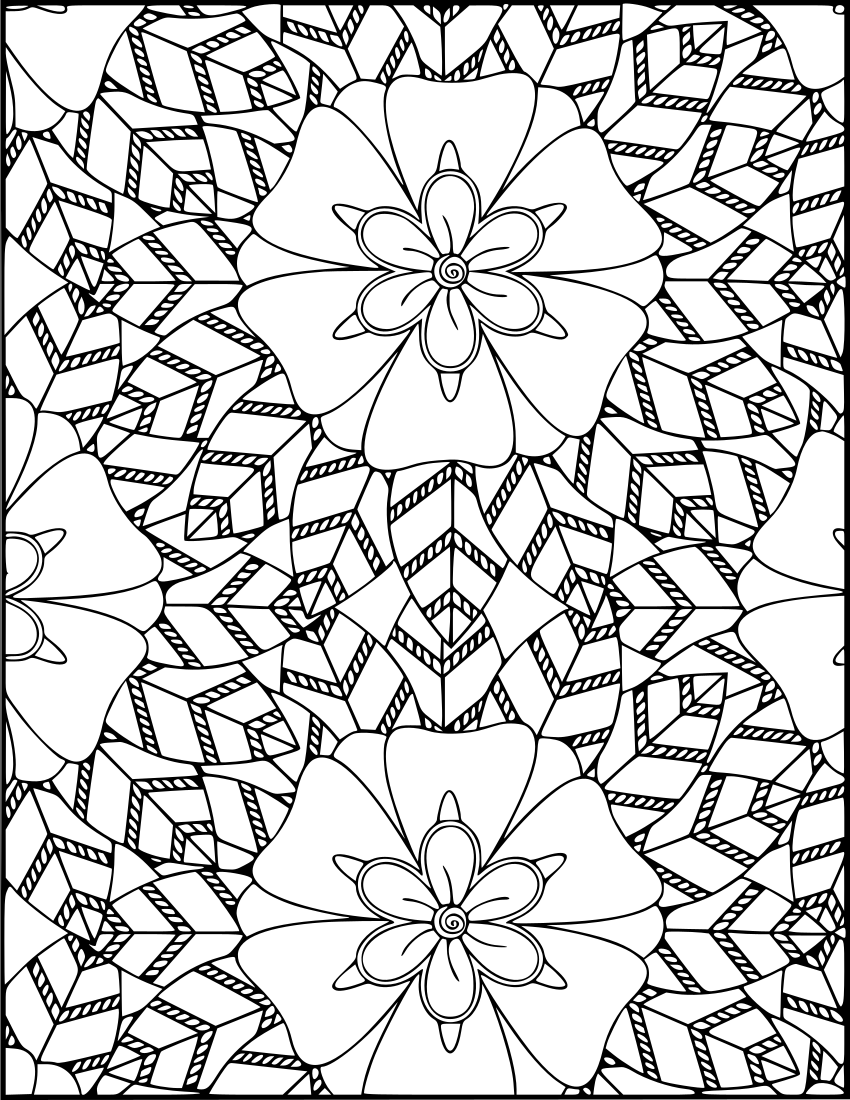
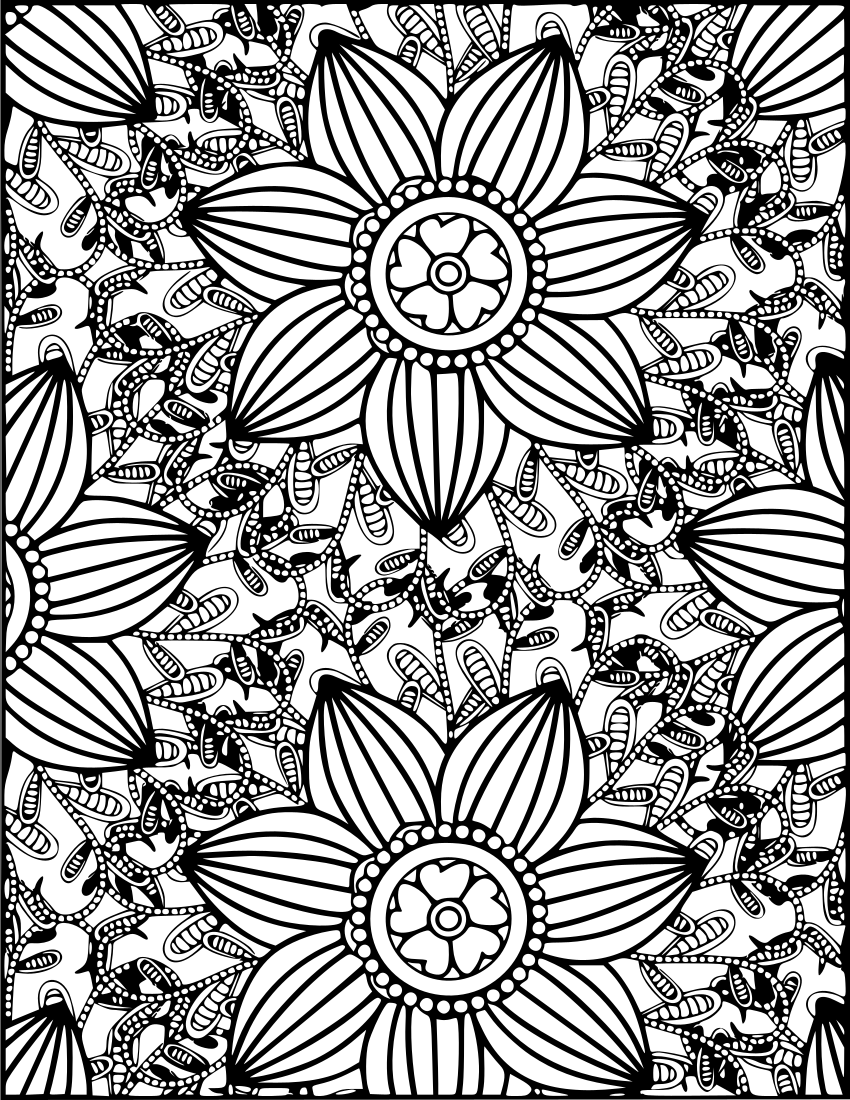
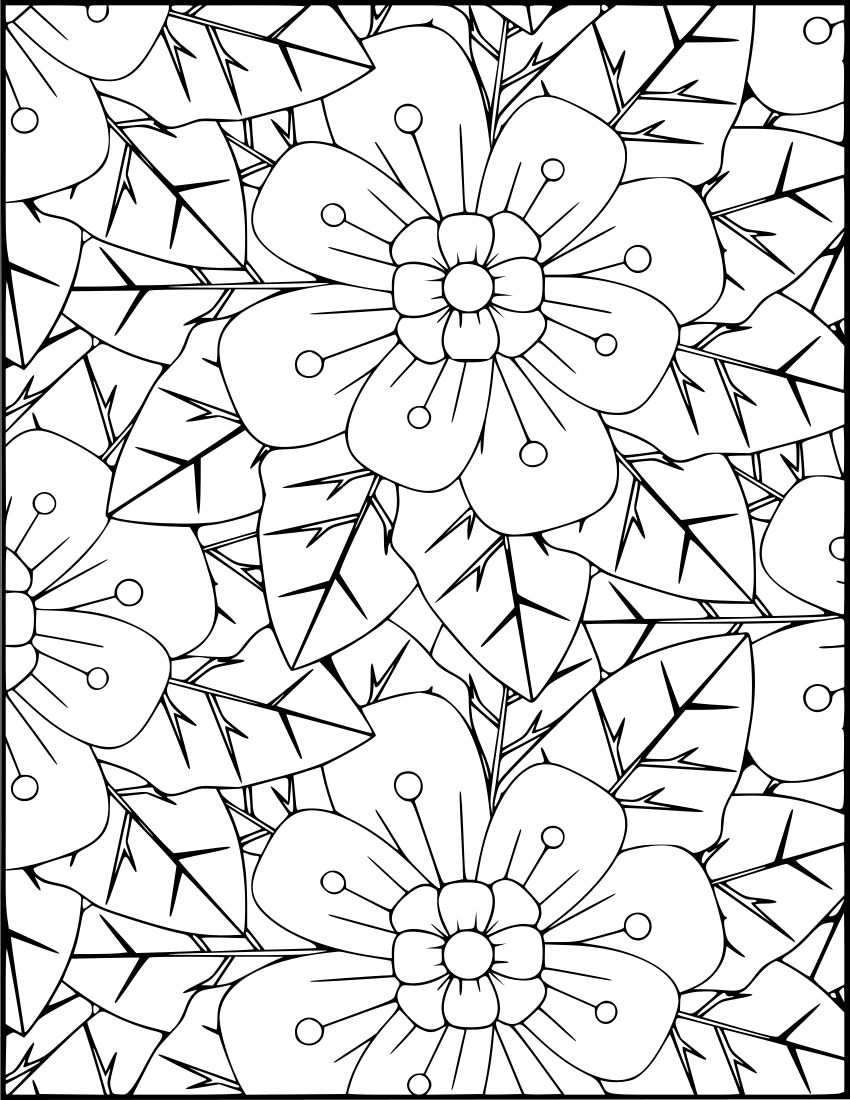
279 free abstract coloring pages built around one idea: pure pattern. Spanning nine visual families — precise geometric forms, hypnotic spirals, flowing waves, crystalline lattices, radial sunbursts, organic botanical growth, kinetic Op Art patterns, circular harmonies and sharp linear compositions — every design is a space where color takes center stage with no representational subject and no "correct" answer. Each page is available as a print-ready PDF, completely free, no account required.
Abstract Art and the Pleasure of Pure Pattern
The impulse to fill a surface with pattern predates representational art by thousands of years. The earliest human mark-making — incised geometric lines on ochre pigment stones found in South Africa's Blombos Cave, dating back 75,000 years — was abstract. Our ancestors were drawing patterns long before they were drawing animals or people. Something deep in human cognition responds to repetition, rhythm and ordered variation.
The formal movement we call abstract art is more recent. In the early twentieth century, Wassily Kandinsky became the first painter to deliberately create works with no representational content whatsoever — compositions of color and form that referred to nothing in the visible world. He believed color and shape could communicate emotion directly, bypassing the intellect. Mondrian reduced painting to horizontal and vertical lines and primary colors. Paul Klee explored what he called "taking a line for a walk." Each was discovering the same truth: form has a life of its own.
Abstract pattern coloring inherits this tradition but strips away the self-consciousness. You are not making art-historical statements — you are simply doing what humans have always done when they sit down with something to fill and something to fill it with. The pattern guides you. Your color choices are the only decisions. It is surprisingly, reliably satisfying. If you enjoy the meditative quality of pattern work, our free mandala coloring pages and zen coloring pages make a natural companion collection.
What's in Our Abstract Collection
Our 279 designs span nine visual families — each with its own rhythm, logic and coloring character:
- Geometric — Hexagons, diamonds, triangles, prisms, chevrons and tessellations. Mathematical precision and structural beauty. These reward confident, clean fills and look spectacular in bold, high-contrast palettes or sophisticated metallics.
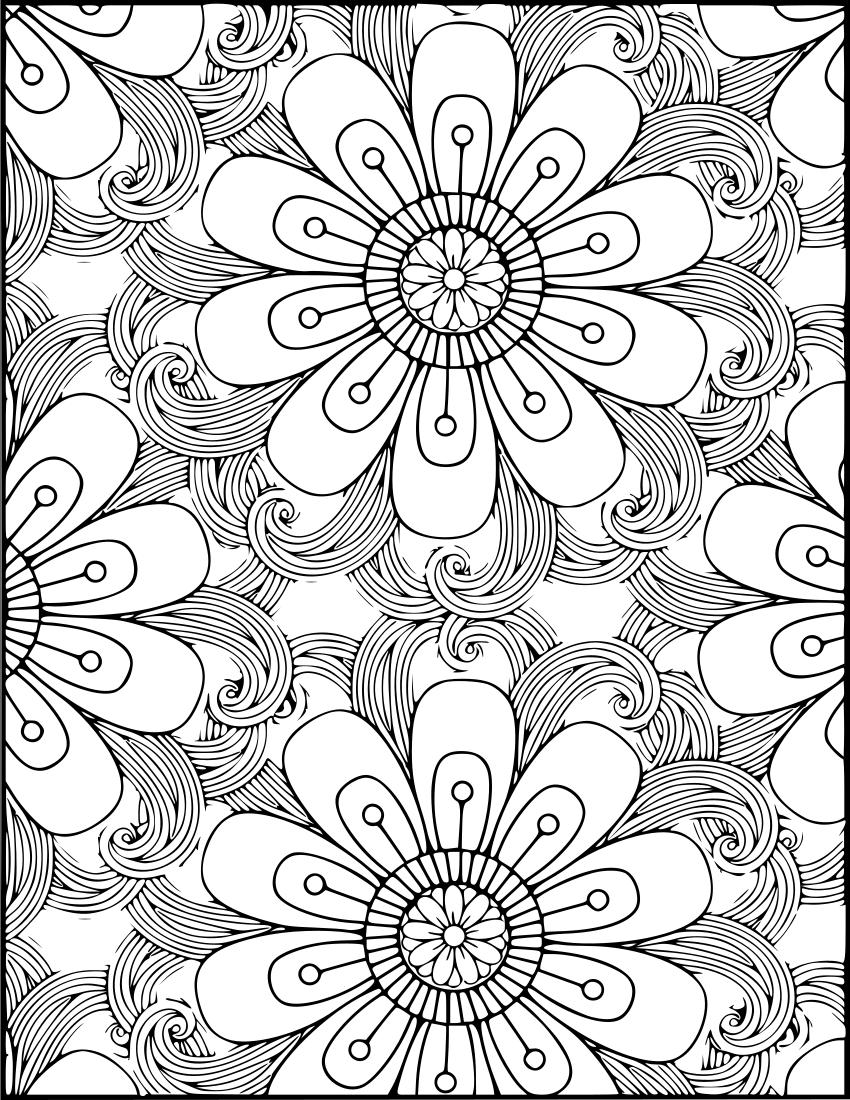
- Spiral and vortex — Double spirals, golden ratio spirals, vortex patterns, helix forms, pinwheels and fibonacci progressions. Inspired by nautilus shells, galaxies and DNA — among the most hypnotic designs to color. The eye follows the spiral inward naturally.
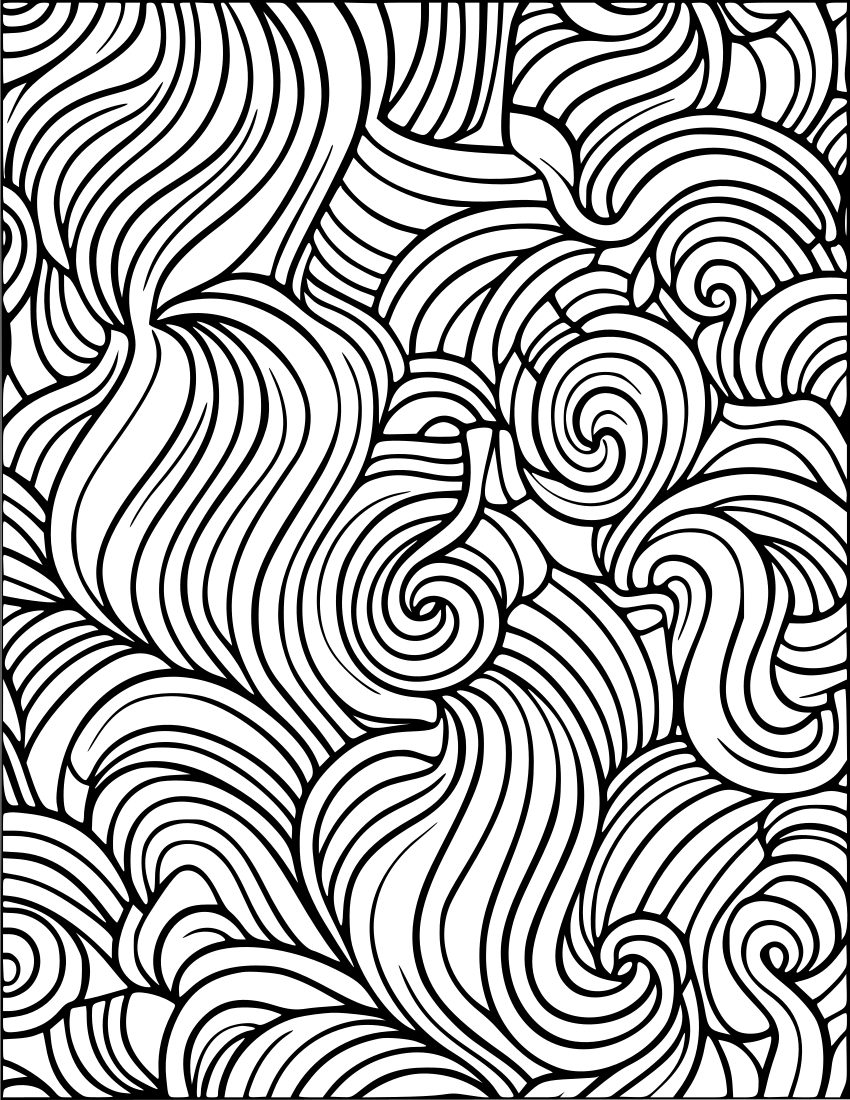
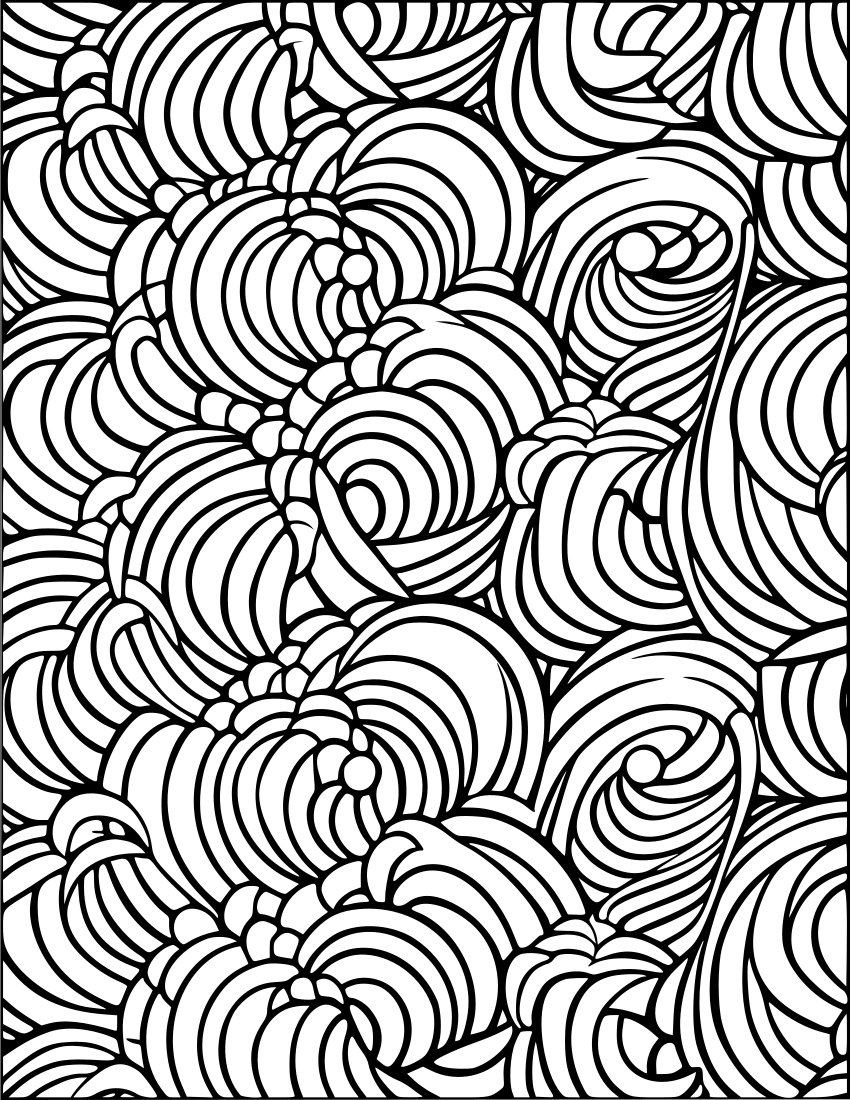
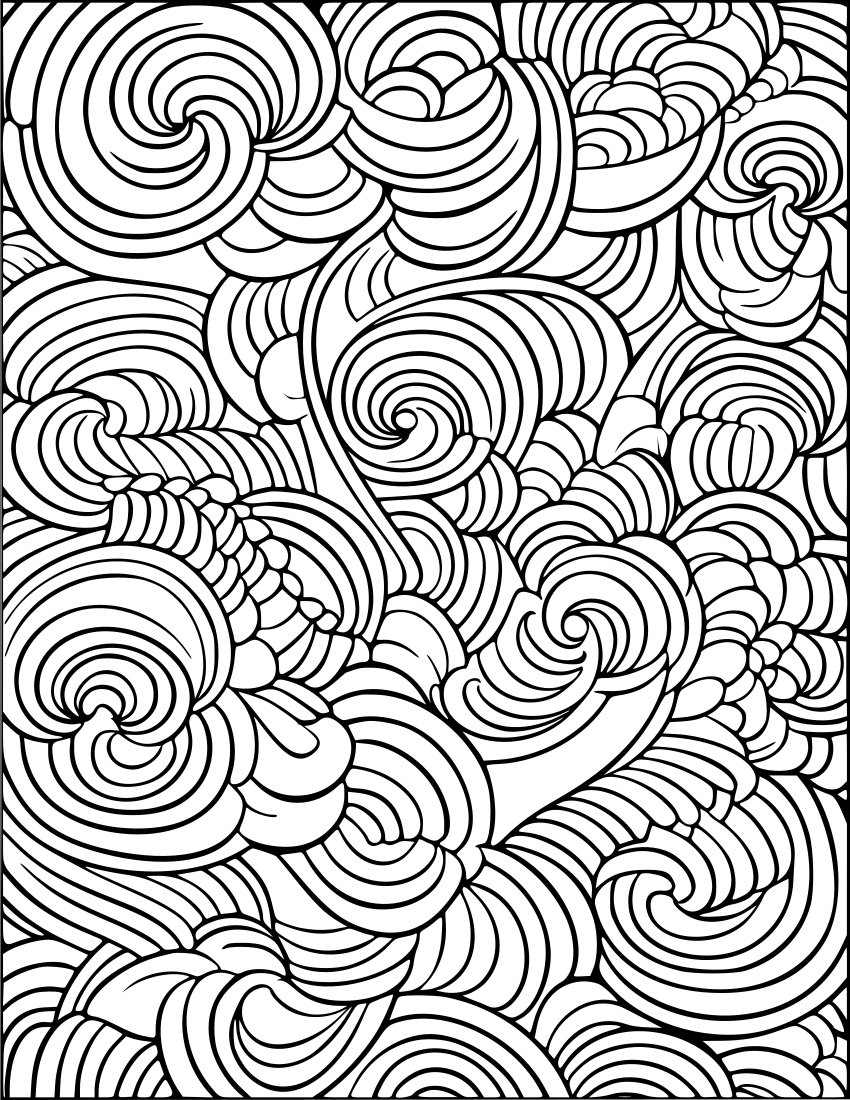
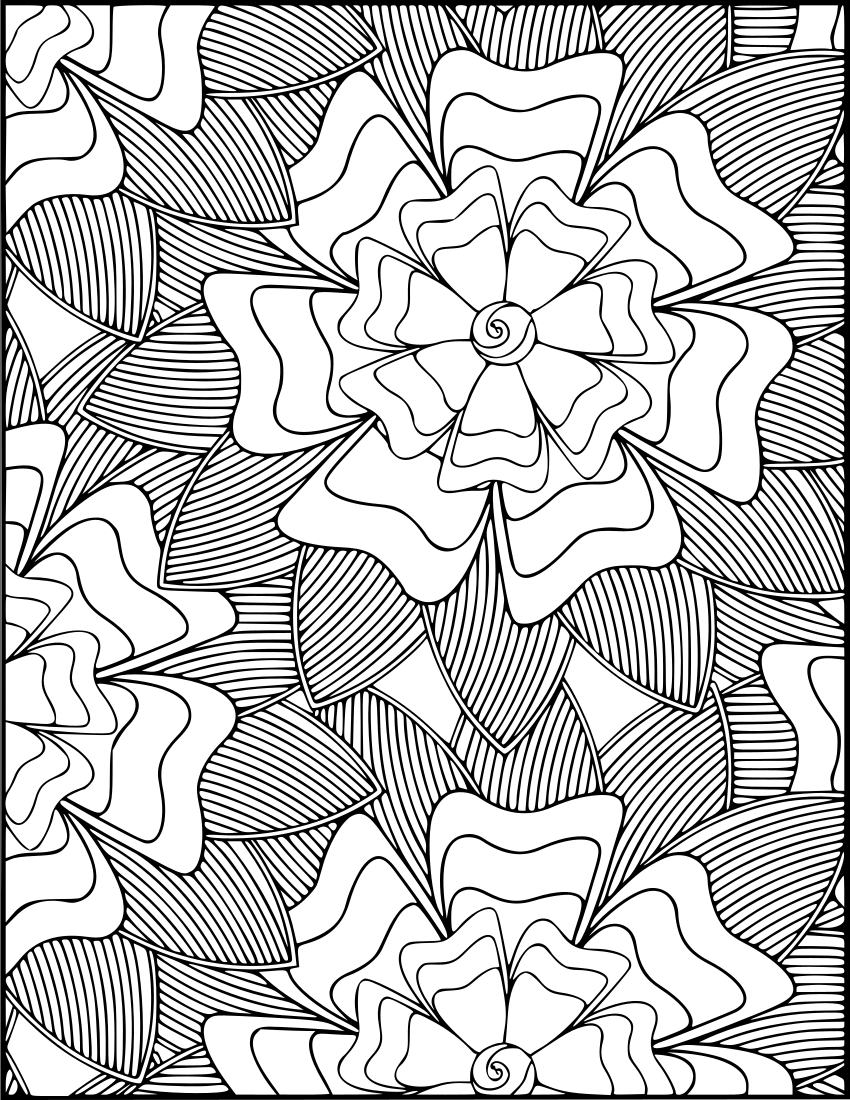
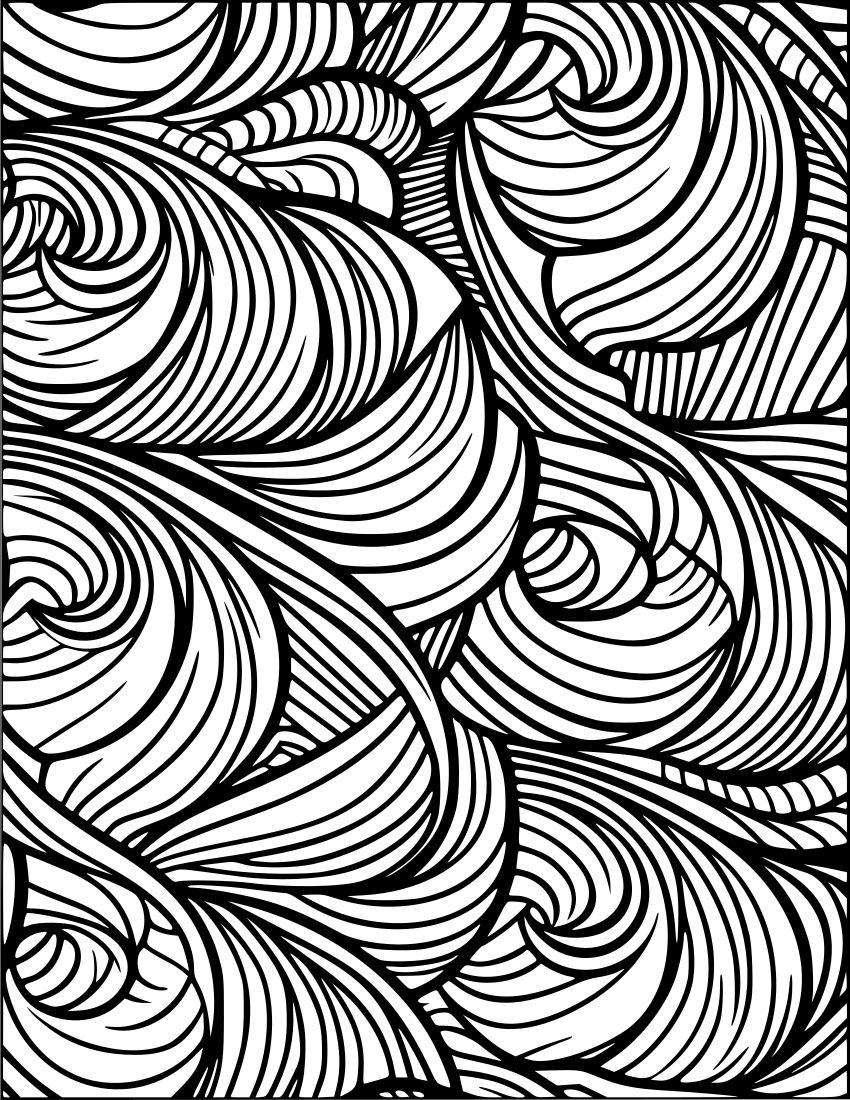
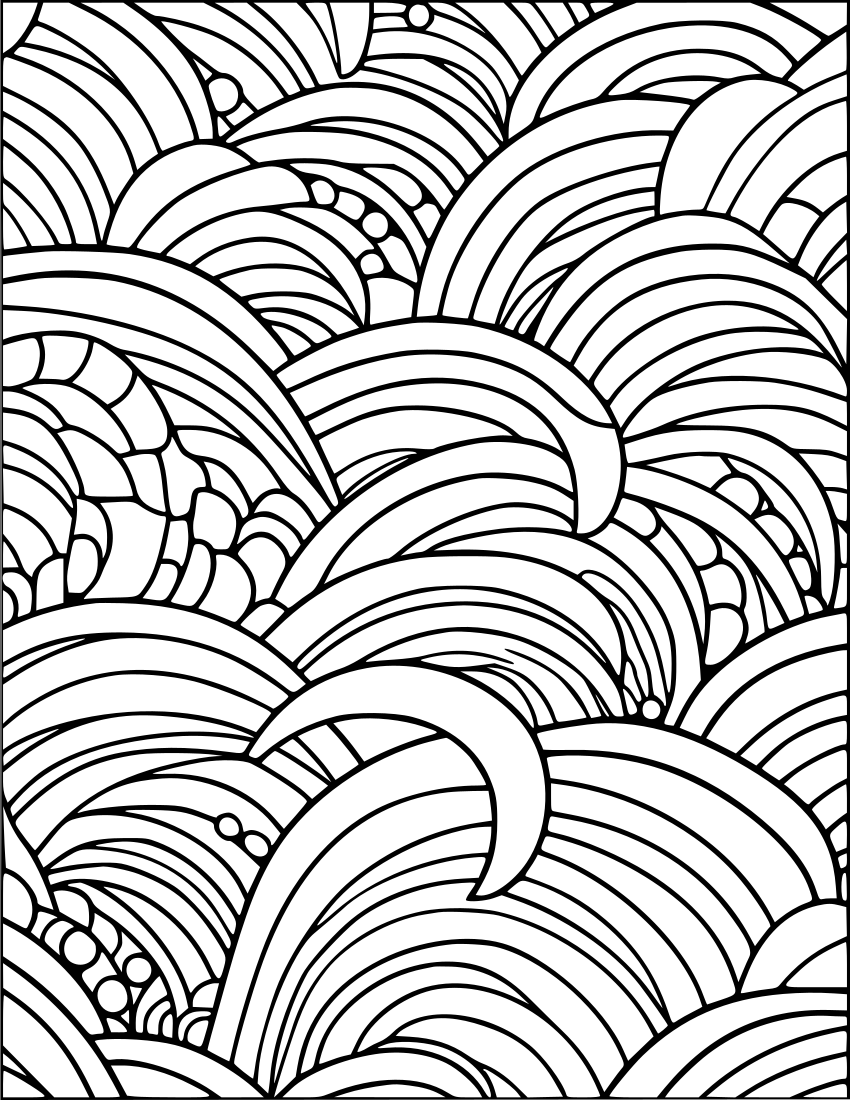
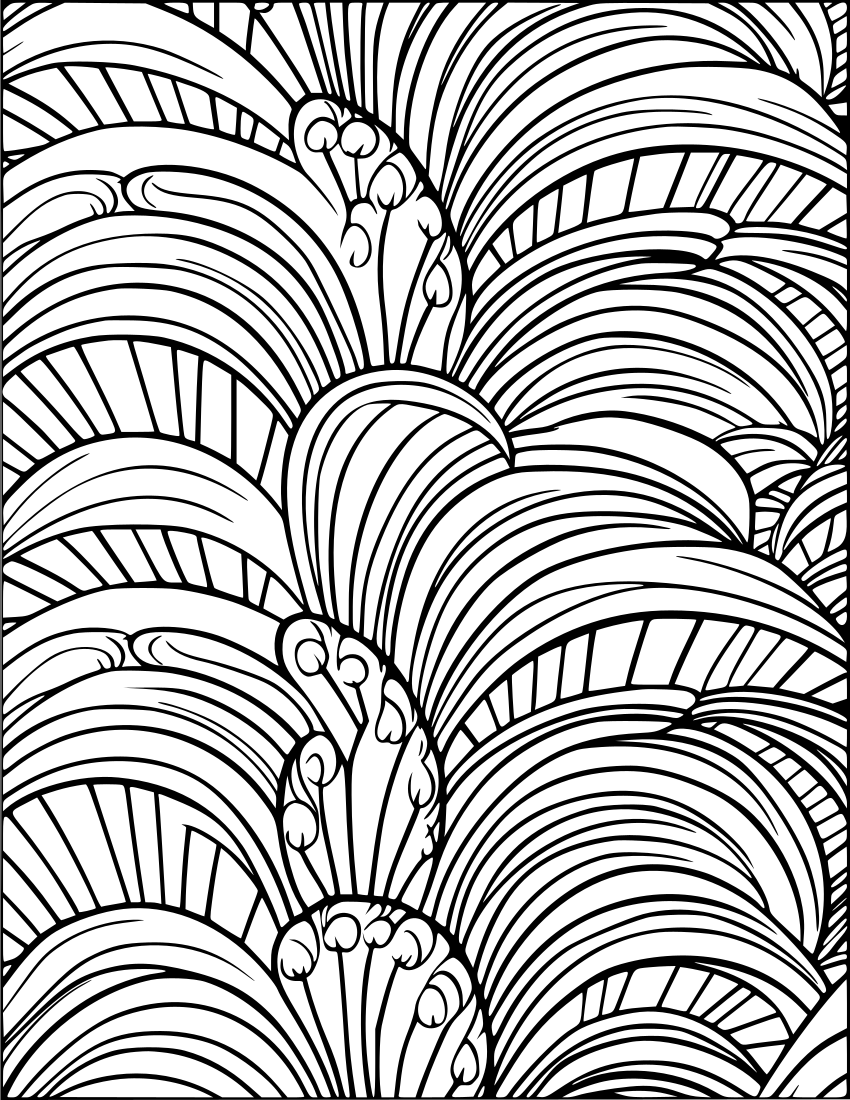
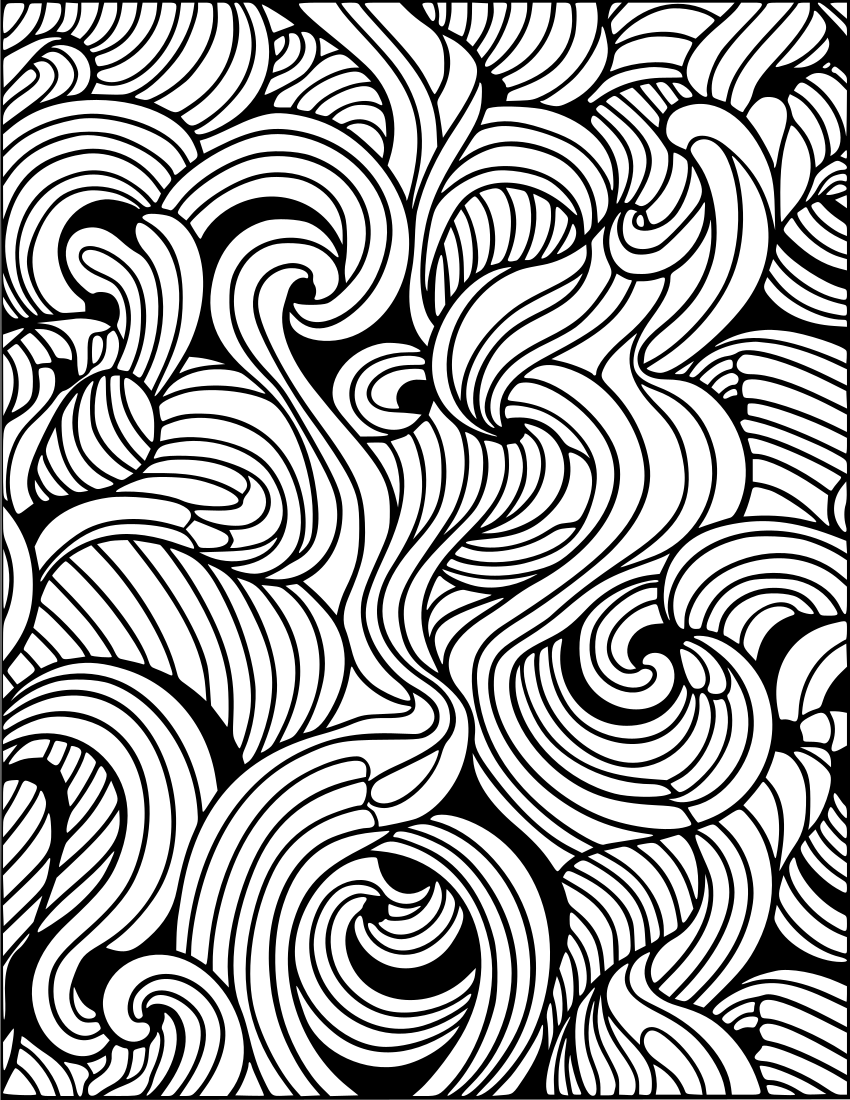
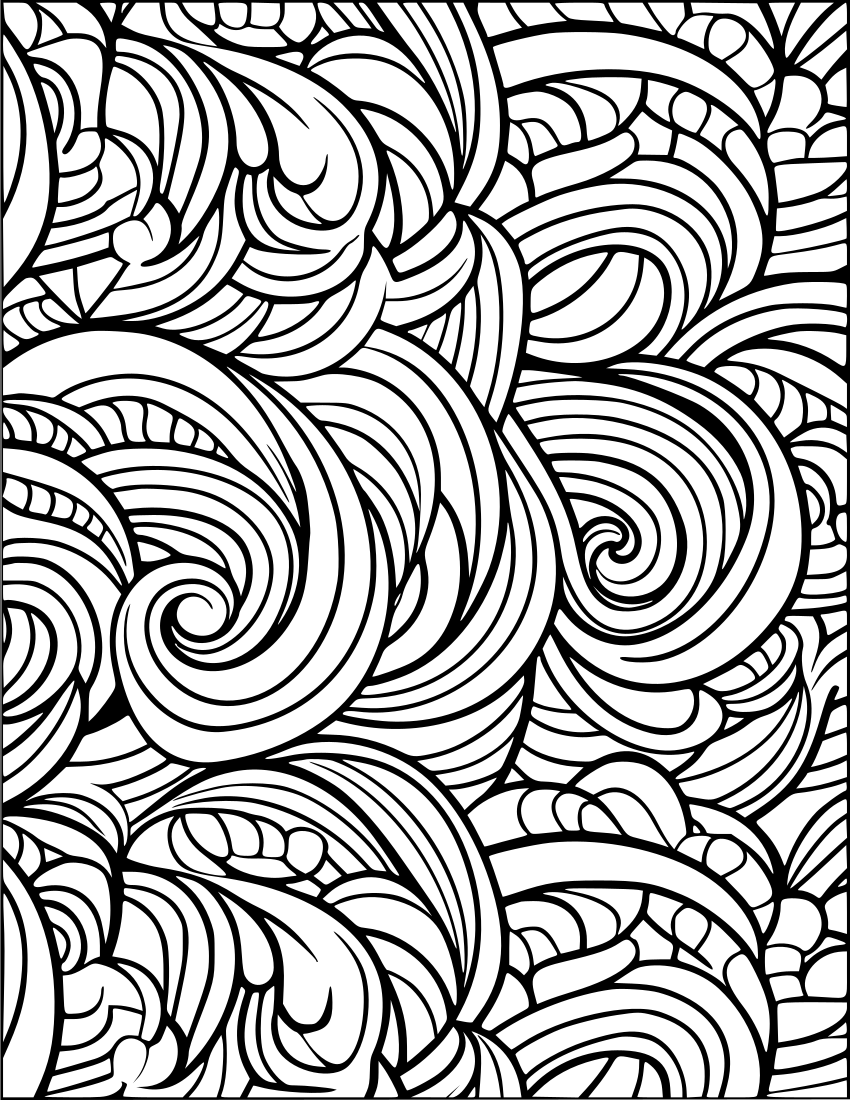
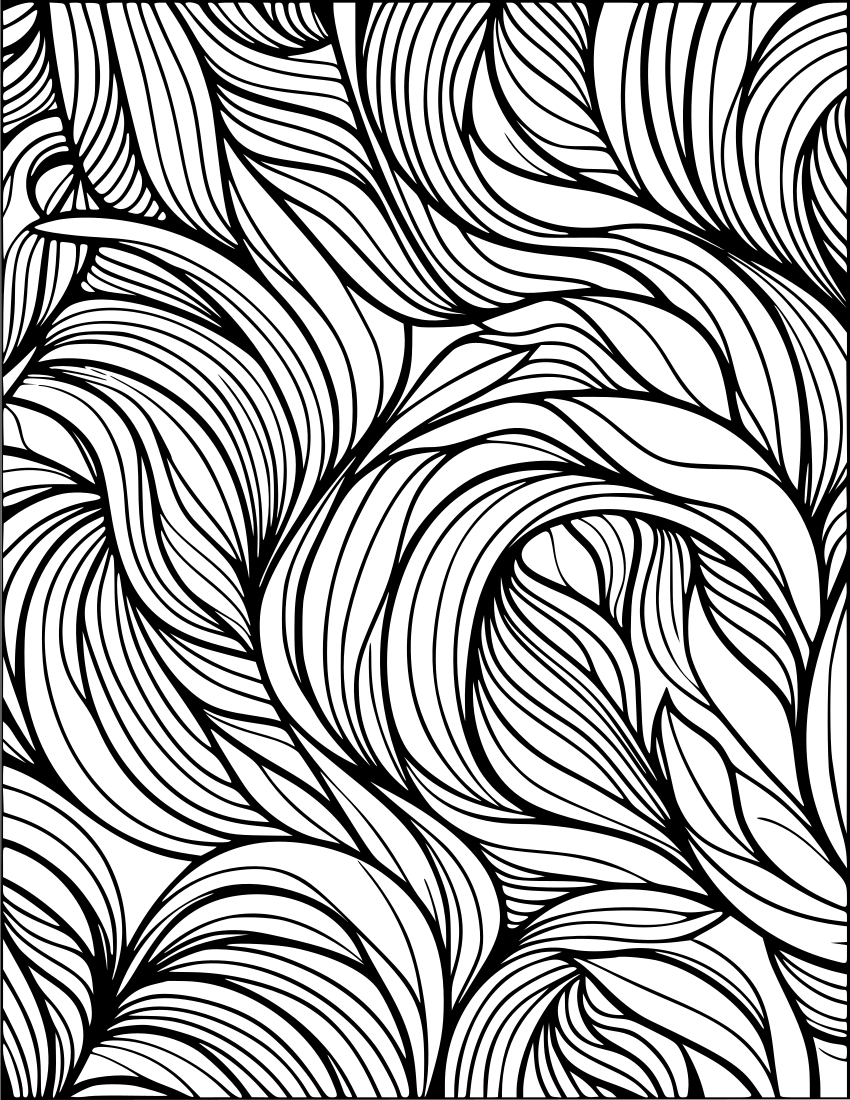
- Wave and flow — Ocean waves, ripple effects, cascading ribbons, river delta forms, tidal patterns and undulating lines. Patterns drawn from the logic of water and wind — rhythmic but never mechanically identical, always slightly varied.
- Crystal and lattice — Ice crystals, faceted forms, snowflake lattices, prism bursts and crystalline grids. Precise and architectural where botanical patterns breathe — these reward exact fills and create stunning gradient effects across facets.
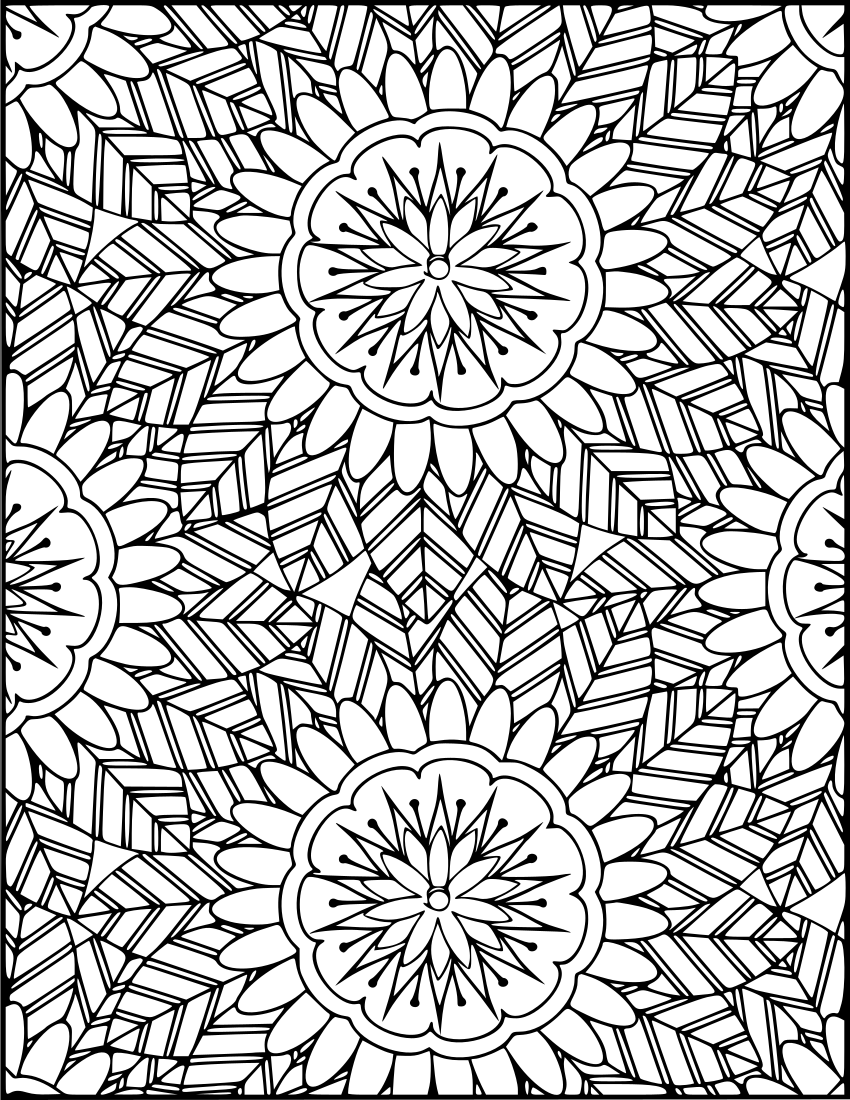
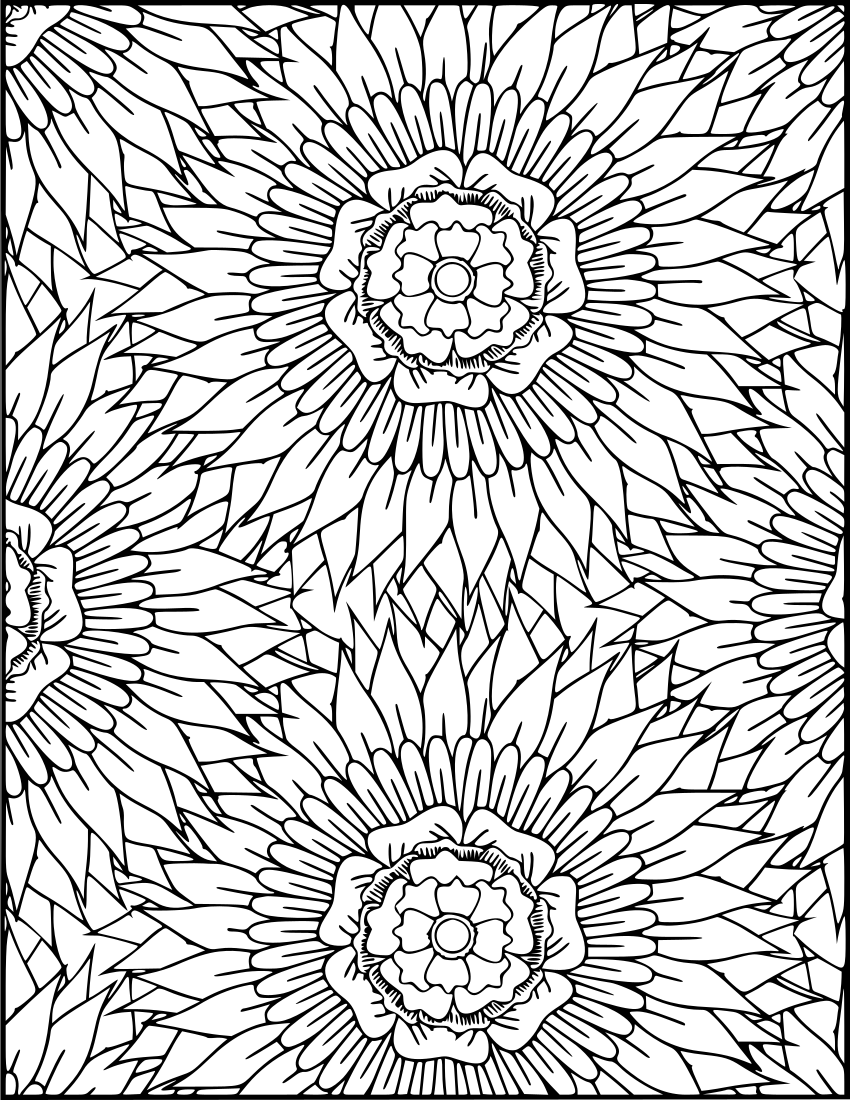
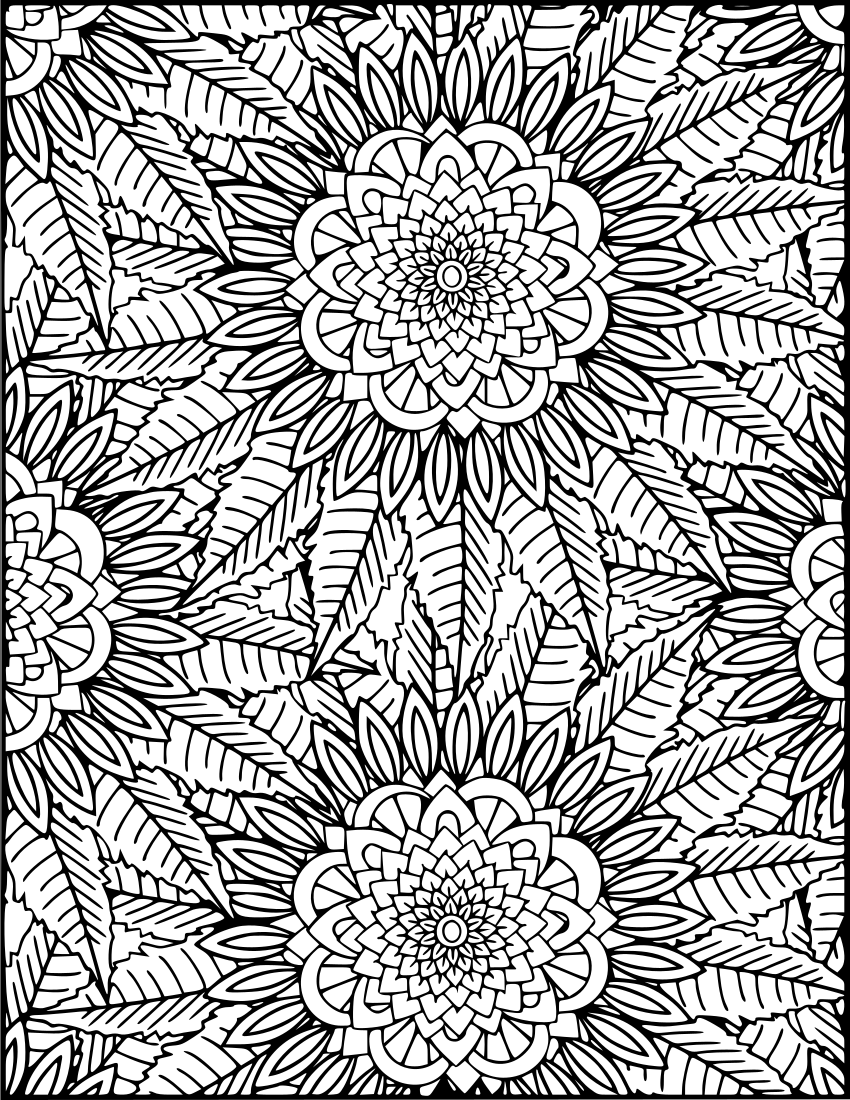
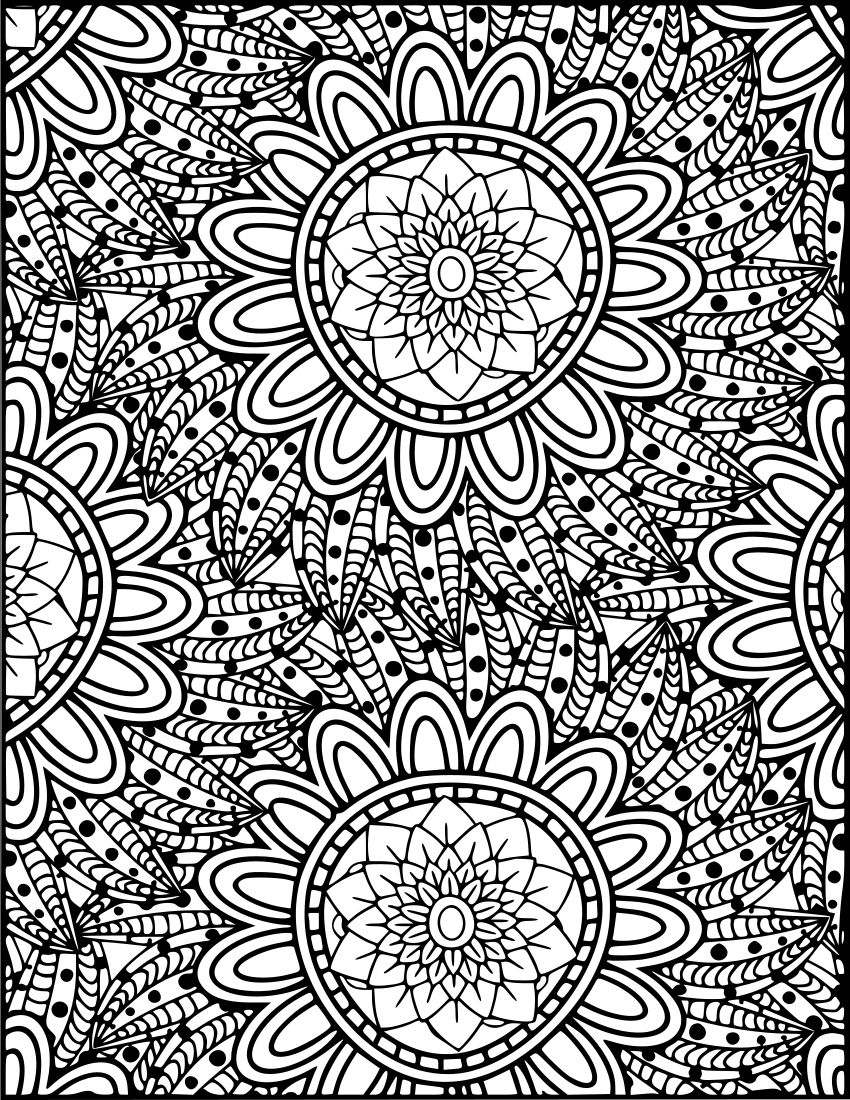
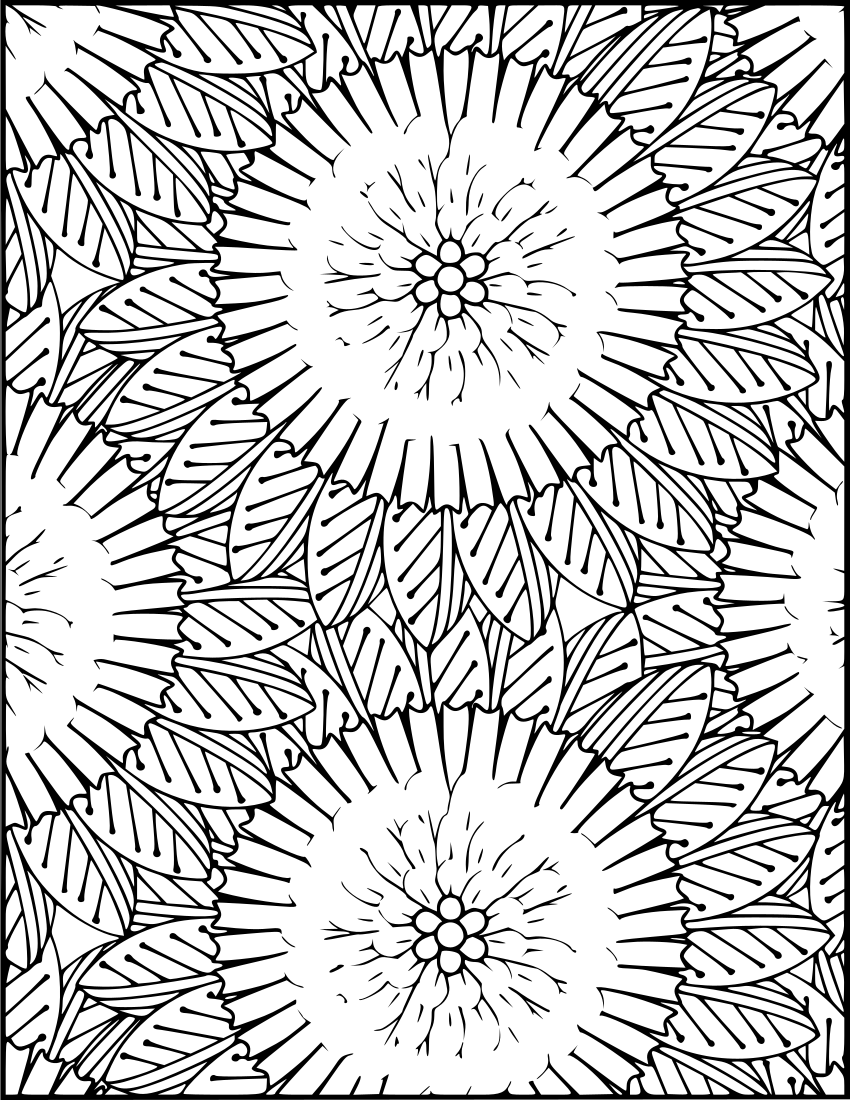
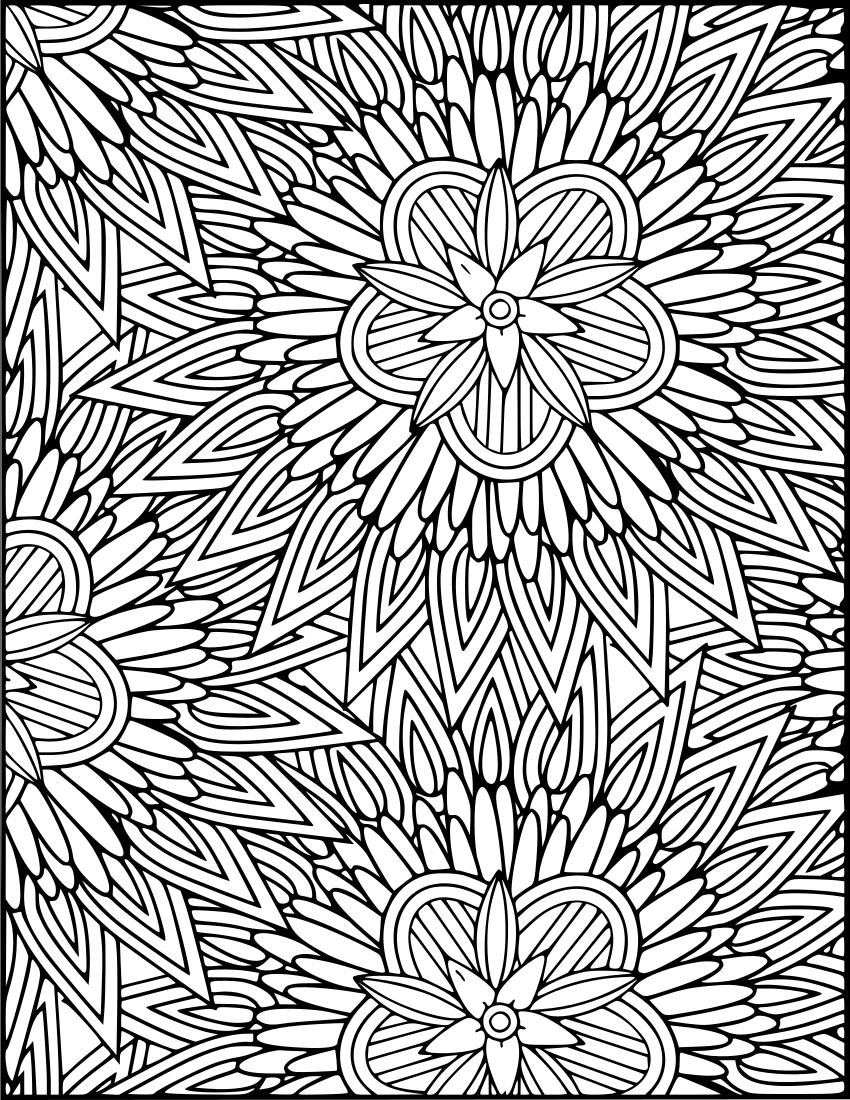
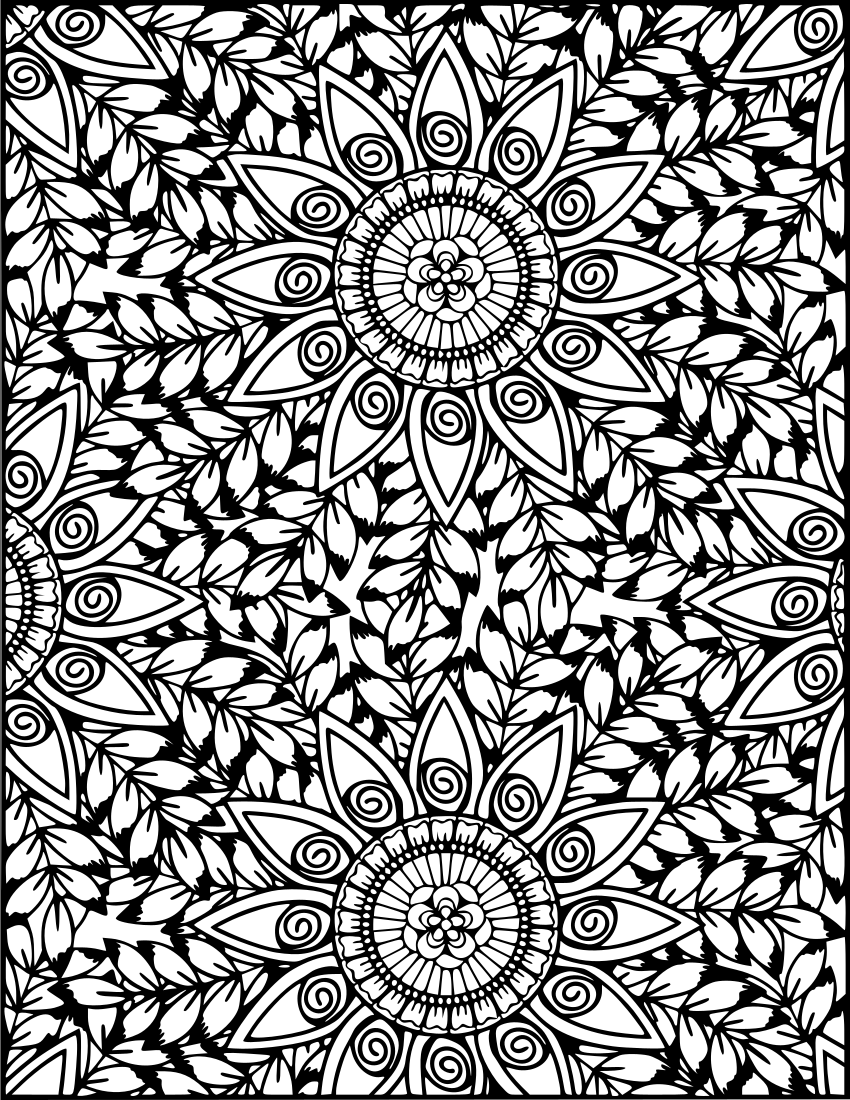
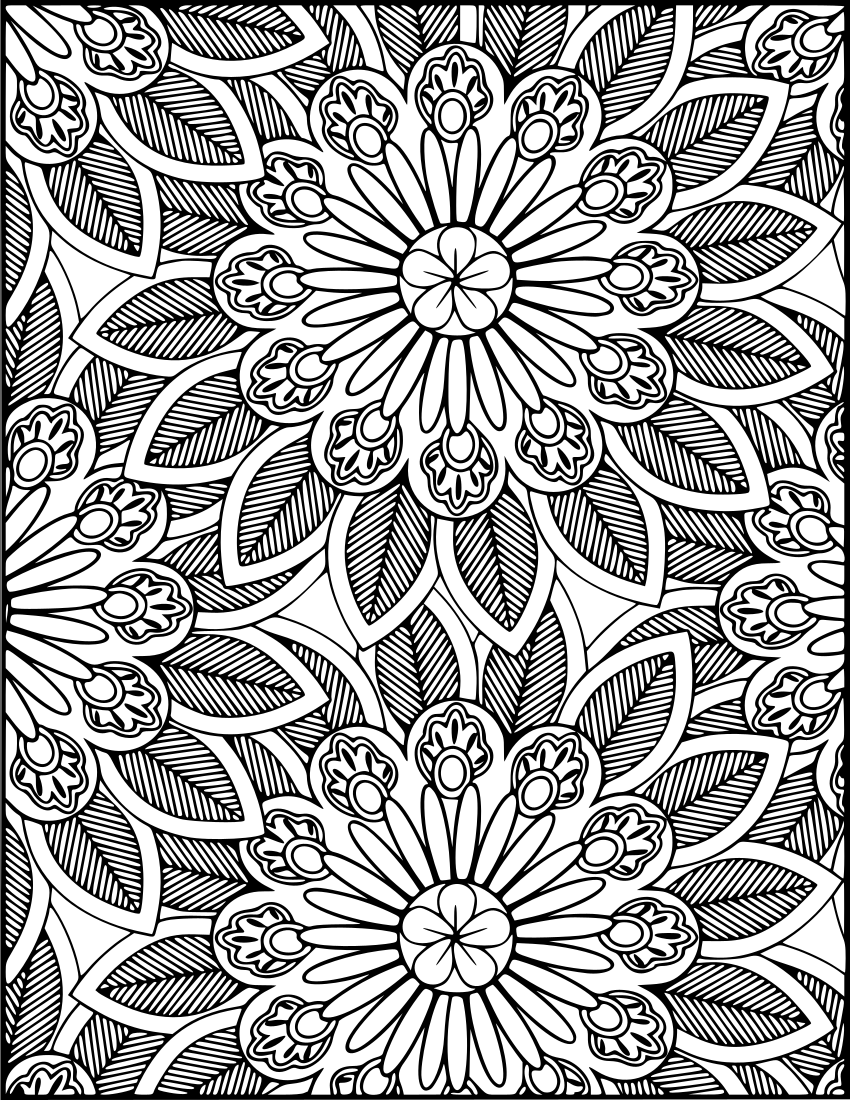
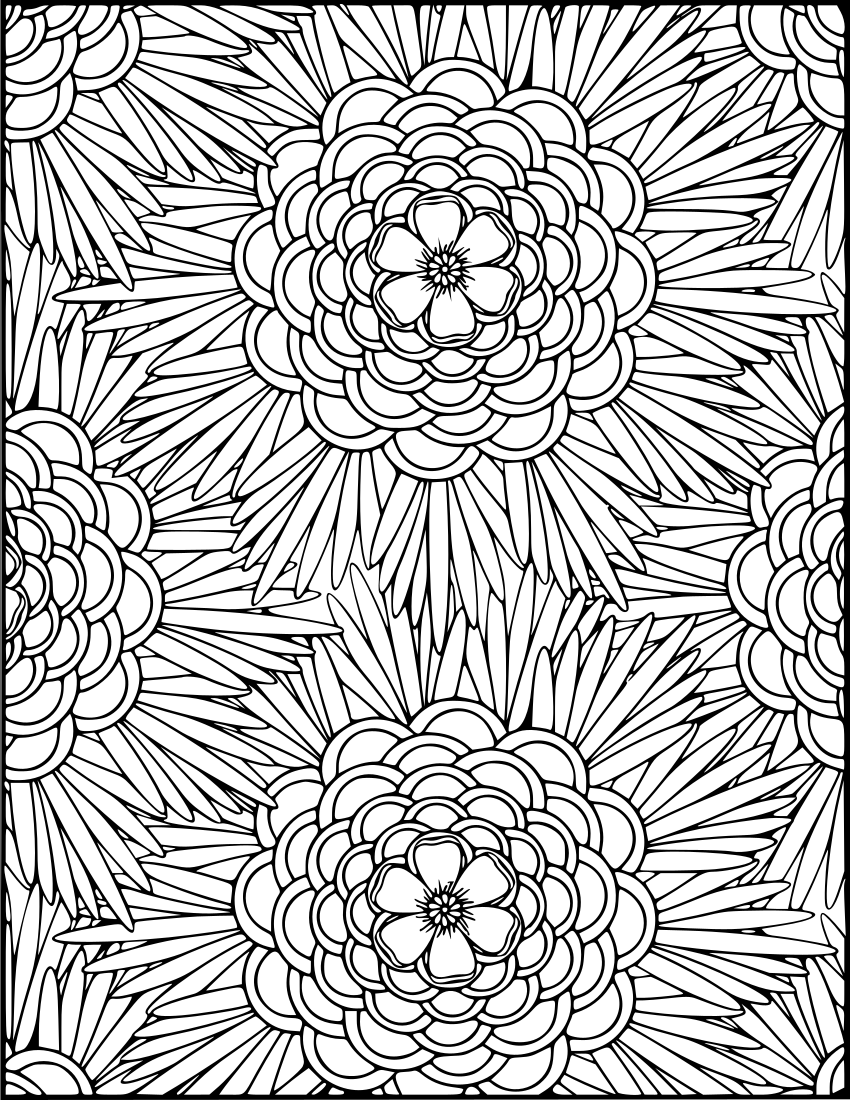
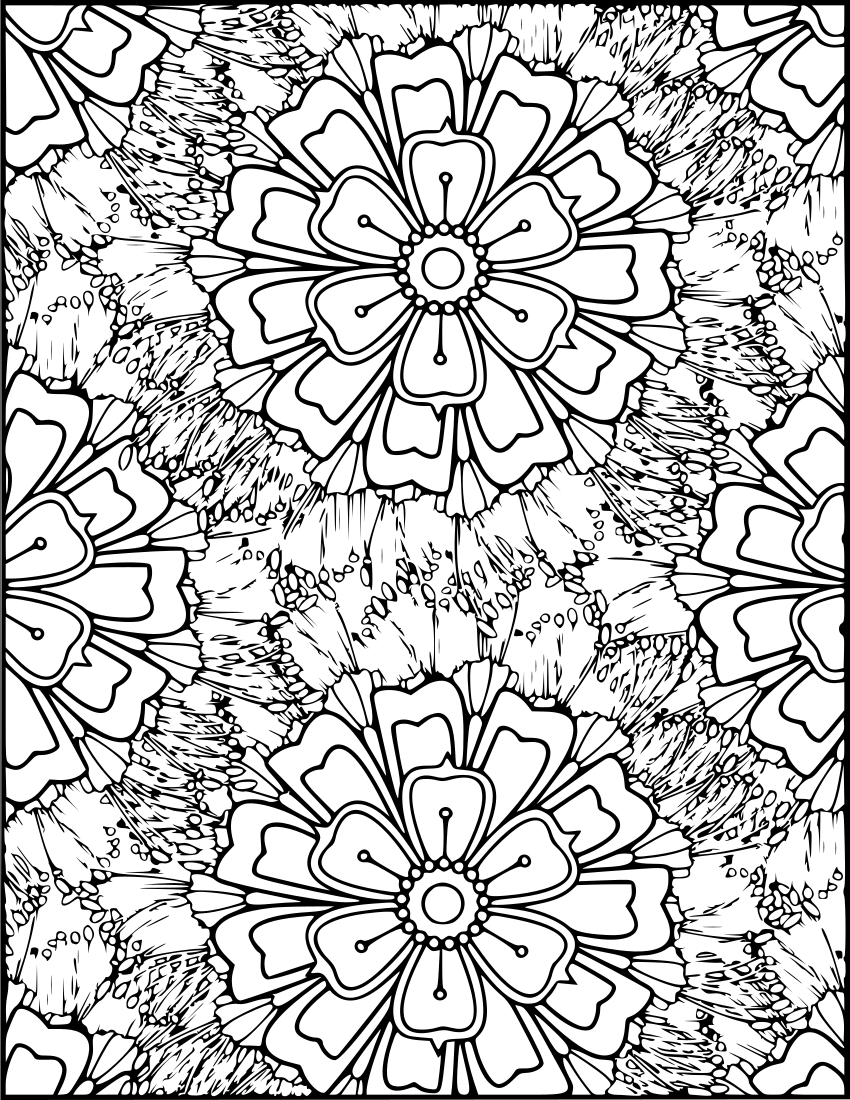
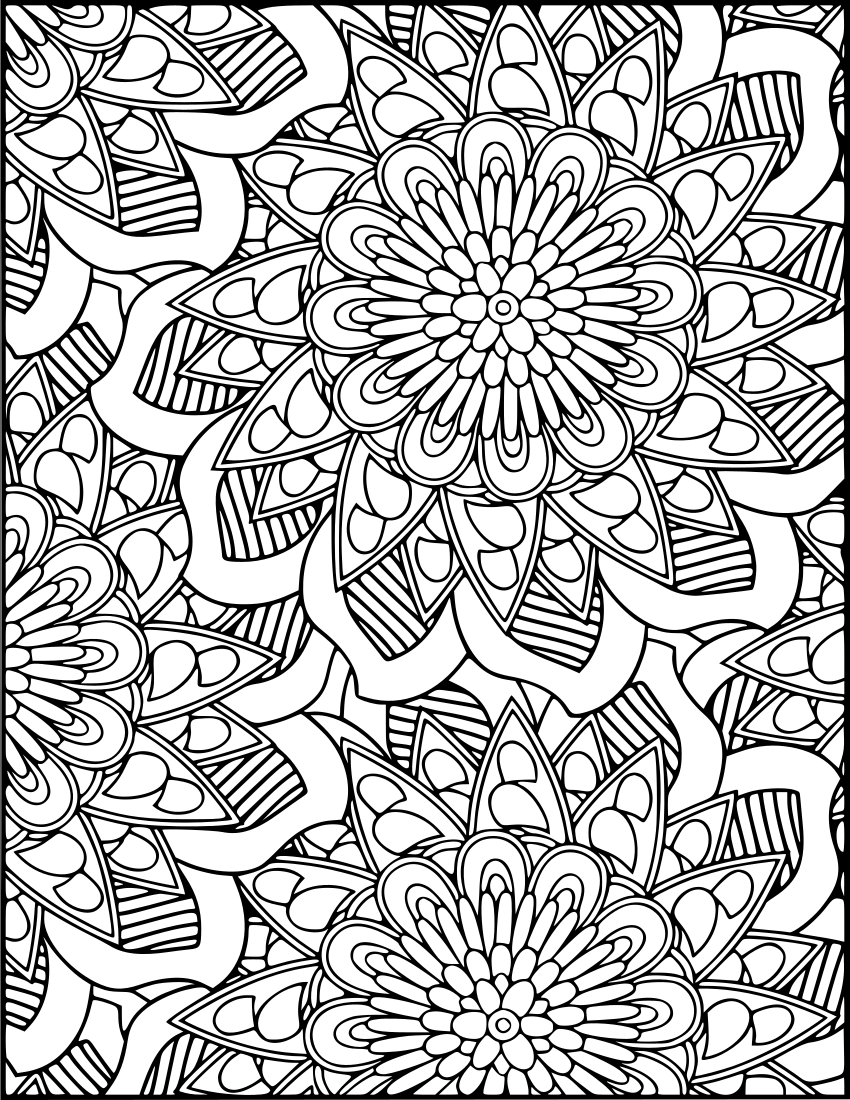
- Radial and burst — Sunbursts, starburst designs, radiating lines, kaleidoscope forms and radial spirals. The centripetal pull of radial symmetry creates a naturally meditative coloring experience — the eye moves outward from the center, section by section.
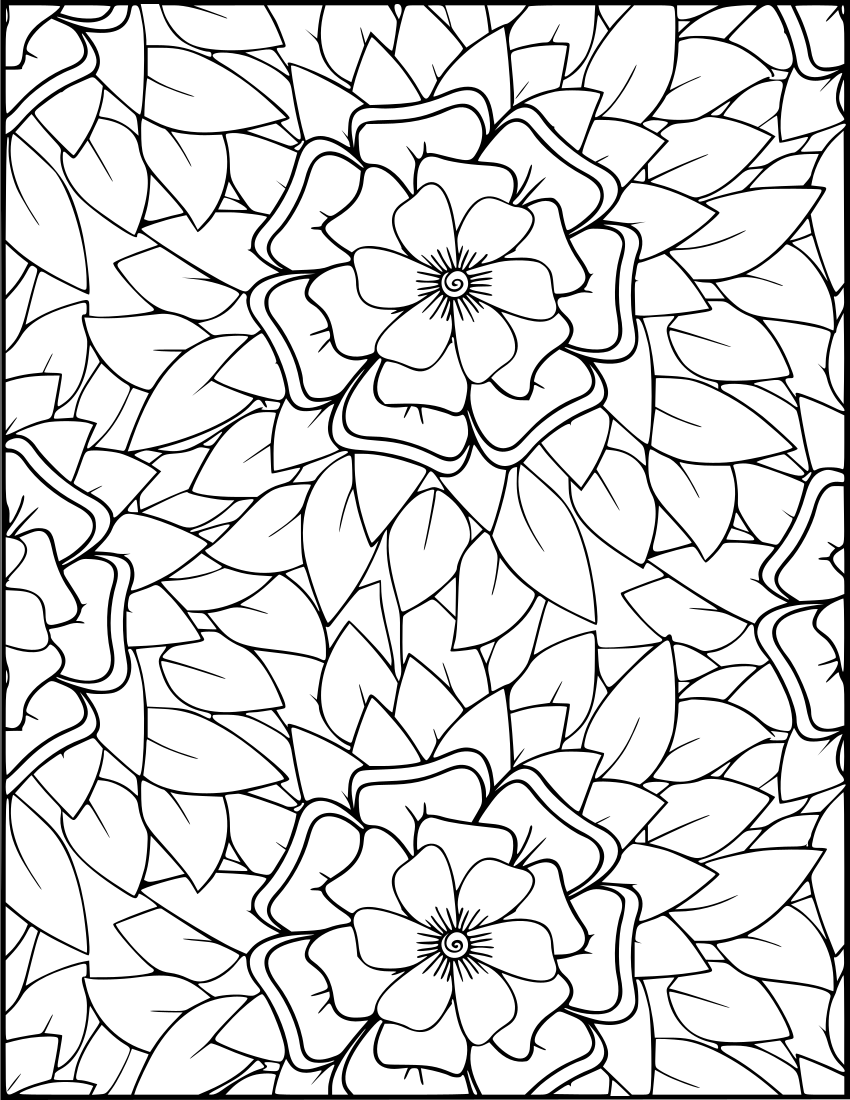
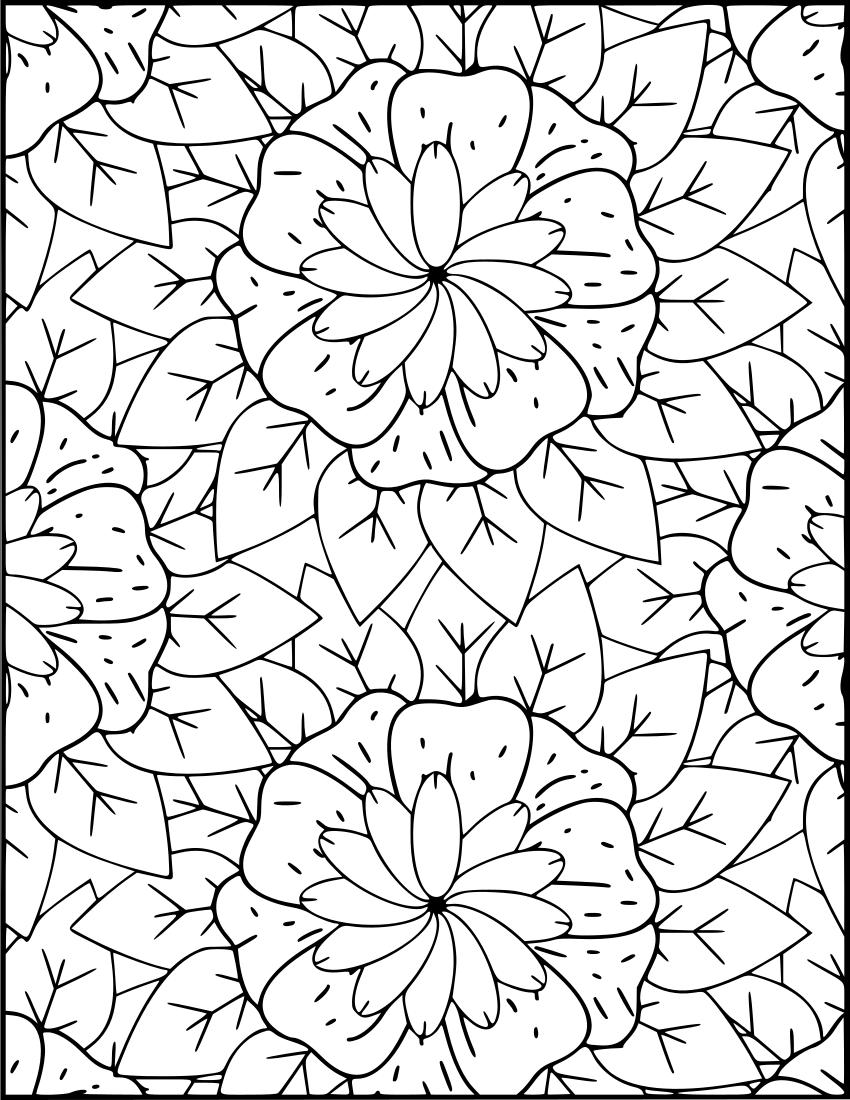
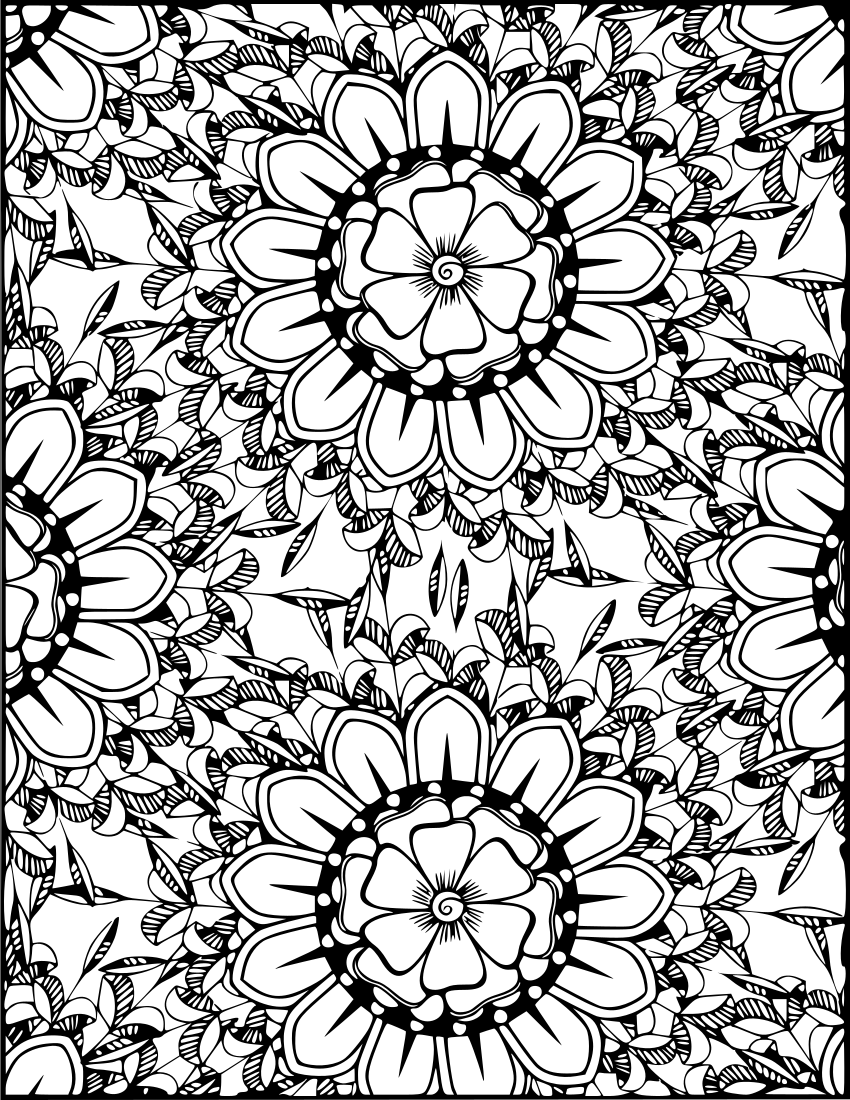
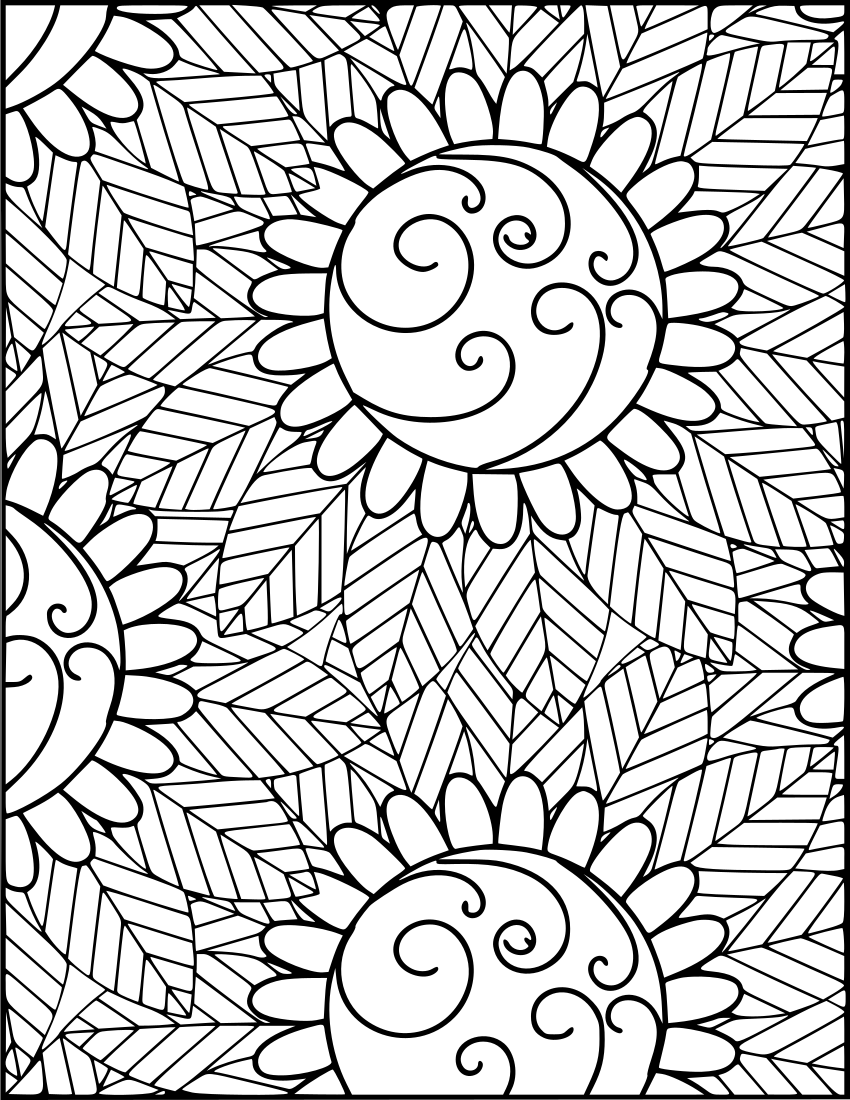
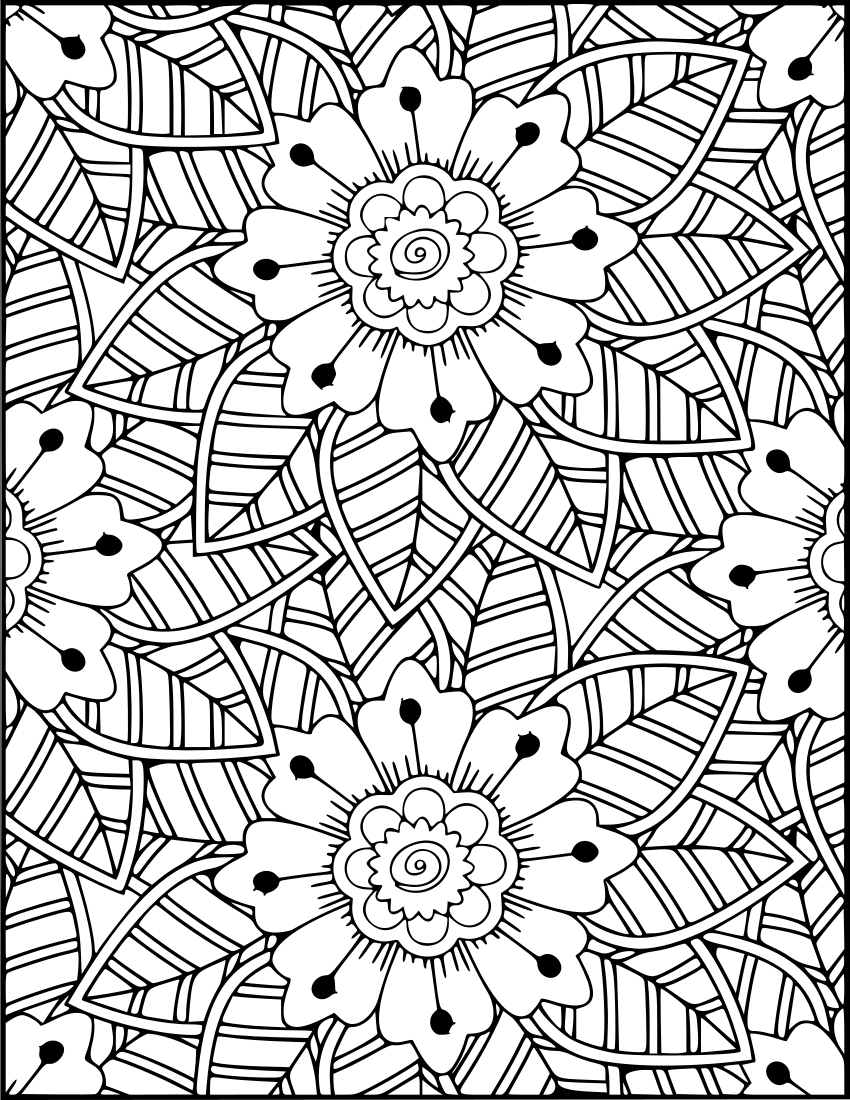
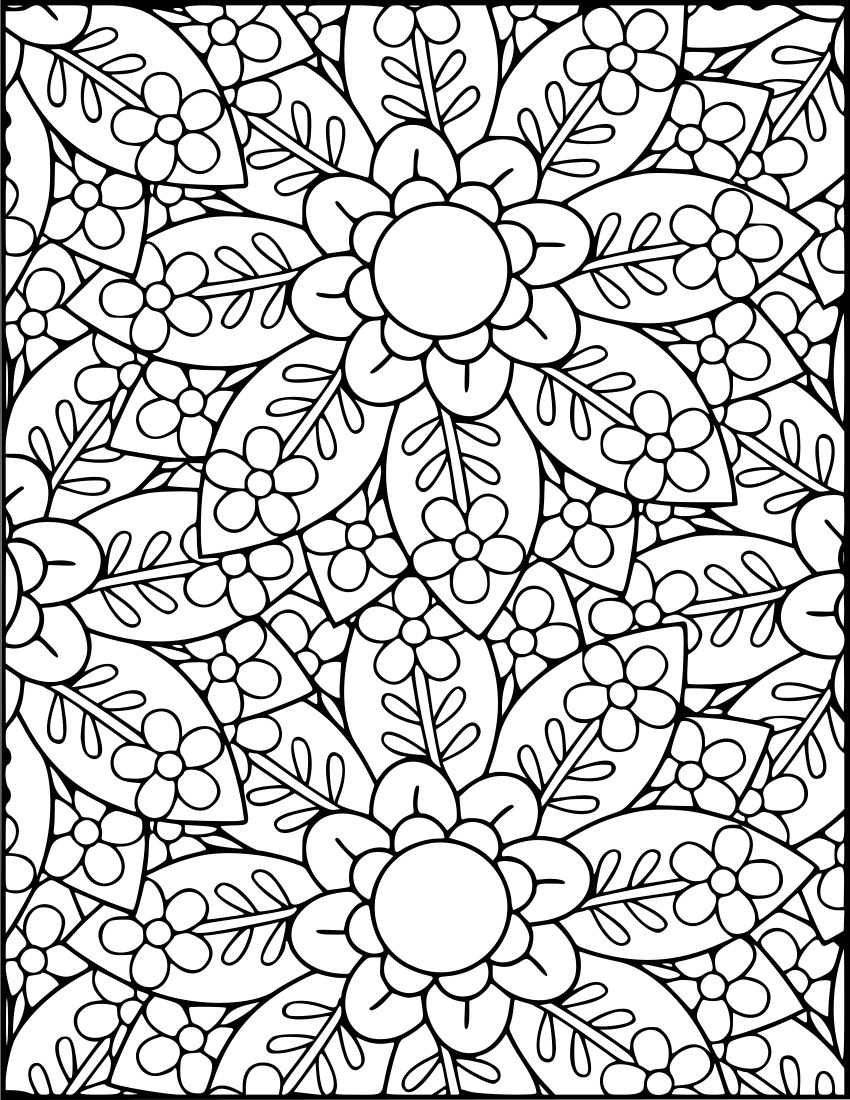
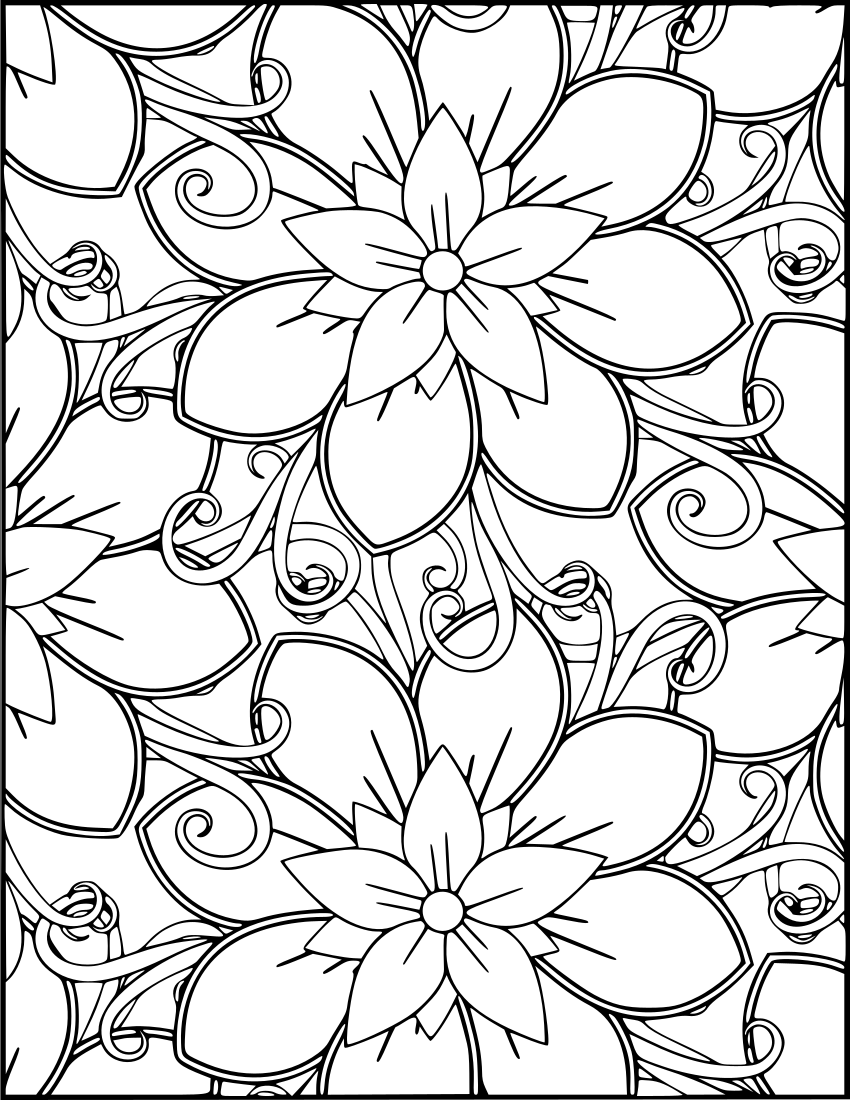
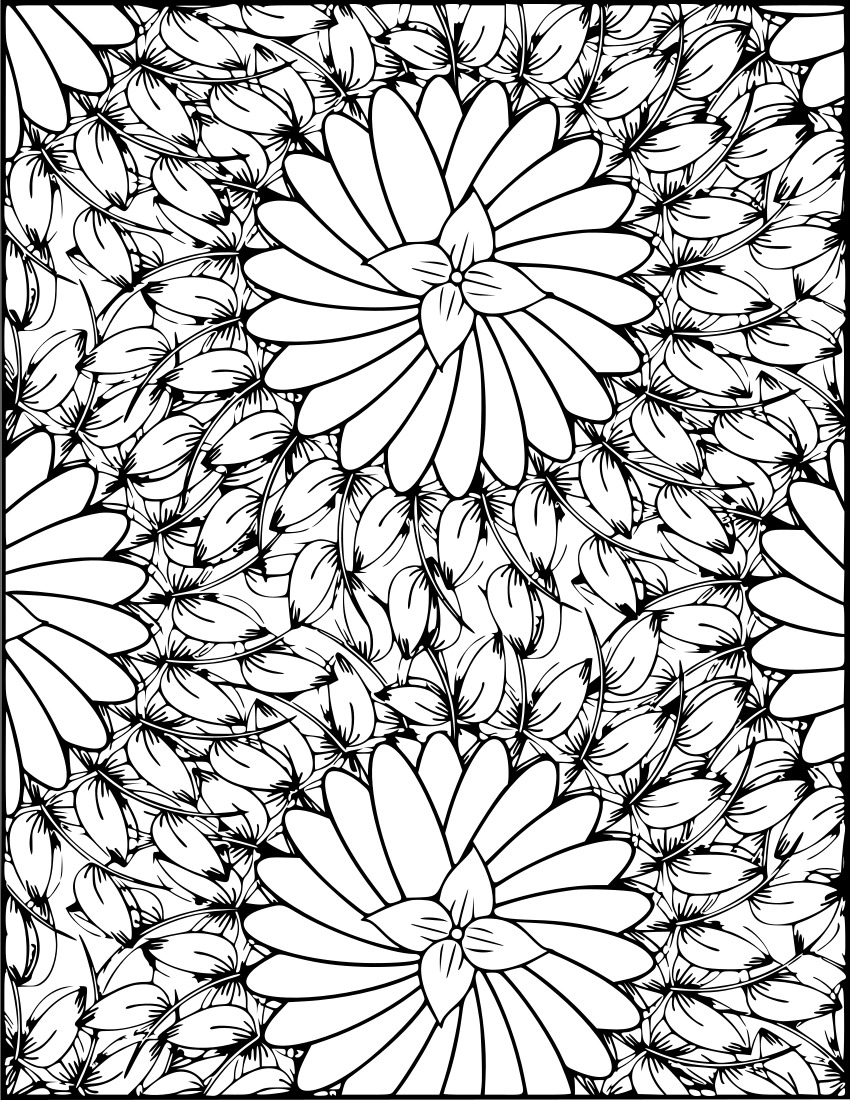
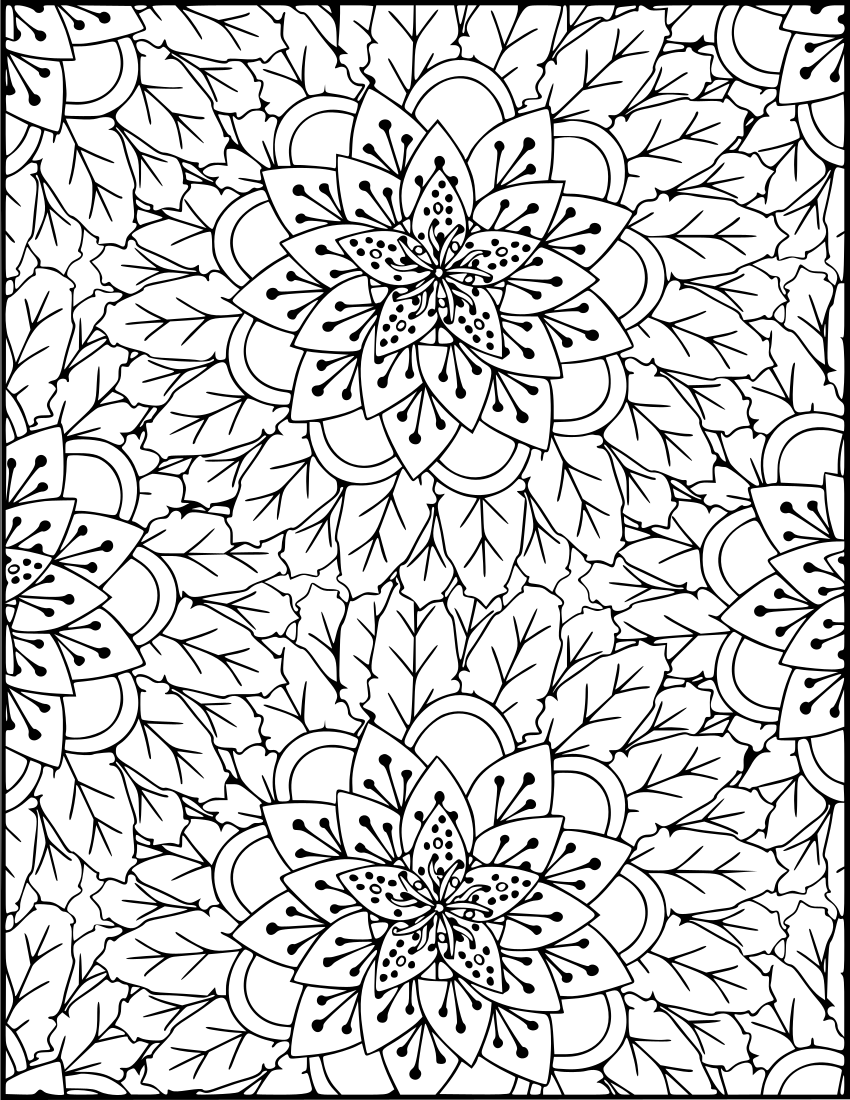
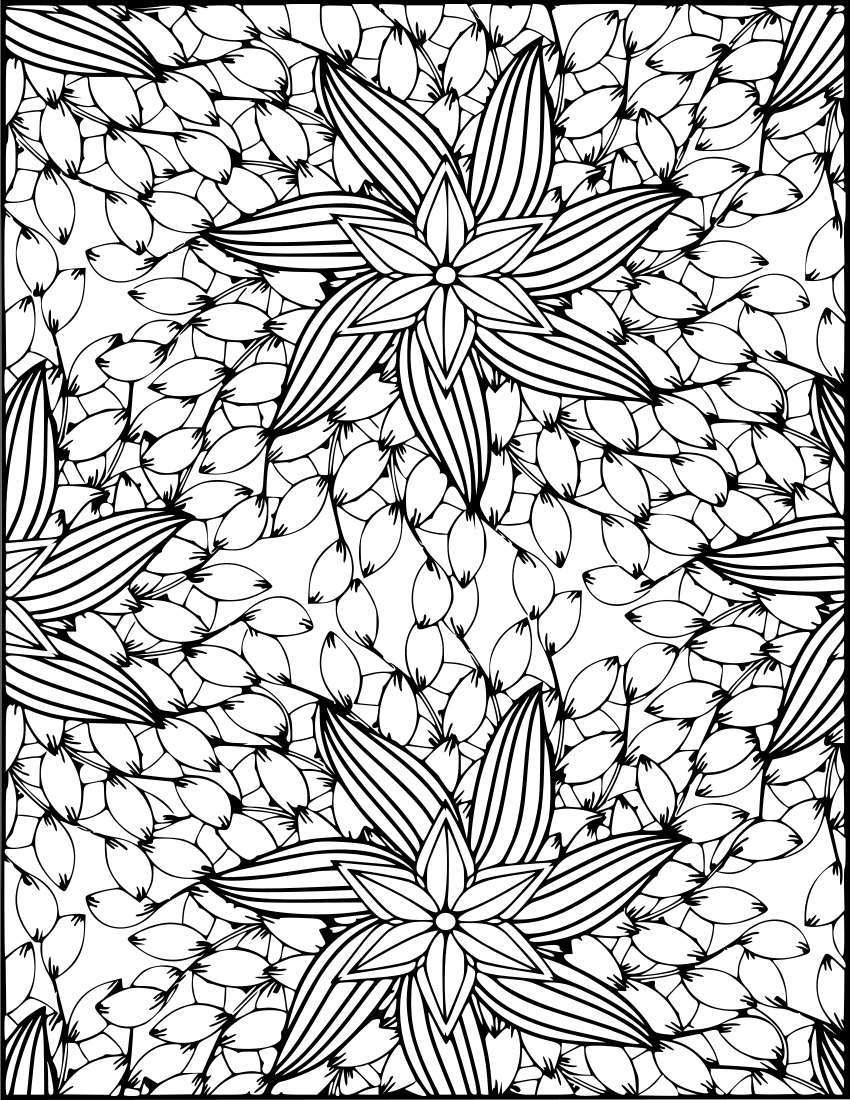
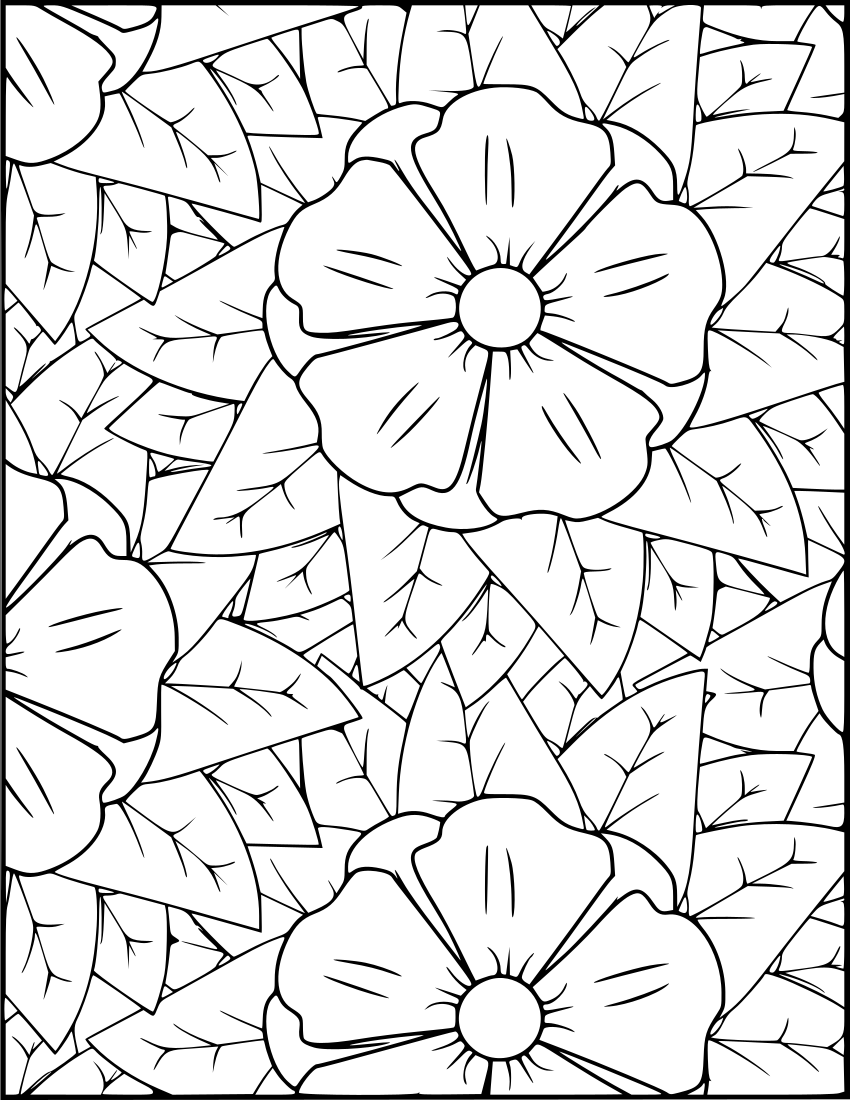
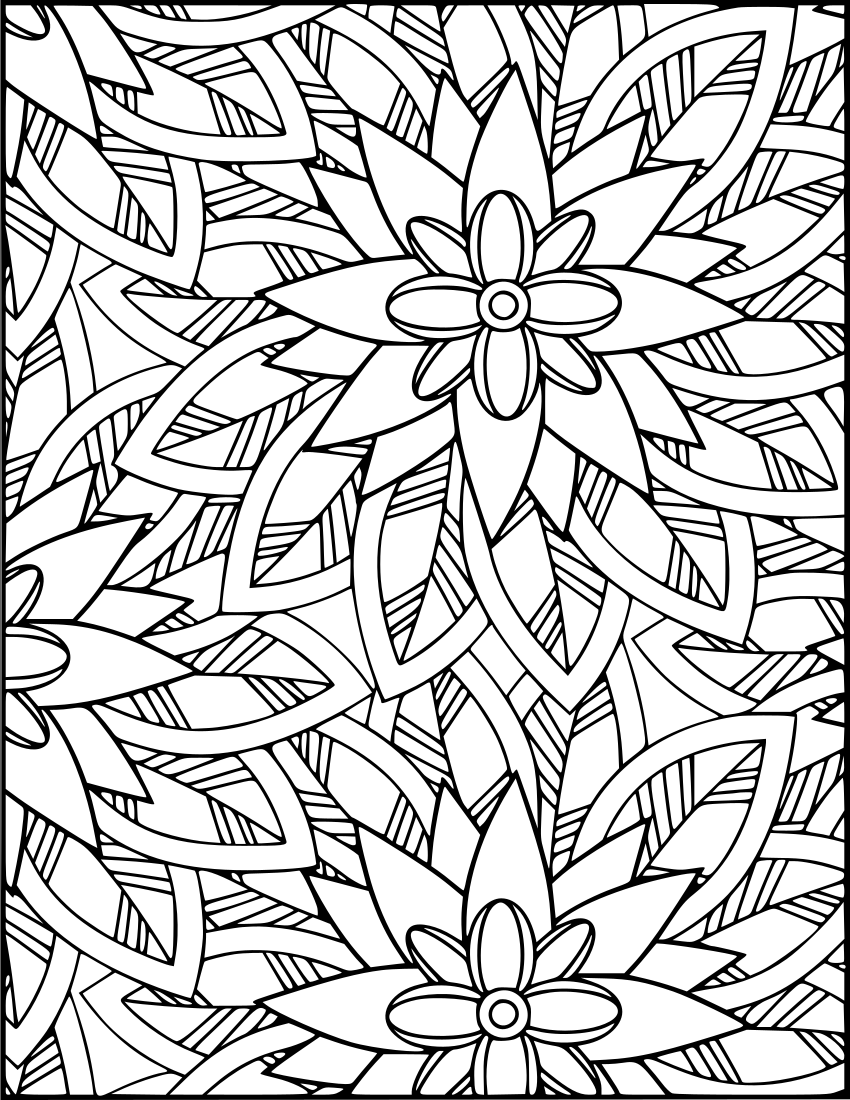
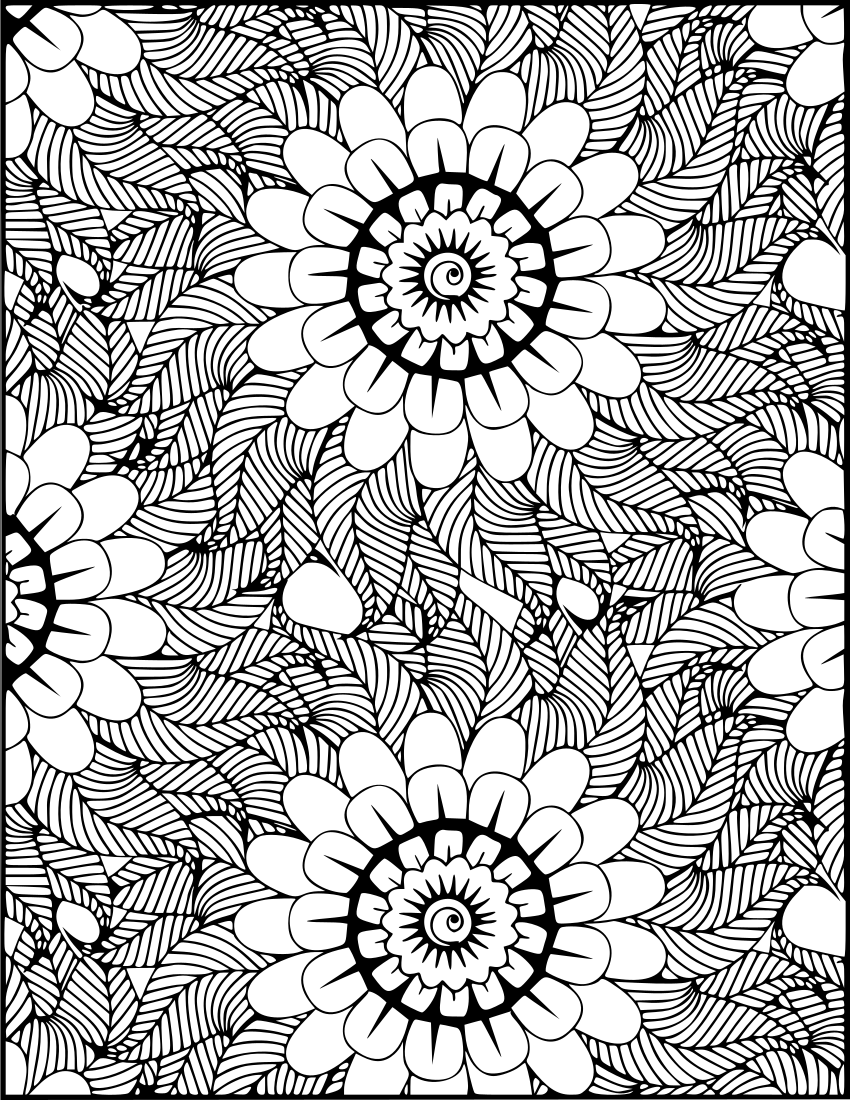
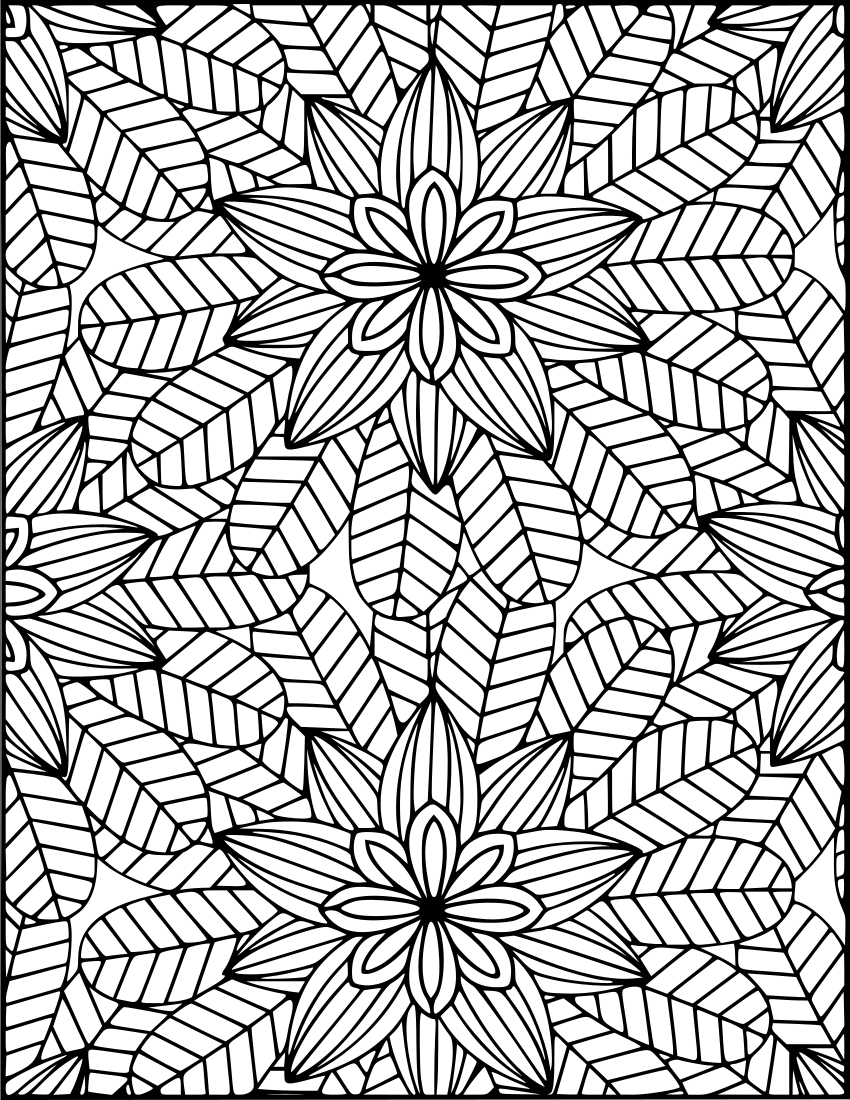
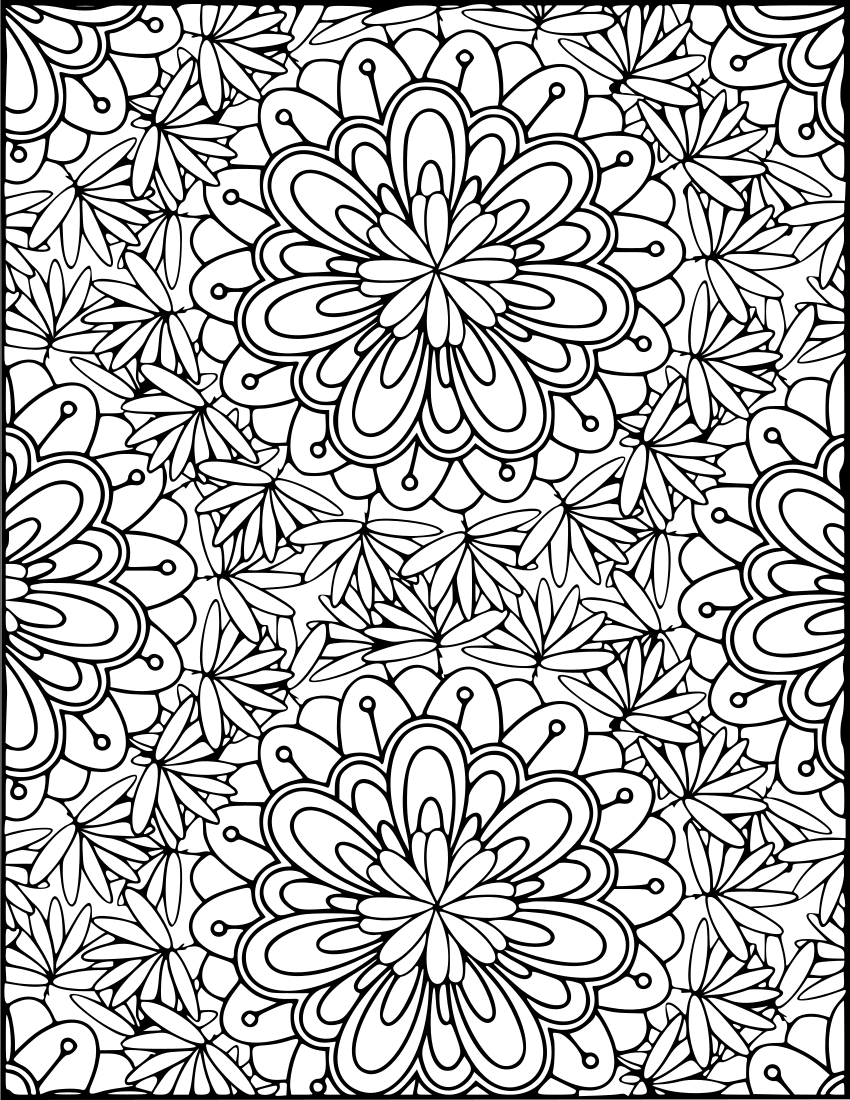
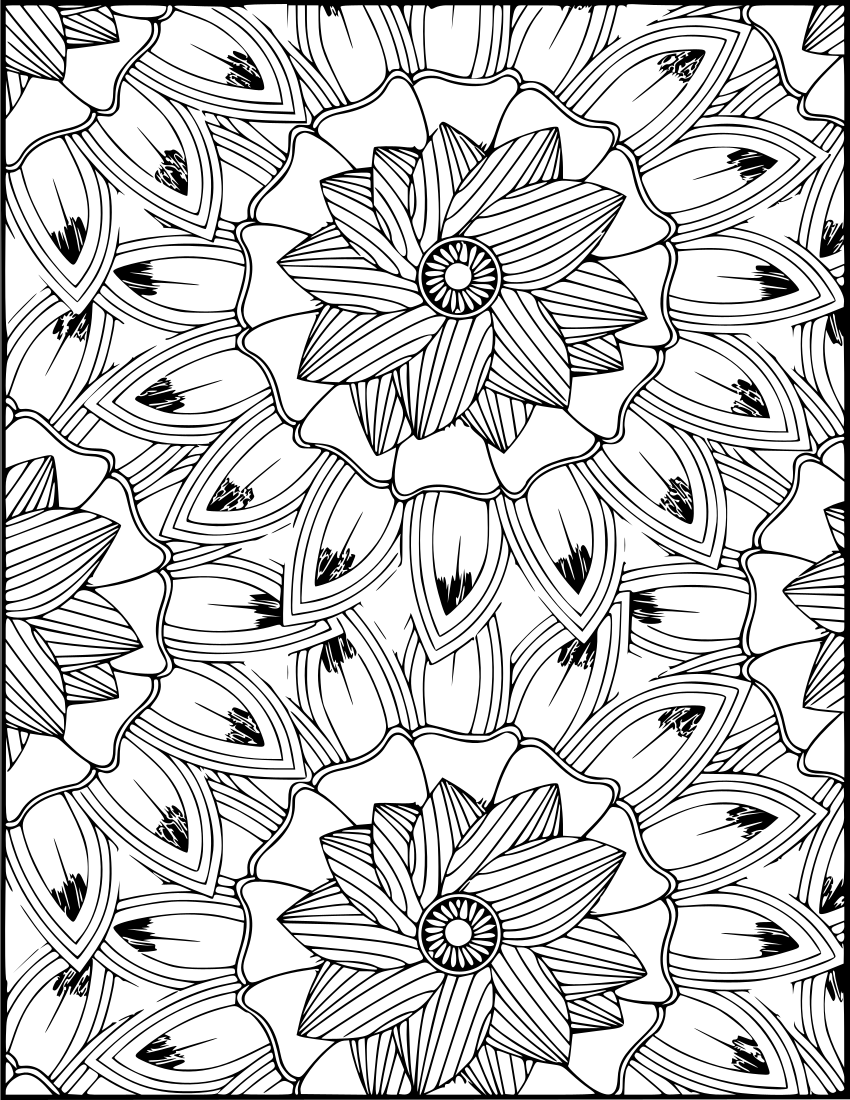
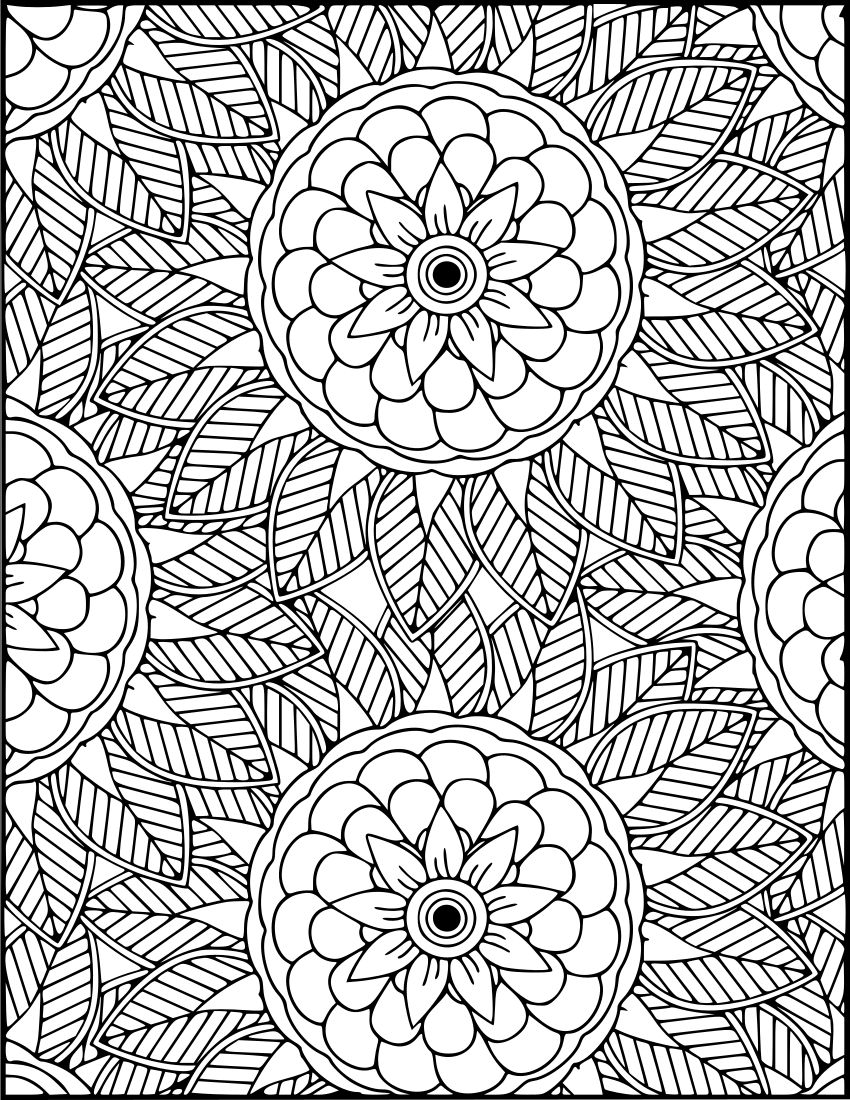
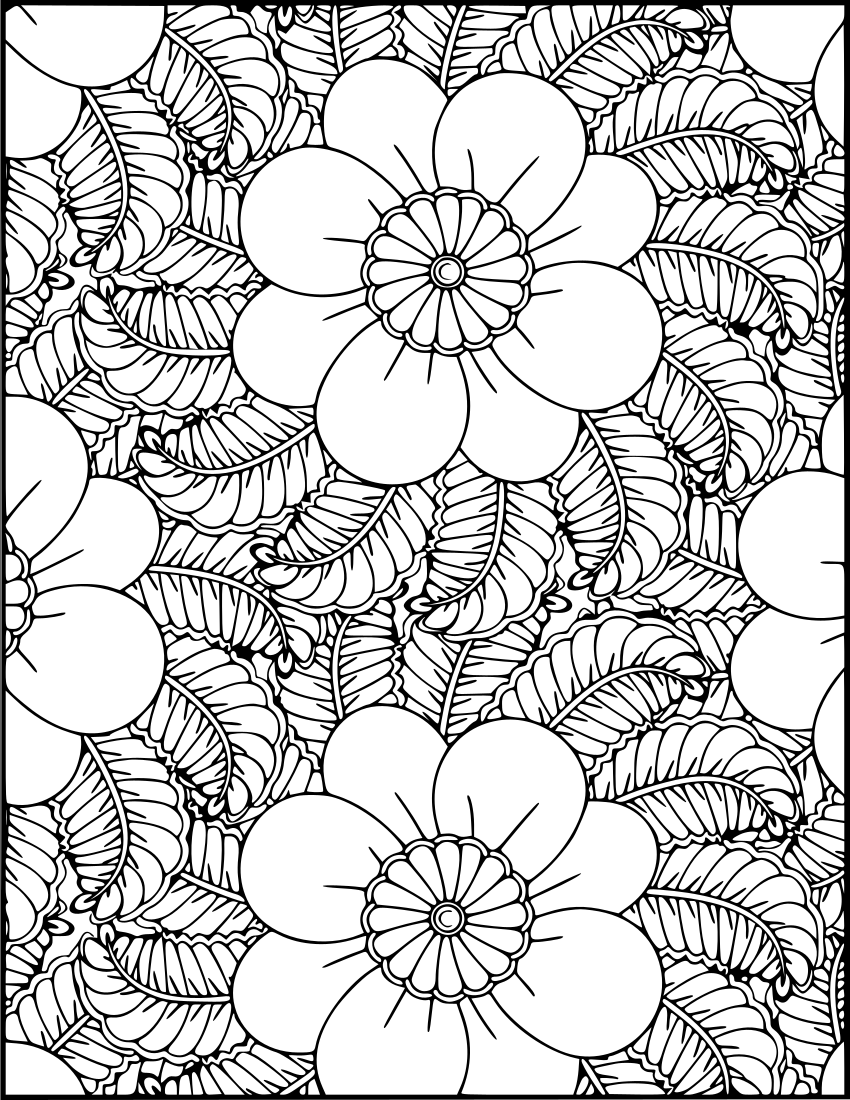
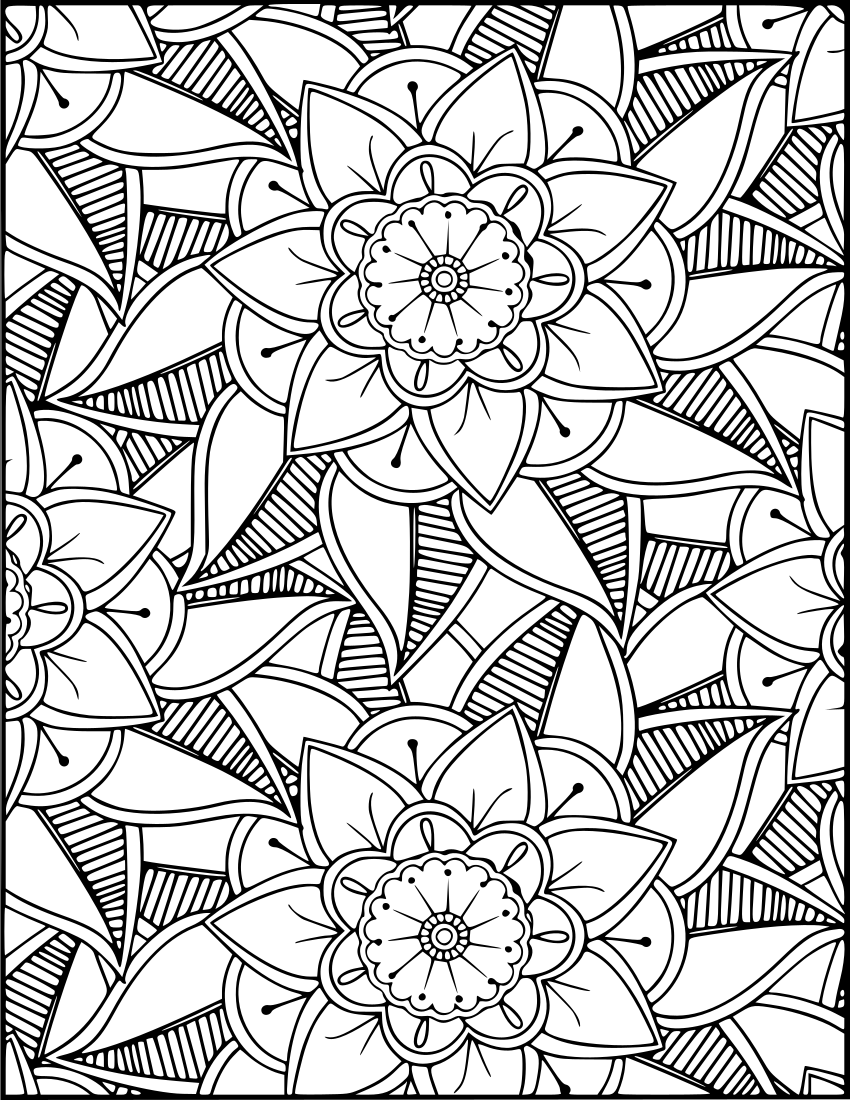
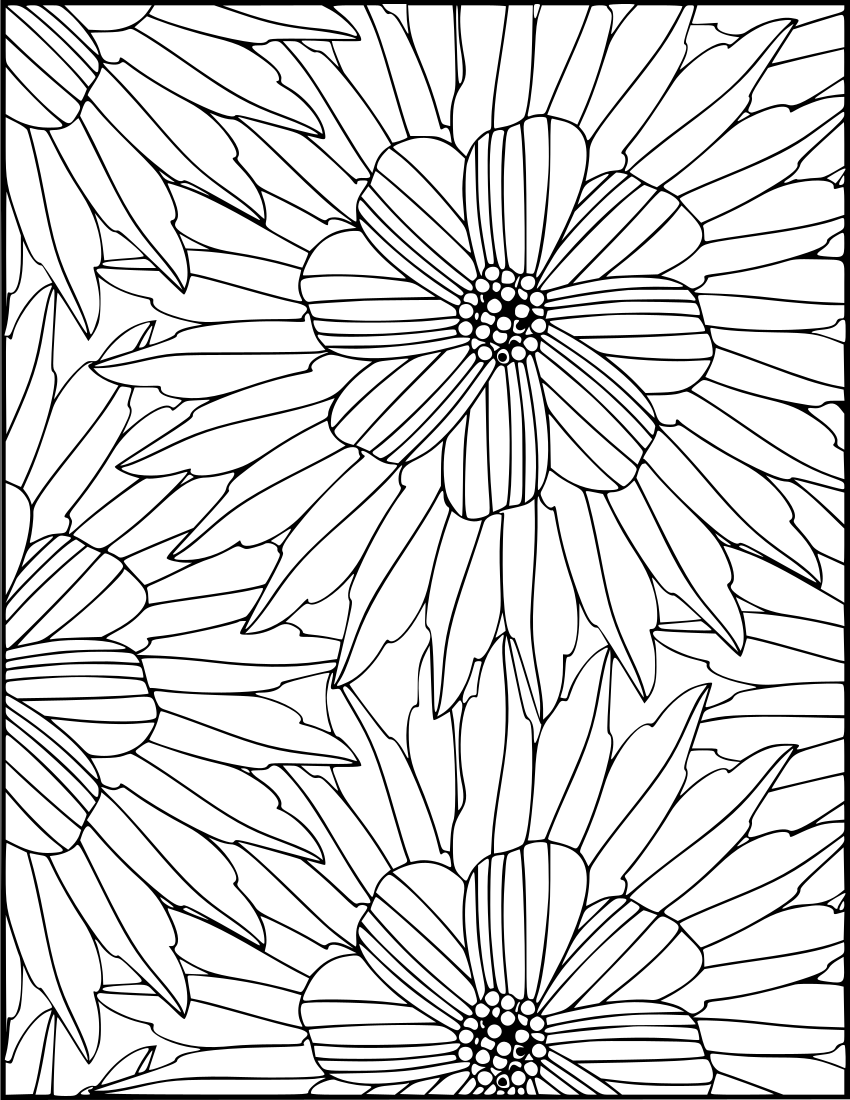
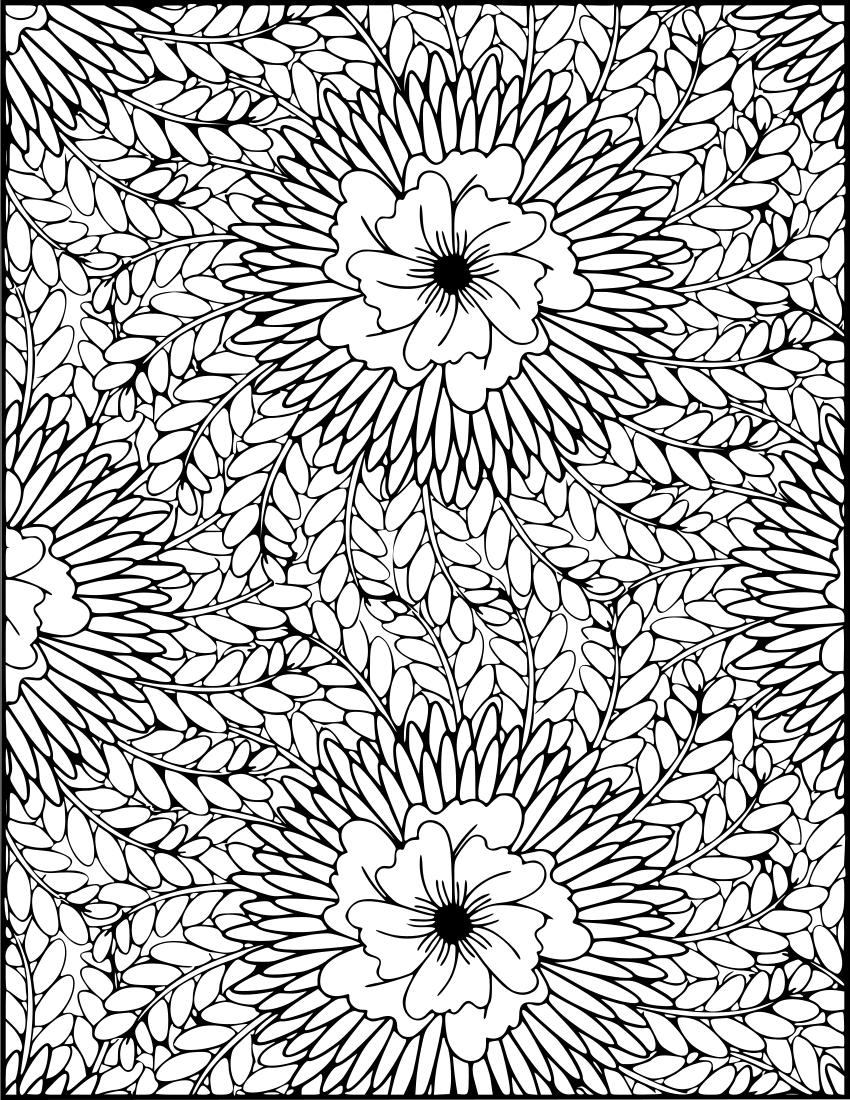
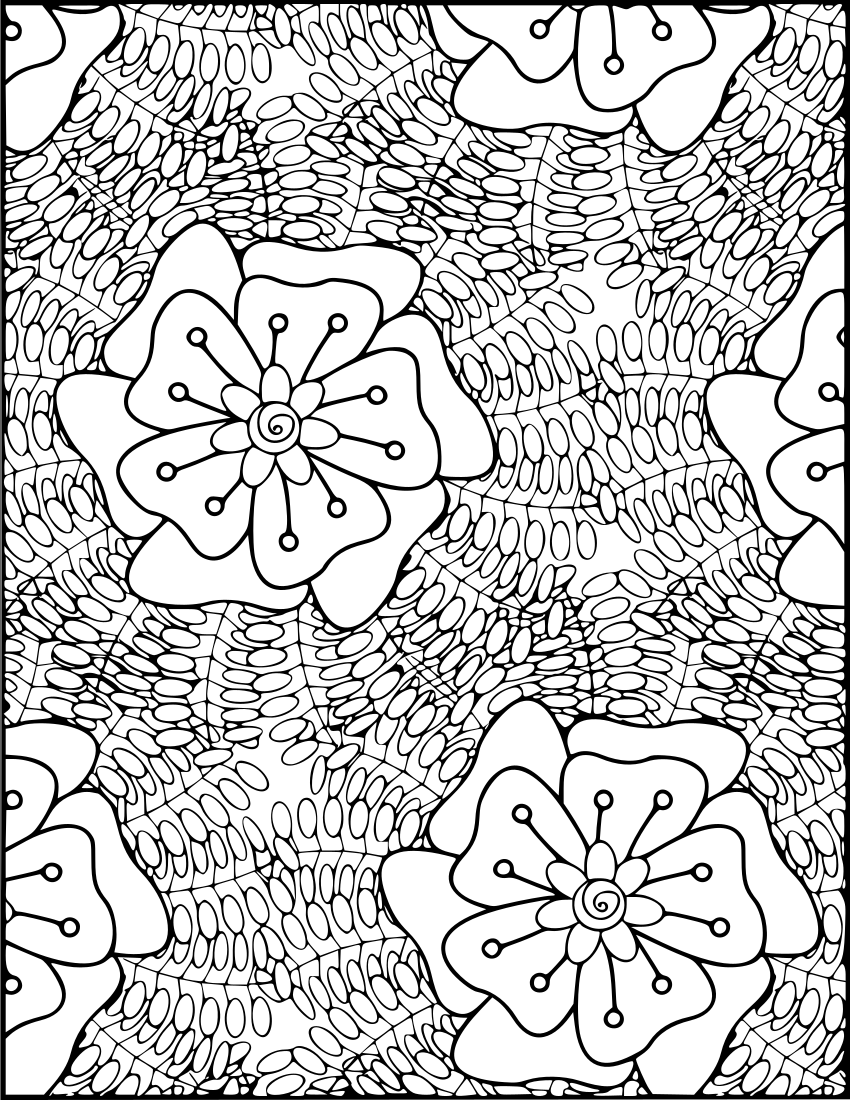
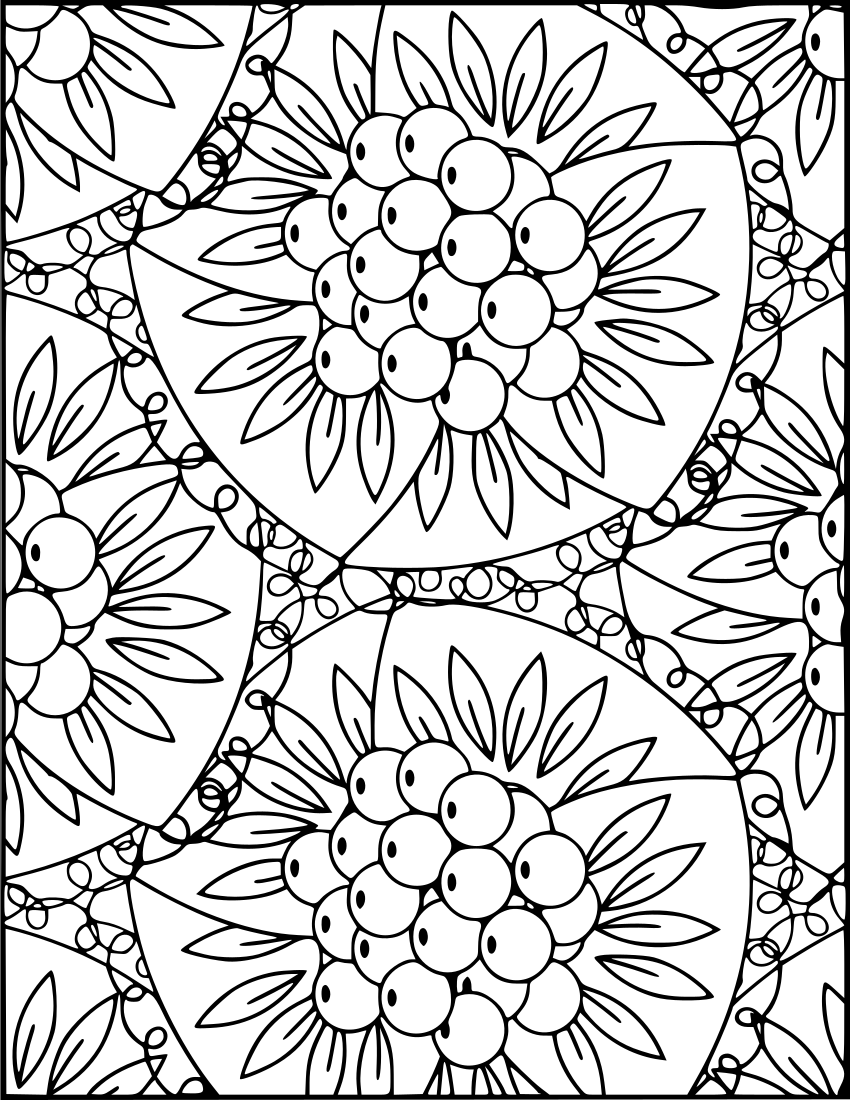
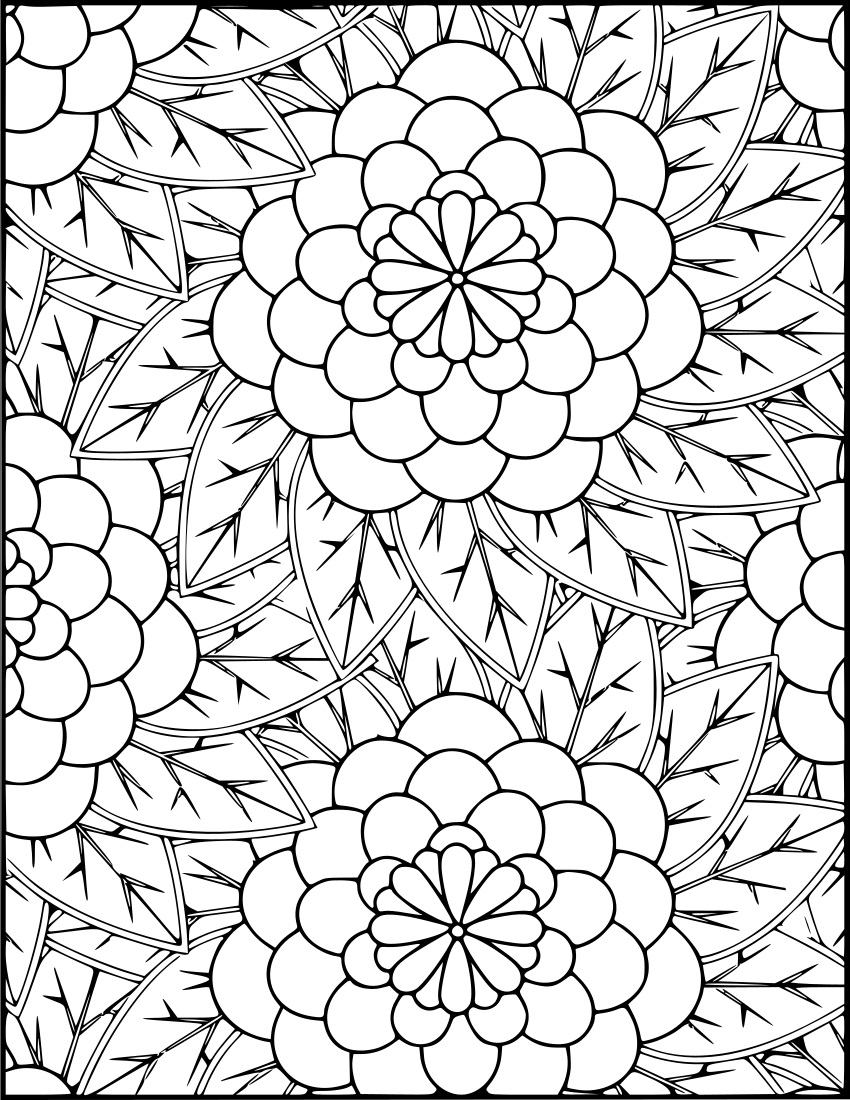
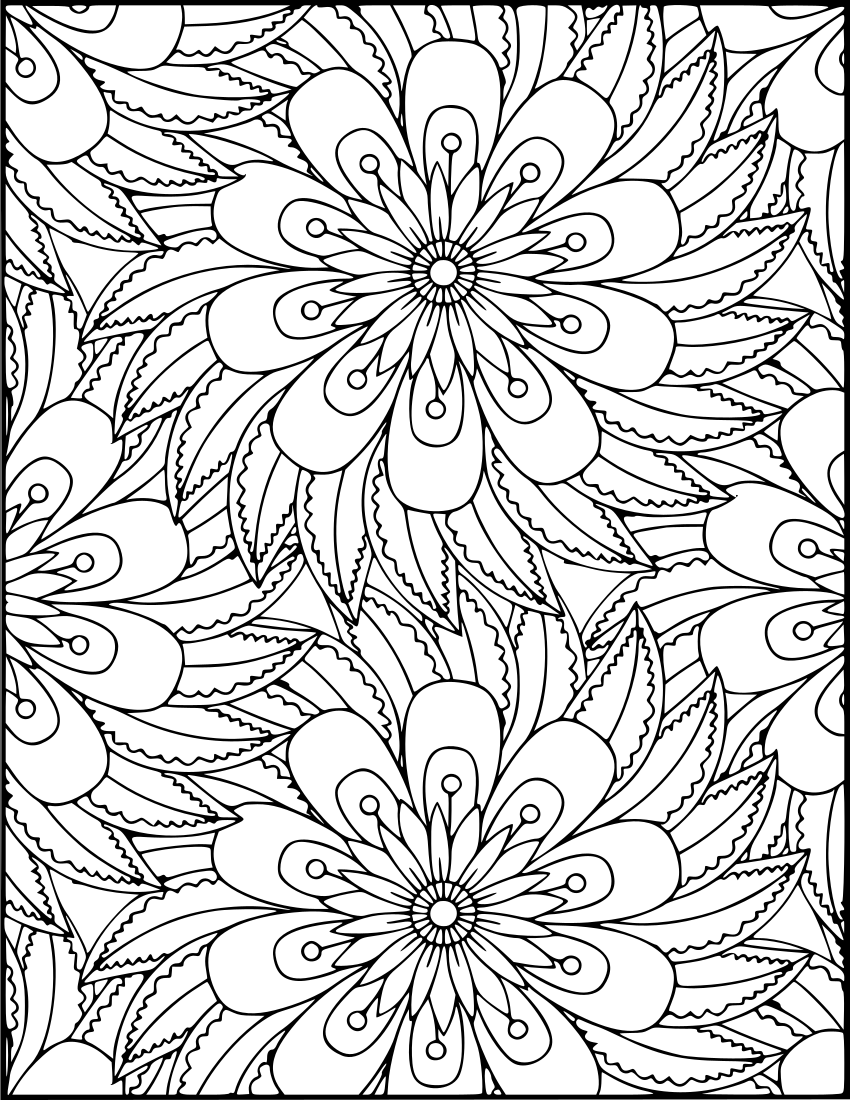
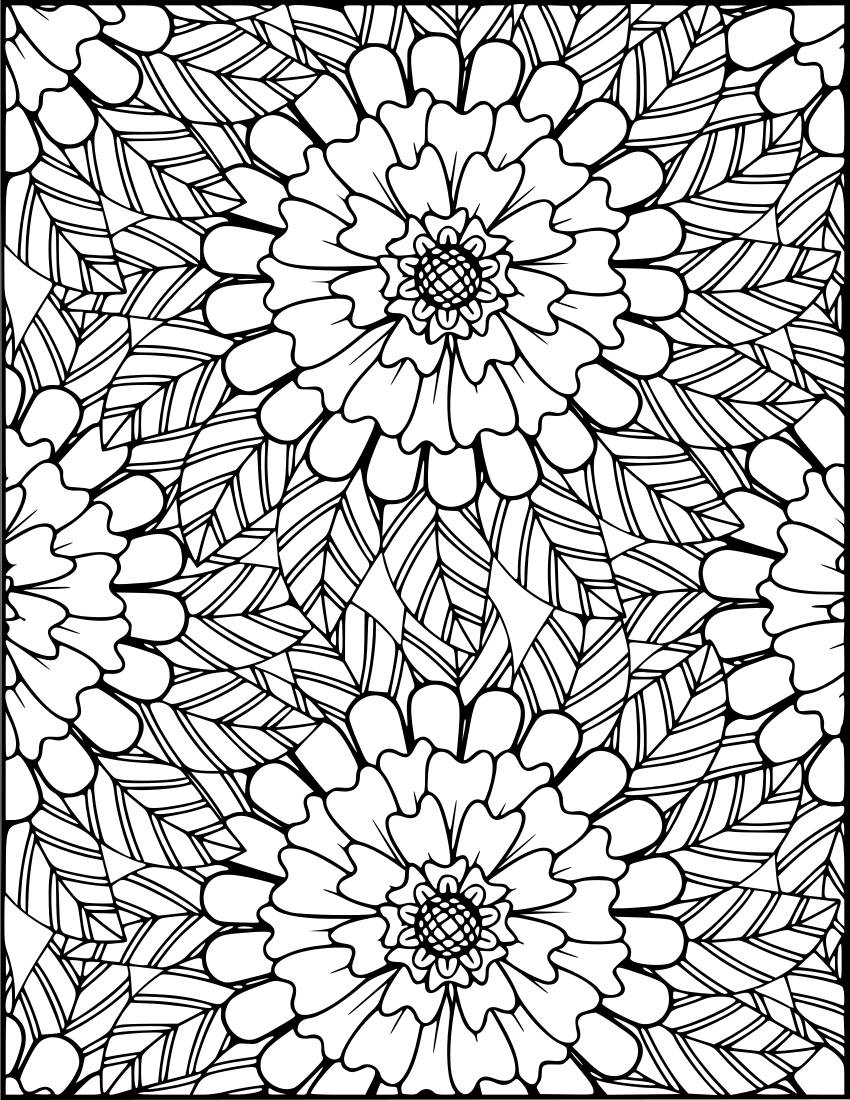
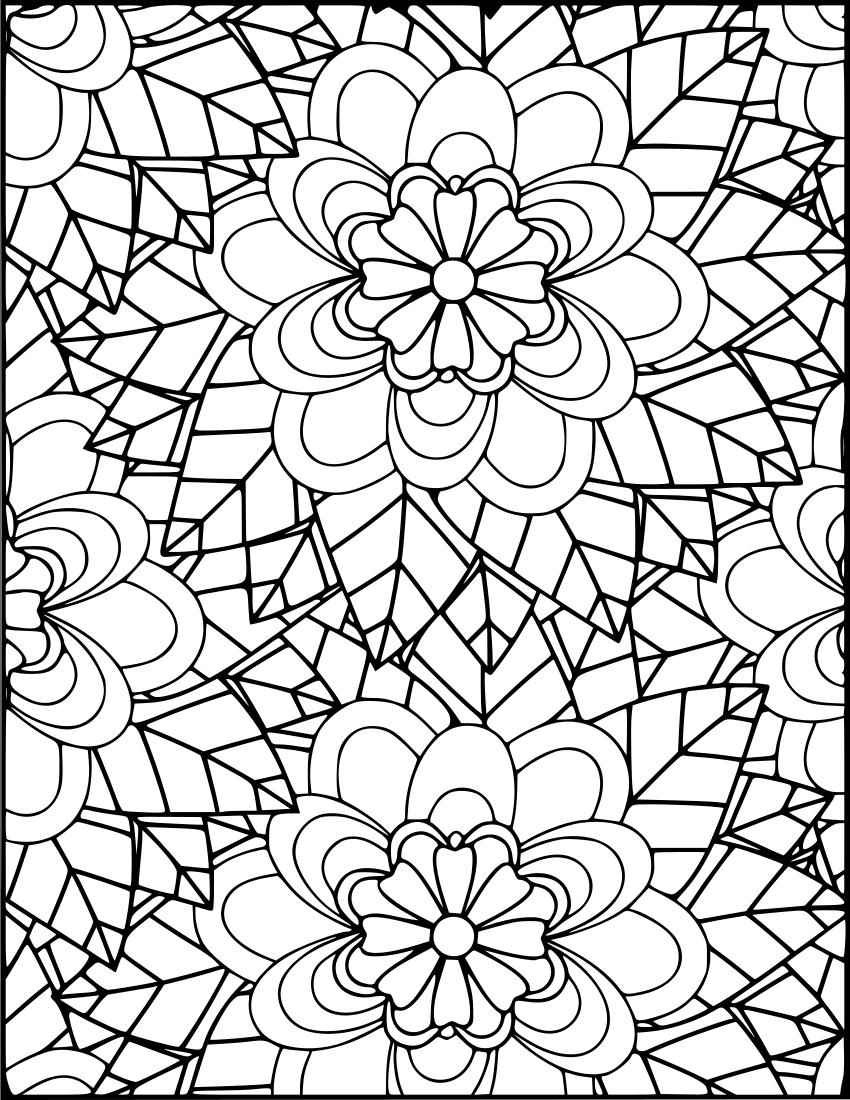
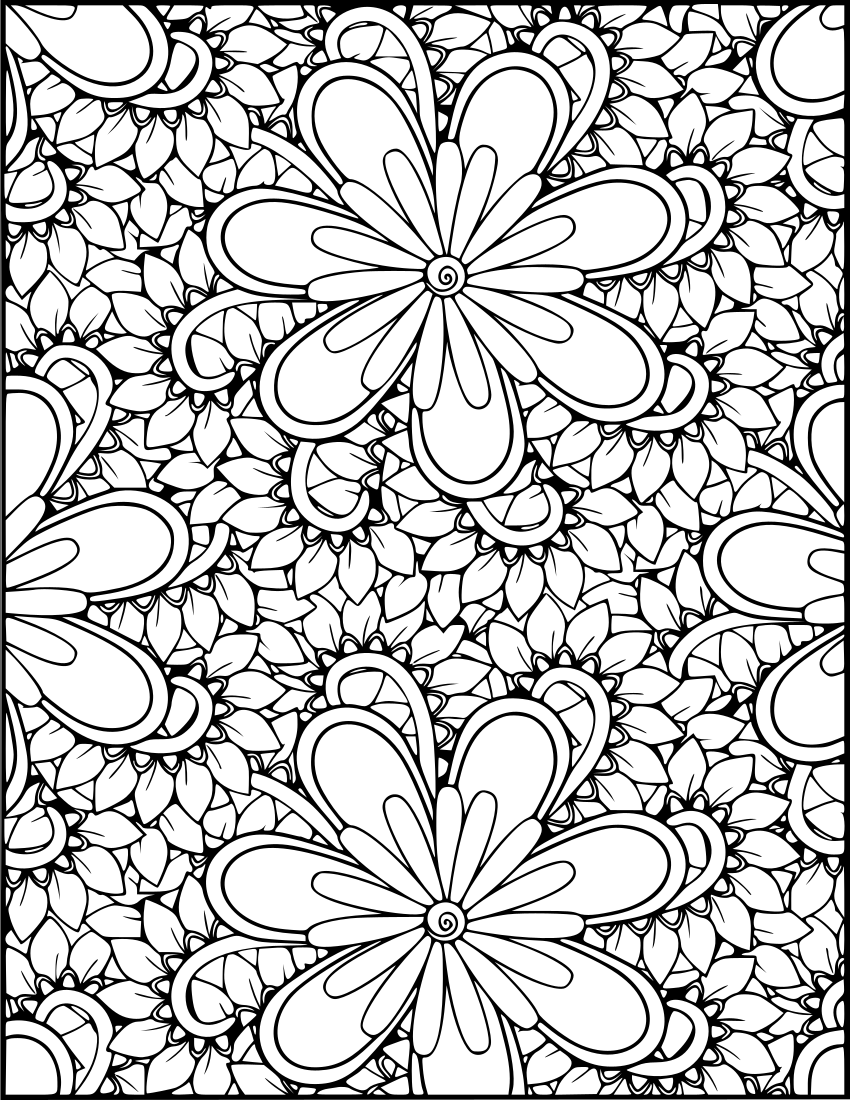
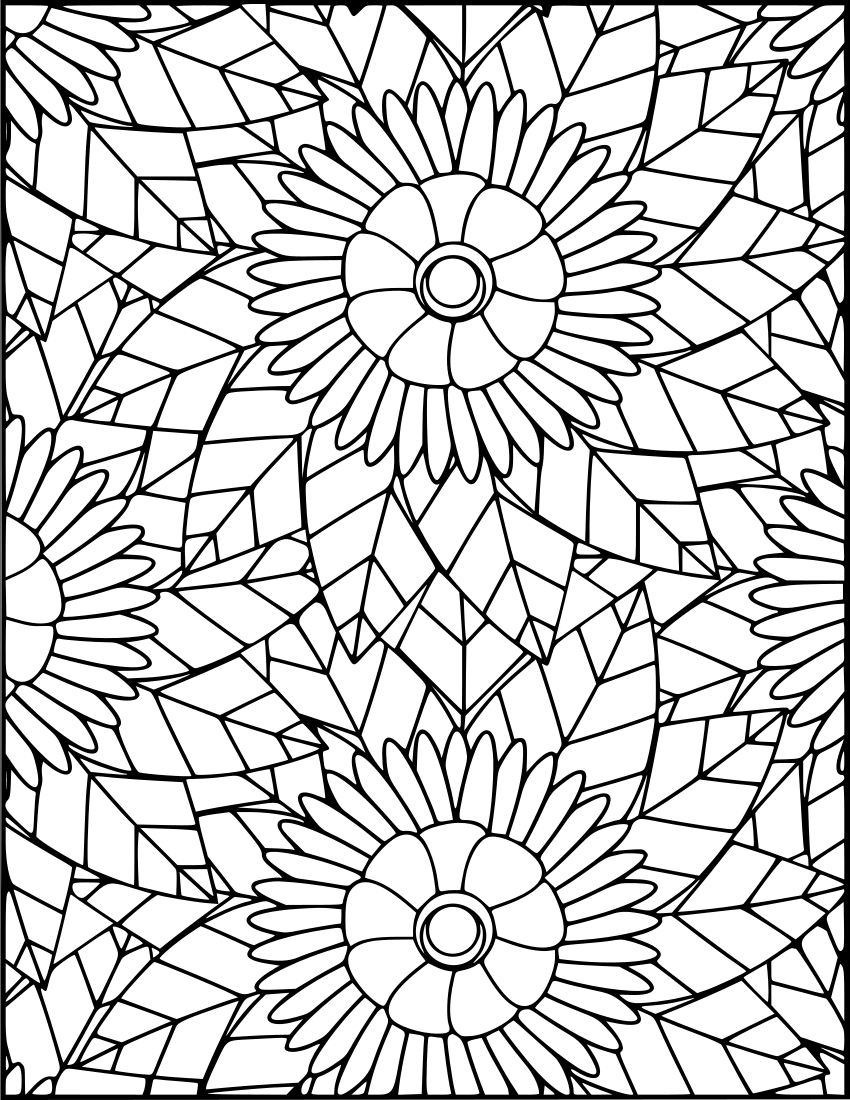
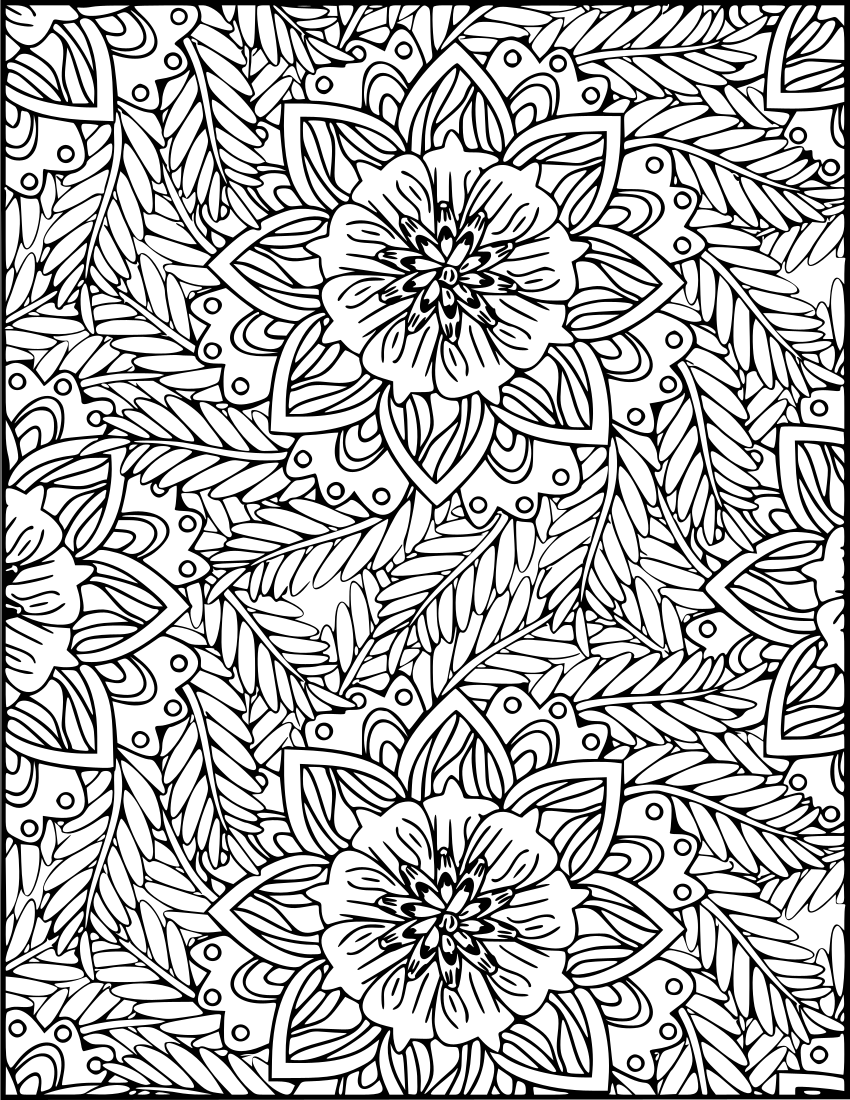
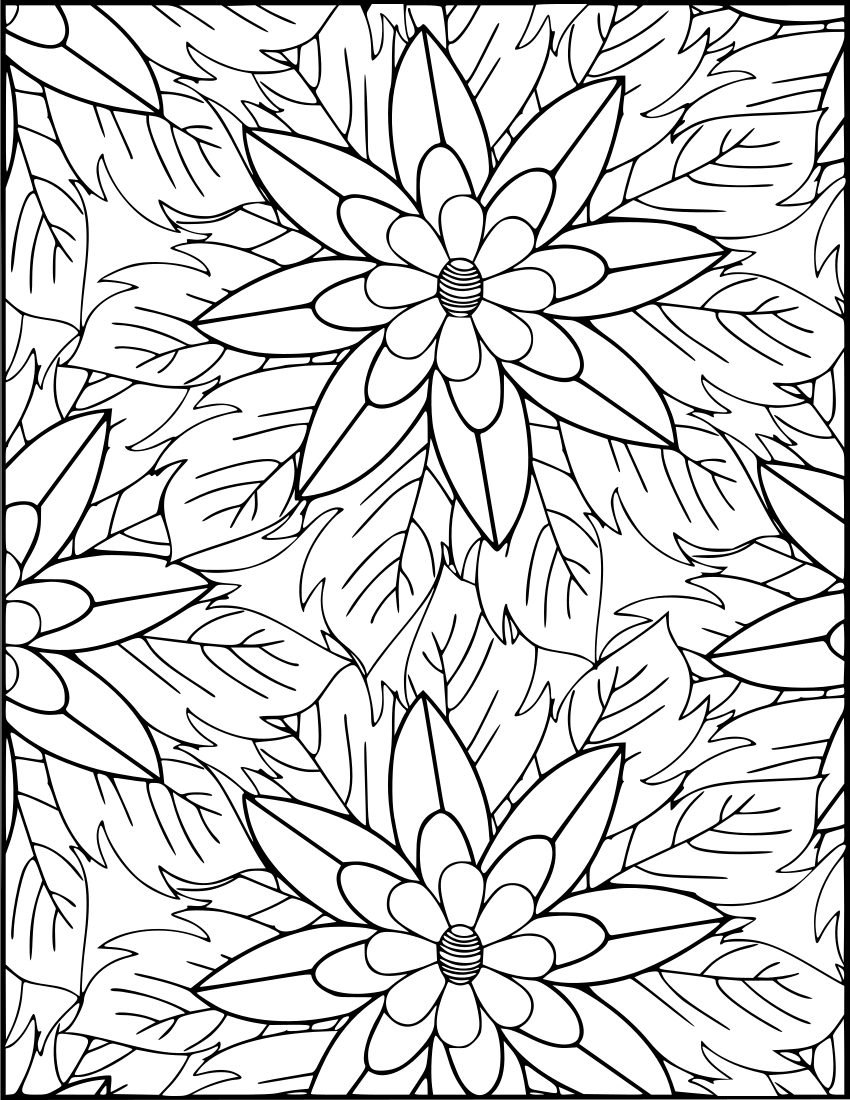
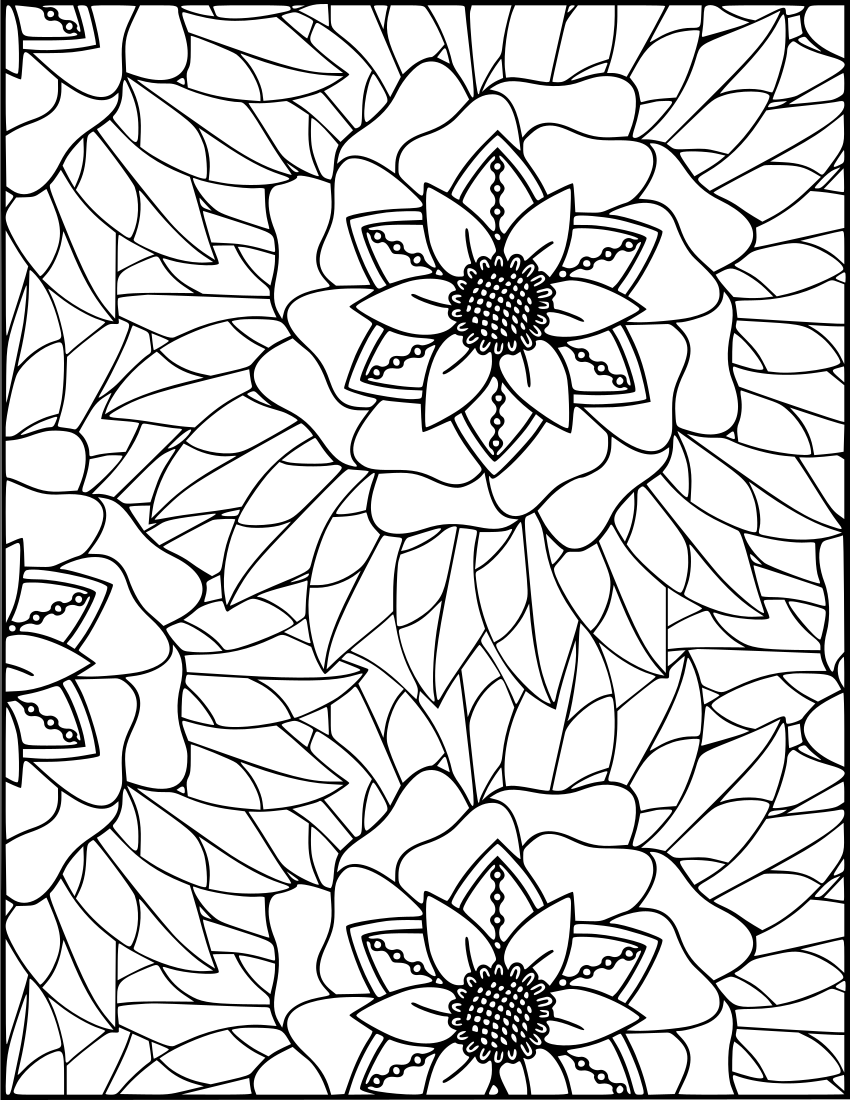
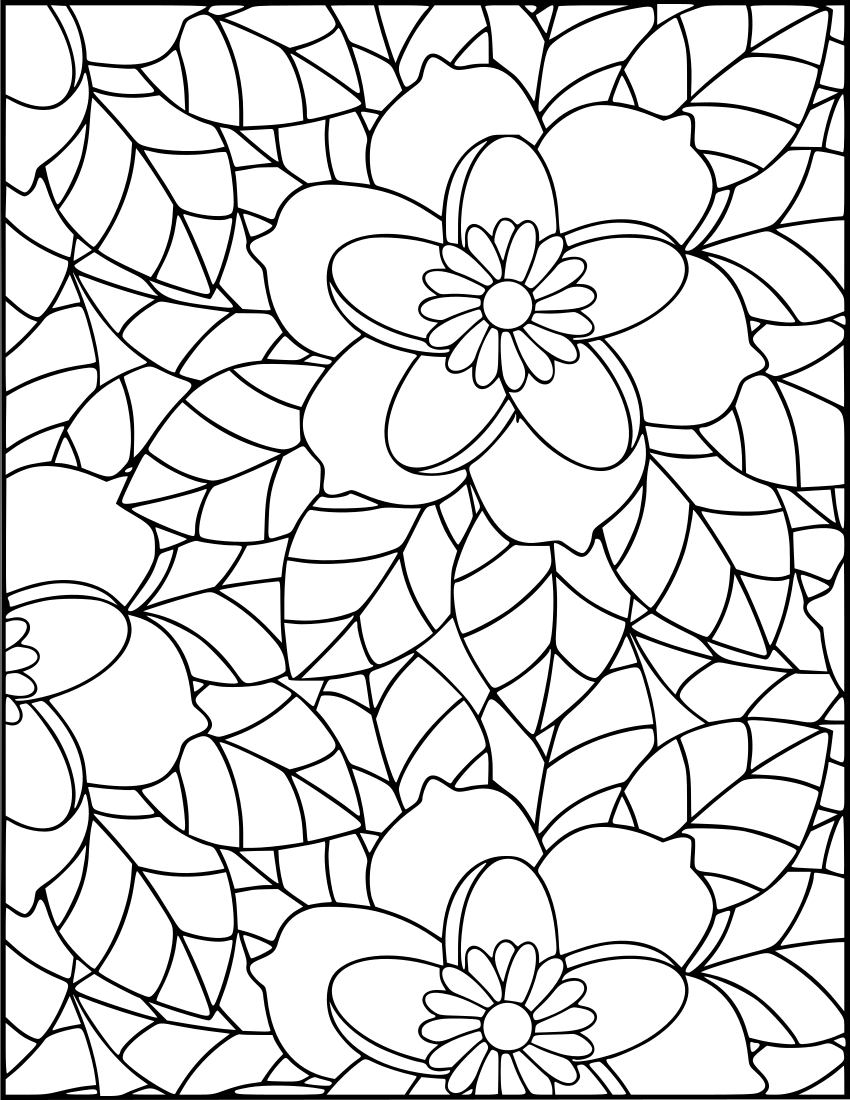
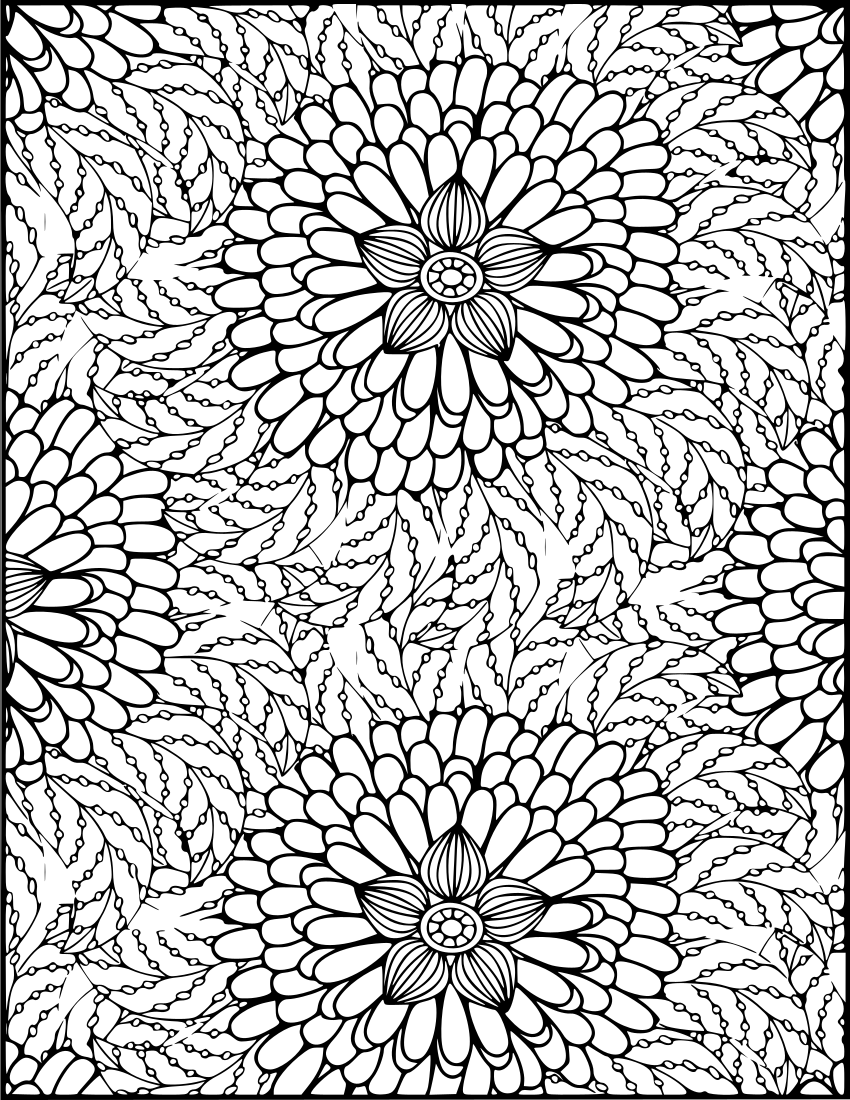
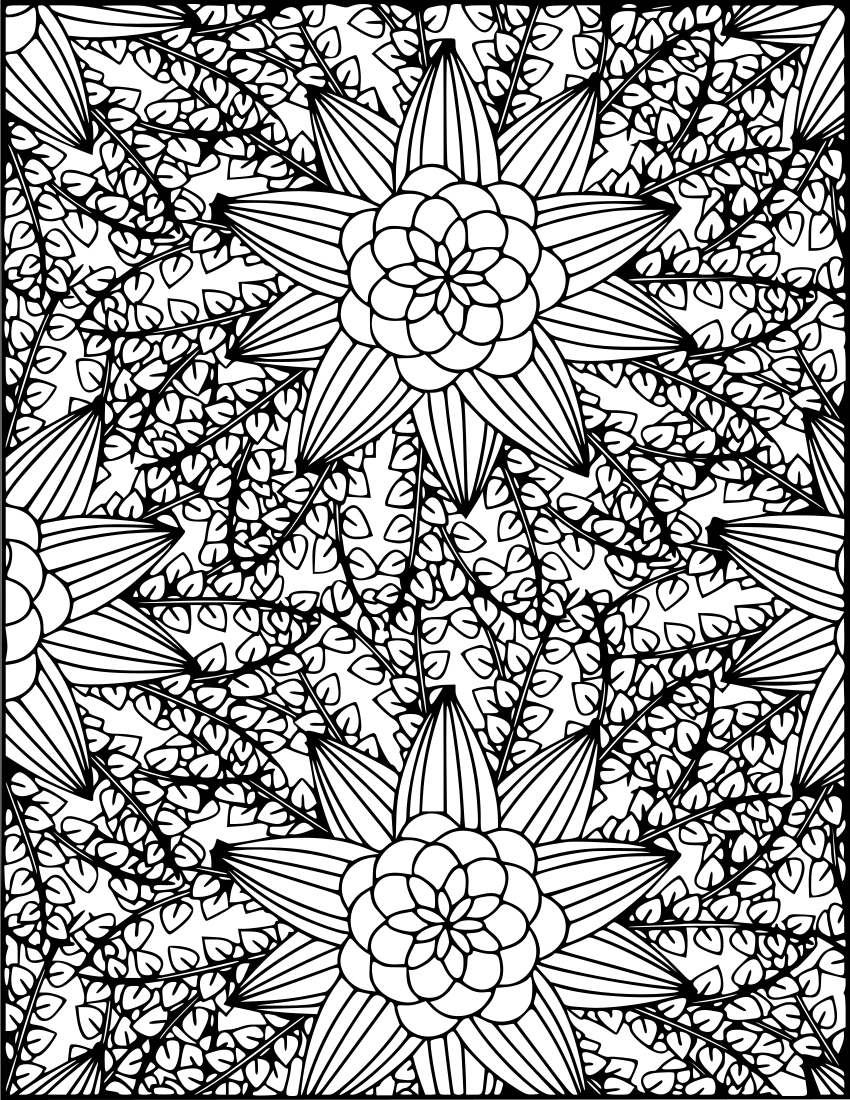
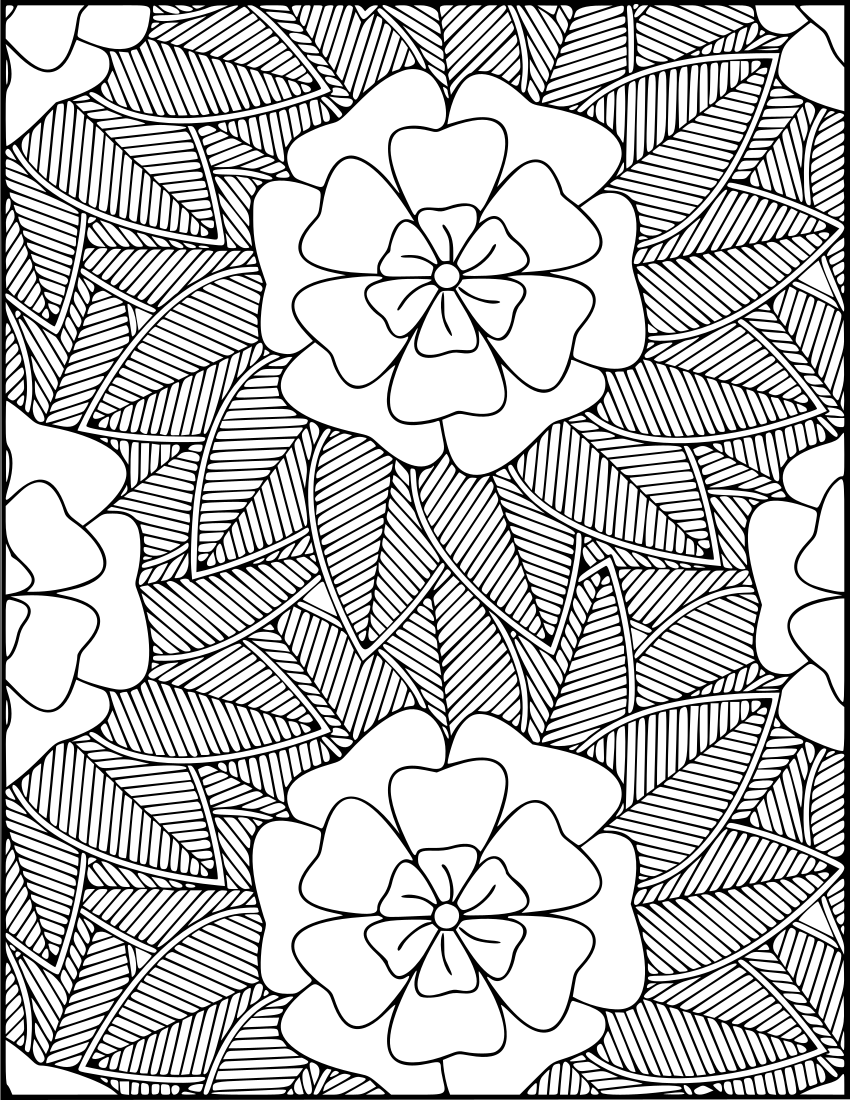
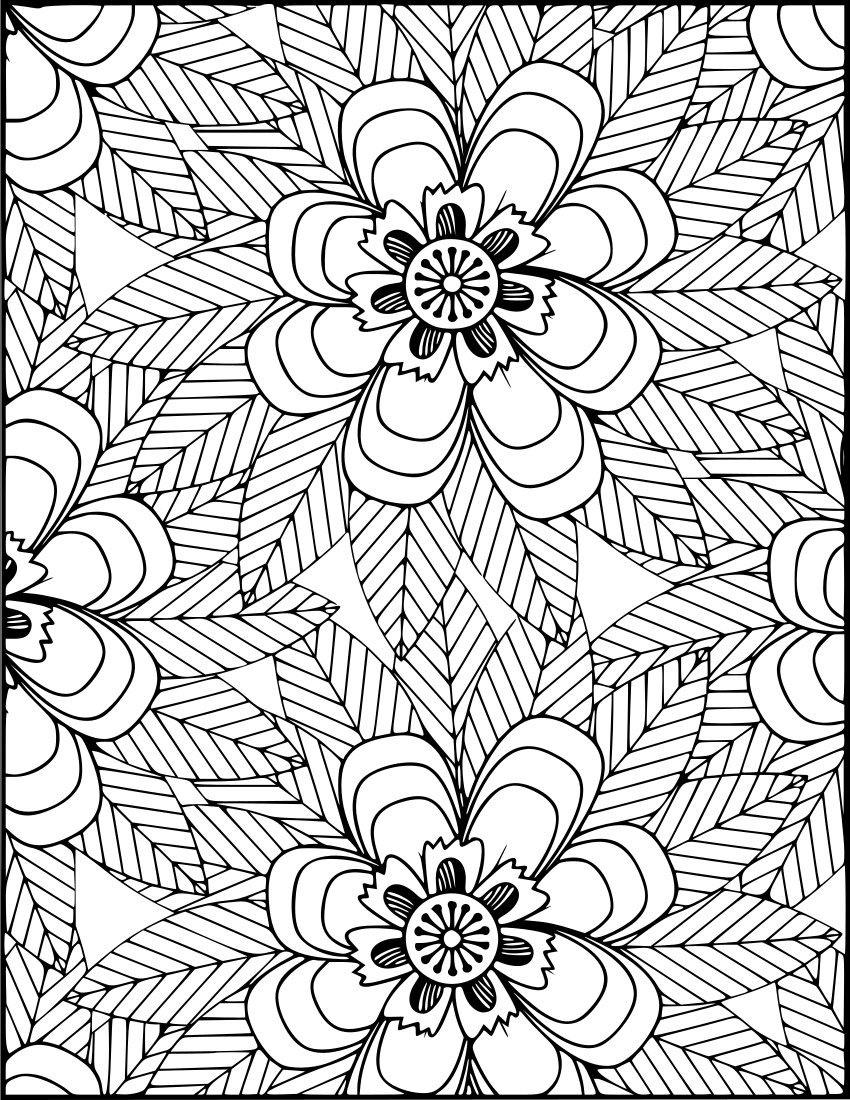
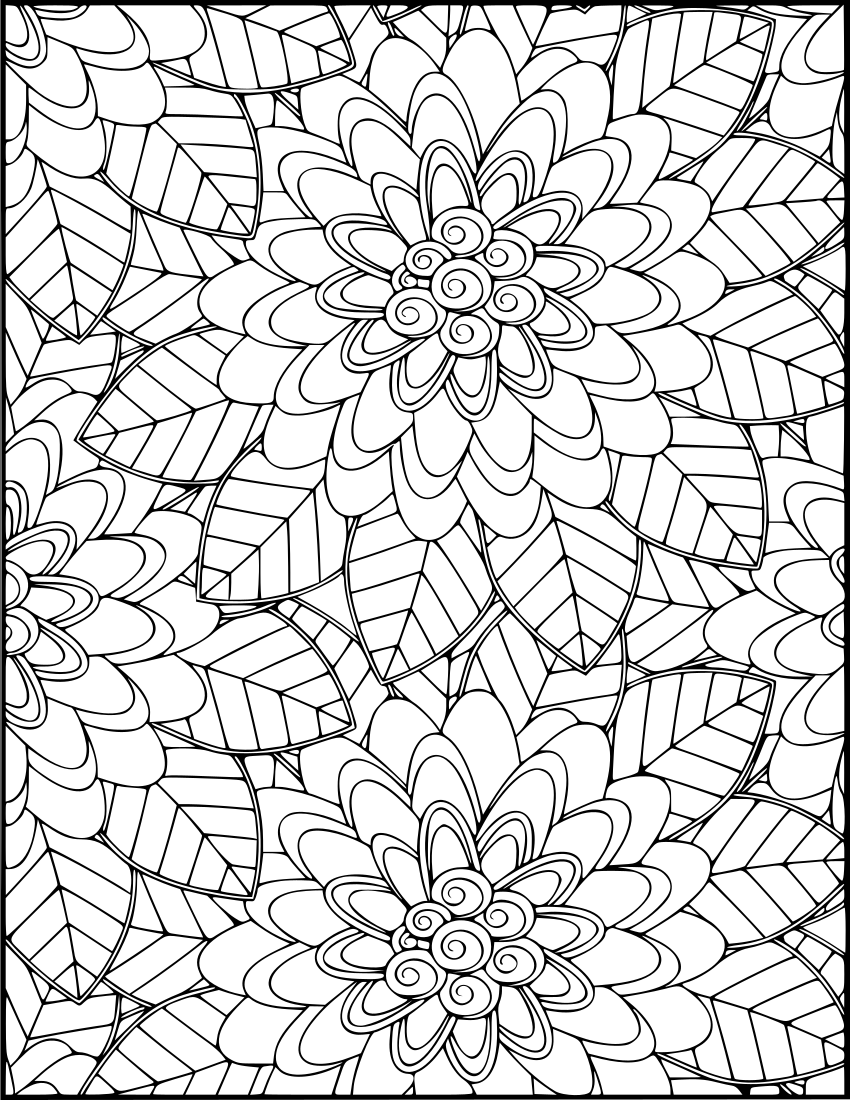
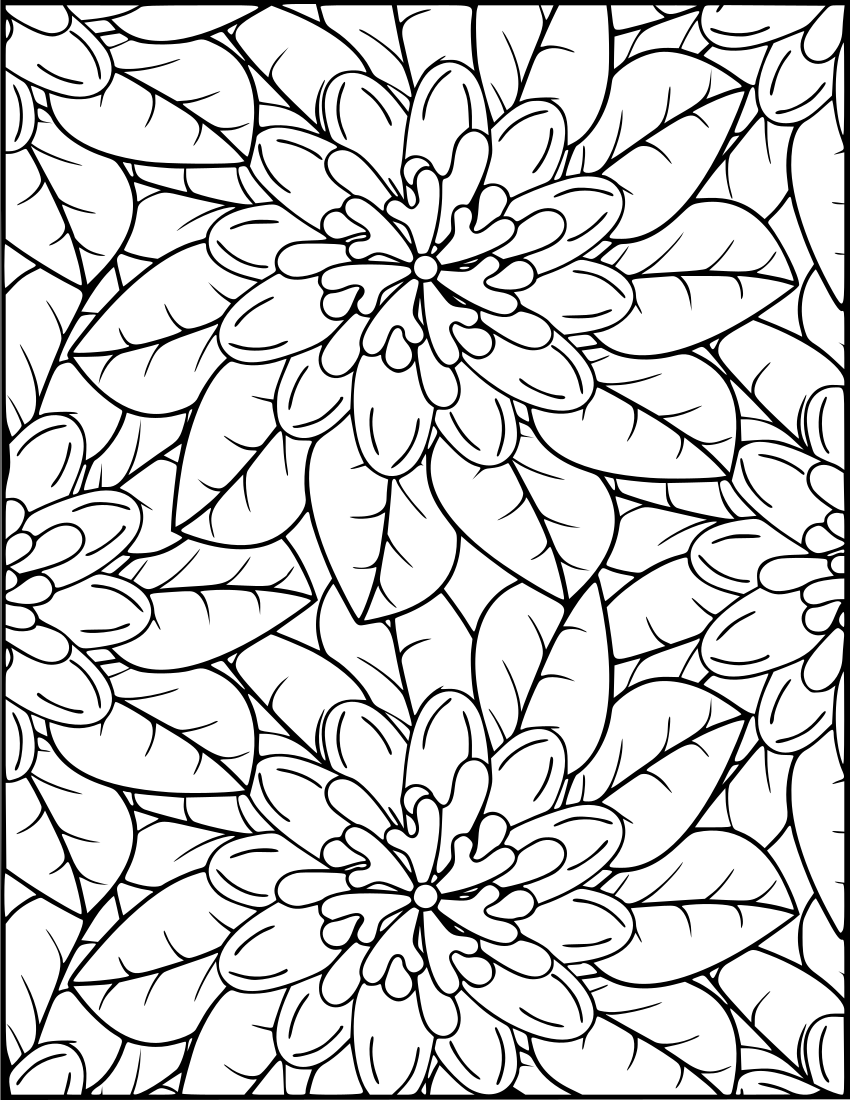
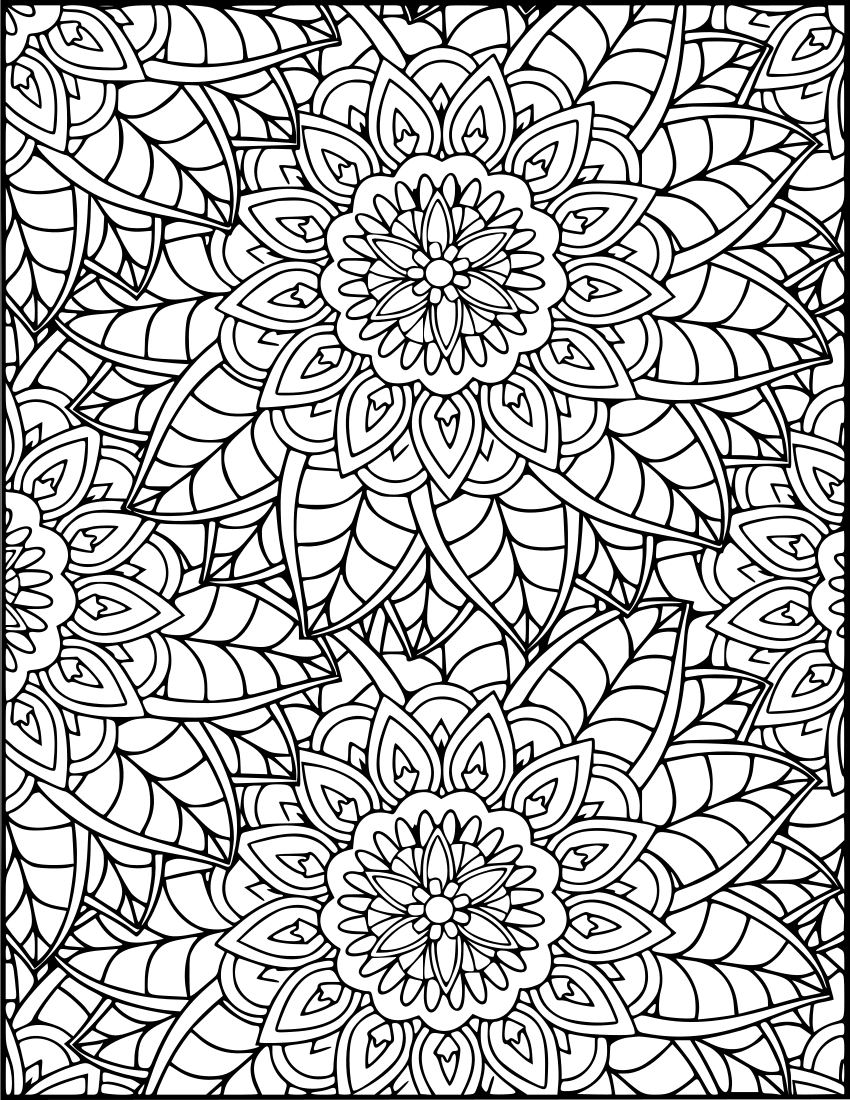
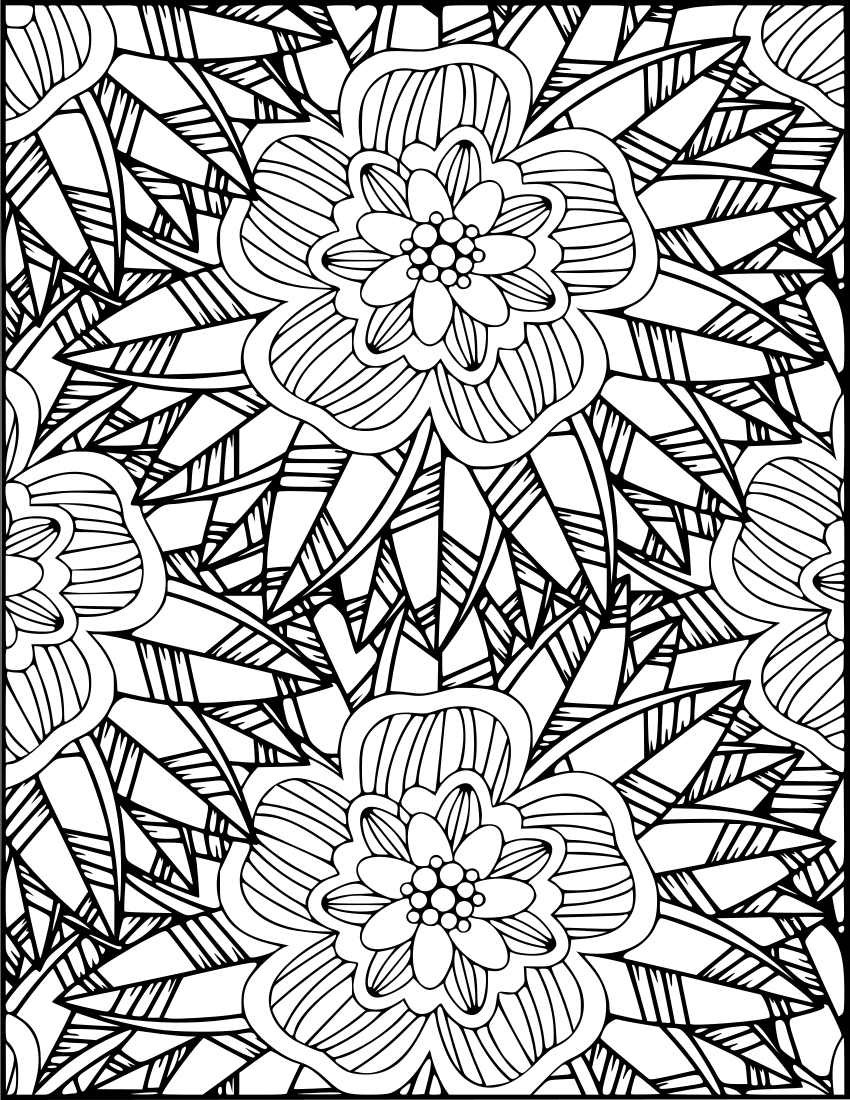
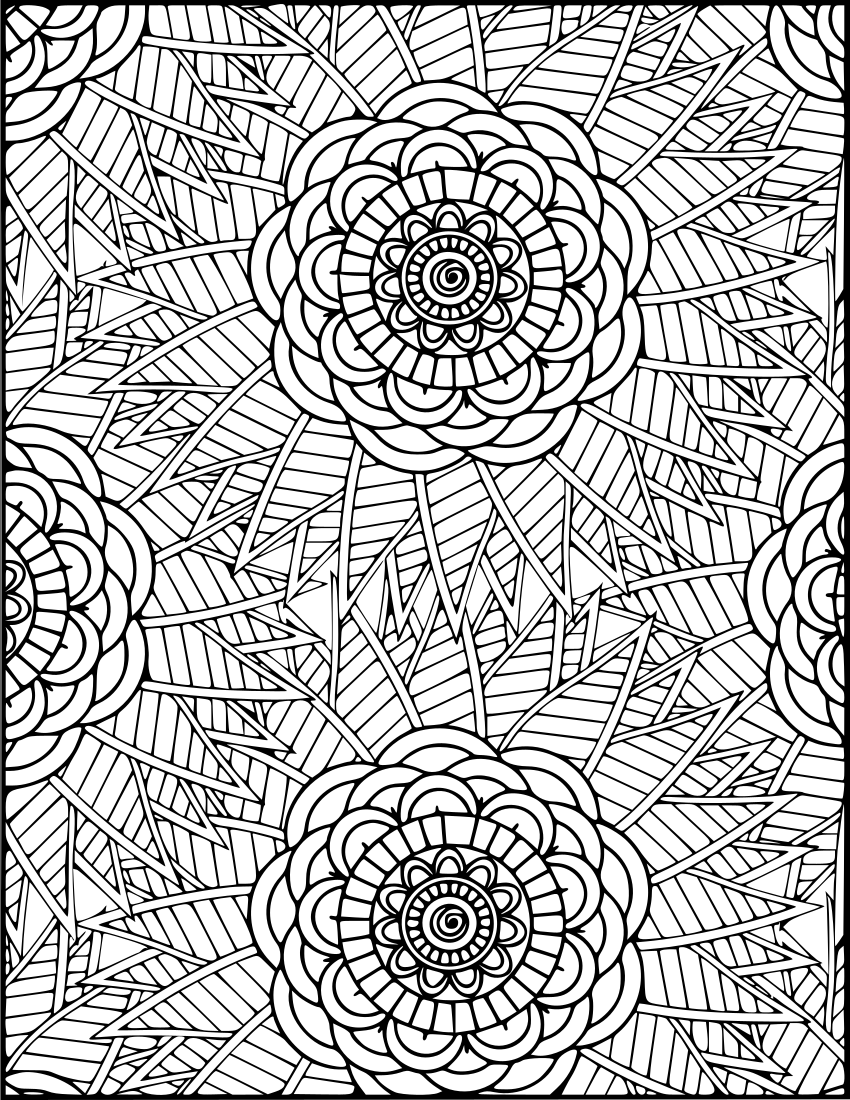
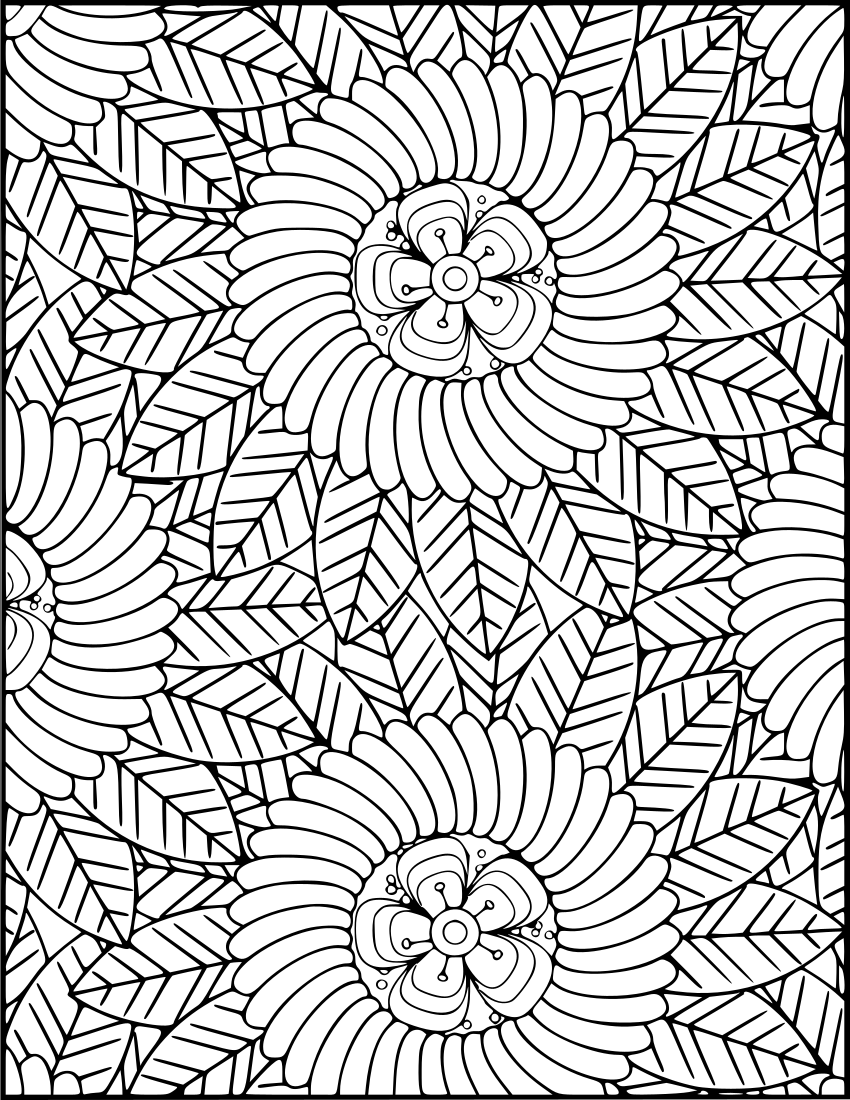
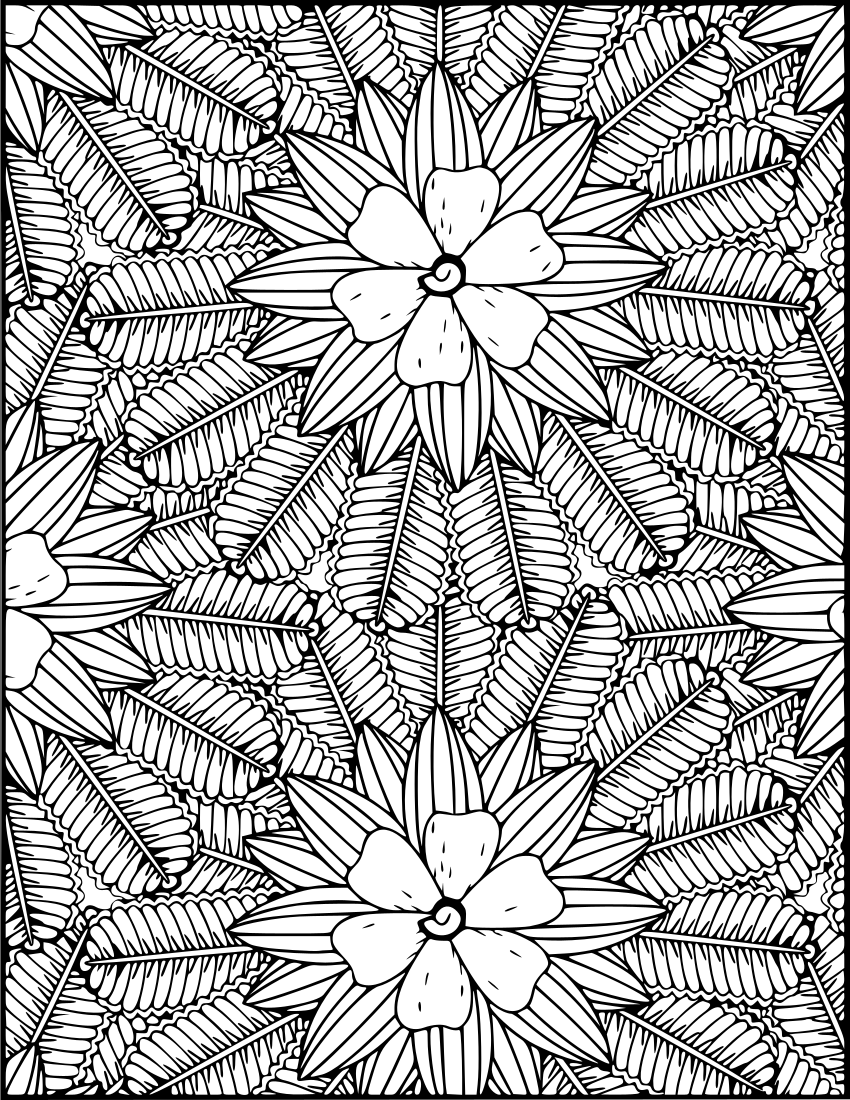
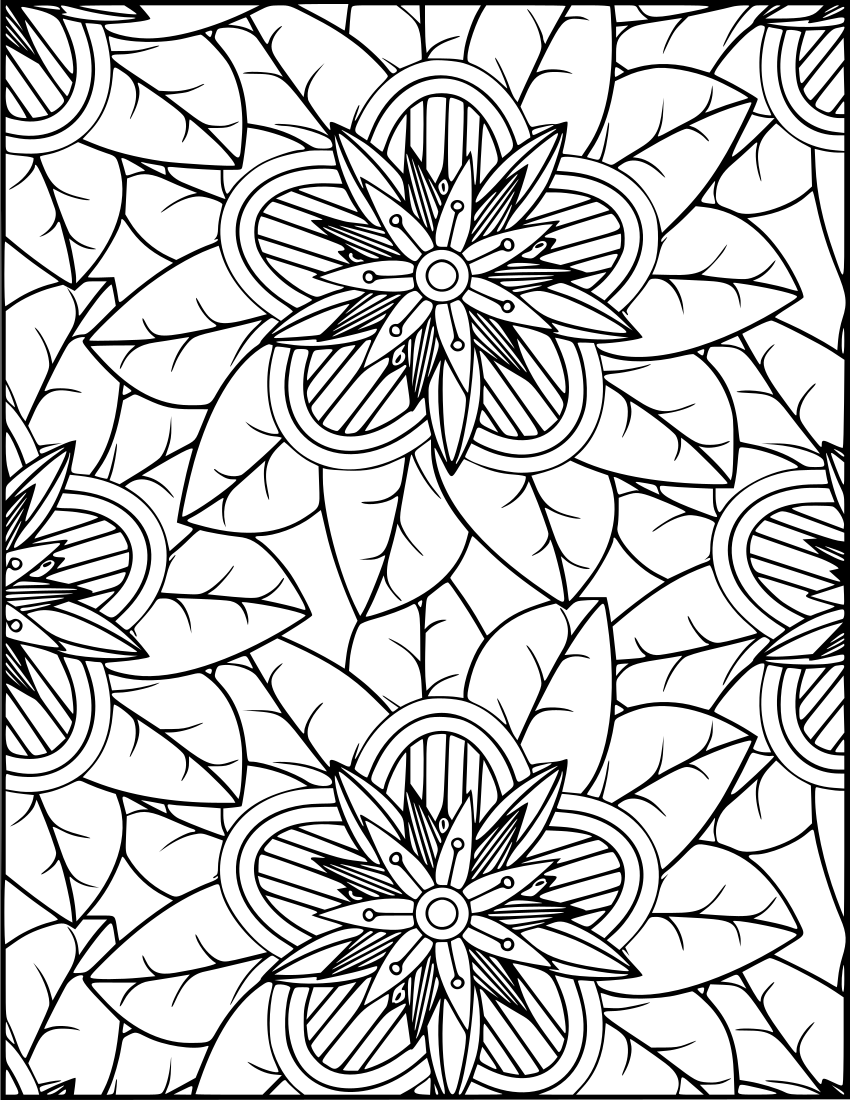
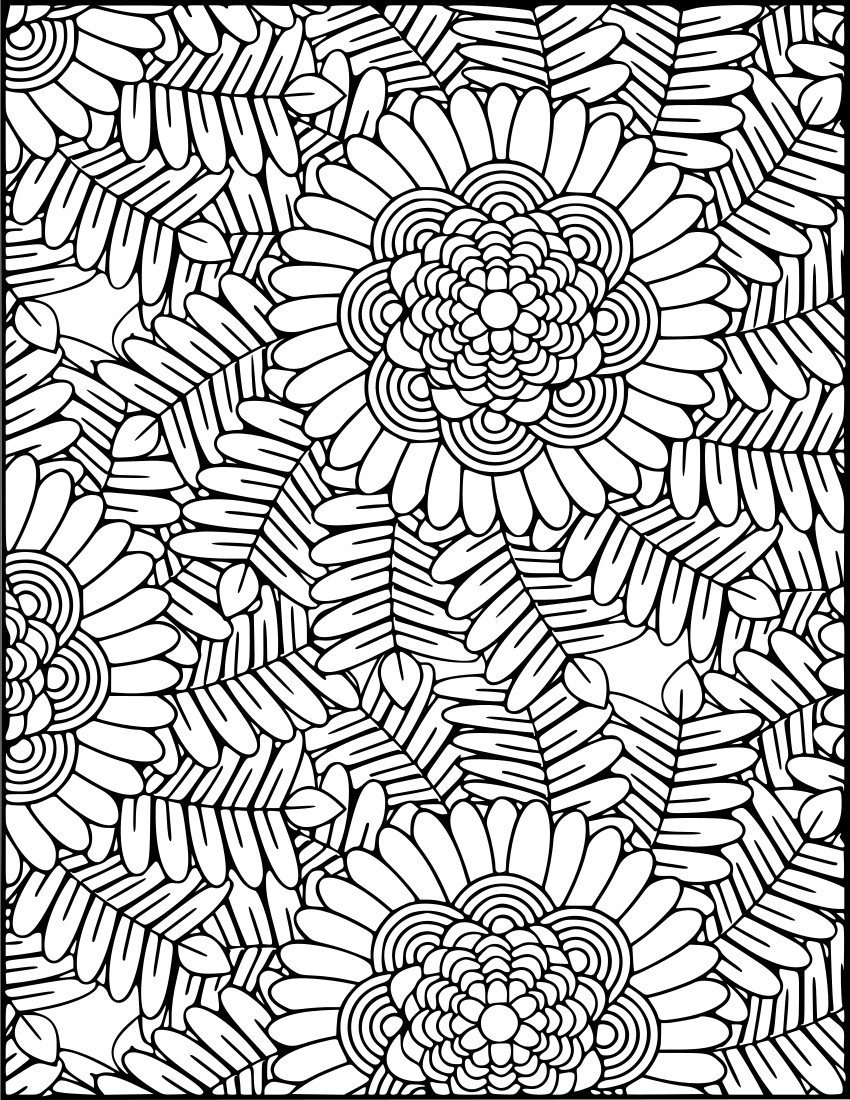
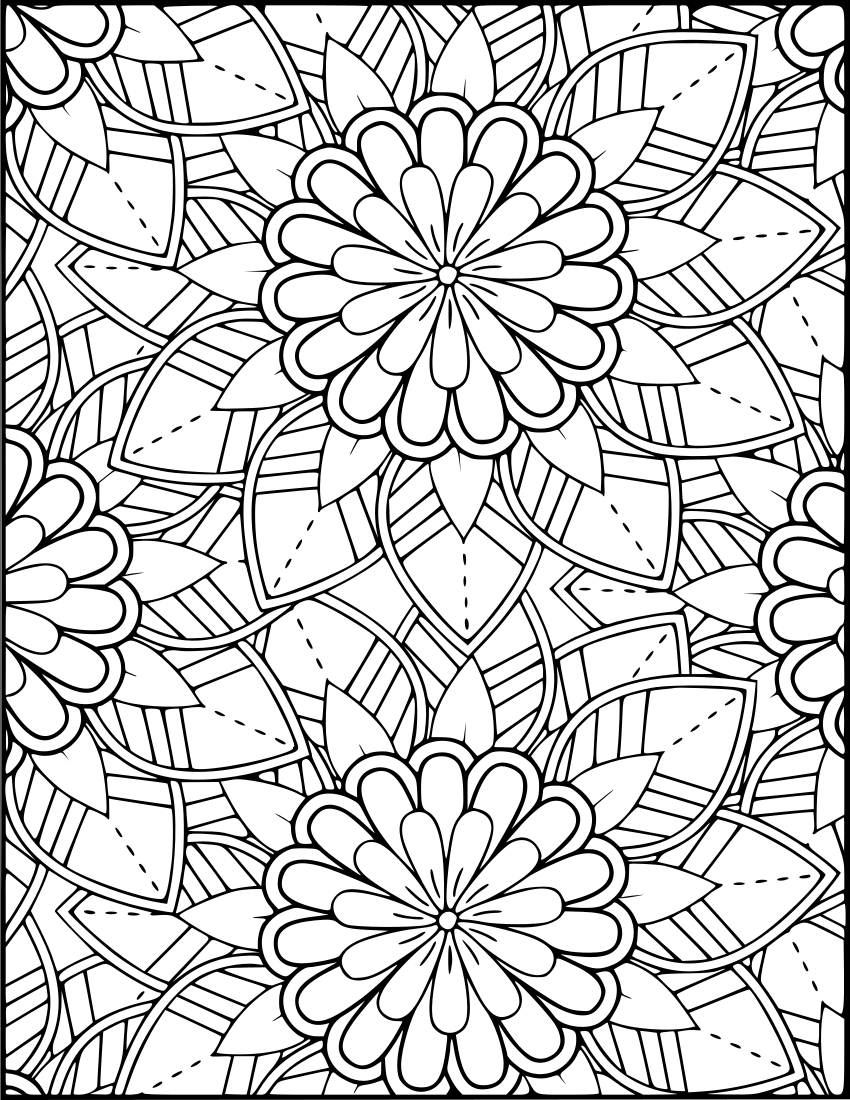
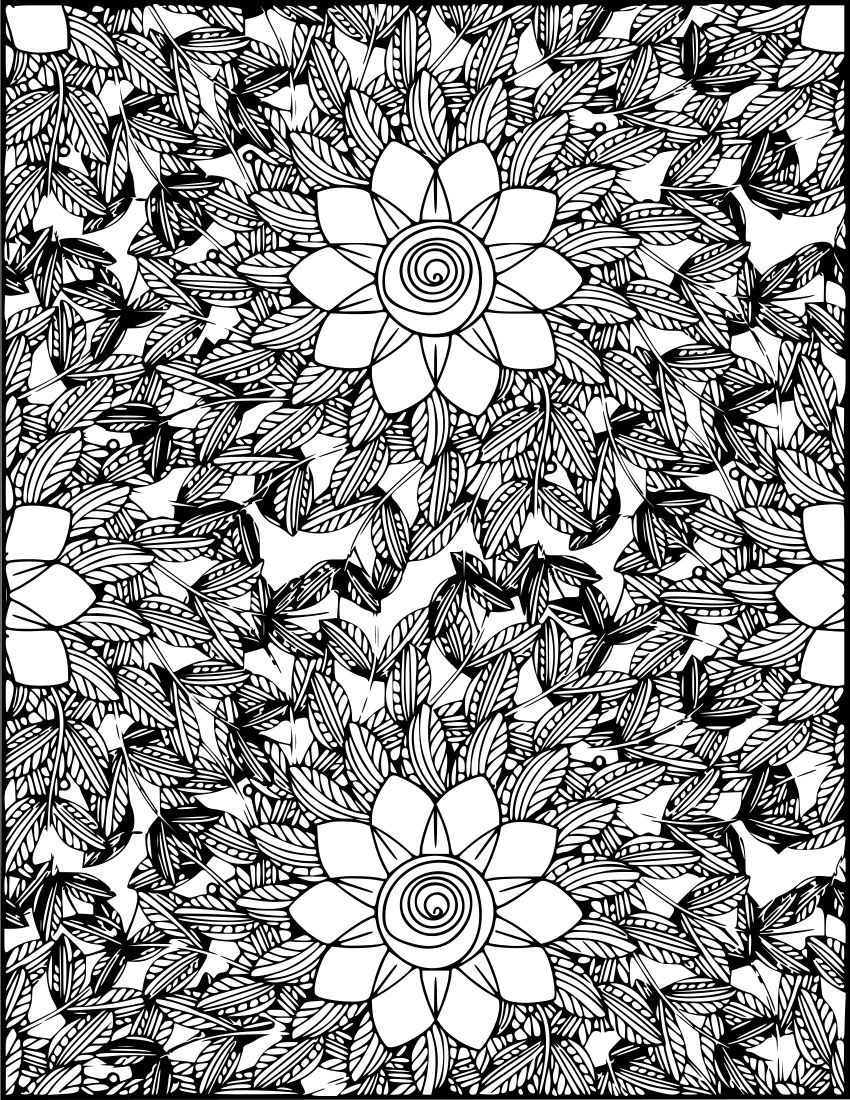
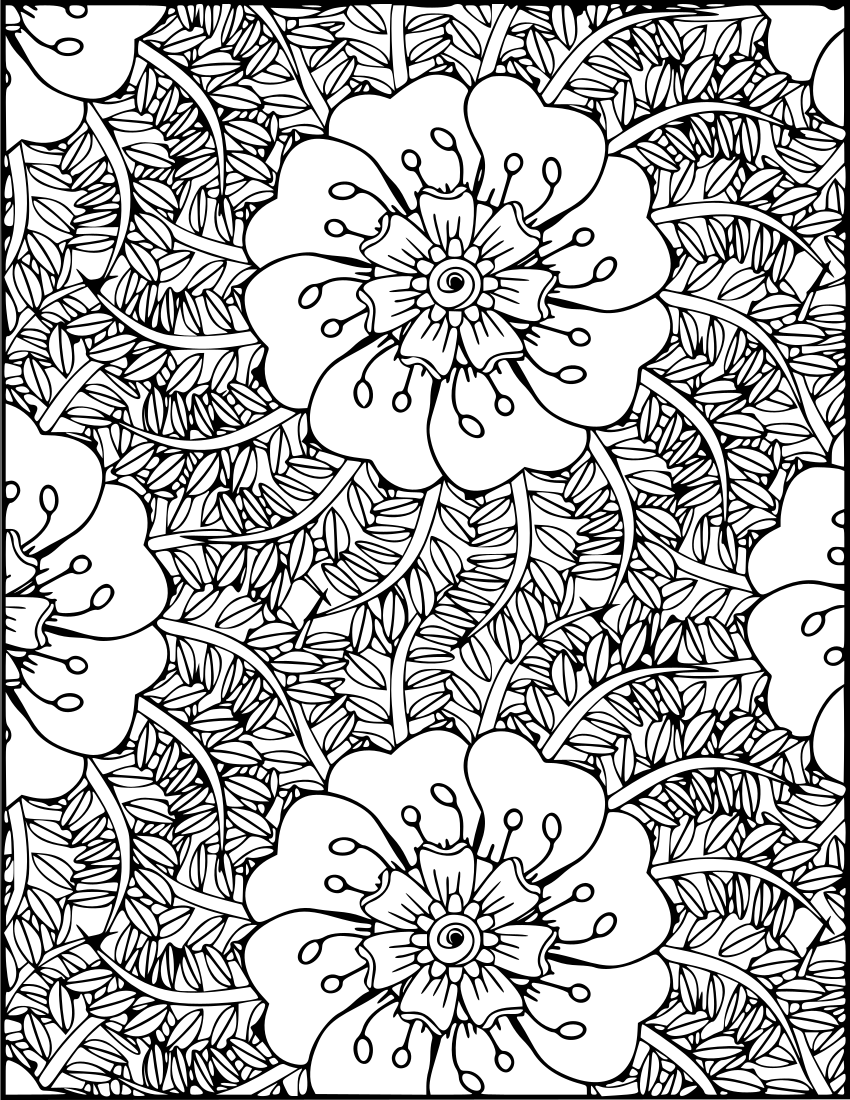
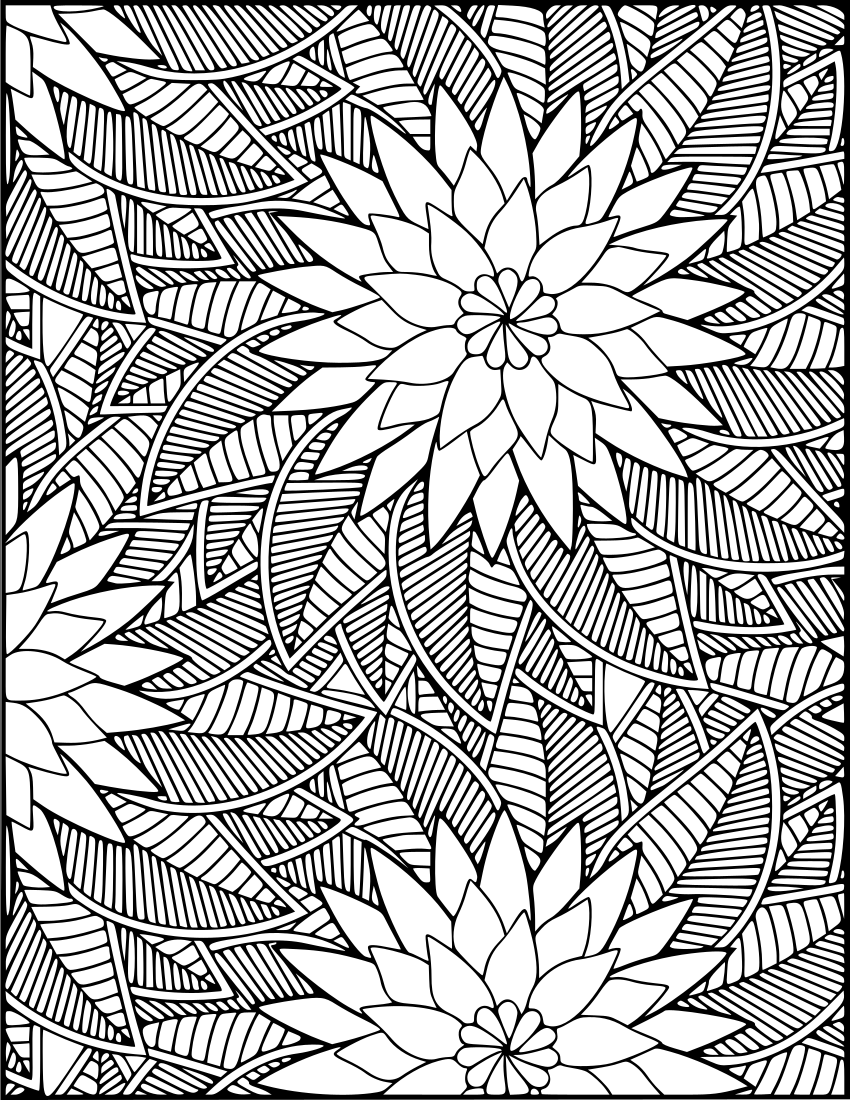
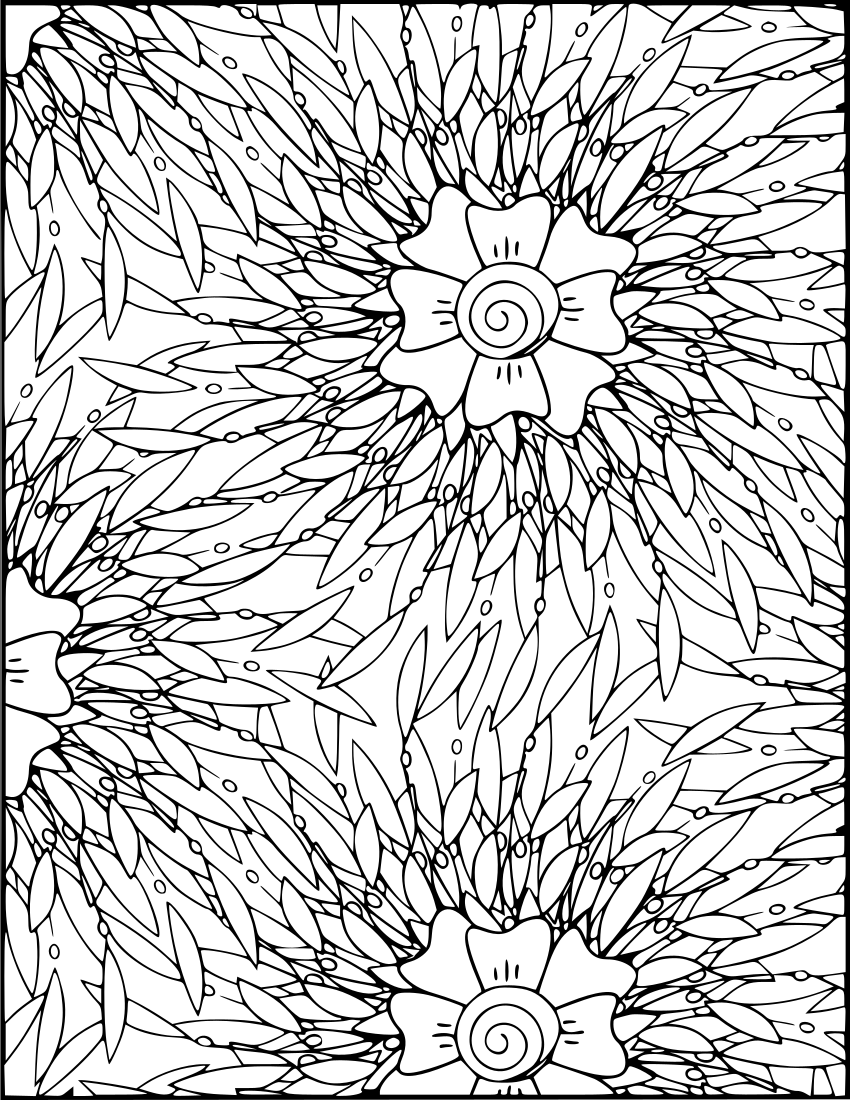
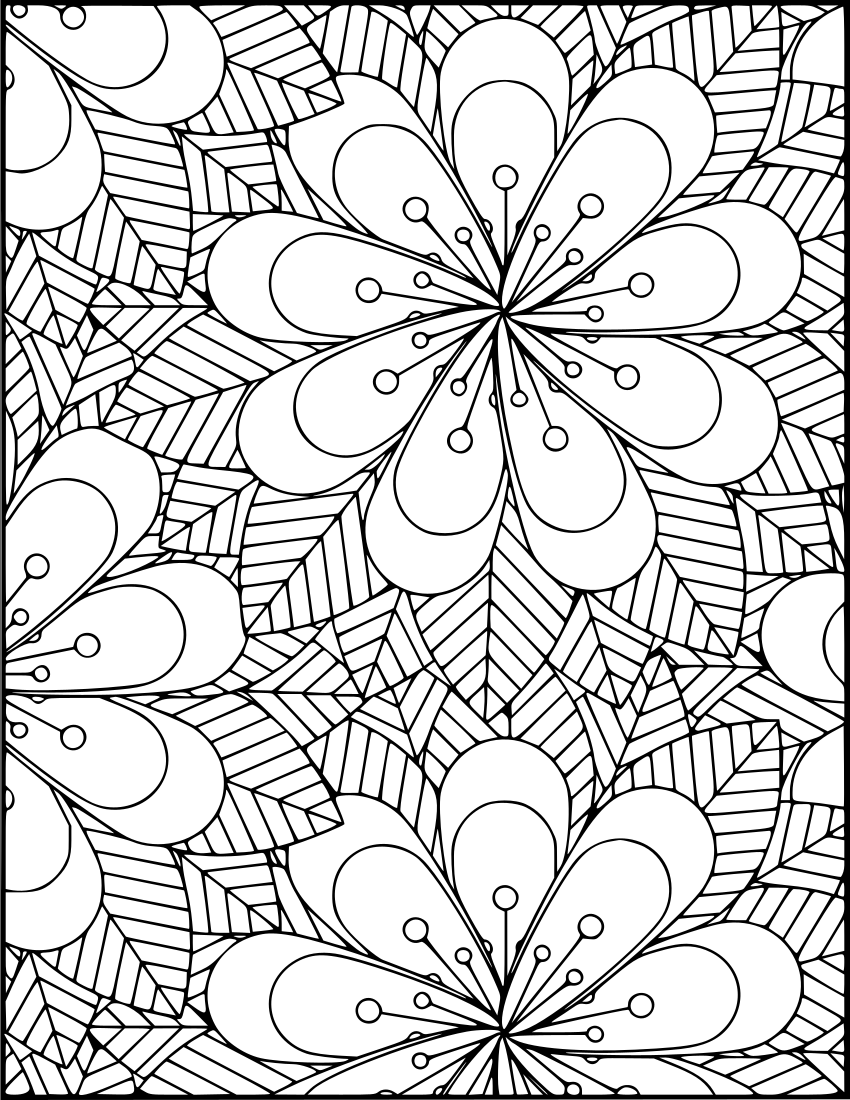
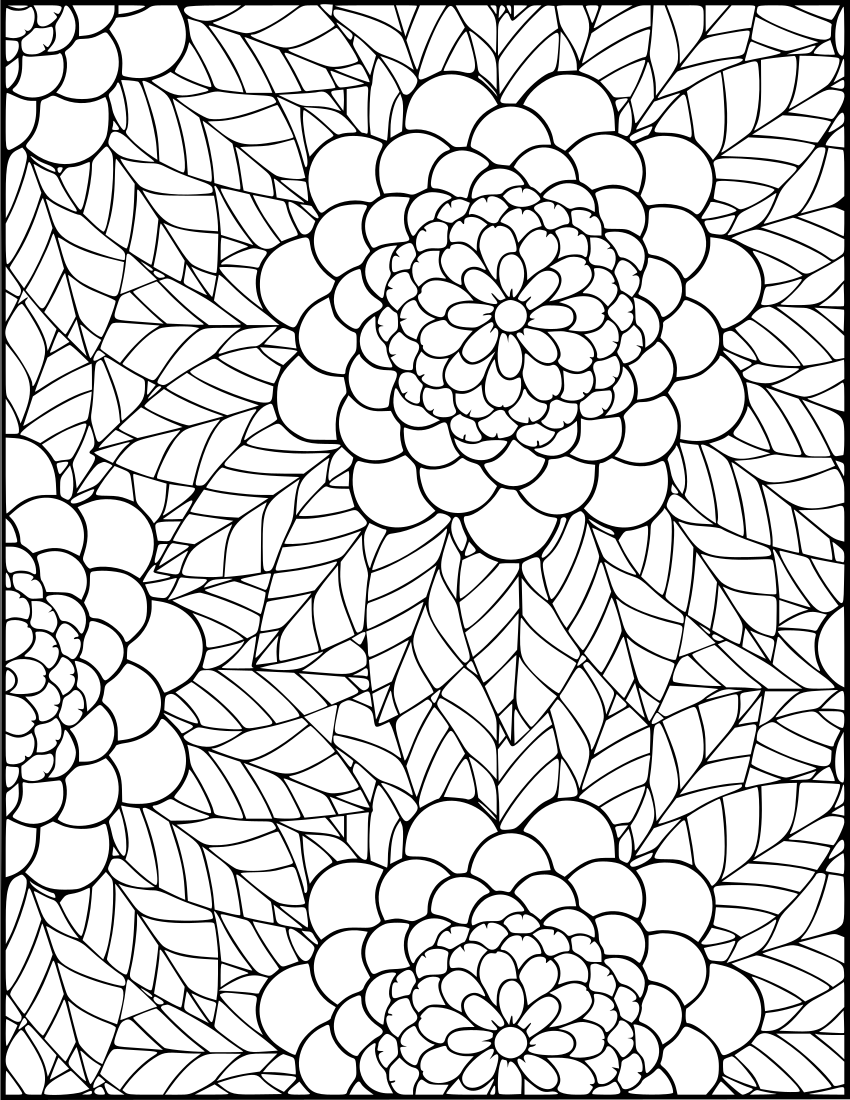
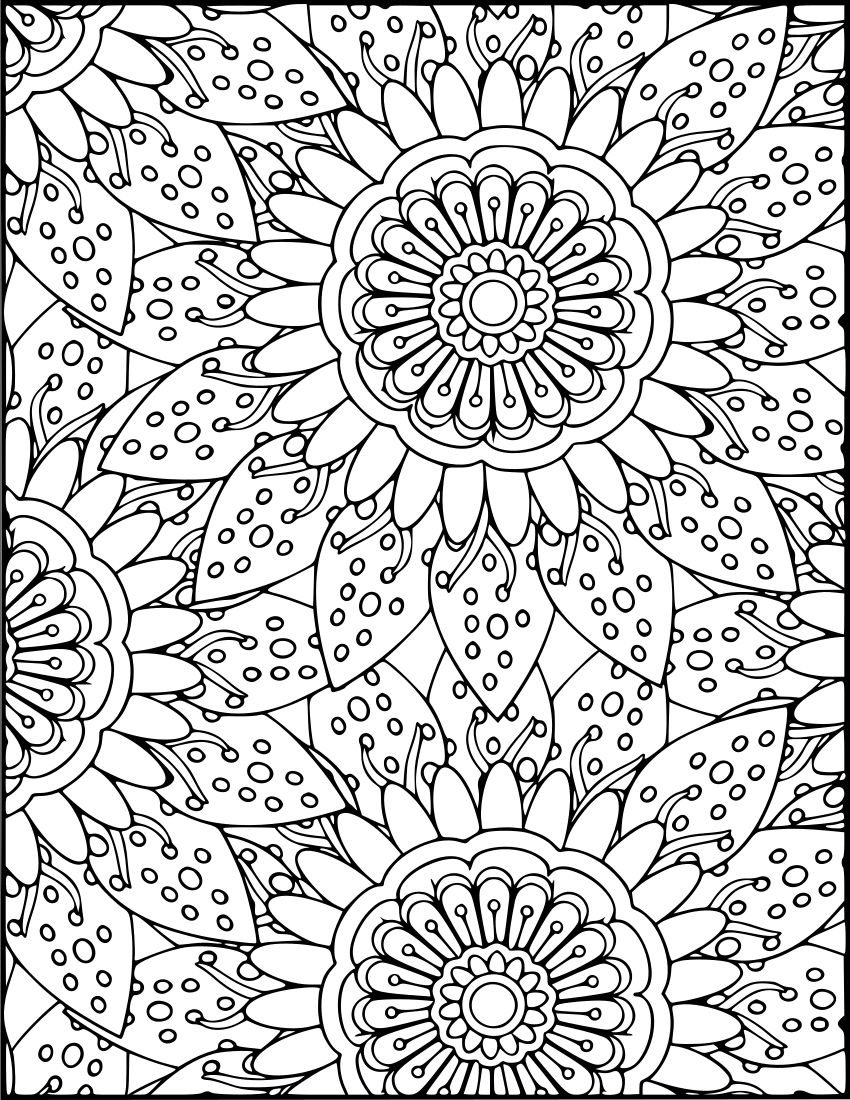
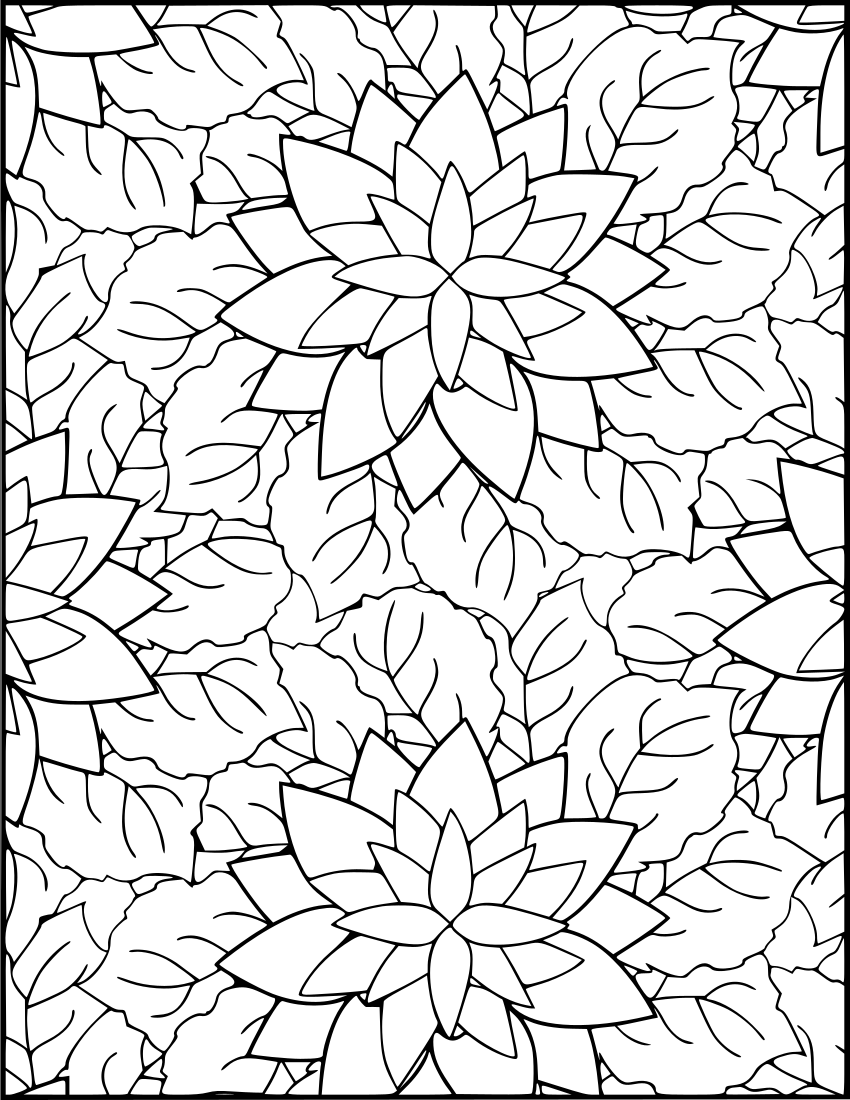
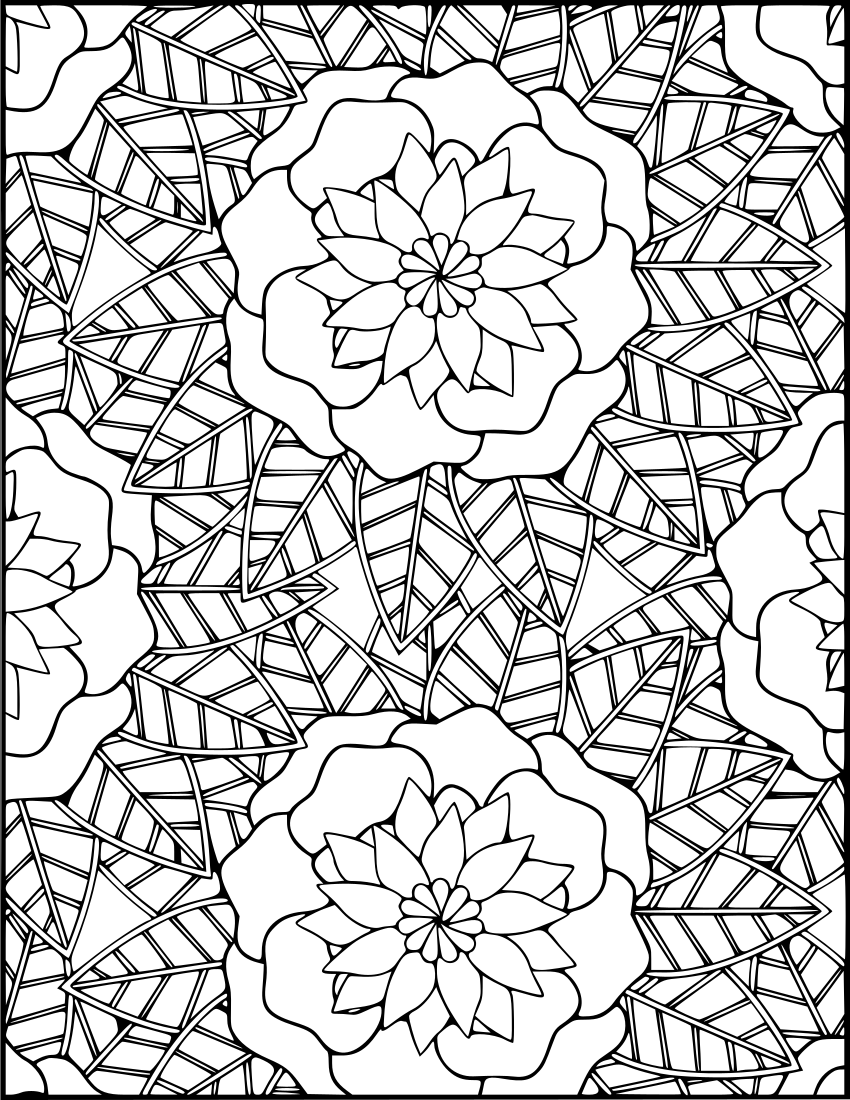
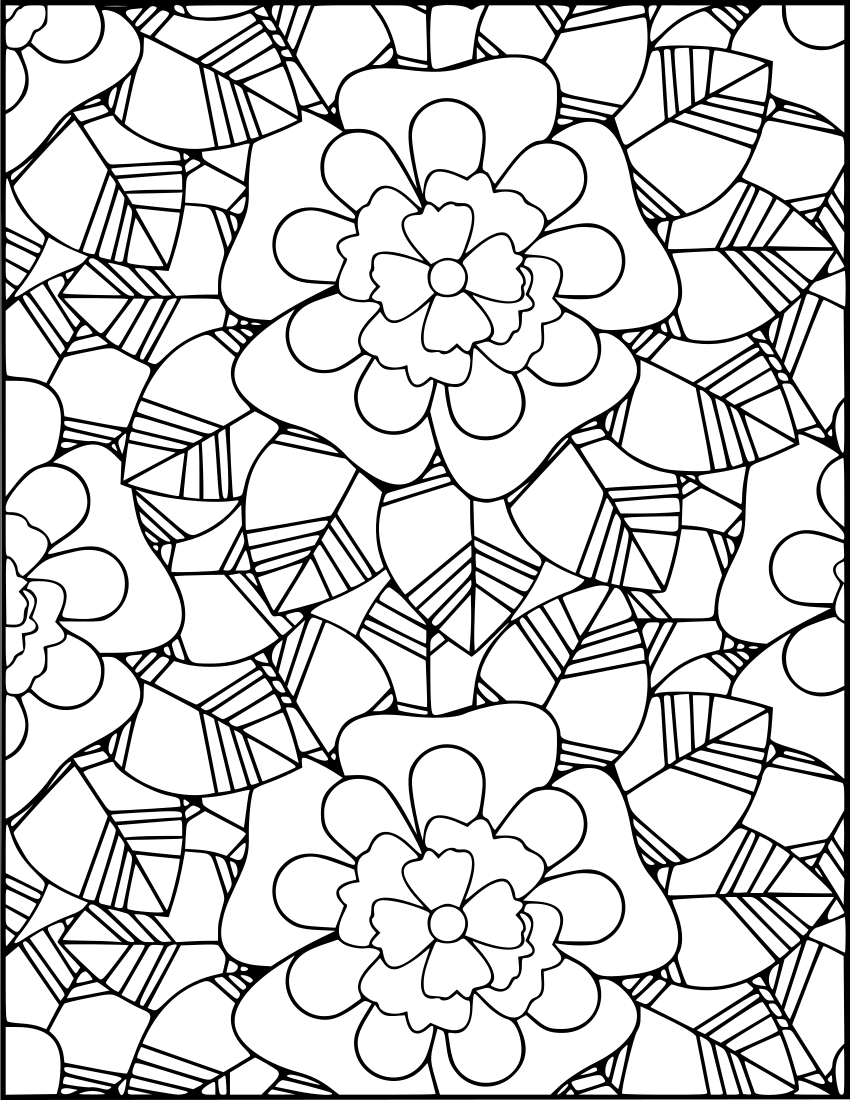
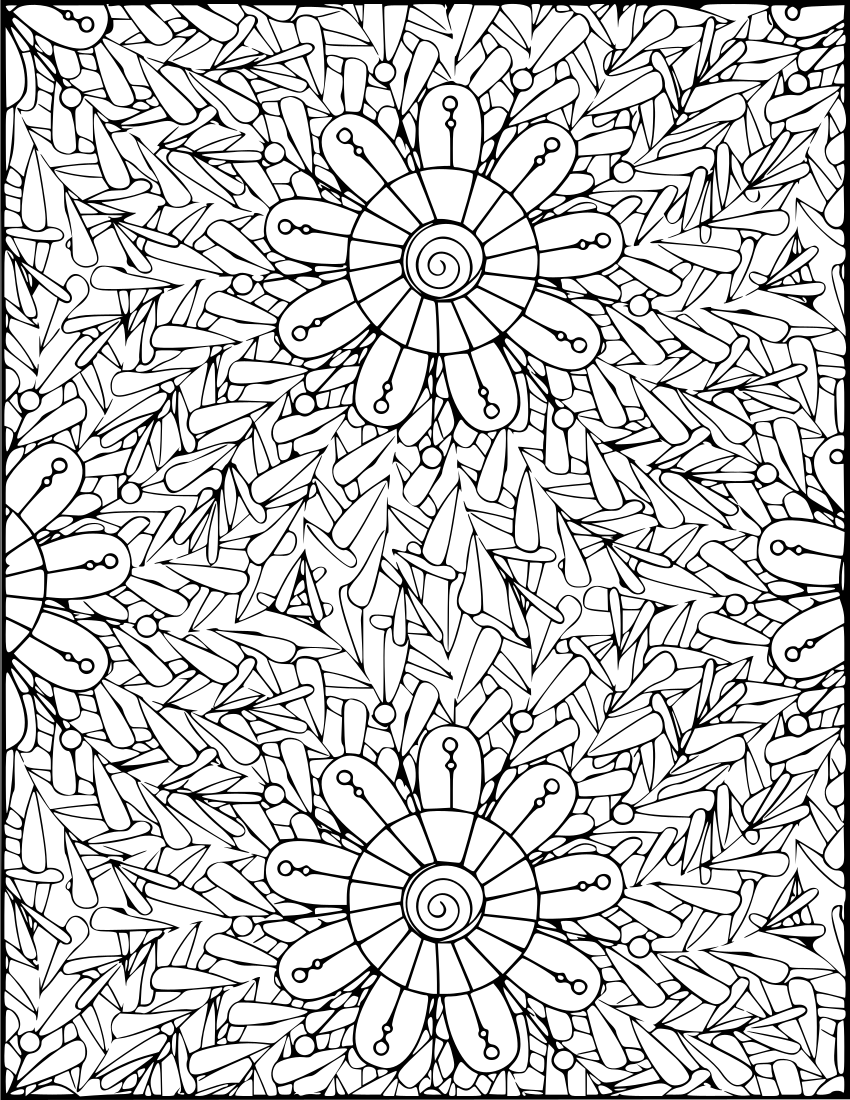
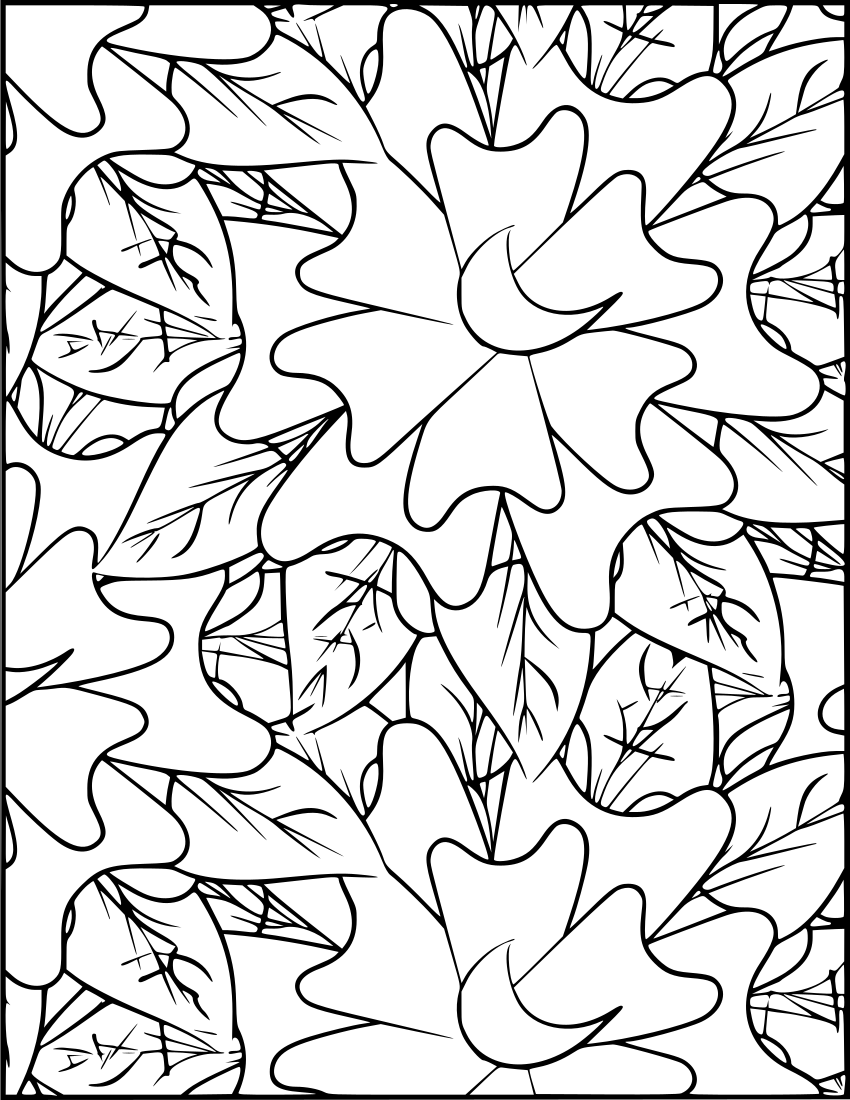
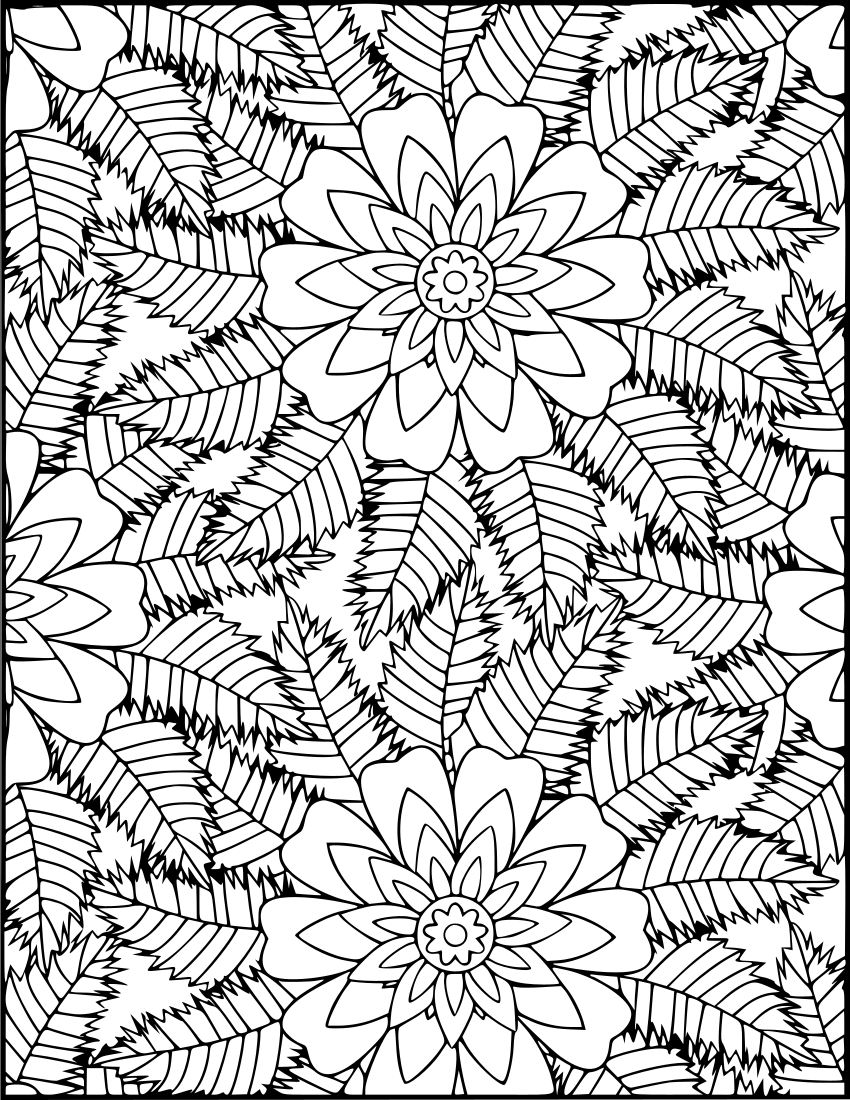
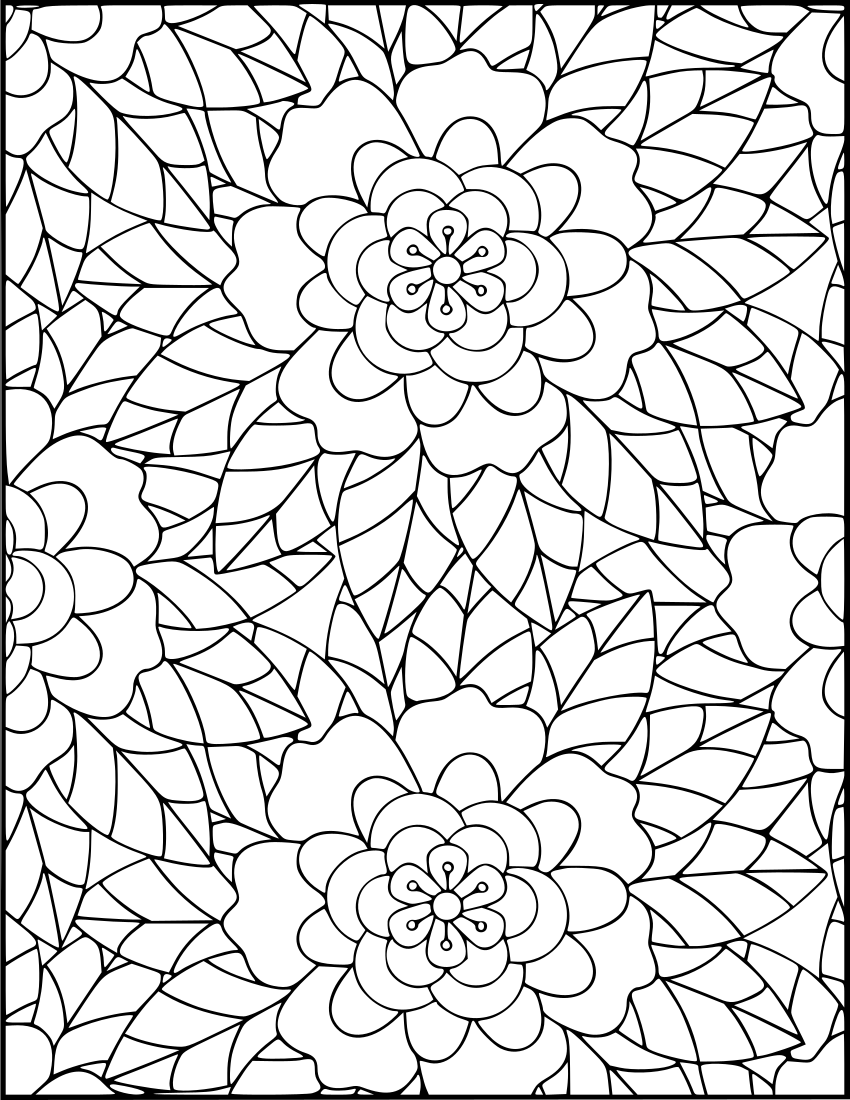
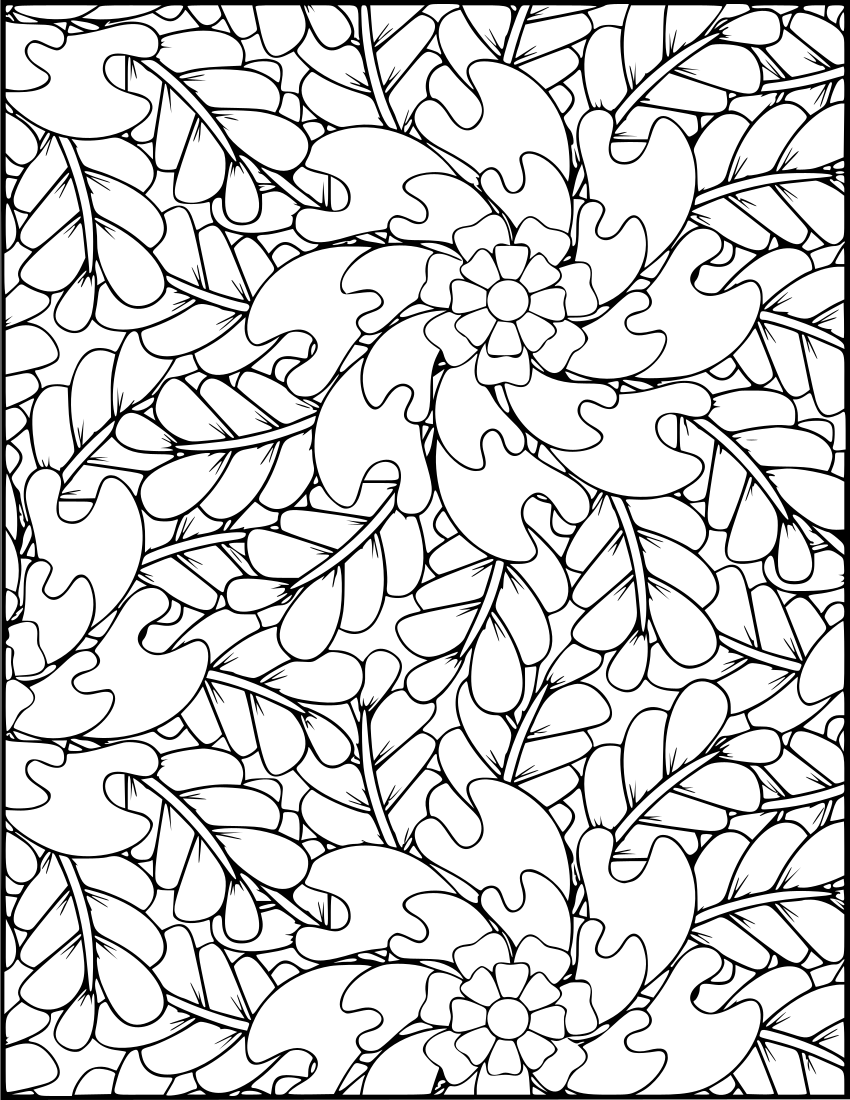
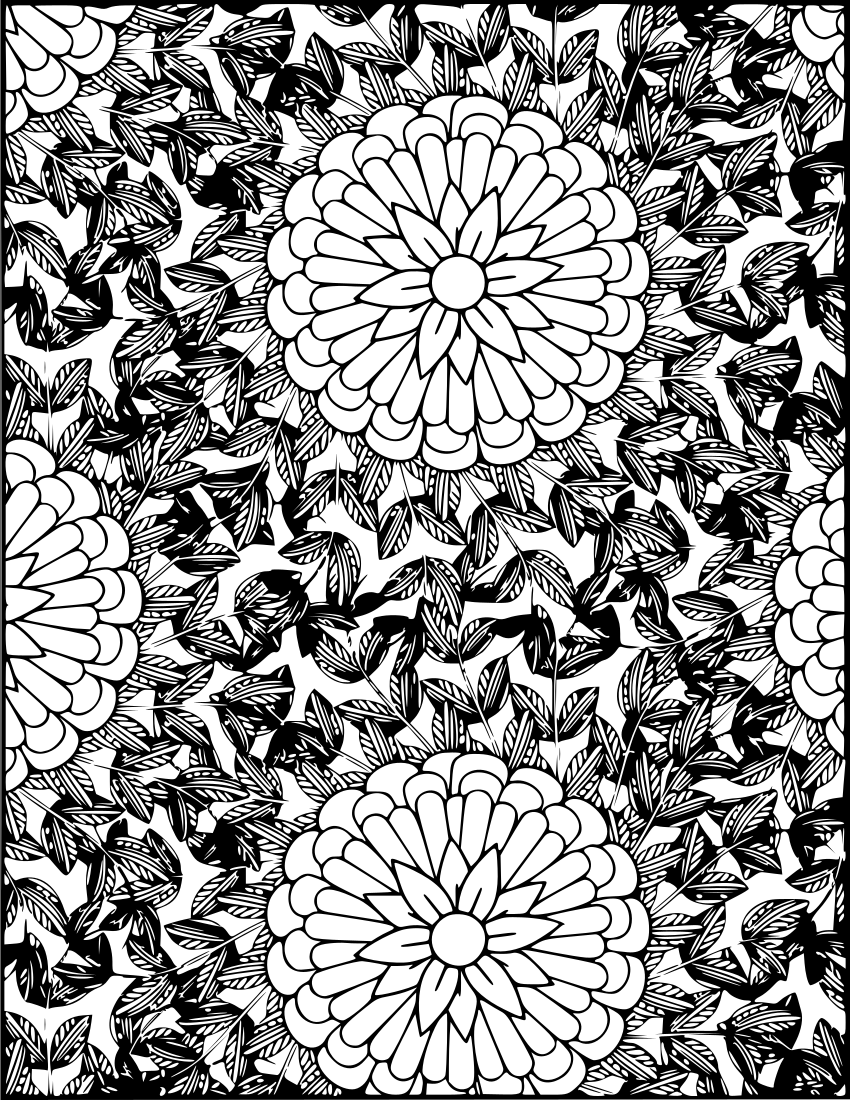
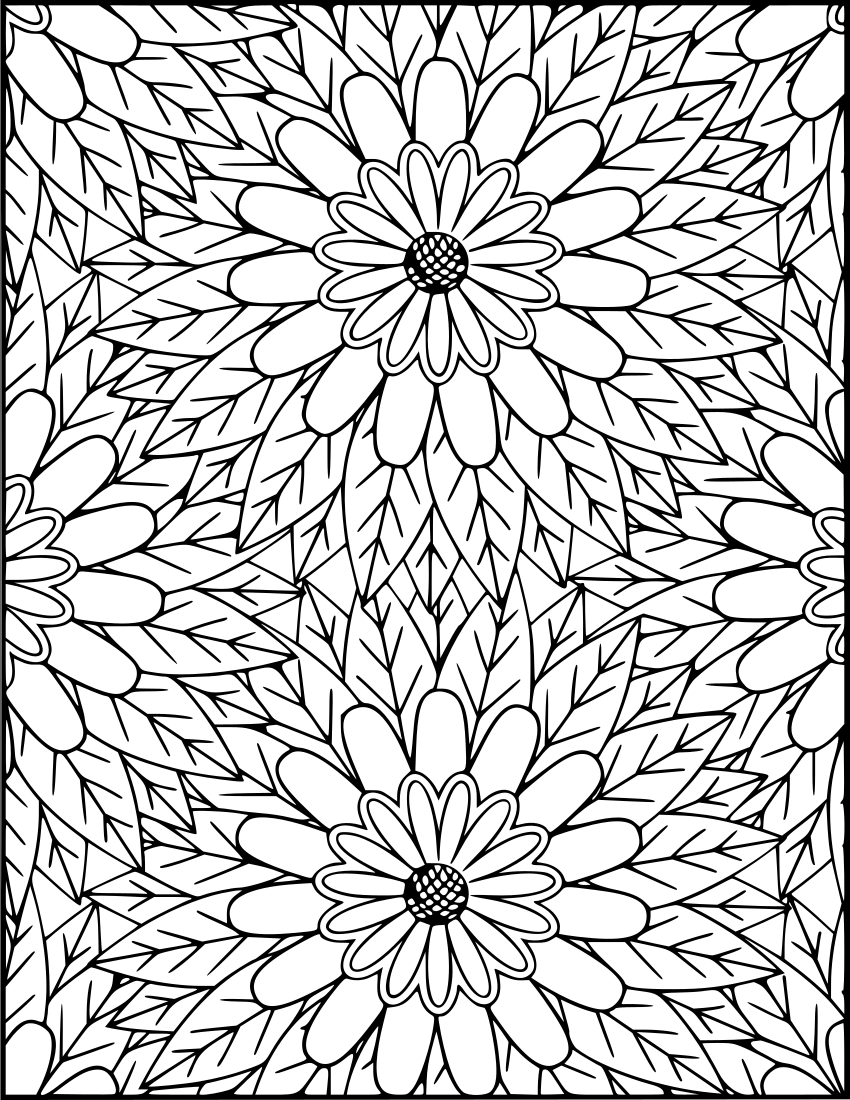
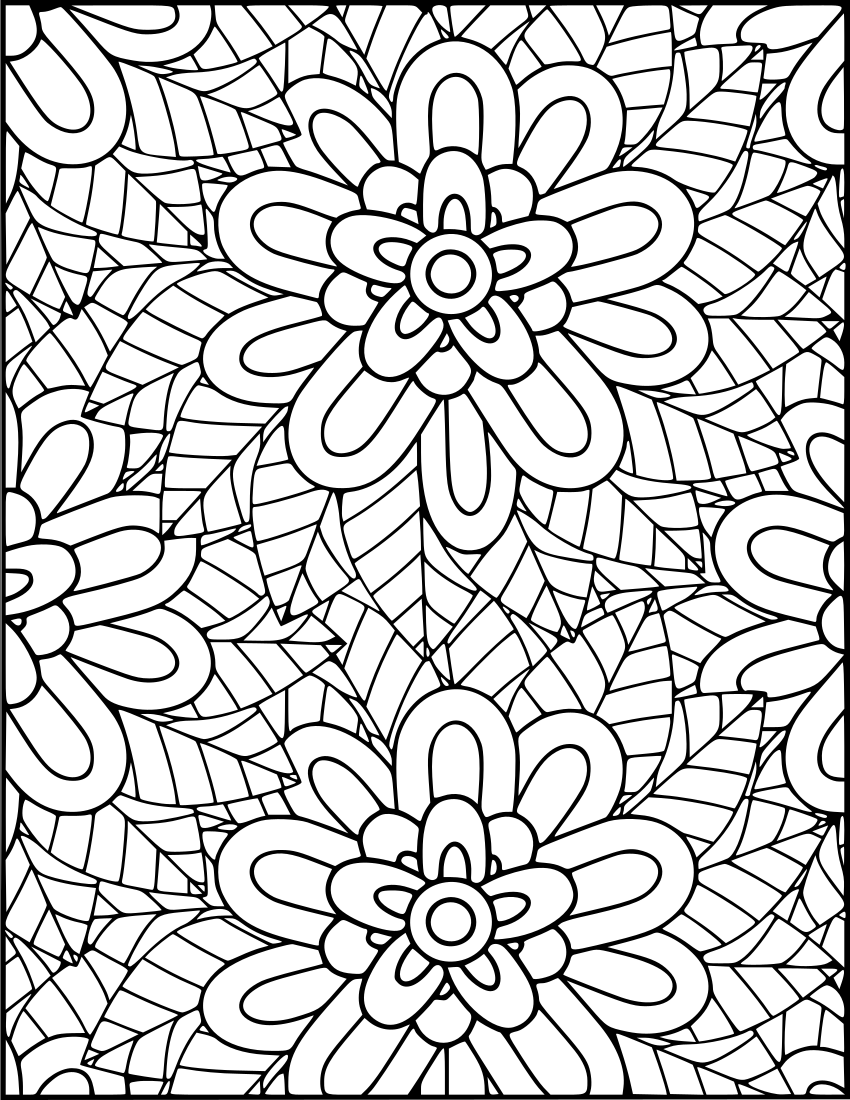
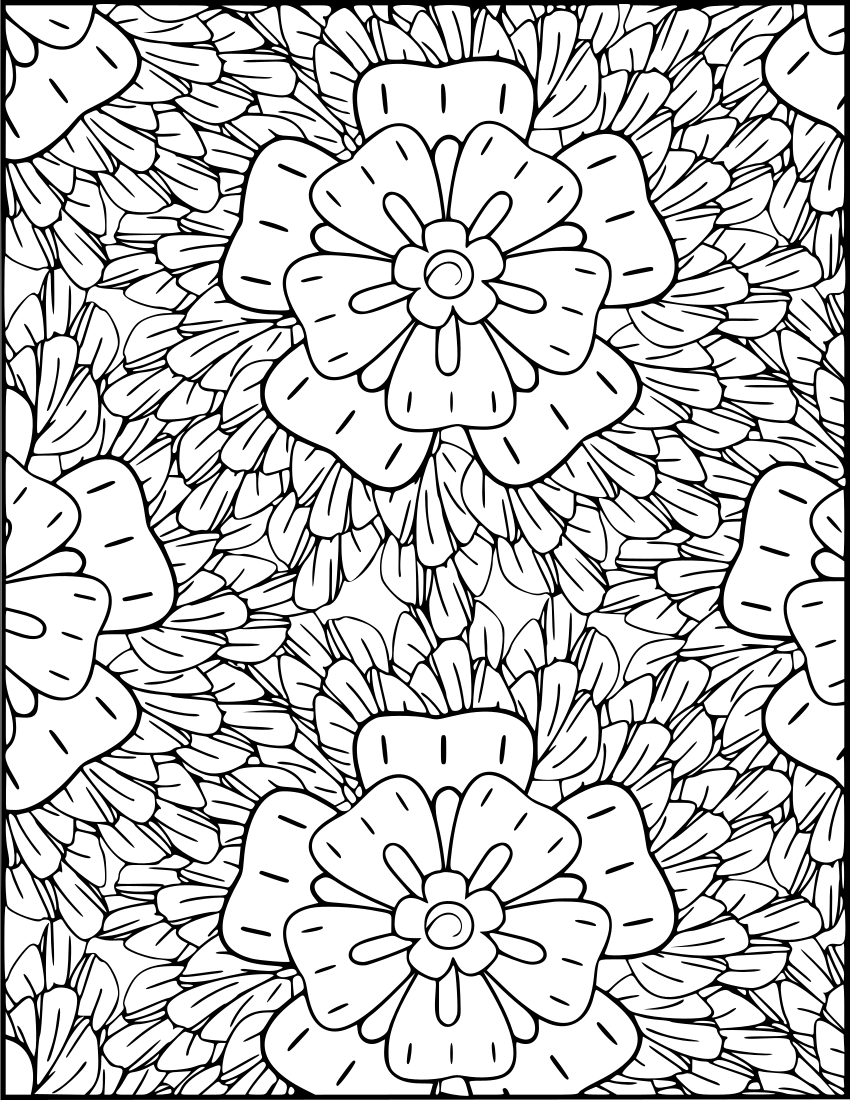
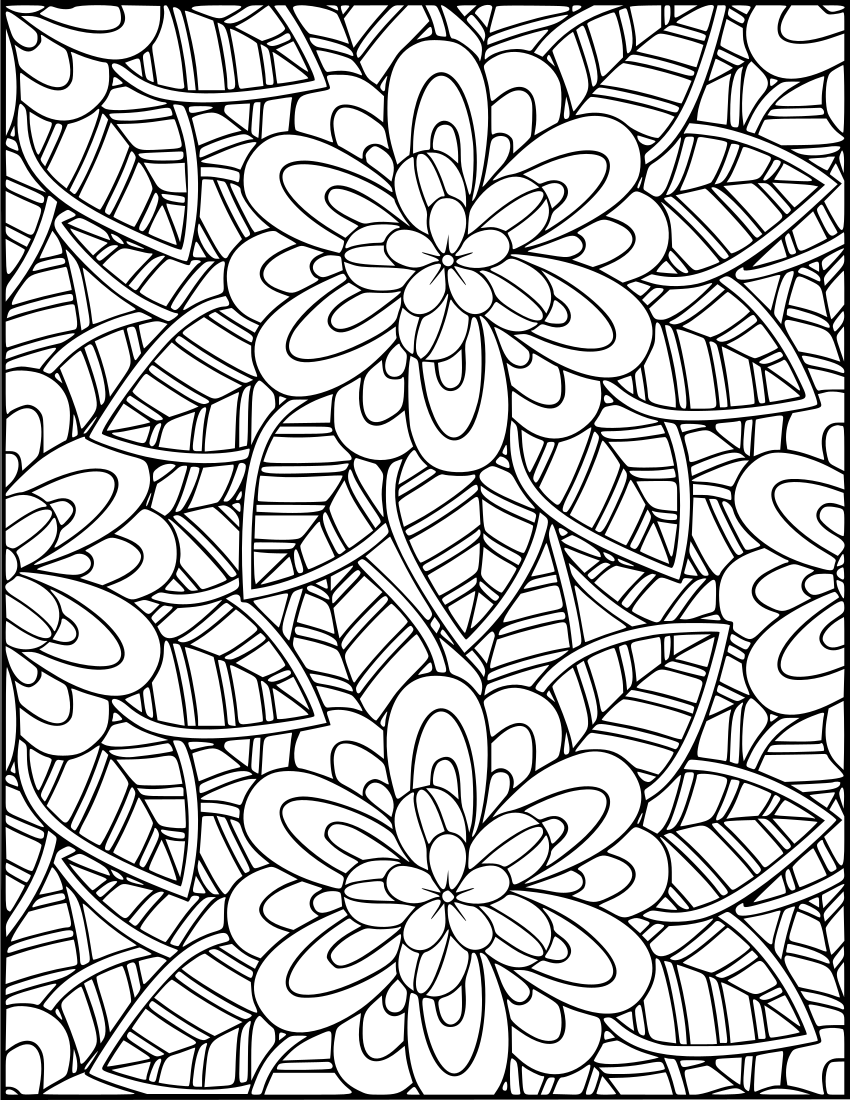
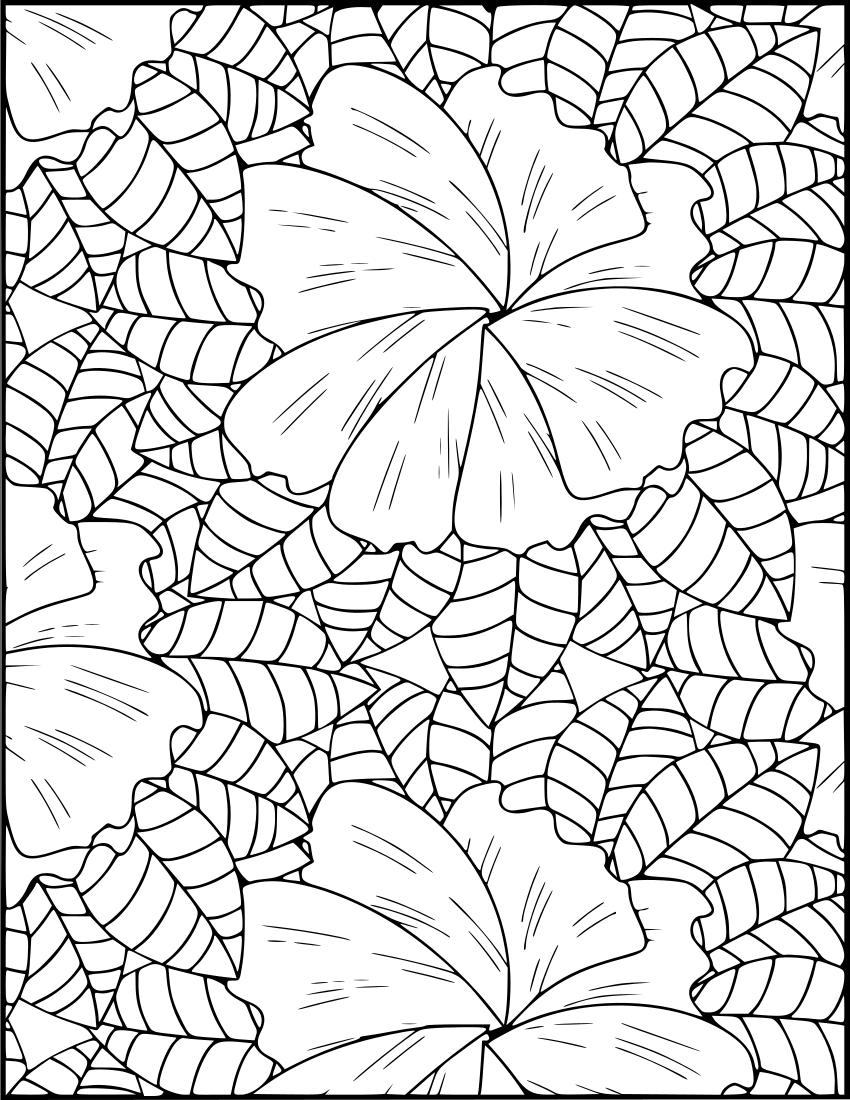
- Botanical and organic — Leaf patterns, vine lattices, tendril forms, botanical spirals and organic blooms. Patterns drawn from plant growth and natural form. These have an organic warmth — greens, earthy ochres and warm neutrals feel natural, though they work beautifully in unexpected palettes.
- Dynamic and kinetic — Motion weaves, kinetic spirals, dynamic bursts and Op Art-inspired patterns that seem to shift and vibrate. Inspired by the 1960s work of Bridget Riley and Victor Vasarely — color choices here dramatically affect the perceived movement.
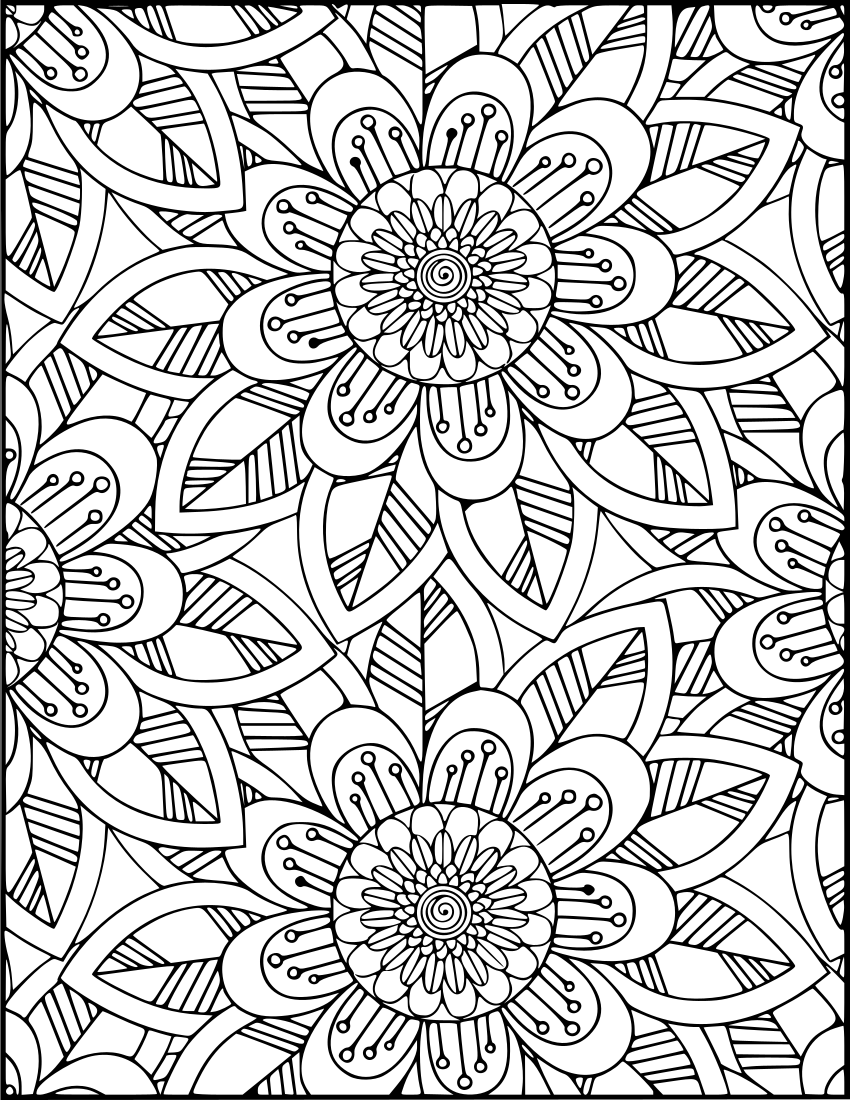
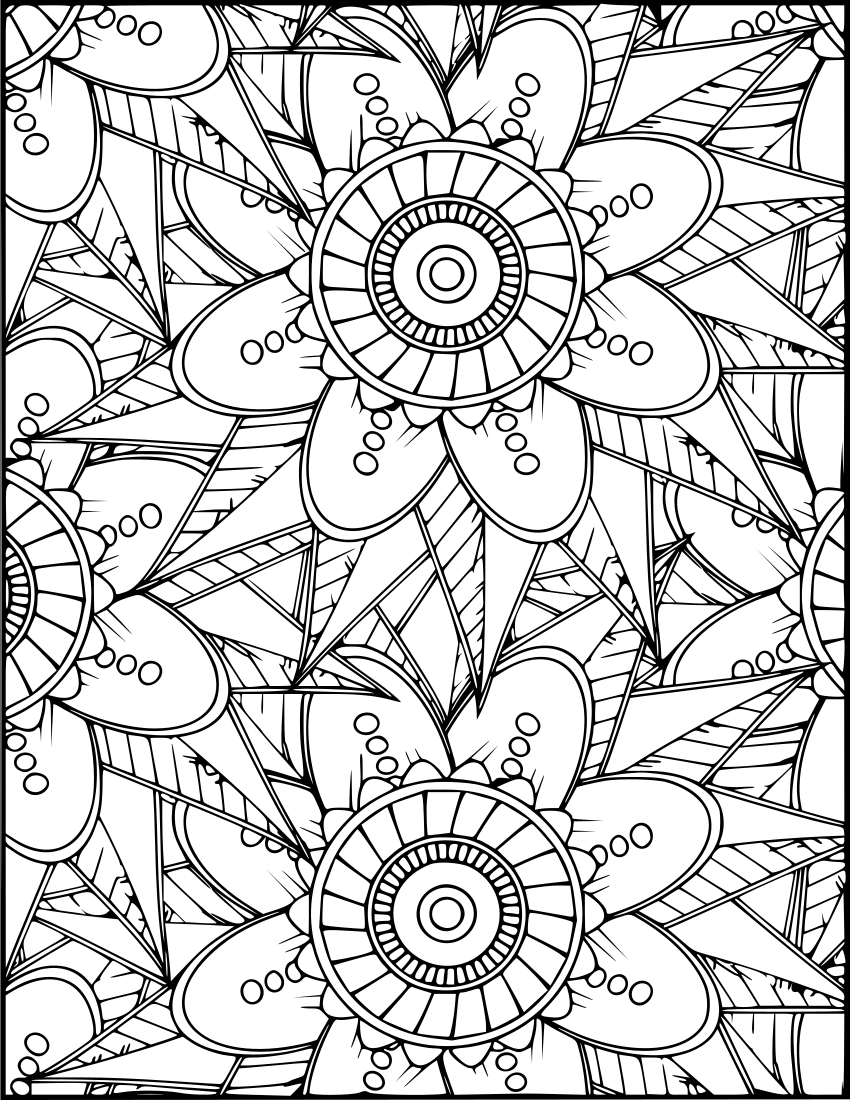
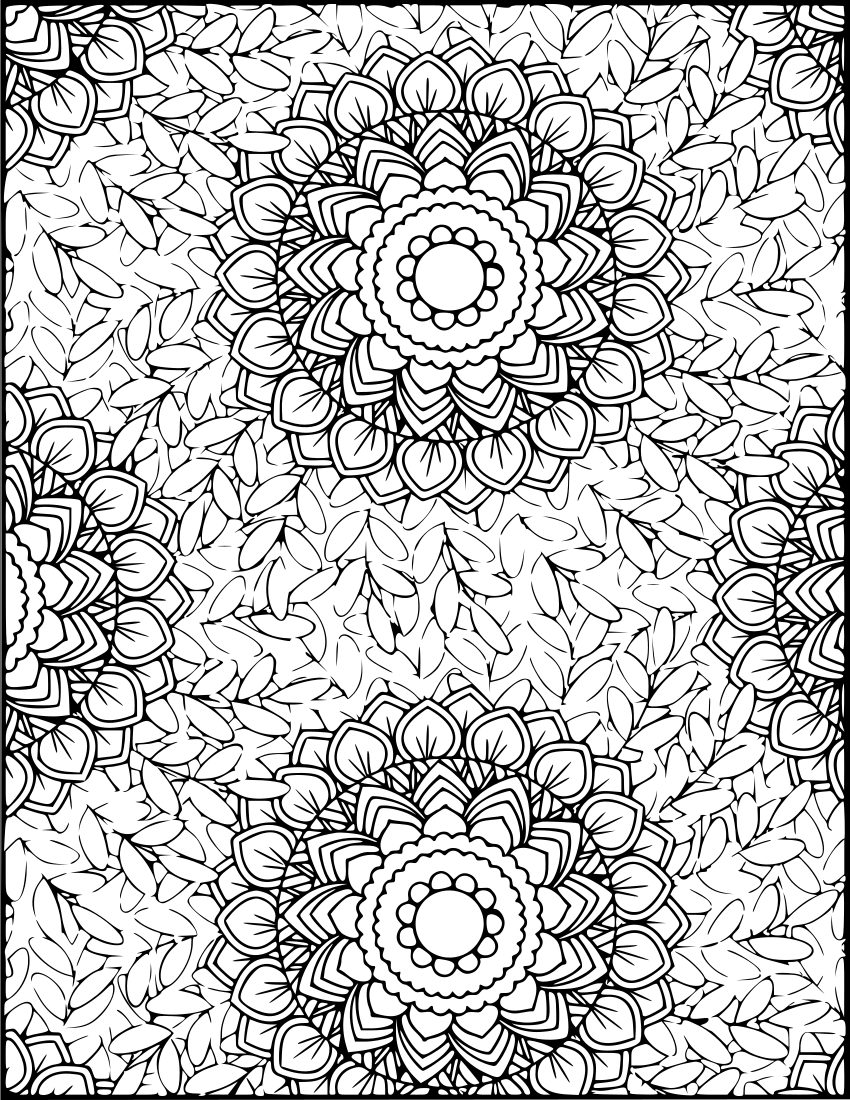
- Circles, rings and arcs — Interwoven circles, concentric rings, interlaced arcs, overlapping forms and circular lattices. The most universally symbolic of forms — these compositions offer deep harmonic satisfaction and exceptional opportunities for color gradation.
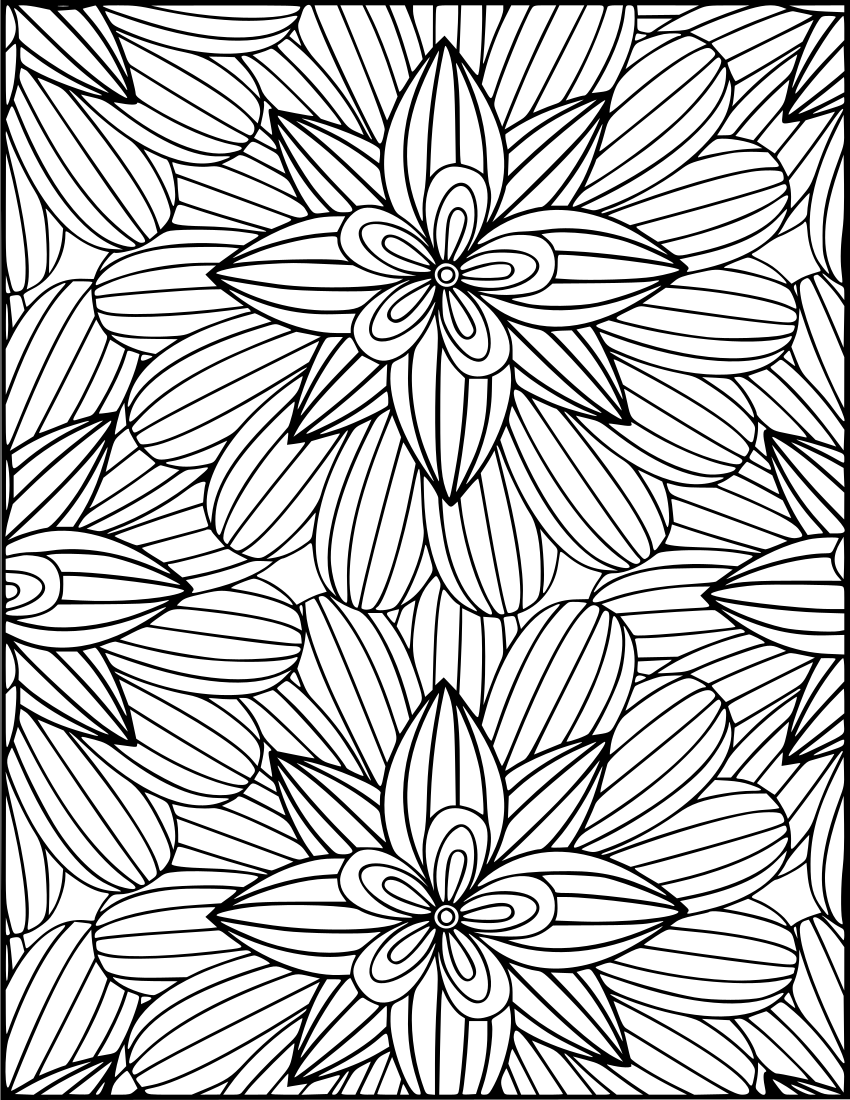
- Linear and angular — Parallel lines, crosshatch patterns, diagonal compositions, striped mosaics and line bursts. Linear abstraction with a rich history from ancient textiles to Frank Stella's stripe paintings — direction, rhythm and tension in pure form.
How to Color Abstract Pattern Pages
The Key Decision: Gradient or Flat?
Abstract patterns give you a fundamental choice with every session: flat fills (each section one even color) or gradient fills (colors shifting across the composition). Flat fills create graphic, high-contrast results — bold and contemporary. Gradients create atmospheric, painterly effects — softer and more immersive. Neither is better; they produce entirely different finished pieces from the same design. Try both approaches on different prints of the same pattern to discover your preference.
Tools by Pattern Type
- Fine-tipped felt-tip pens (0.5–1 mm) — Best for intricate patterns with small, well-defined sections. Clean fills, no overlapping, precise edges. Ideal for Crystal, Lattice and Feather designs where the sections are complex and close together.
- Colored pencils — The most versatile choice across all pattern families. They allow both flat fills and subtle gradients, they blend with a blending stump or colorless blender, and they work at any paper weight. Particularly beautiful on the organic botanical patterns where you can suggest light falling across a leaf or the depth of a curling vine.
- Alcohol markers — Rich, saturated, fast-drying. Ideal for the larger, more open sections in patterns like Drift, Weave and River. Slightly less controlled in very small areas — use felt-tip pens for detail and markers for larger fills.
- White gel pen — A finishing tool that transforms any abstract page. Use it to add highlight lines along raised forms in Crystal, to suggest the shimmer on water in Ripple and River, or simply to add tiny dots of light across any dark-filled section. Even sparse use is dramatic.
Color Strategy: Working the Whole Page
Resist the temptation to complete one section fully before moving to the next. Instead, establish your palette first — choose 3 to 6 colors — then apply each color across all its sections before switching to the next. This ensures visual harmony across the whole composition and prevents the patchy, uneven look that comes from making color decisions locally. Stand back from the page periodically and assess the overall balance; adjustments are much easier early than after large areas are filled.
Color Palette Ideas for Abstract Patterns
- Forest floor — Moss green, bark brown, ochre, deep teal, ivory. Earthy and grounded. Suits all botanical patterns beautifully.
- Ocean depth — Navy, turquoise, seafoam, pale aqua, warm white. Fresh and immersive. Perfect for Ripple, River, Cascade and Wave patterns.
- Mineral — Slate grey, rose quartz, smoky amethyst, copper, off-white. Sophisticated and contemporary. Especially effective on Crystal and Lattice.
- Warm desert — Terracotta, sand, burnt sienna, dusty rose, cream. Sun-baked warmth. Works with any pattern but particularly striking on Arc and Coil.
- Monochrome + one accent — Four shades of grey from near-white to near-black, plus a single vivid accent color (cobalt, vermilion or chartreuse). The restraint of the grey palette makes the accent color sing.
- Night garden — Deep indigo, midnight blue, plum, silver, pale gold. Dramatic and immersive. Any pattern colored in this palette becomes a nocturnal landscape.
Printing Your Abstract Coloring Pages
- Print at High or Best quality — abstract patterns often include very fine lines that need maximum print resolution to stay crisp.
- Use A4 or US Letter paper for standard printing. For markers or wet media, use 120 g/m² card stock to prevent bleed-through and wrinkling.
- For alcohol markers specifically, place a scrap sheet behind the page — marker ink can bleed through even heavier paper.
- For the smoothest colored-pencil results, a slightly textured drawing paper (not glossy) holds the pigment better and allows more even layering.
All 279 abstract coloring pages are free to download and print as many times as you like, for personal use, relaxation, classroom activities or art therapy sessions. No sign-up, no watermark, no limit. Explore our full adult coloring pages collection and our zen coloring pages for more pattern-based designs.