Free Mandalas Coloring Pages
Relaxing mandala coloring pages for adults. Symmetrical geometric patterns proven to promote mindfulness and calm.
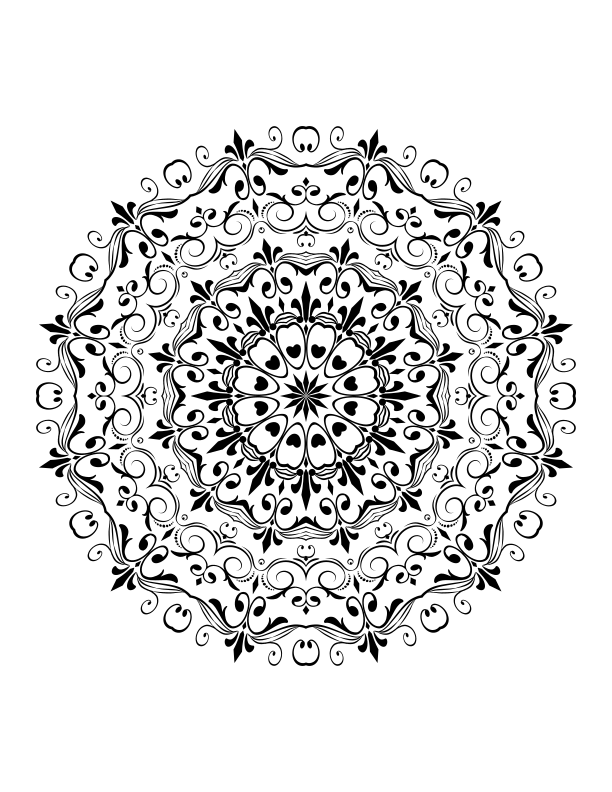
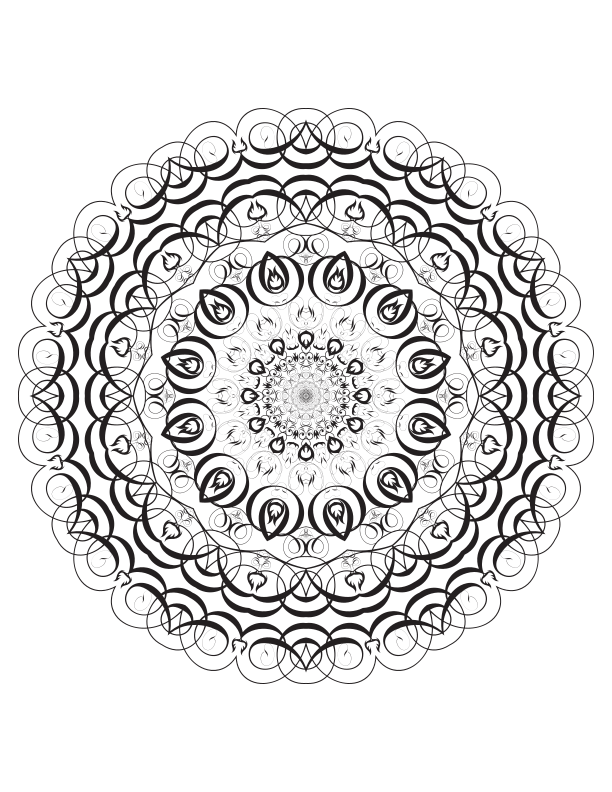
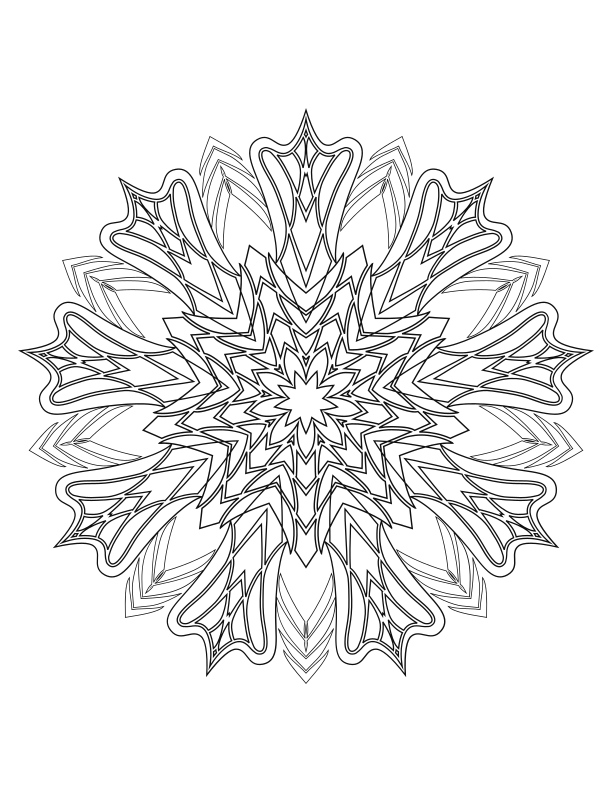
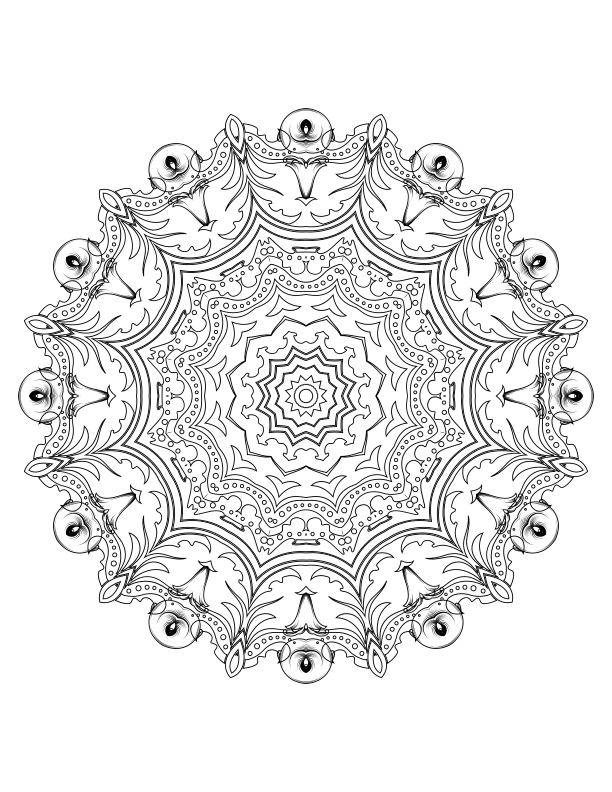
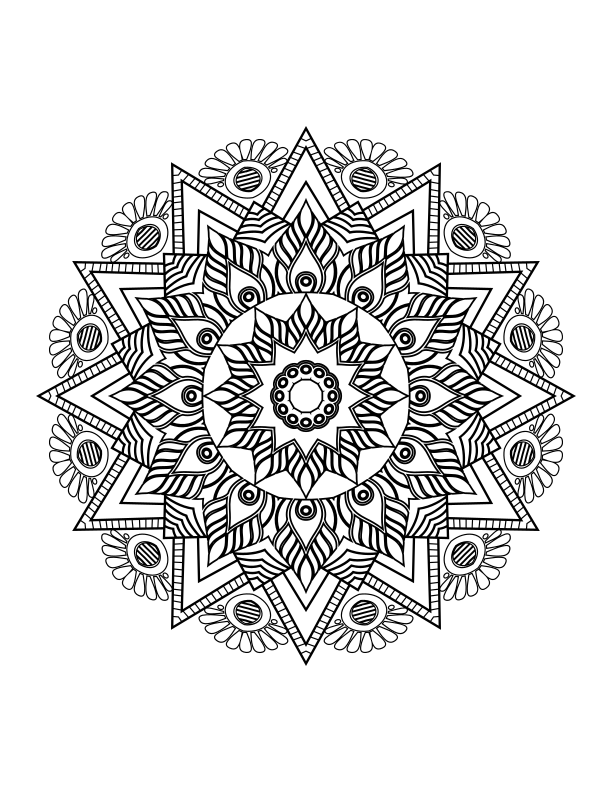
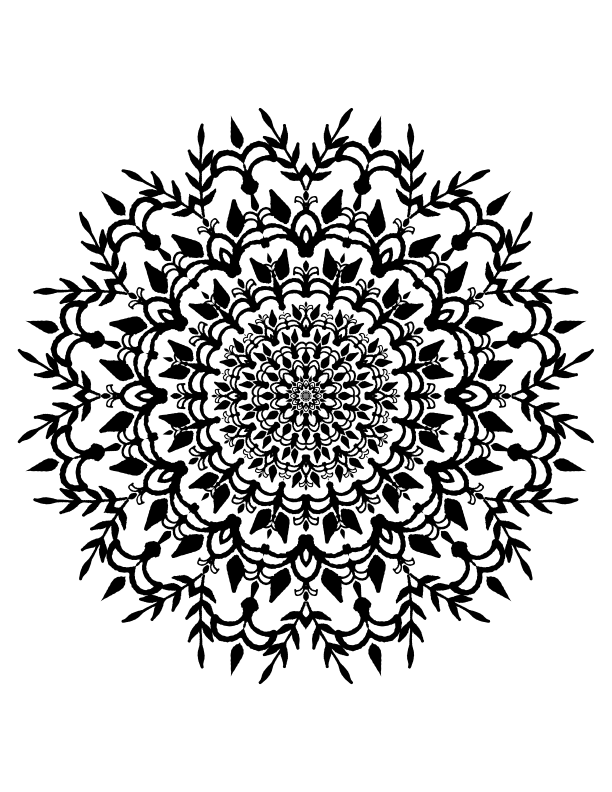
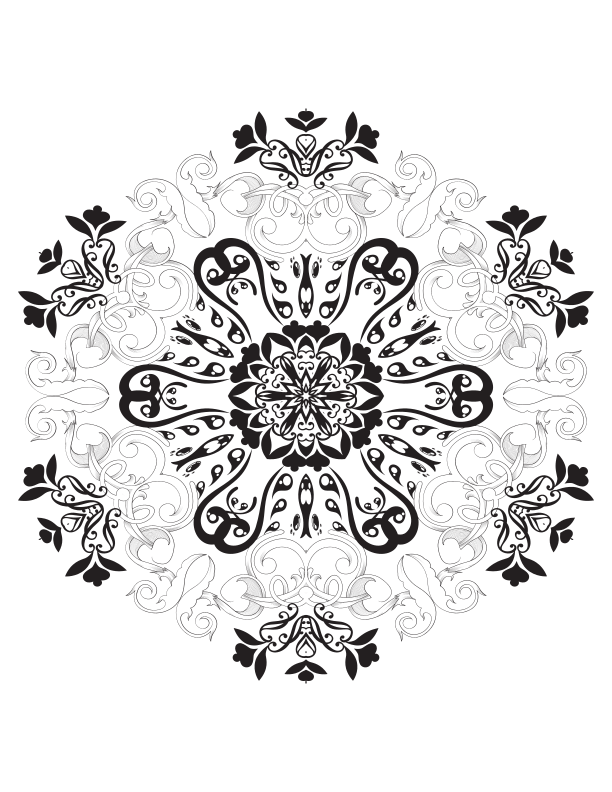
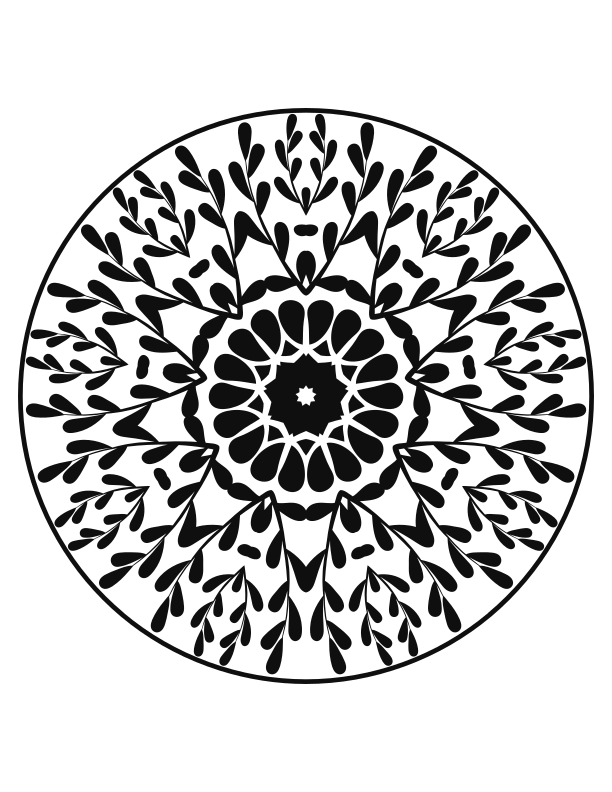
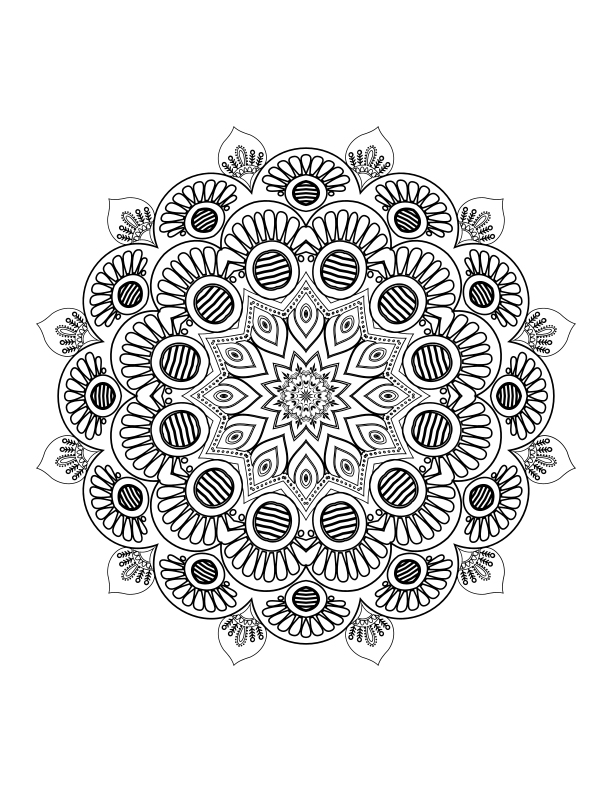
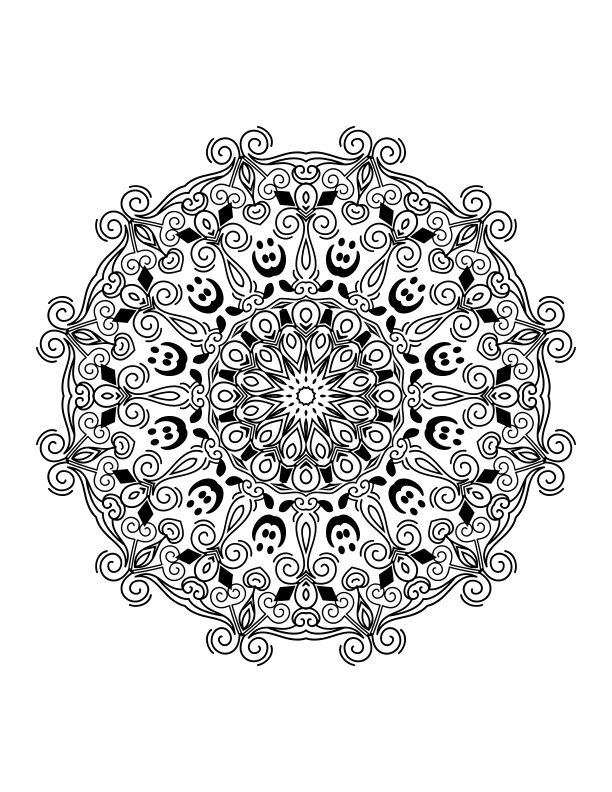
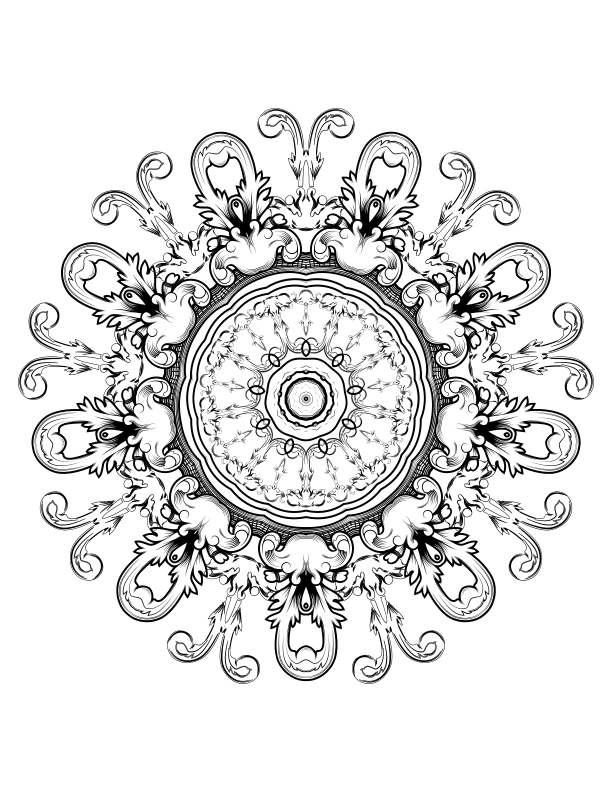
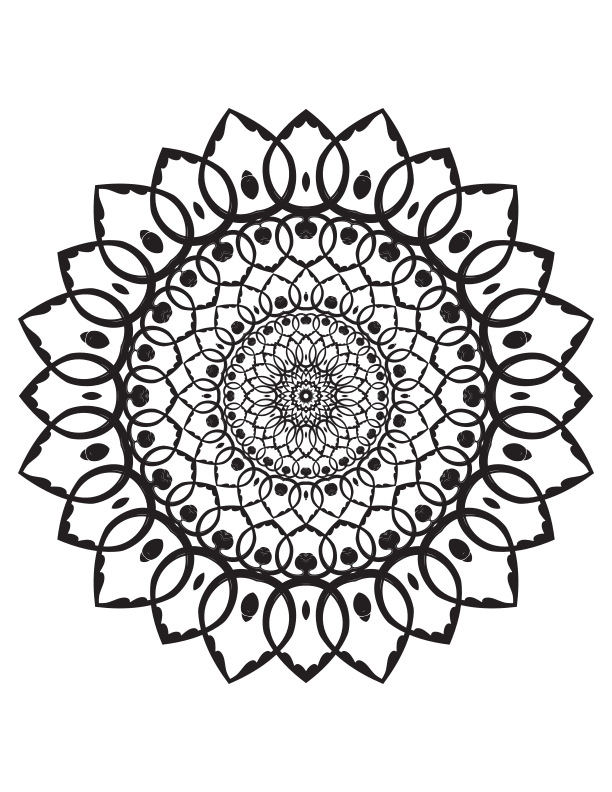
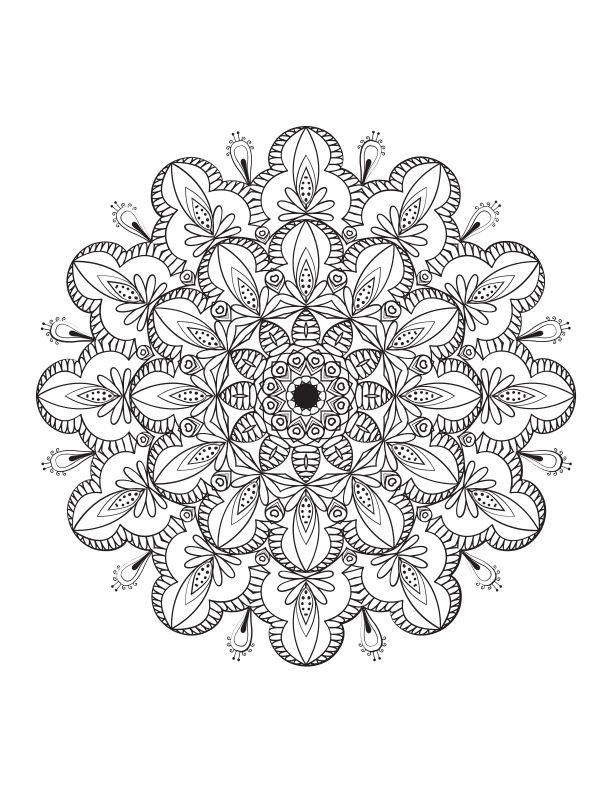
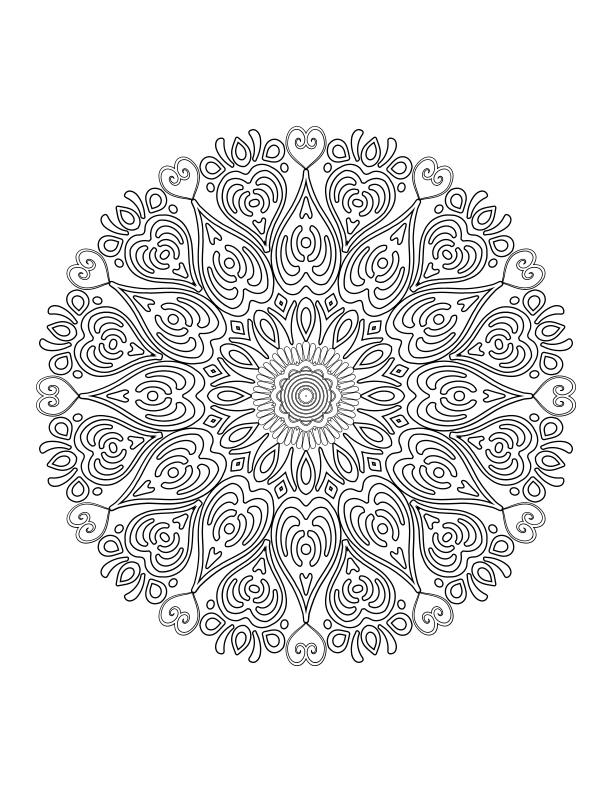
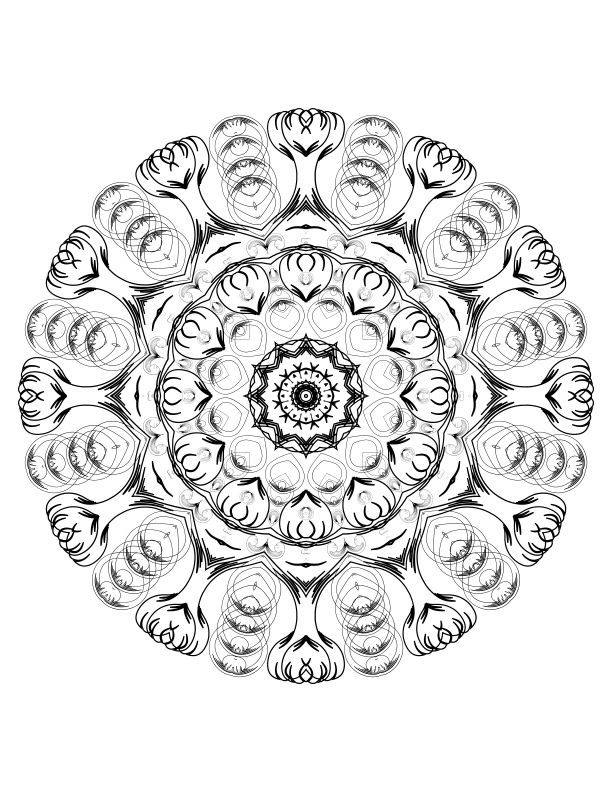
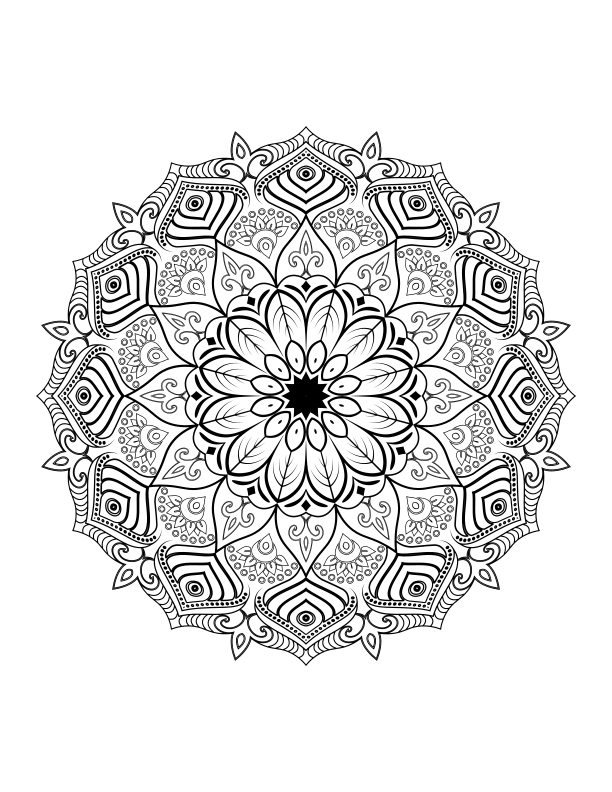
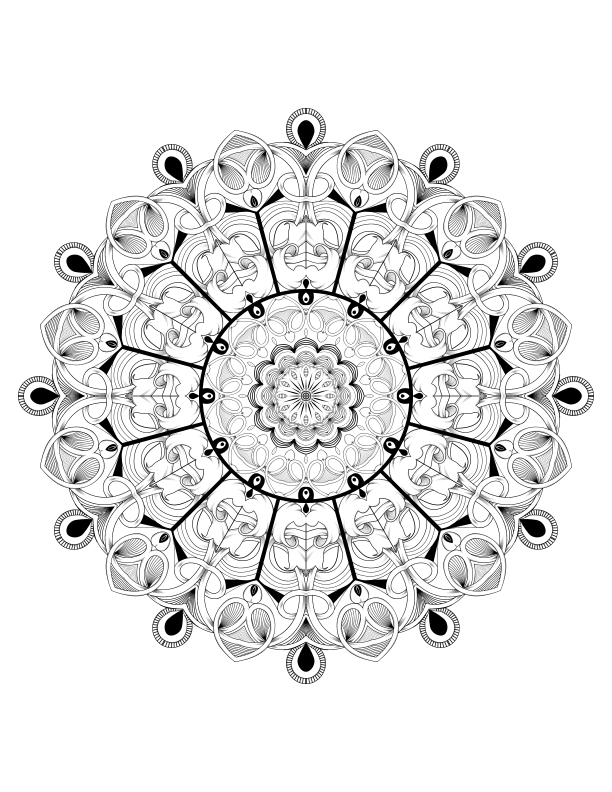
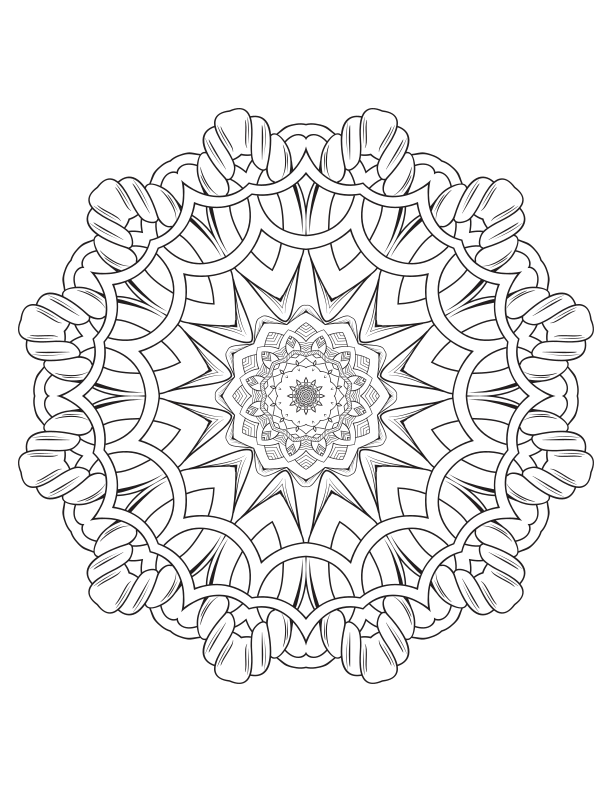
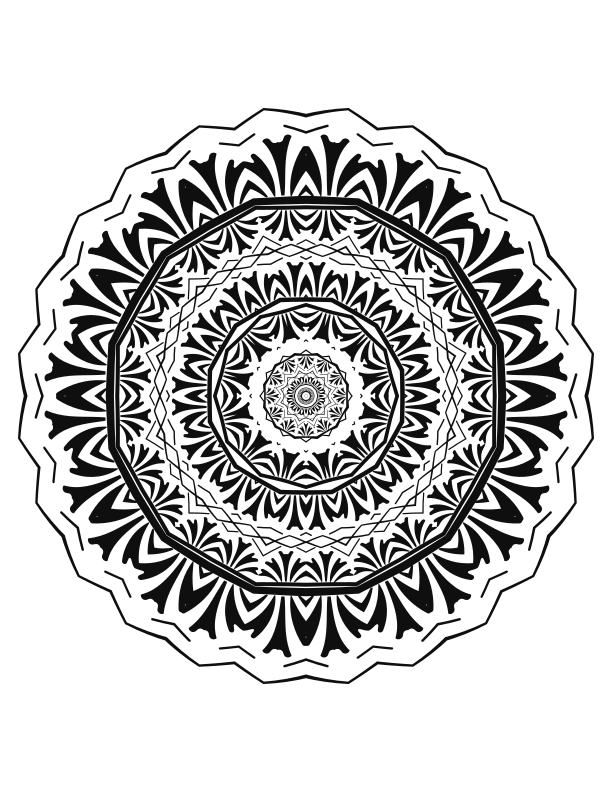
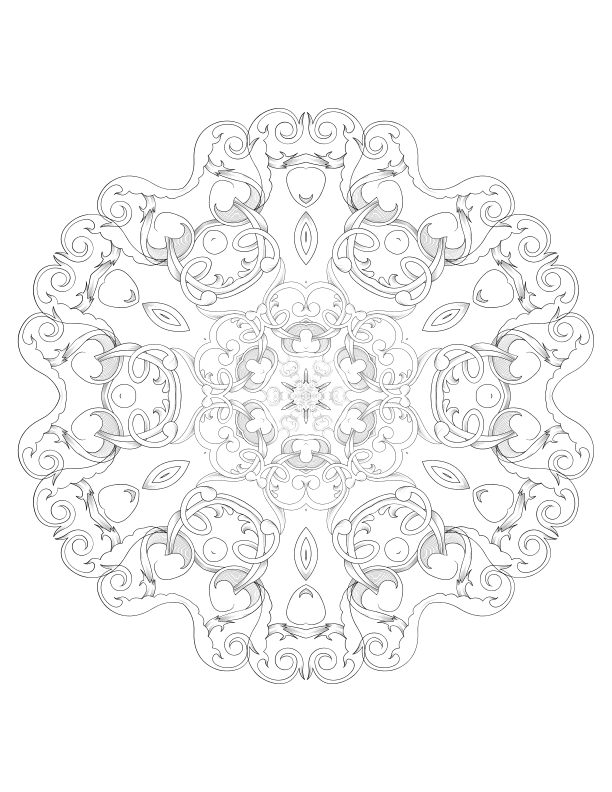
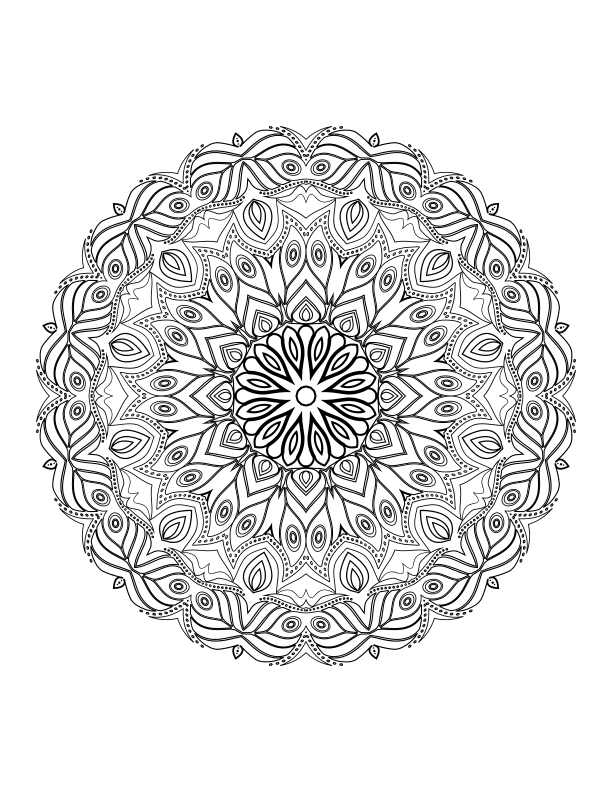
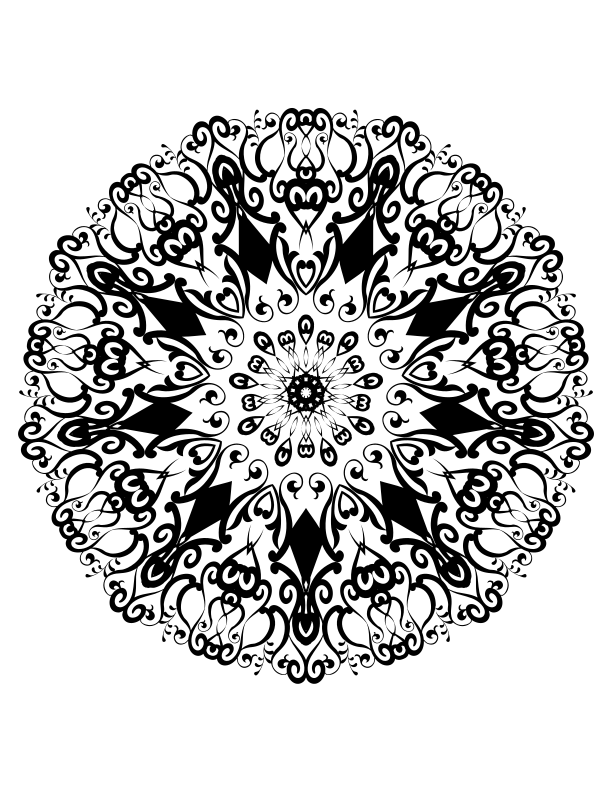
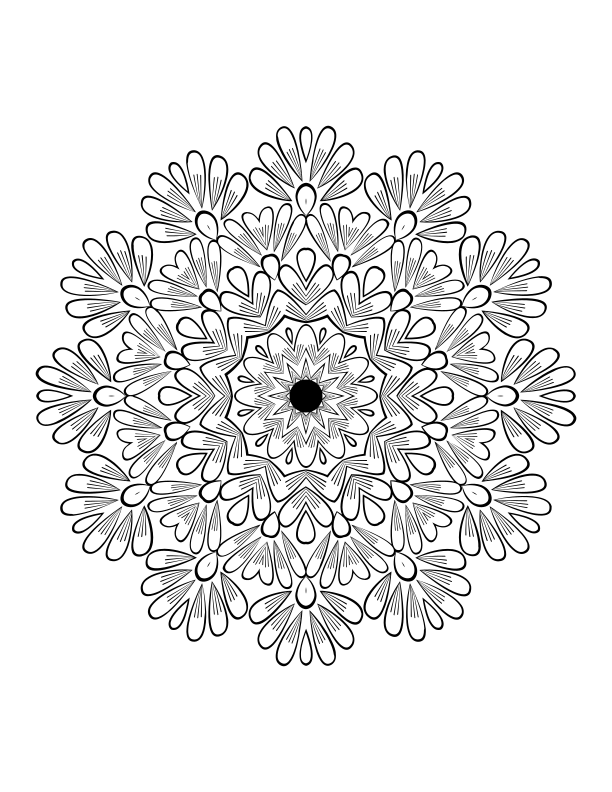
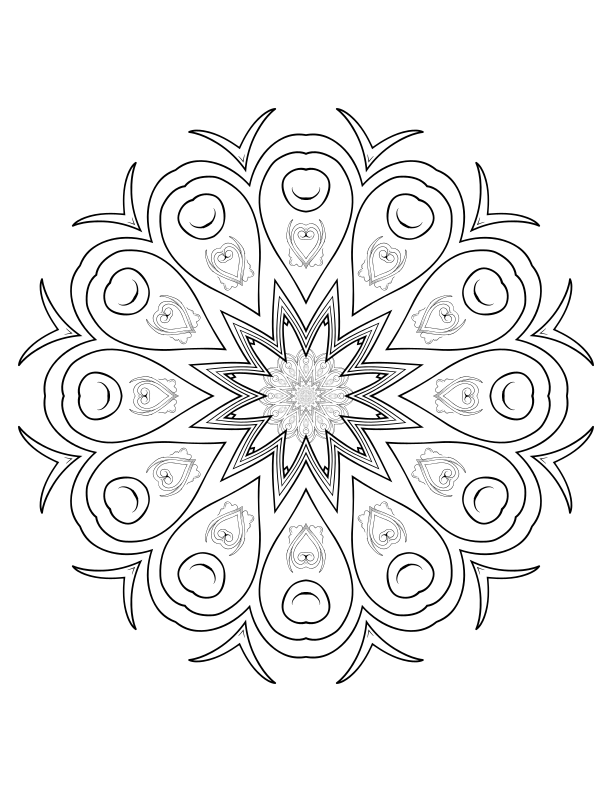
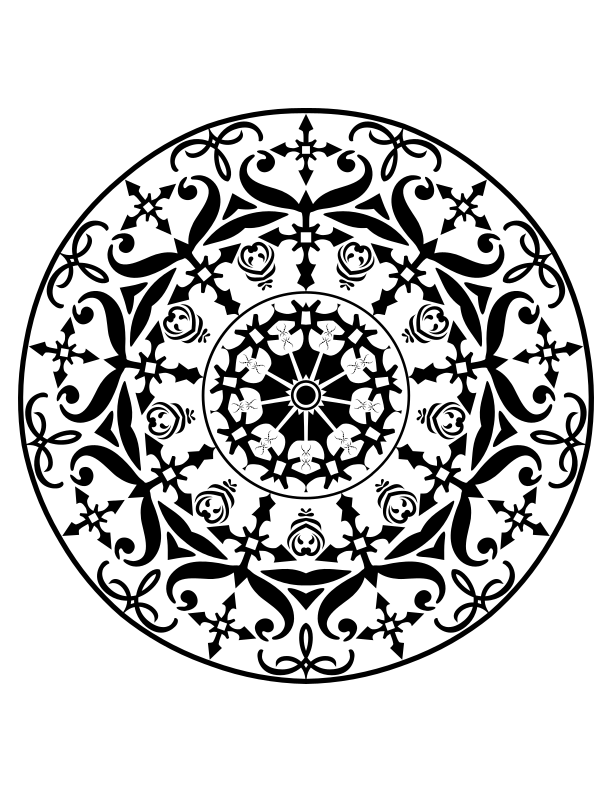
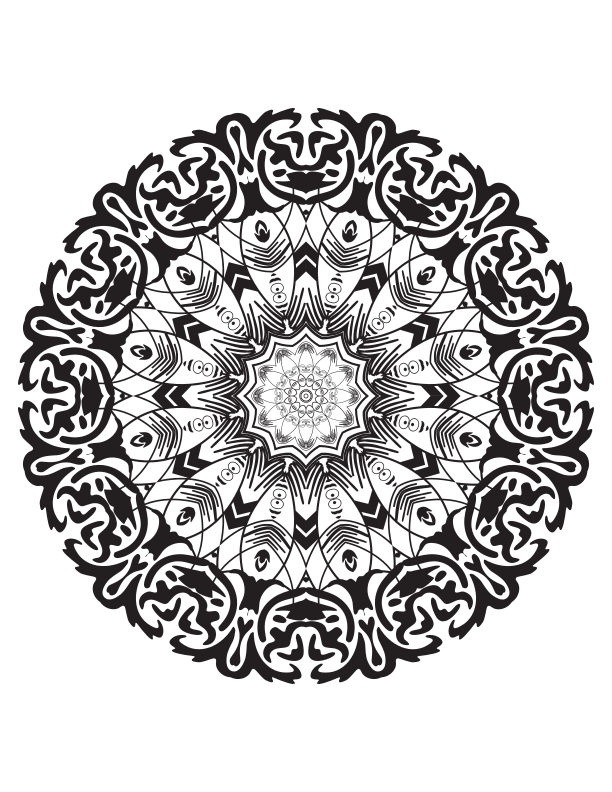
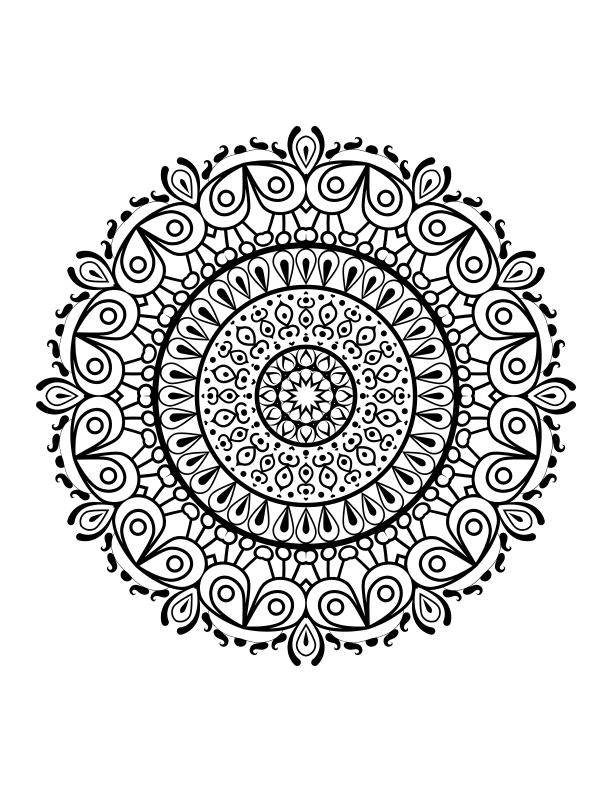
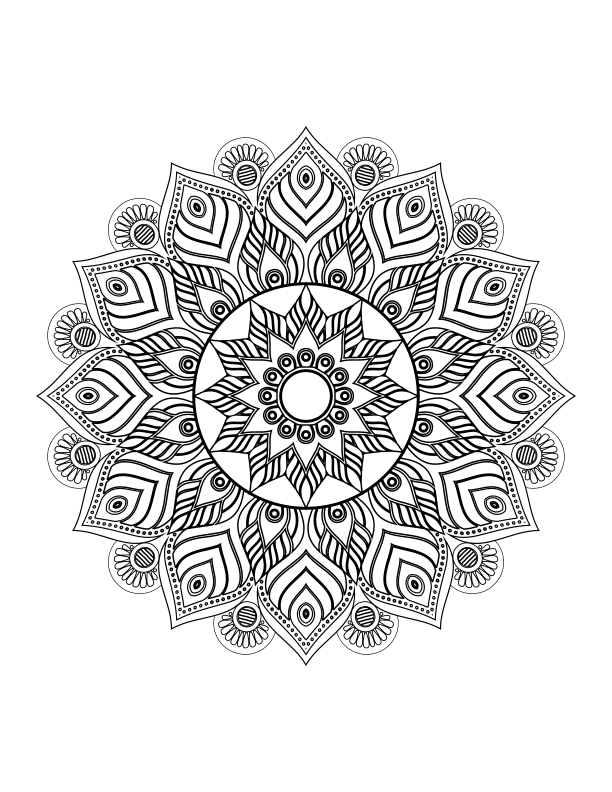
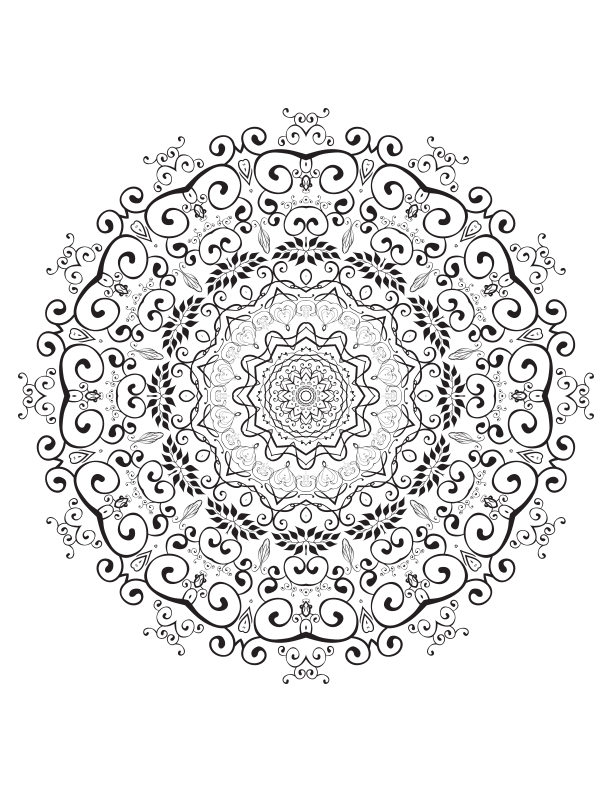
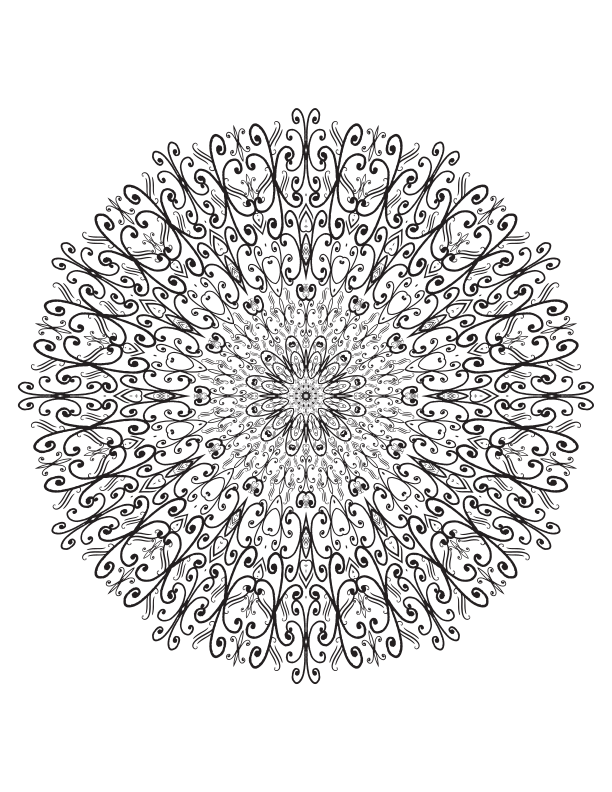
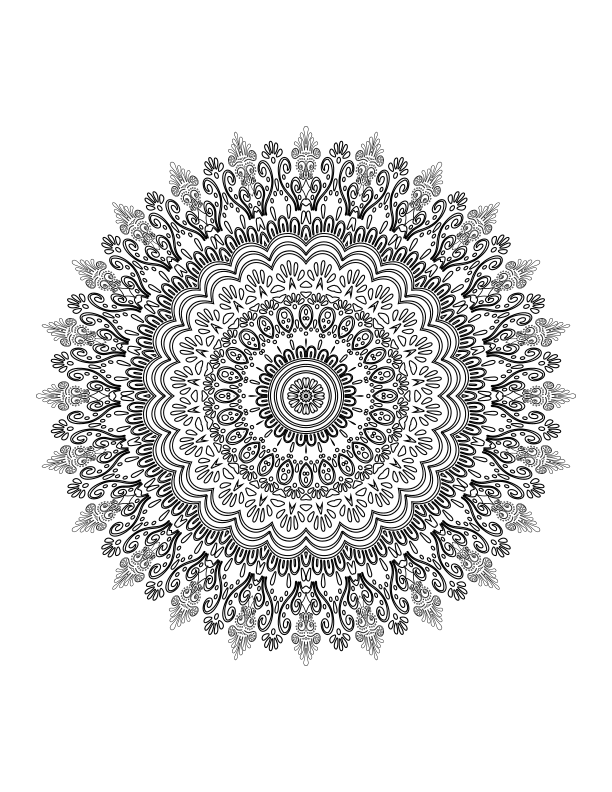
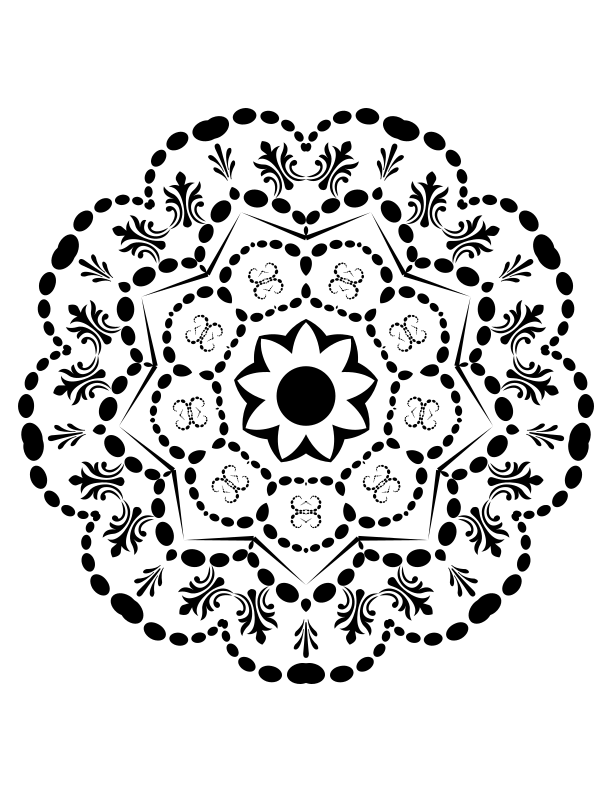
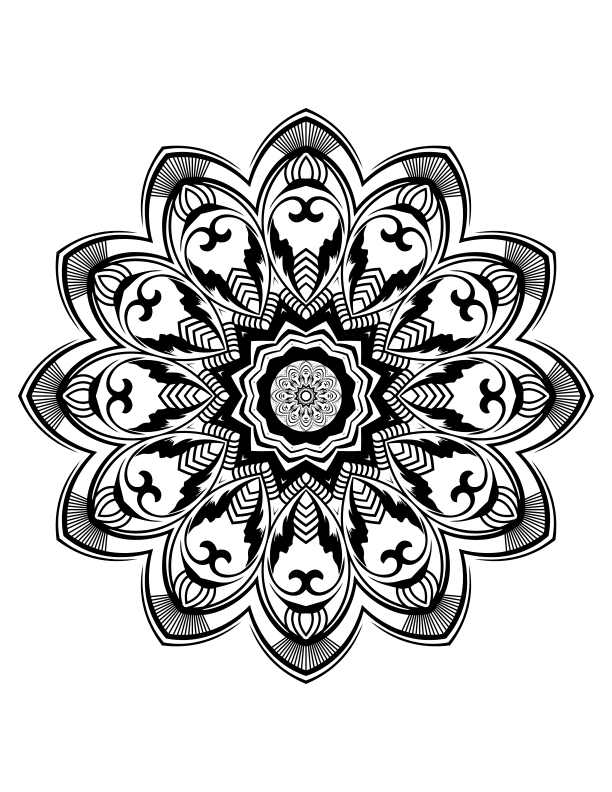
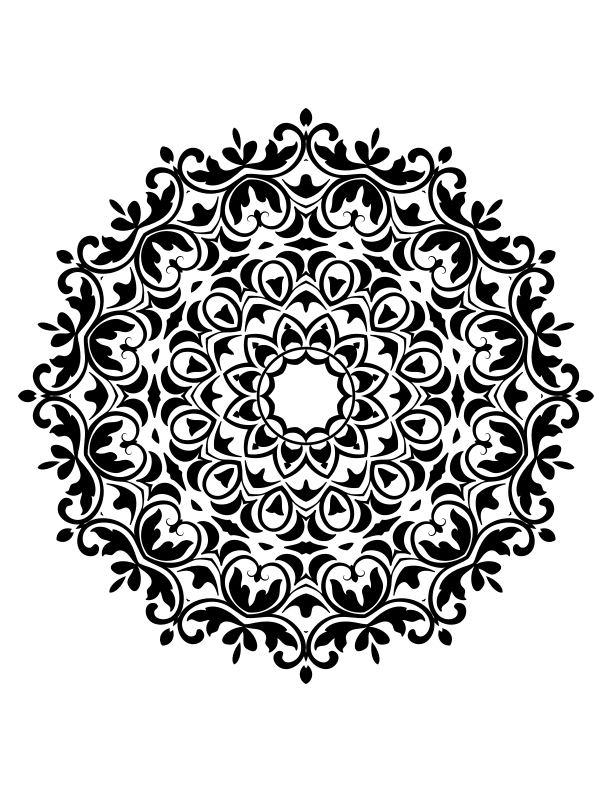
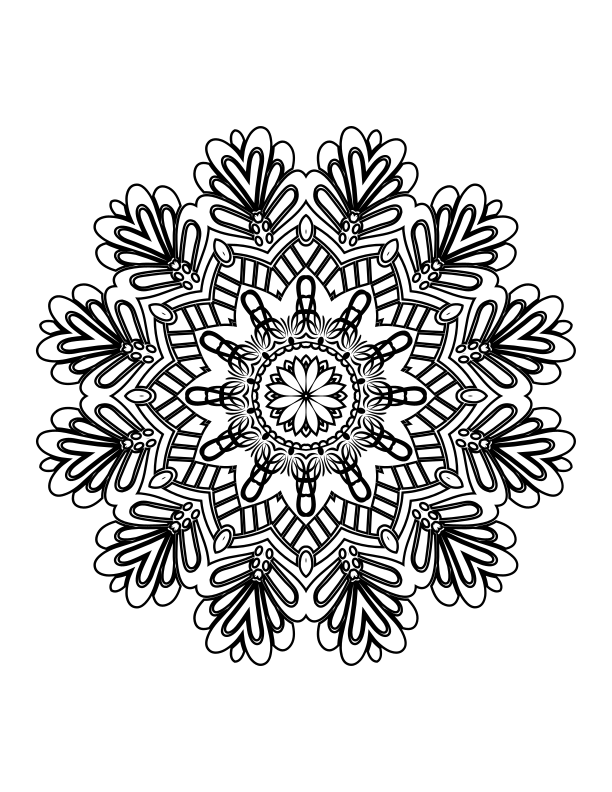
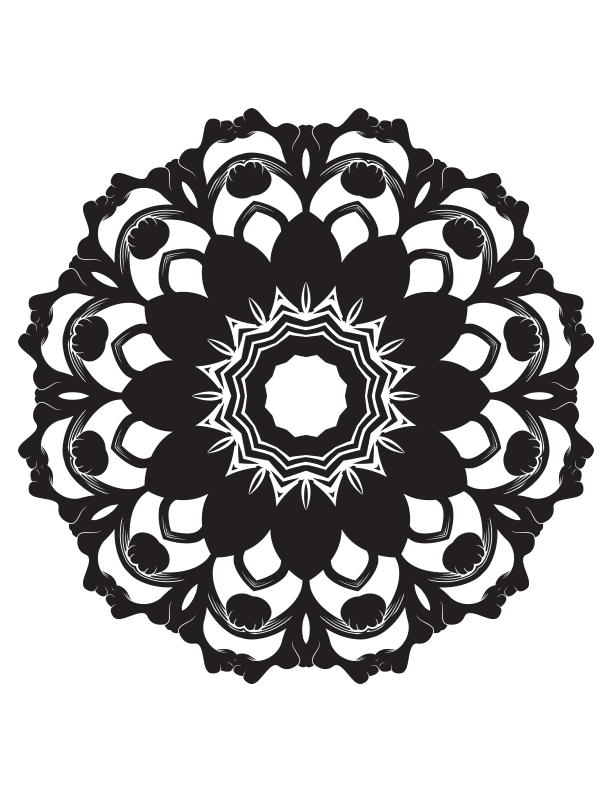
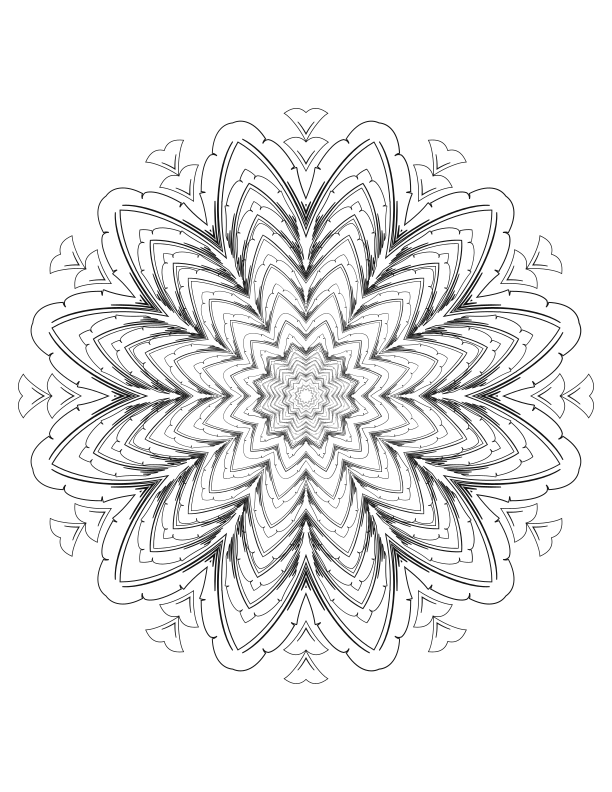
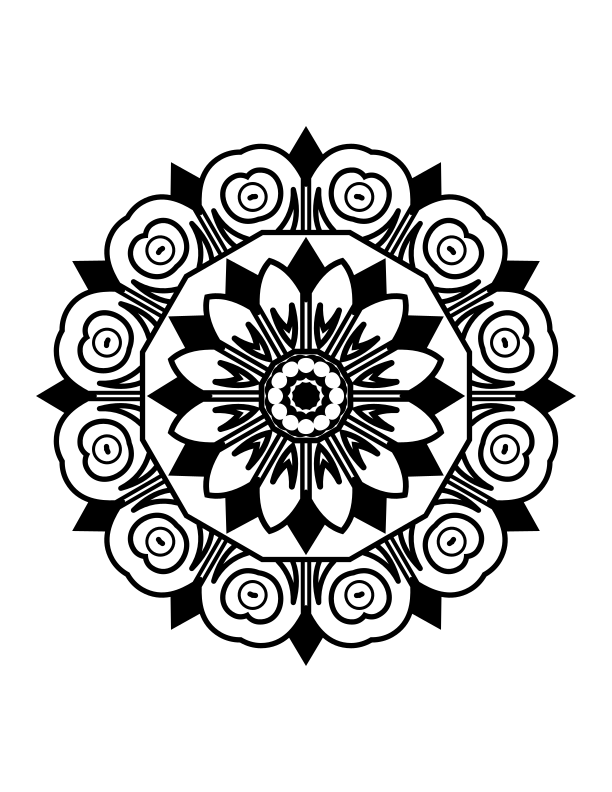
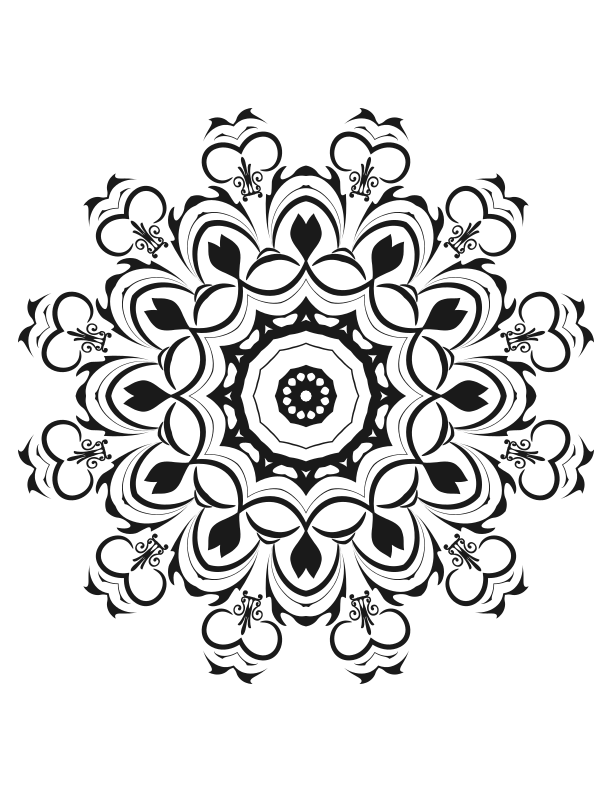
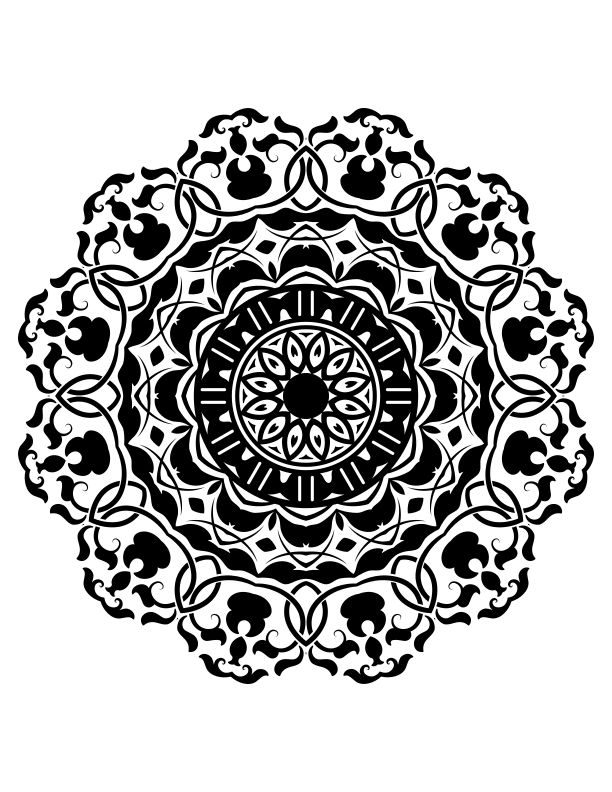
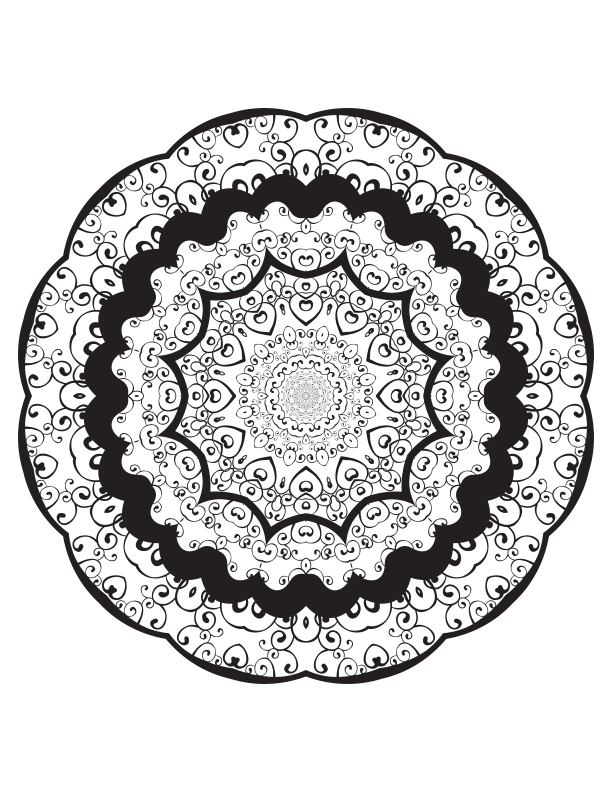
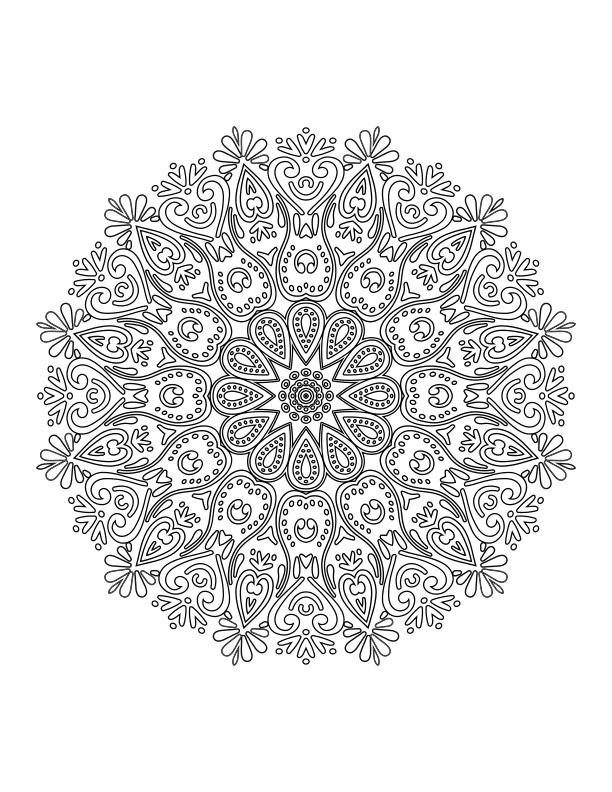
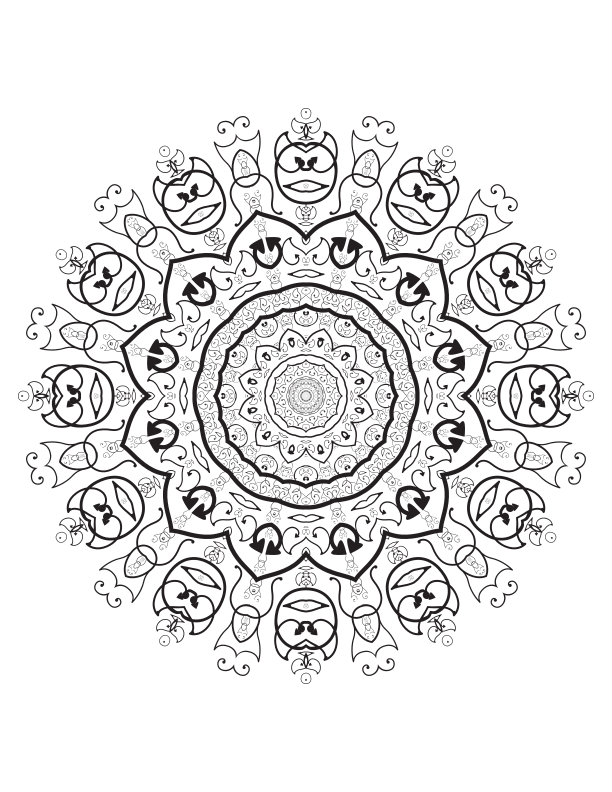
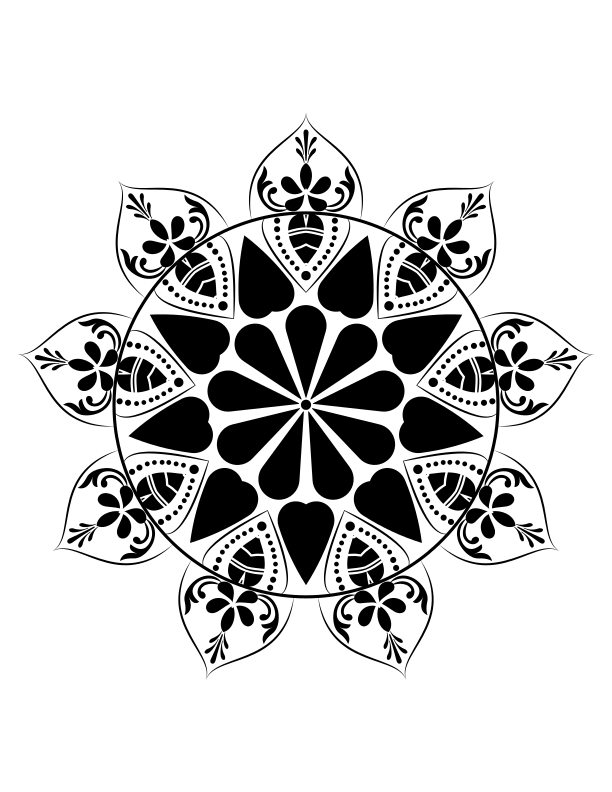
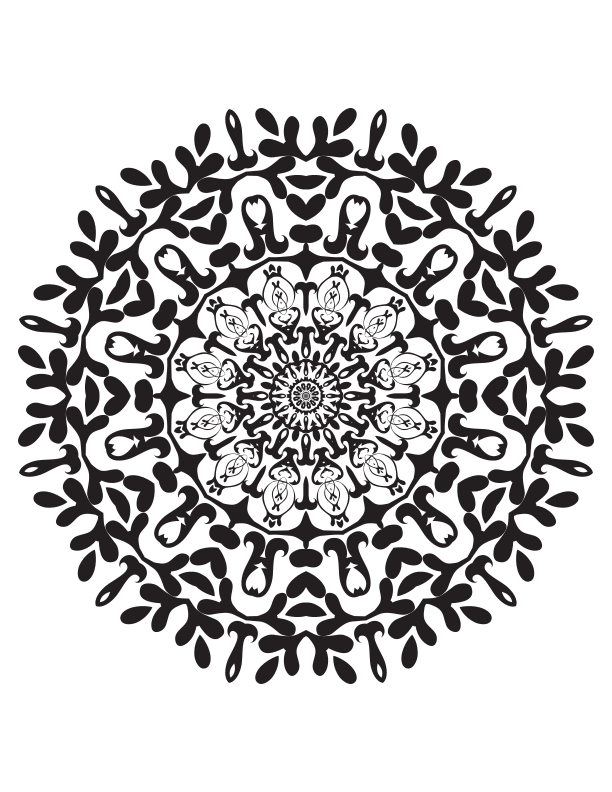
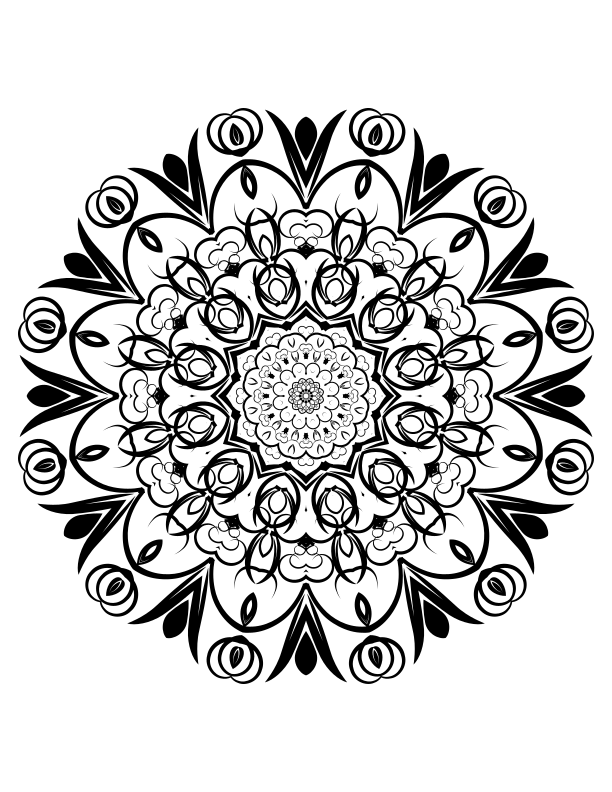
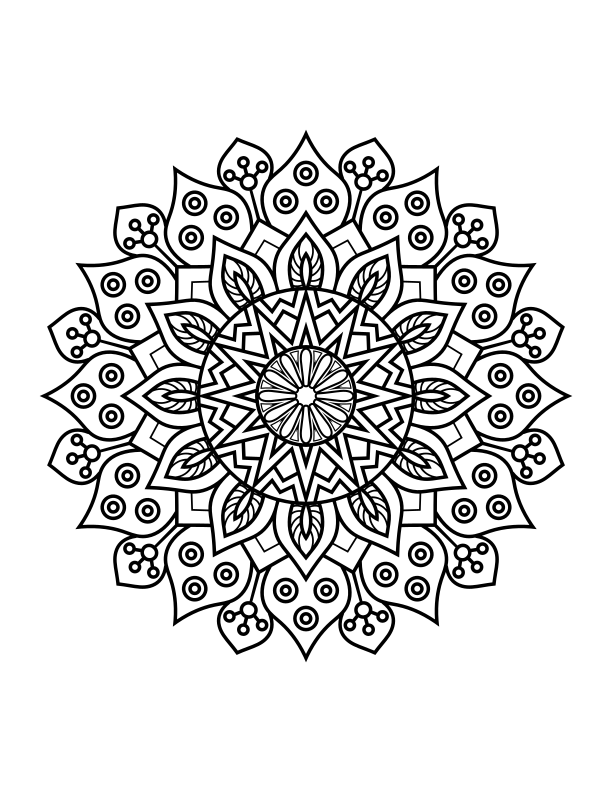
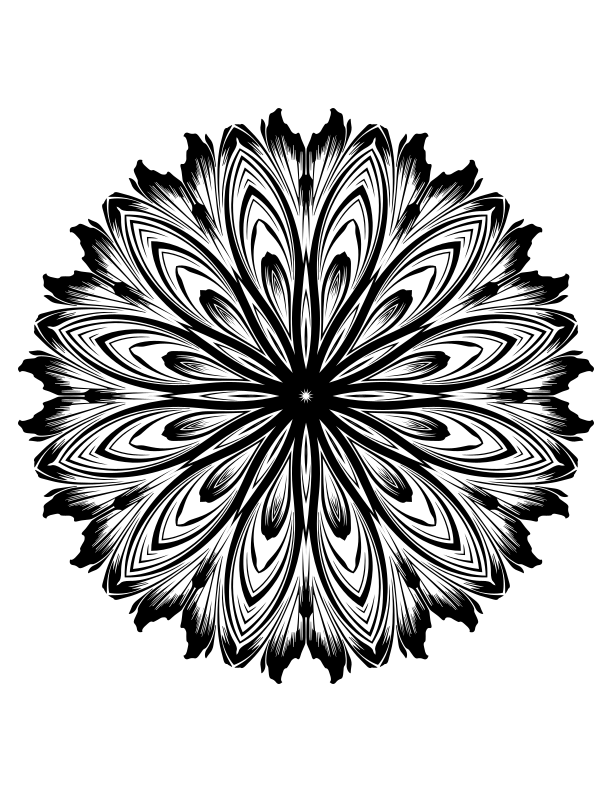
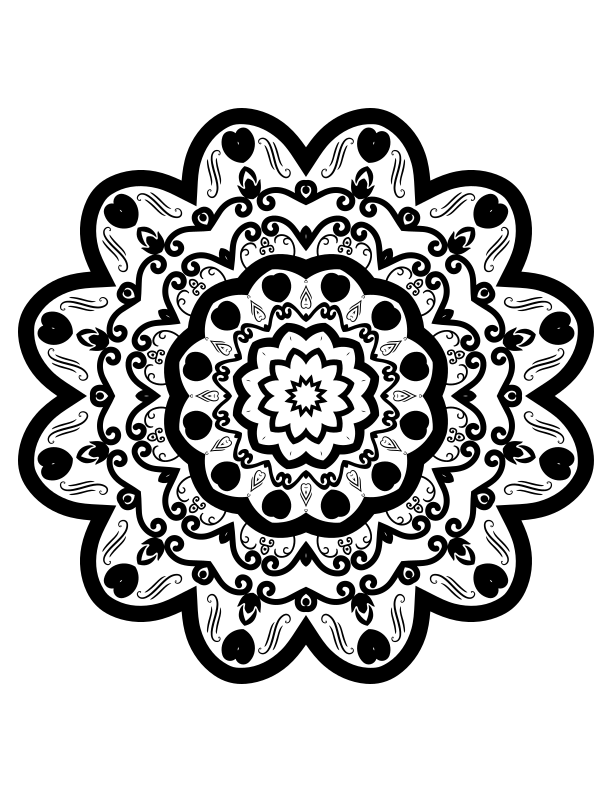
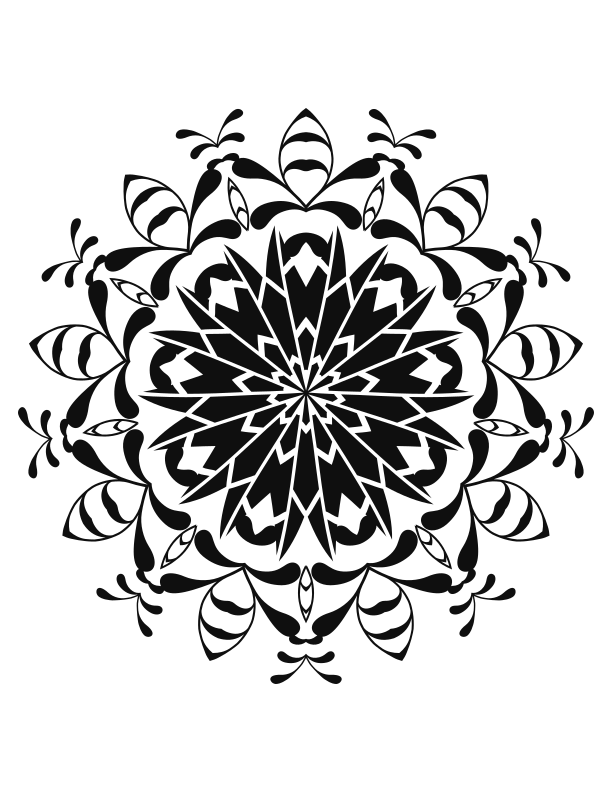
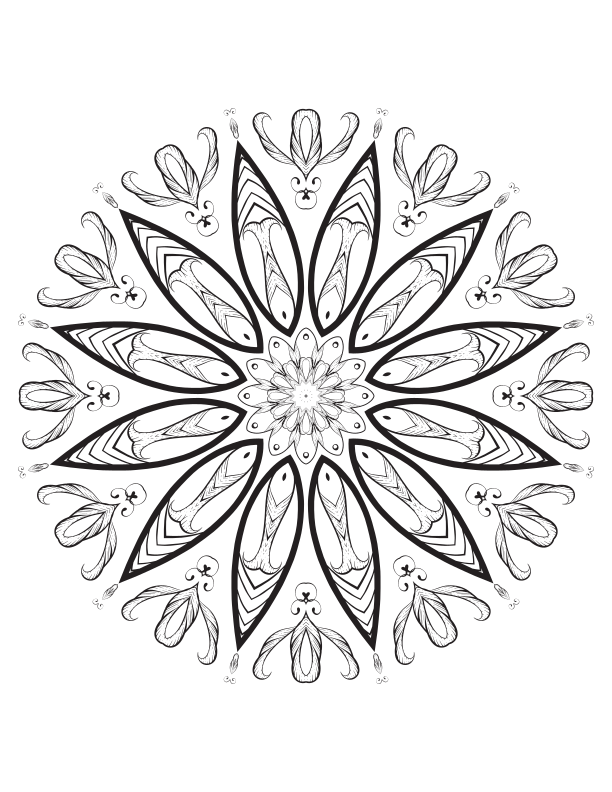
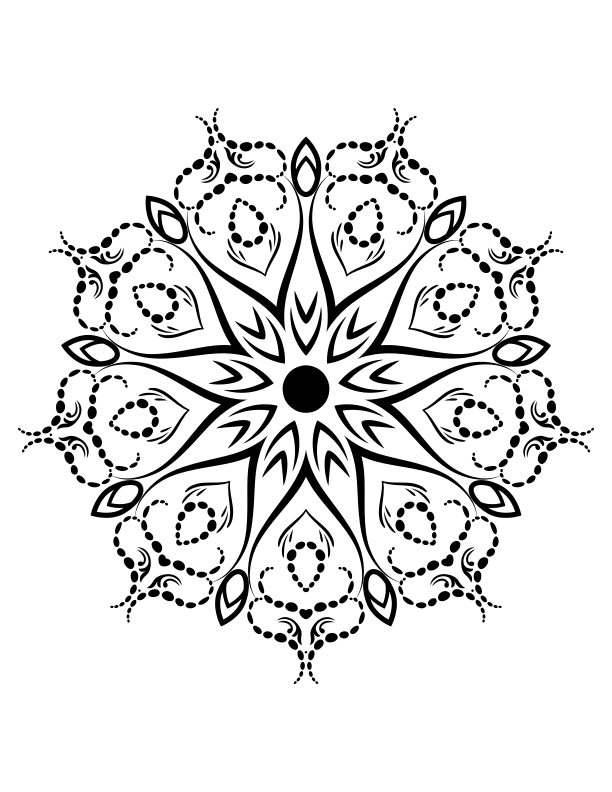
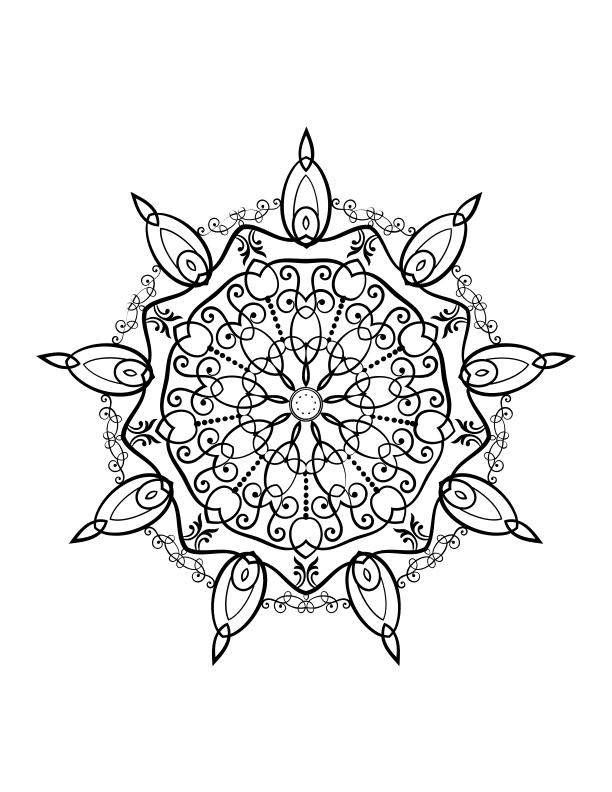
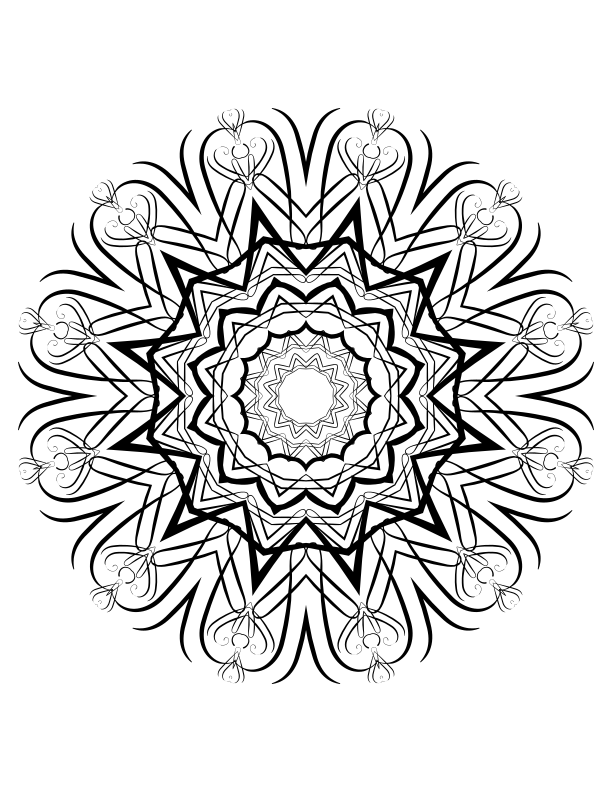
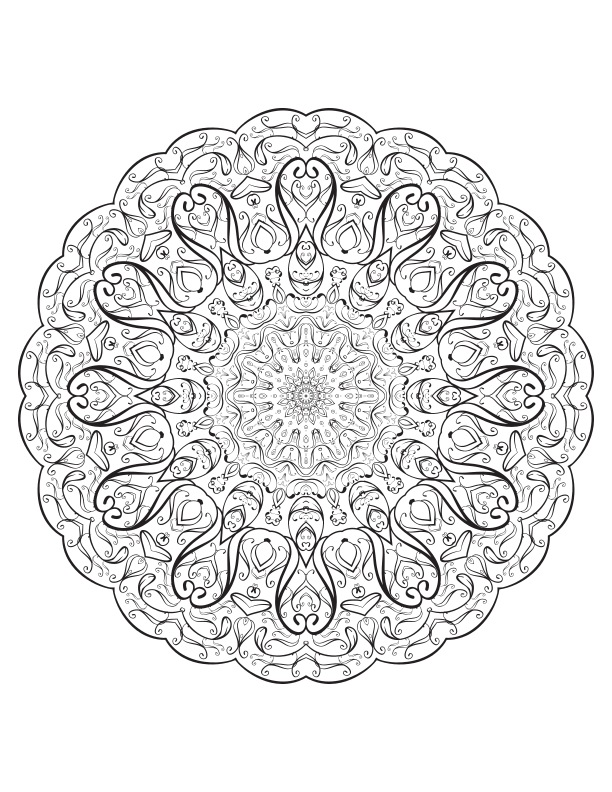
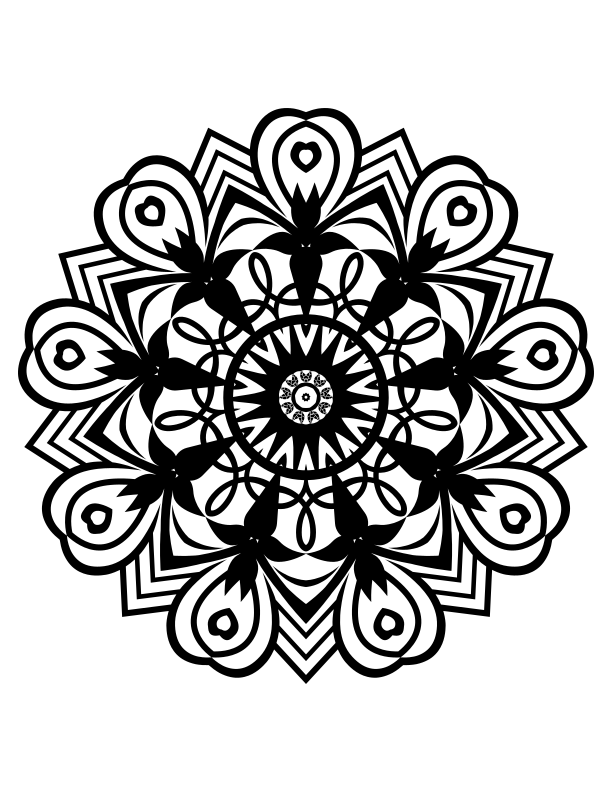
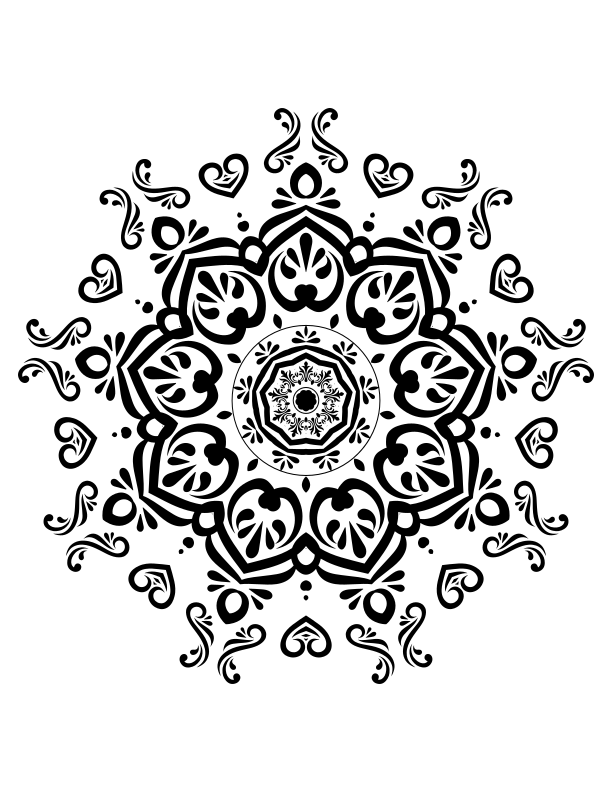
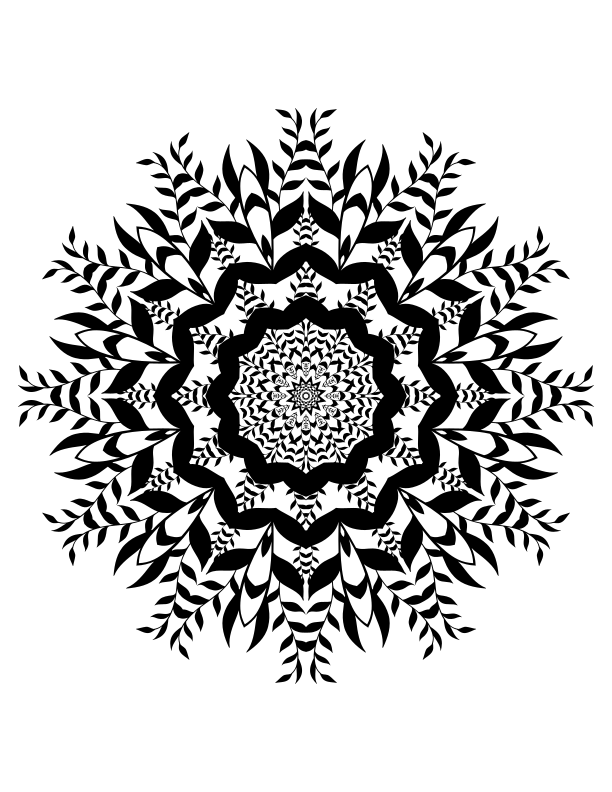
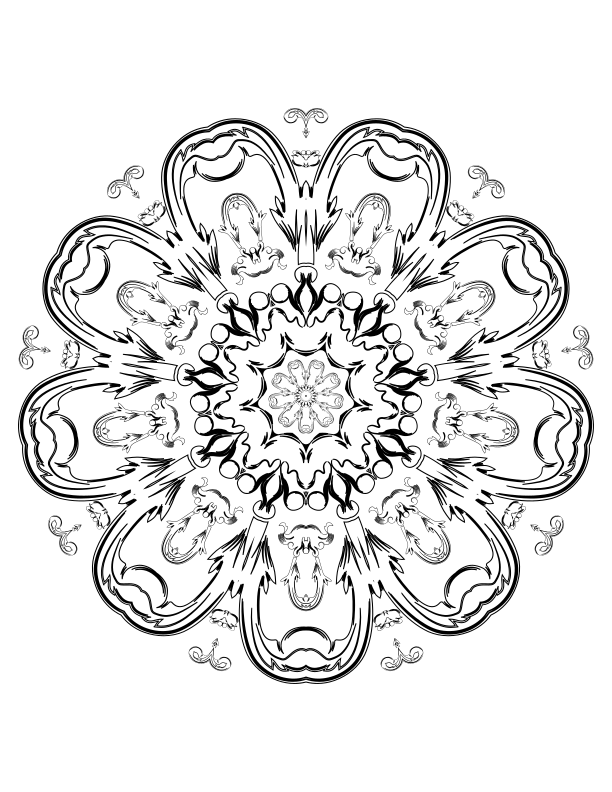
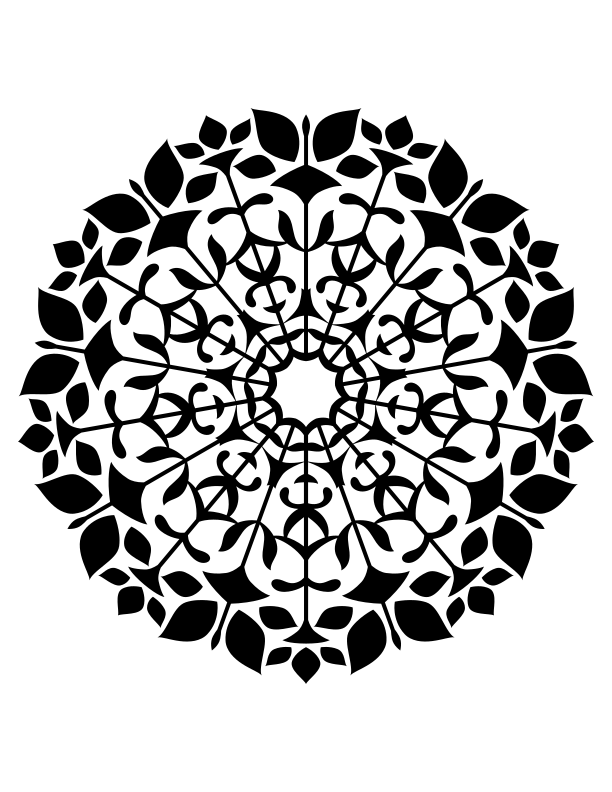
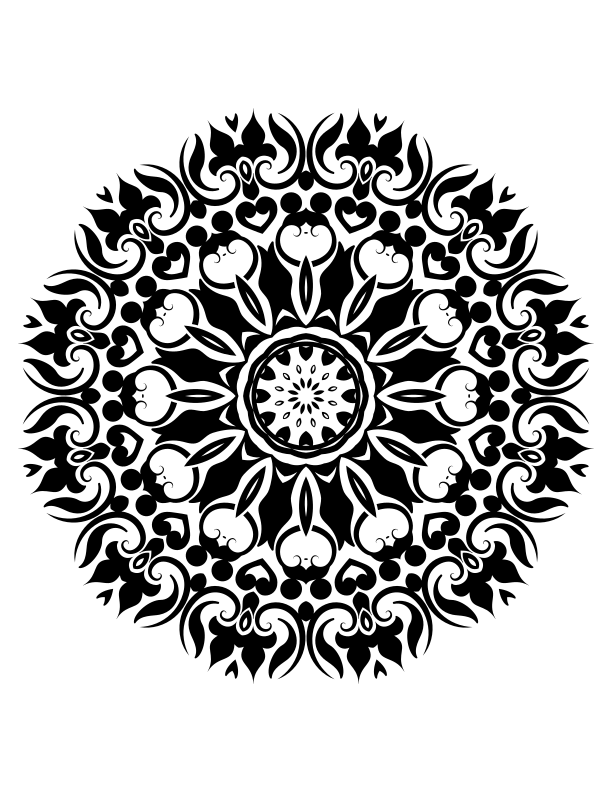
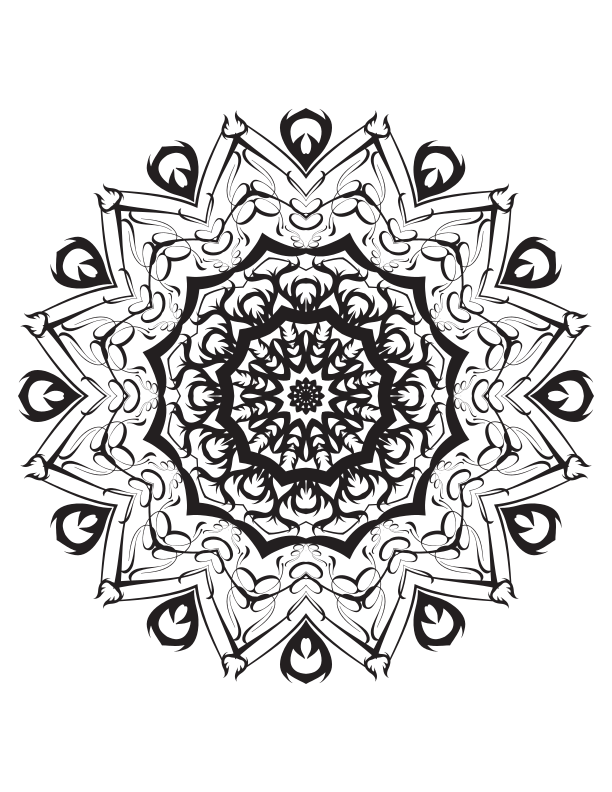
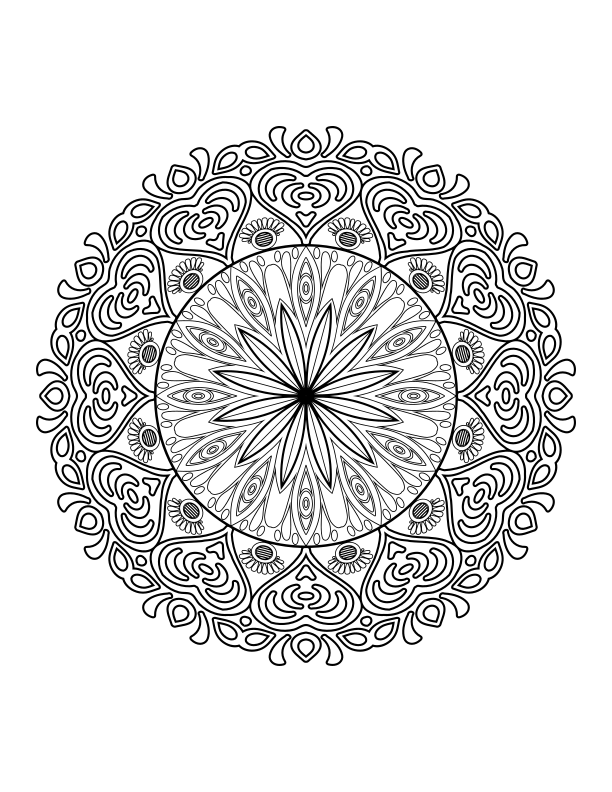
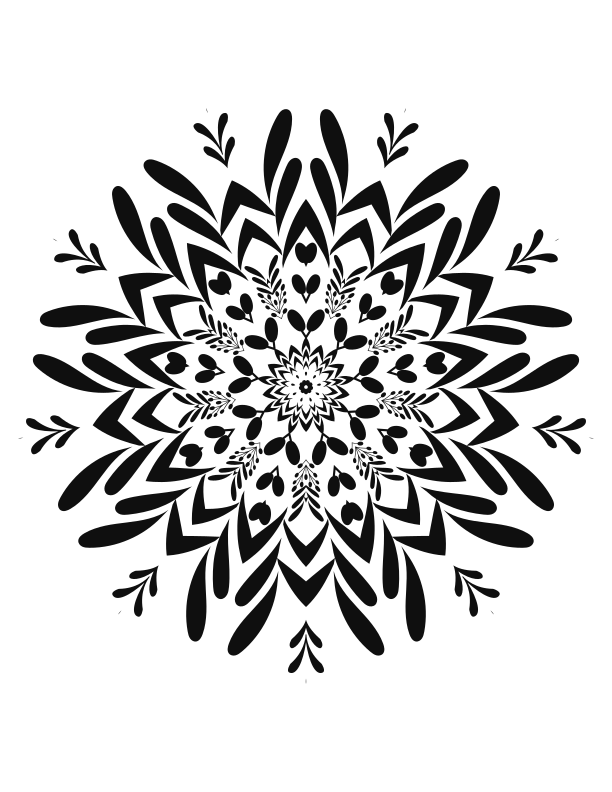
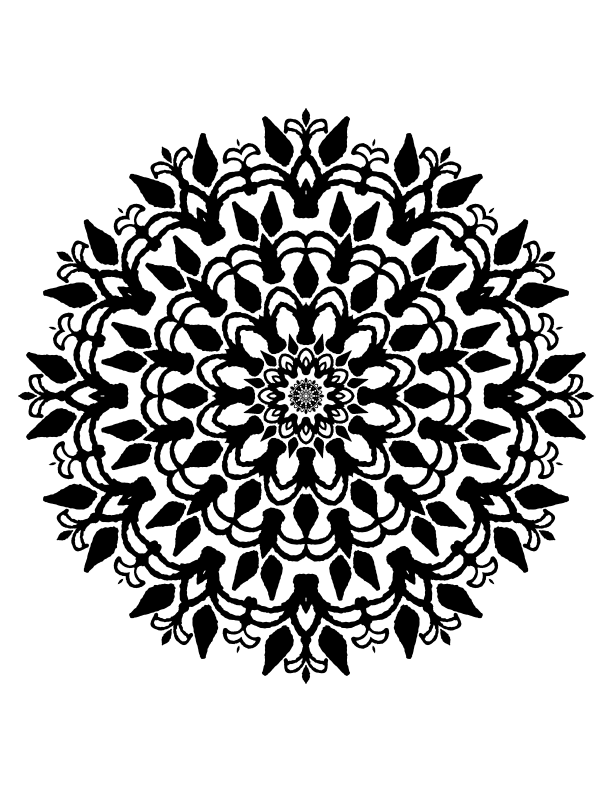
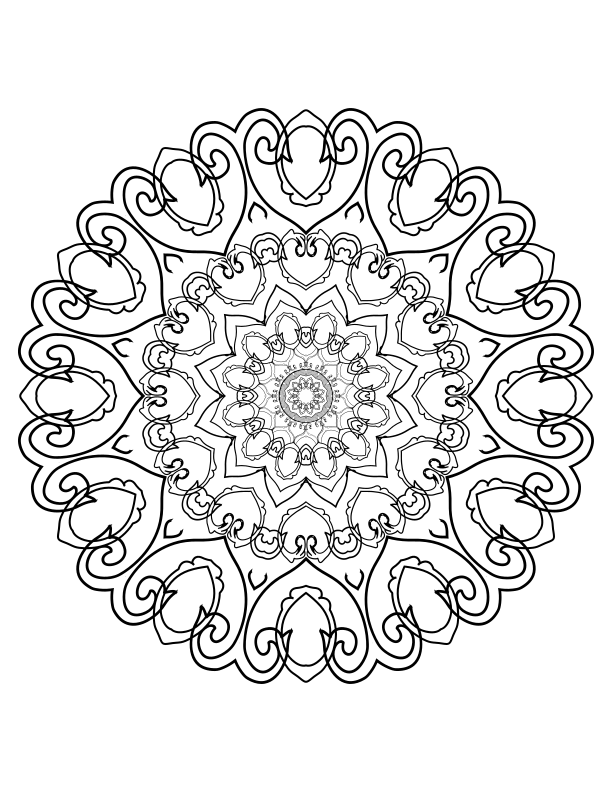
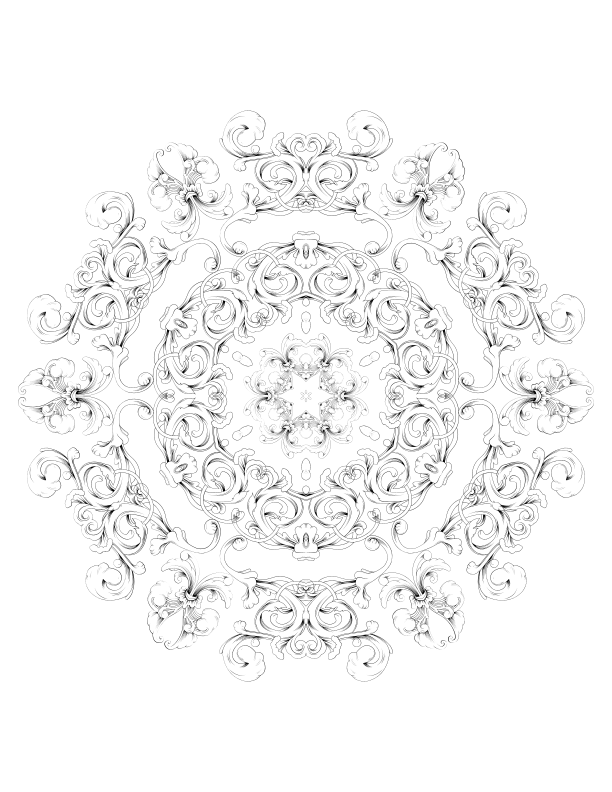
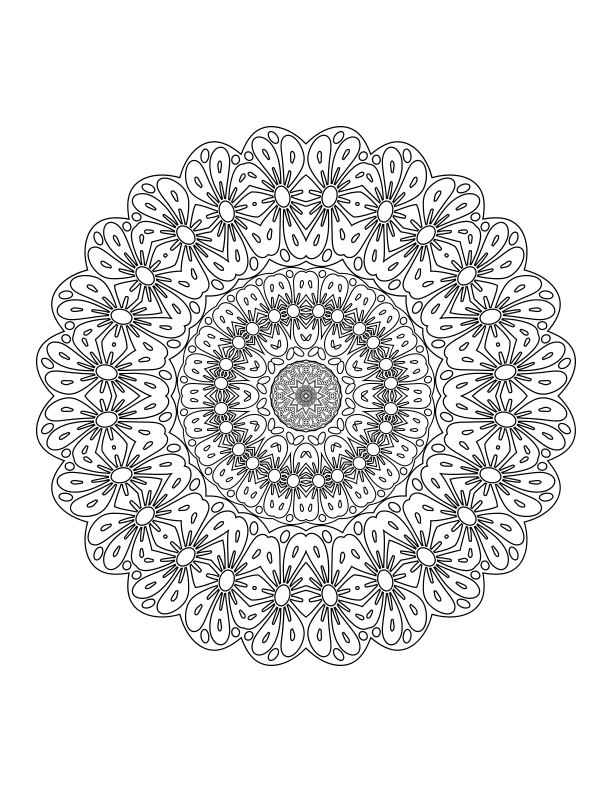
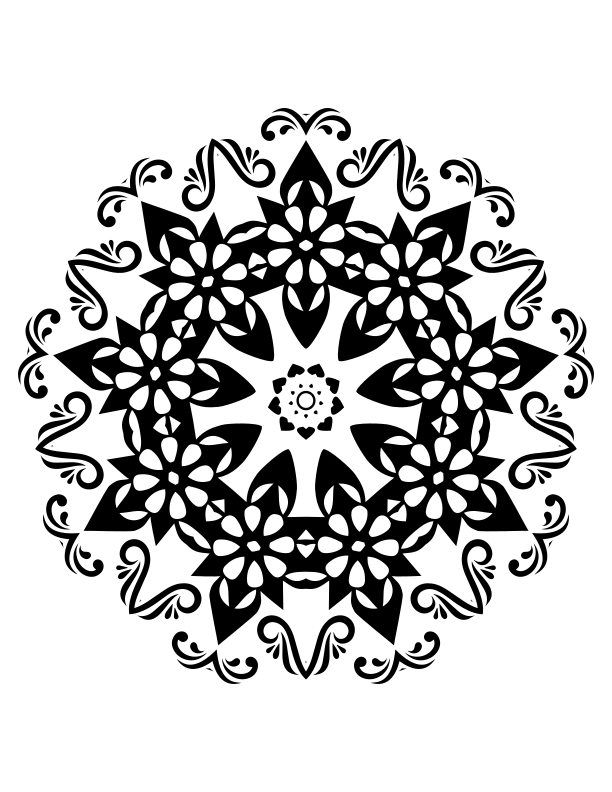
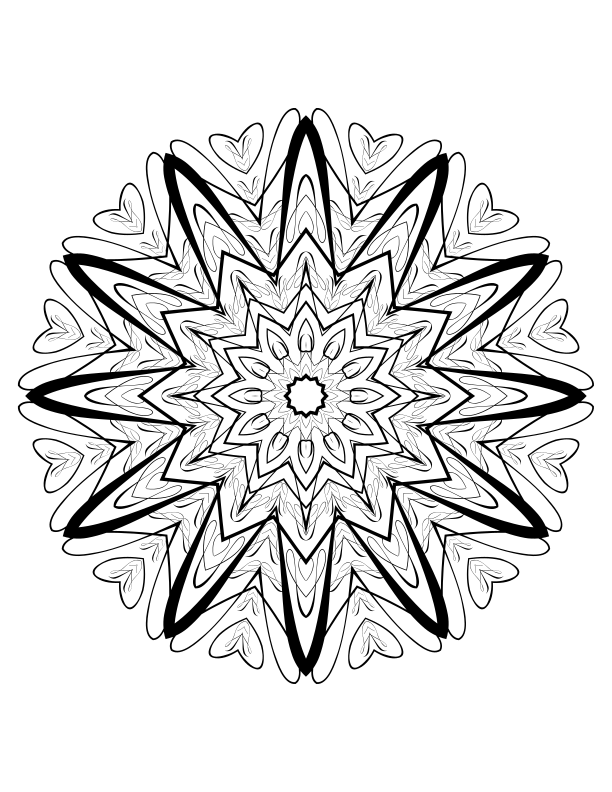
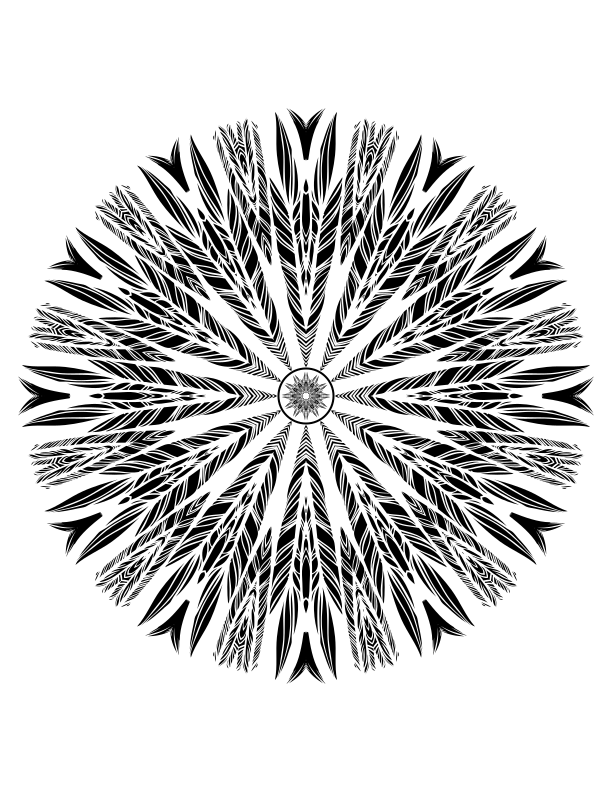
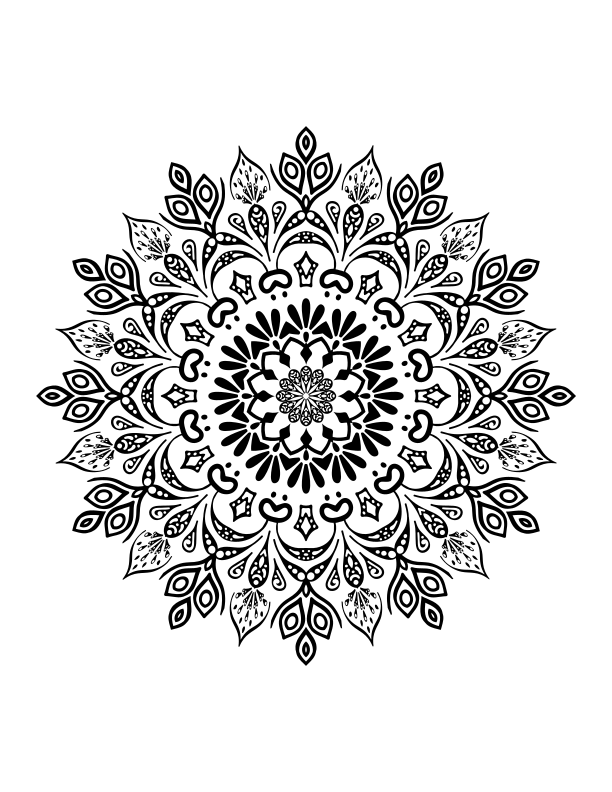
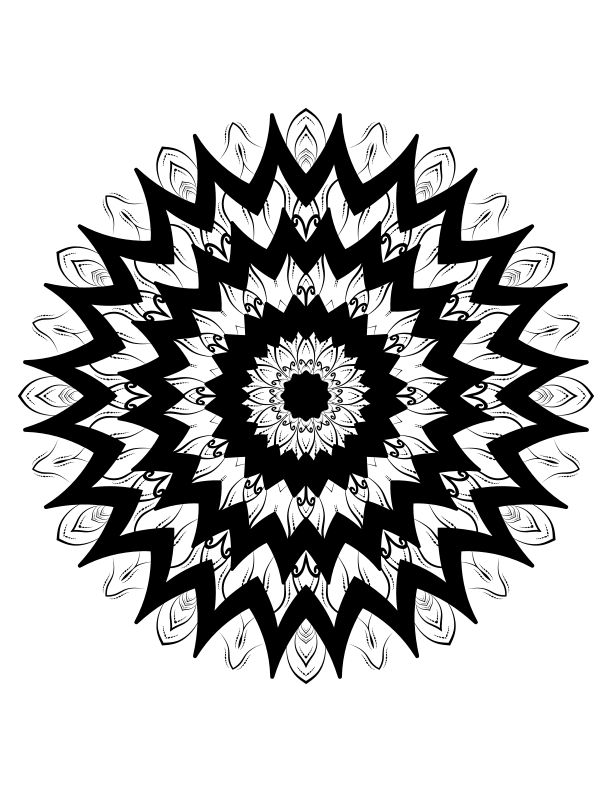
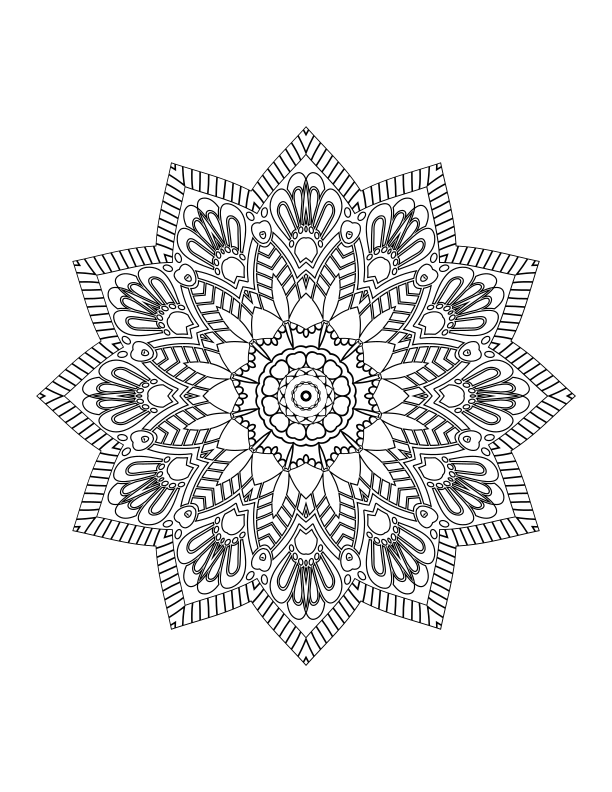
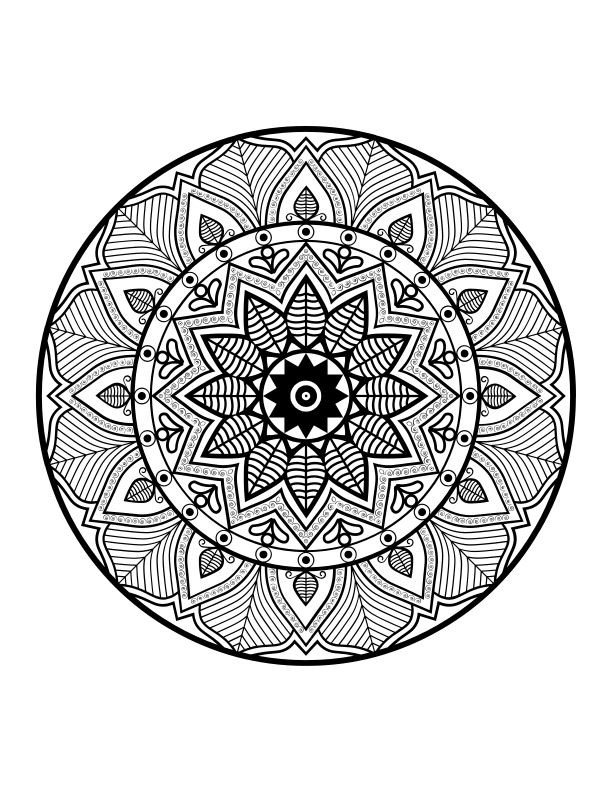
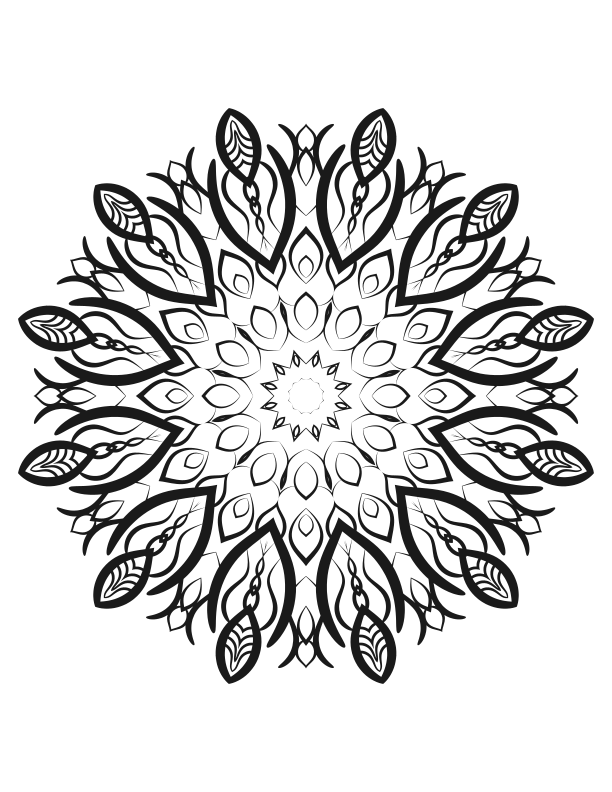
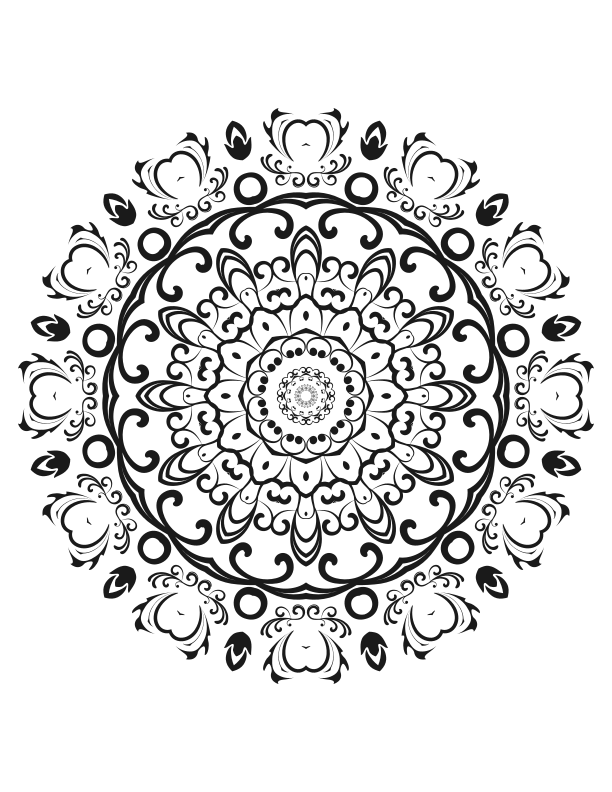
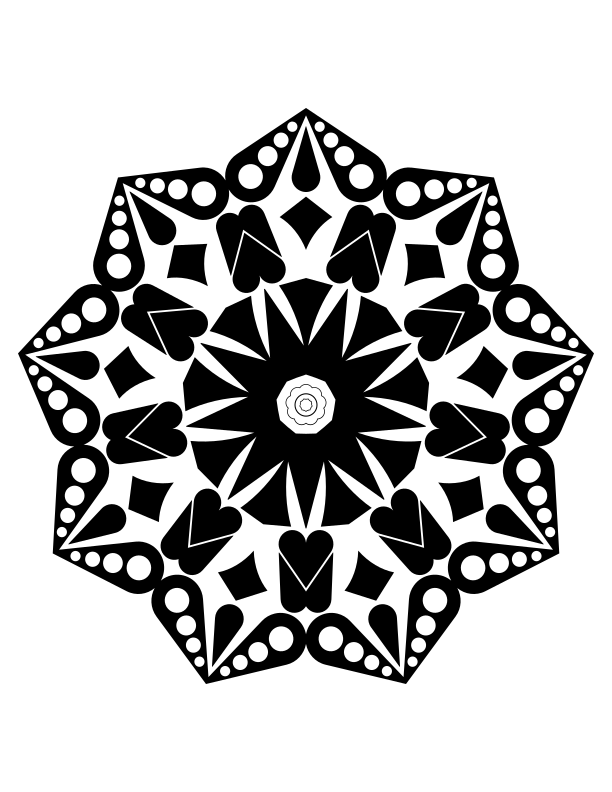
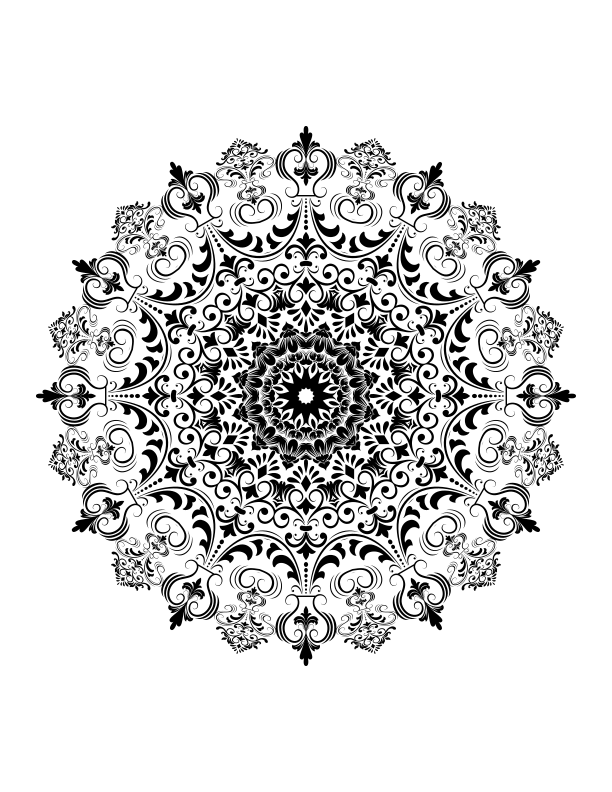
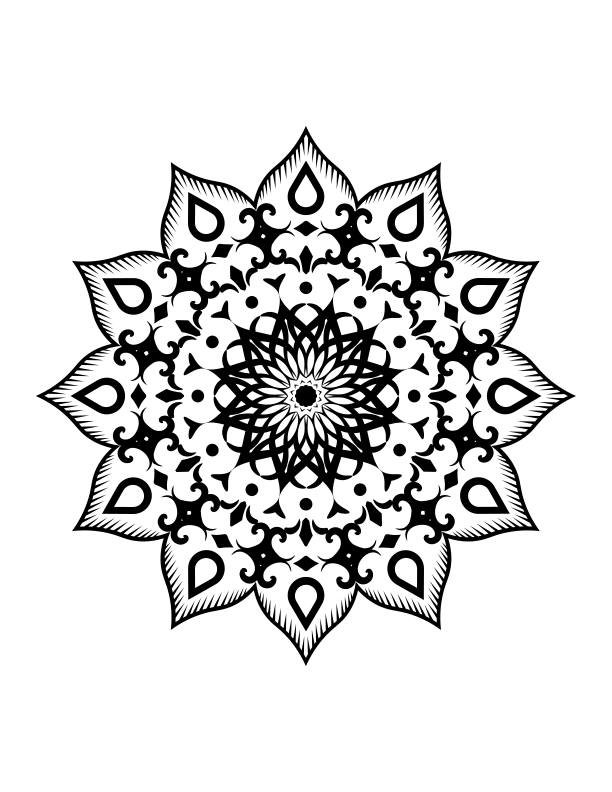
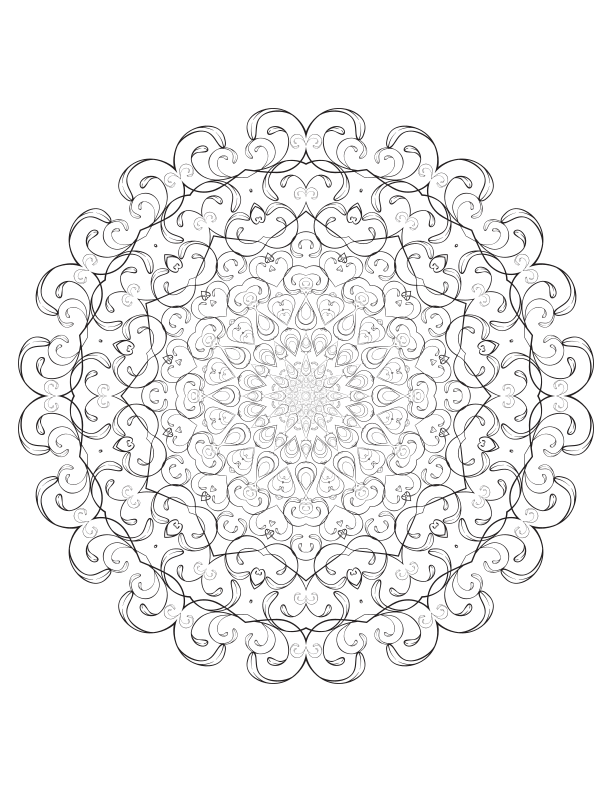
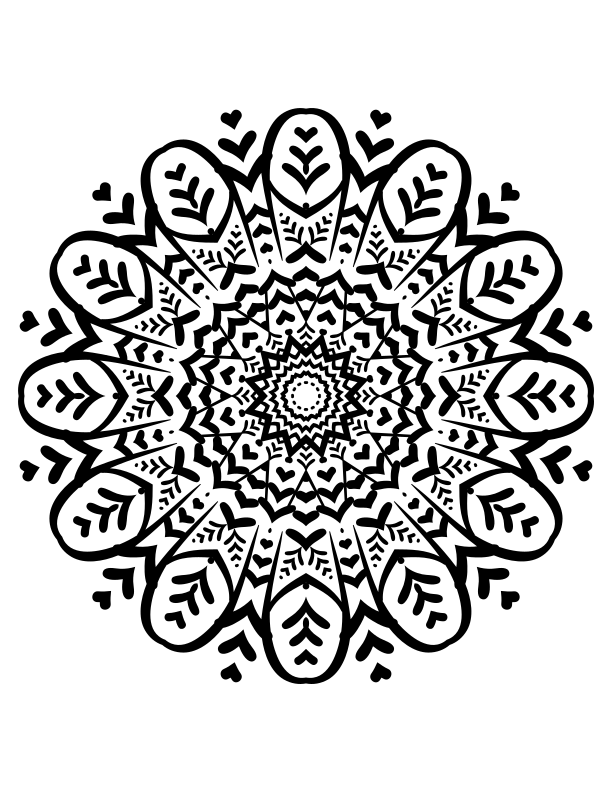
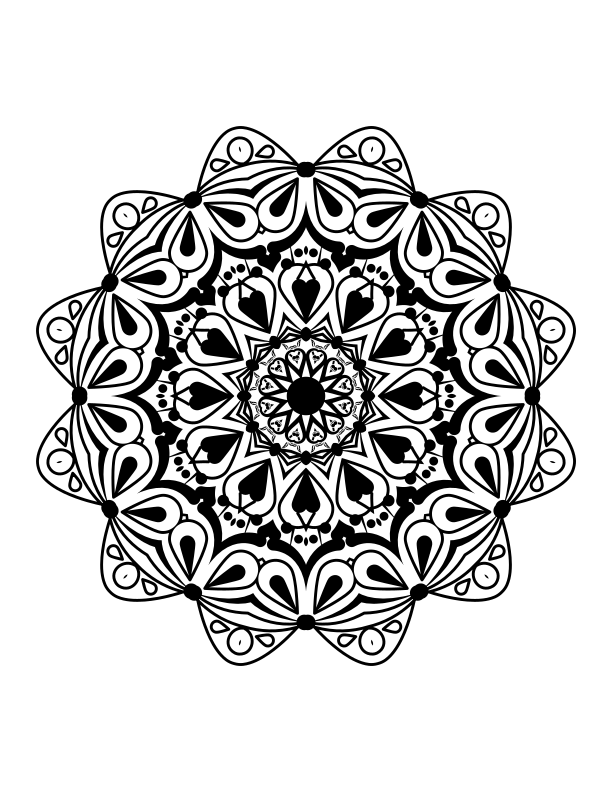
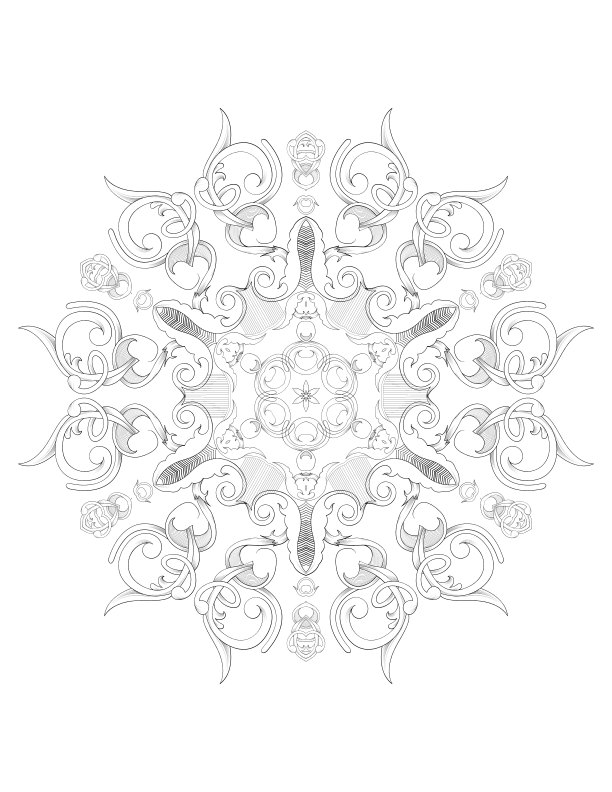
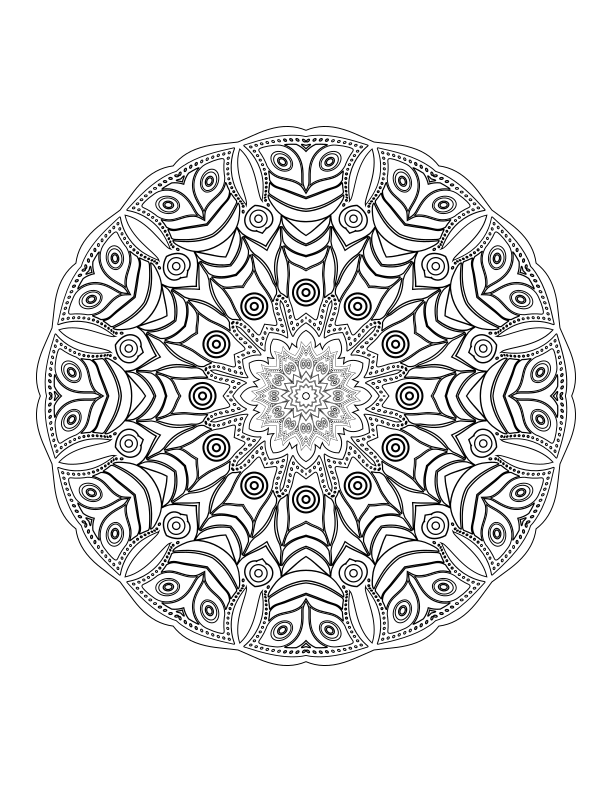
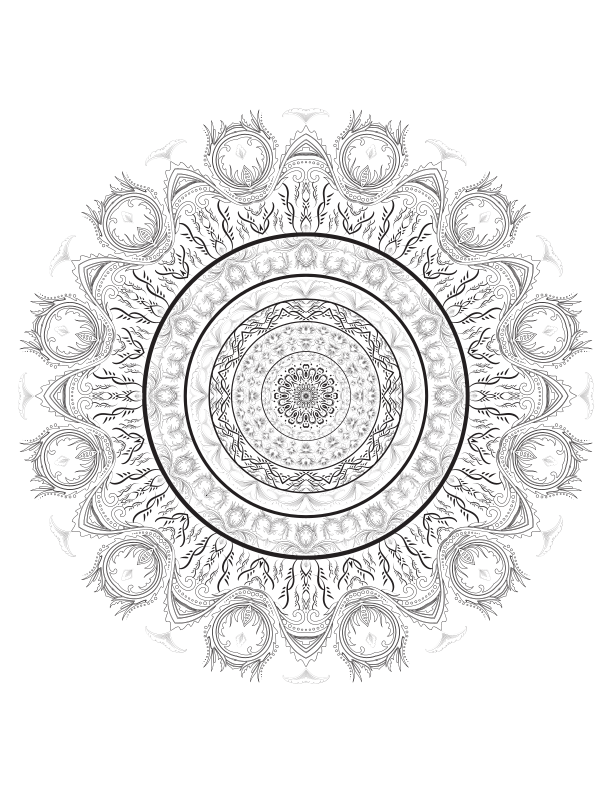
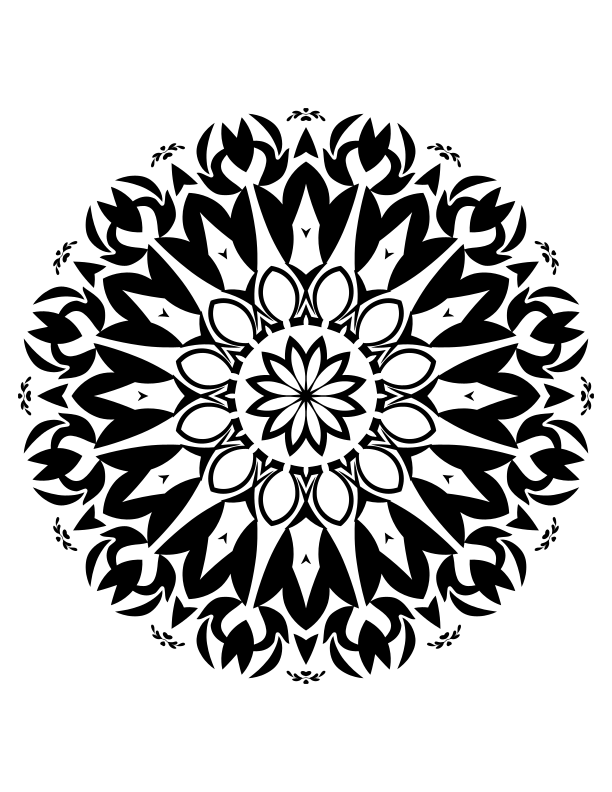
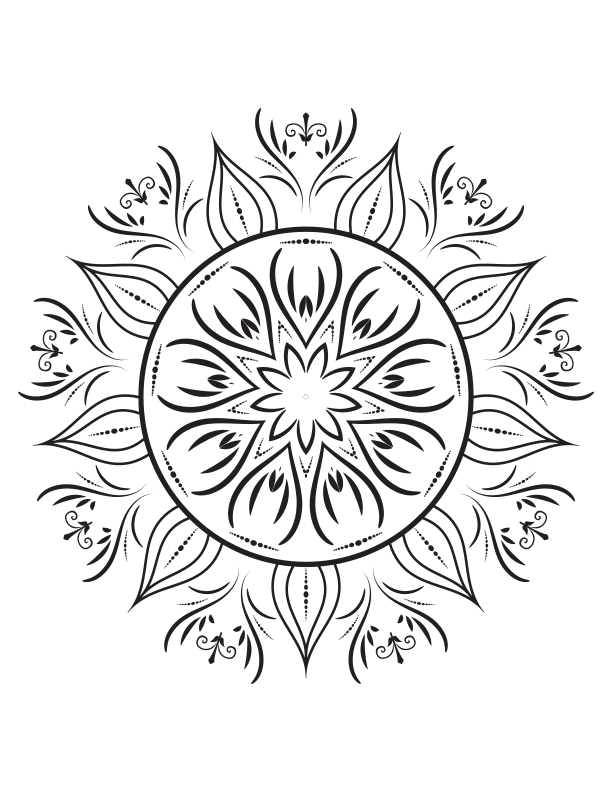
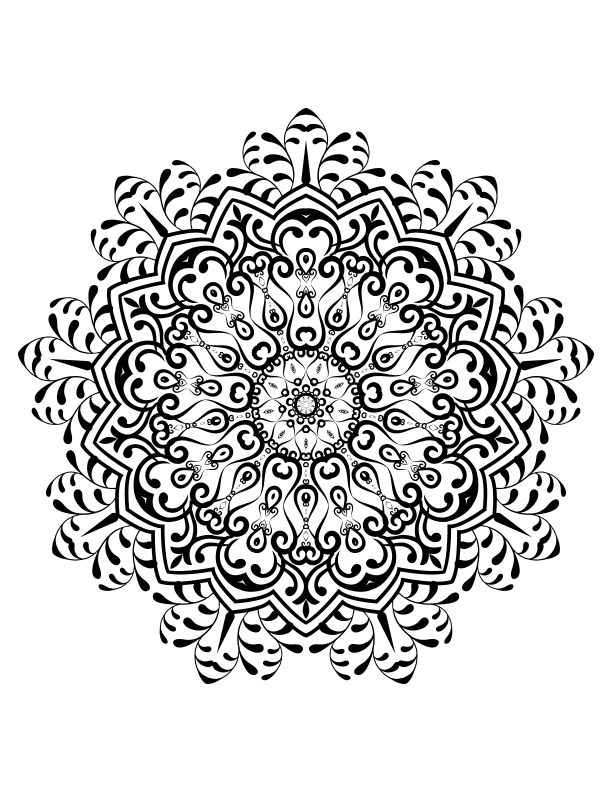
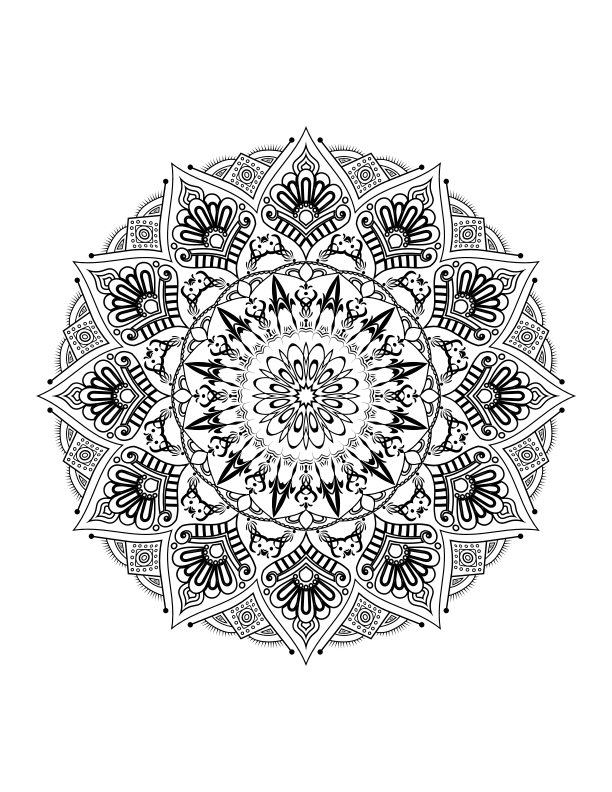
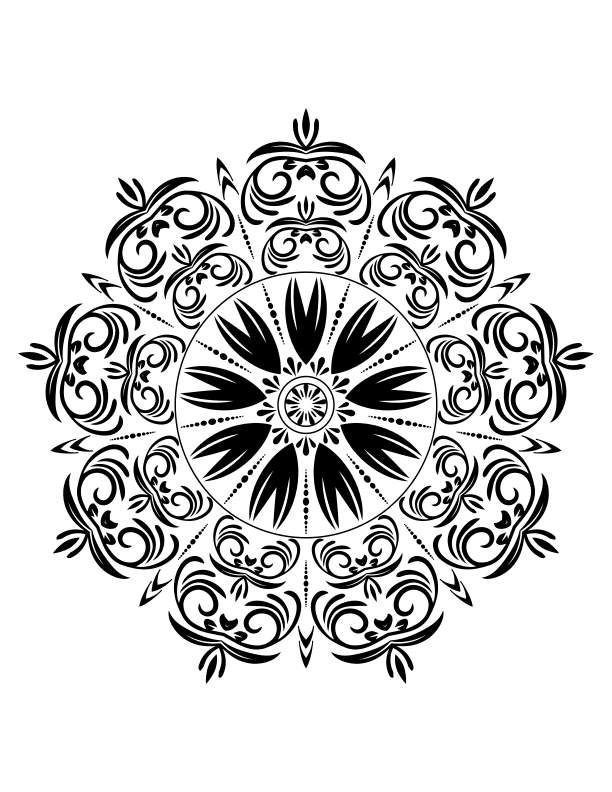
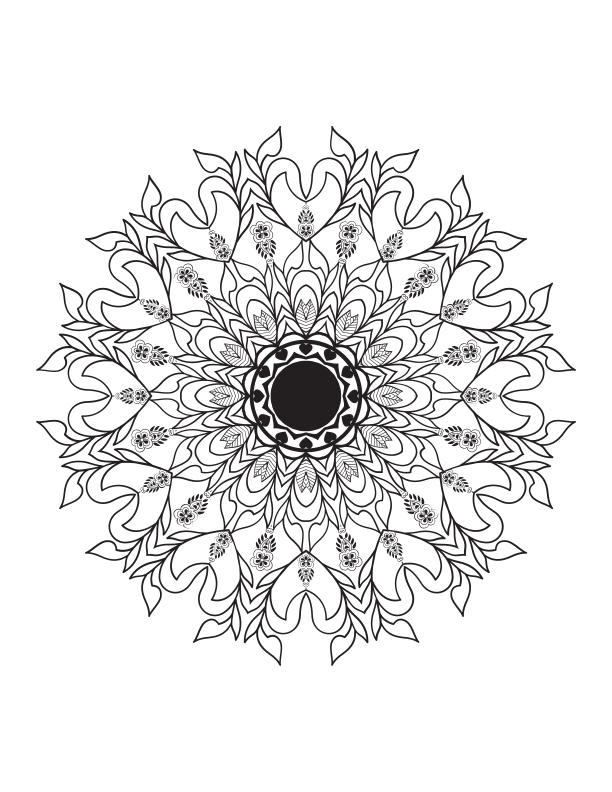
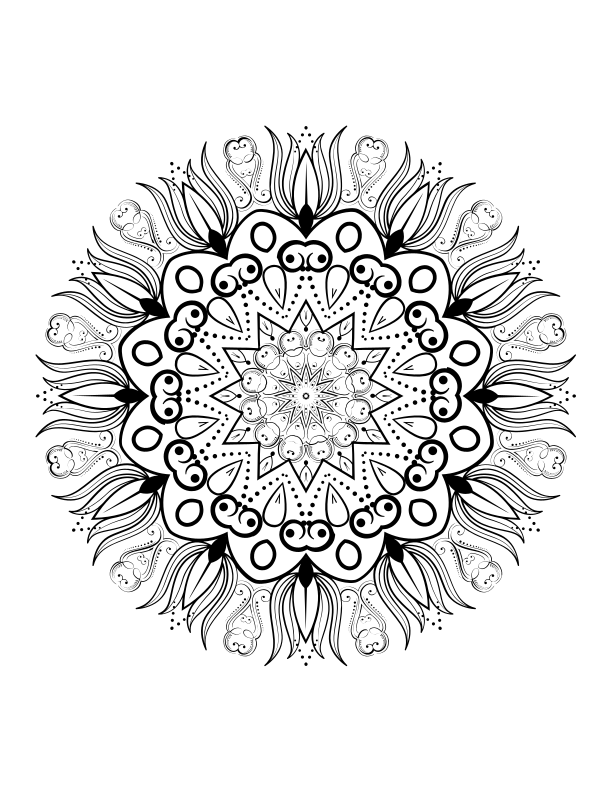
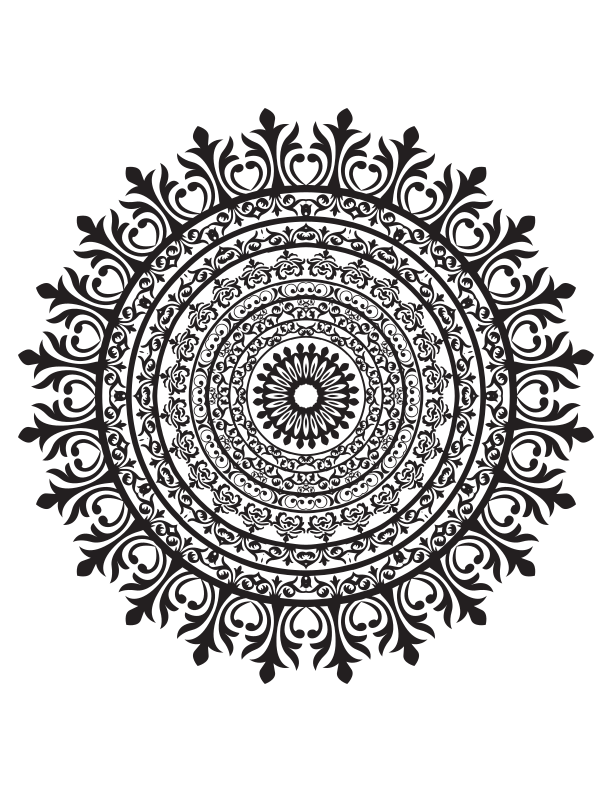
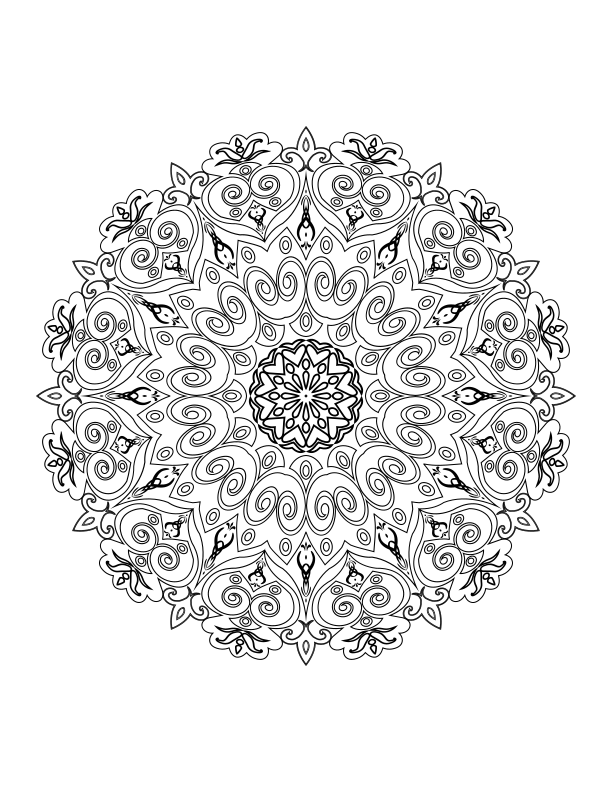
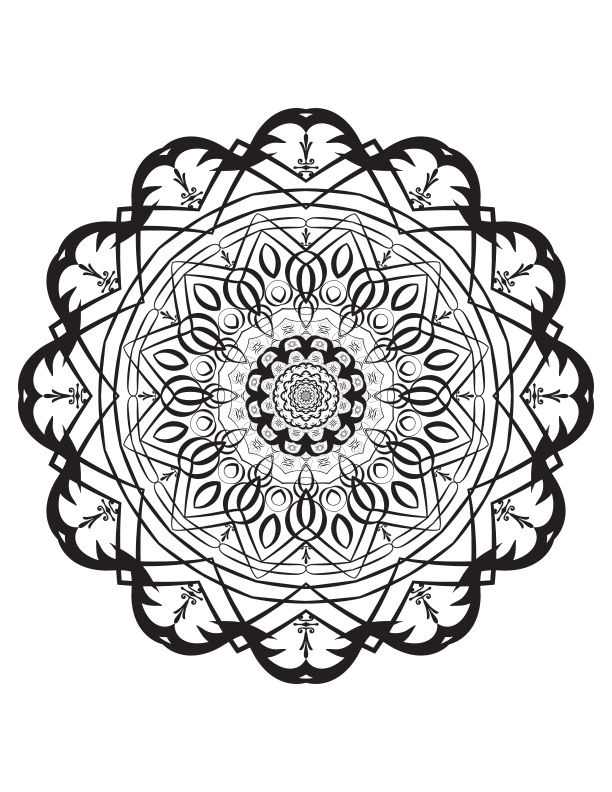
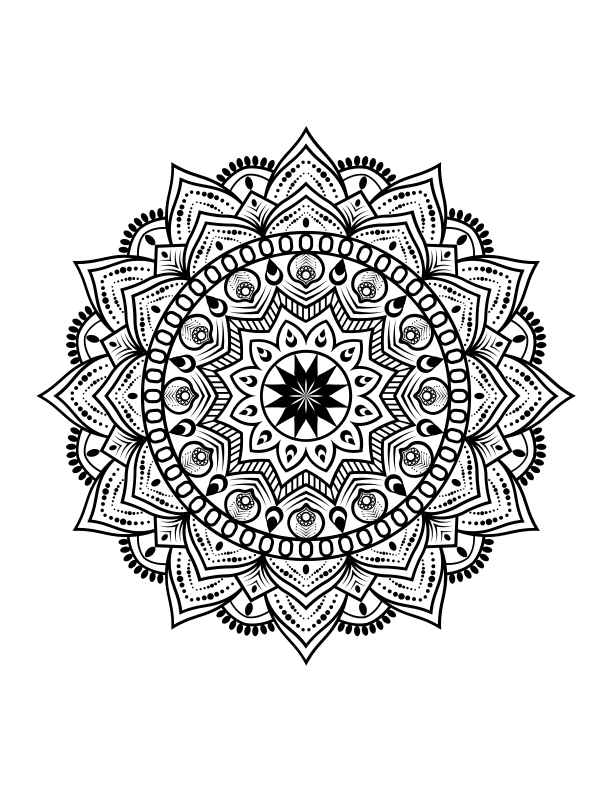
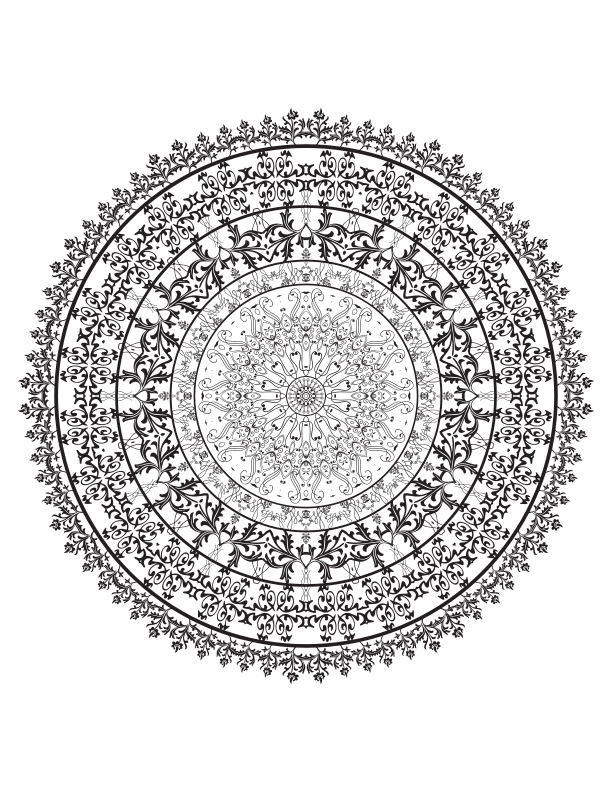
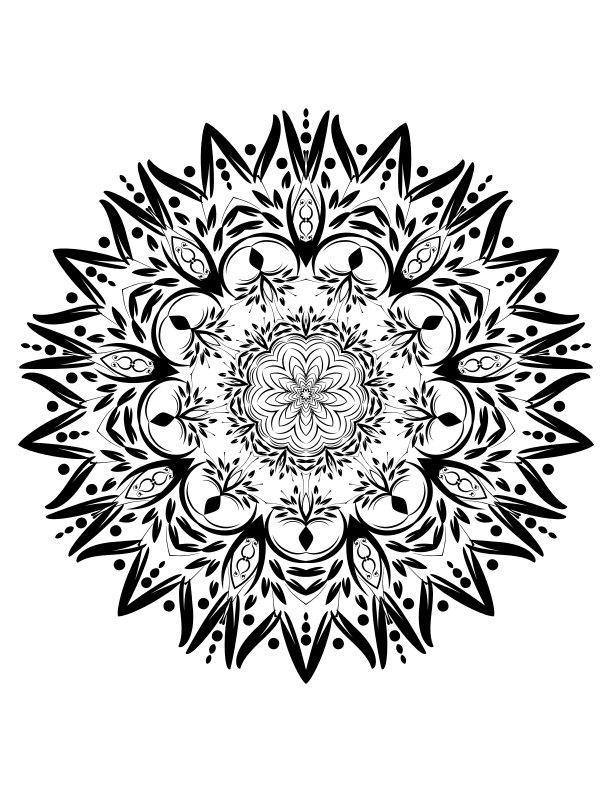
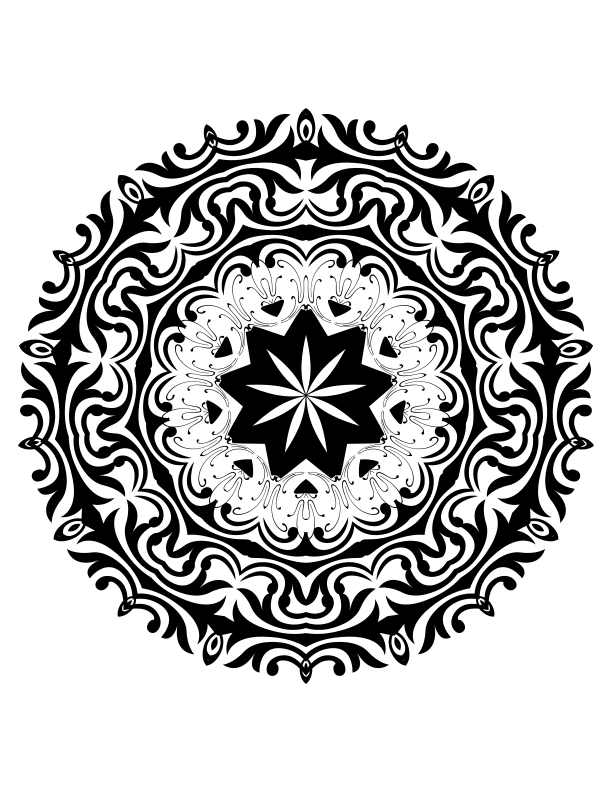
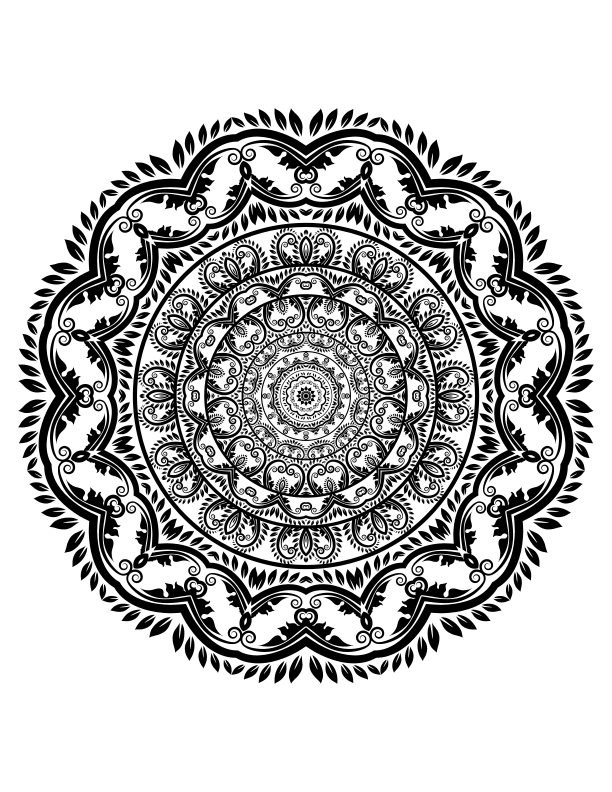
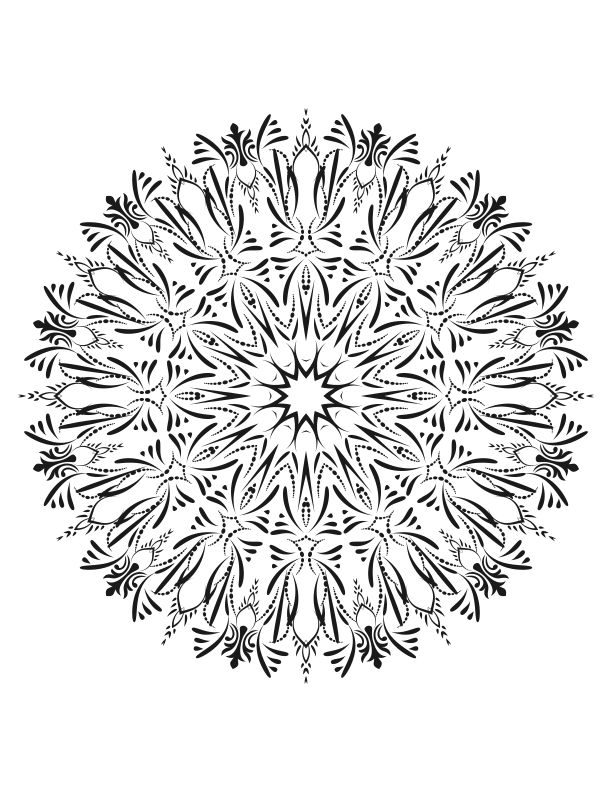
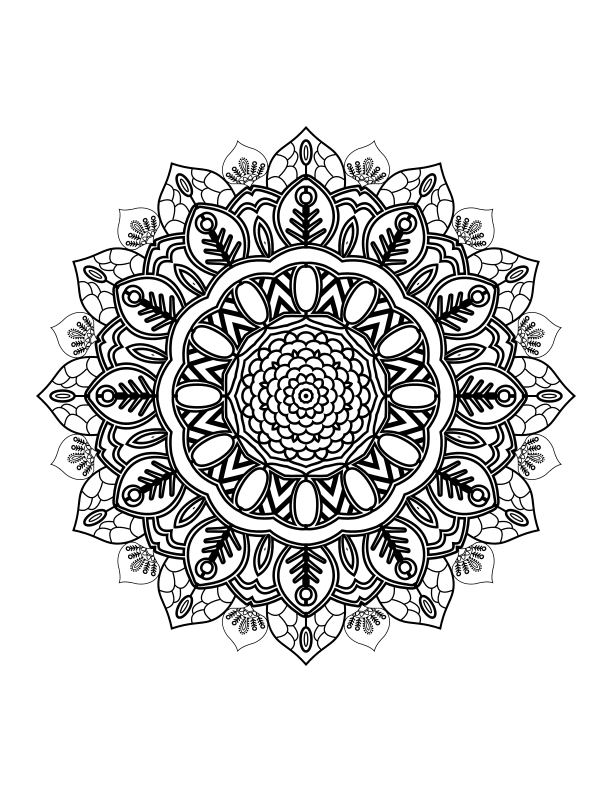
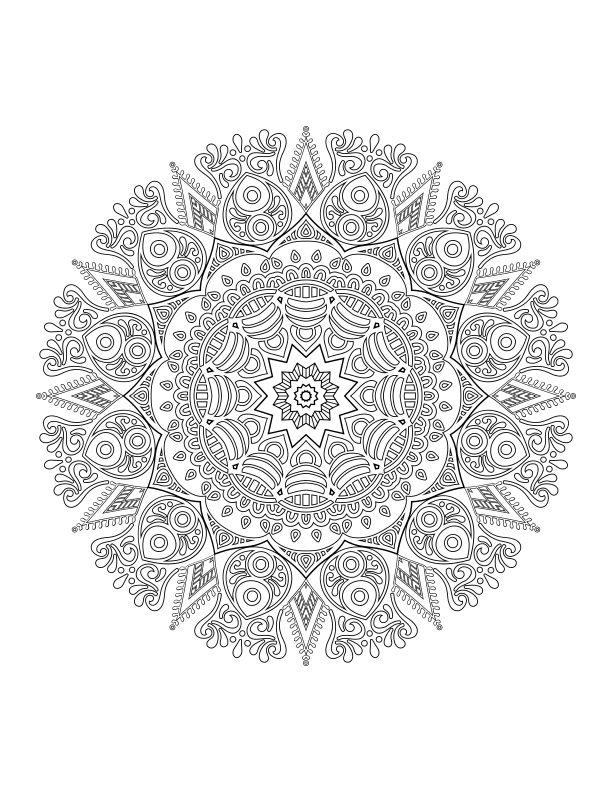
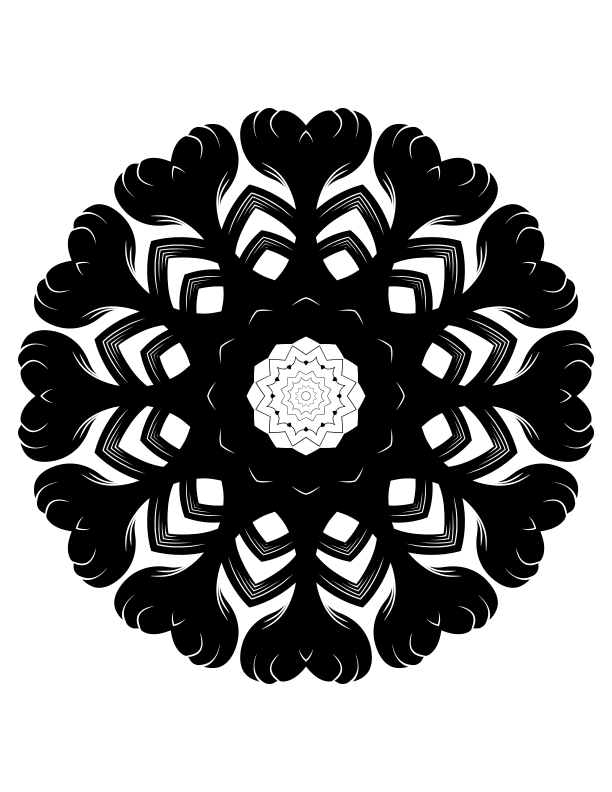
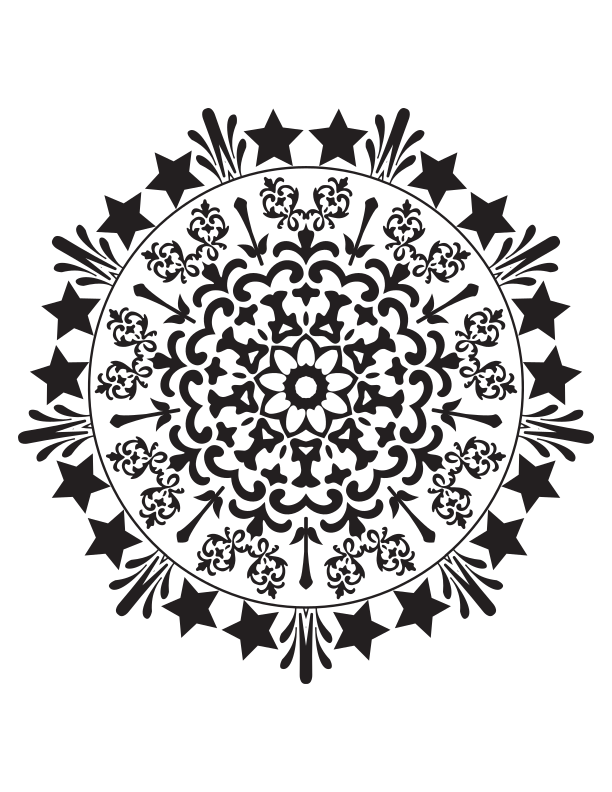
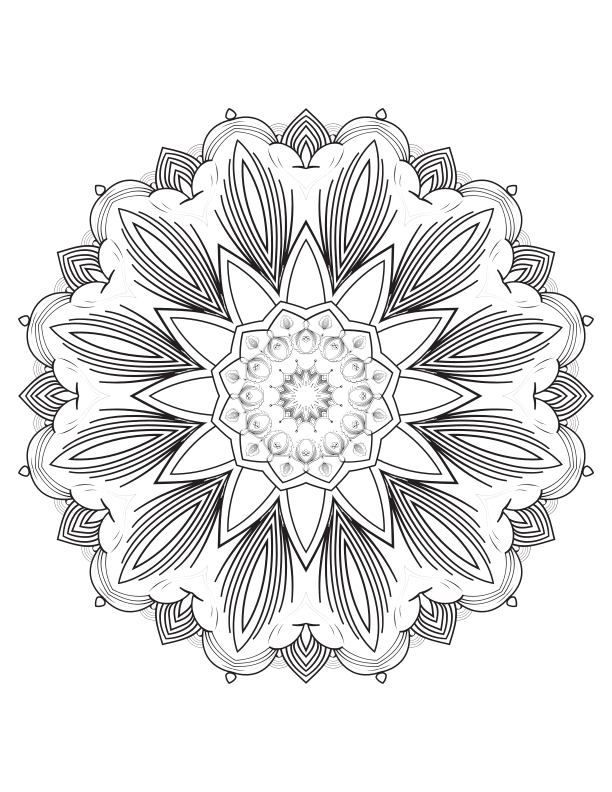
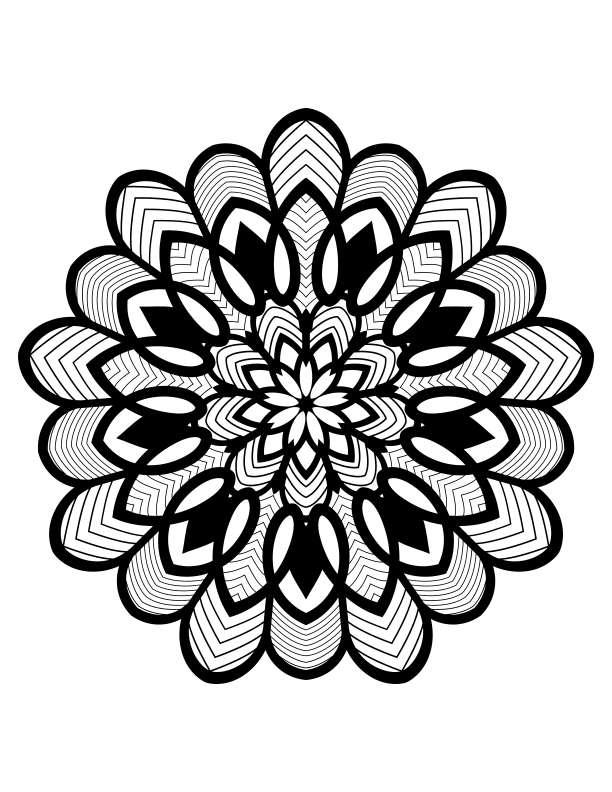
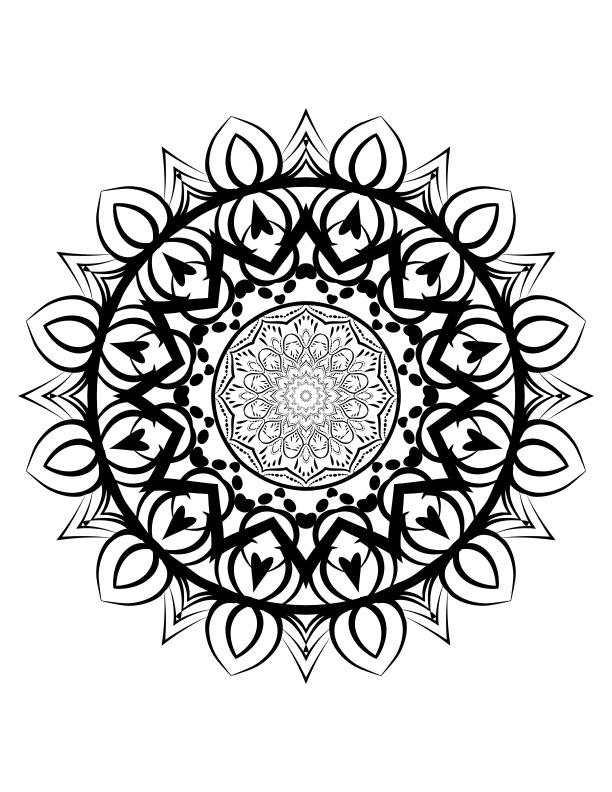
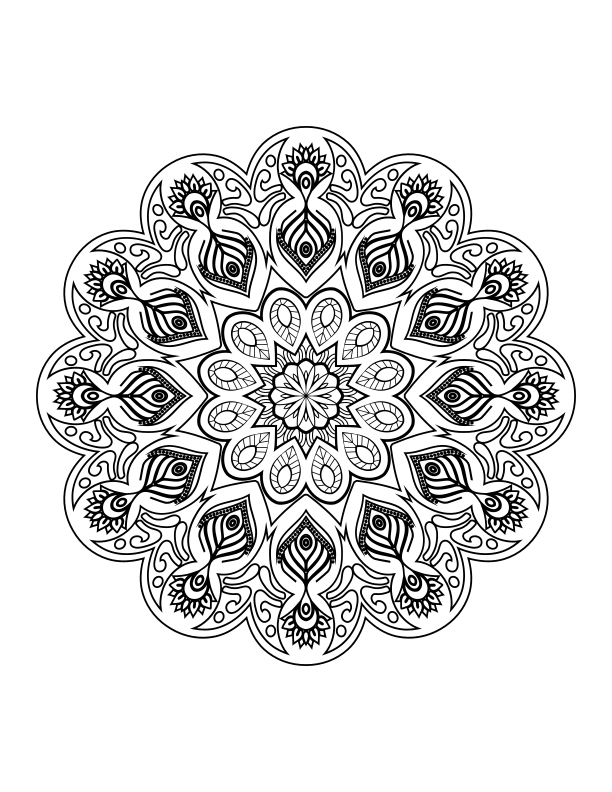
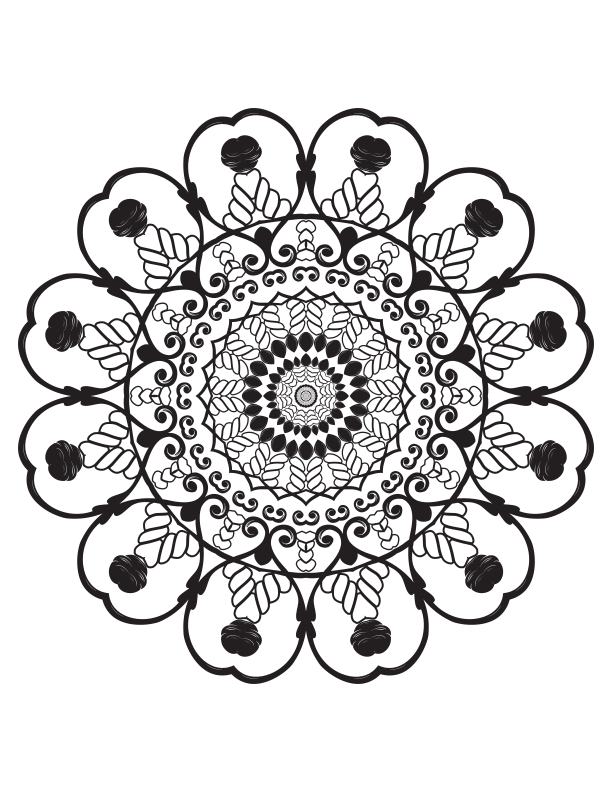
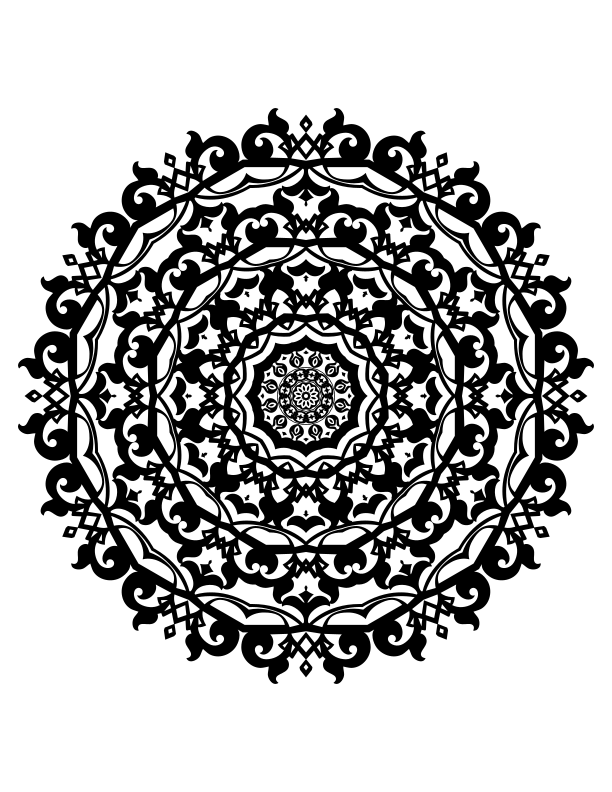
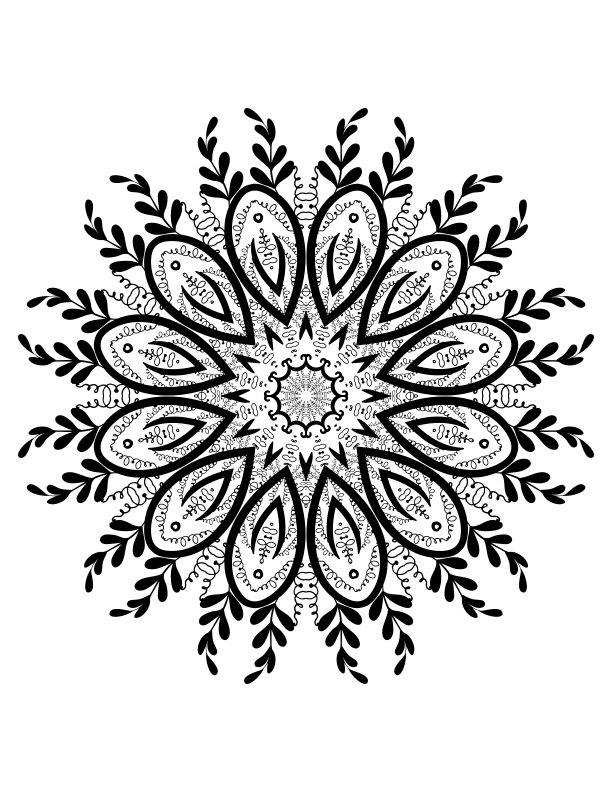
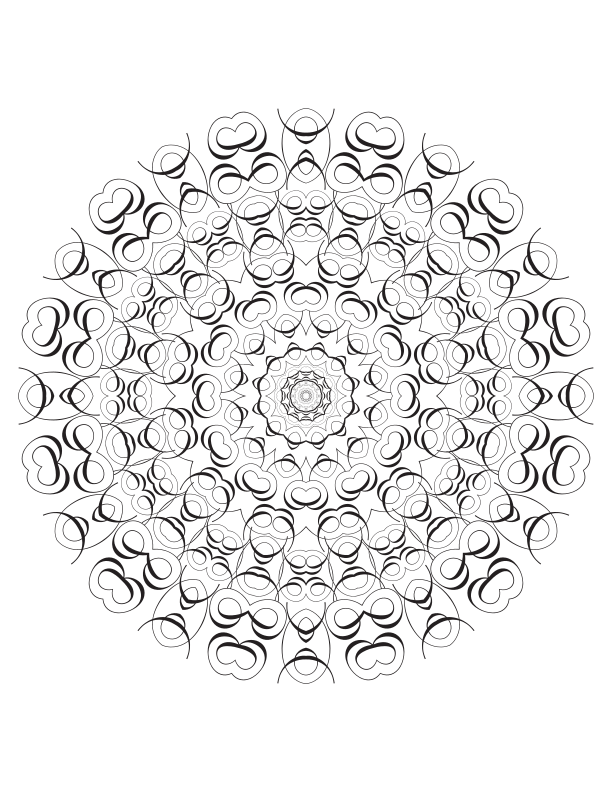
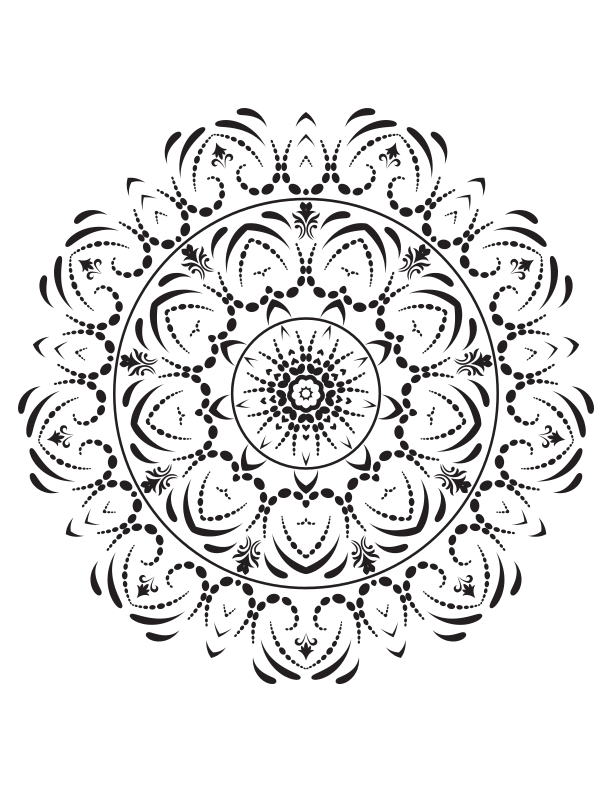
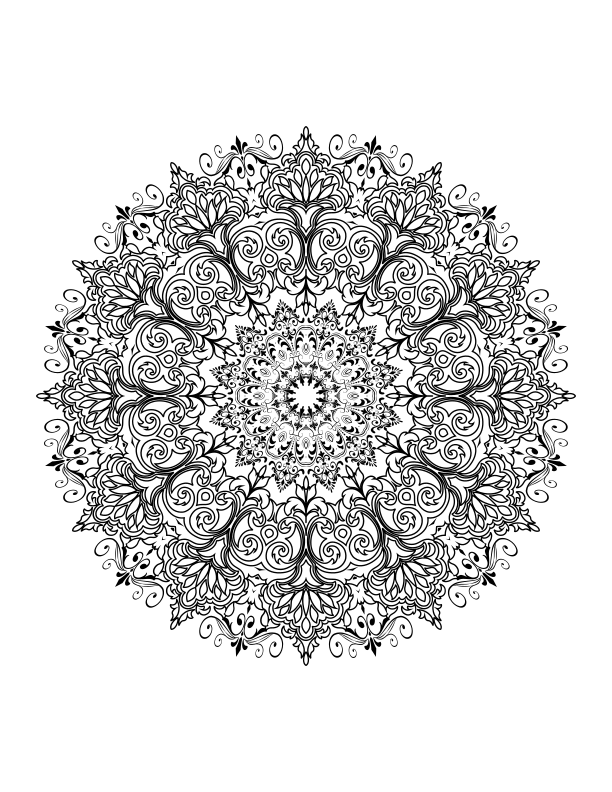
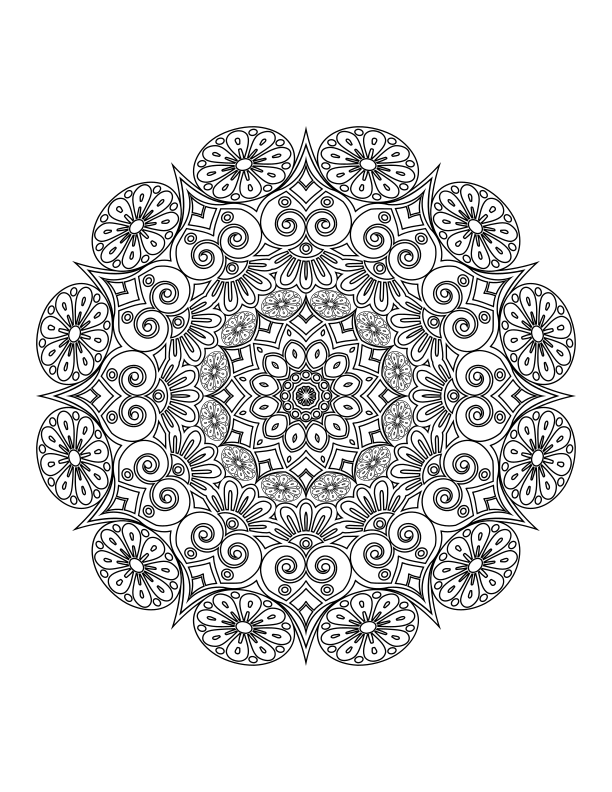
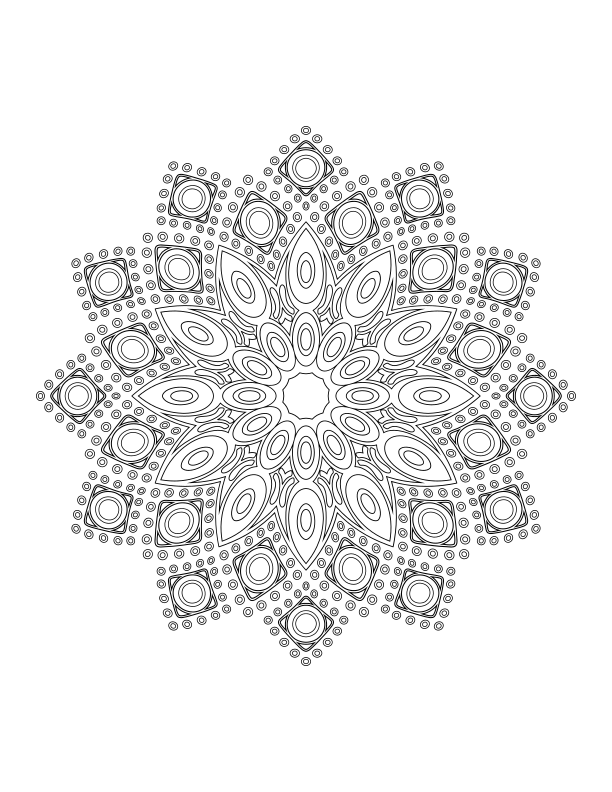
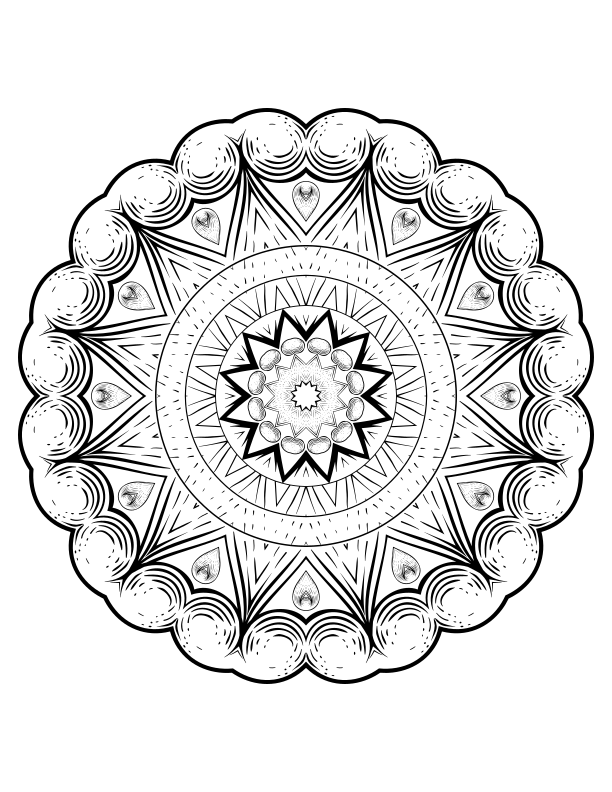
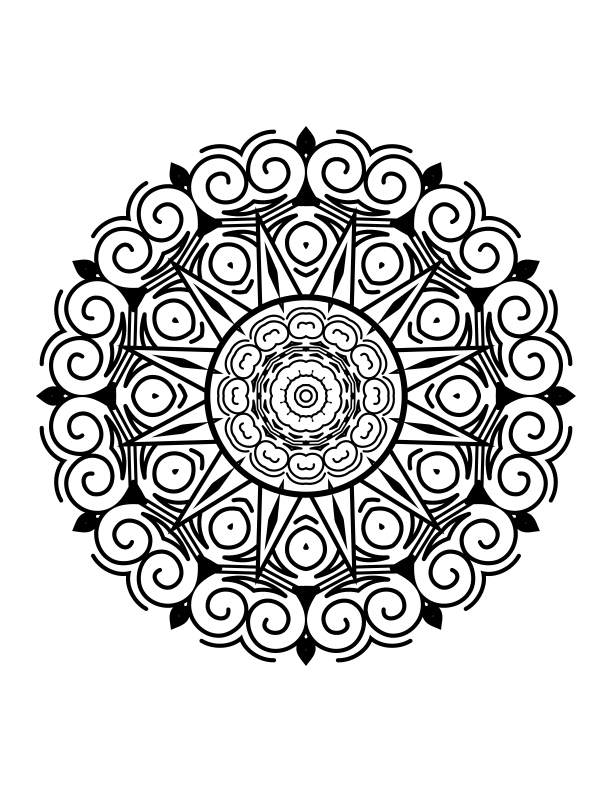
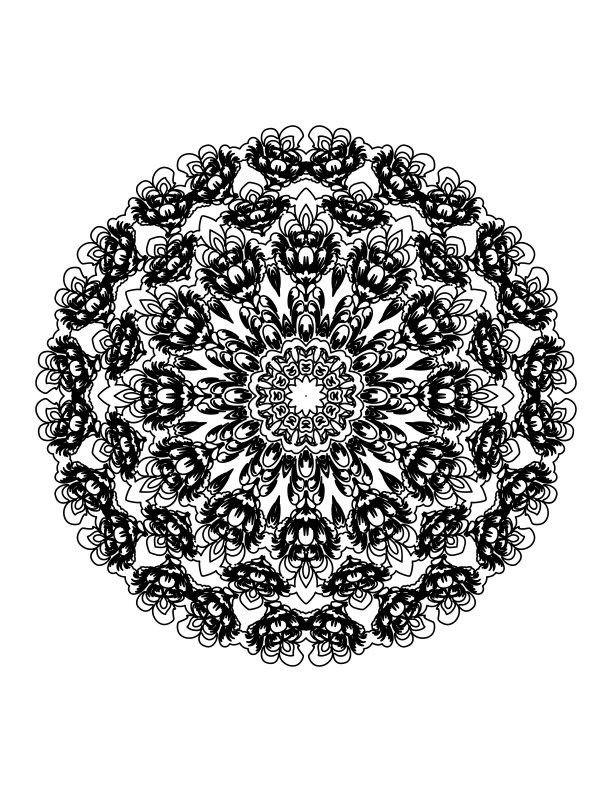
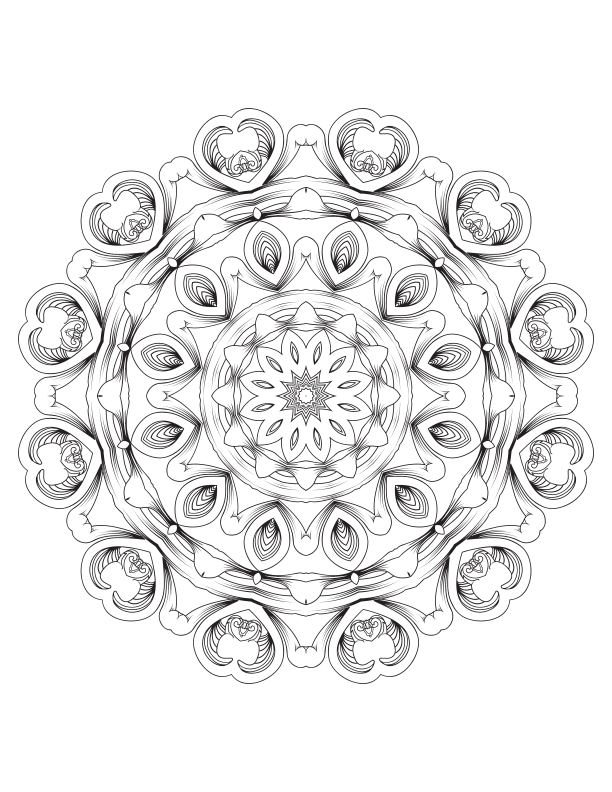
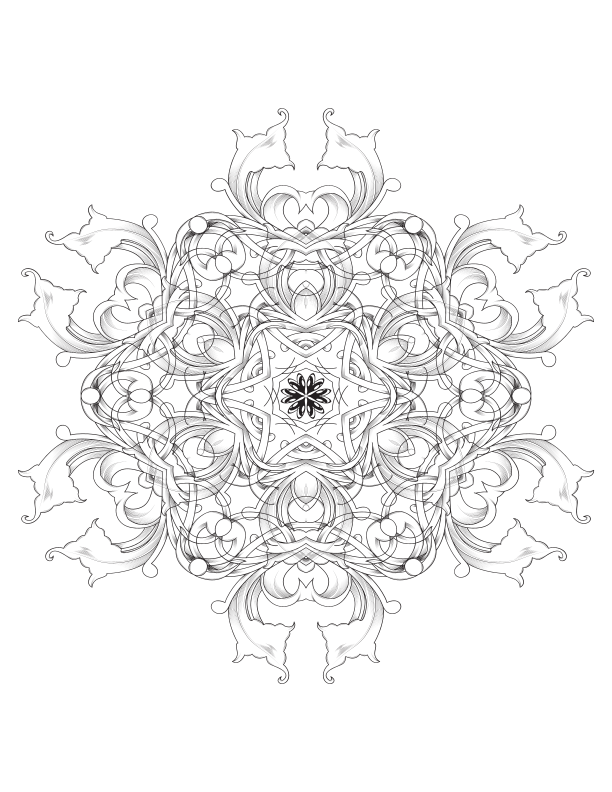
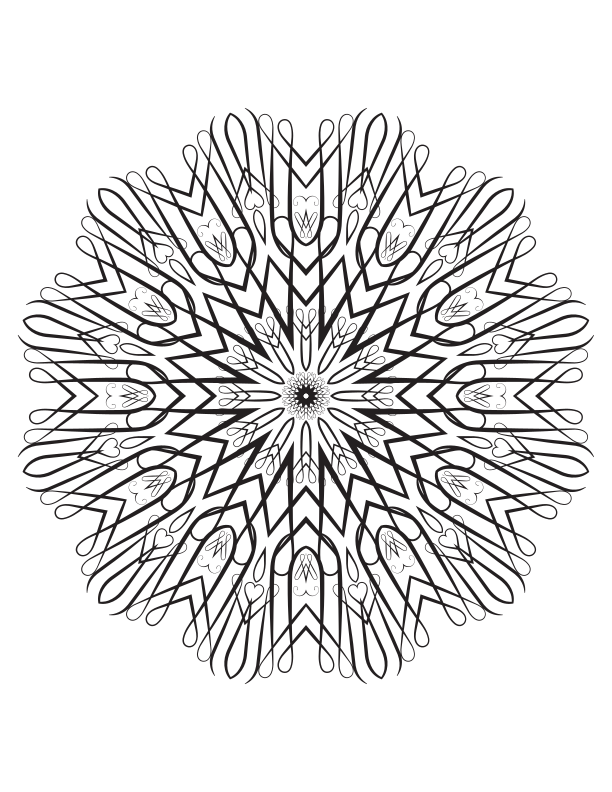
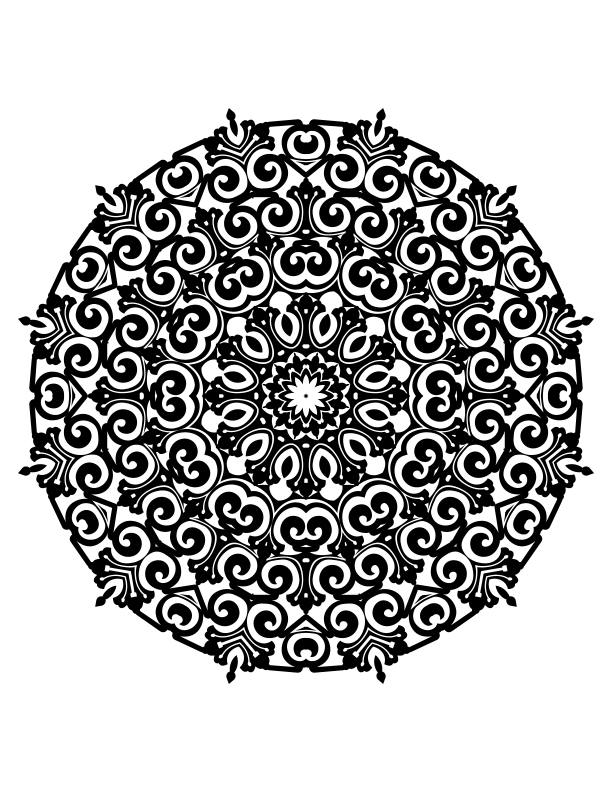
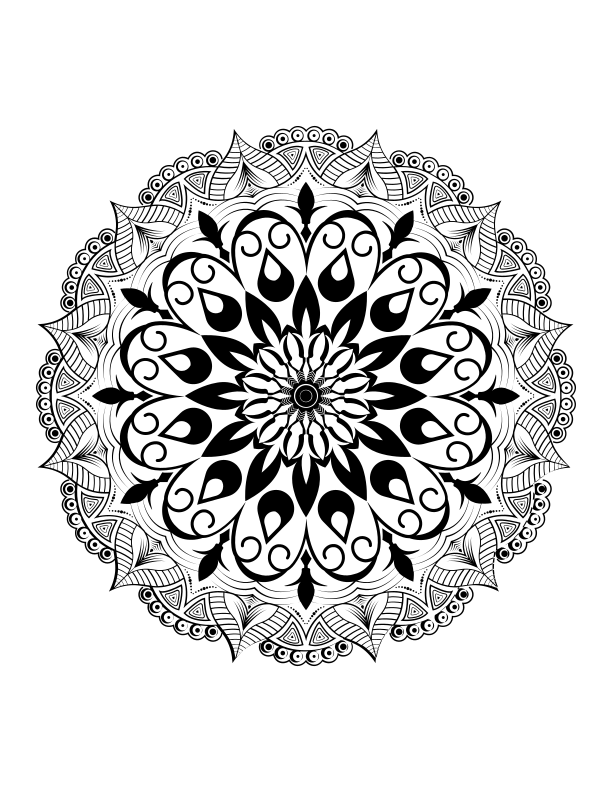
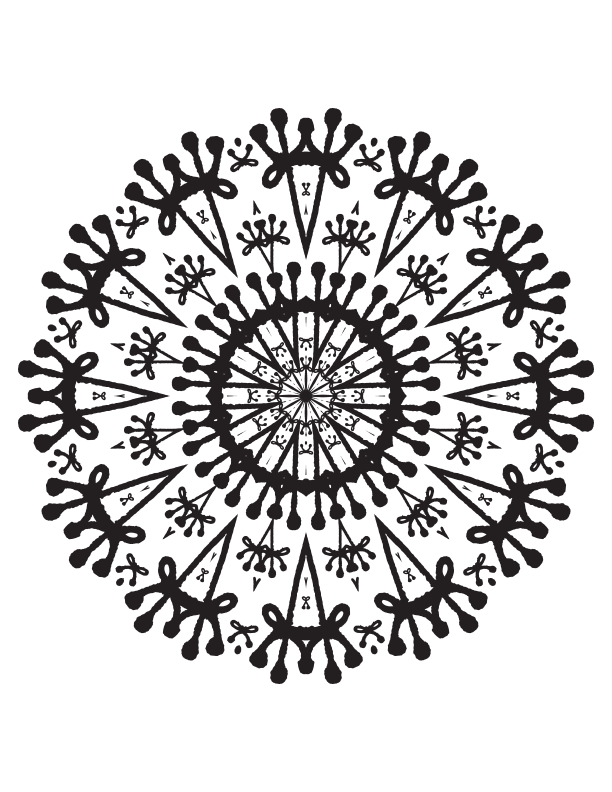
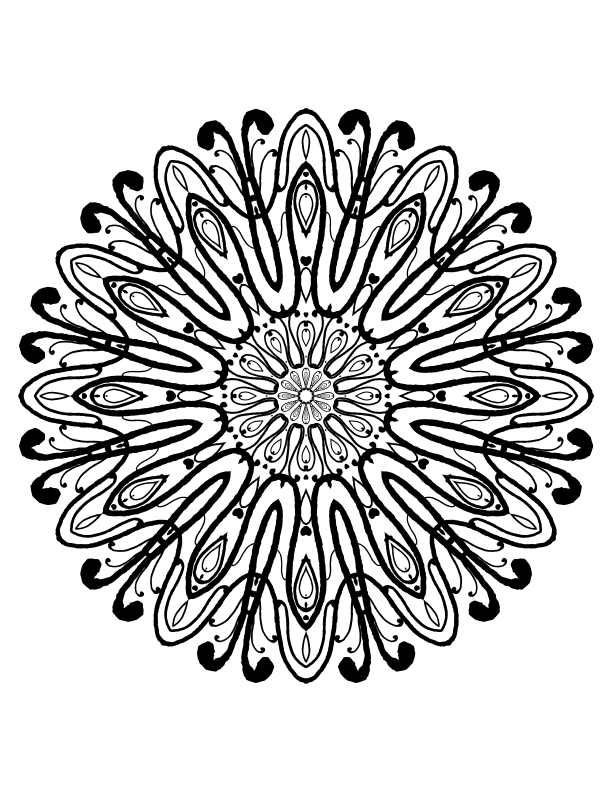
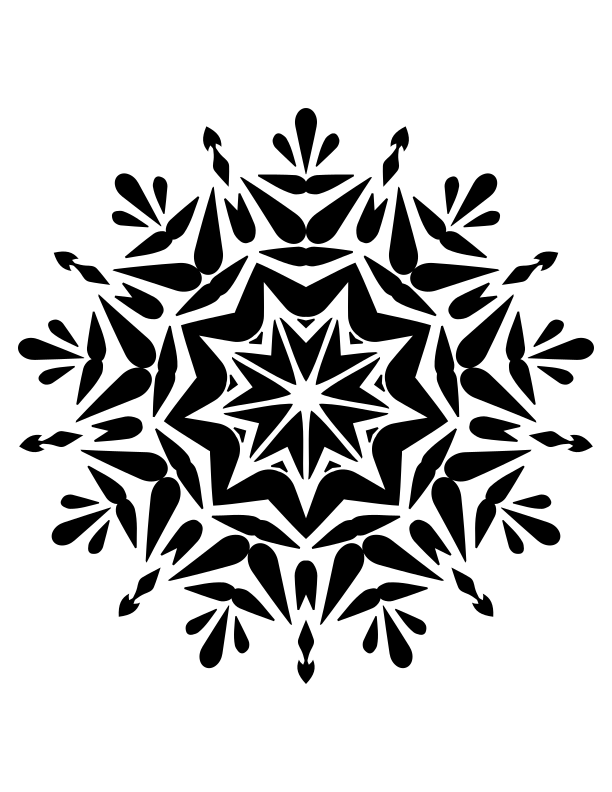
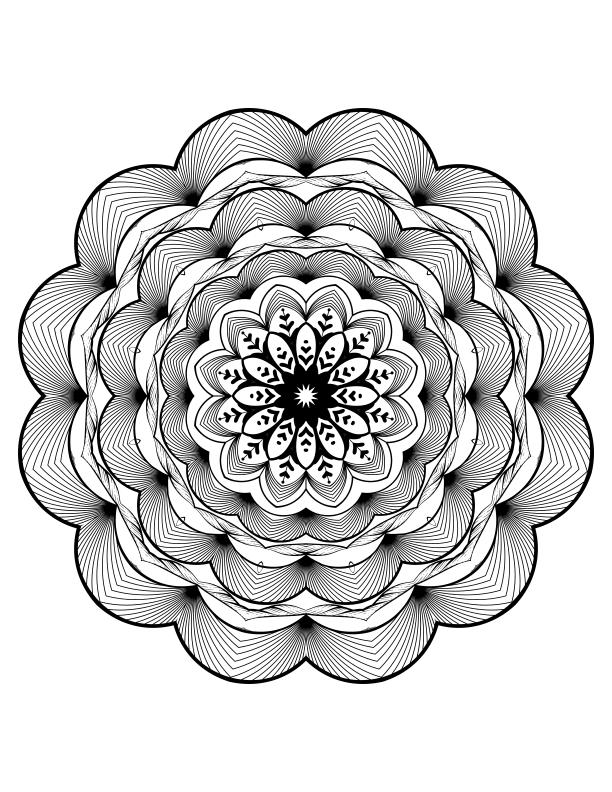
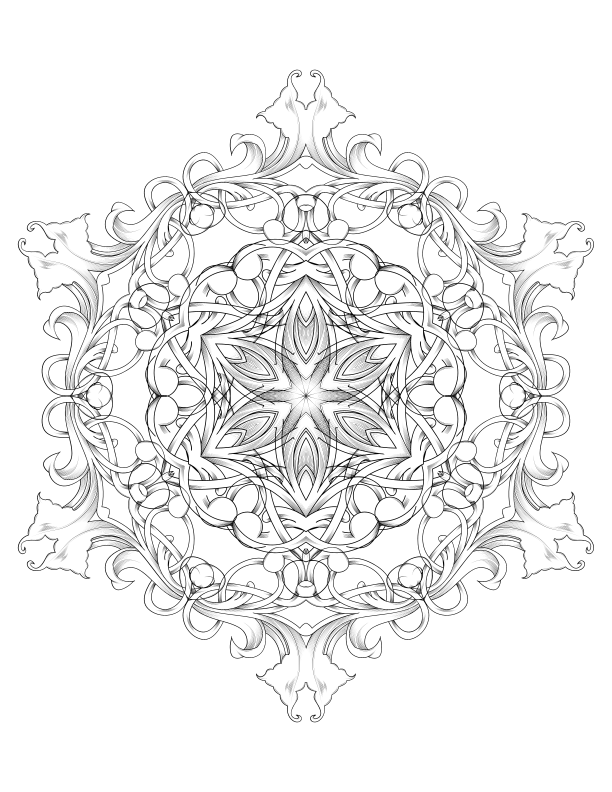
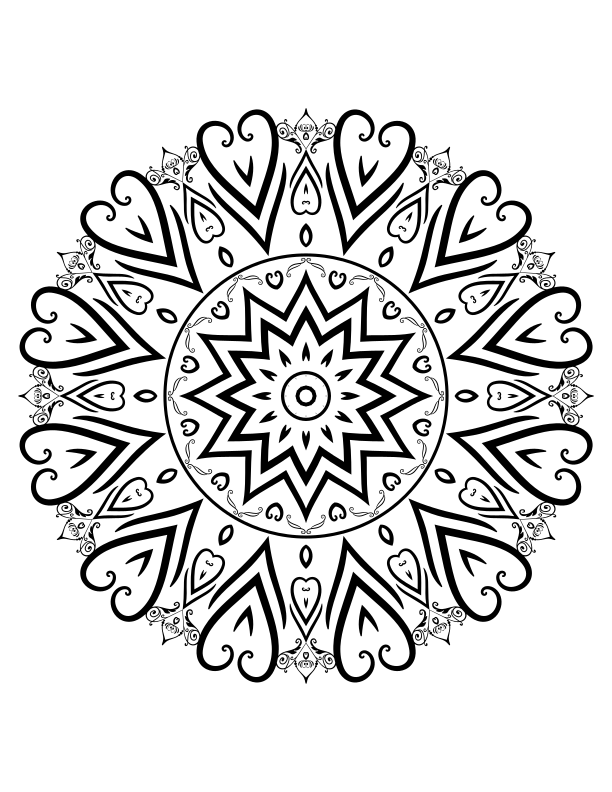
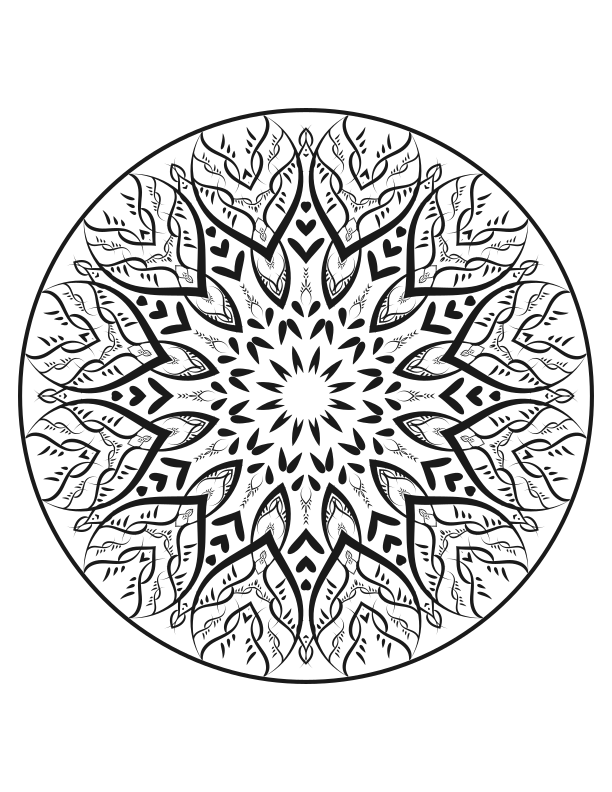
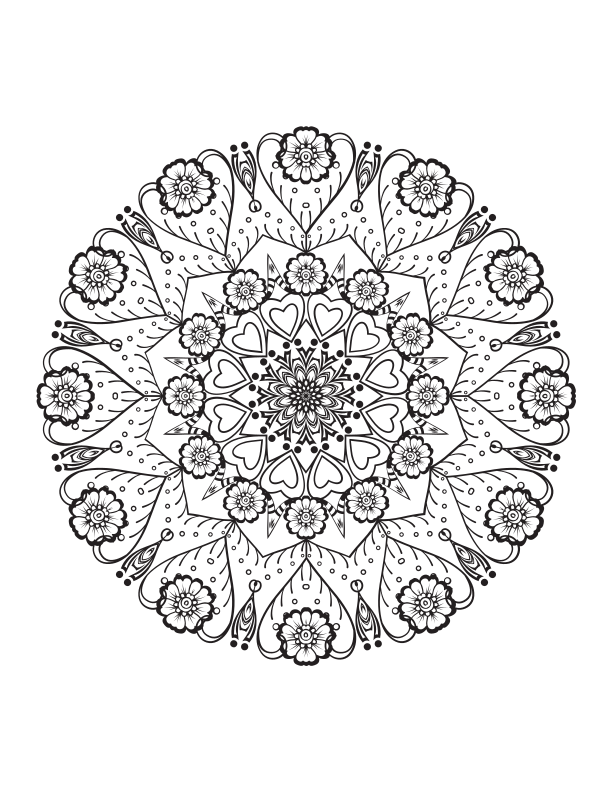
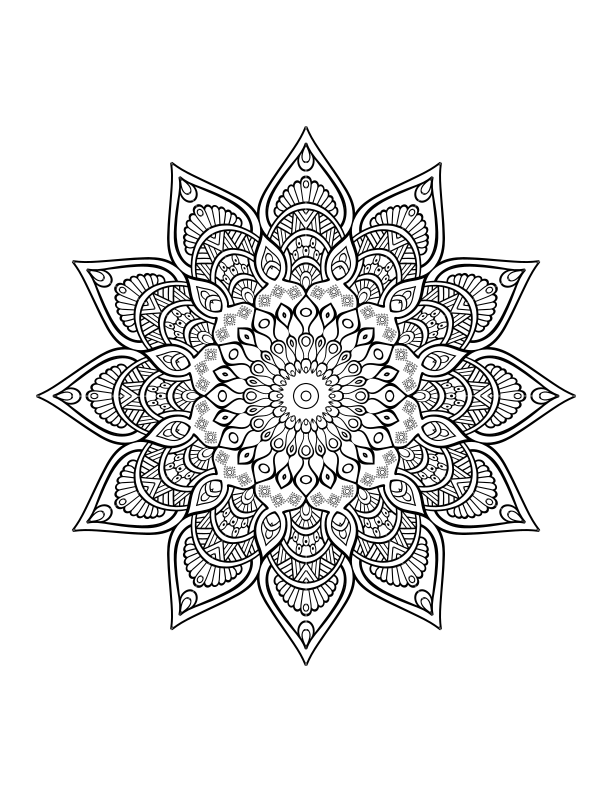
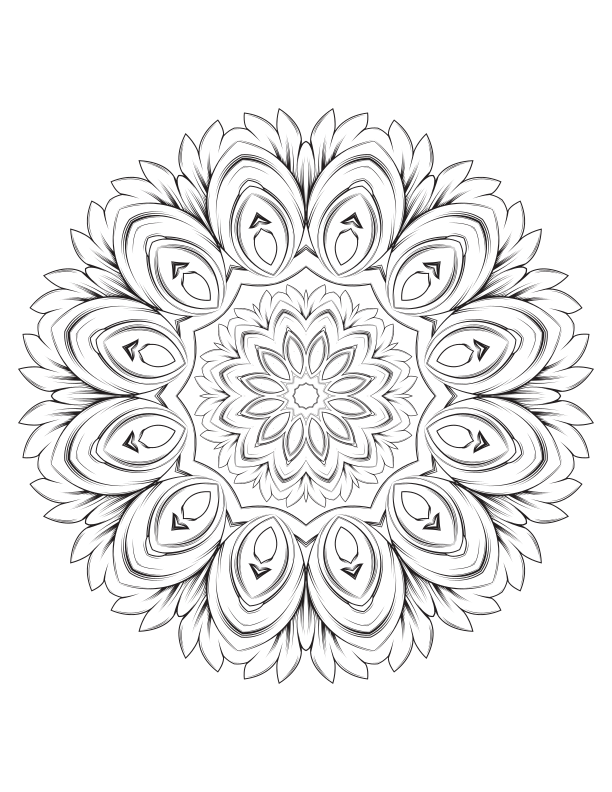
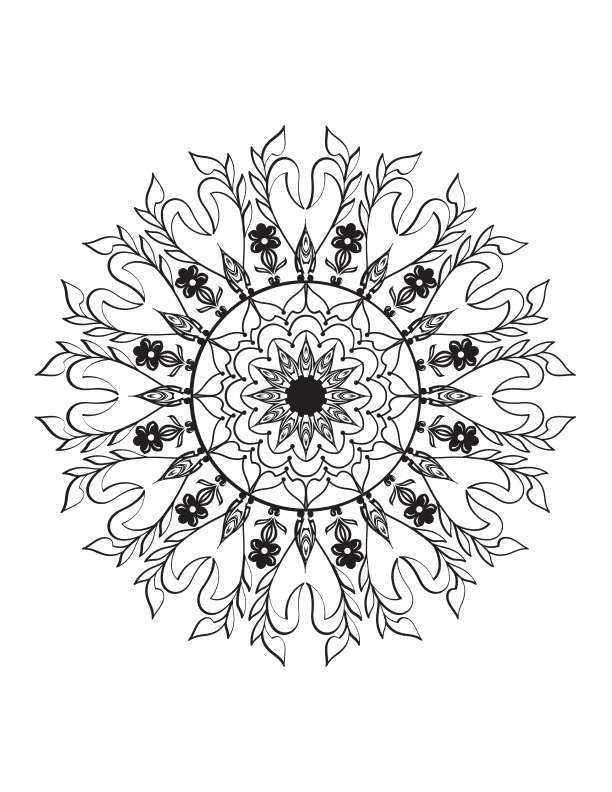
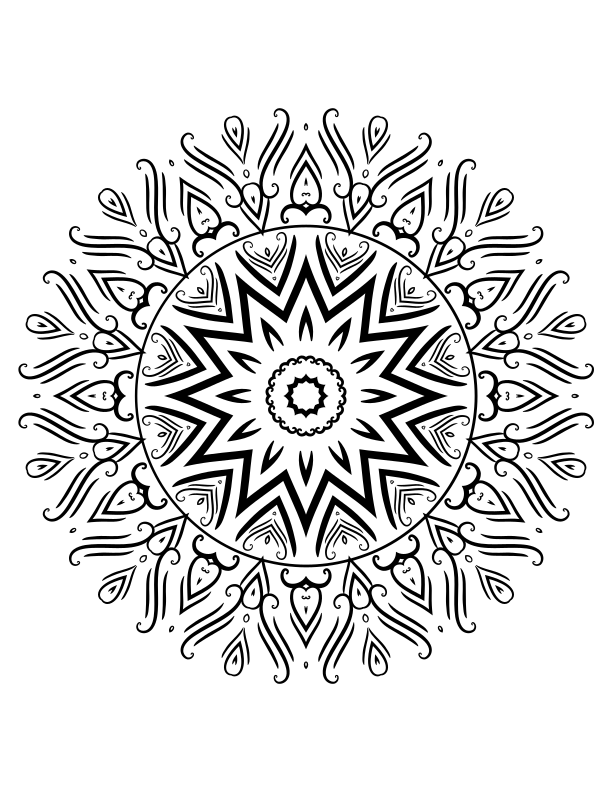
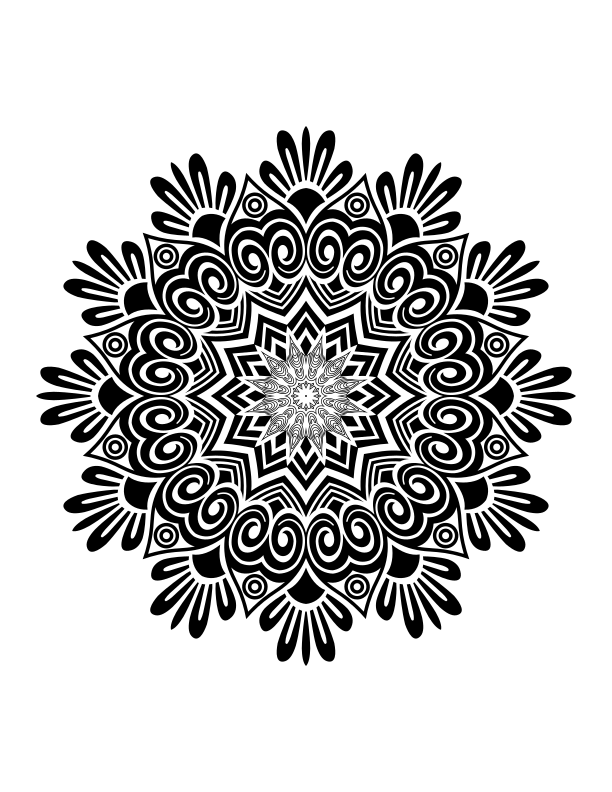
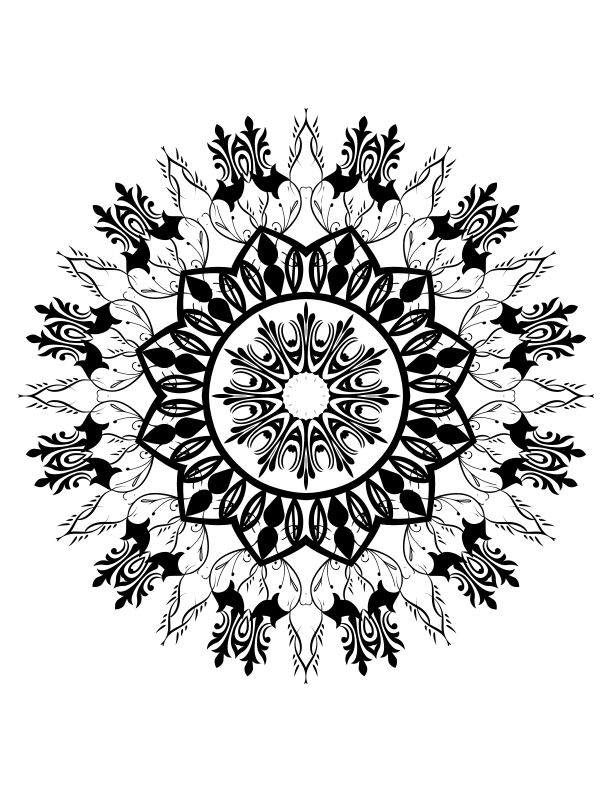
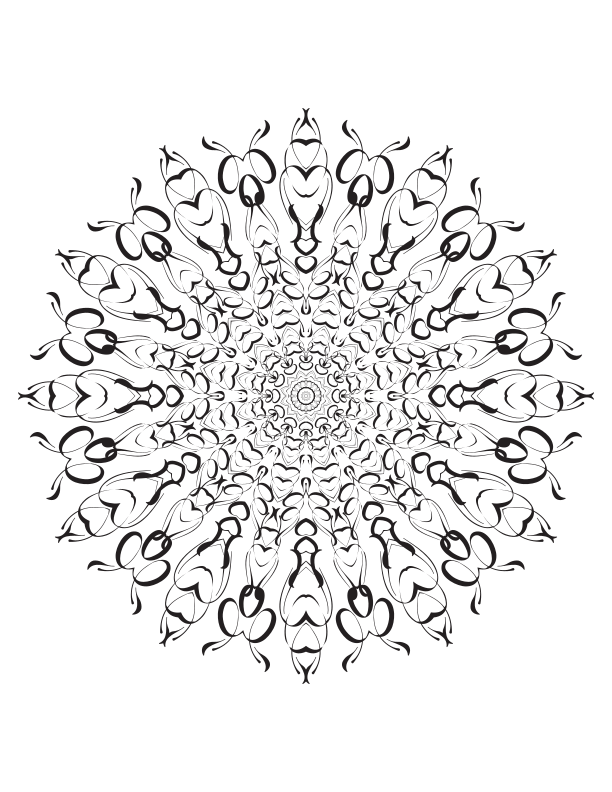
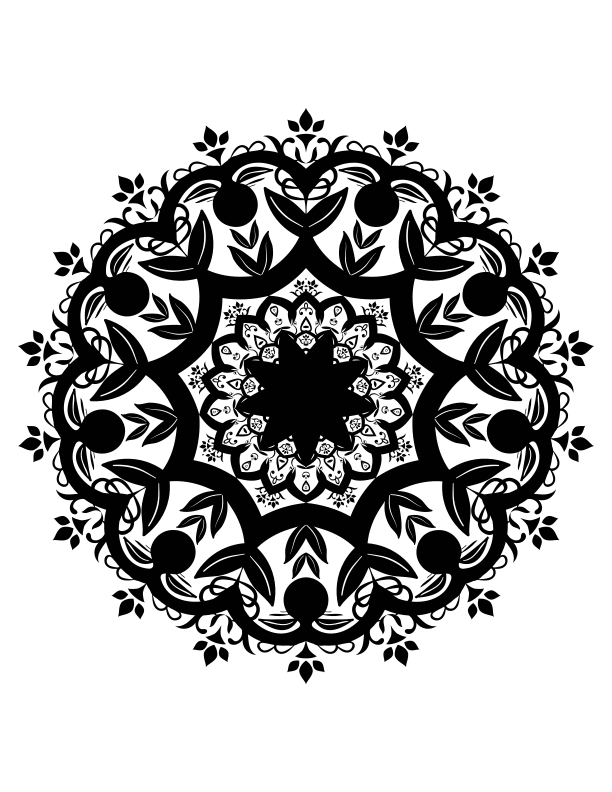
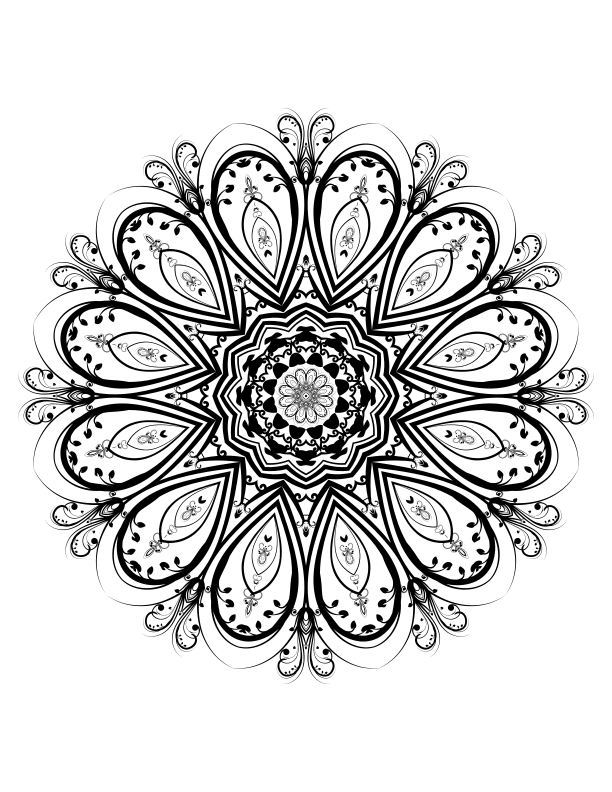
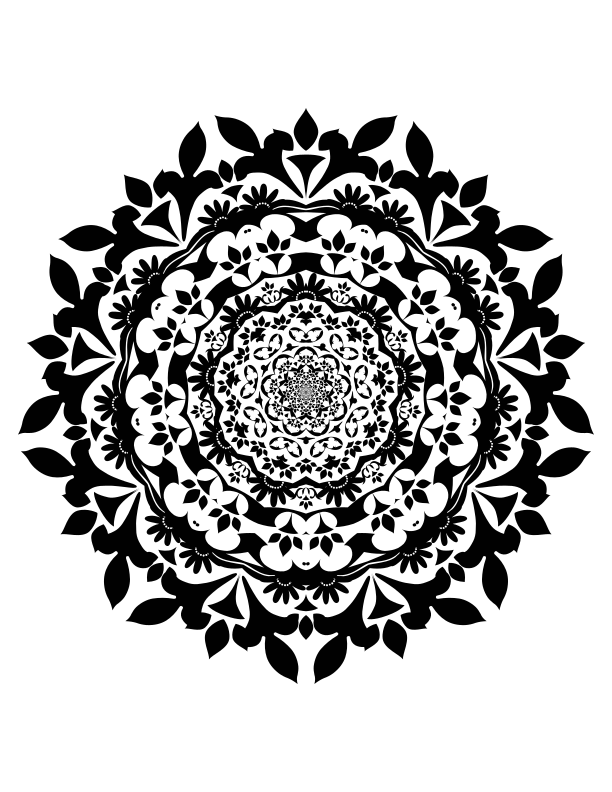
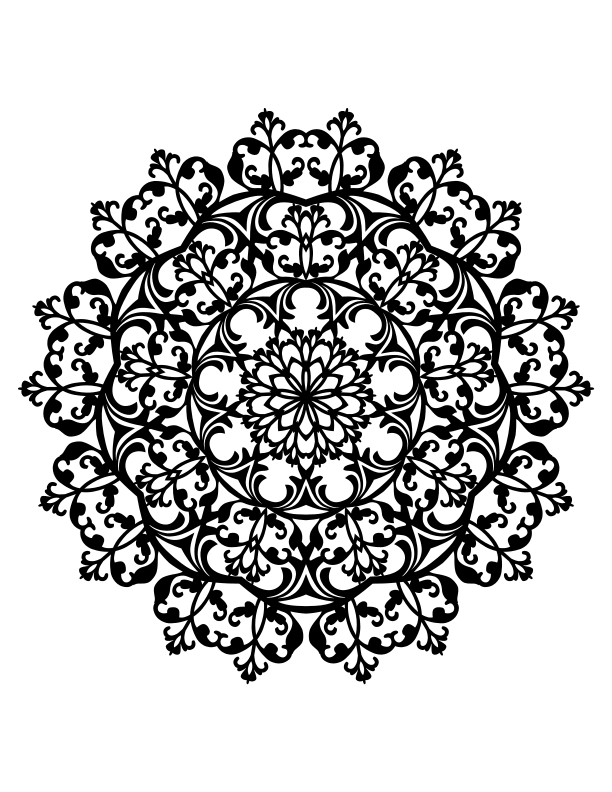
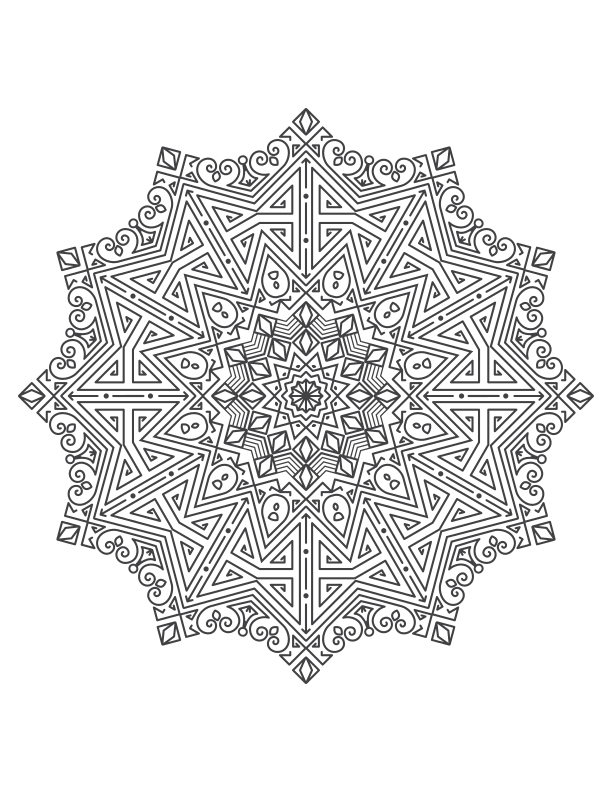
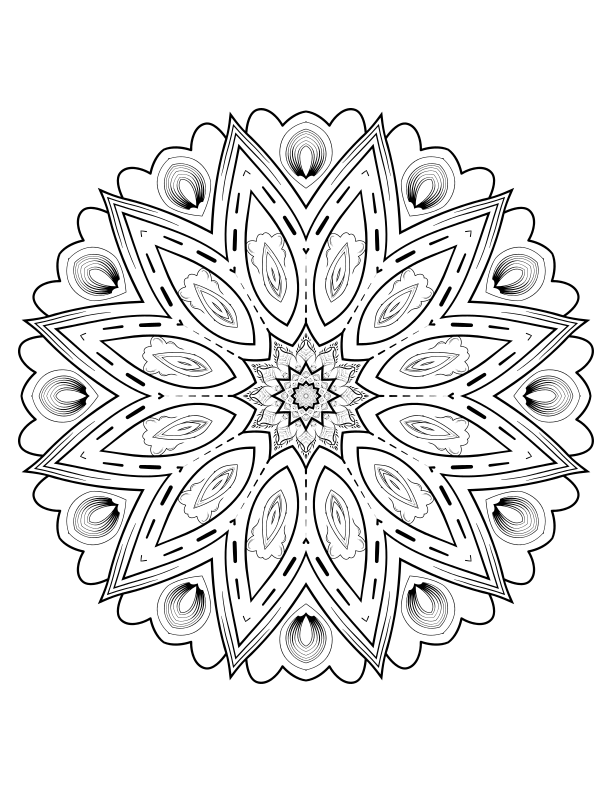
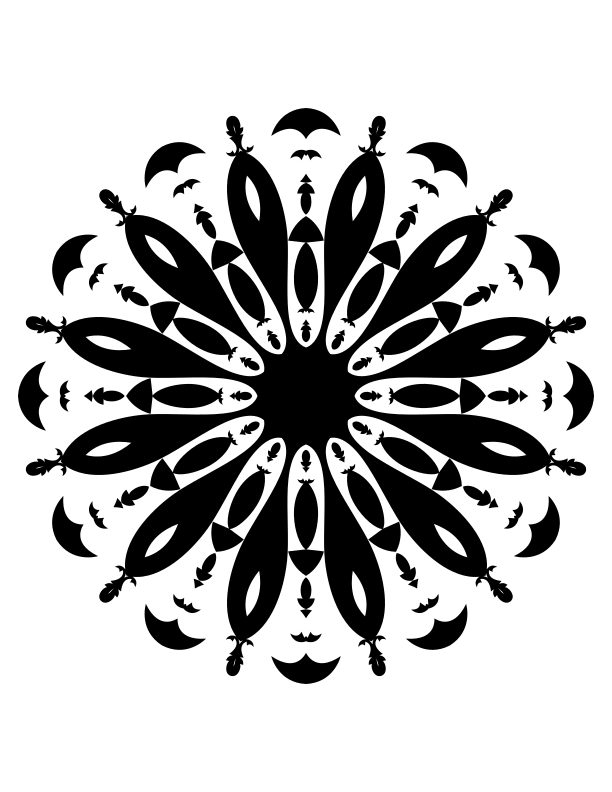
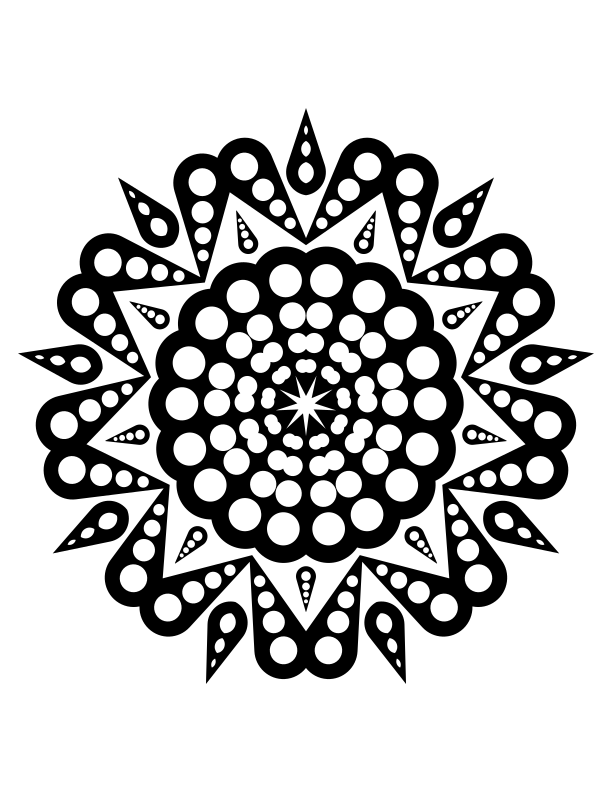
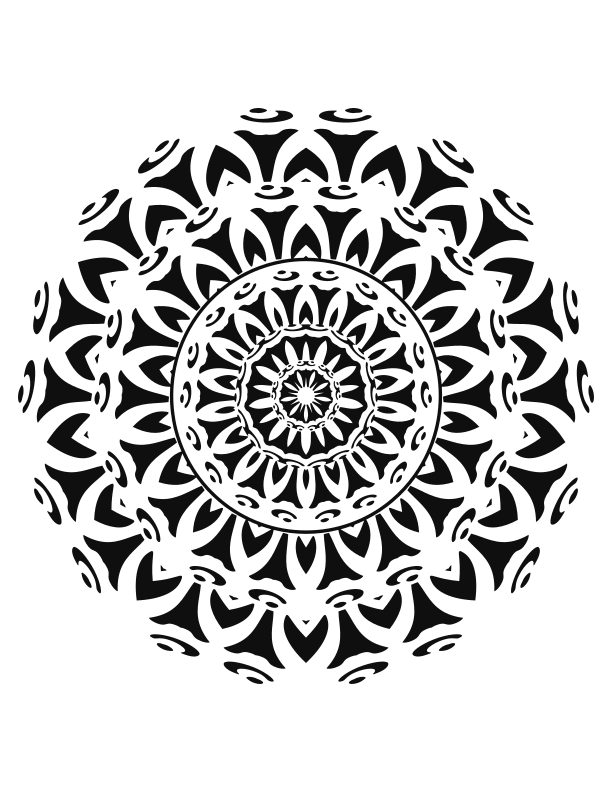
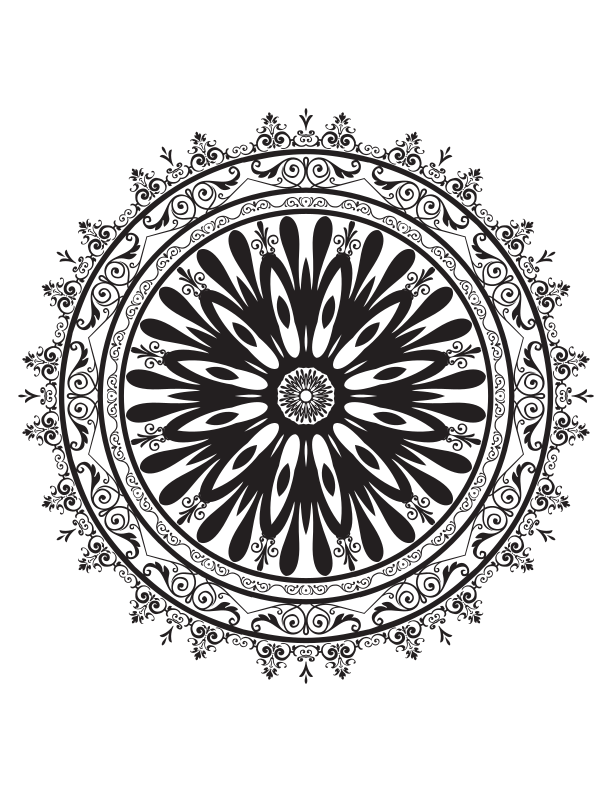
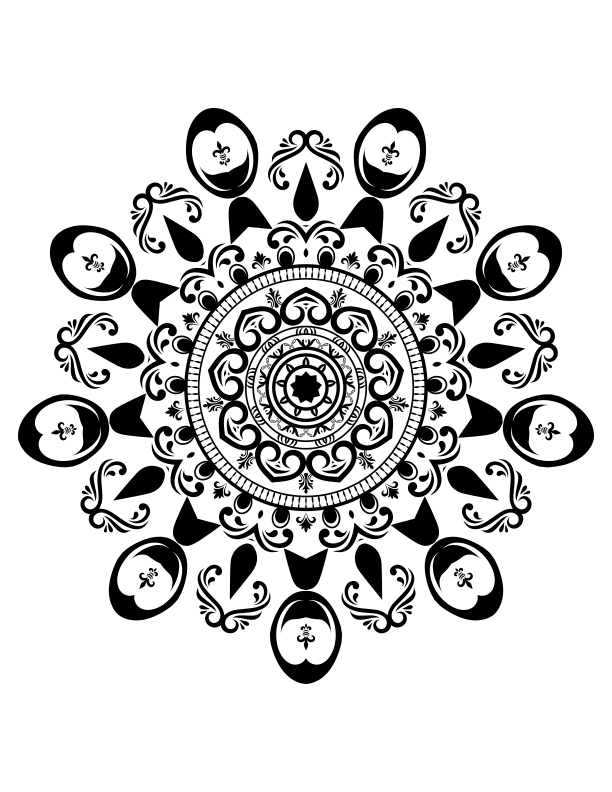
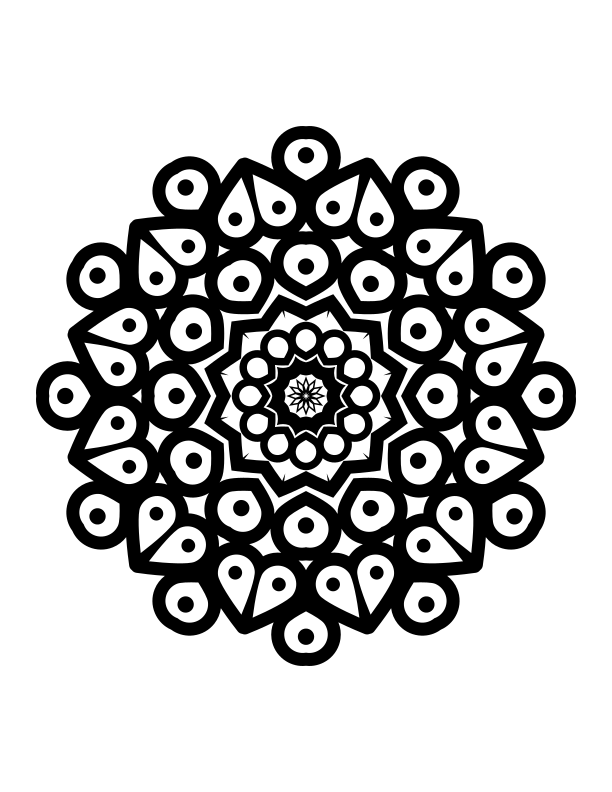
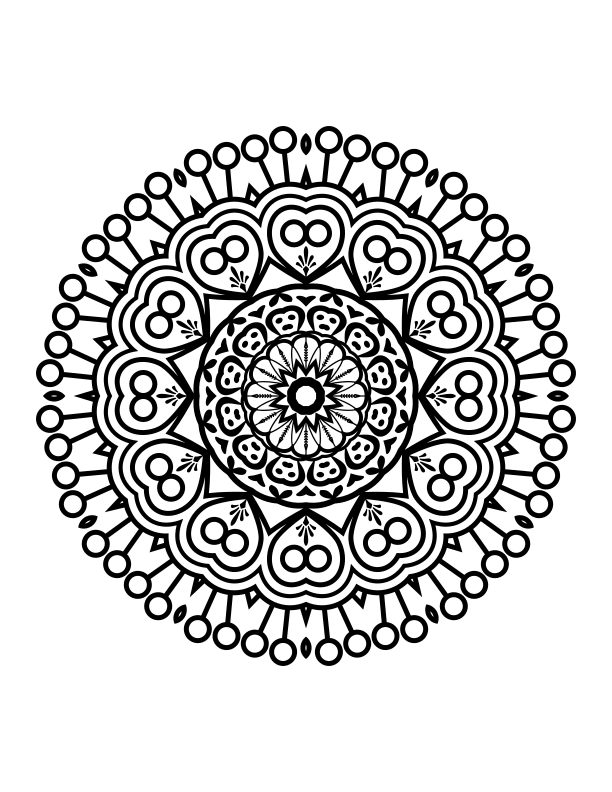
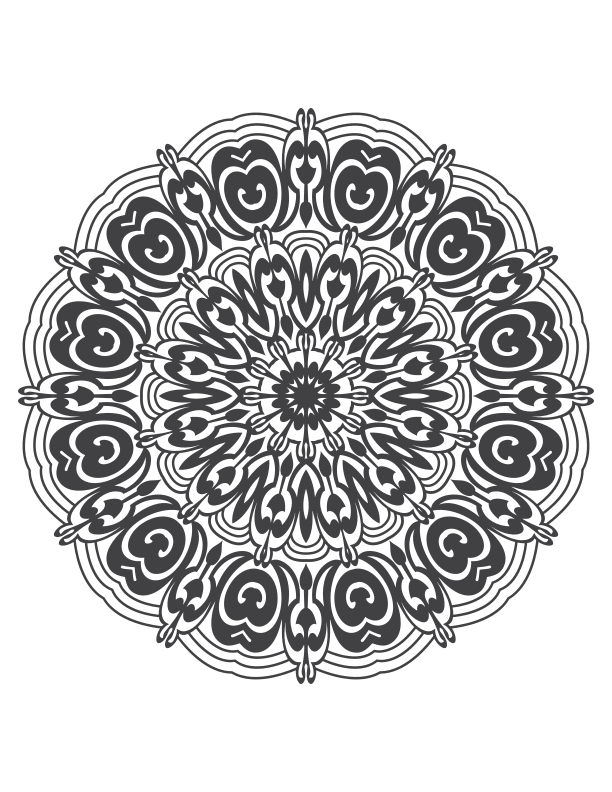
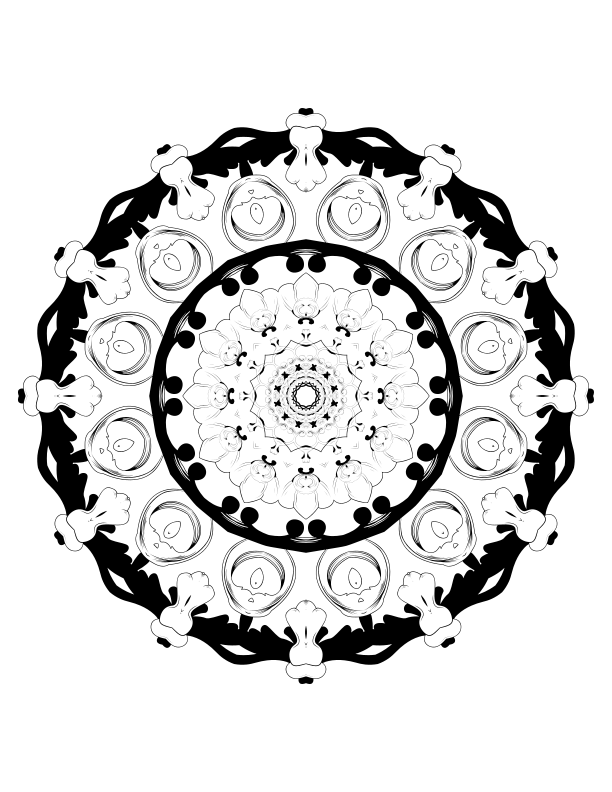
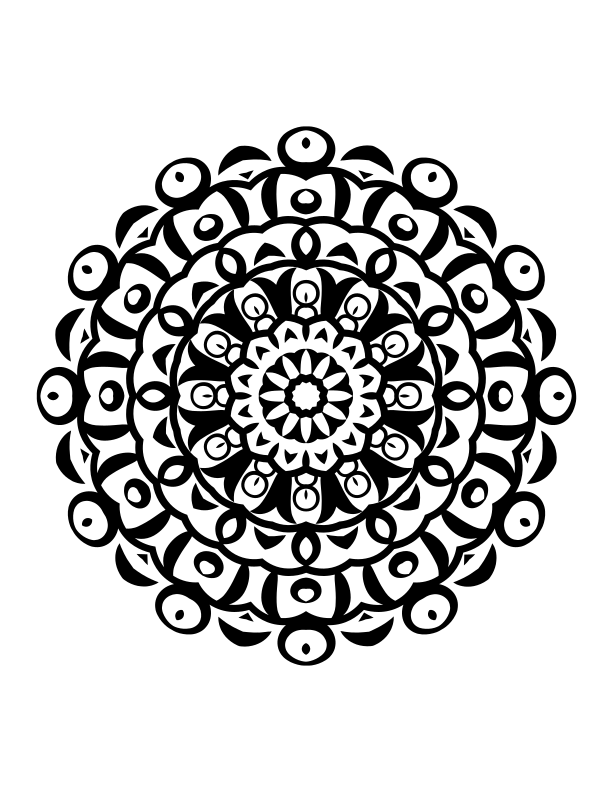
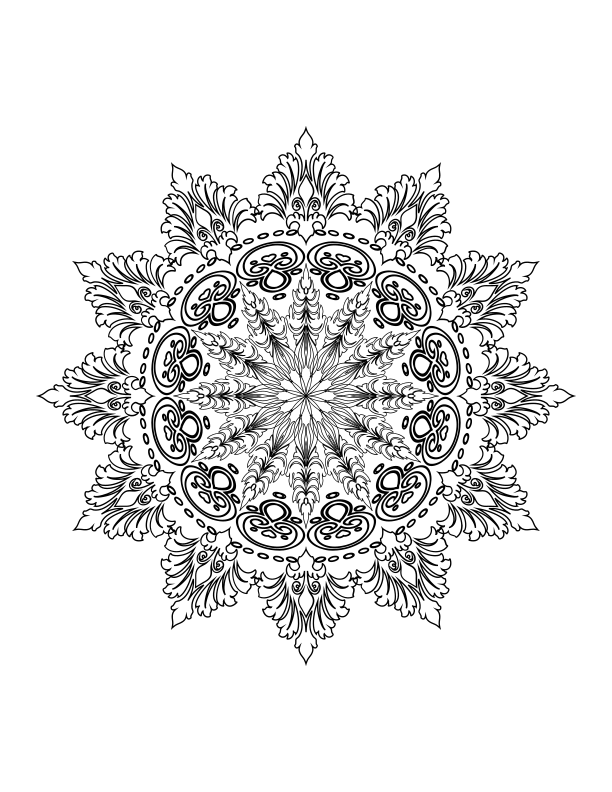
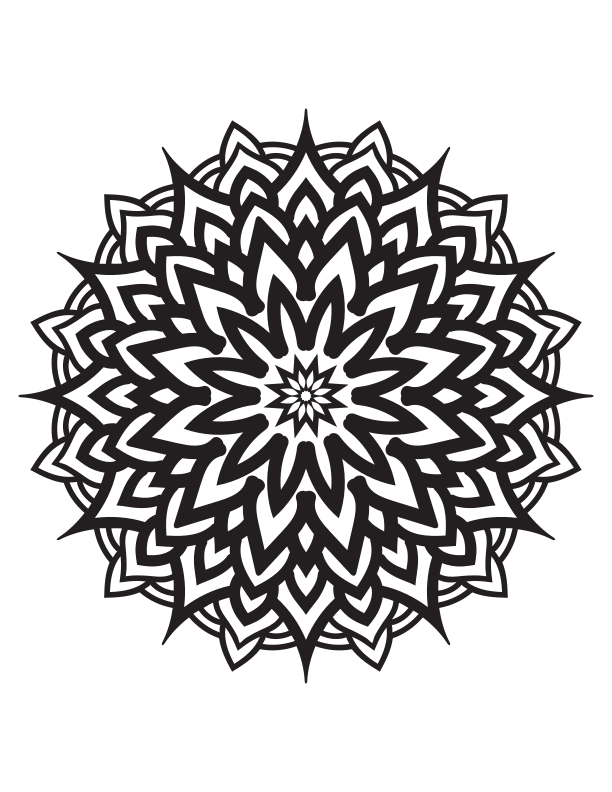
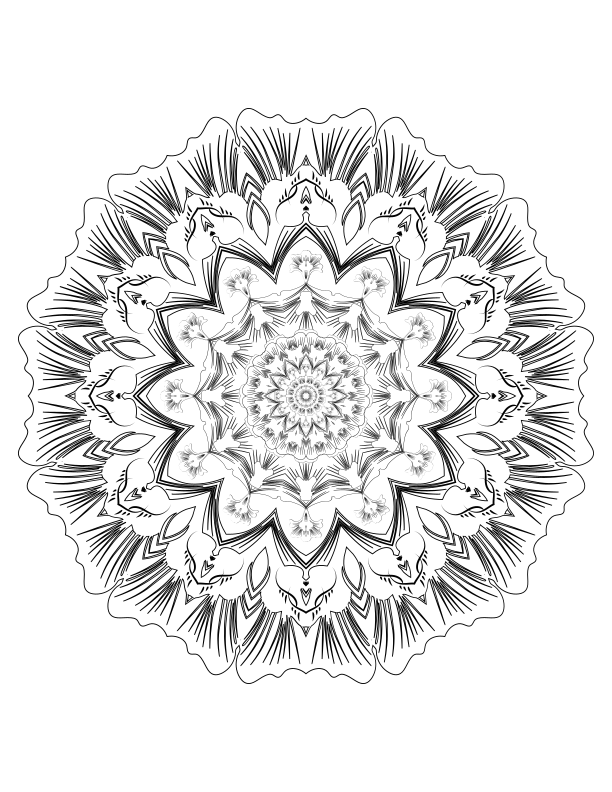
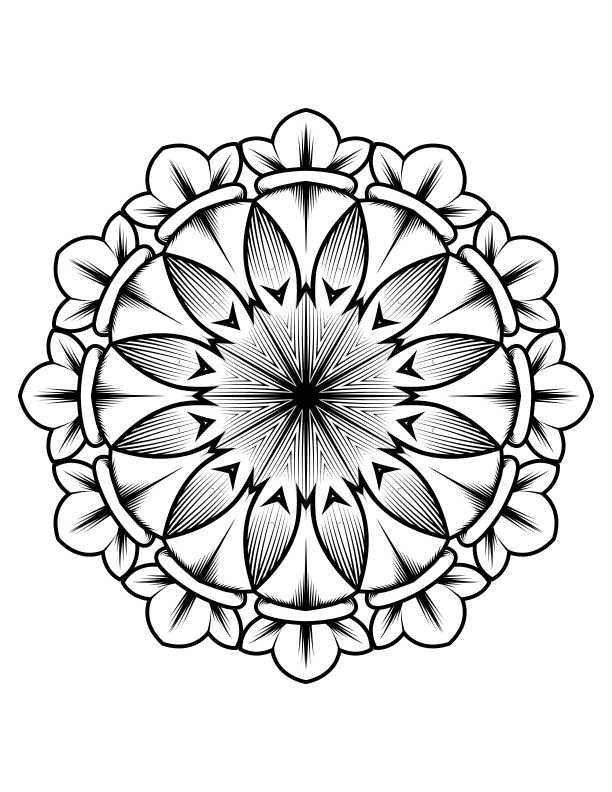
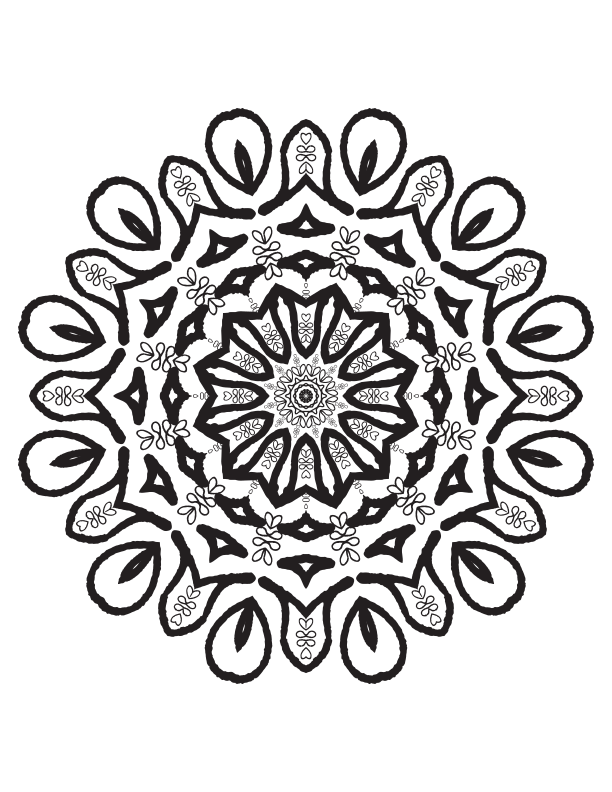
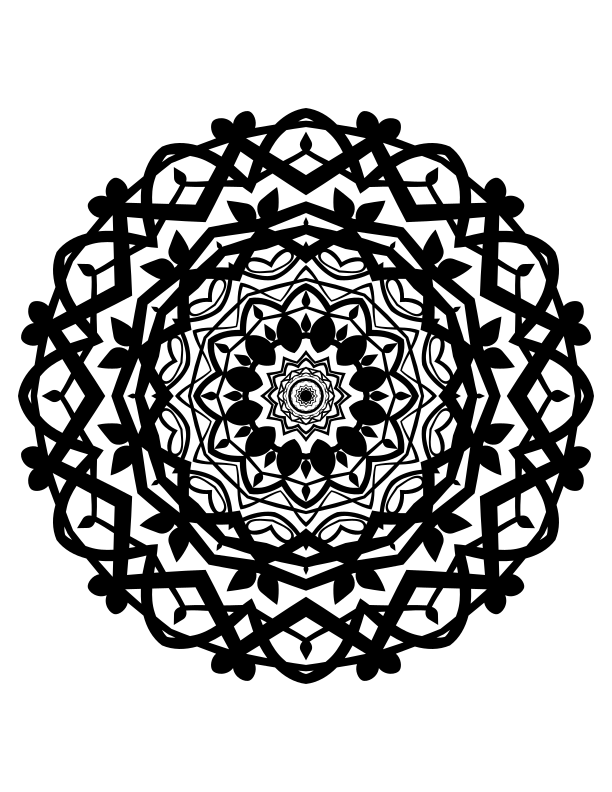
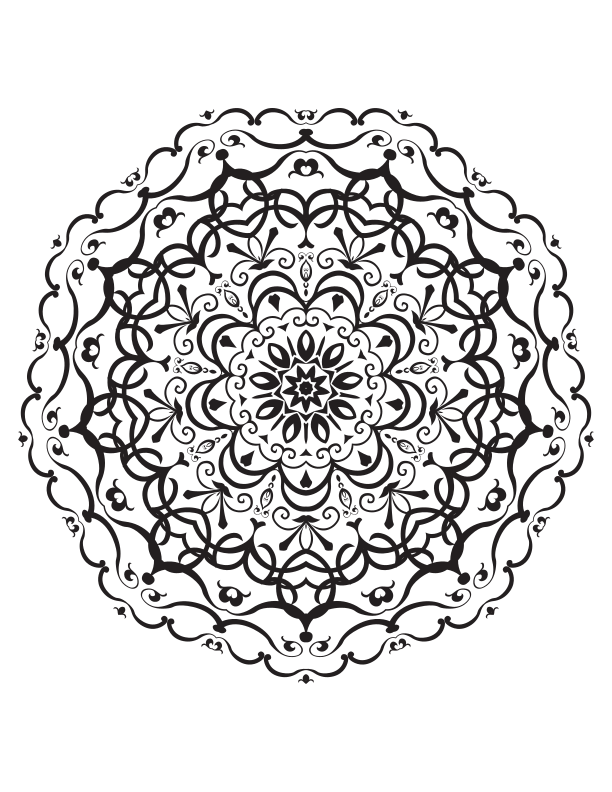
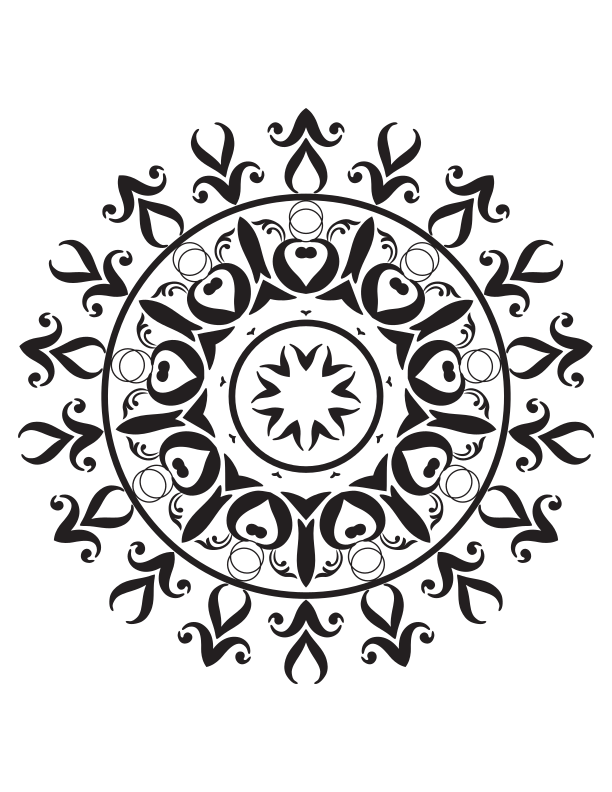
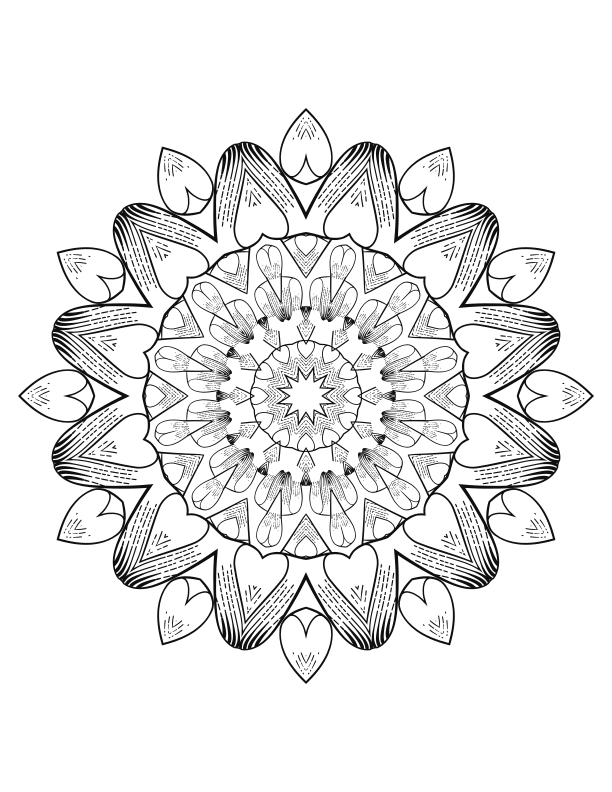
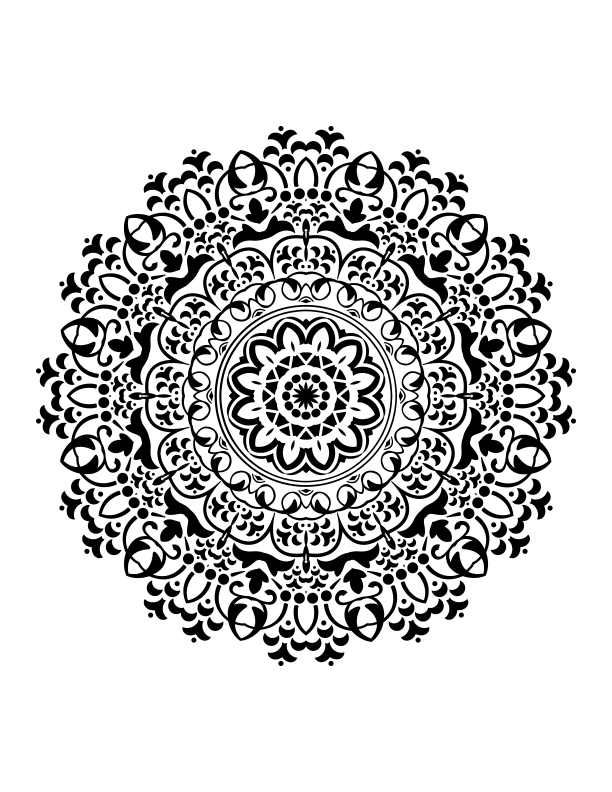
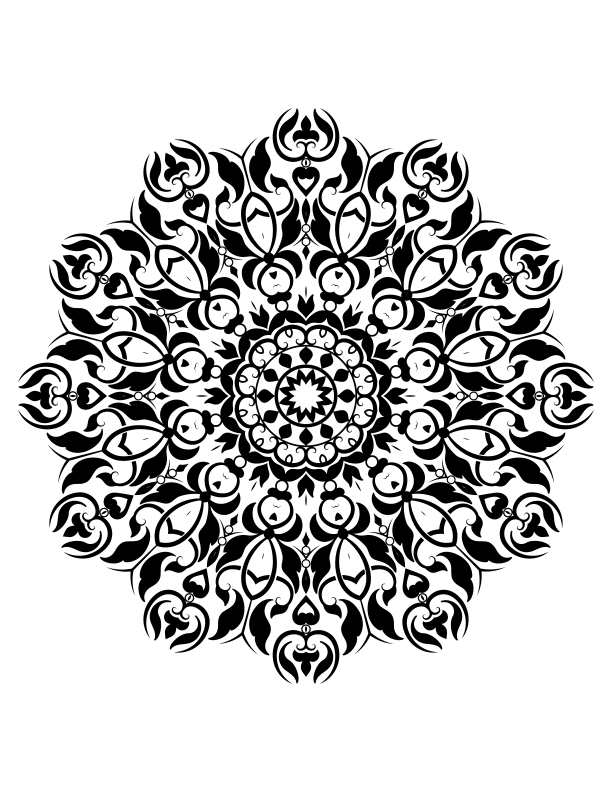
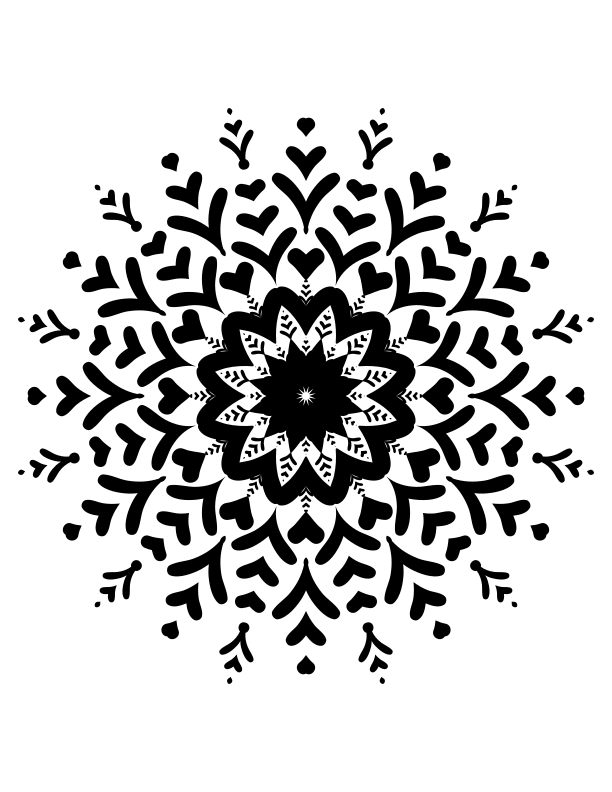
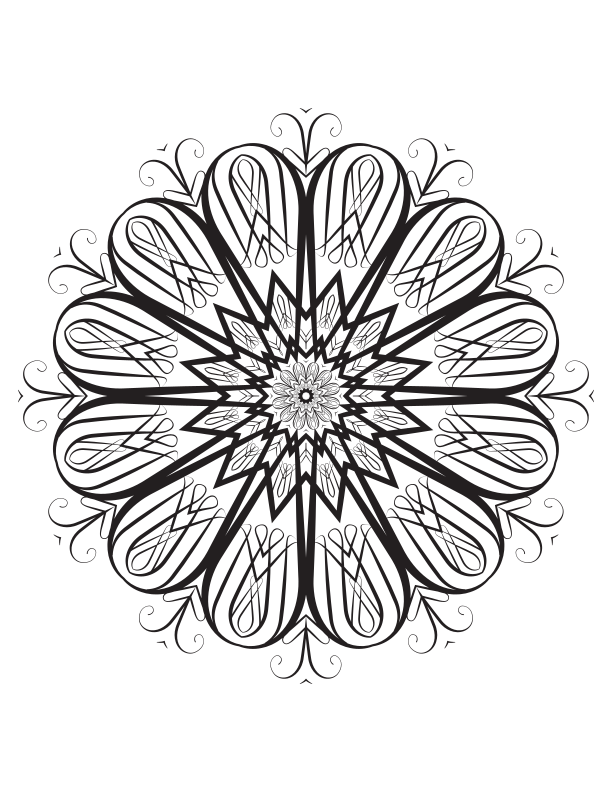
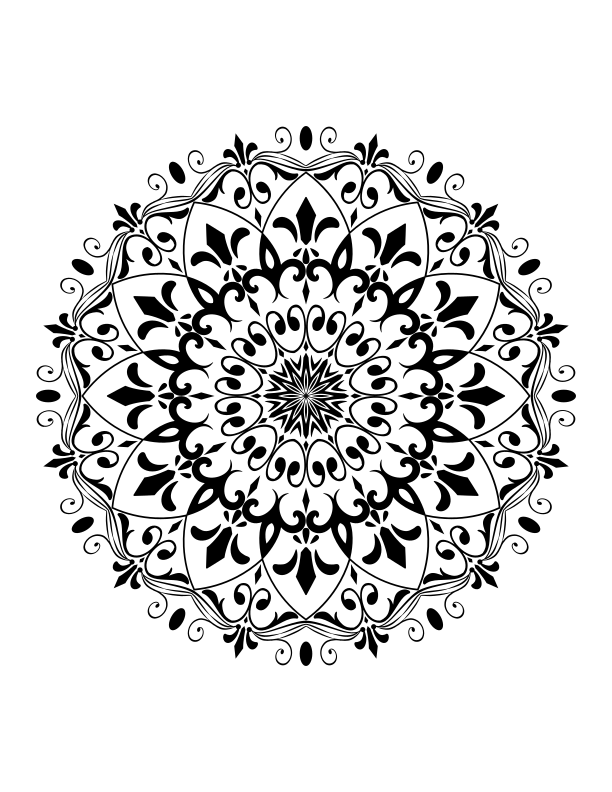
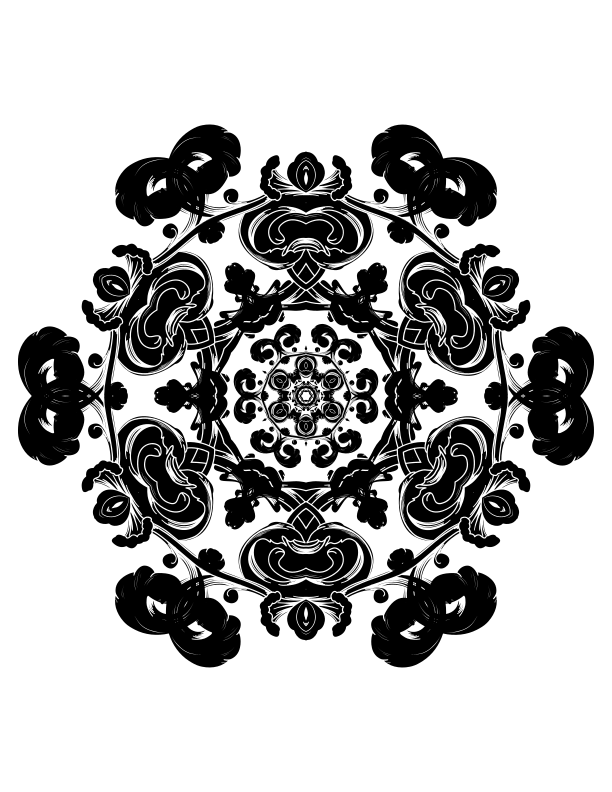
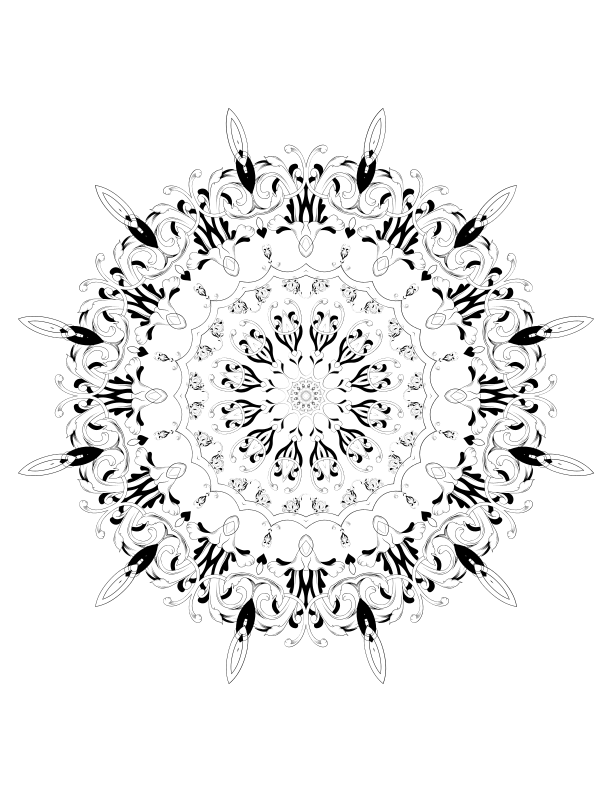
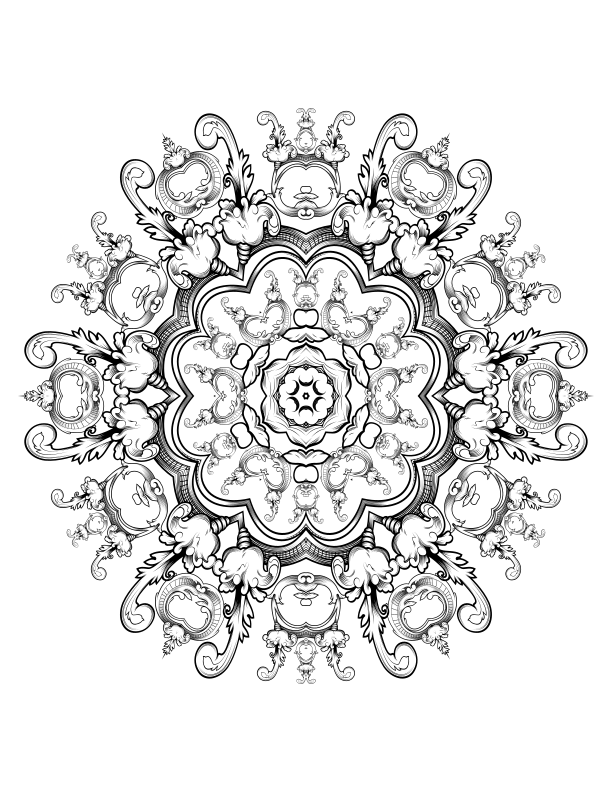
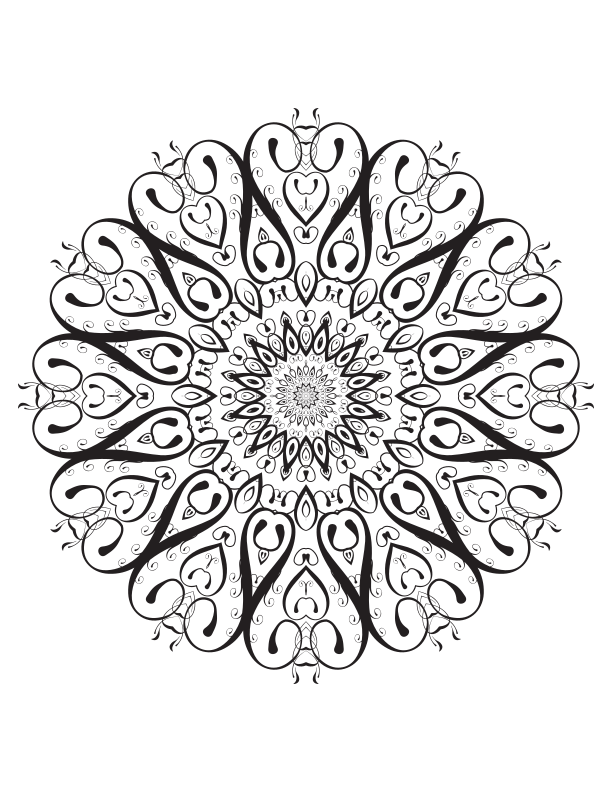
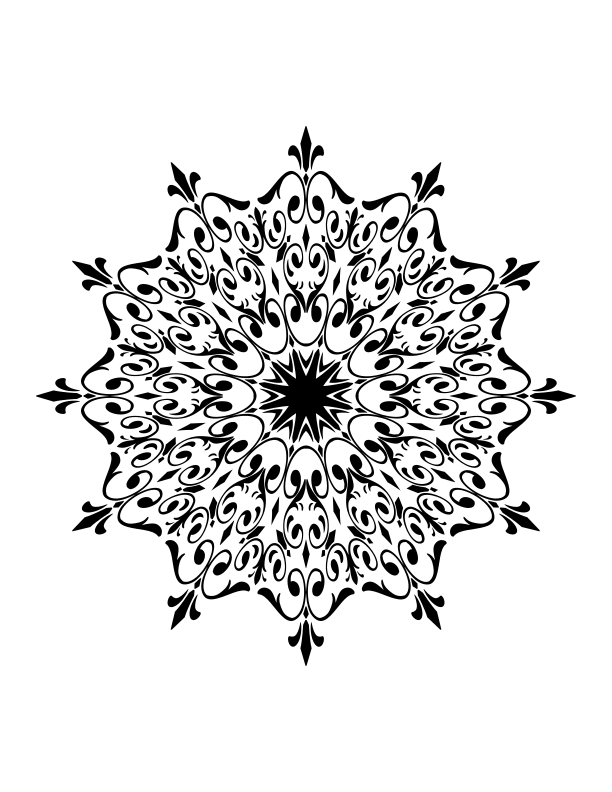
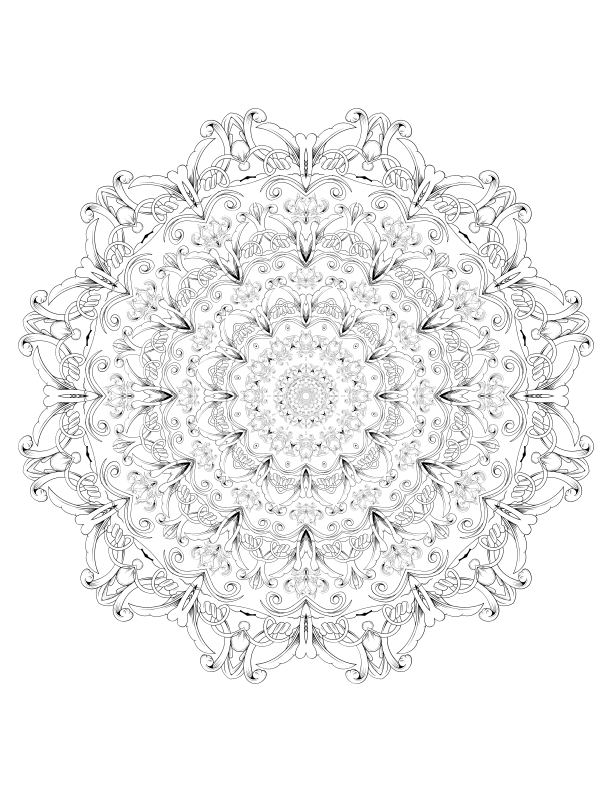
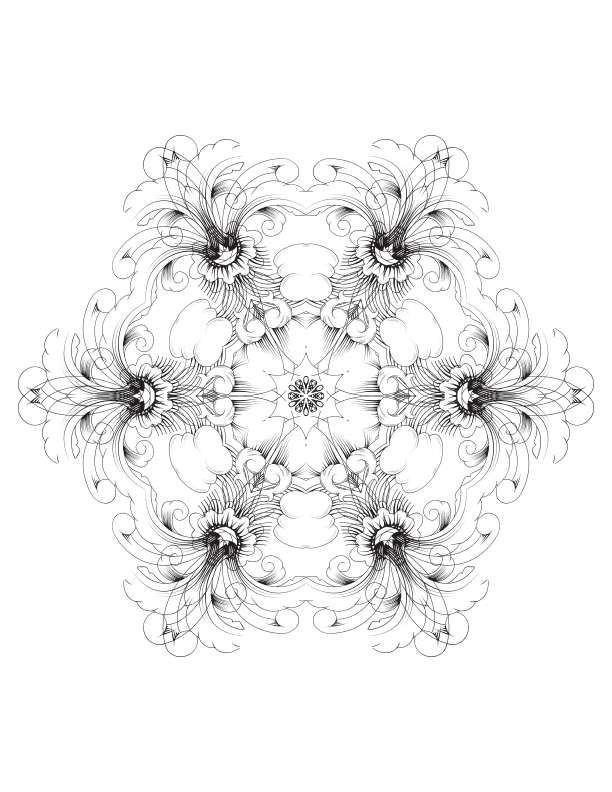
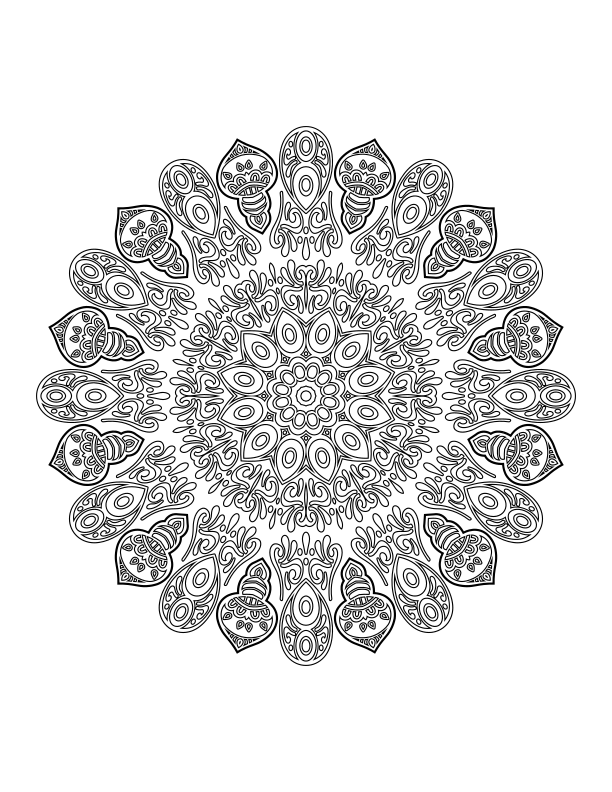
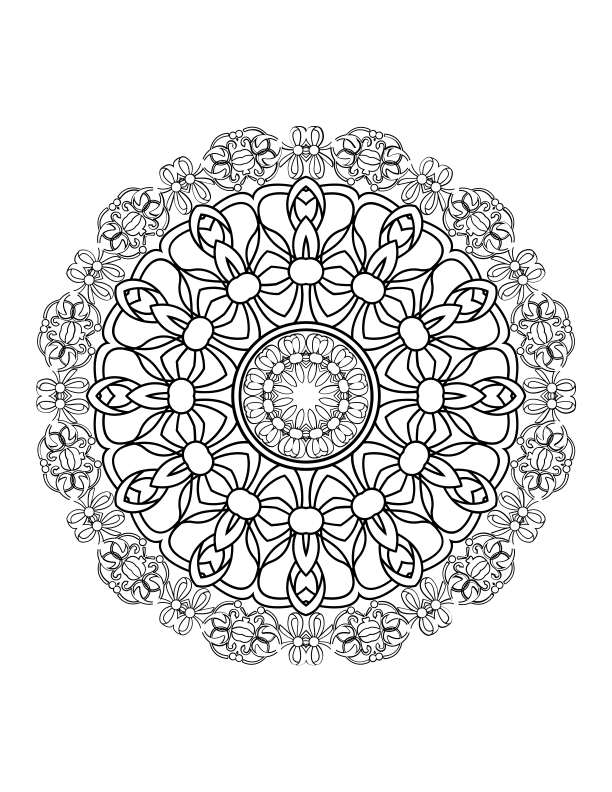
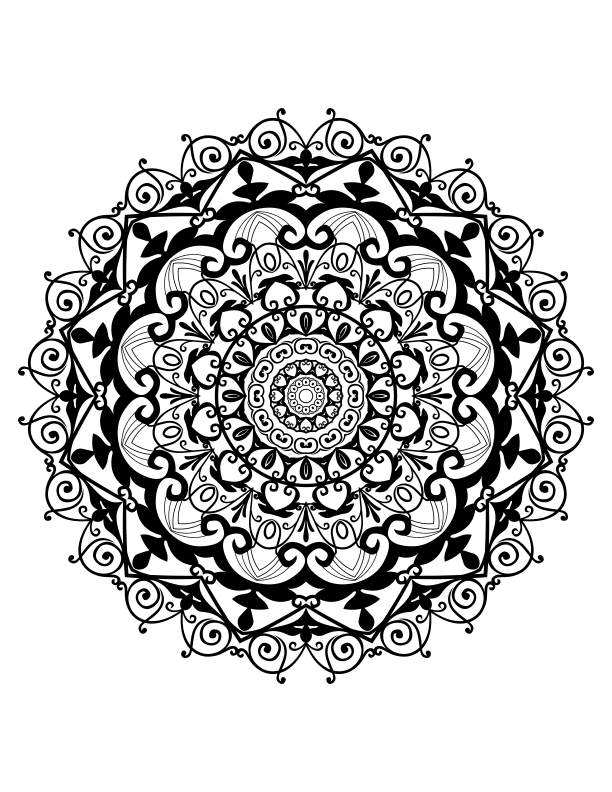
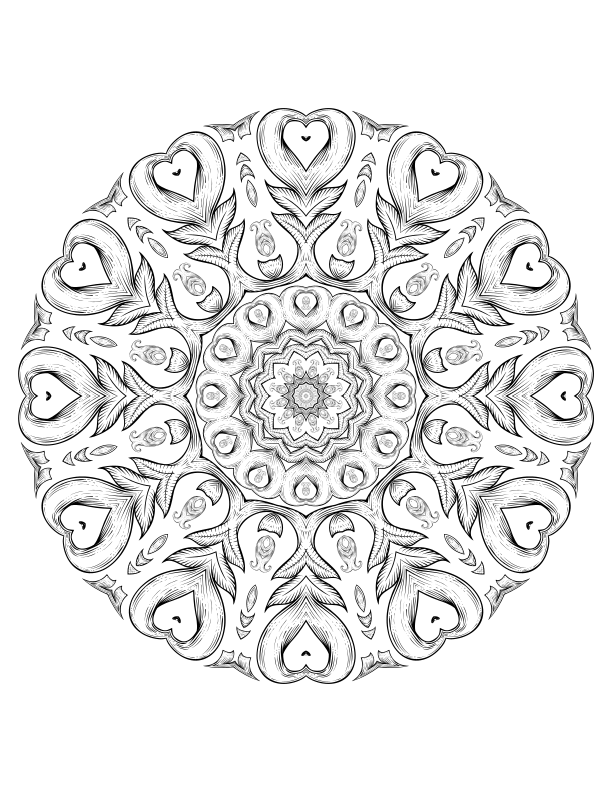
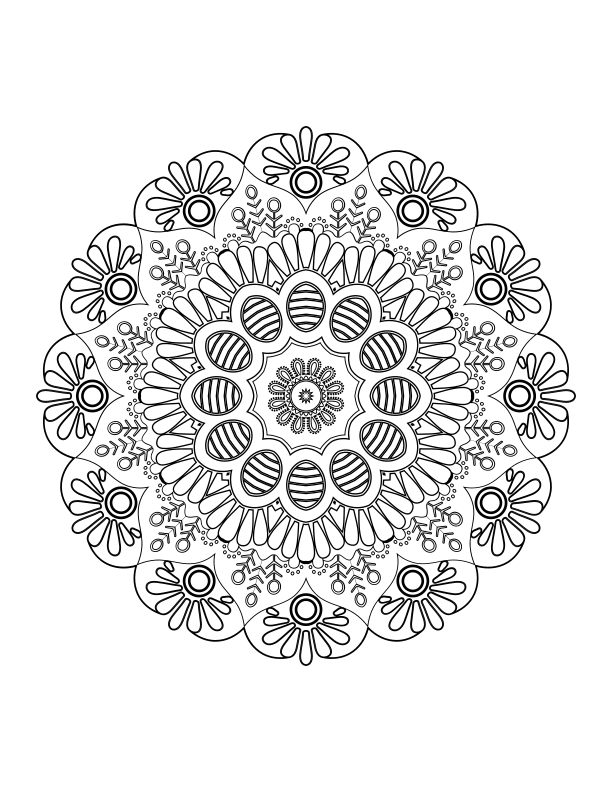
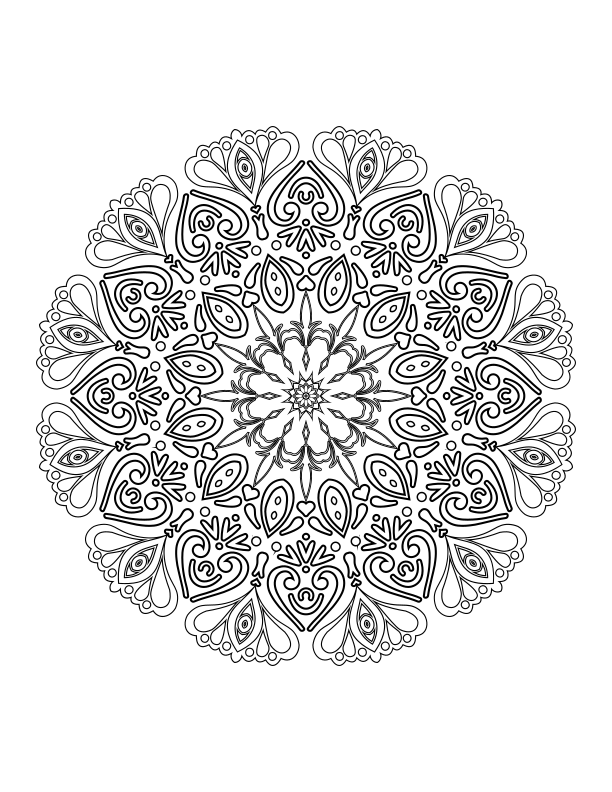
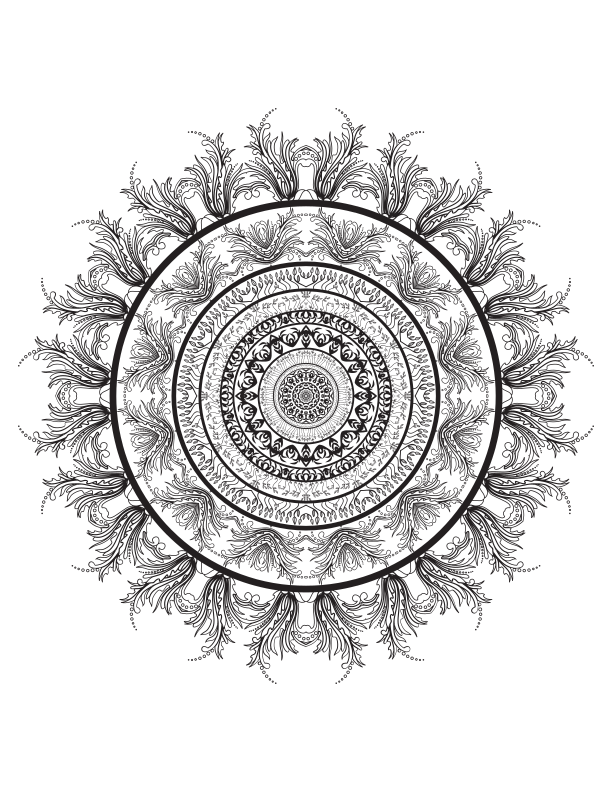
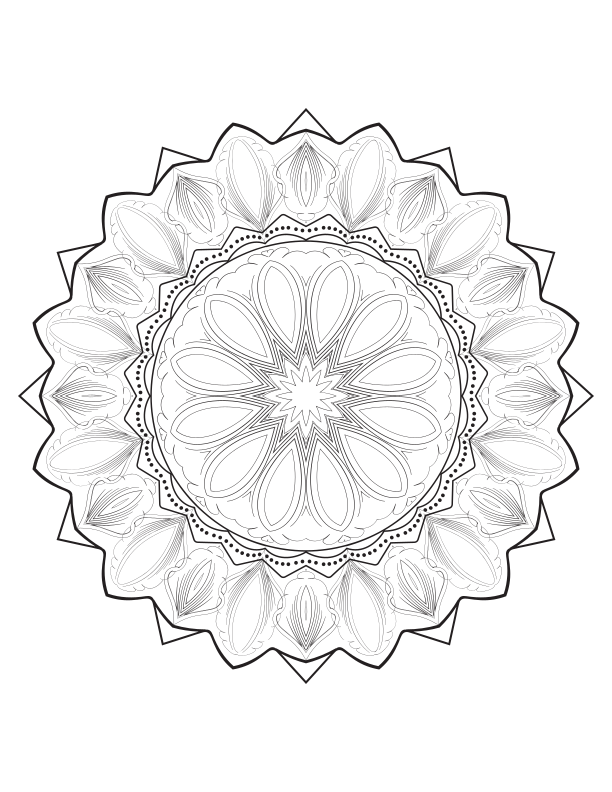
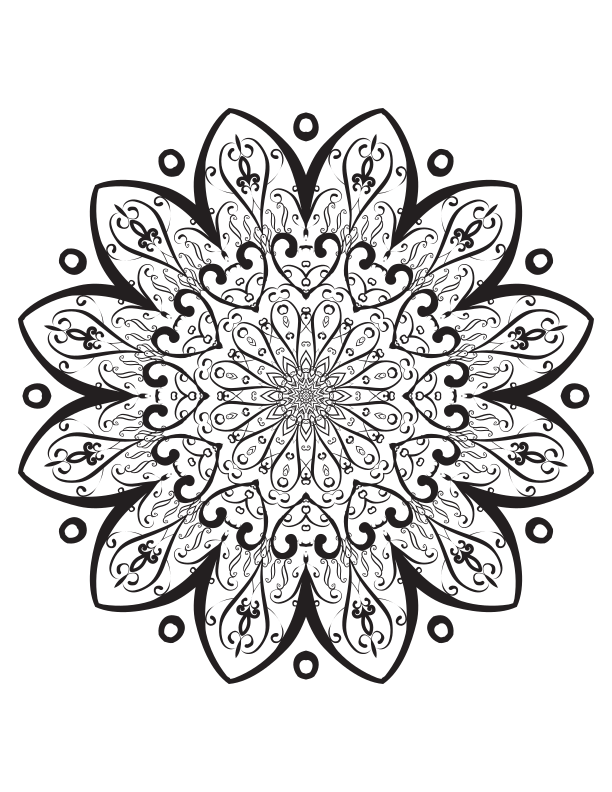
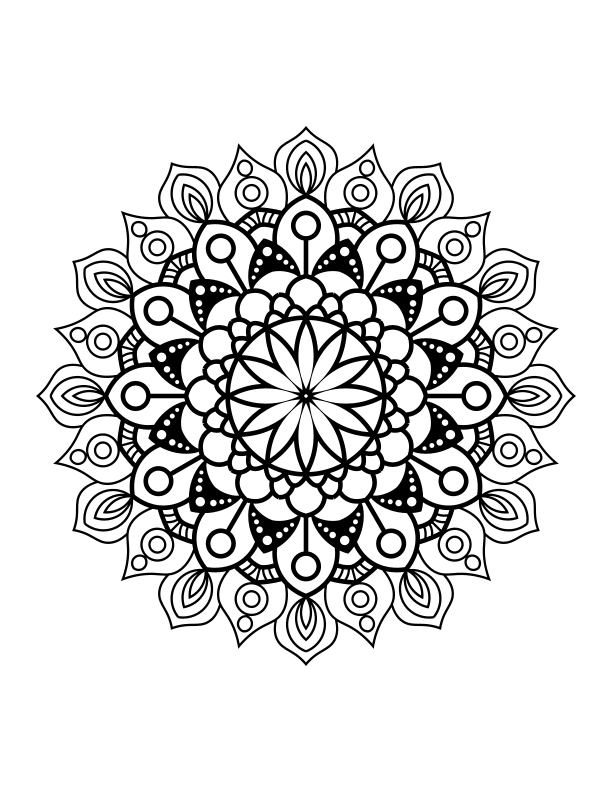
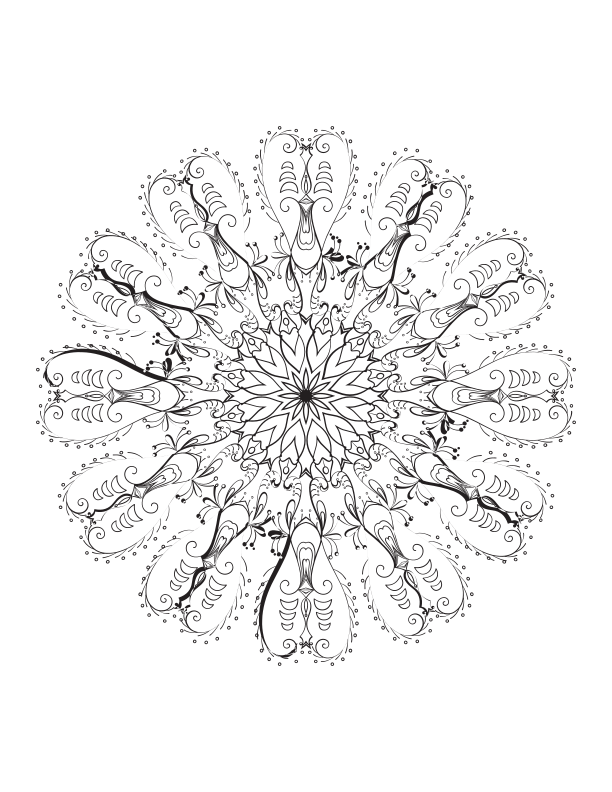
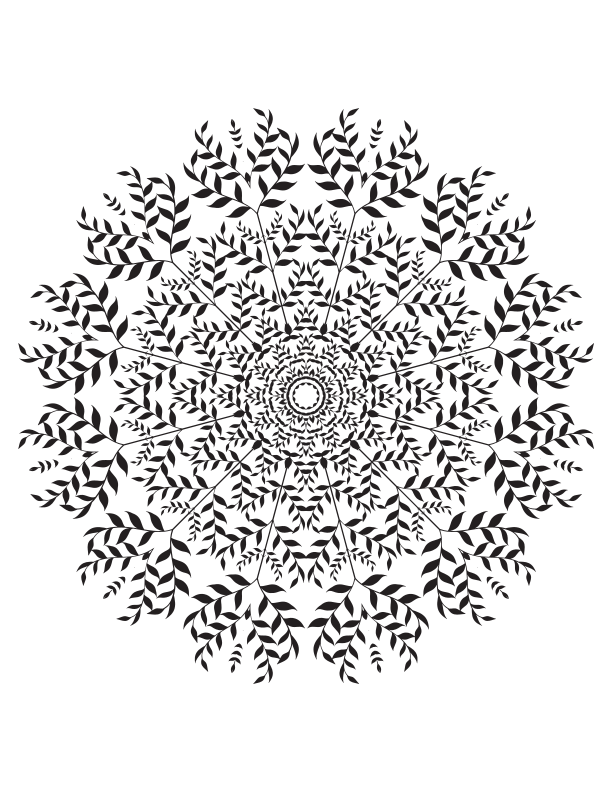
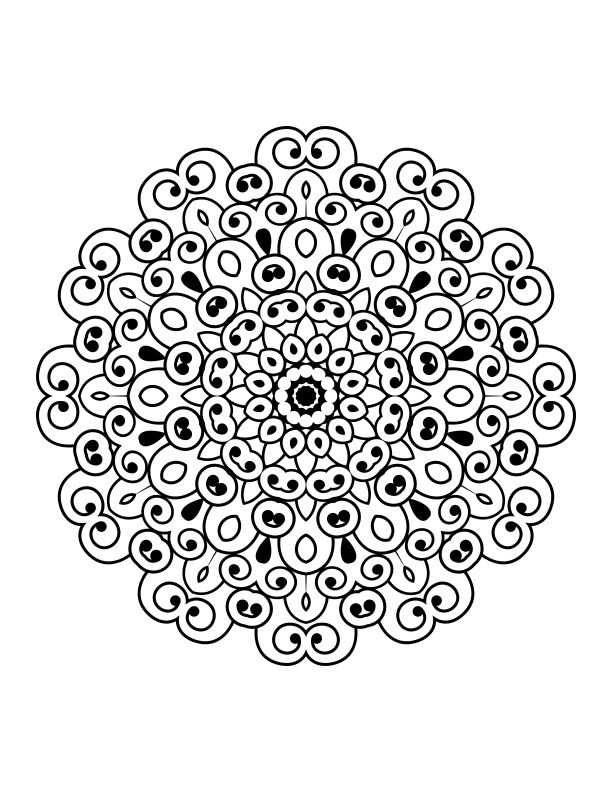
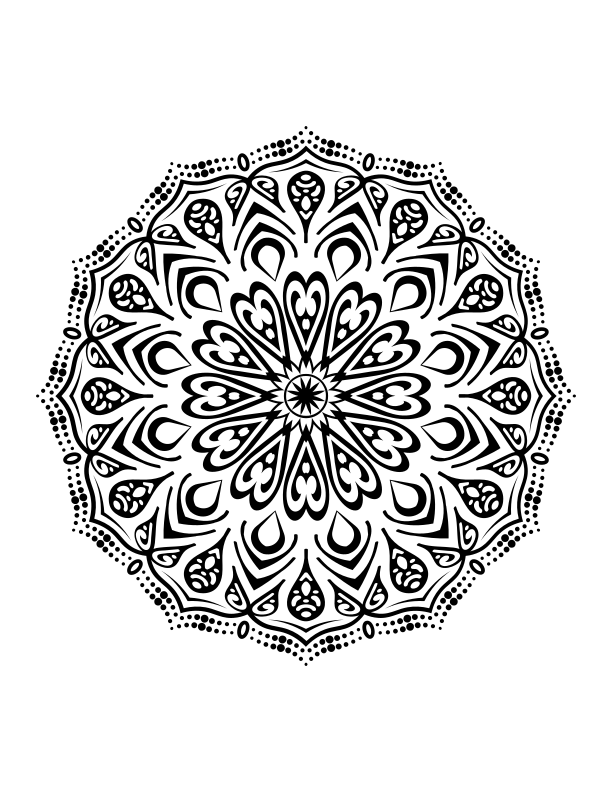
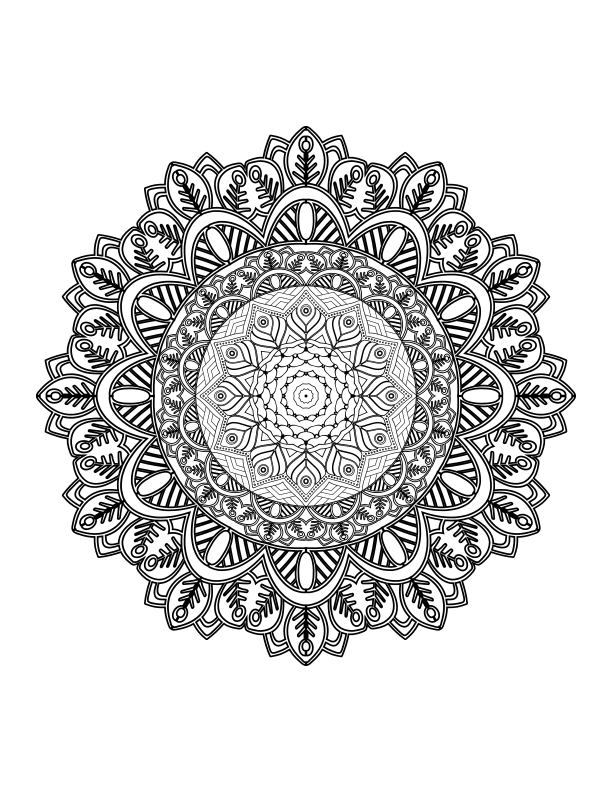
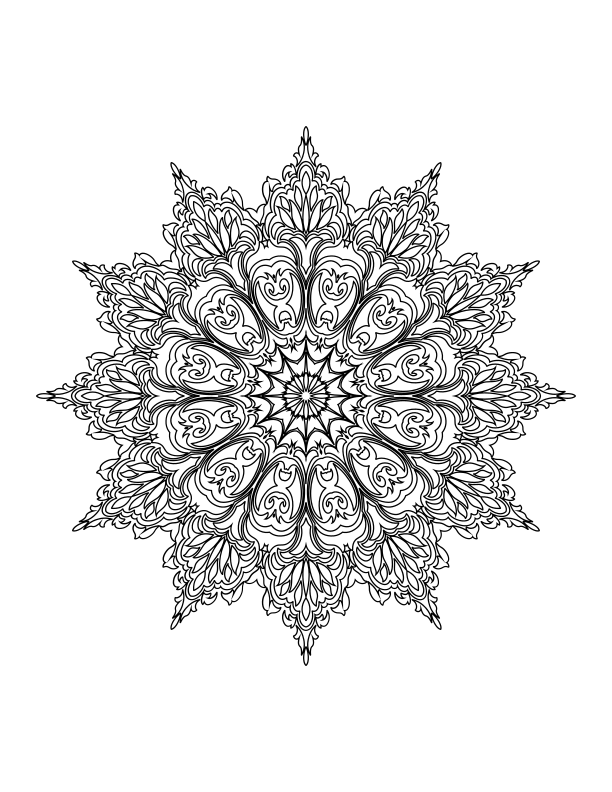
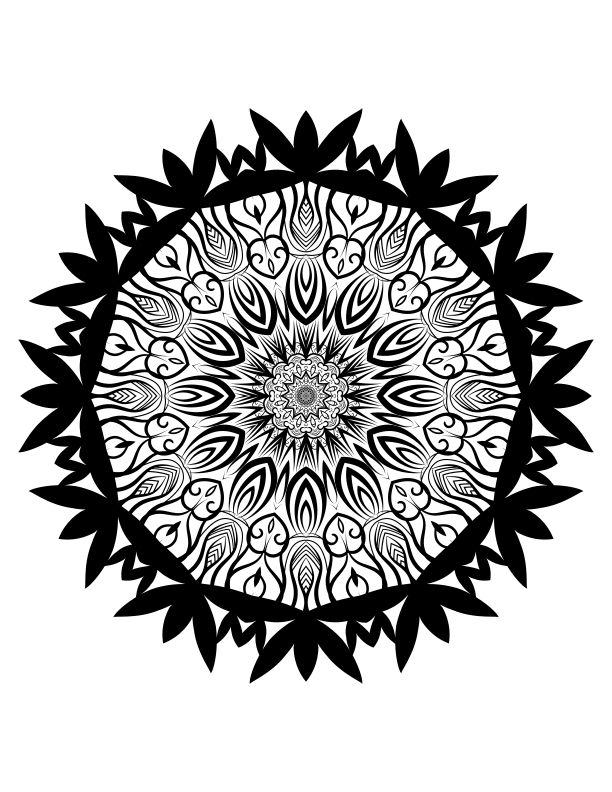
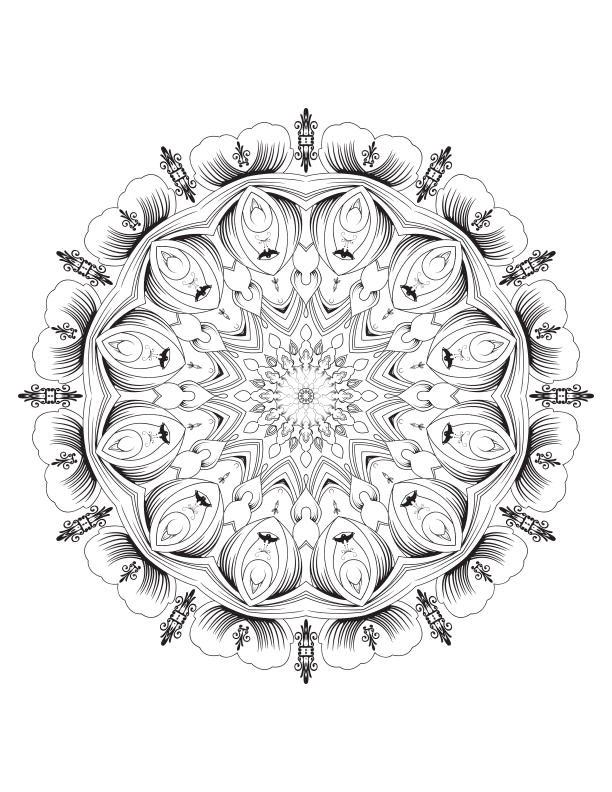
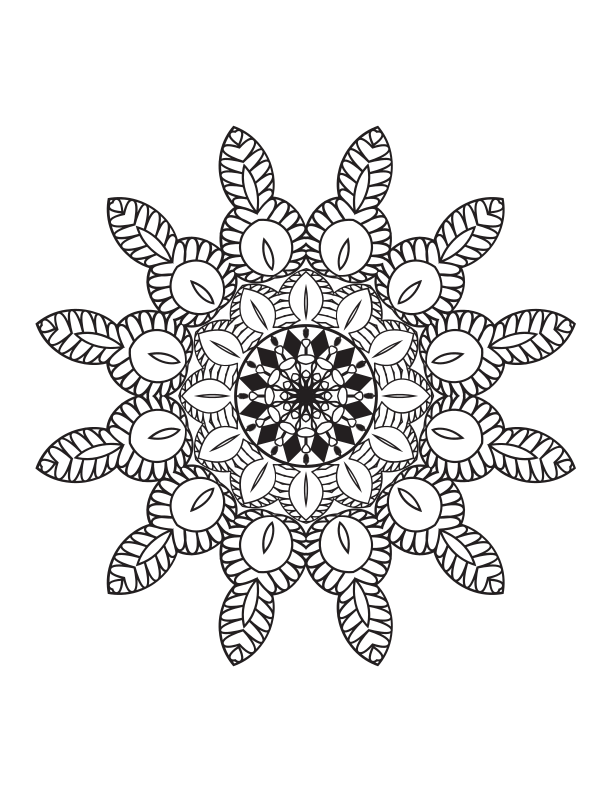
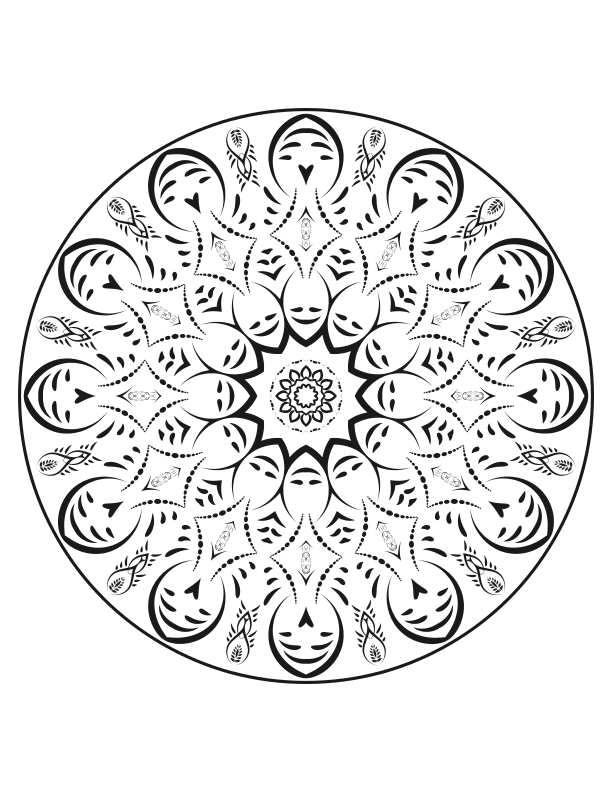
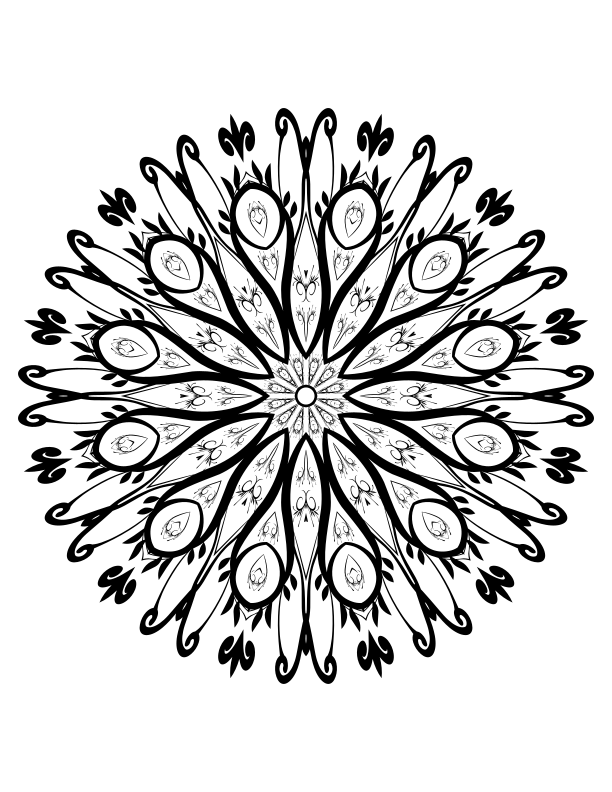
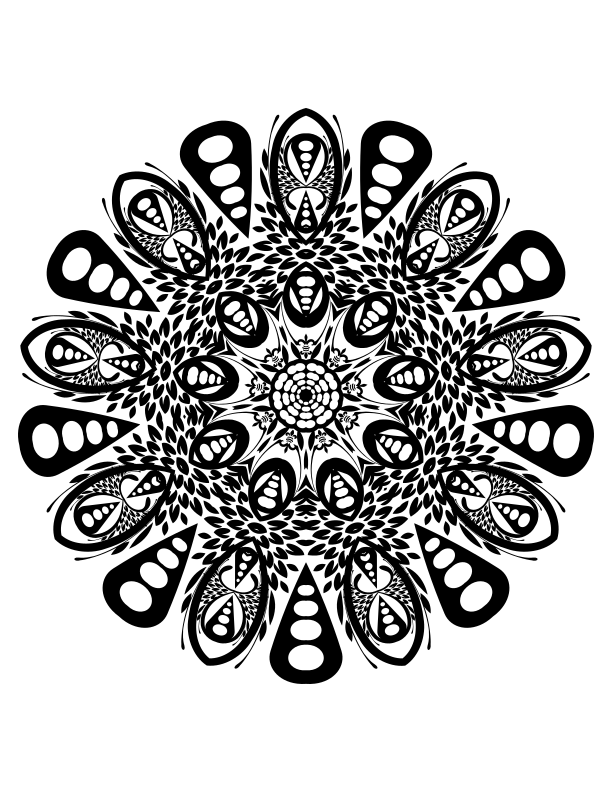
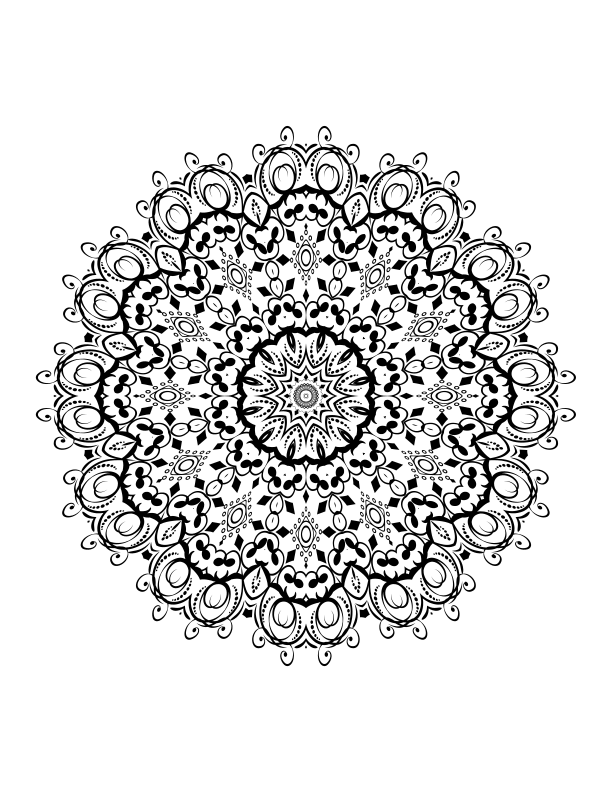
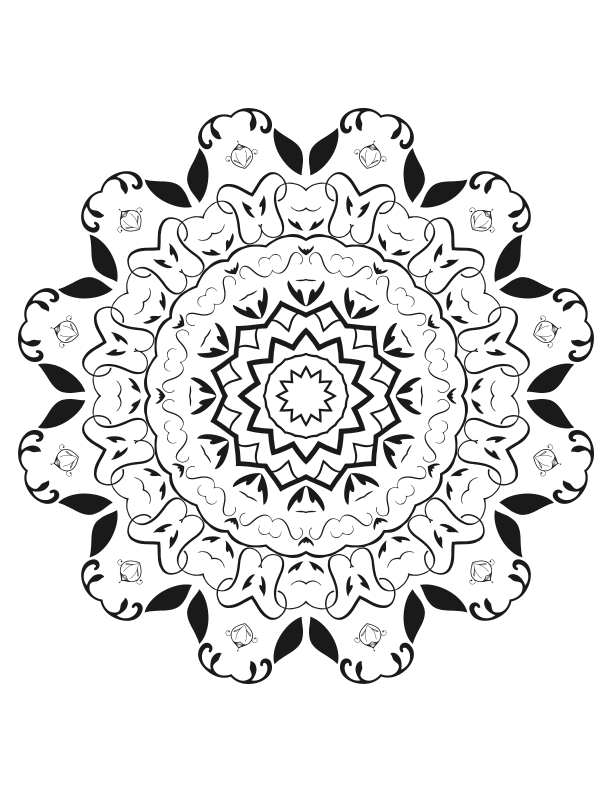
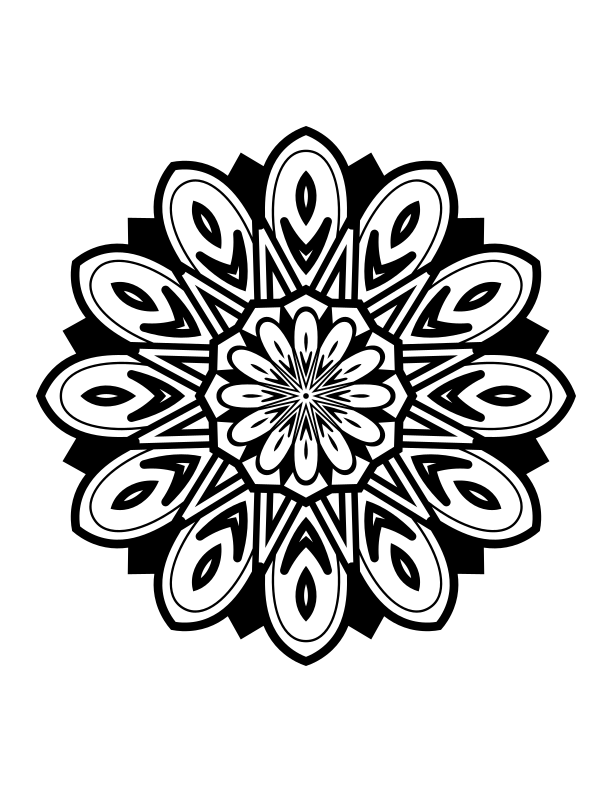
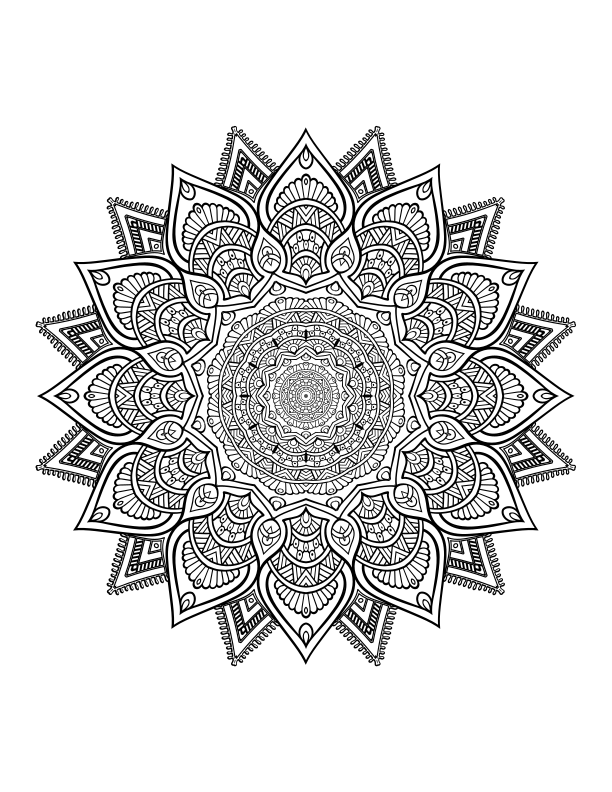
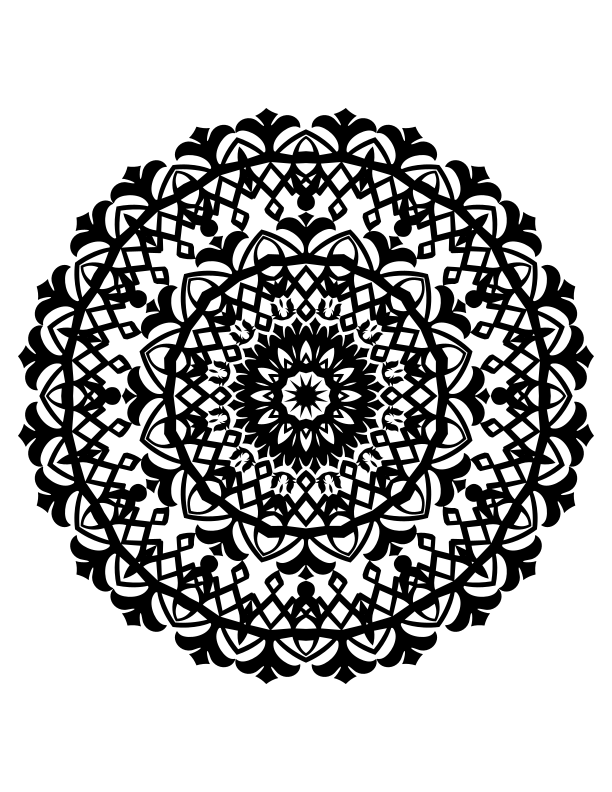
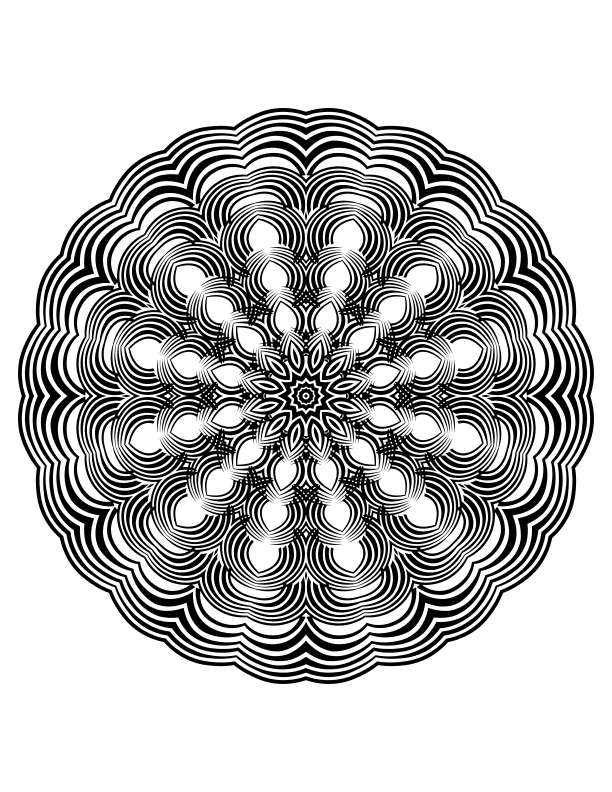
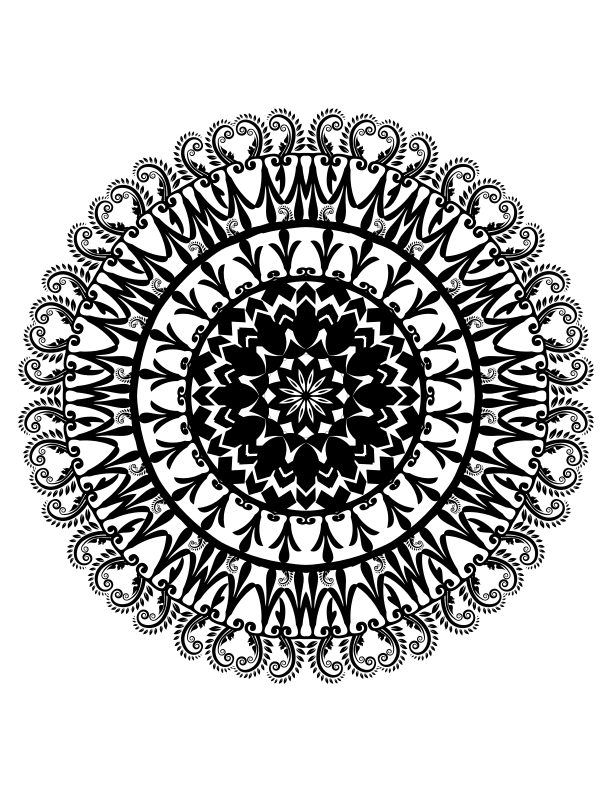
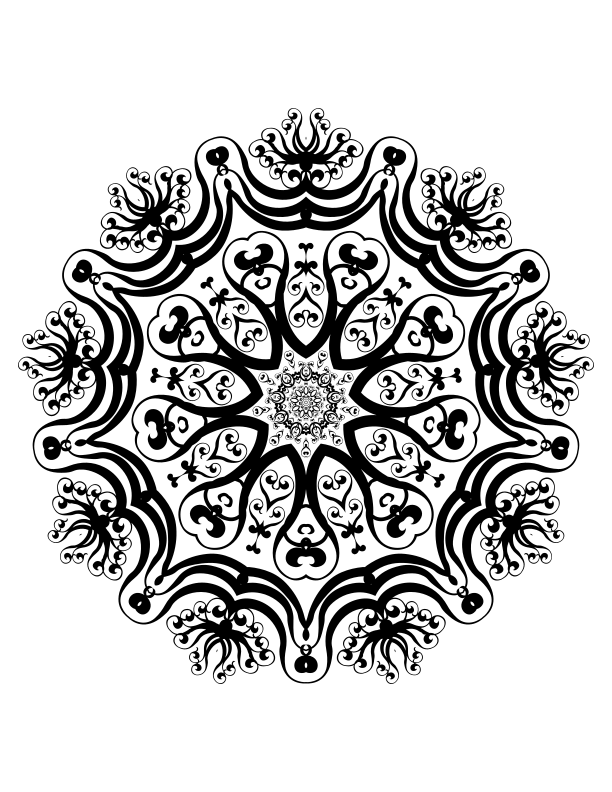
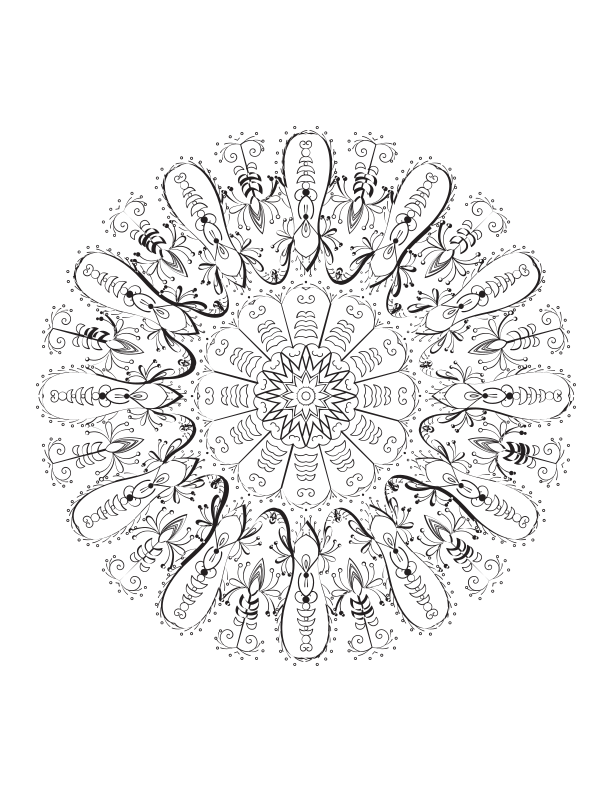
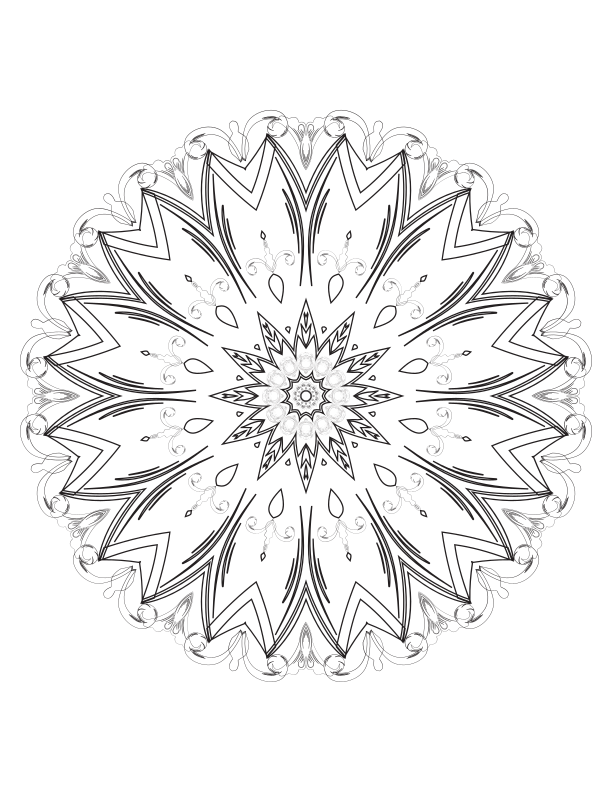
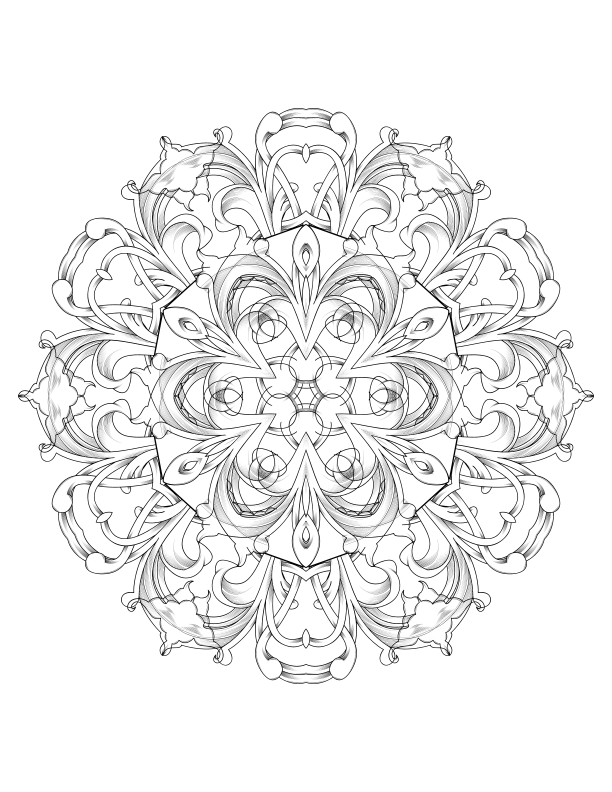
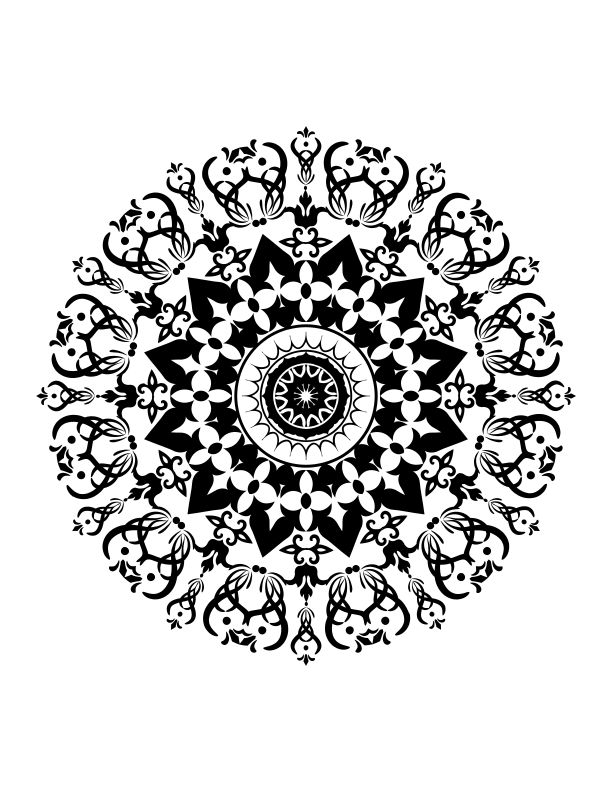
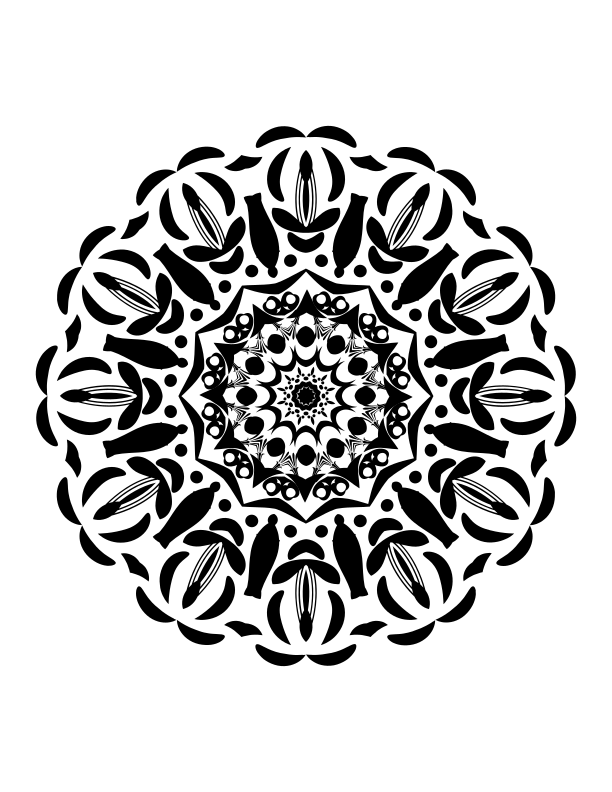
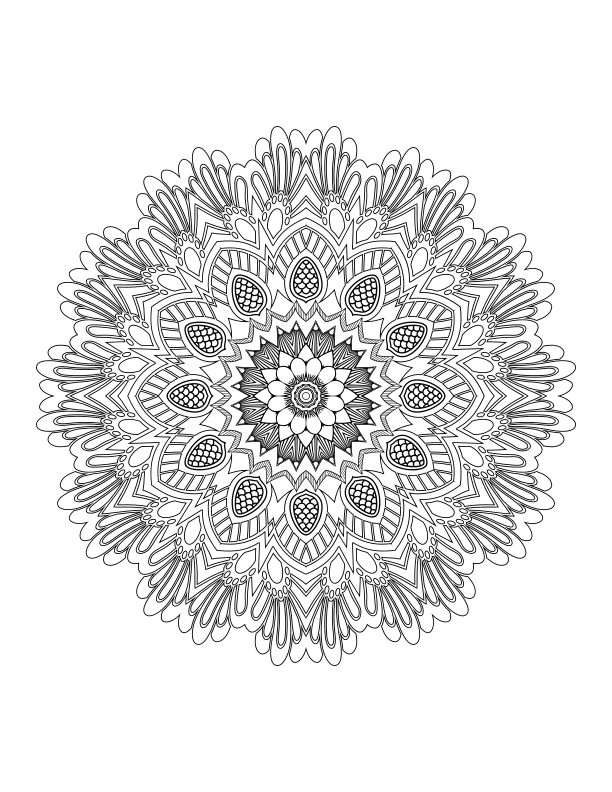
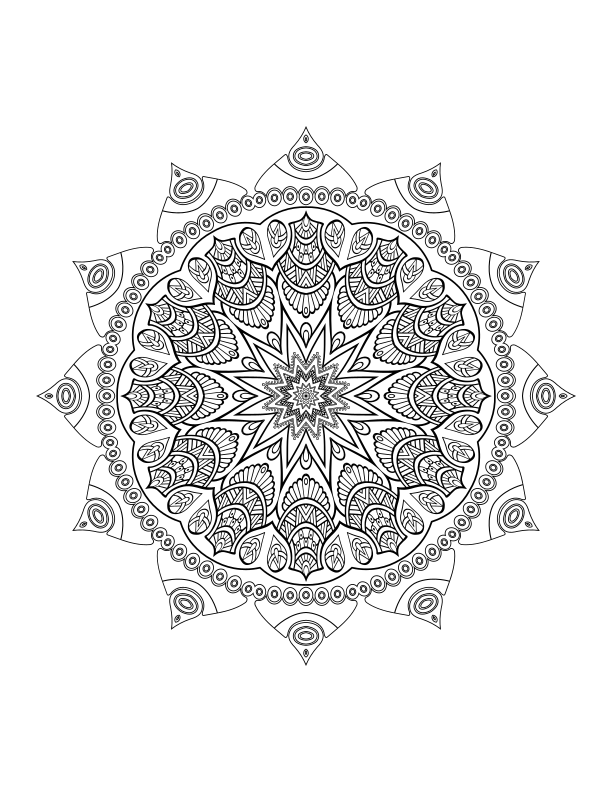
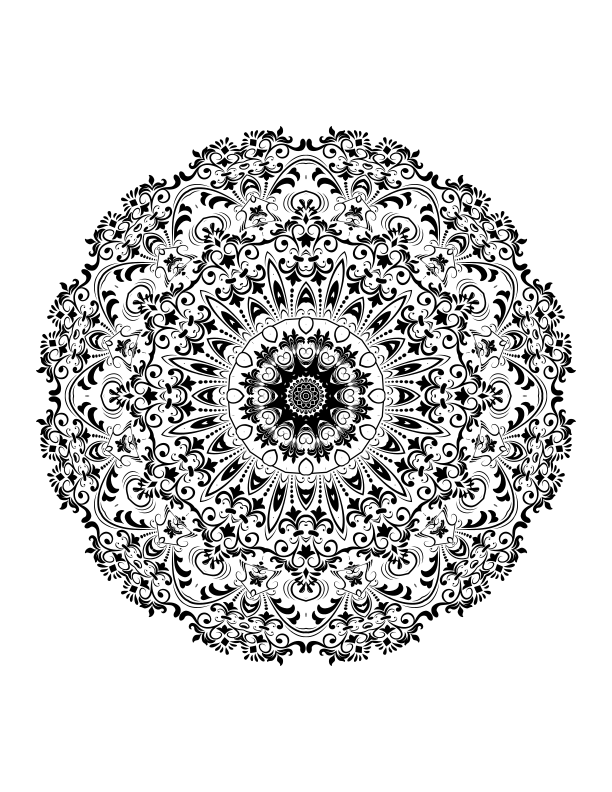
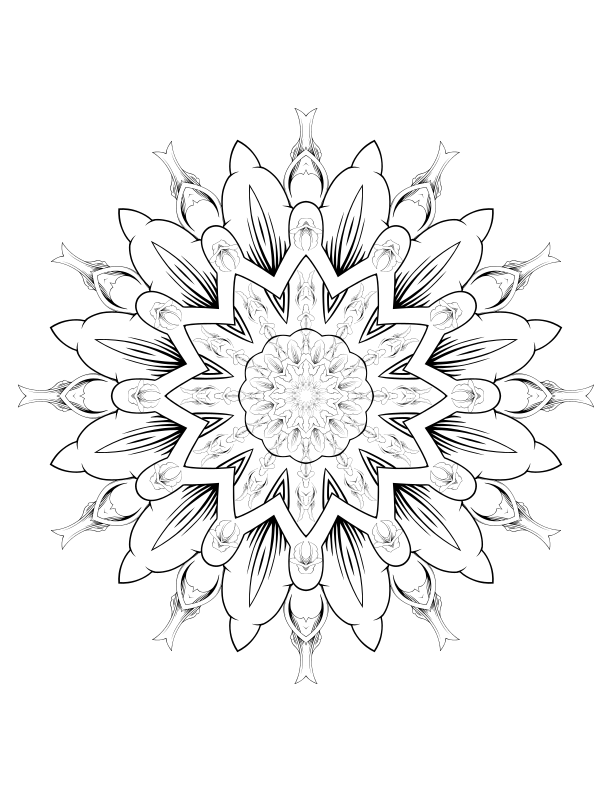
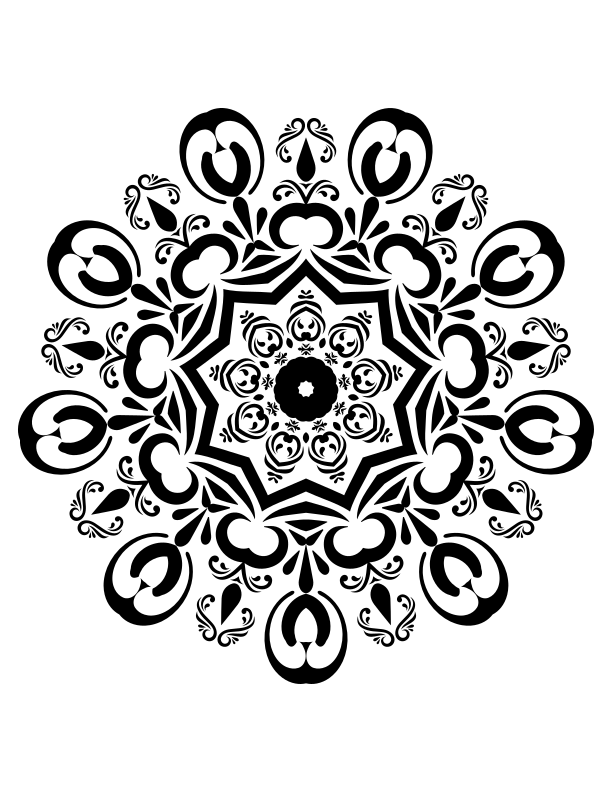
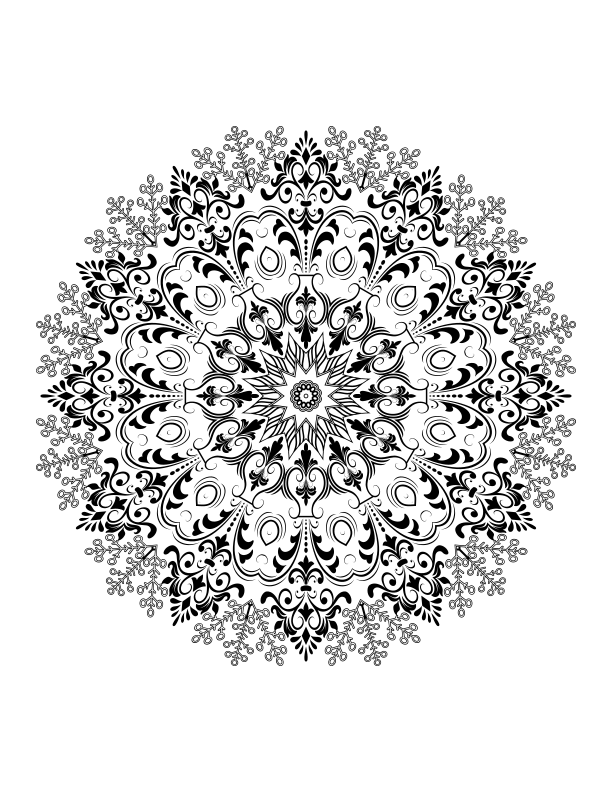
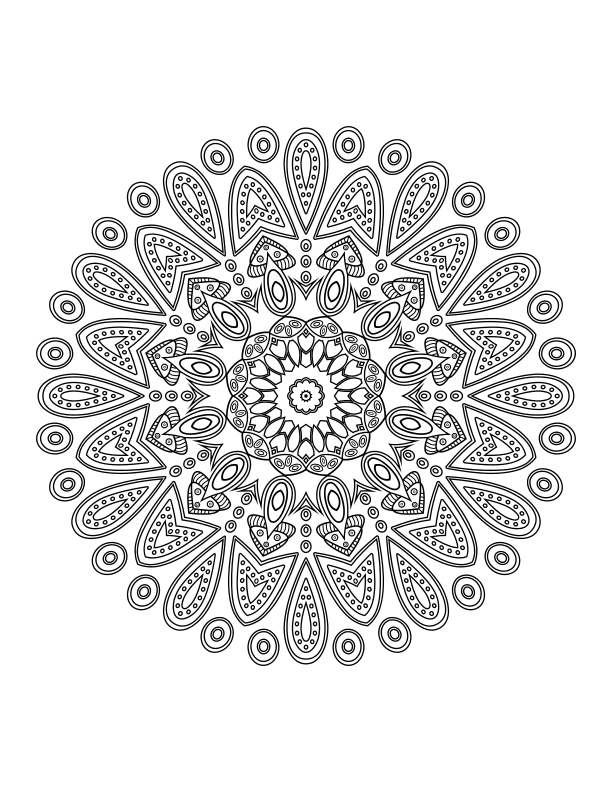
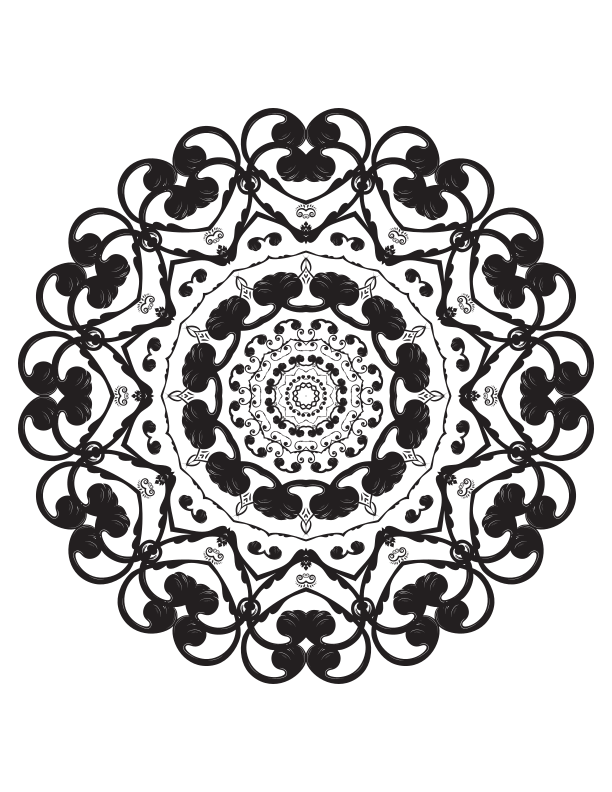
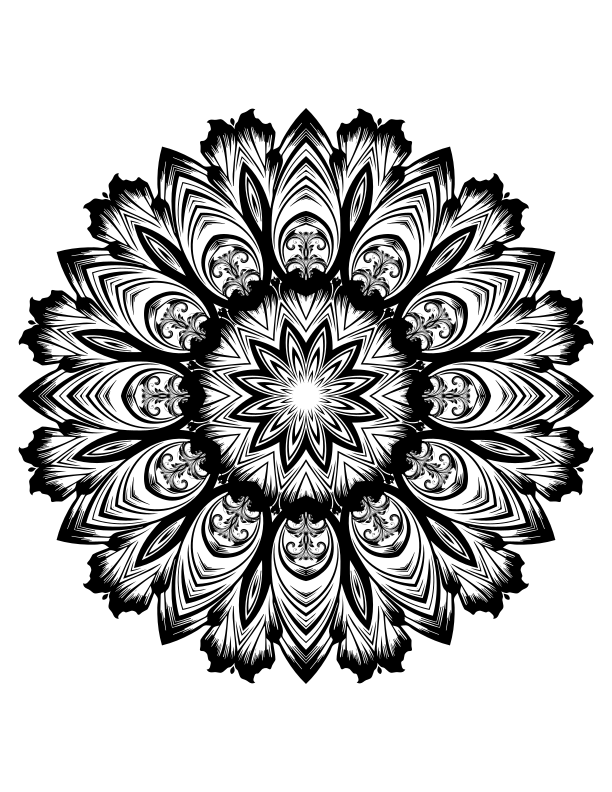
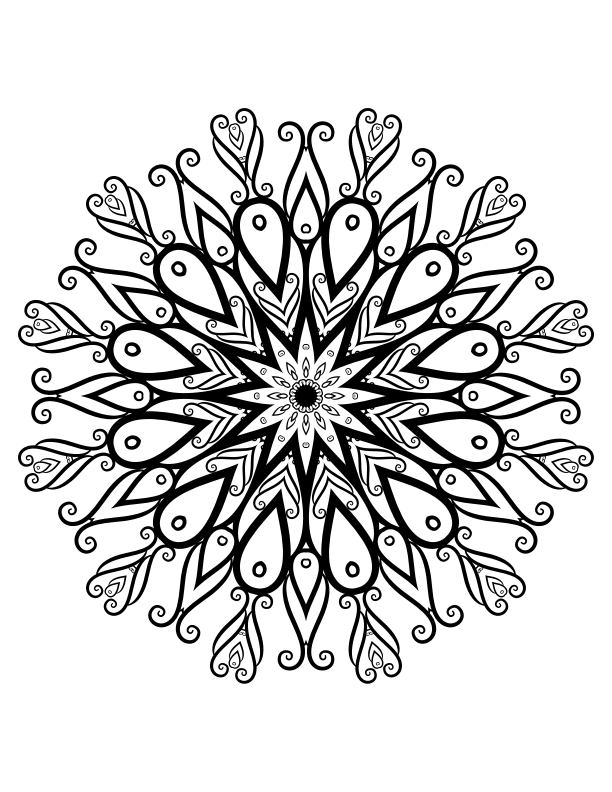
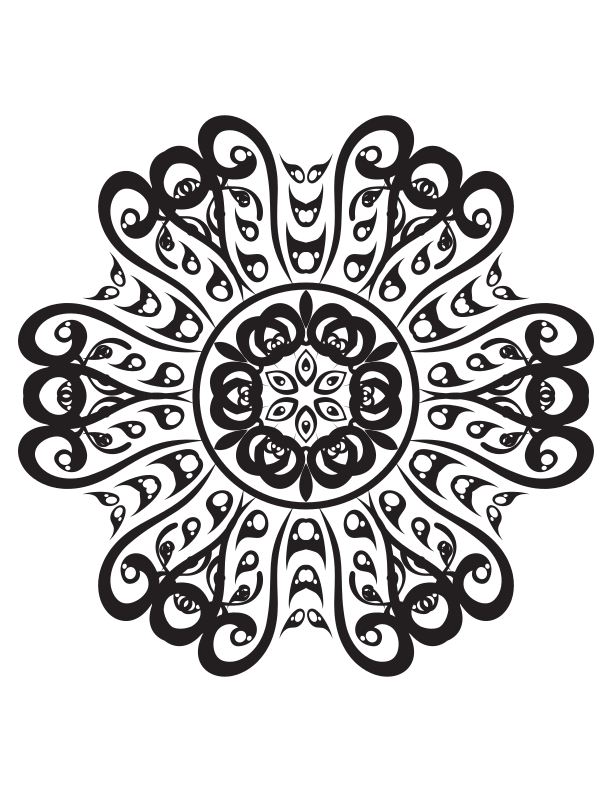
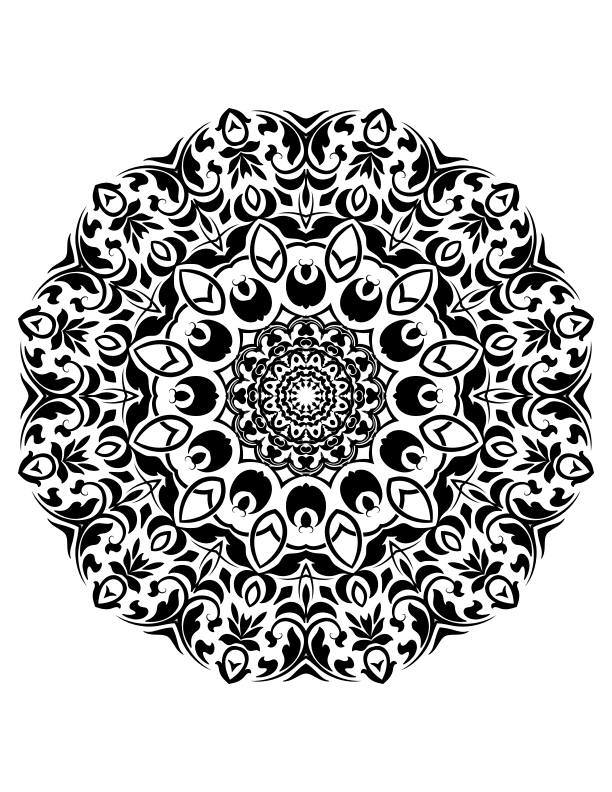
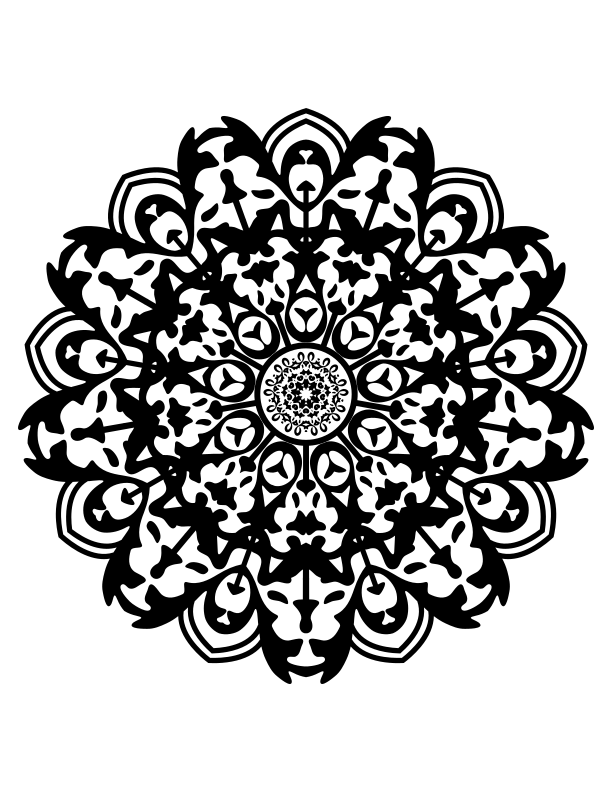
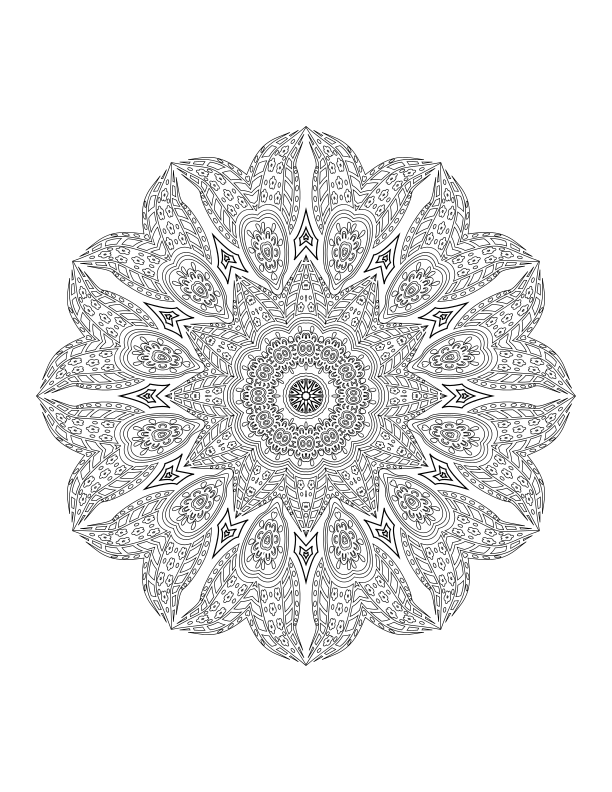
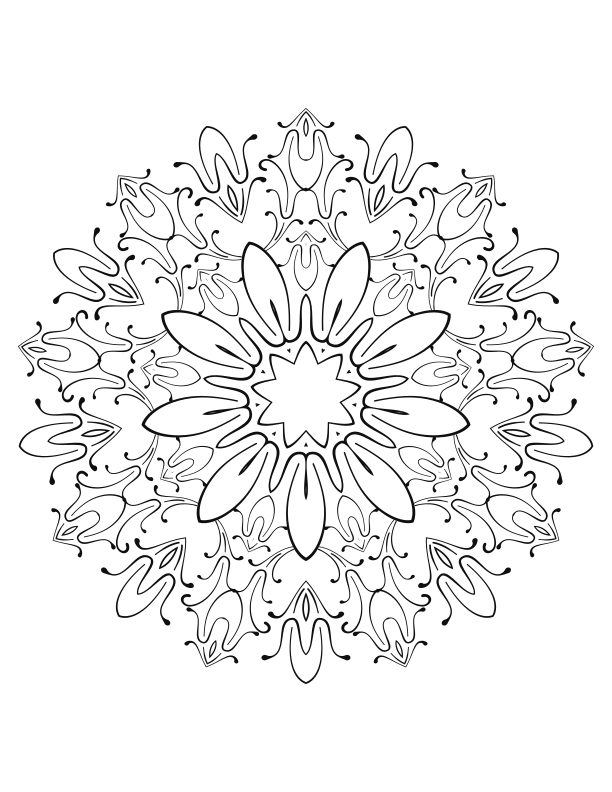
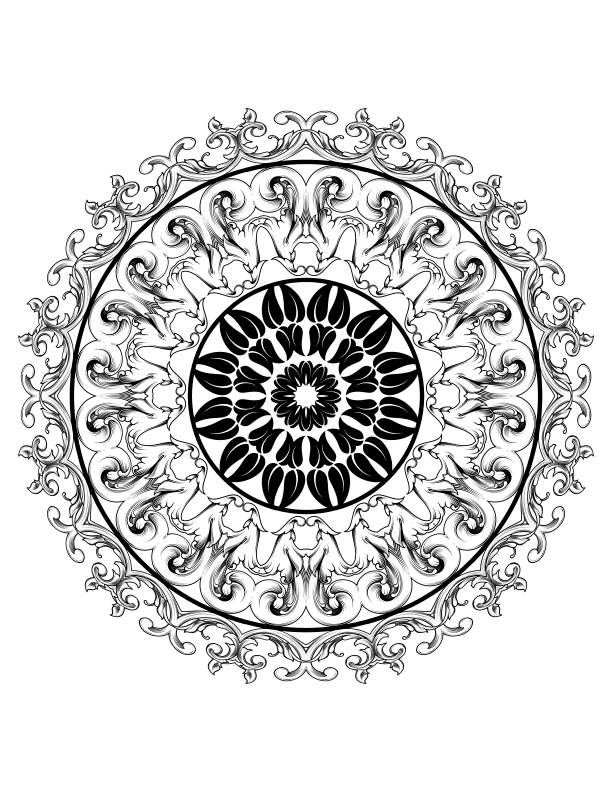
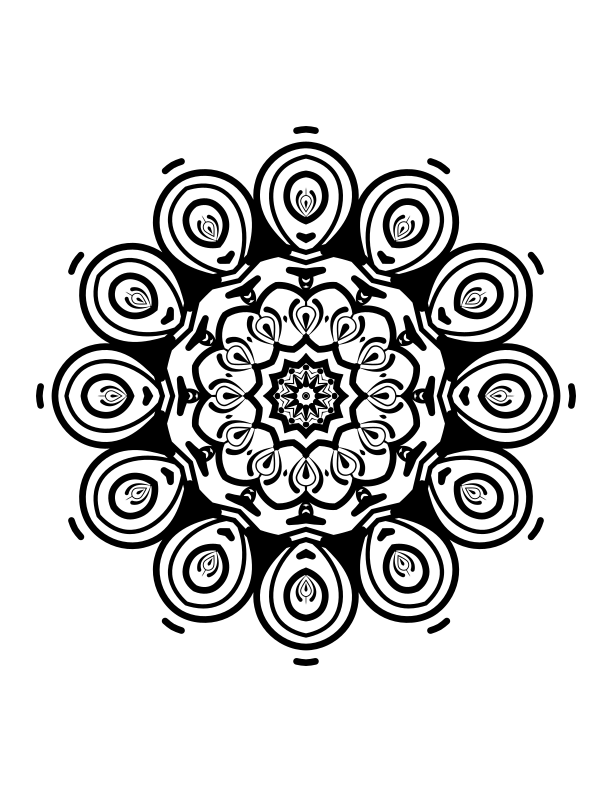
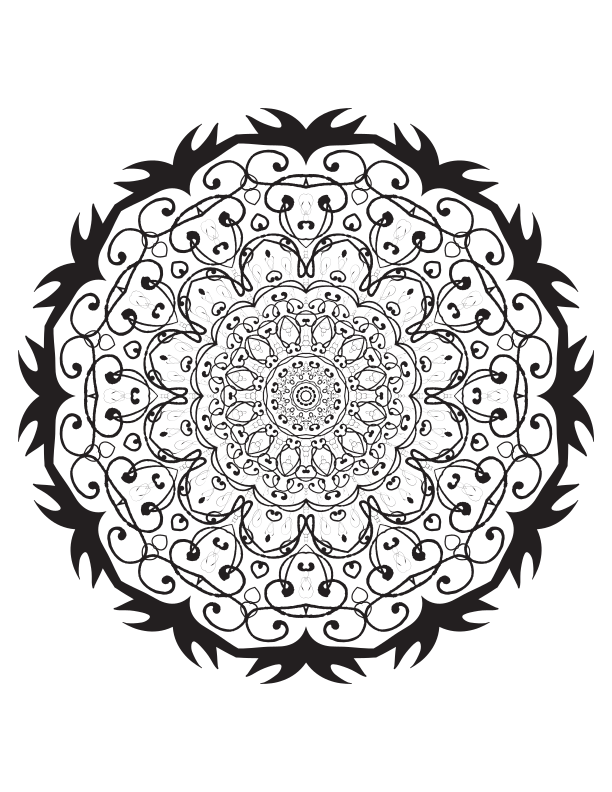
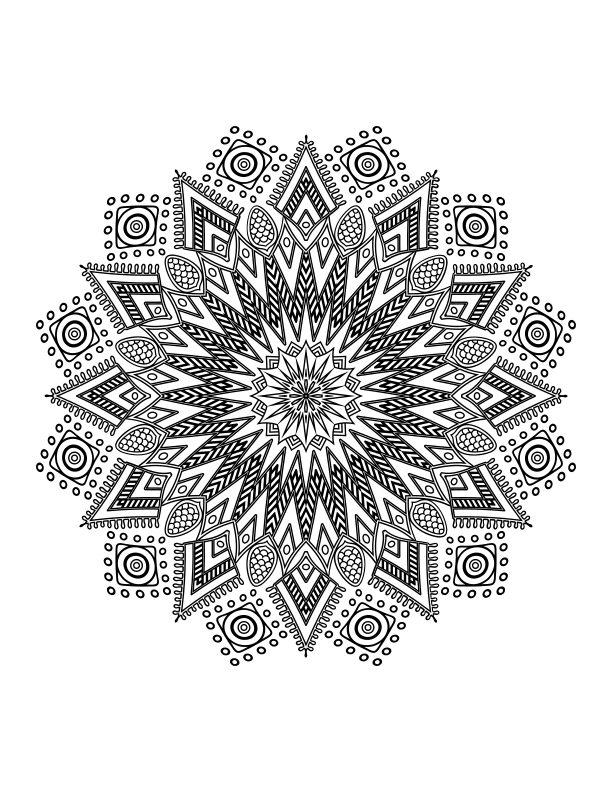
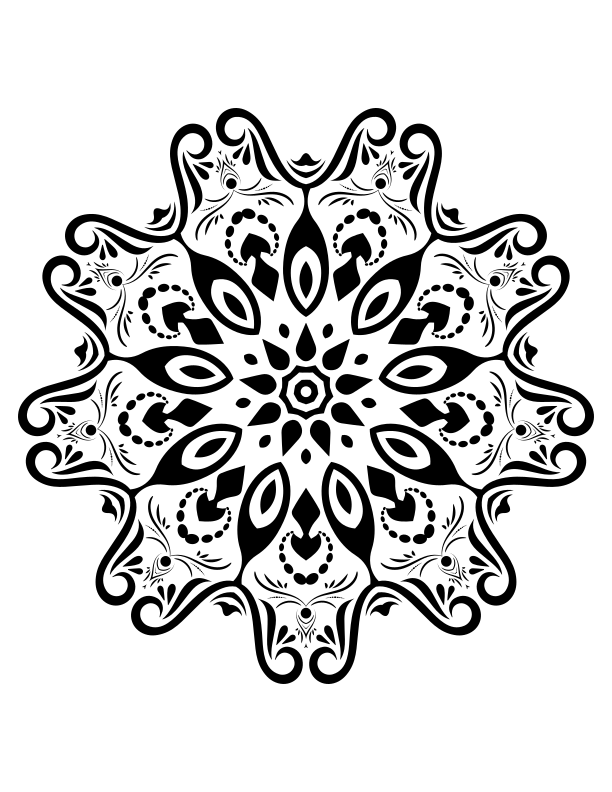
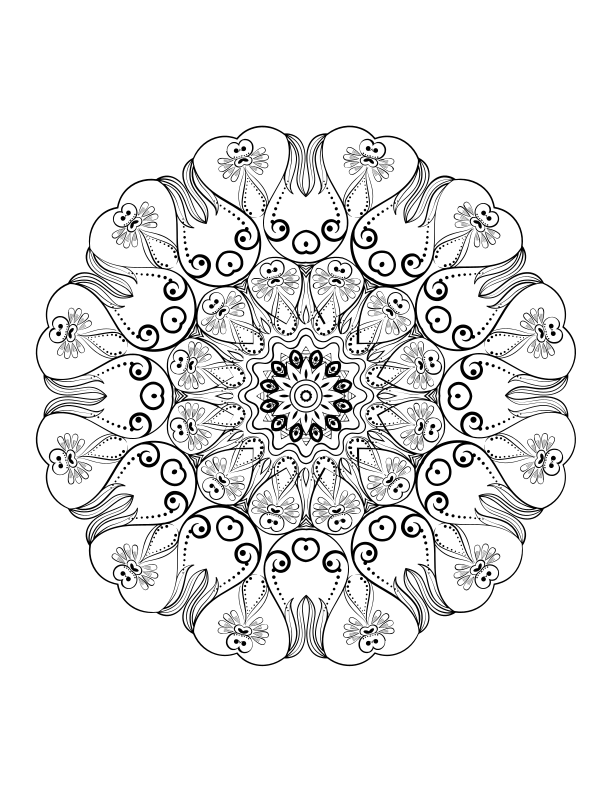
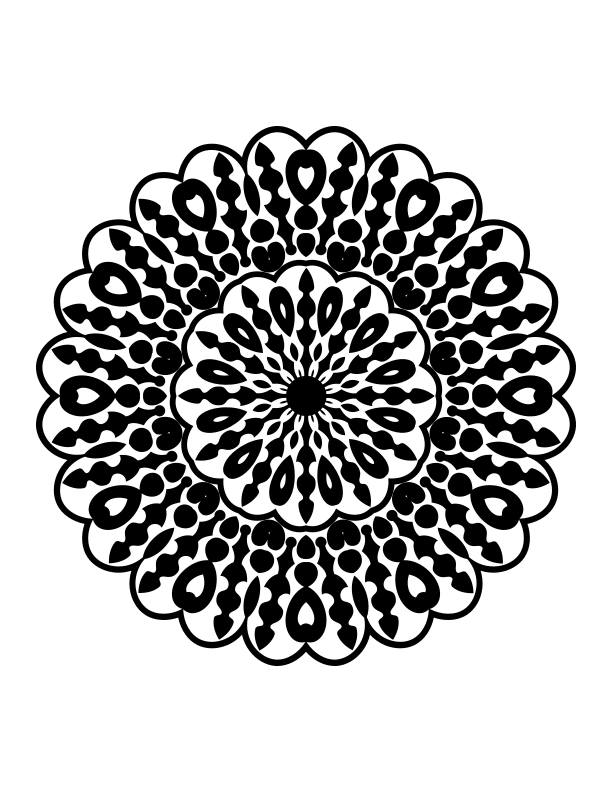
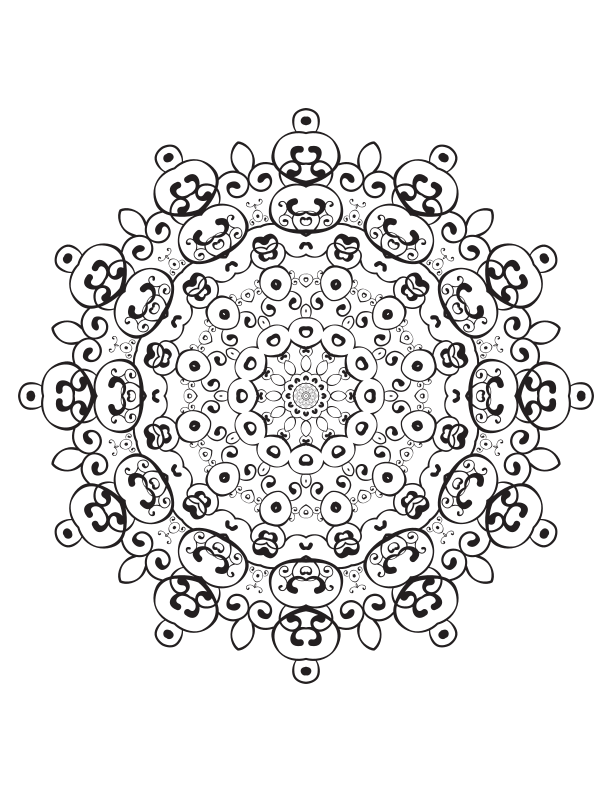
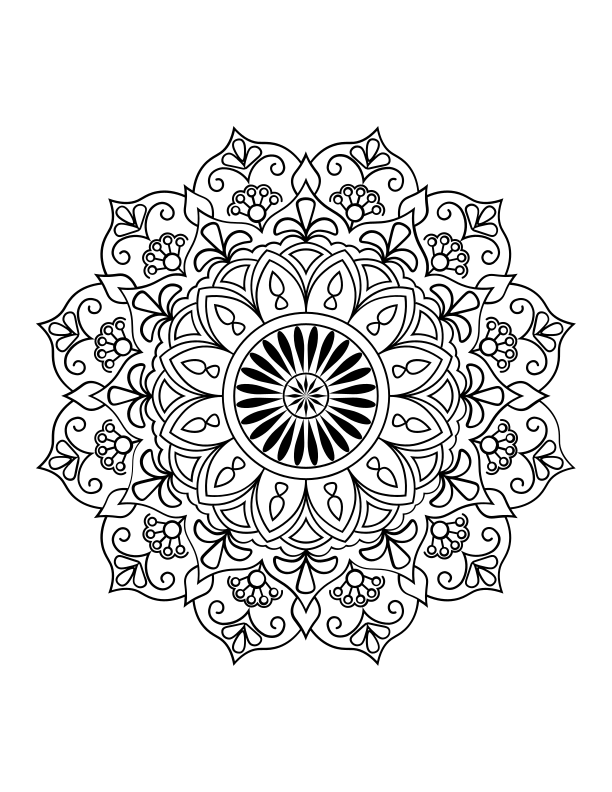
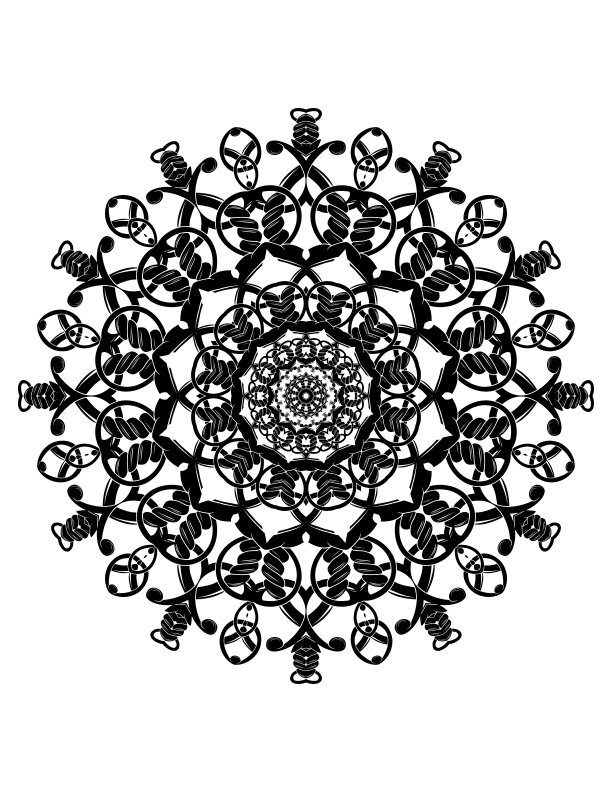
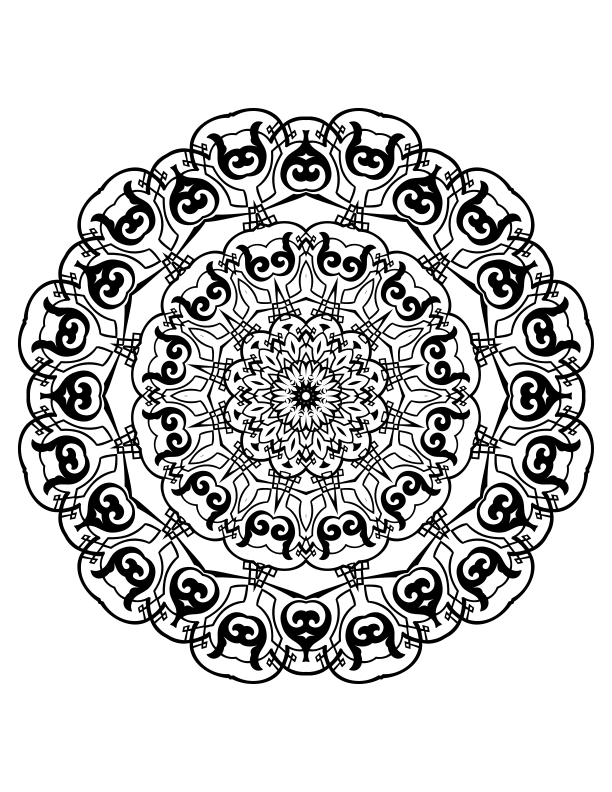
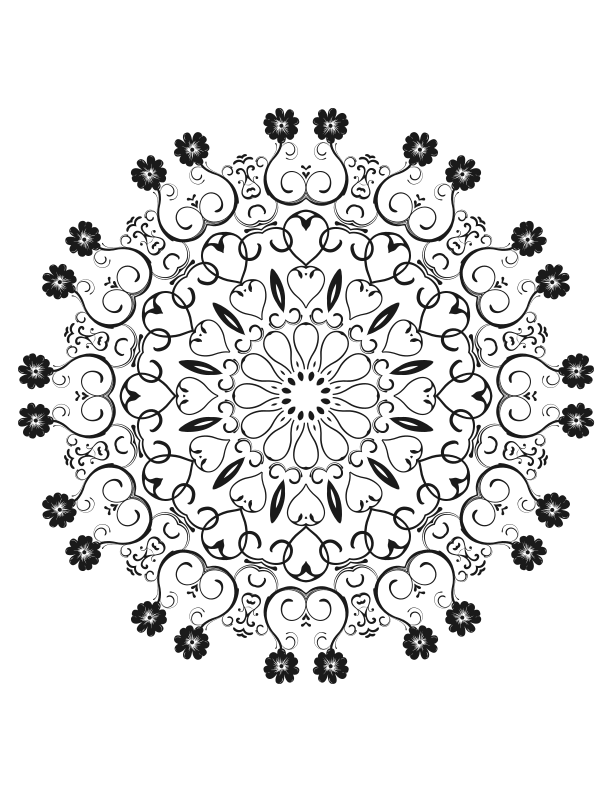
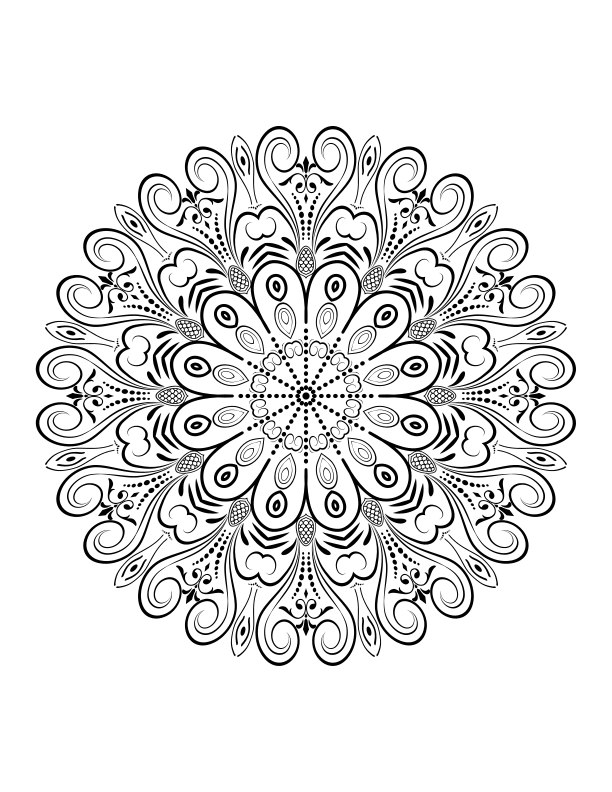
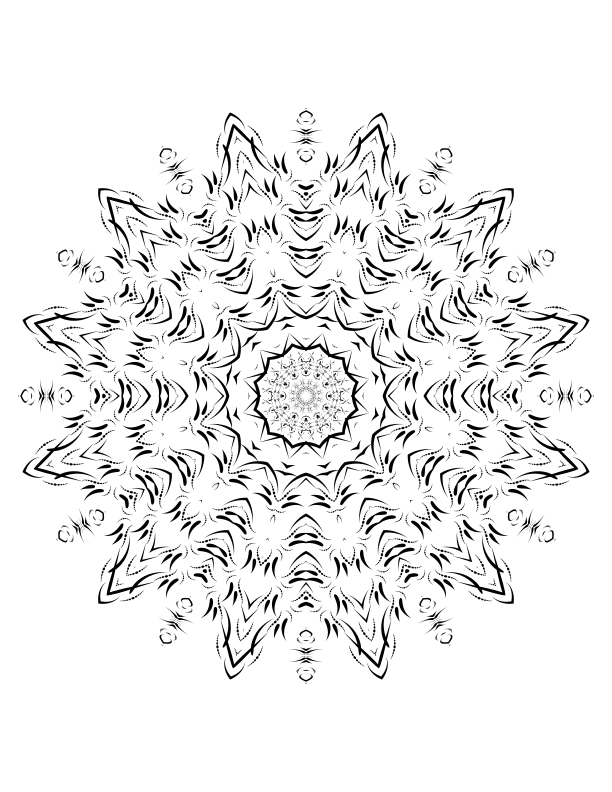
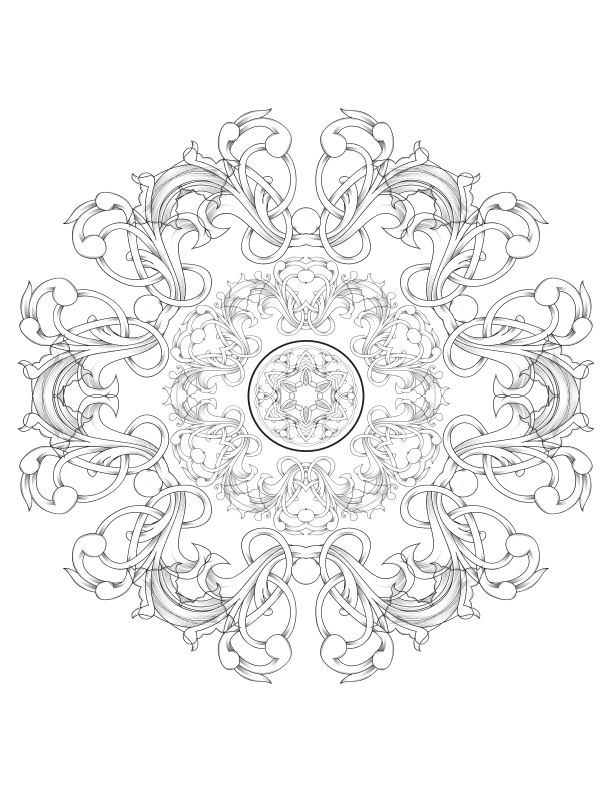
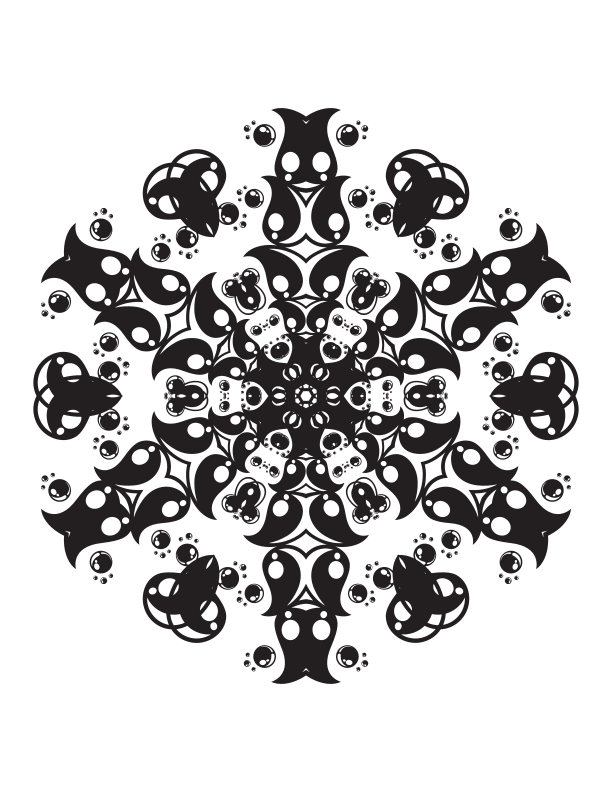
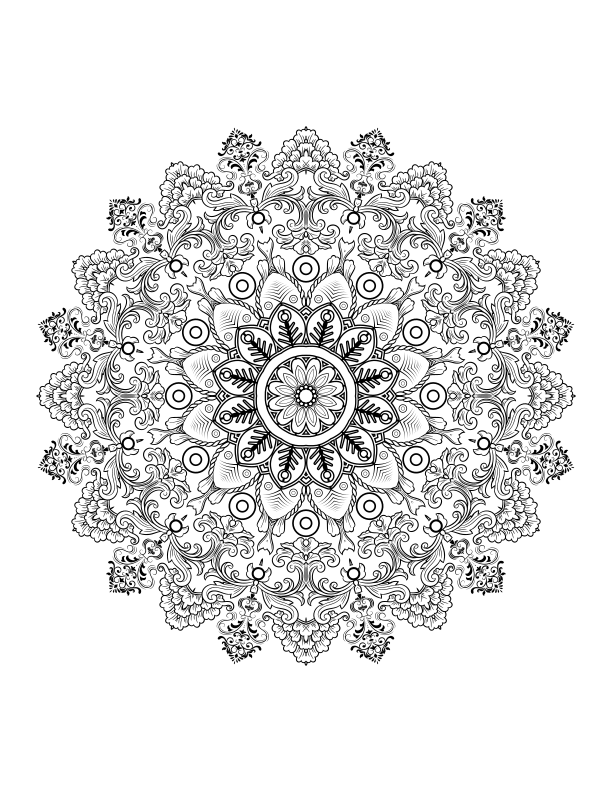
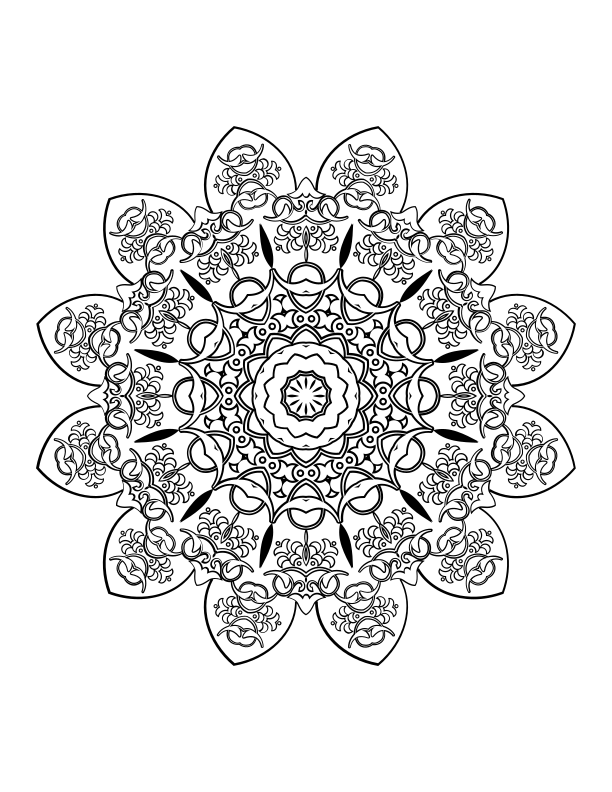
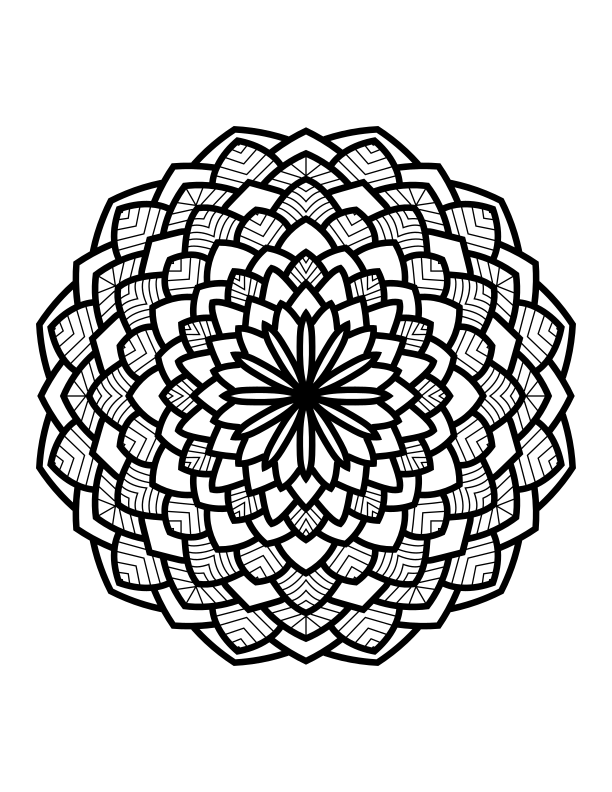
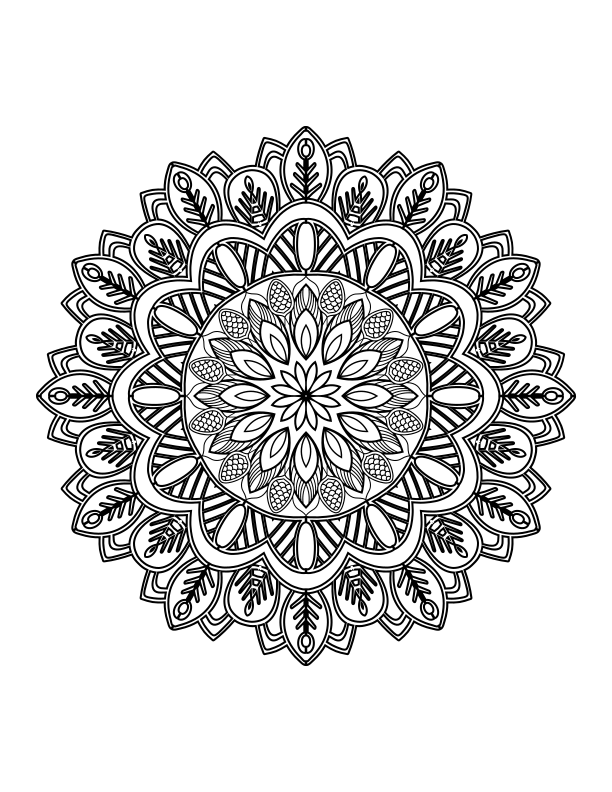
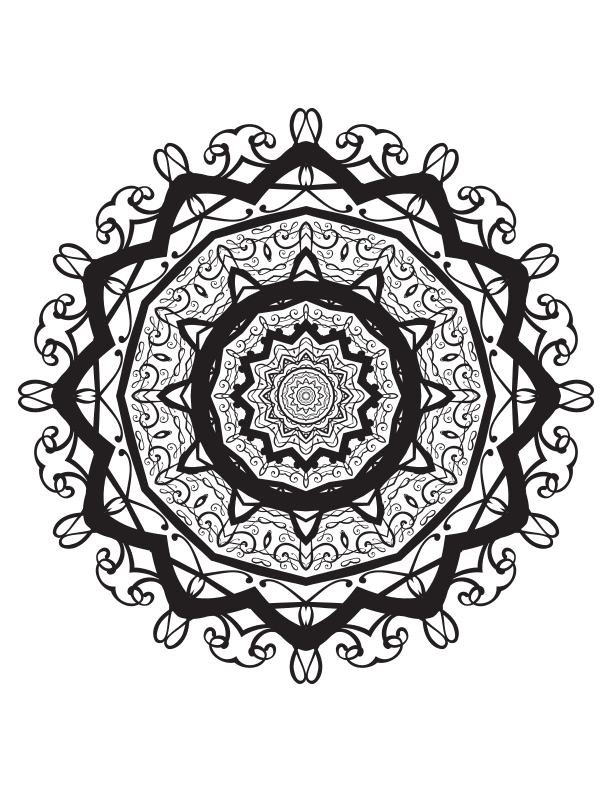
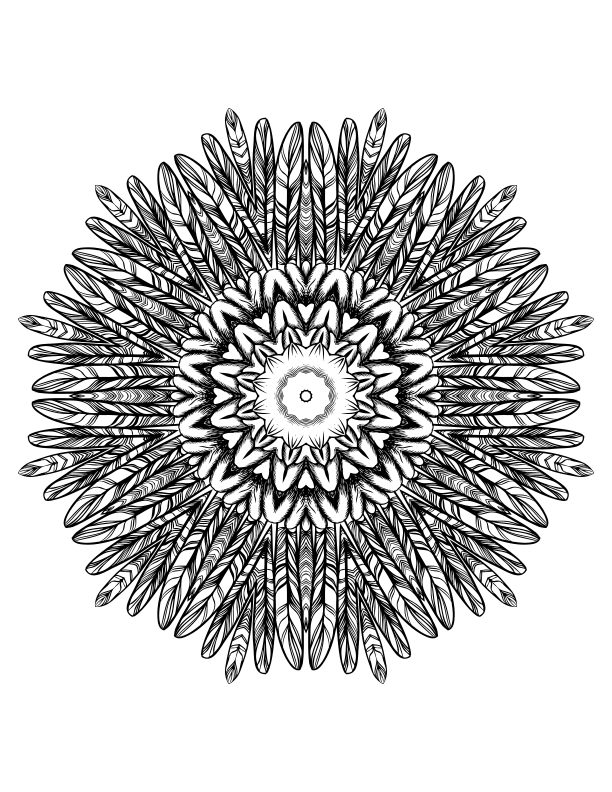
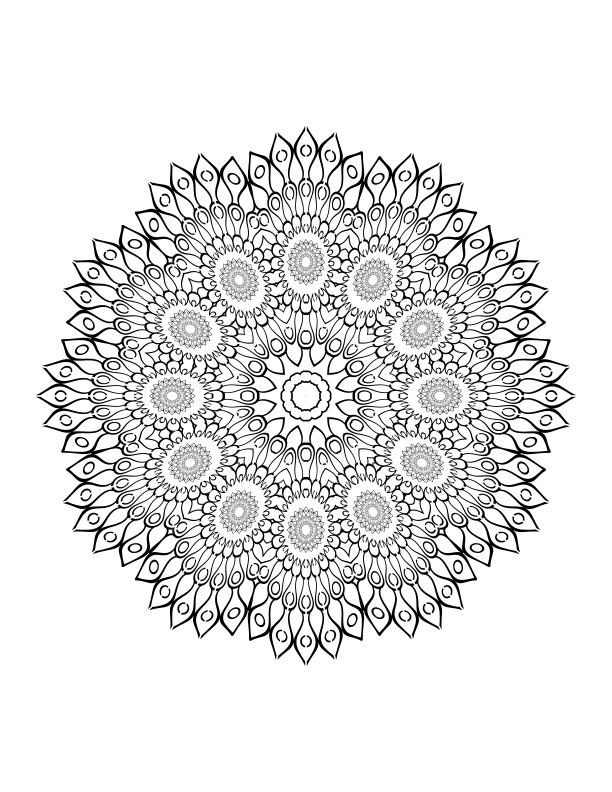
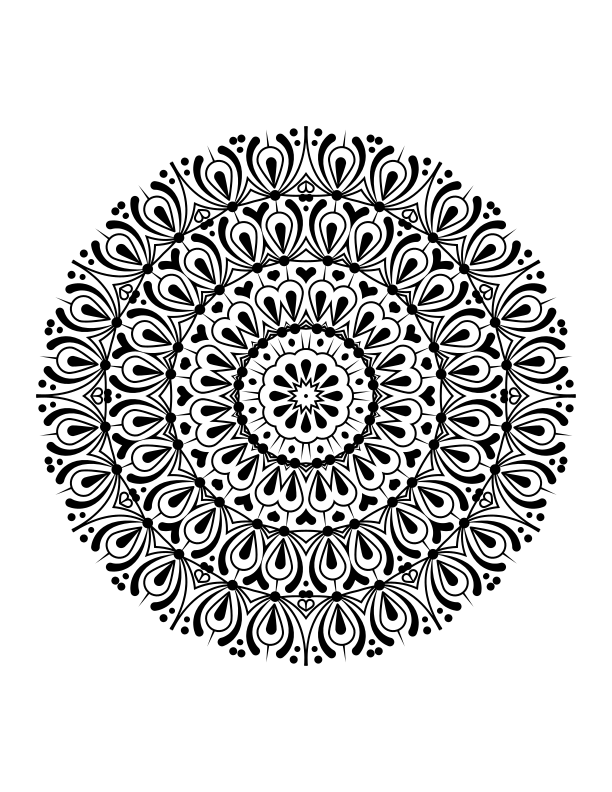
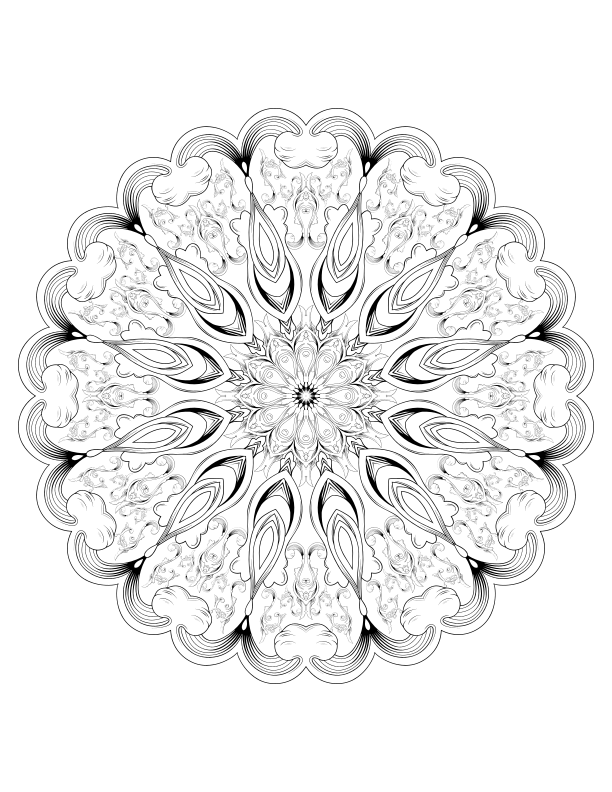
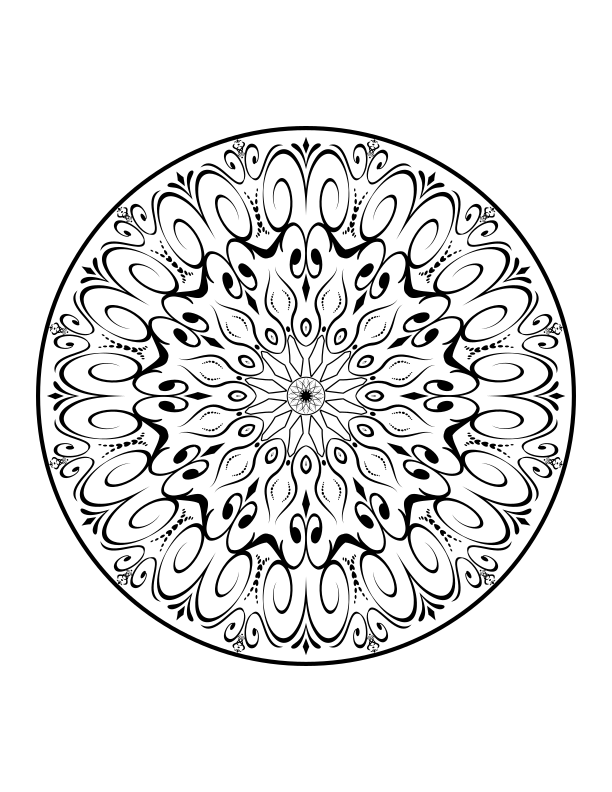
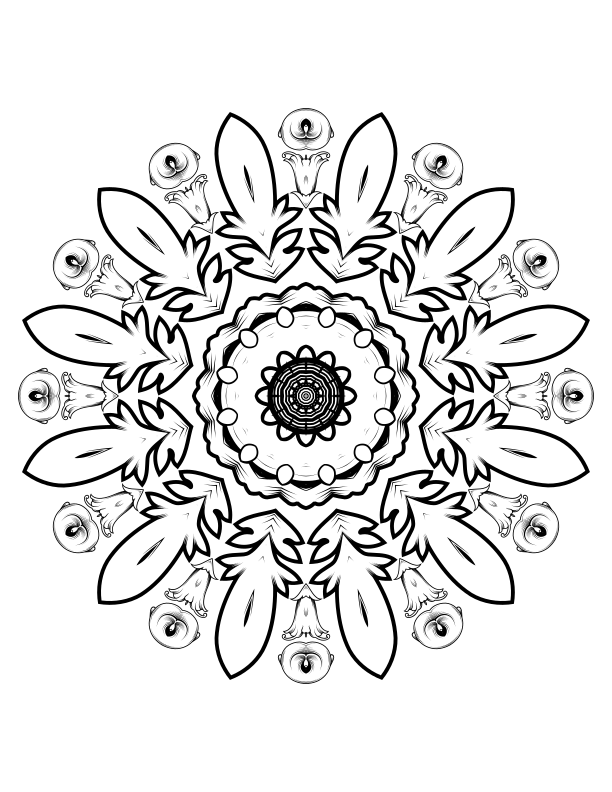

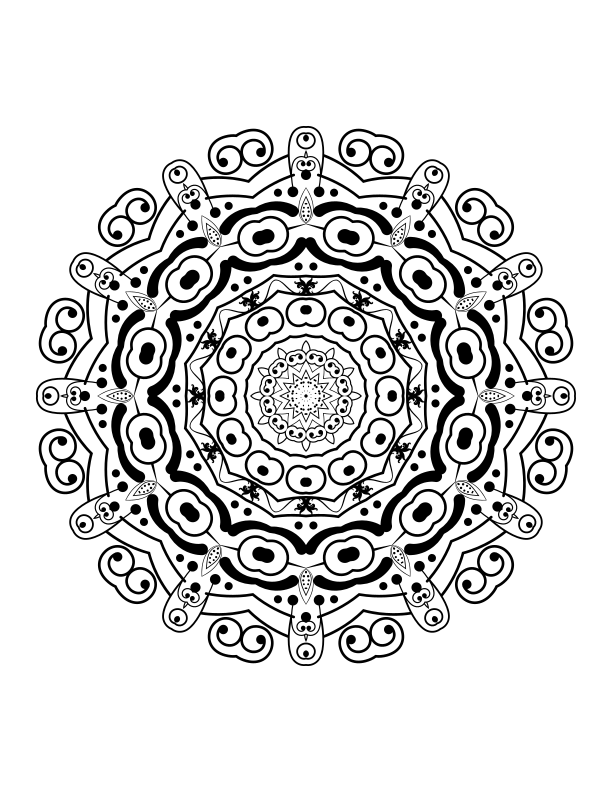
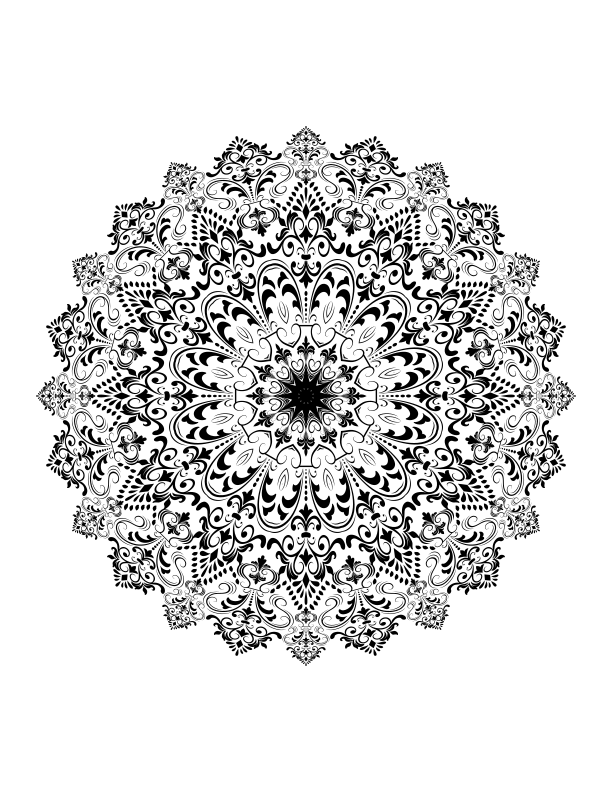
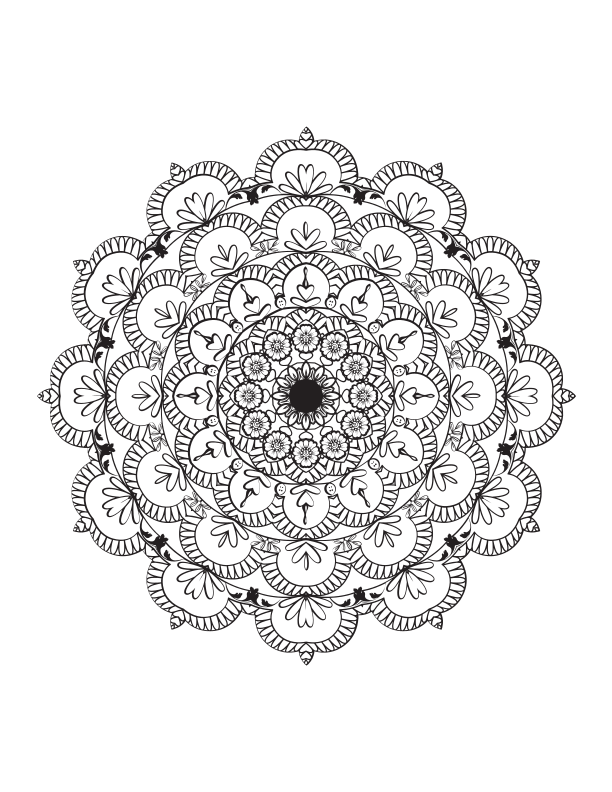
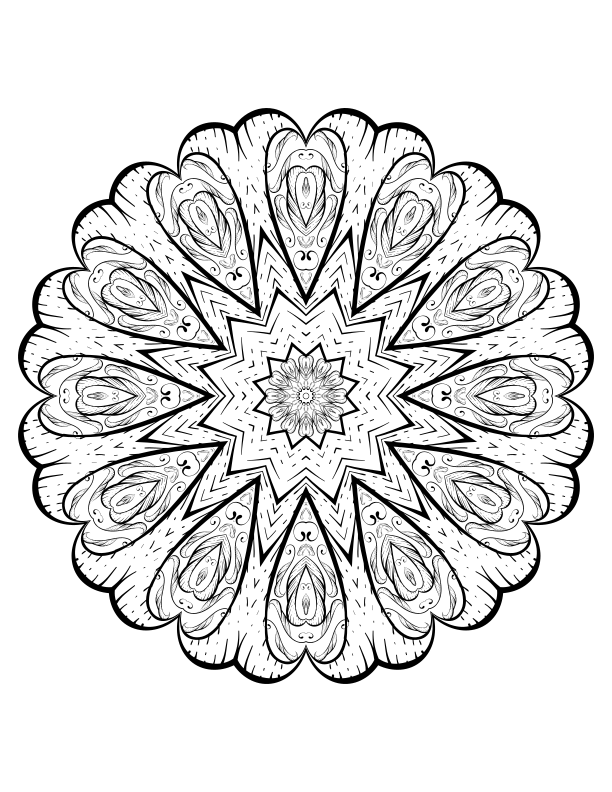
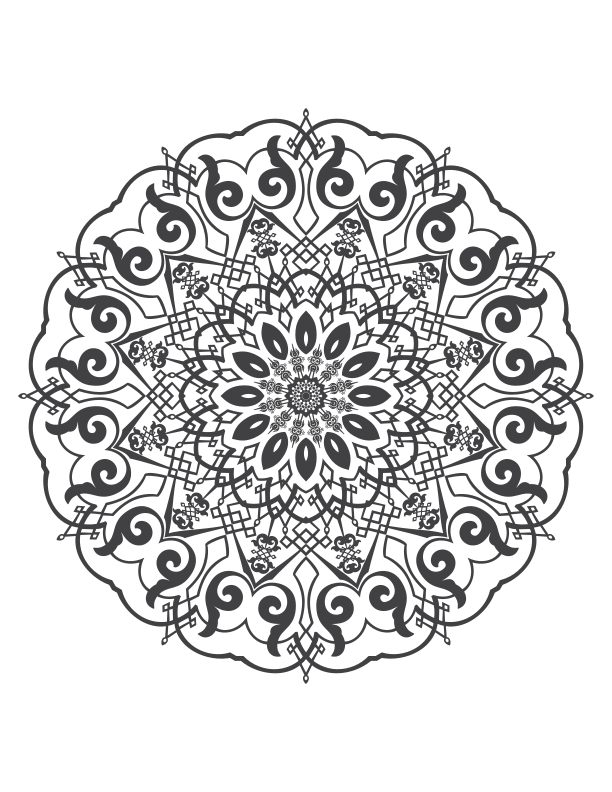
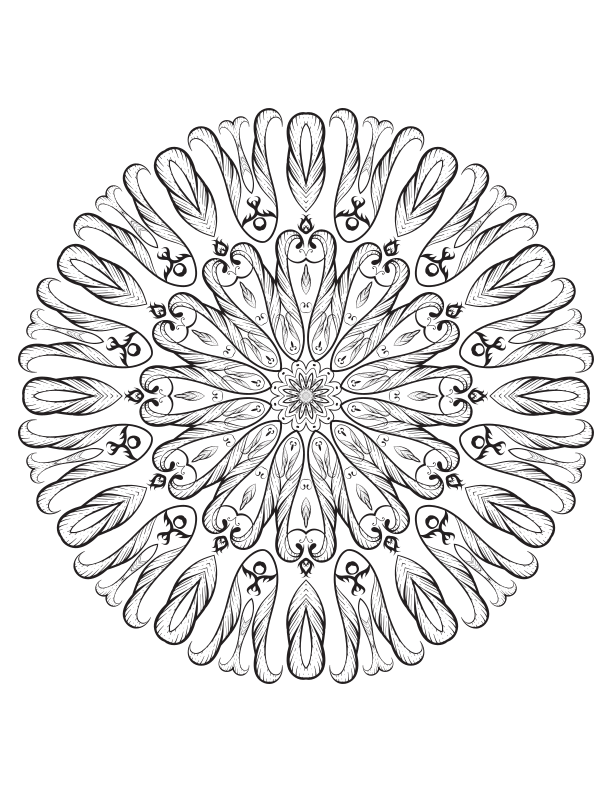
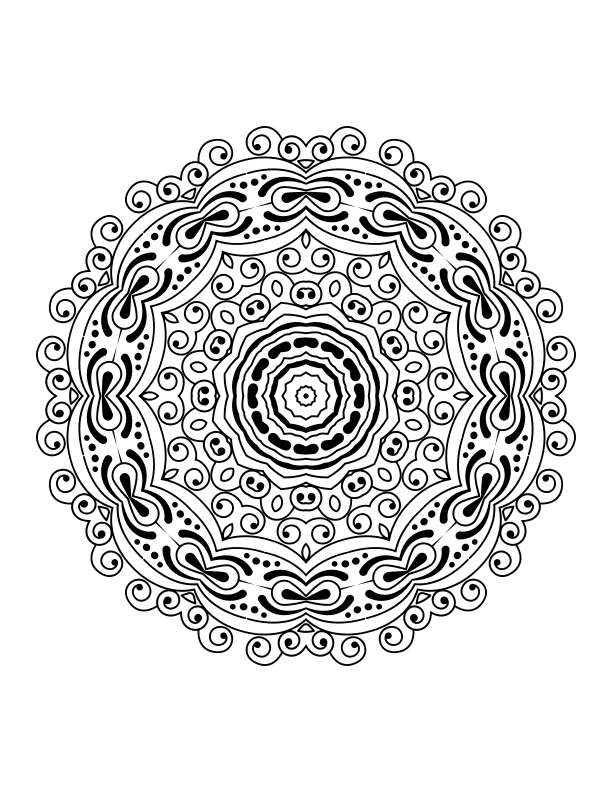
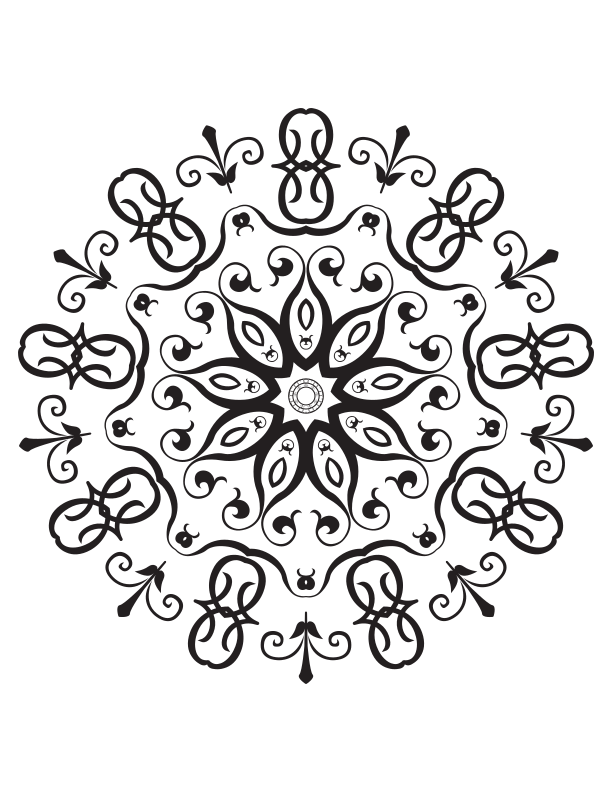
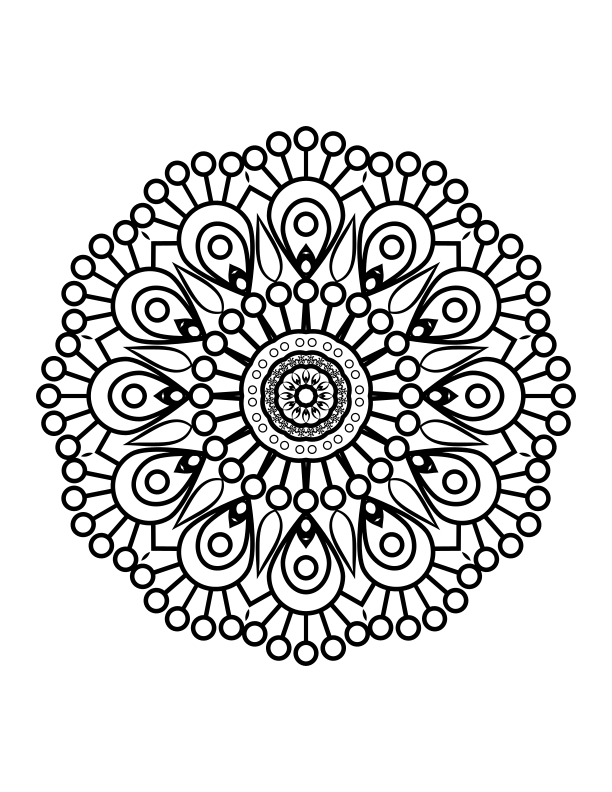
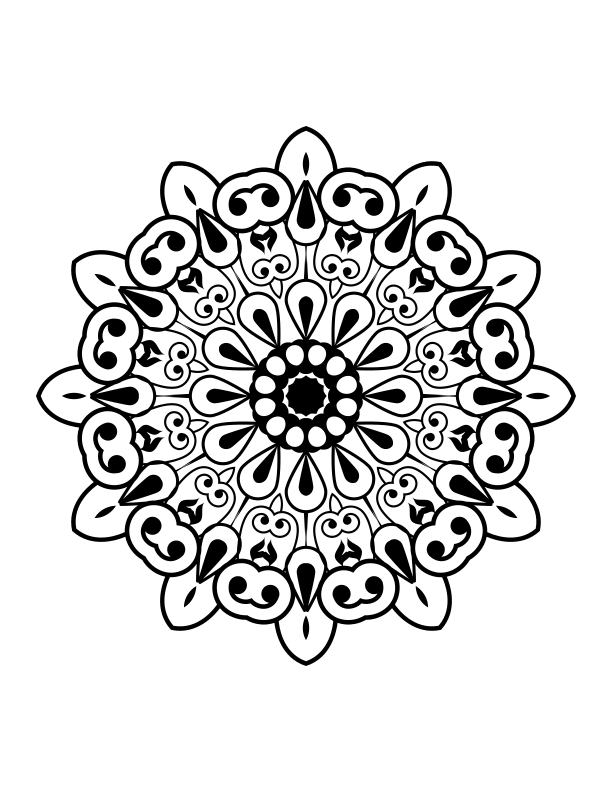
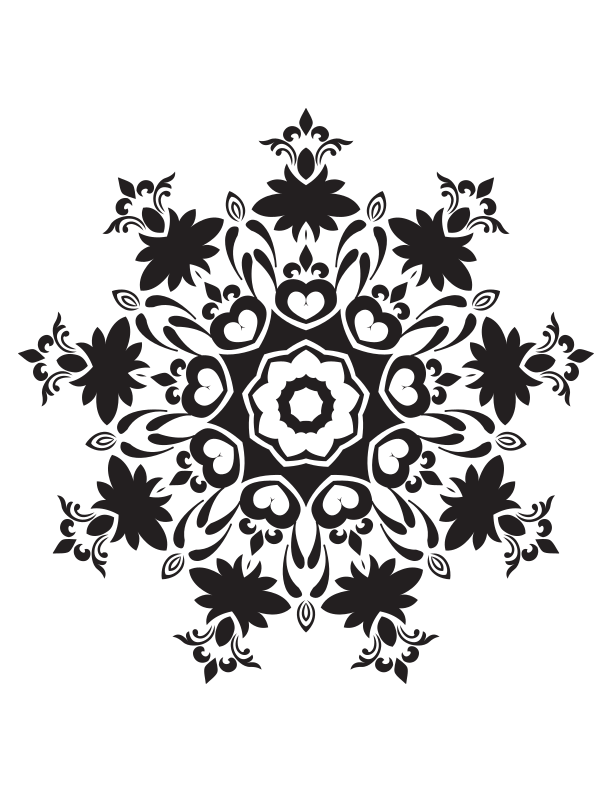
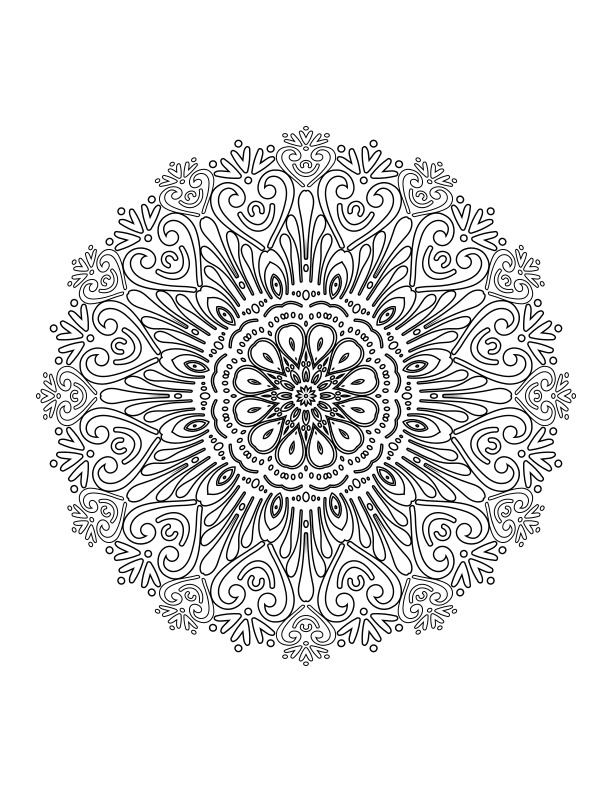
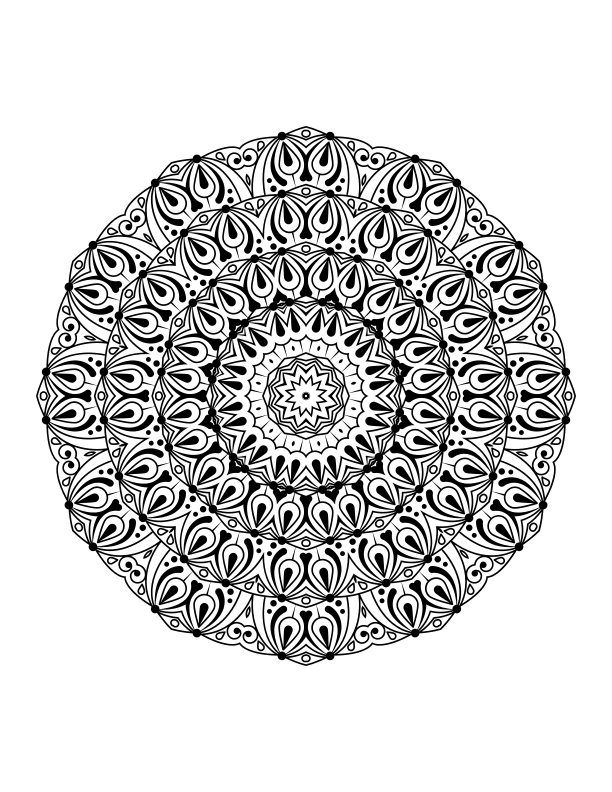
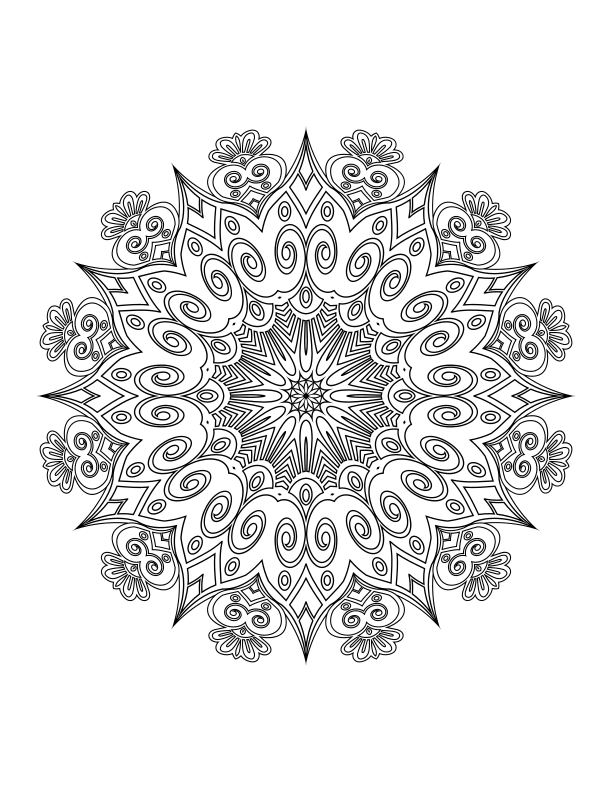
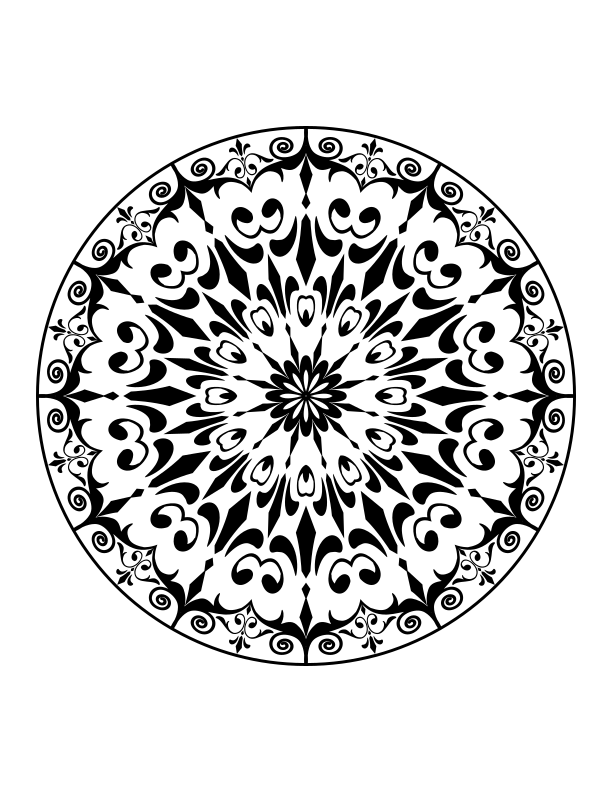
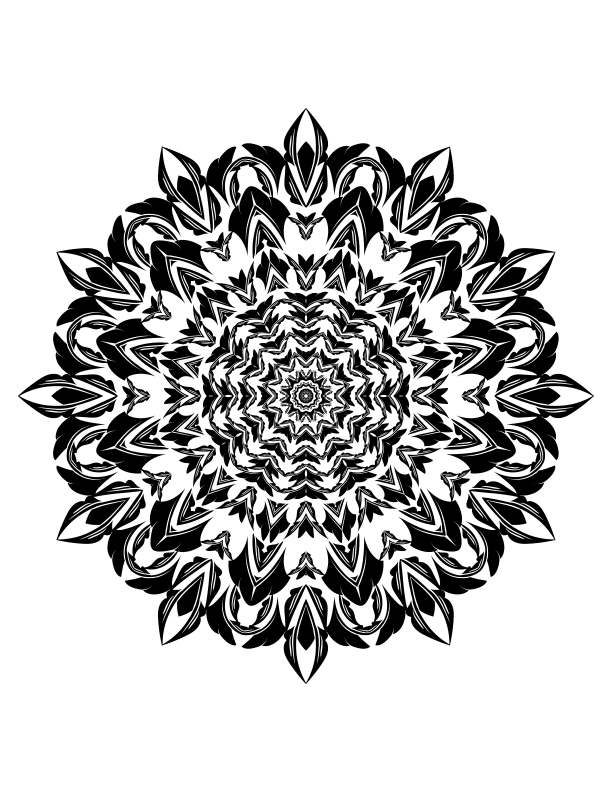
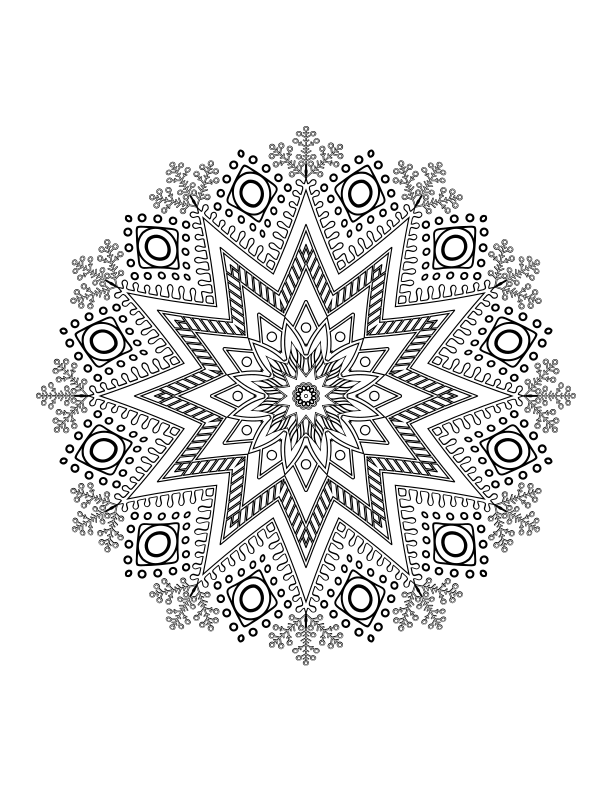
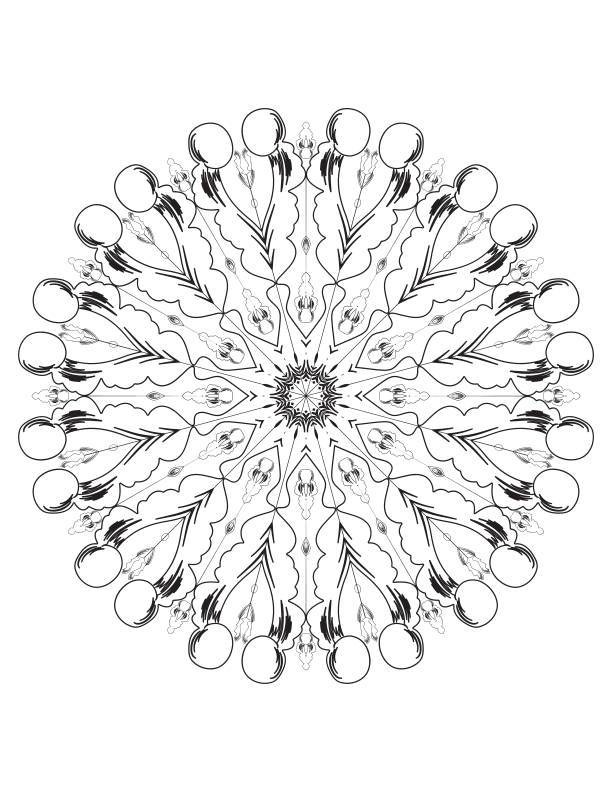
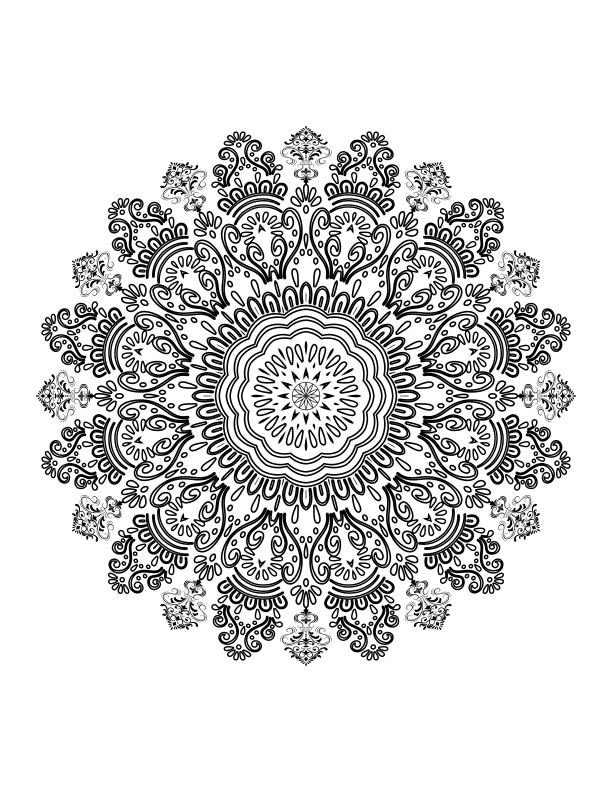
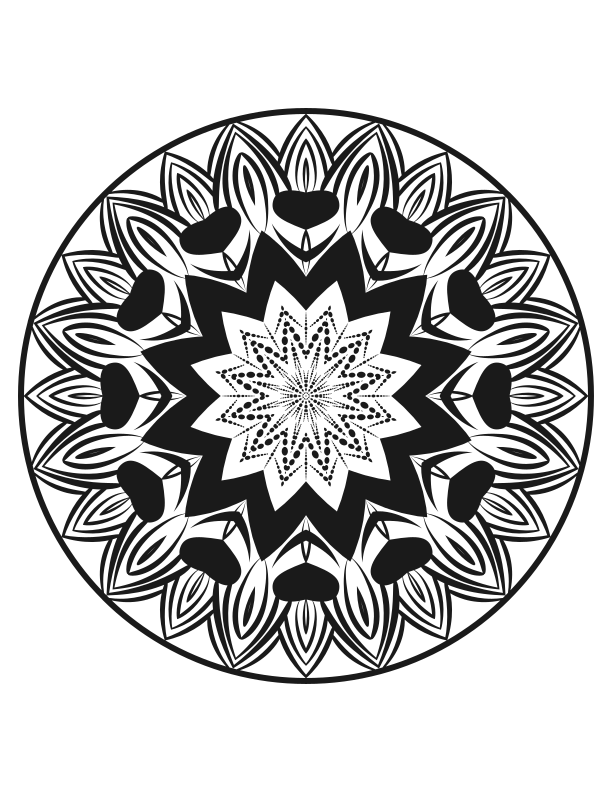
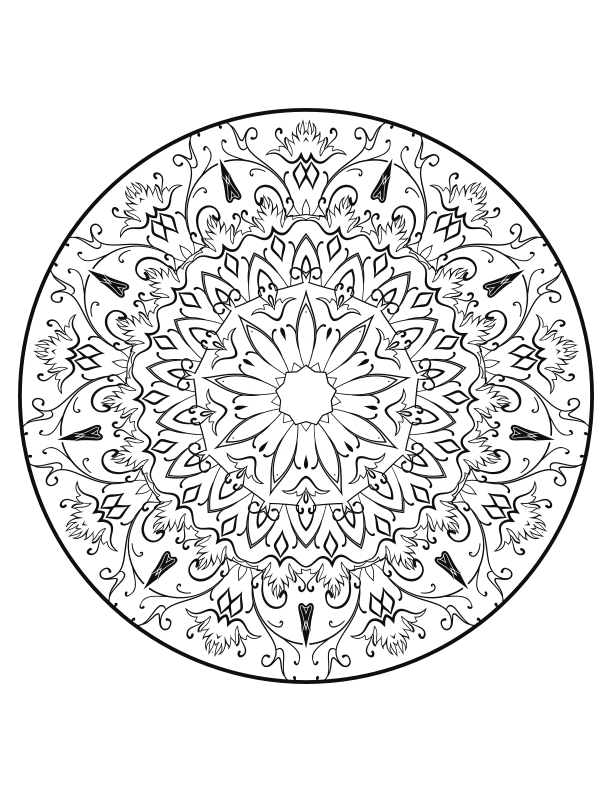
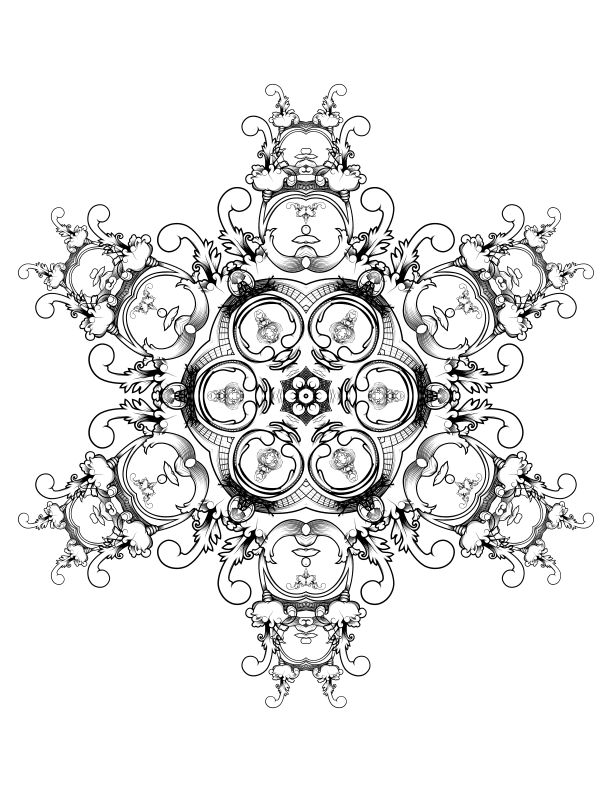
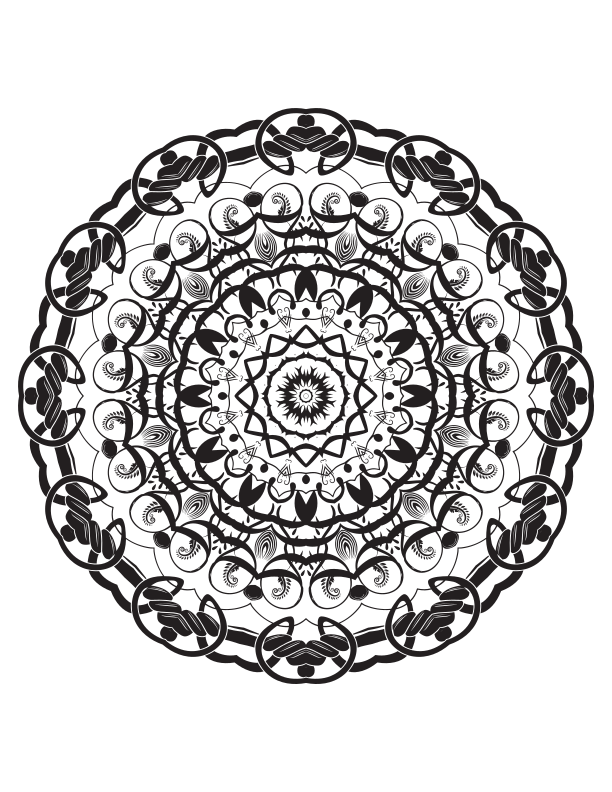
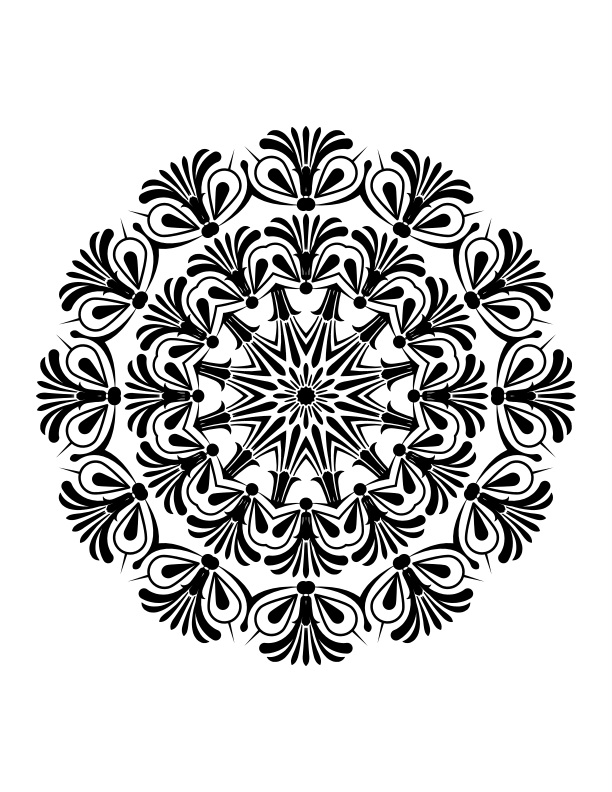
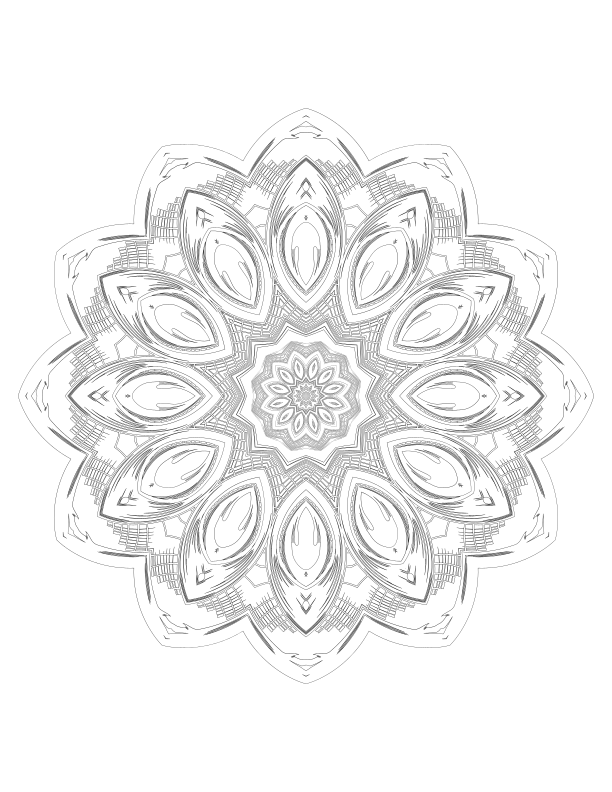
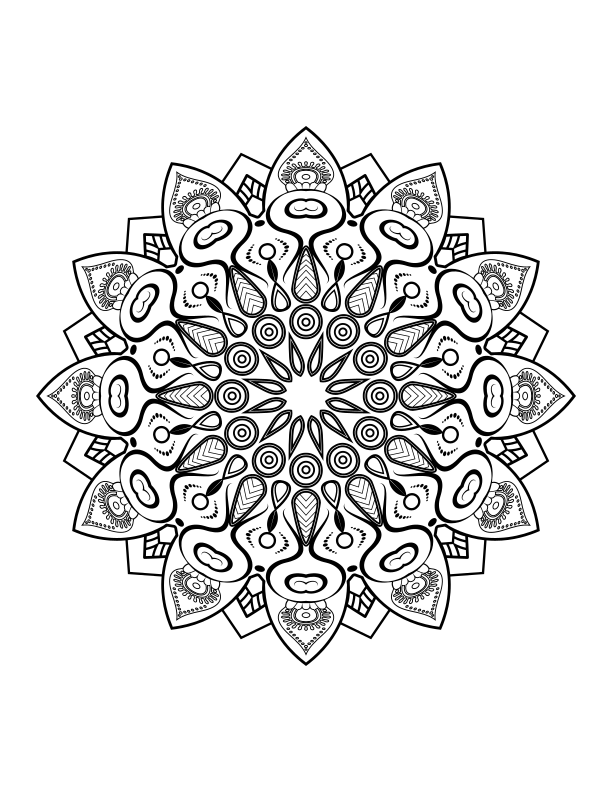
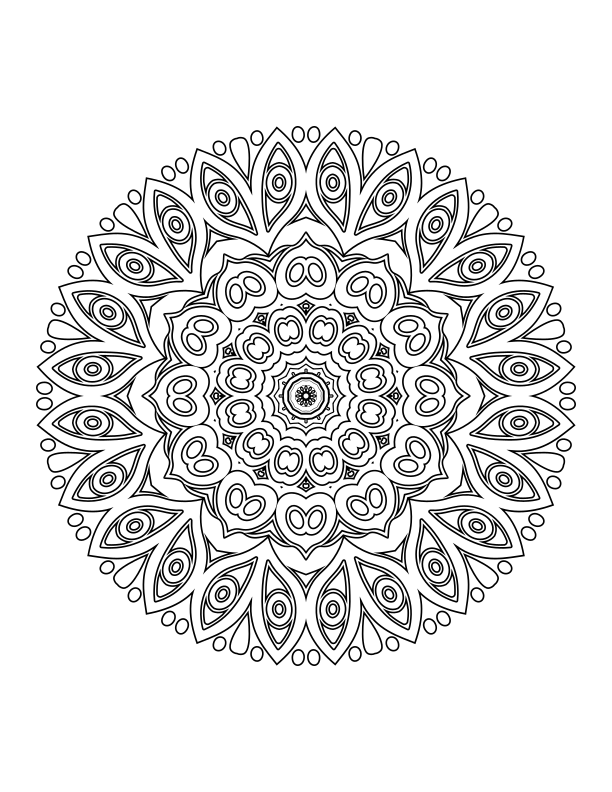
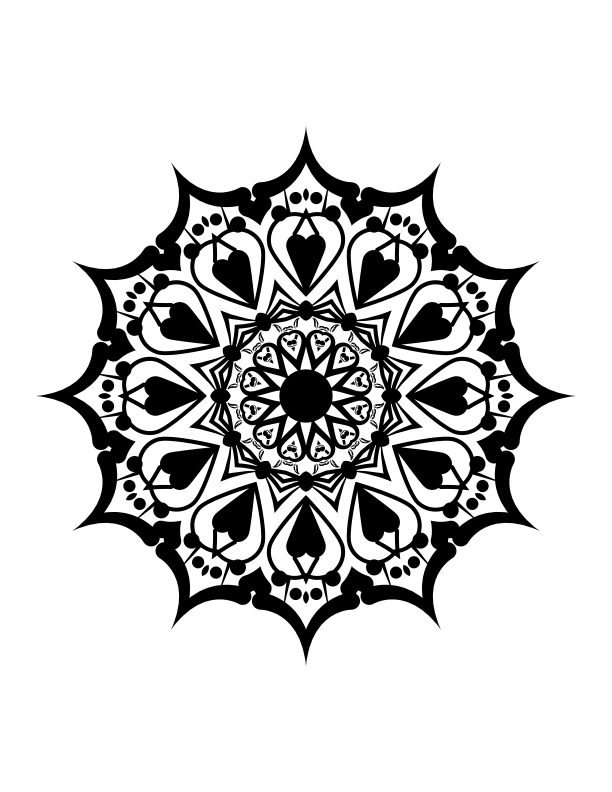
About Mandalas Coloring Pages
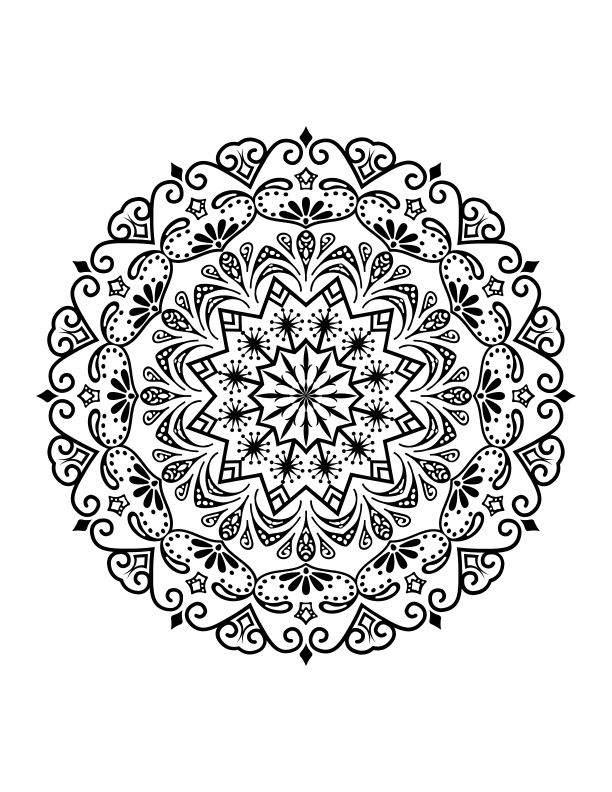
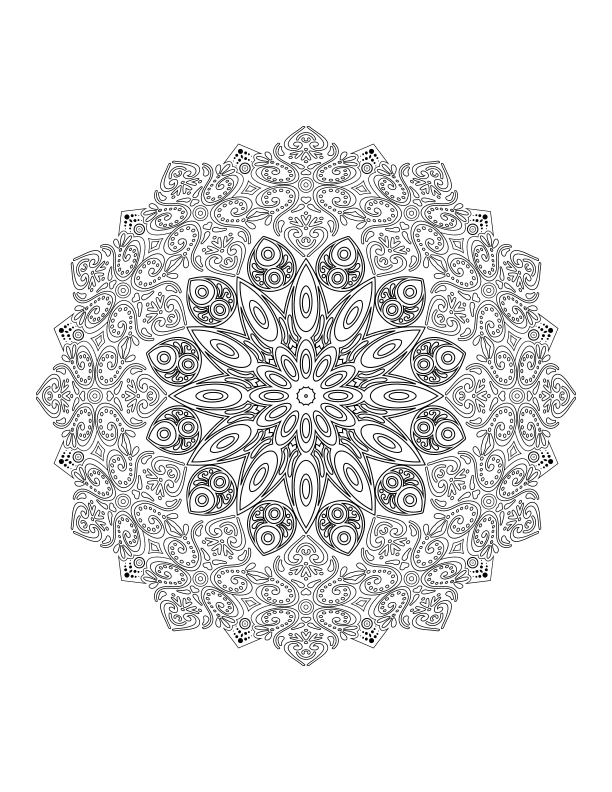
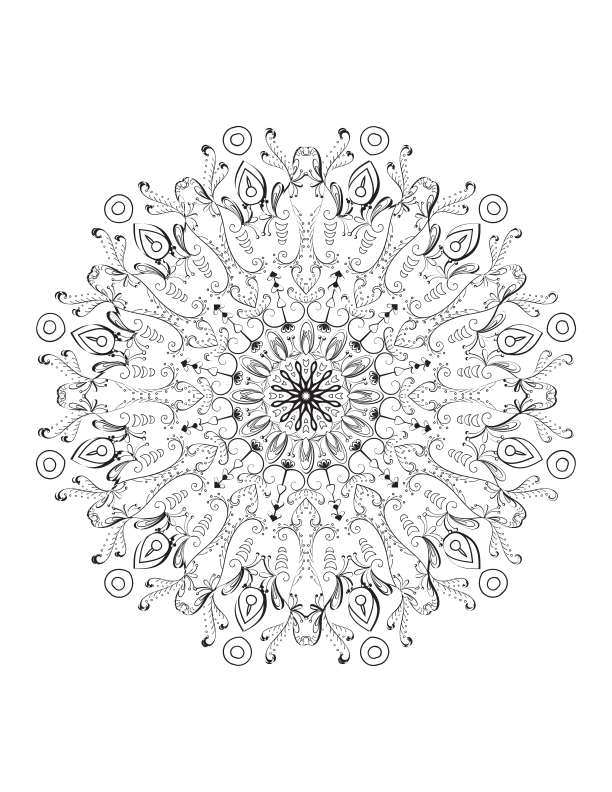
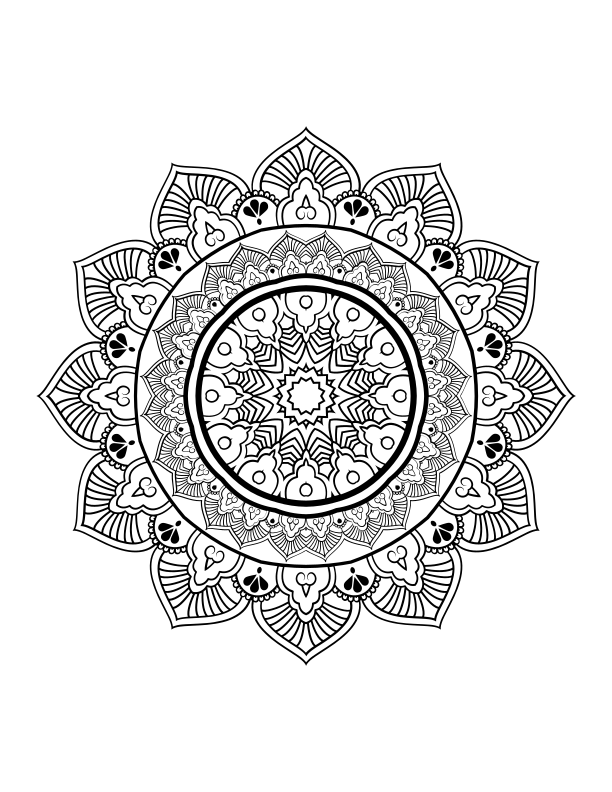
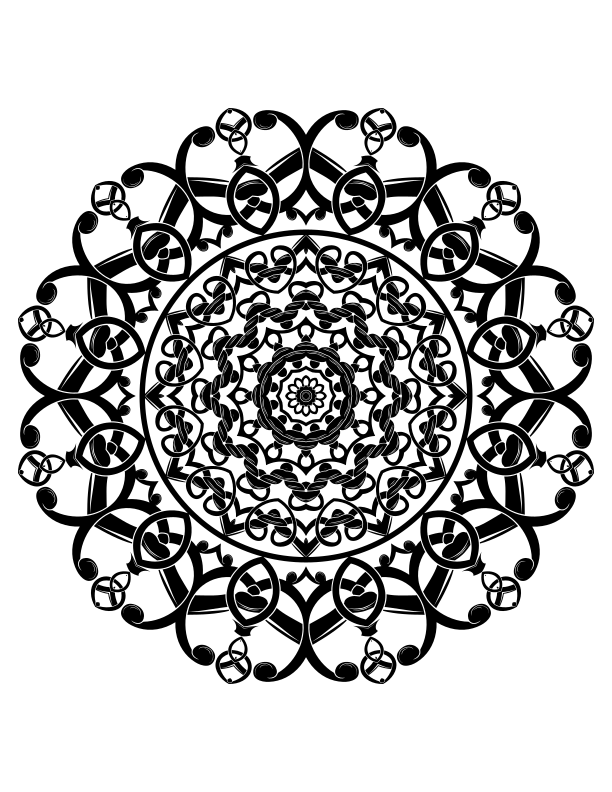
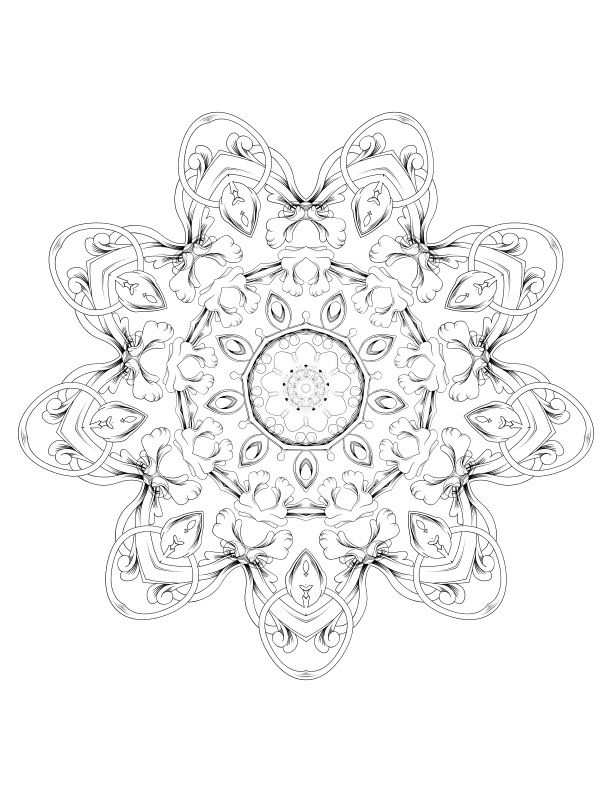
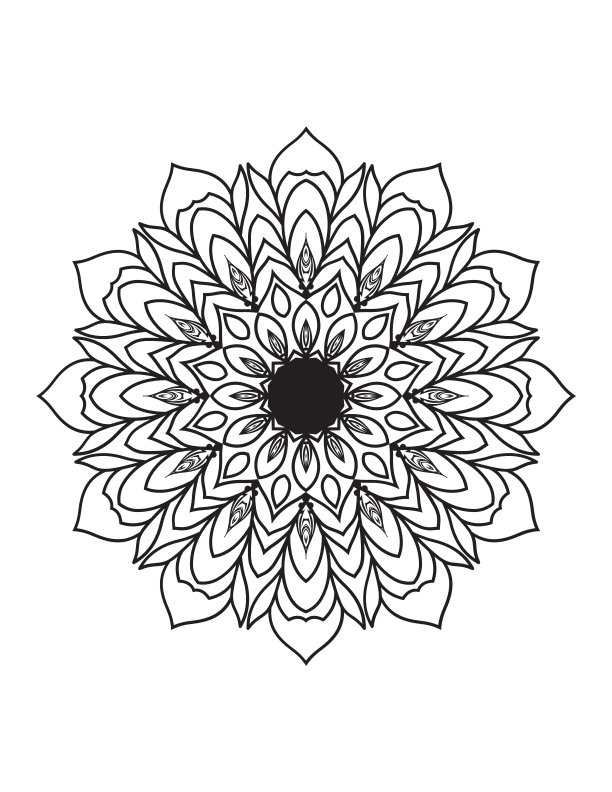
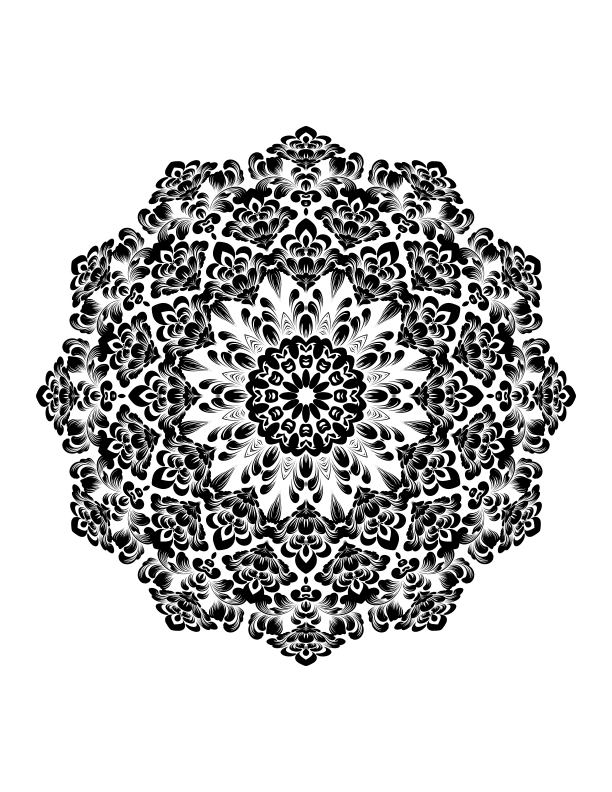
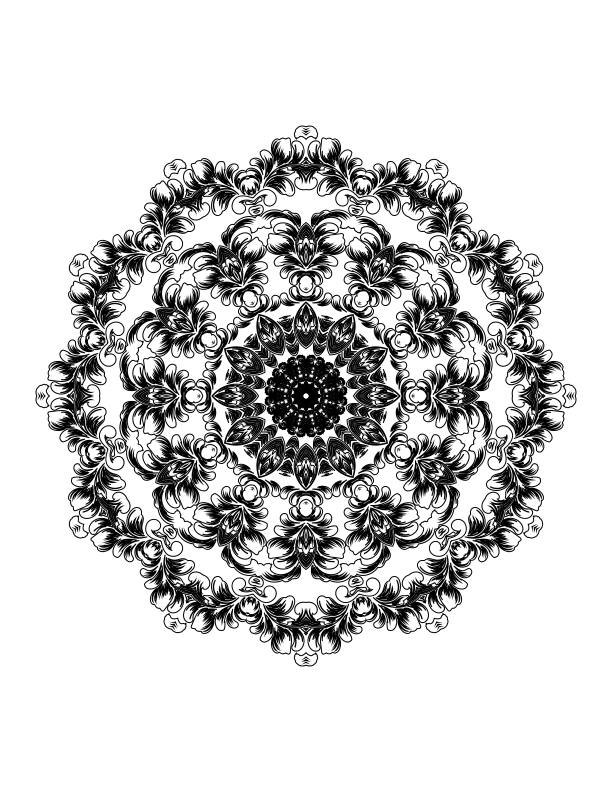
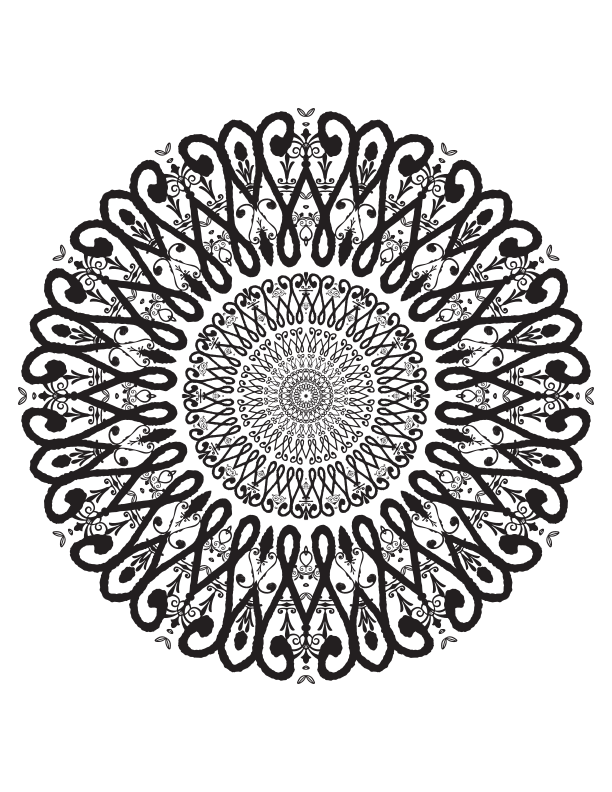
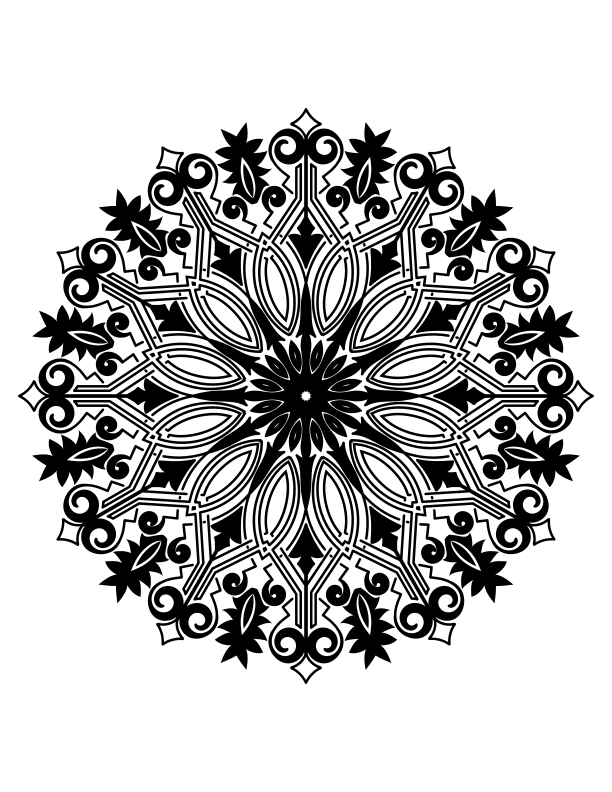
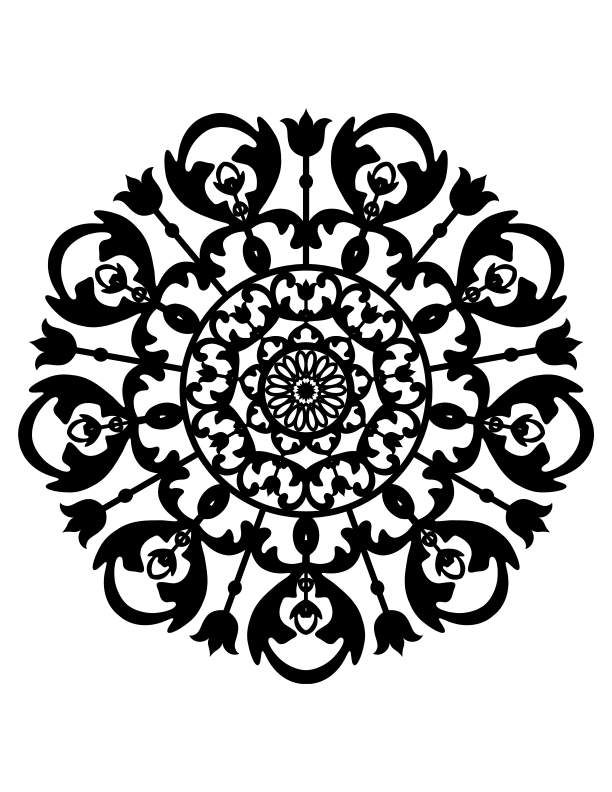
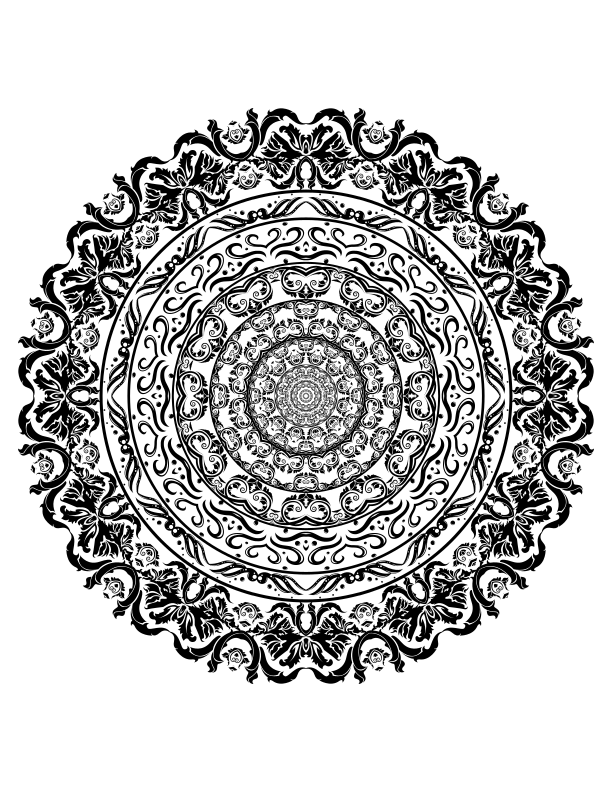
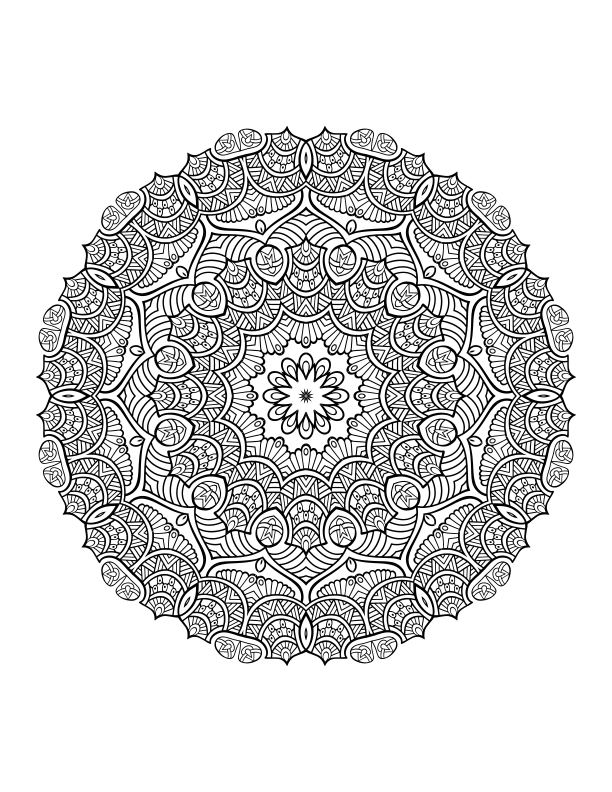
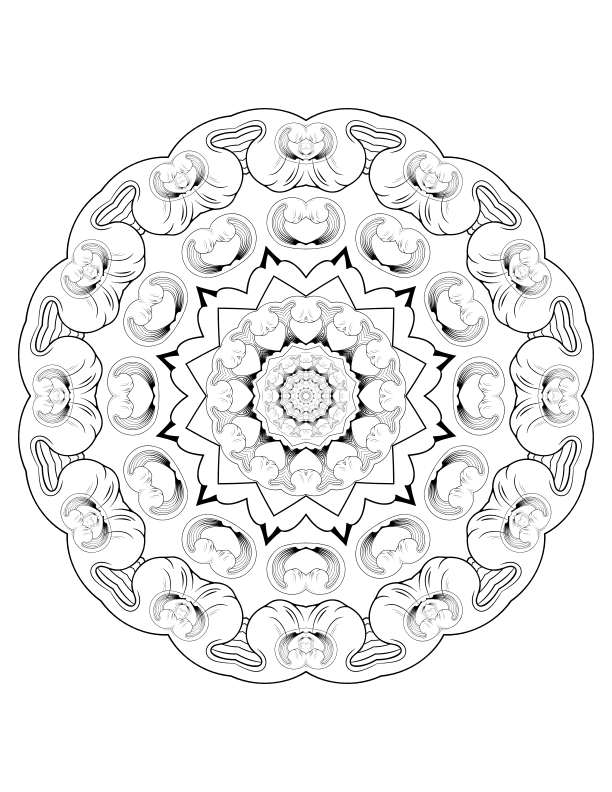
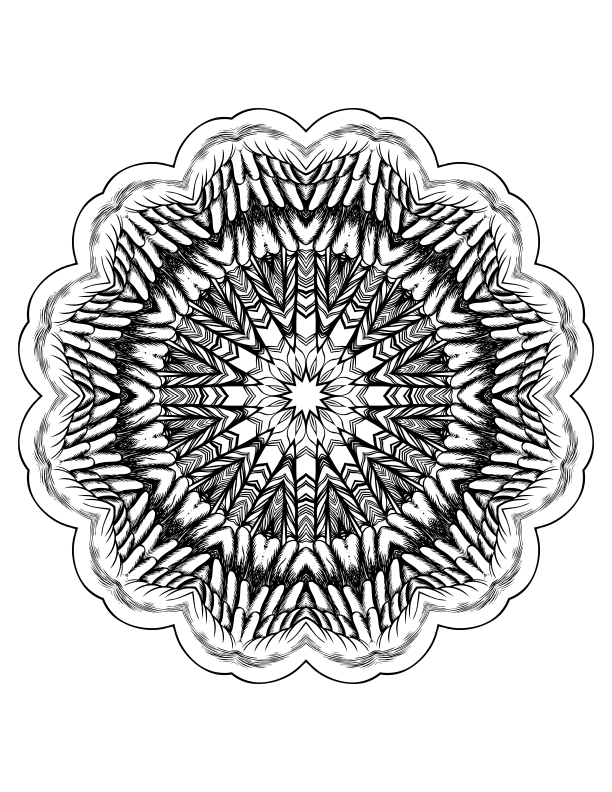
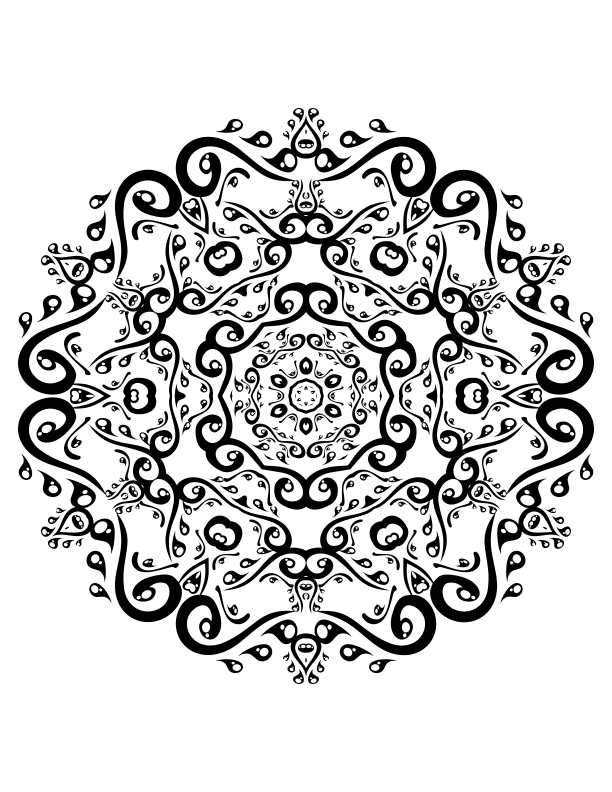
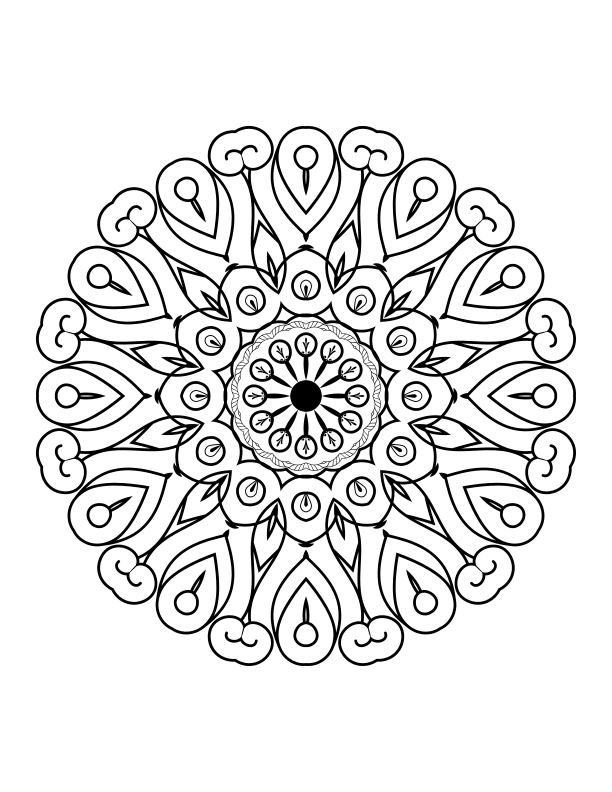
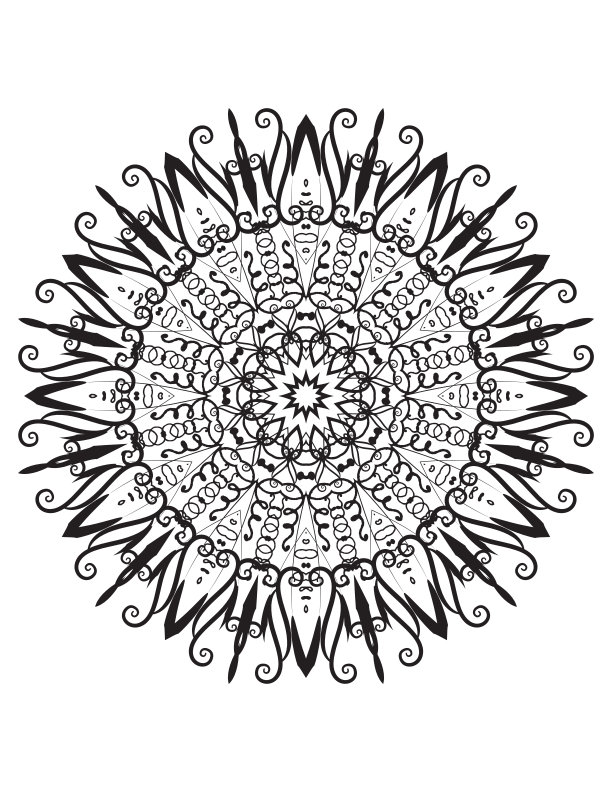
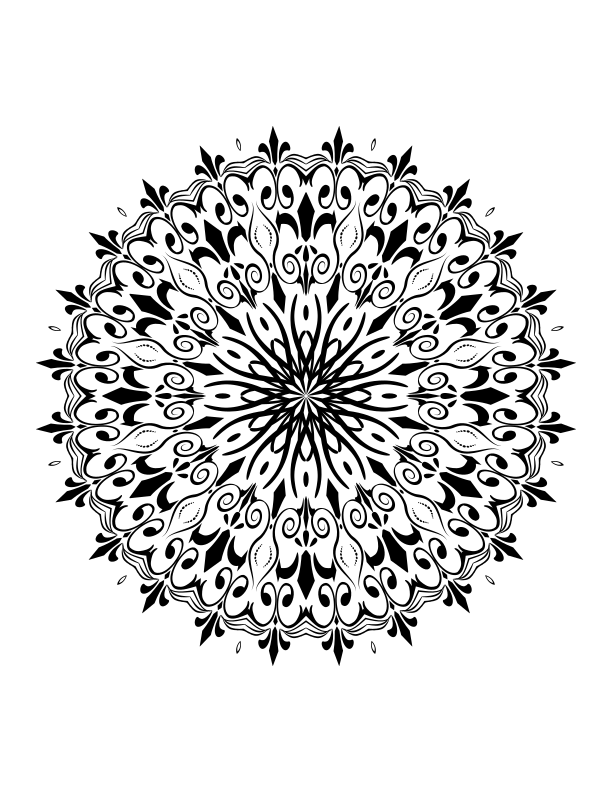
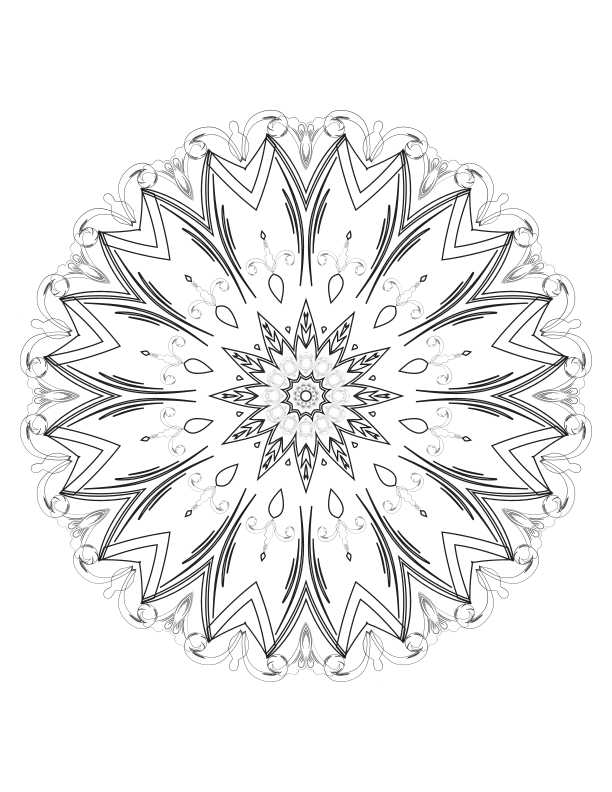
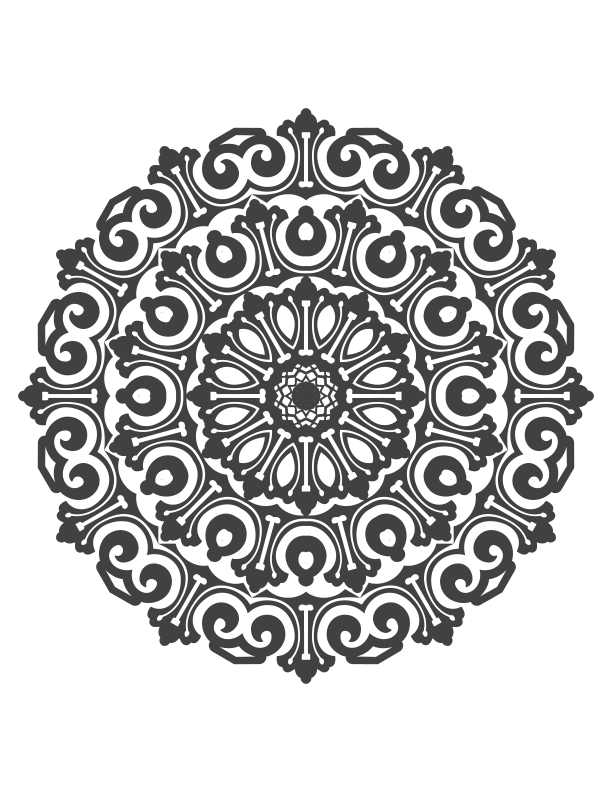
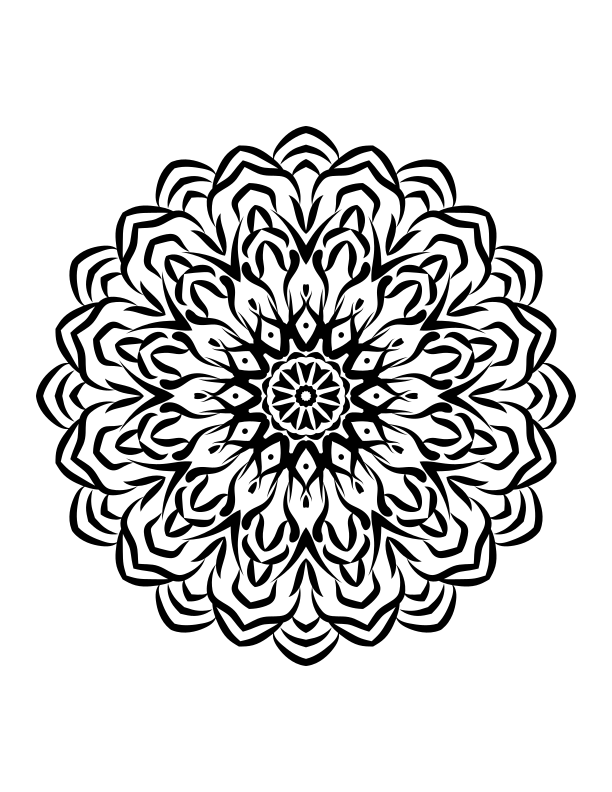
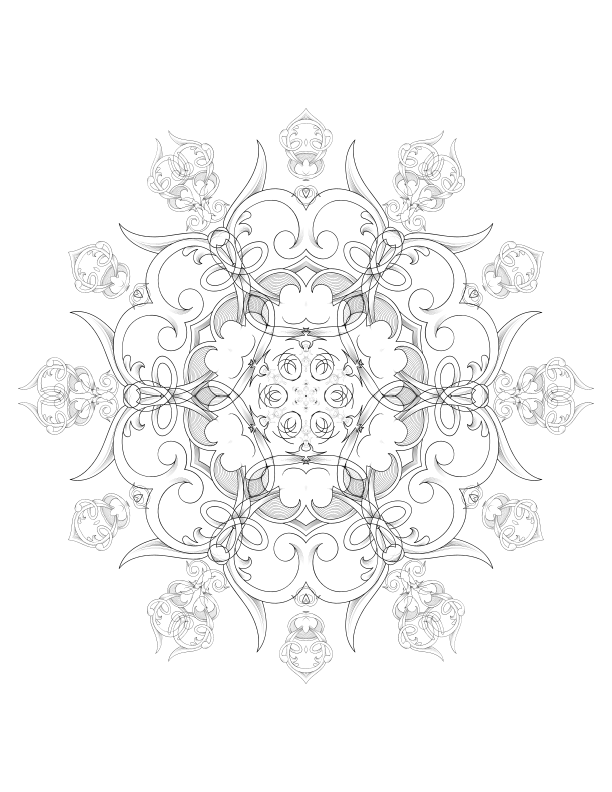
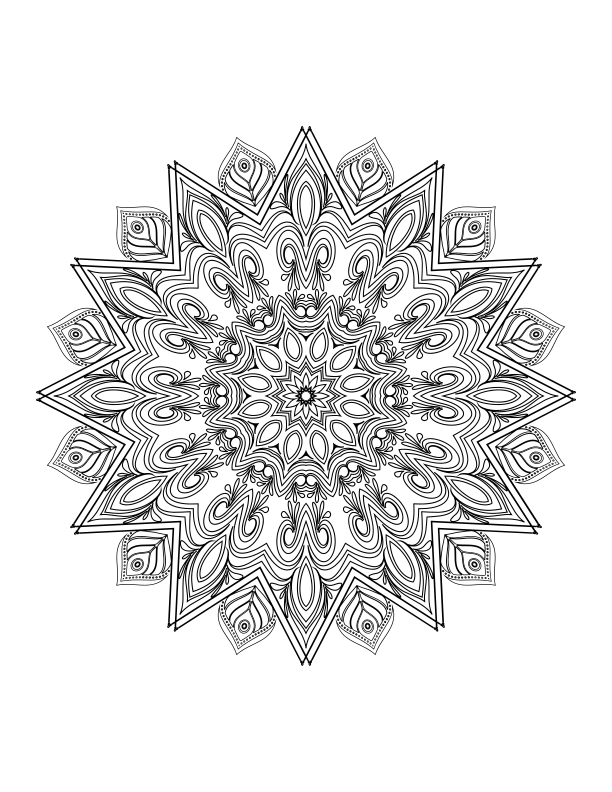
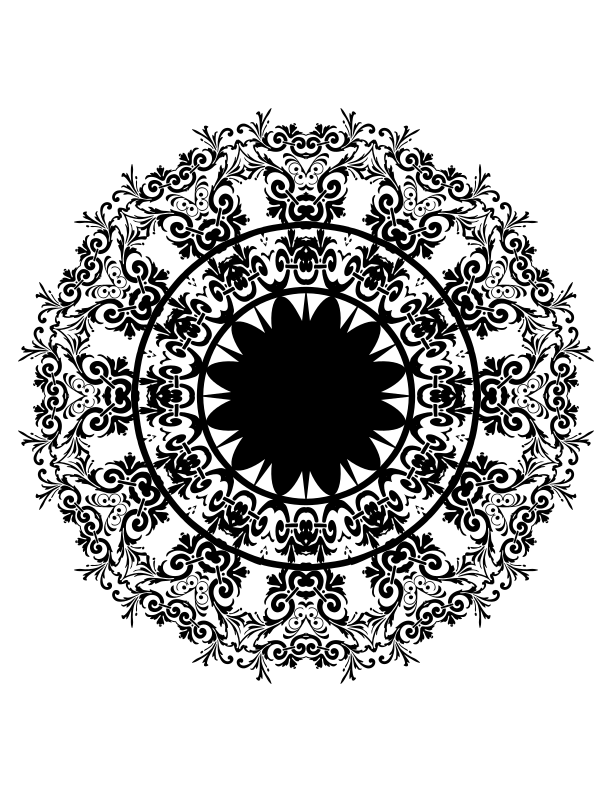
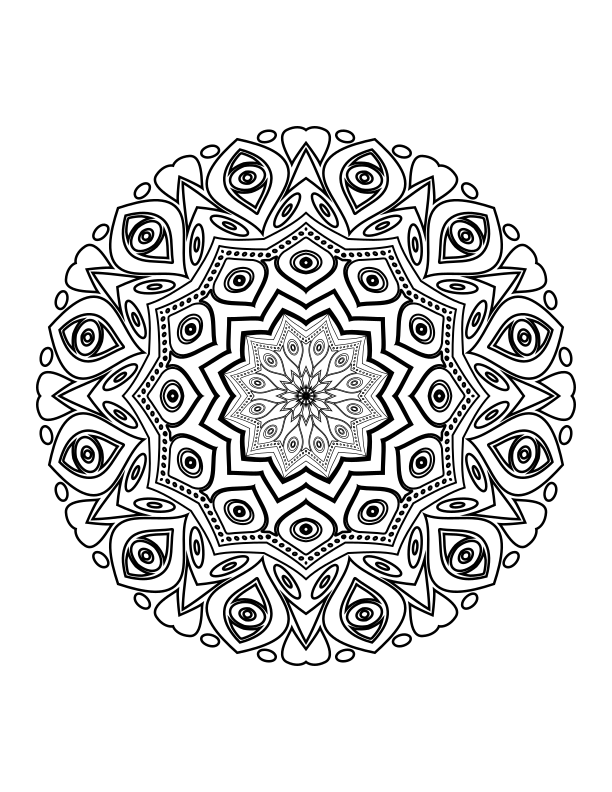
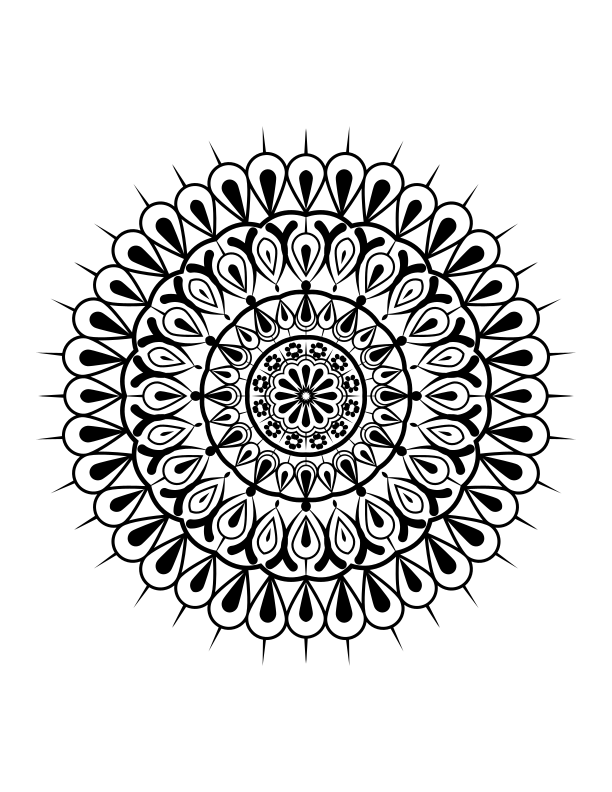
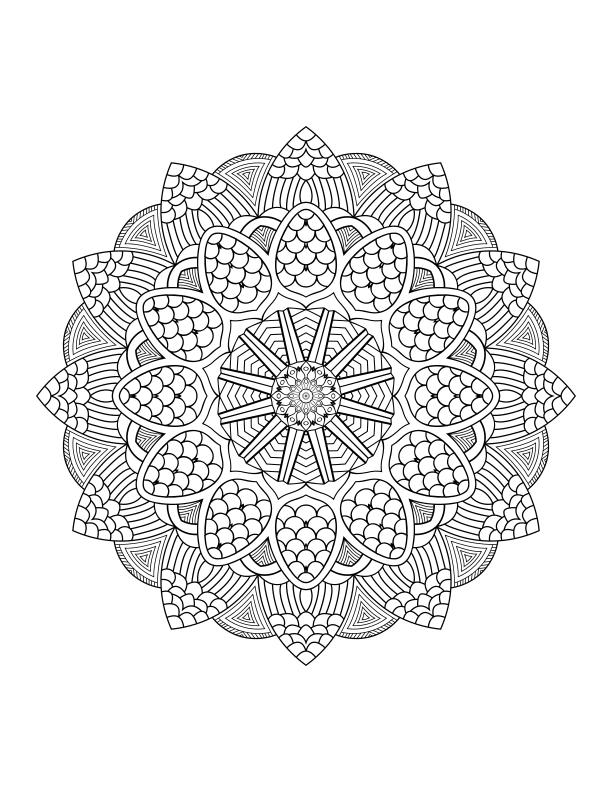
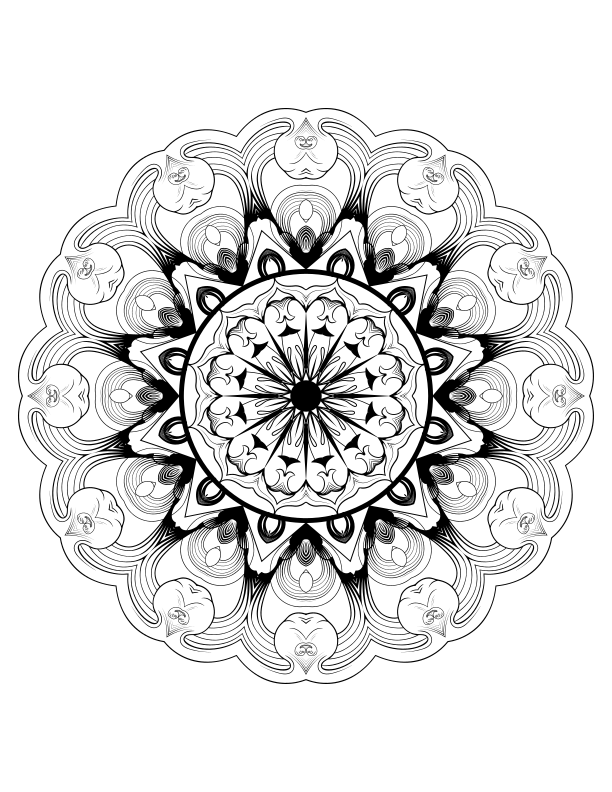
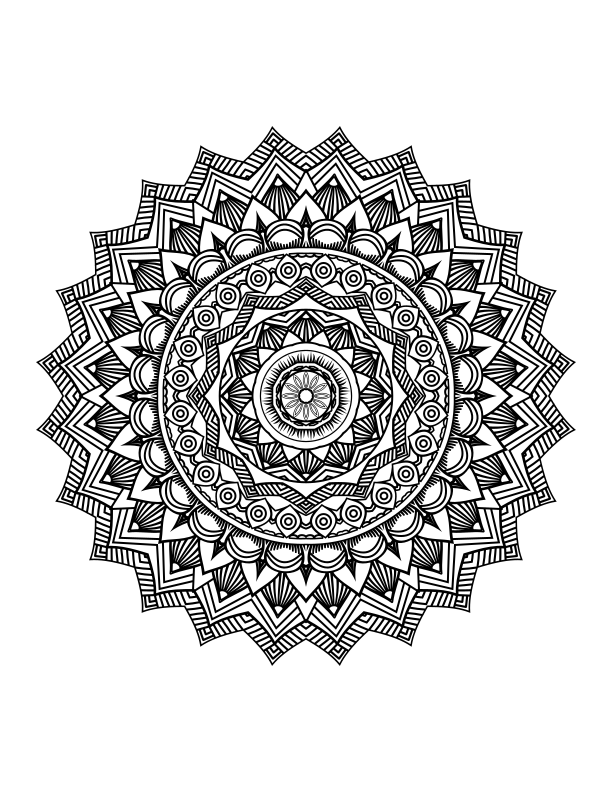
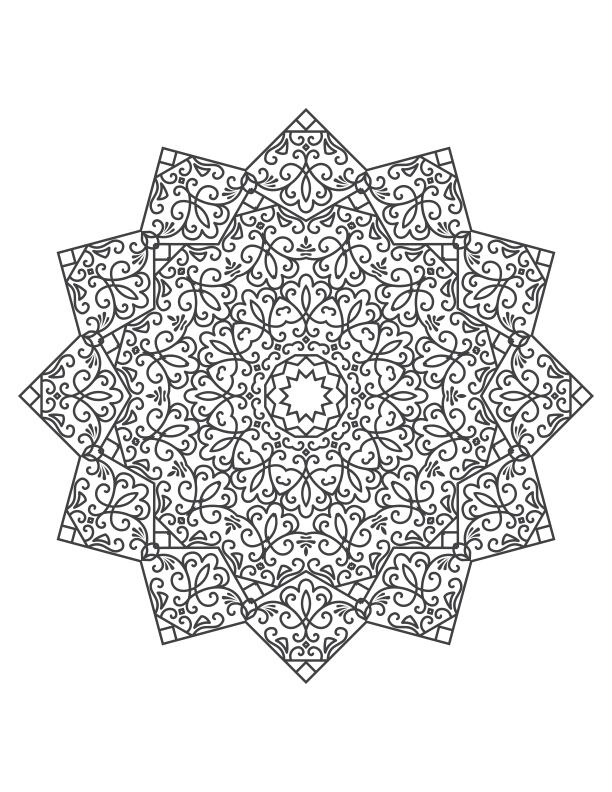
With 310 designs — from clean geometric rings to ornate lace-and-flower patterns — this is one of the largest free mandala collections online. Every single design is available as a high-quality PDF, ready to print. No account, no paywall, no watermark. Just download and color.
A Short History of Mandalas
The word mandala comes from Sanskrit and means simply "circle." The earliest mandalas appeared in Hindu and Buddhist religious art more than 2,000 years ago — used as visual tools for meditation, as symbolic maps of the universe, and as objects of contemplation. Tibetan Buddhist monks would spend weeks creating elaborate sand mandalas grain by grain, then sweep them away on completion as a lesson in impermanence.
Mandalas traveled westward through trade and cultural exchange. Medieval European cathedral builders translated the idea into rose windows — those enormous circular stained-glass compositions you'll find in Notre-Dame de Paris, Chartres and hundreds of other churches. Celtic knotwork uses the same circular, endlessly interlocking logic.
In the early twentieth century, Swiss psychiatrist Carl Jung began using mandala drawing with his patients during therapy sessions. He observed that people in periods of introspection naturally gravitated toward circular, symmetrical designs, and he considered the mandala a universal symbol of wholeness and the self. Modern art therapists continue to use mandala coloring as a legitimate clinical tool for stress, anxiety and emotional regulation.
The adult coloring book boom of the mid-2010s brought the mandala into everyday life as a simple, zero-barrier relaxation practice. That popularity never really faded — and for good reason.
Why Coloring Mandalas Actually Works
You don't need to subscribe to any spiritual tradition to benefit from coloring a mandala. The effect is mostly about what repetitive, focused activity does to your nervous system.
When you concentrate on filling a symmetrical pattern — deciding which color goes in which section, staying inside the lines — your attention narrows. The mental chatter quiets down. Your working memory is occupied with something pleasant and low-stakes, which leaves less room for anxiety and rumination. Art therapists call this state "focused attention mindfulness," and it's a lot more accessible than sitting still with your eyes closed for 20 minutes.
In practical terms, people who color mandalas regularly tend to report: feeling calmer during sessions, sleeping better when they color in the evening instead of scrolling, and having an easier time returning to focused work afterward. The symmetrical structure of a mandala is particularly effective because the visual repetition creates a natural rhythm — there's always a clear "next section" to fill, which keeps you in the zone without effort.
For children, the benefits are slightly different: fine motor skill development, patience and color recognition. For adults, it's mostly about having something absorbing to do that doesn't require a screen.
Types of Mandalas in Our Collection
Our 310 designs span several distinct styles. Here's what to expect:
- Geometric mandalas — Built from repeating triangles, hexagons, diamonds and star forms. Clean lines, mathematical precision, satisfying symmetry. Great for people who like graphic, high-contrast results.
- Floral mandalas — Petals, blooms, leaves and botanical ornaments arranged in circular form. Warmer and more organic than purely geometric designs. They look beautiful in soft pastels — dusty rose, sage green, warm cream.
- Lace and ornament mandalas — Inspired by European lace-making traditions (Venetian, Chantilly, Bruges), these designs feature extremely fine lines, tiny open circles and interlocking weaving patterns. The most technically challenging in the collection. A sharp pencil tip is essential.
- Mindfulness mandalas — Moderate complexity, good visual rhythm, designed to be completed in a single slow sitting. These are the ones people reach for on difficult days.
- Stress-relief mandalas — Rounded, flowing forms with fewer sharp angles. The softer geometry makes them particularly calming to fill in. A good choice if you're a beginner or if you want something less demanding.
How to Color a Mandala — A Practical Guide
You don't need expensive supplies. Here's what actually makes a difference.
Tools
- Colored pencils — Work for almost all mandala styles. Good control in tight spaces, easy to blend. Any brand works; Faber-Castell Polychromos and Prismacolor Premier are popular choices but cheap supermarket pencils are fine to start.
- Felt-tip pens / fineliners — Saturated, graphic color. Great for geometric mandalas where you want flat, clean fills. Staedtler Triplus and Stabilo 88 are reliable and affordable.
- Watercolor — Stunning on floral mandalas when used as soft washes. Print on 120 g/m² paper minimum, otherwise the sheet will buckle when wet.
Where to Start
Most colorists start at the center and work outward, ring by ring. This puts the most intricate section first, when your hand is steadiest and your focus is freshest. Others prefer working inward from the outer edge — equally valid. There's no rule. Pick a starting point that feels natural and go from there.
Choosing Colors
Decide on 3–5 colors before you start rather than picking as you go. Repeating the same colors in alternating sections creates visual harmony automatically — your brain does the work for you. Analogous palettes (colors sitting next to each other on the color wheel: blue → teal → green) always look cohesive. Complementary contrasts (orange + blue, purple + yellow) create drama and energy.
Five Palette Ideas to Try
- Ocean calm — deep navy, teal, sky blue, pale coral, soft white
- Forest floor — moss green, warm brown, burnt sienna, gold, cream
- Sunset — warm orange, dusty rose, amber, terracotta, pale peach
- Midnight garden — deep purple, midnight blue, violet, silver, black
- Grayscale — black, three shades of grey, white. A classic, timeless look that photographs beautifully.
Printing Tips
Every mandala here is available as a PDF — the best format for printing because it preserves line quality at any size. A few tips for a clean result:
- Use A4 or US Letter for standard home printing. A3 gives more coloring room if your printer supports it.
- Set print quality to High or Best to keep the thin lines sharp.
- Choose black ink when your printer asks — mandalas are black-line drawings.
- For markers or watercolor, use paper at 120 g/m² or heavier to avoid bleed-through and buckling.
All 310 mandalas on this page are free to print as many times as you like, for personal use, family activities, classrooms or art therapy sessions. No sign-up, no watermark, no limit.