Free Flowers Coloring Pages
Stunning flower coloring pages from simple designs for beginners to highly detailed botanical illustrations for adults.
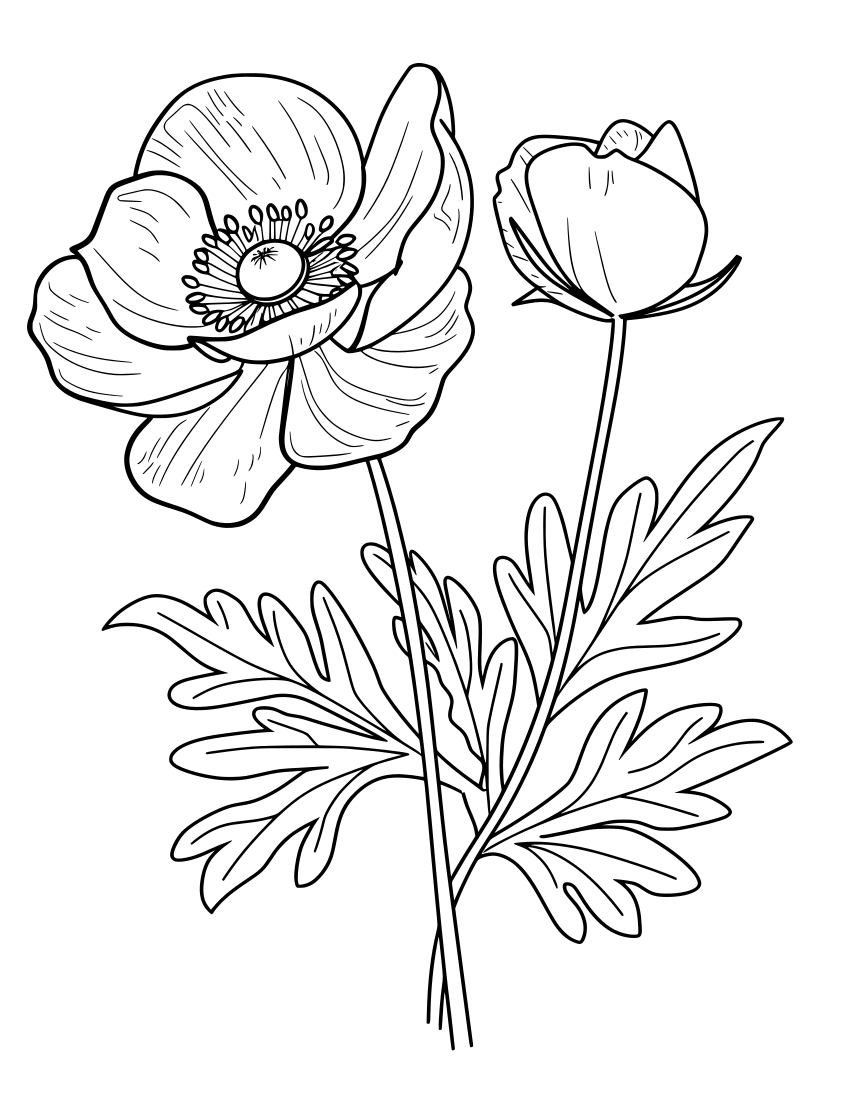
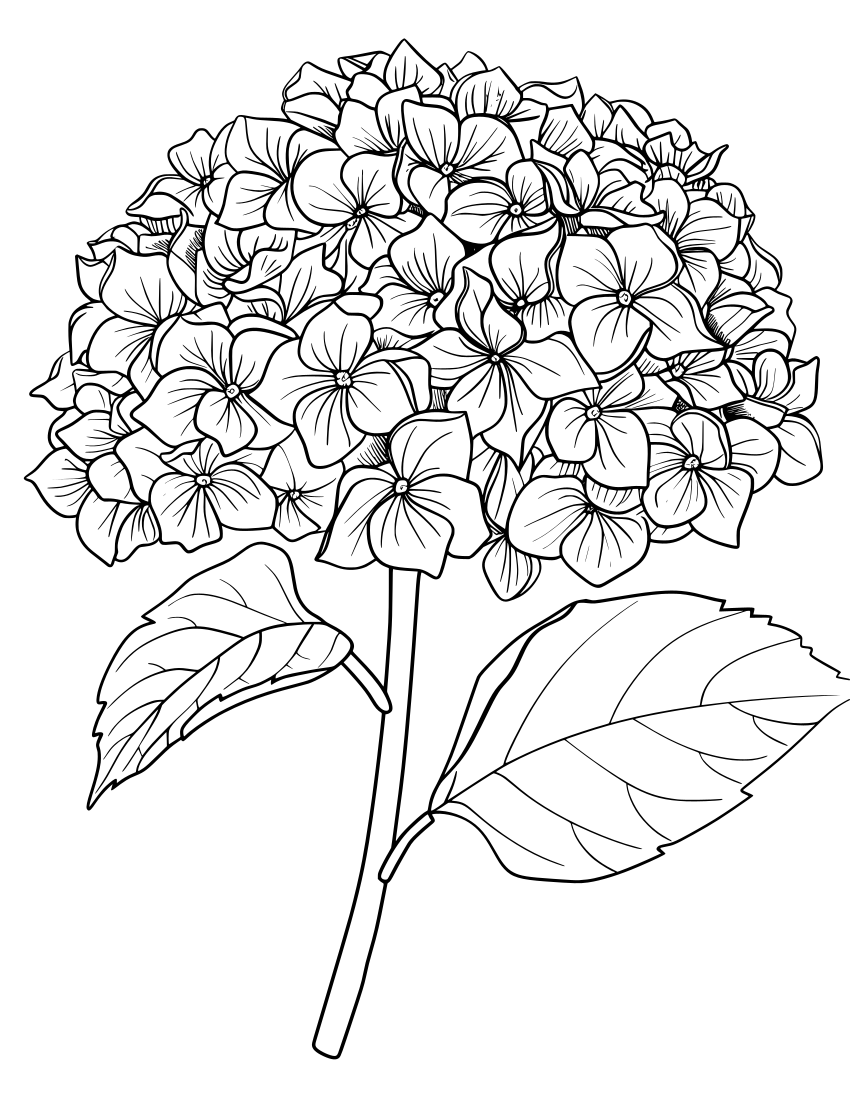
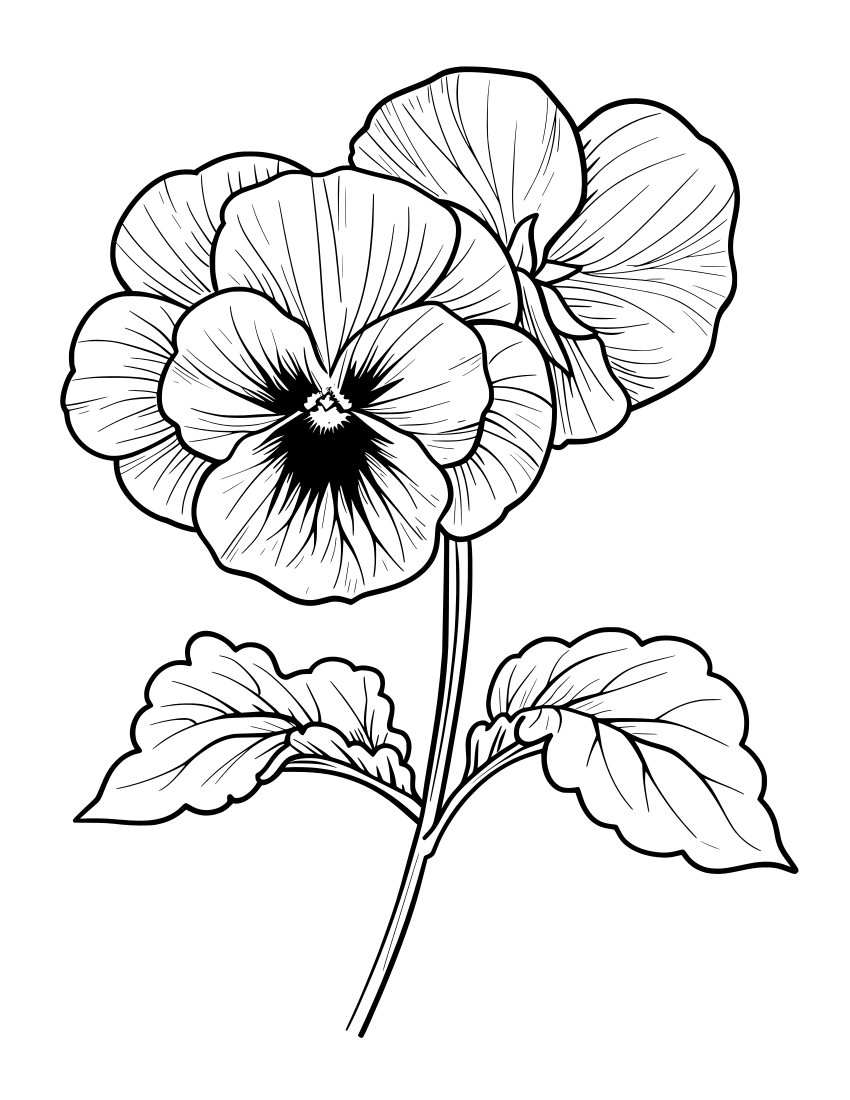
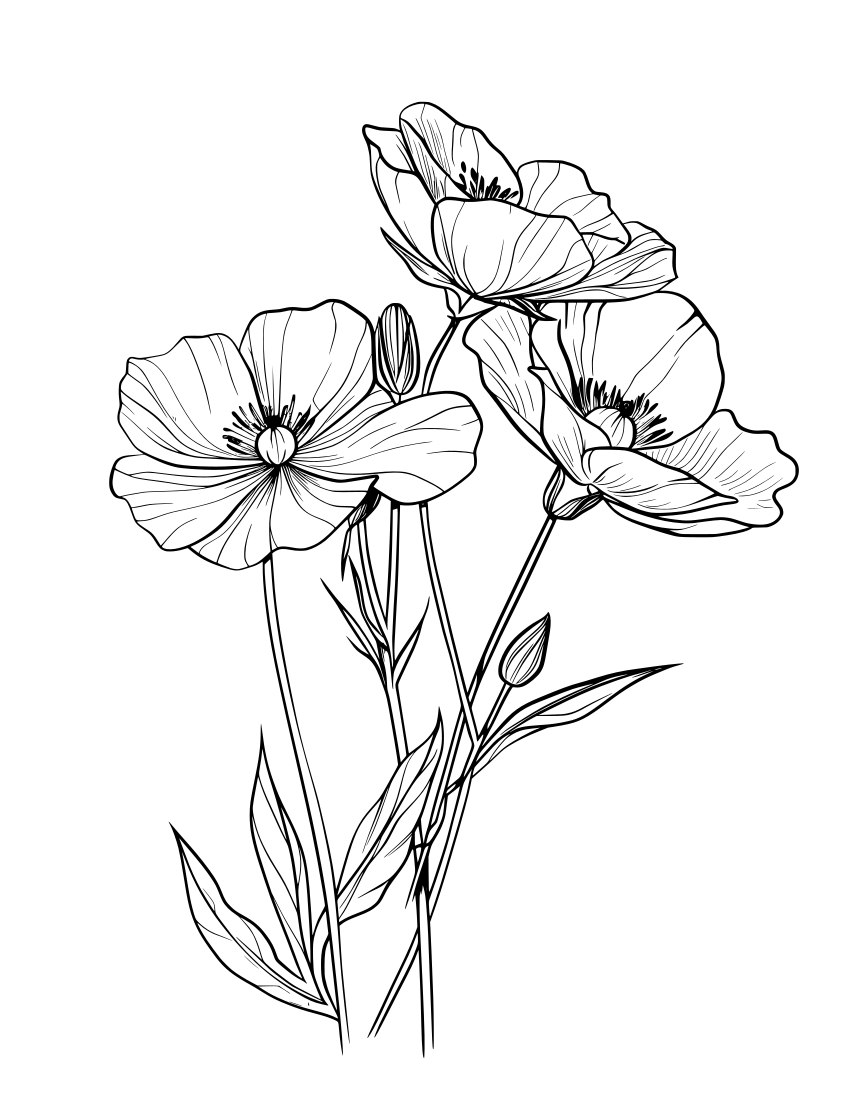
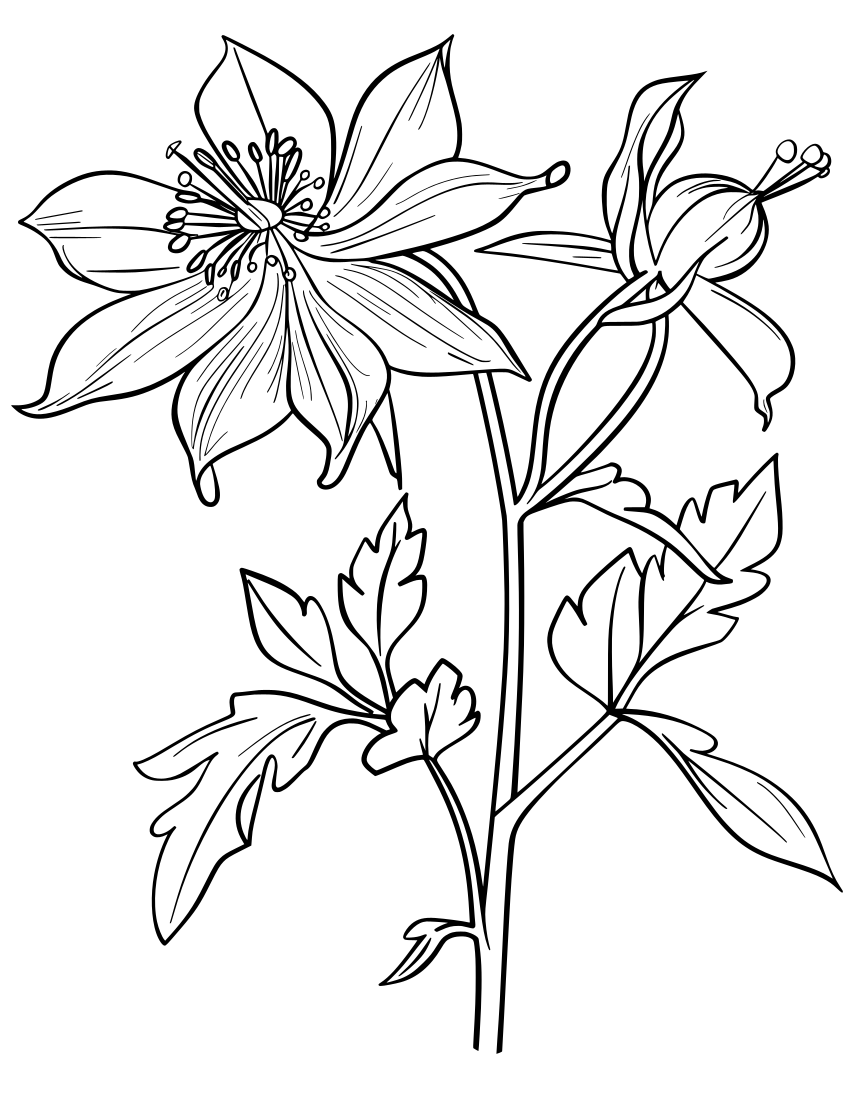
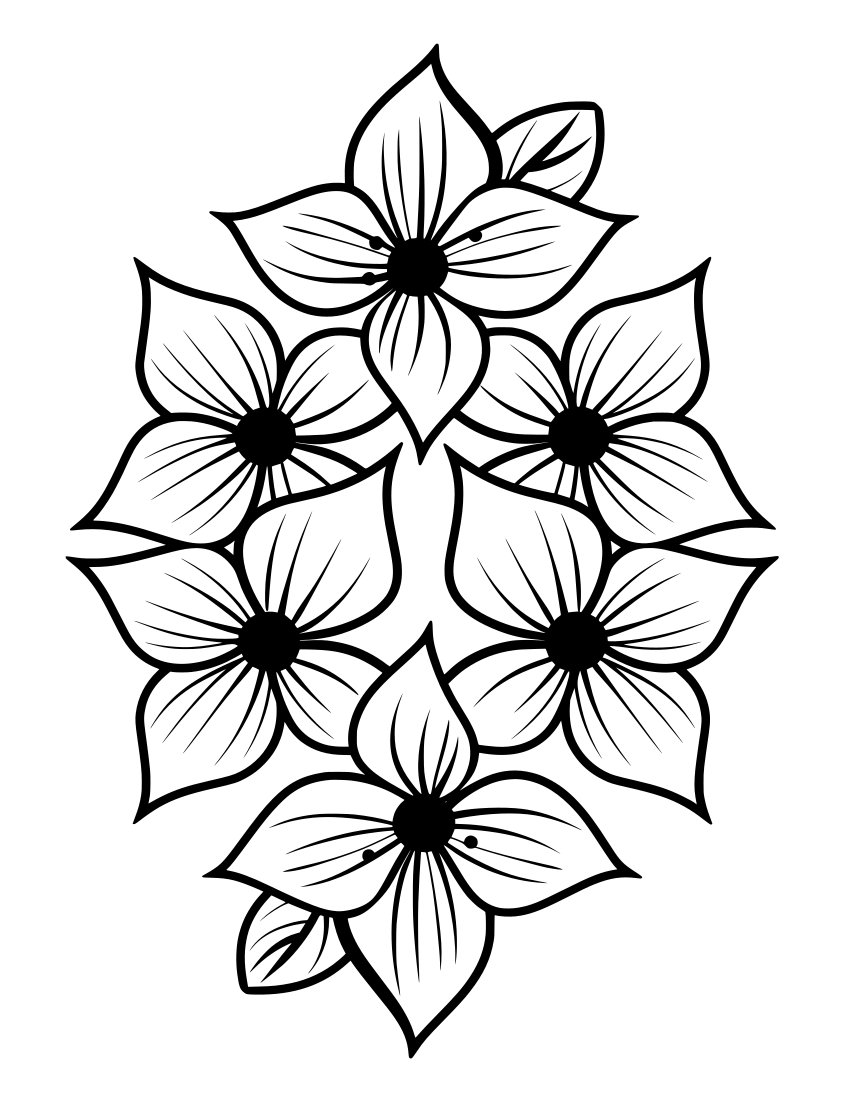
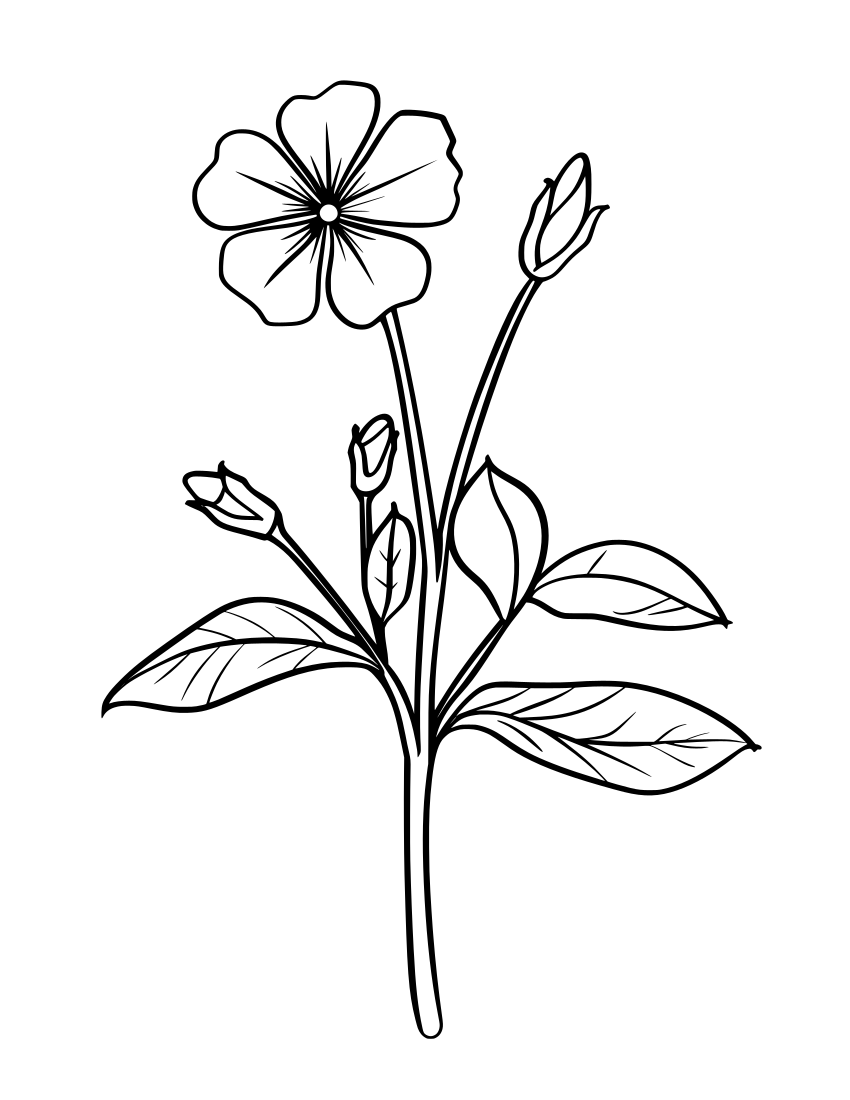
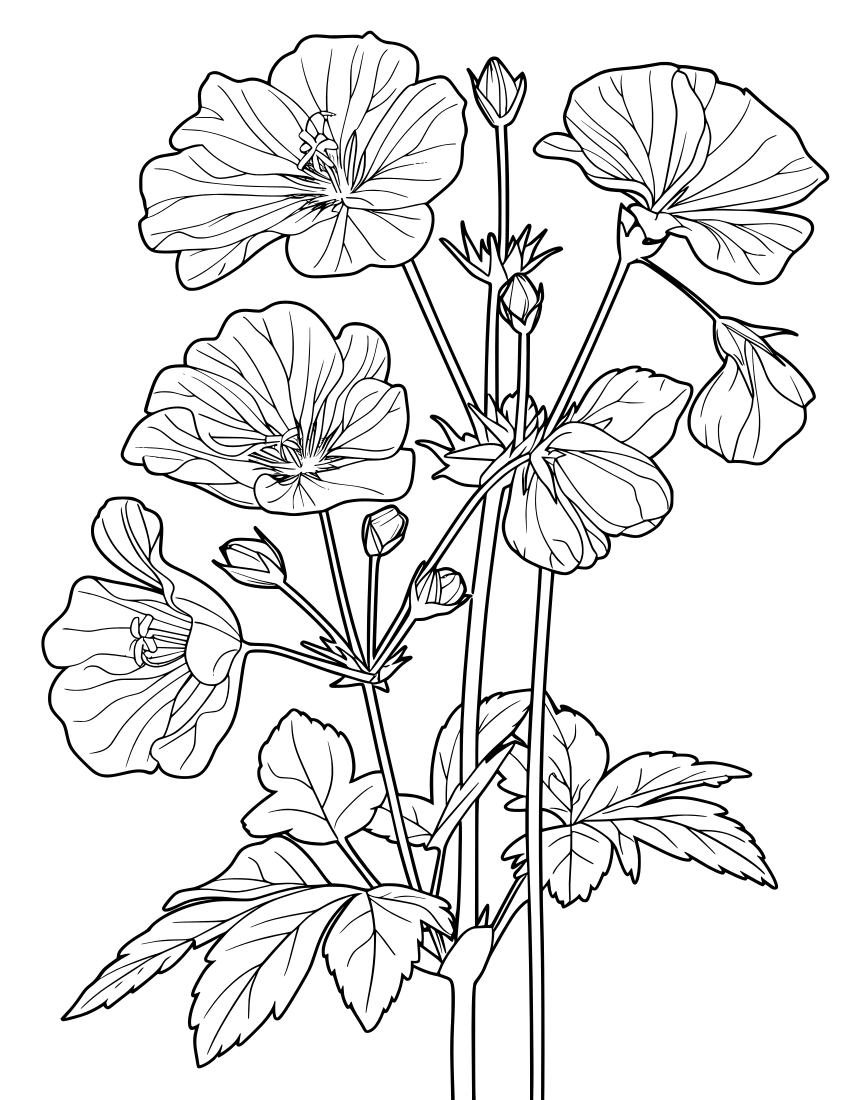
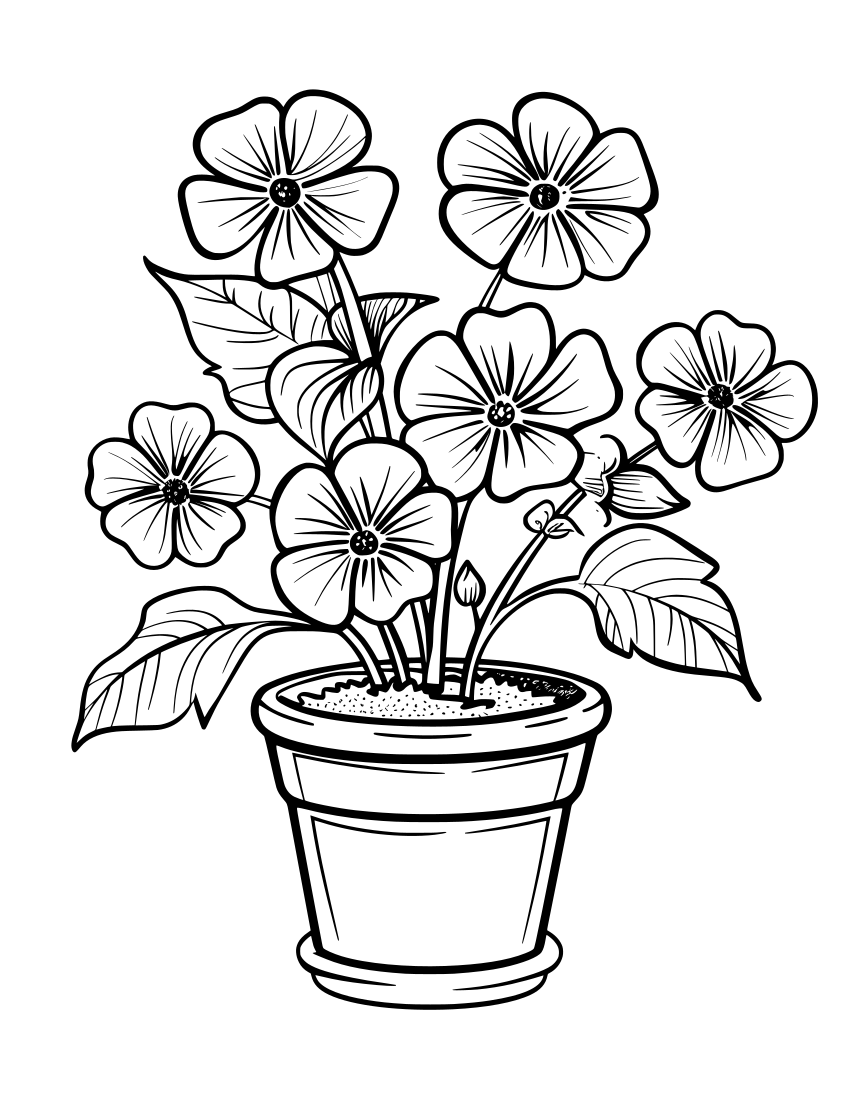
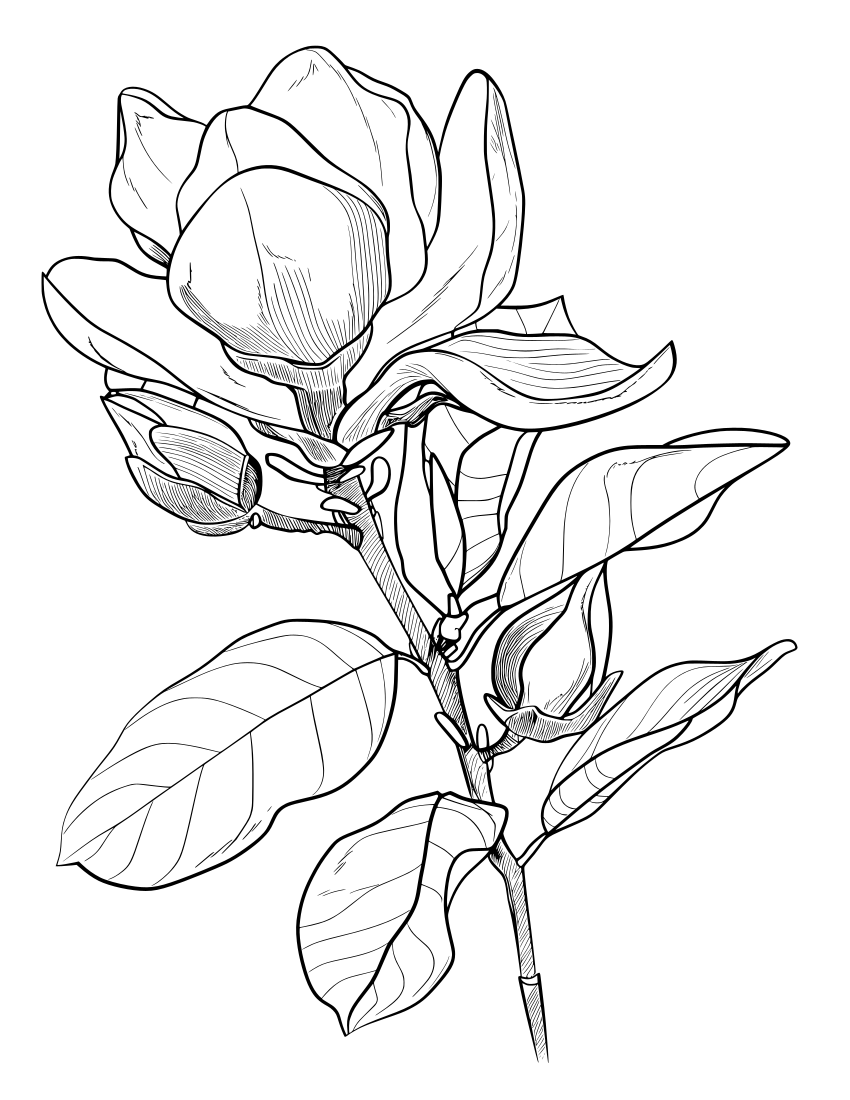
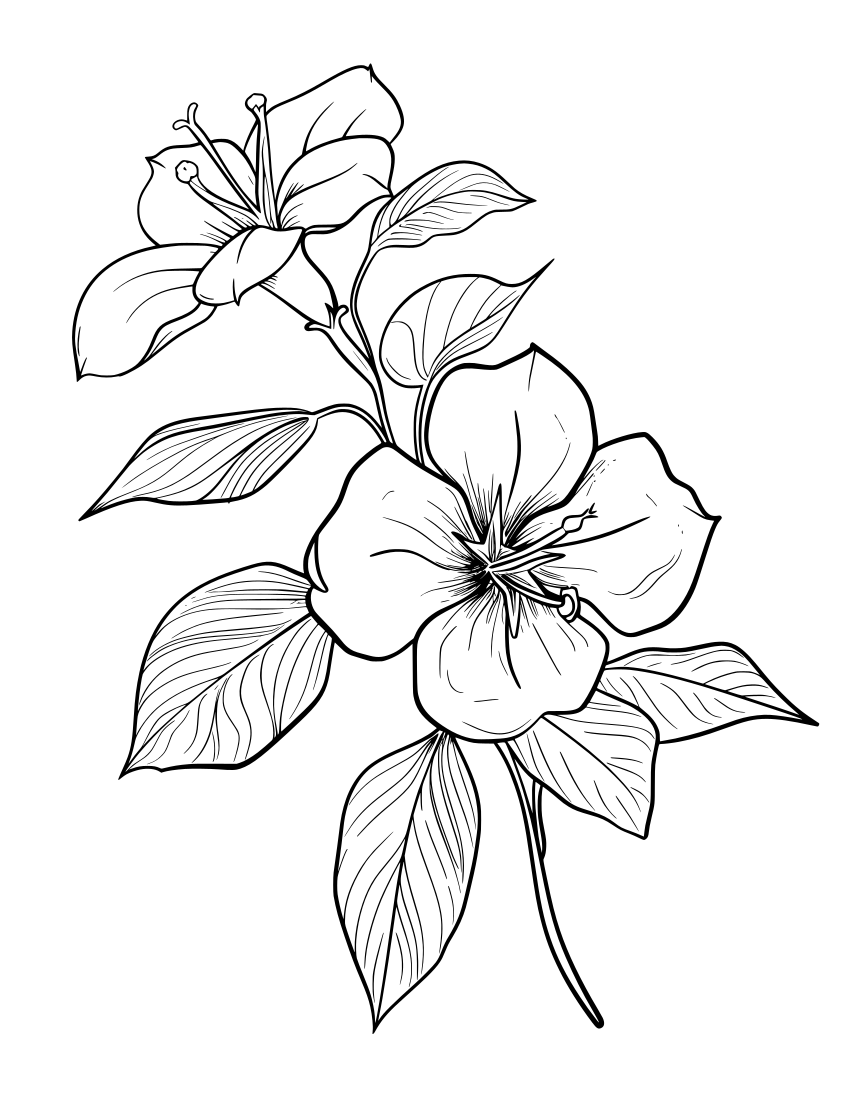
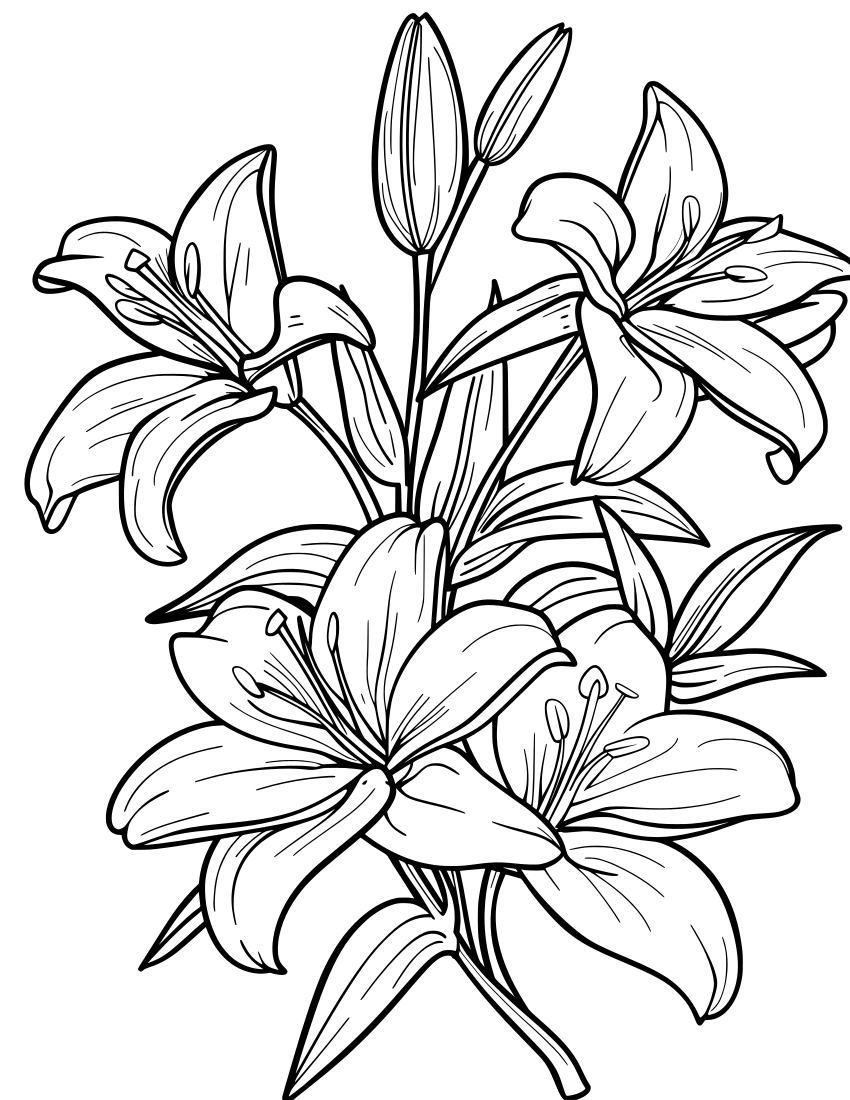
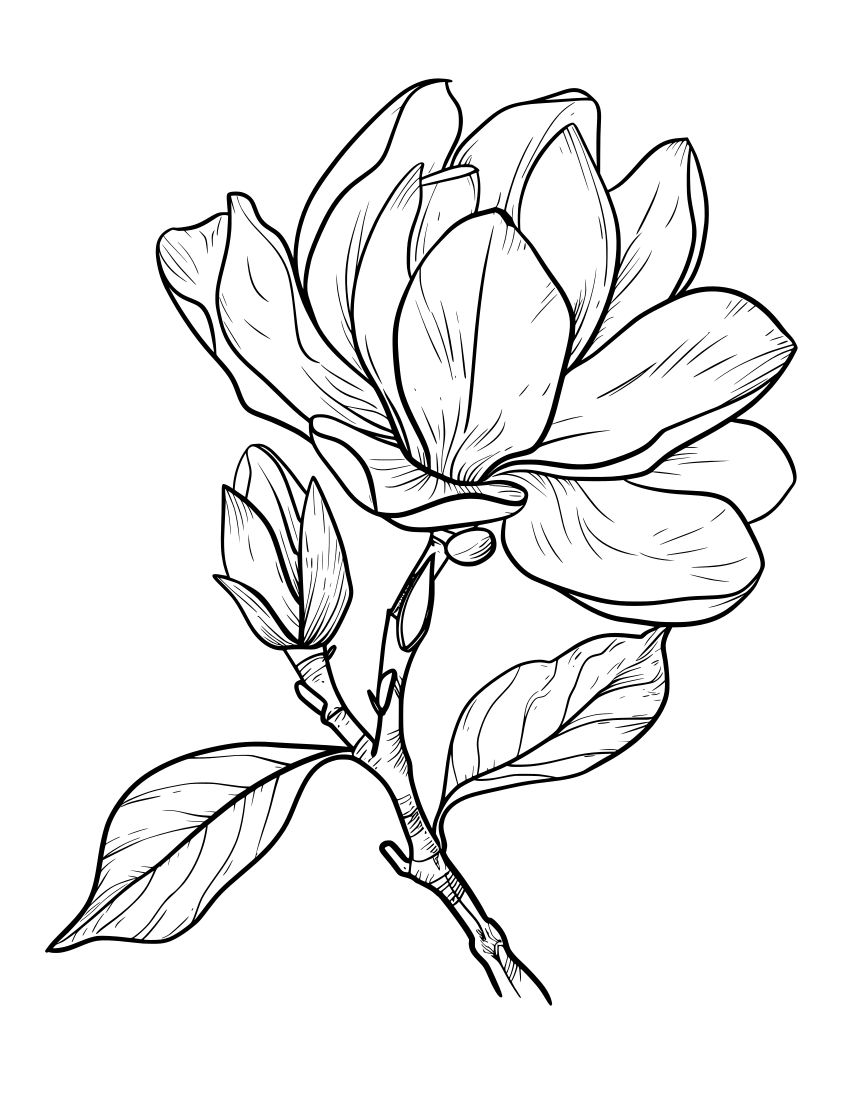
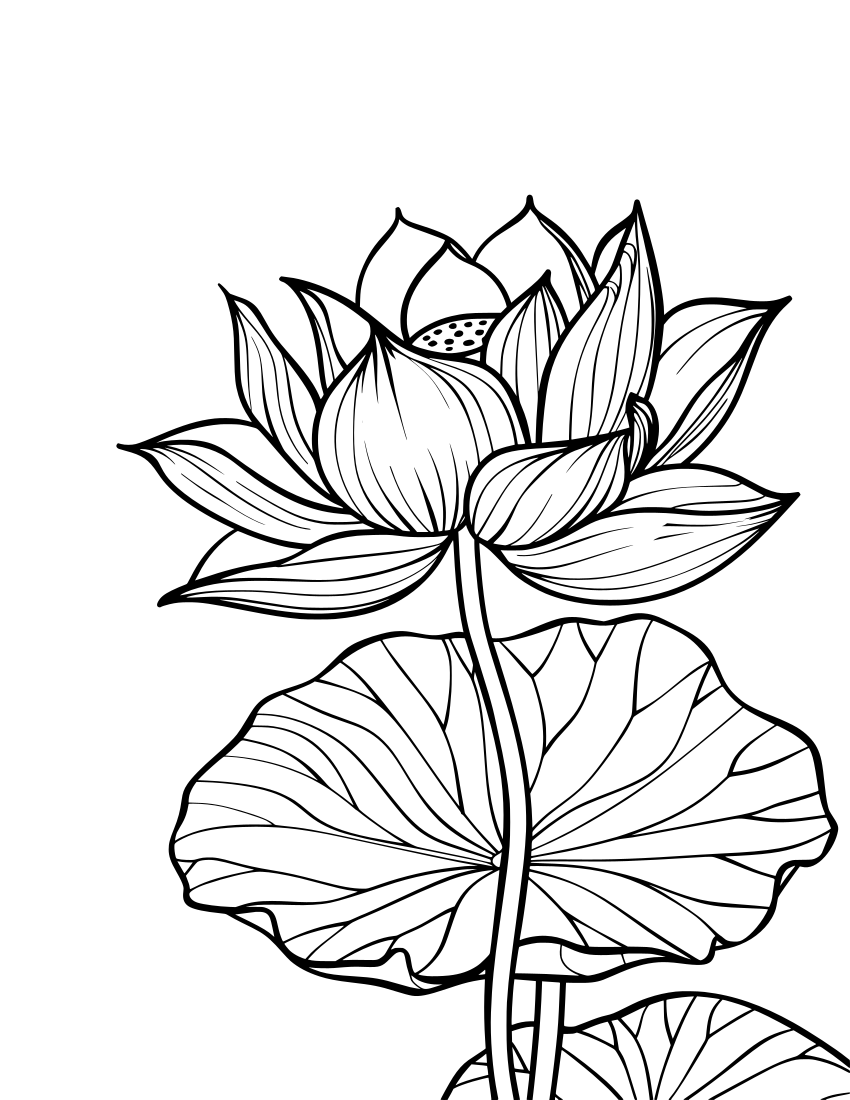
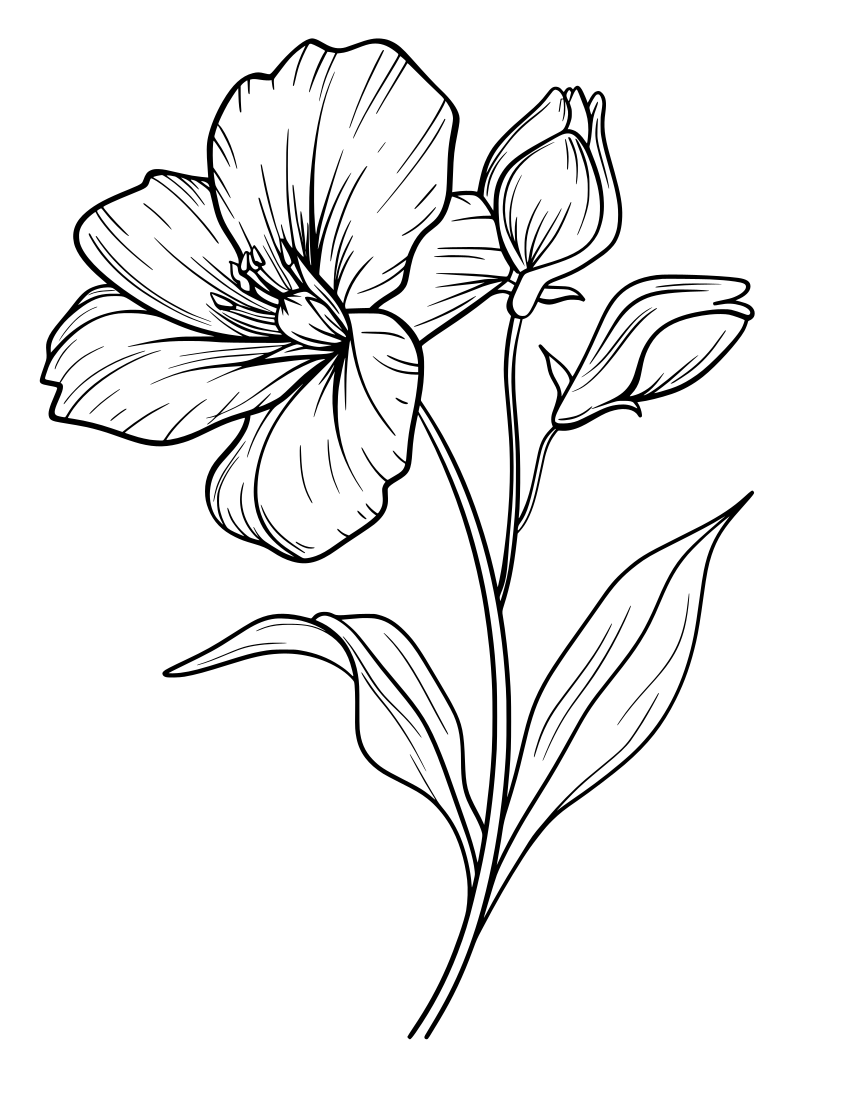
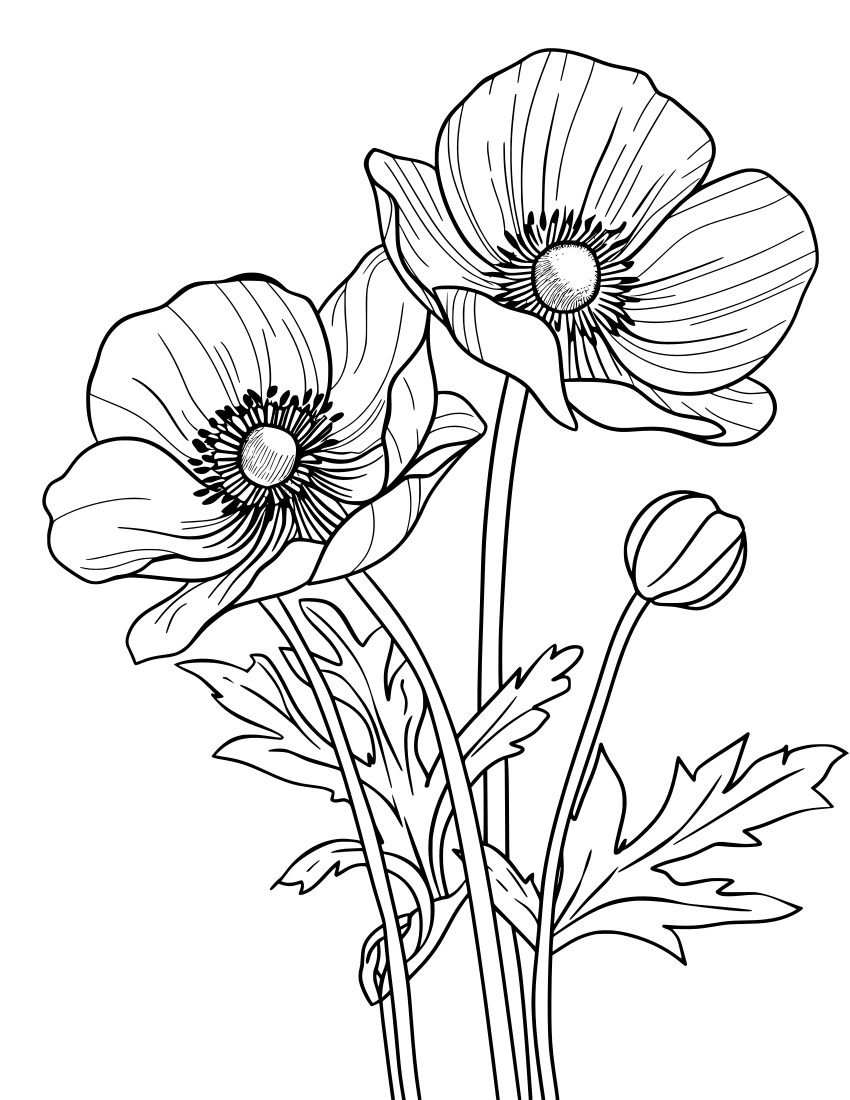
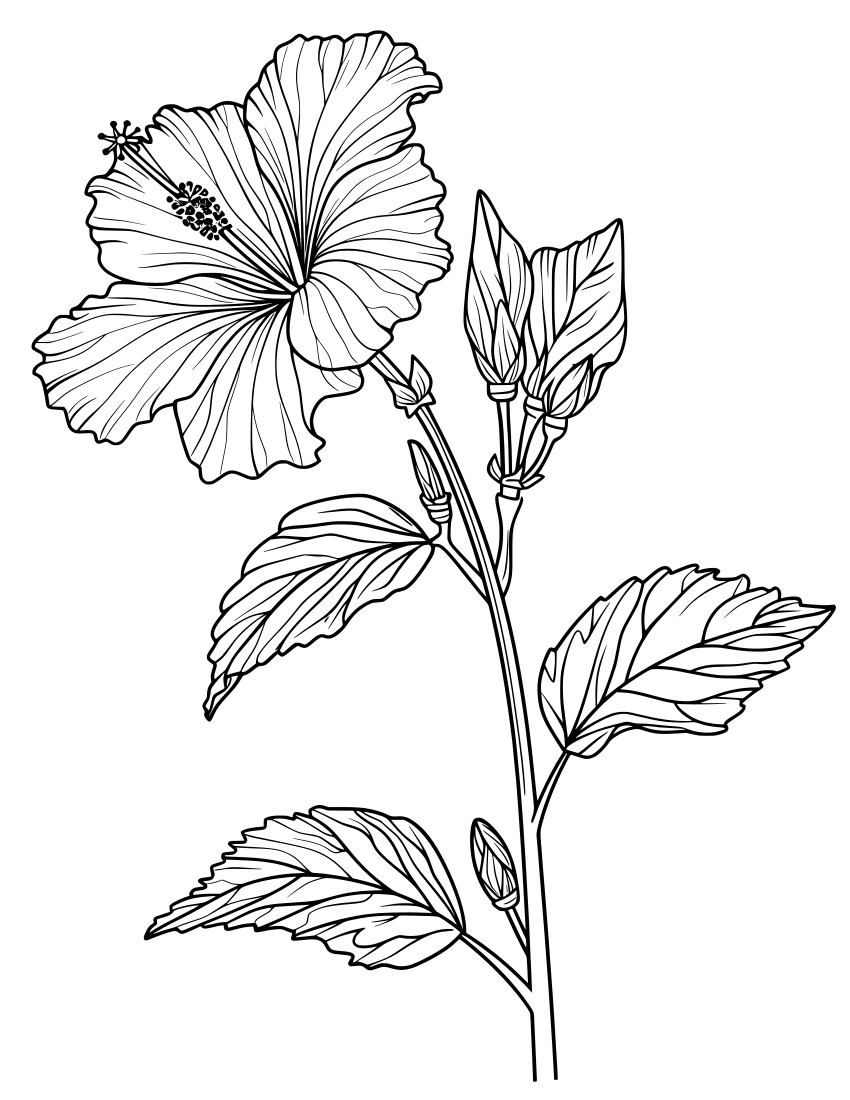
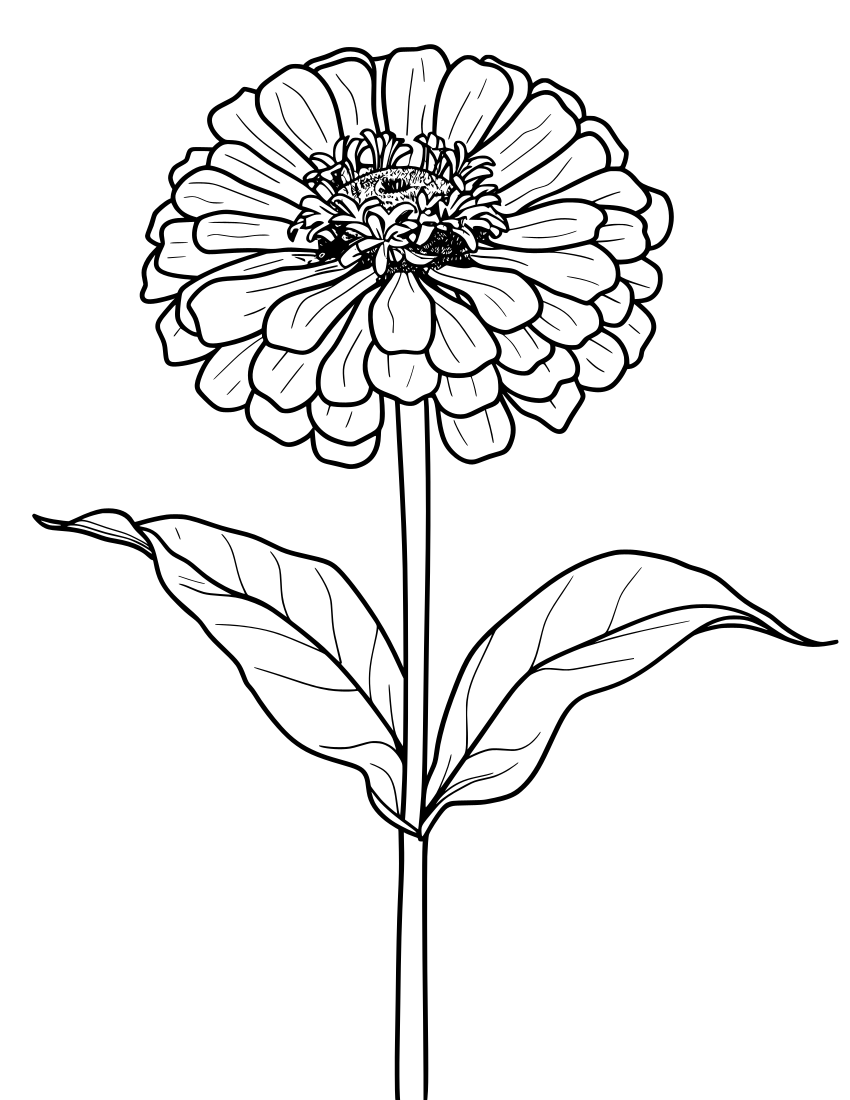
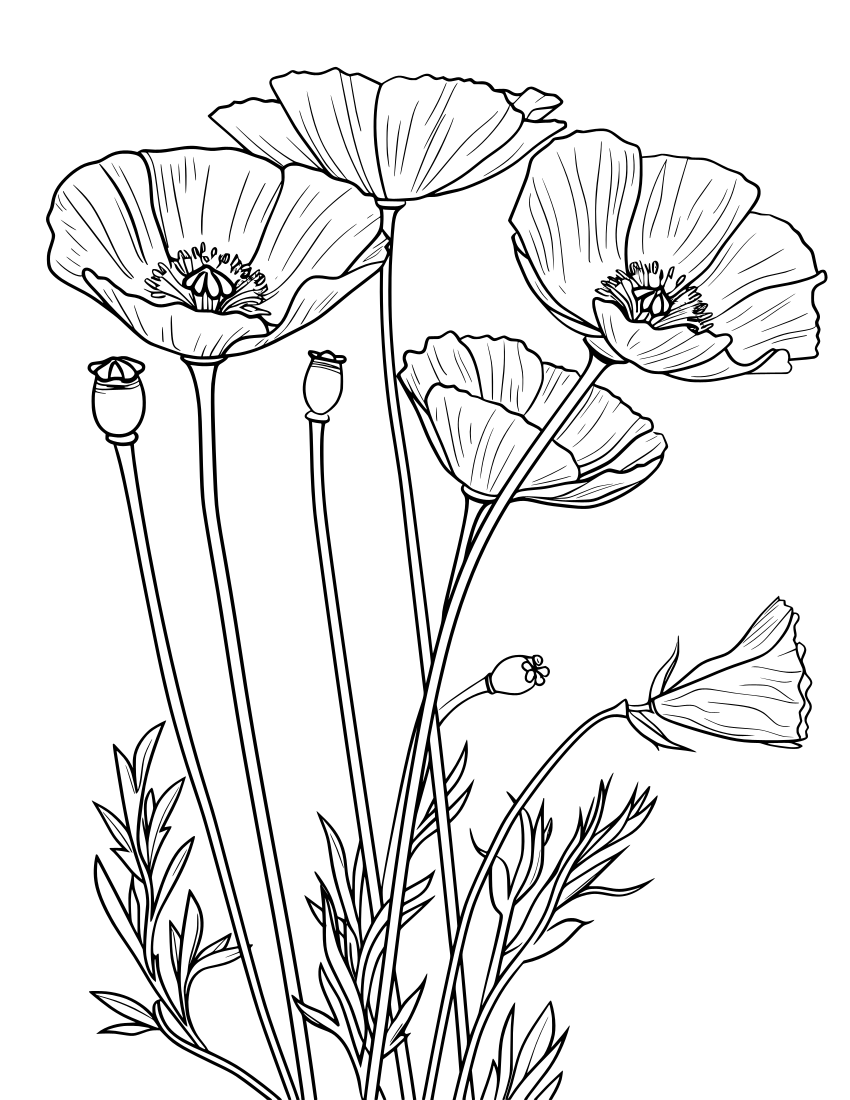
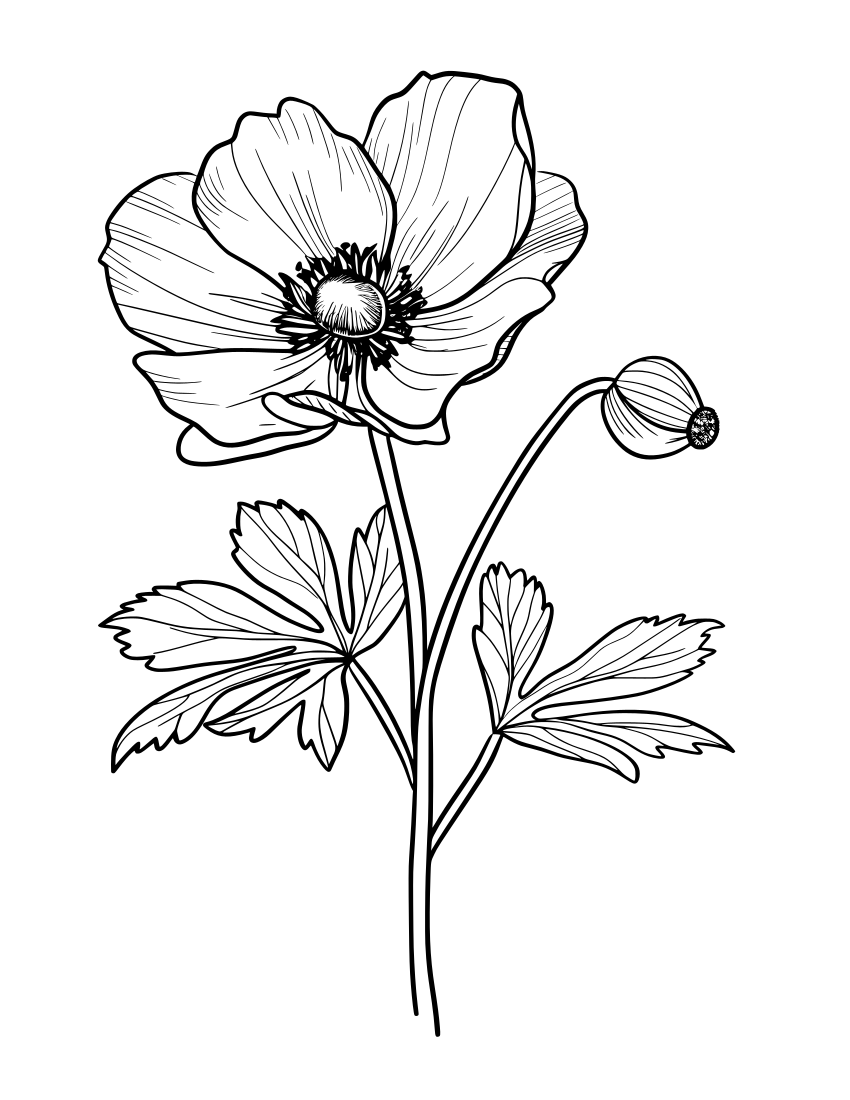
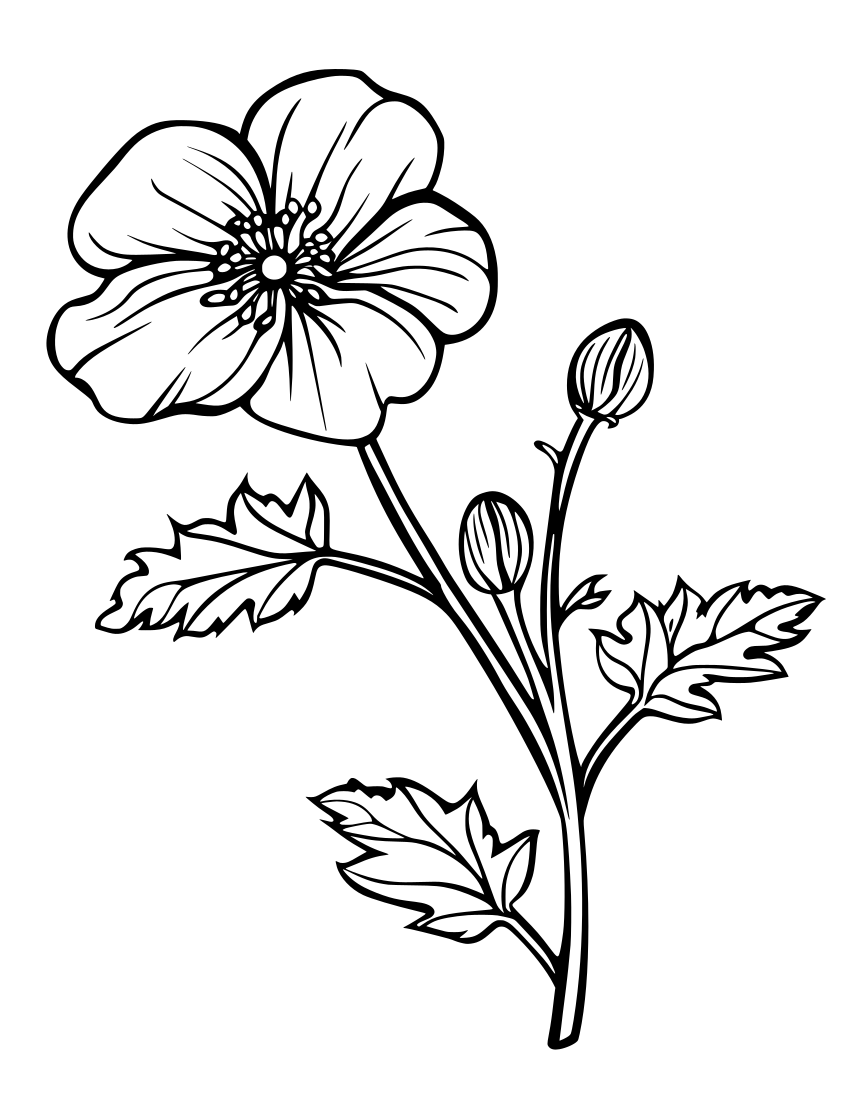
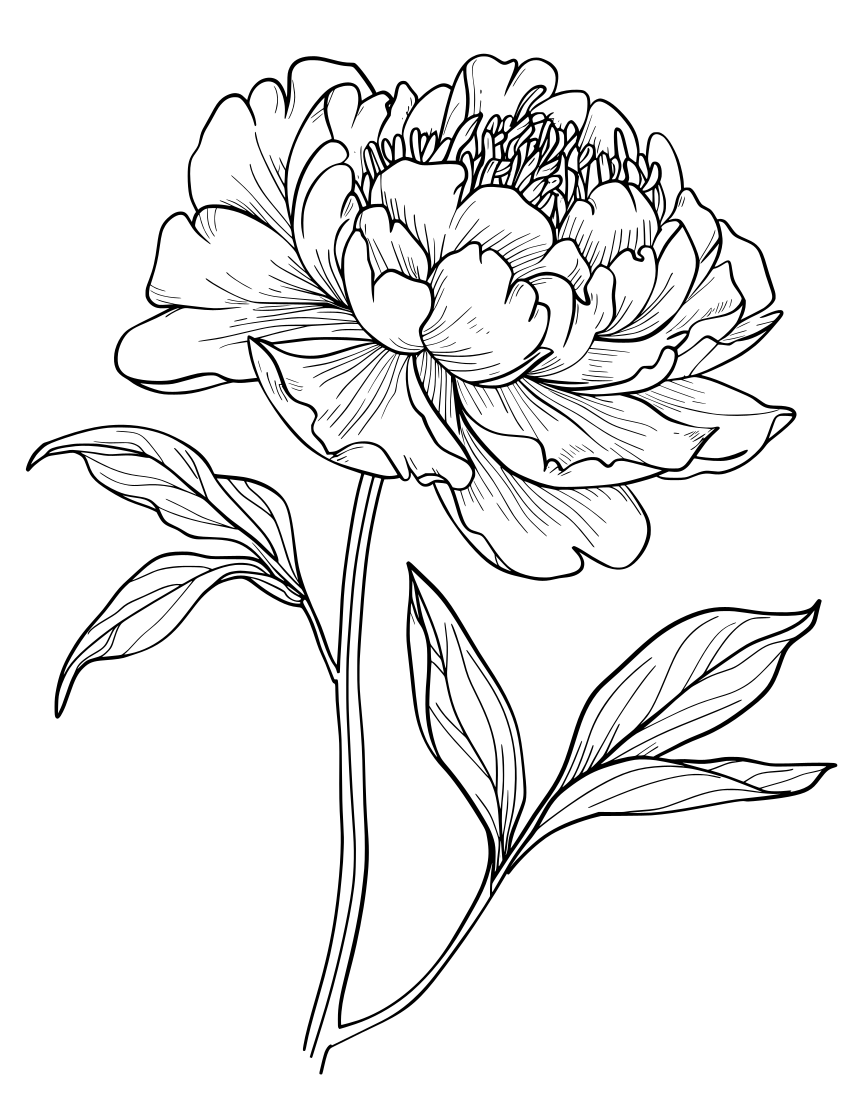
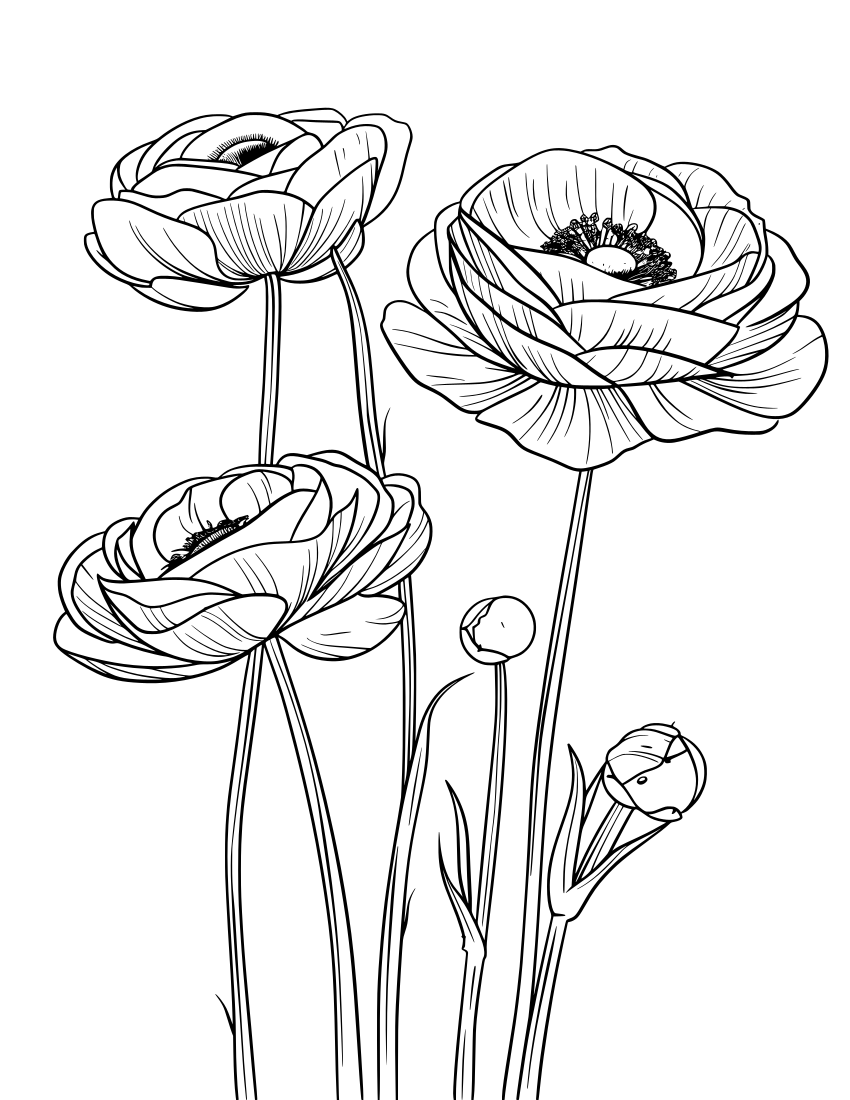
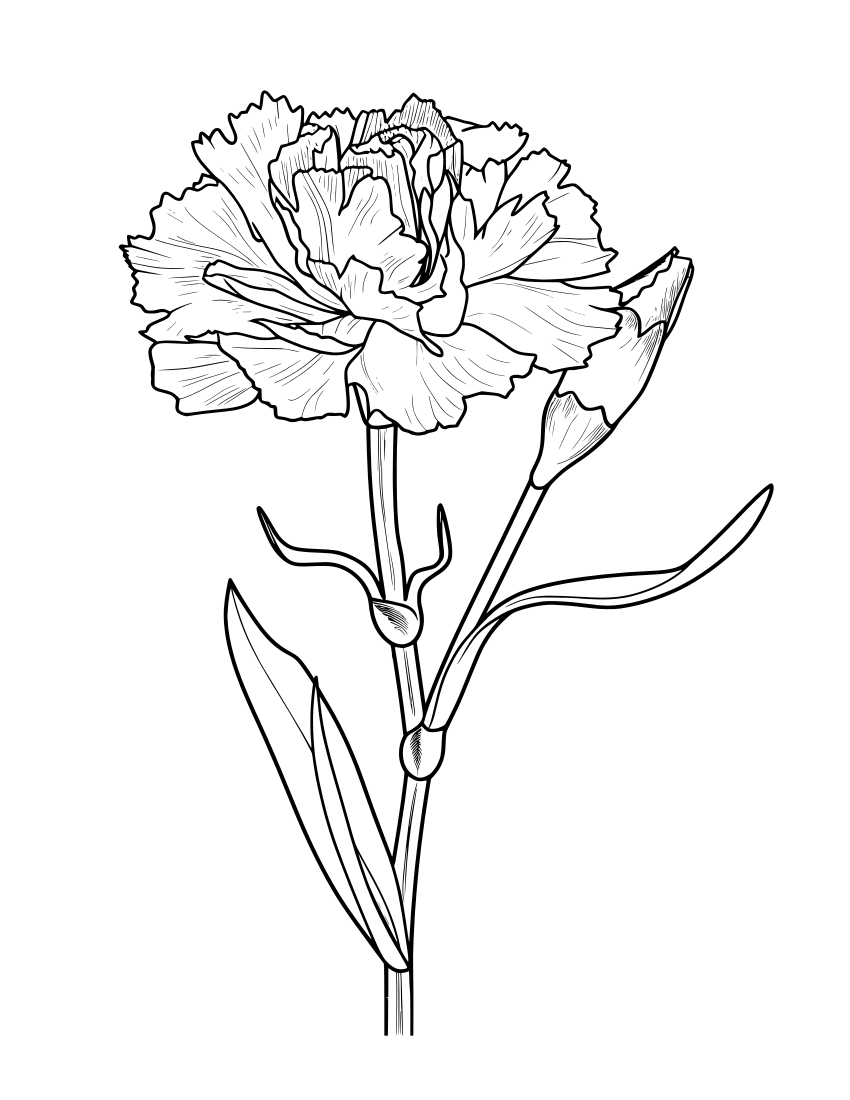
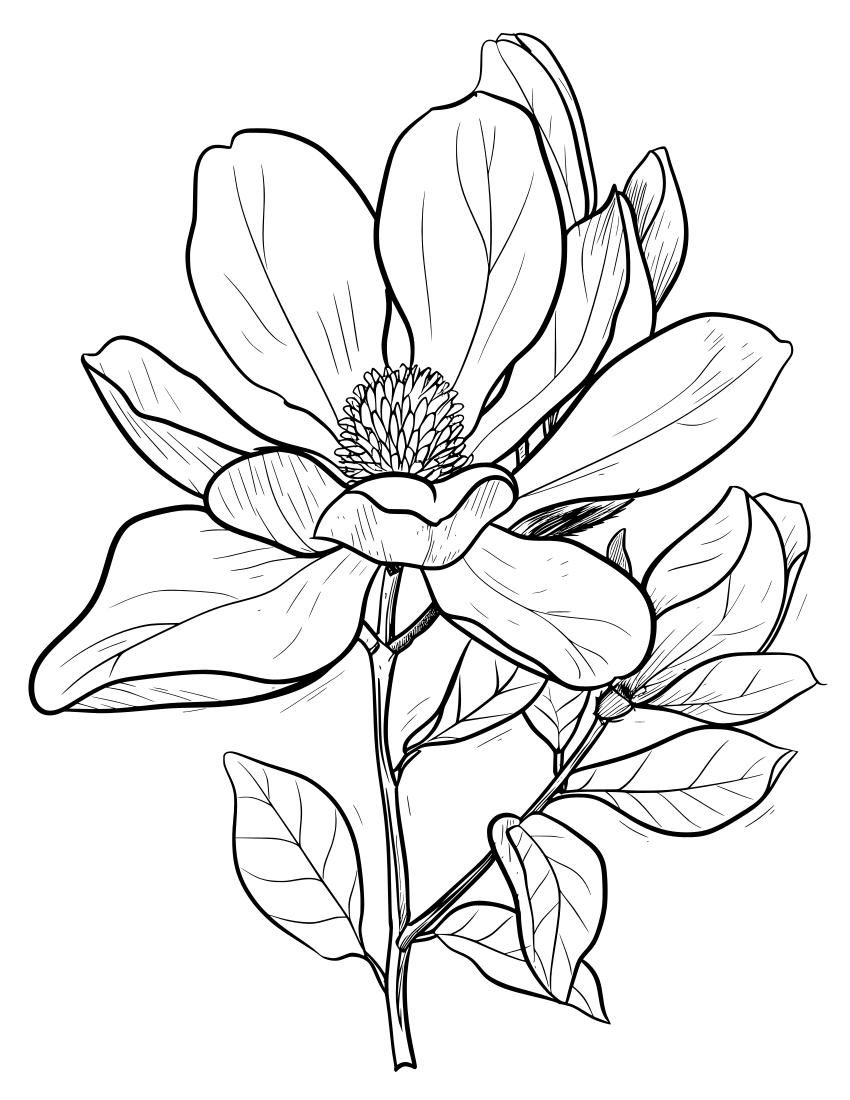
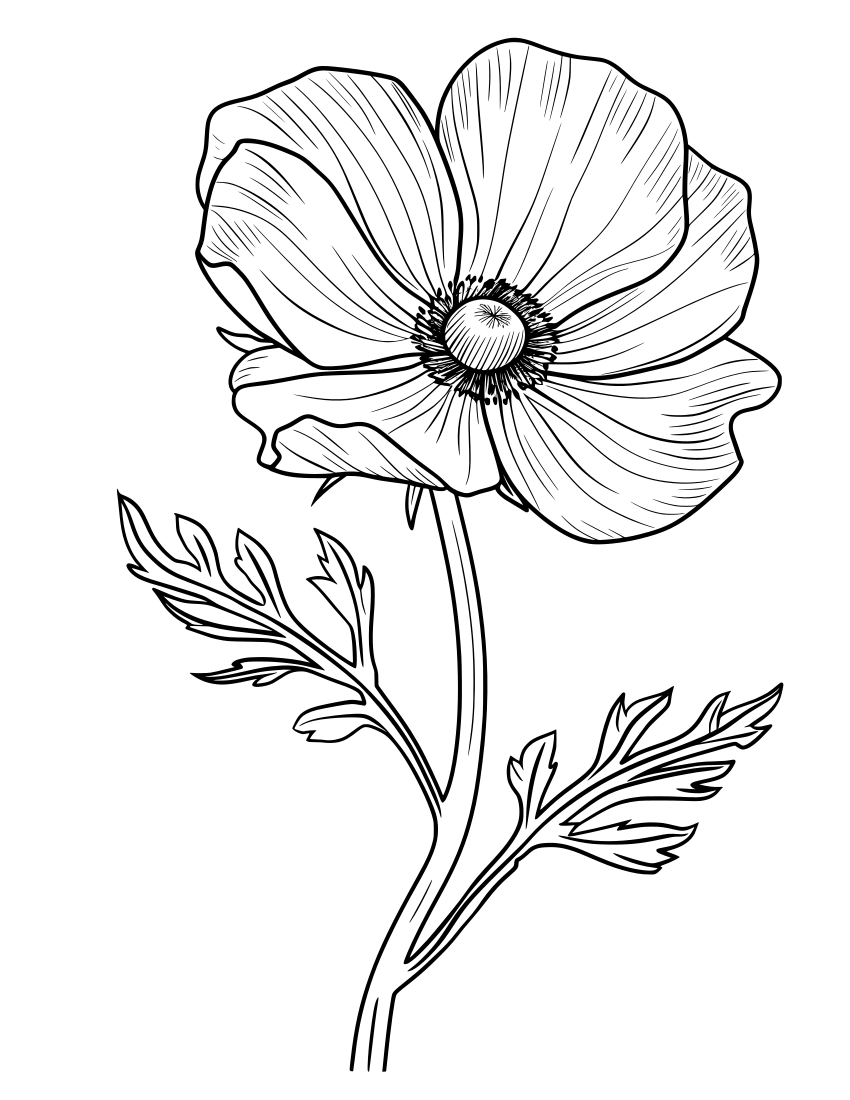
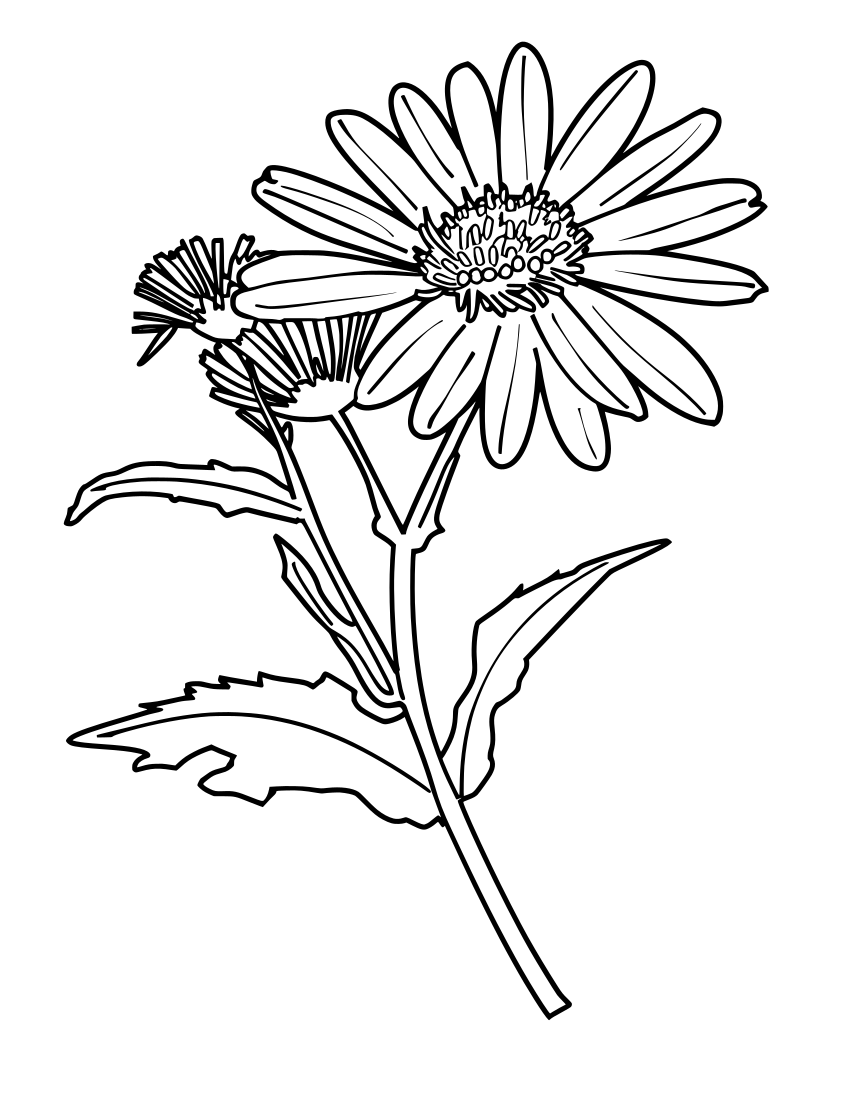
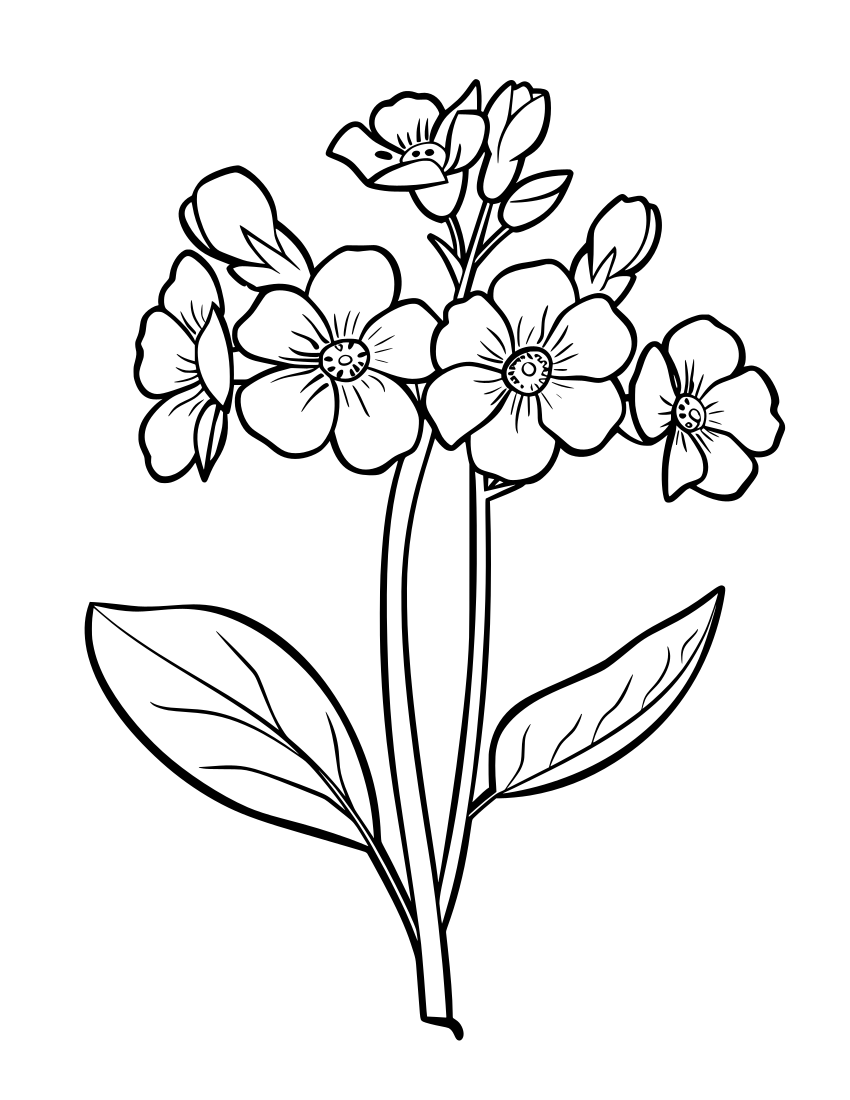
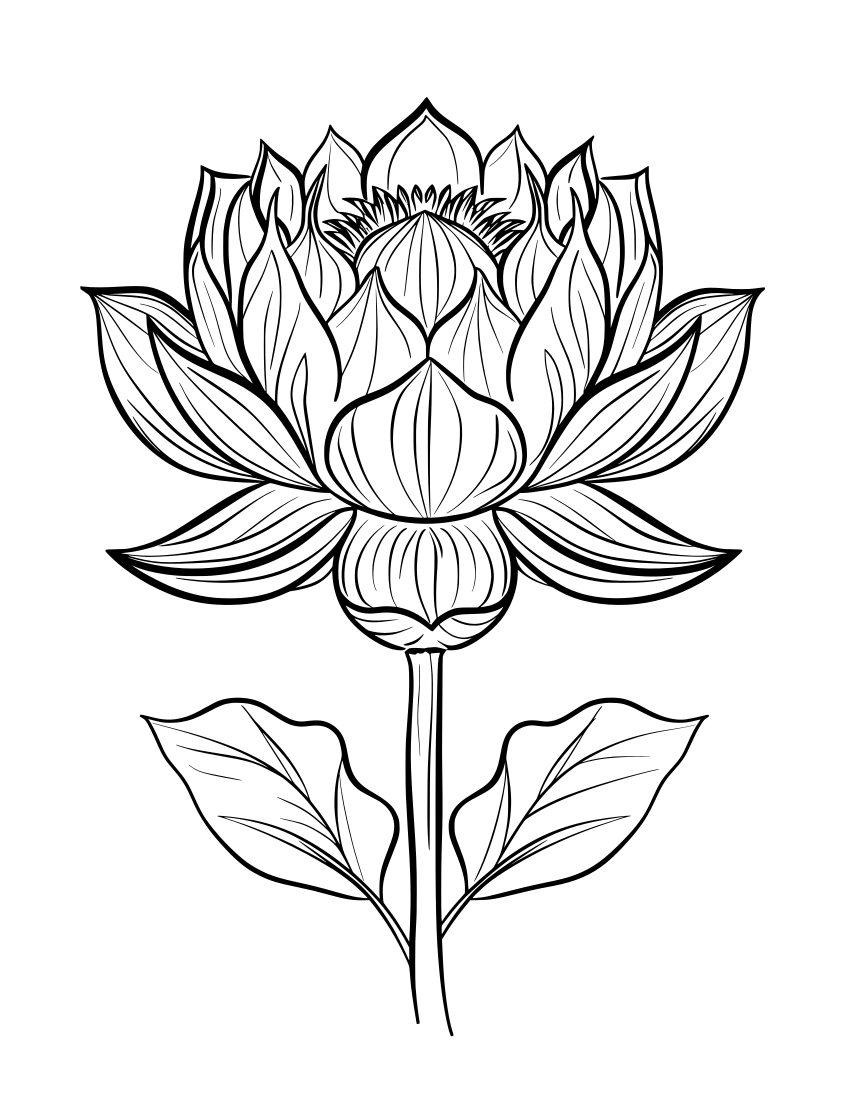
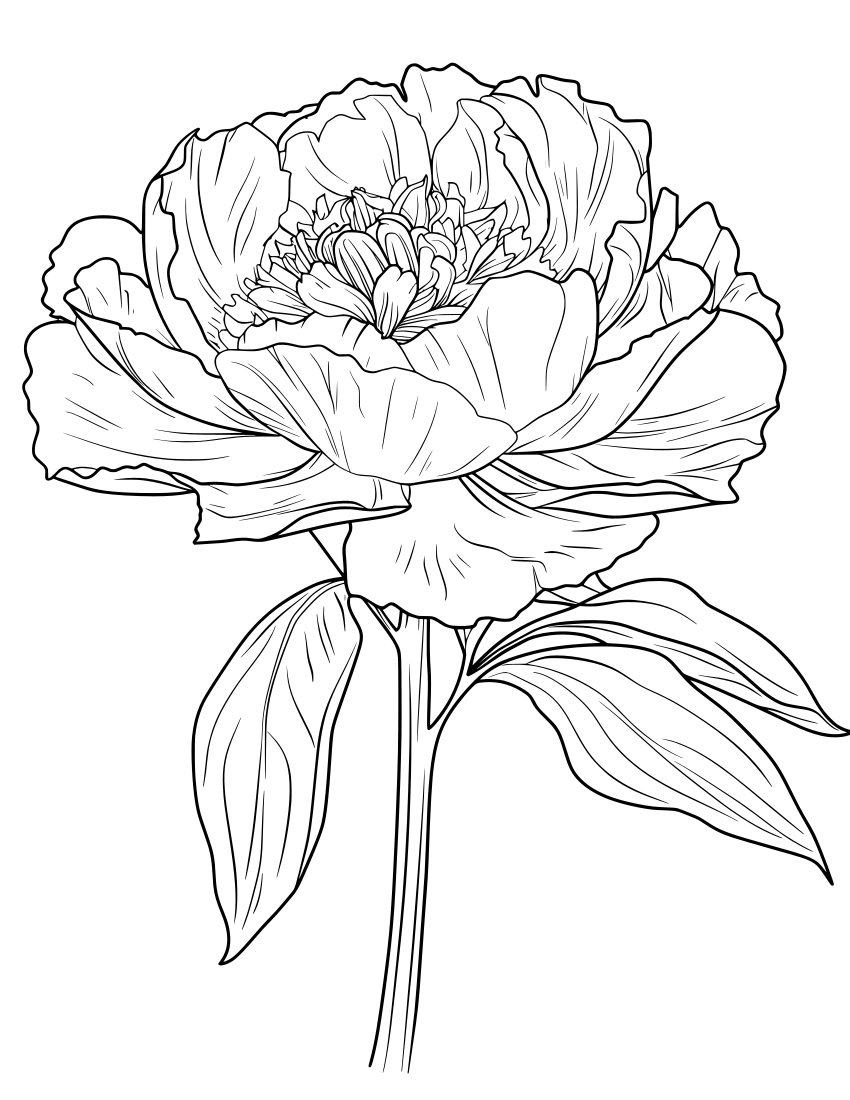
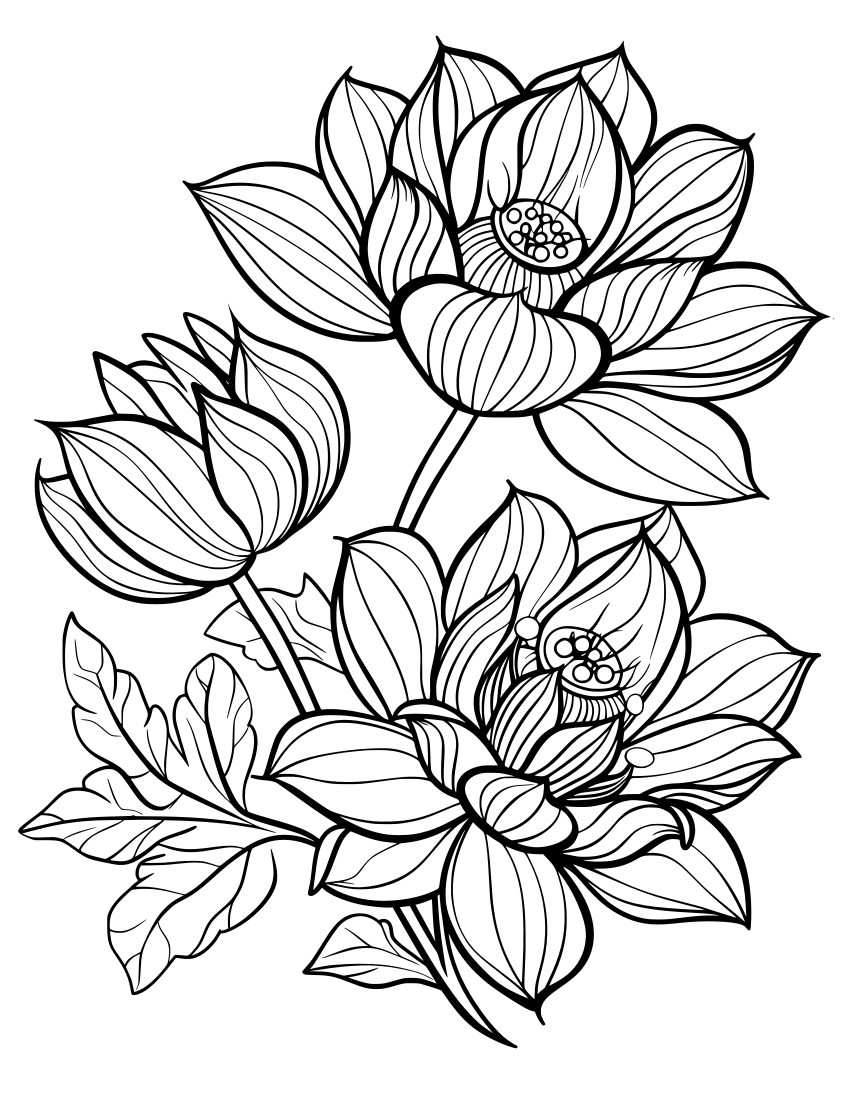
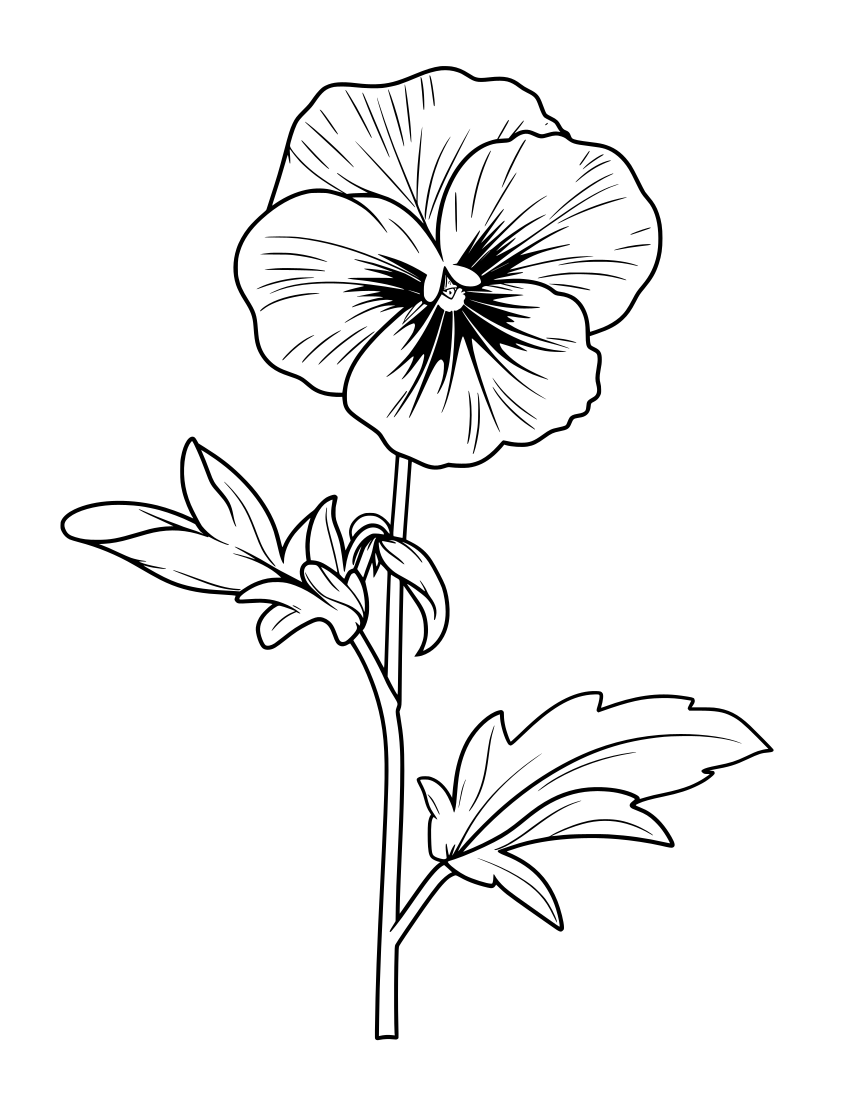
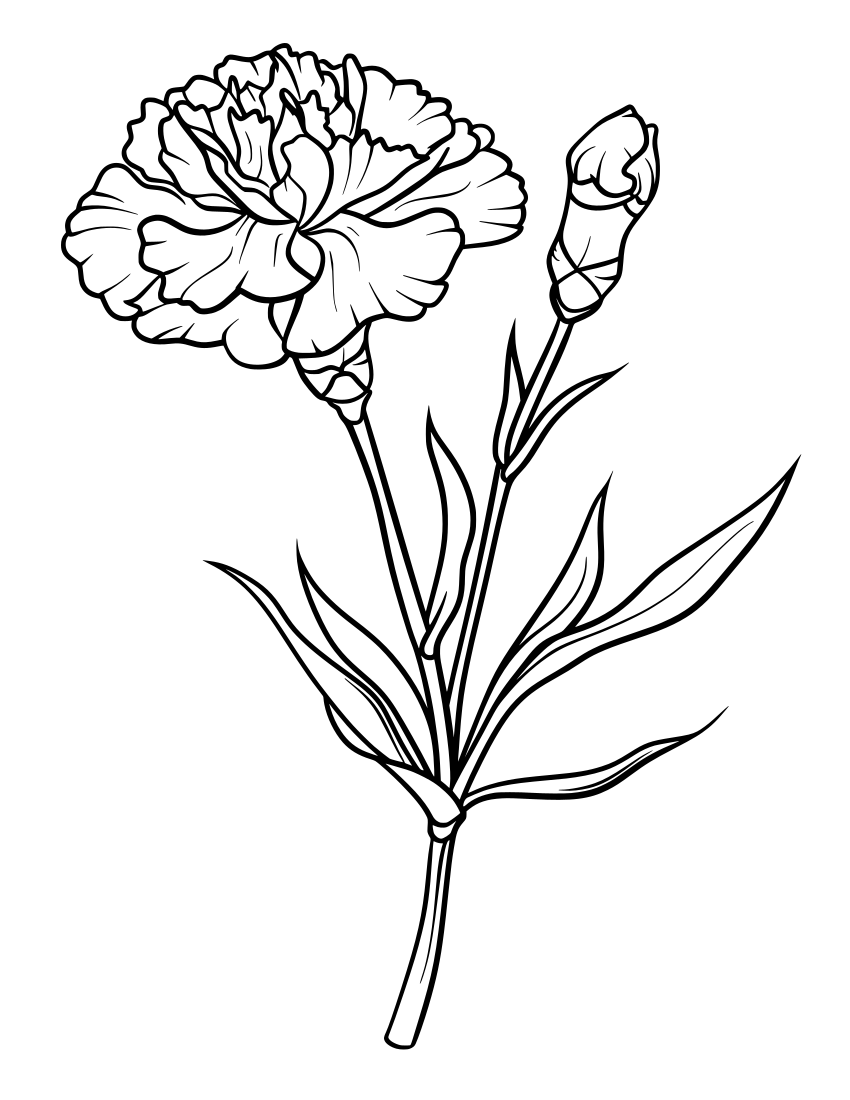
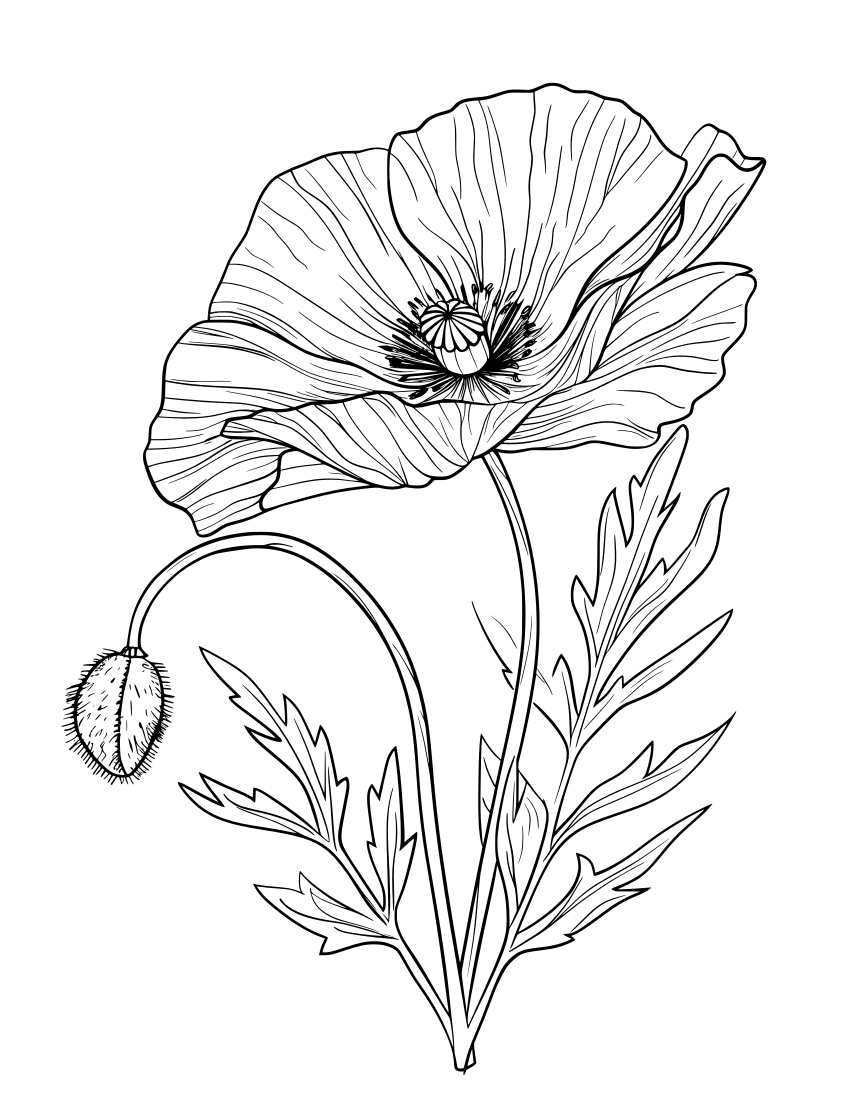
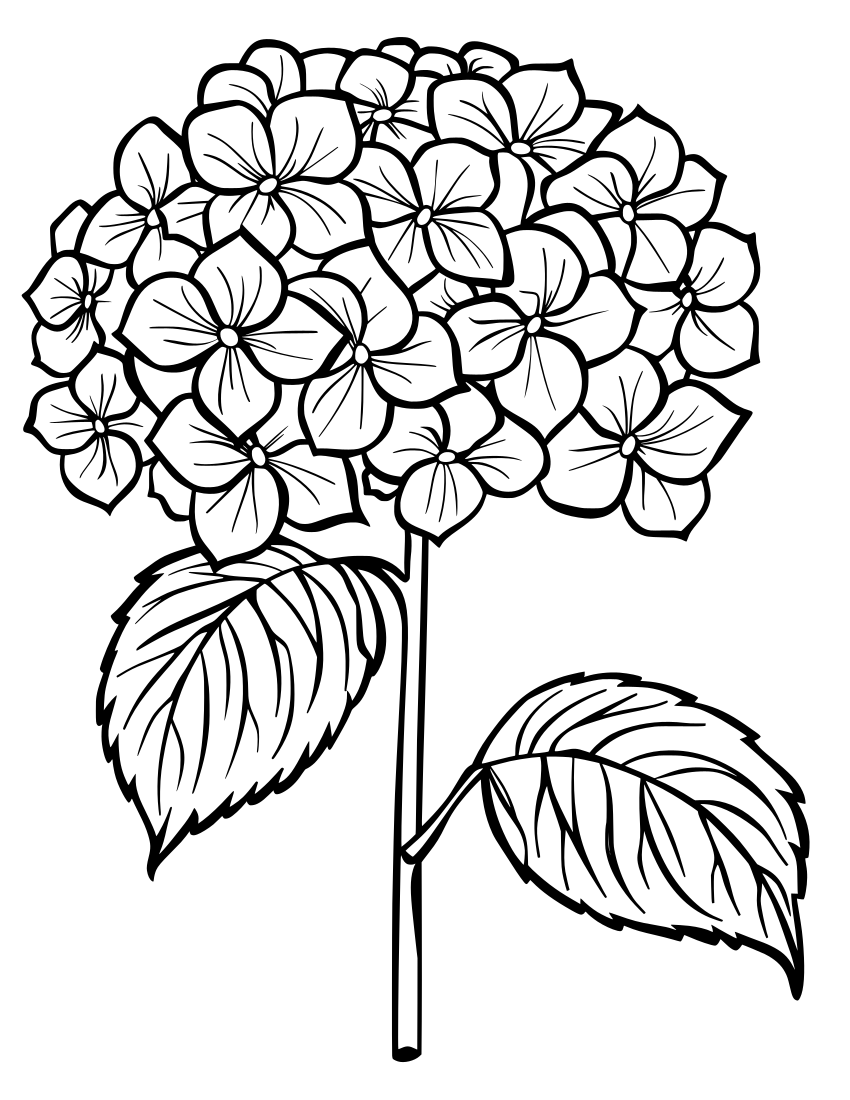
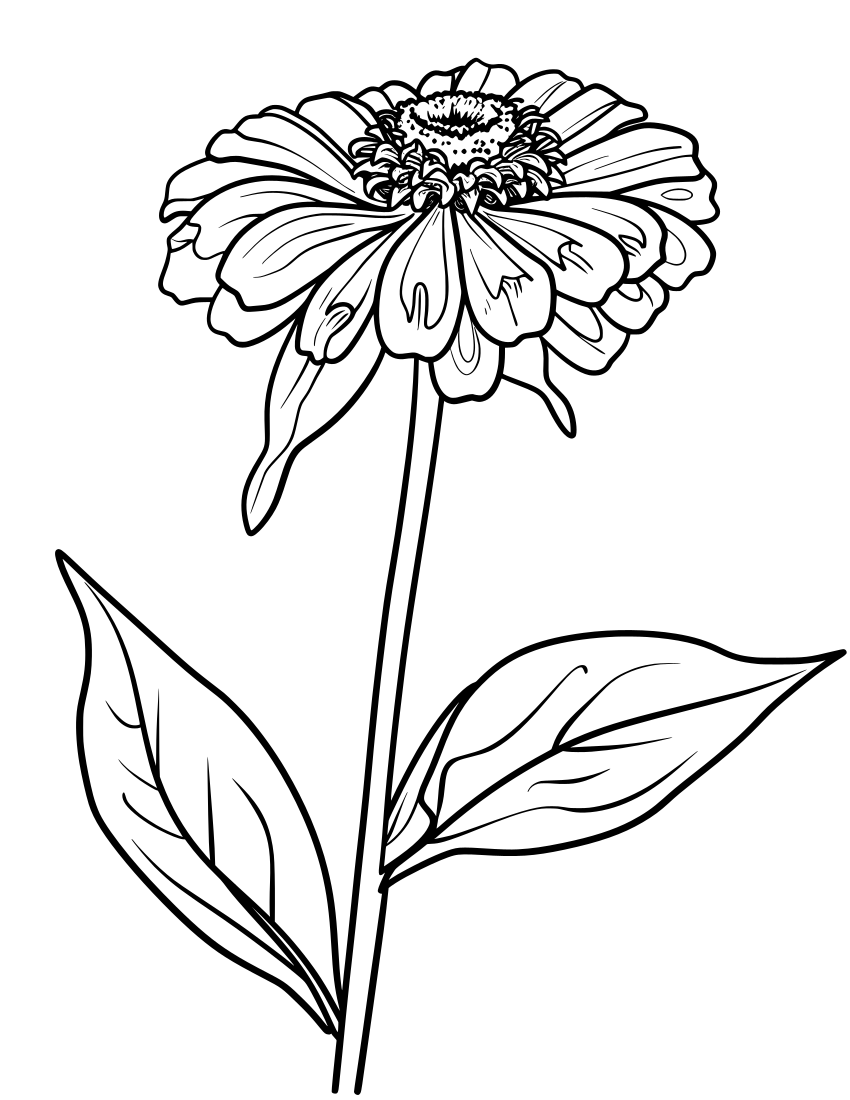
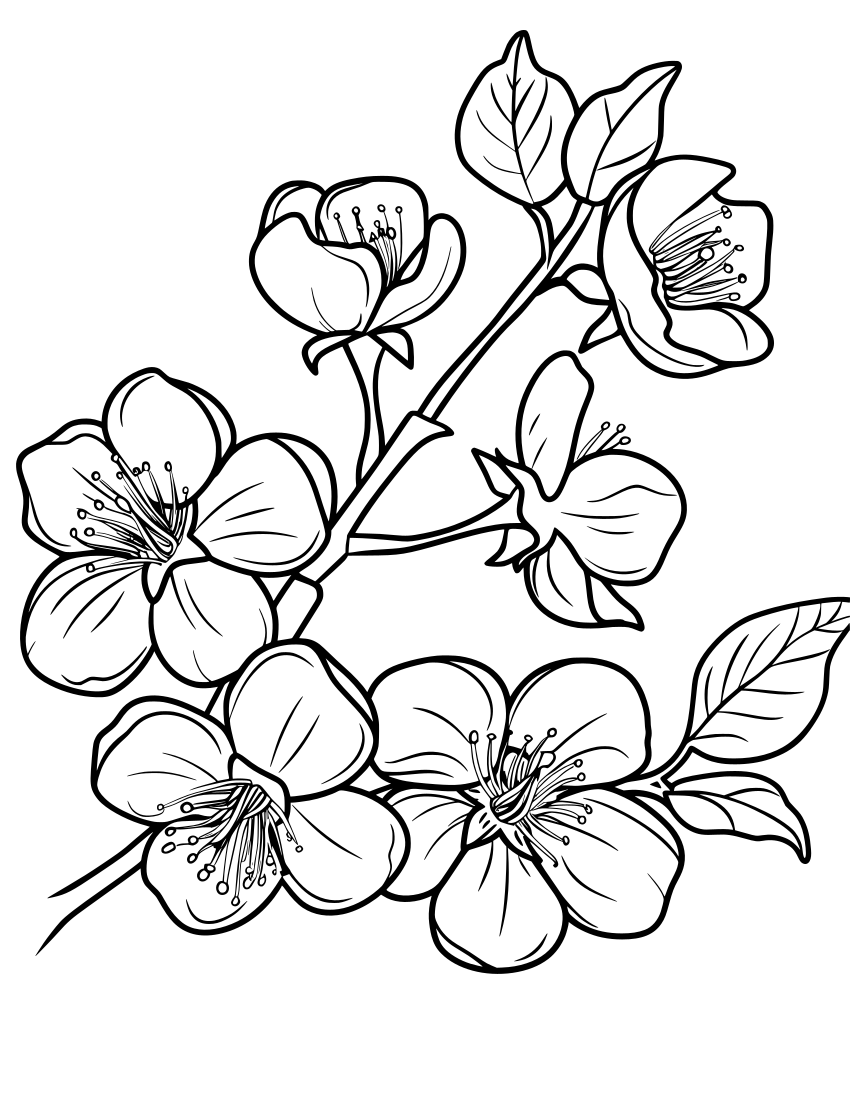
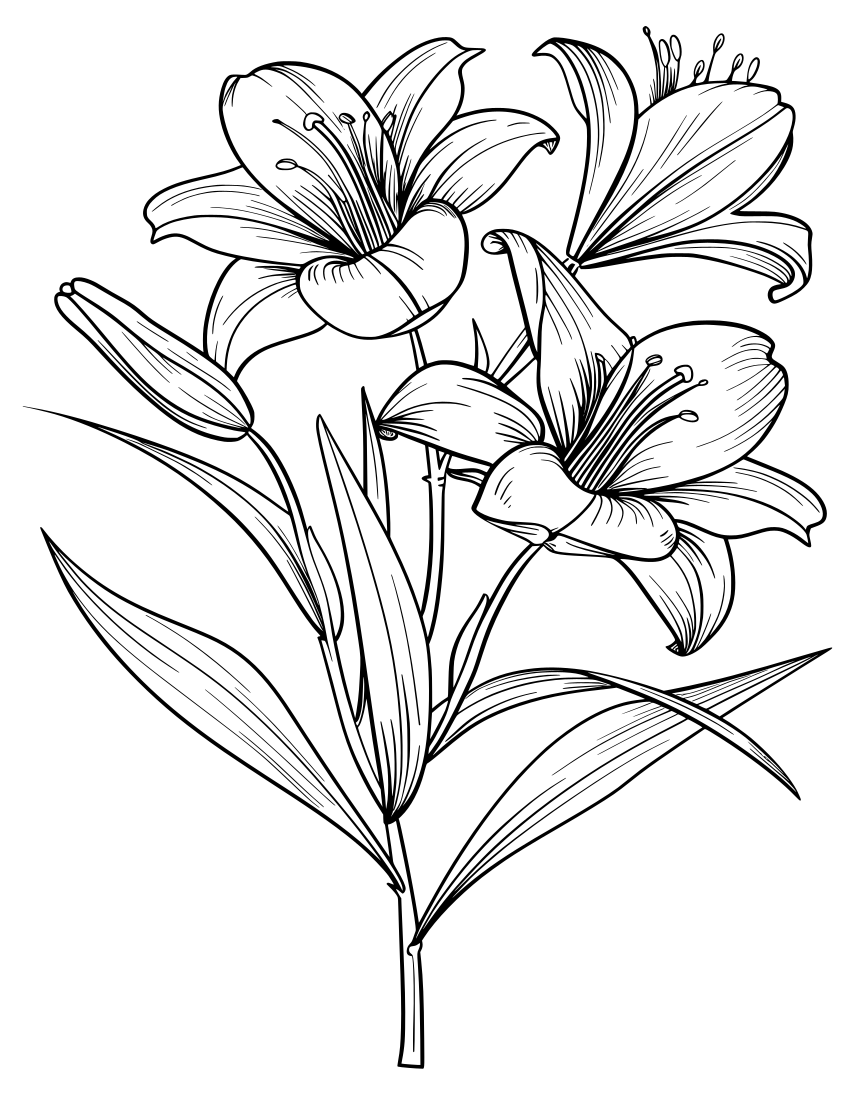
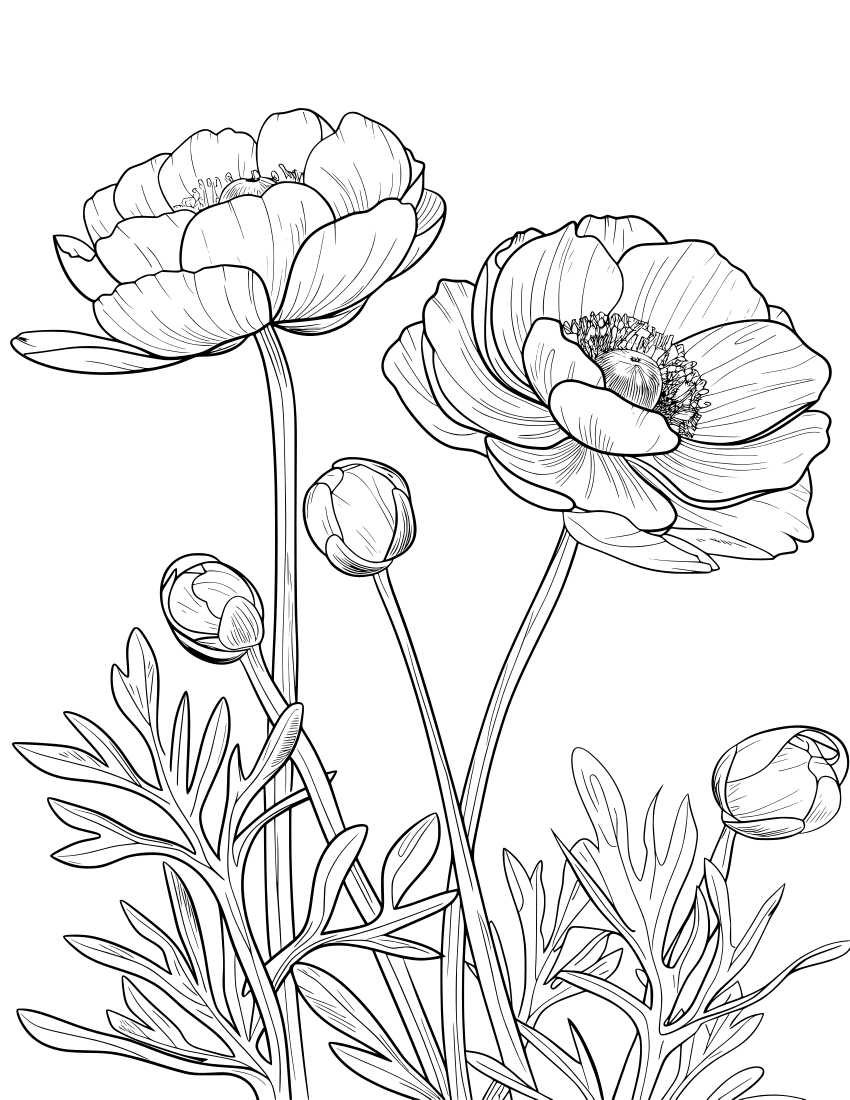
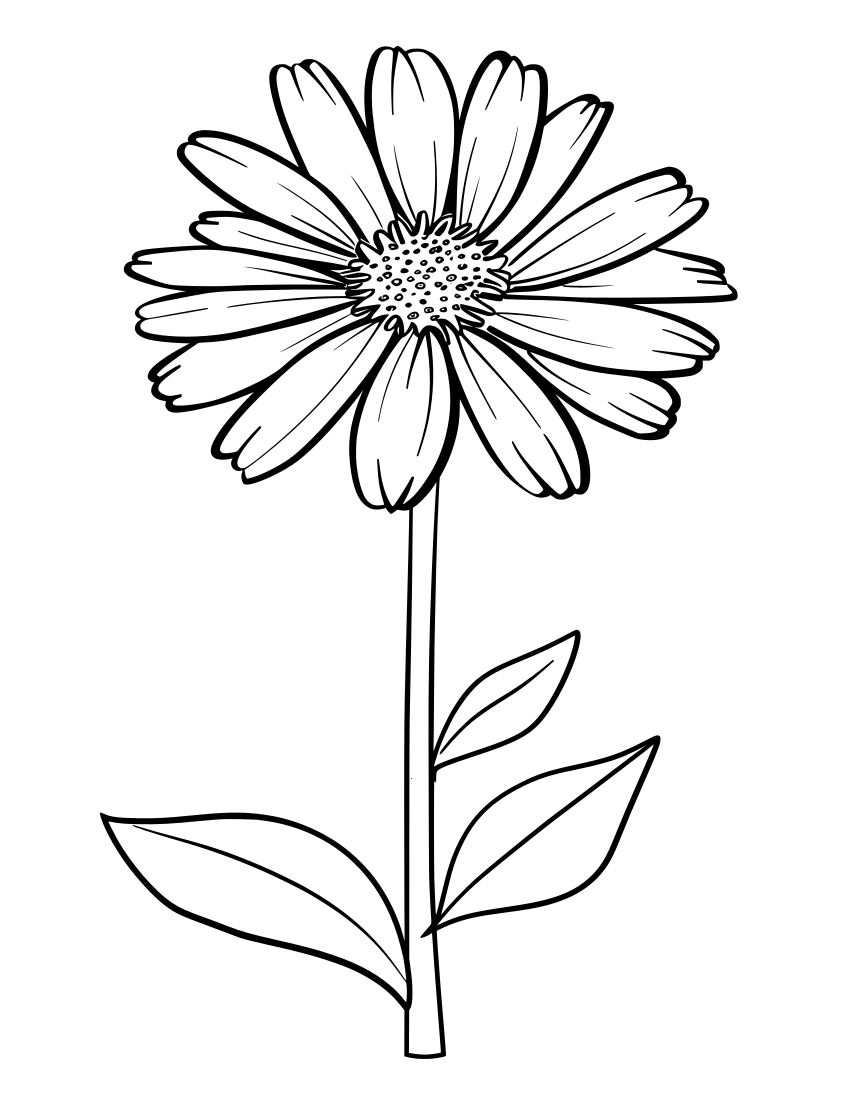
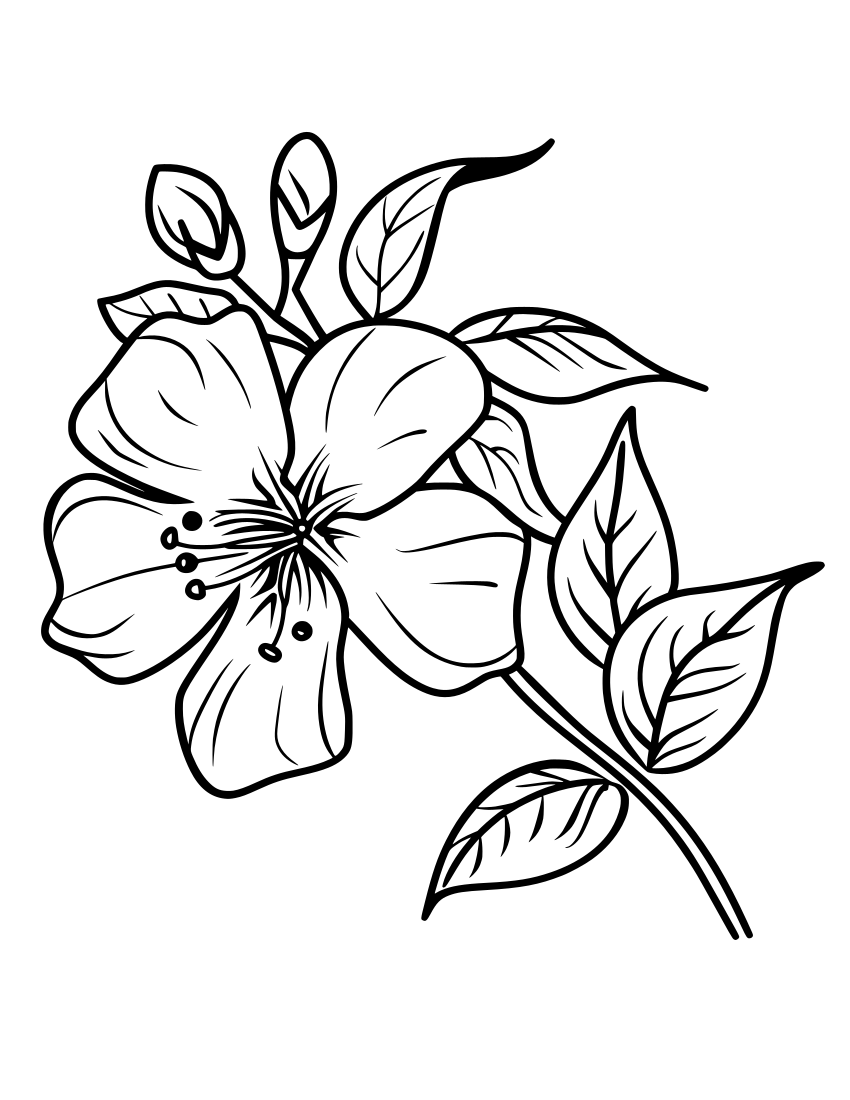
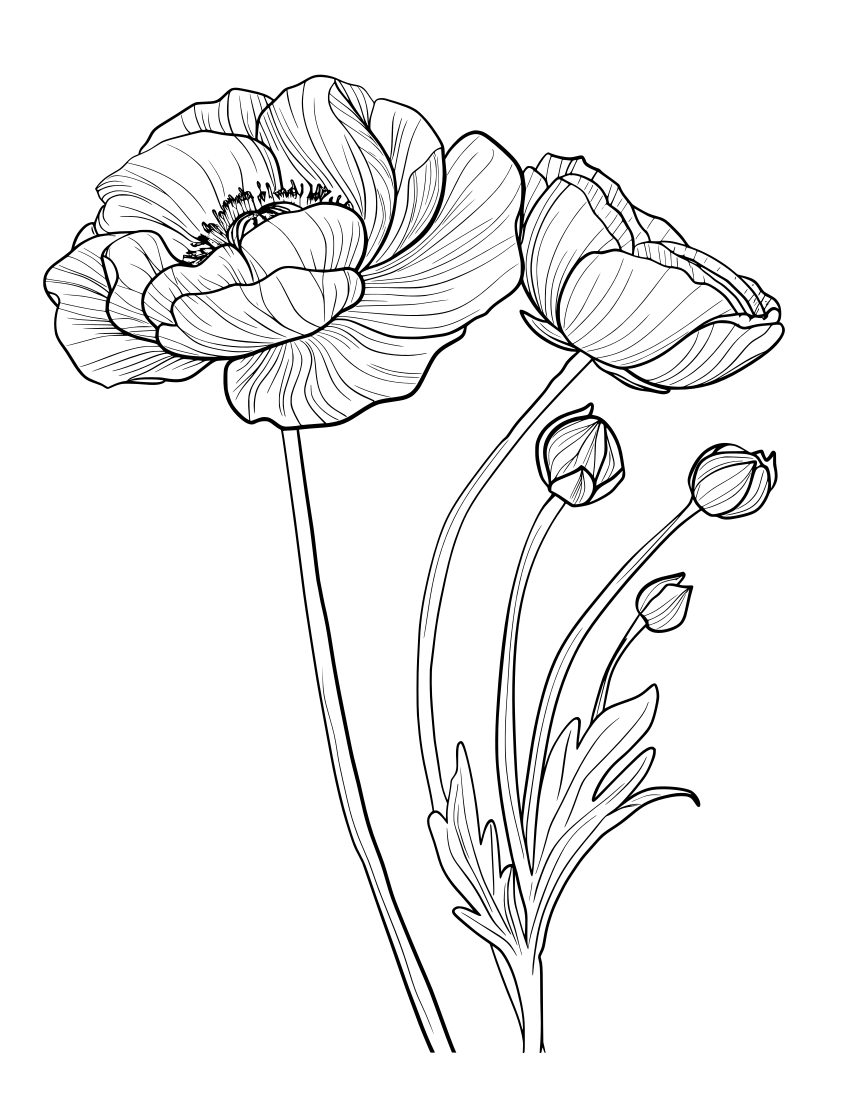
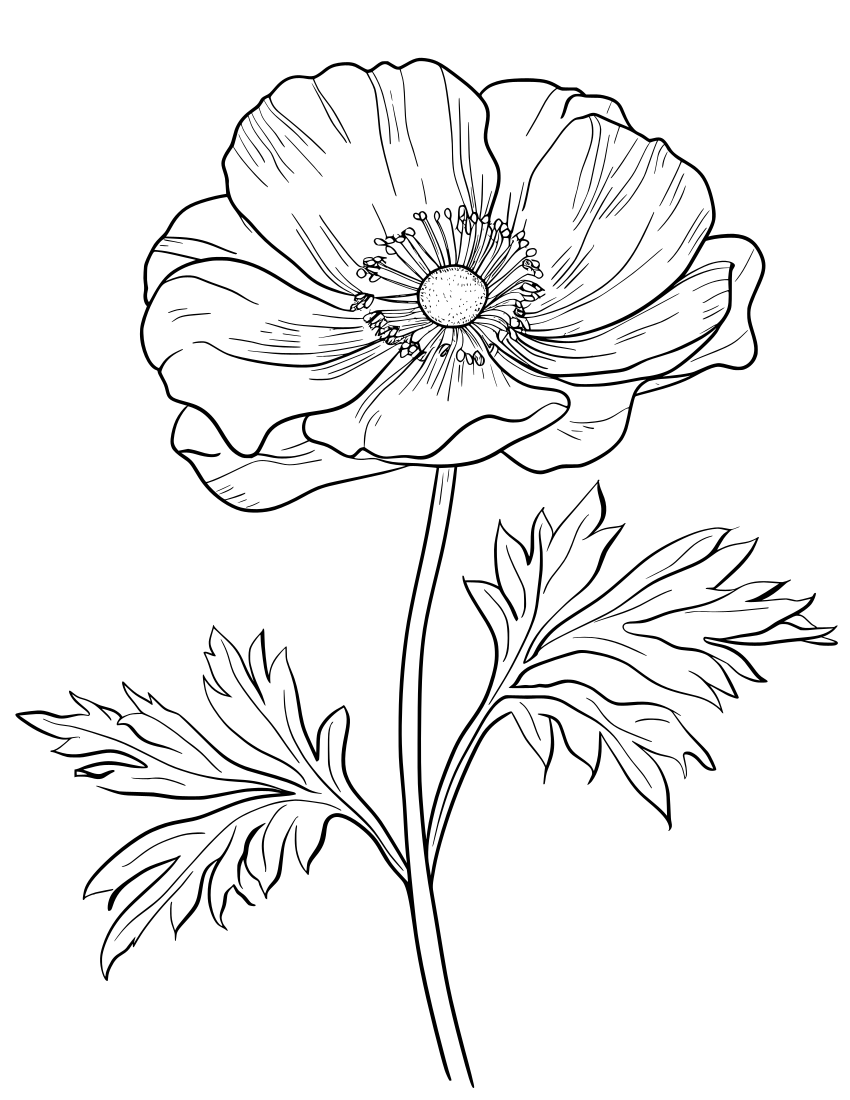
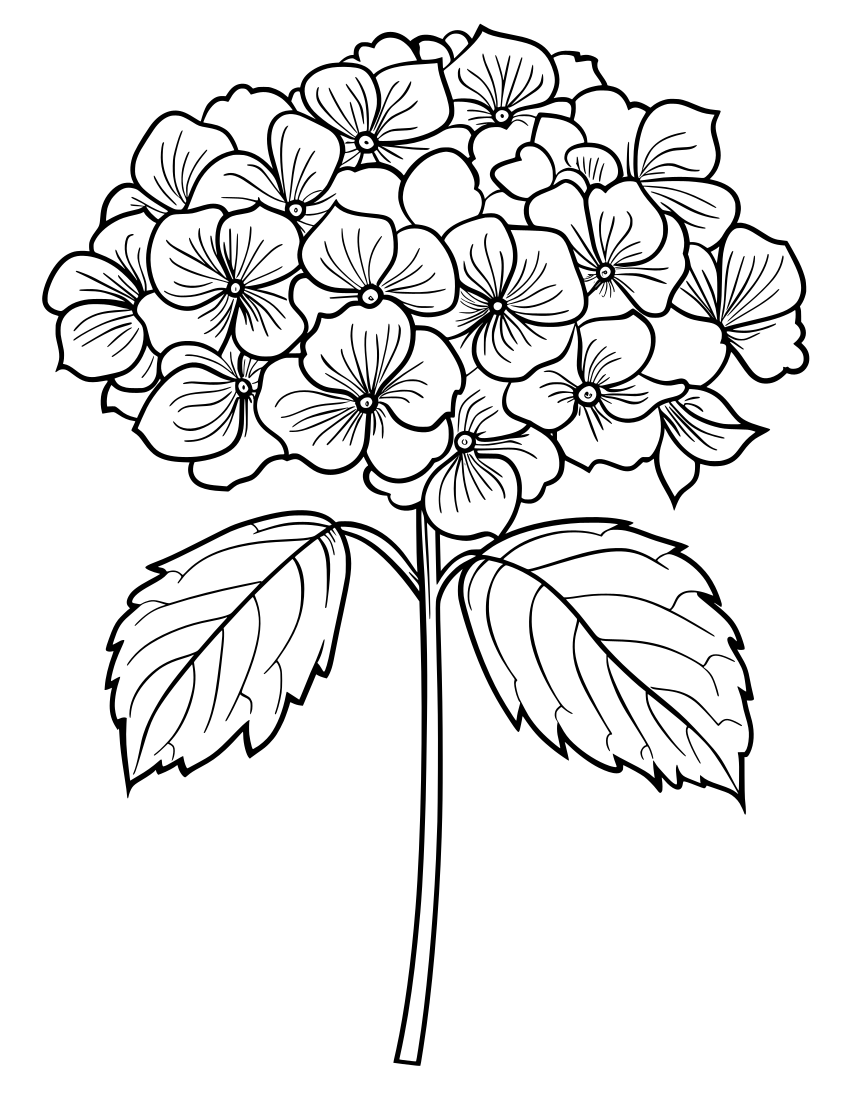
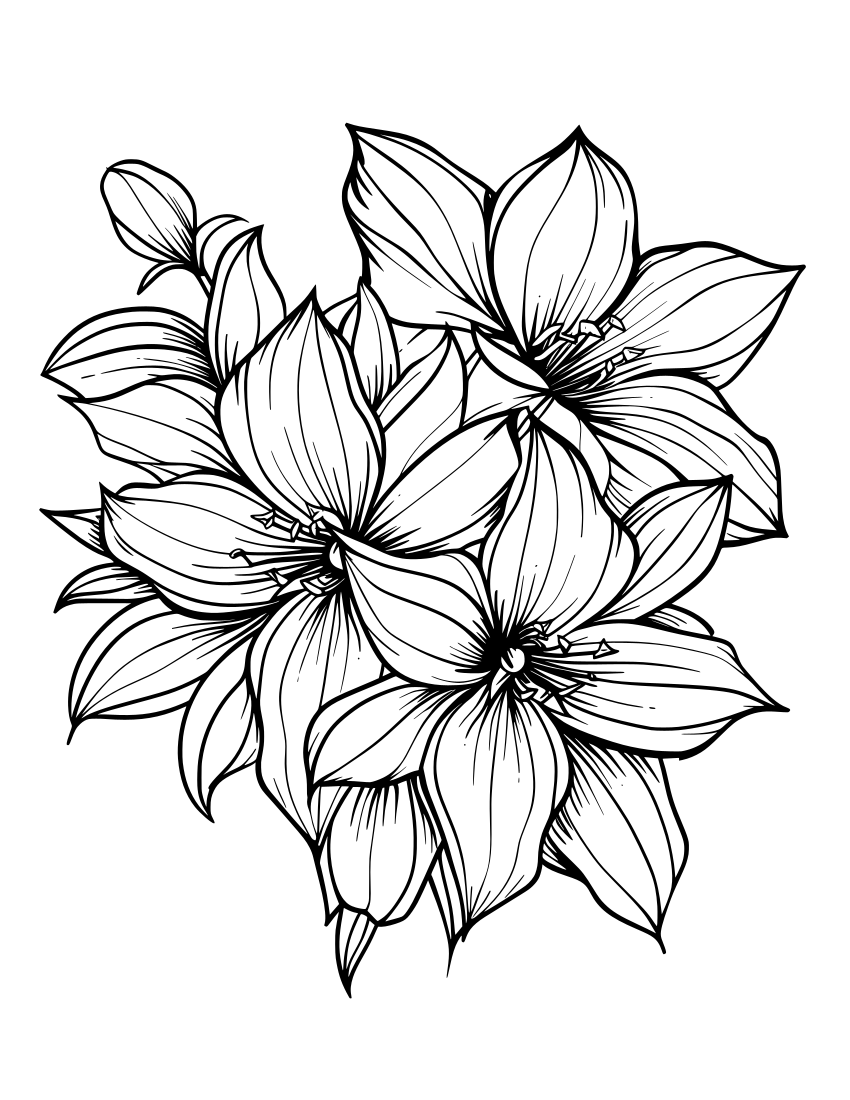
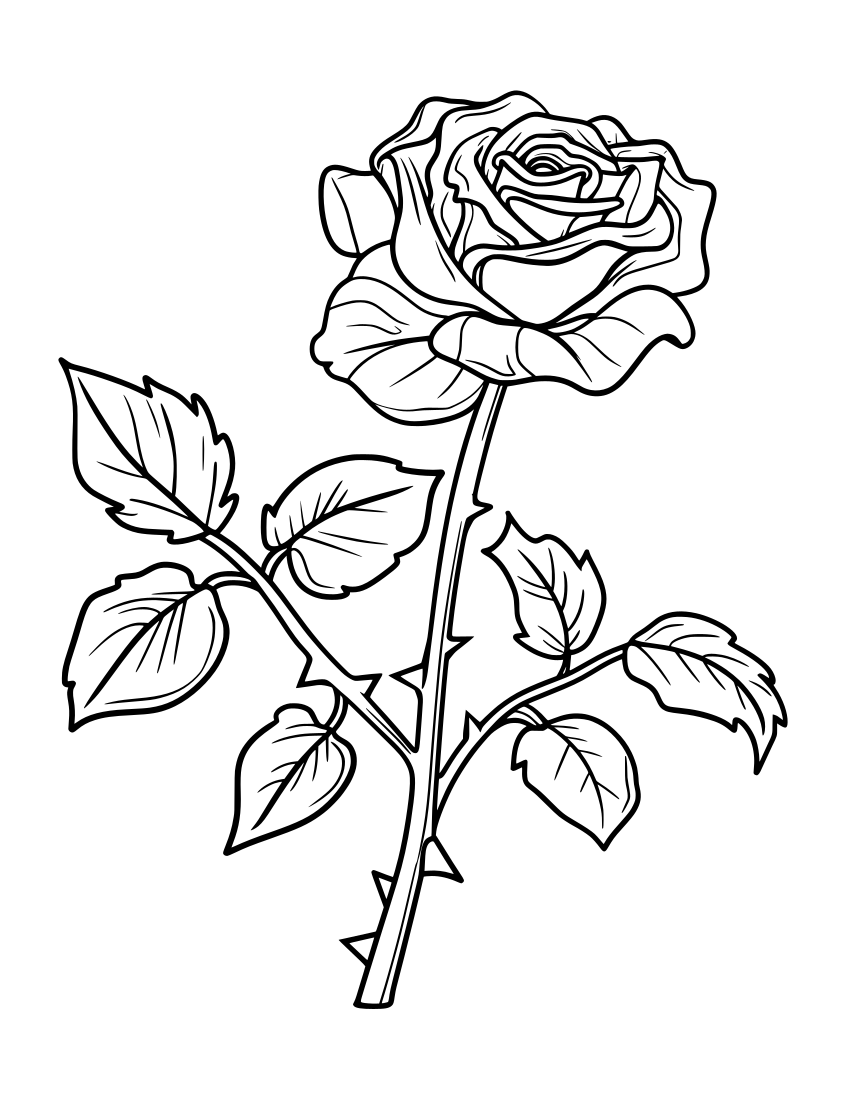
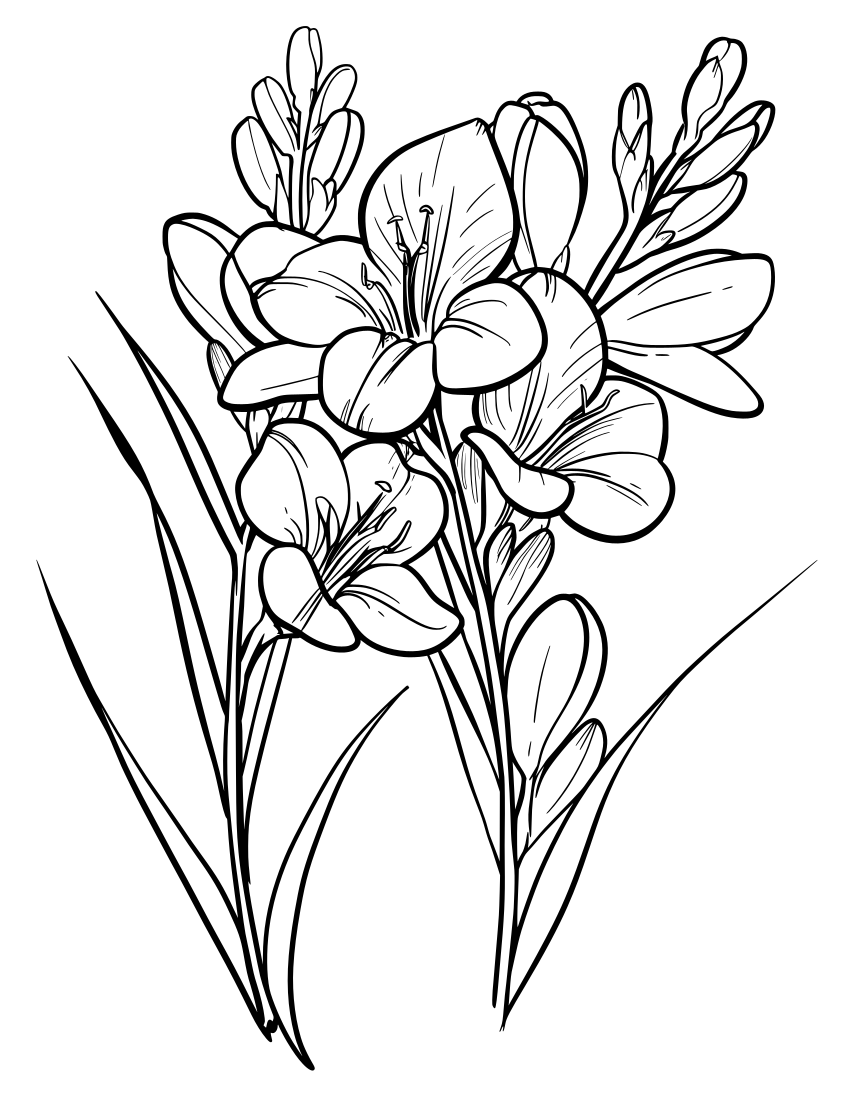
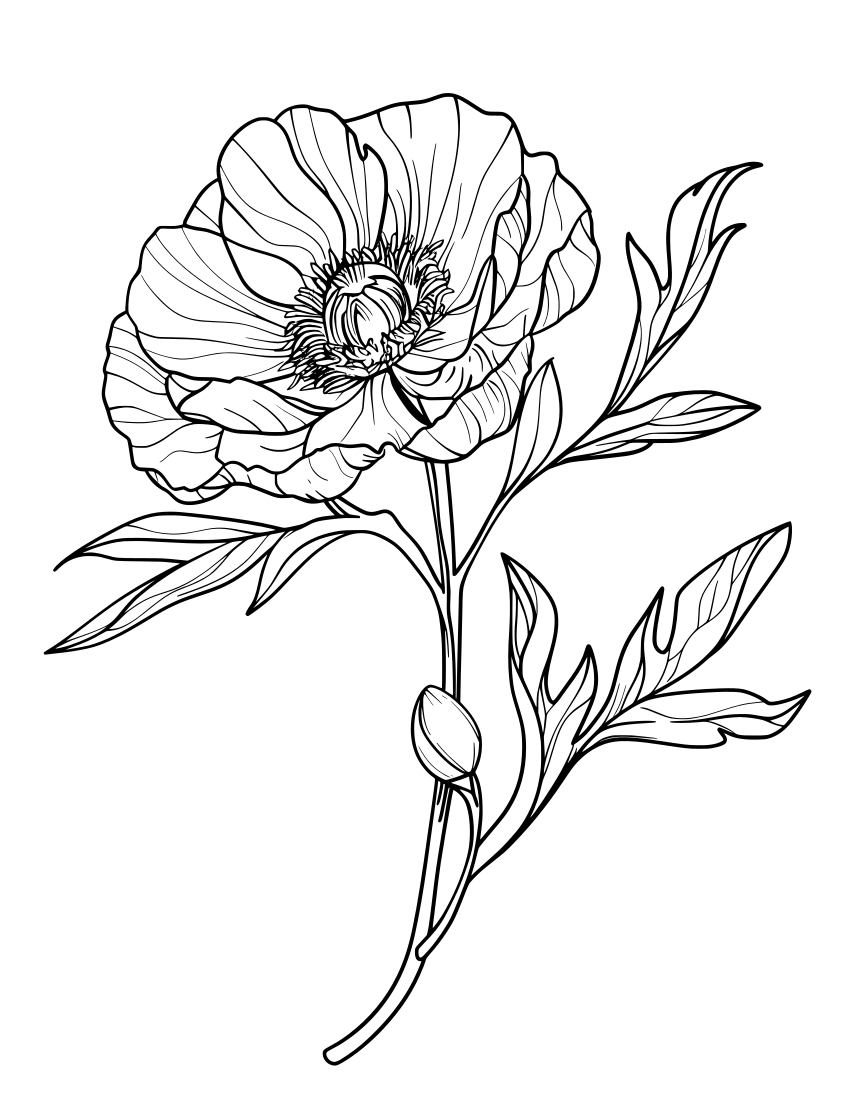
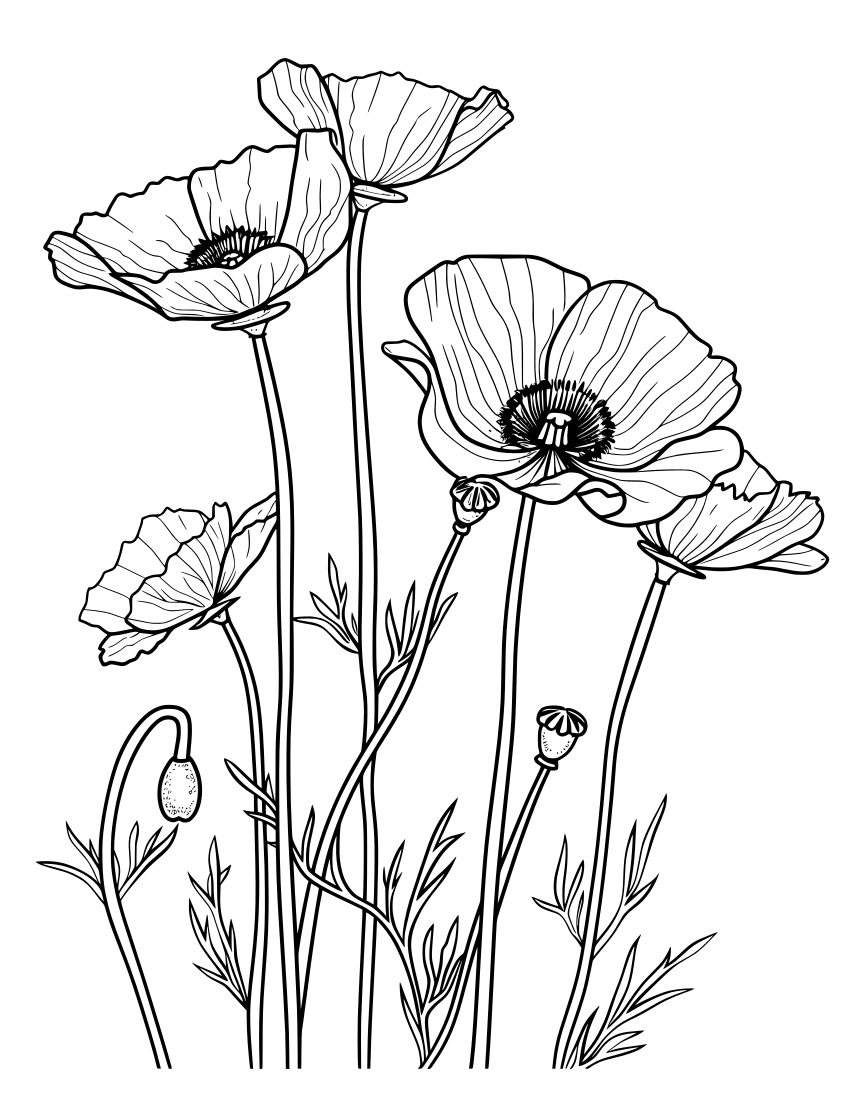
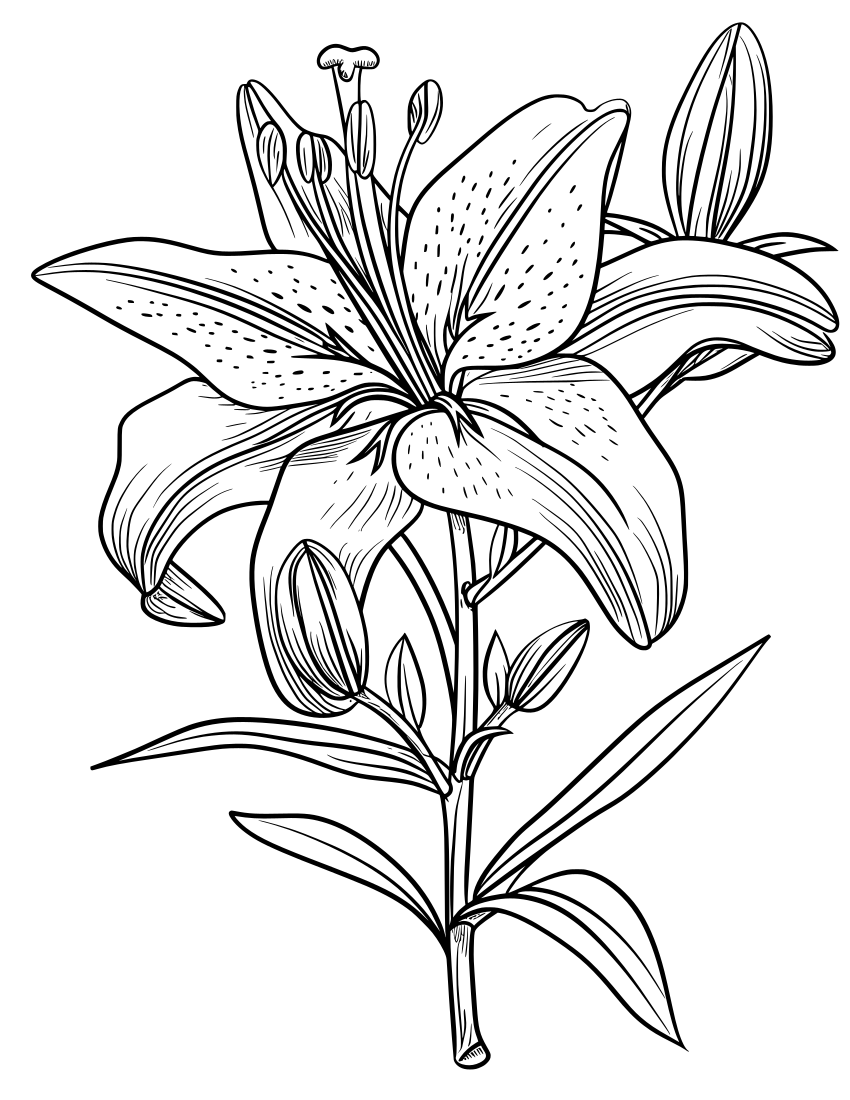
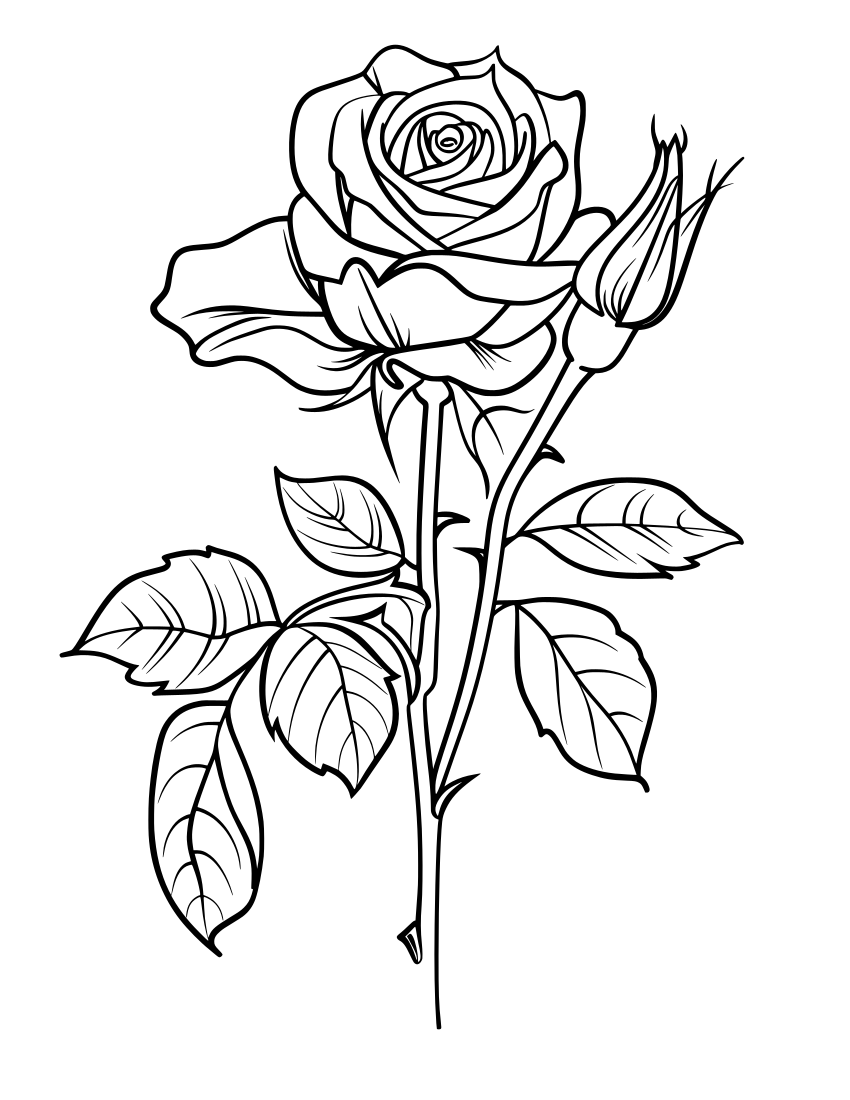
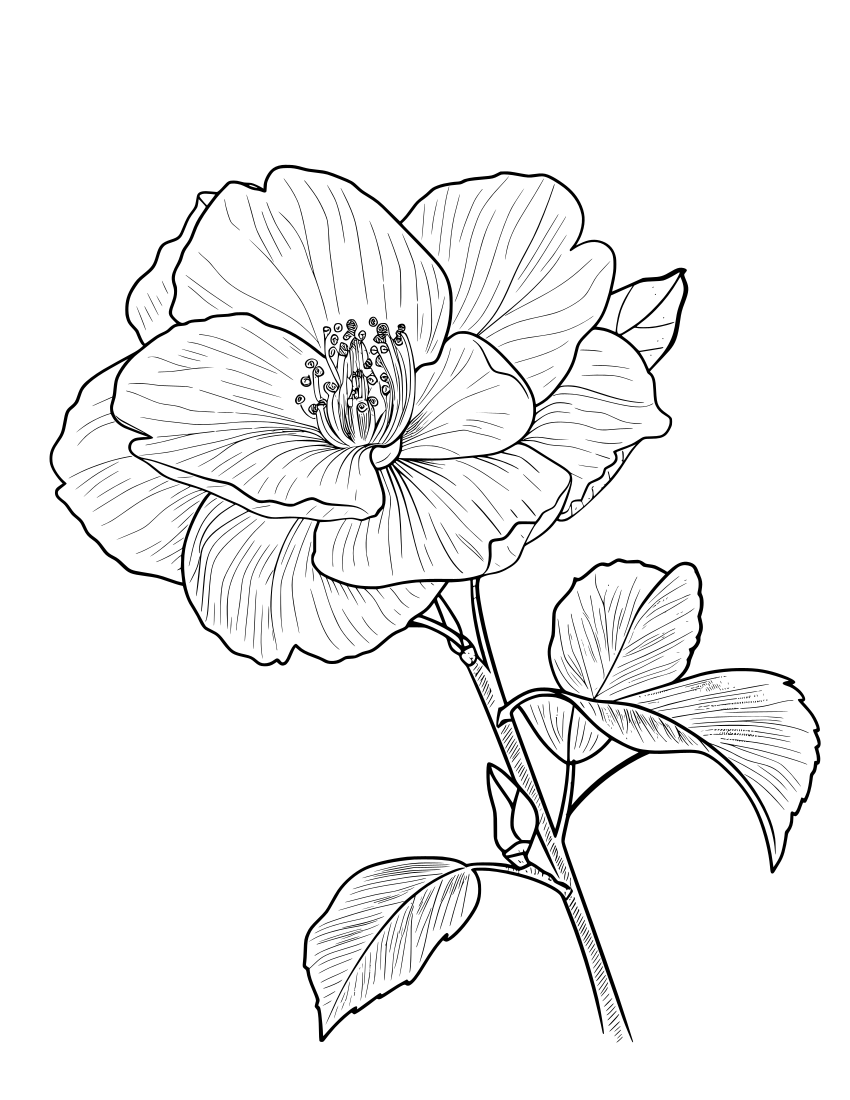
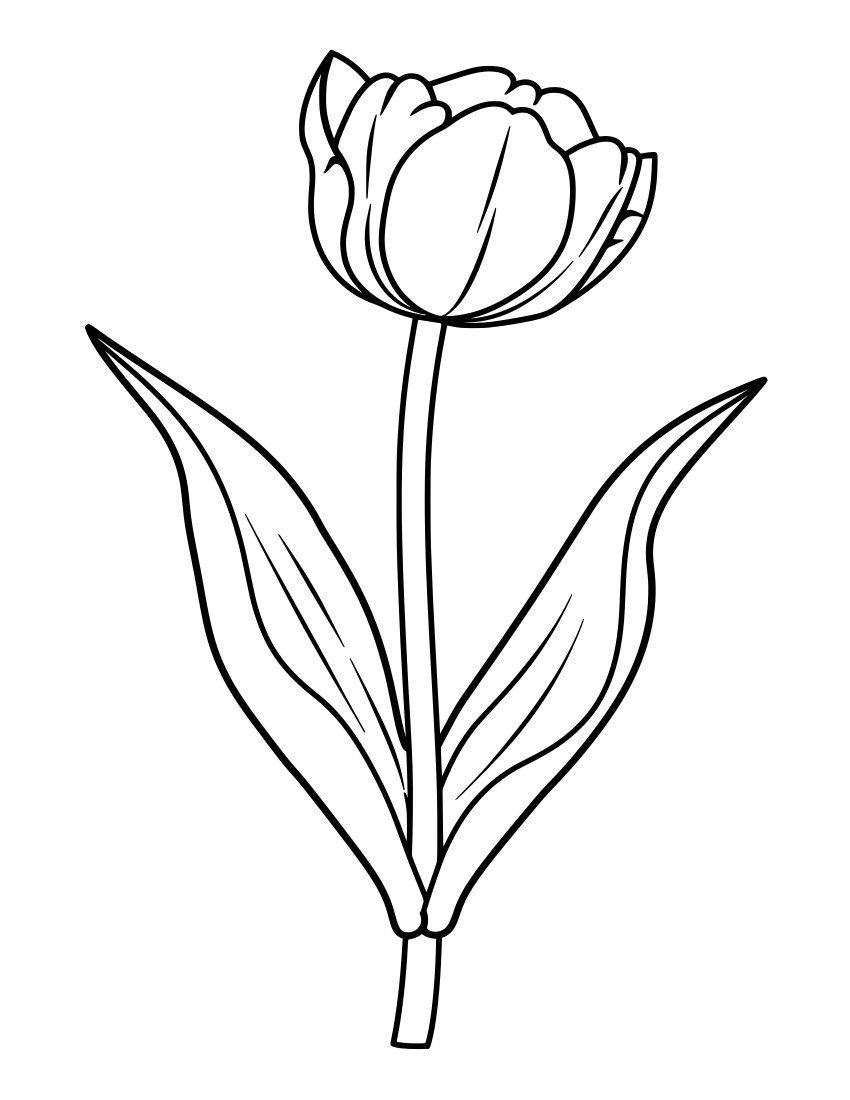
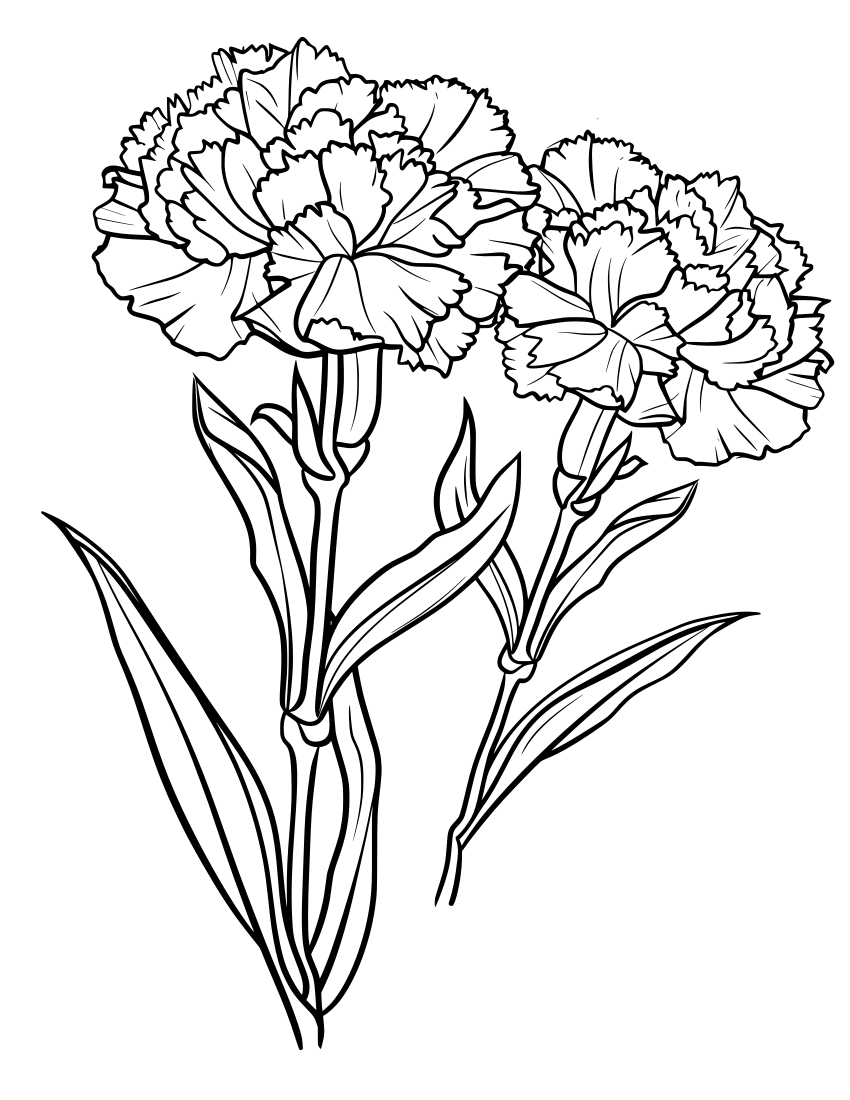
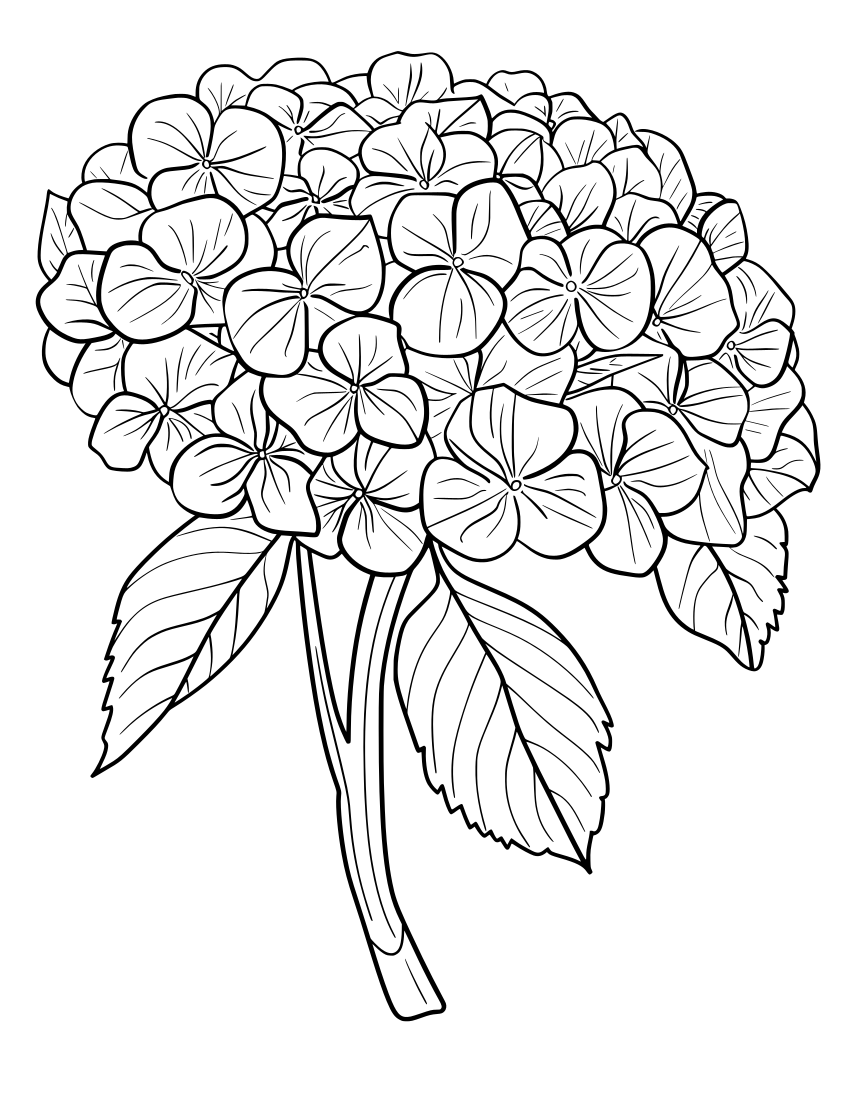
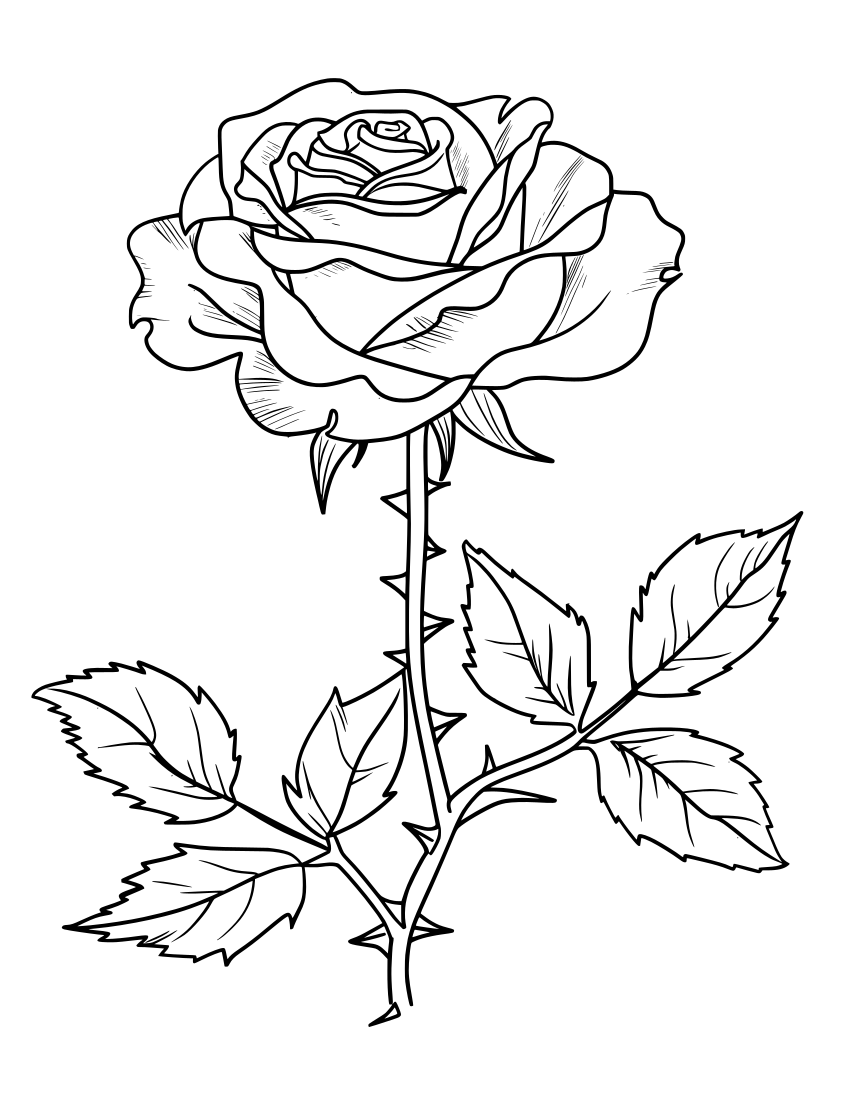
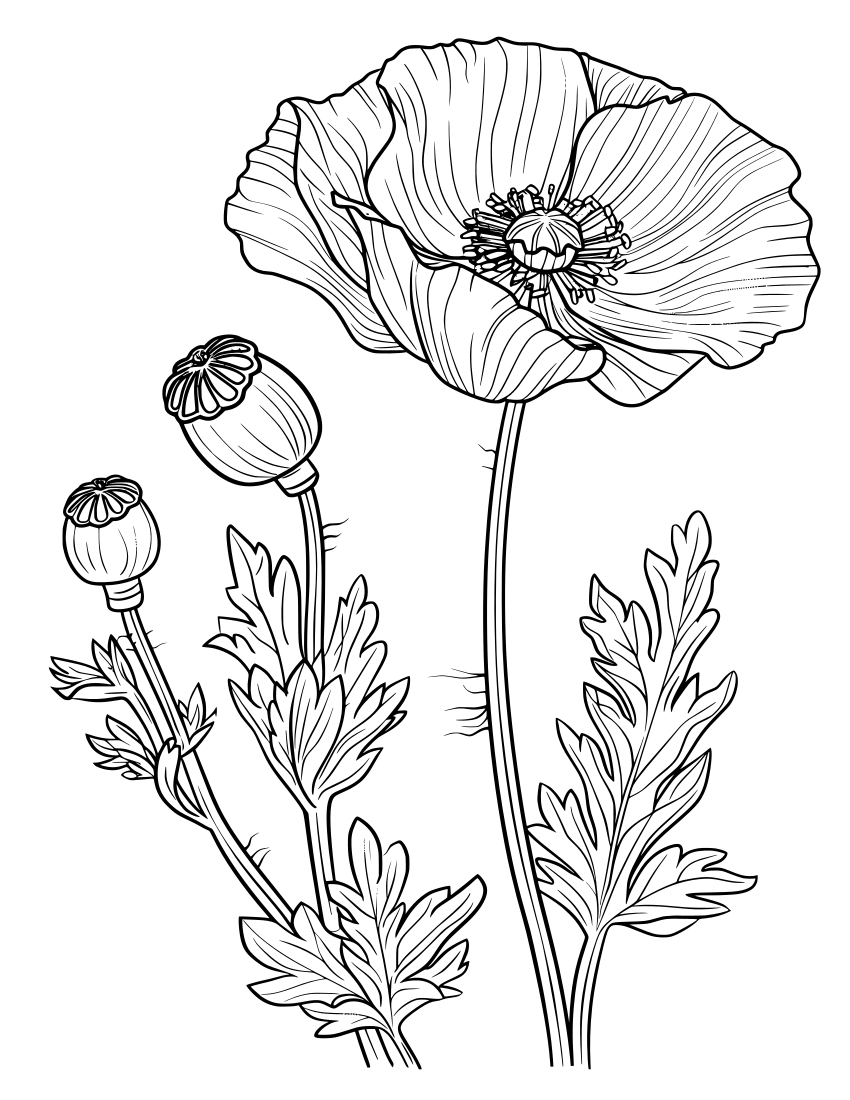
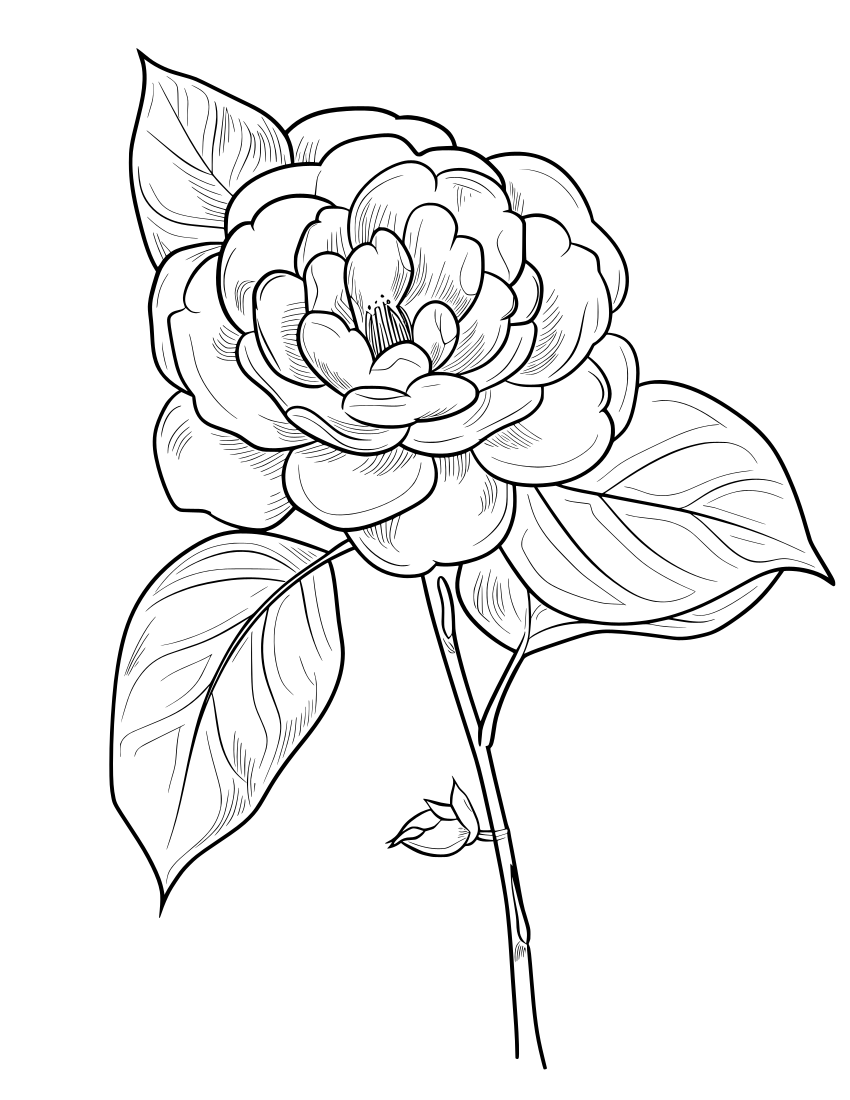
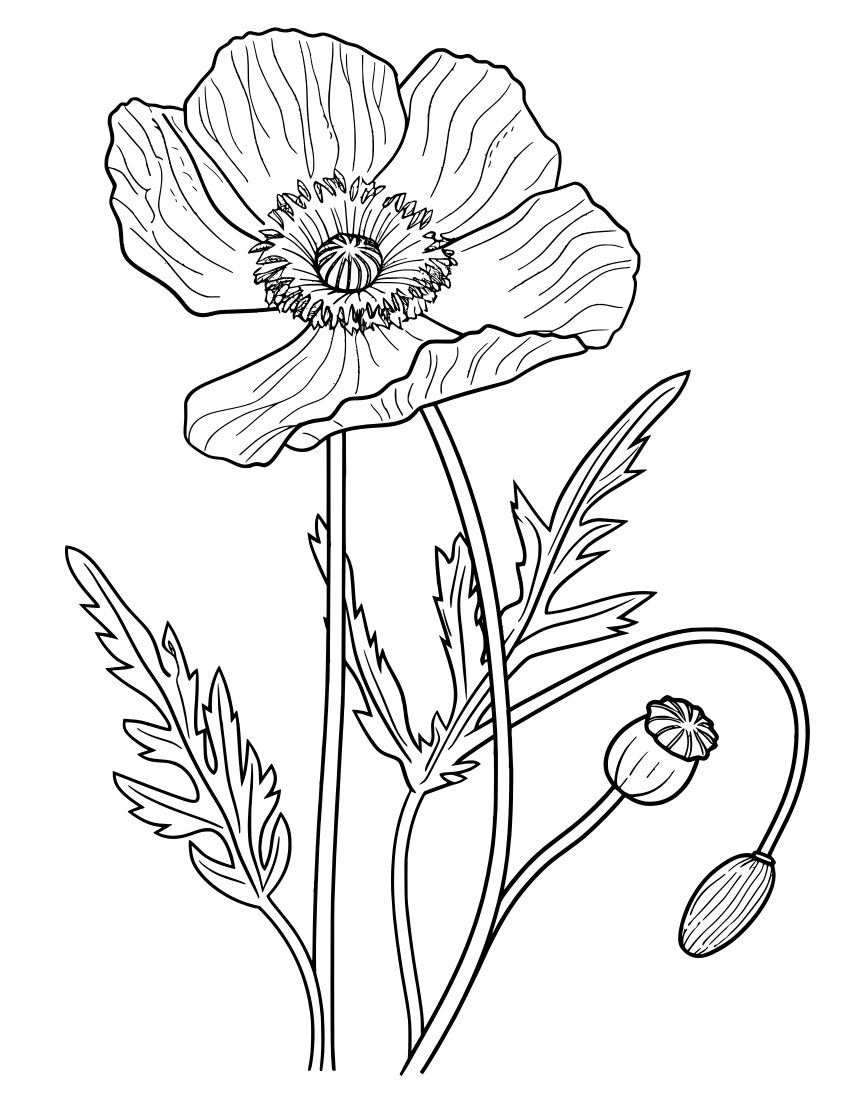
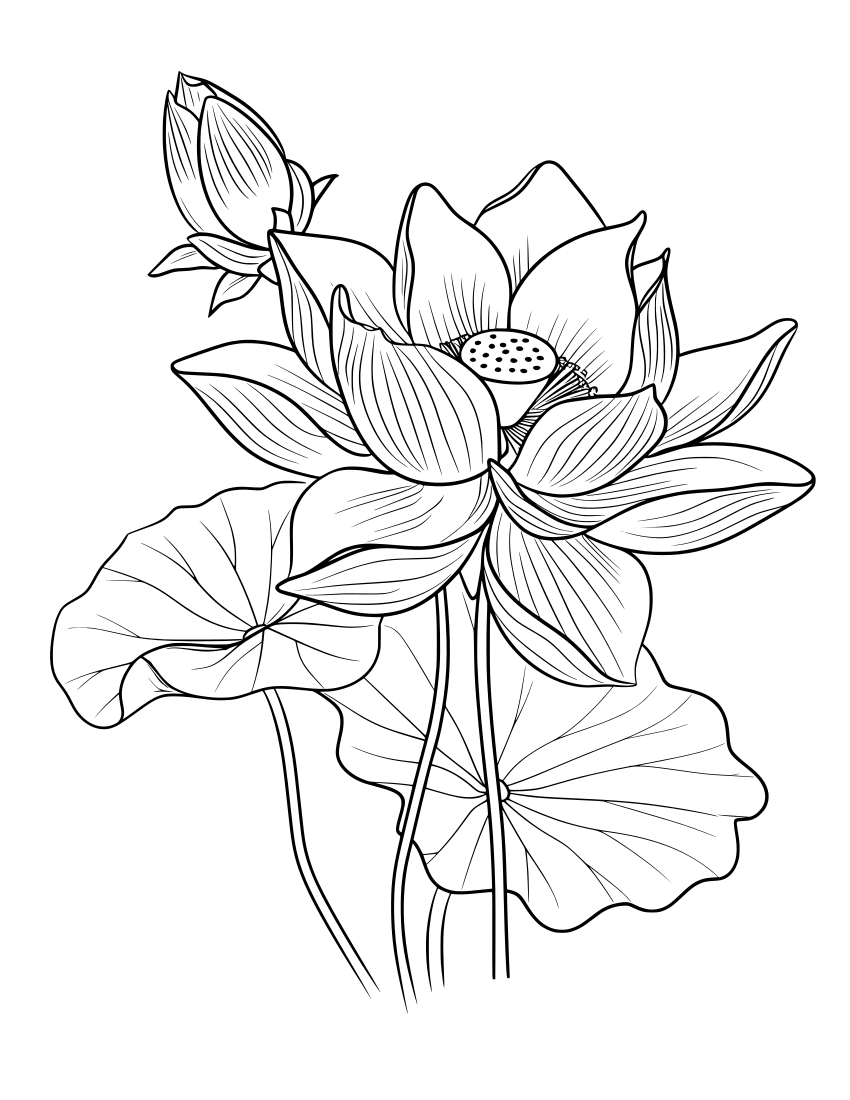
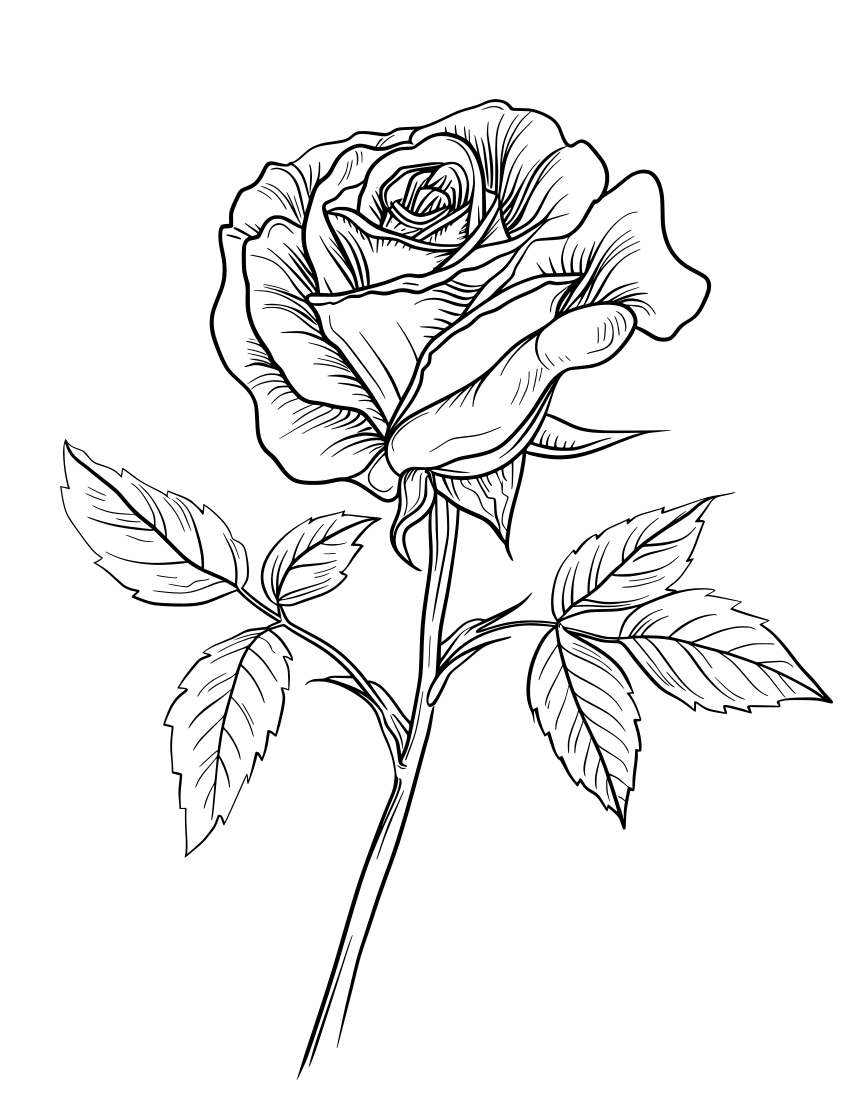
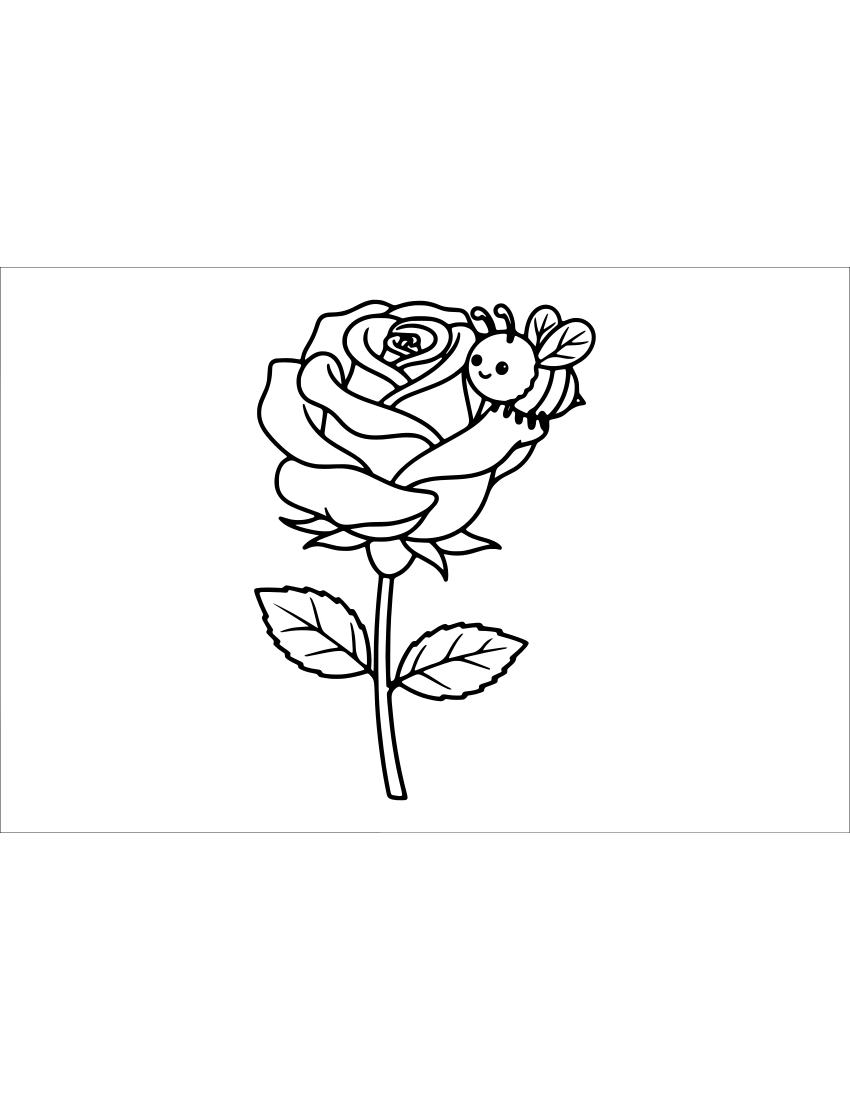
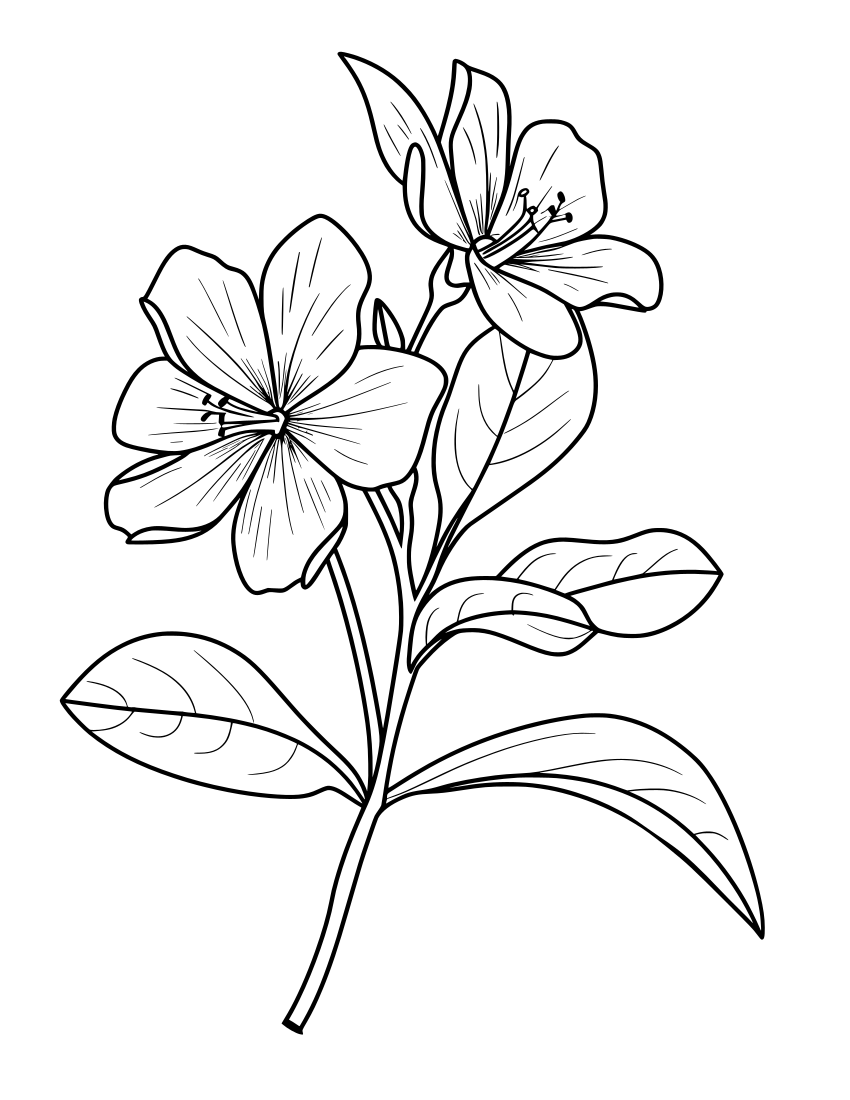
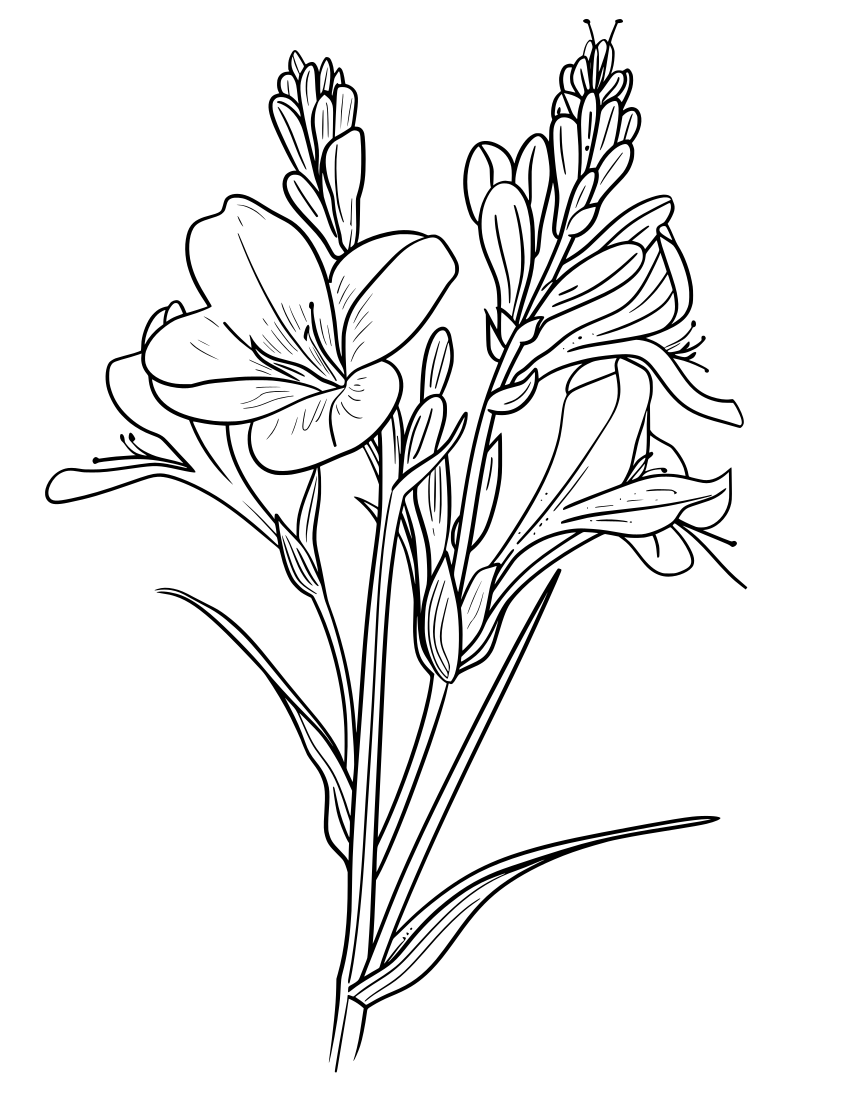
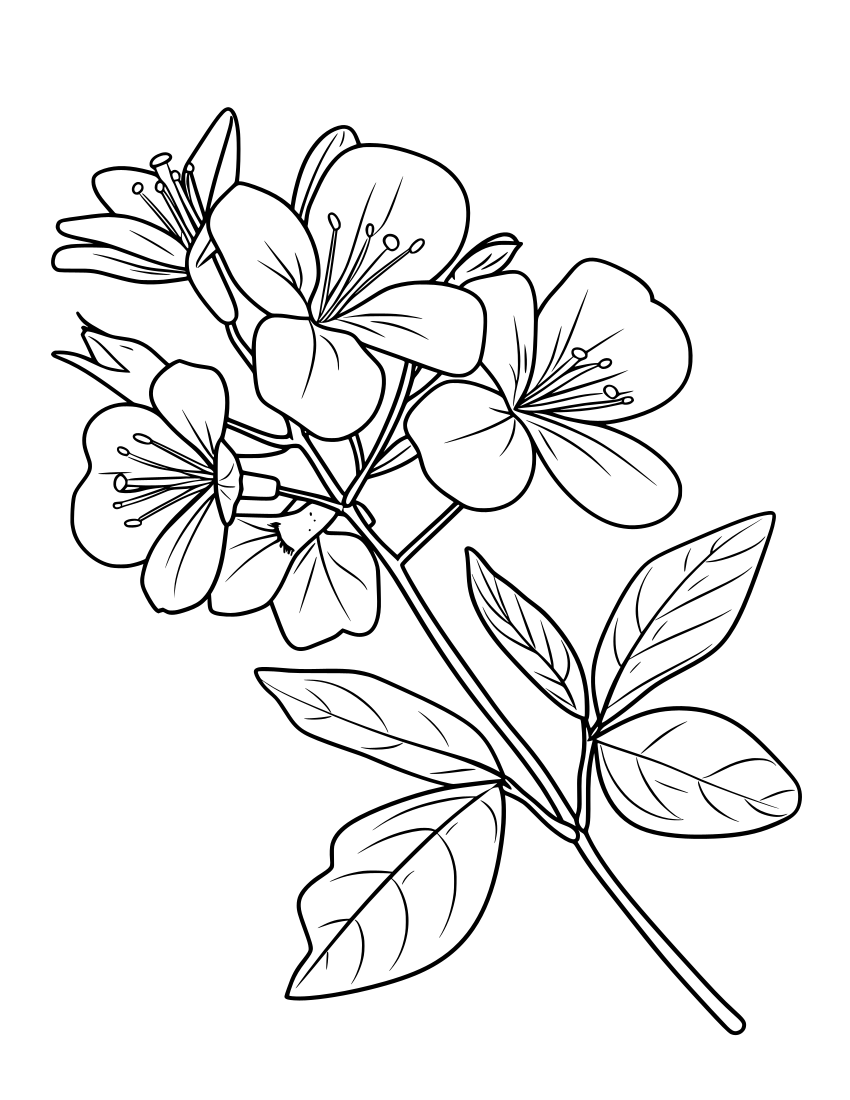
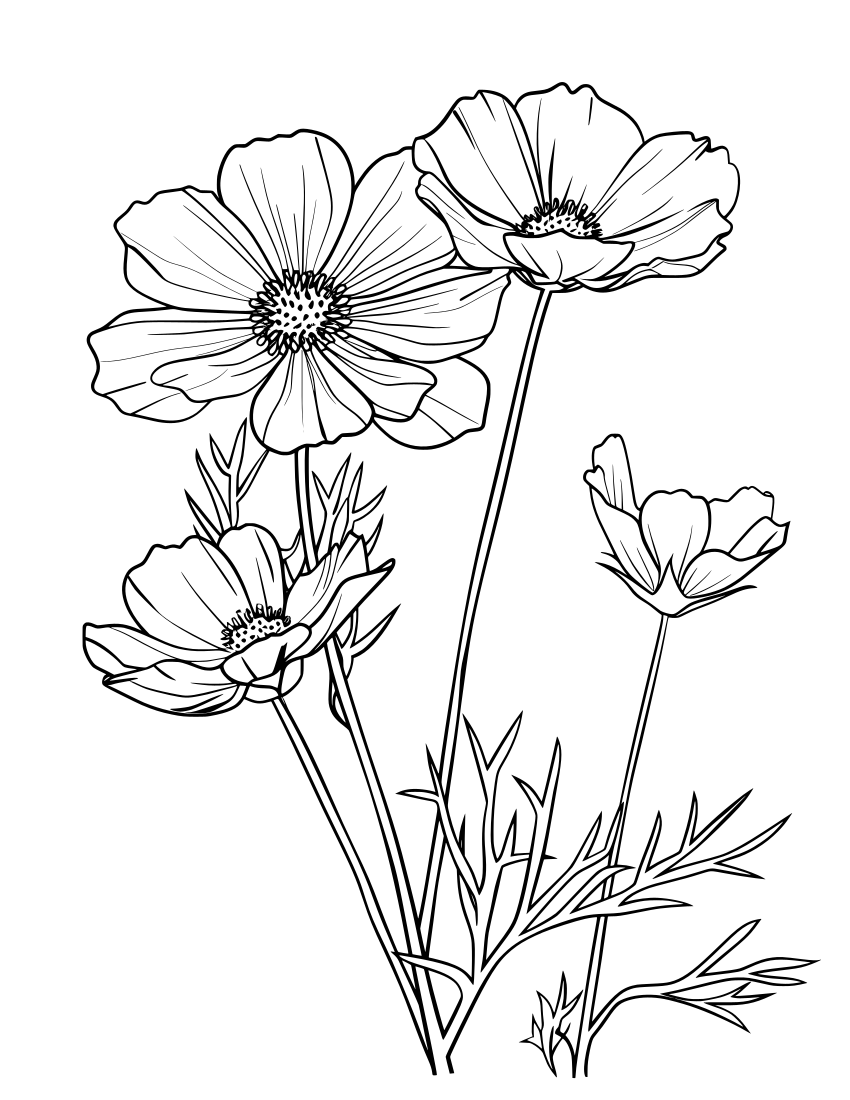
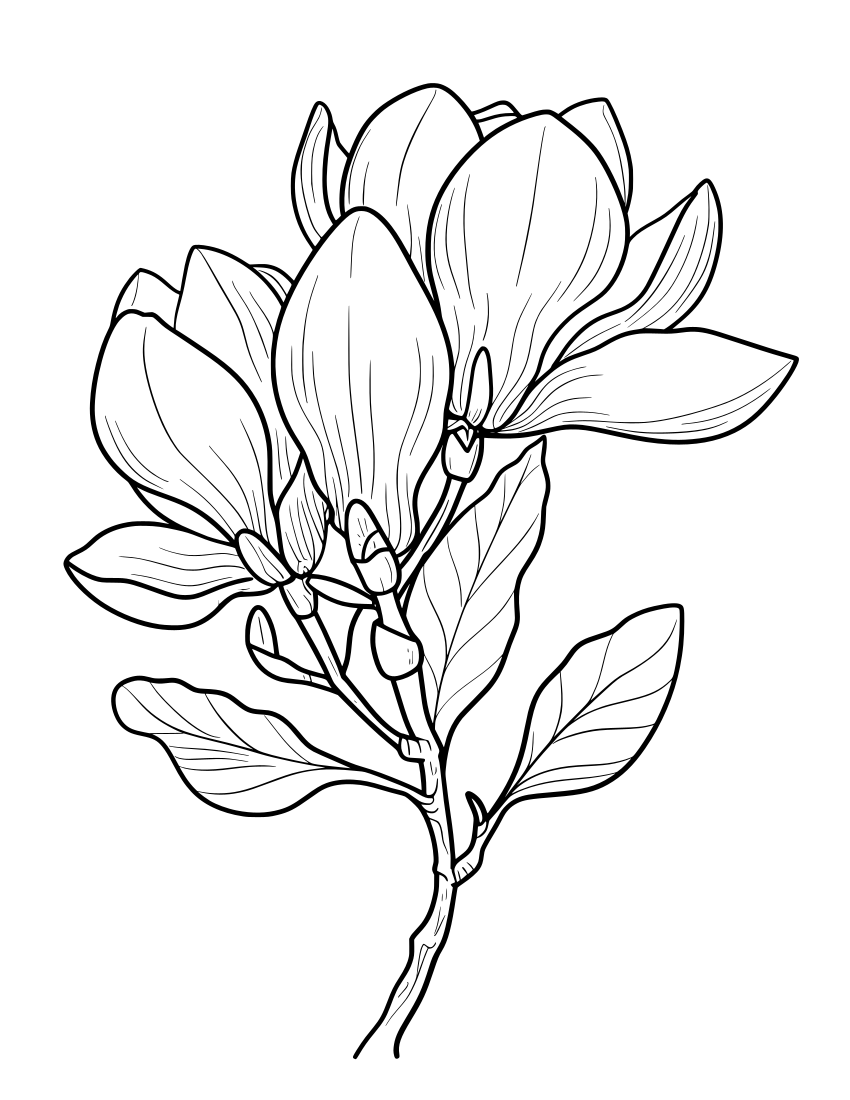
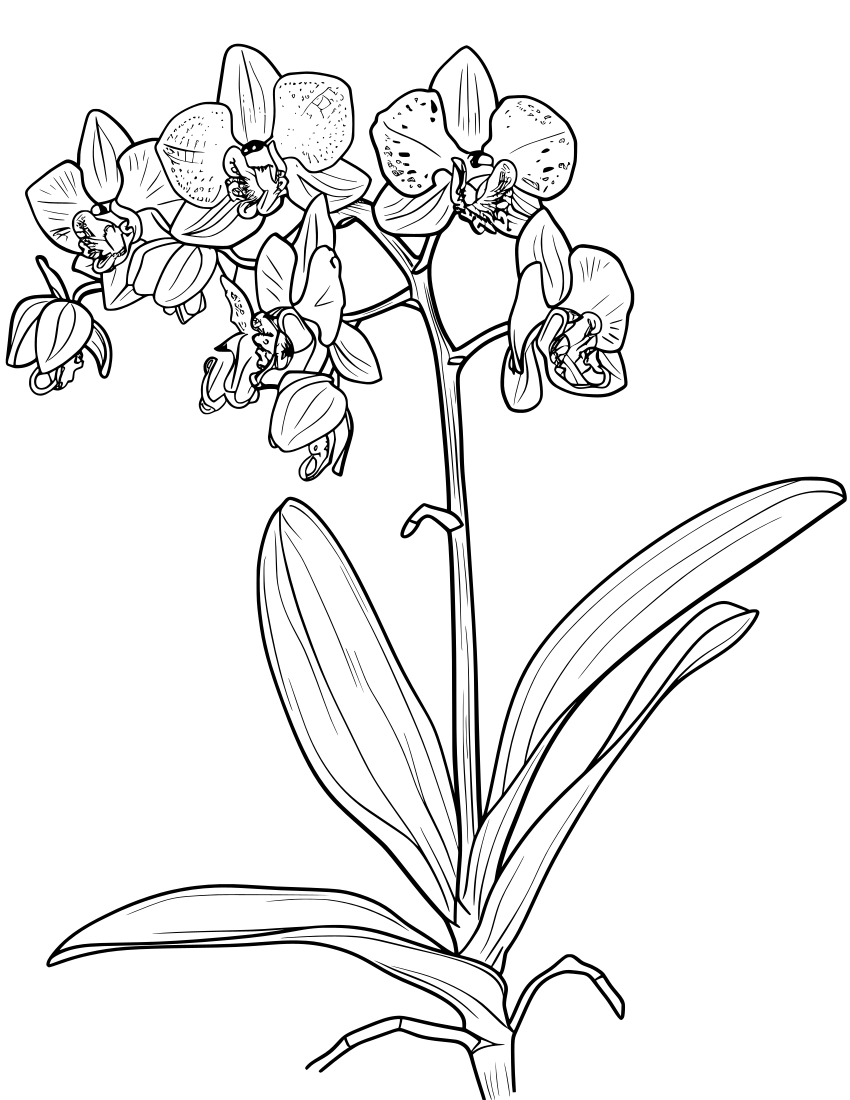
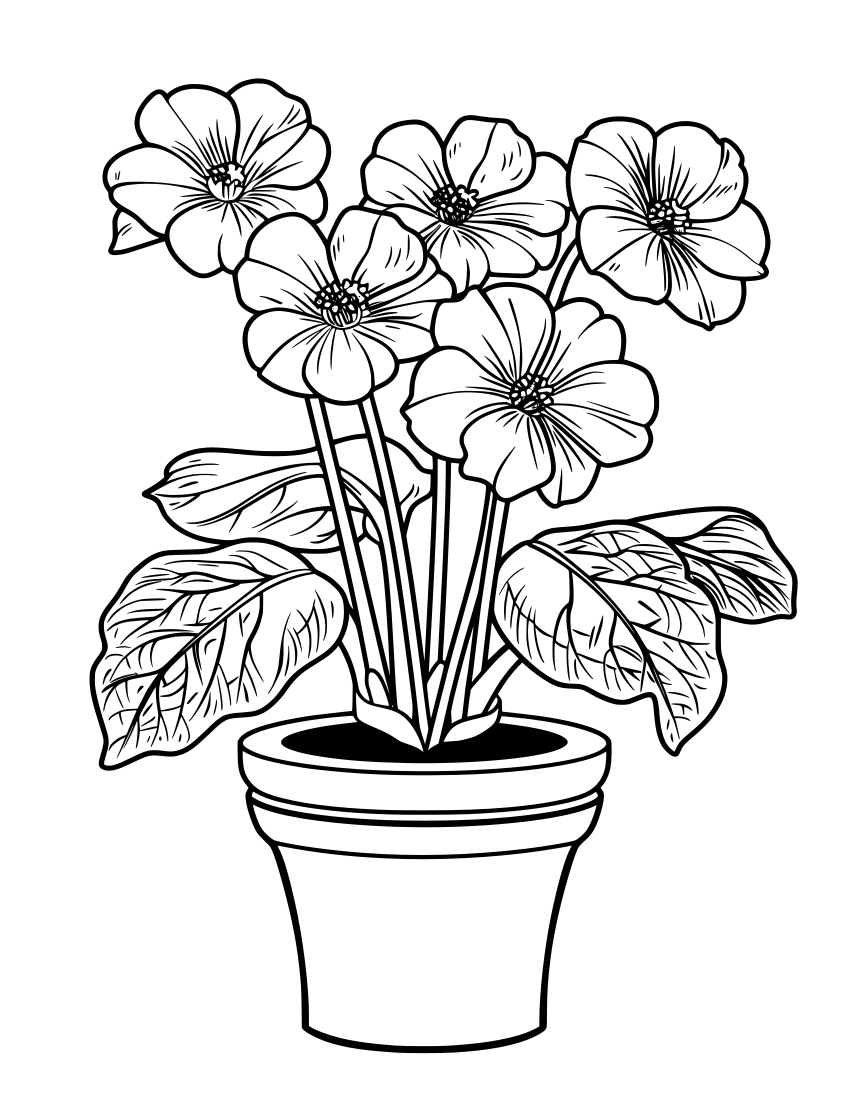
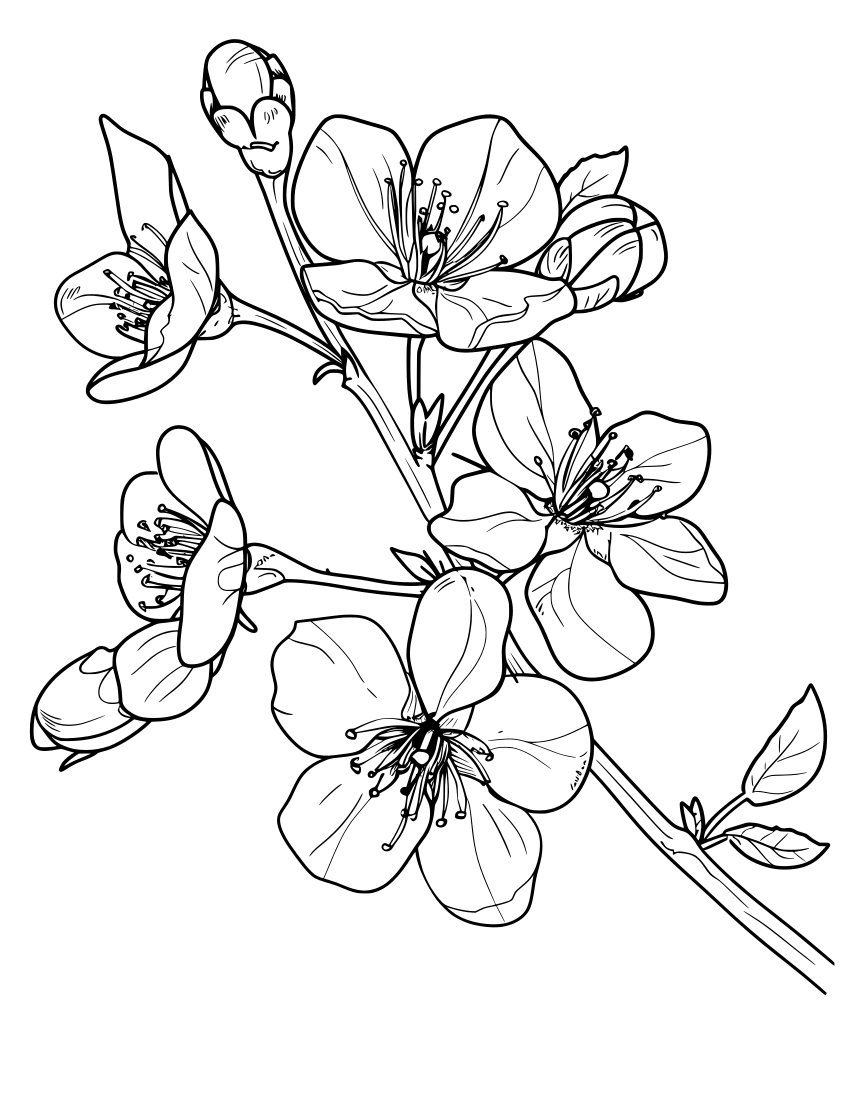
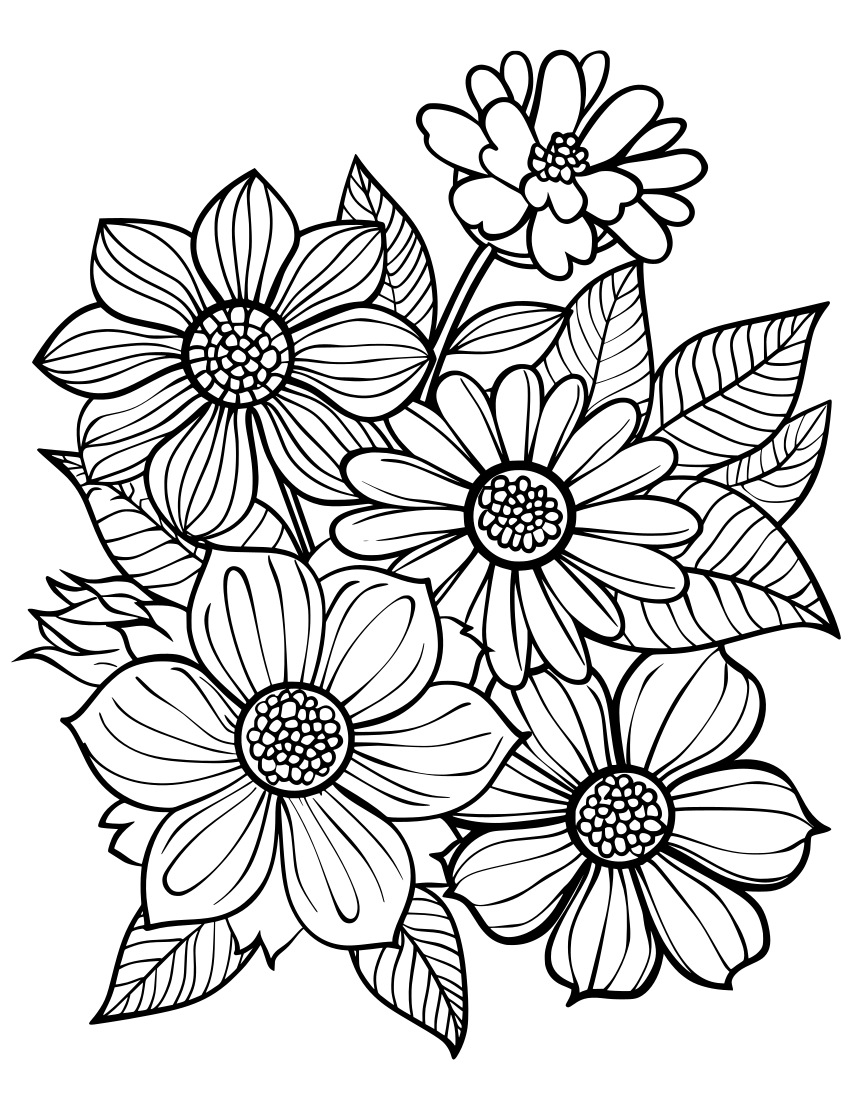
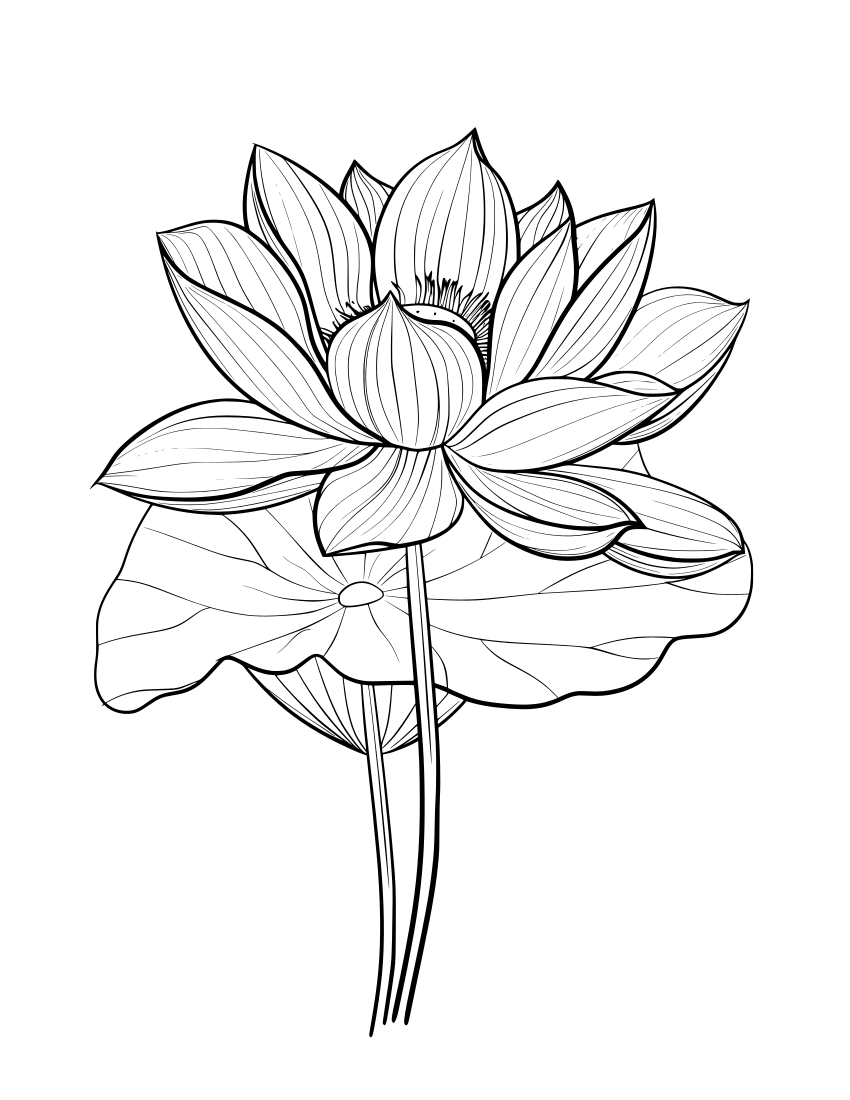
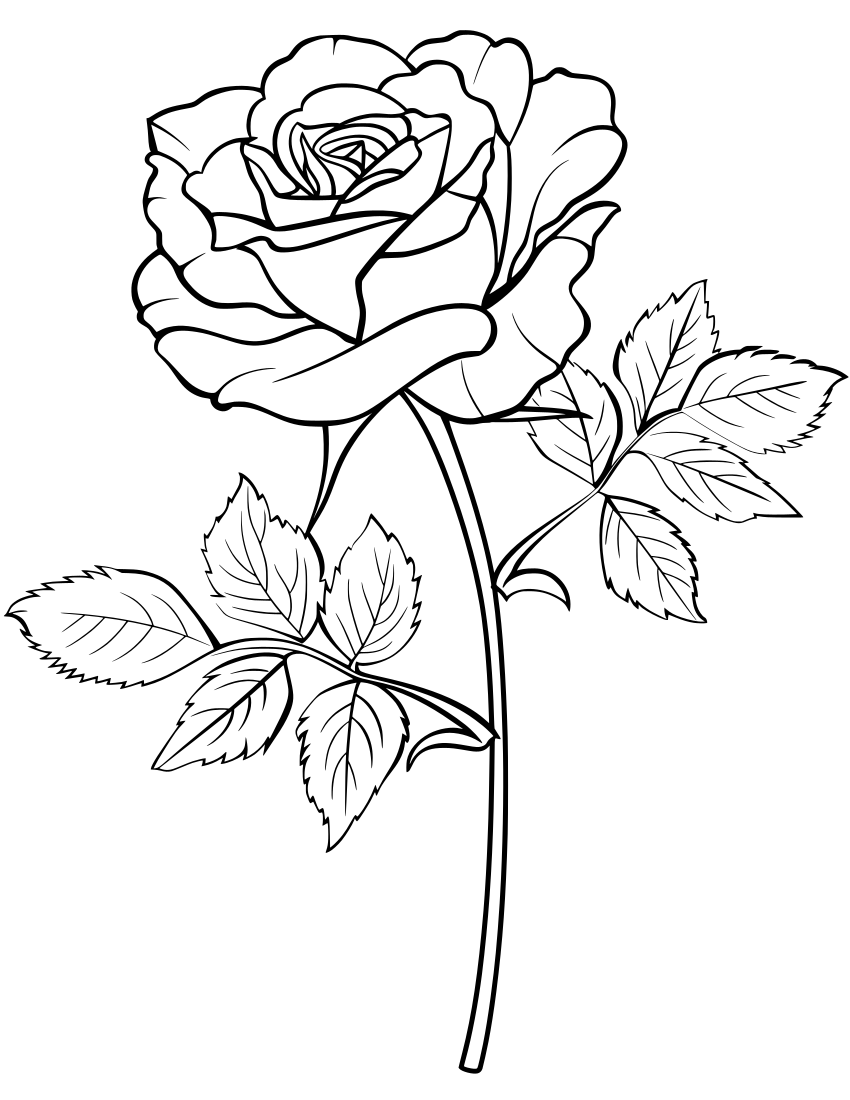
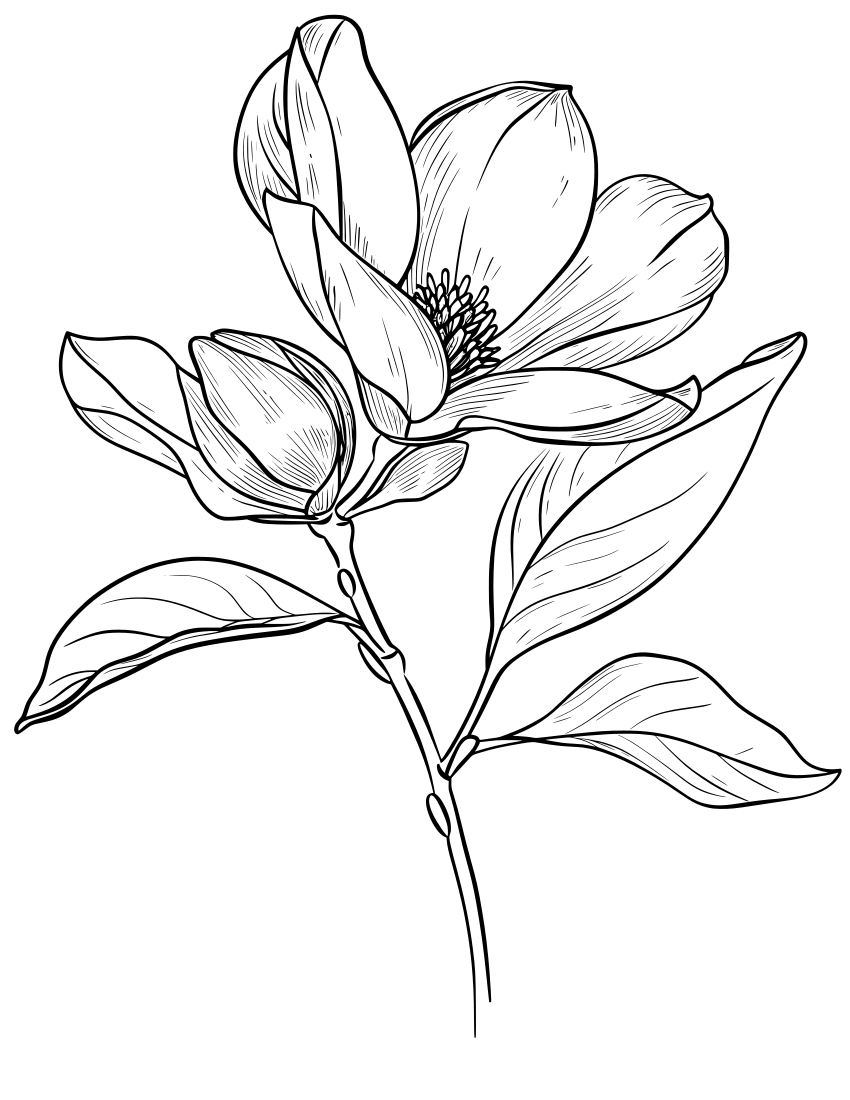
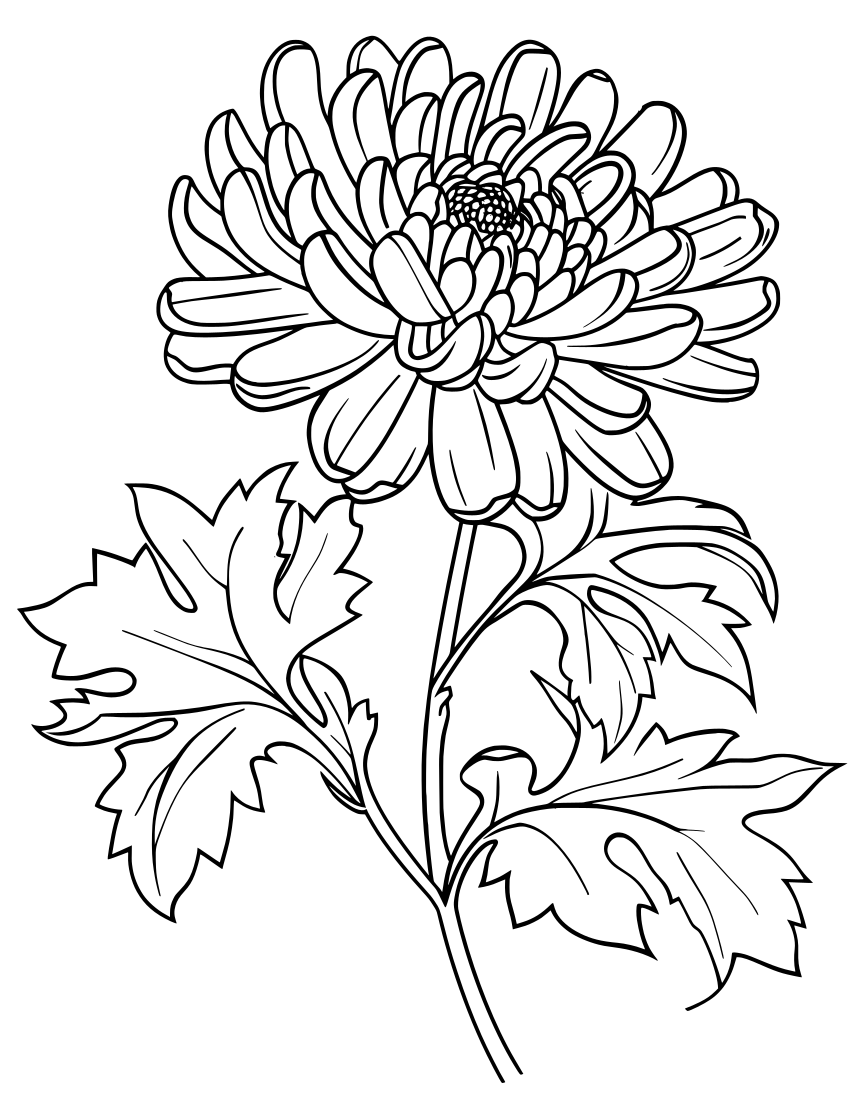
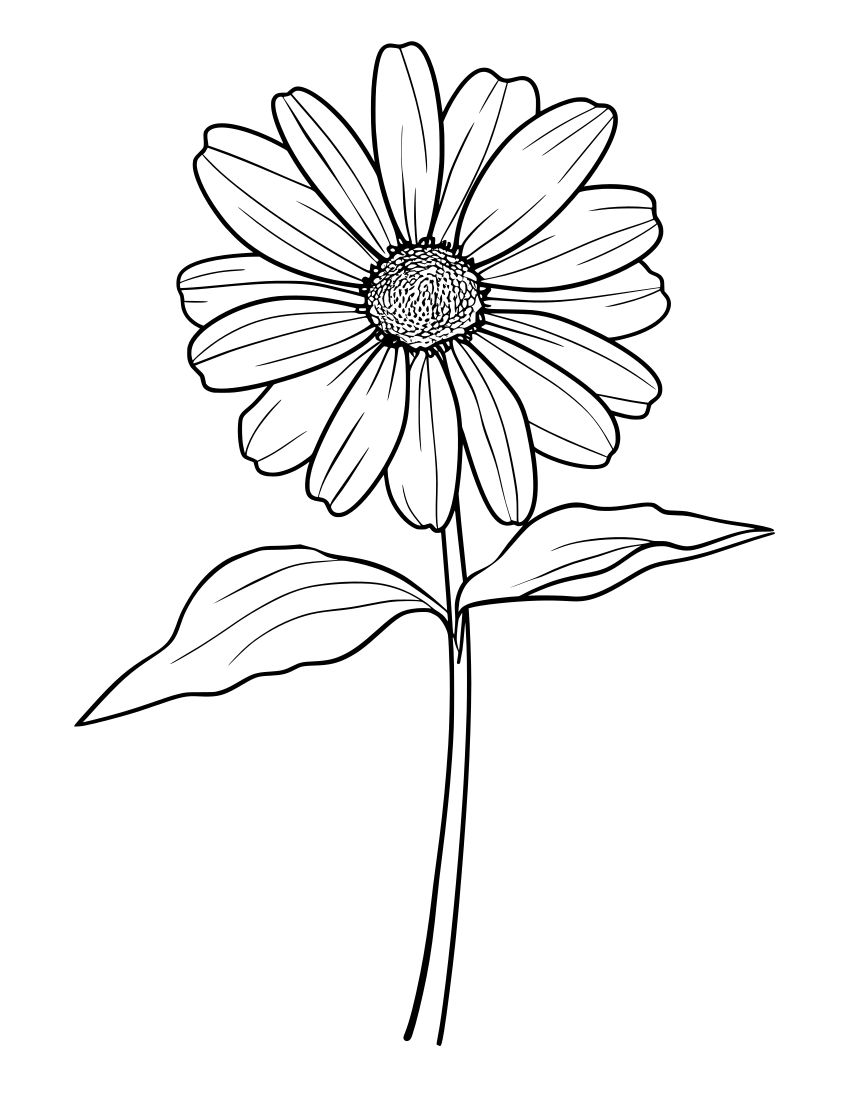
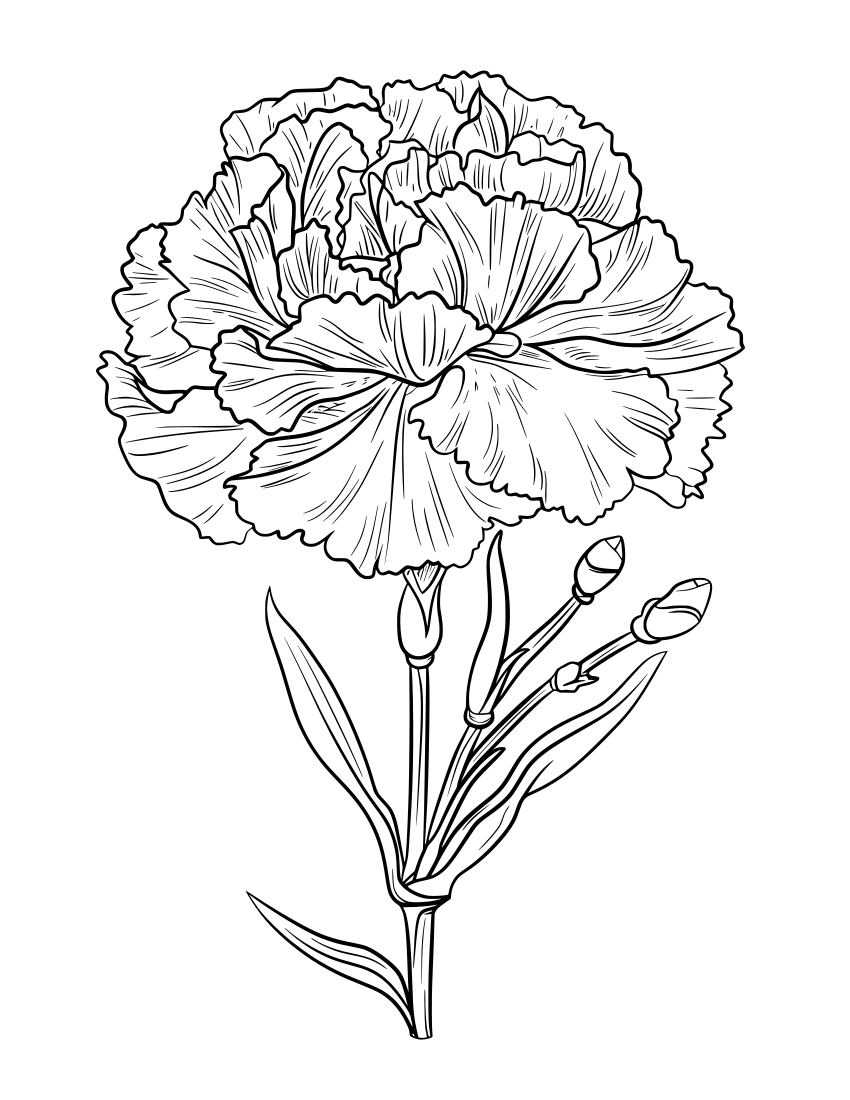
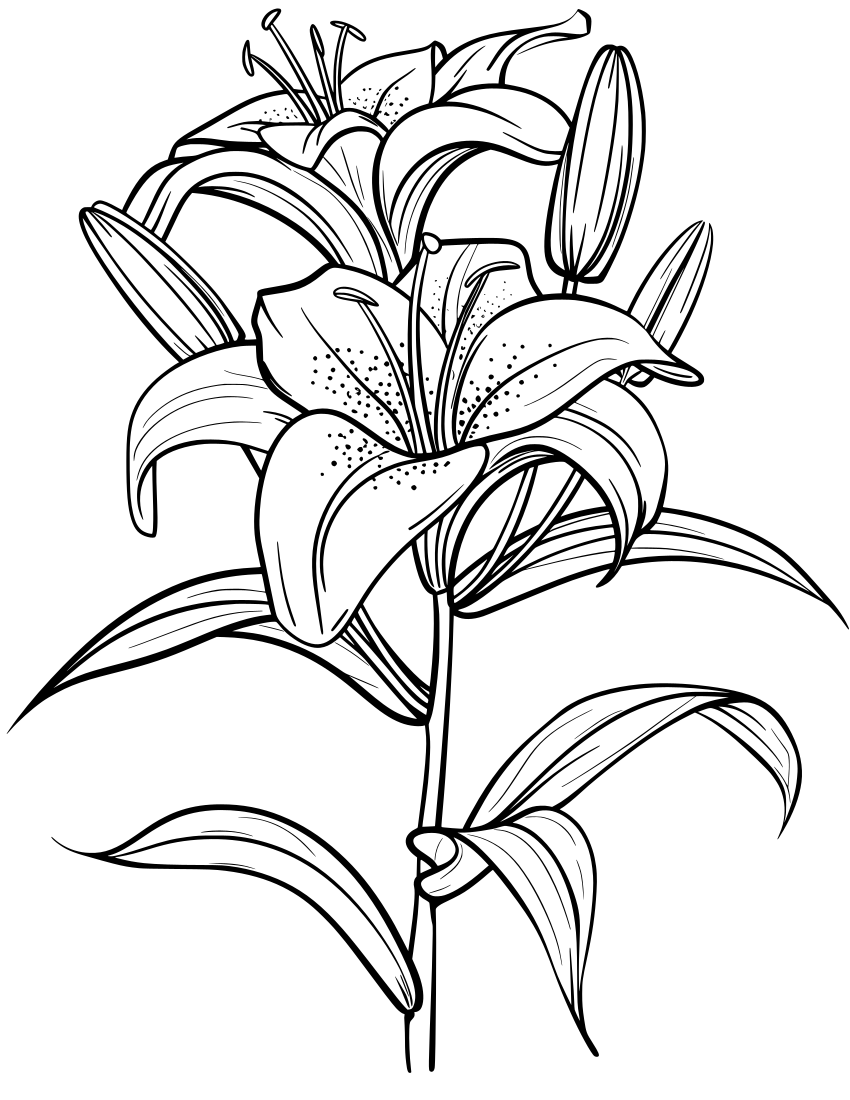
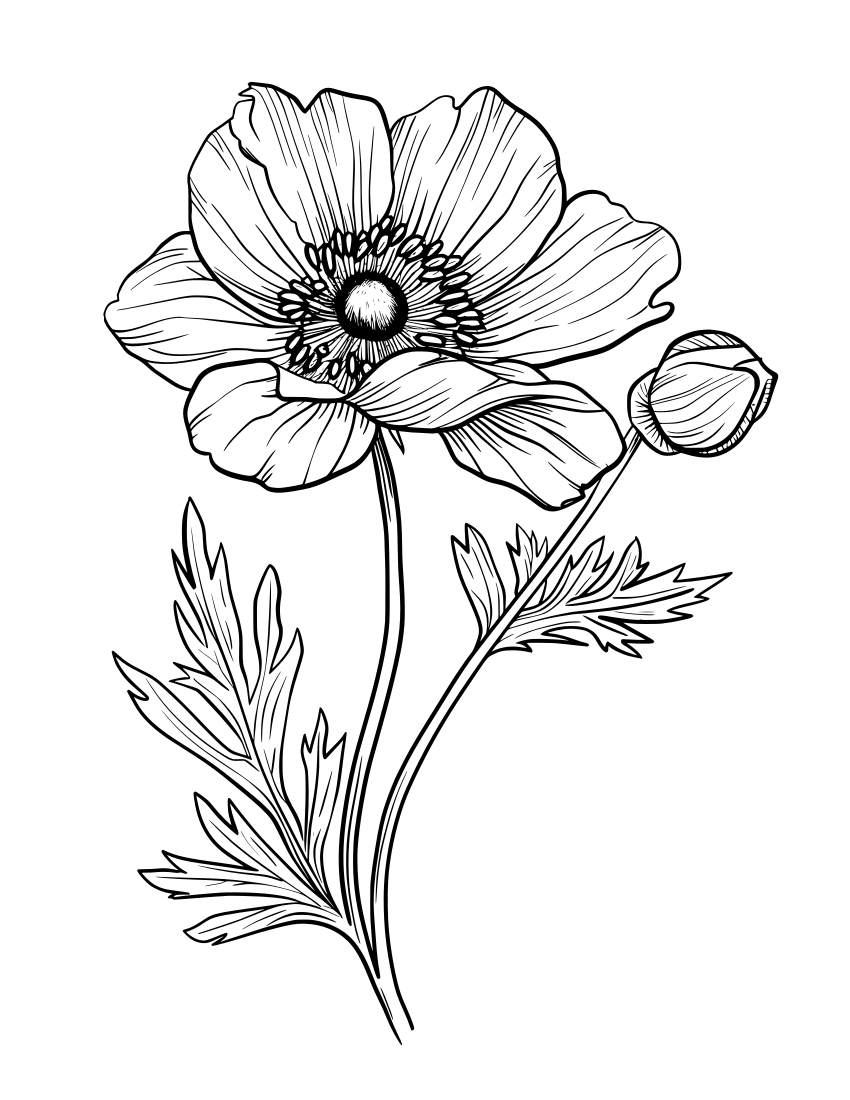
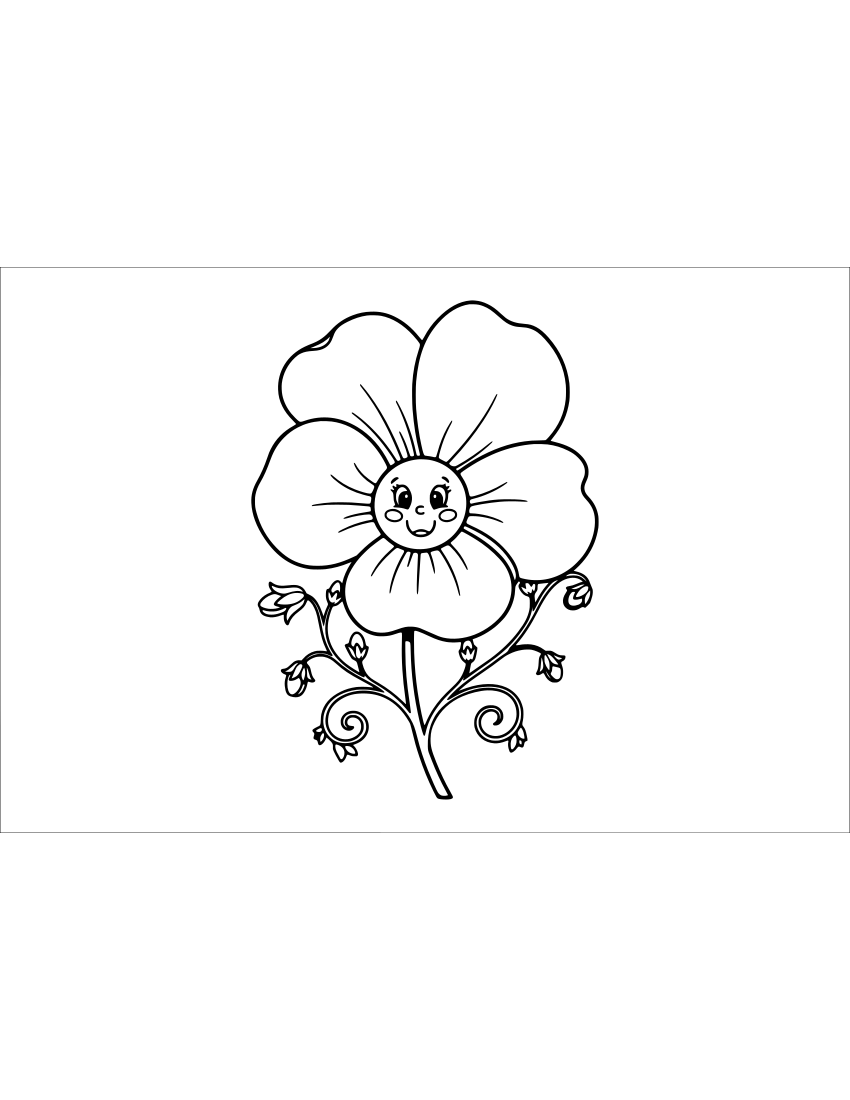
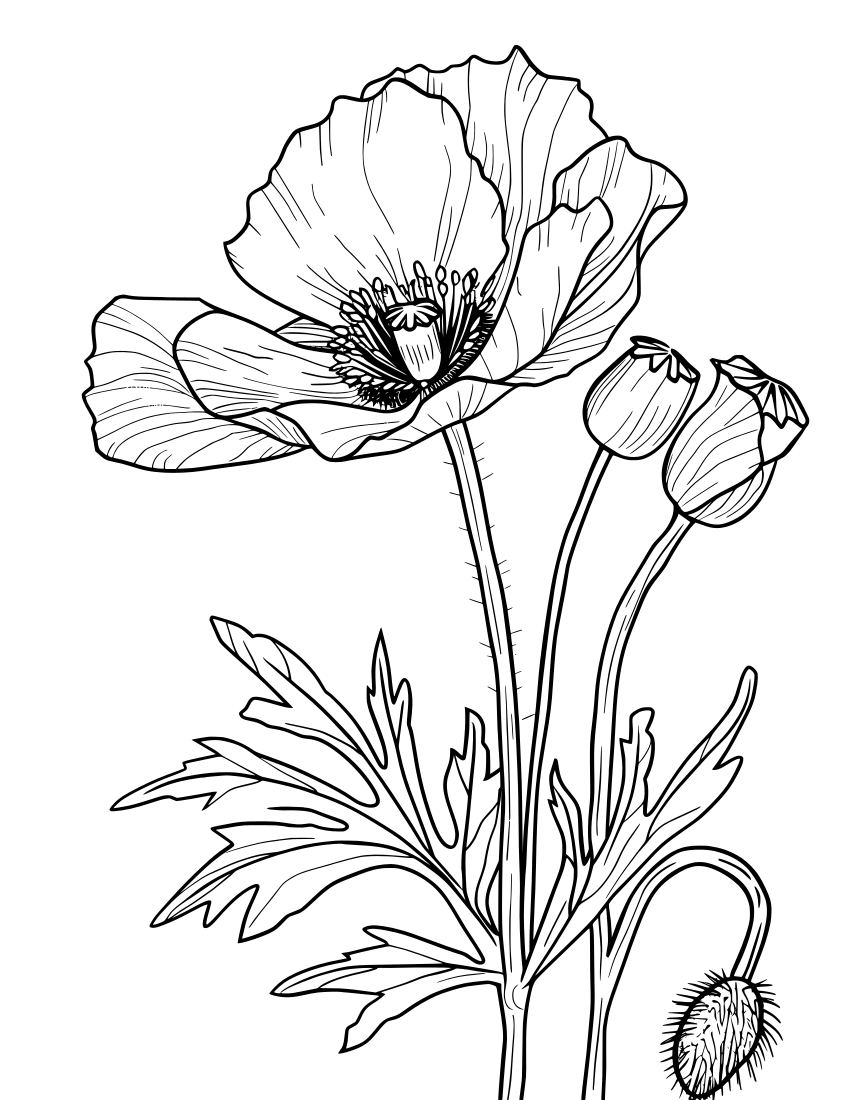
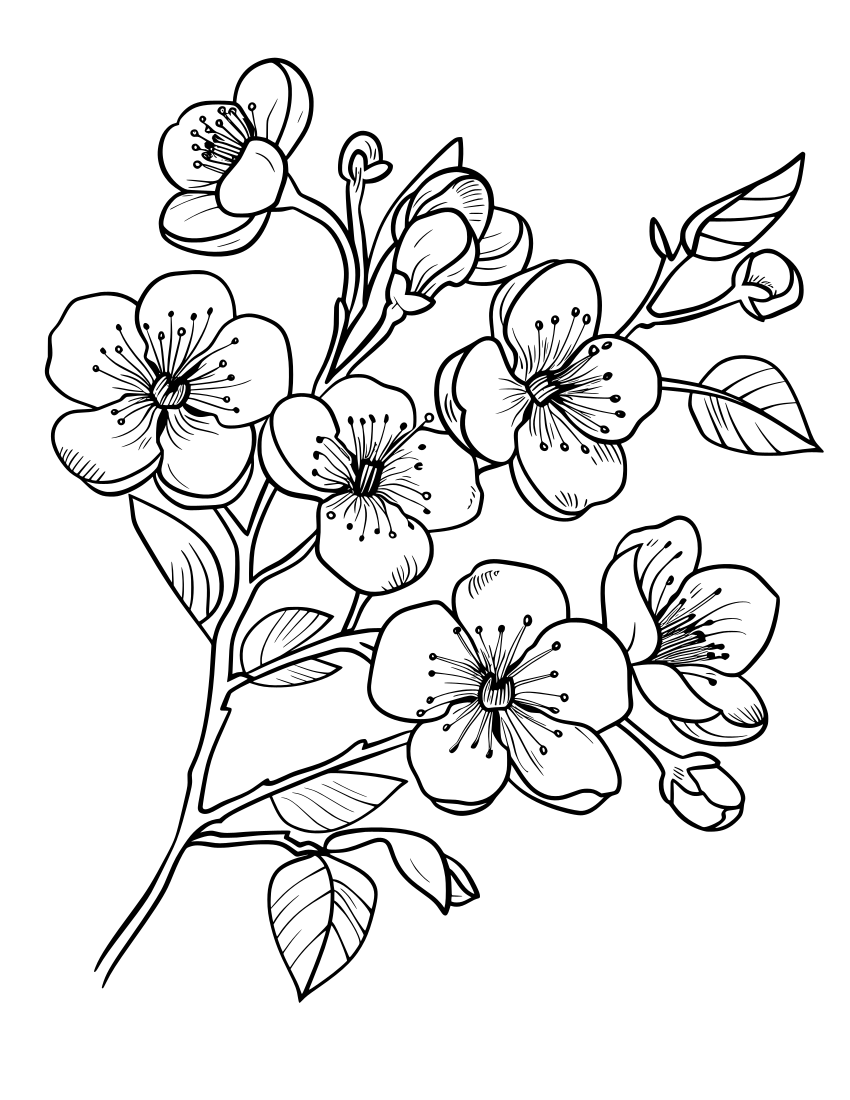
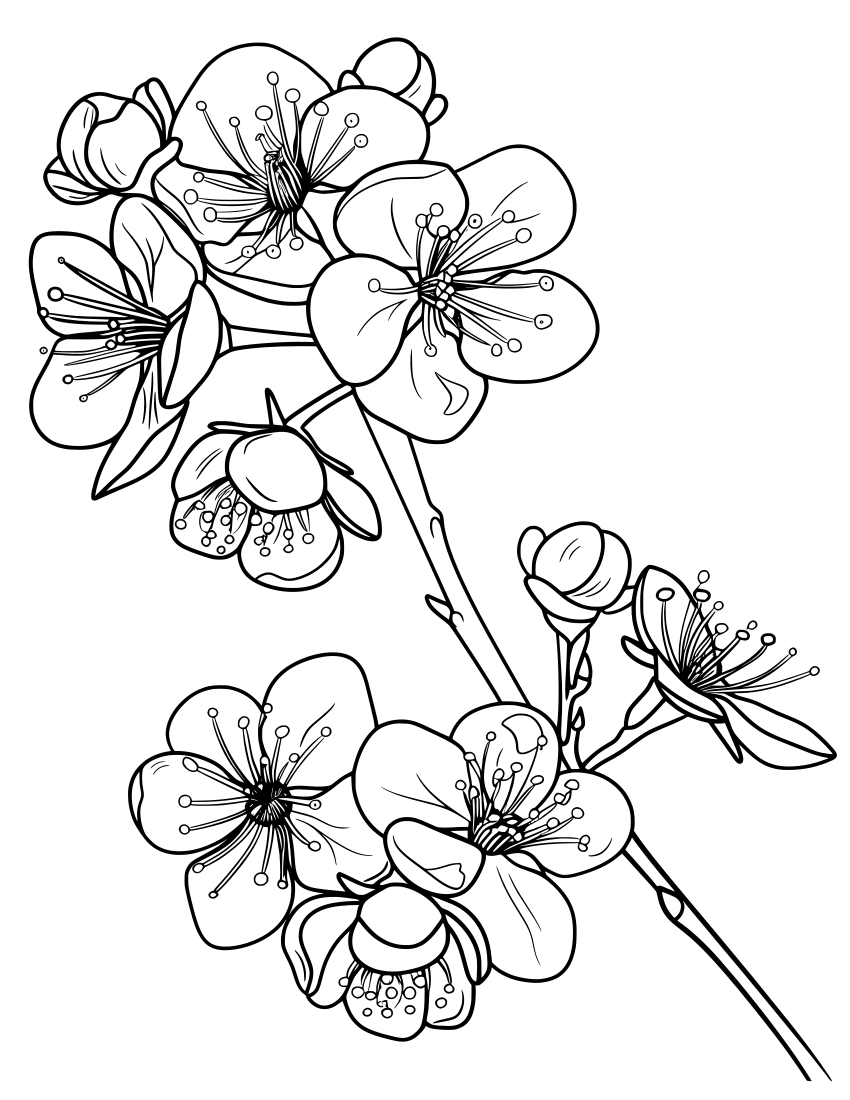
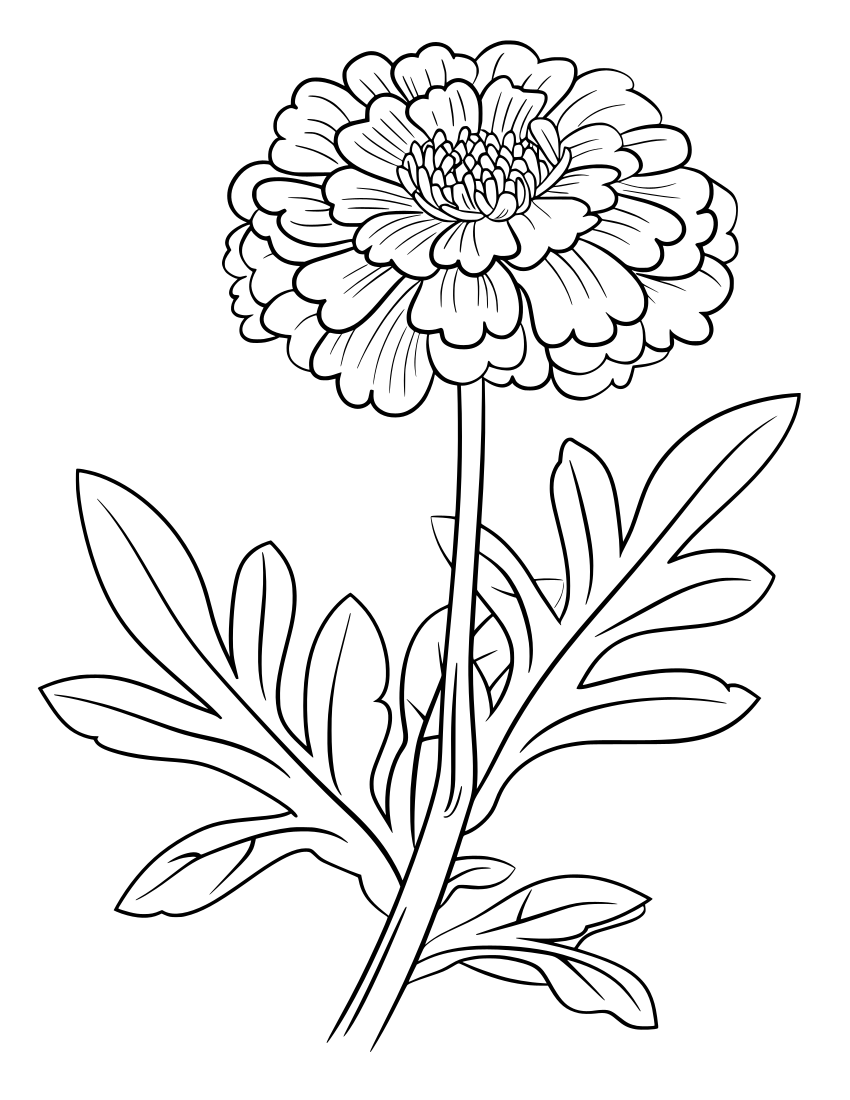
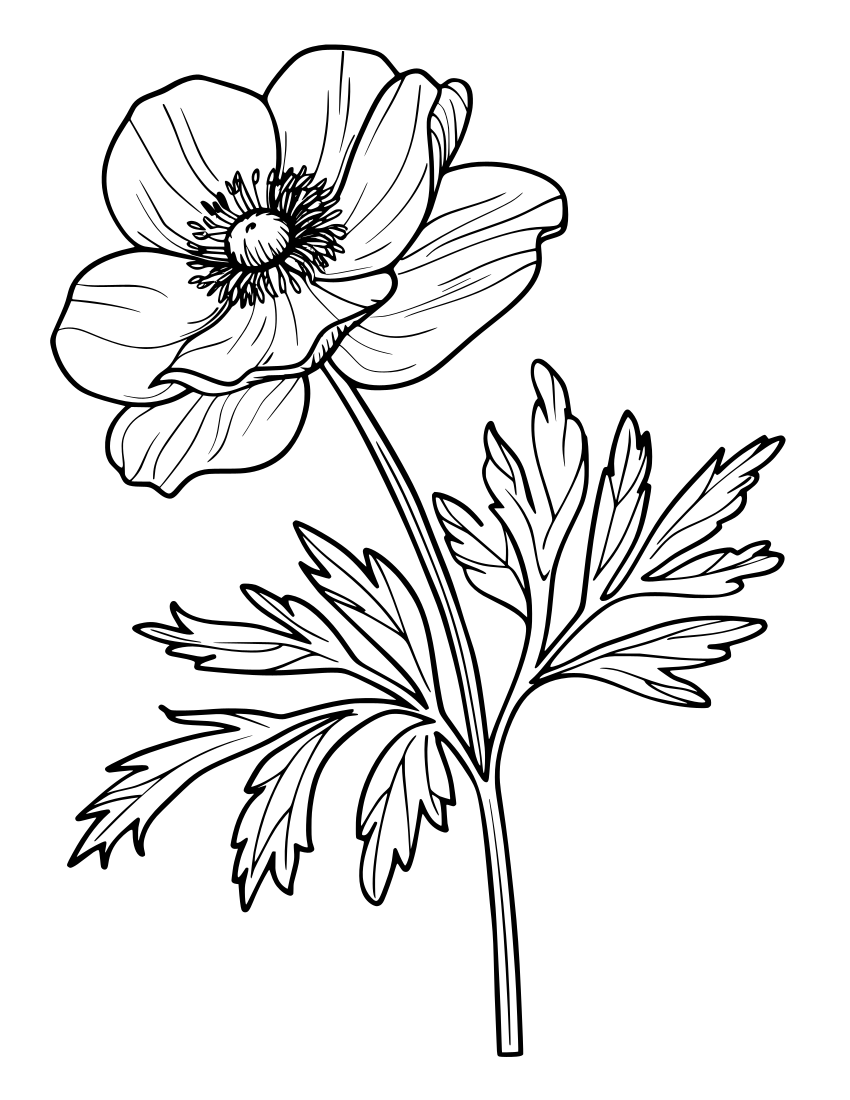
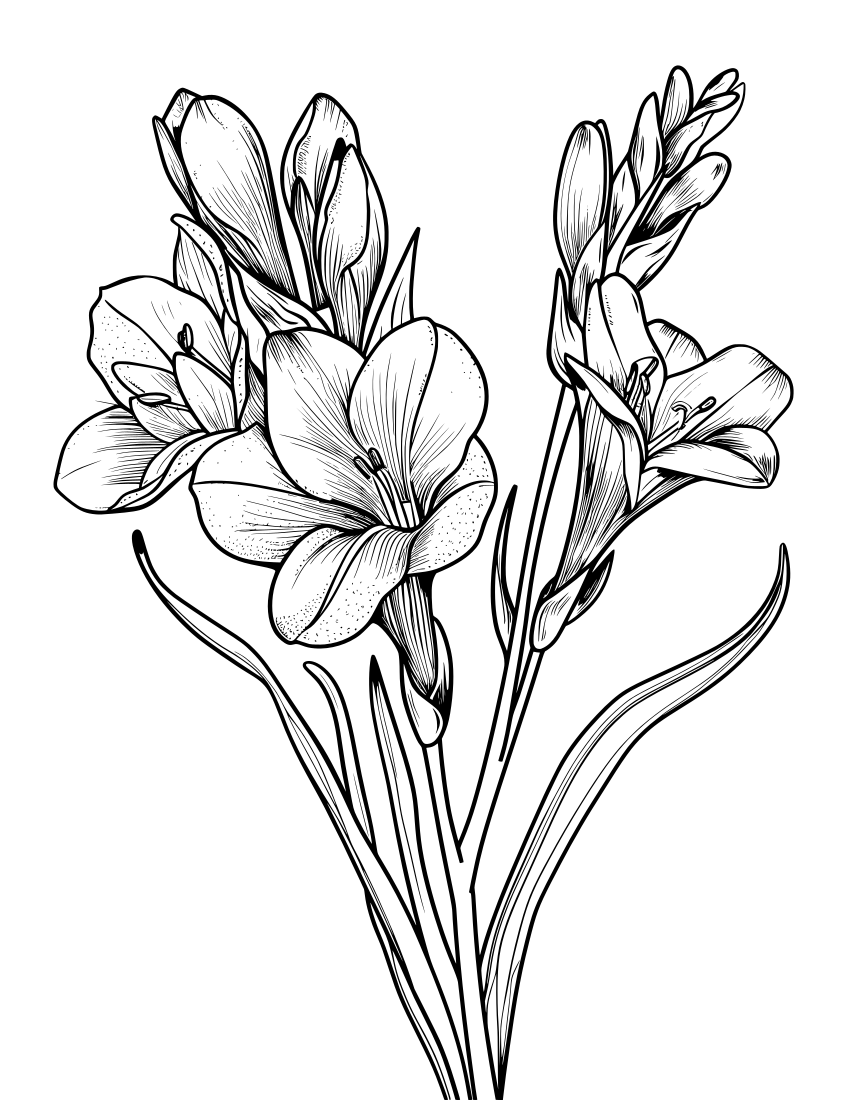
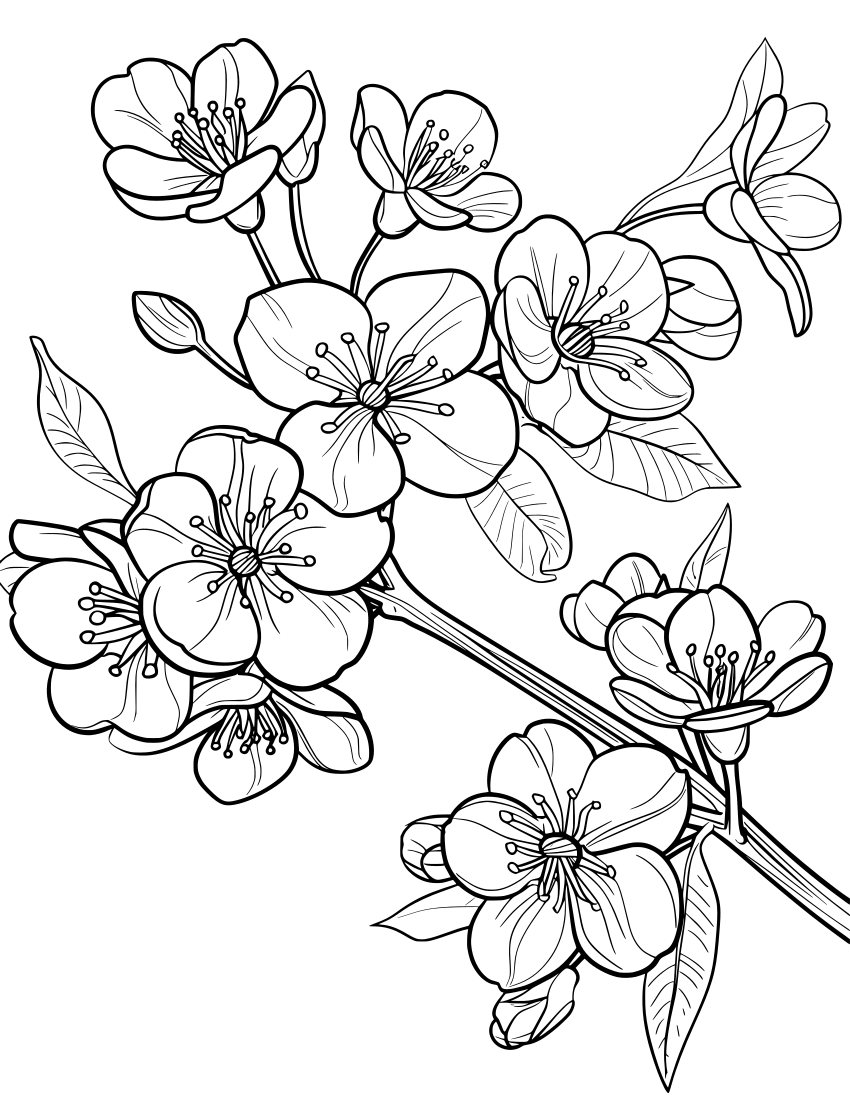
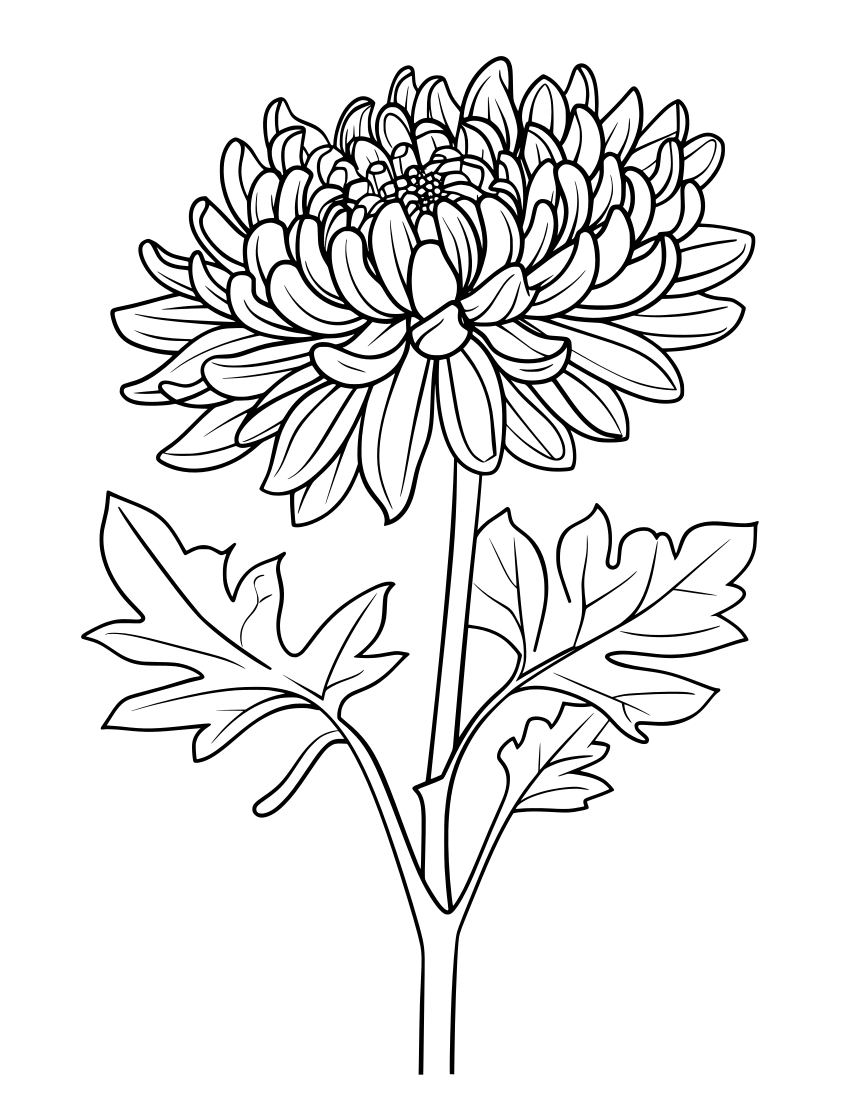
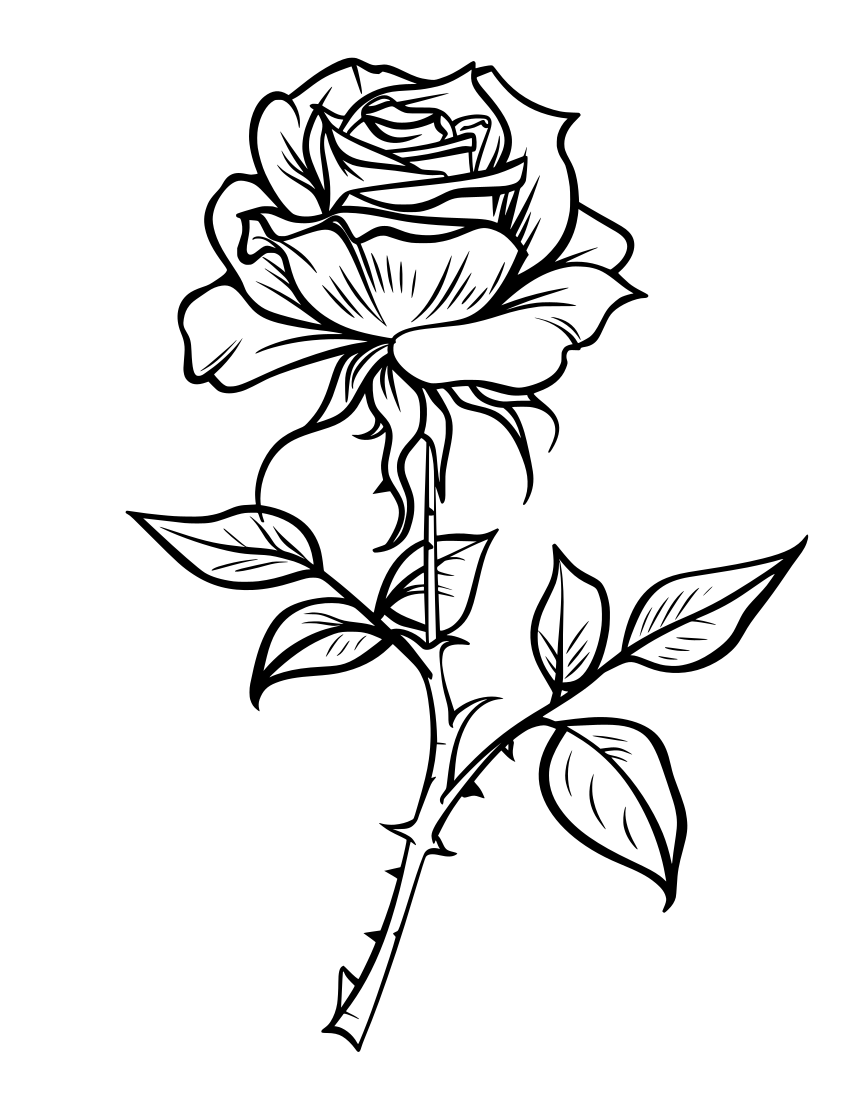
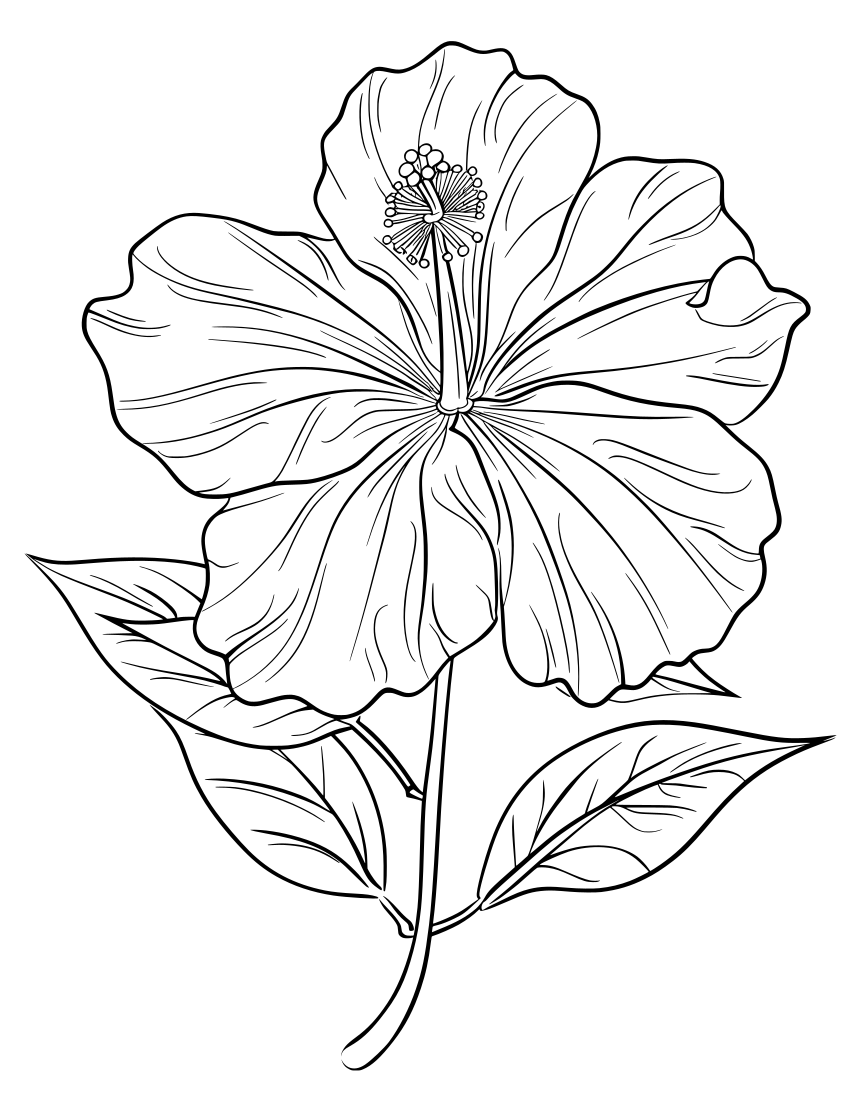
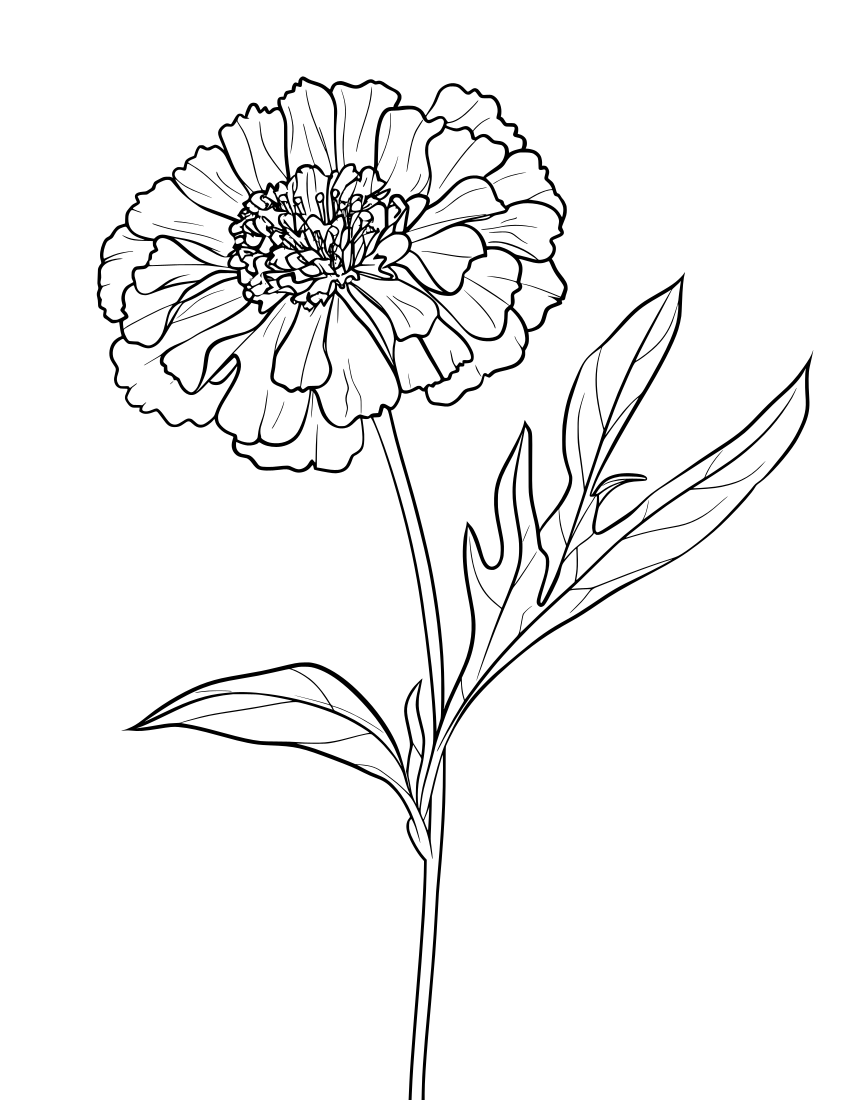
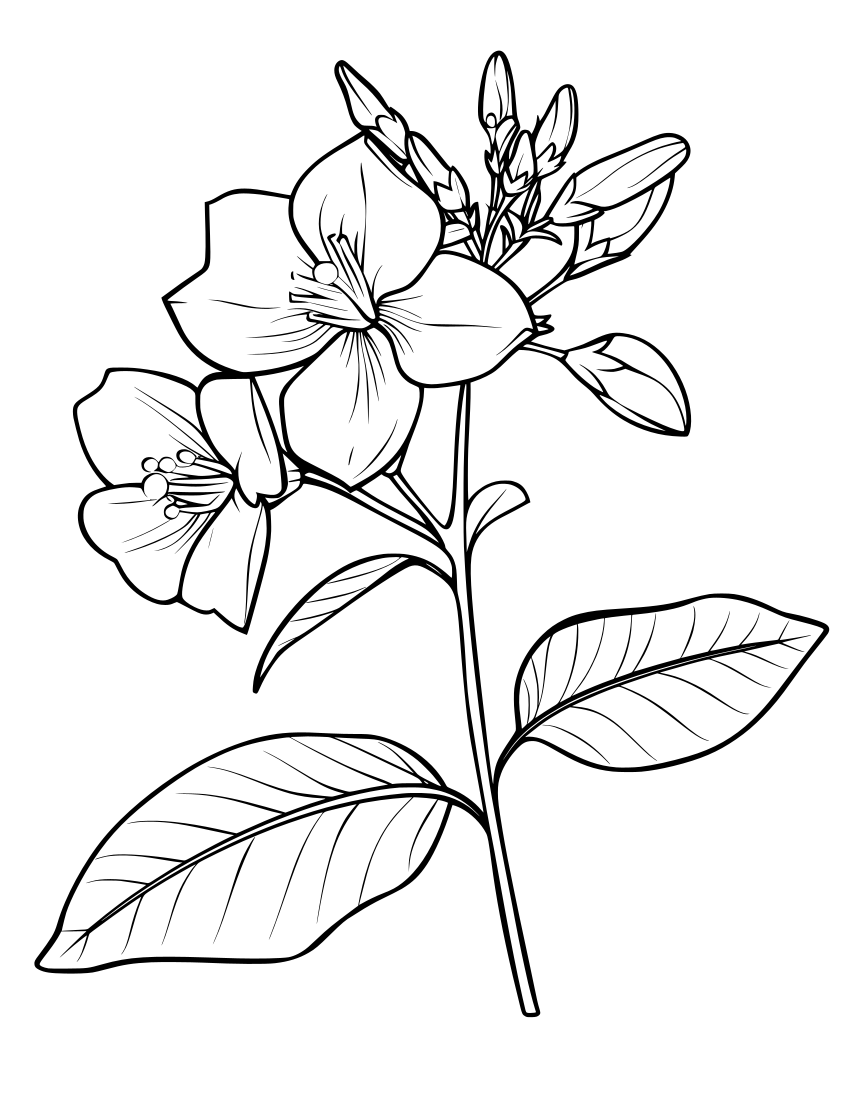
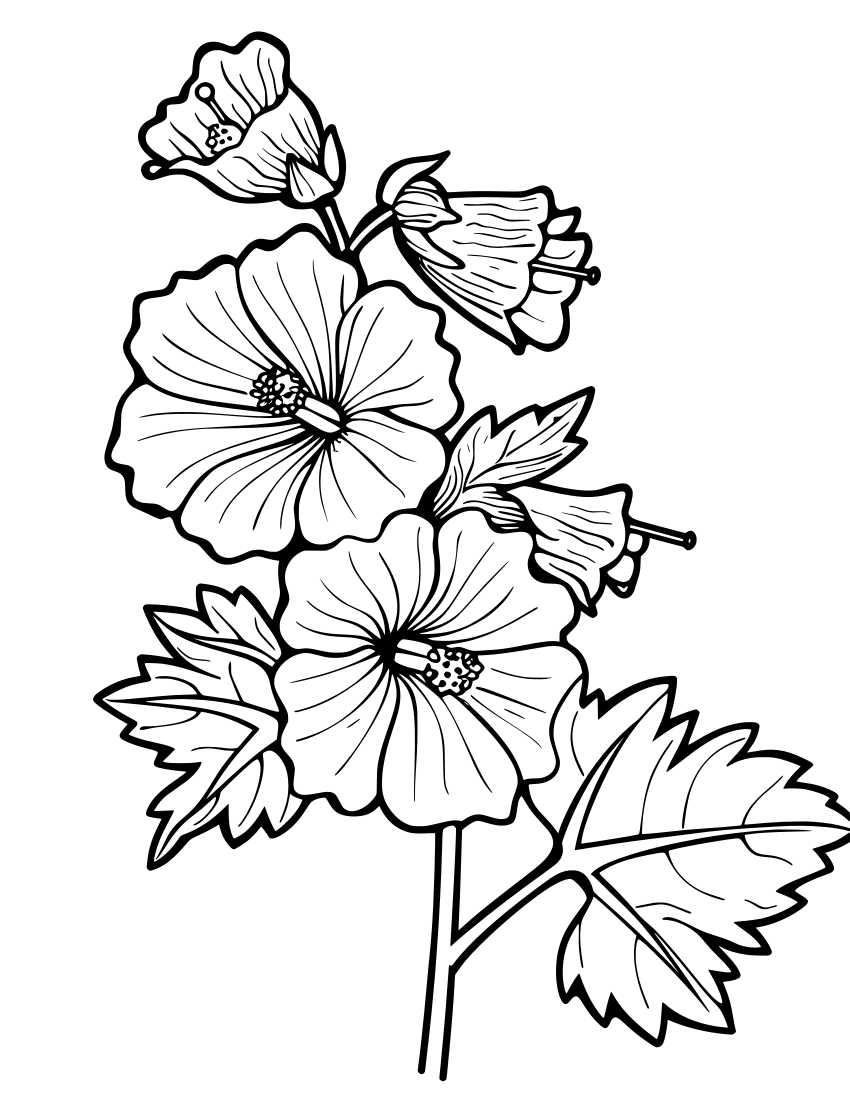
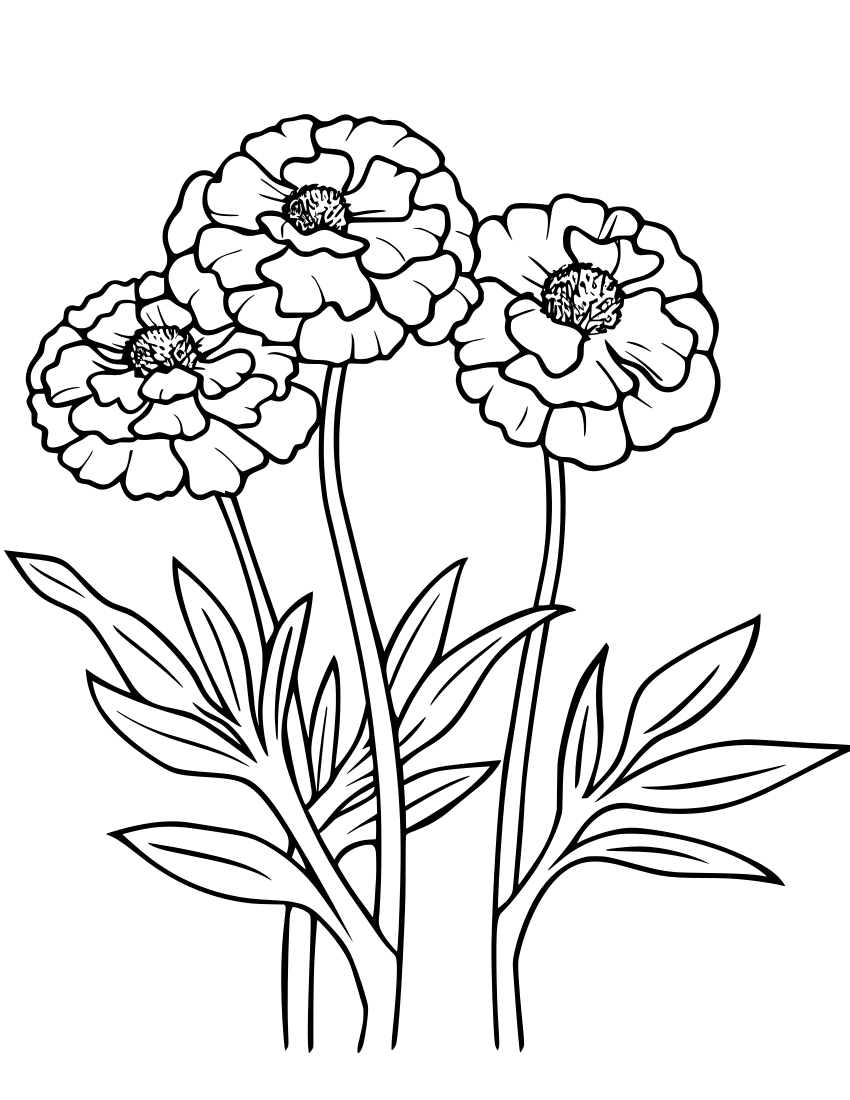
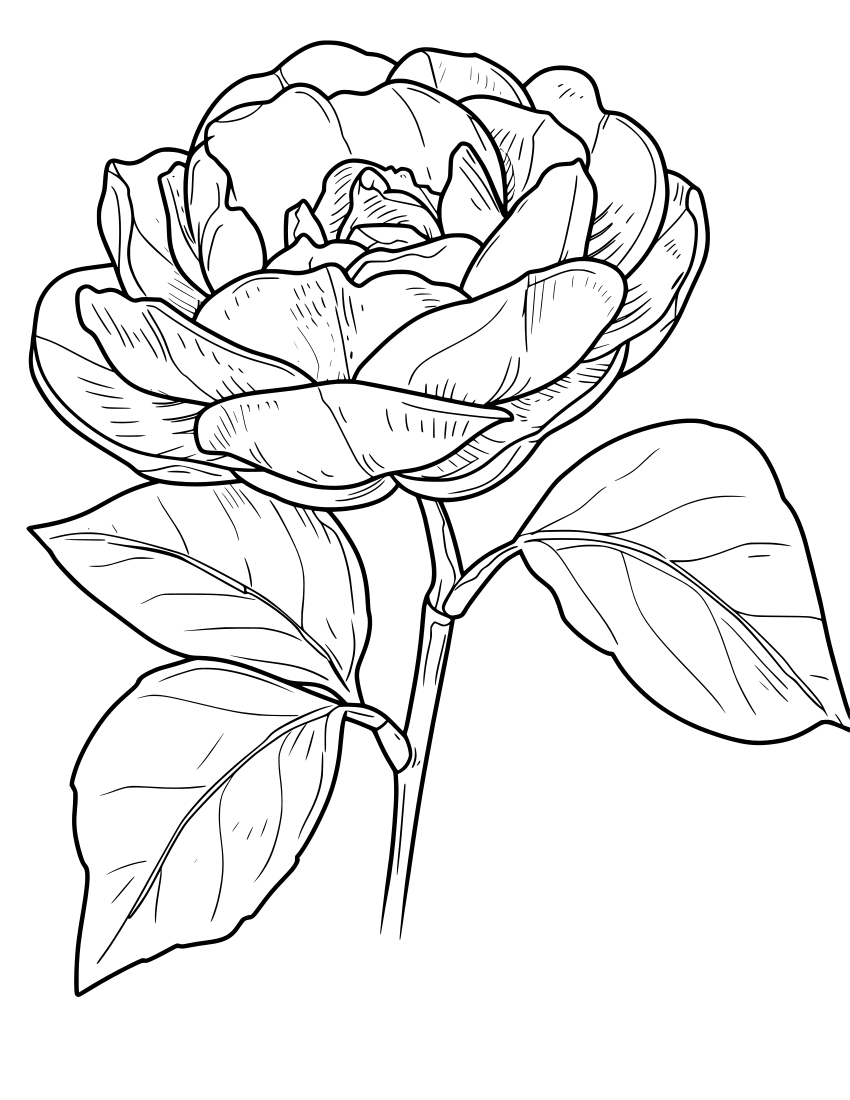
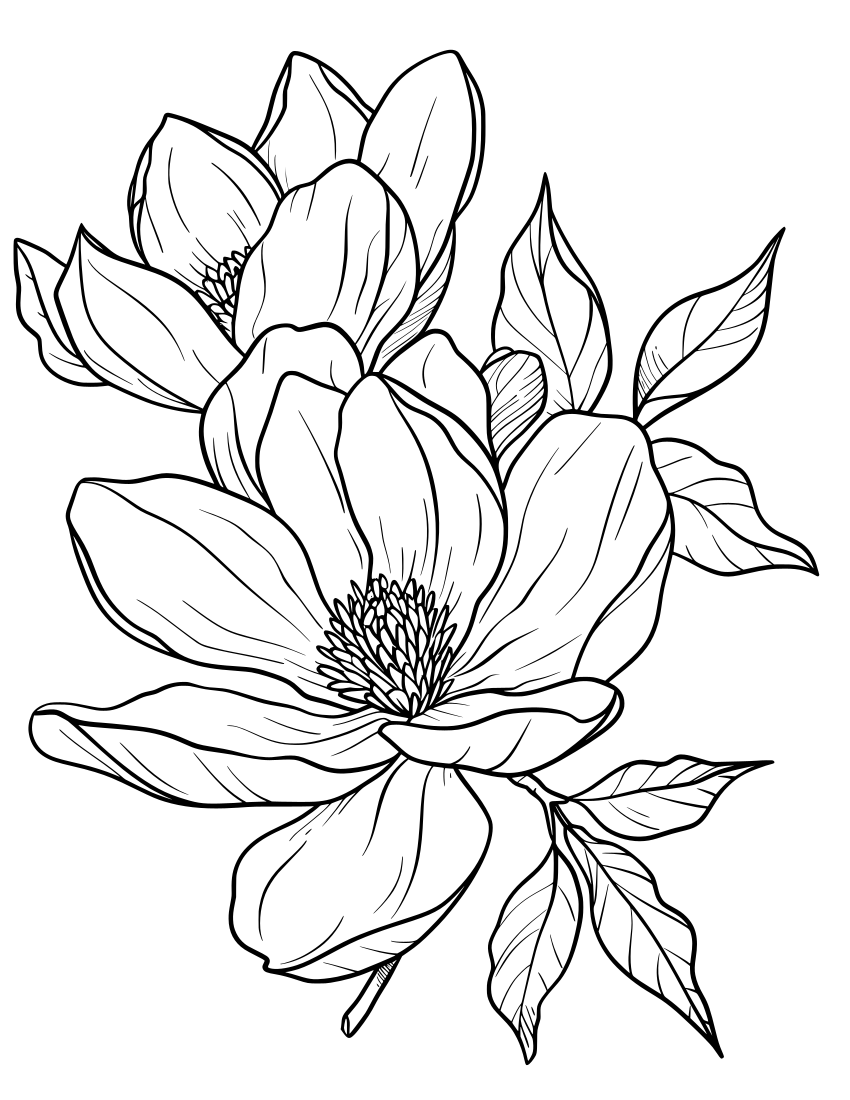
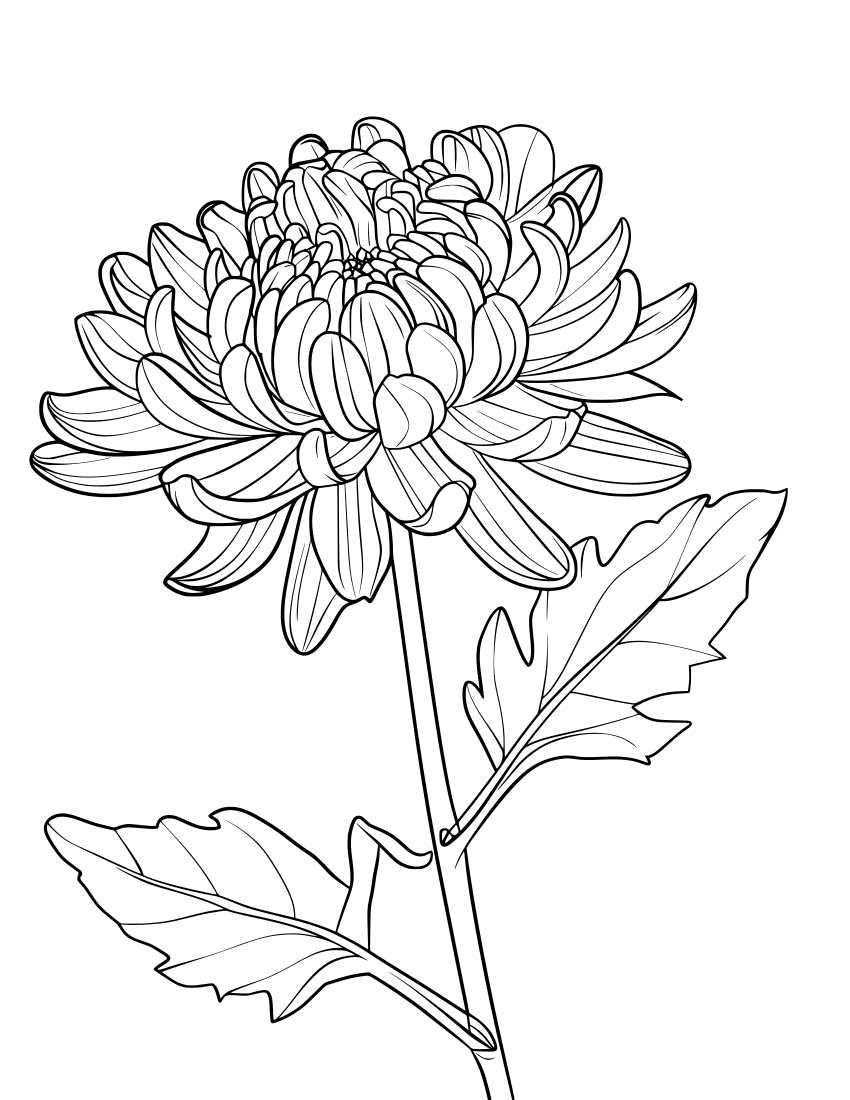
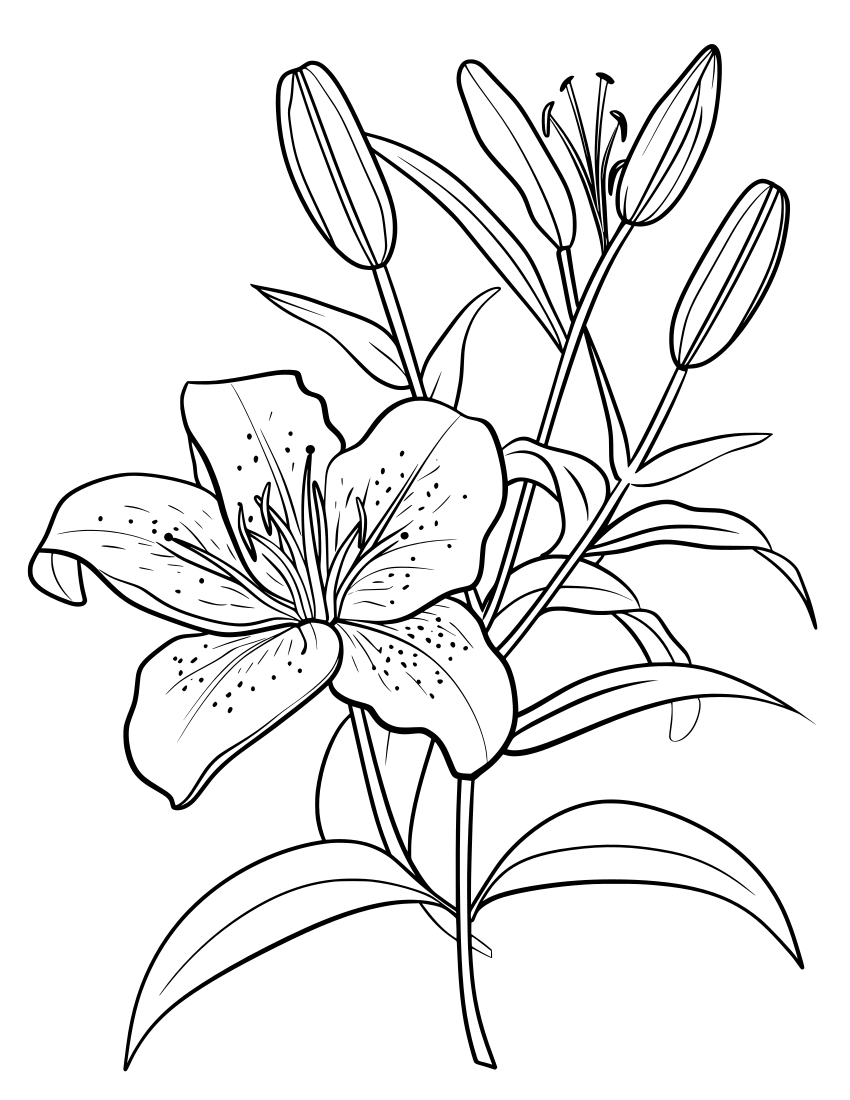
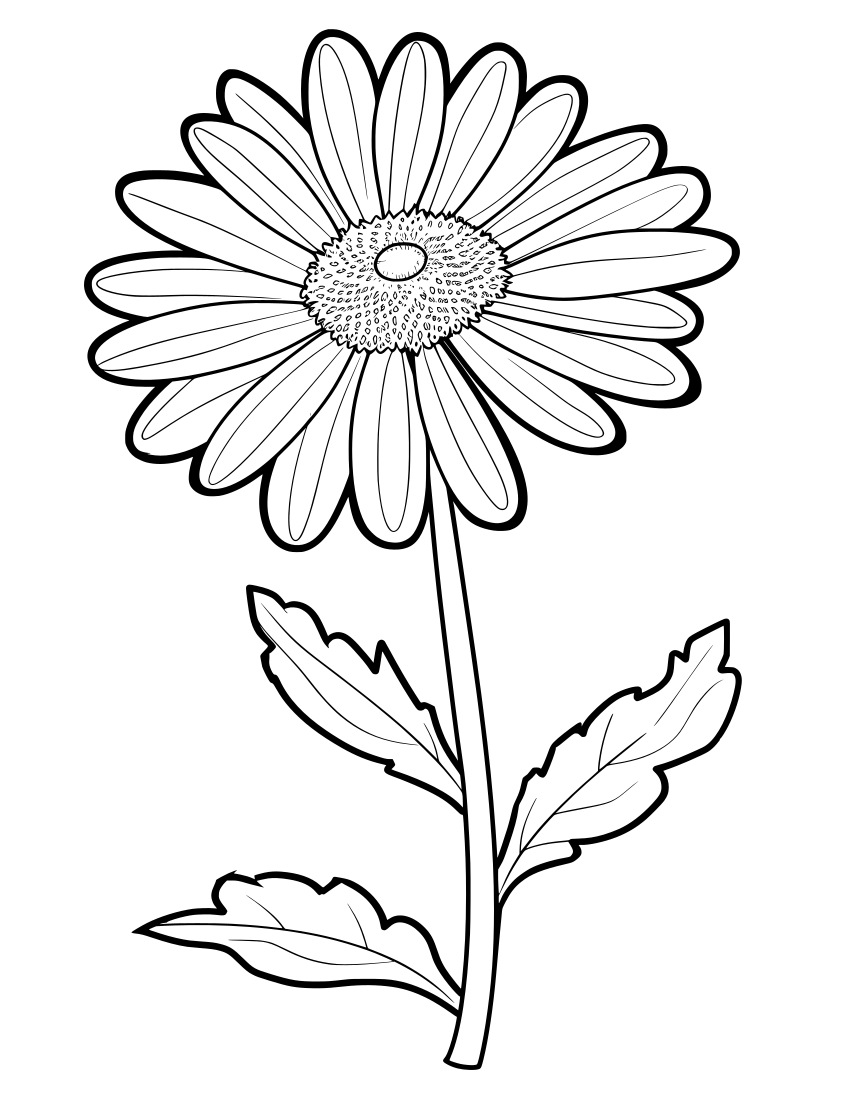
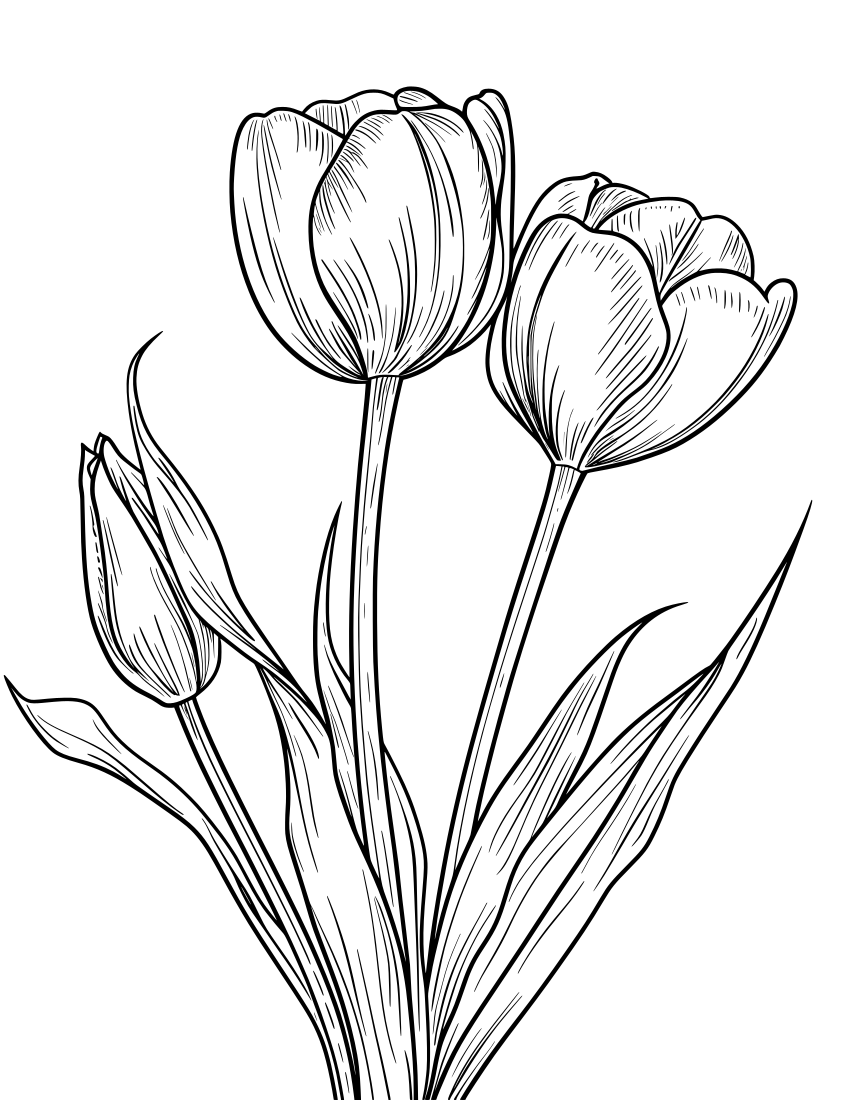
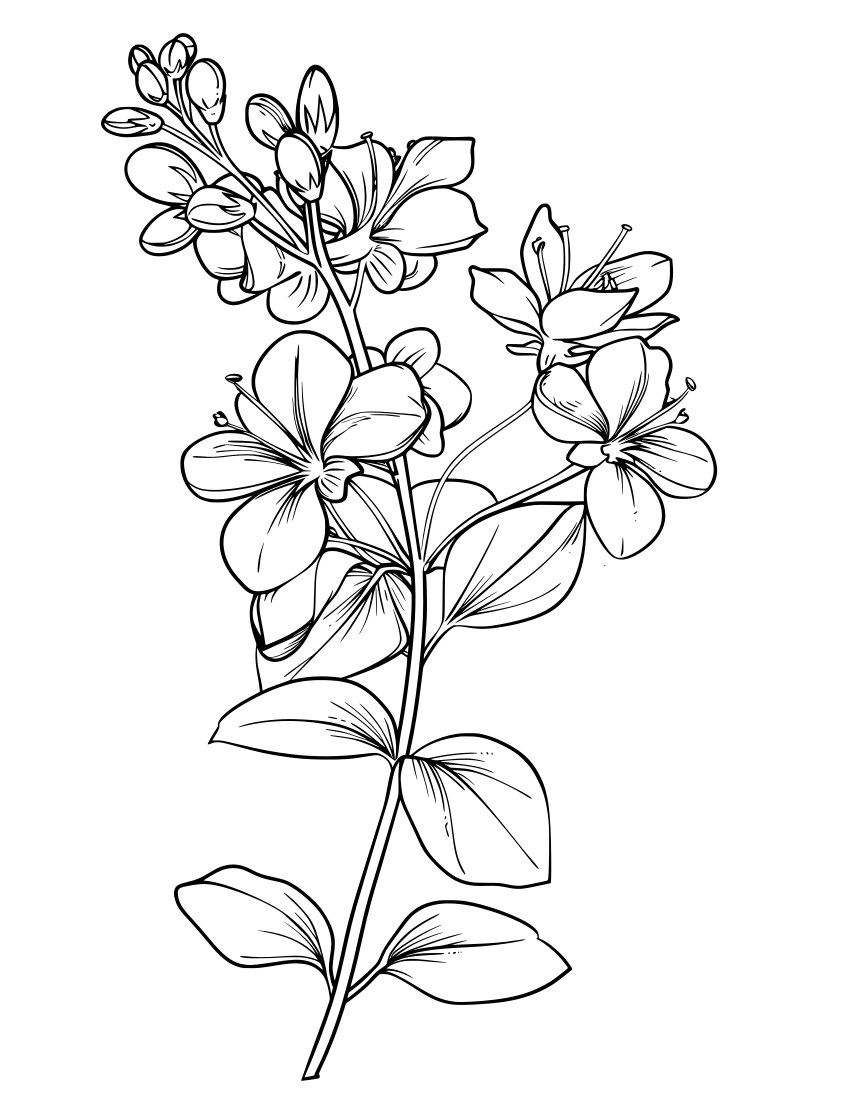
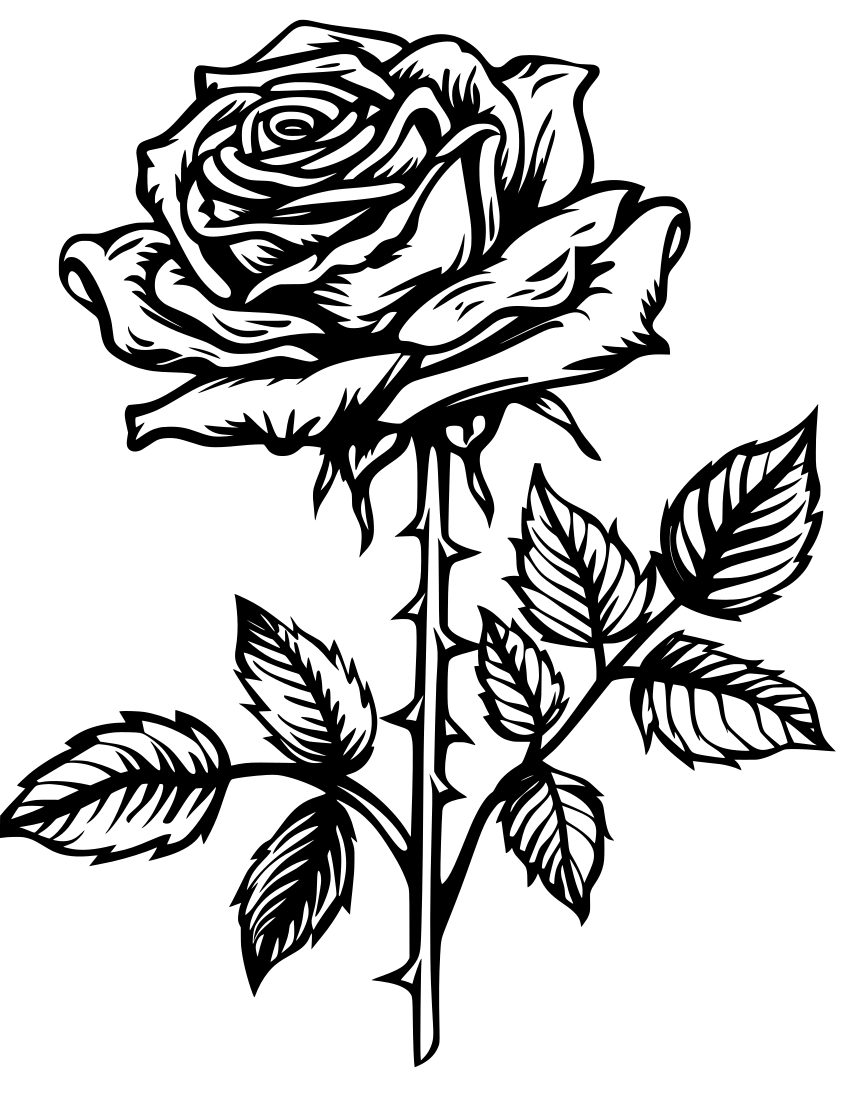
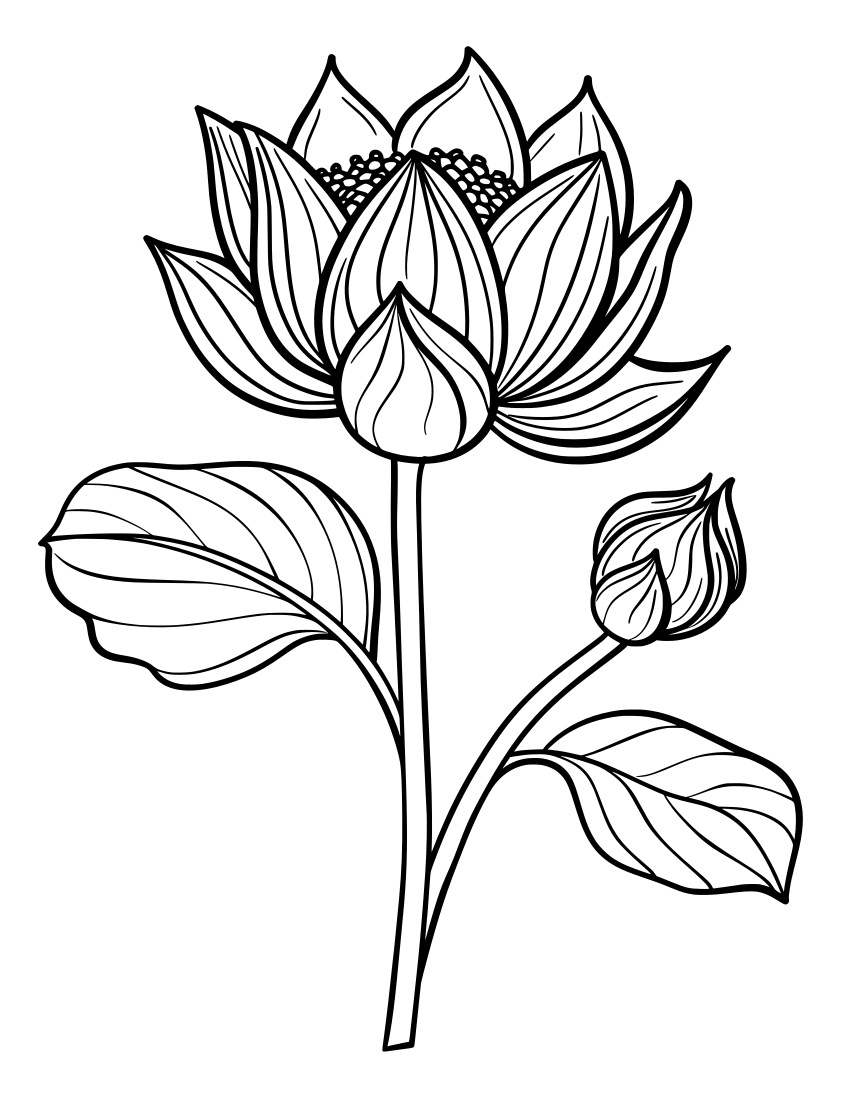
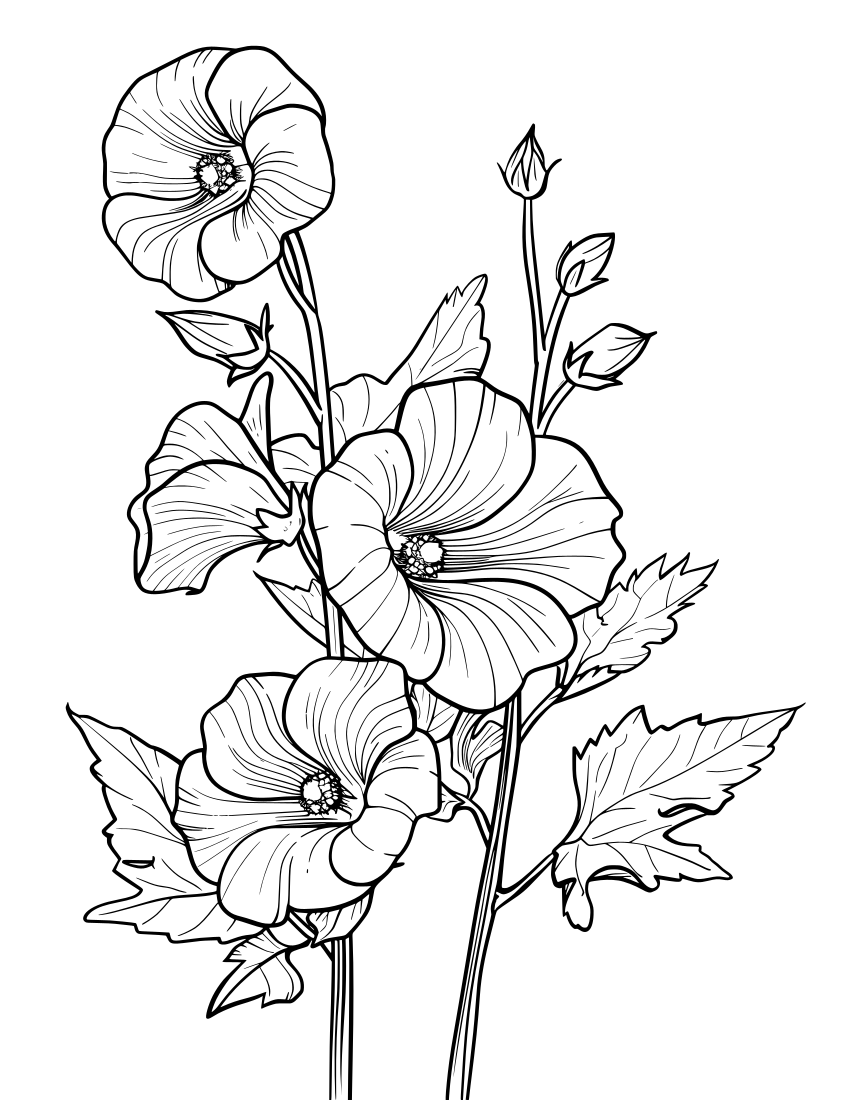
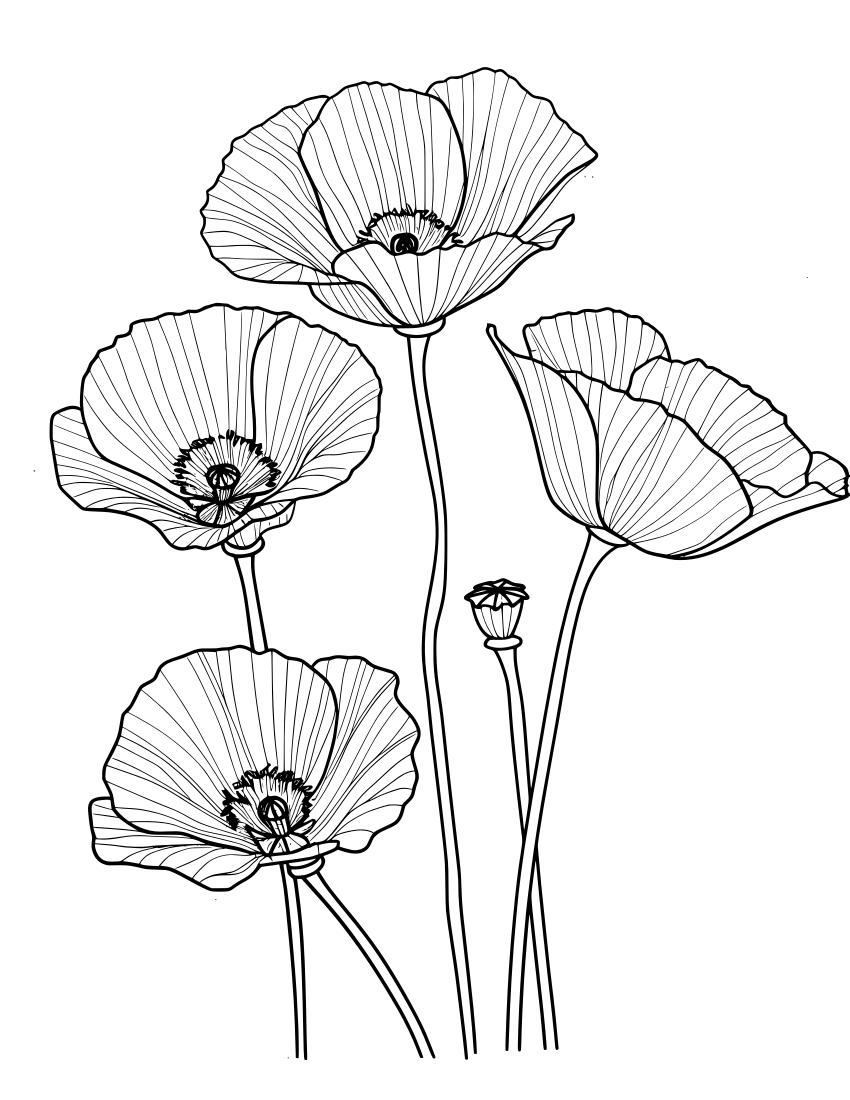
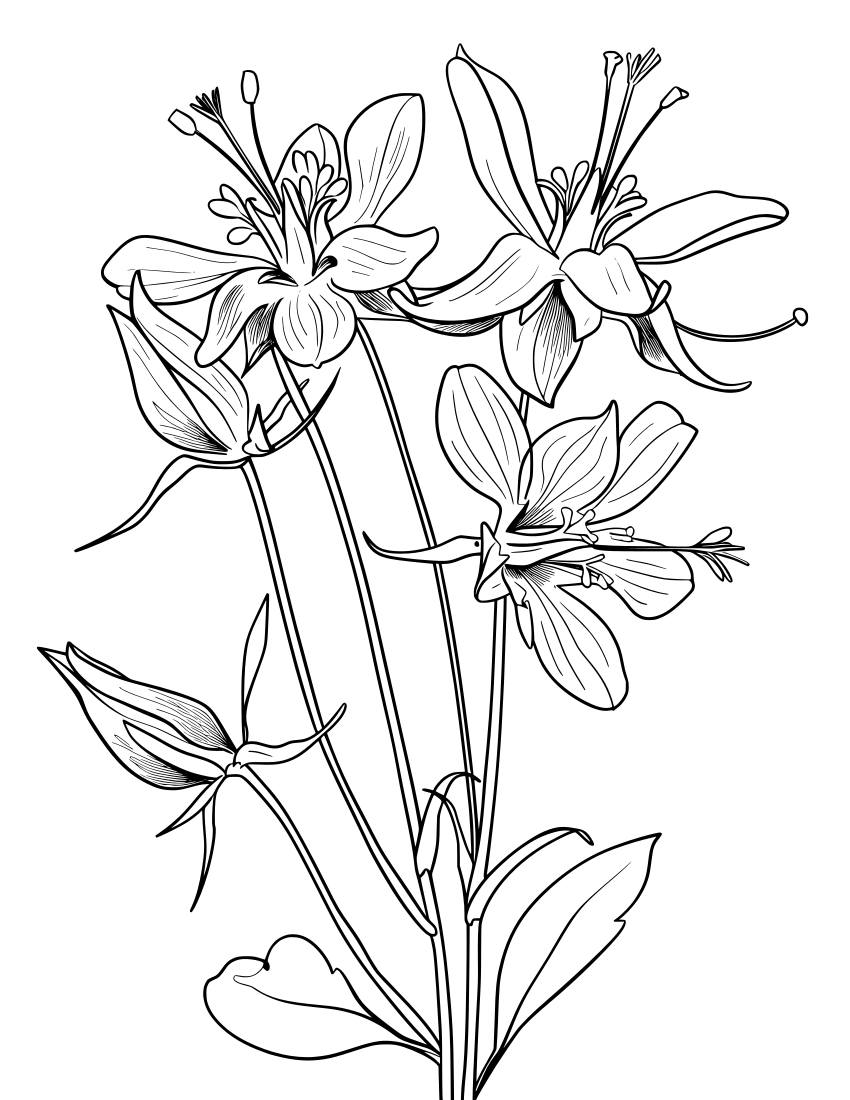
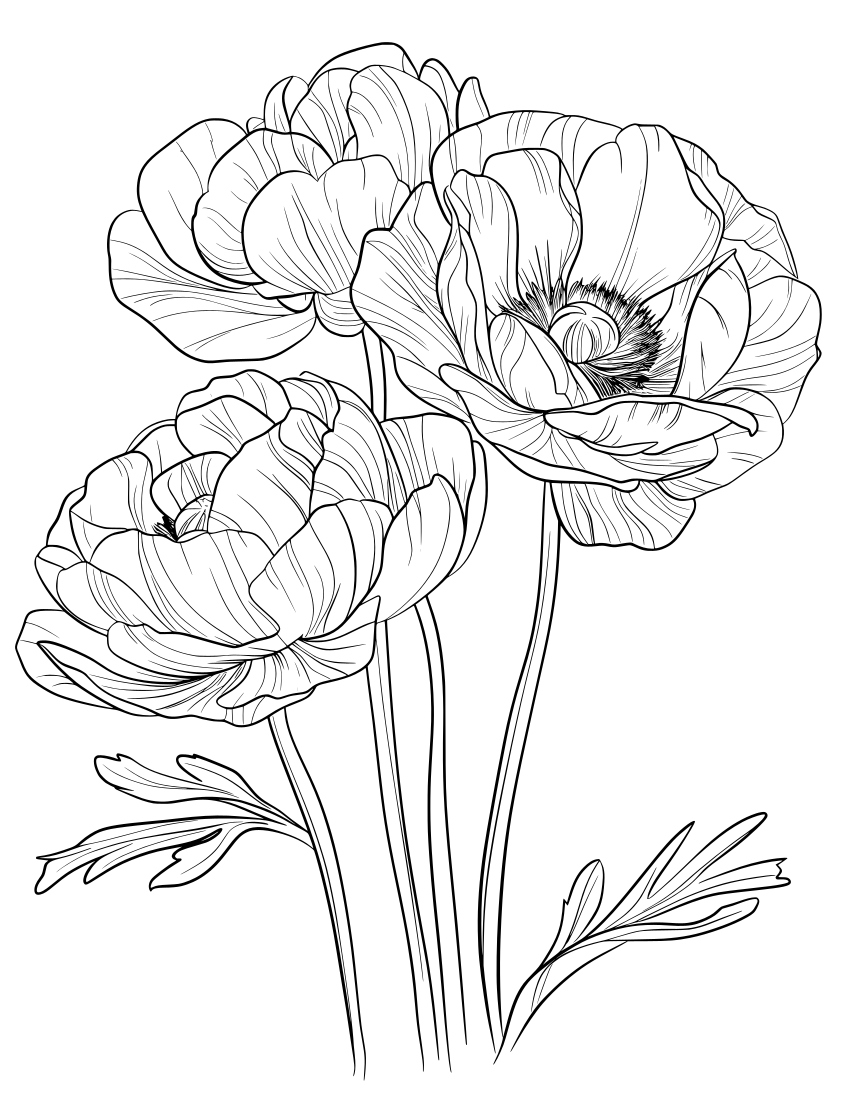
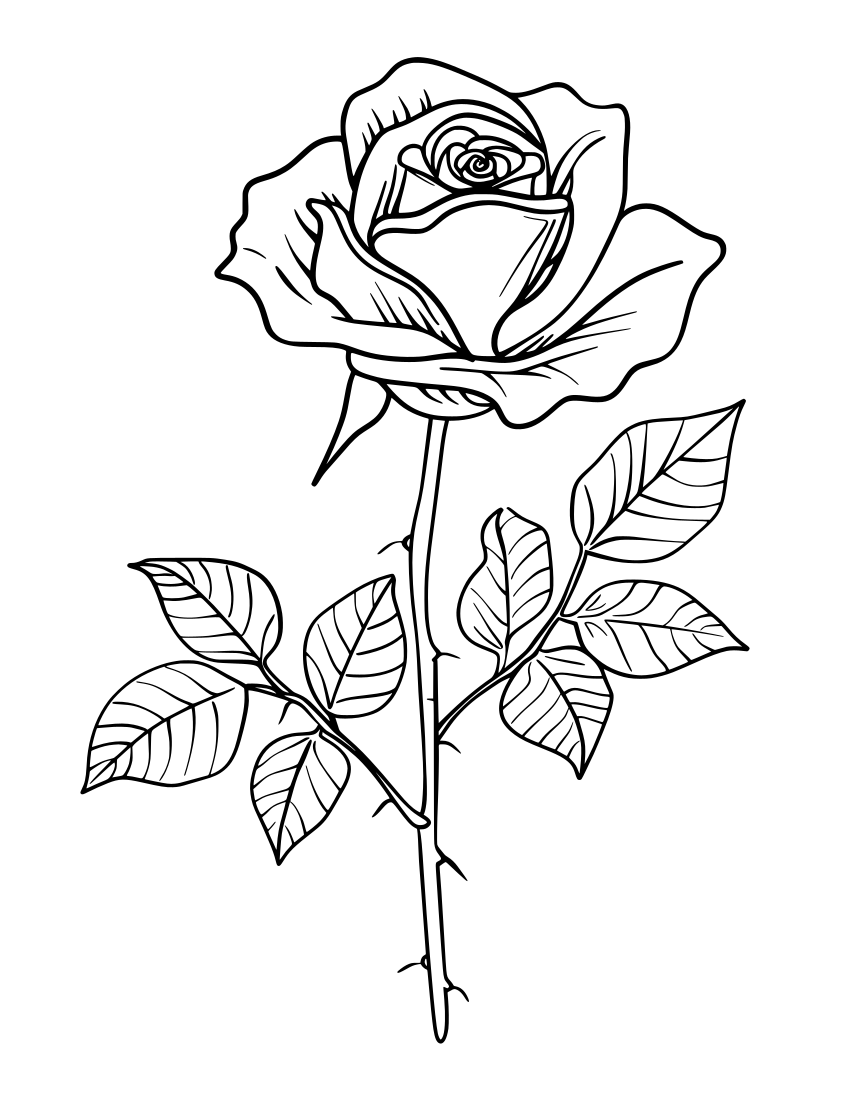
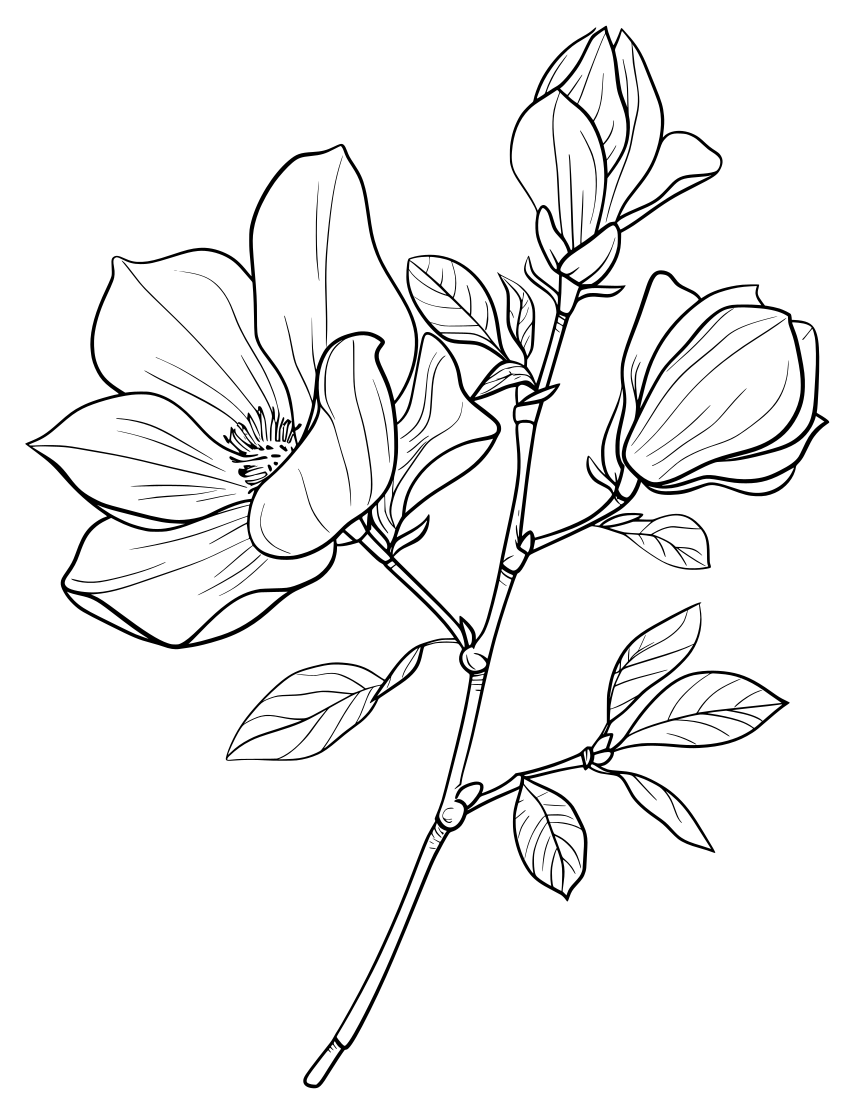
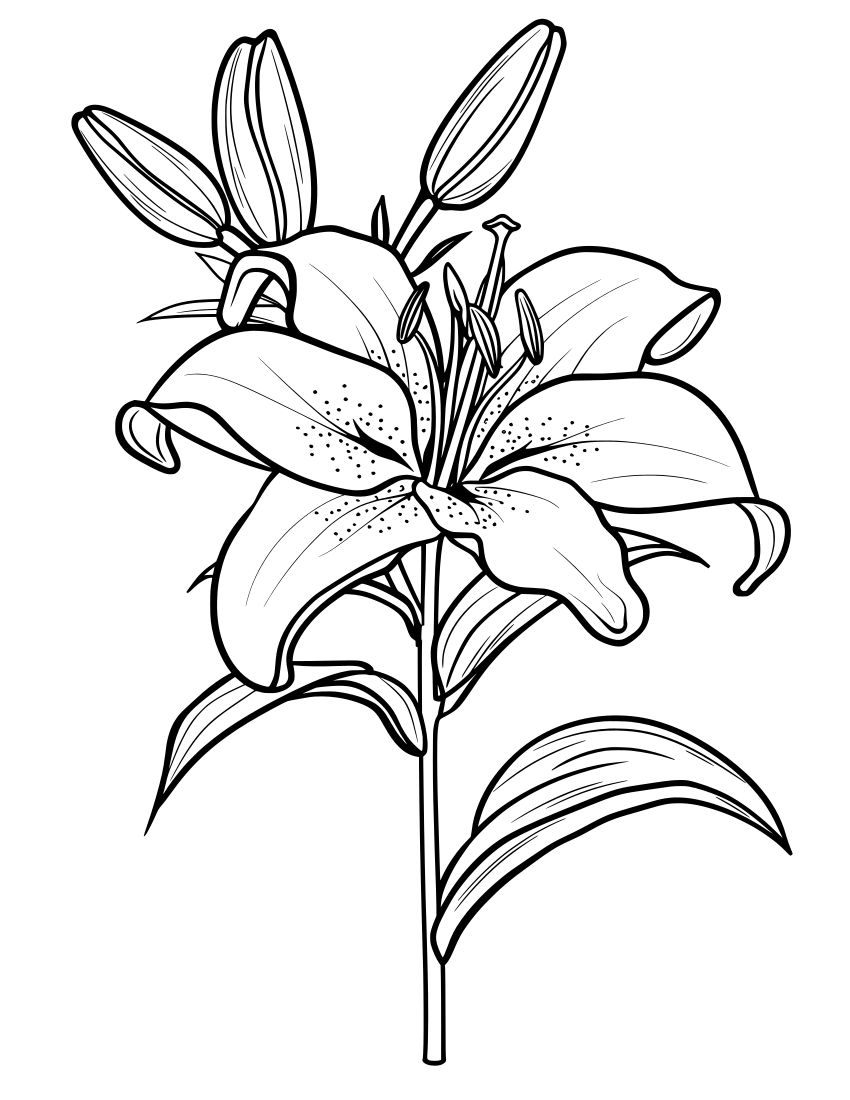
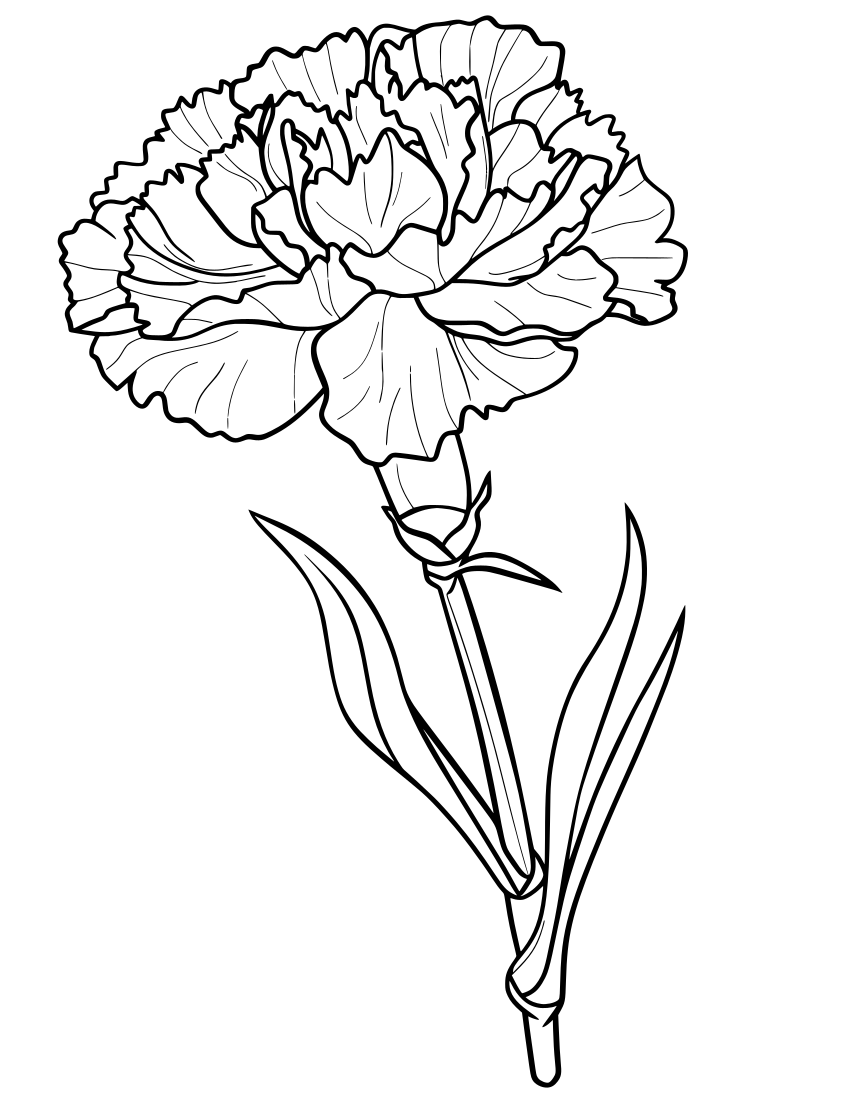
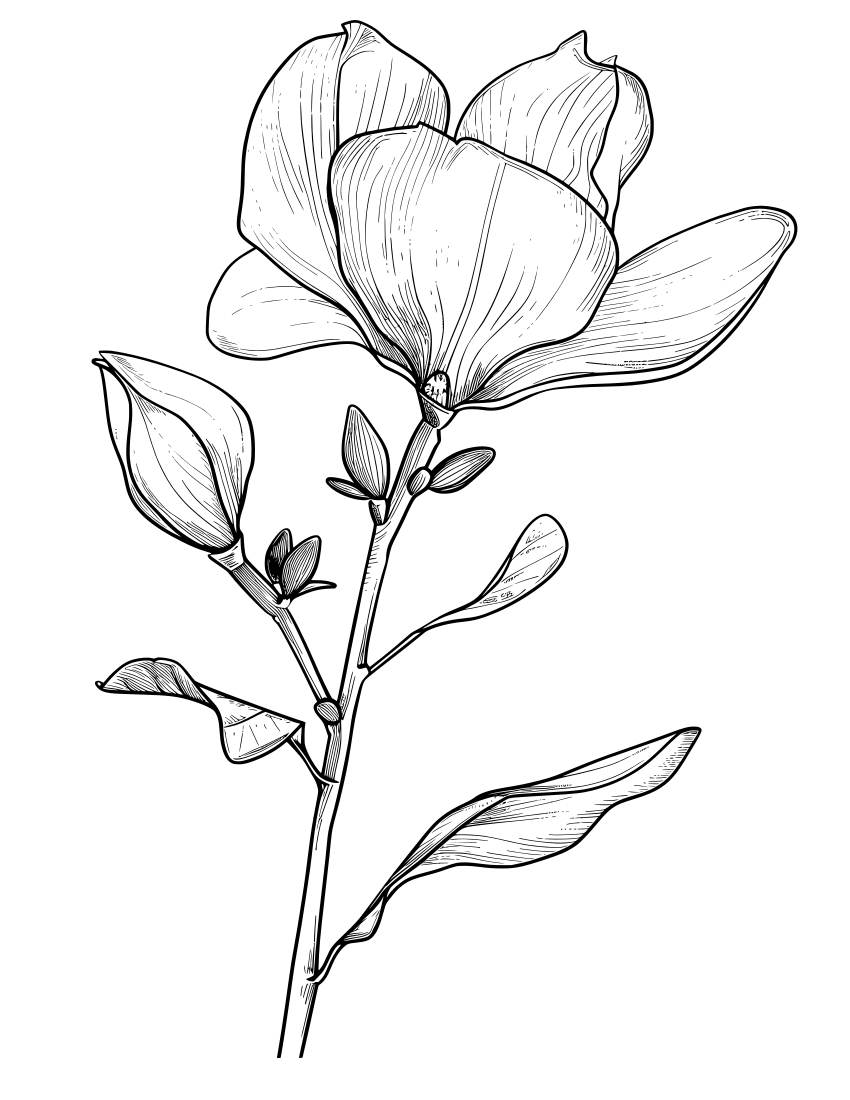
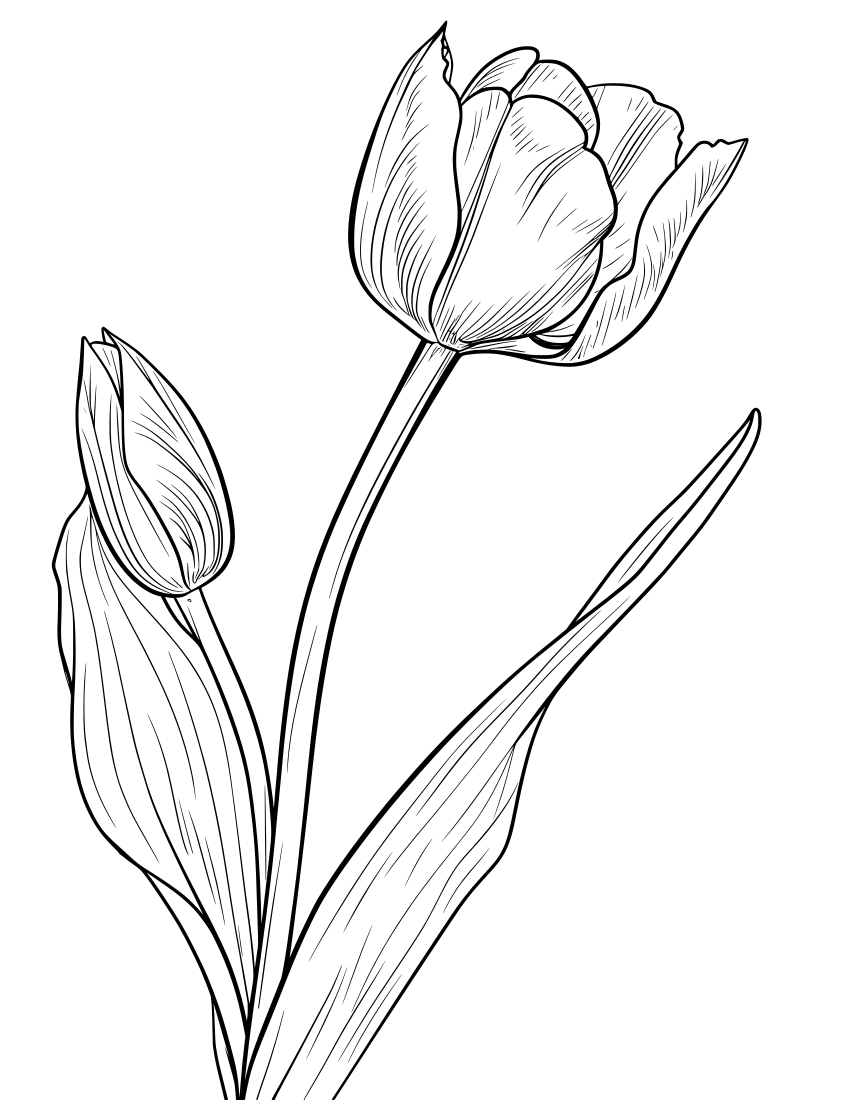
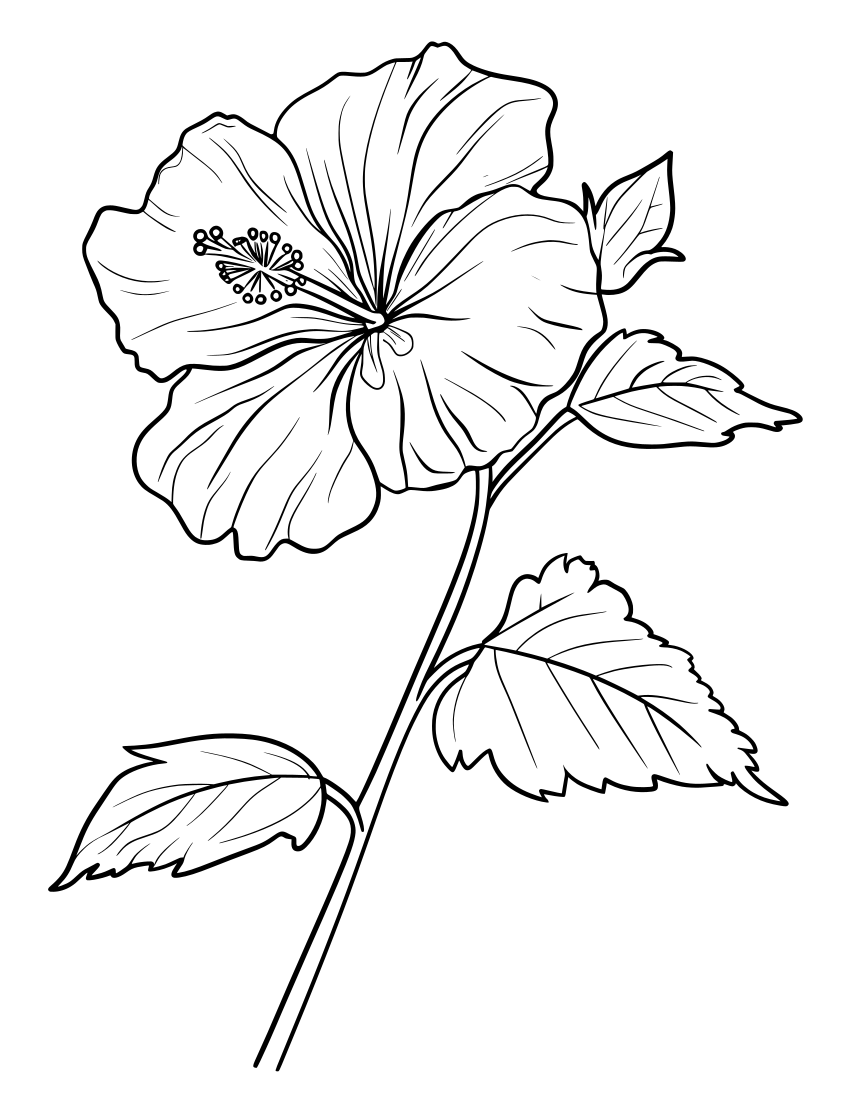
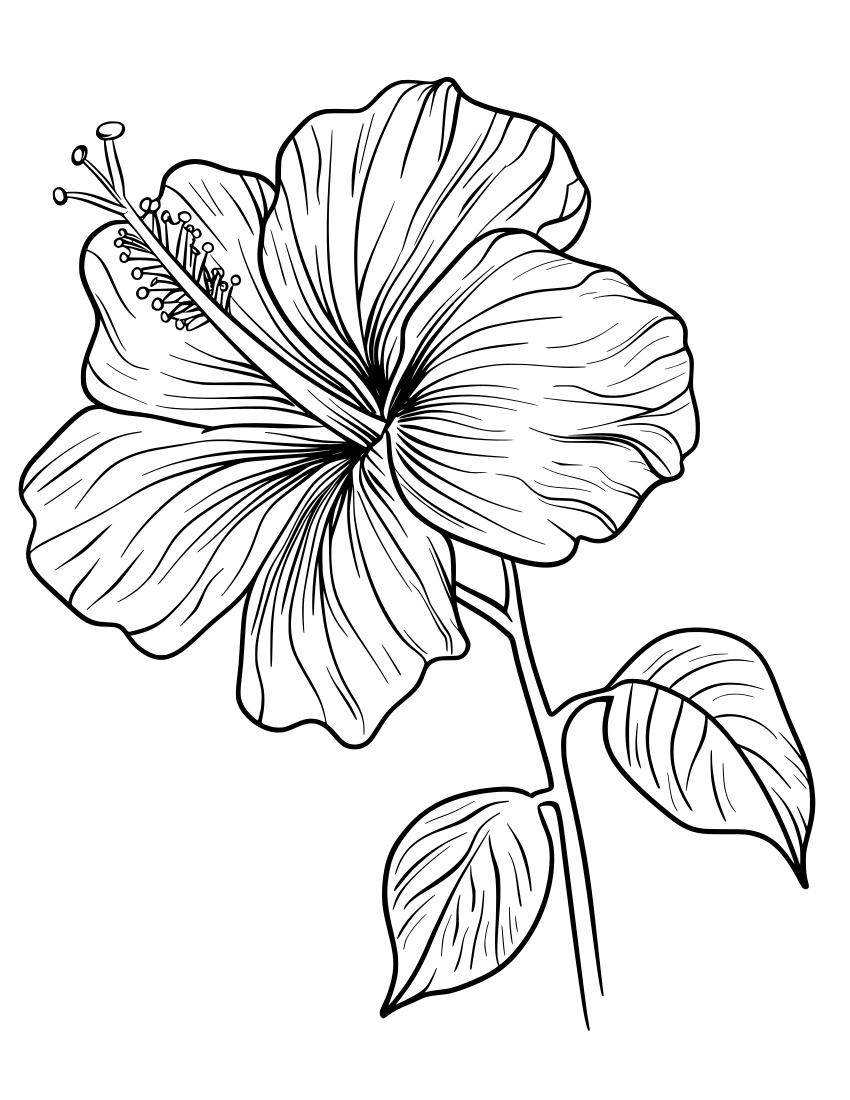
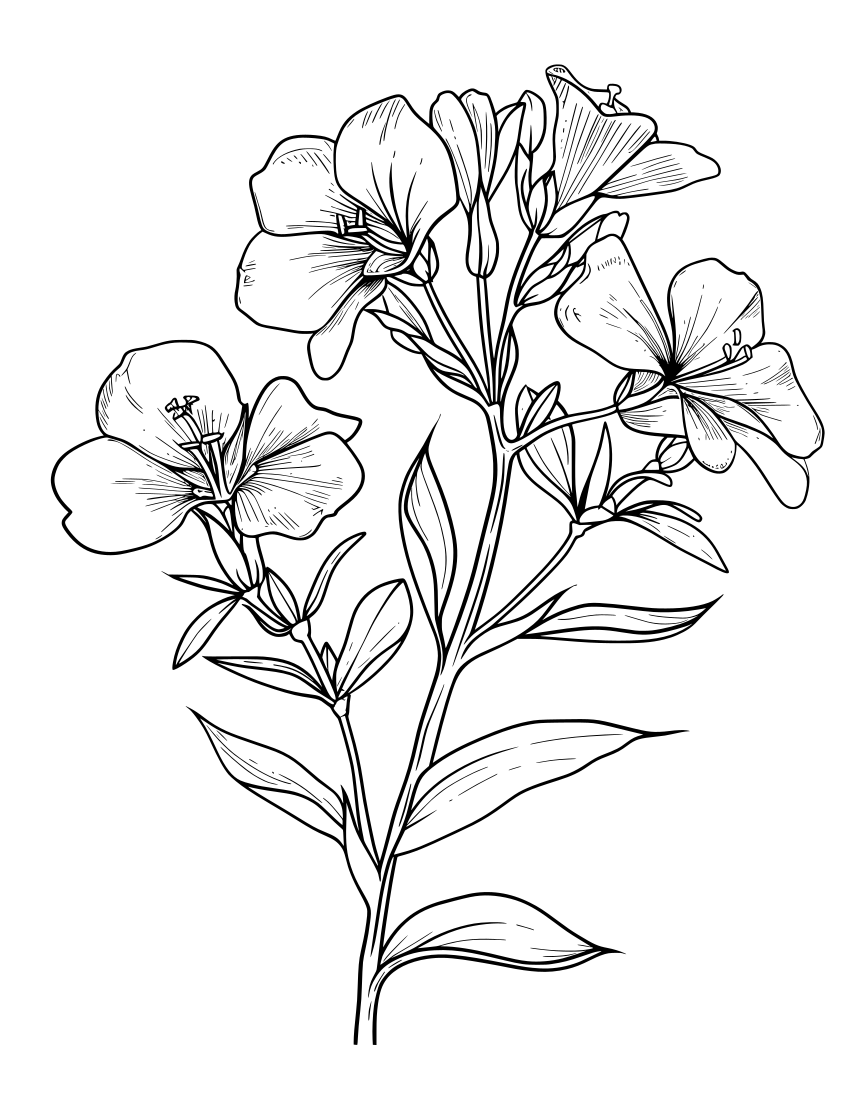
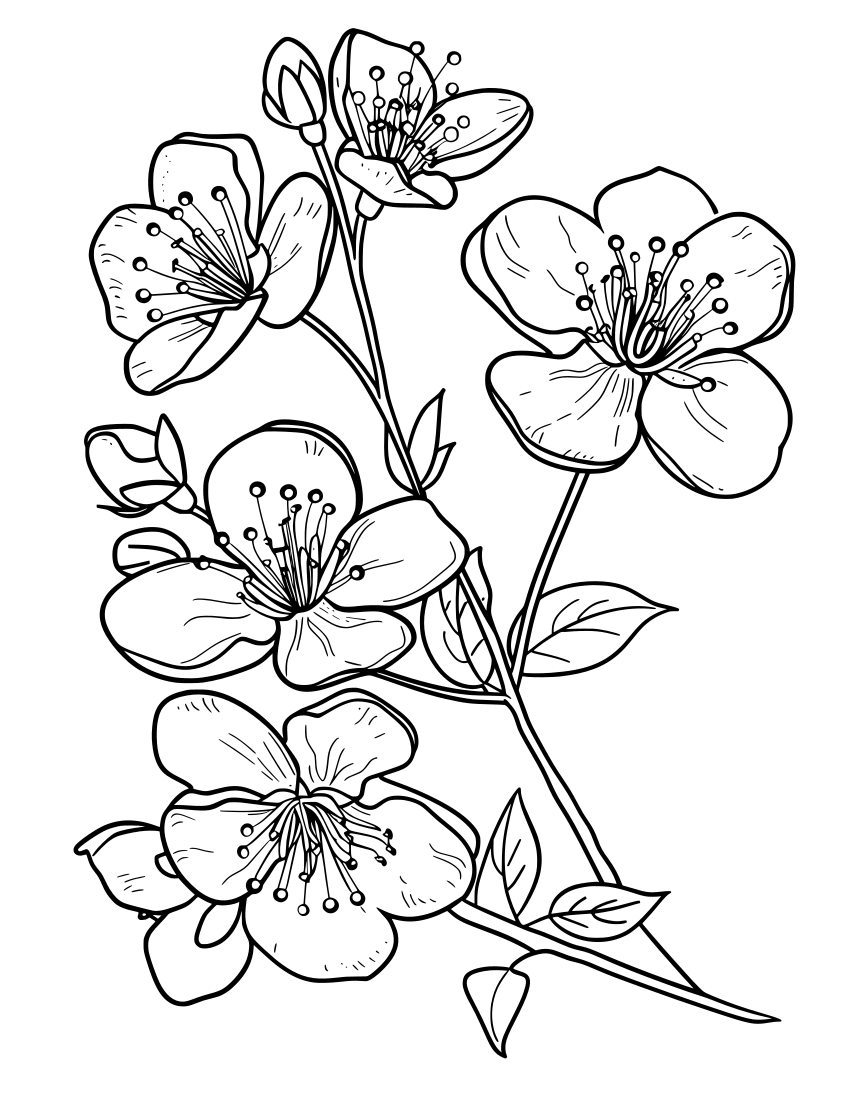
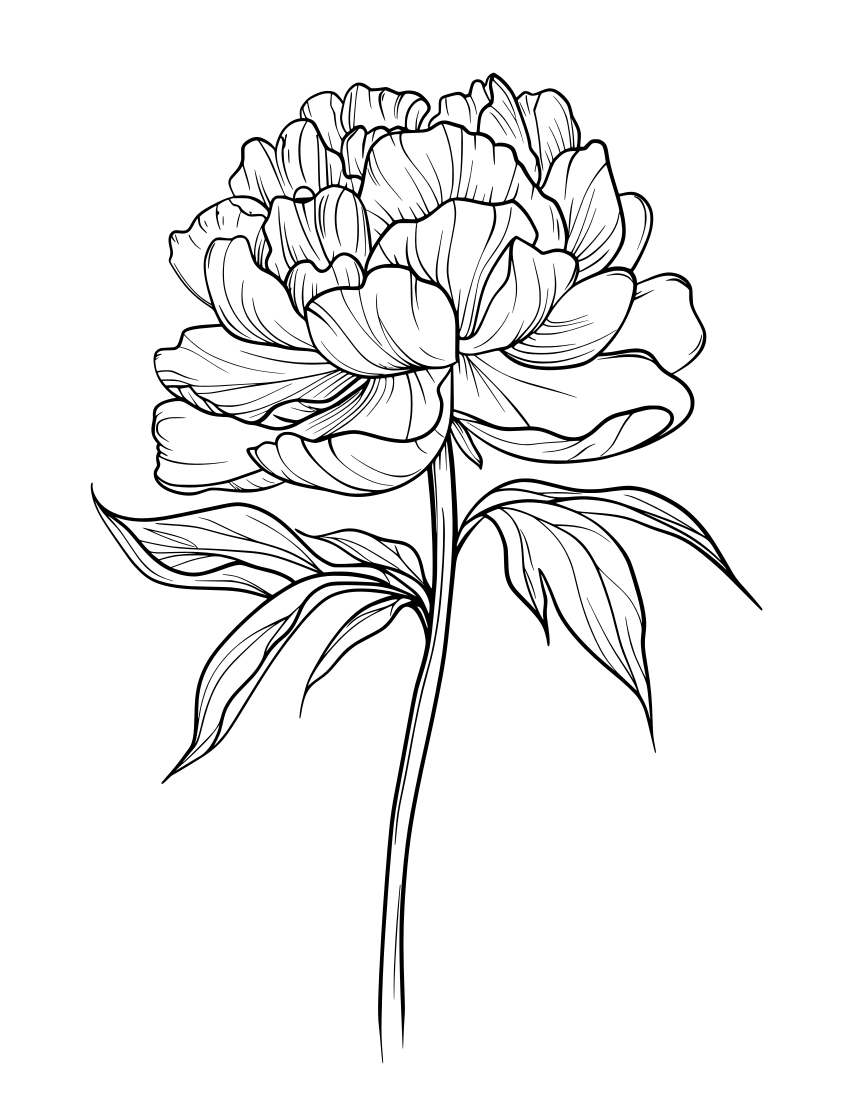
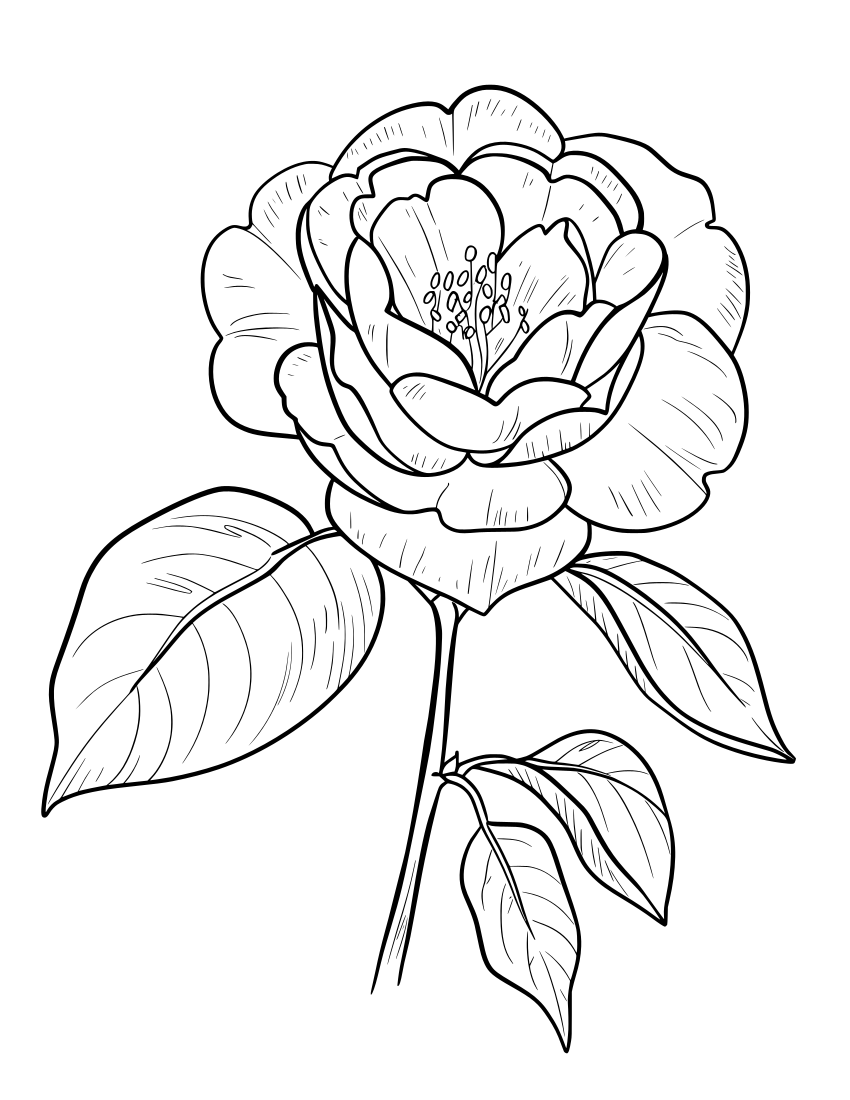
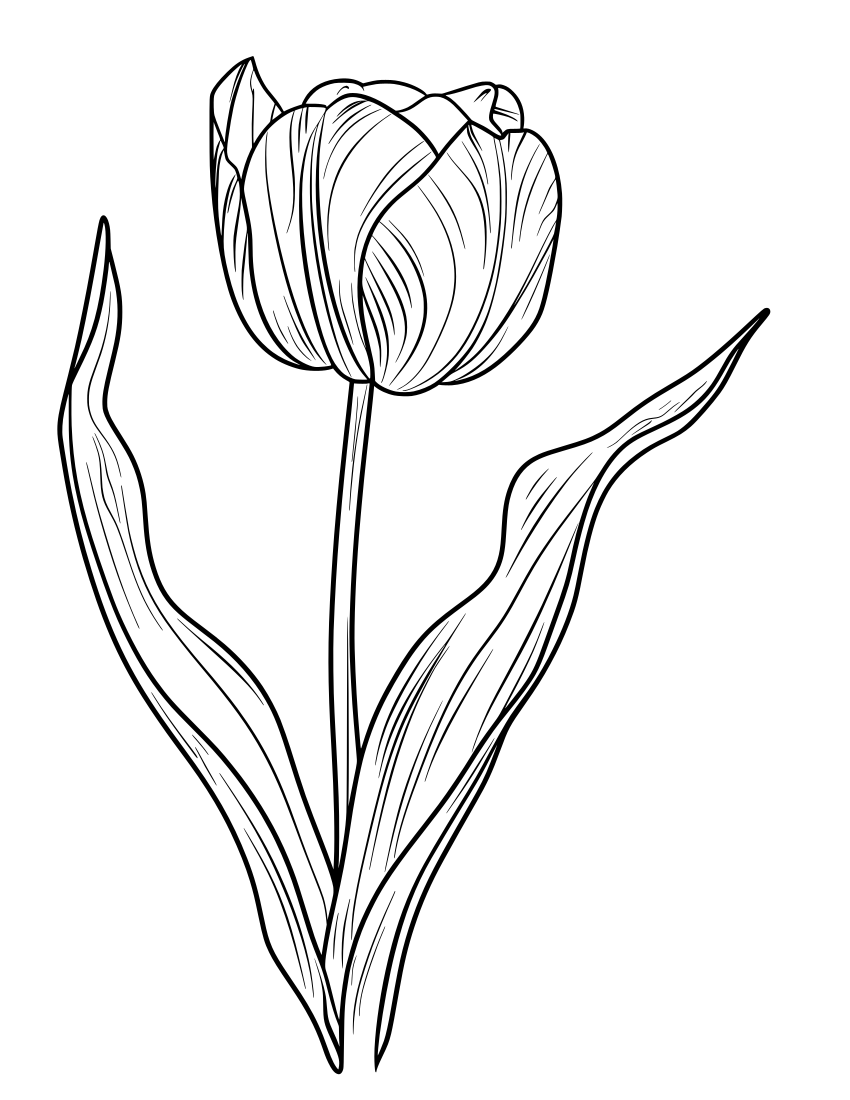
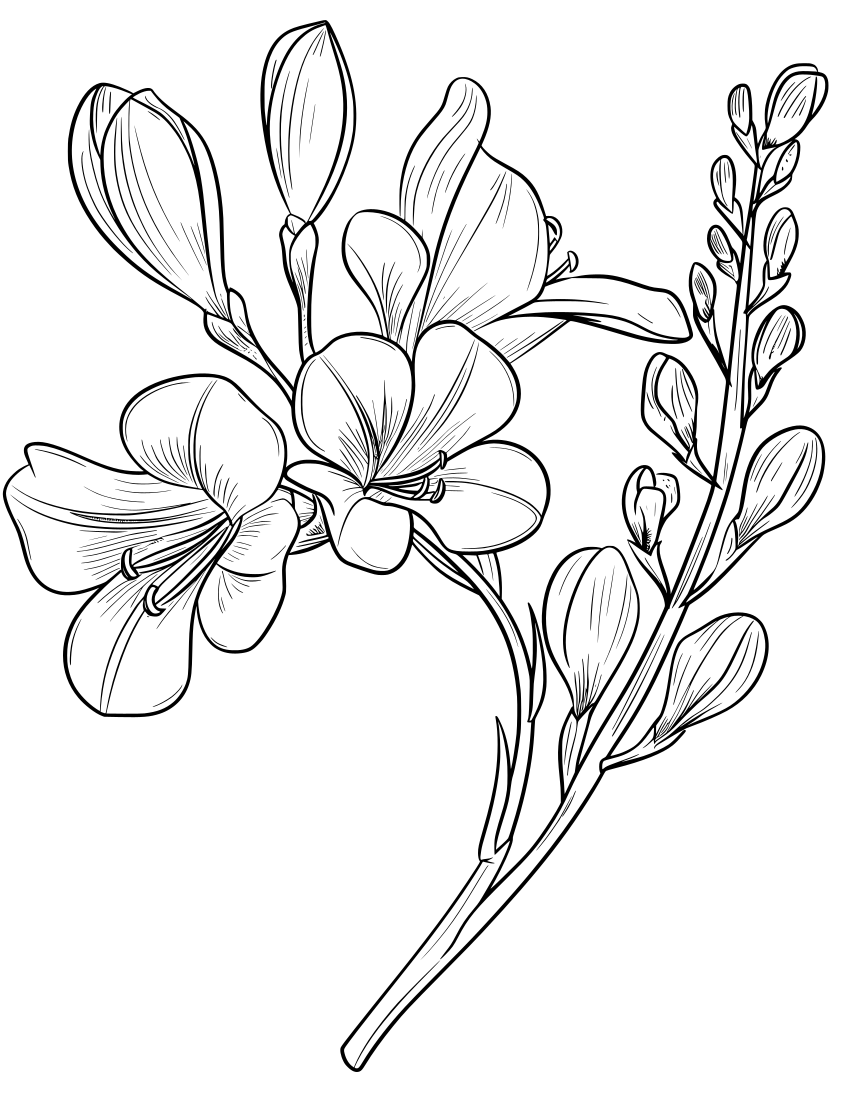
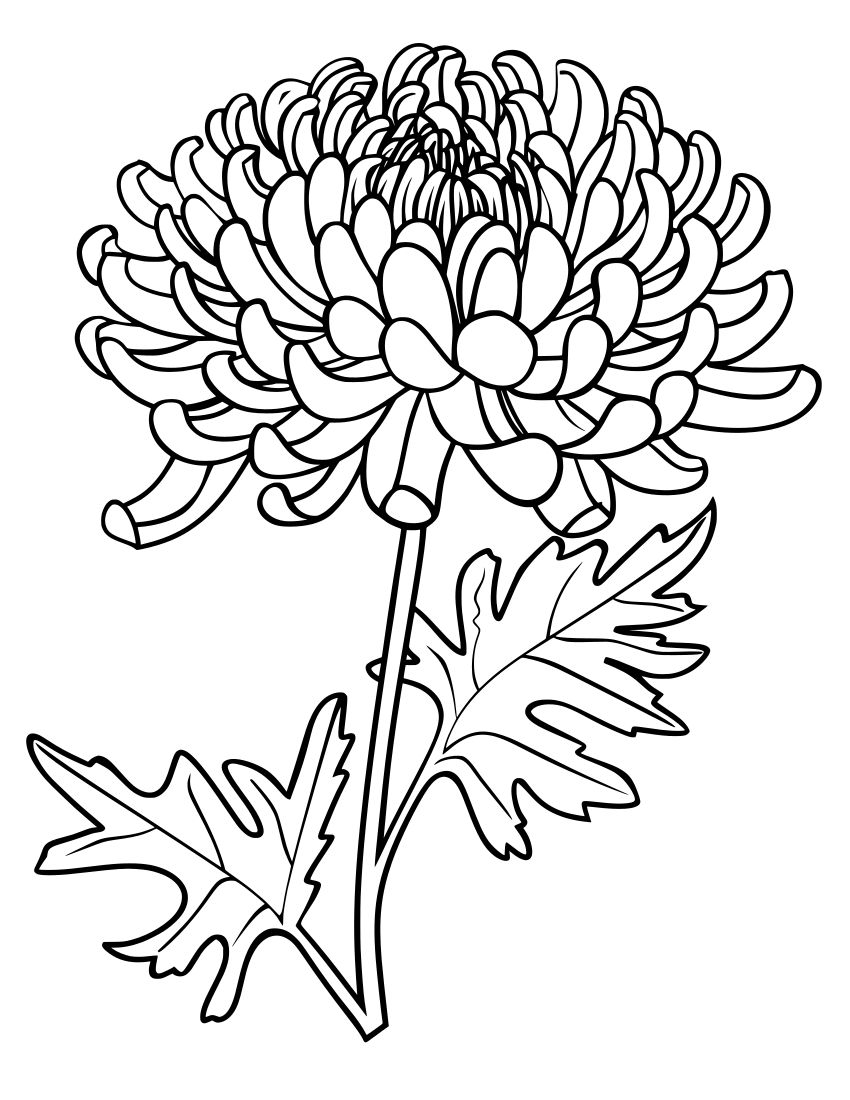
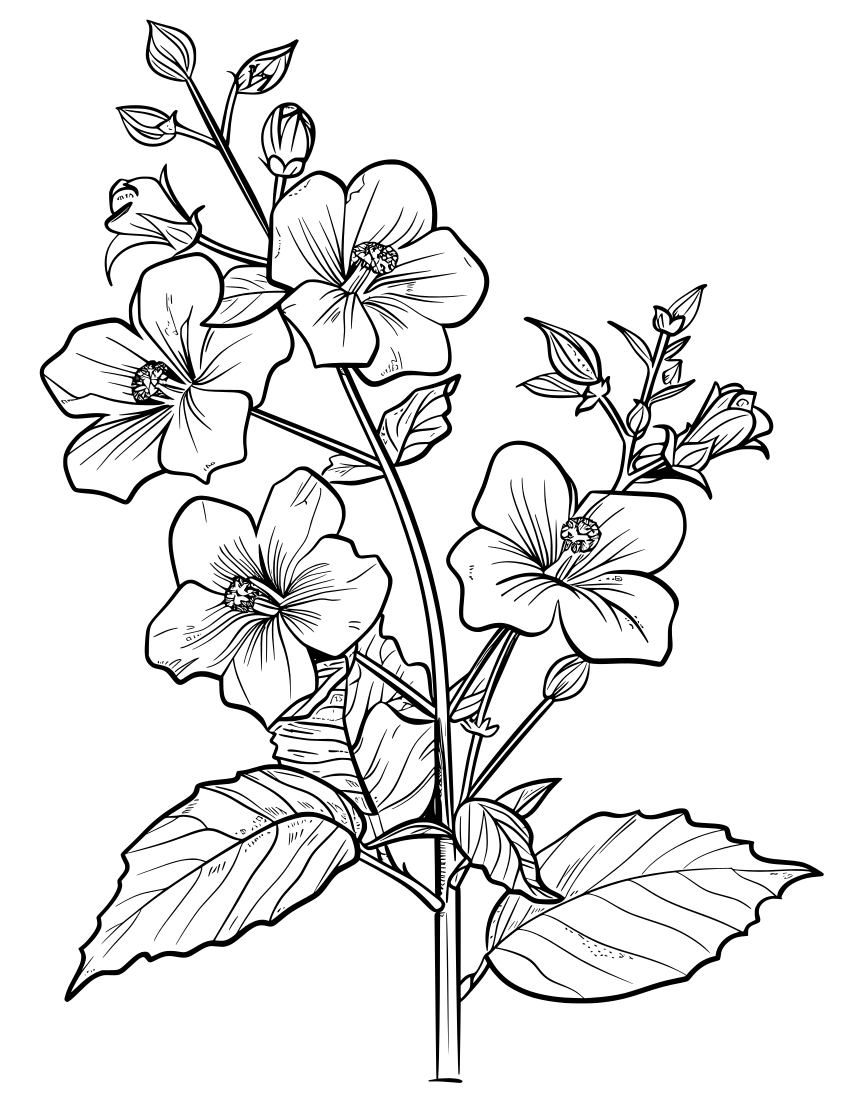
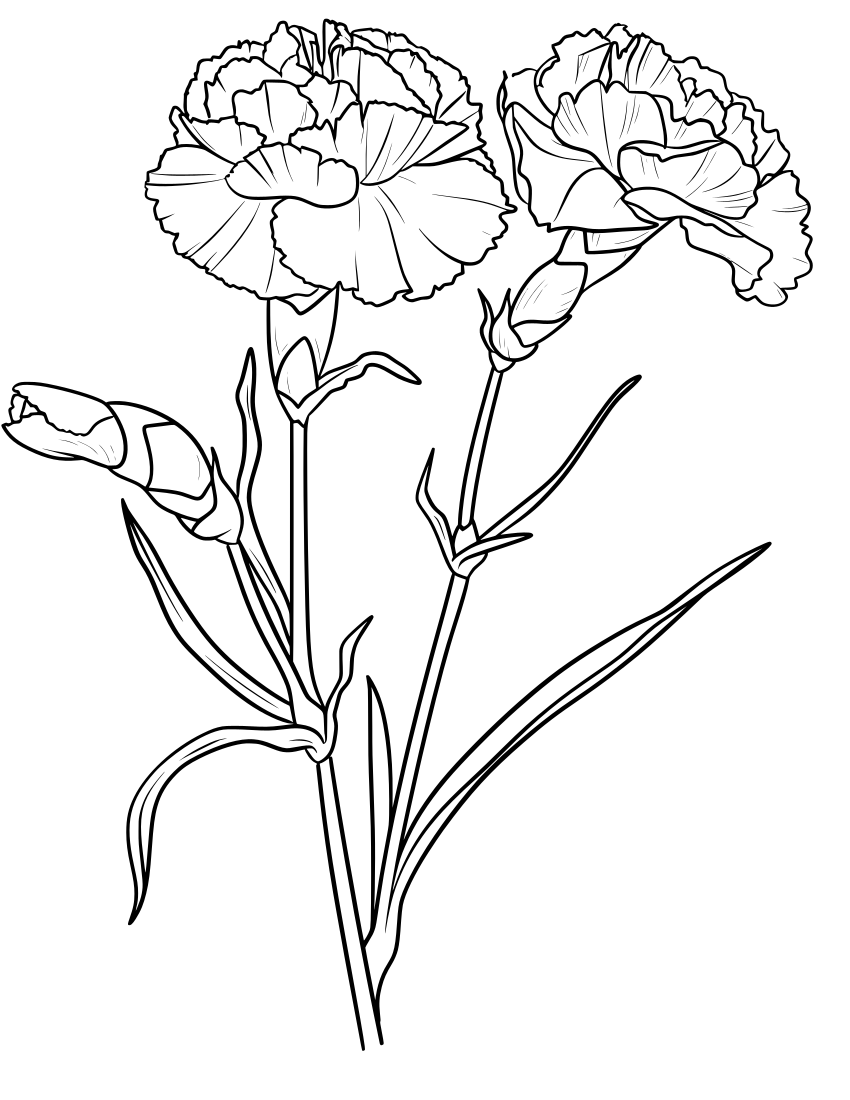
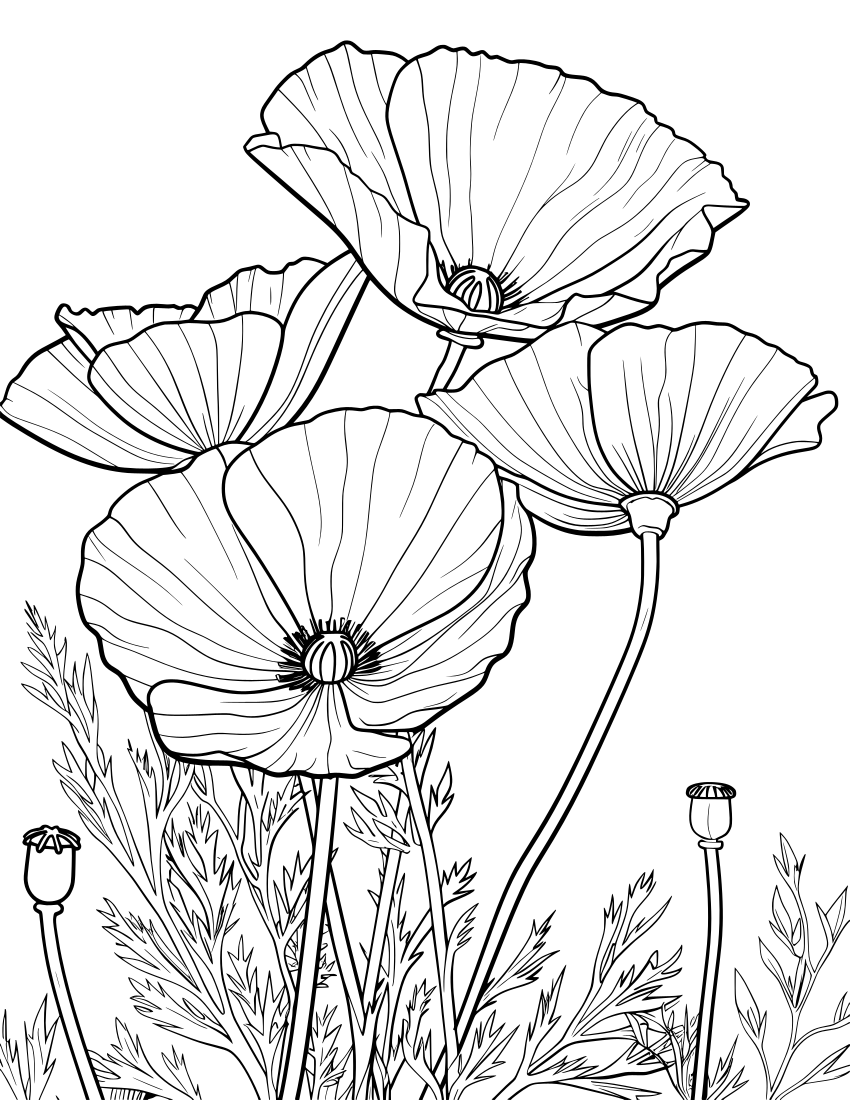
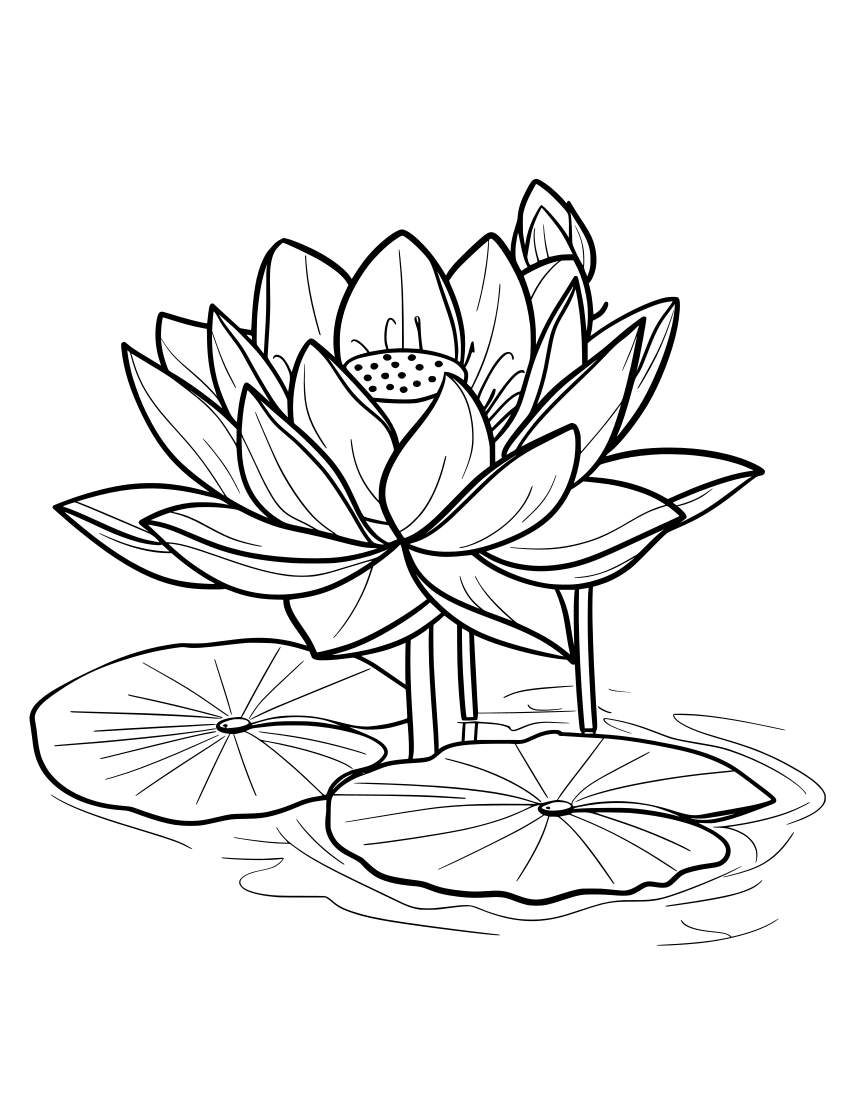
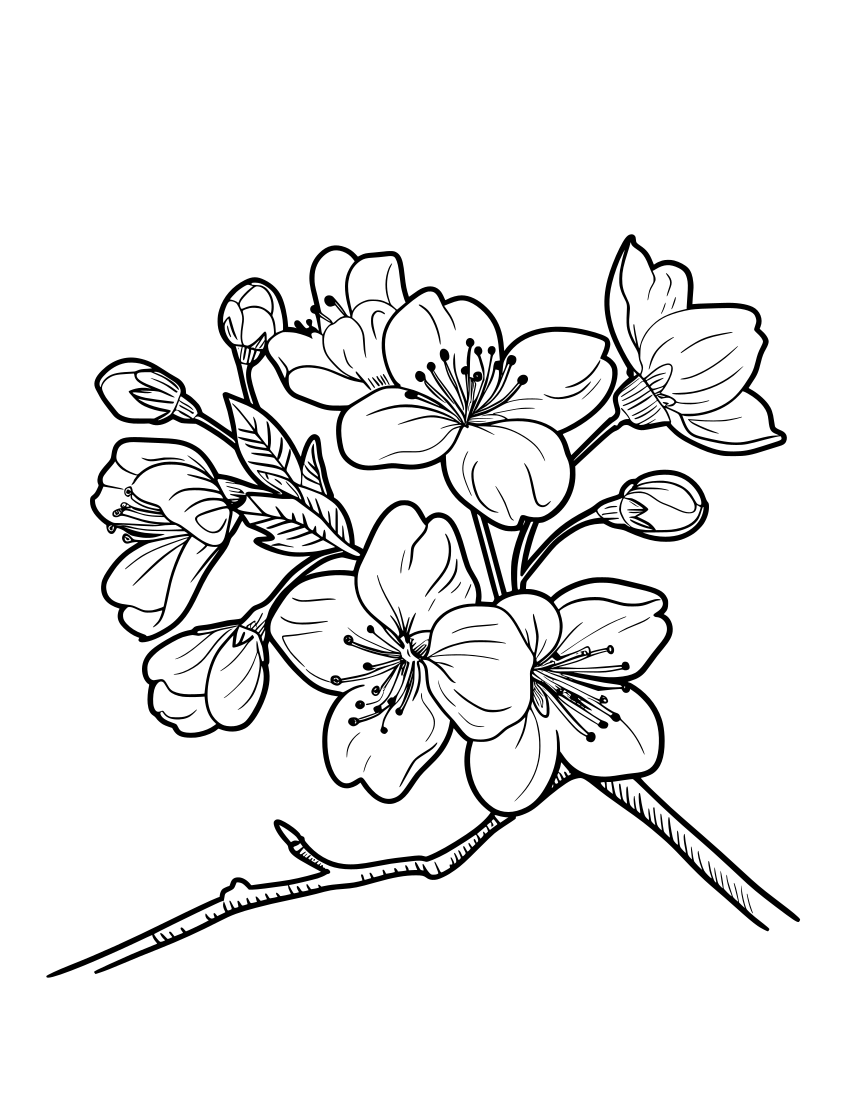
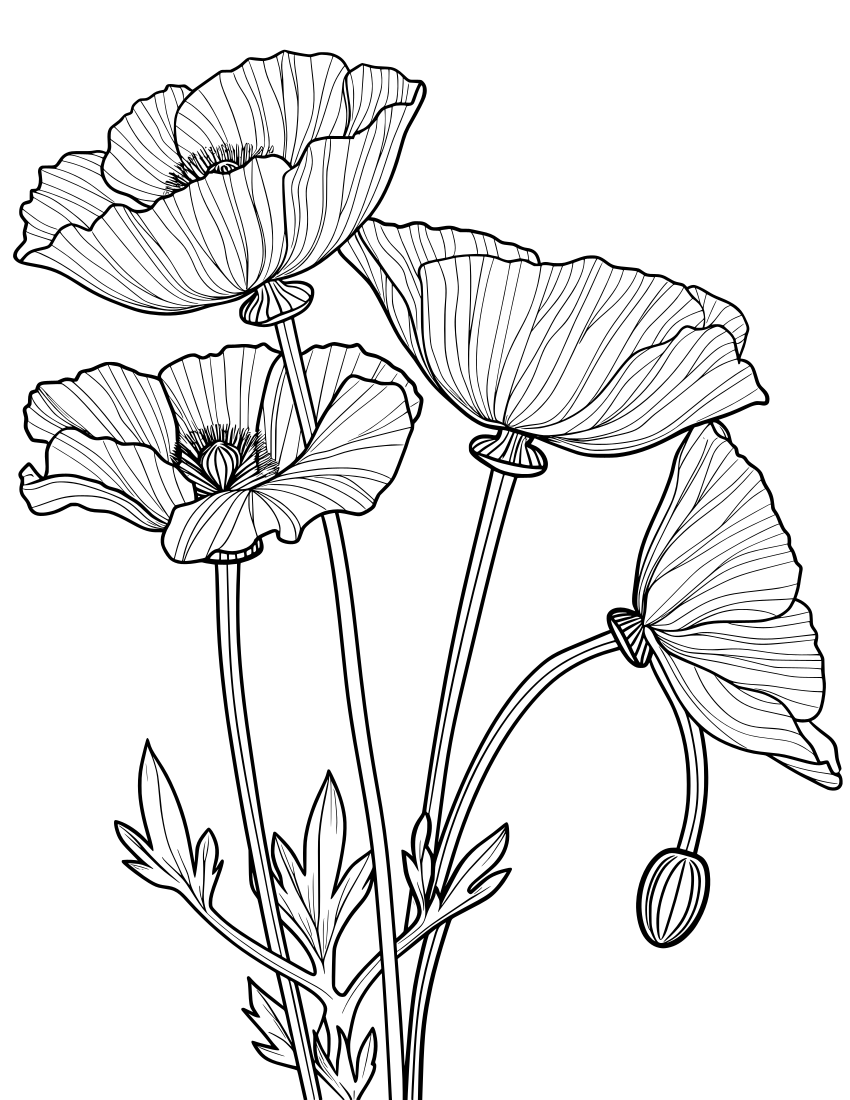
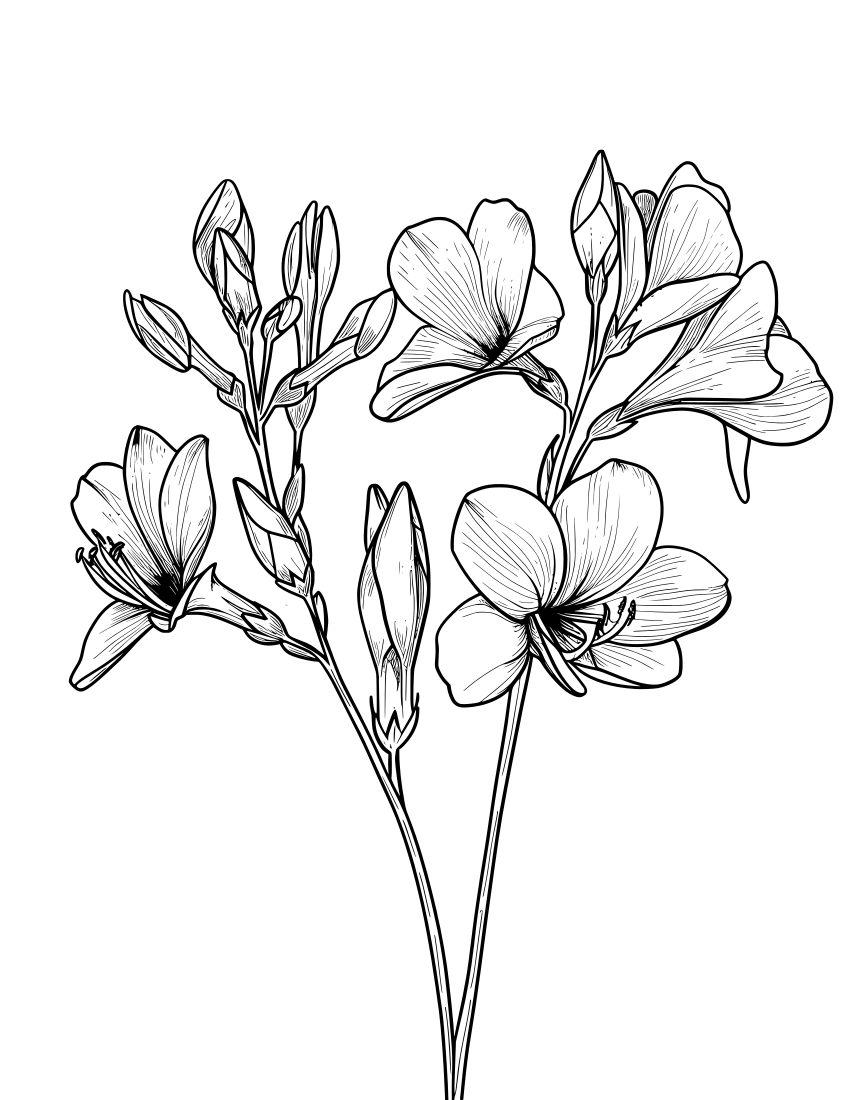
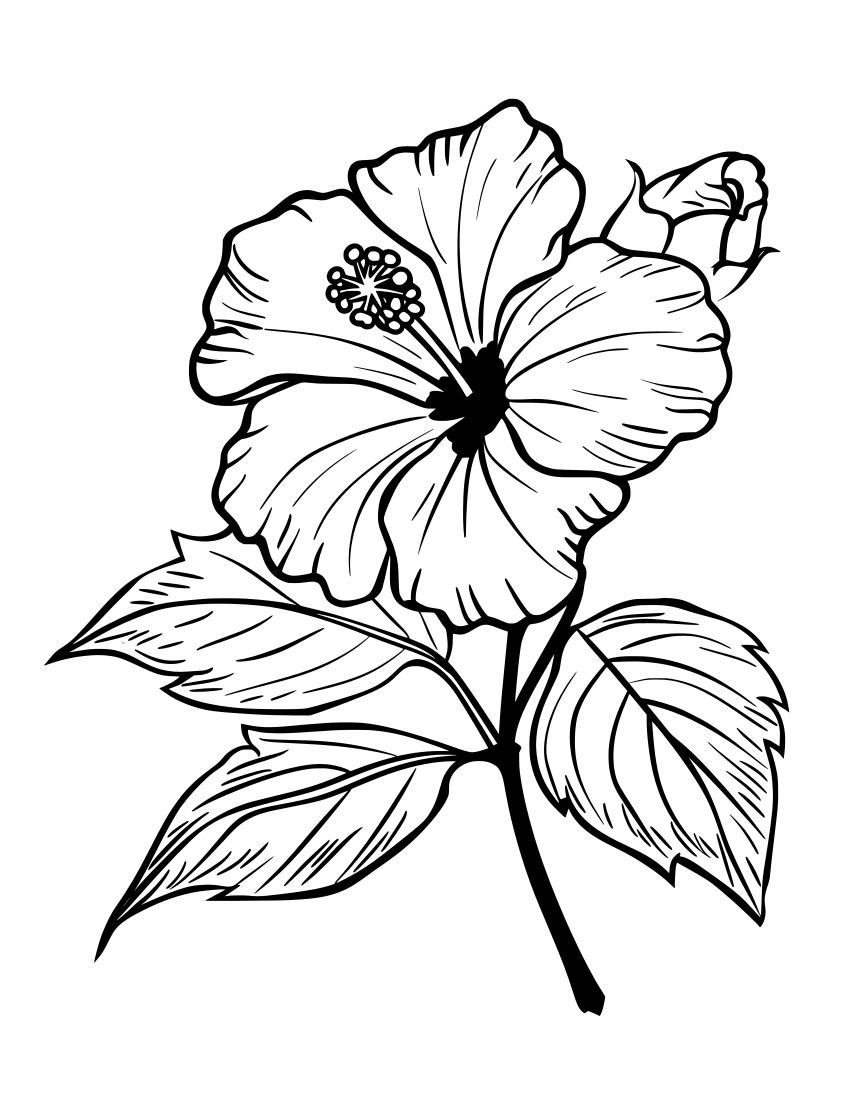
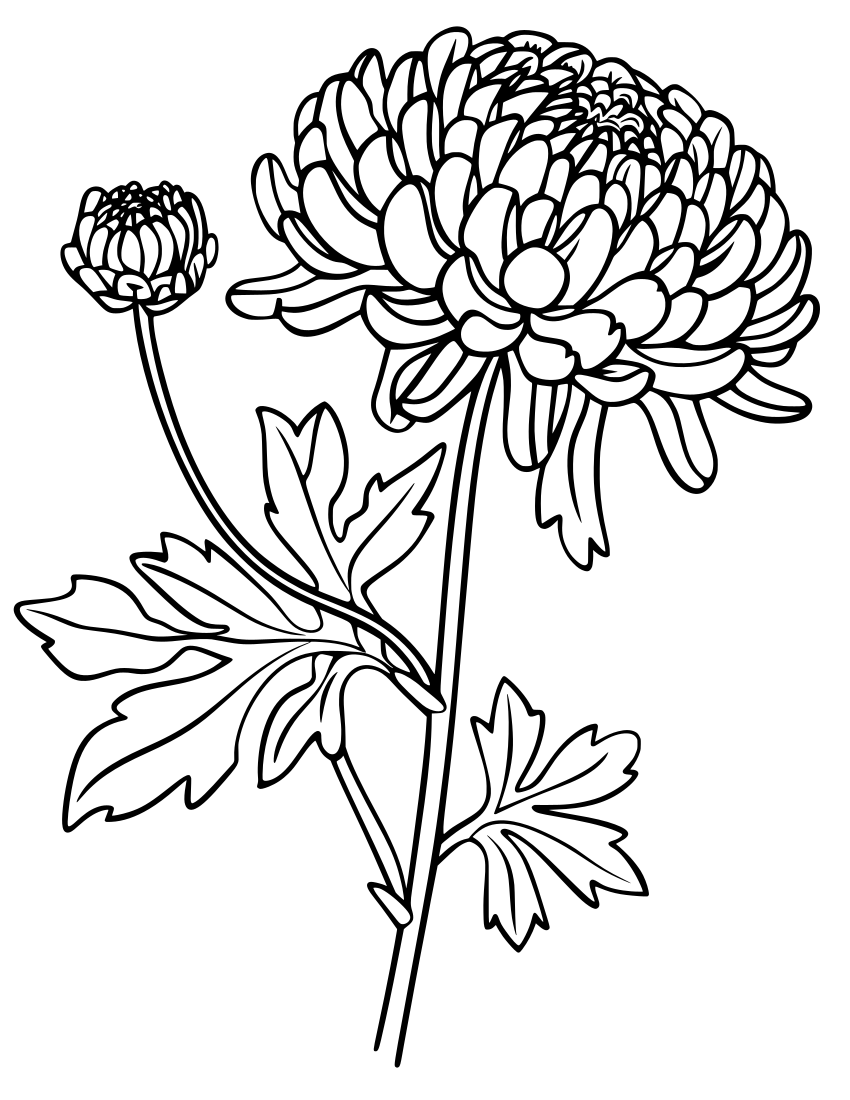
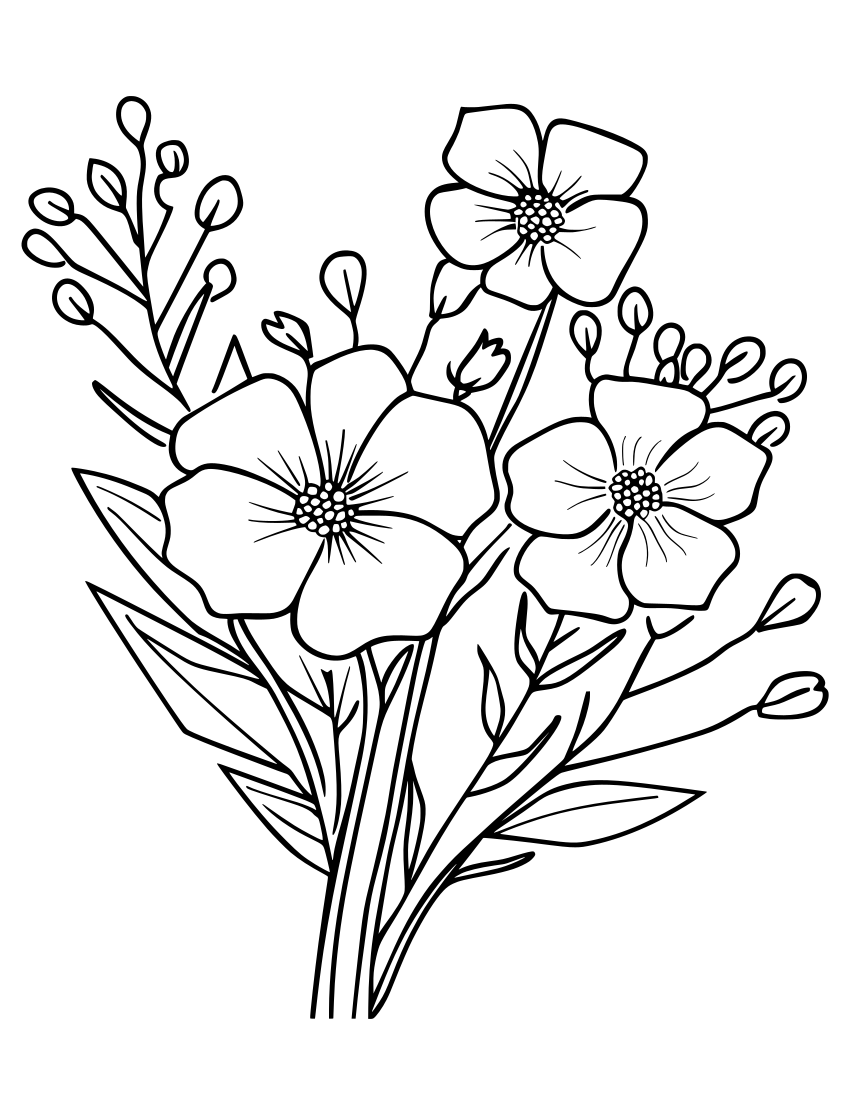
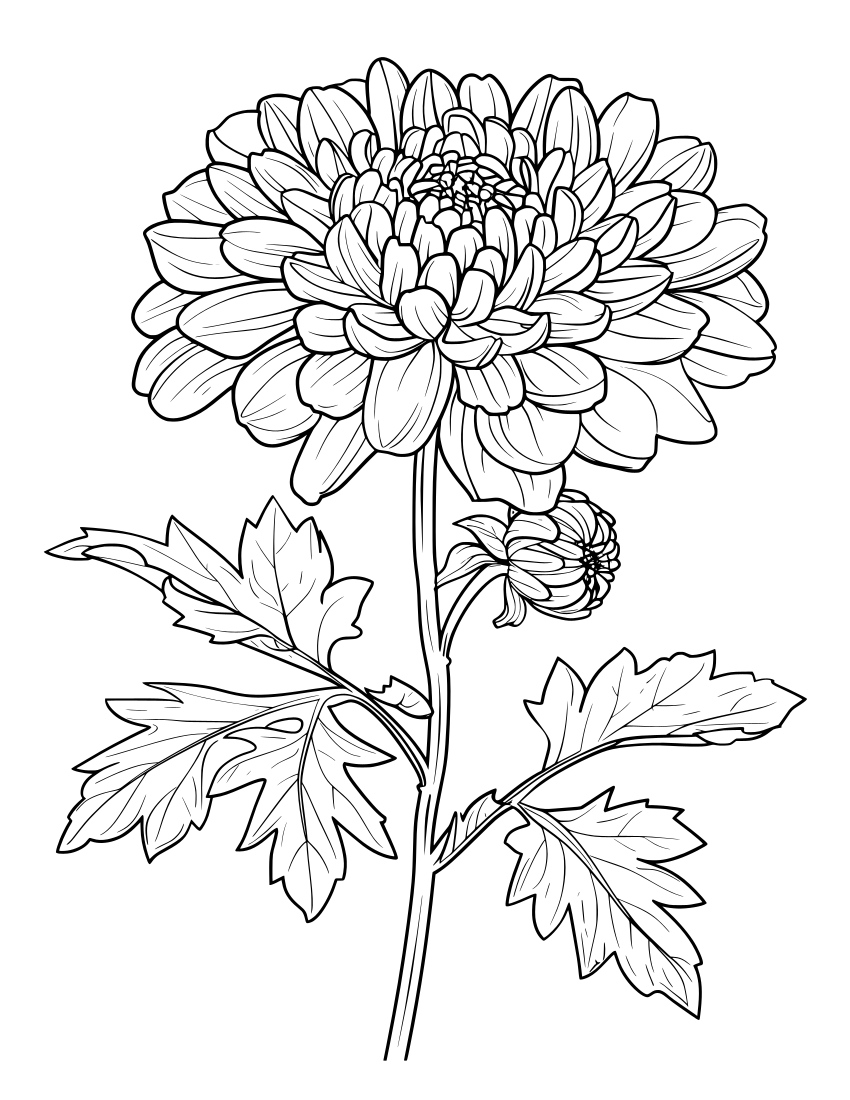
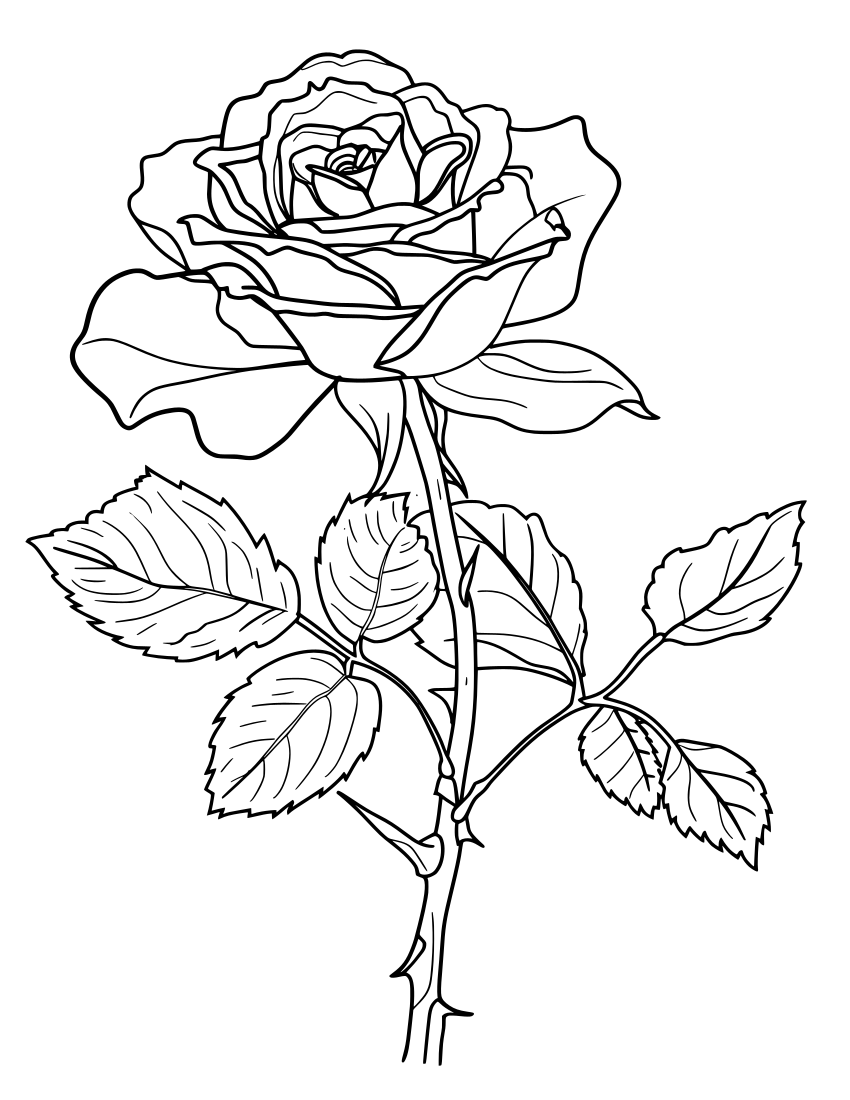
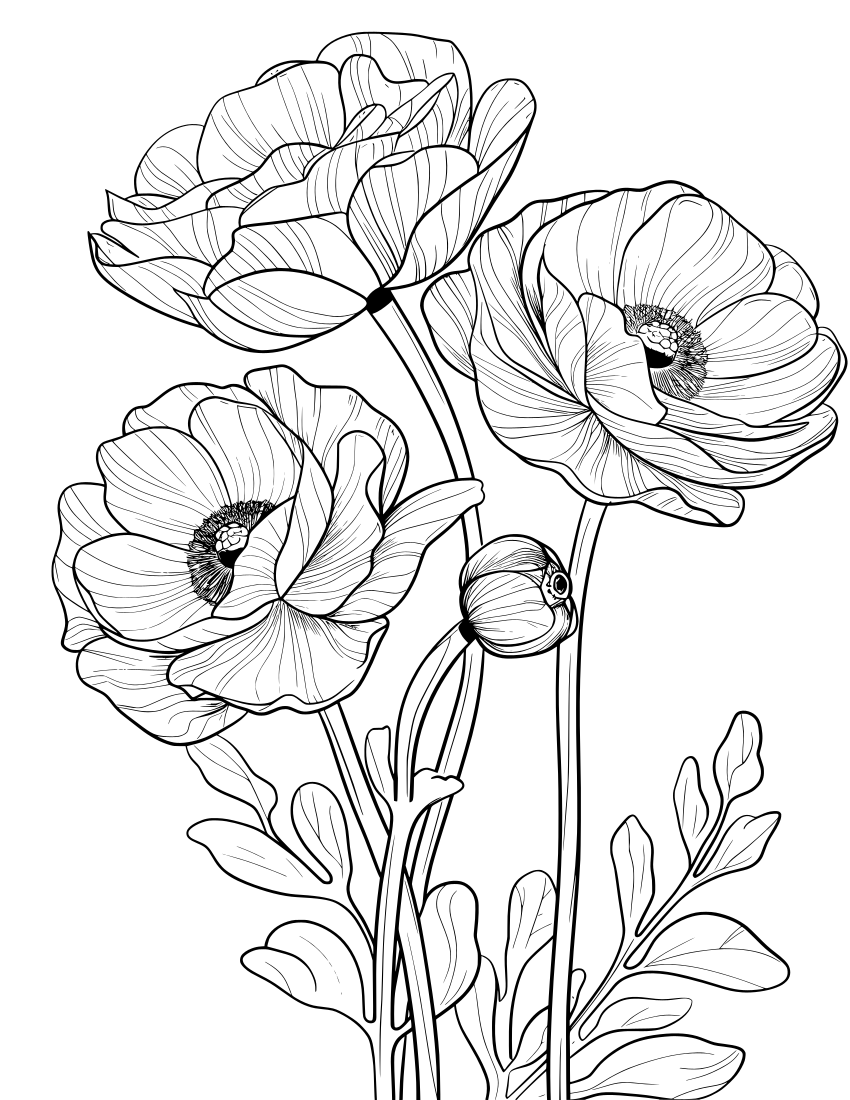
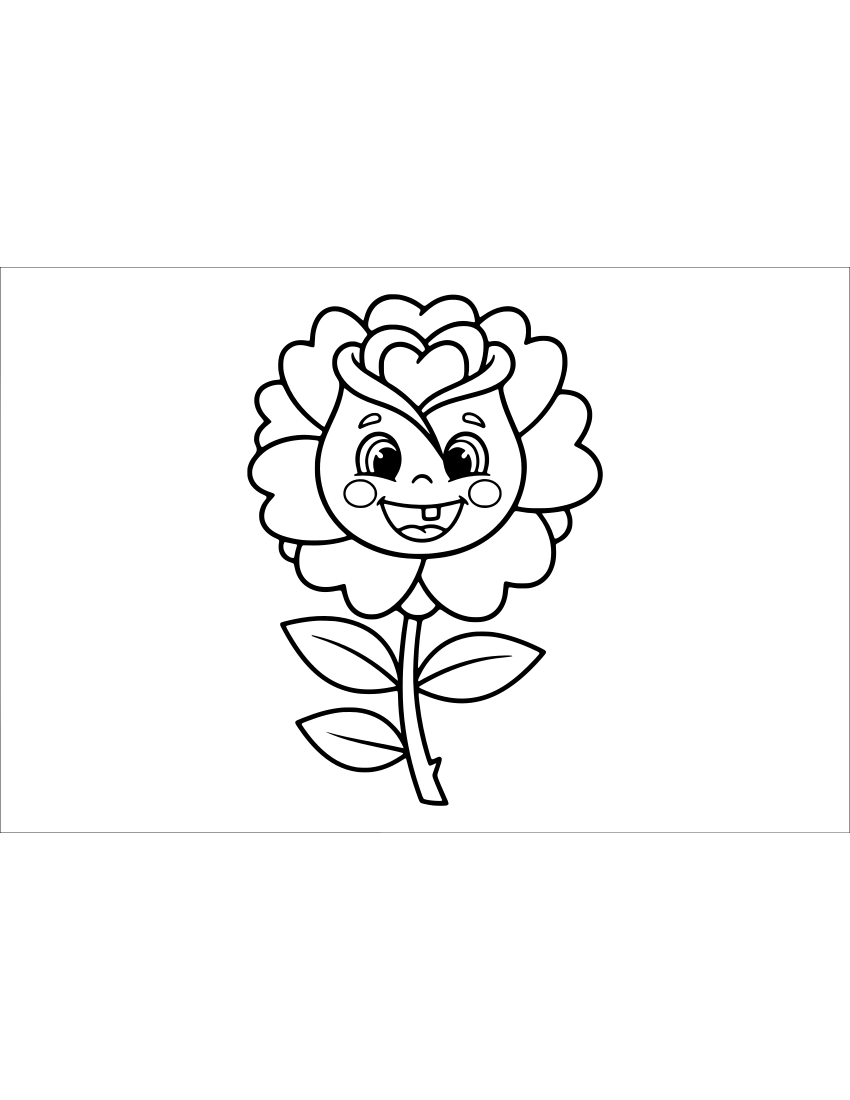
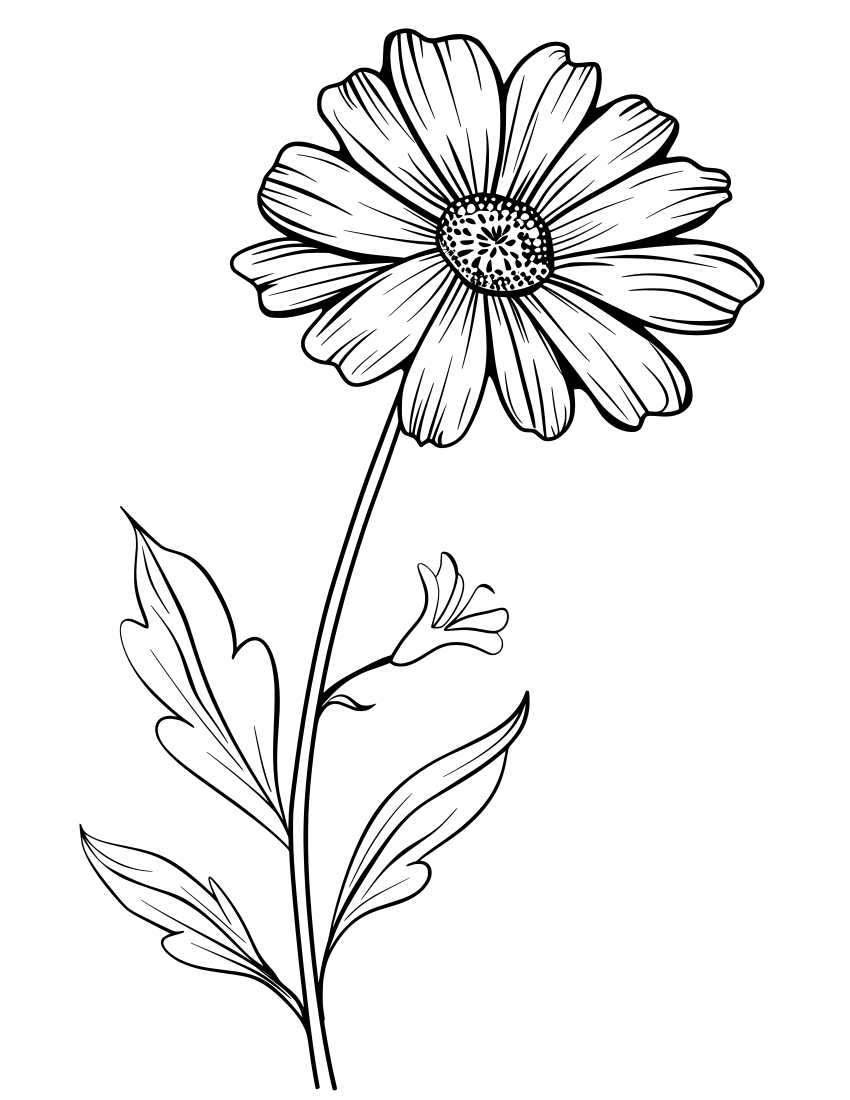
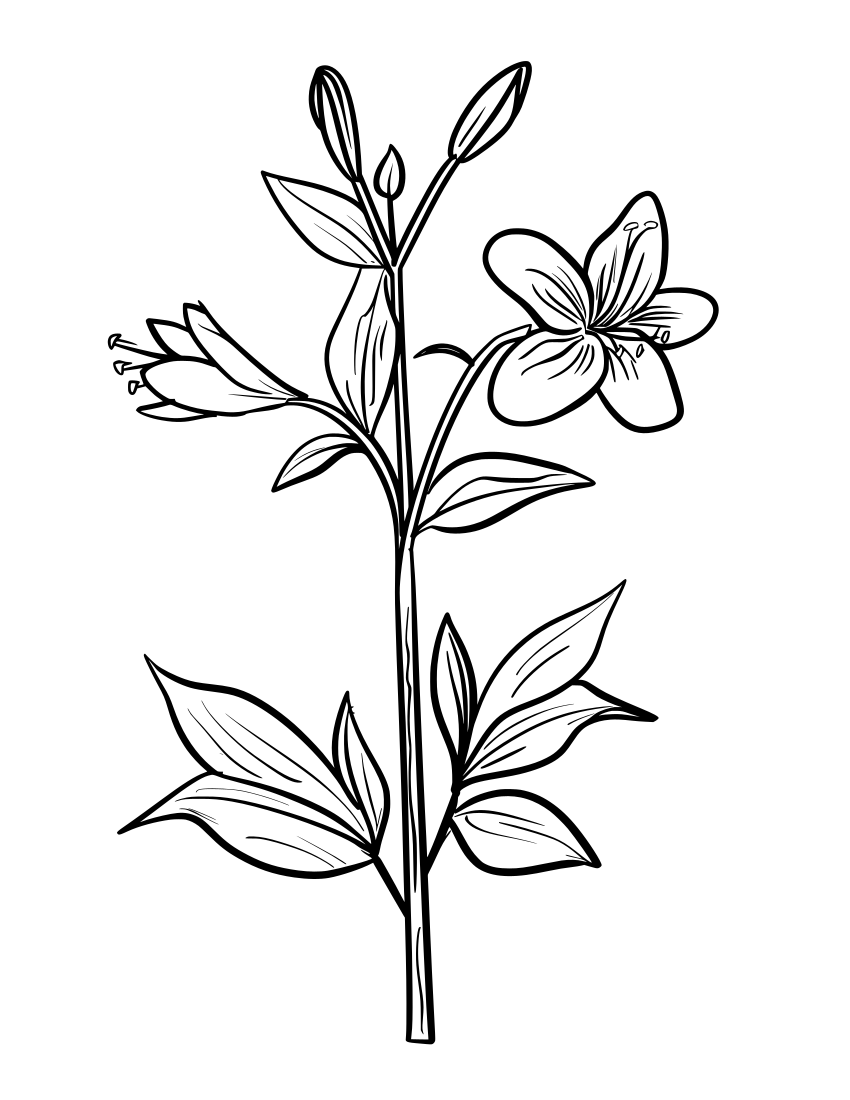
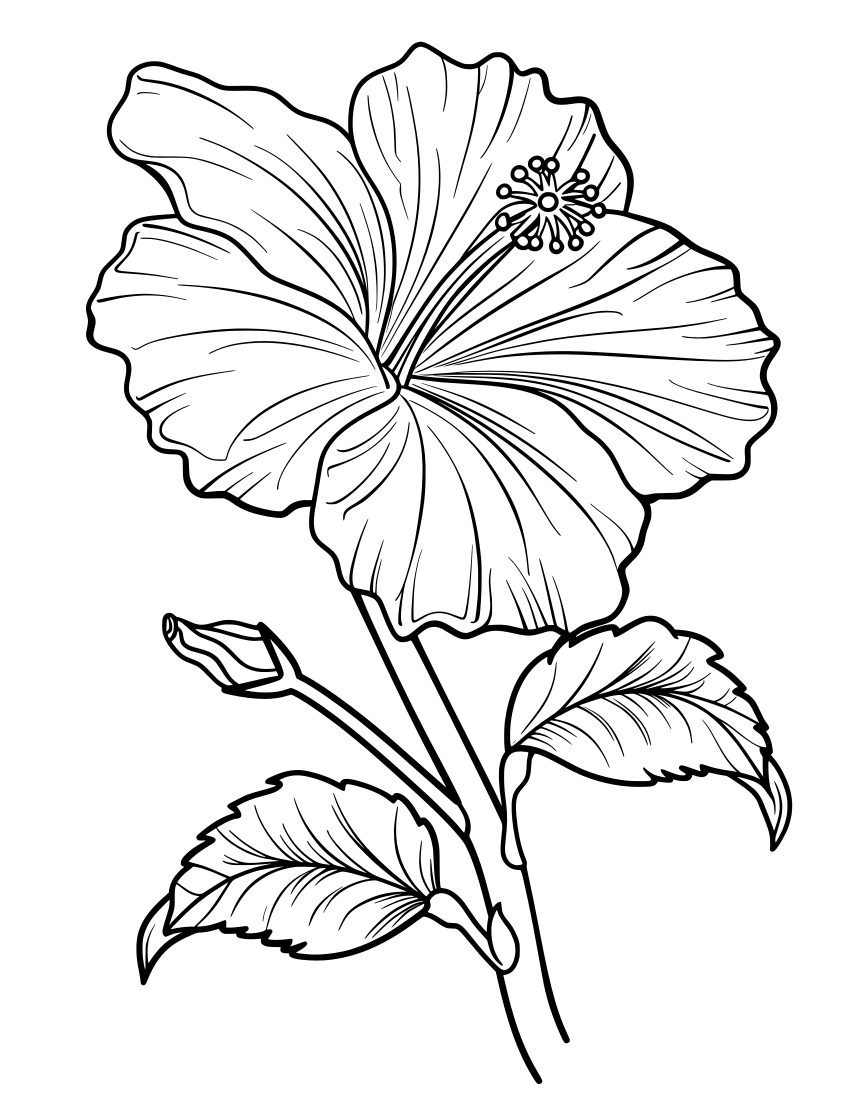
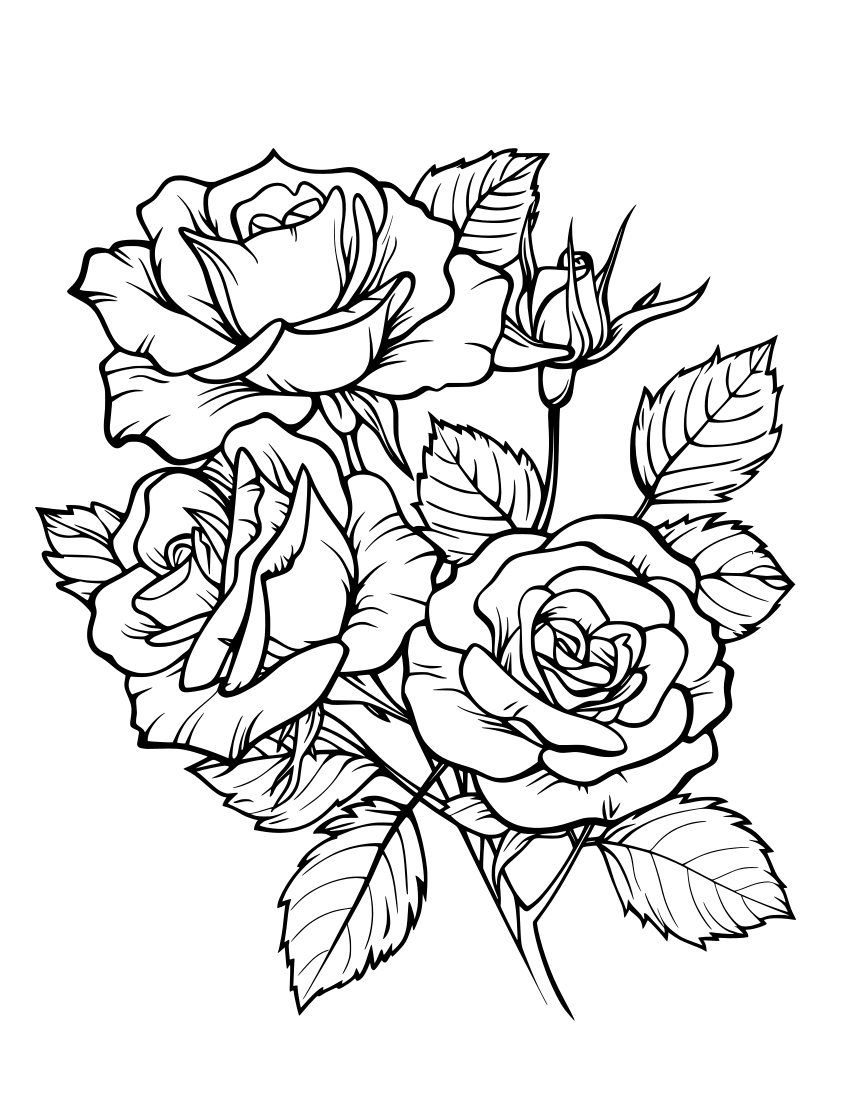
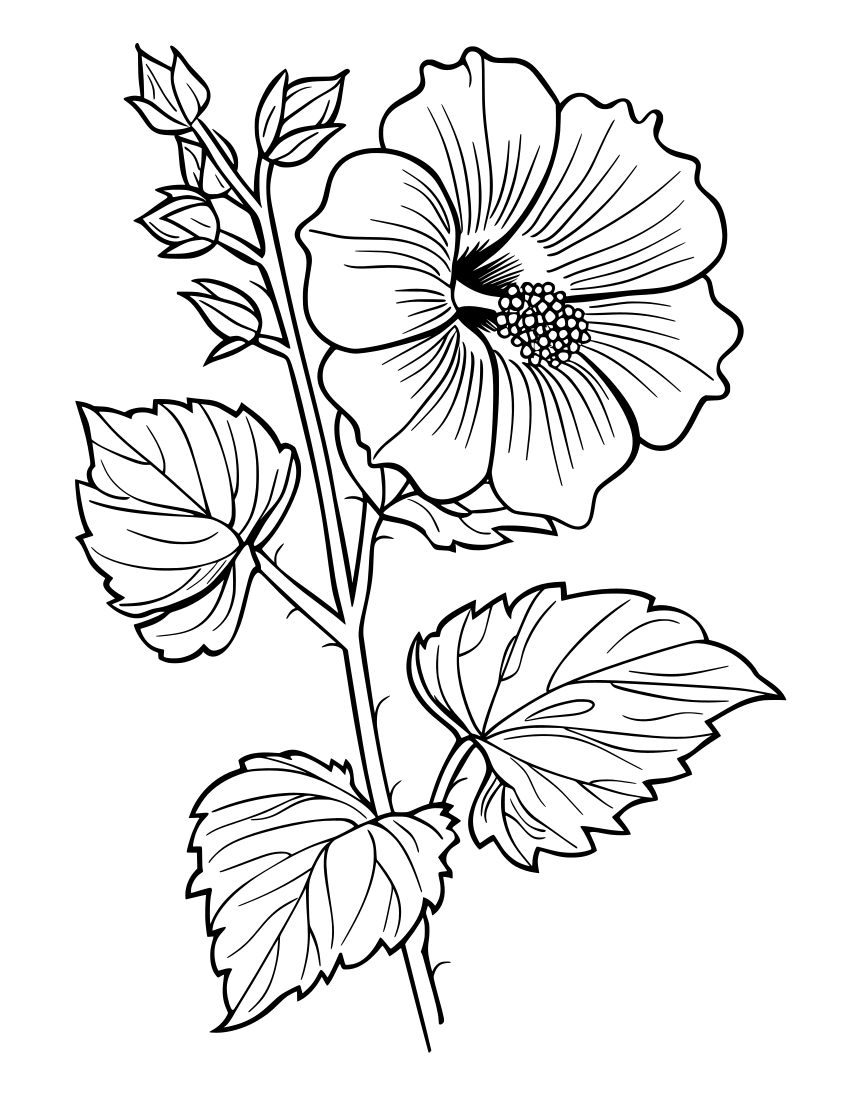
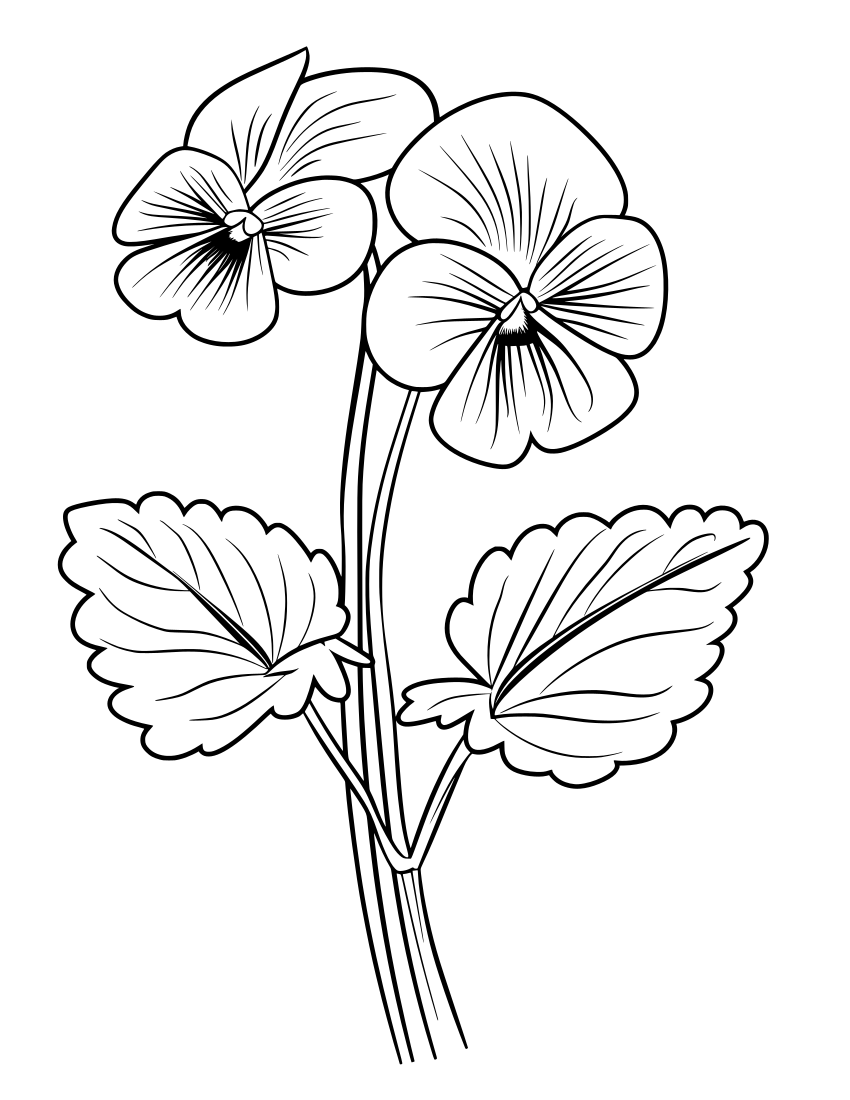
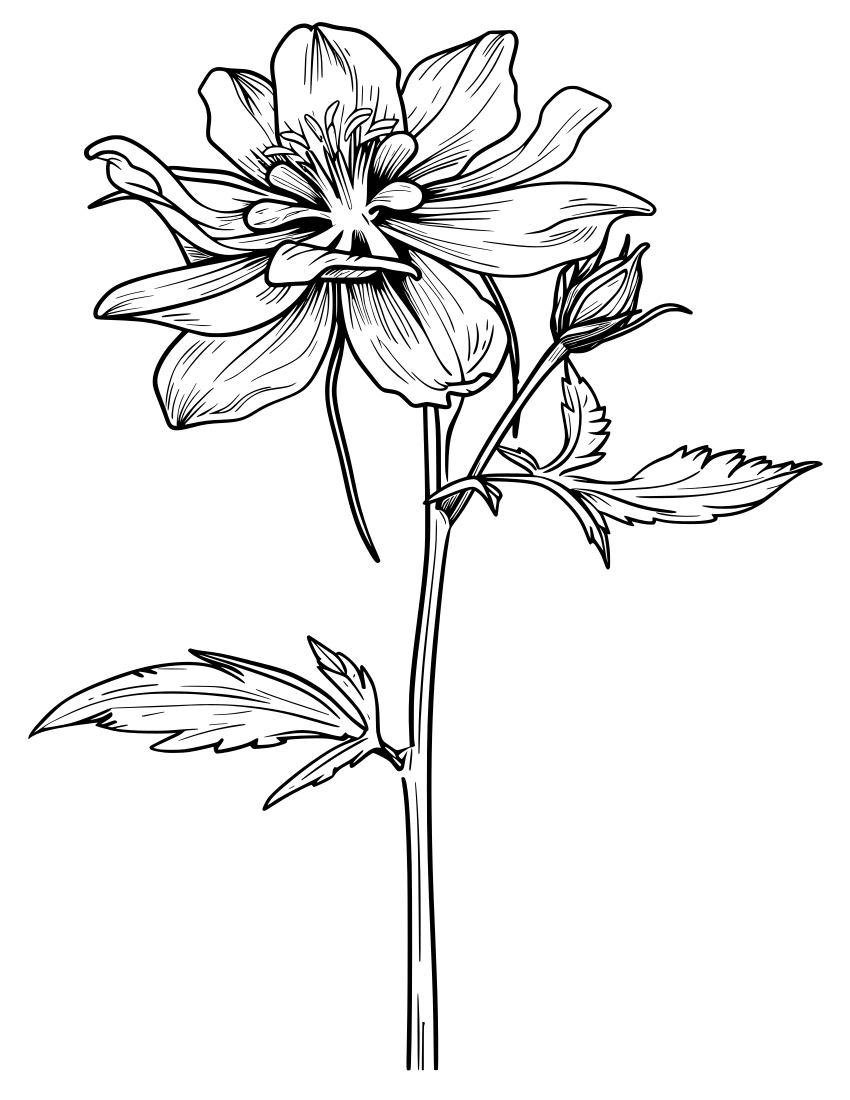
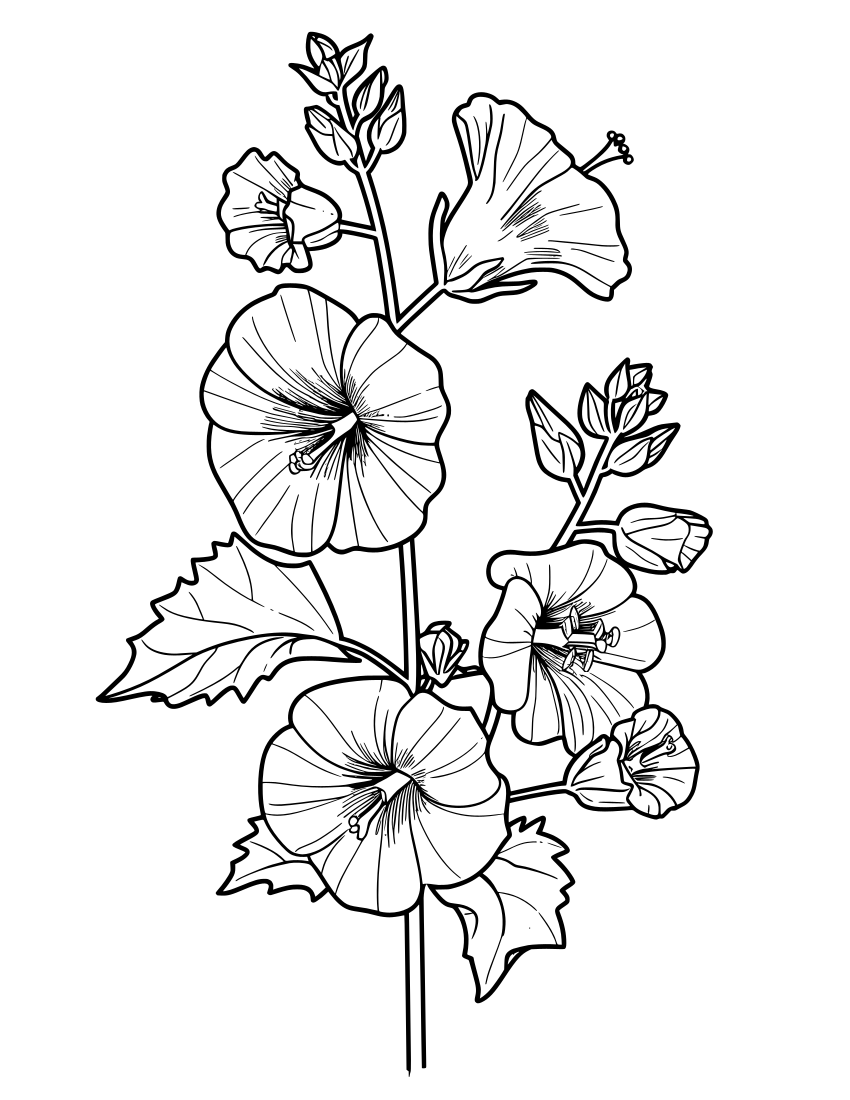
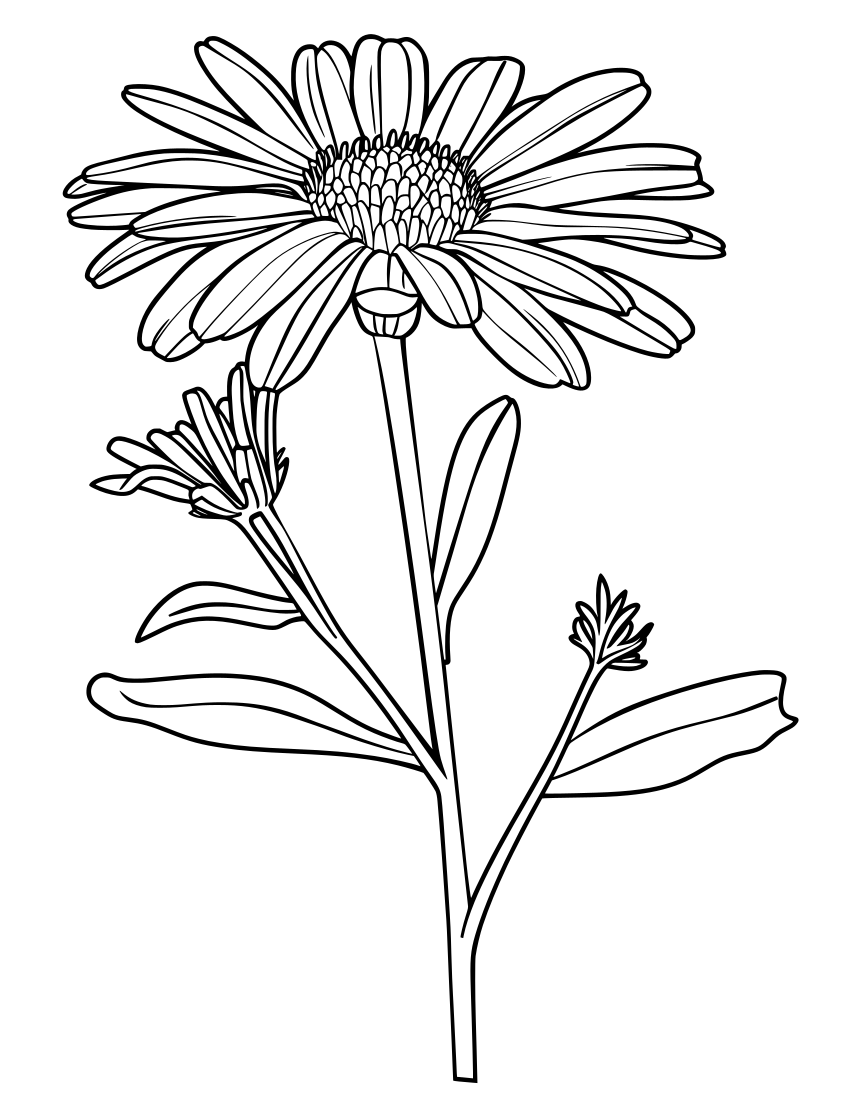
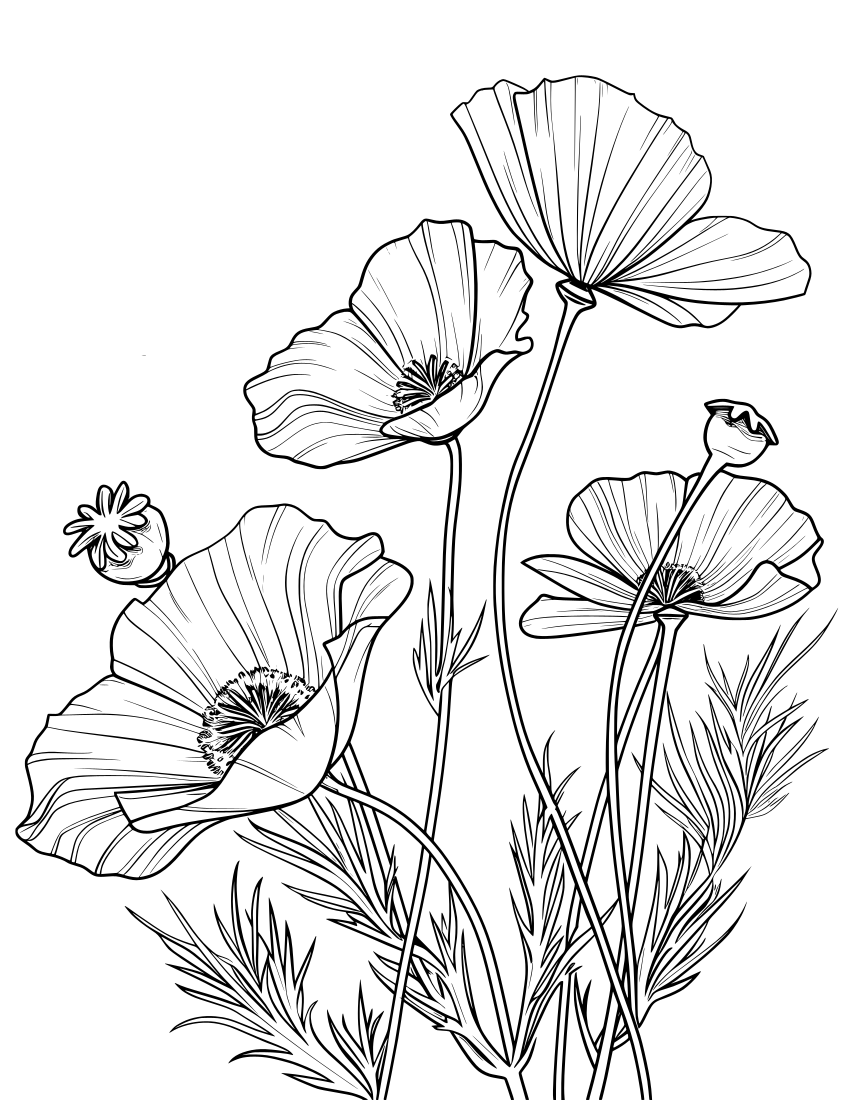
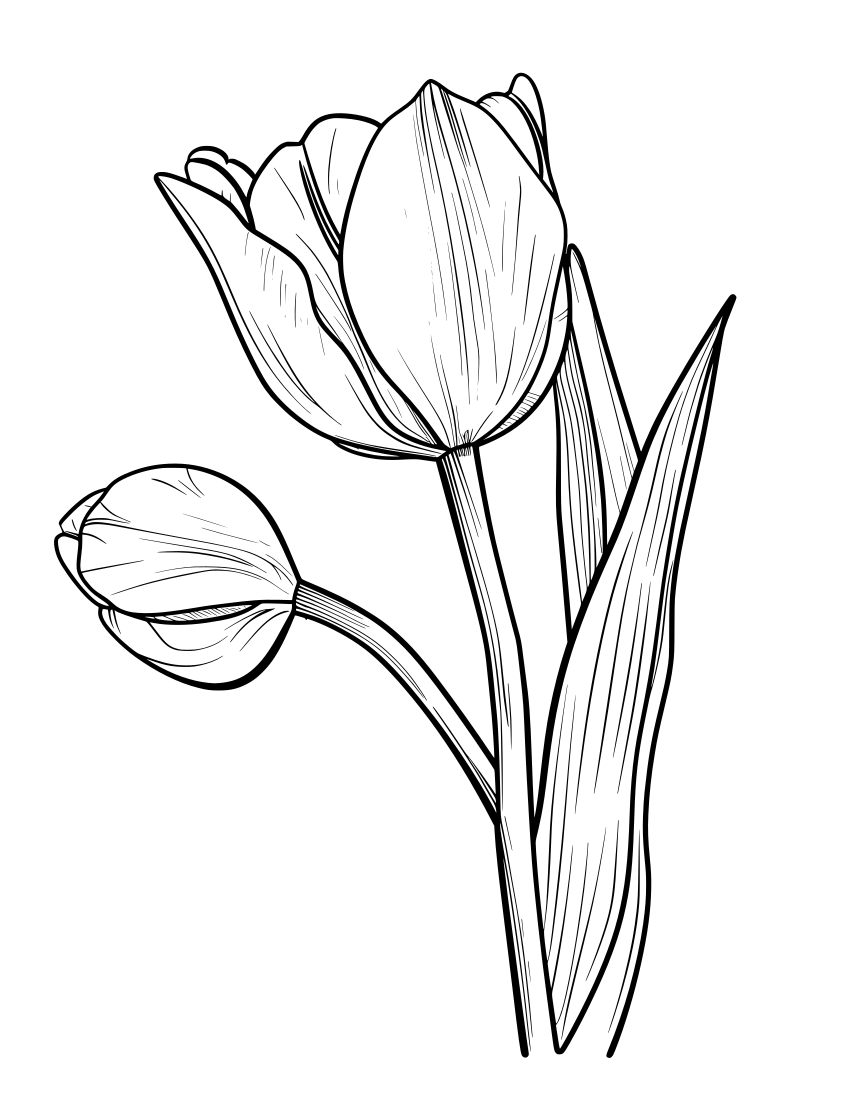
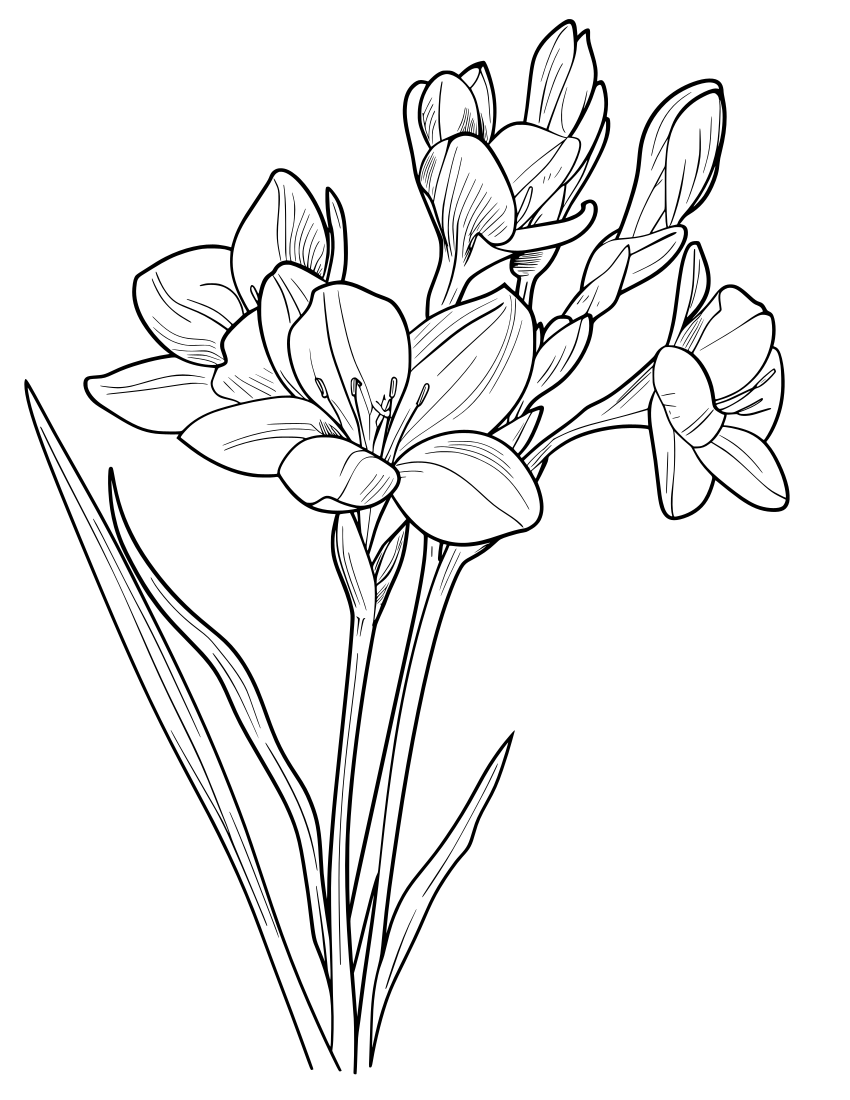
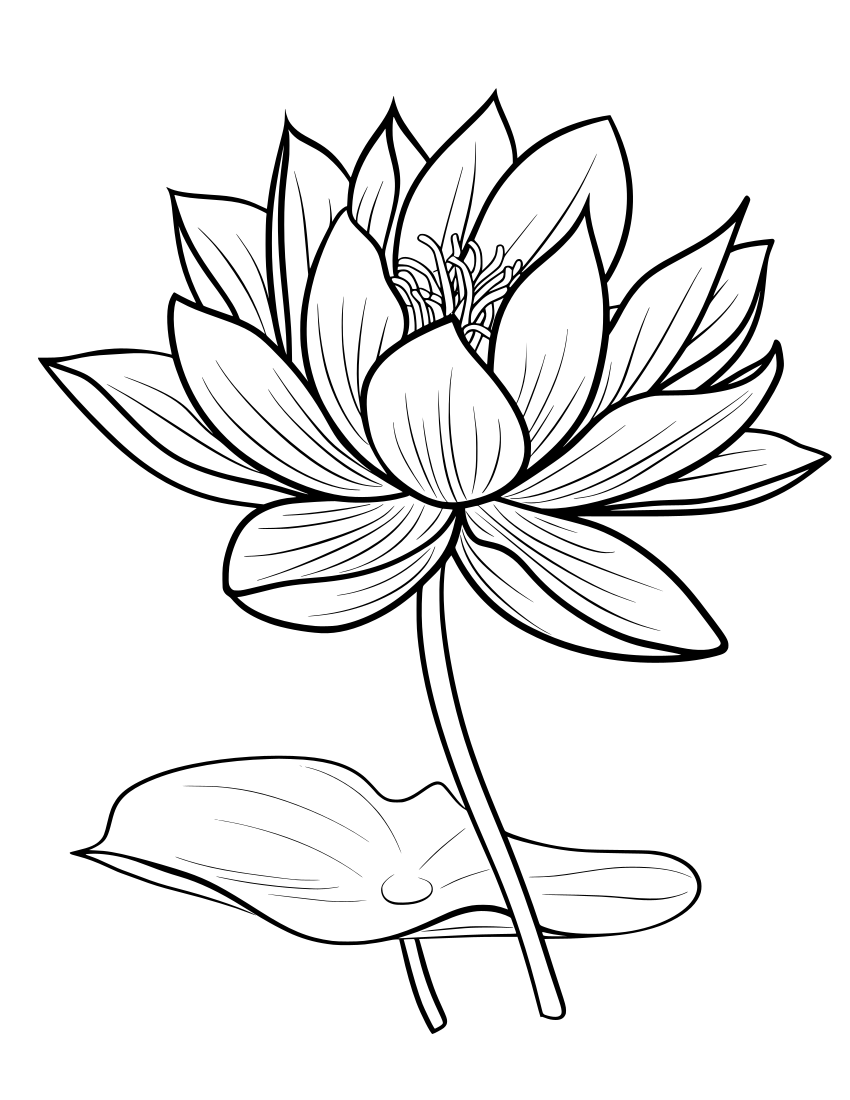
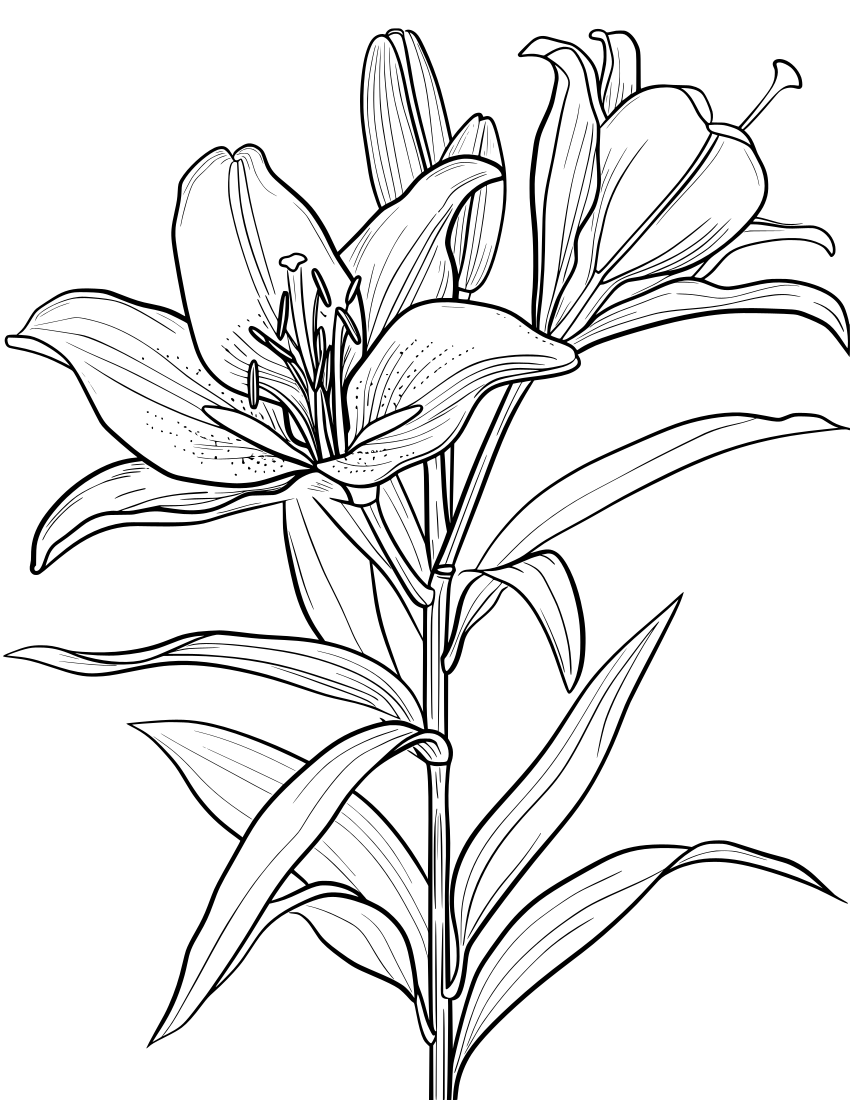
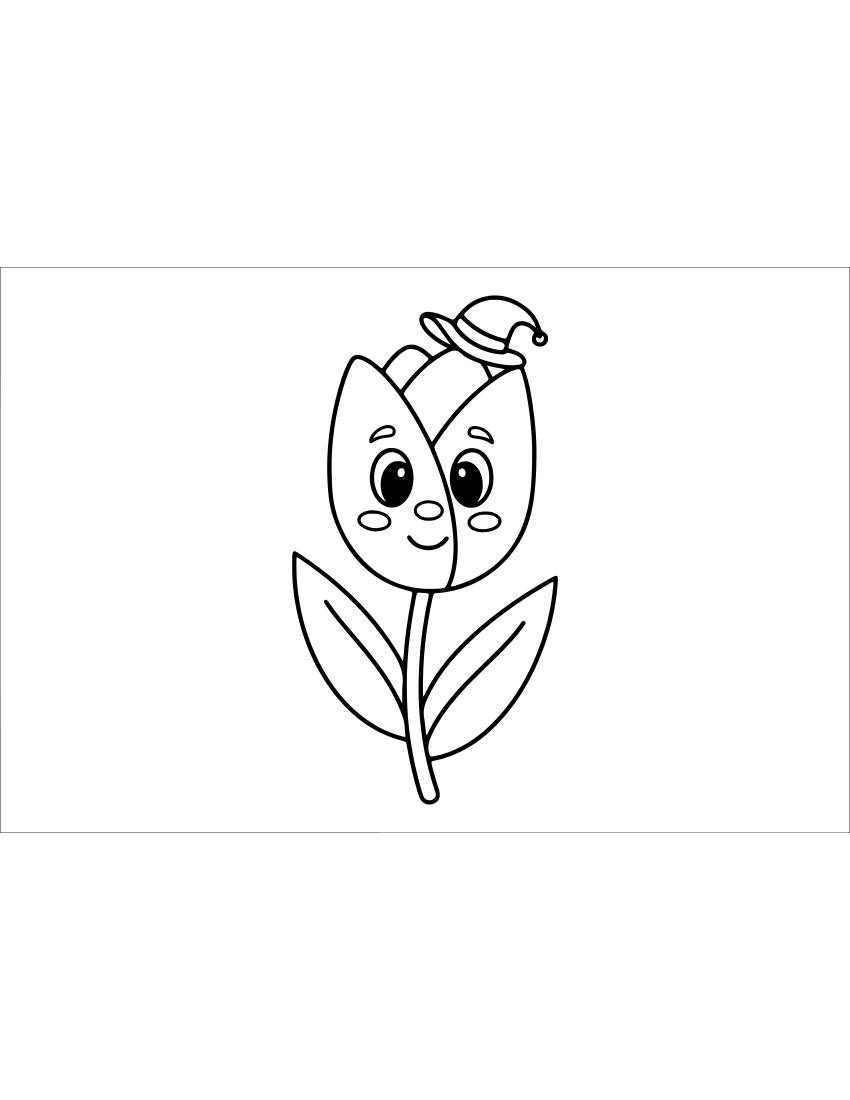
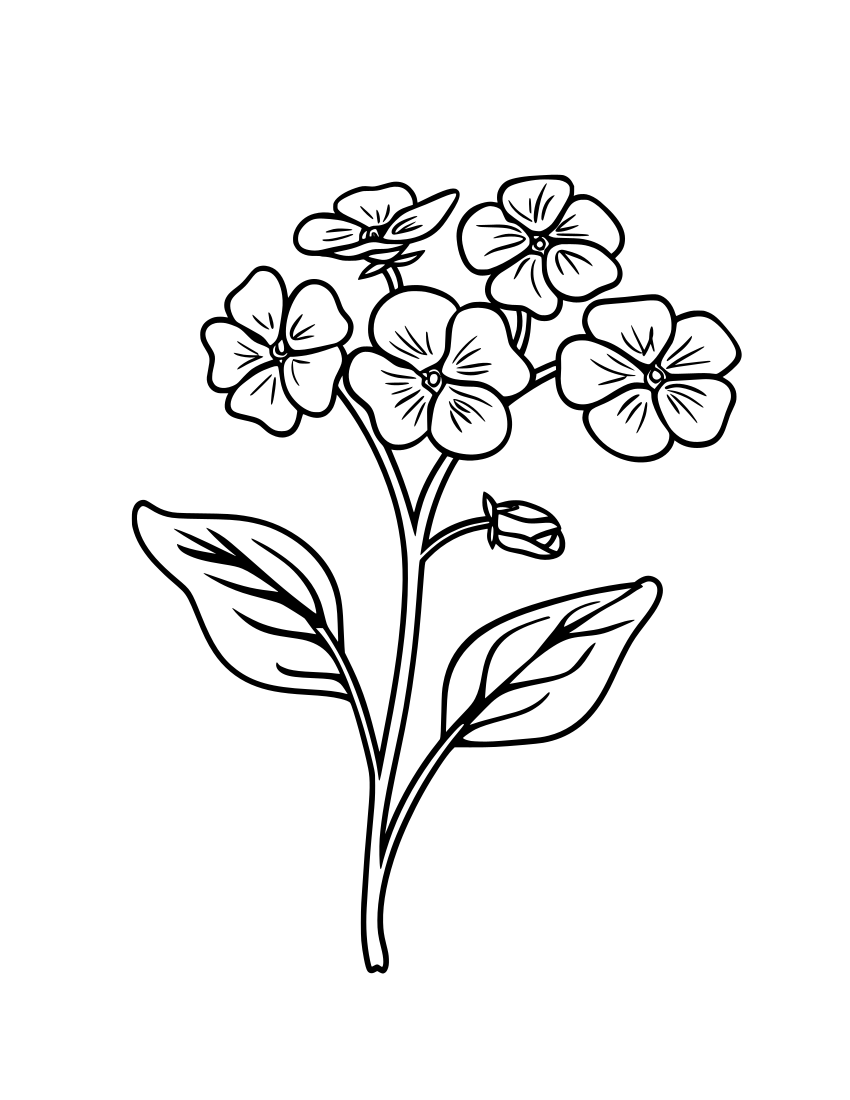
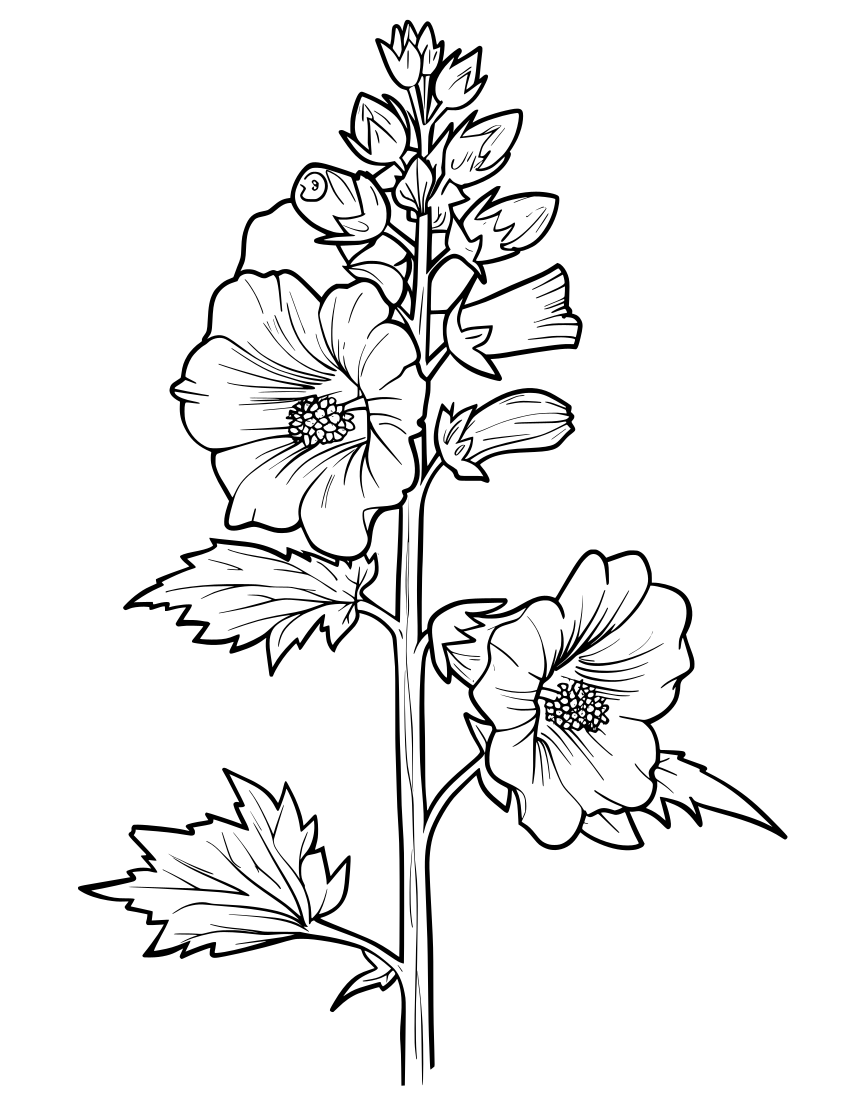
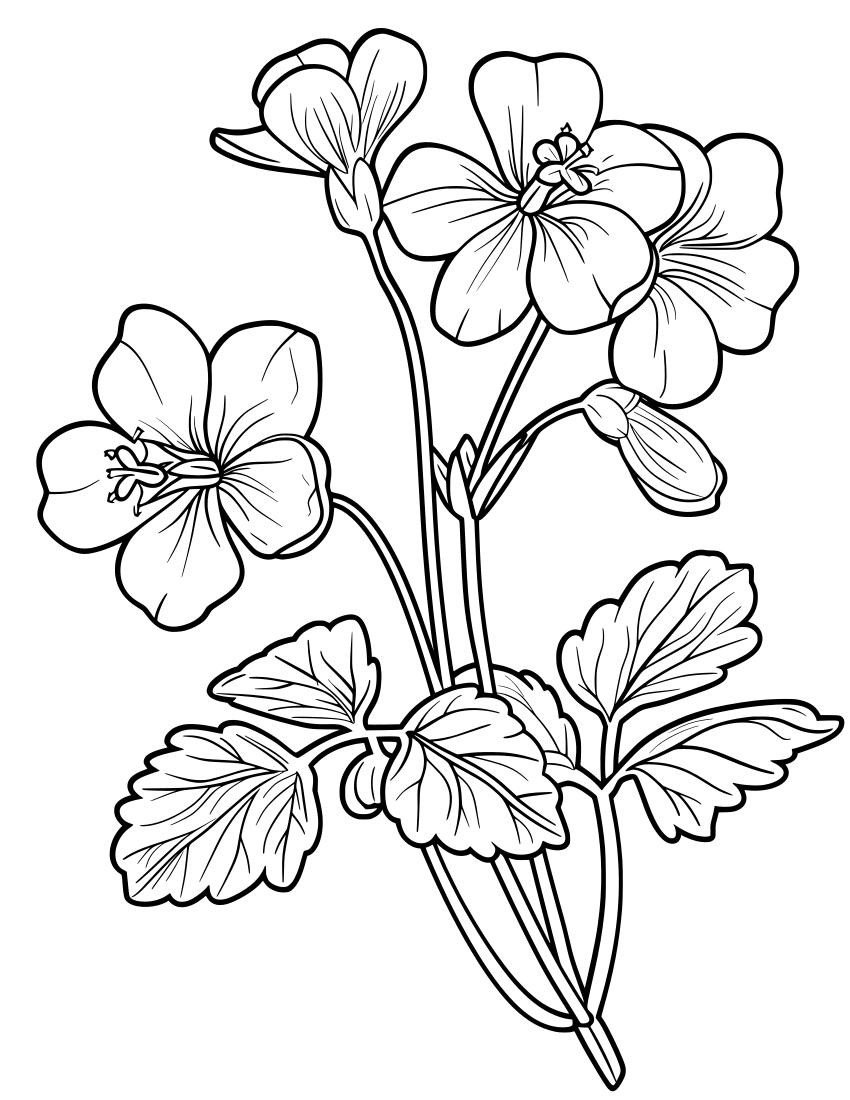
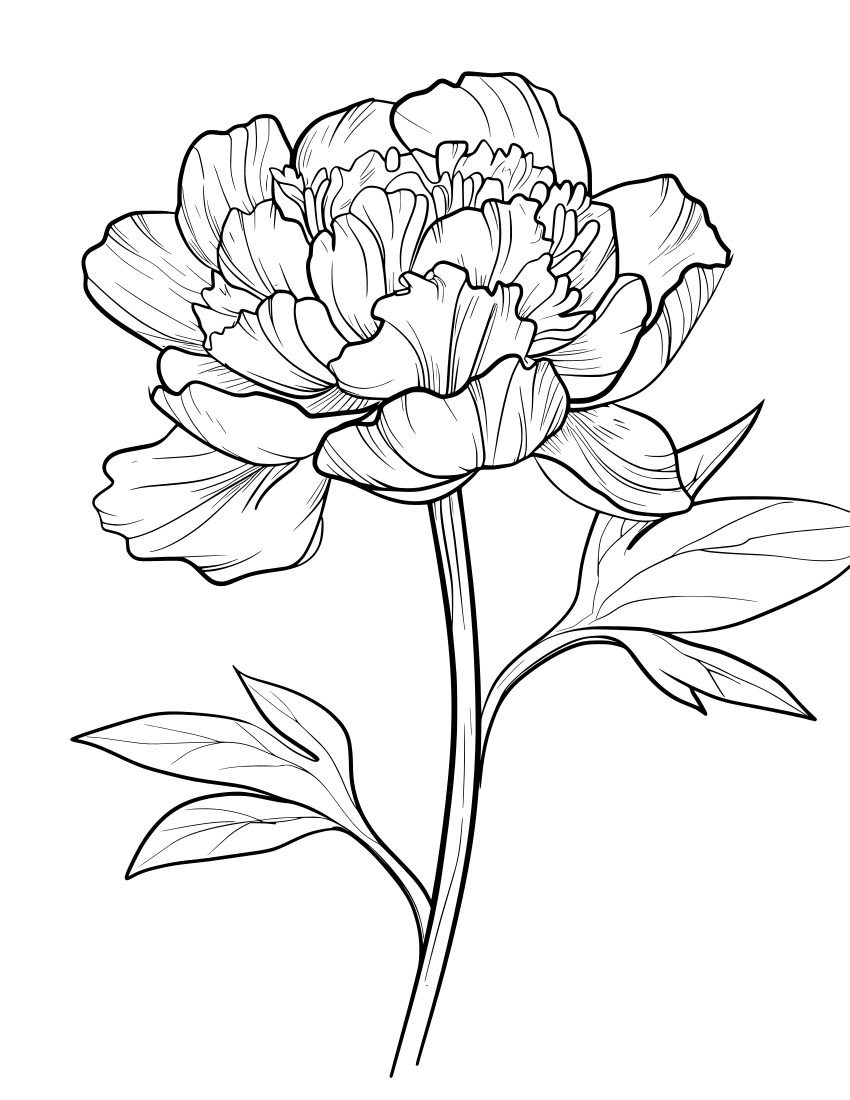
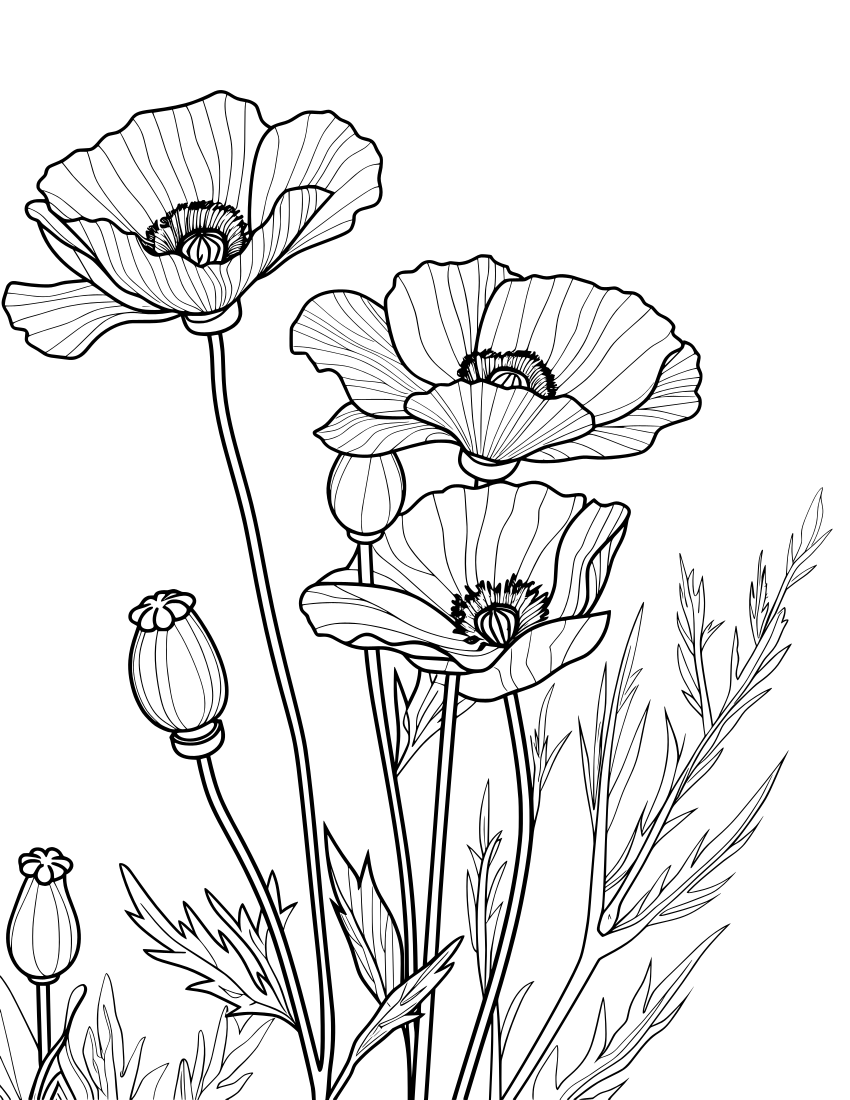
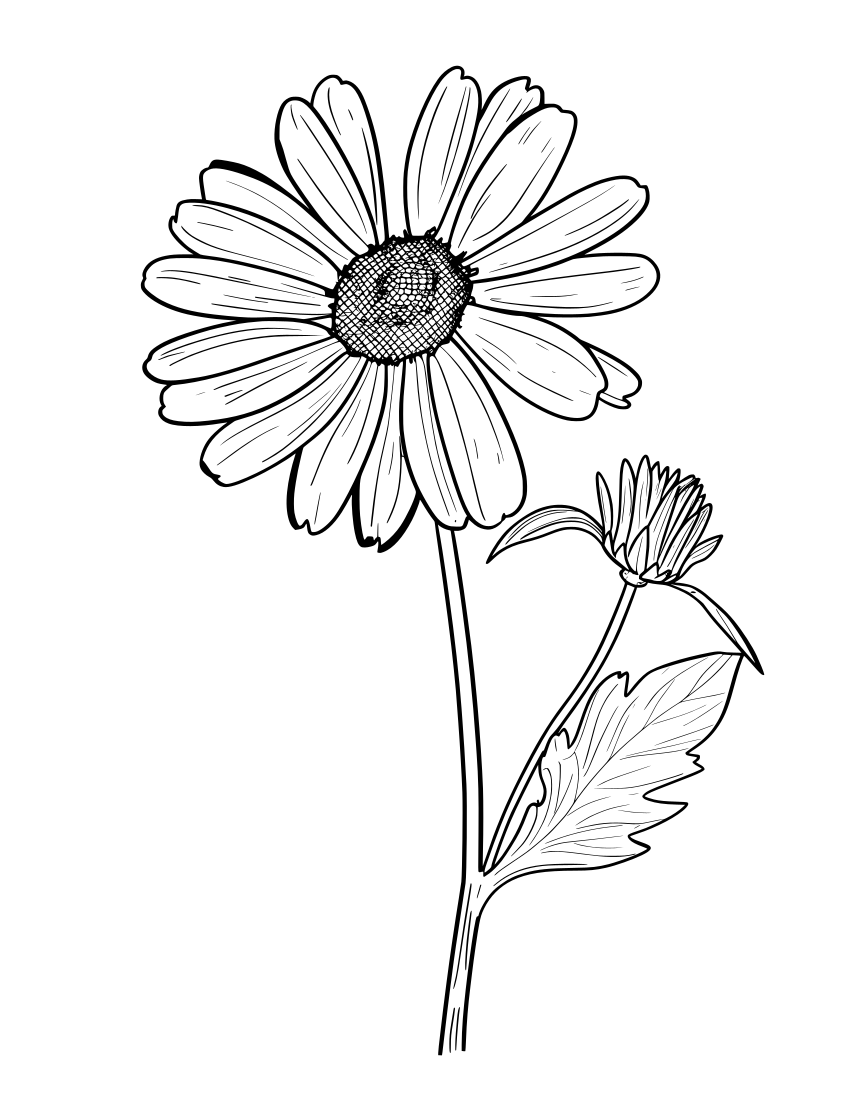
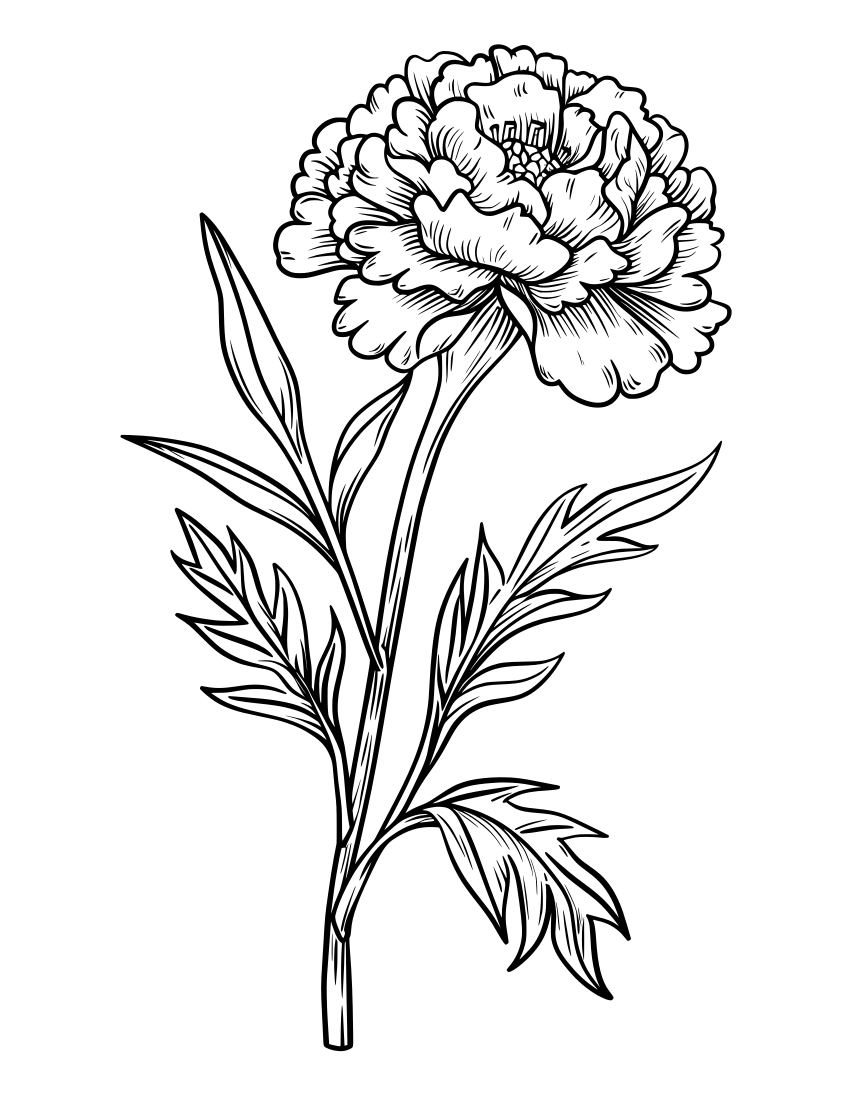
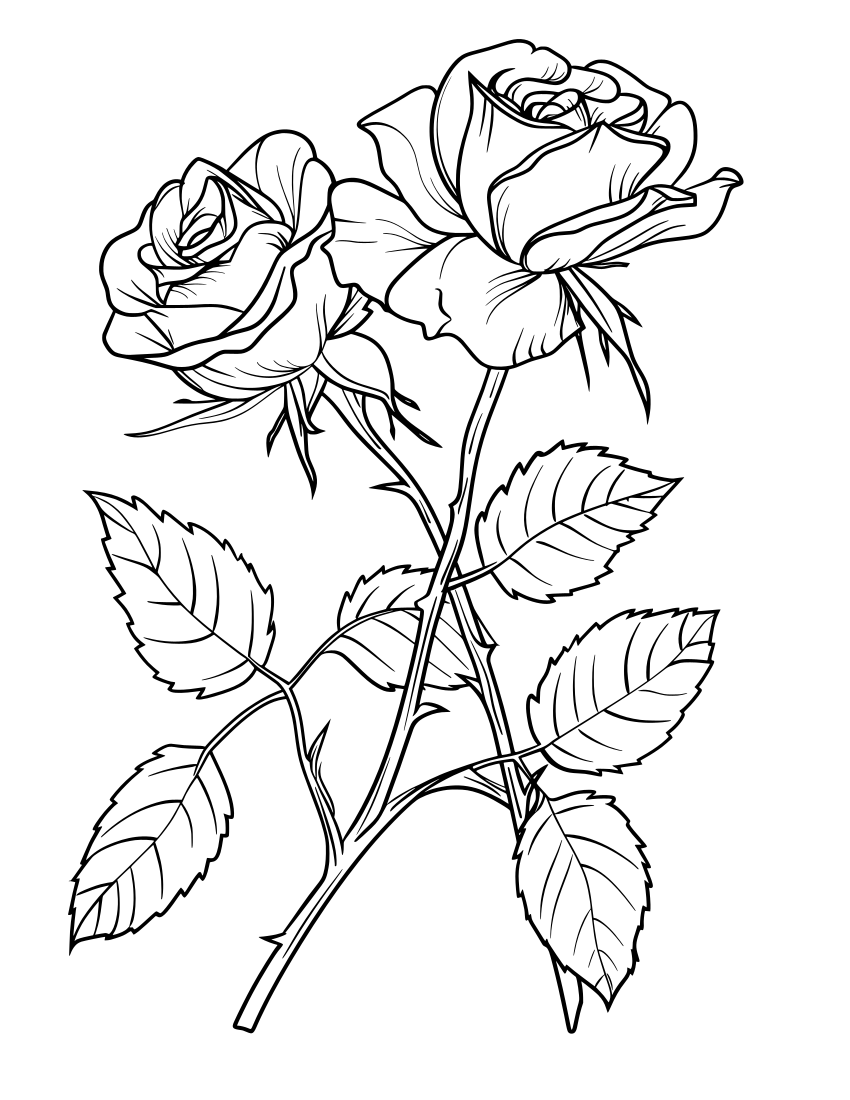
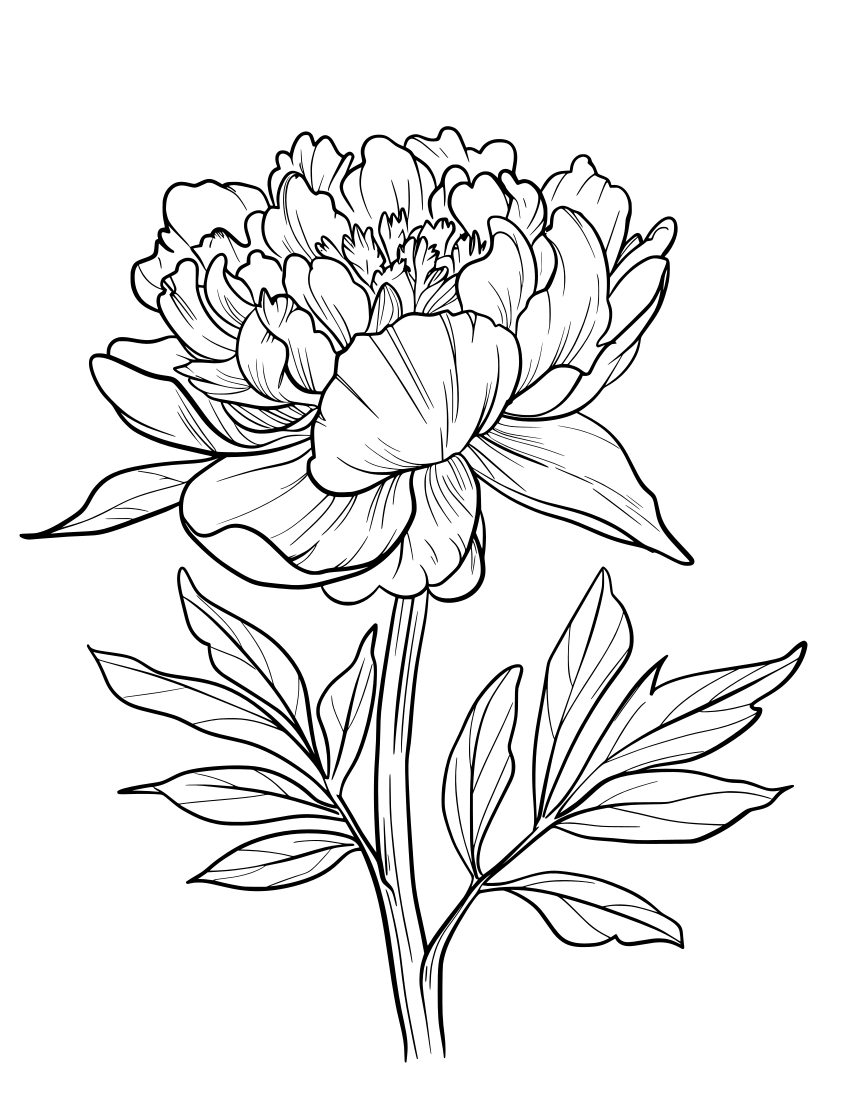
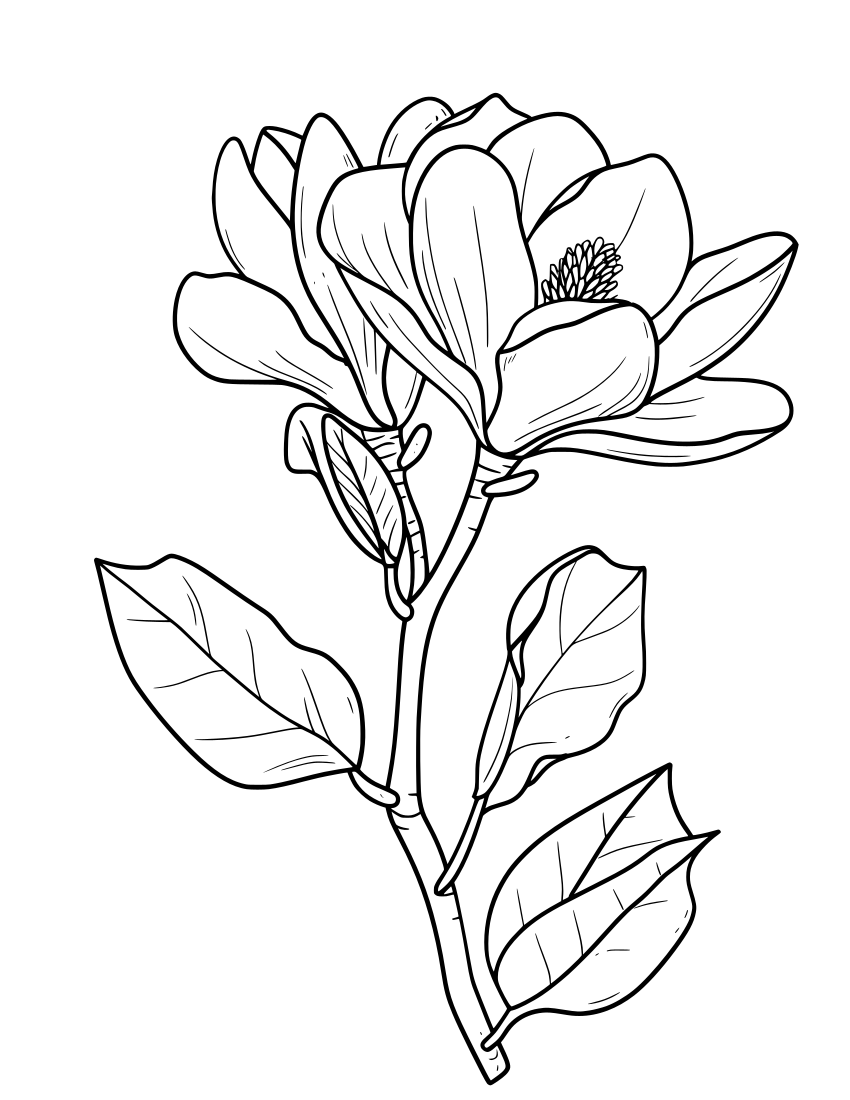
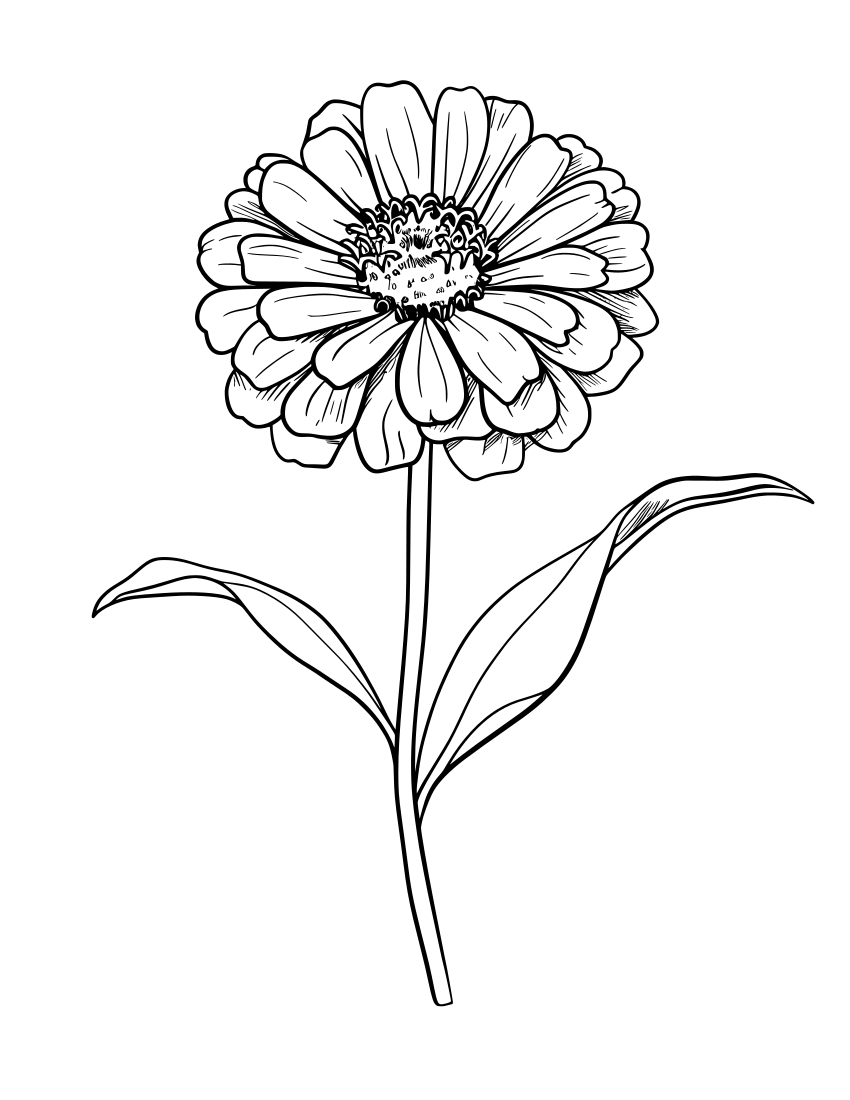
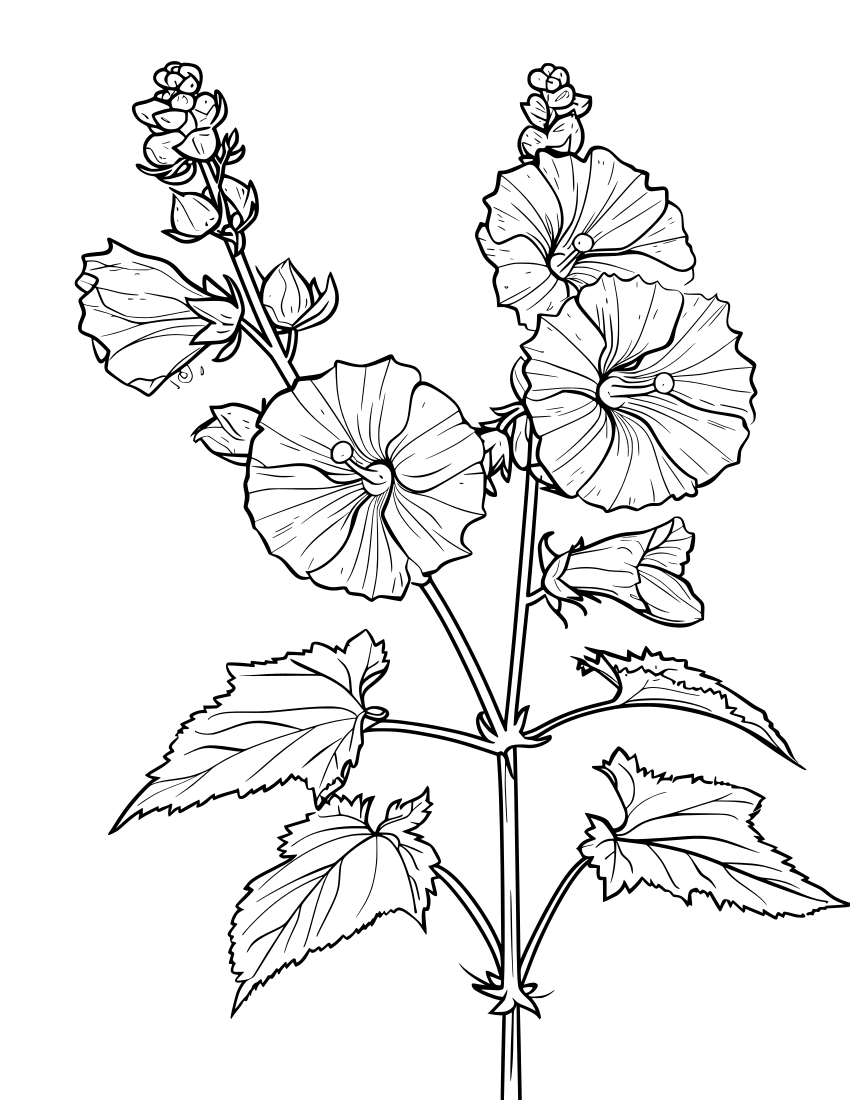
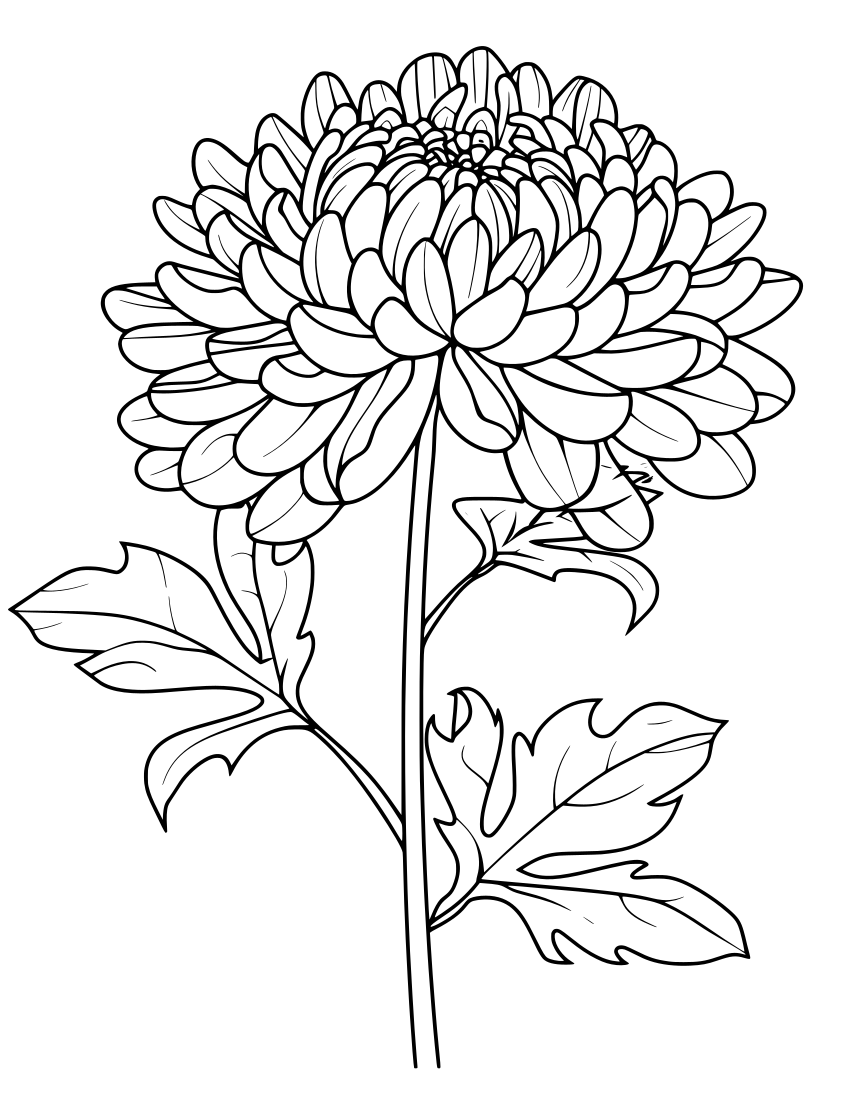
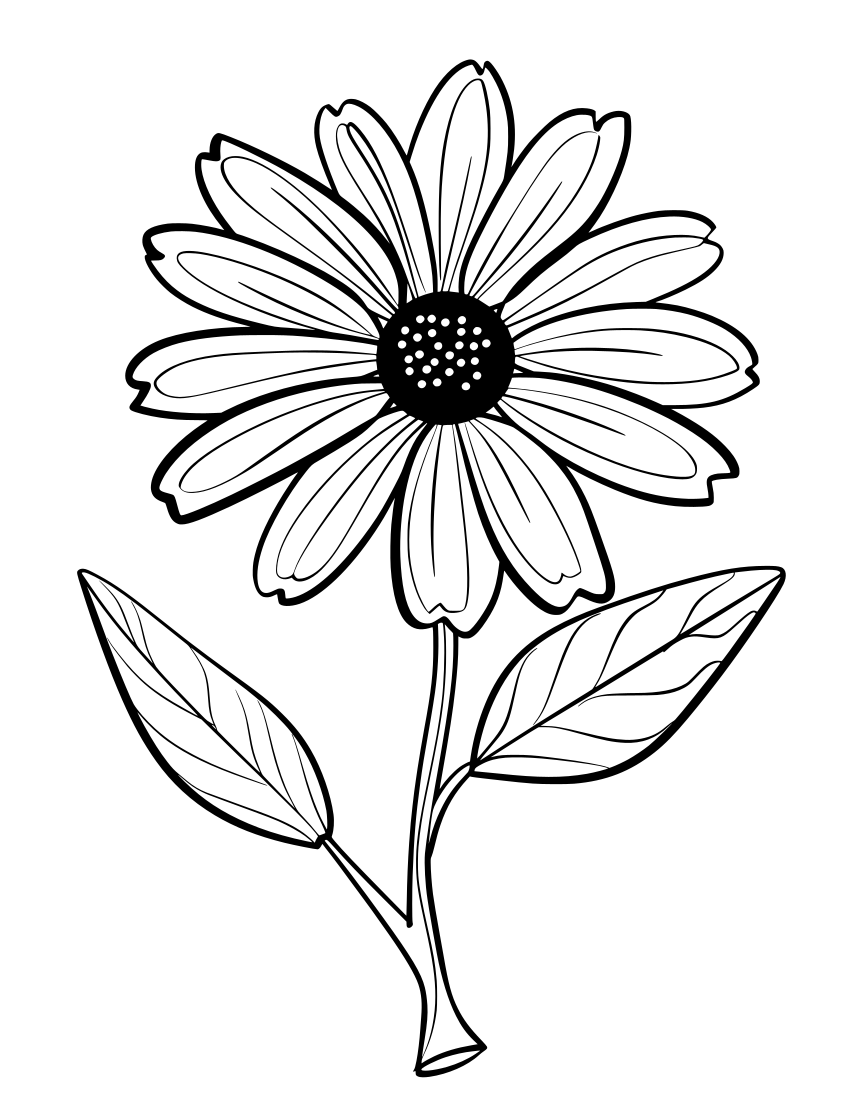
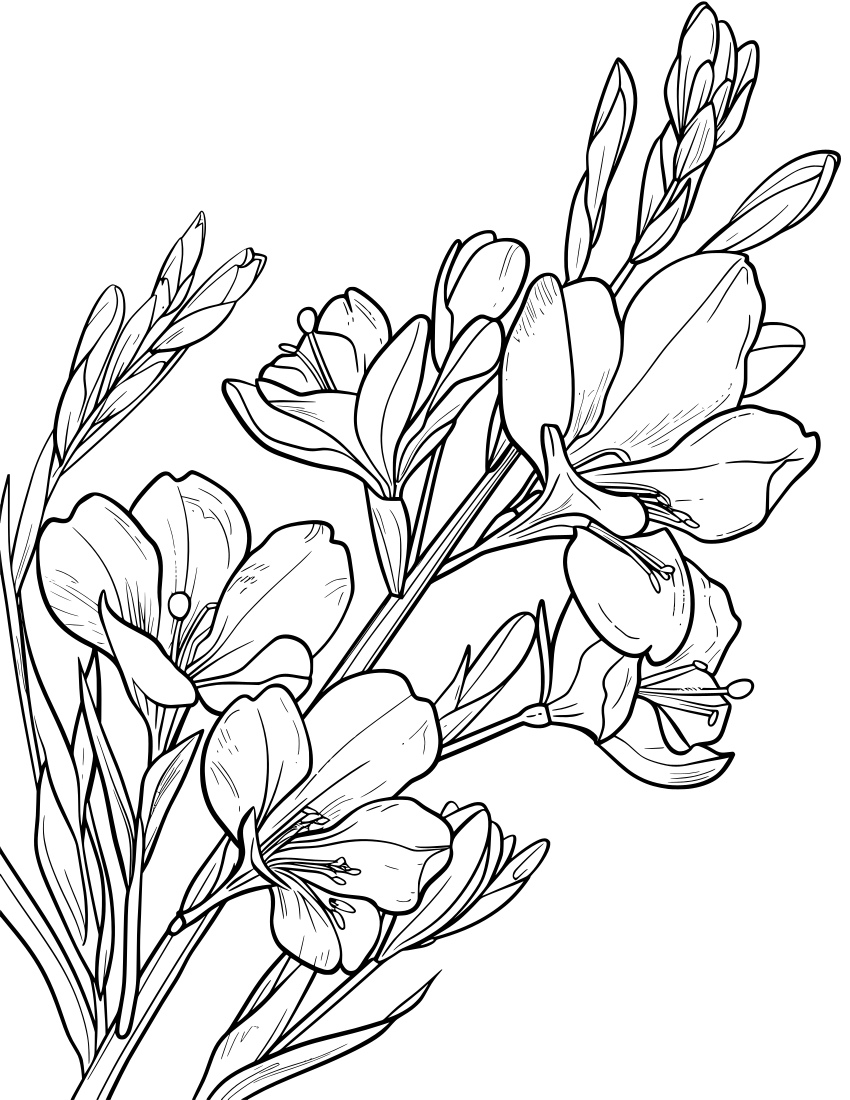
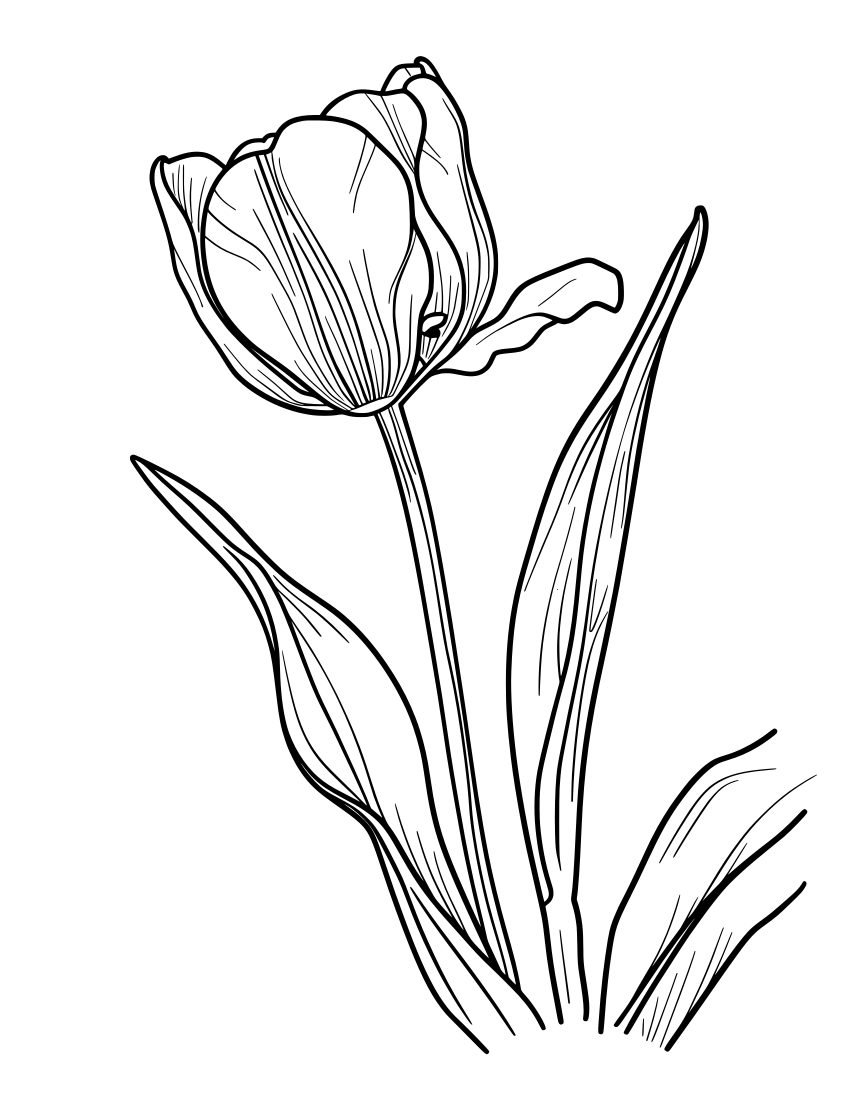
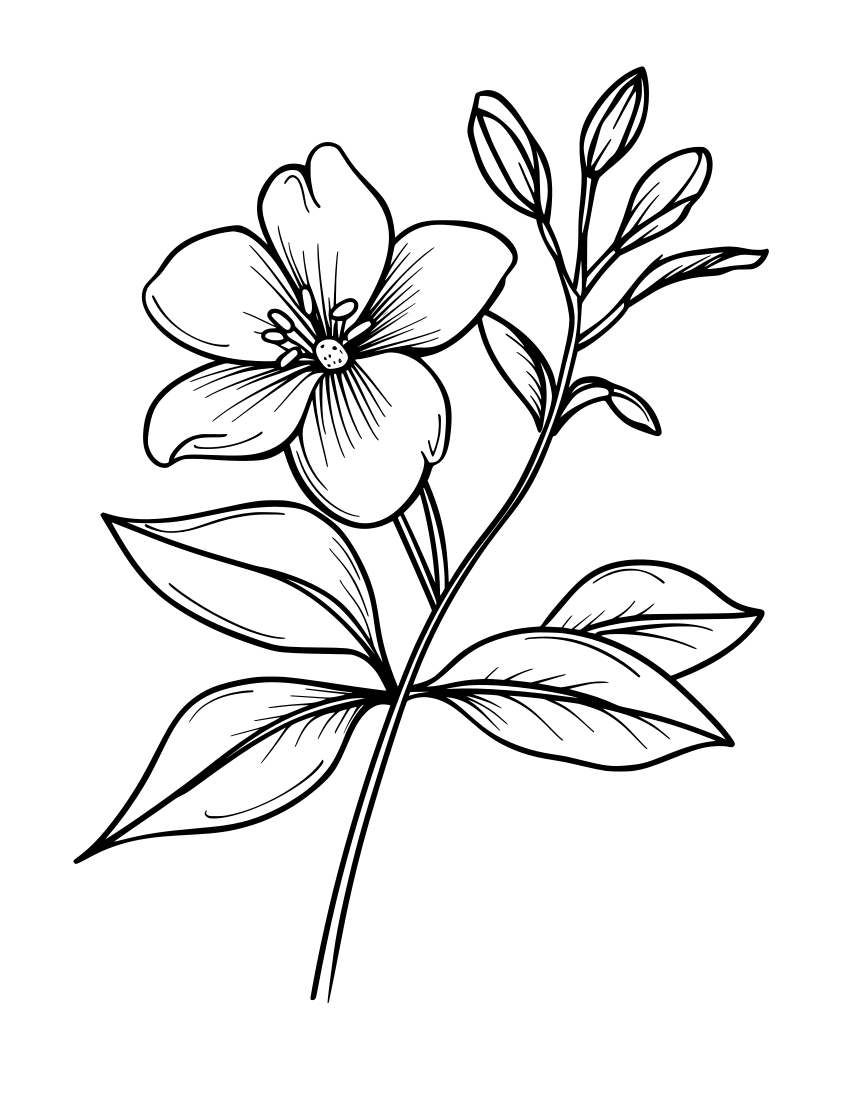
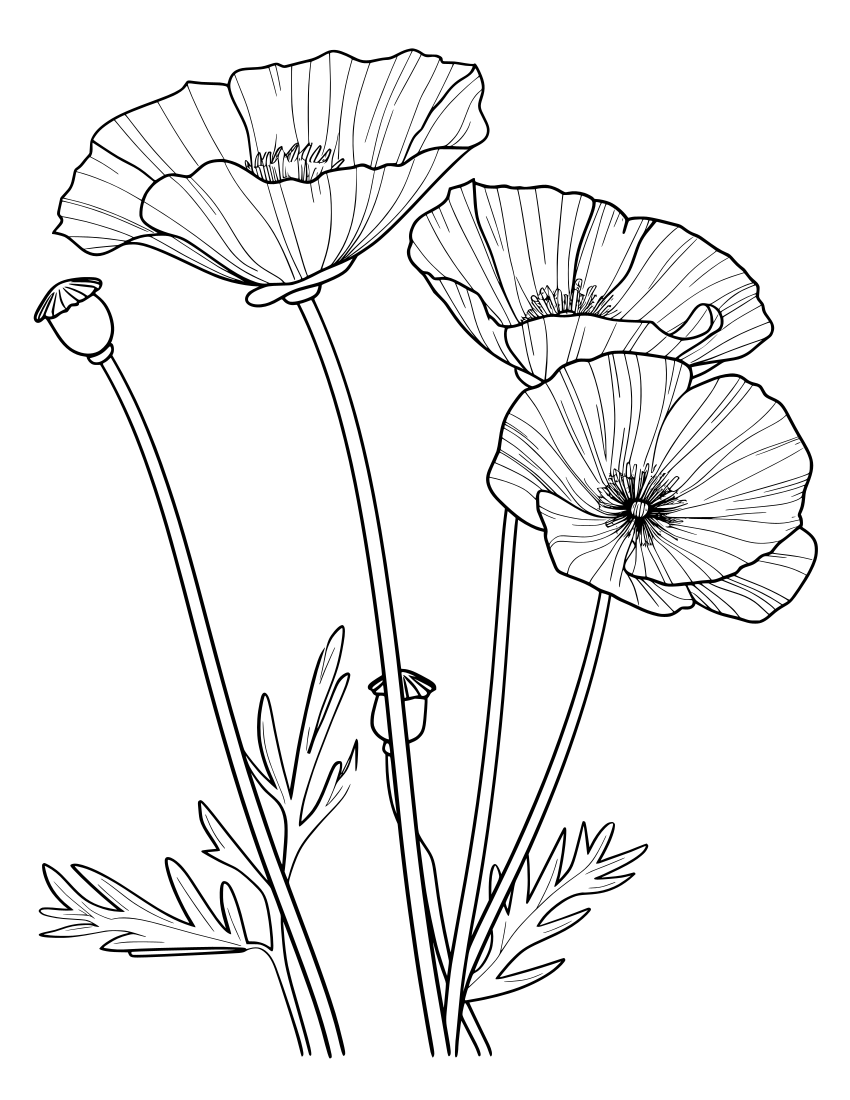
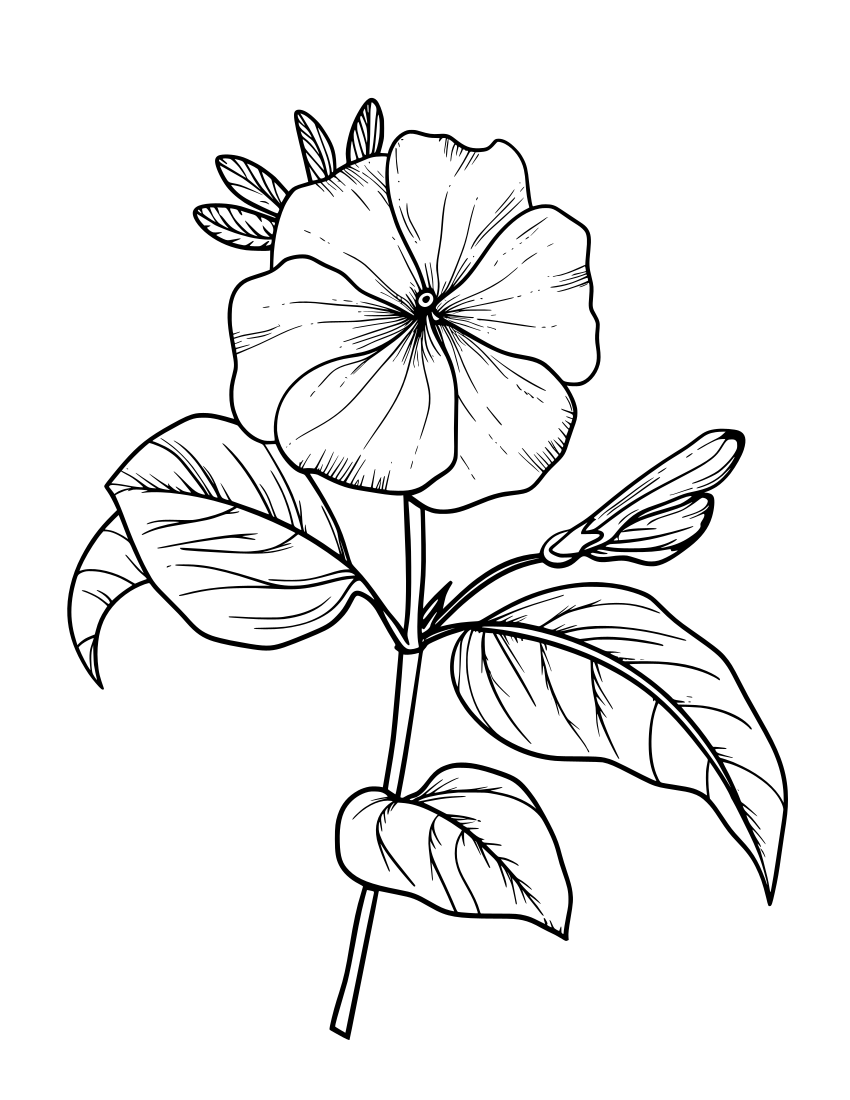
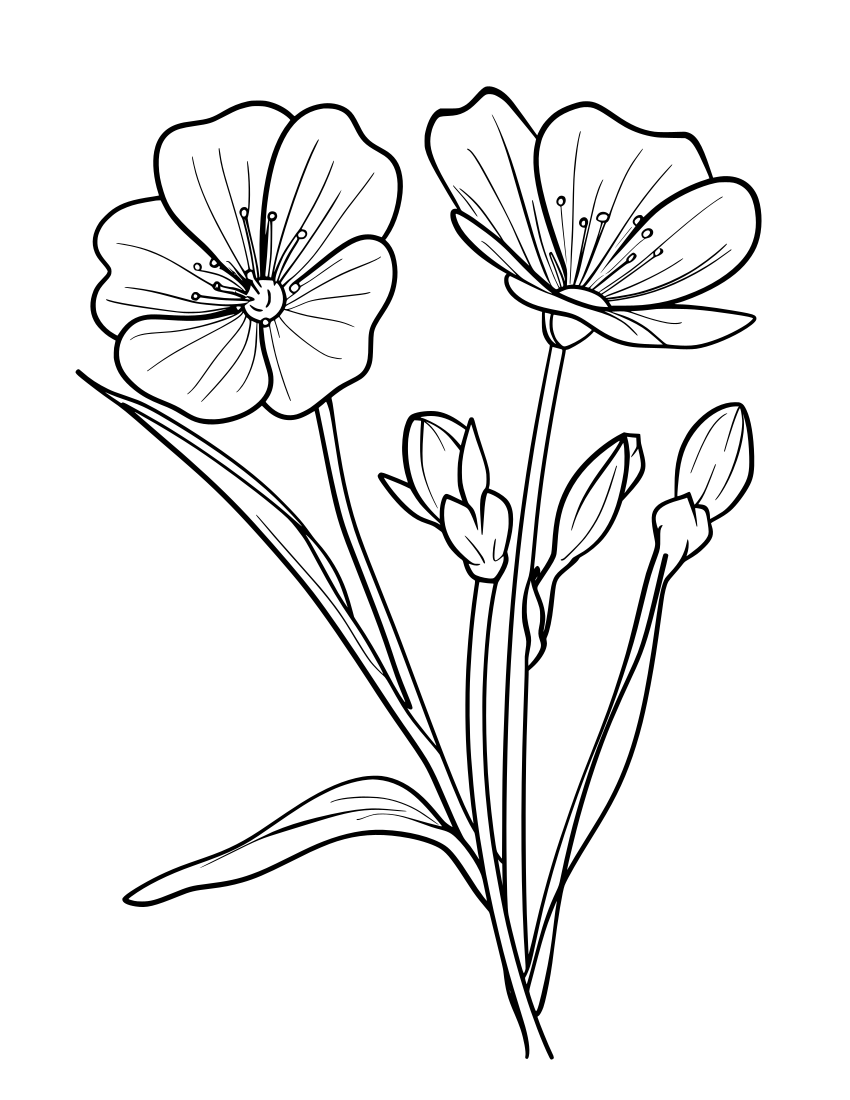
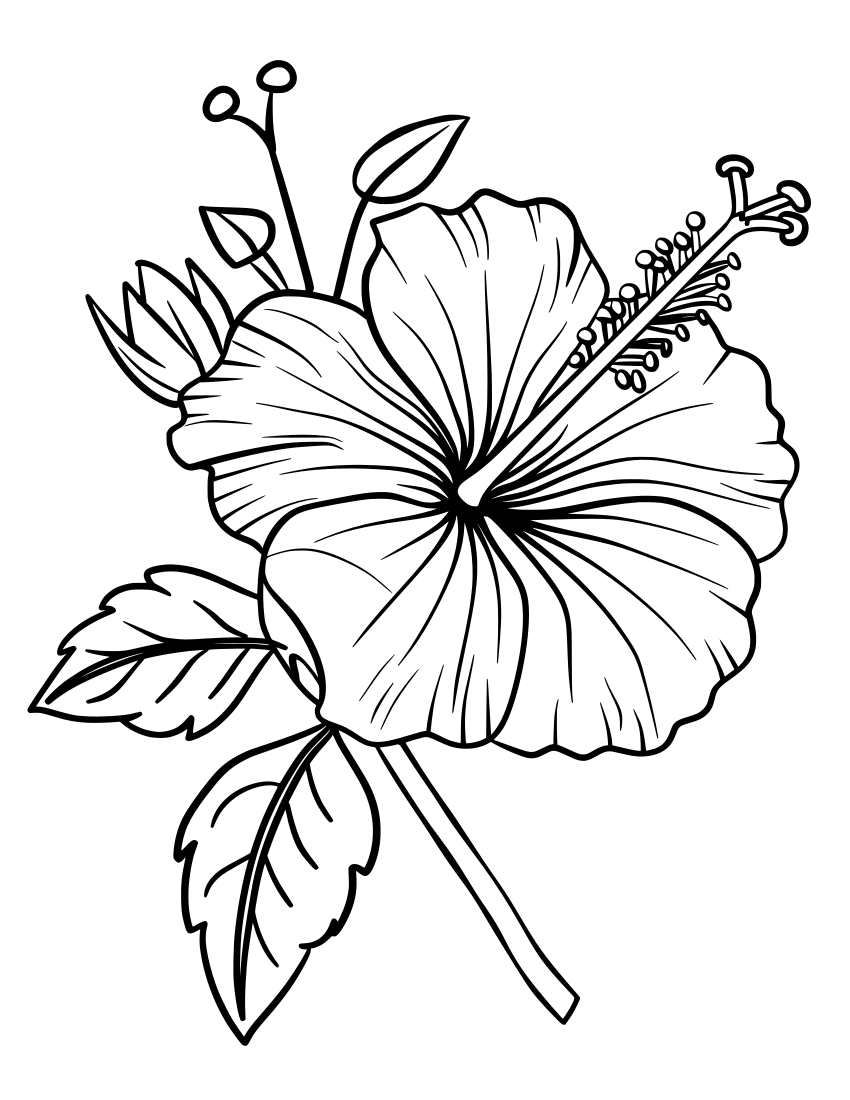
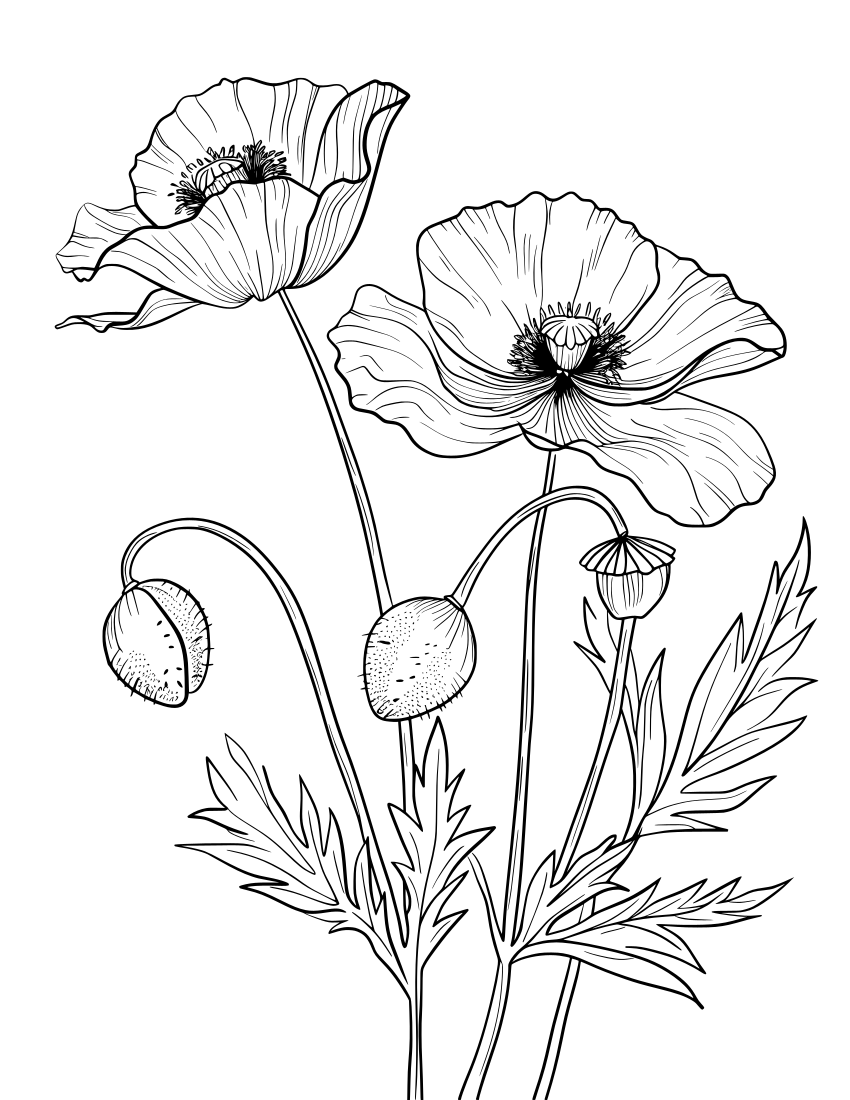
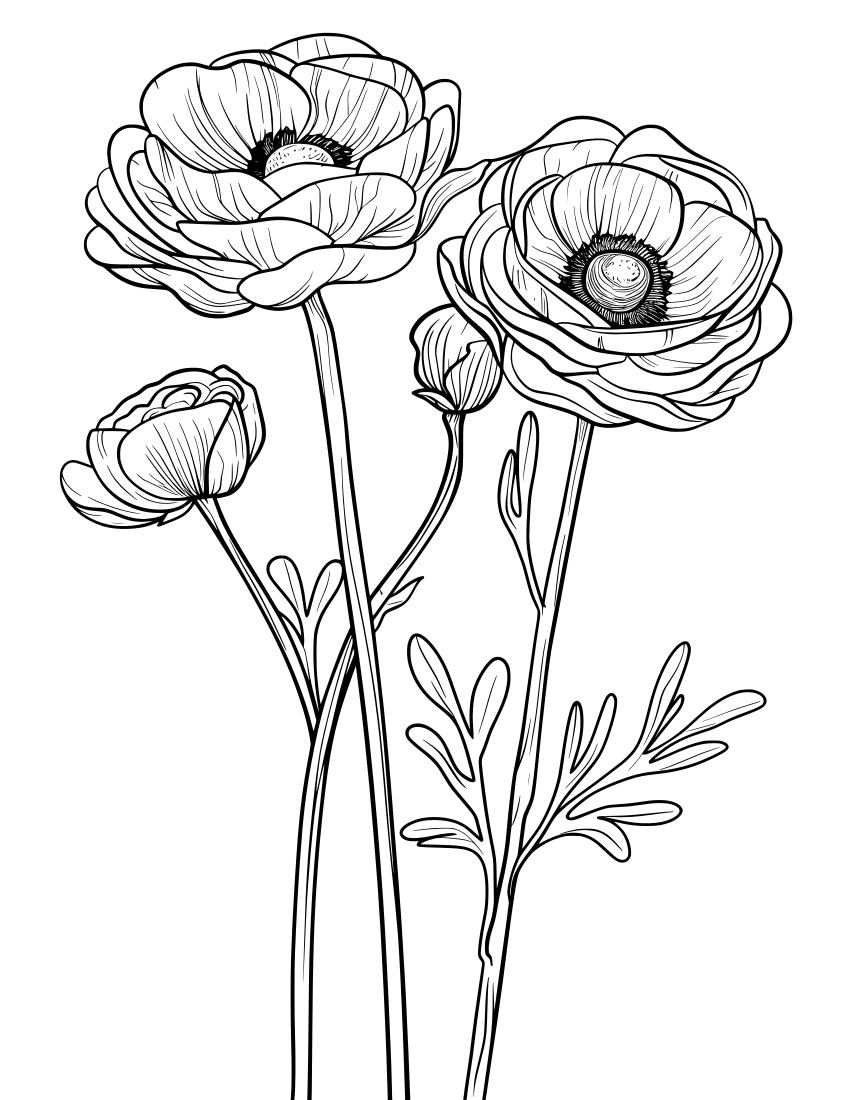
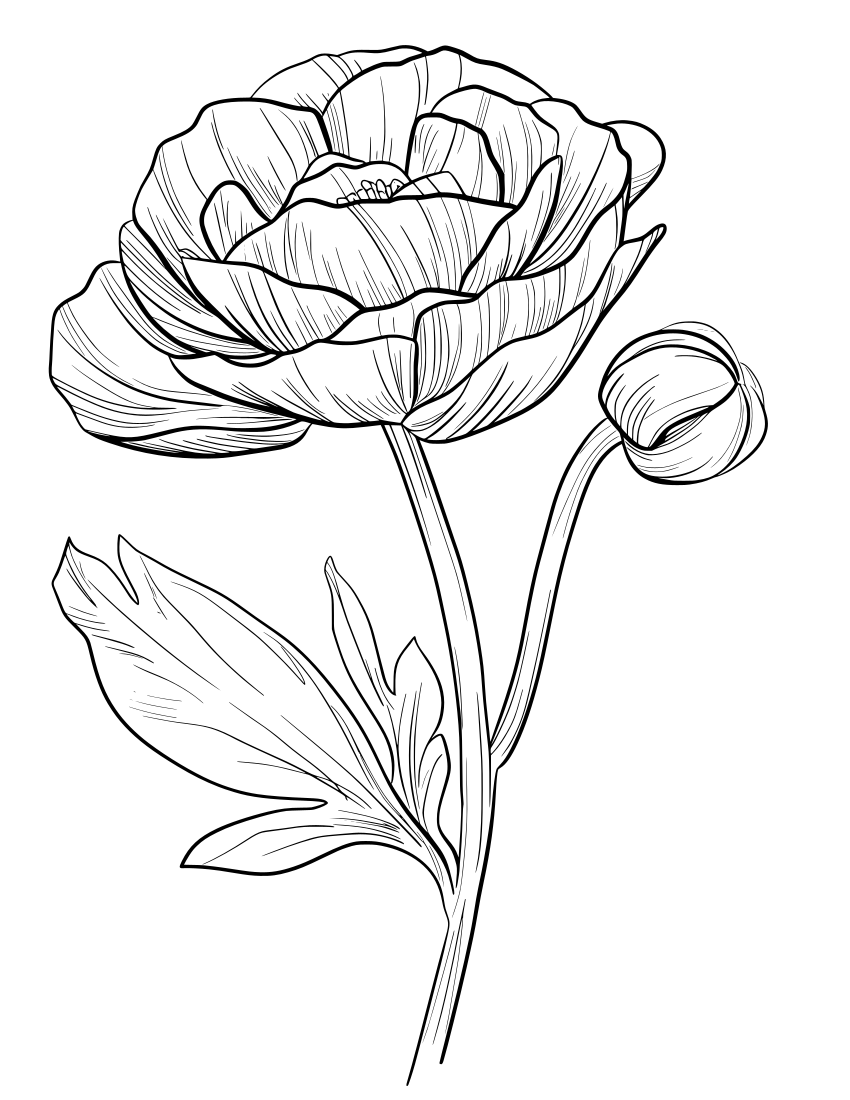
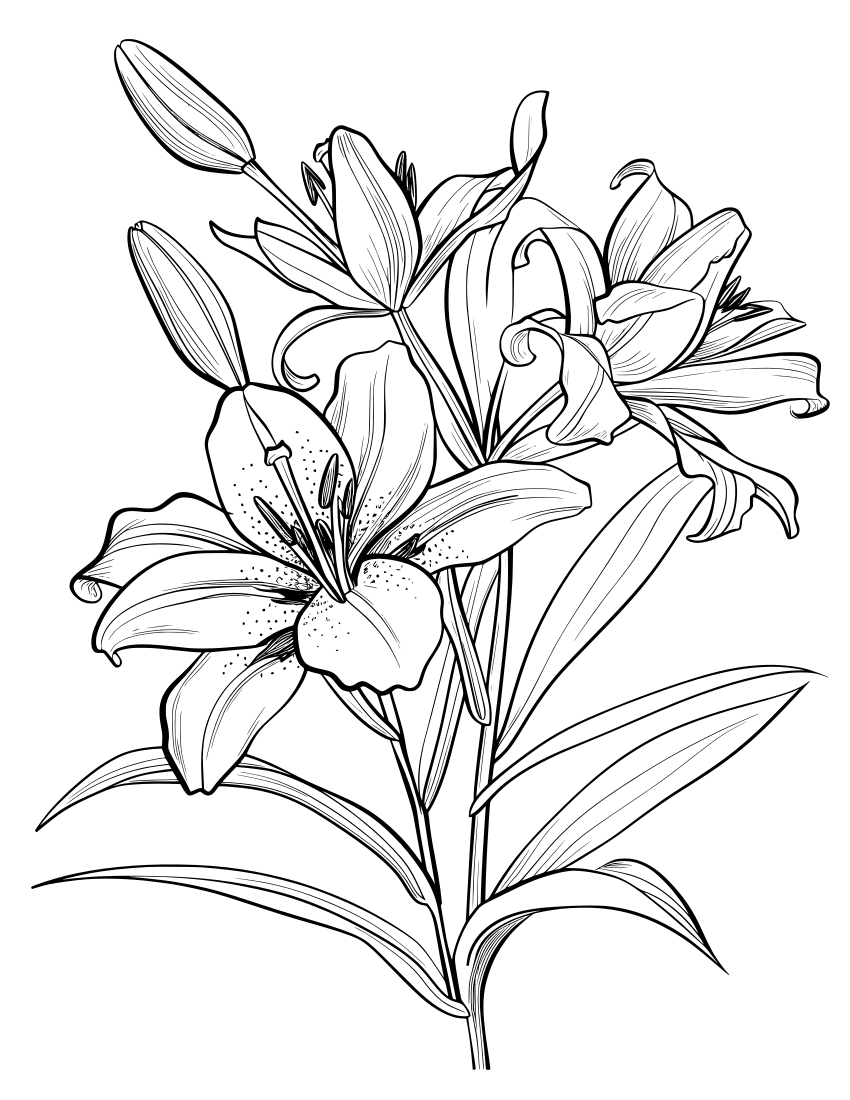
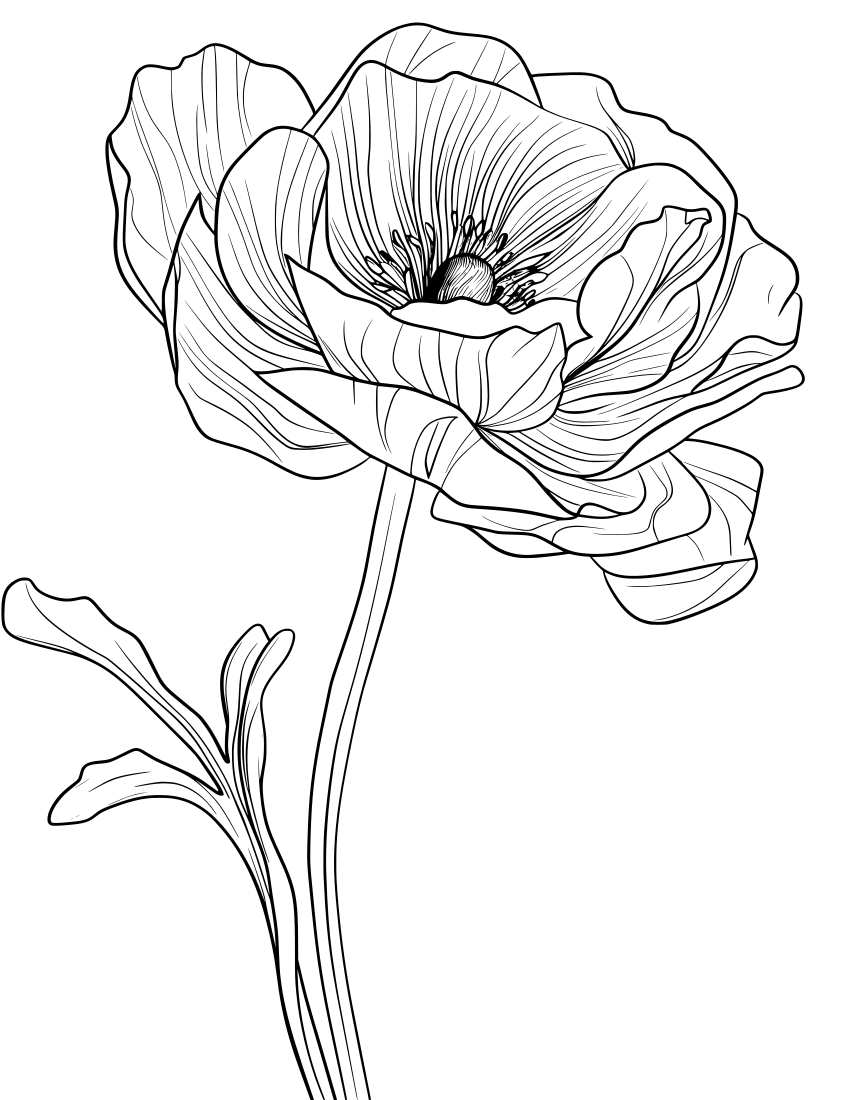
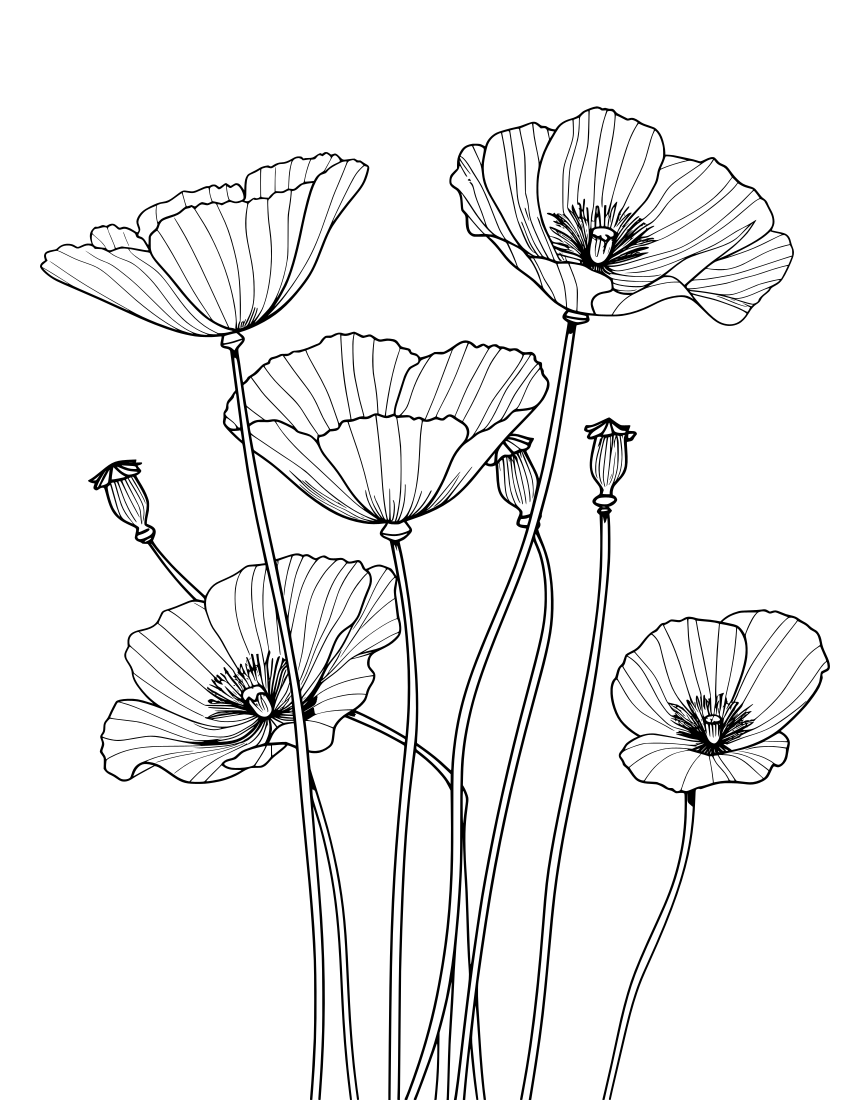
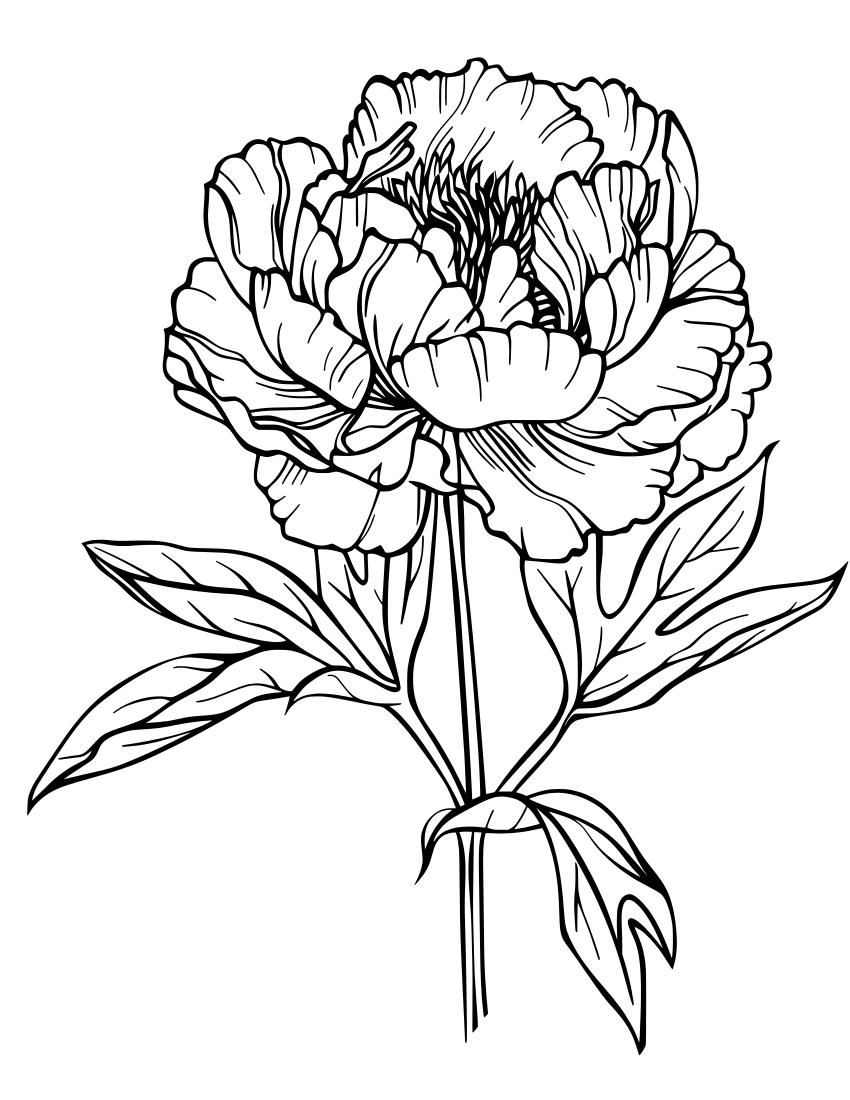
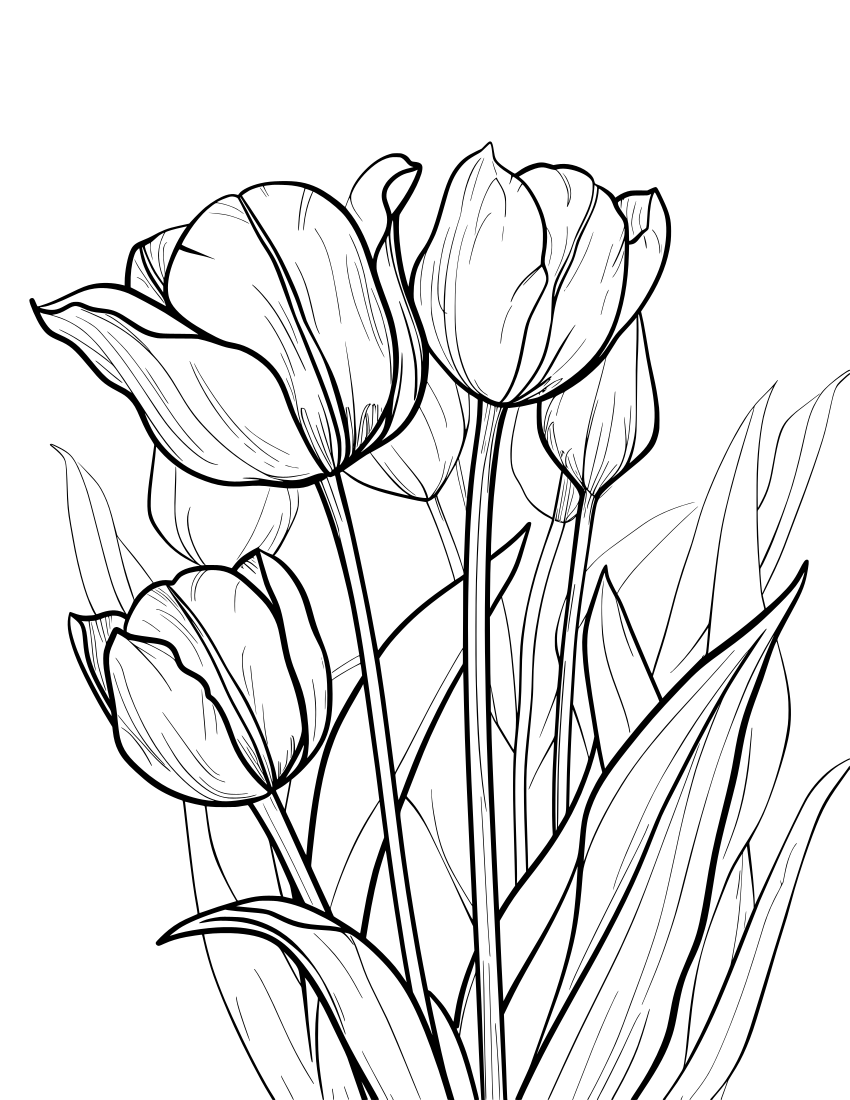
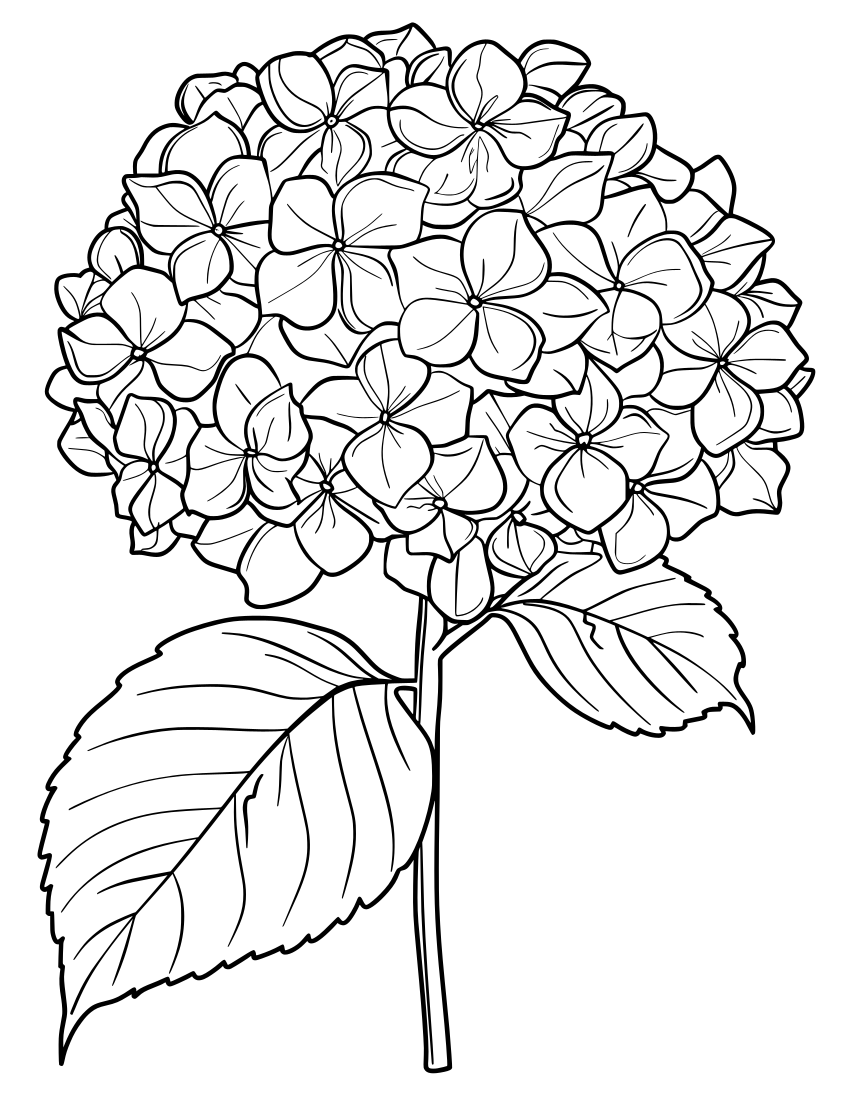
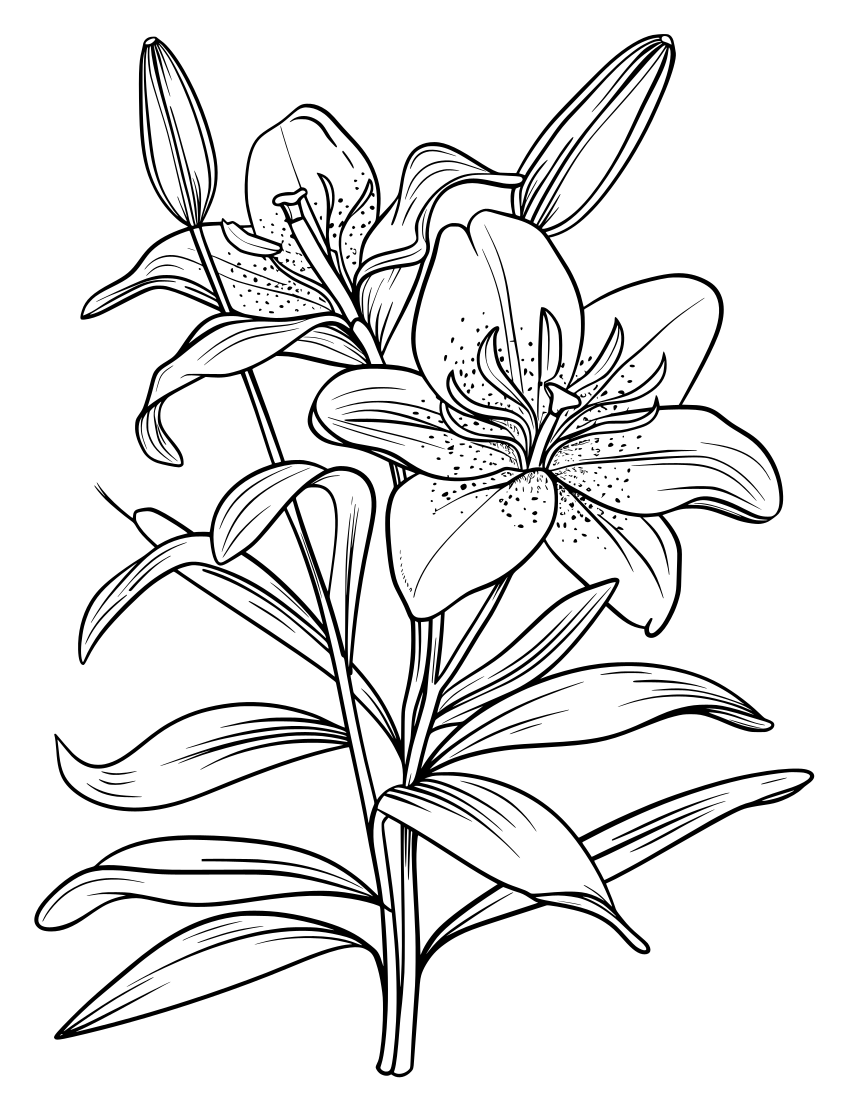
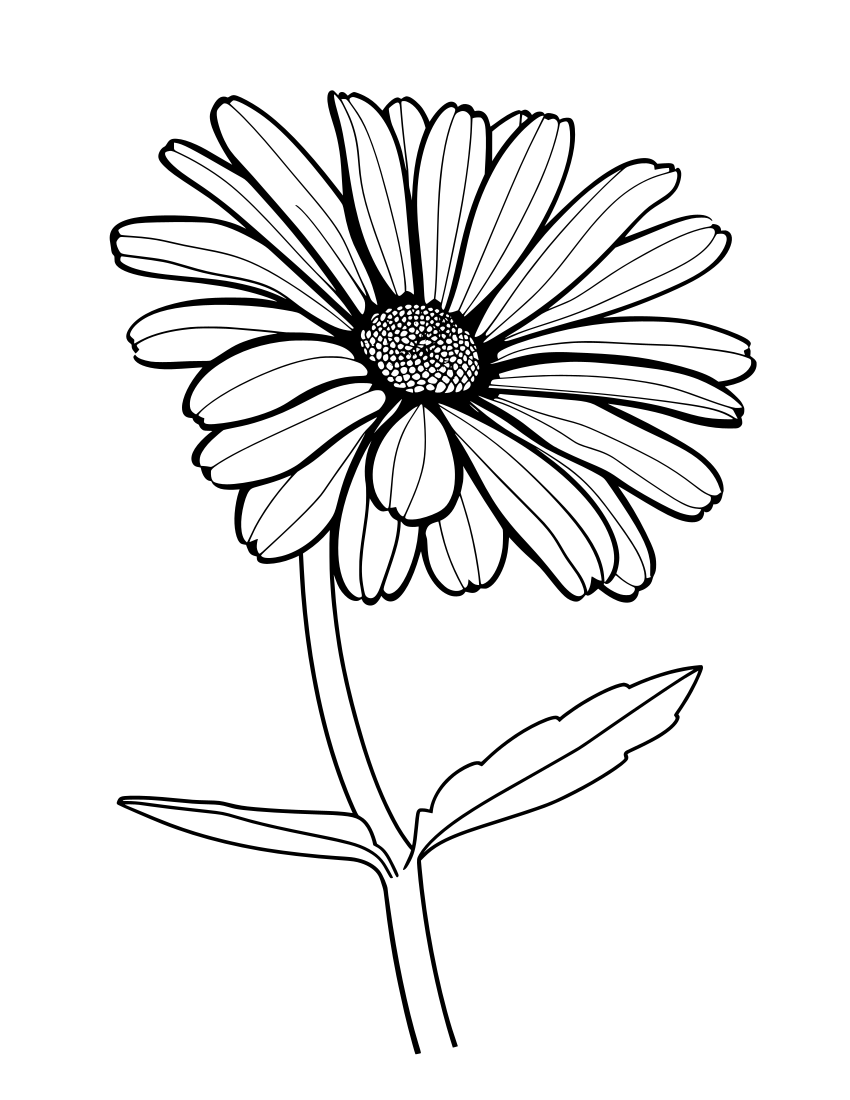
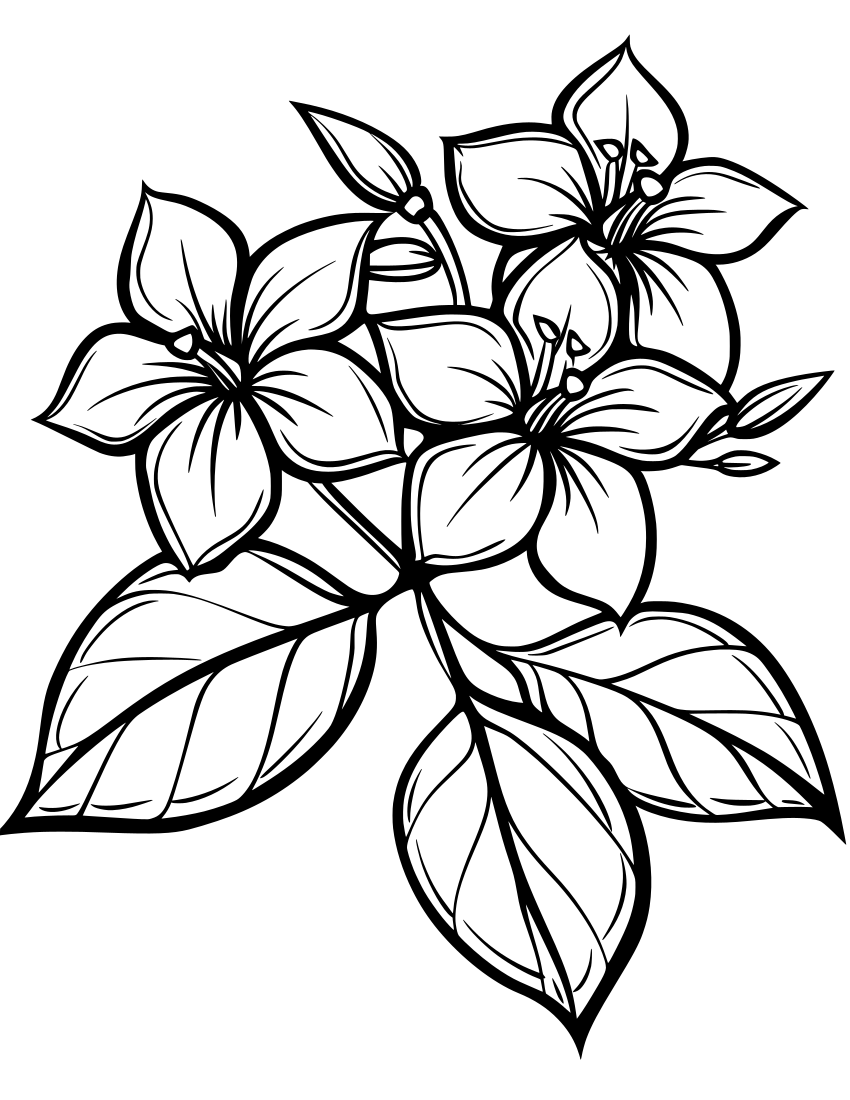
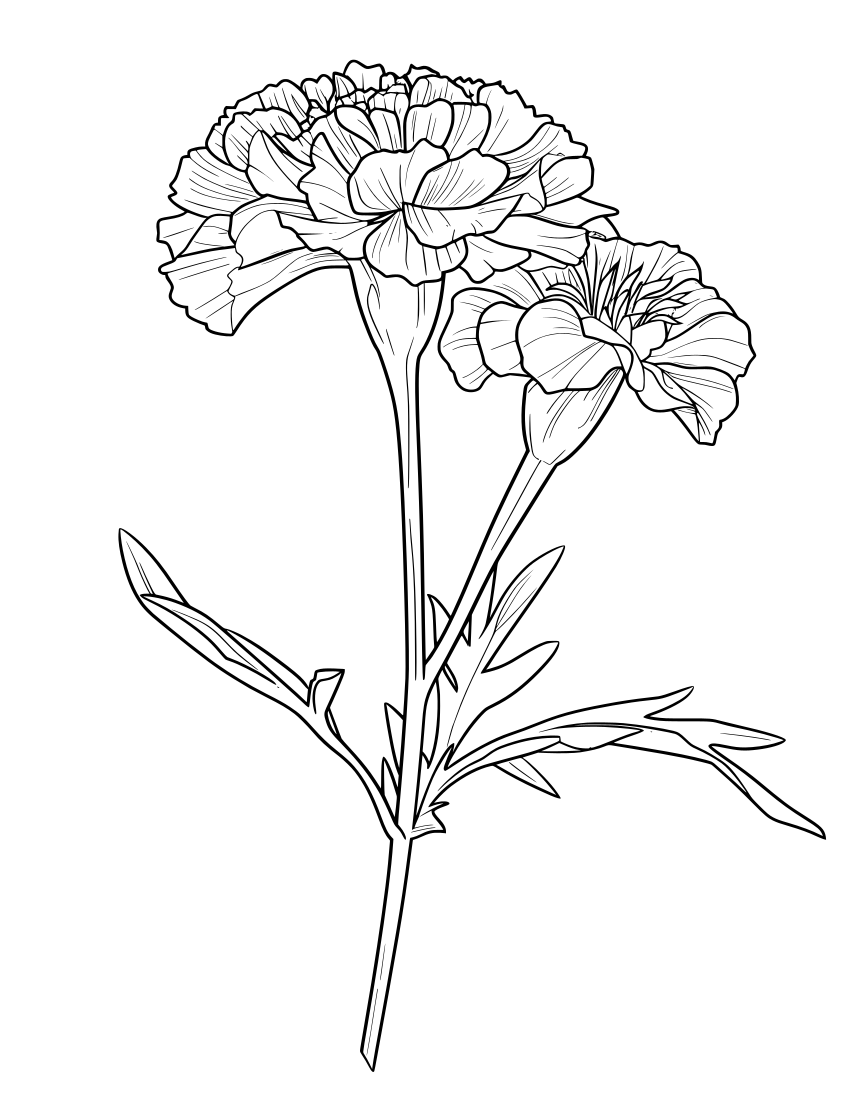
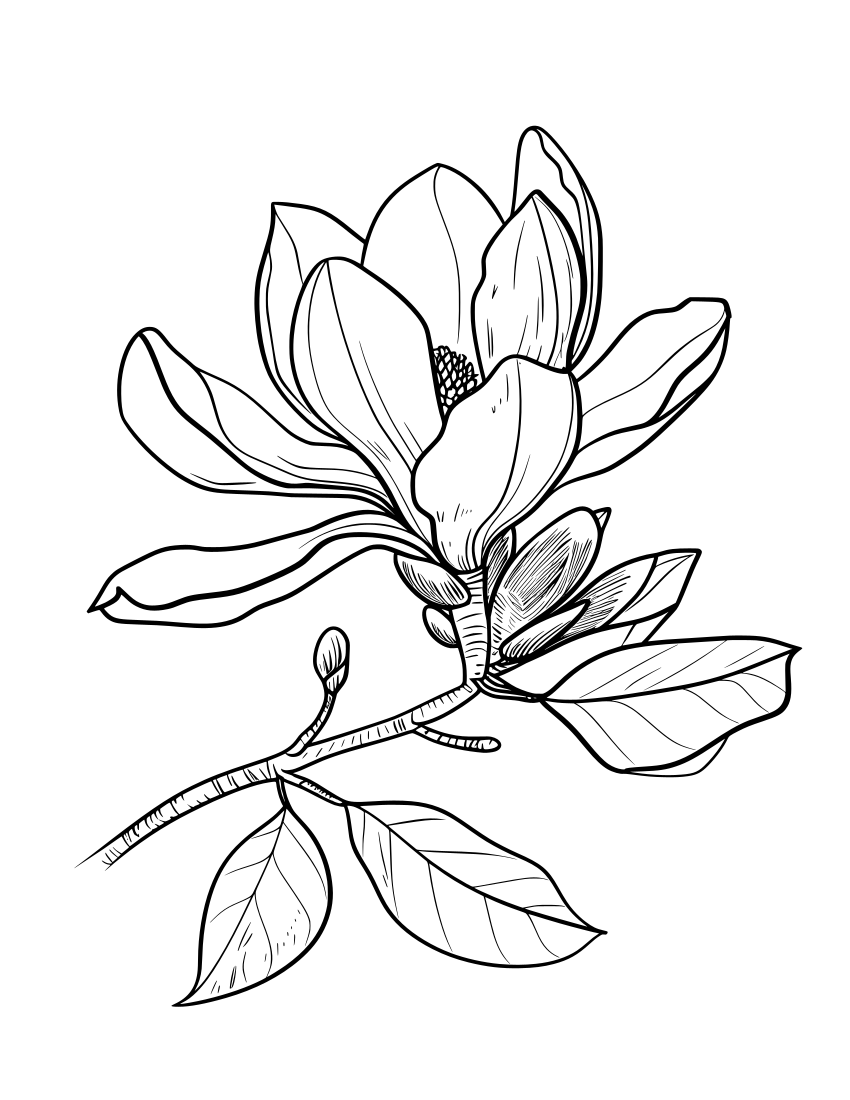
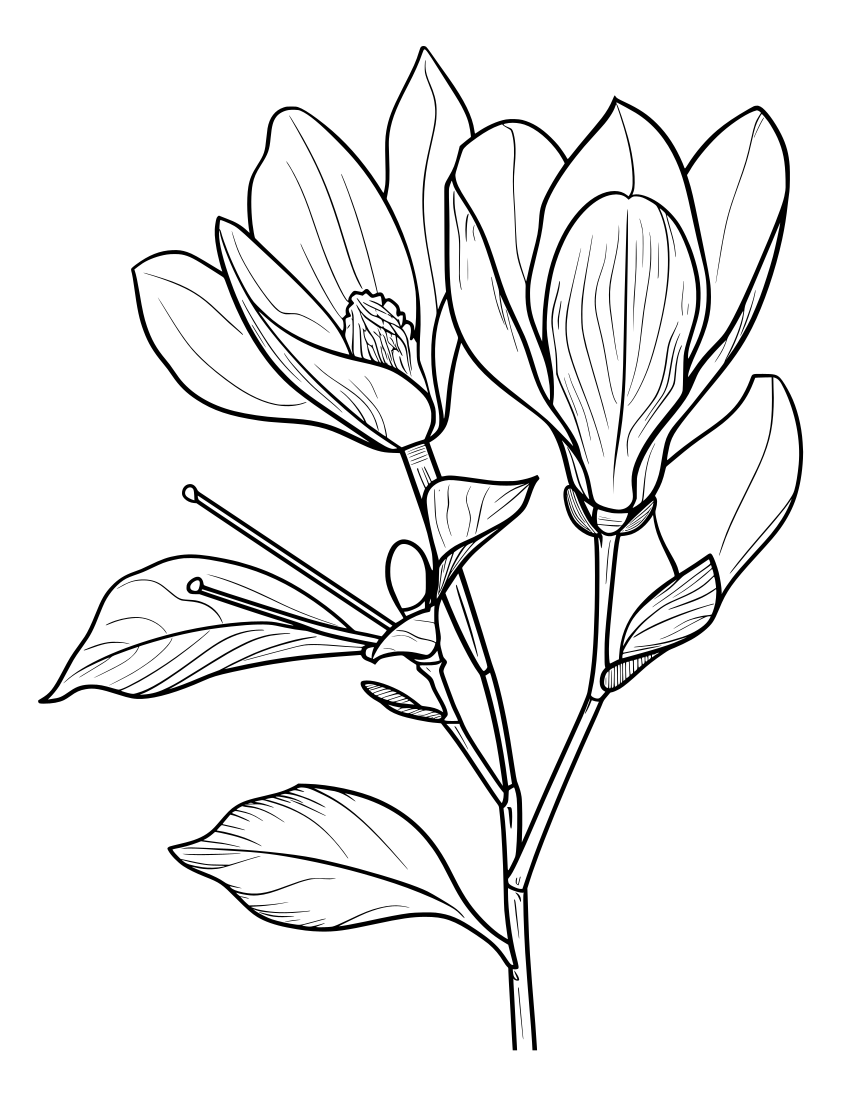
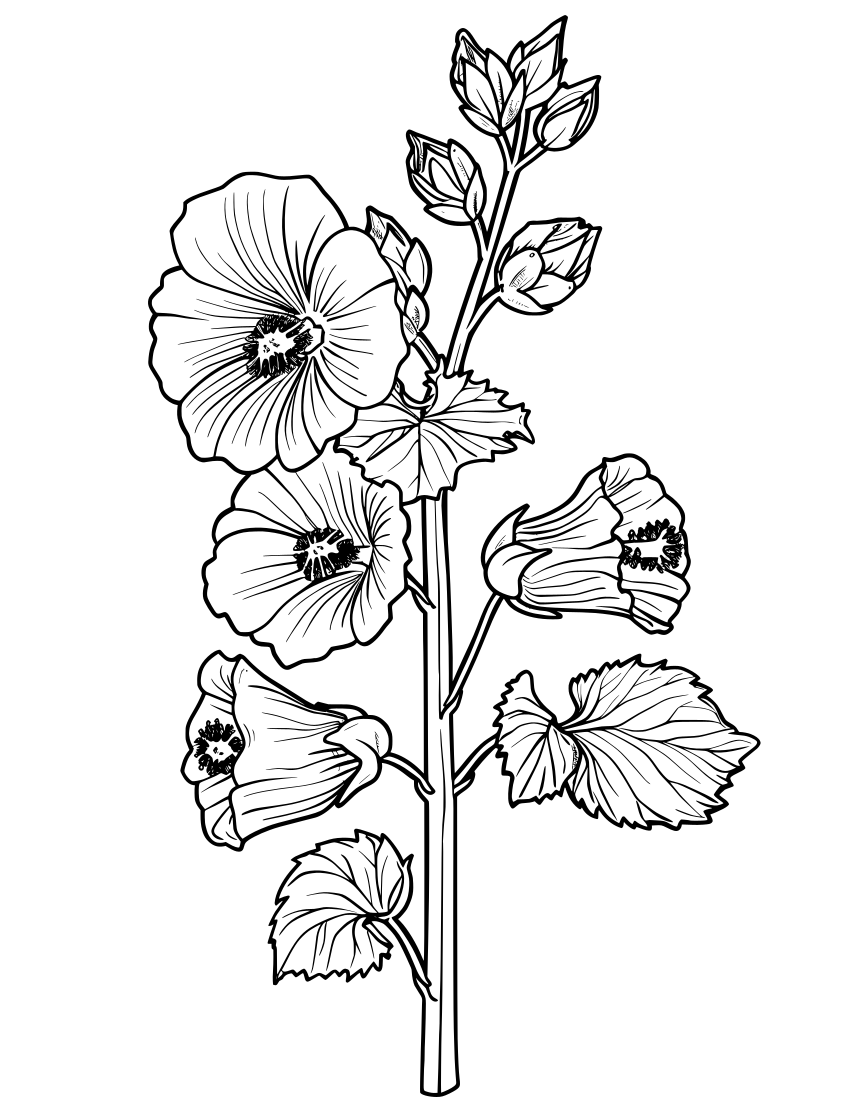
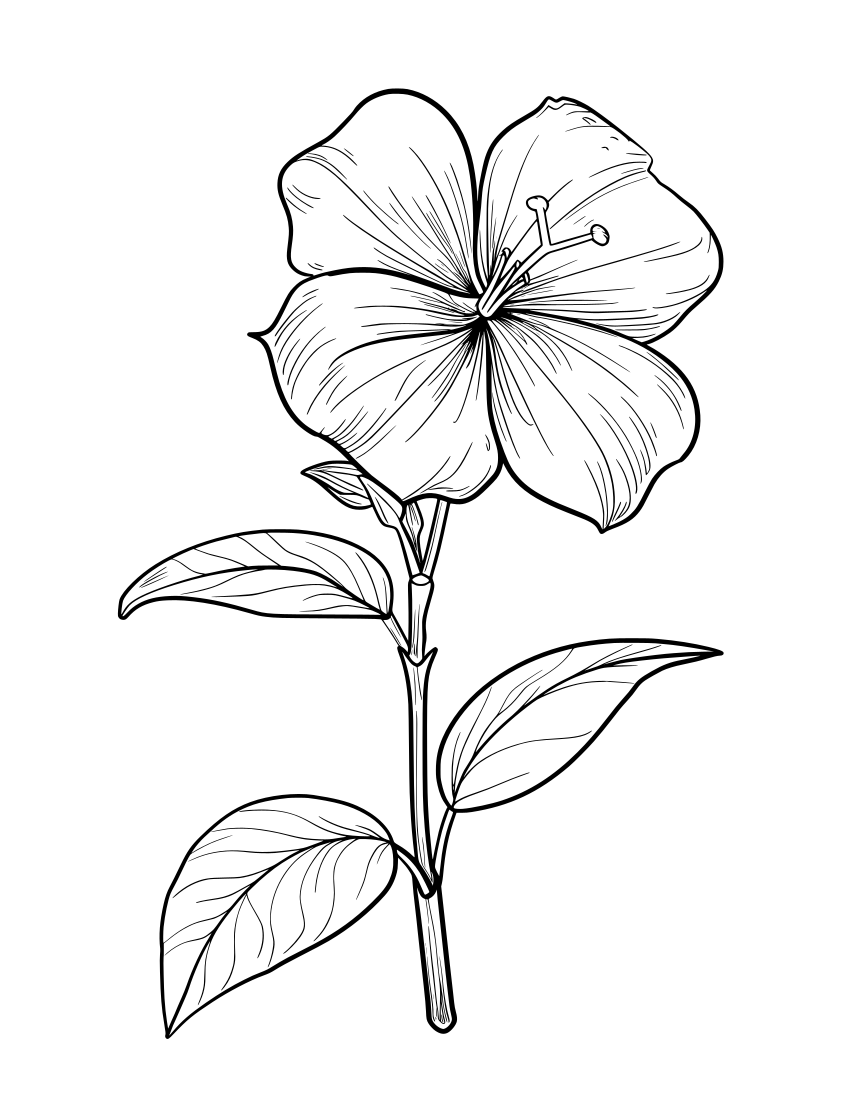
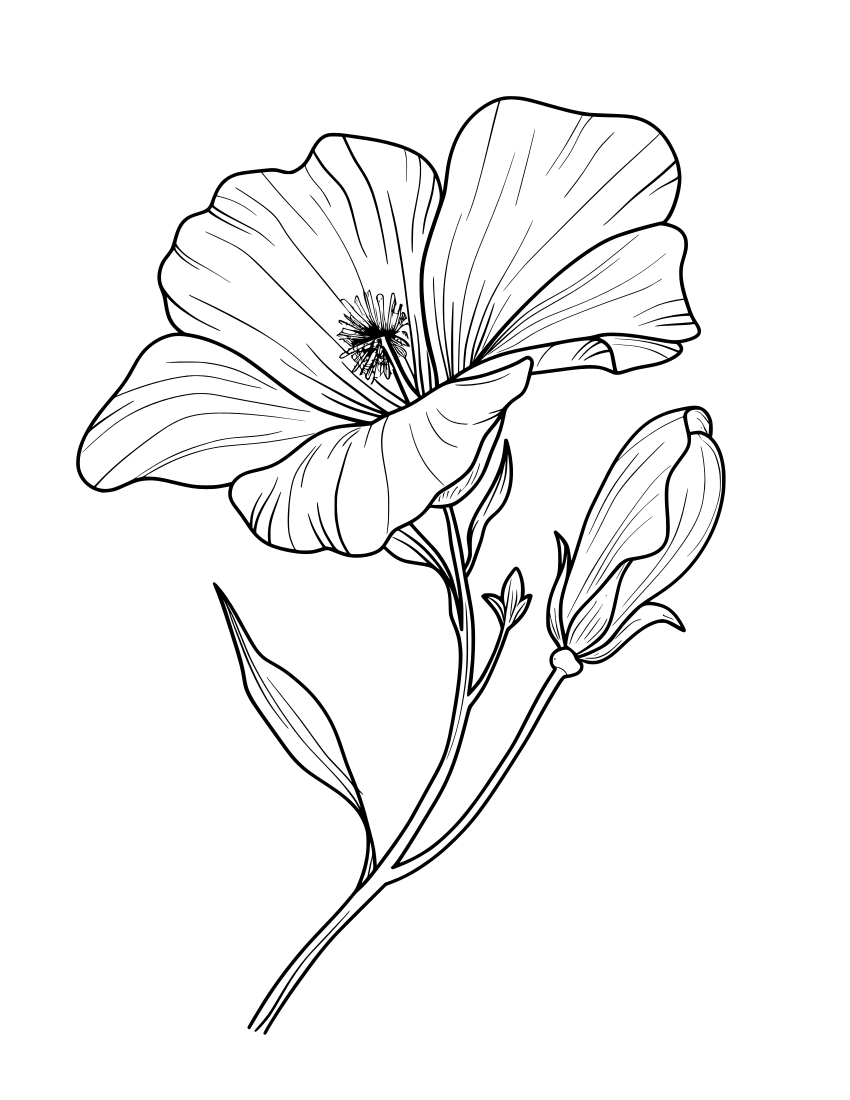
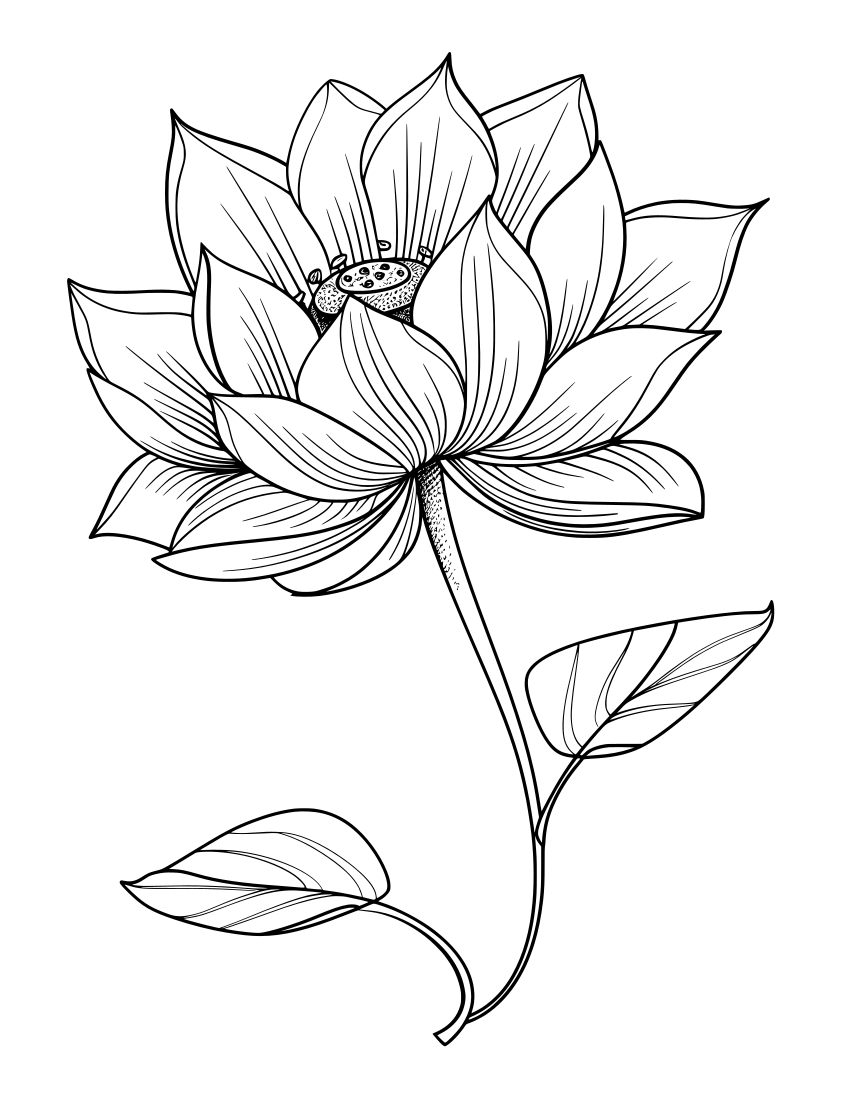
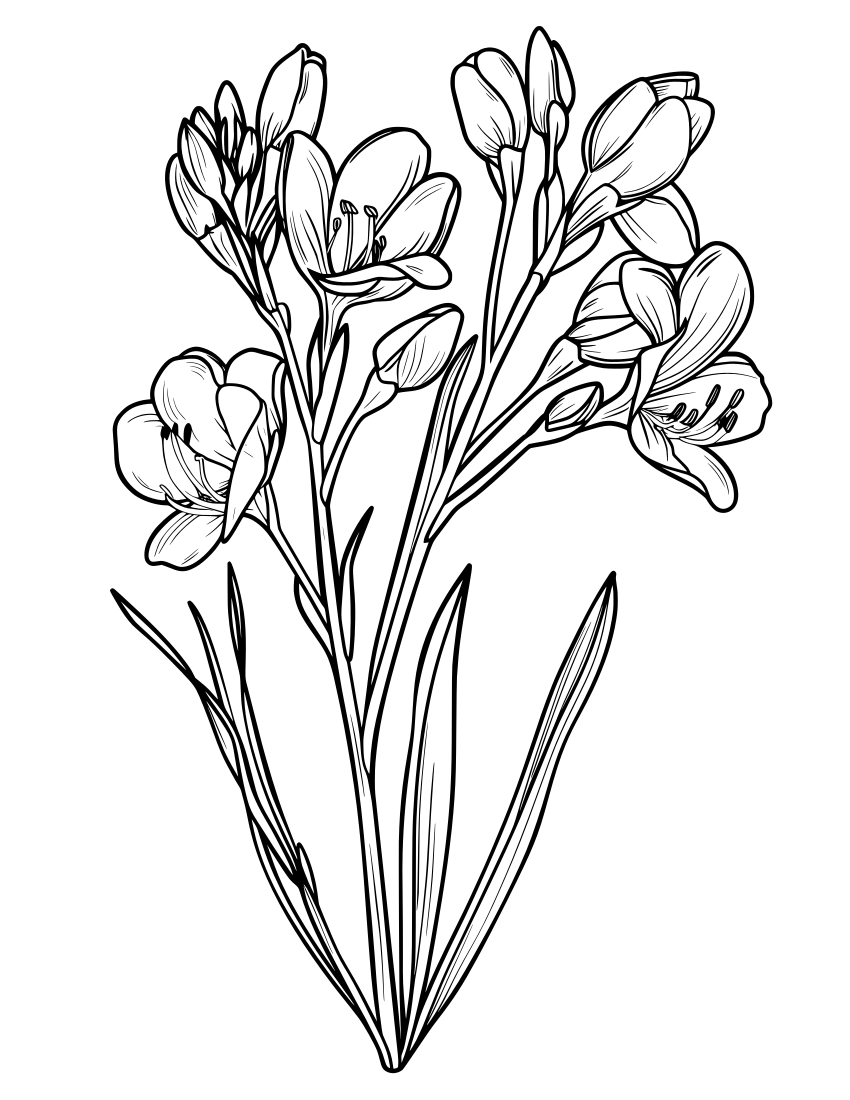
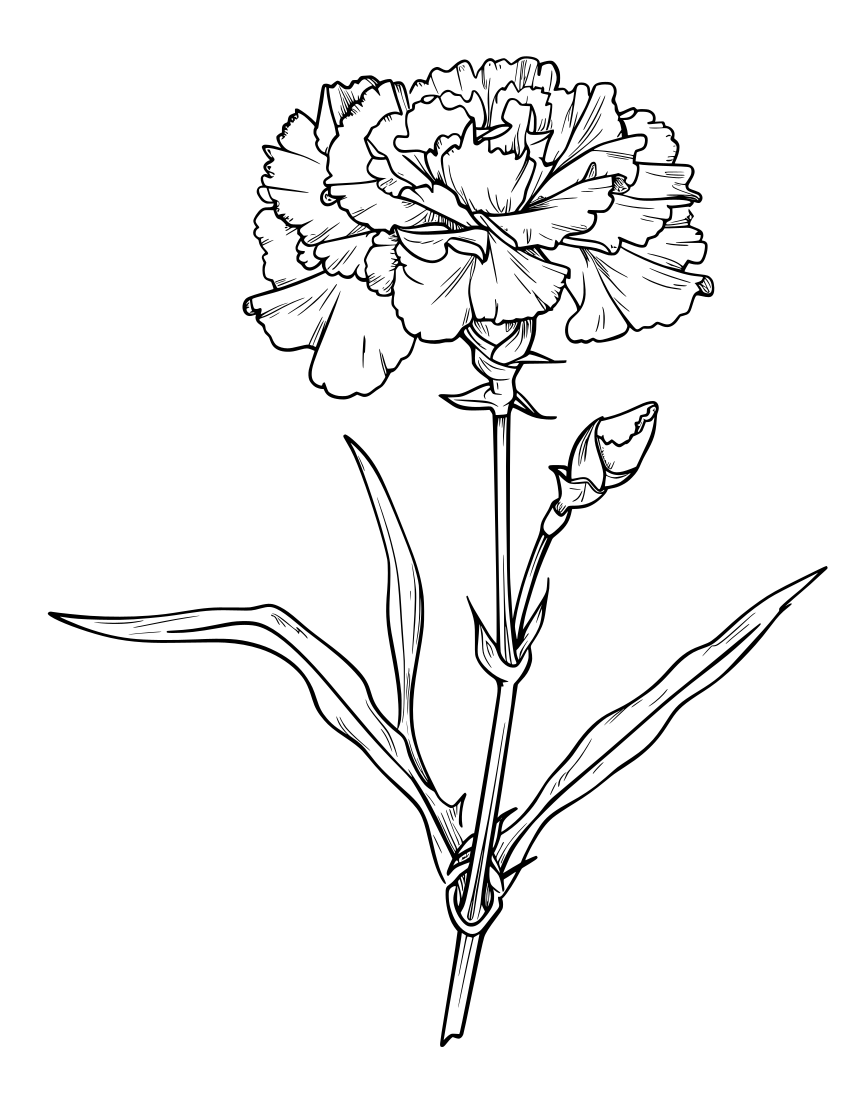
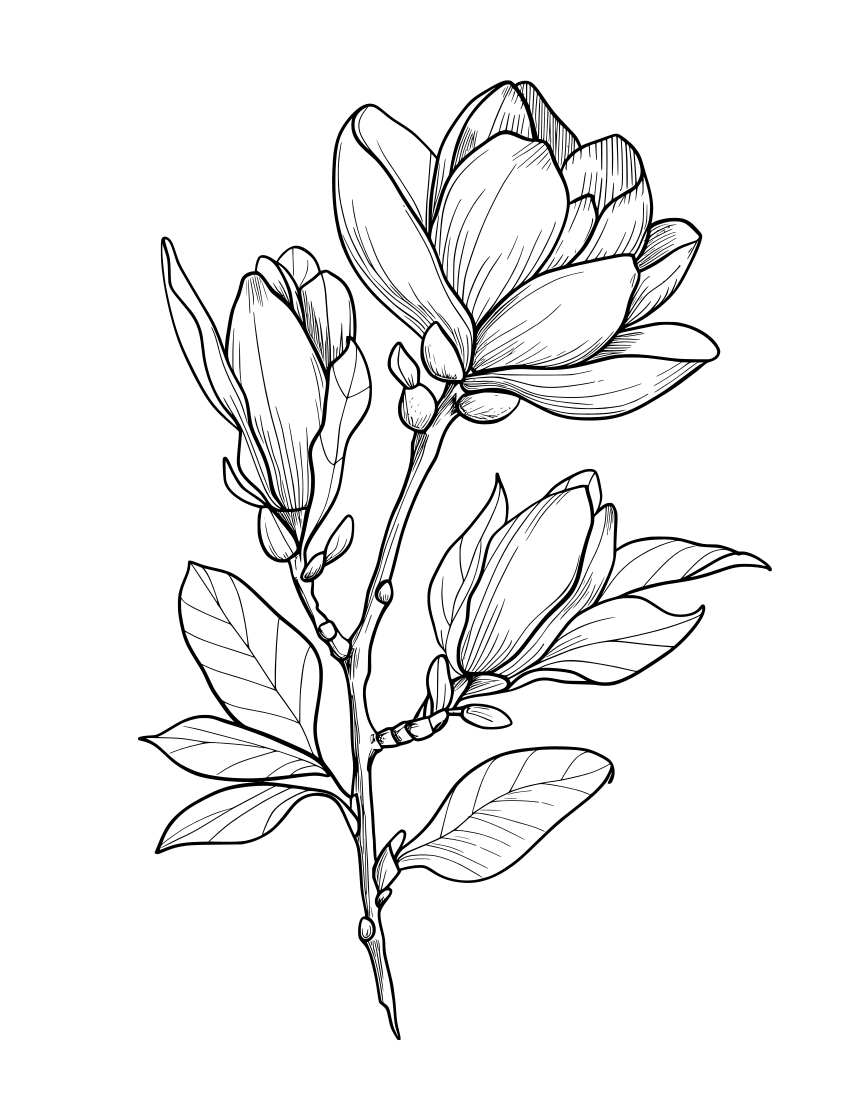
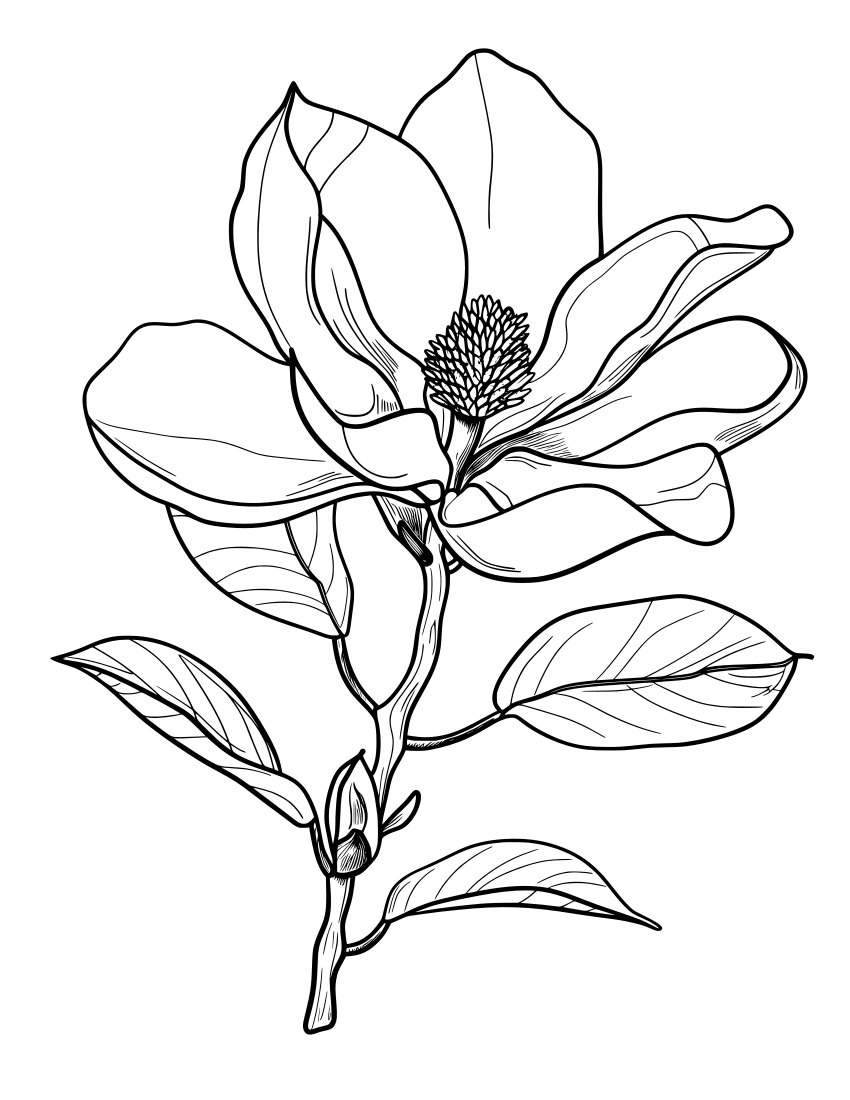
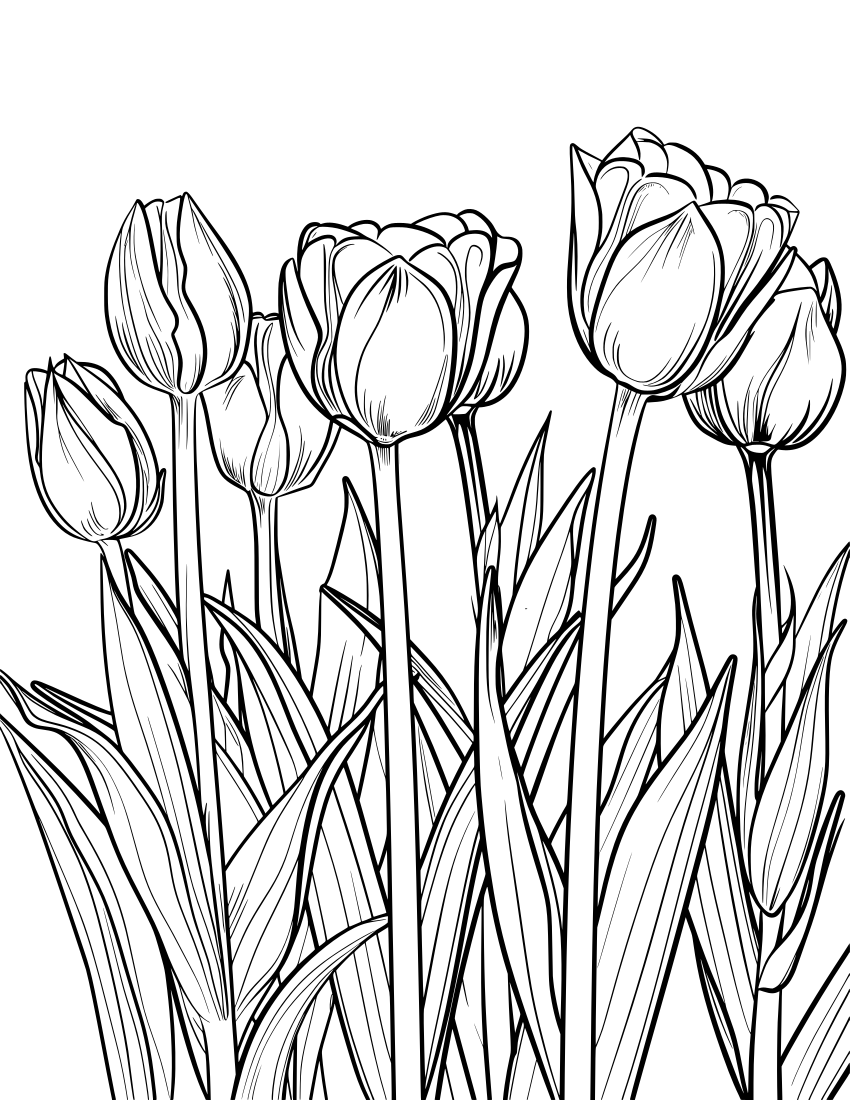
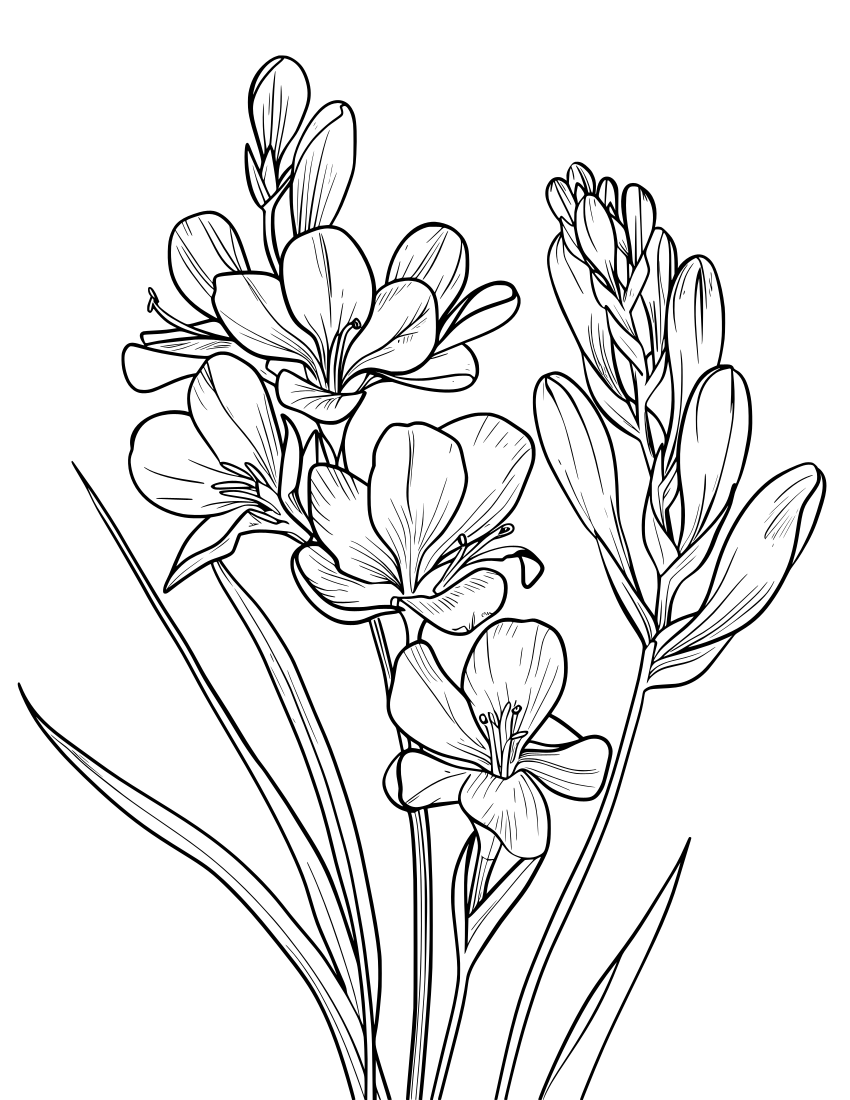
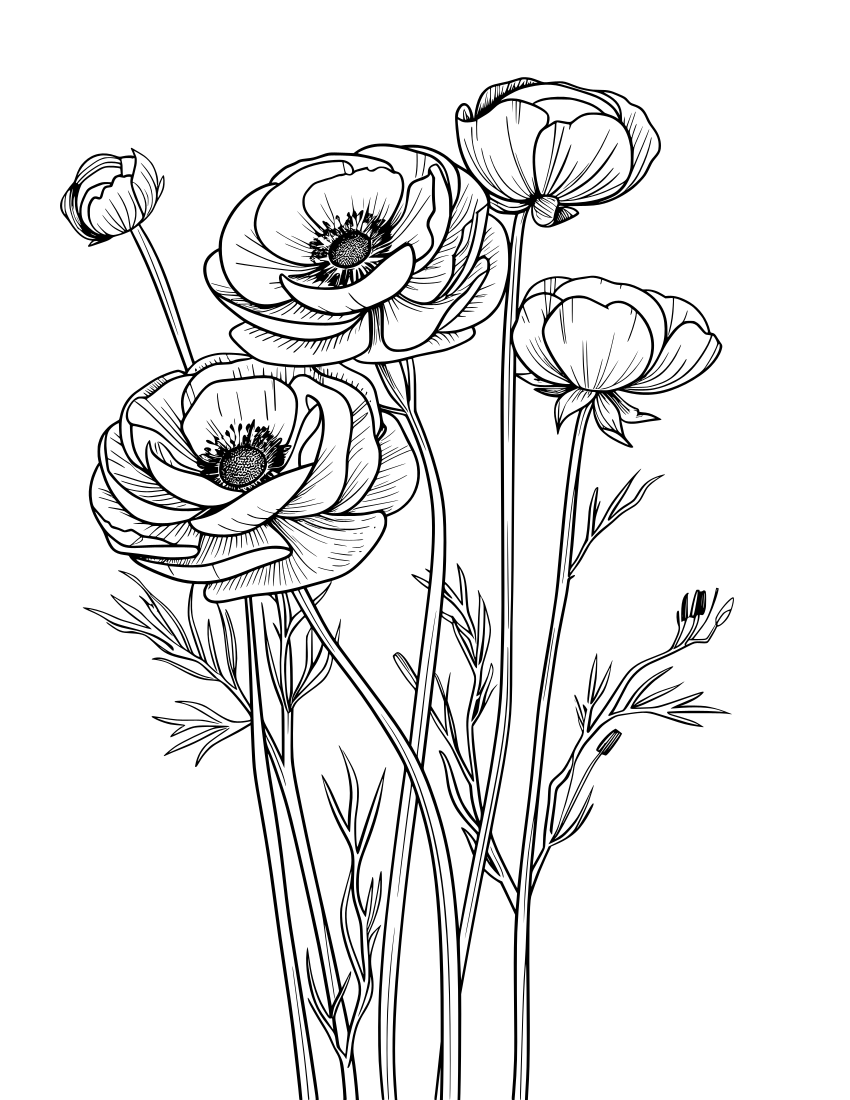
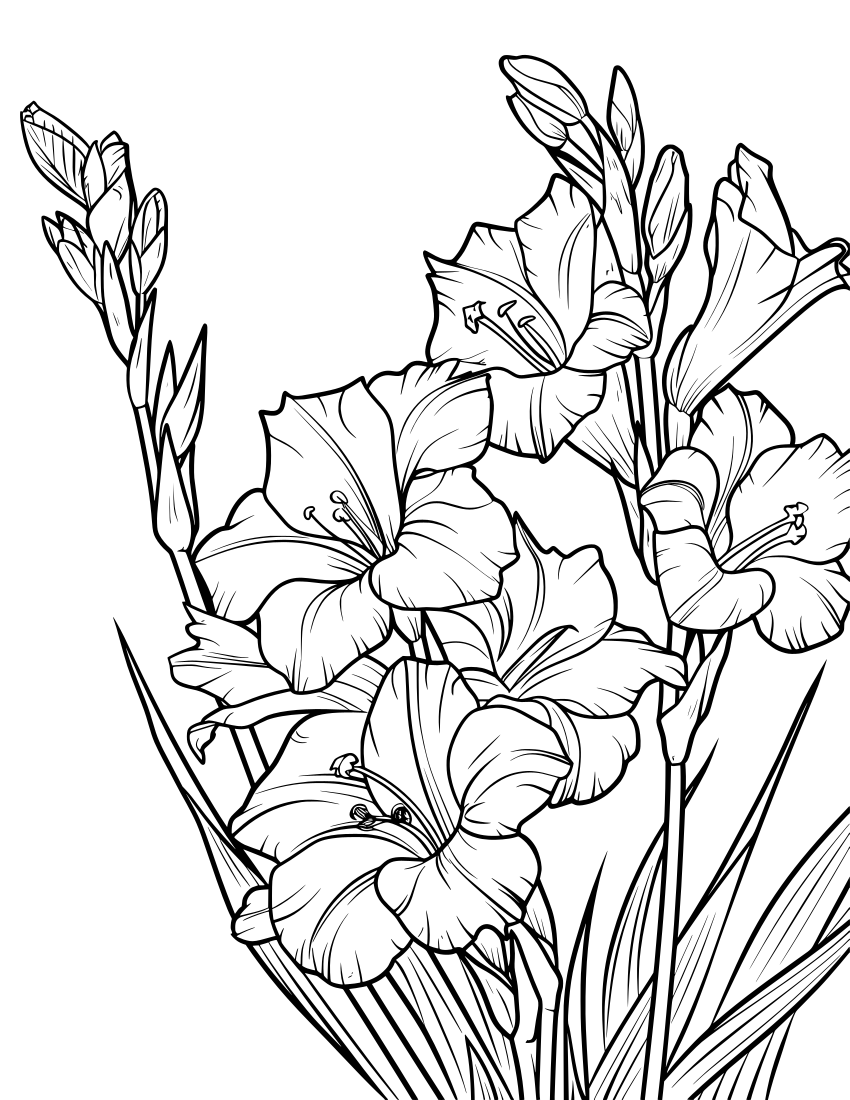
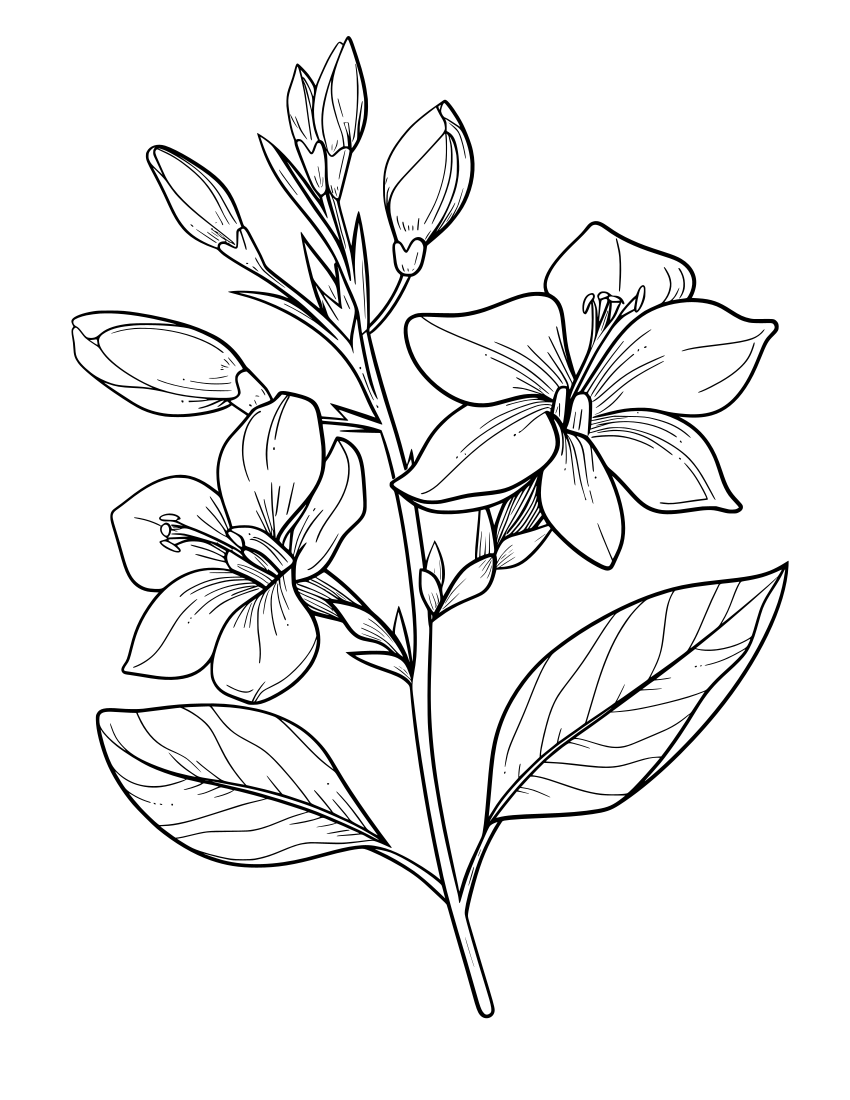
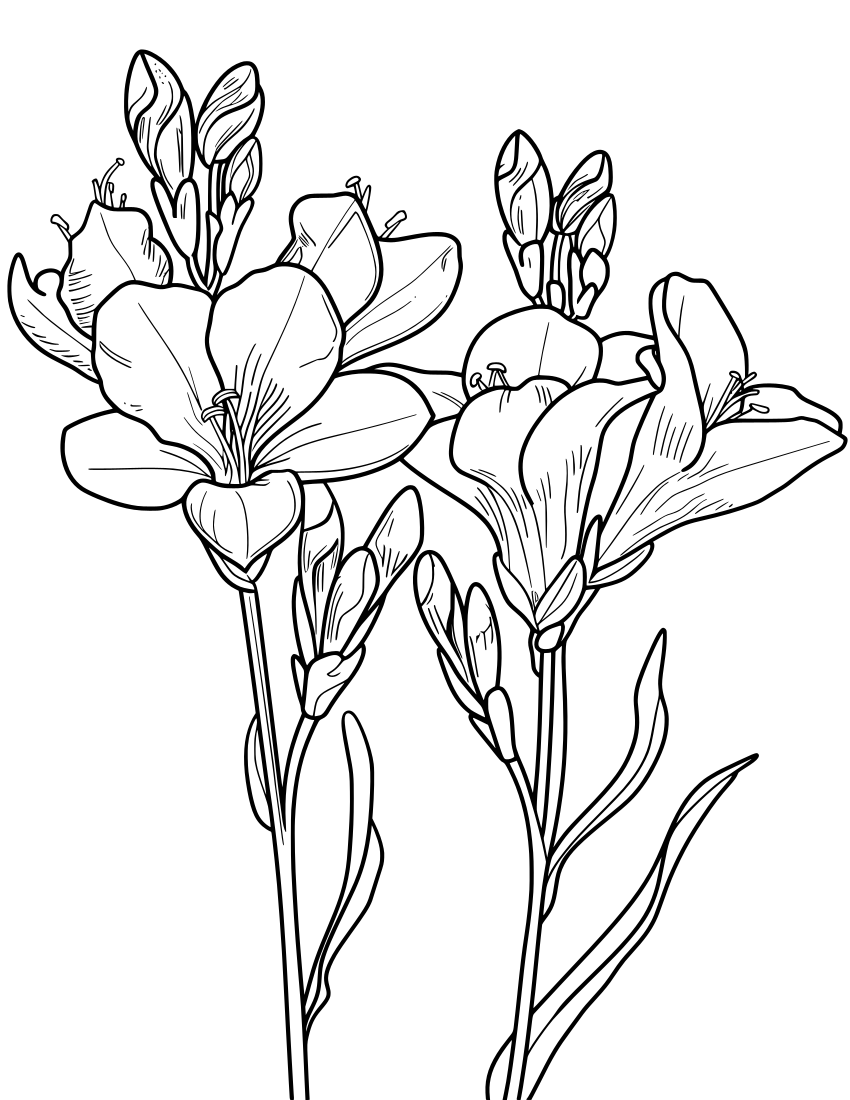
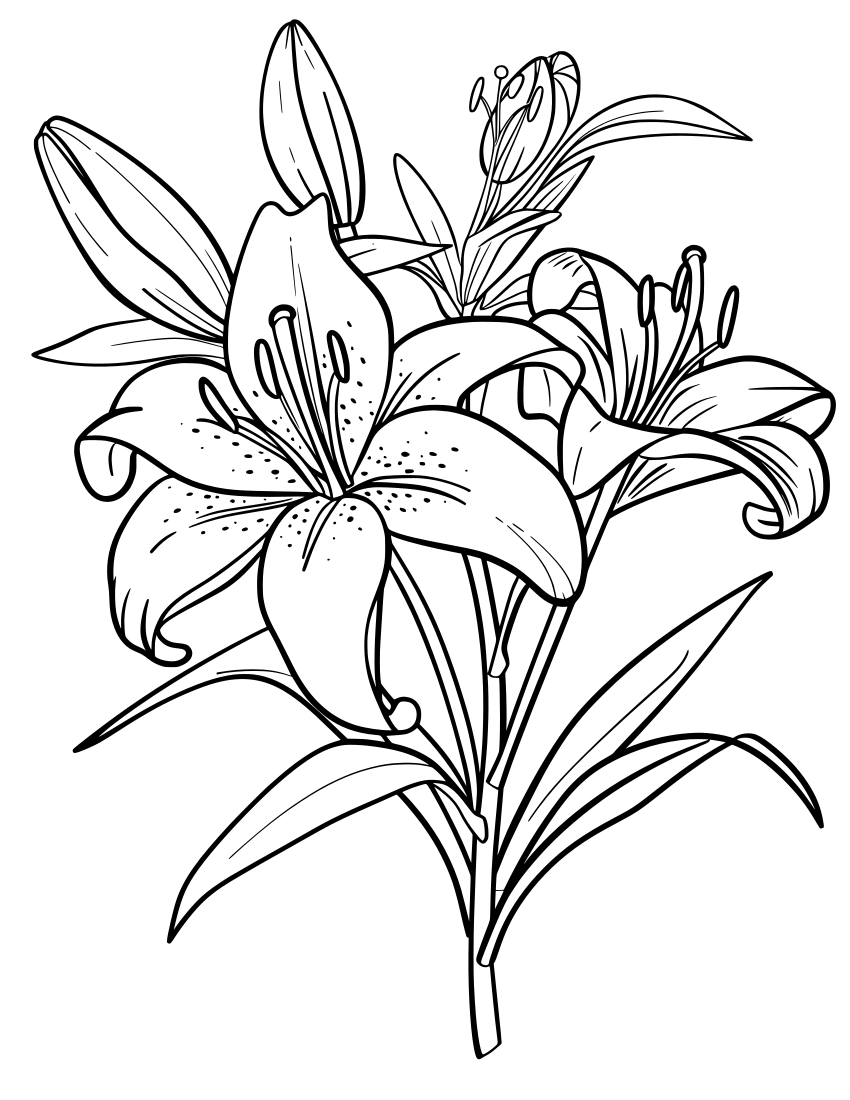
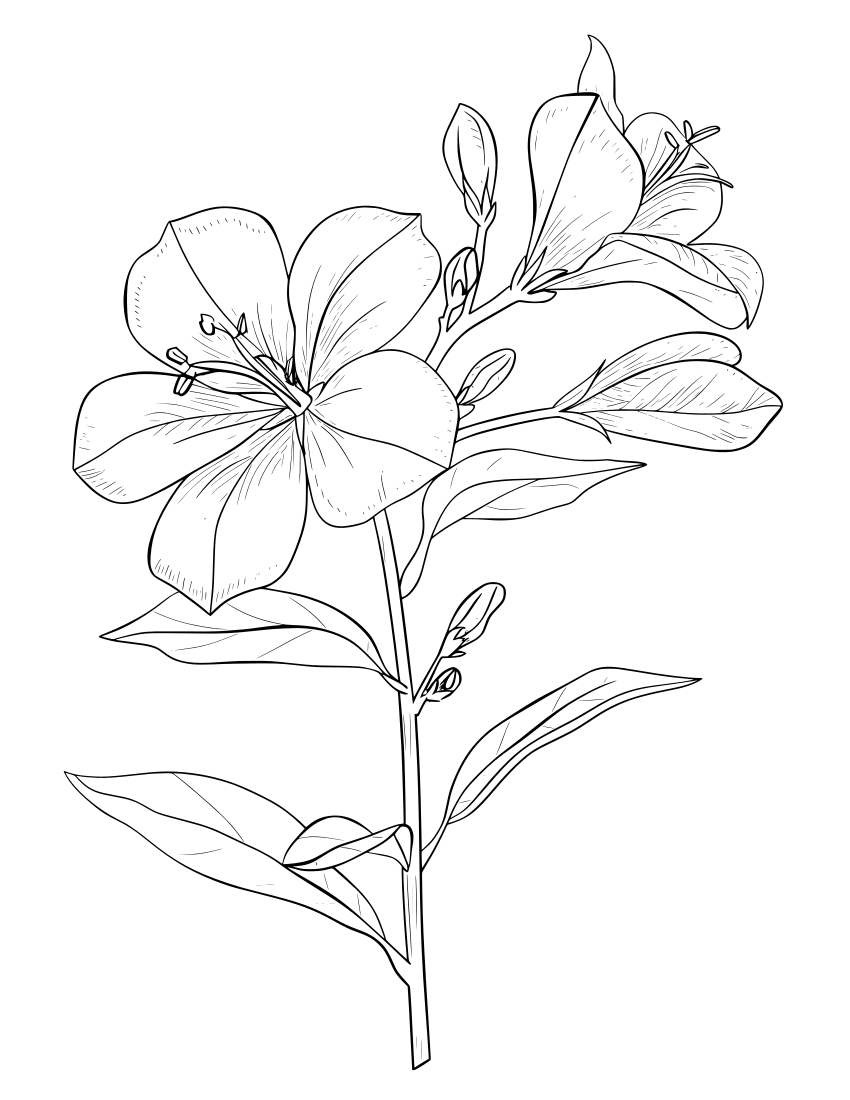
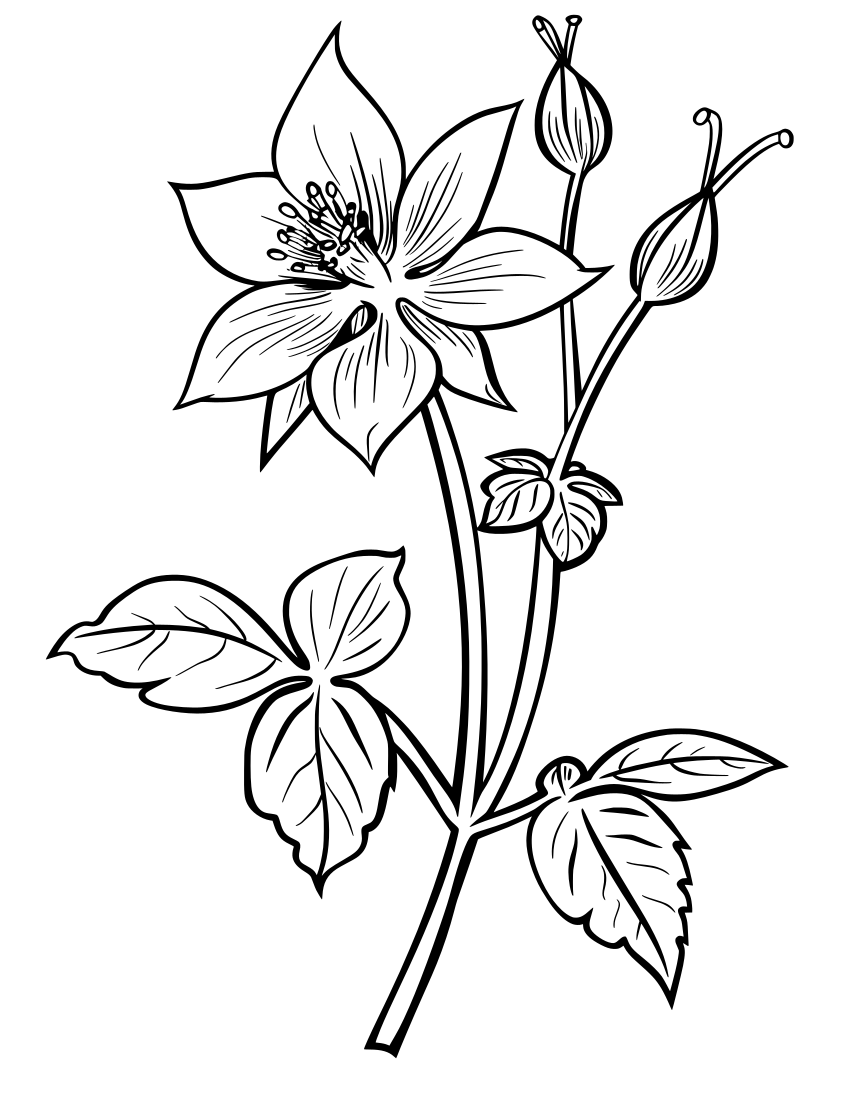
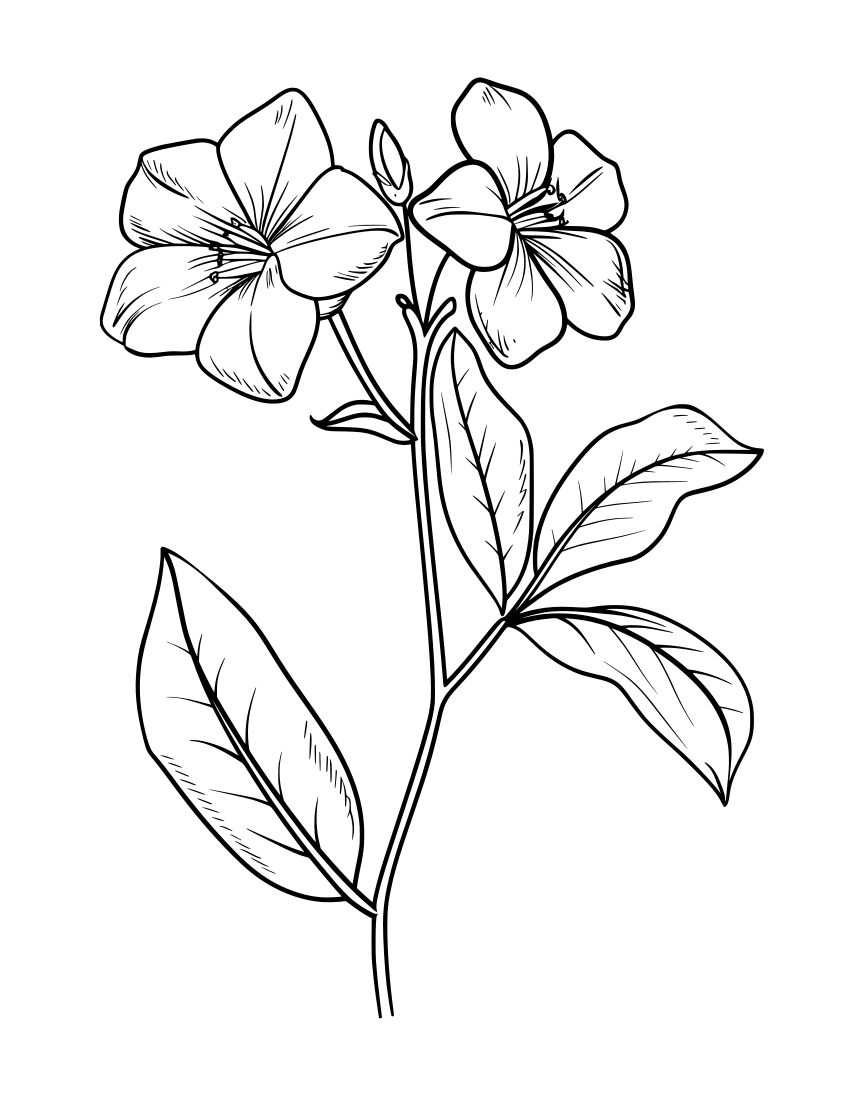
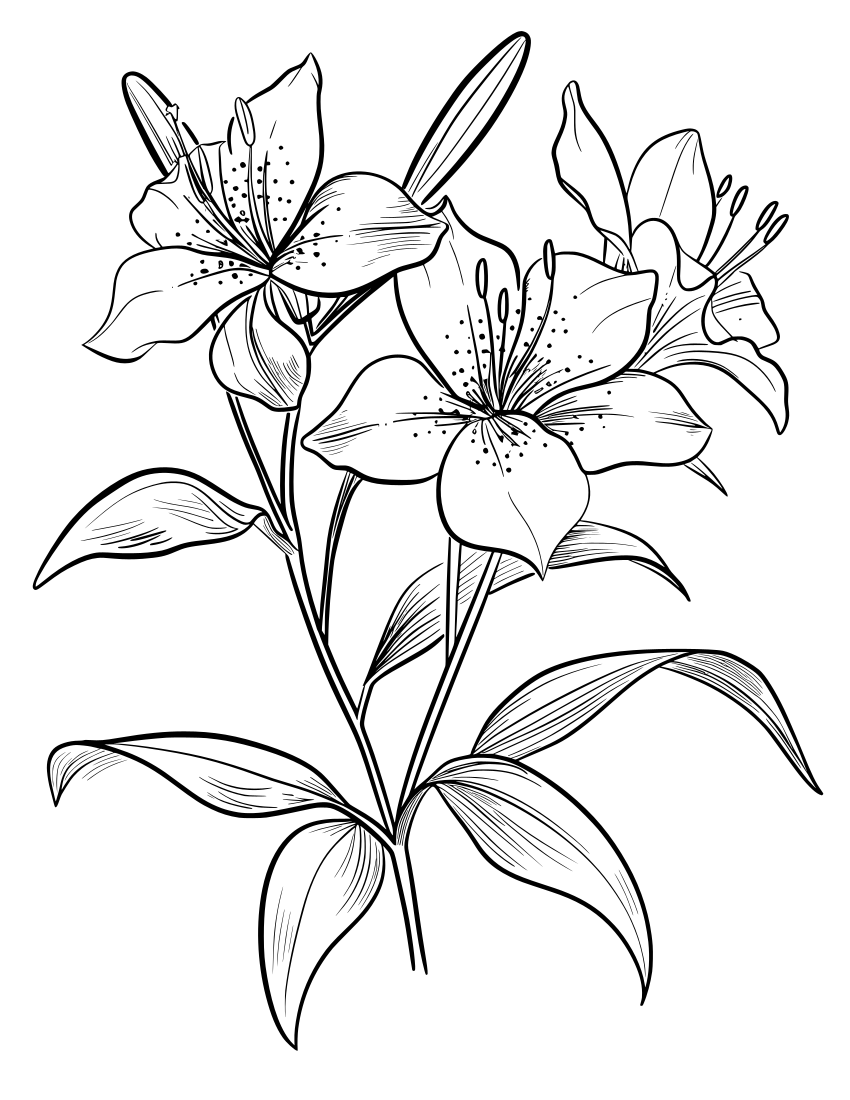
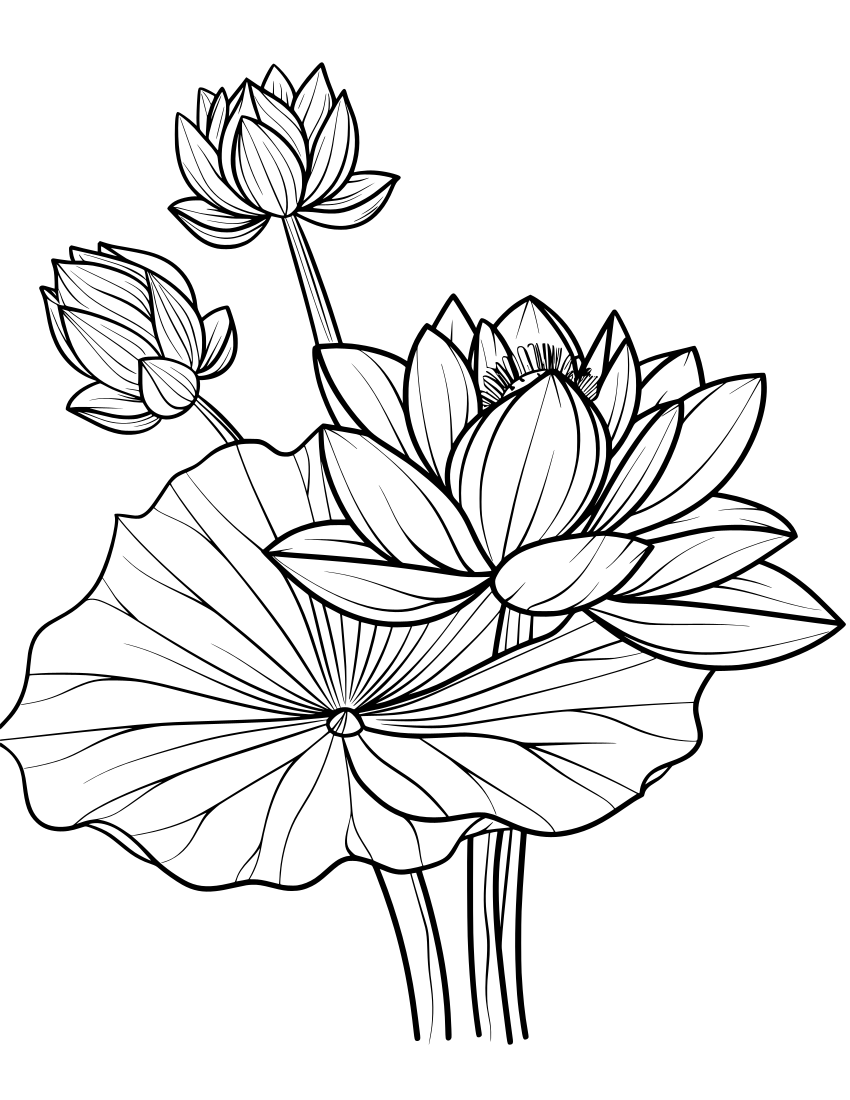
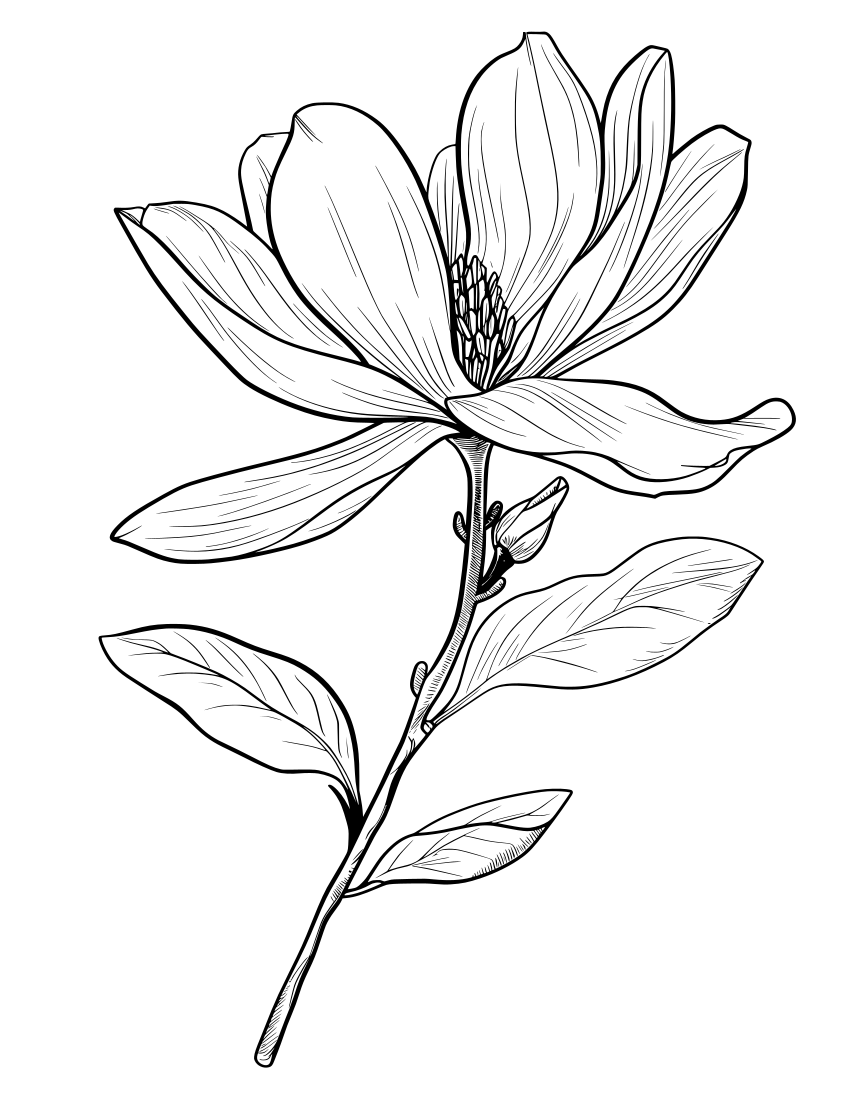
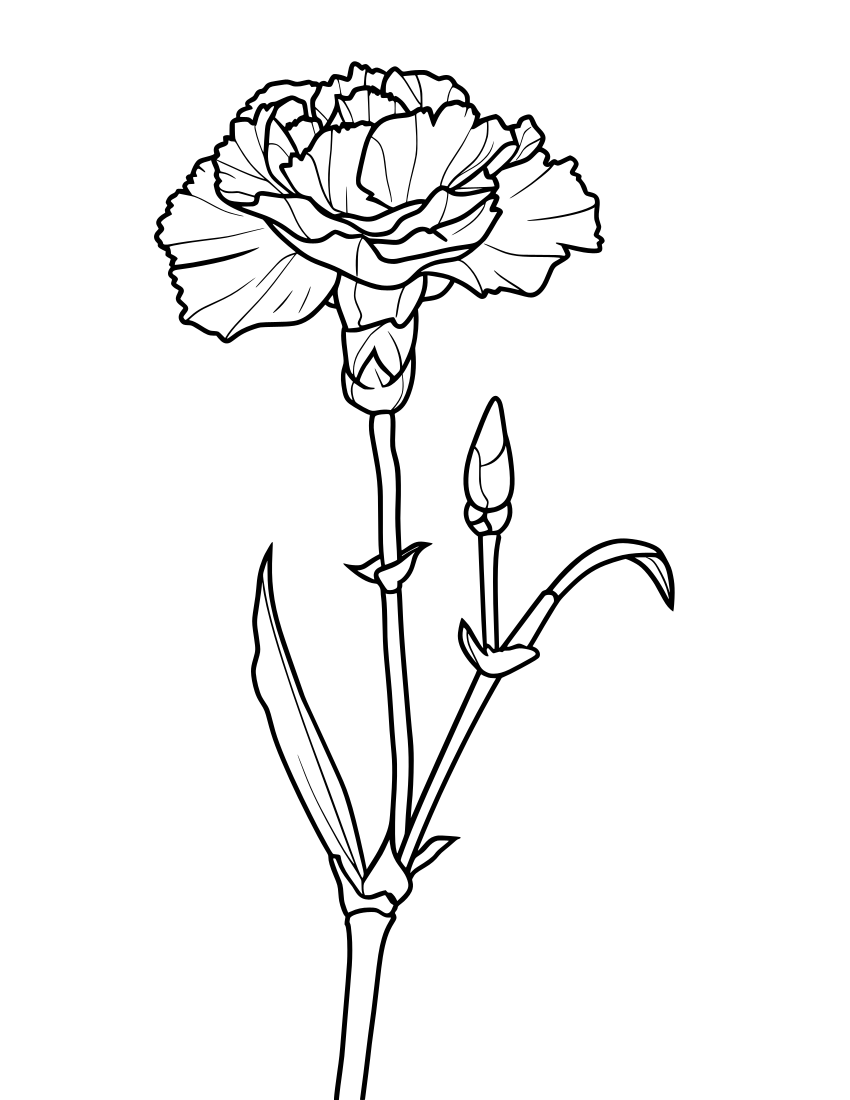
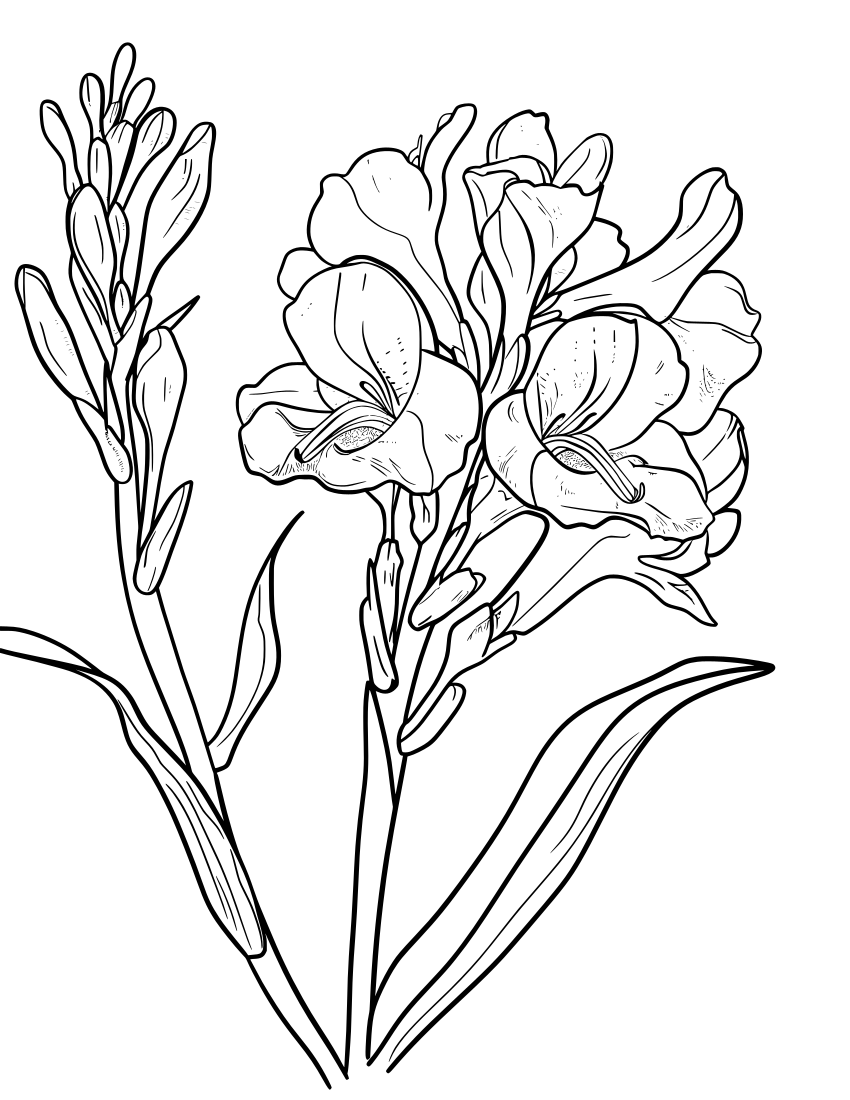
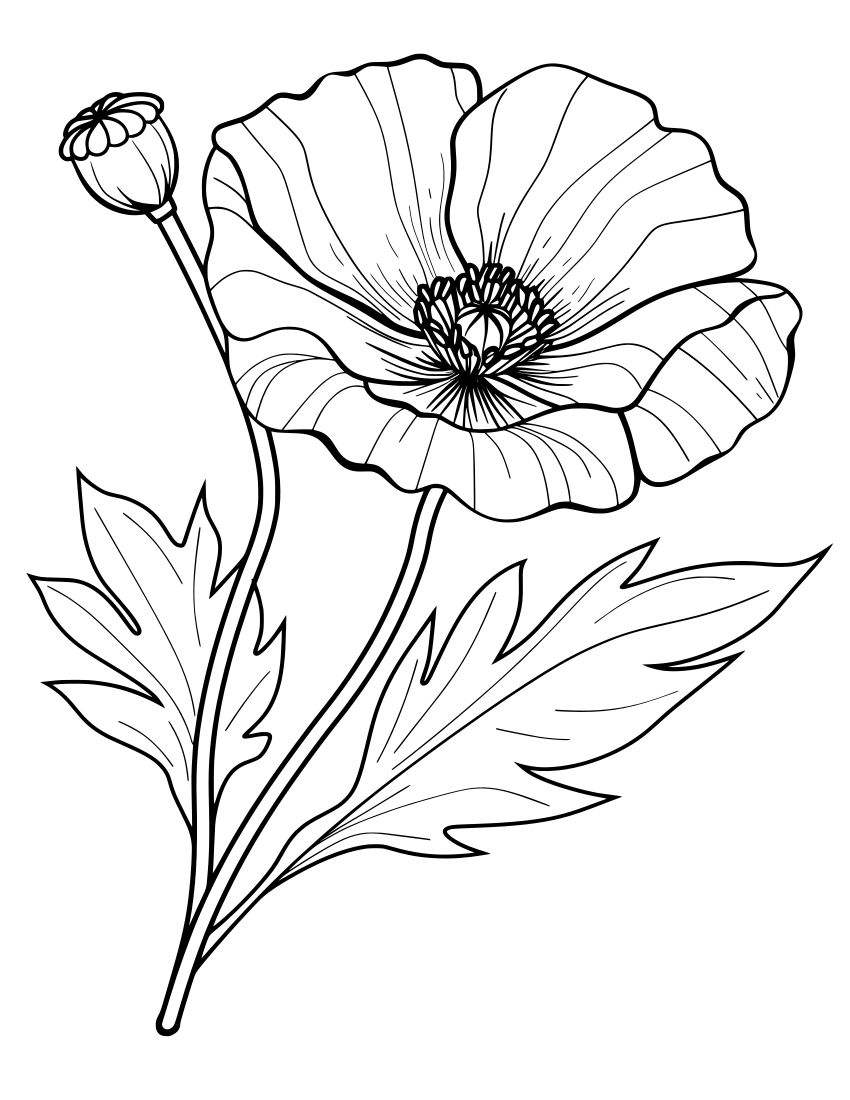
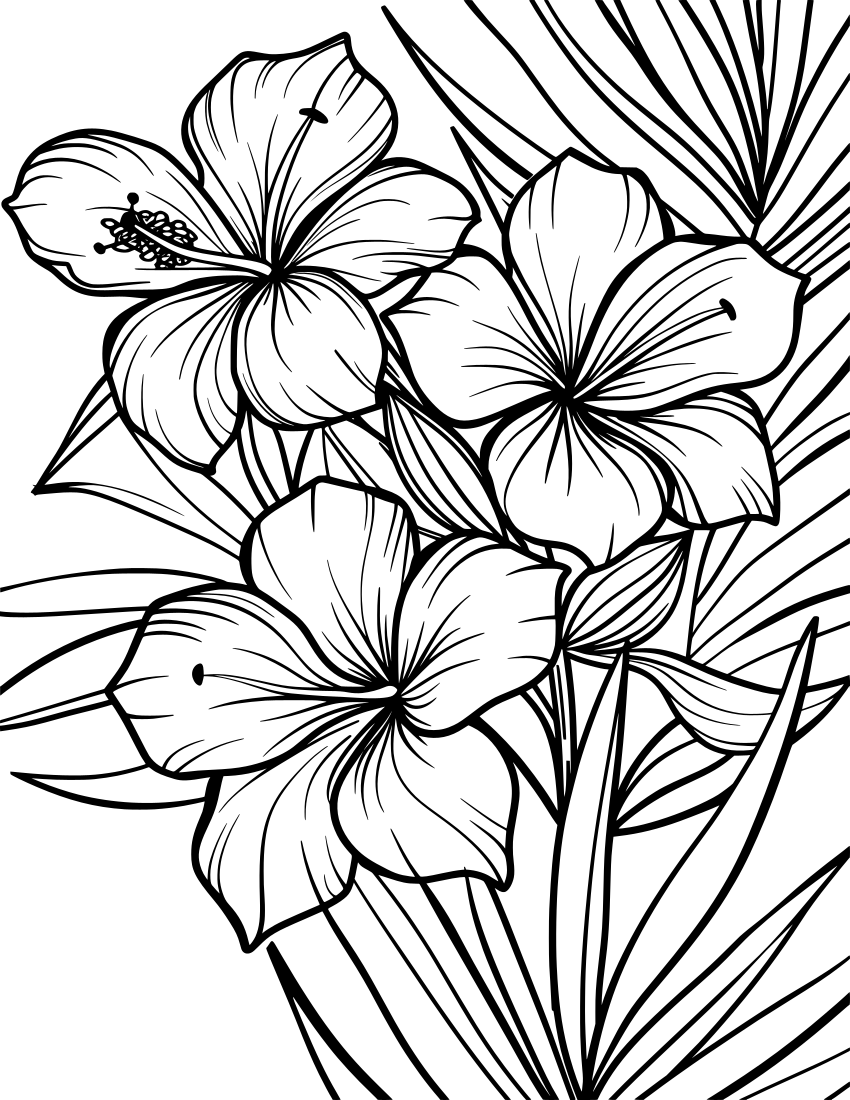
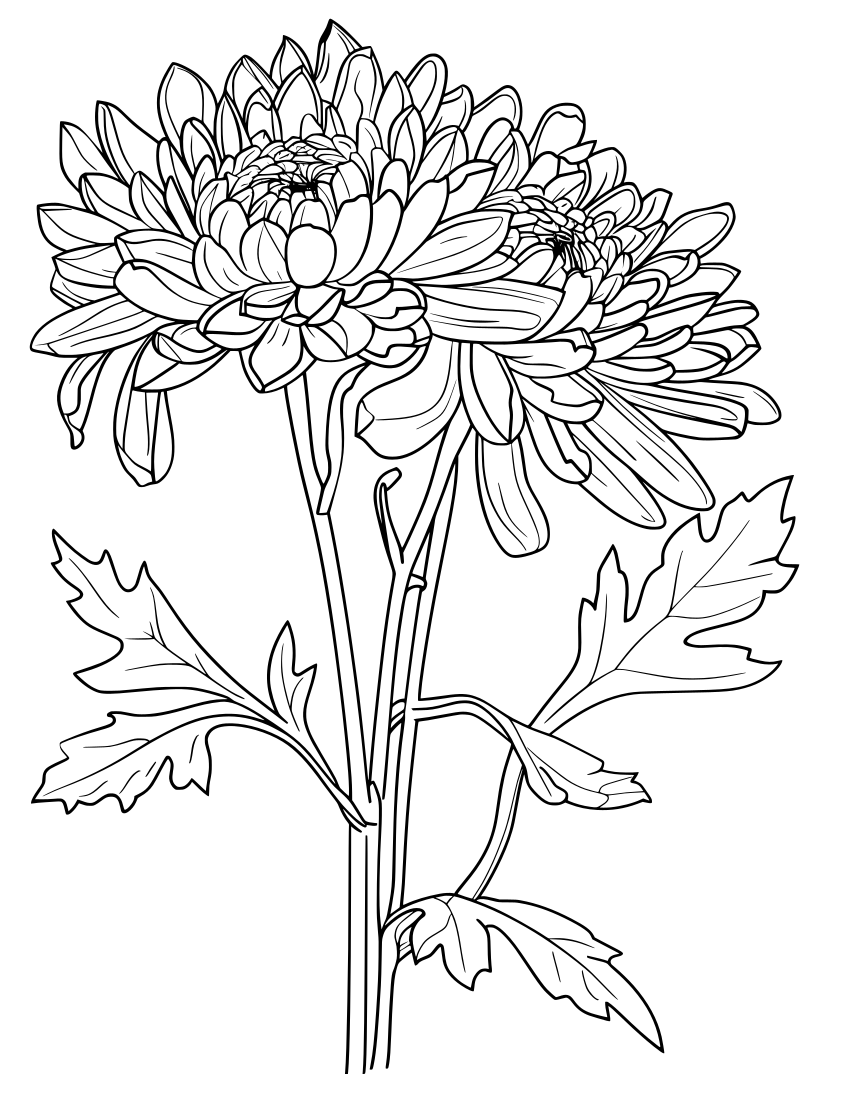
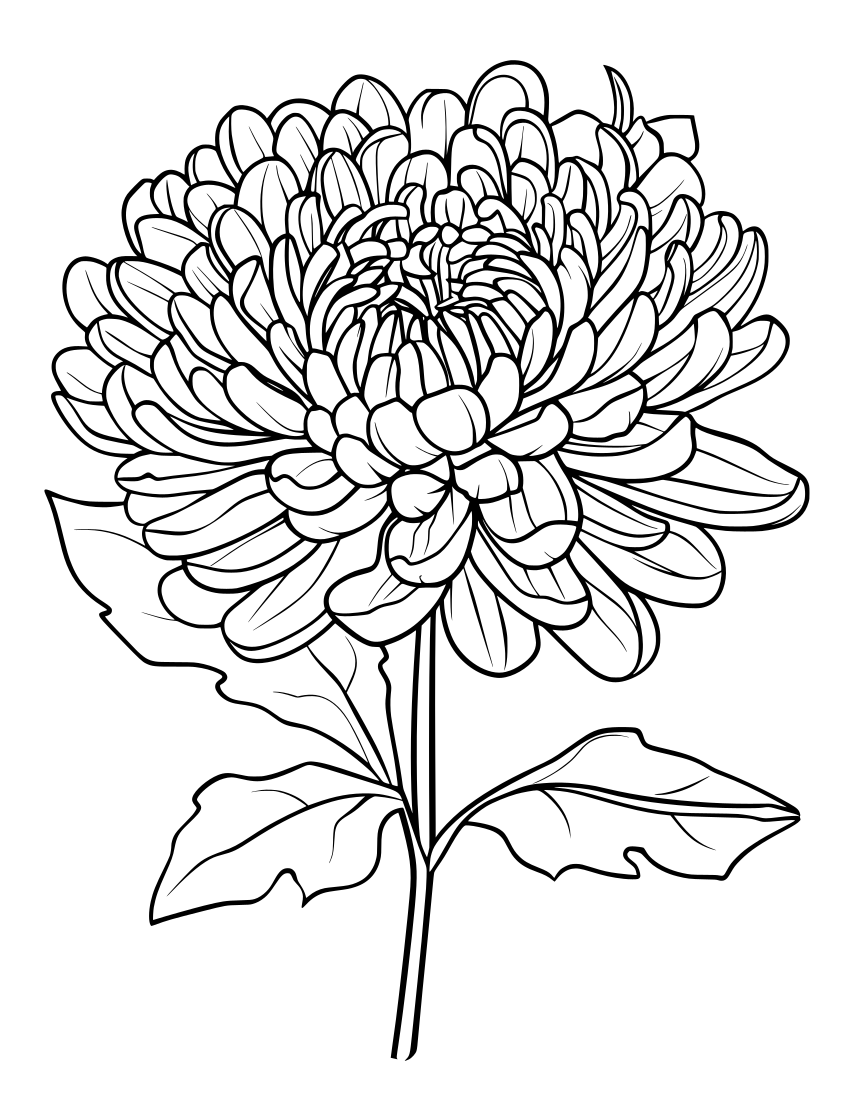
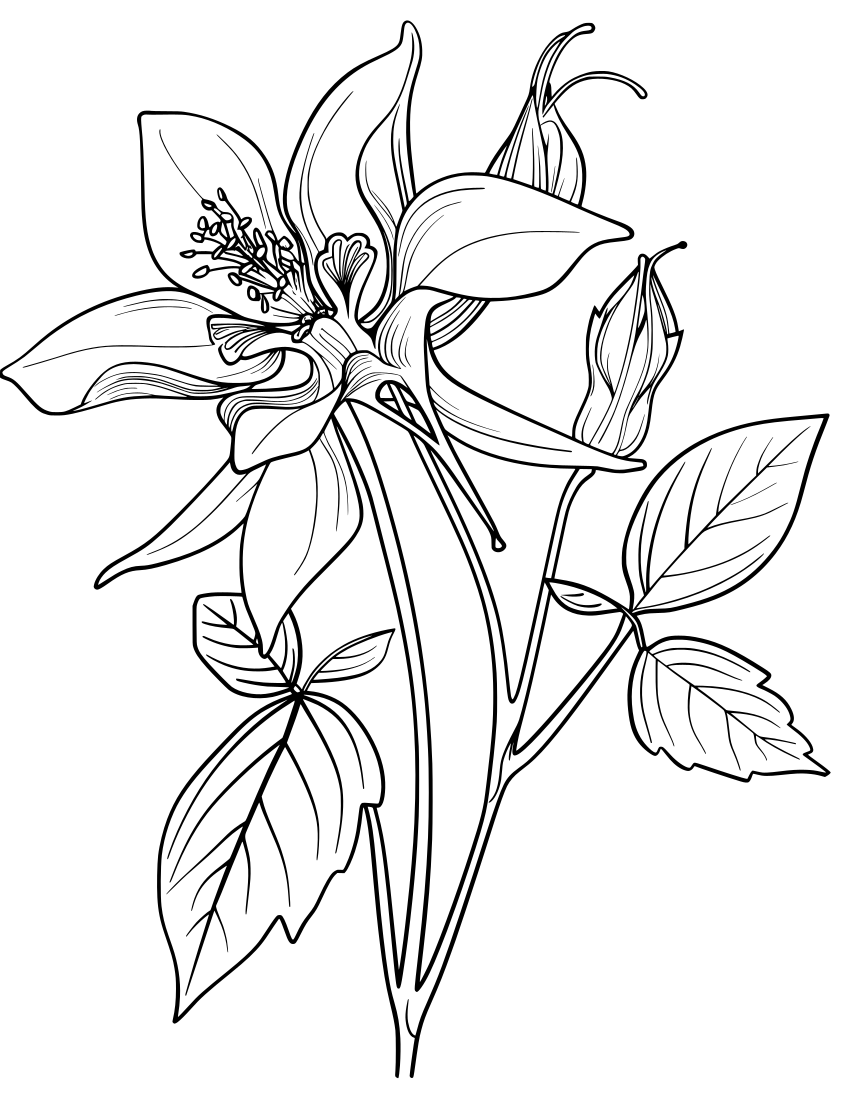
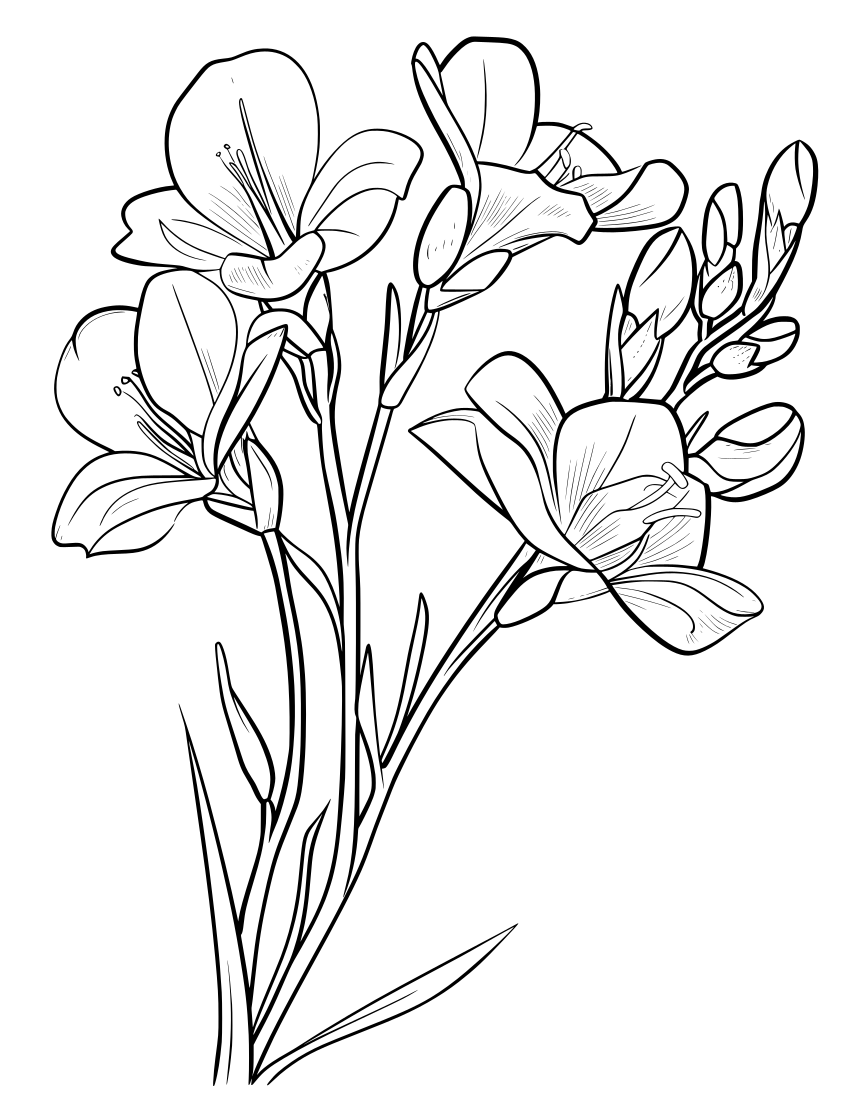
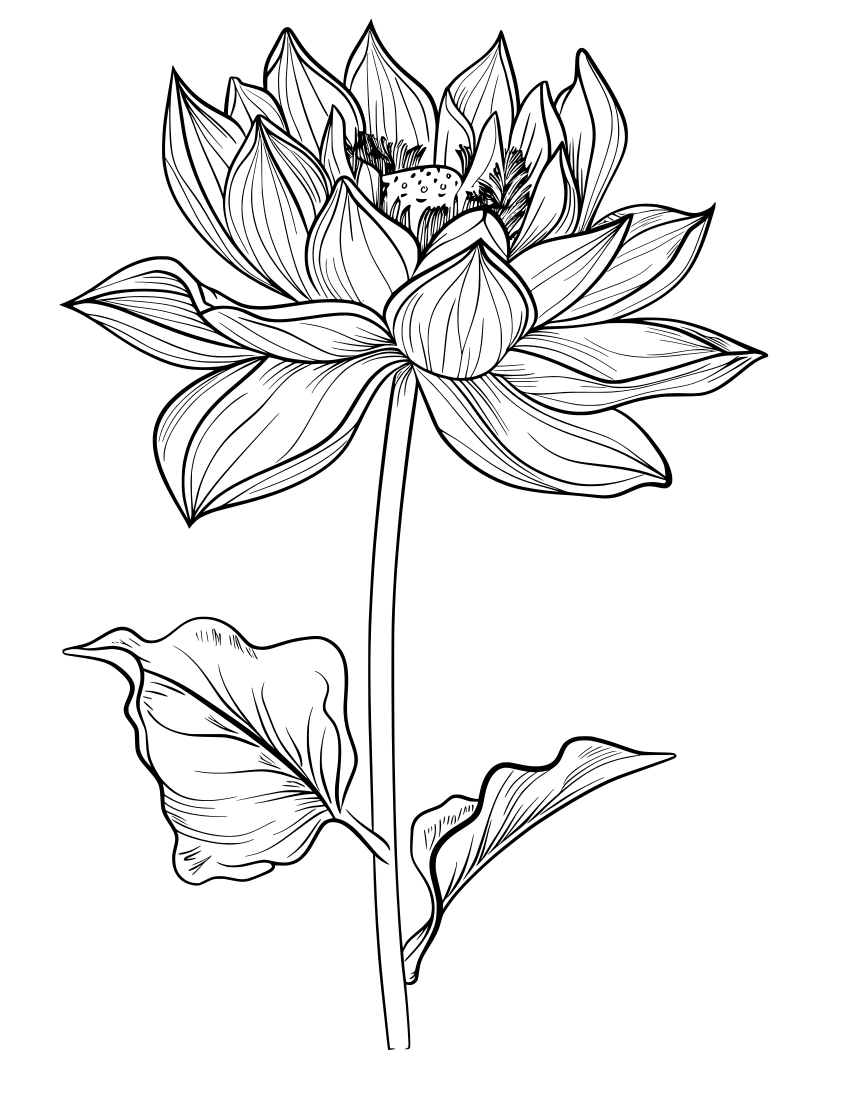
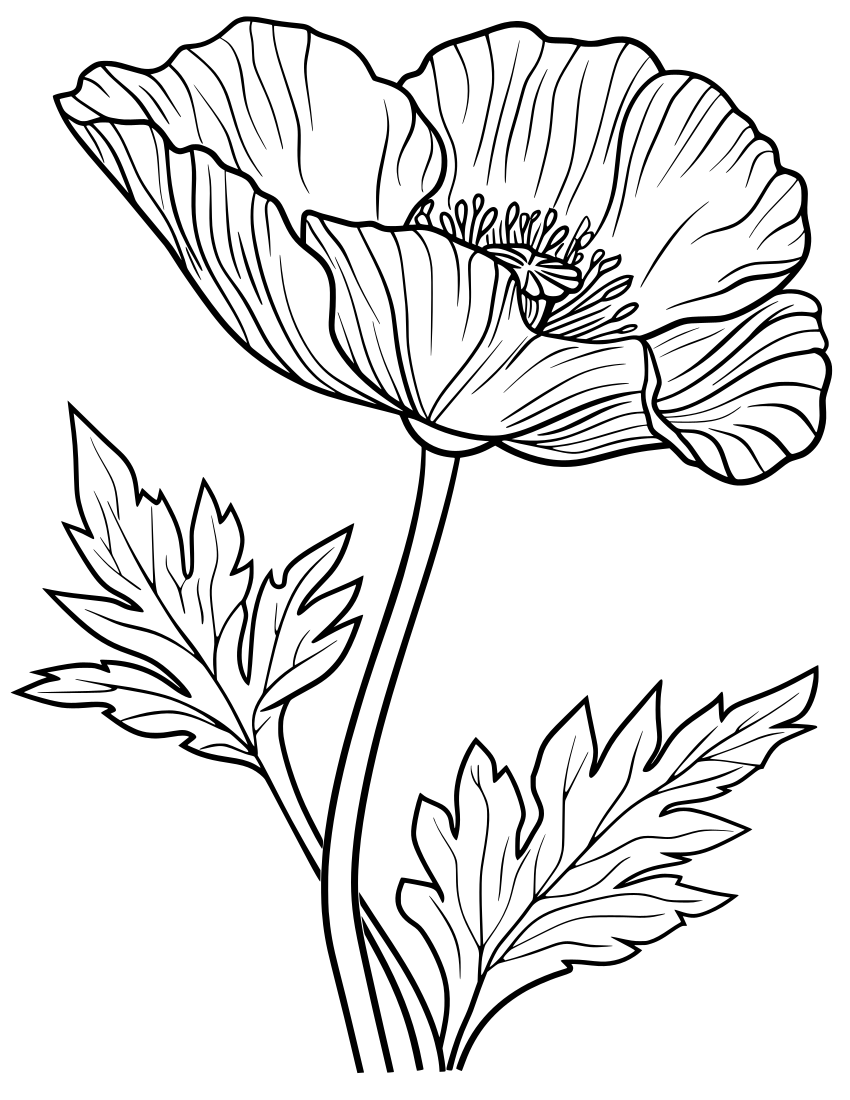
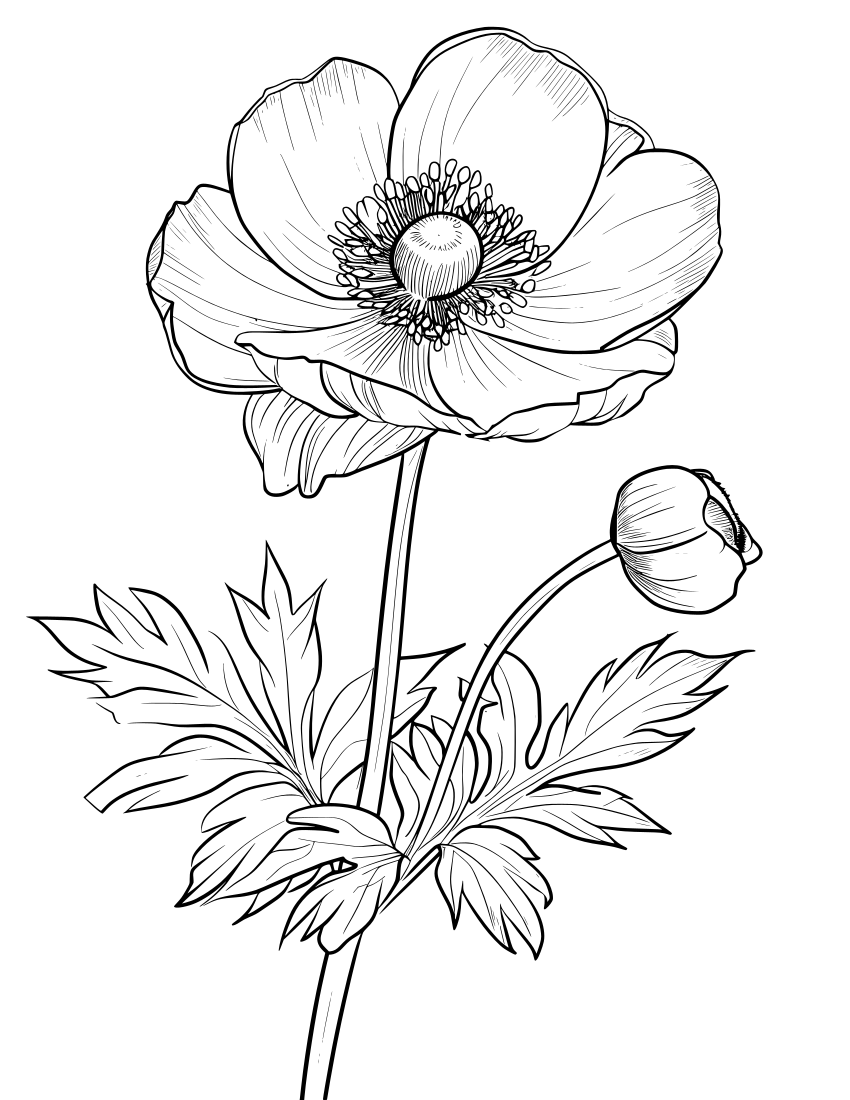
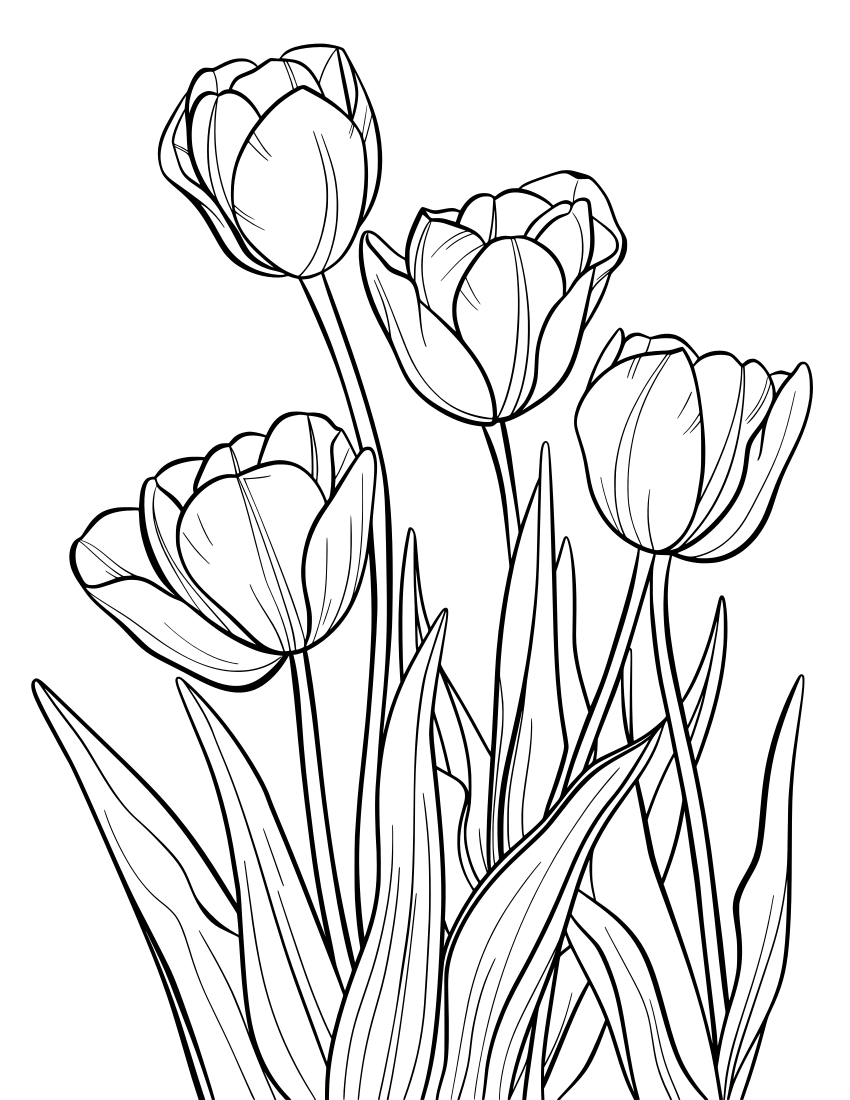
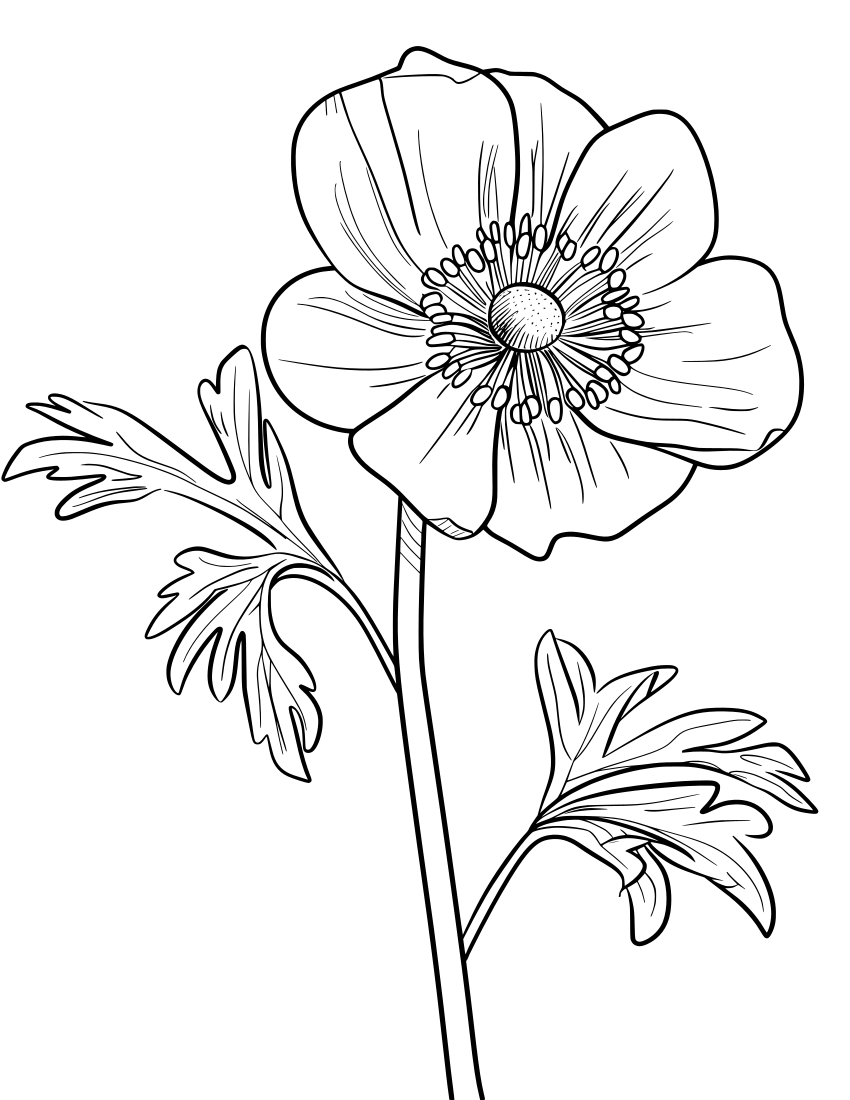
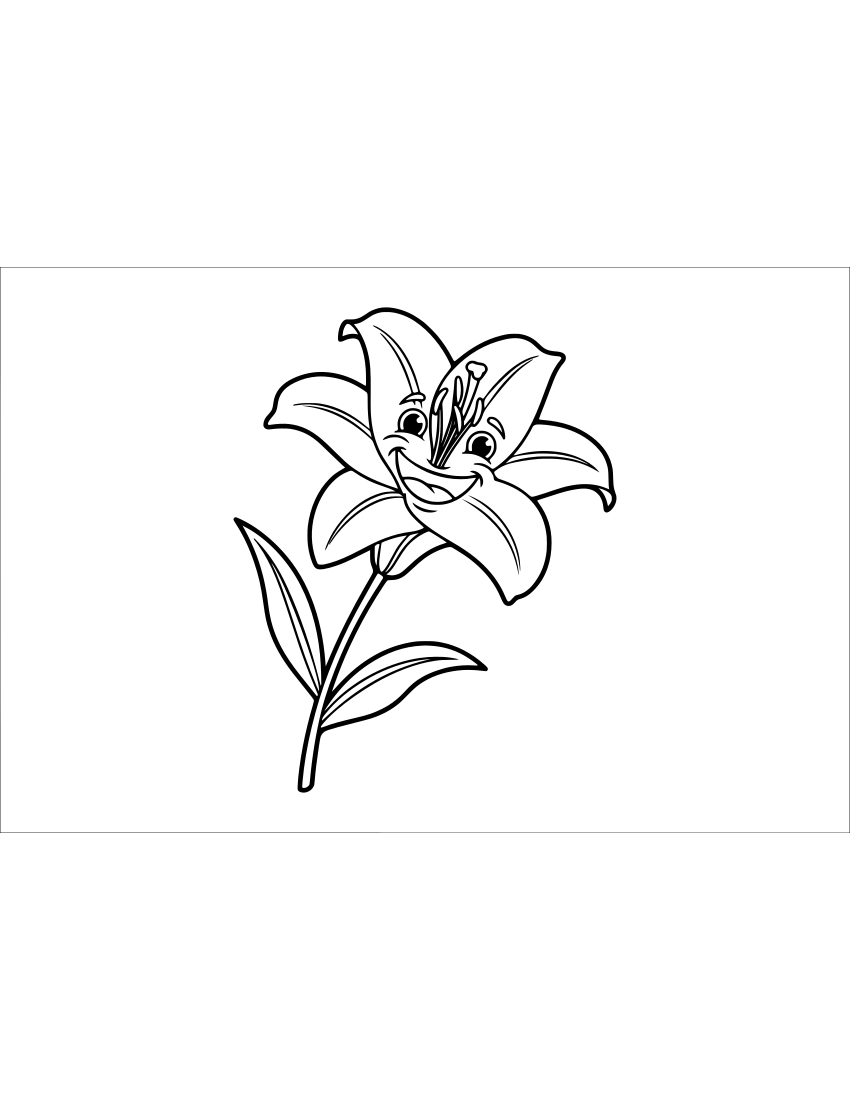
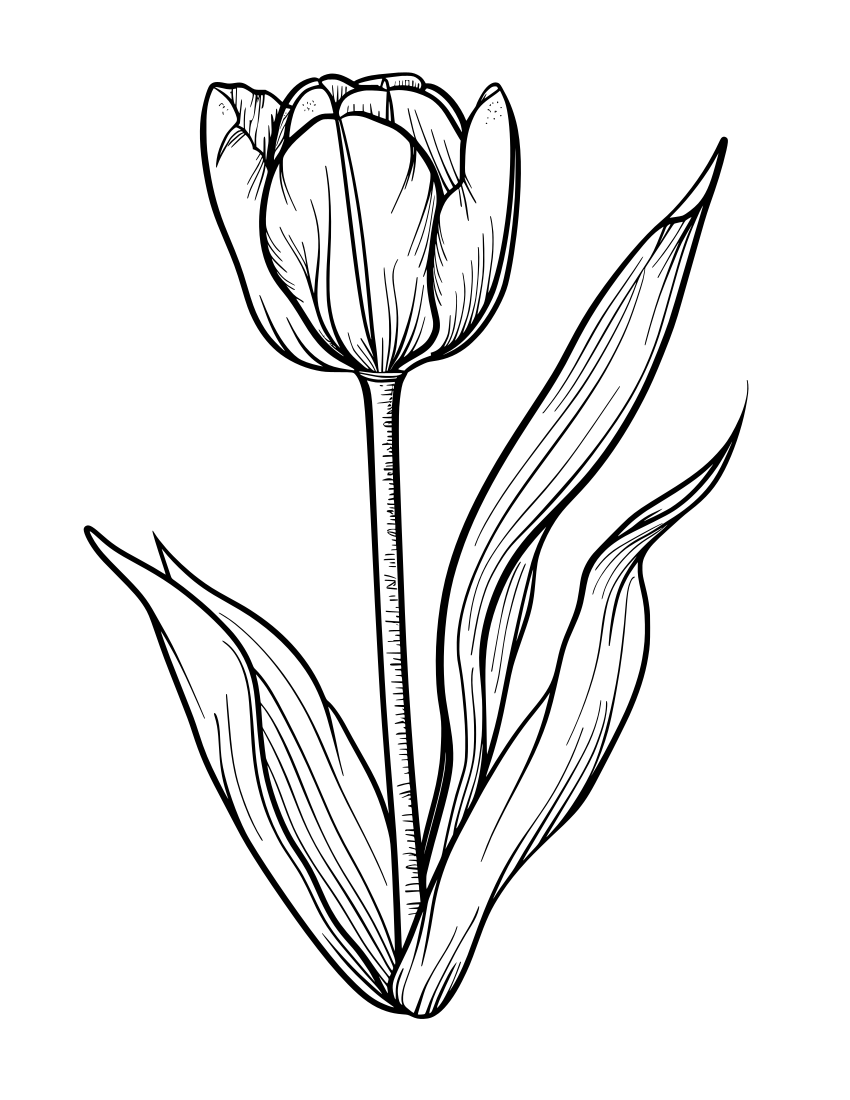
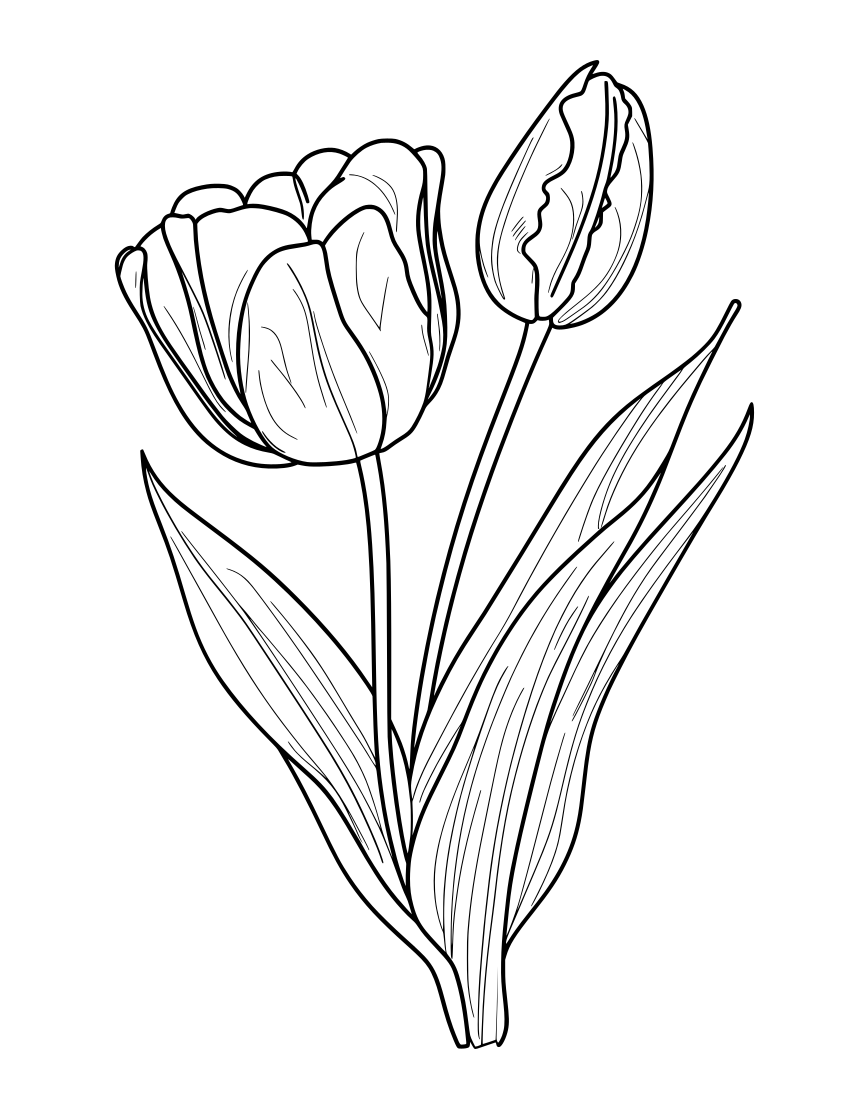
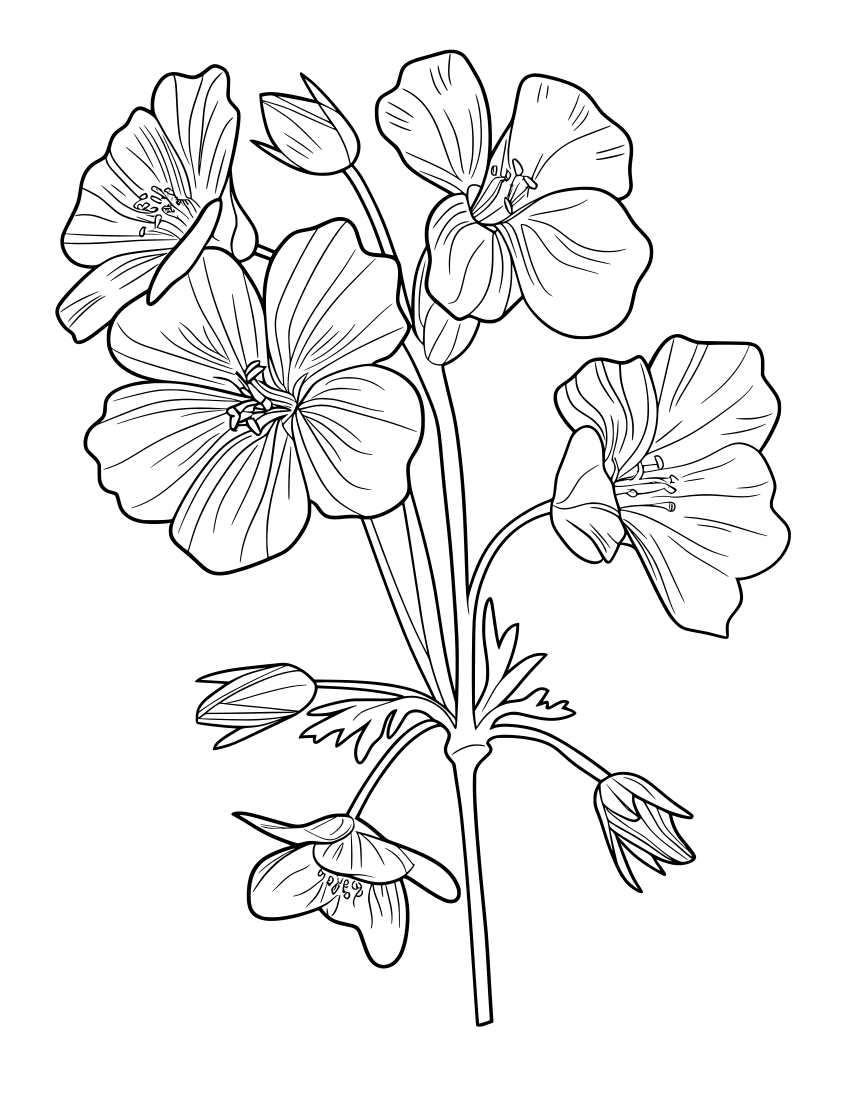
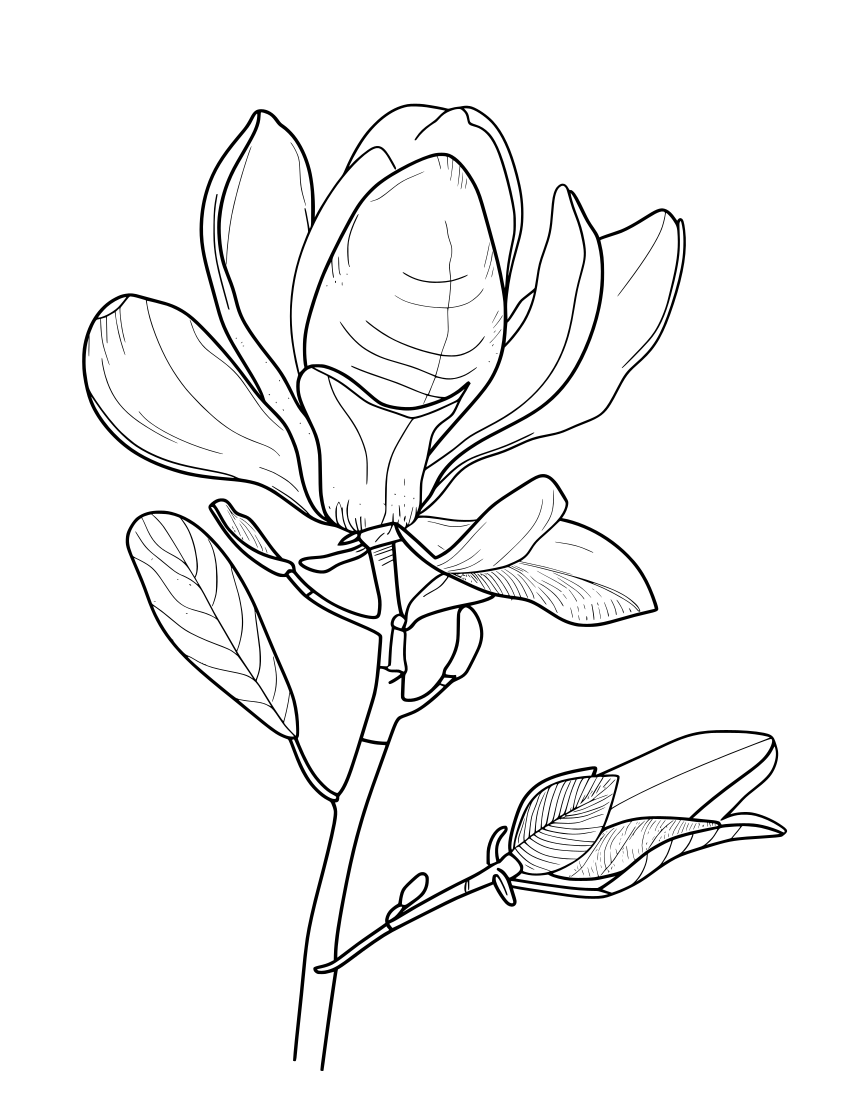
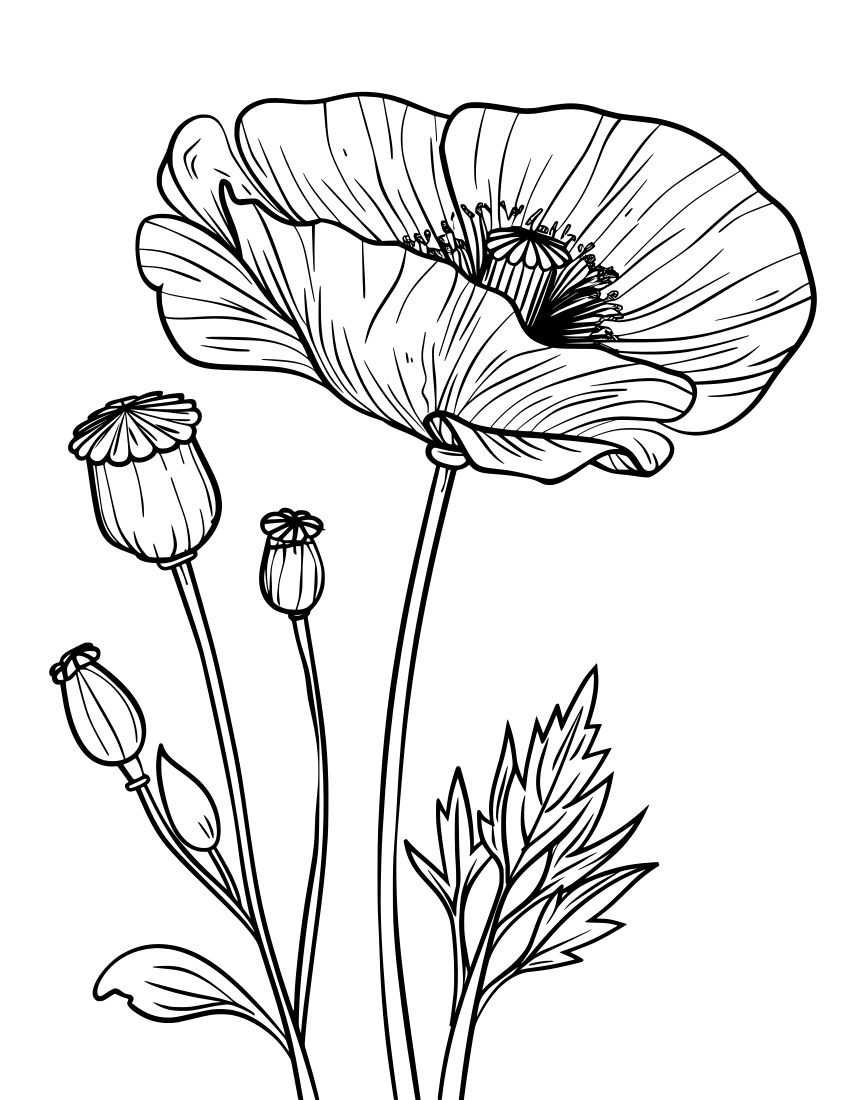
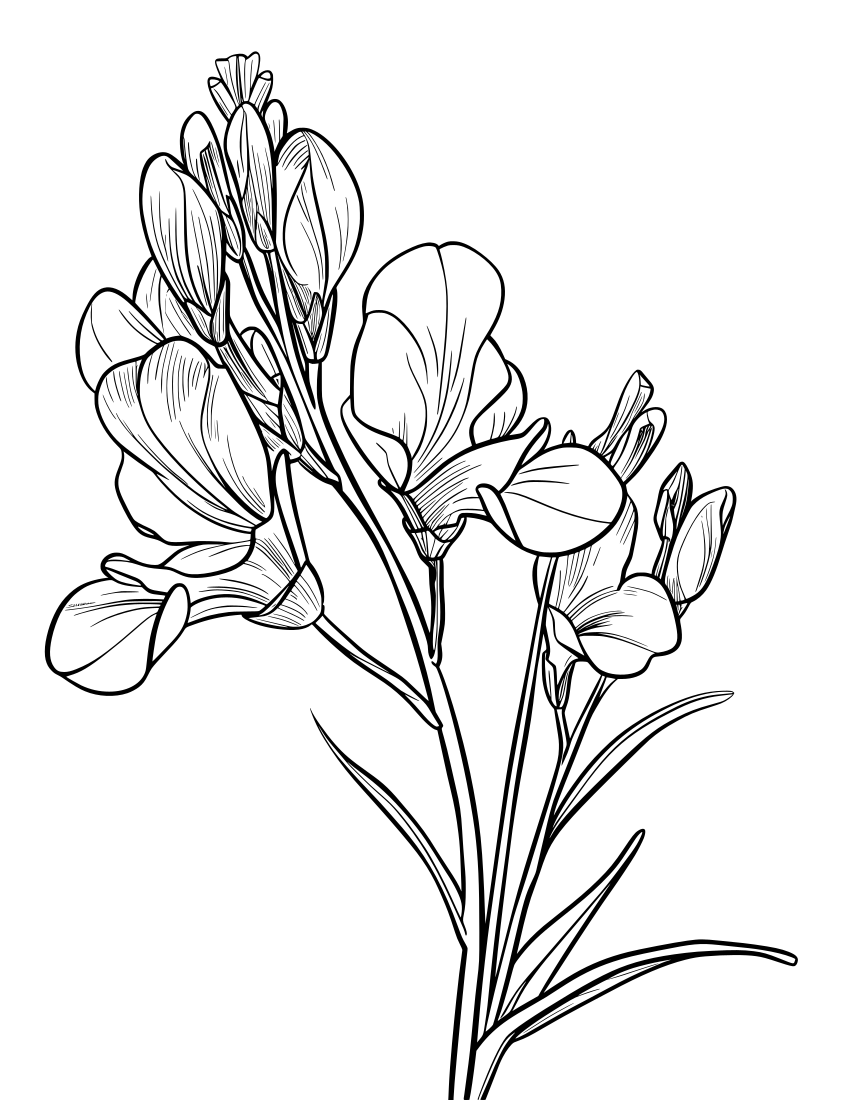
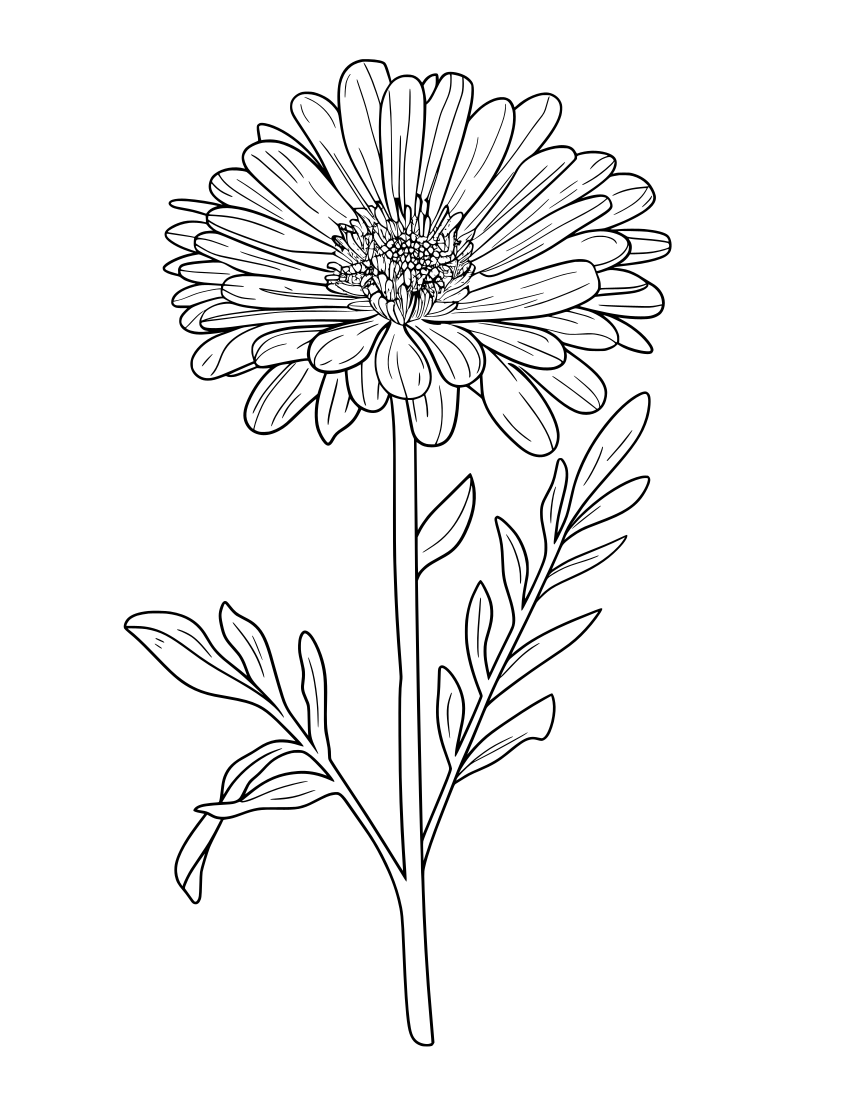
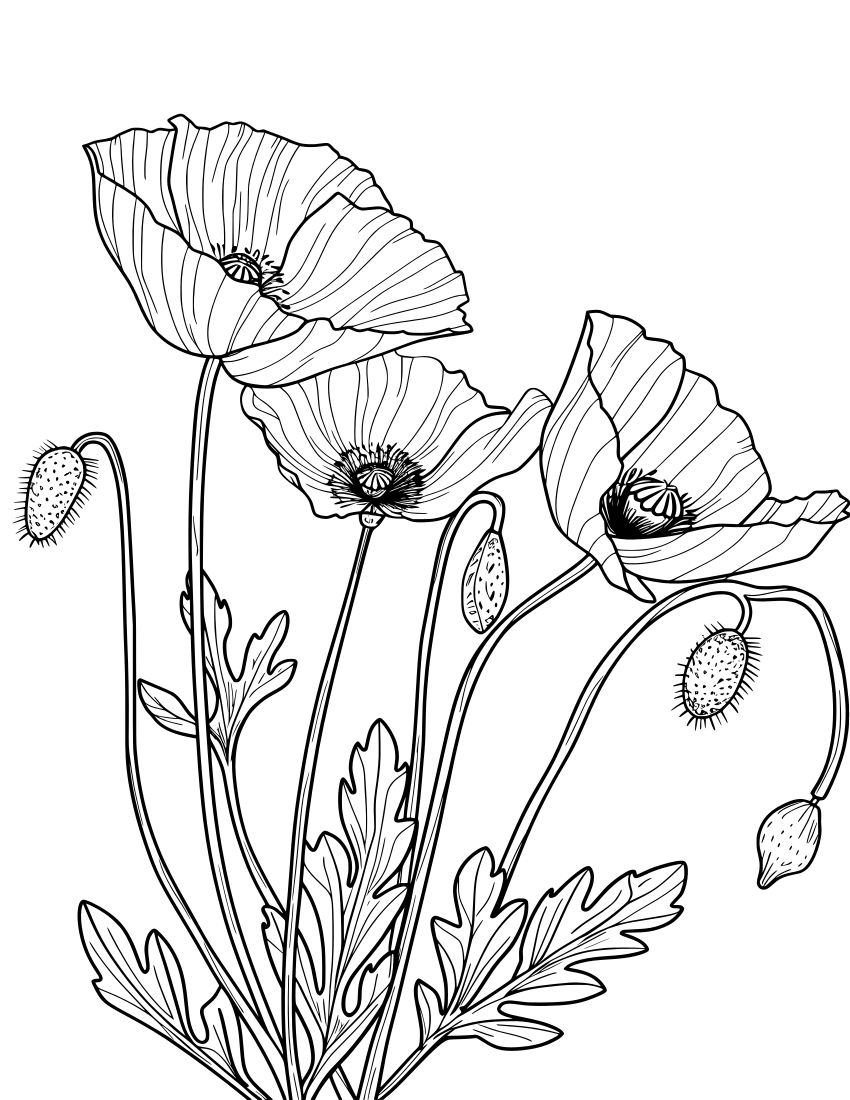
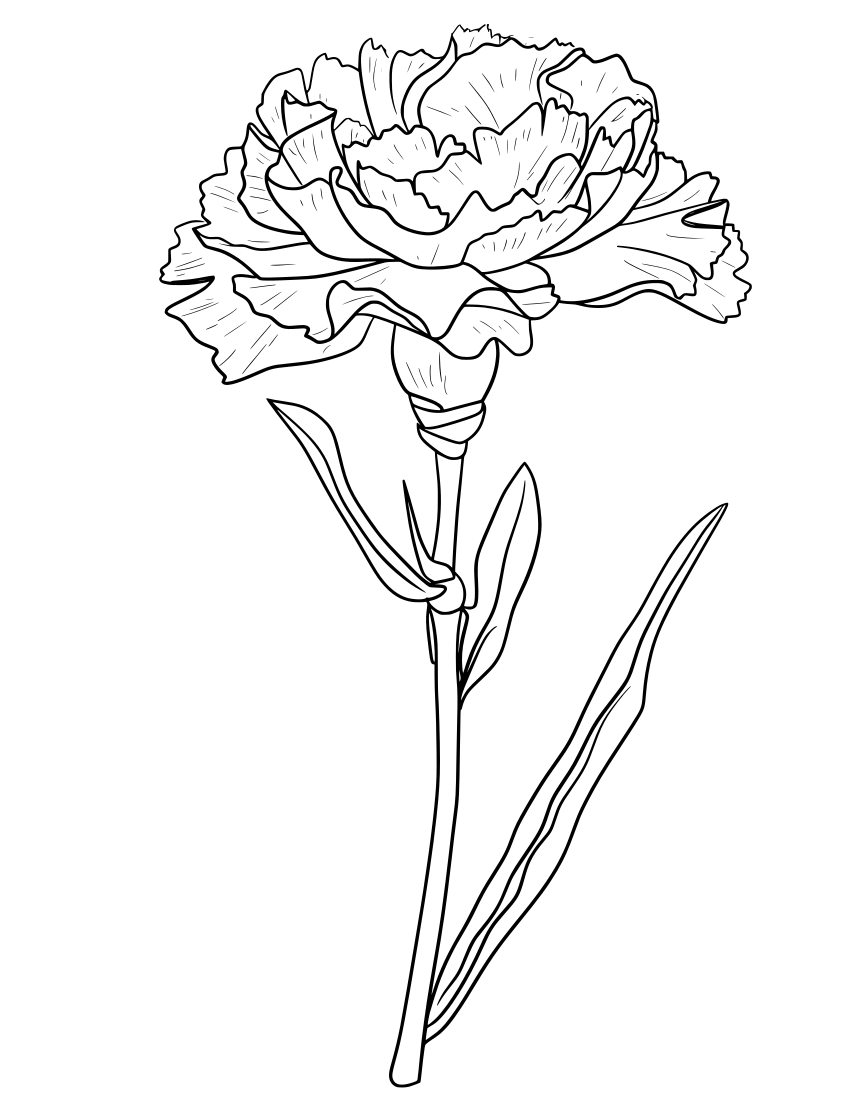
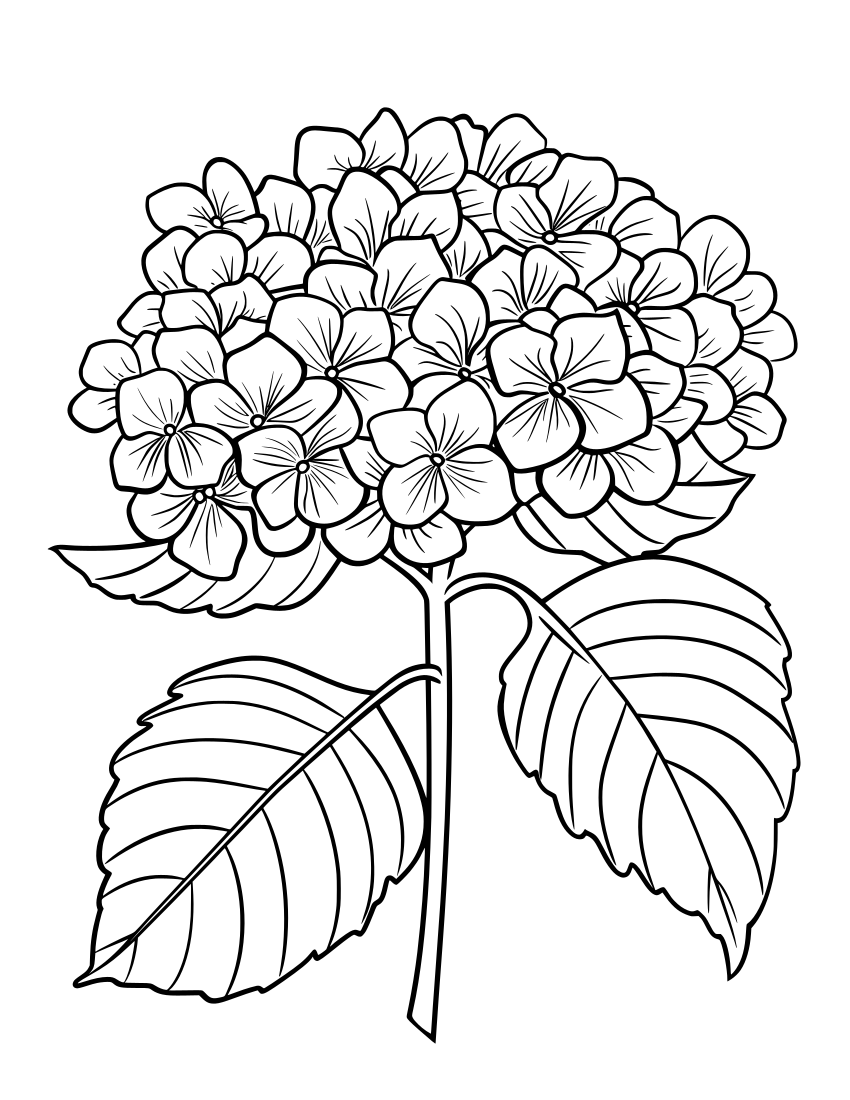
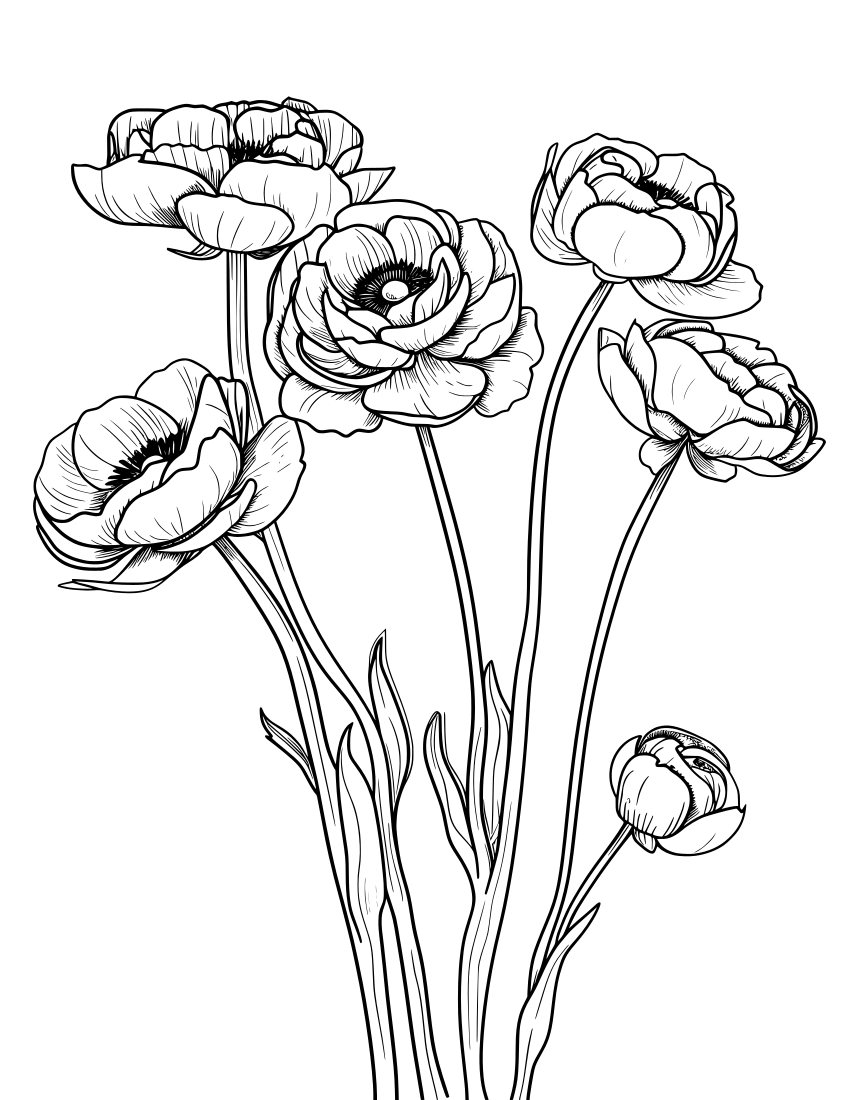
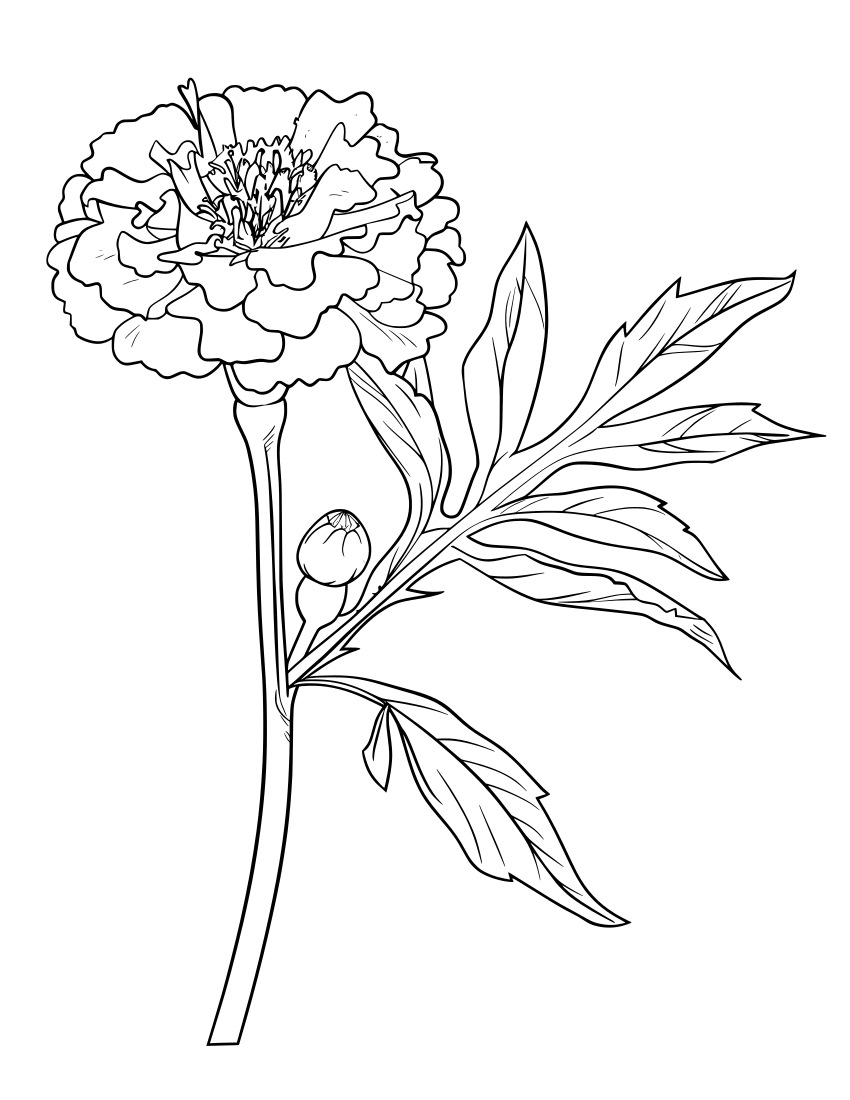
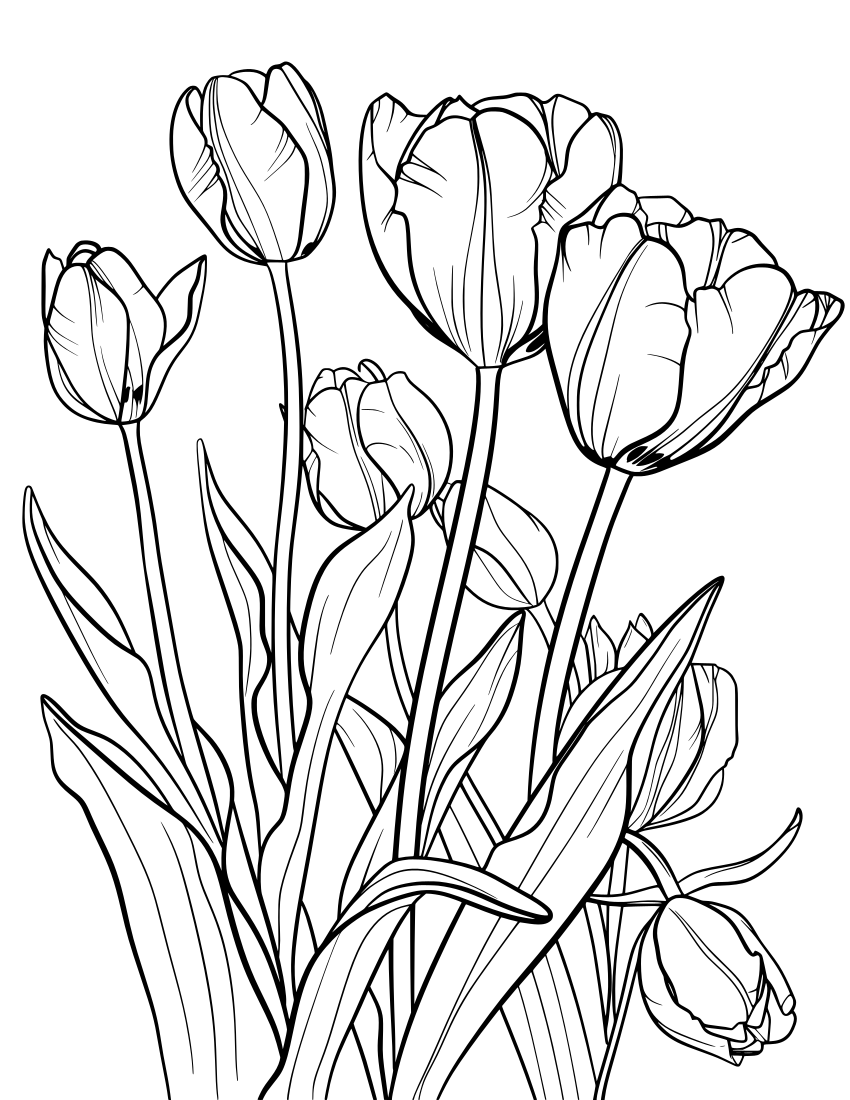
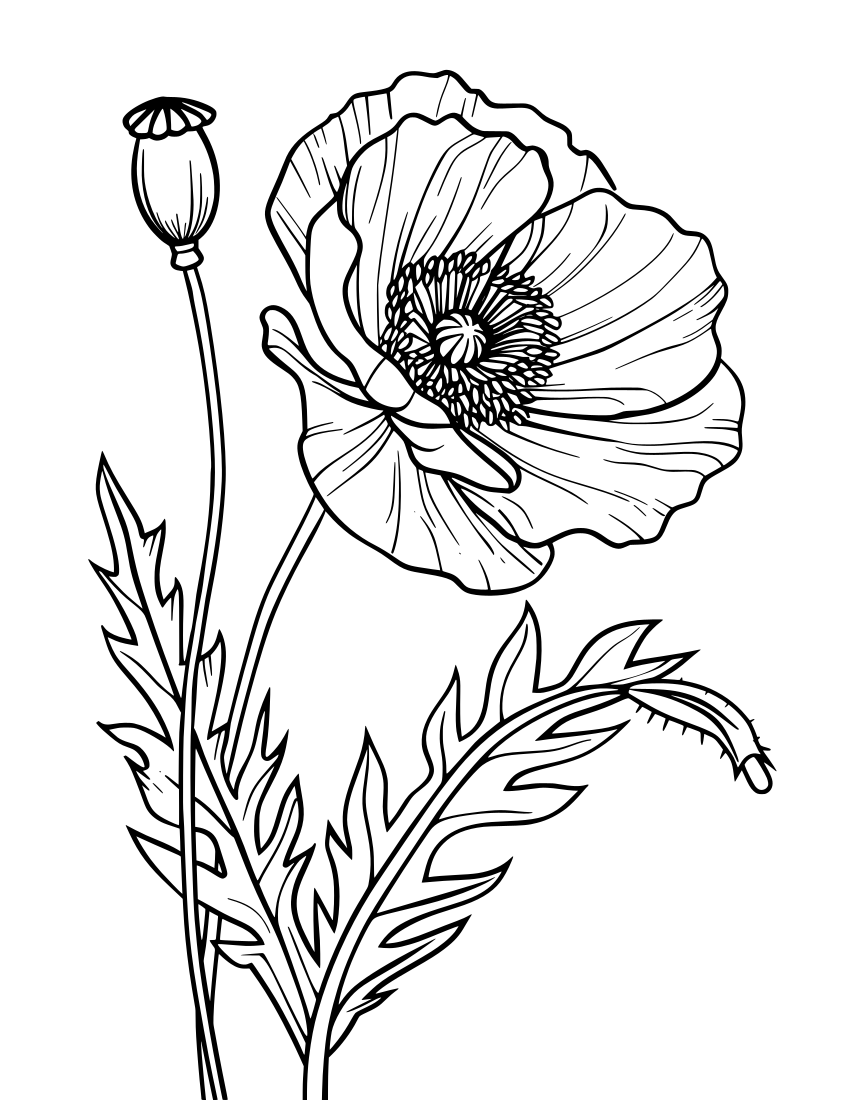
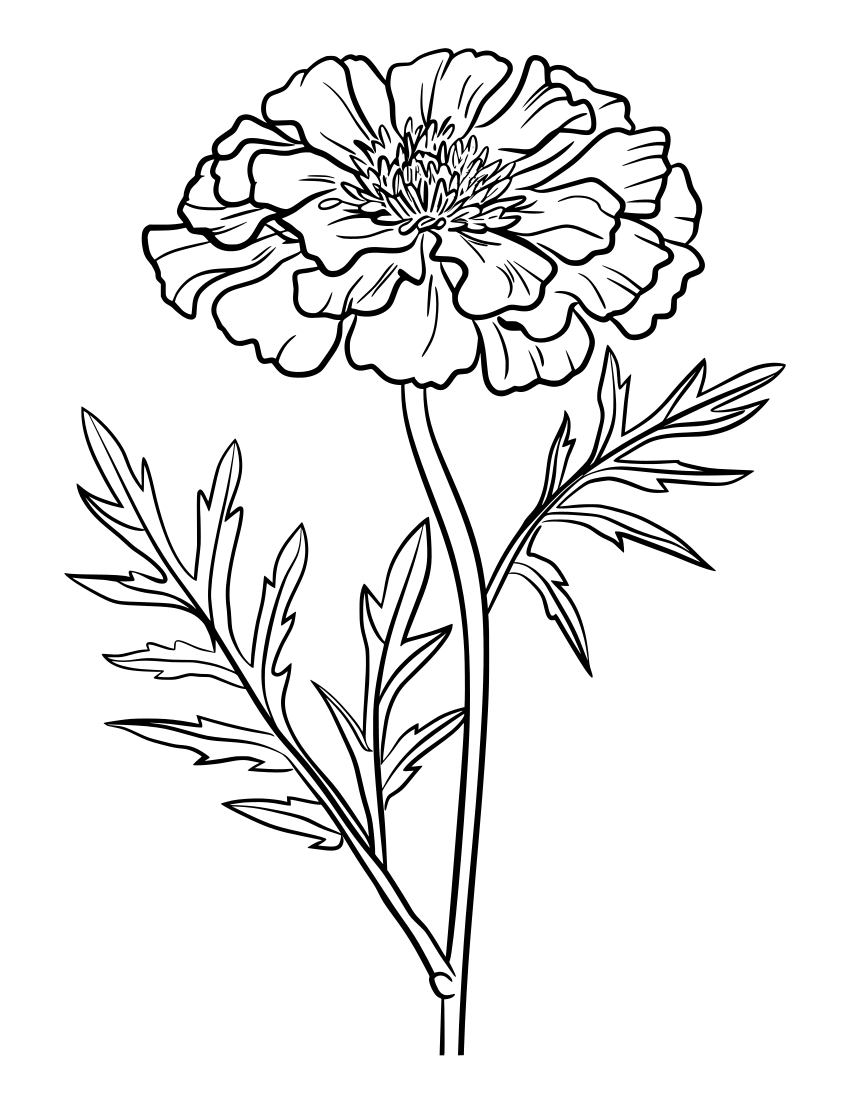
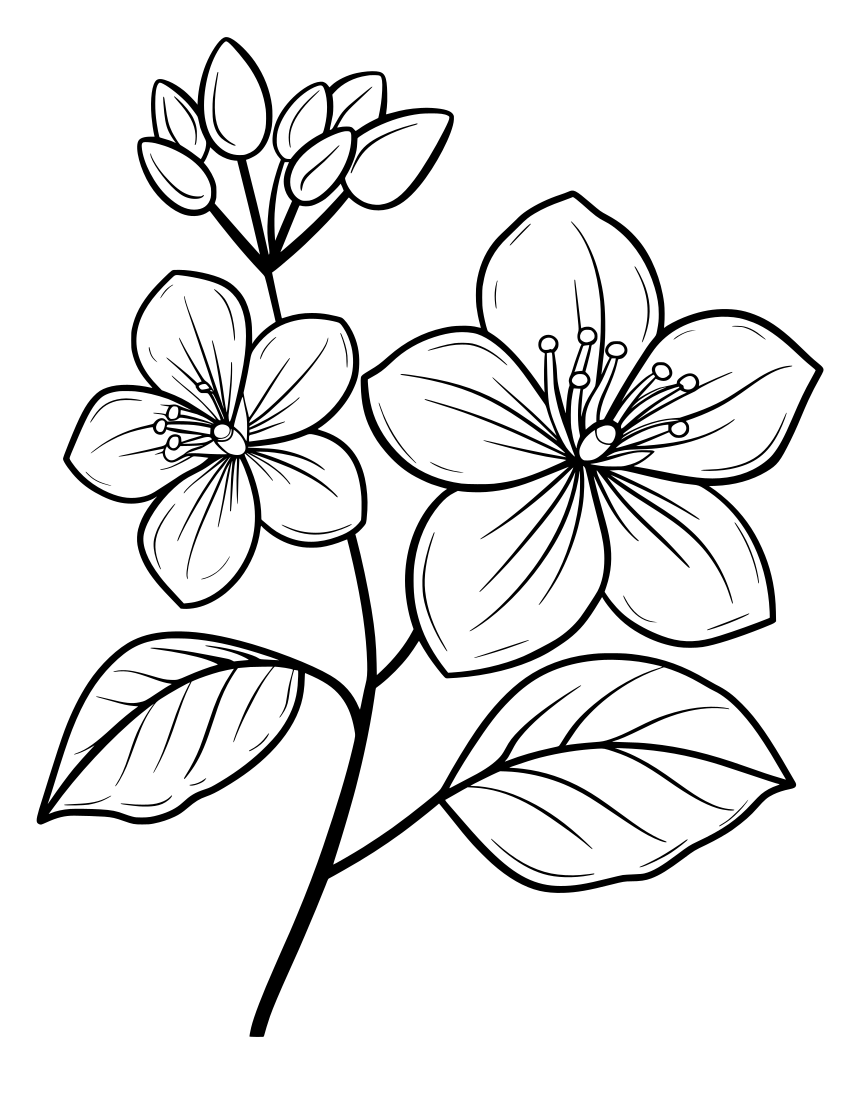
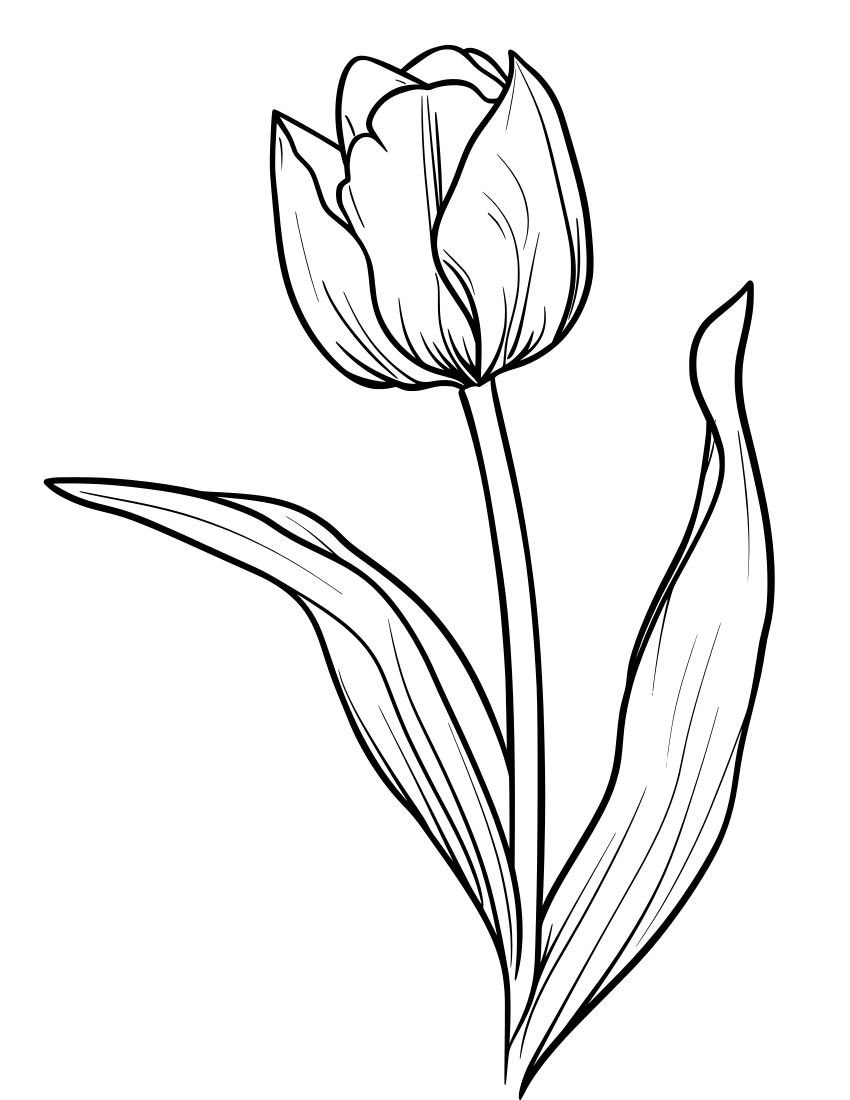
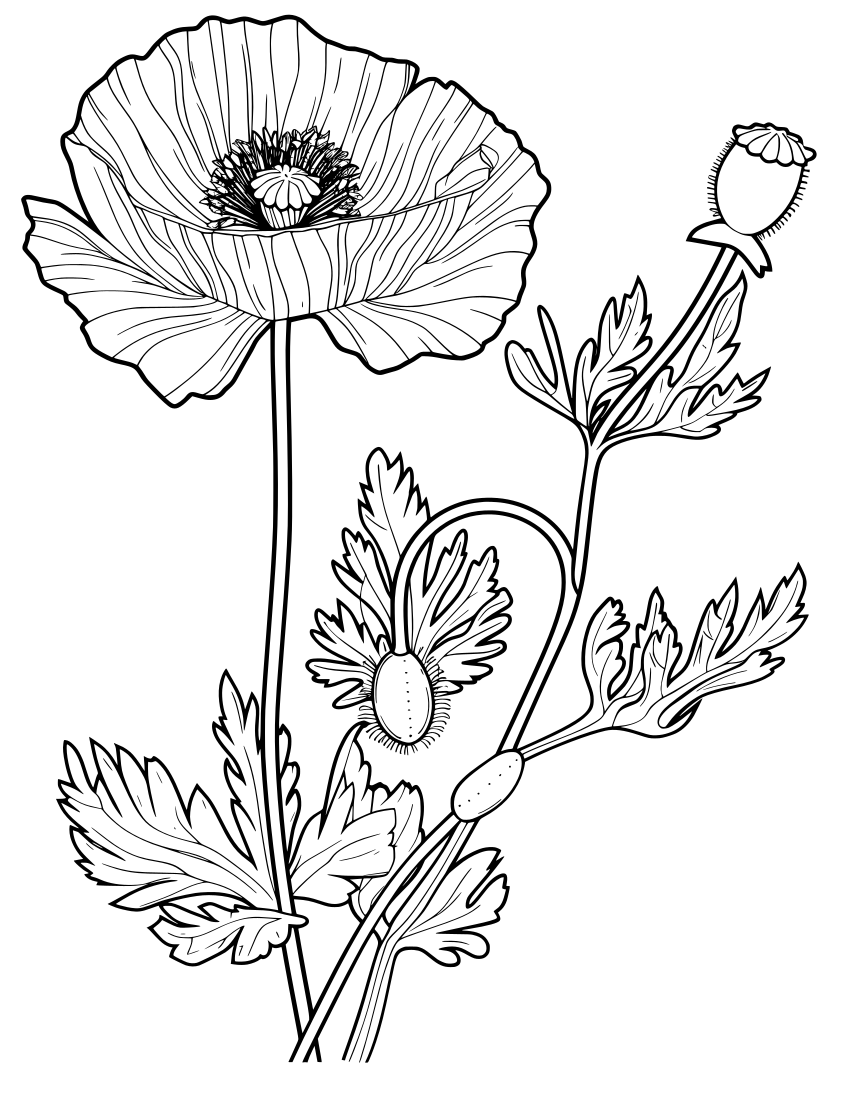
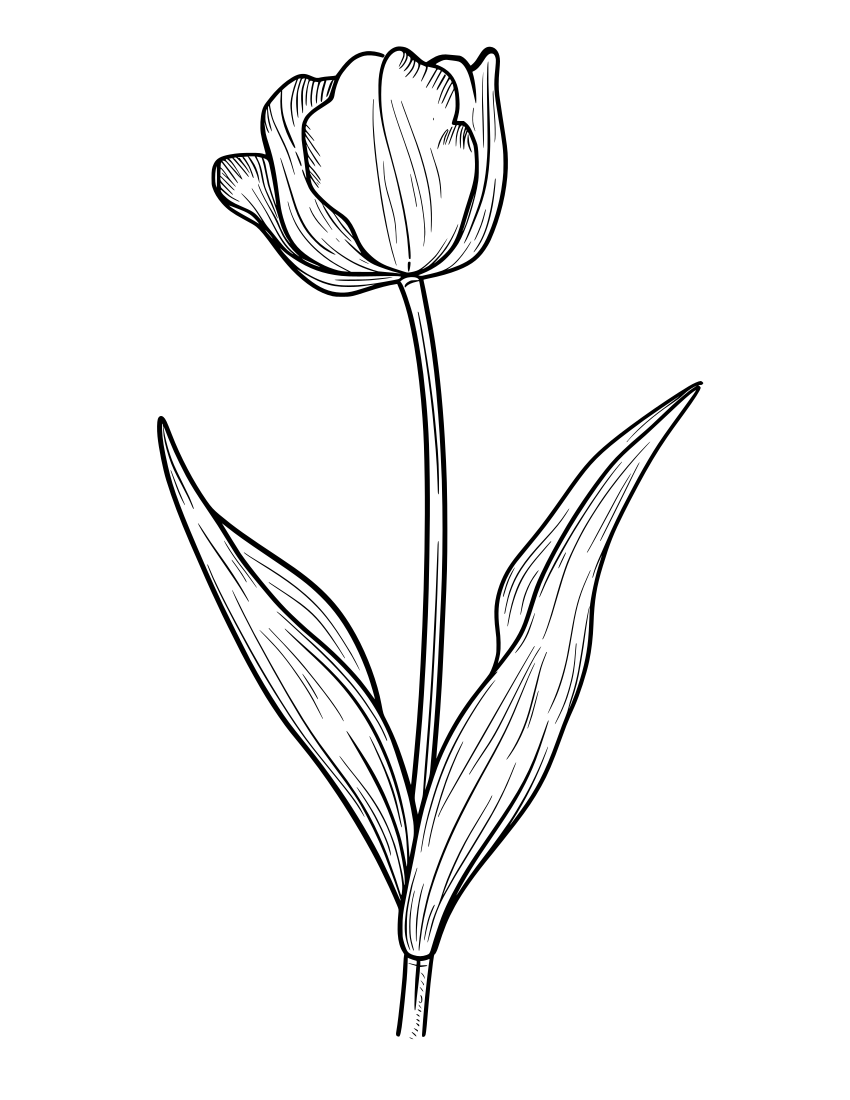
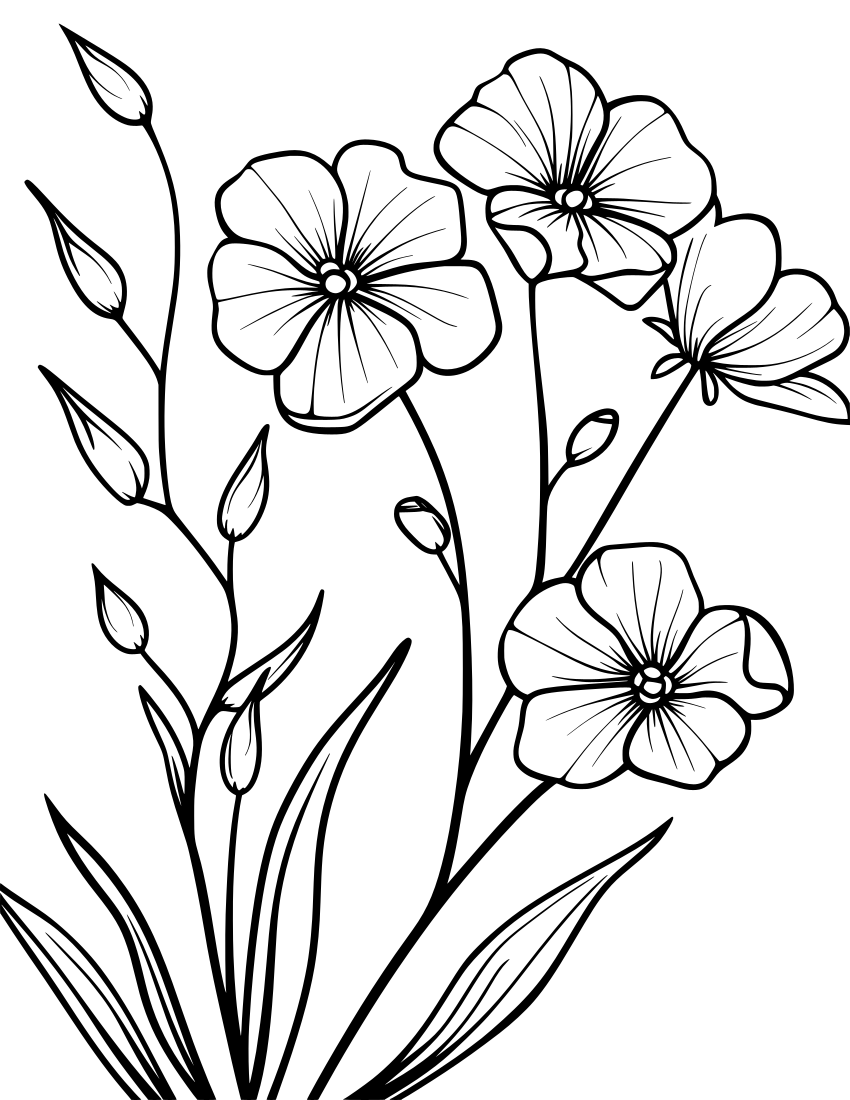
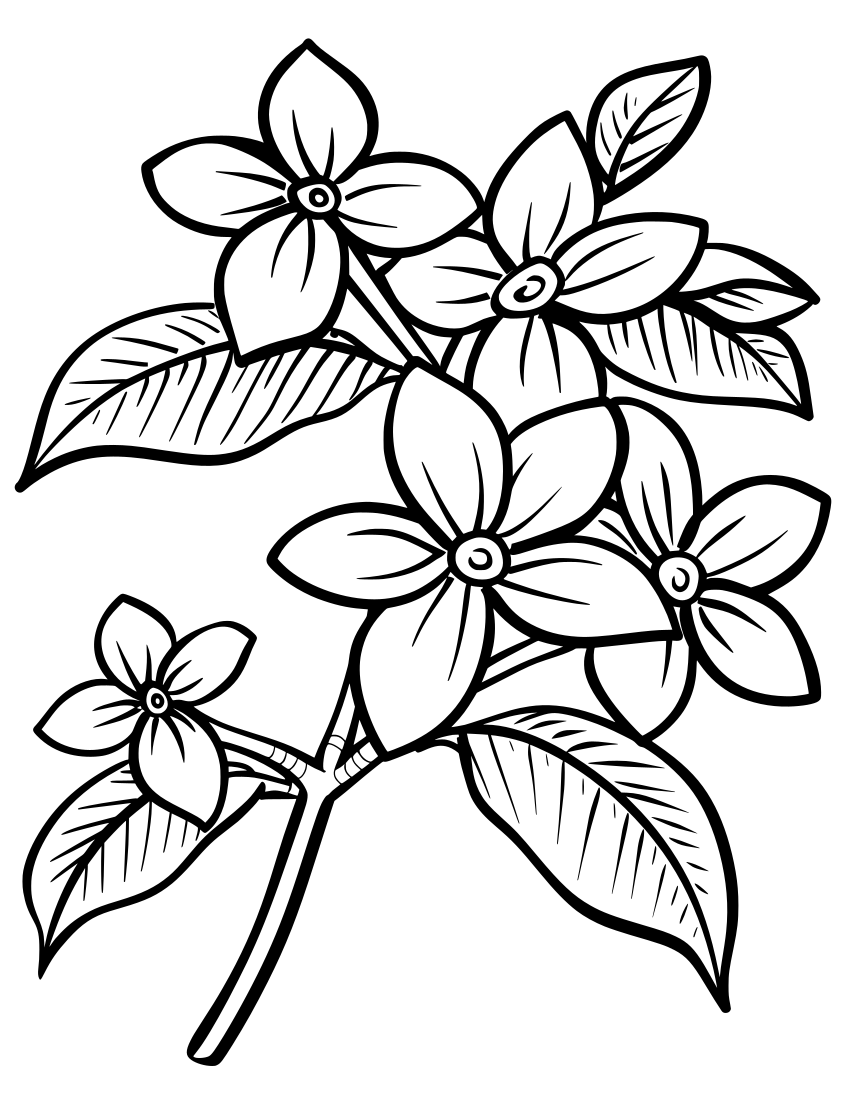
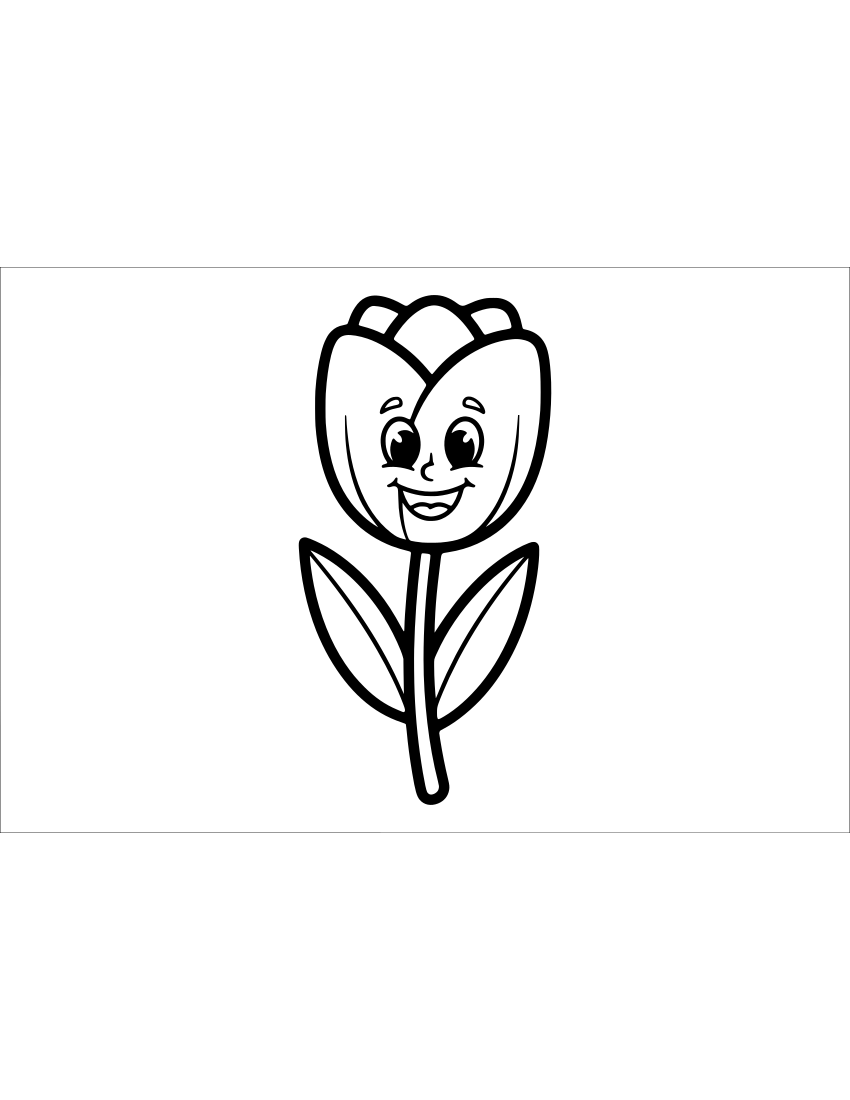
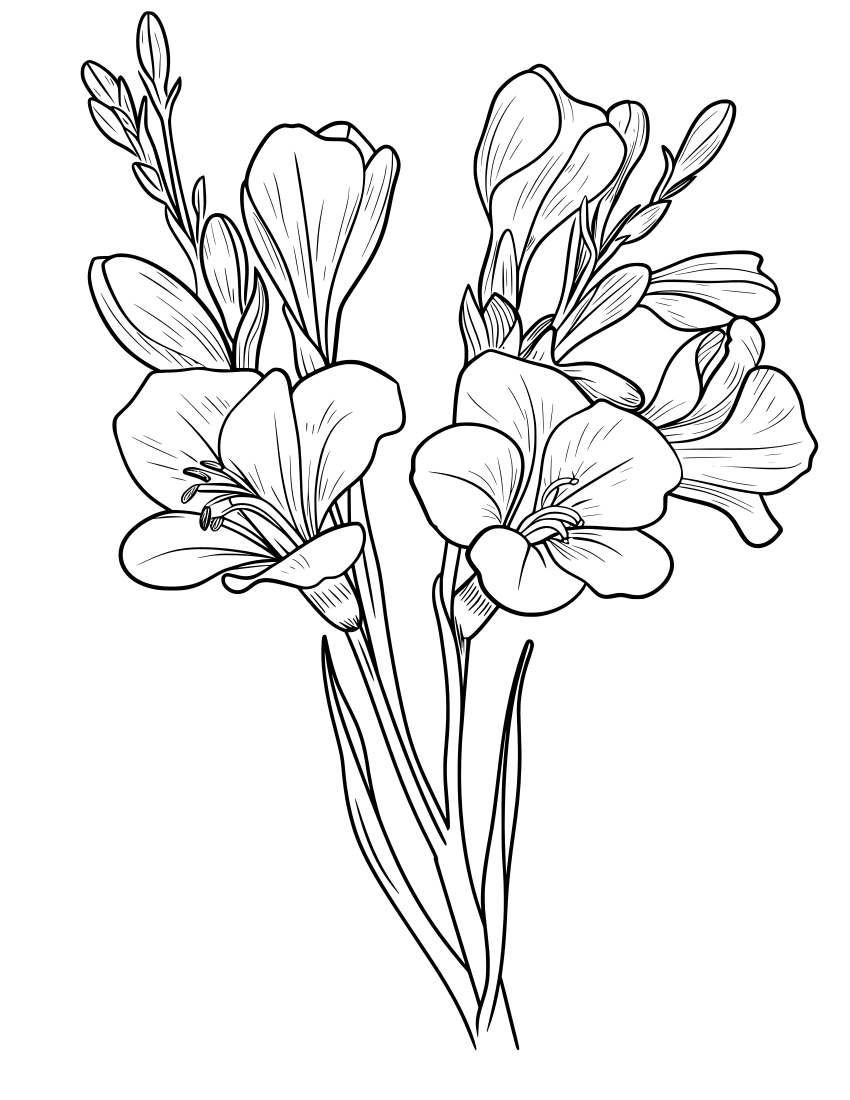
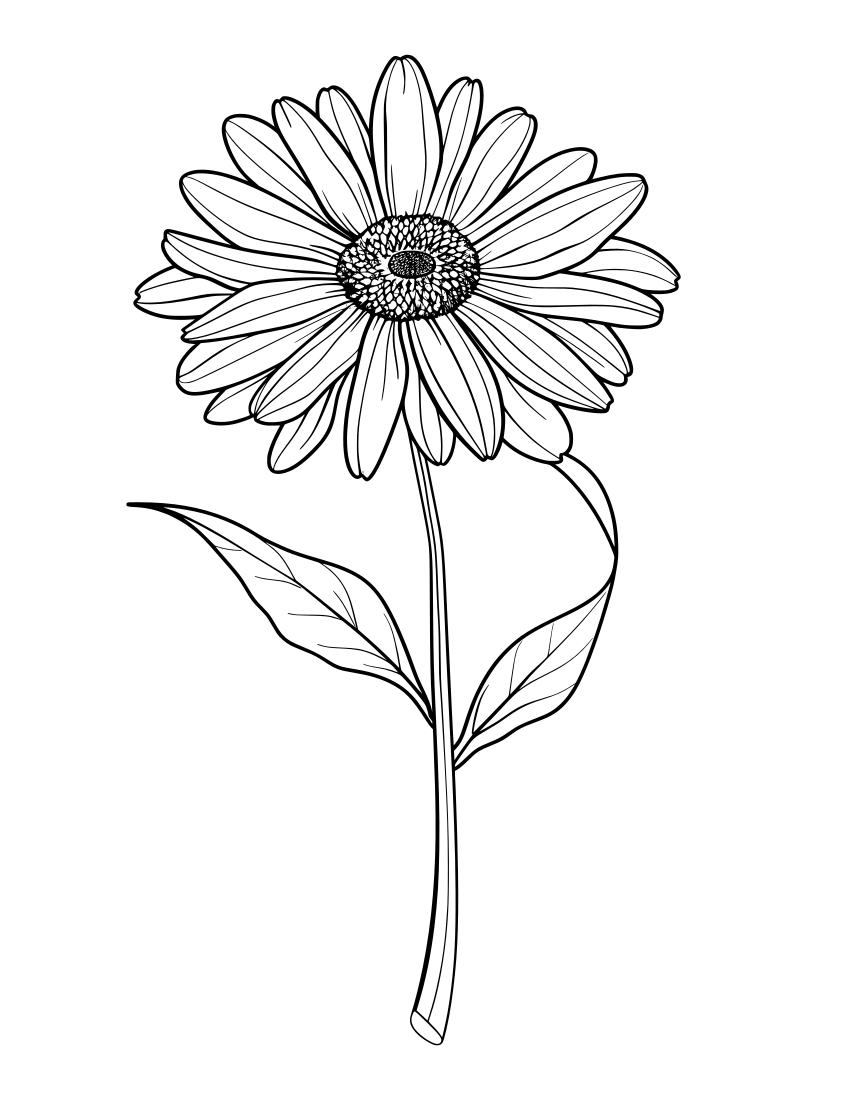
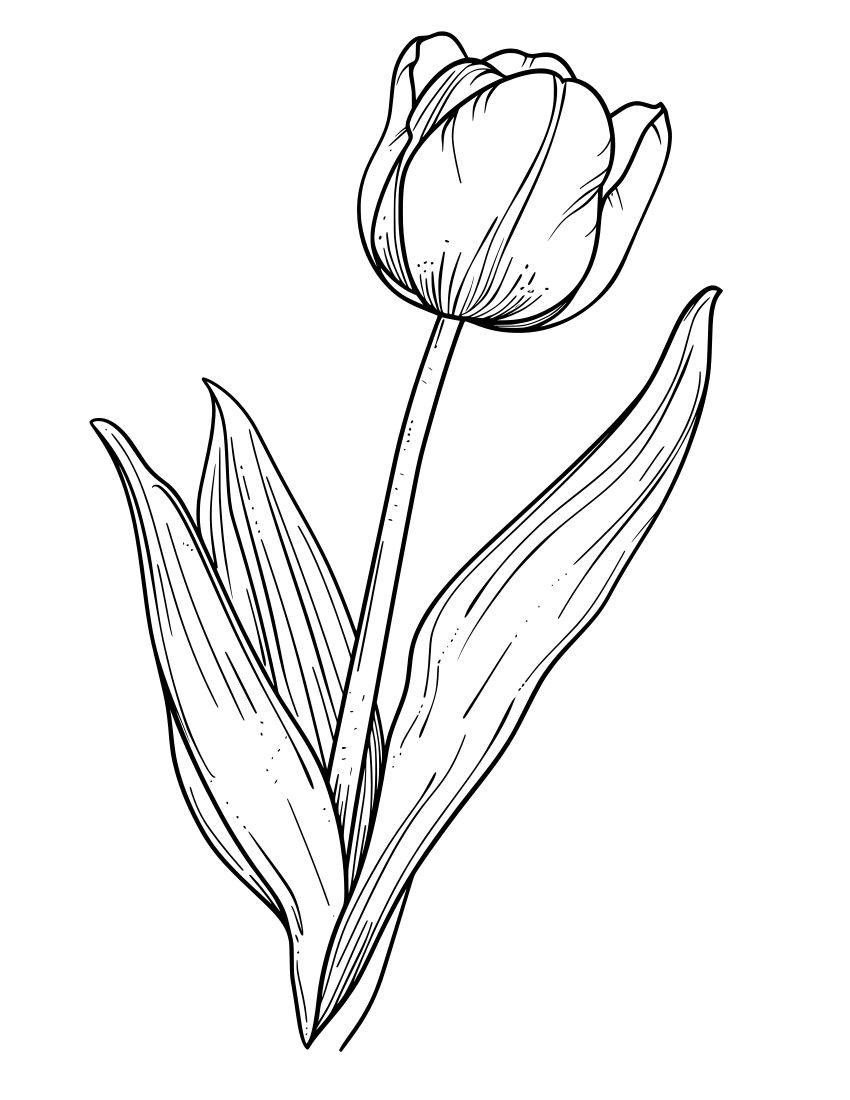
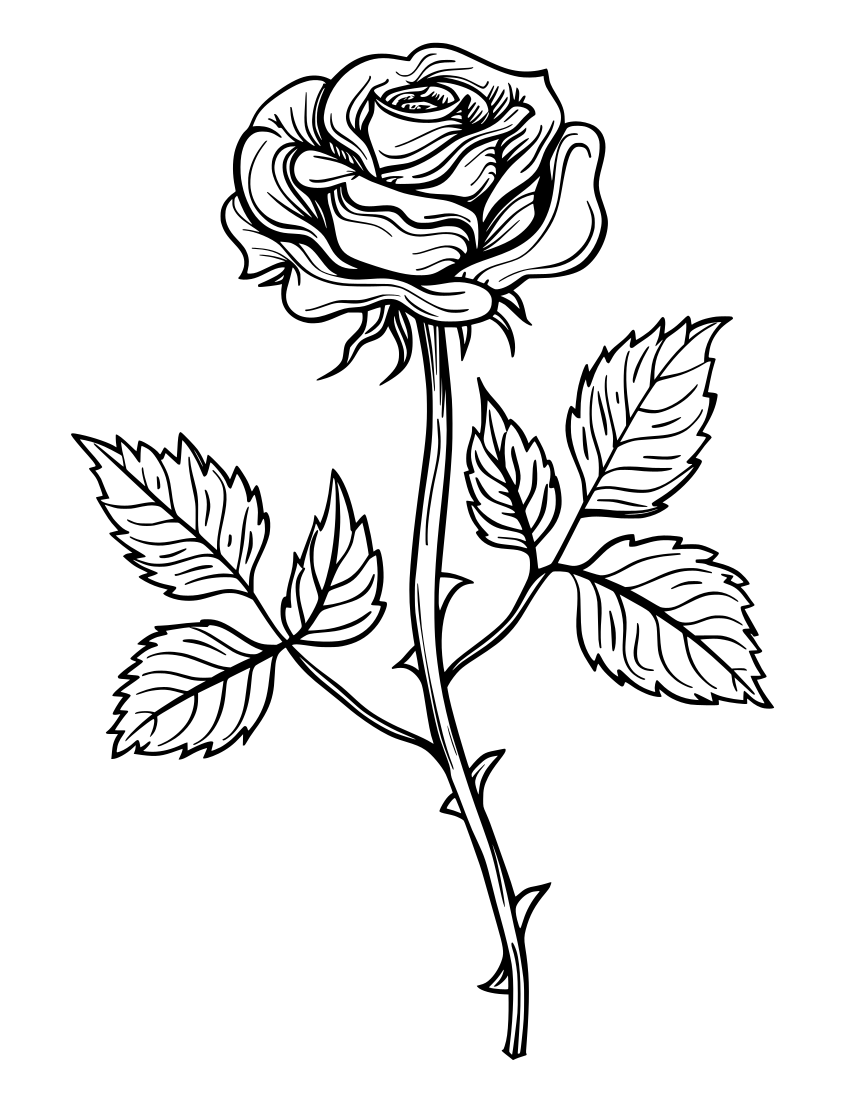
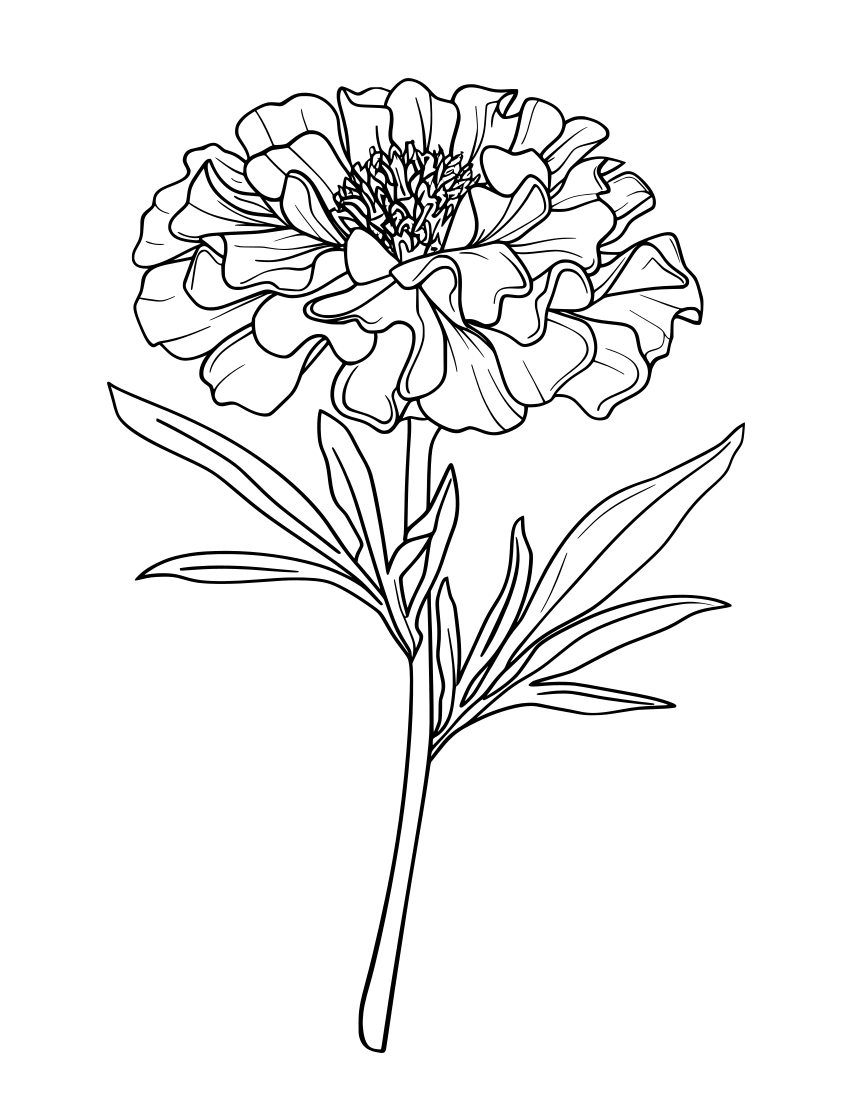
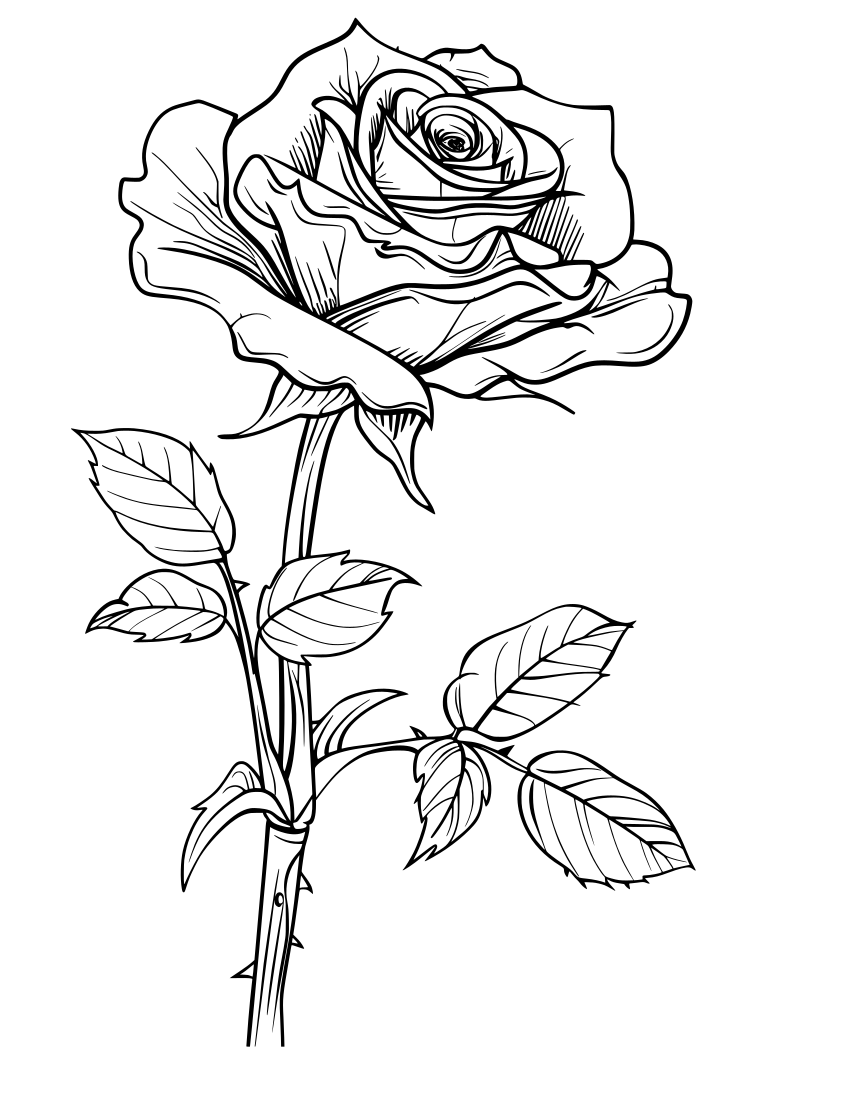
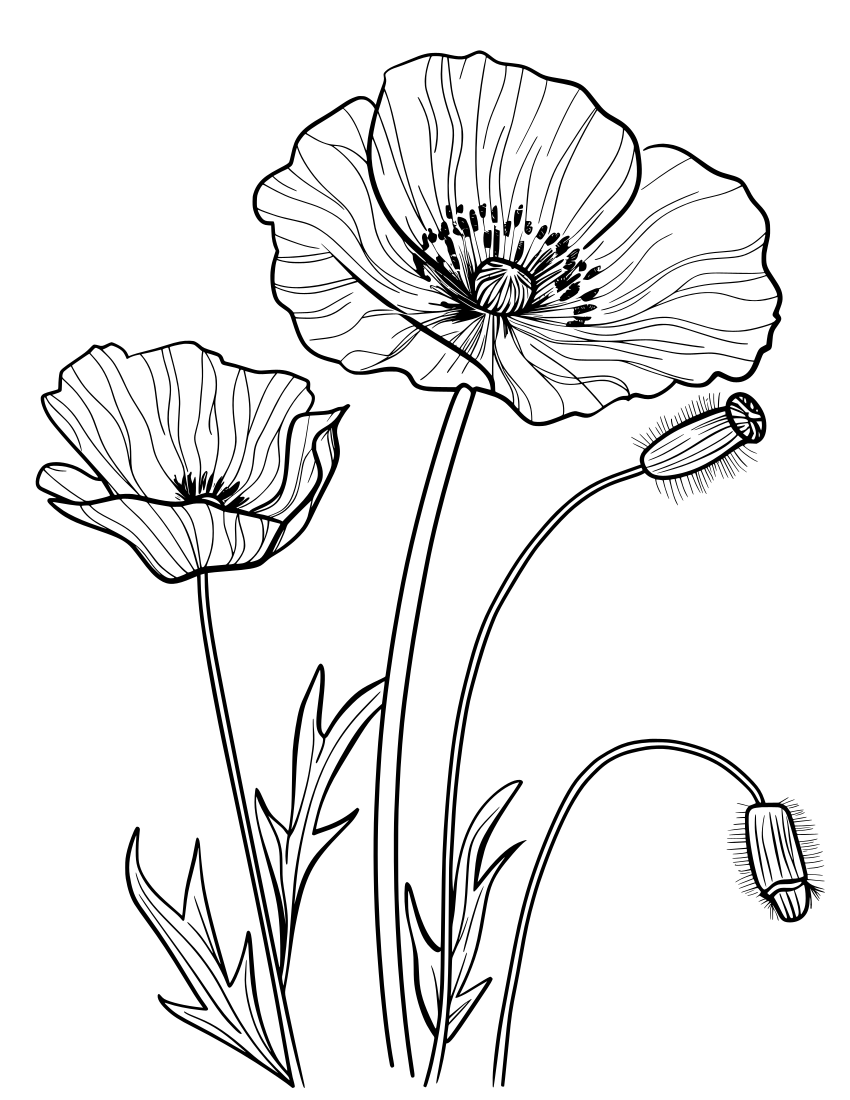
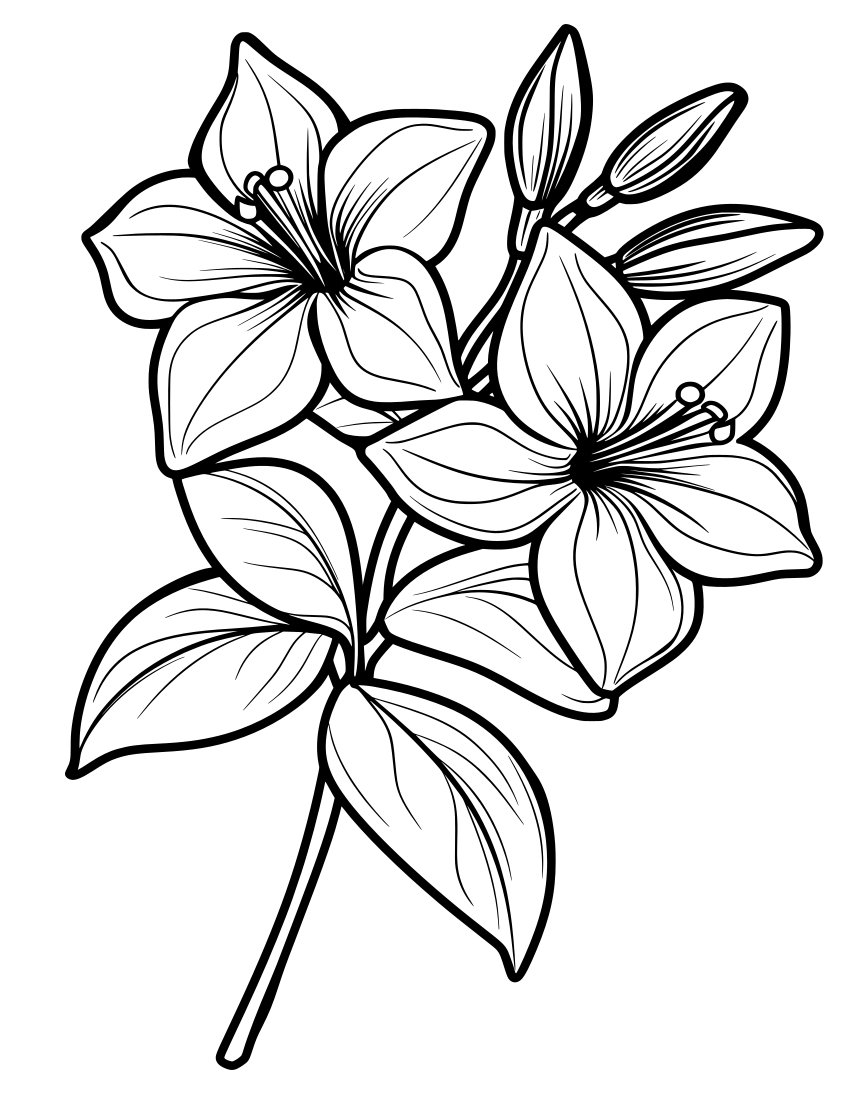
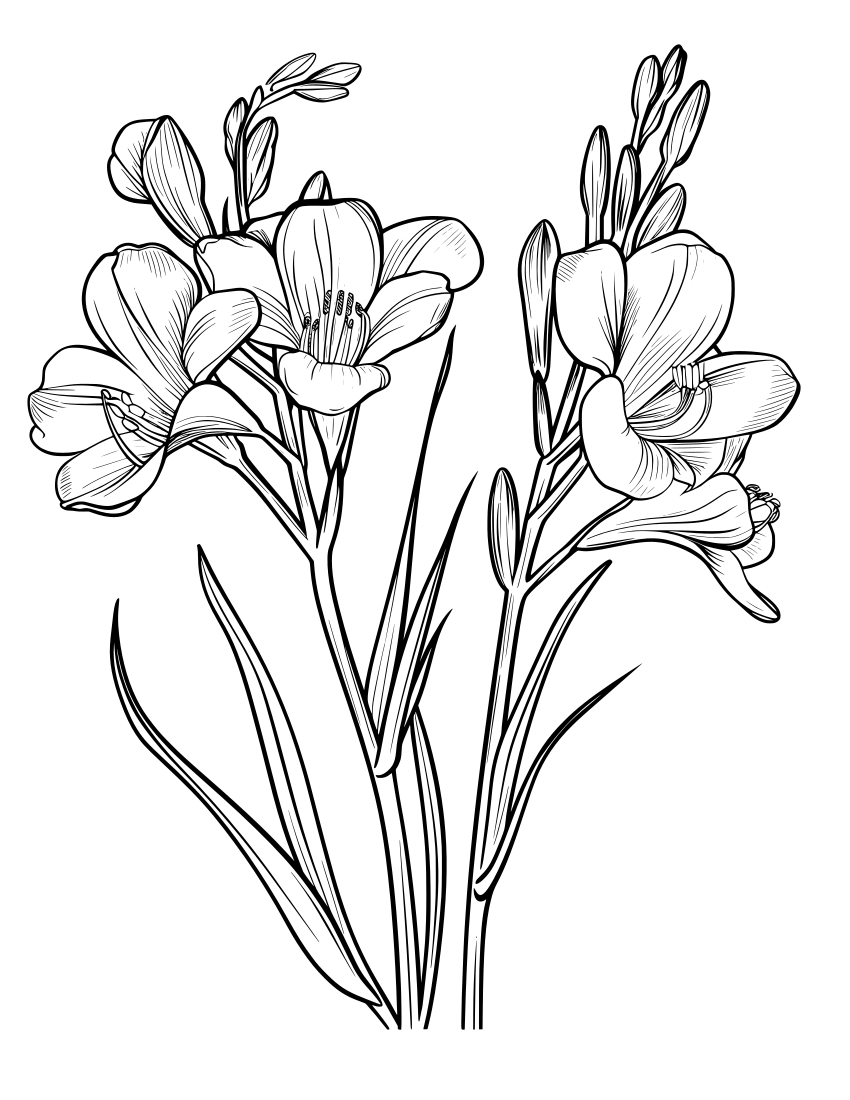
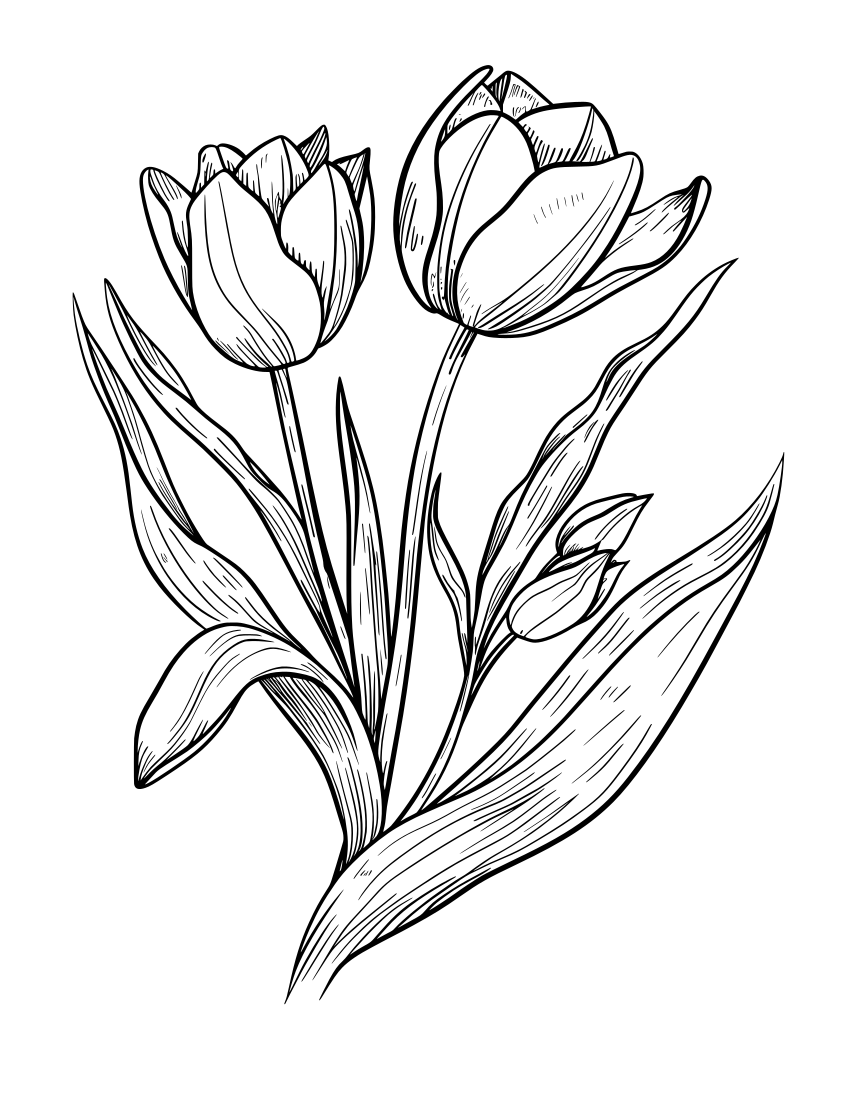
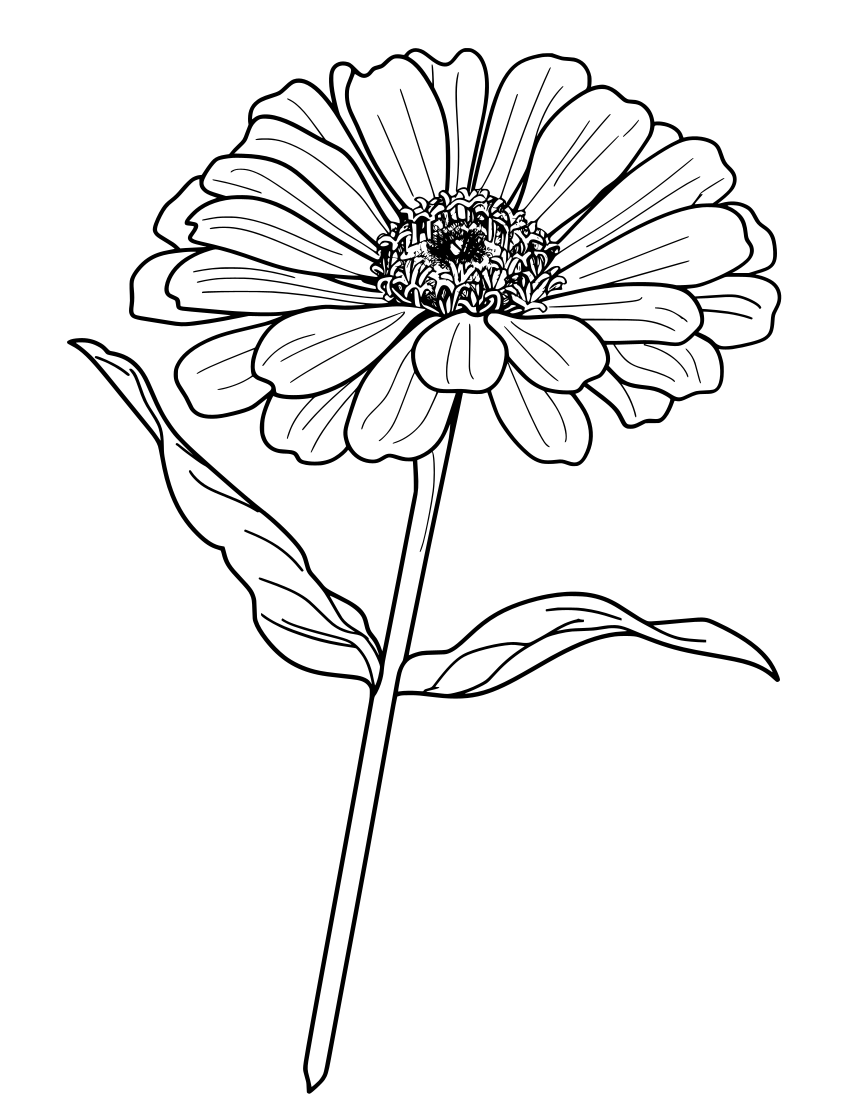
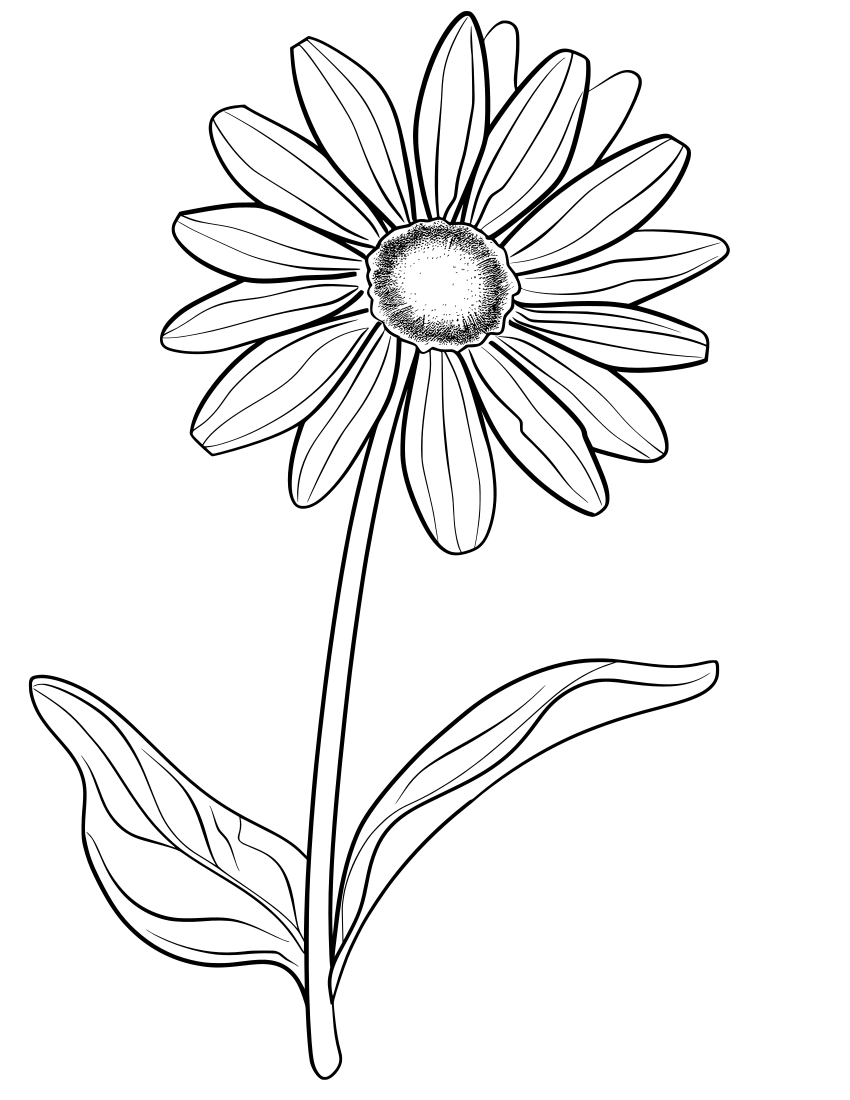
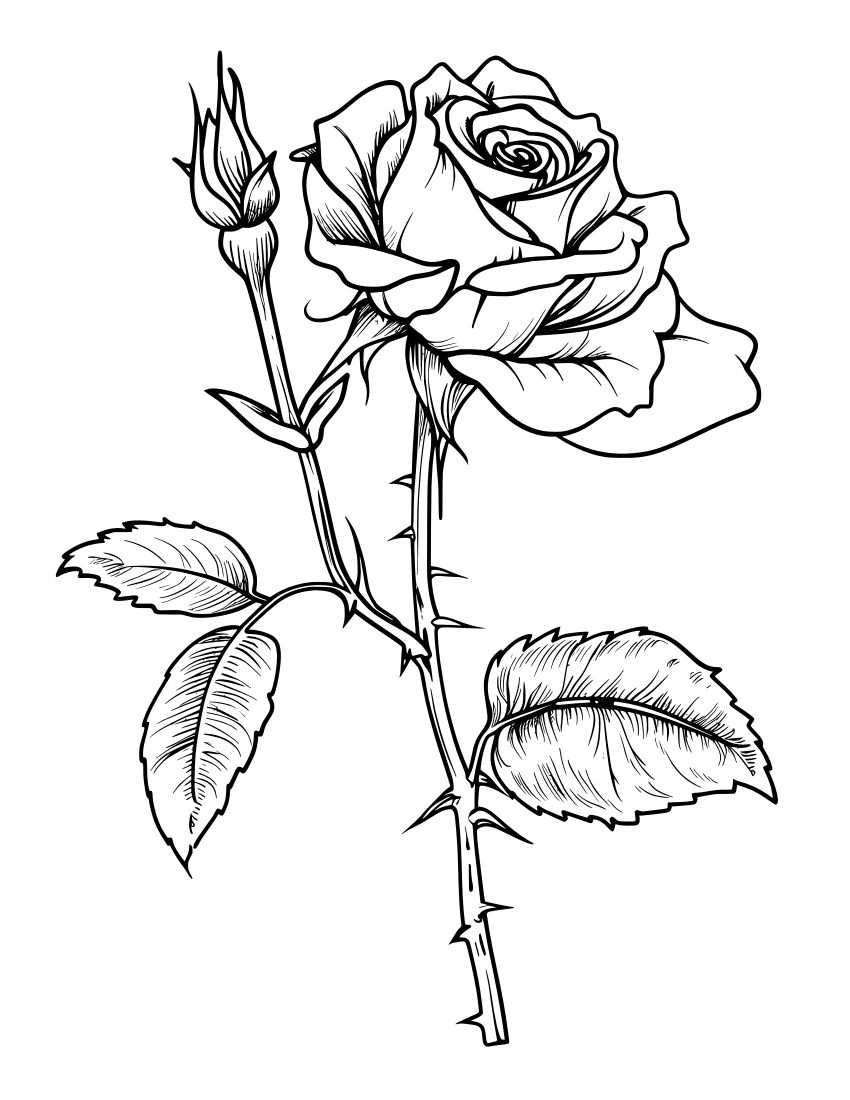
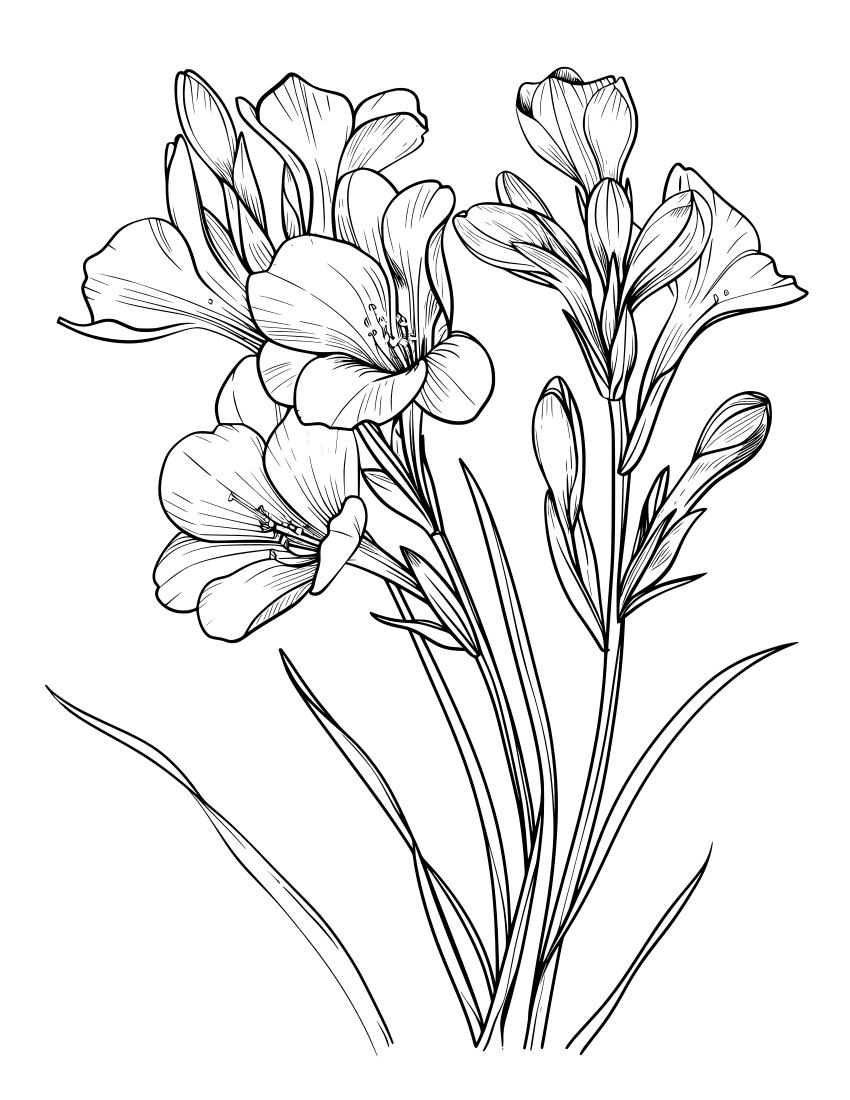
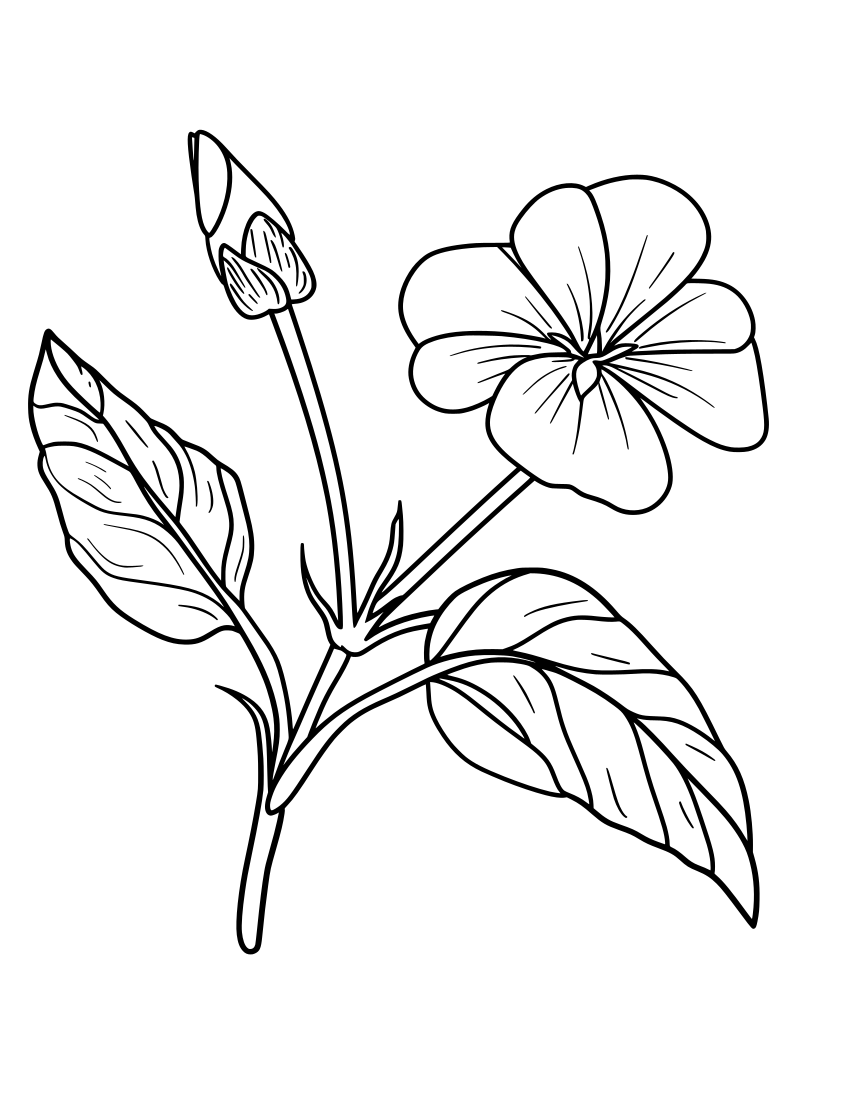
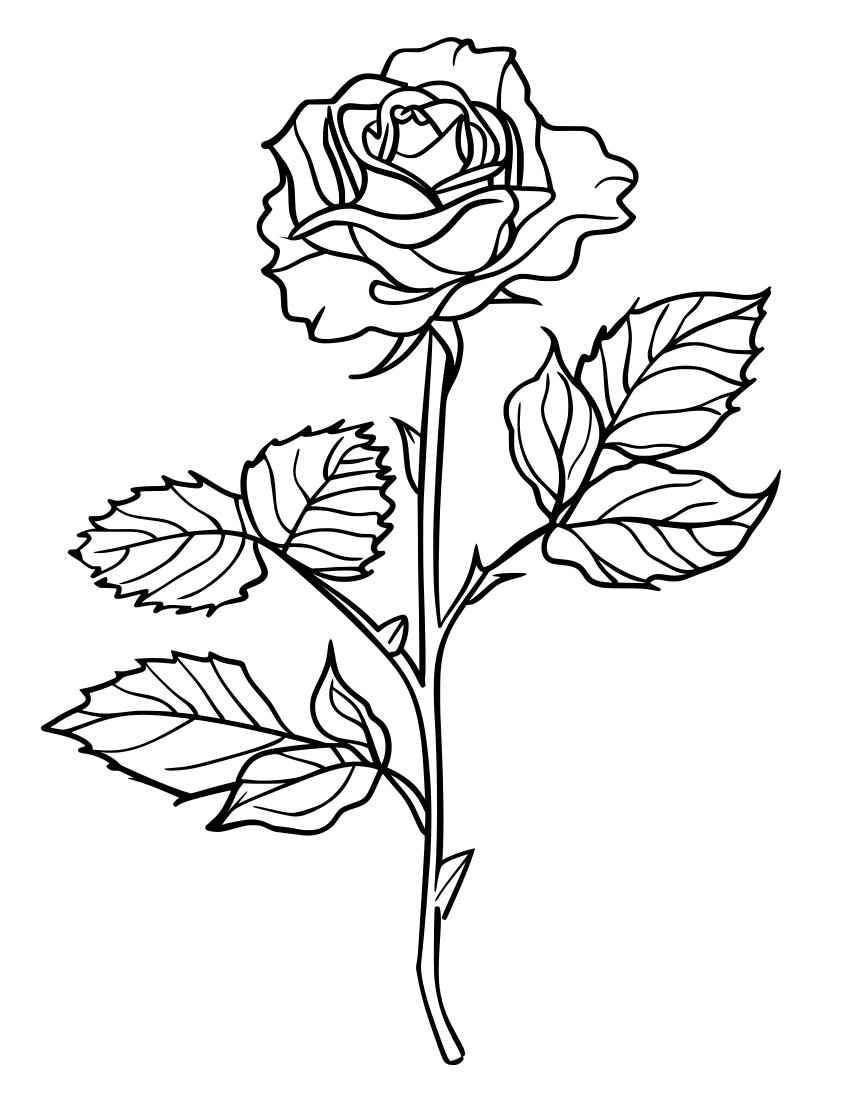
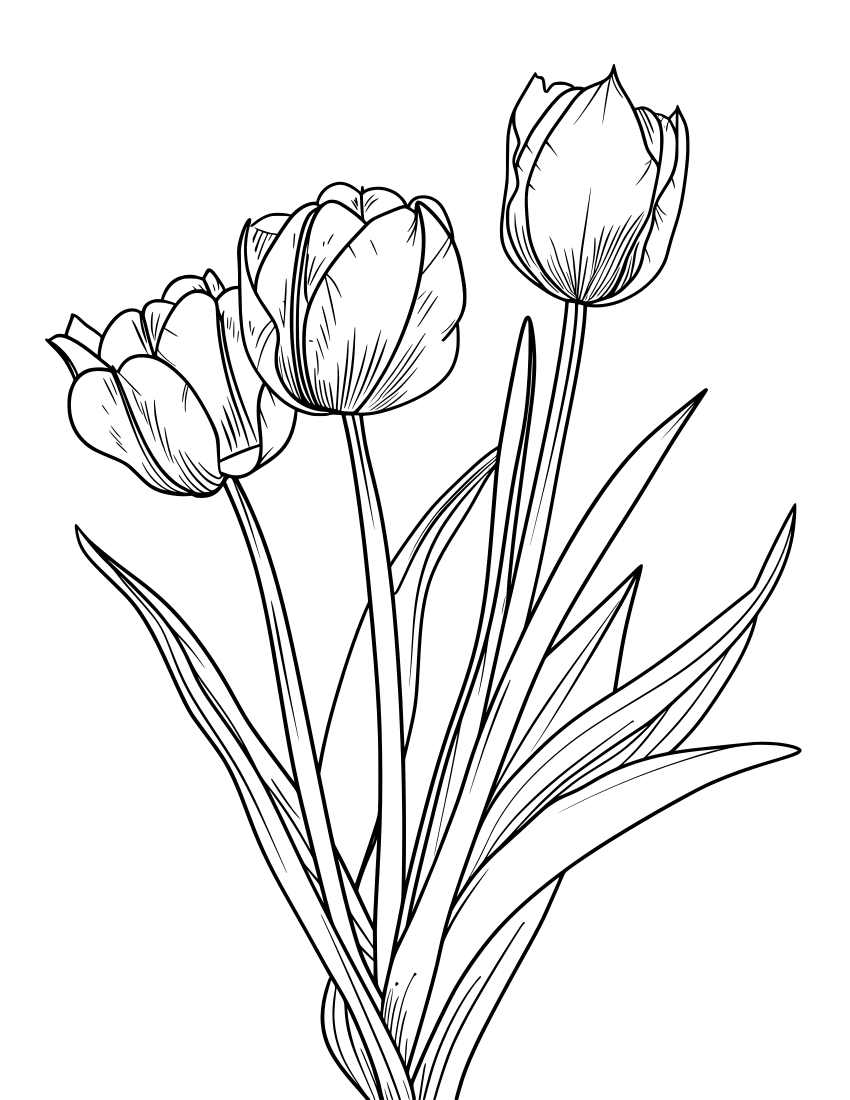
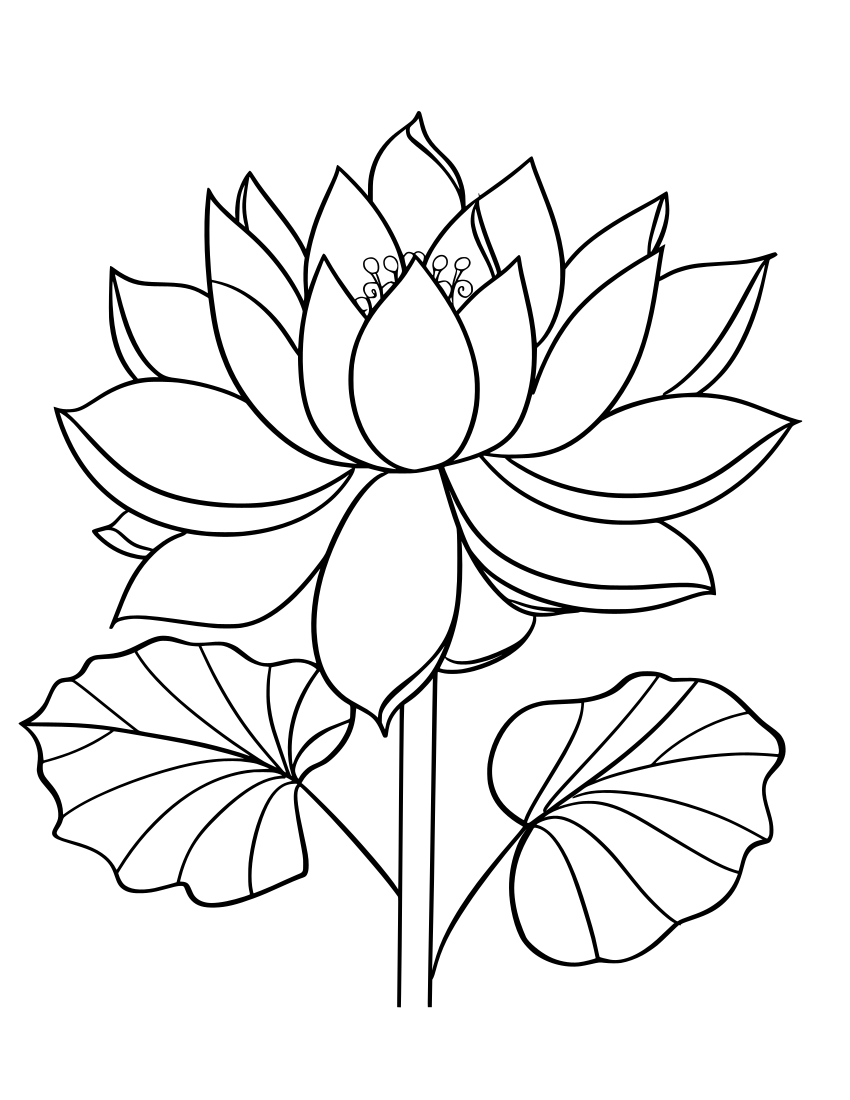
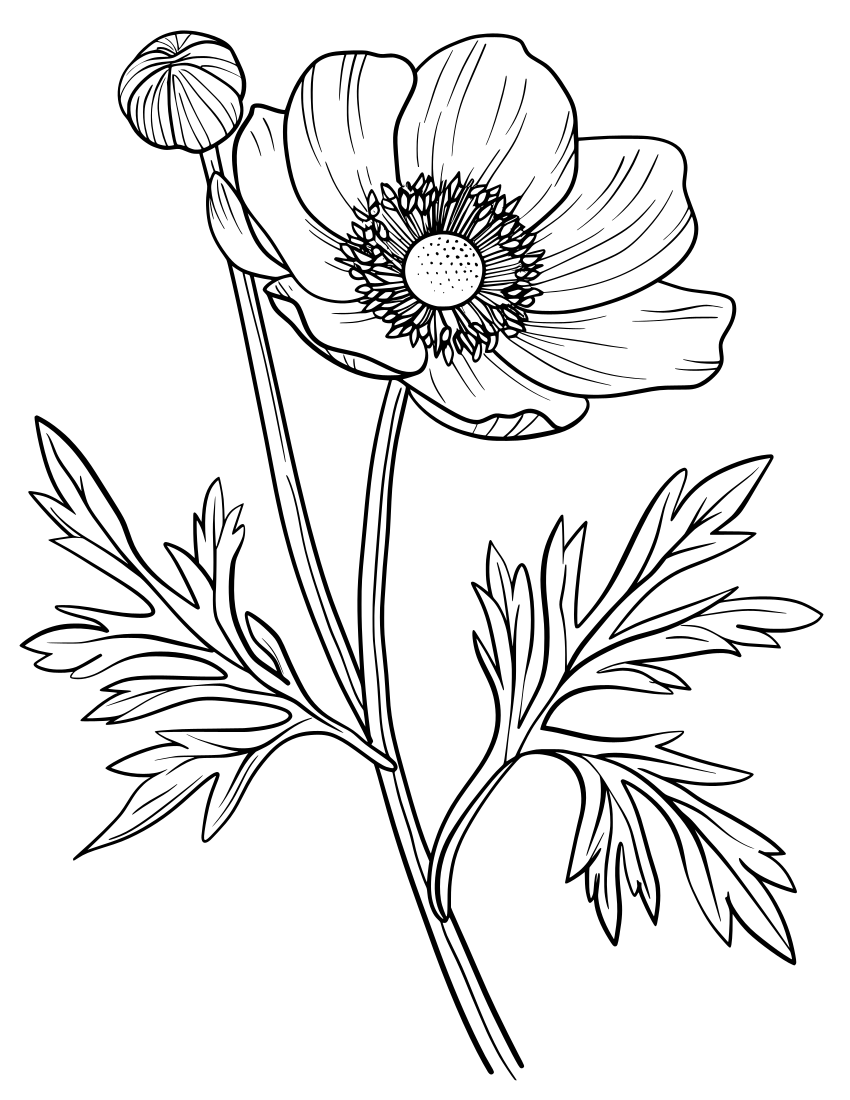
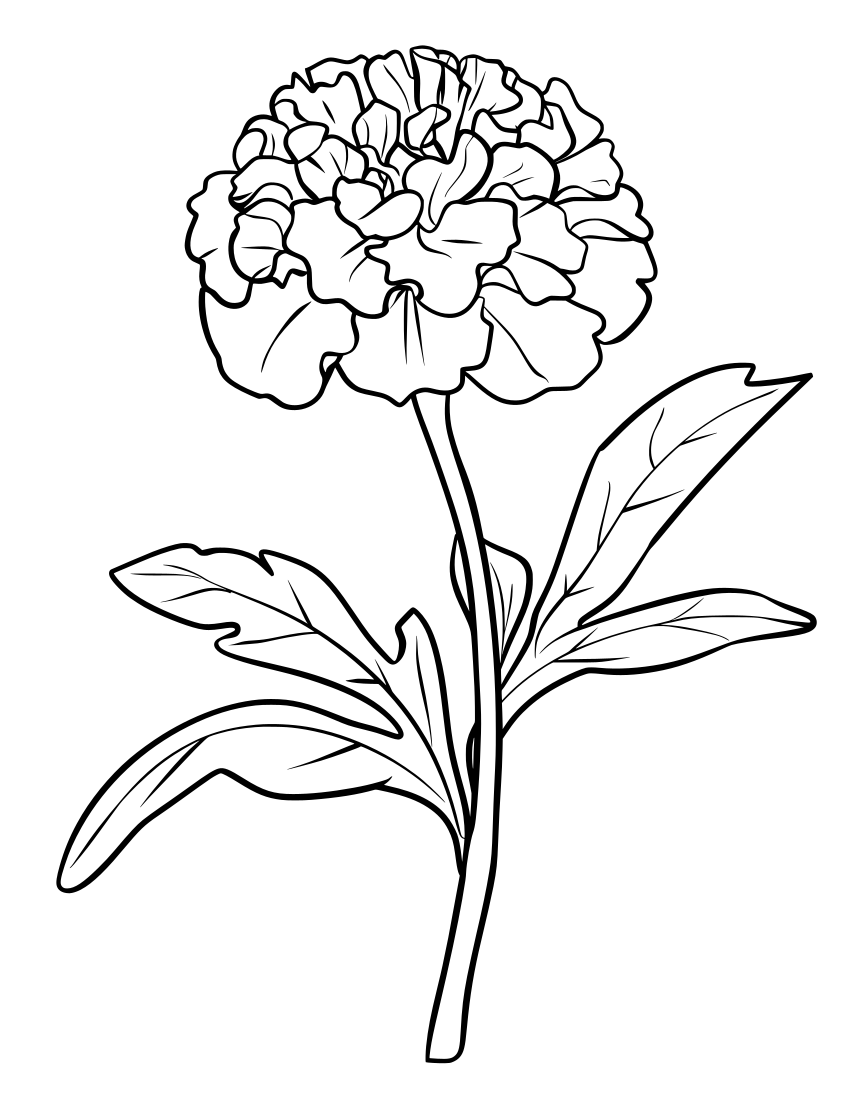
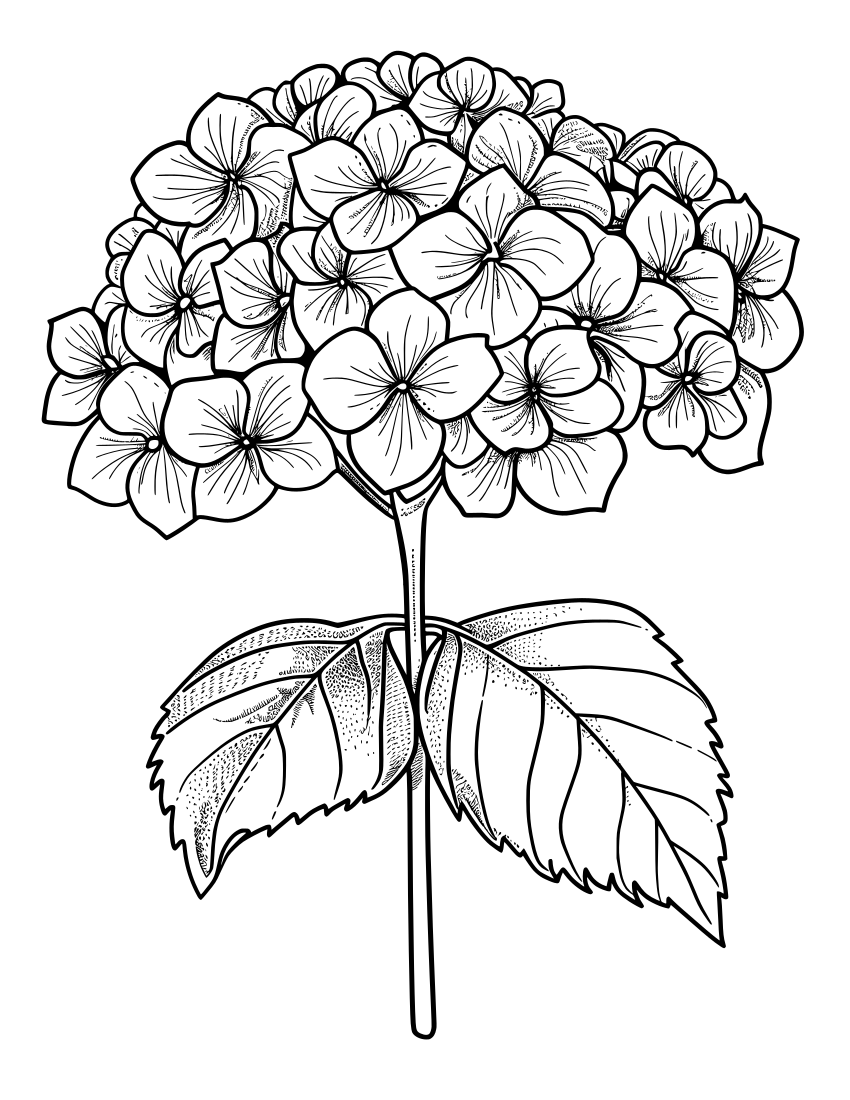
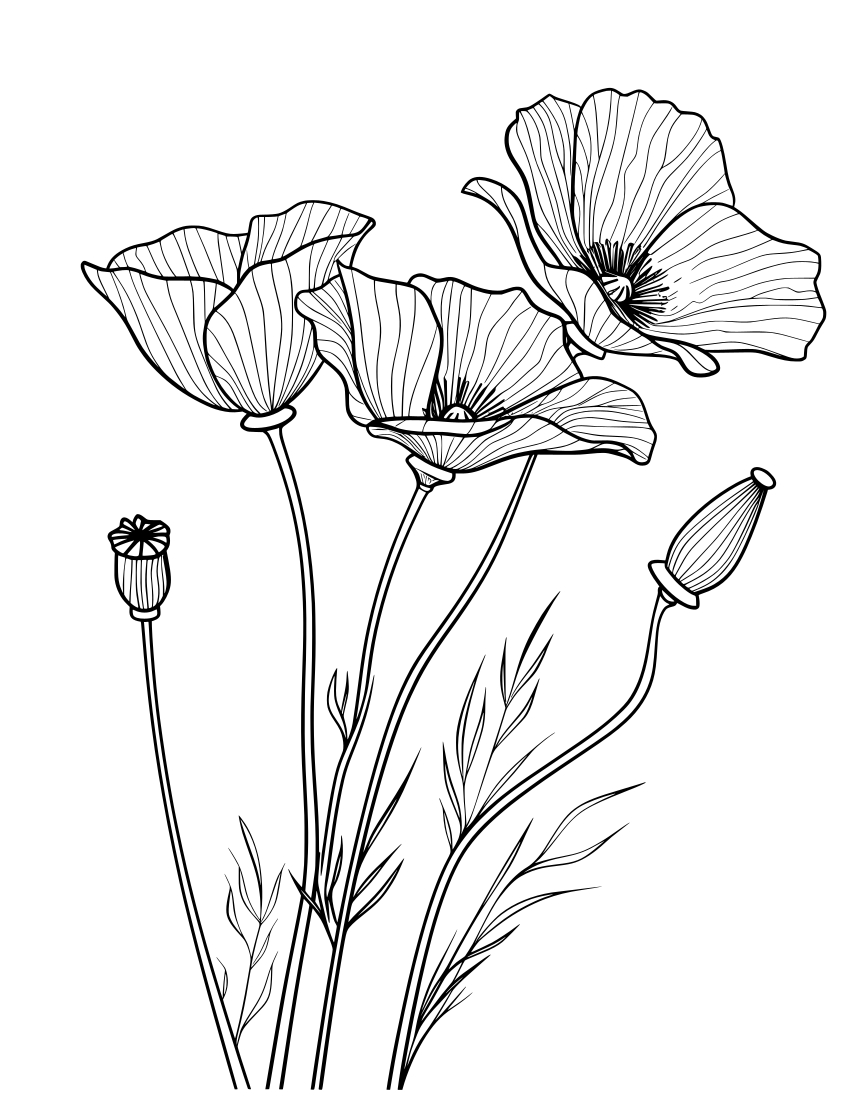
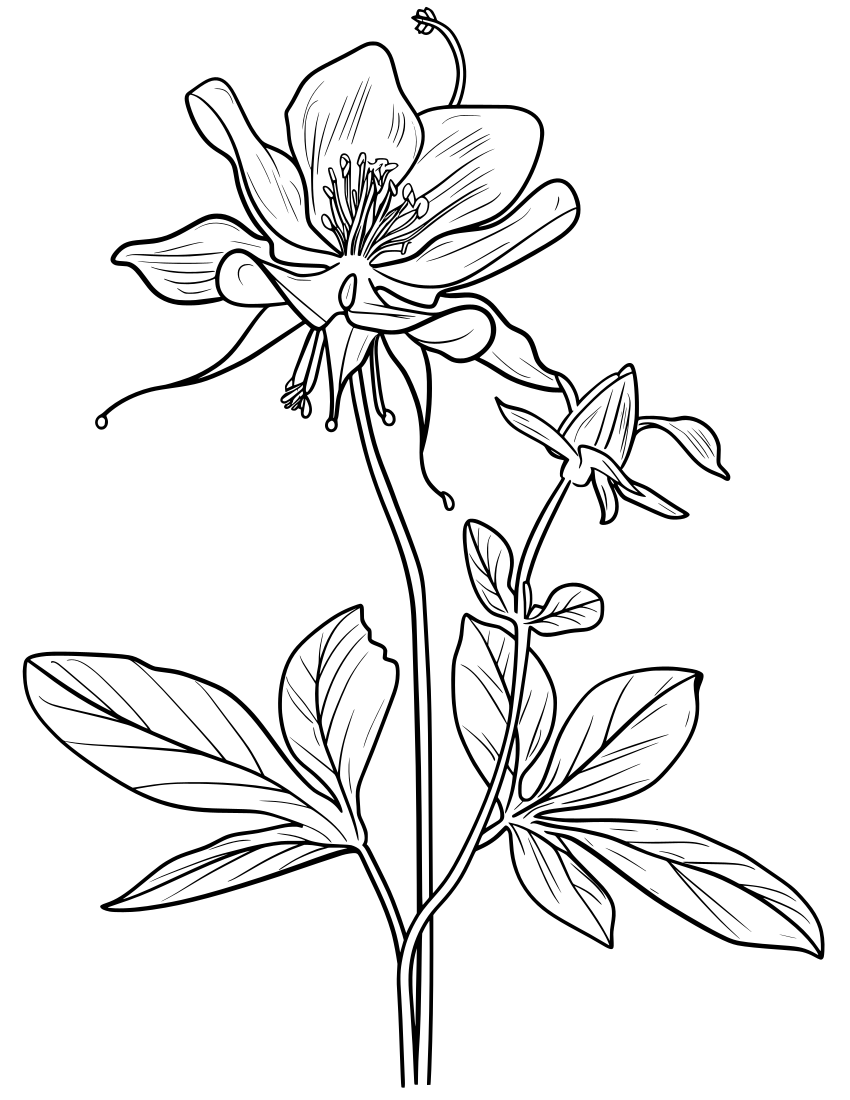
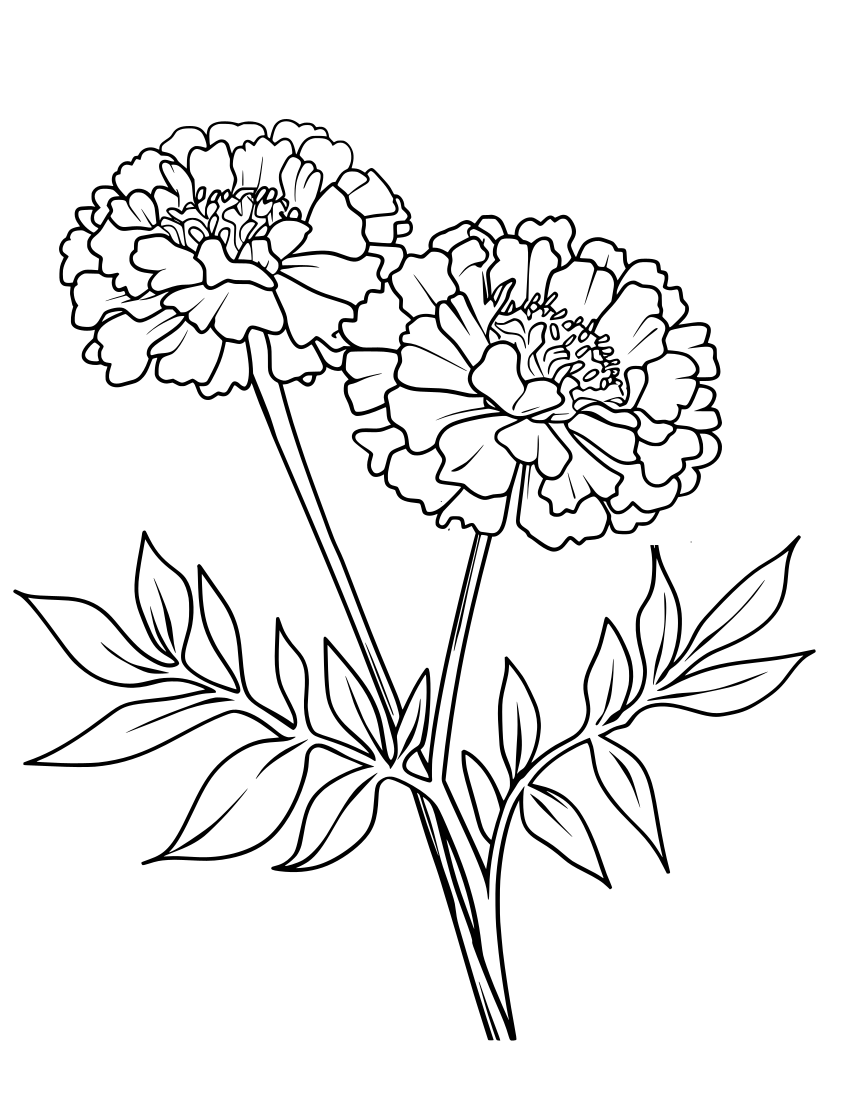
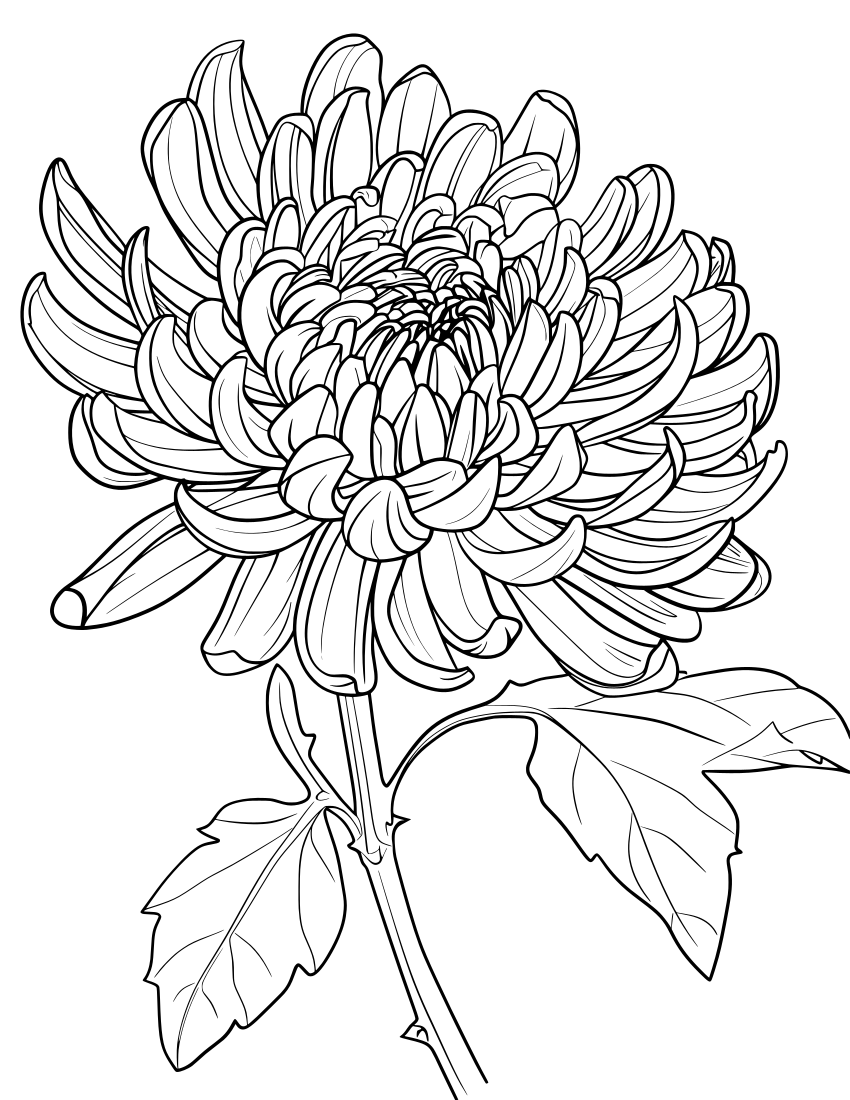
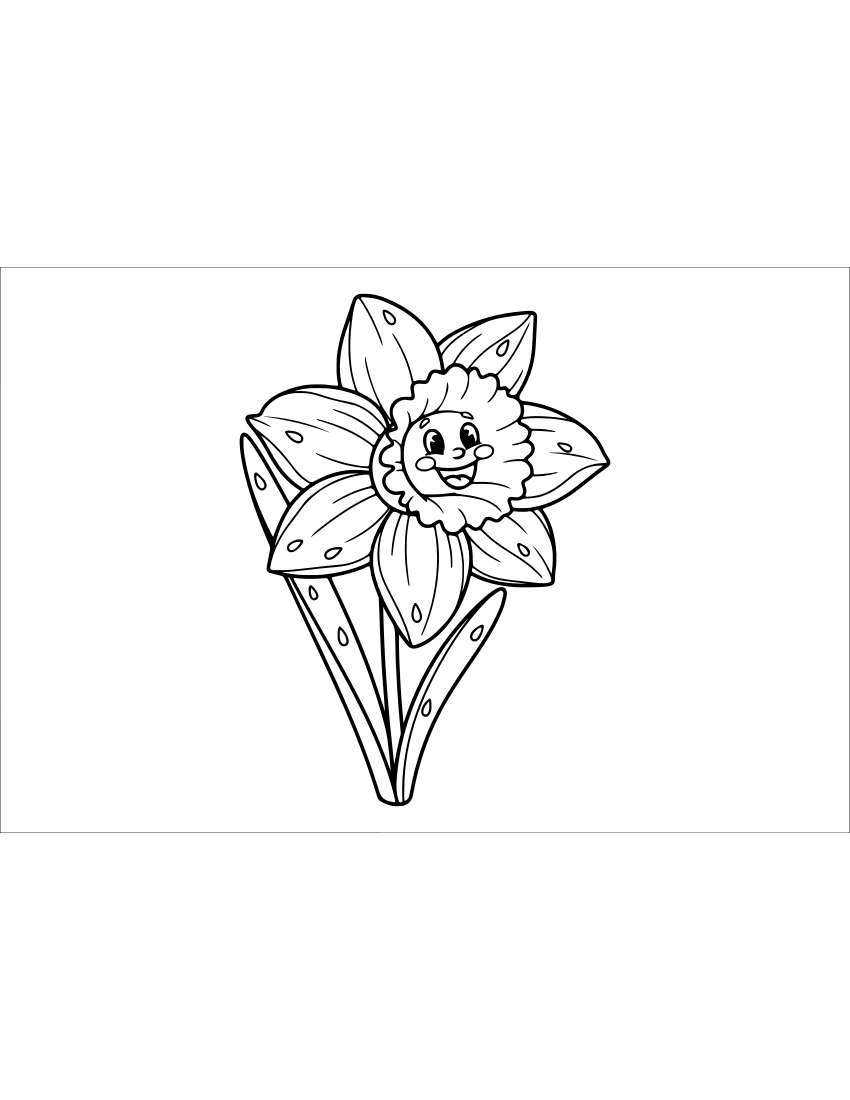
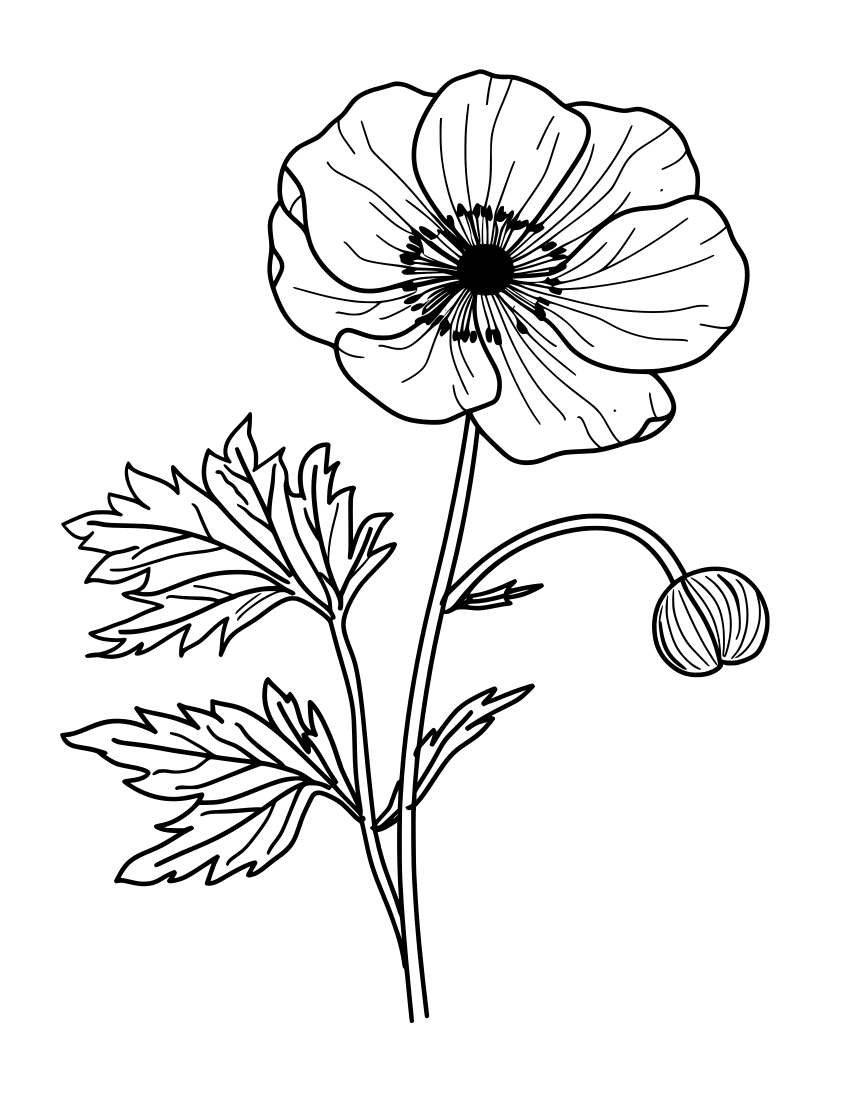
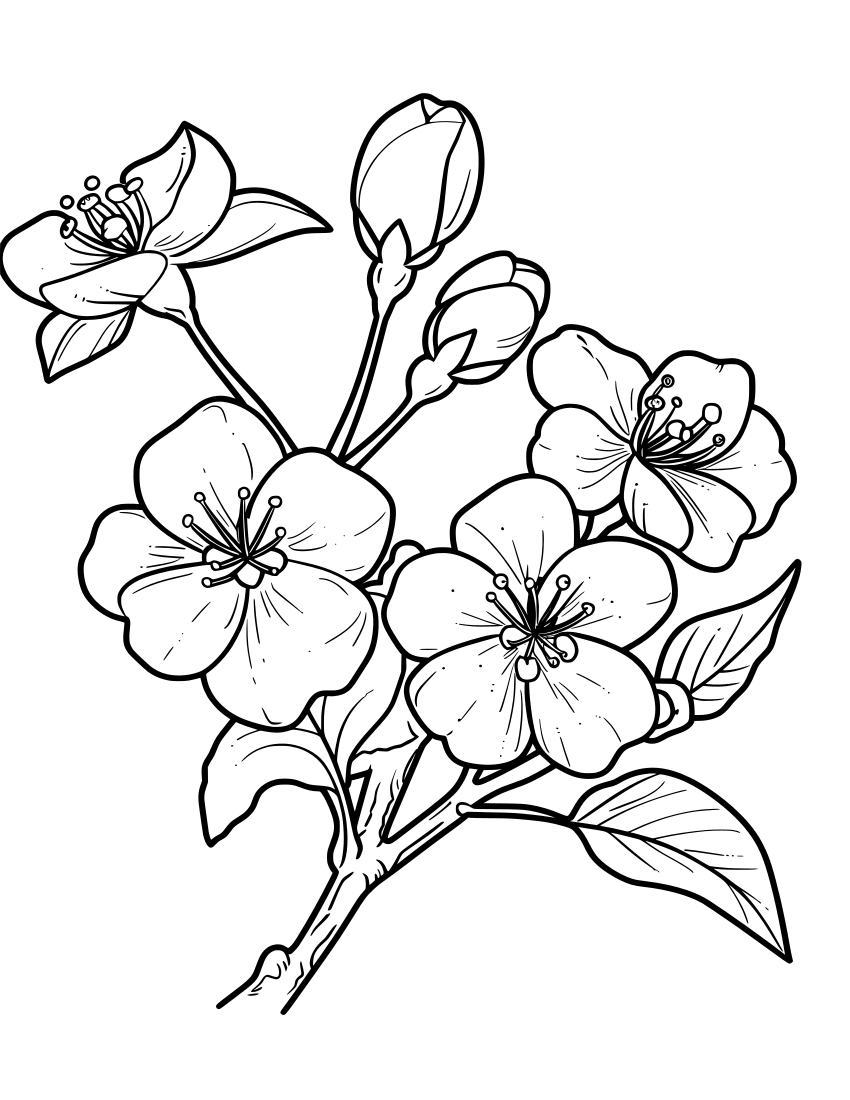
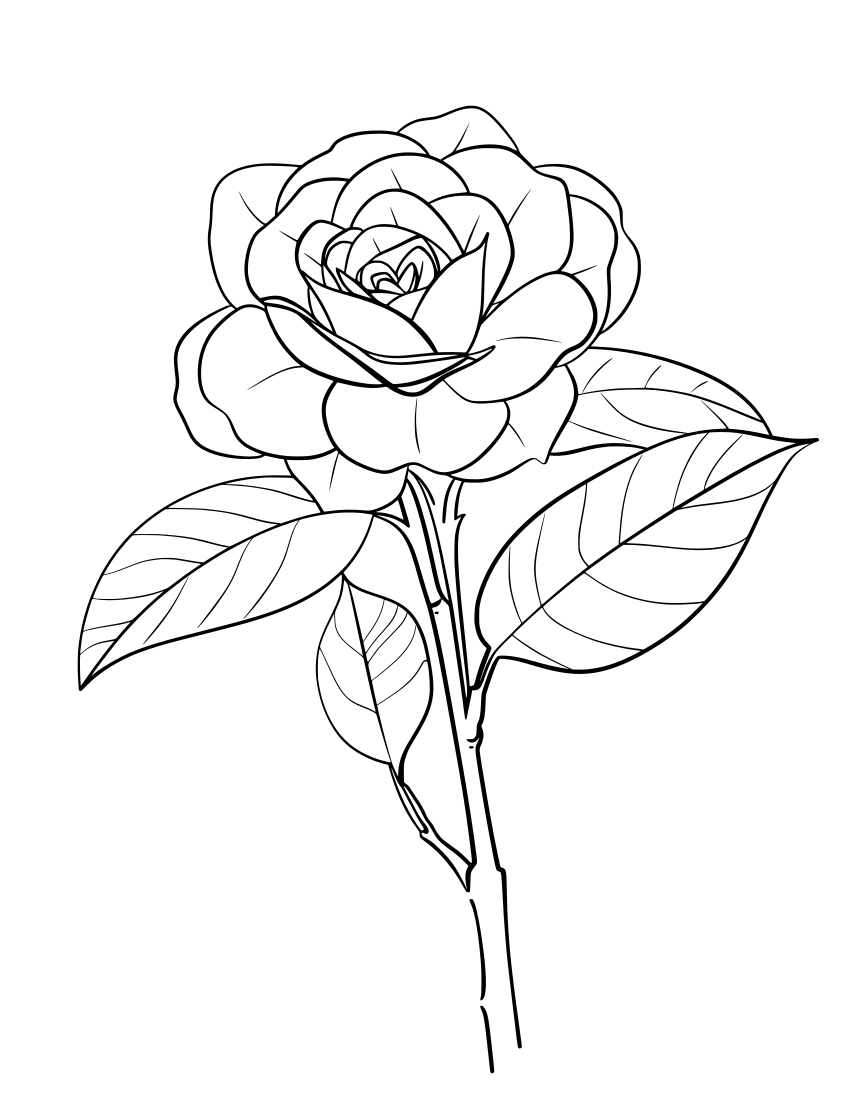
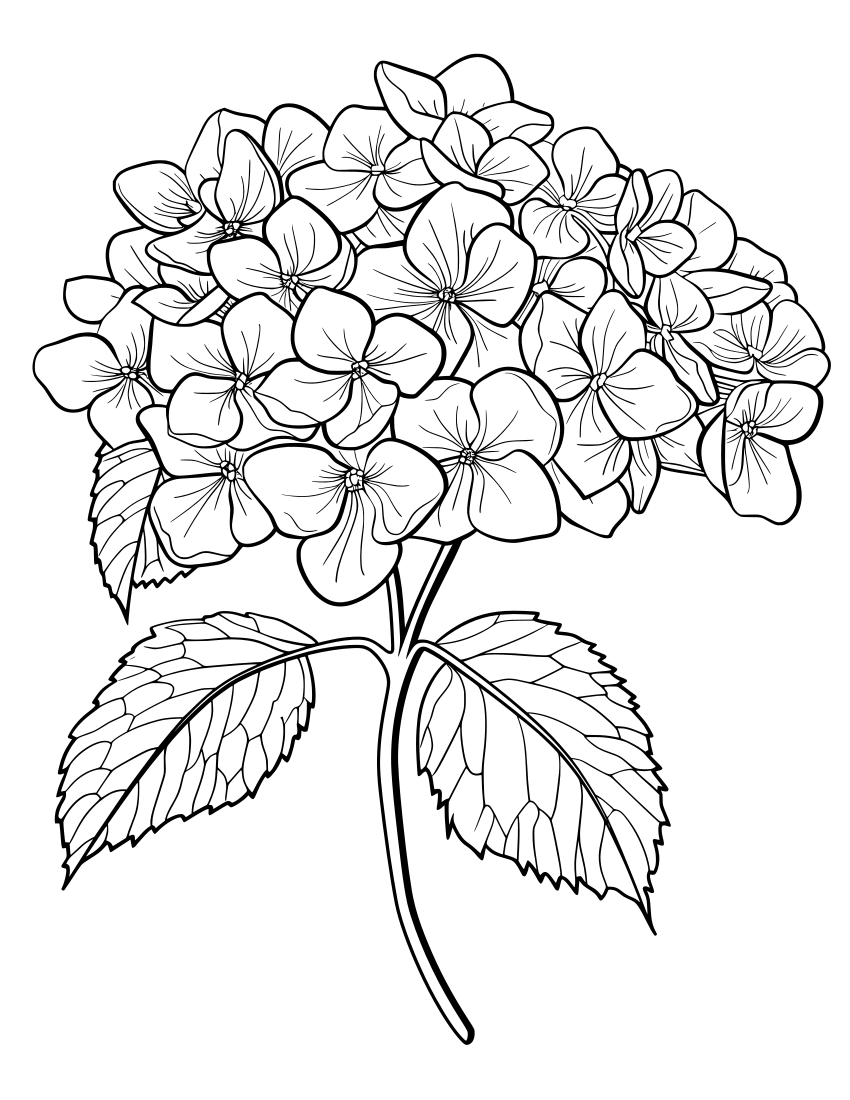
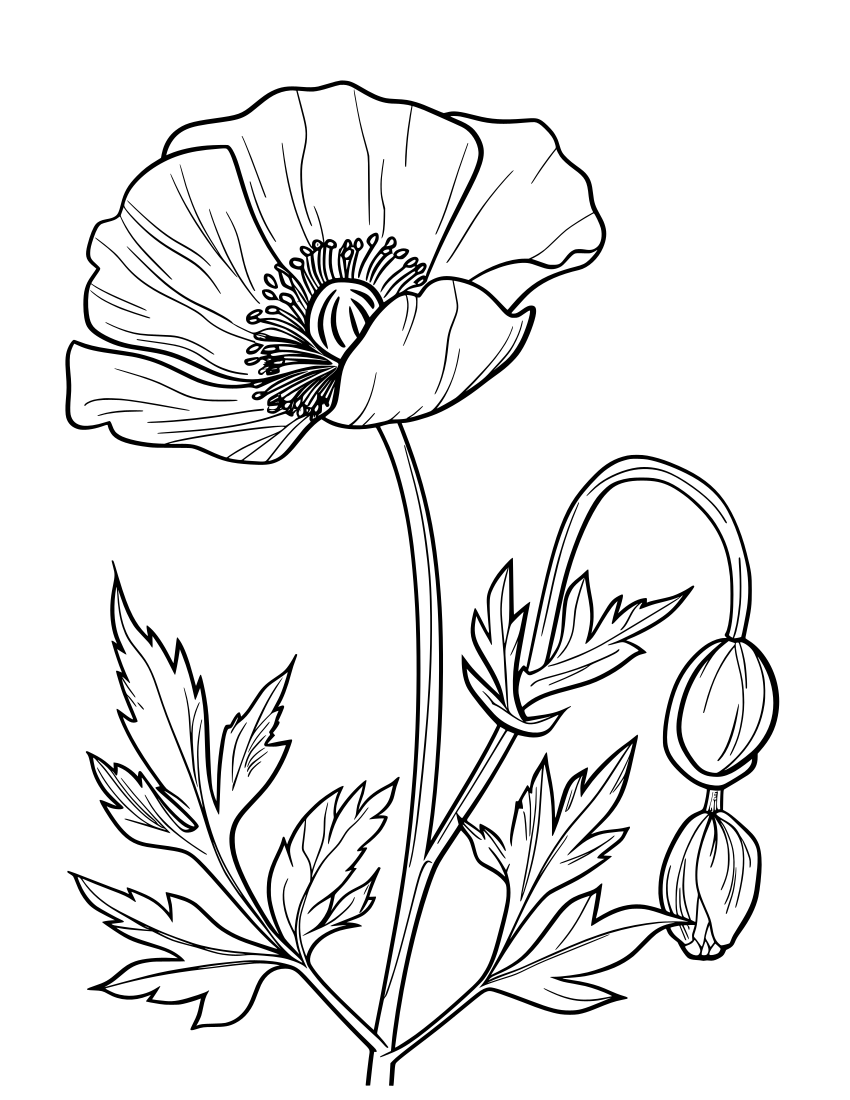
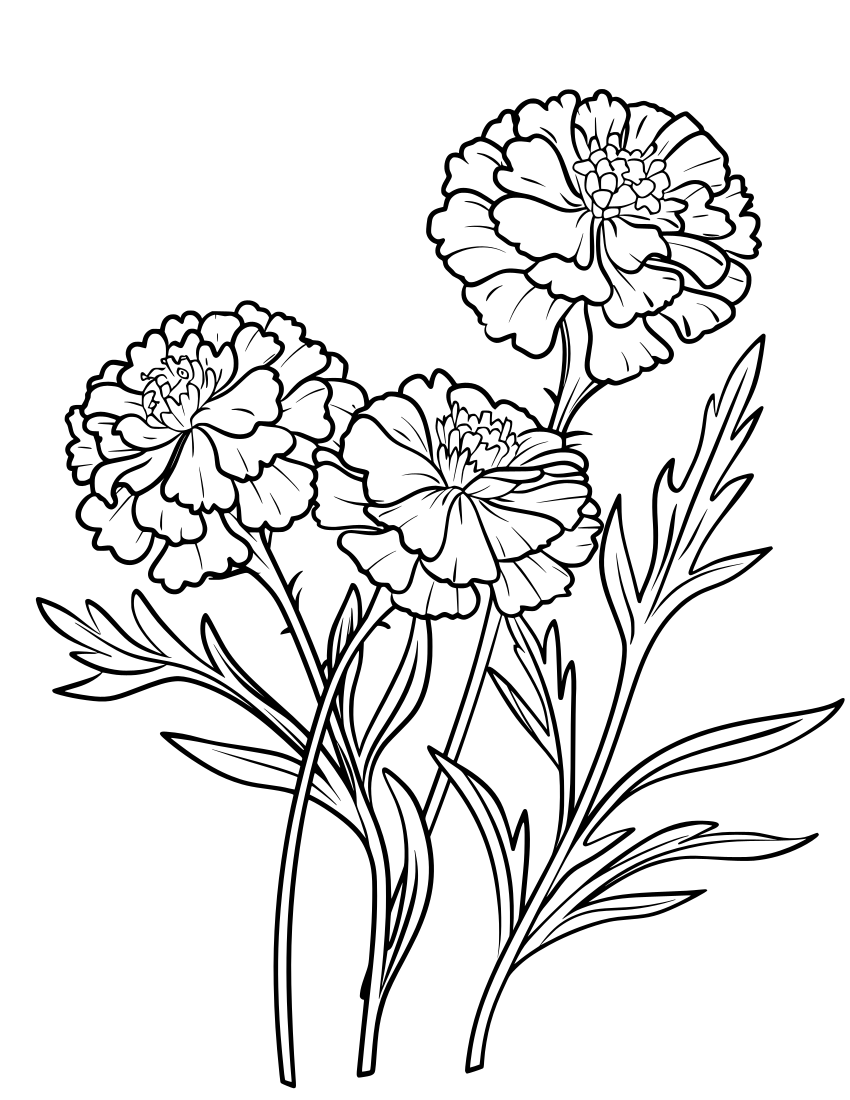
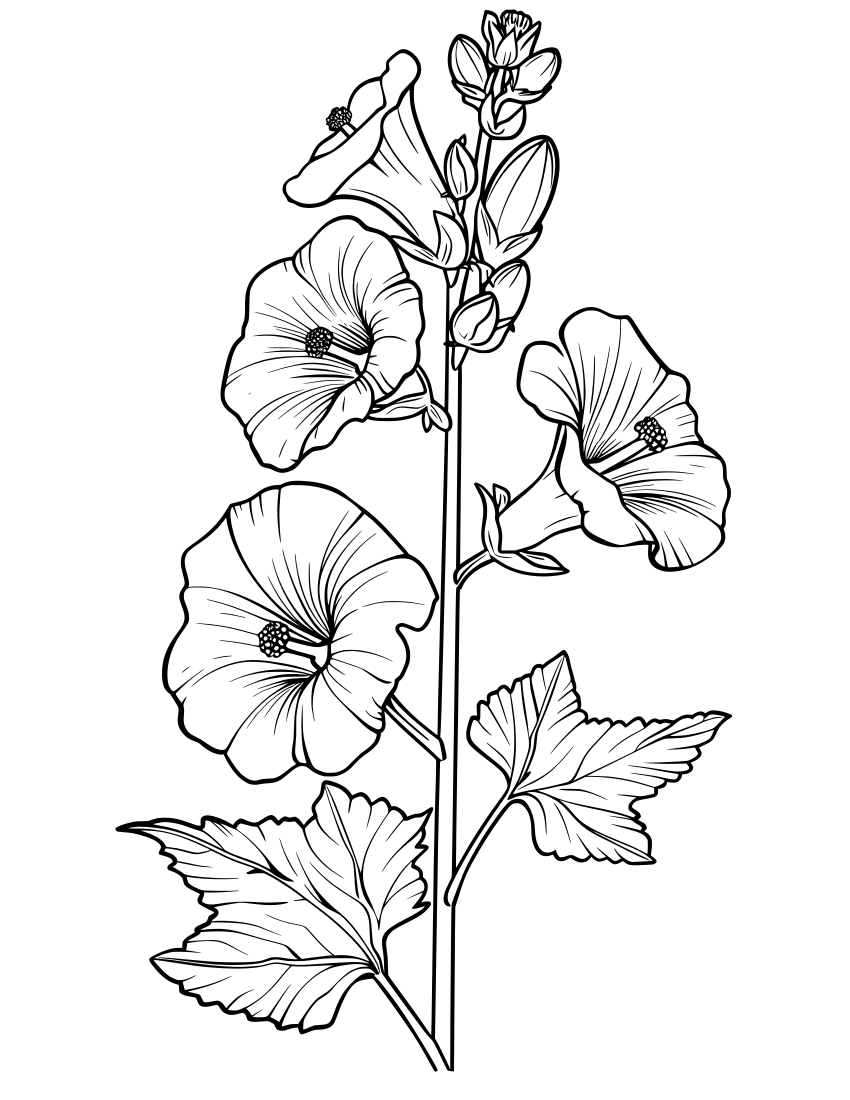
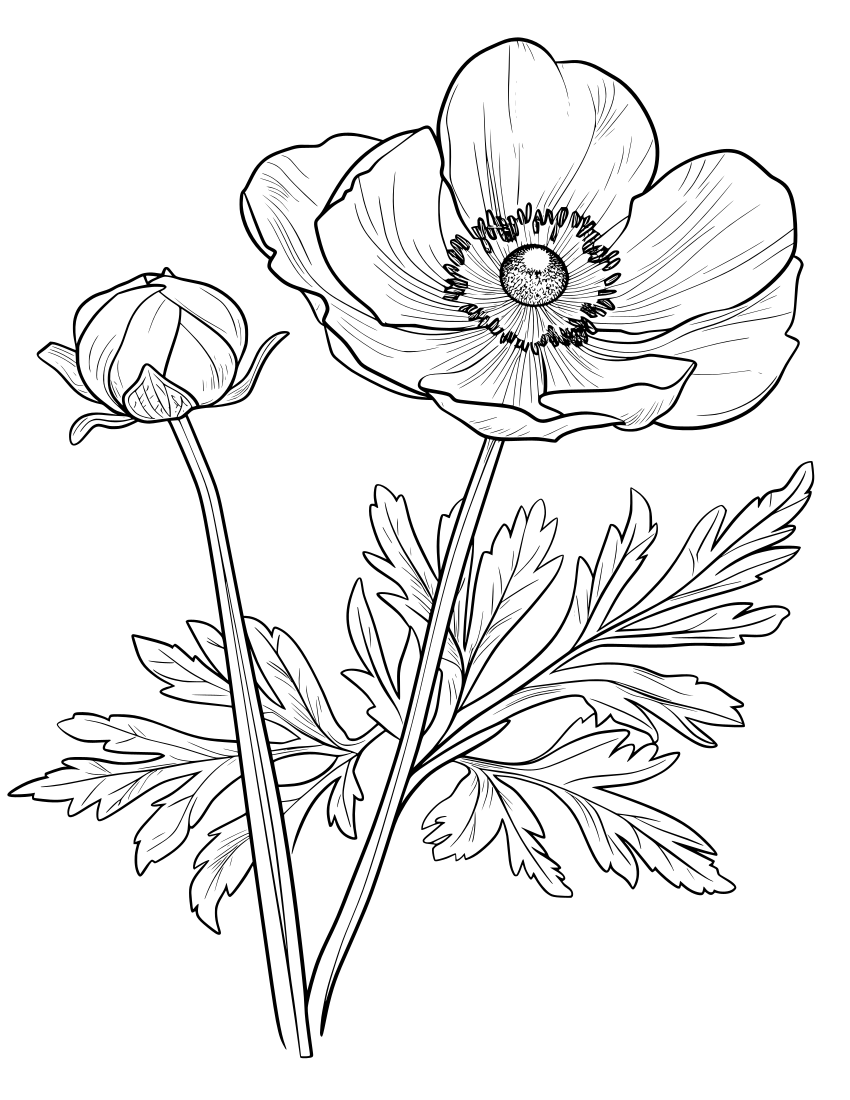
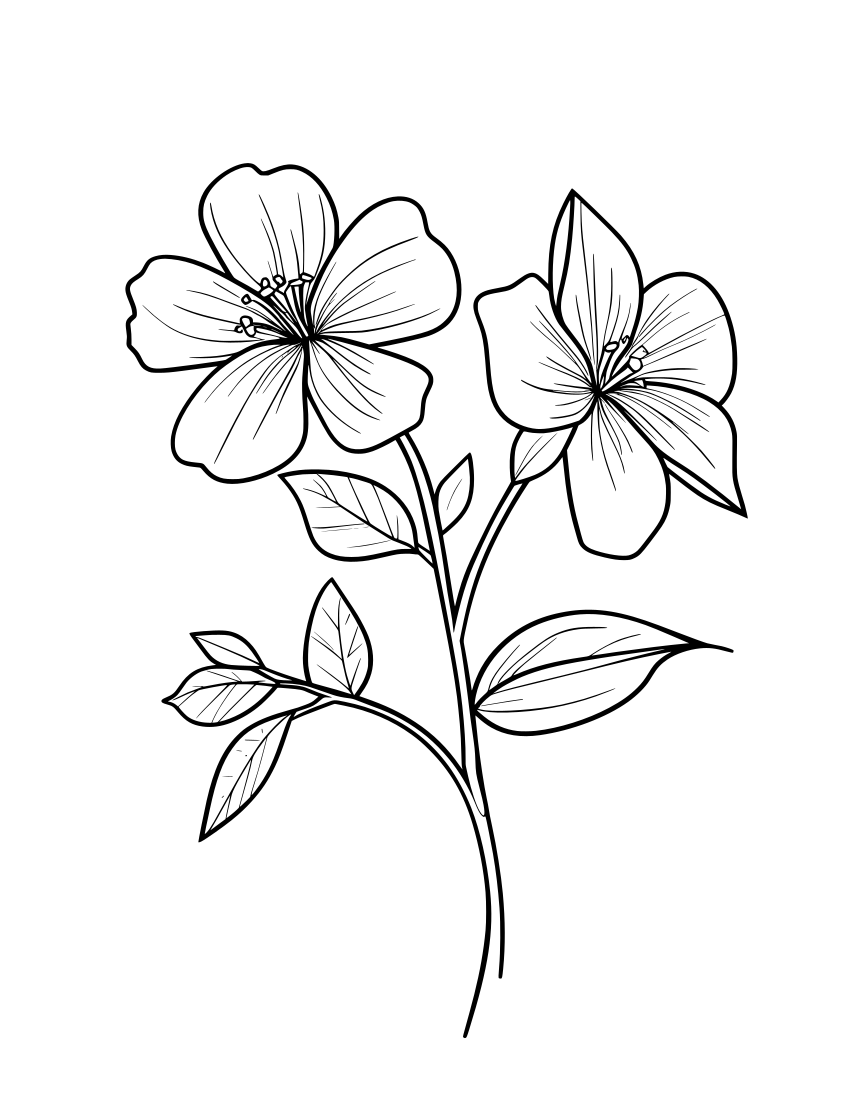
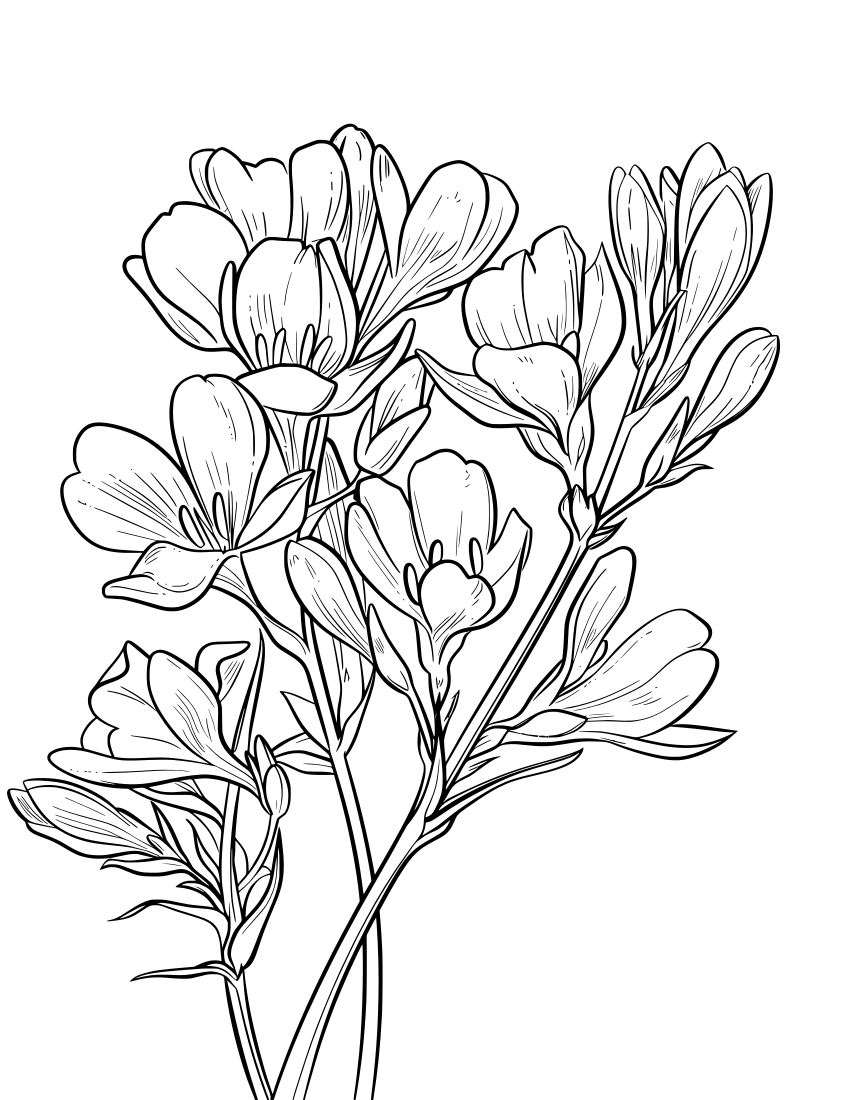
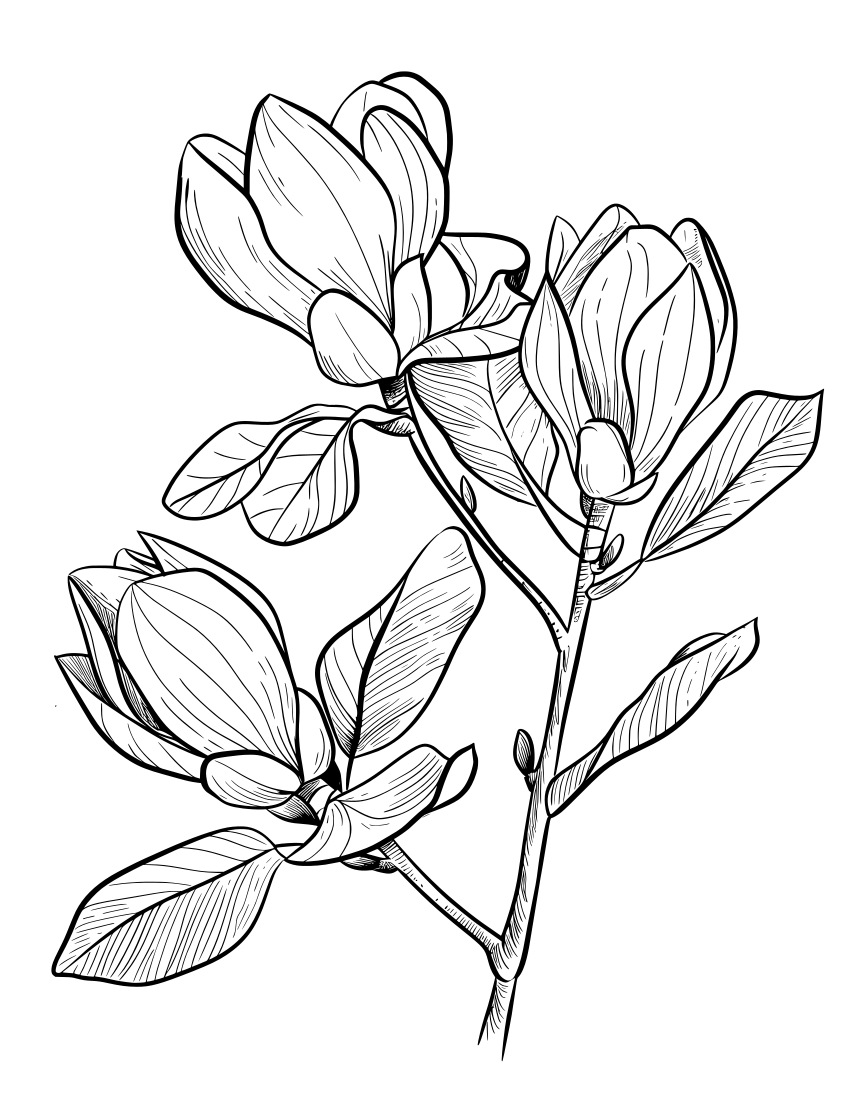
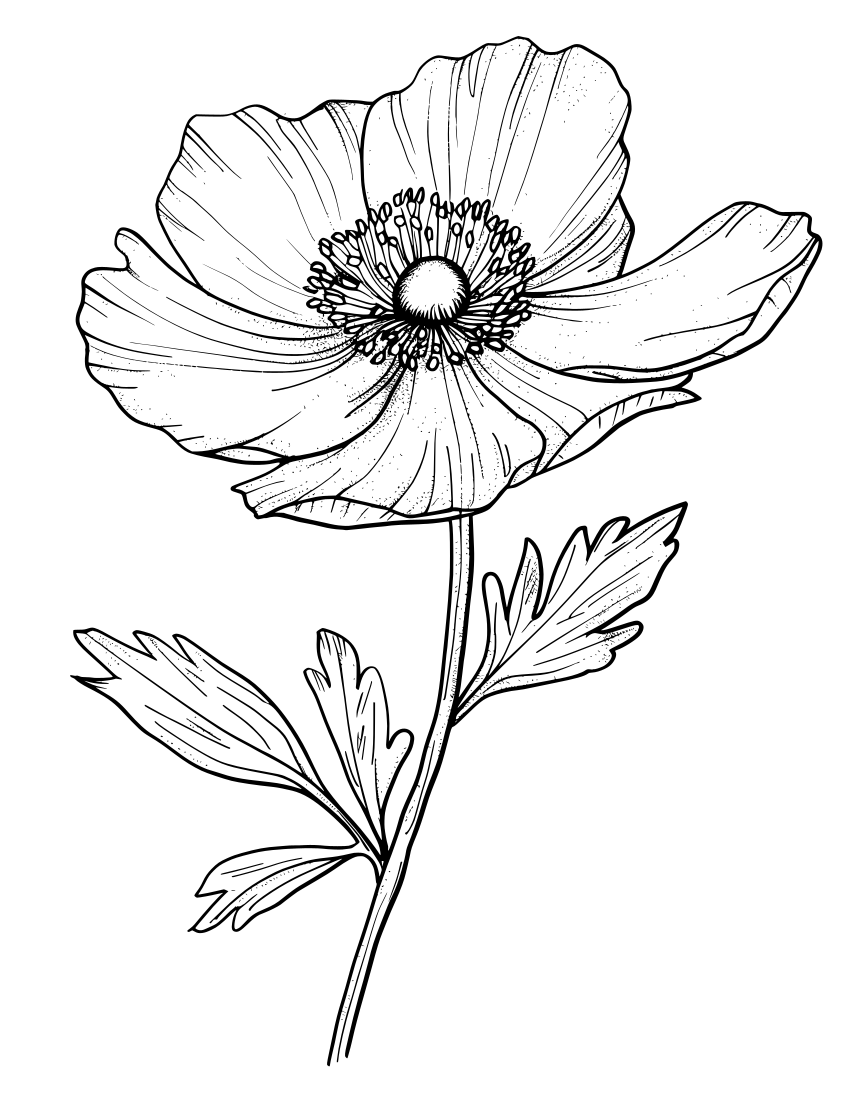
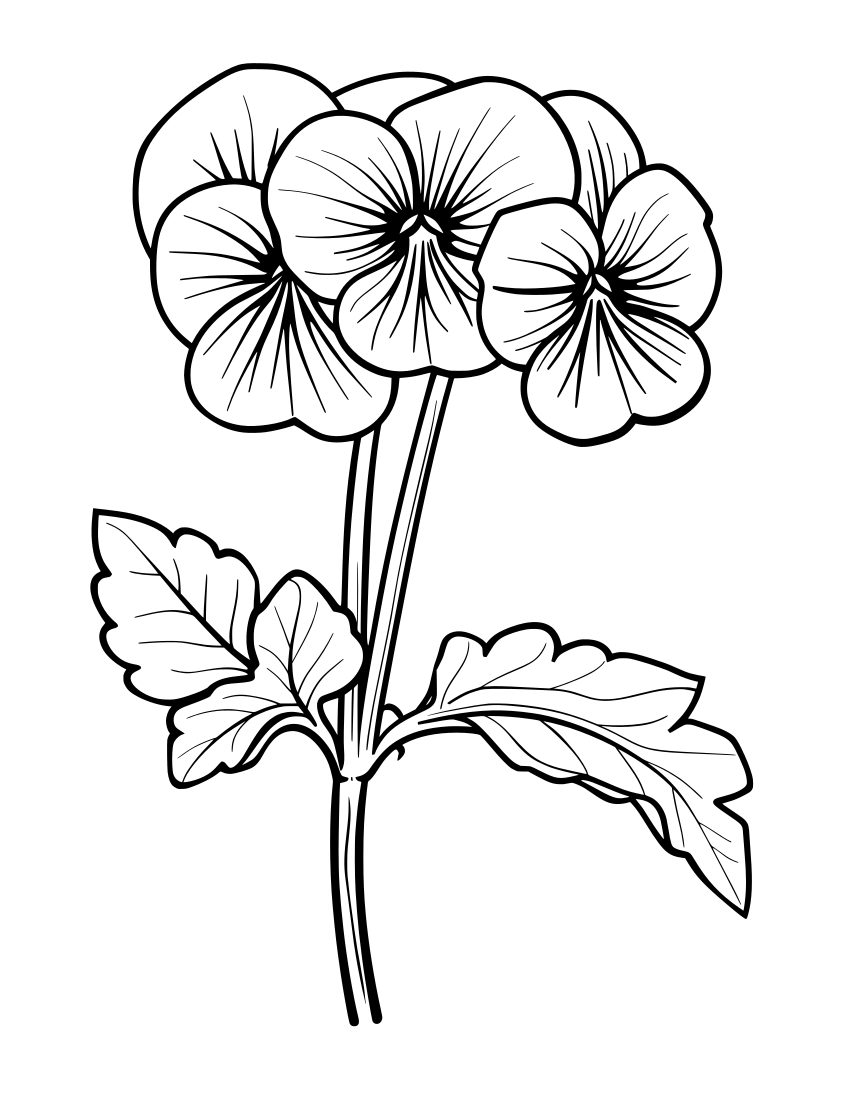
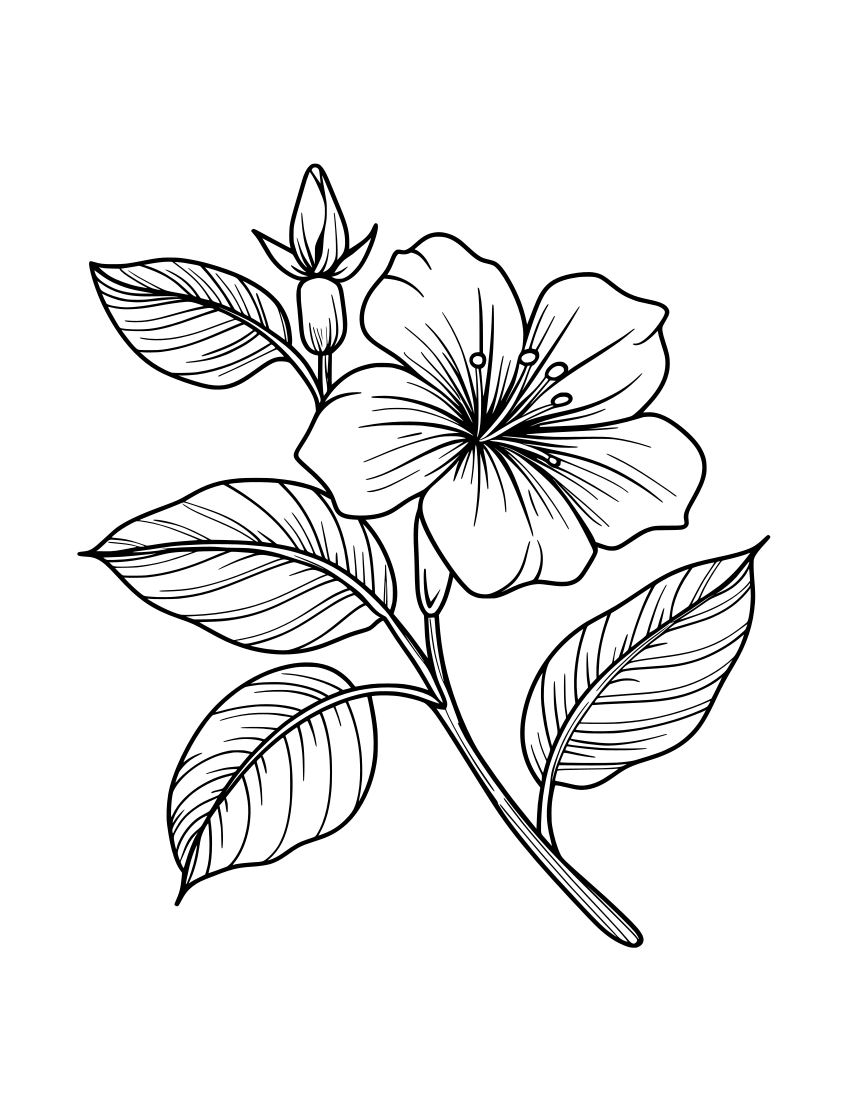
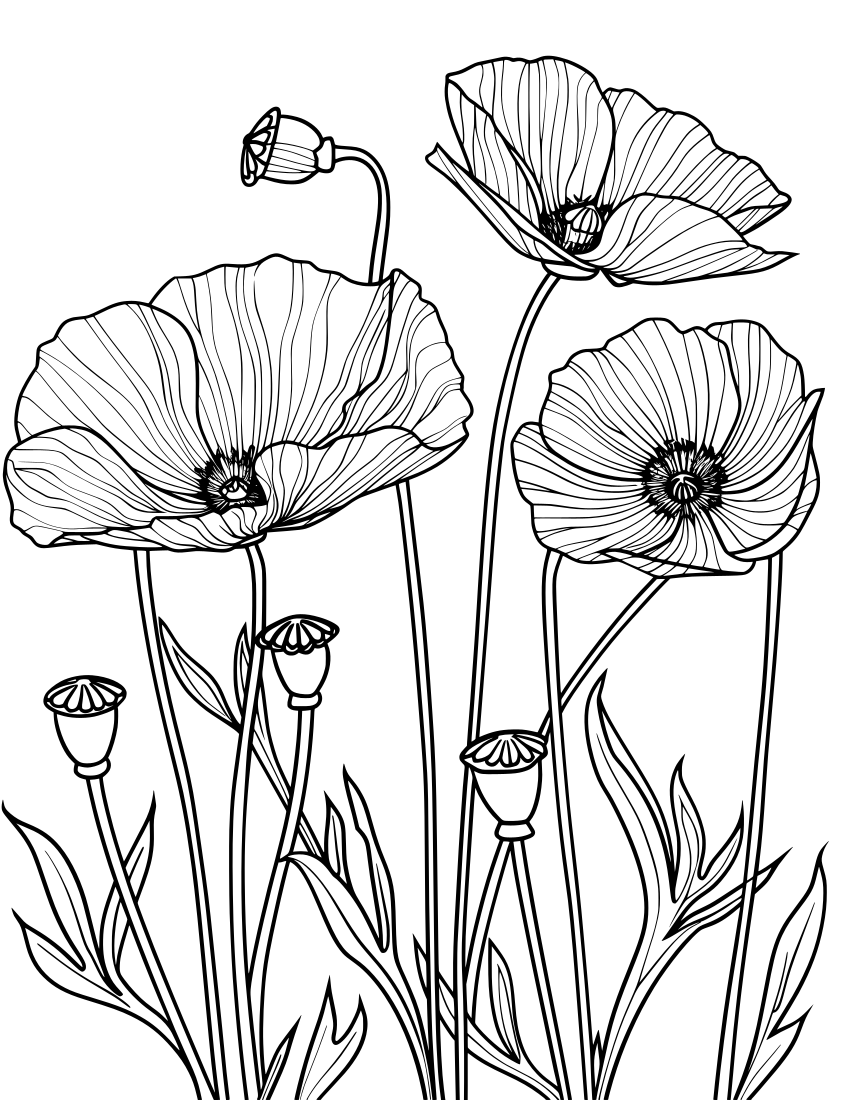
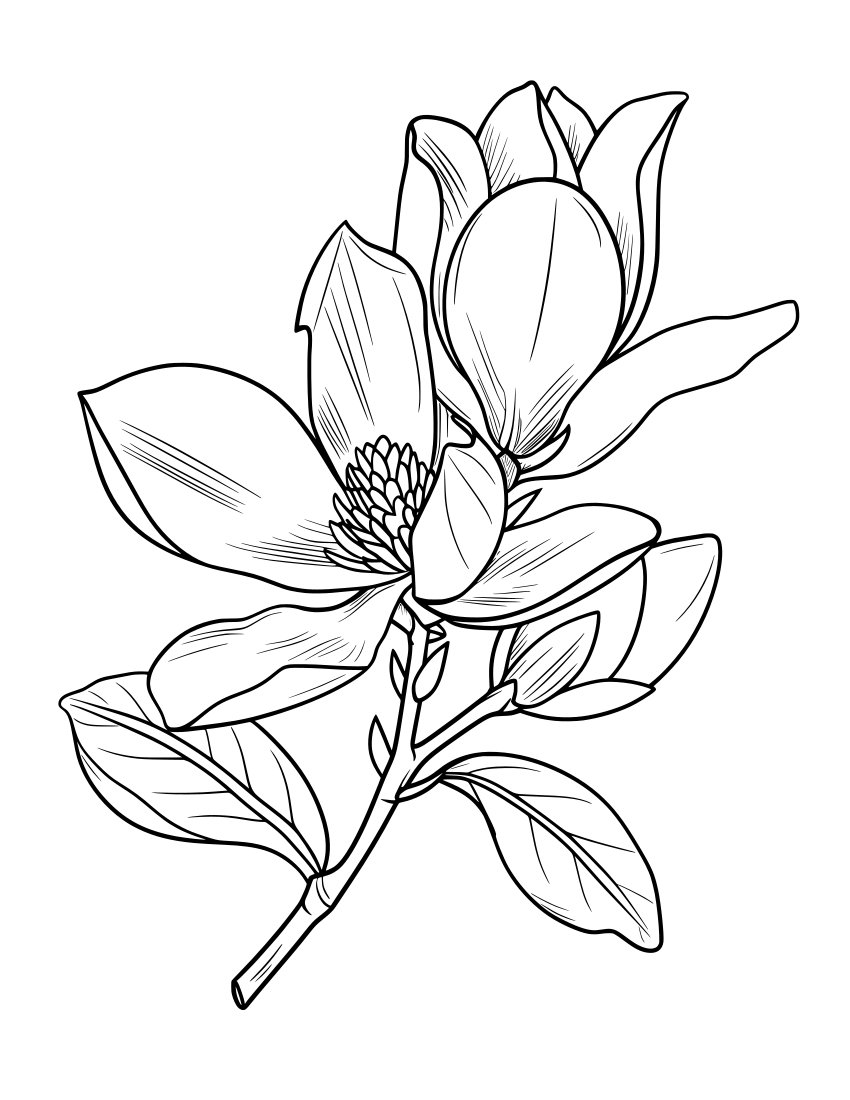
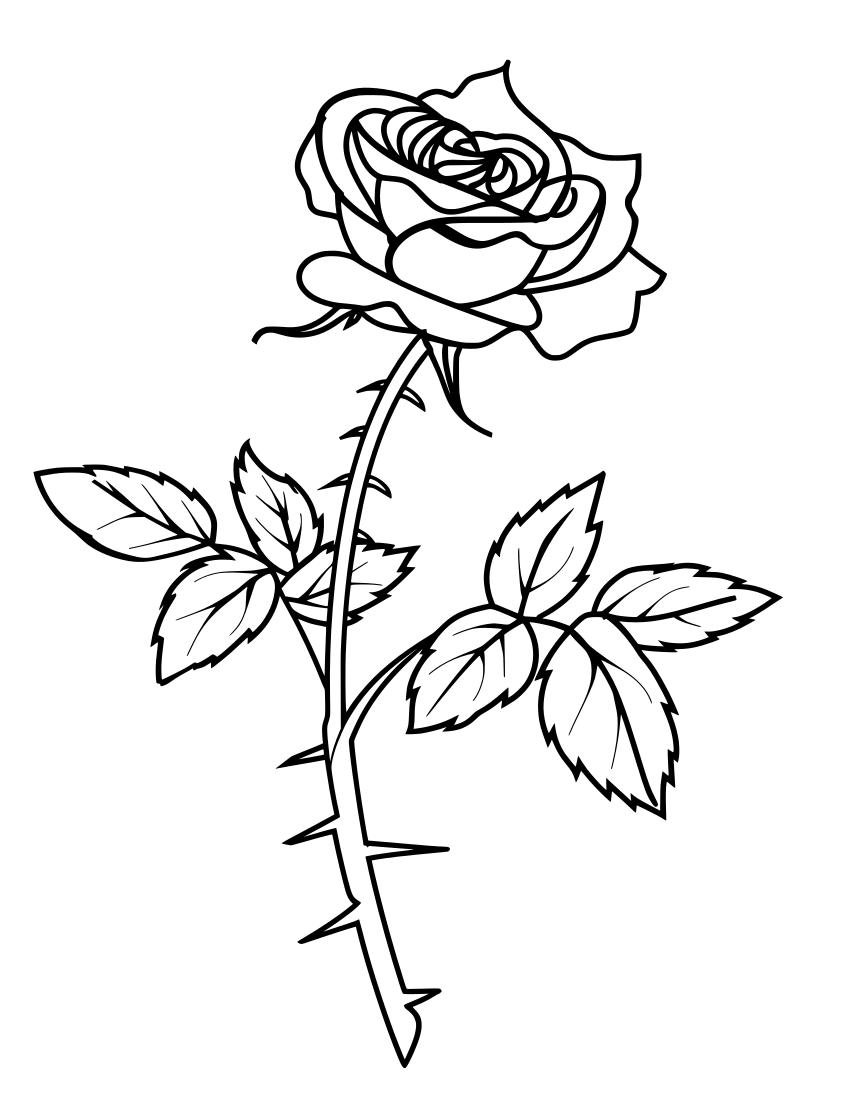
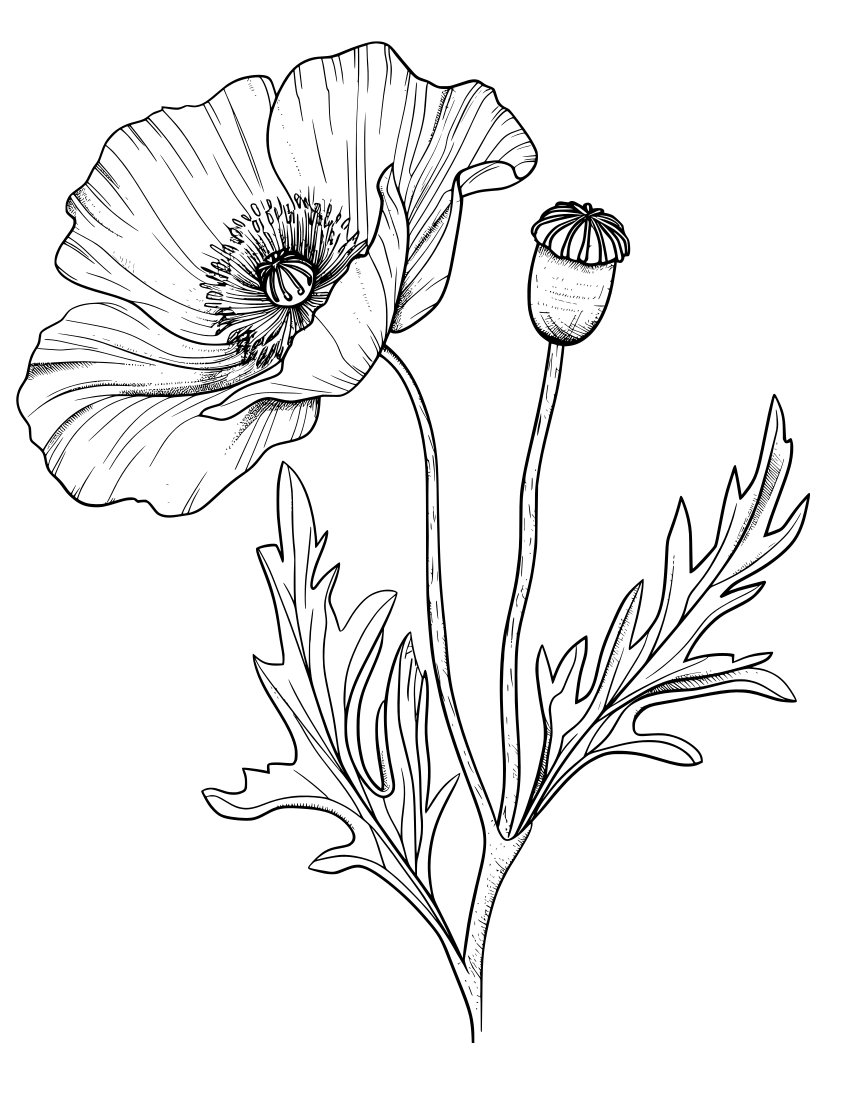
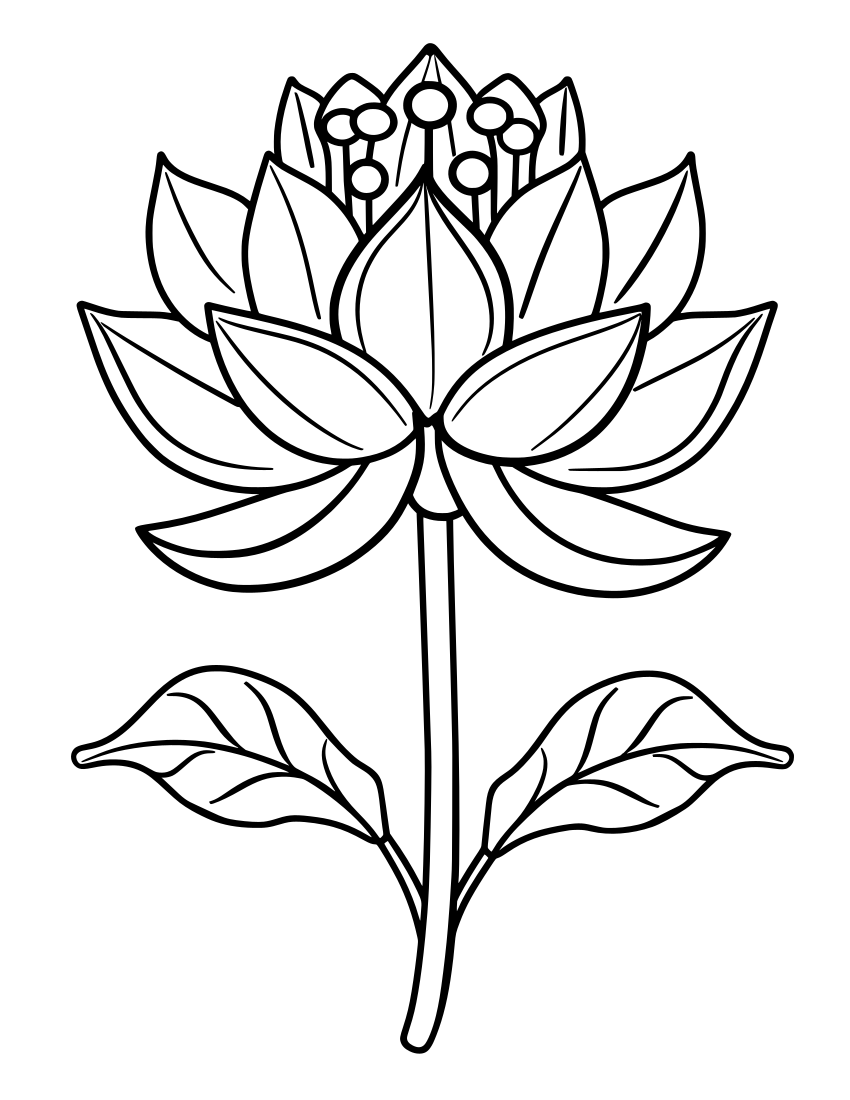
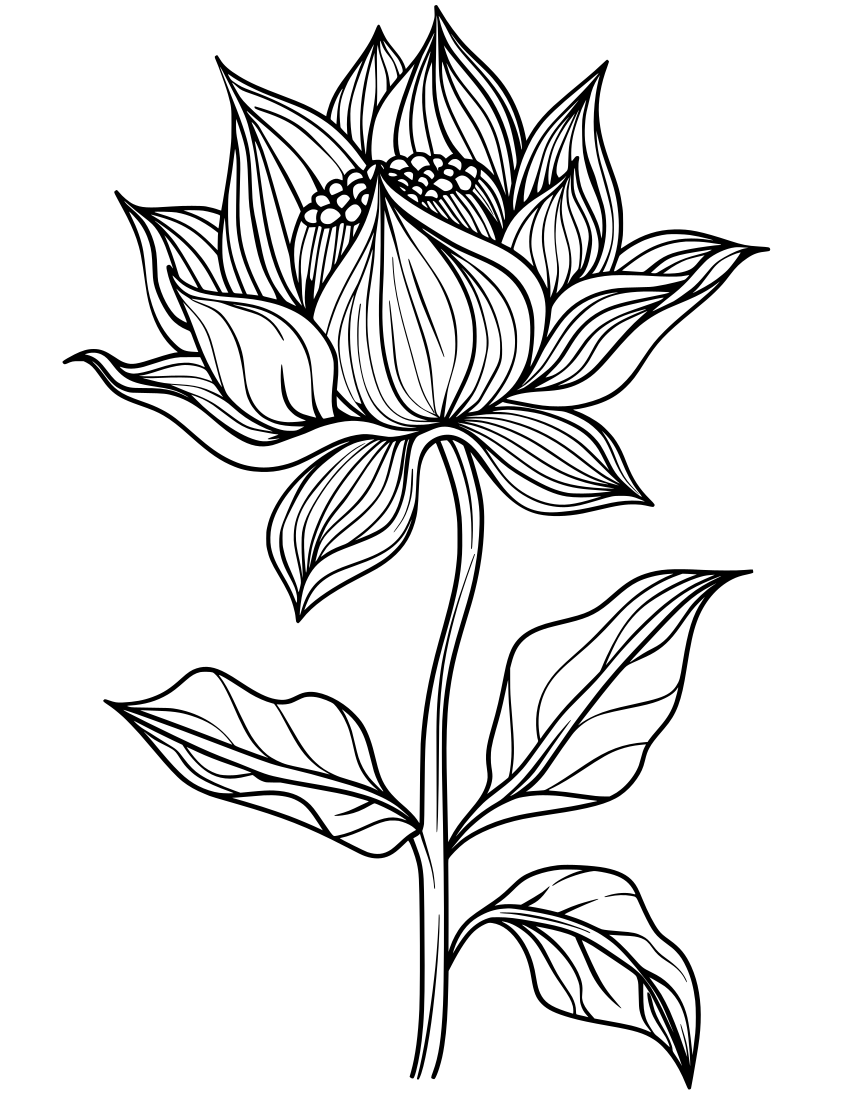
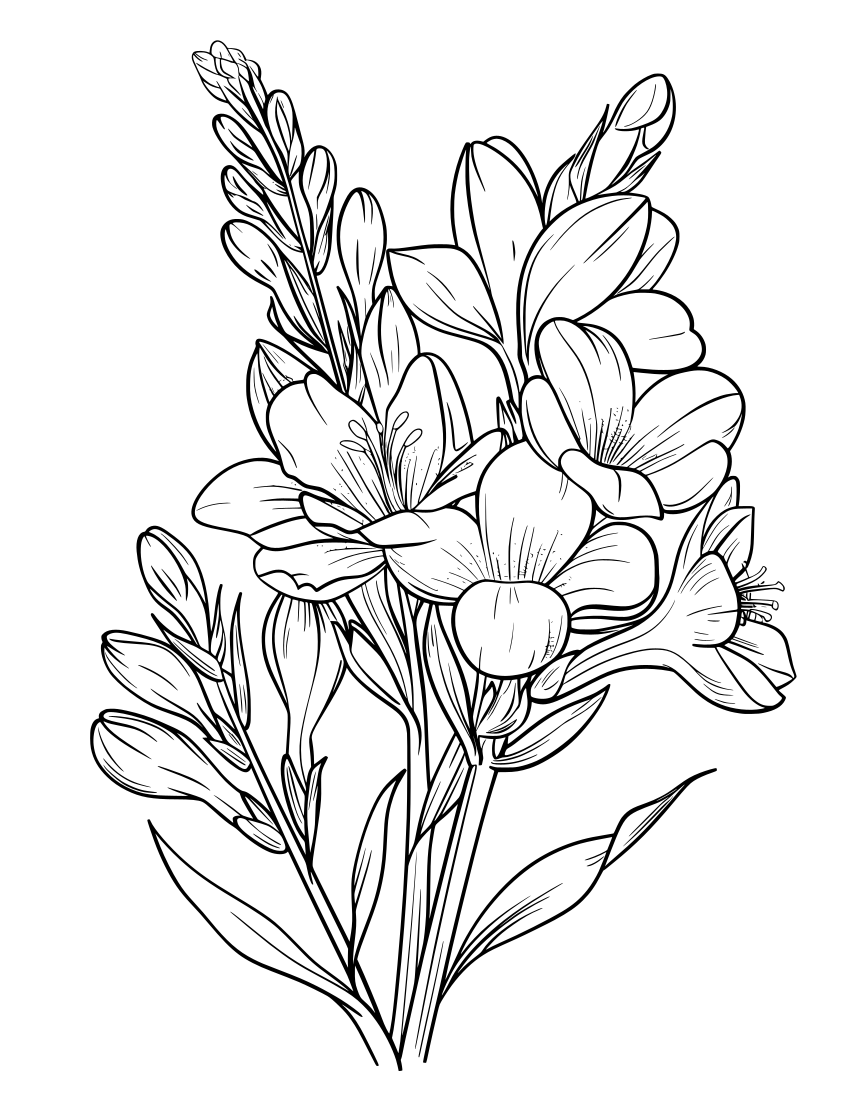
Free Printable Flower Coloring Pages — Roses, Tulips, Botanicals & More
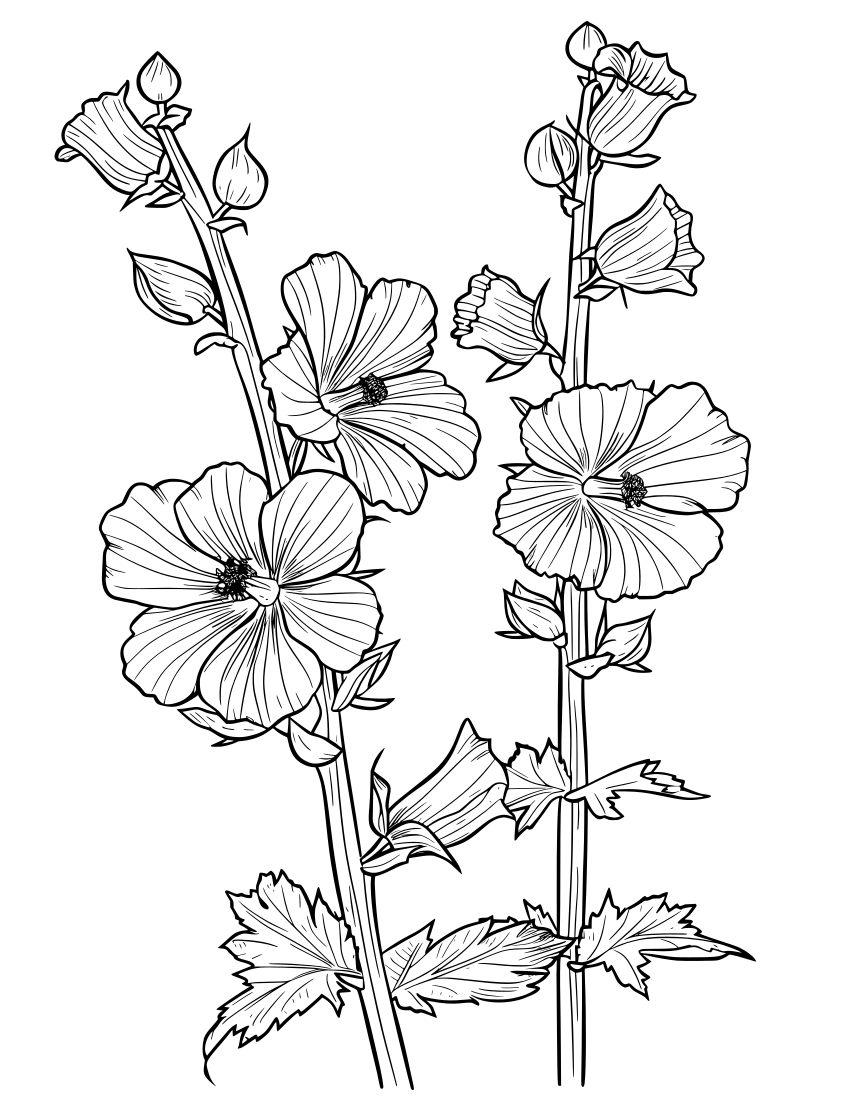
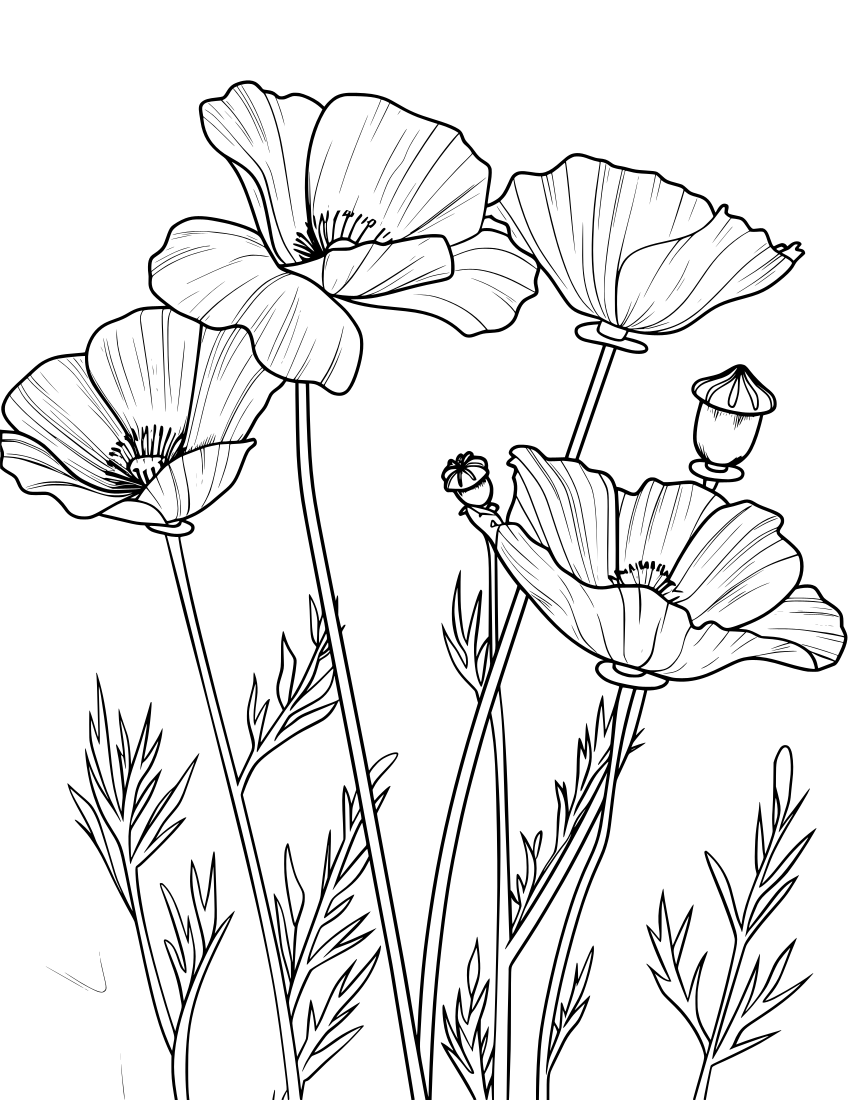
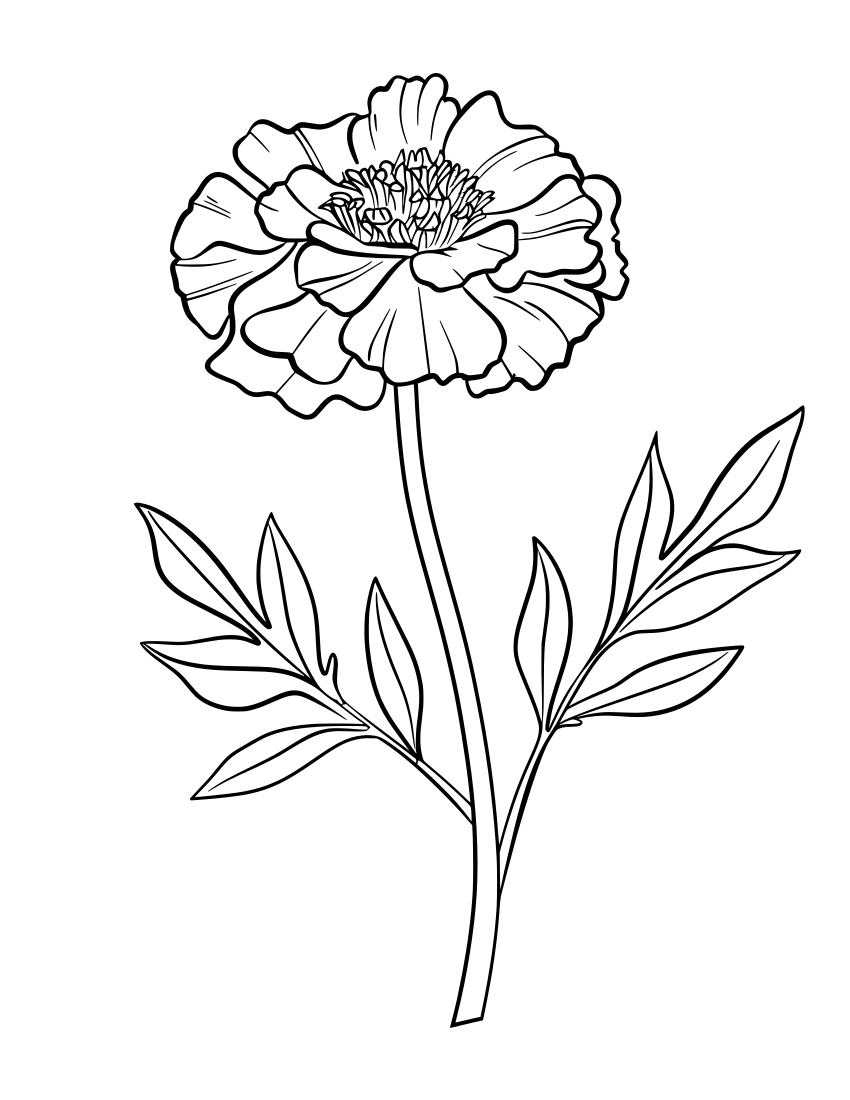
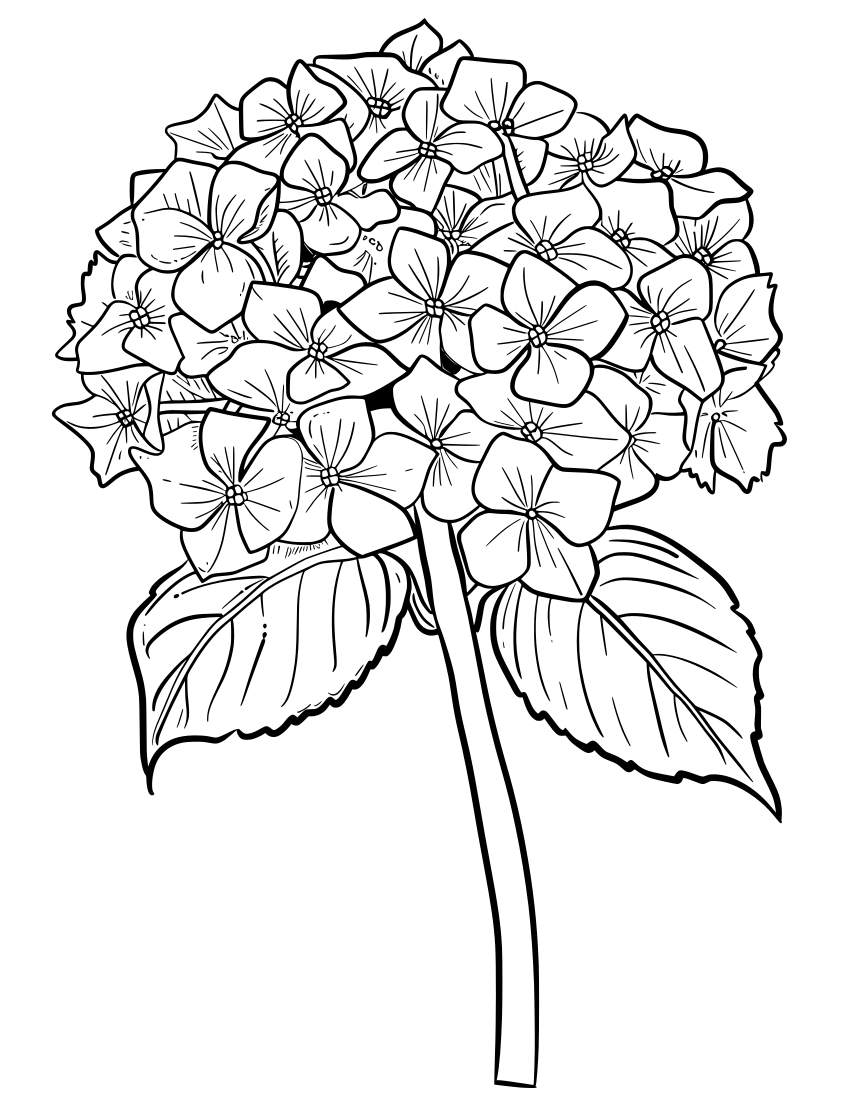
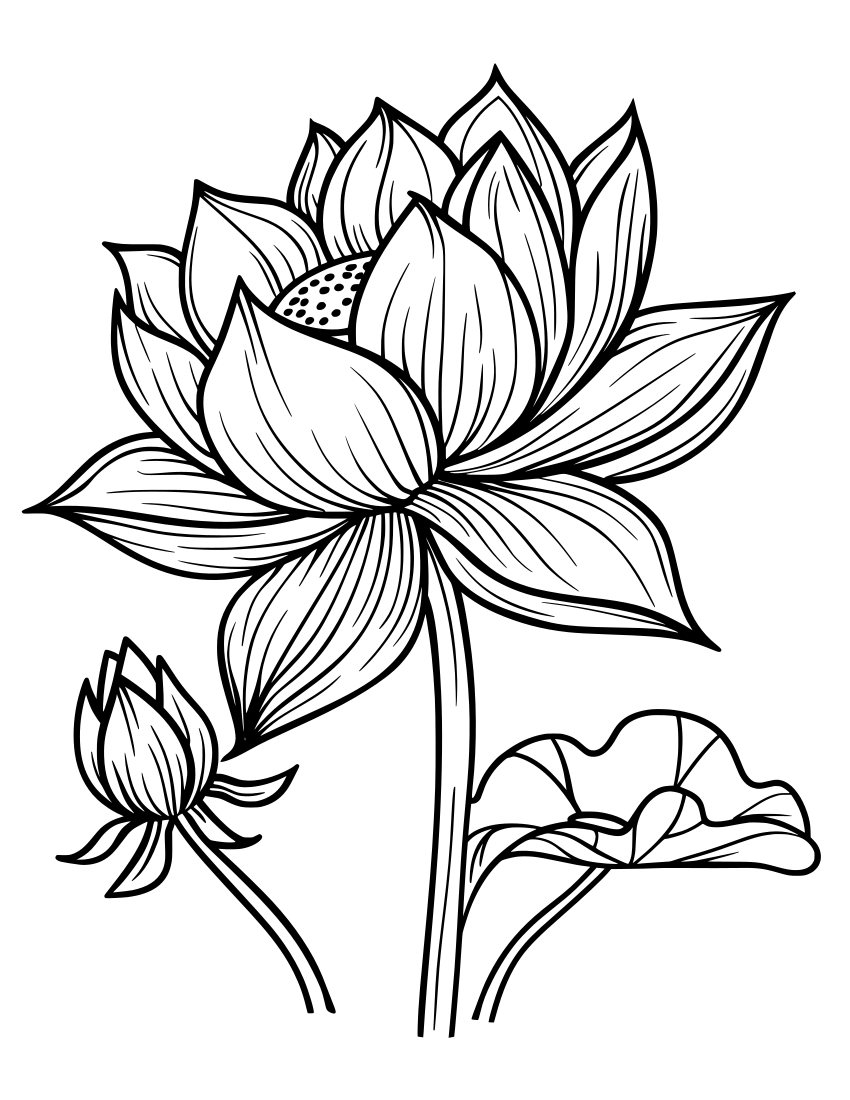
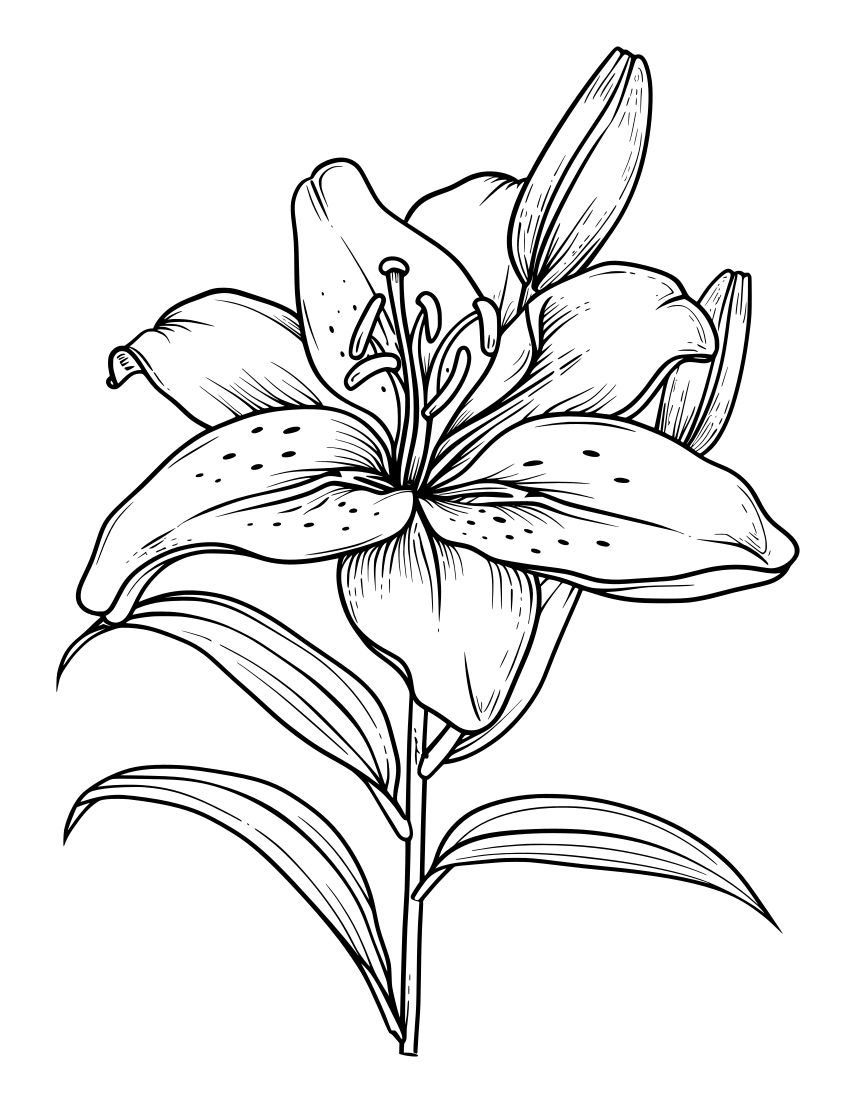
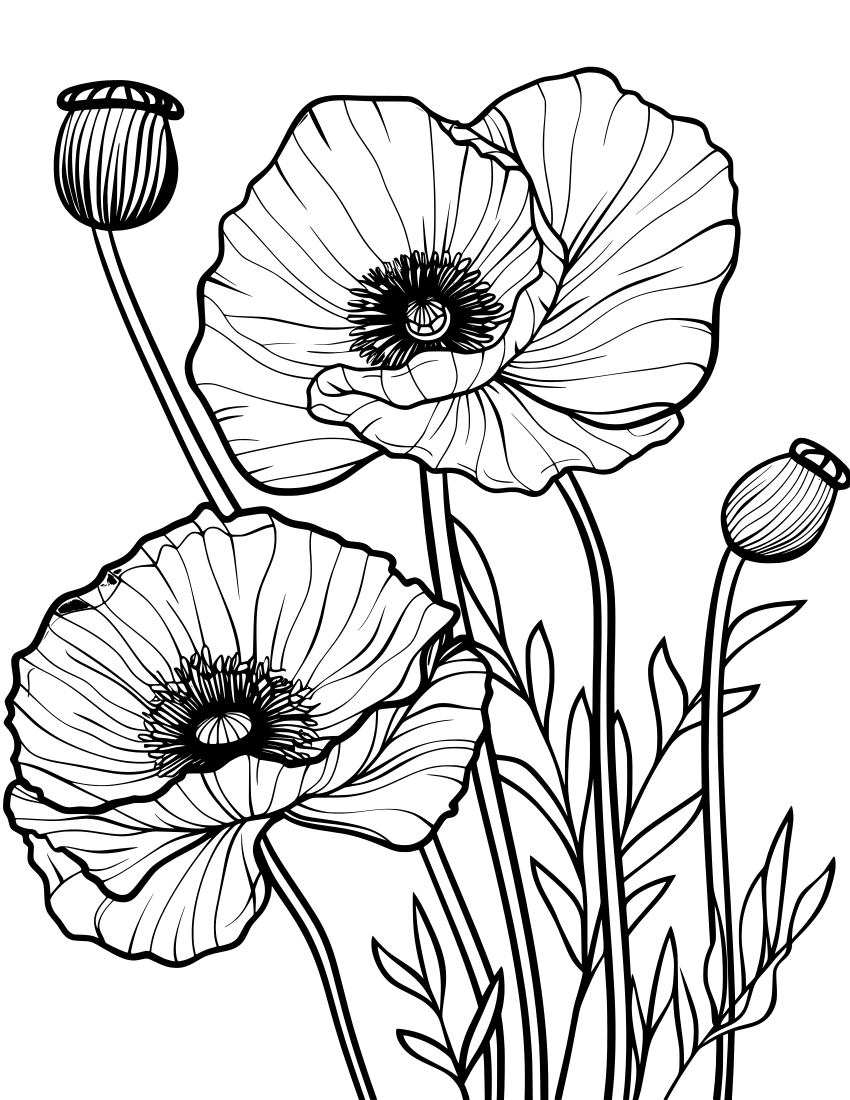
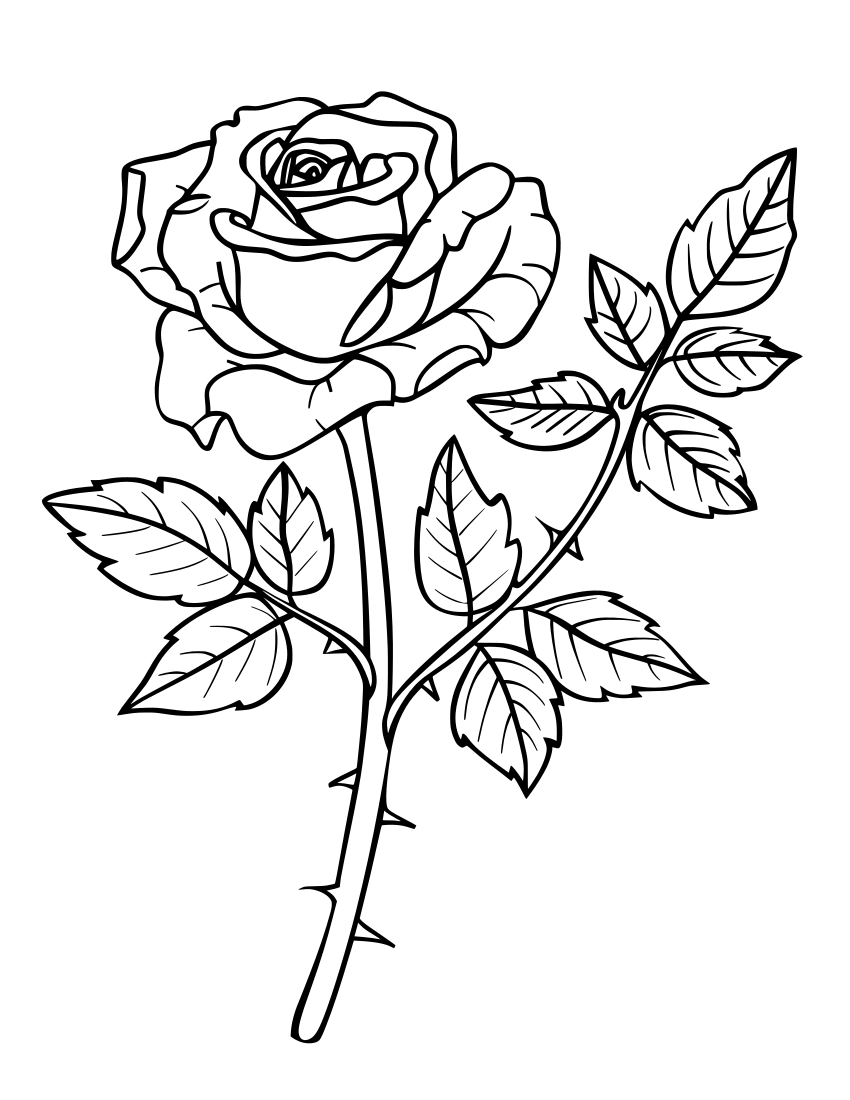
With 307 free flower coloring pages — spanning garden roses and wild poppies, delicate botanical studies and ornate decorative designs, kids' simple line art and intricate adult patterns — this is one of the most complete free flower coloring collections online. Every design is available as a print-ready PDF. No account, no paywall, no watermark. Download and color.
Free Printable Flower Coloring Pages — Complete Collection
Flowers have been the subject of human art for as long as art itself has existed. The earliest known floral decorations appear in Egyptian tomb paintings dating back over 3,500 years — lotus blossoms, papyrus stems and cornflowers woven into garlands and painted onto walls with extraordinary precision. In ancient Greece and Rome, flowers adorned temples, mosaics and everyday objects as symbols of beauty, divinity and the cycles of nature.
The great flowering of botanical illustration came with the Renaissance and the age of exploration. As European ships brought back unknown plant species from the Americas, Asia and Africa, the need for accurate visual records created a new discipline: botanical art. Artists like Maria Sibylla Merian, Pierre-Joseph Redouté and Georg Dionysius Ehret elevated the scientific illustration of flowers into a genuine art form — their work so precise and so beautiful that it remains influential and collectible to this day.
The Dutch Golden Age of the 17th century saw flowers dominate fine art in a different way: the flower still life. Masters like Jan Davidsz de Heem and Rachel Ruysch created extraordinary painted bouquets that were partly celebrations of wealth (exotic flowers were enormously expensive) and partly meditations on beauty and impermanence. These paintings contain botanical impossibilities — flowers that bloom in different seasons gathered in a single imaginary bouquet — revealing that their real subject was not botany but the ideal of beauty itself.
Today, flower coloring pages continue this long tradition of finding calm, pleasure and meaning in the careful contemplation of petals, stems and blooms. You don't need a canvas or oil paint — just paper, color and a little time. If you enjoy the meditative quality of floral art, our free mandala coloring pages and zen coloring pages make a natural next step.
What's in Our Flower Collection
Our 307 designs cover a wide range of styles, difficulty levels and flower types. Here's what to expect:
- Garden flowers — Classic arrangements of roses, tulips, daisies and more in formal garden settings. Clear compositions with satisfying symmetry. Ideal for beginners and anyone who loves a clean, traditional floral aesthetic.
- Wild flowers — Informal, organic compositions inspired by meadow botanicals. Slightly looser lines, natural asymmetry and the fresh, unmanicured beauty of flowers growing freely. Wonderful in earthy greens and wildflower colors. Also explore our spring coloring pages for more seasonal botanicals.
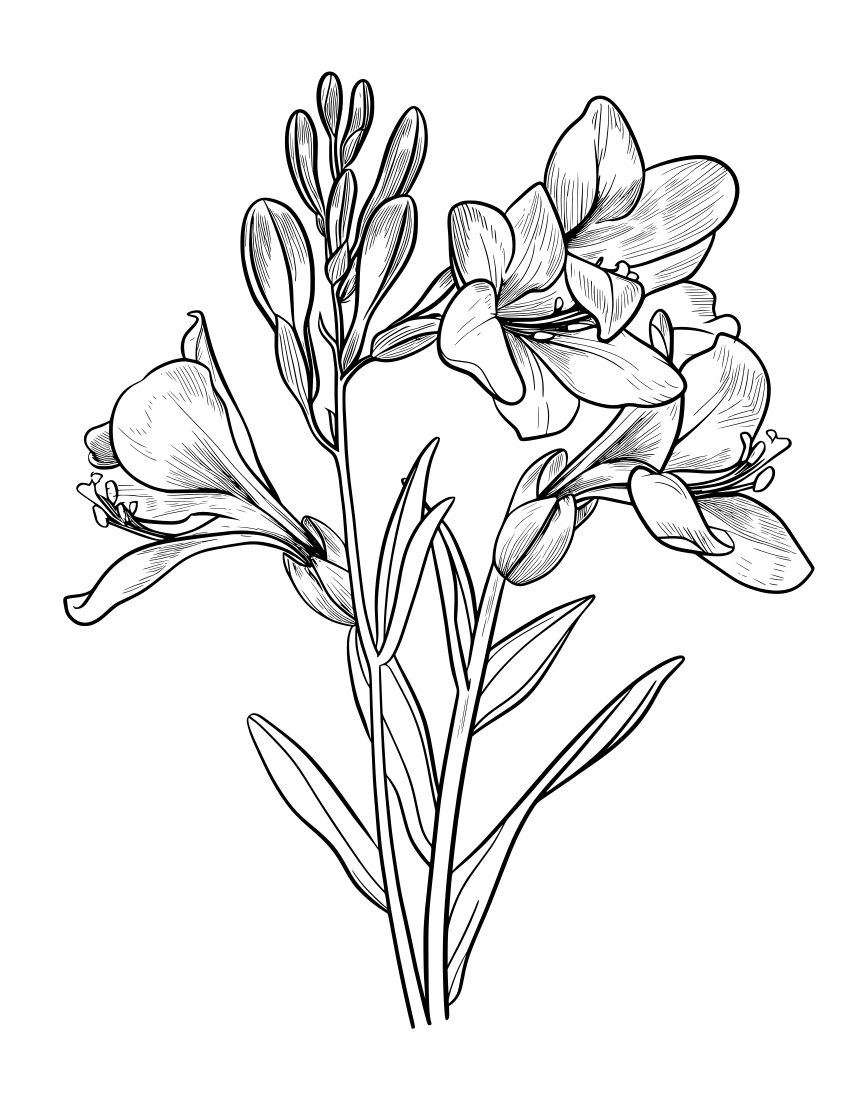
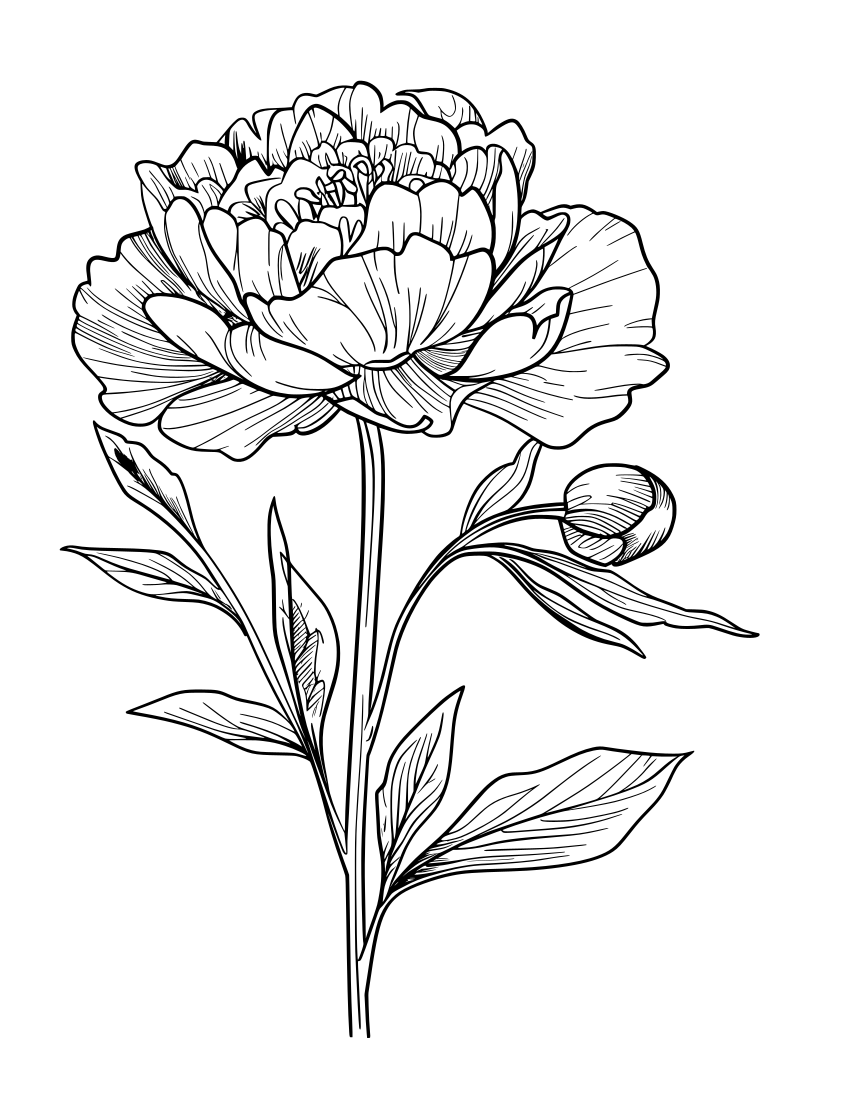
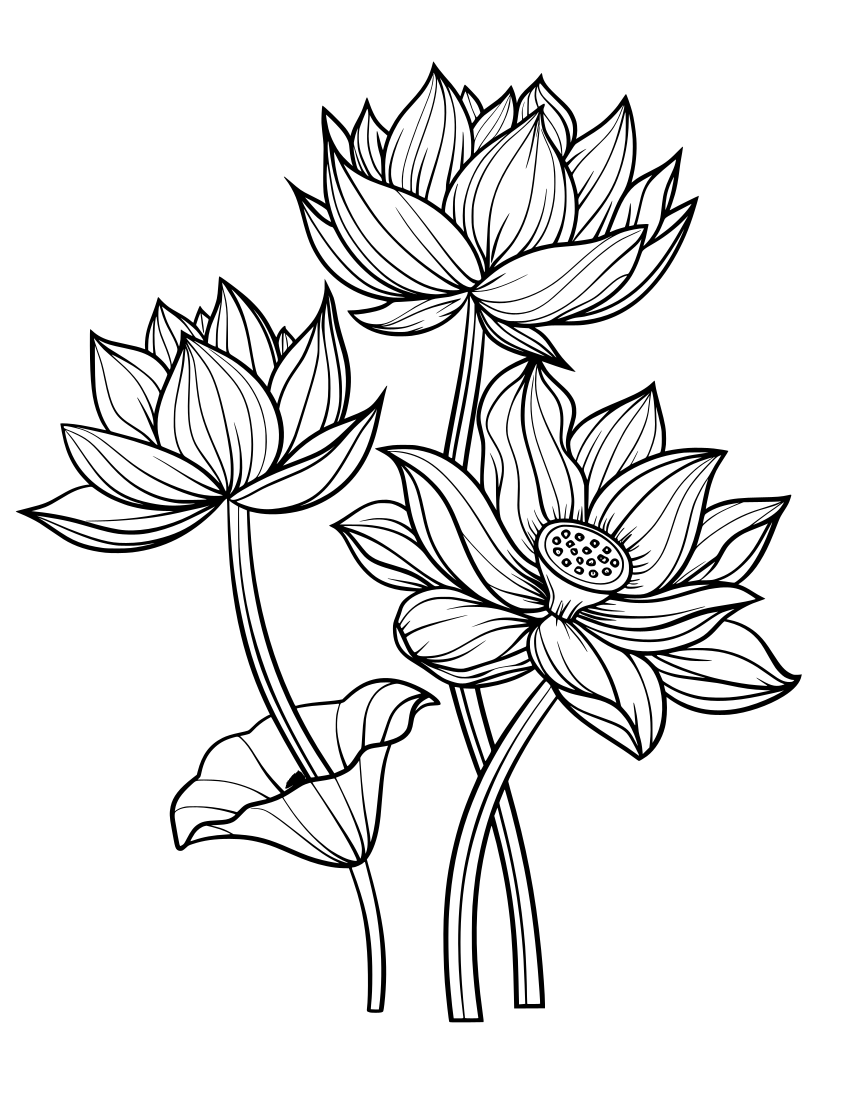
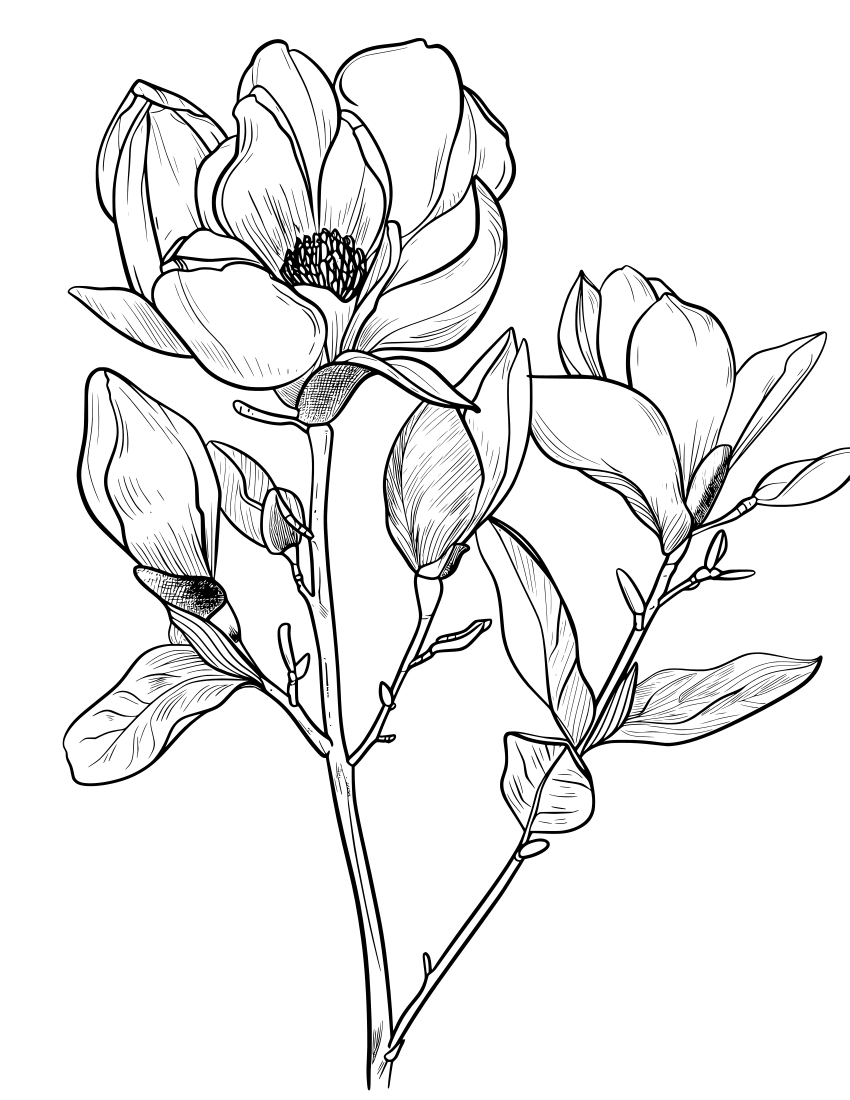
- Botanical illustrations — Scientific illustration style with precise, detailed linework. Every leaf vein, petal fold and stem joint rendered accurately. The most technically demanding in the collection — and the most satisfying when done well.
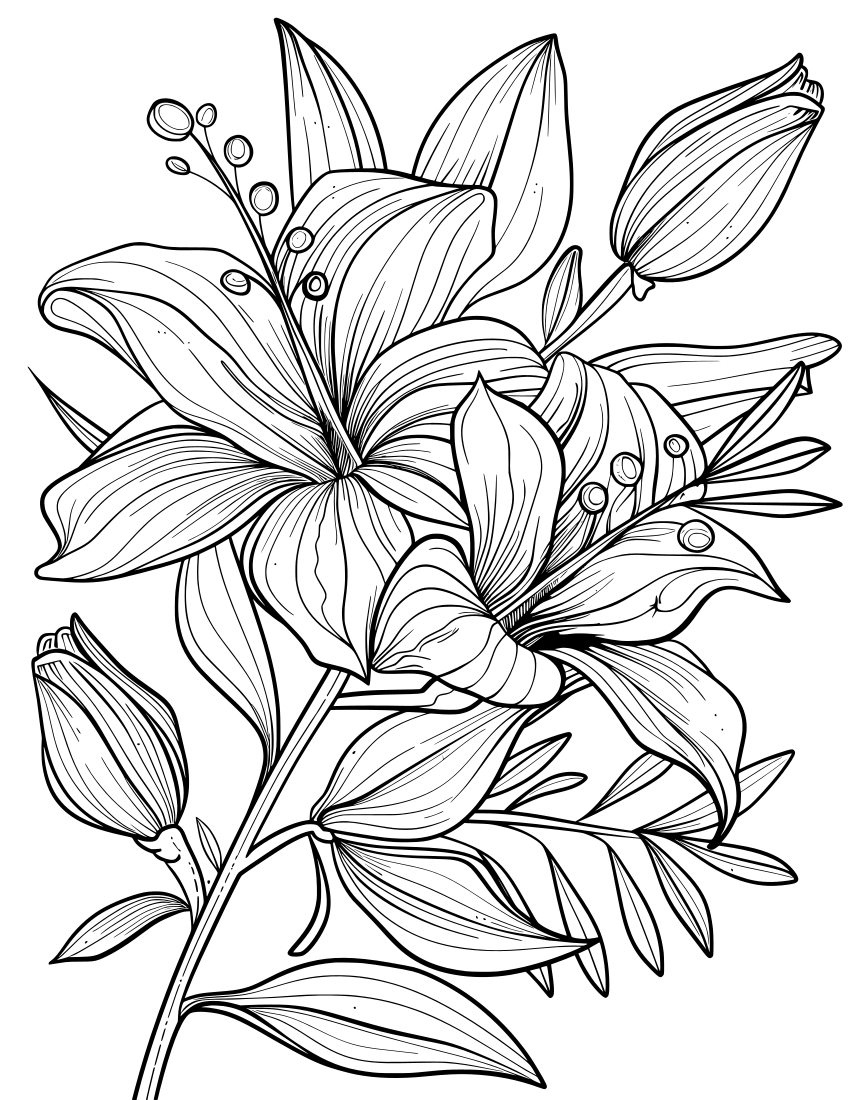
- Ornate floral designs — Decorative, pattern-focused compositions where flowers become design elements as much as botanical subjects. Rich in detail, these pages work beautifully as wall art when complete.
- Vintage-style flowers — Evoking Victorian botanical prints, these designs use refined line weights and compositions that feel timelessly elegant. Muted, "aged" palettes suit them perfectly.
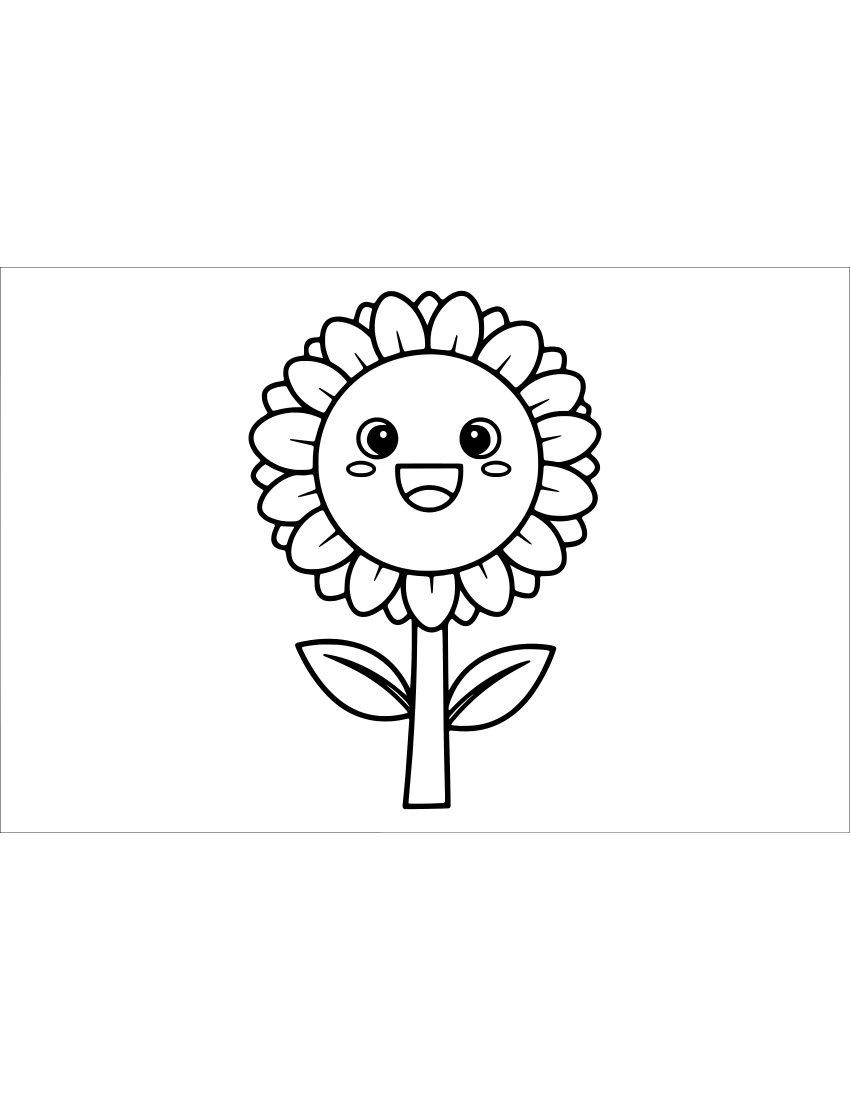
- Kids' line art — Bold, simple outlines with large areas to color. Perfect for children developing their coloring skills. Clear shapes, friendly subjects and immediate satisfaction.
How to Color Flower Pages — A Practical Guide
Flowers are among the most forgiving subjects in the coloring world. There are no wrong color choices — nature has already tried every combination. Here's how to make the most of your session.
Tools by Style
- Colored pencils — The best all-round choice for flowers. They allow fine shading in tight areas like petal bases and leaf veins, and they blend beautifully. Use a light touch for petals (flowers have soft, graduated tones) and slightly firmer pressure for stems and leaves.
- Watercolor pencils — Excellent for botanical and vintage styles. Color dry, then blend with a damp brush — the result mimics the soft washes of traditional botanical illustration. Use heavier paper (100 g/m² or above) to avoid wrinkling.
- Felt-tip pens — Great for ornate and graphic floral designs where you want saturated, flat fills. Less ideal for delicate petals where gradients are important.
- White gel pen — A finishing-touch tool that transforms any flower coloring page. Use it to add highlight dots on petals, fine vein lines on leaves, or tiny sparkle details. Even a few strategic strokes dramatically lift the finished result.
Where to Start
Begin with the focal flower — the largest or most central bloom. Establishing its colors first gives you an anchor palette to build from. Work outward to supporting flowers, then tackle the leaves, stems and background last. This order means you're always making color decisions relative to what you've already done, which naturally creates harmony.
Shading Petals
The secret to convincing flower coloring is tonal variation within individual petals. Real petals are darker at the base (where they join the calyx and where shadow falls) and lighter — sometimes almost white — at the outer edges where they catch the light. Try applying your chosen color most heavily near the base, blending toward a much lighter or even uncolored outer edge. The difference between a flat single-color petal and a subtly shaded one is enormous.
Leaves and Stems
Resist the temptation to use a single flat green for all foliage. Real leaves combine yellow-green, blue-green, warm olive and cool sage — sometimes within a single leaf. Use at least two greens and vary the pressure to suggest the light catching the upper surface versus the shaded underside. Brown or raw sienna on stems adds an earthy, botanical authenticity.
Color Palette Ideas for Flowers
- Classic rose garden — Deep crimson, soft blush, dusty pink, sage green, warm cream. Timeless and elegant.
- Wildflower meadow — Lavender, cornflower blue, golden yellow, grass green, white. Fresh and joyful.
- Spring morning — Pale lemon, soft peach, mint, sky blue, ivory. Light, airy and delicate.
- Botanical study — Moss green, warm ochre, burnt sienna, ivory, cool grey. Naturalistic and sophisticated.
- Vintage illustration — Faded rose, dusty mauve, antique gold, sage, deep teal. Reminiscent of Victorian botanical plates.
- Bold graphic floral — Vivid scarlet, cobalt blue, grass green, black, white. High-contrast and contemporary.
Printing Your Flower Coloring Pages
All 307 flower coloring pages in this collection are available as high-quality PDFs. A few tips for the best printed result:
- Print at High or Best quality to keep fine petal lines and leaf veins sharp.
- Use A4 or US Letter paper for standard home printing. The designs are optimized for both formats.
- For watercolor pencils or wet techniques, use 120 g/m² paper or heavier — standard 80 g/m² office paper will buckle when wet.
- For markers, use marker paper or card stock to prevent bleed-through.
All flower coloring pages on this collection are free to print as many times as you like, for personal use, family activities, classroom projects or creative workshops. No sign-up, no watermark, no limit. Browse our full free printables library for more coloring pages, planners, trackers and educational sheets.