Free Zen Coloring Pages
Peaceful zen coloring pages designed for stress relief and relaxation. Nature, patterns and meditative designs.






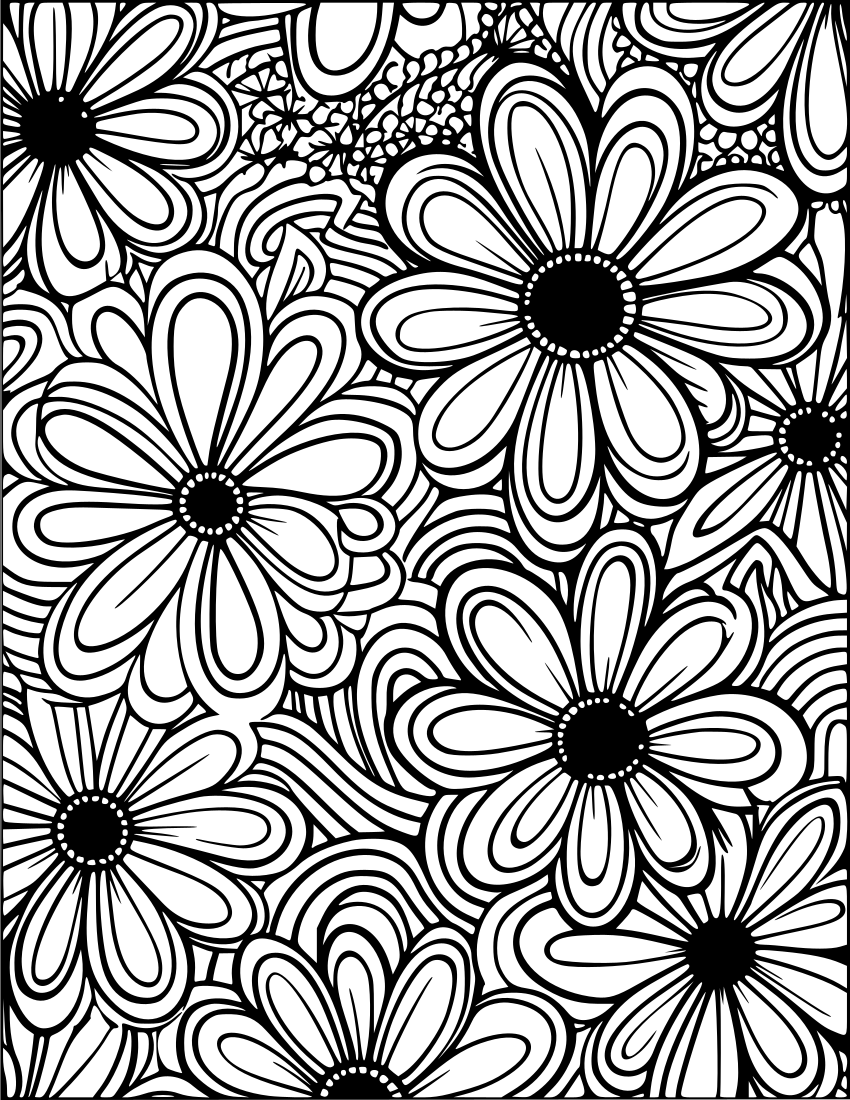
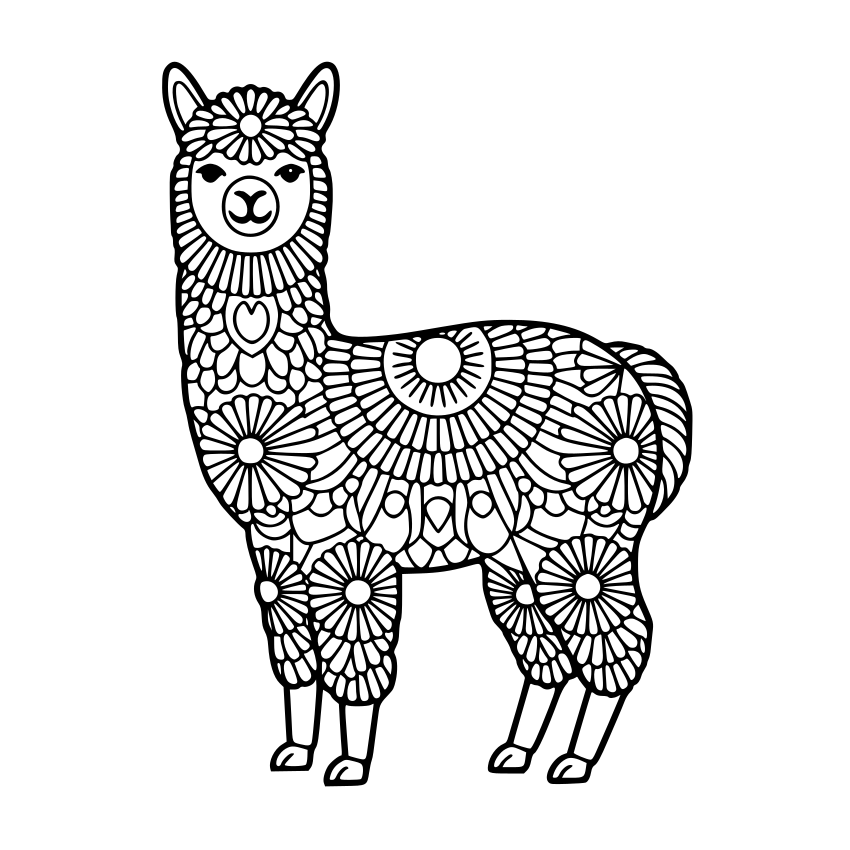
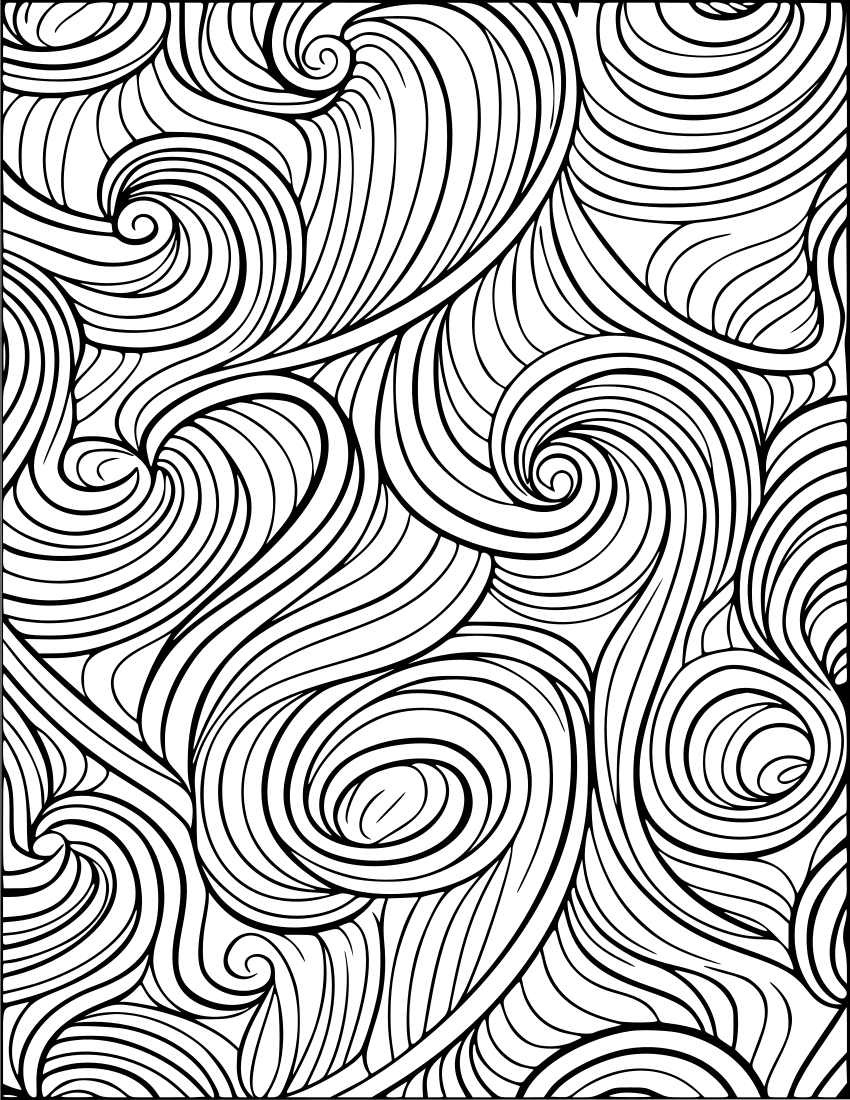
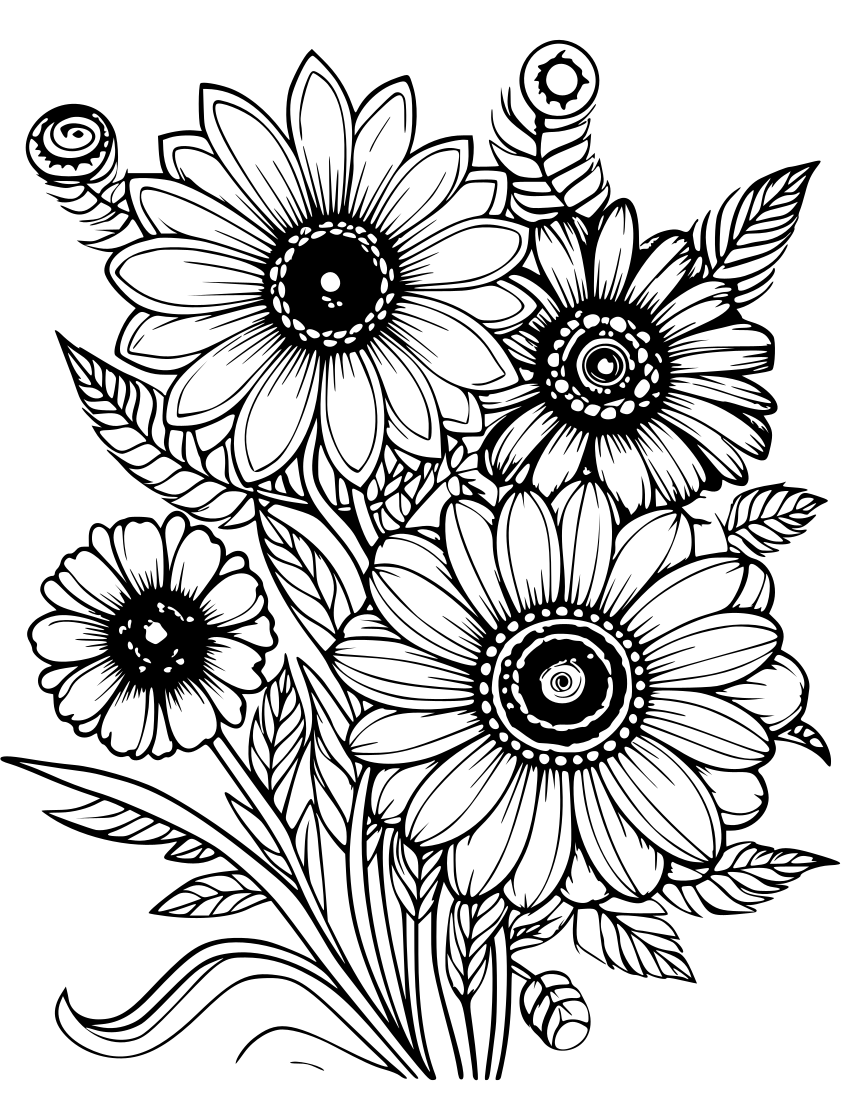




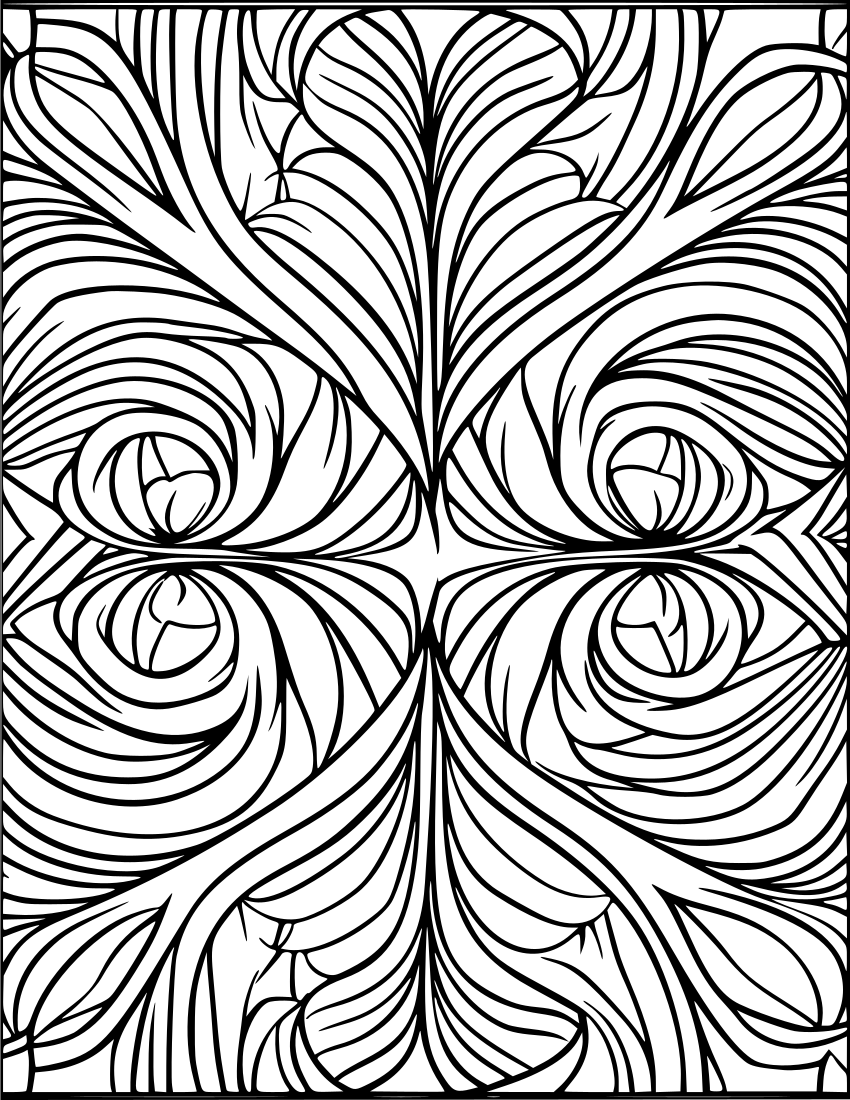
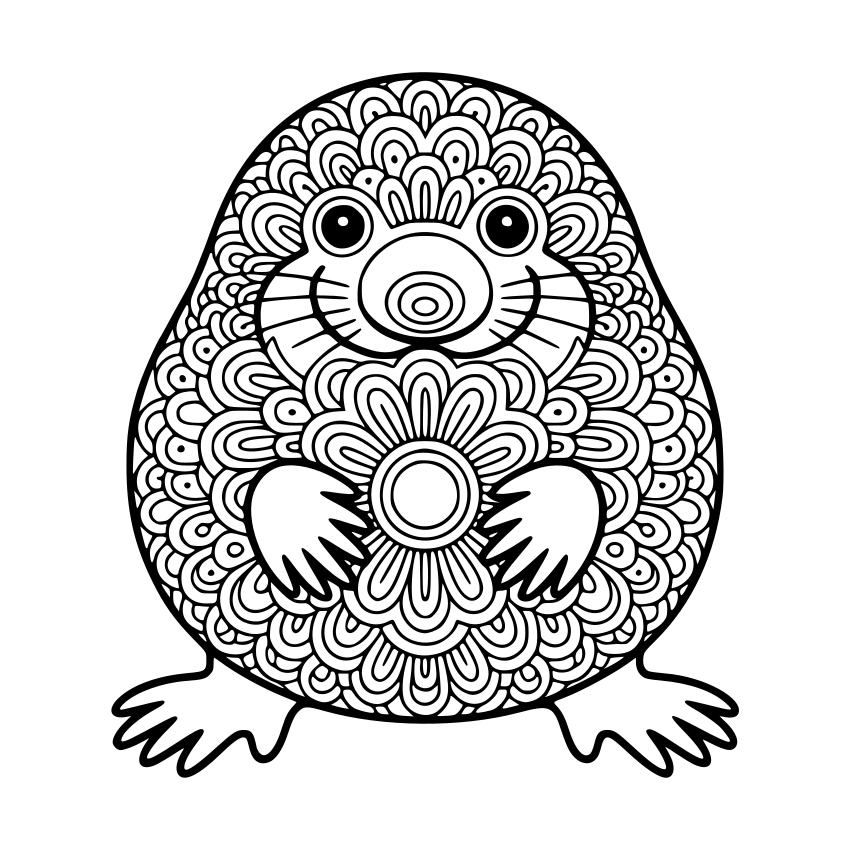
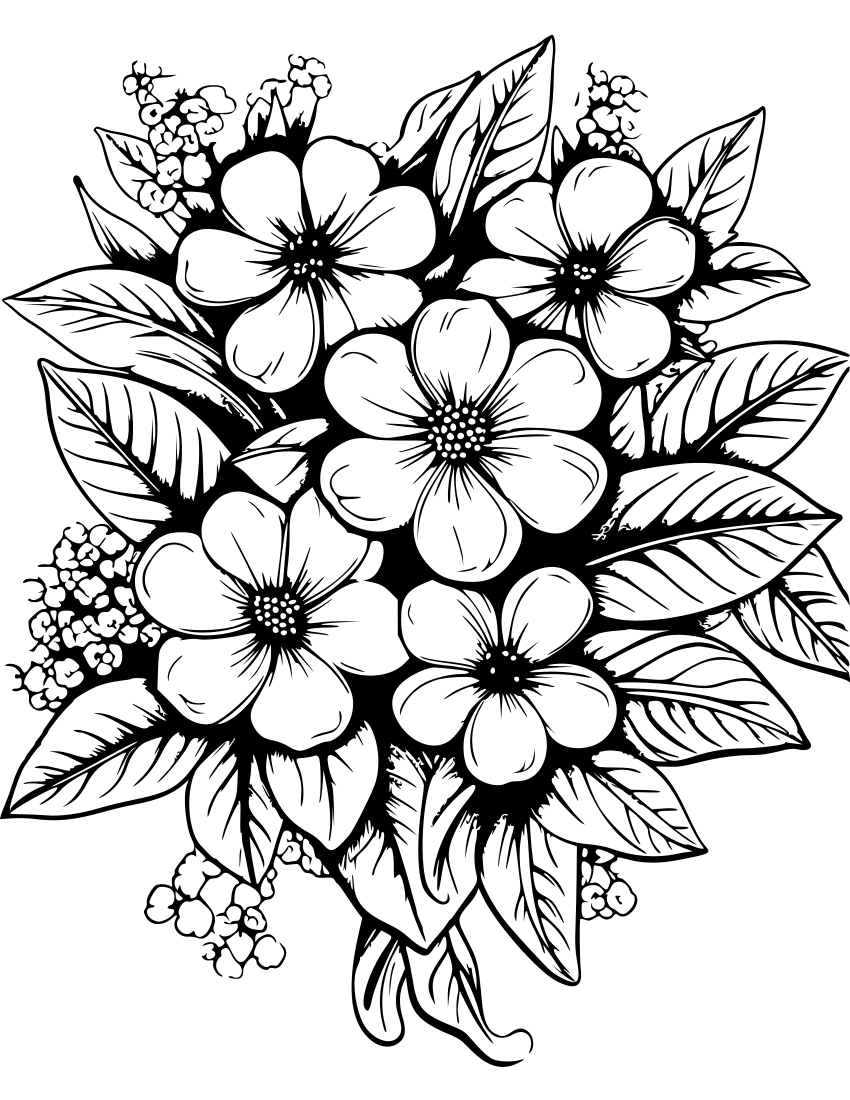
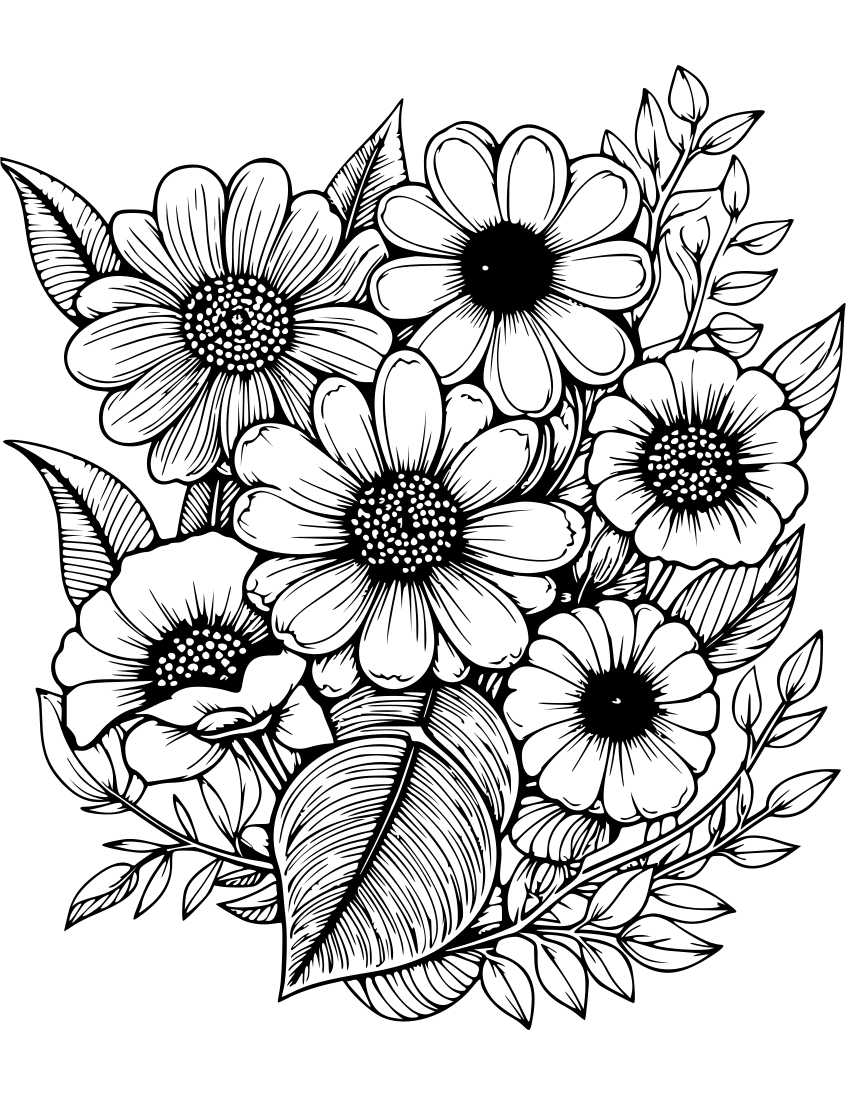




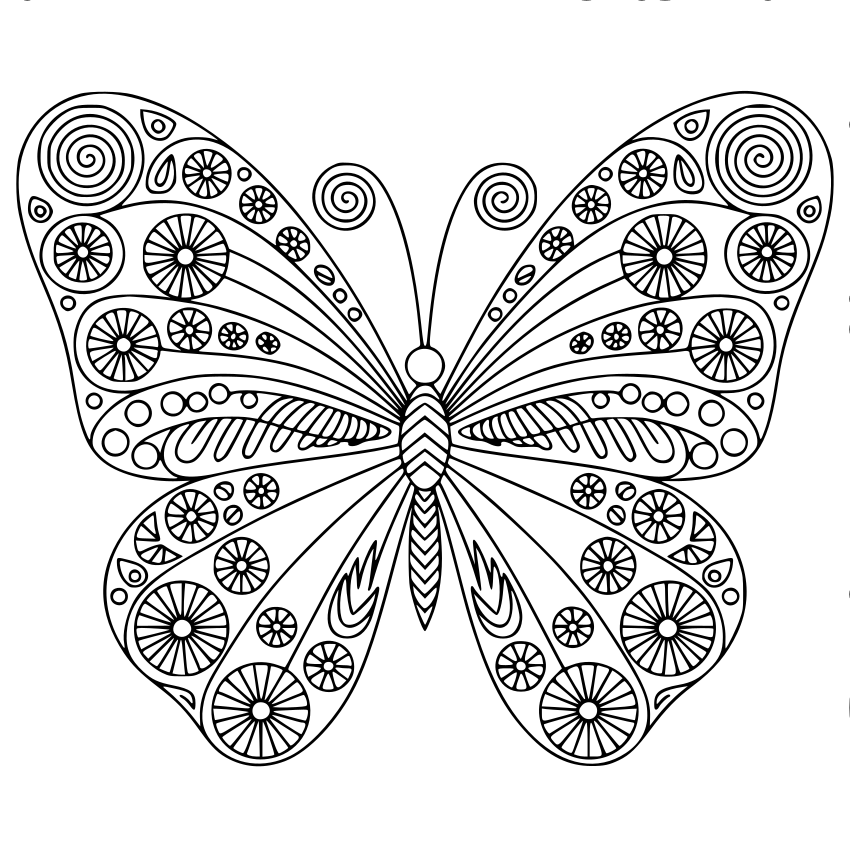
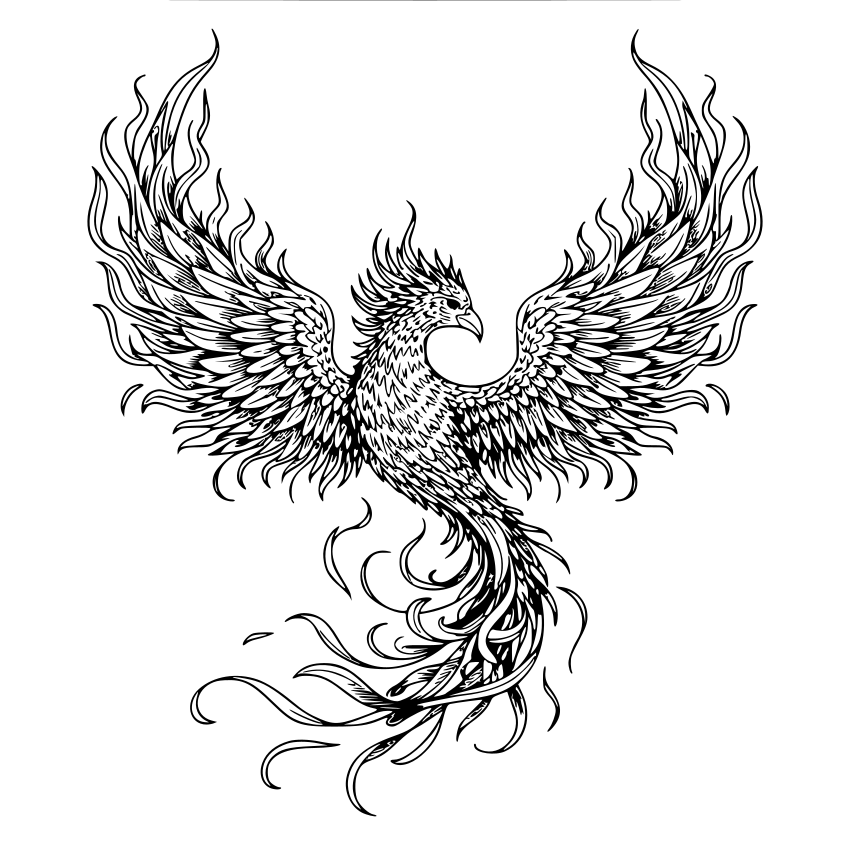














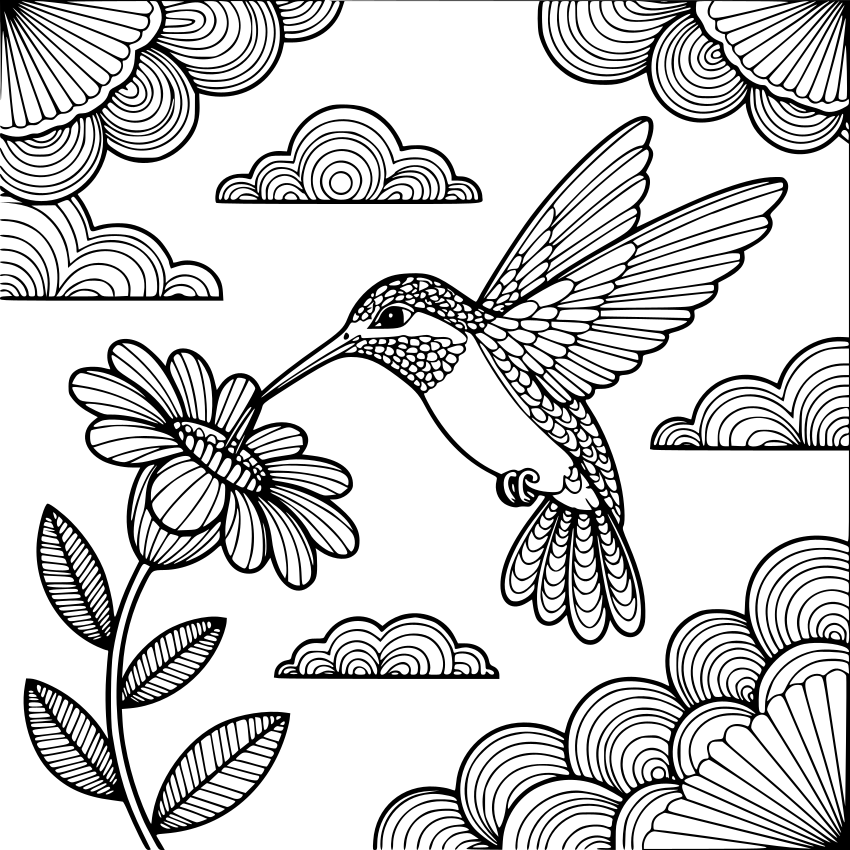
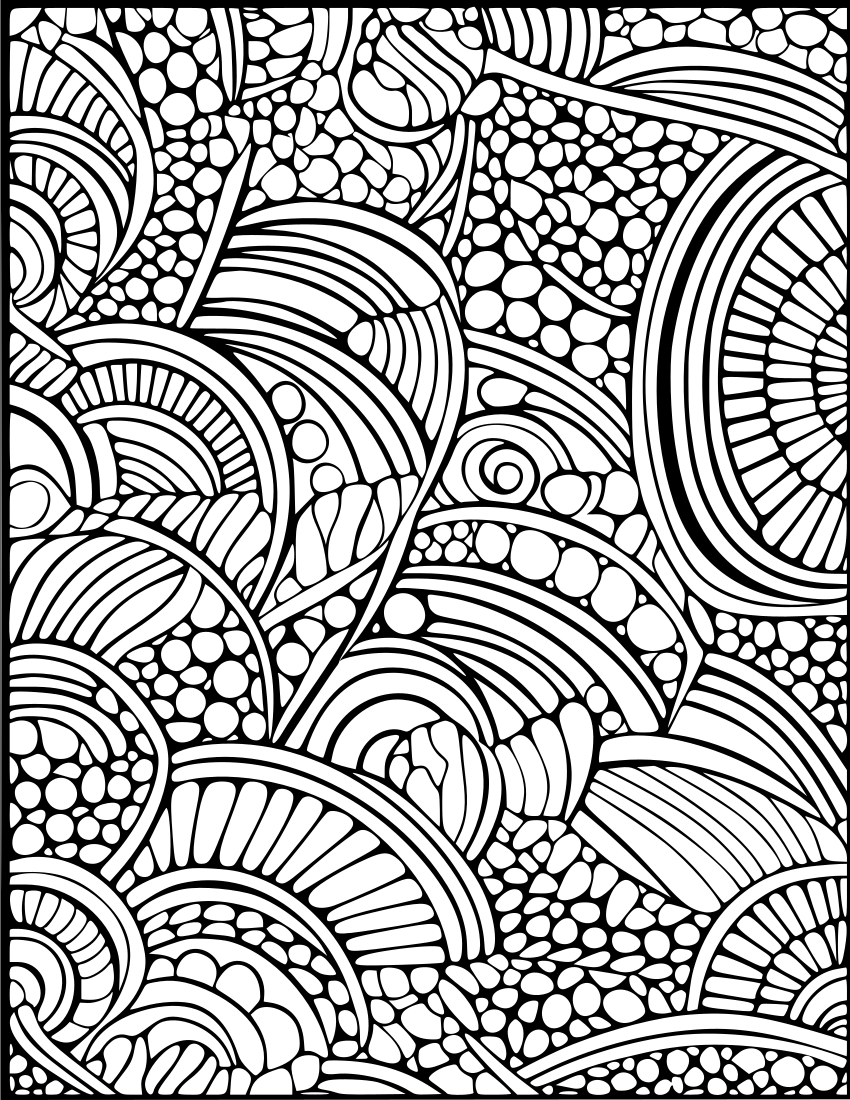
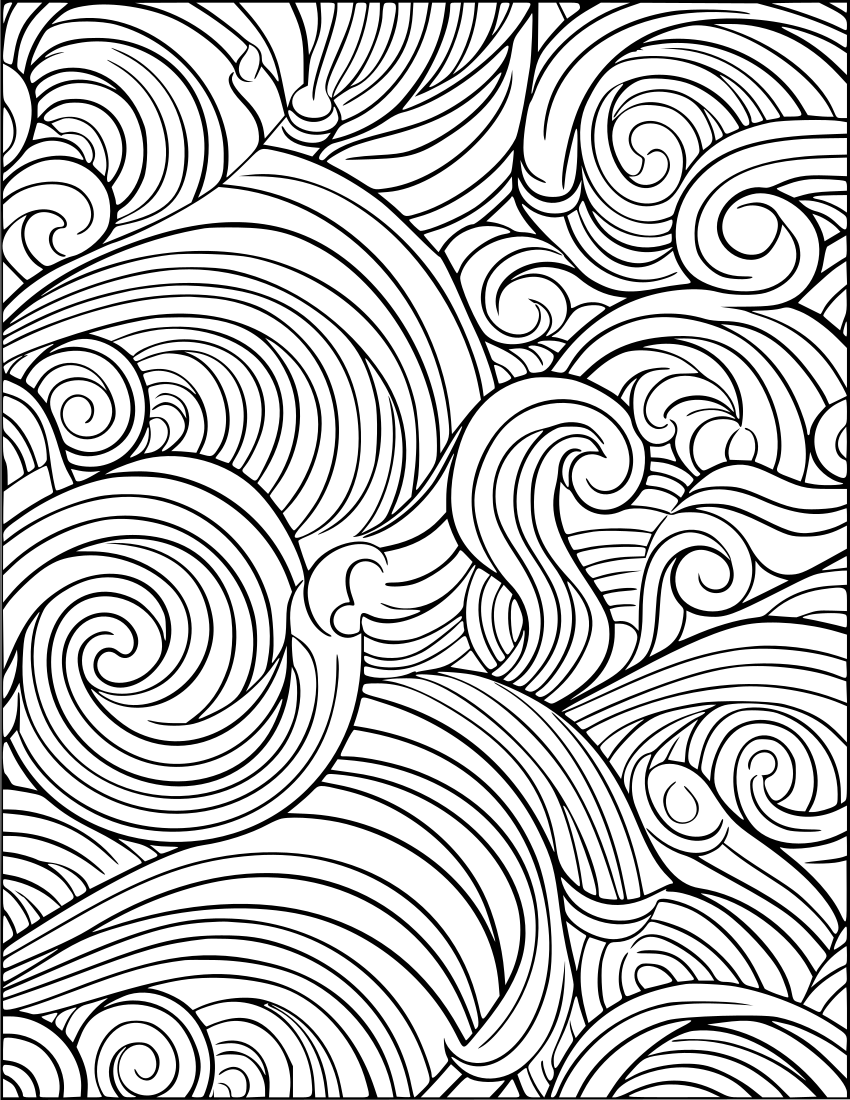
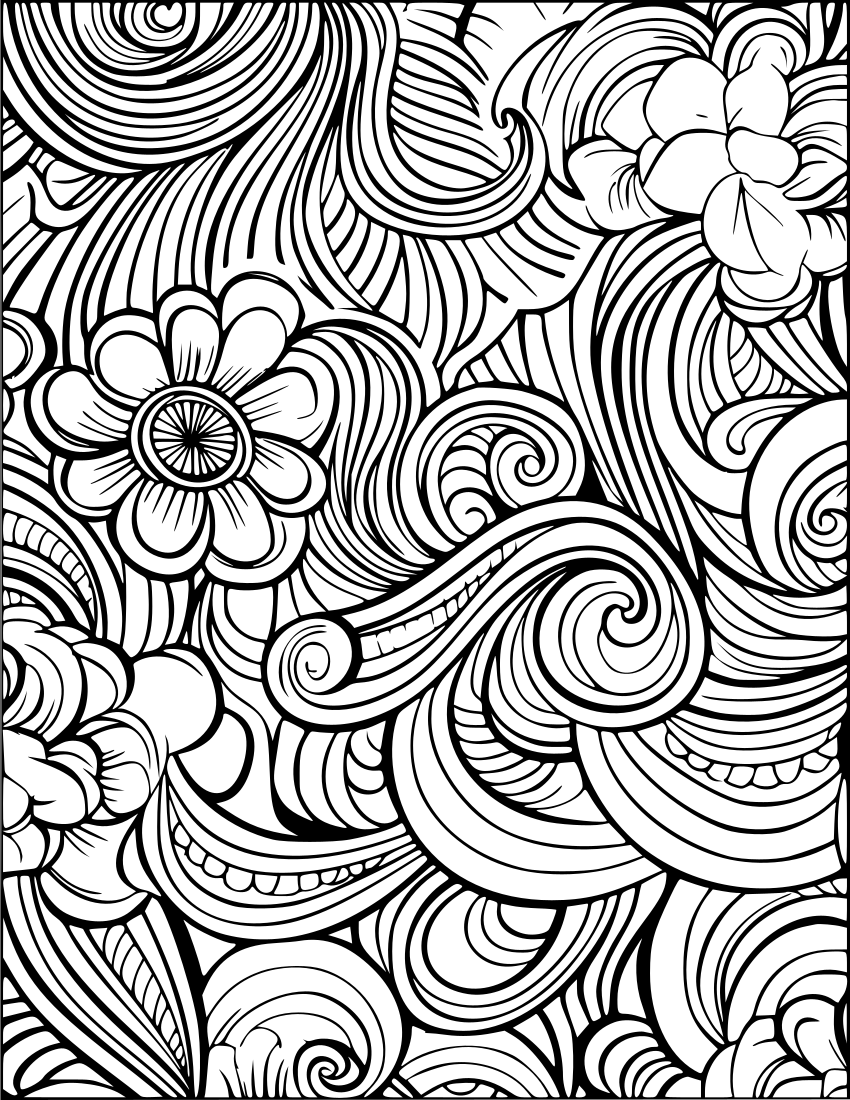
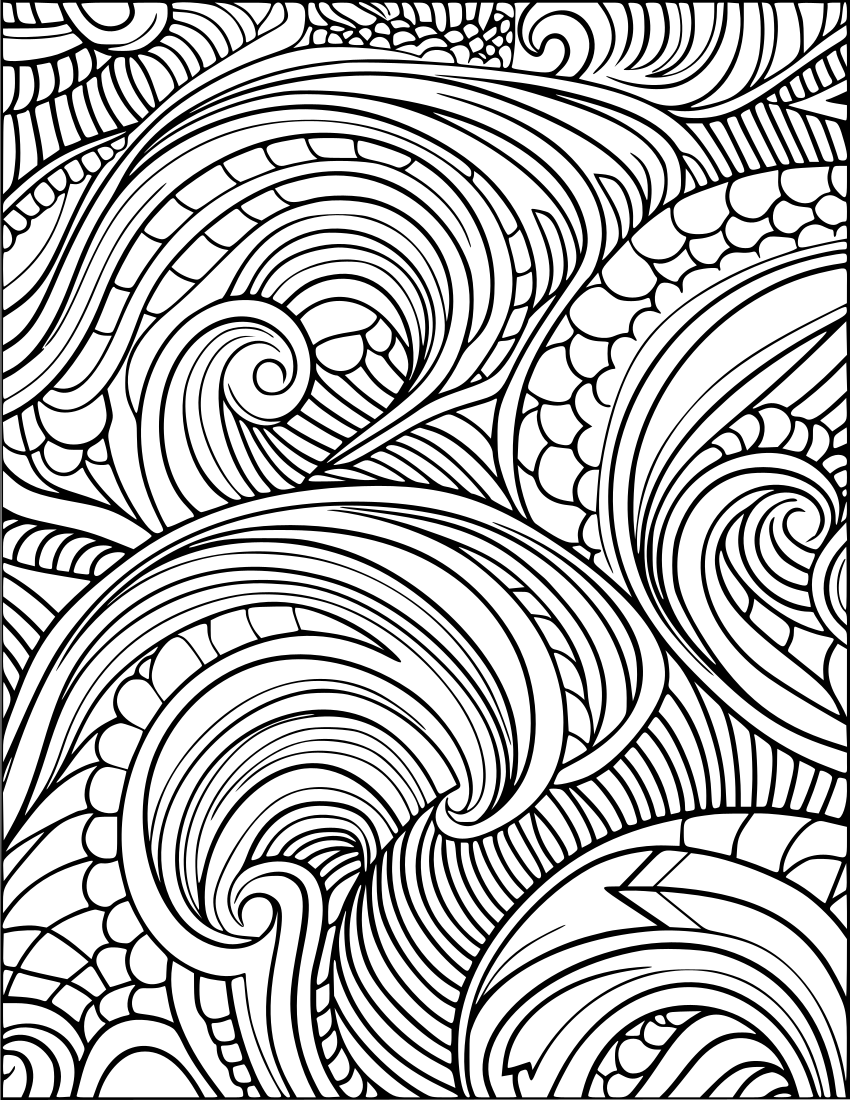
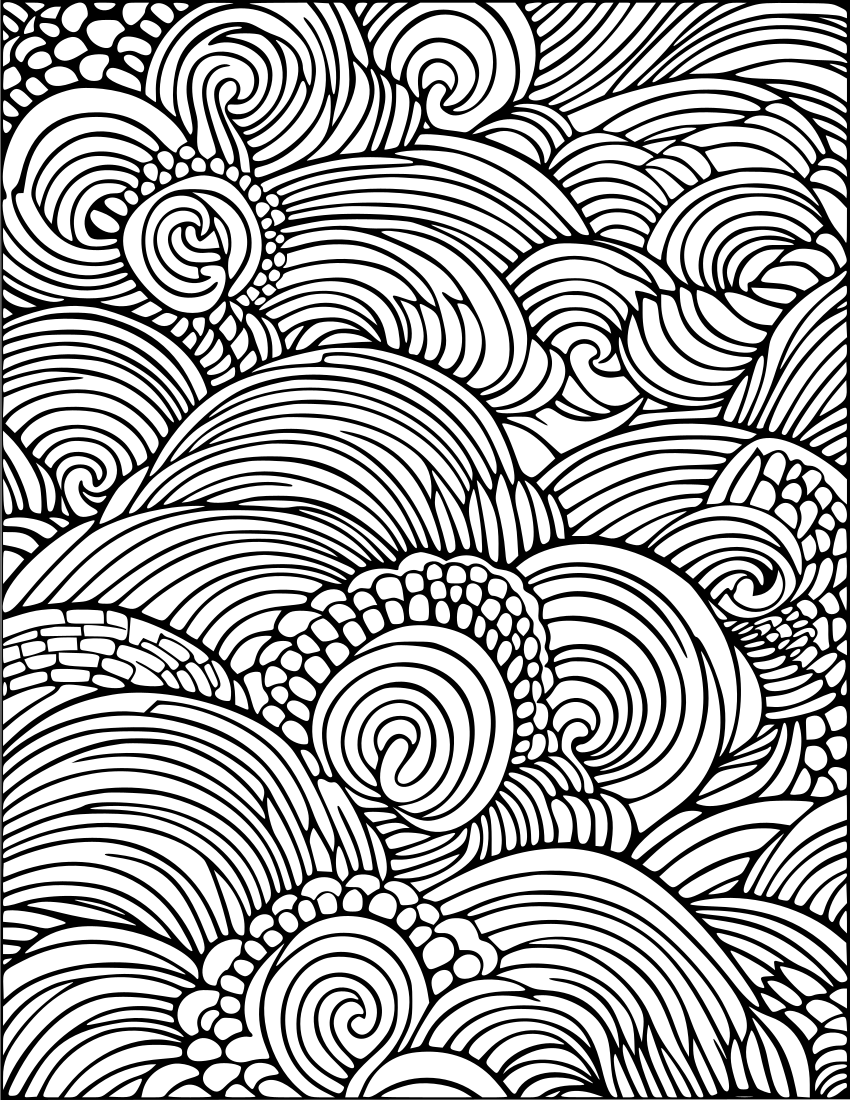
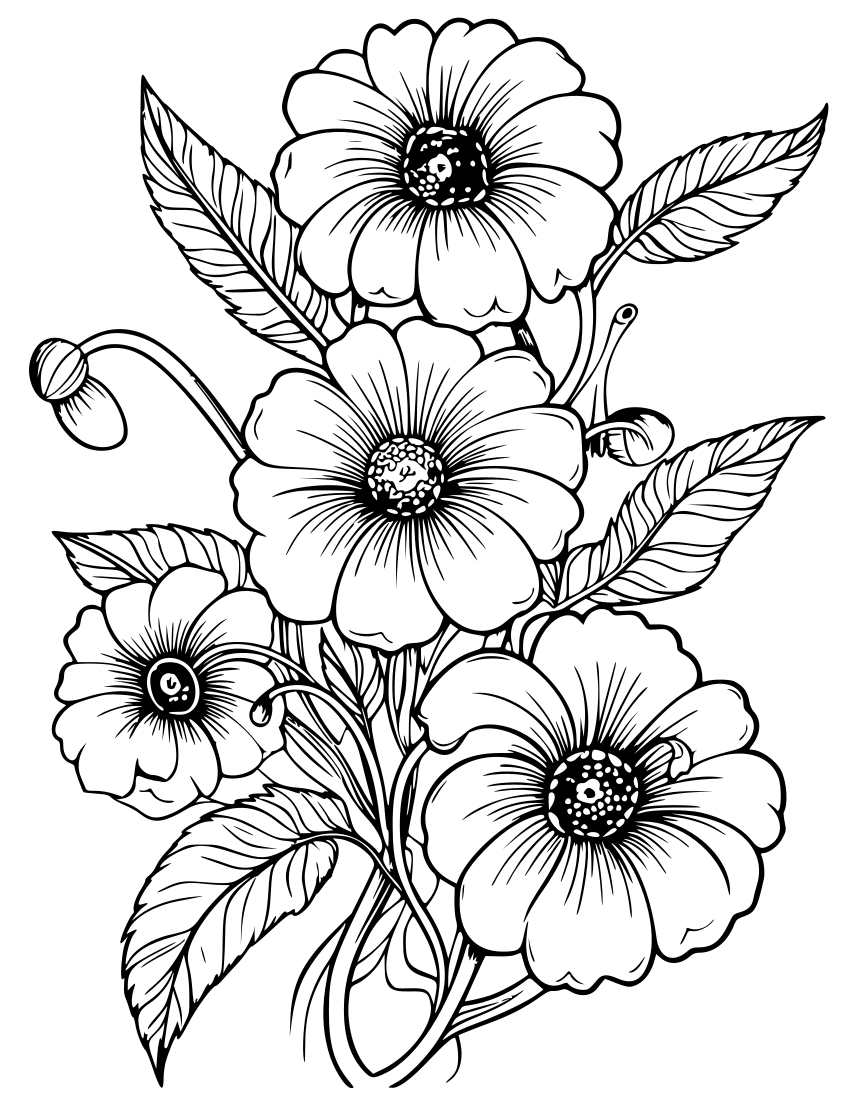
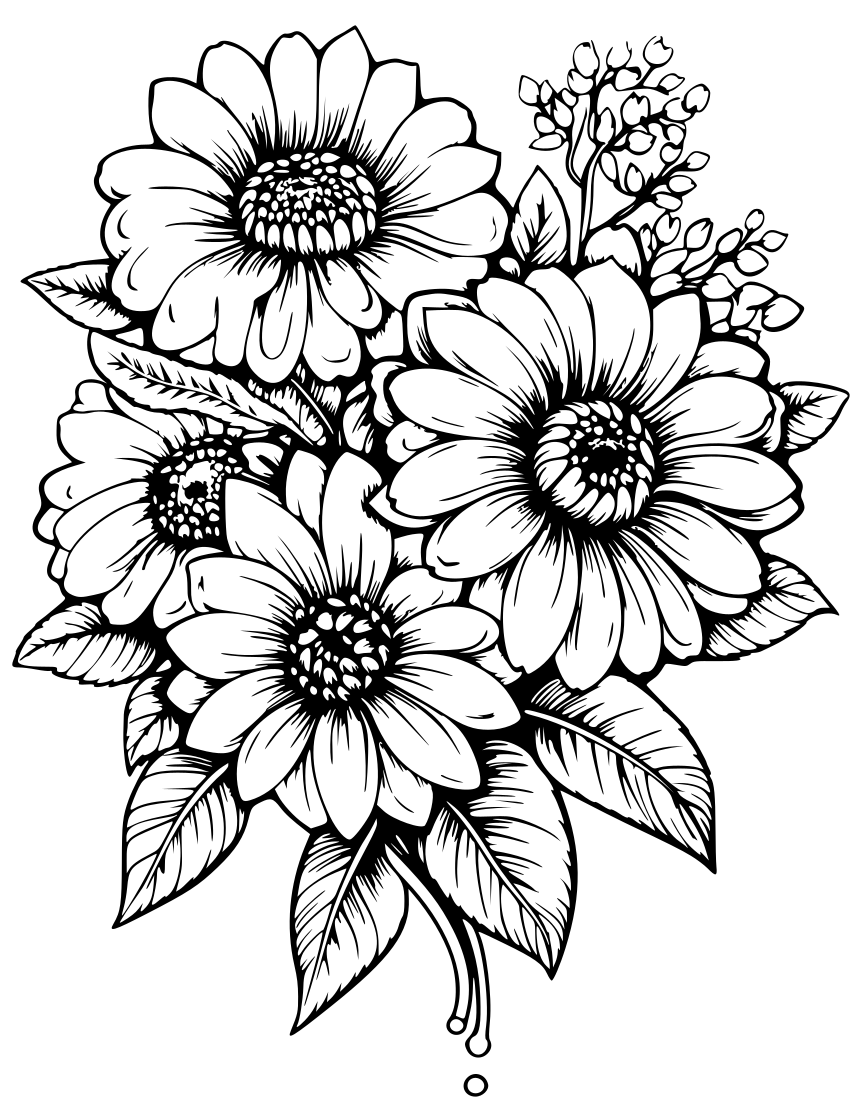
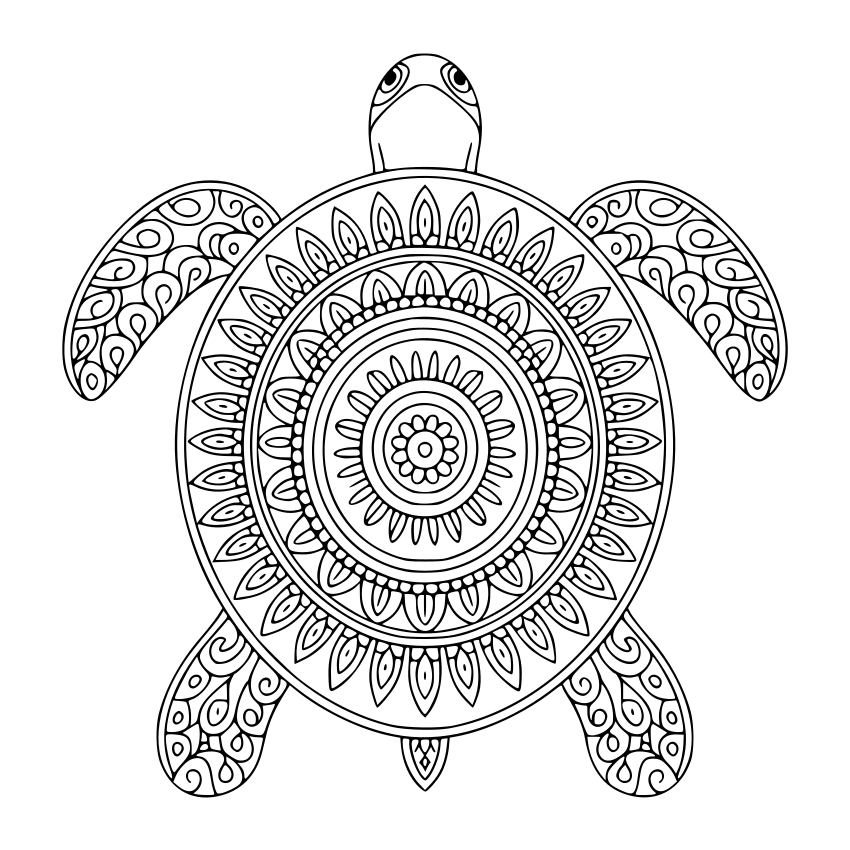


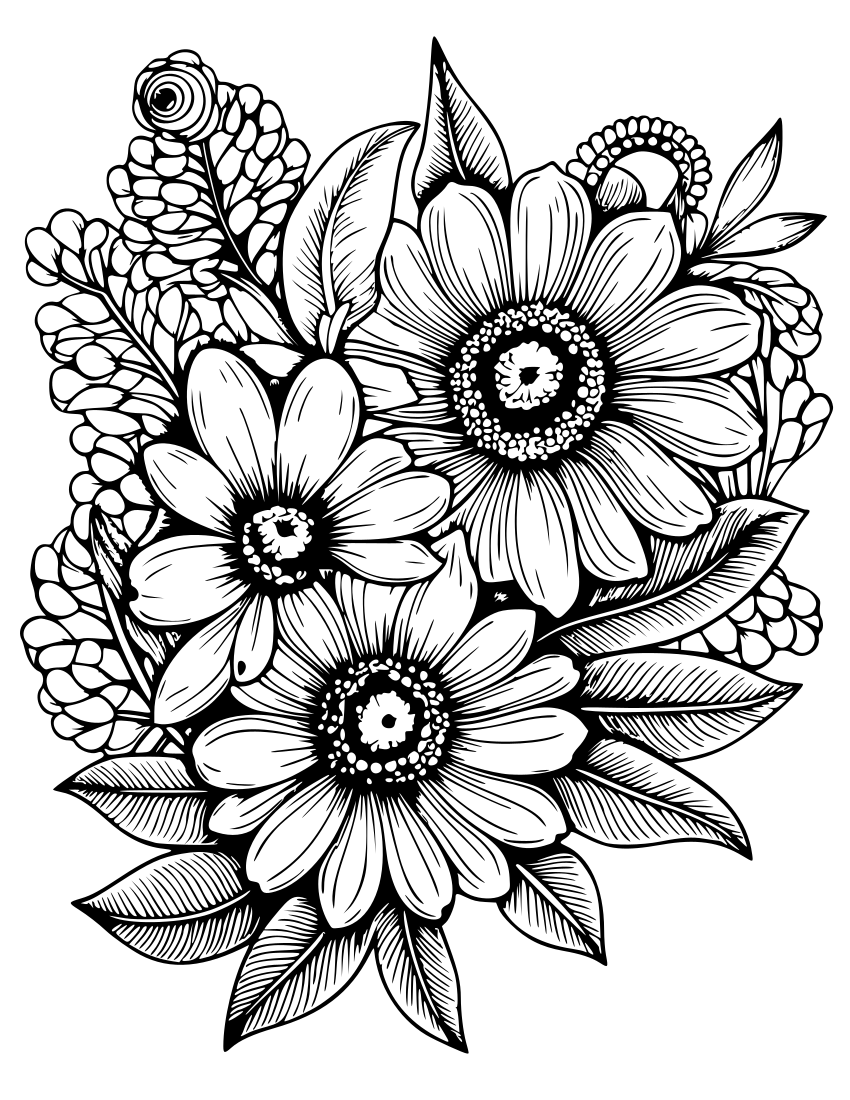

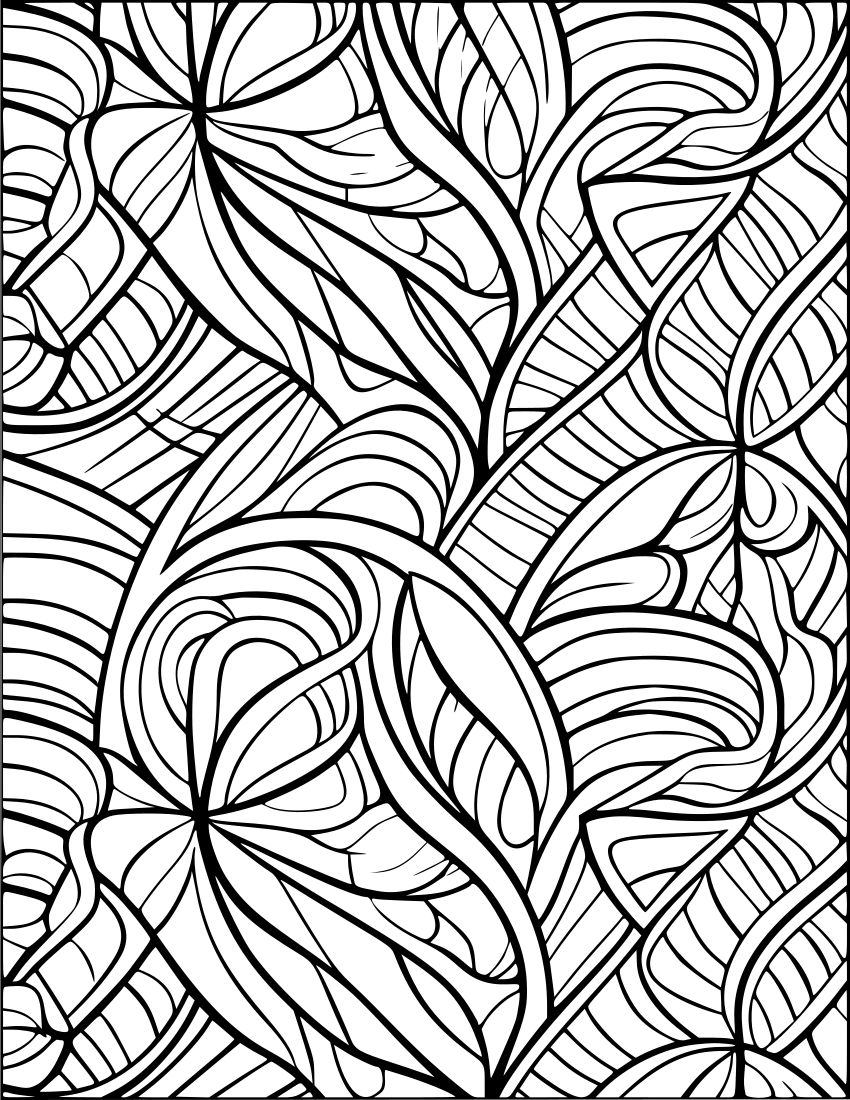
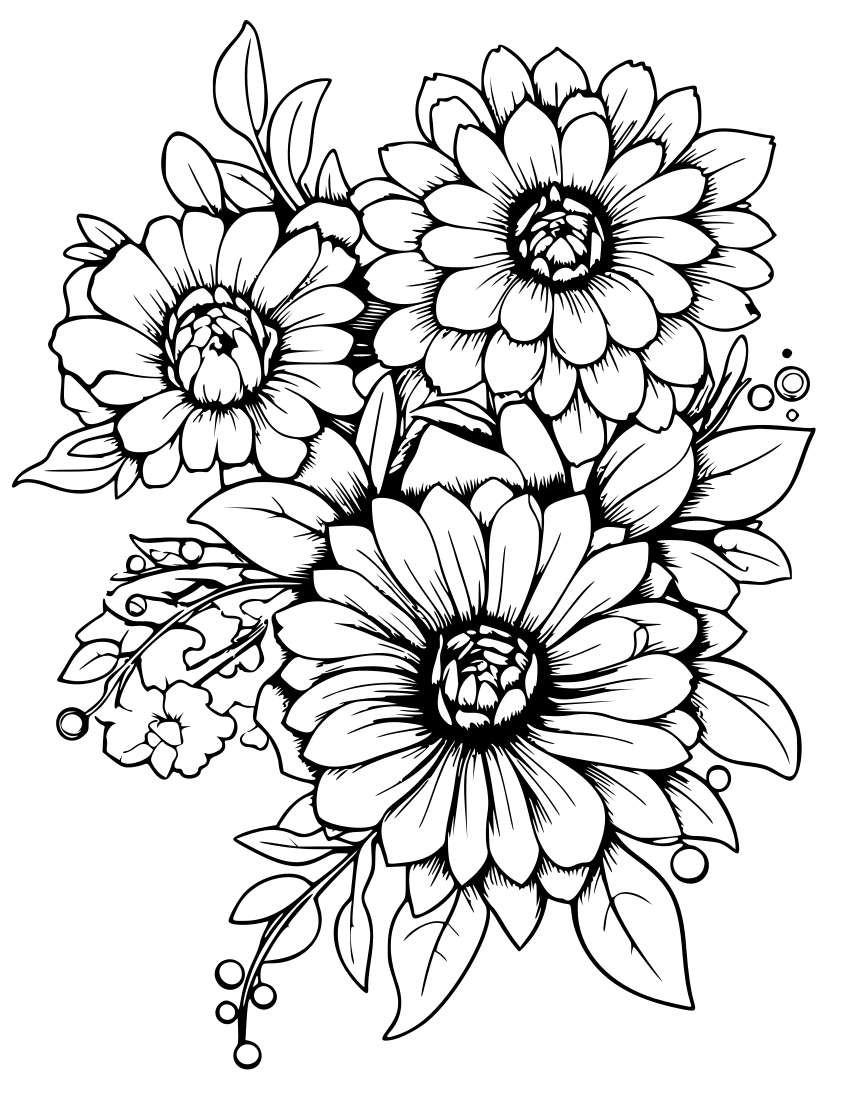
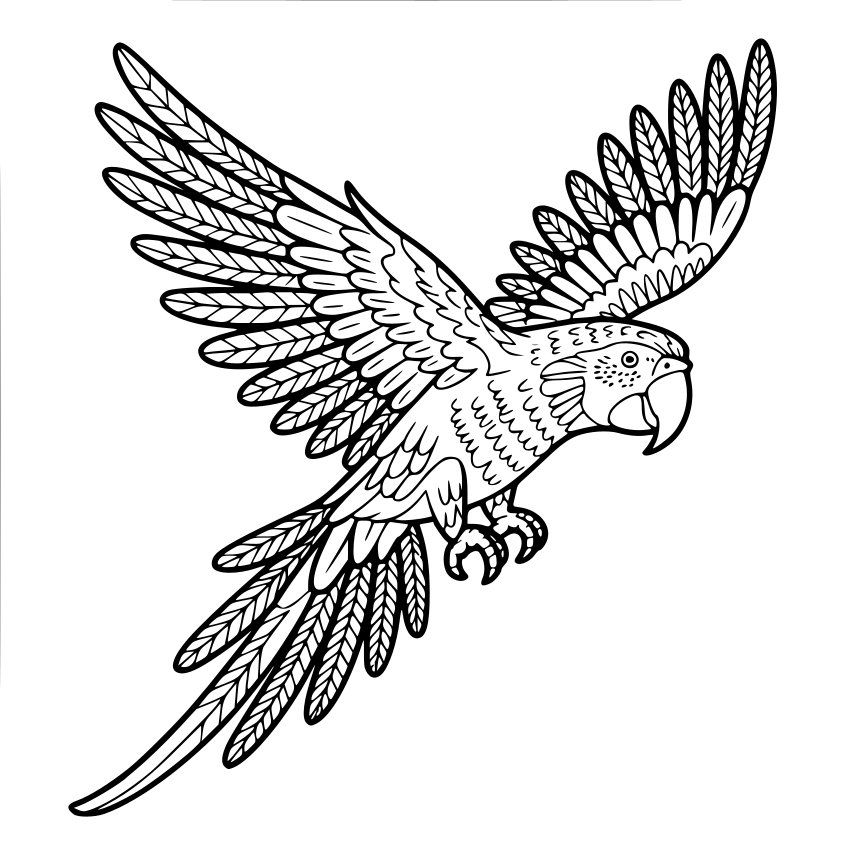
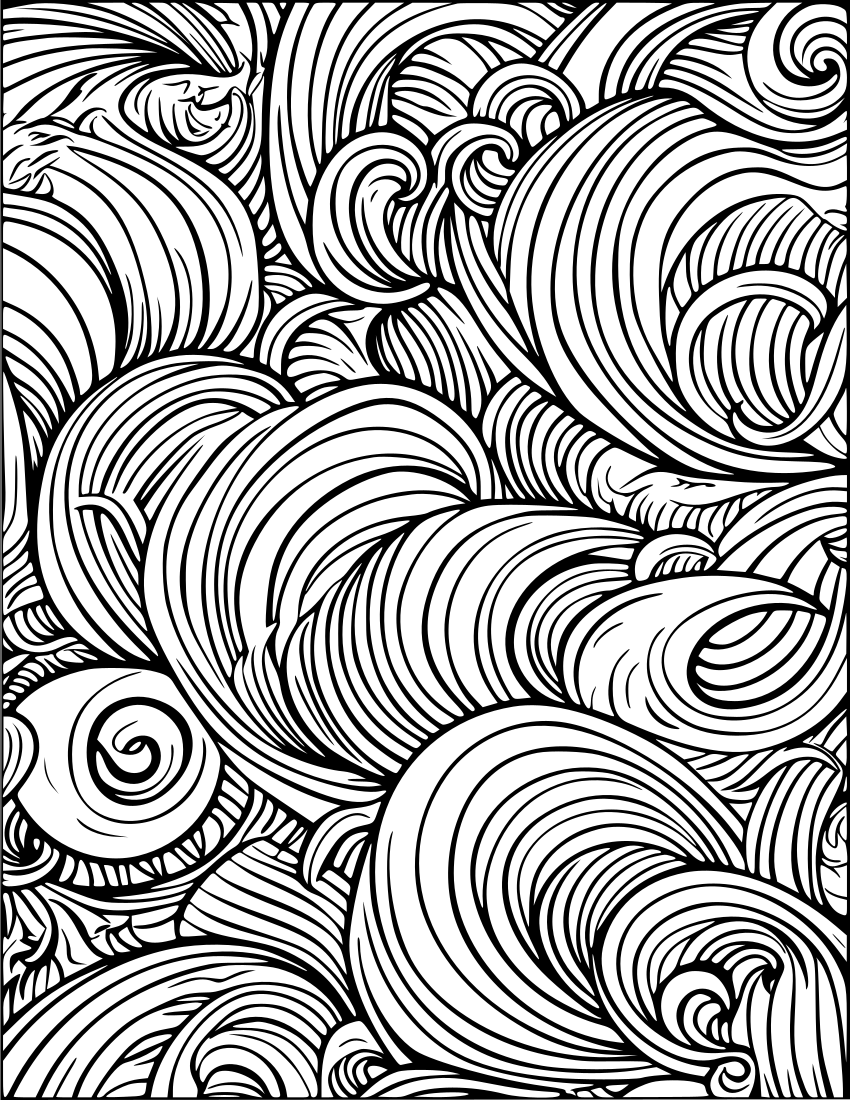
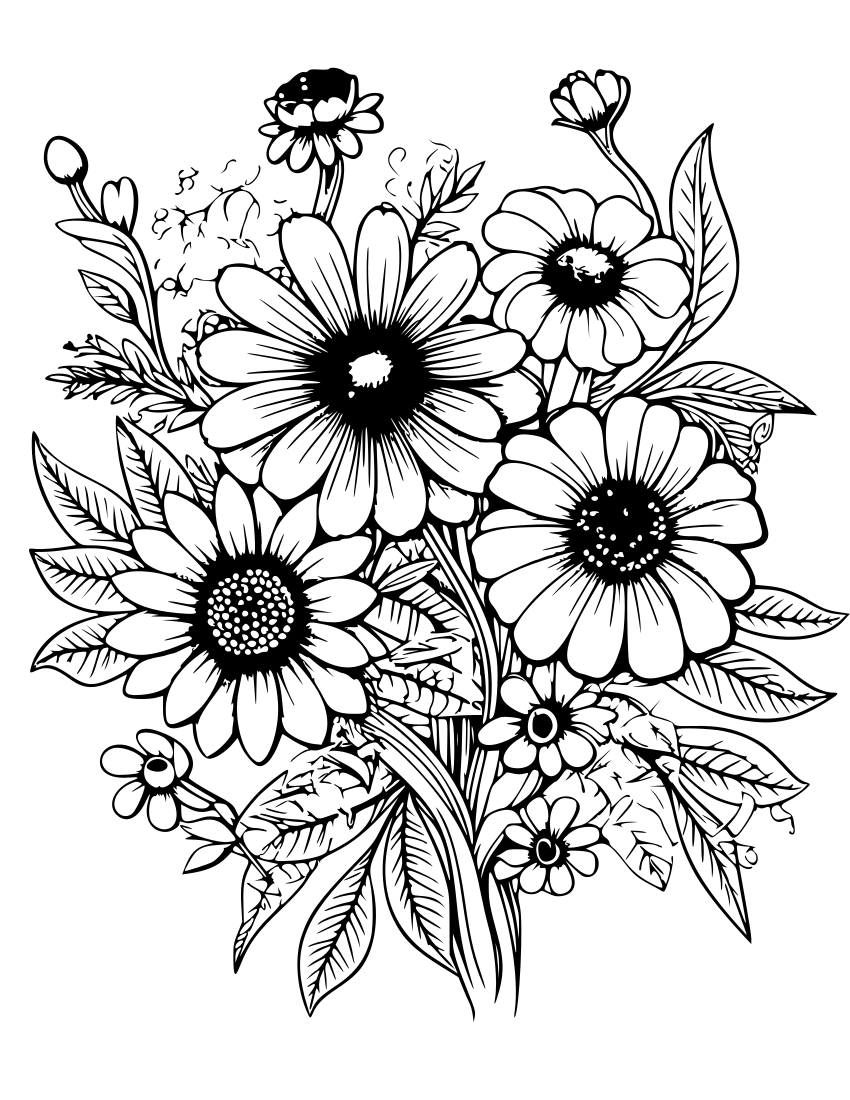
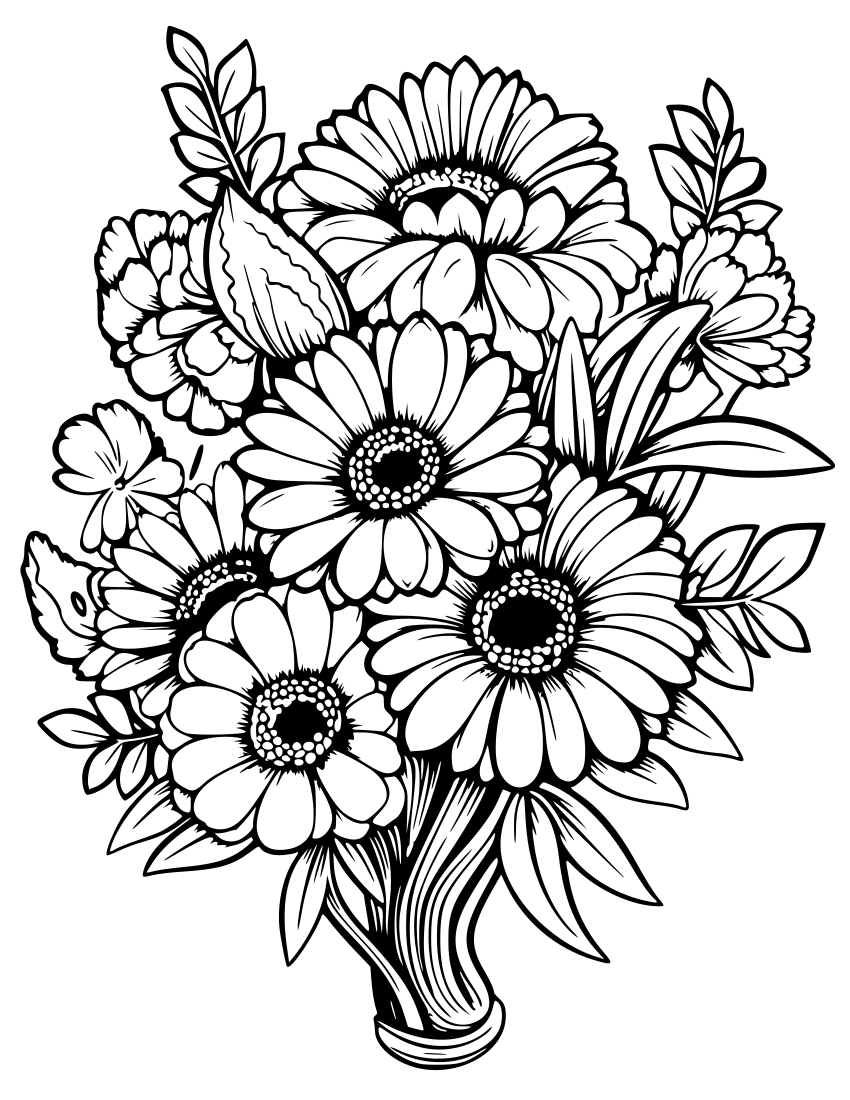
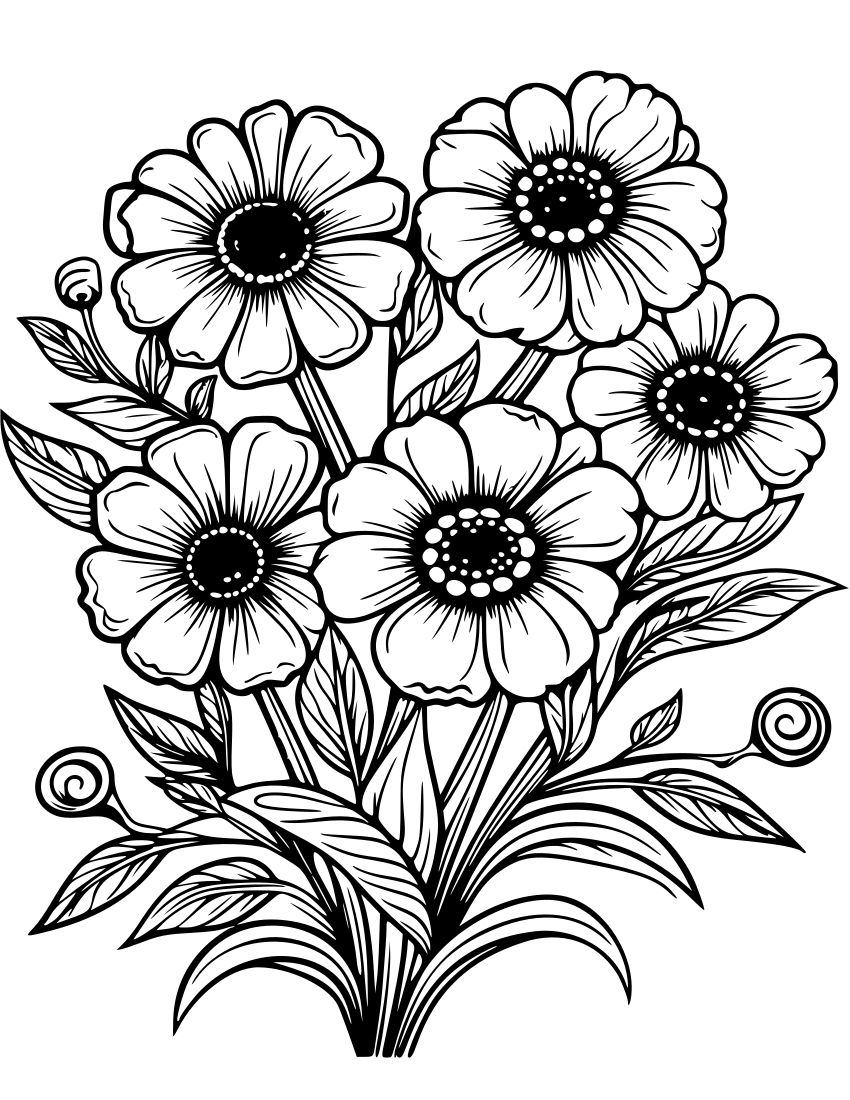
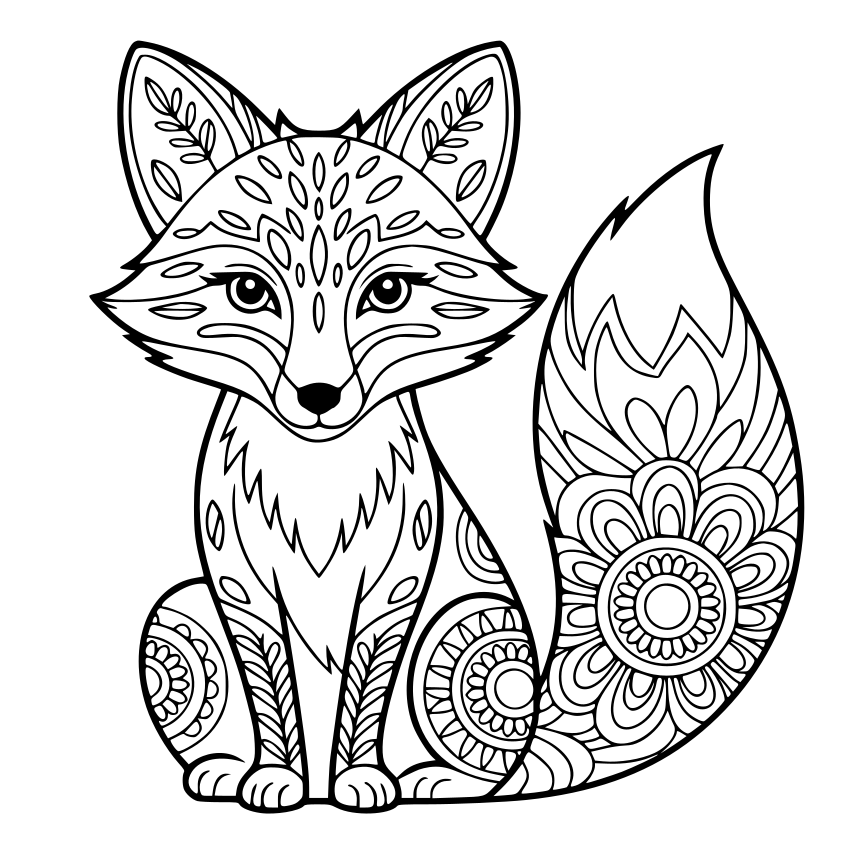

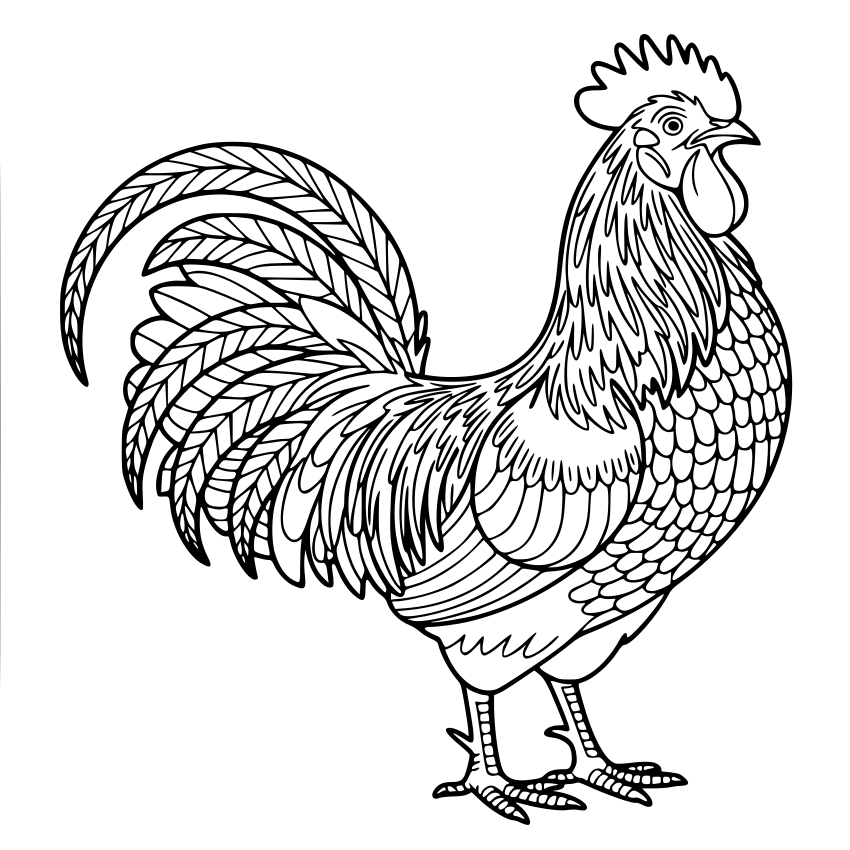
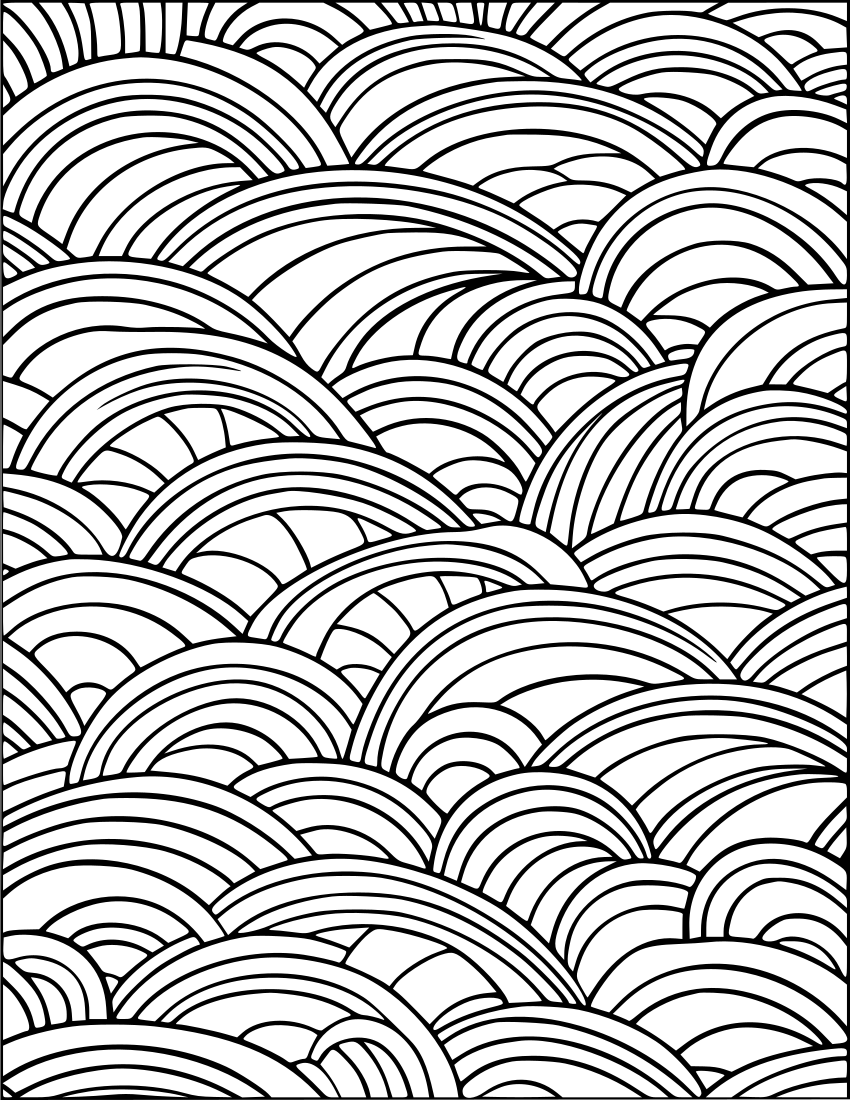
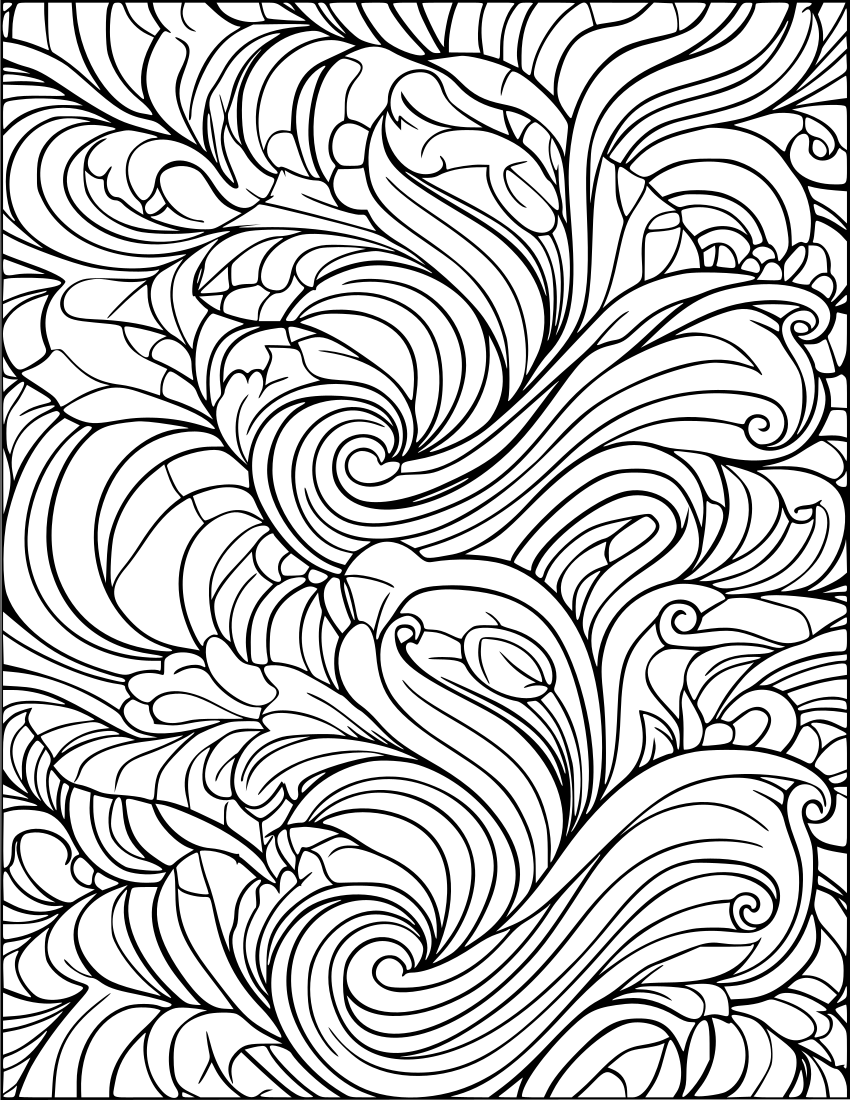
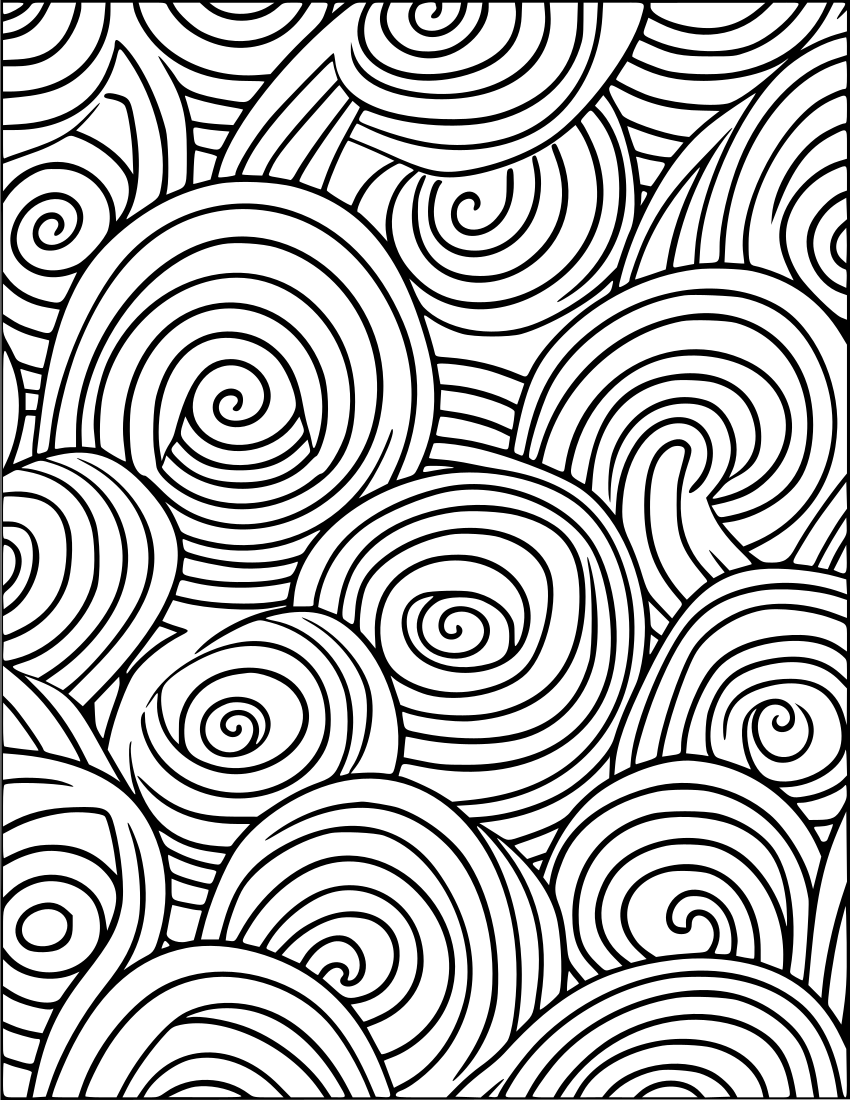



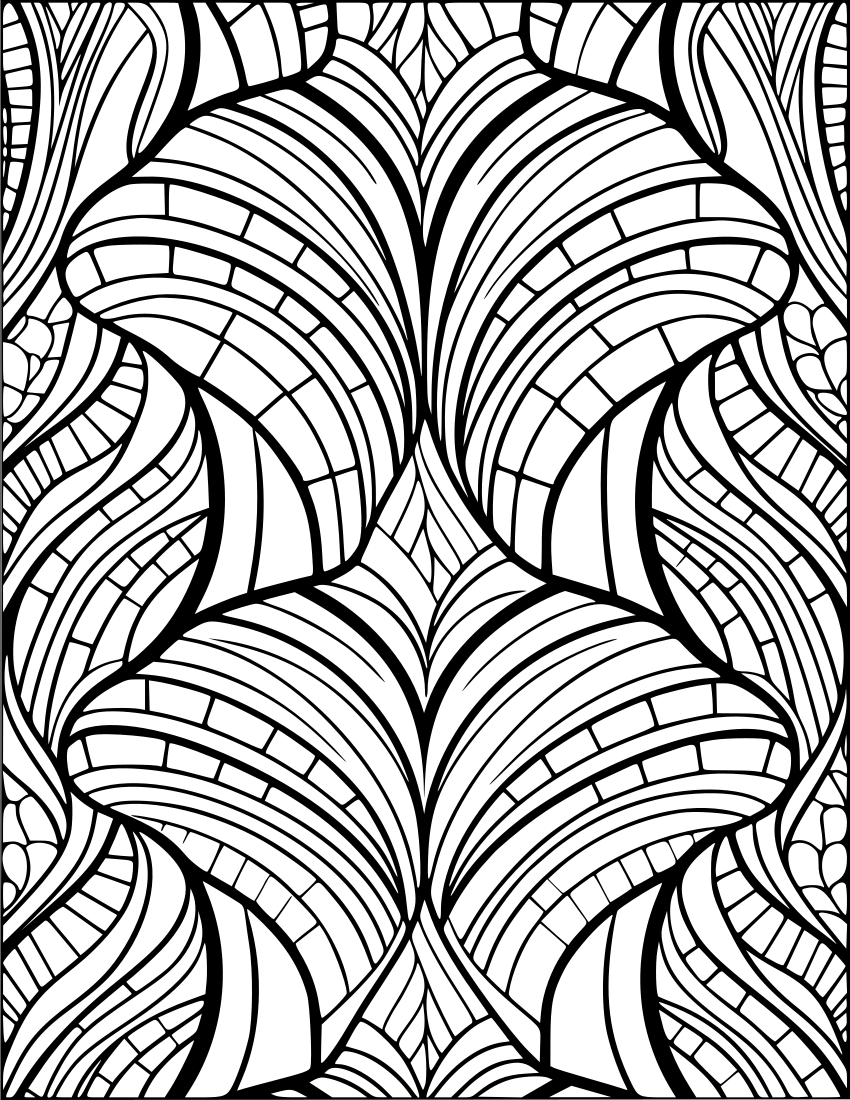
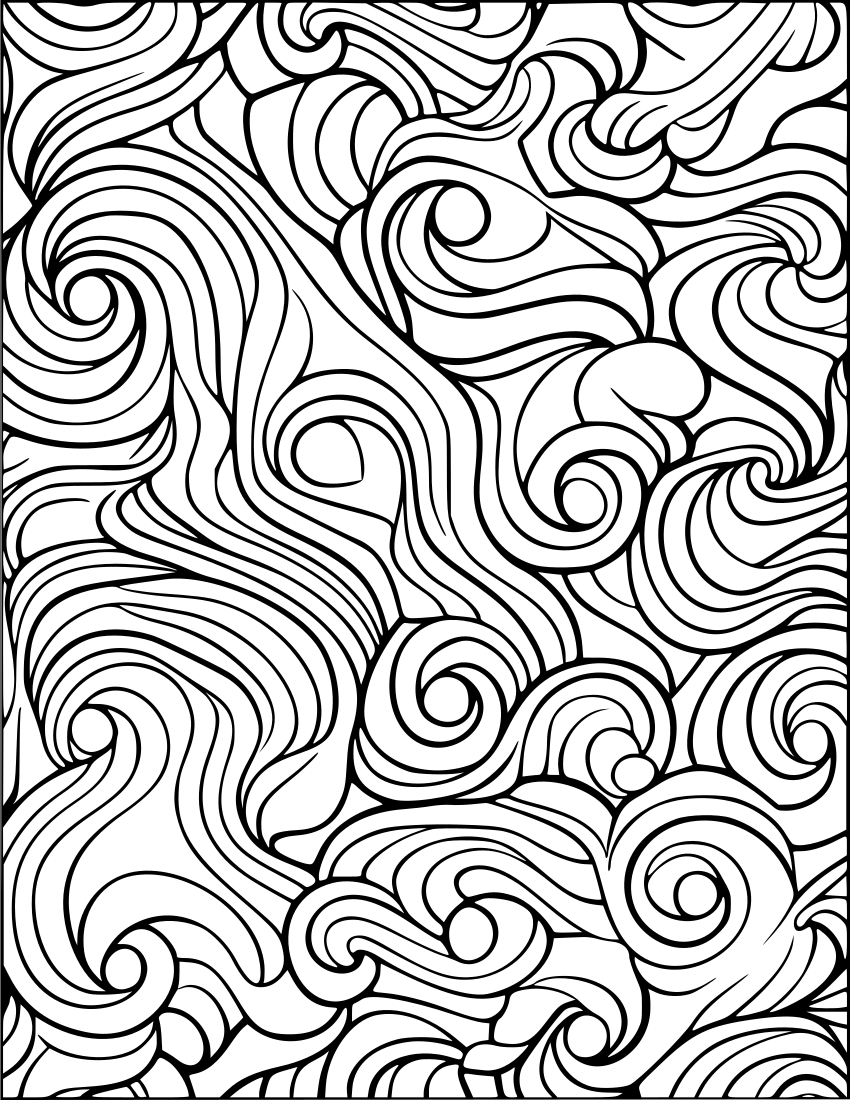
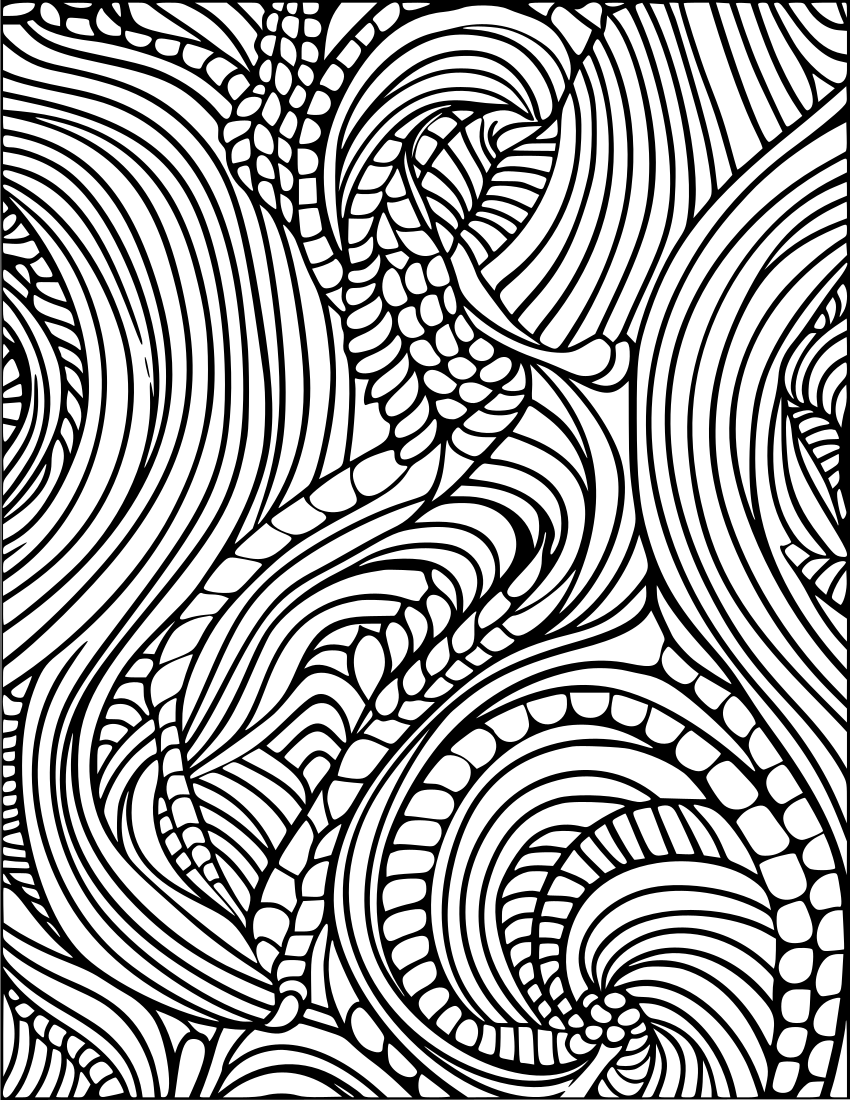
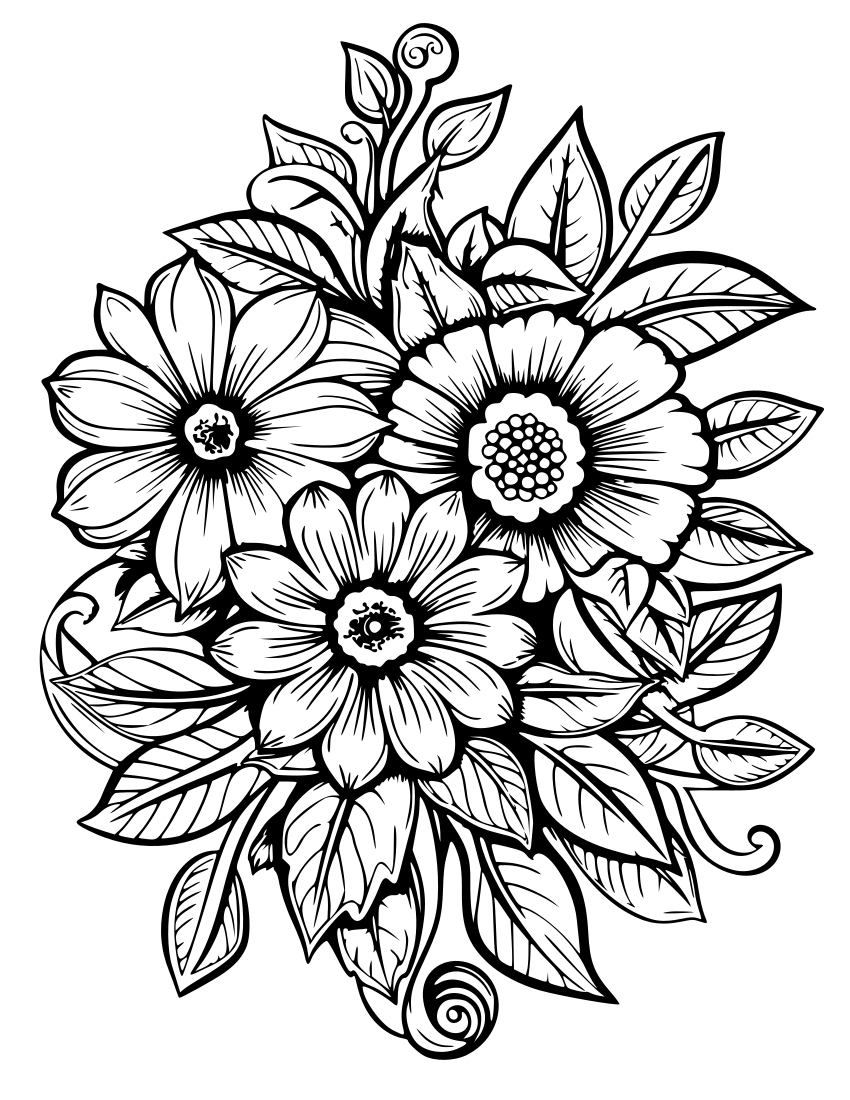







About Zen Coloring Pages
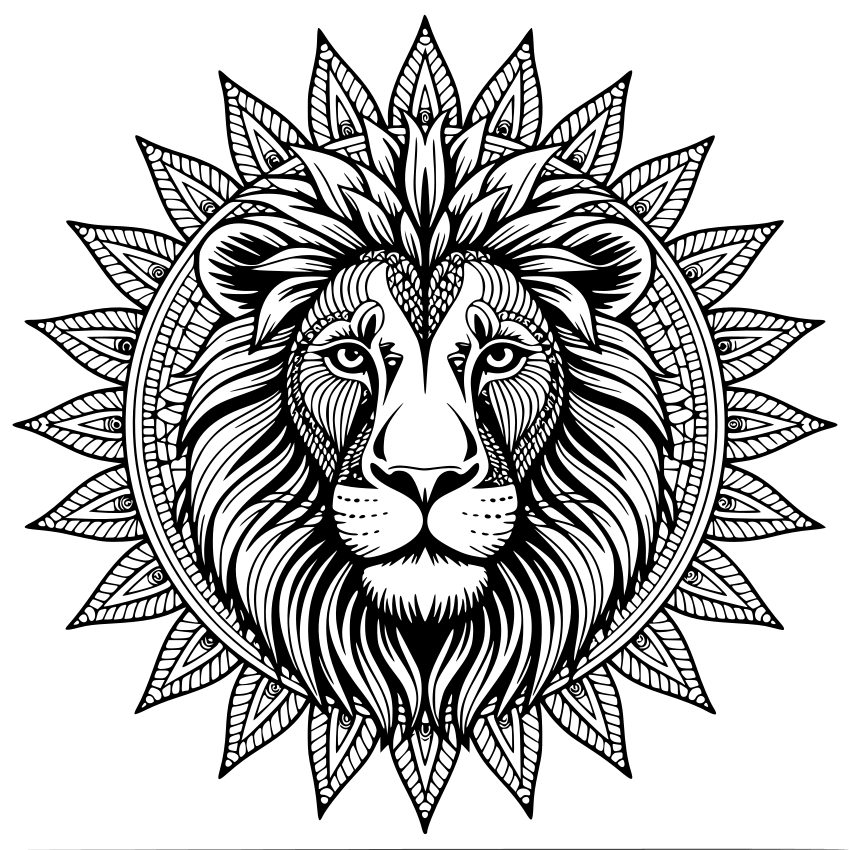
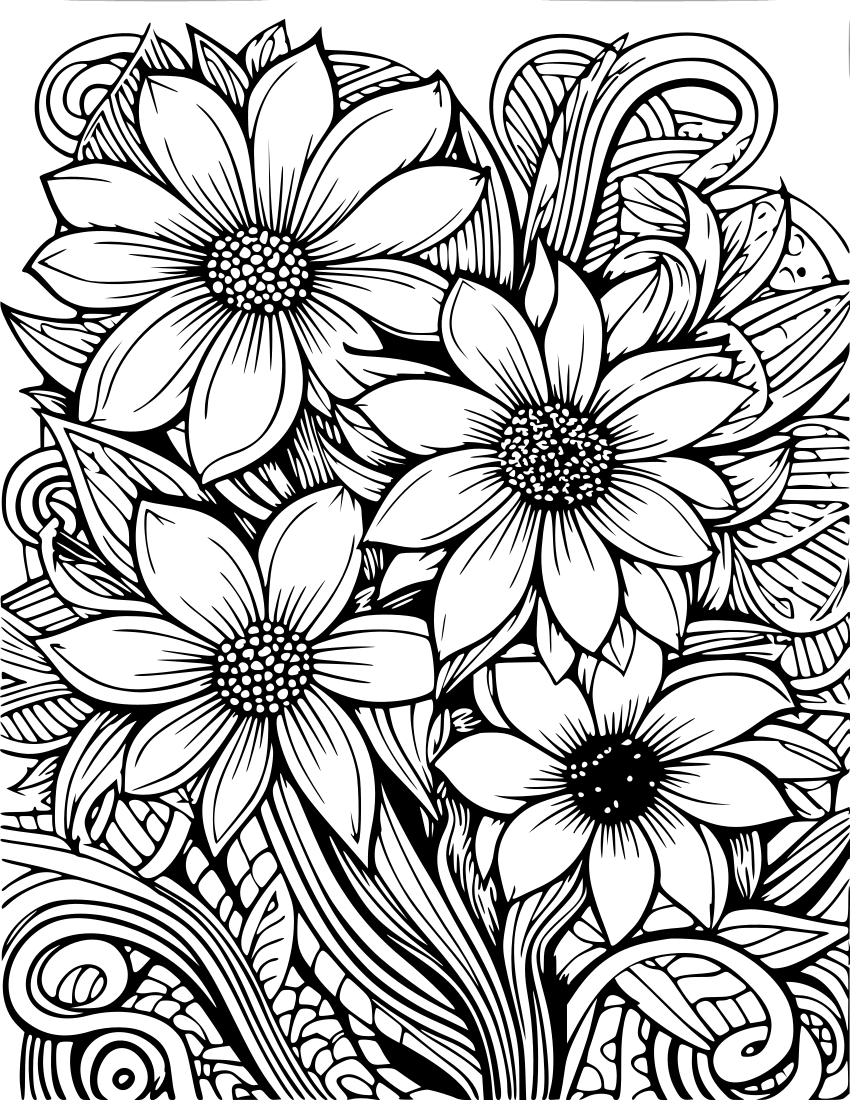
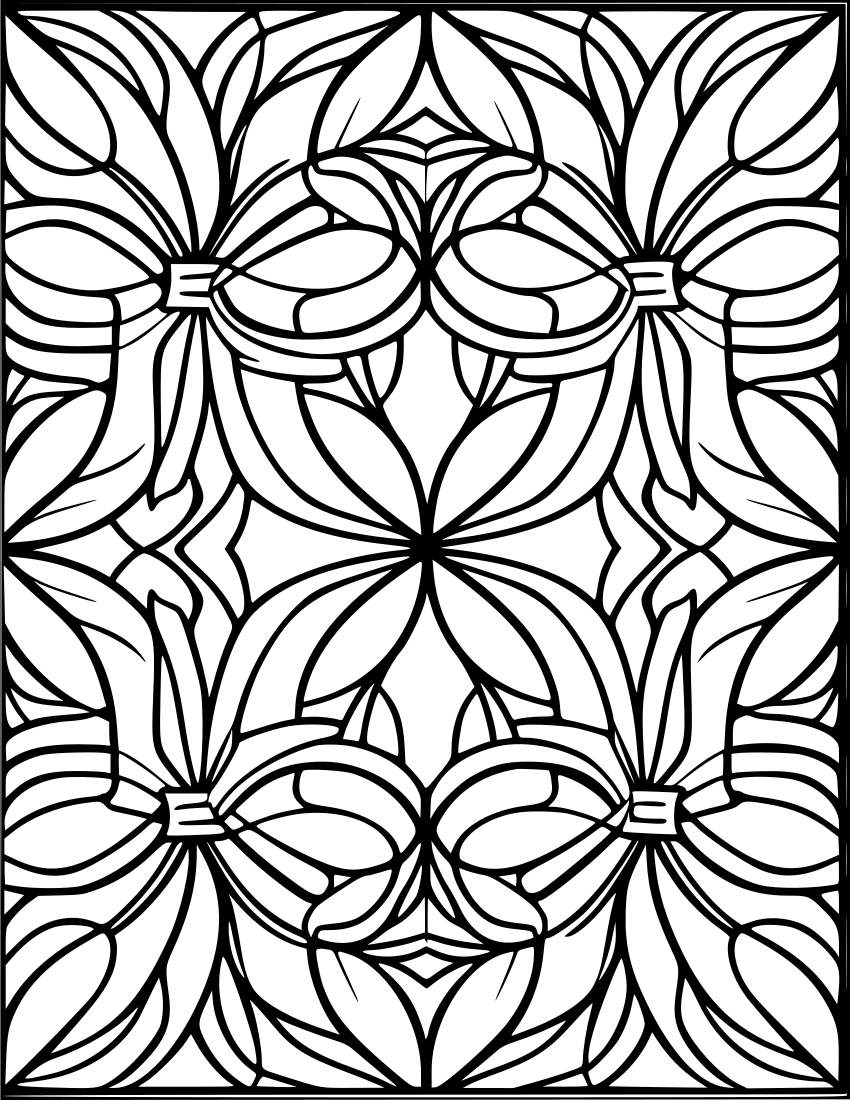
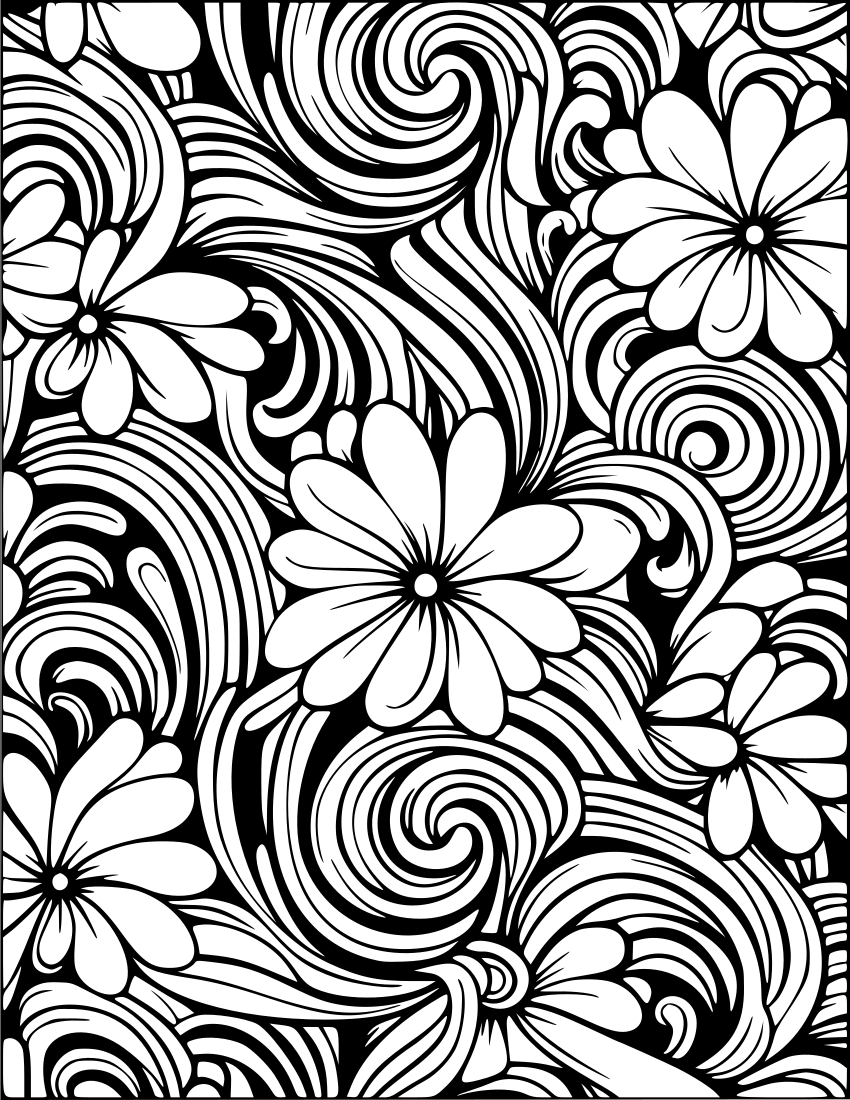
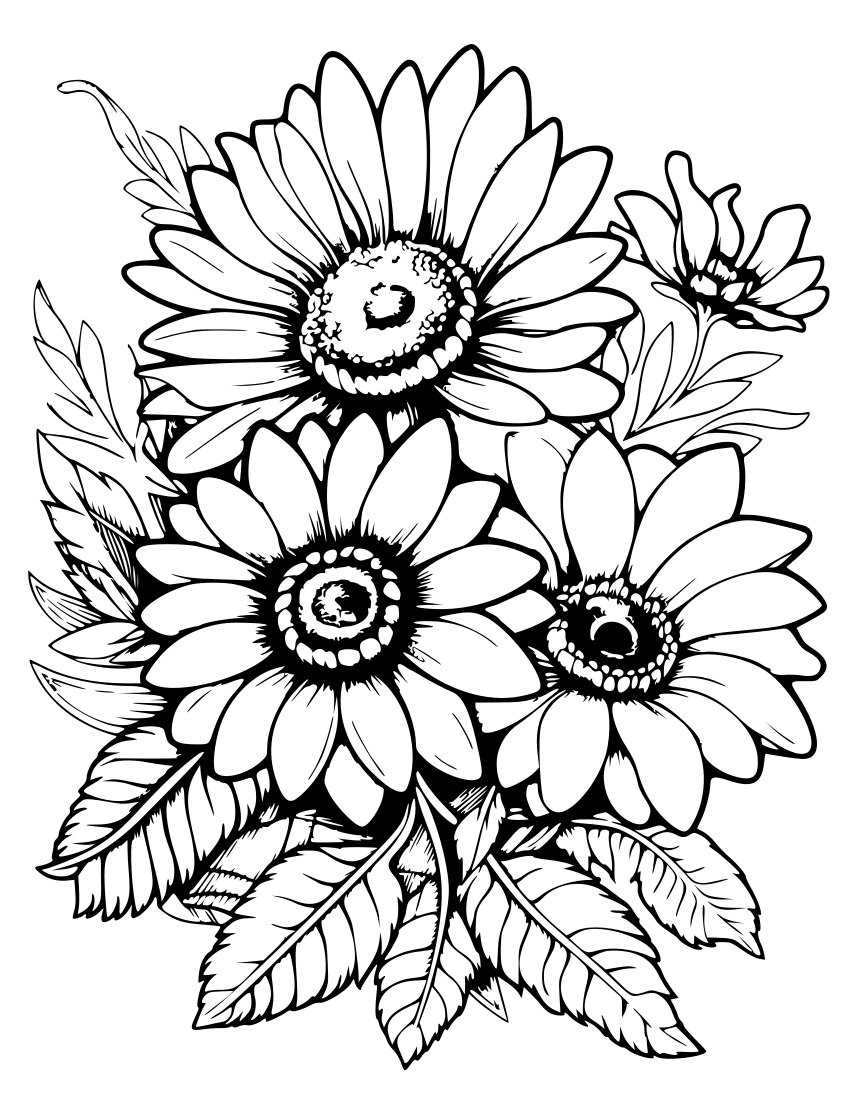
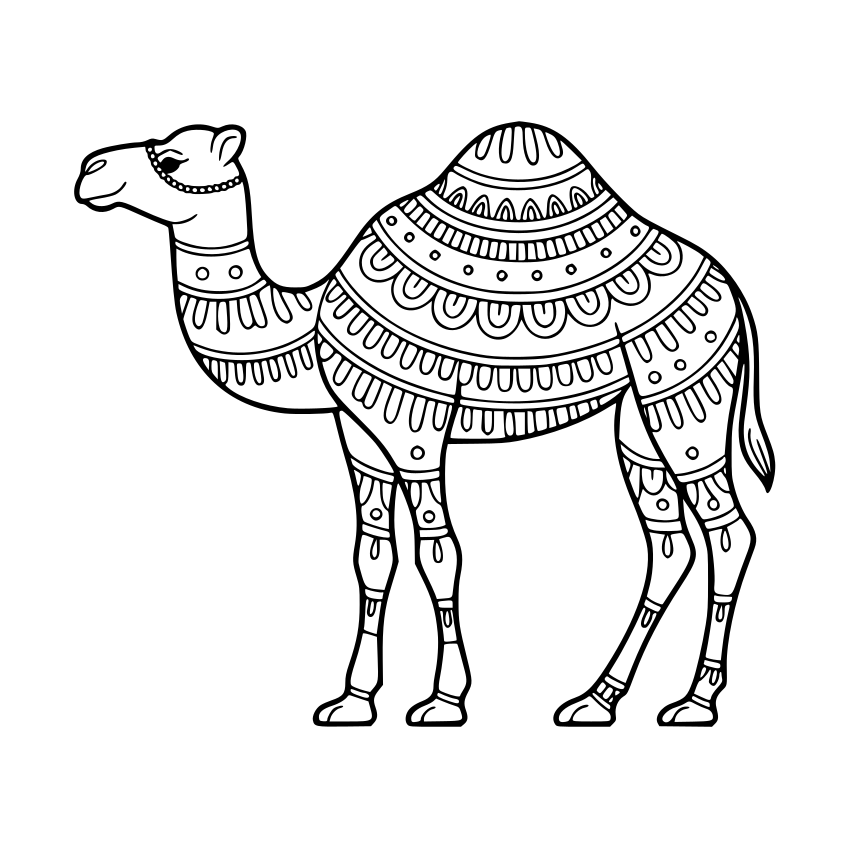
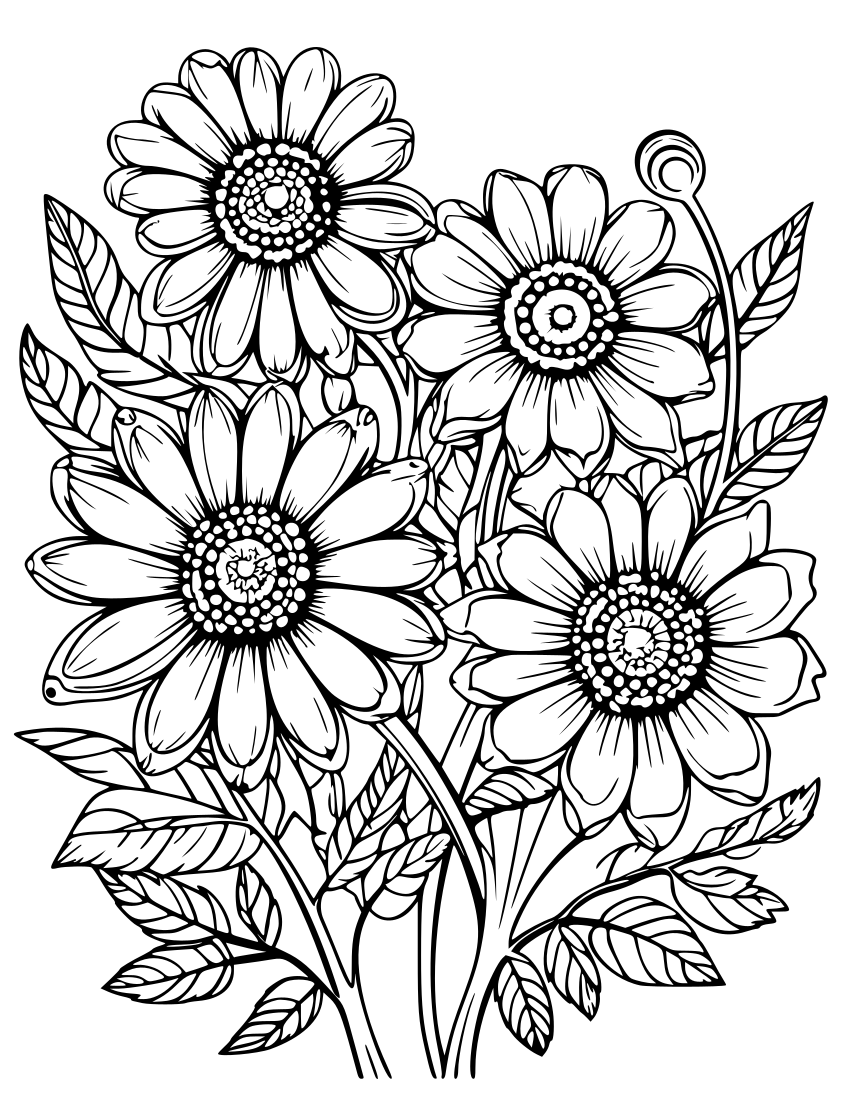
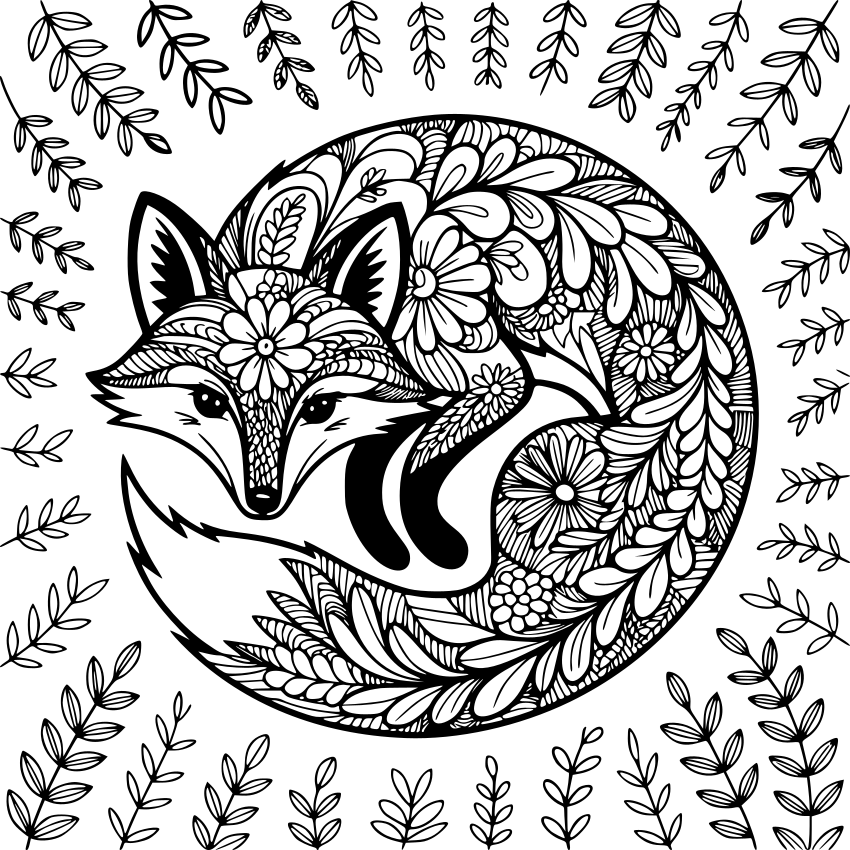
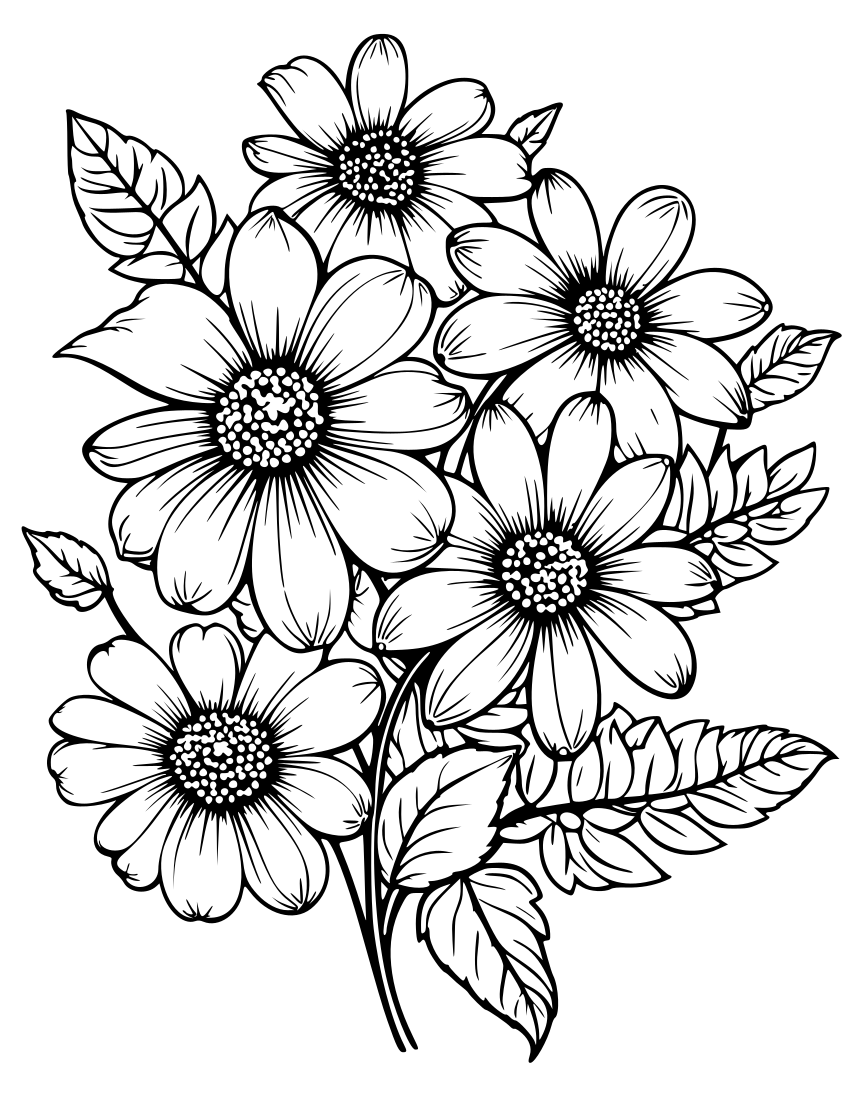
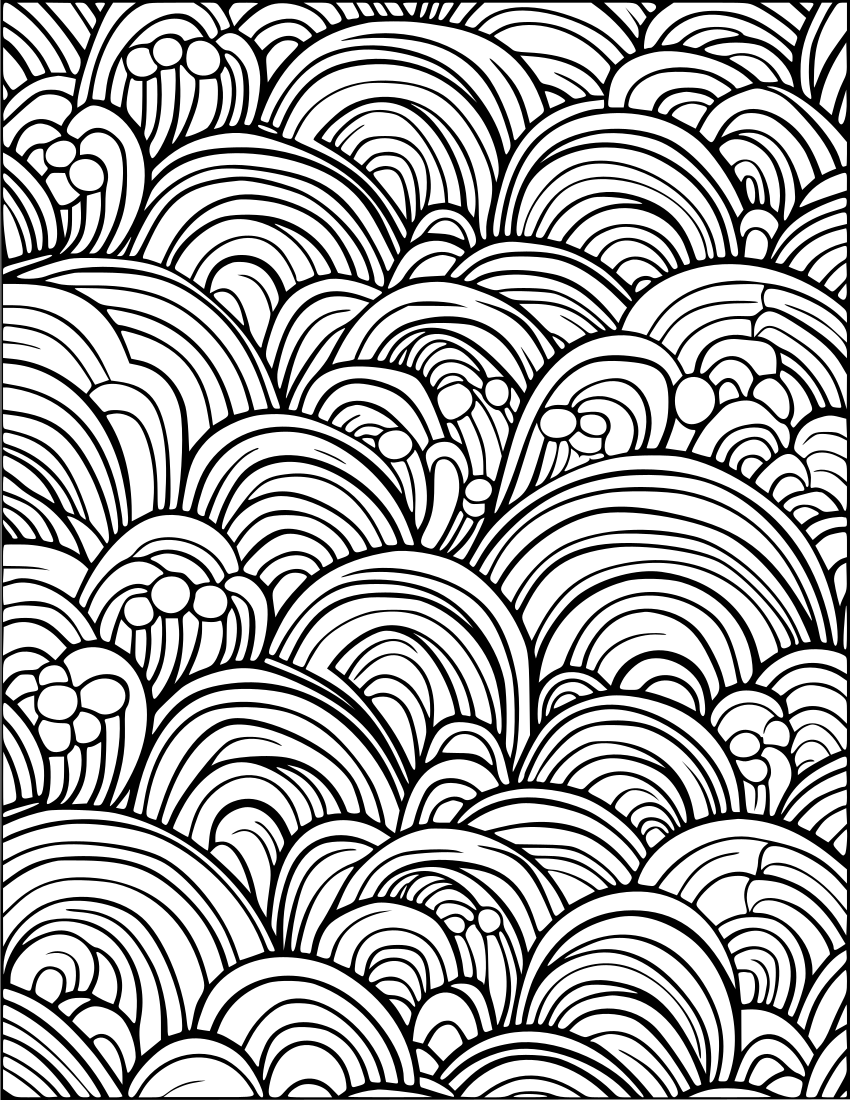
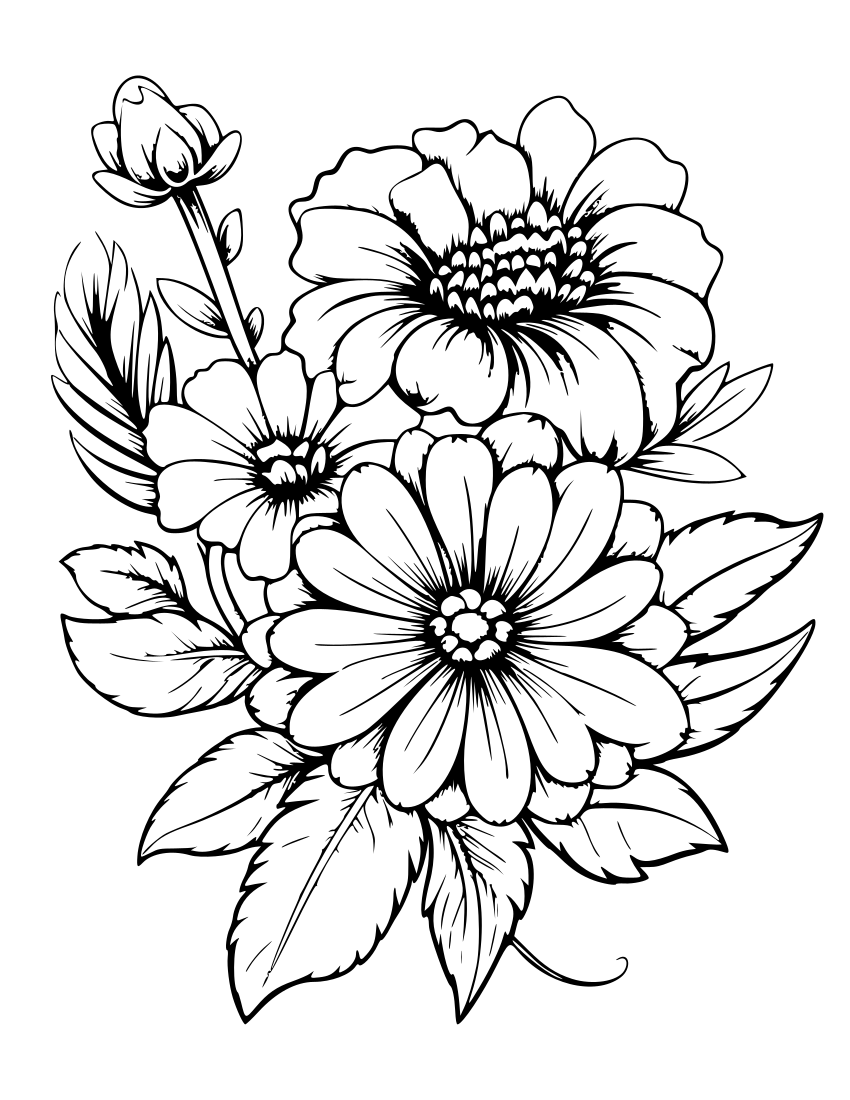
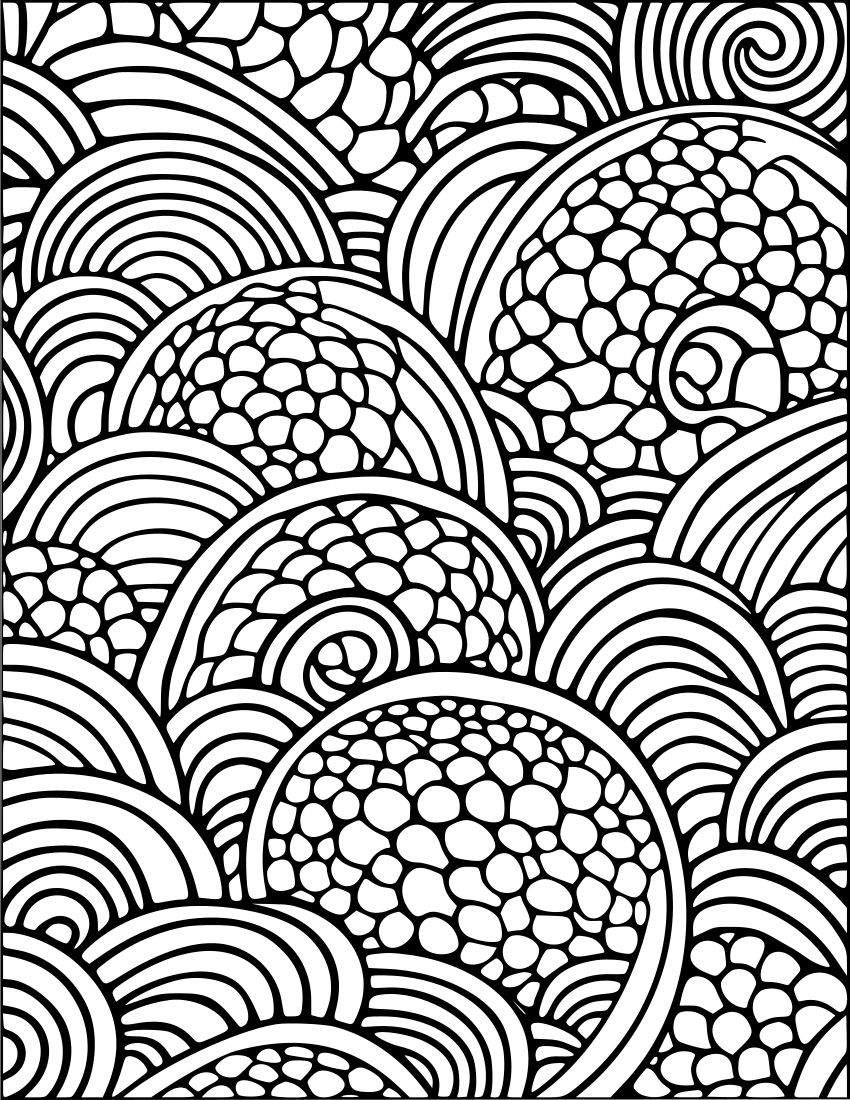
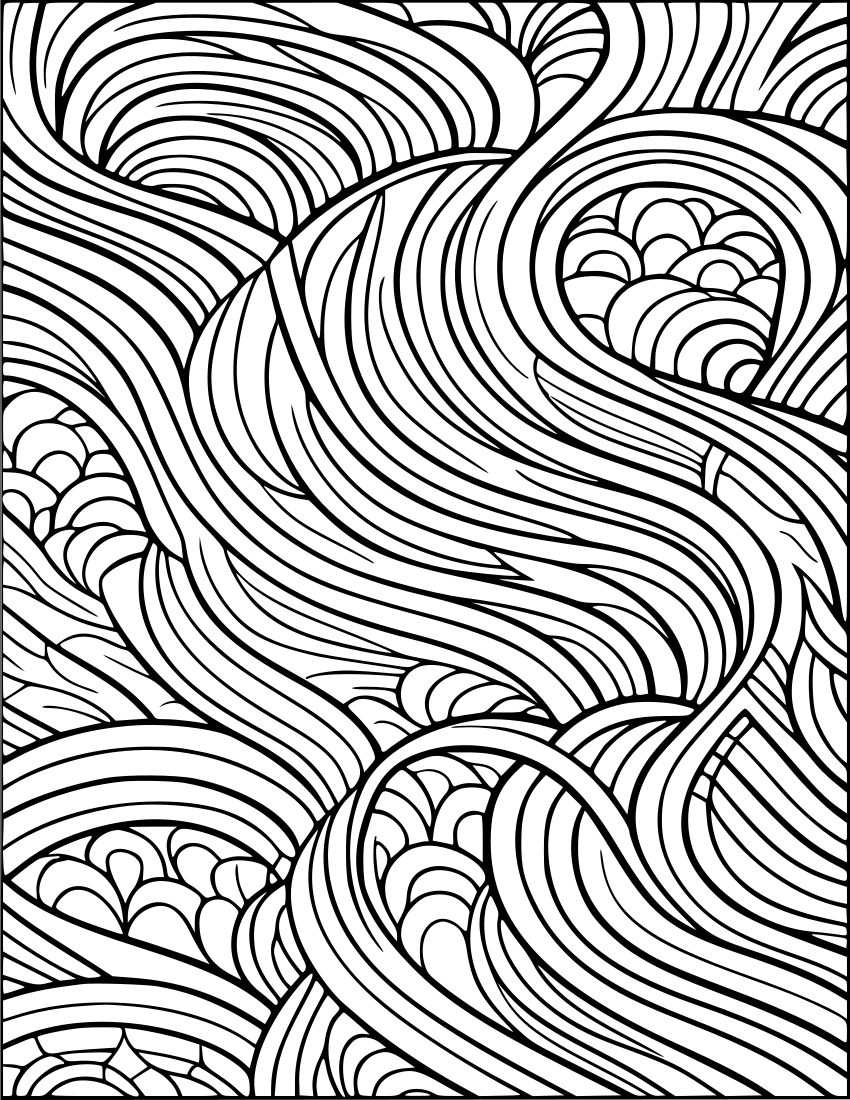
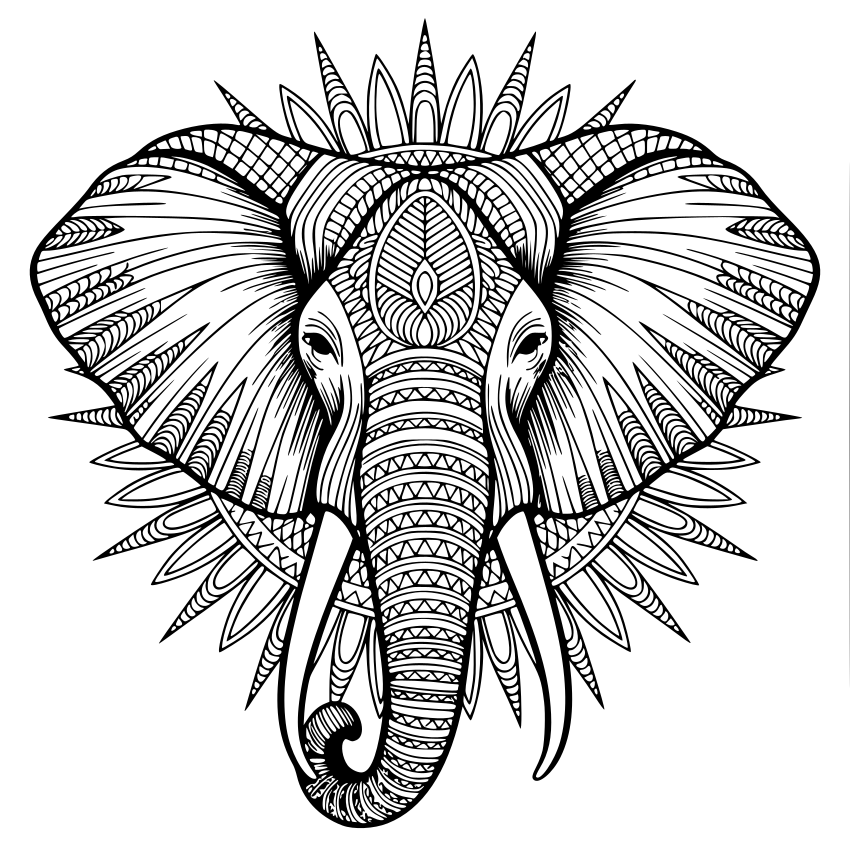
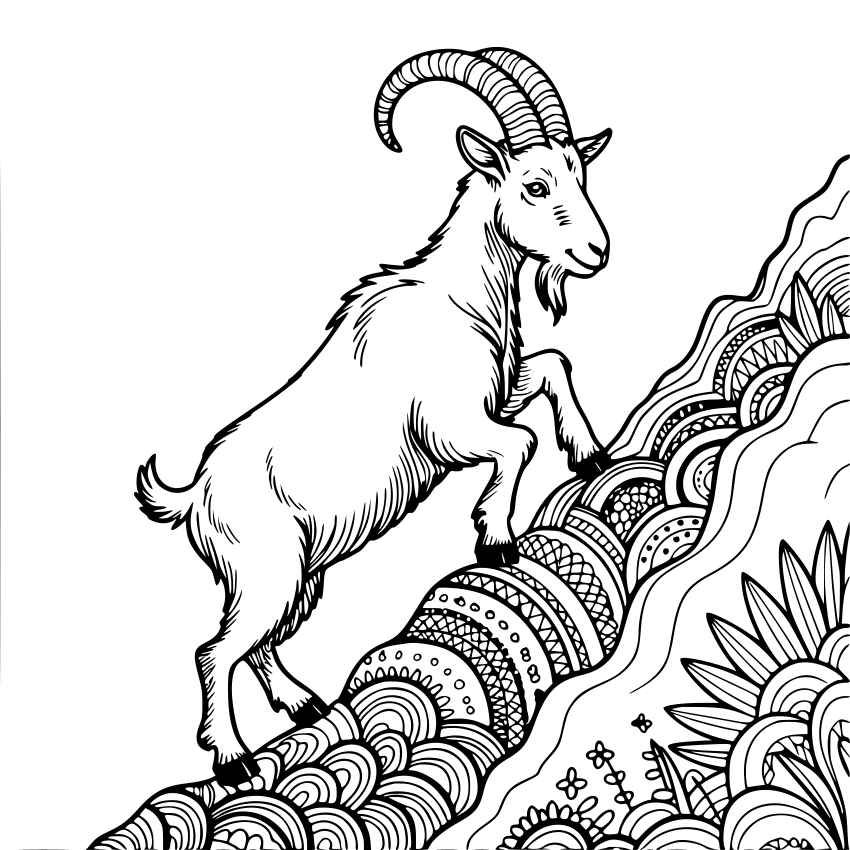
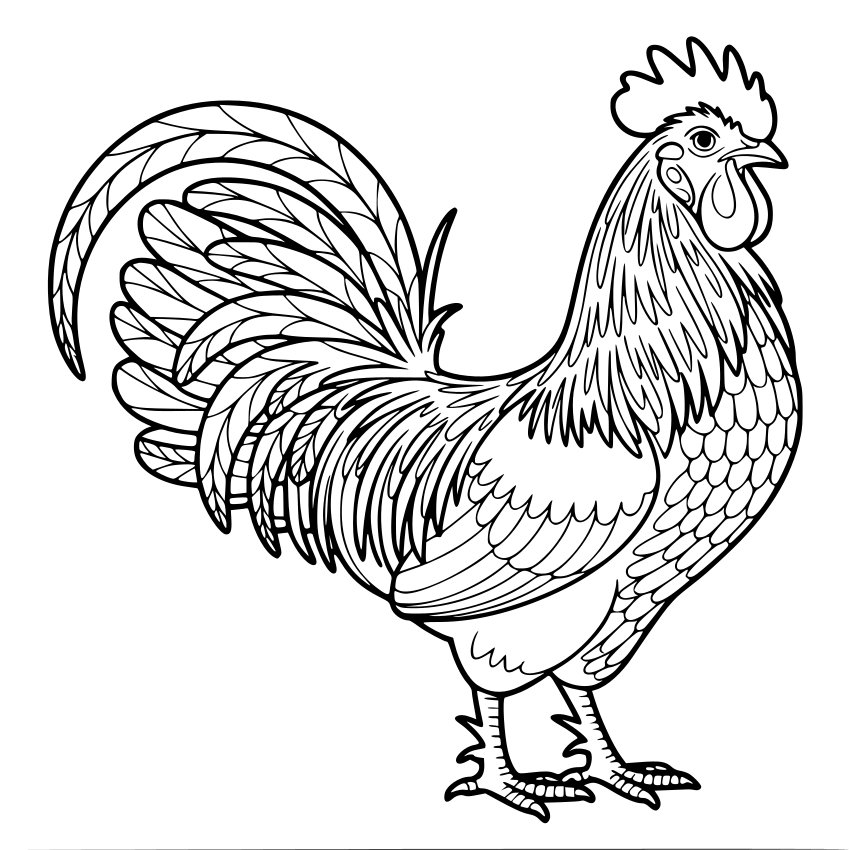
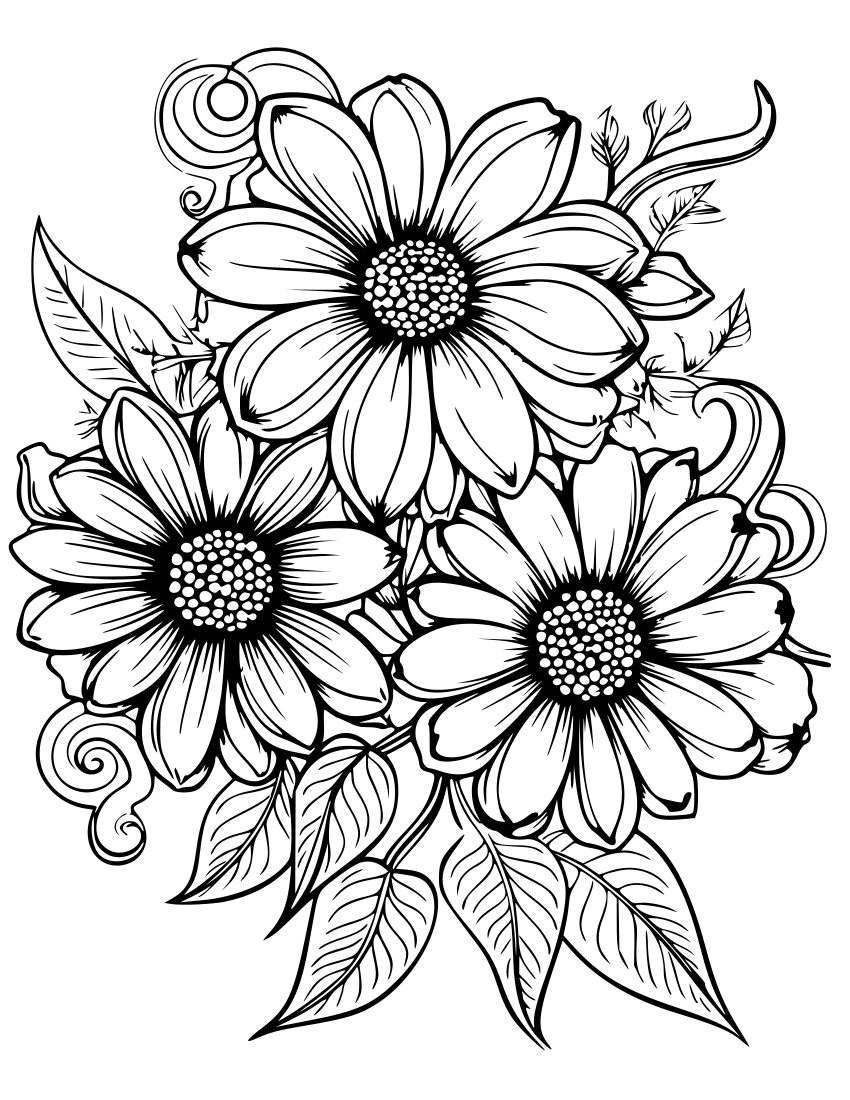
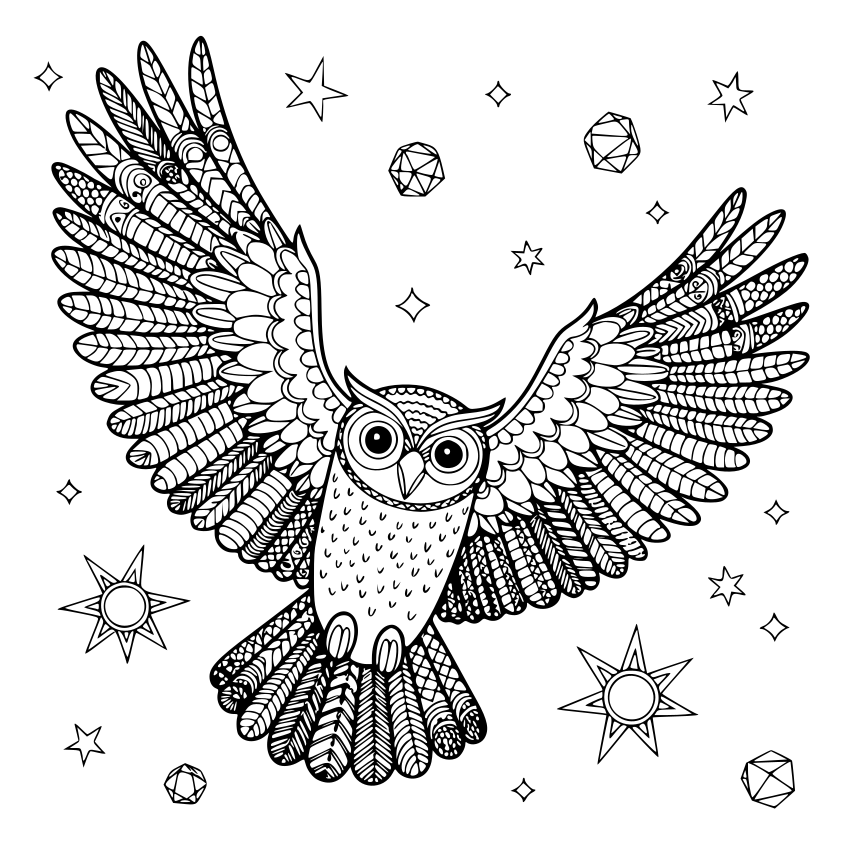
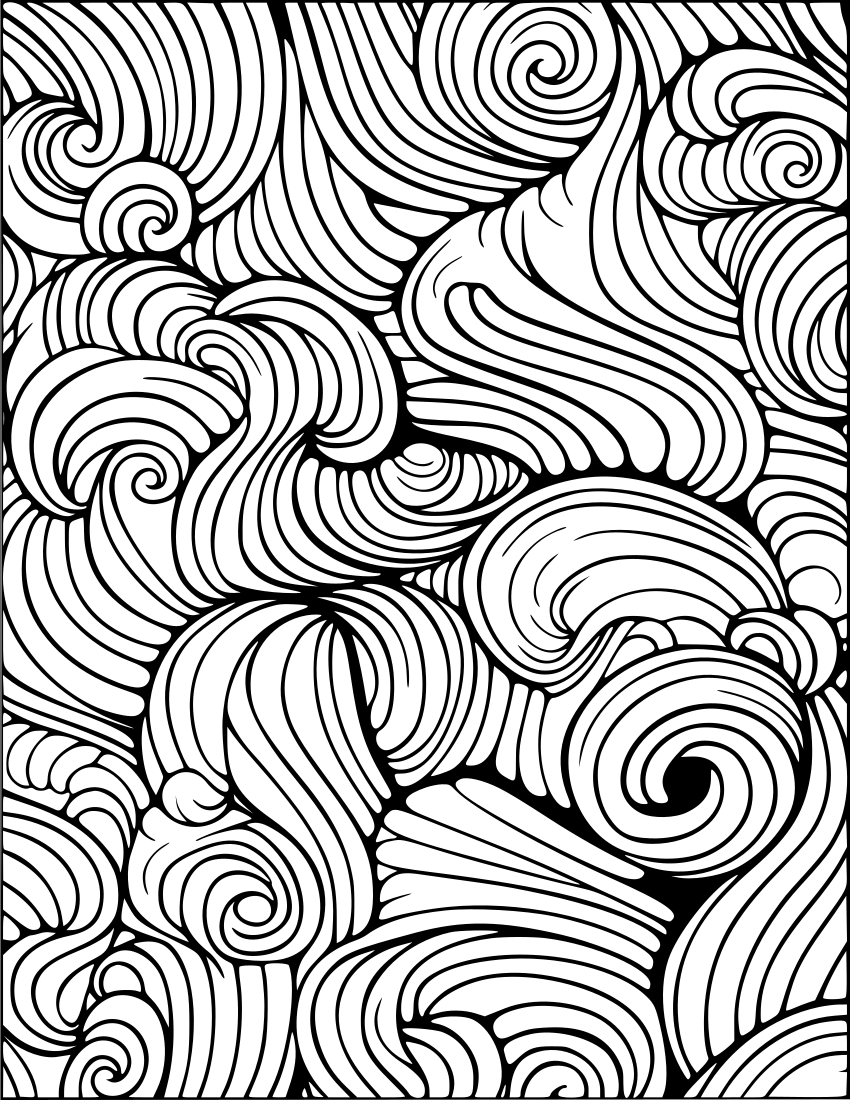
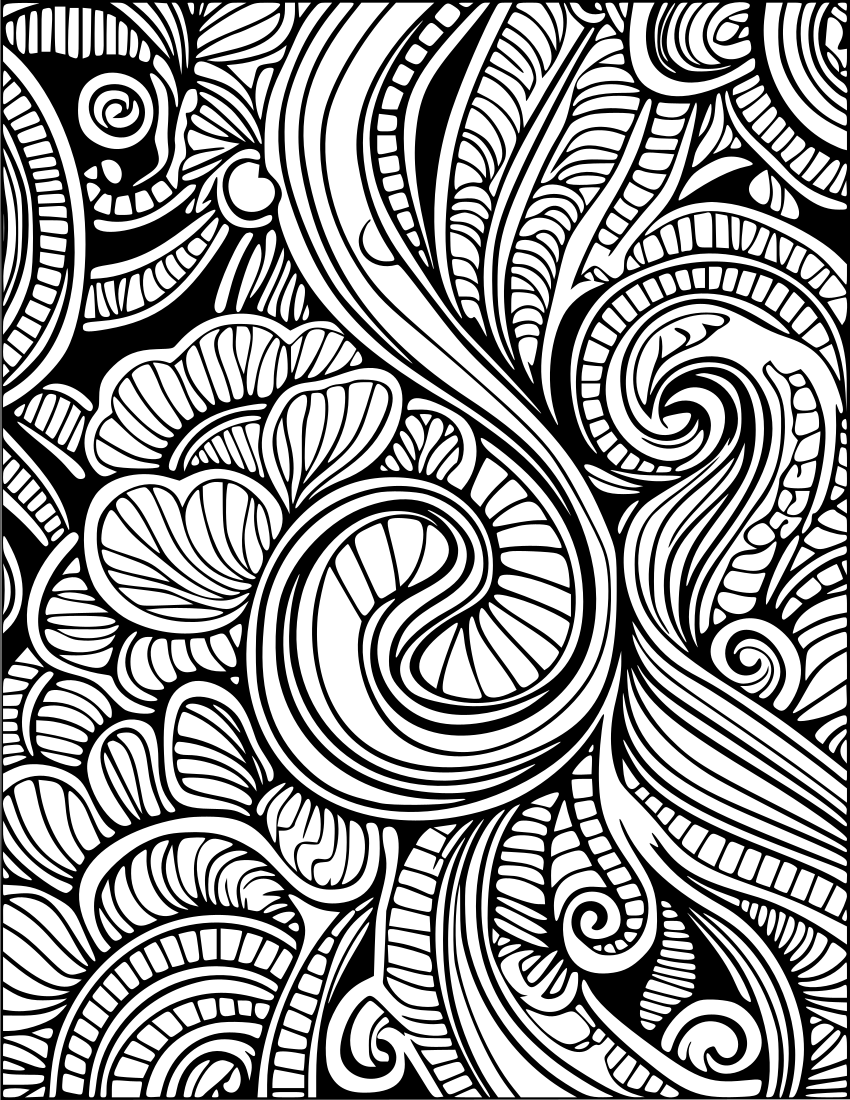
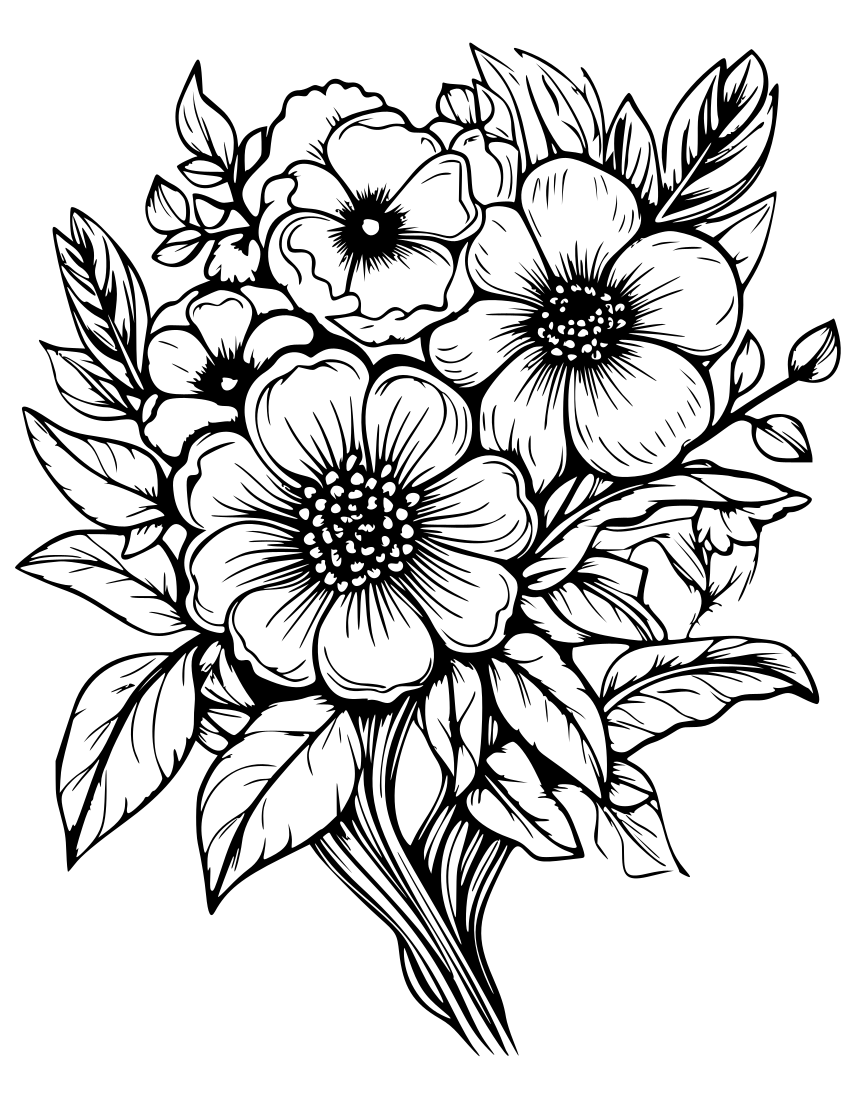
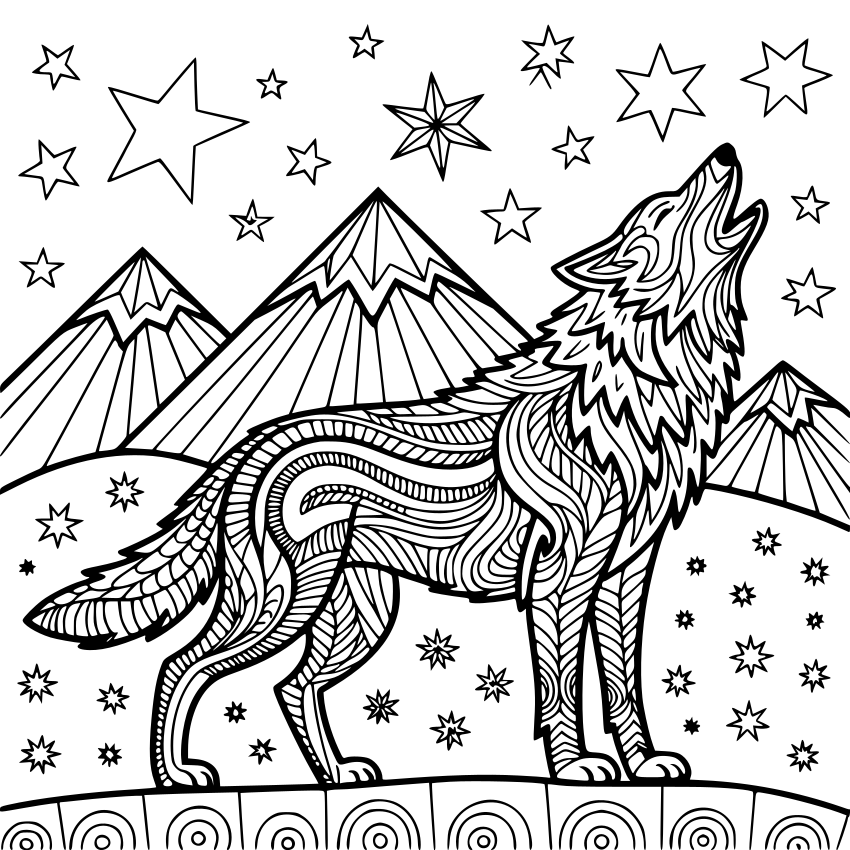
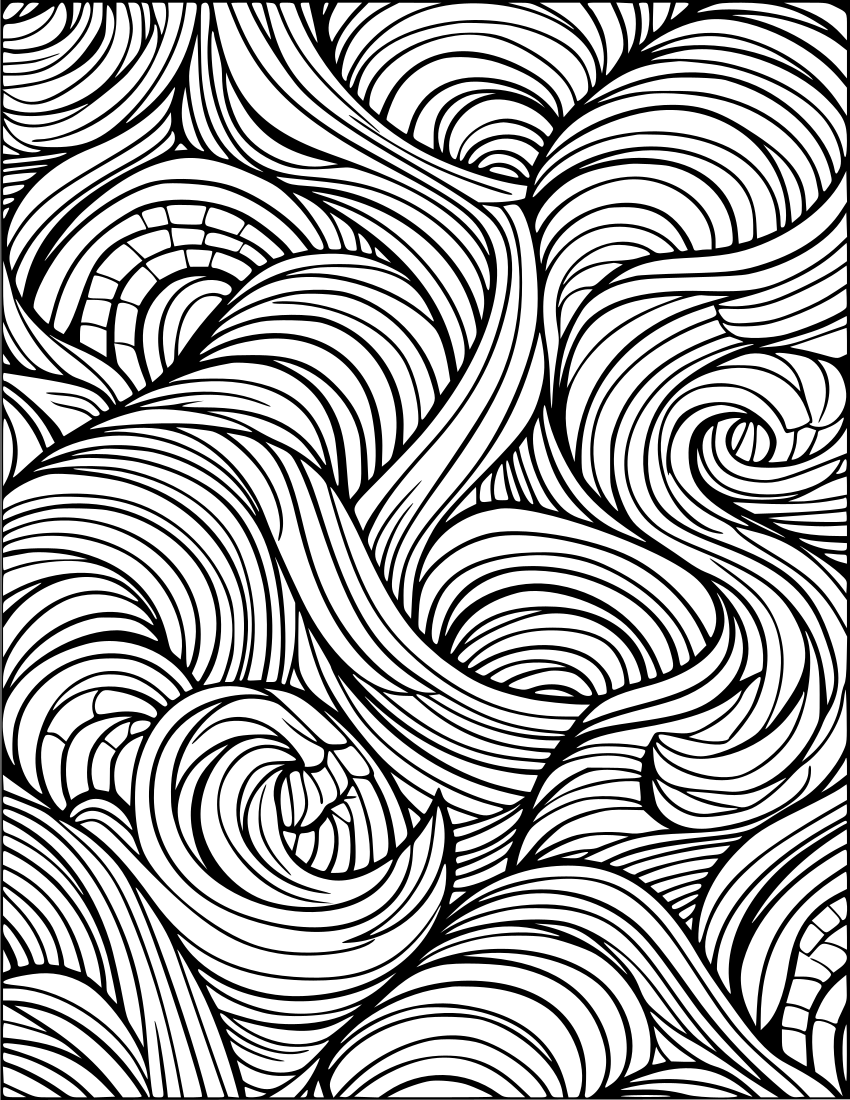
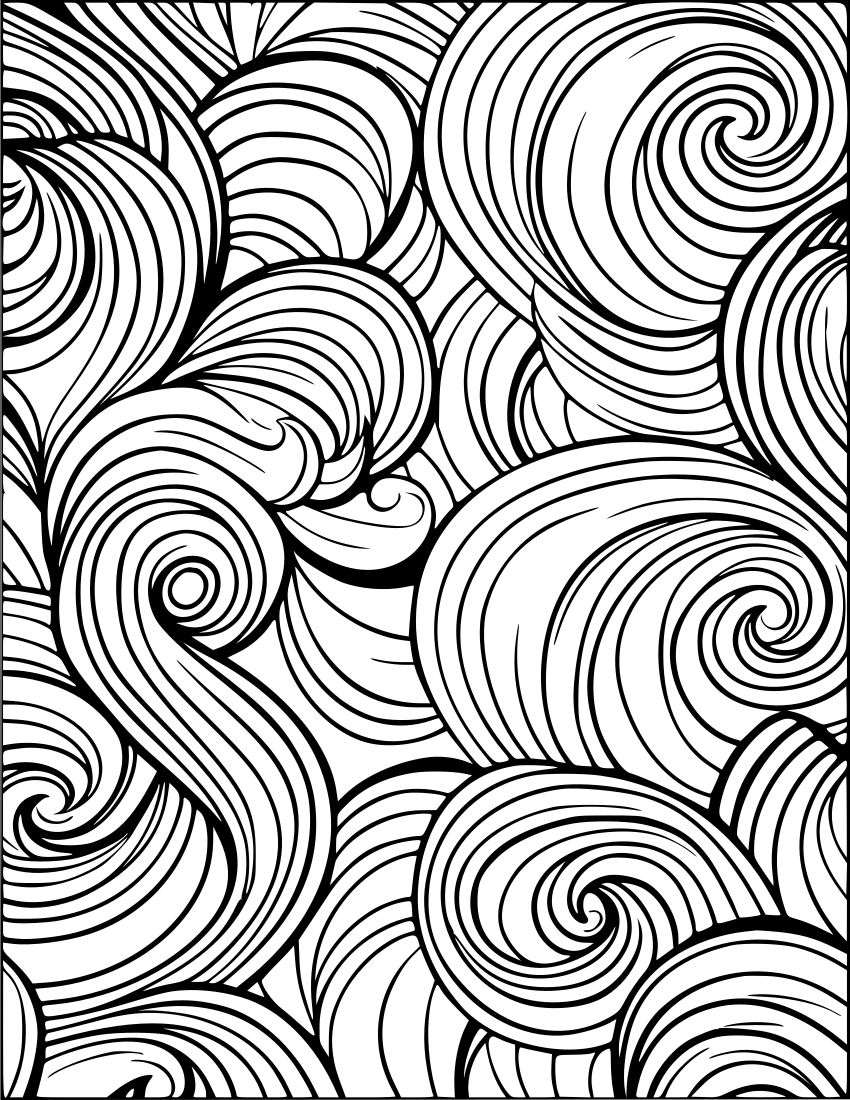
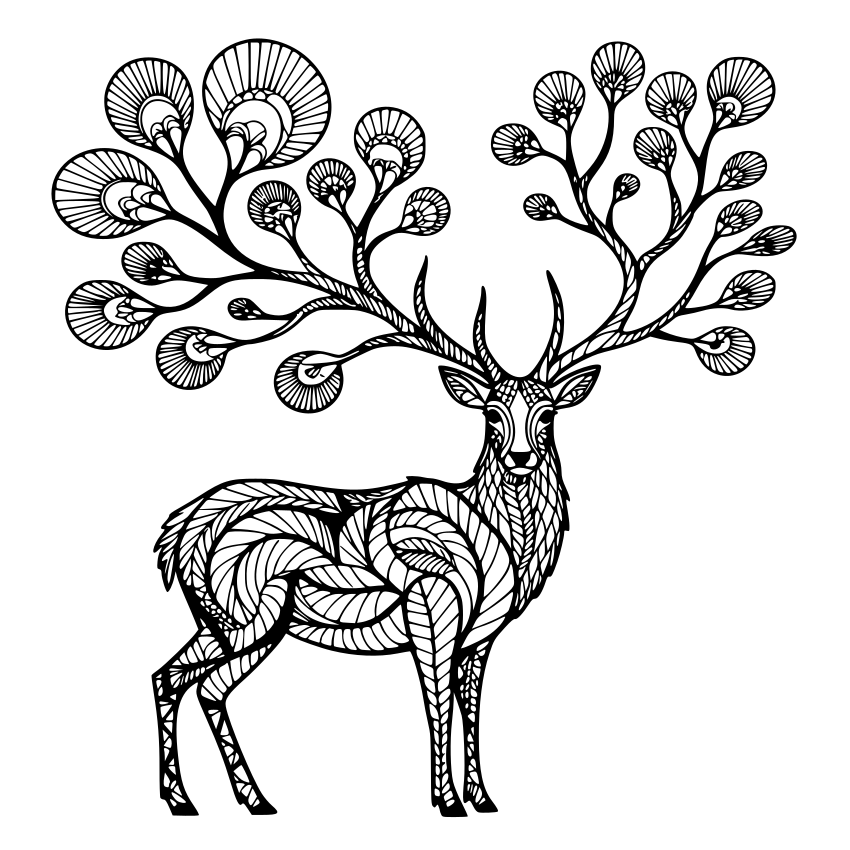
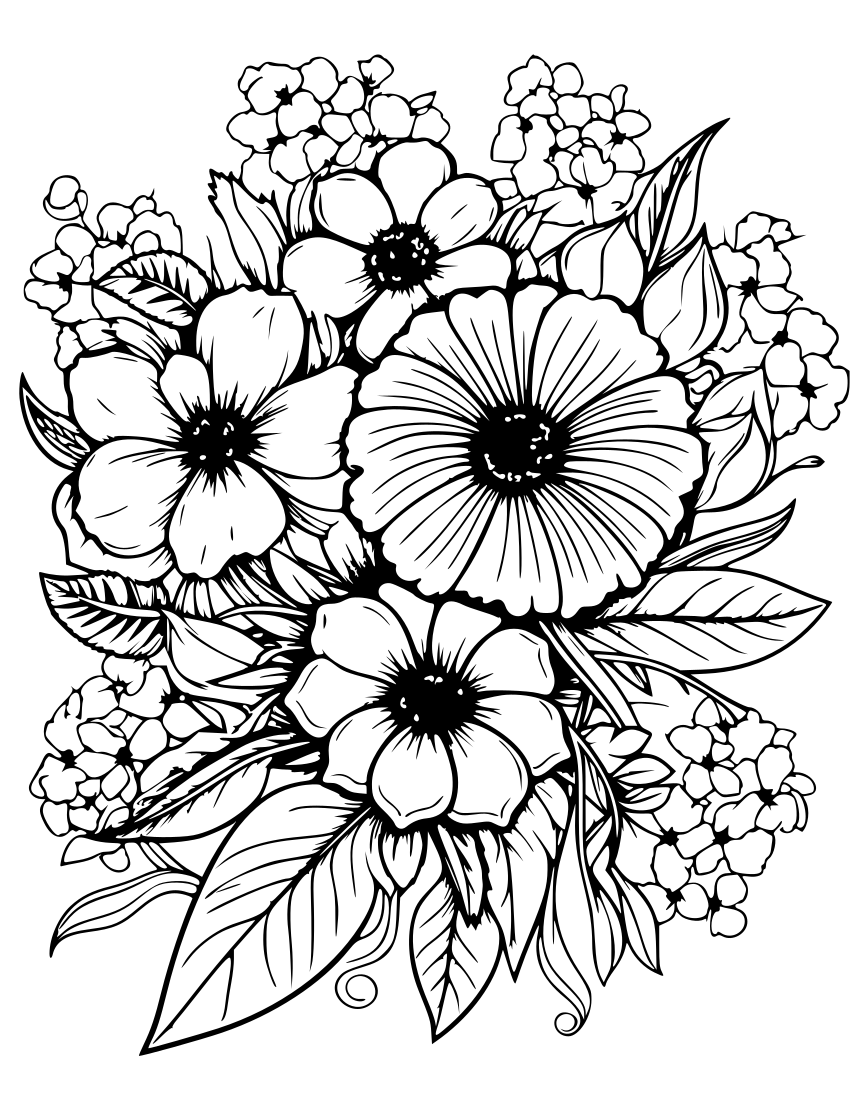
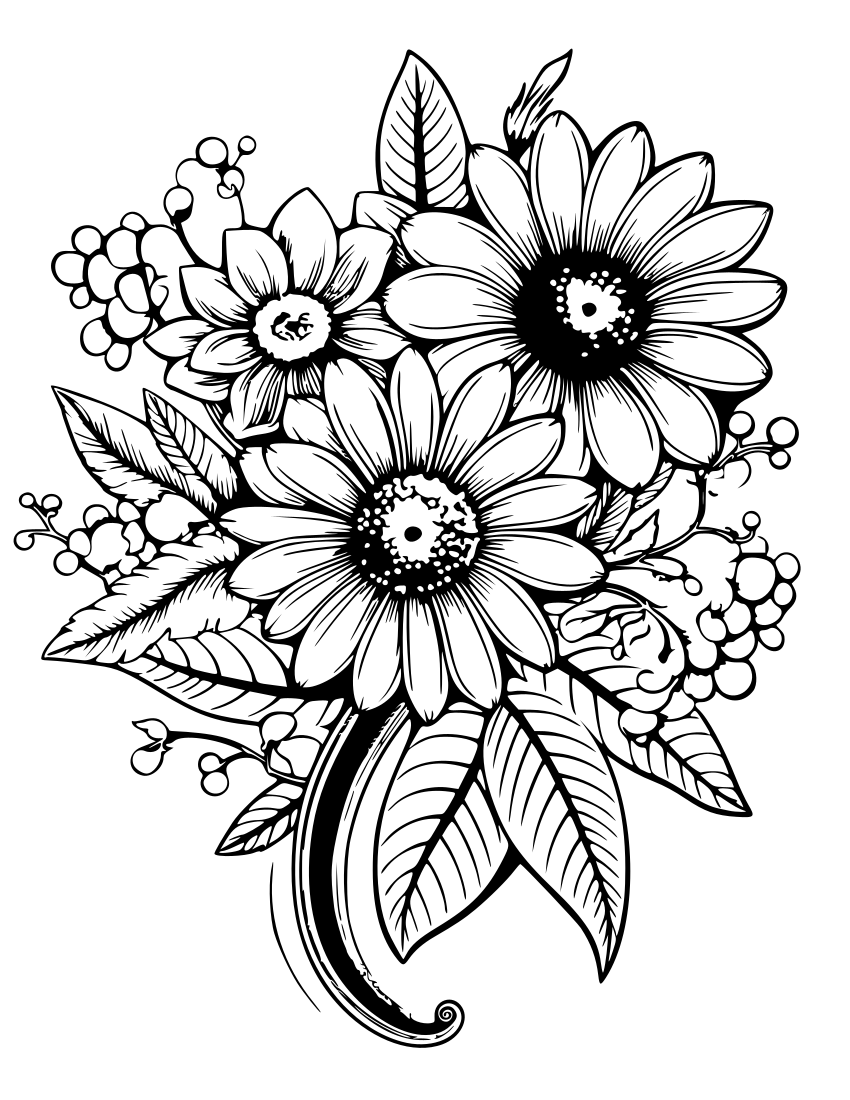
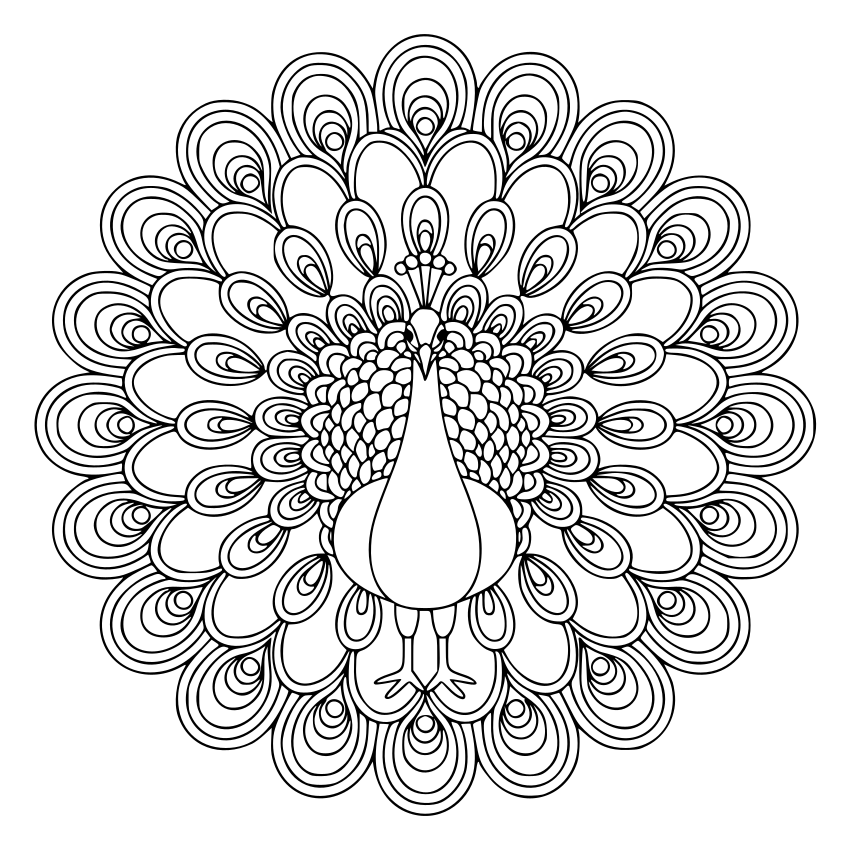
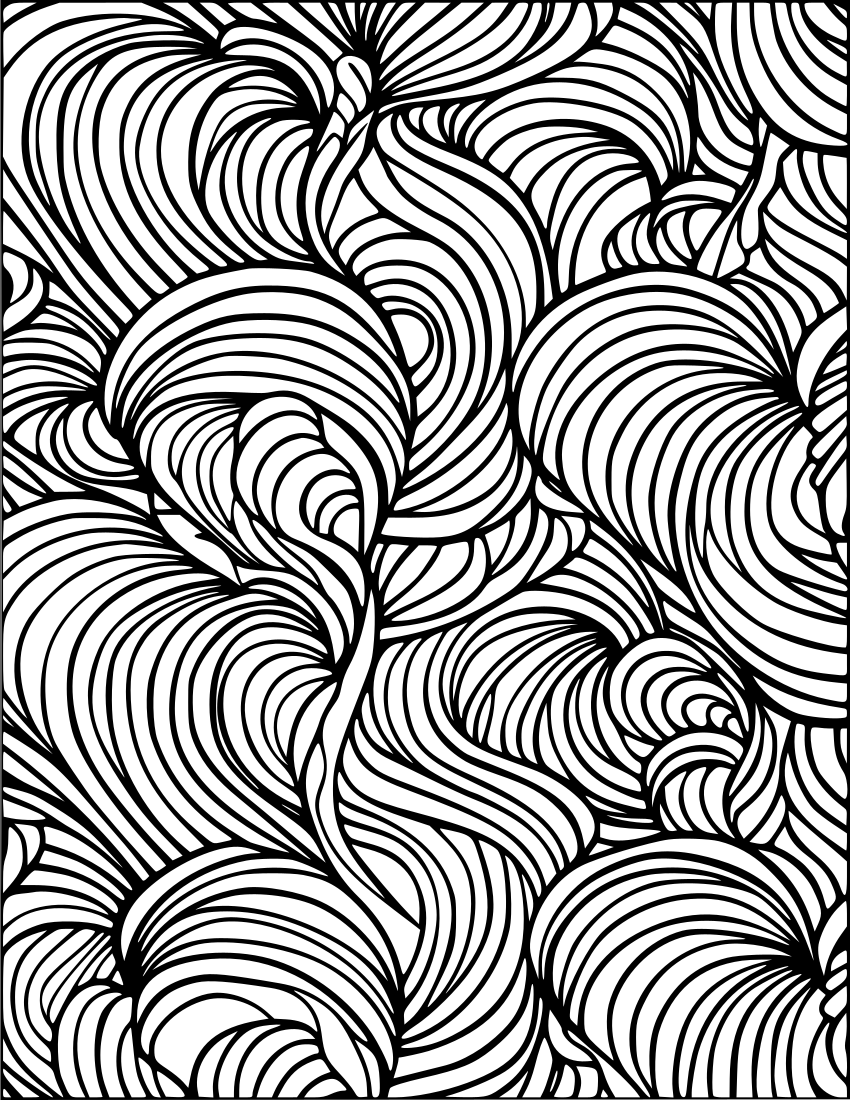
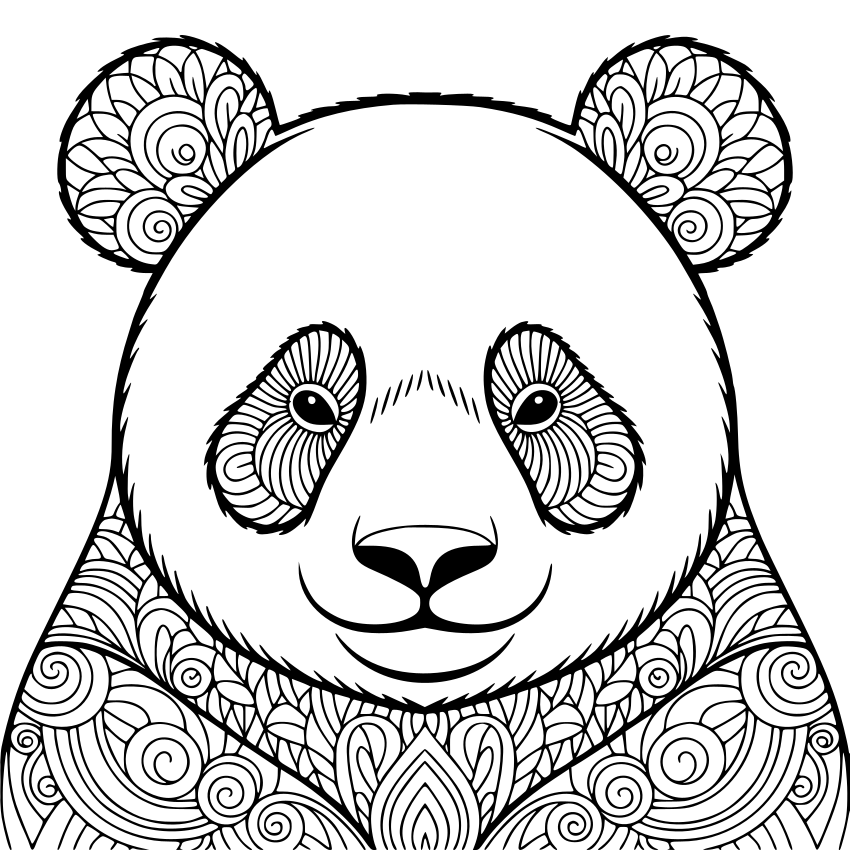
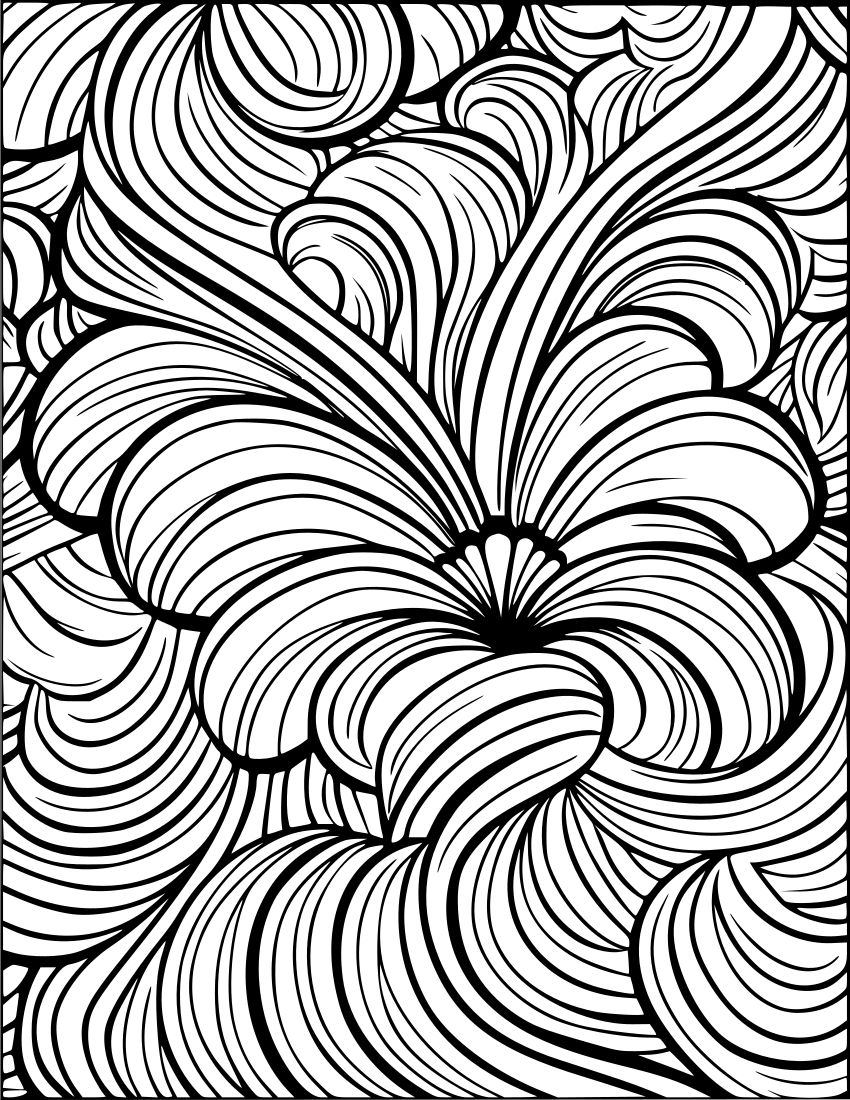
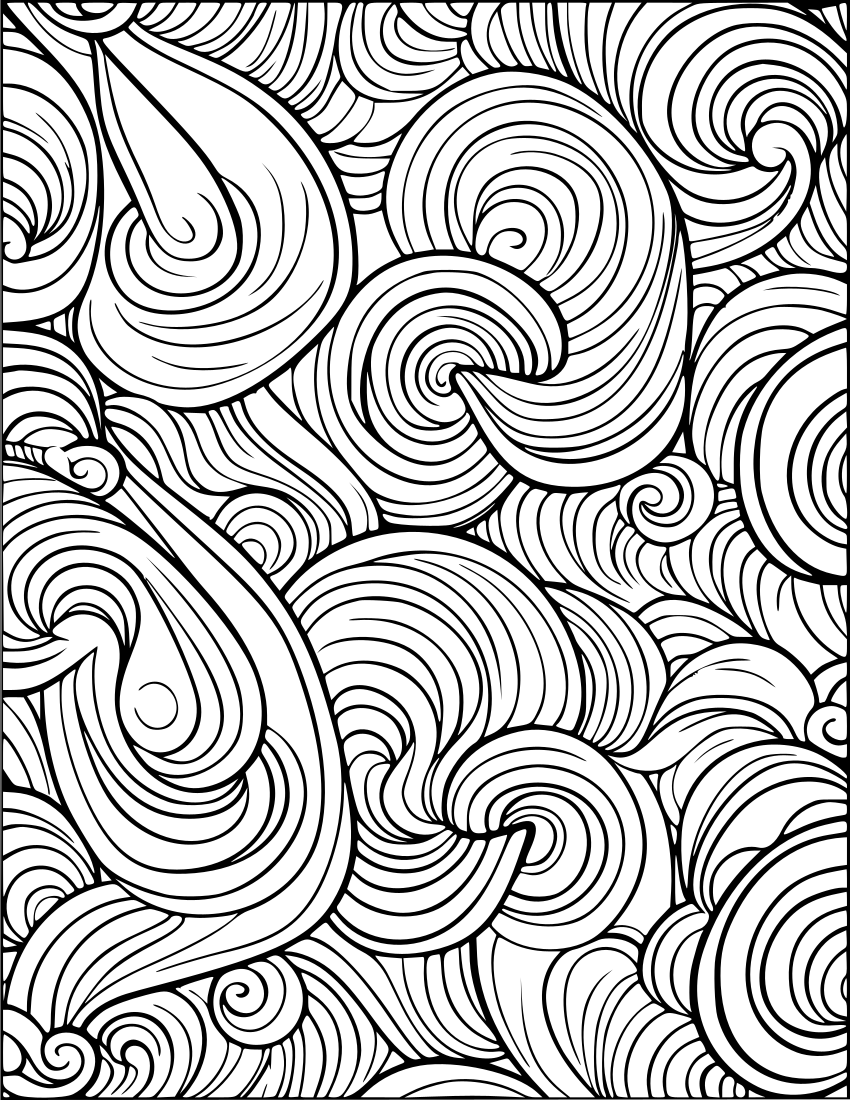
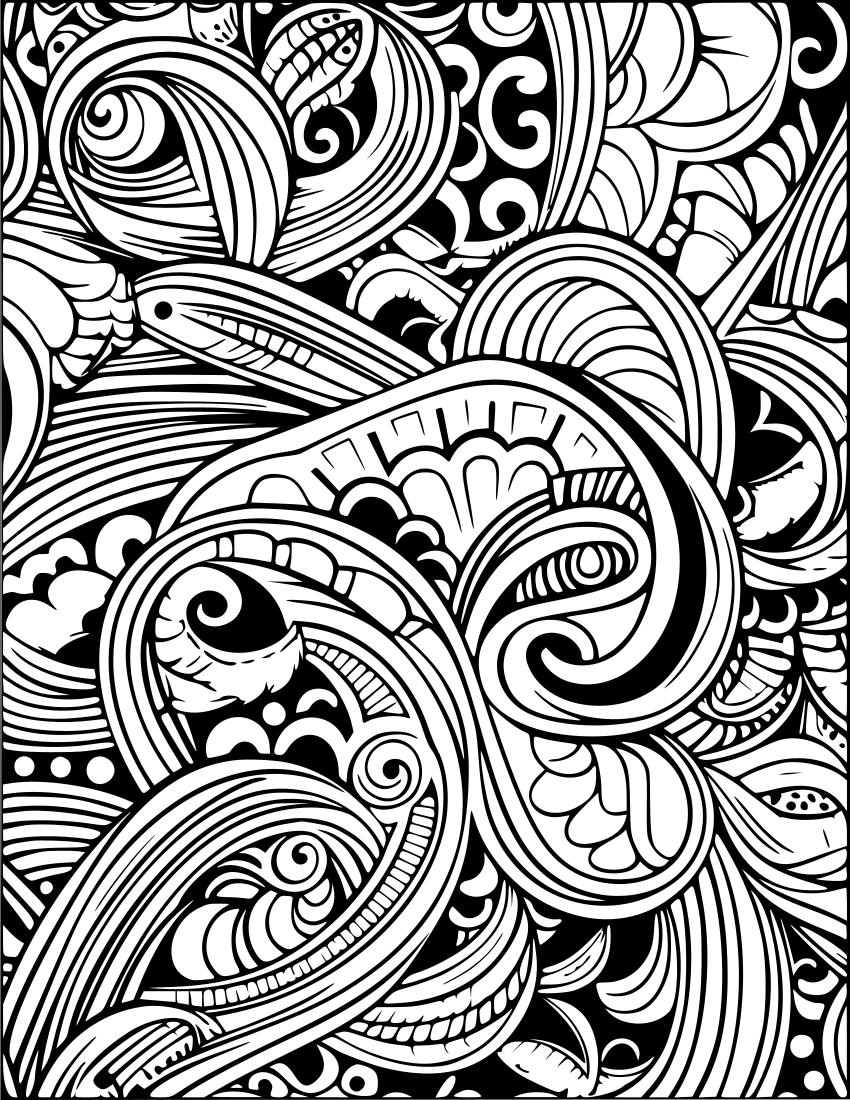
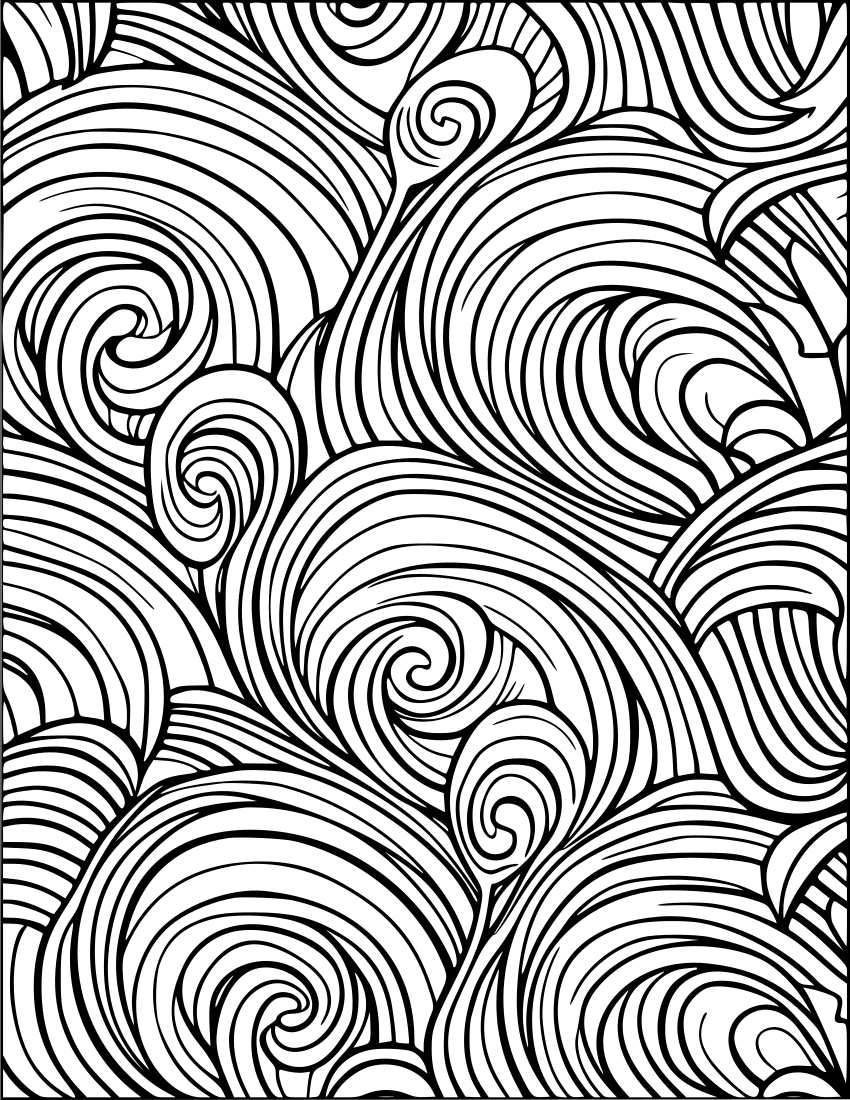
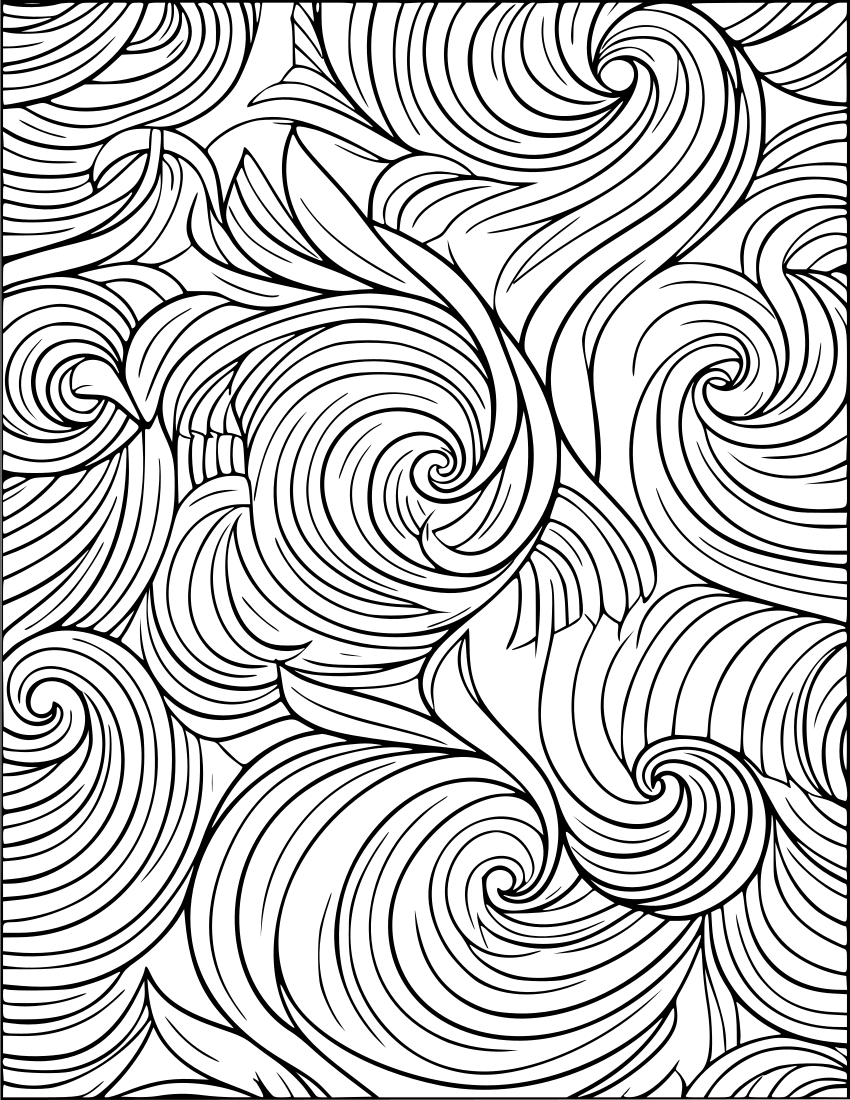
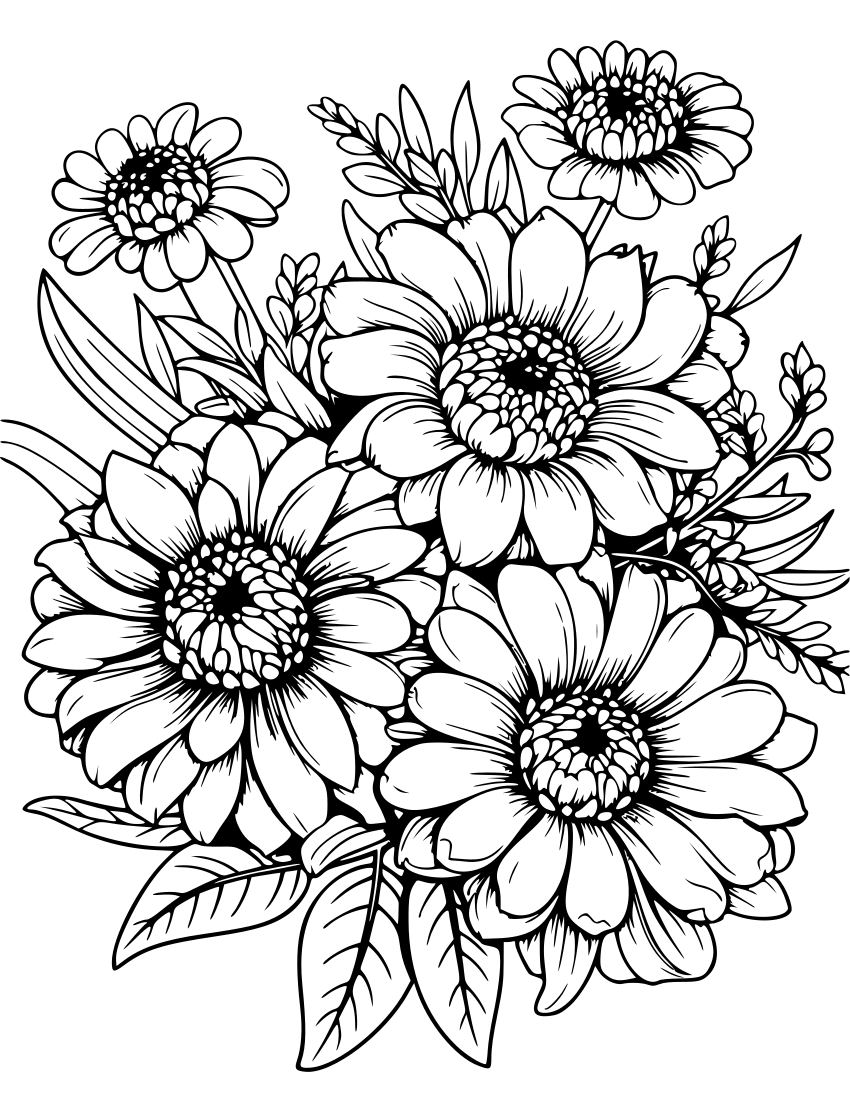
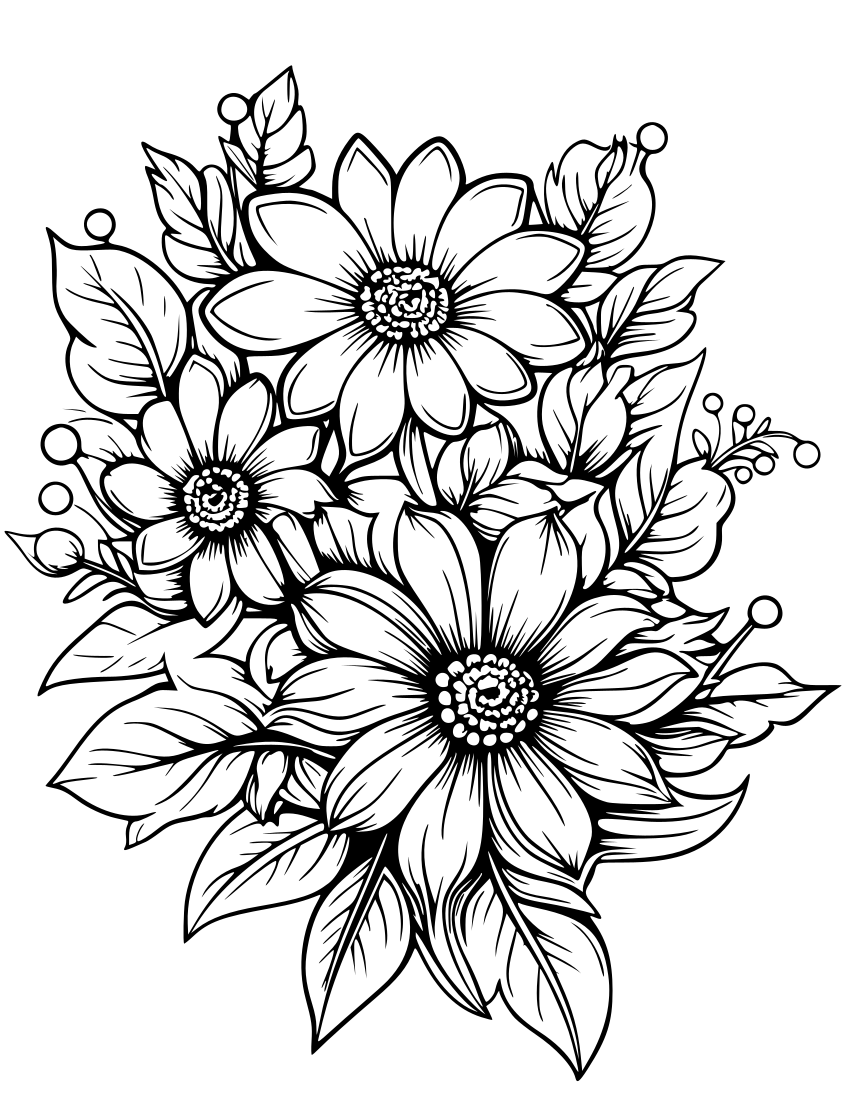
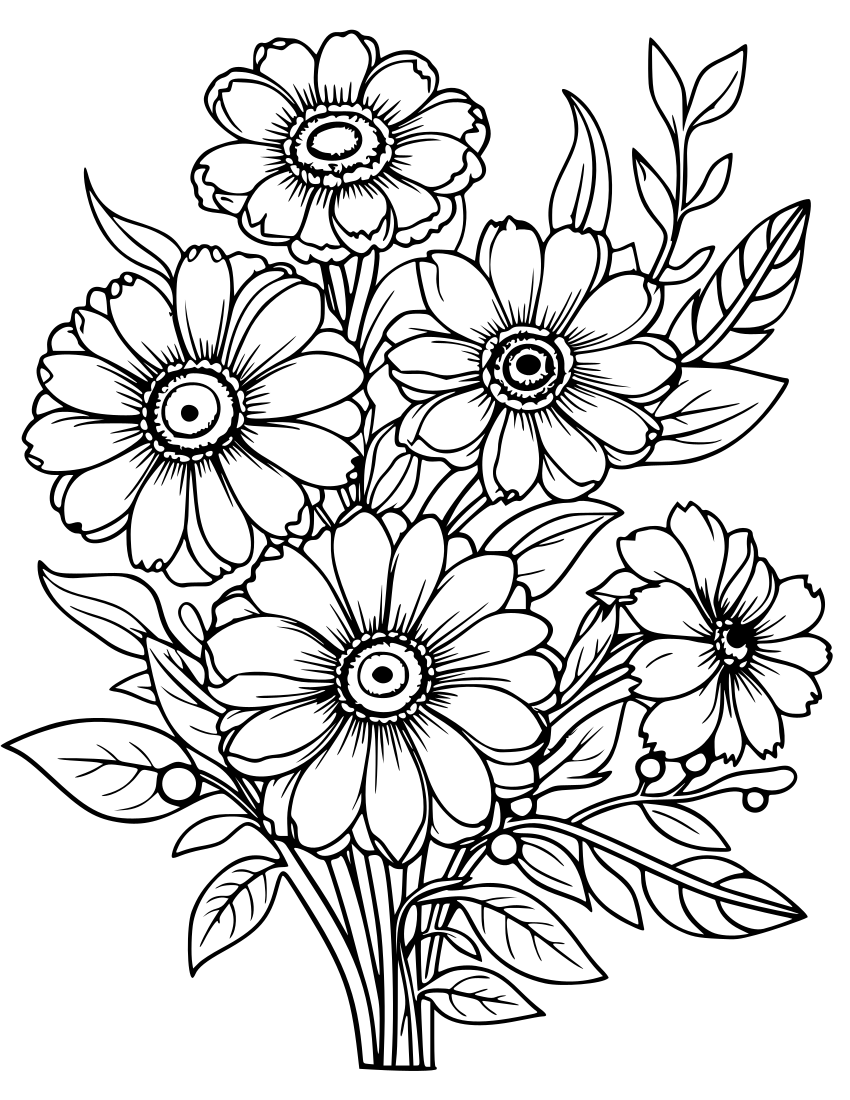
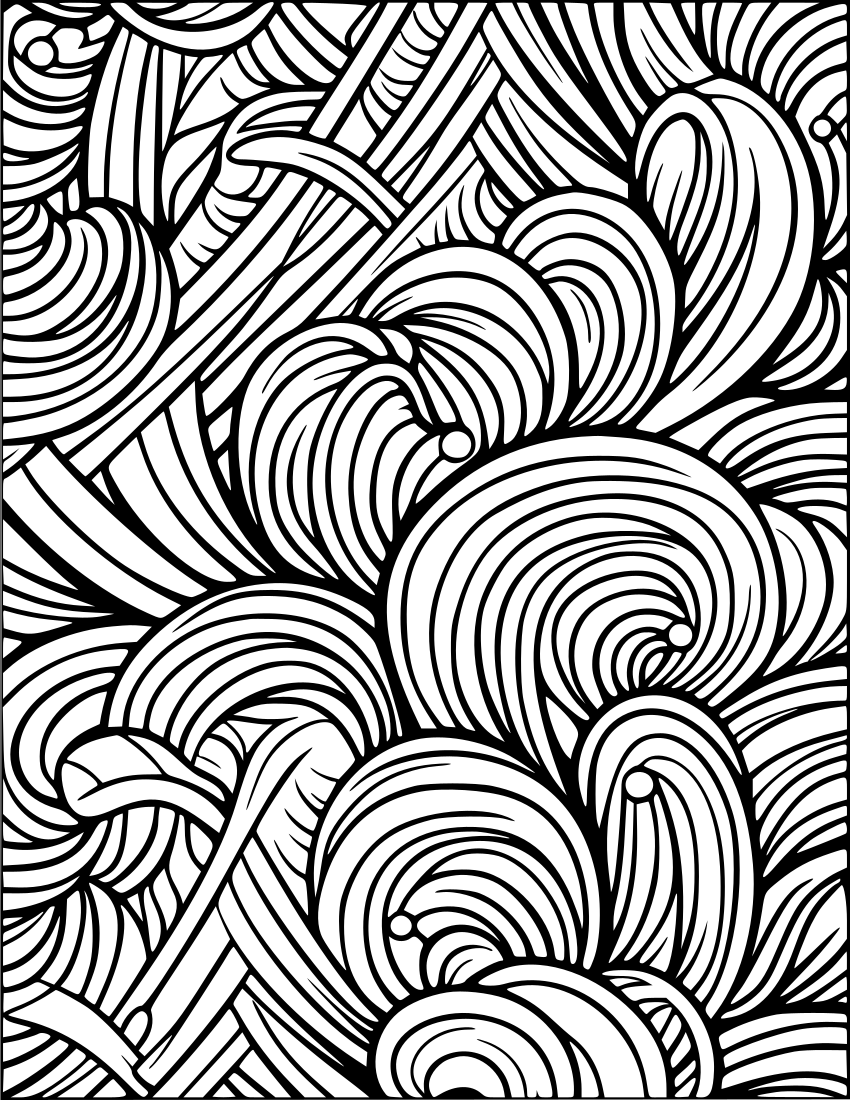
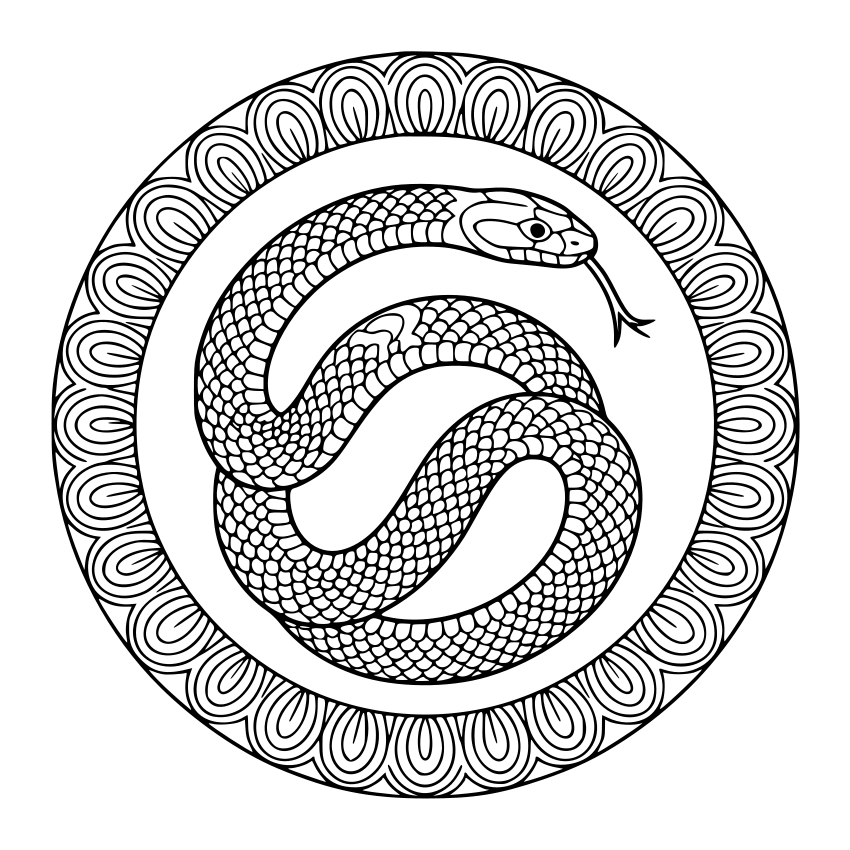
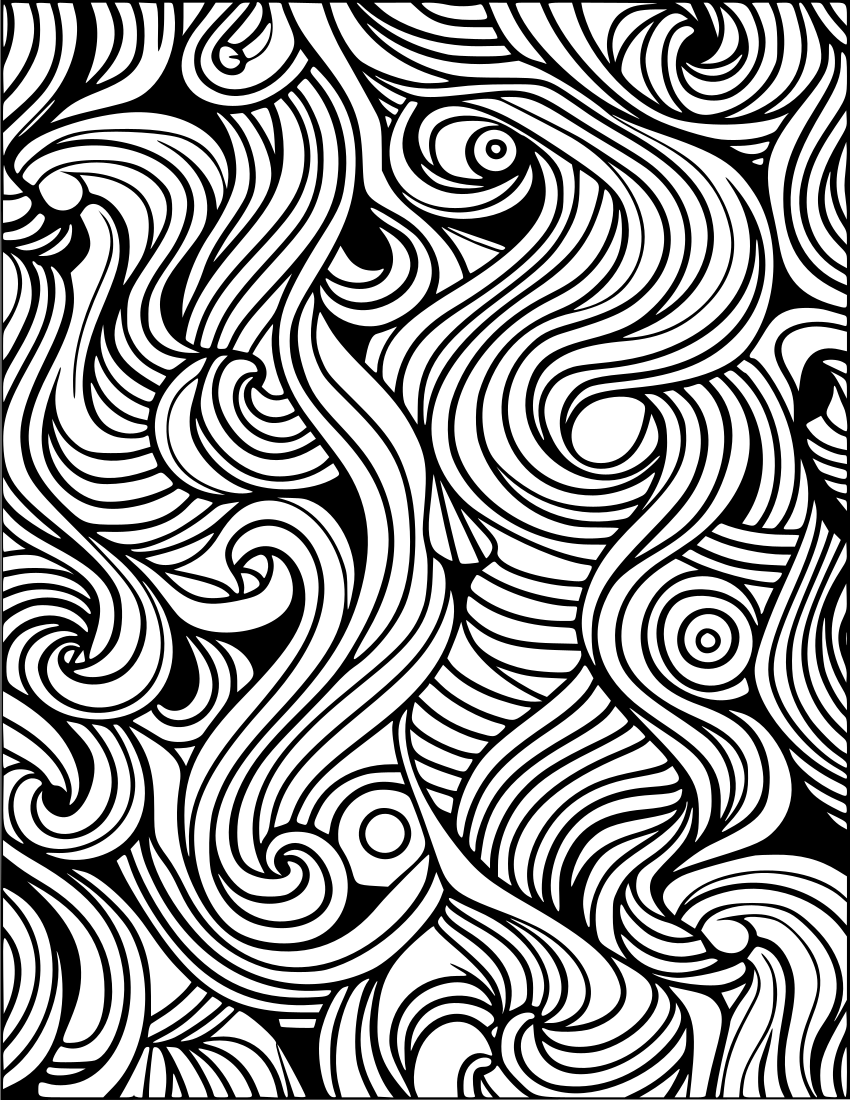
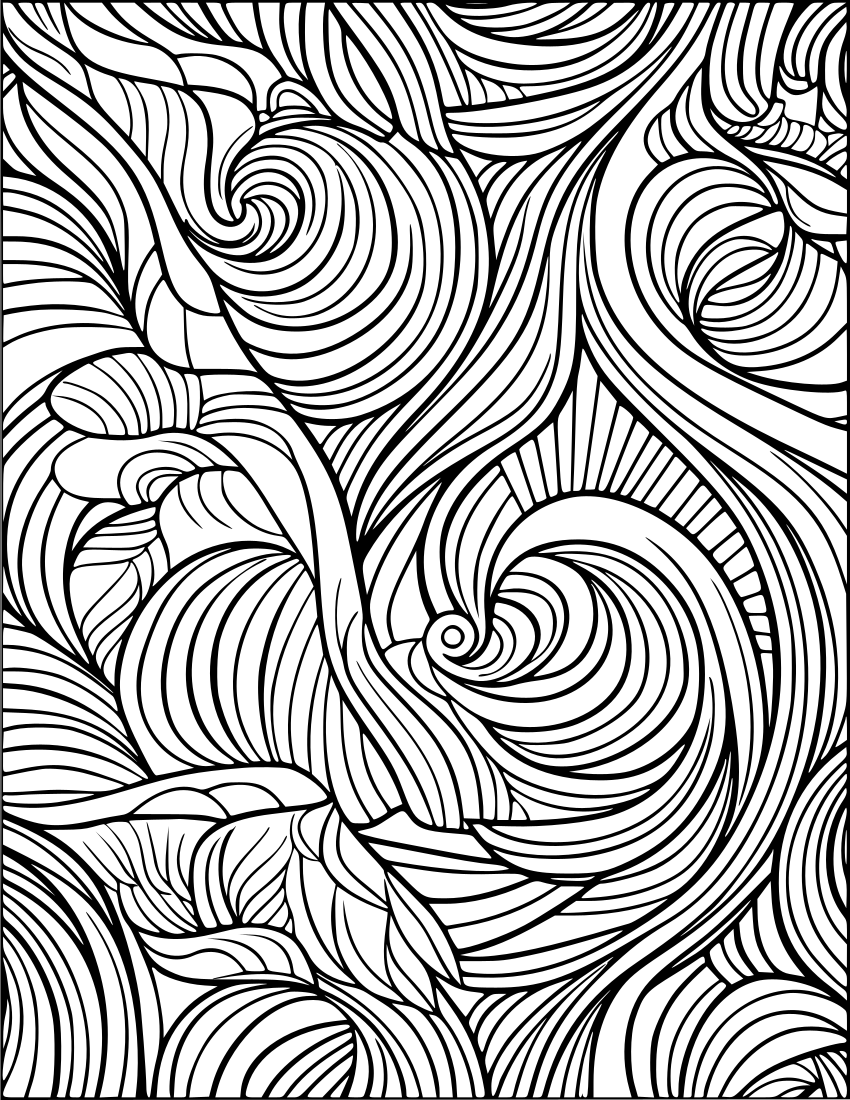
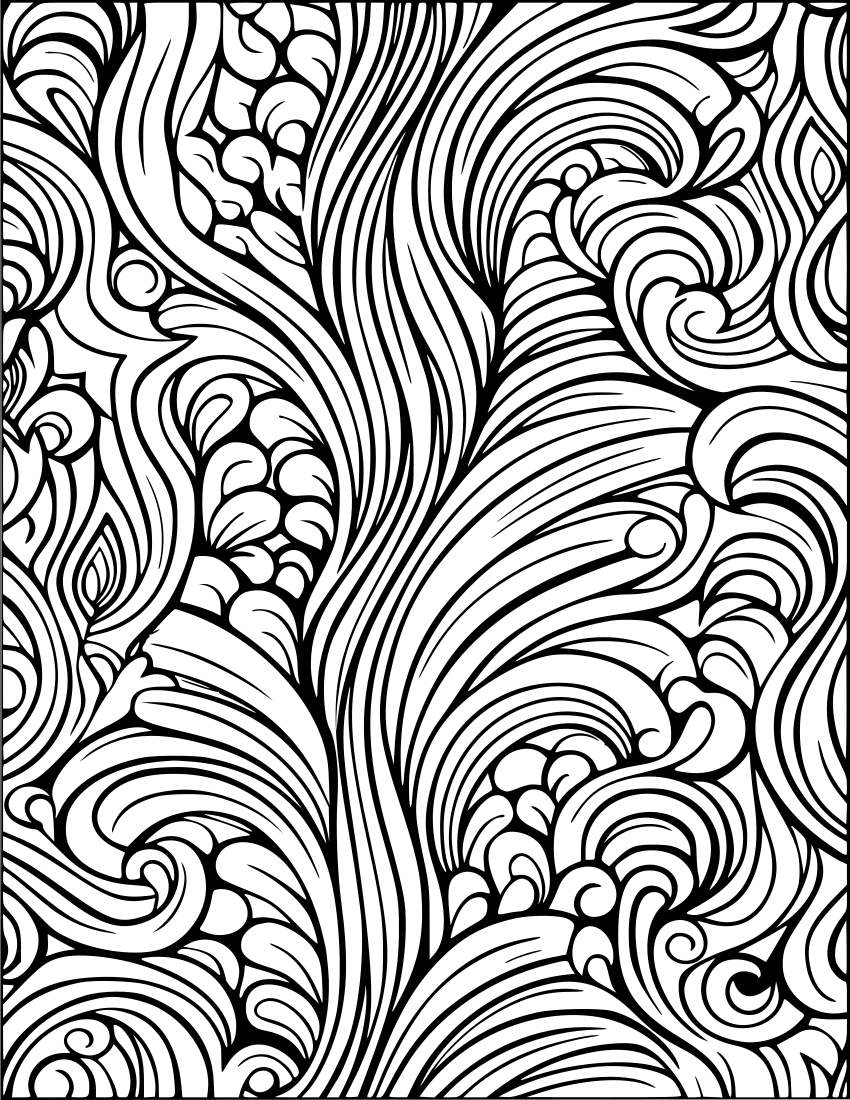
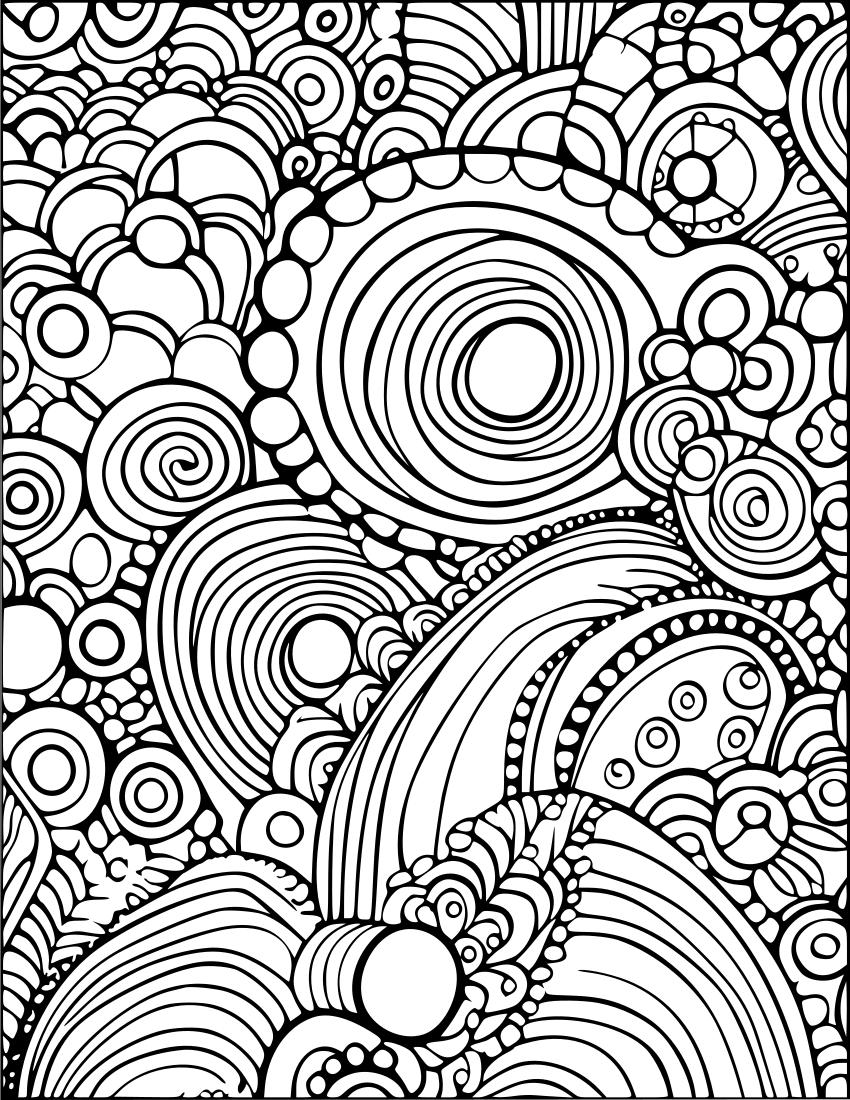
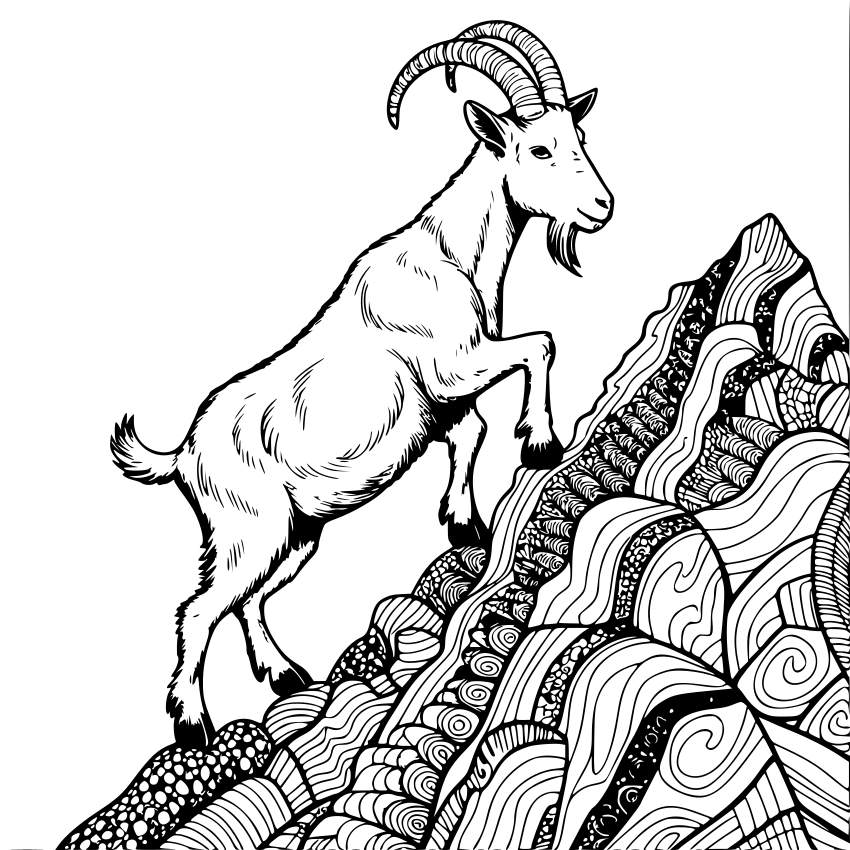
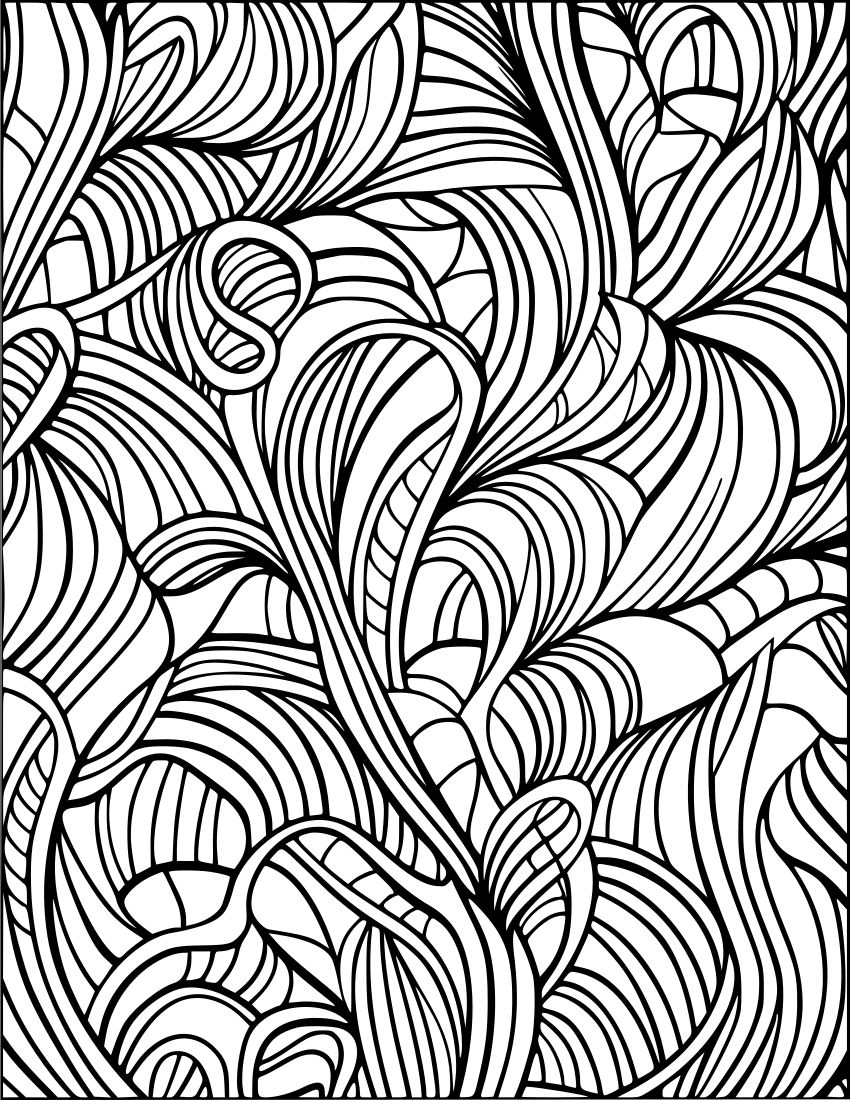
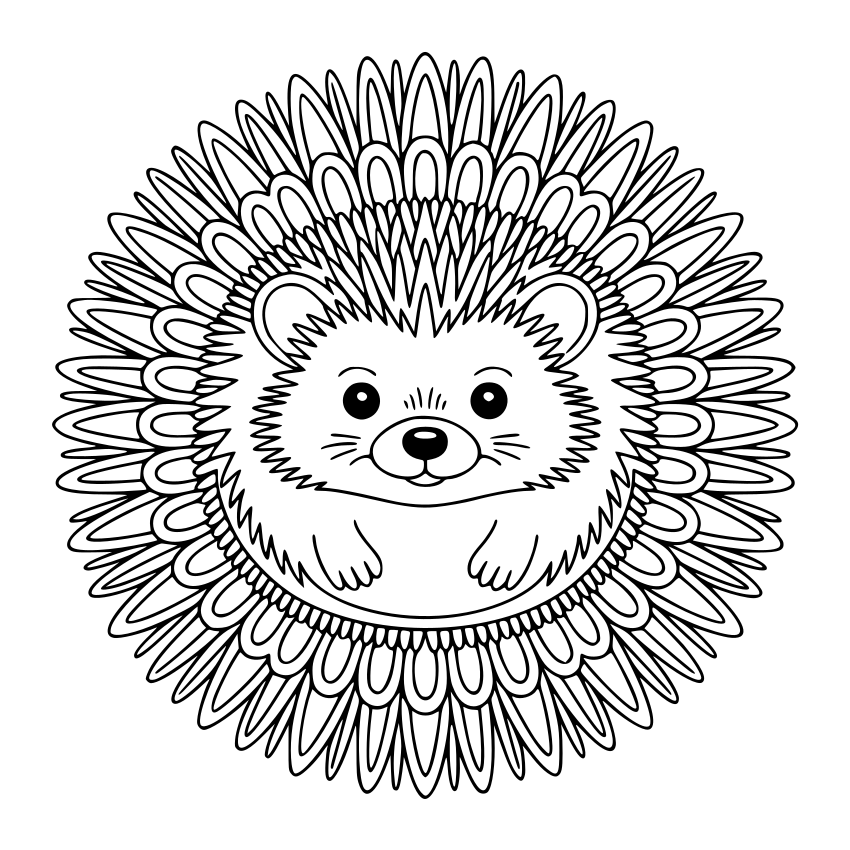
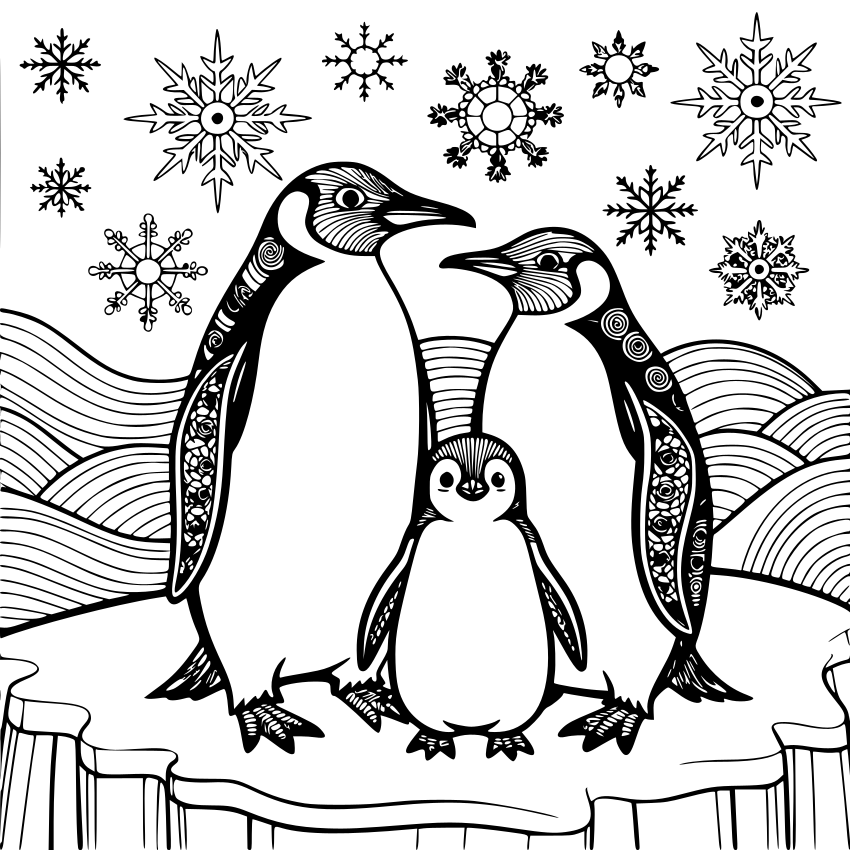
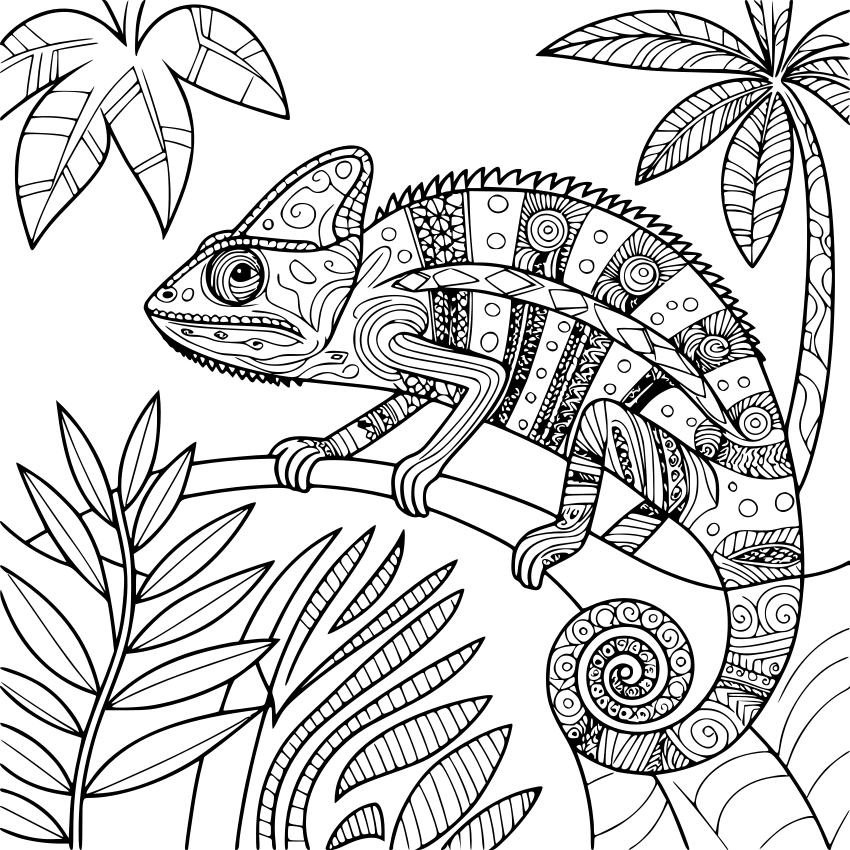
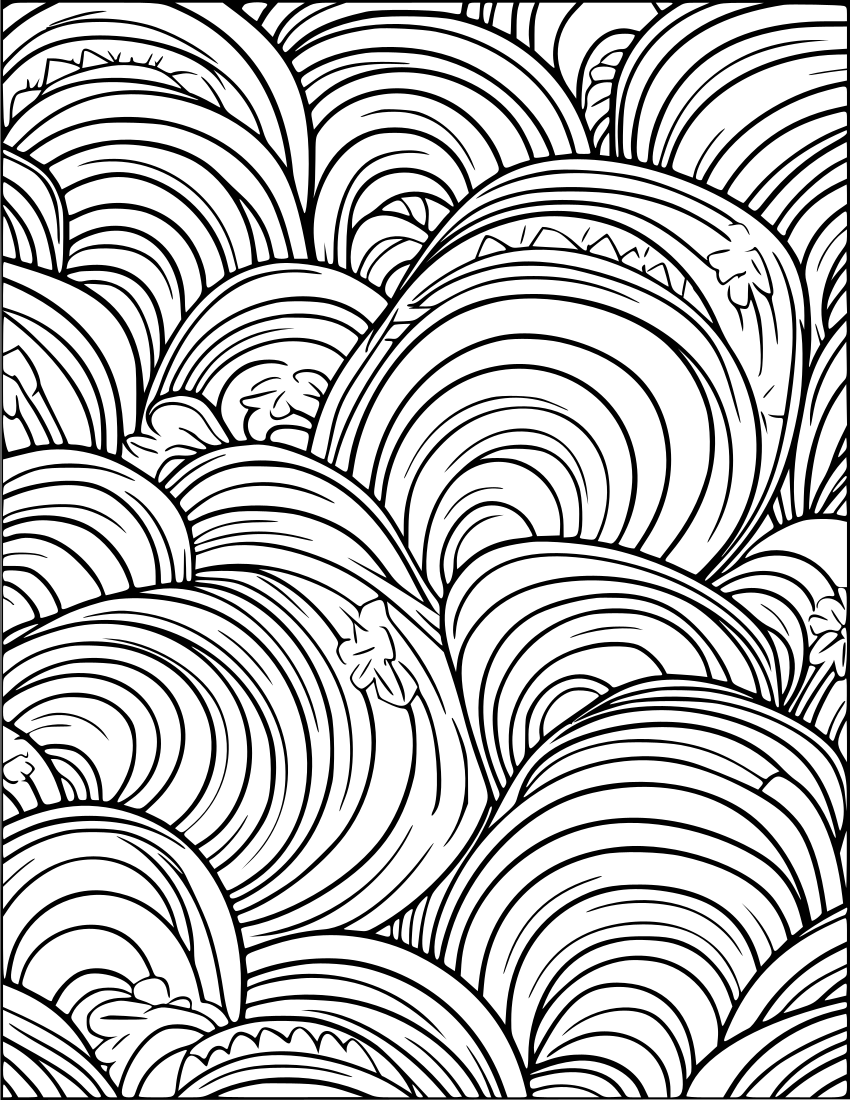
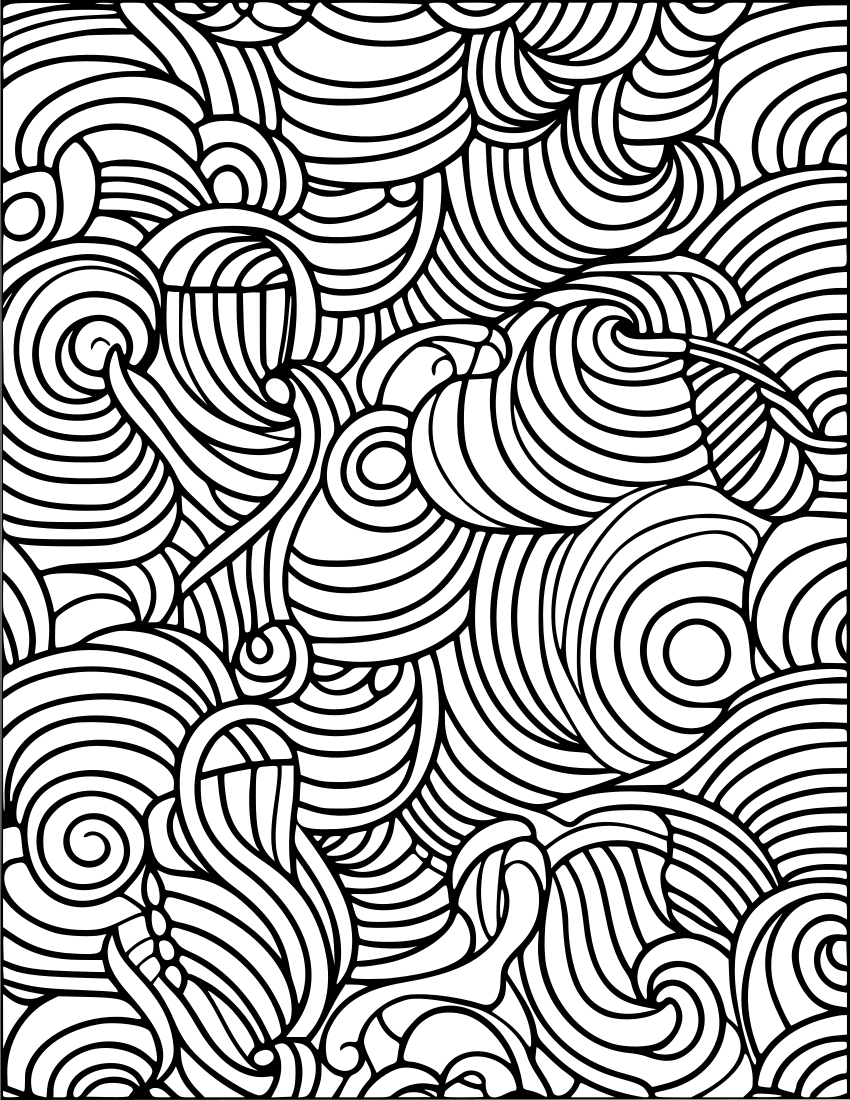
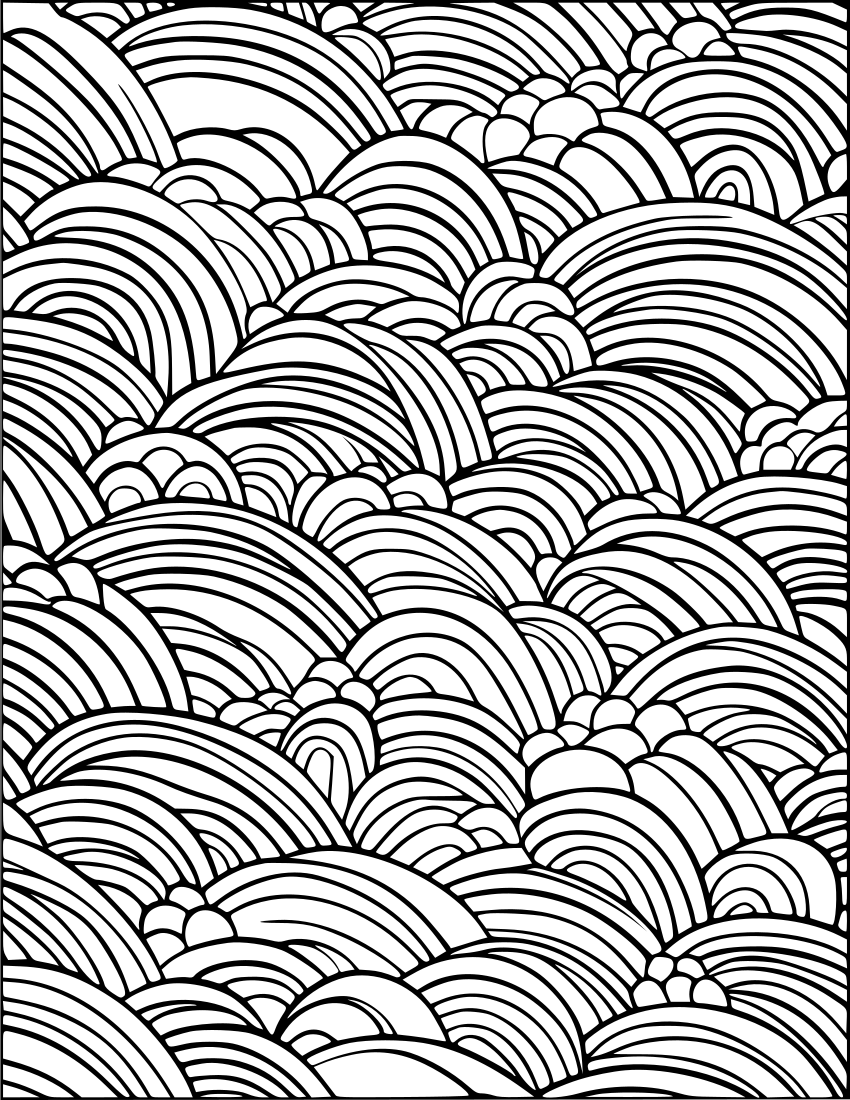
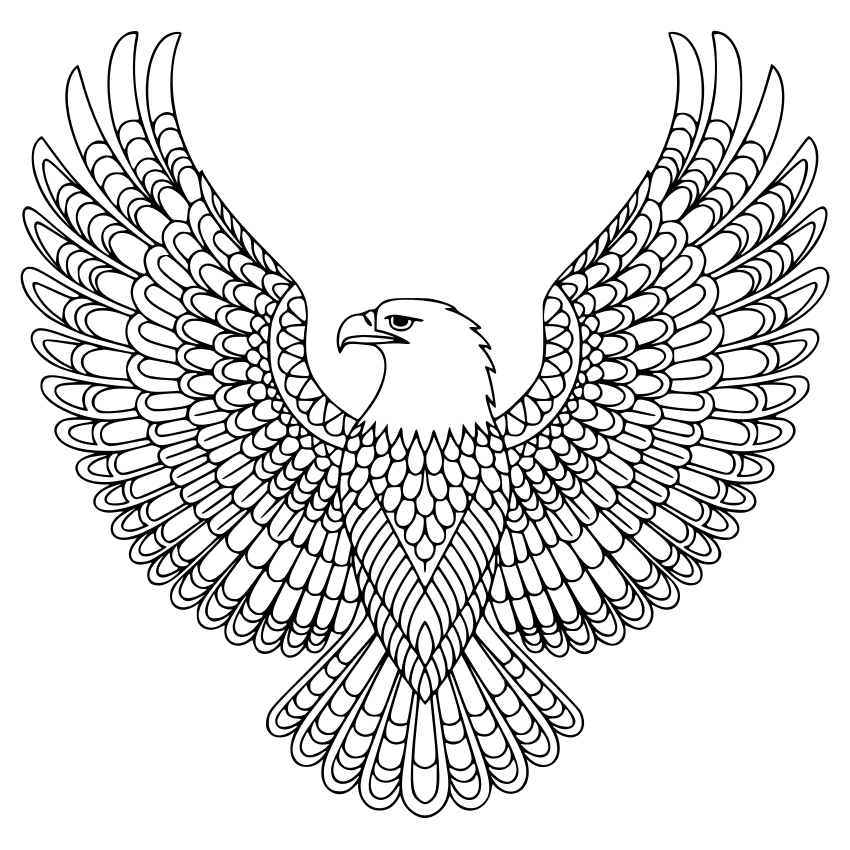
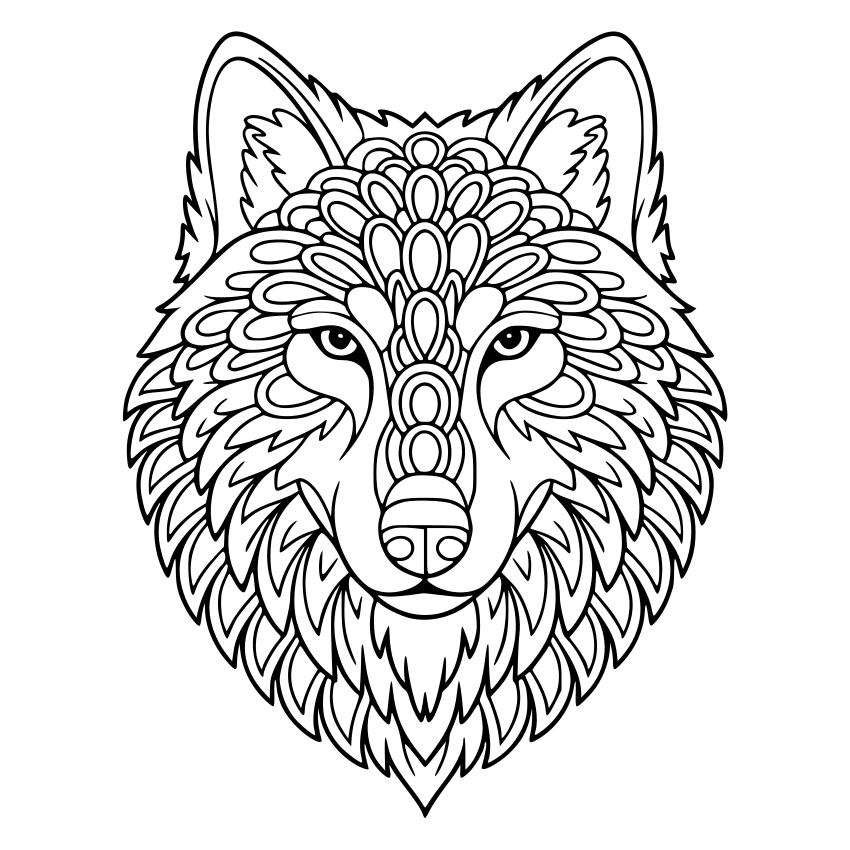
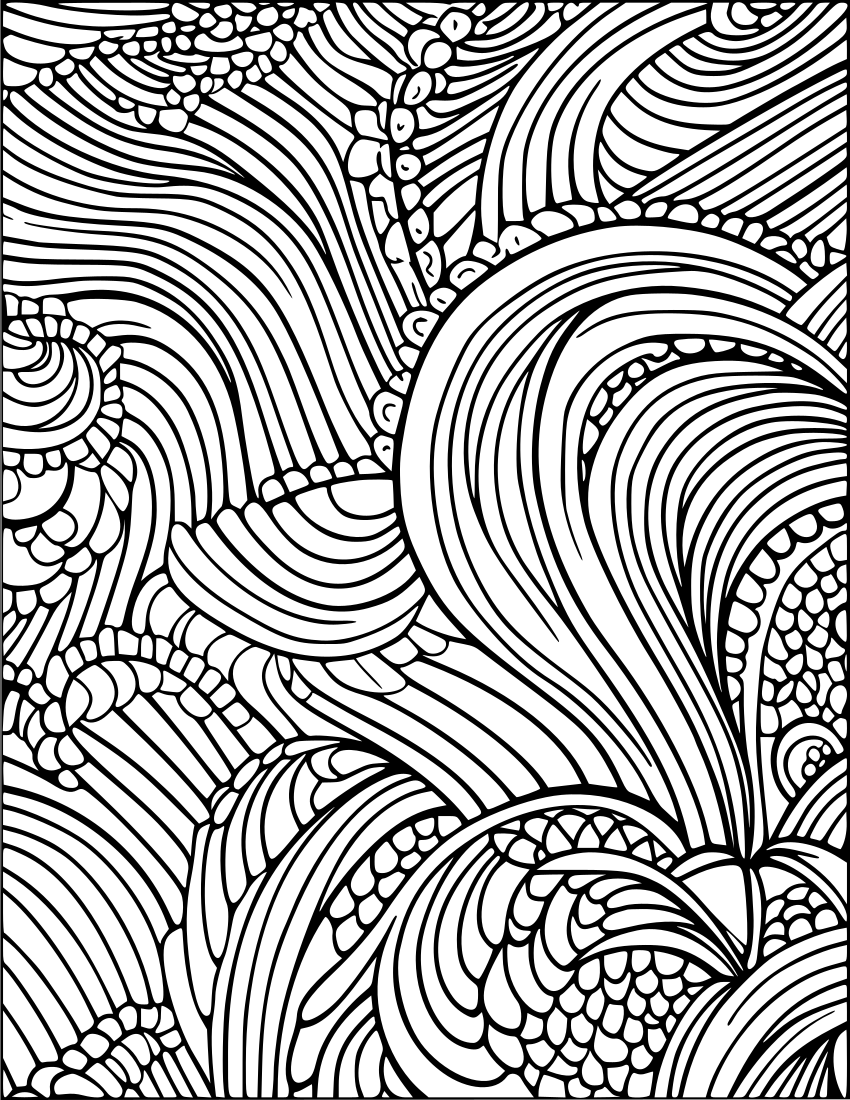
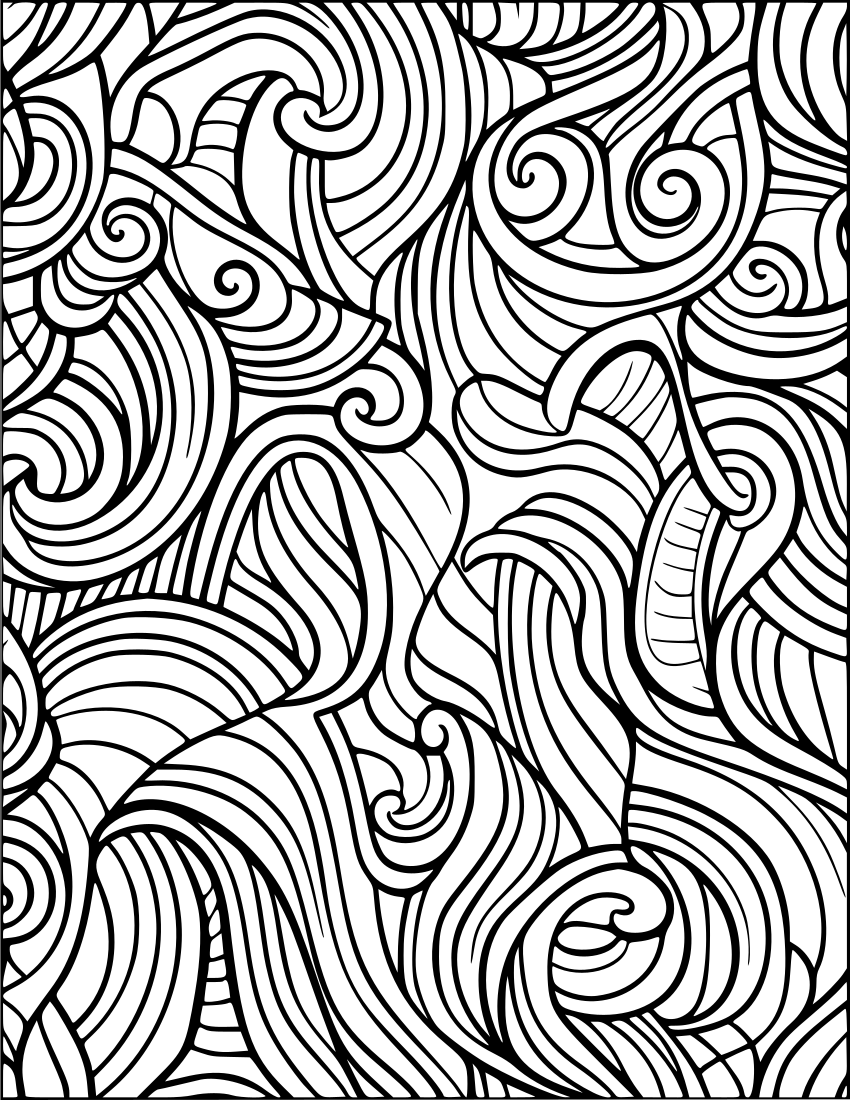
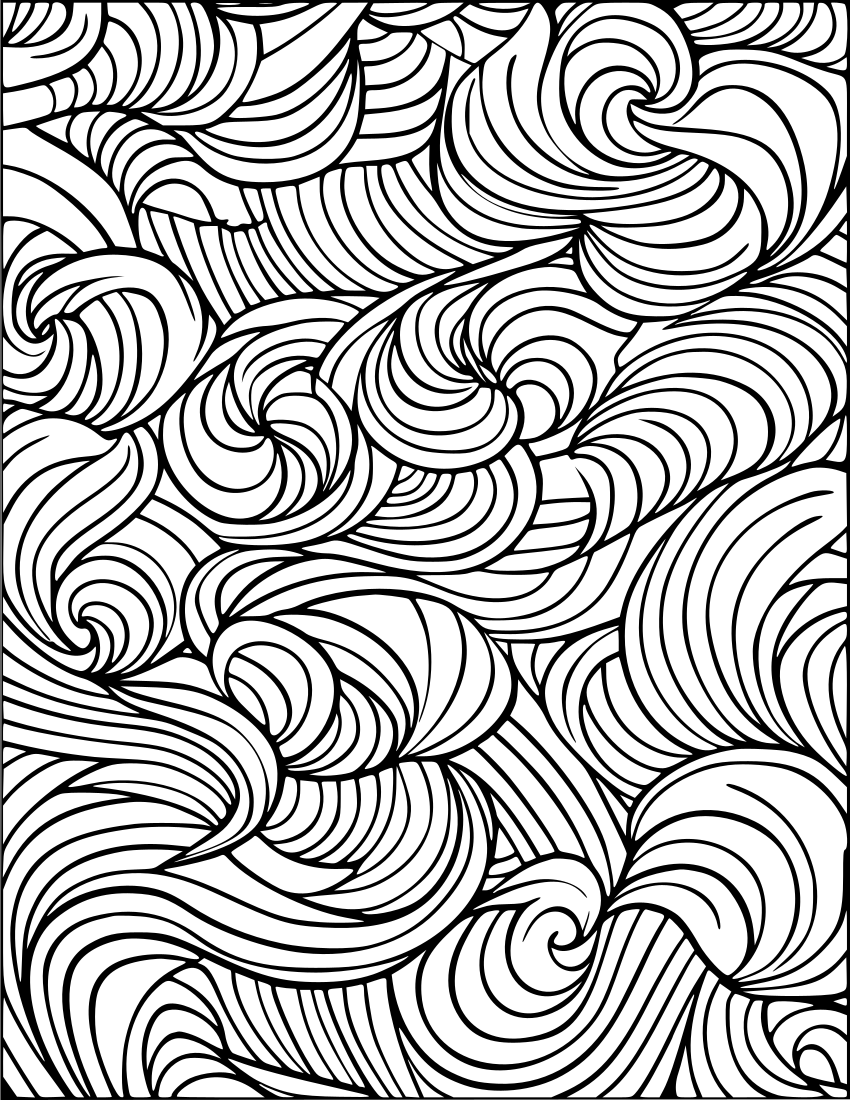
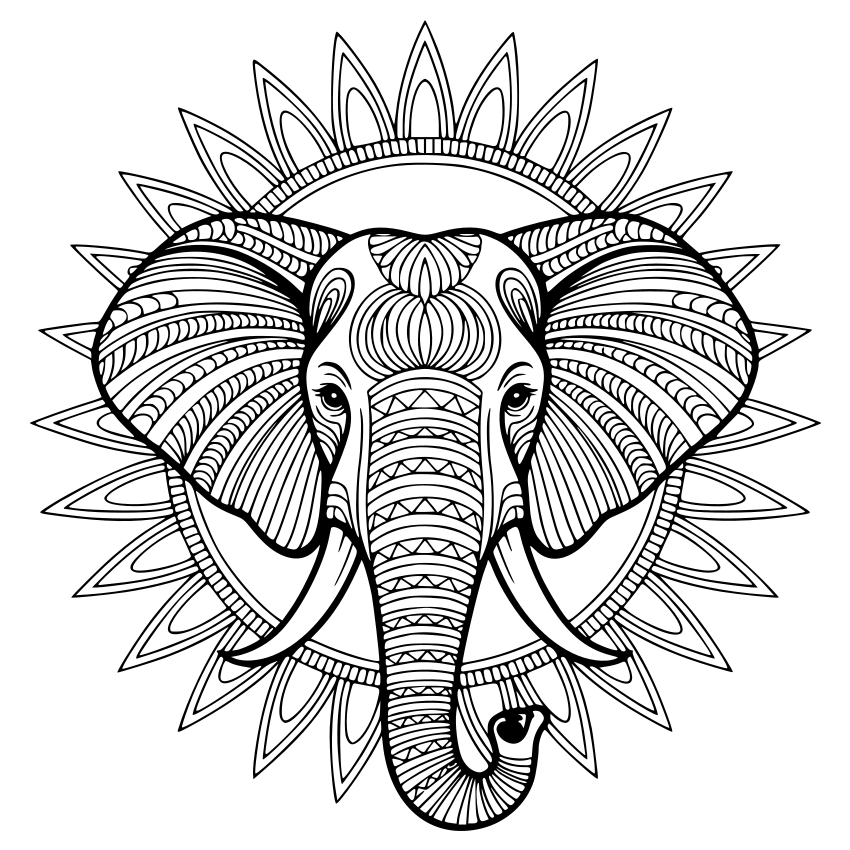
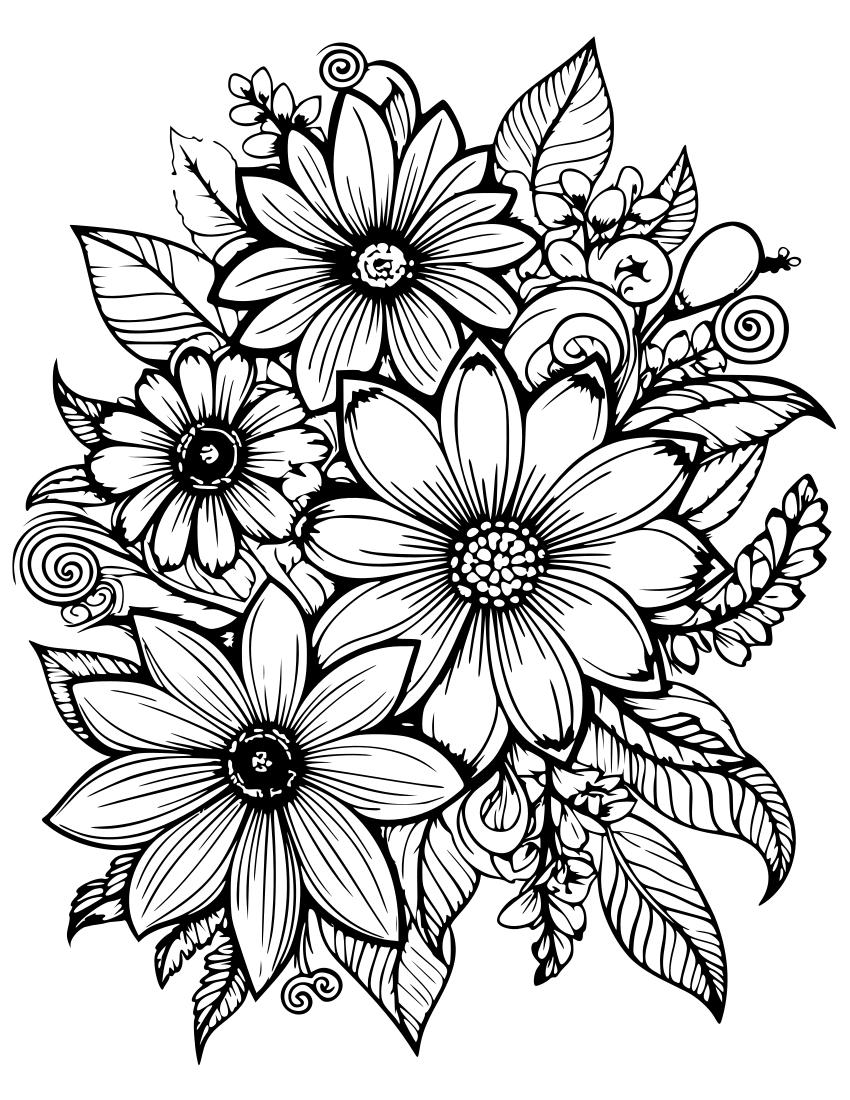
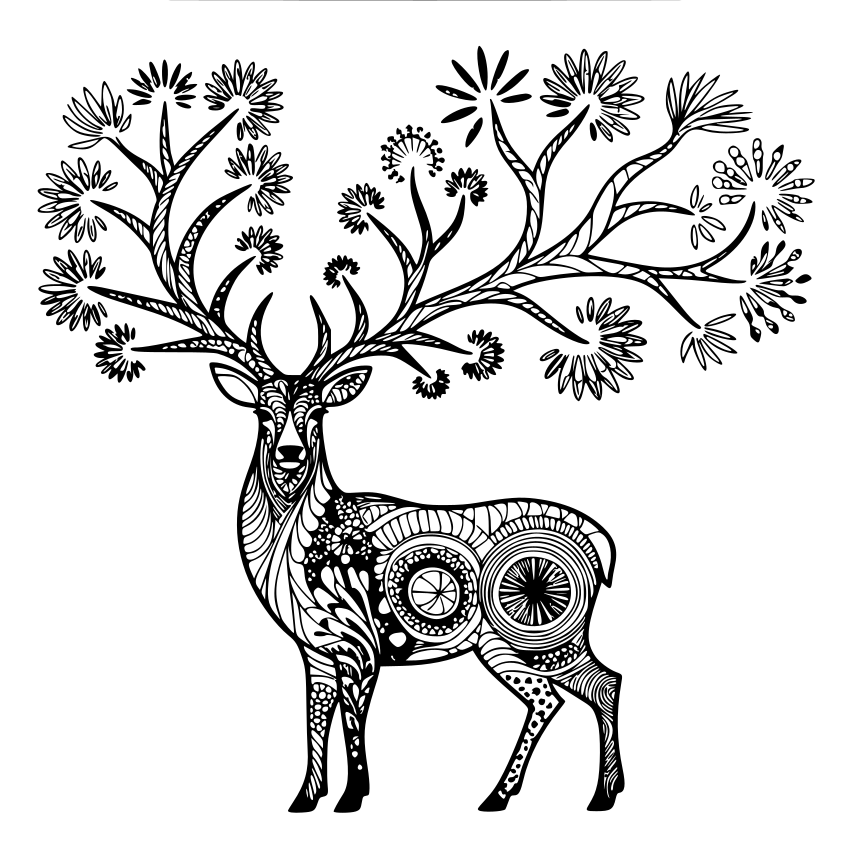
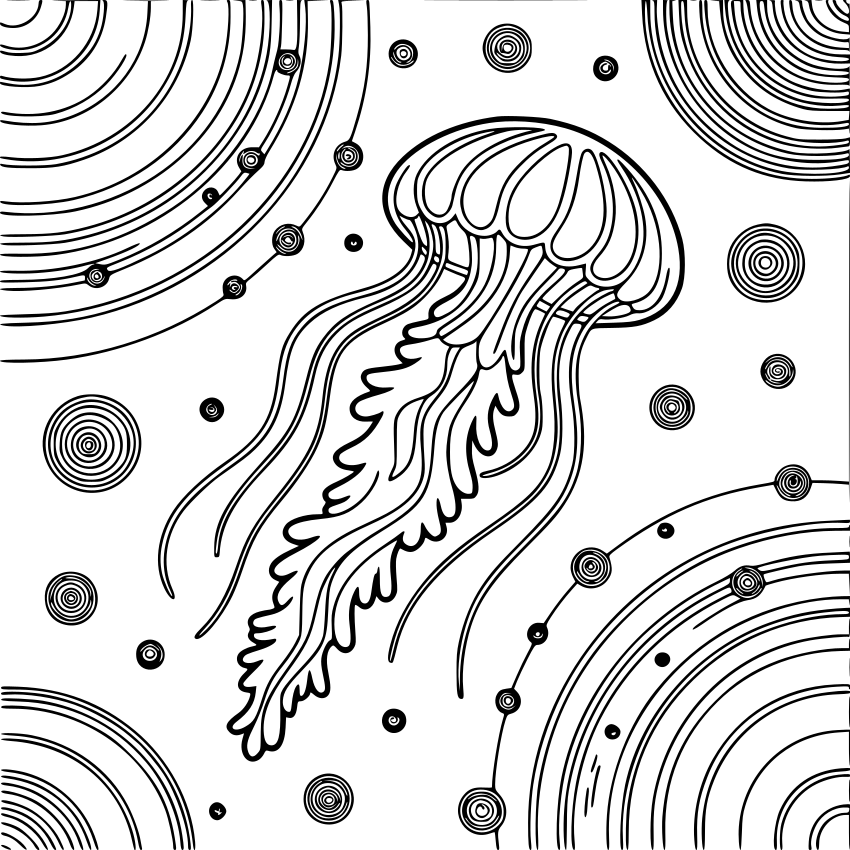
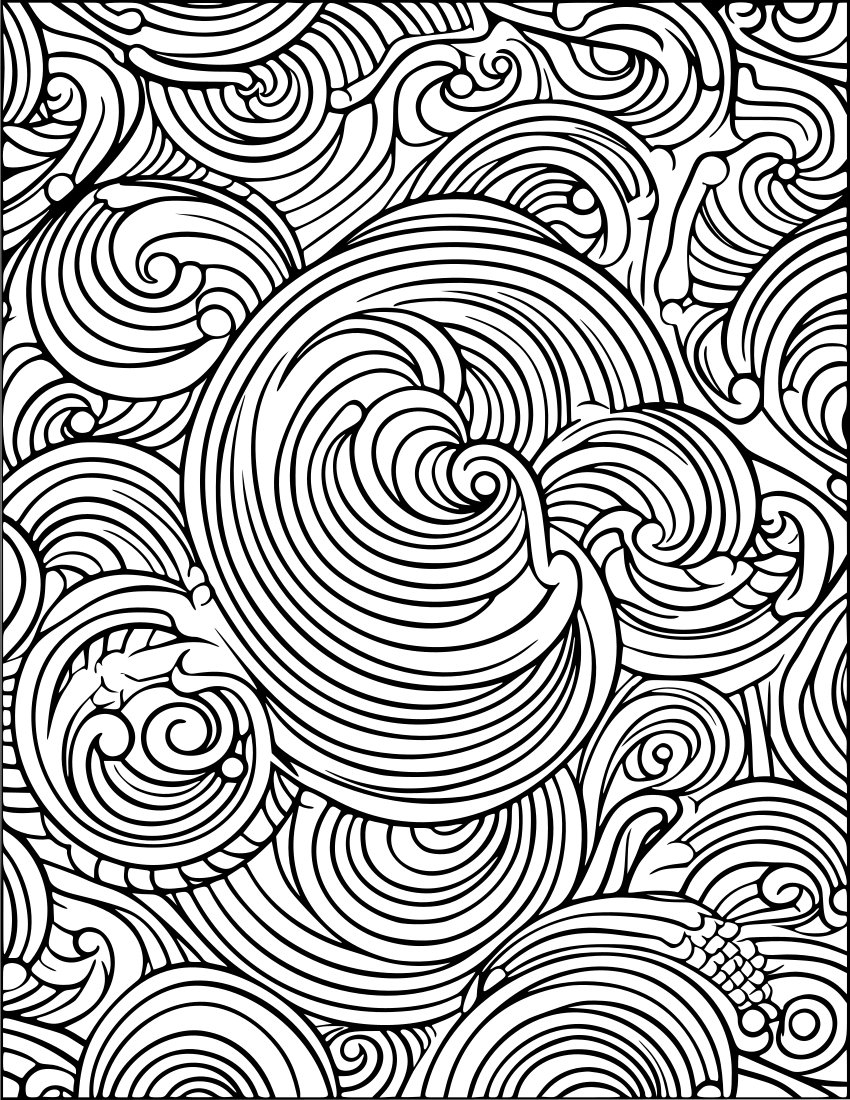
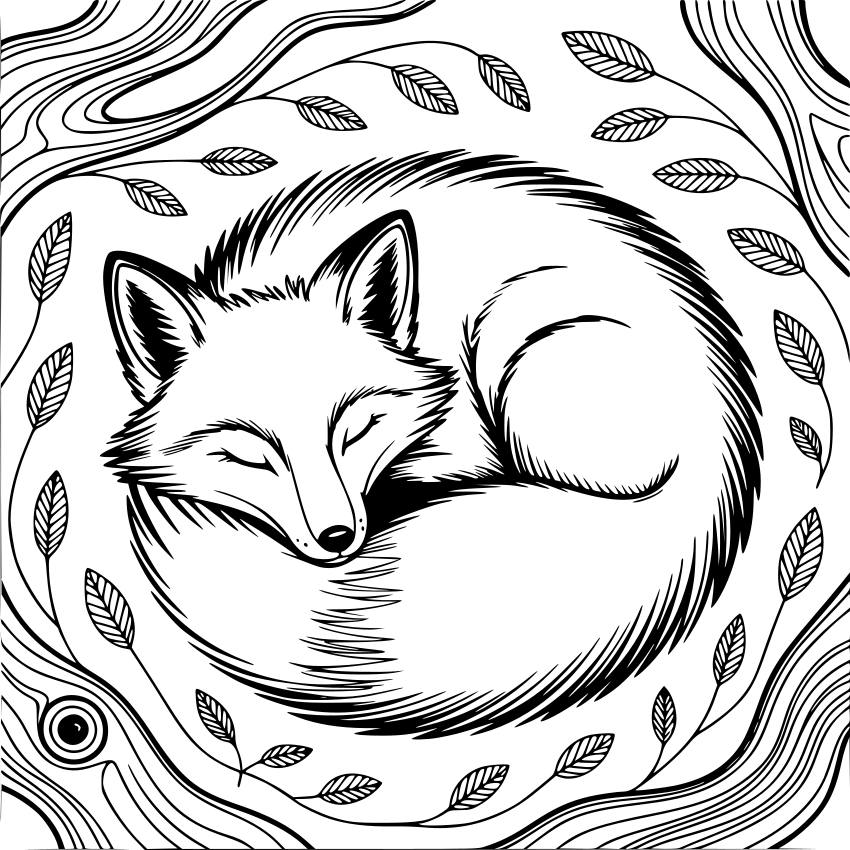
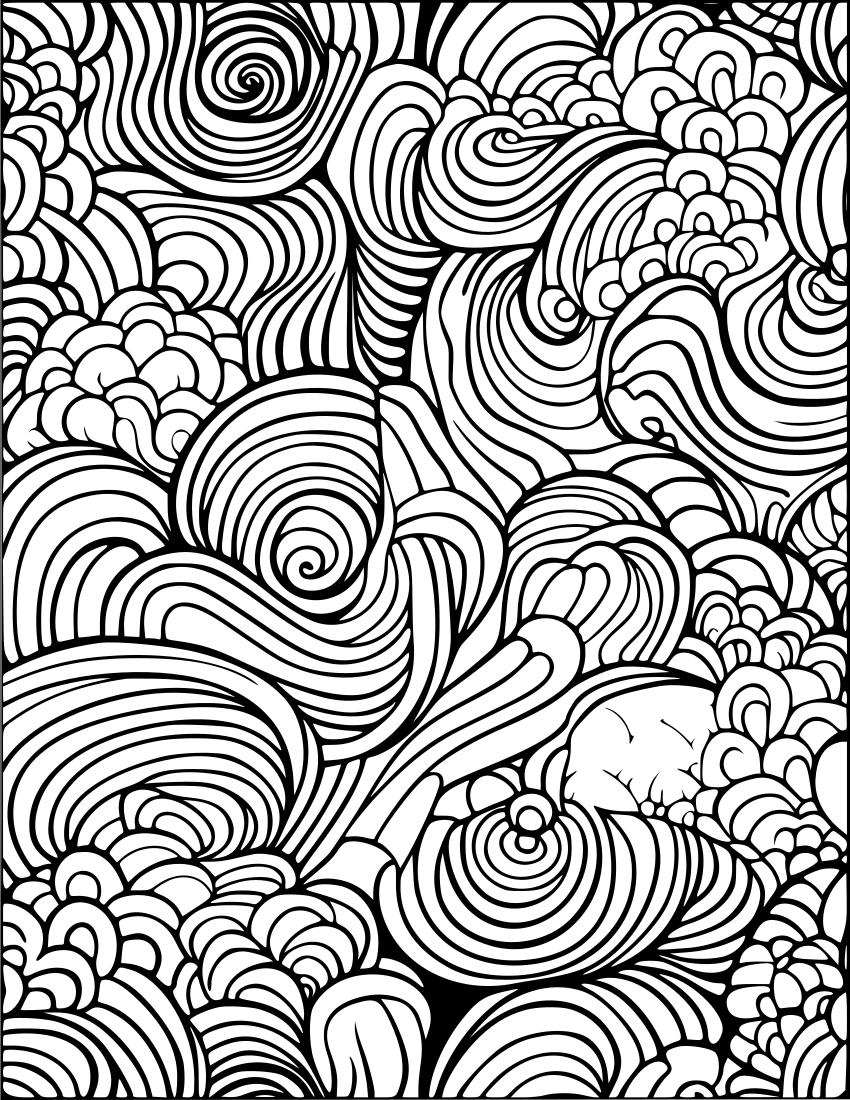
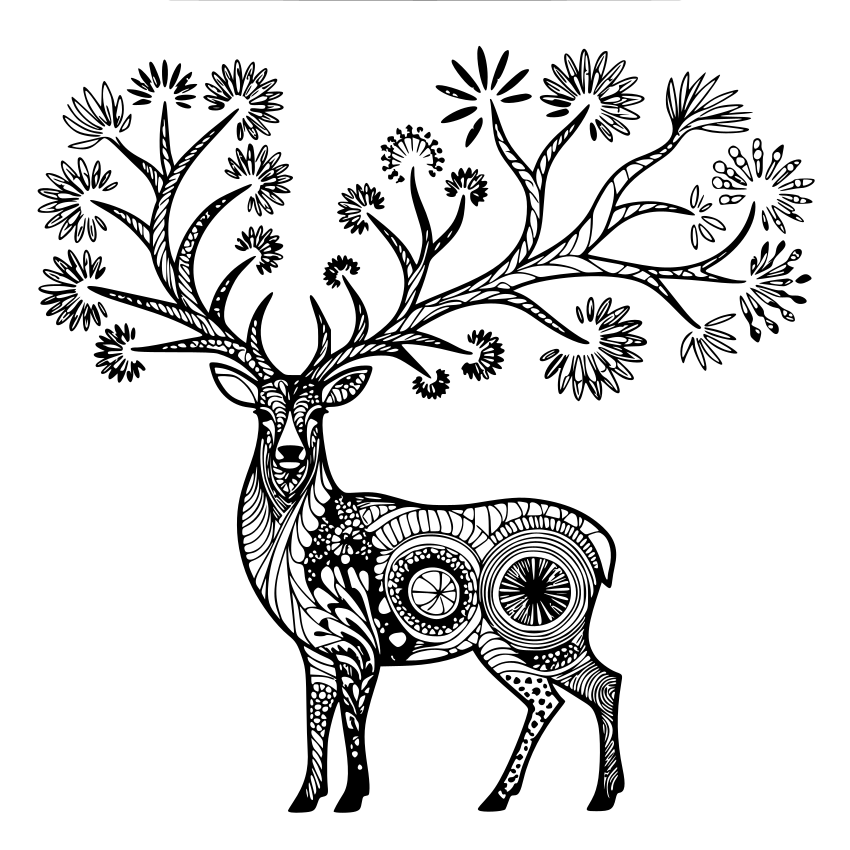
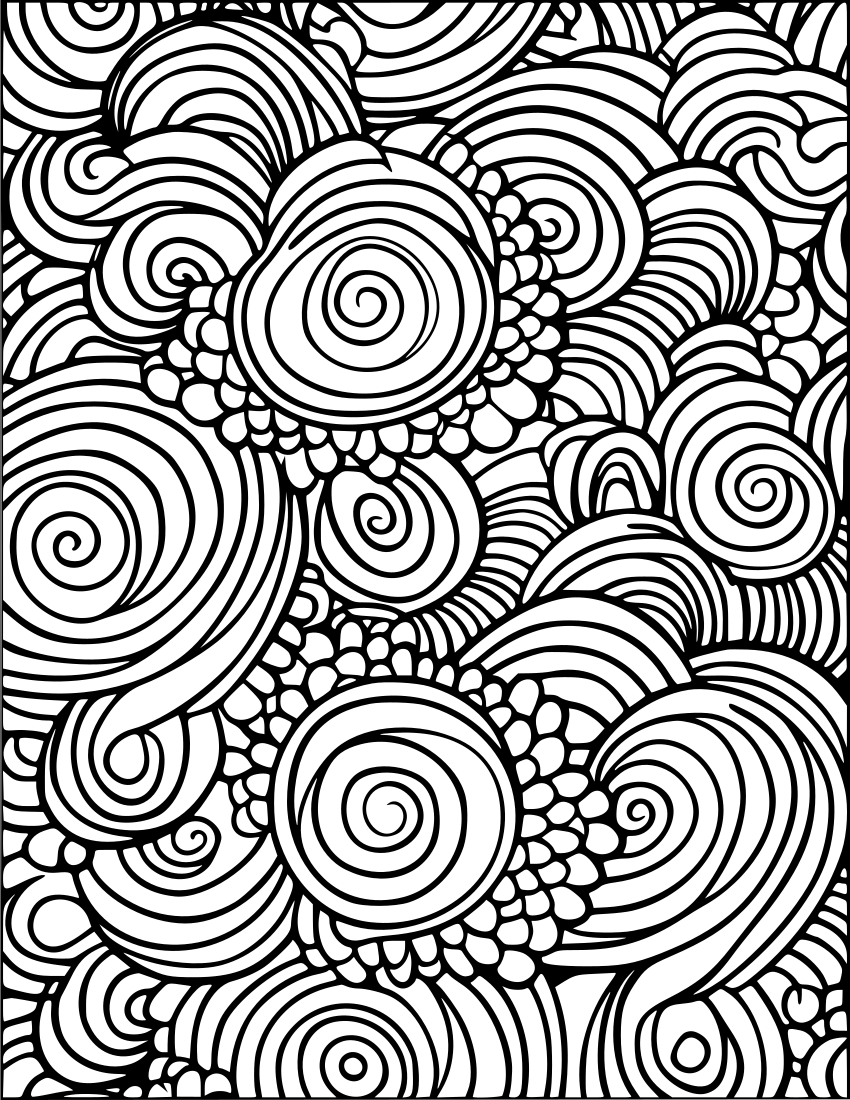
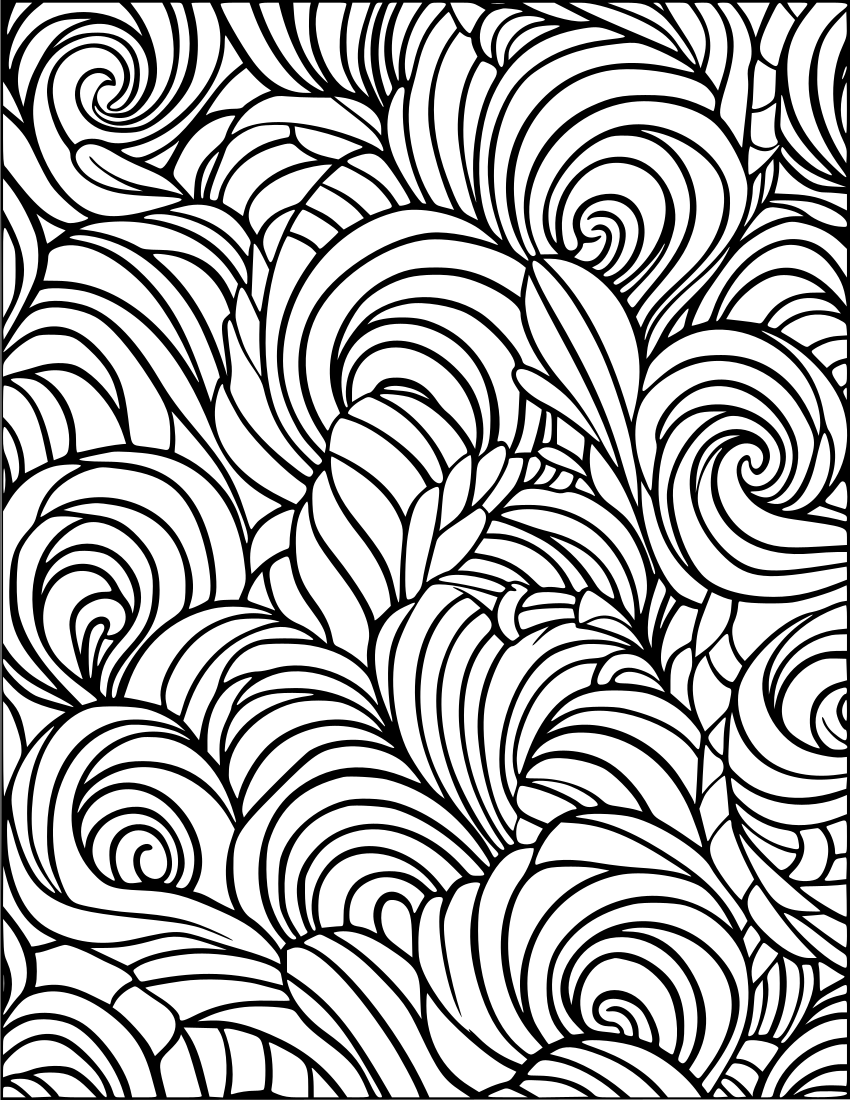
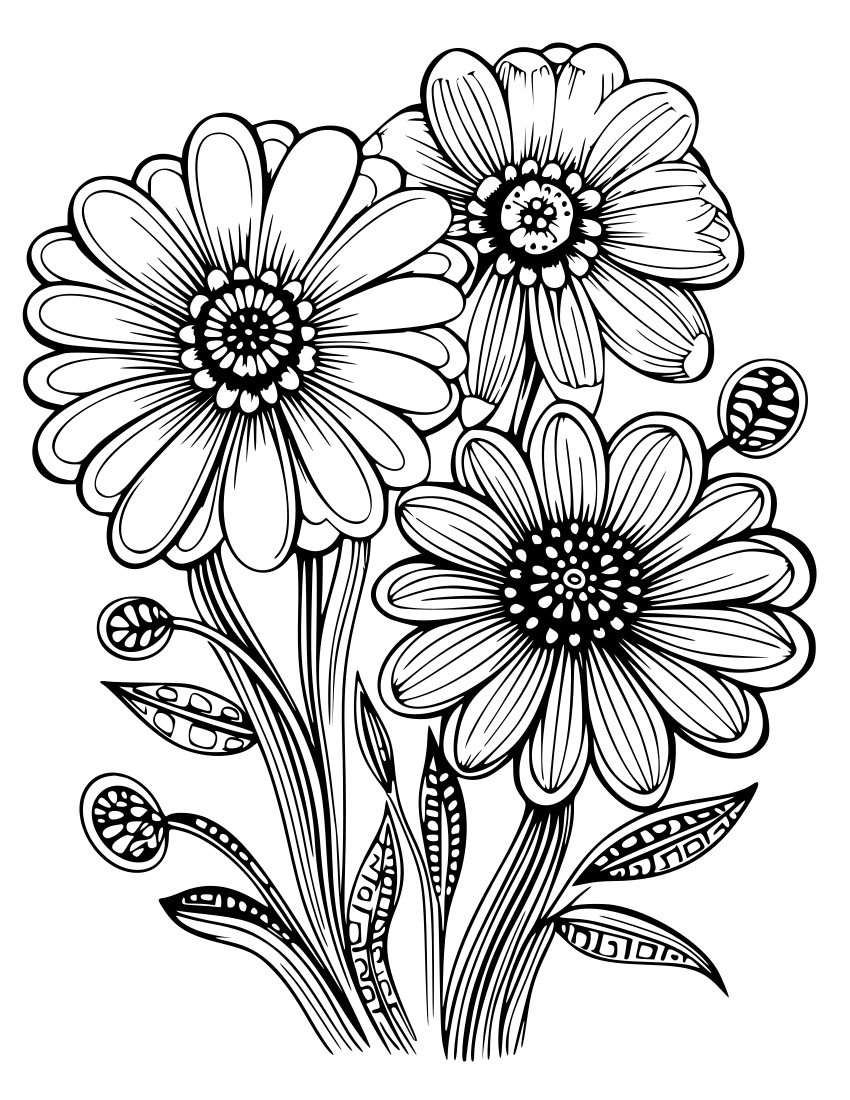
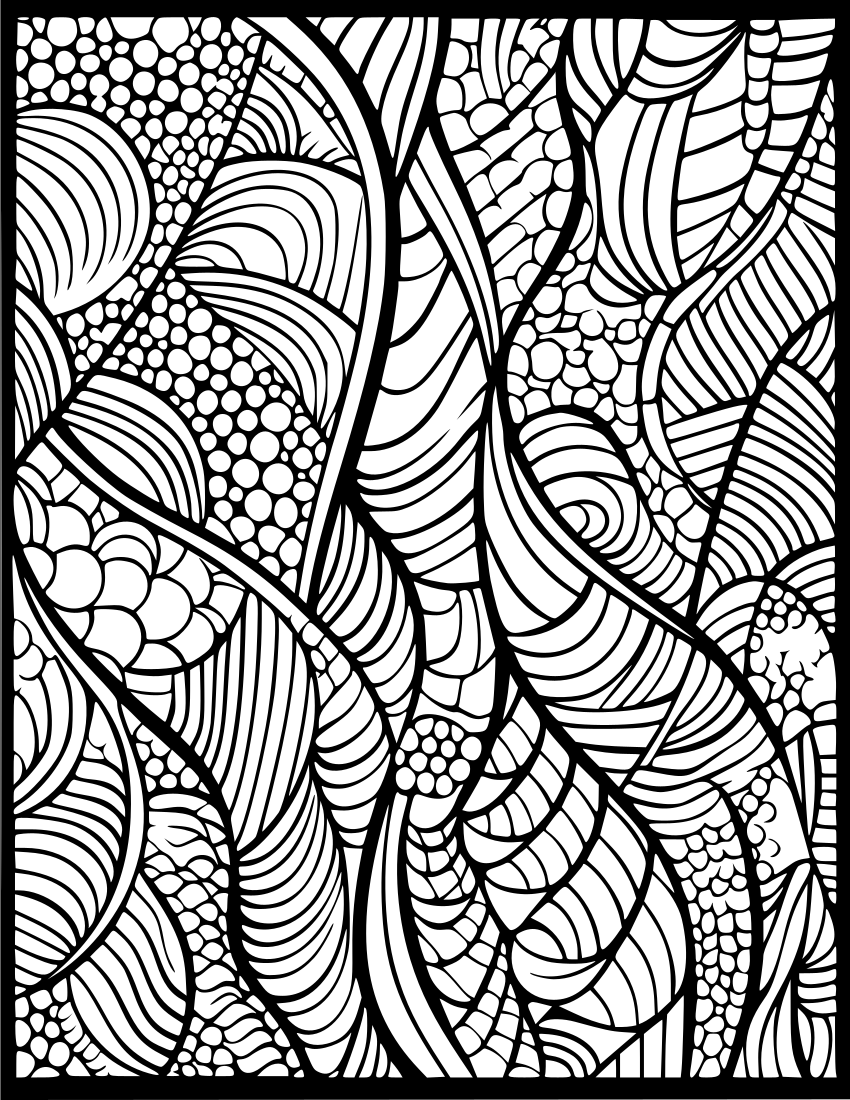
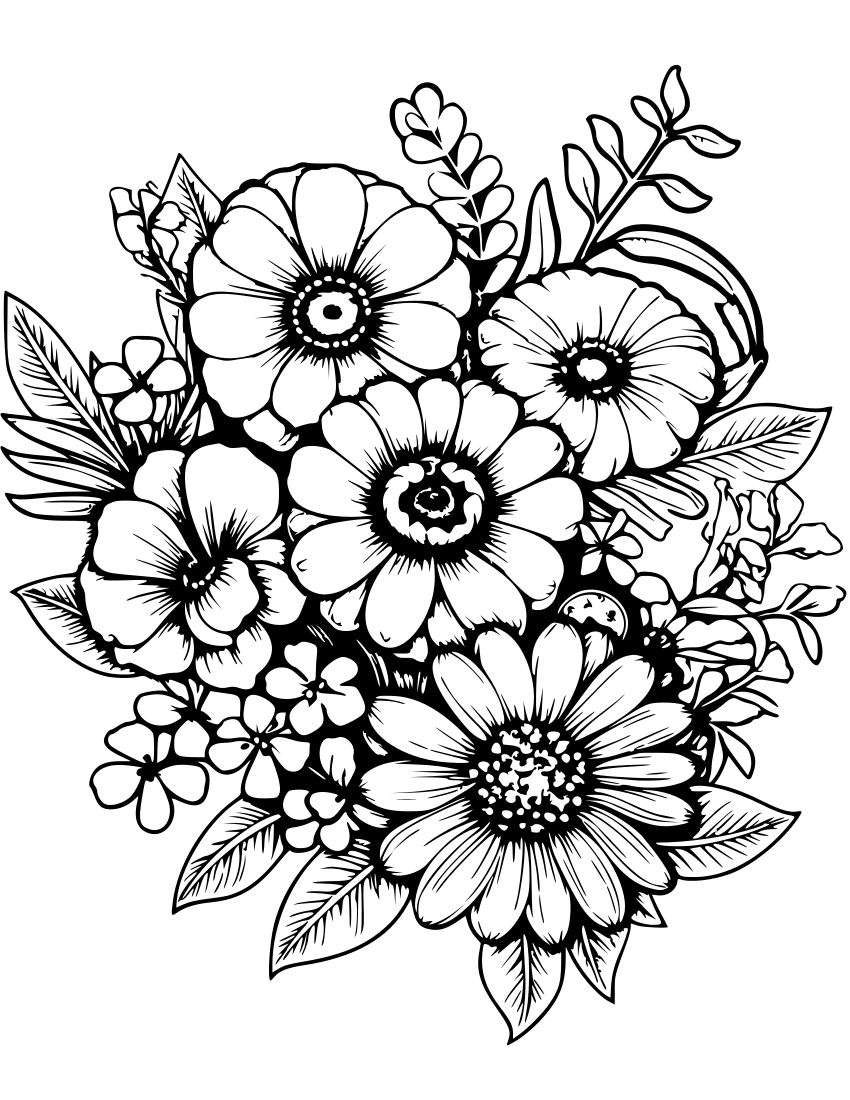
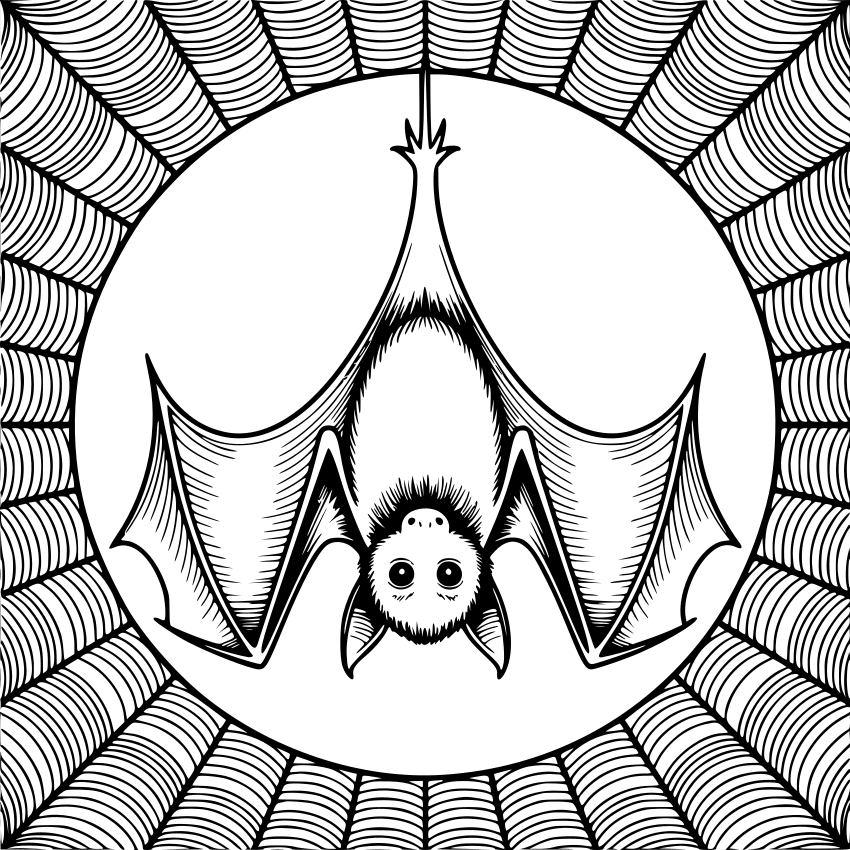
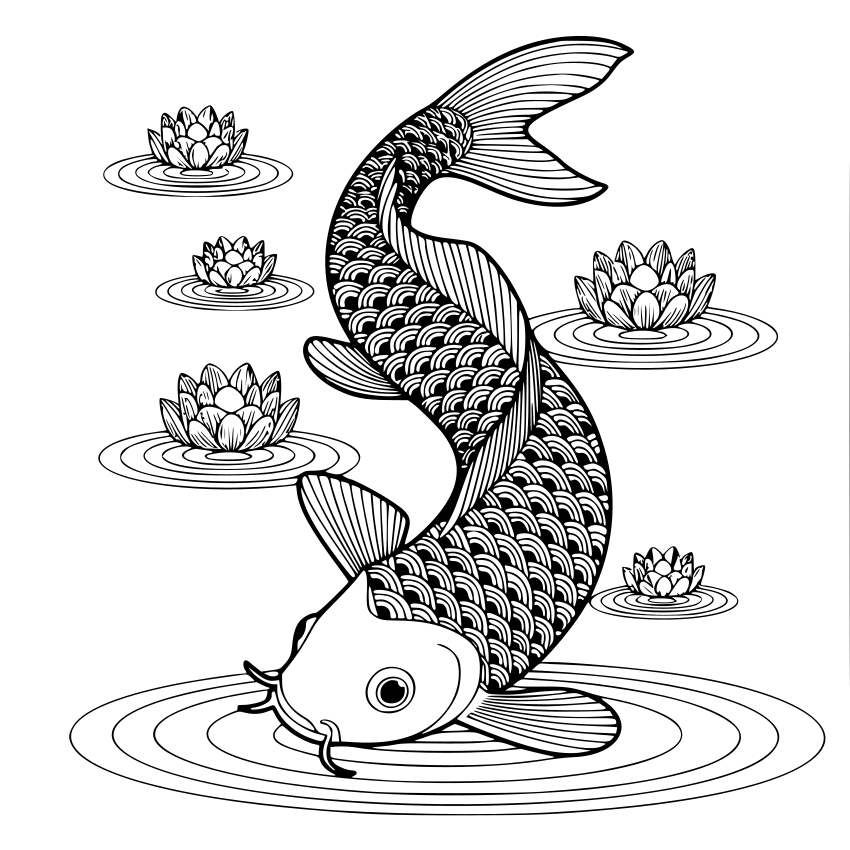
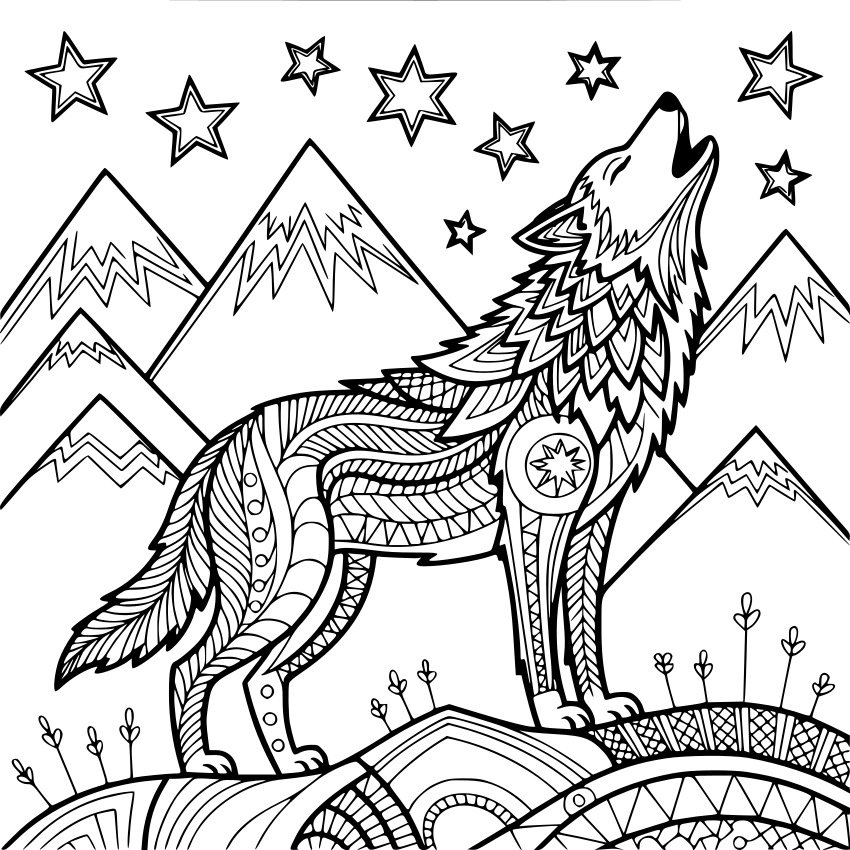
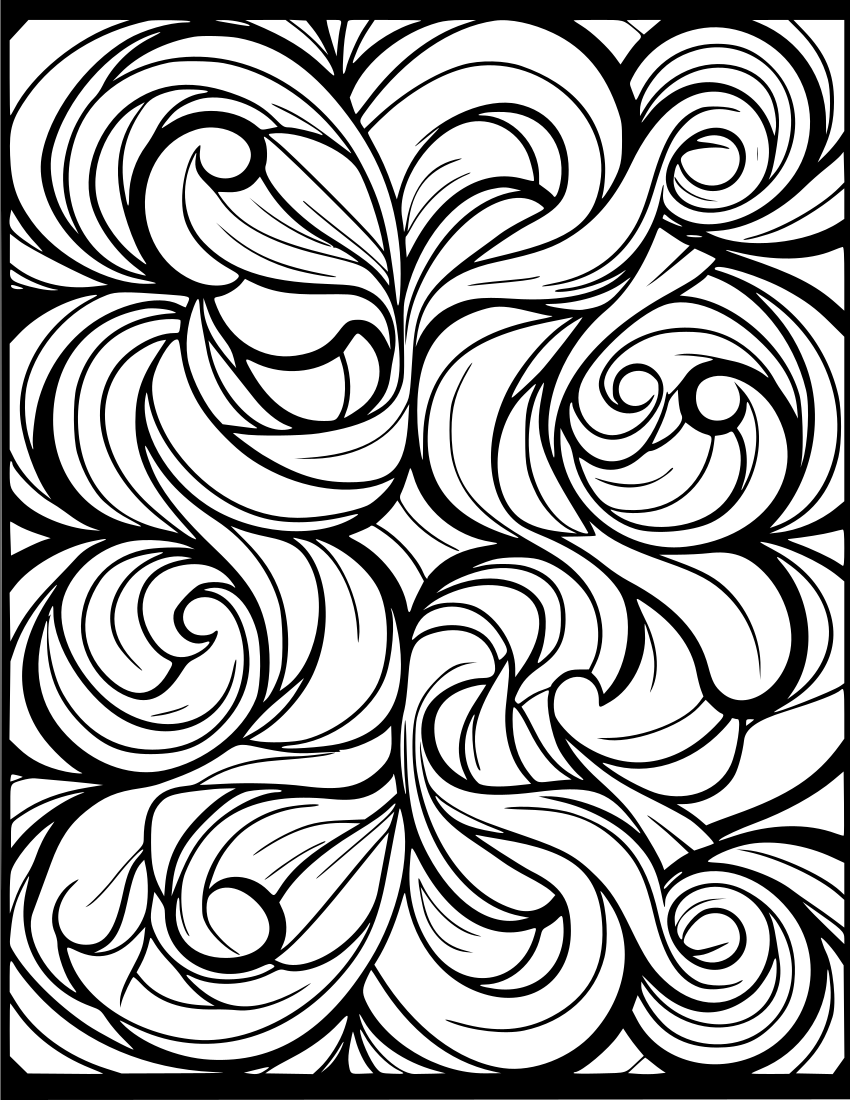
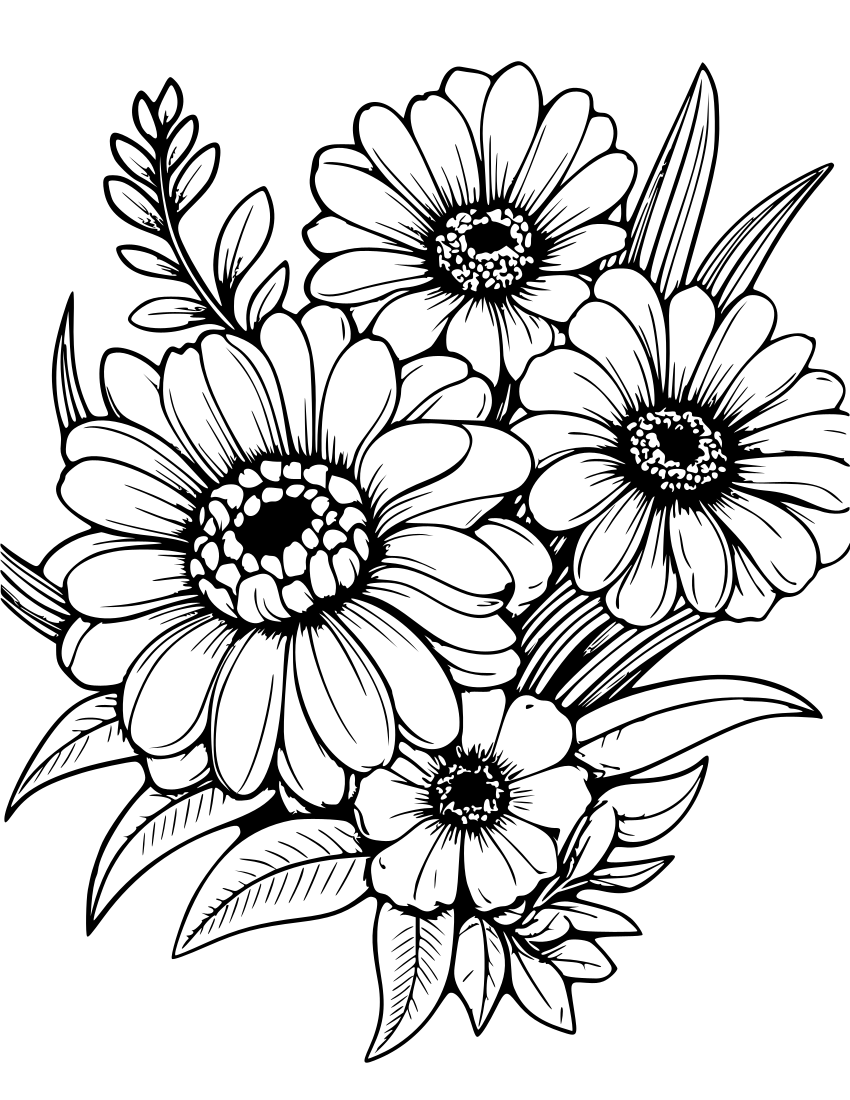
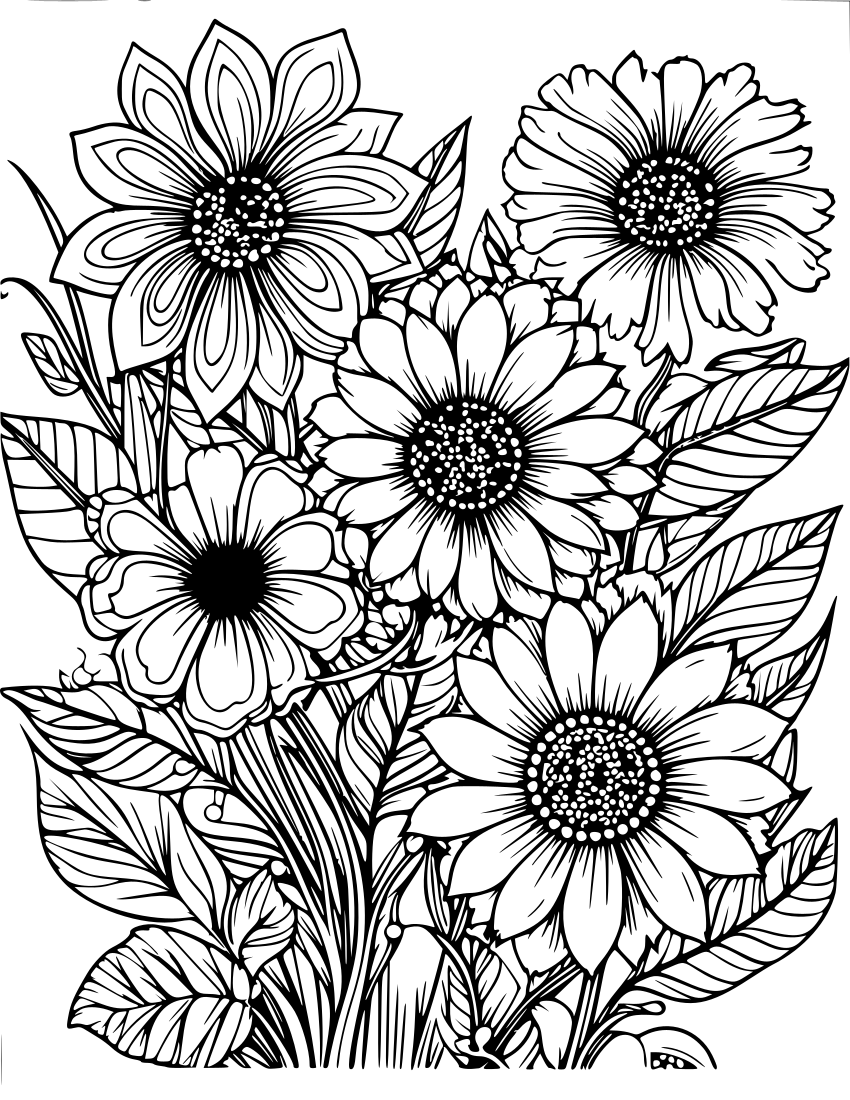
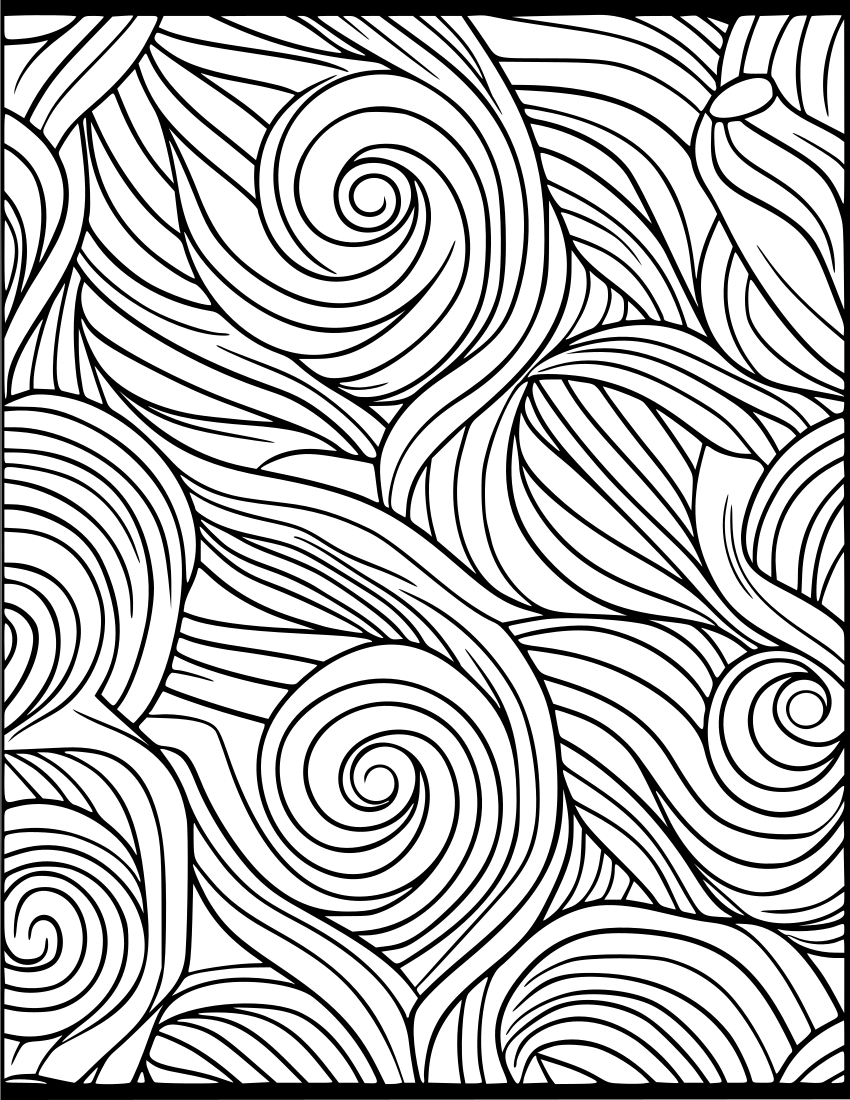
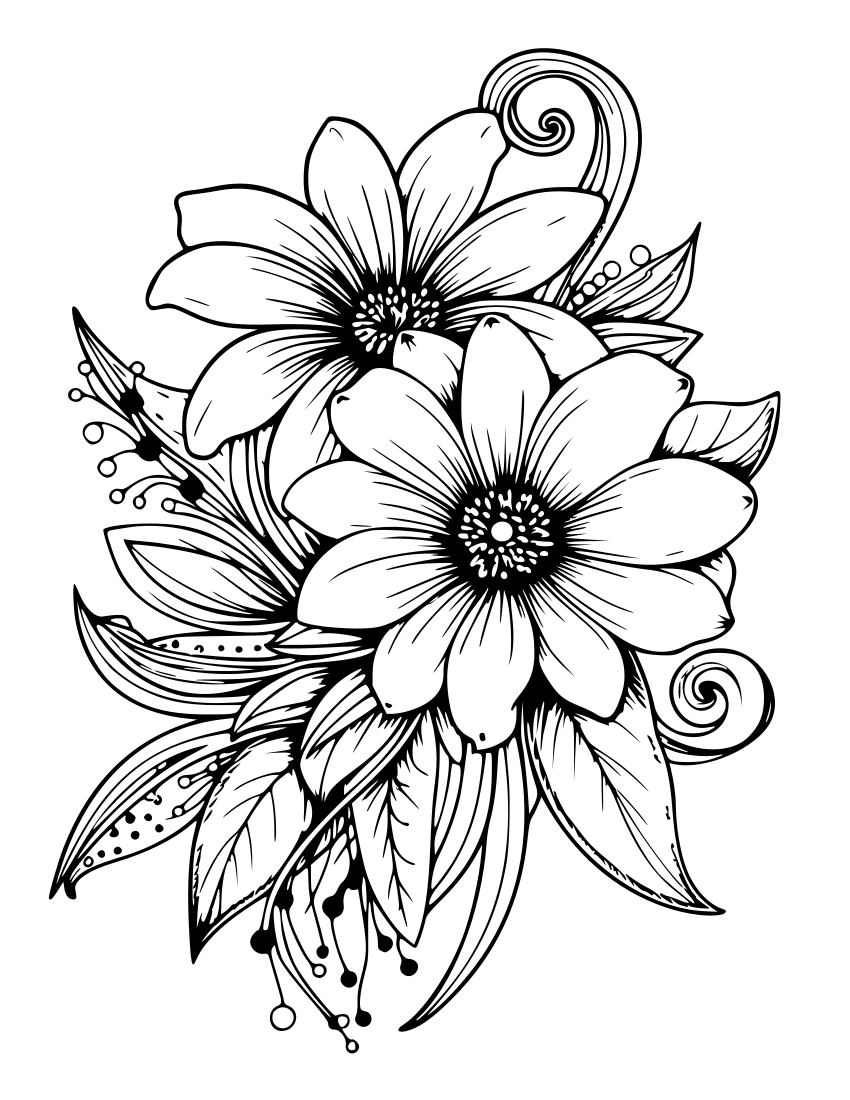
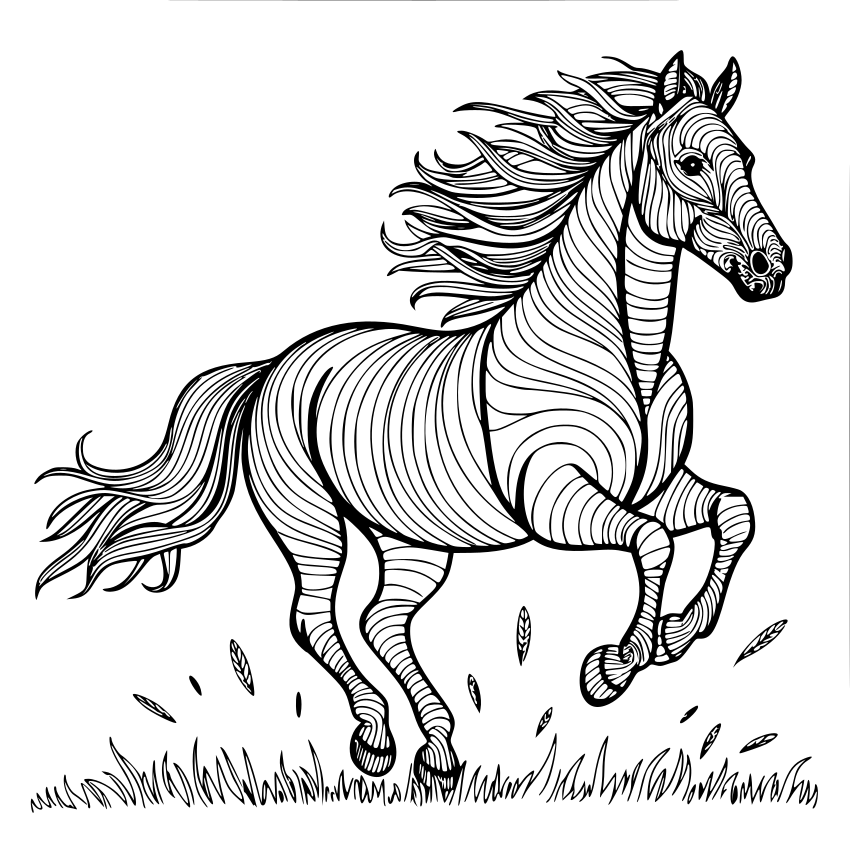
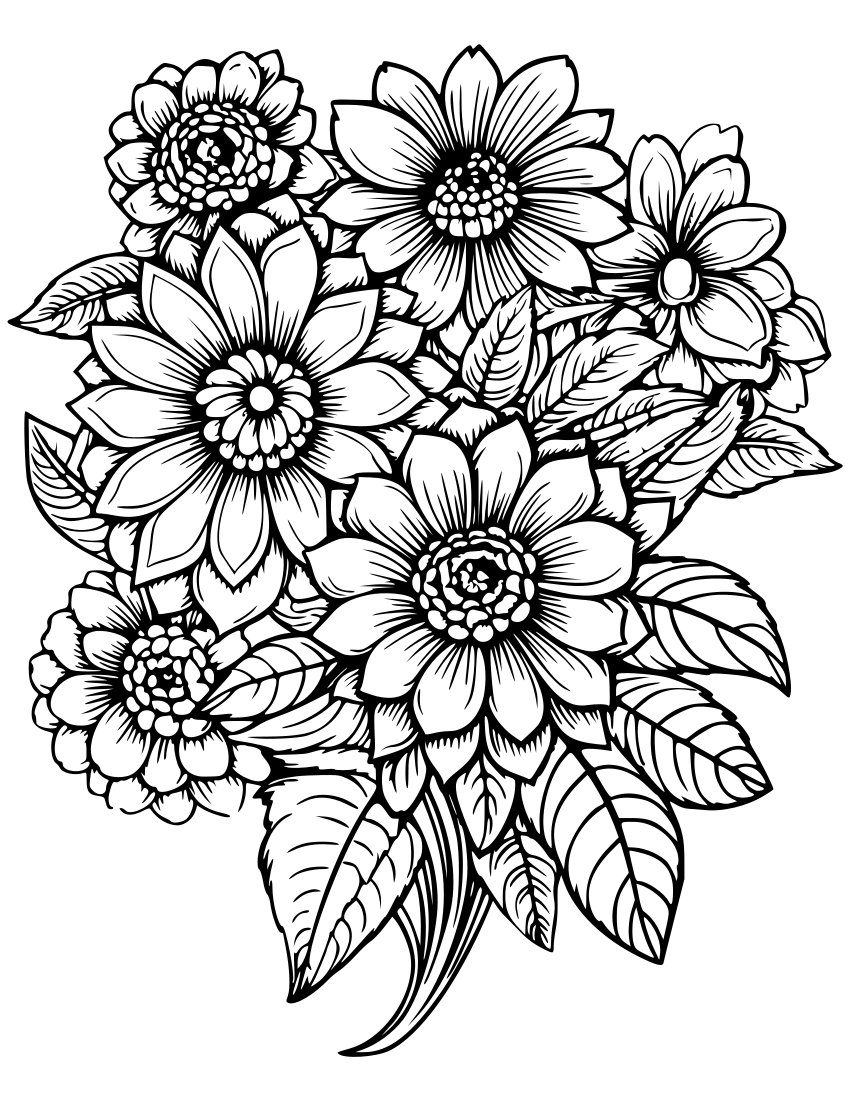
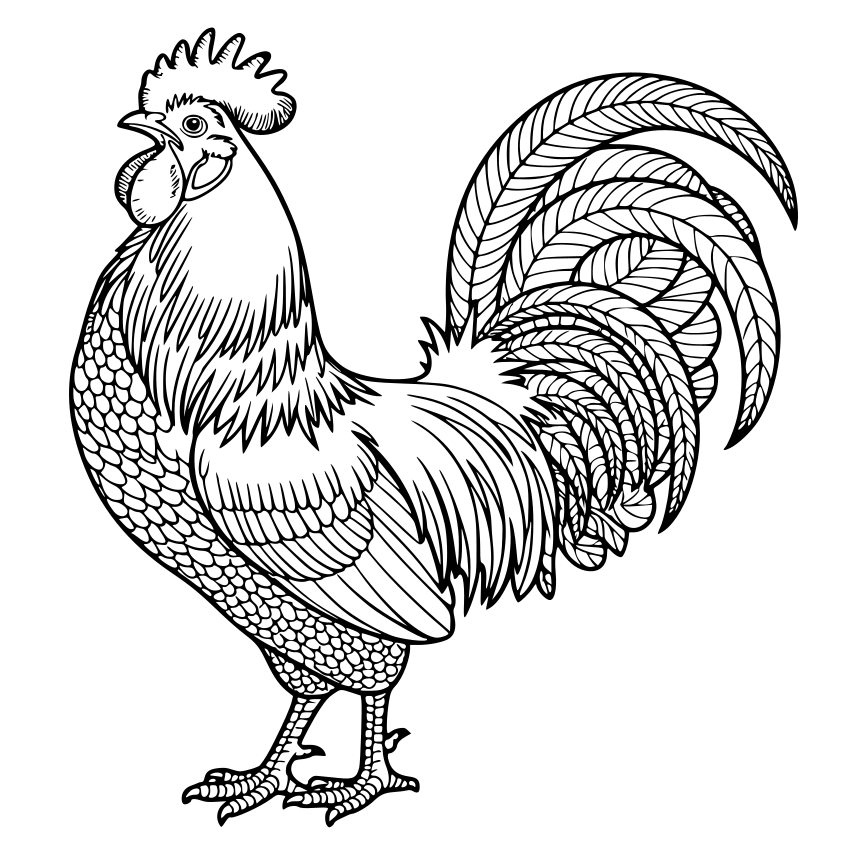
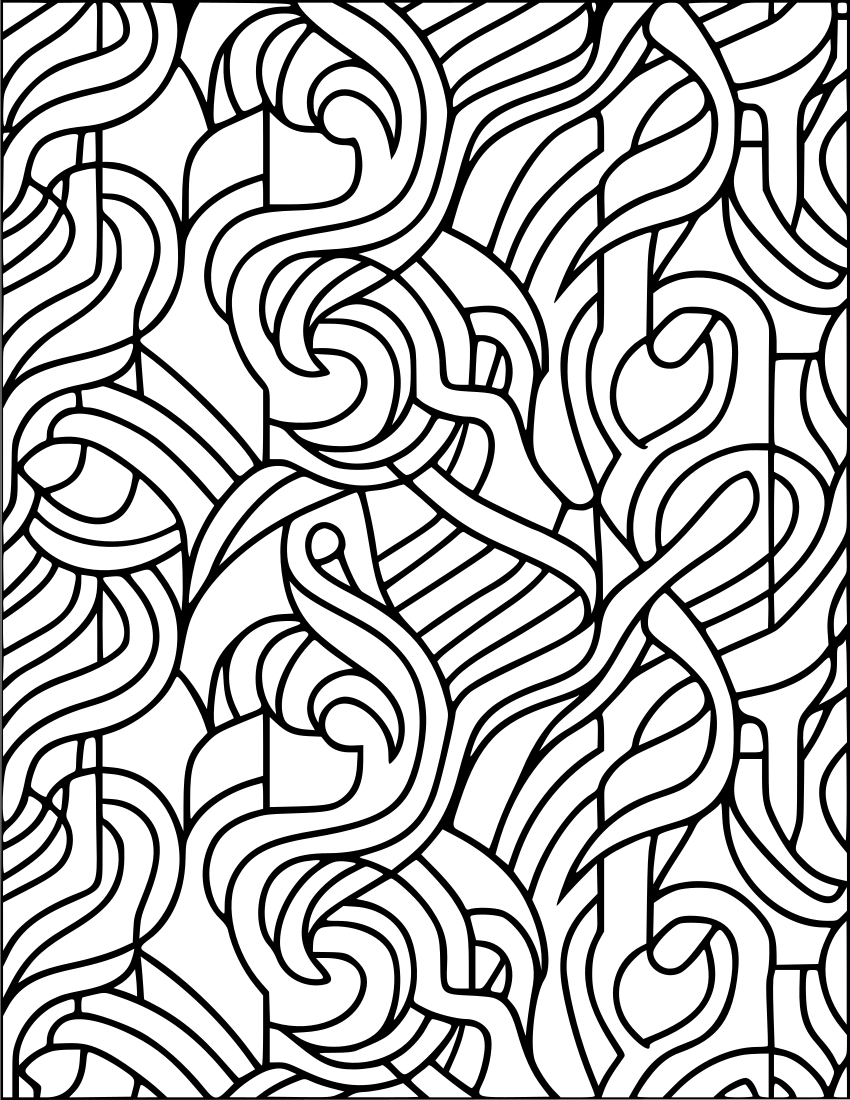
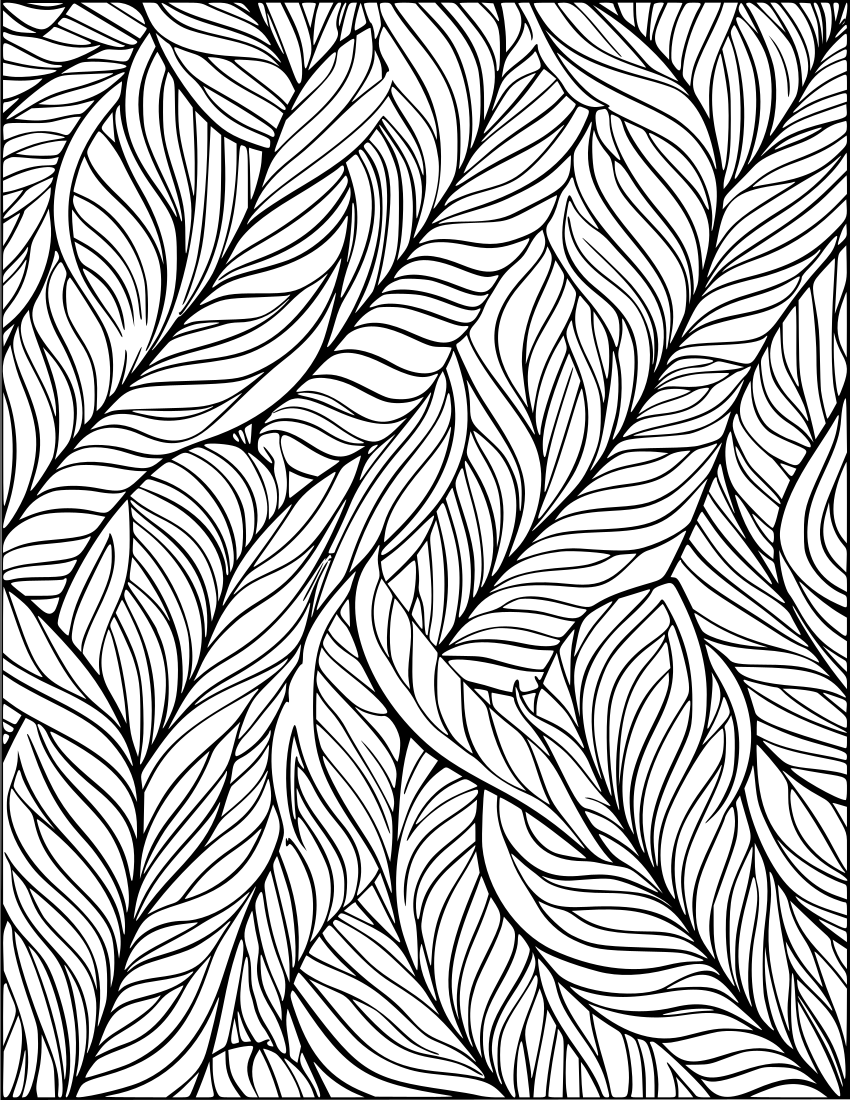
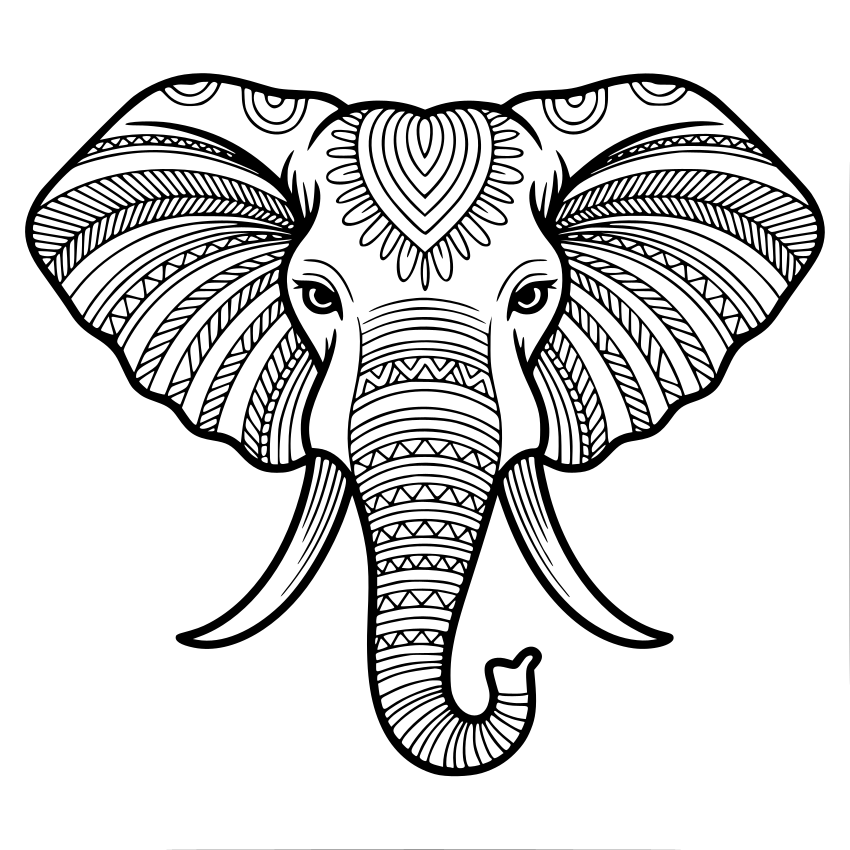
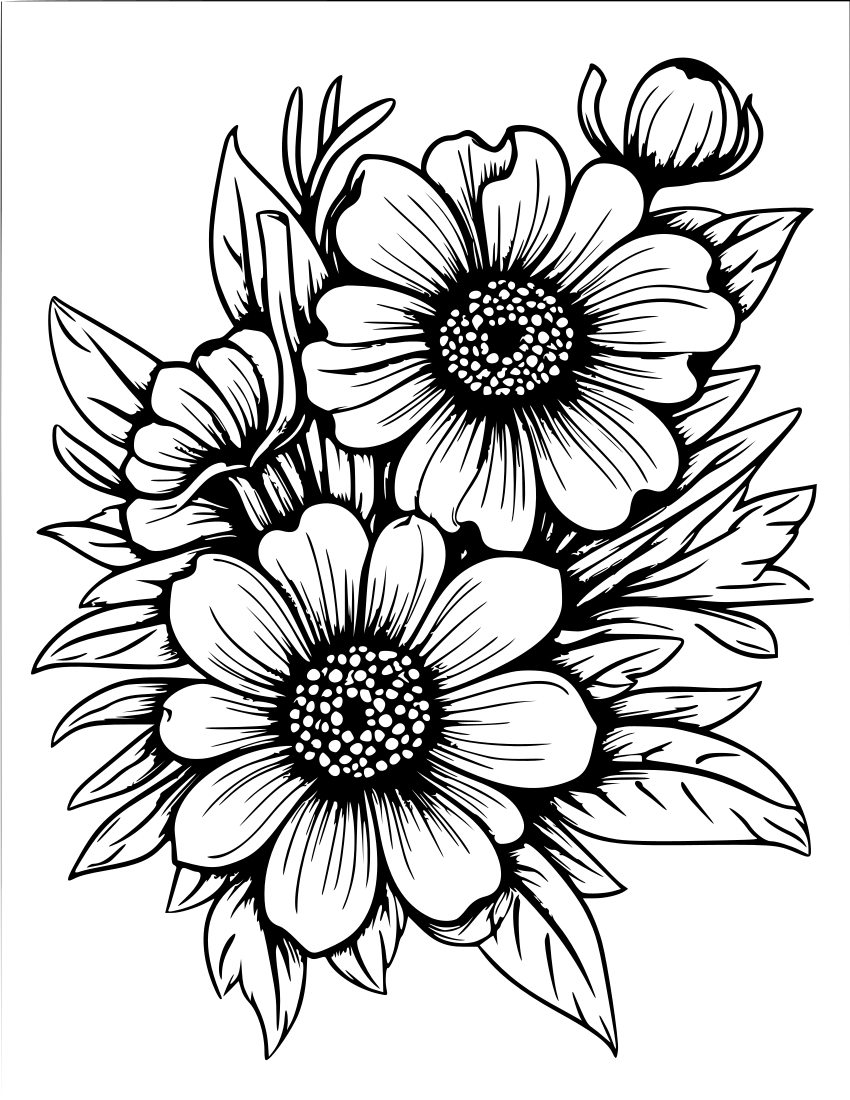
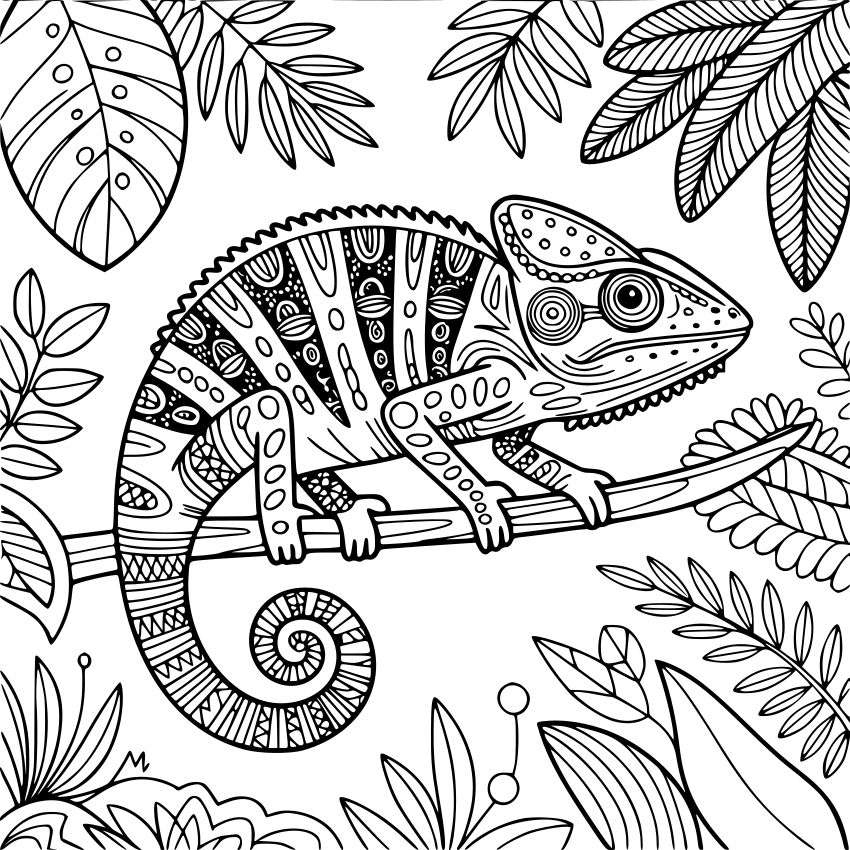
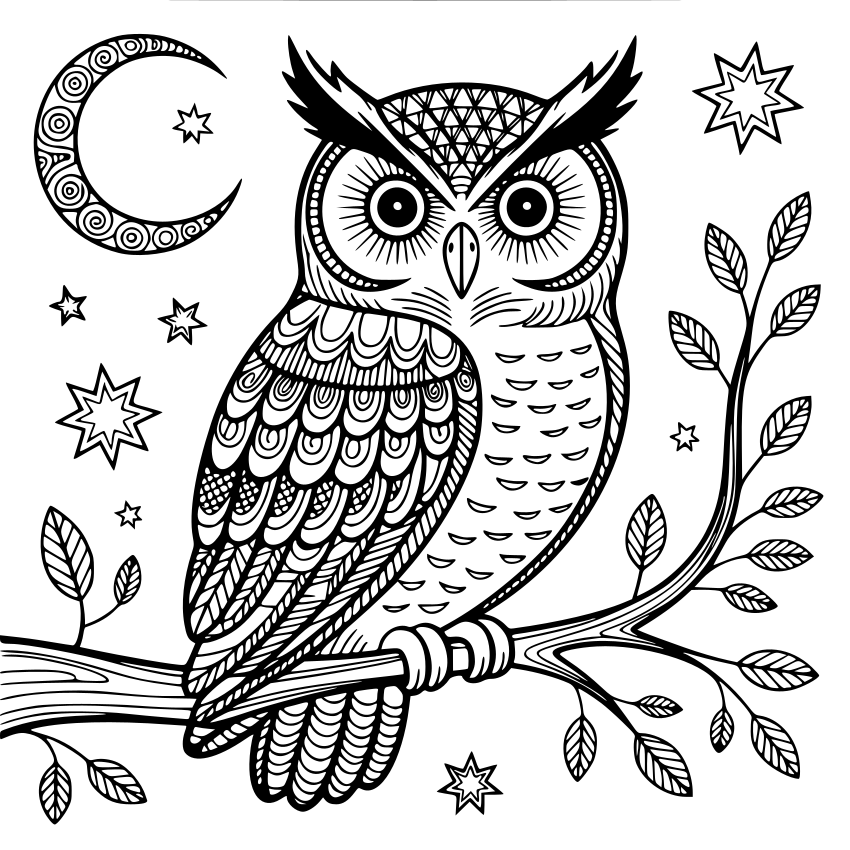
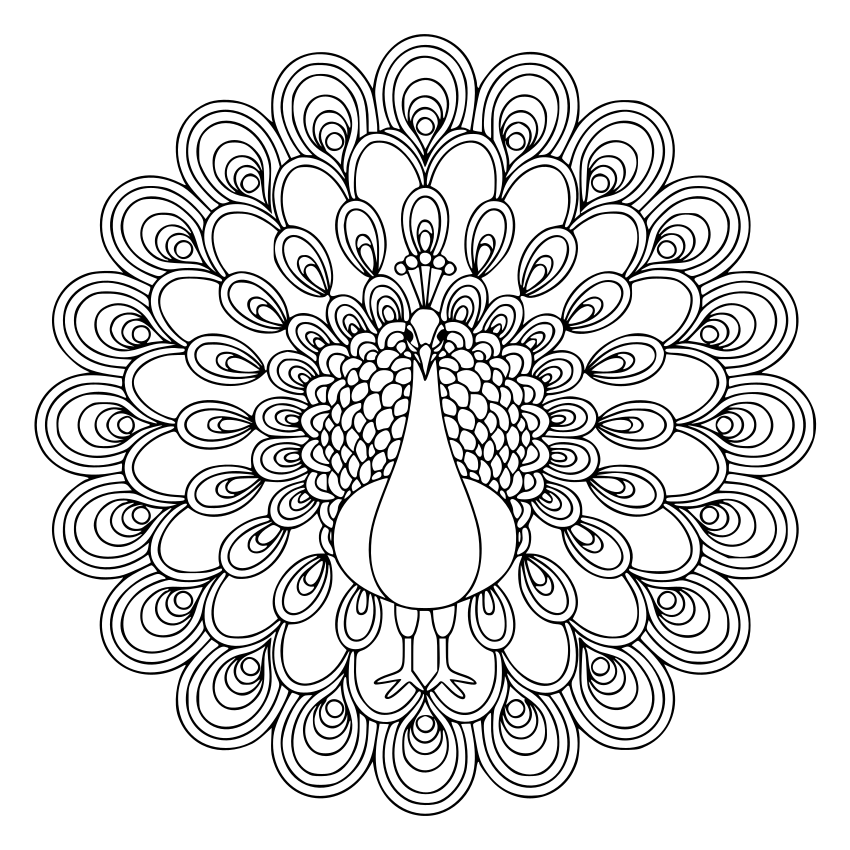
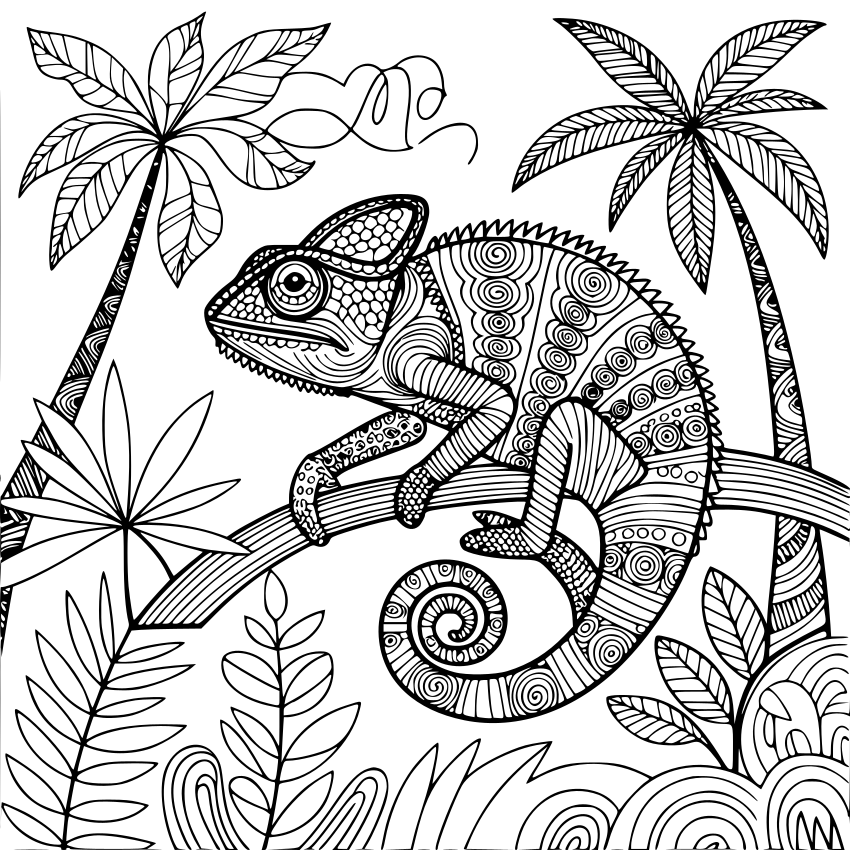
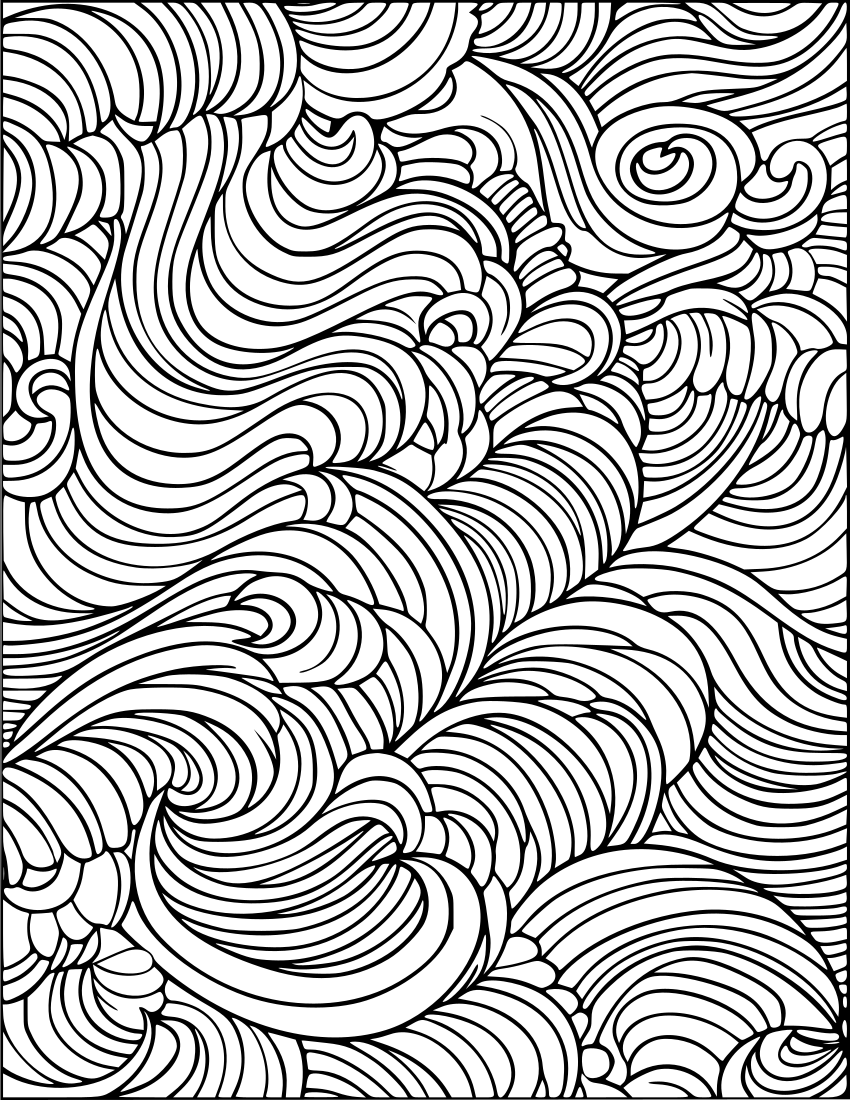
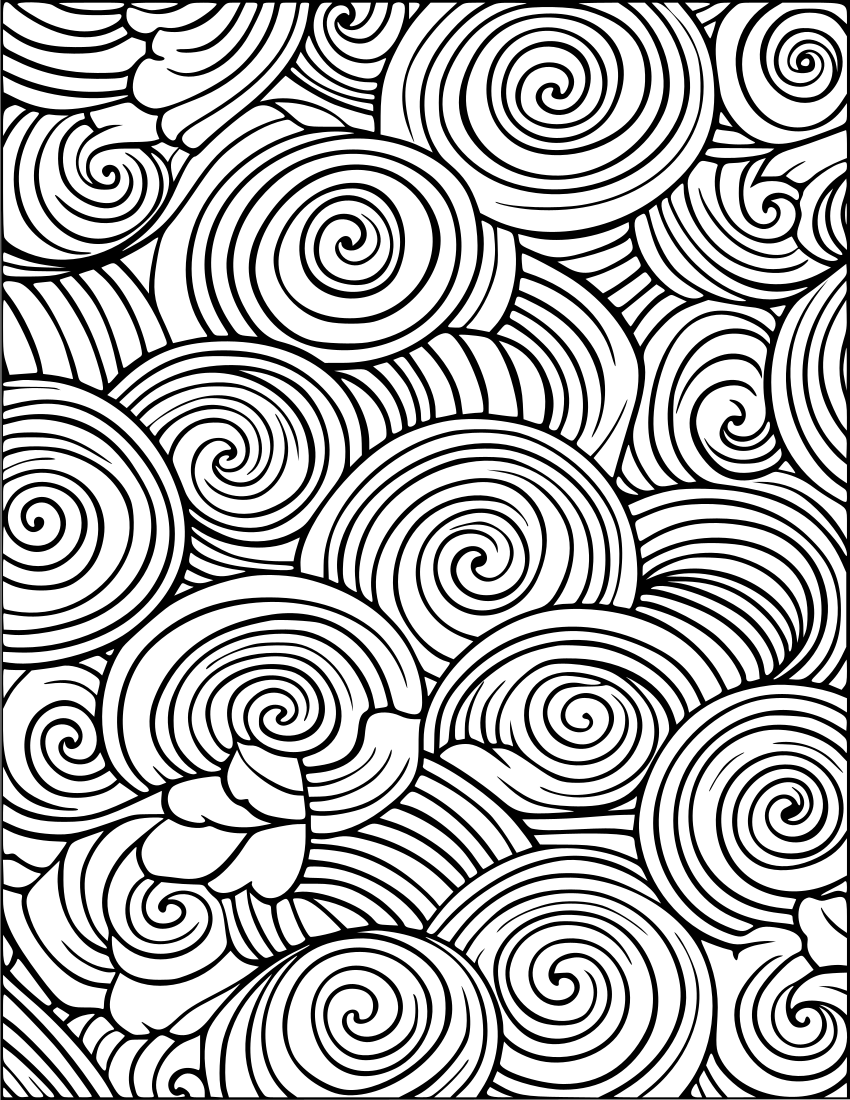
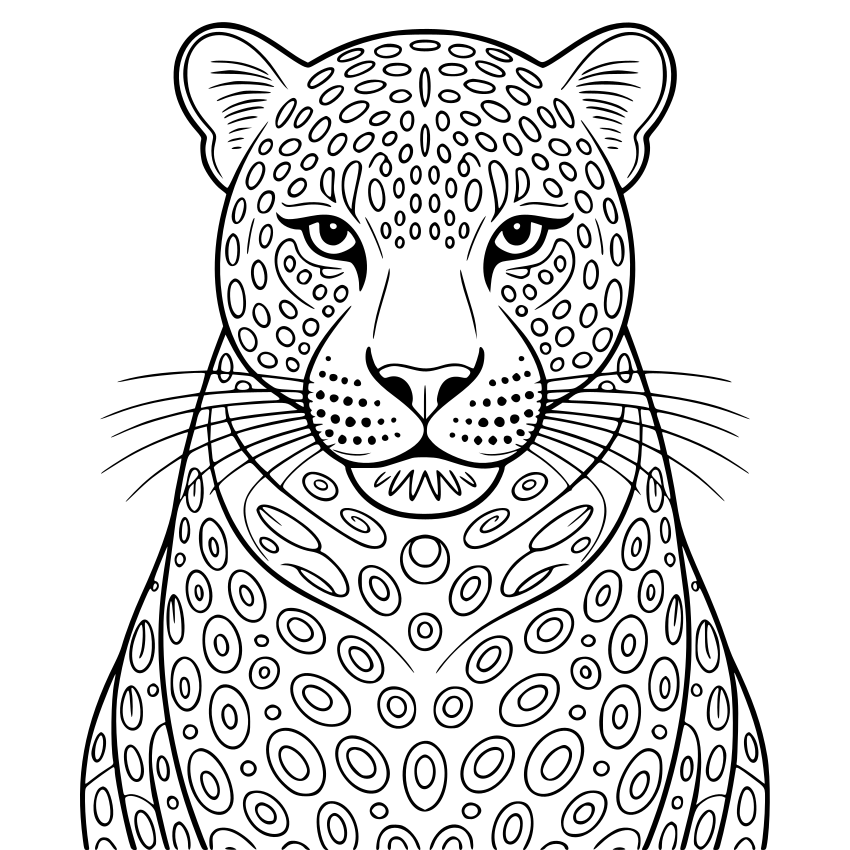
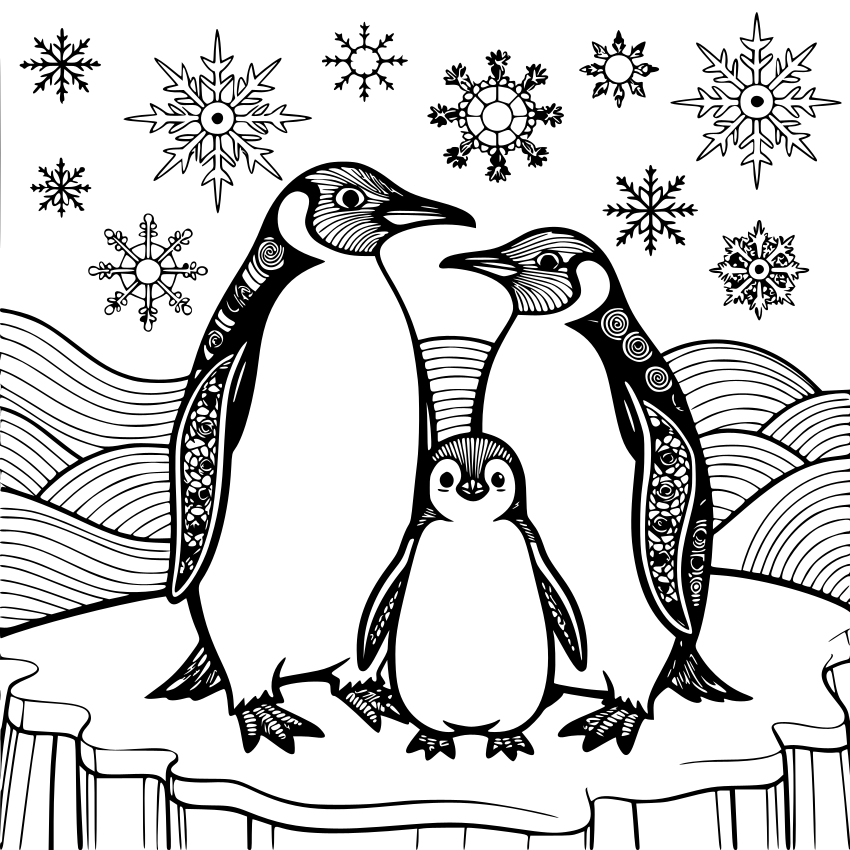
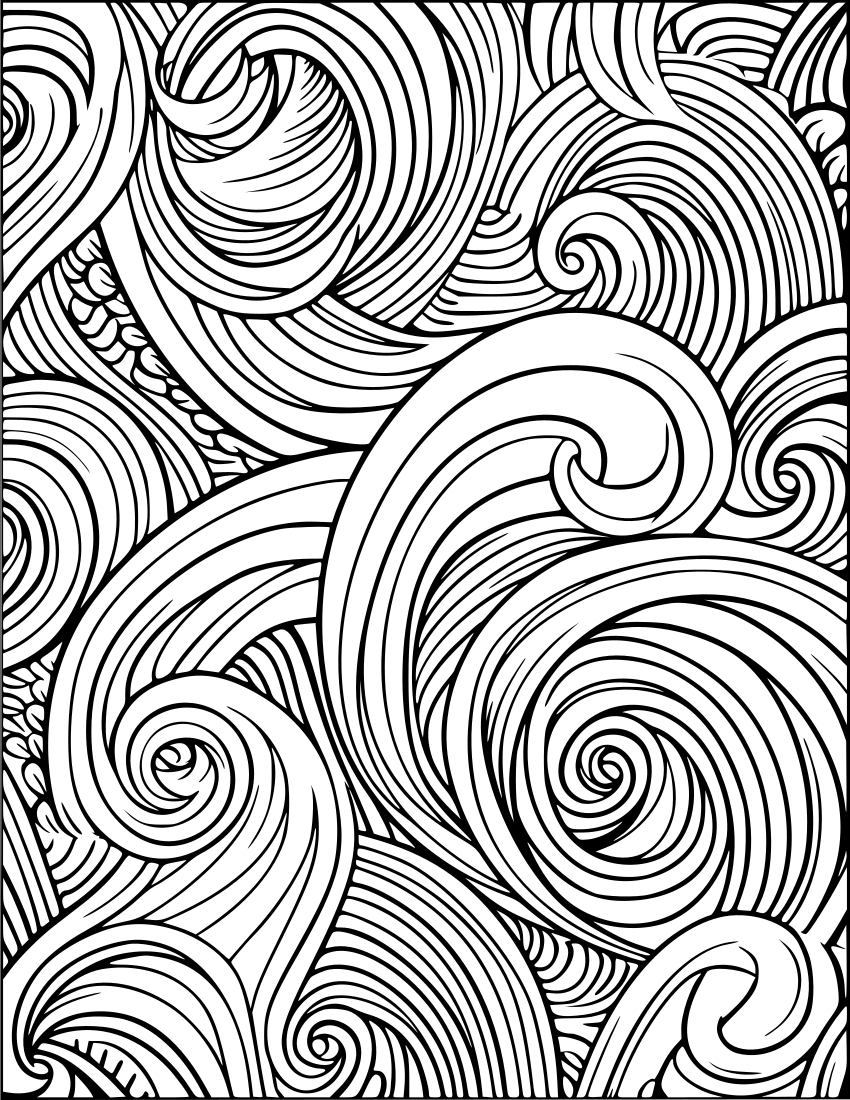
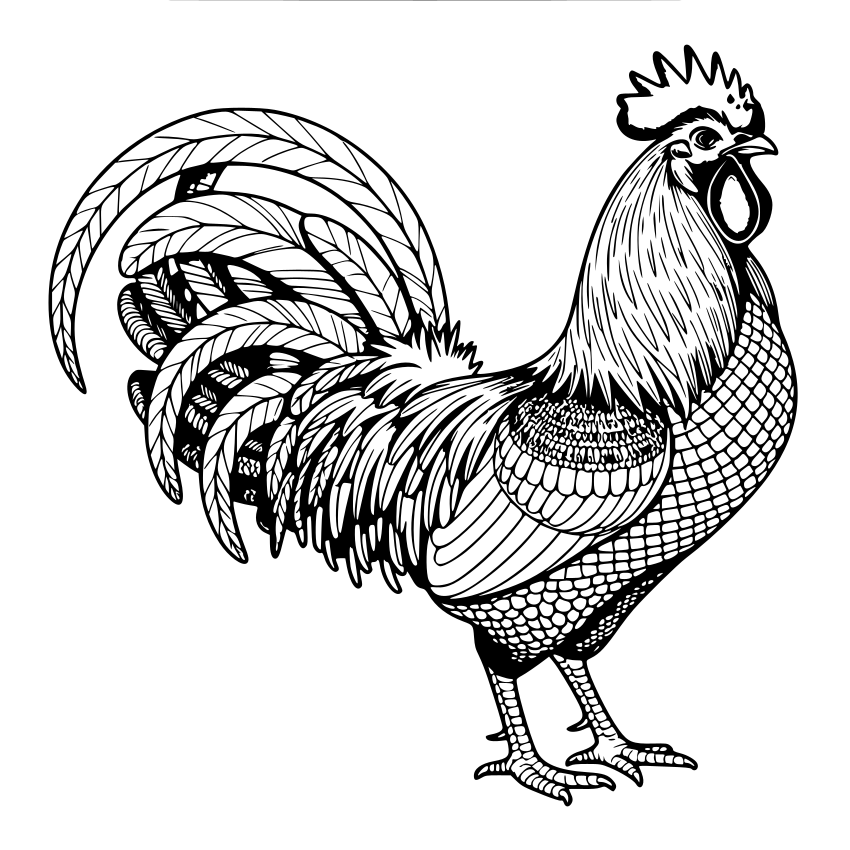
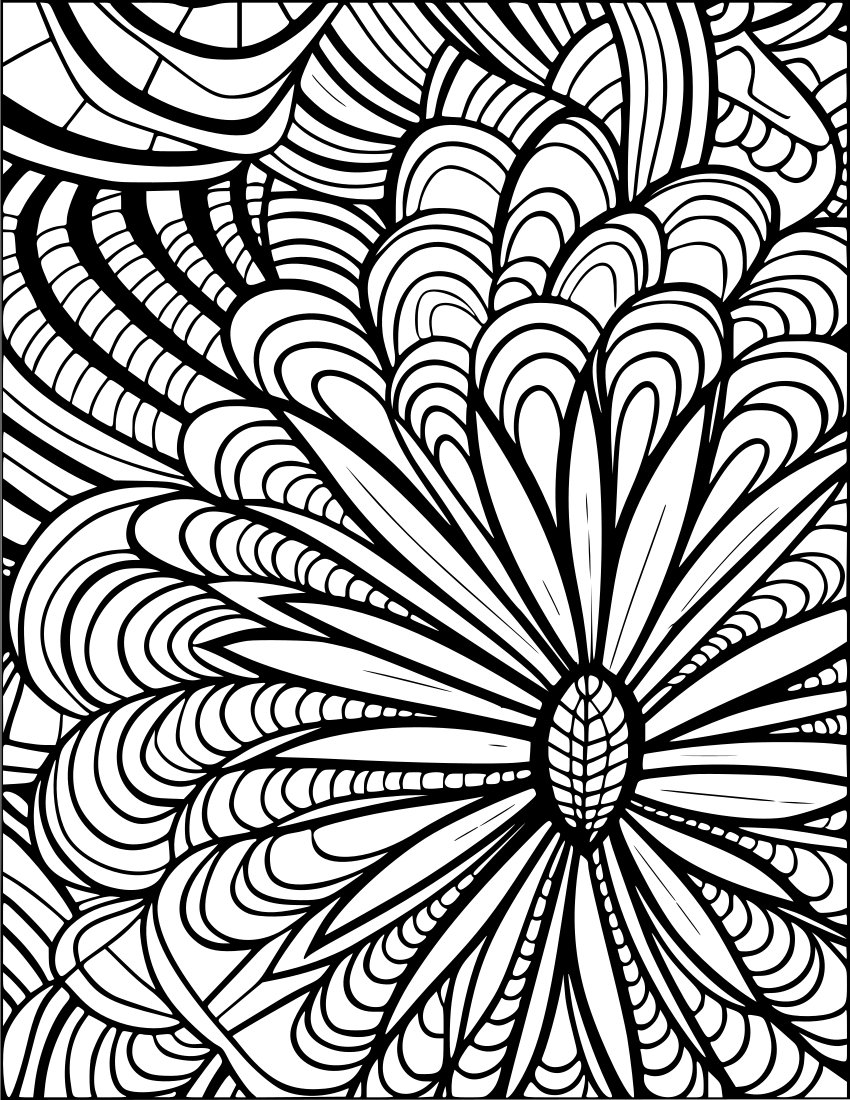
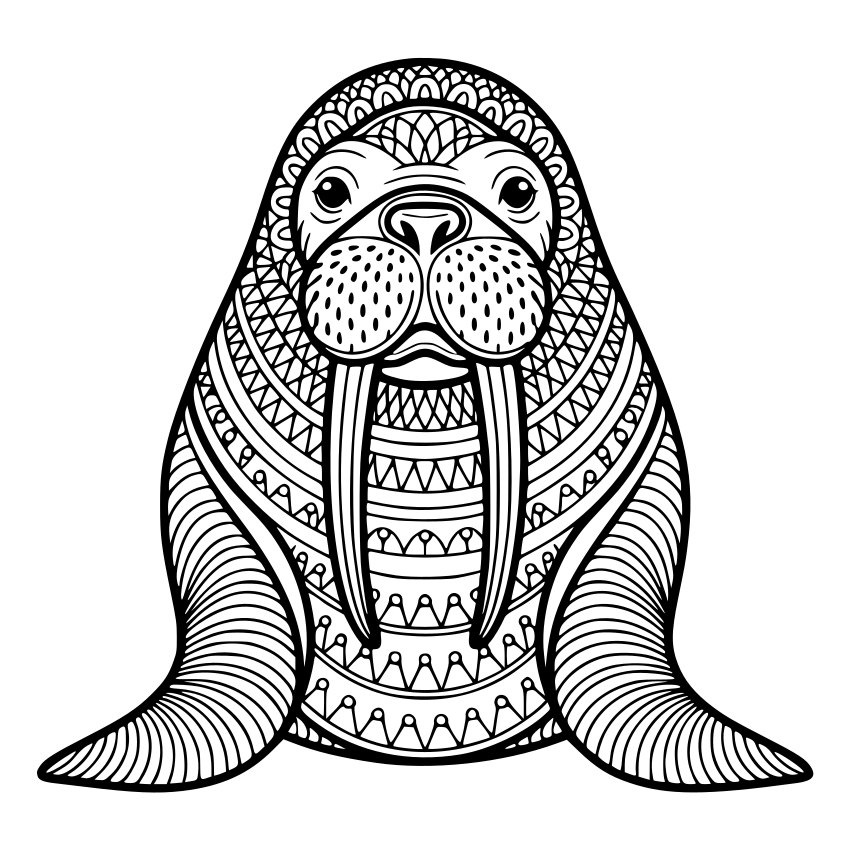
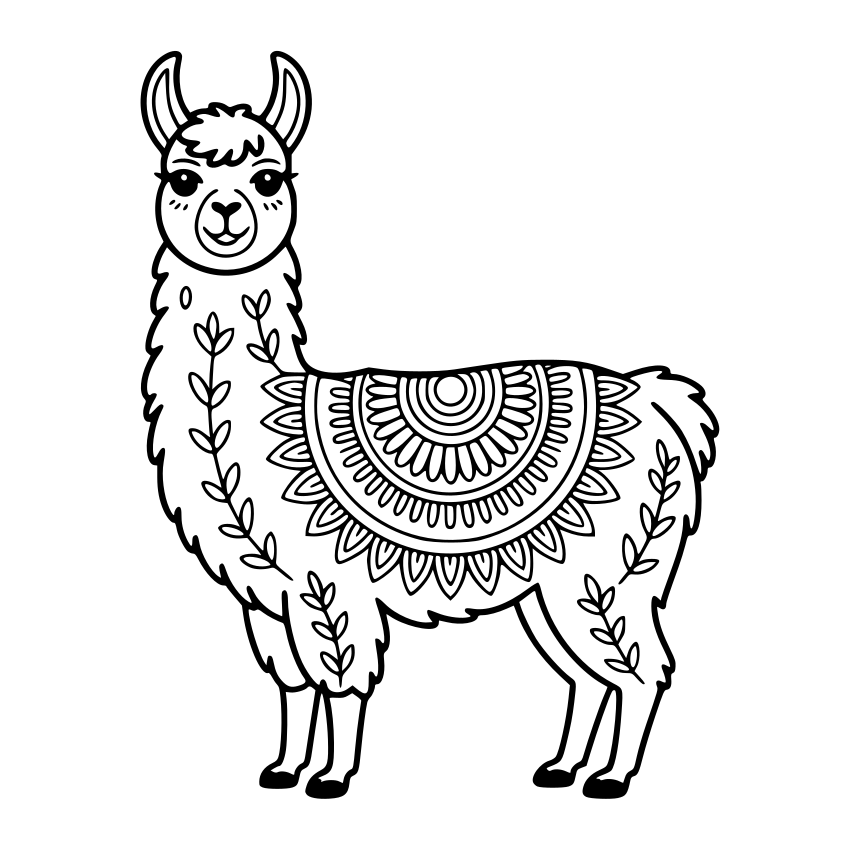
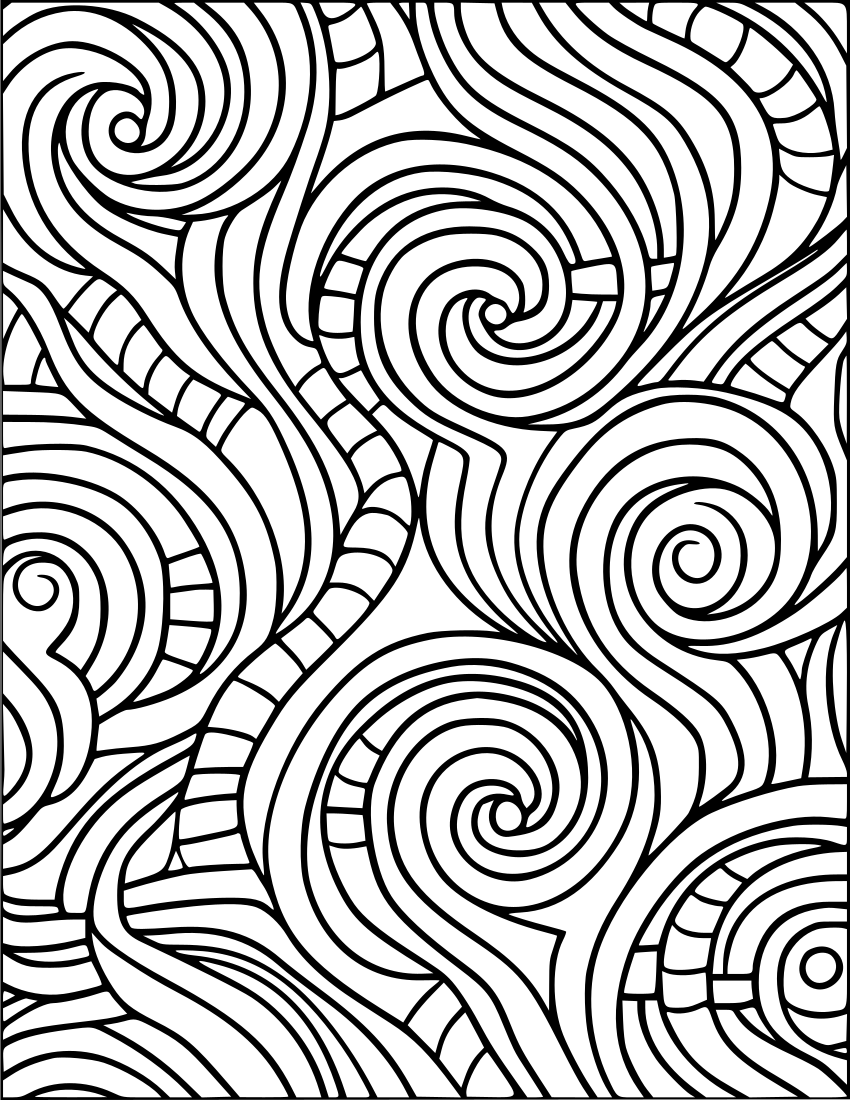
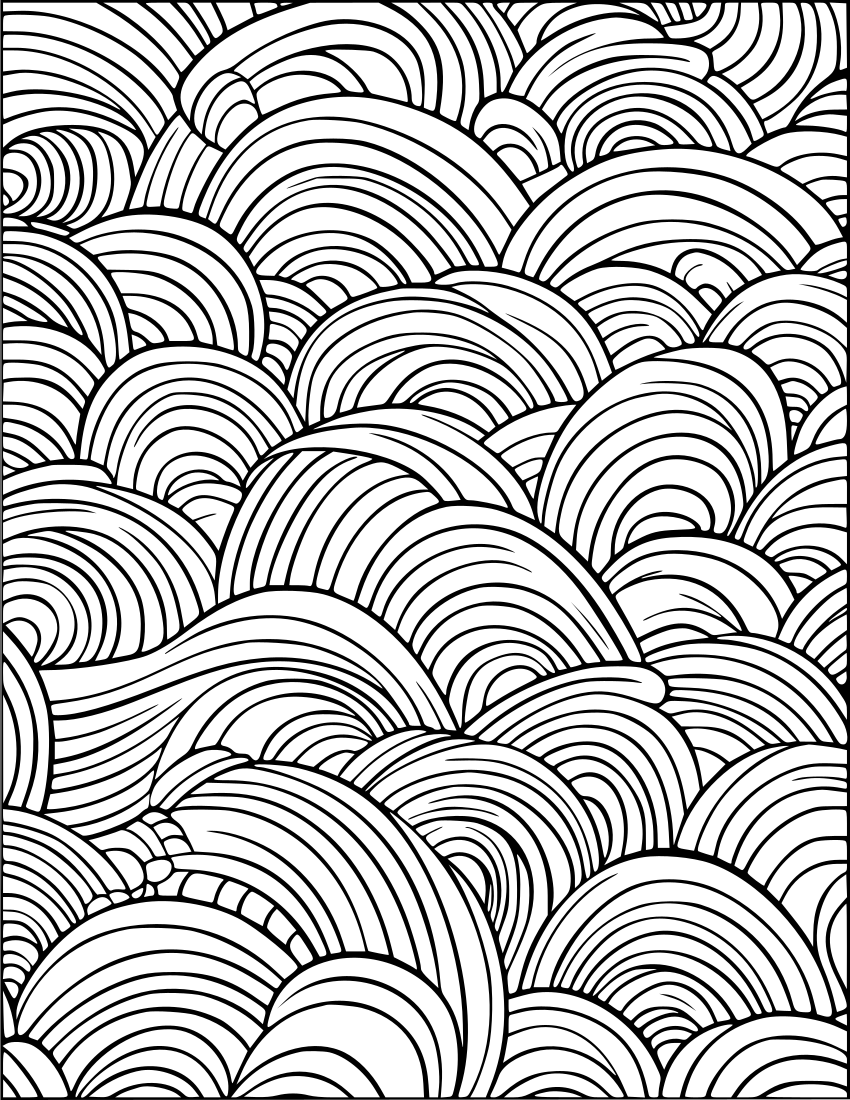
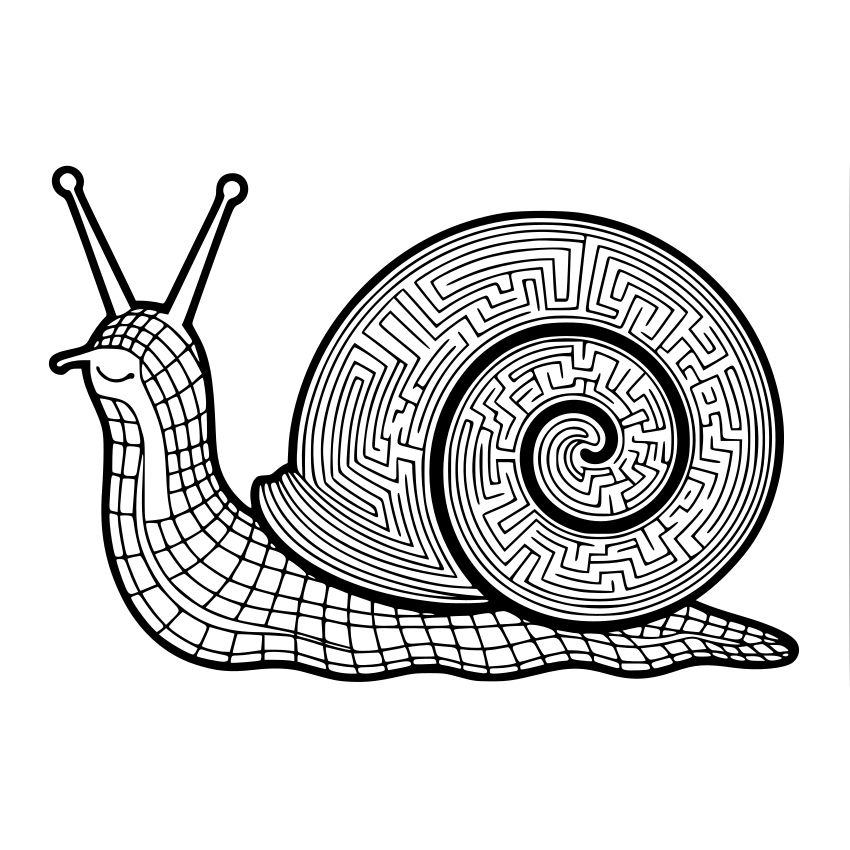
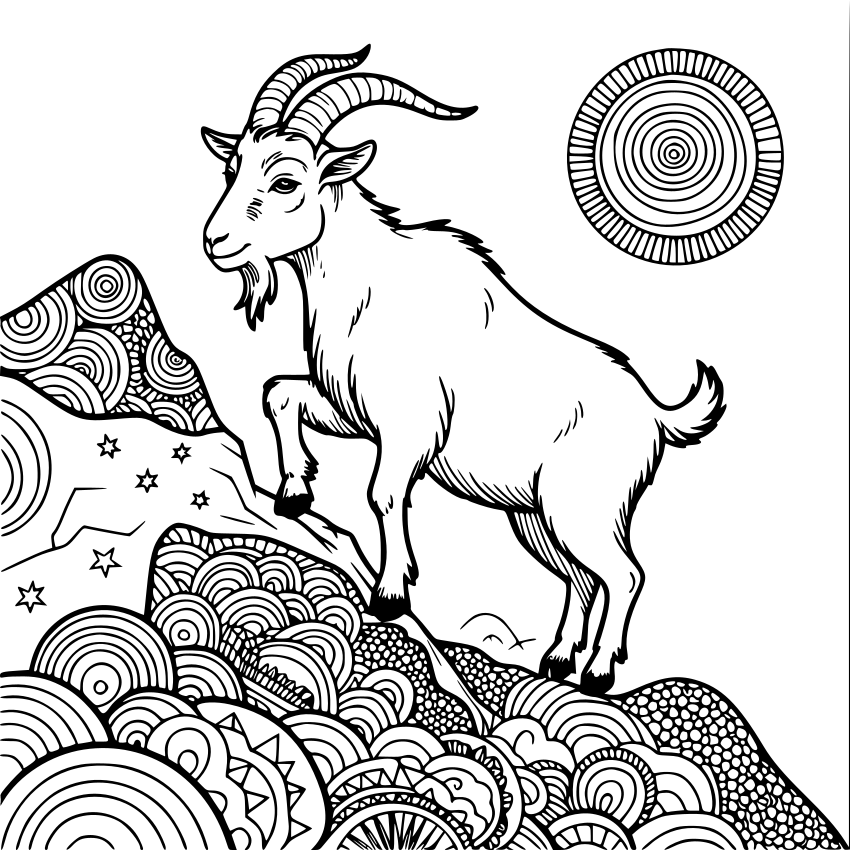
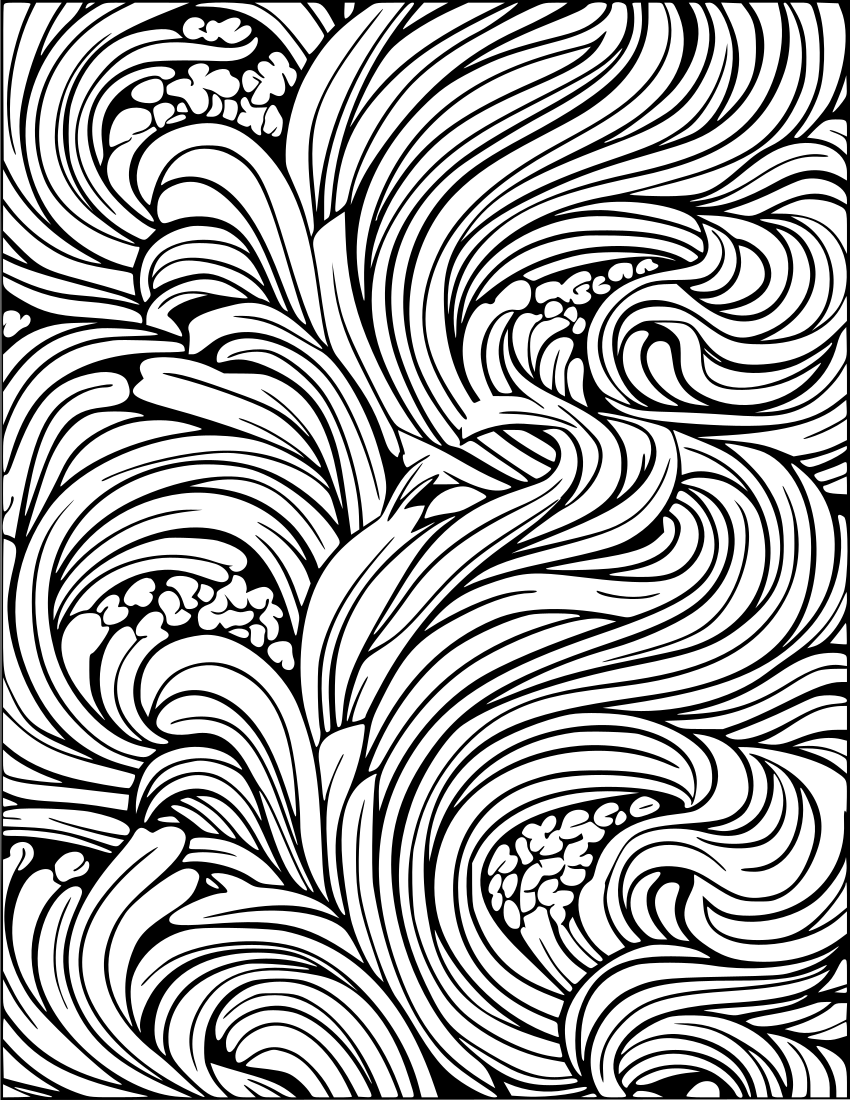
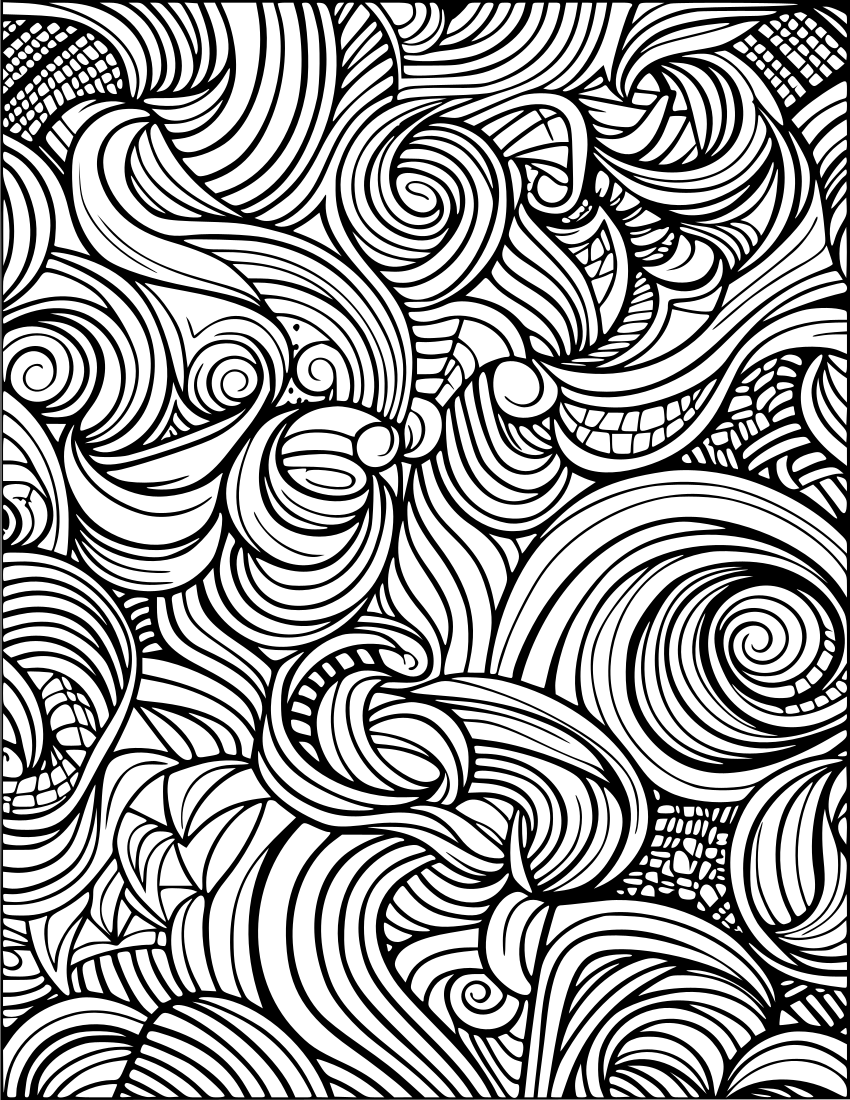
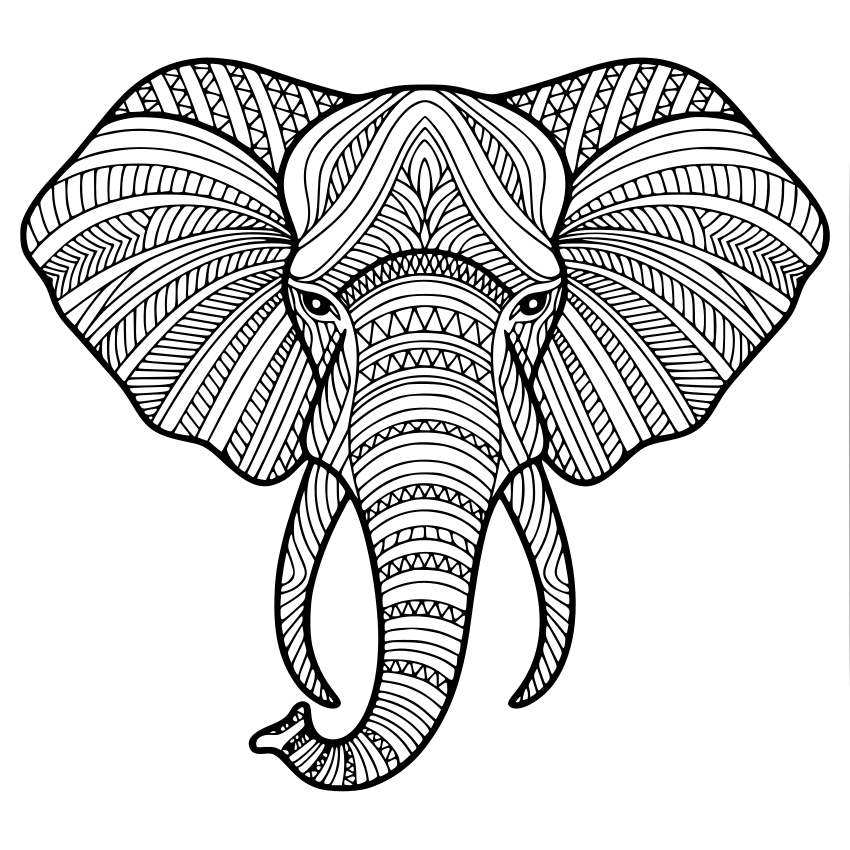
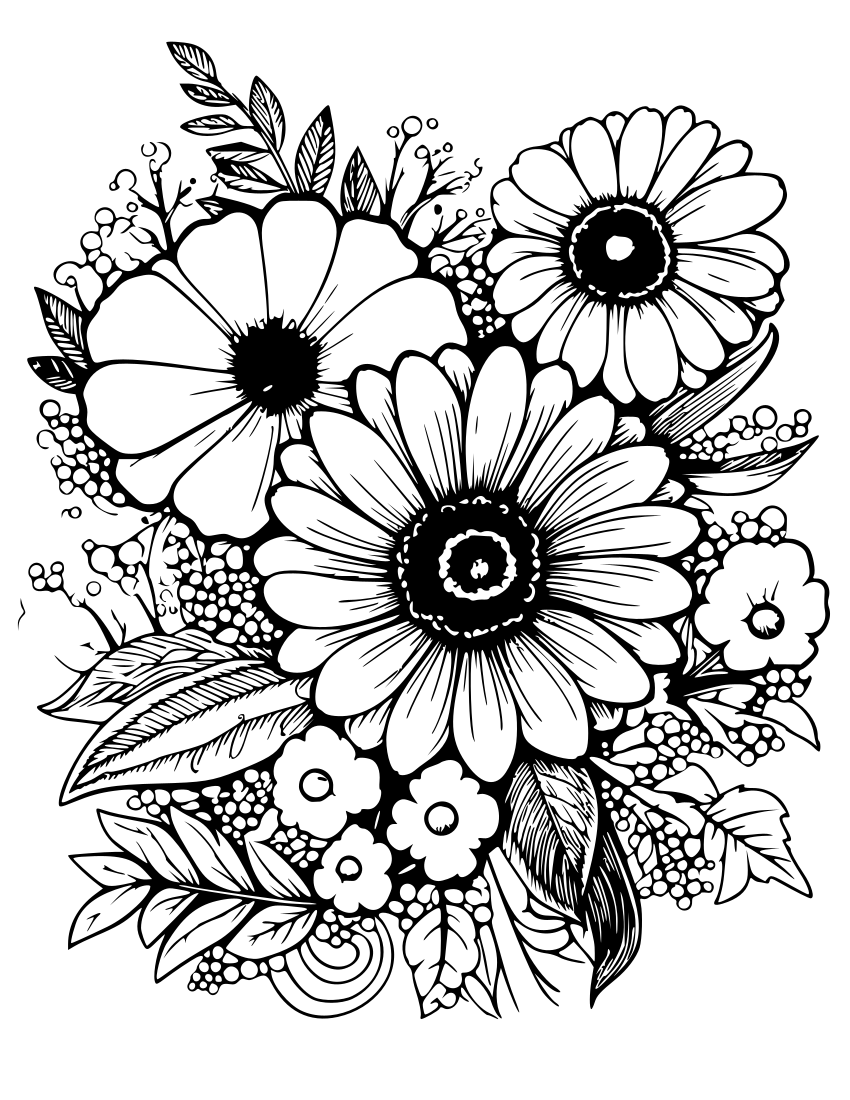
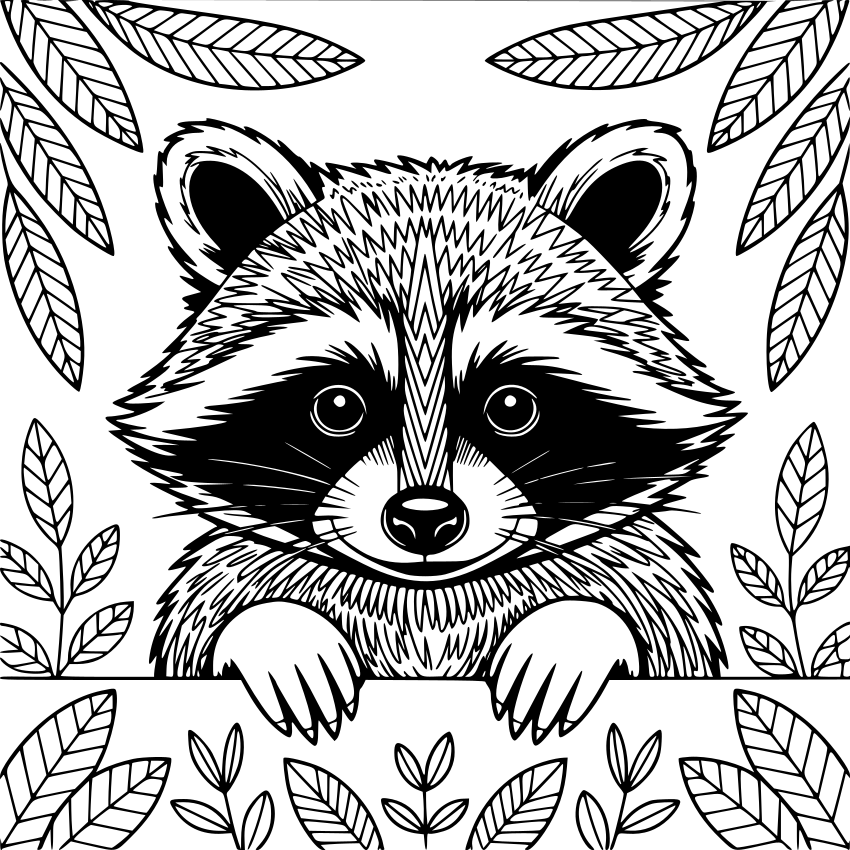
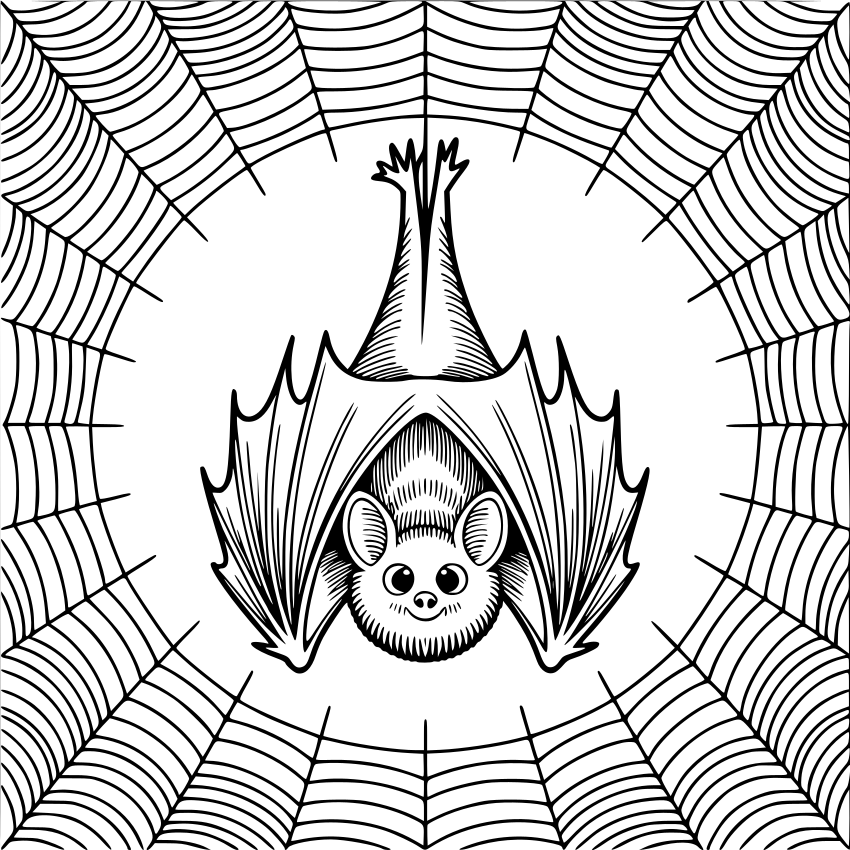
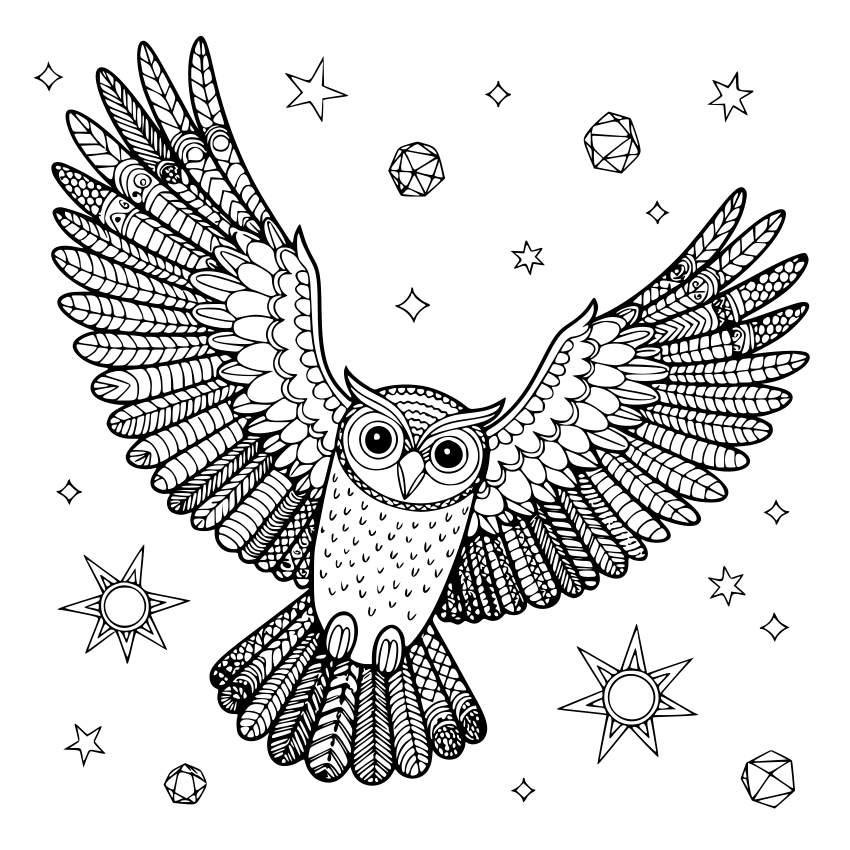
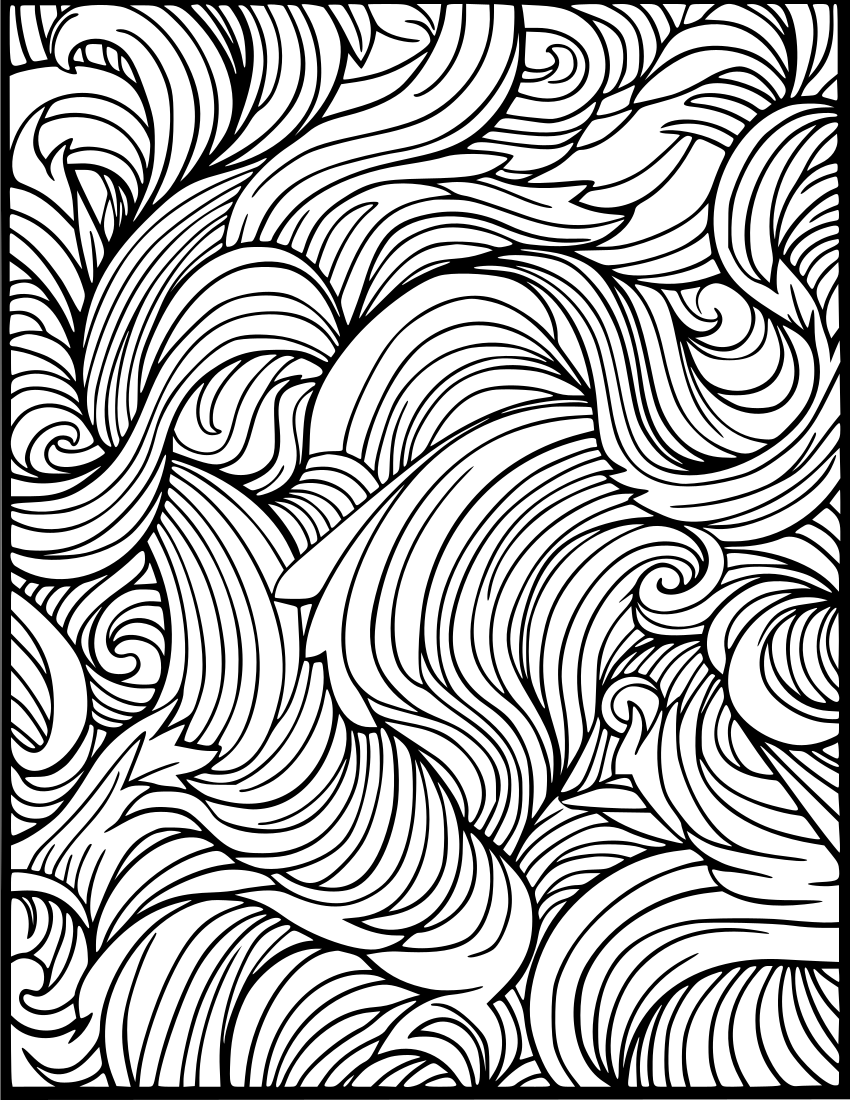
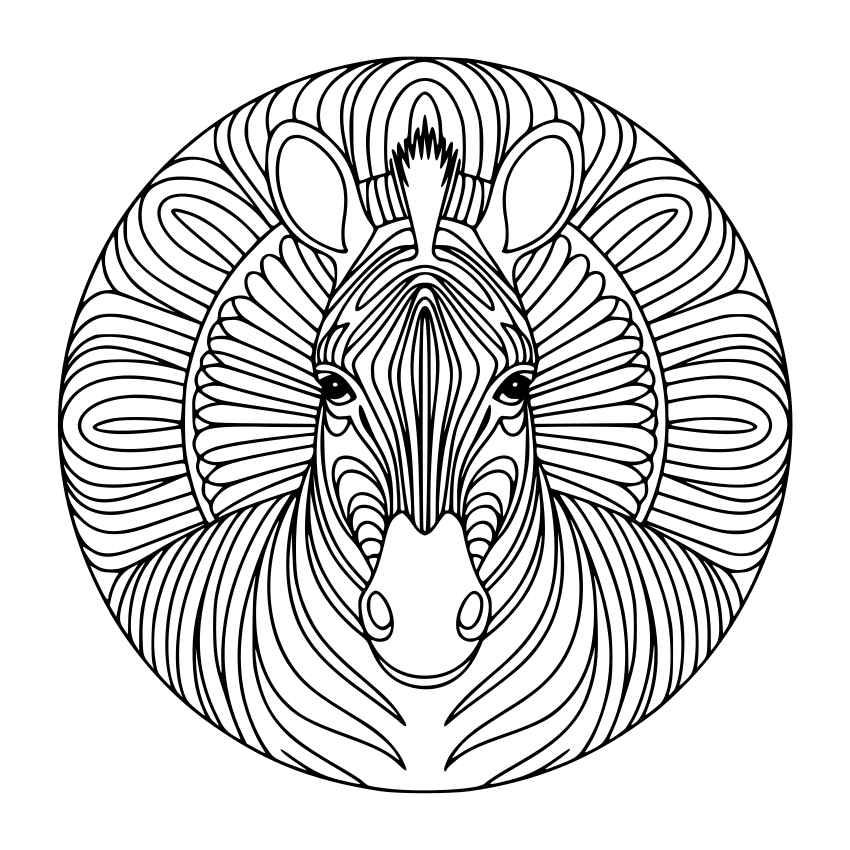
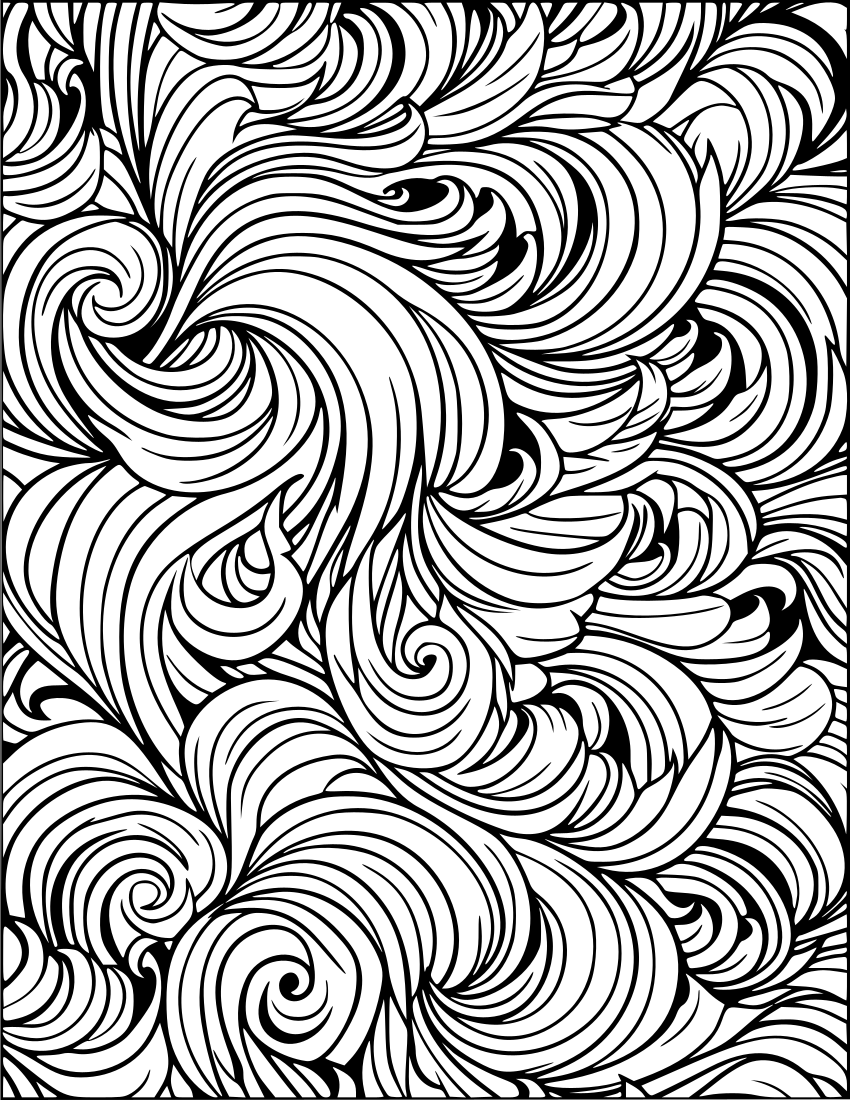
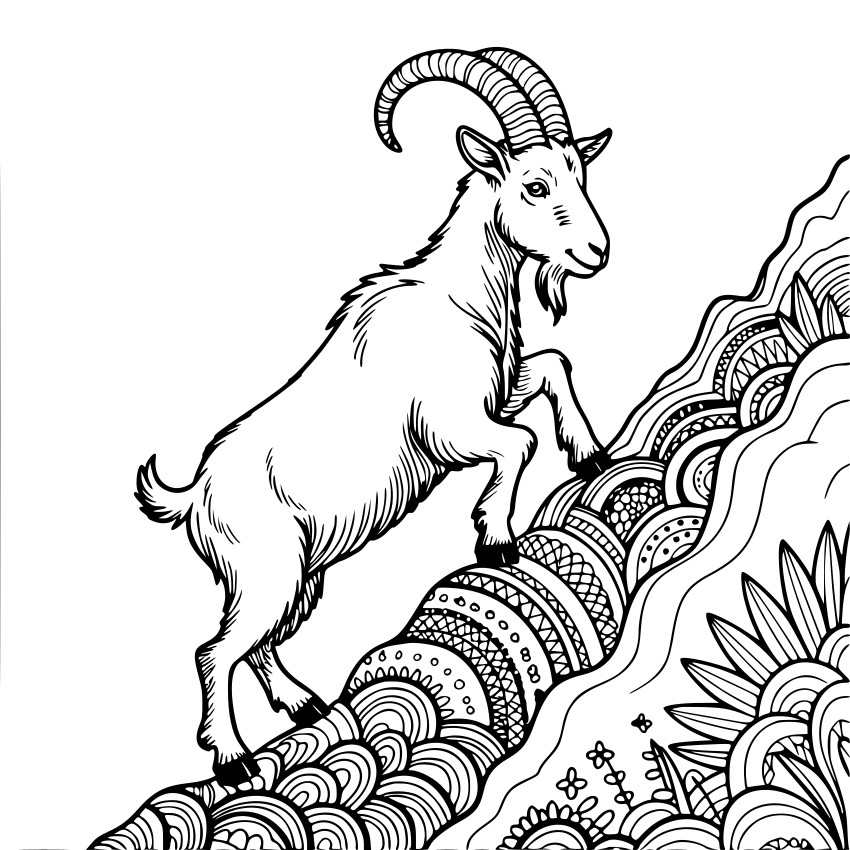
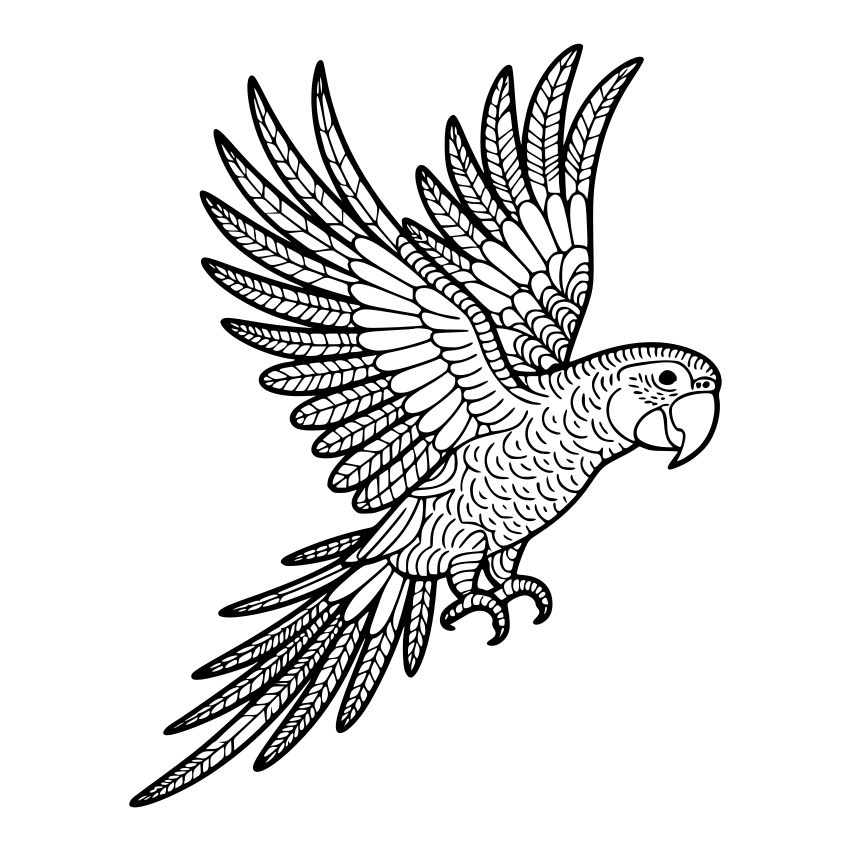
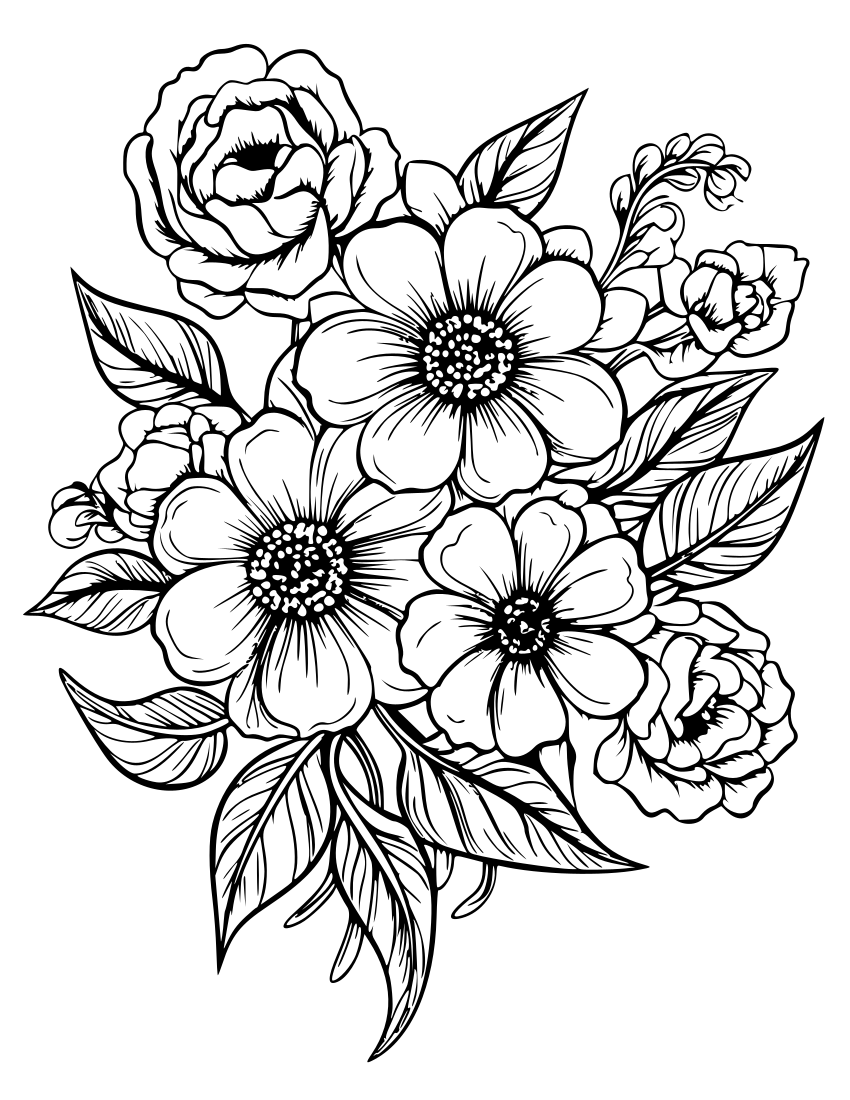
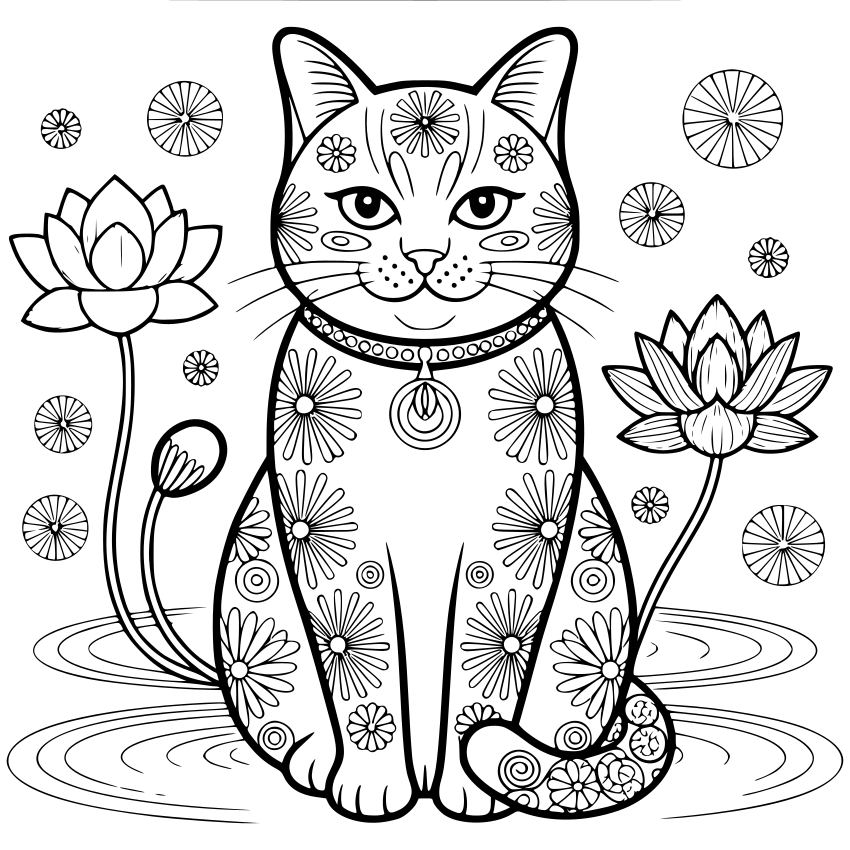
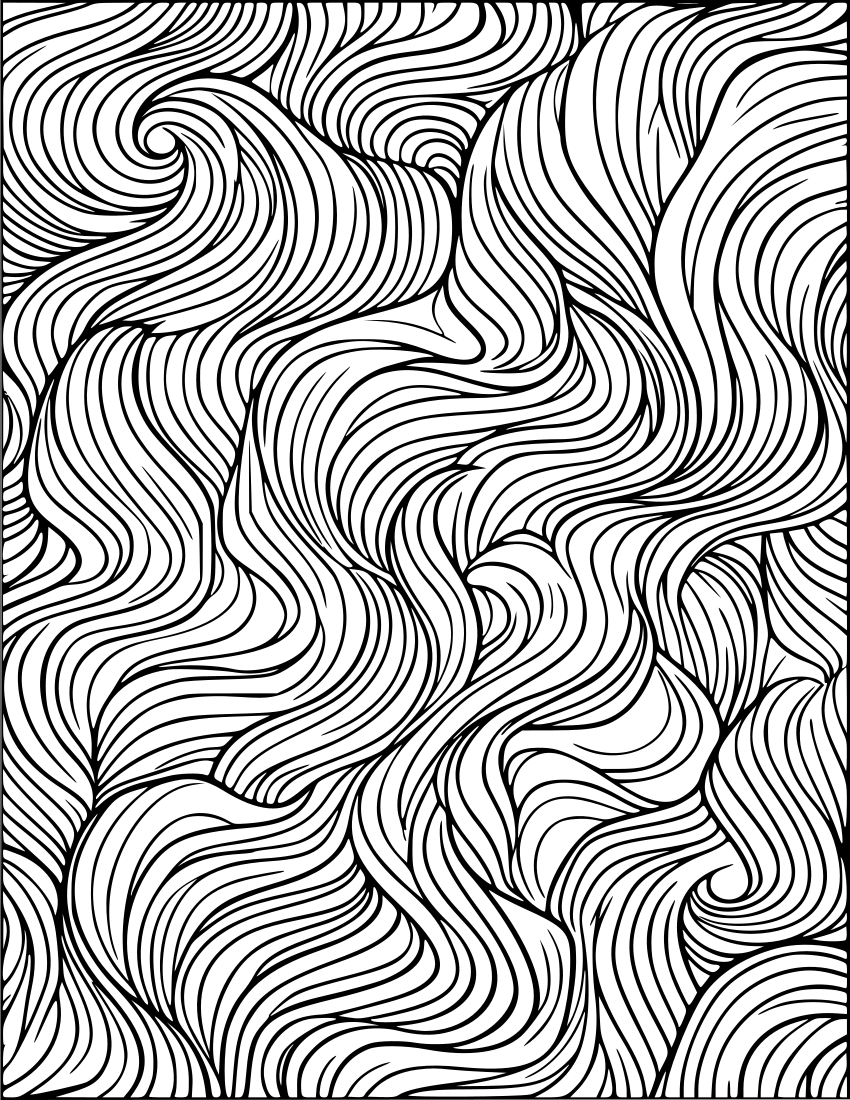
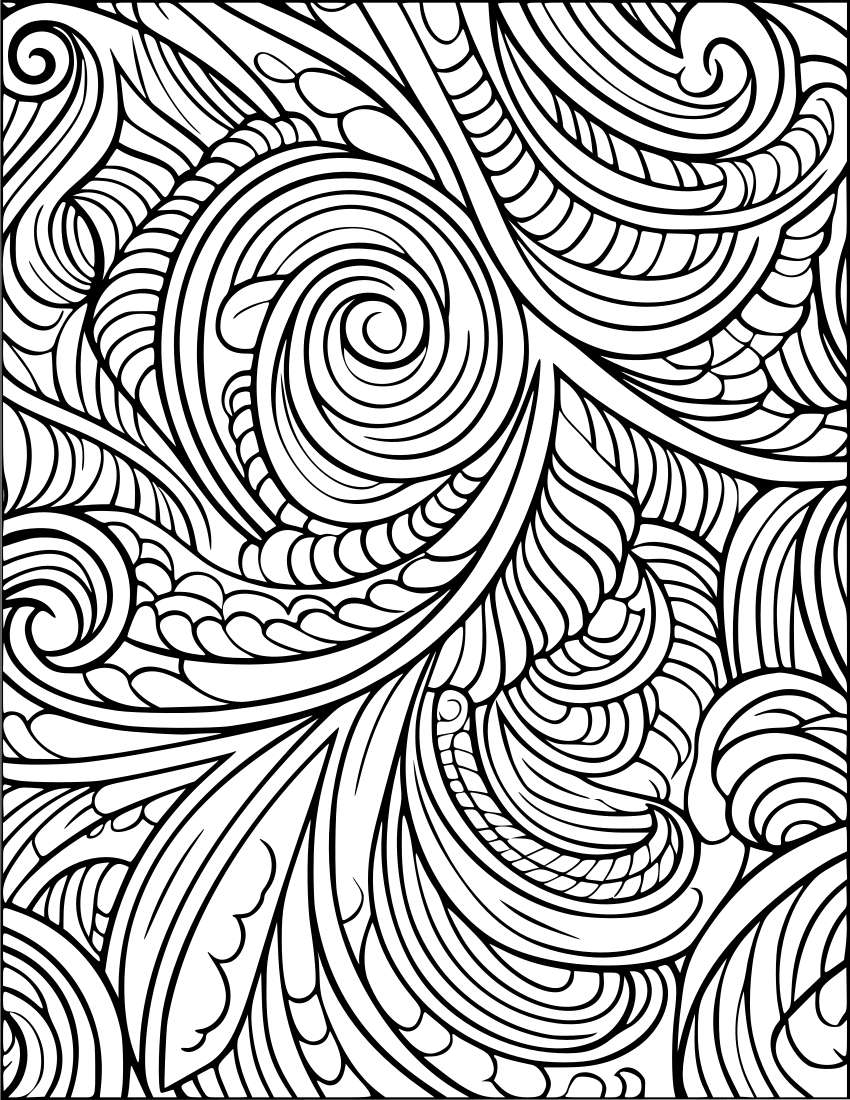
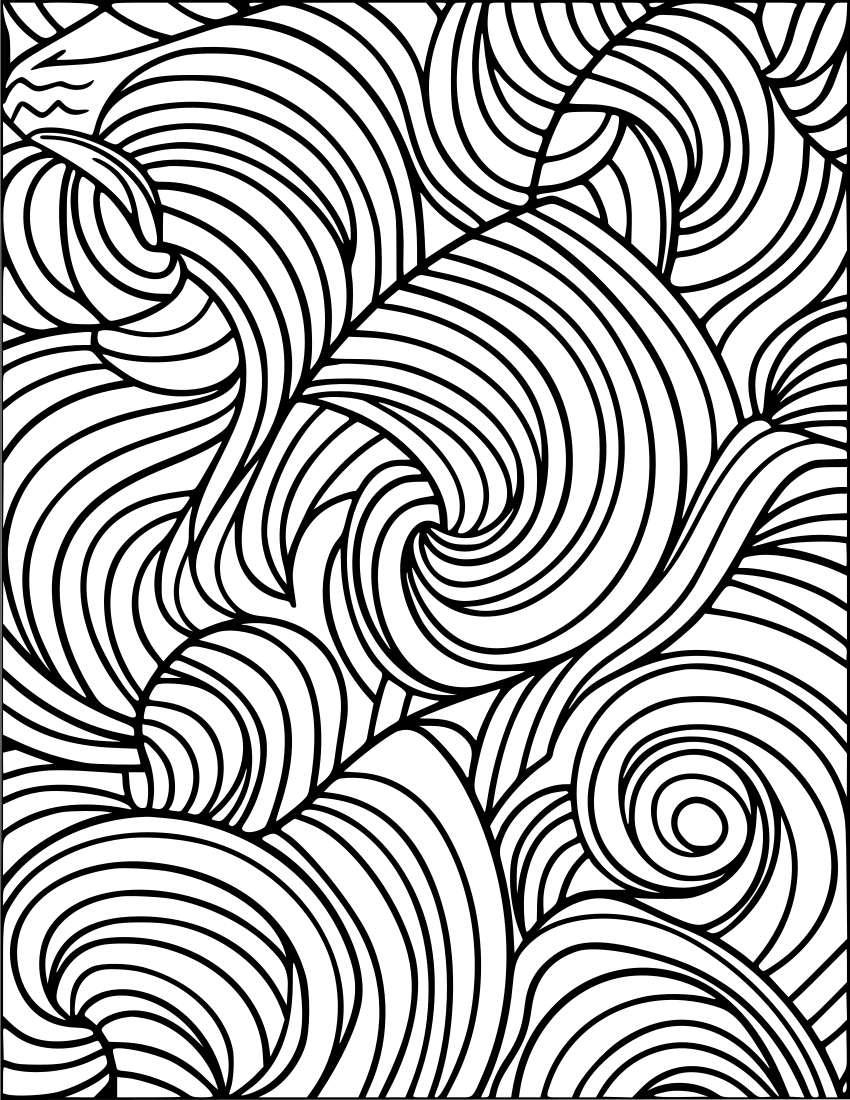
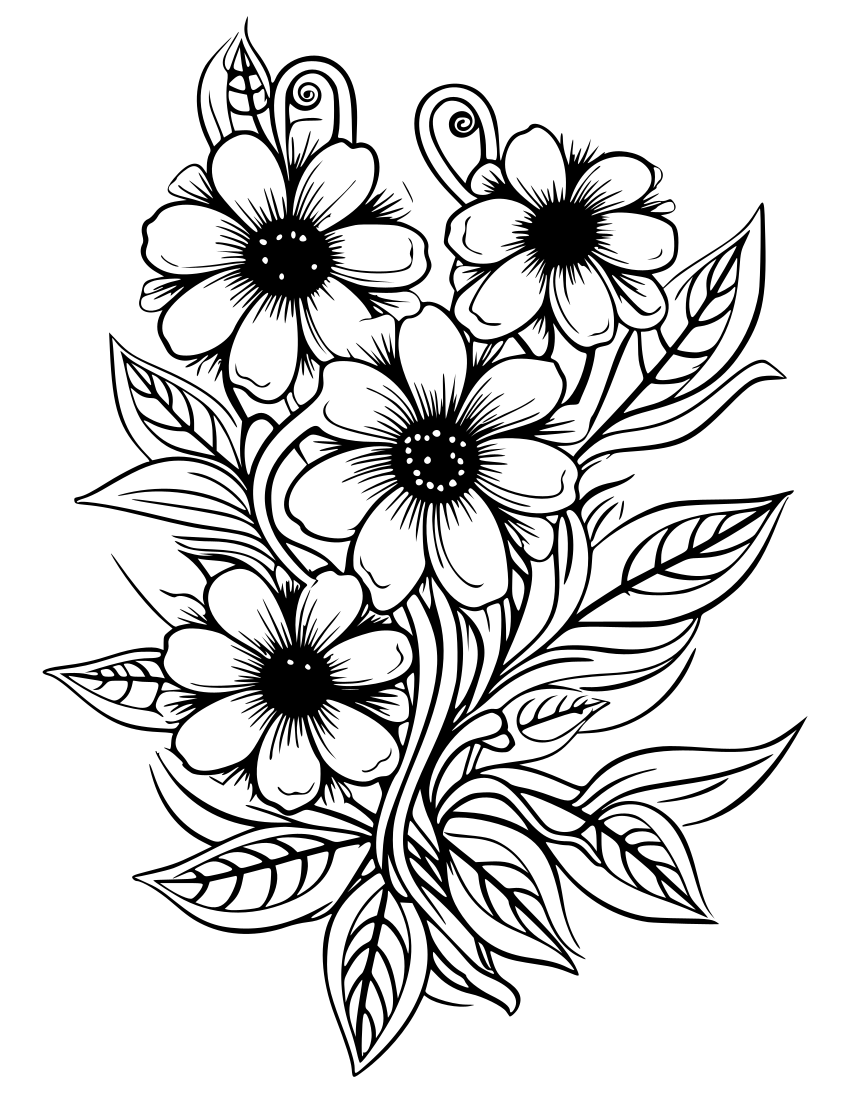
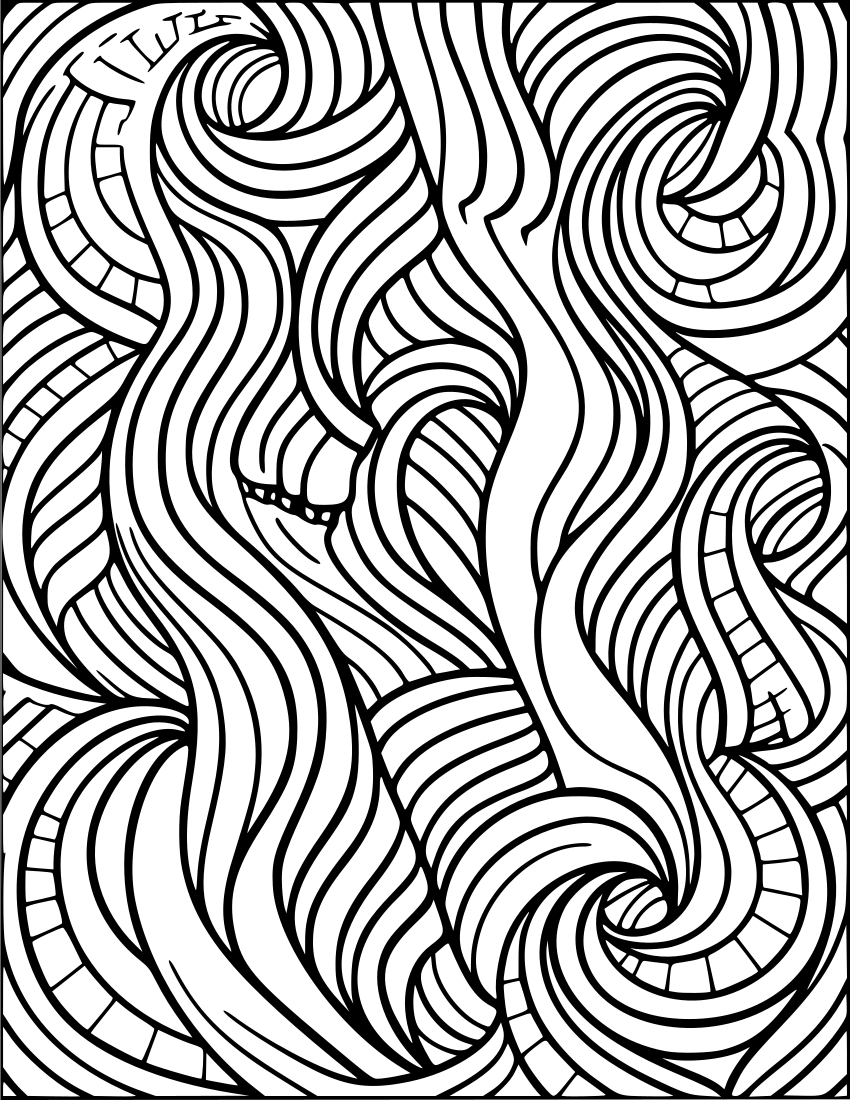
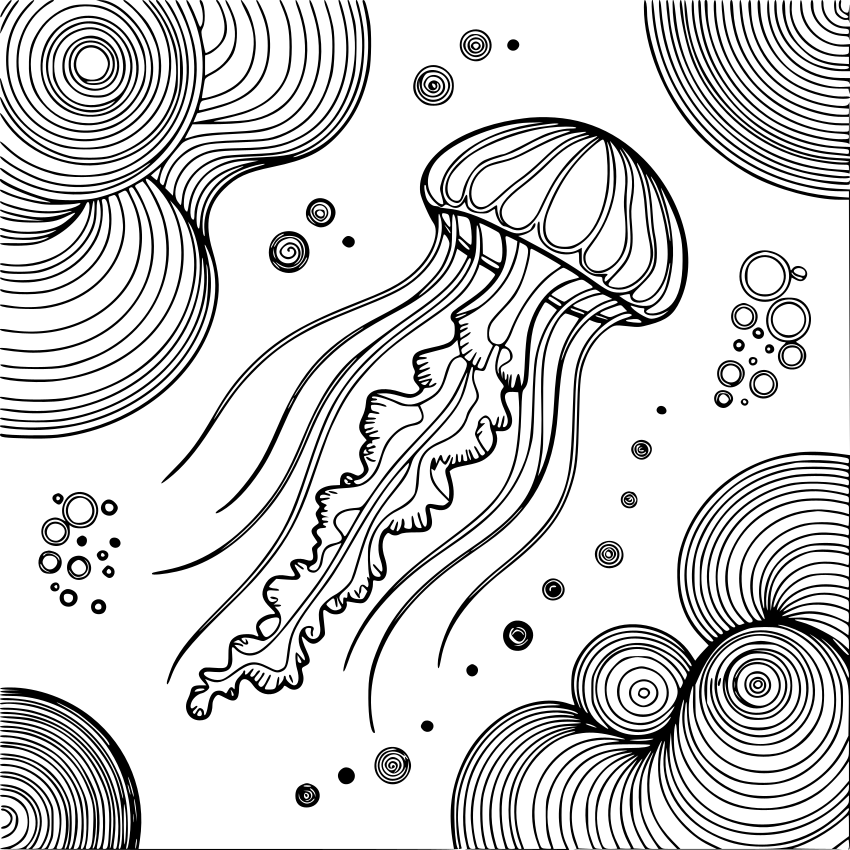
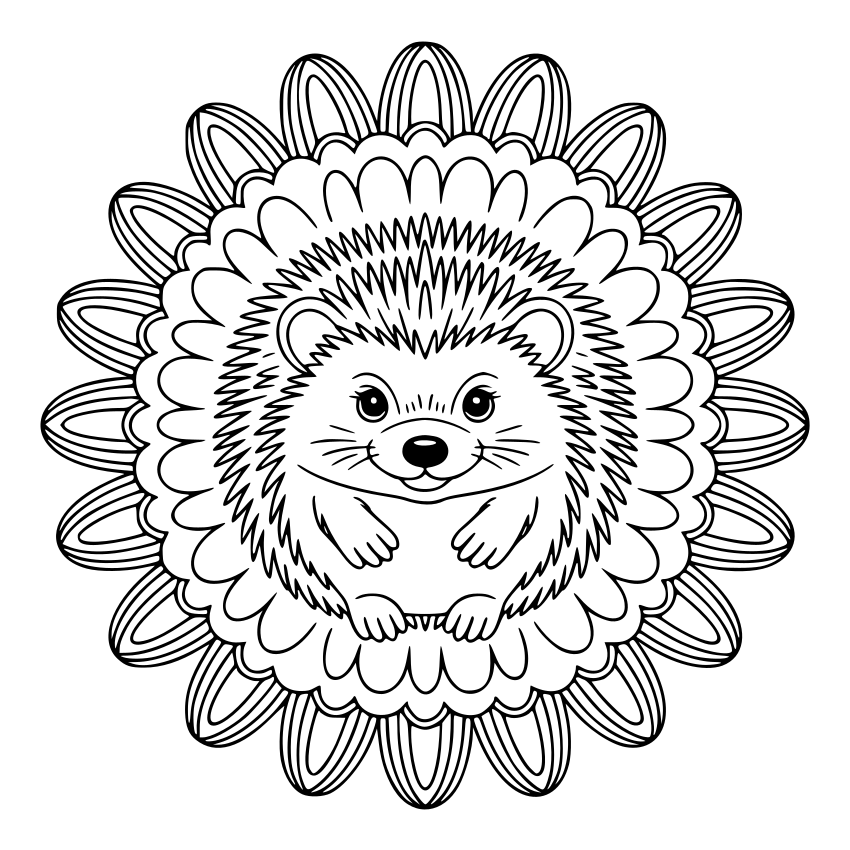
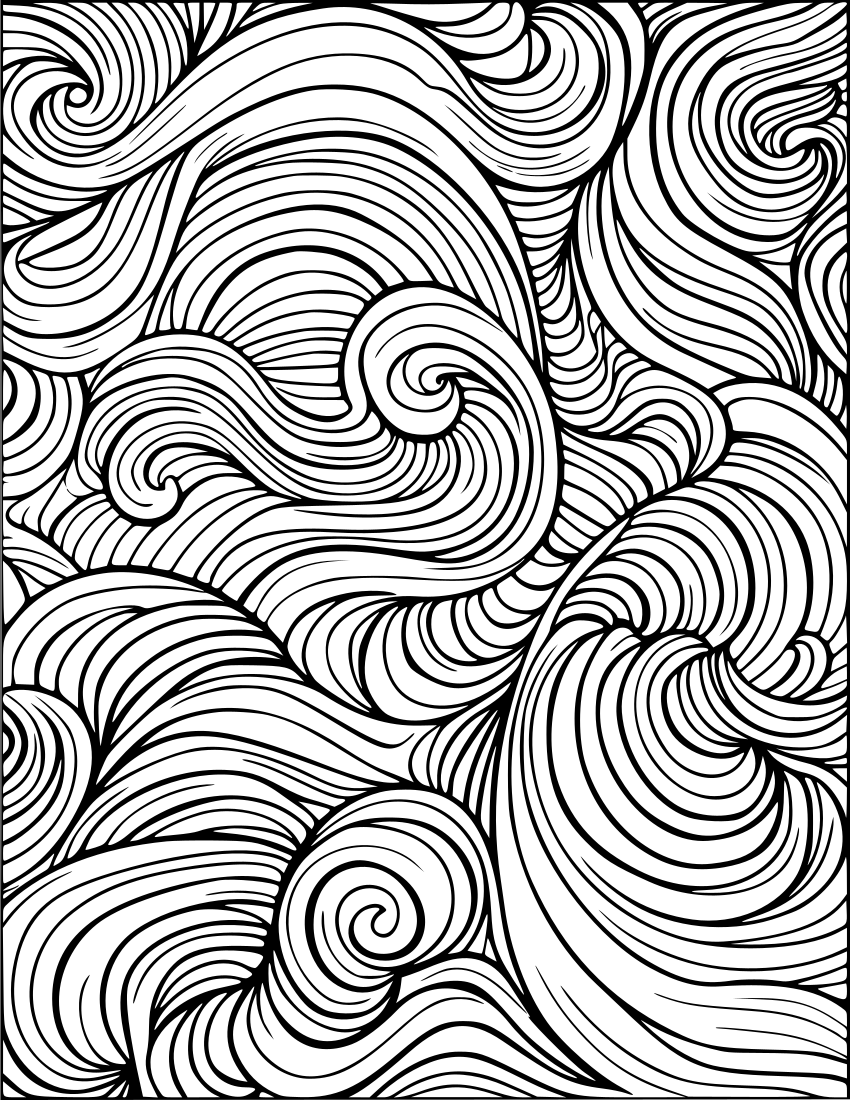
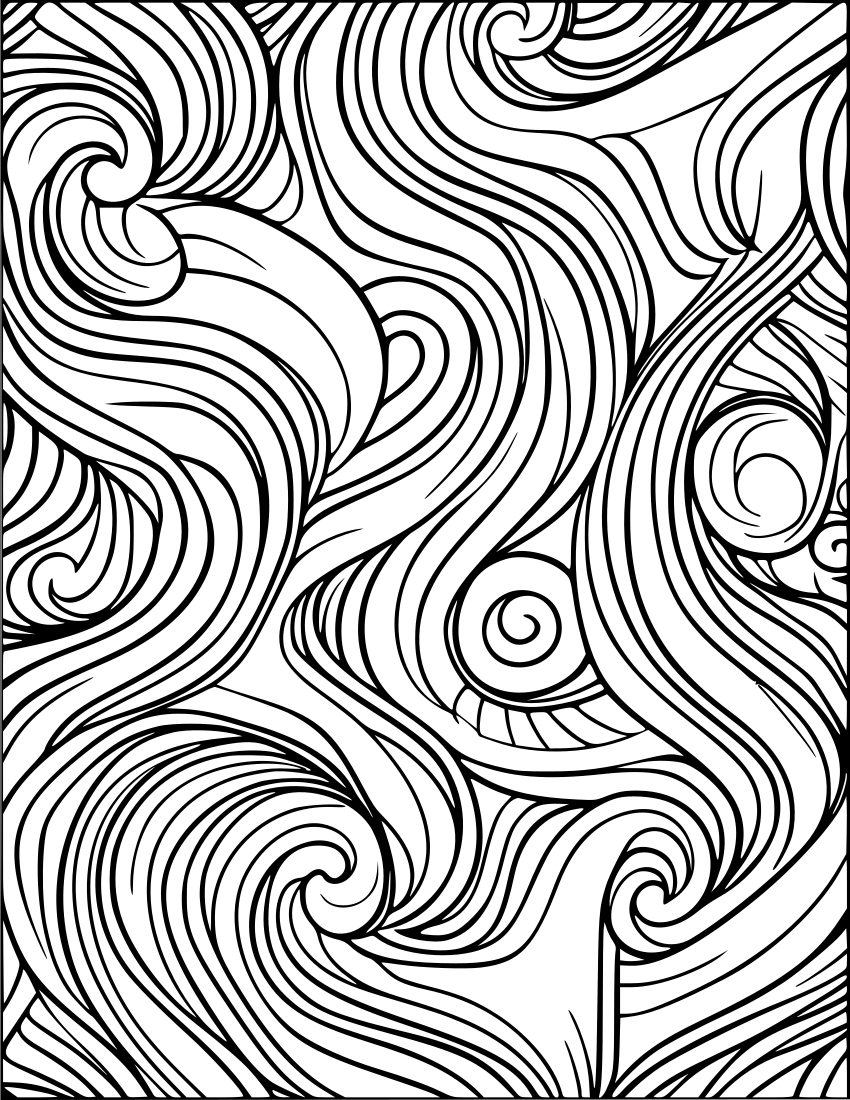
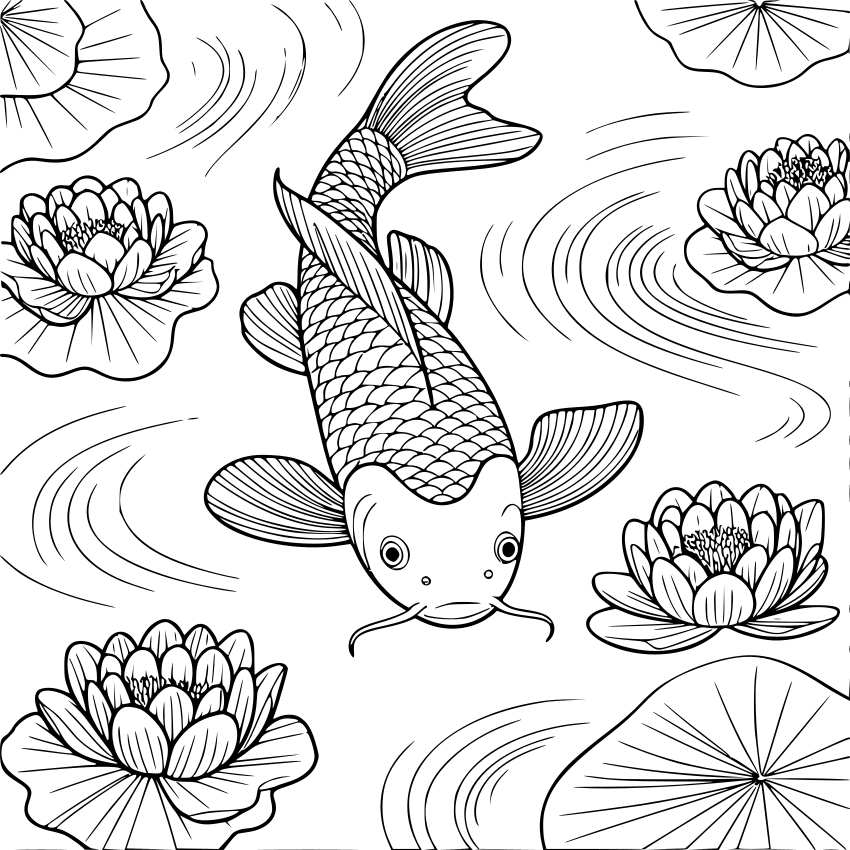
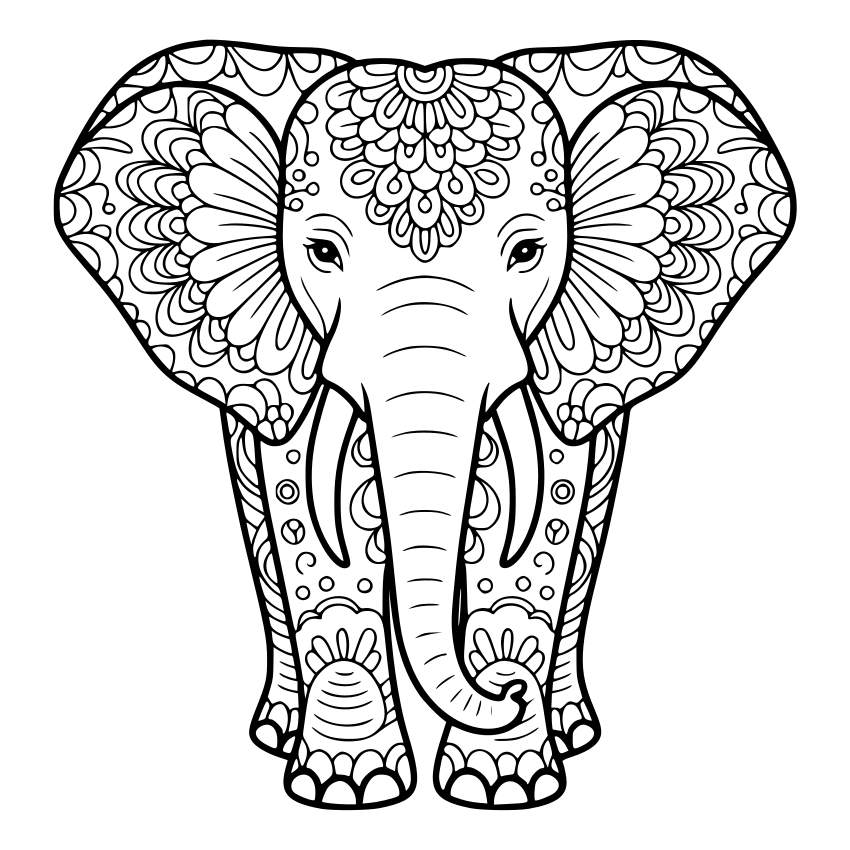
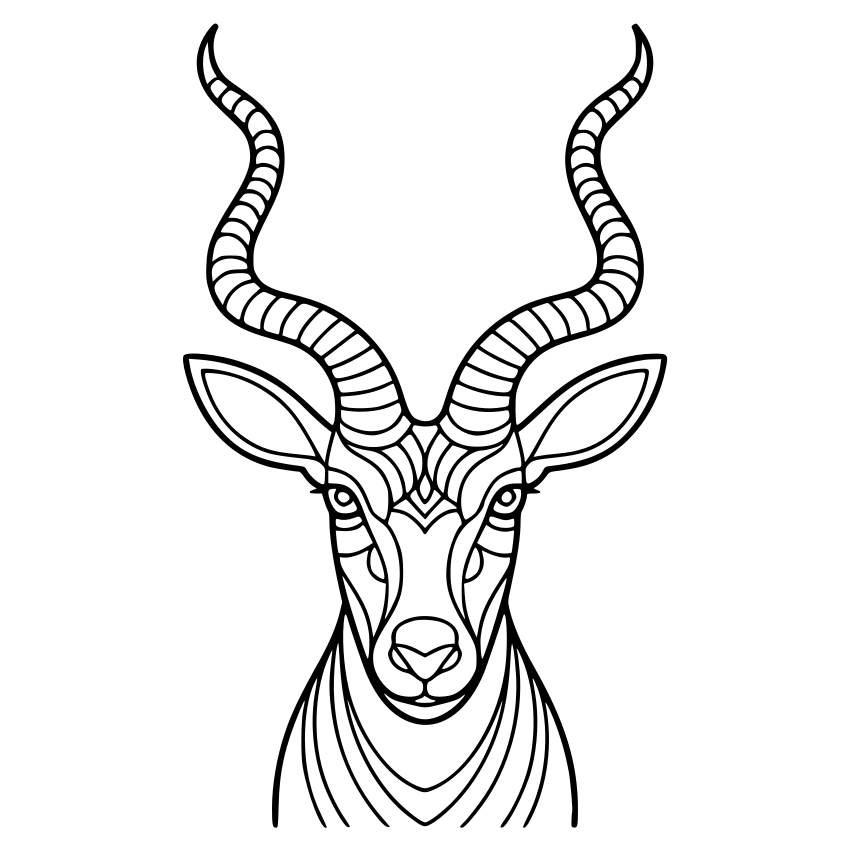
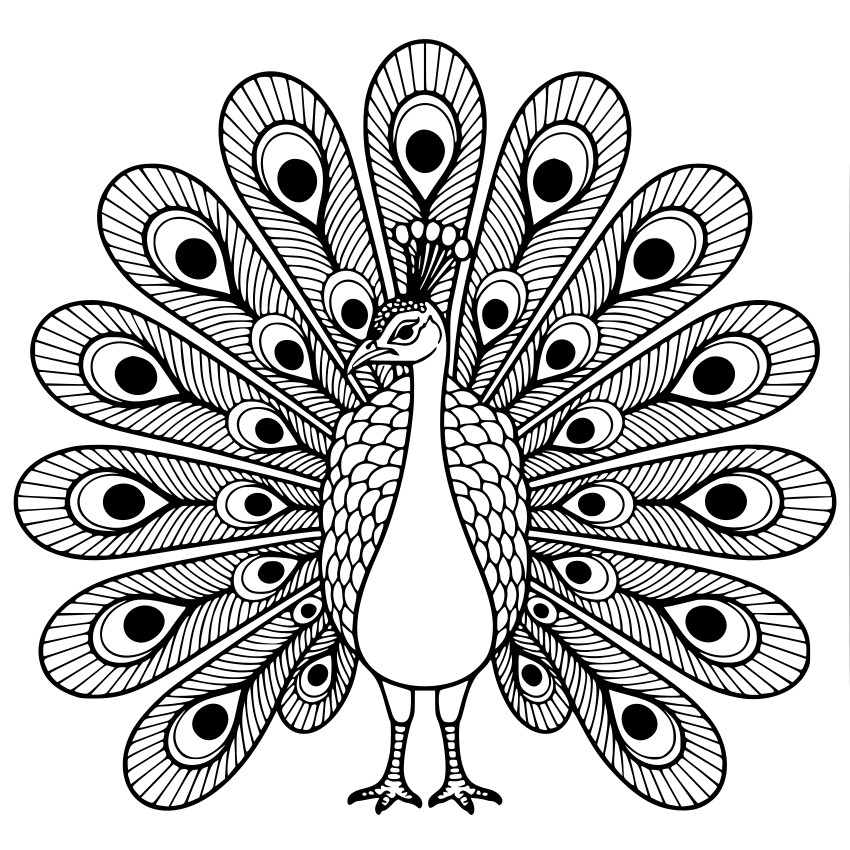
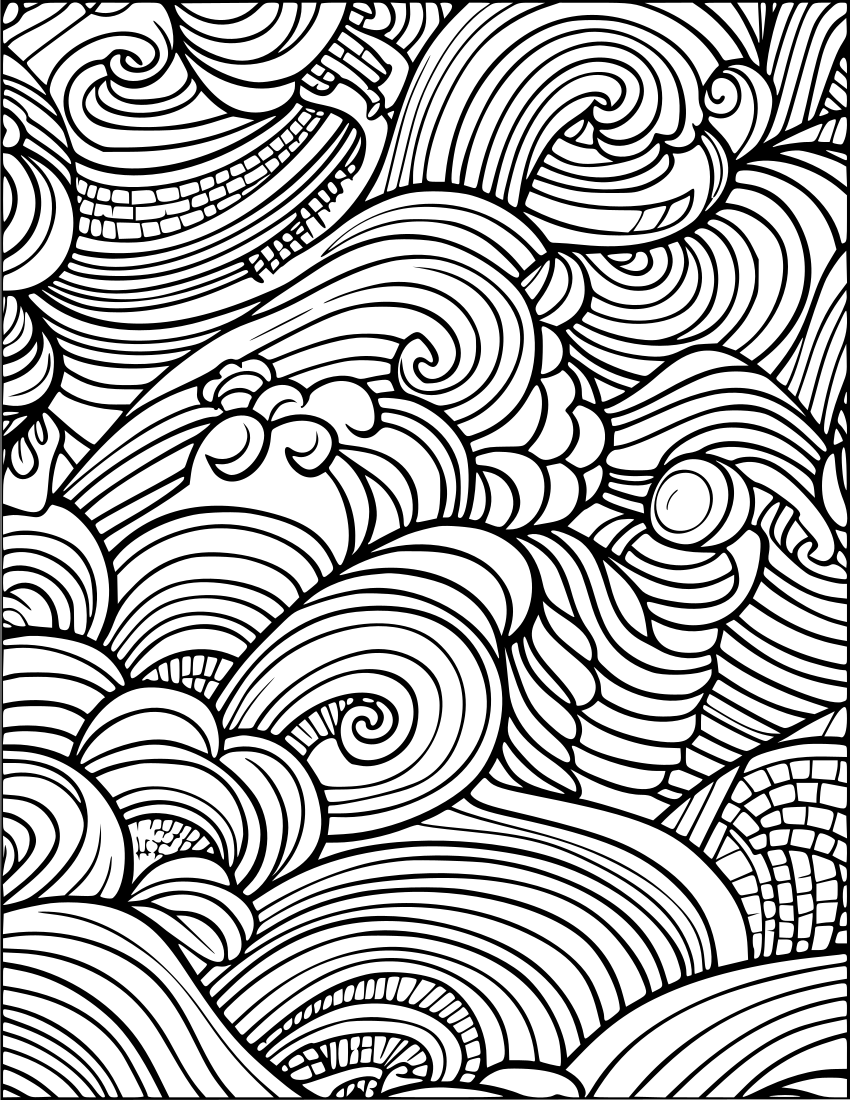
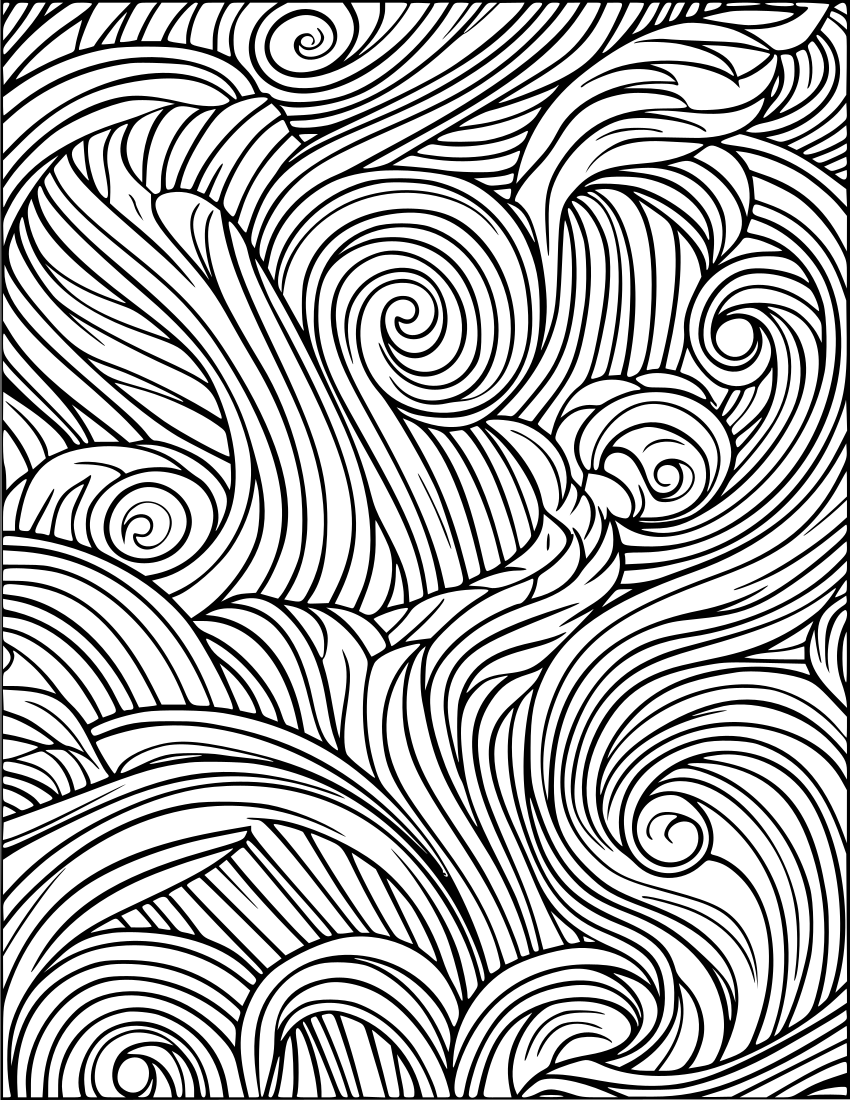
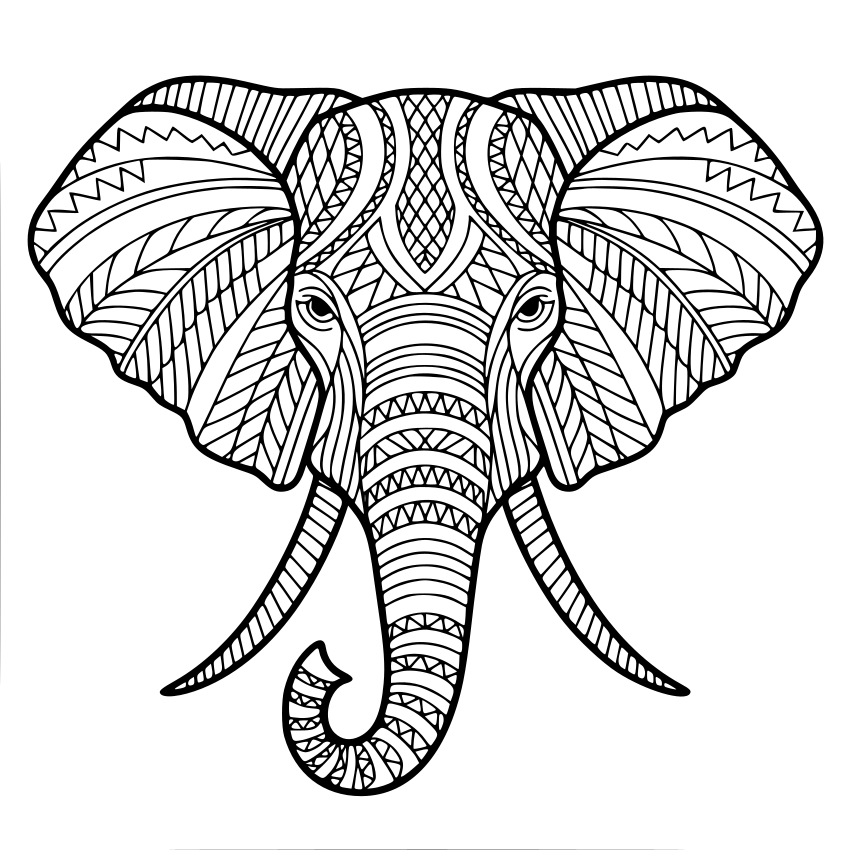
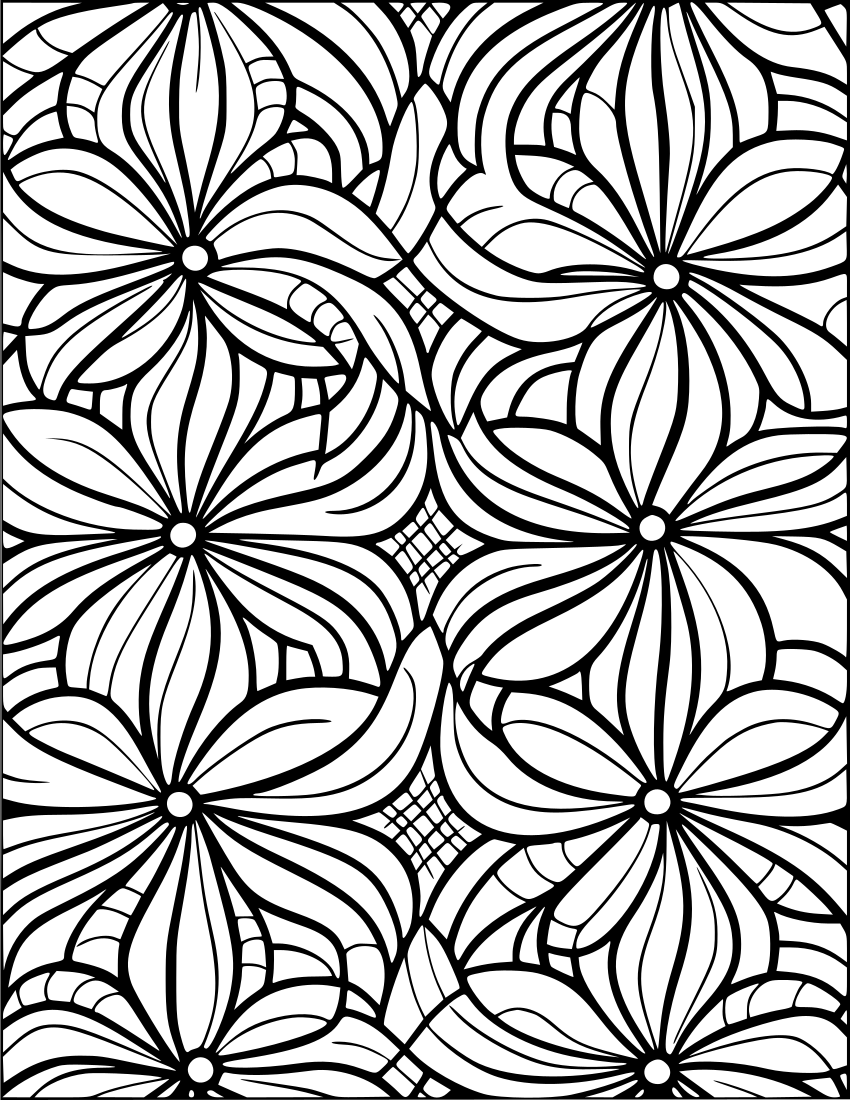
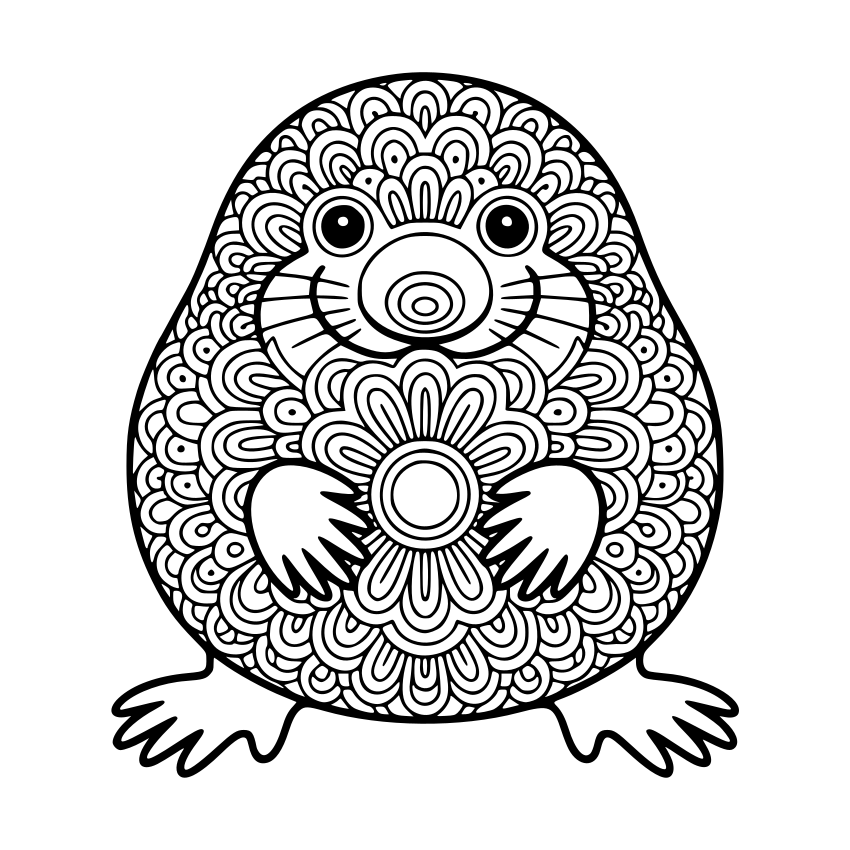
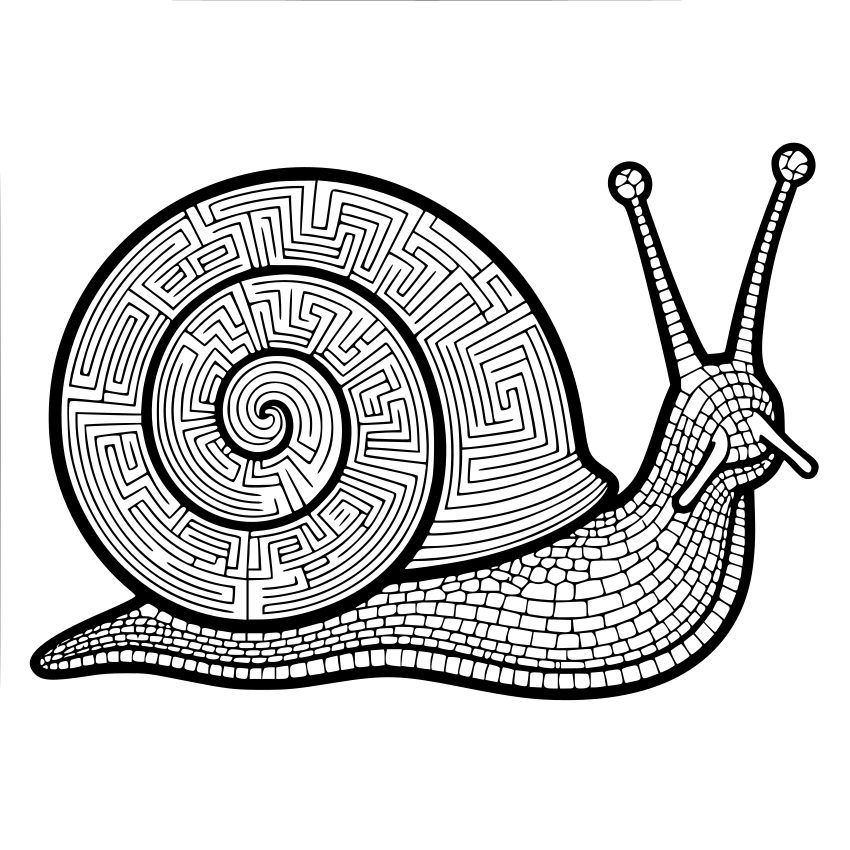
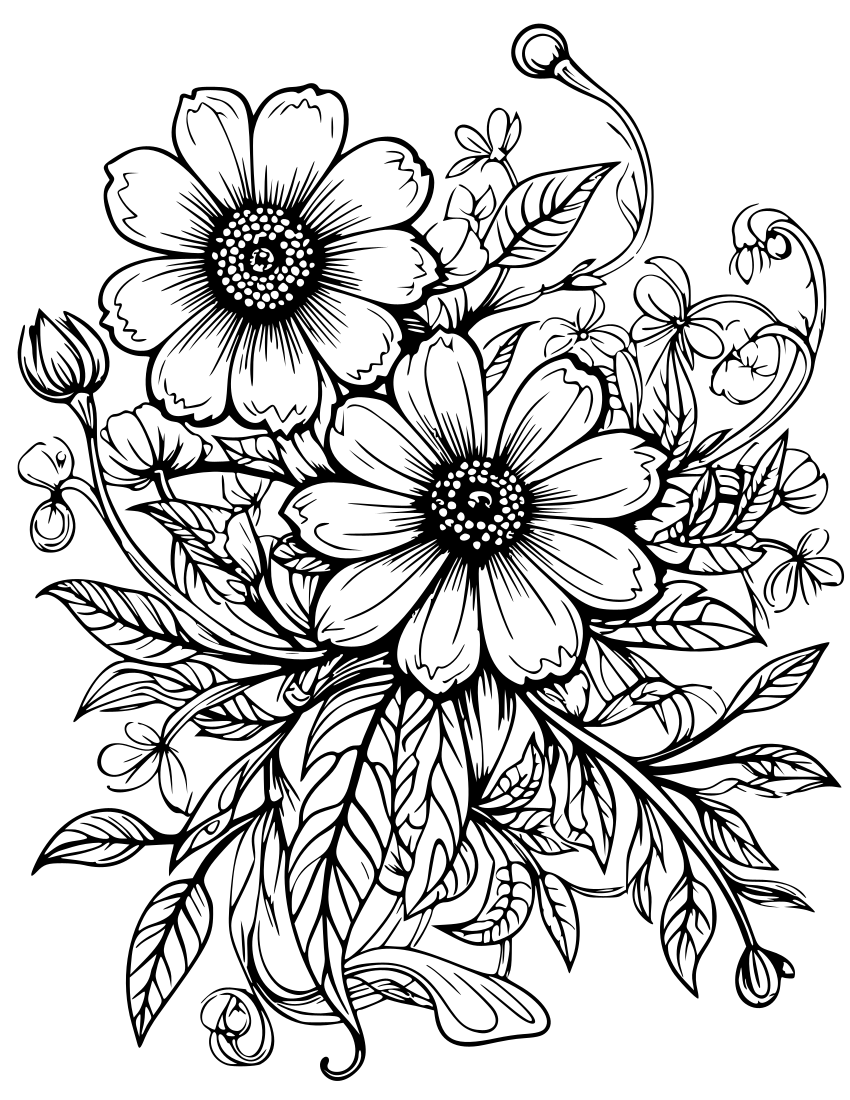
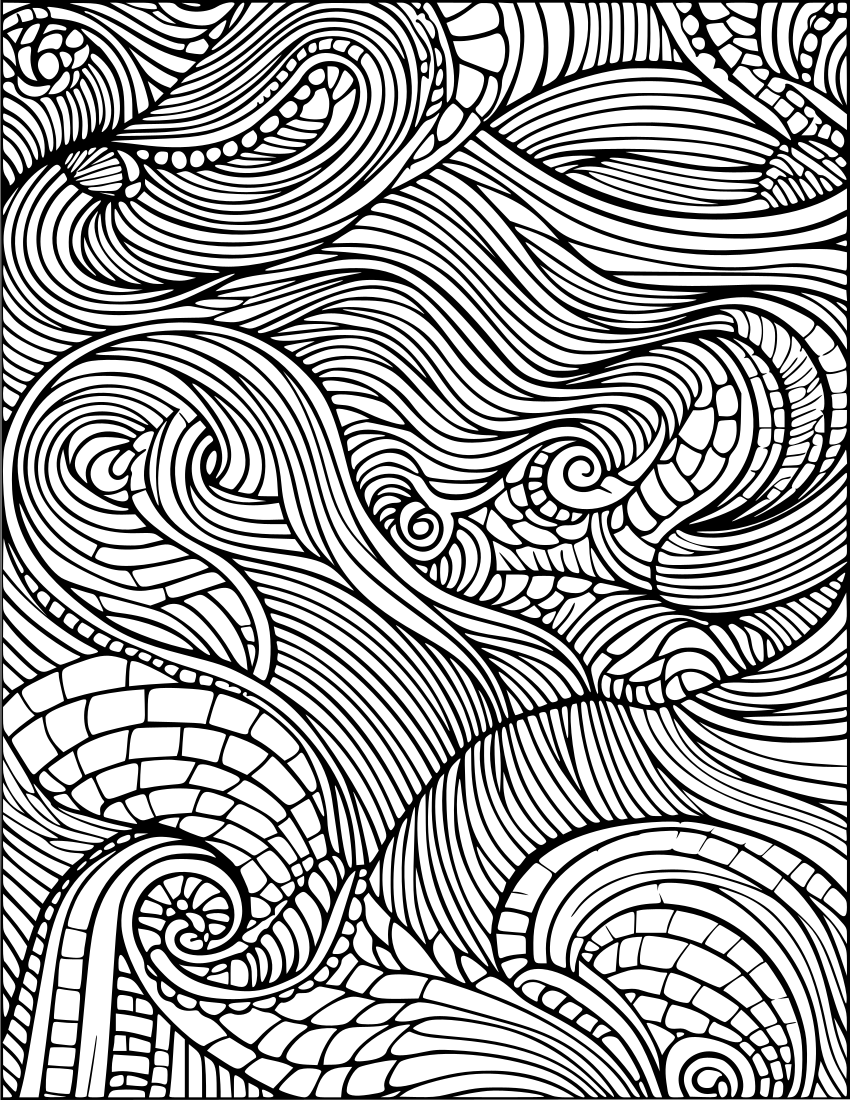
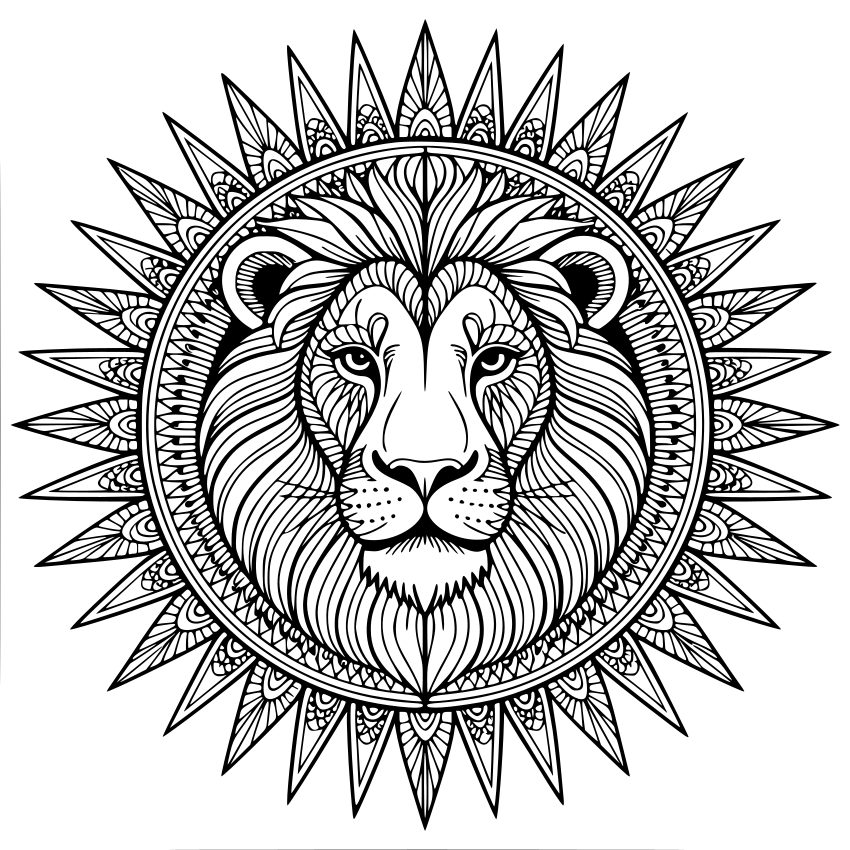
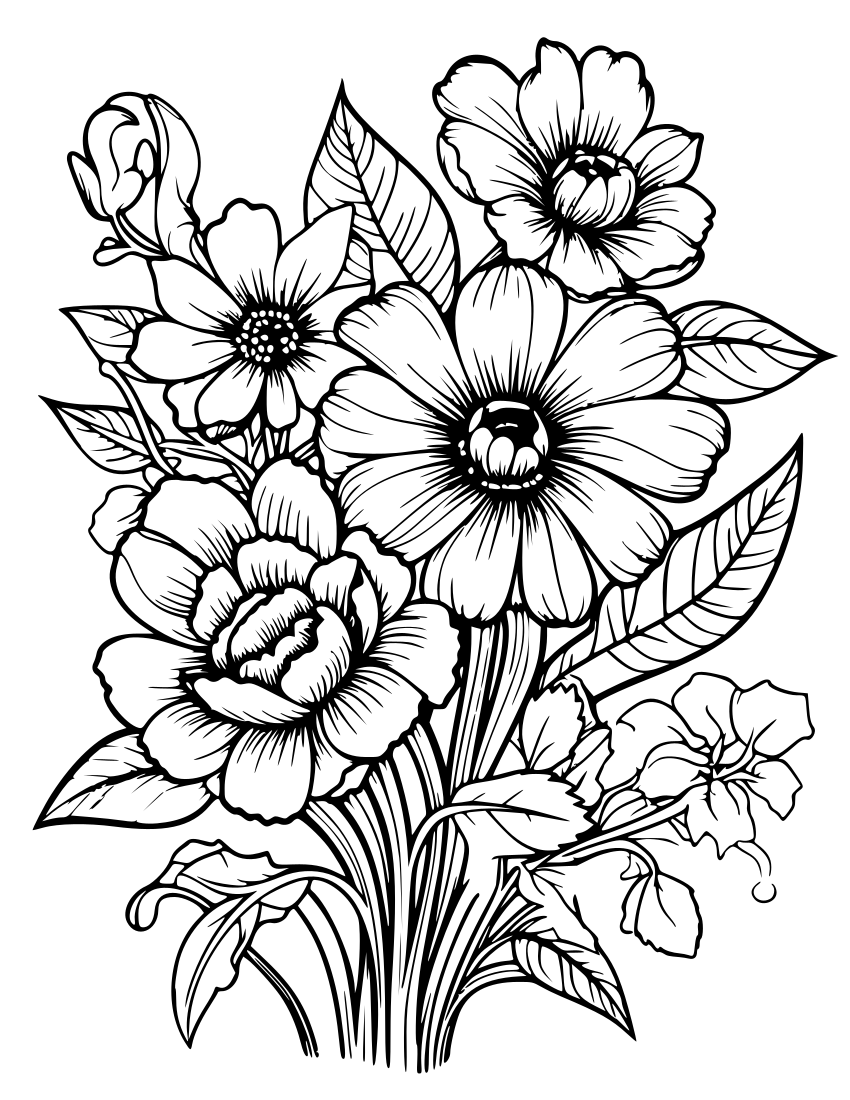
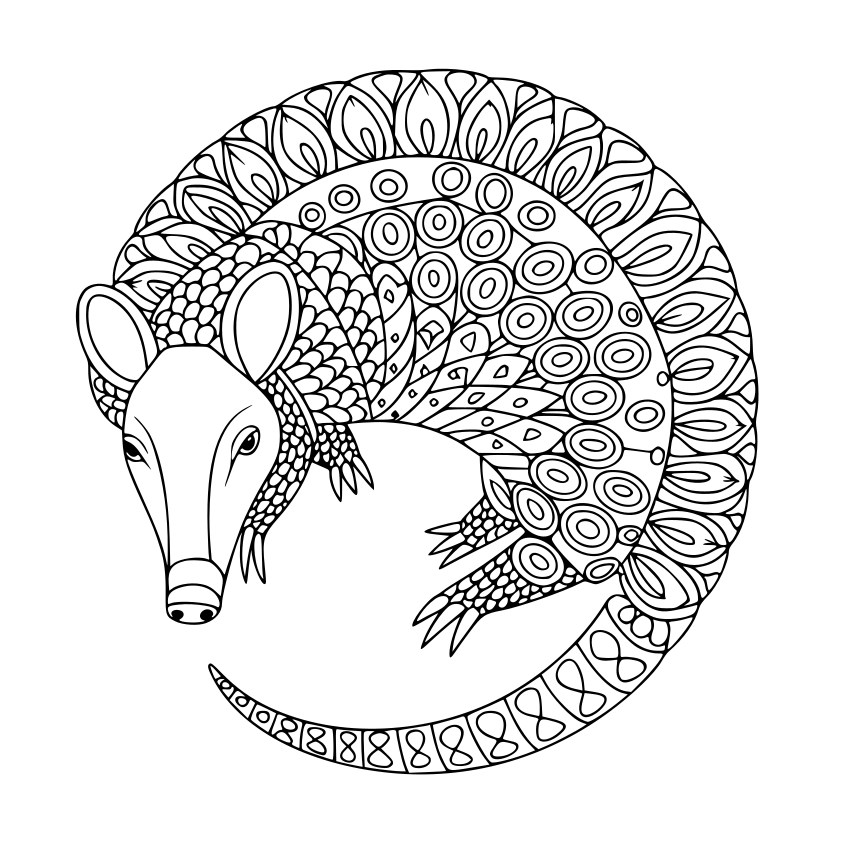
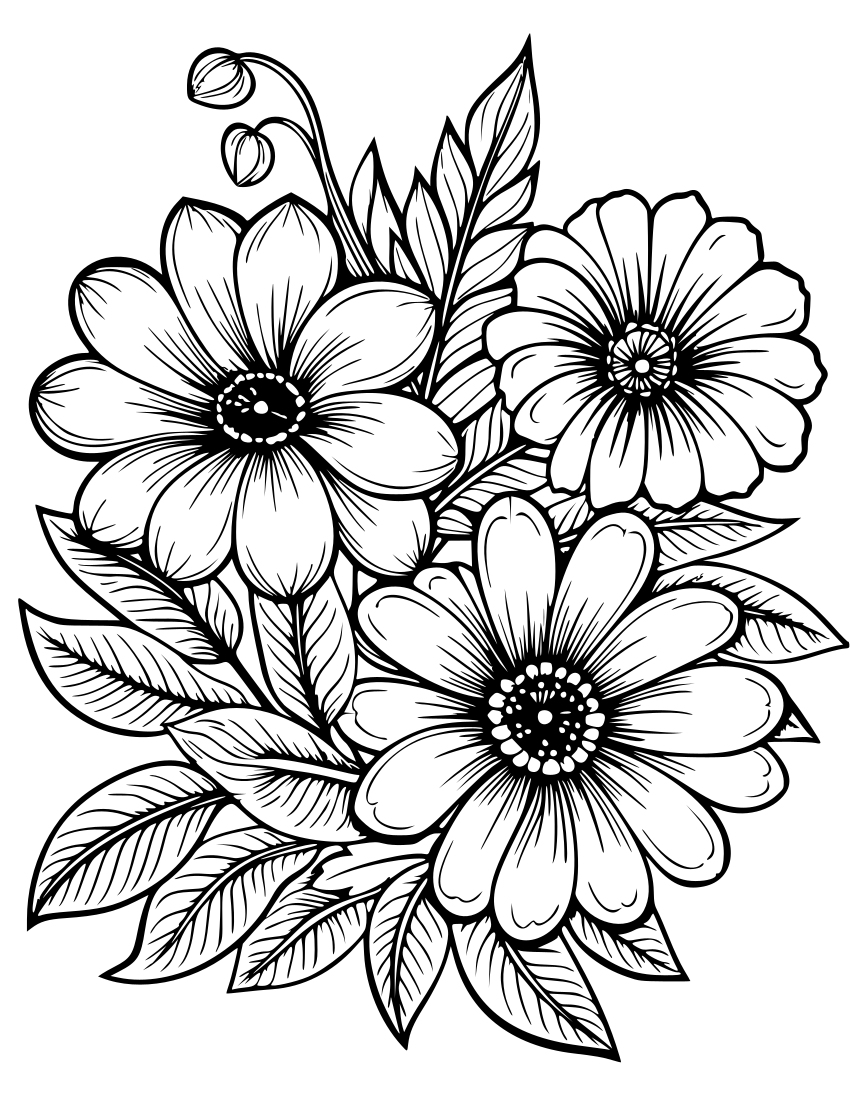
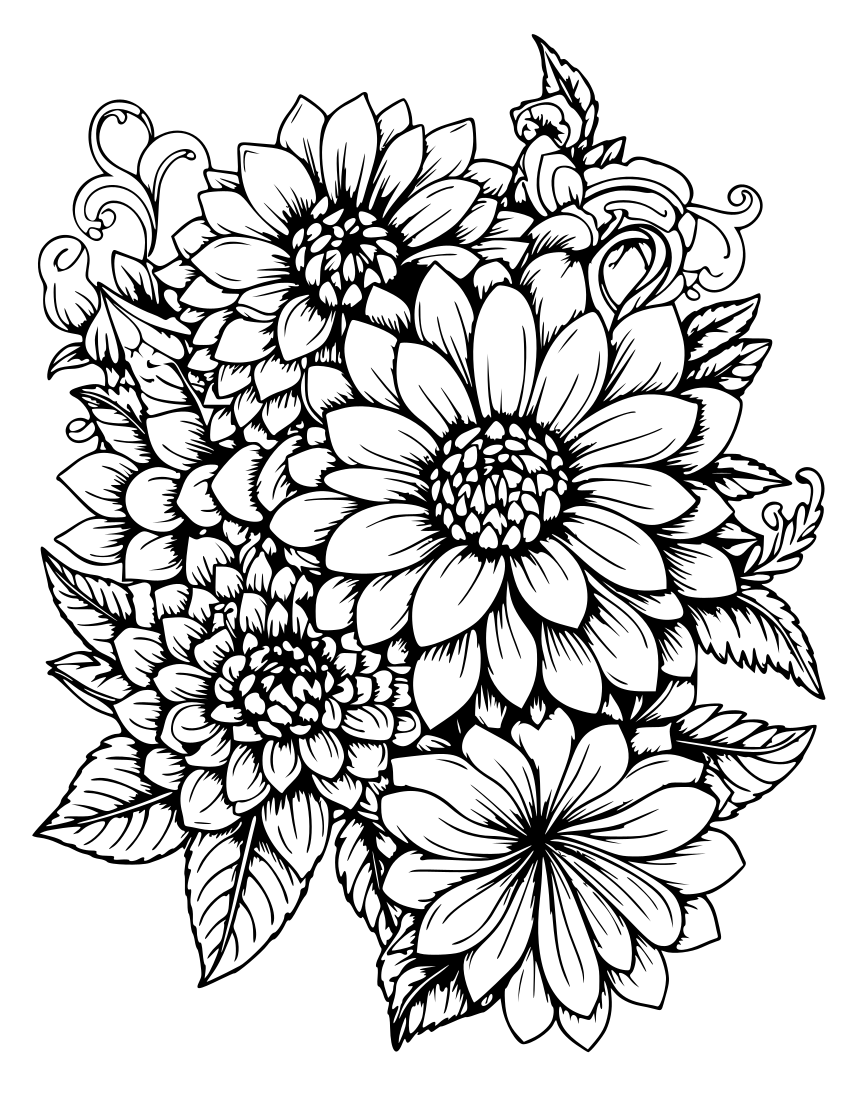
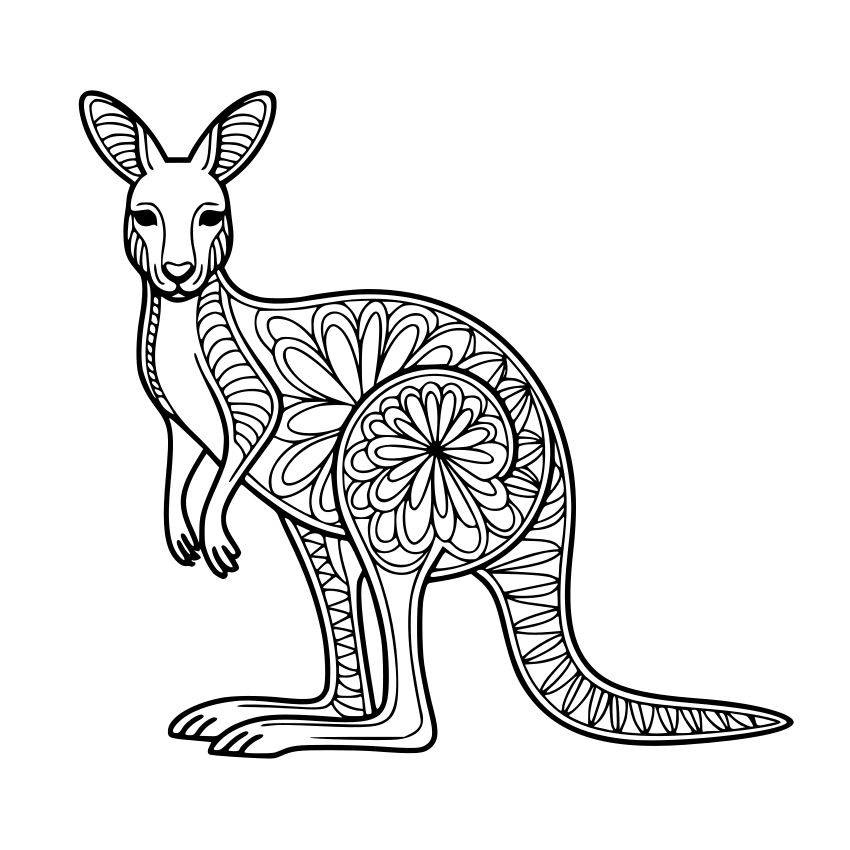
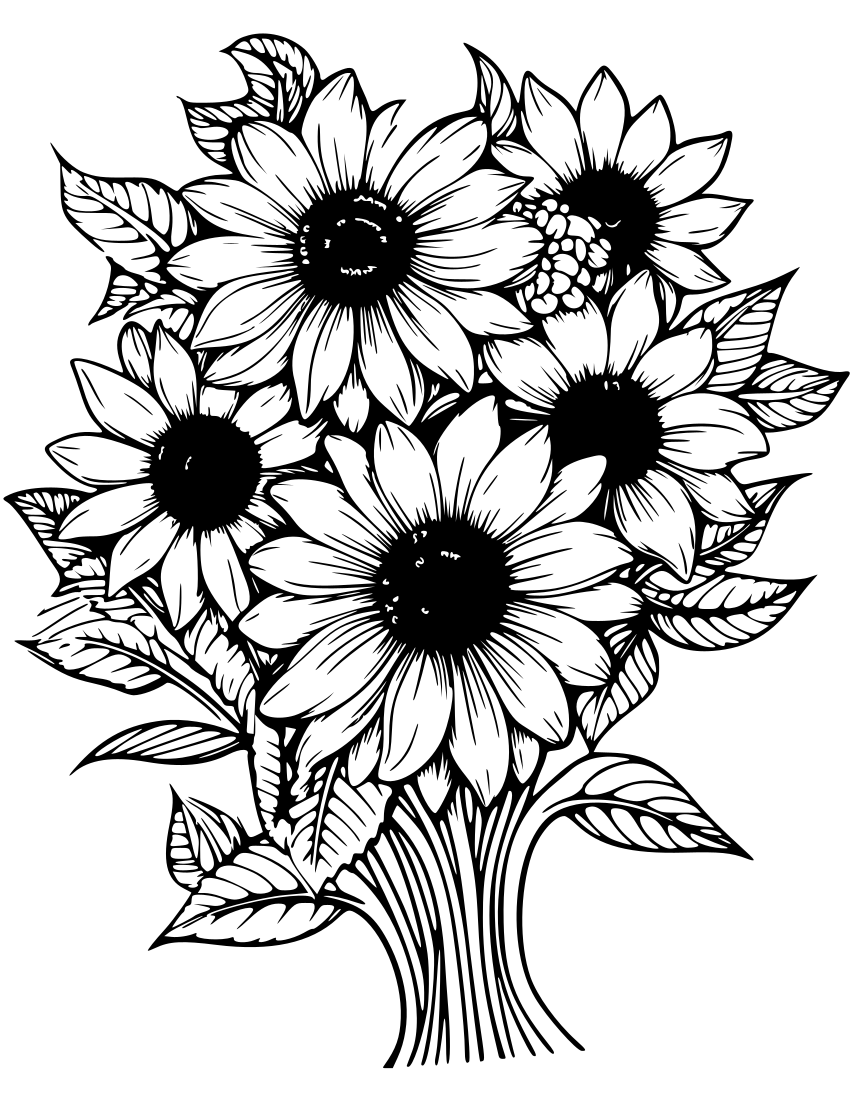
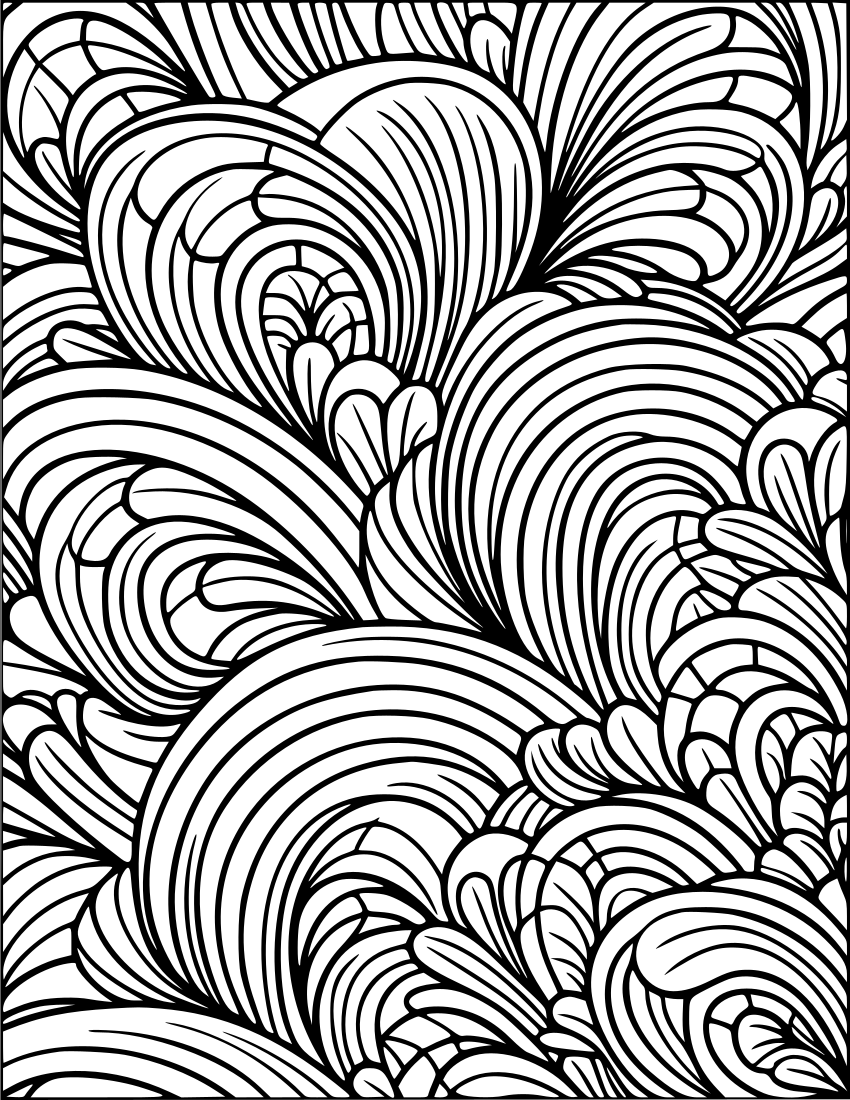
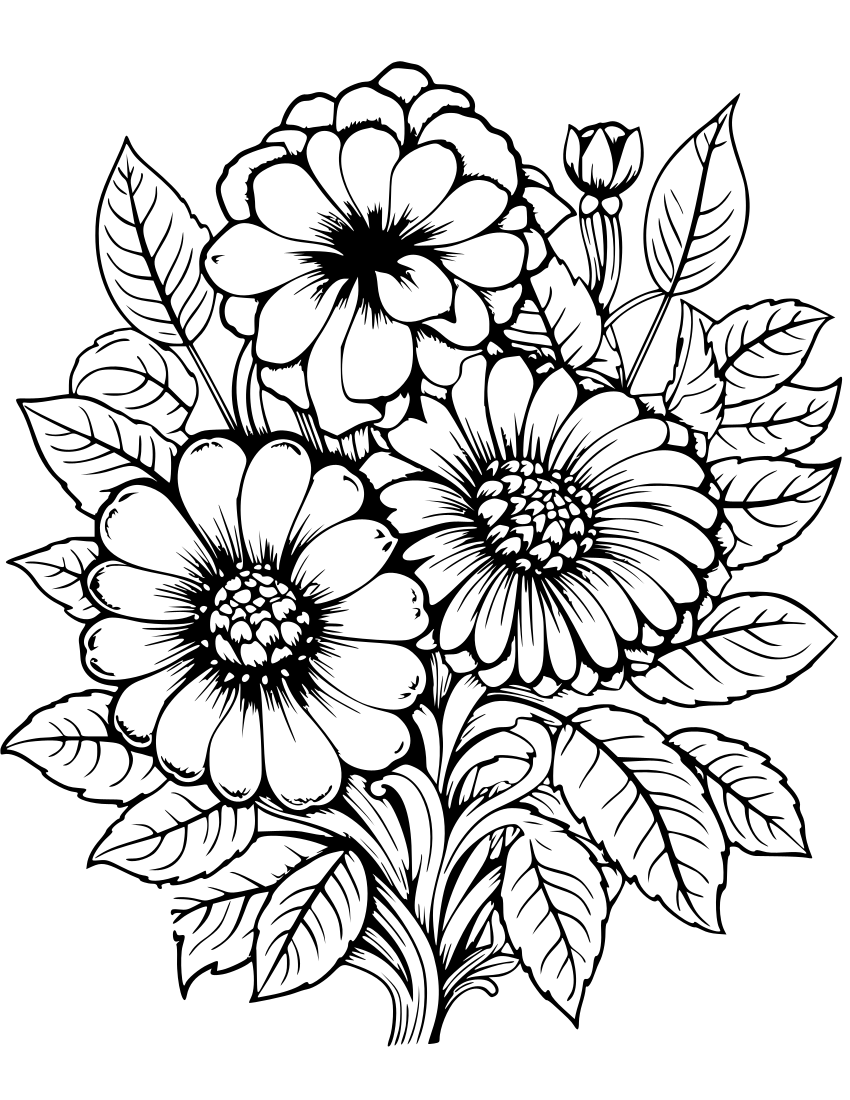
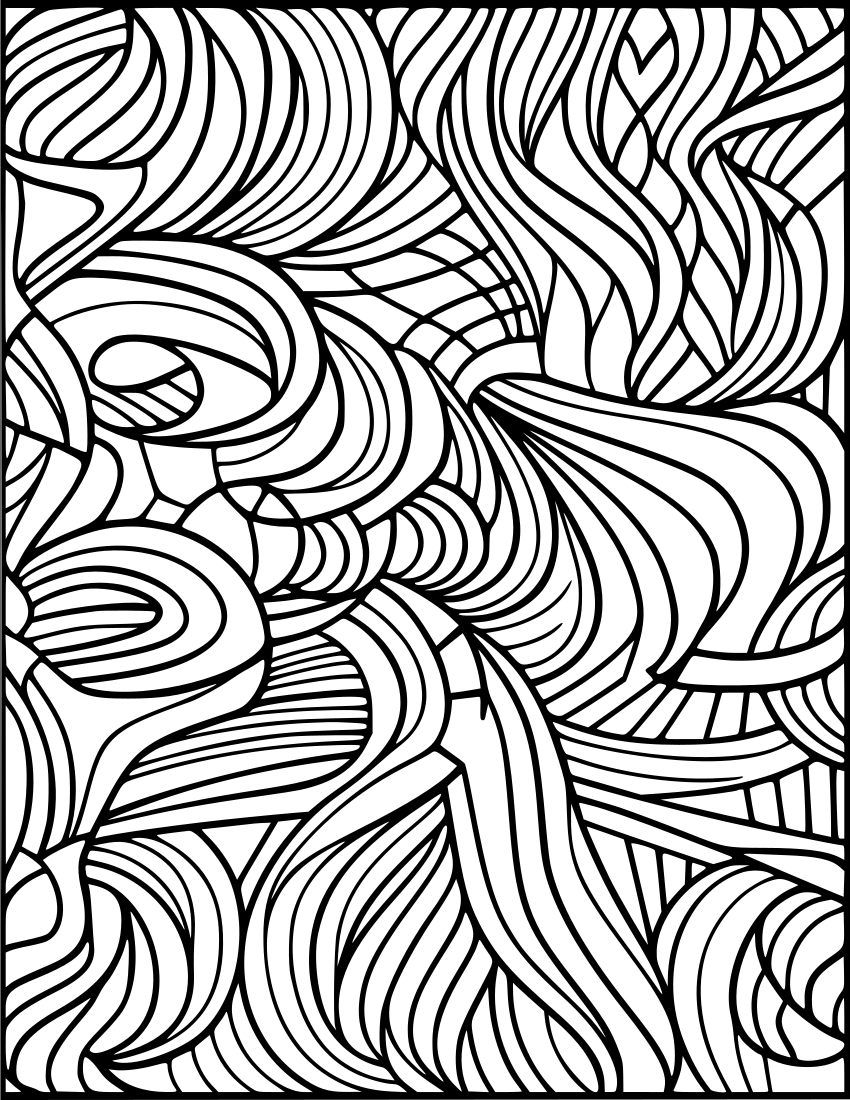
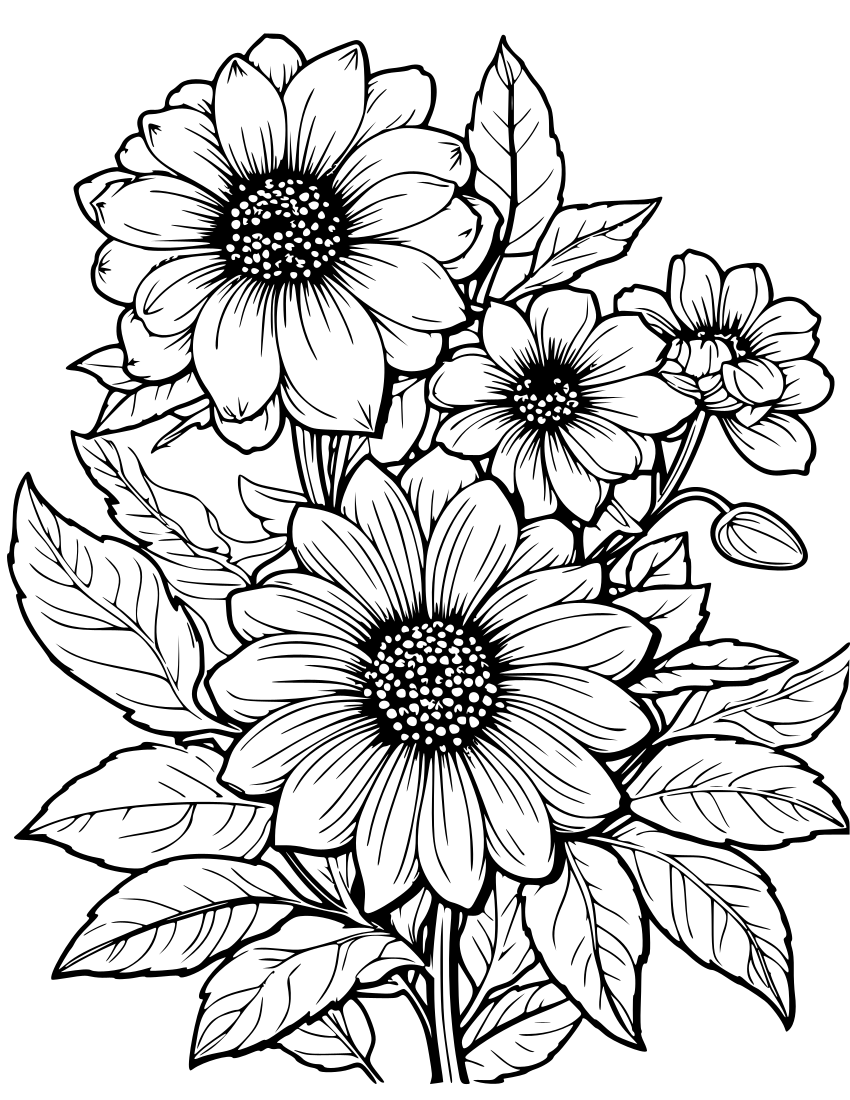
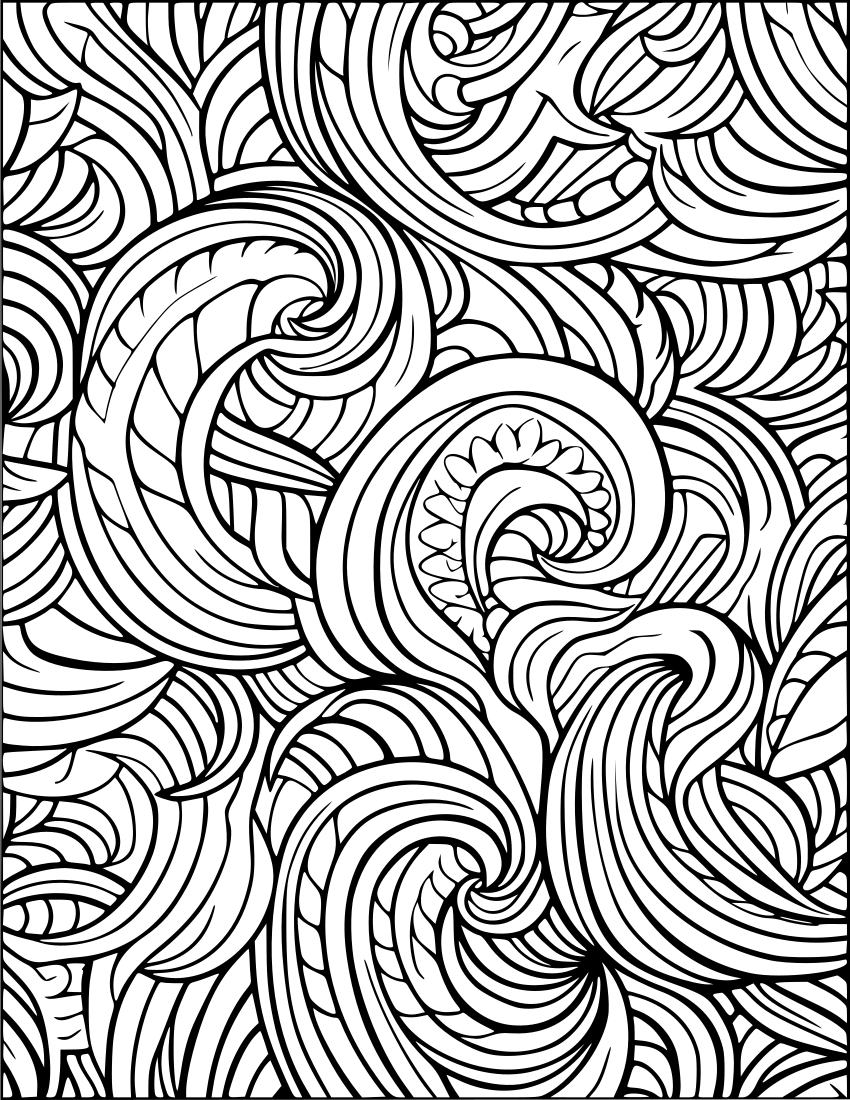
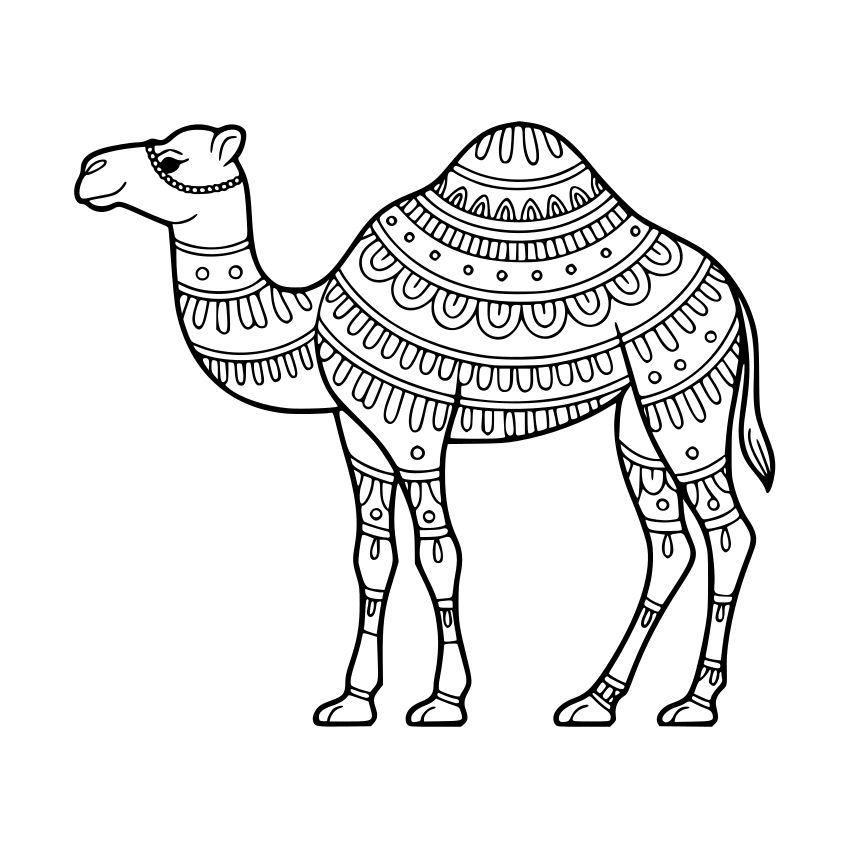
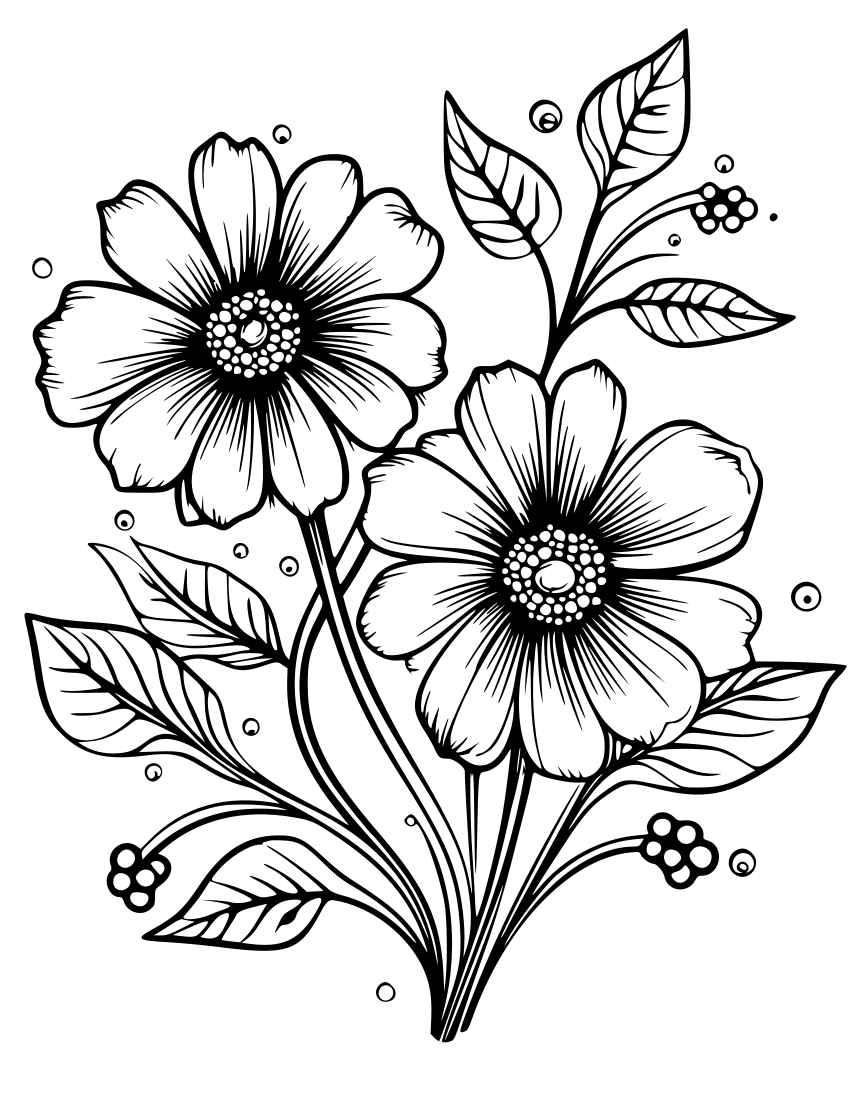
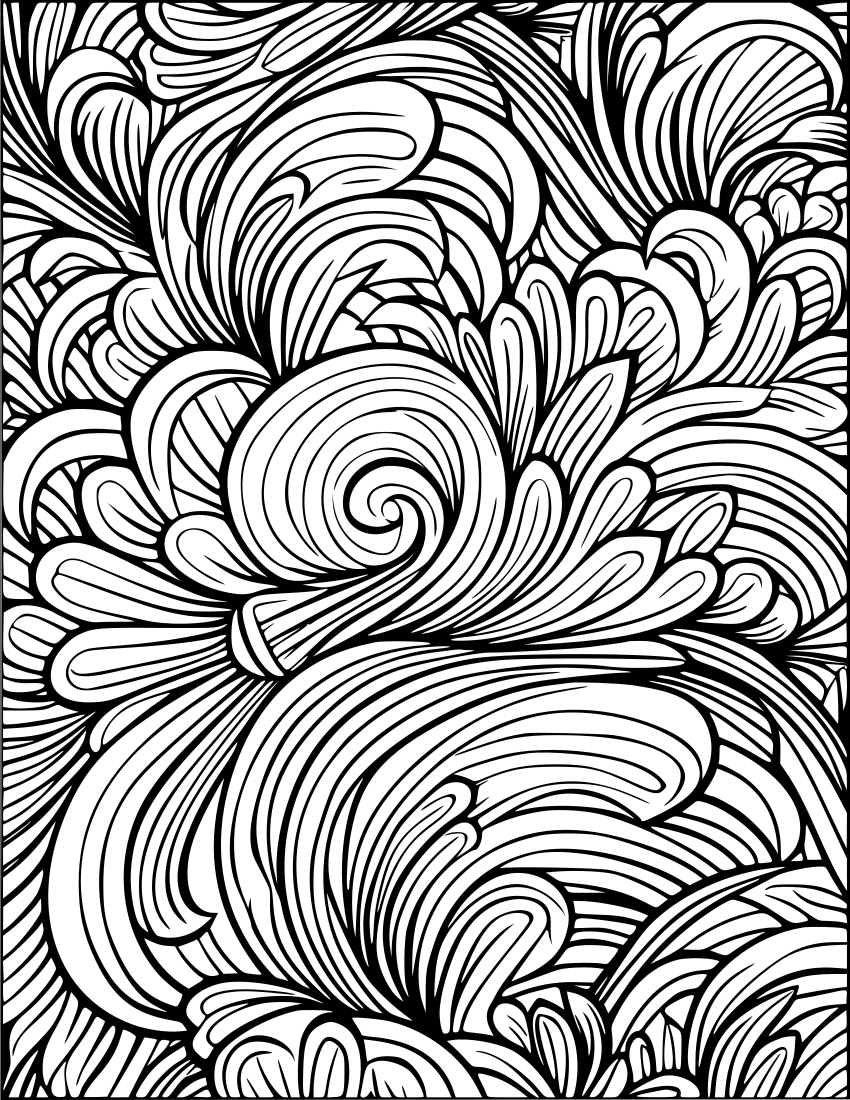
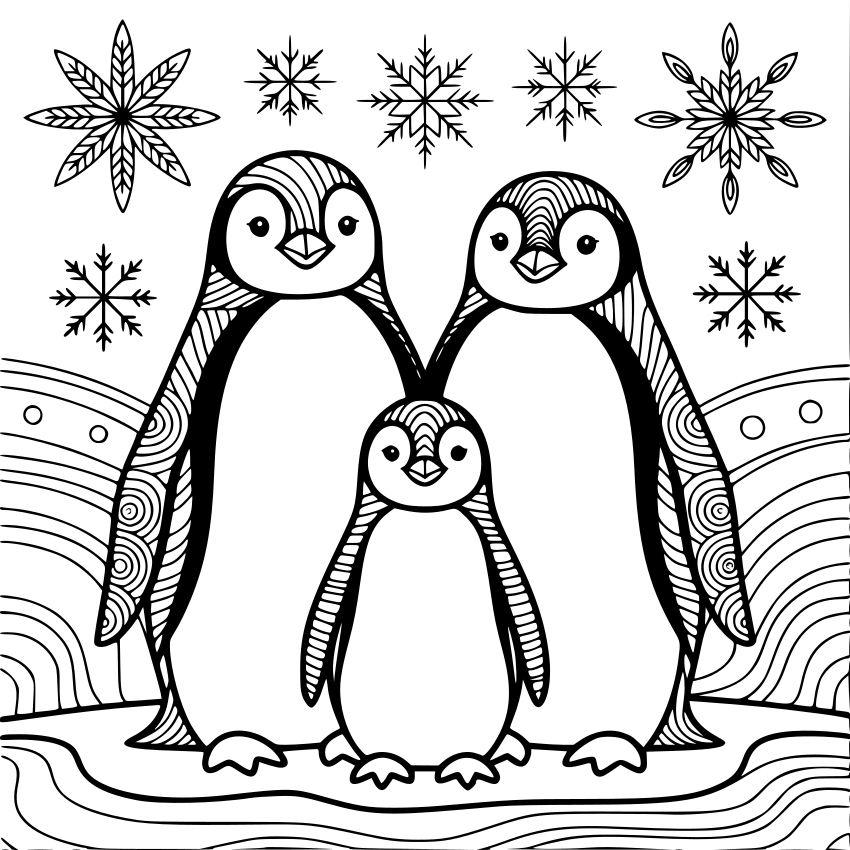
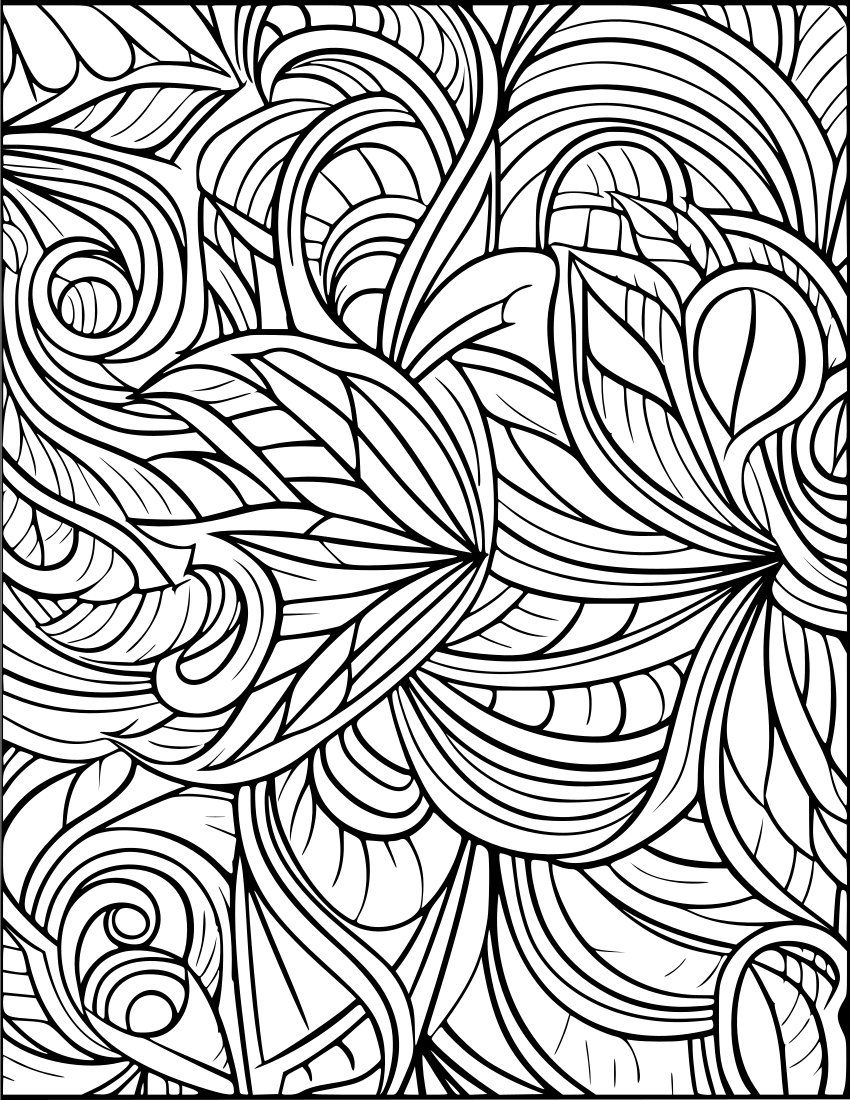
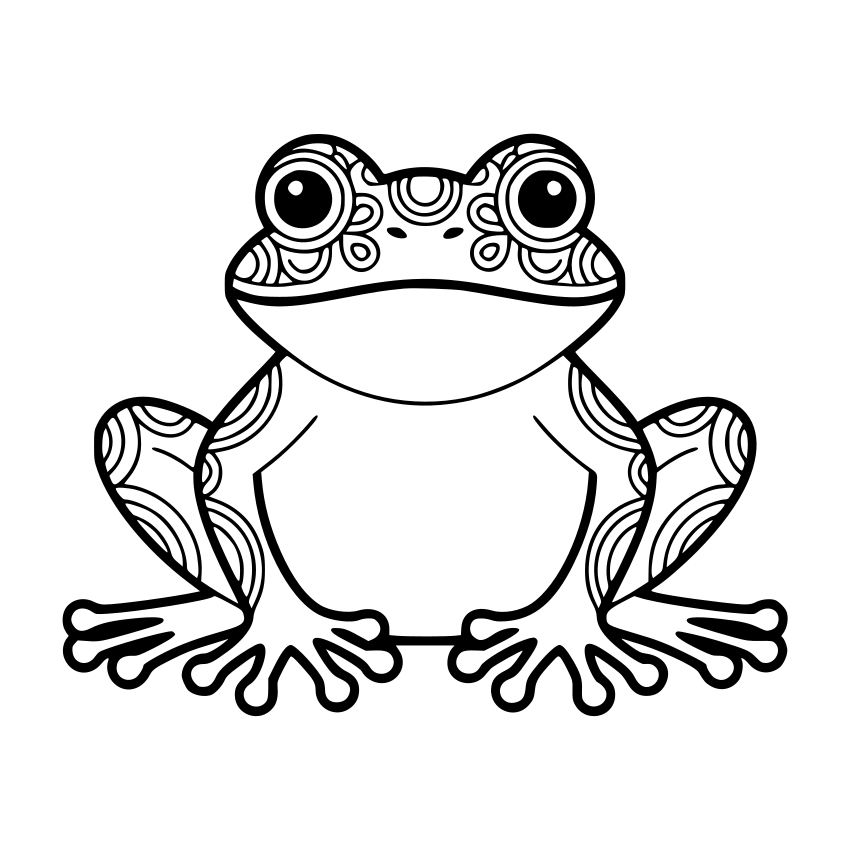
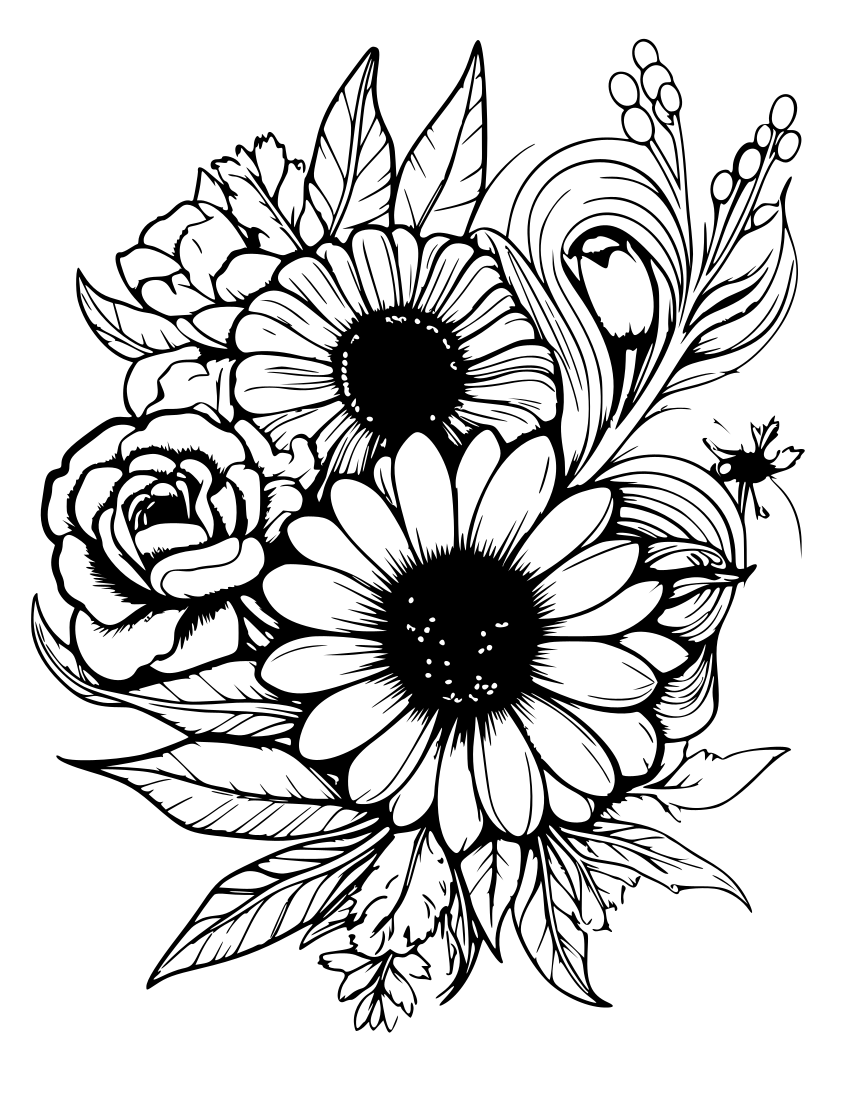
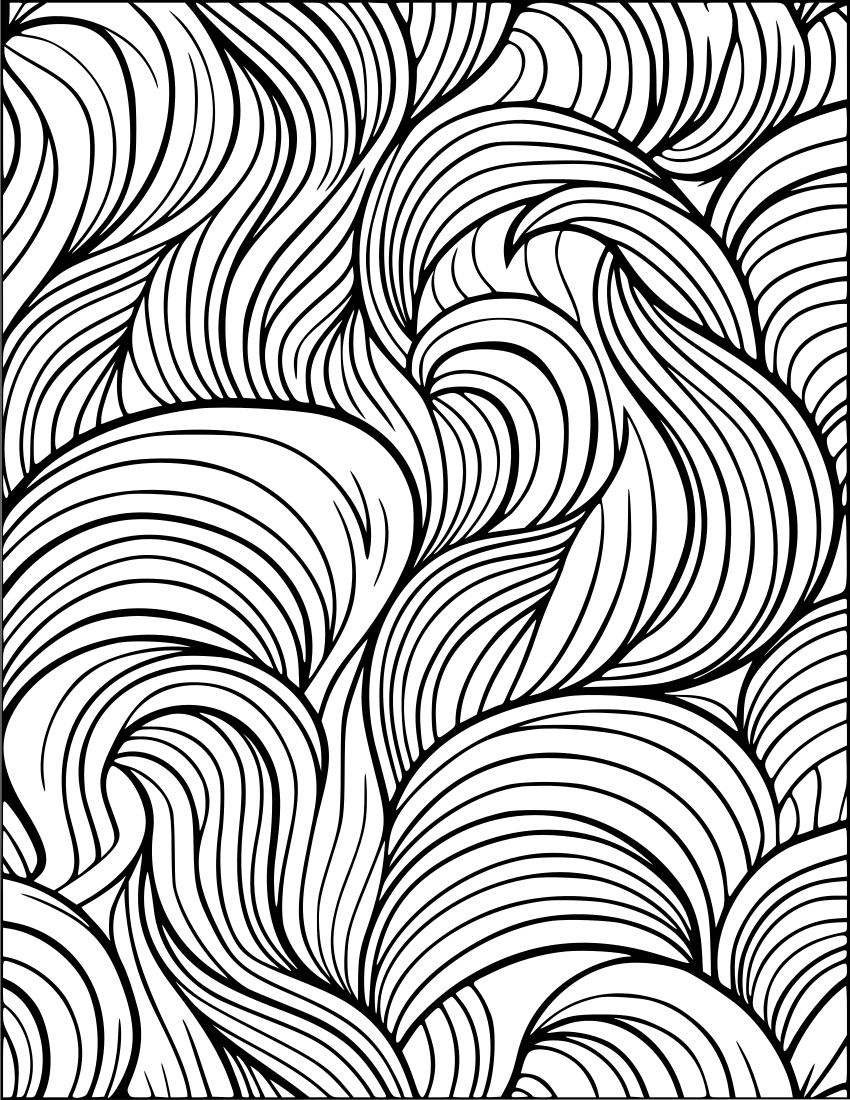
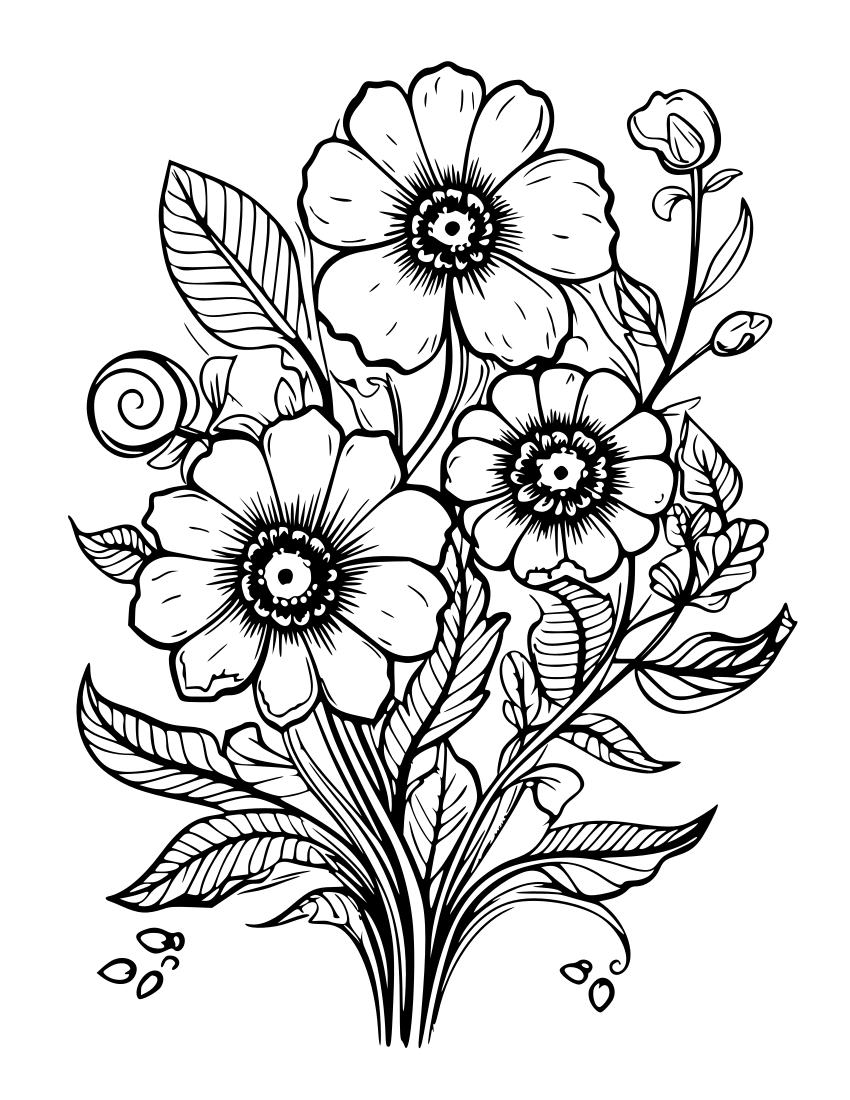
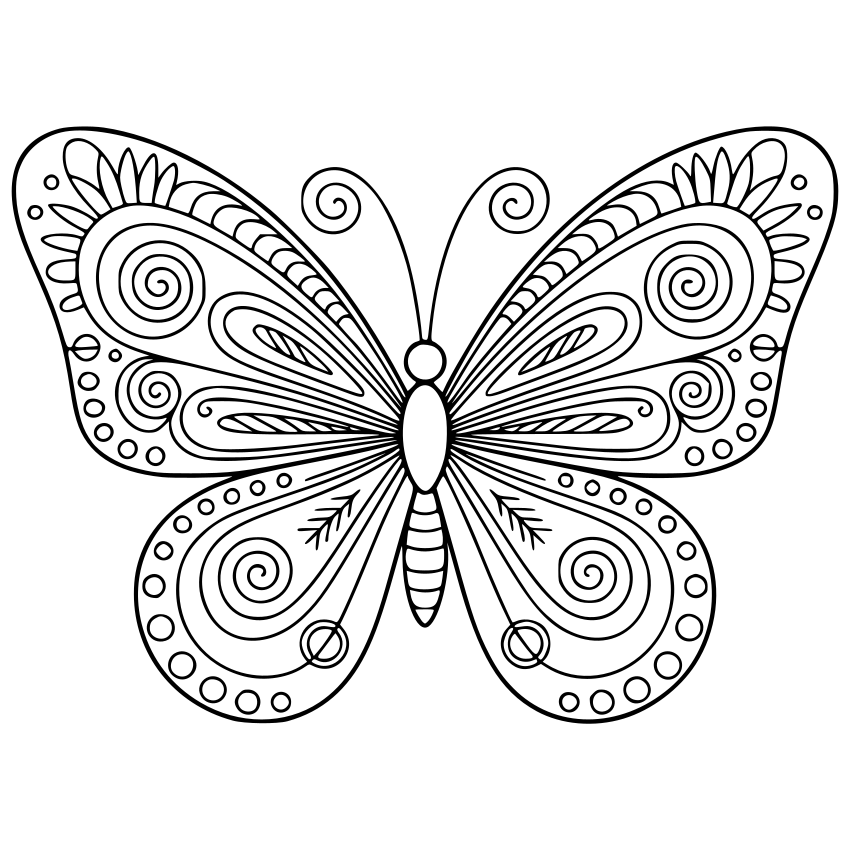
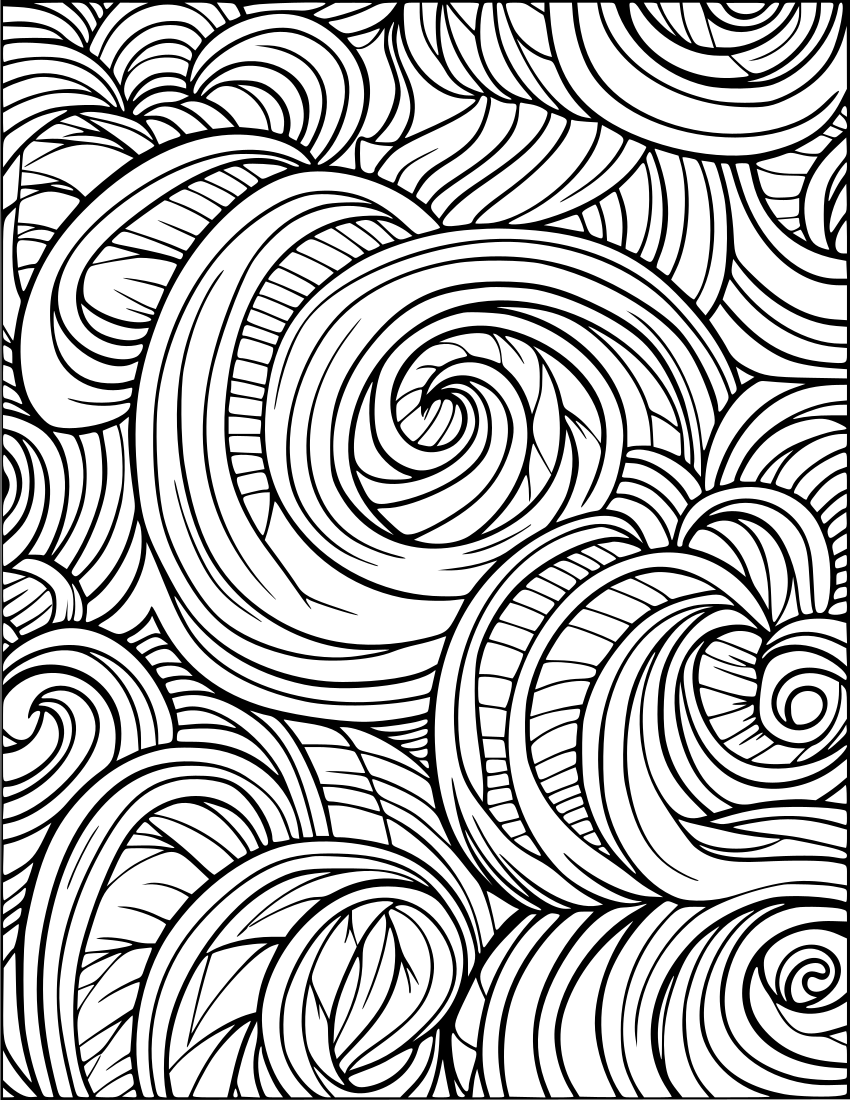
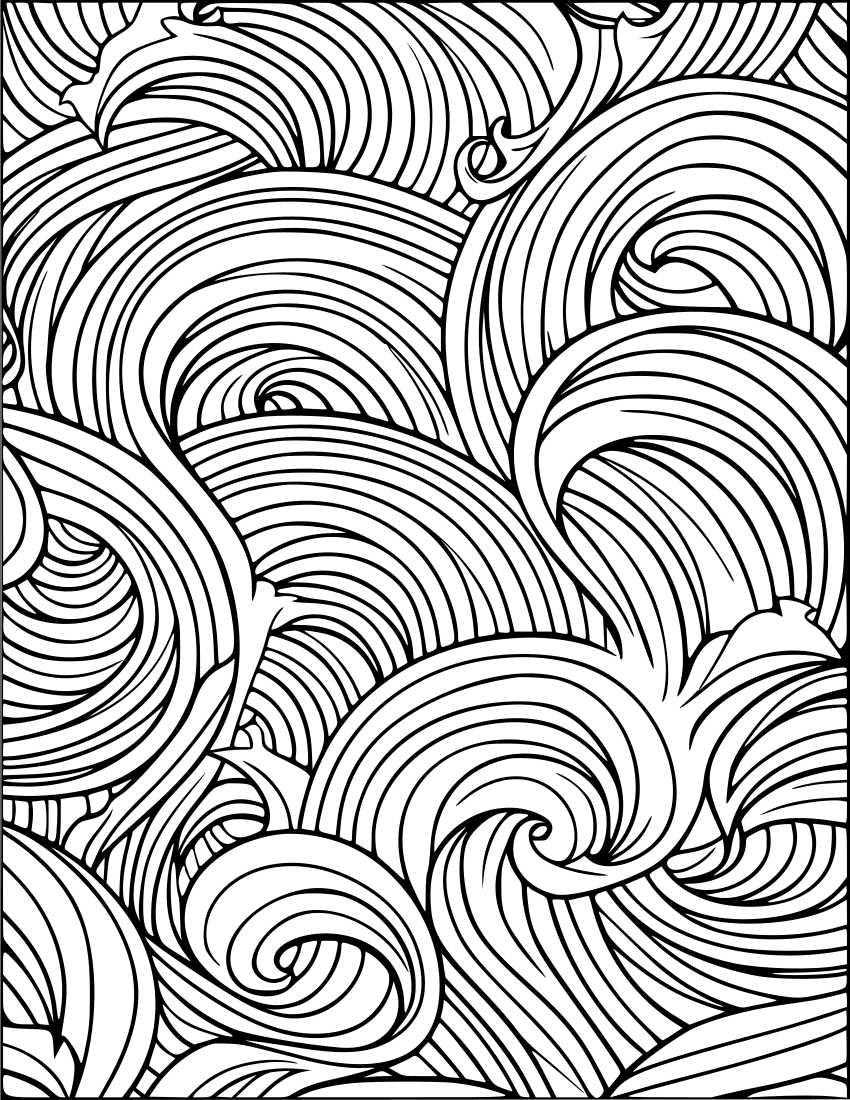
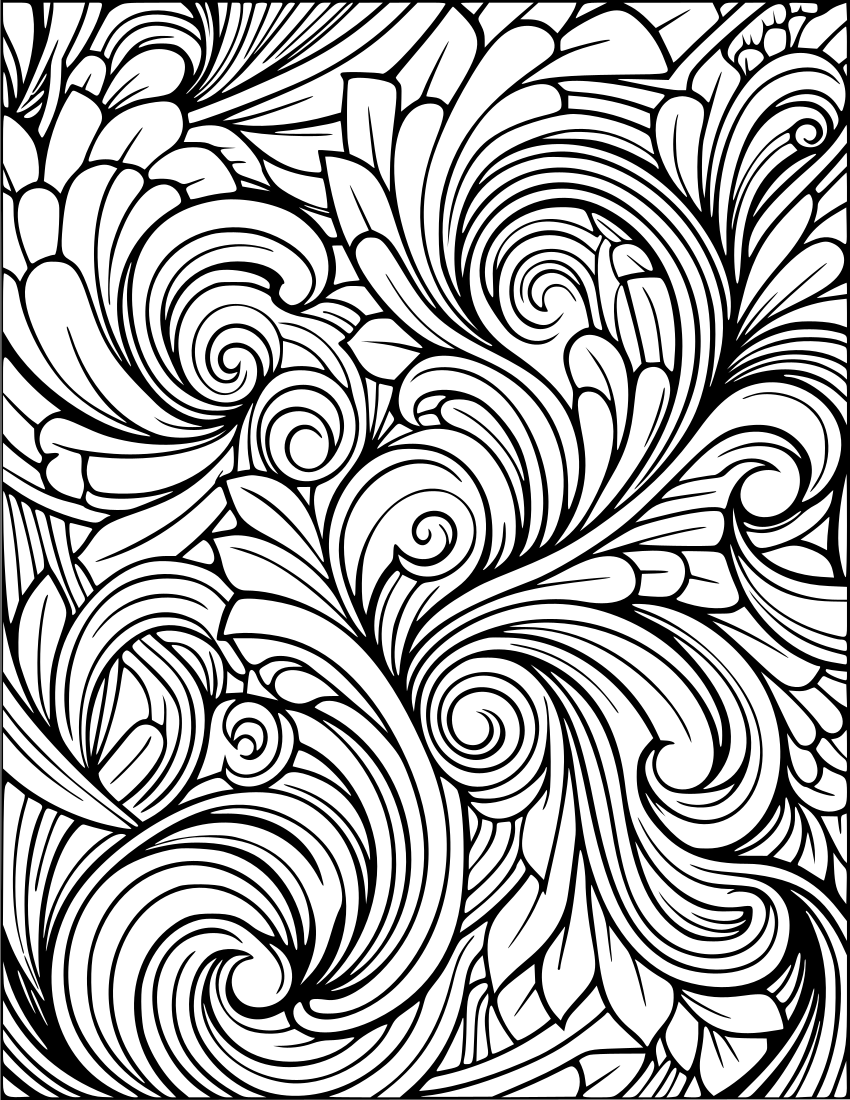
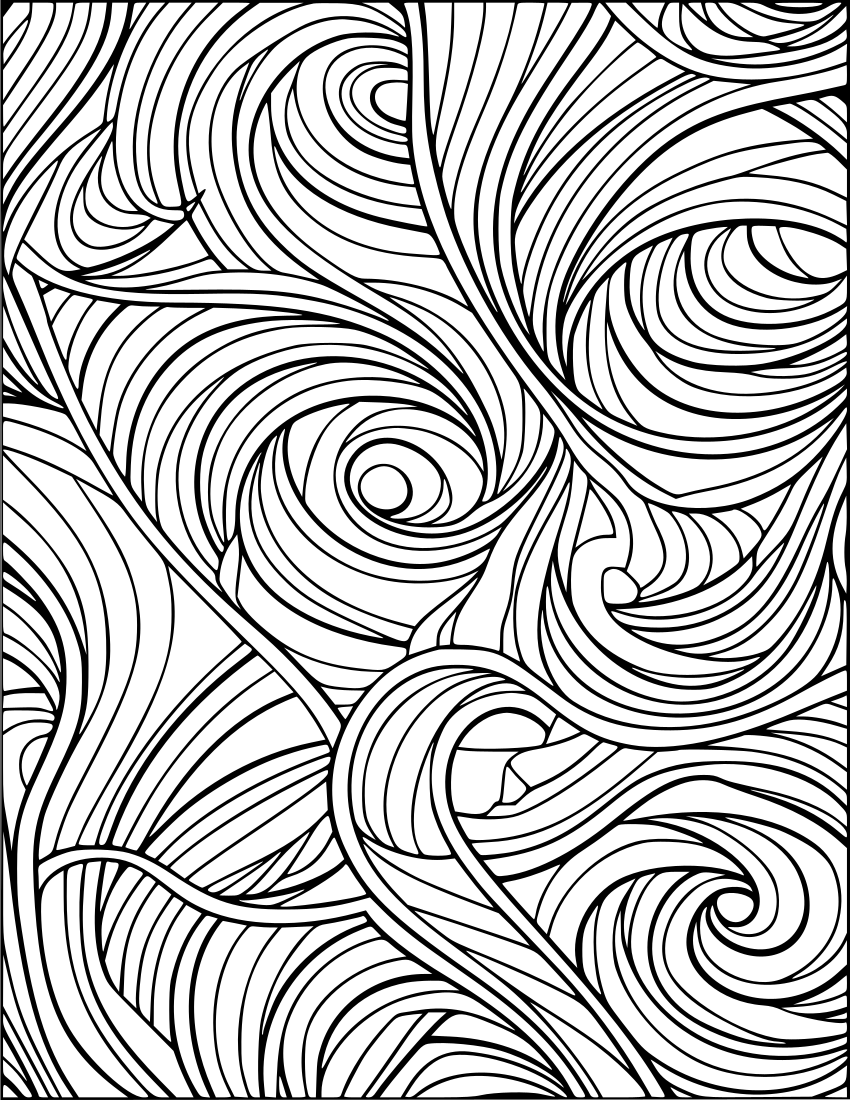
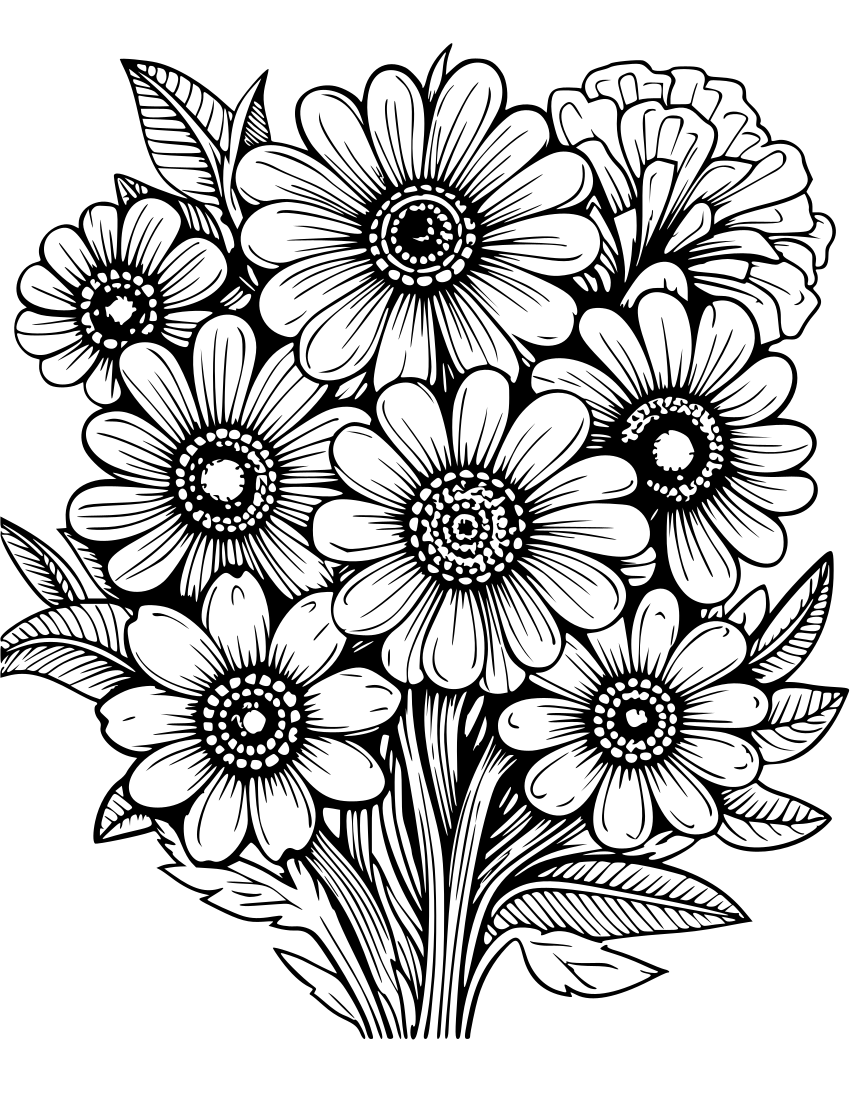
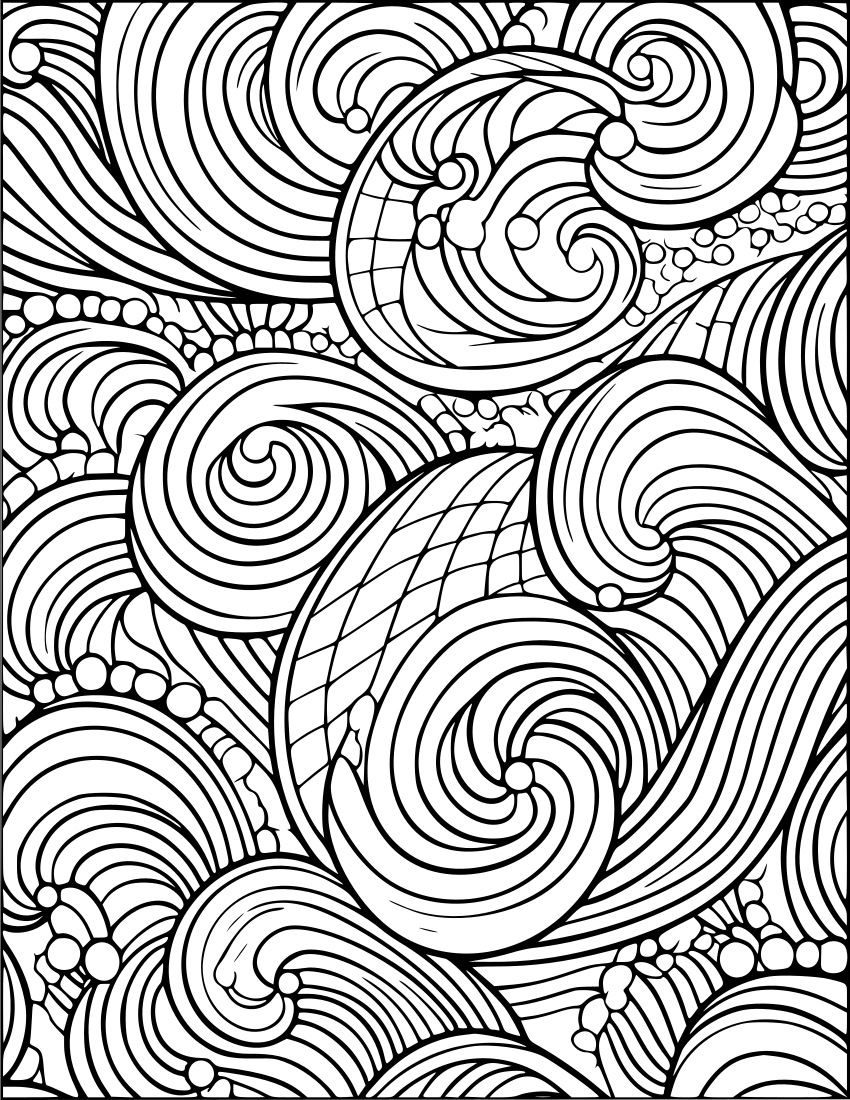
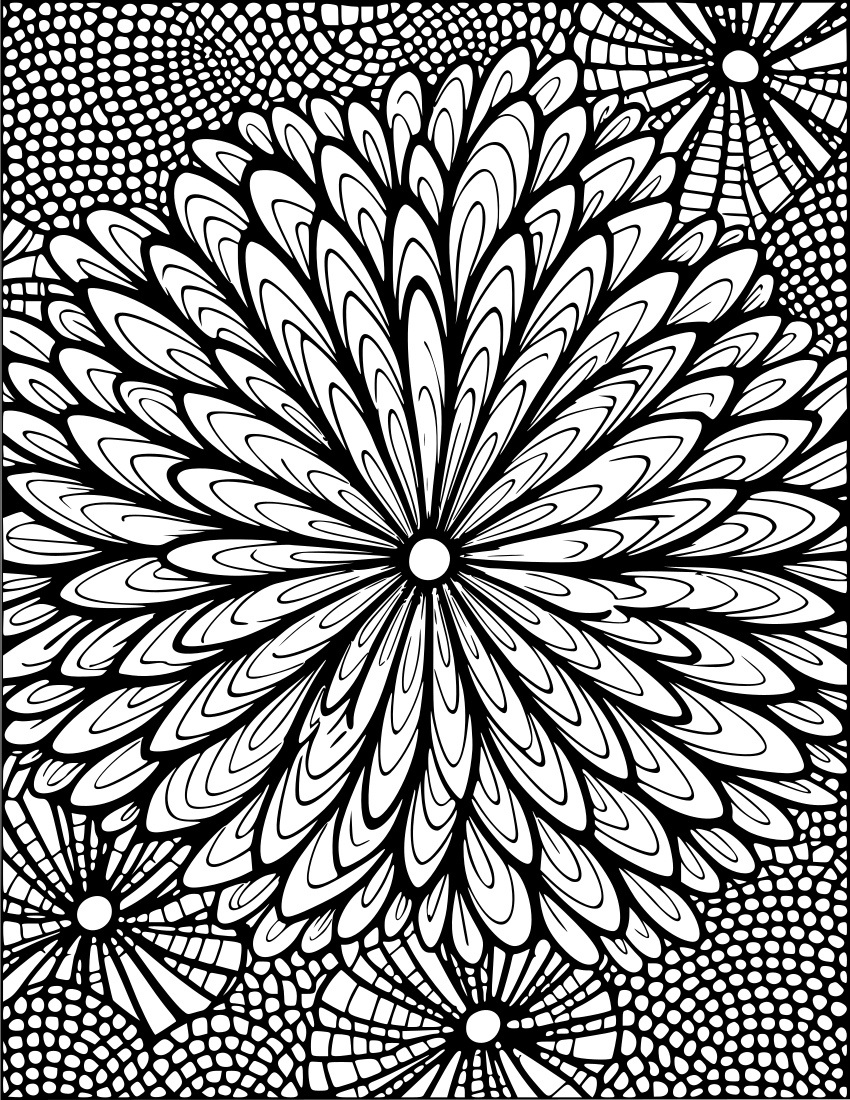
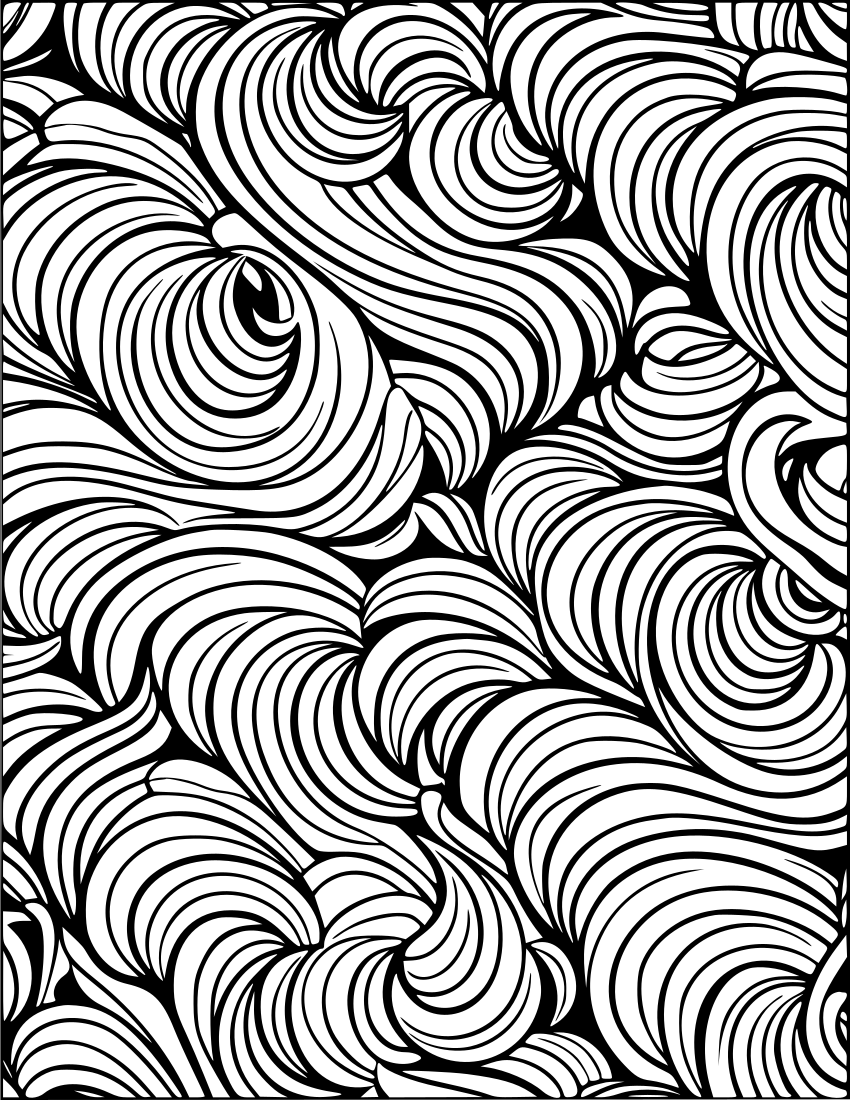
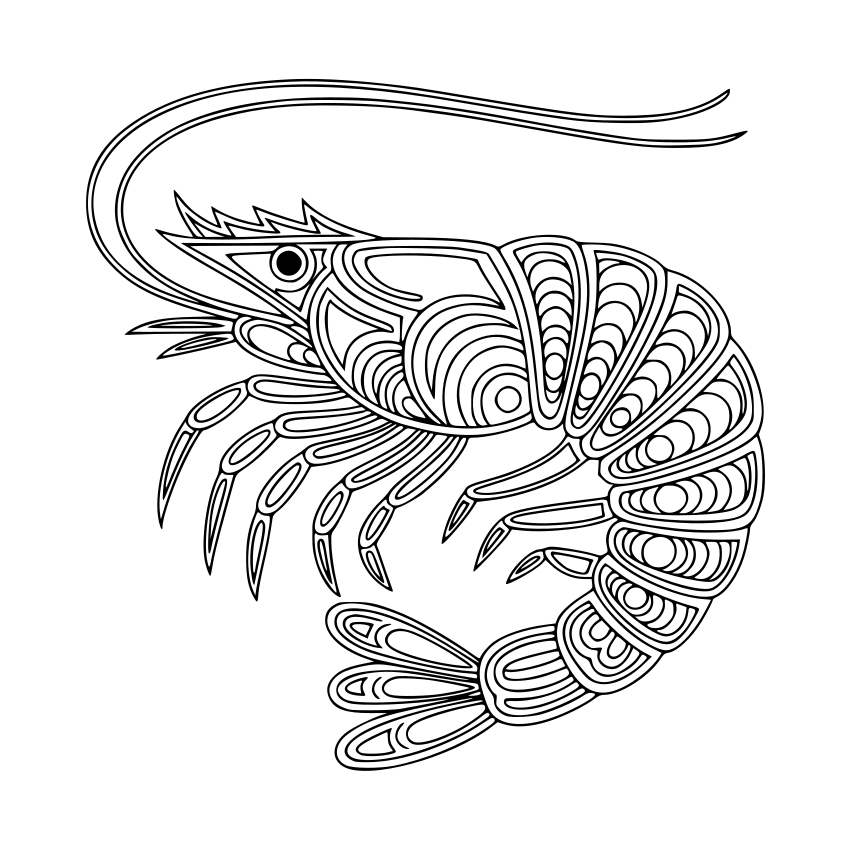
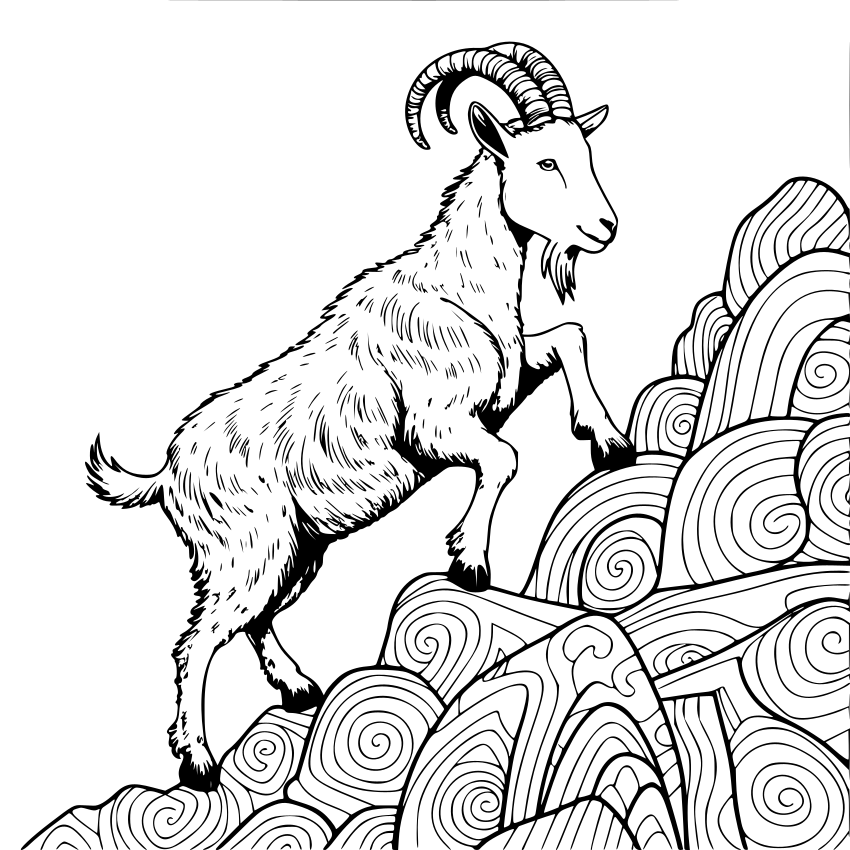
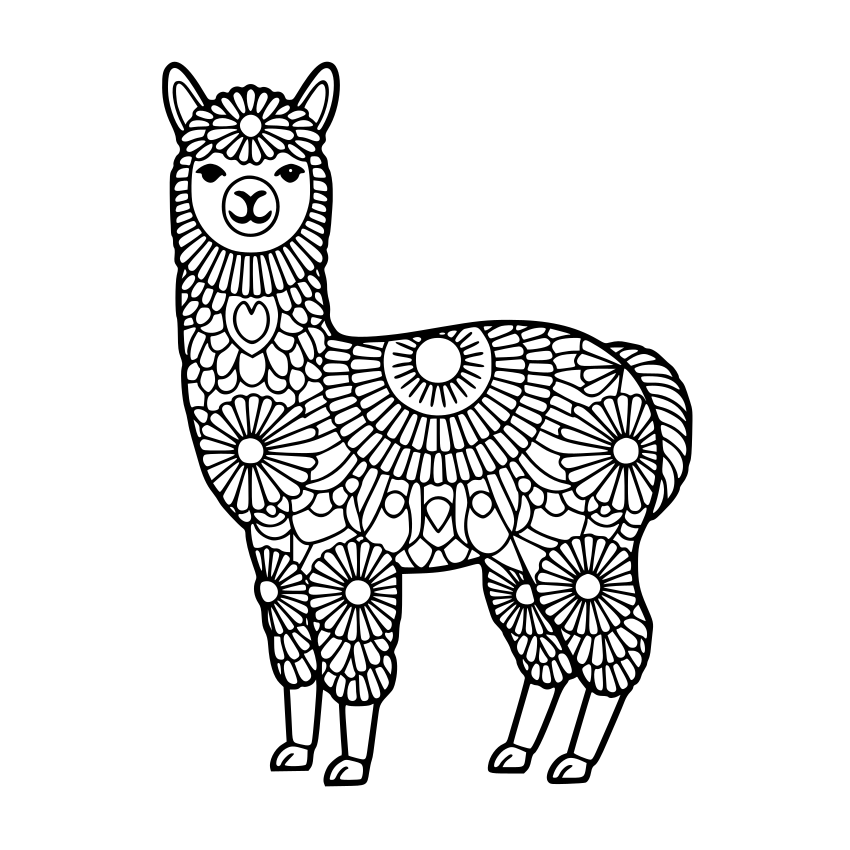
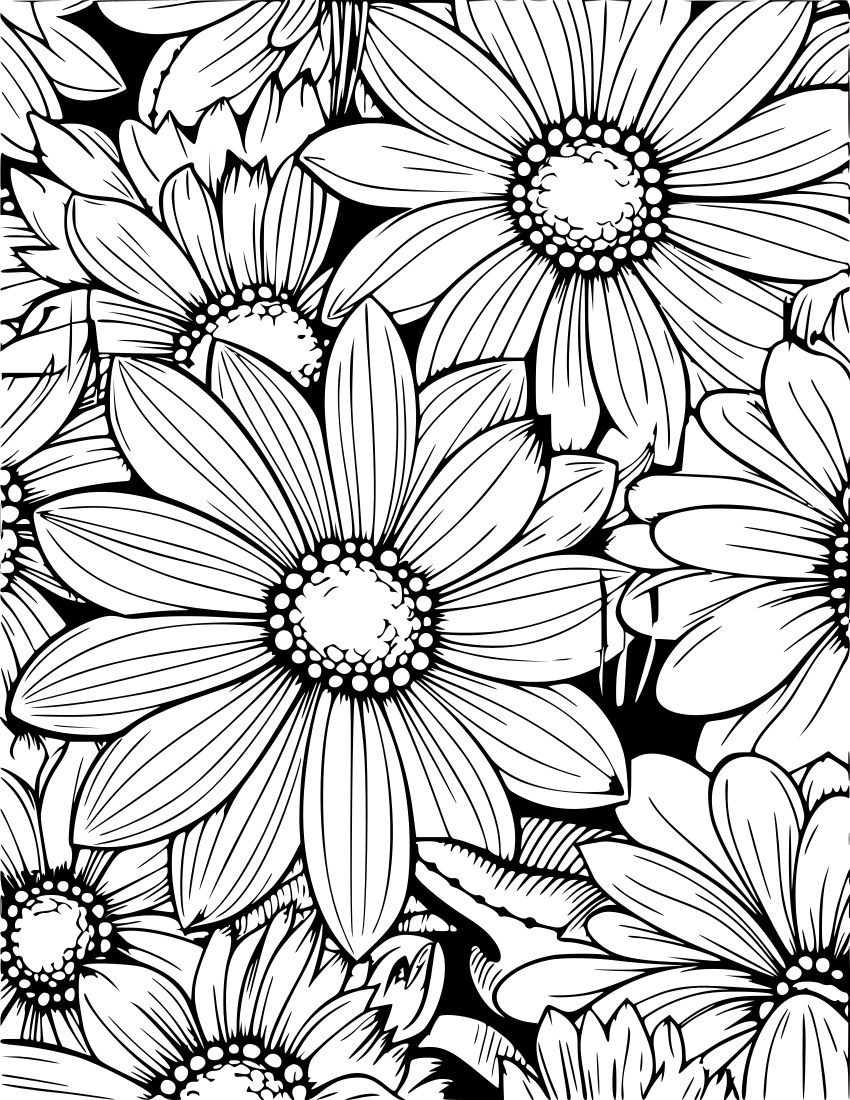
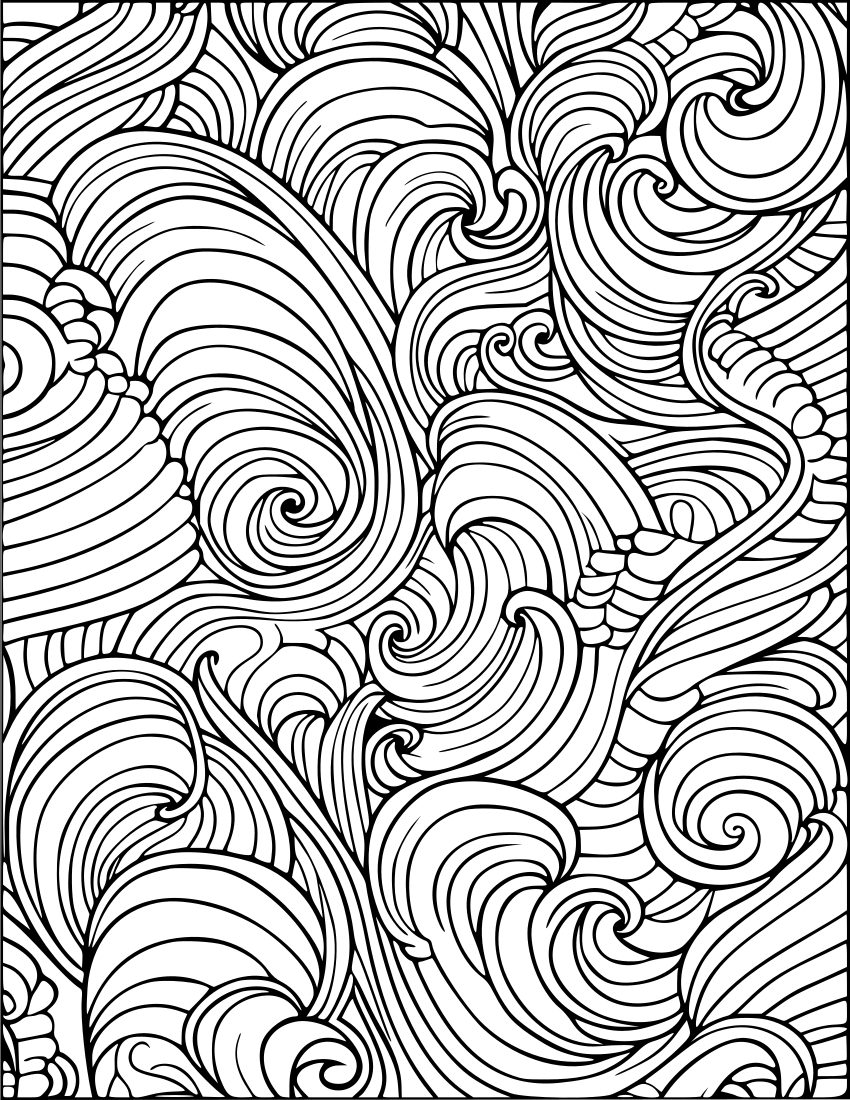
With 473 free zen coloring pages — spanning animal mandalas, zentangle animal silhouettes, and abstract pattern tiles — this is one of the most complete free zen coloring collections online. Every design is available as a print-ready PDF. No account, no paywall, no watermark. Download and color.
Free Printable Zen Coloring Pages — Complete Collection
Zen coloring pages draw from a centuries-old tradition of meditative pattern-making that appears independently in cultures around the world. In Islamic geometric art, the arabesque — an endlessly interlocking spiral of vegetal and geometric forms — was used to cover mosque walls, manuscripts and metalwork as a form of visual prayer, its infinite repetition pointing toward the infinity of the divine. Celtic monks filled the margins of illuminated manuscripts like the Book of Kells with knotwork so intricate that scholars still study how it was geometrically constructed. In Japan, Zen Buddhist monks practiced enso — the single brushstroke circle — as a meditation in itself; in India, rangoli sand art created elaborate symmetrical patterns on doorsteps each morning as an act of mindful devotion.
The modern zentangle tradition was formalized in 2003 by American calligrapher Maria Thomas and meditation teacher Rick Roberts. They wanted to make the mental state produced by focused, repetitive drawing accessible to everyone — without the need for artistic skill, expensive materials or dedicated studio space. Their "no mistakes" philosophy — every mark is the right mark — transformed what might feel like doodling into a serious mindfulness practice. Today, thousands of certified Zentangle teachers offer classes worldwide, and pattern-based drawing has become a recognized tool in art therapy, occupational therapy and clinical stress management.
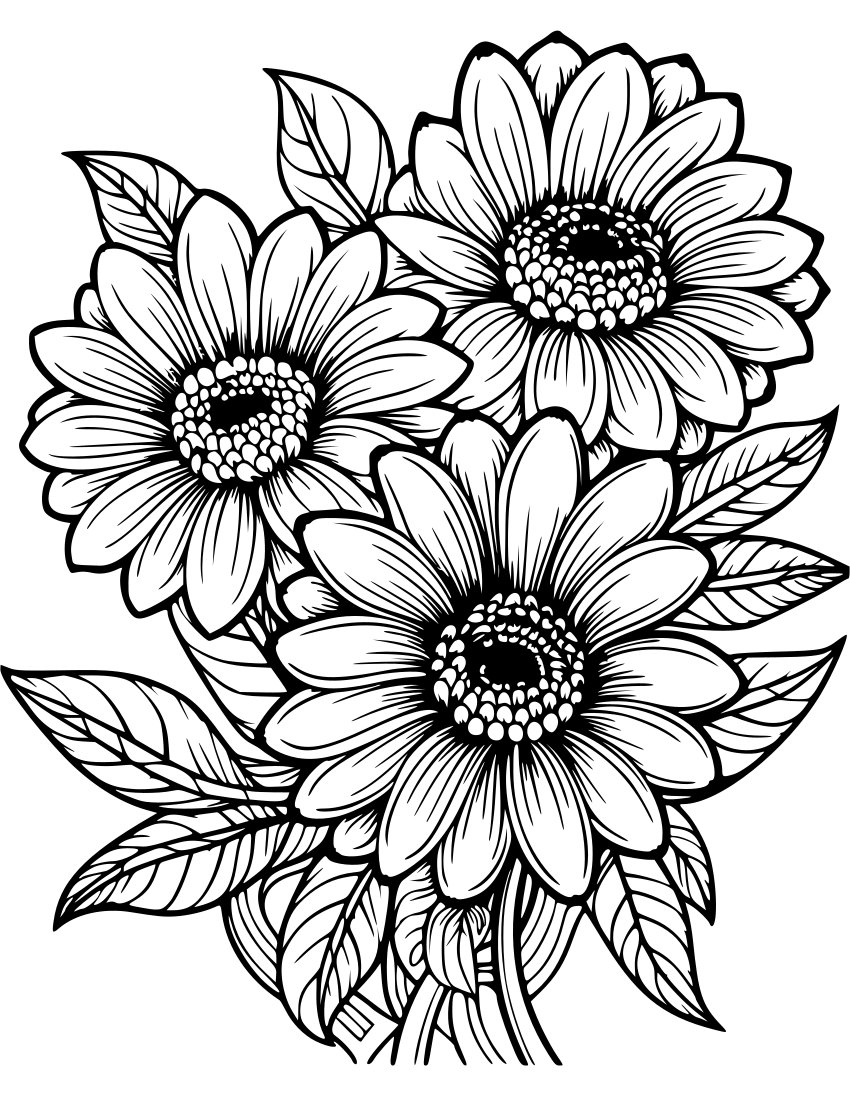
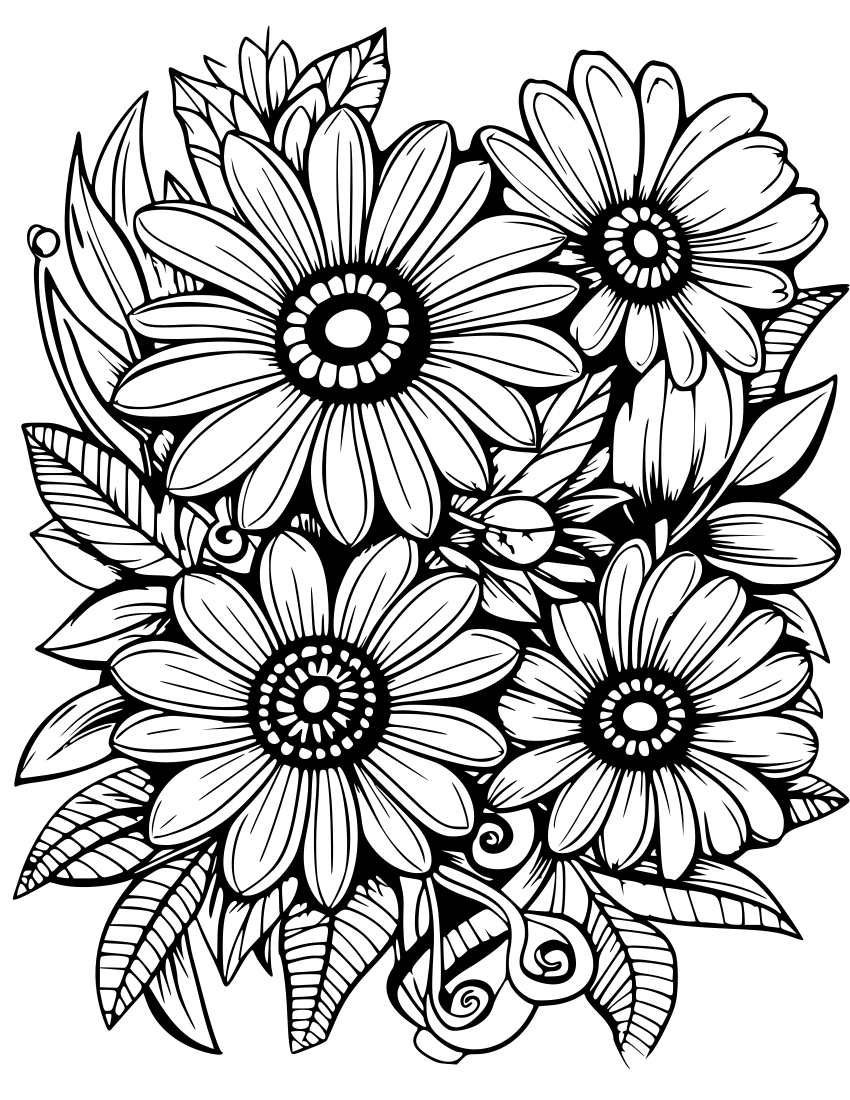
What unites all these traditions — from mosque mosaics to zentangle tiles — is the same basic discovery: that making structured, repetitive marks by hand reliably produces a calm, focused mental state. You don't need to understand the tradition to feel its effect. Pick up your pen, start filling in a section, and let the pattern do the rest. If meditative coloring is what you're after, our free mandala coloring pages and botanical flower coloring pages are natural companions.
What's in Our Zen Collection
Our 473 designs fall into three main groups, each with a distinct character:
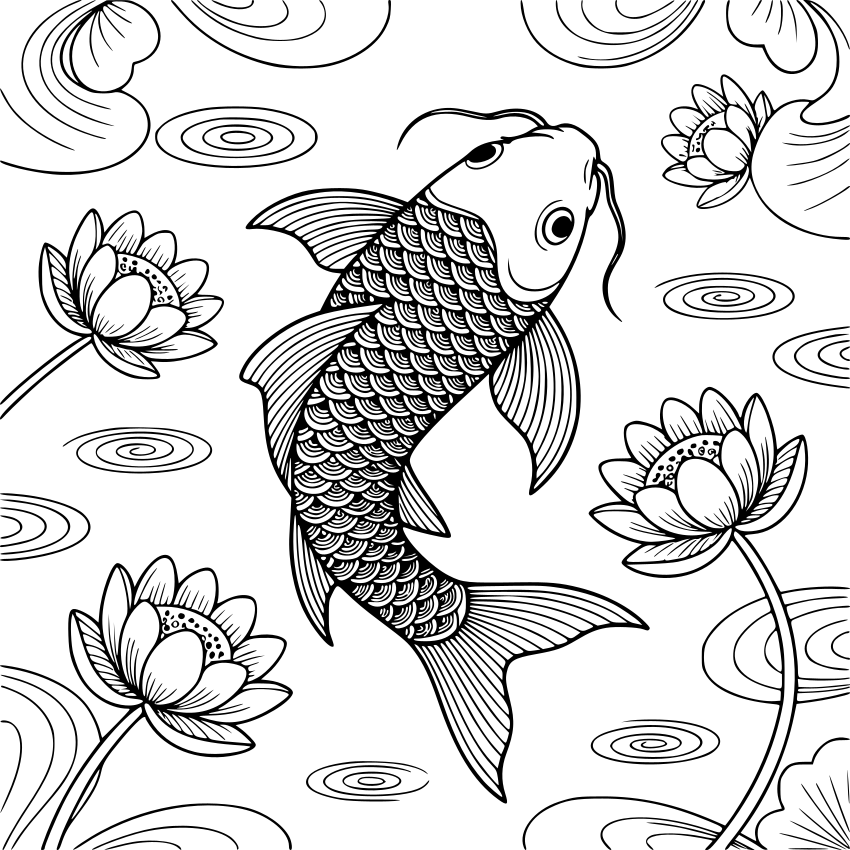
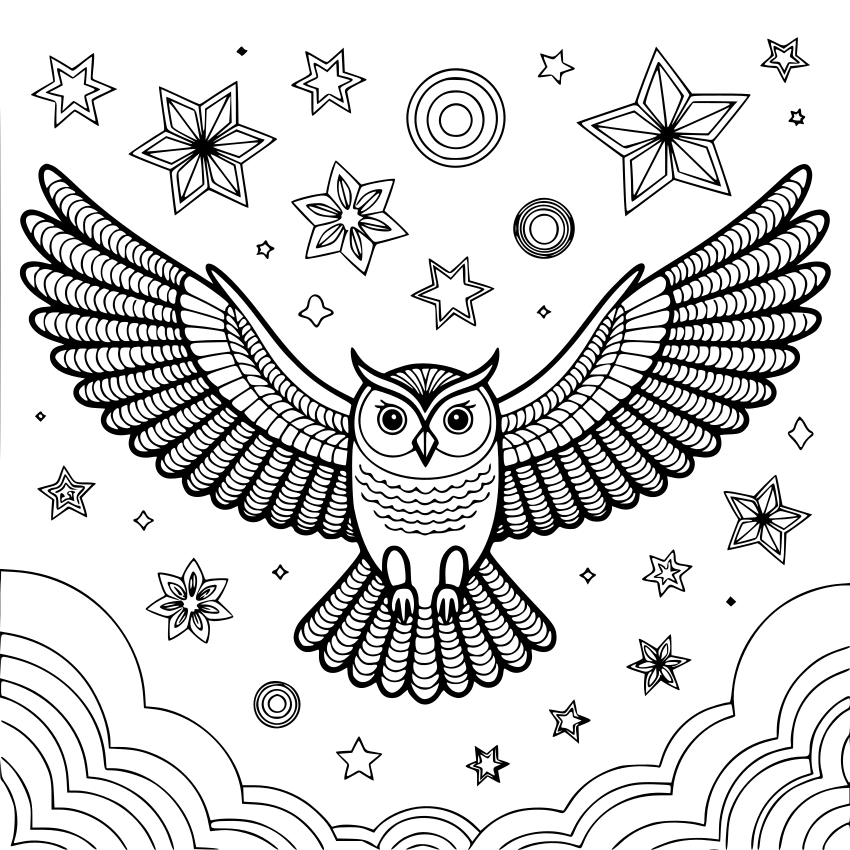
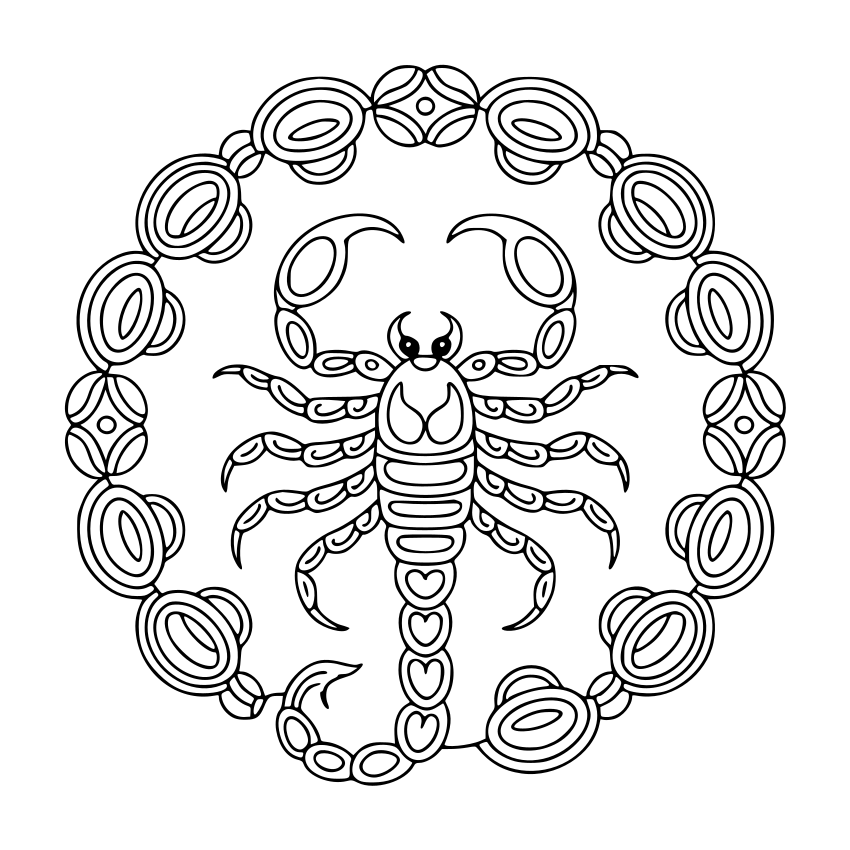
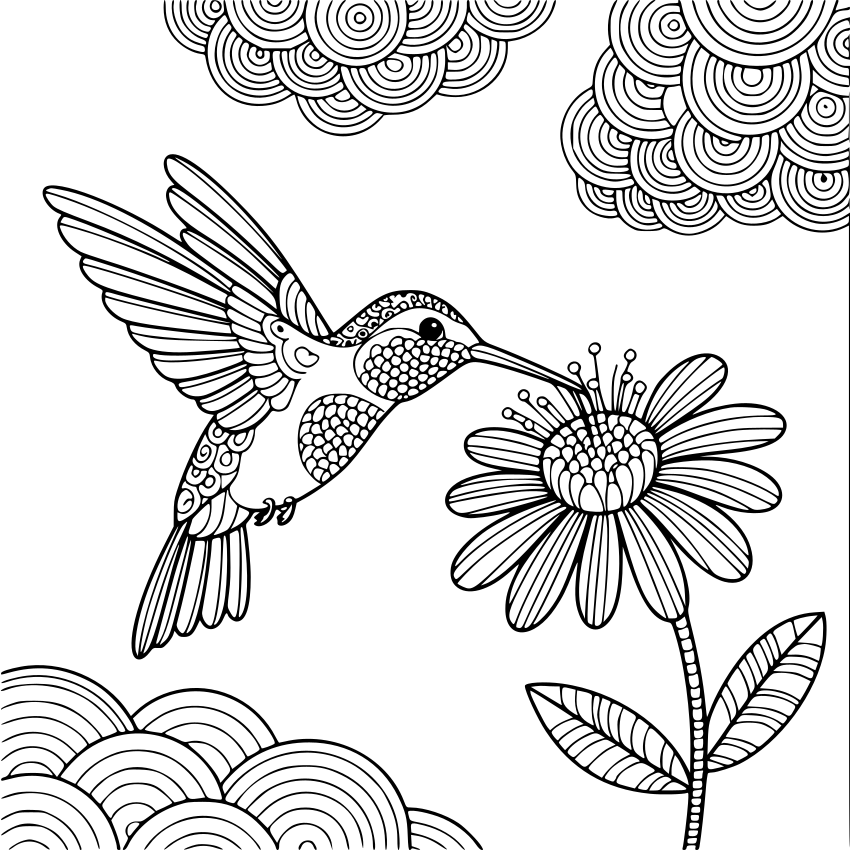
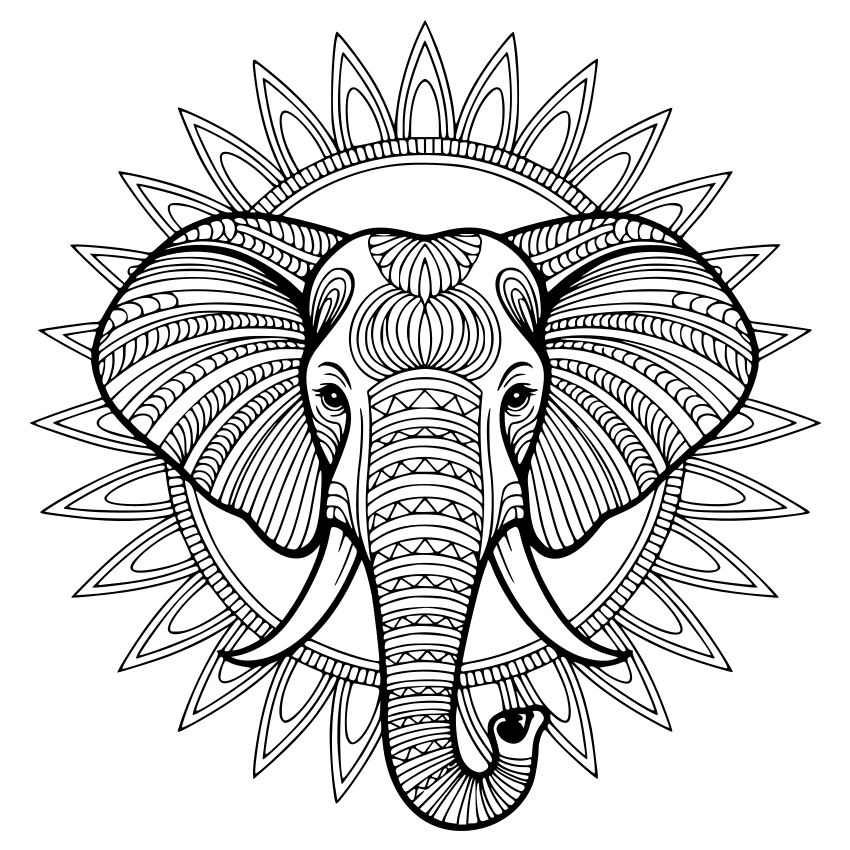
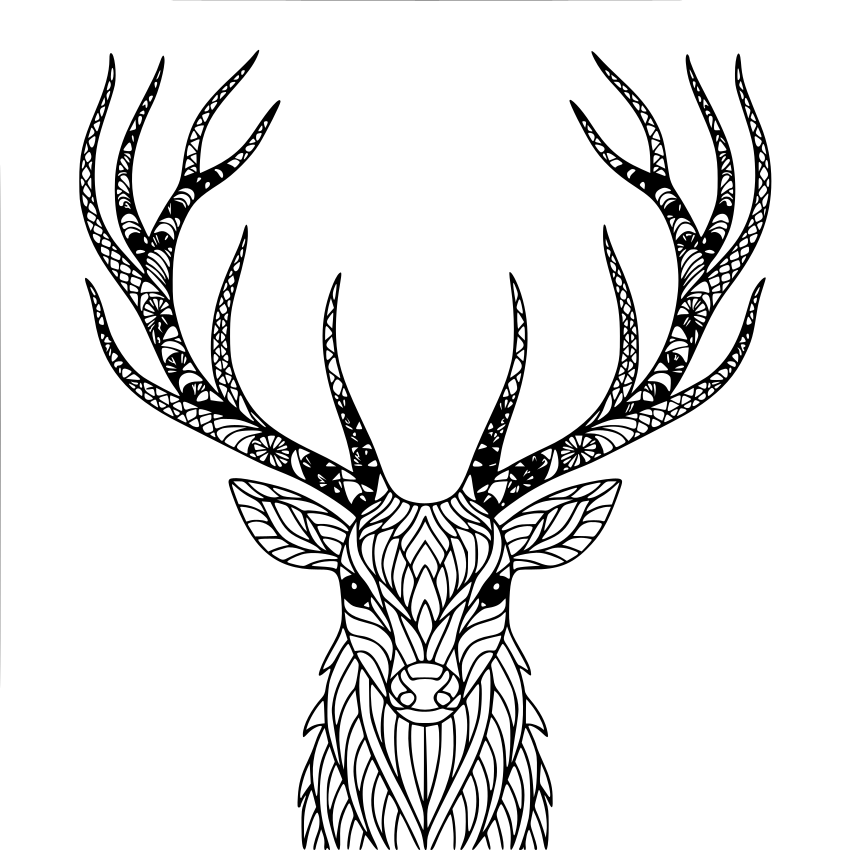
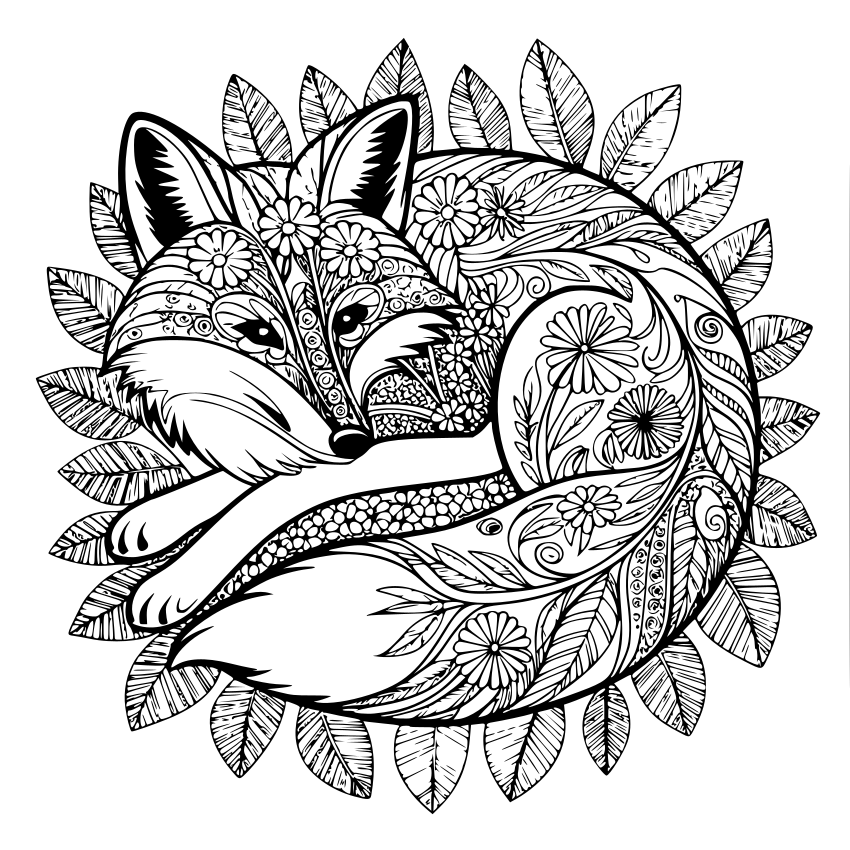
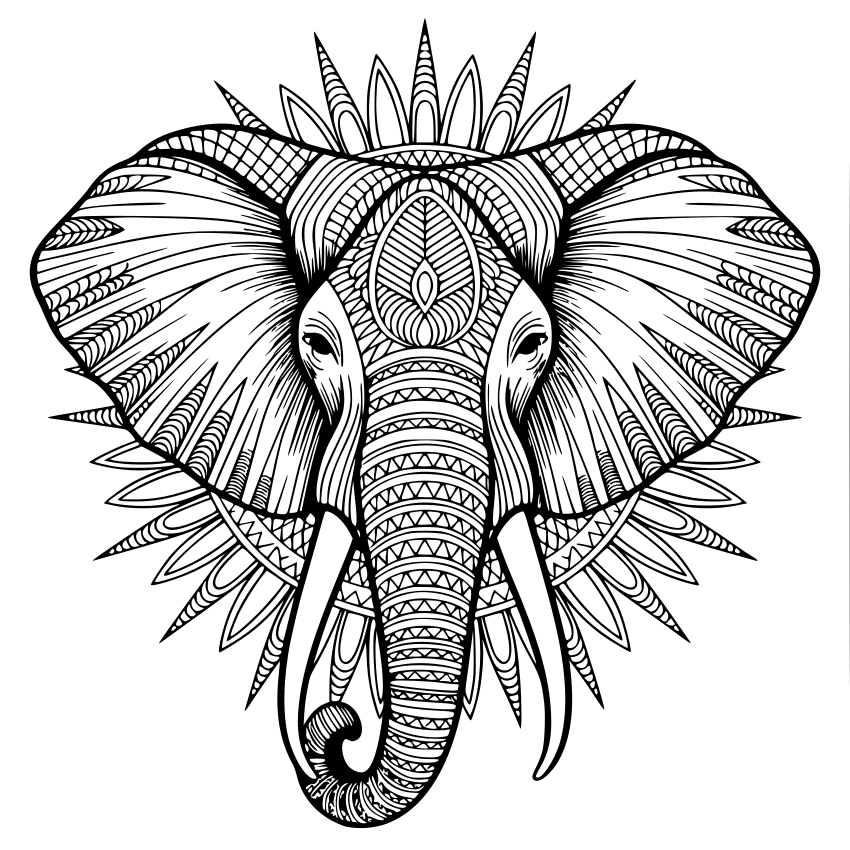
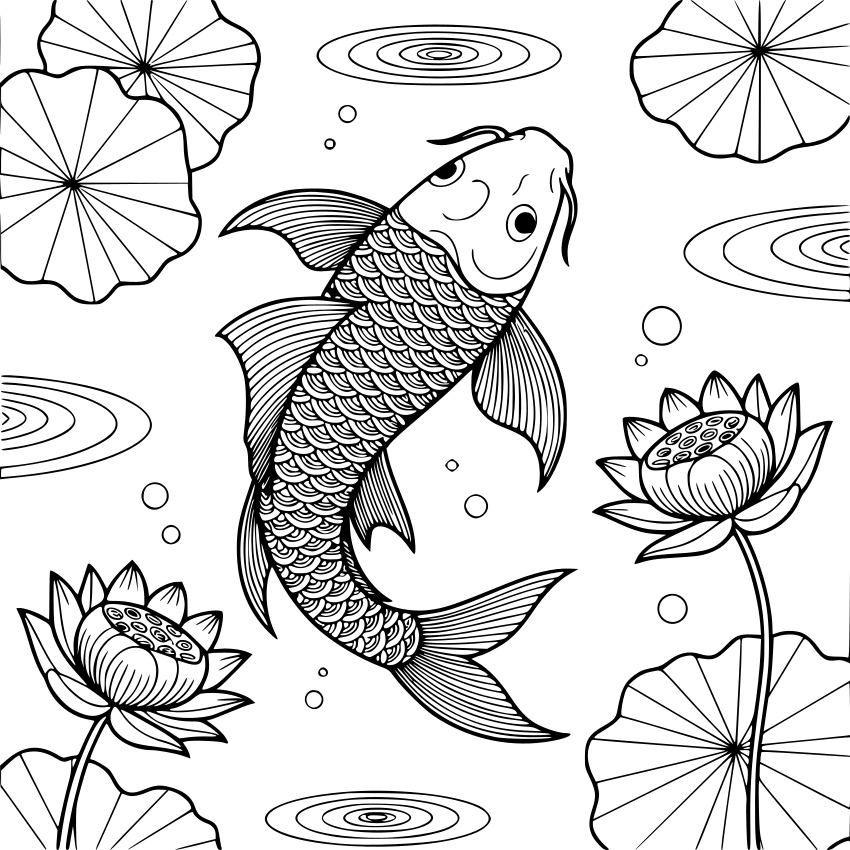
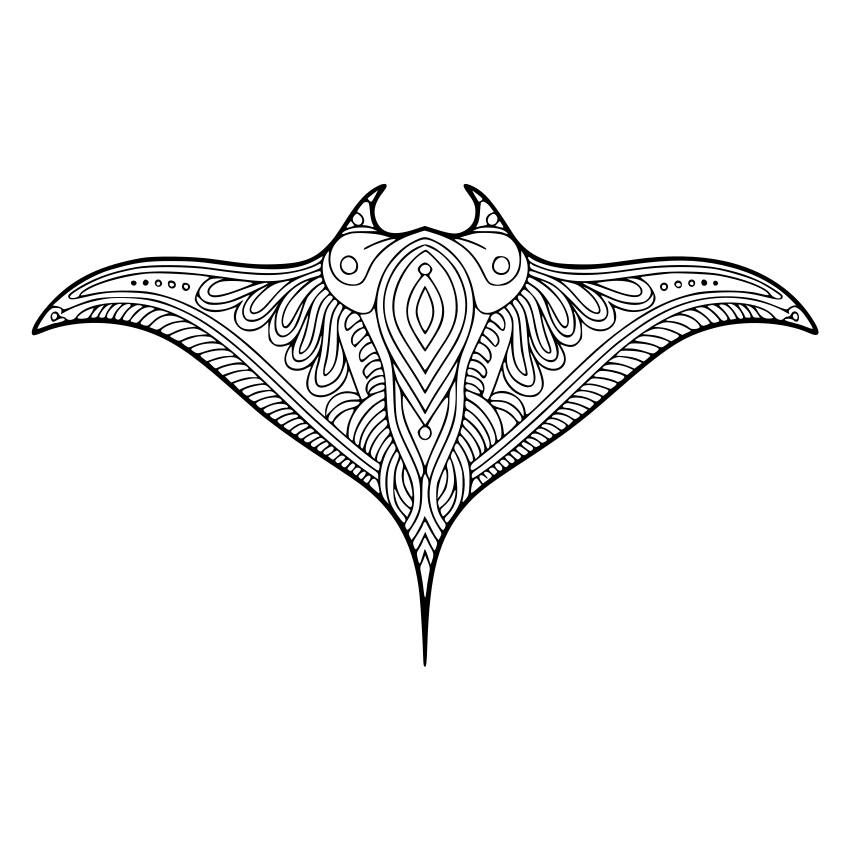
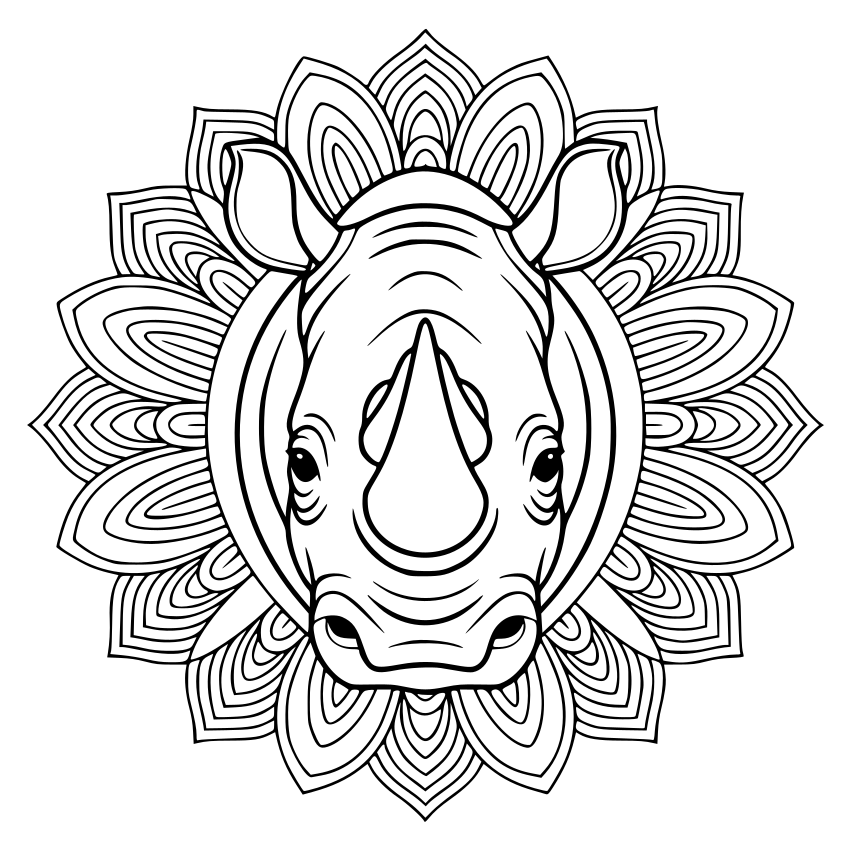
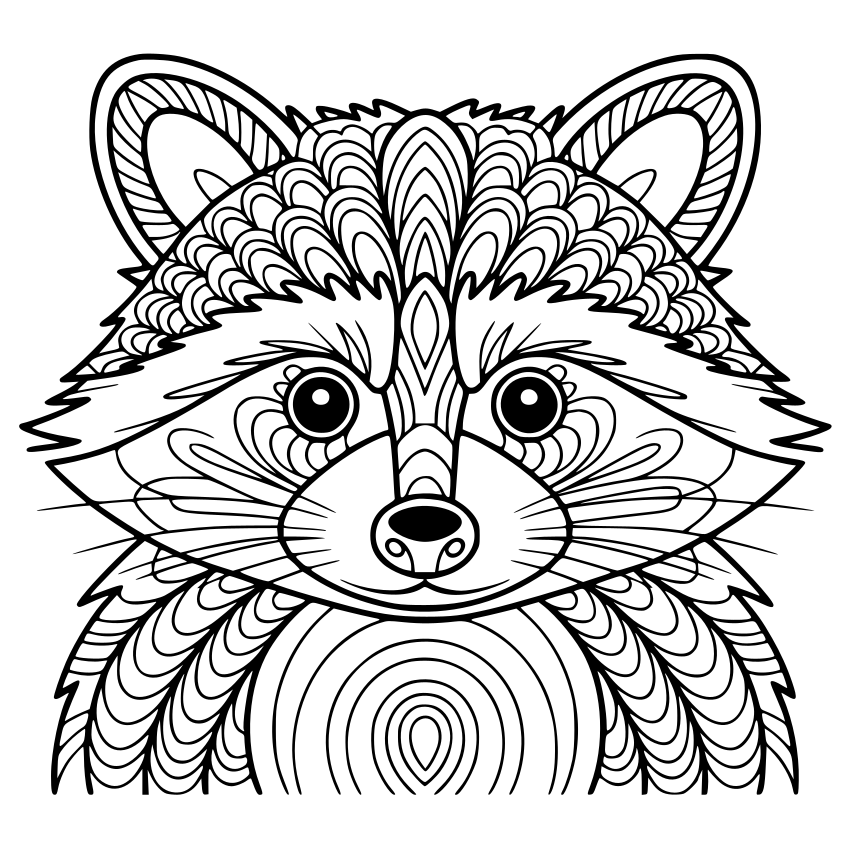
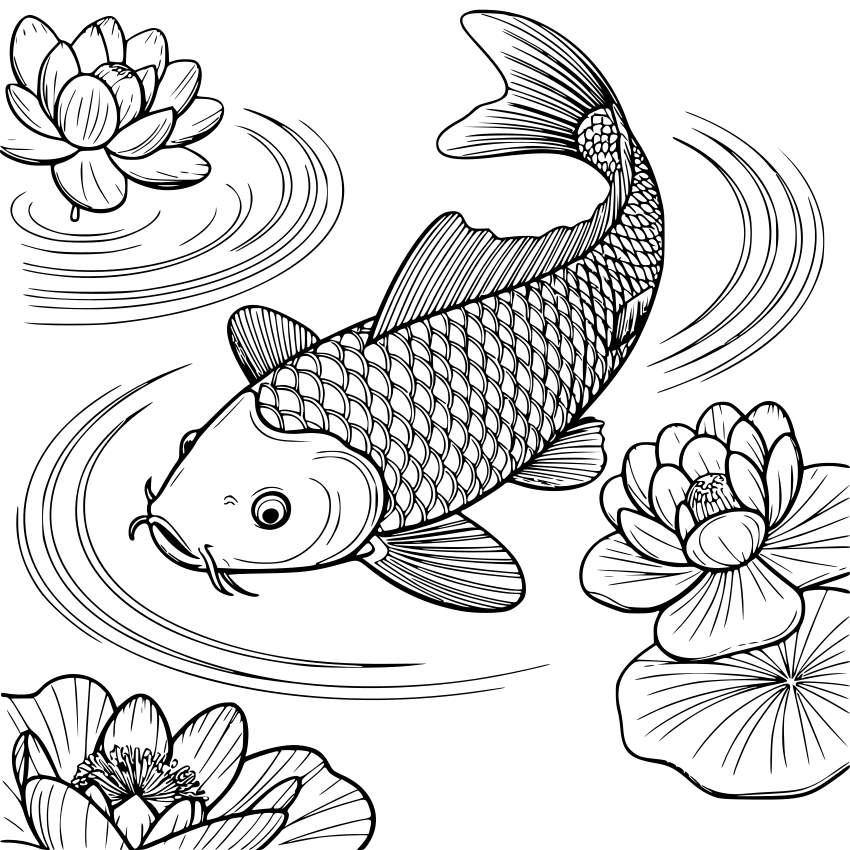
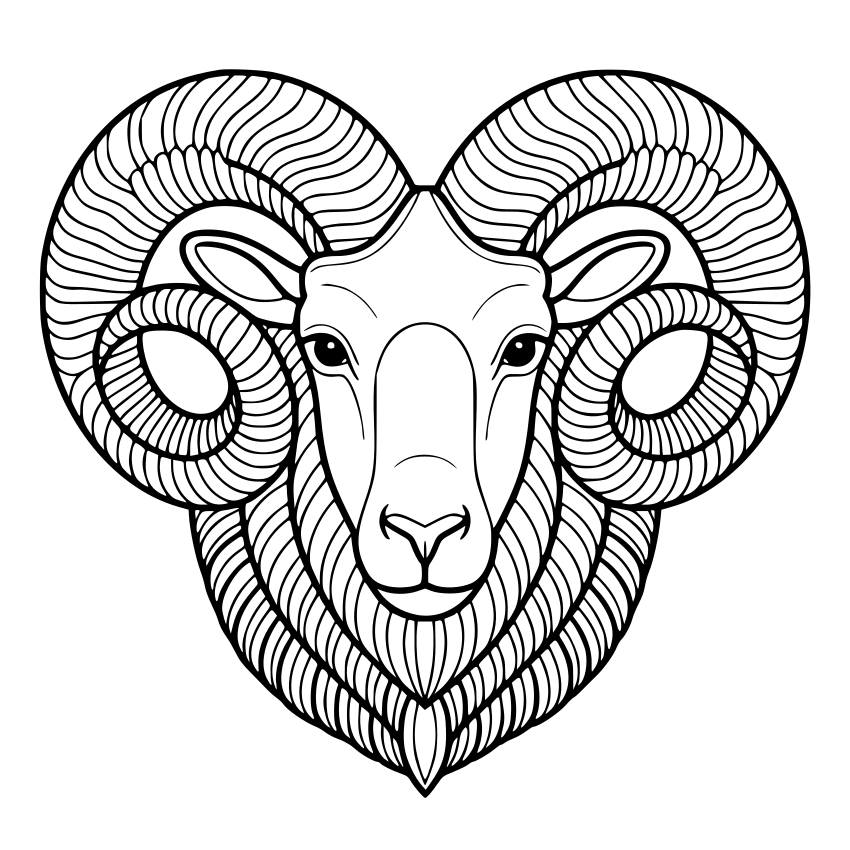
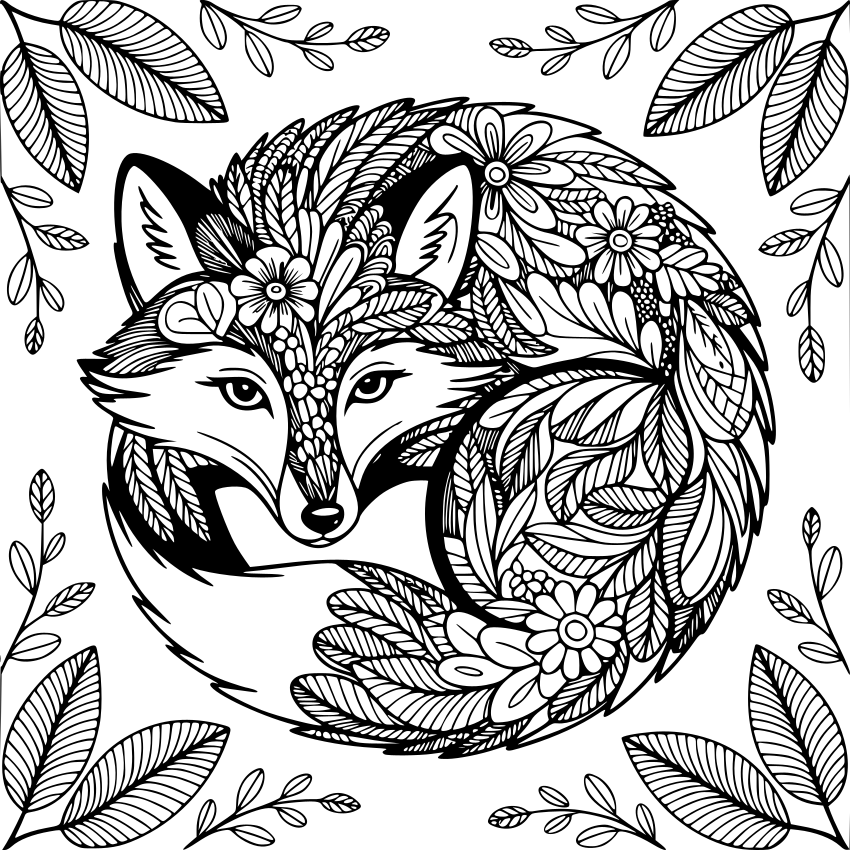
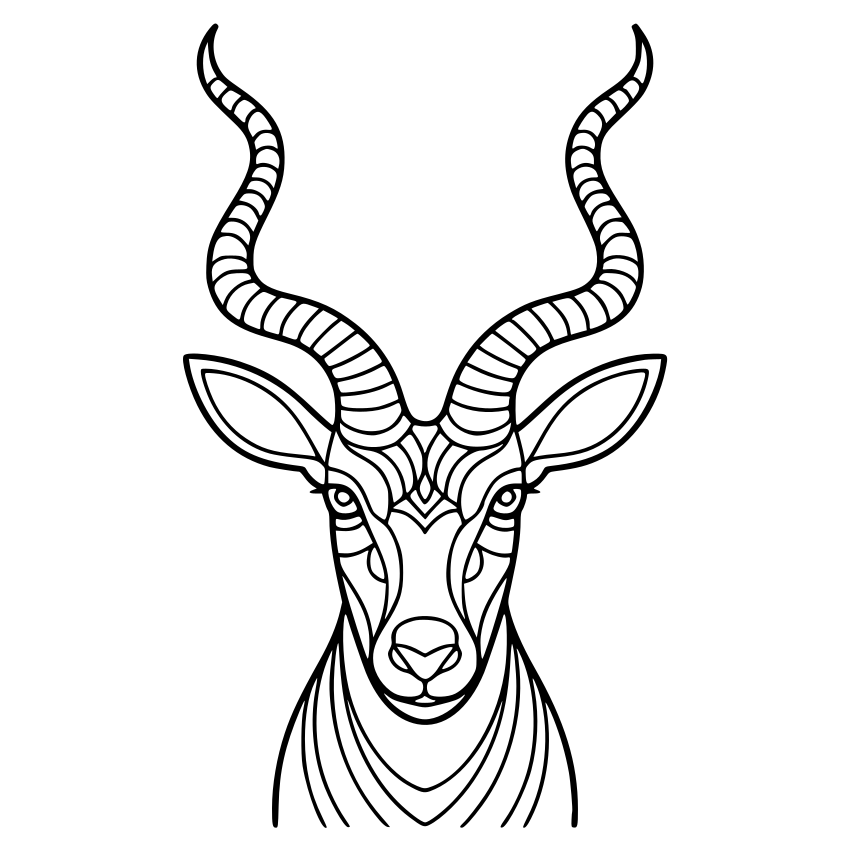
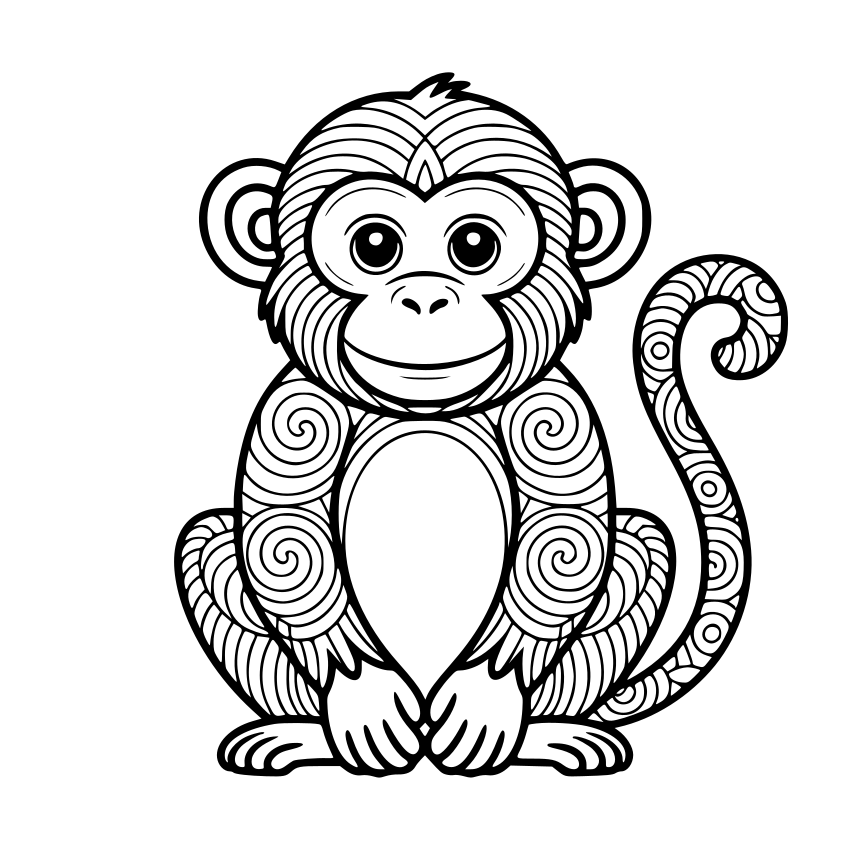
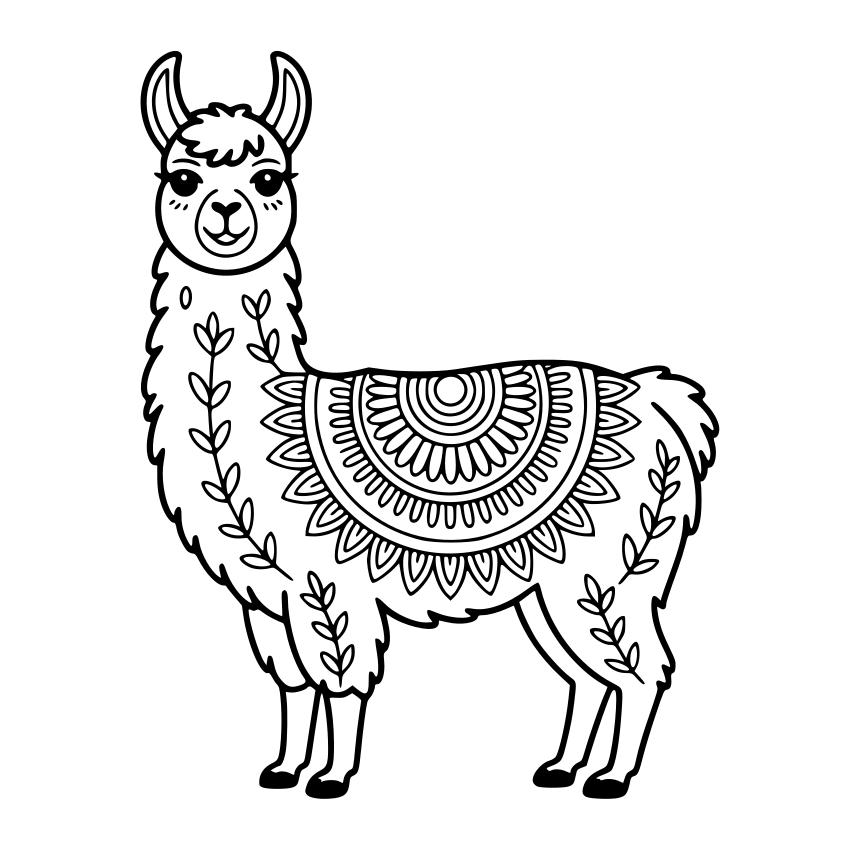
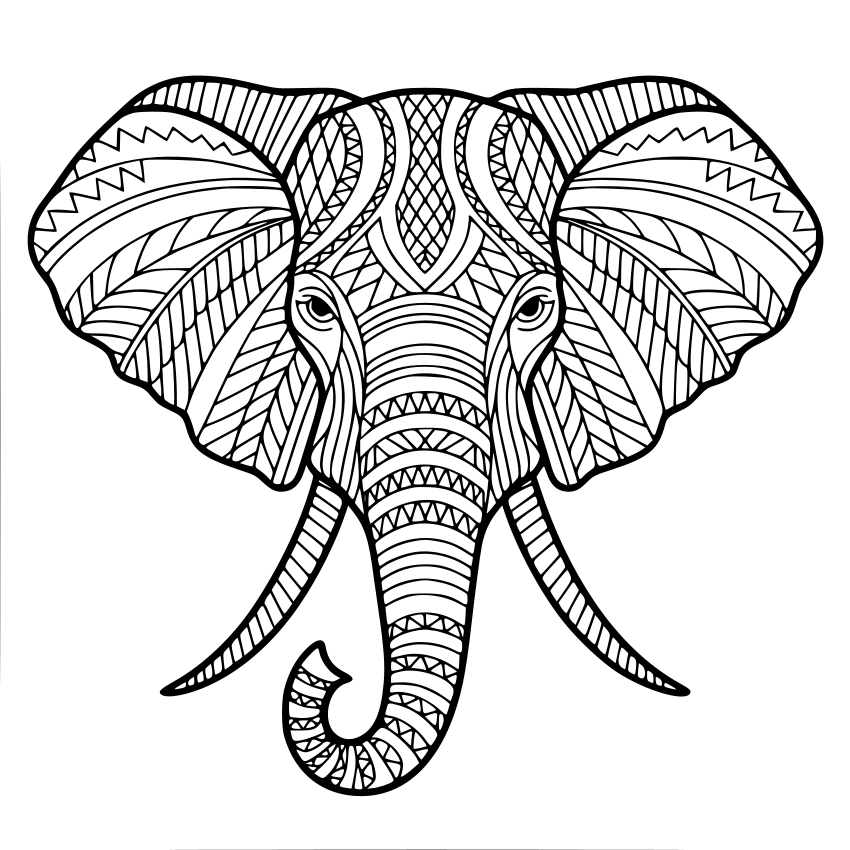
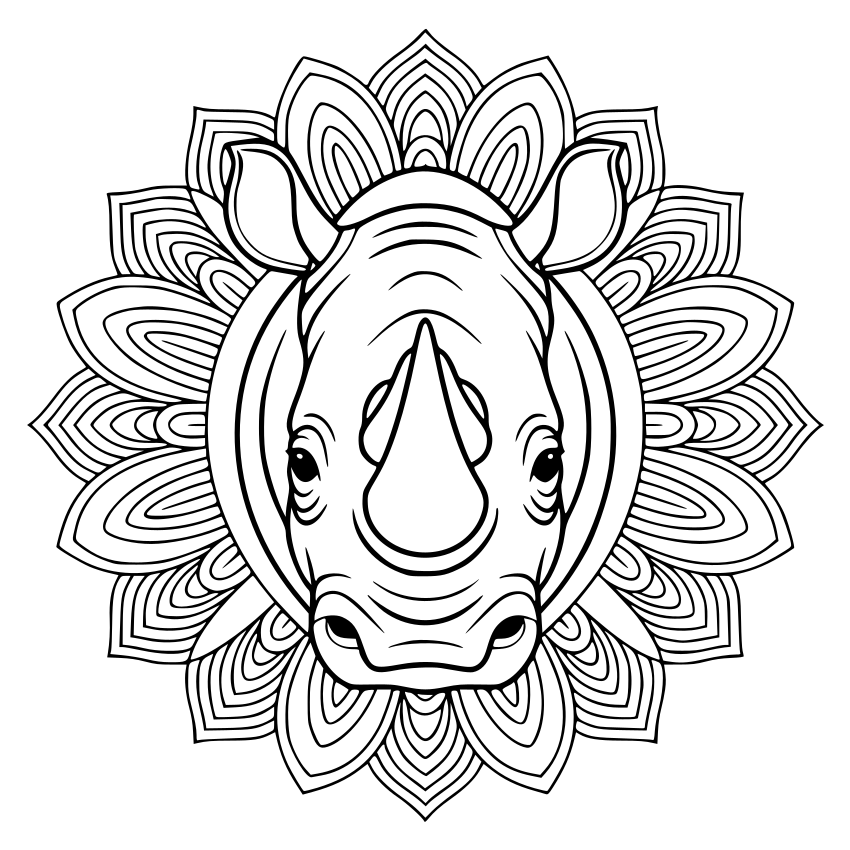
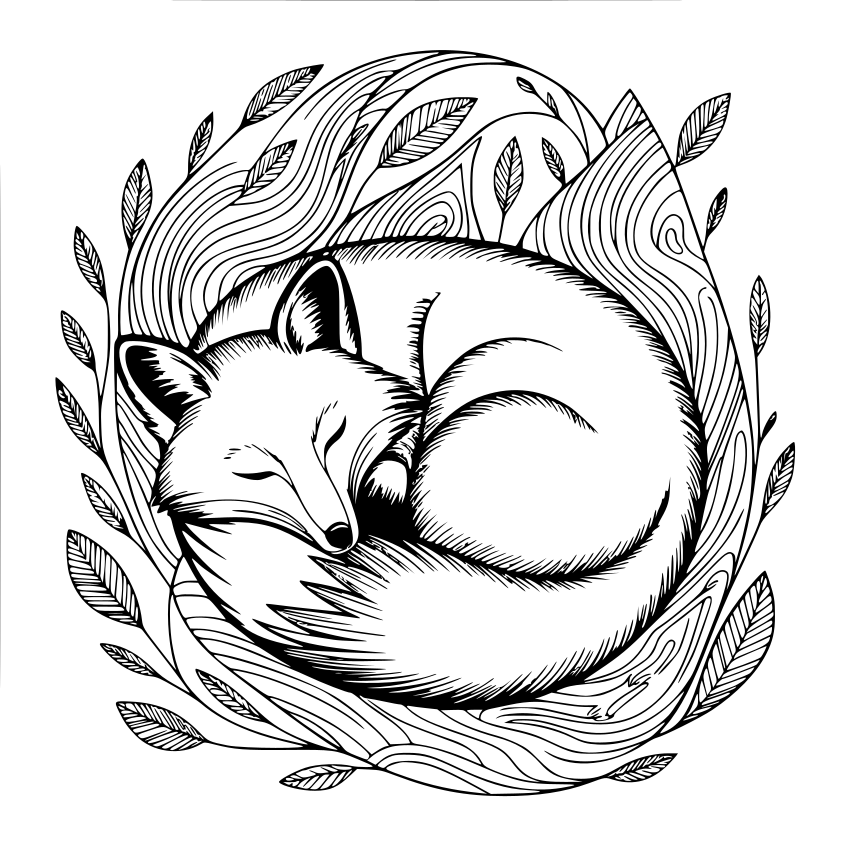
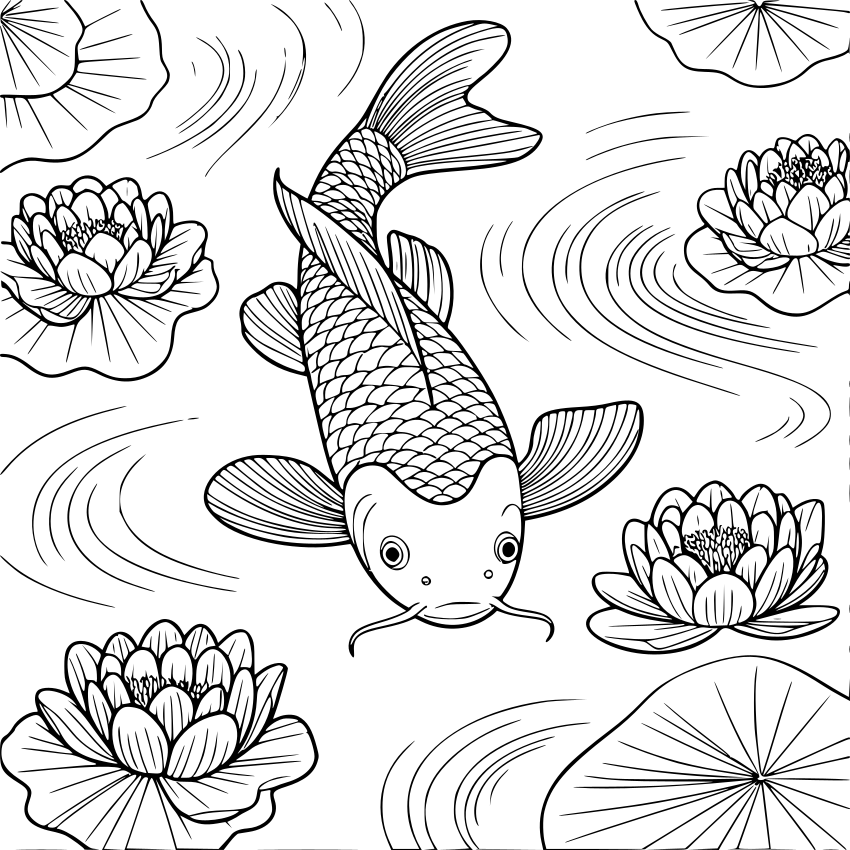
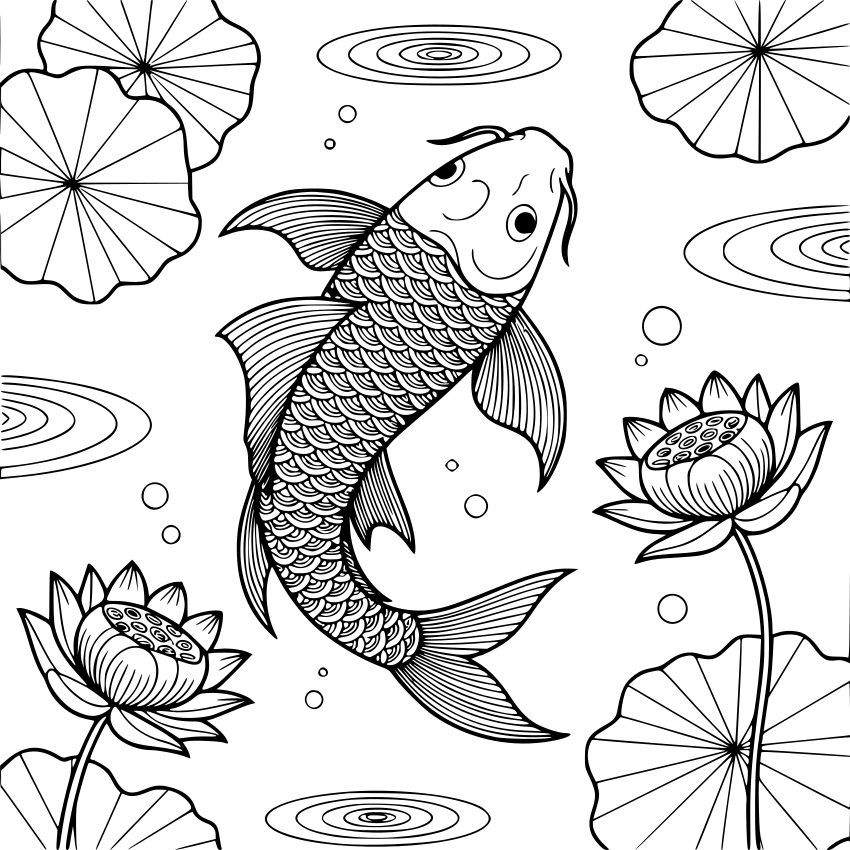
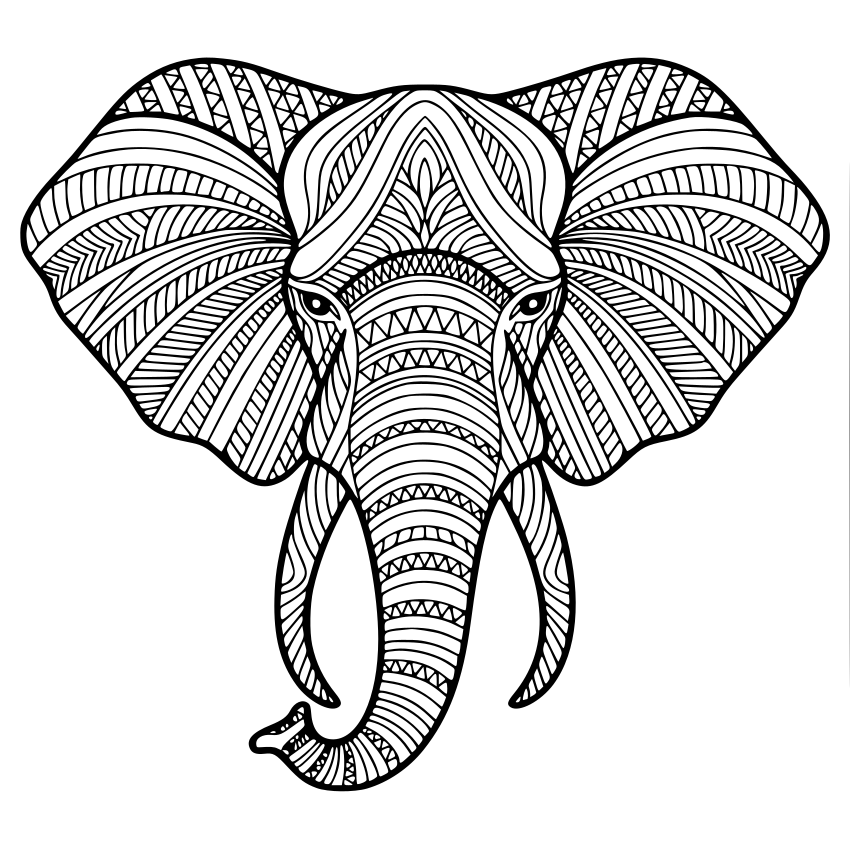
- Animal mandalas (50+ designs) — Familiar animals — bear, wolf, fox, owl, elephant, hummingbird, koi fish, seahorse, panda, lynx and many more — arranged as radially symmetrical mandala compositions. The animal form provides the visual anchor; the mandala geometry creates the meditative structure. A unique hybrid that rewards both bold color blocking and careful detail work.
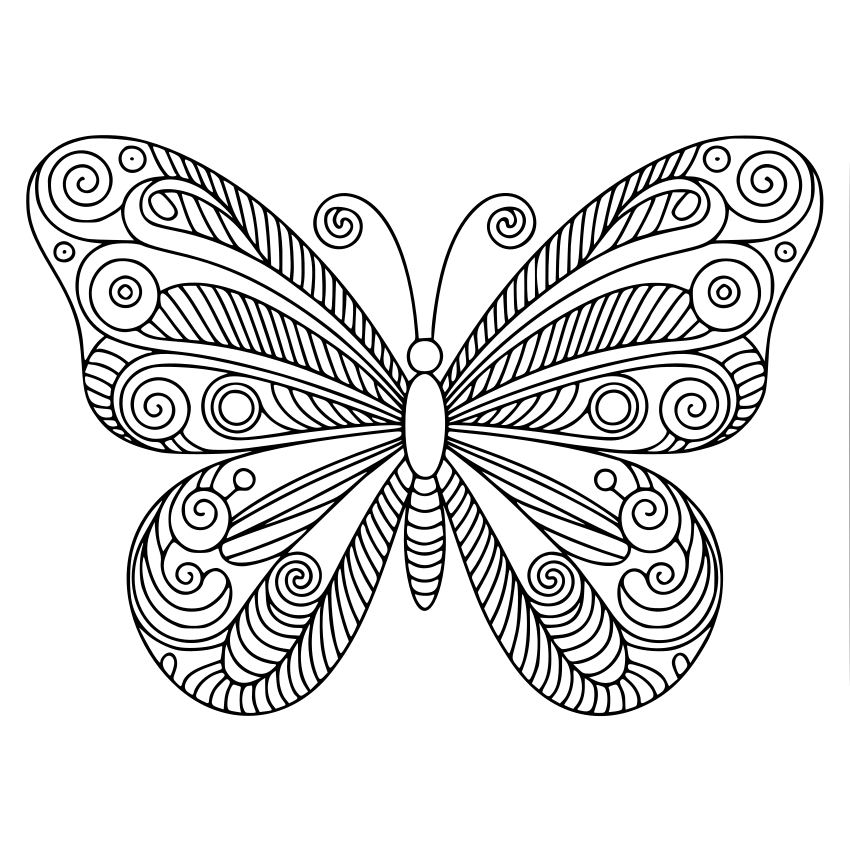
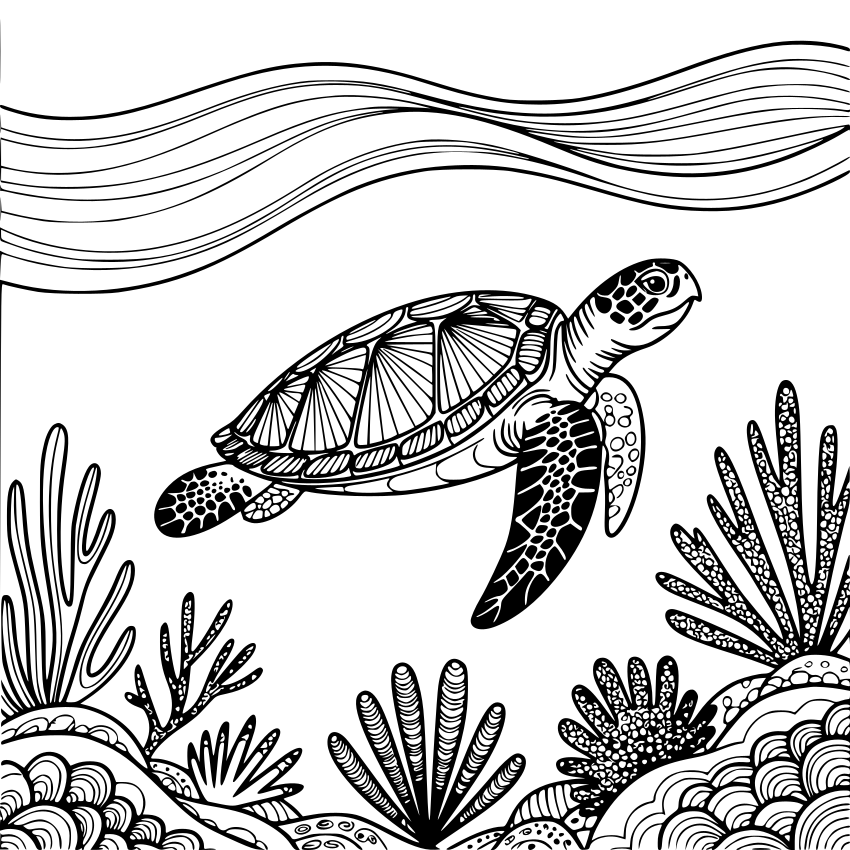
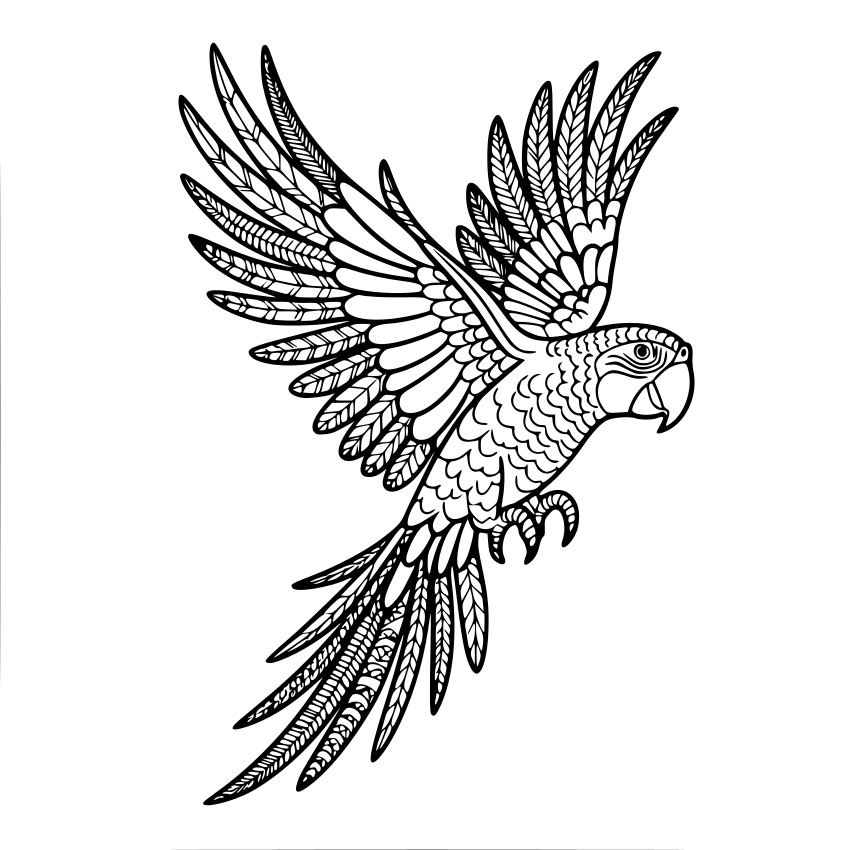
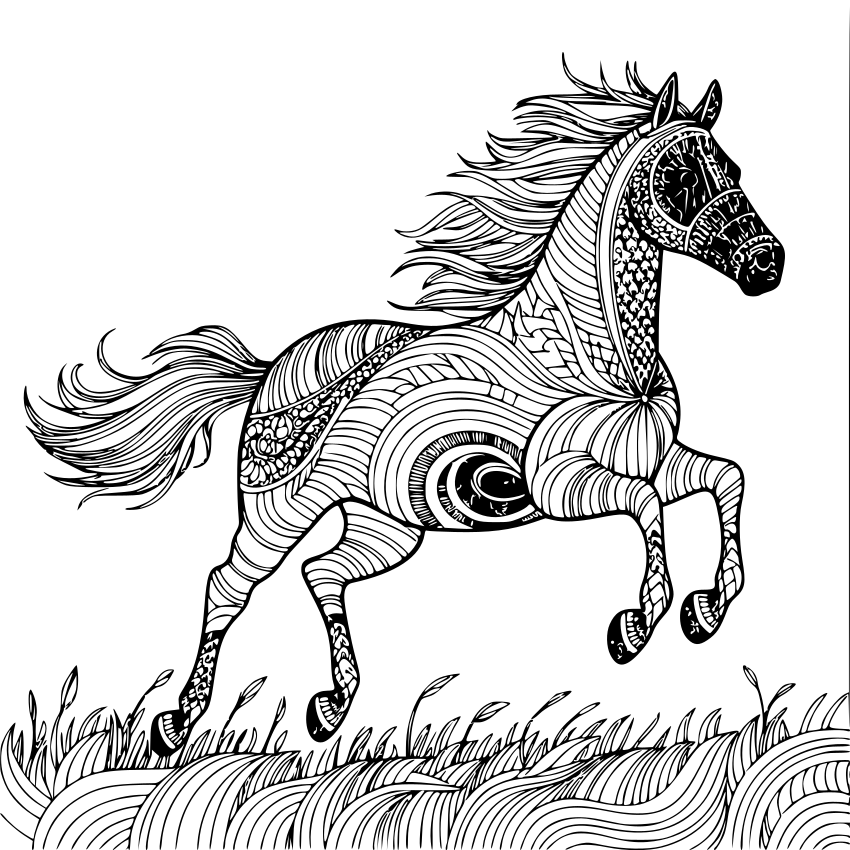
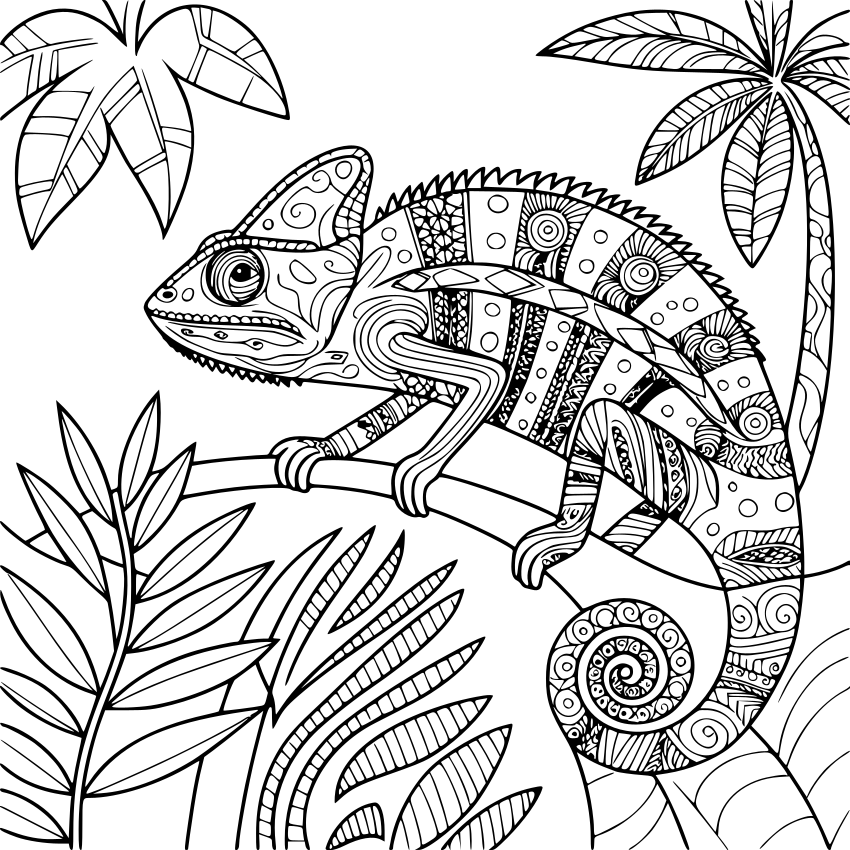
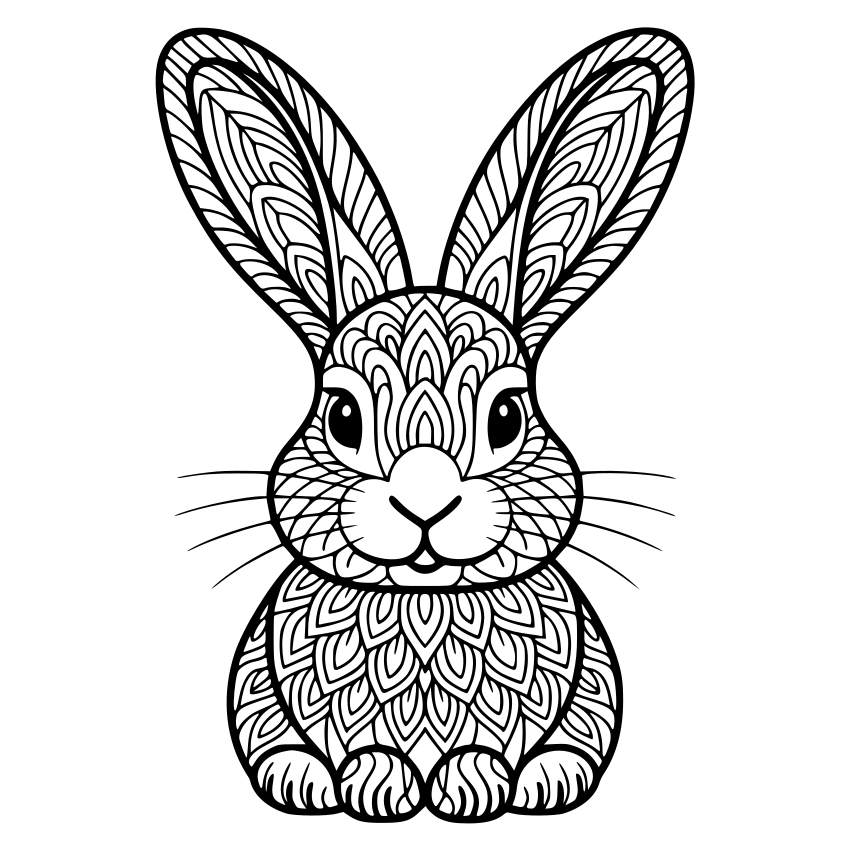
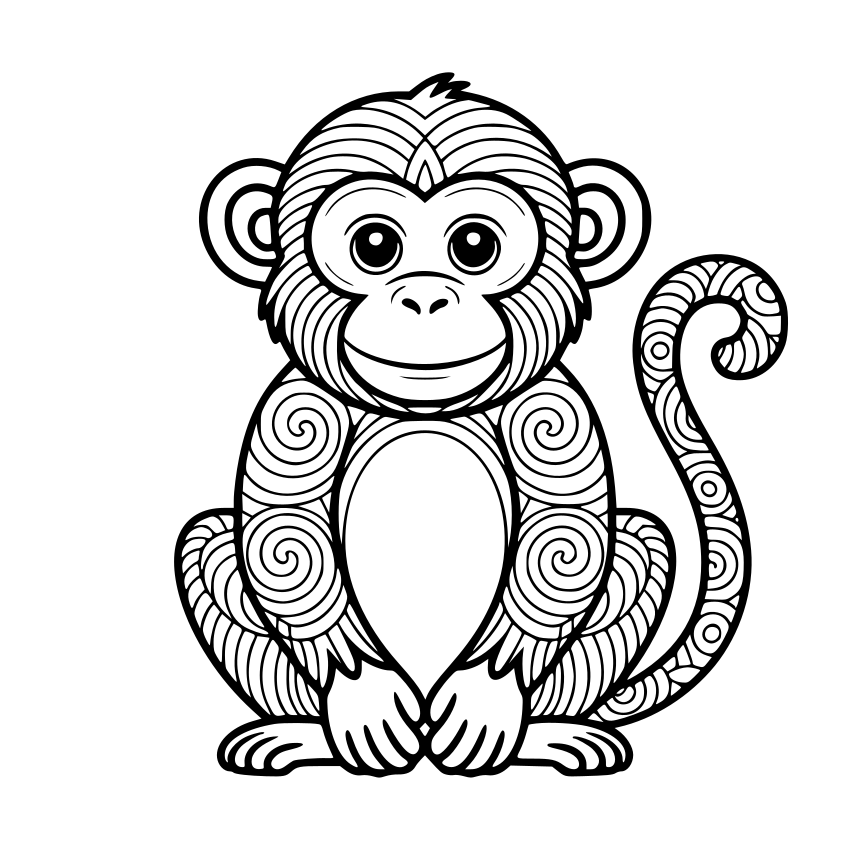
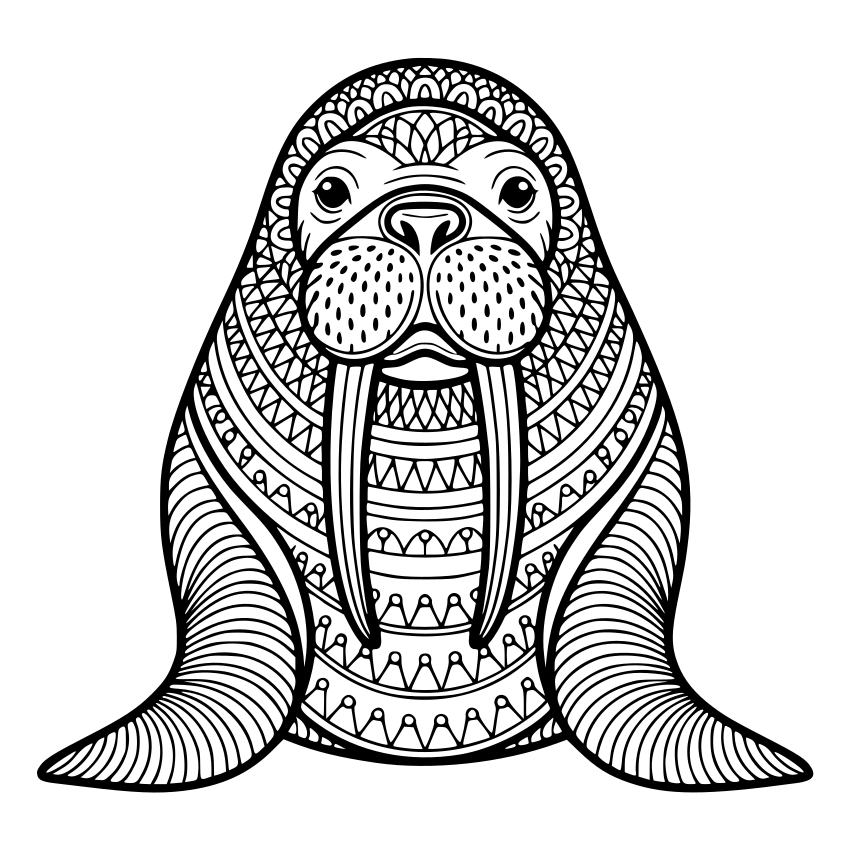
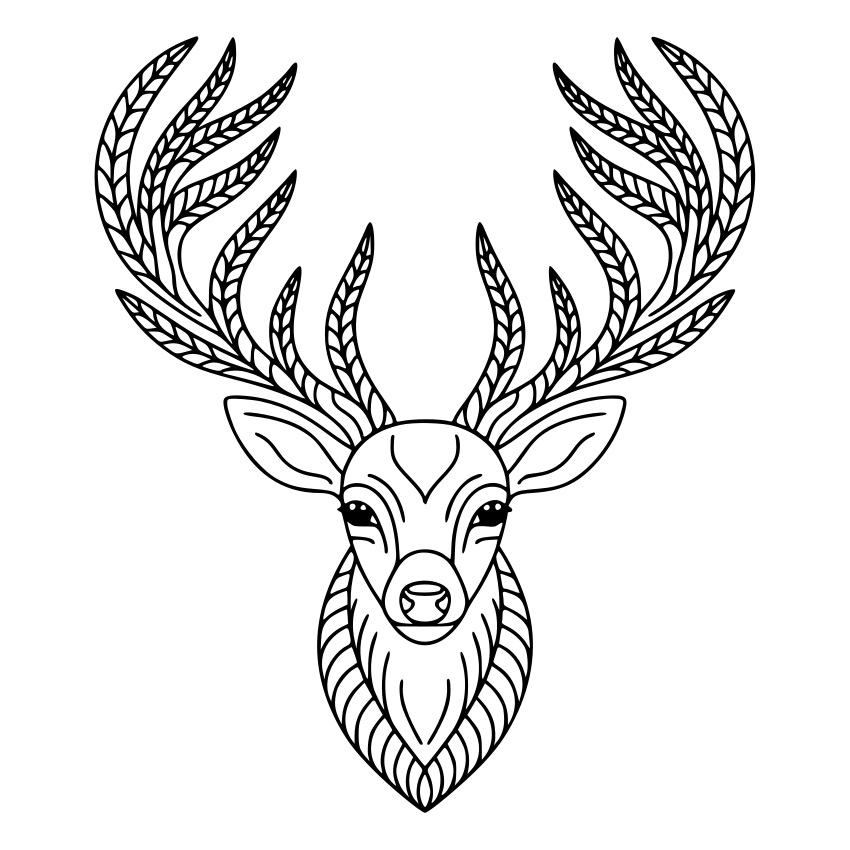
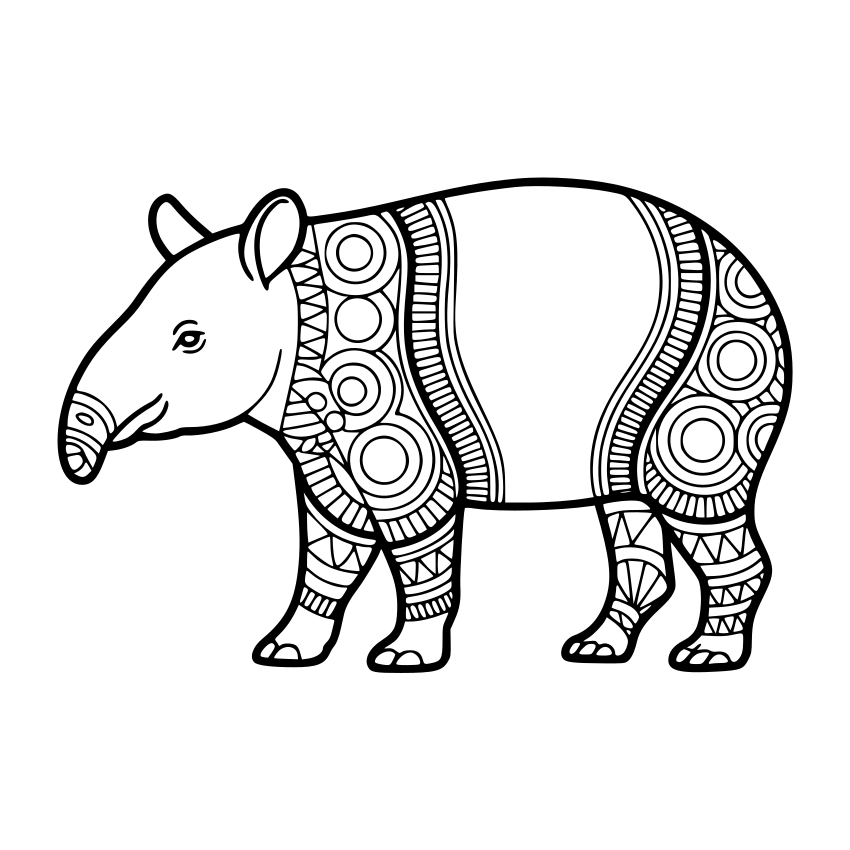
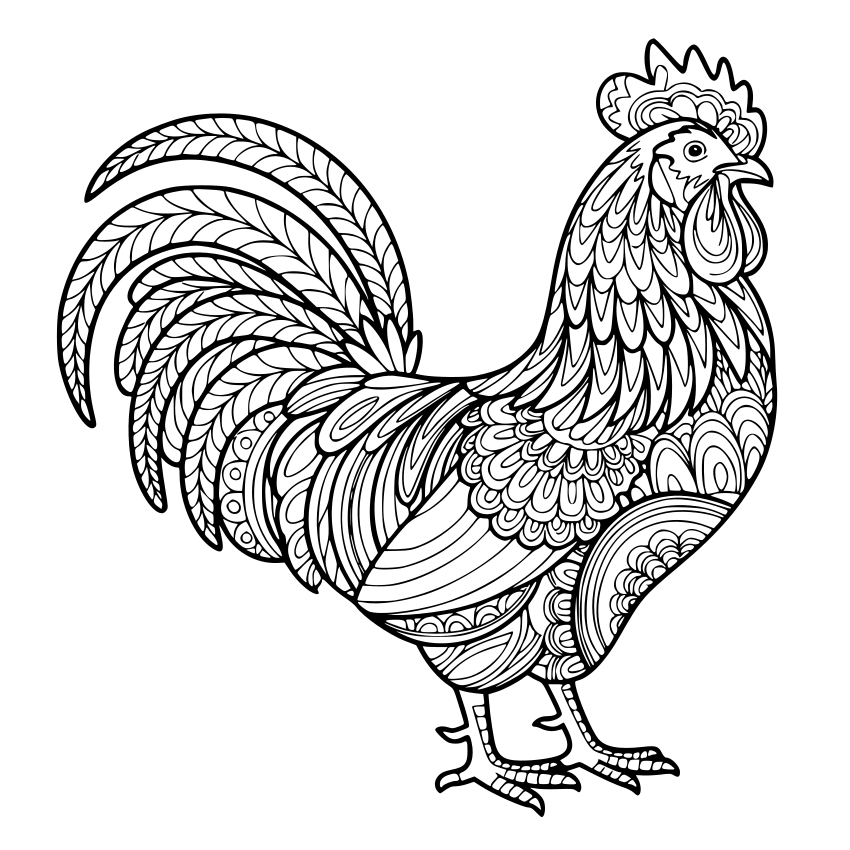
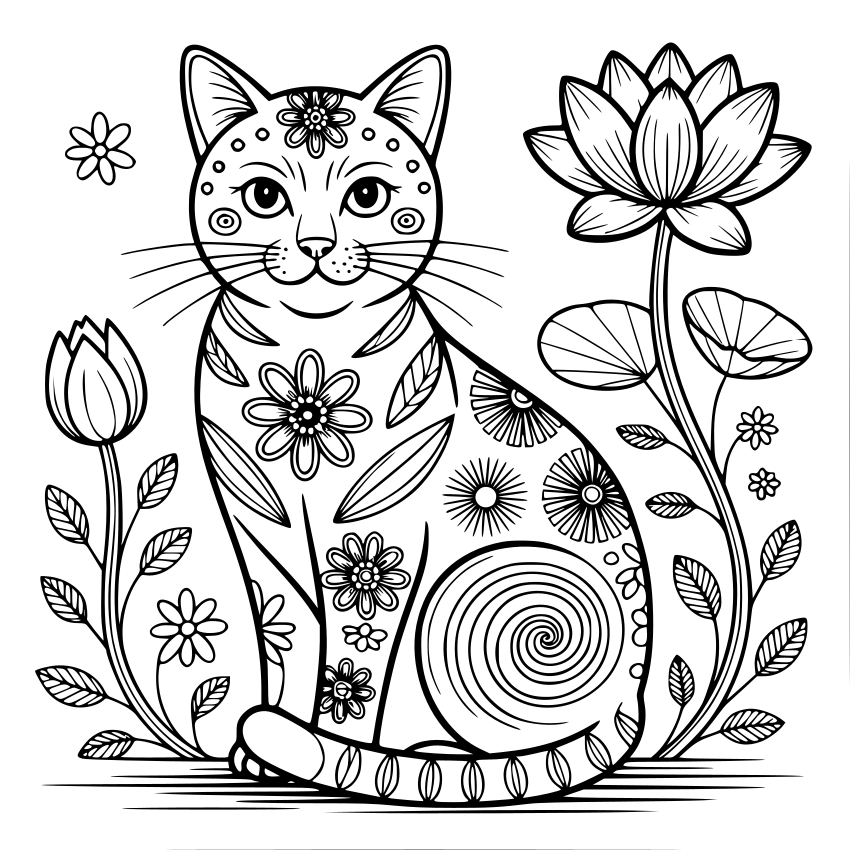
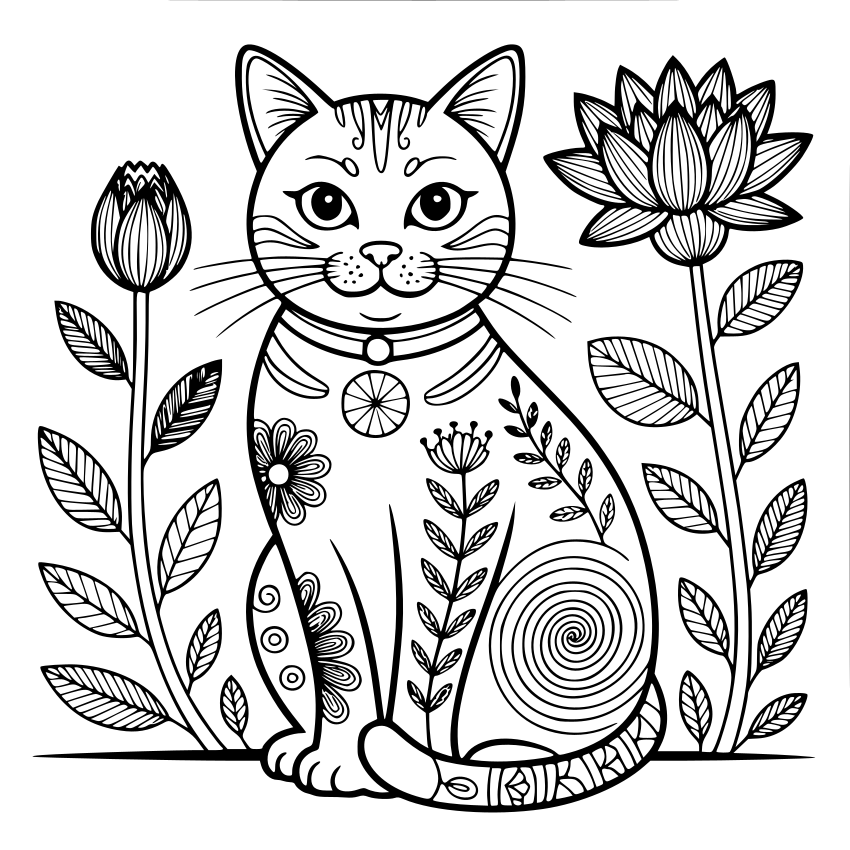
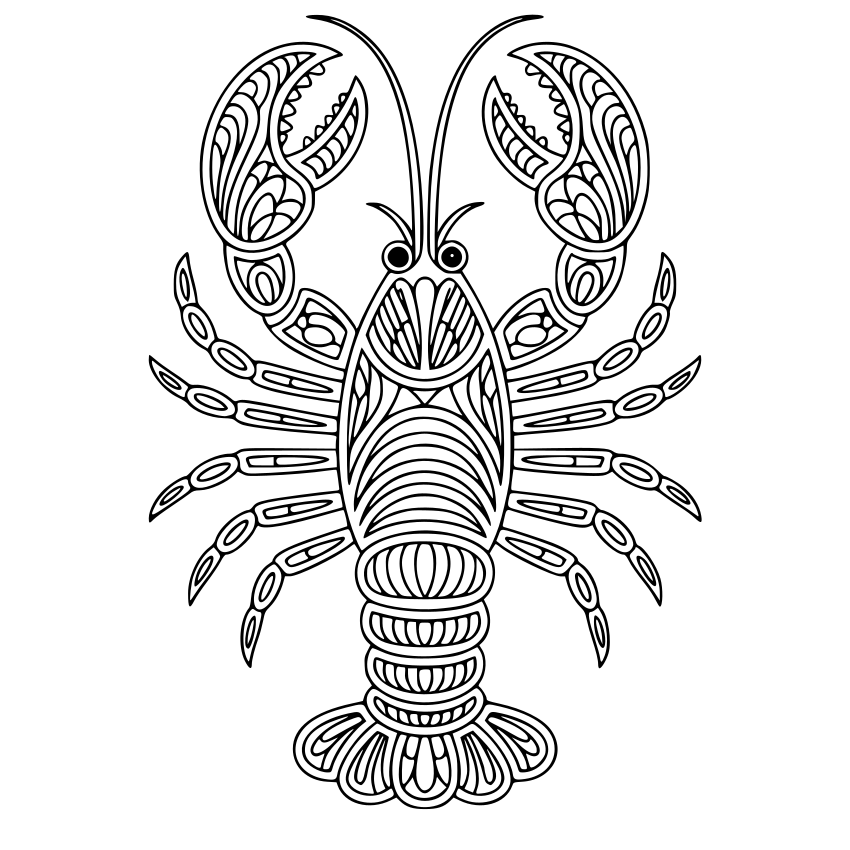
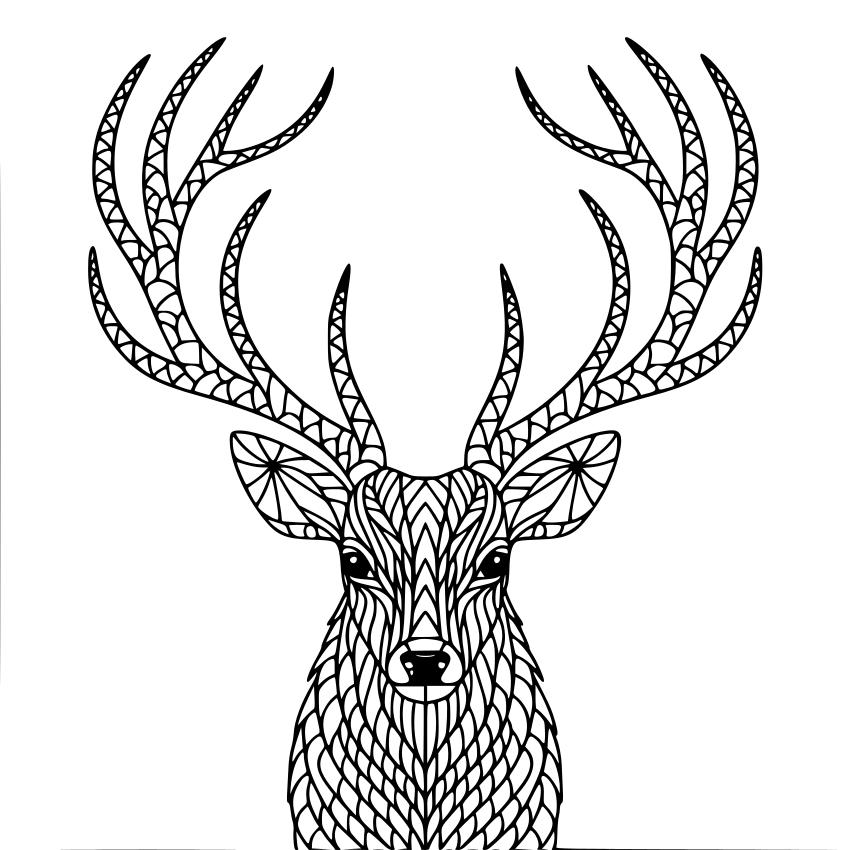
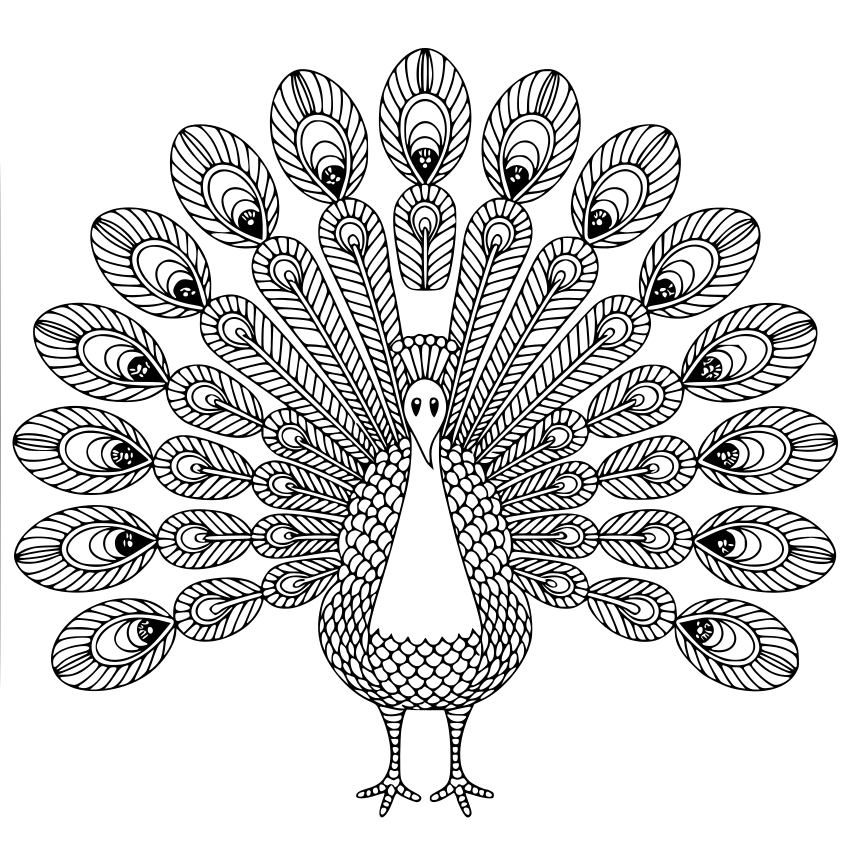
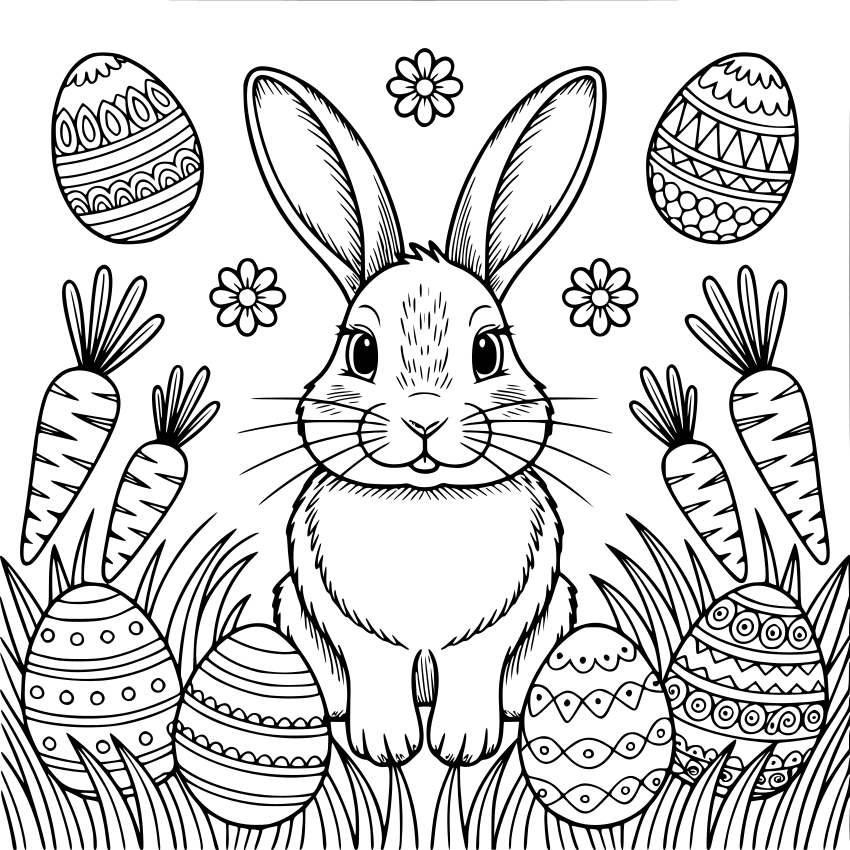
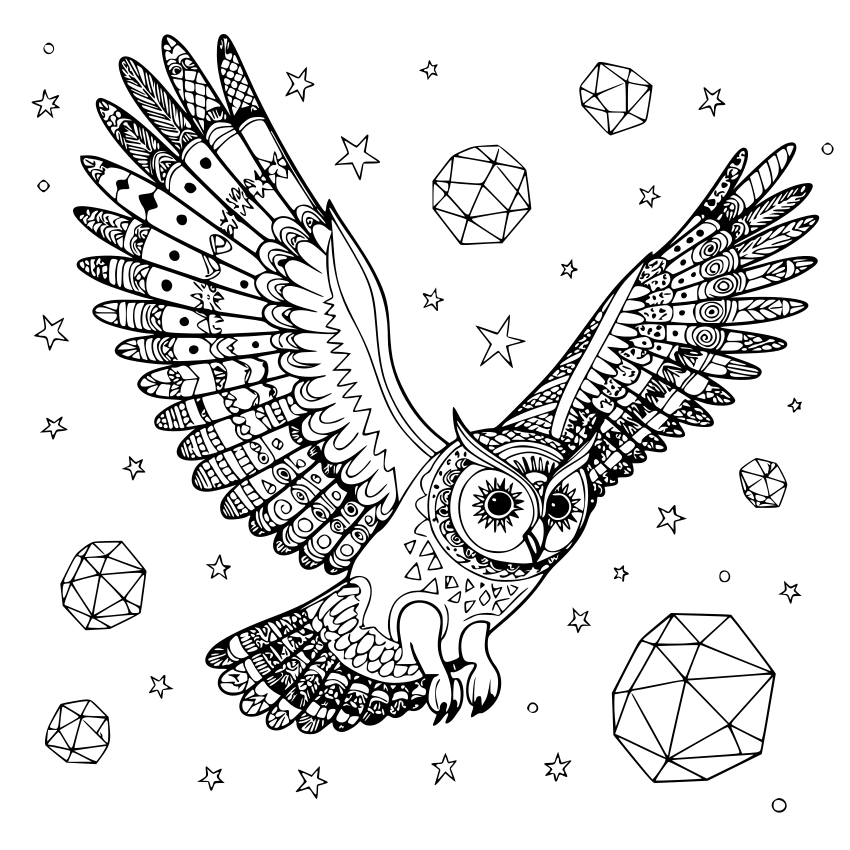
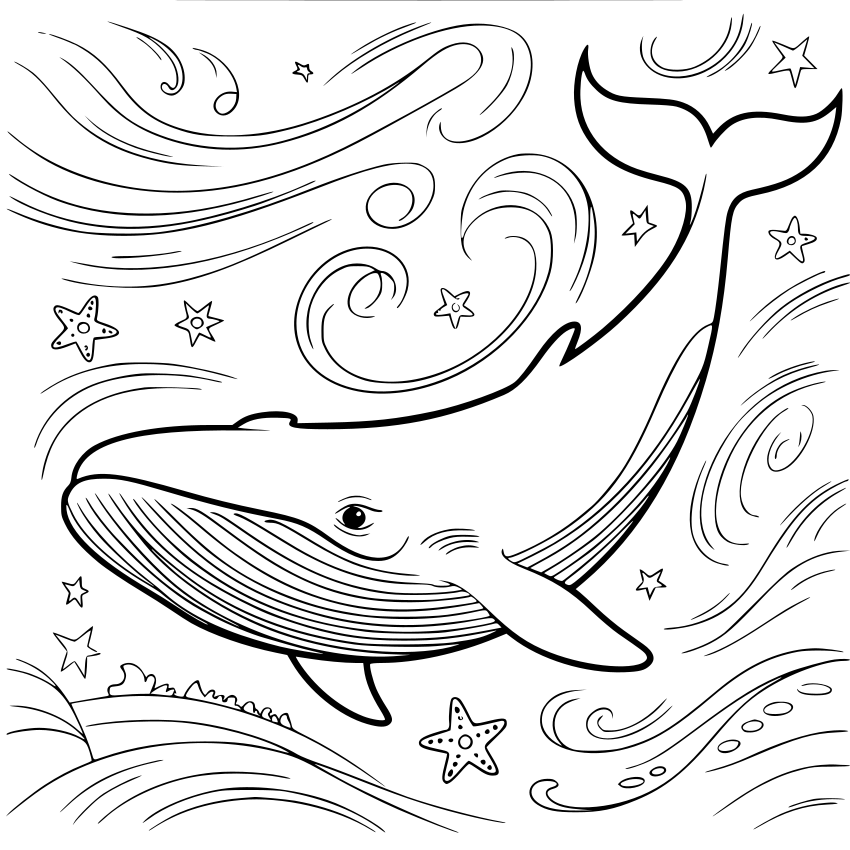
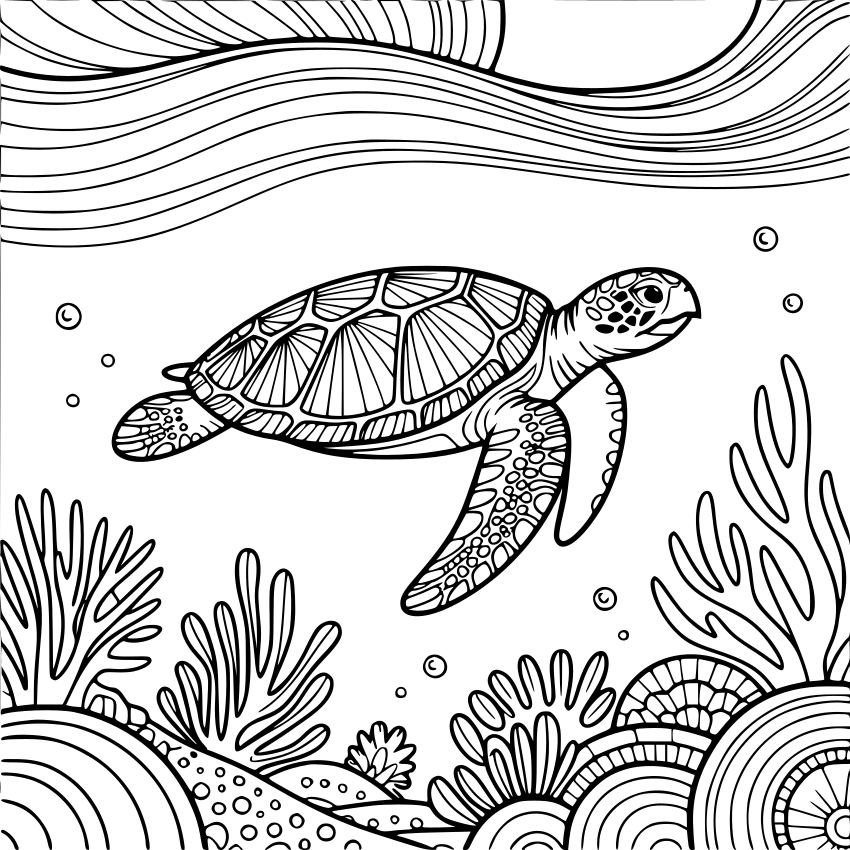
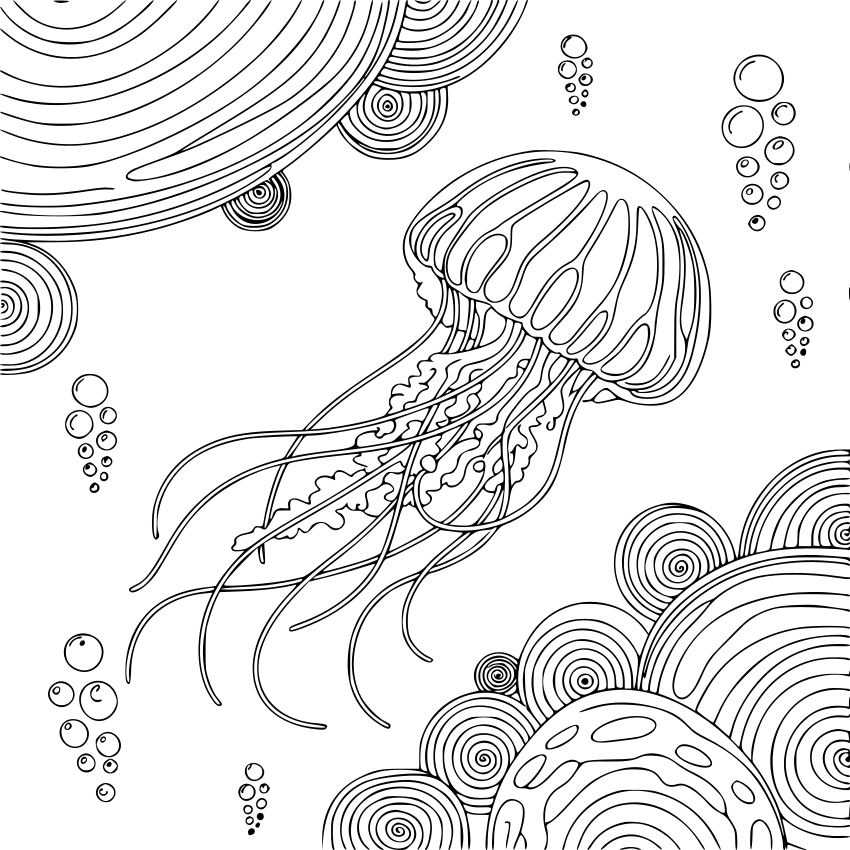
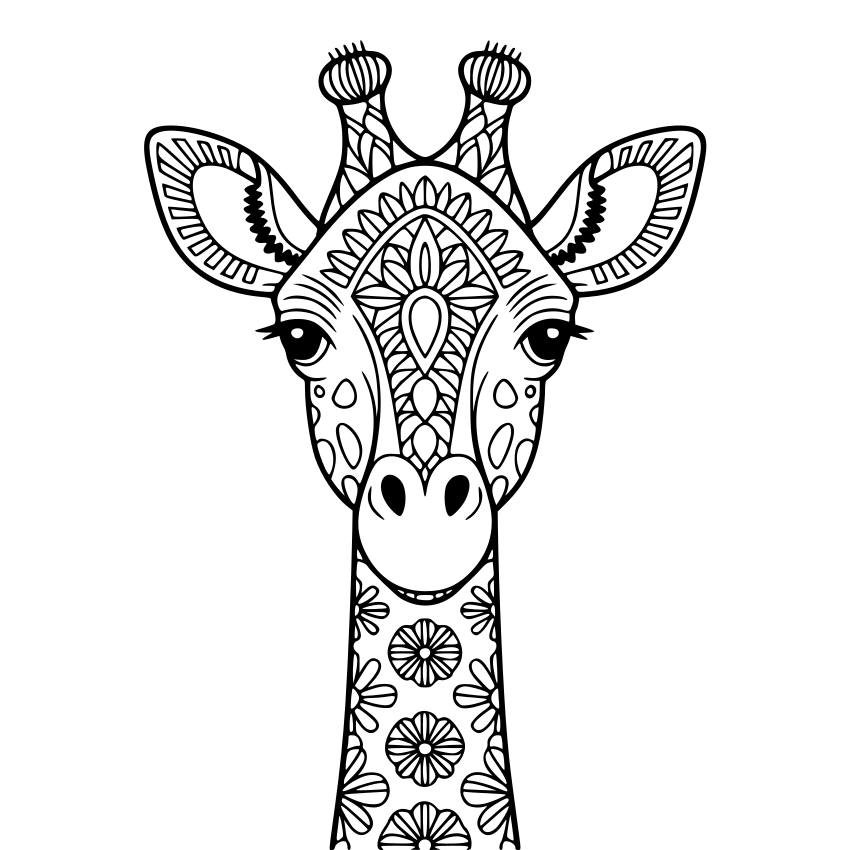
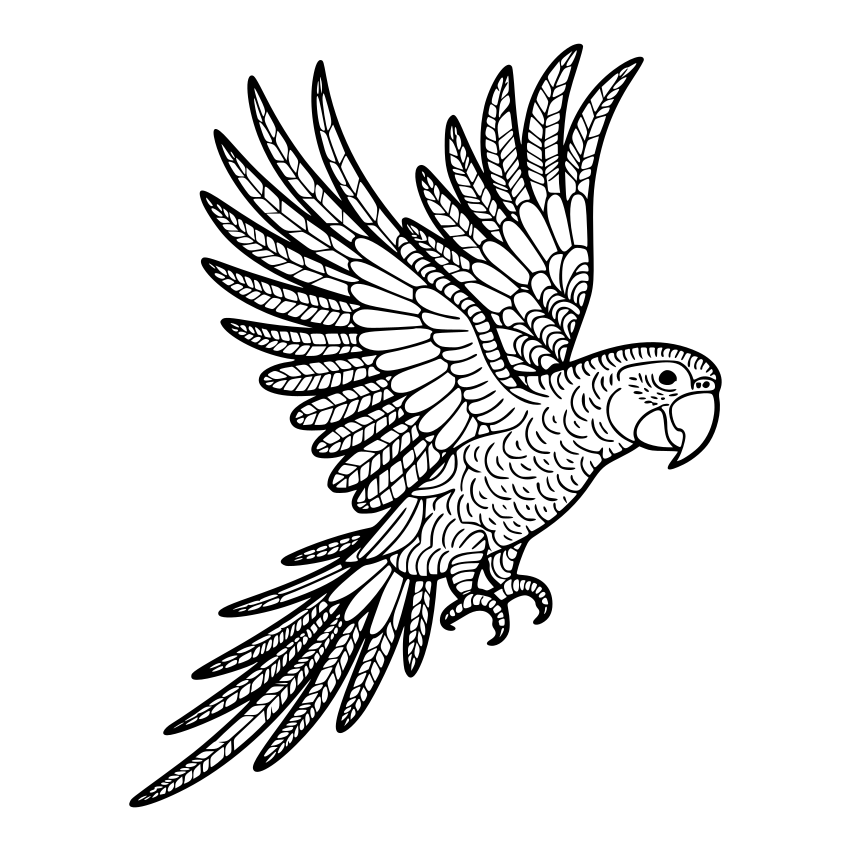
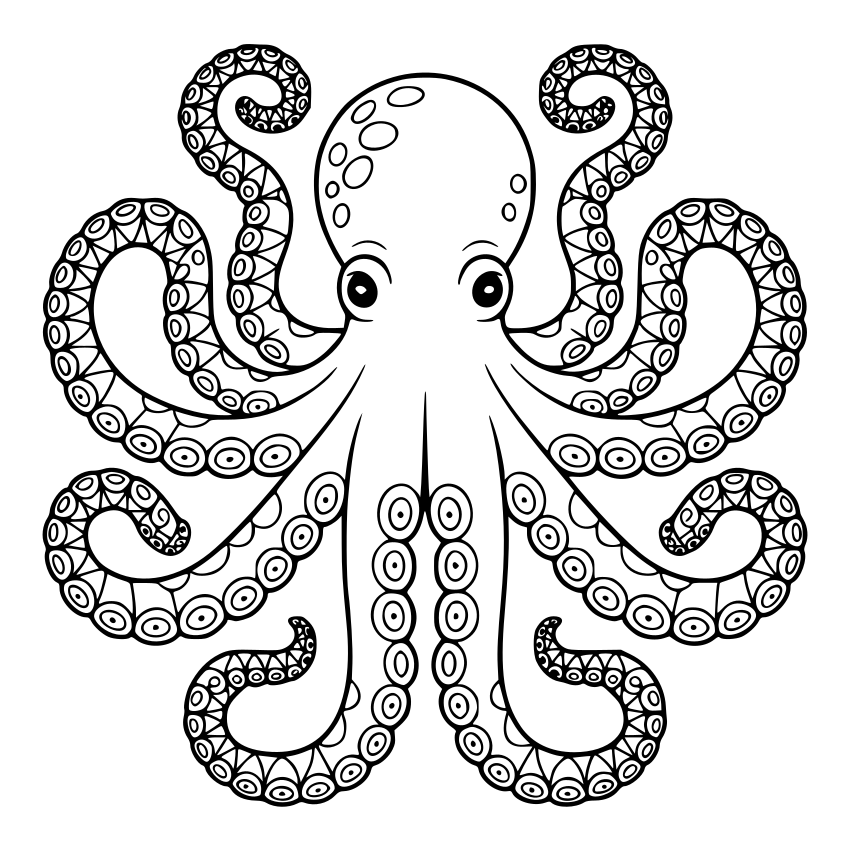
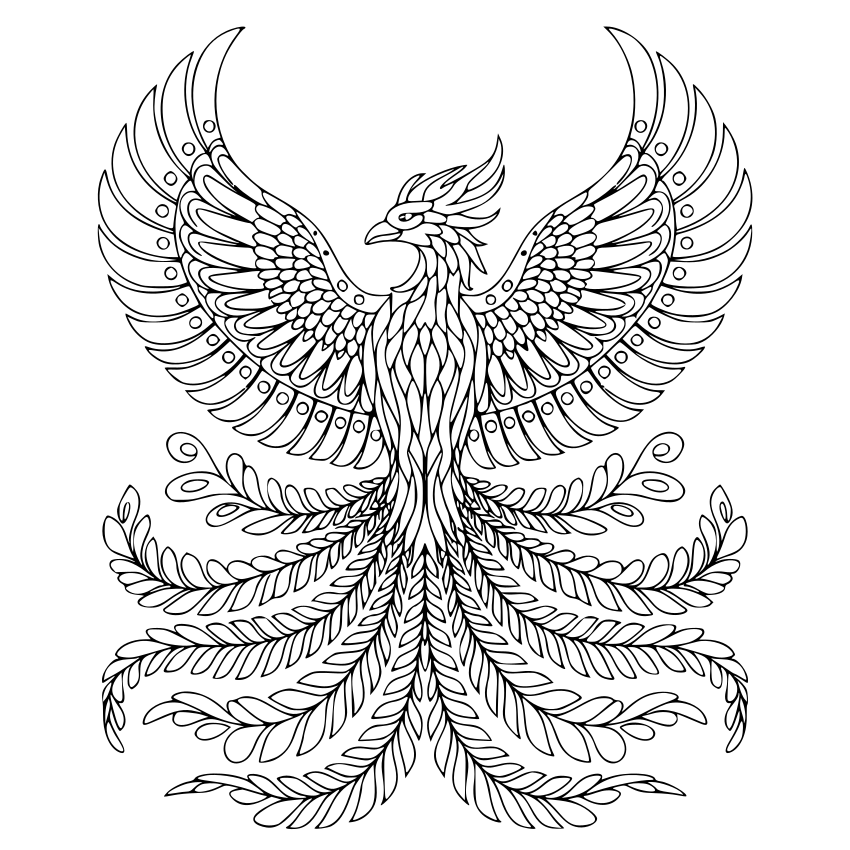
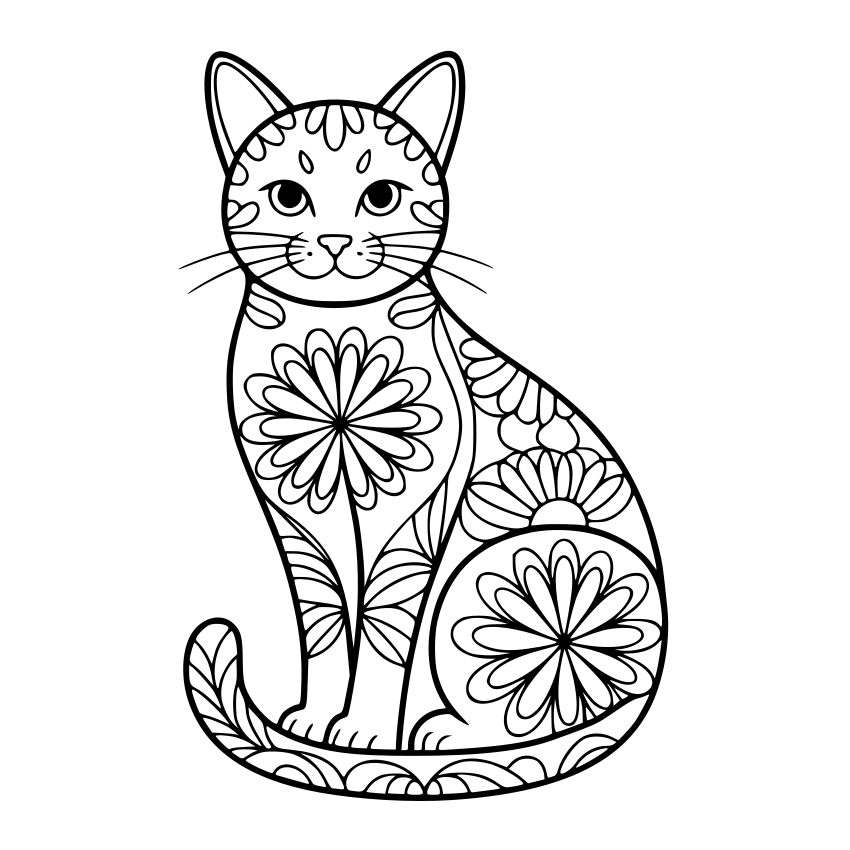
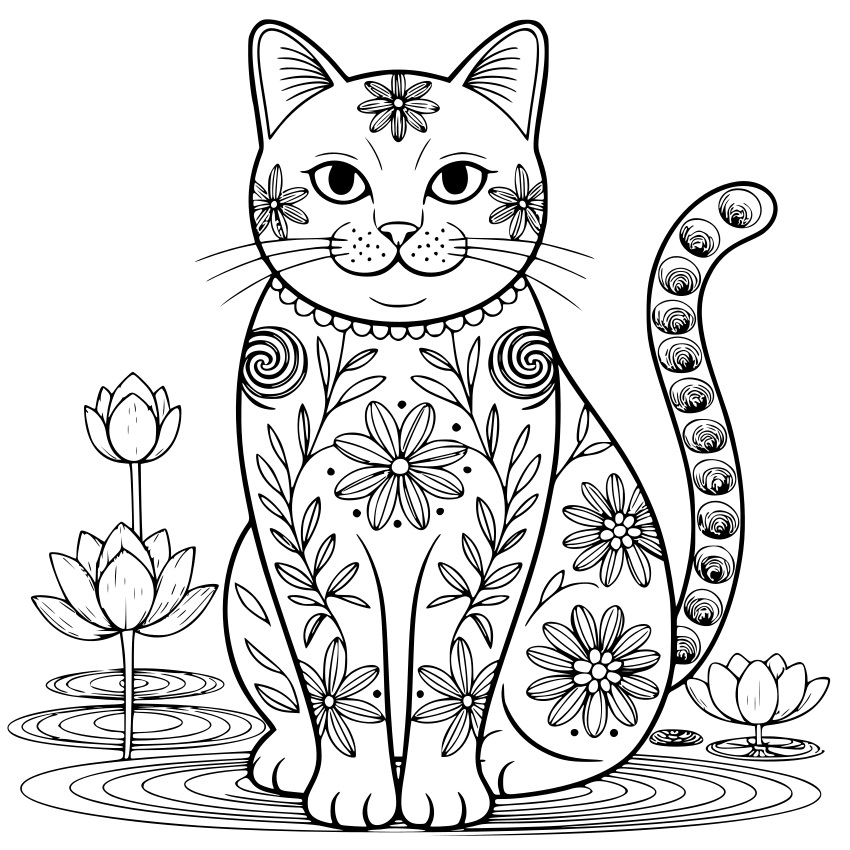
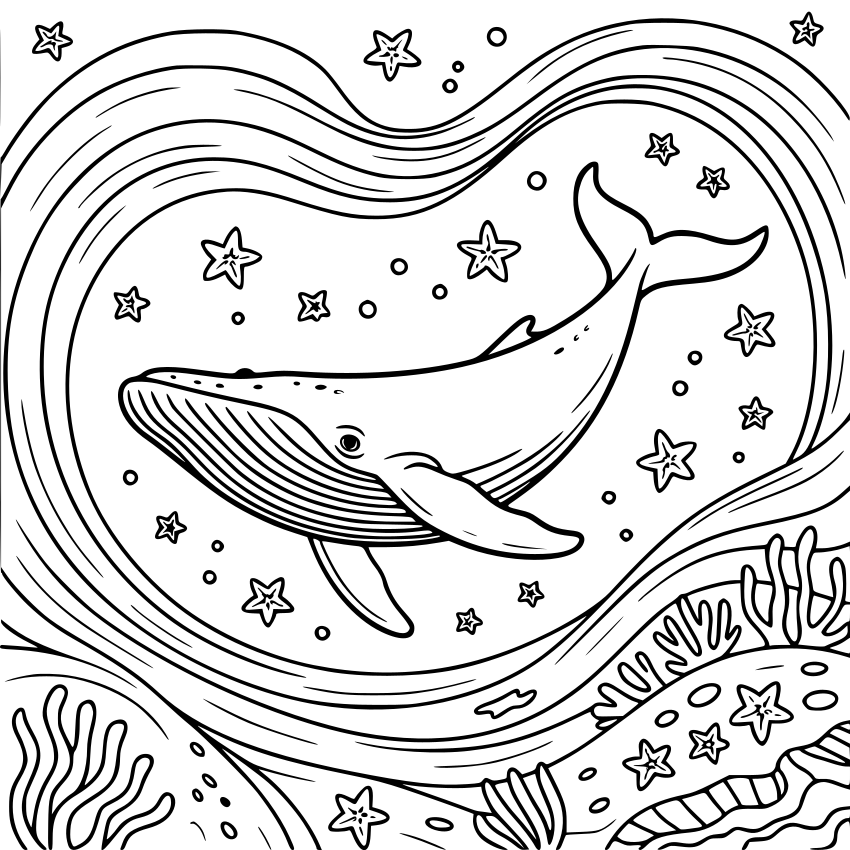
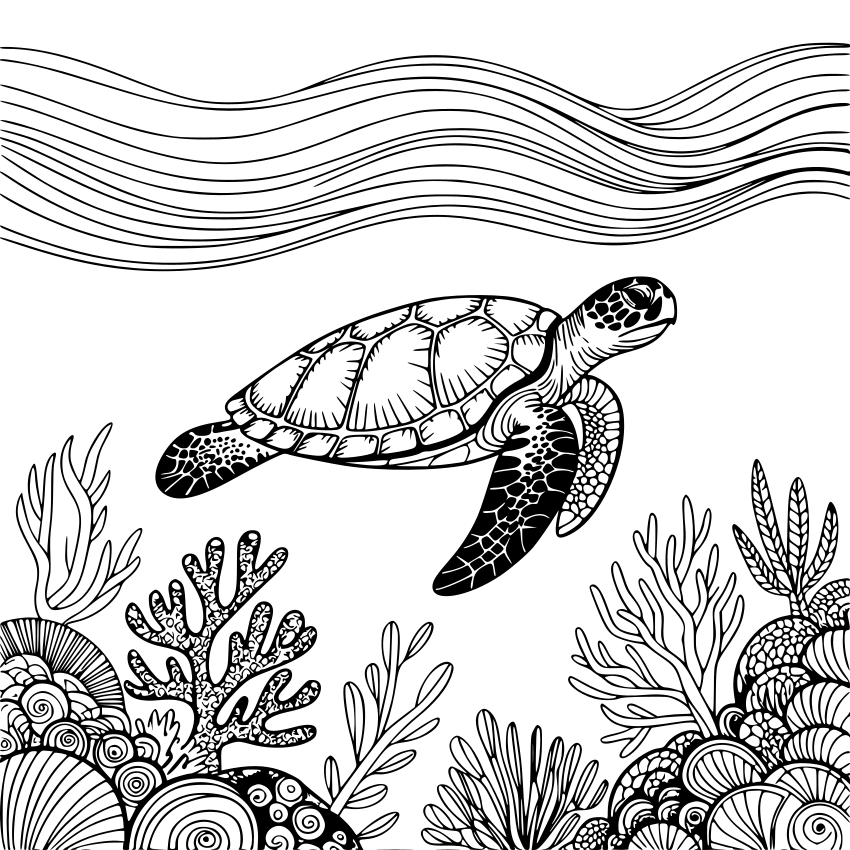
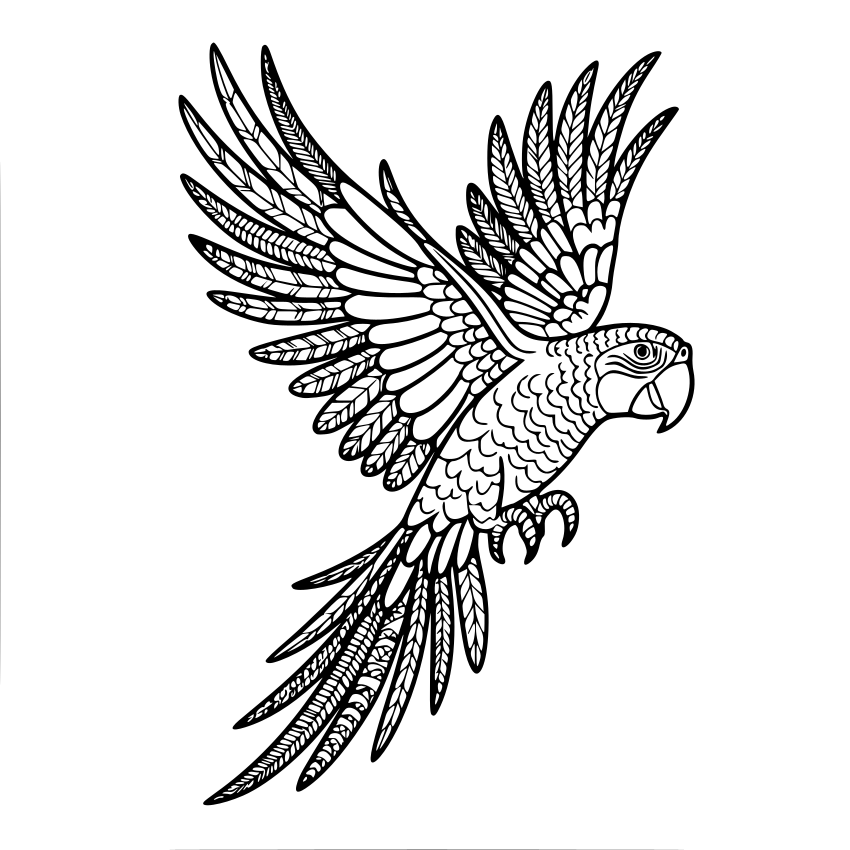
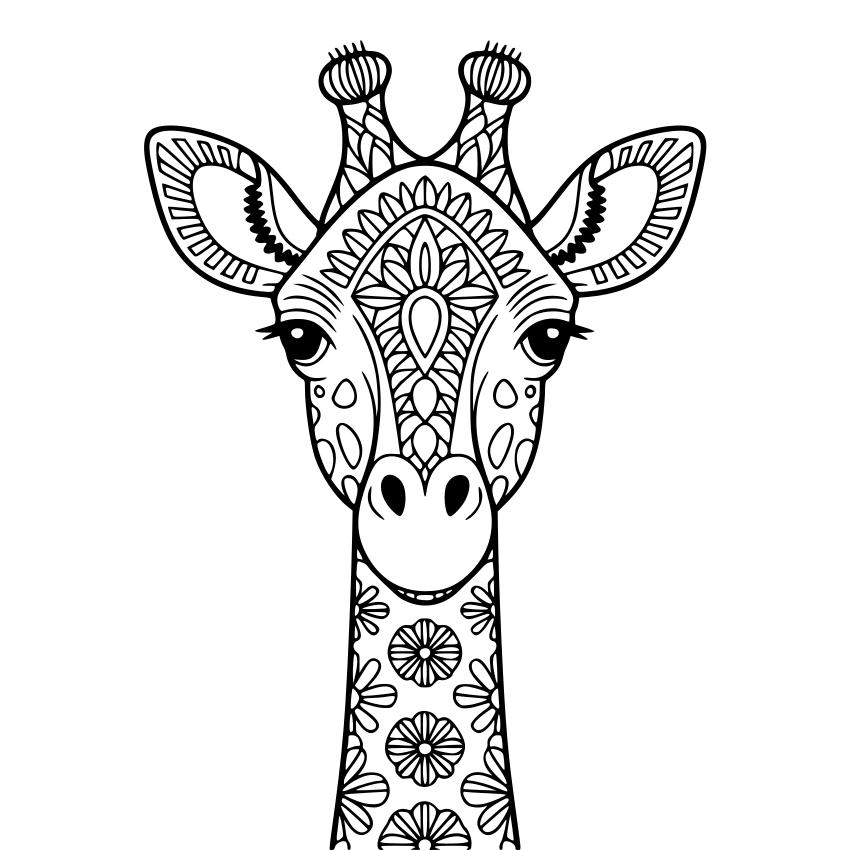
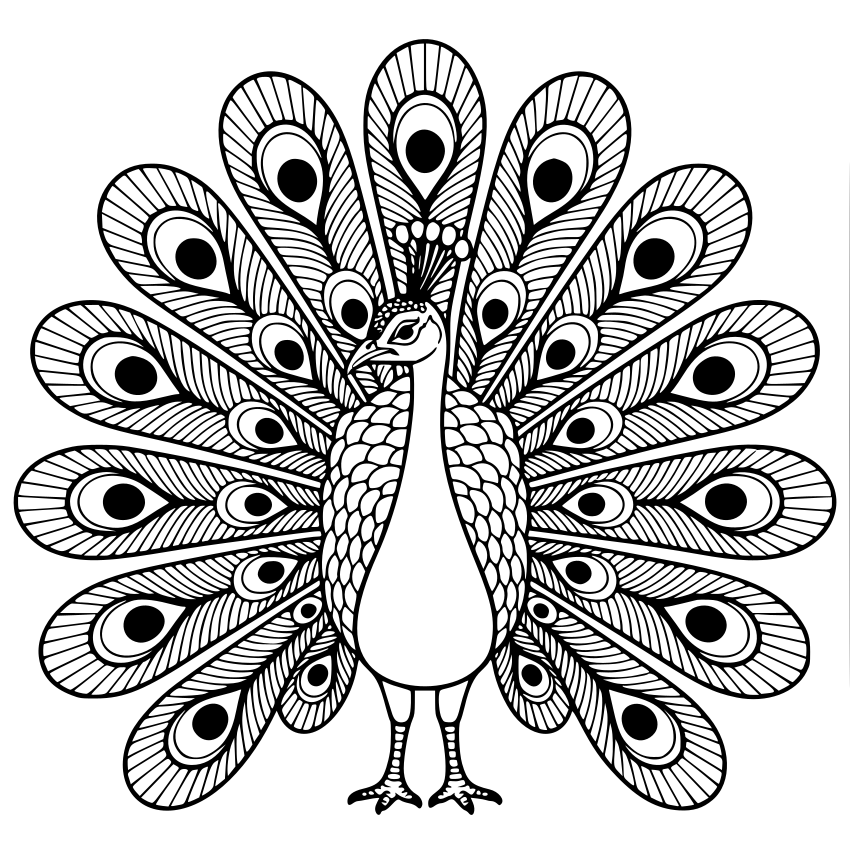
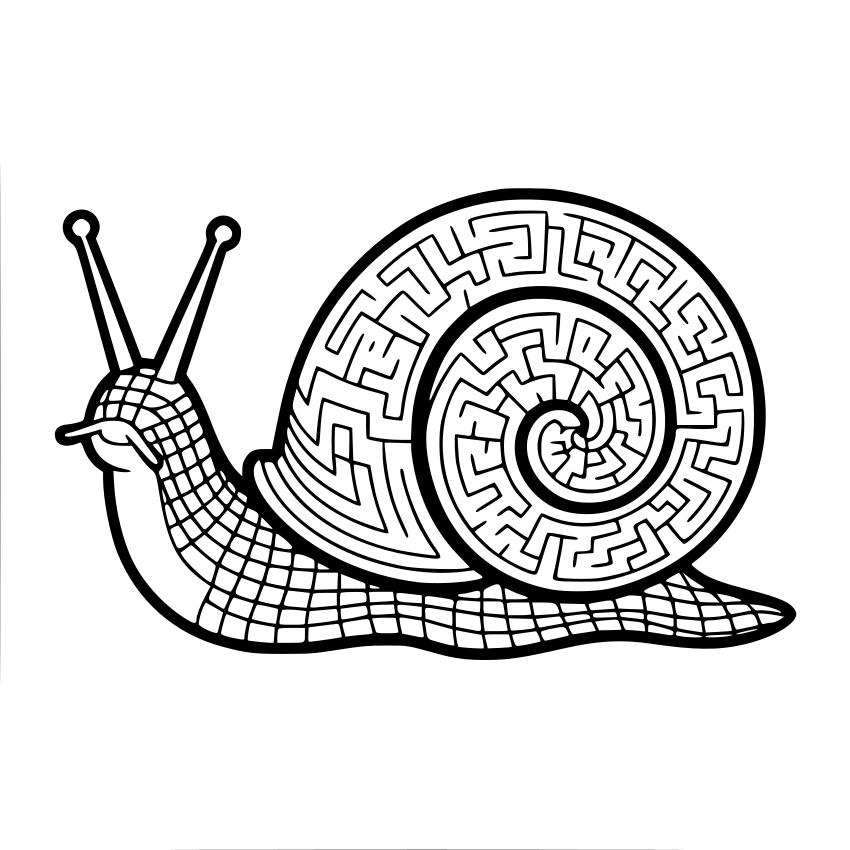
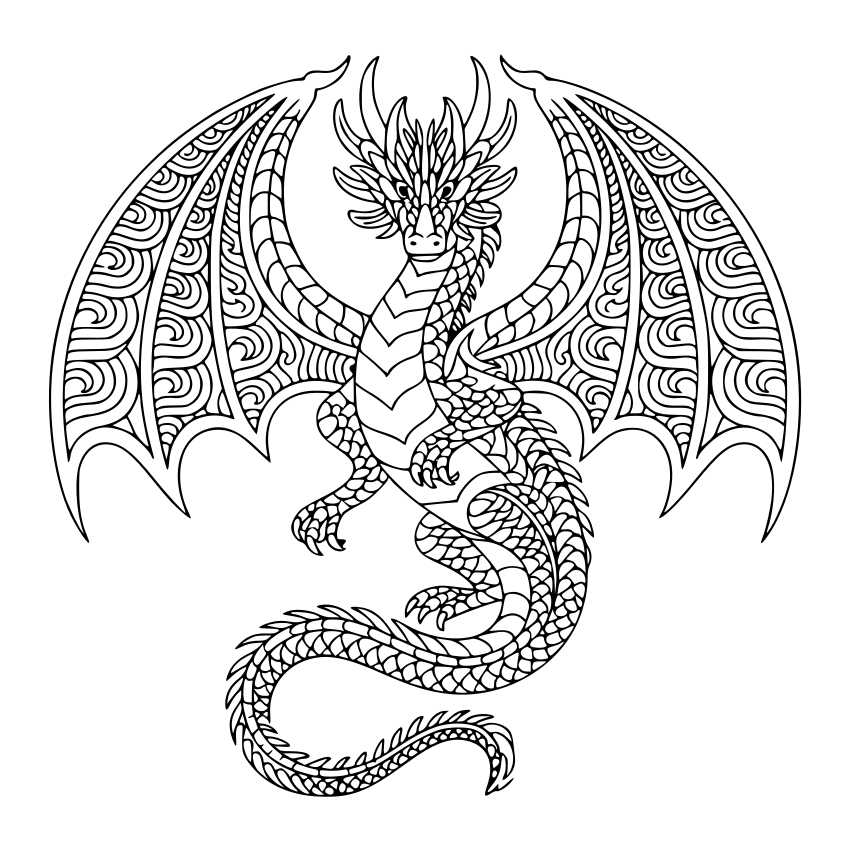
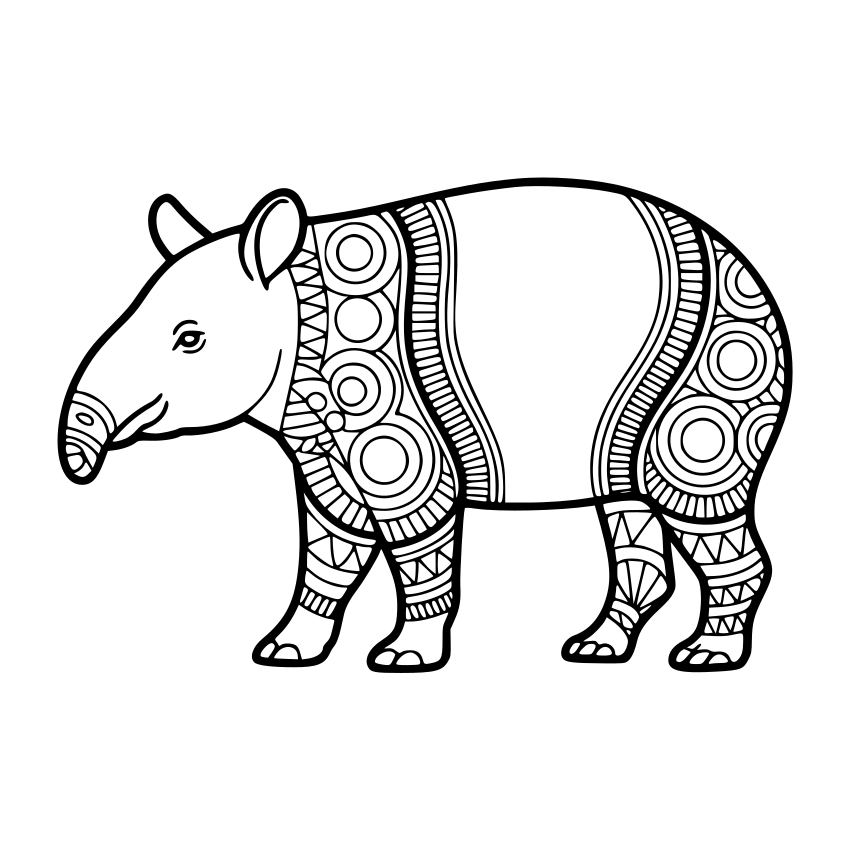
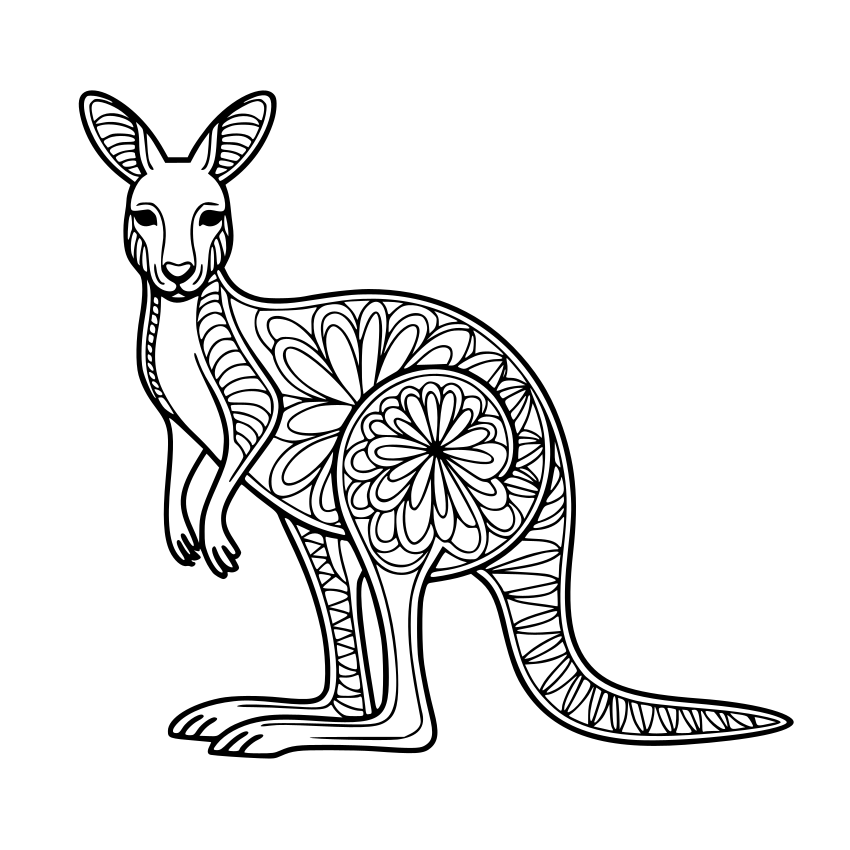
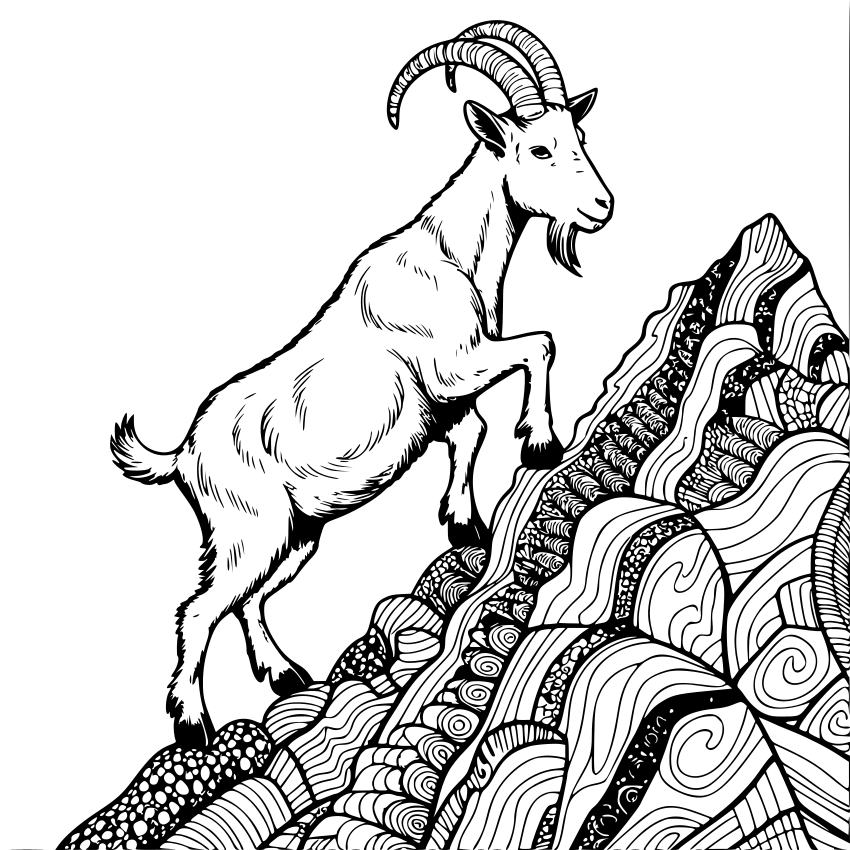
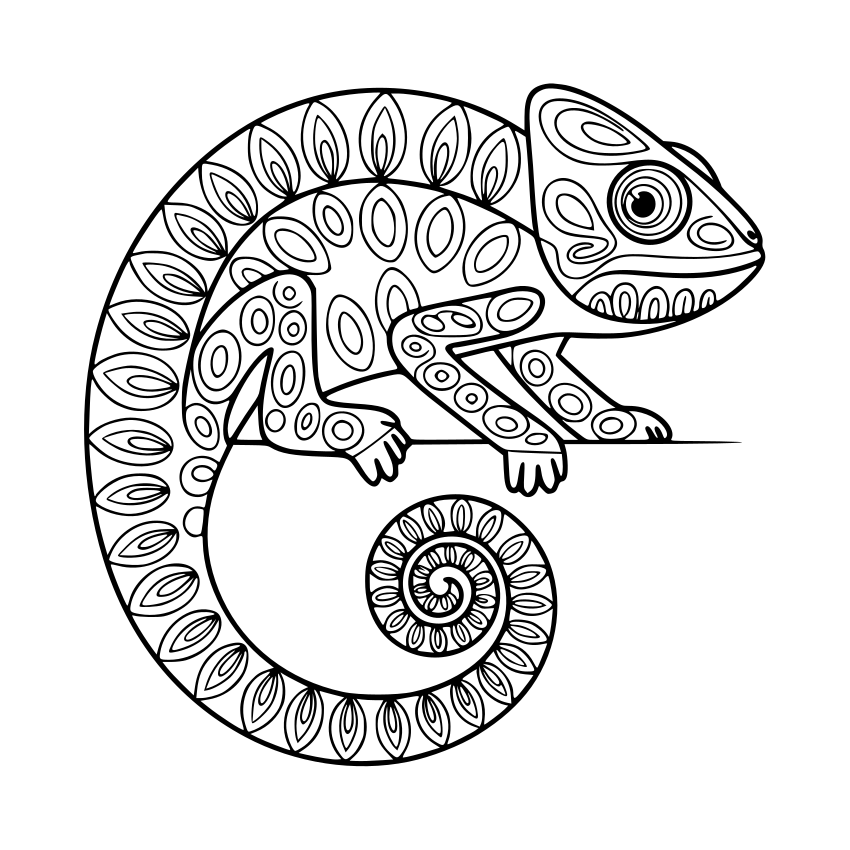
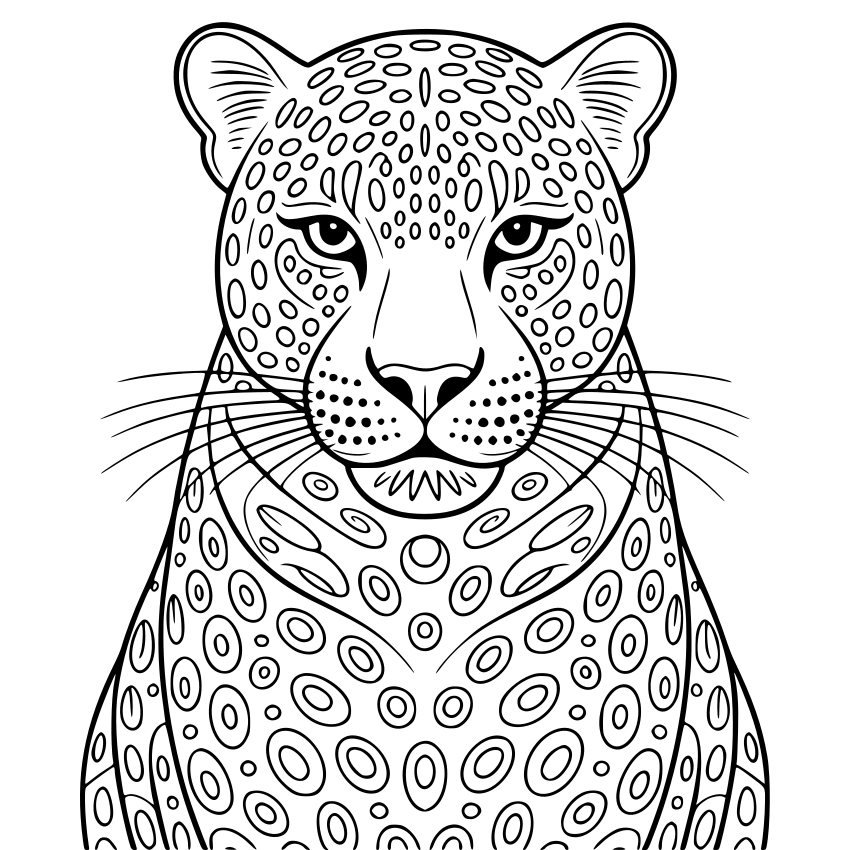
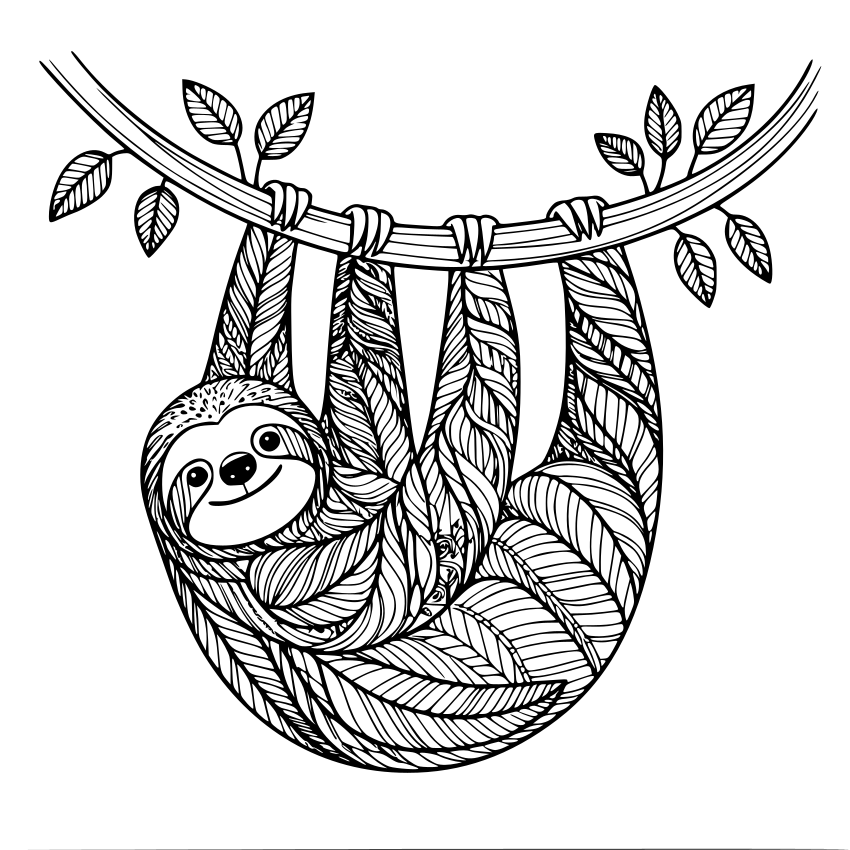
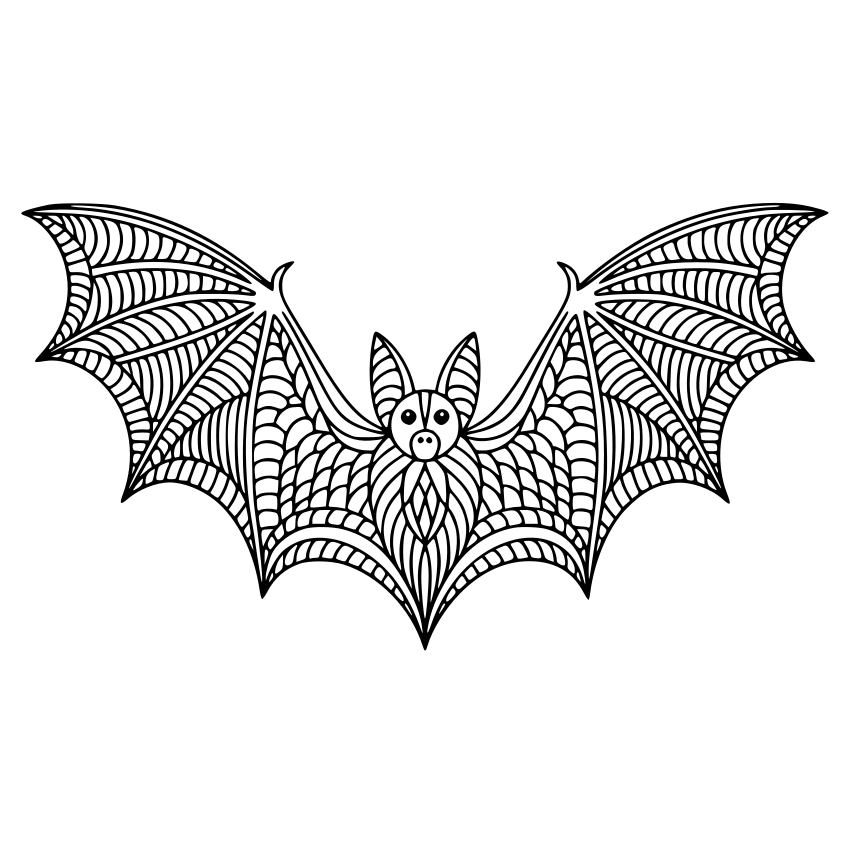
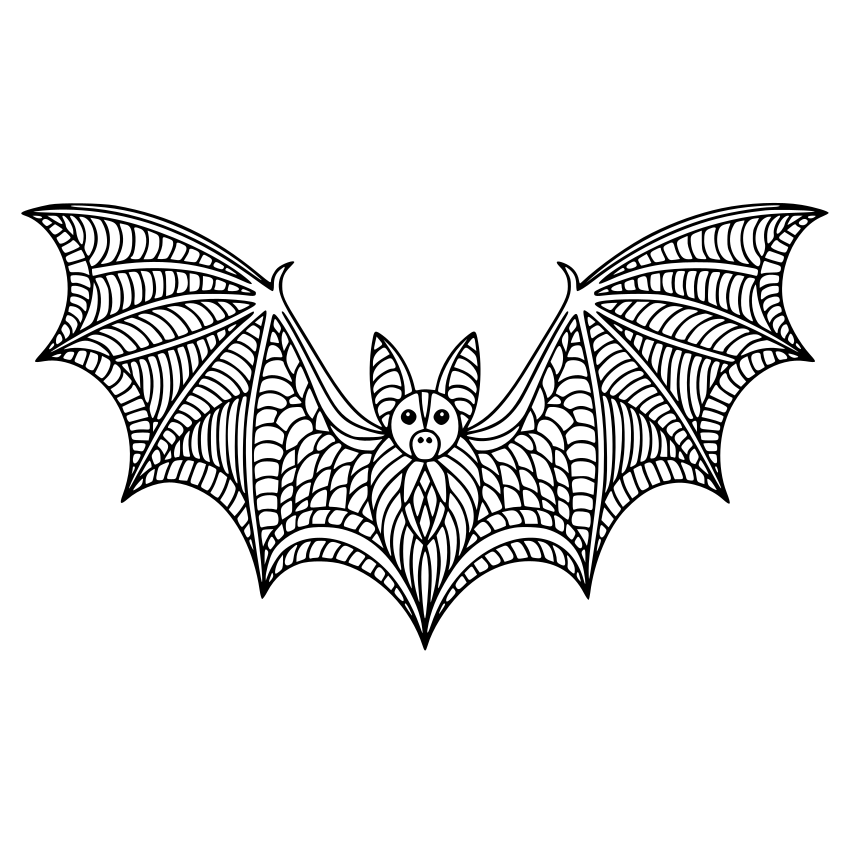
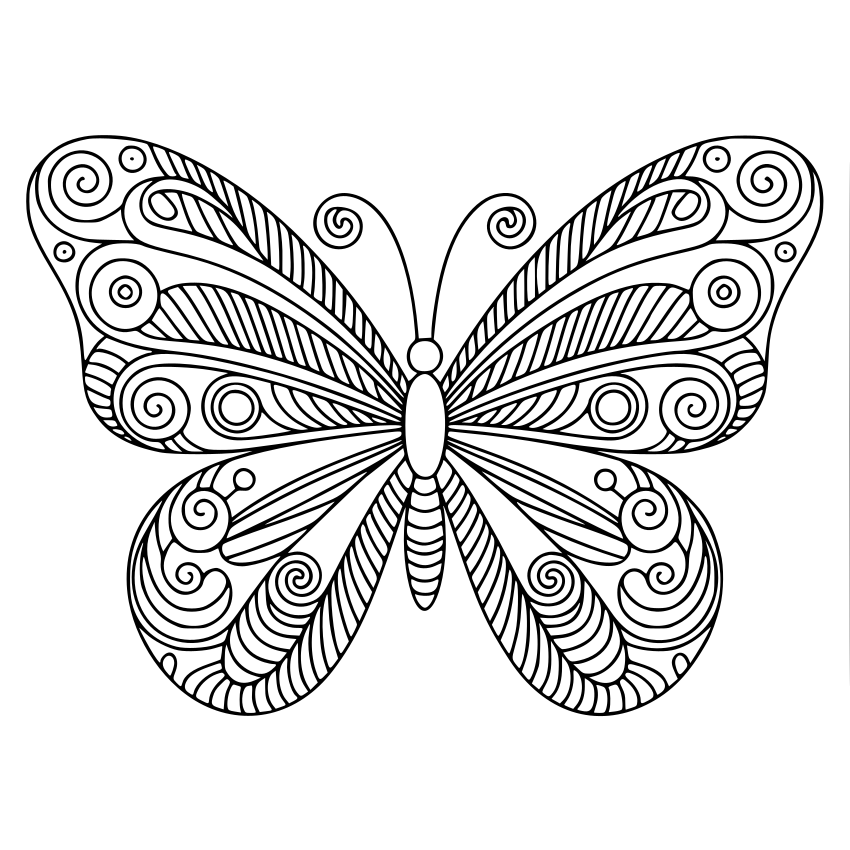
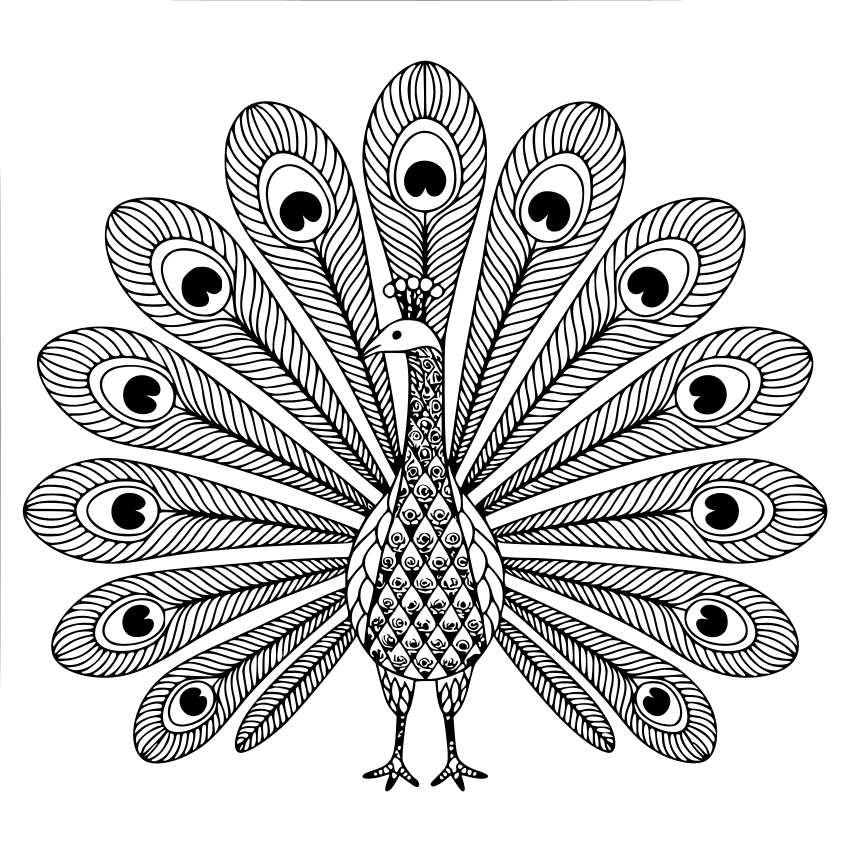
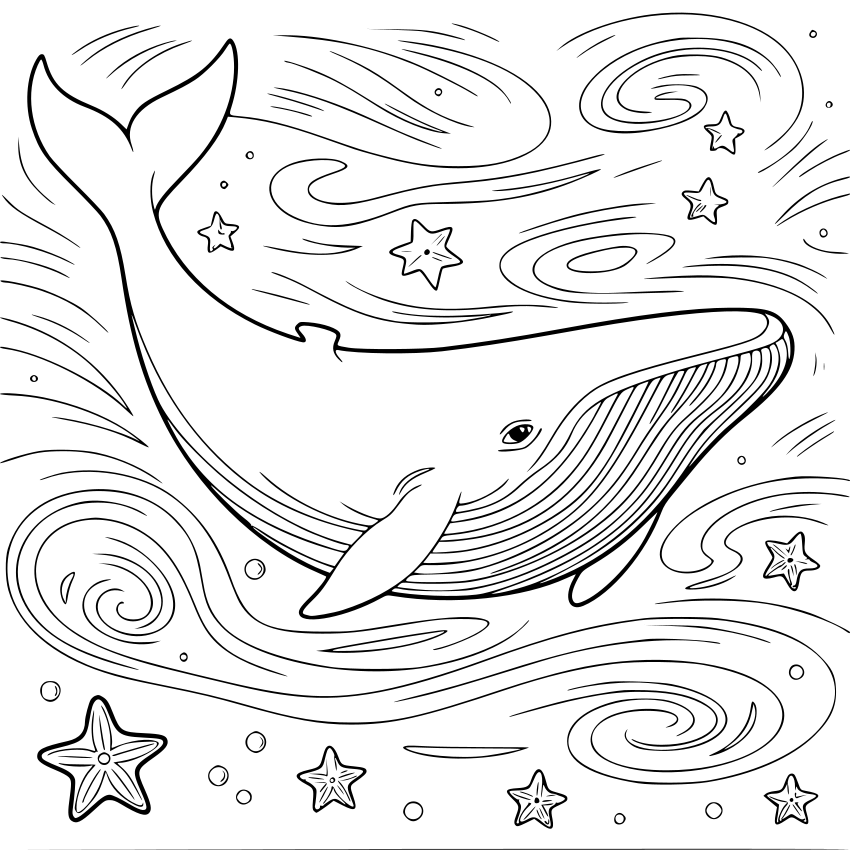
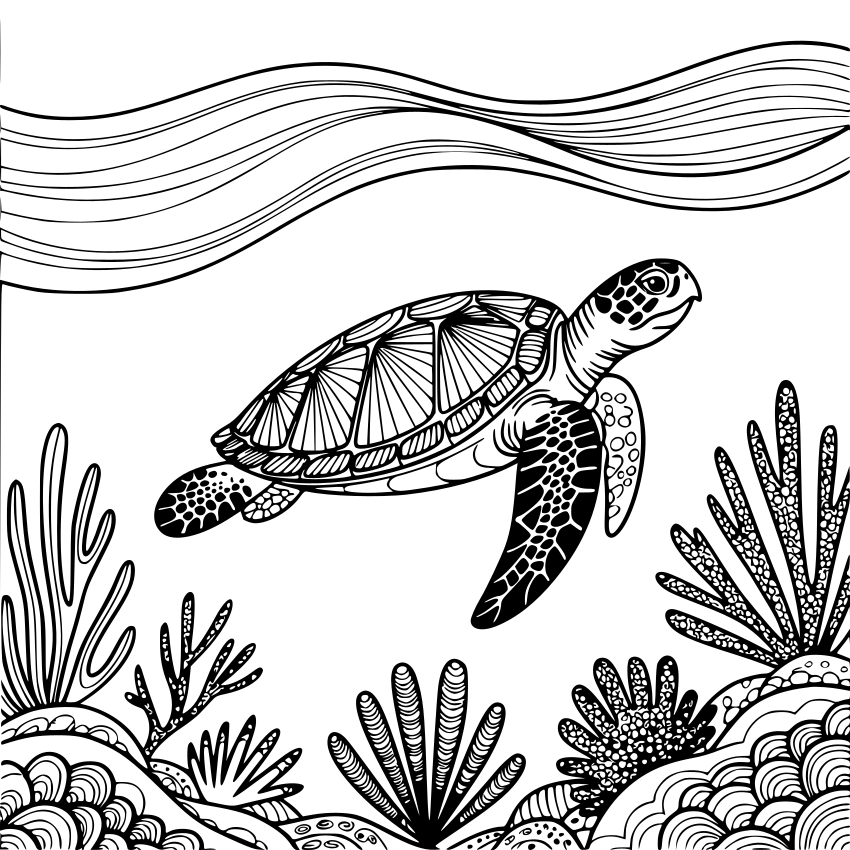
- Zentangle animals (28 designs) — Animal silhouettes — cat, rabbit, butterfly, horse, lion, peacock, whale, turtle, dragonfly and others — filled with dense, intricate hand-drawn patterns. The outer shape is immediately recognizable; the interior becomes a landscape of tangles. Each animal's body is divided into sections, each section filled with its own repeating motif. These designs reward close, slow, exploratory coloring — perfect for long evenings or focused art therapy sessions.
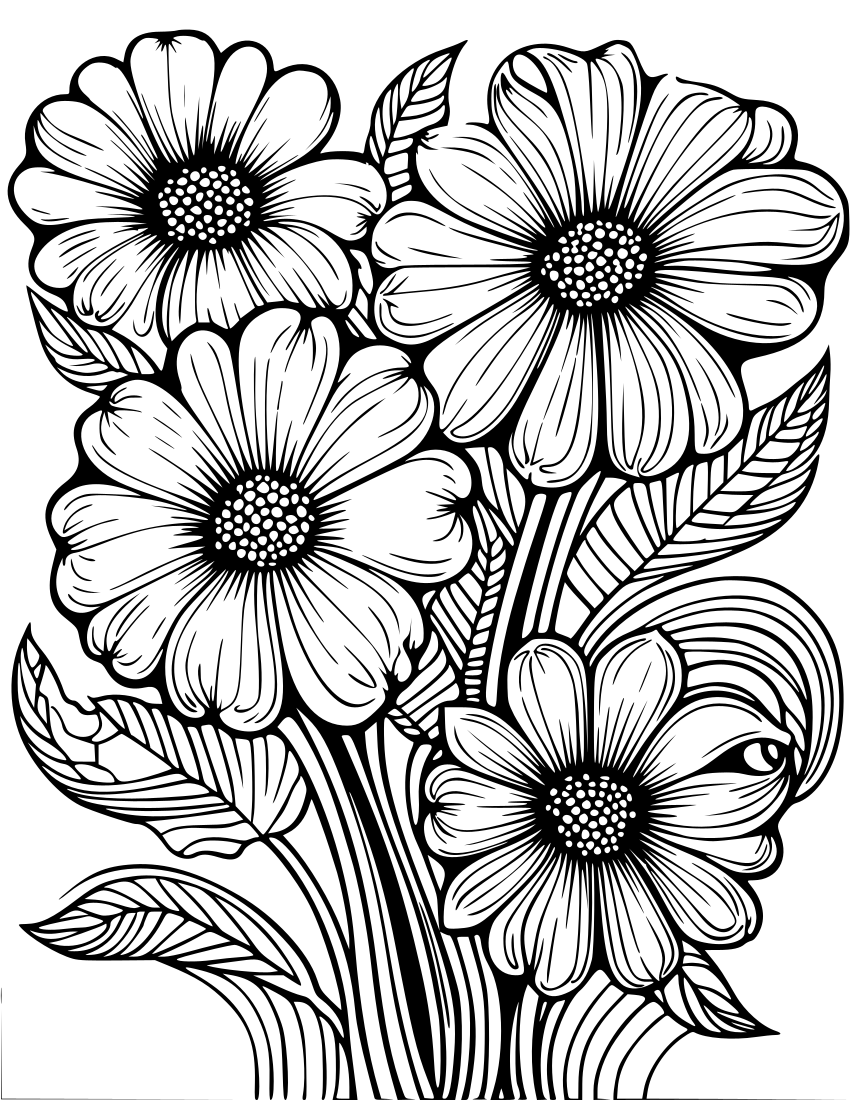
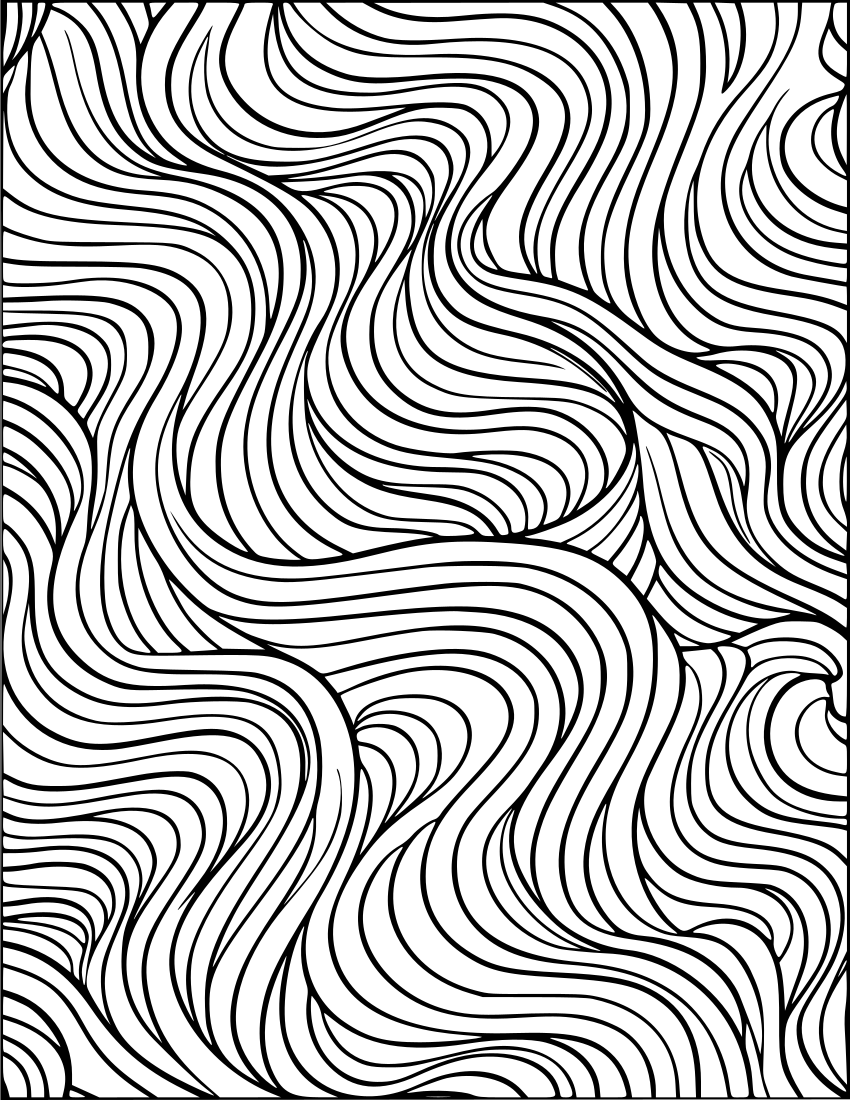
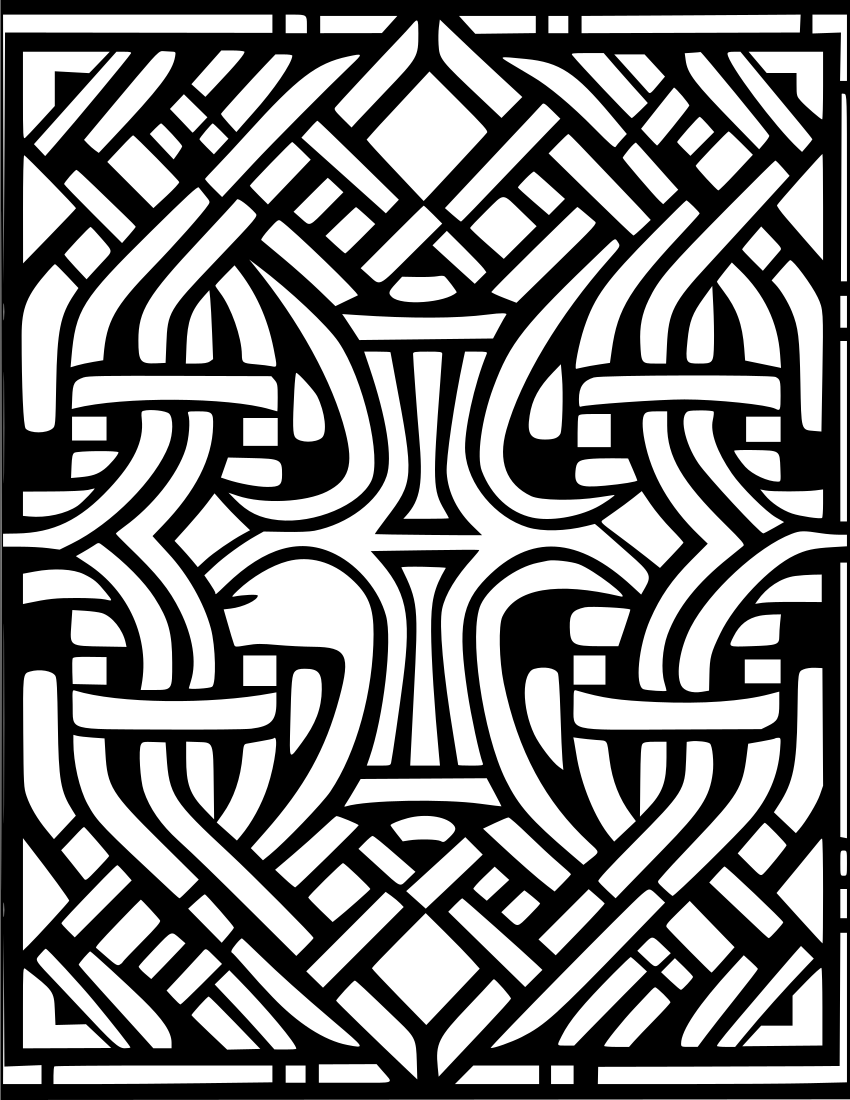
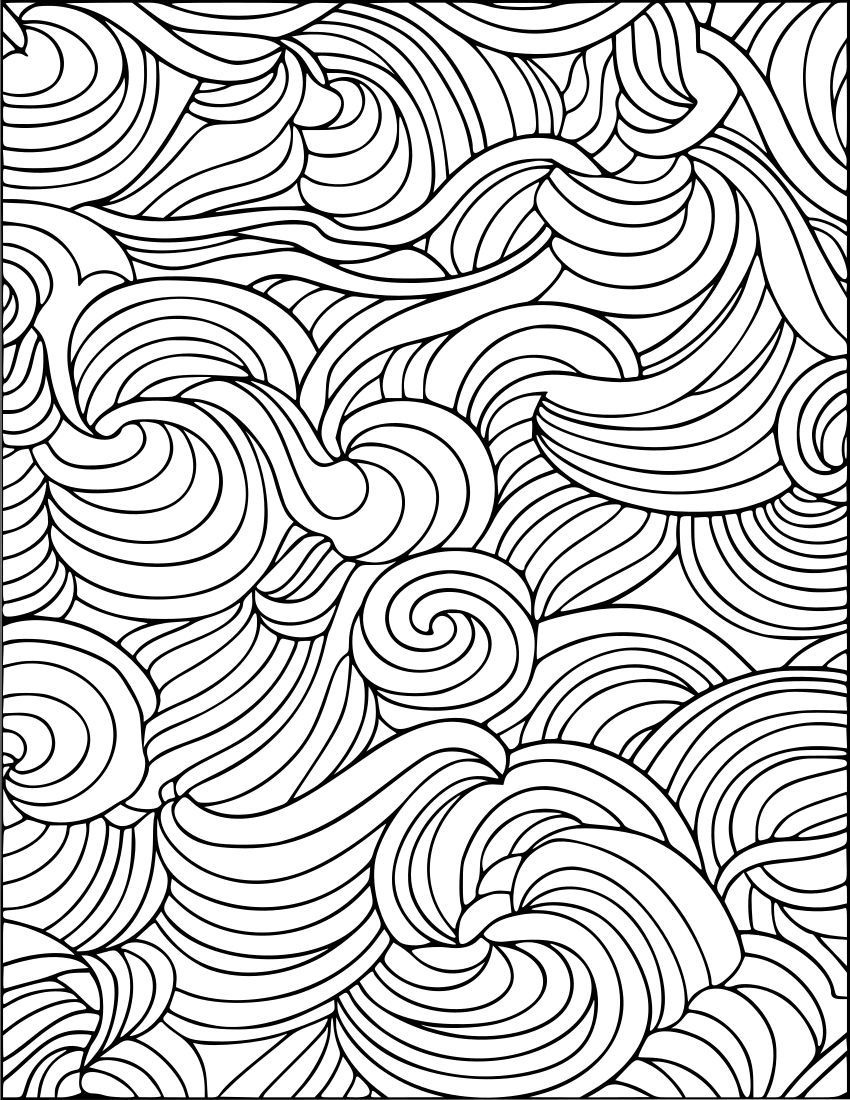
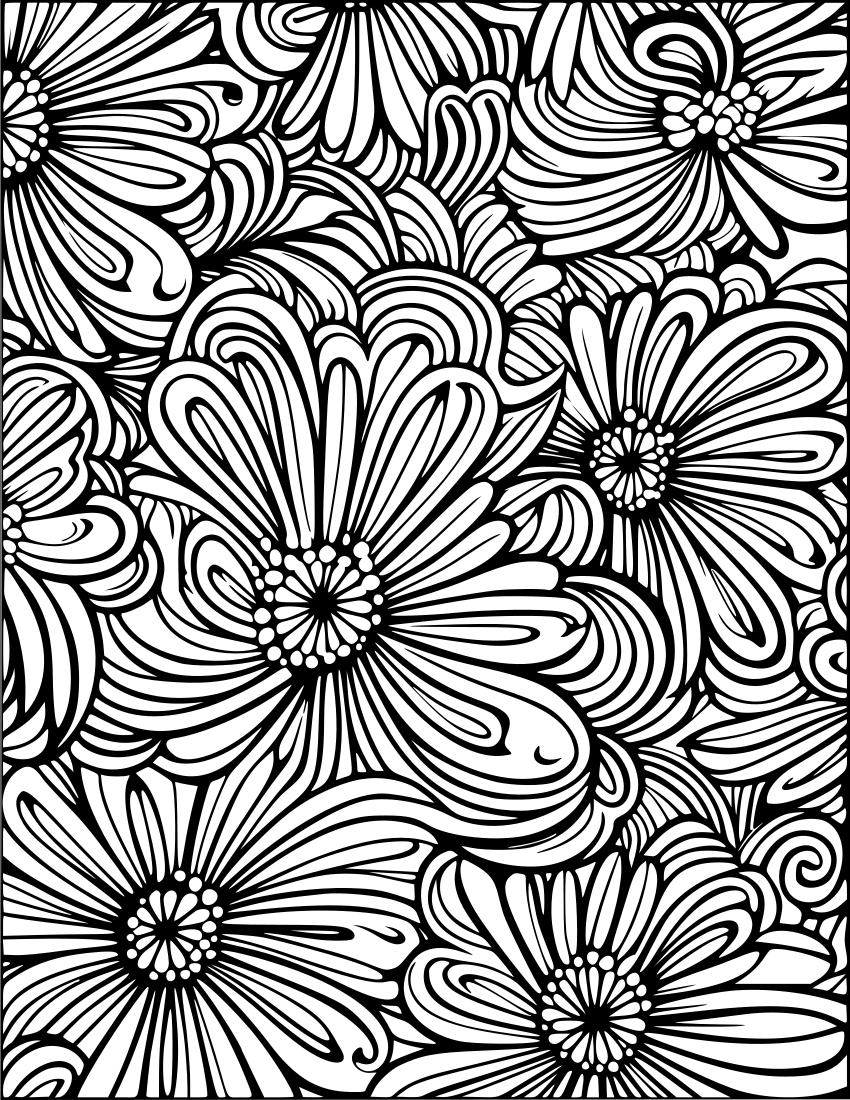
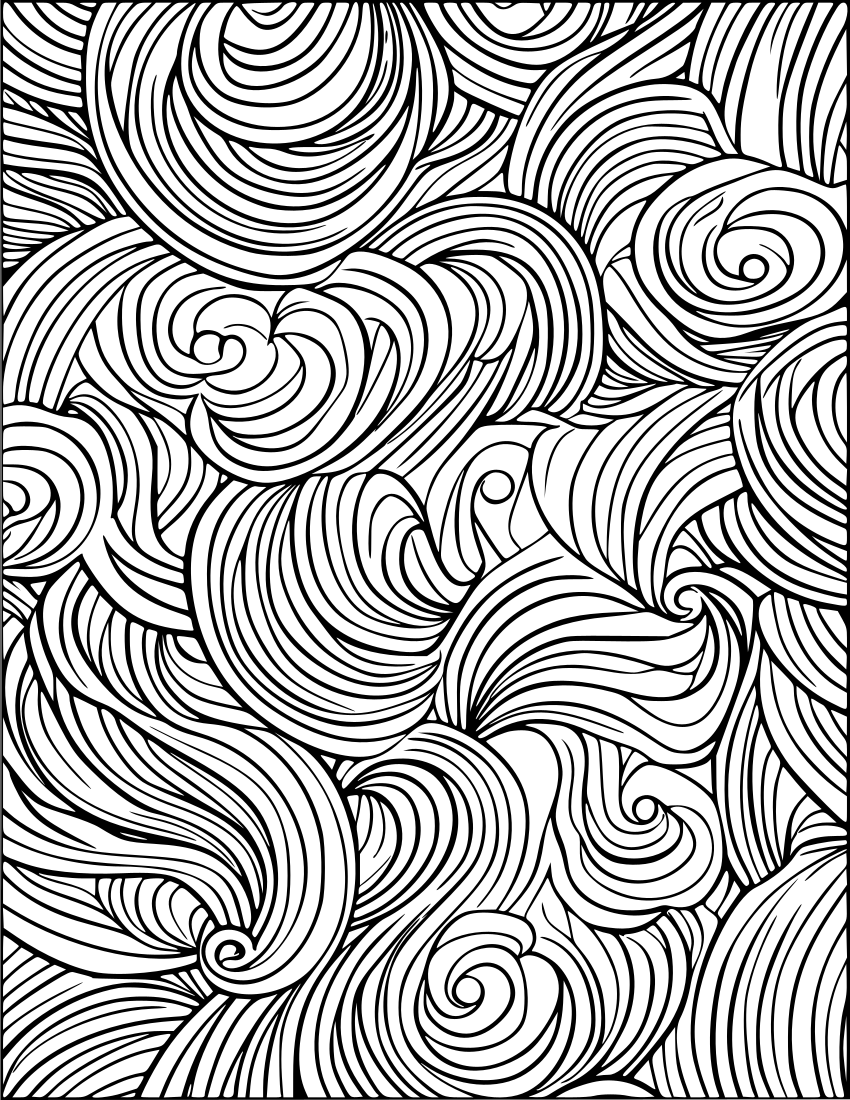
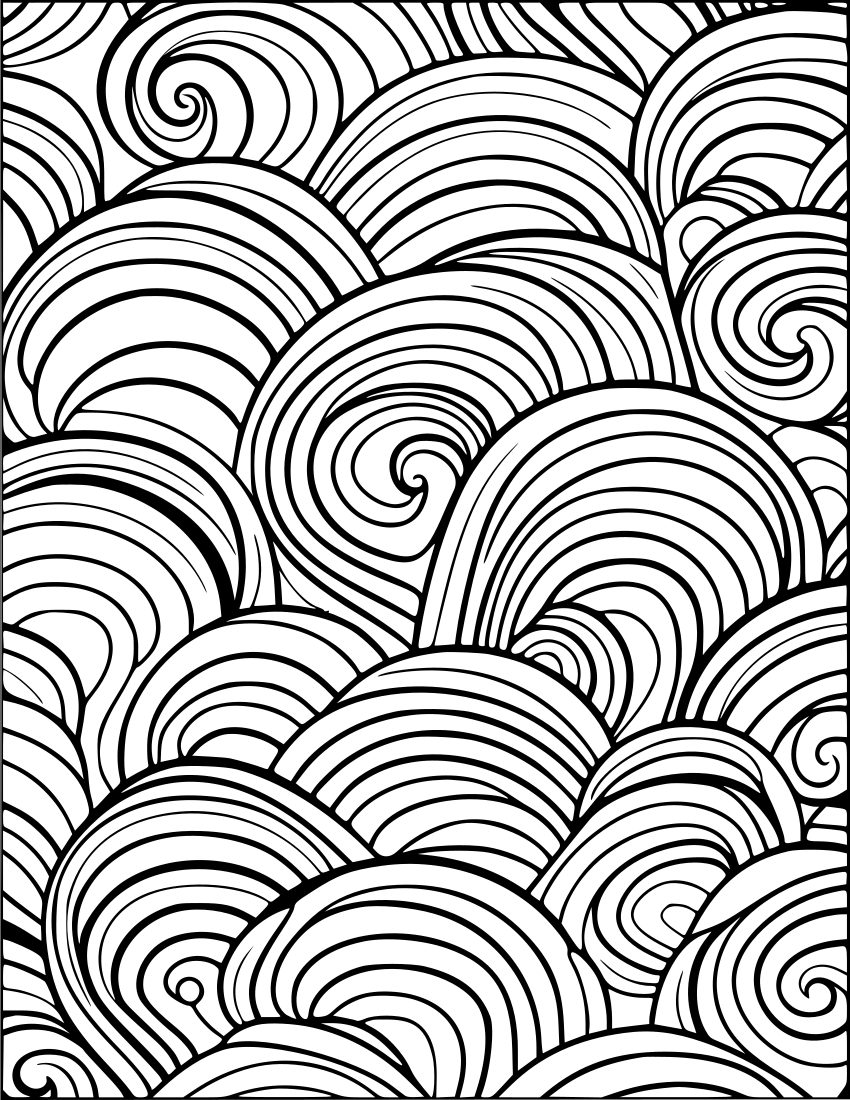
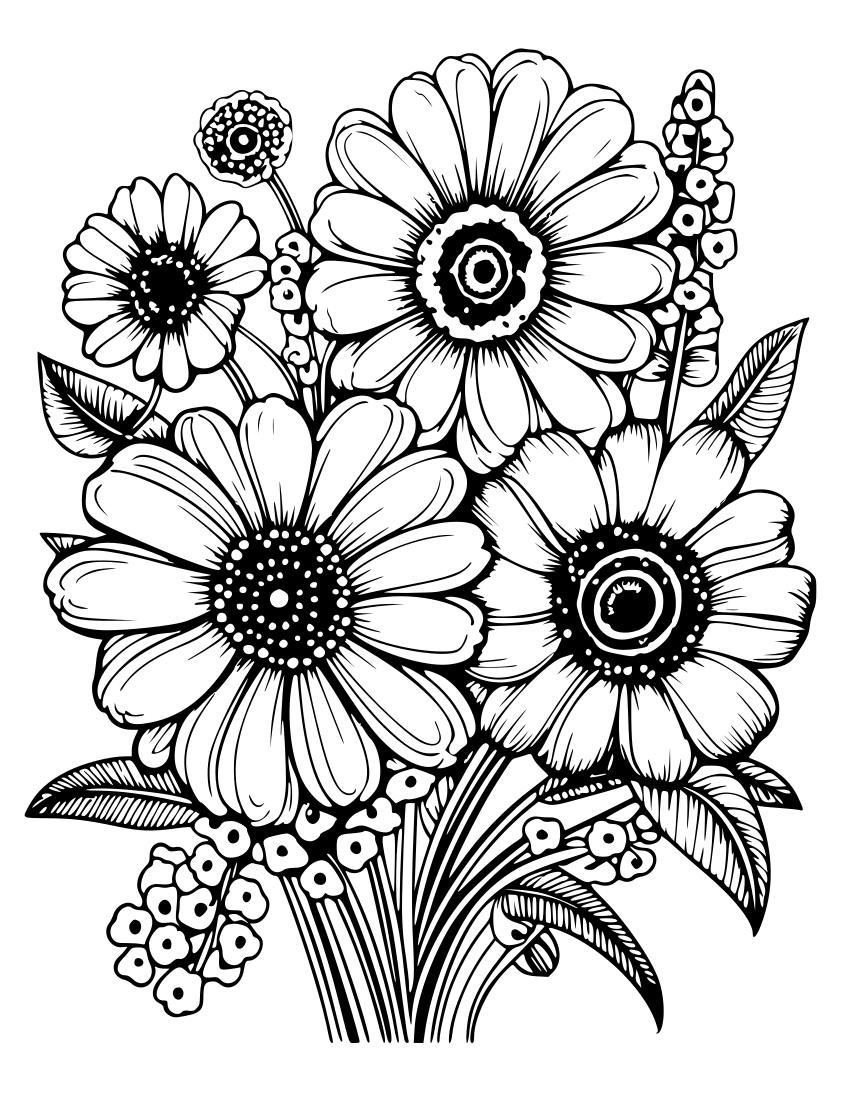
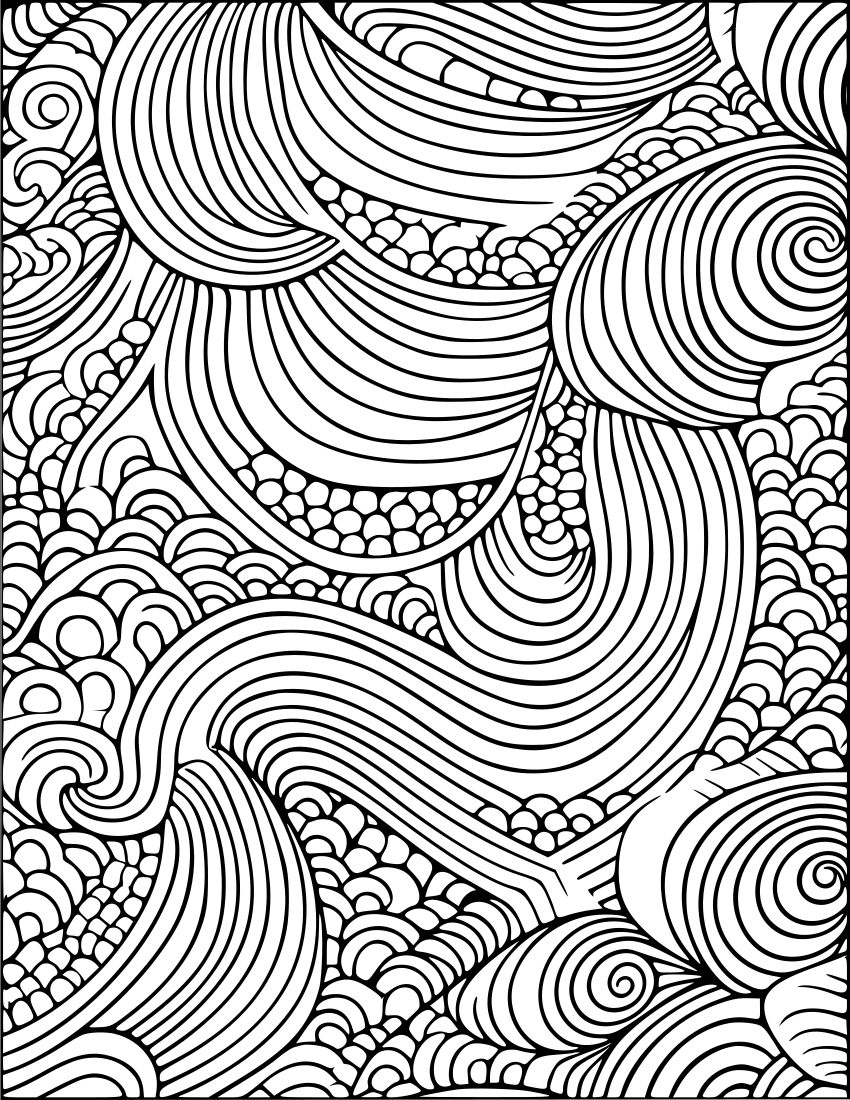
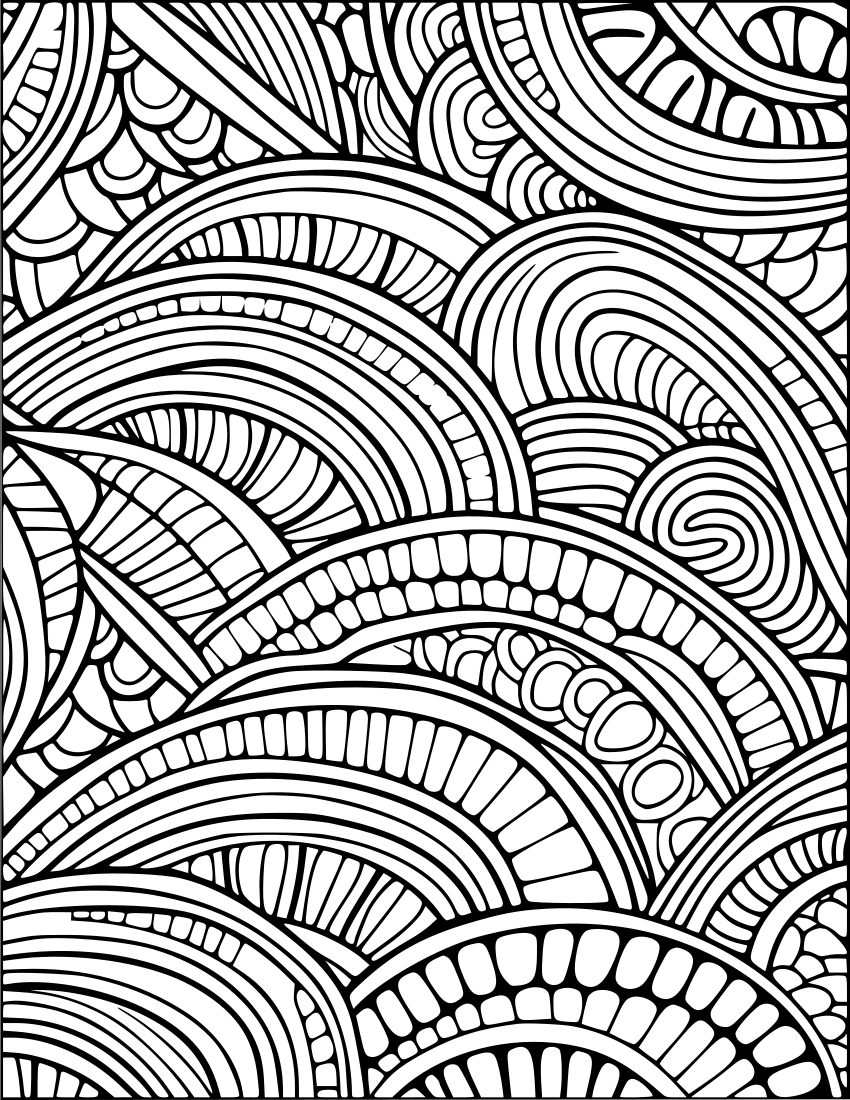
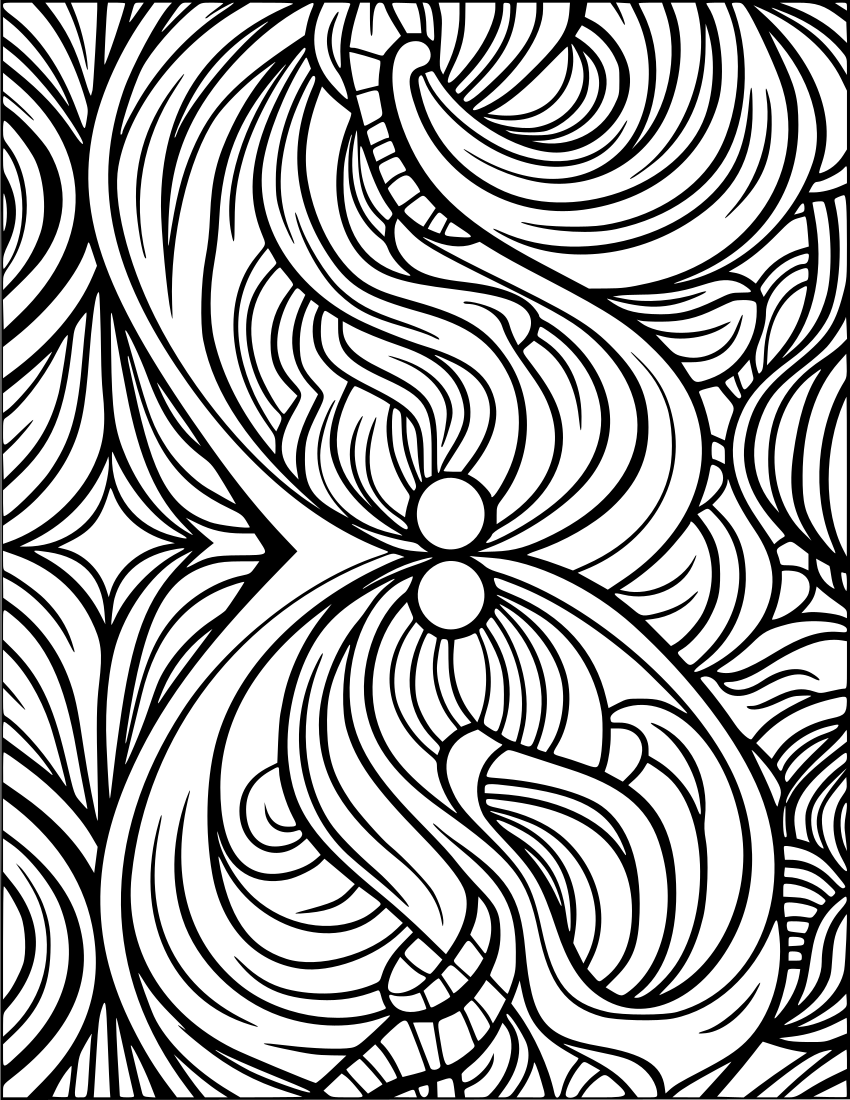
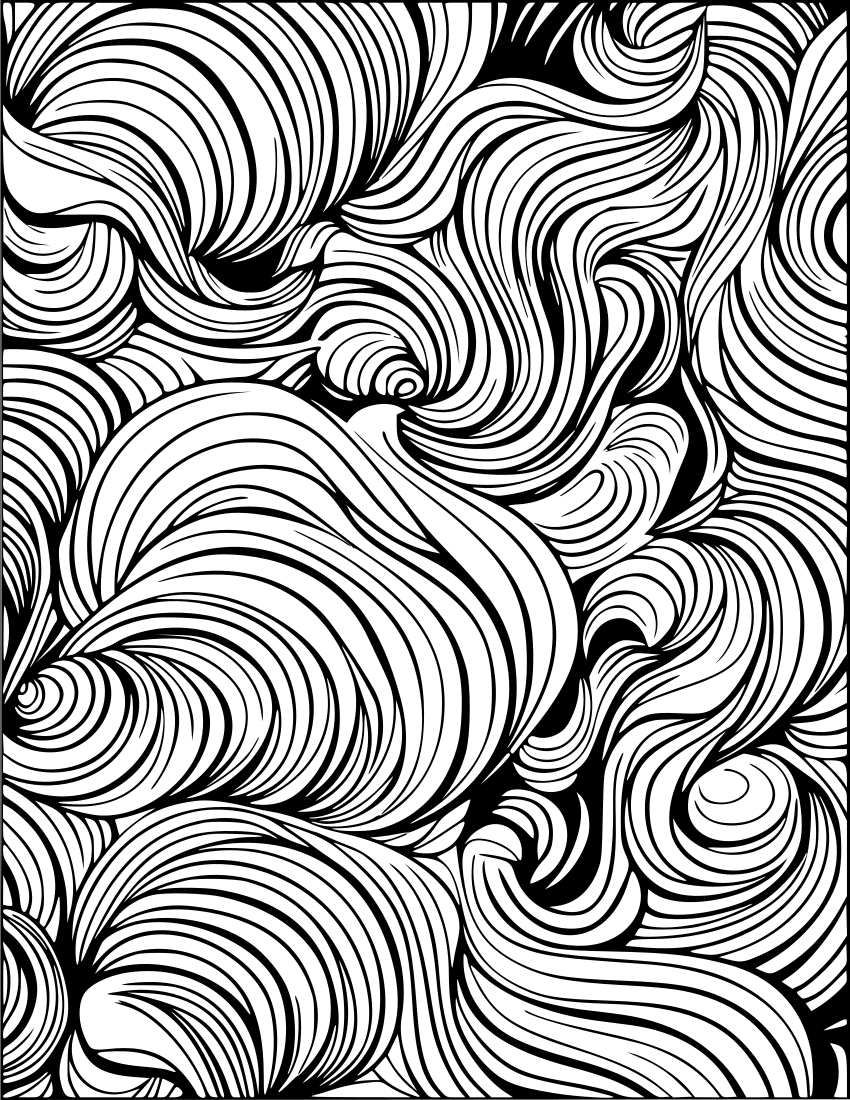
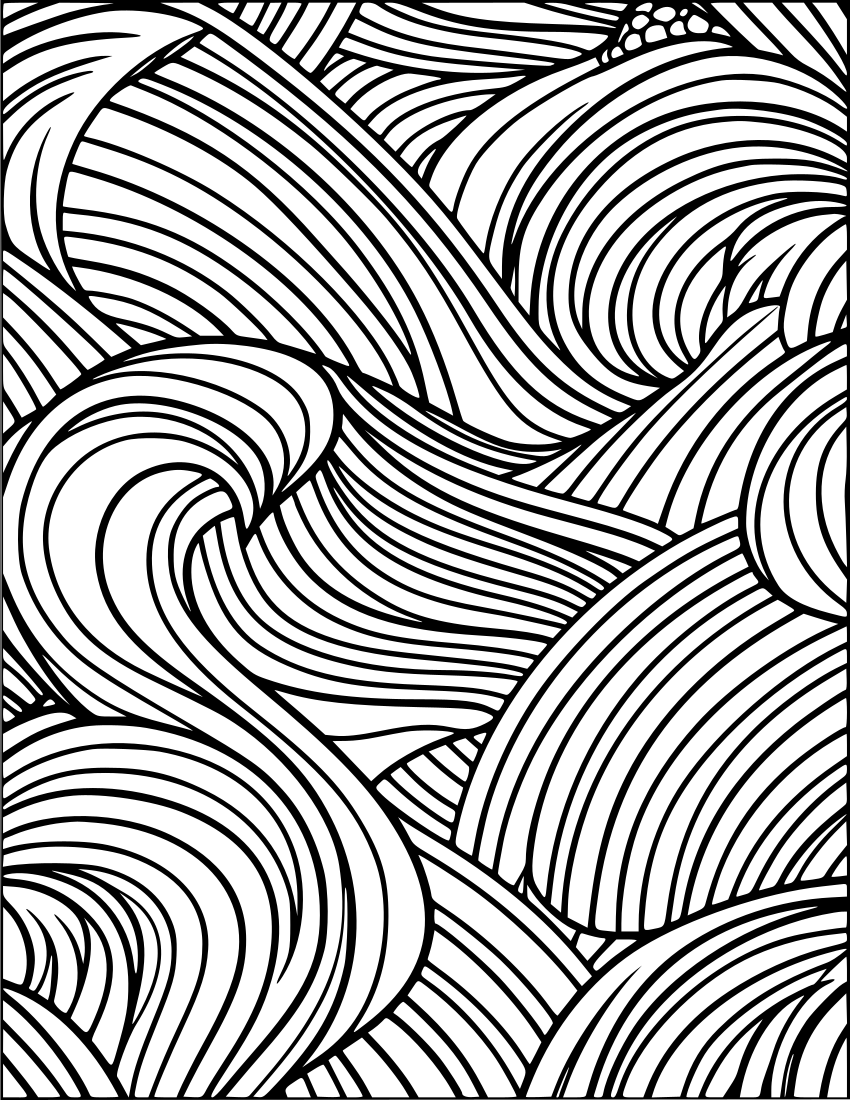
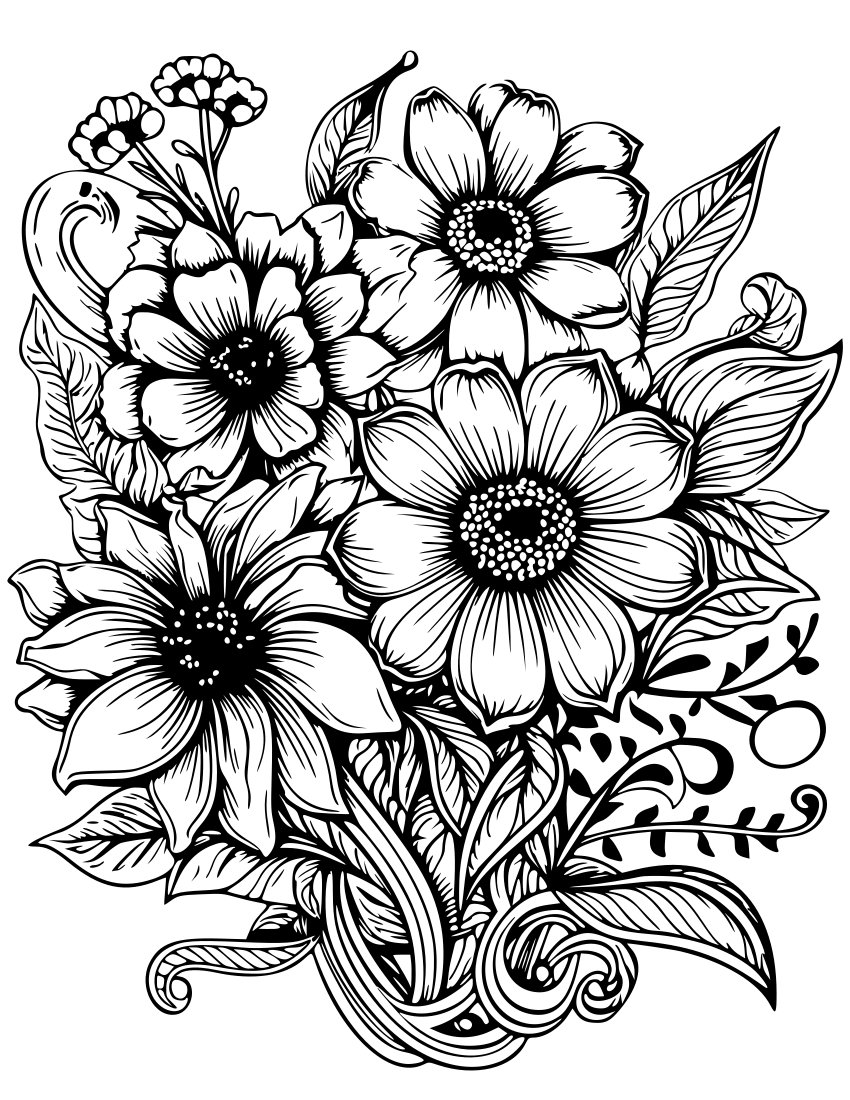
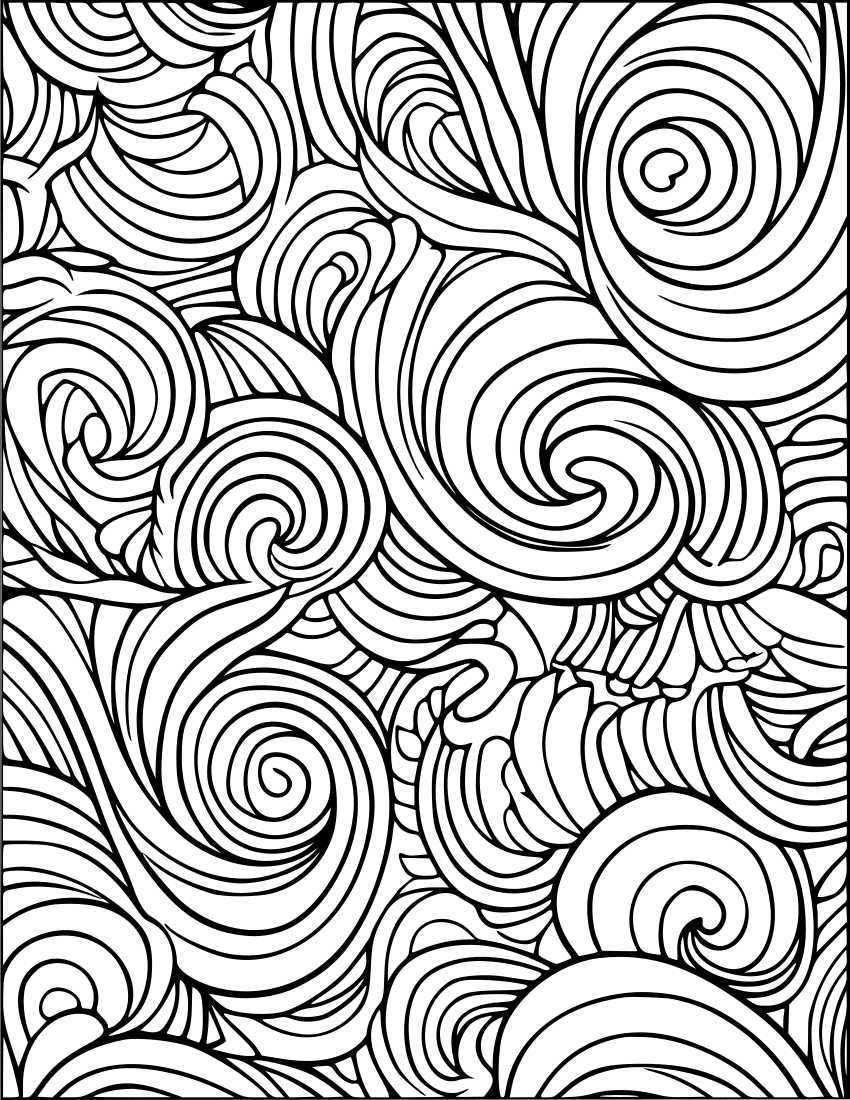
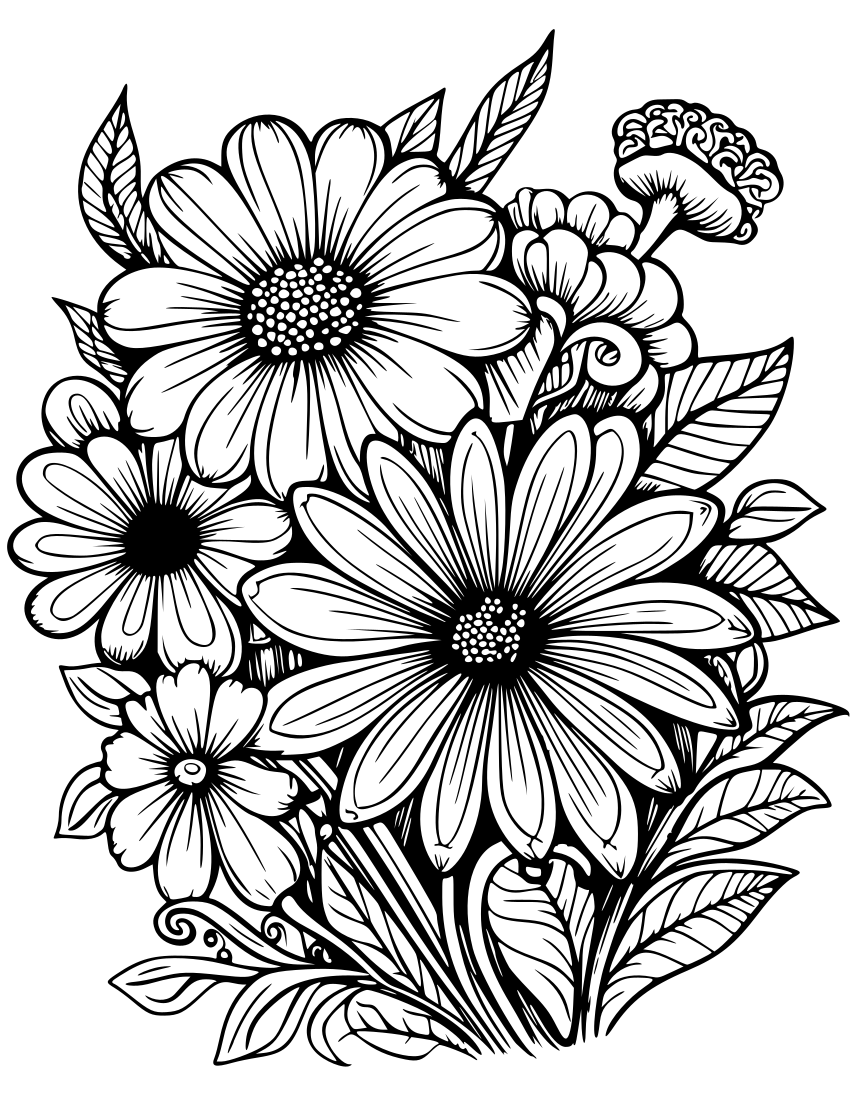
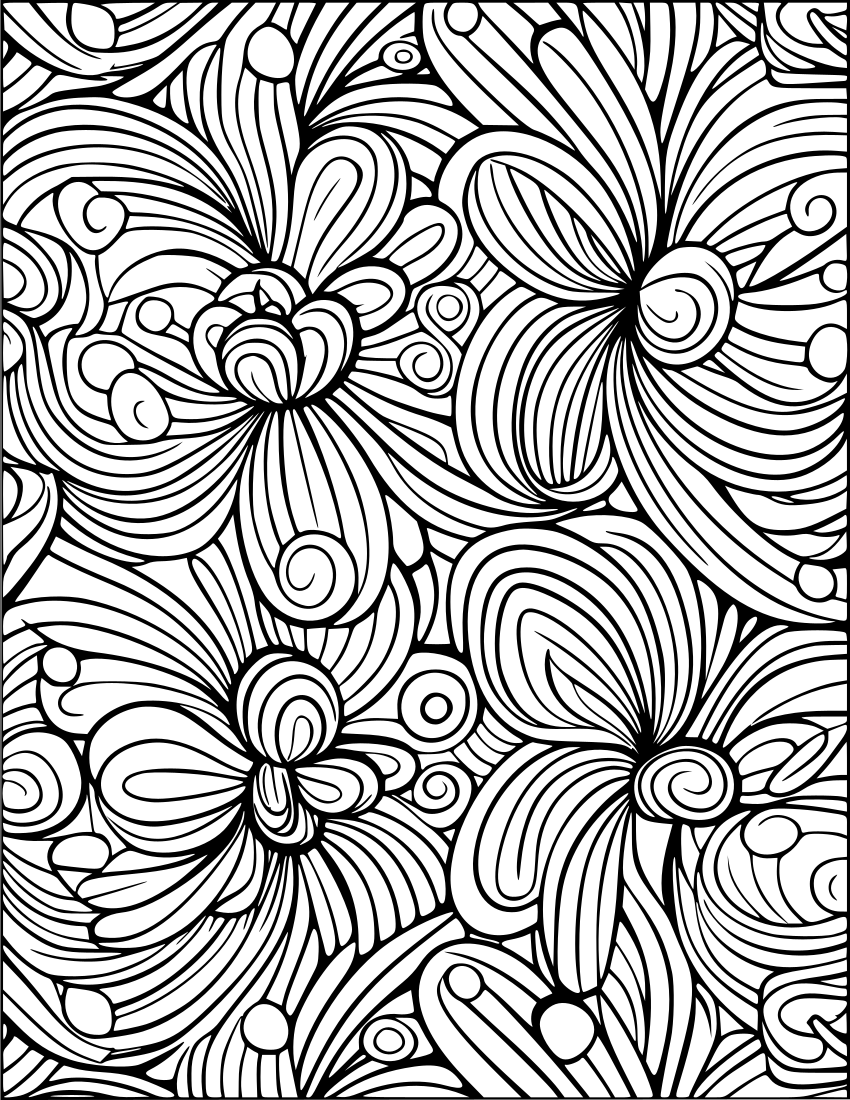
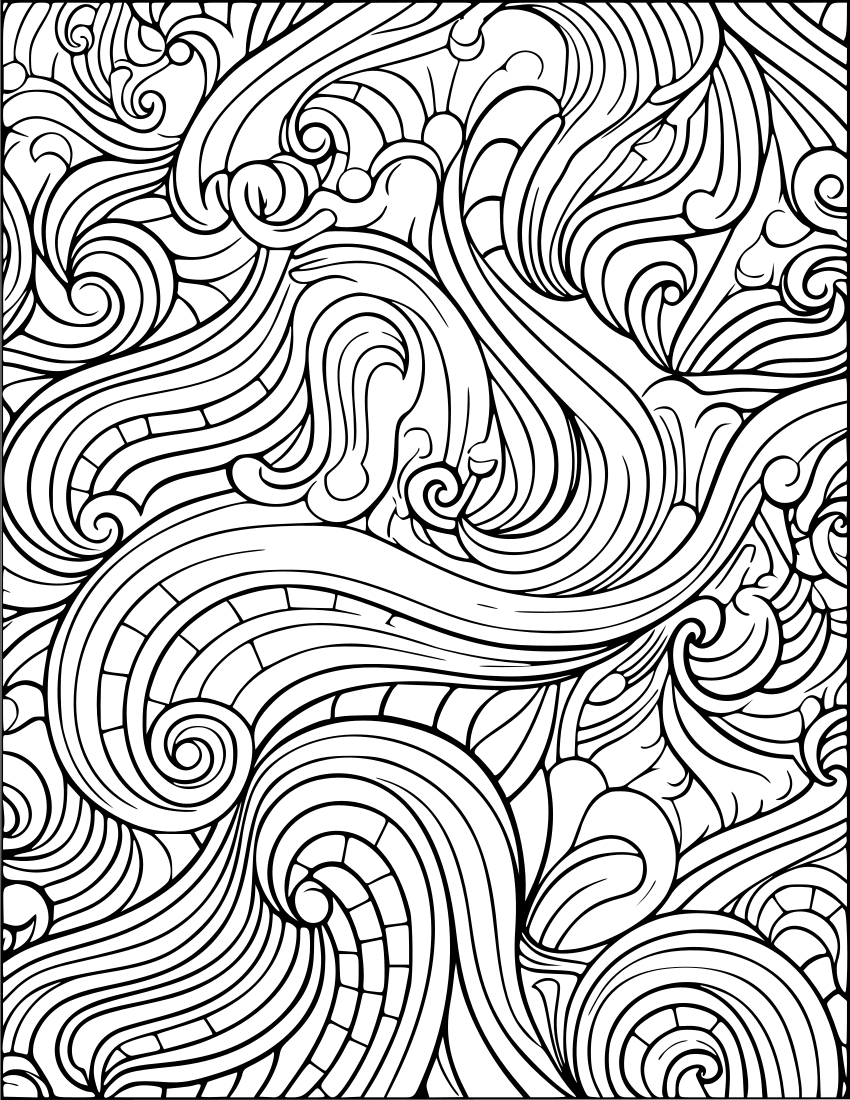
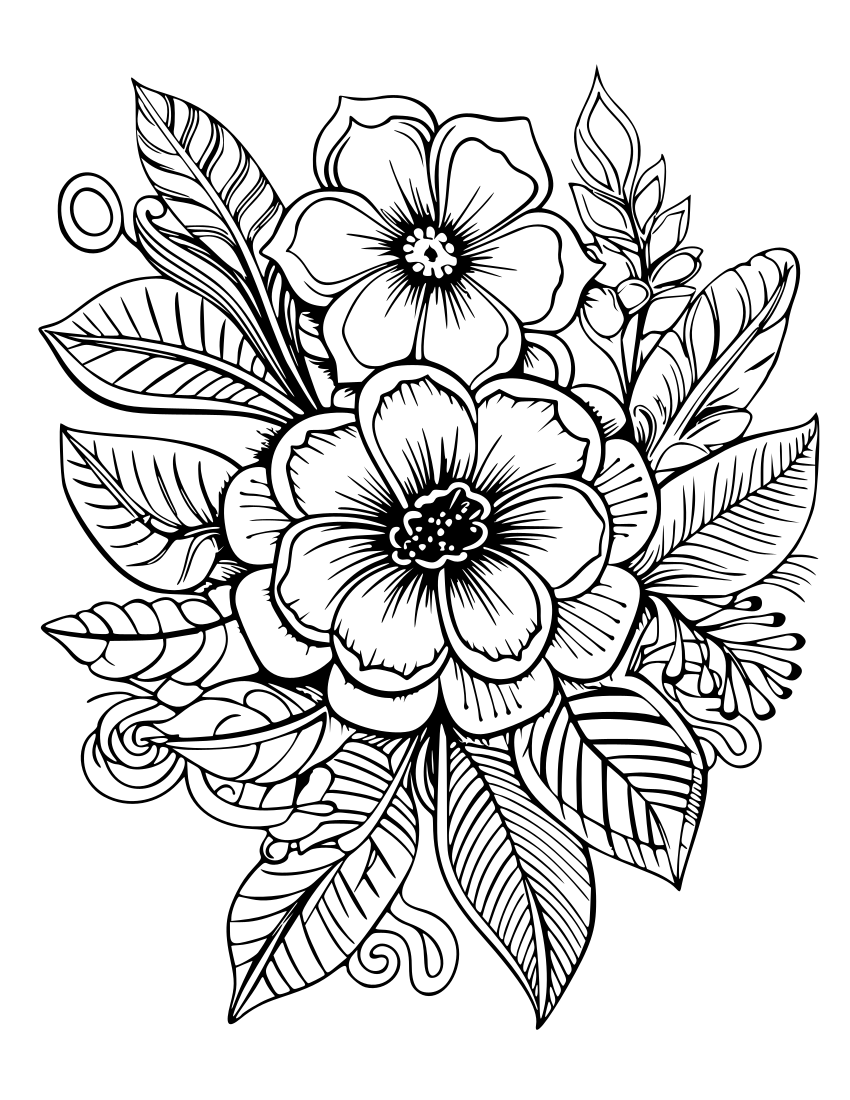
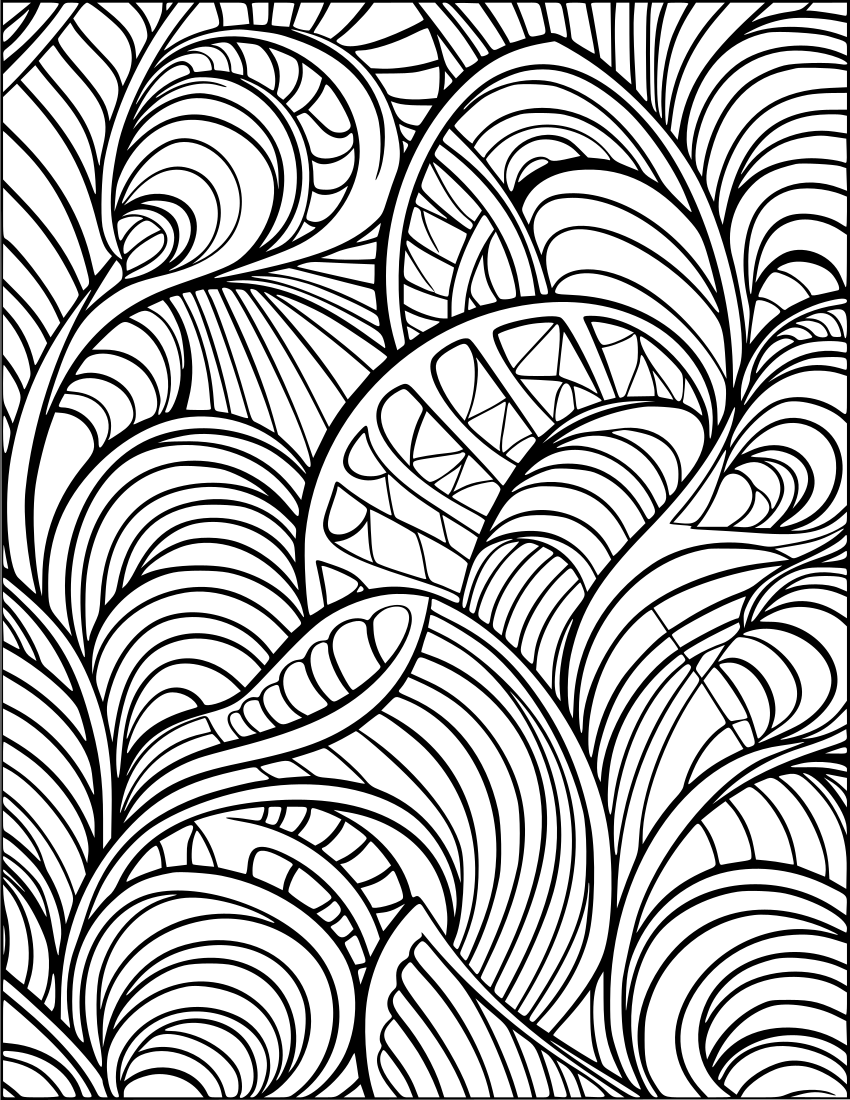
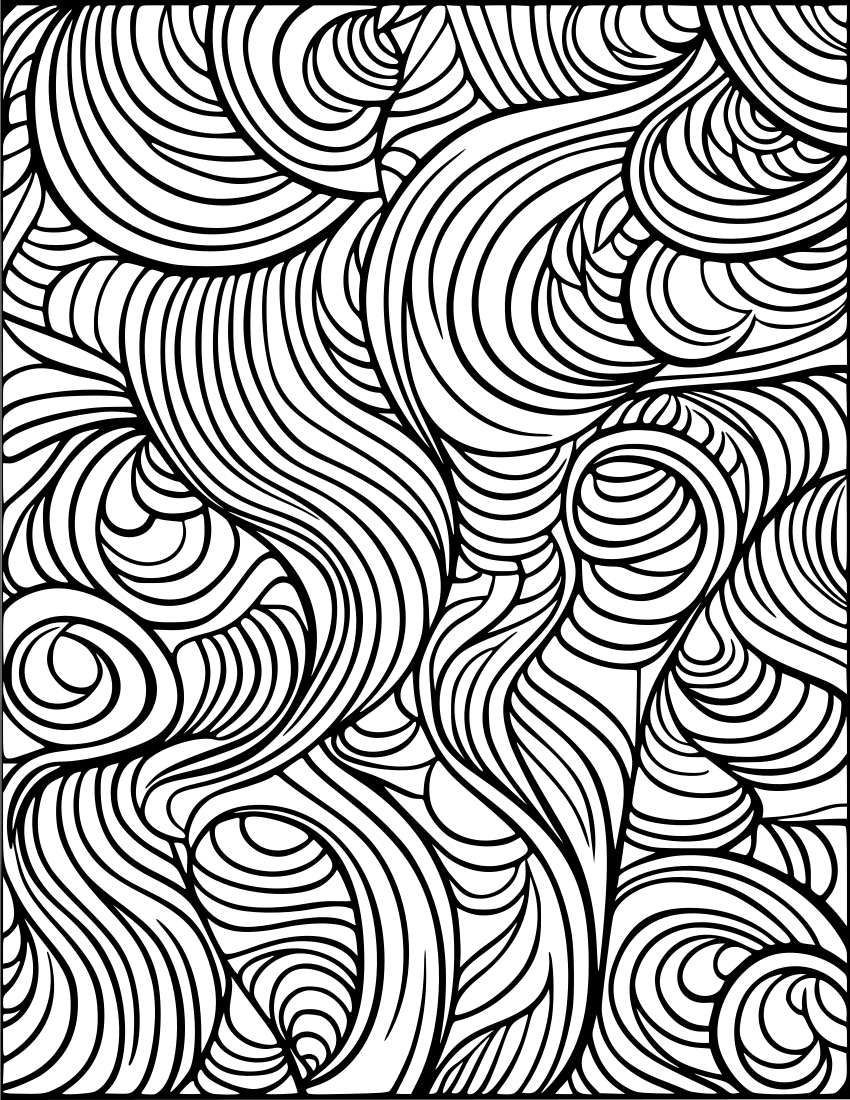
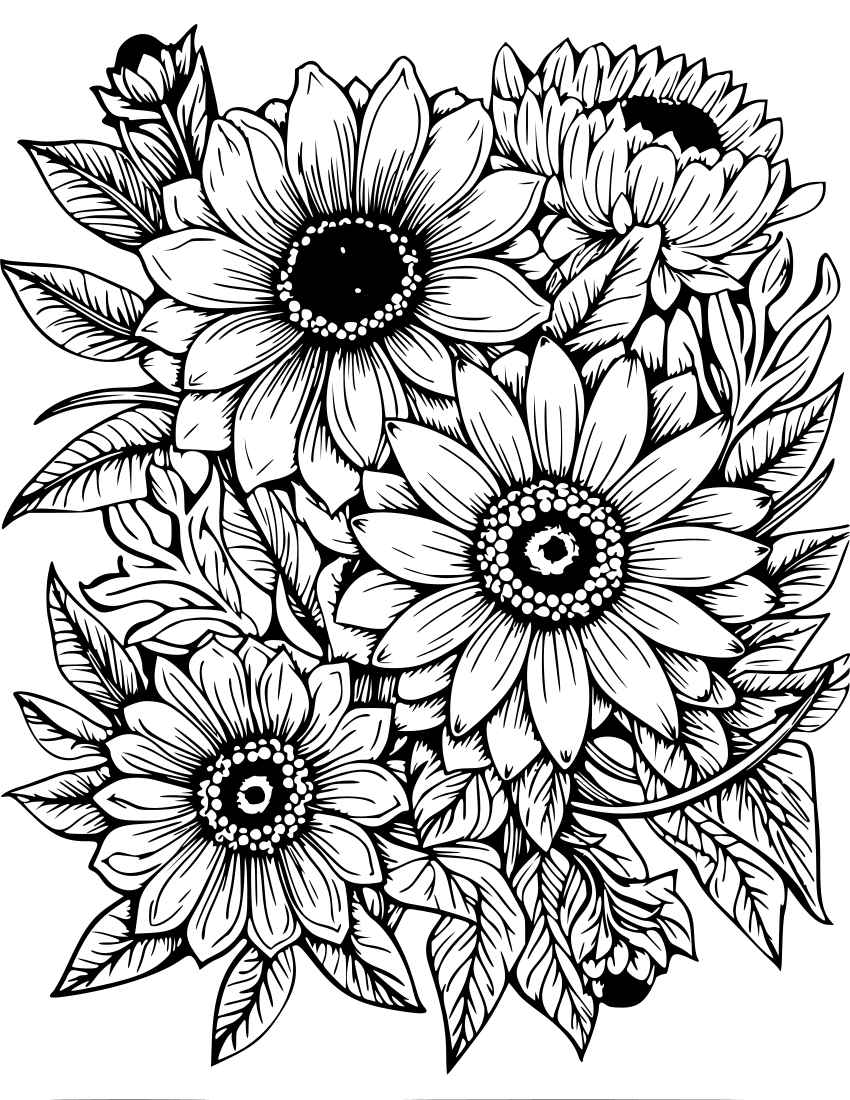
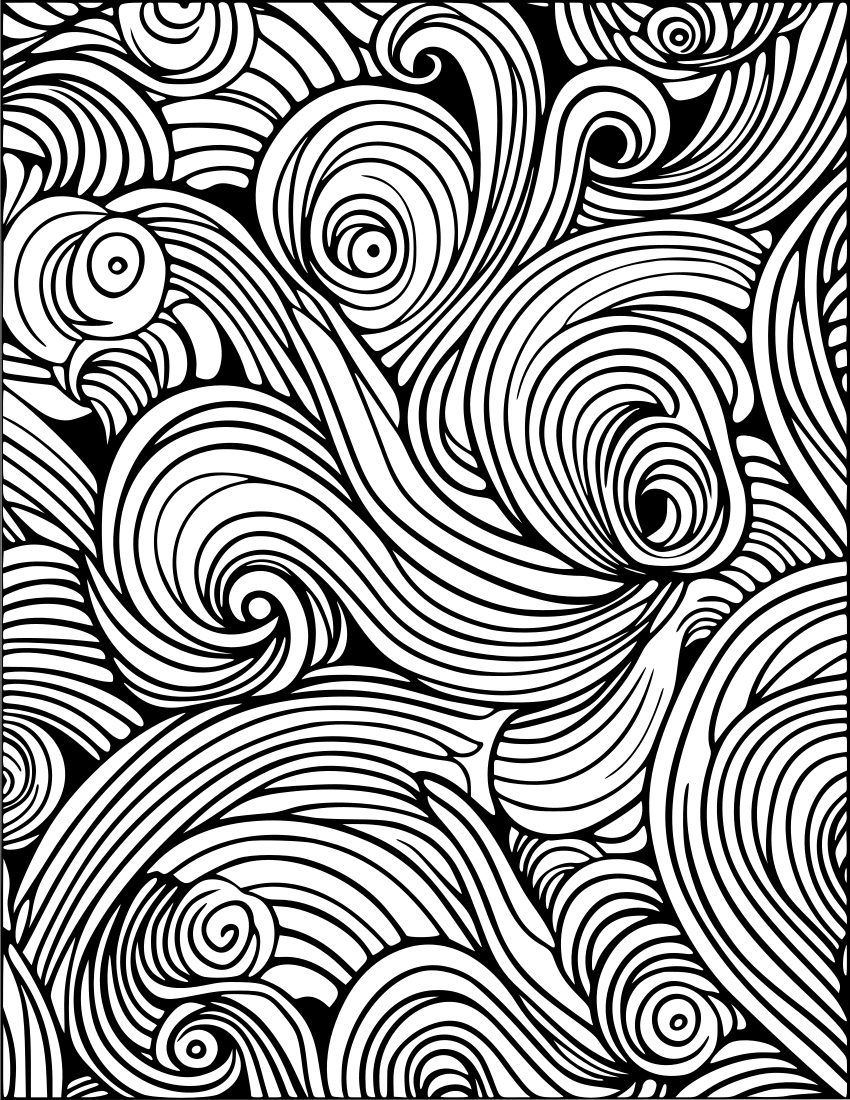
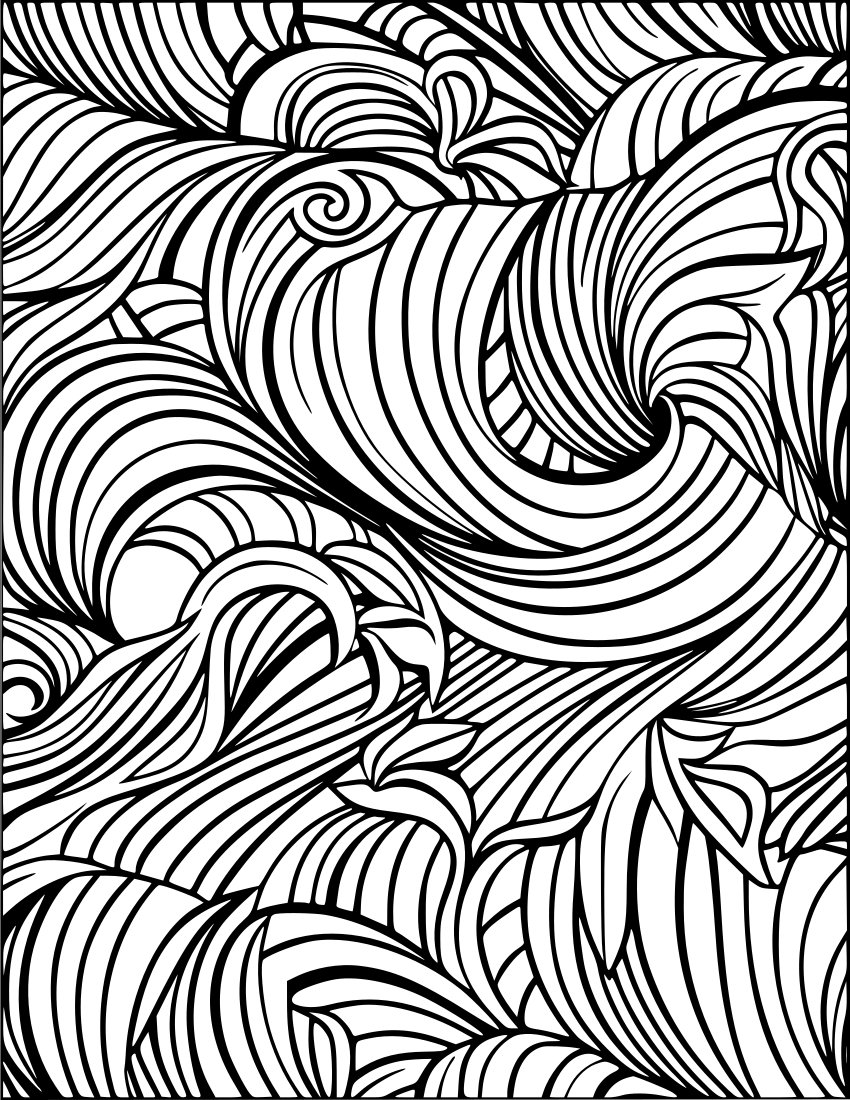
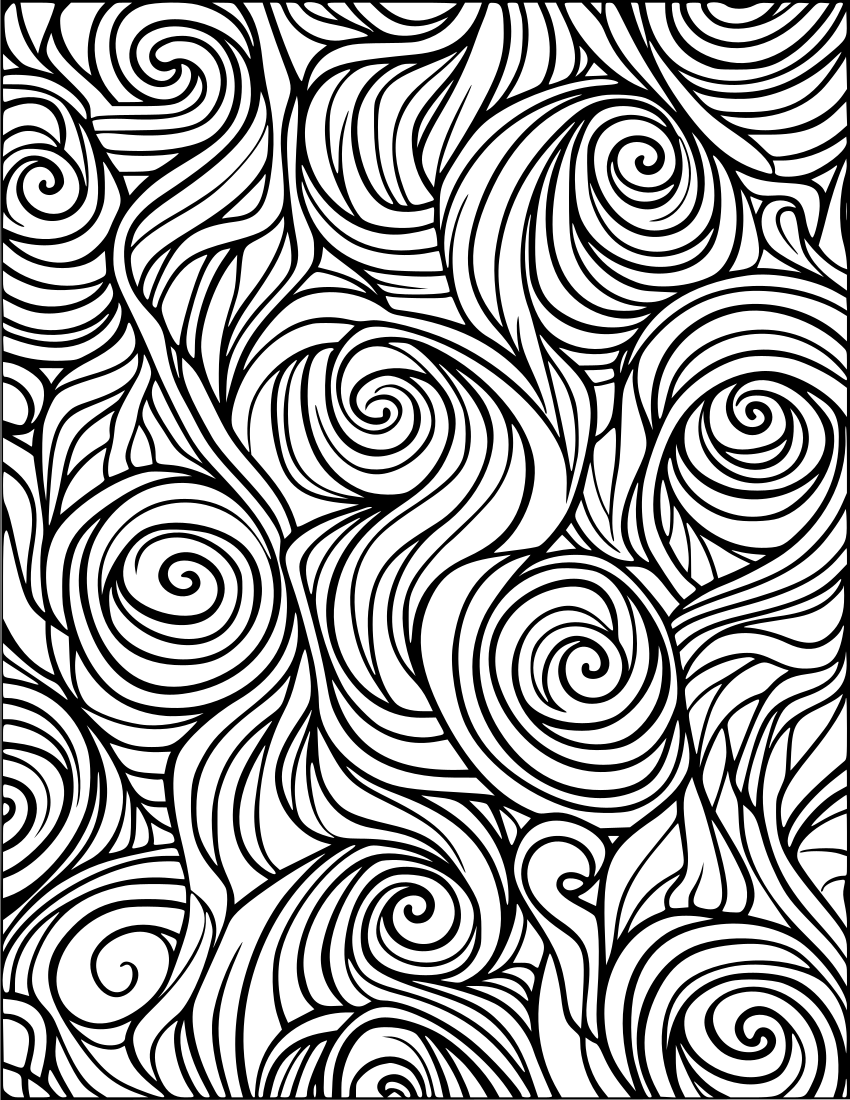
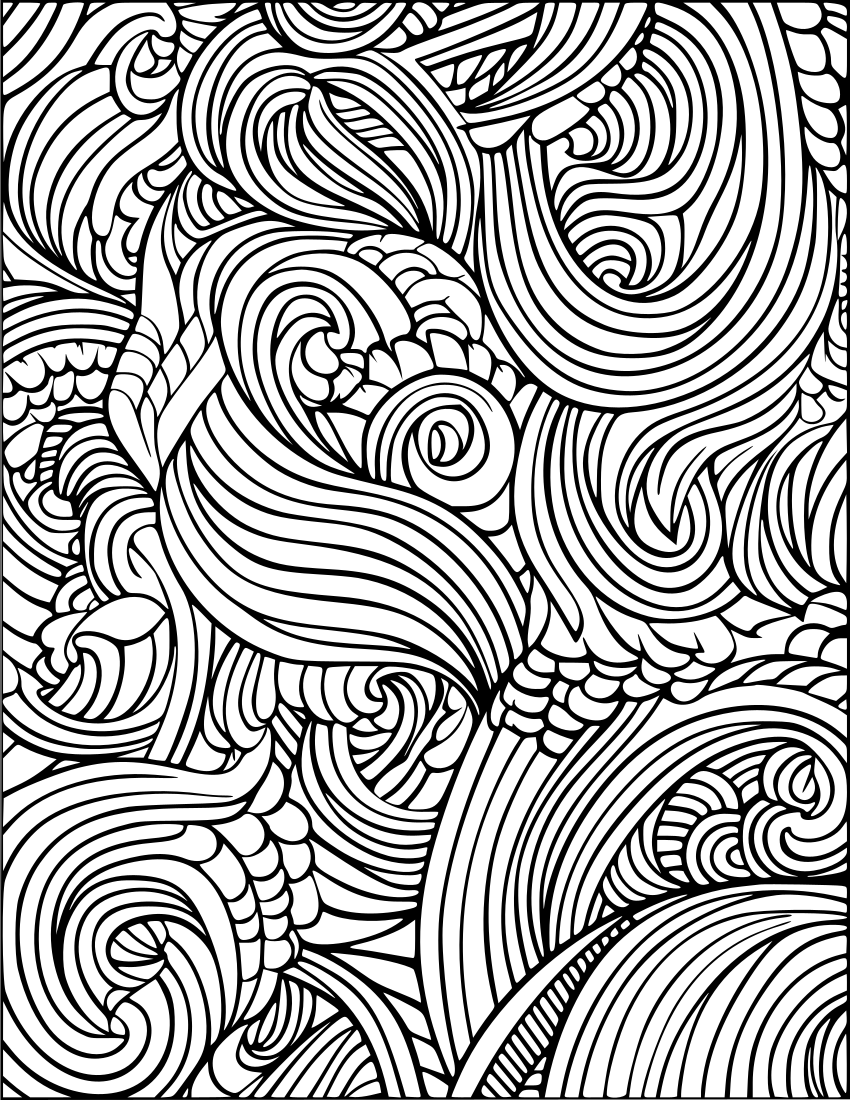
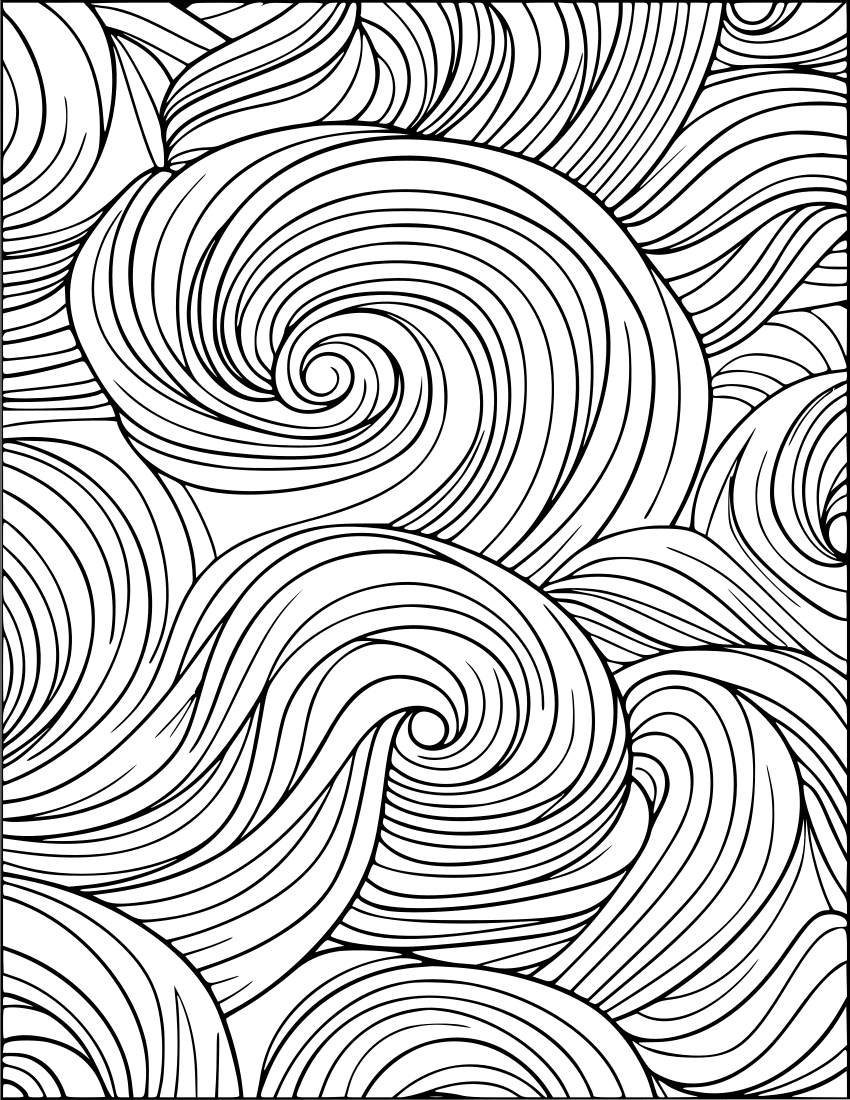
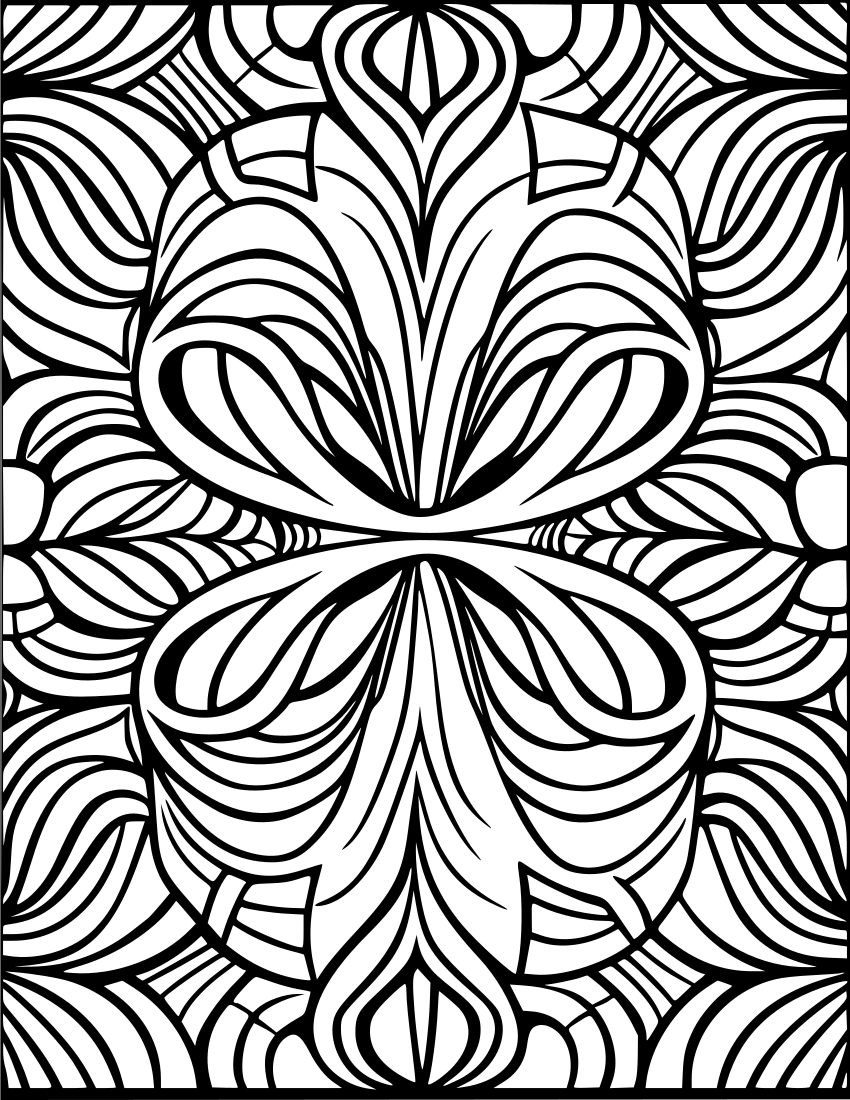
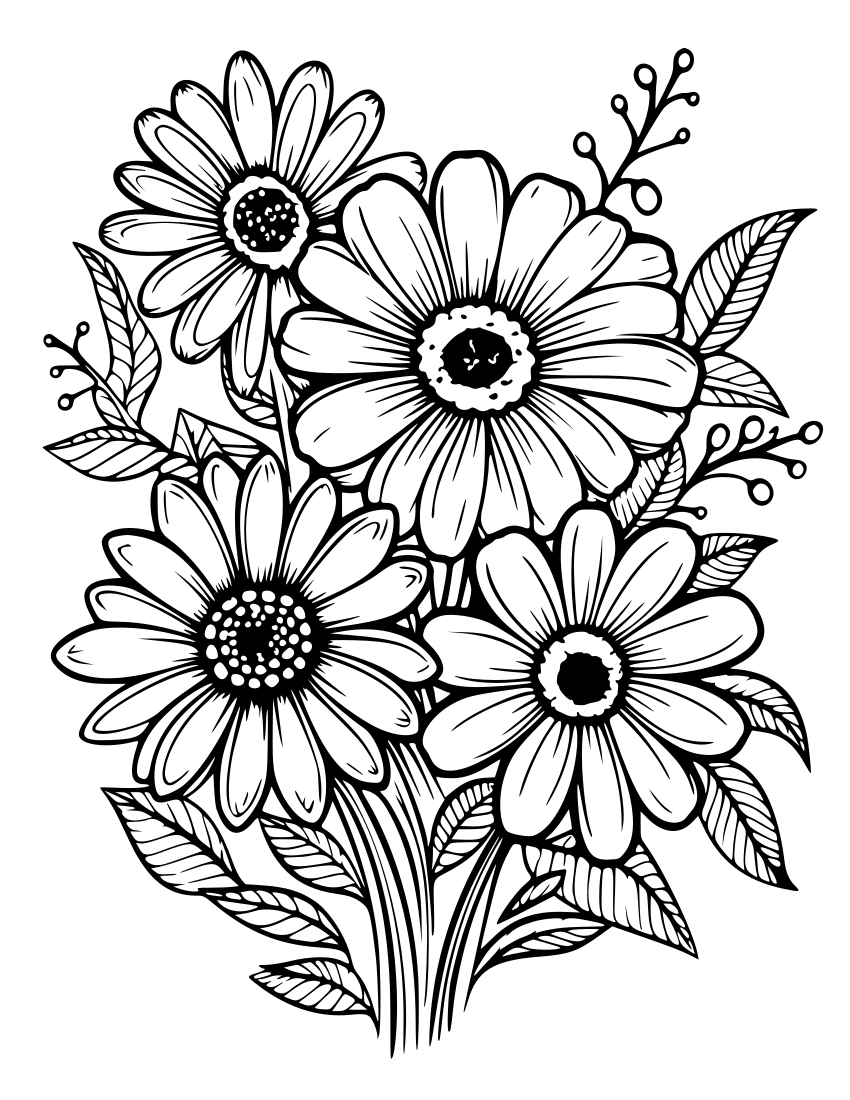
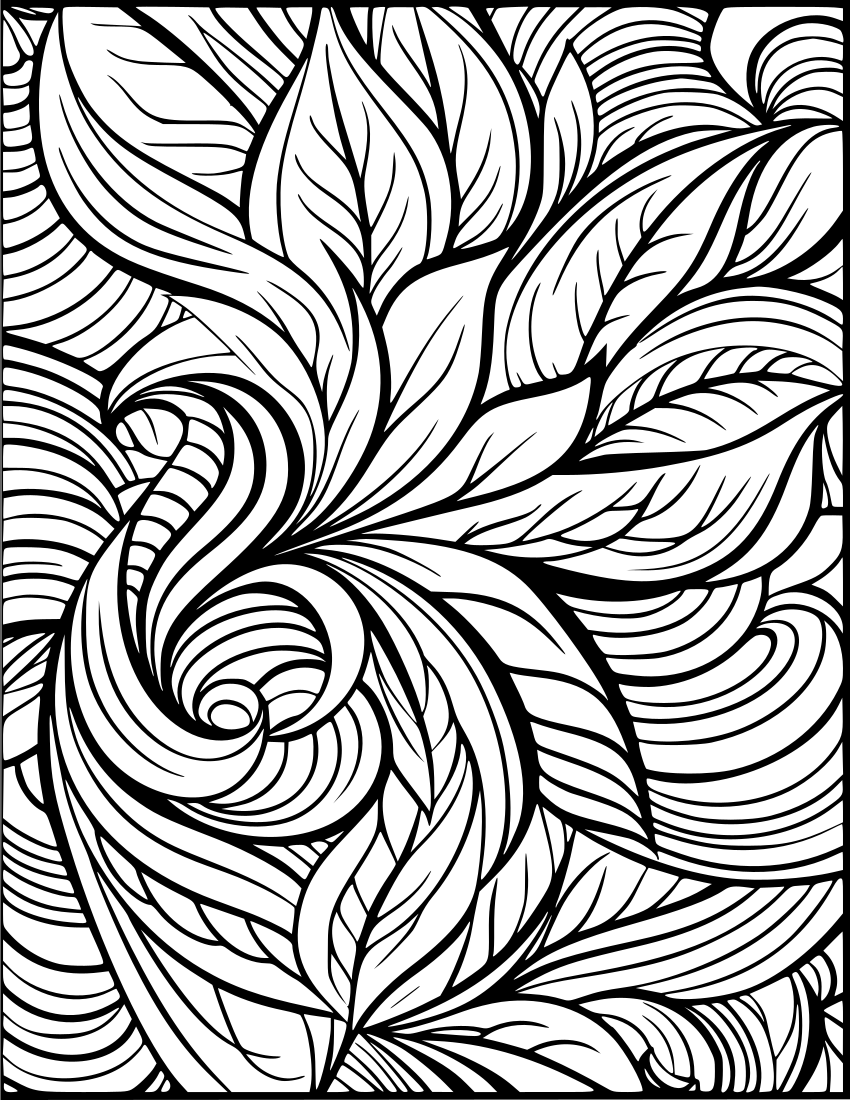
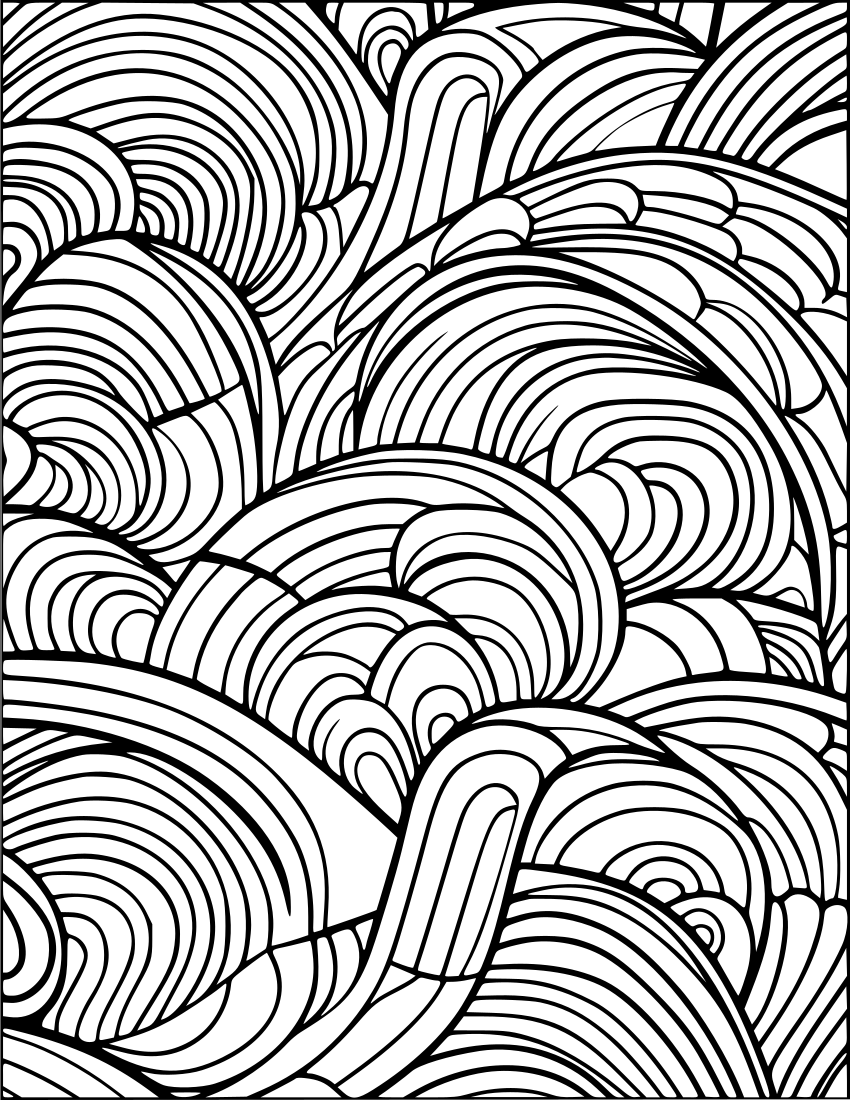
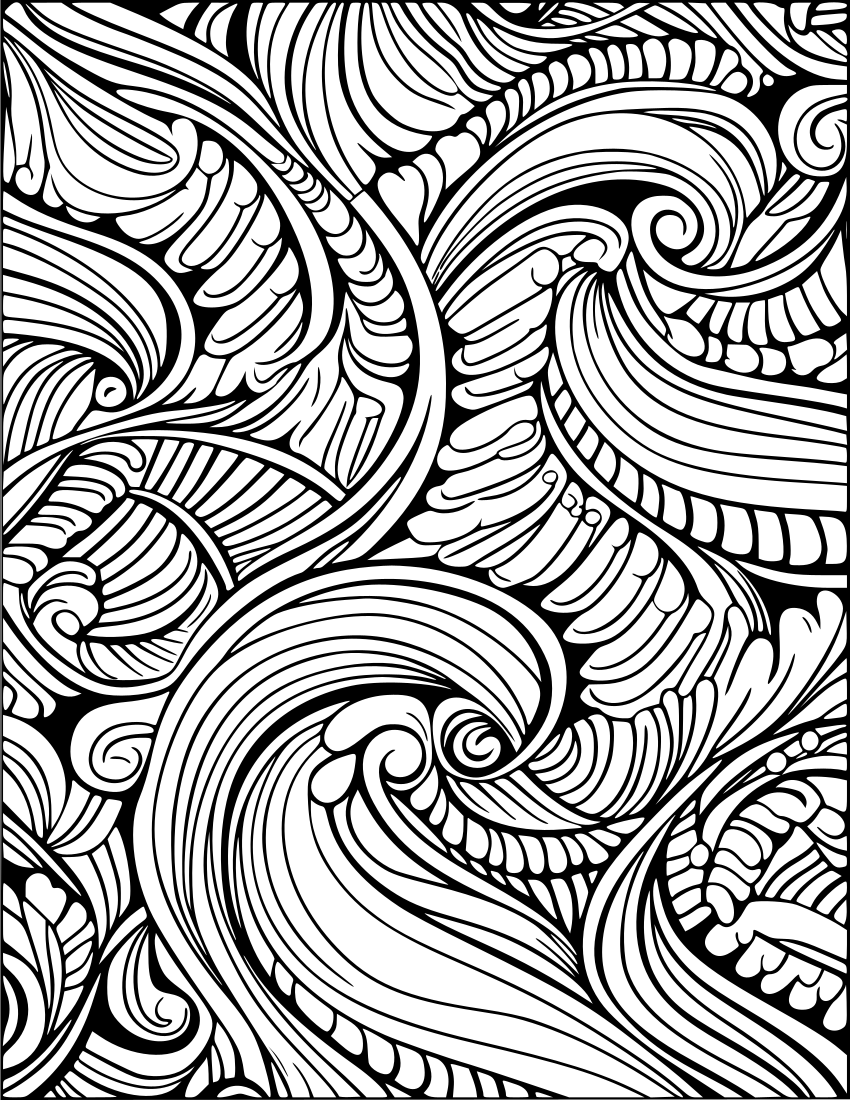
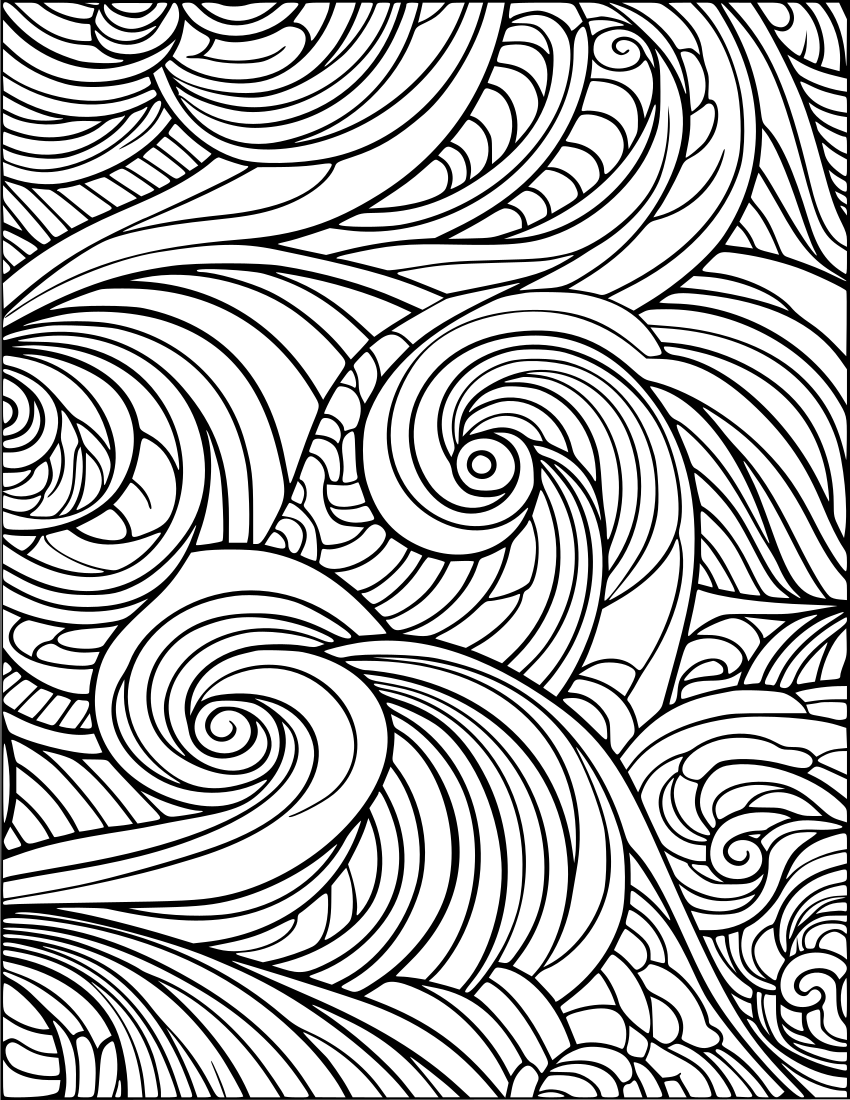
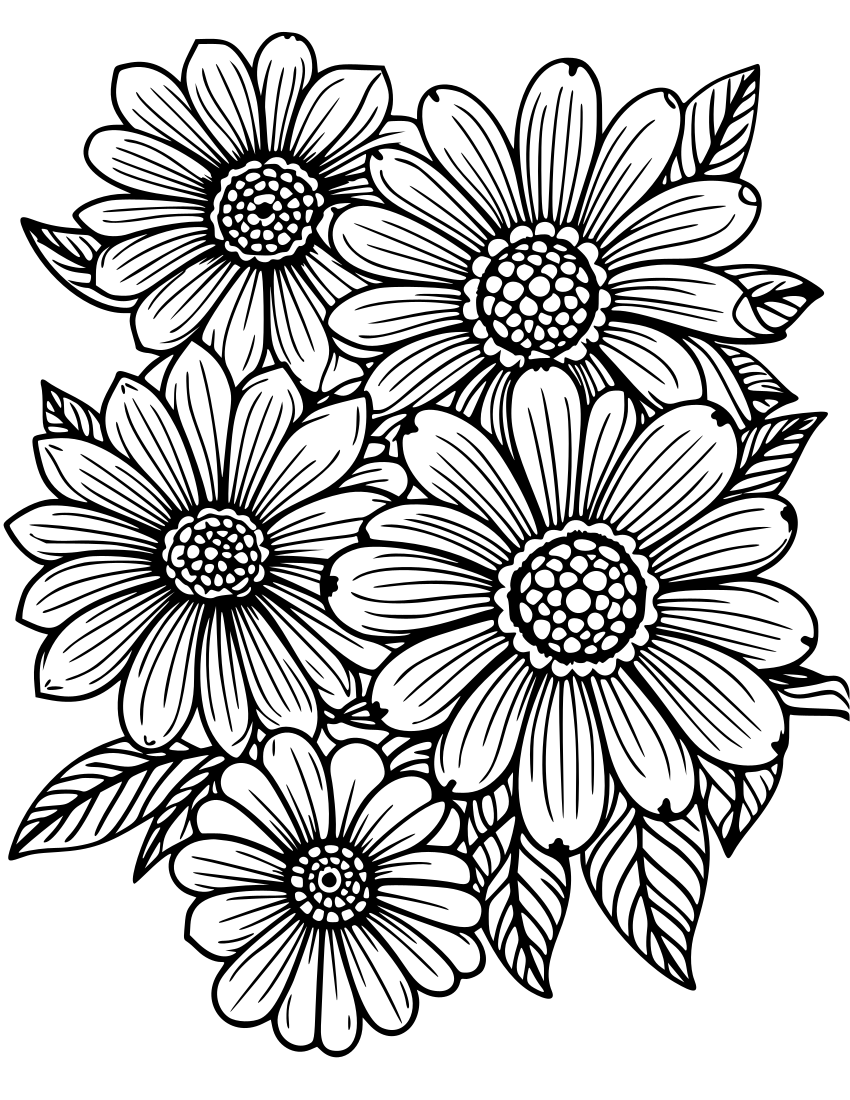
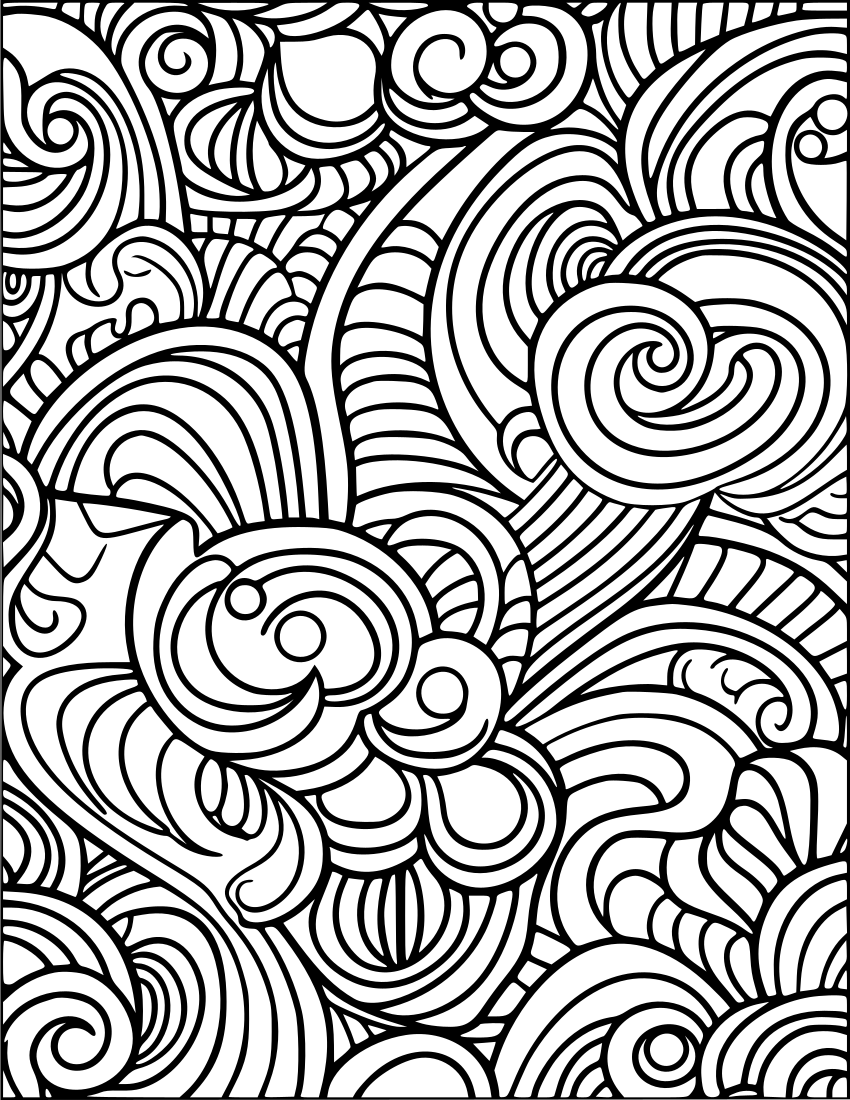
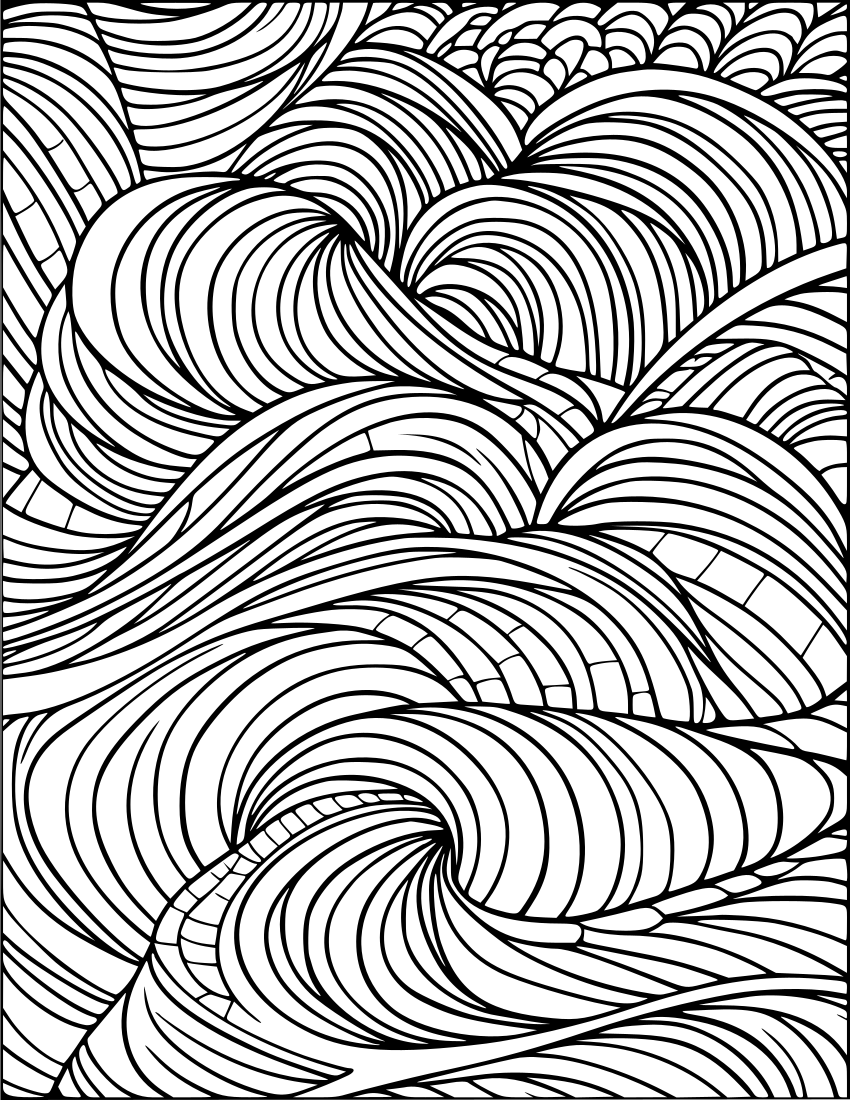
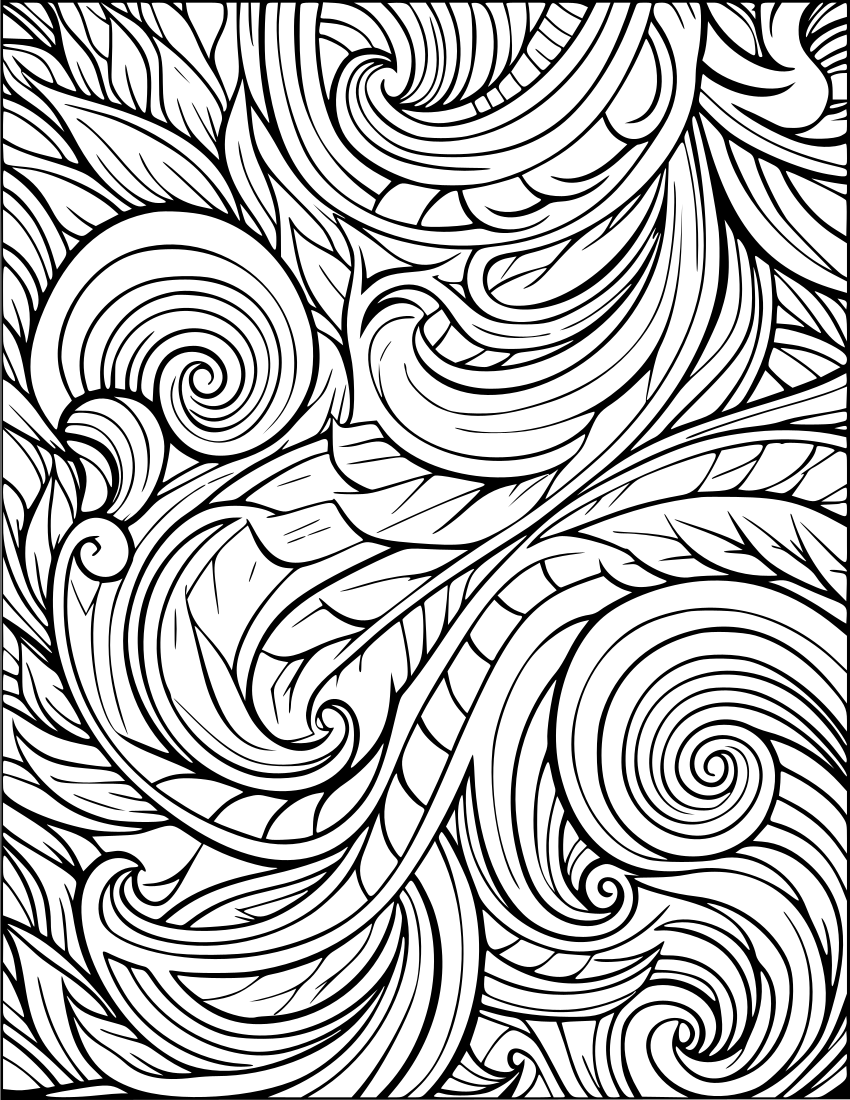
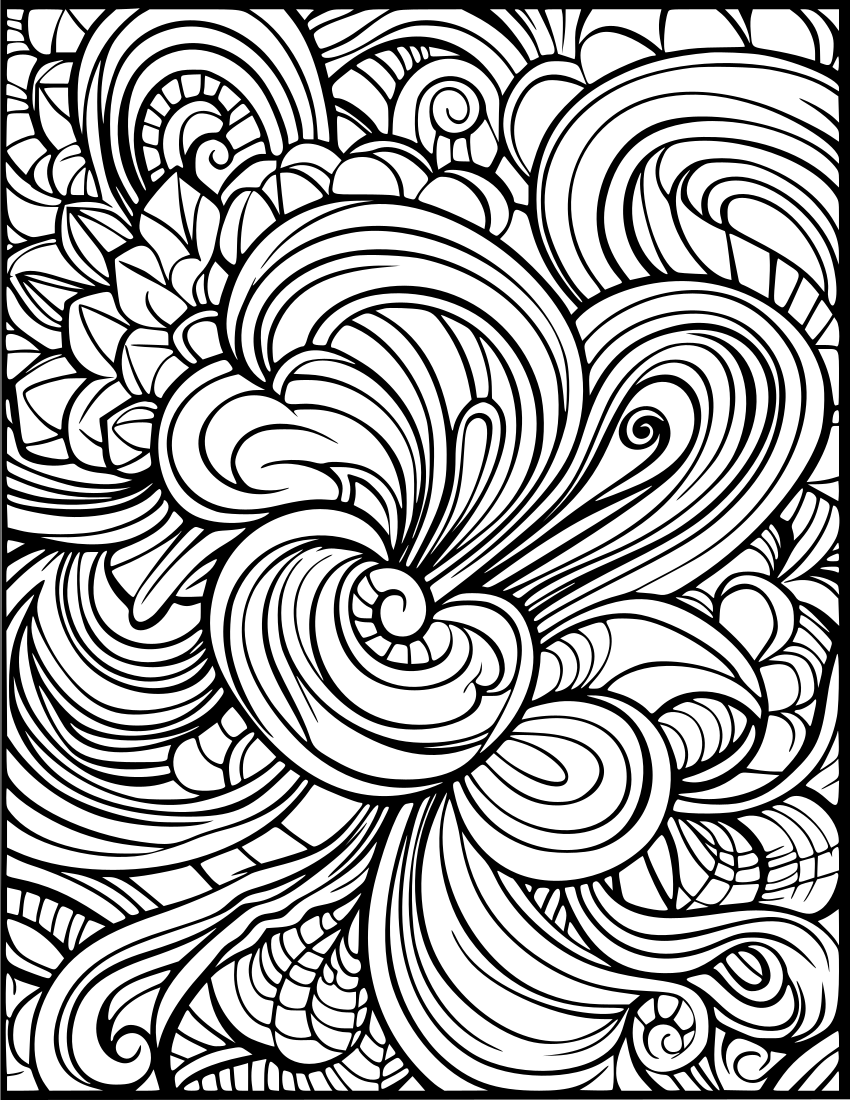
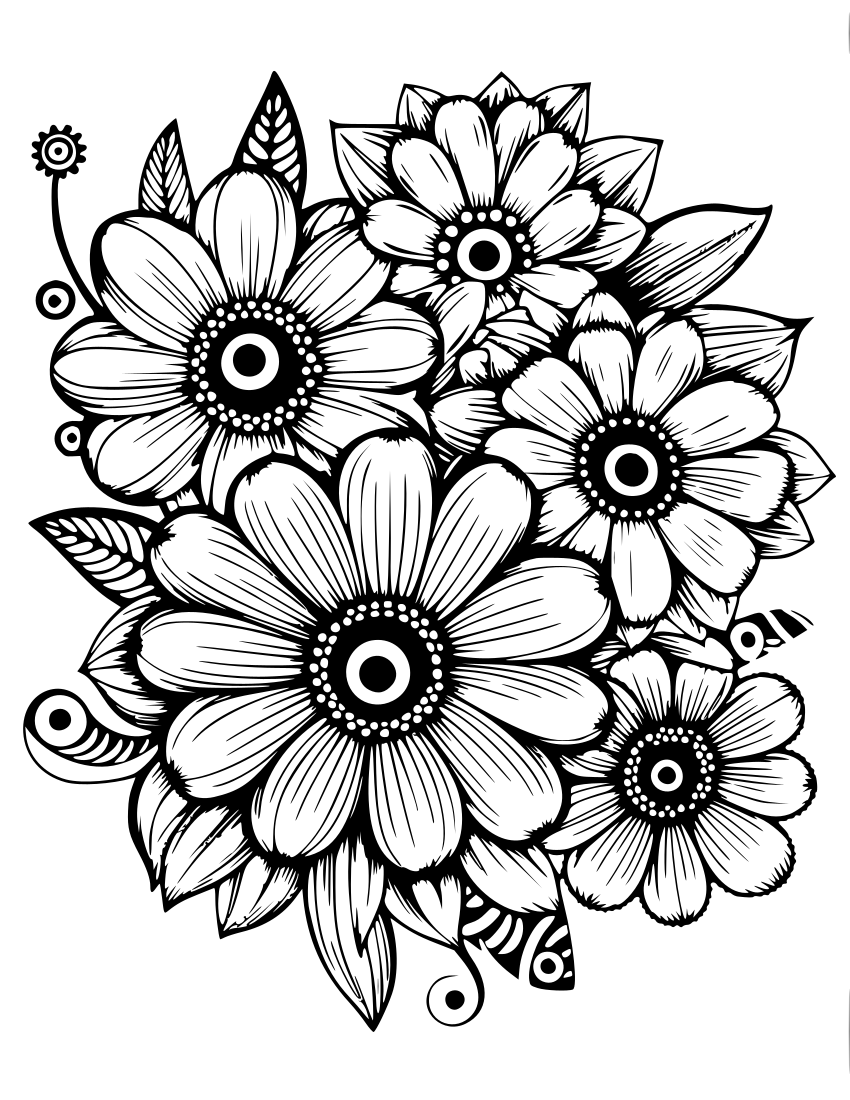
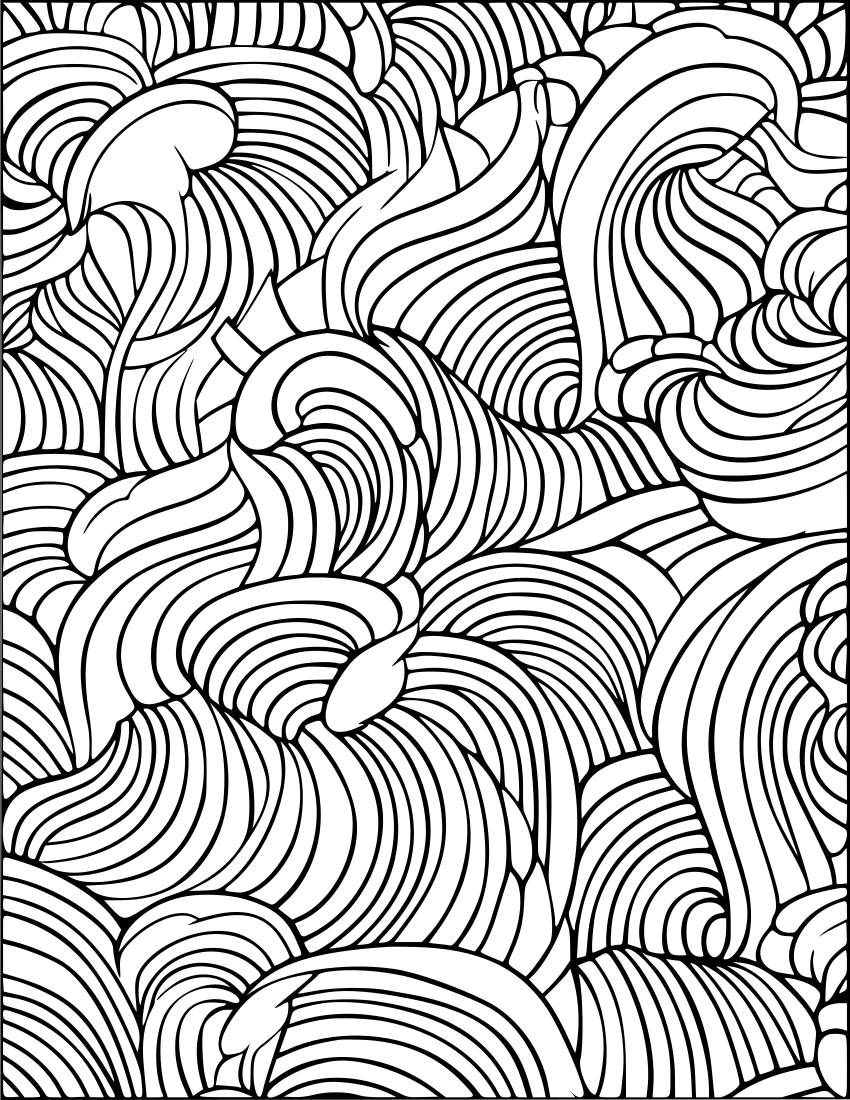
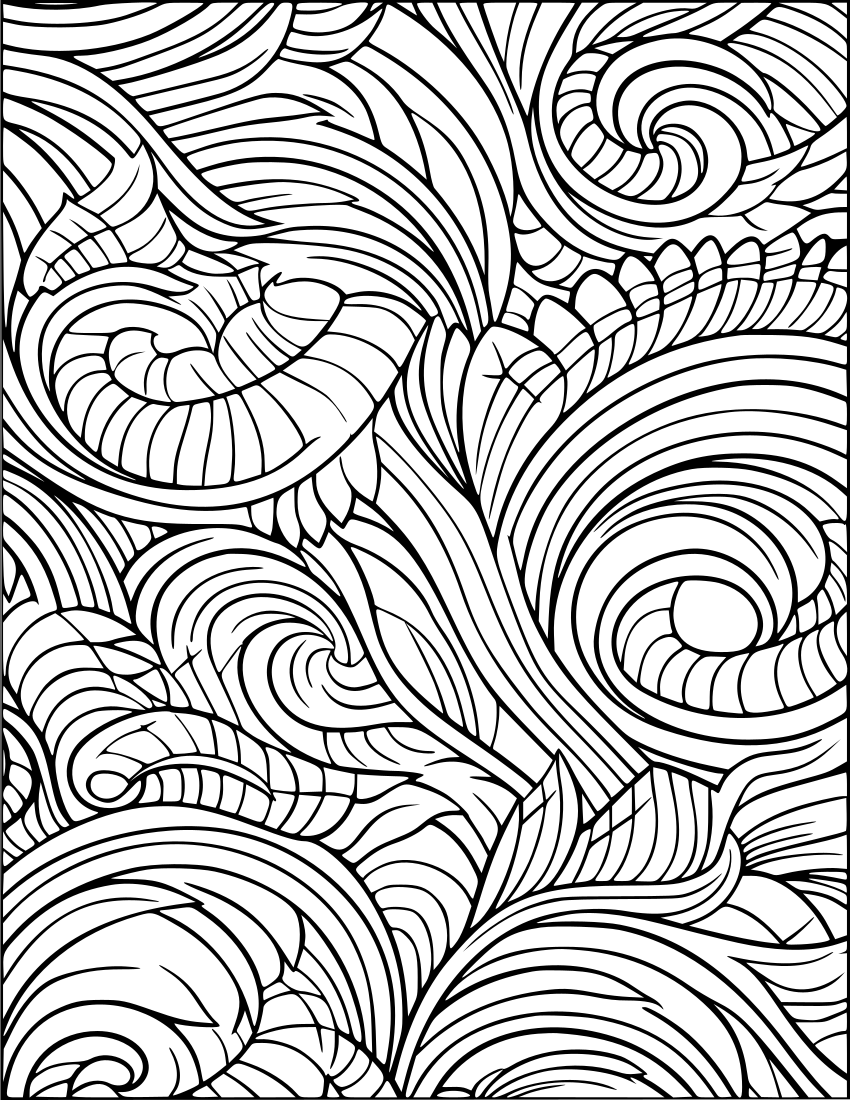
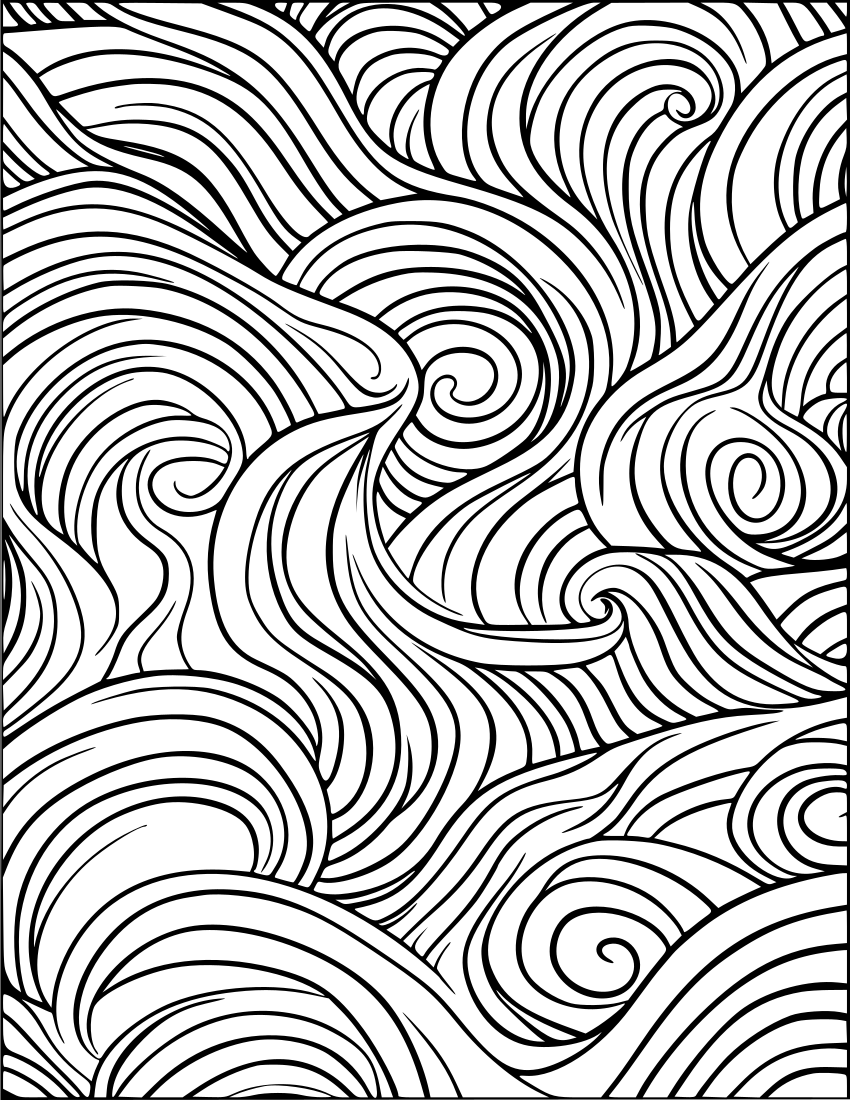
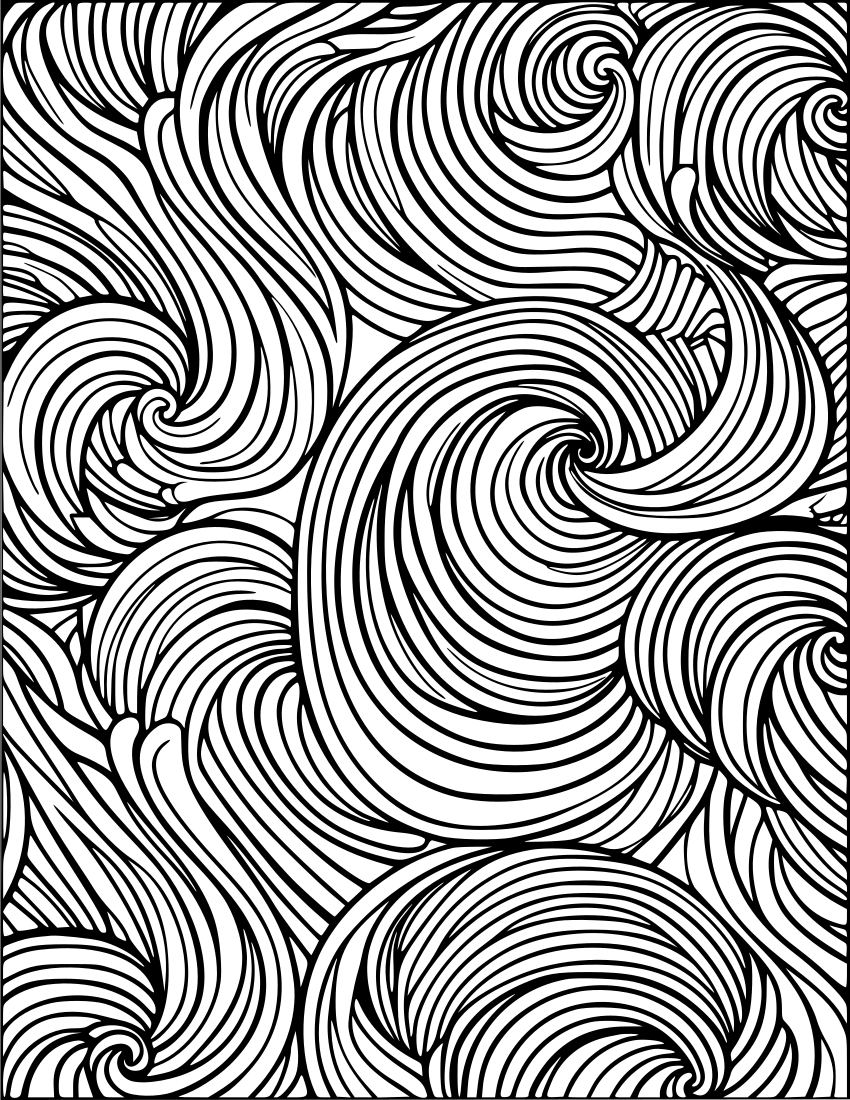
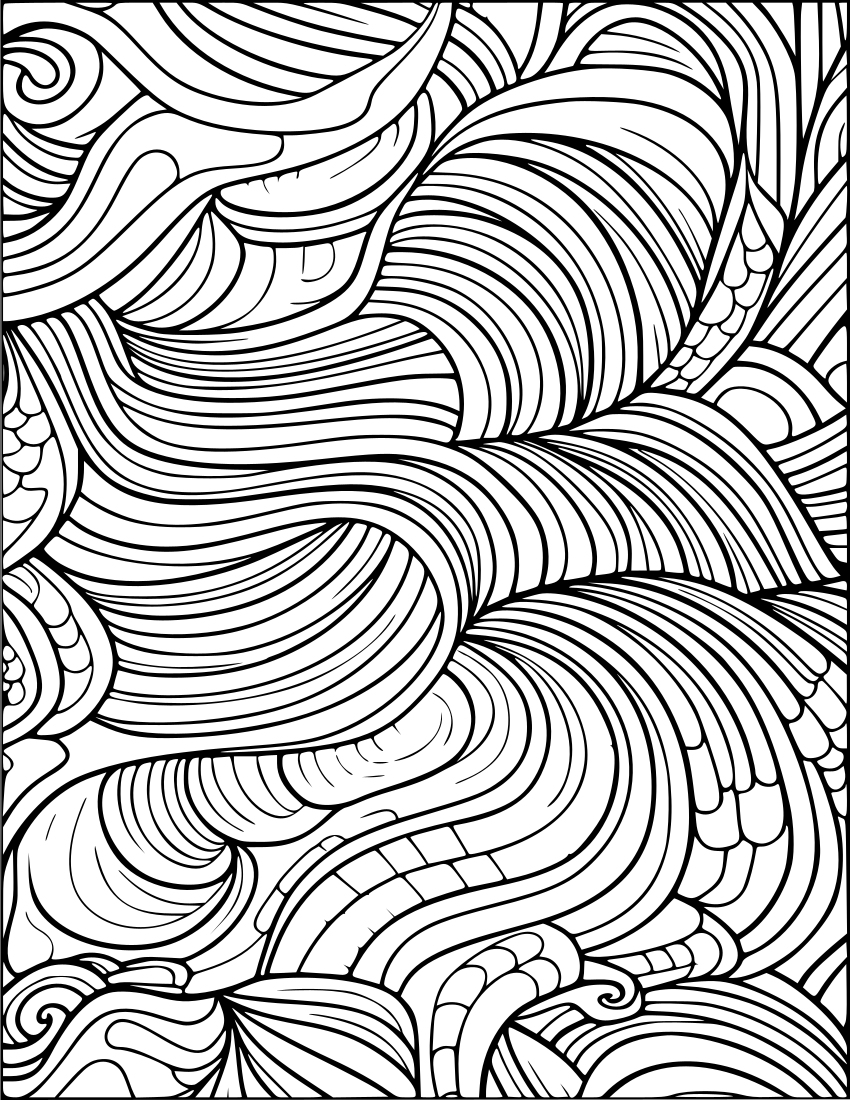
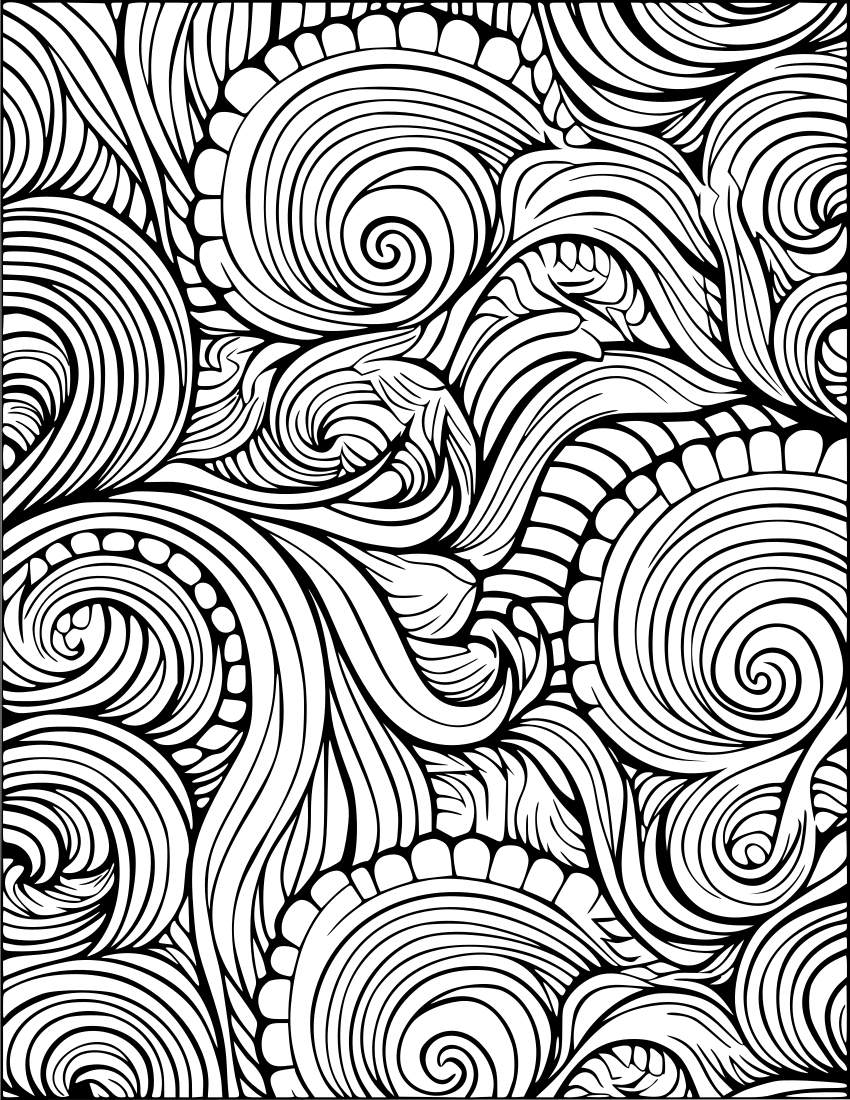
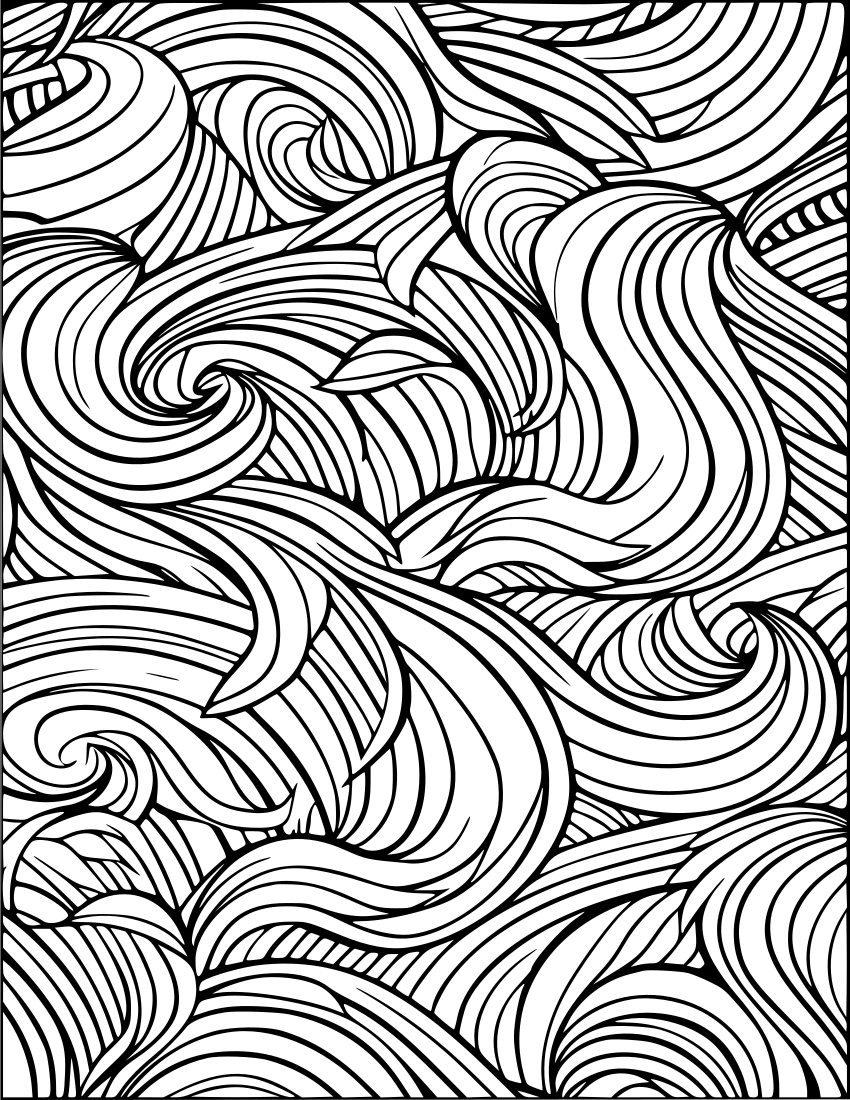
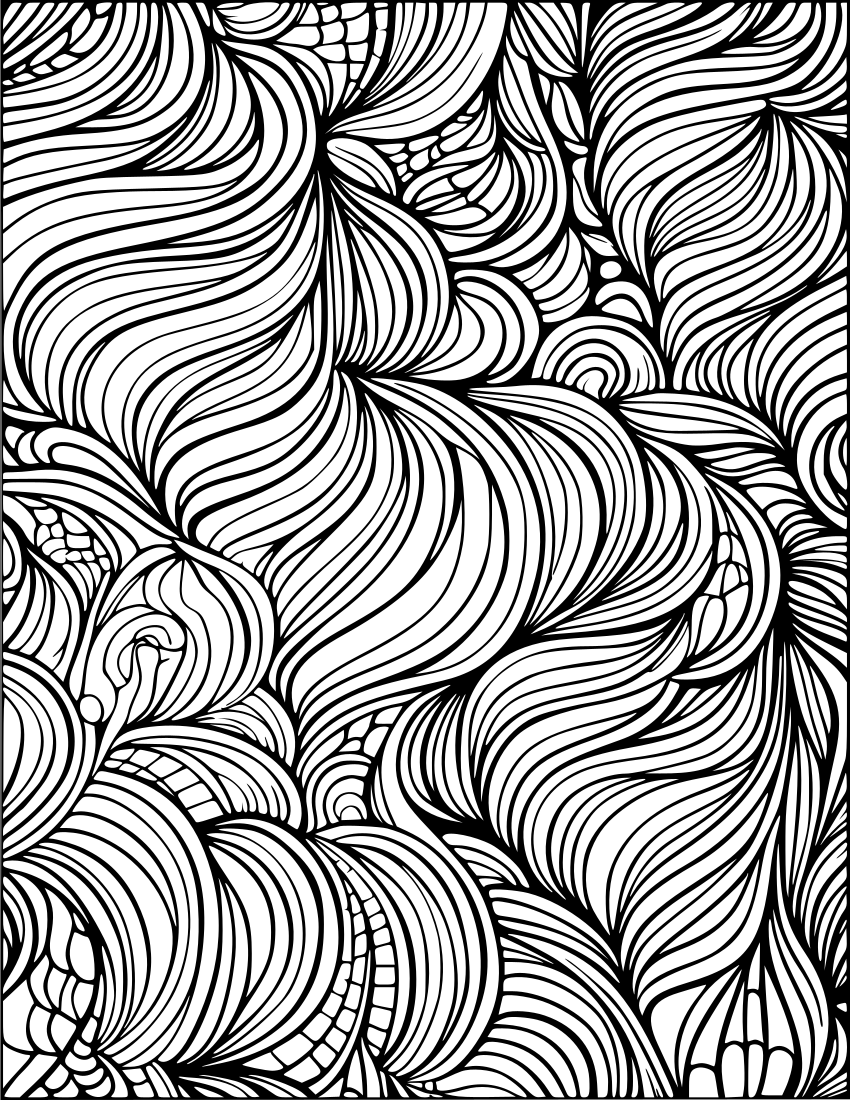
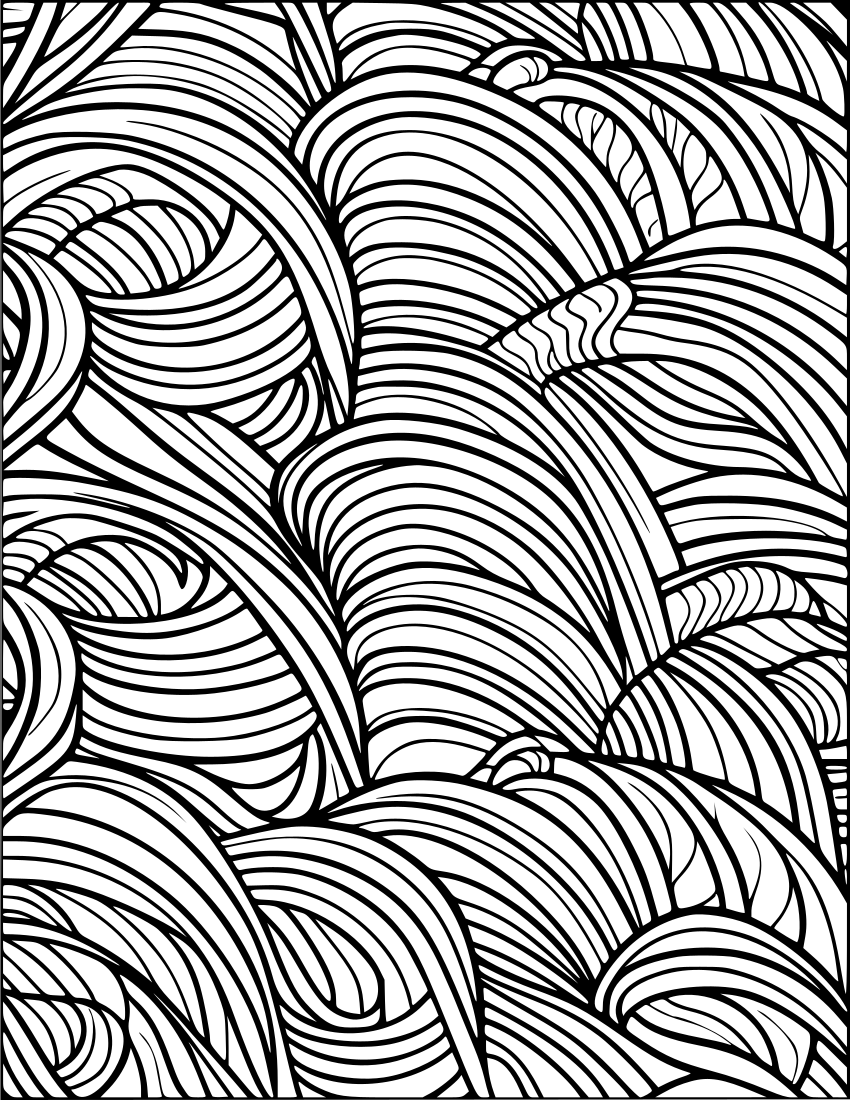
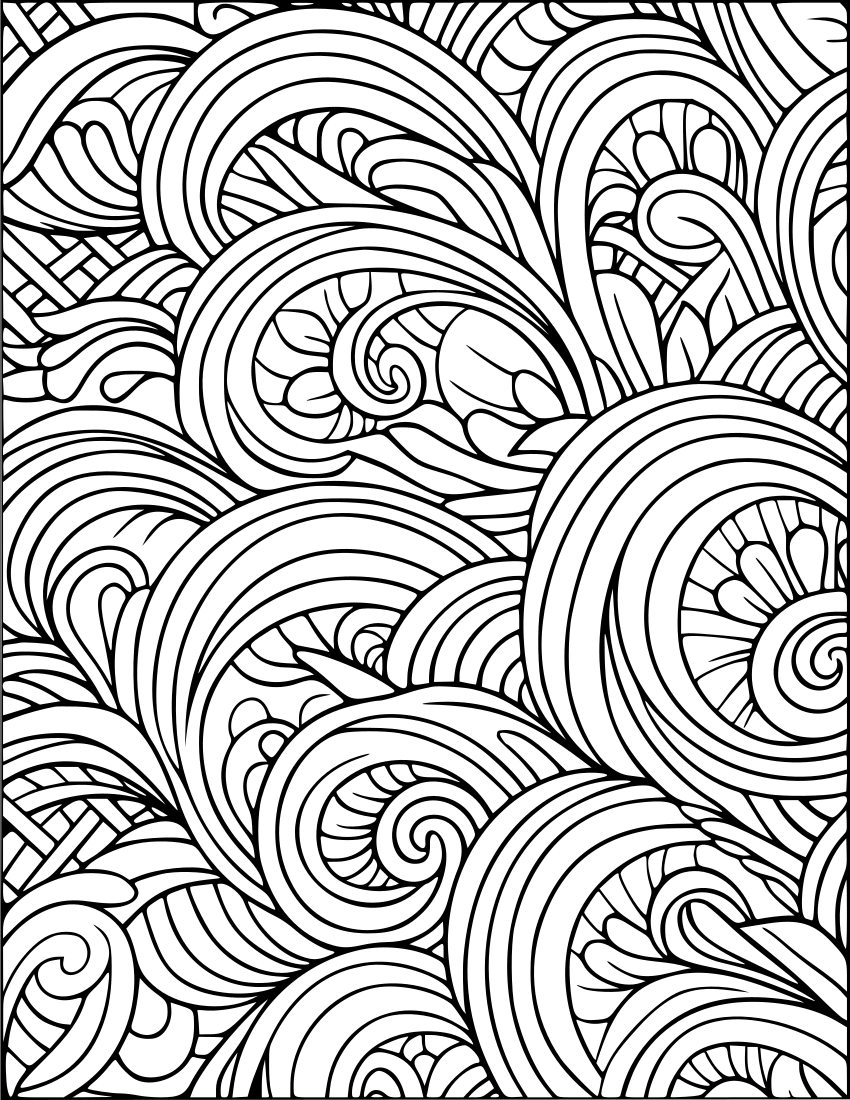
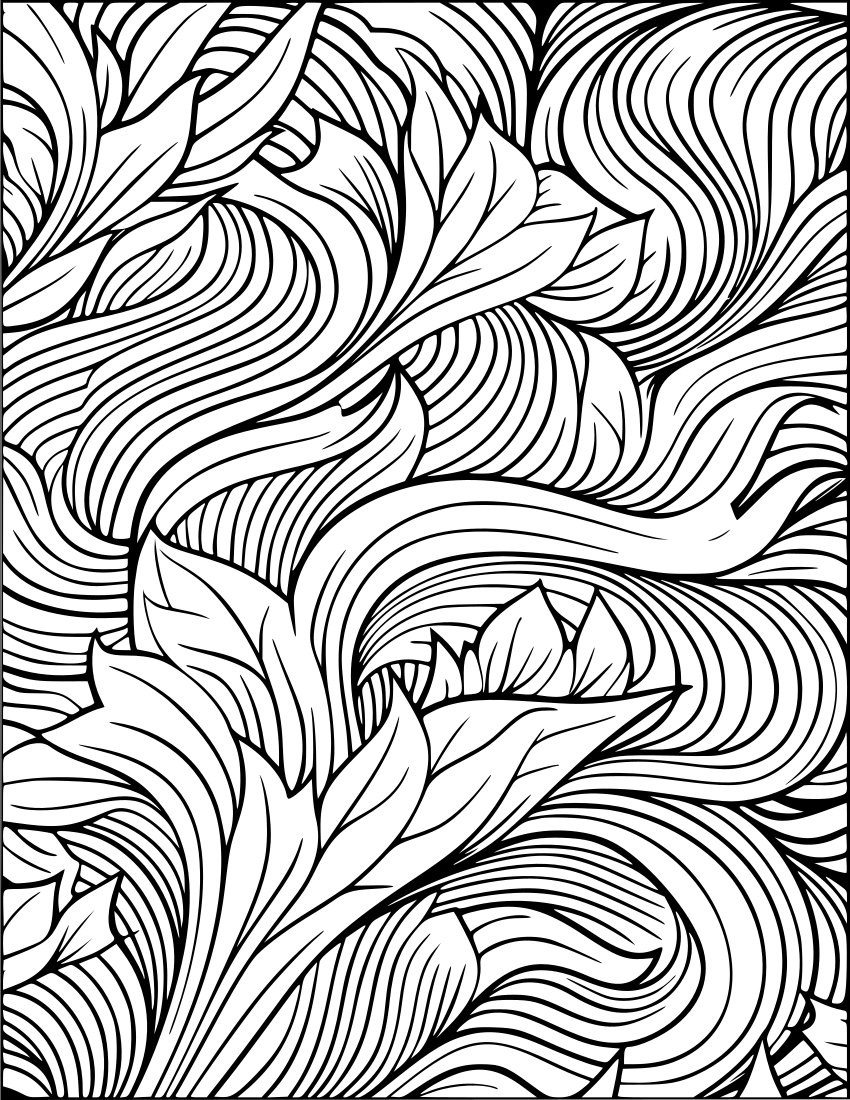
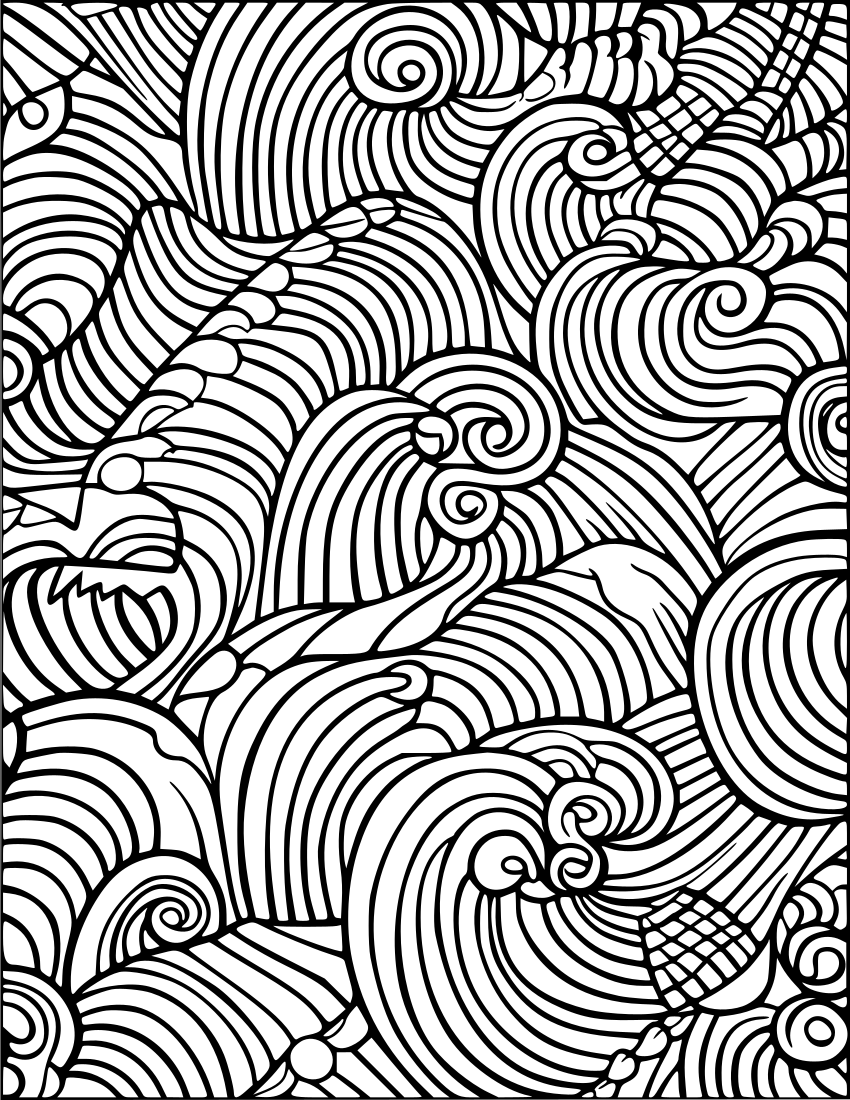
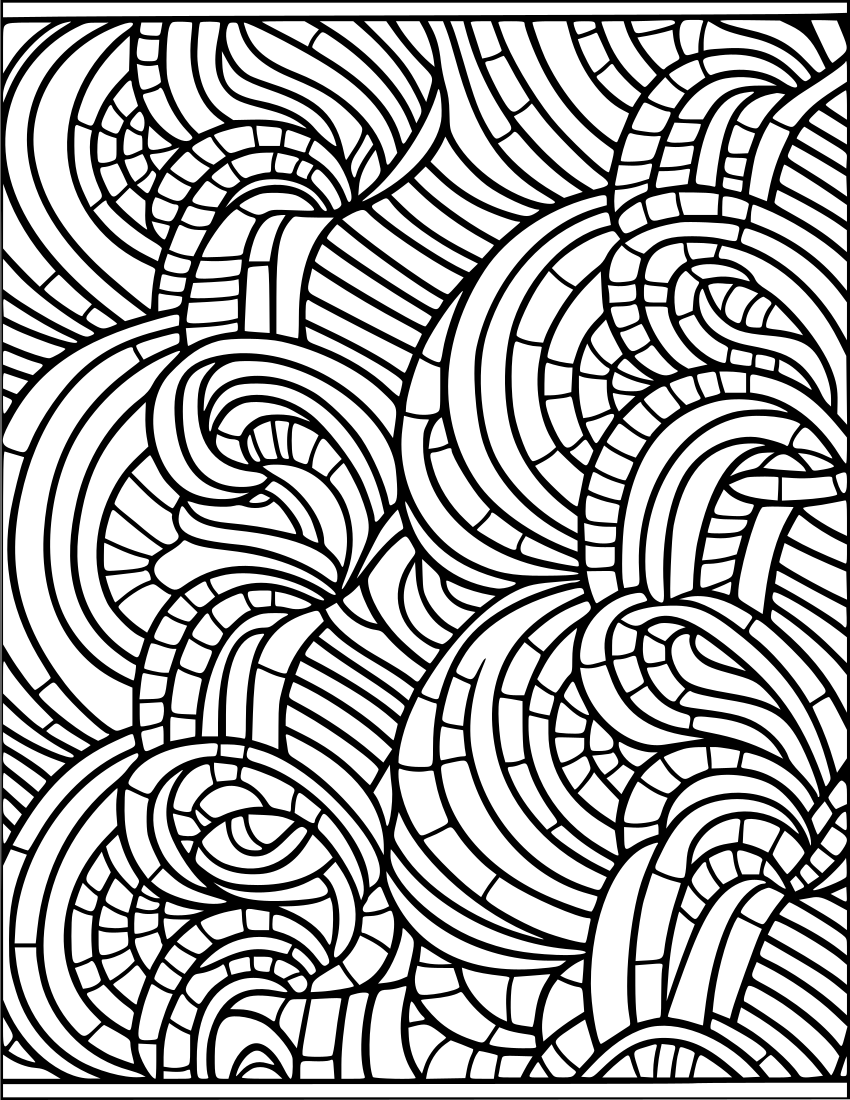
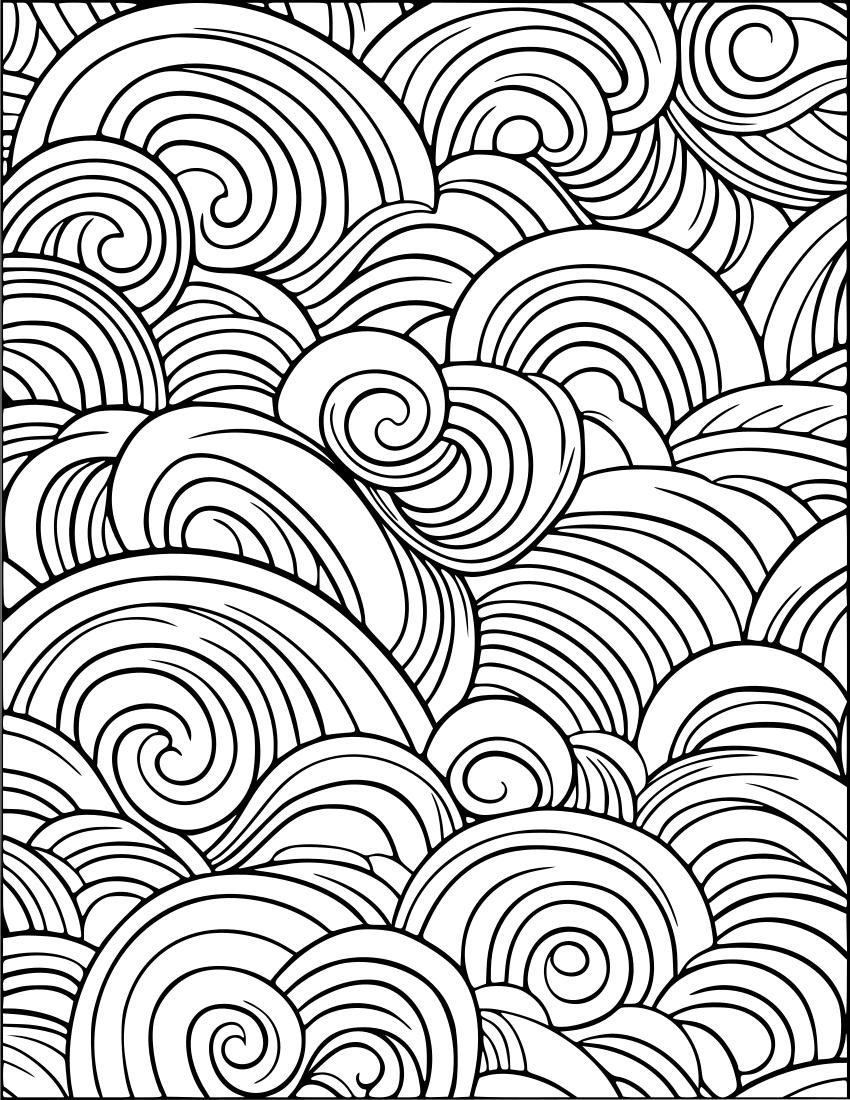
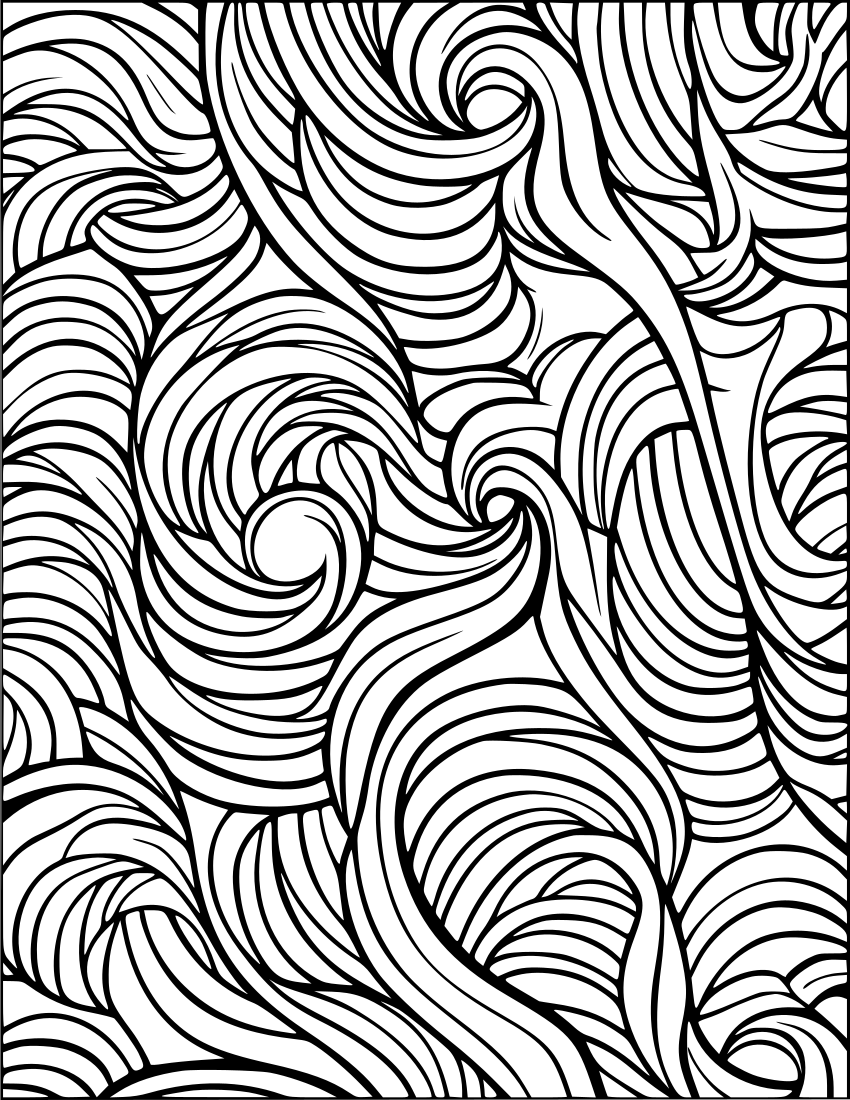
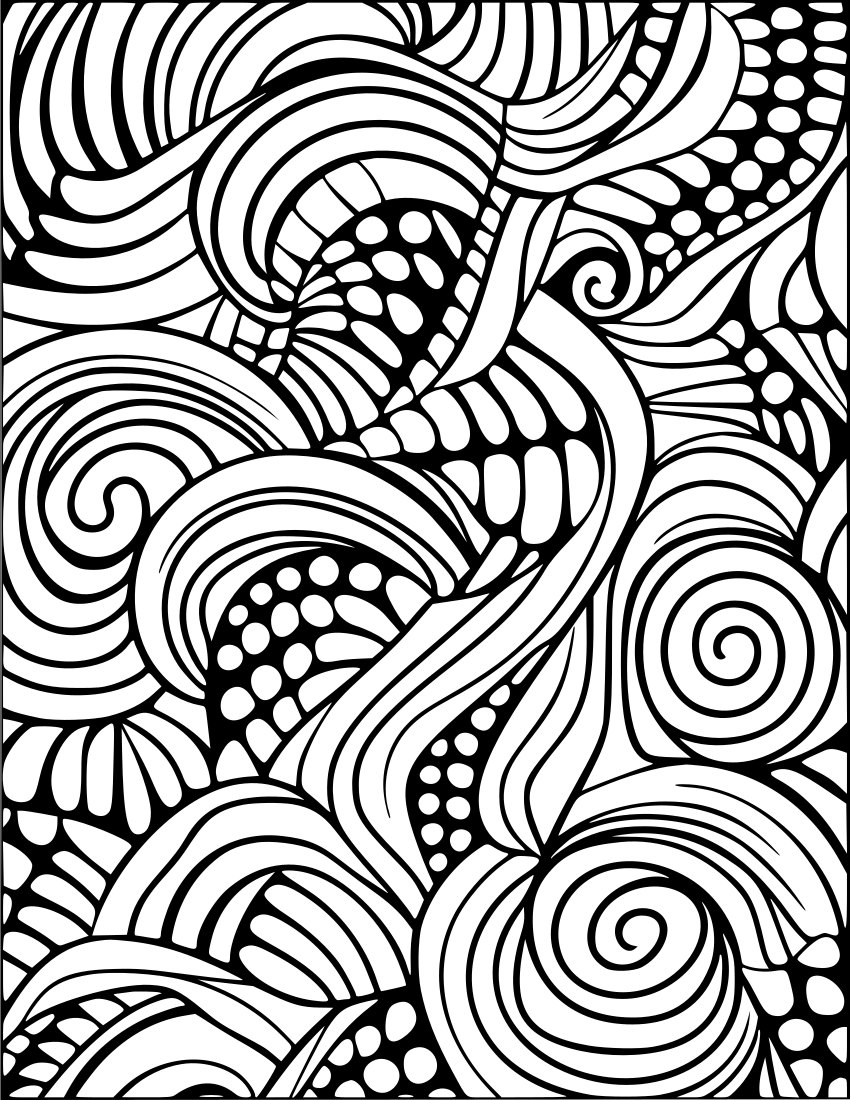
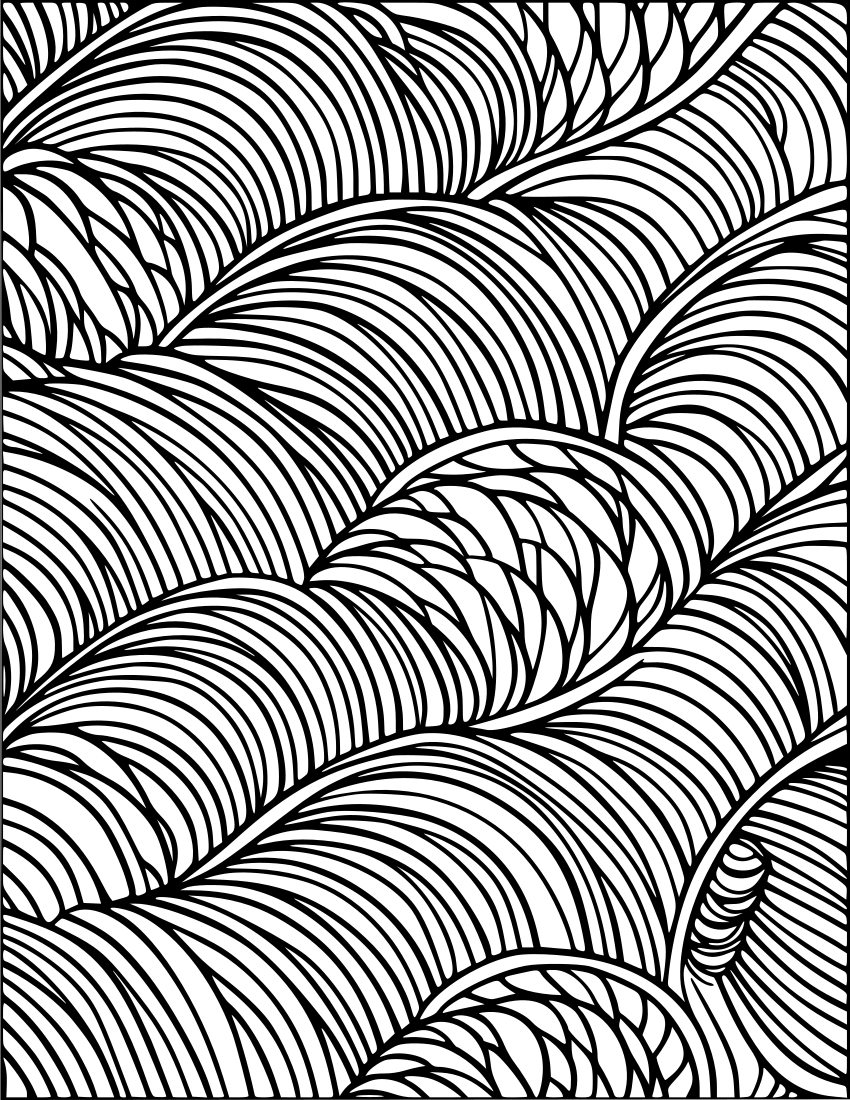
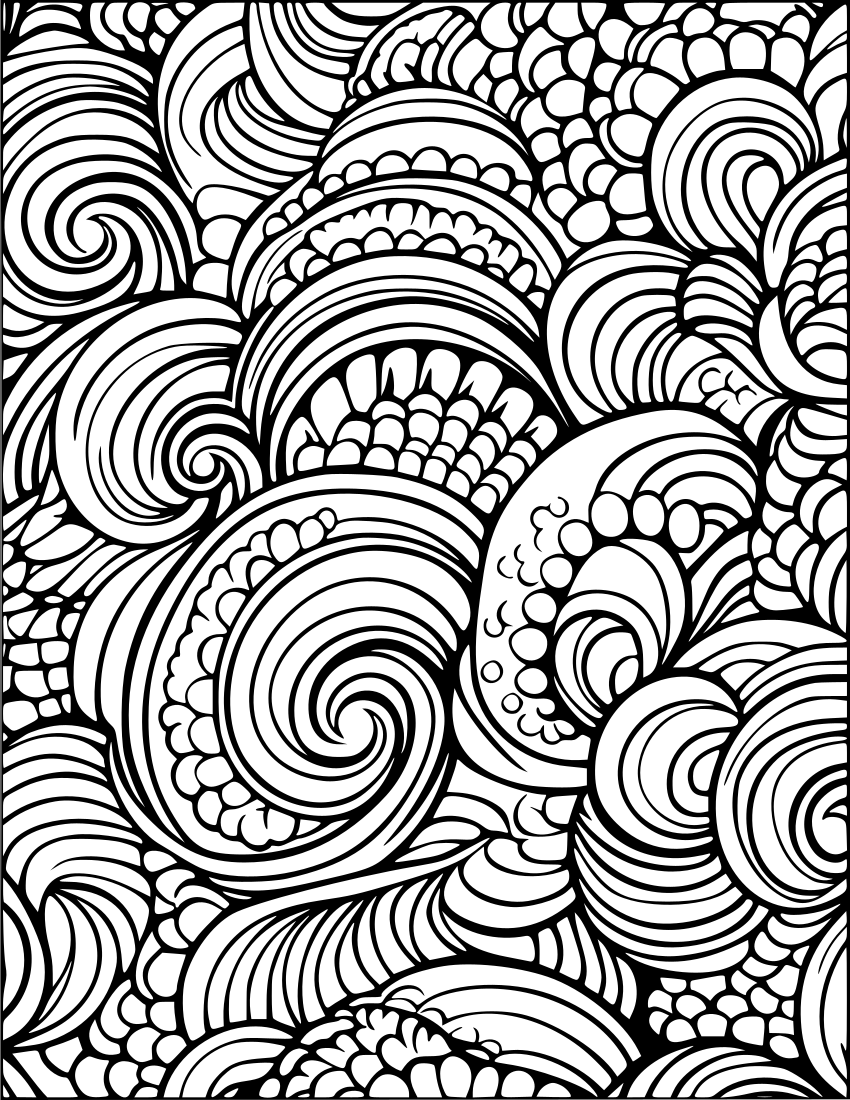
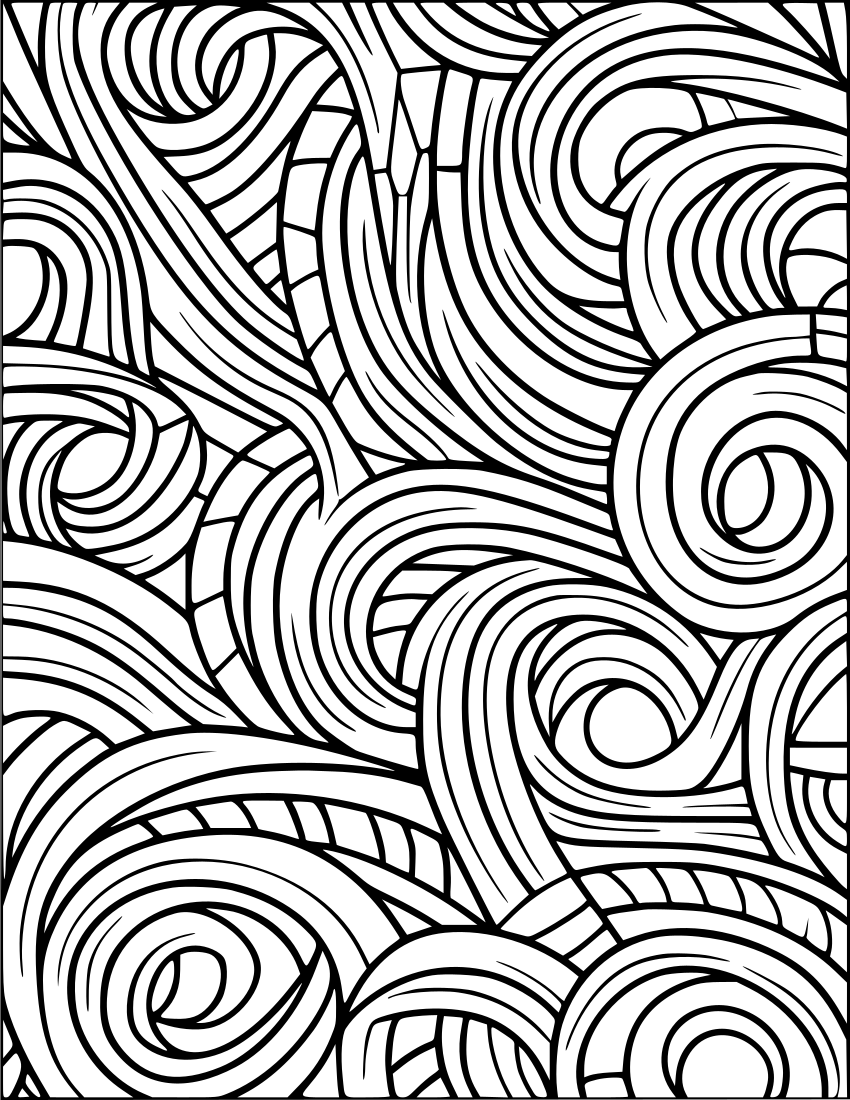
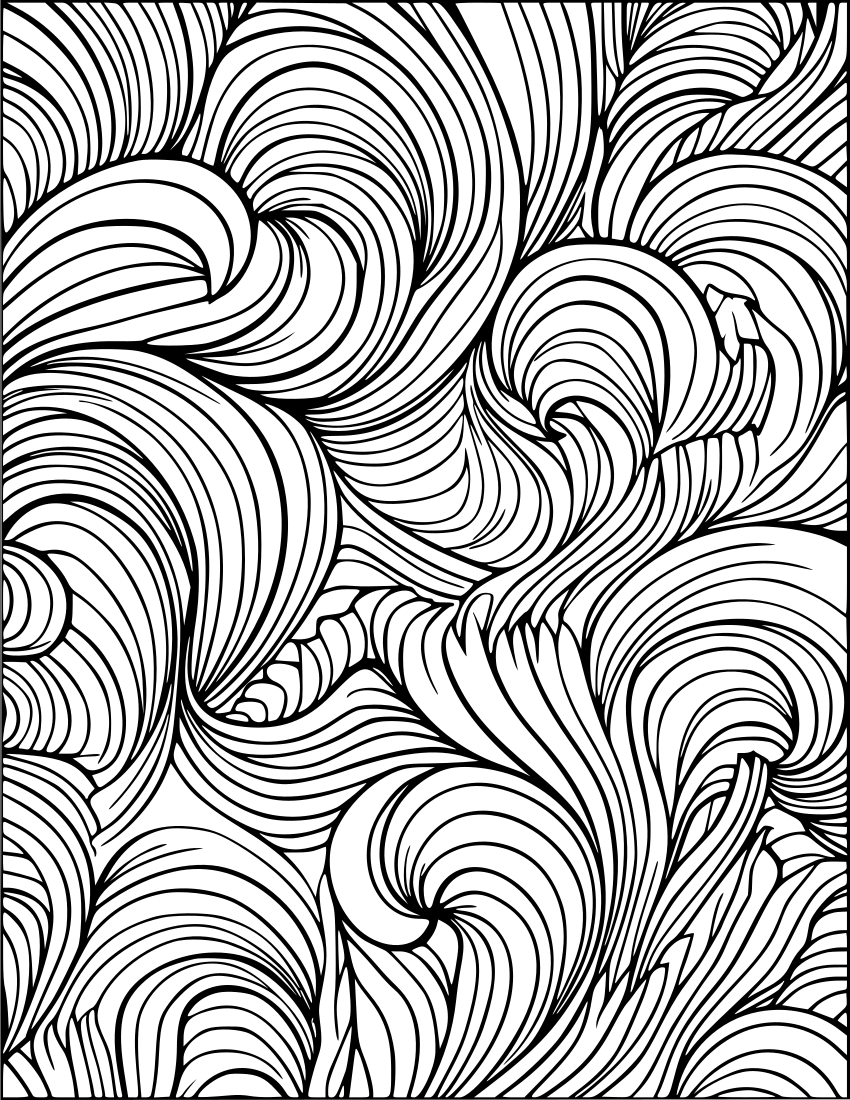
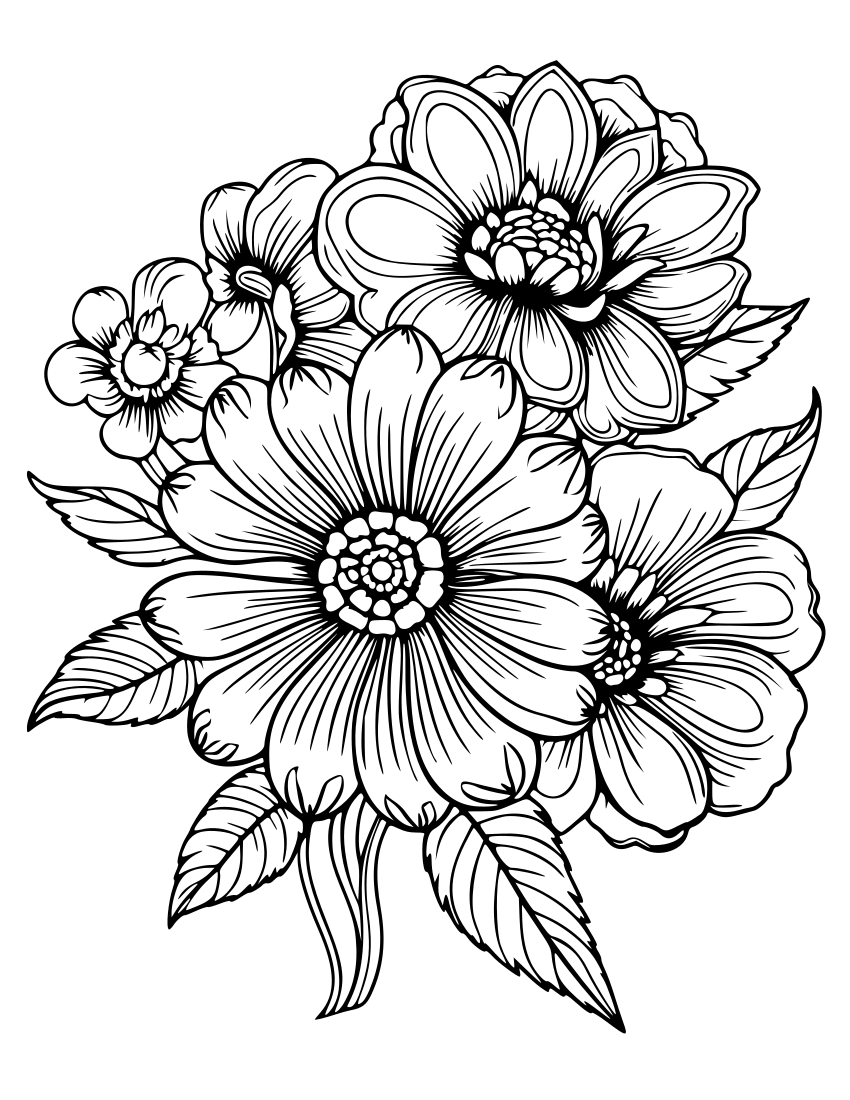
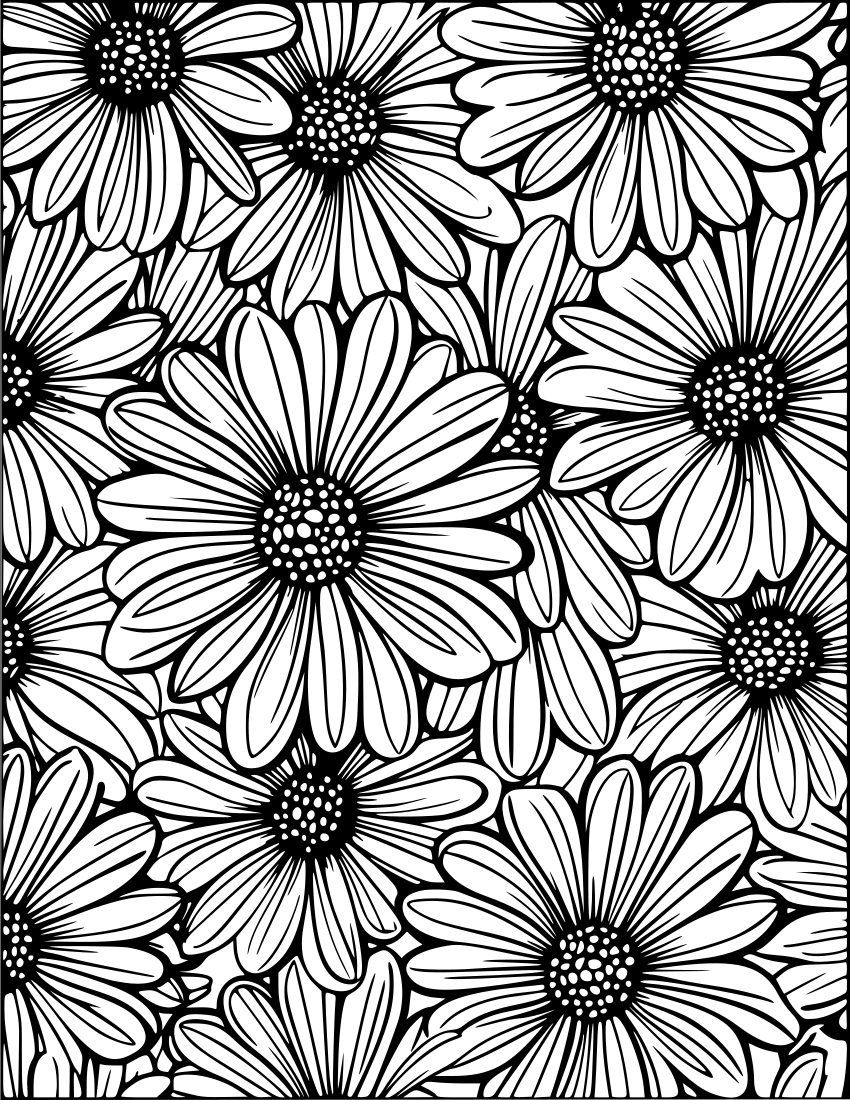
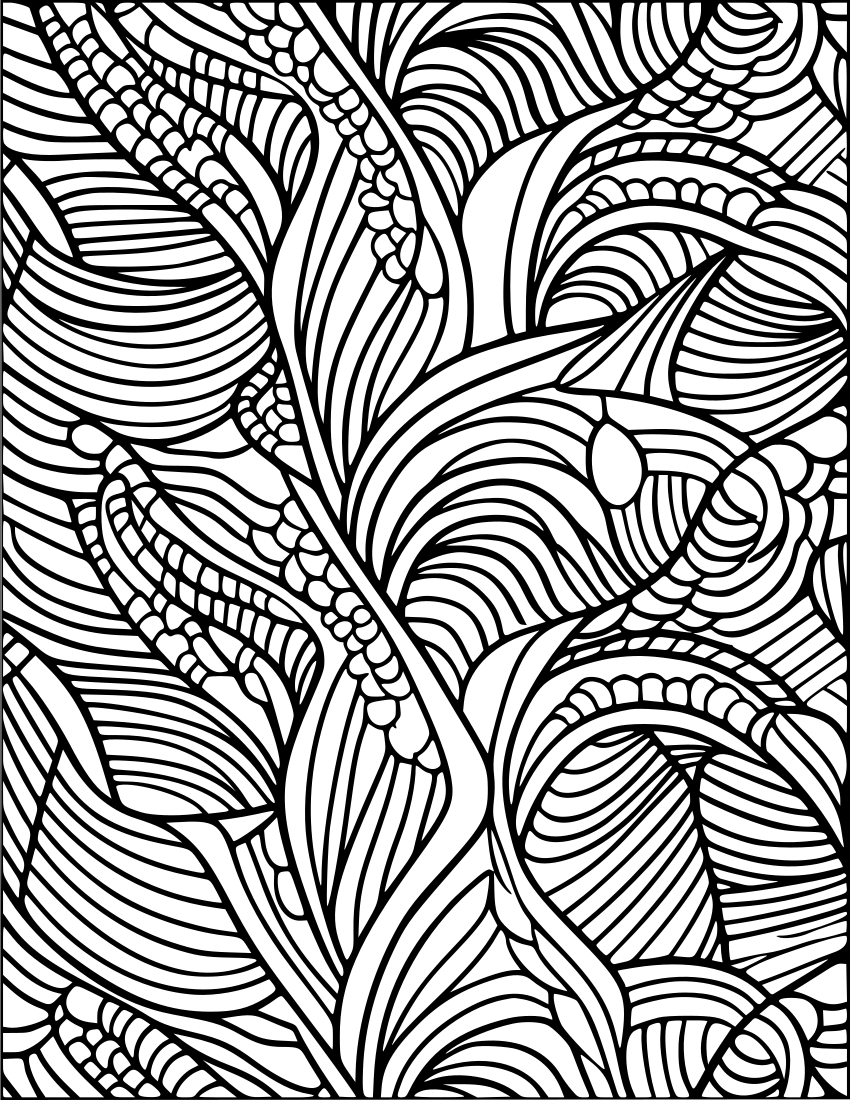
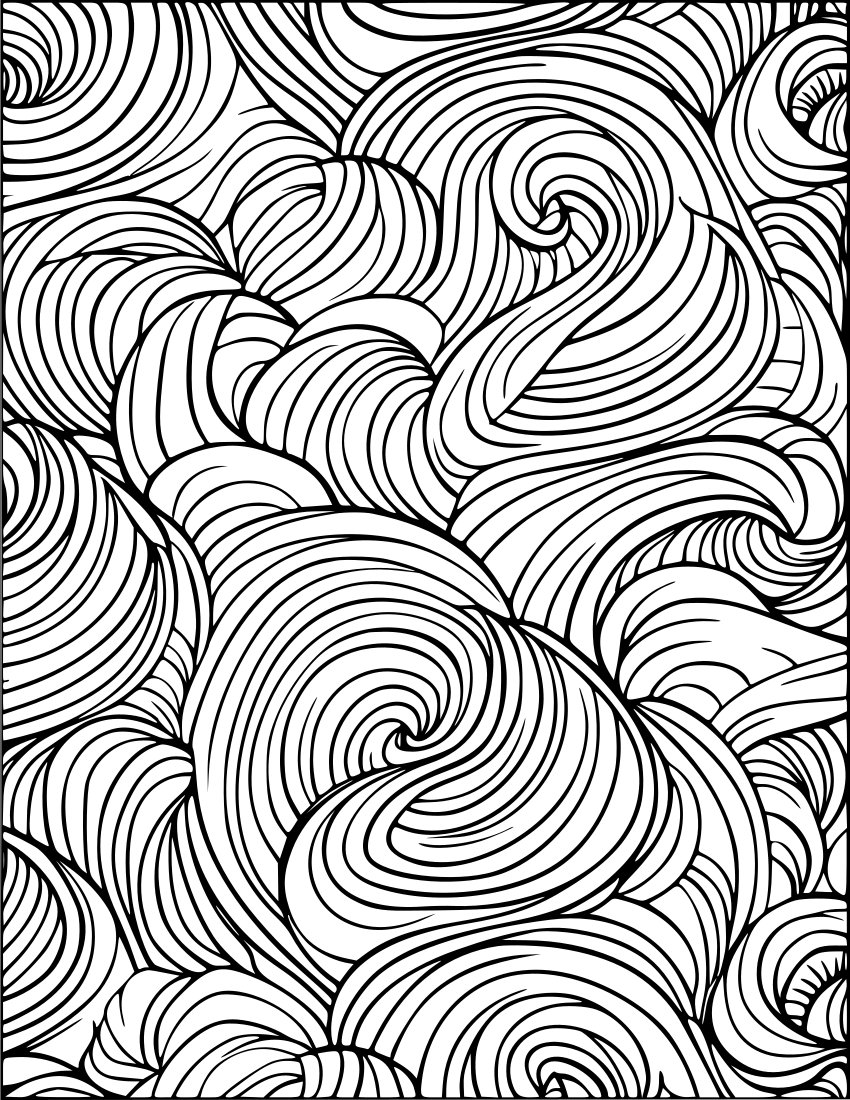
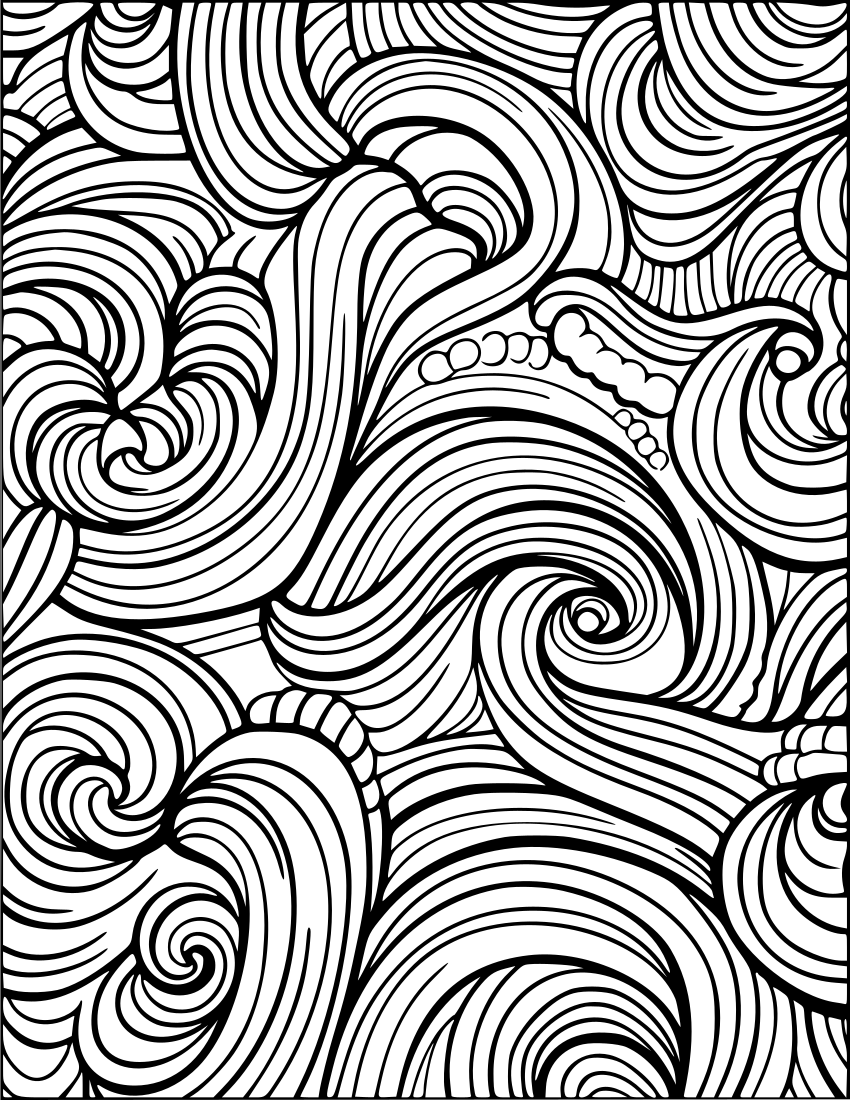
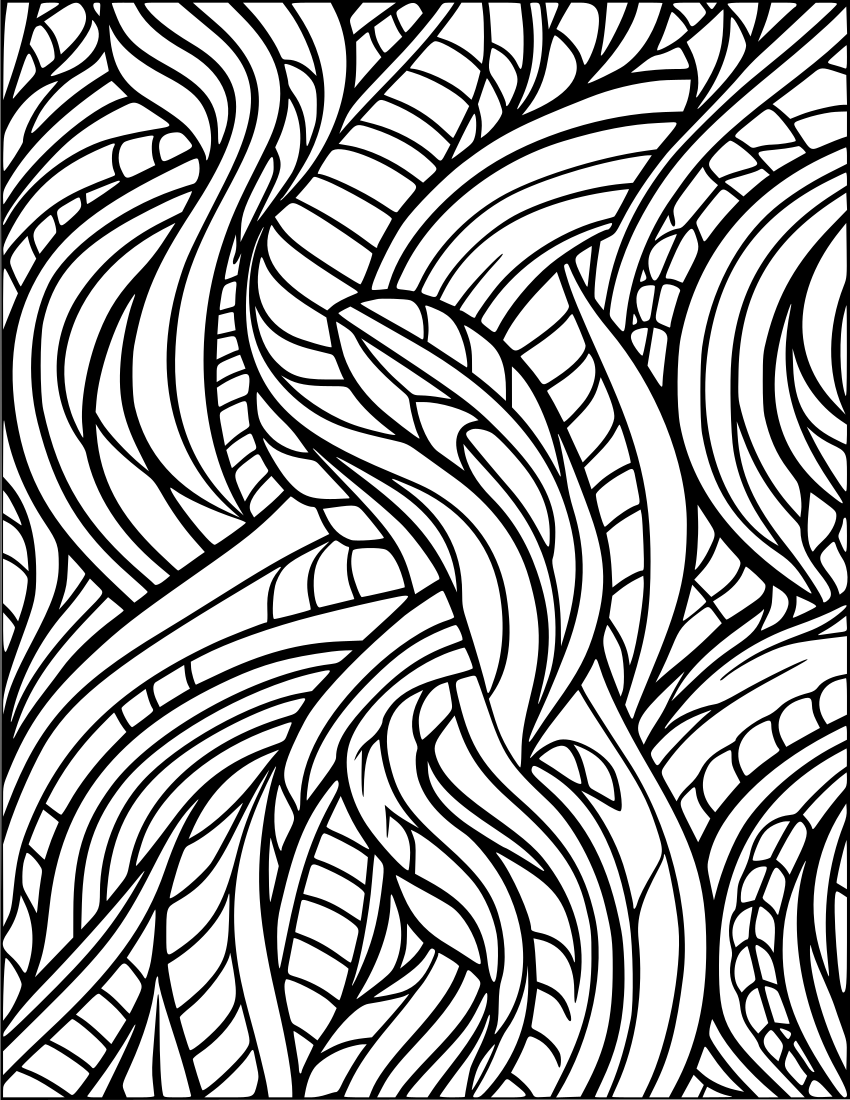
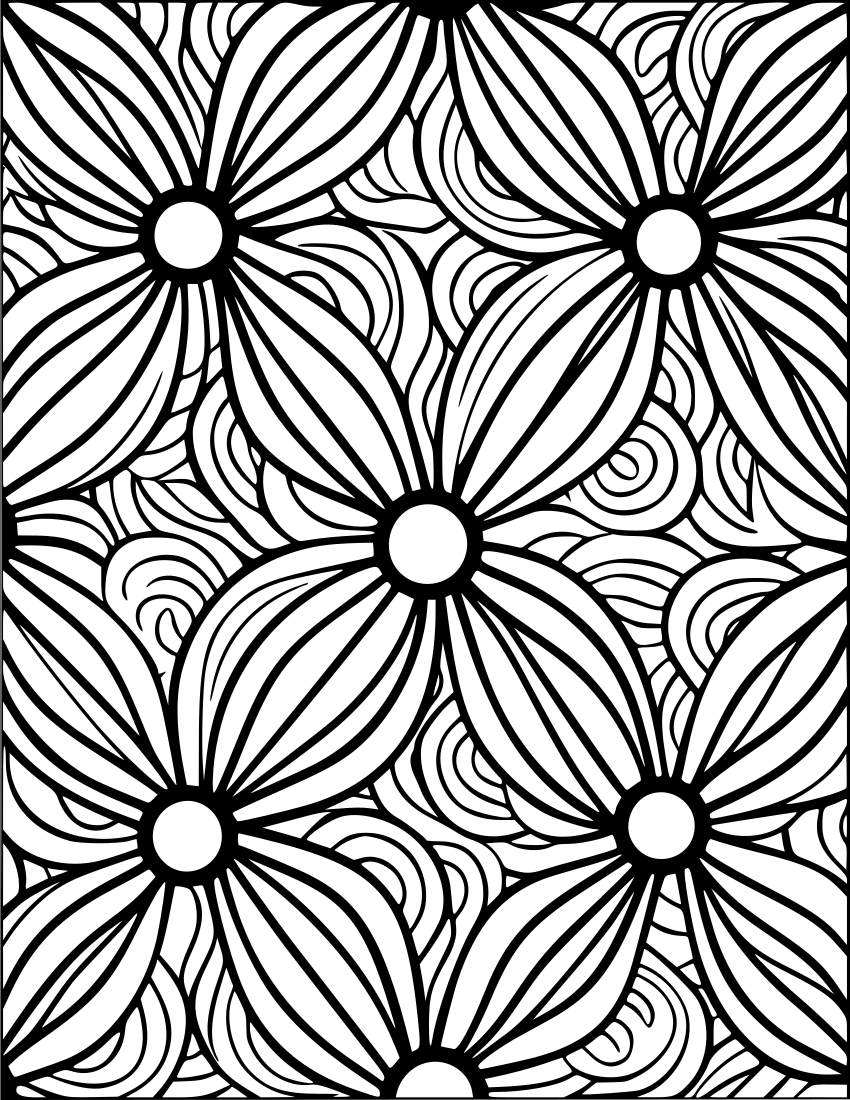
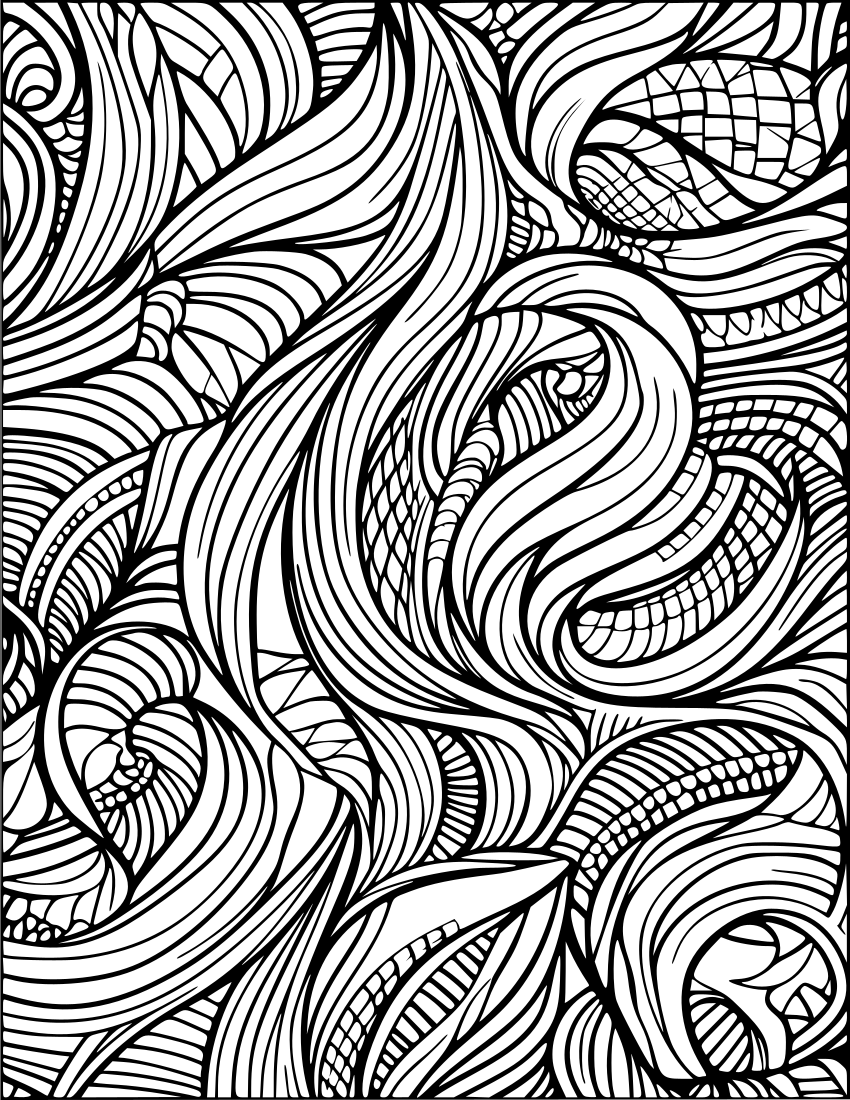
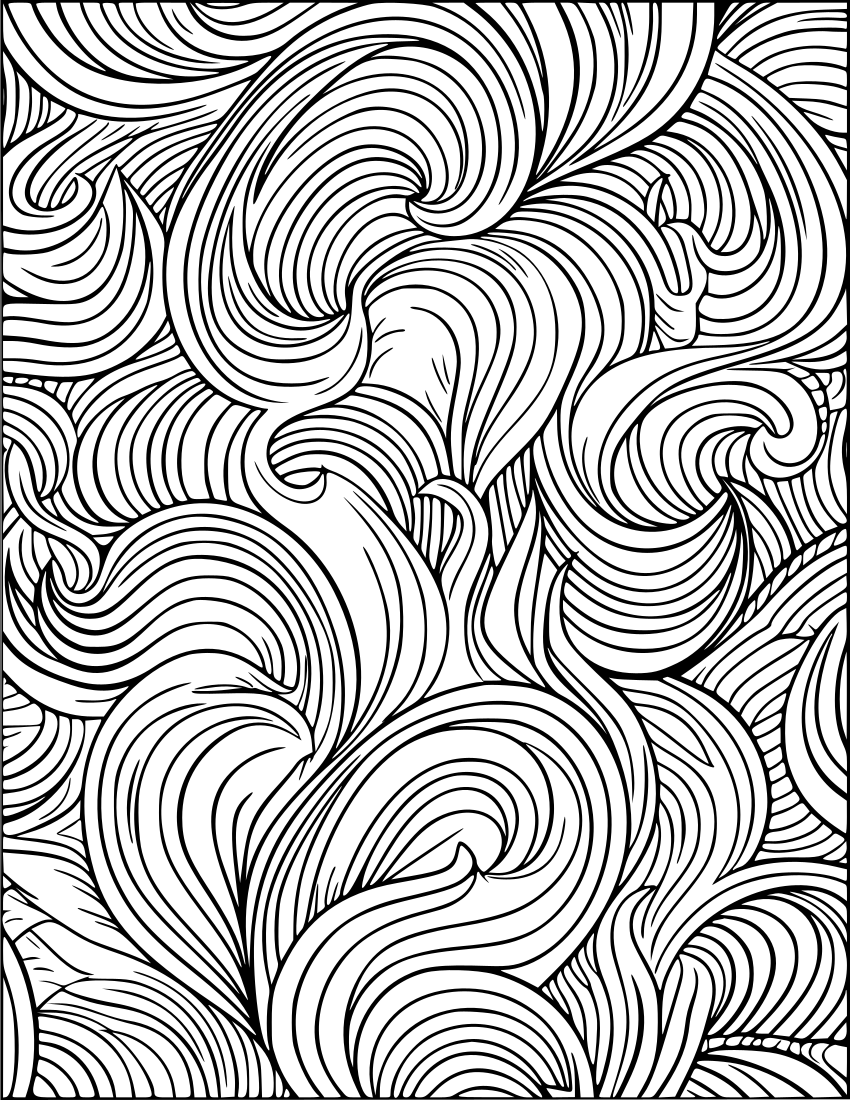
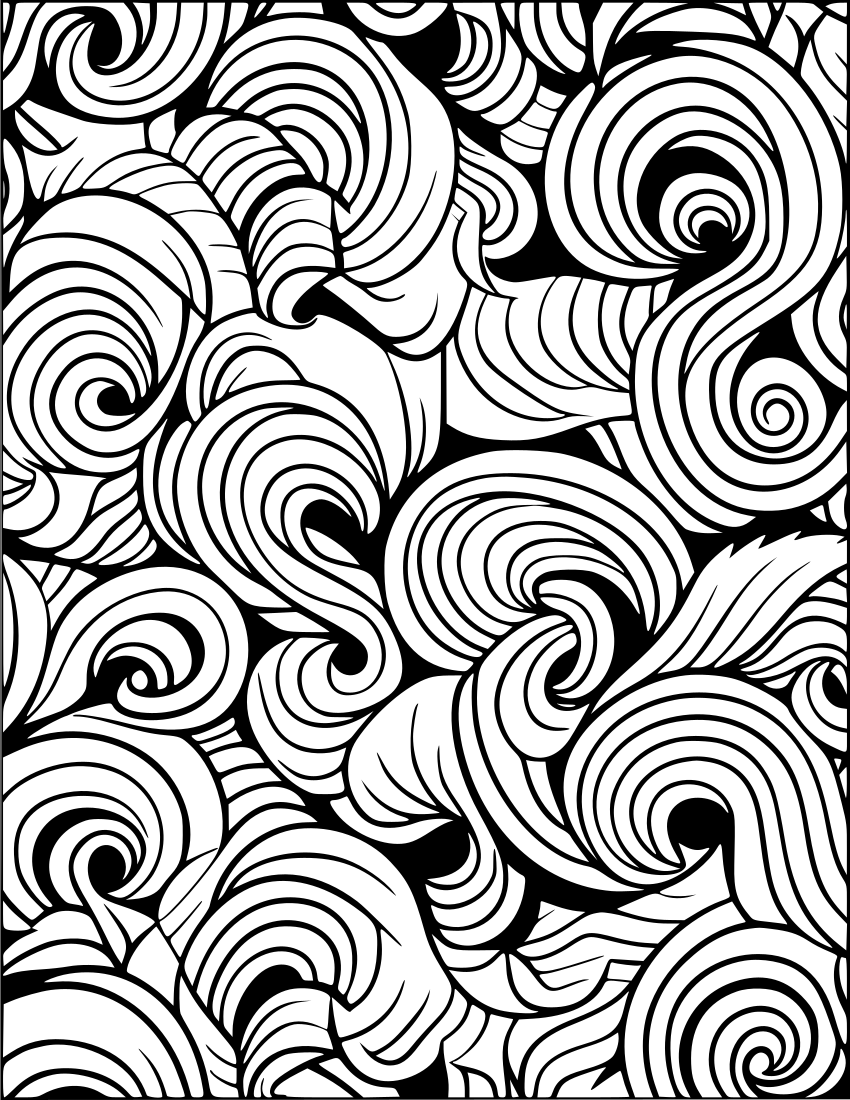
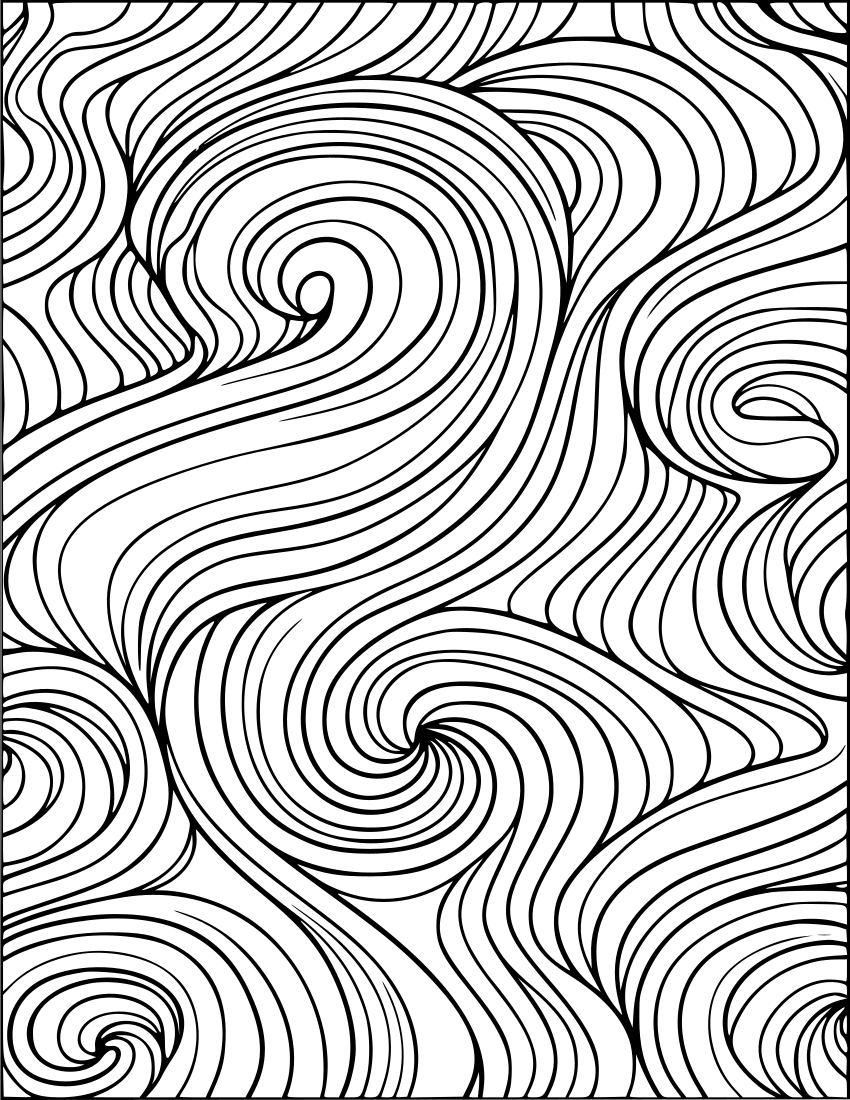
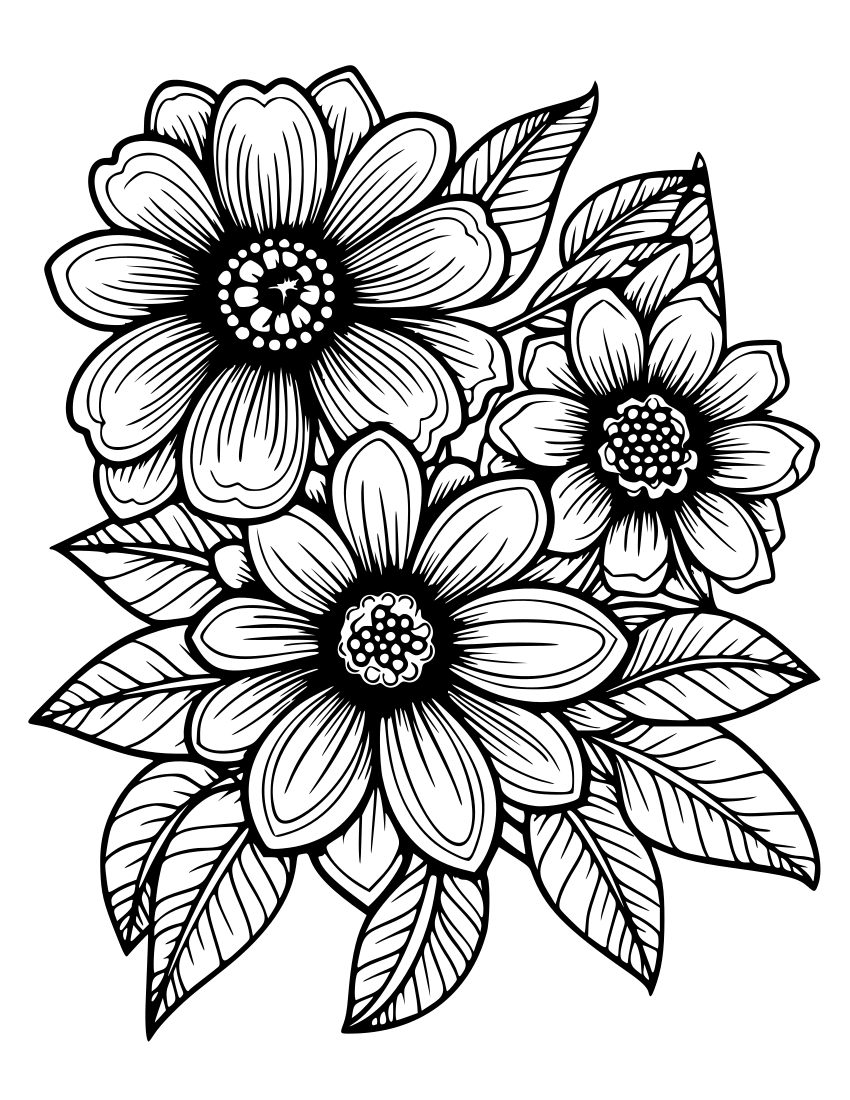
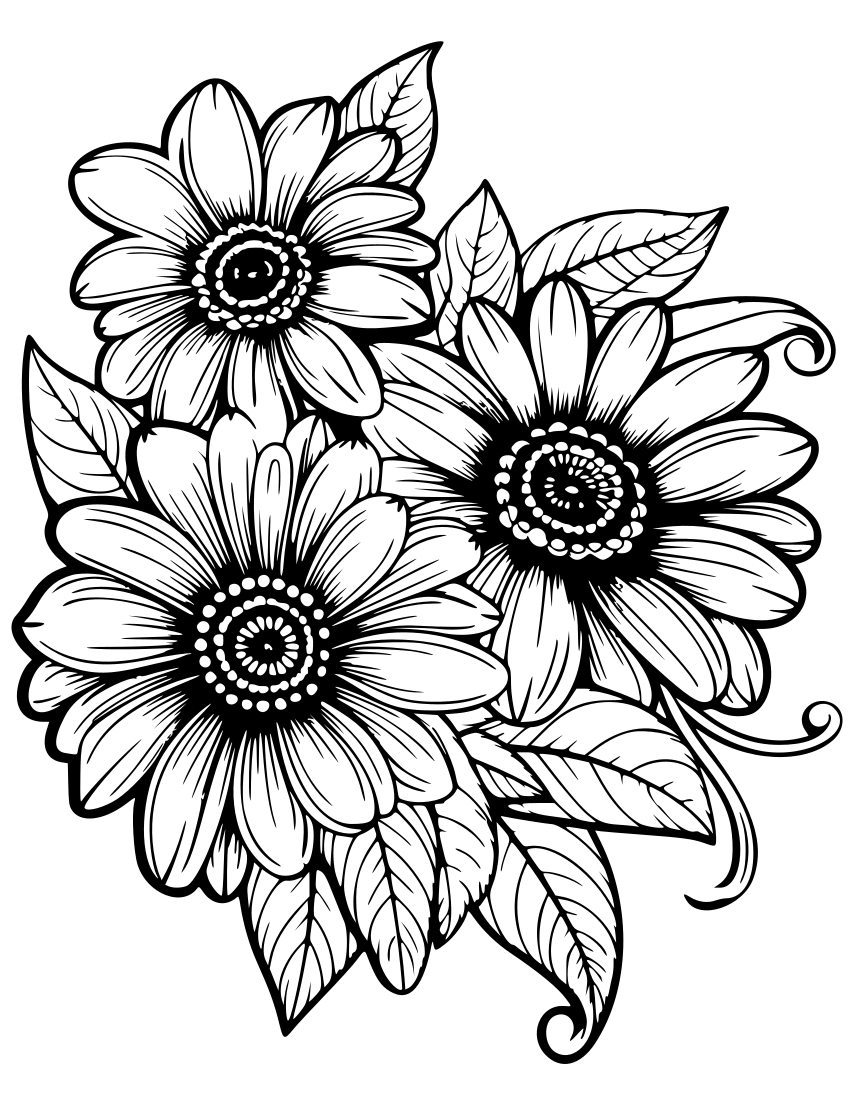
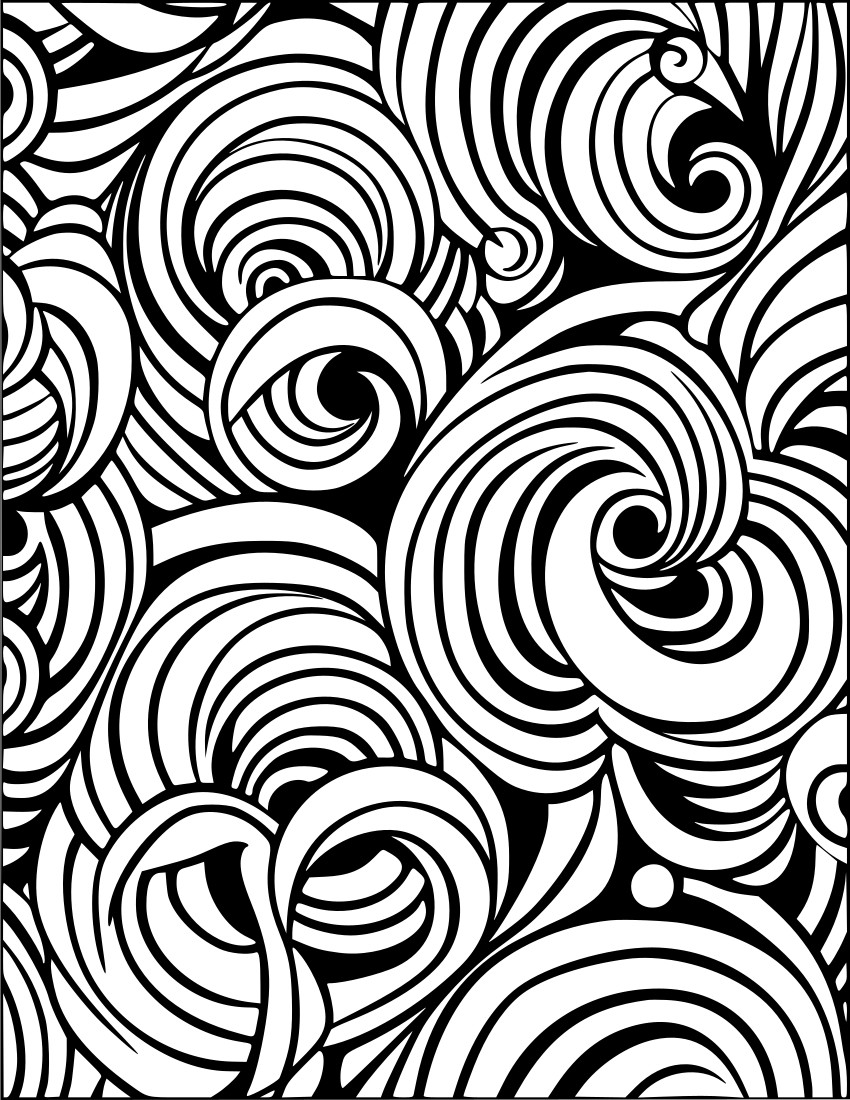
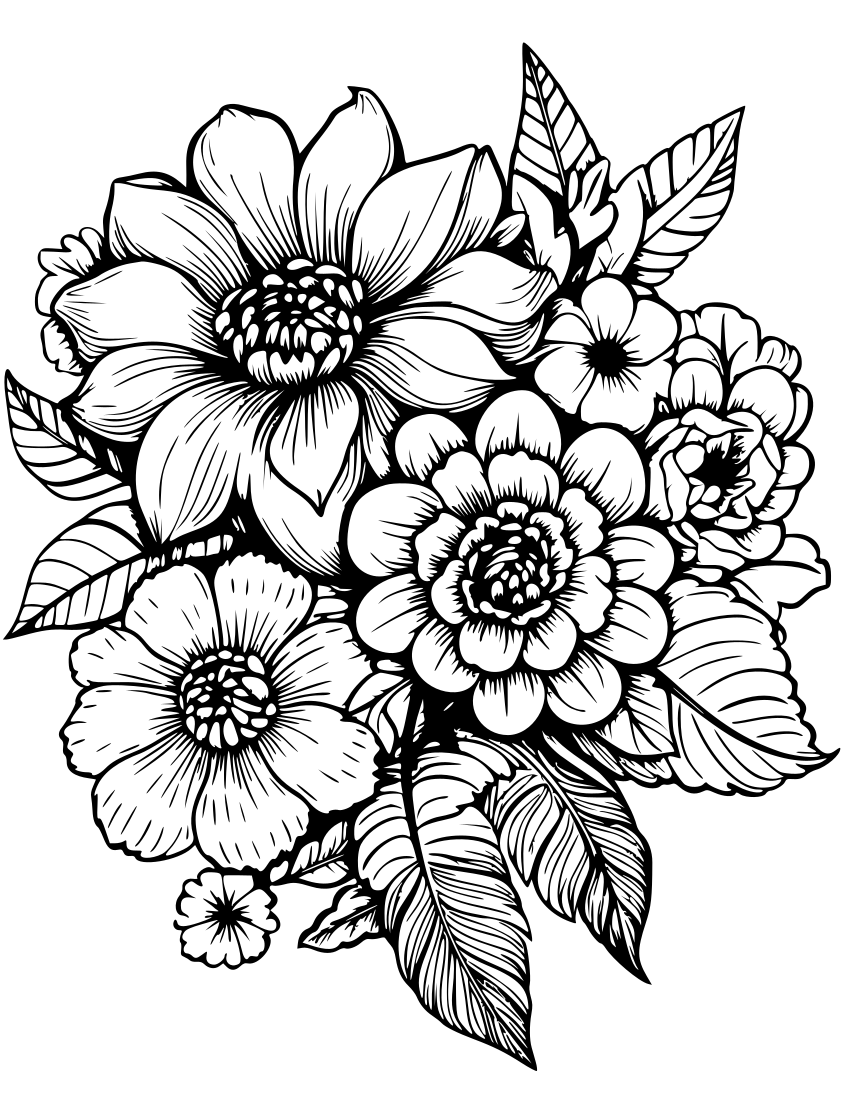
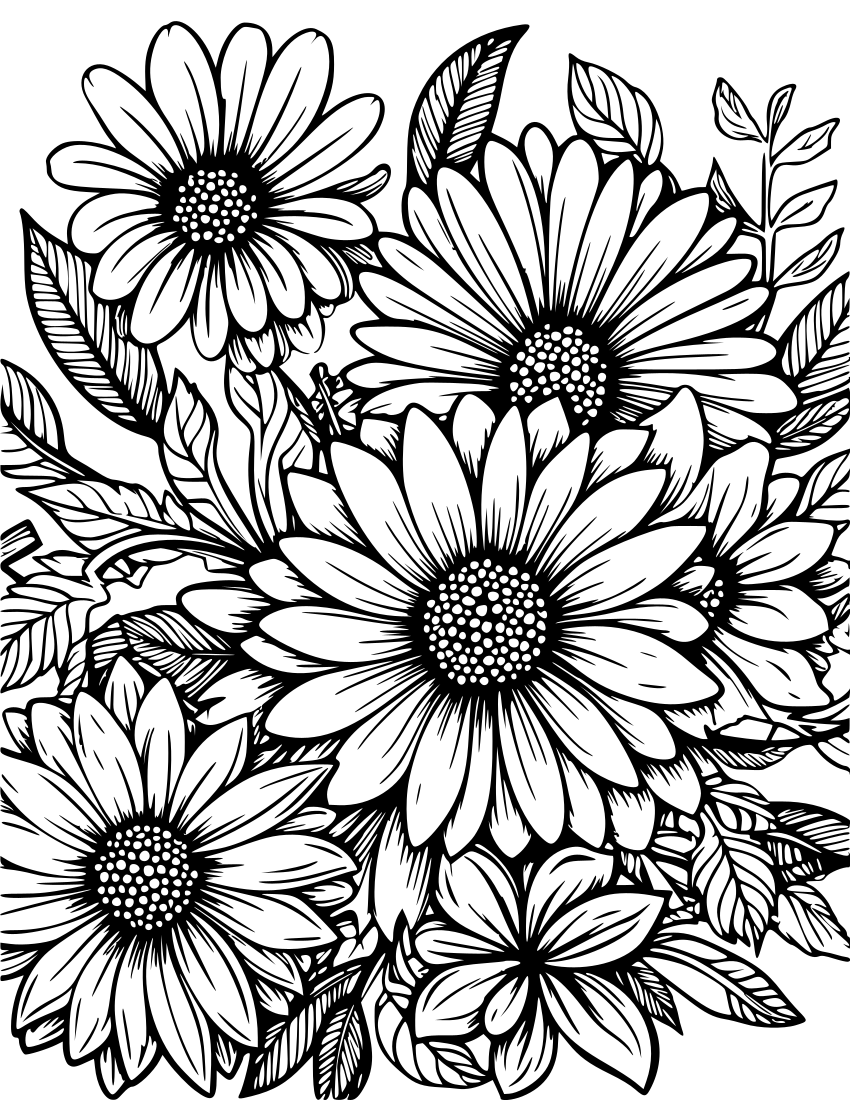
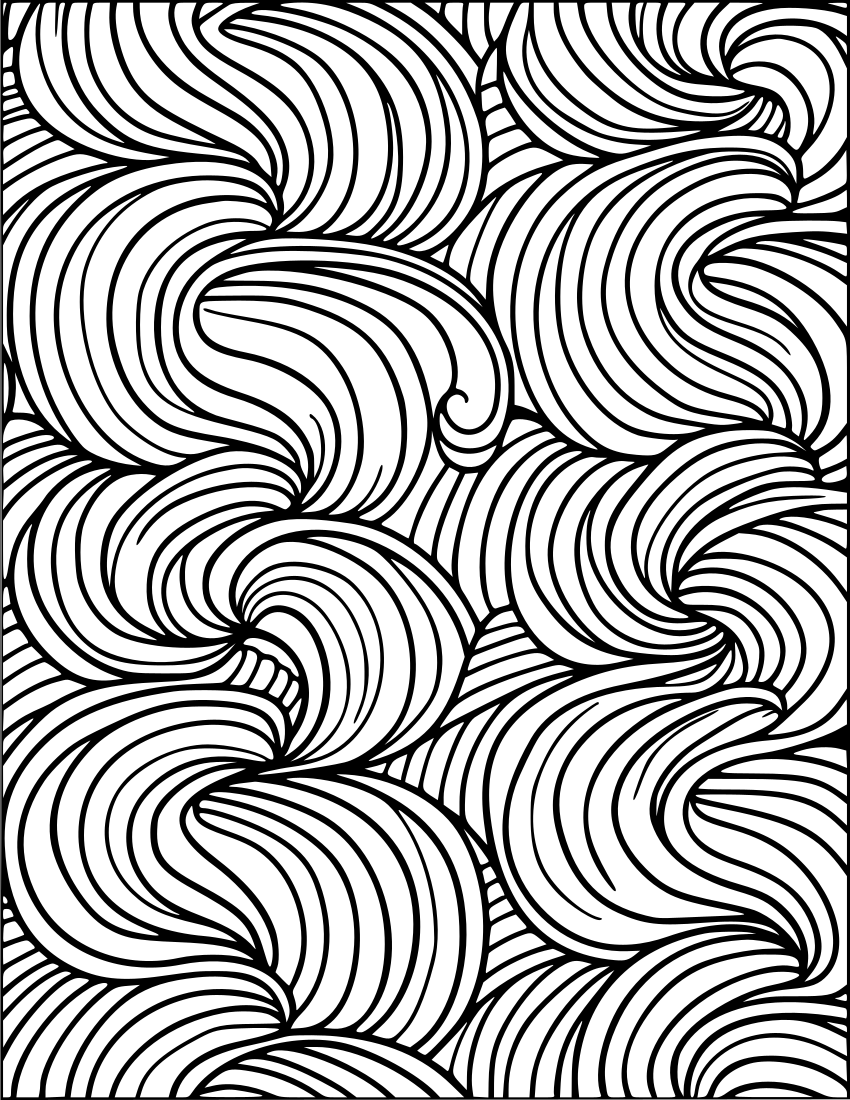
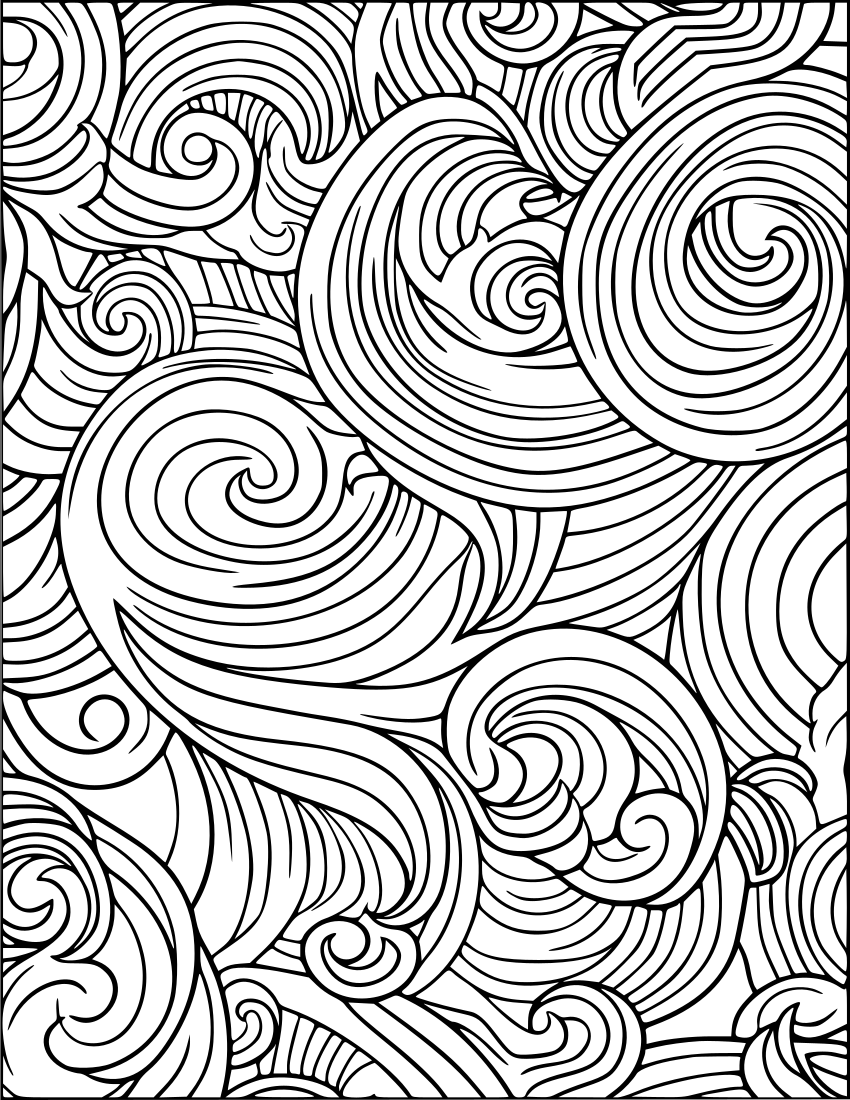
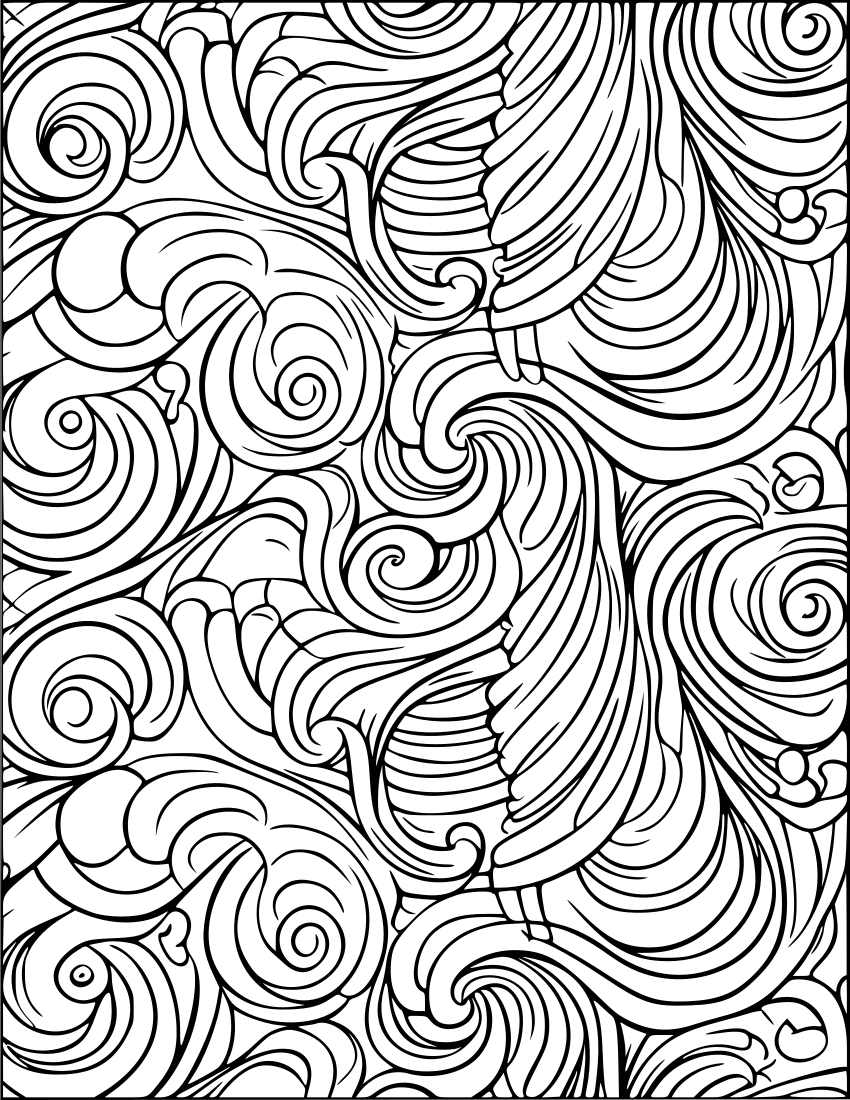
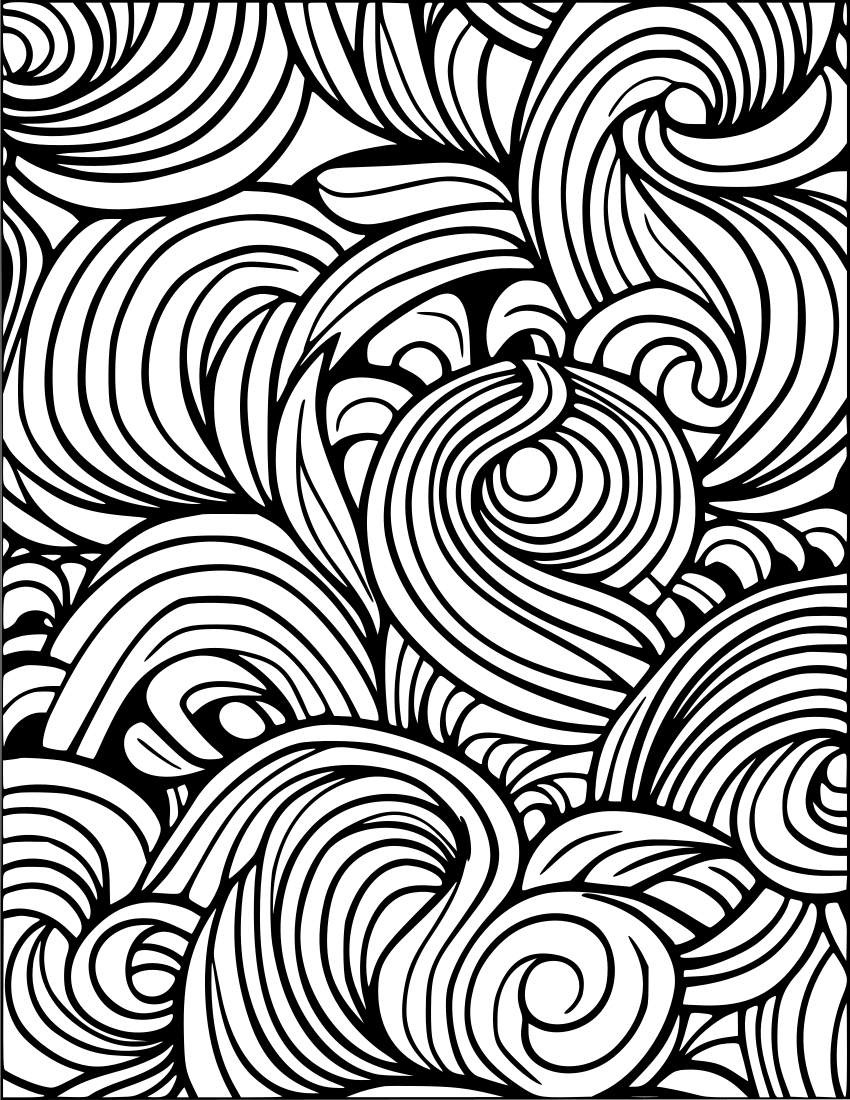
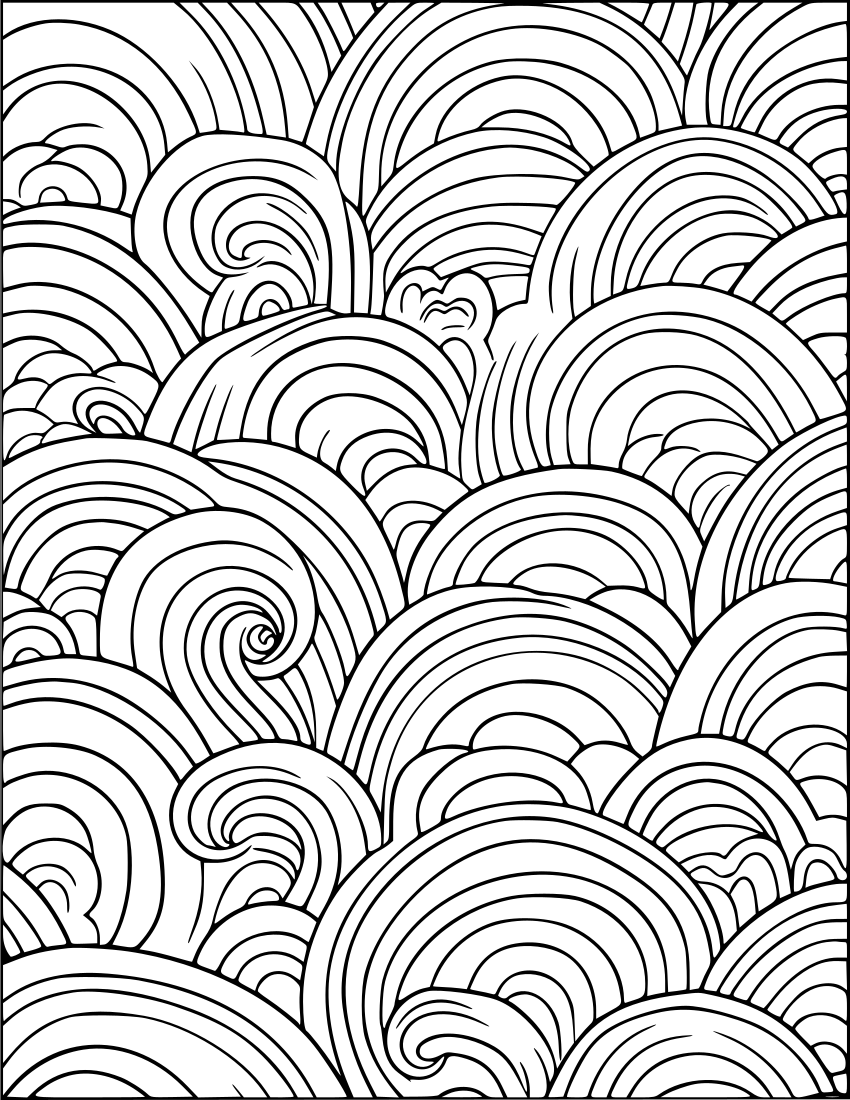
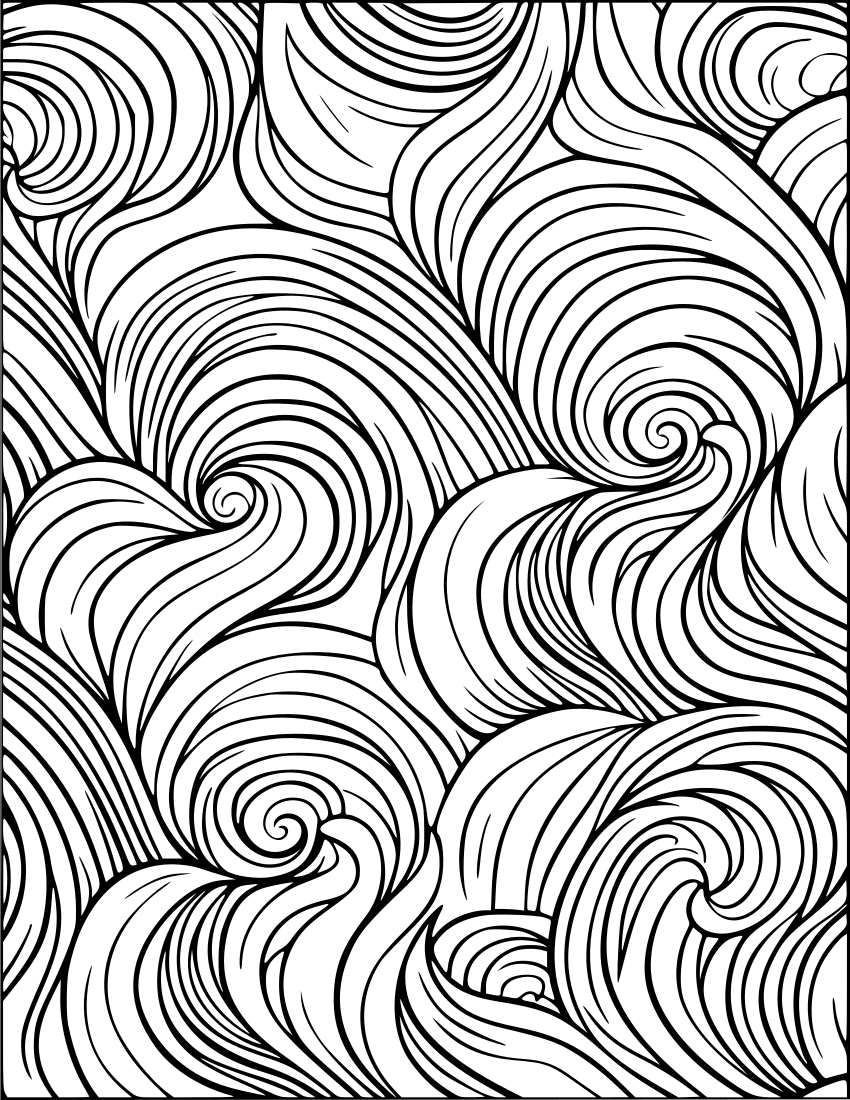
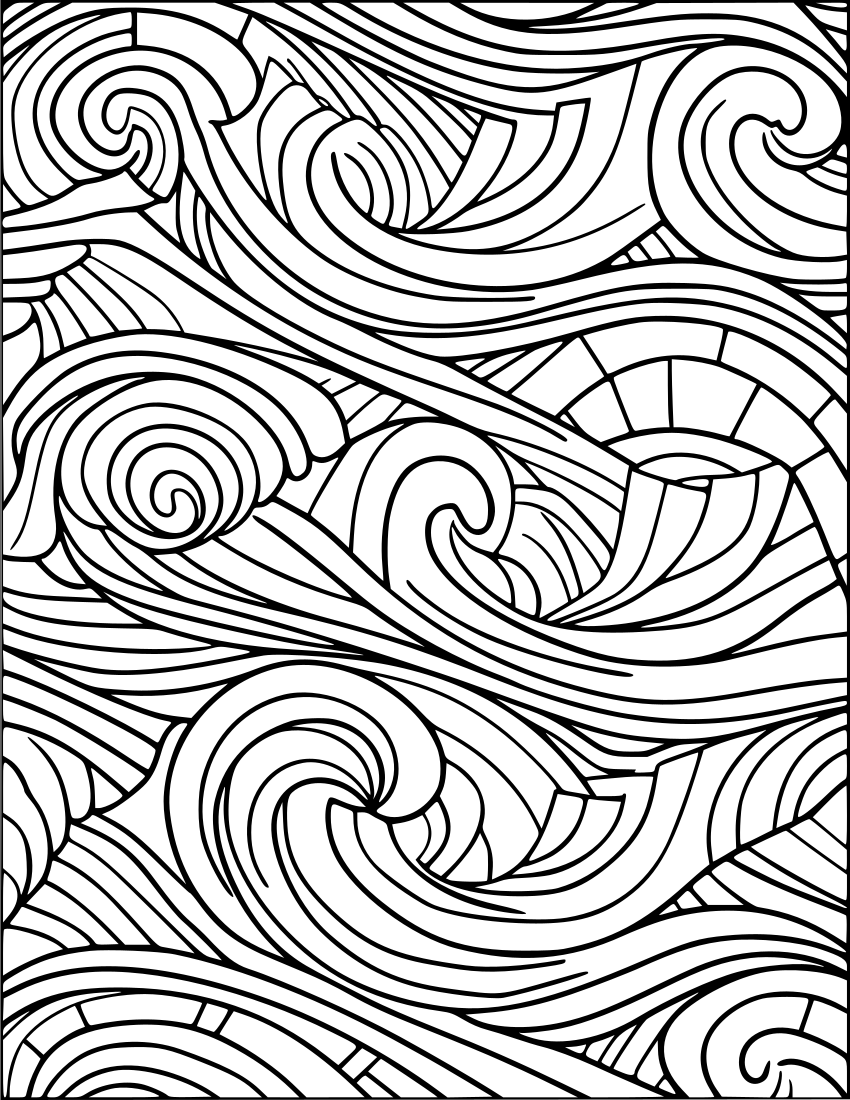
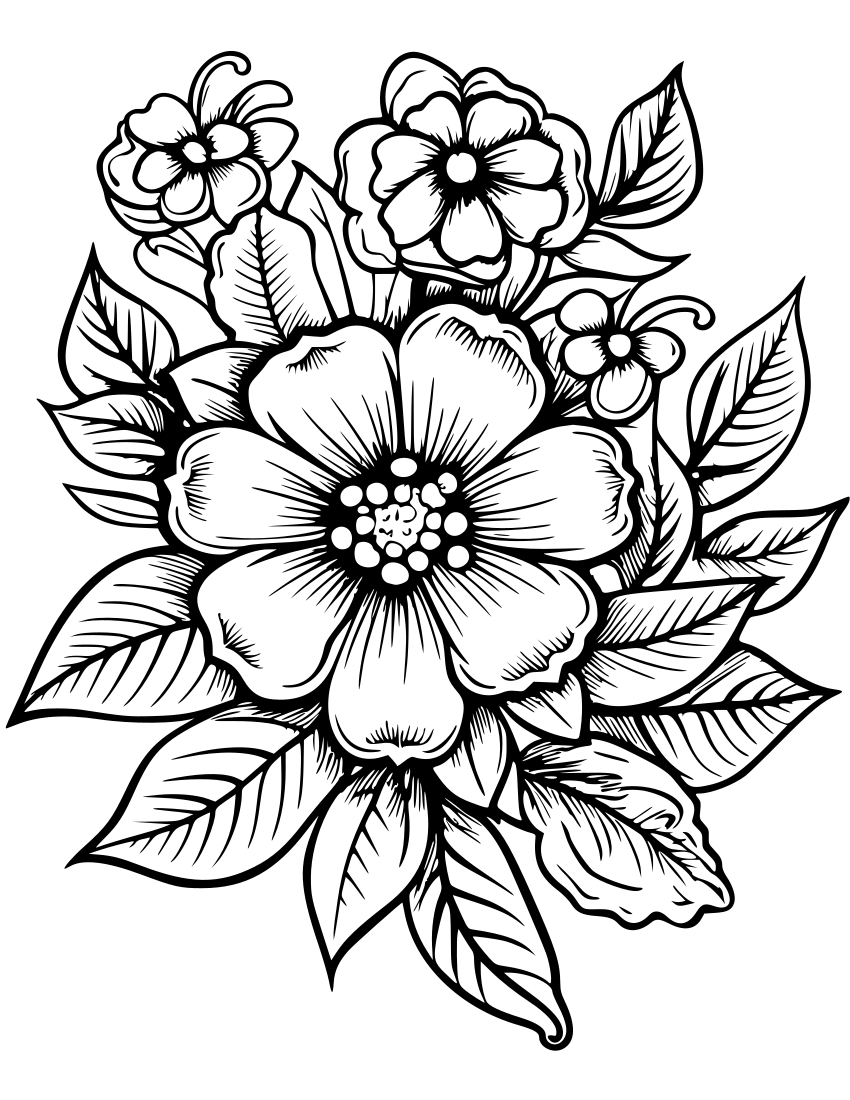
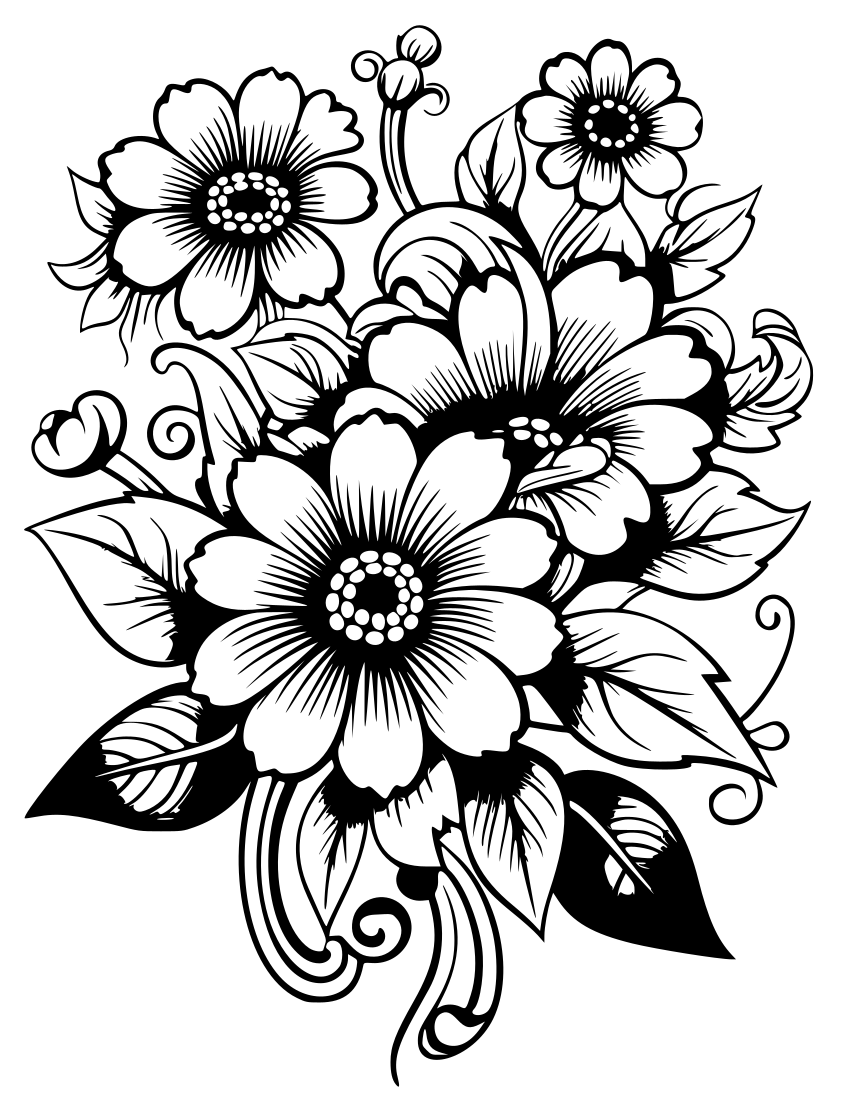
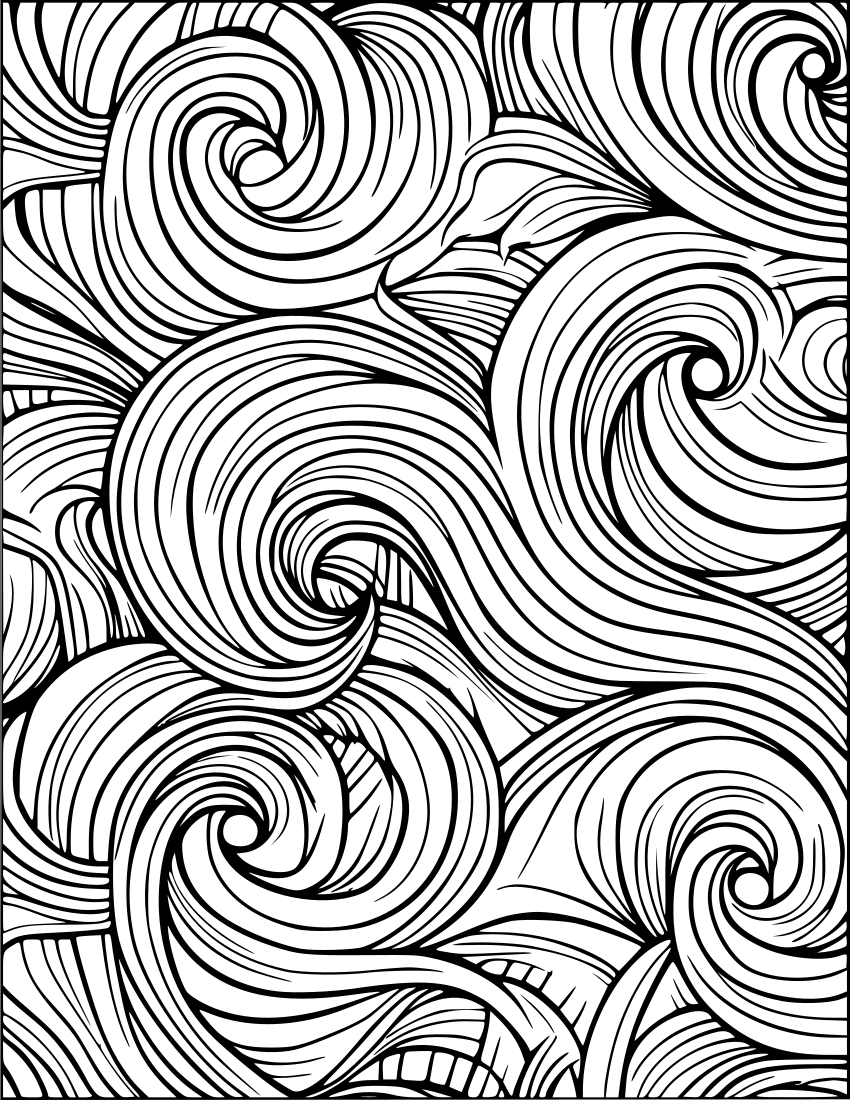
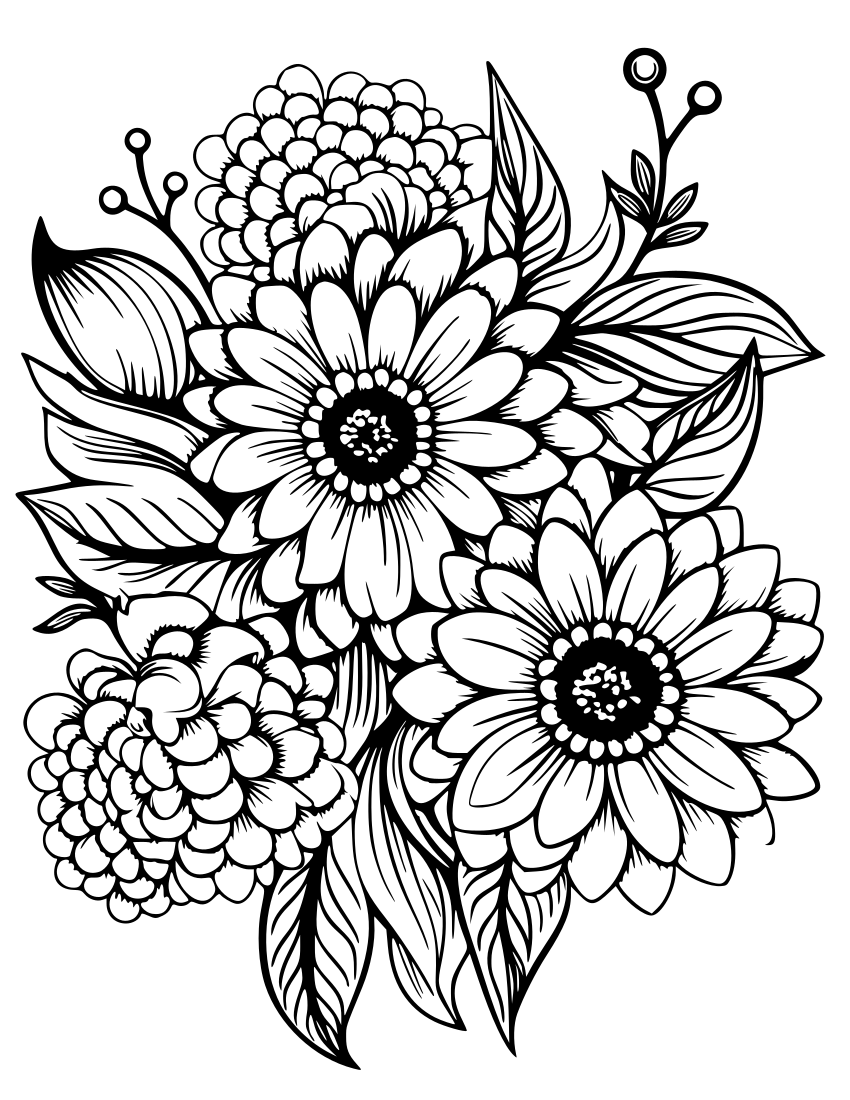
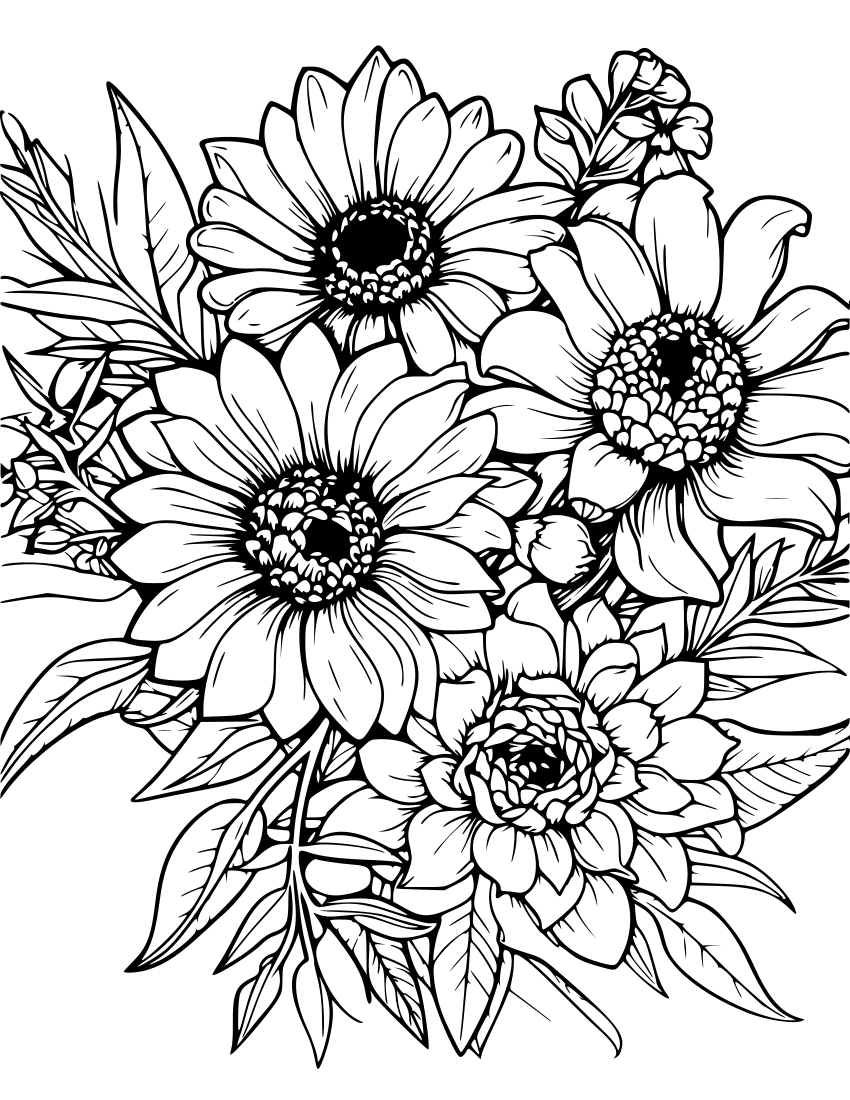
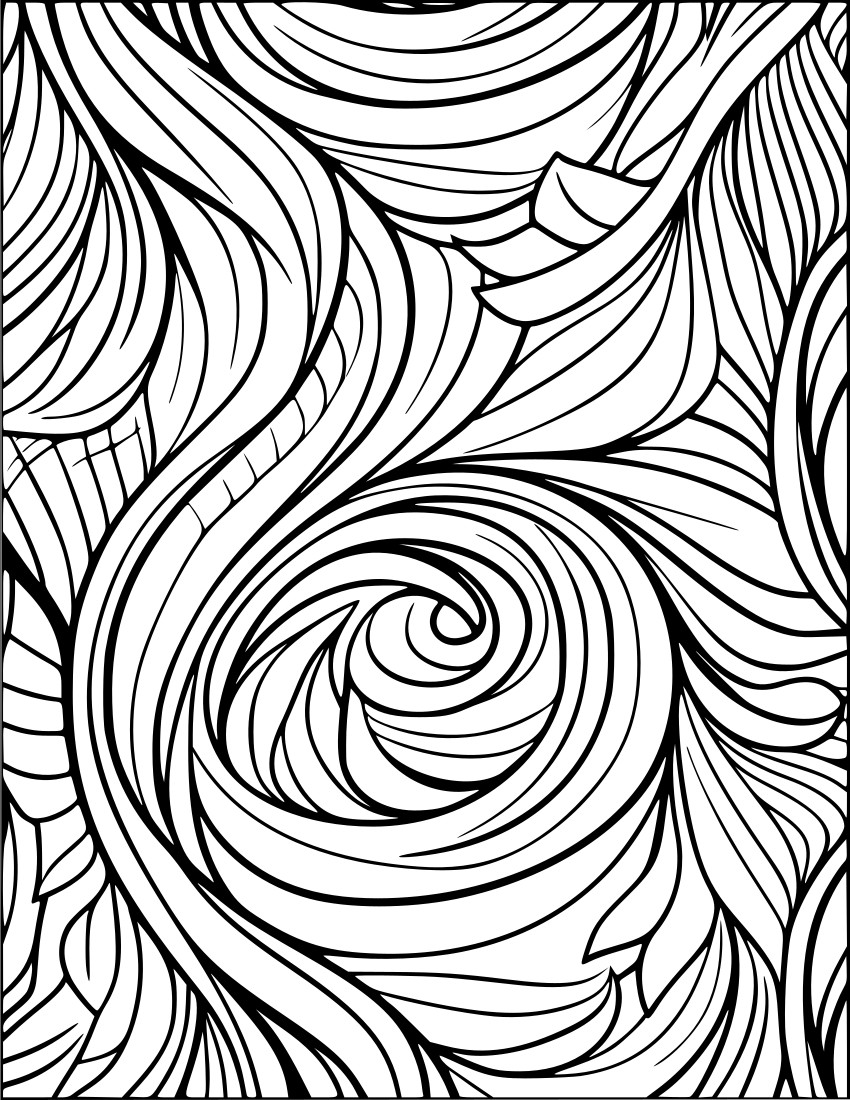
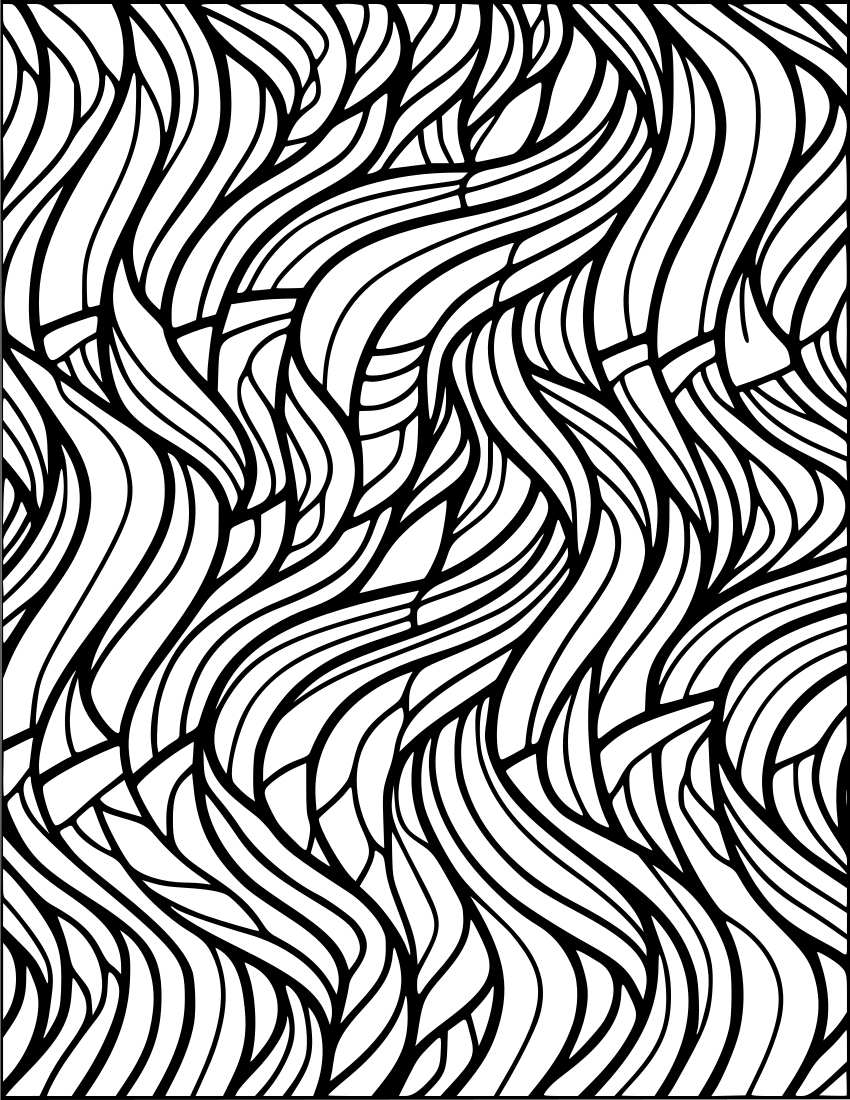
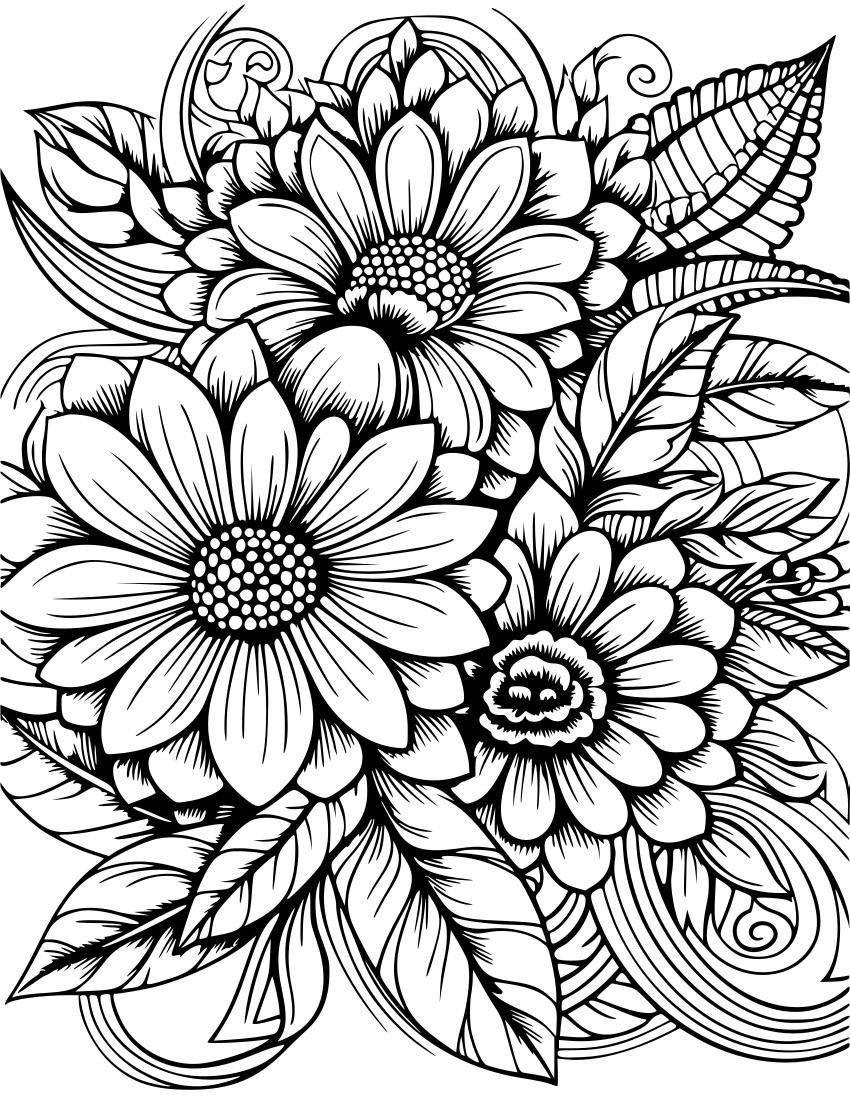
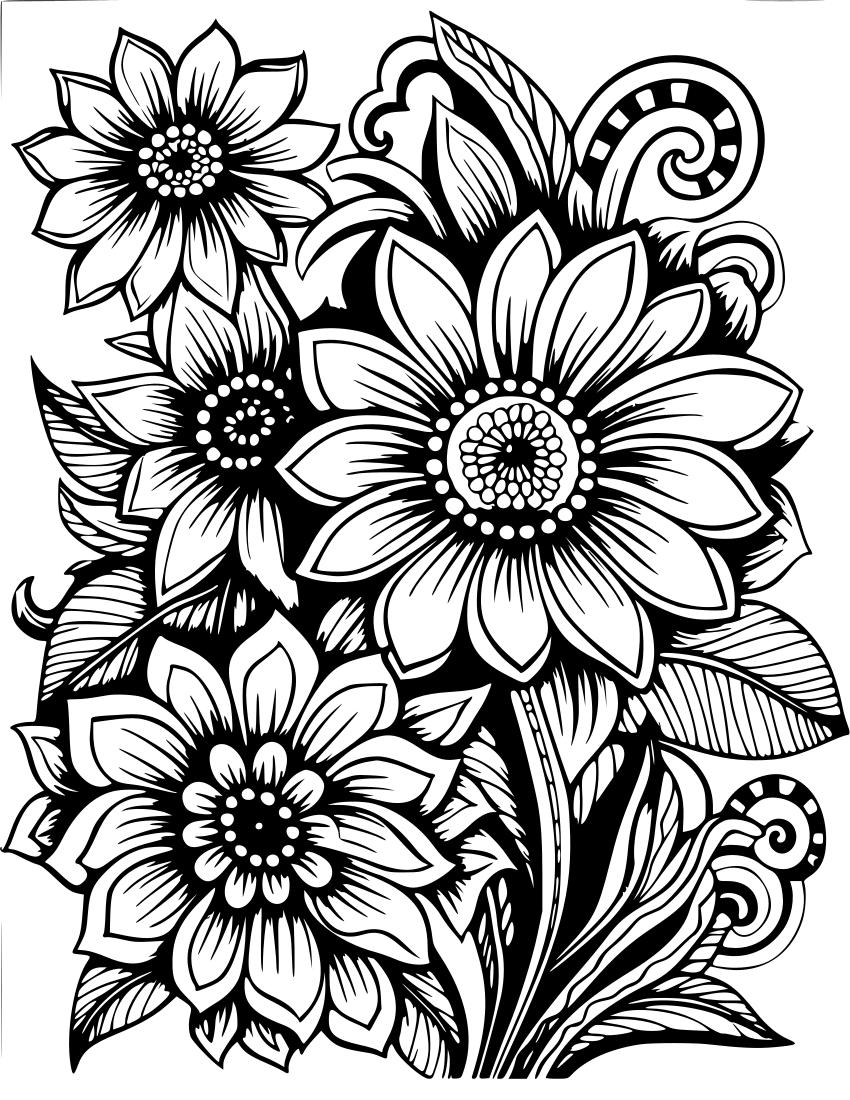
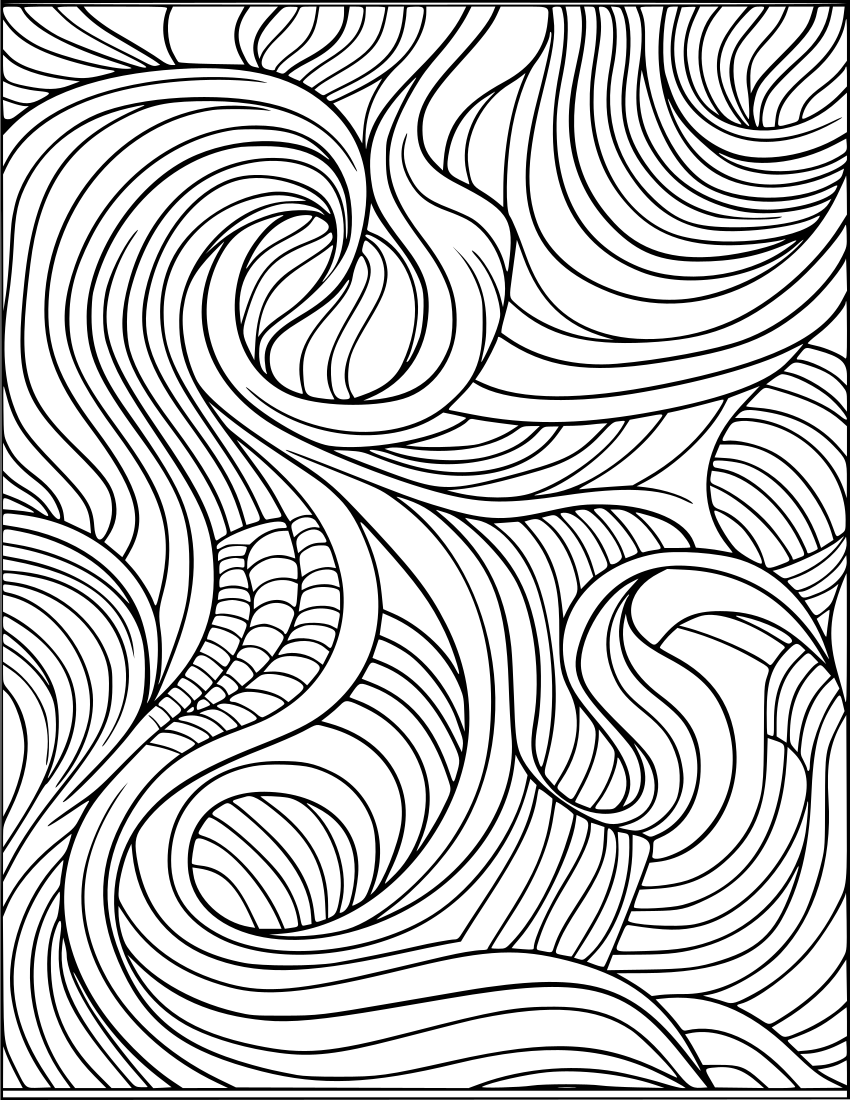
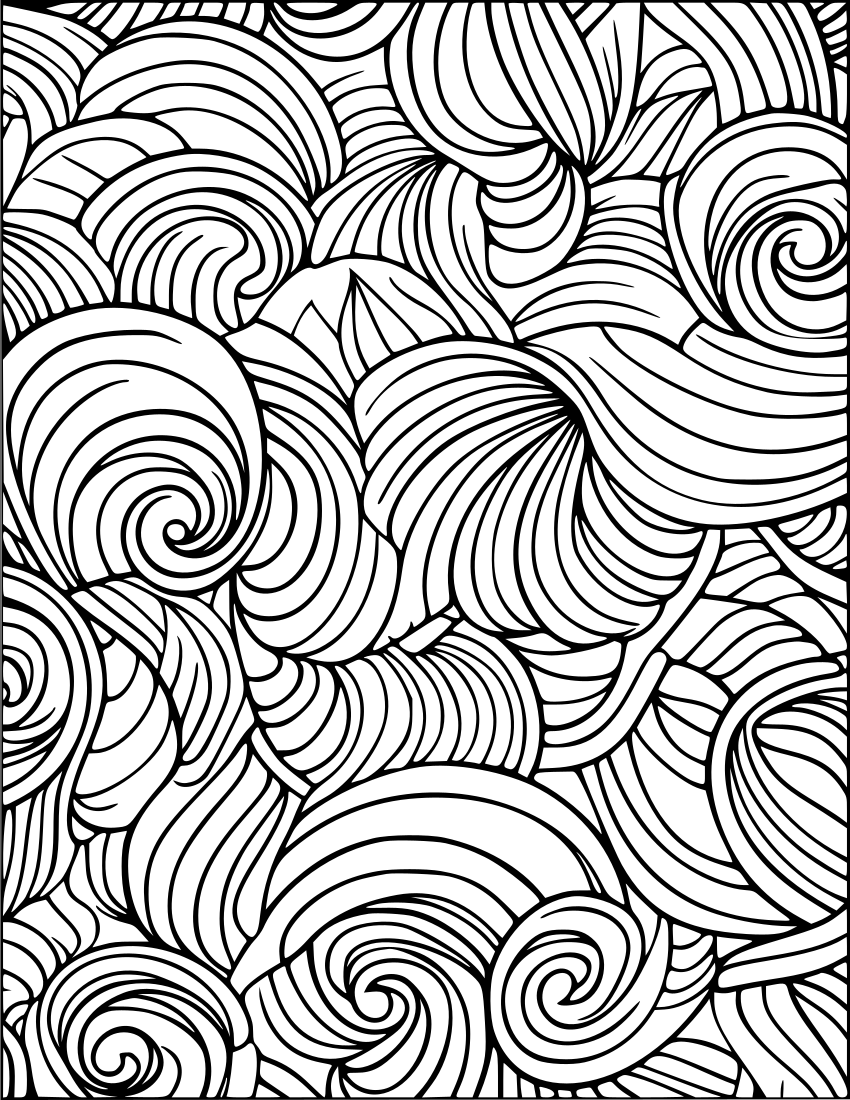
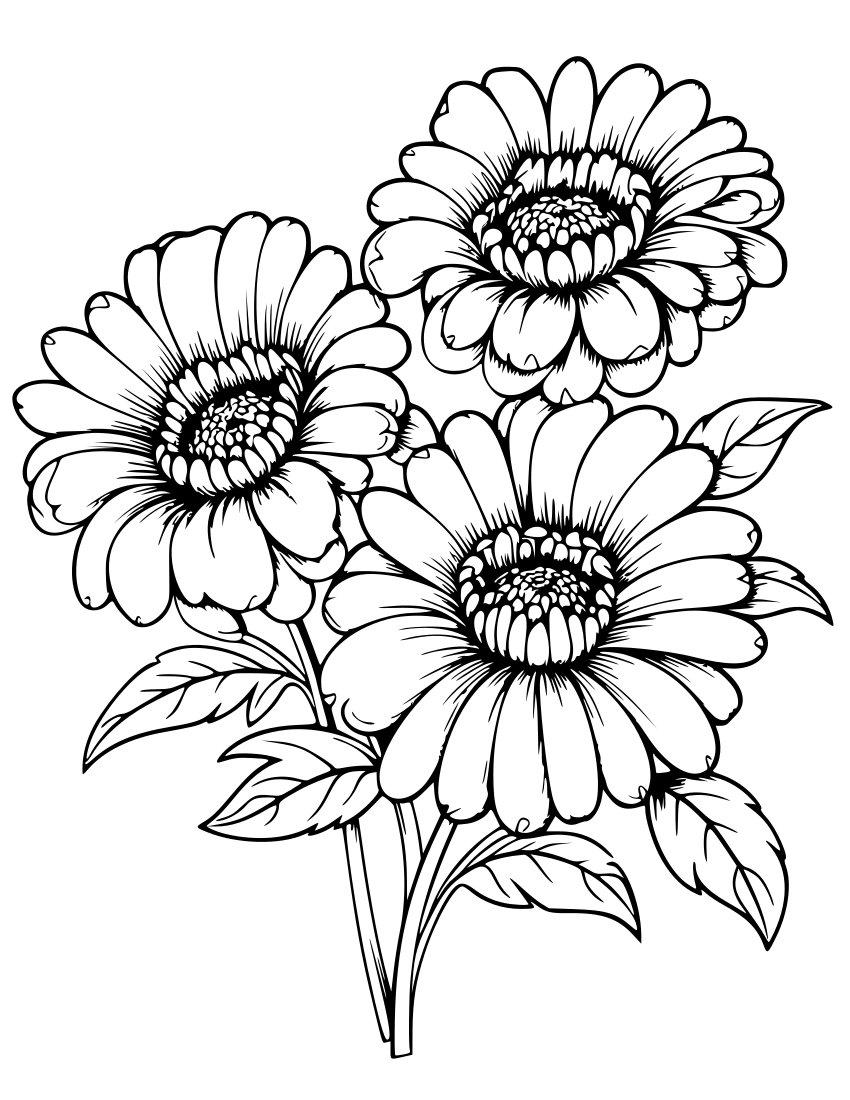
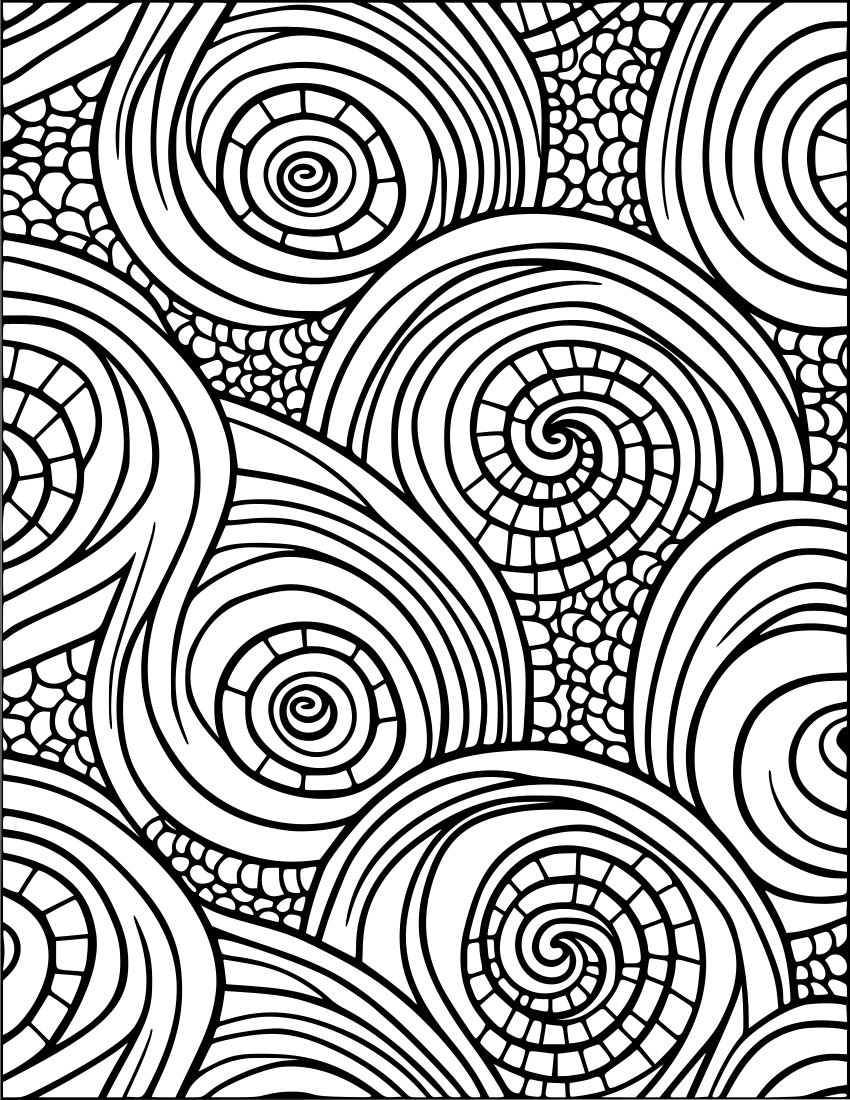
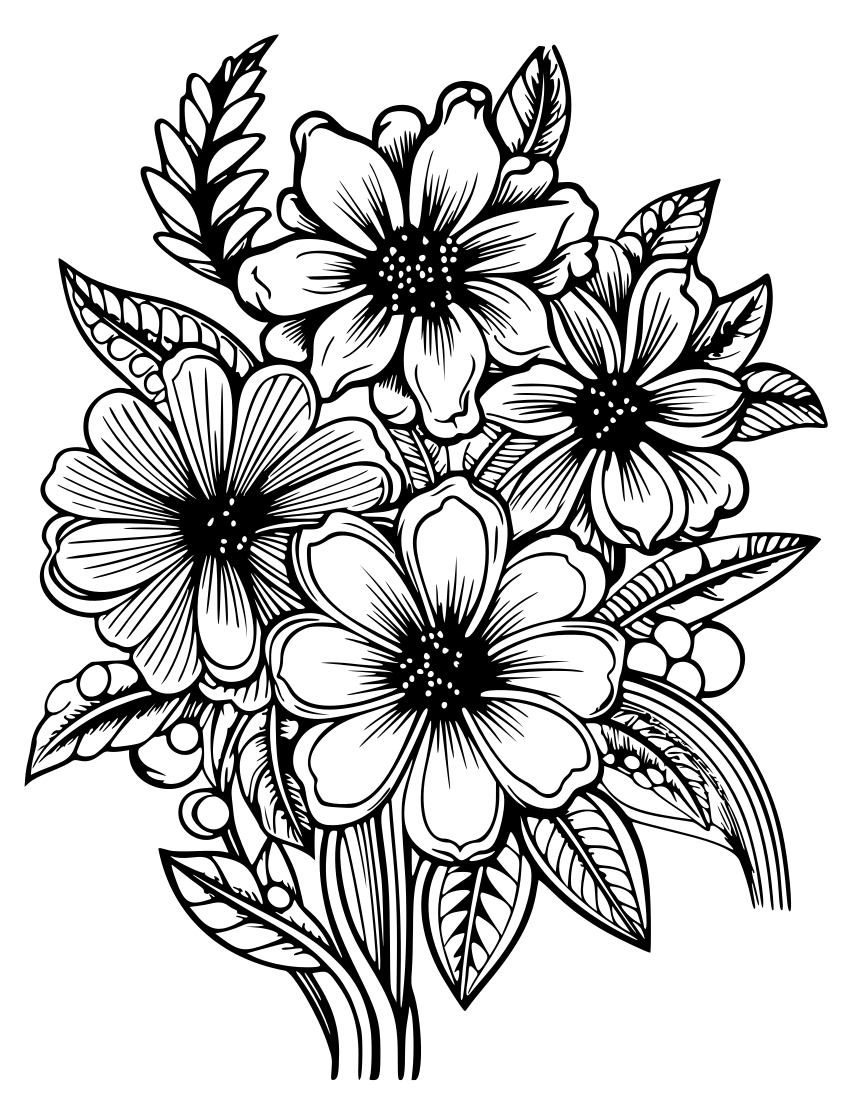
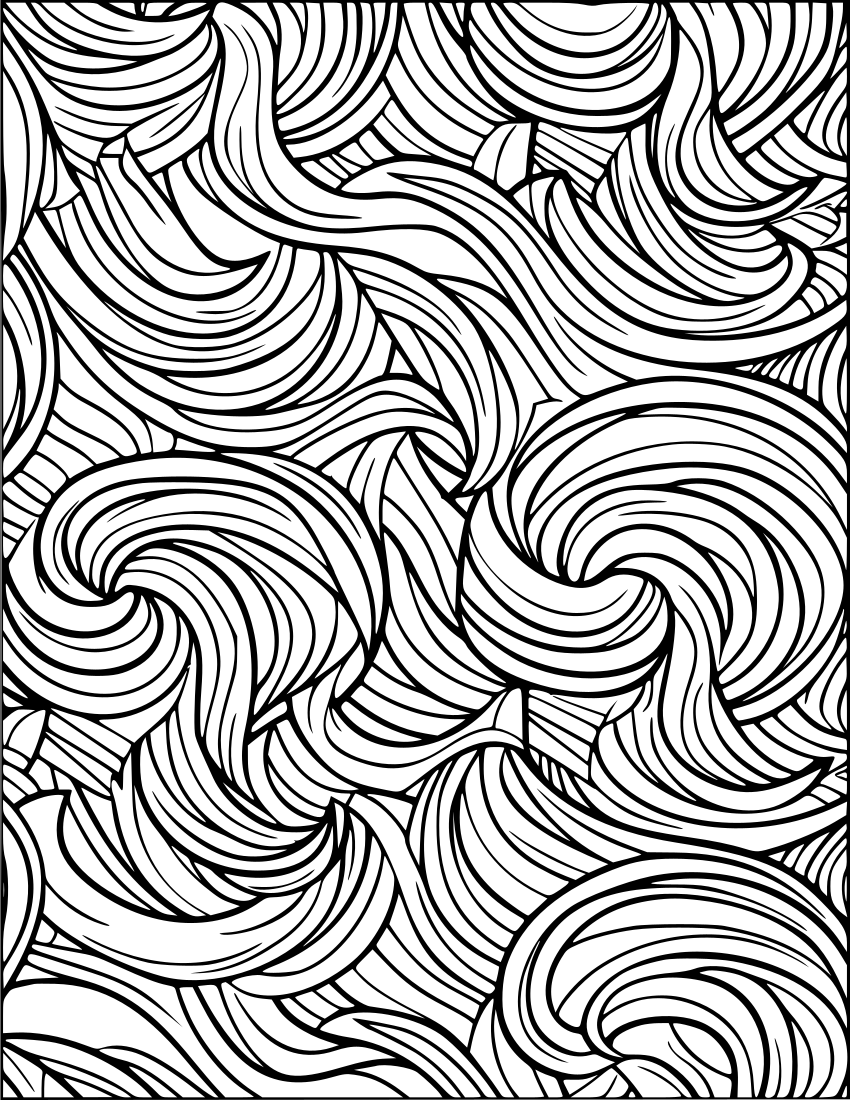
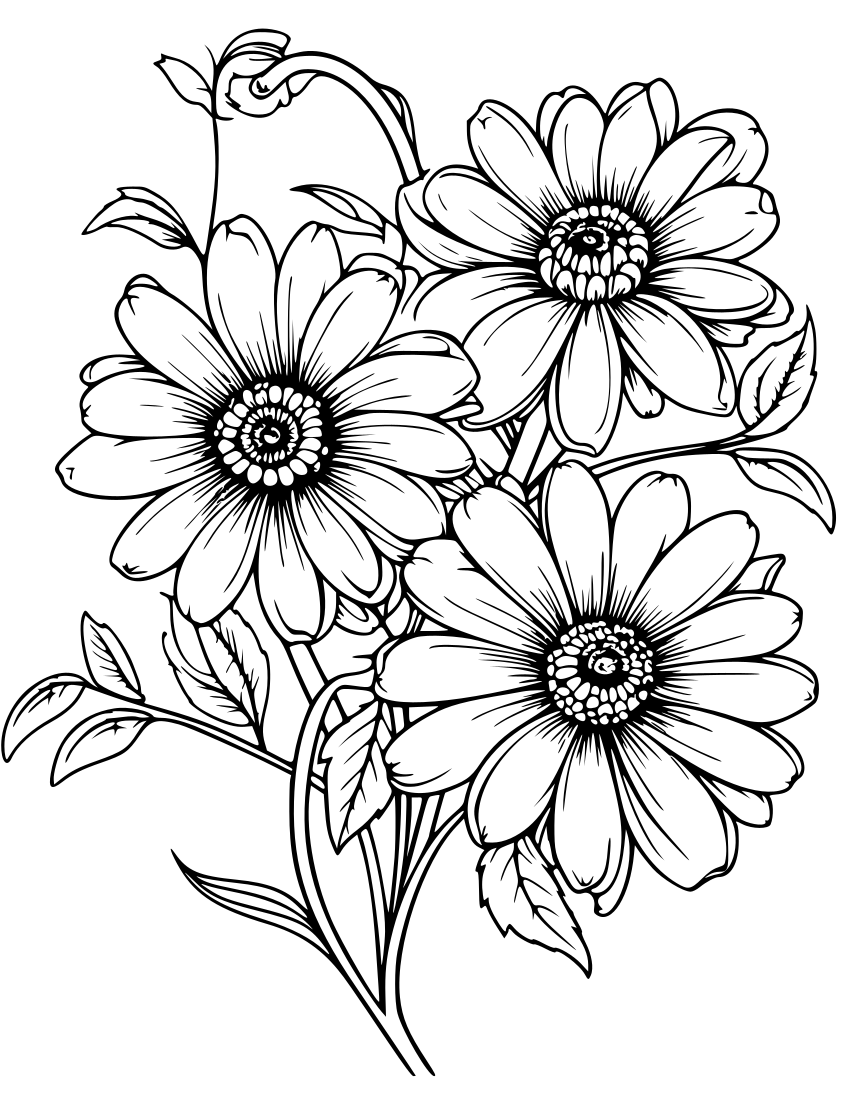
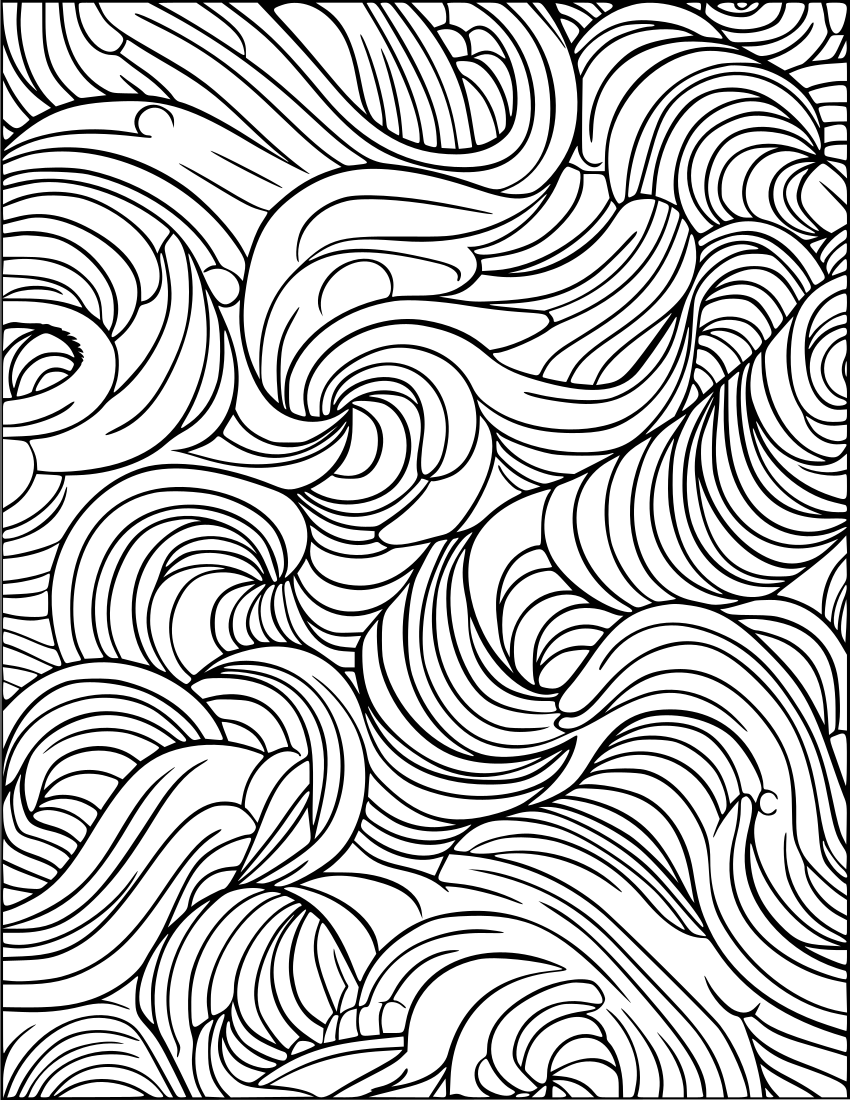
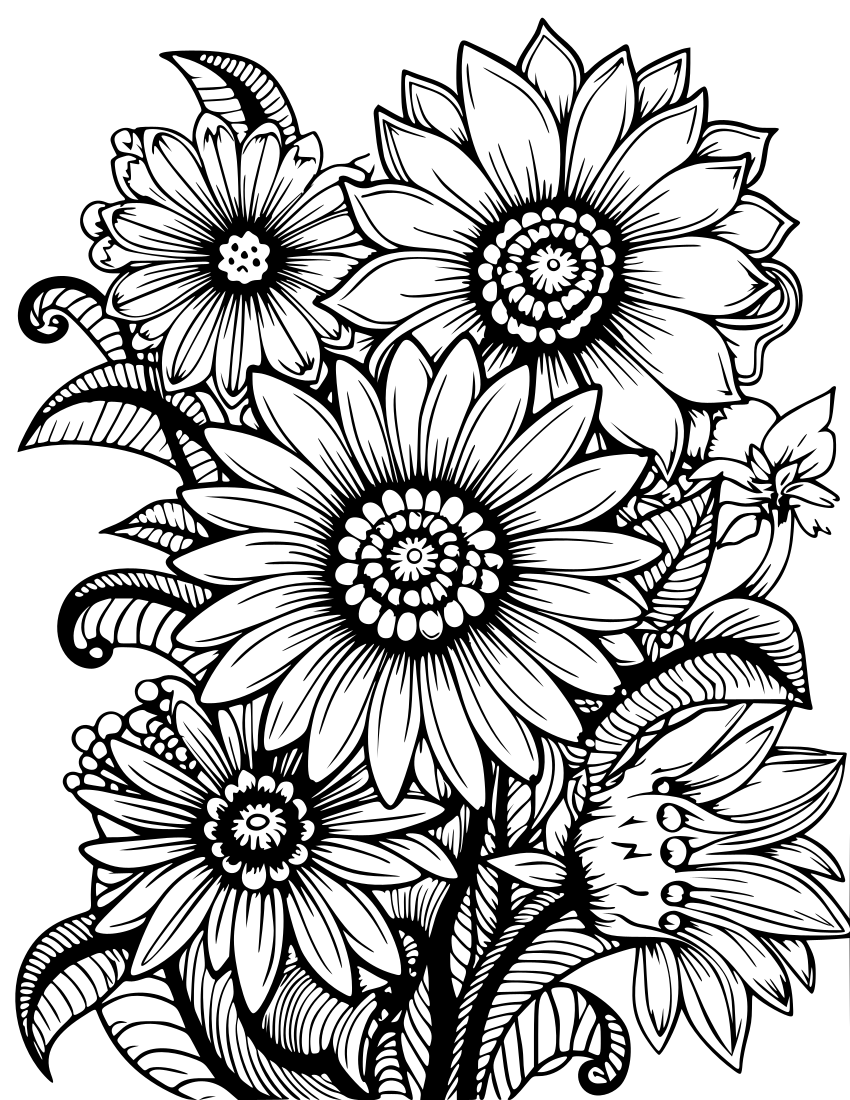
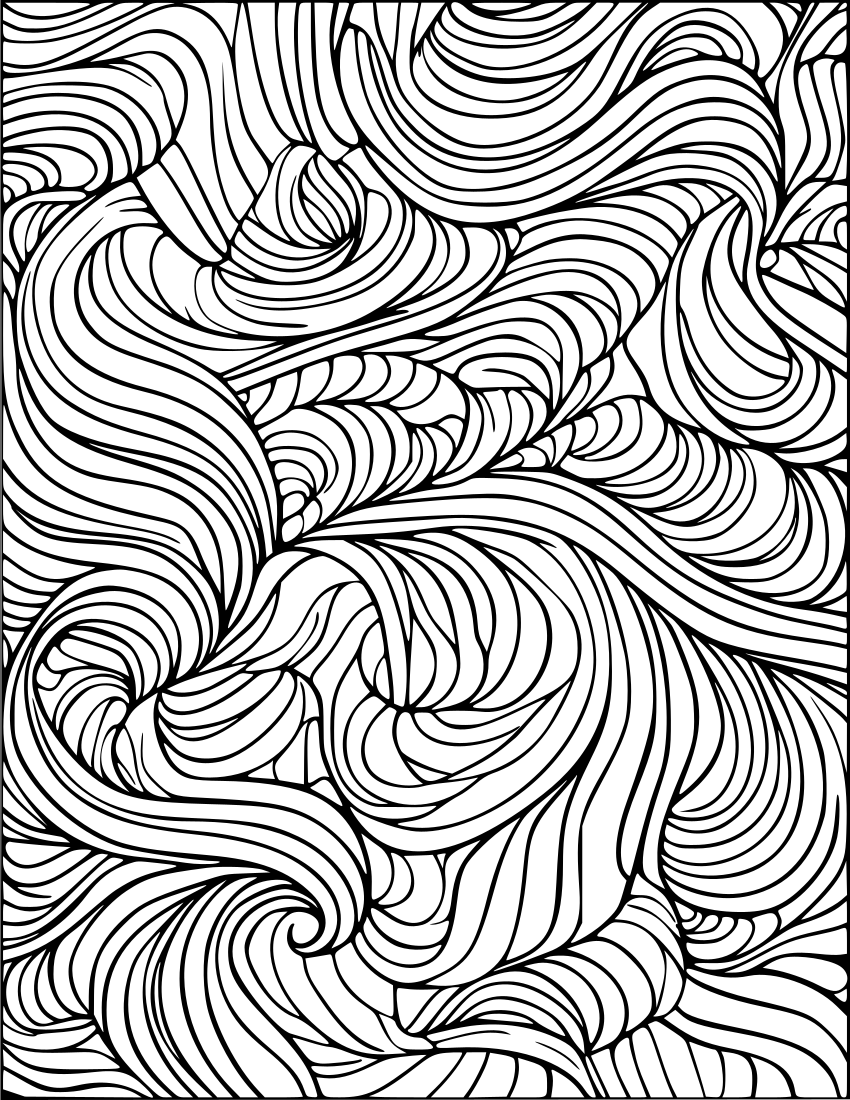
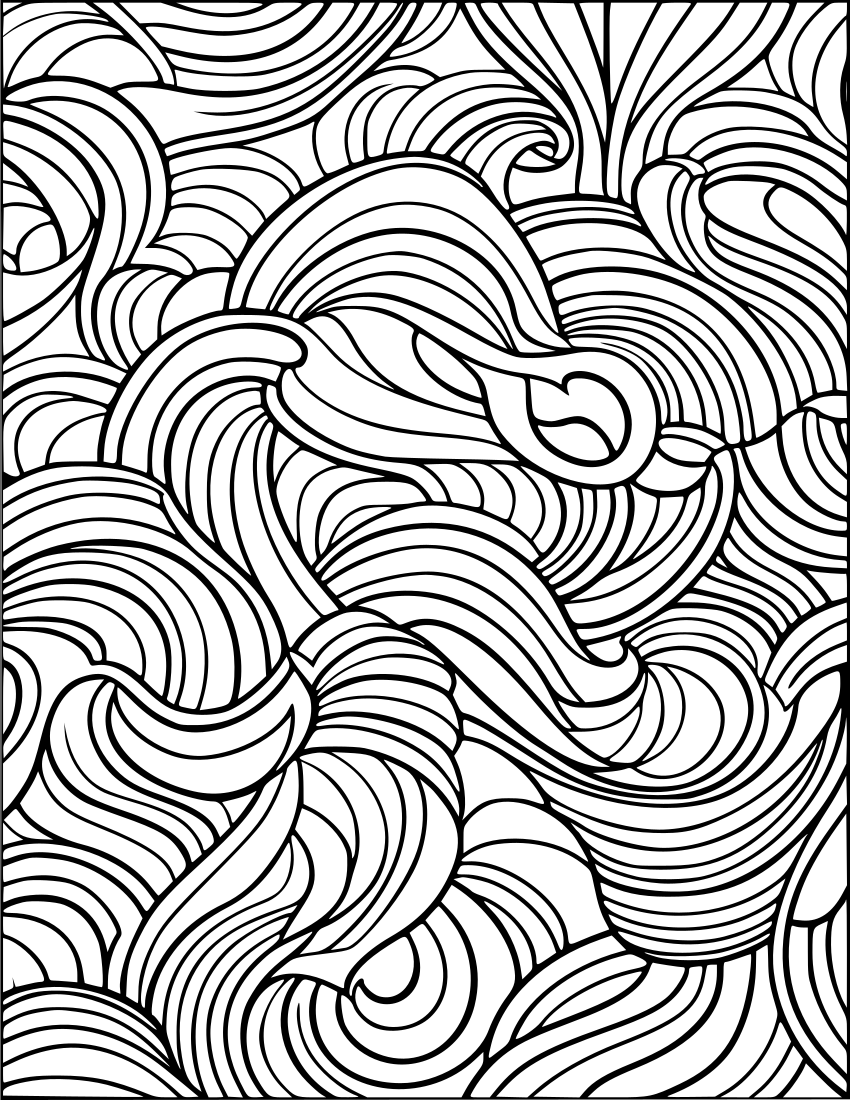
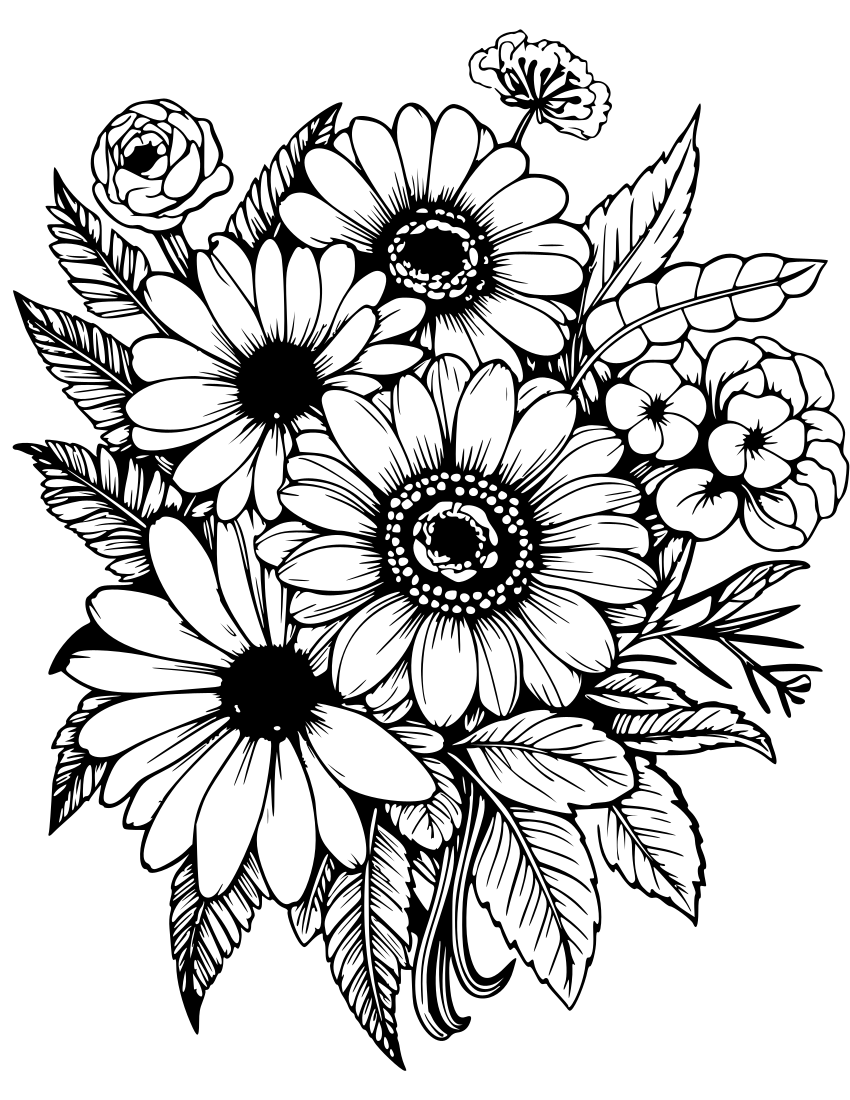
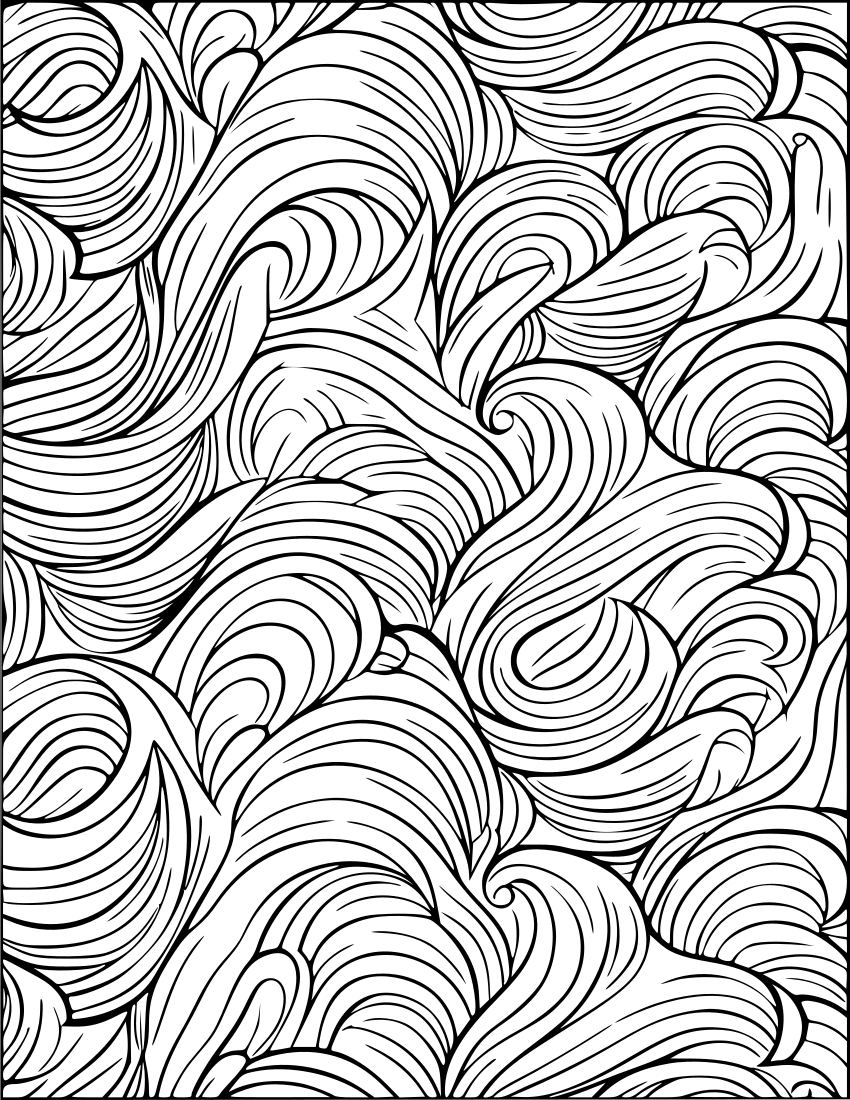
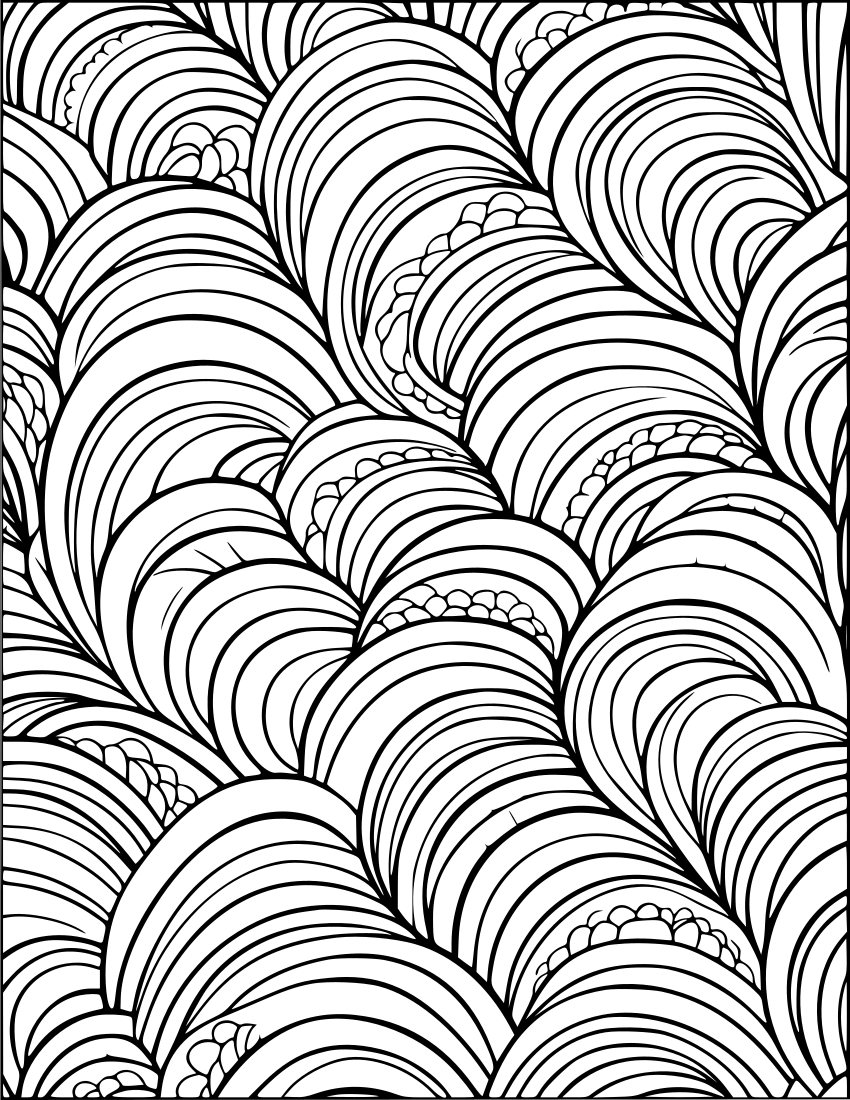
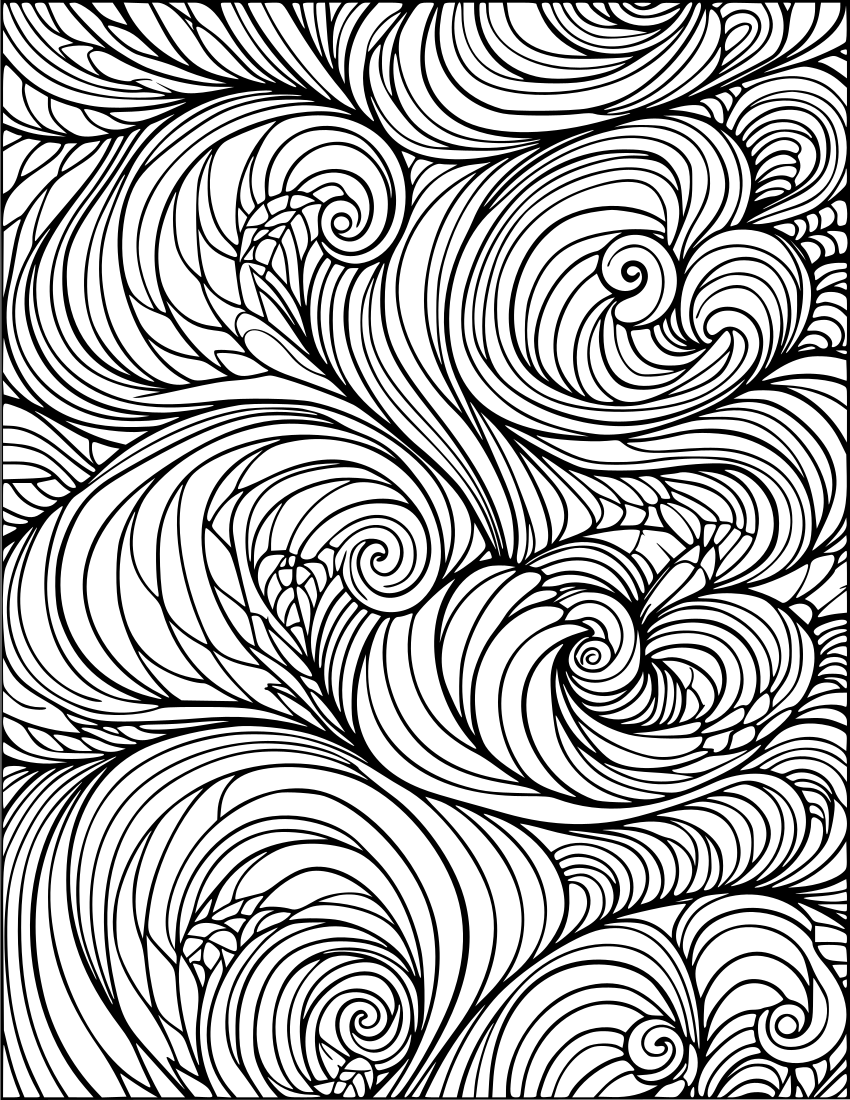
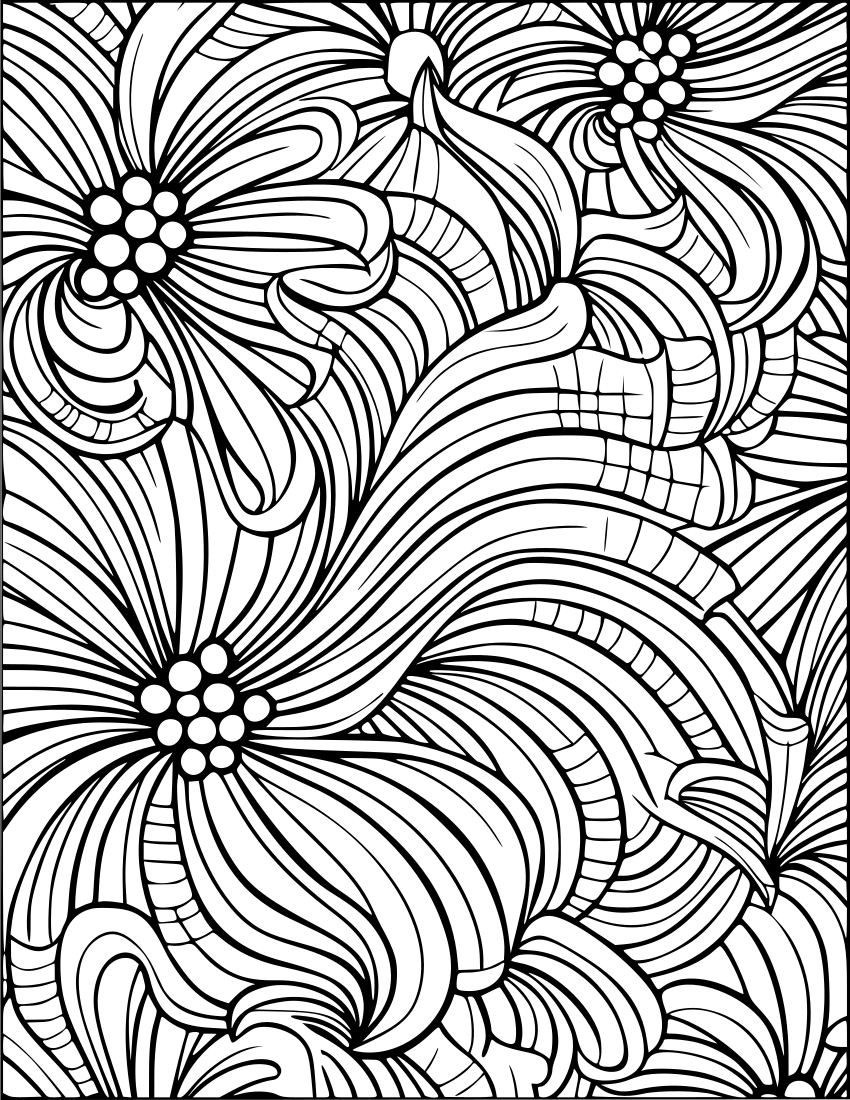
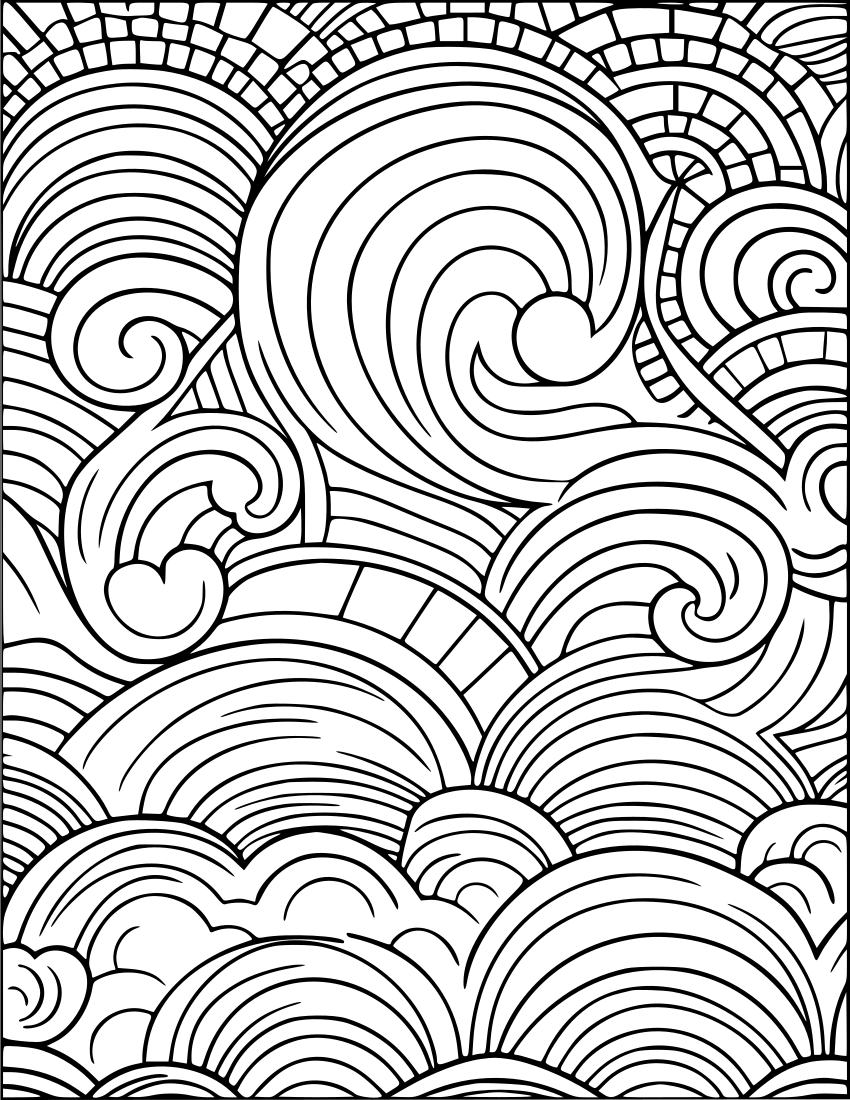
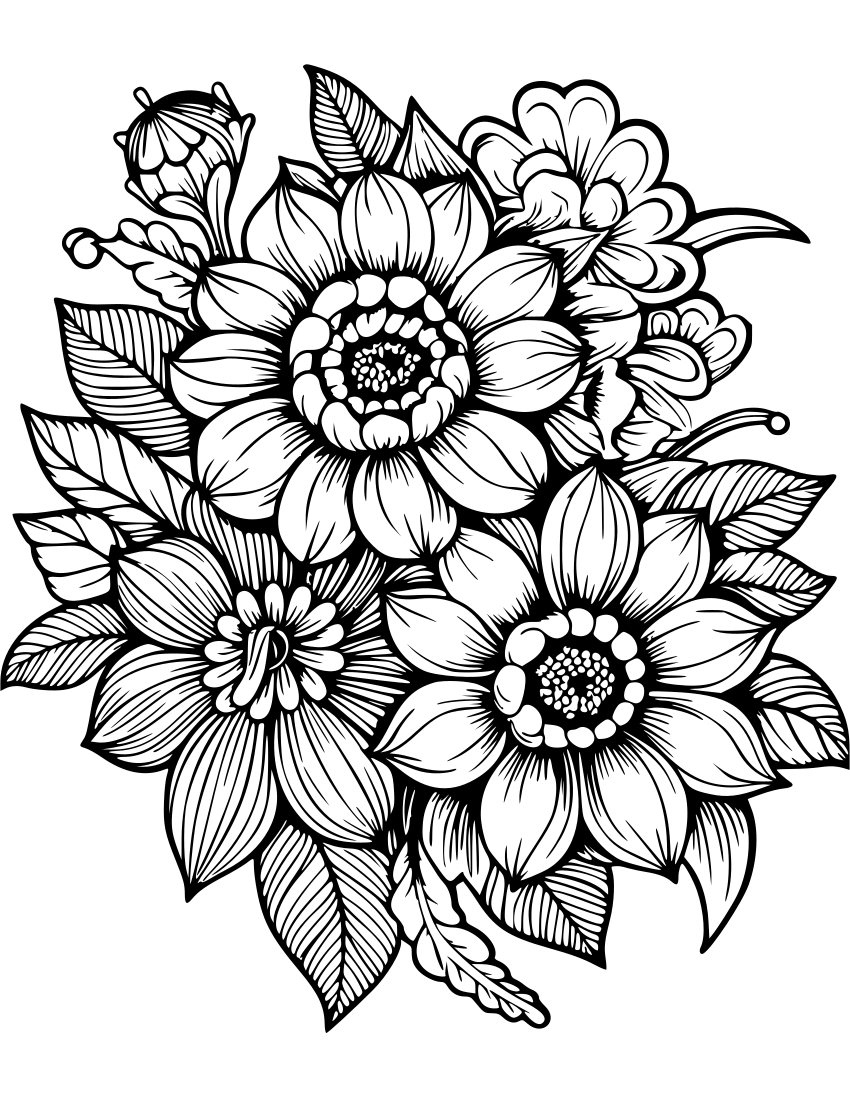
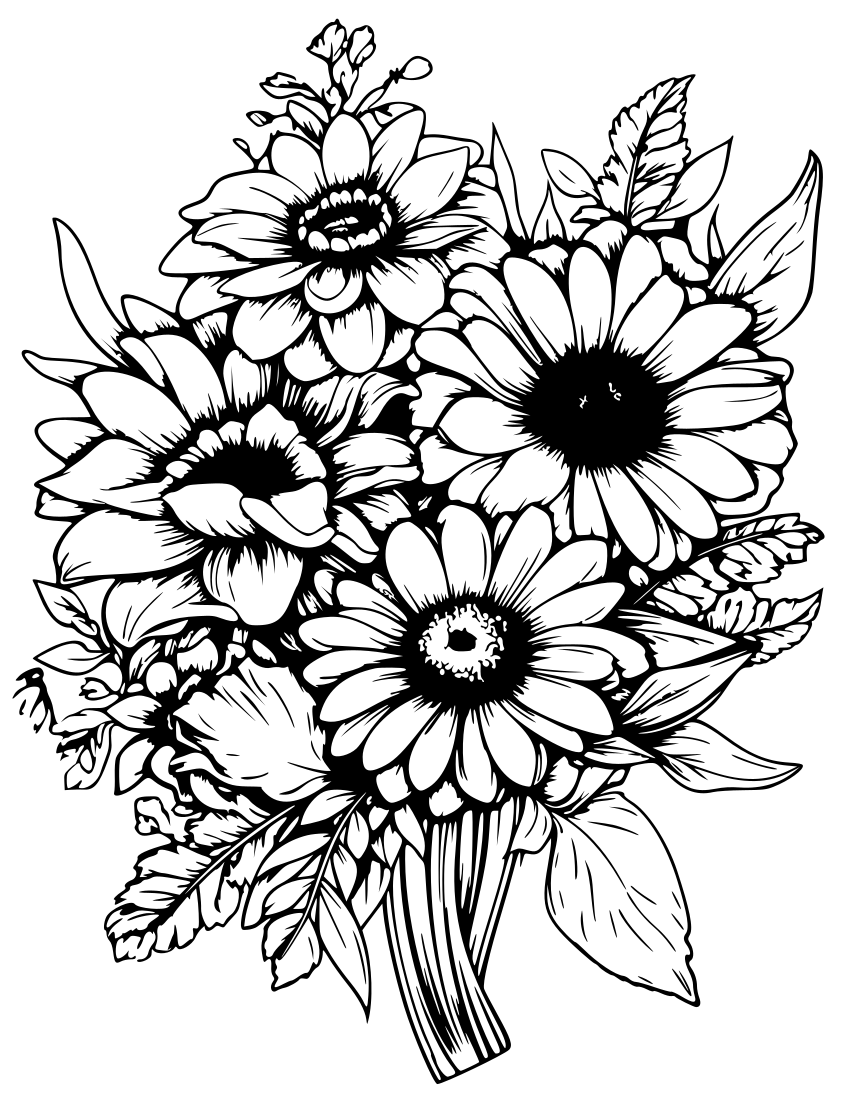
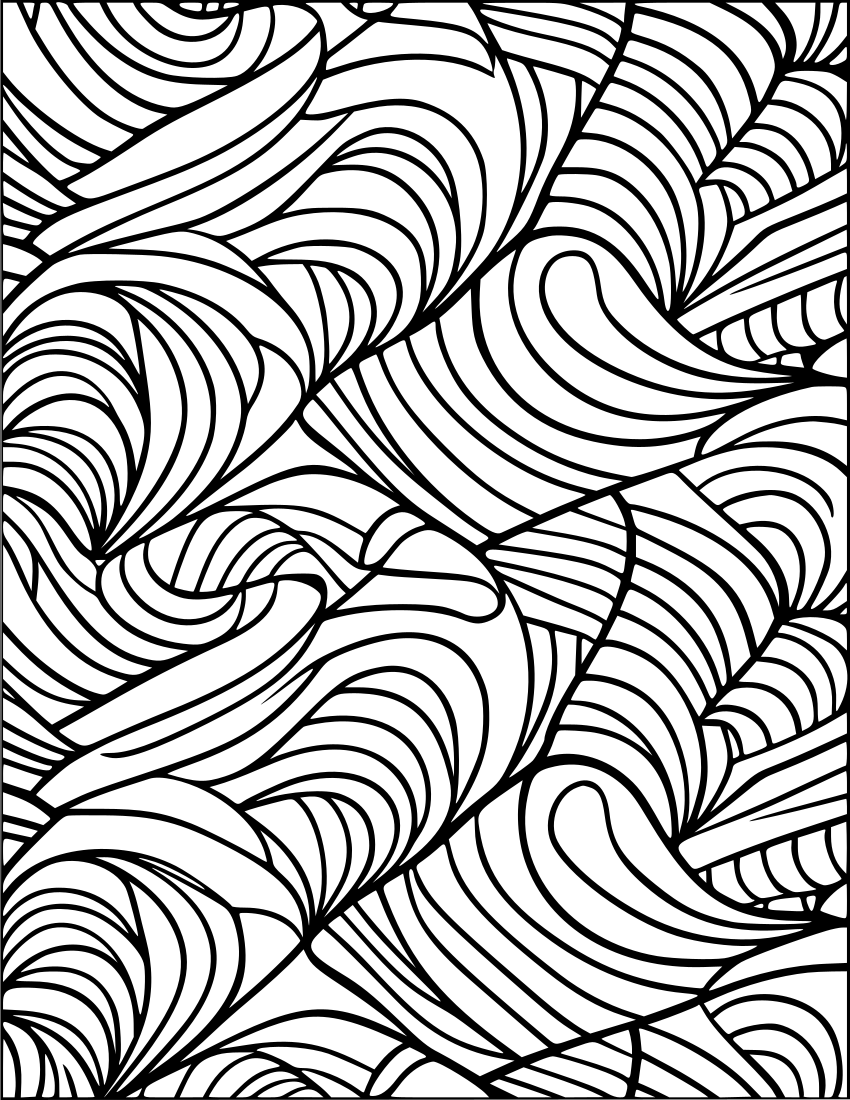
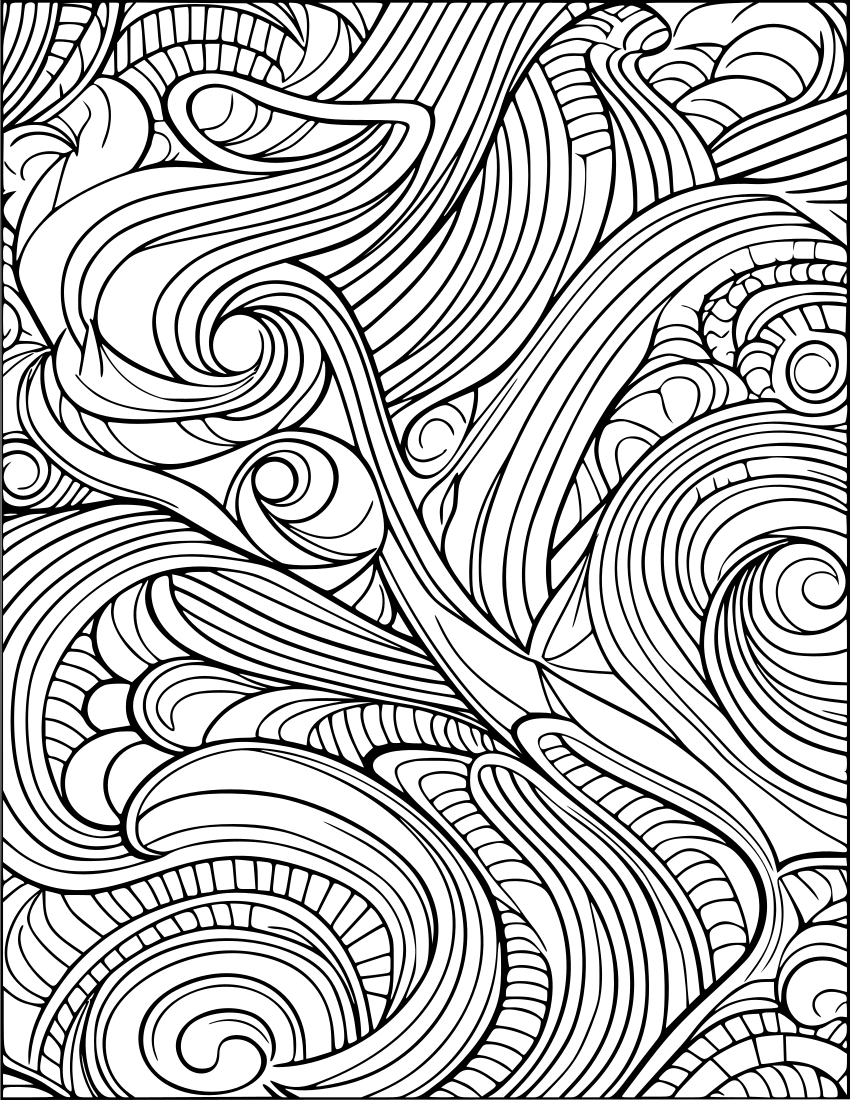
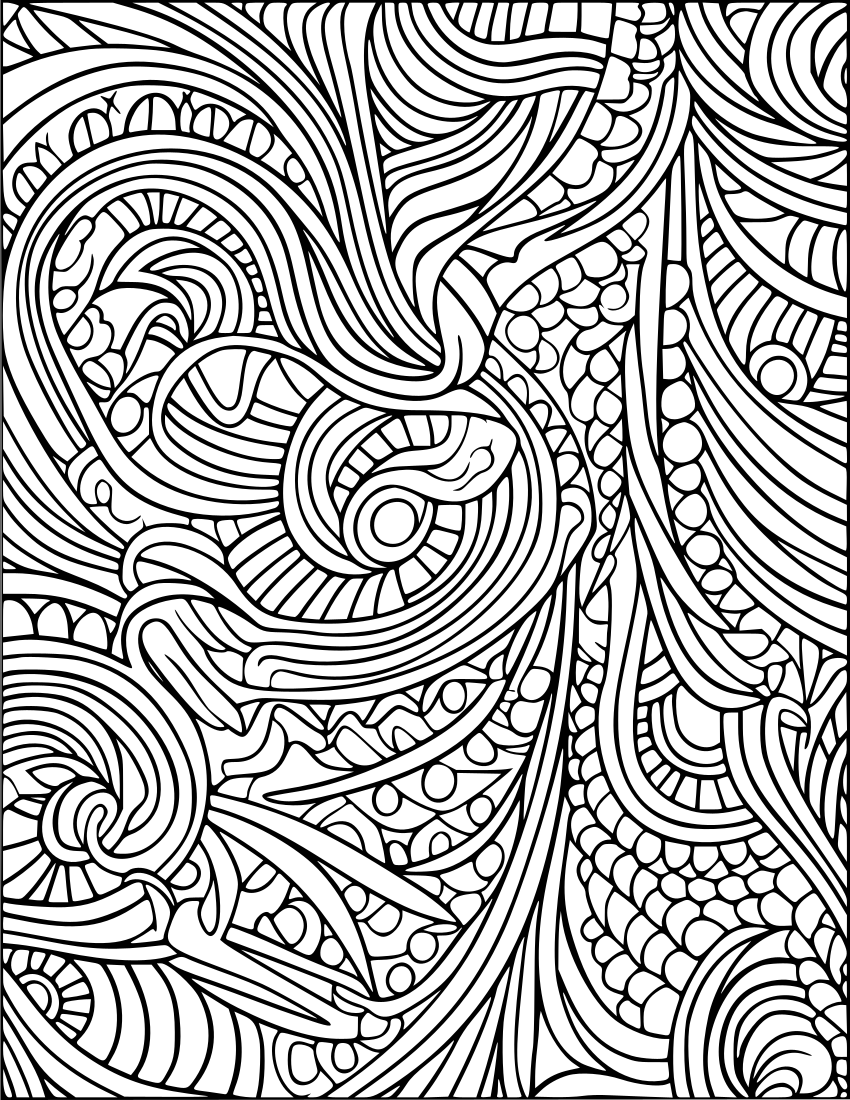
- Abstract pattern tiles (390+ designs) — Pure pattern compositions organized into thematic series: abstract patterns (arc, bloom, branch, cascade, cloud, coil, crystal, curl, drift, feather, lattice, leaf, plume, ripple, river, strand, tendril, vine, weave, whirl), botanical patterns (drawing from botanical illustration's tradition of precise, organic line), and wave patterns (fluid, flowing forms inspired by water in motion). These tiles are the most approachable starting point for new colorists — well-defined sections, consistent complexity, deeply satisfying to complete.
Why Zen Coloring Works — The Science
You don't need to subscribe to any spiritual tradition to benefit from zen coloring. The effect is largely physiological.
When you concentrate on filling a repeated pattern — deciding which color goes where, keeping your strokes within the lines — your attentional resources narrow. The prefrontal cortex, which governs planning and self-monitoring, stays gently engaged. The amygdala, which generates stress and anxiety responses, quiets down. This is the state clinicians call "focused attention mindfulness" — and it's considerably more accessible than sitting still with your eyes closed for 20 minutes.
Studies on repetitive fine motor tasks consistently show reduced cortisol levels, lower heart rate and improved mood. Art therapists have used mandala and pattern coloring clinically for decades — with adults recovering from trauma, with children managing ADHD, with patients in palliative care. The "no mistakes" philosophy built into zentangle work is particularly effective for people with anxiety: when there is no wrong answer, the inner critic has nothing to say.
In practical terms: people who color zen patterns regularly tend to report feeling calmer during sessions, sleeping better when they color in the evening, and having an easier time returning to focused work afterward. Even 20 minutes makes a measurable difference.
How to Color Zen Pages — A Practical Guide
The Section-by-Section Approach
The golden rule of zentangle coloring: complete one section before moving to the next. Don't try to apply a single color across the whole design — you'll lose your place and the pattern will dissolve visually. Instead, identify the natural sections (each different tangle motif, each ring in a mandala) and treat them as individual units. This approach keeps you in the zone and makes the finished result look intentional rather than chaotic.
Tools by Design Type
- For zentangle animals — Fine-tipped felt-tip pens (0.4–1 mm tip) are ideal. The intricate pattern sections are often very small, and fine-point pens give the control you need. Staedtler Triplus and Stabilo 88 are reliable and affordable; Micron fineliners are a step up. For color, use these same pens in different colors — consistent line quality across the design is more satisfying than mixing media.
- For animal mandalas — A broader range of tools works well. Colored pencils for the fine geometric sections; felt-tip pens or alcohol markers for larger fills. The symmetrical structure means you can plan each "ring" as a unit. Work from the center outward, completing each ring fully before moving to the next.
- For abstract pattern tiles — The most forgiving group. Colored pencils, watercolor pencils, broad markers — all work. The sections are generally larger than zentangle animal patterns, so you have more flexibility. Try different tools on different tiles to discover your preference.
Choosing Colors
Pick 3–5 colors before you start rather than choosing as you go. Repeating the same set of colors in different sections creates visual harmony automatically. For zen patterns specifically, consider: a dark base color for the background sections, a mid-tone for the main pattern, and a light accent for highlights. This three-value structure — dark / mid / light — gives depth to even simple coloring.
The White Gel Pen Finishing Touch
A white gel pen transforms any completed zen coloring page. Use it to add small highlight dots at the intersections of pattern lines, fine accent strokes along edges, or tiny circular highlights in pattern elements. This technique — borrowed from professional illustrators — adds a luminous quality to finished work that no other tool produces. It's the last step, done after all other color is complete.
Color Palette Ideas for Zen Pages
- Grayscale + one accent — Fill the entire design in black, grey and white, then add a single accent color (deep teal, burnt orange, or gold) to the outermost ring or the central element. Sophisticated and striking — looks like professional graphic art.
- Jewel tones — Deep emerald, sapphire blue, rich purple, ruby red. Saturated, dark, luxurious. Works beautifully on animal mandalas. The dark values make fine pattern lines pop.
- Earth and nature — Warm ochre, burnt sienna, moss green, terracotta, cream. Organic and grounded. Particularly suited to botanical pattern tiles and animal-themed designs.
- Monochromatic gradient — Choose one color (e.g., blue) and use five different shades from very light to very dark, assigning them to successive rings or sections. The result has extraordinary visual depth from complete simplicity.
- Night sky — Deep navy and black backgrounds with silver, white and pale blue pattern lines. For animal mandalas, this palette makes the mandala appear to float. White gel pen is essential.
Printing Your Zen Coloring Pages
All 473 zen coloring pages in this collection are available as high-quality PDFs. A few tips for a clean result:
- Print at High or Best quality — zen patterns have very fine lines that will look blurry at standard quality on many printers.
- Use A4 or US Letter for standard printing. A3 gives significantly more working space for intricate zentangle designs — if your printer supports it, the larger format is highly recommended for these pages.
- For felt-tip pens or alcohol markers, use card stock or marker paper to prevent bleed-through.
- Print in black ink only when your printer prompts — these are black-line designs. Do not use the "grayscale" option as it adds a grey tint to the white areas.
All zen coloring pages on this collection are free to print as many times as you like, for personal use, therapeutic sessions, classroom activities or creative workshops. No sign-up, no watermark, no limit. Browse our full free printables library for more coloring pages, mandalas, planners and educational sheets.