Free Dinosaurs Coloring Pages
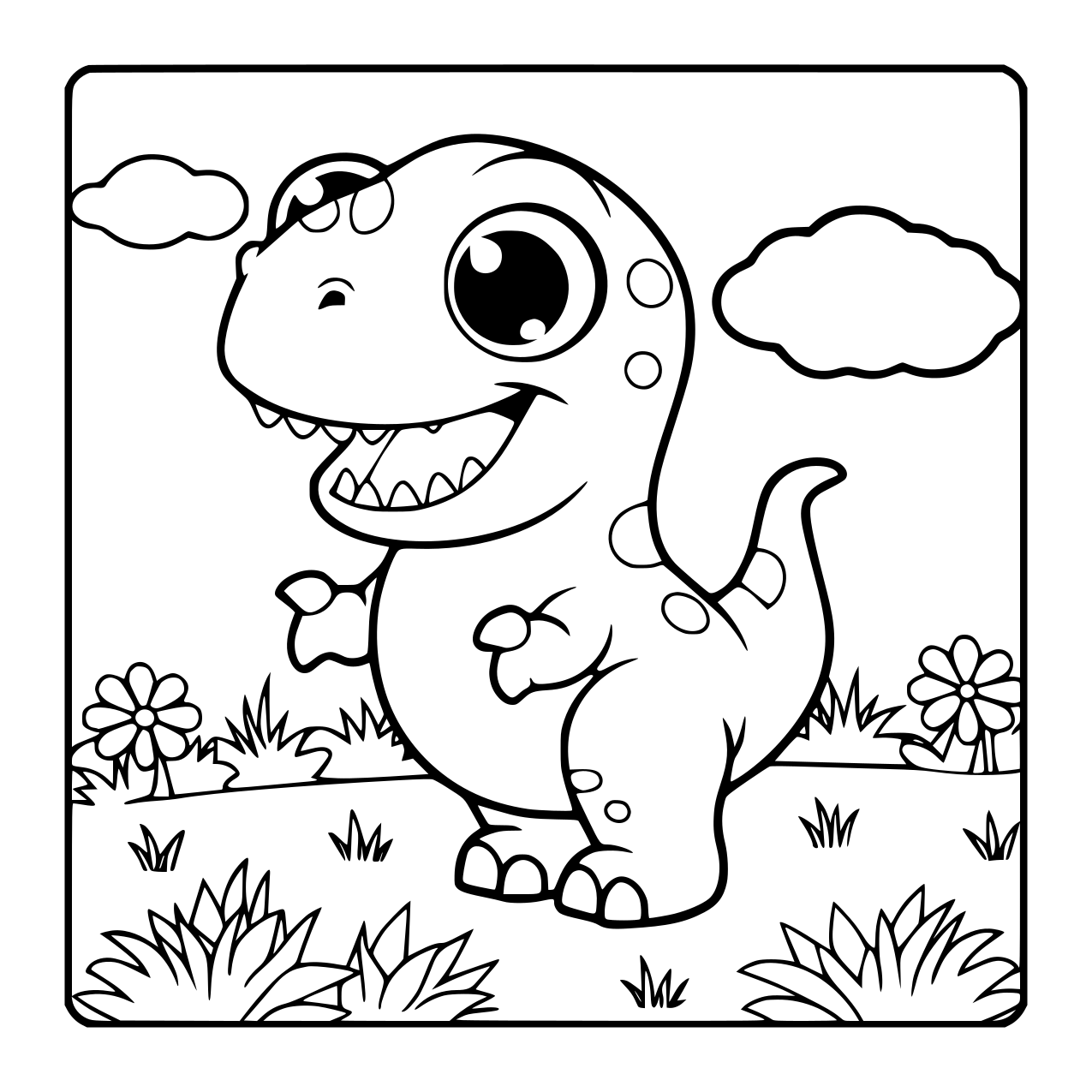
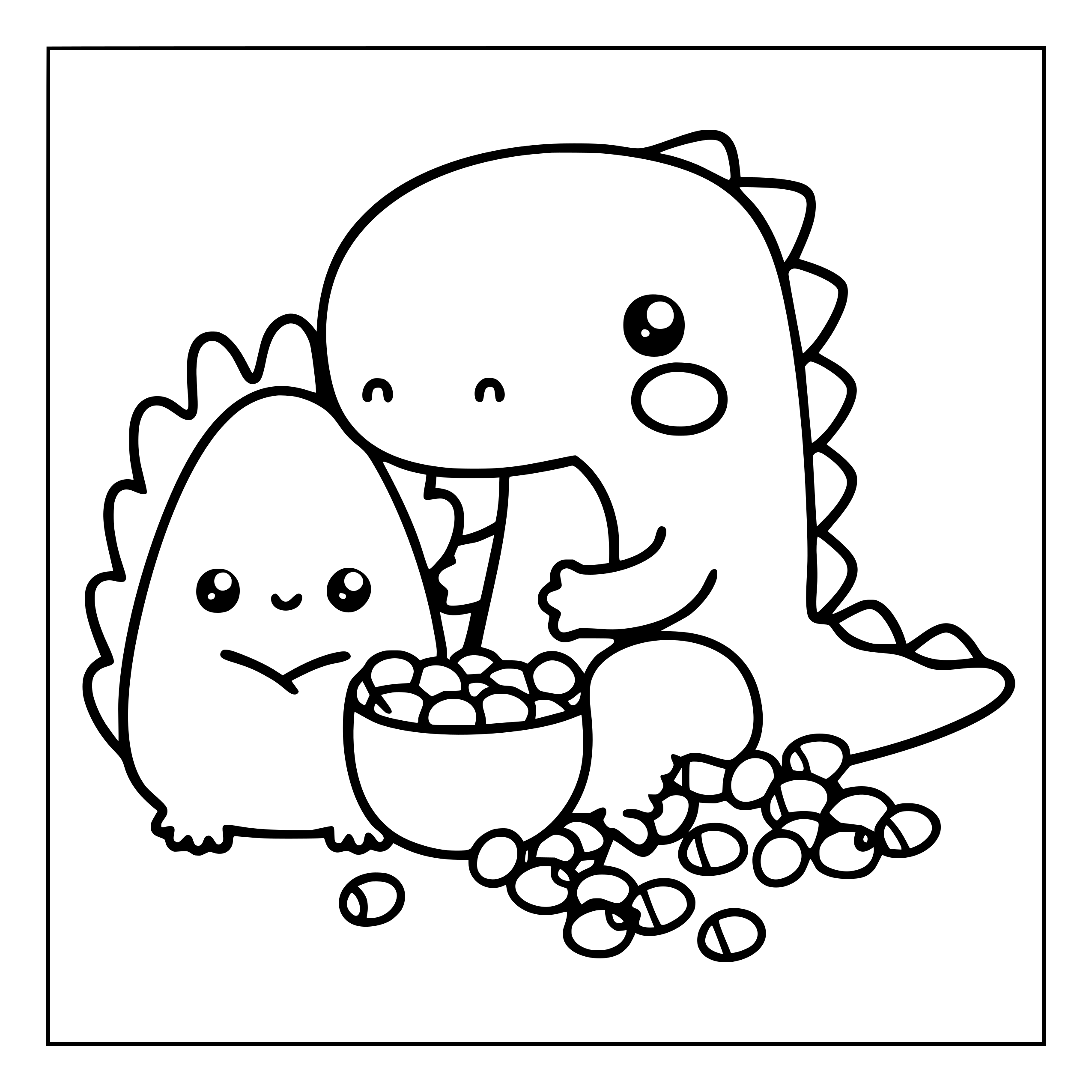
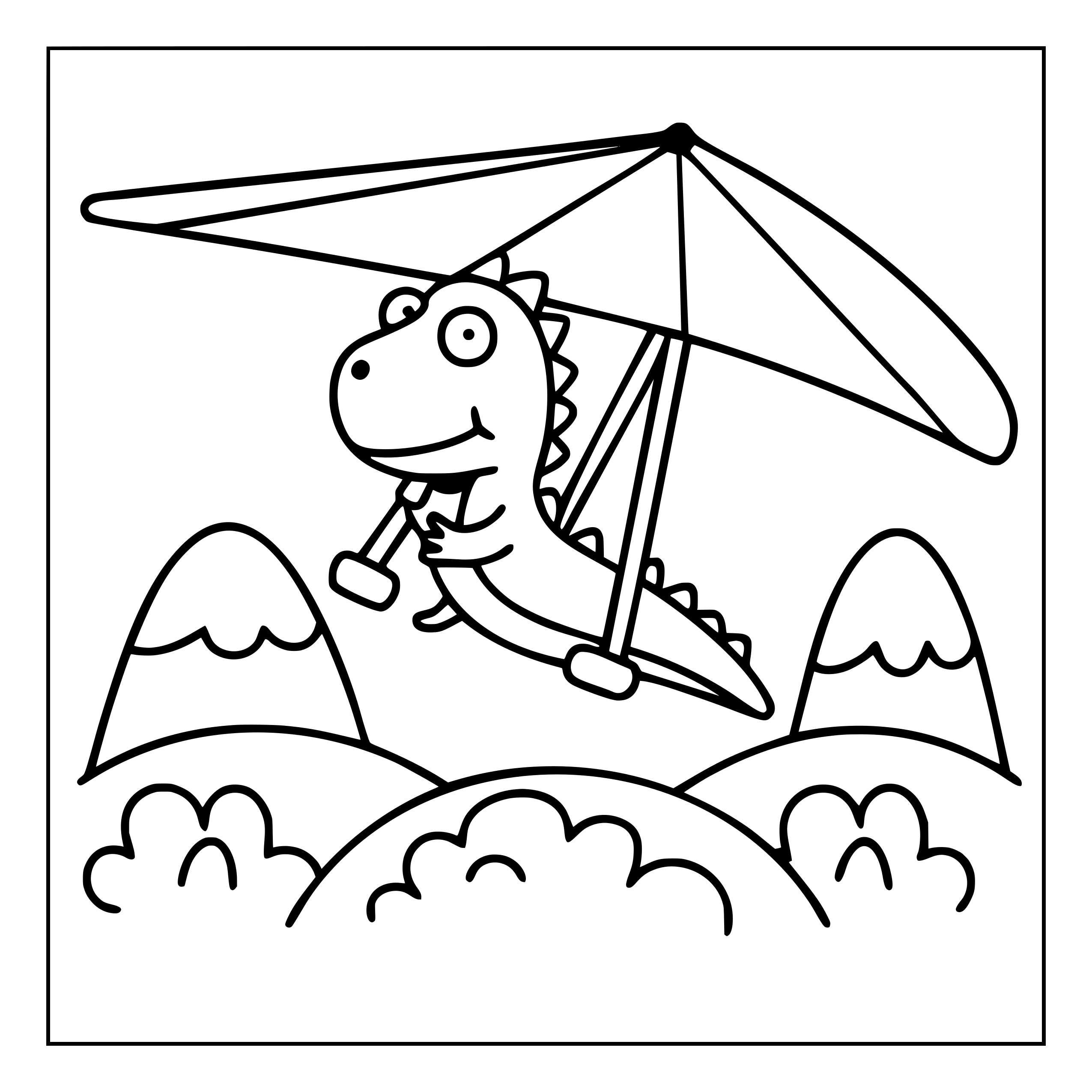
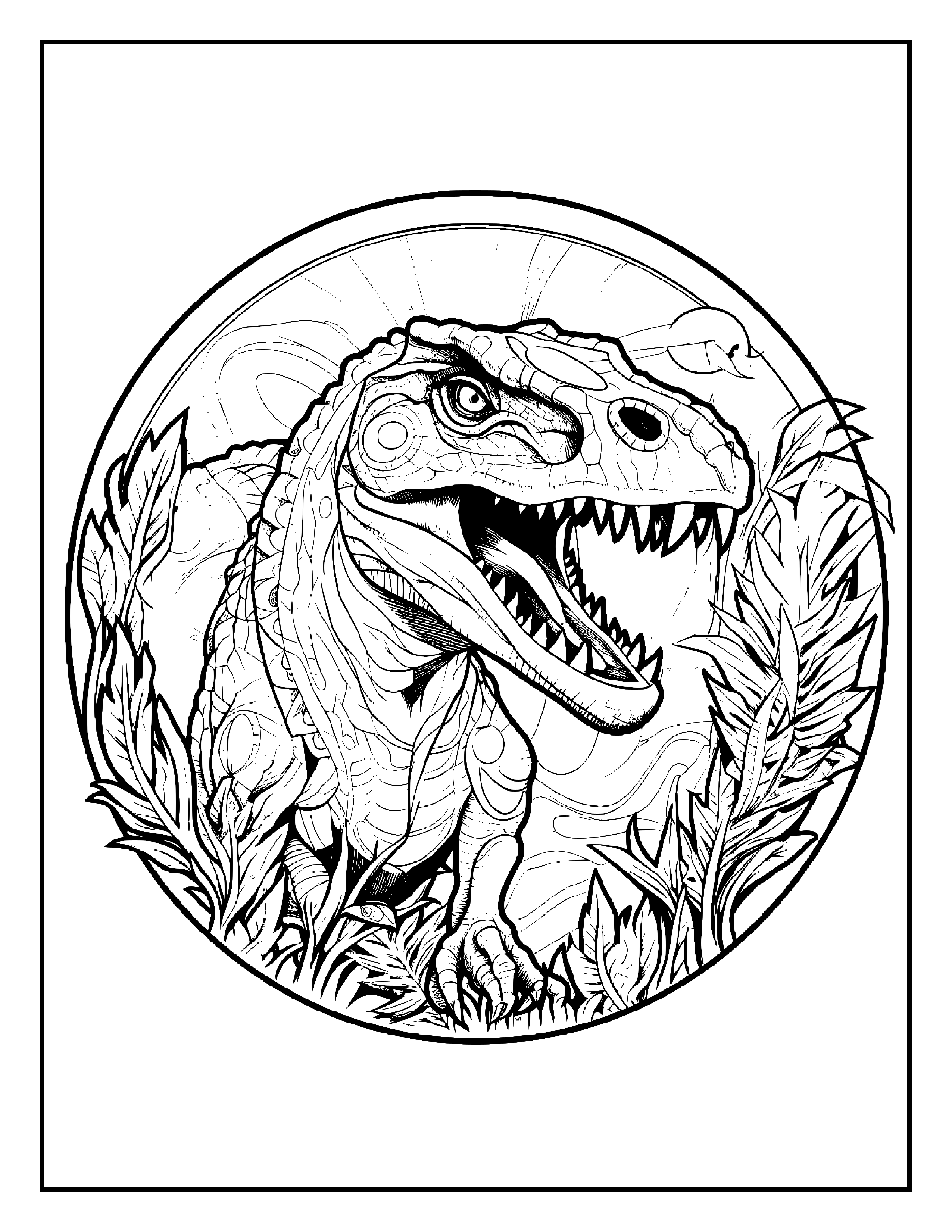
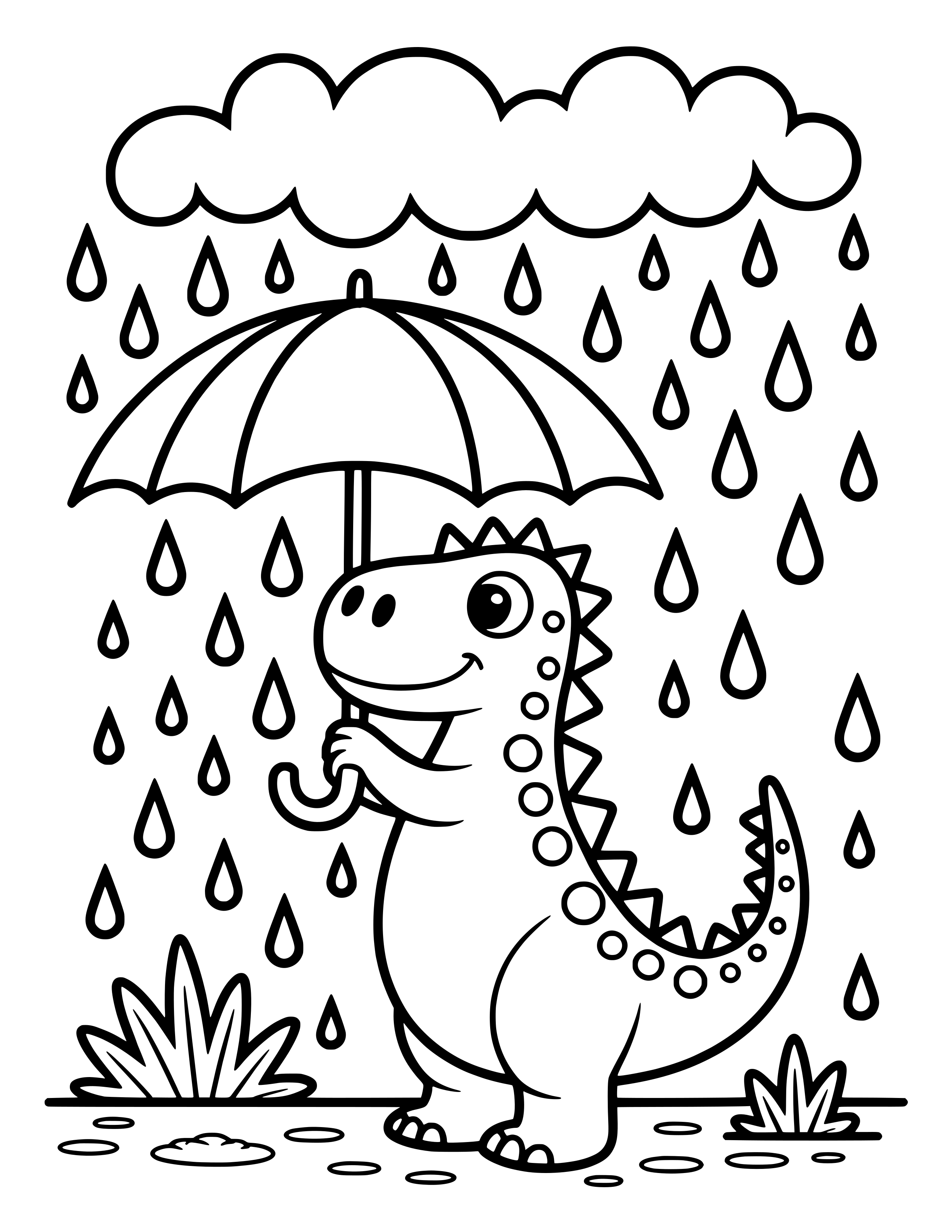
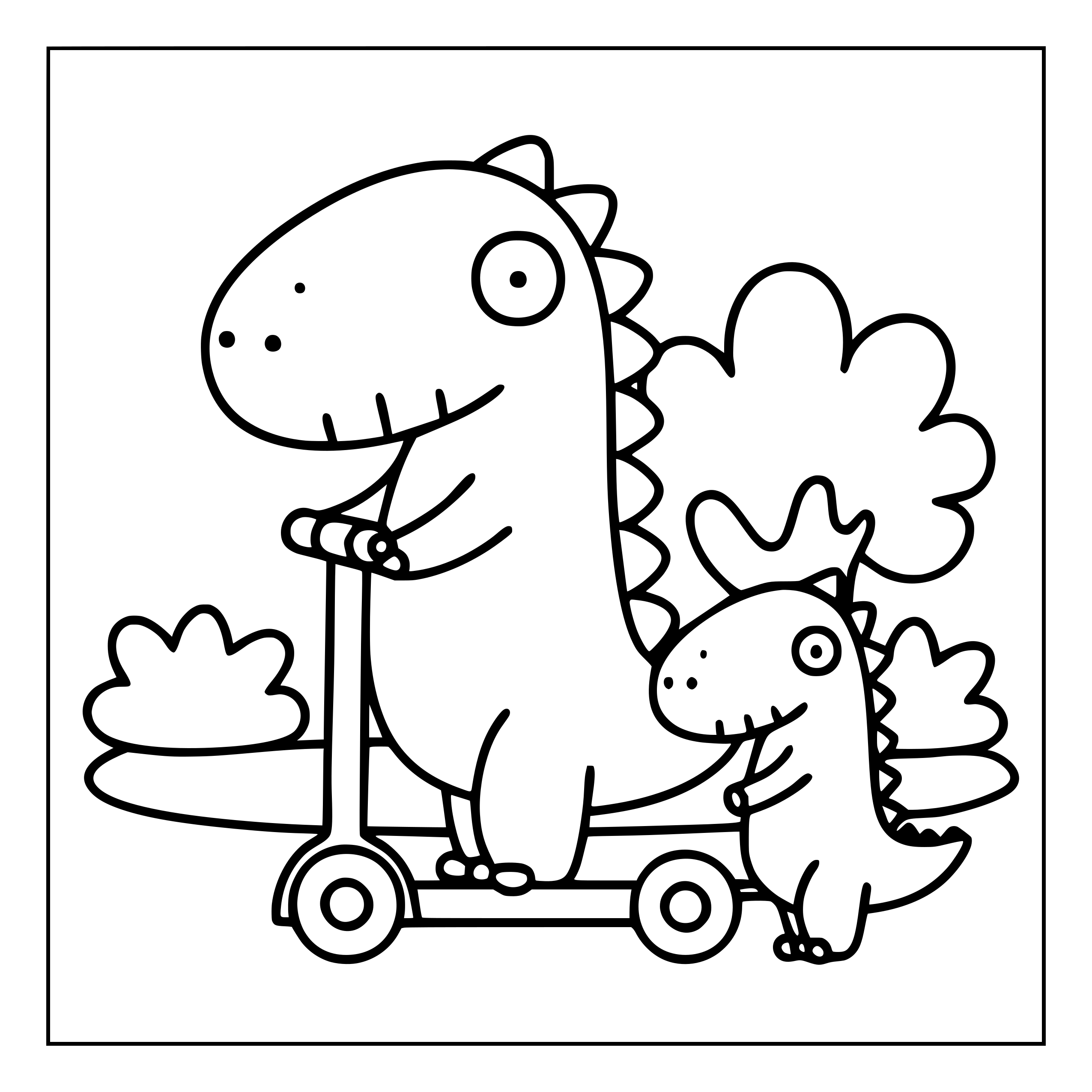
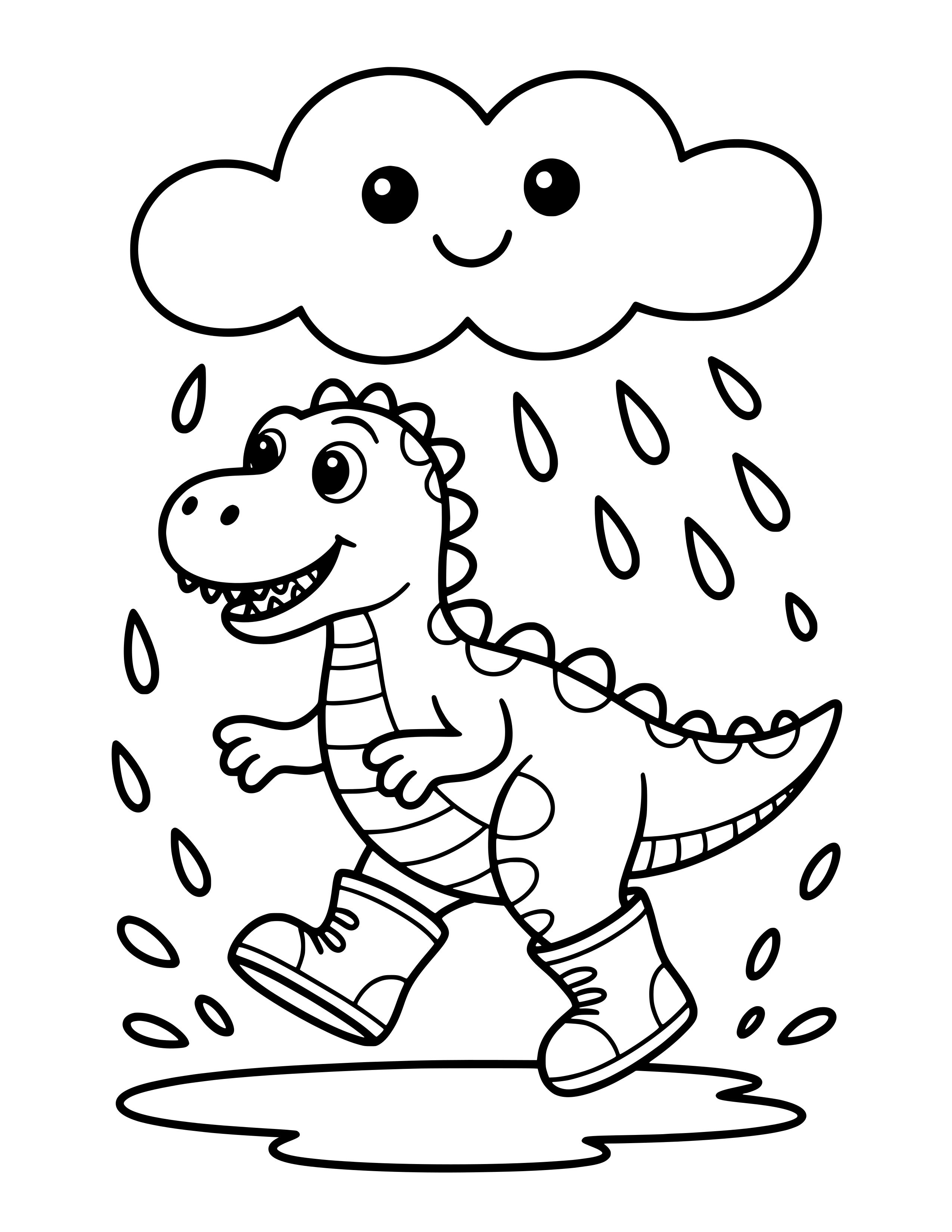
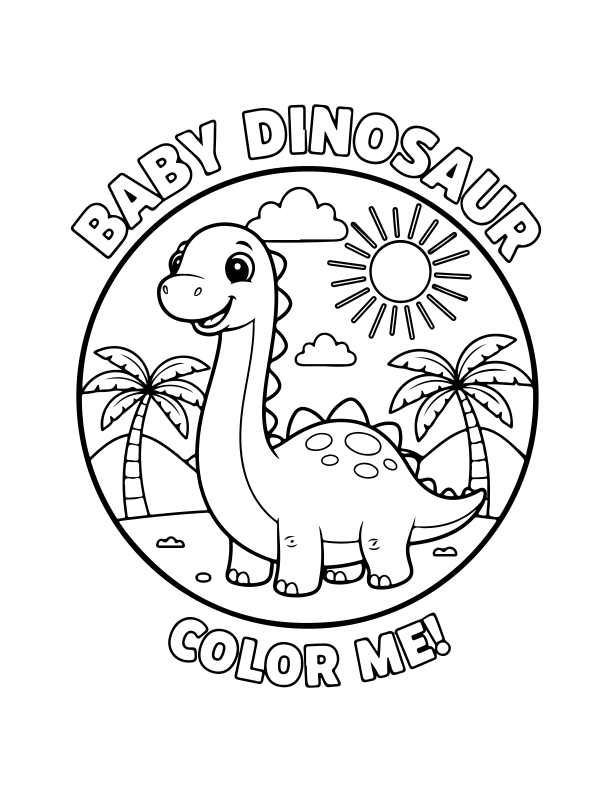
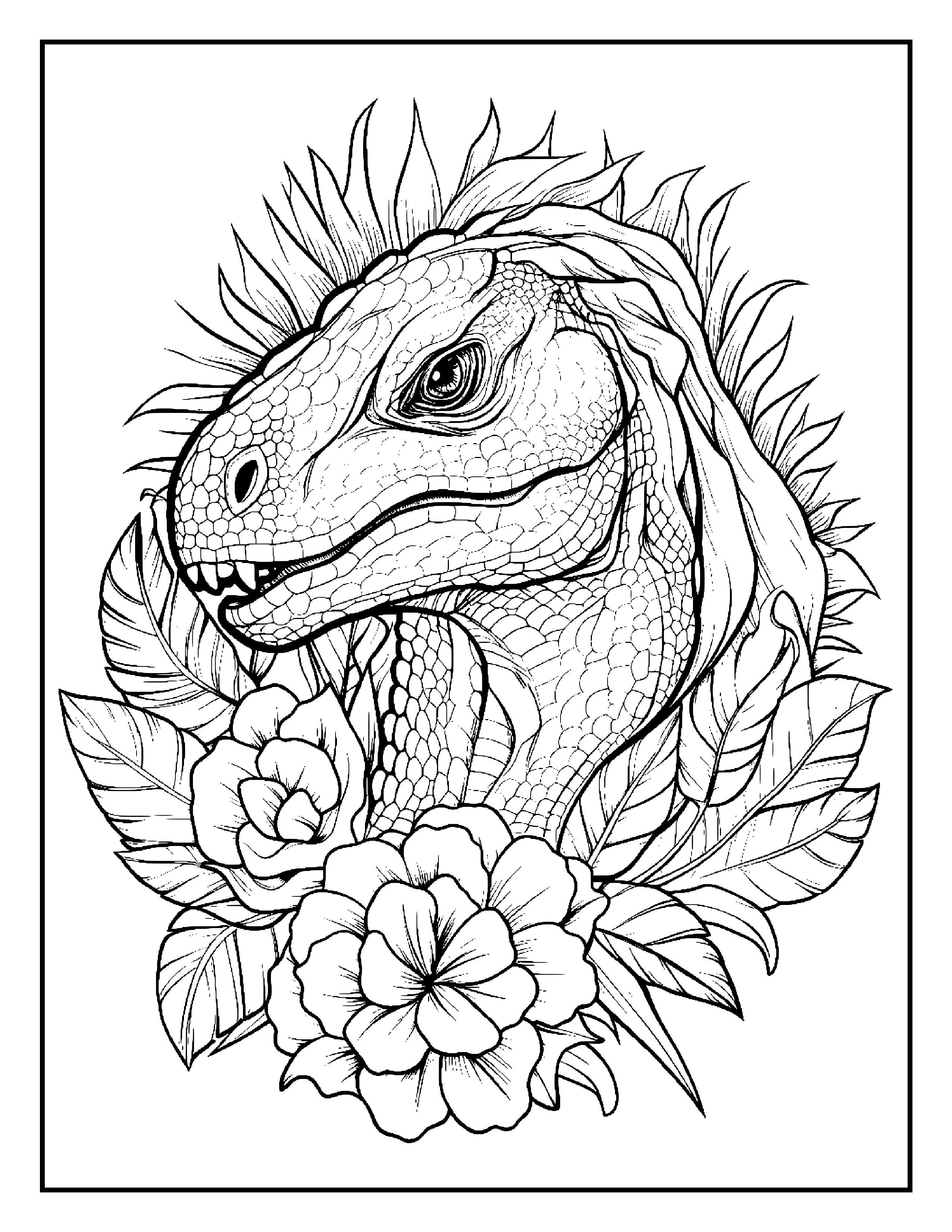
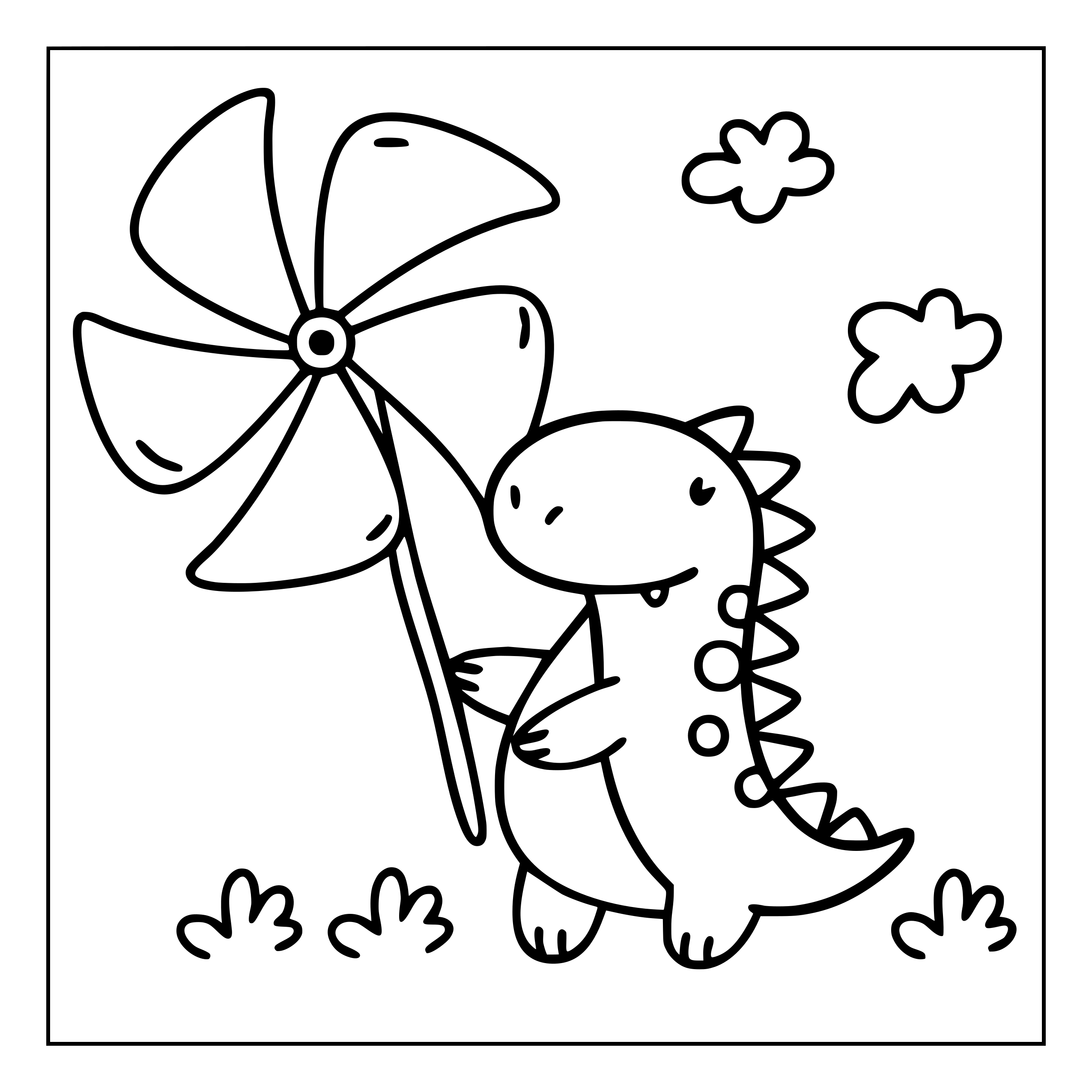
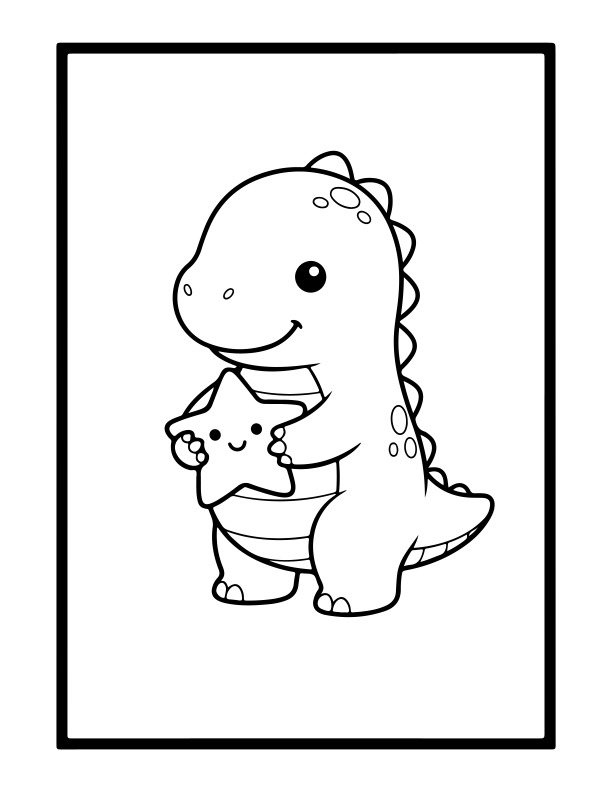
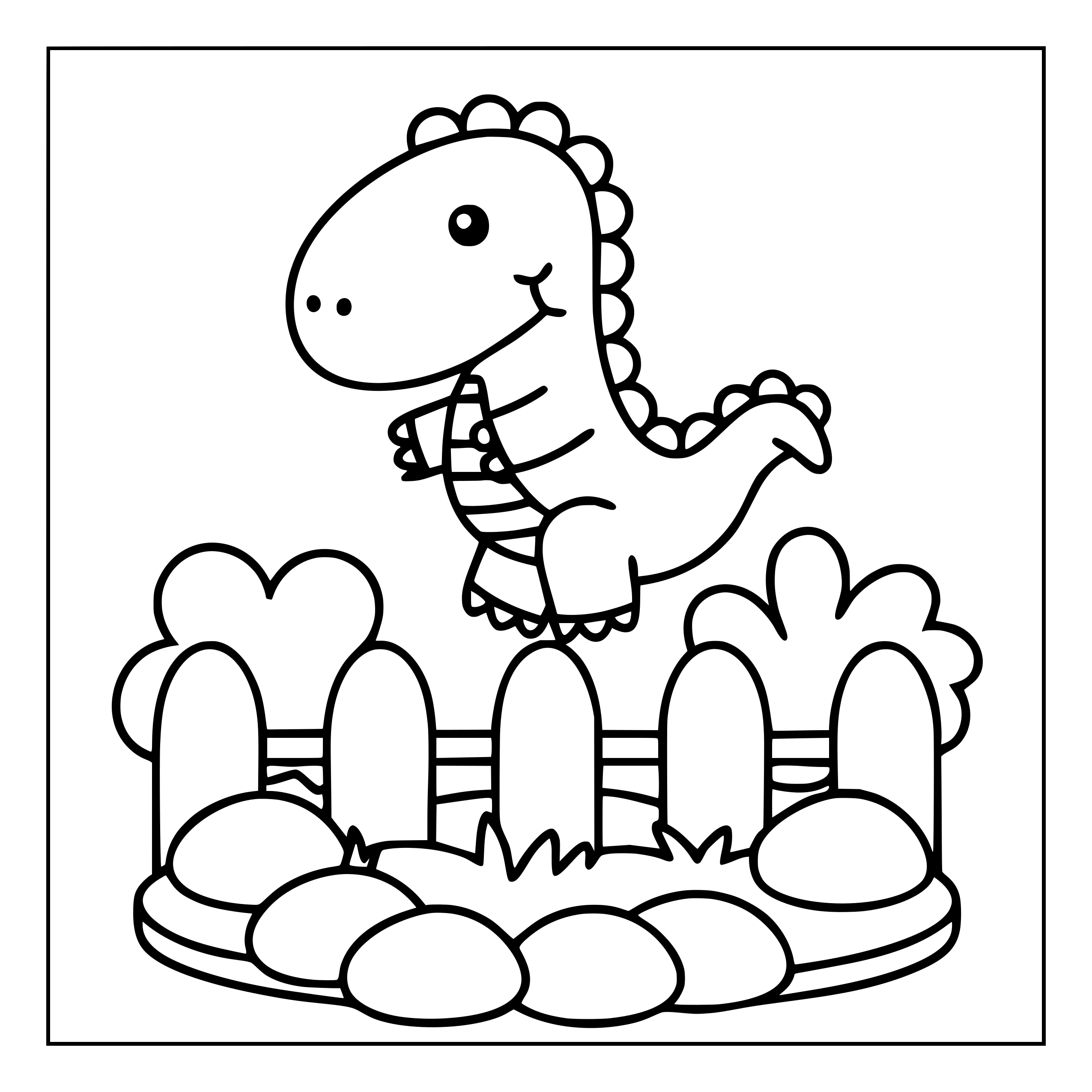
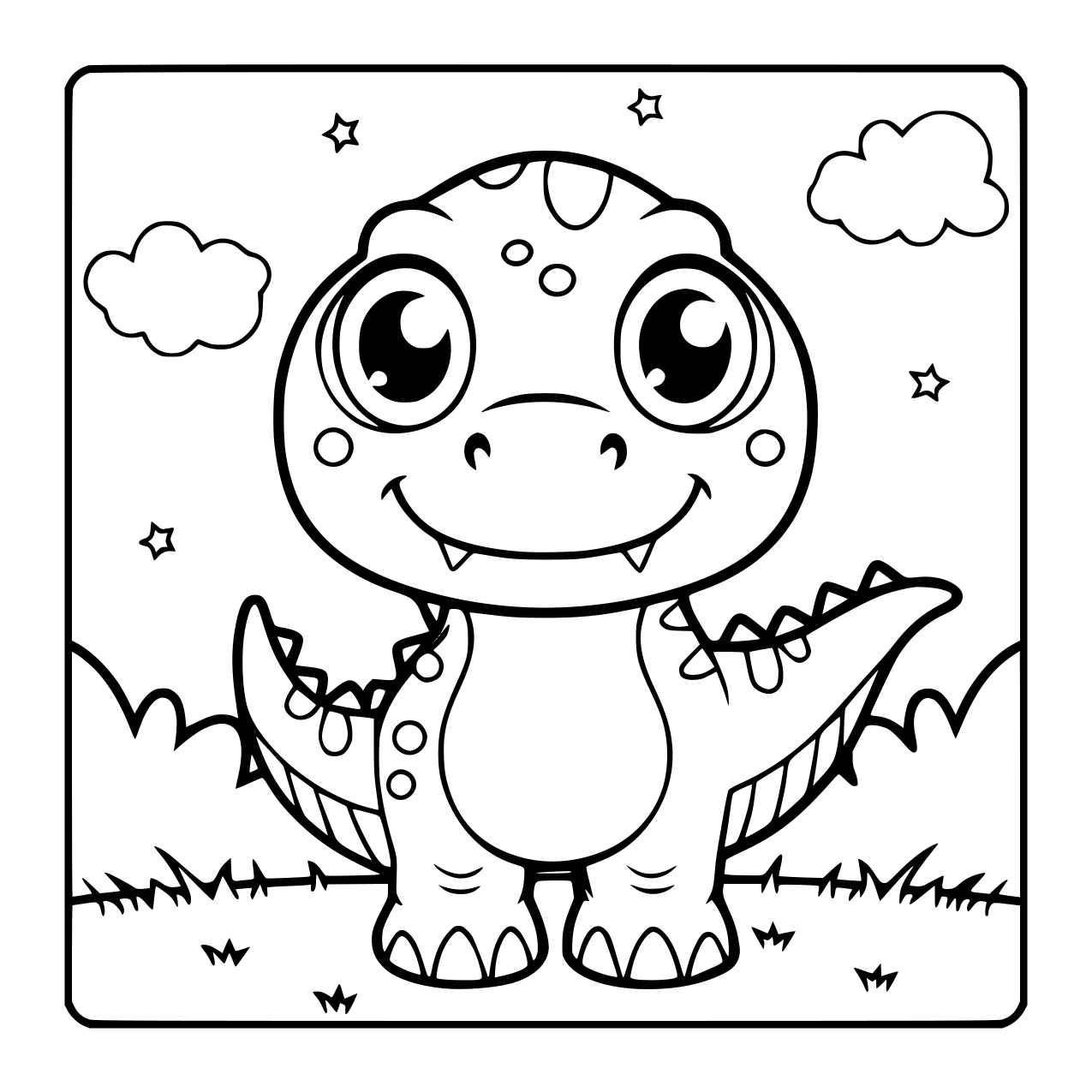
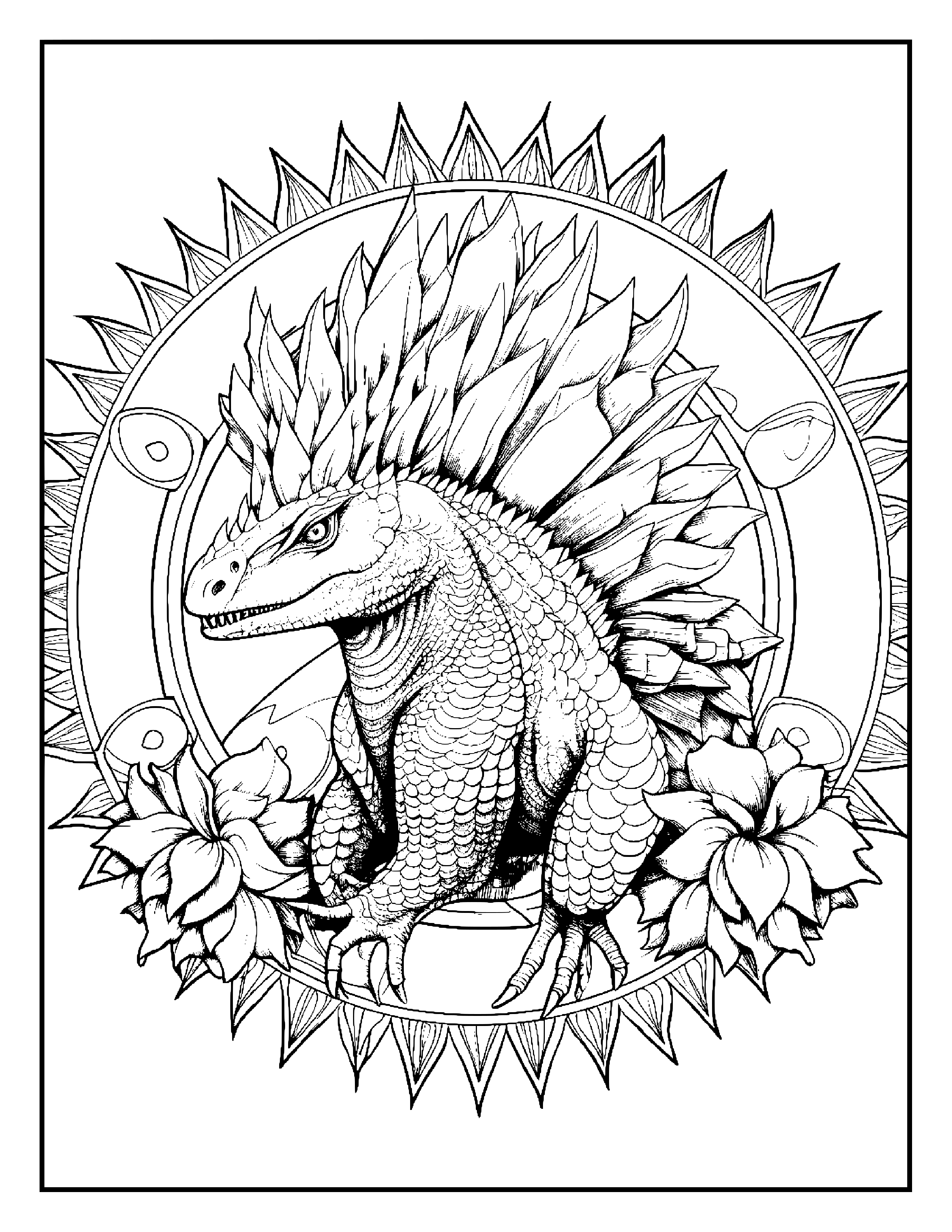
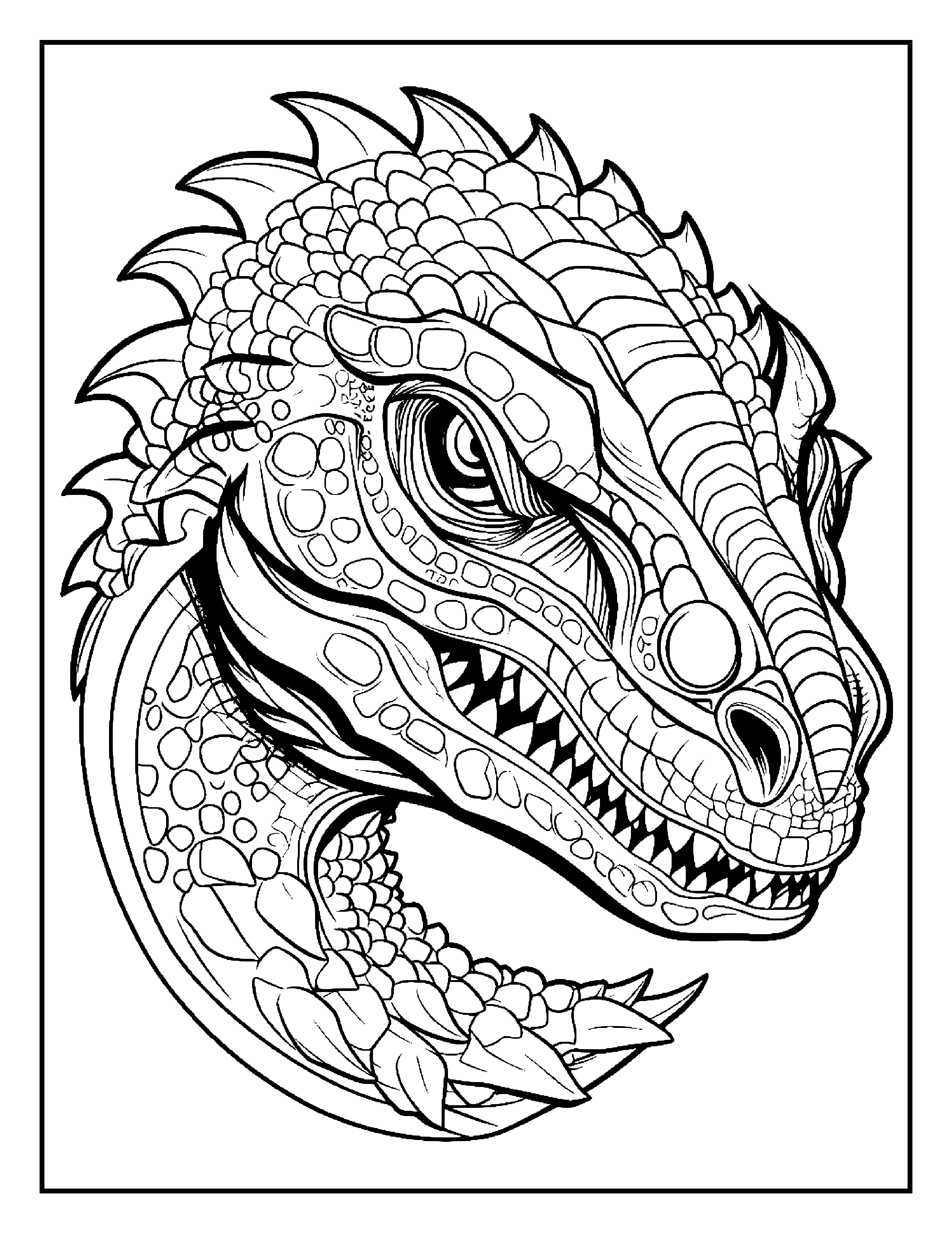
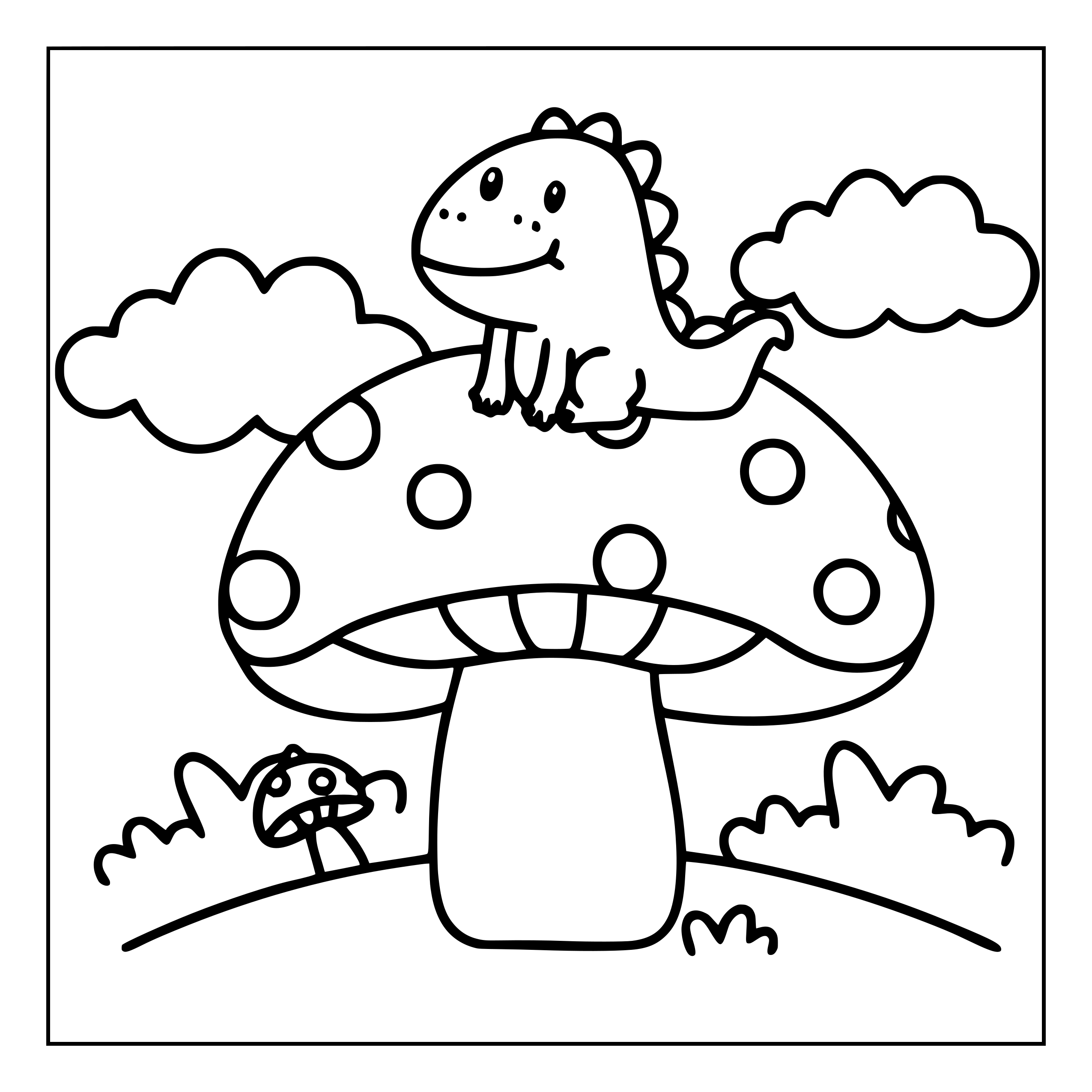
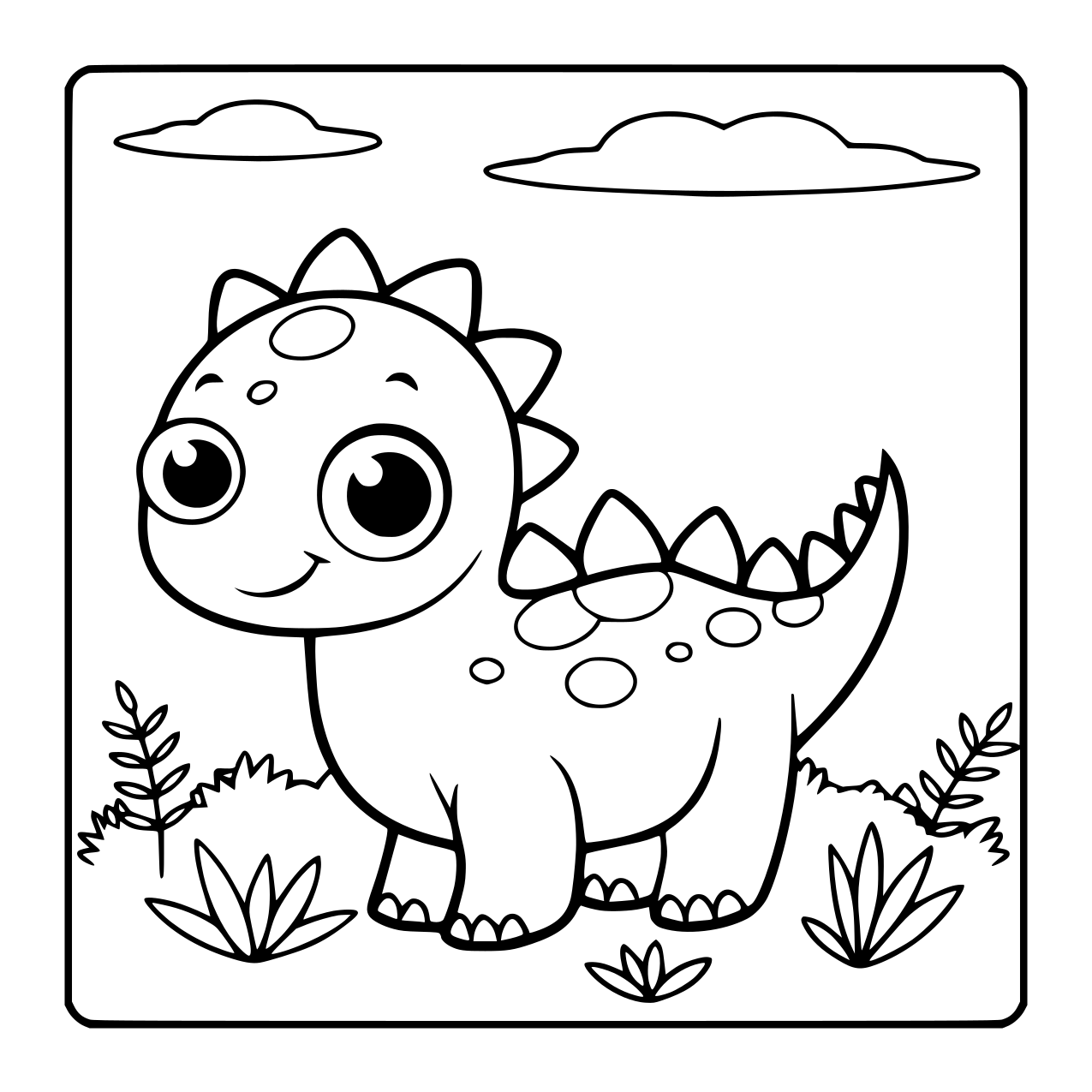
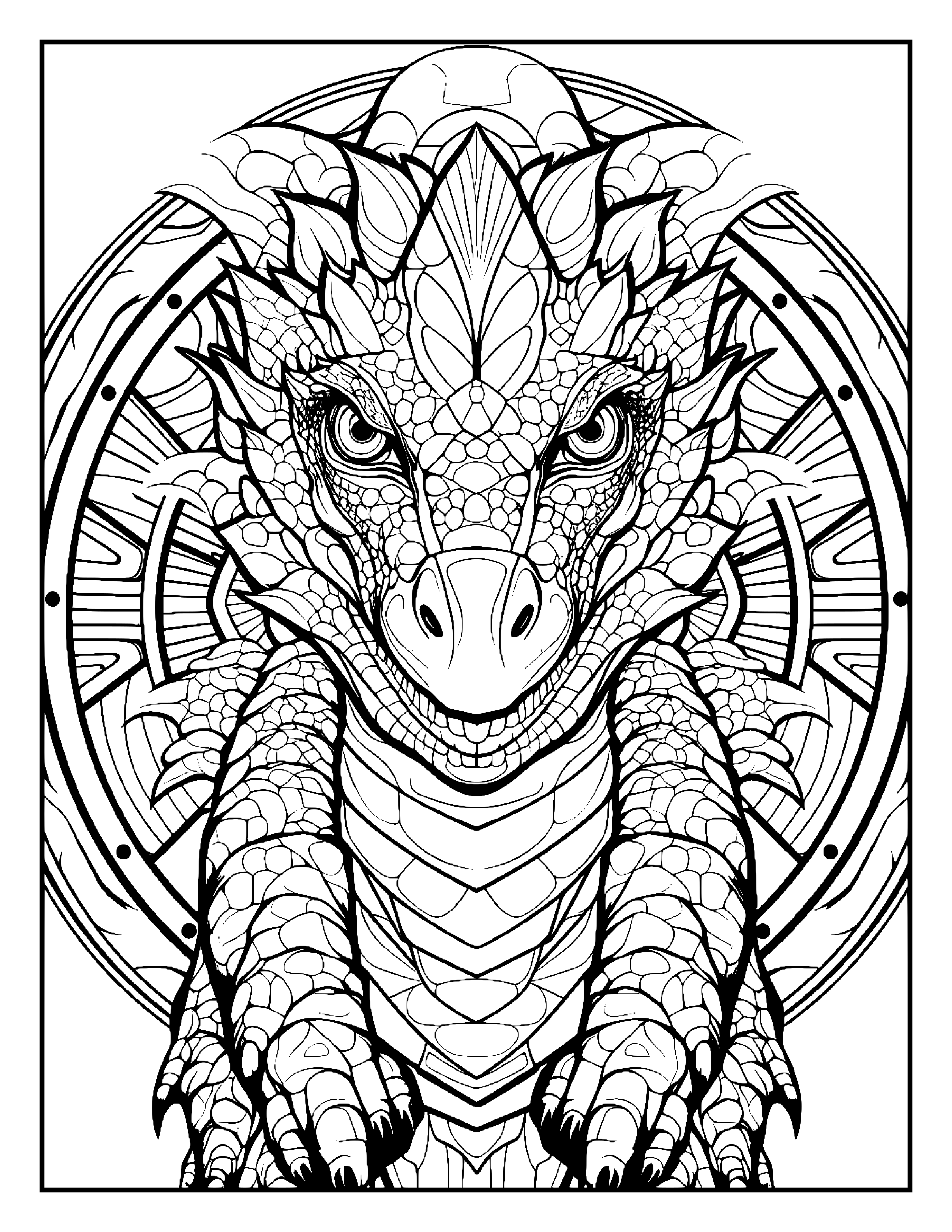
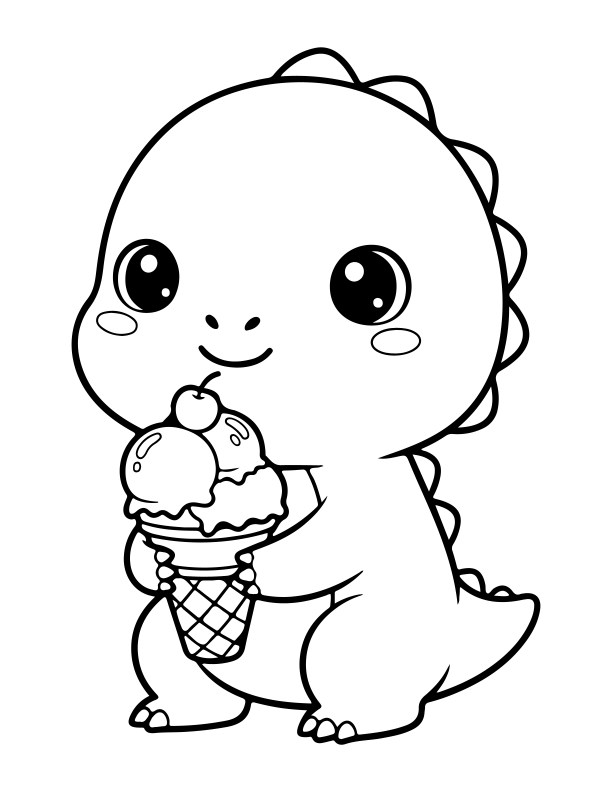
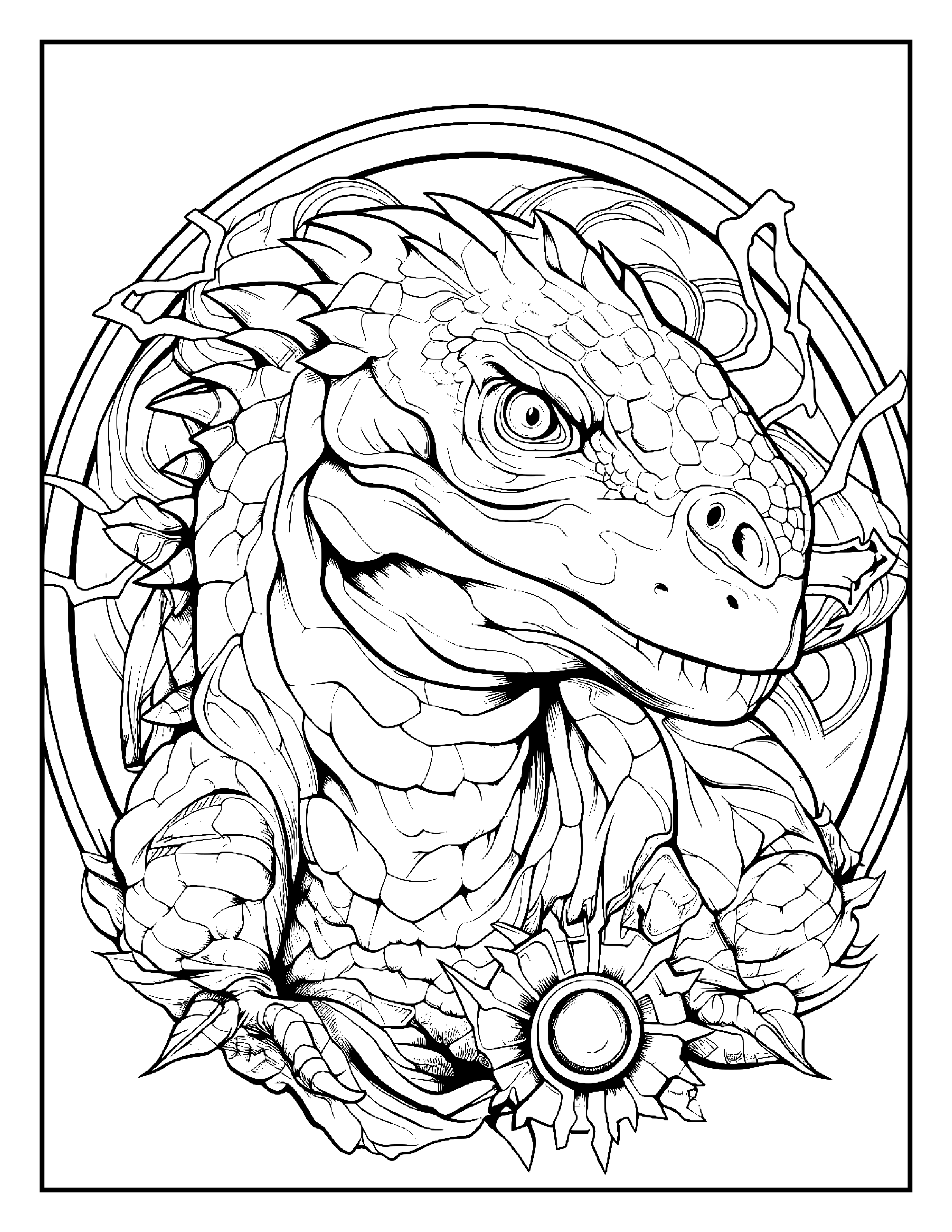
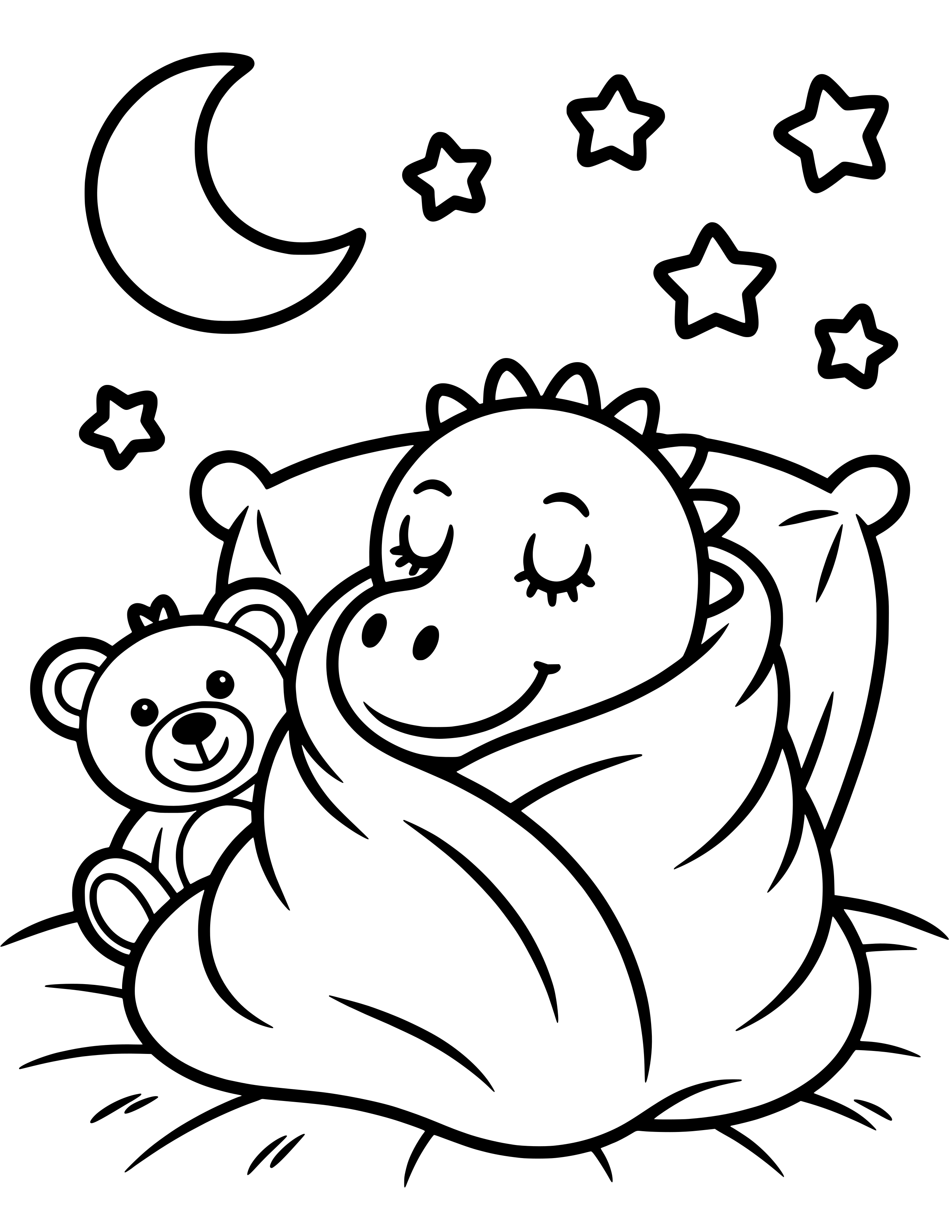
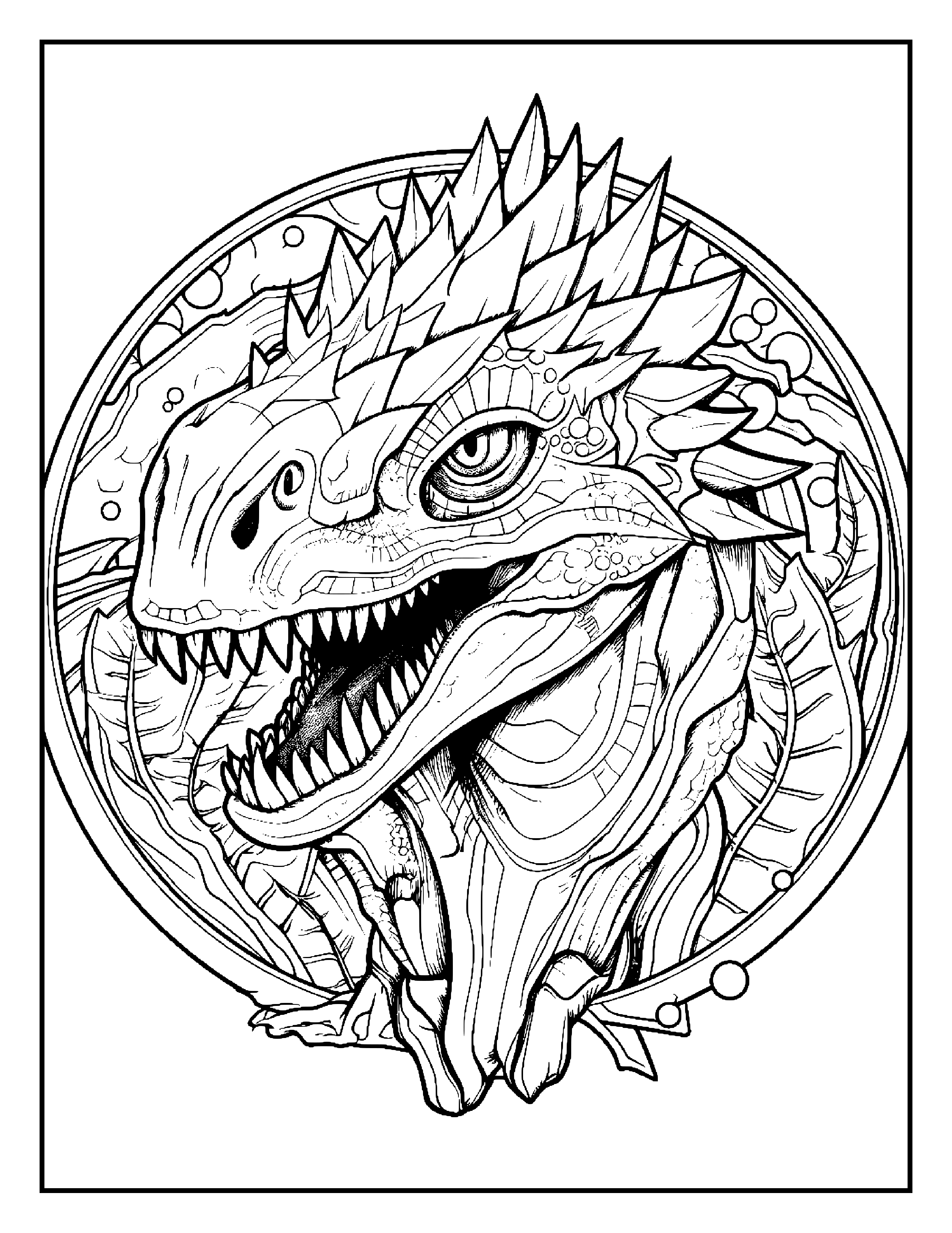
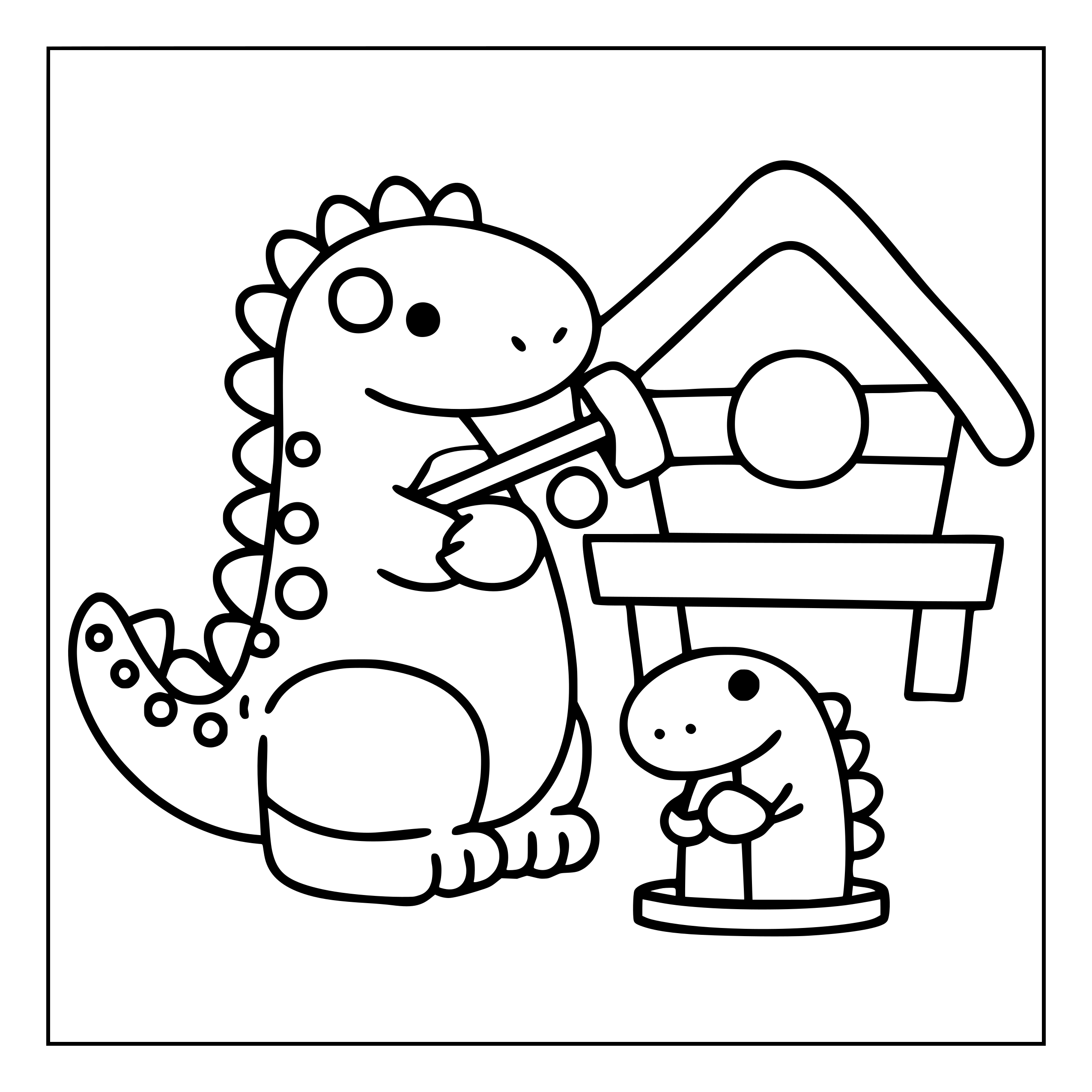
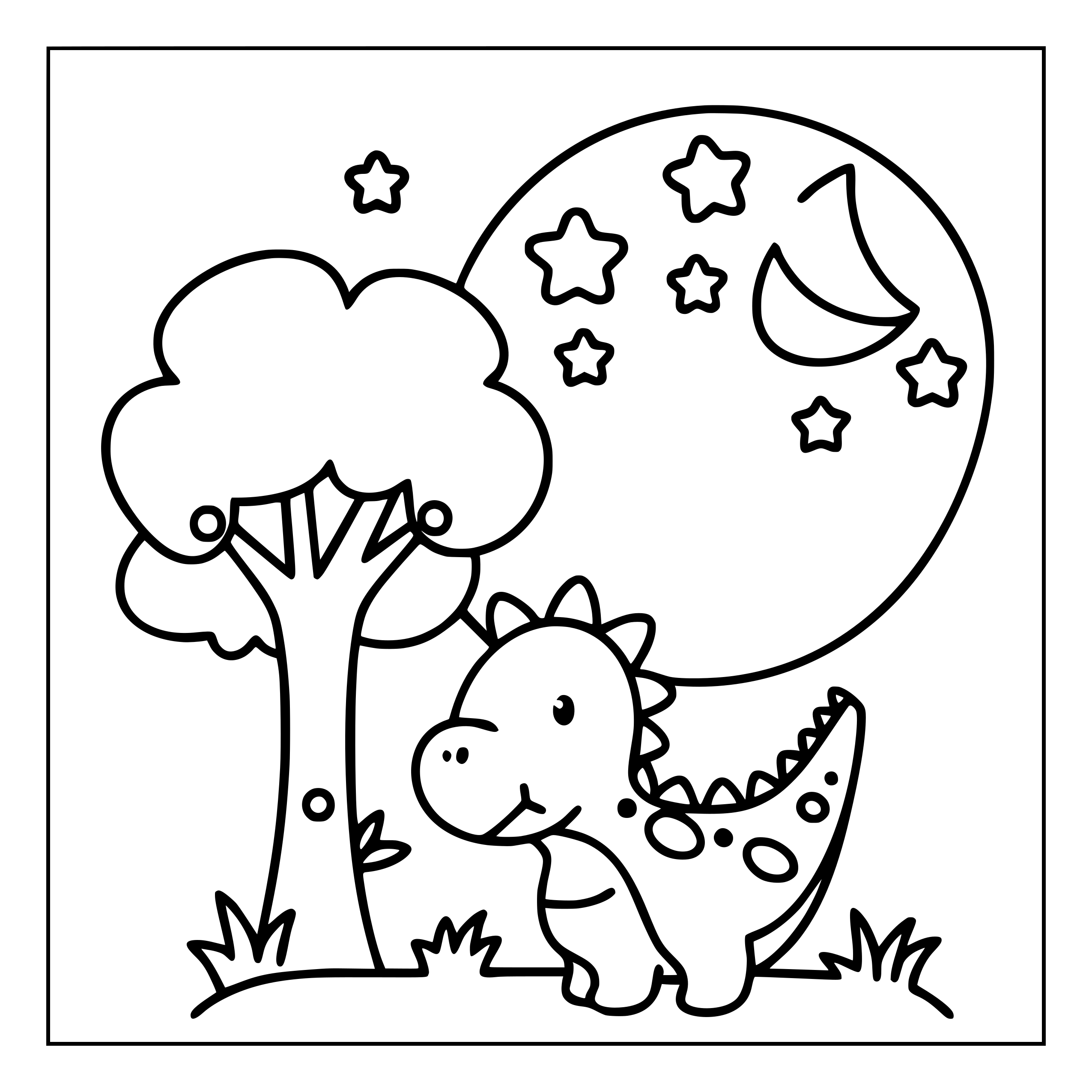
Free printable dinosaur coloring pages for kids and adults — cute and kawaii dinosaurs, easy designs for little ones, intricate dinosaur mandalas and realistic prehistoric scenes.
Browse by style
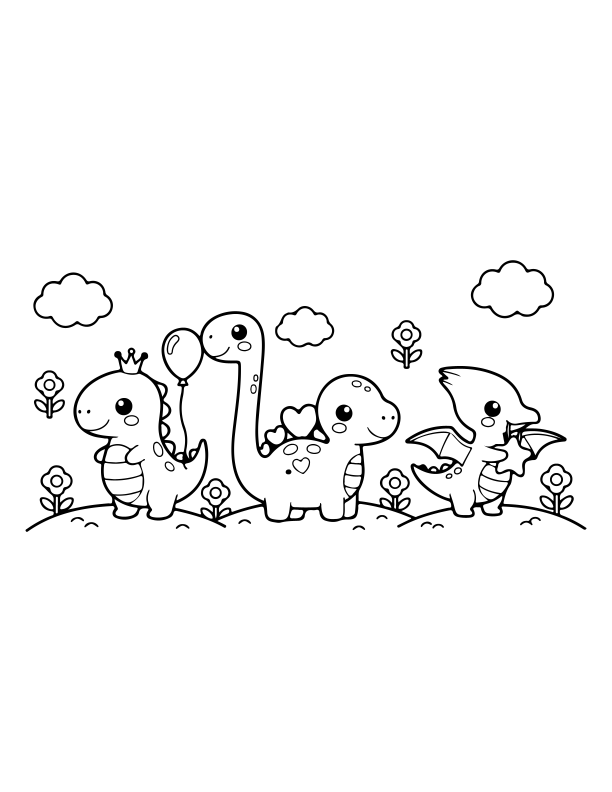
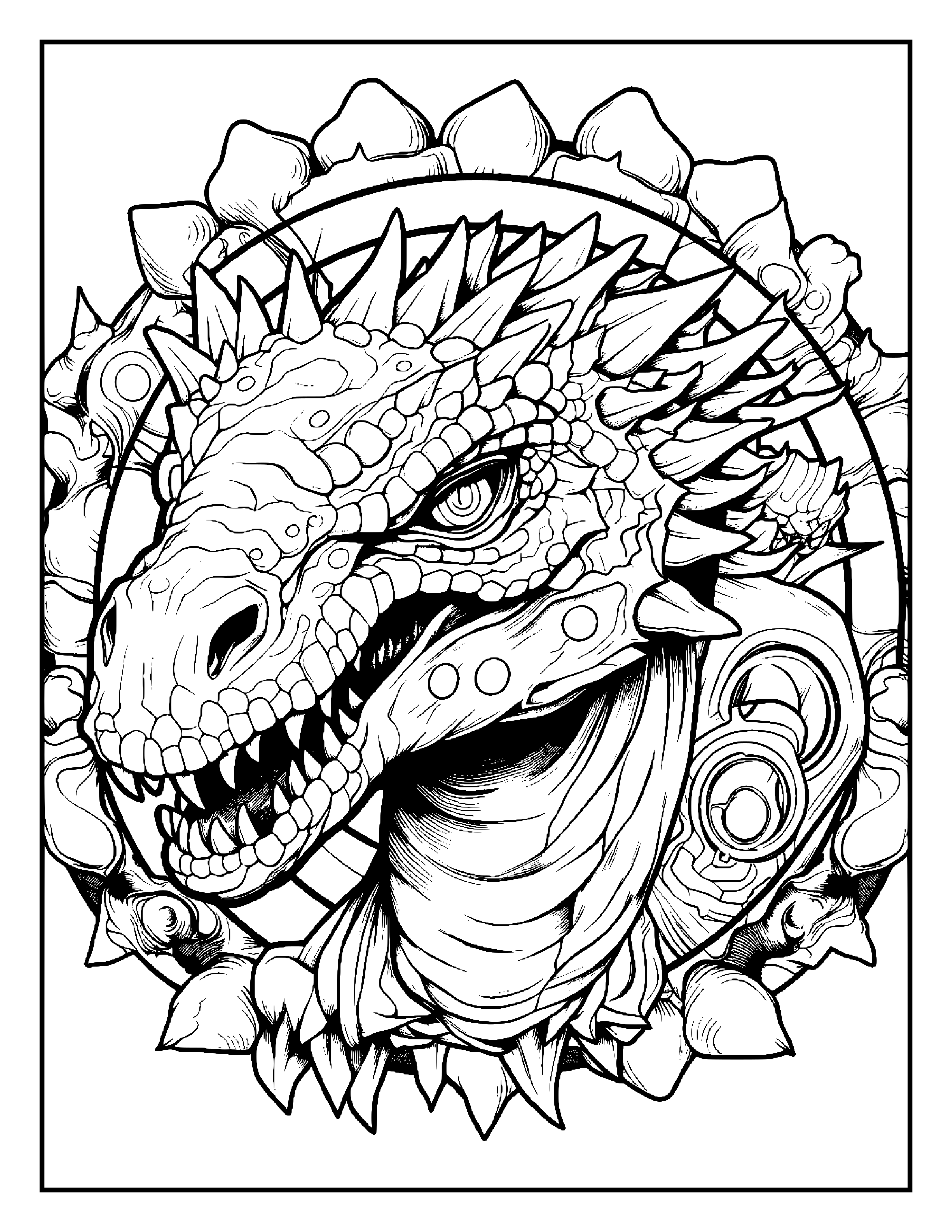
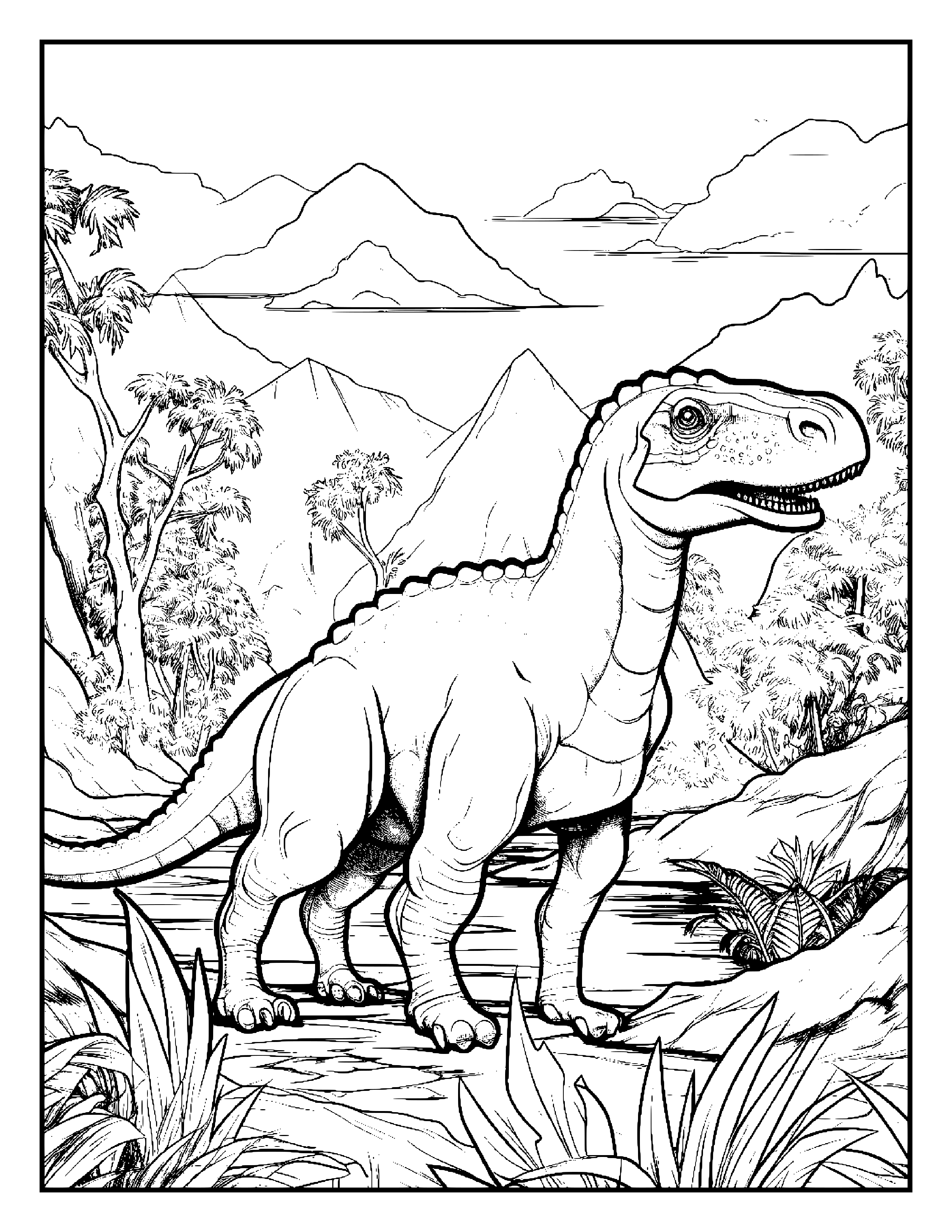
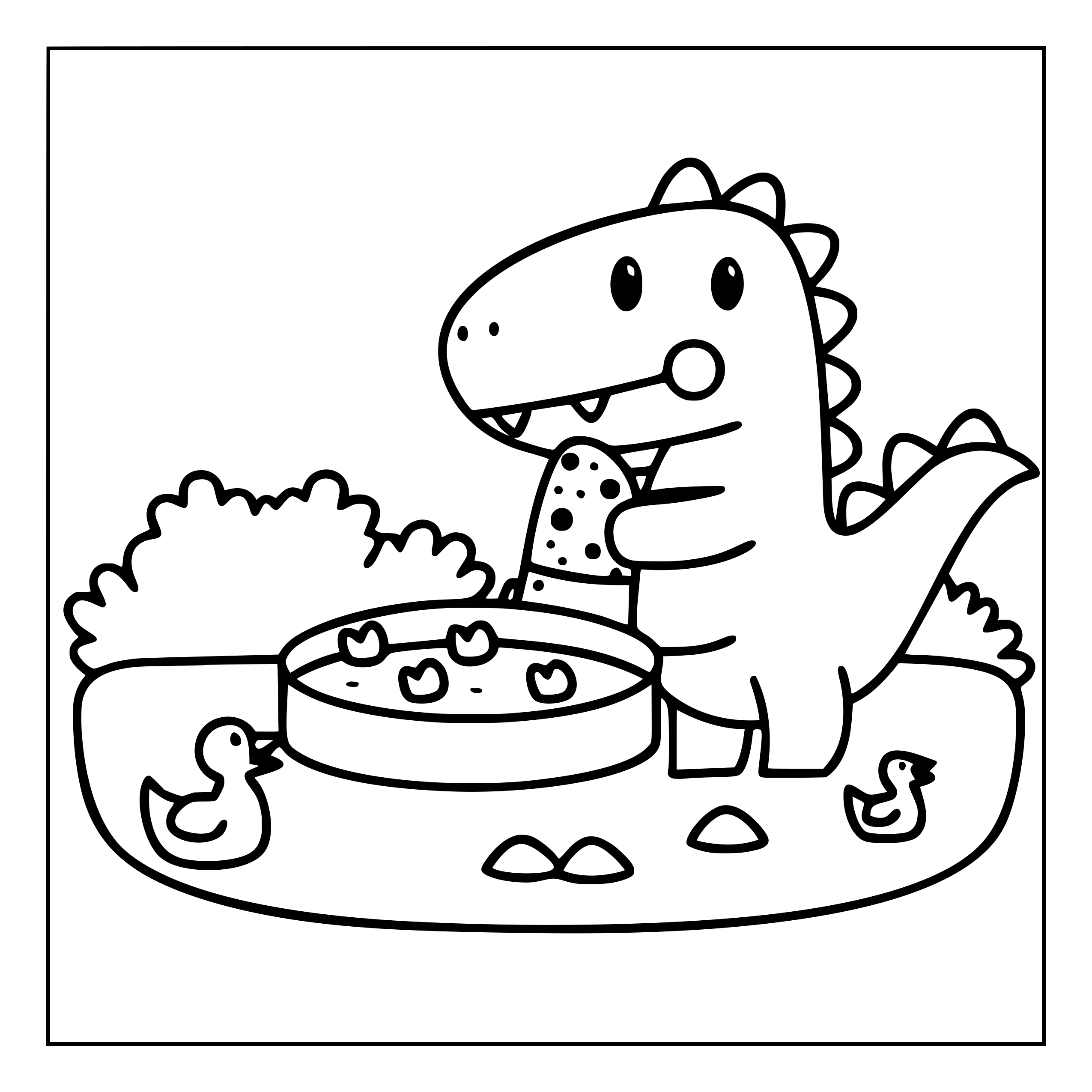
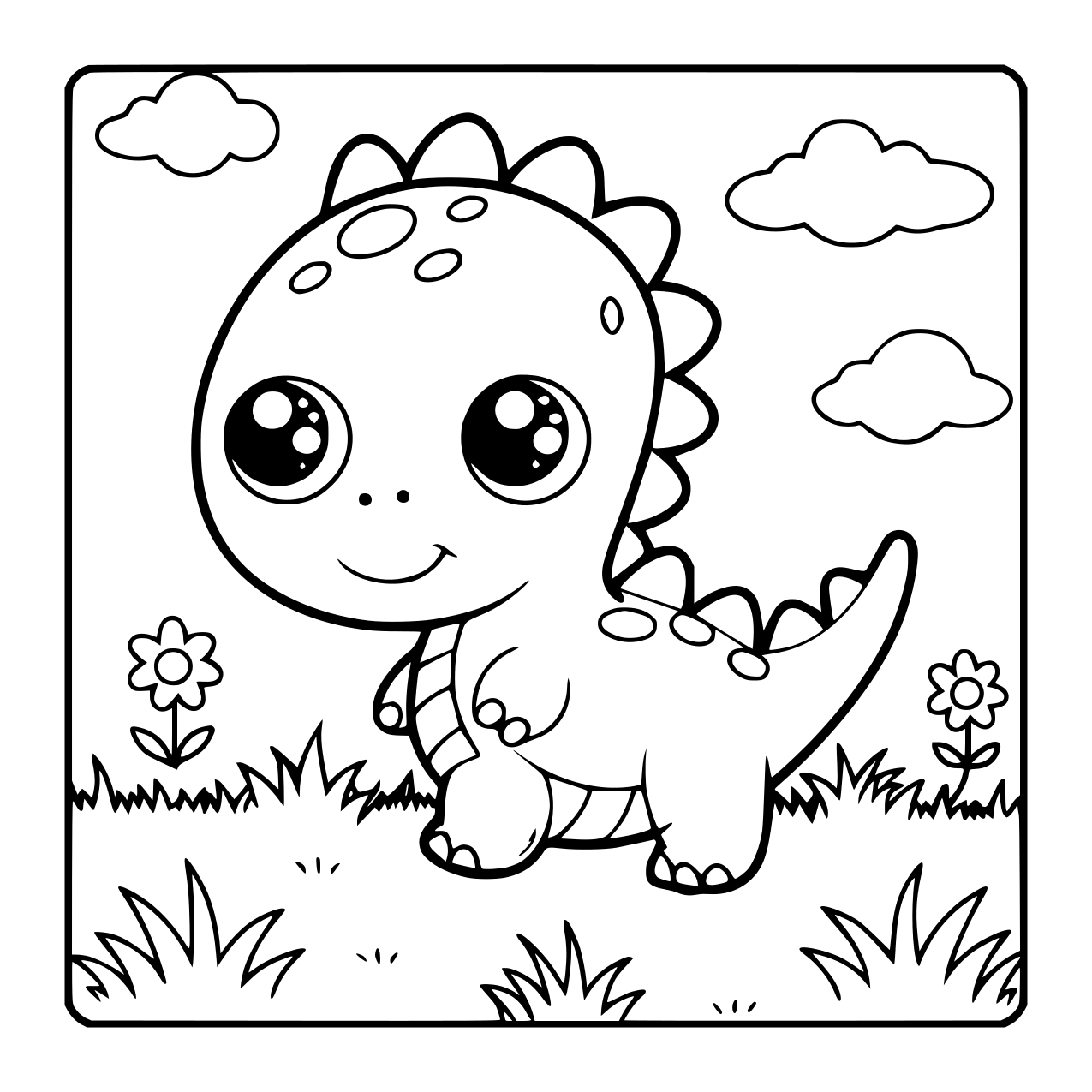
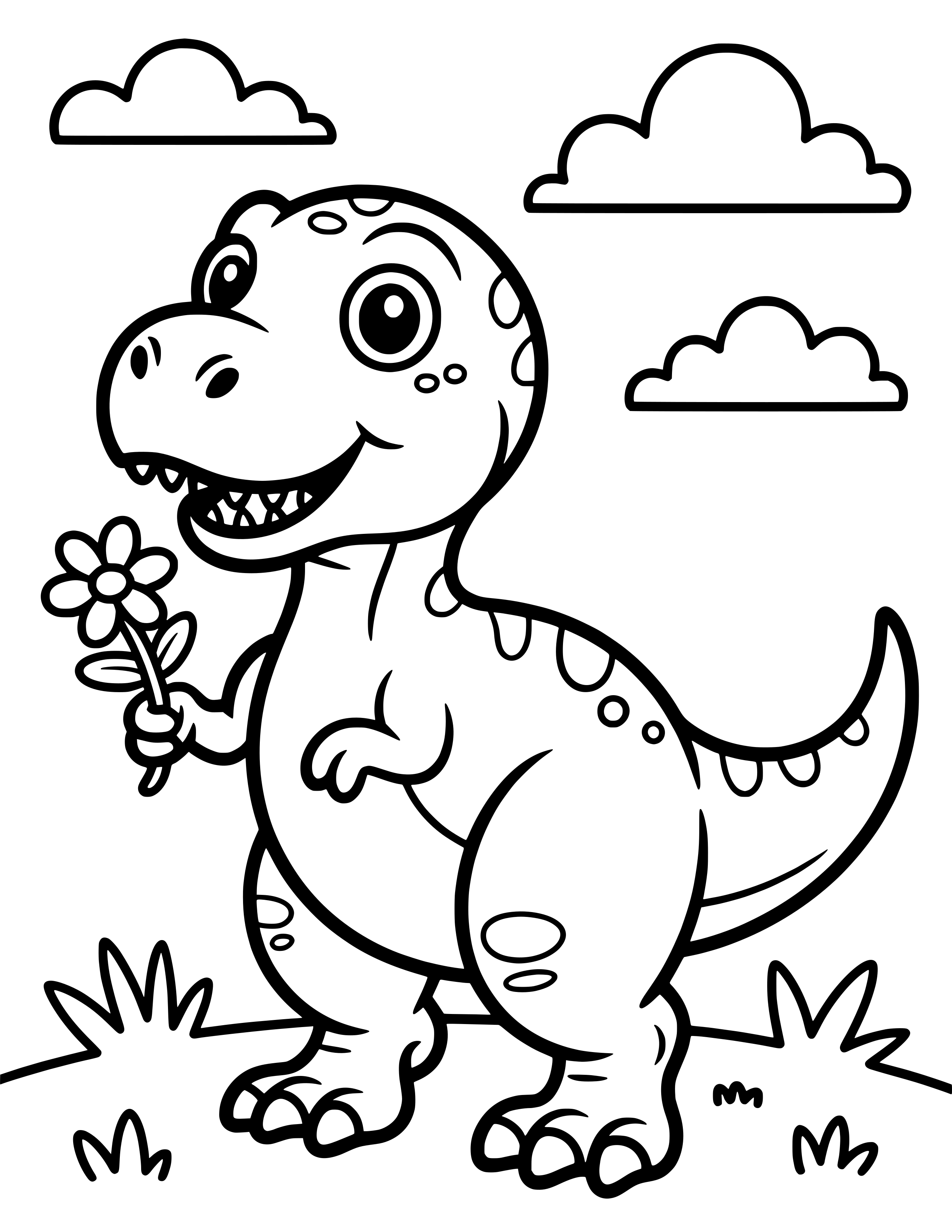
Or scroll down to browse all 701 pages →
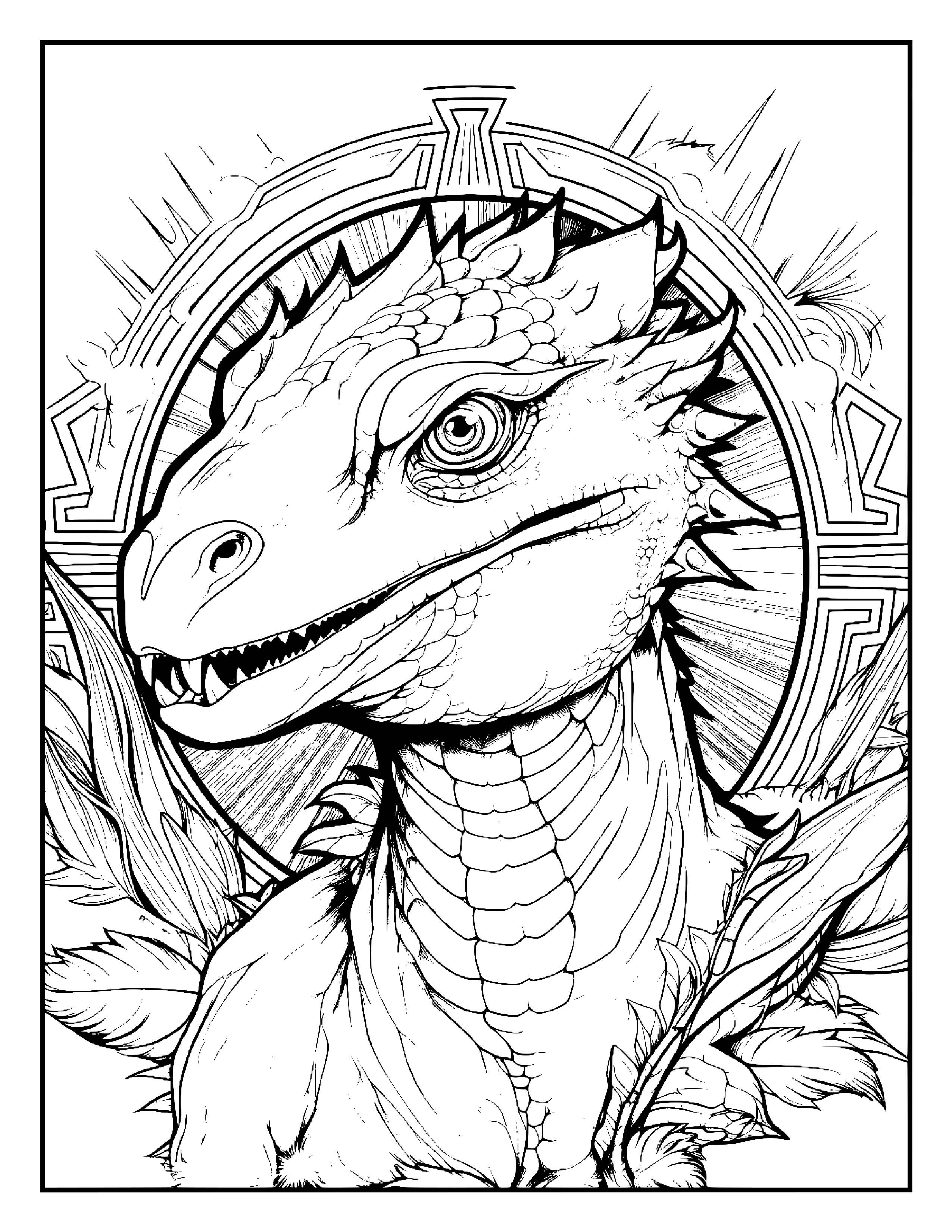
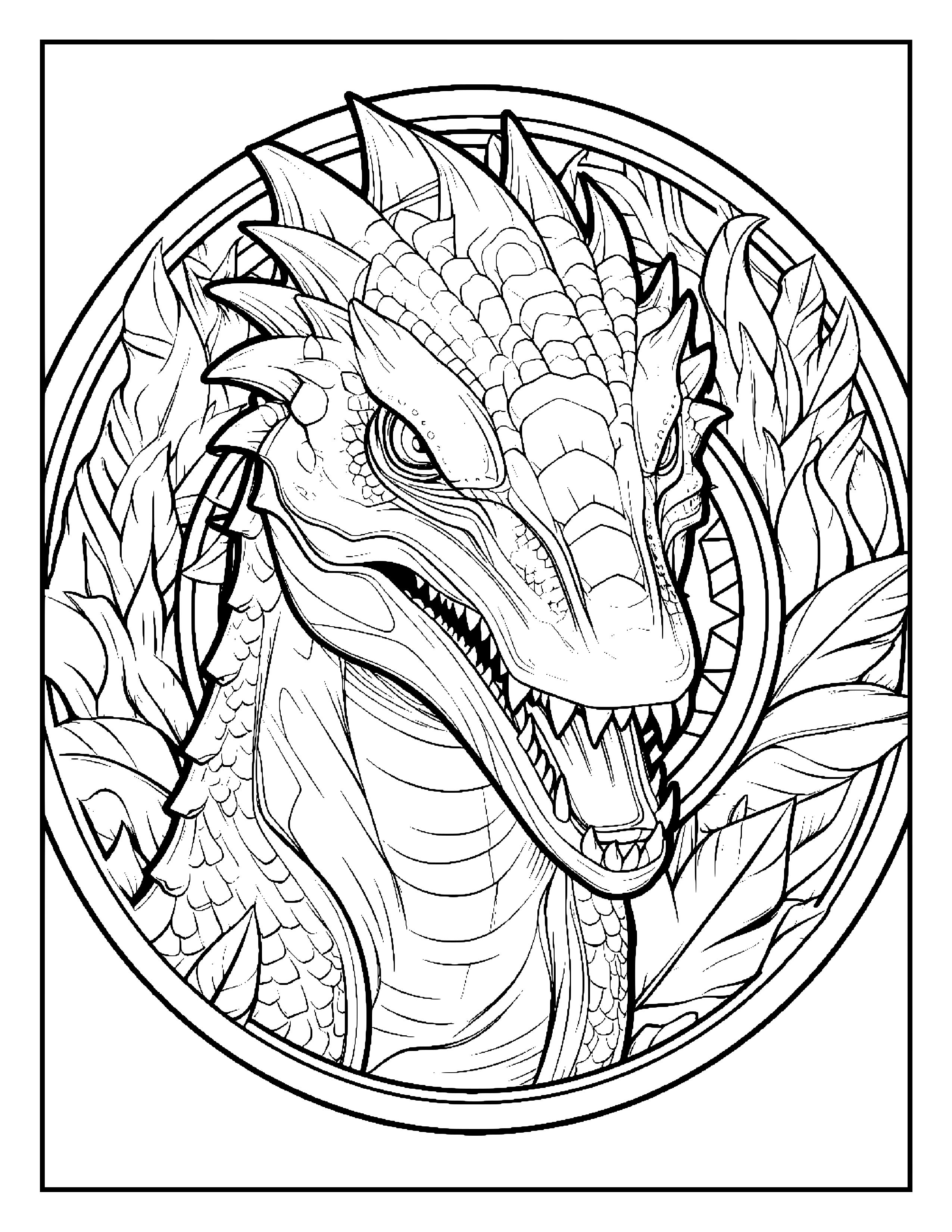
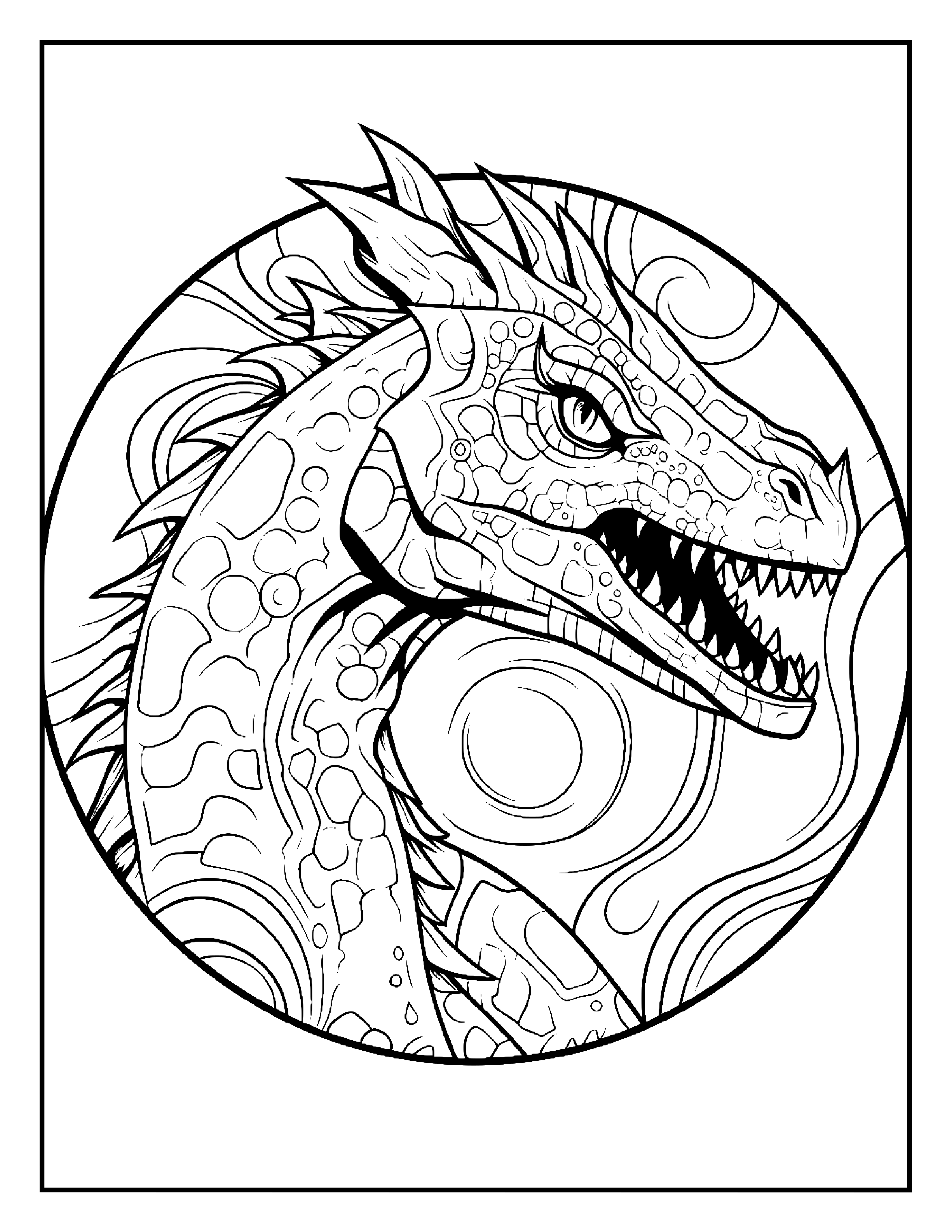
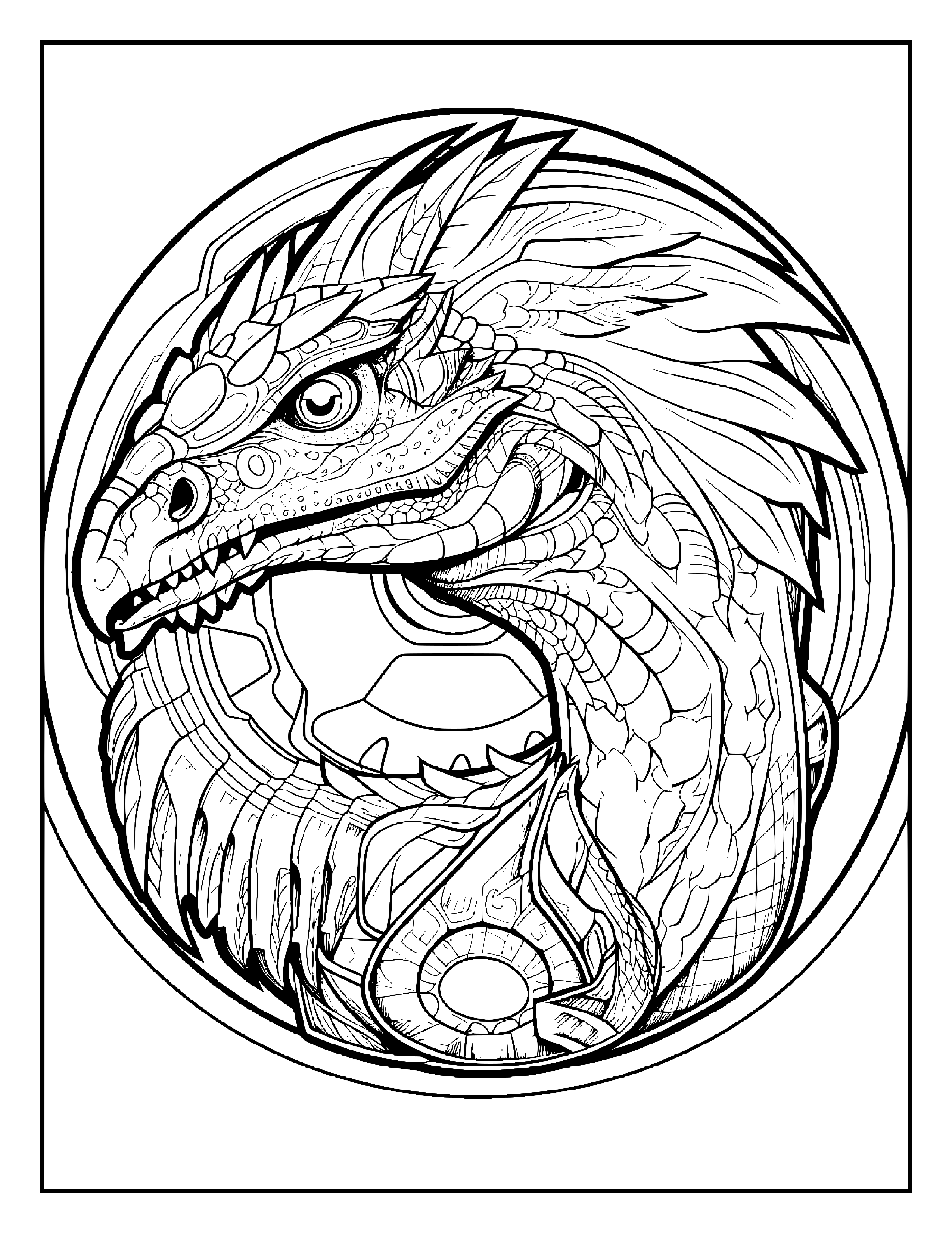
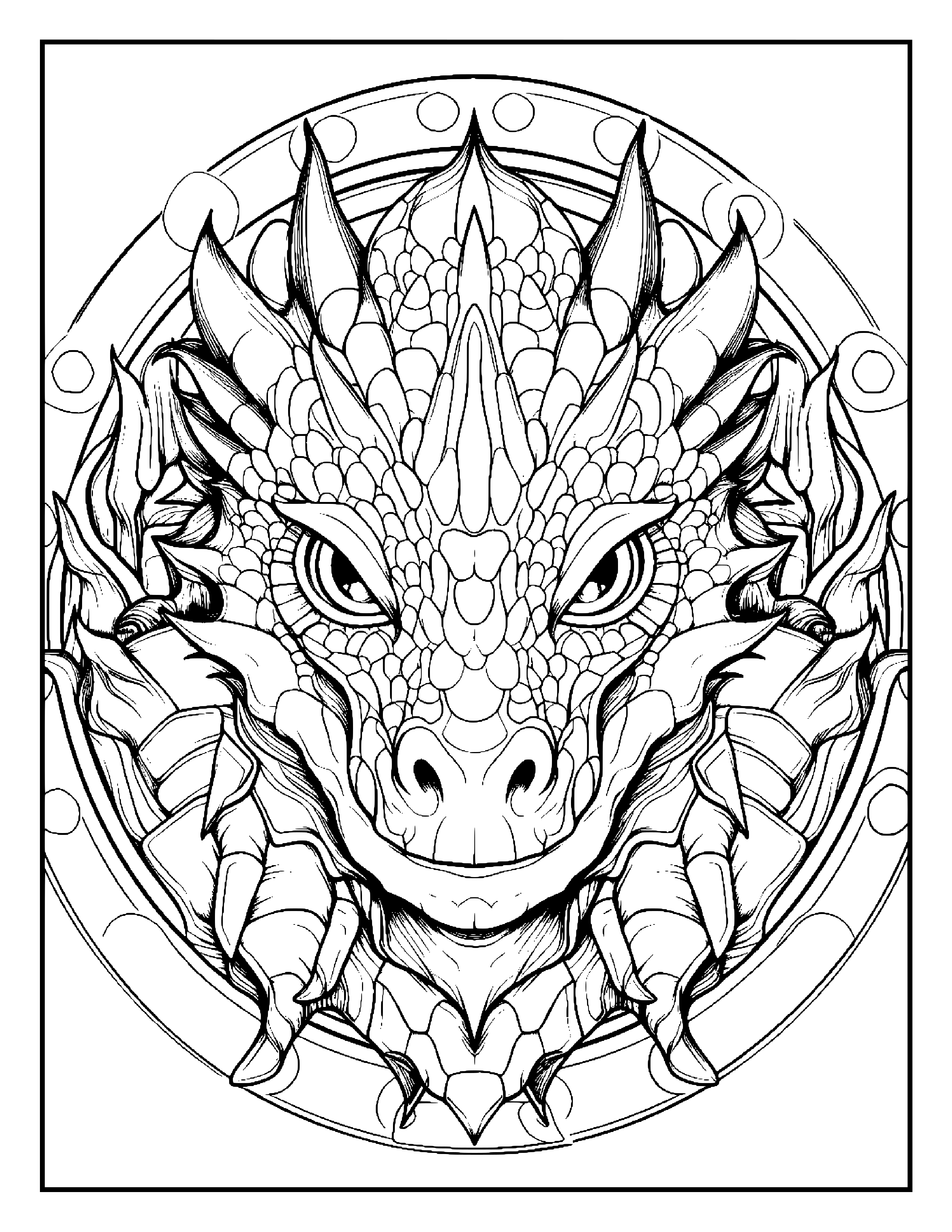
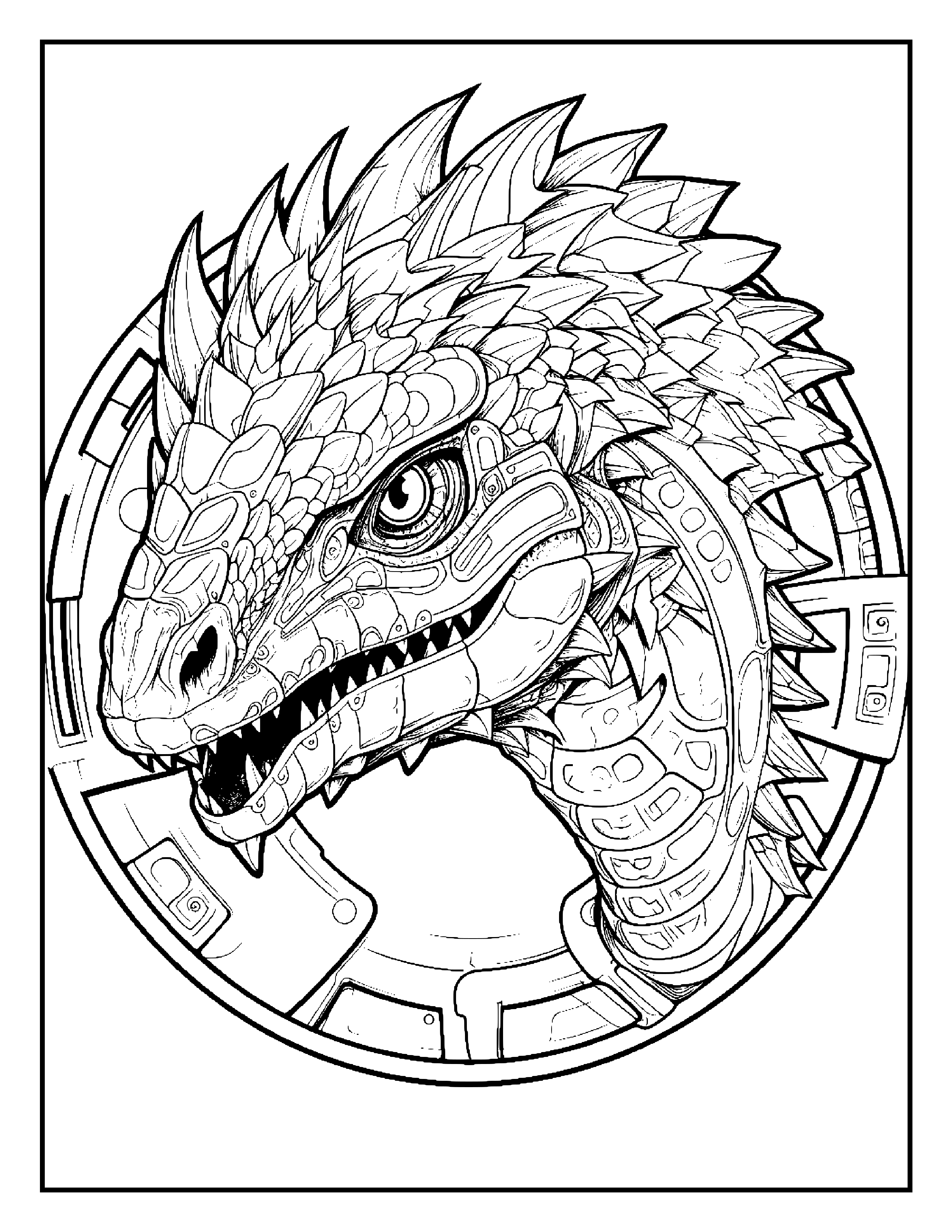
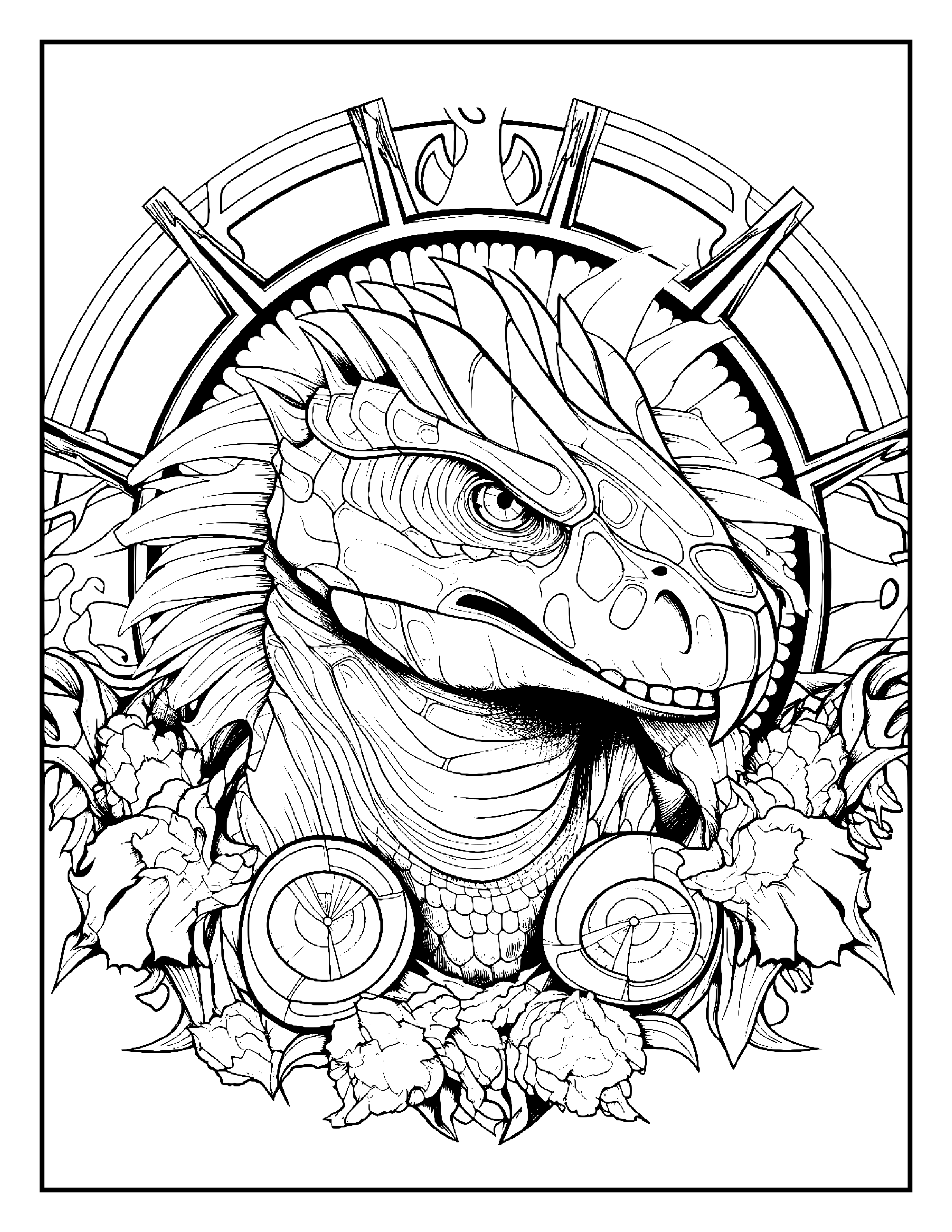
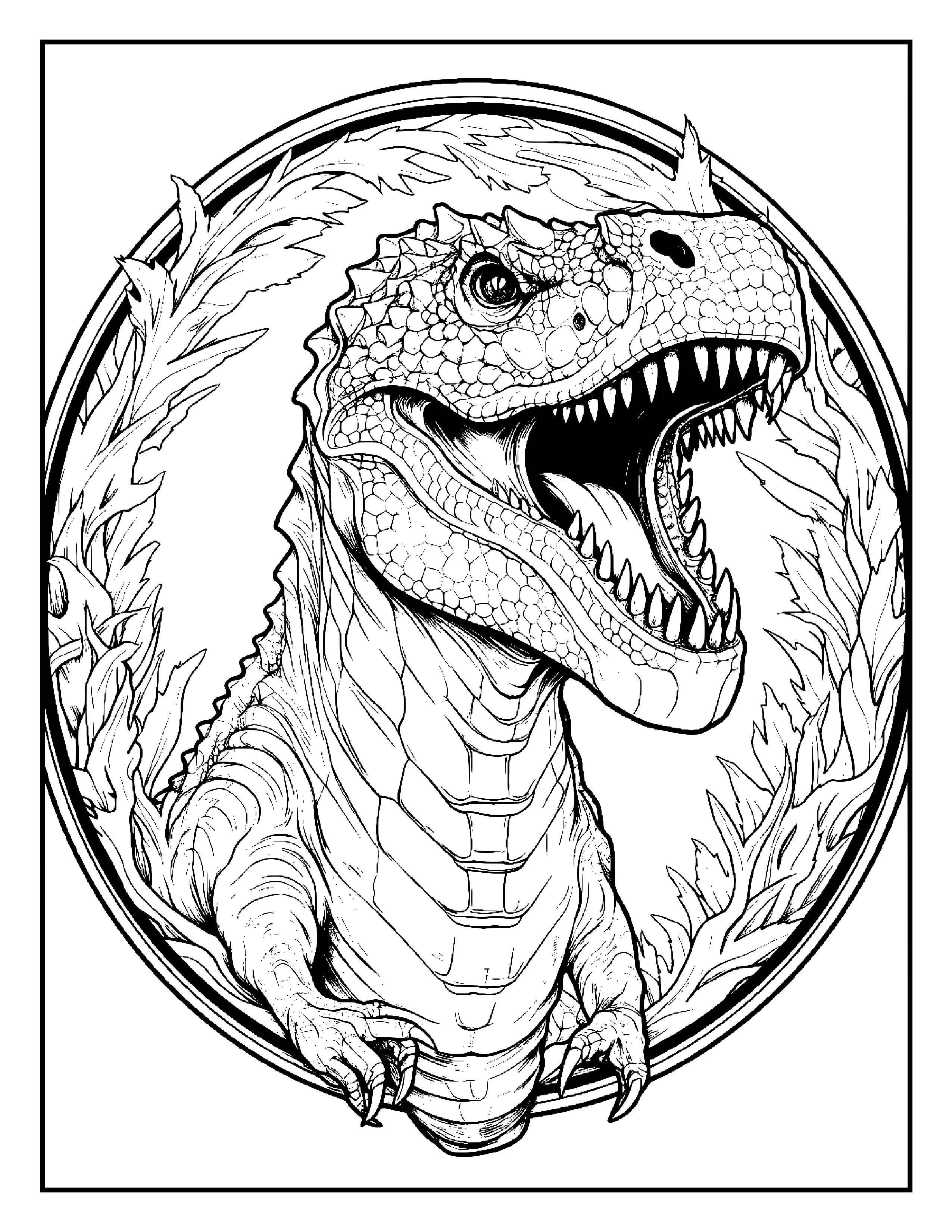
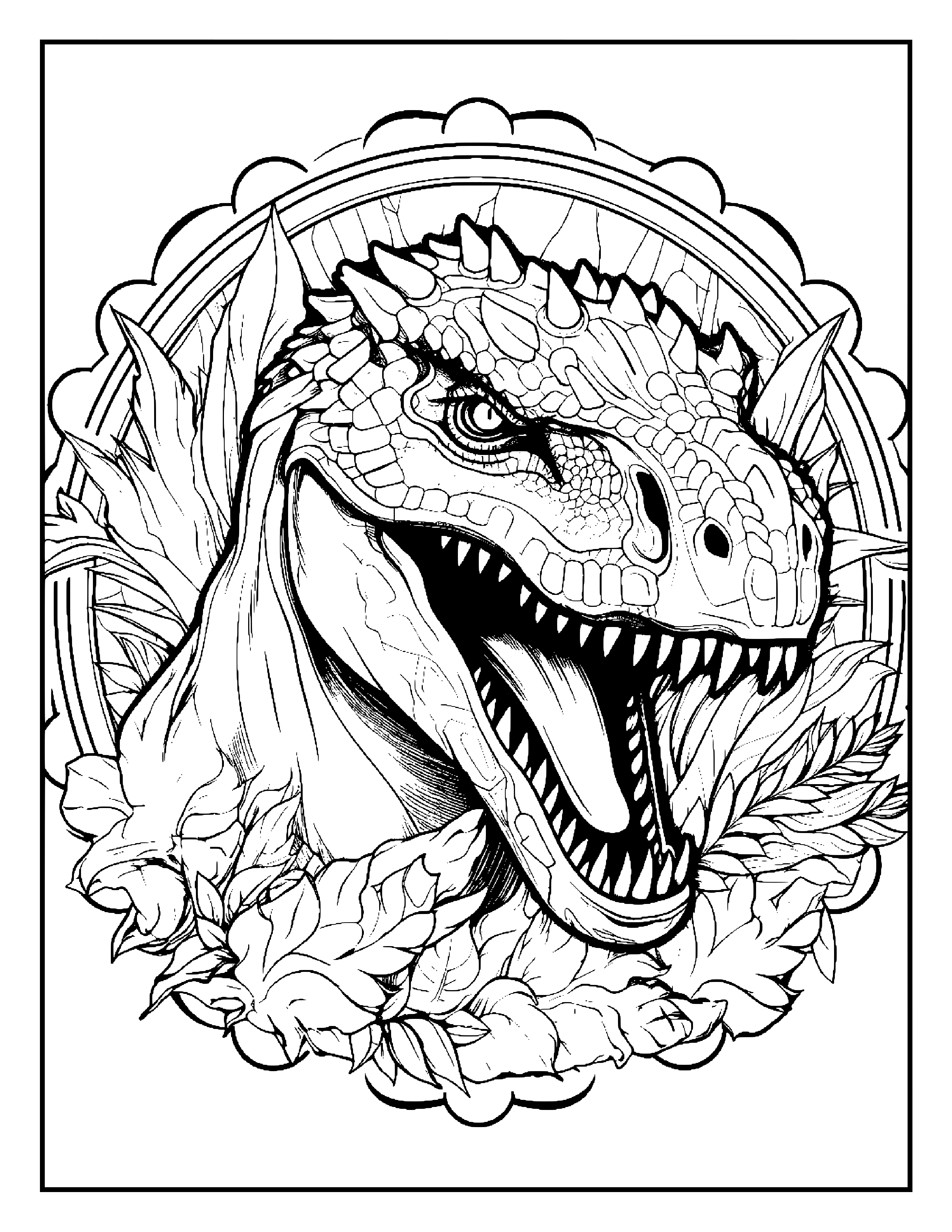
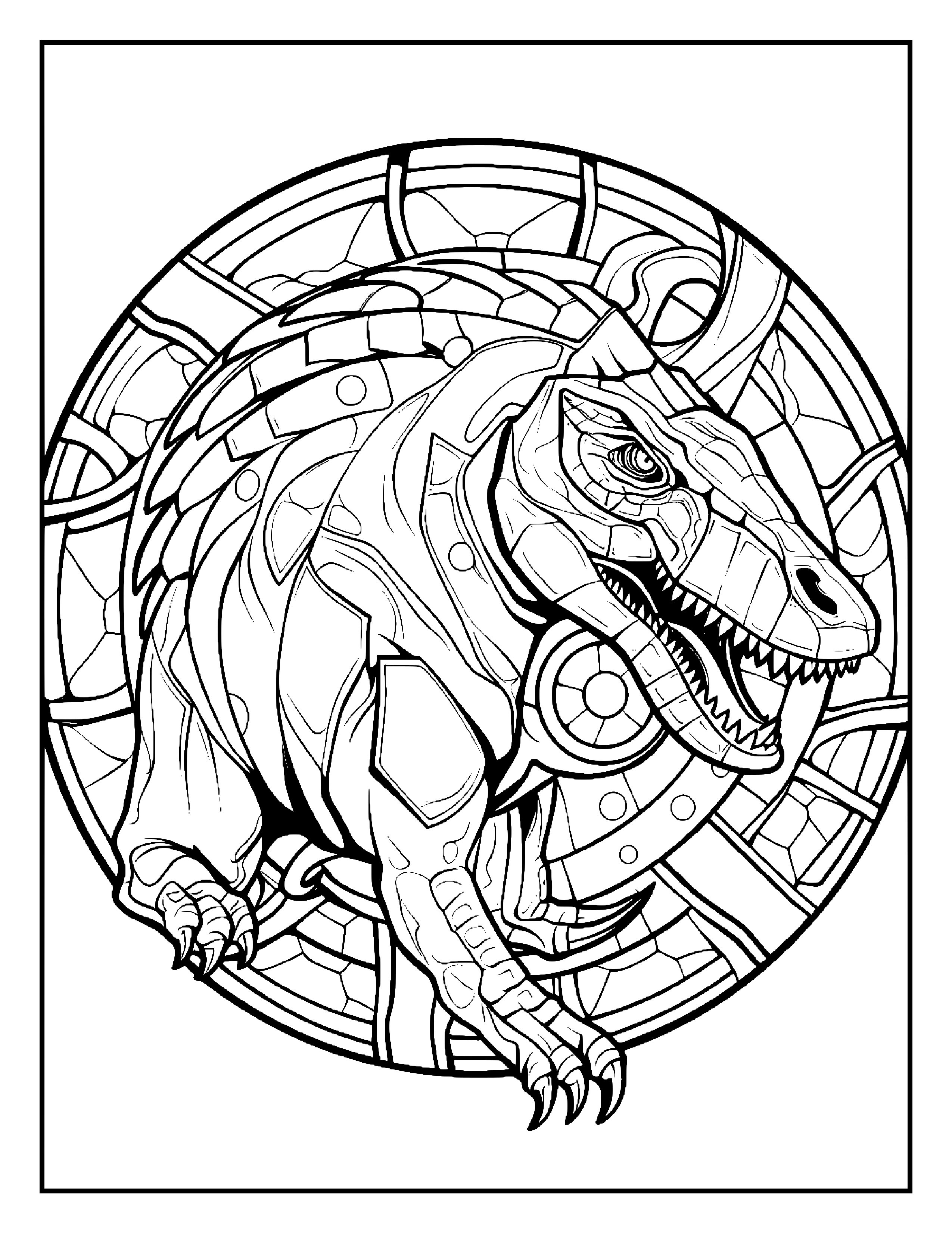
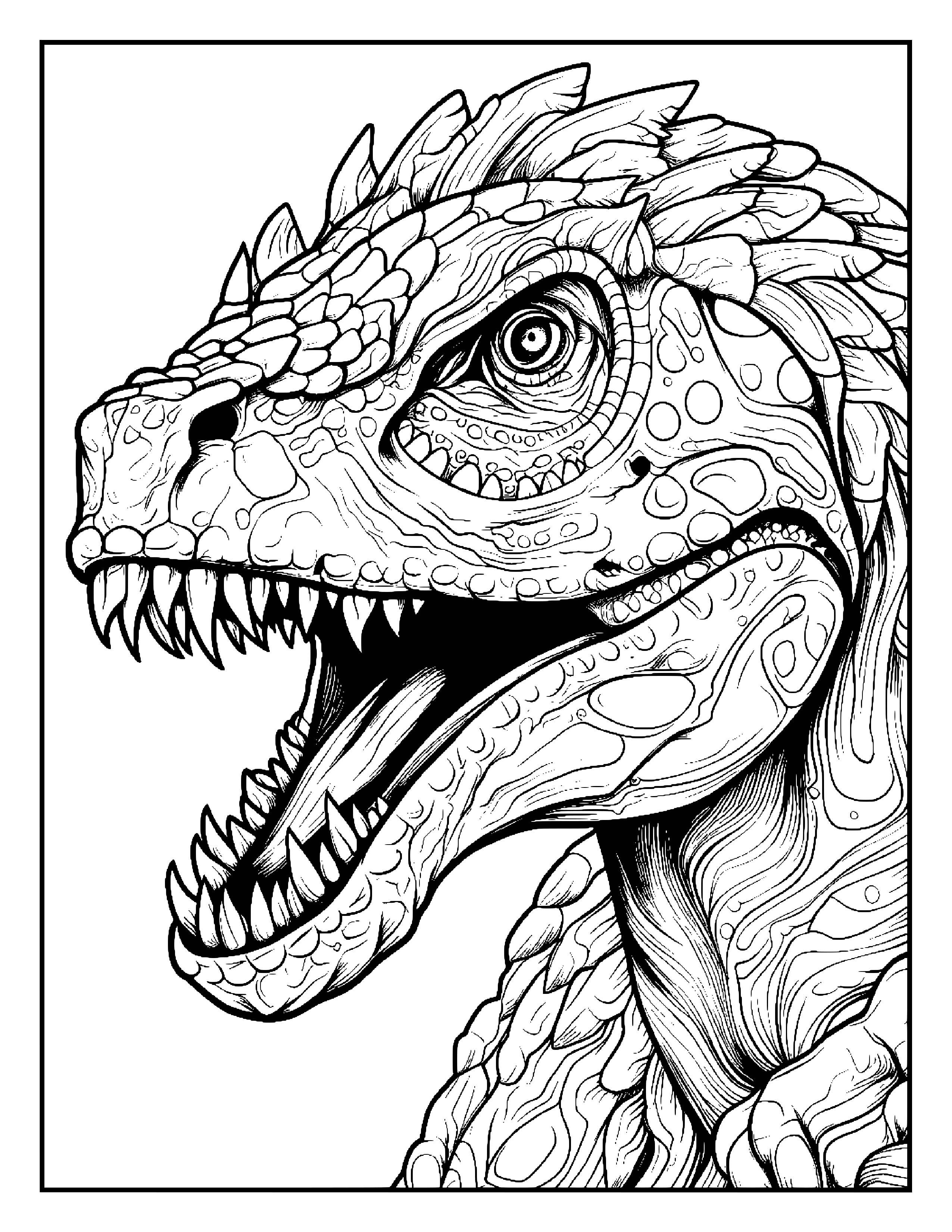
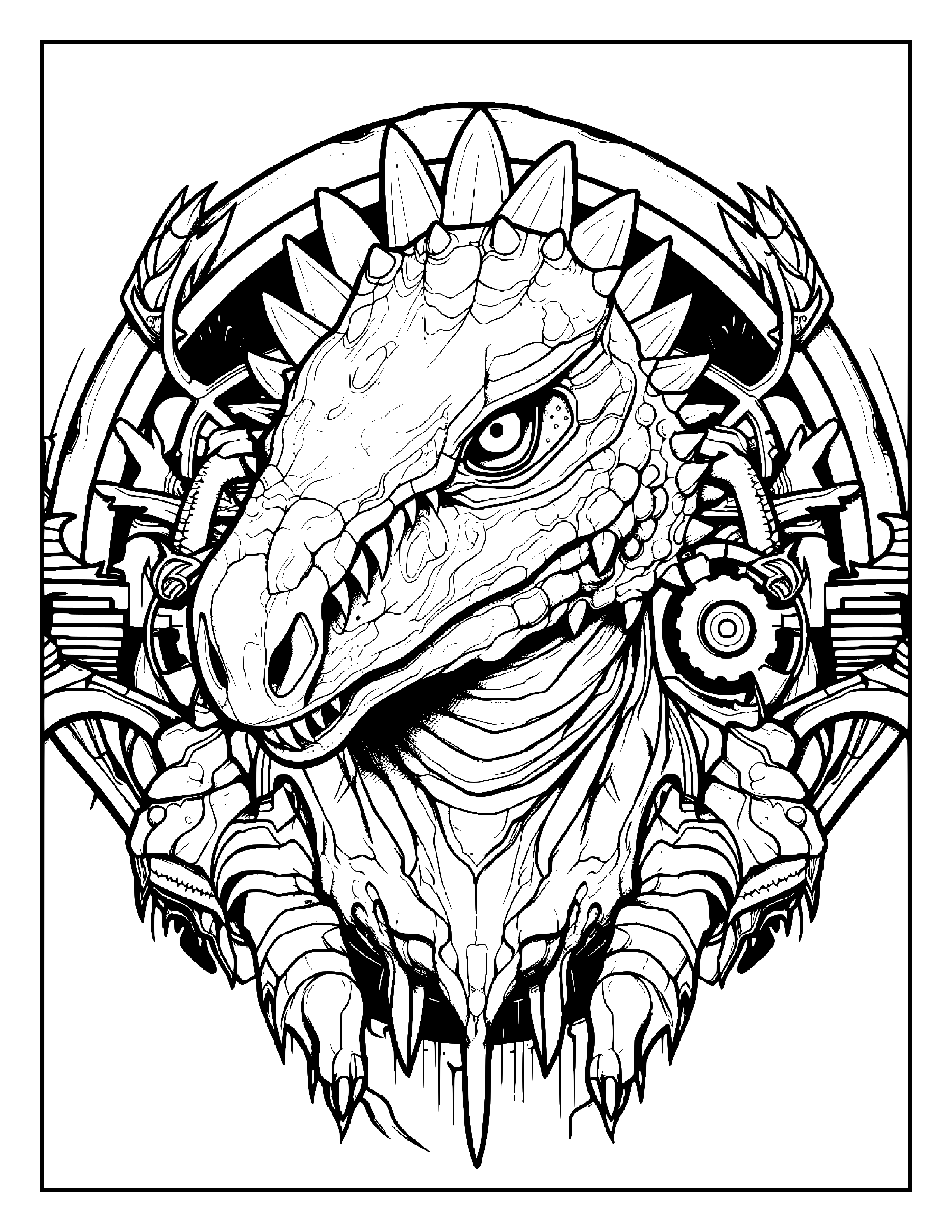
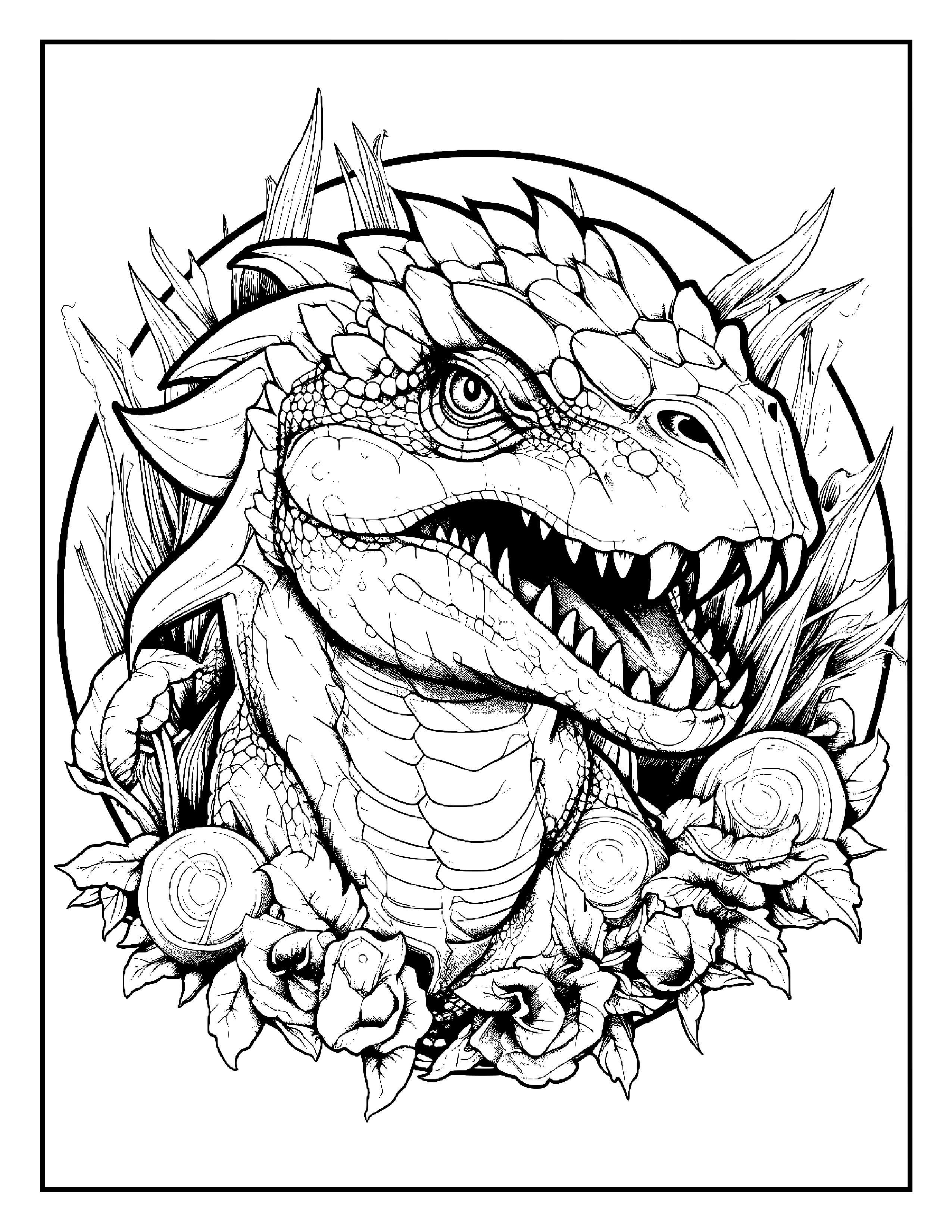
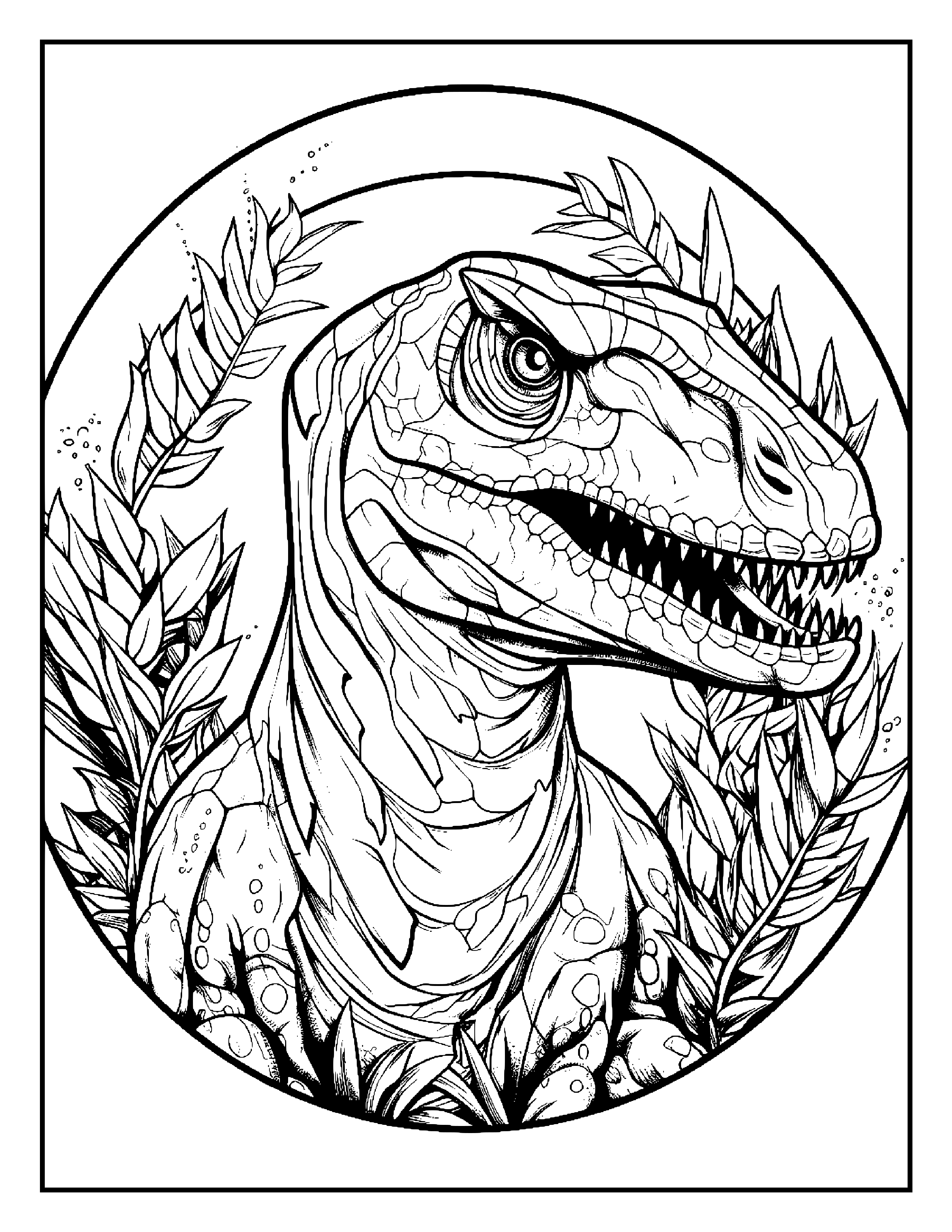
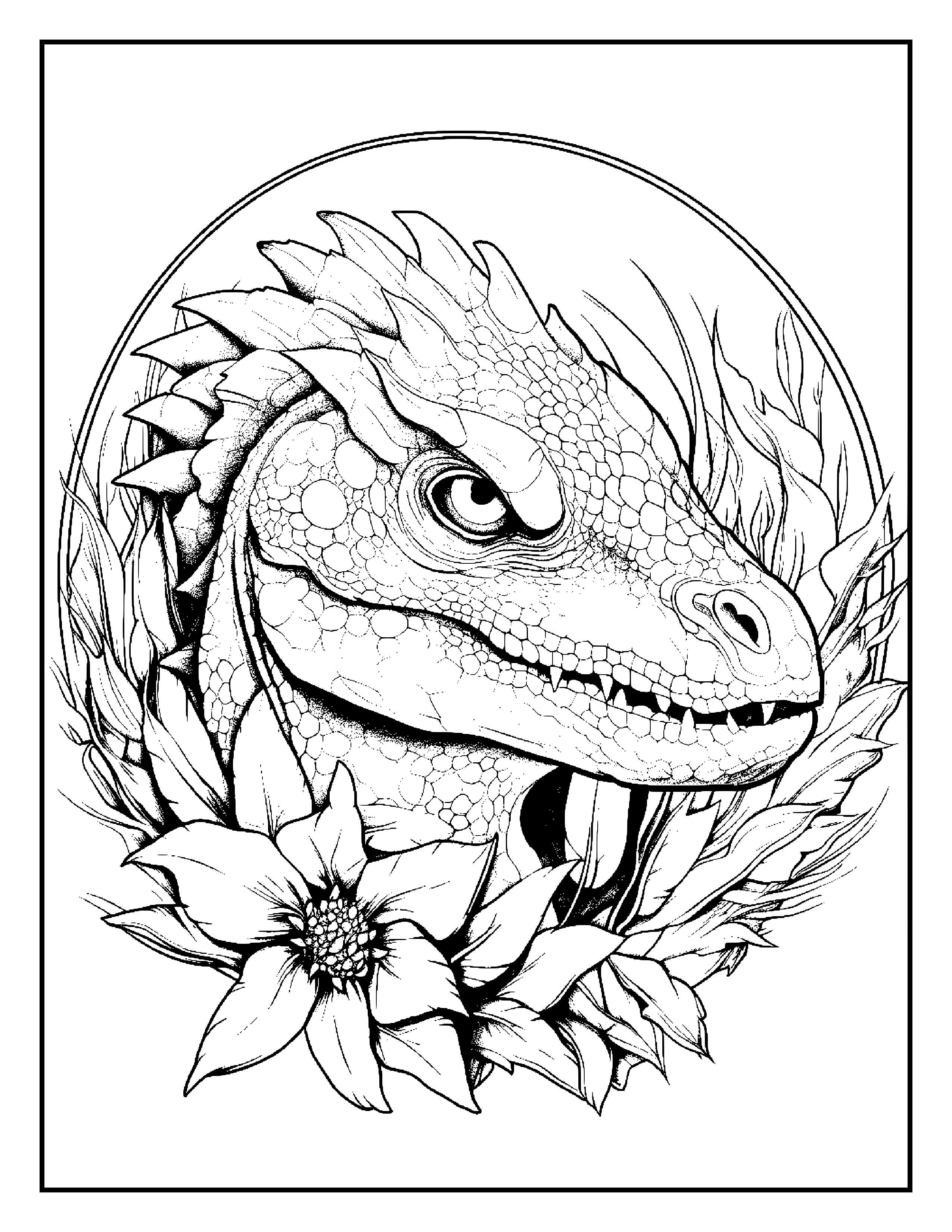
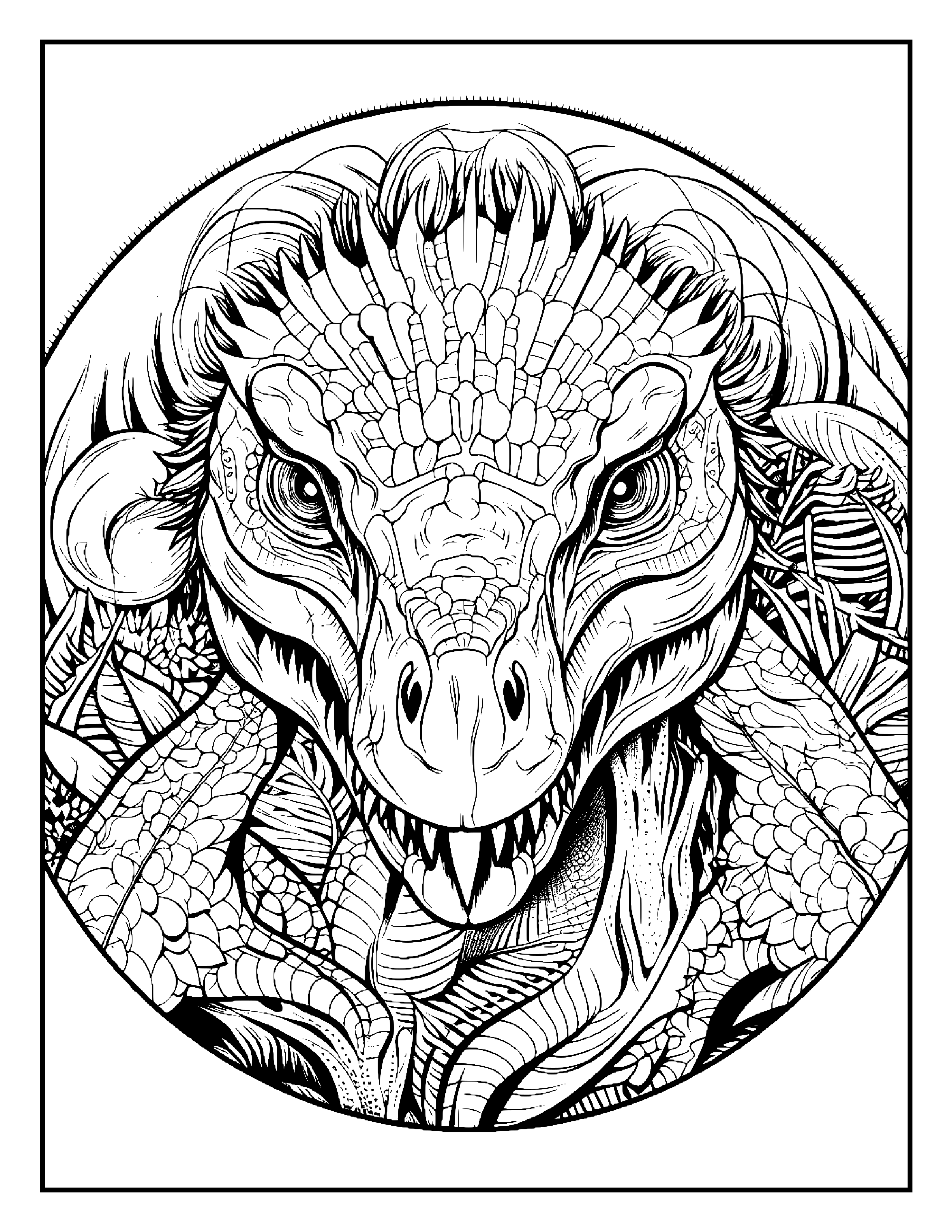
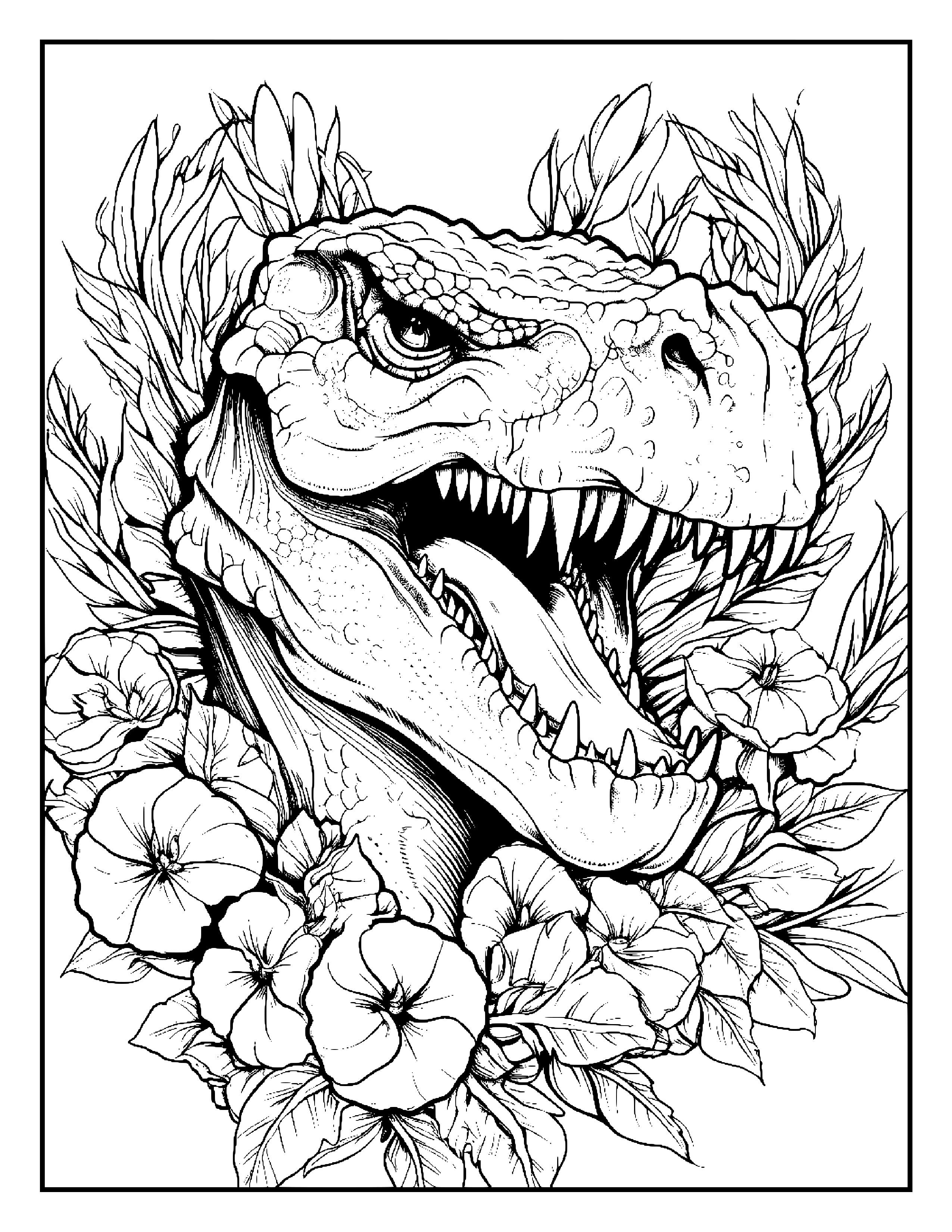
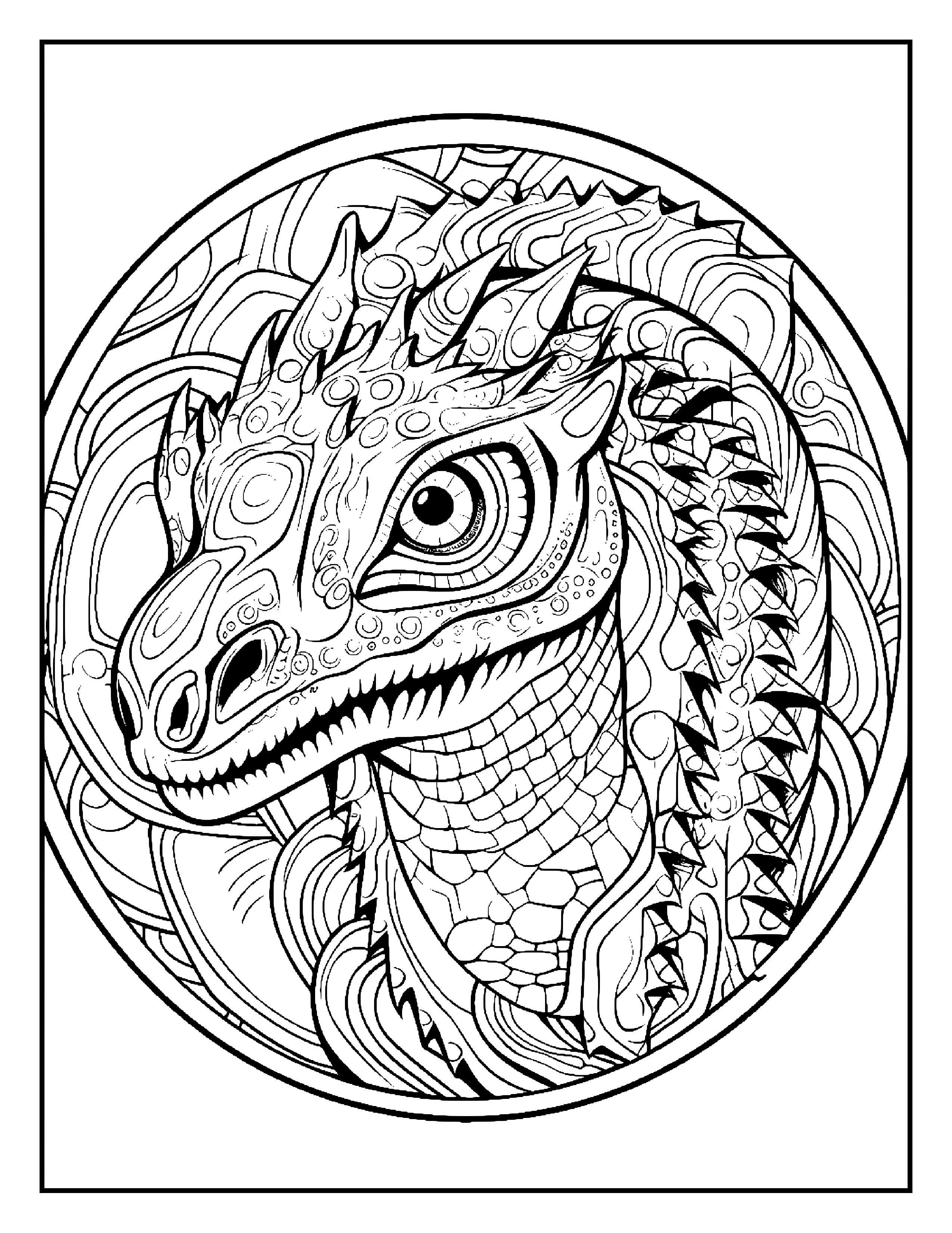
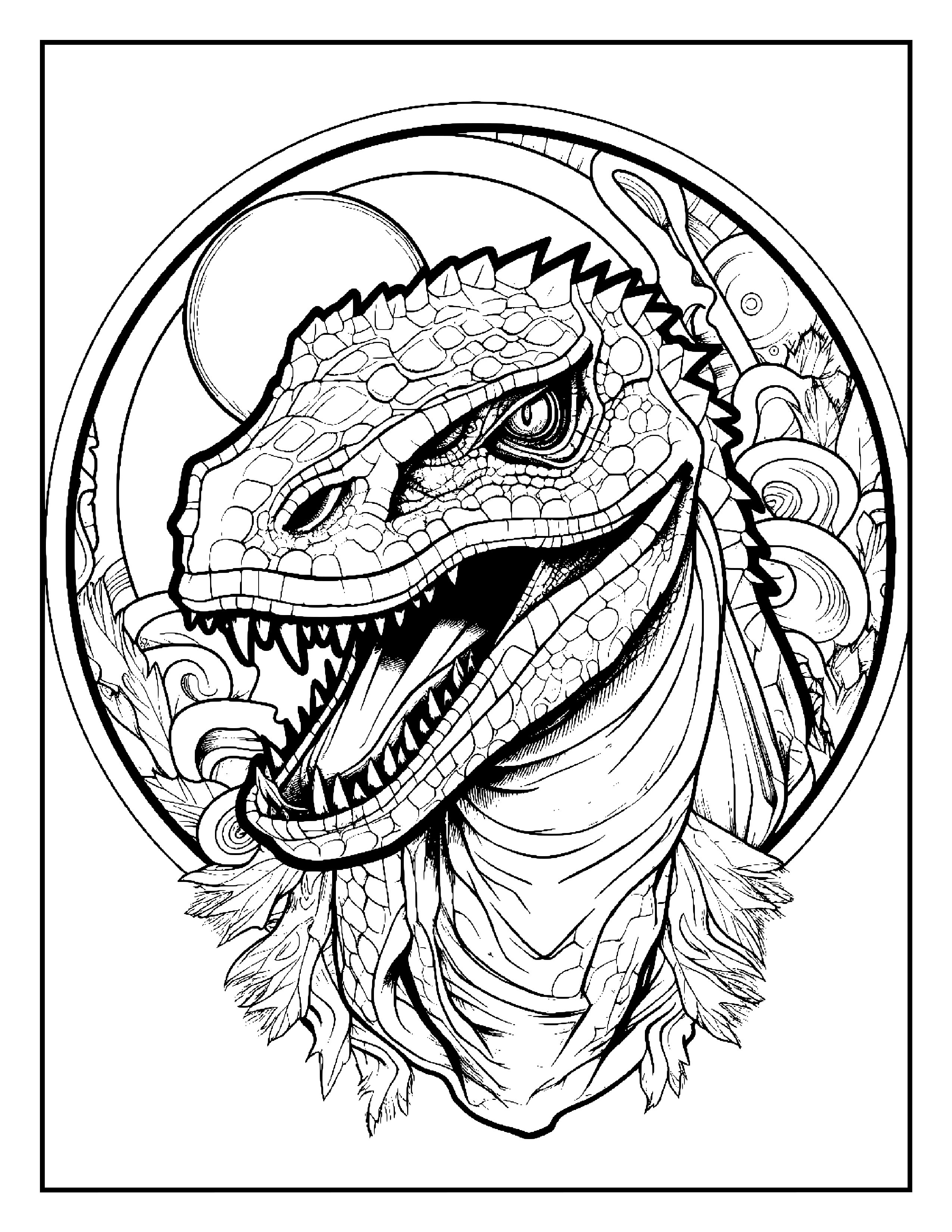
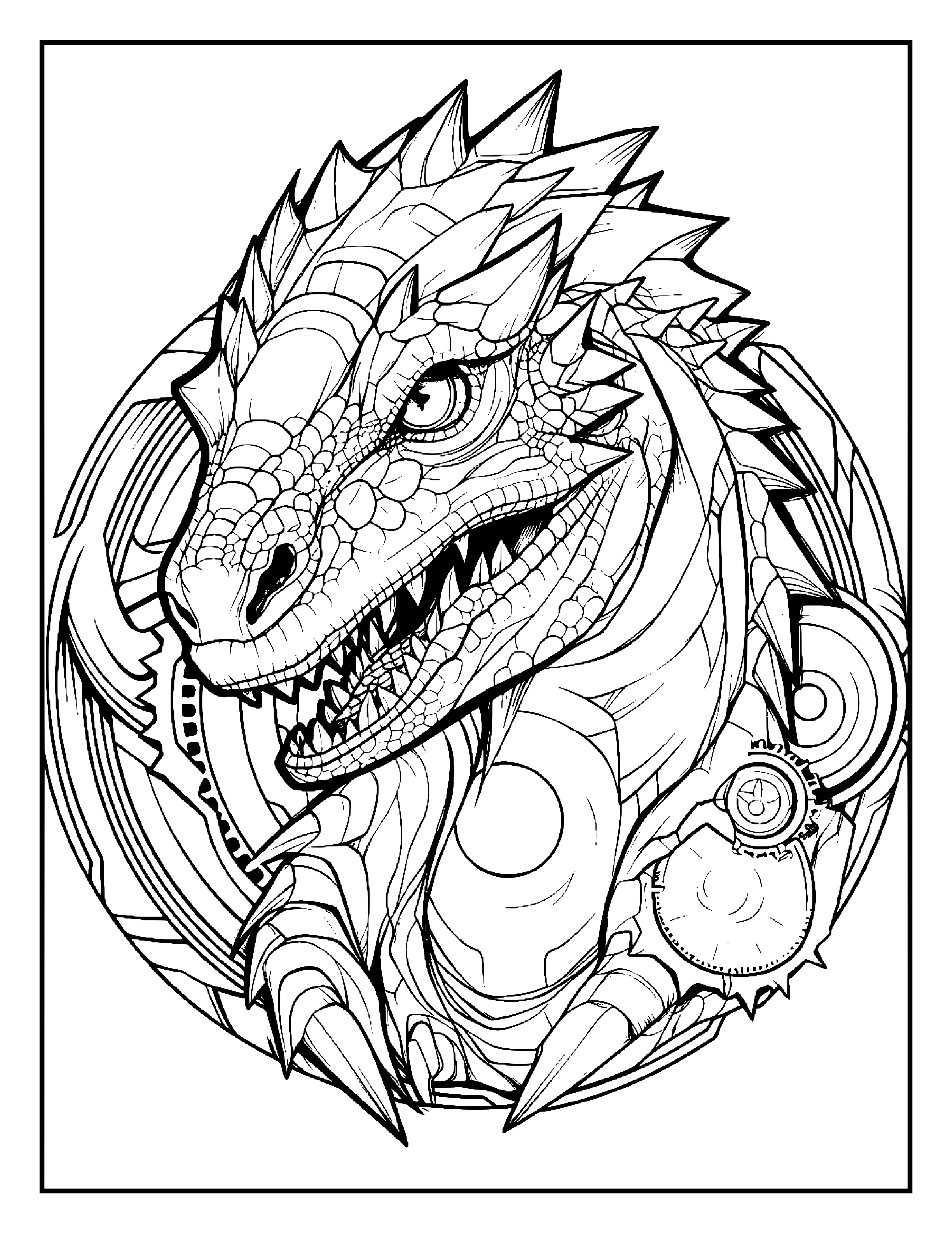
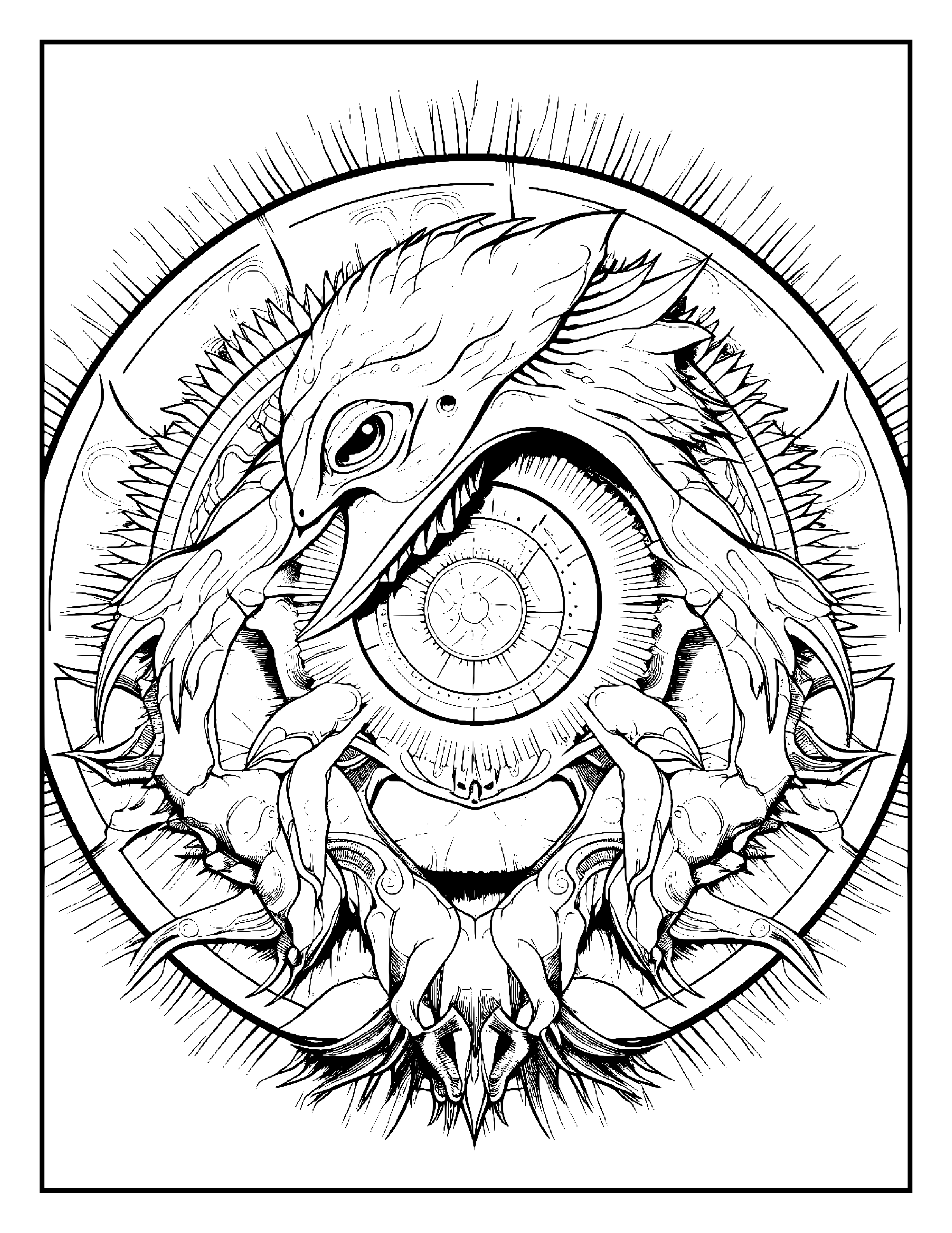
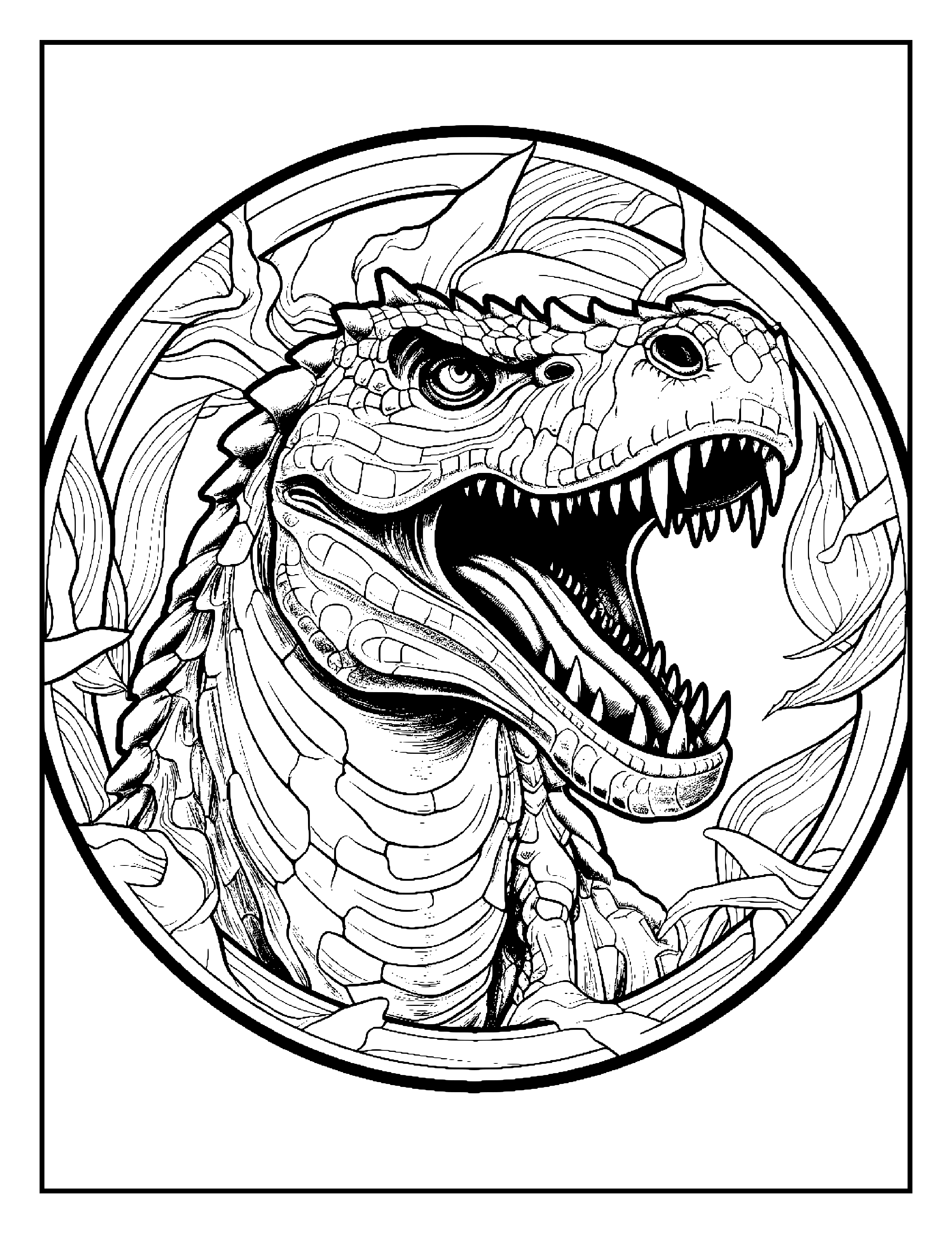
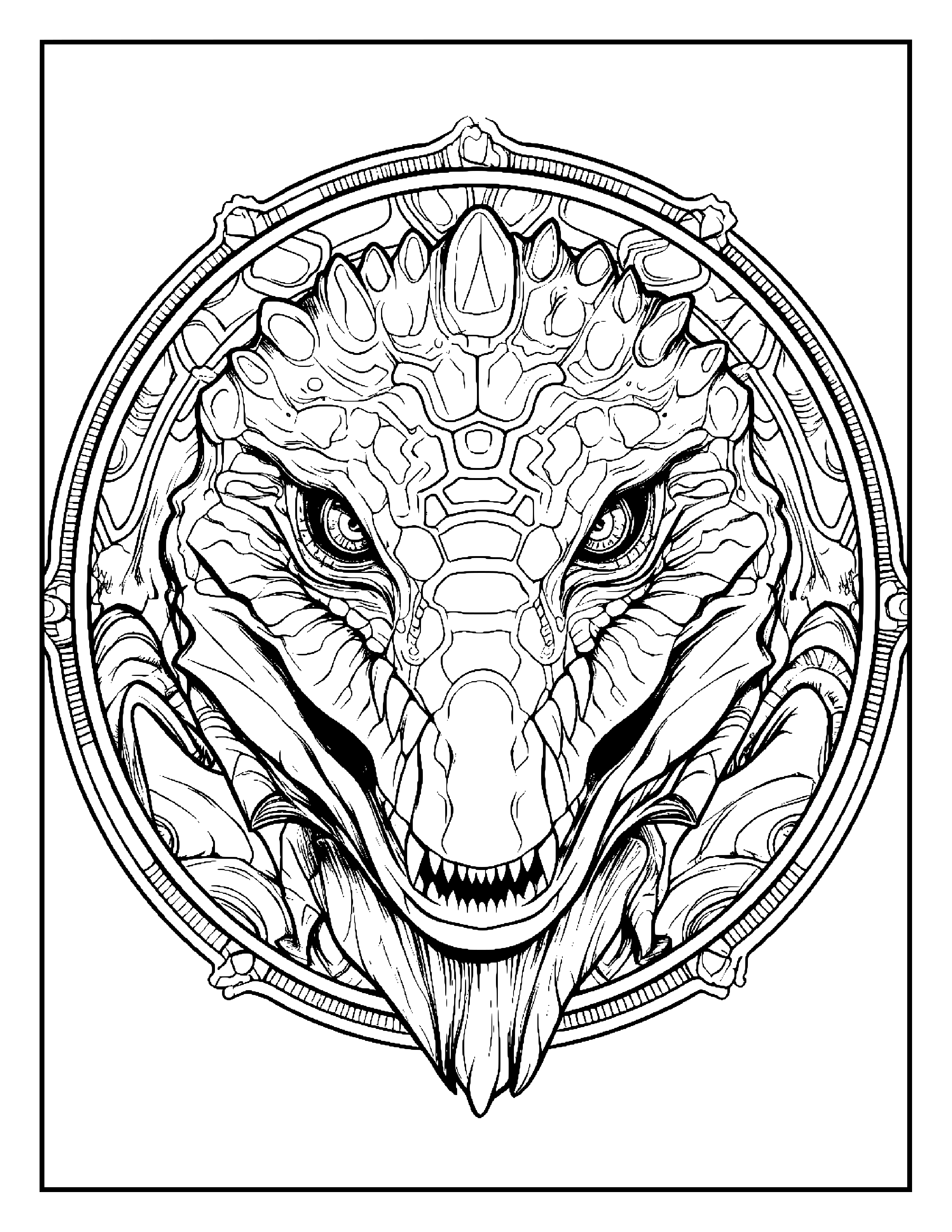
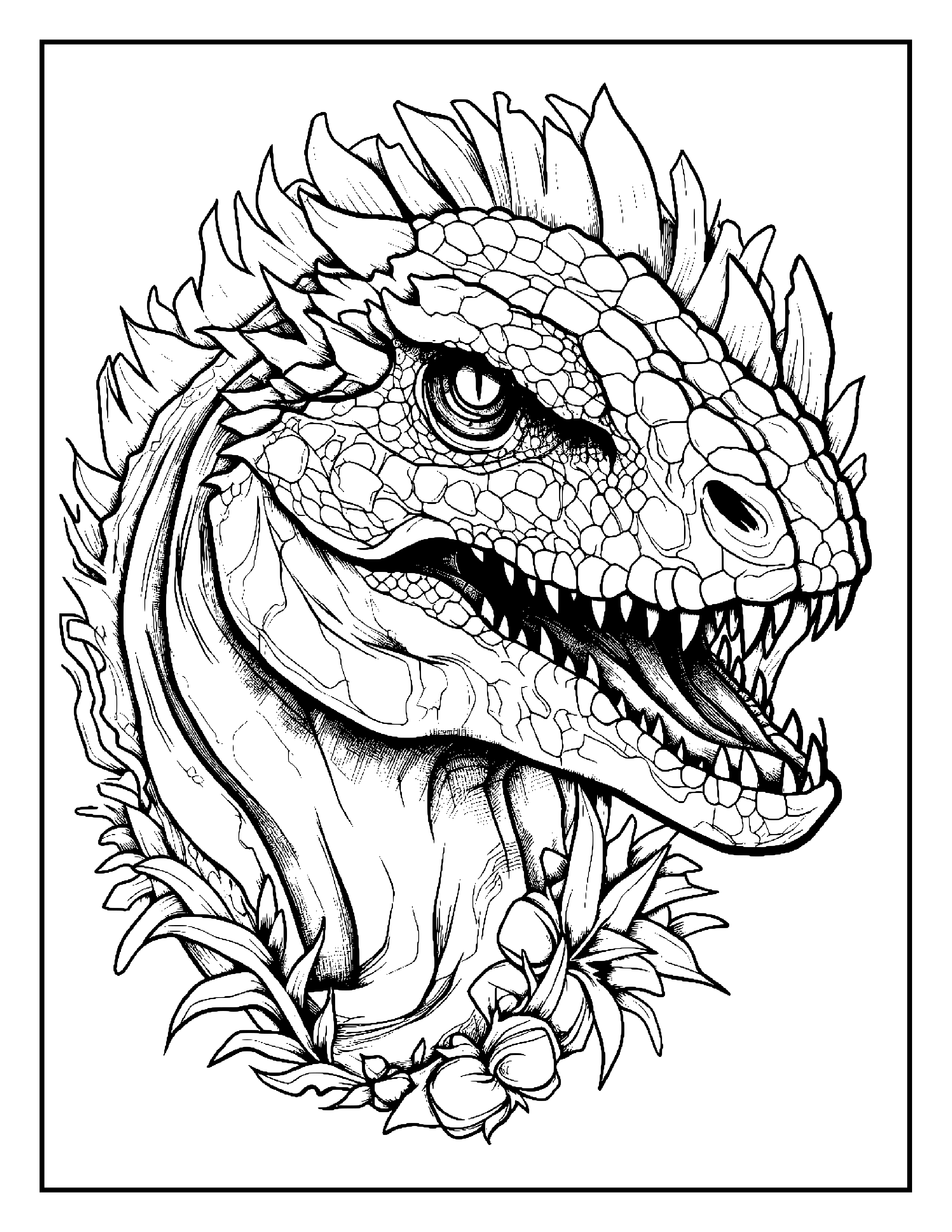
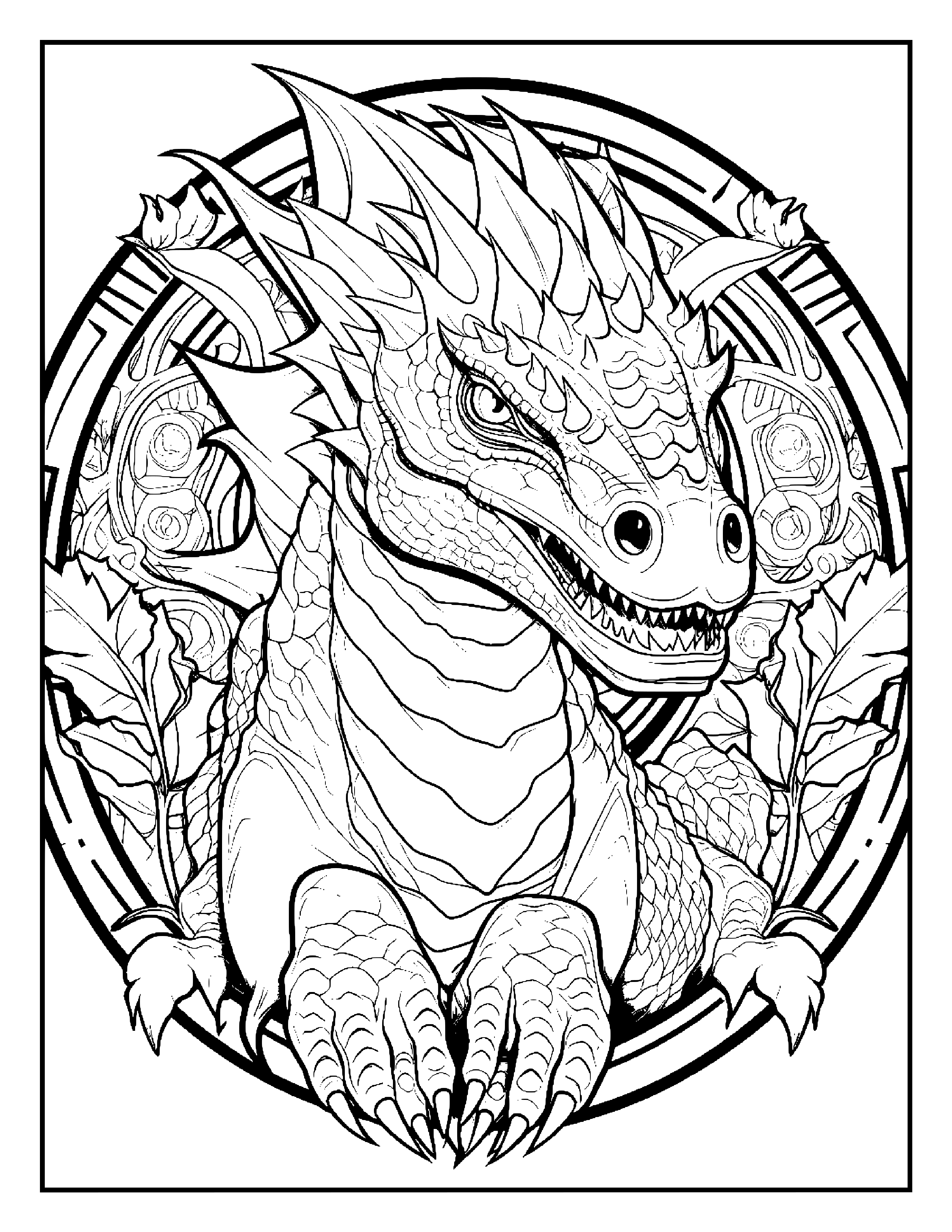
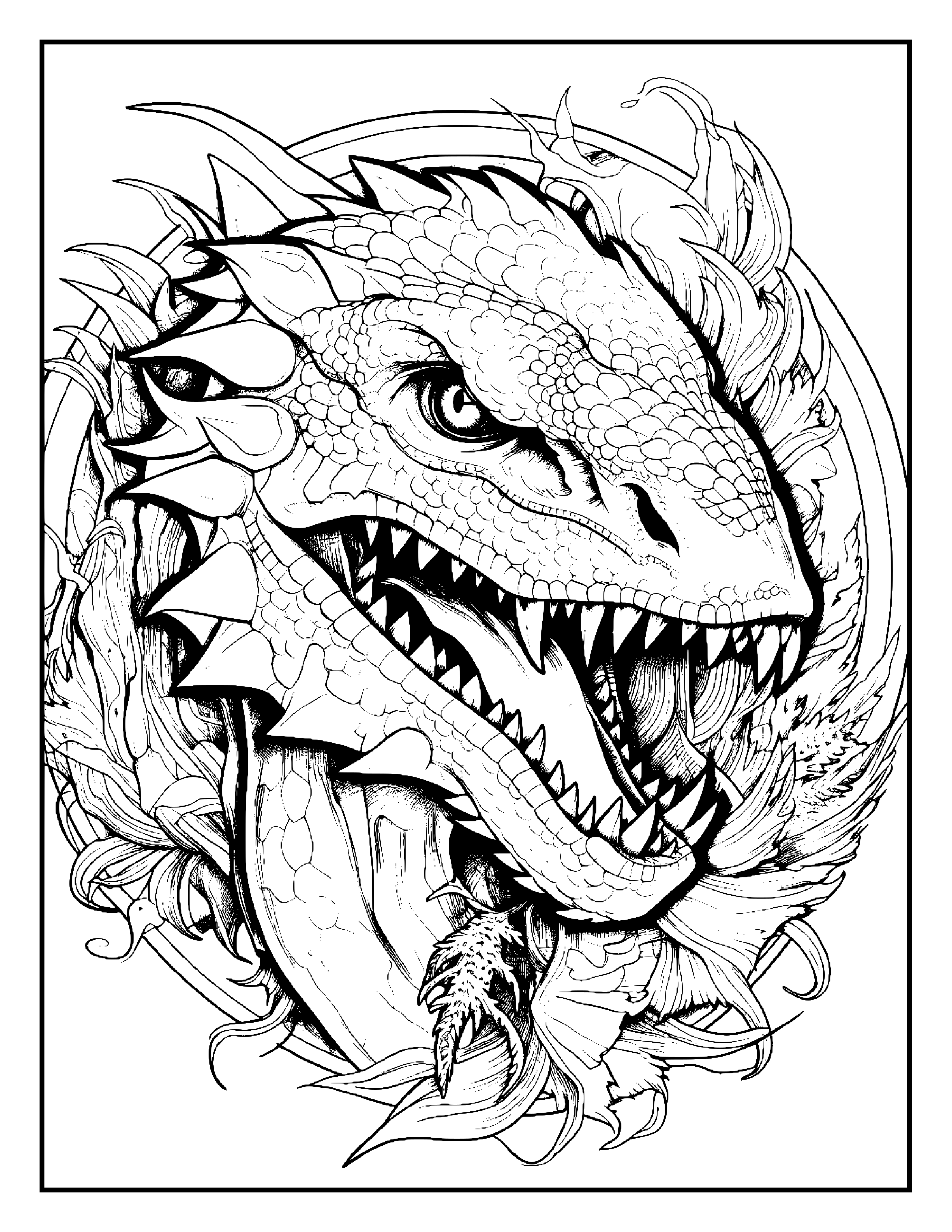
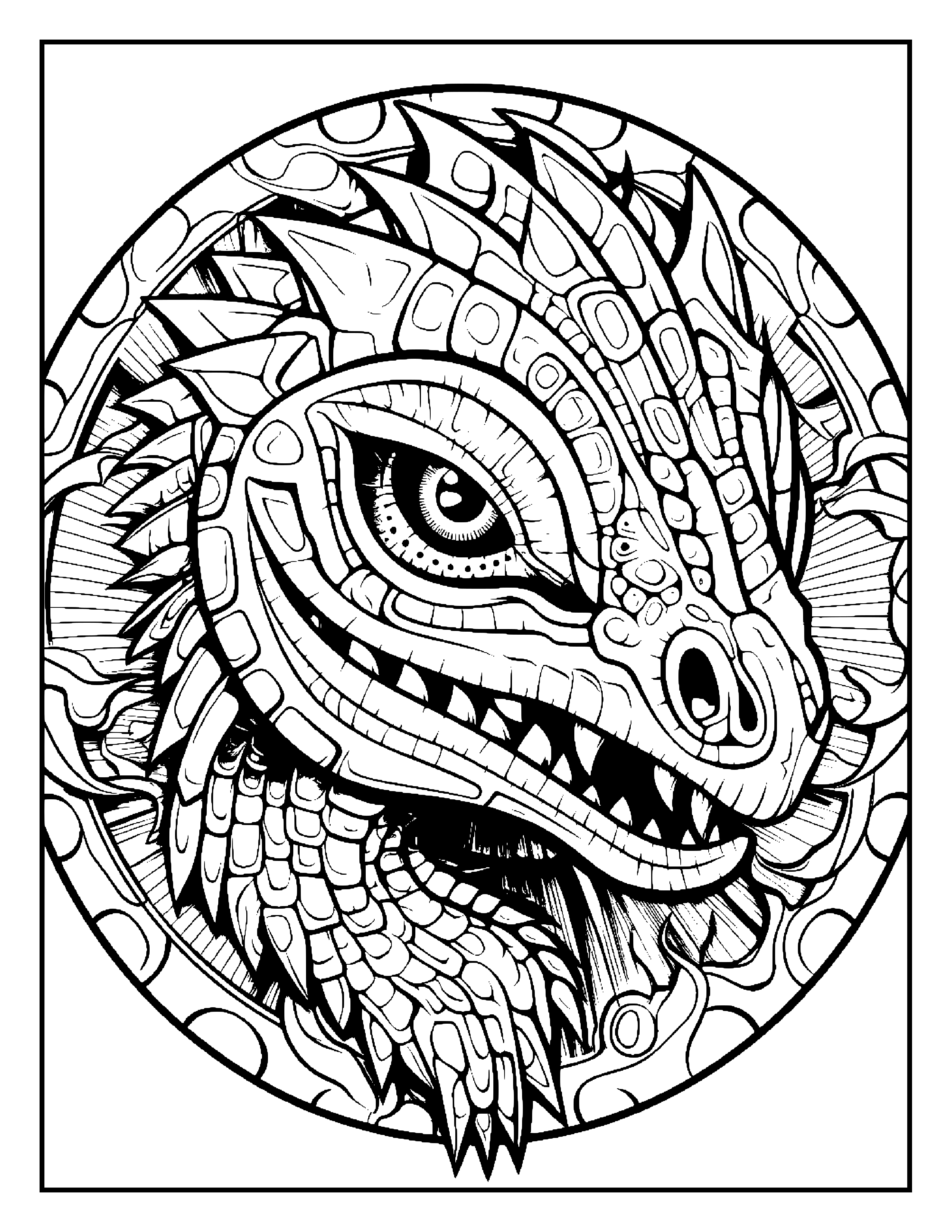
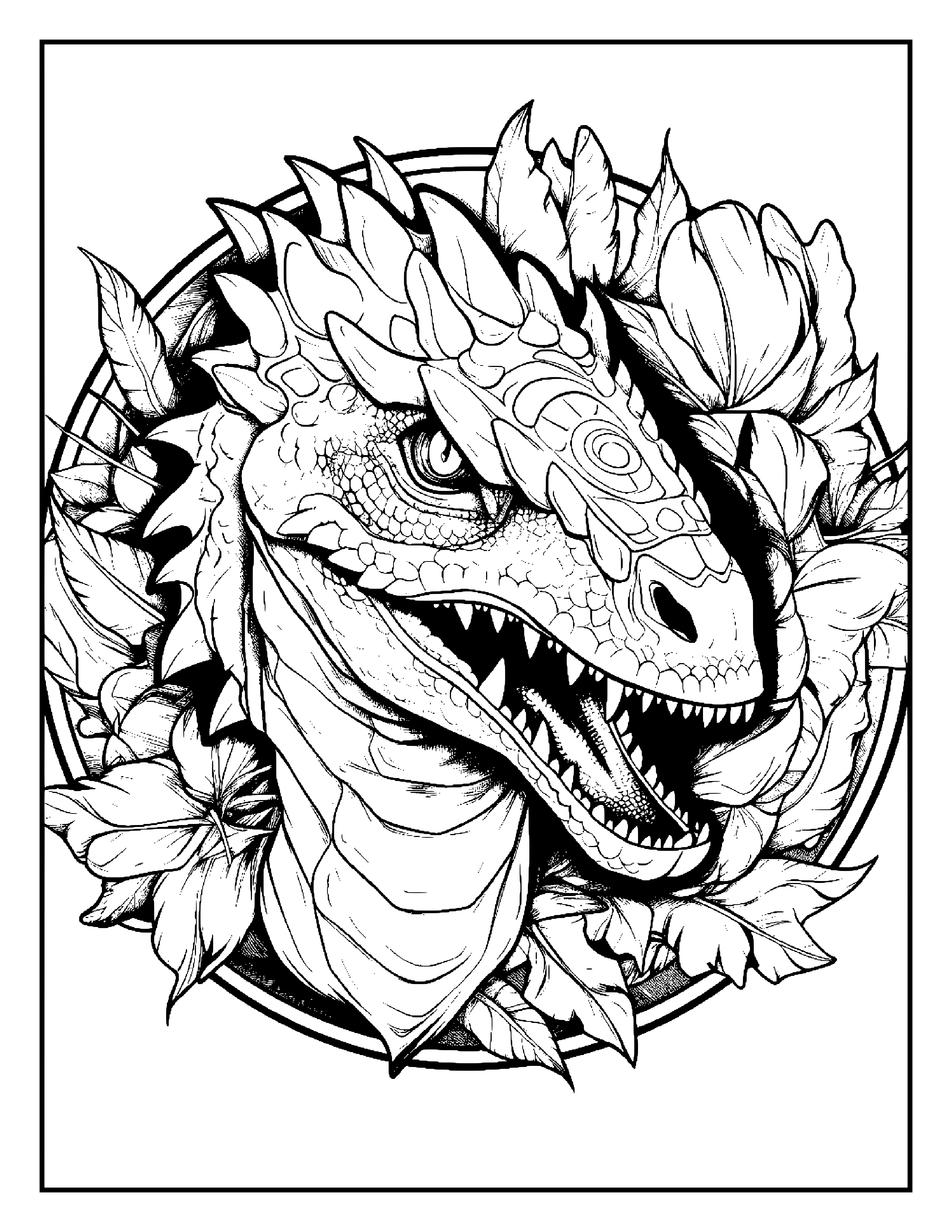
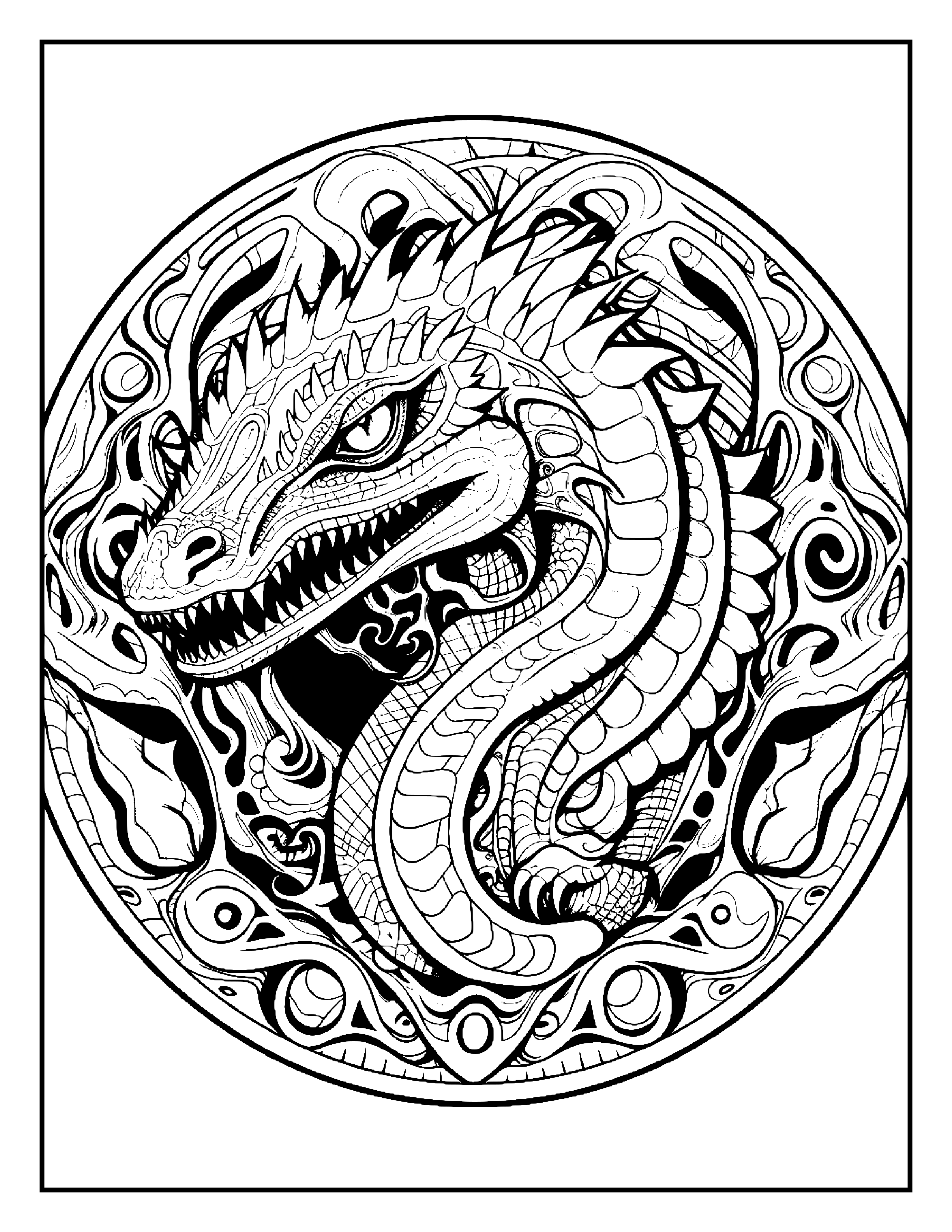
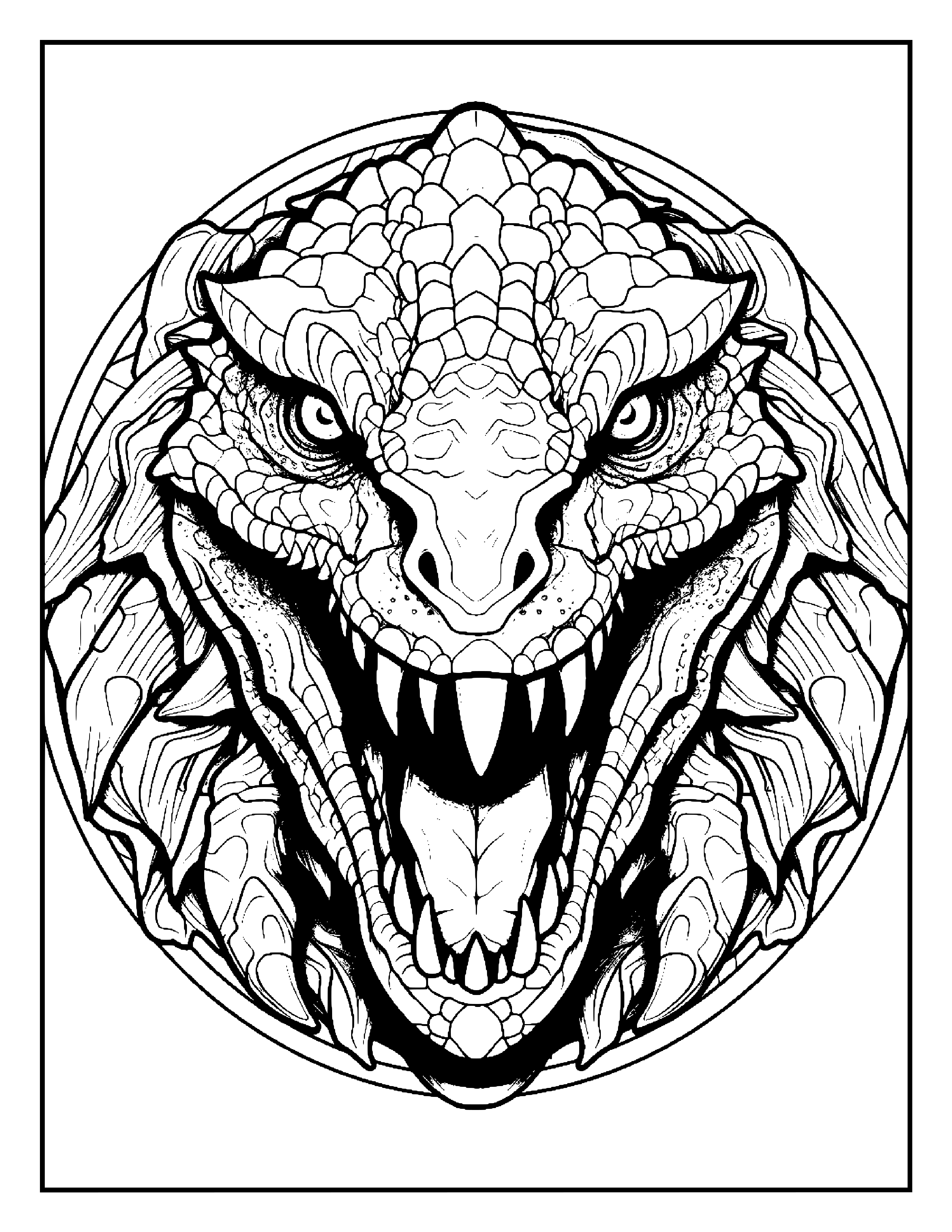
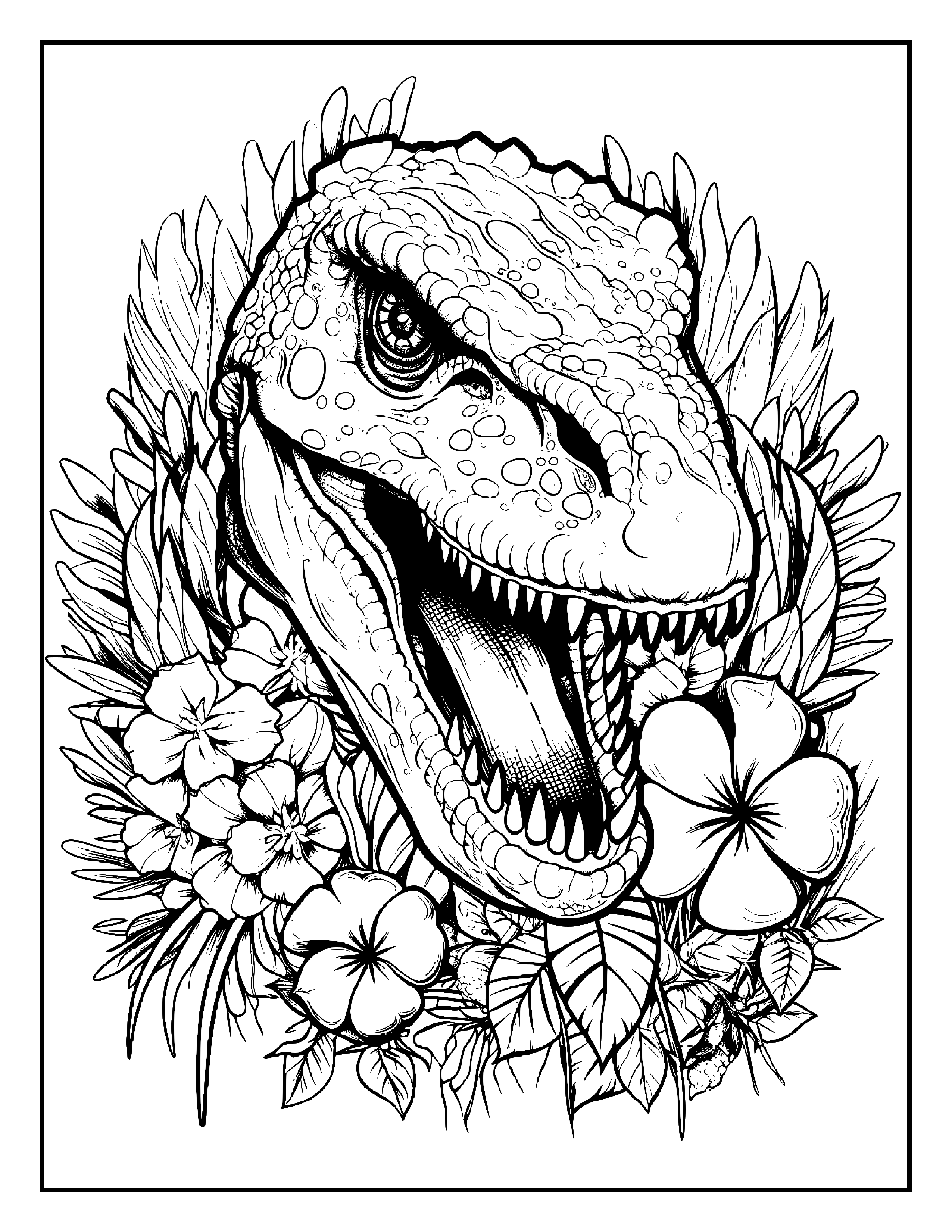
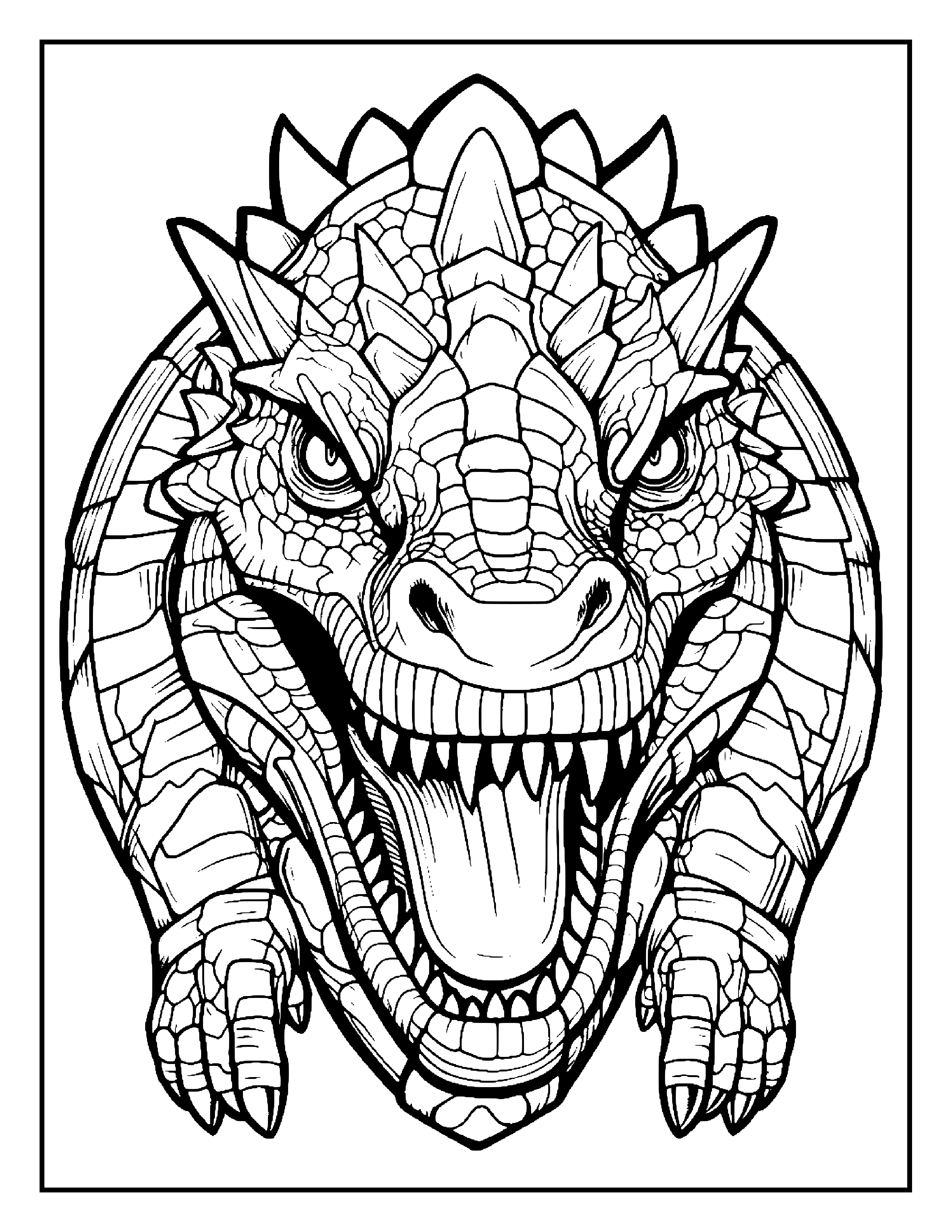
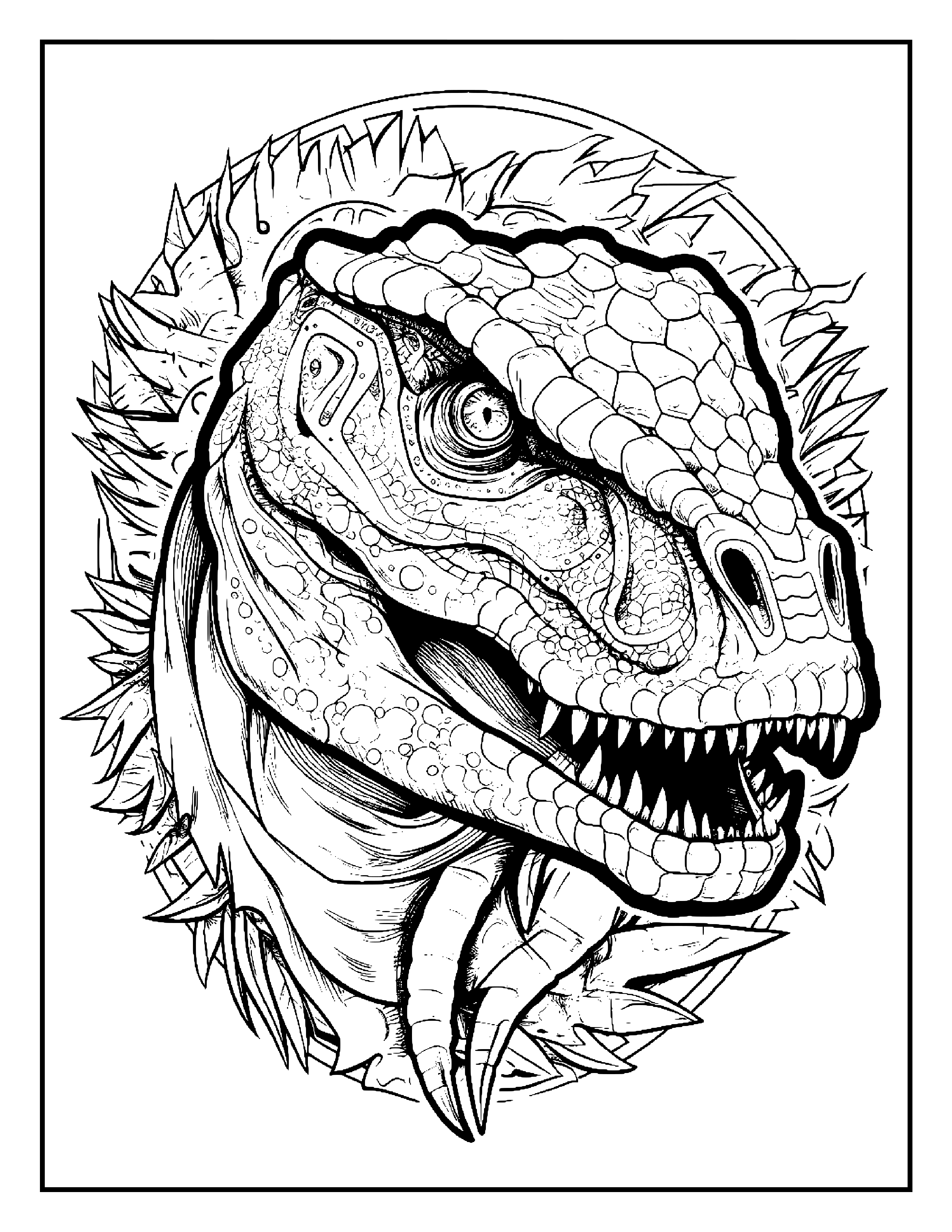
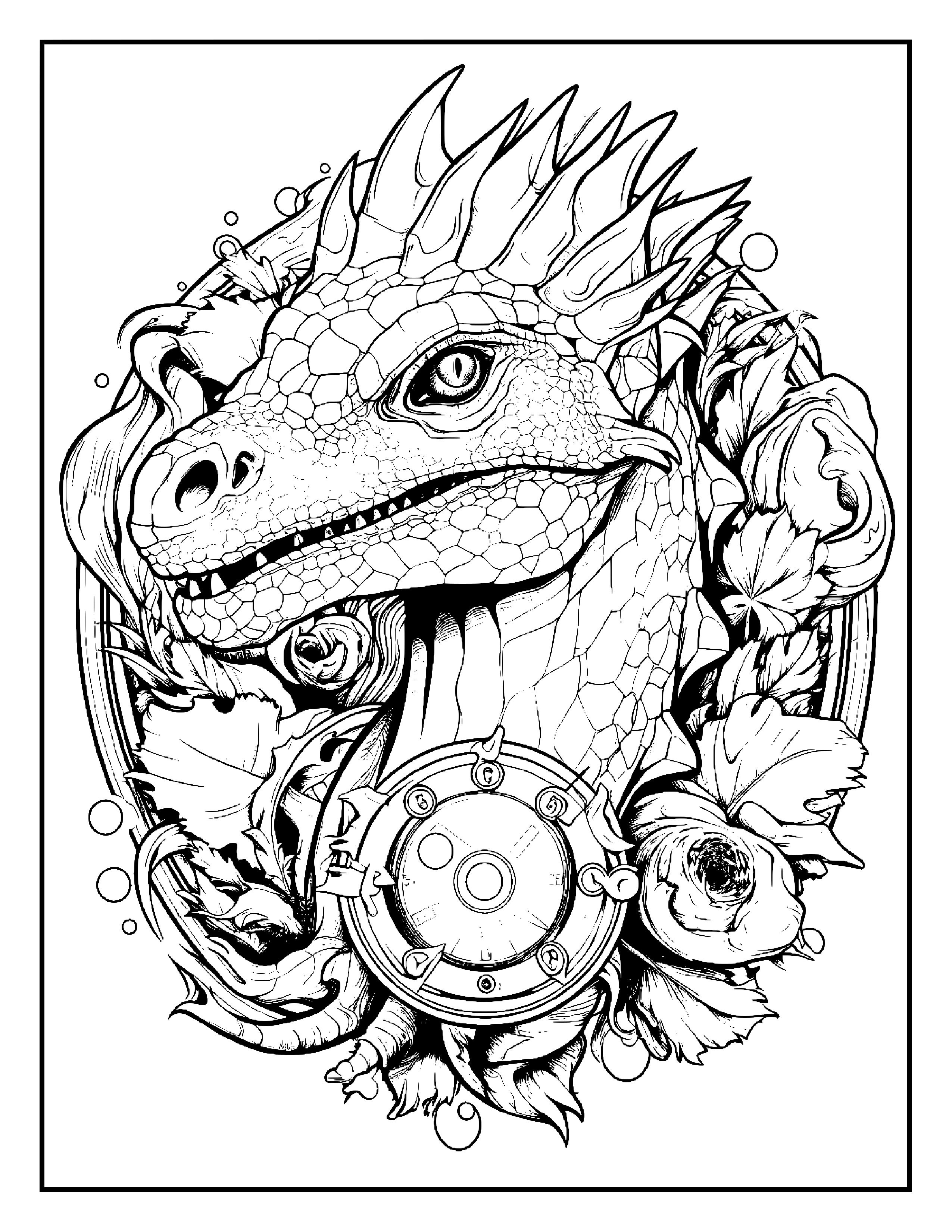
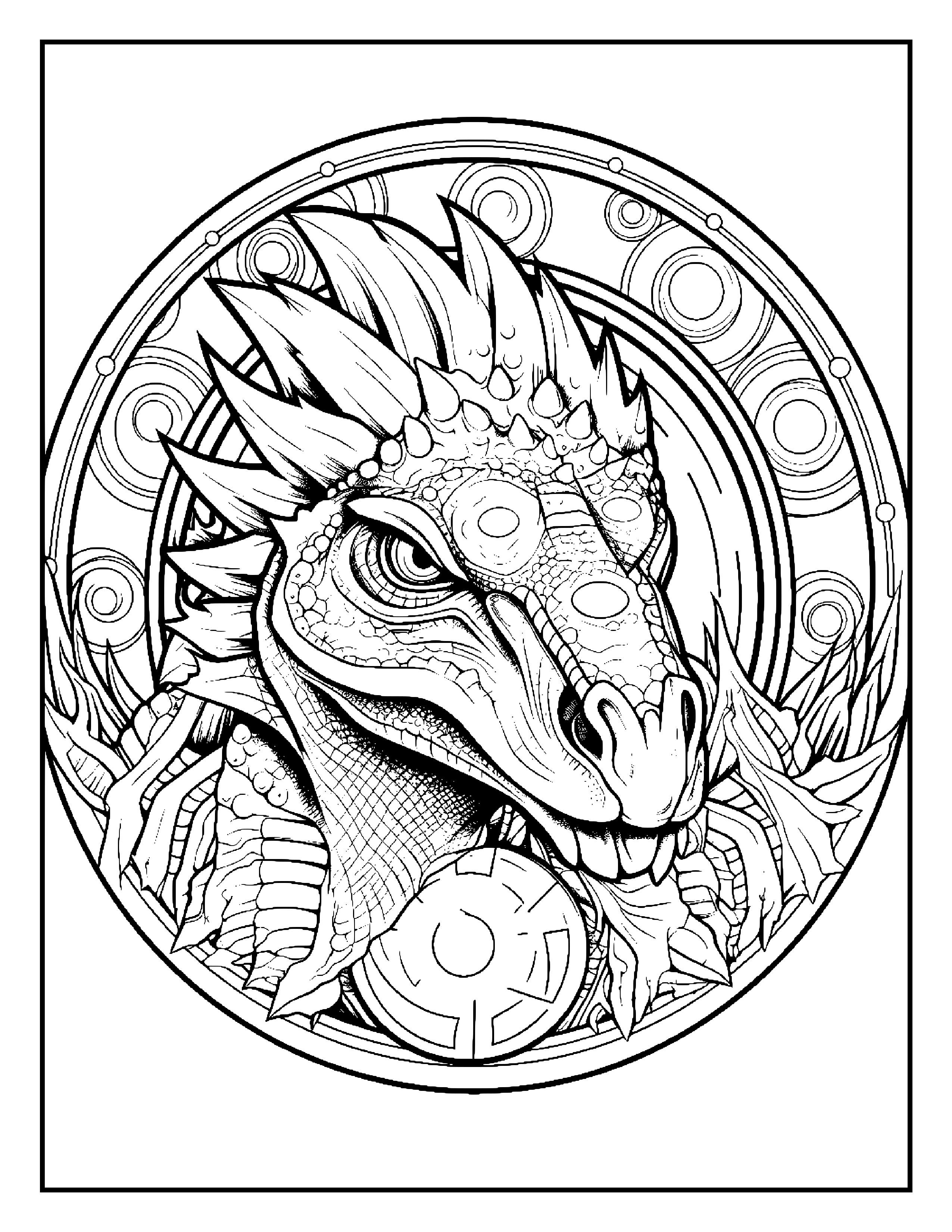
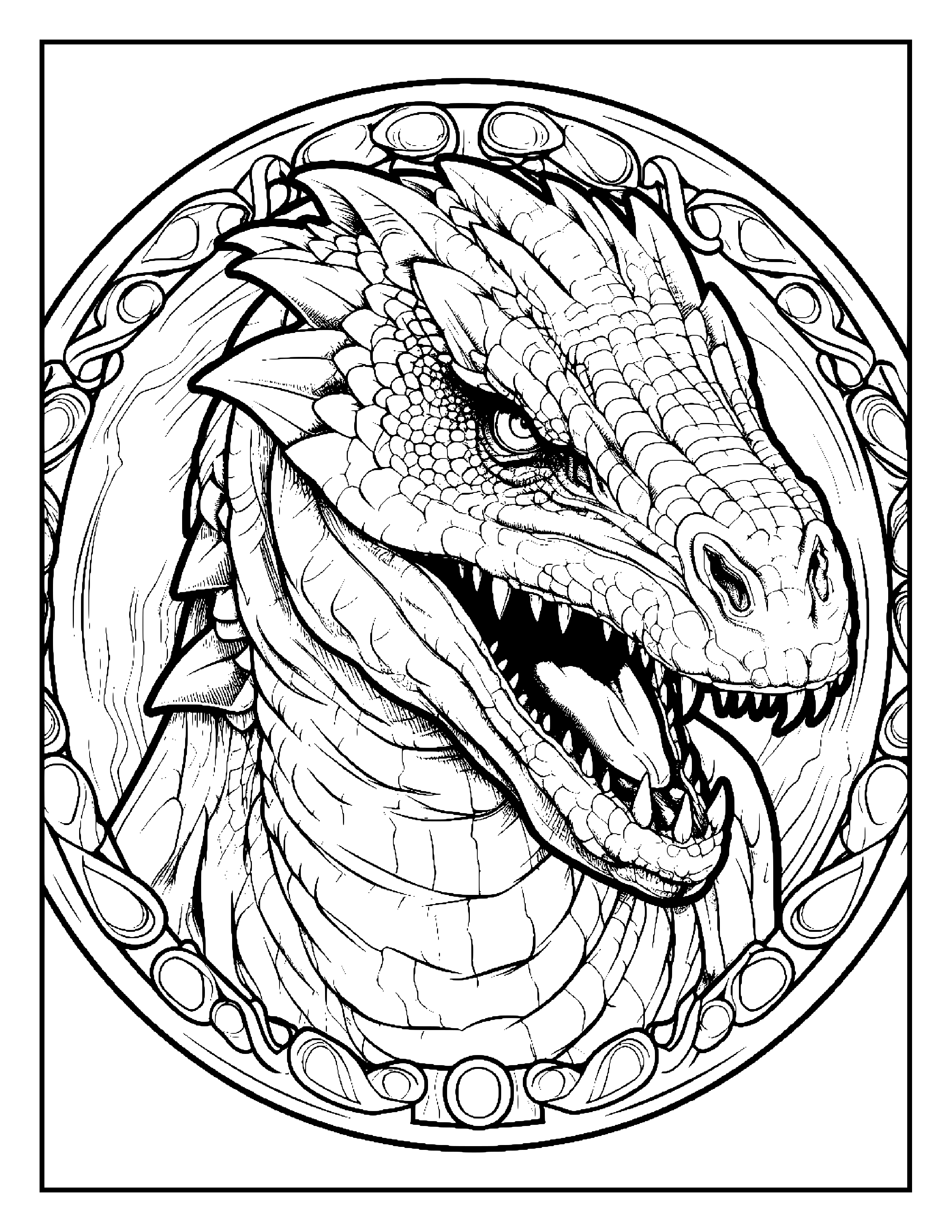
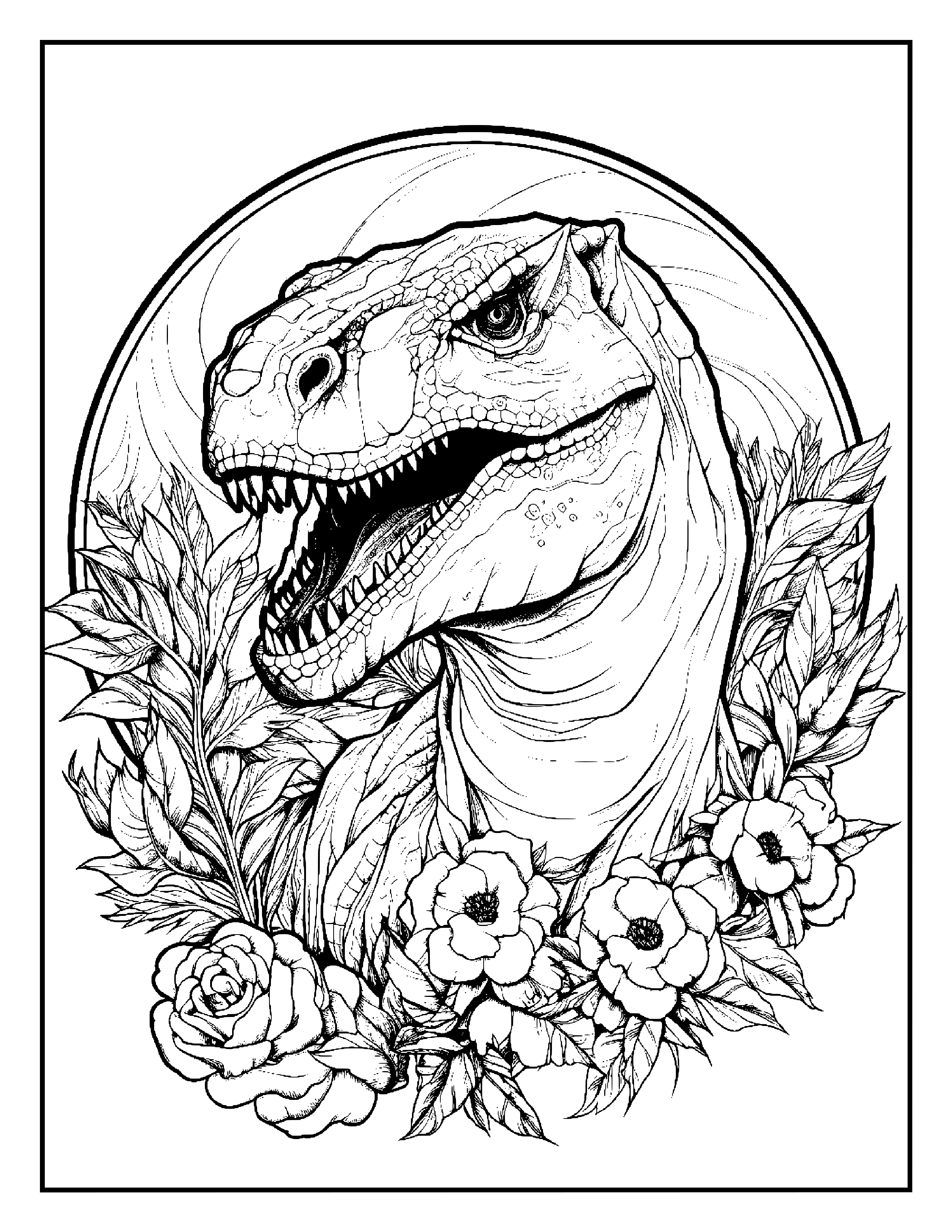
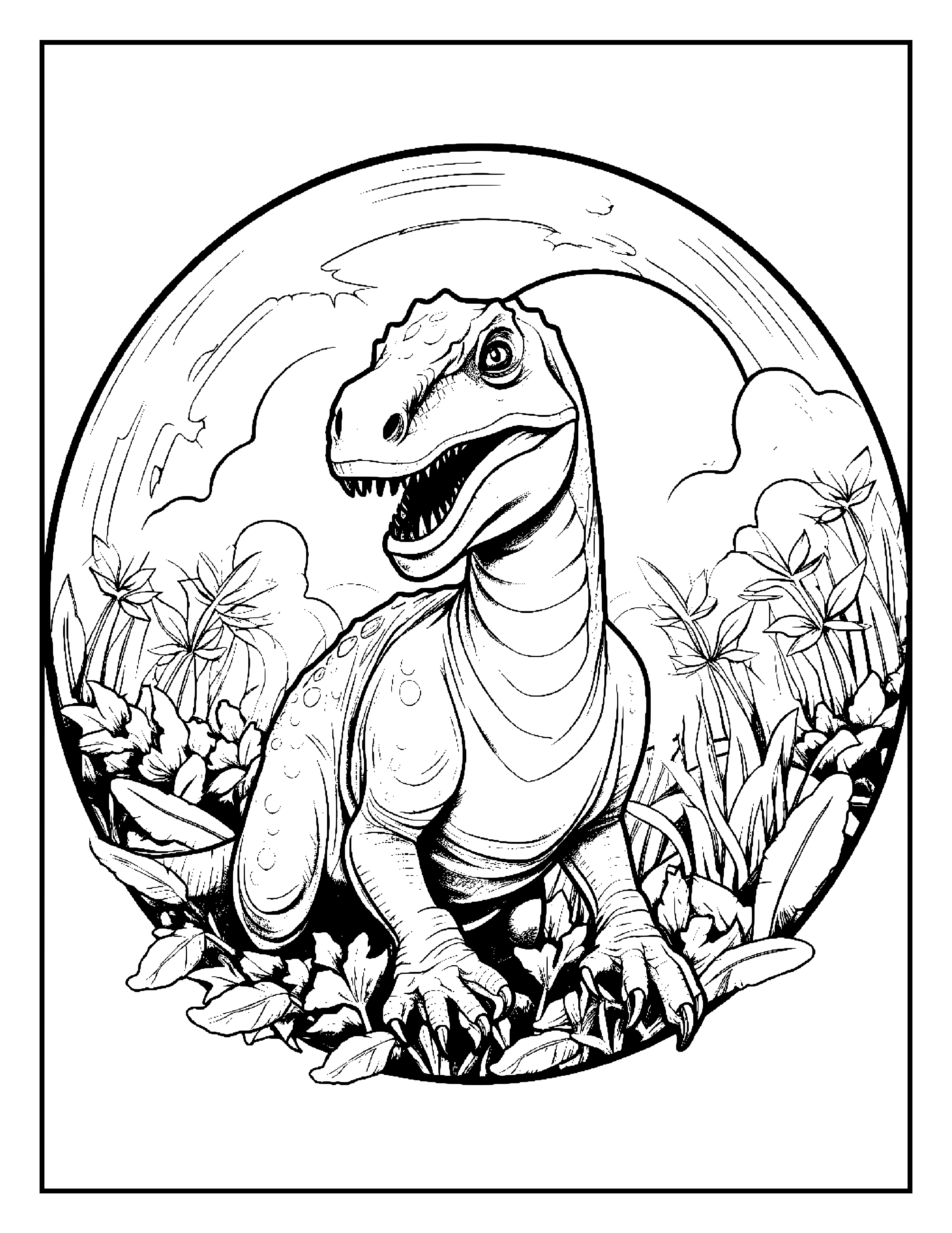
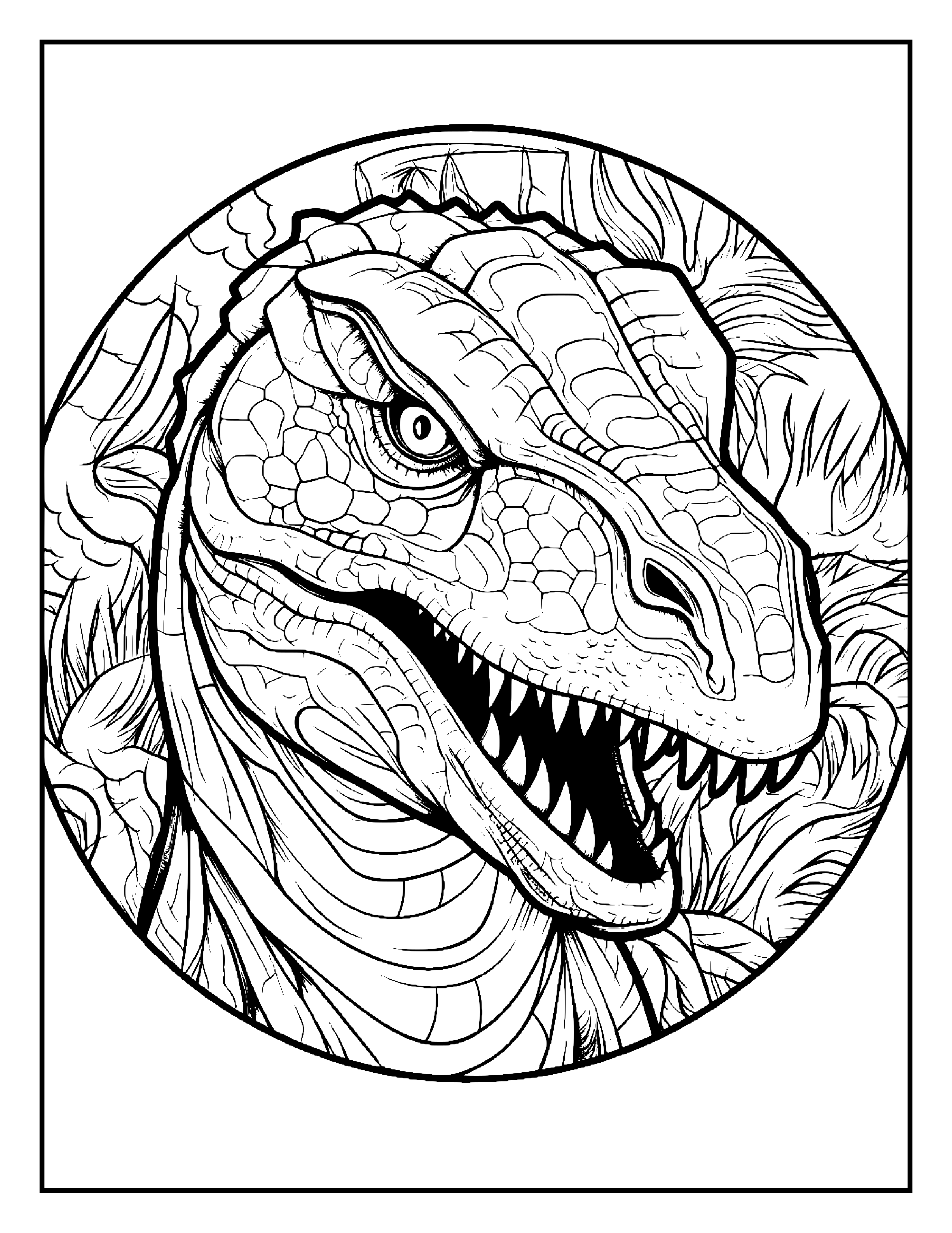
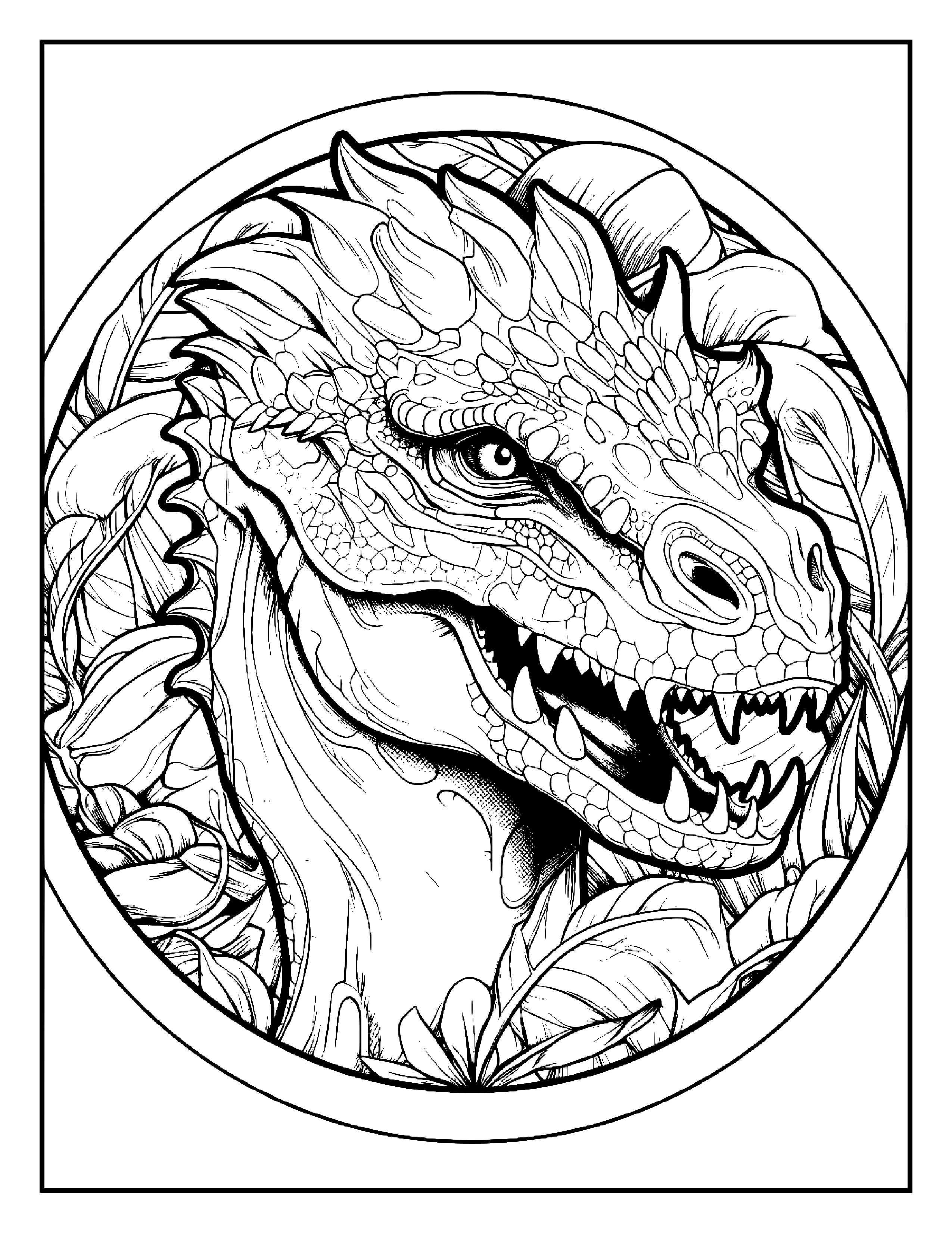
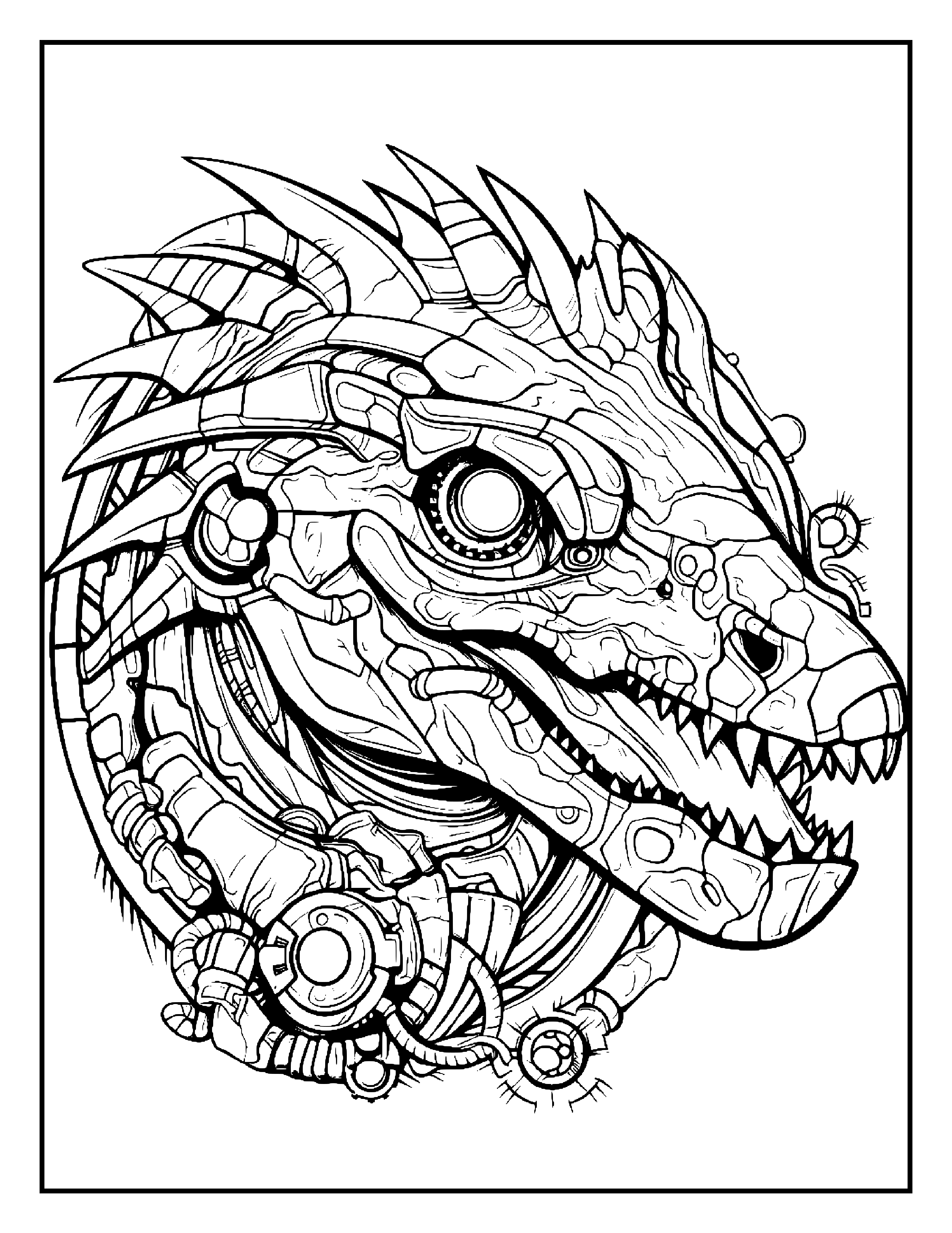
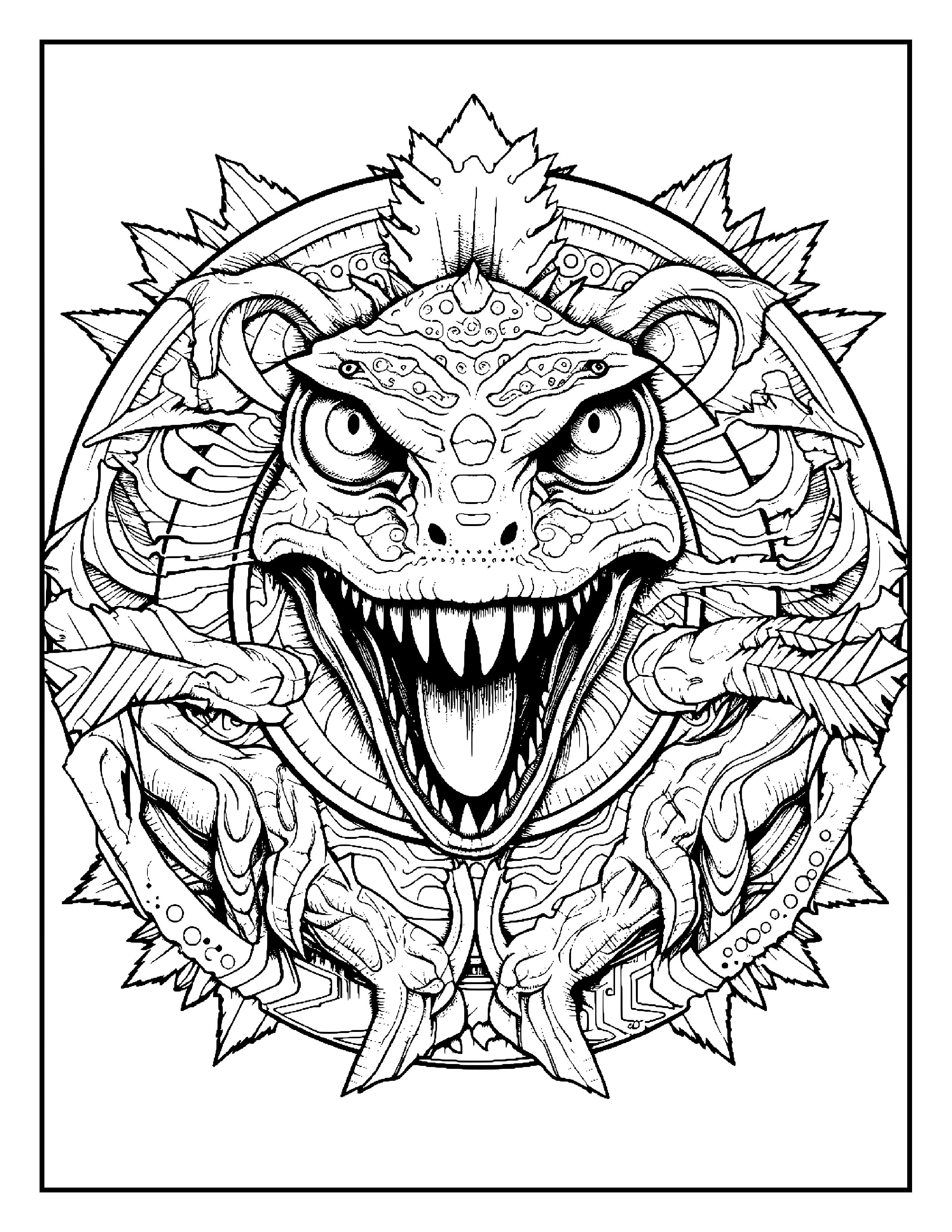
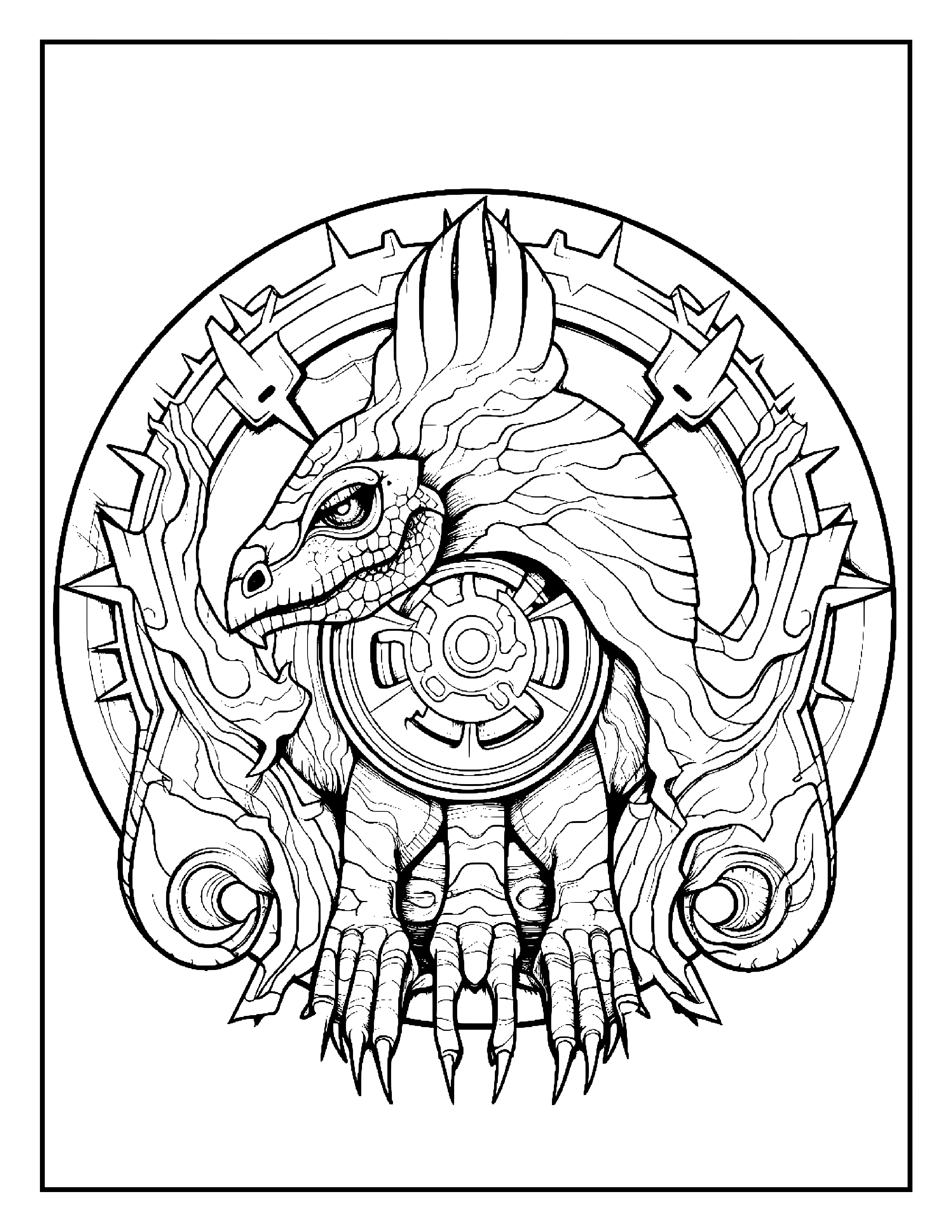
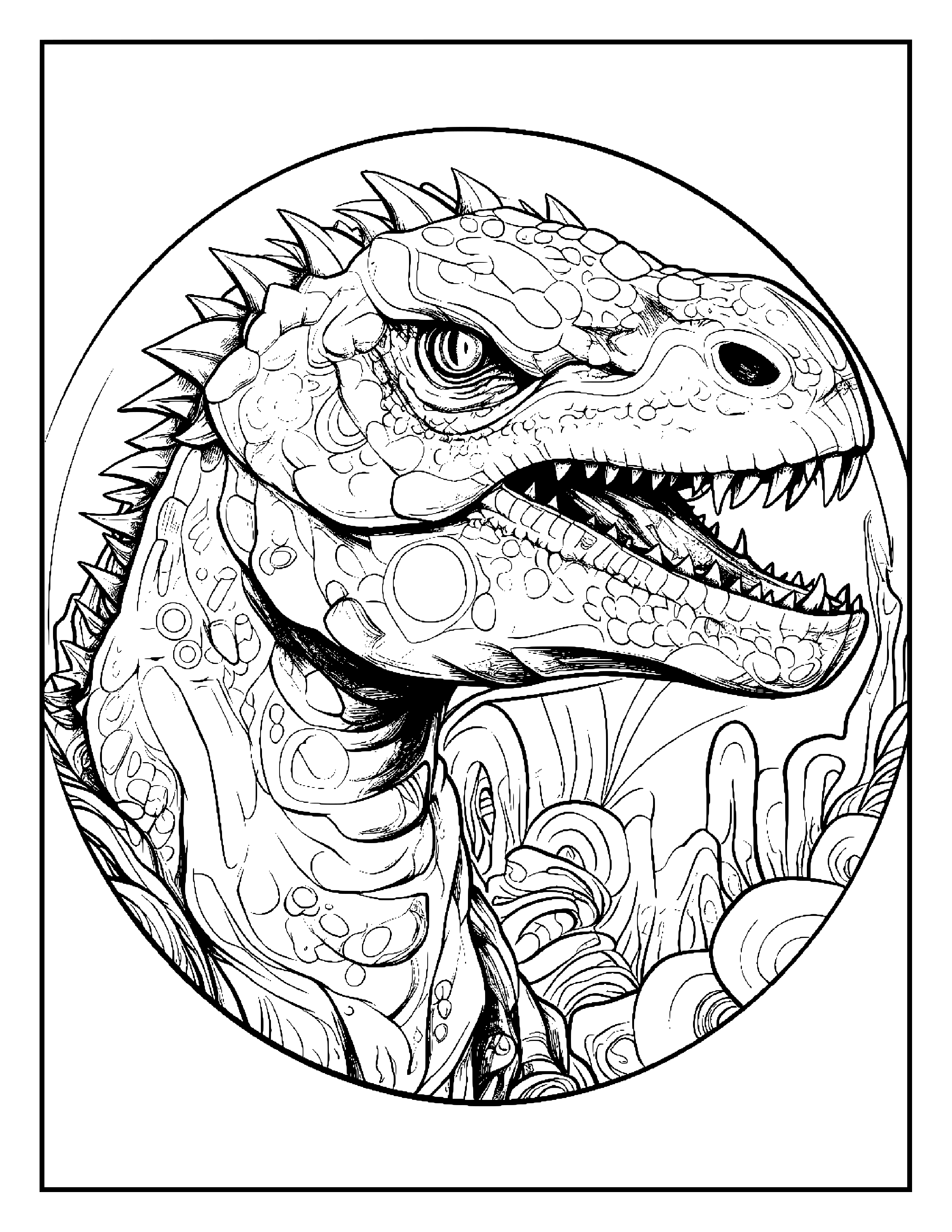
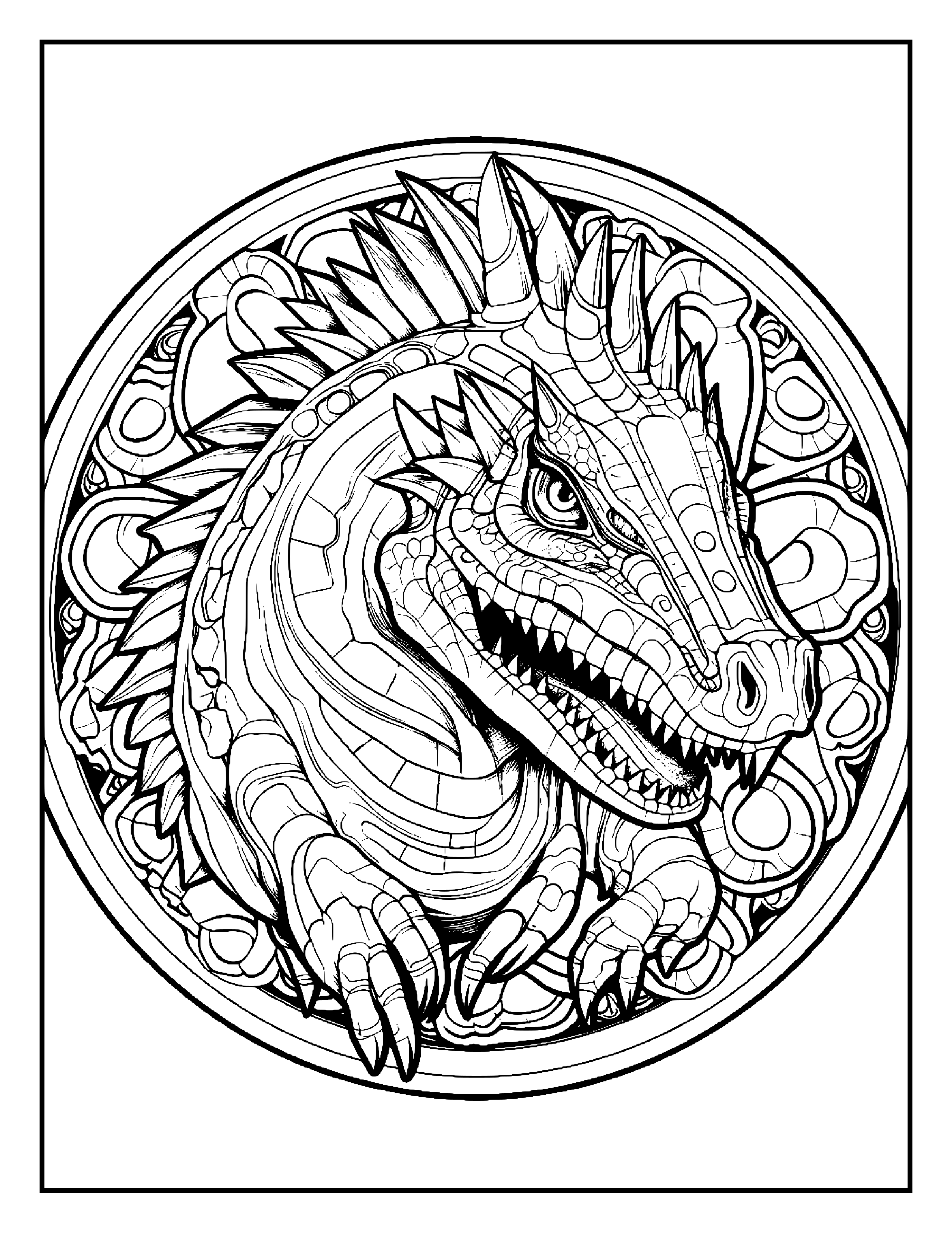
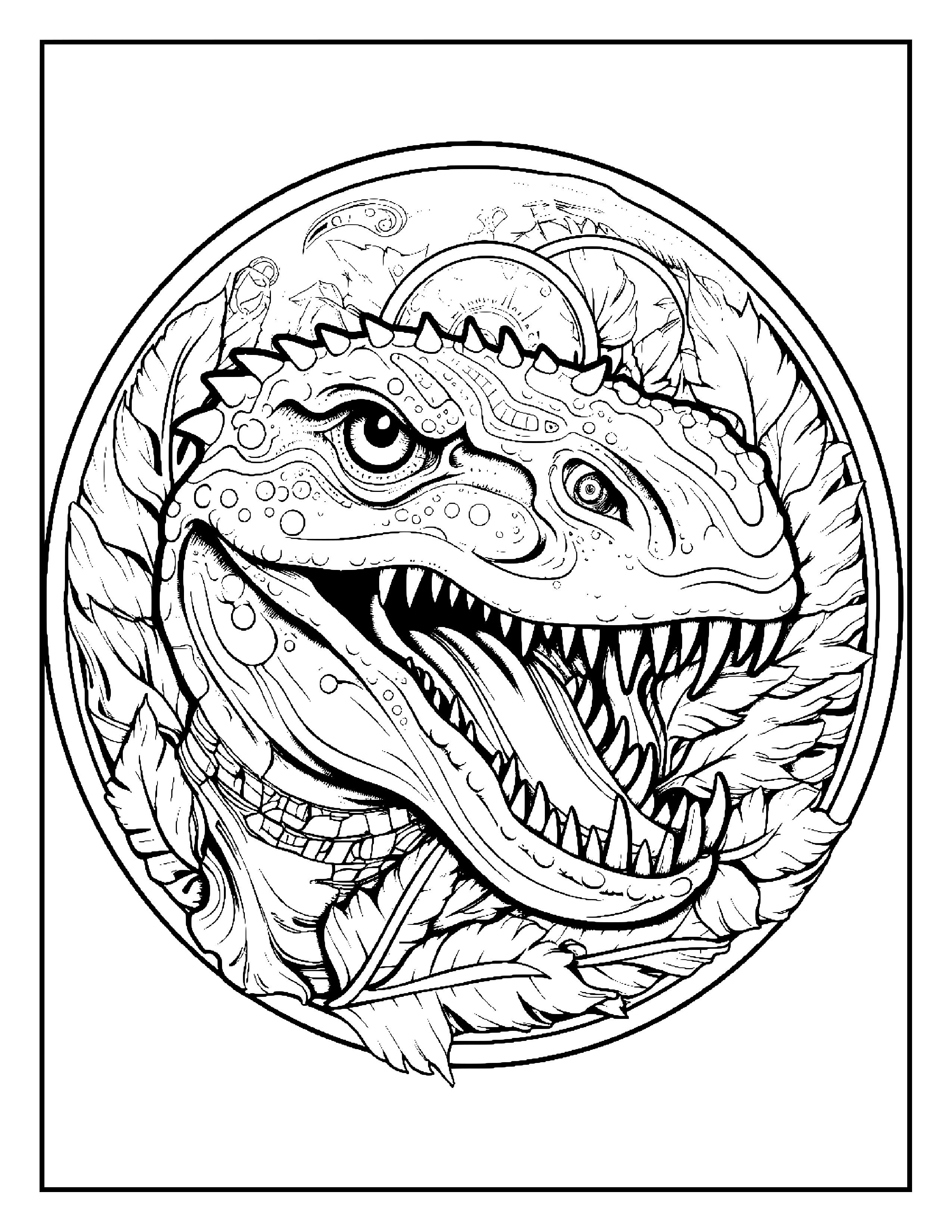
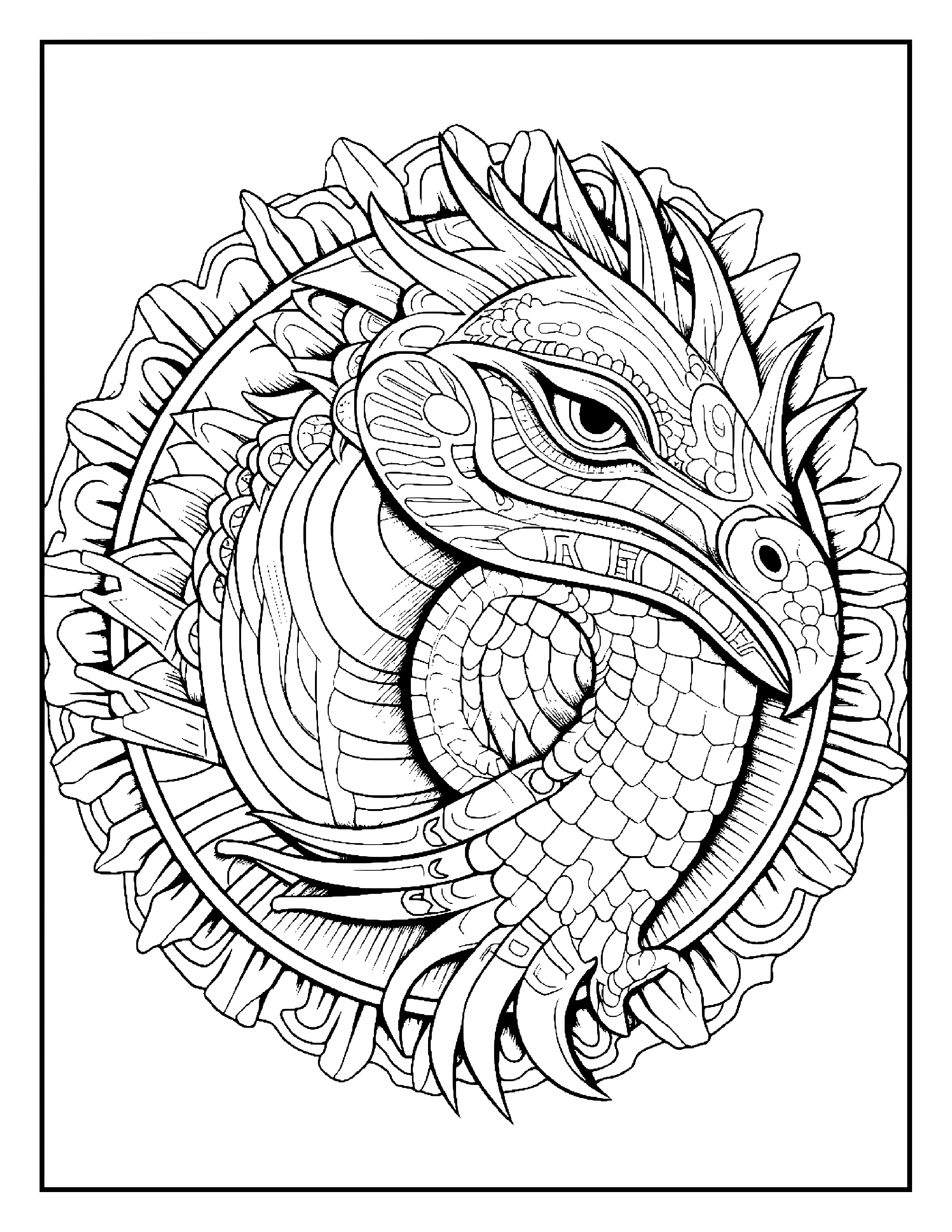
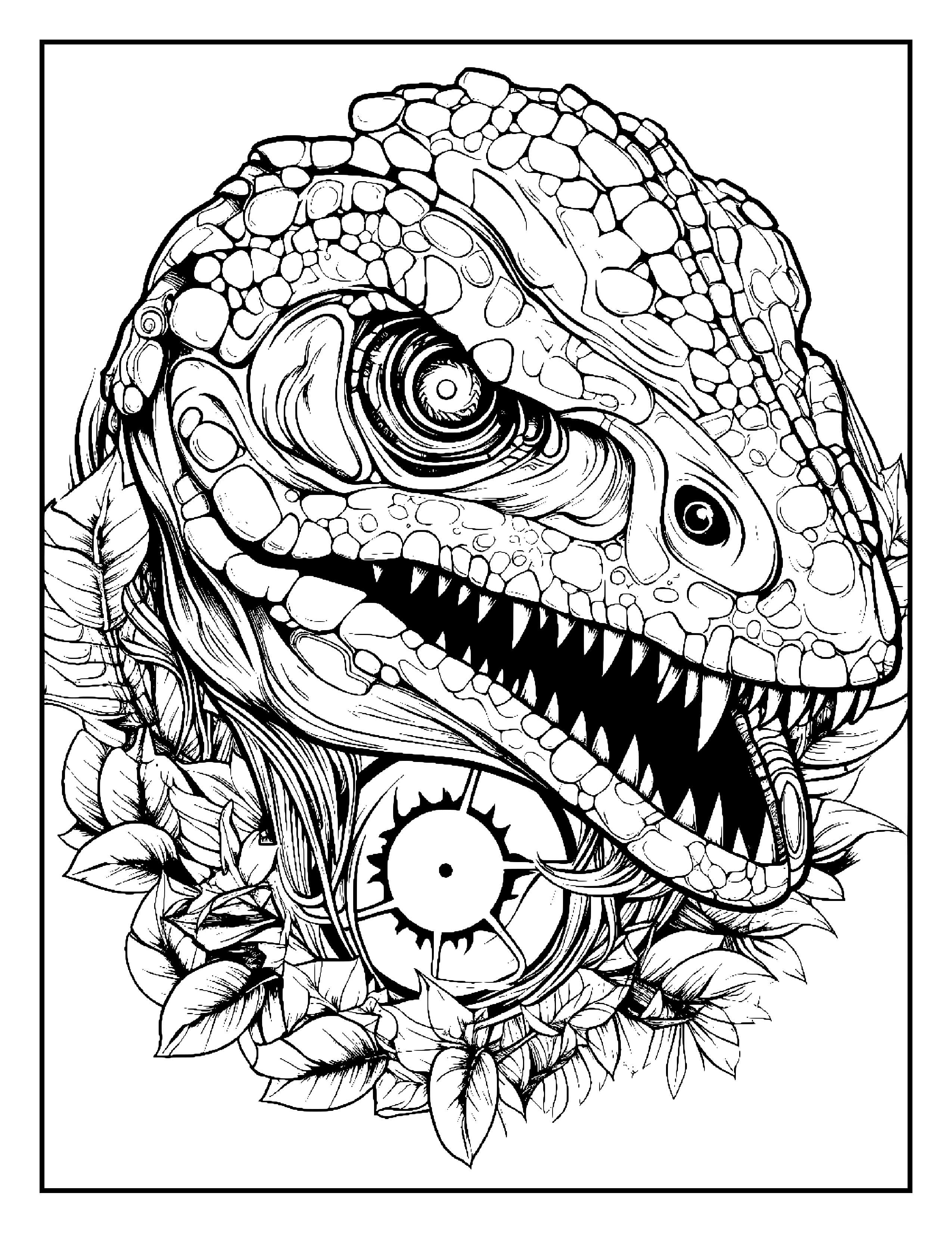
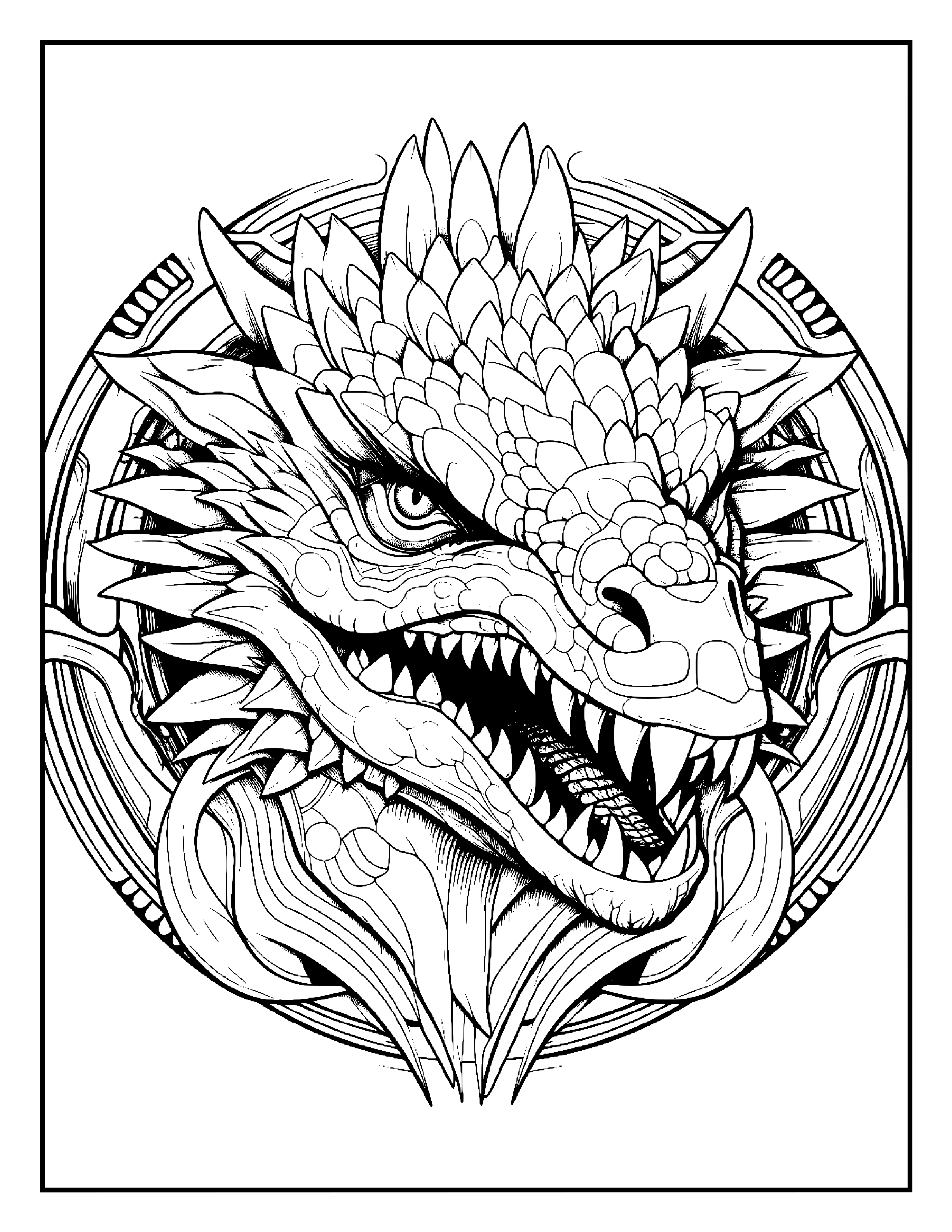
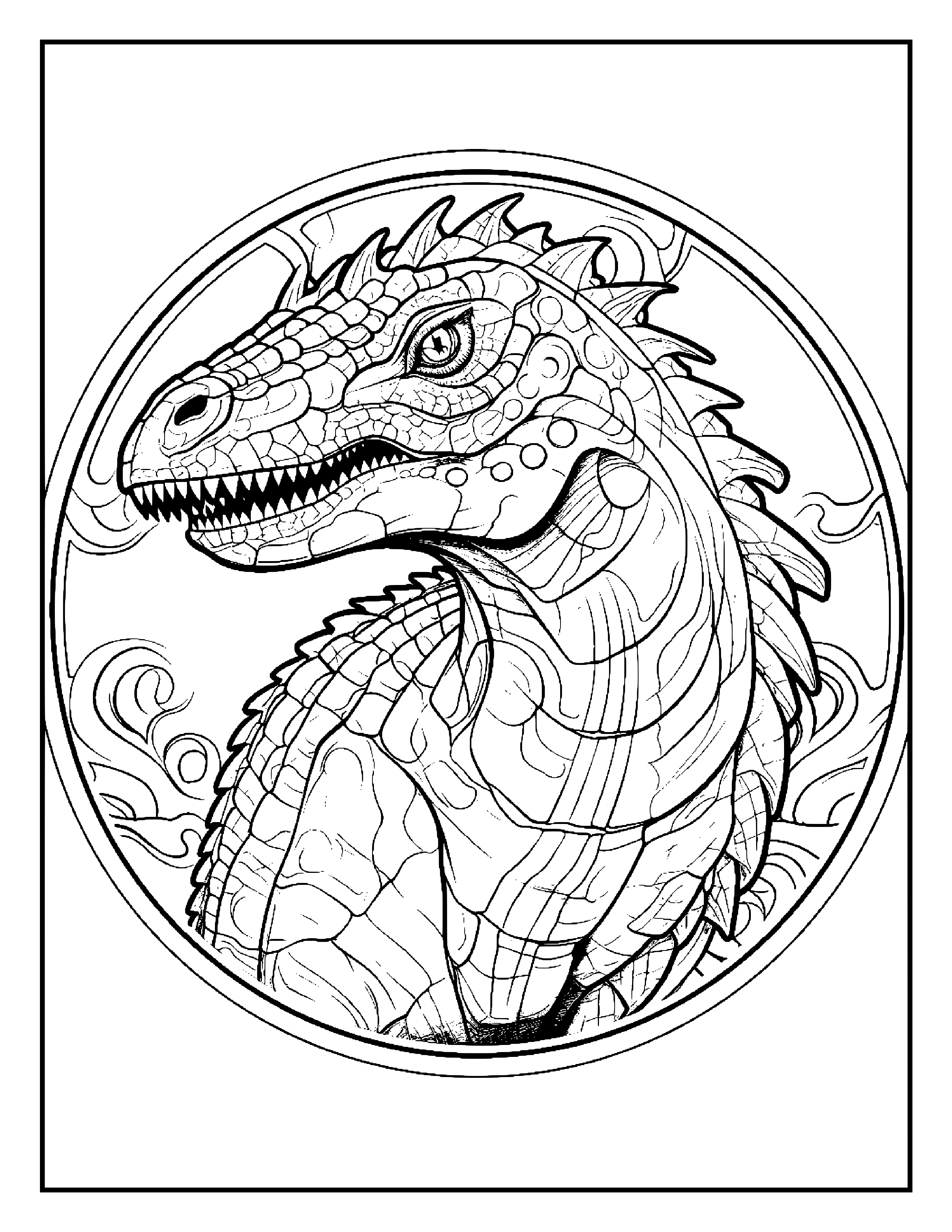
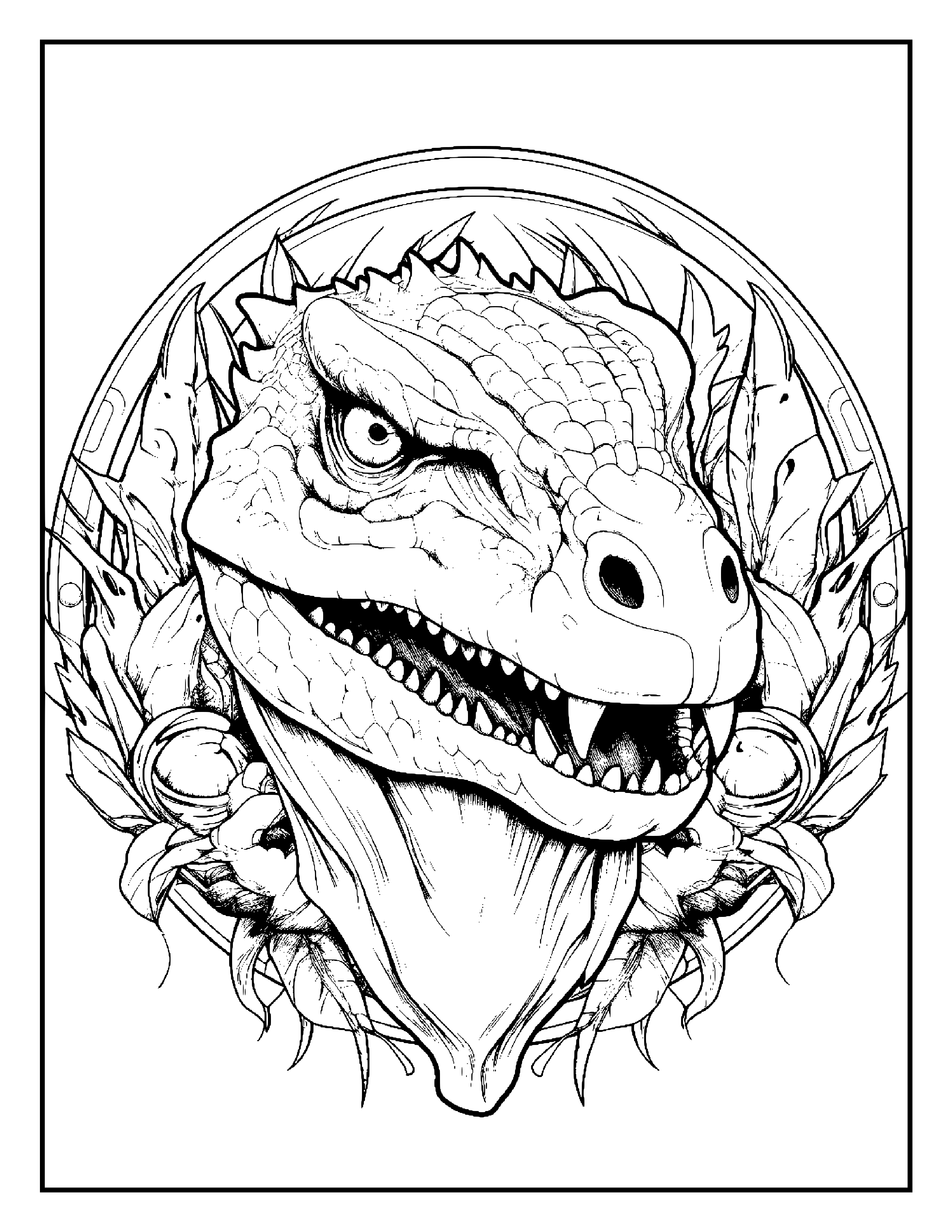
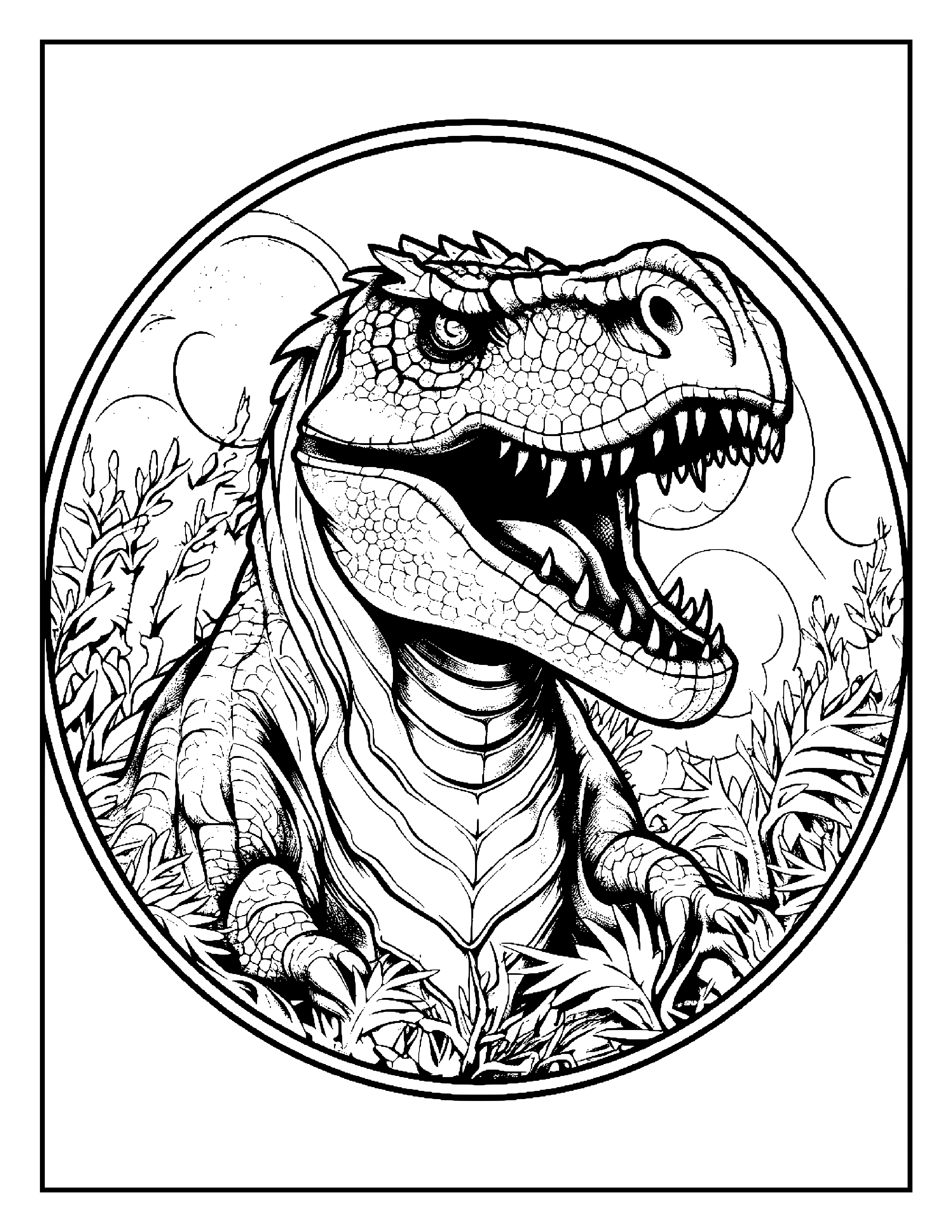
Mighty Dinosaur Portrait Mandala Coloring Page
Hard
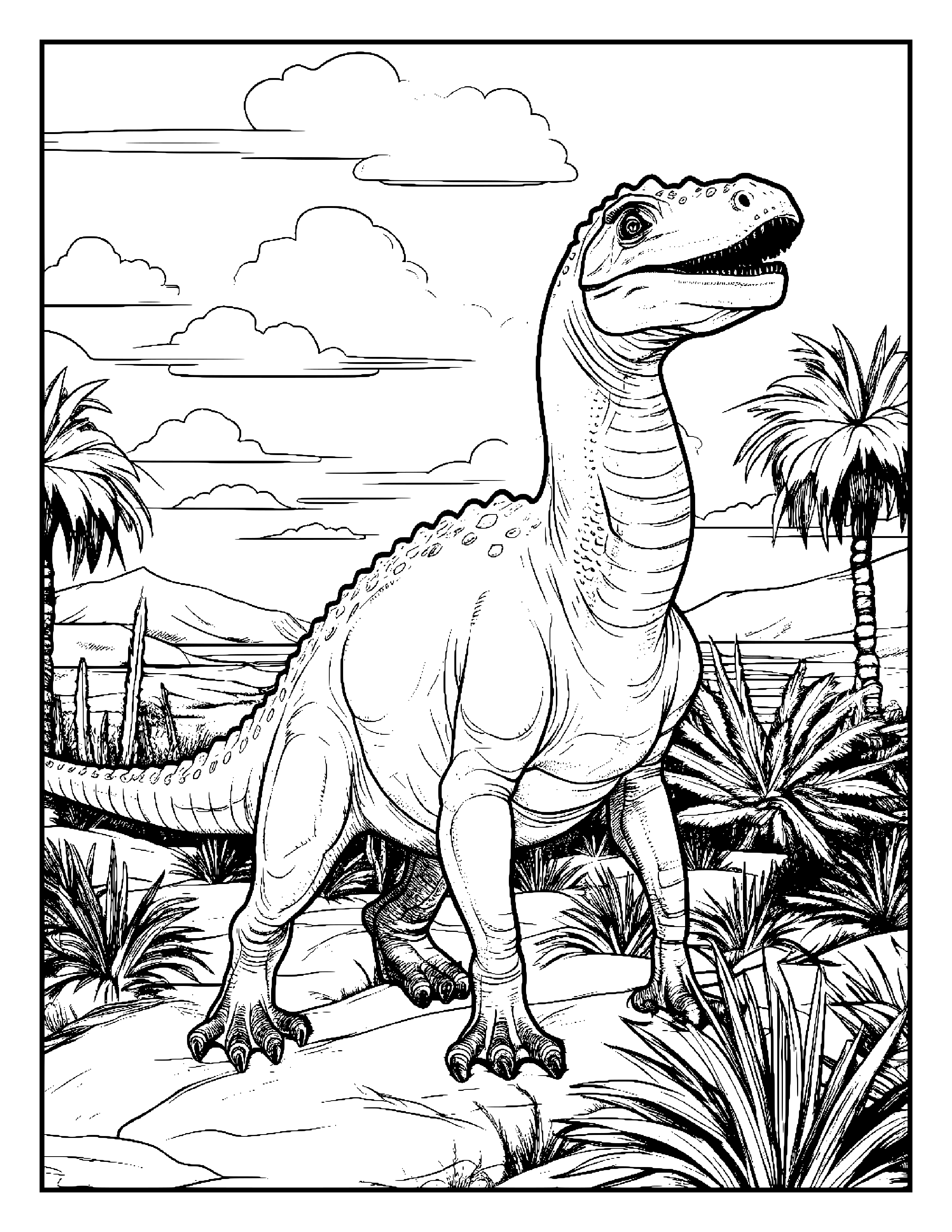
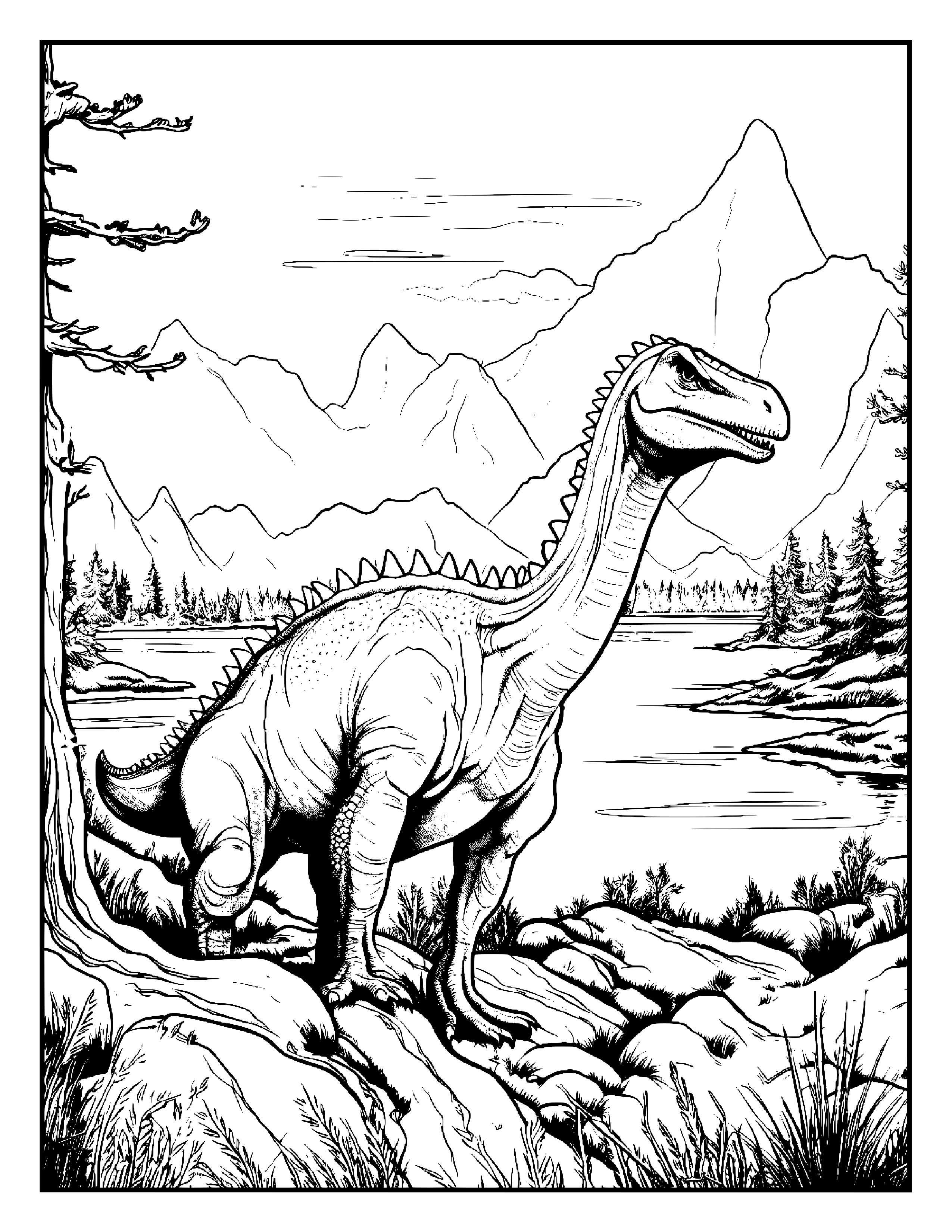
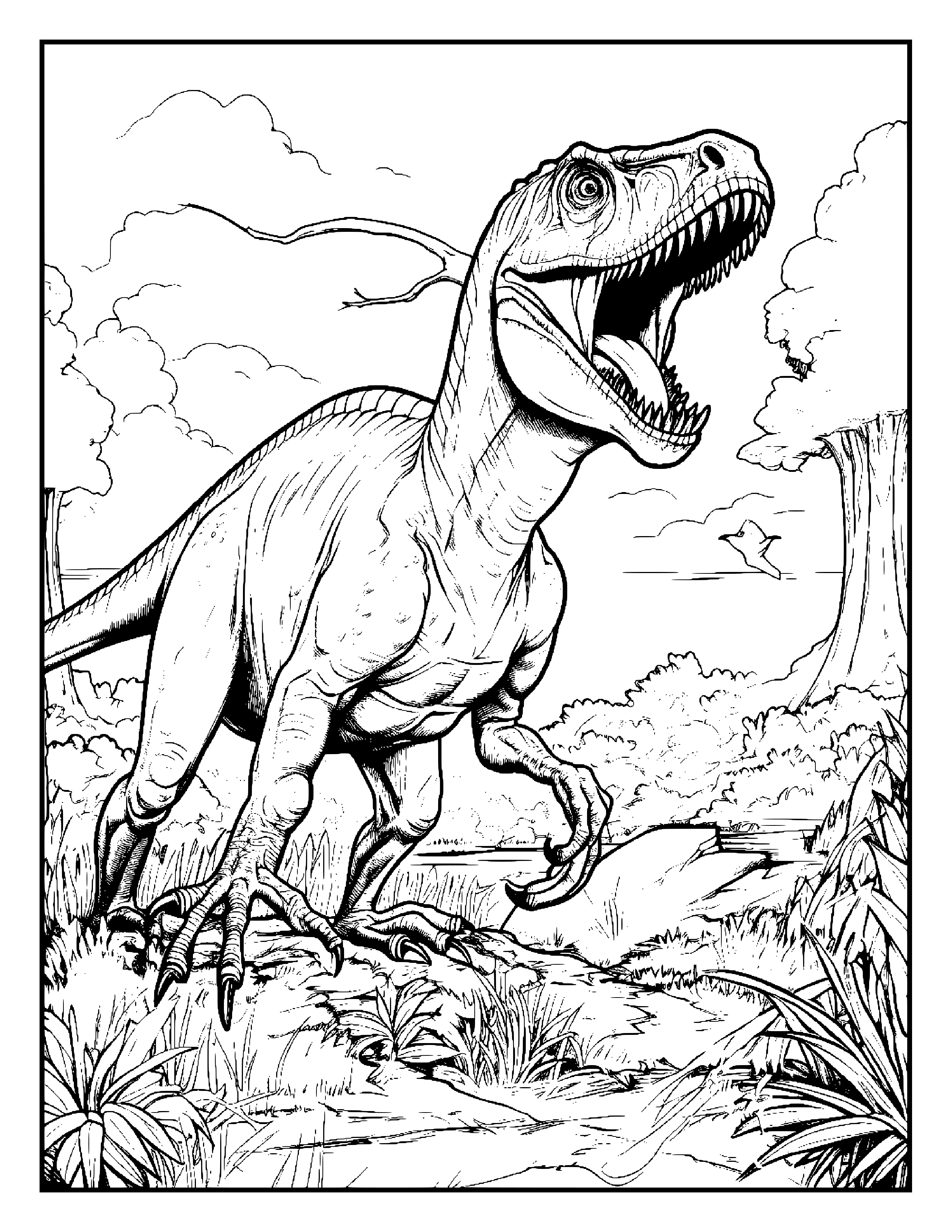
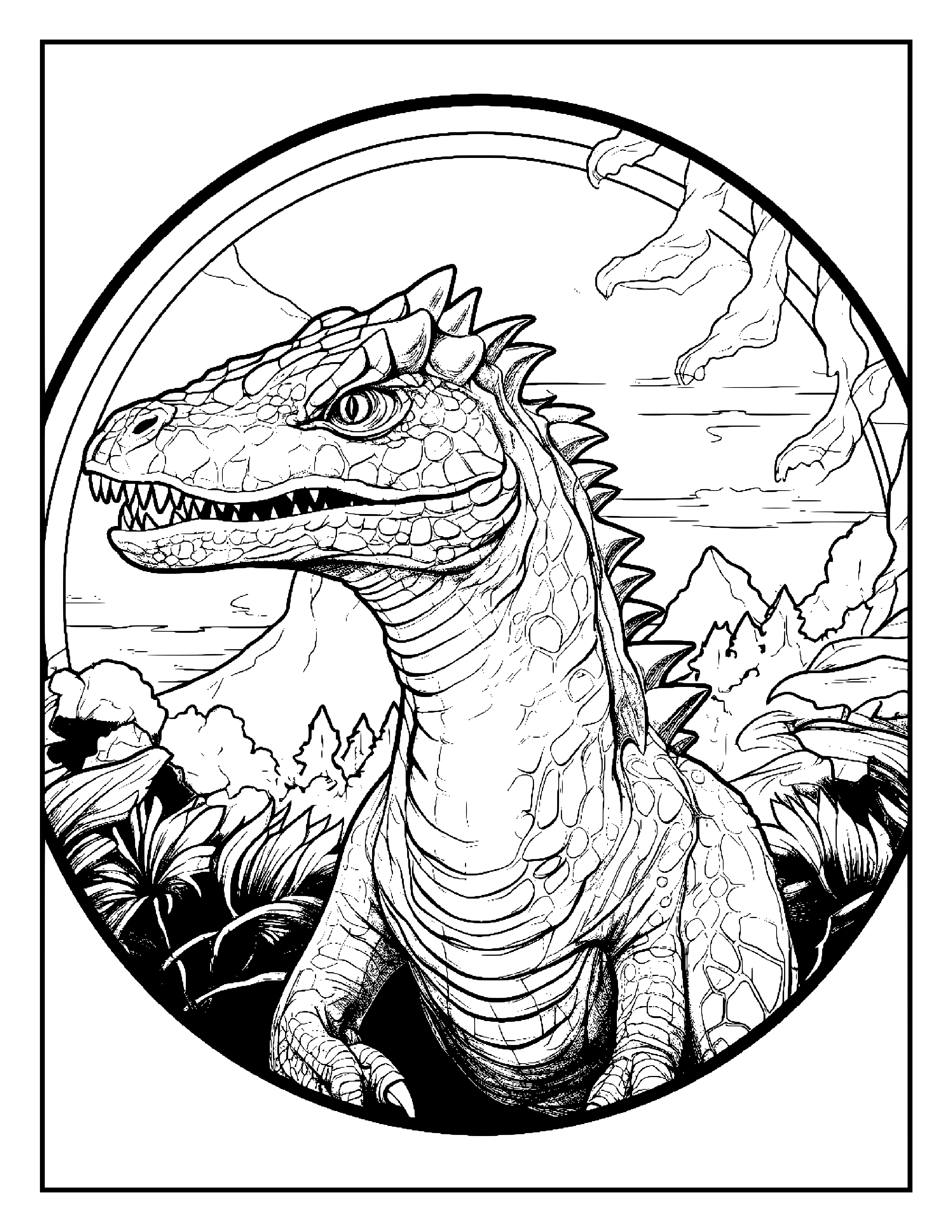
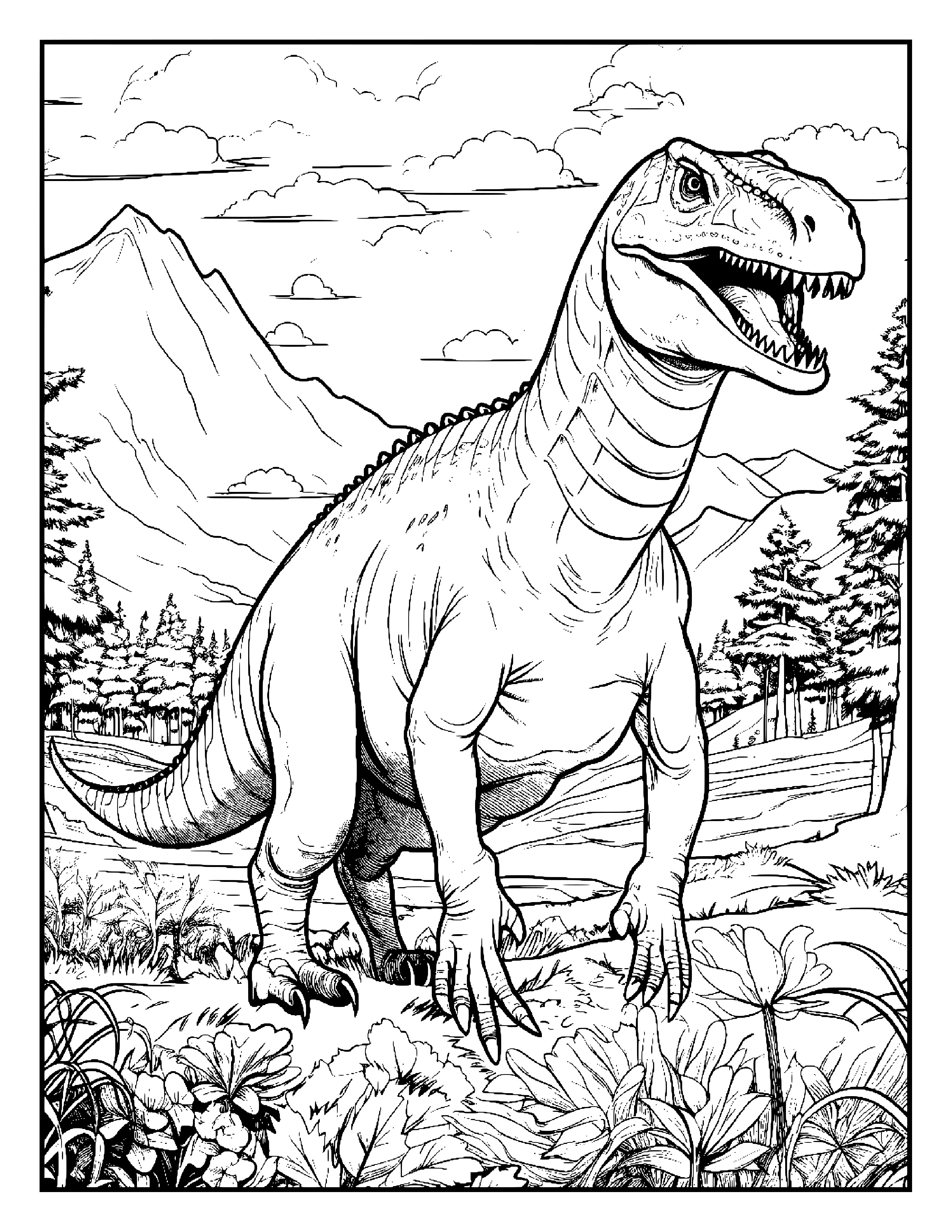
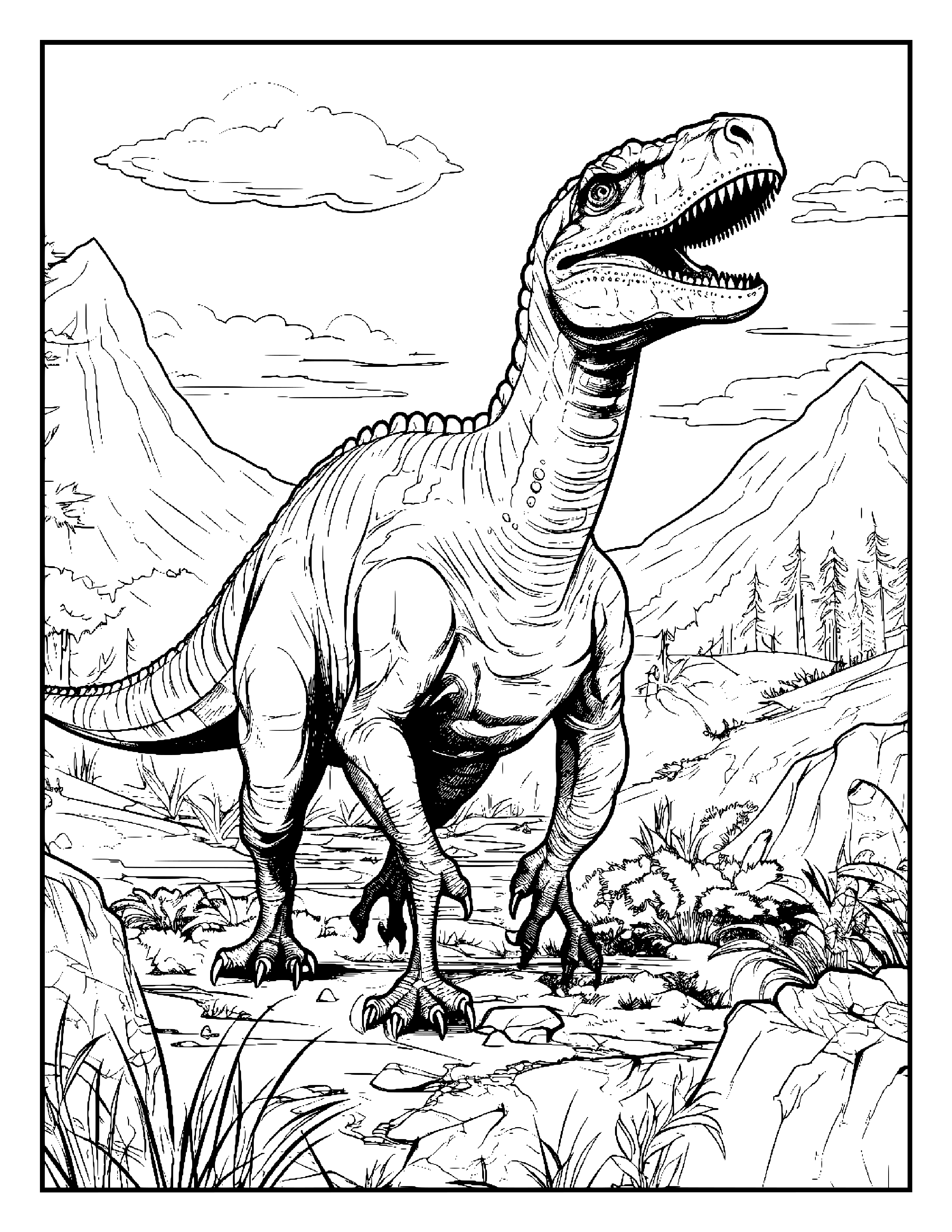
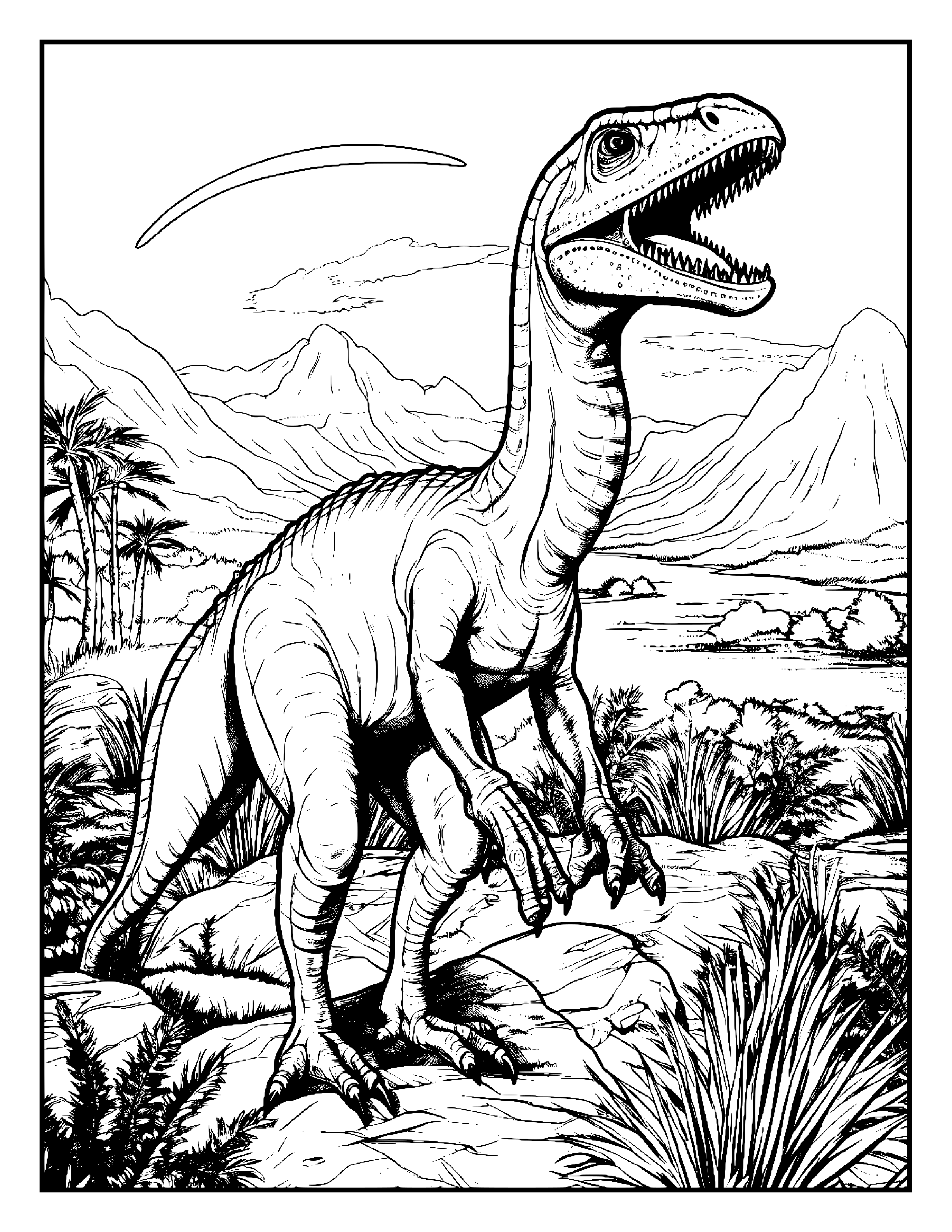
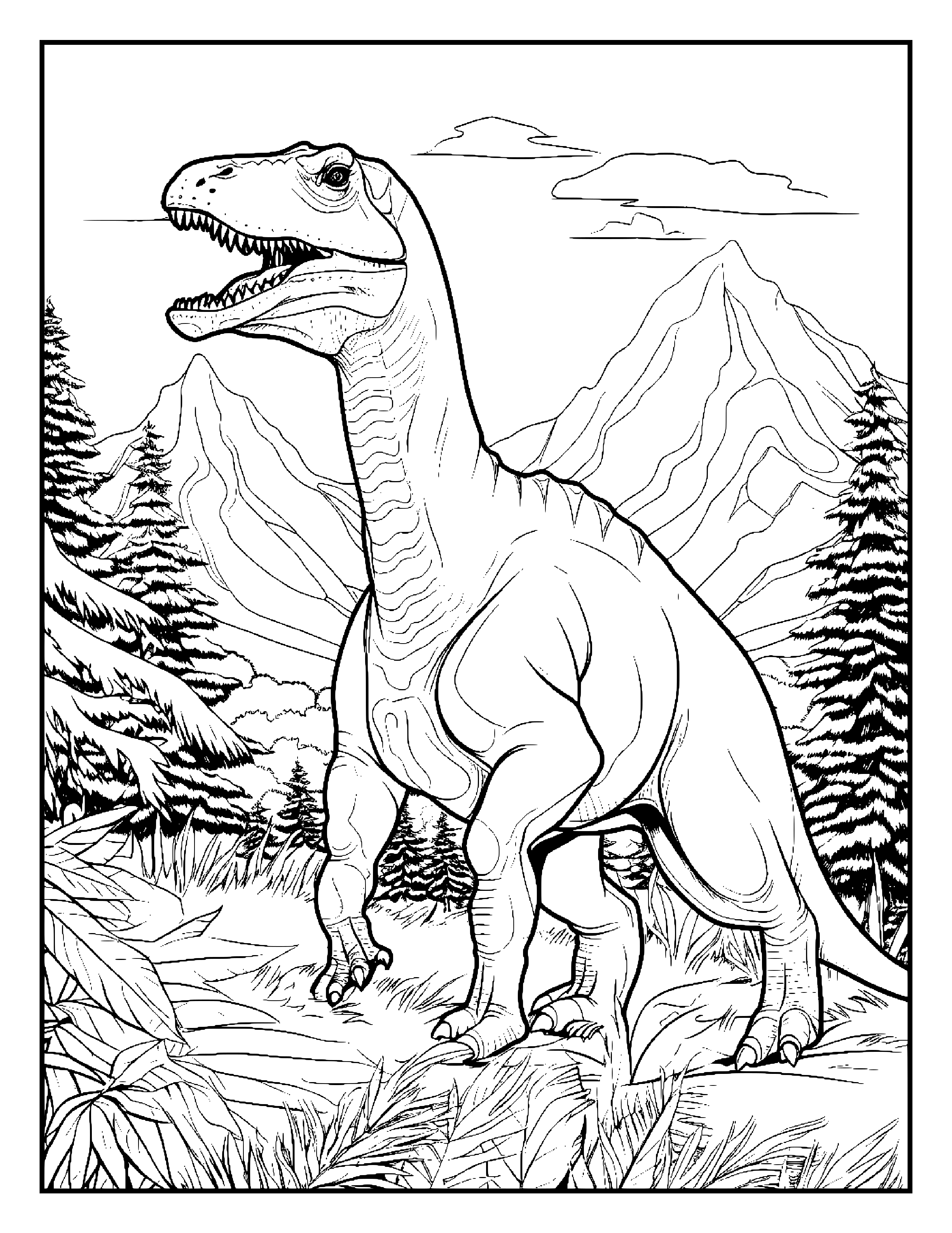
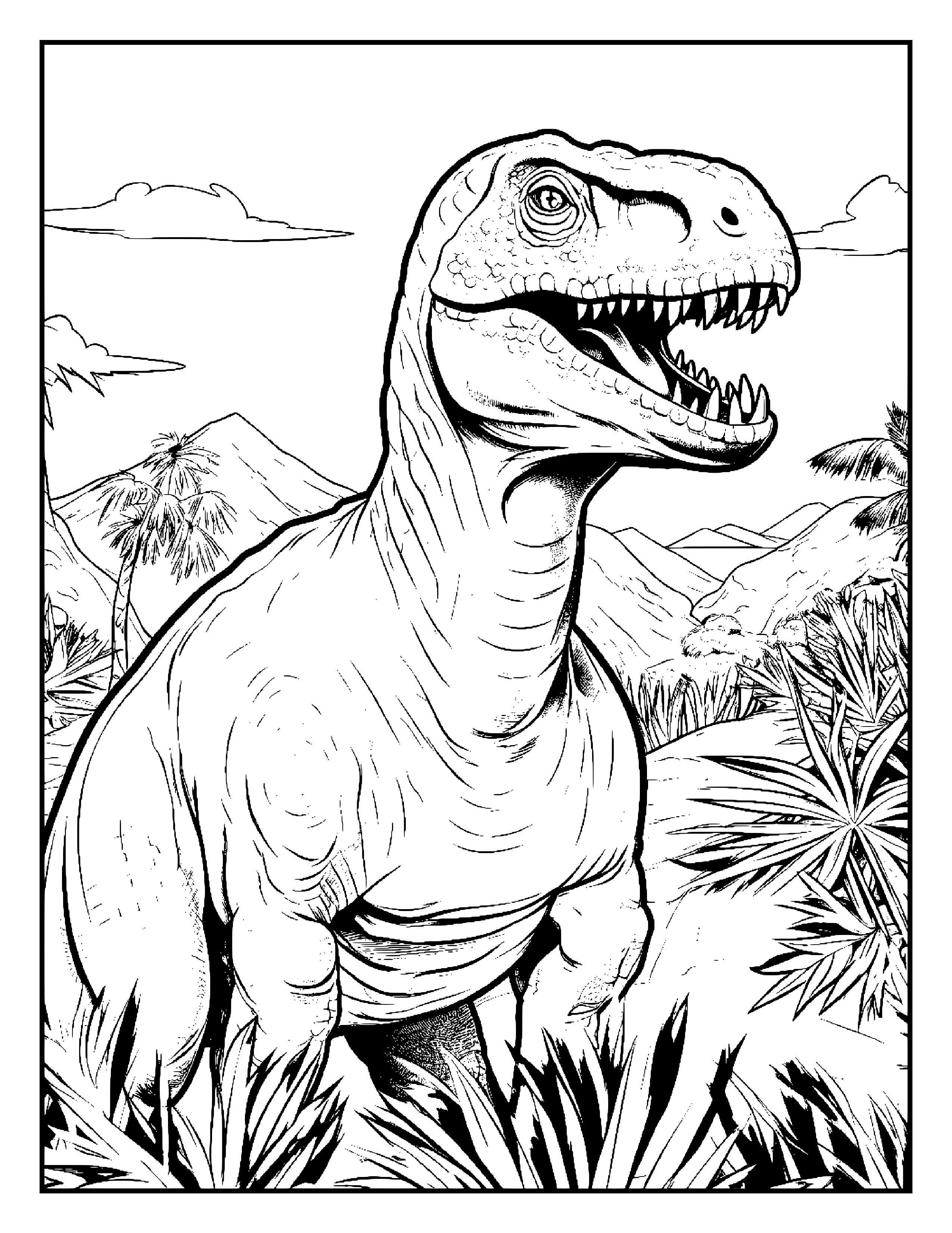
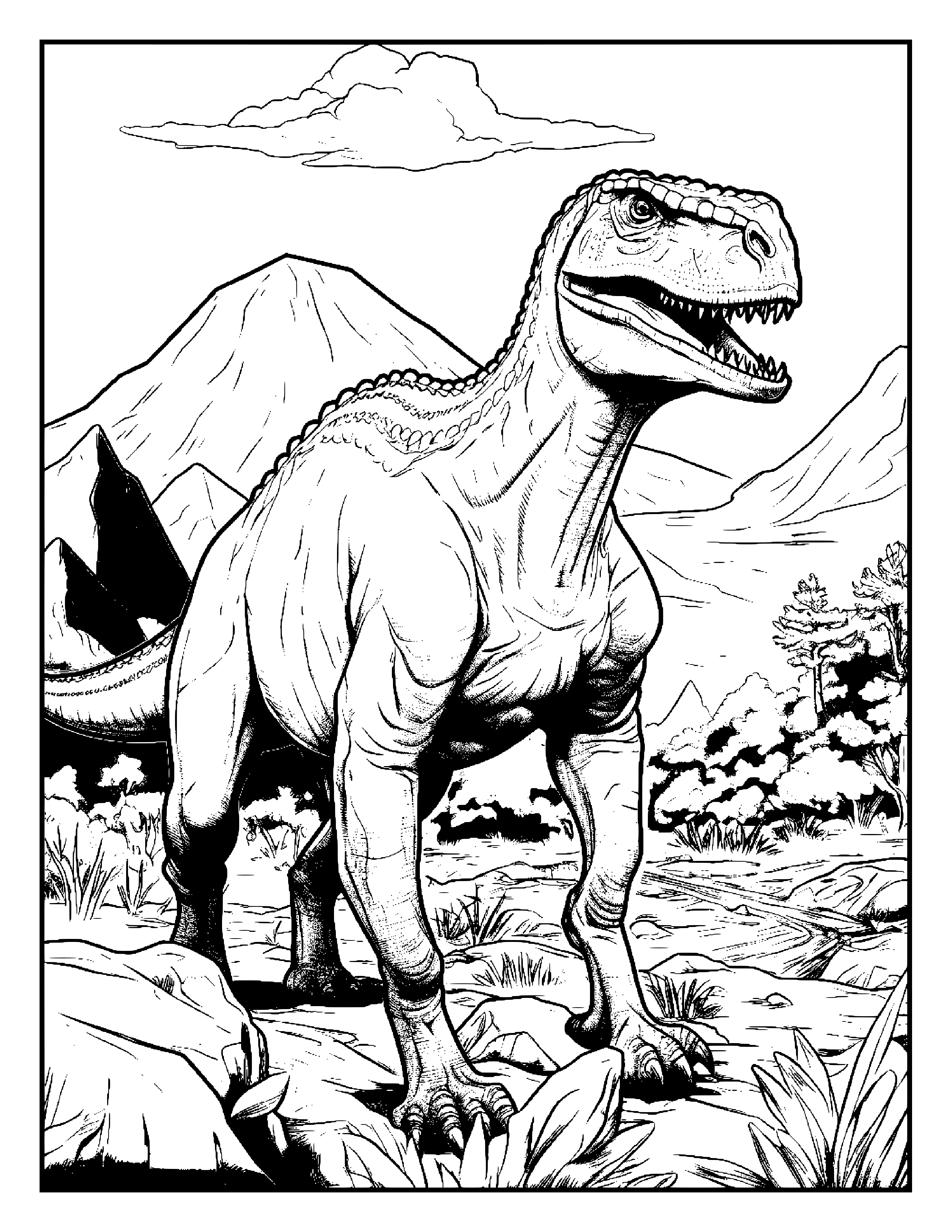
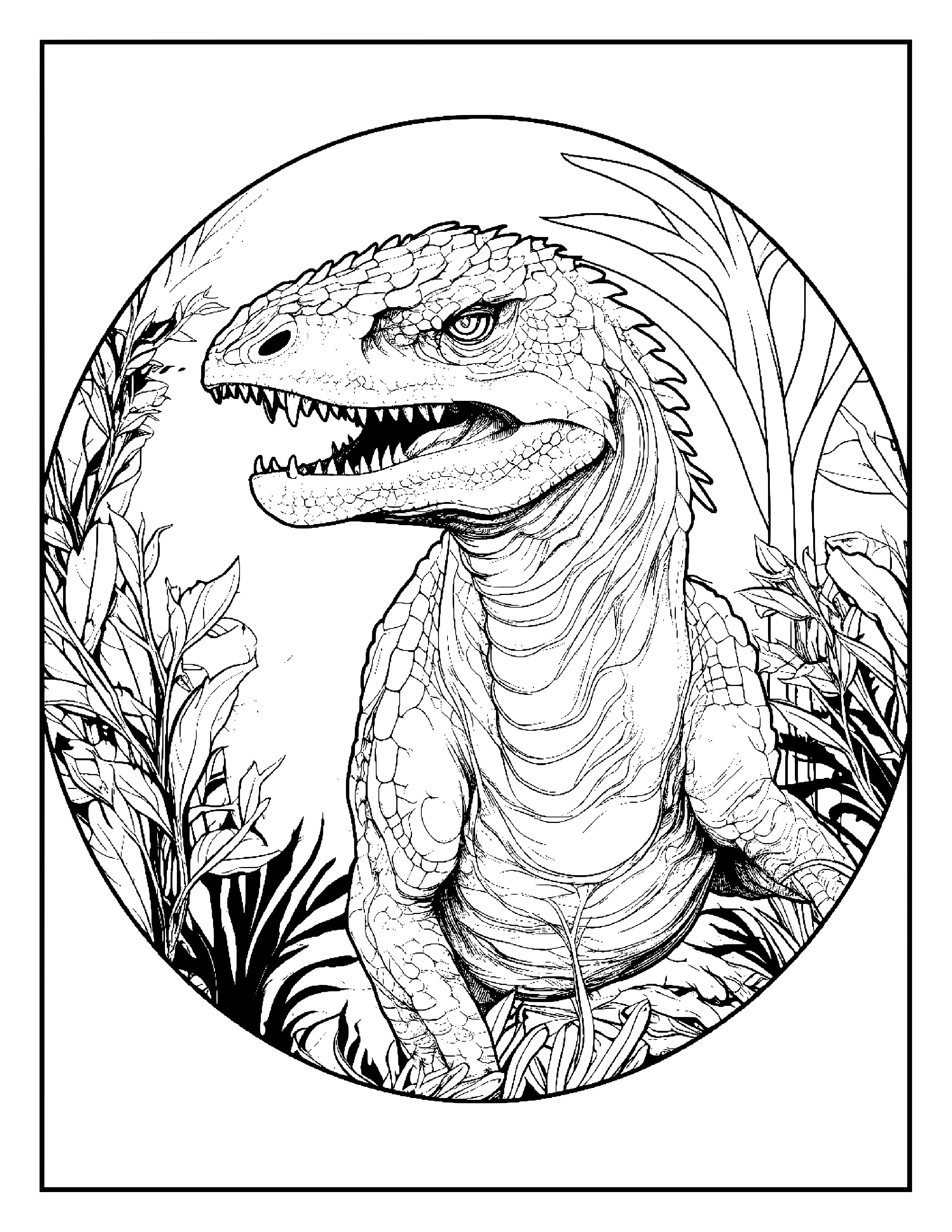
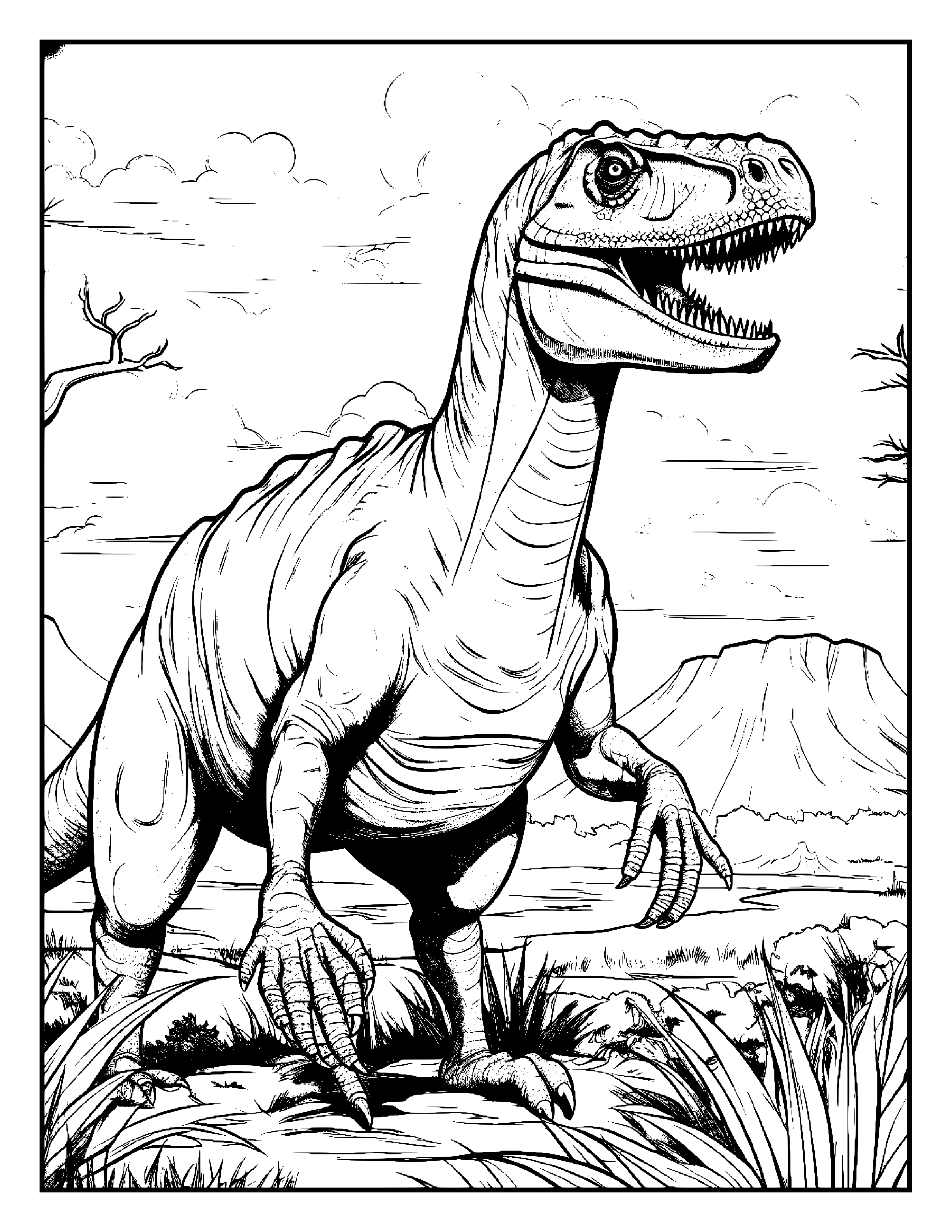
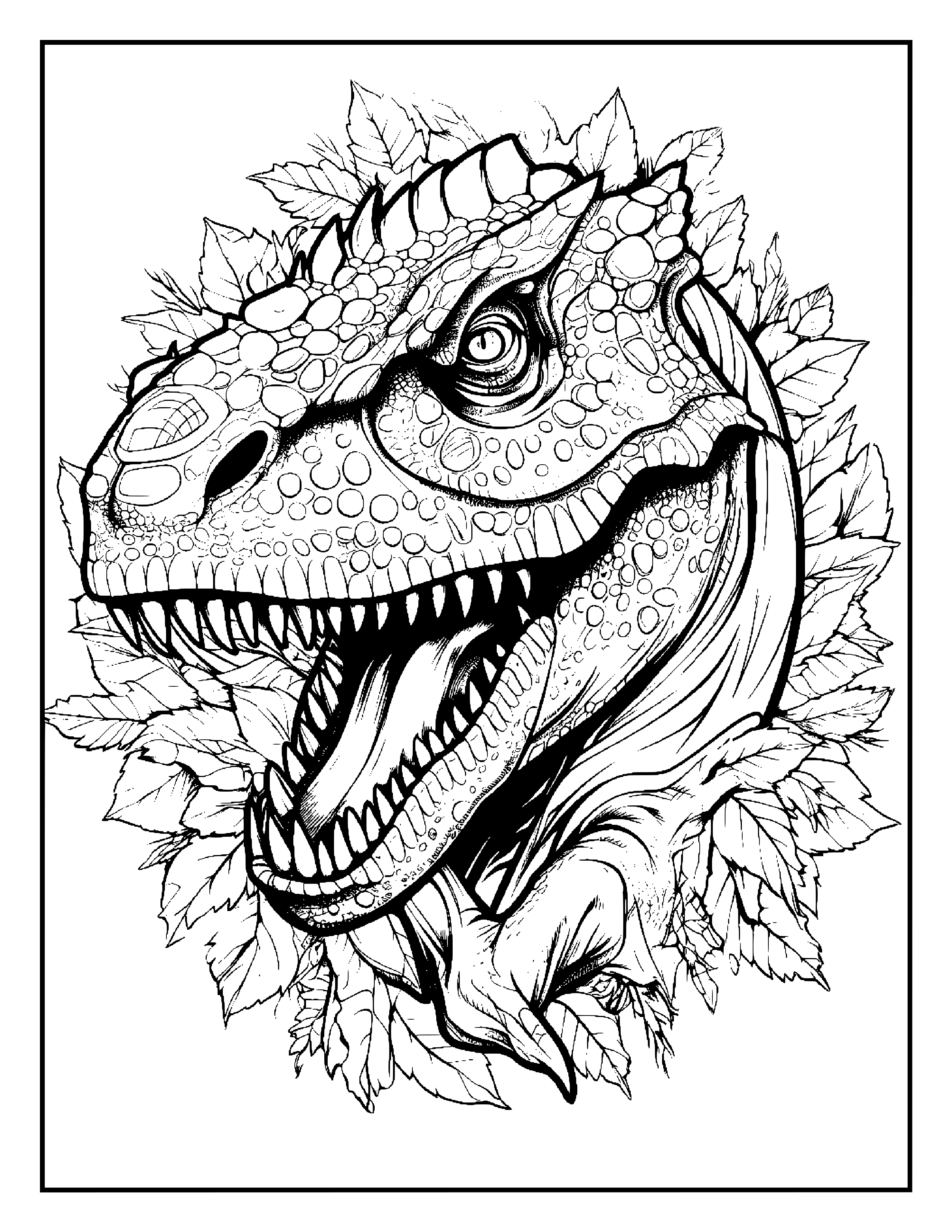
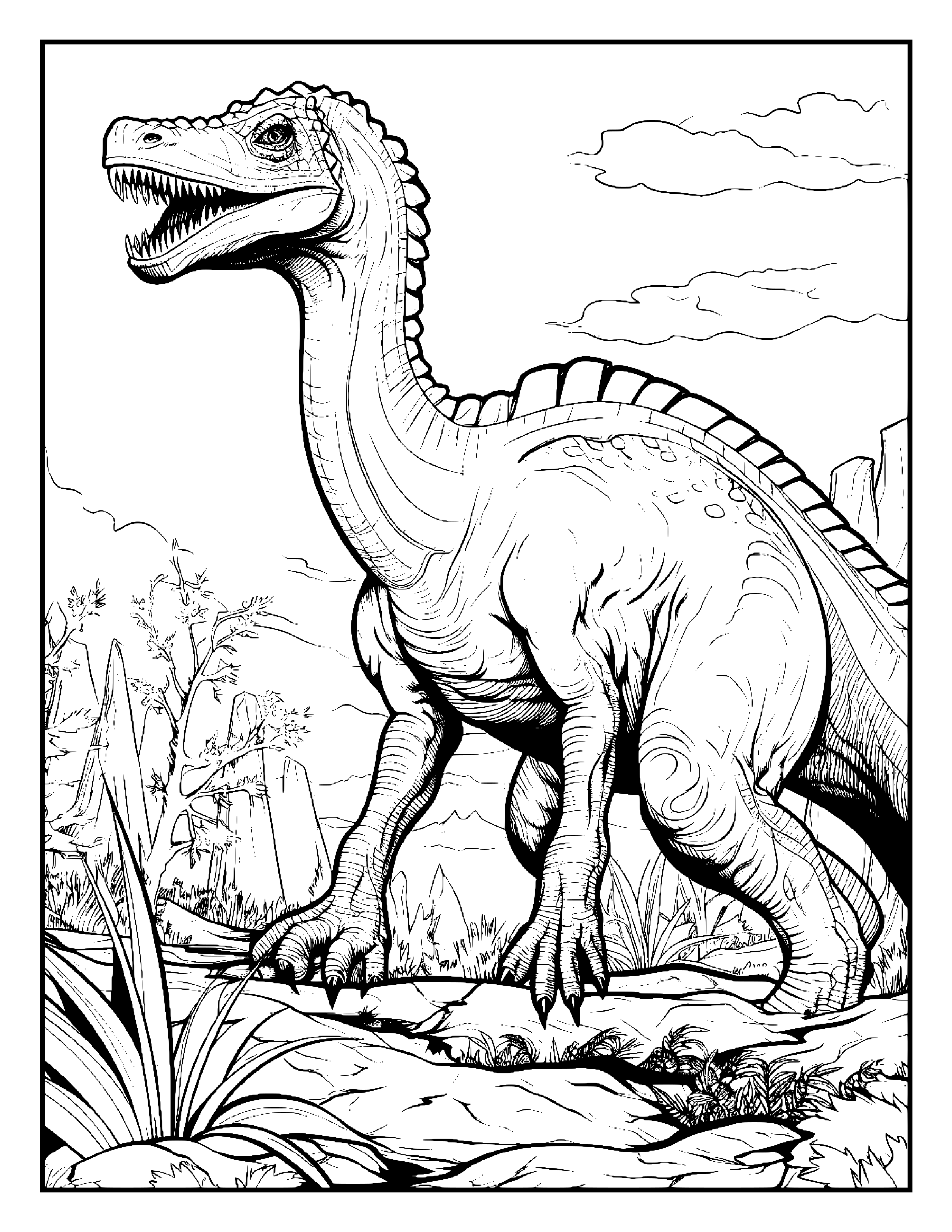
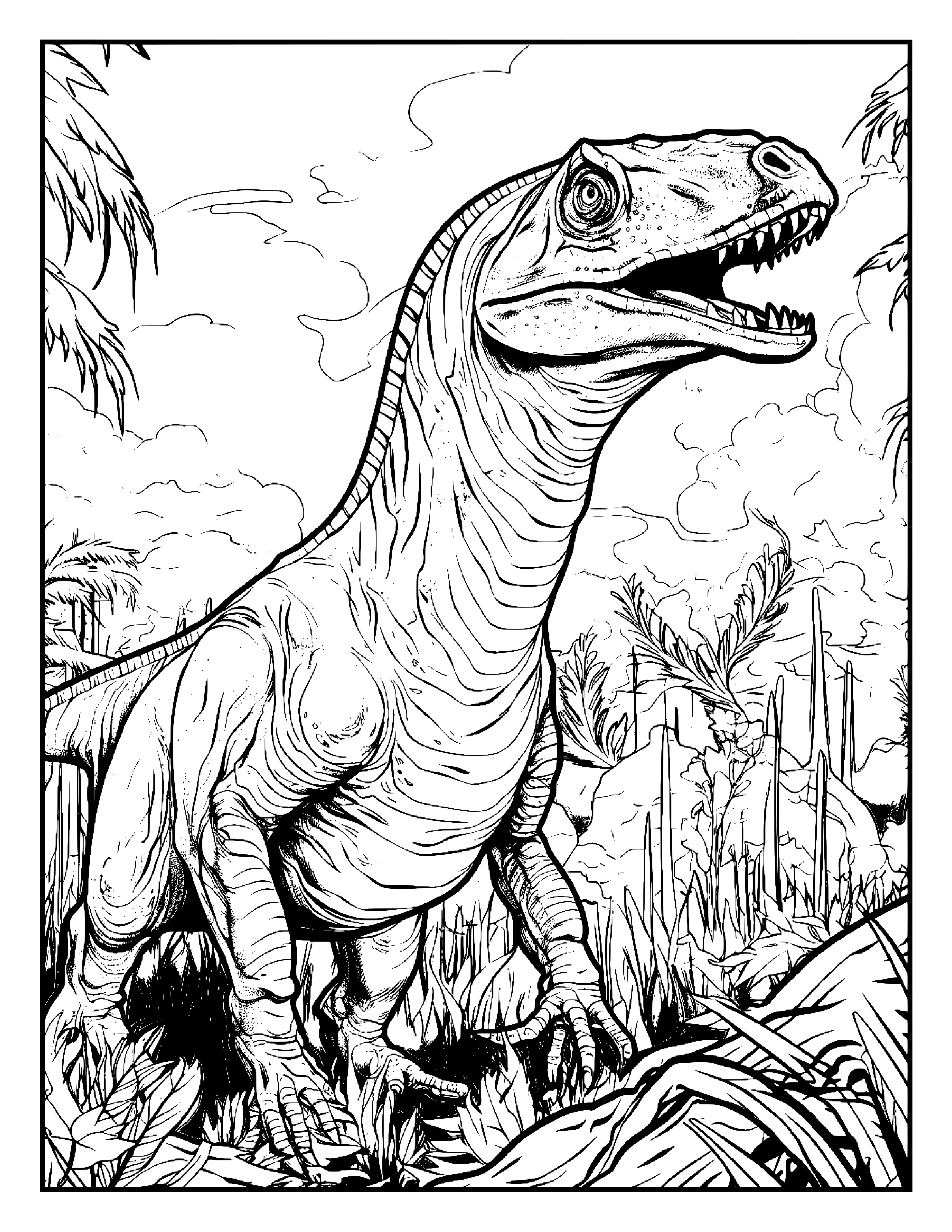
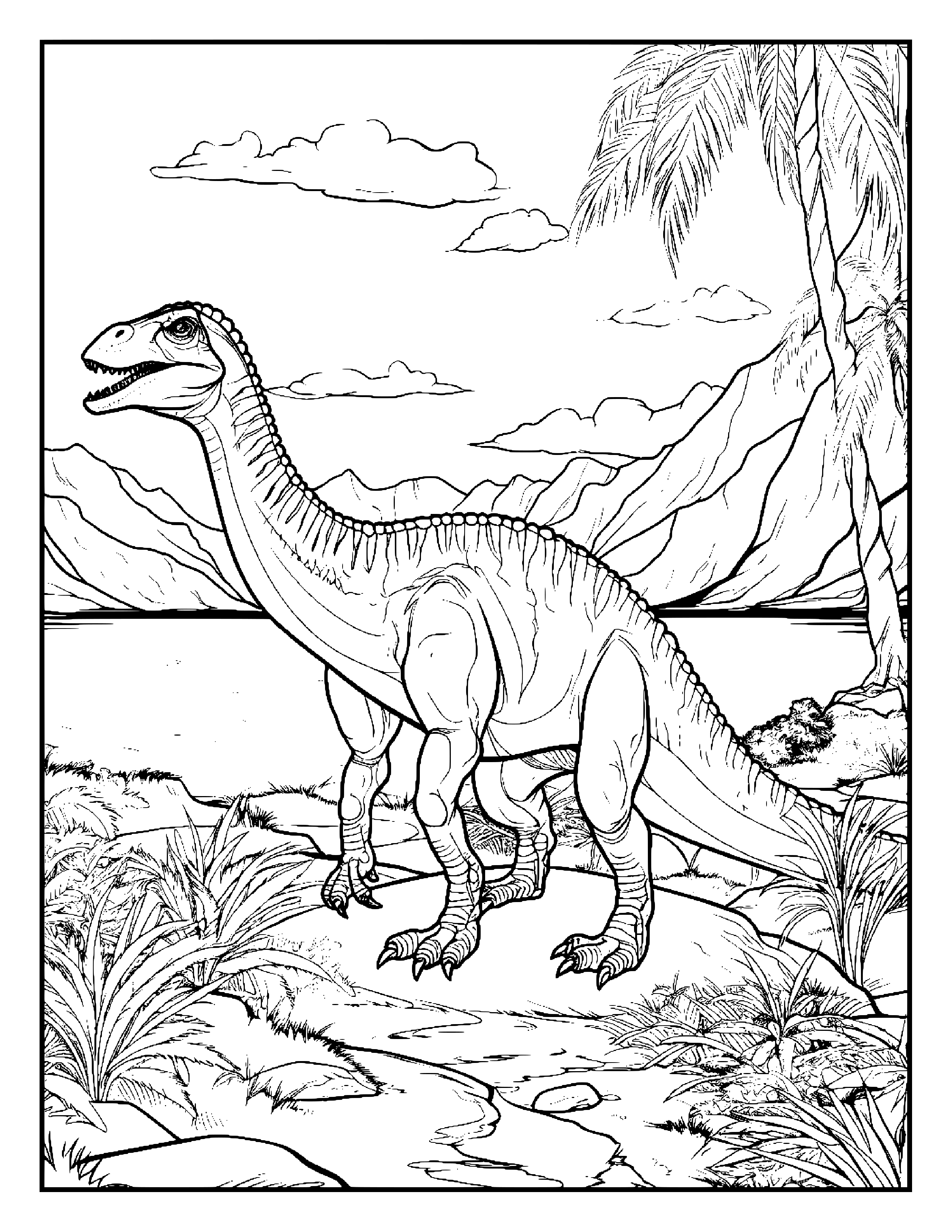
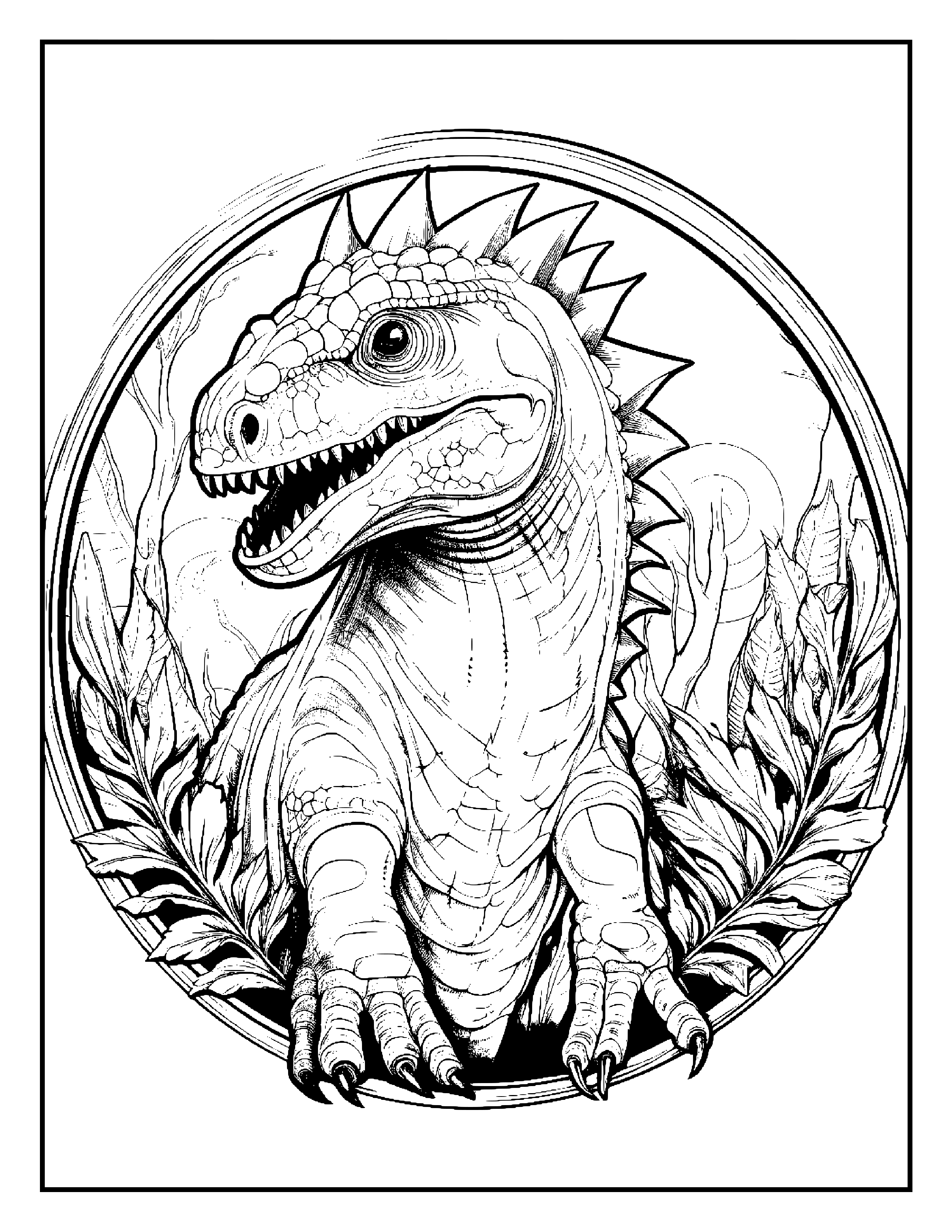
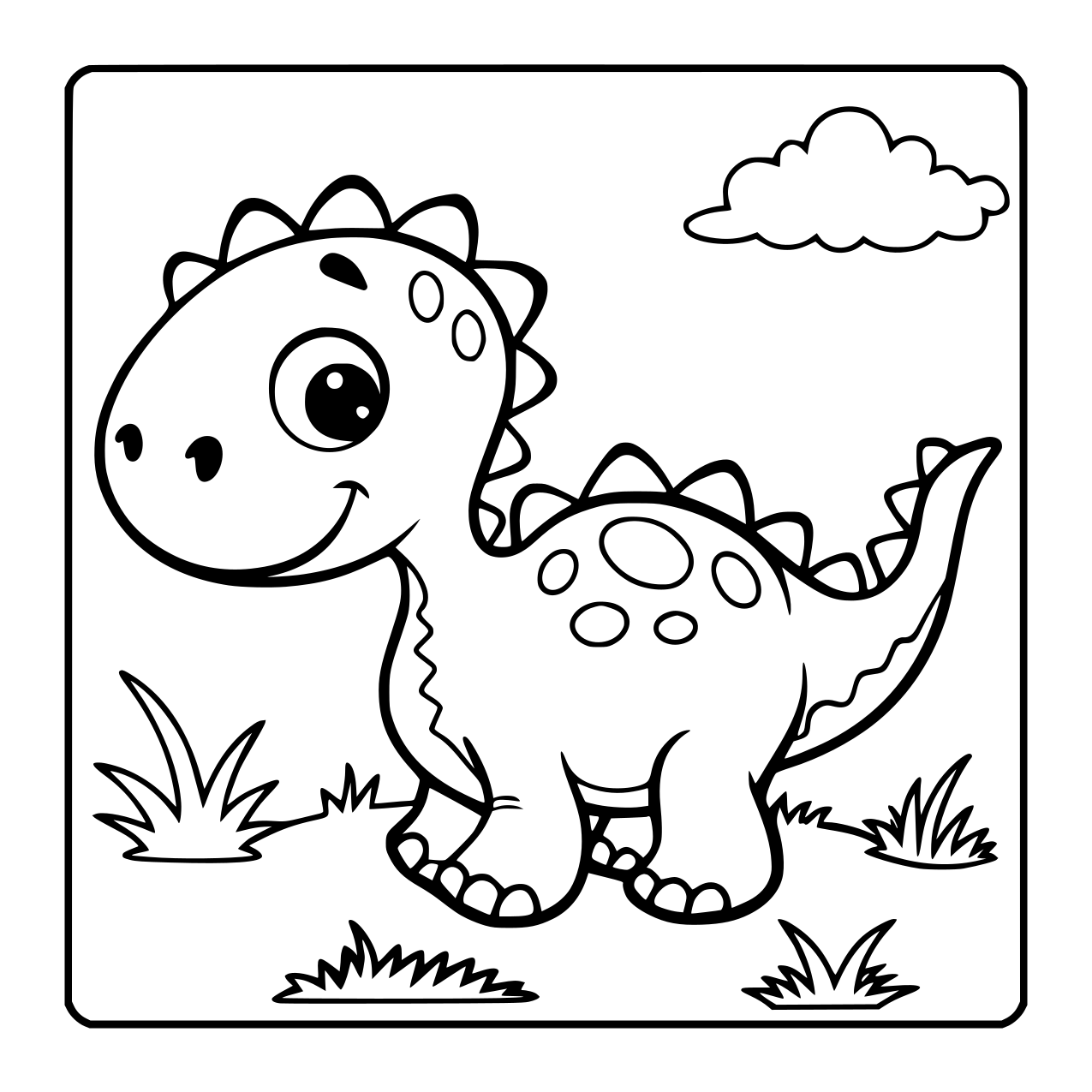
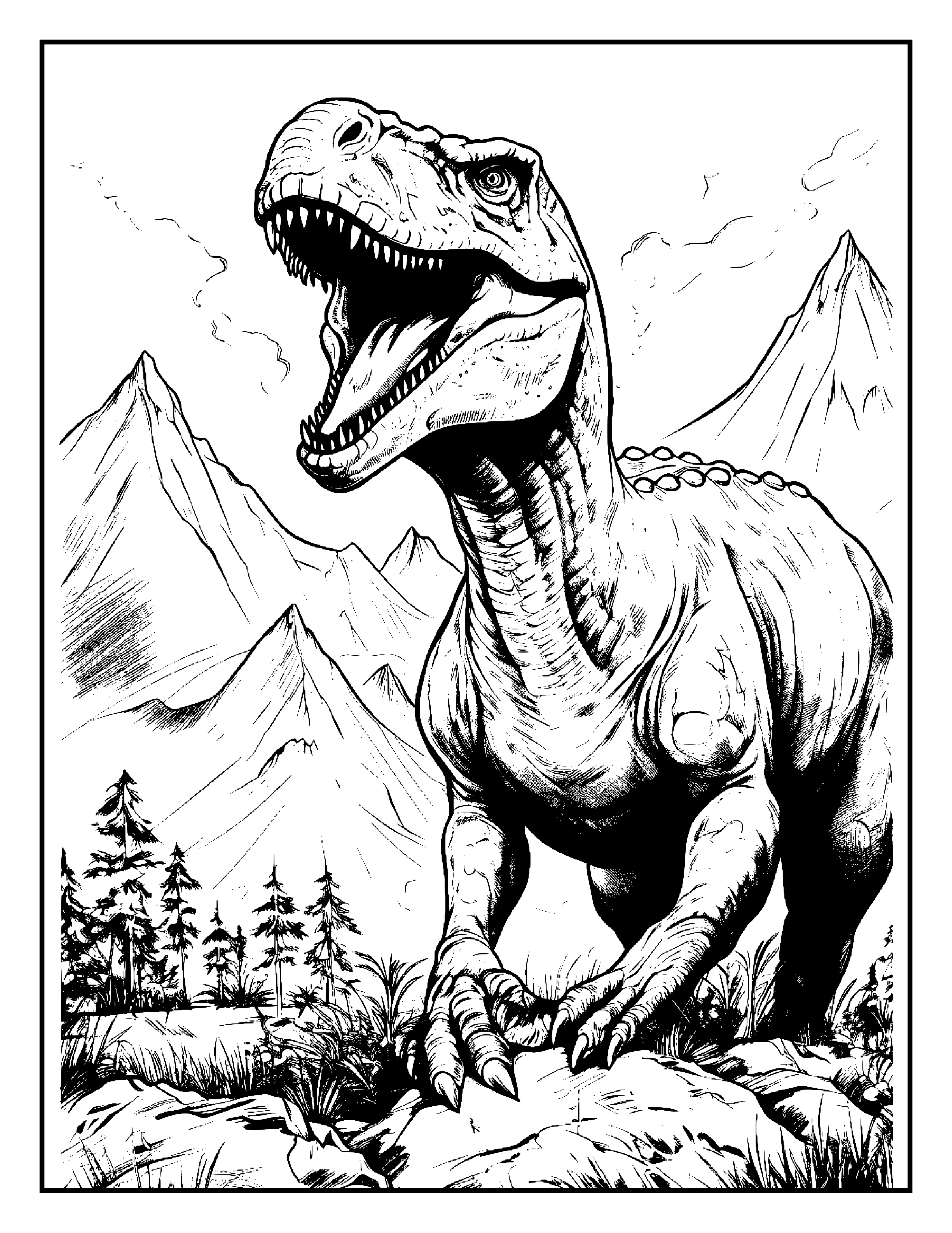
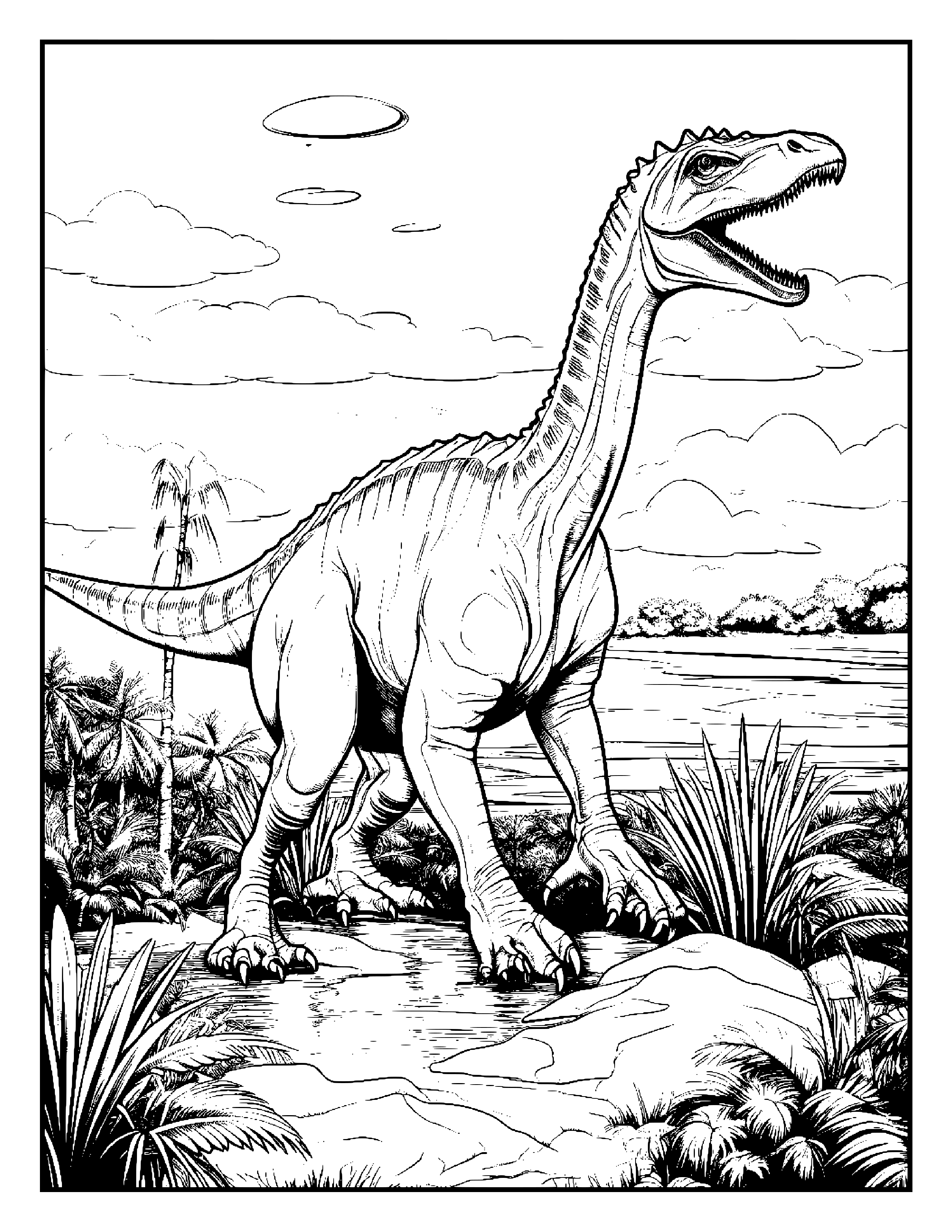
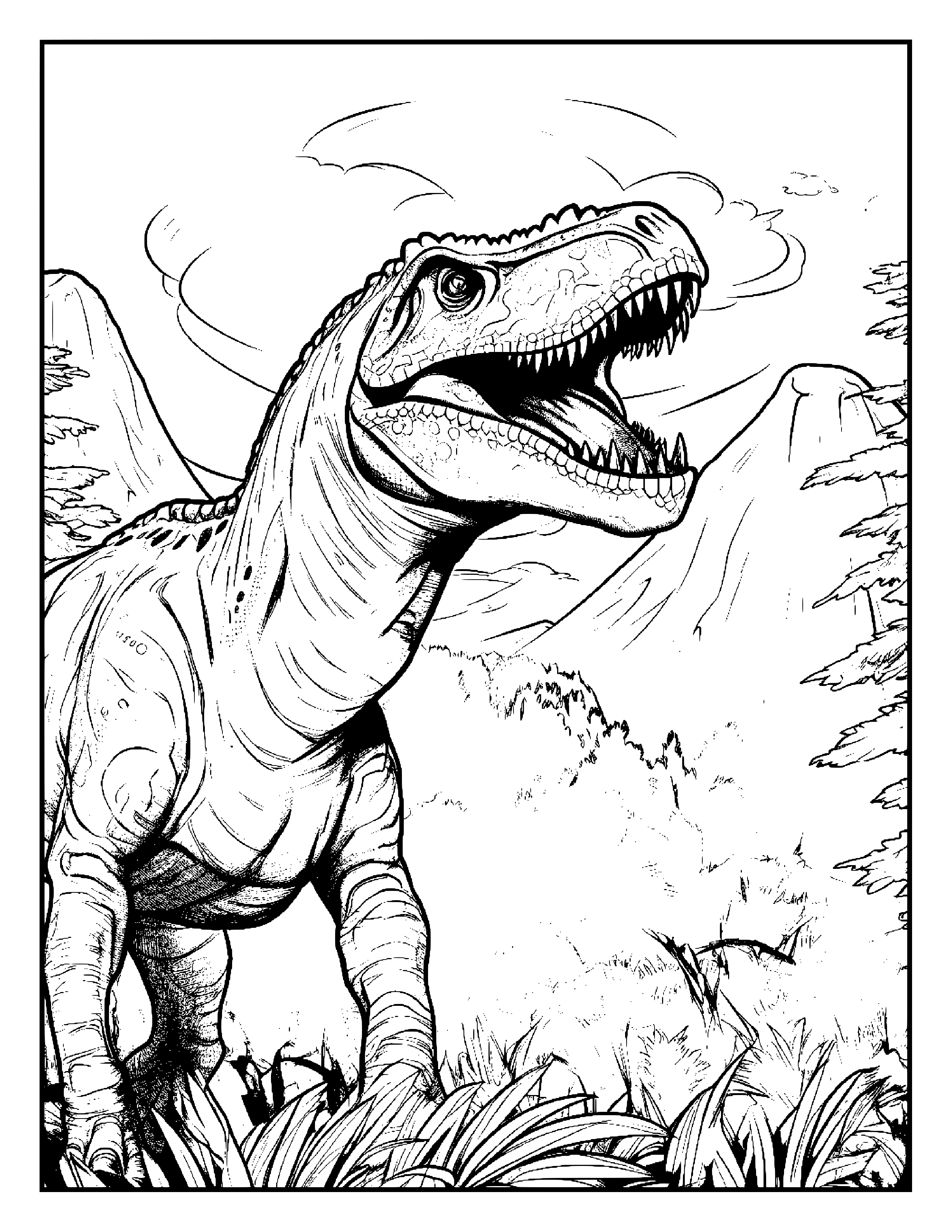
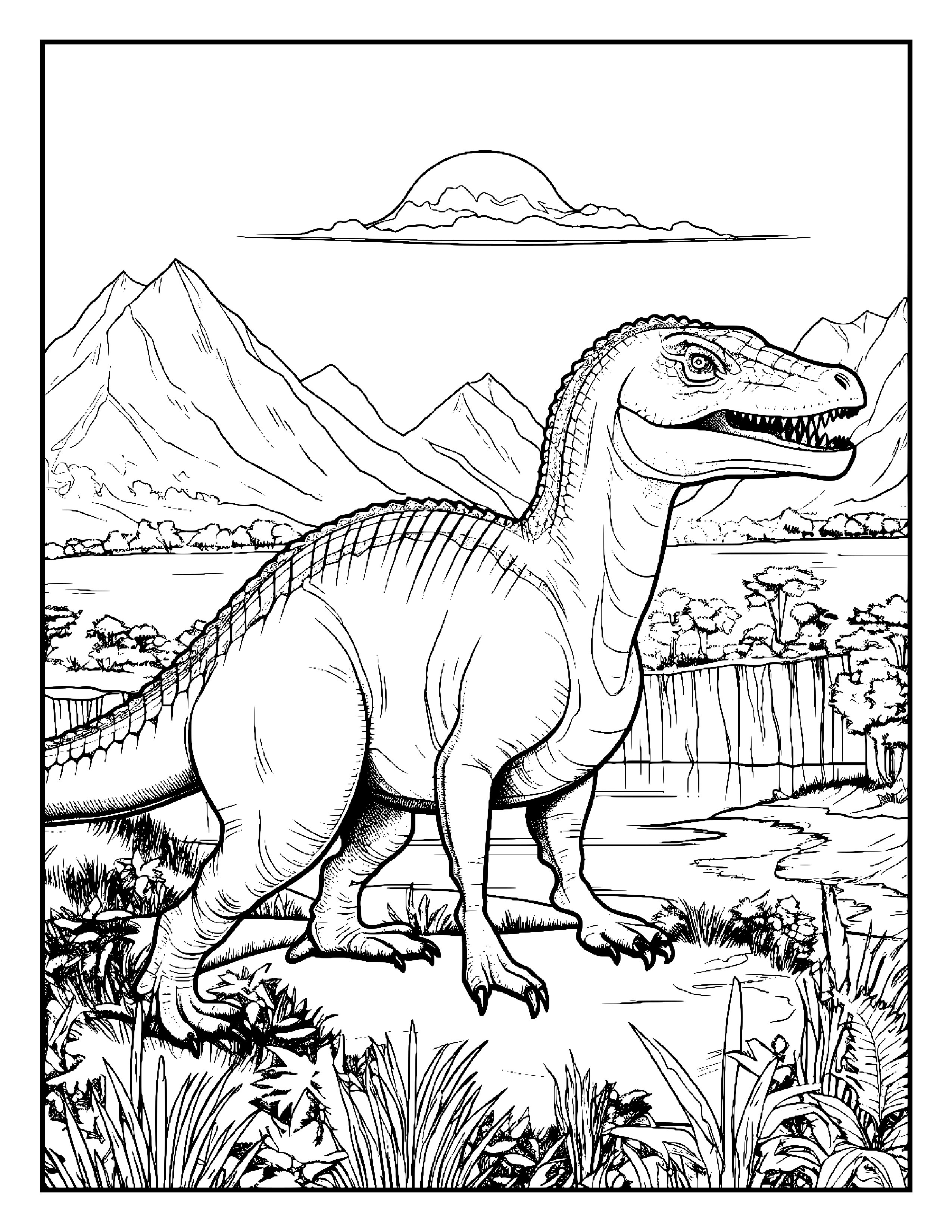
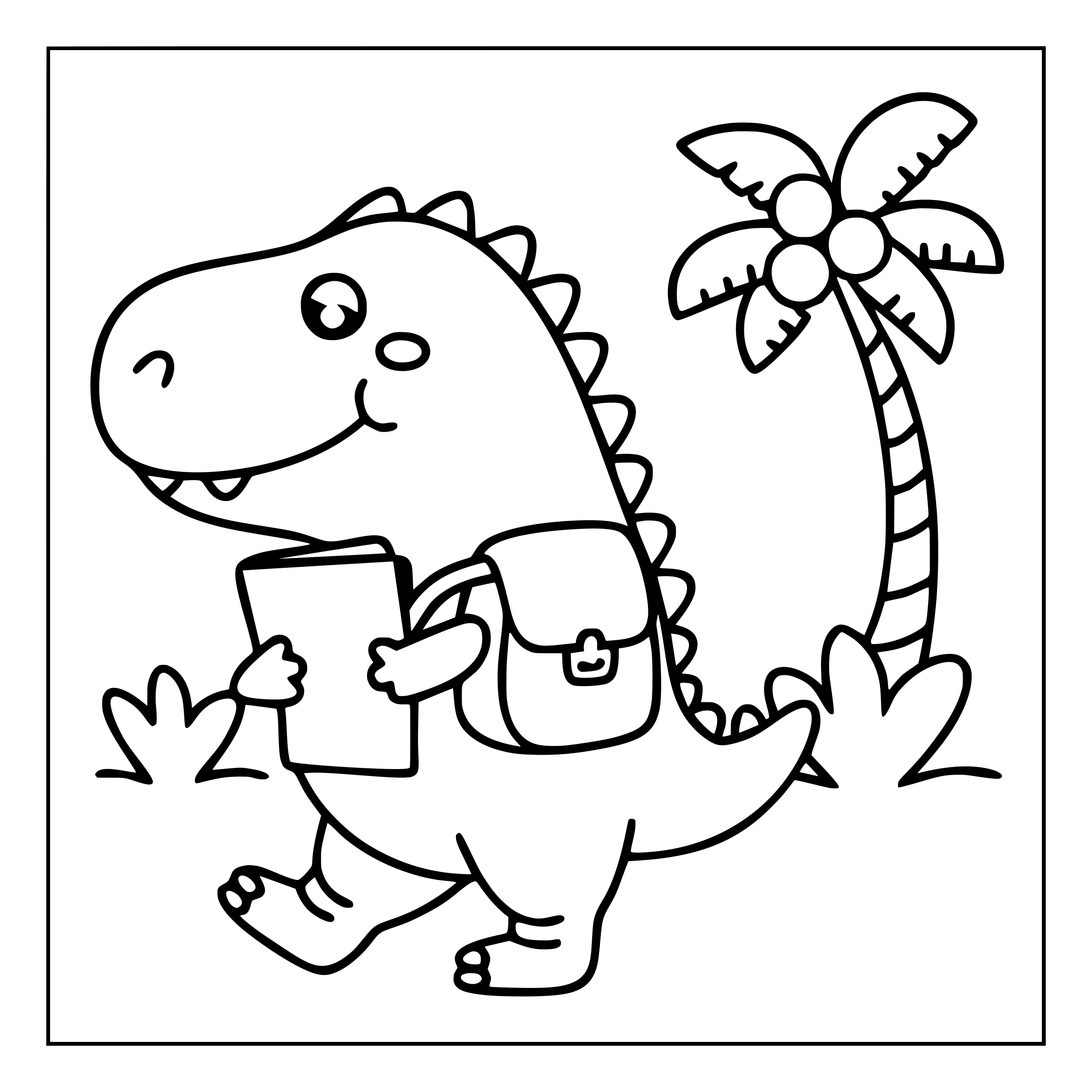
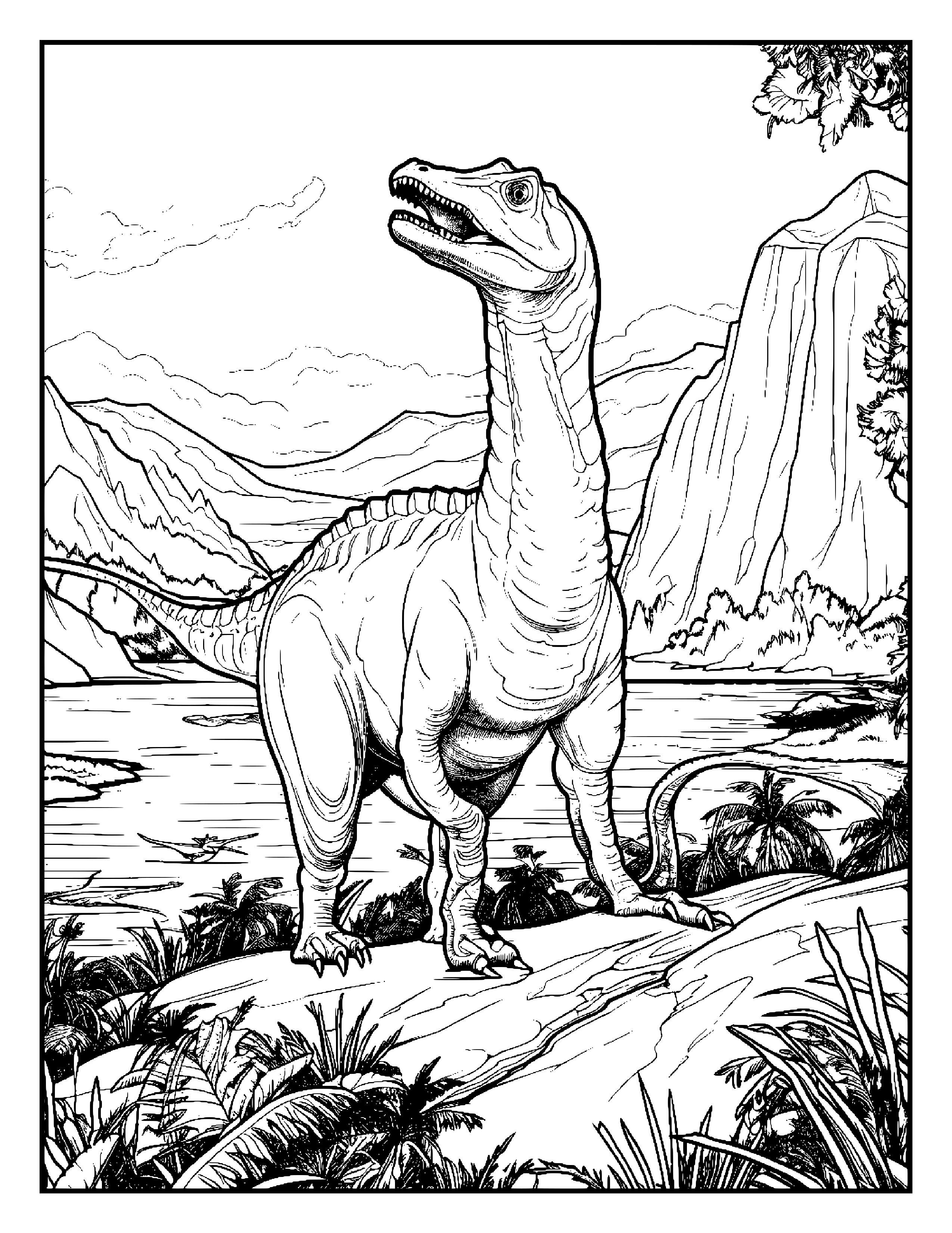
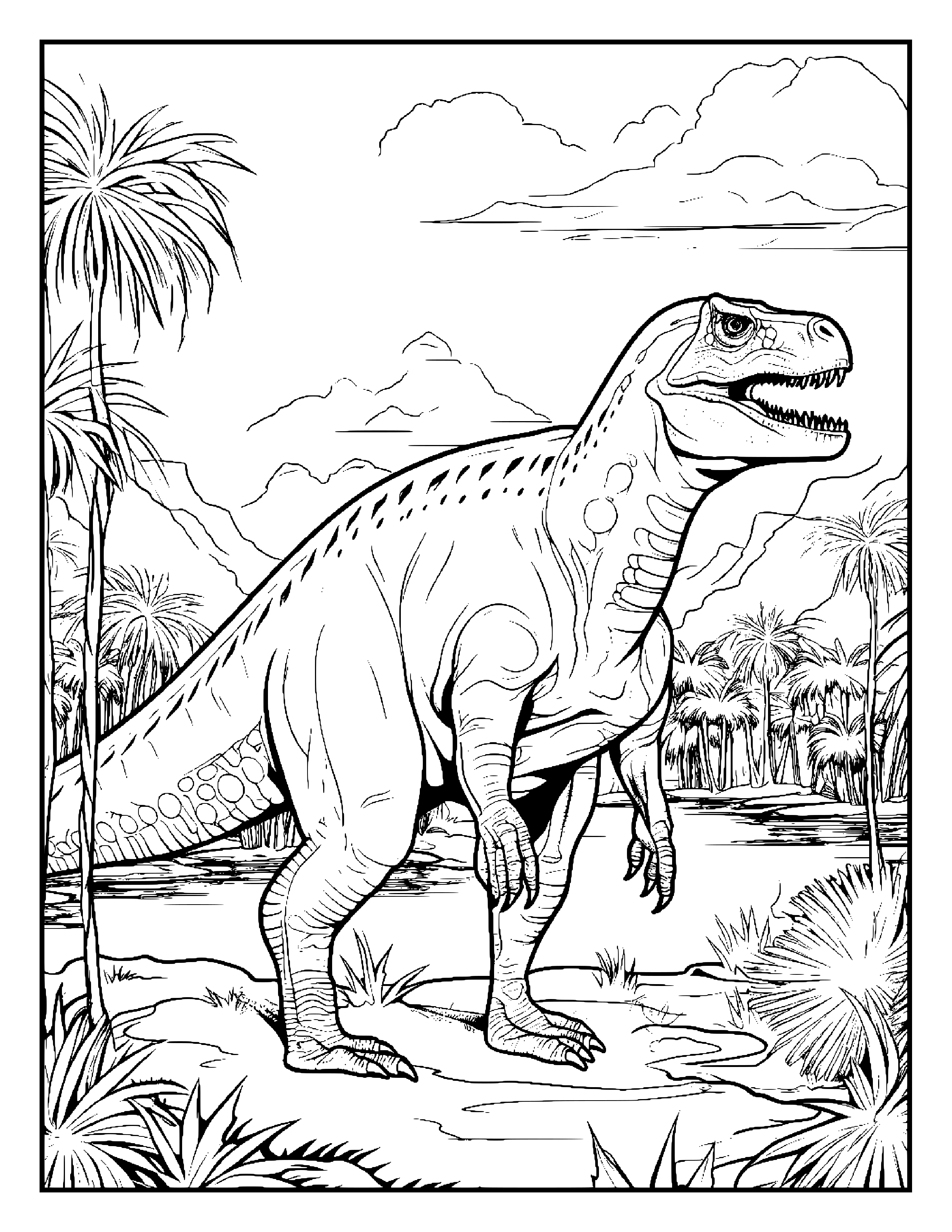
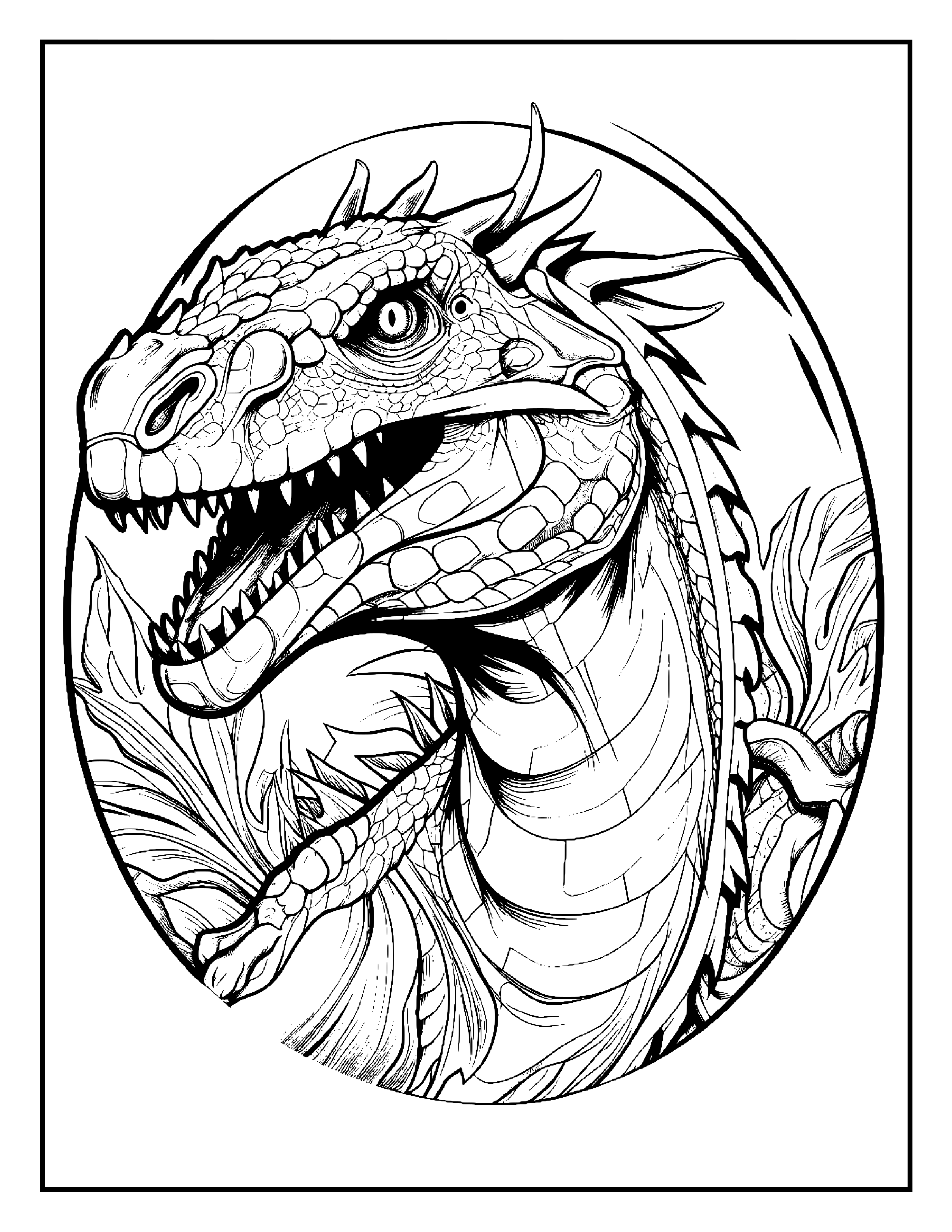
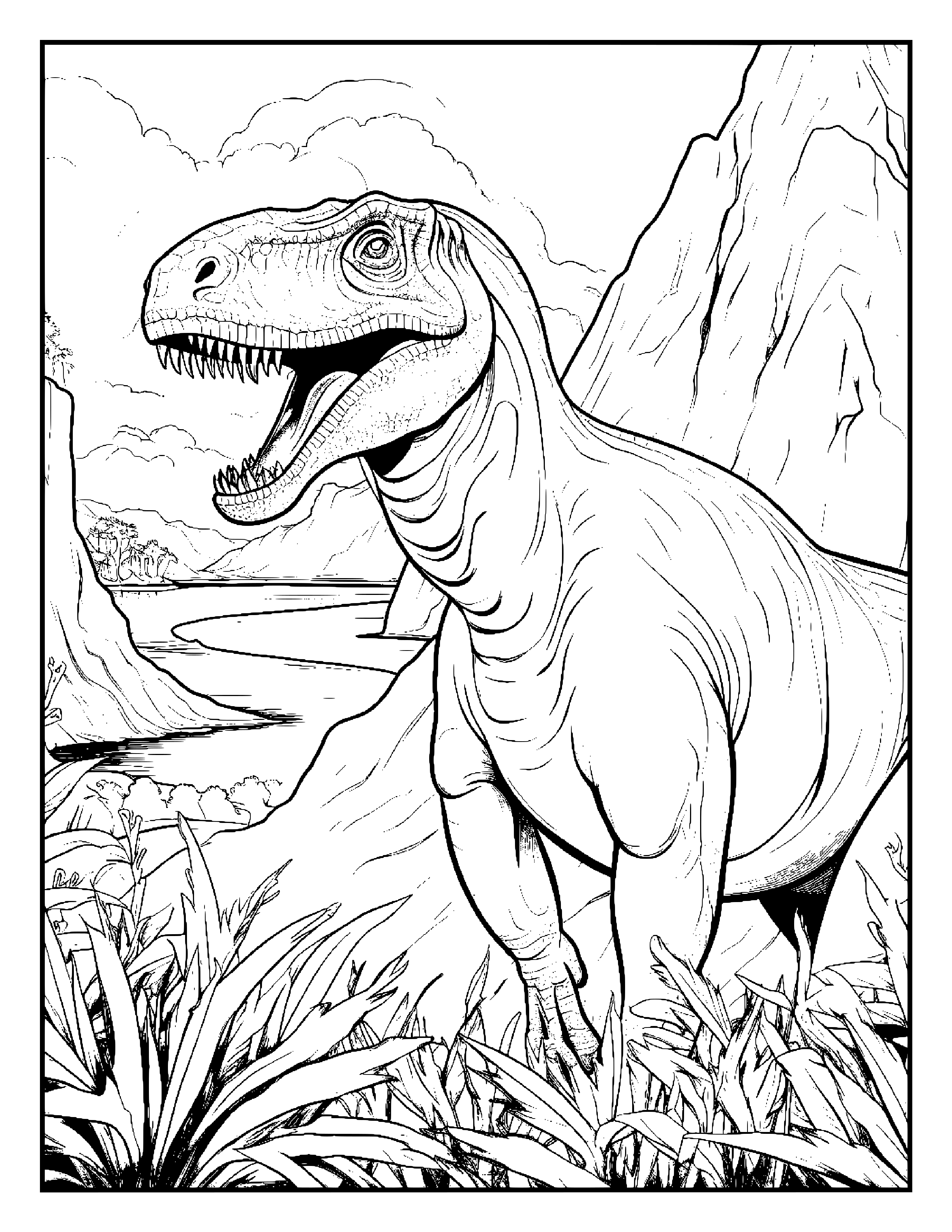
Realistic Dinosaur in the Sunlight Coloring Page
Medium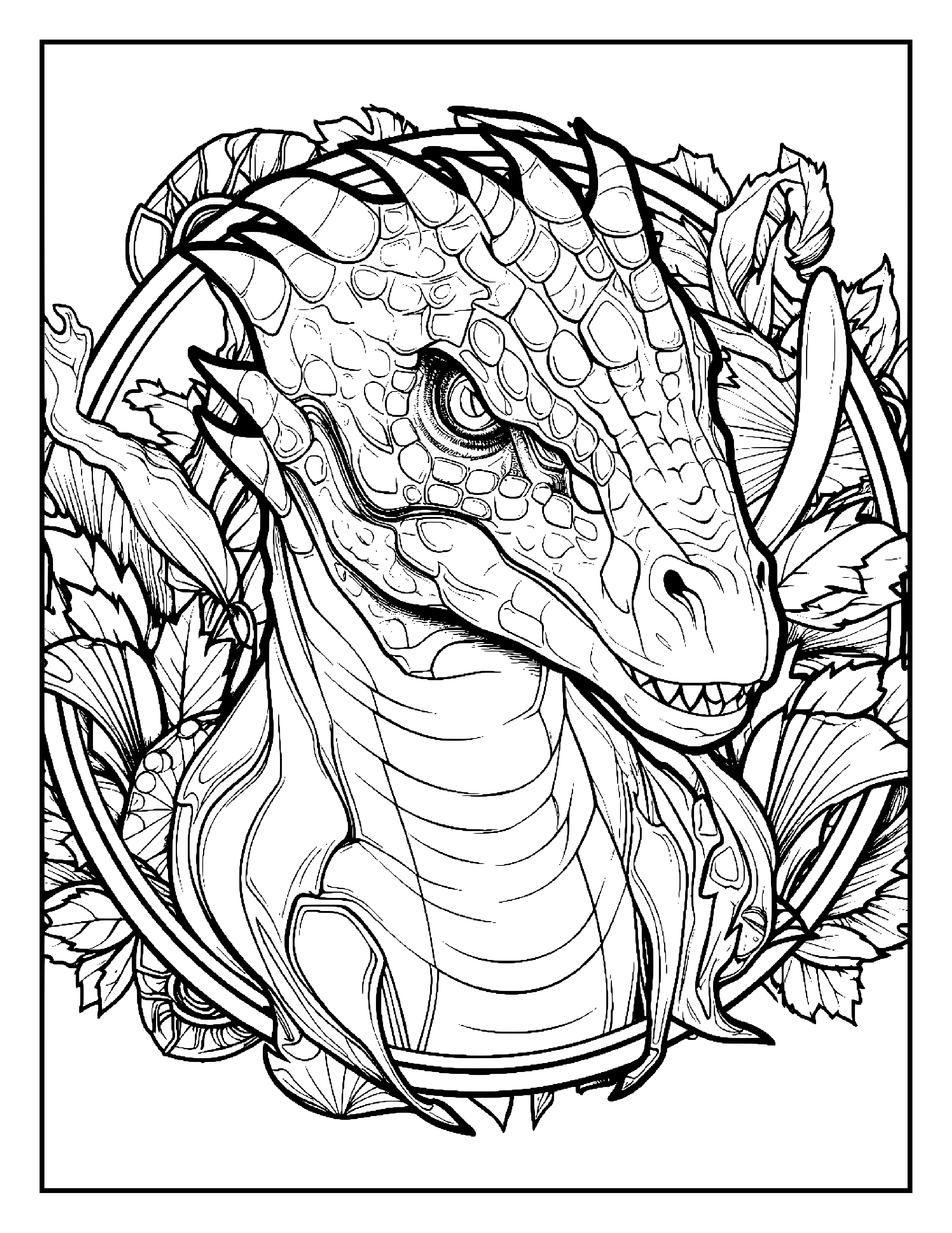
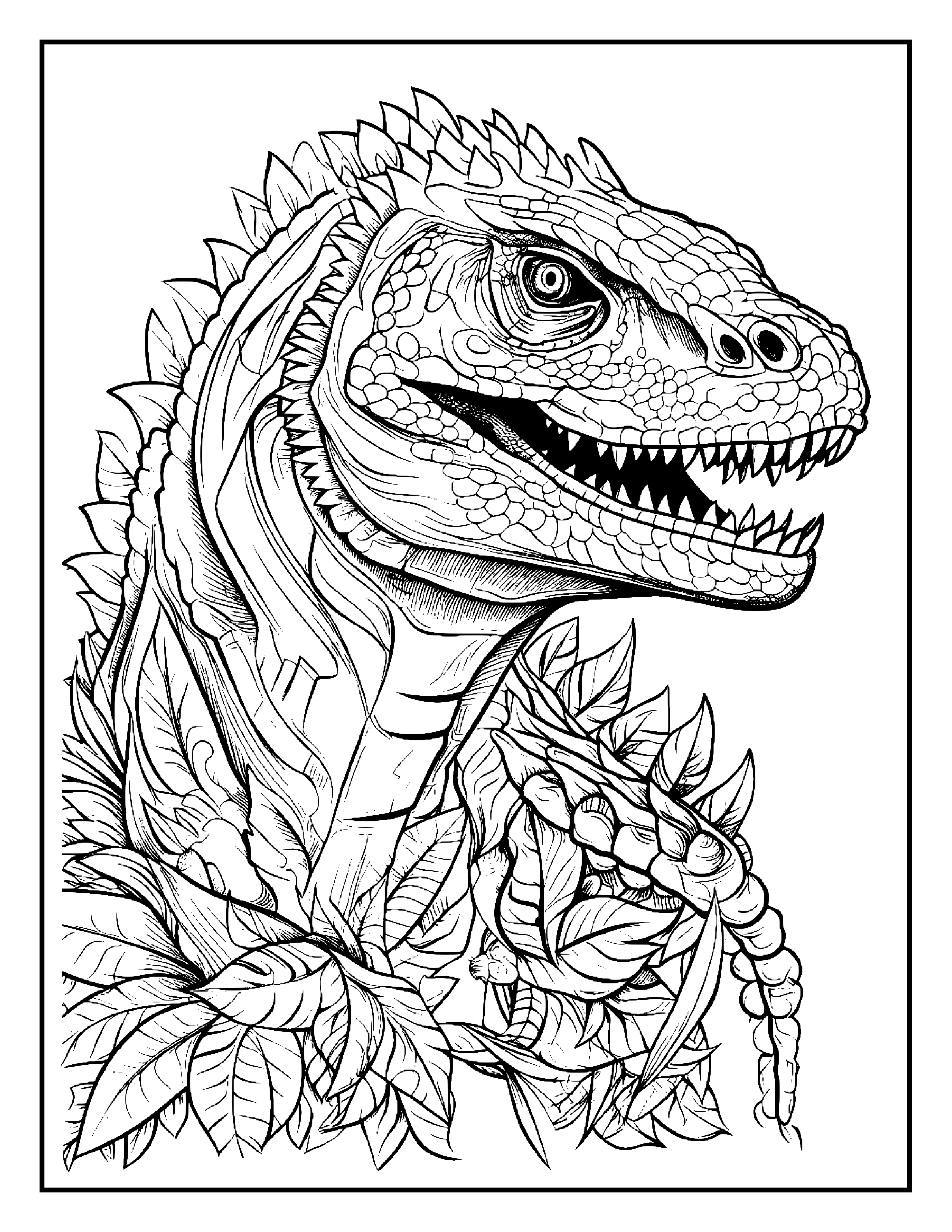
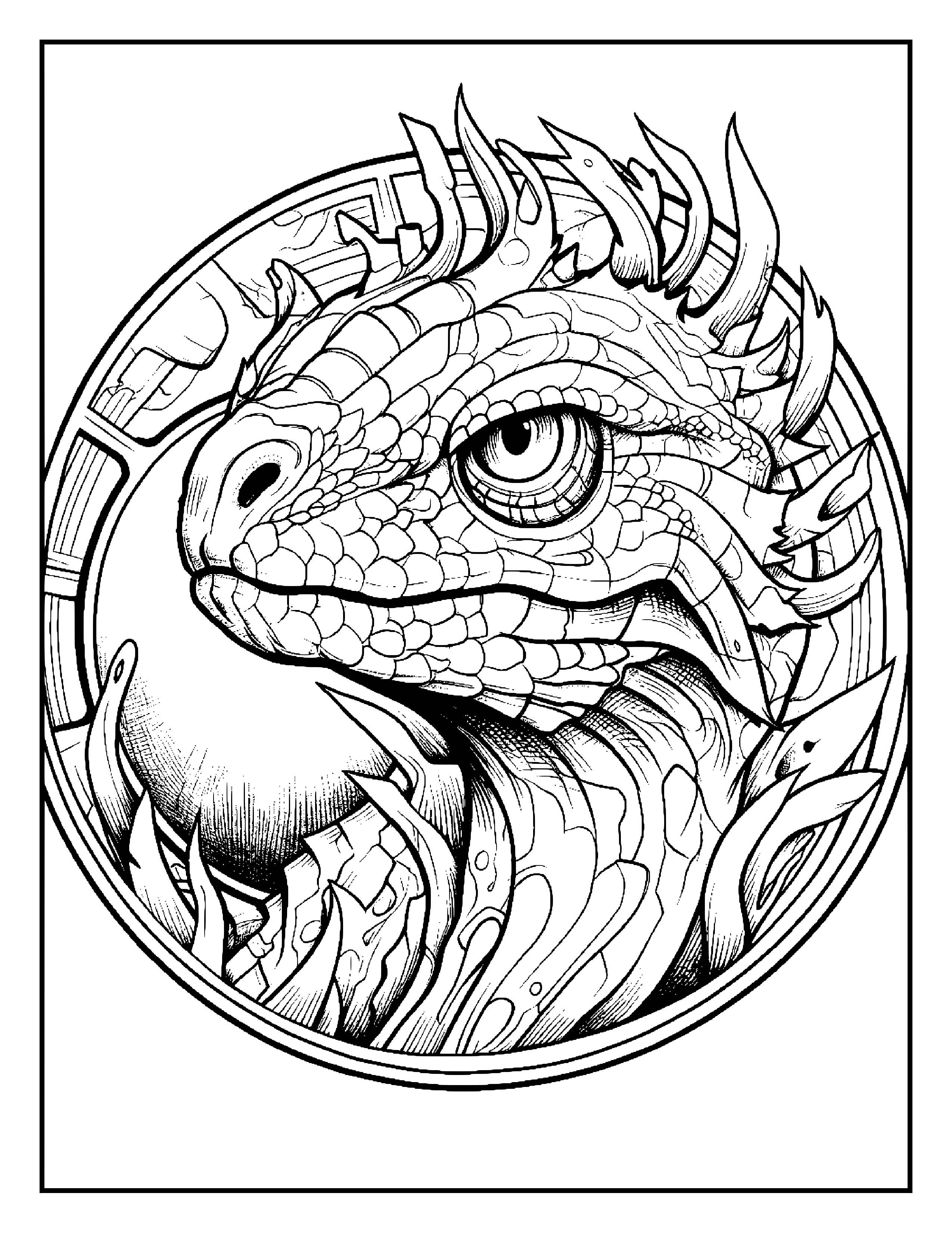
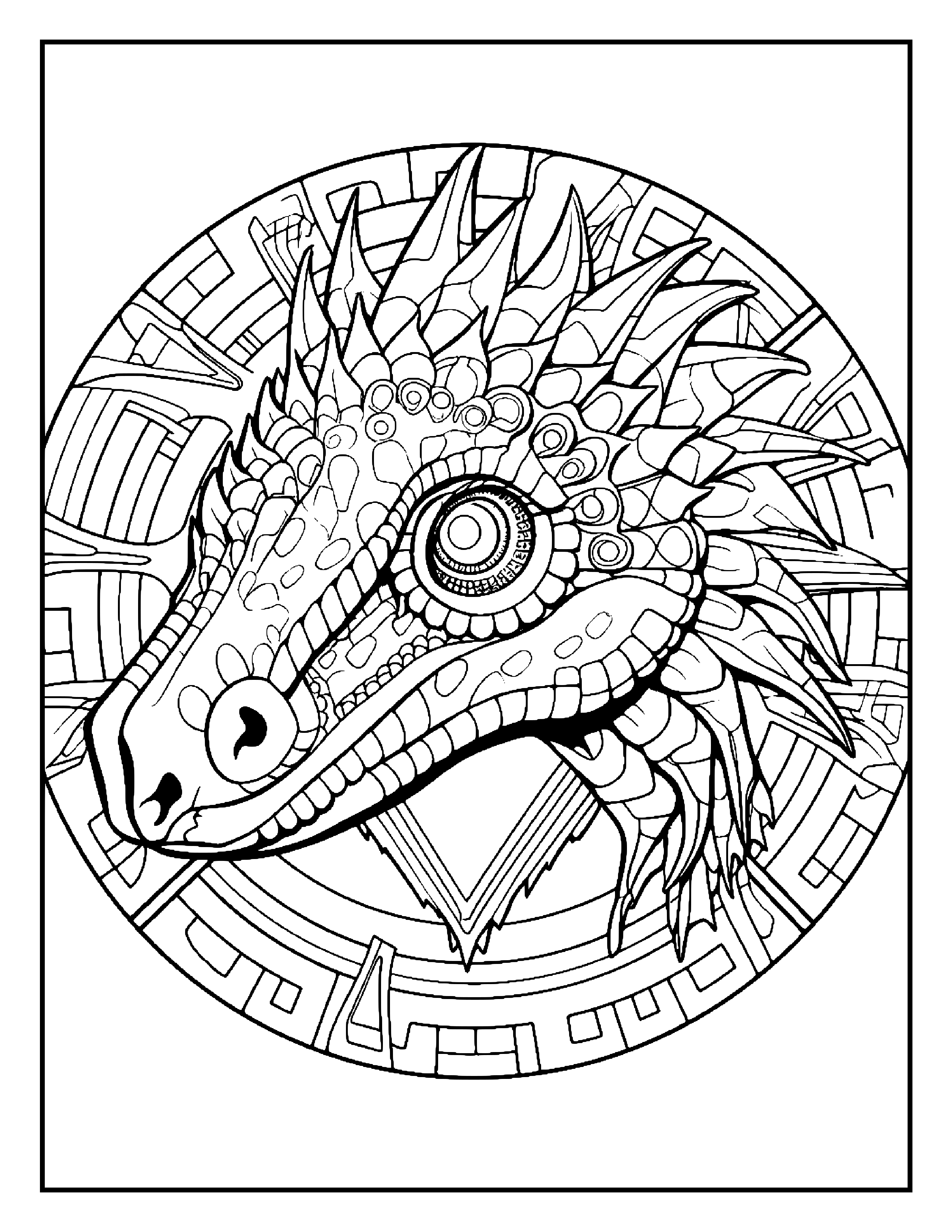
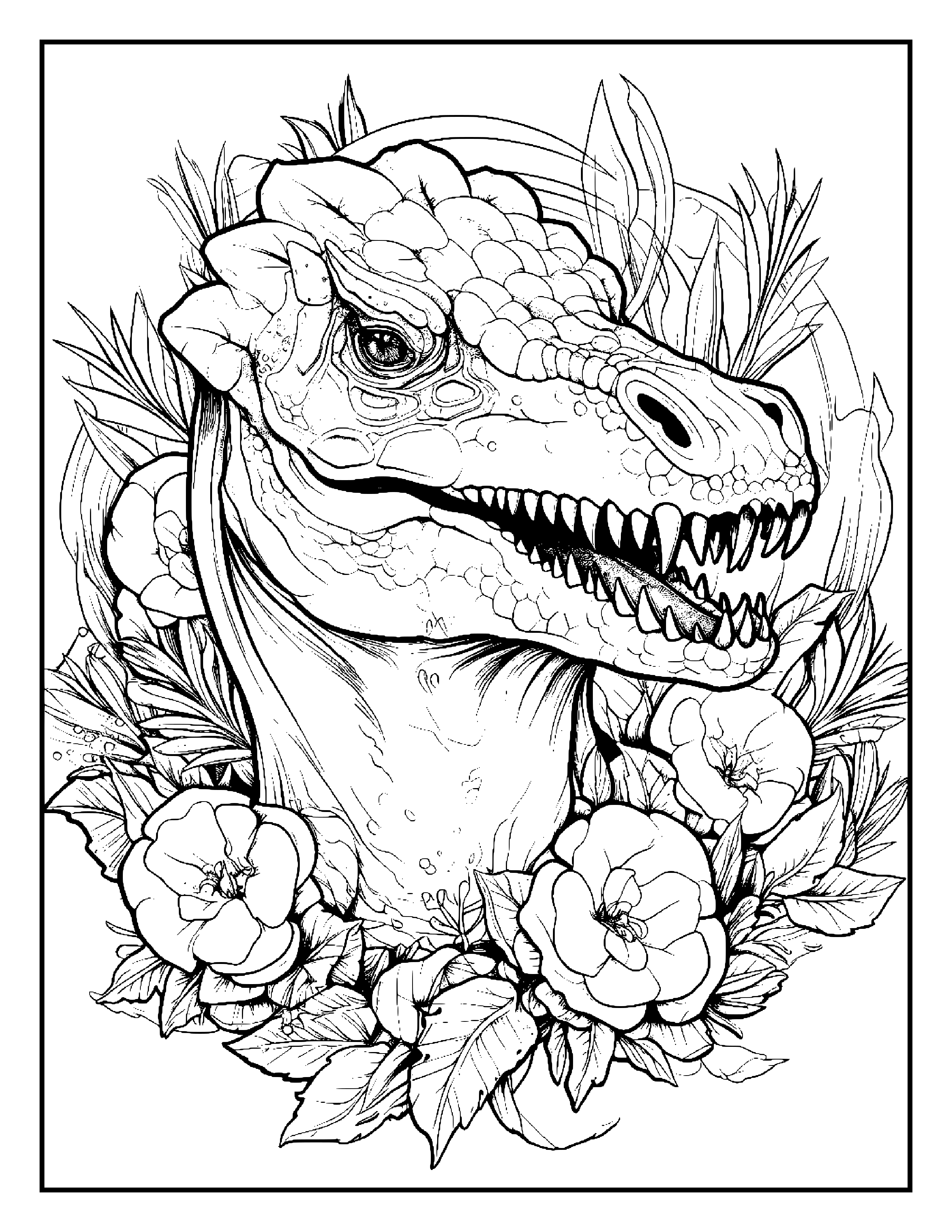
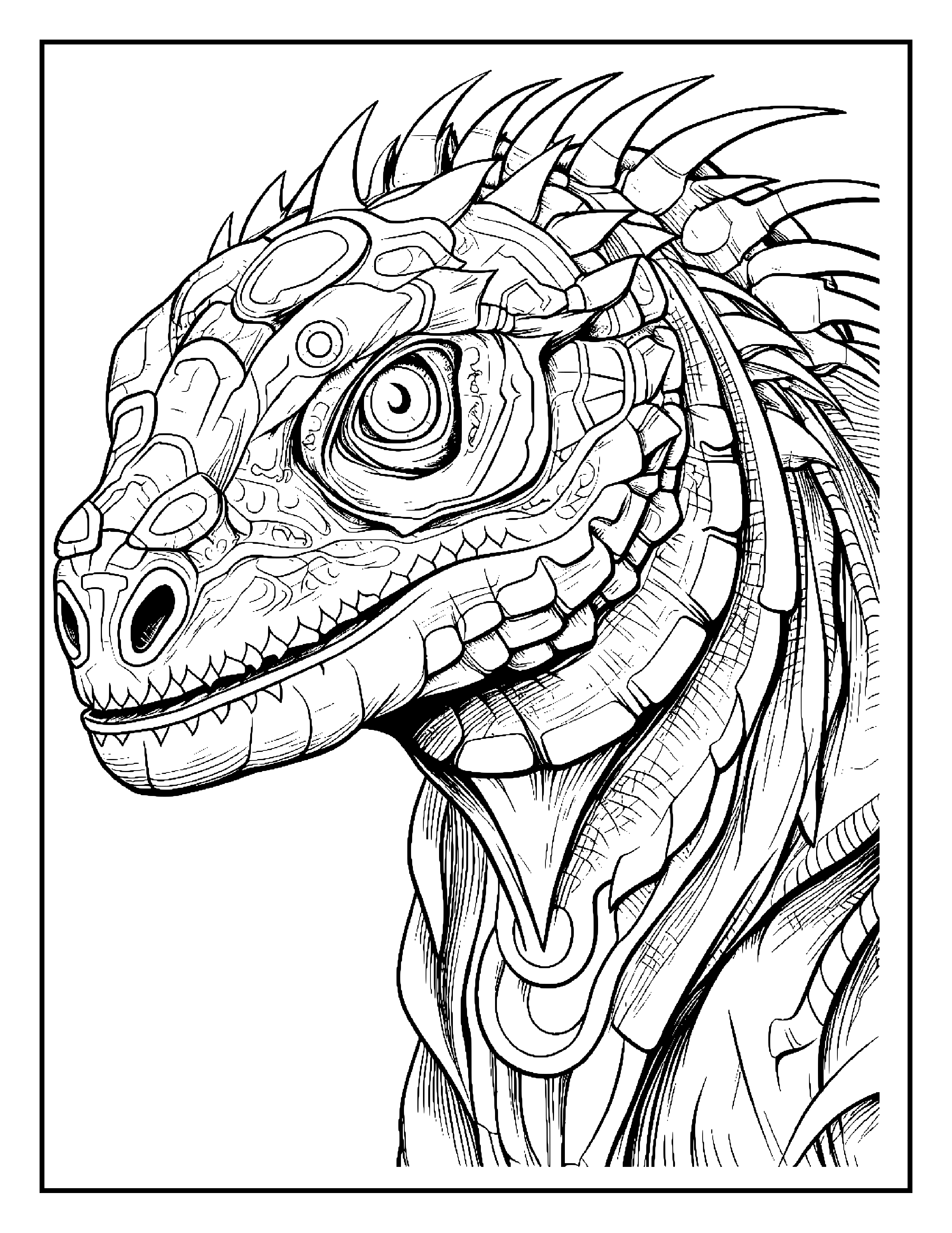
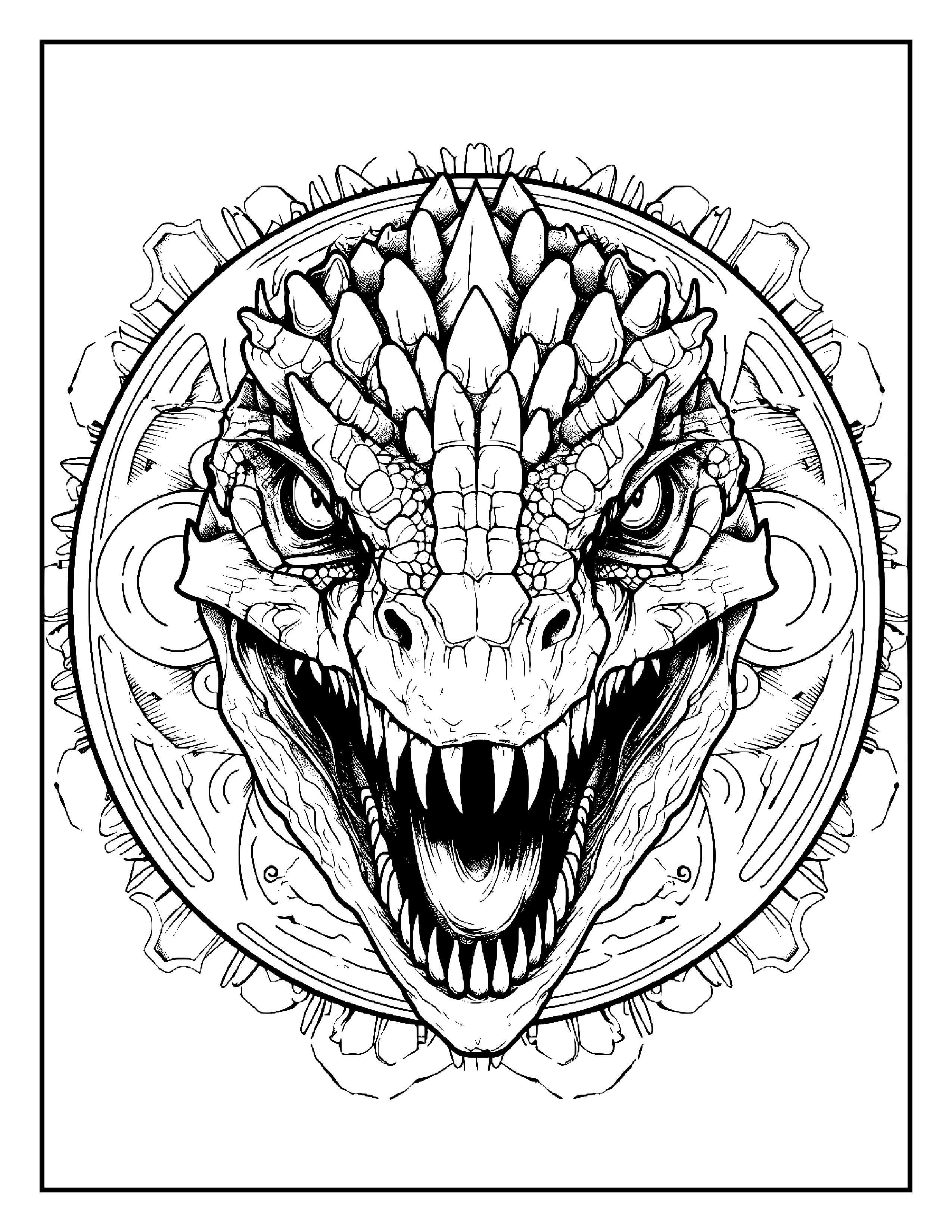
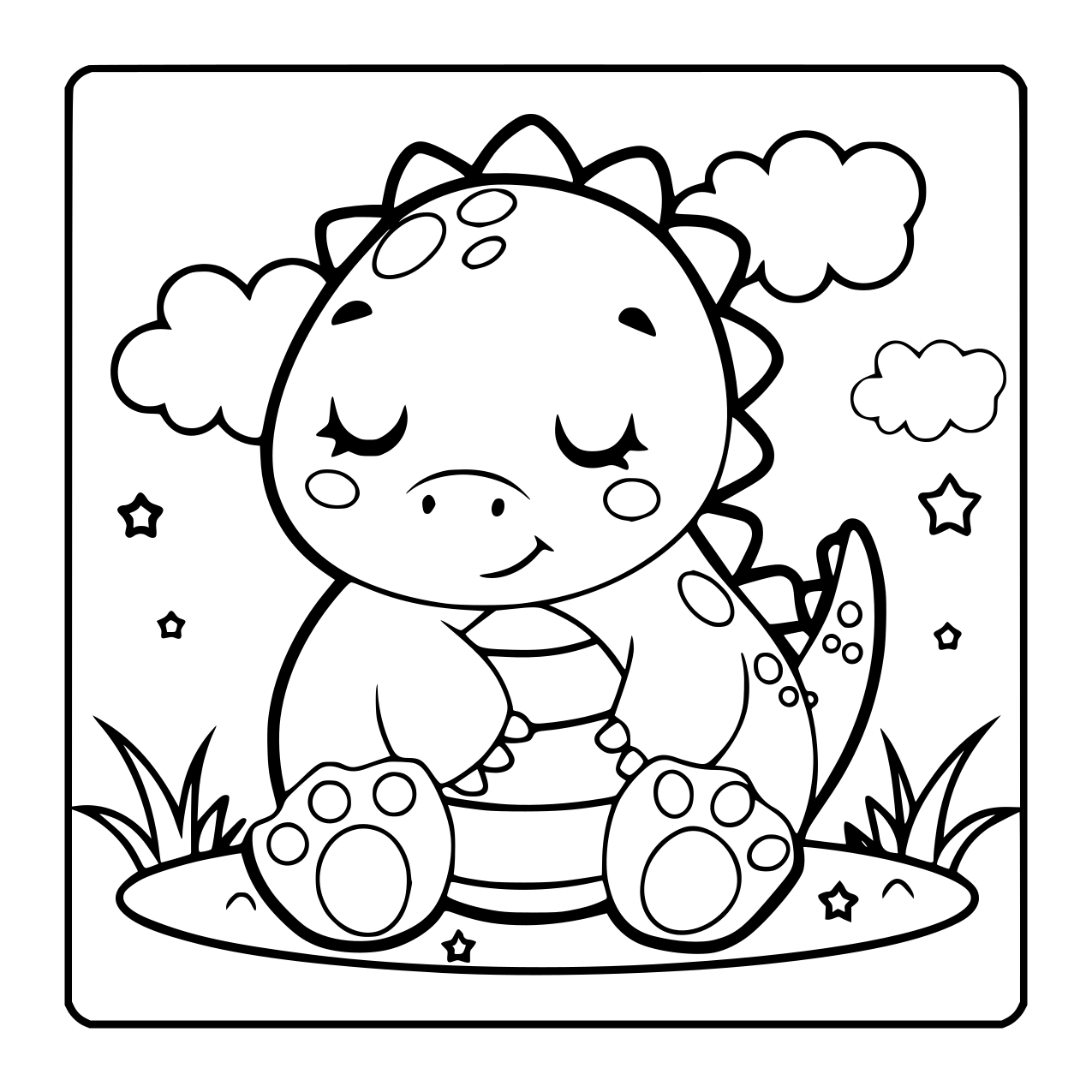
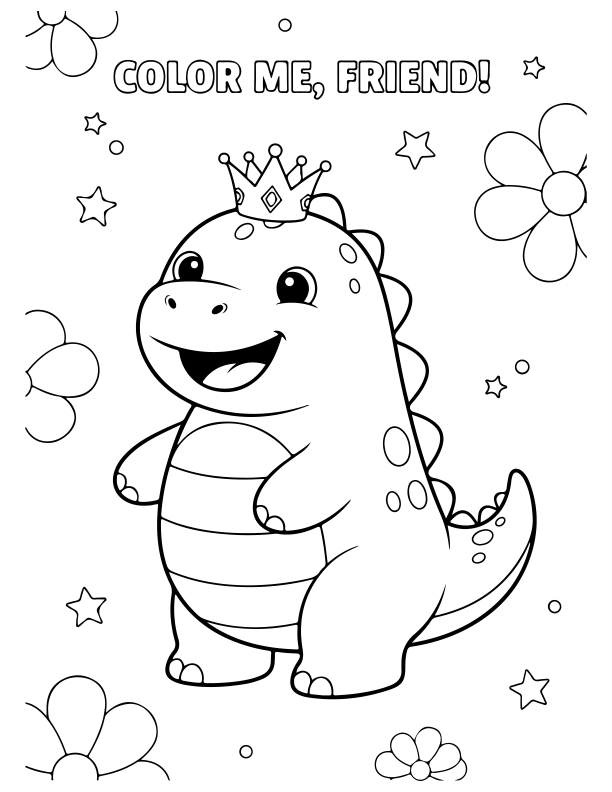
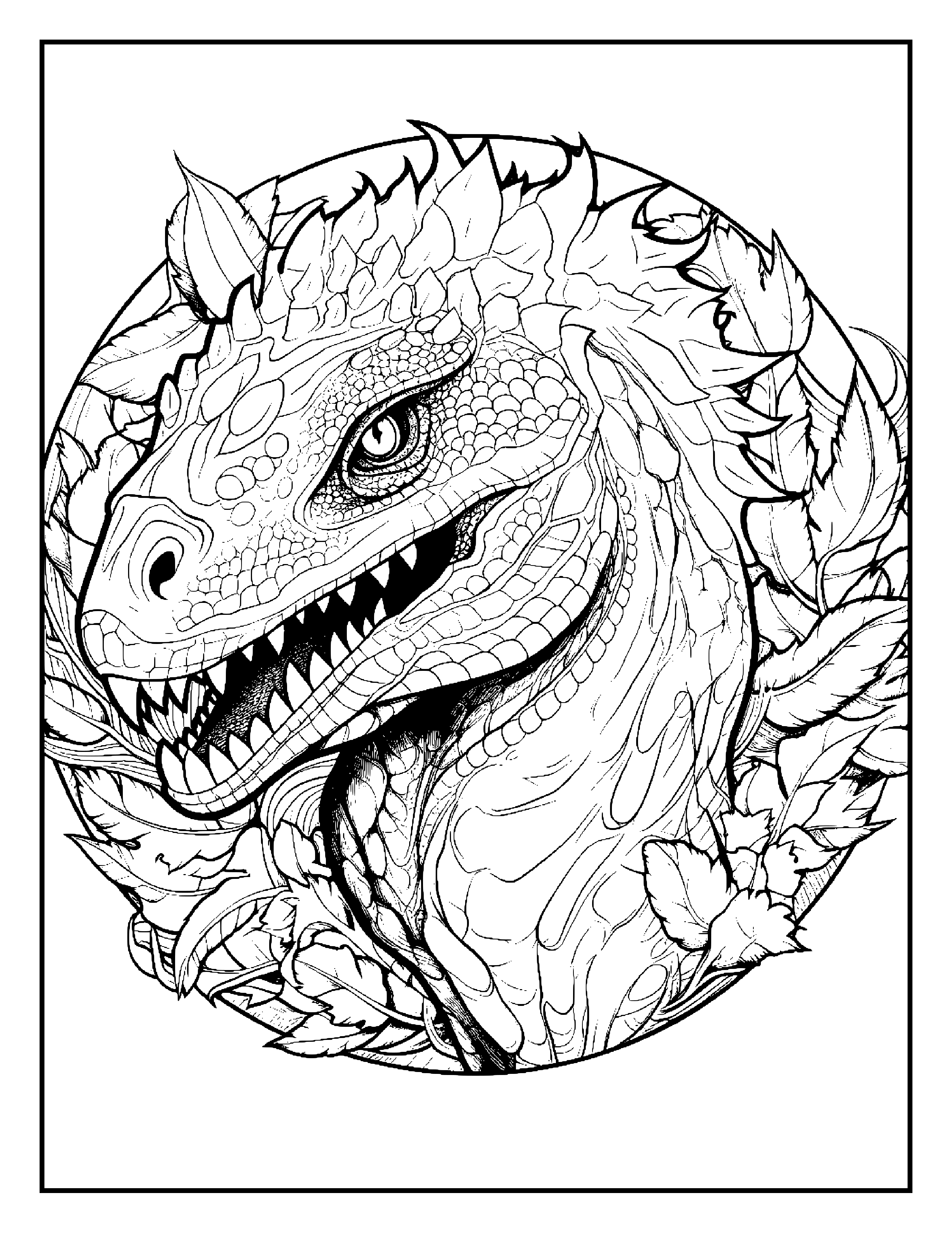
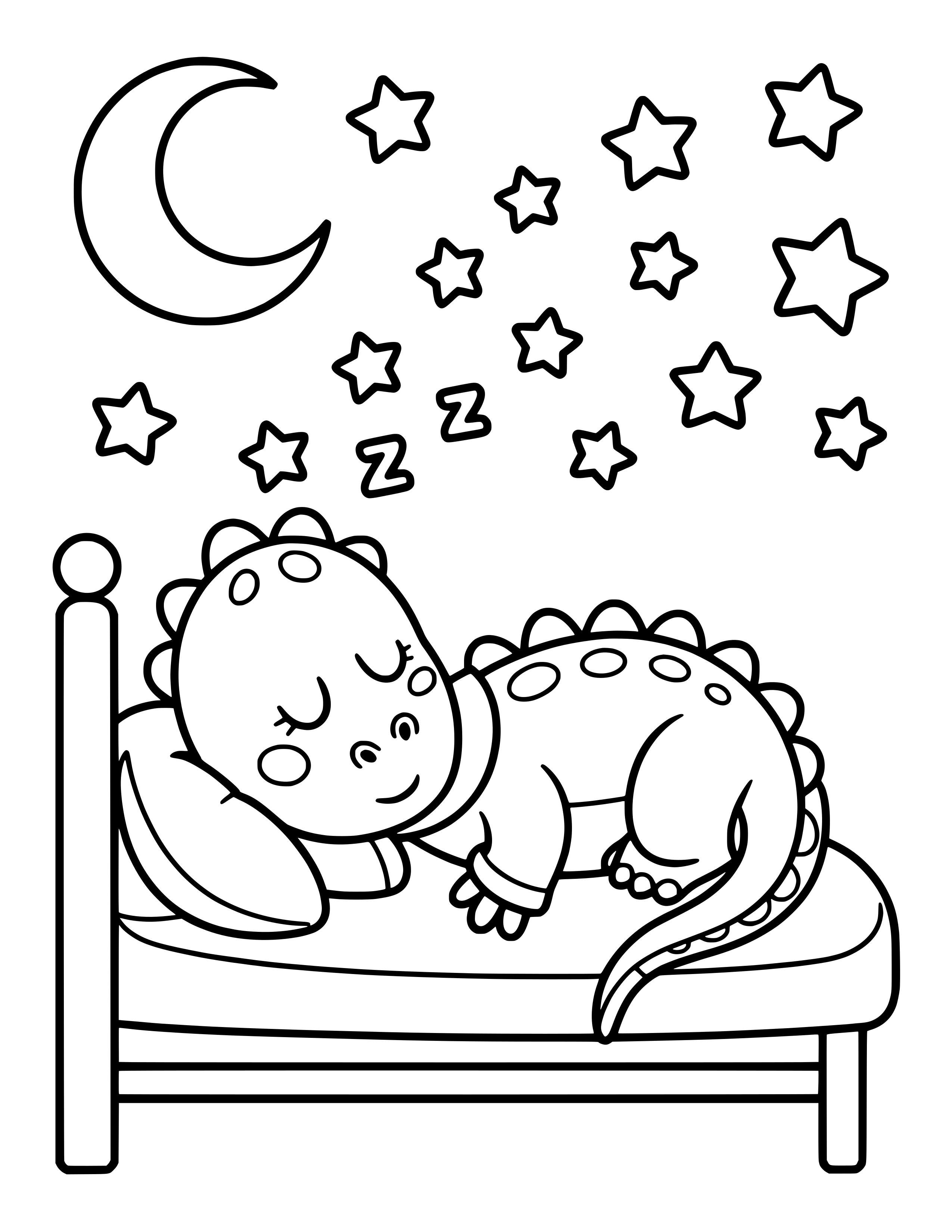
Resting Dinosaur Head Mandala Coloring Page
Hard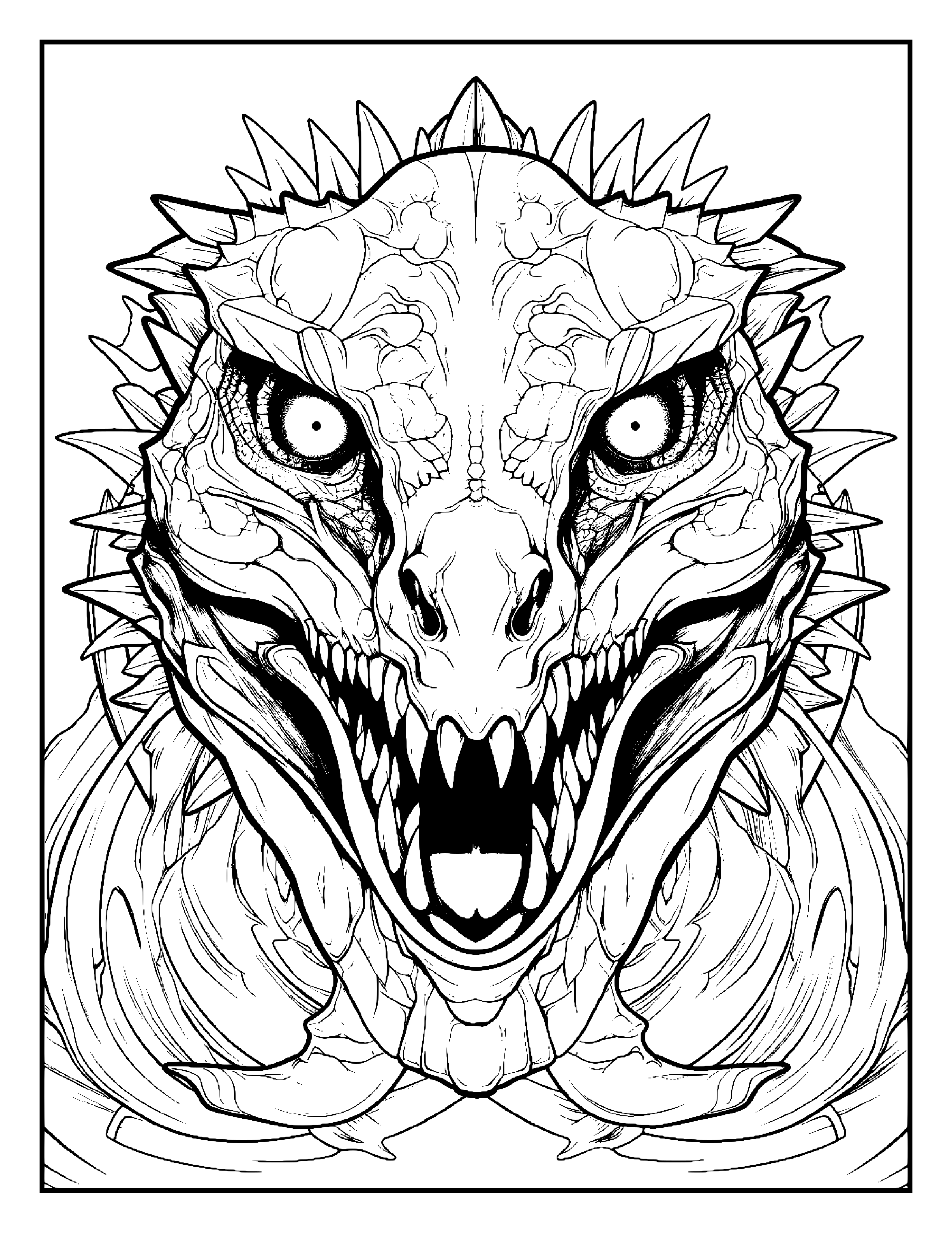
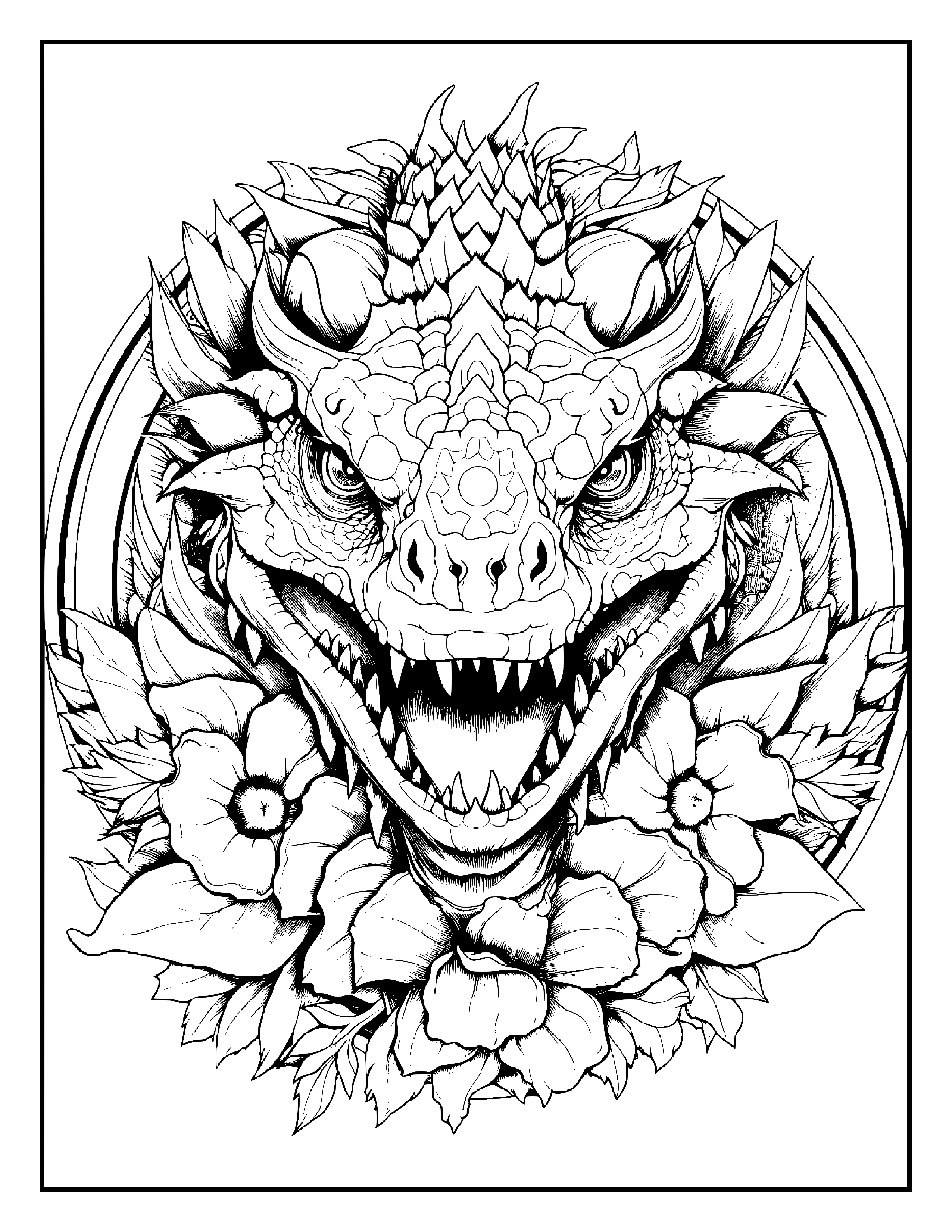
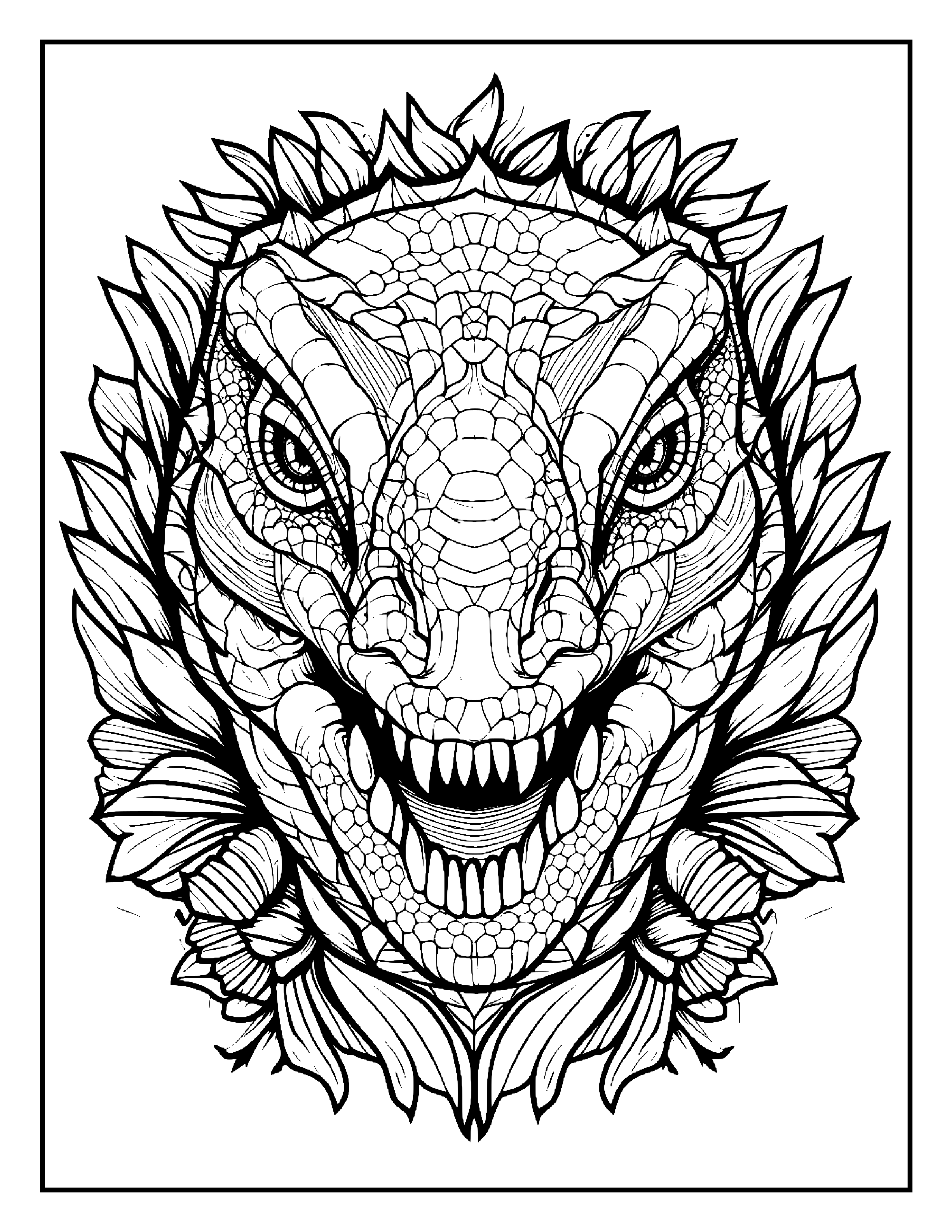
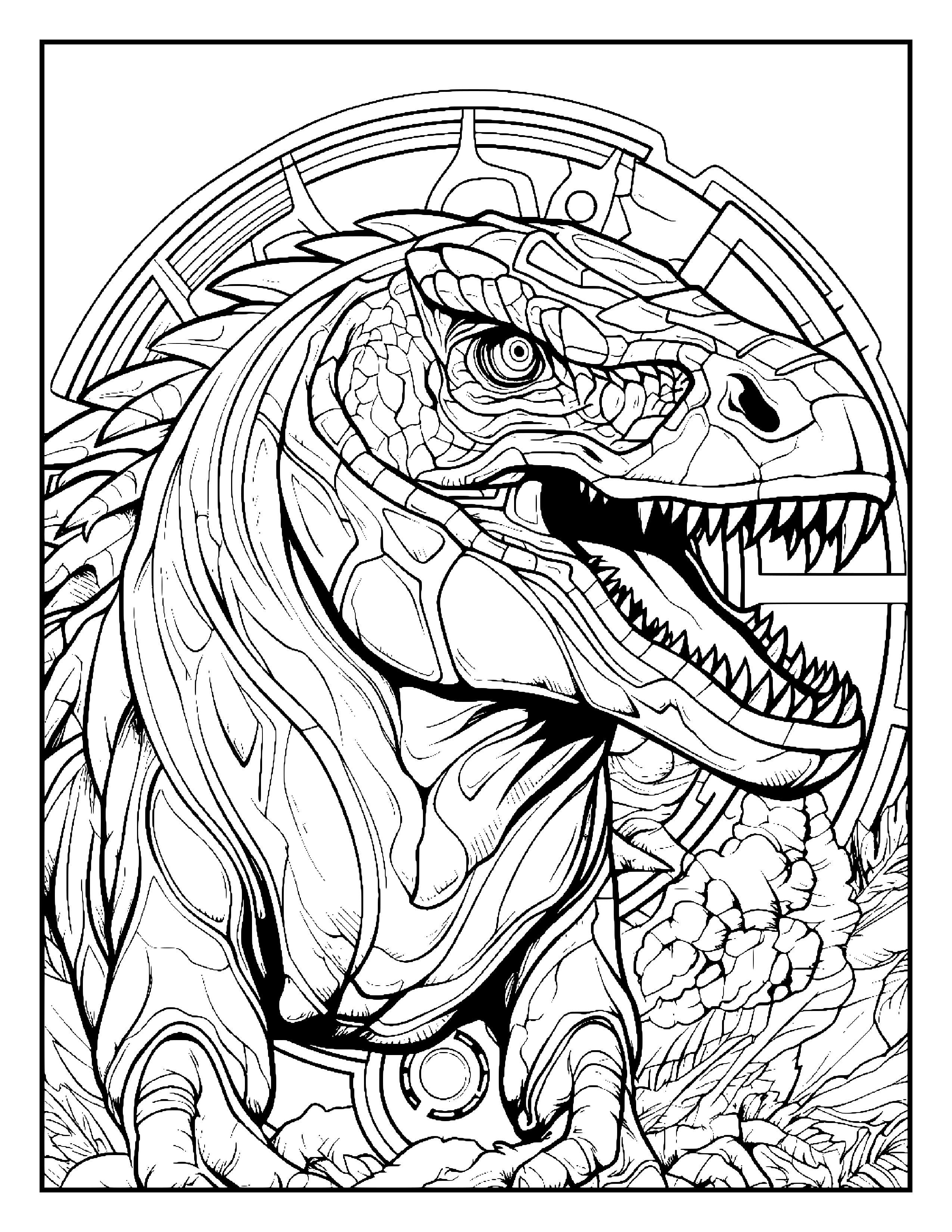
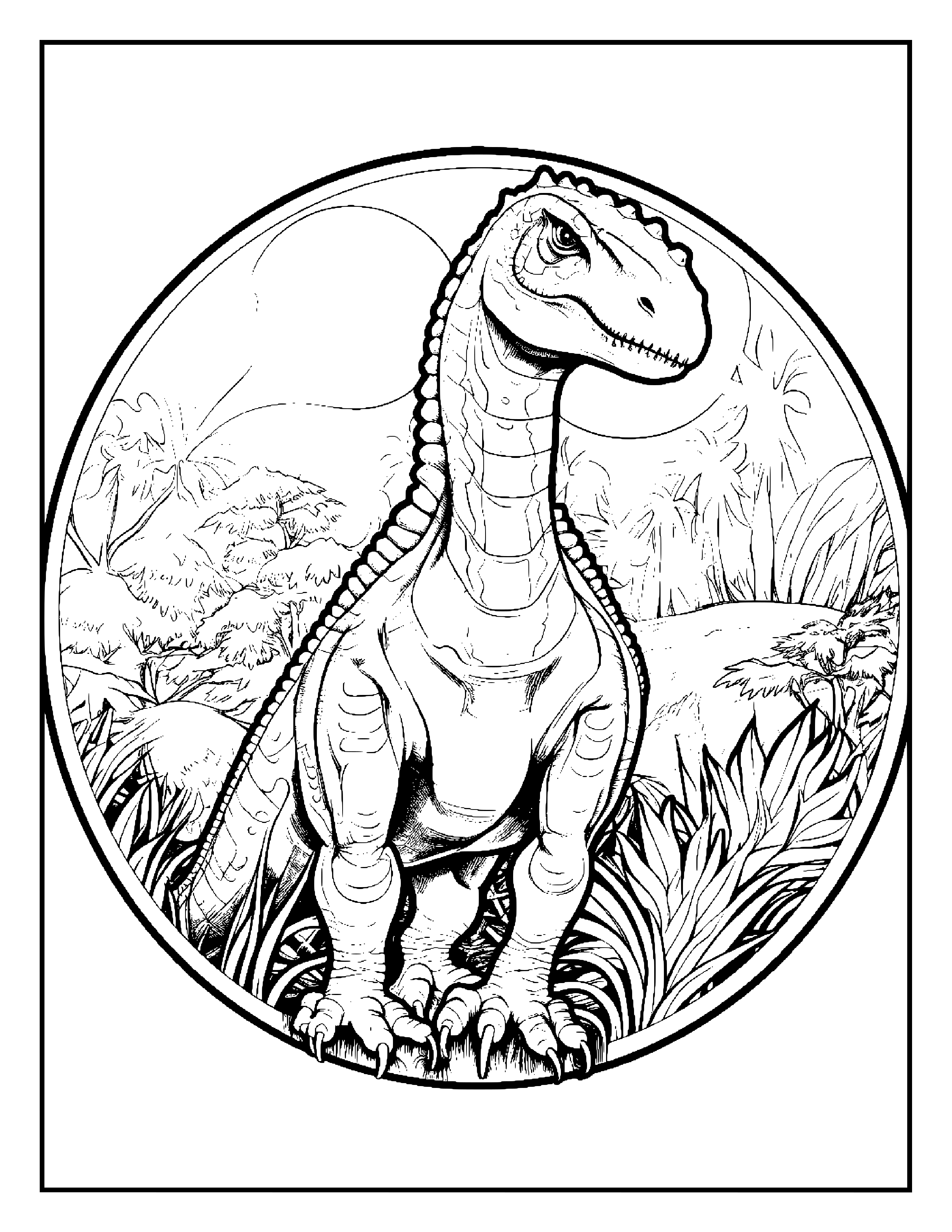
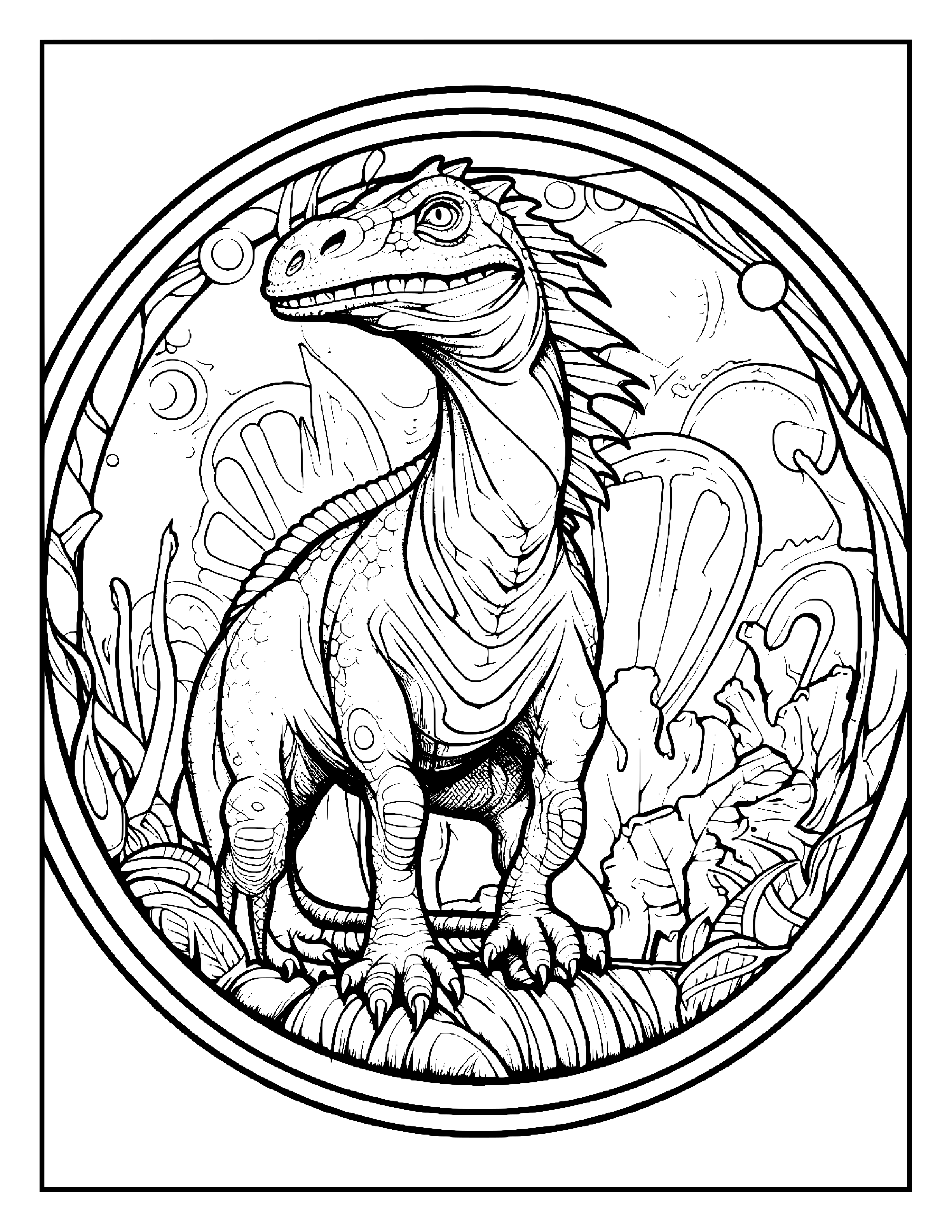
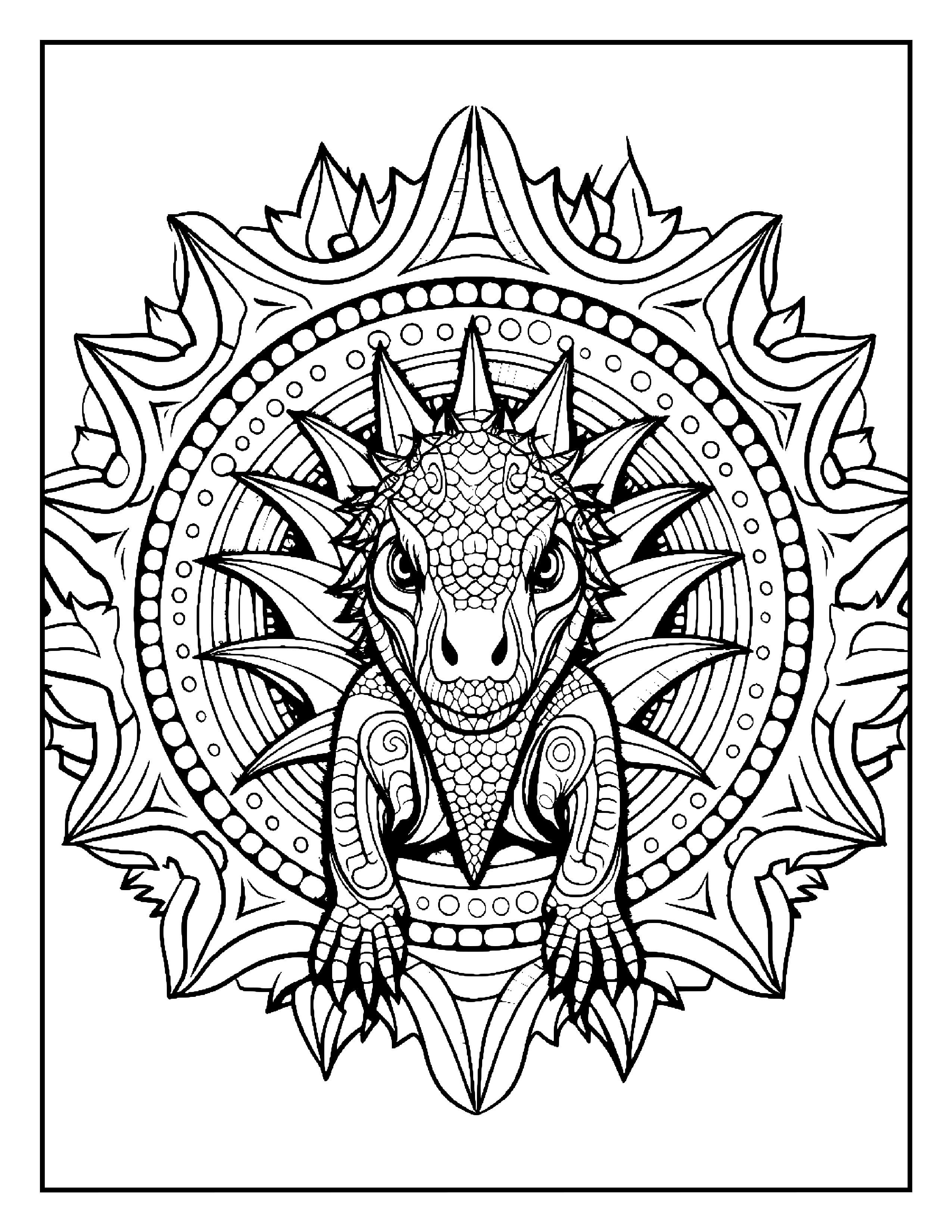
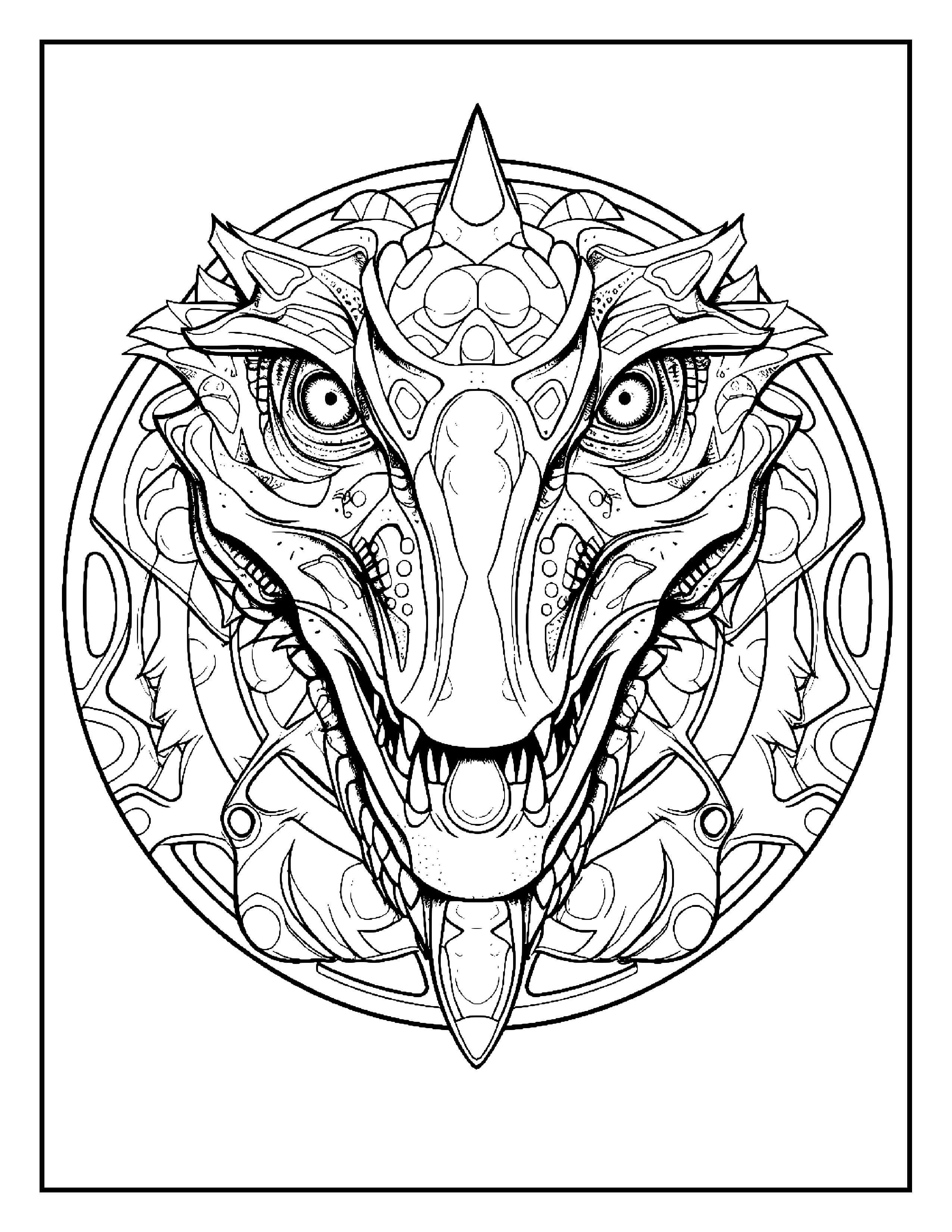
Towering Dinosaur Mandala Coloring Page
Hard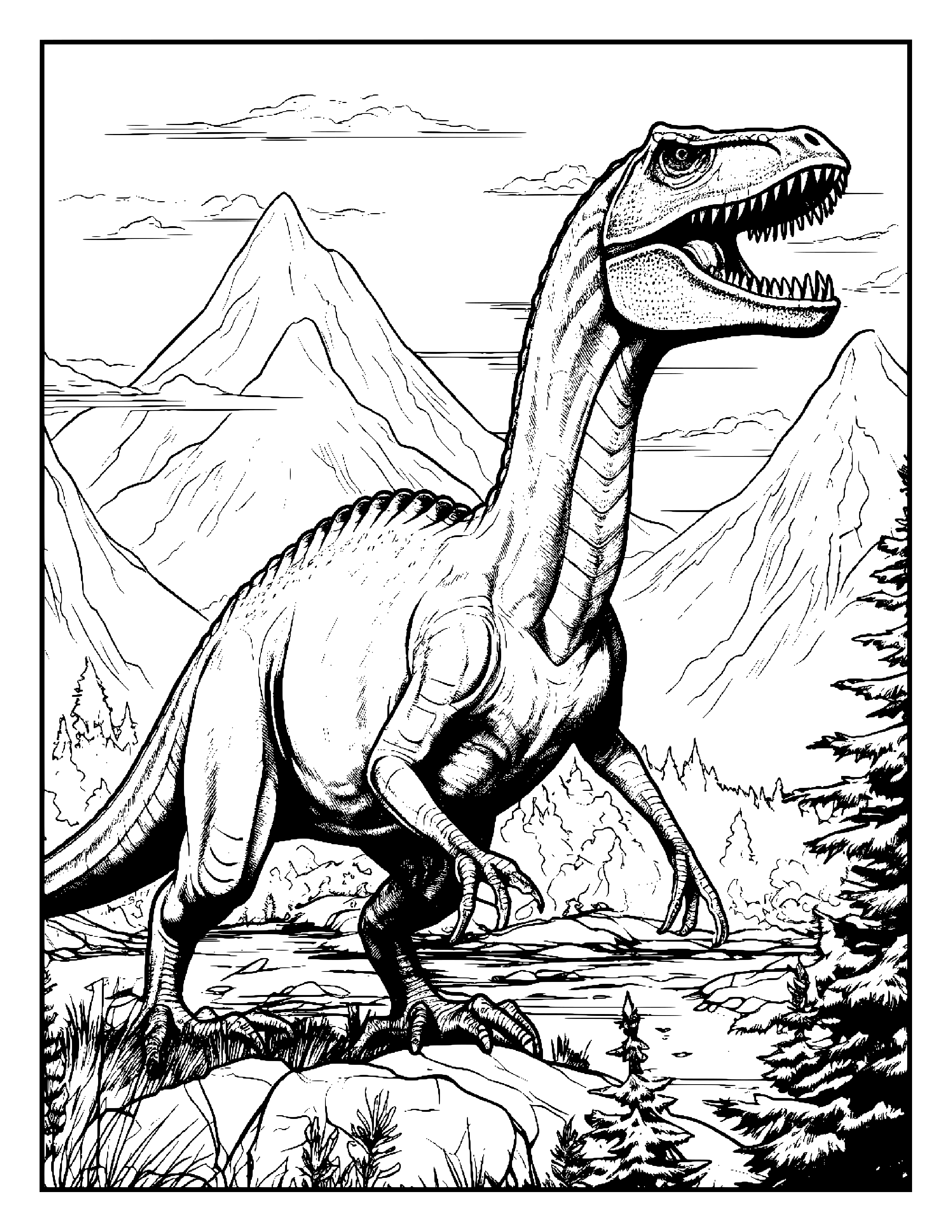
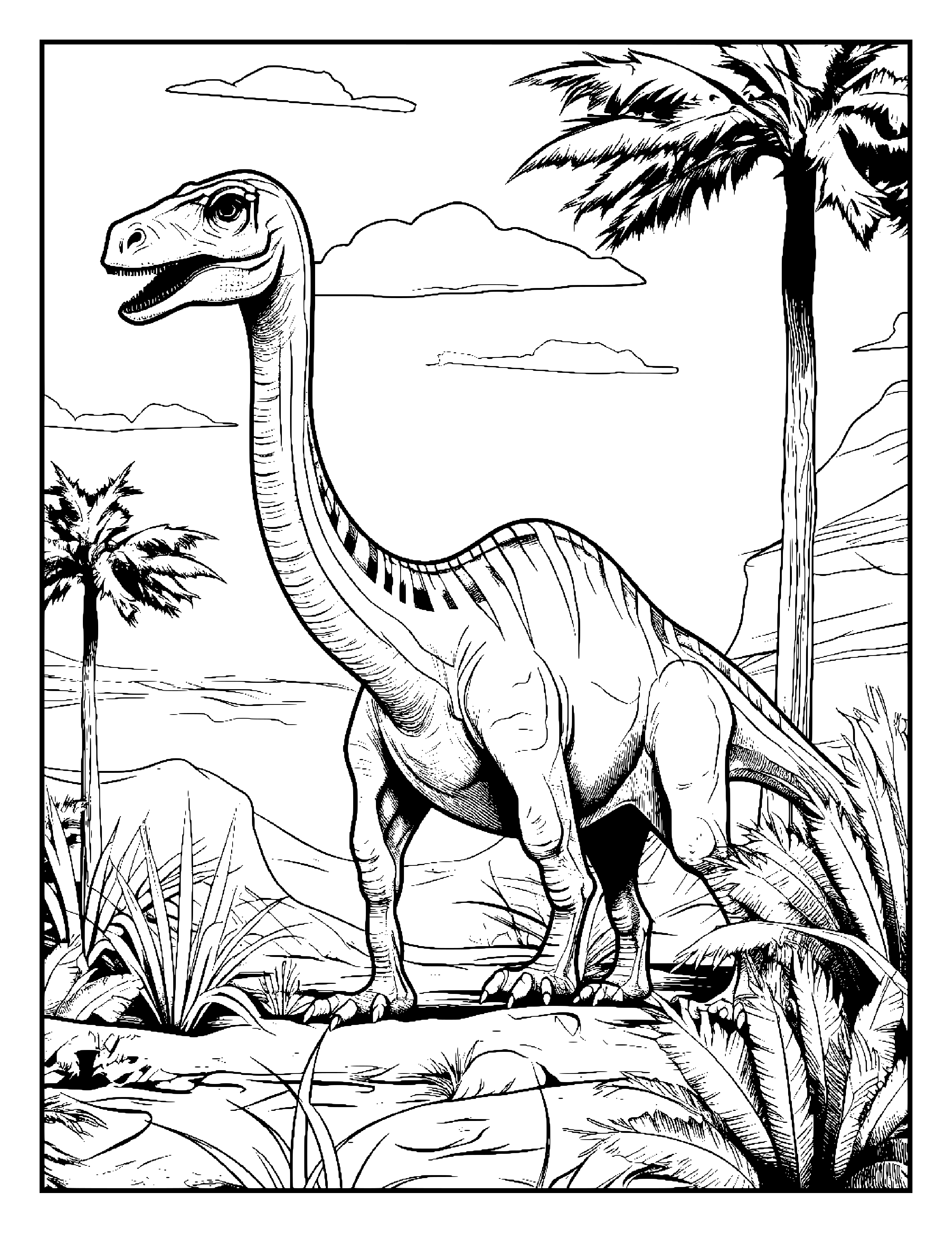
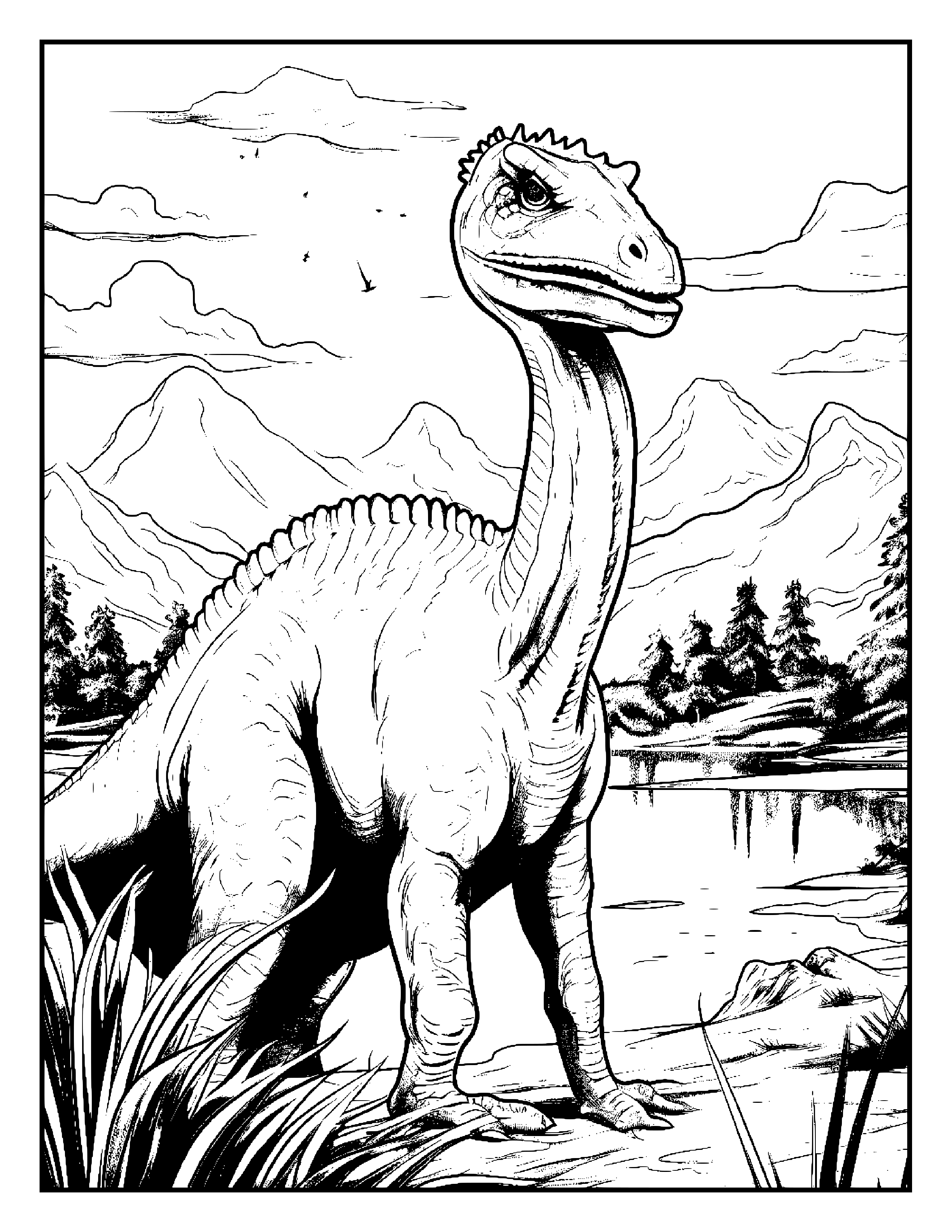
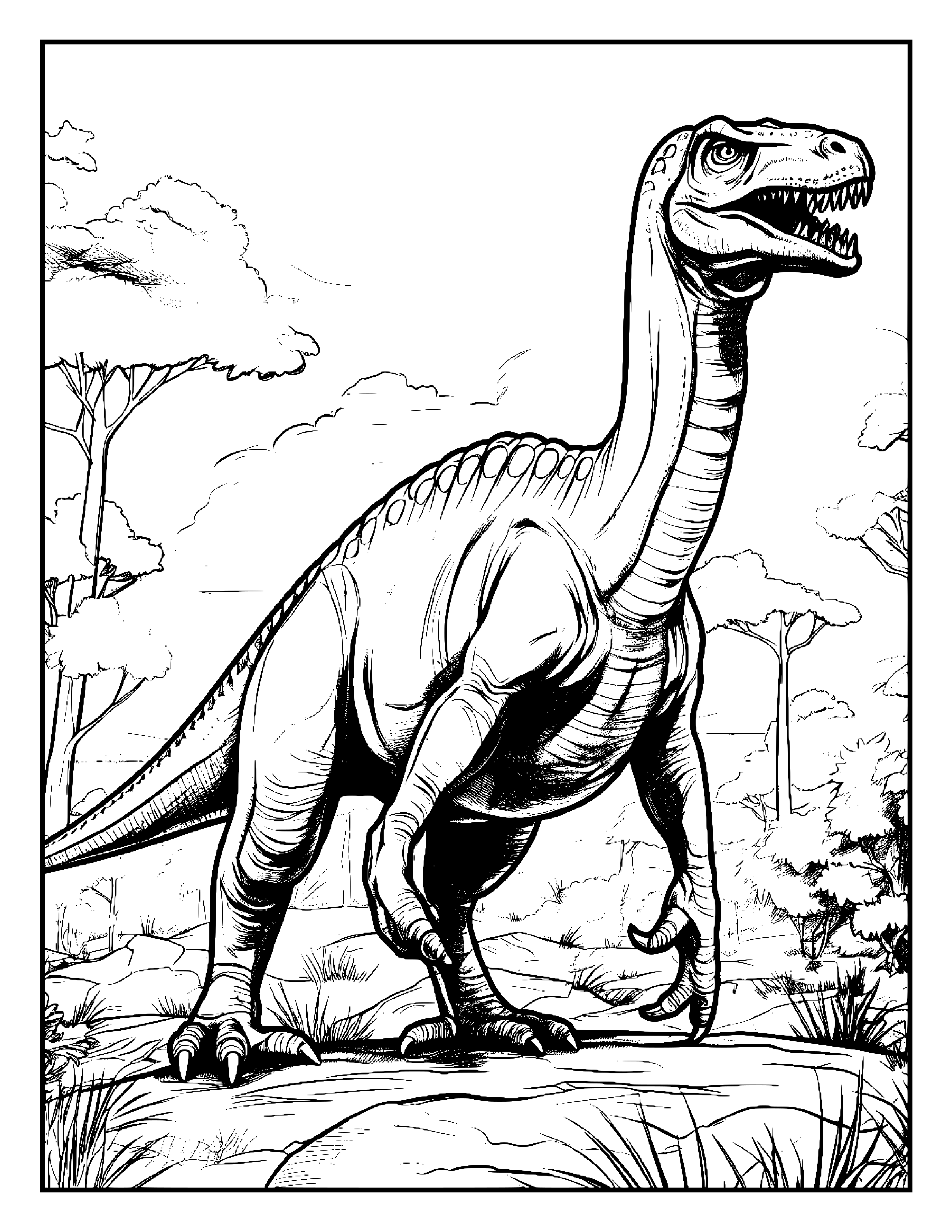
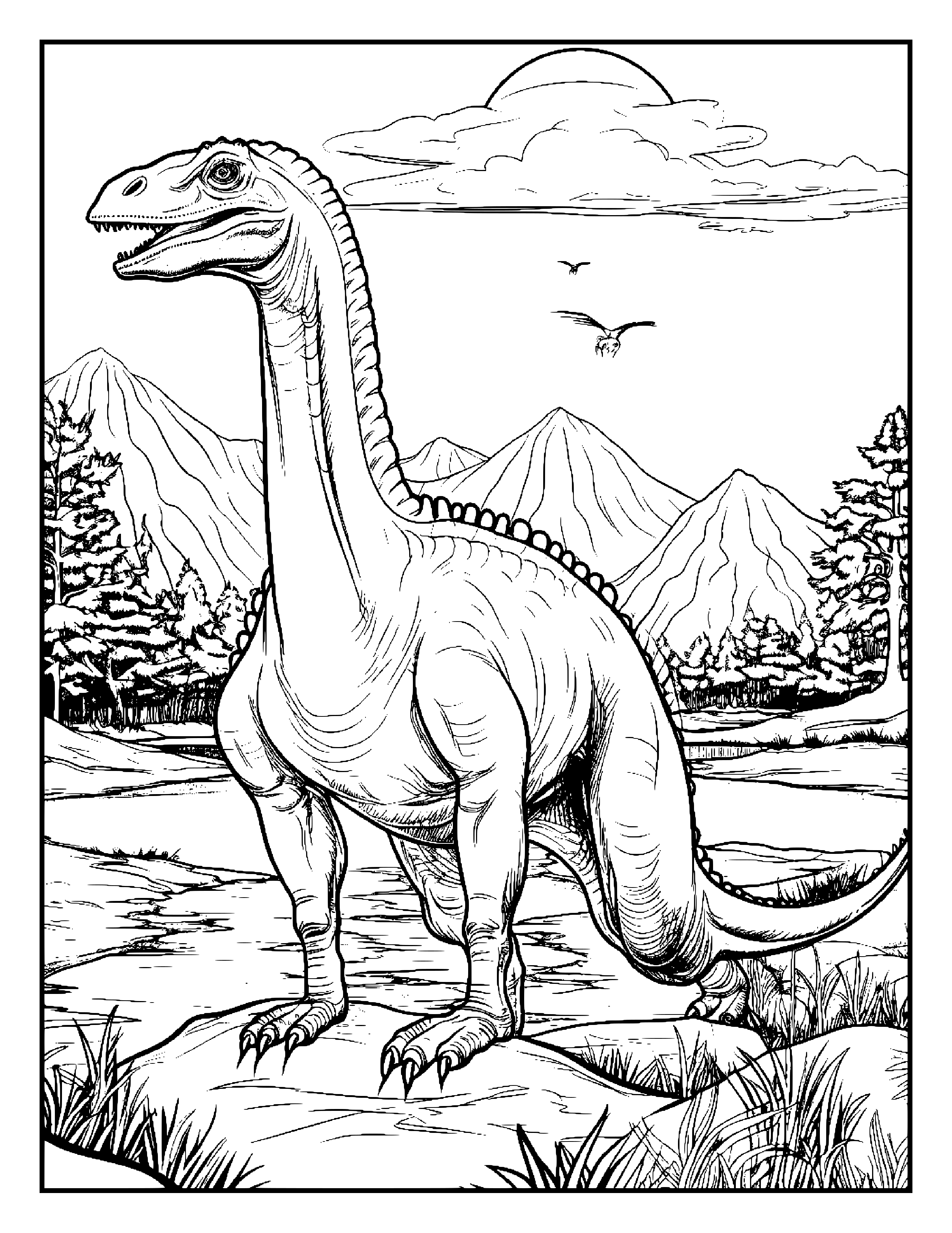
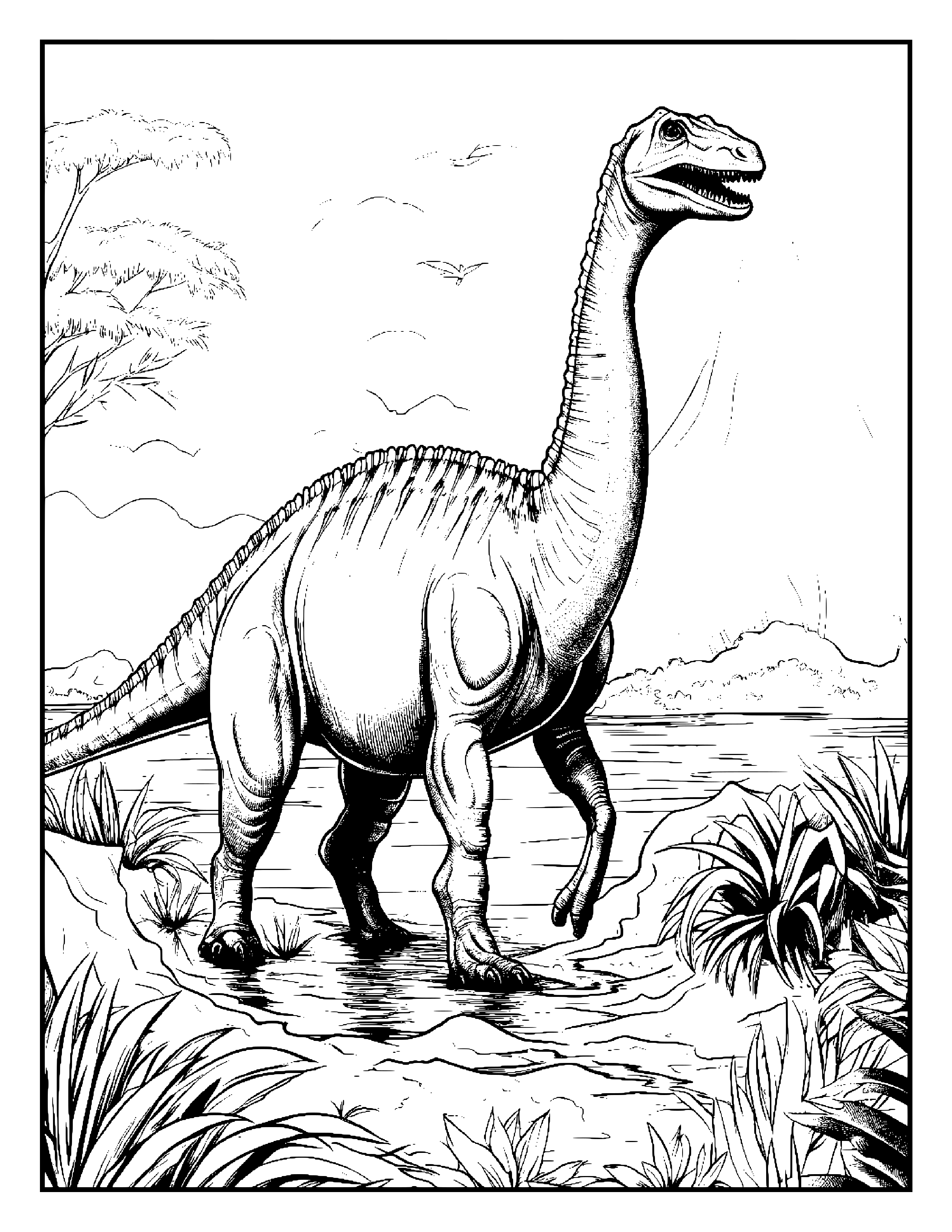
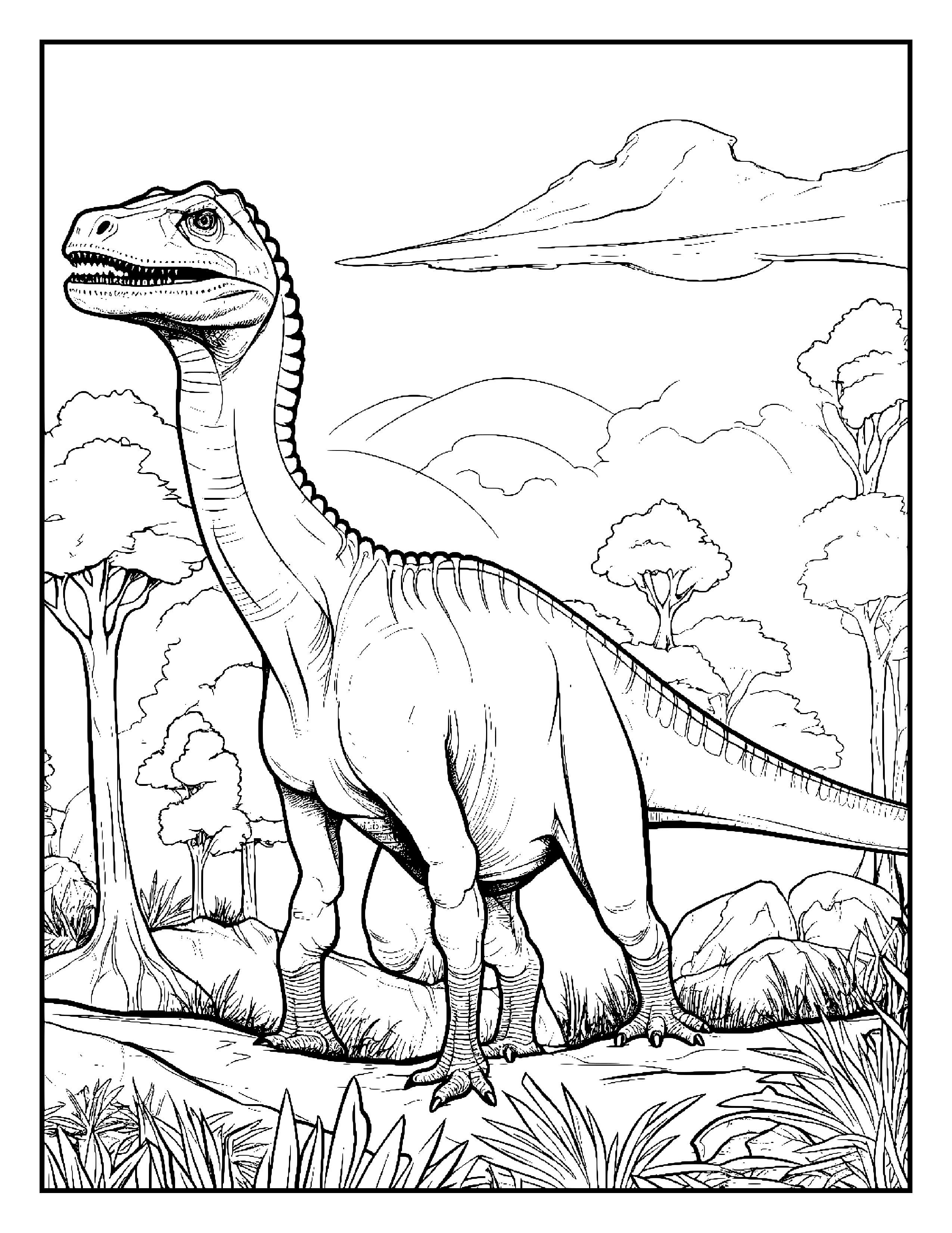
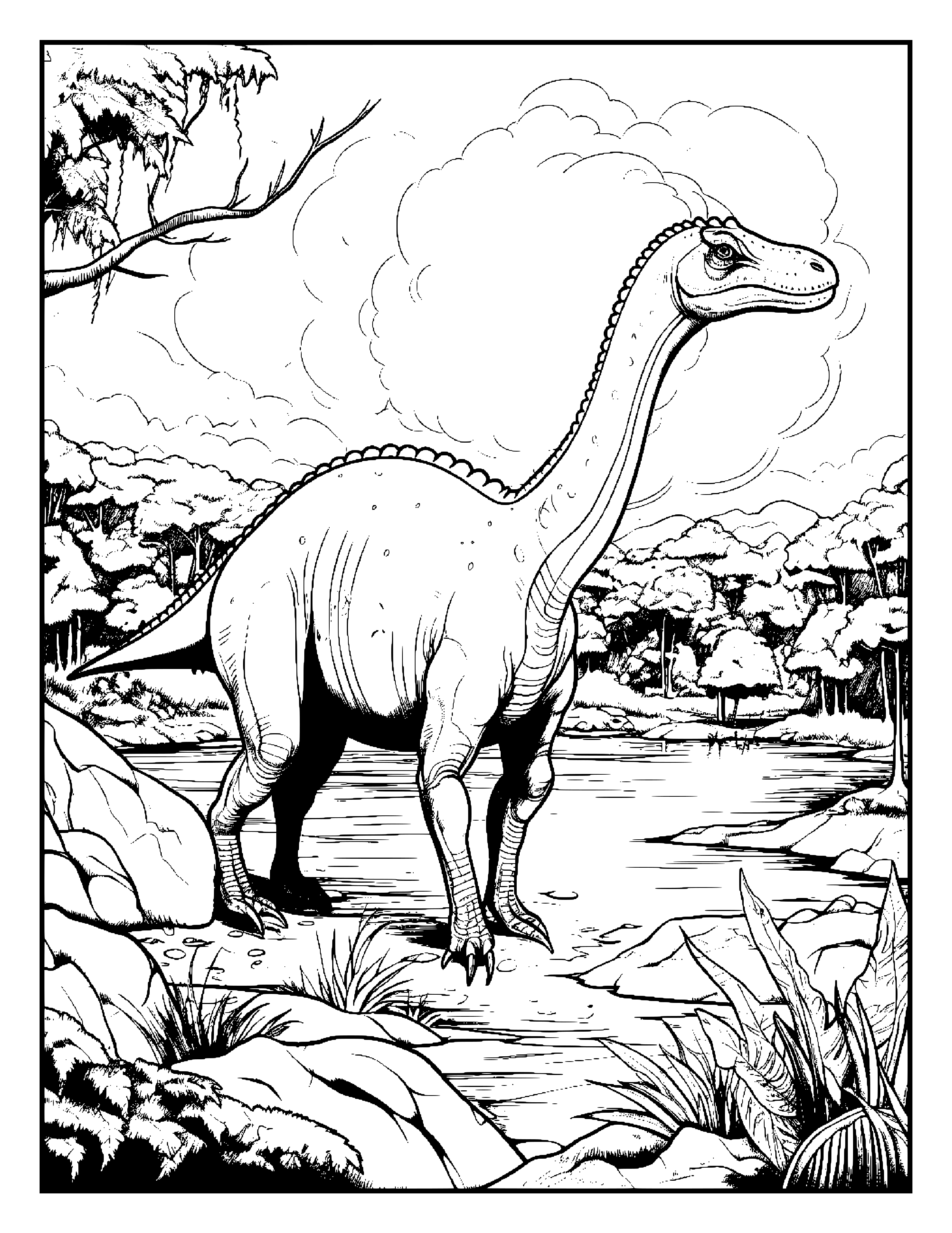
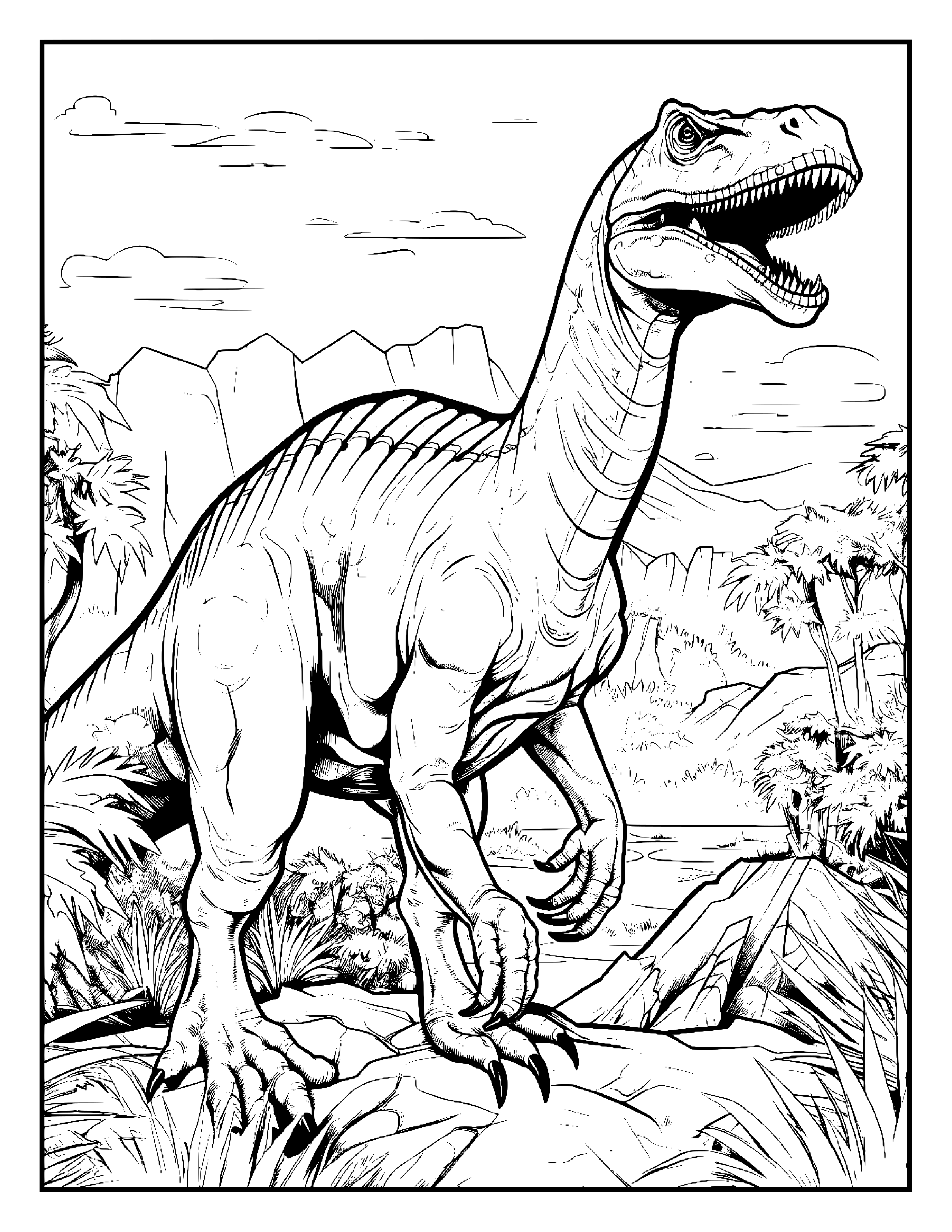
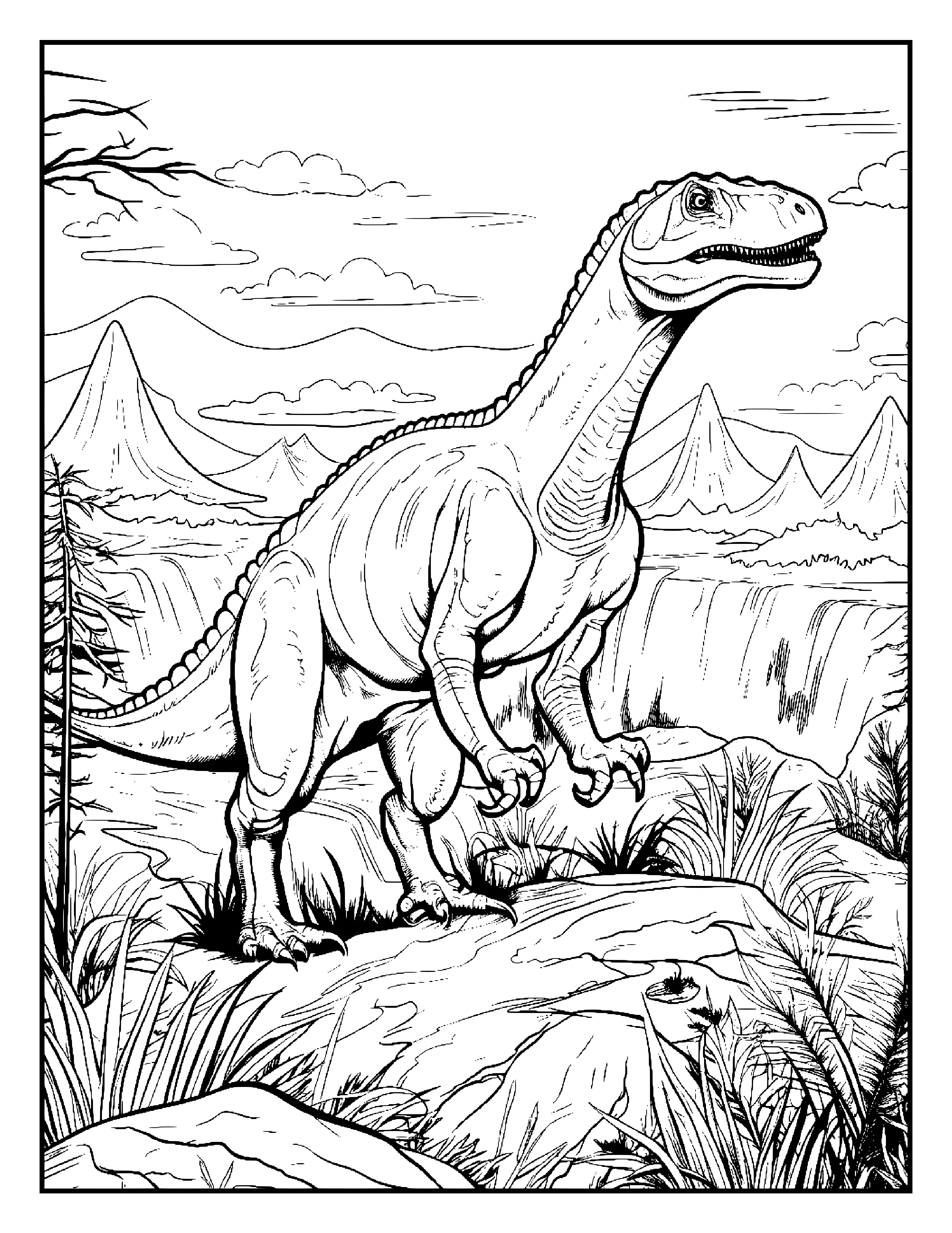
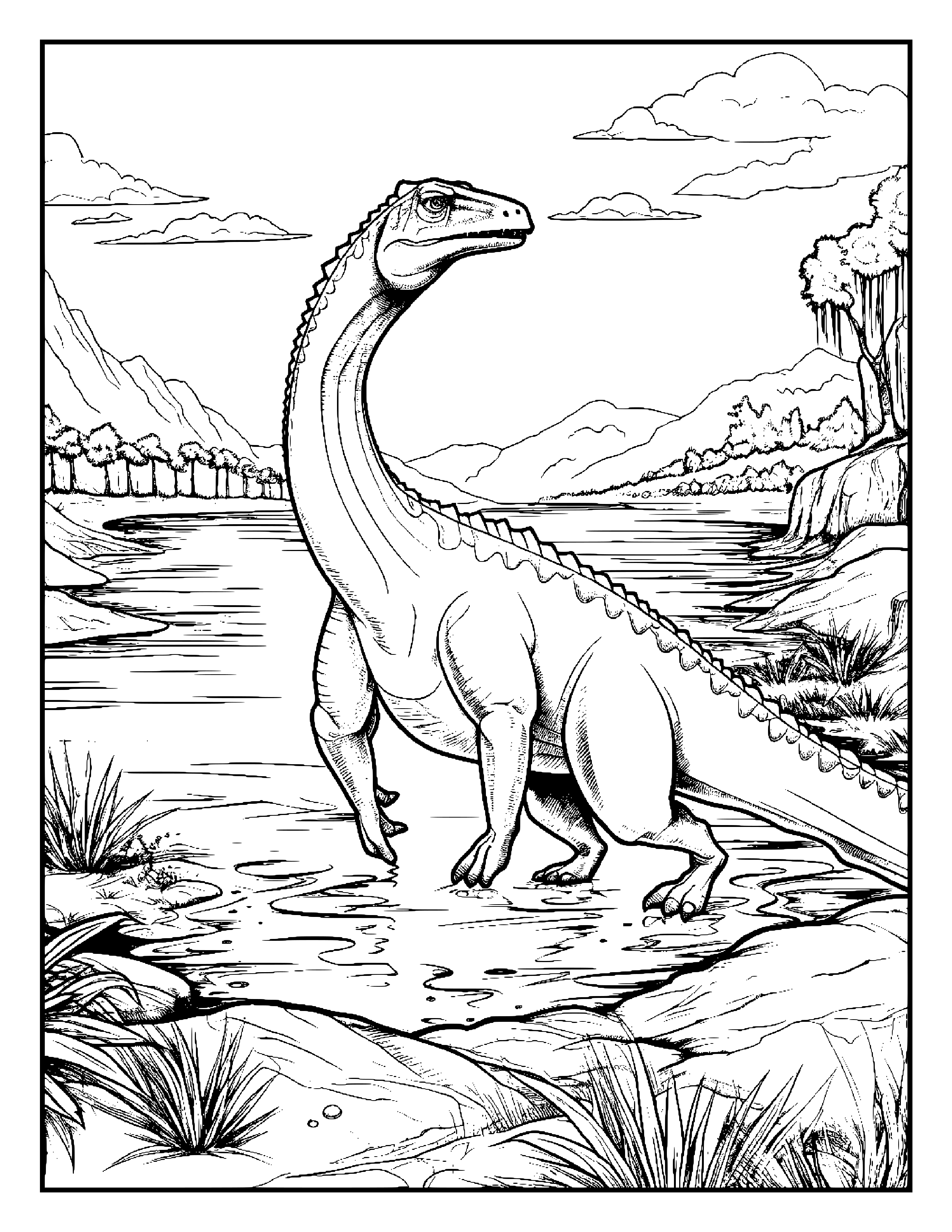
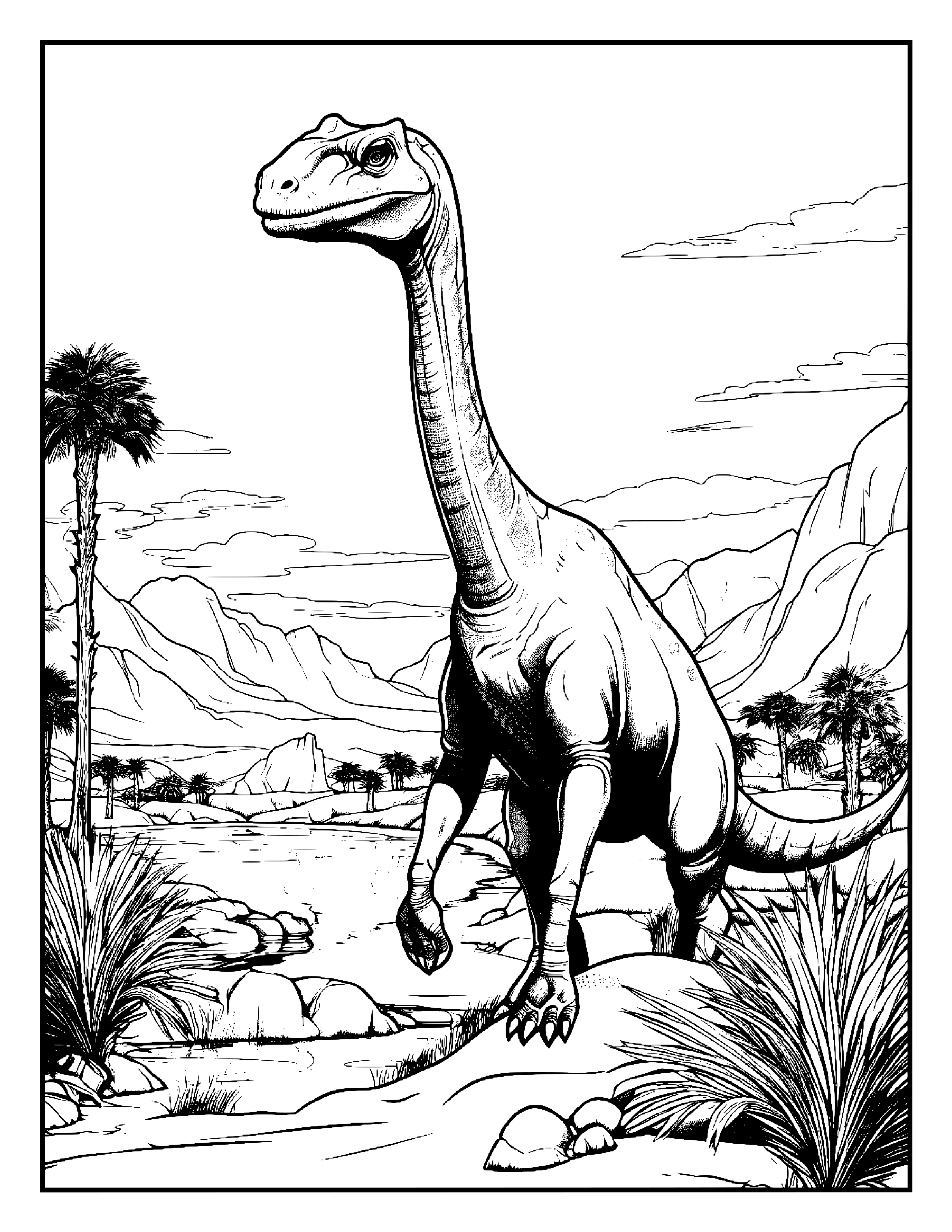
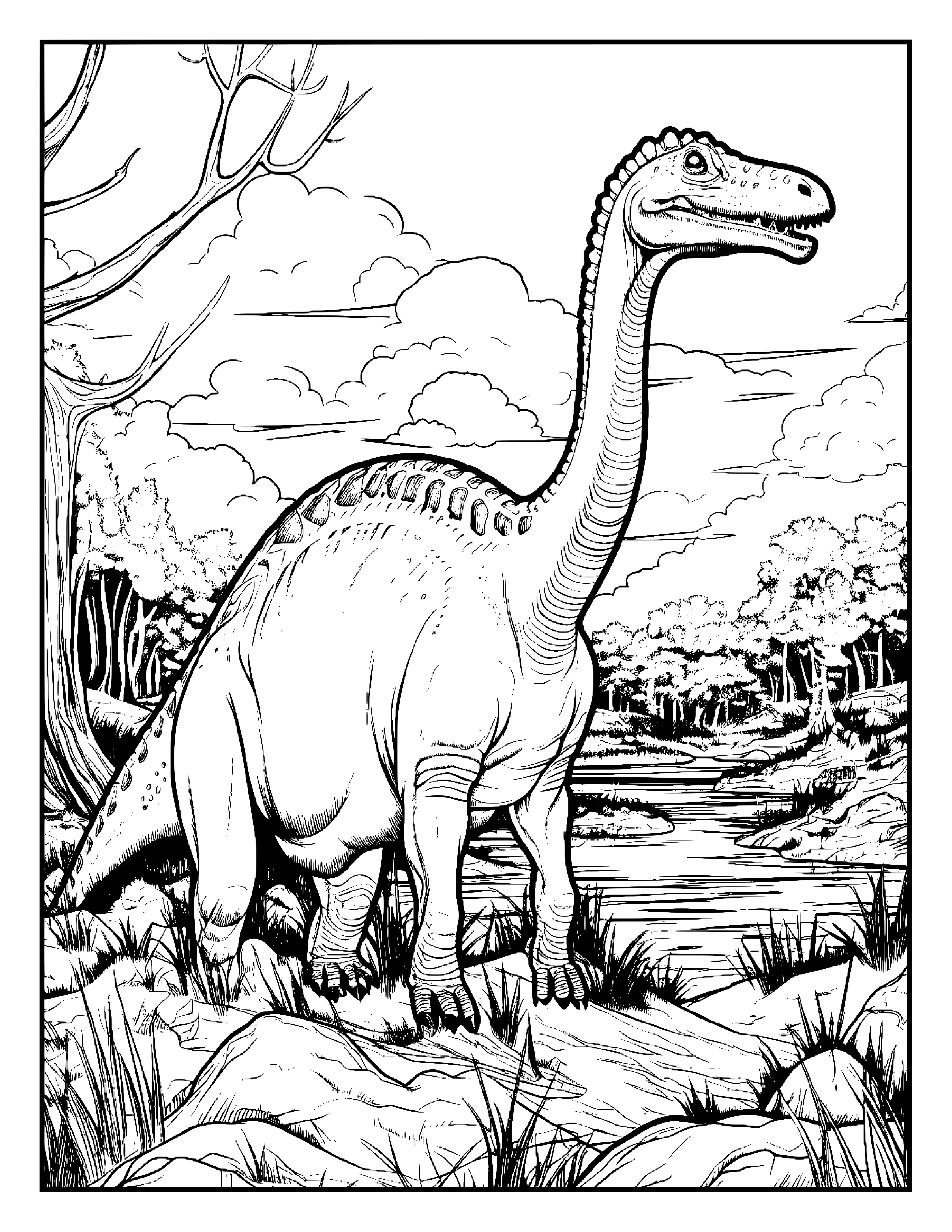
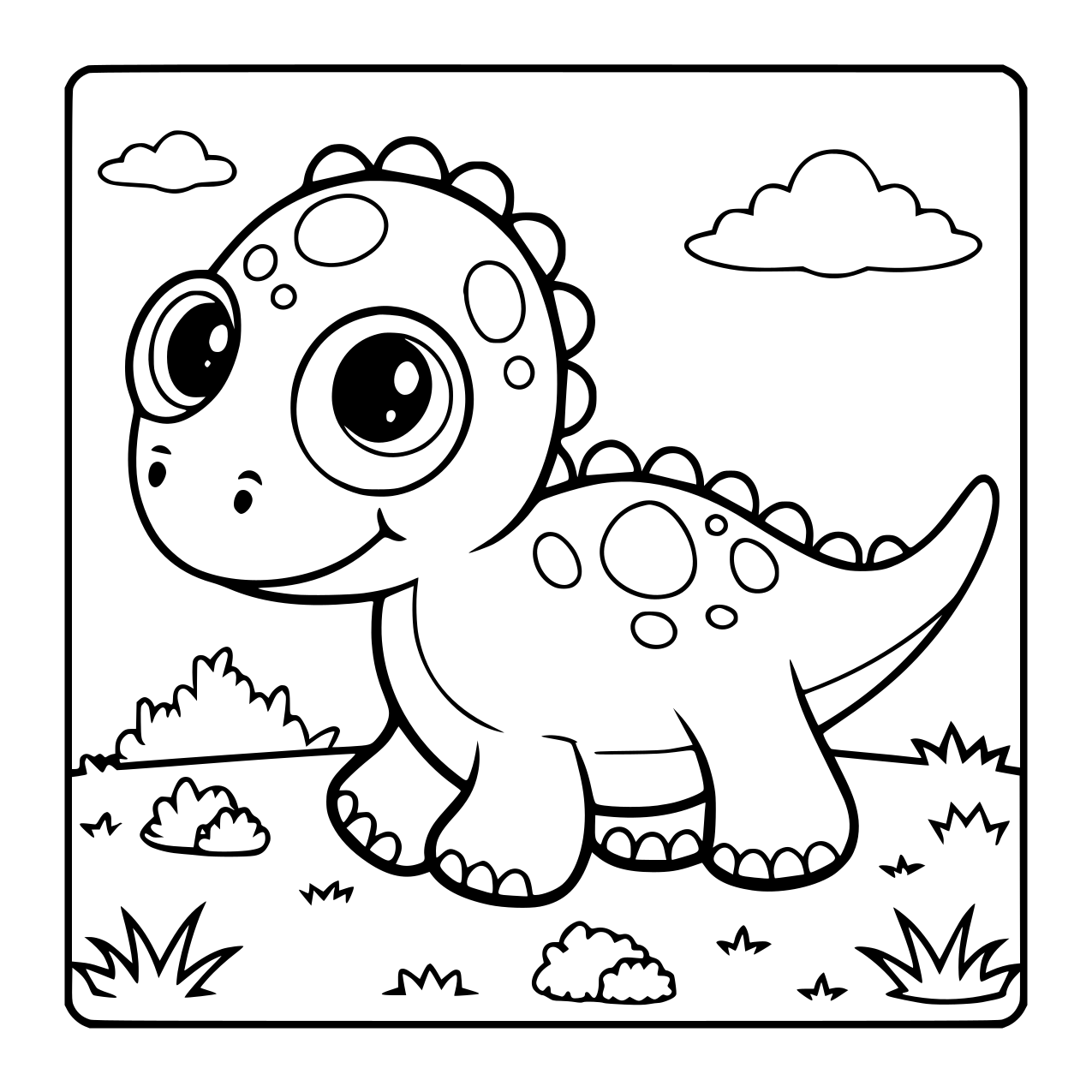
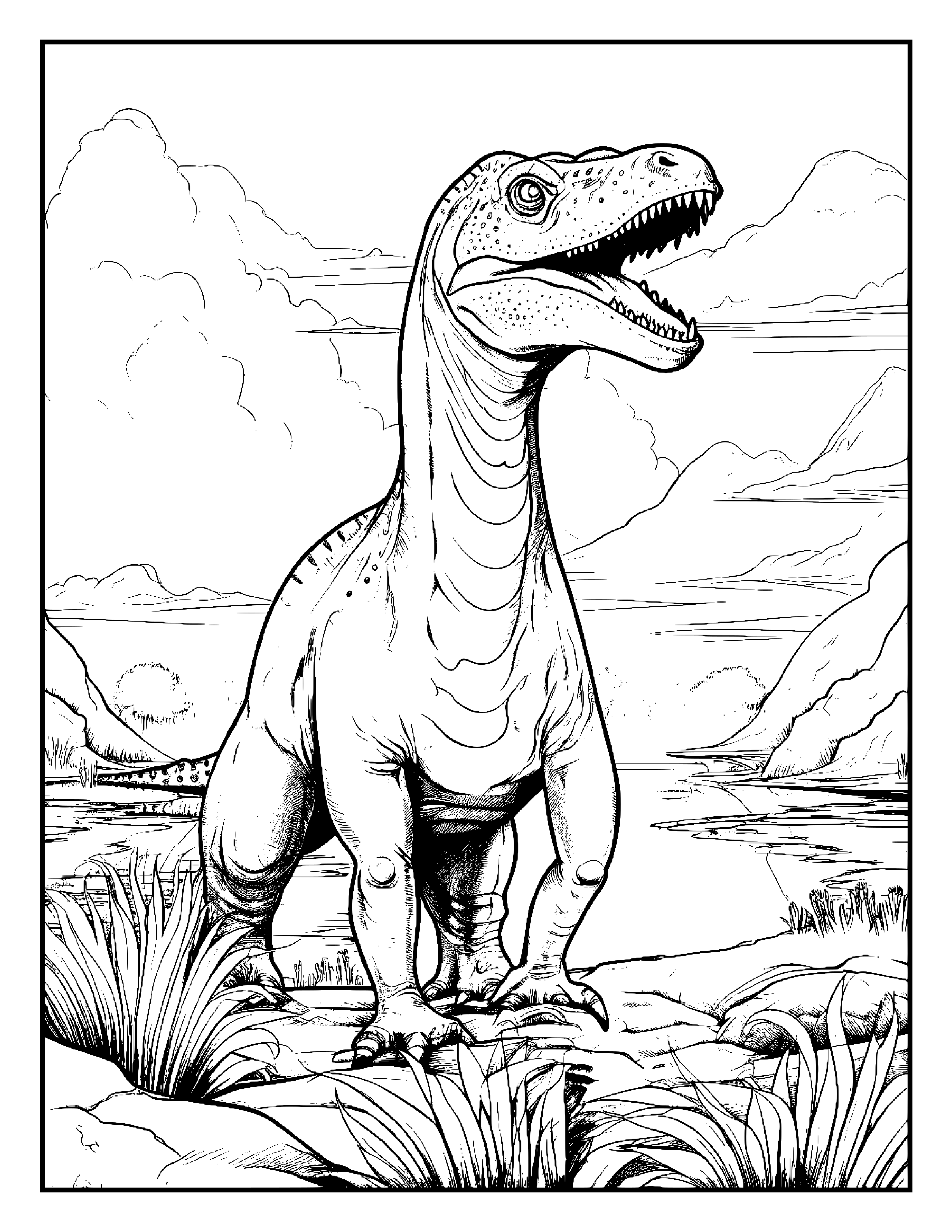
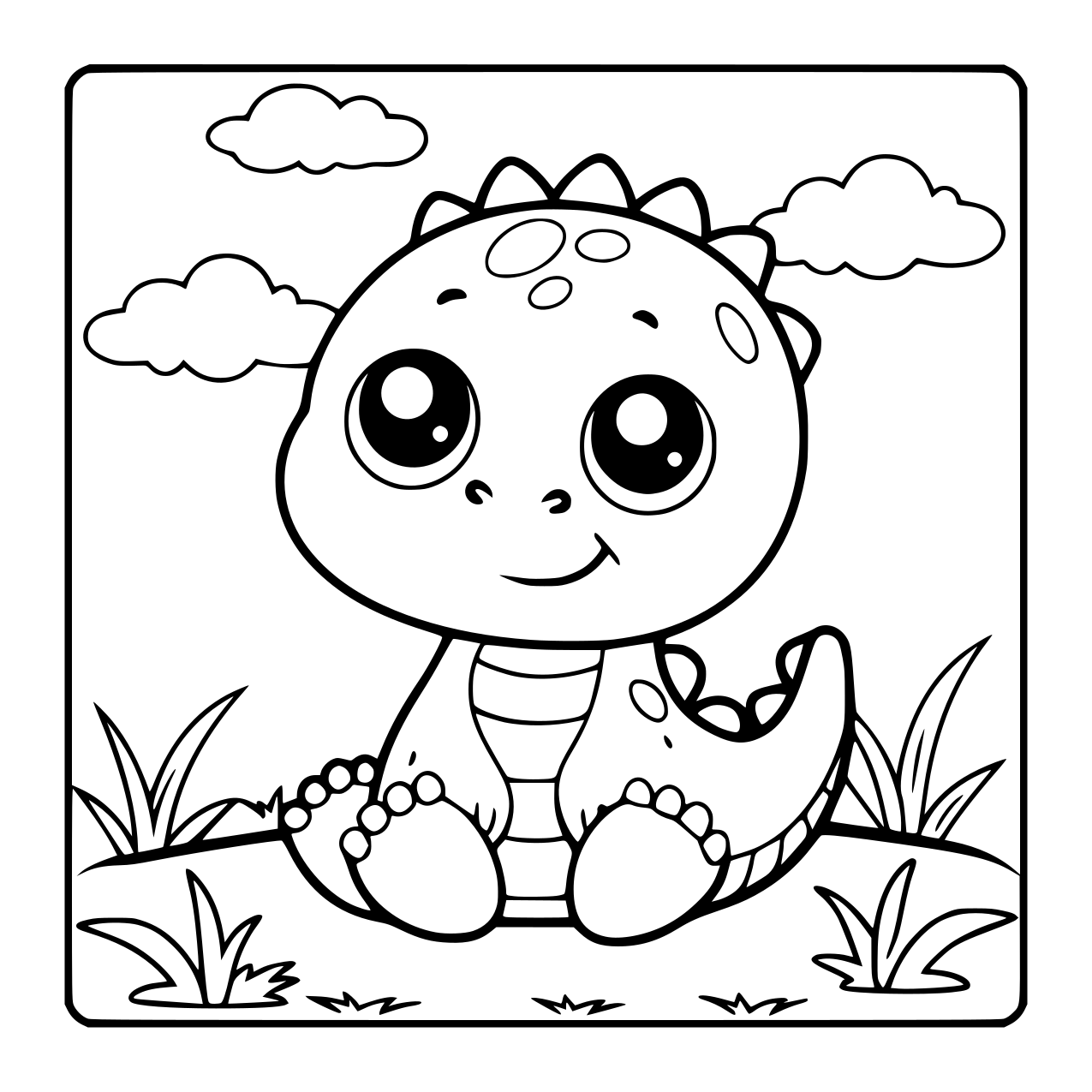
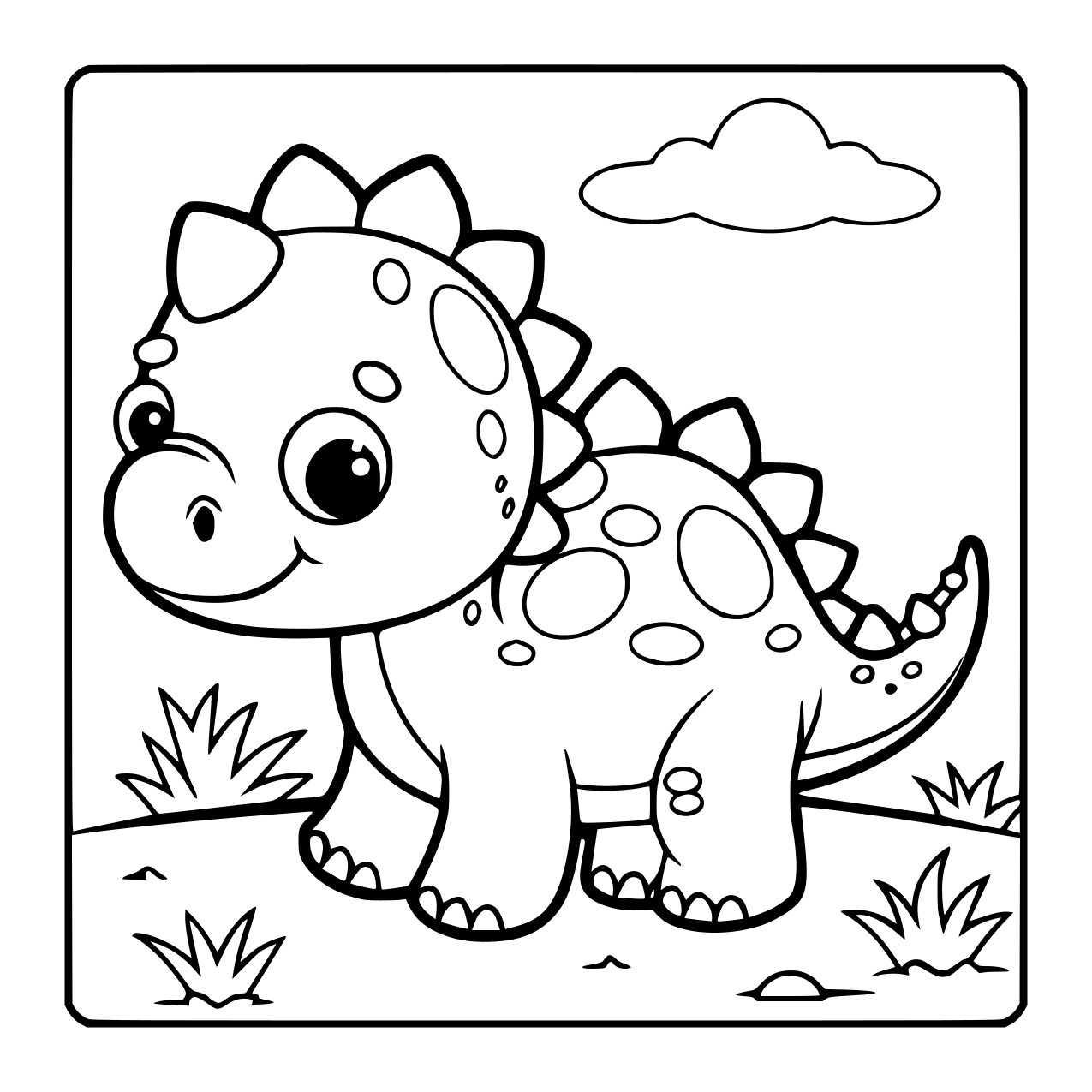
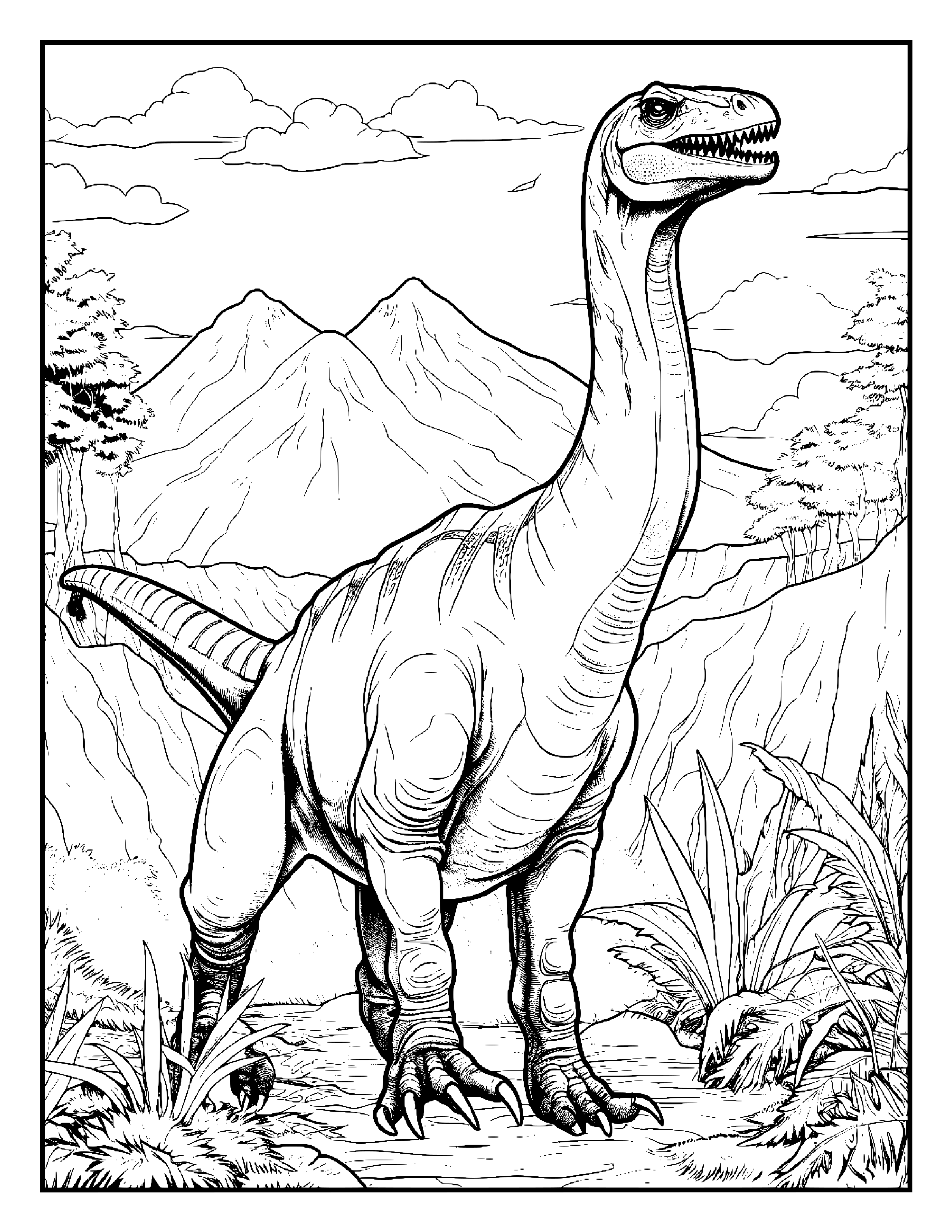
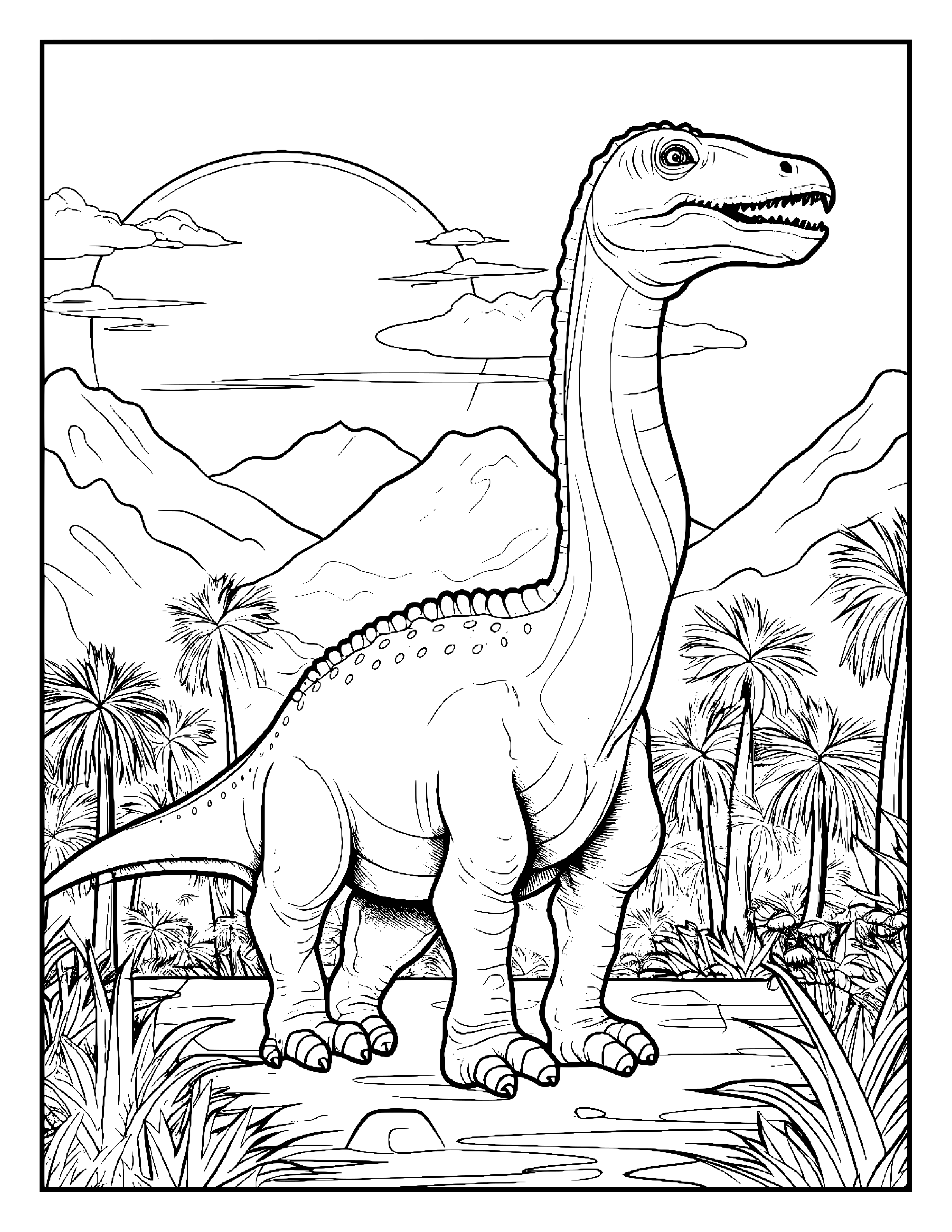
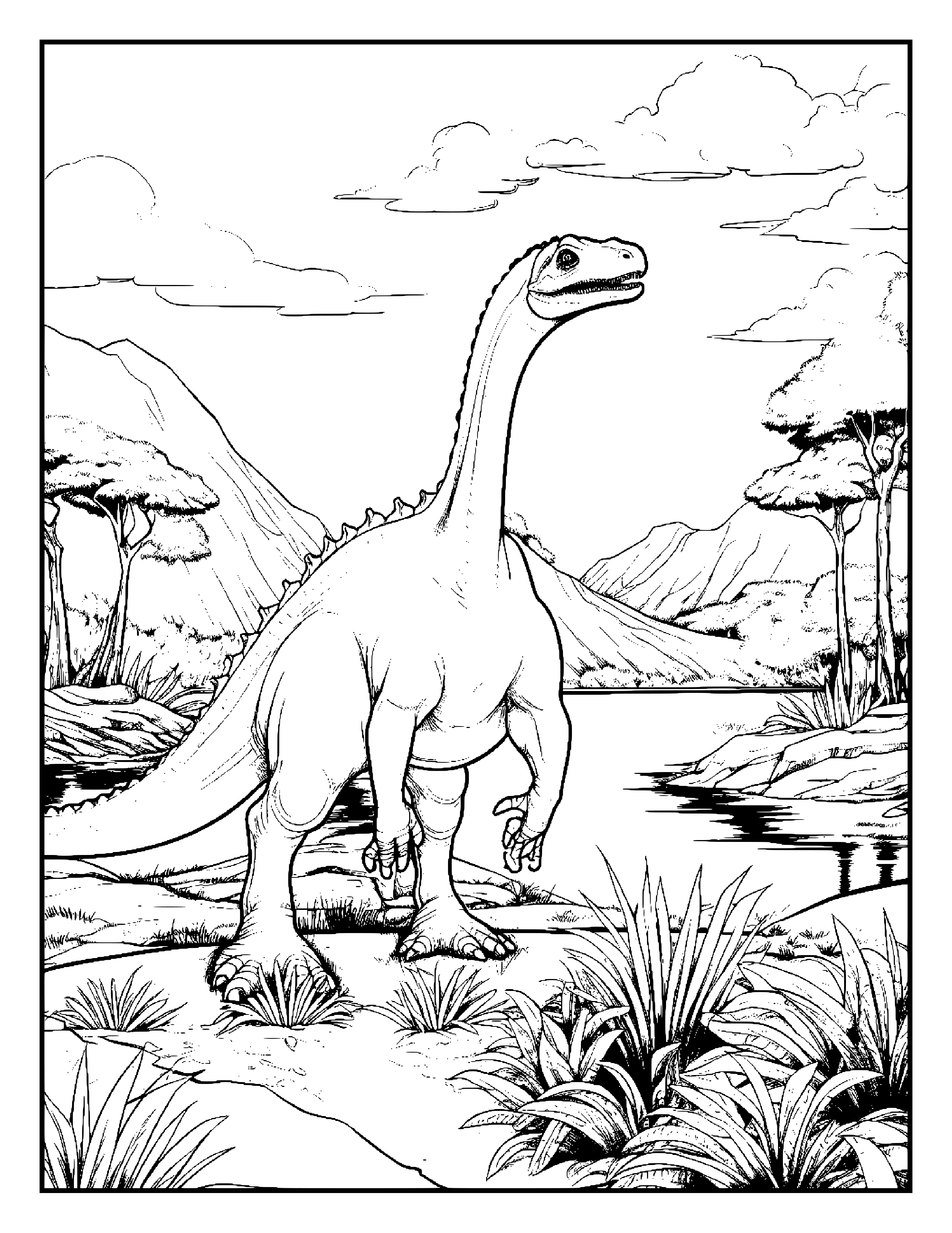
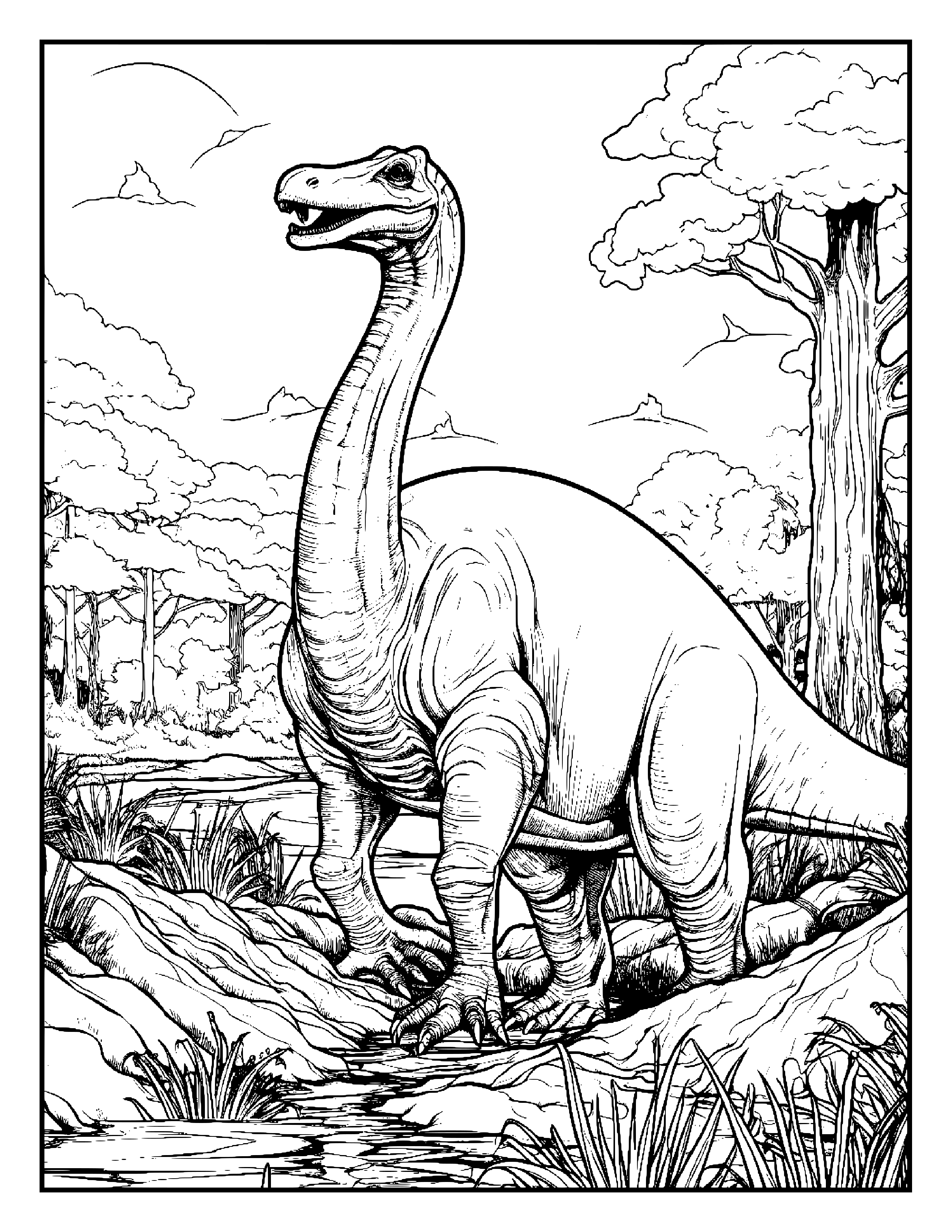
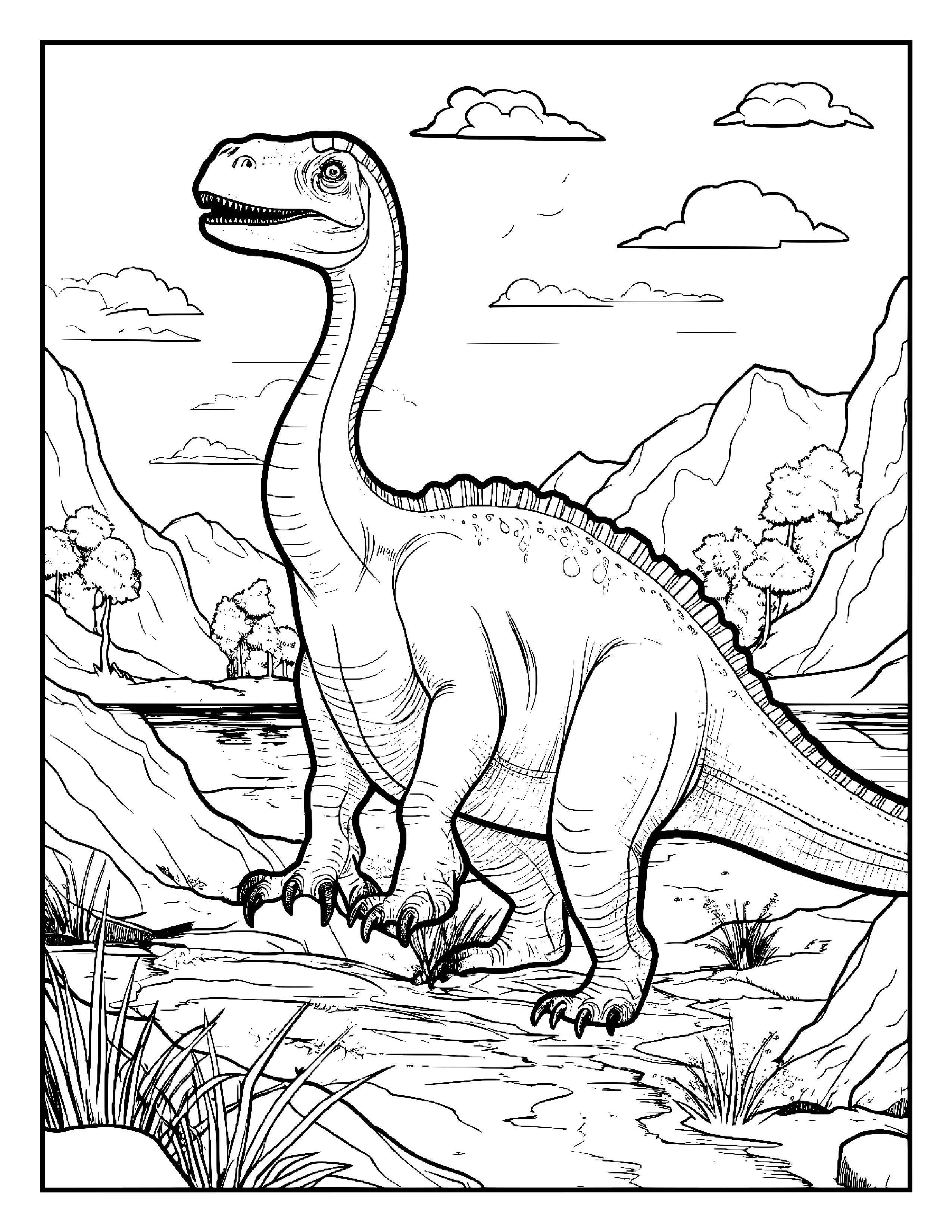
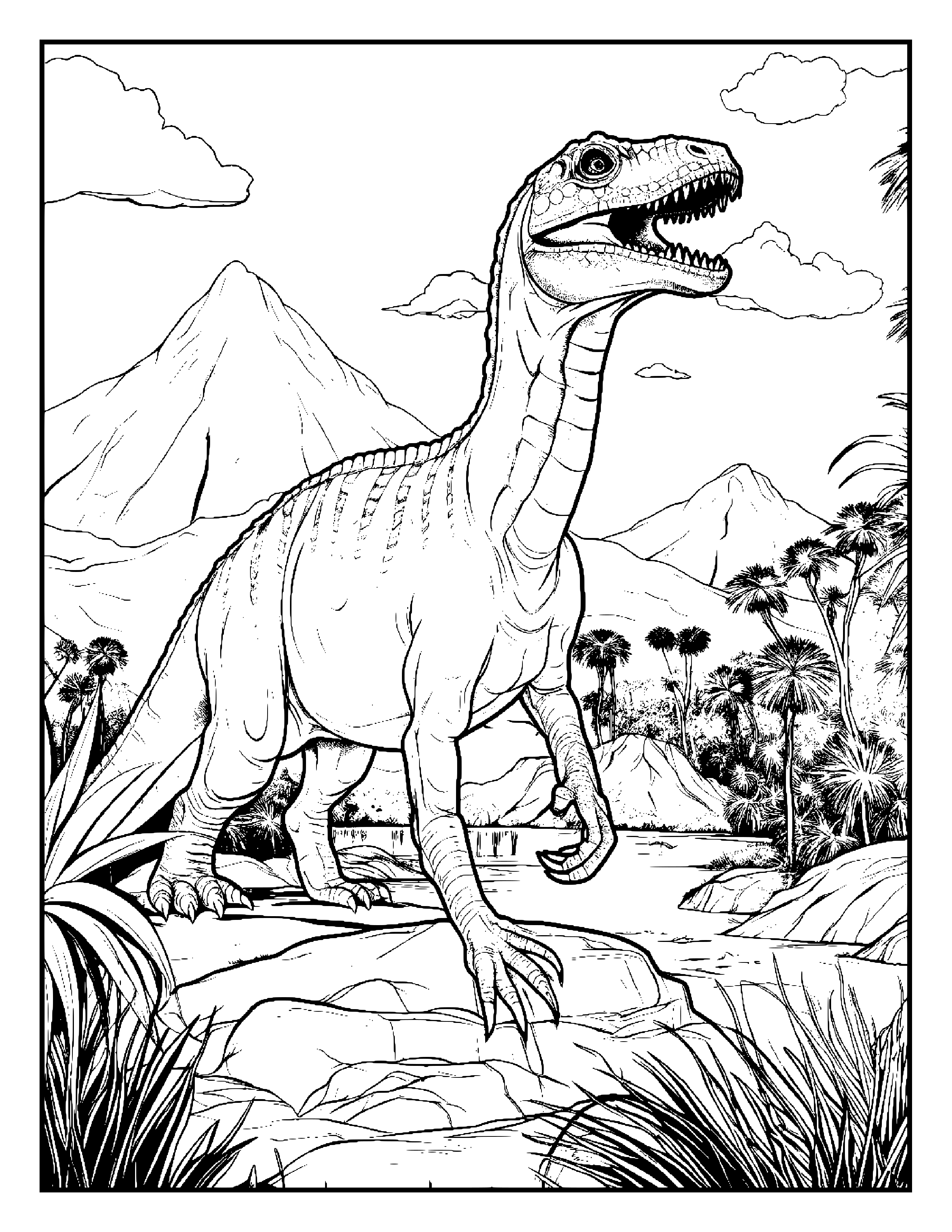
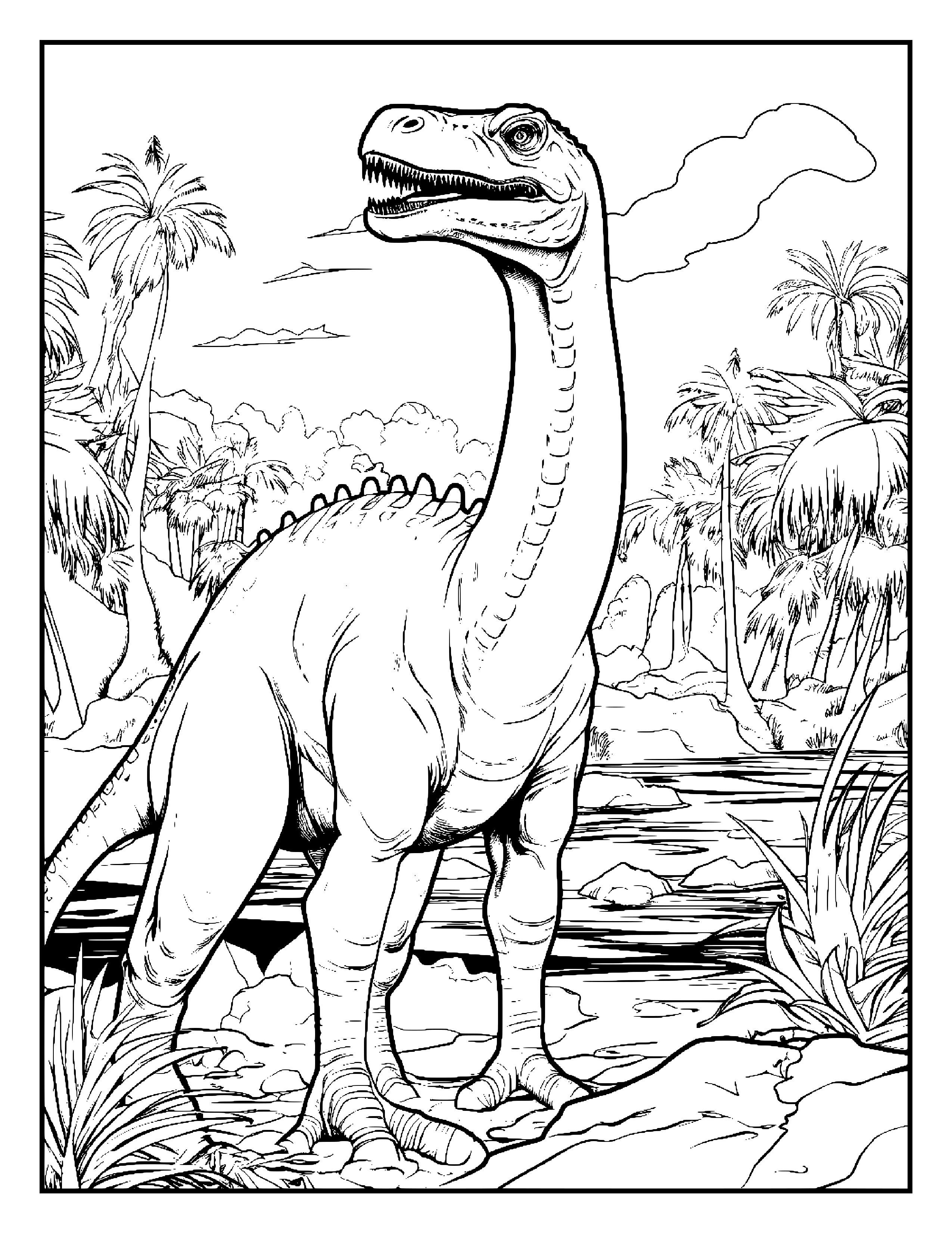
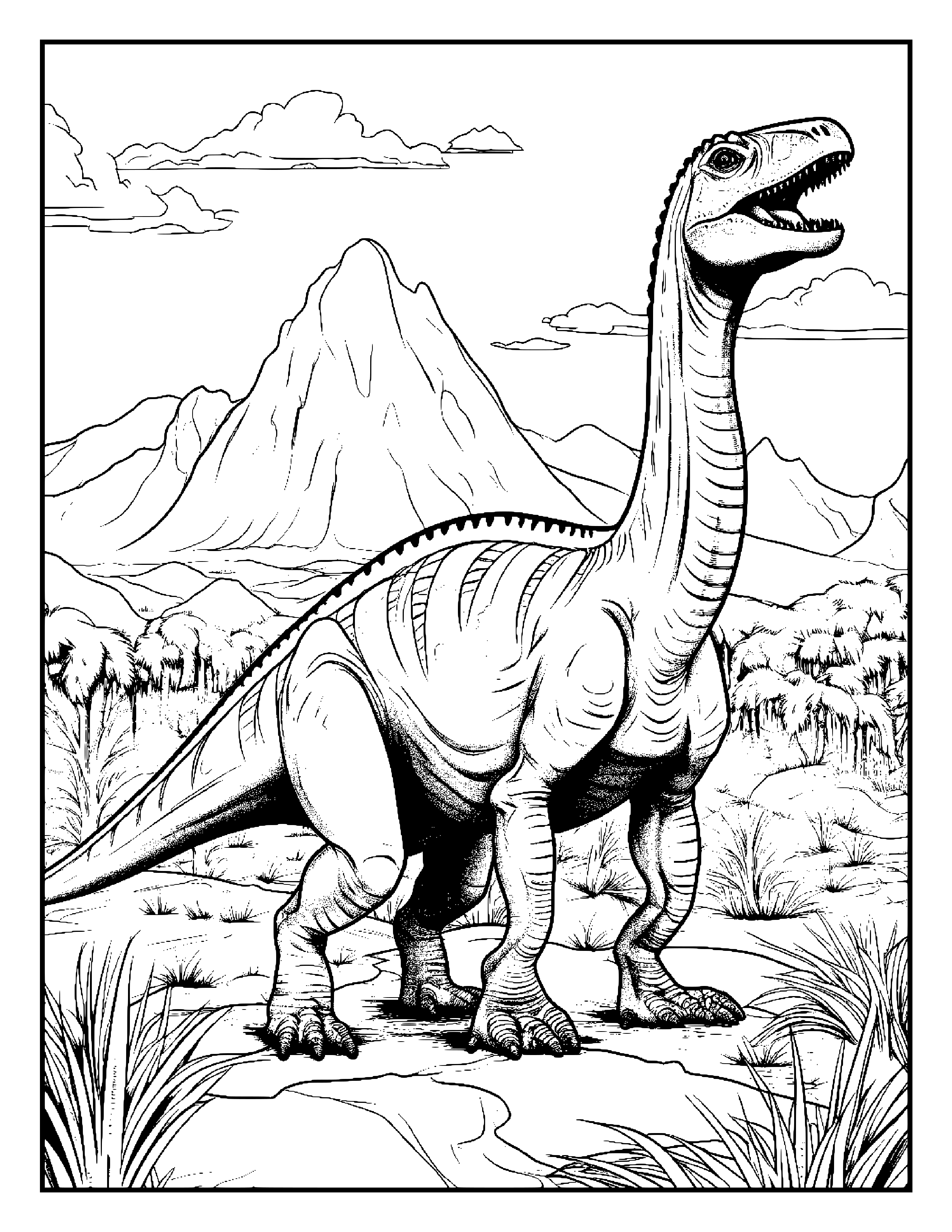
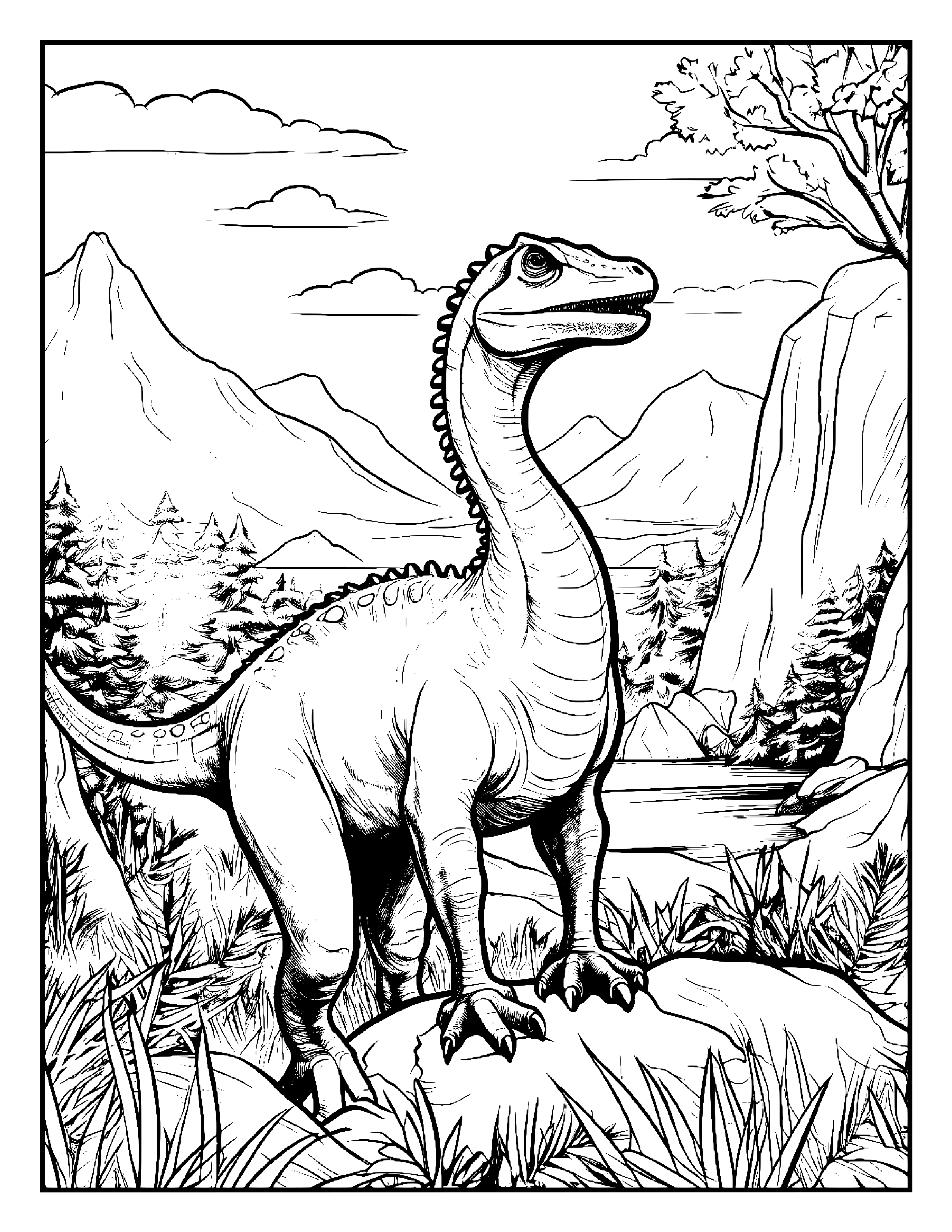
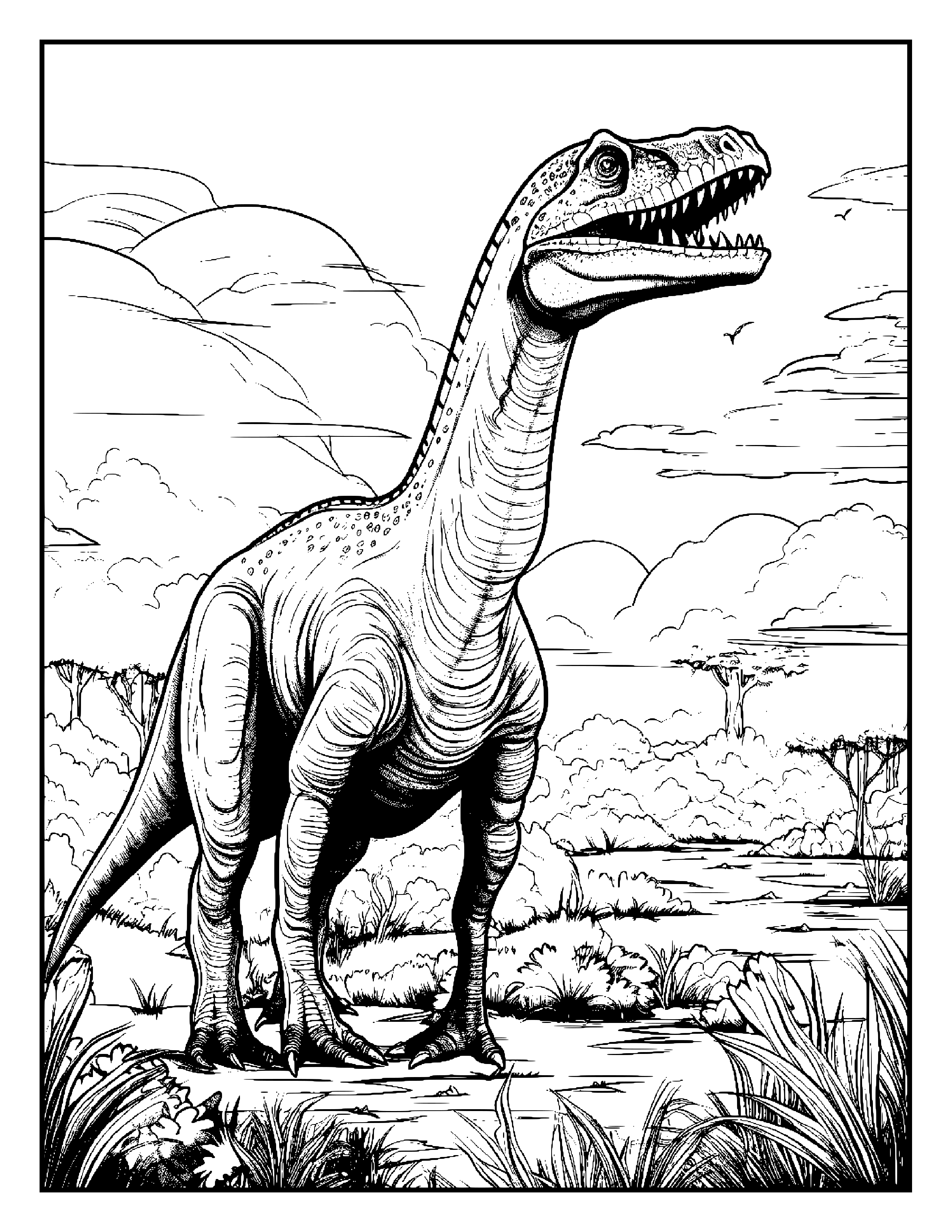
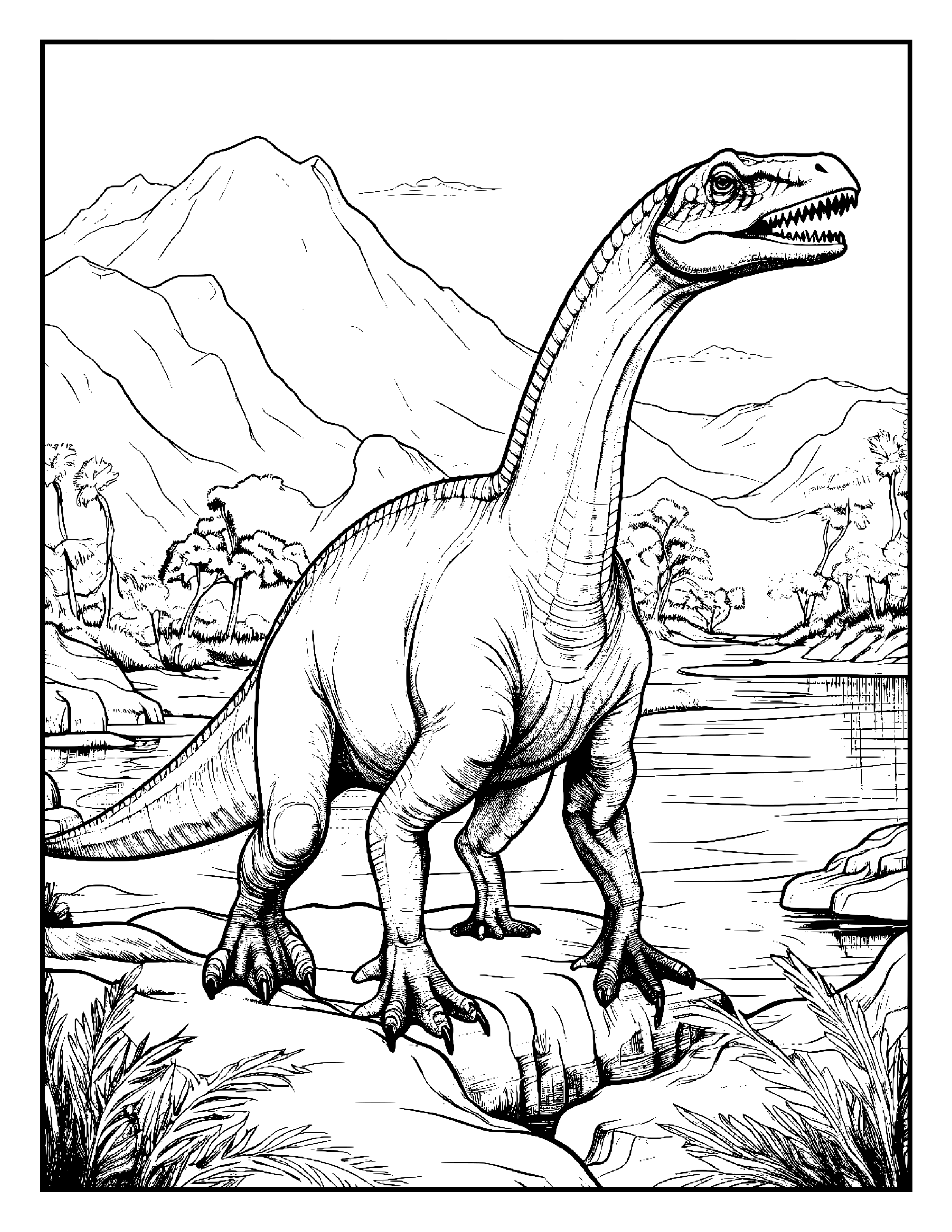
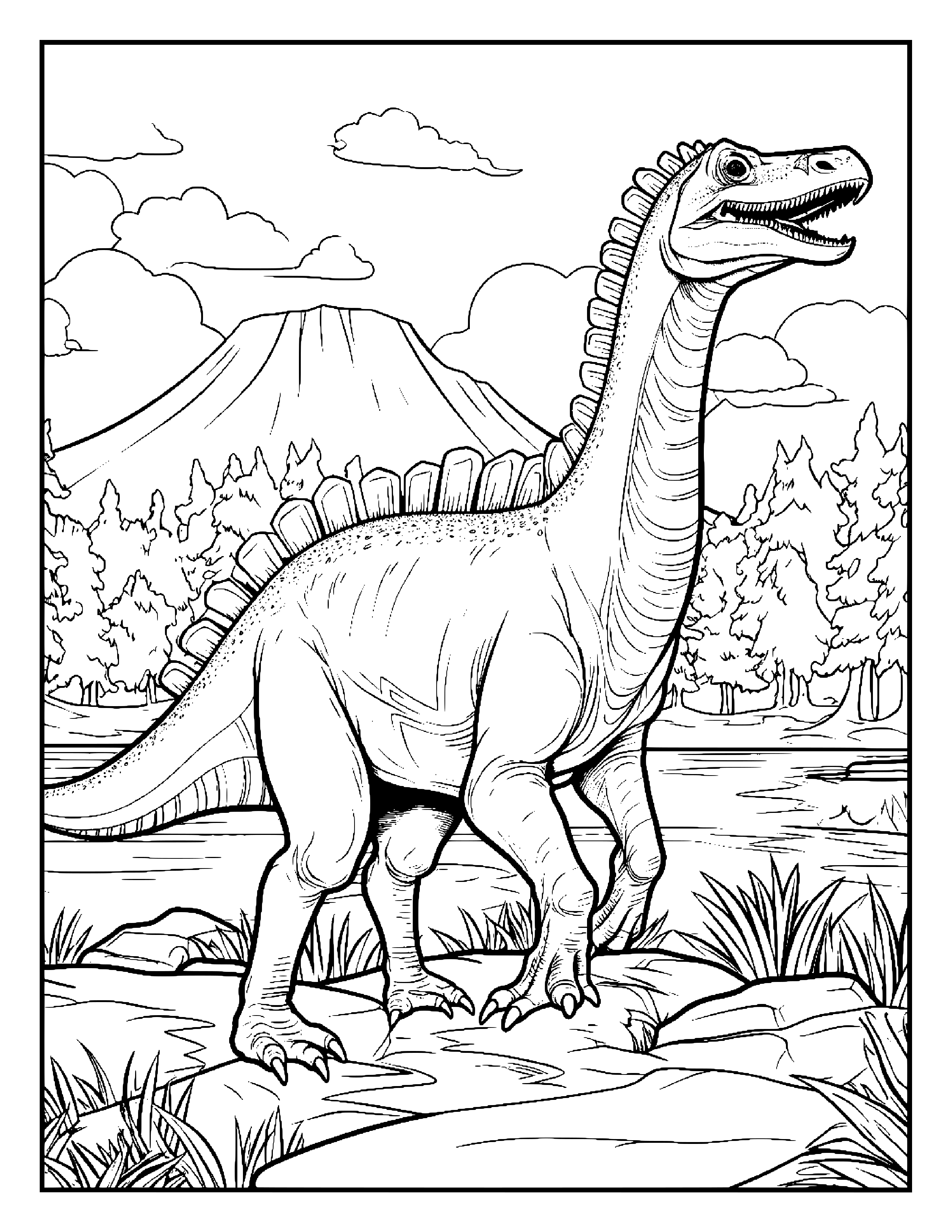
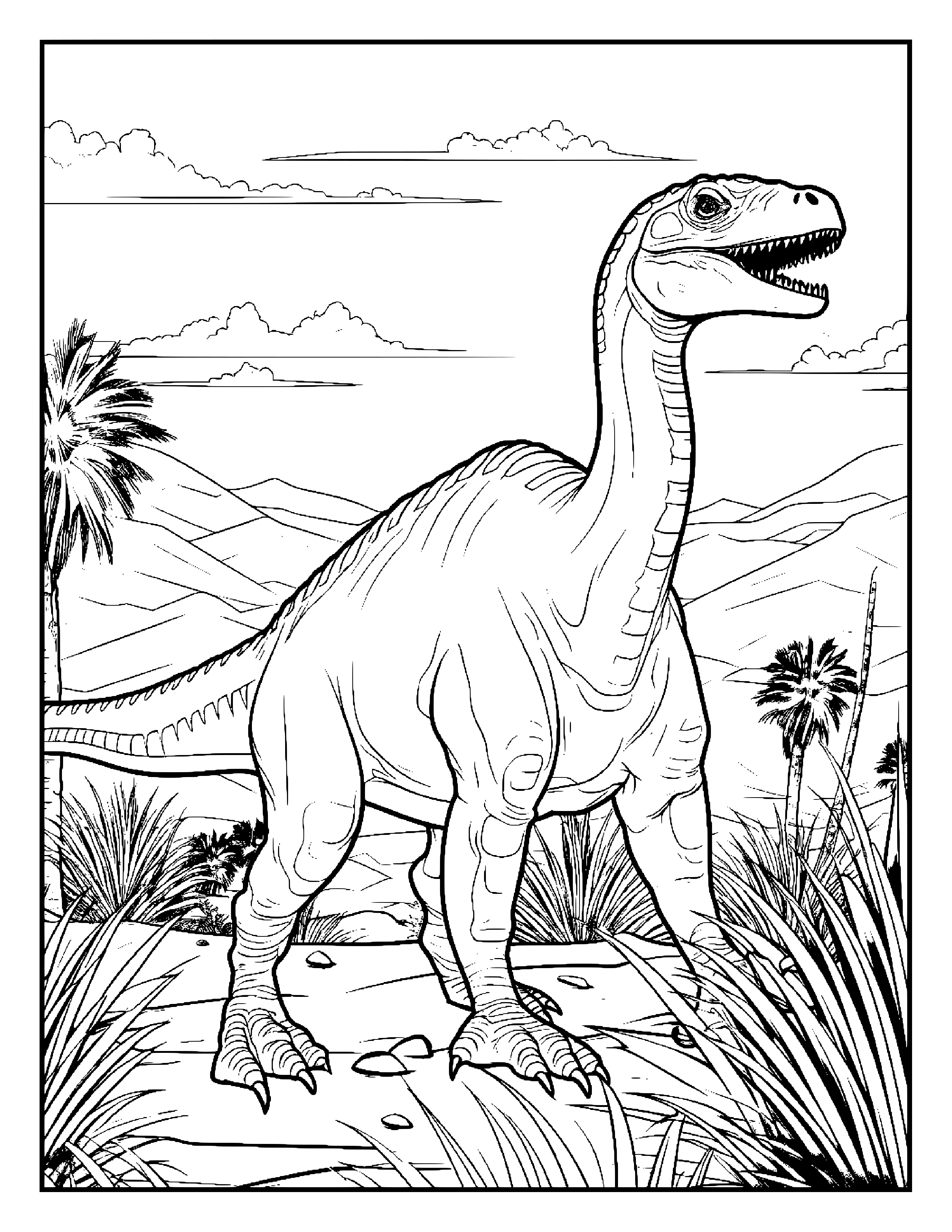
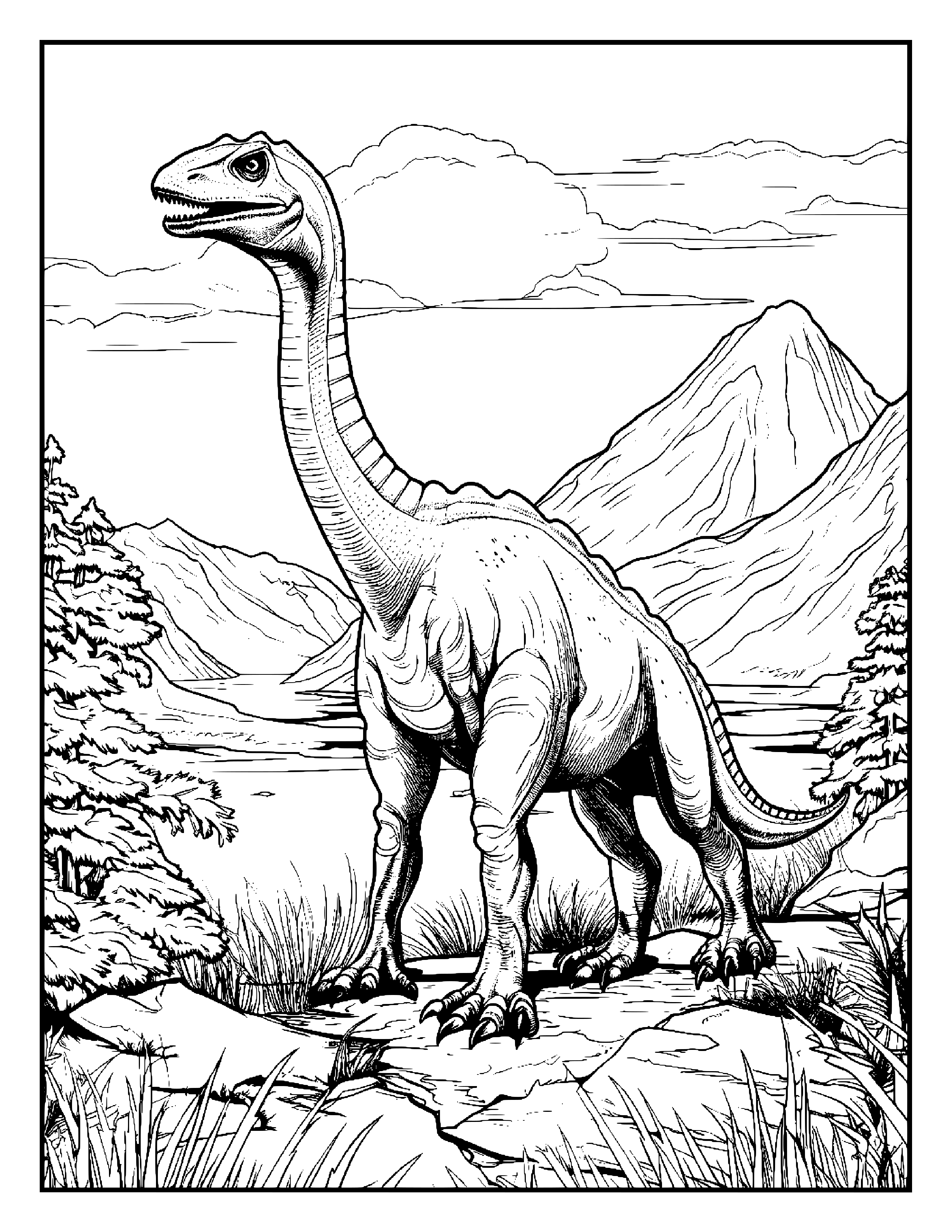
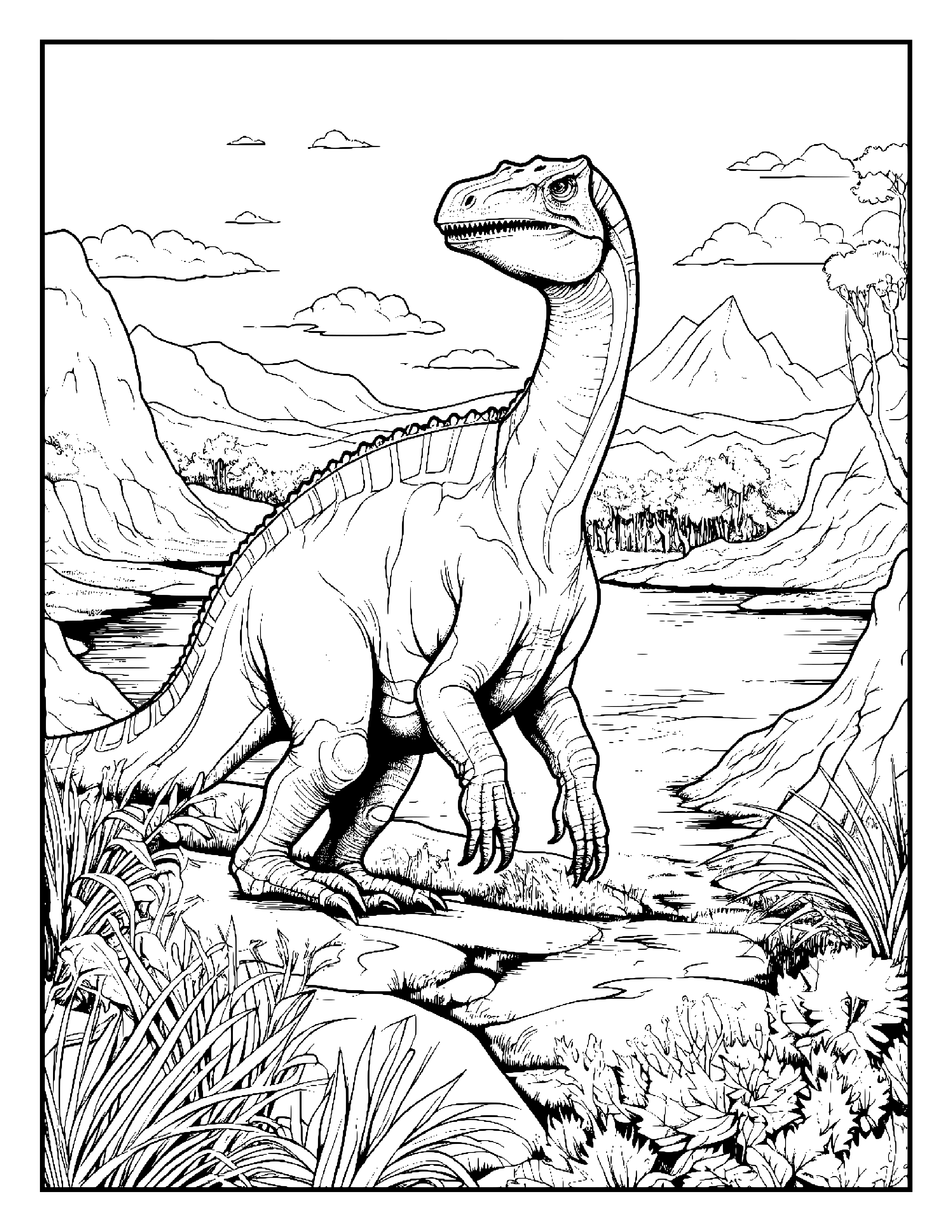
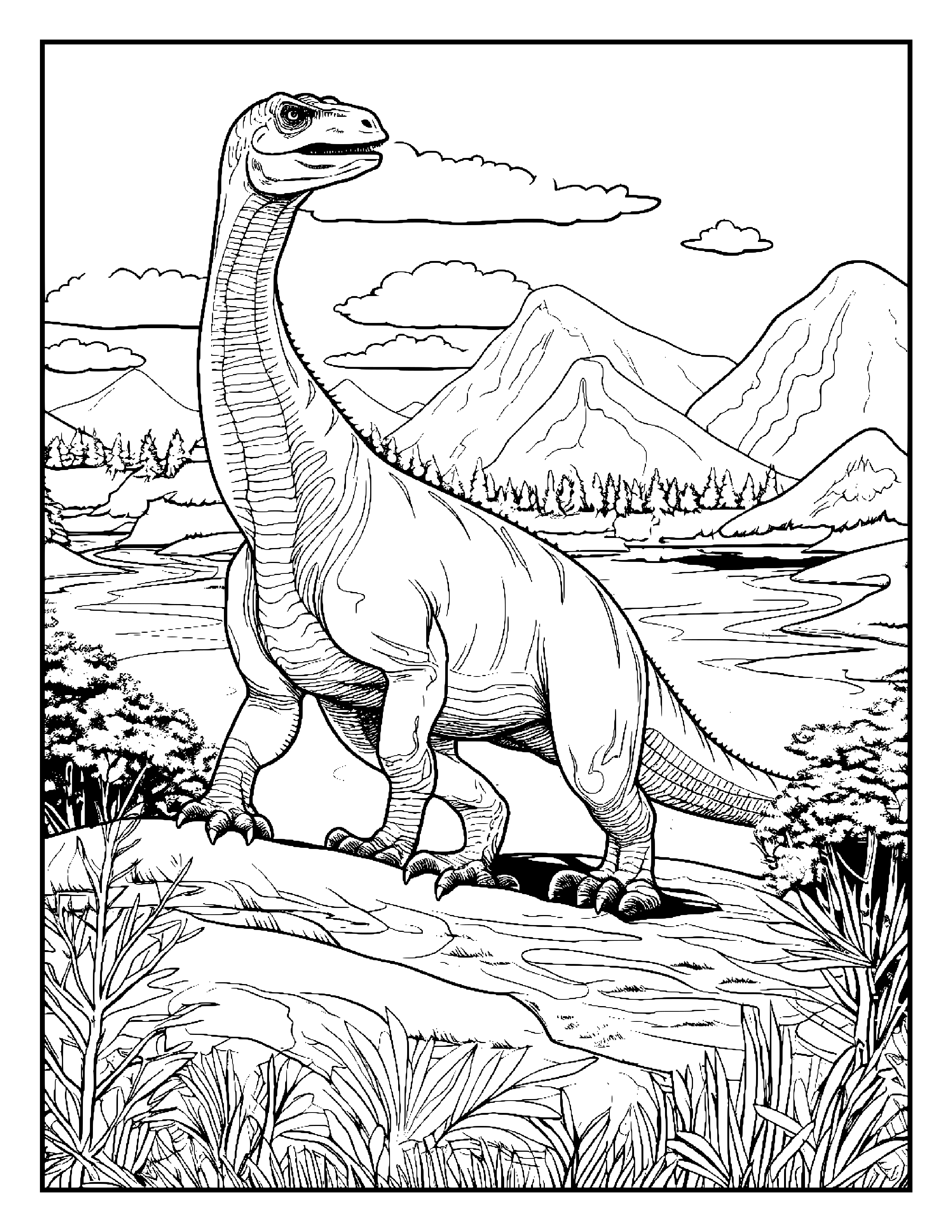
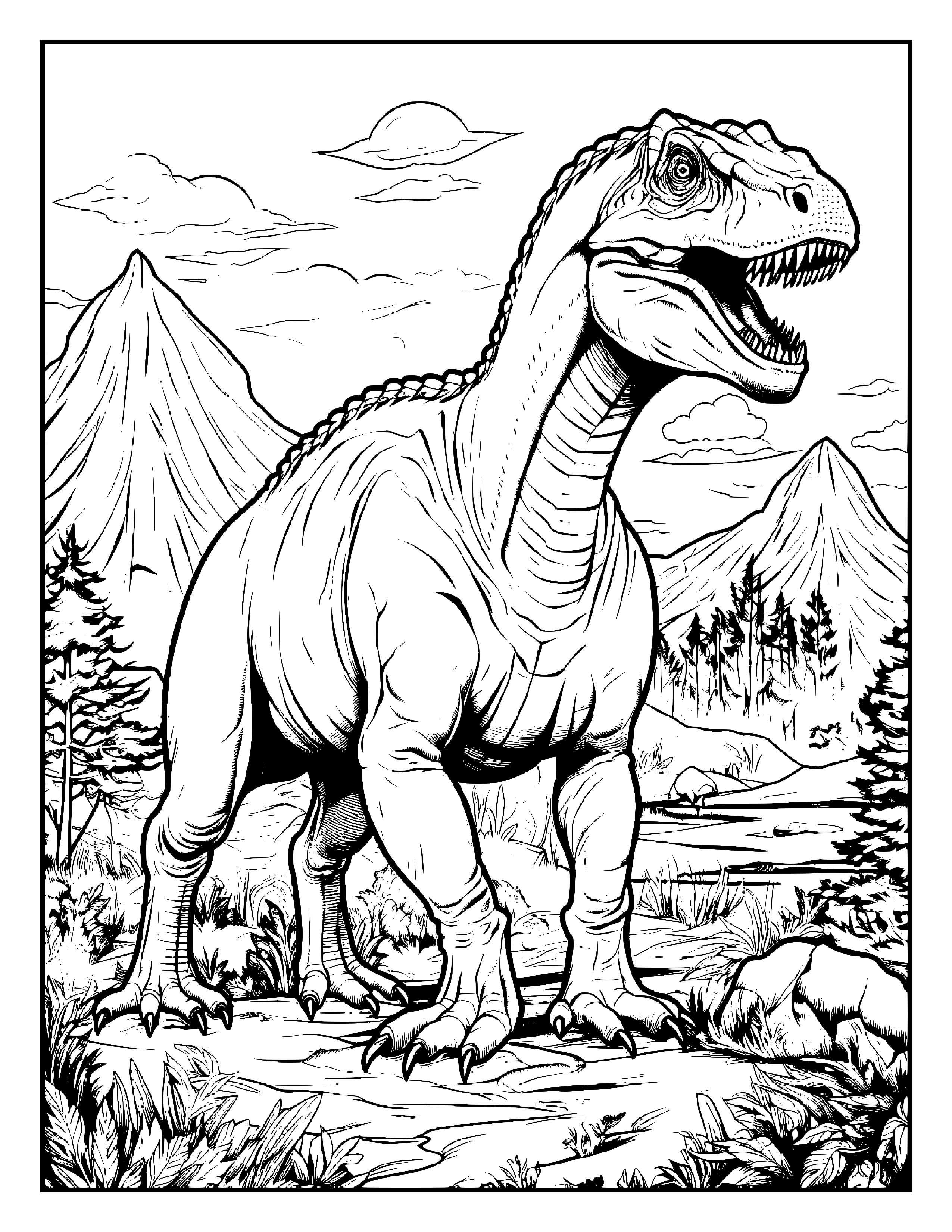
Sauropod Dinosaur on the Plains Coloring Page
Medium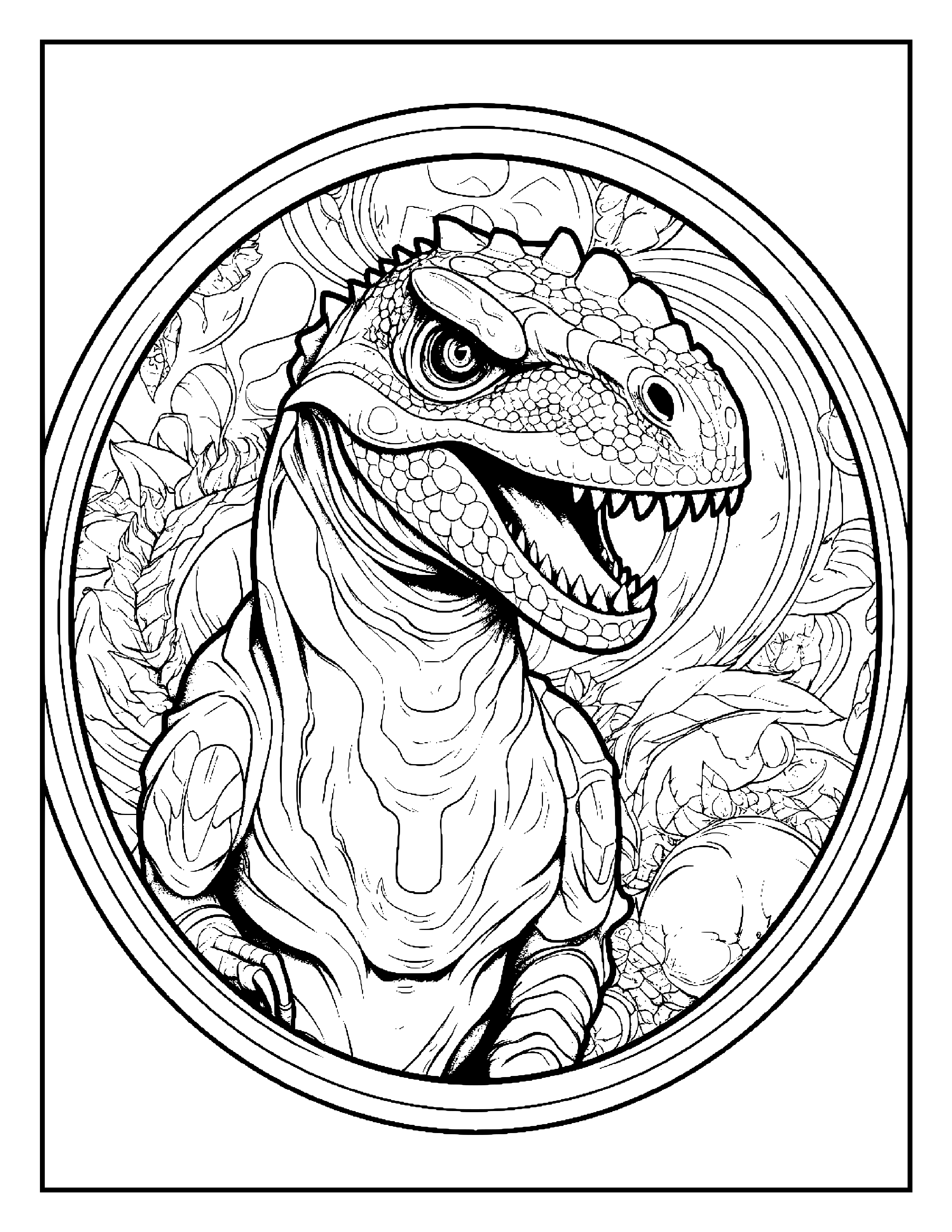
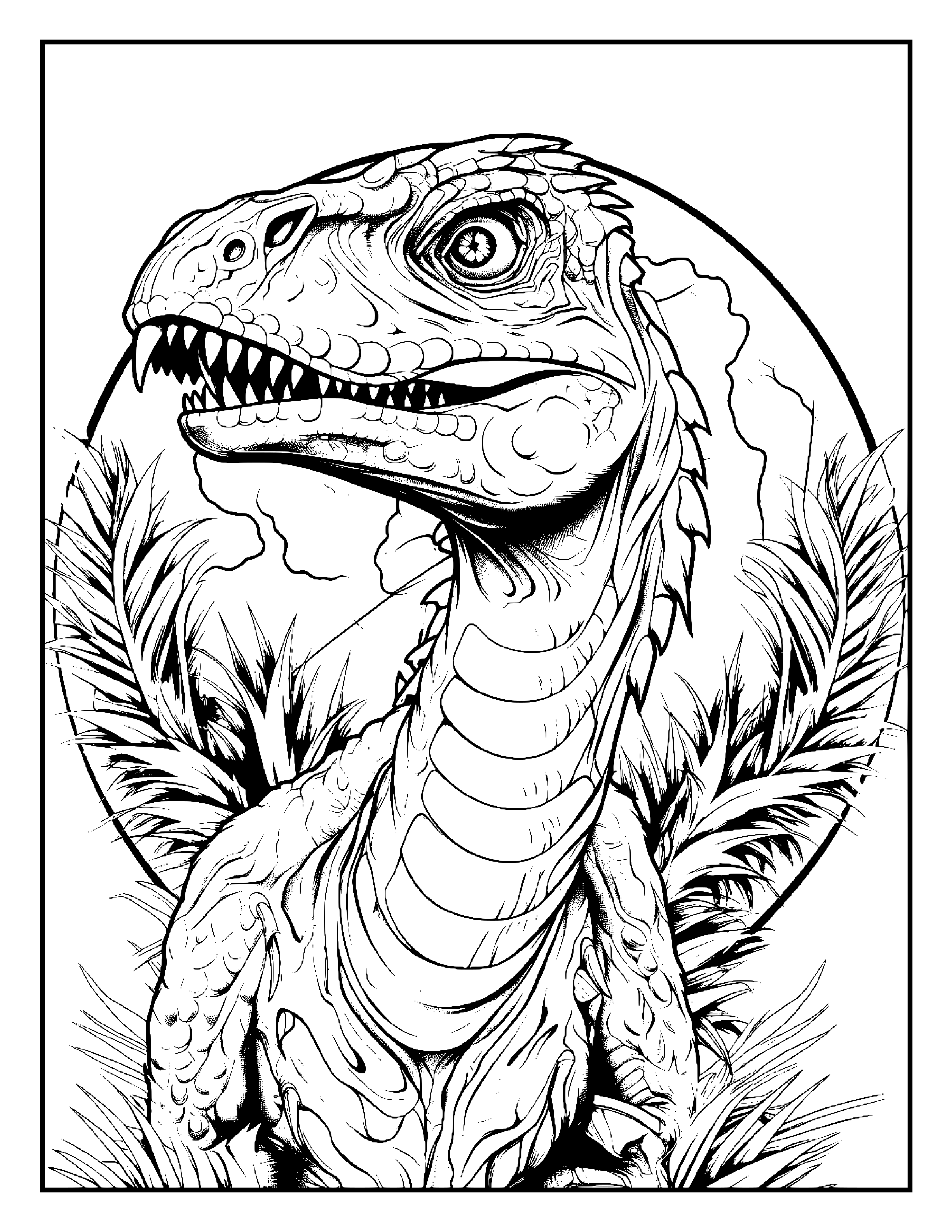
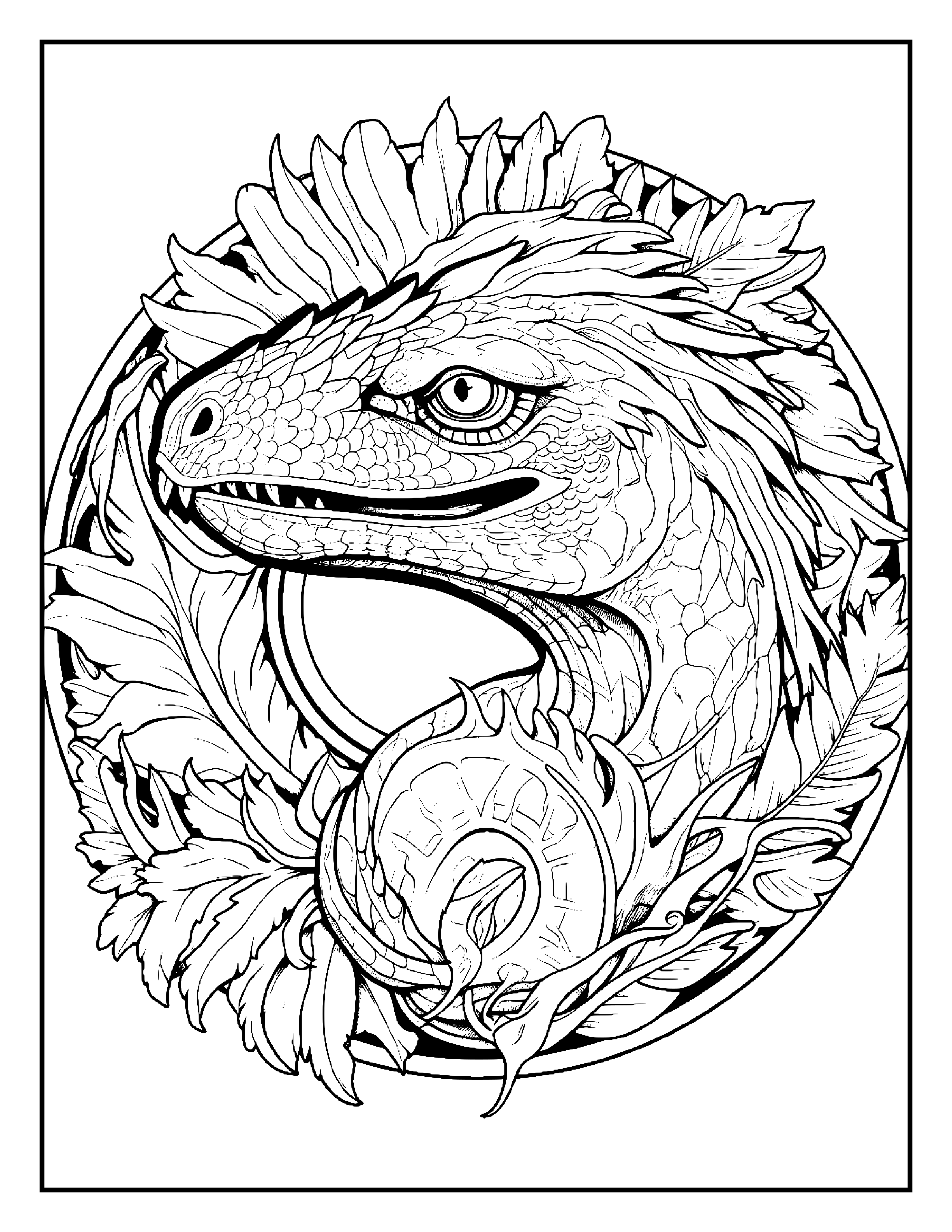
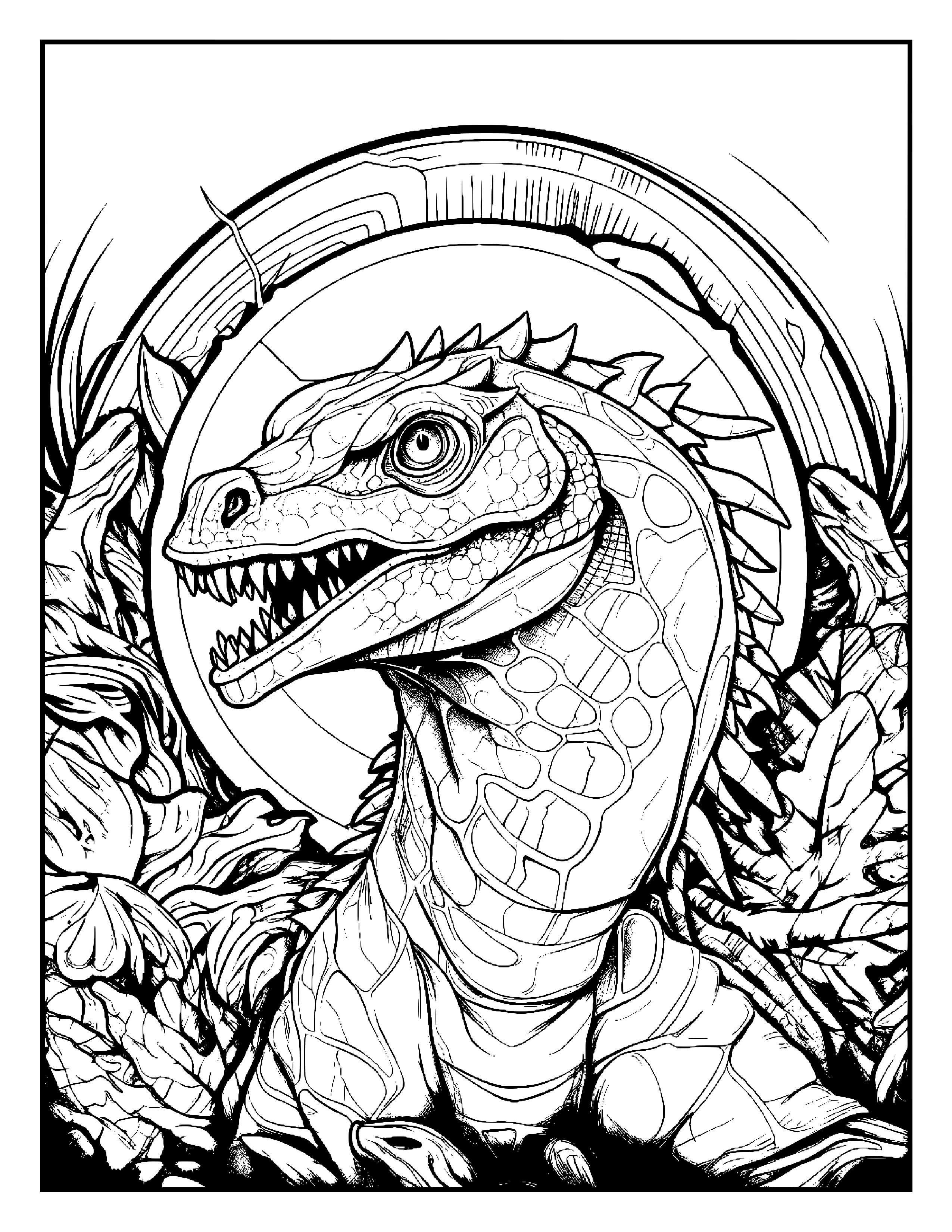
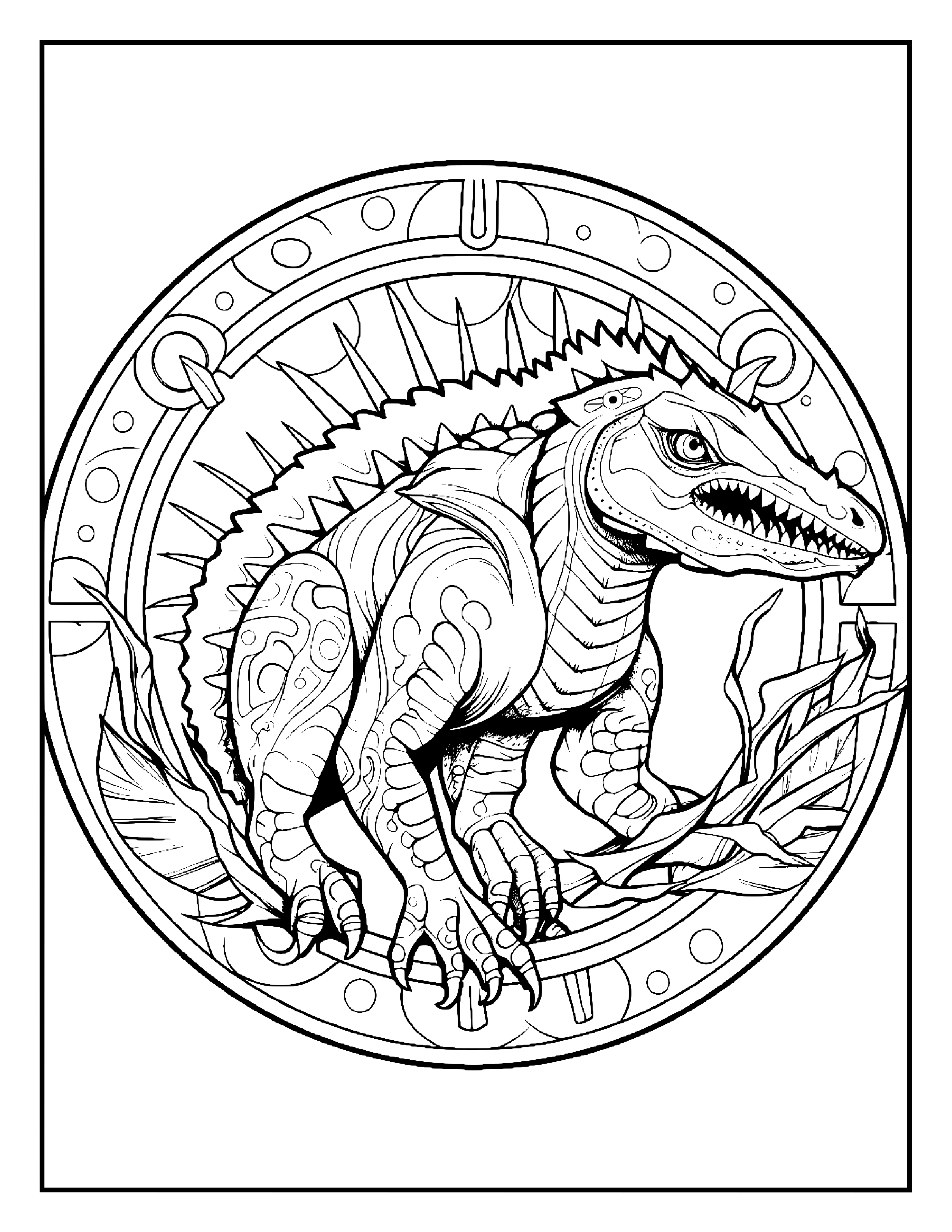
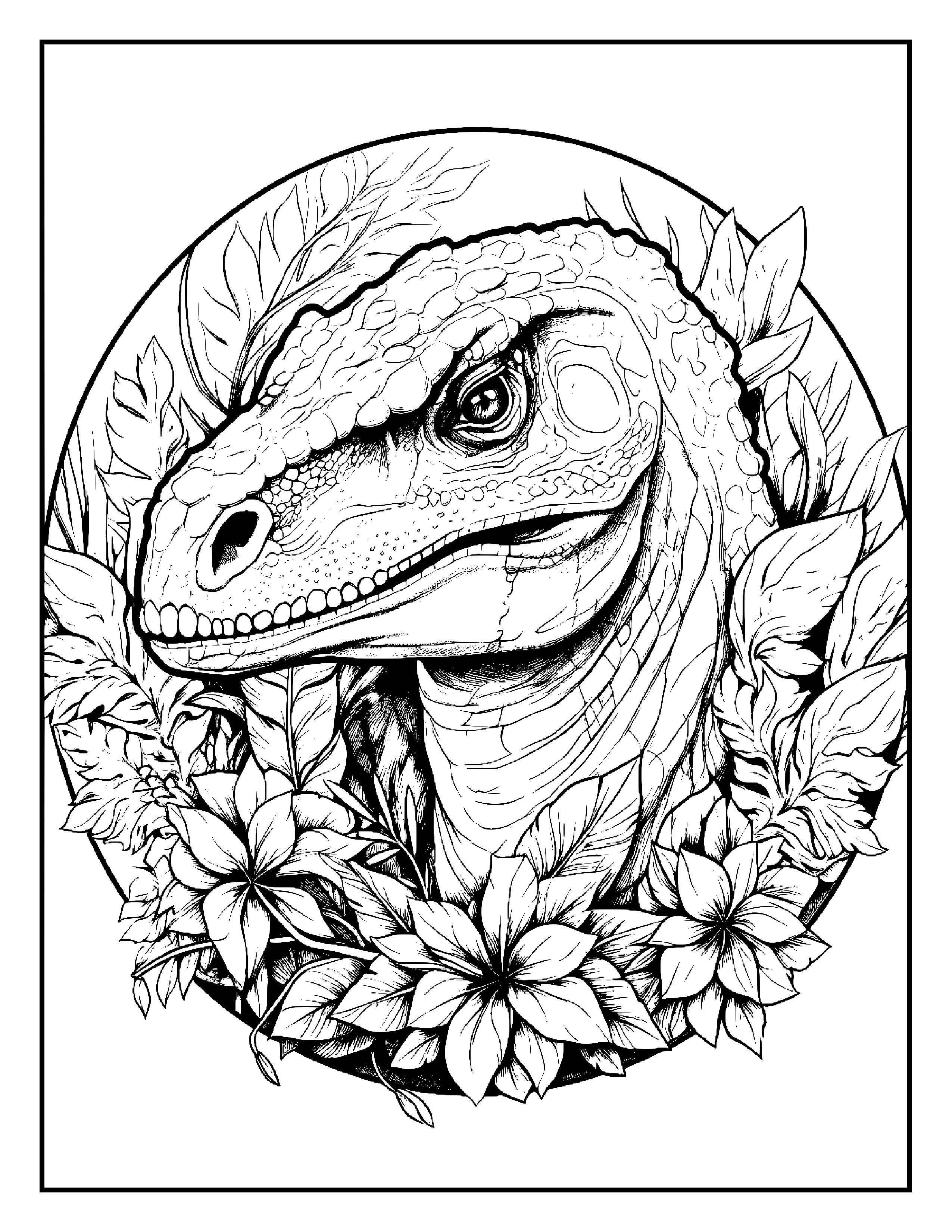
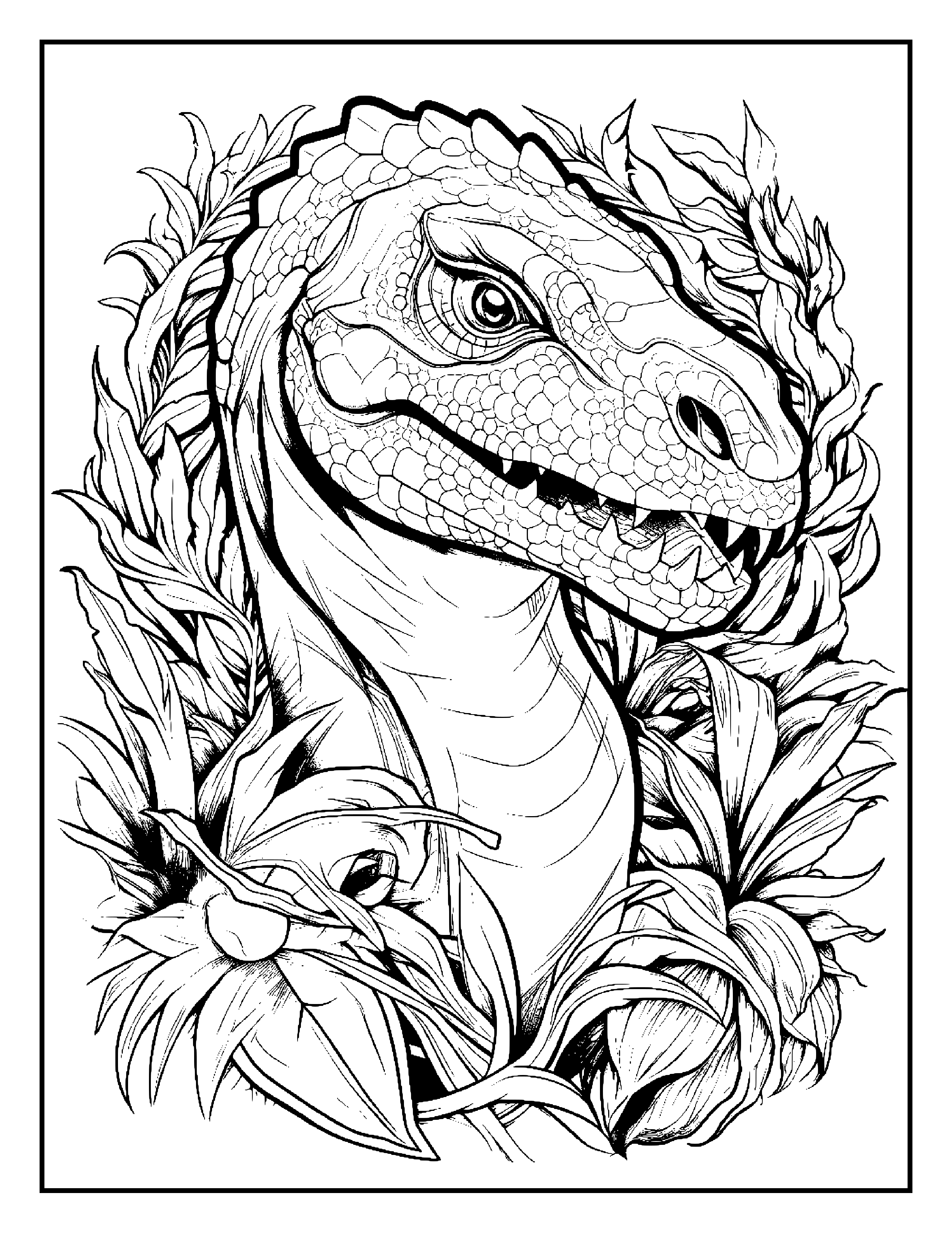
Resting Velociraptor Mandala Coloring Page
Hard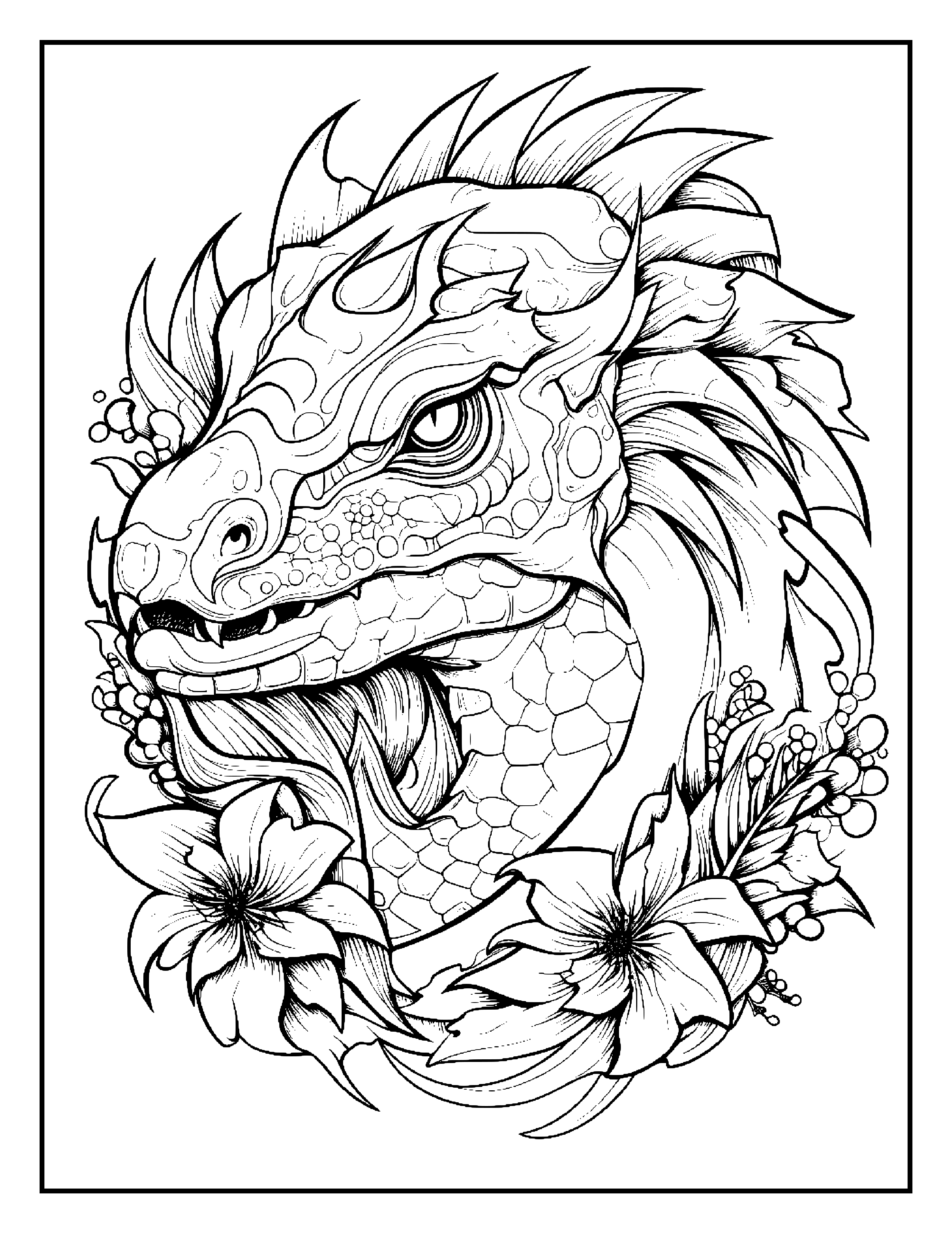
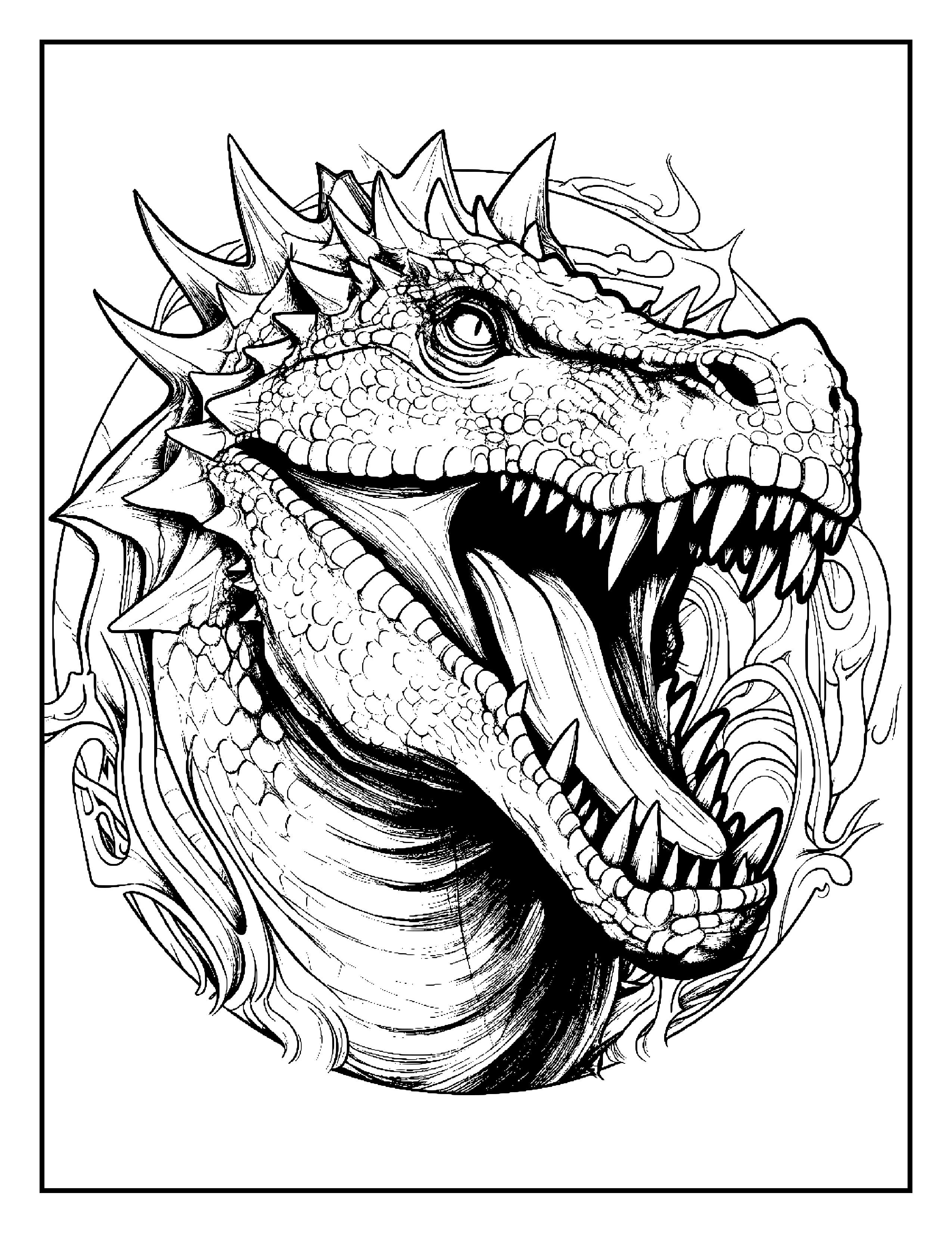
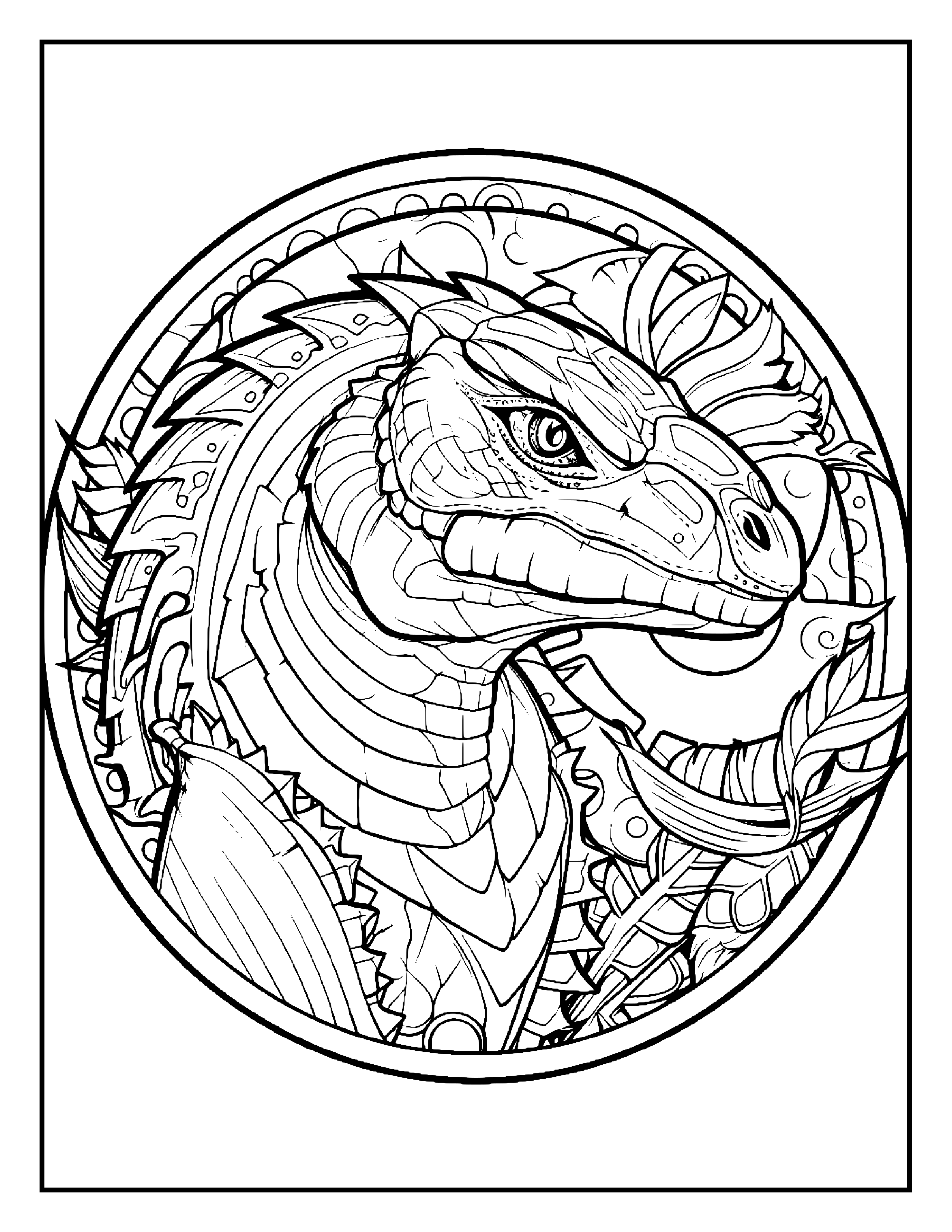
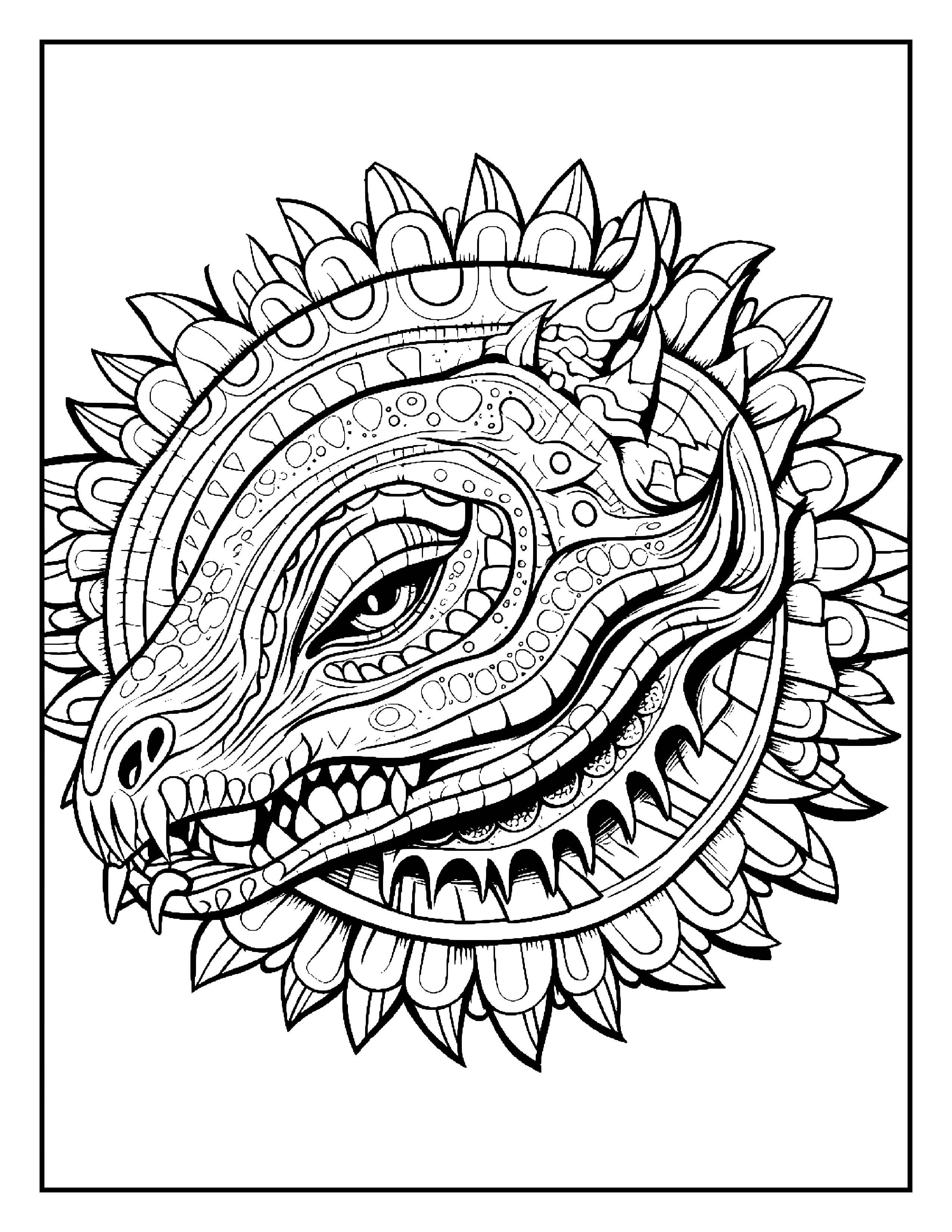
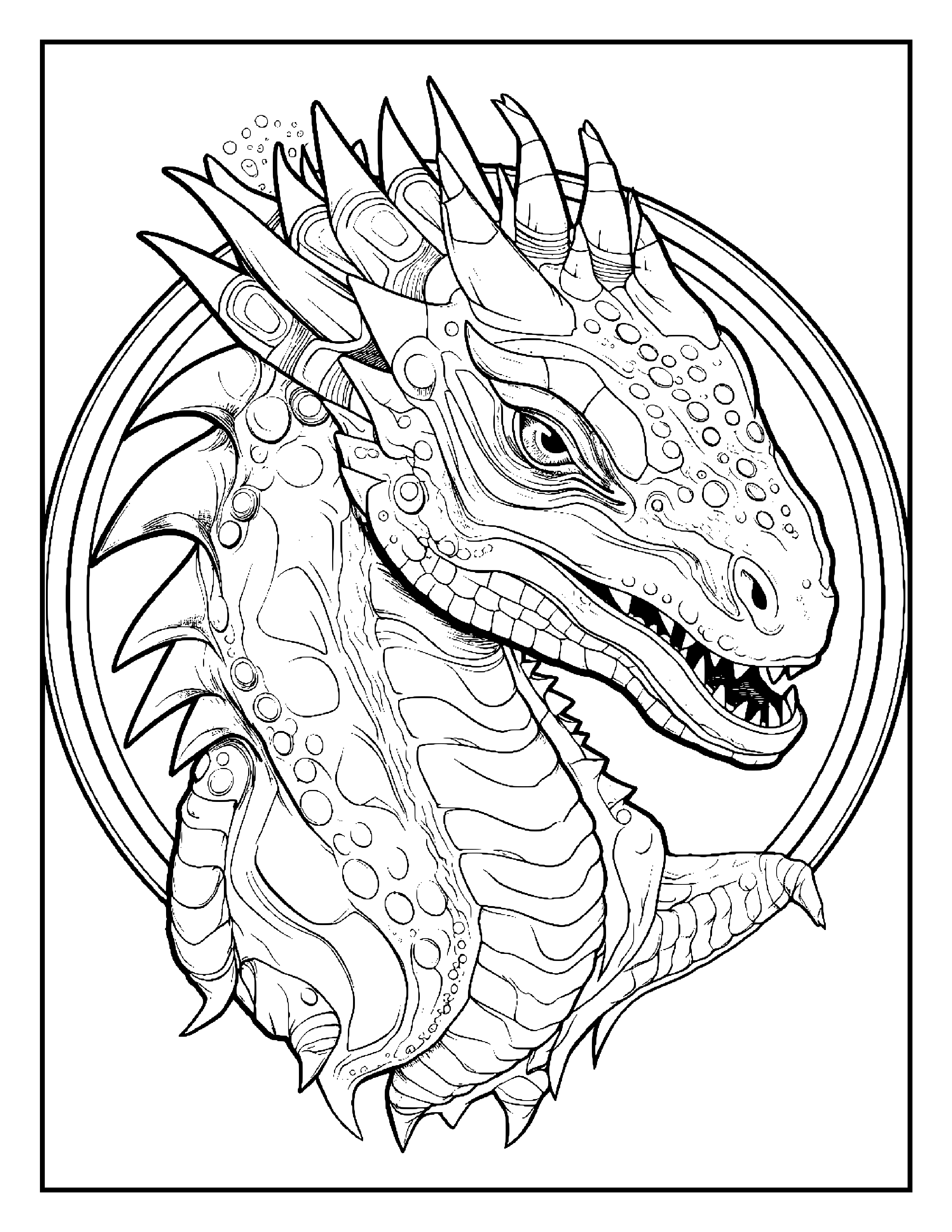
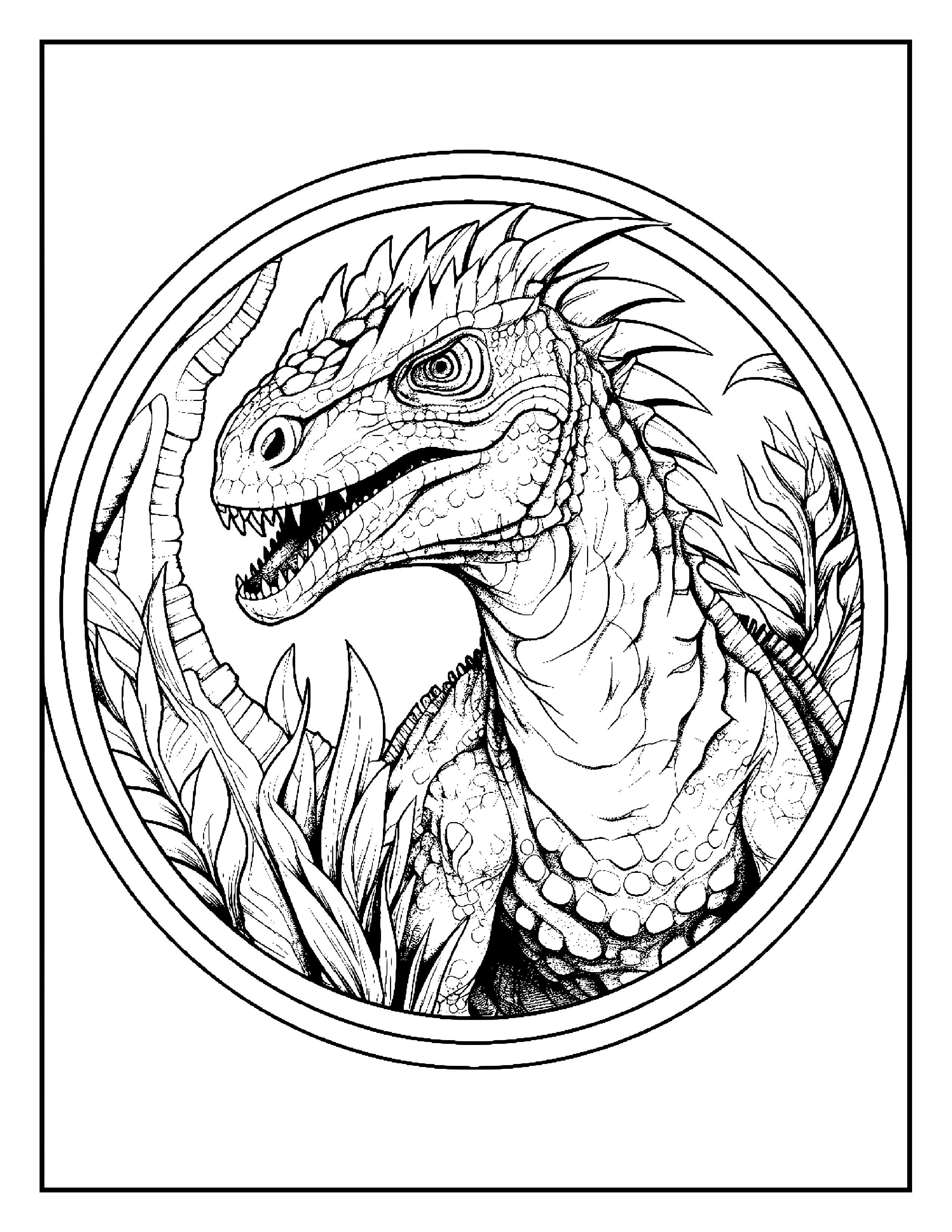
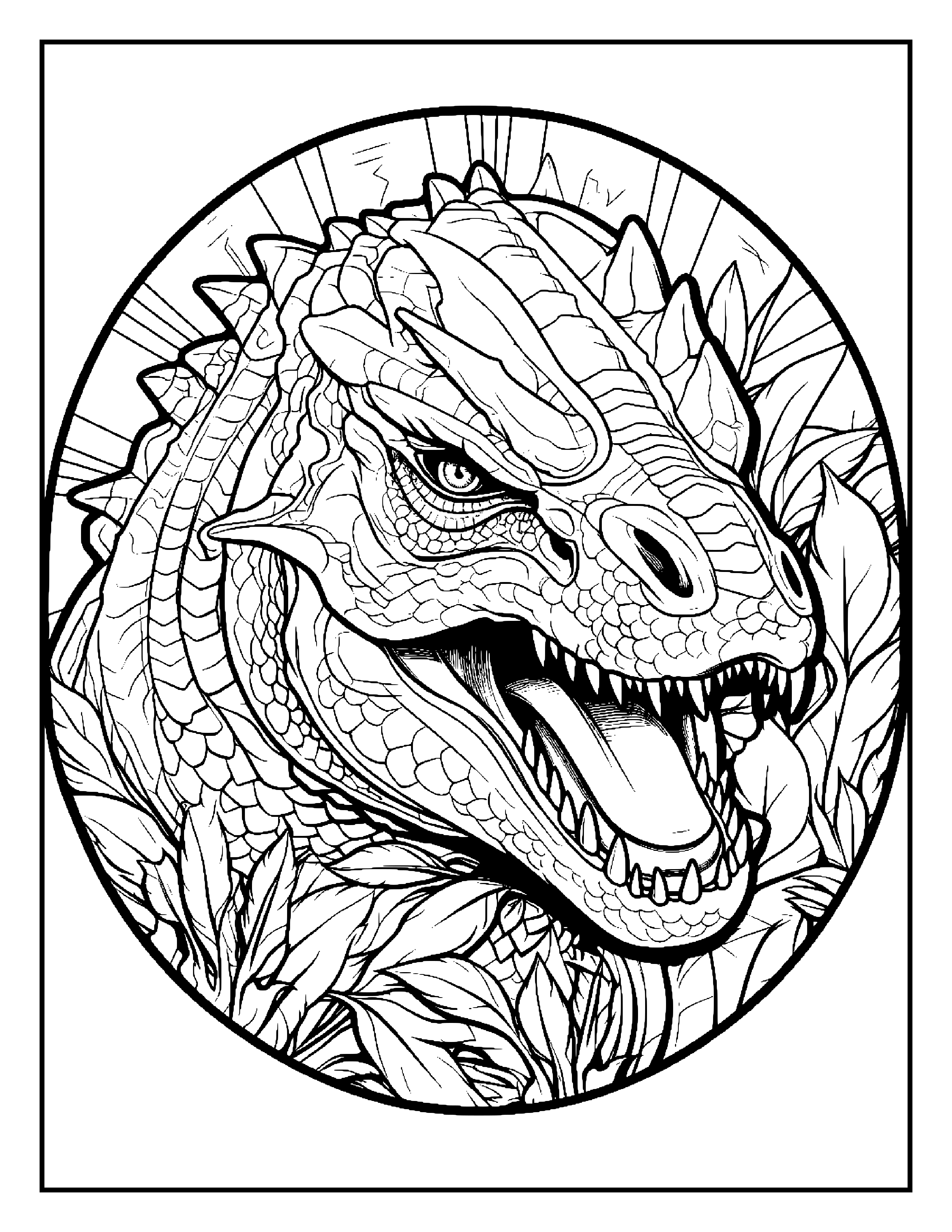
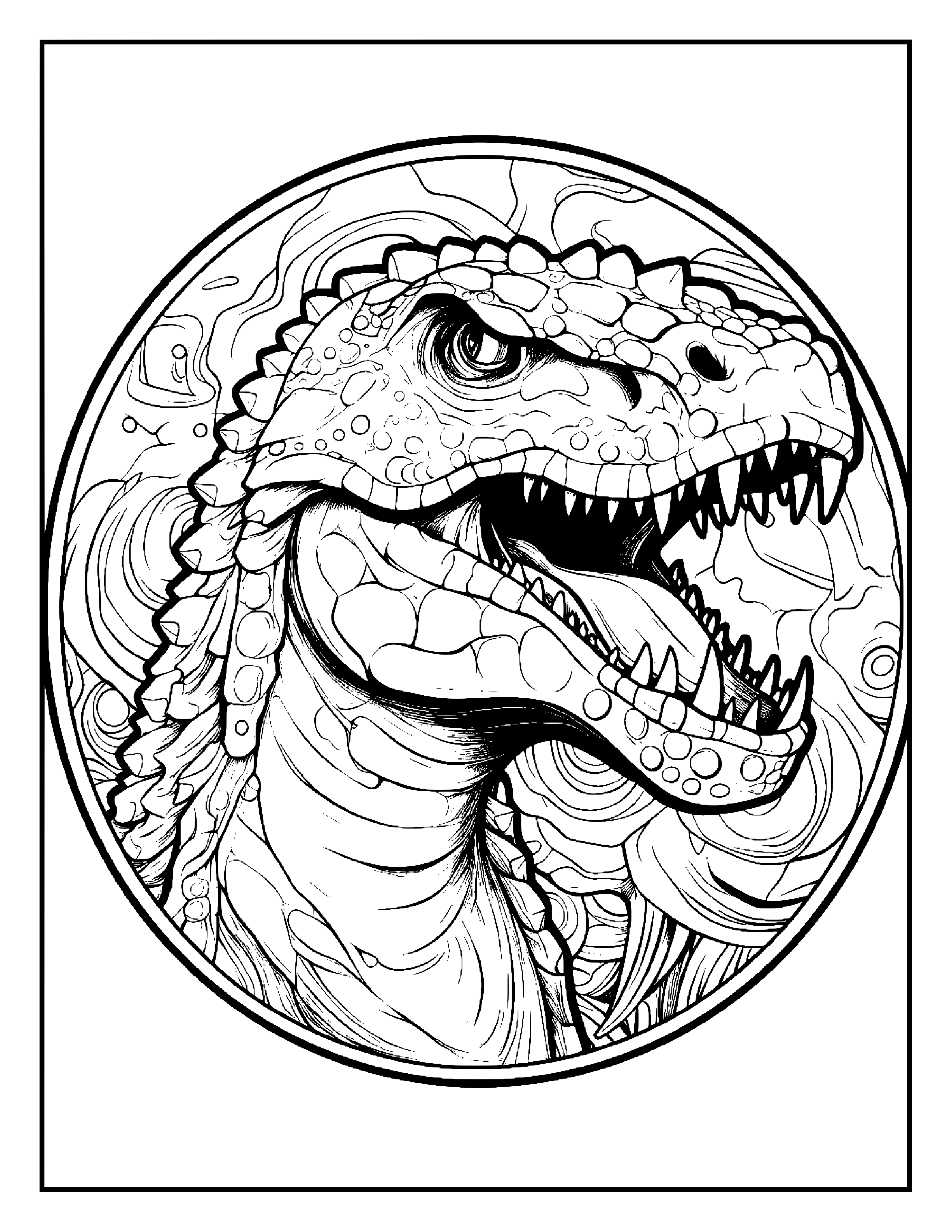
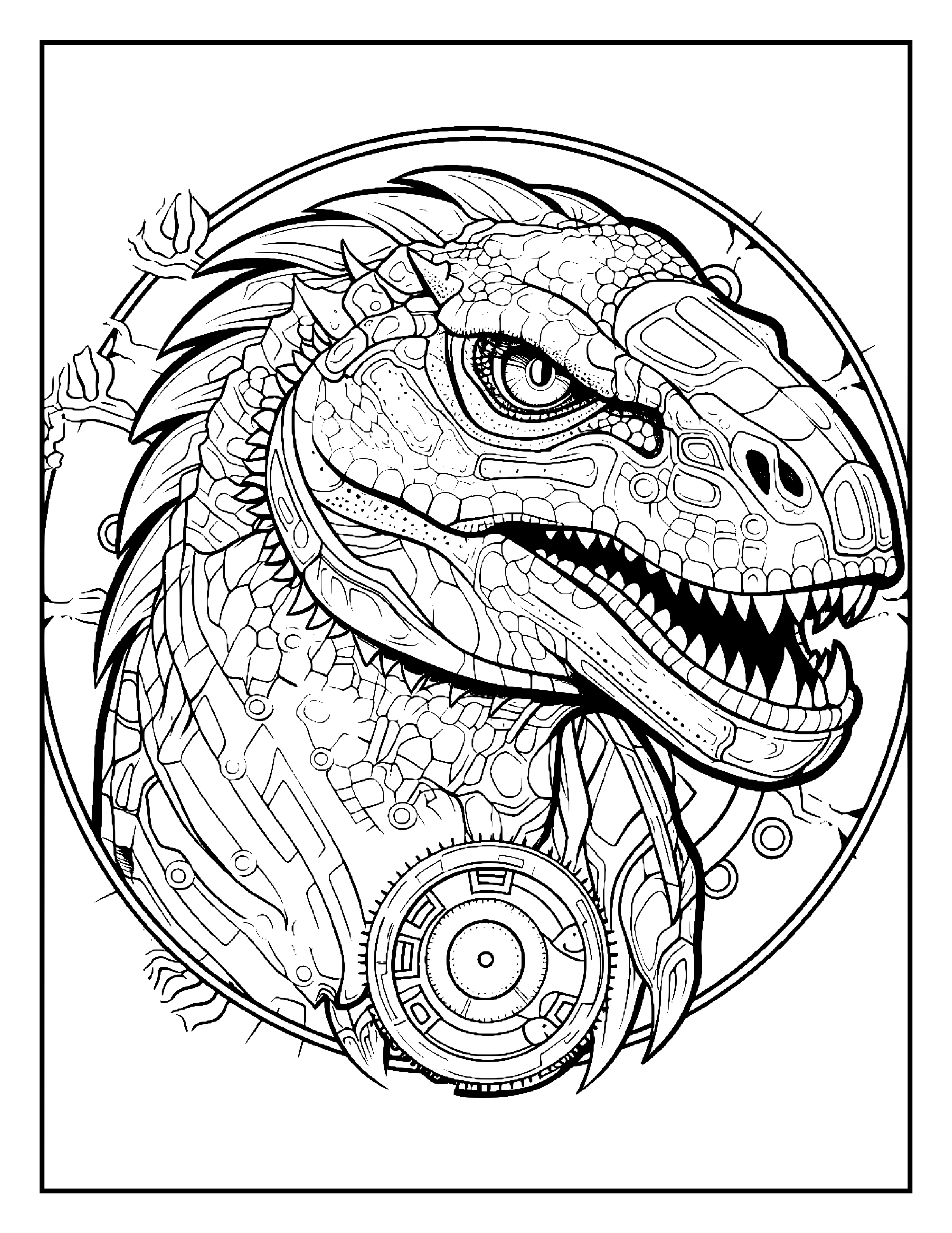
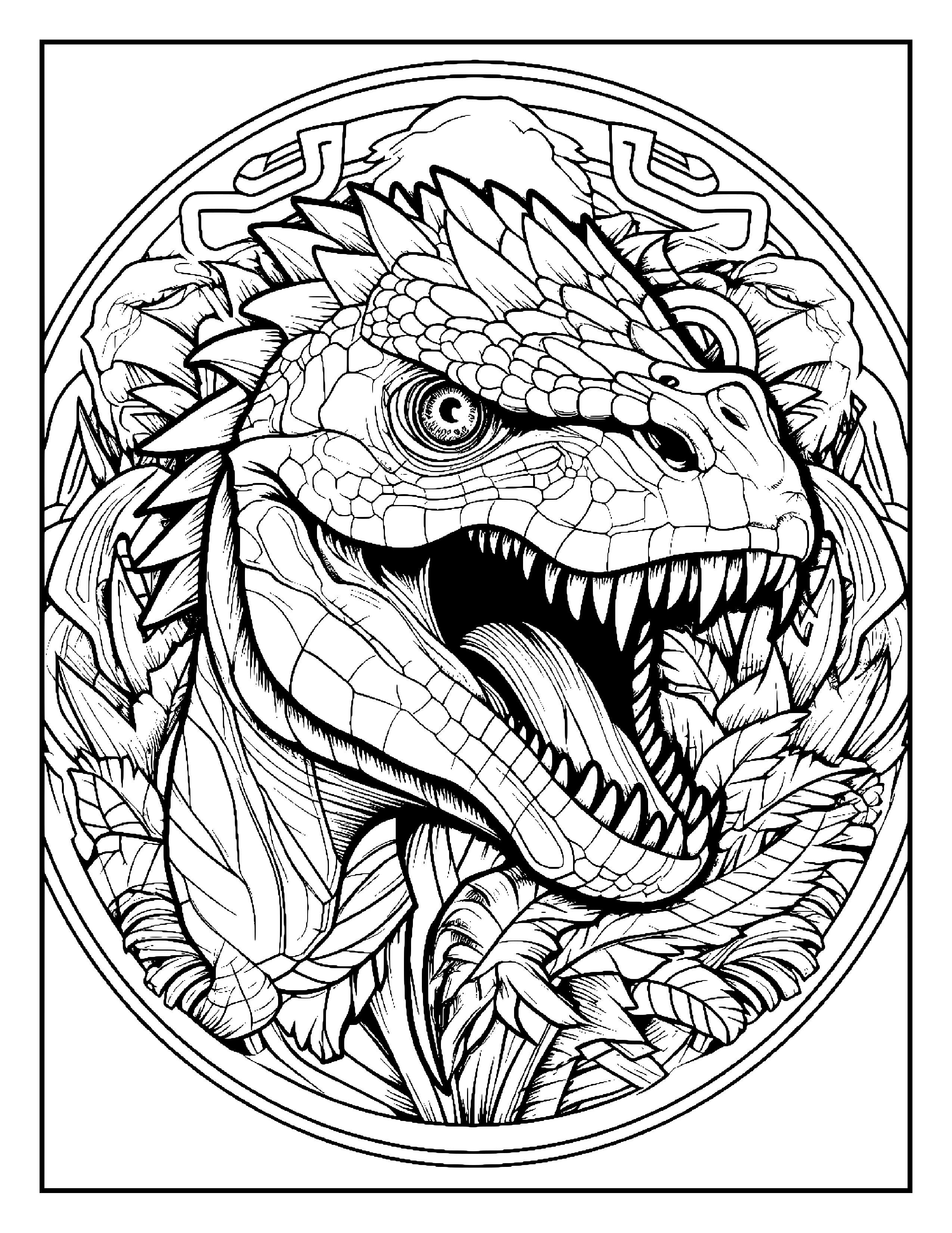
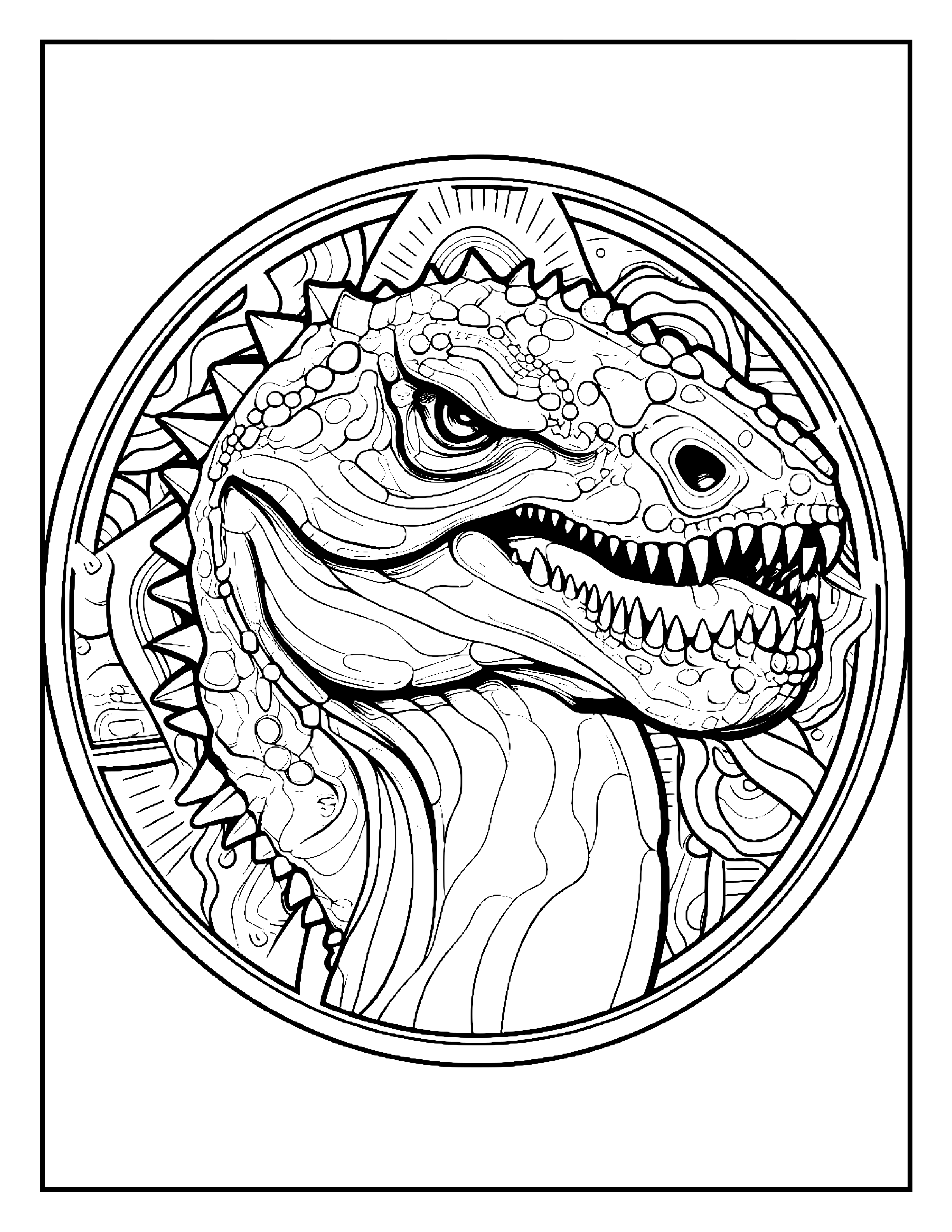
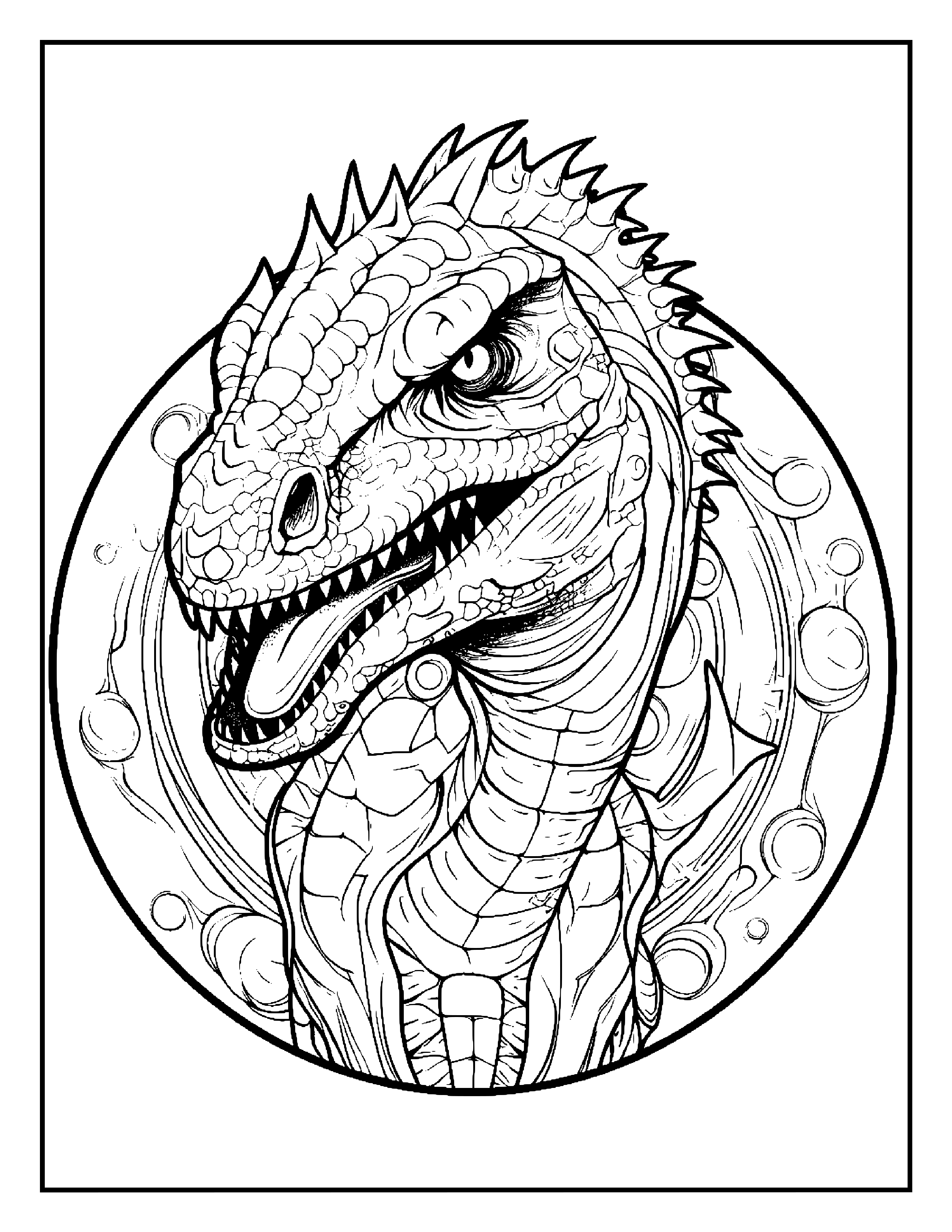
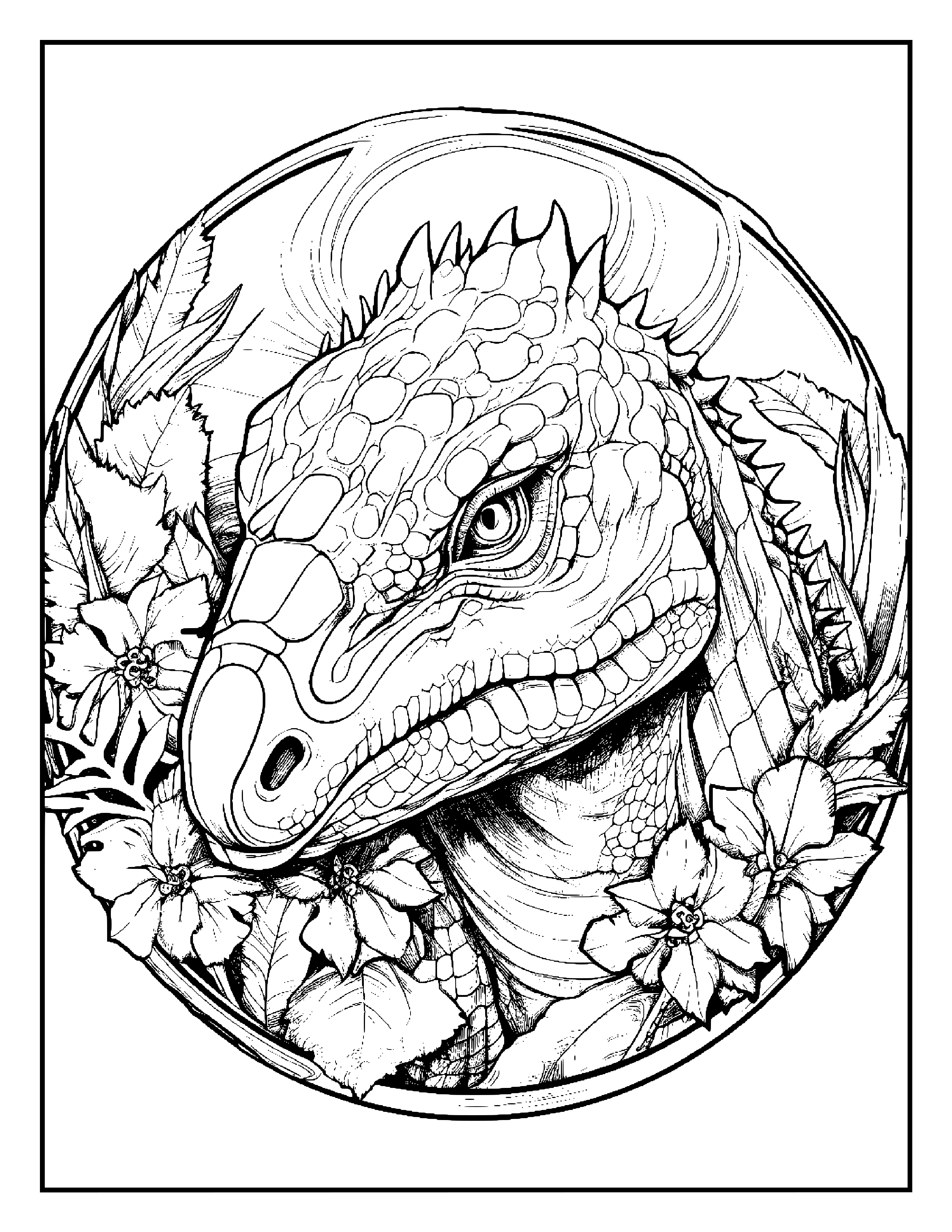
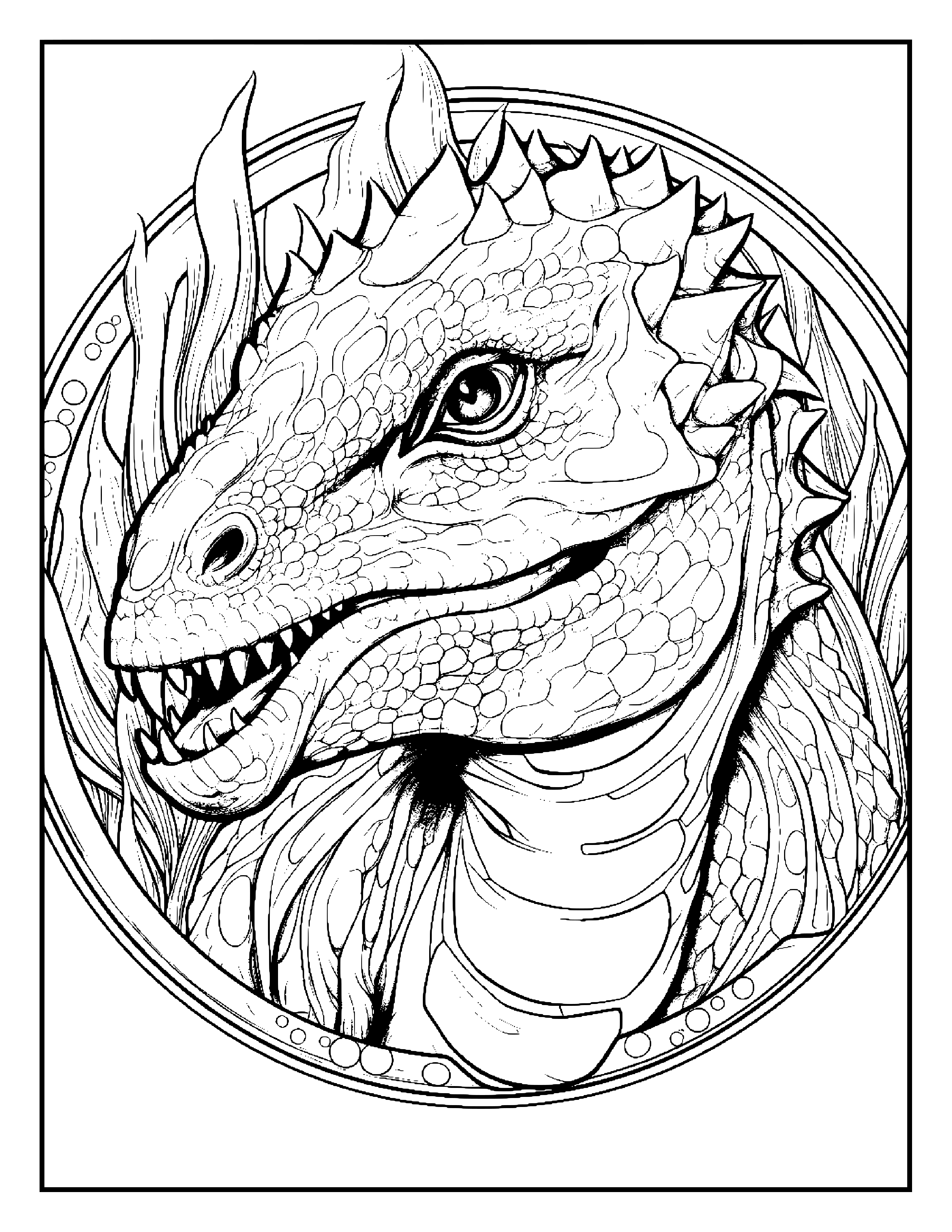
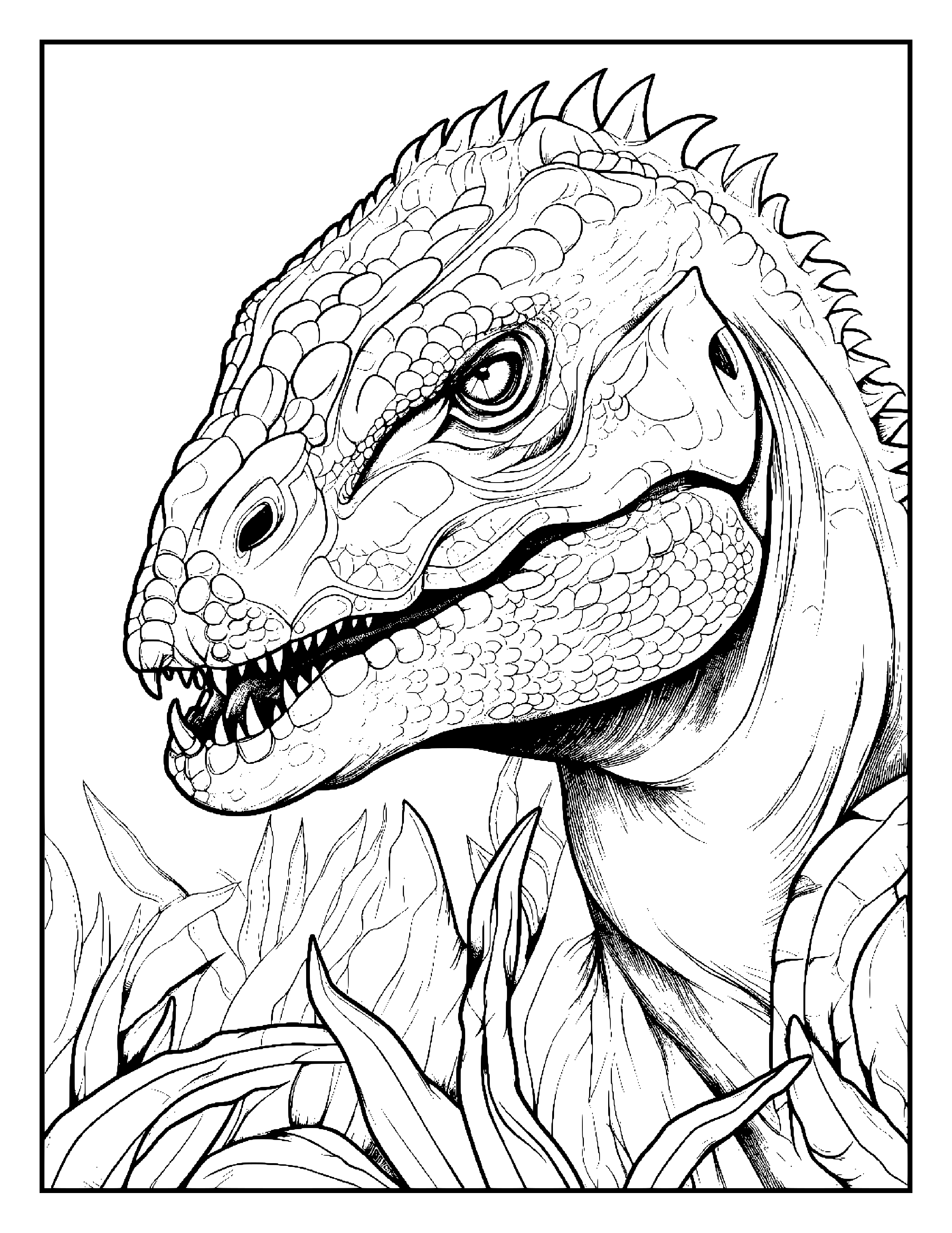
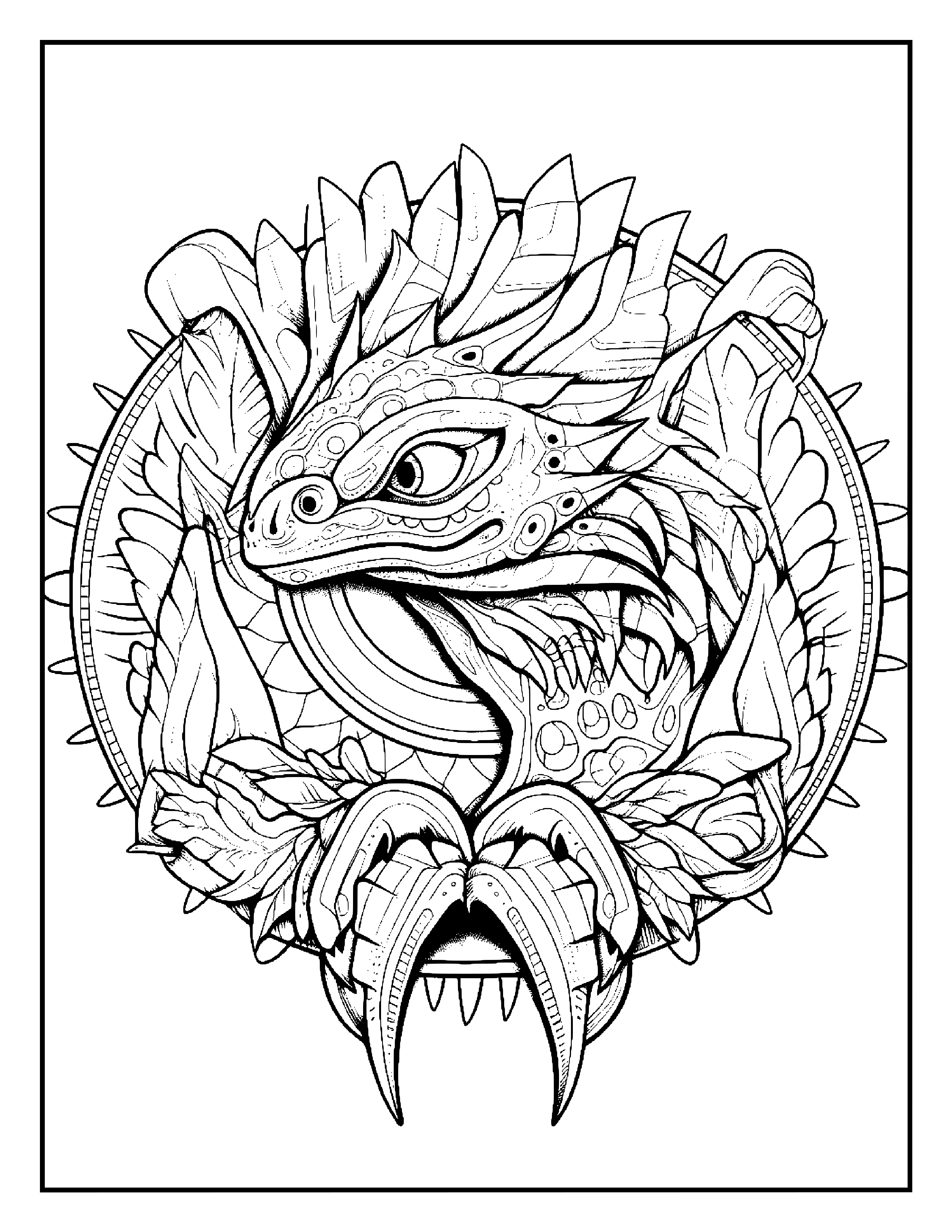
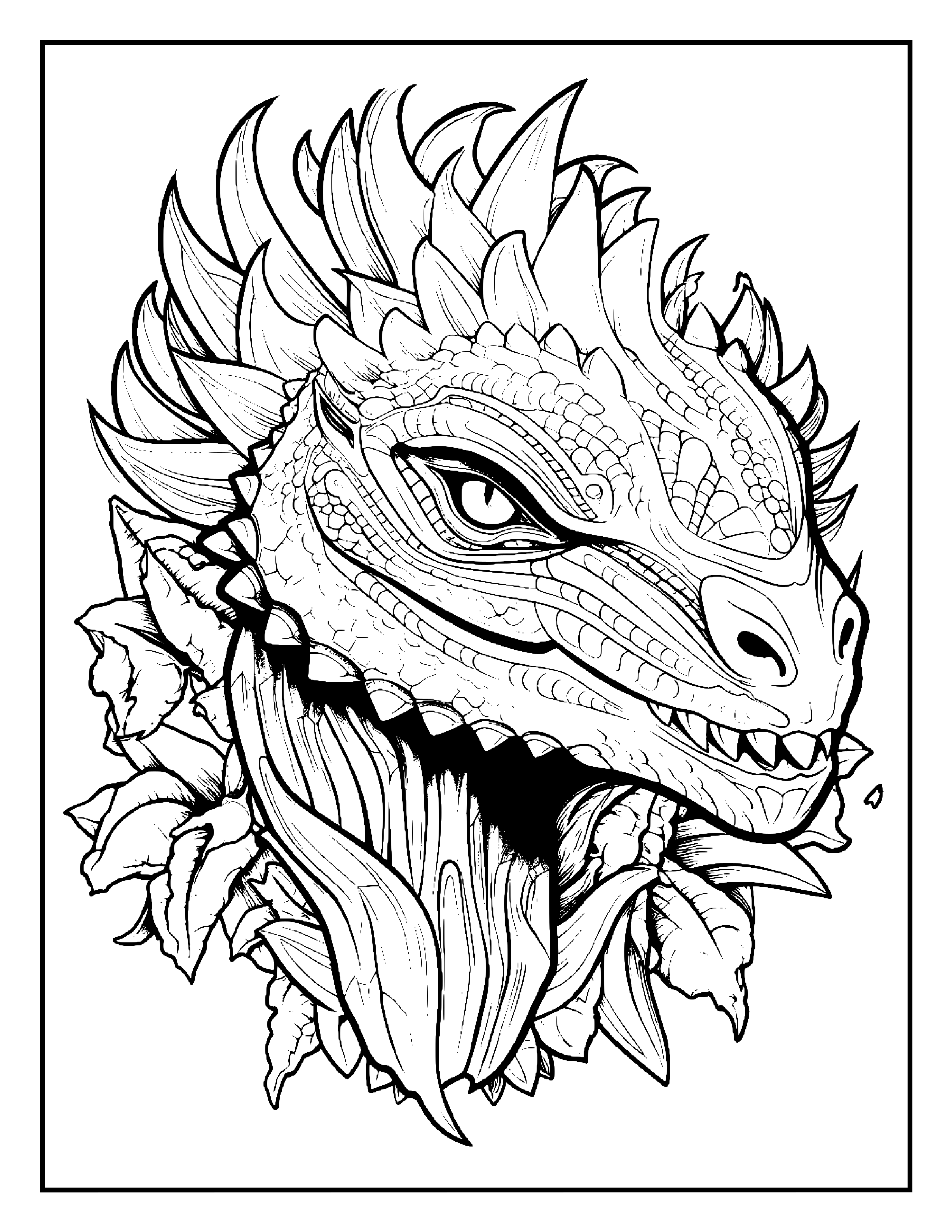
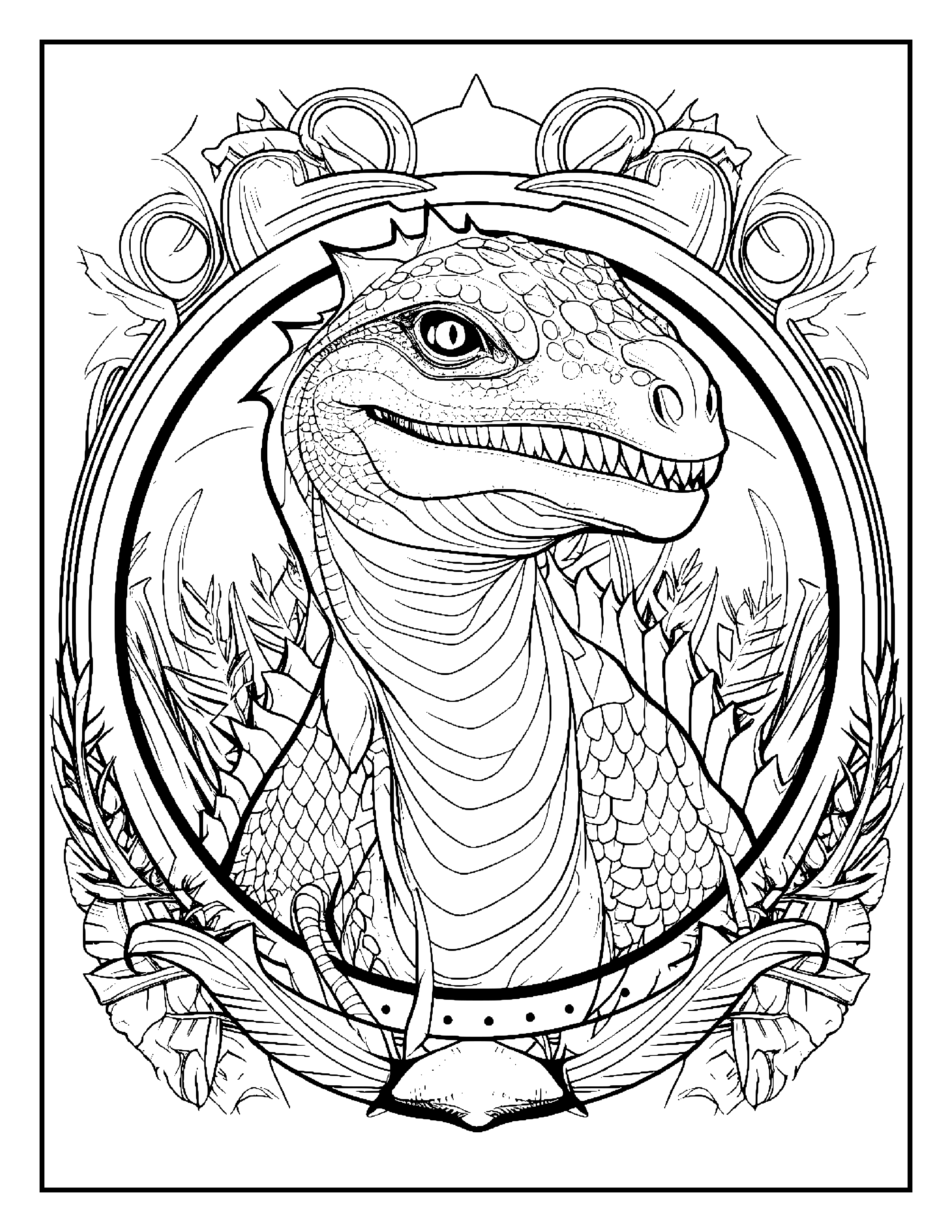
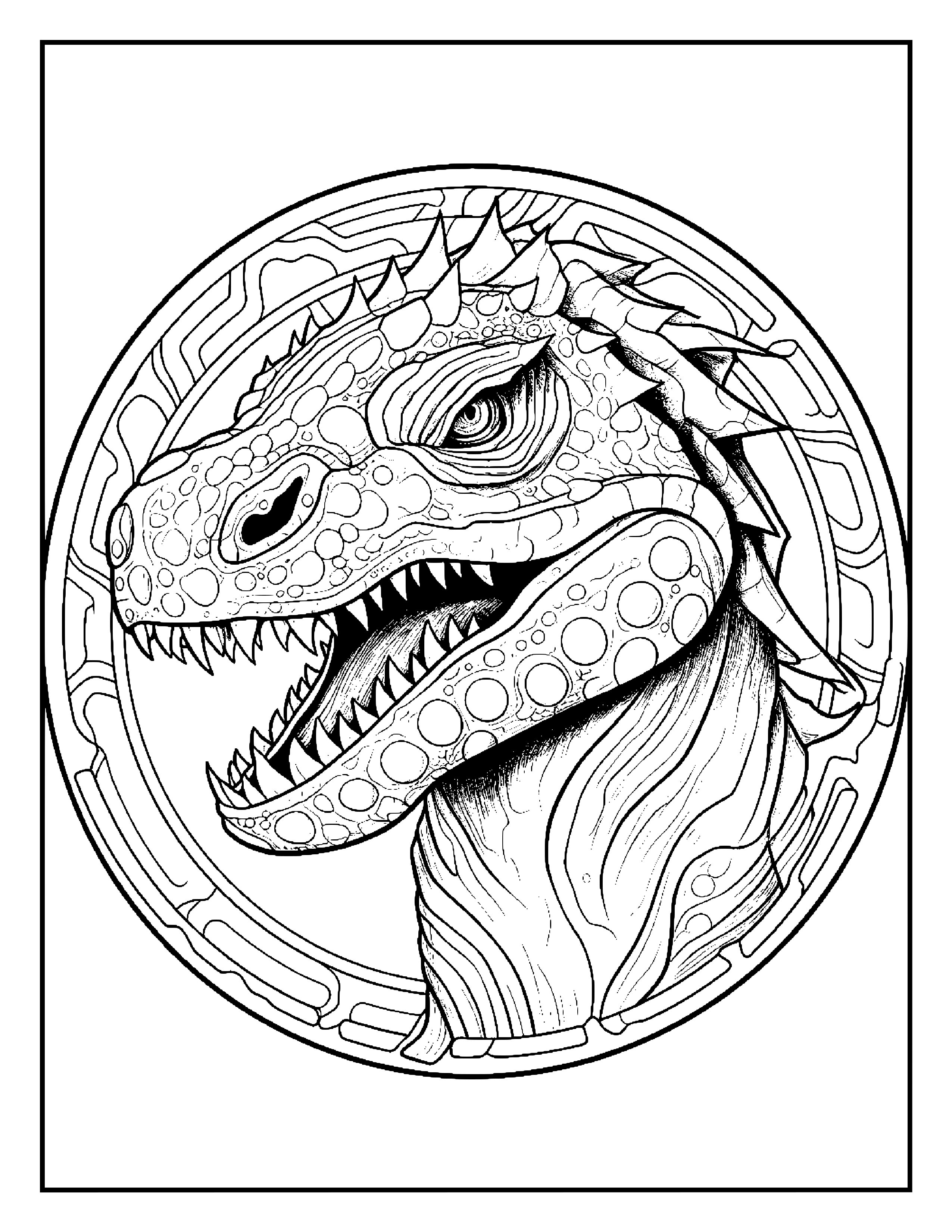
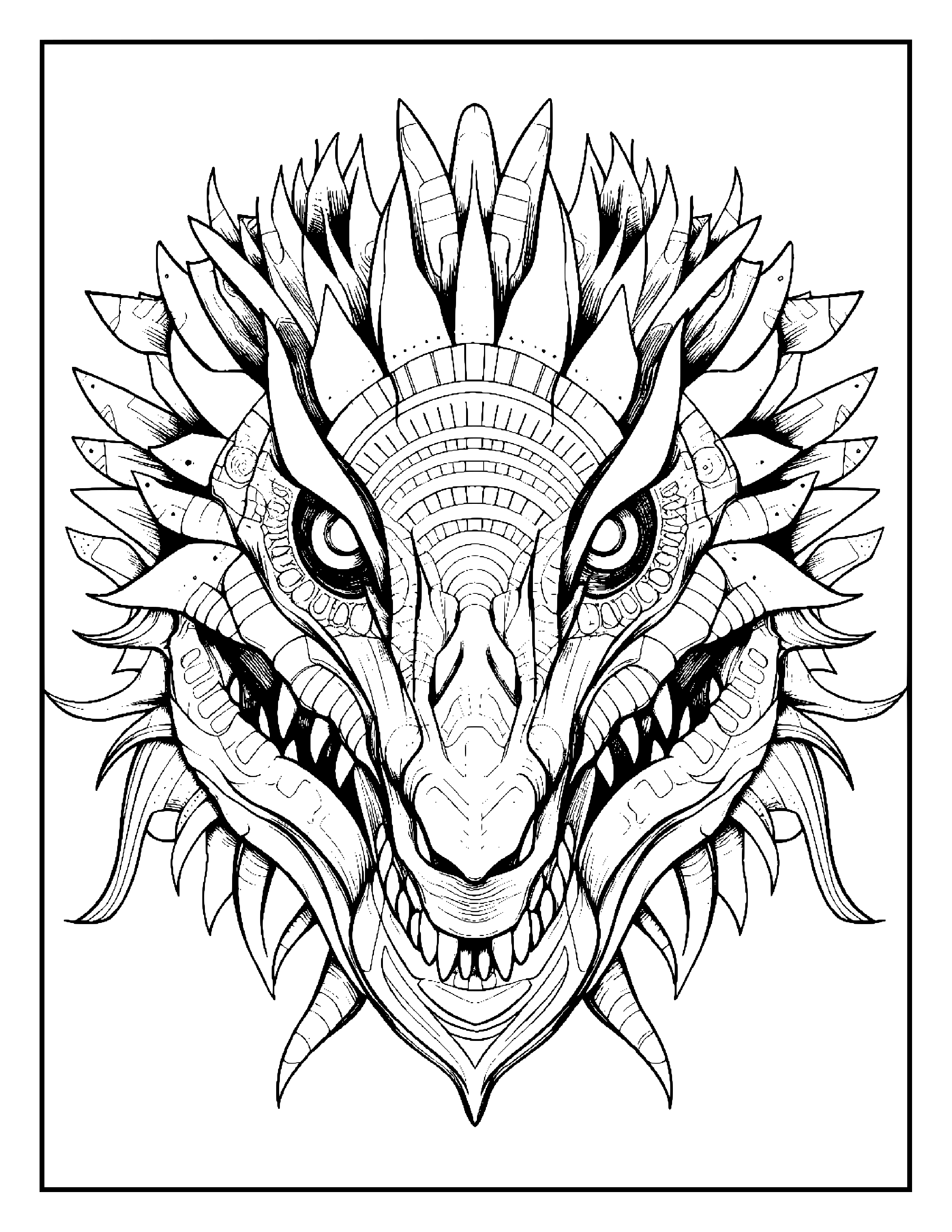
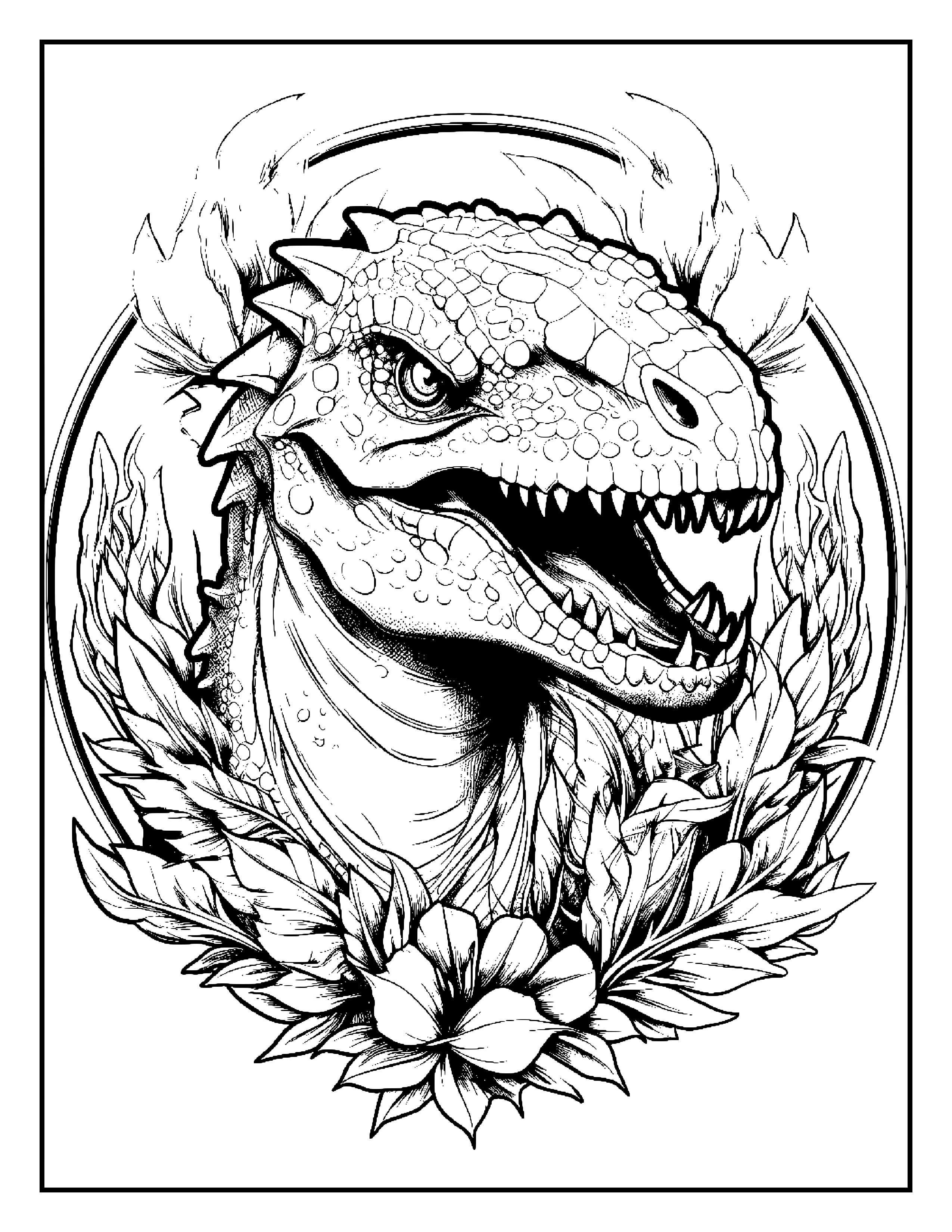
Ancient Dinosaur Portrait Mandala Coloring Page
Hard
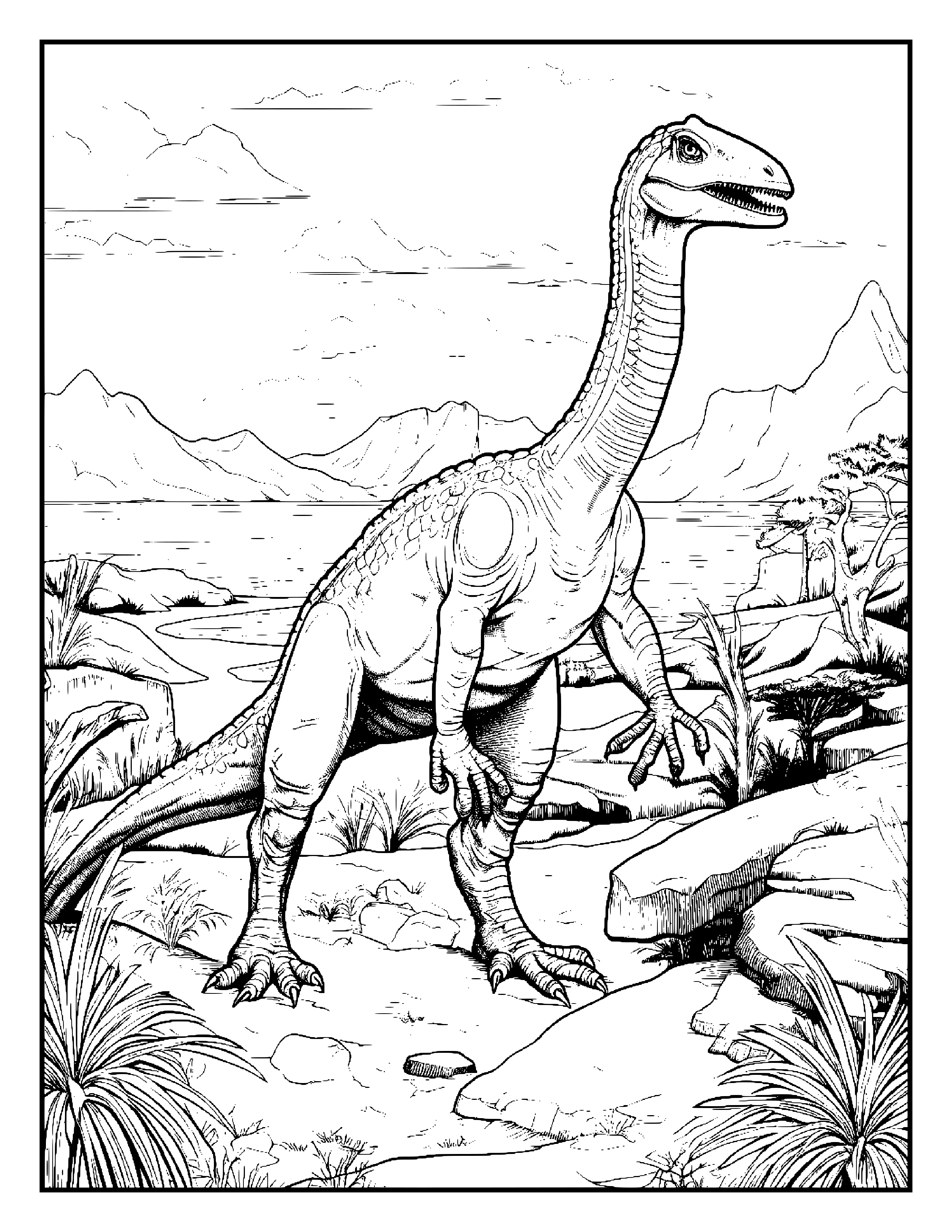
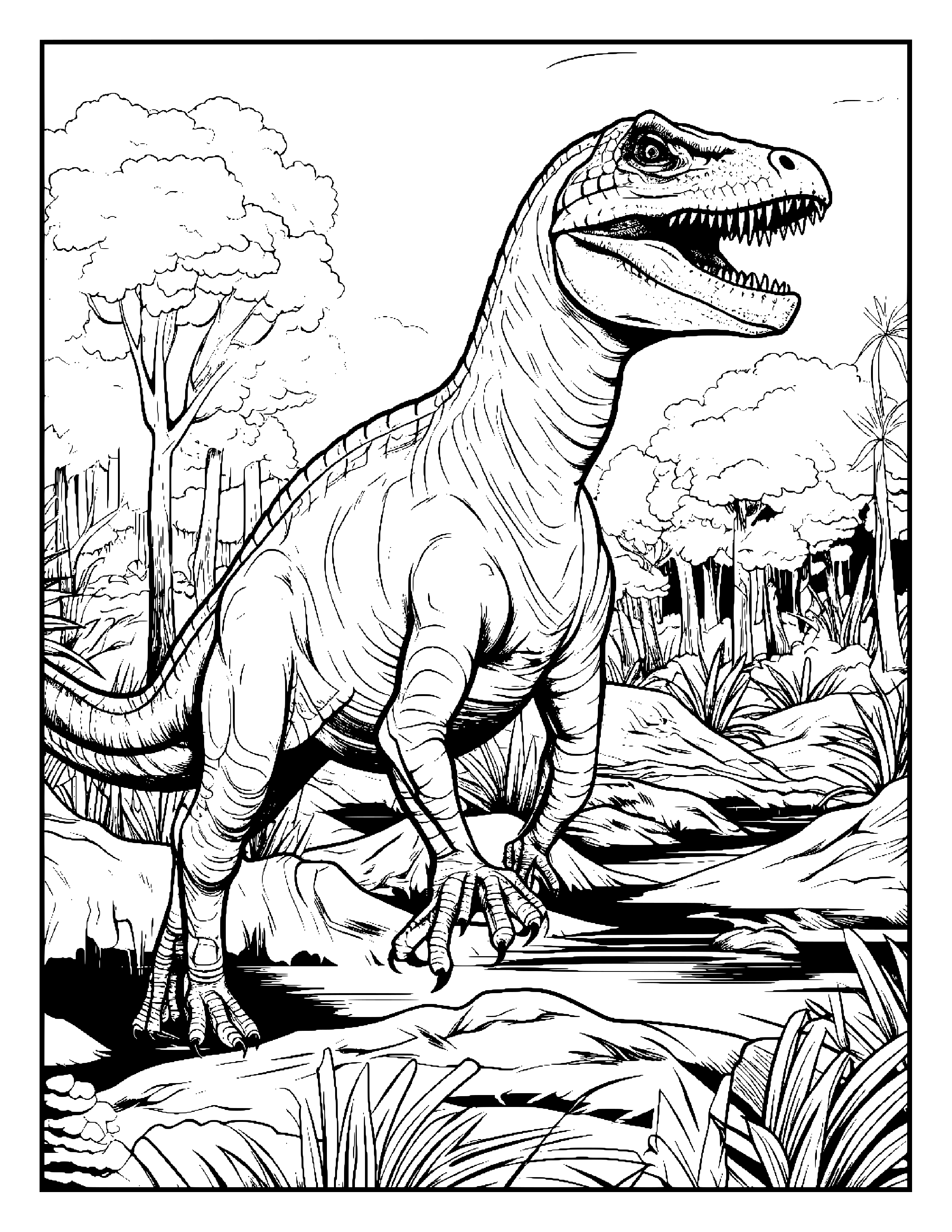
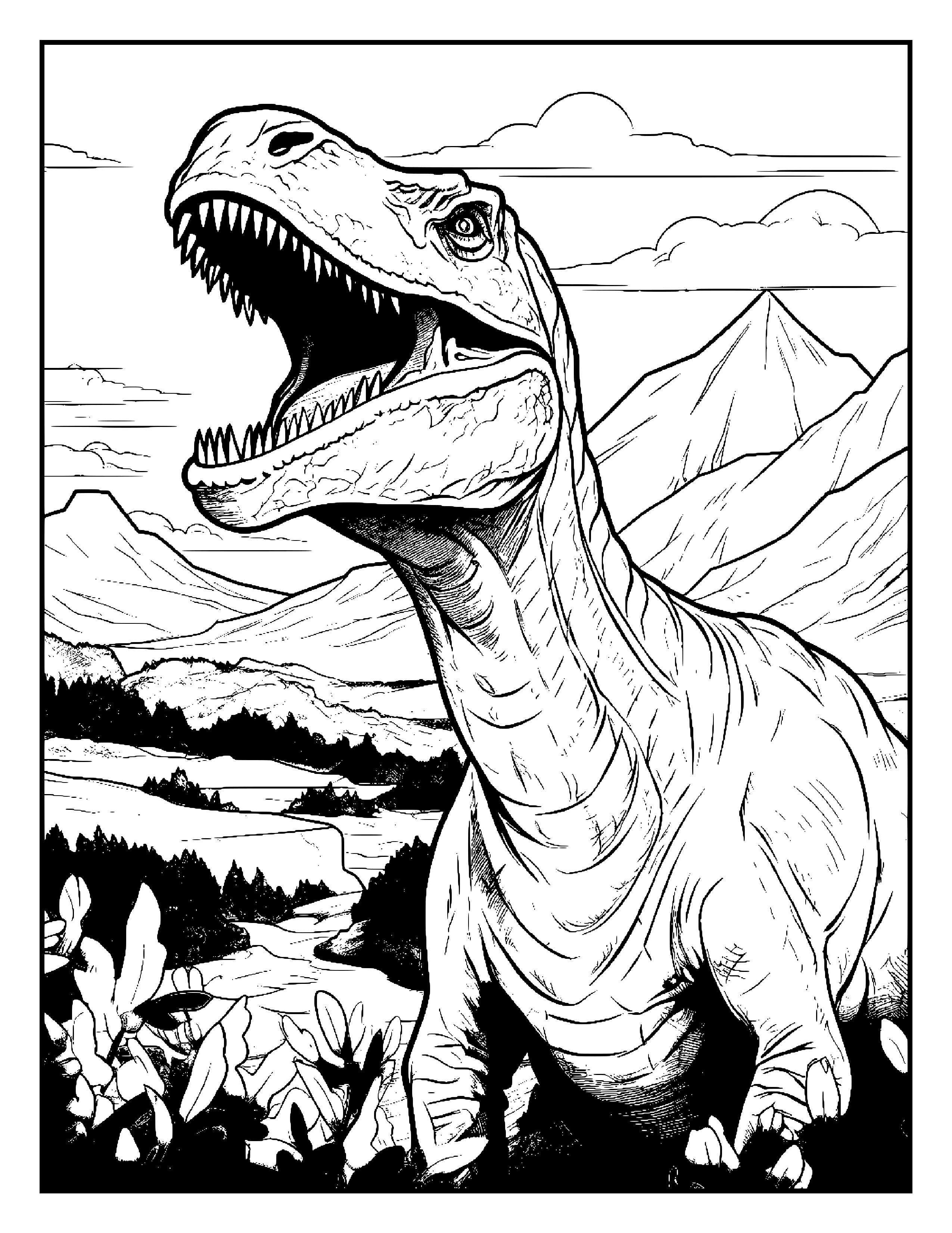
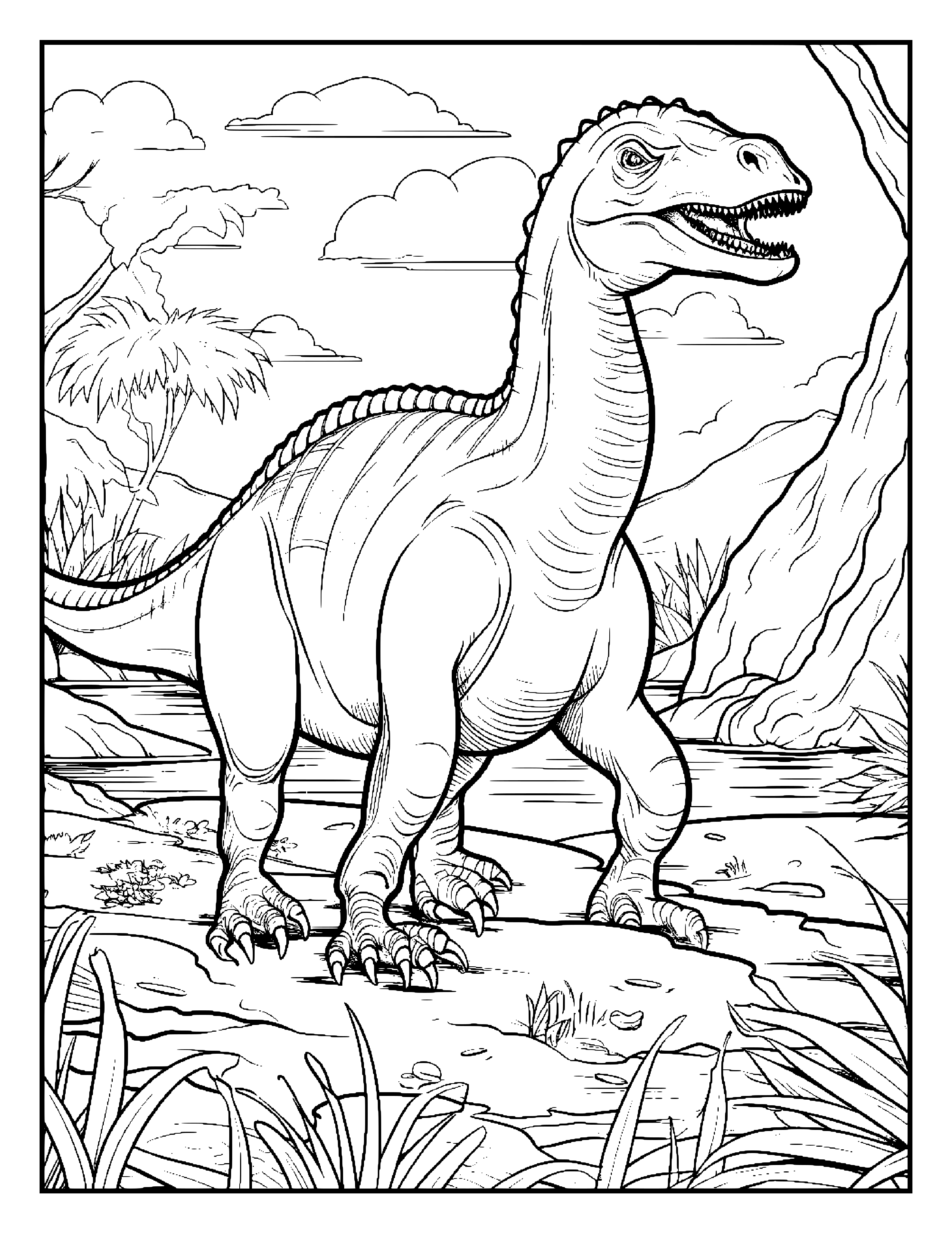
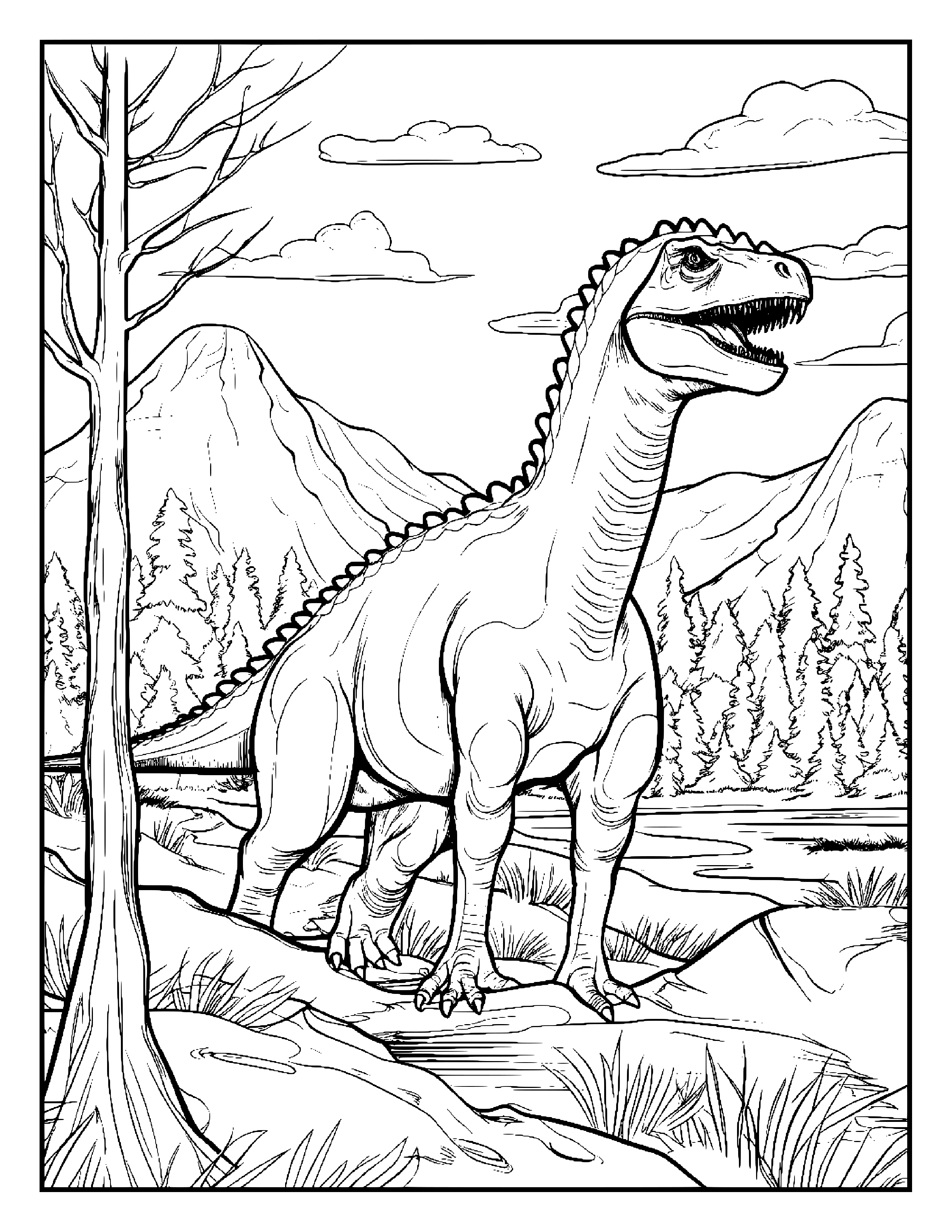
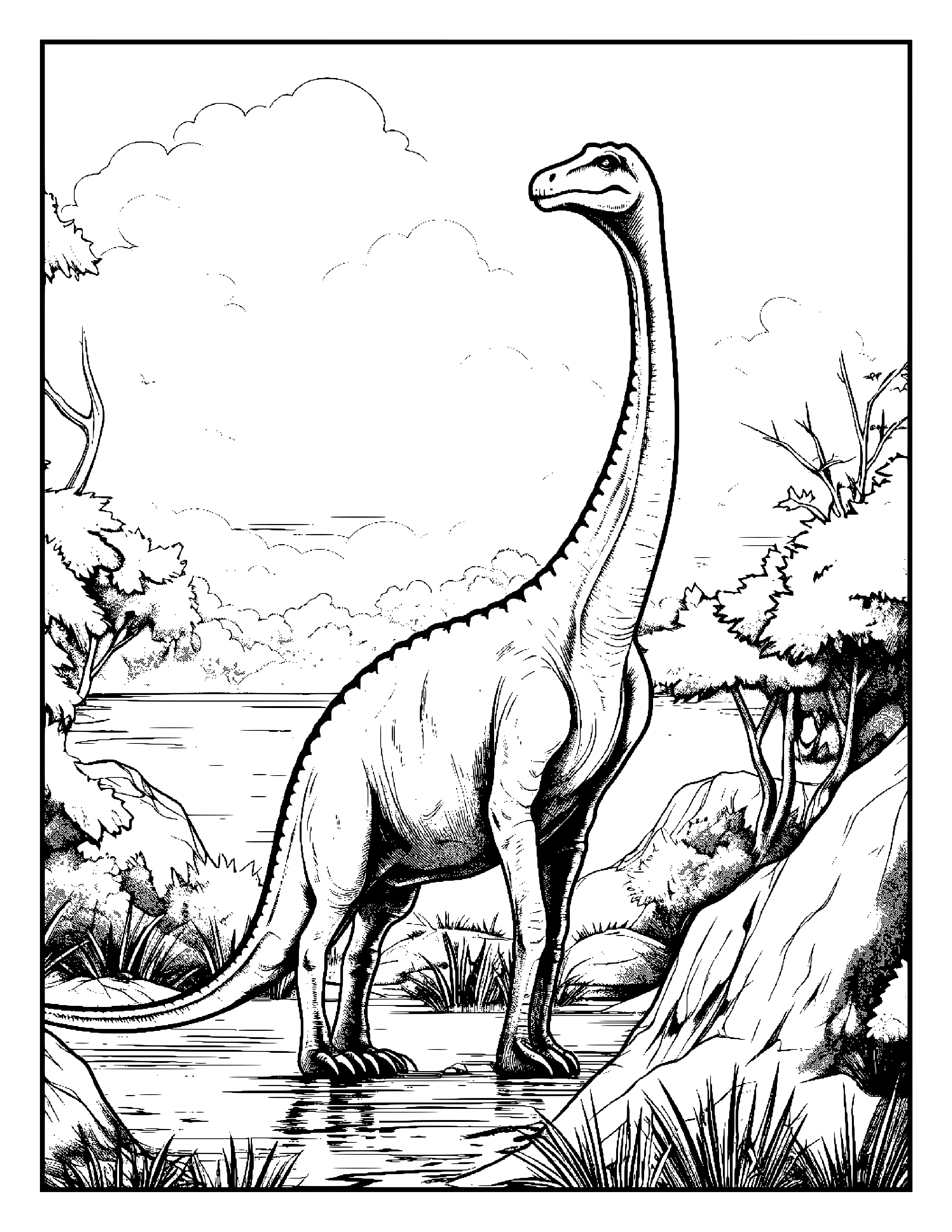
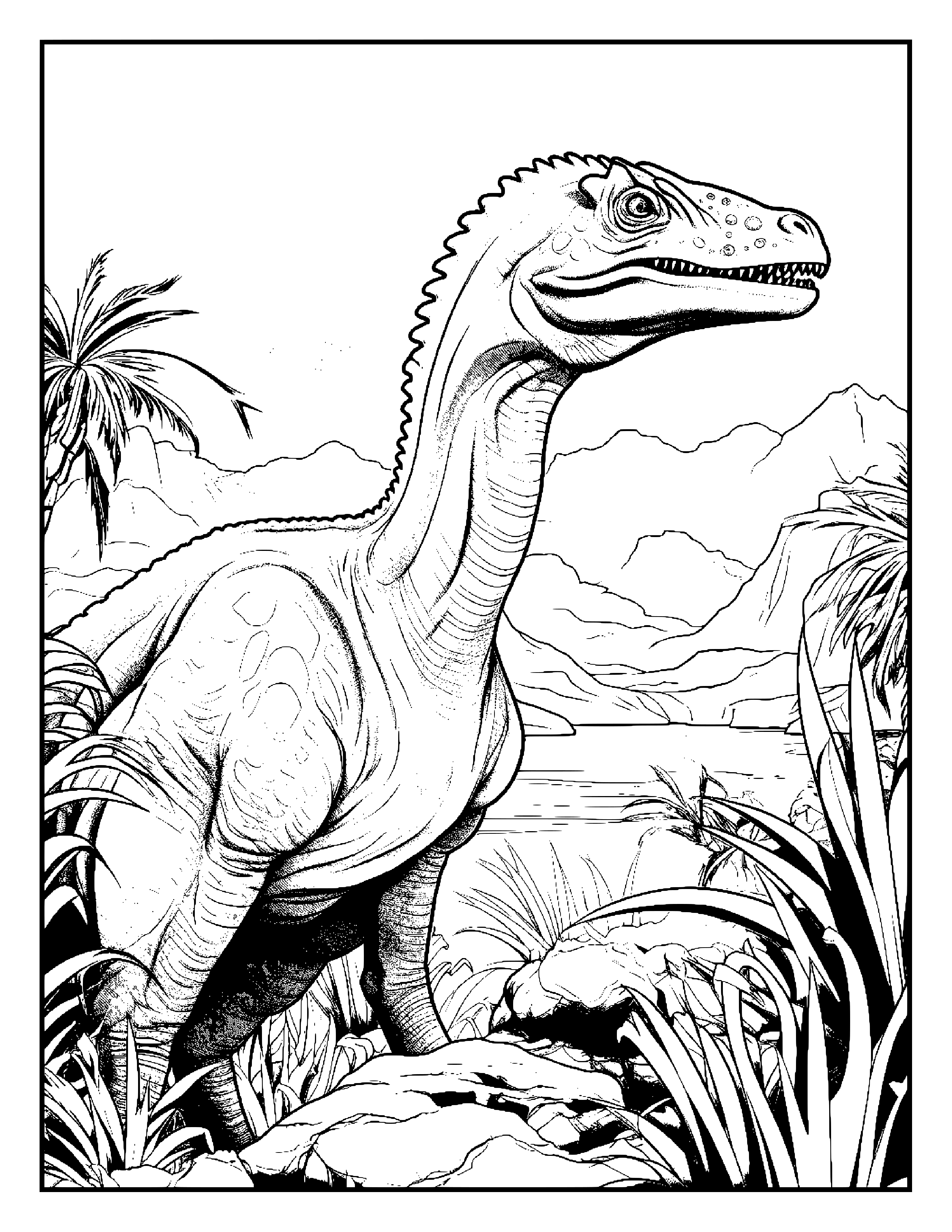
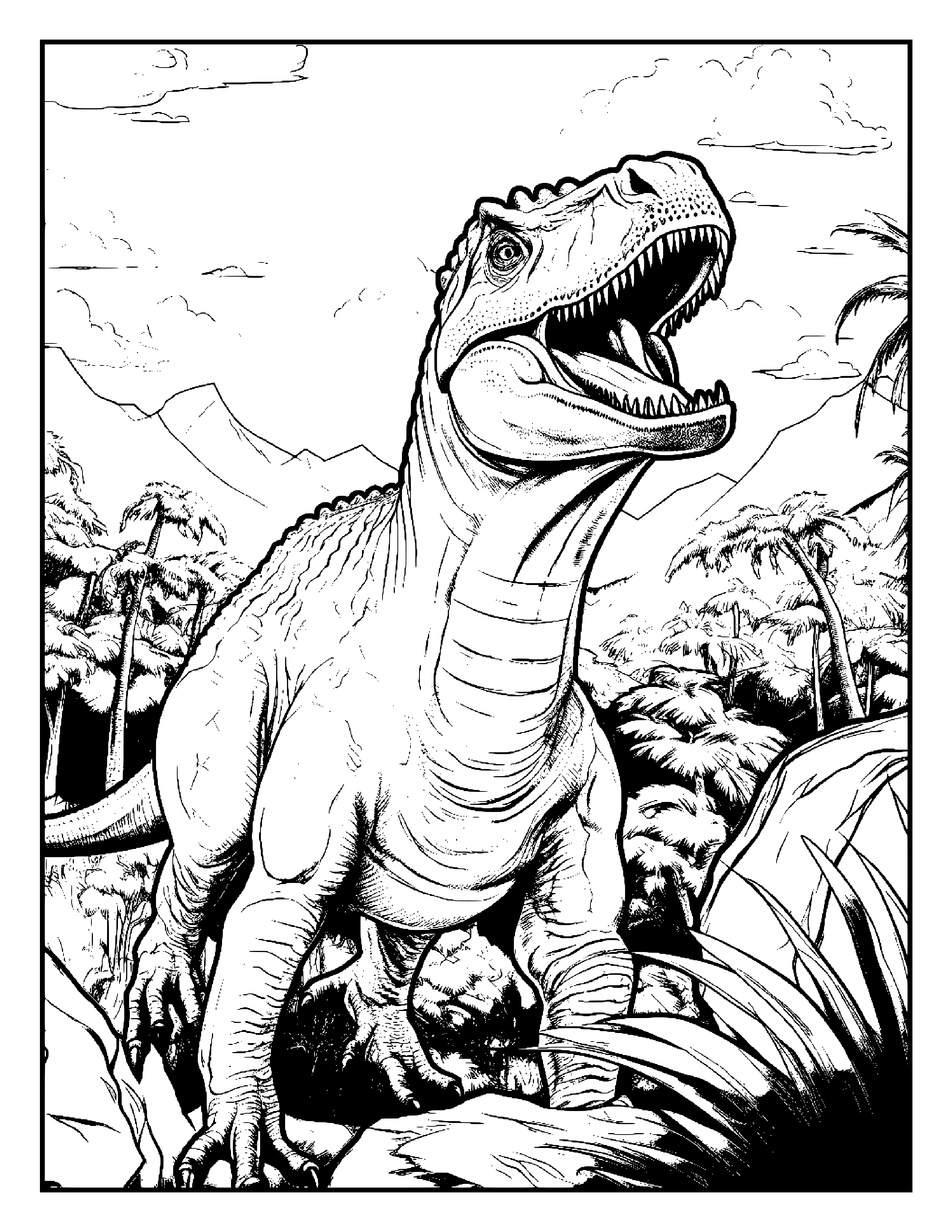
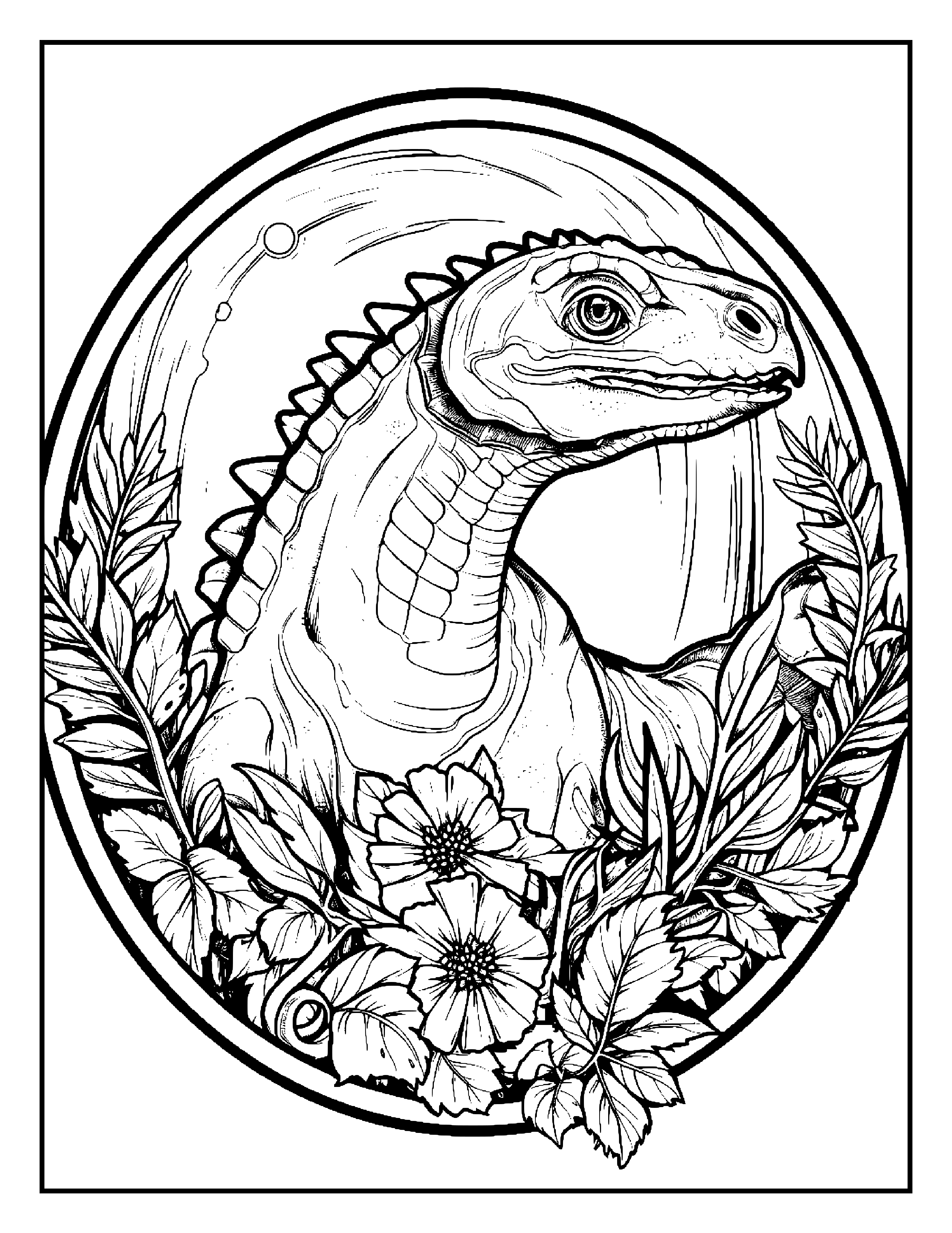
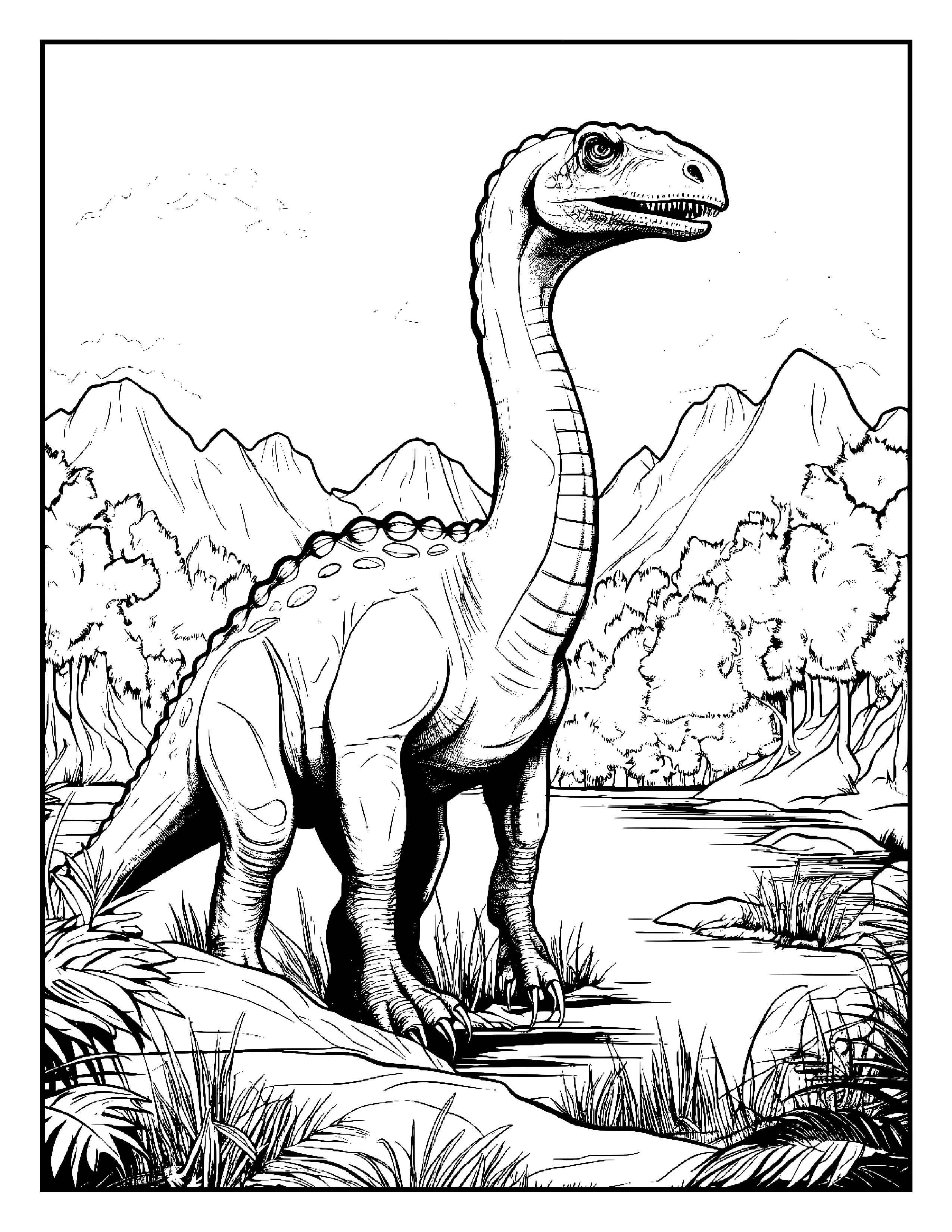
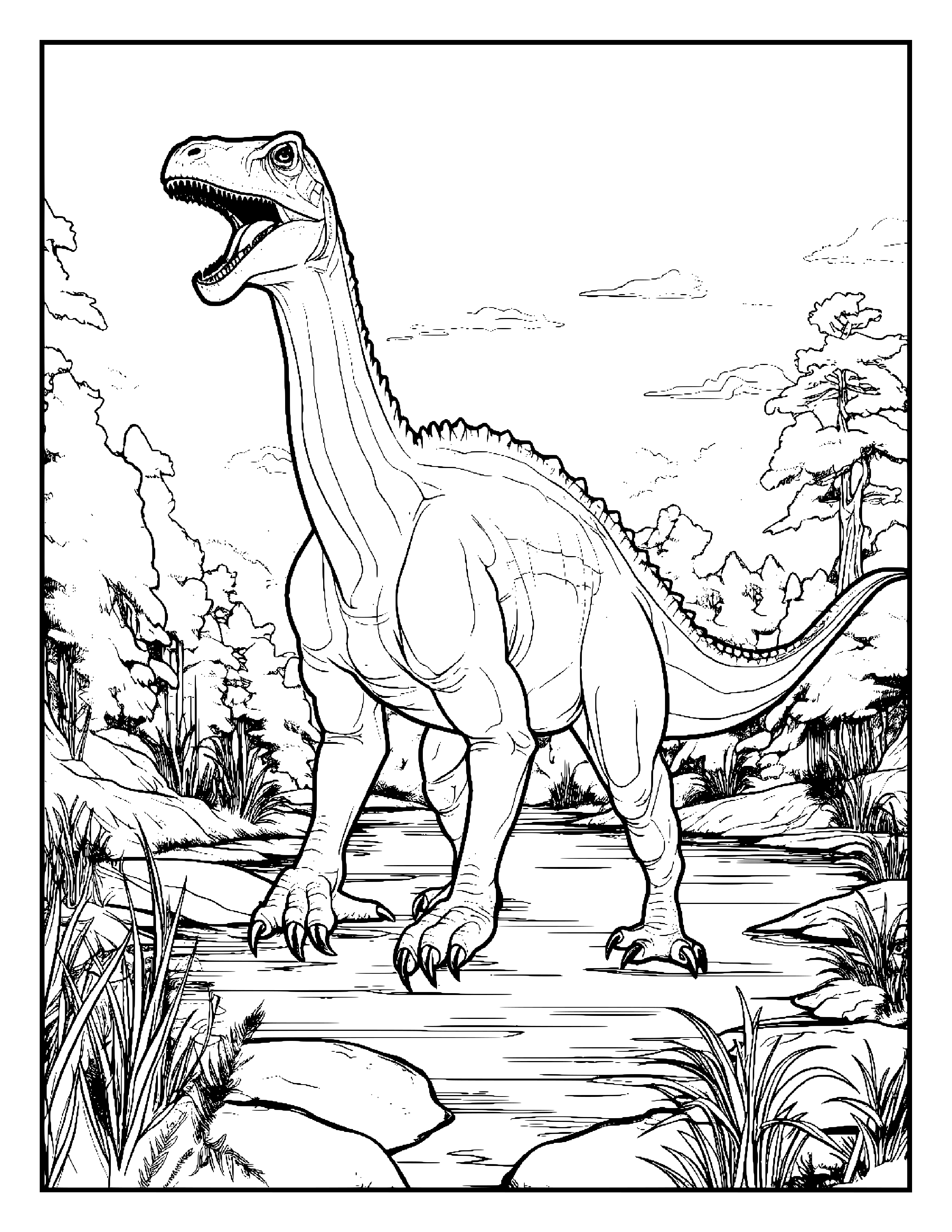
Realistic Dinosaur by the River Coloring Page
Medium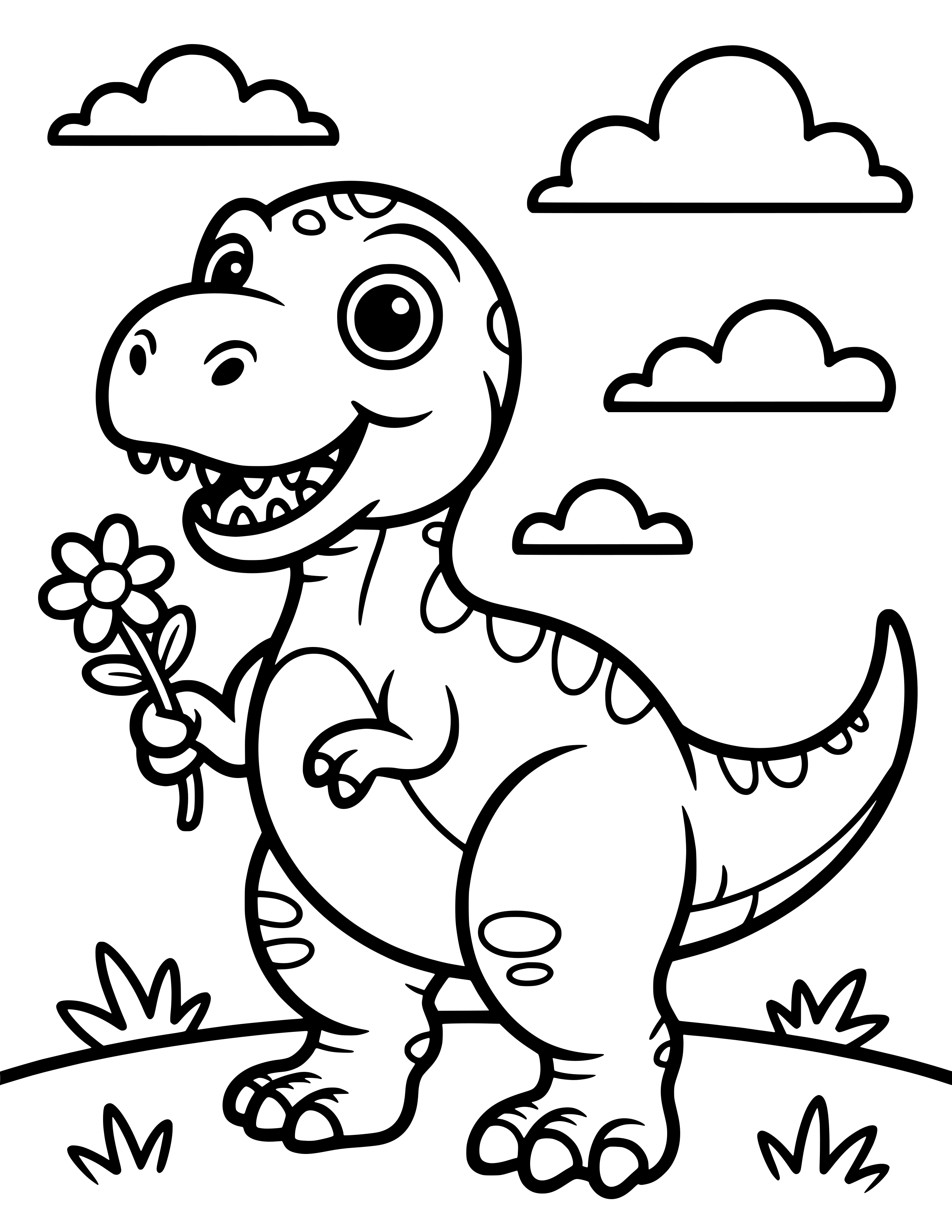

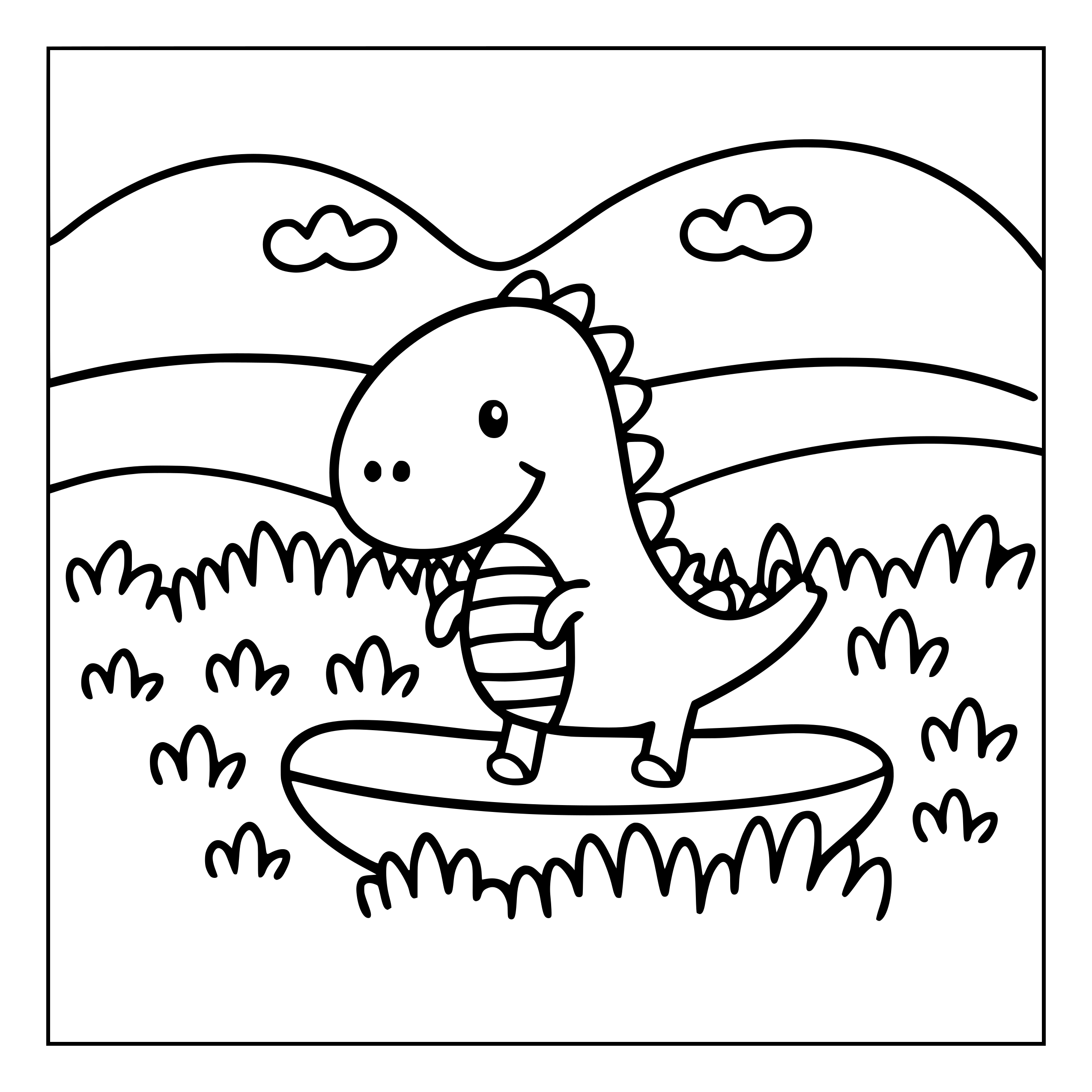

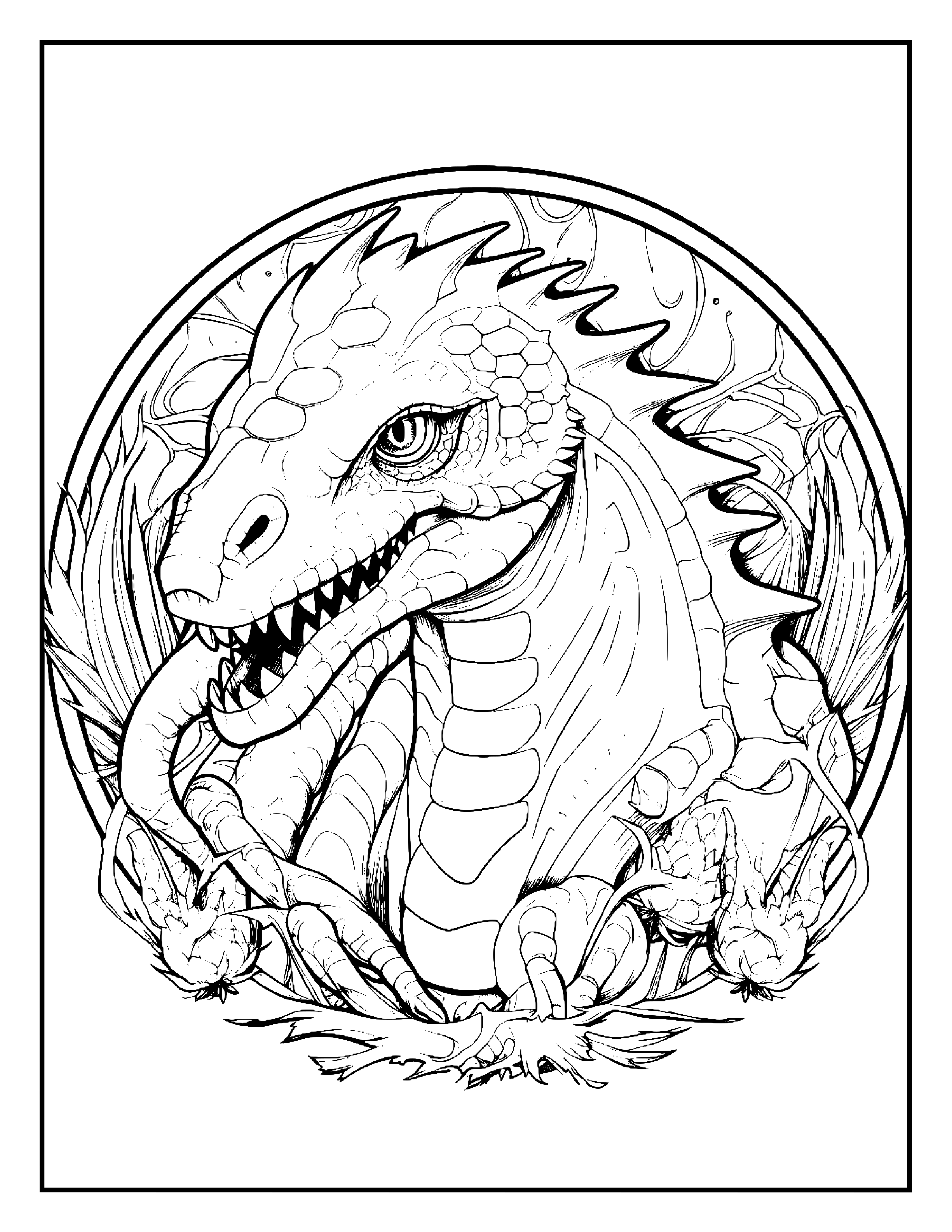

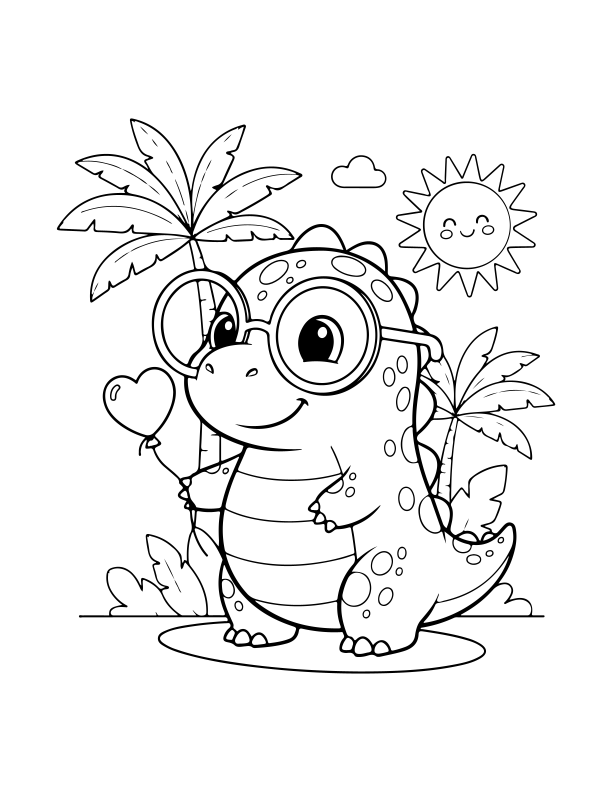

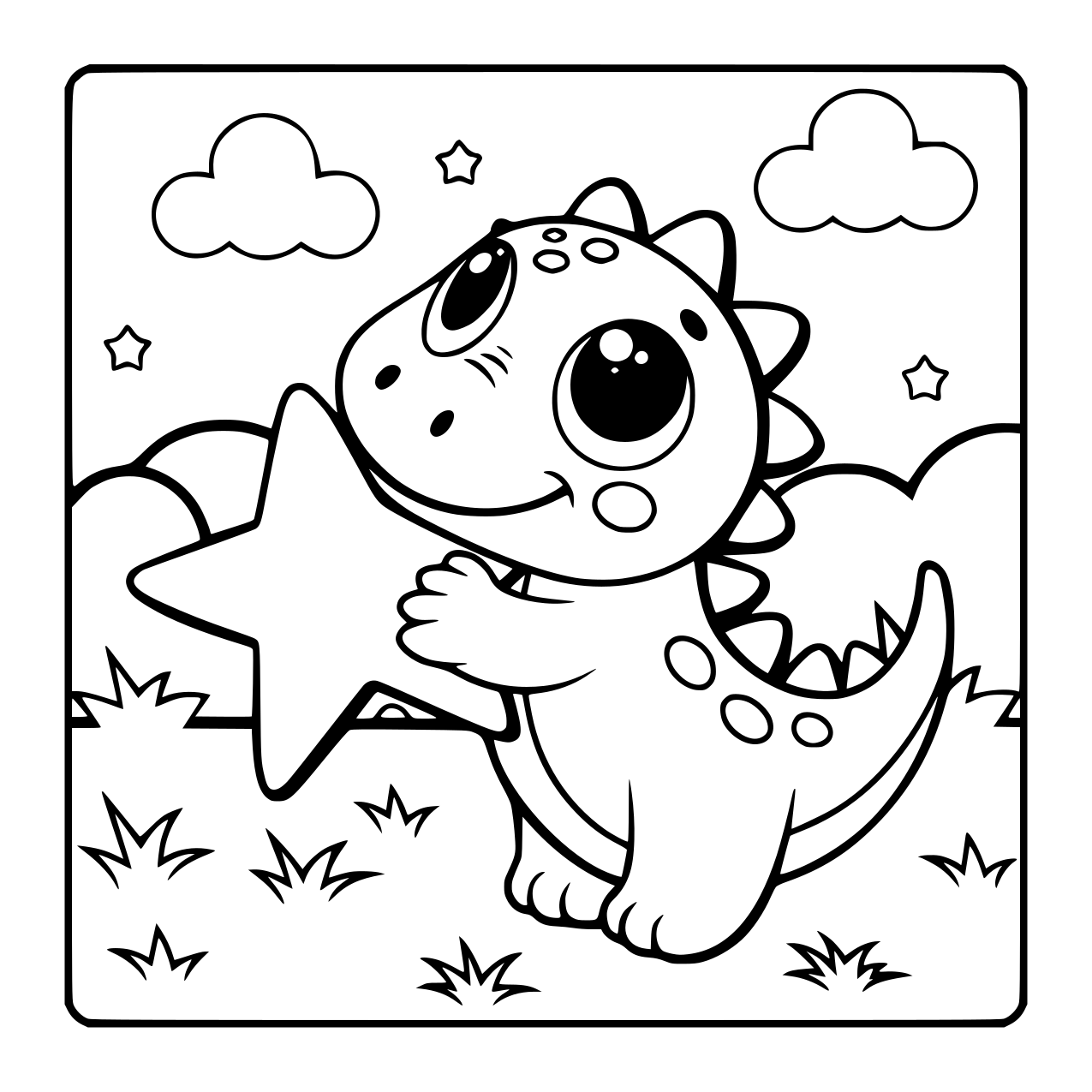


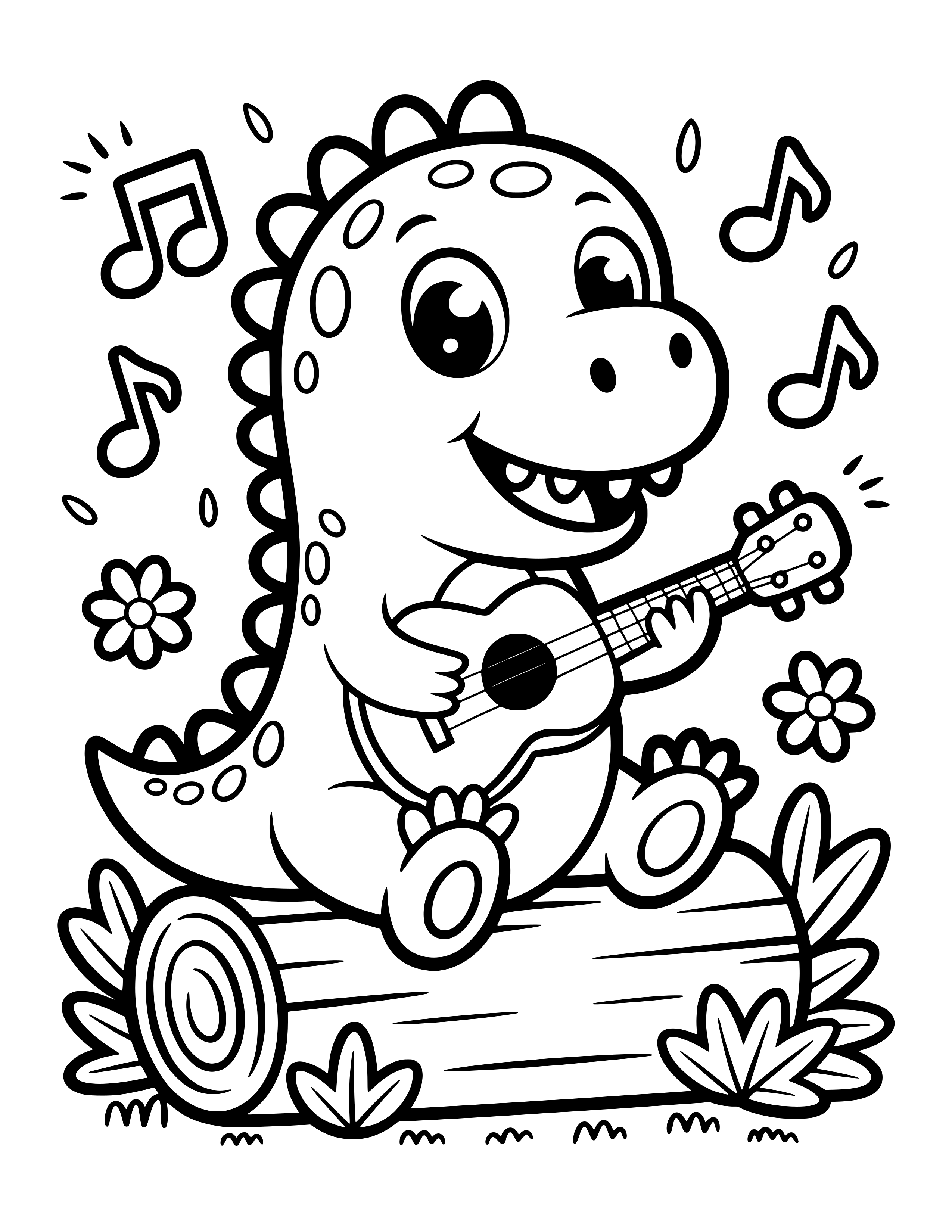
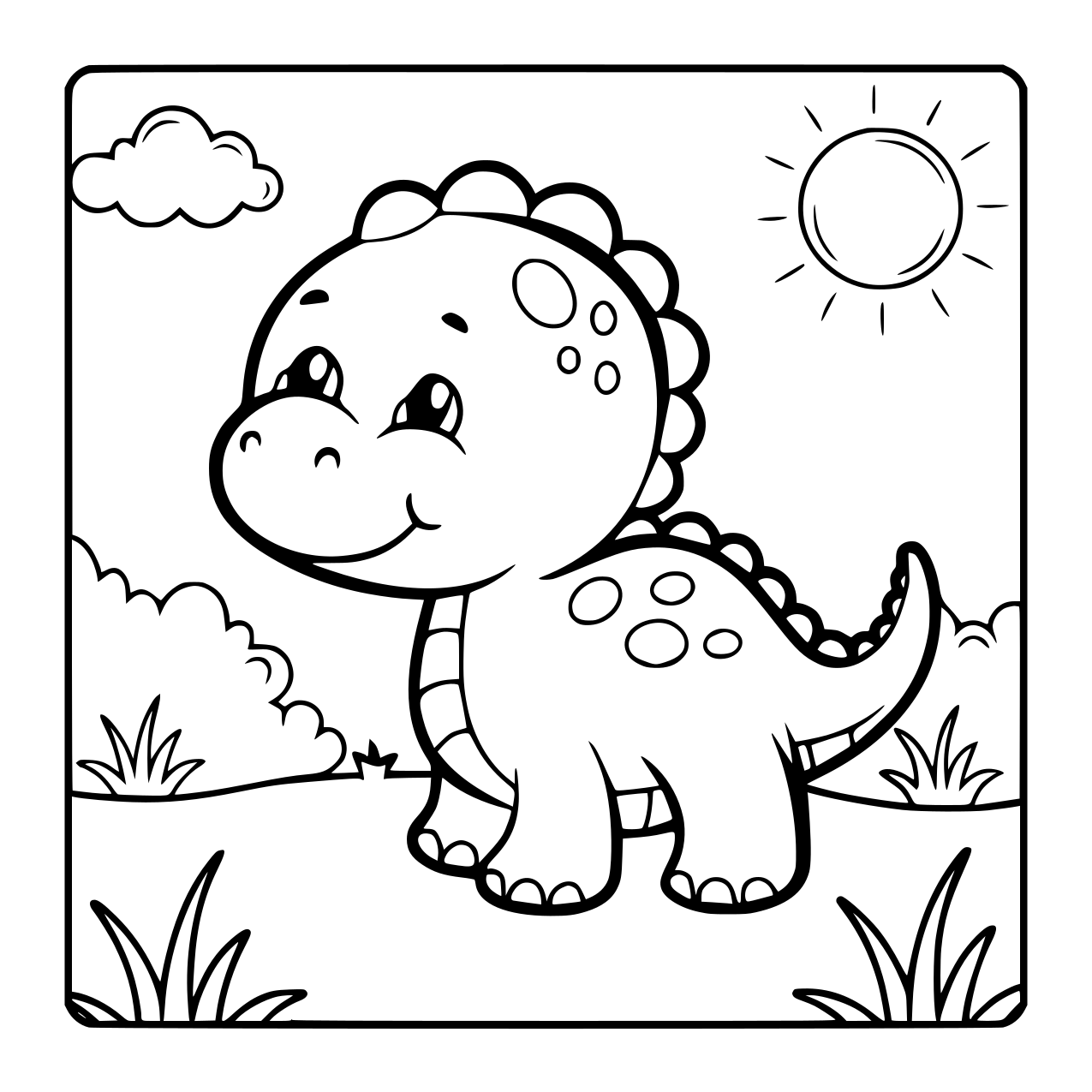
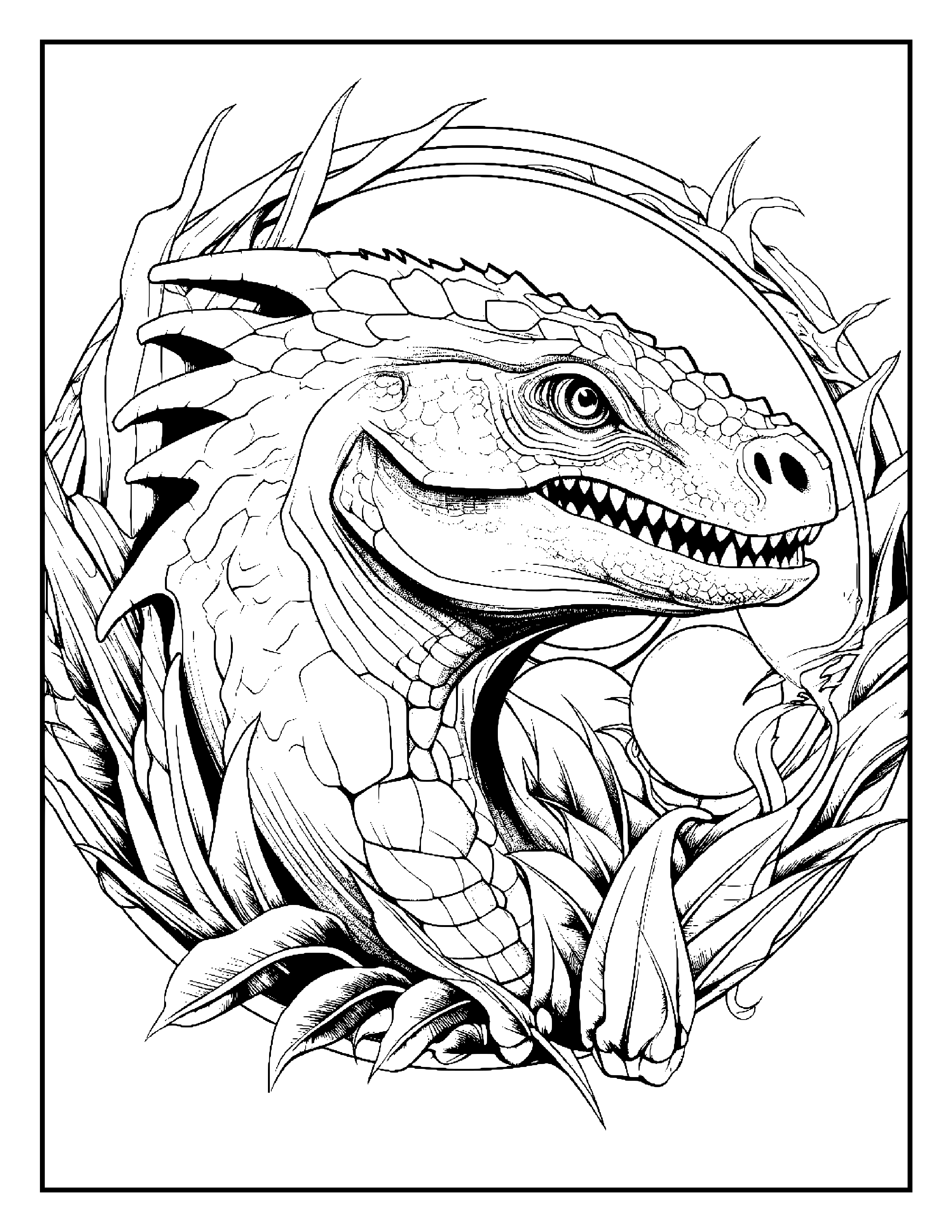
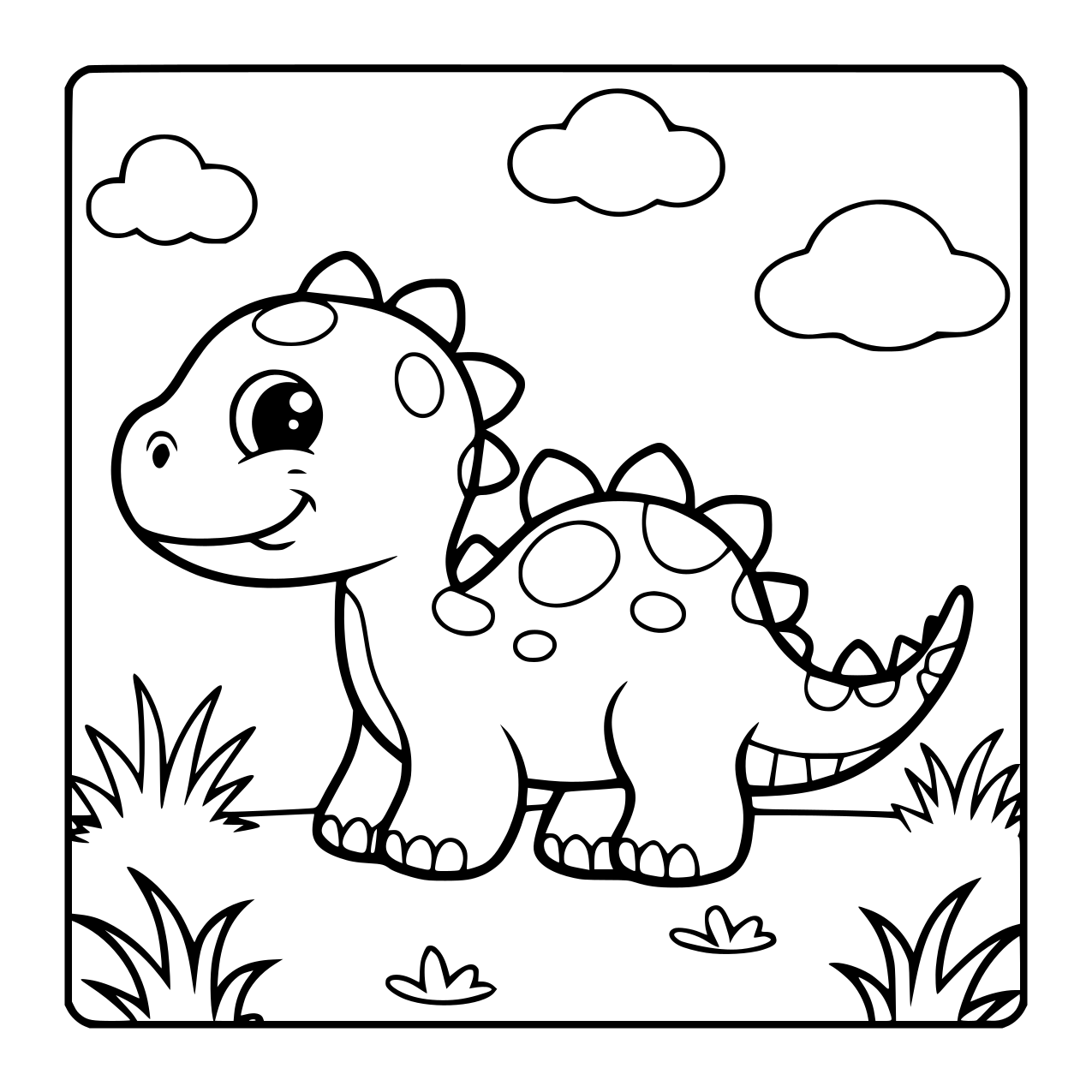
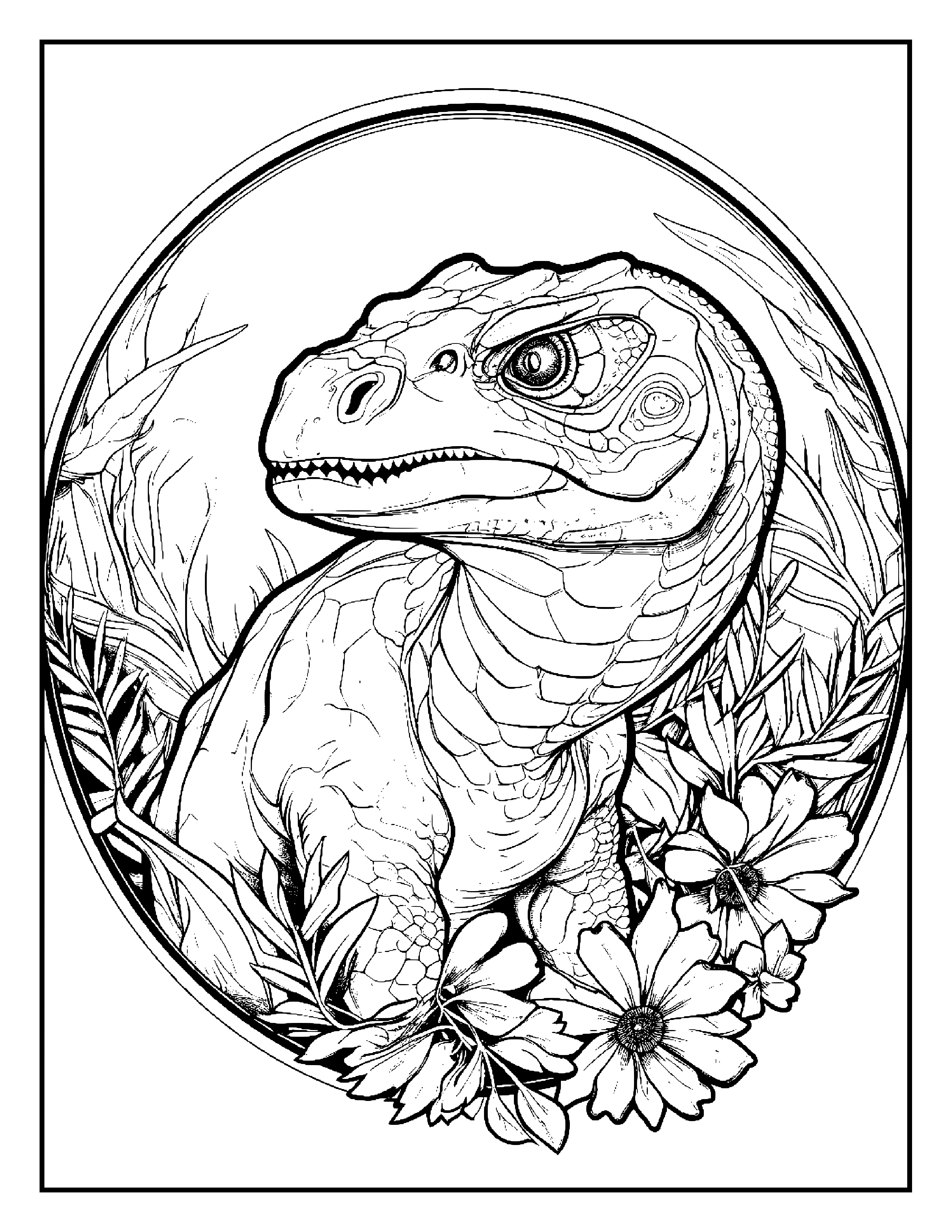
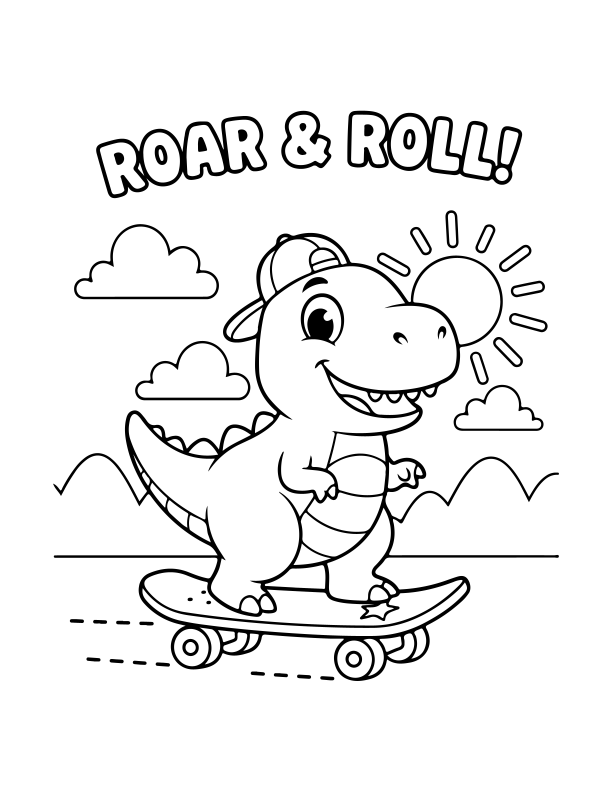
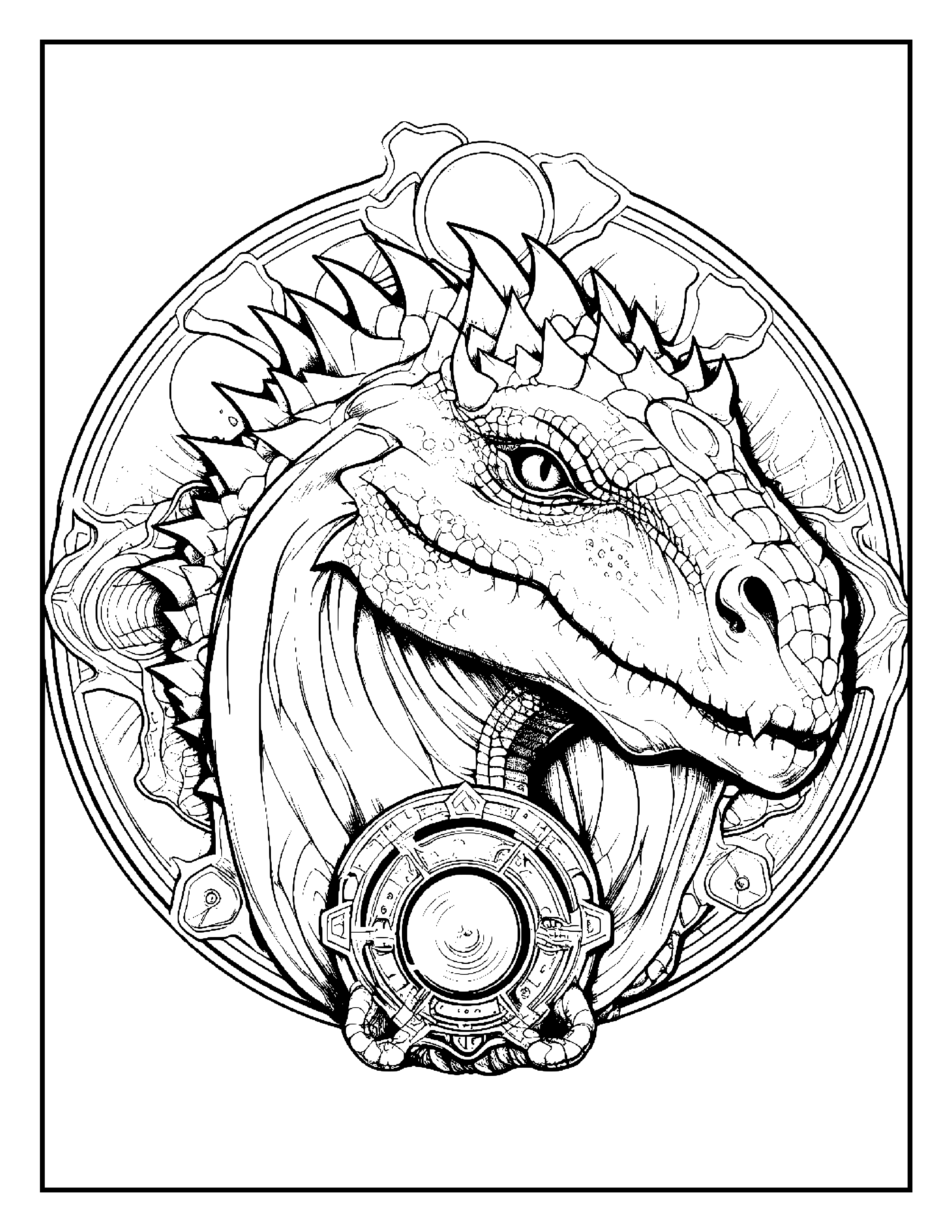
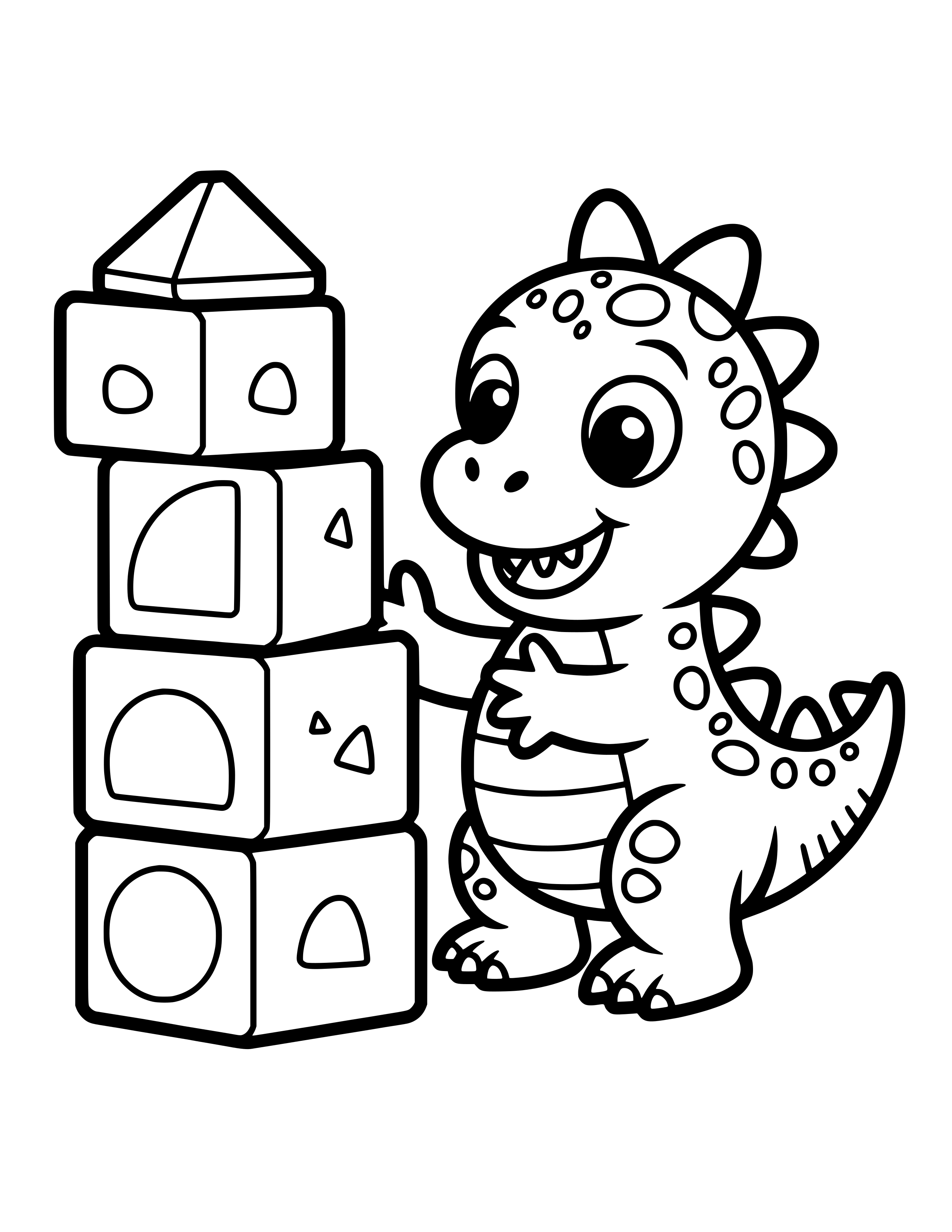
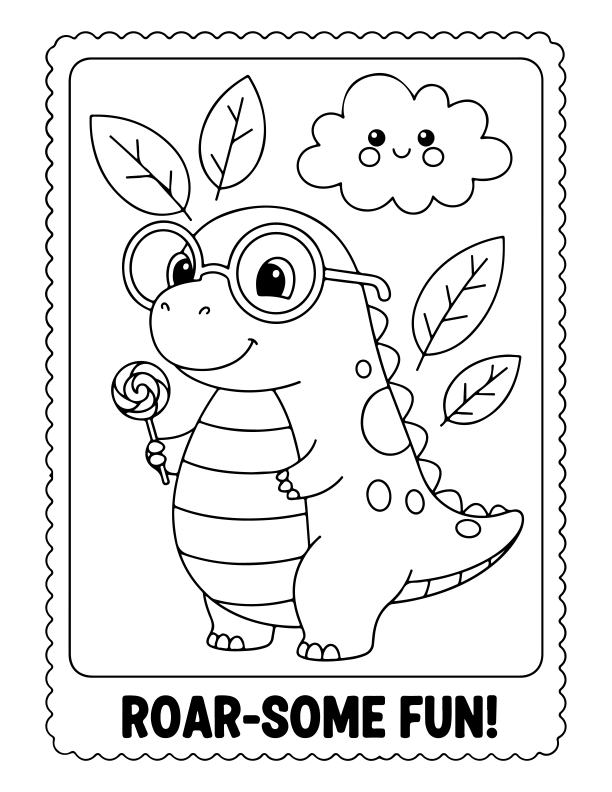
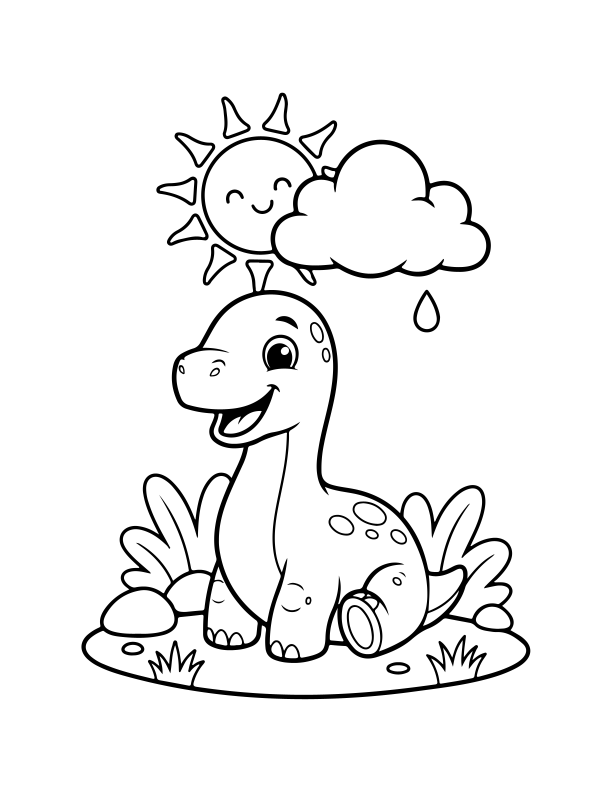
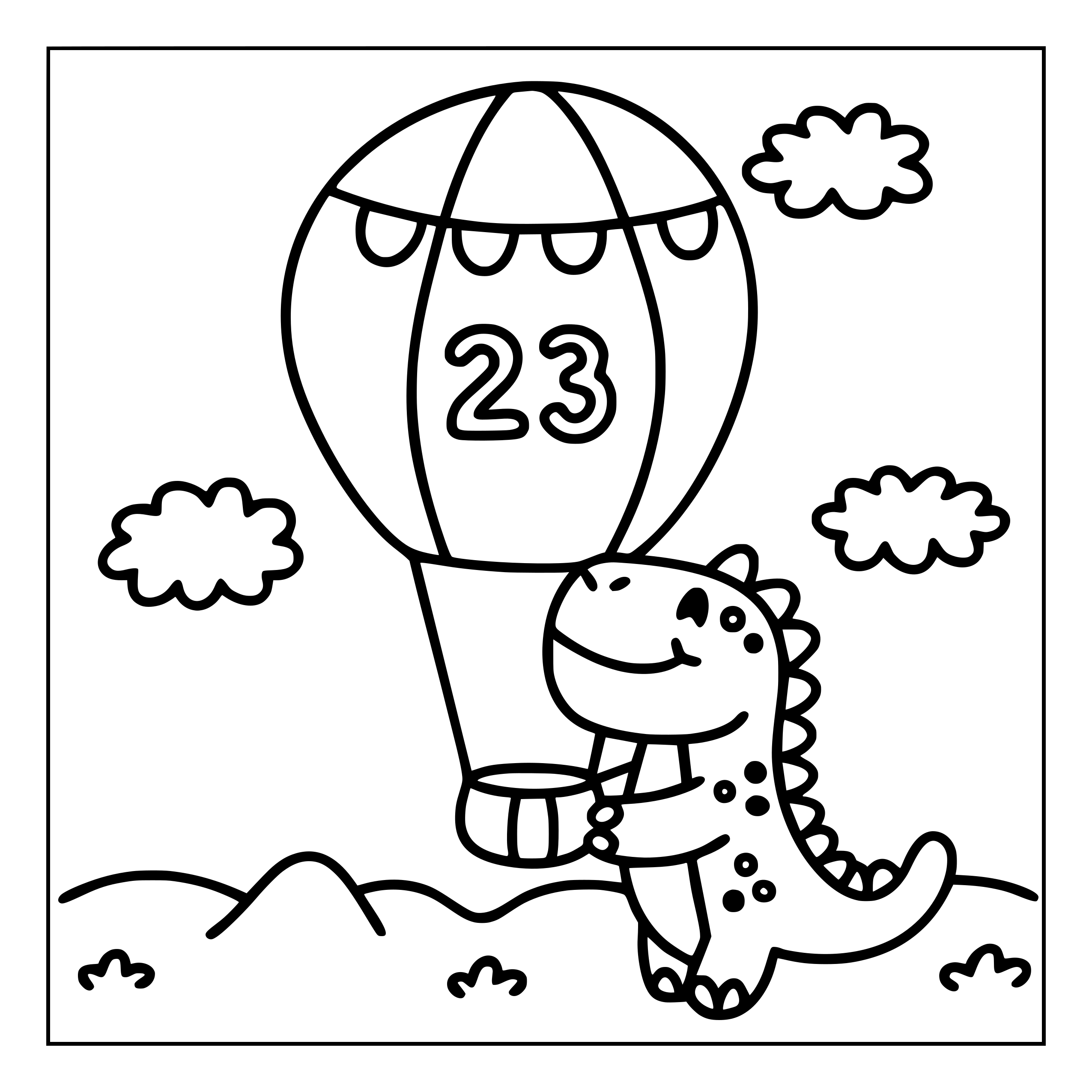


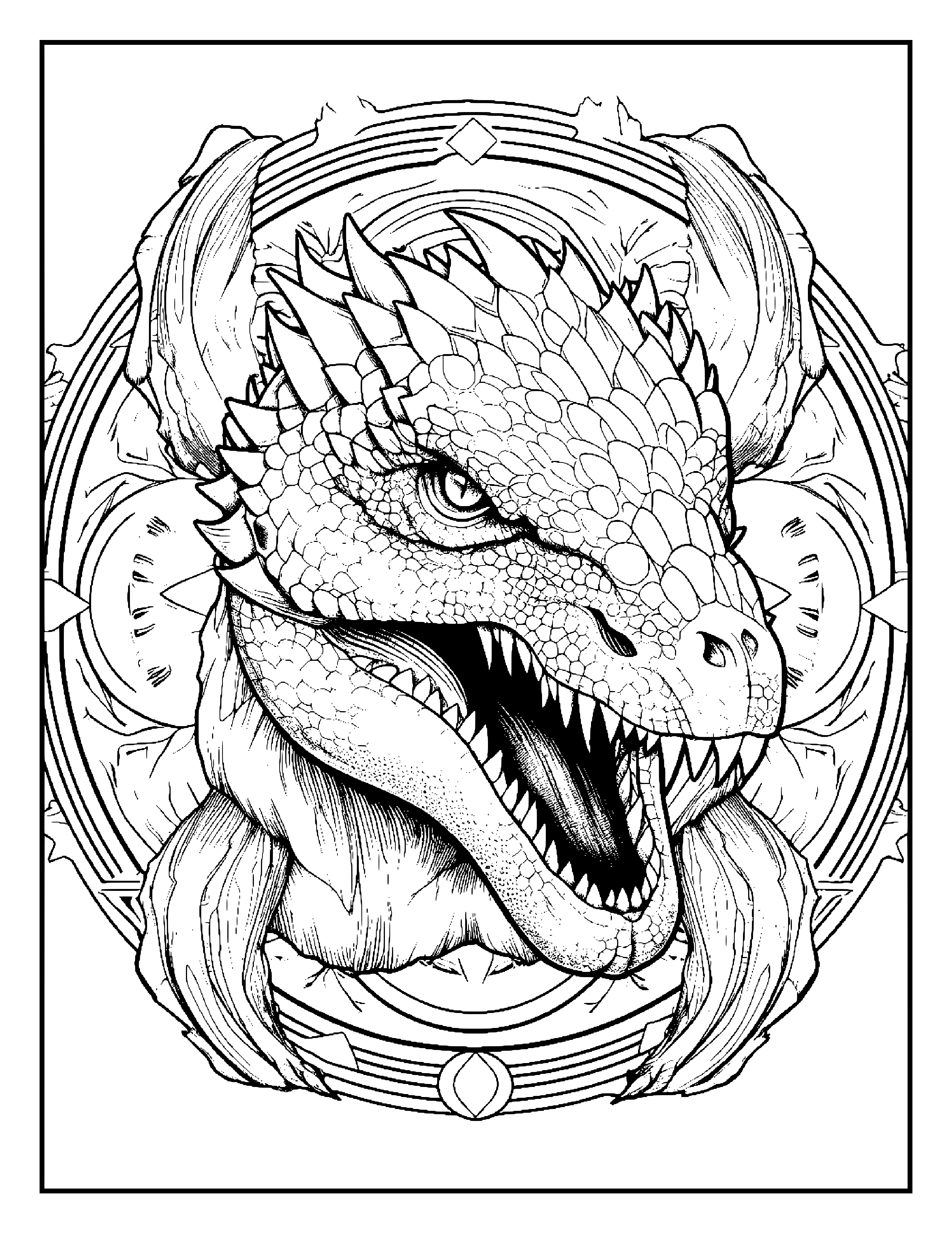
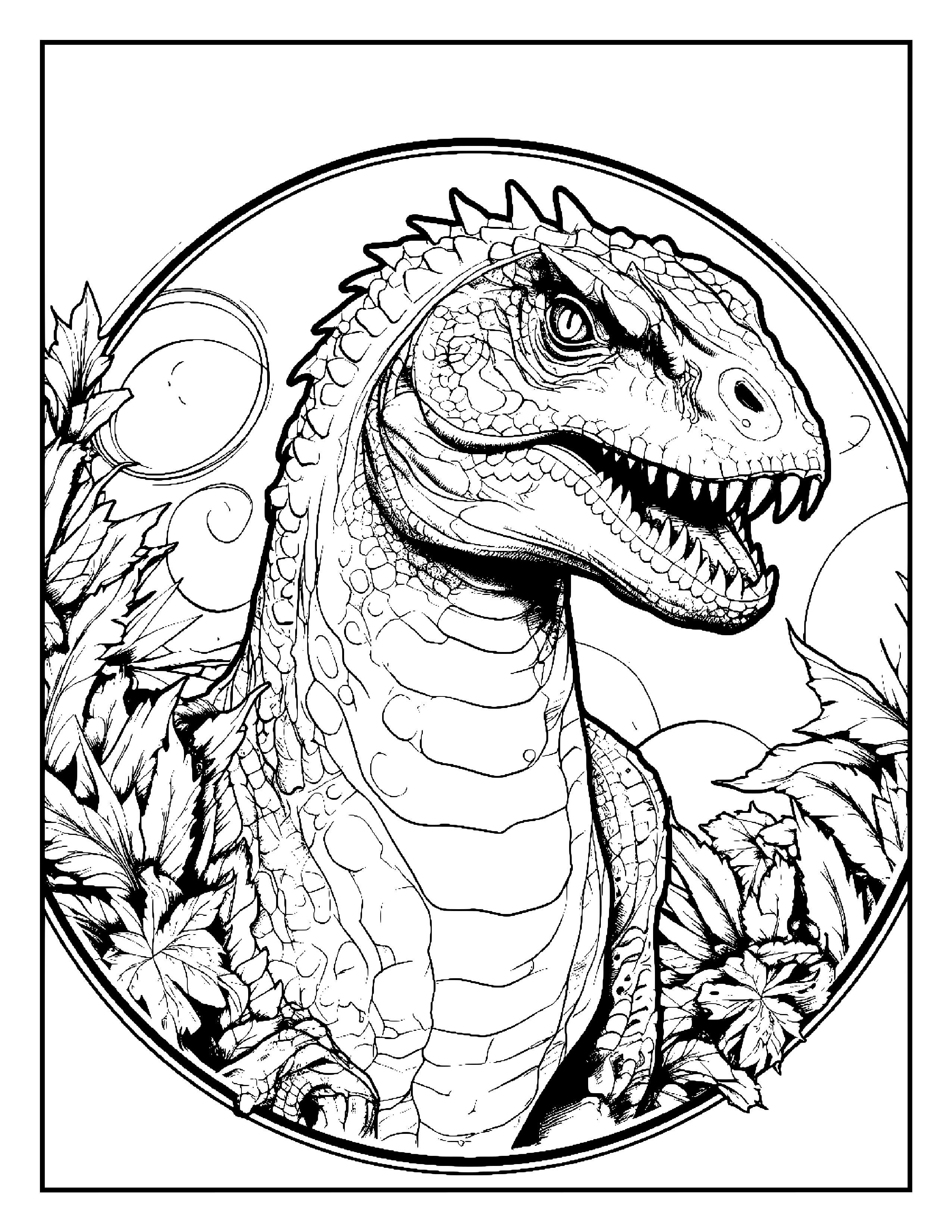

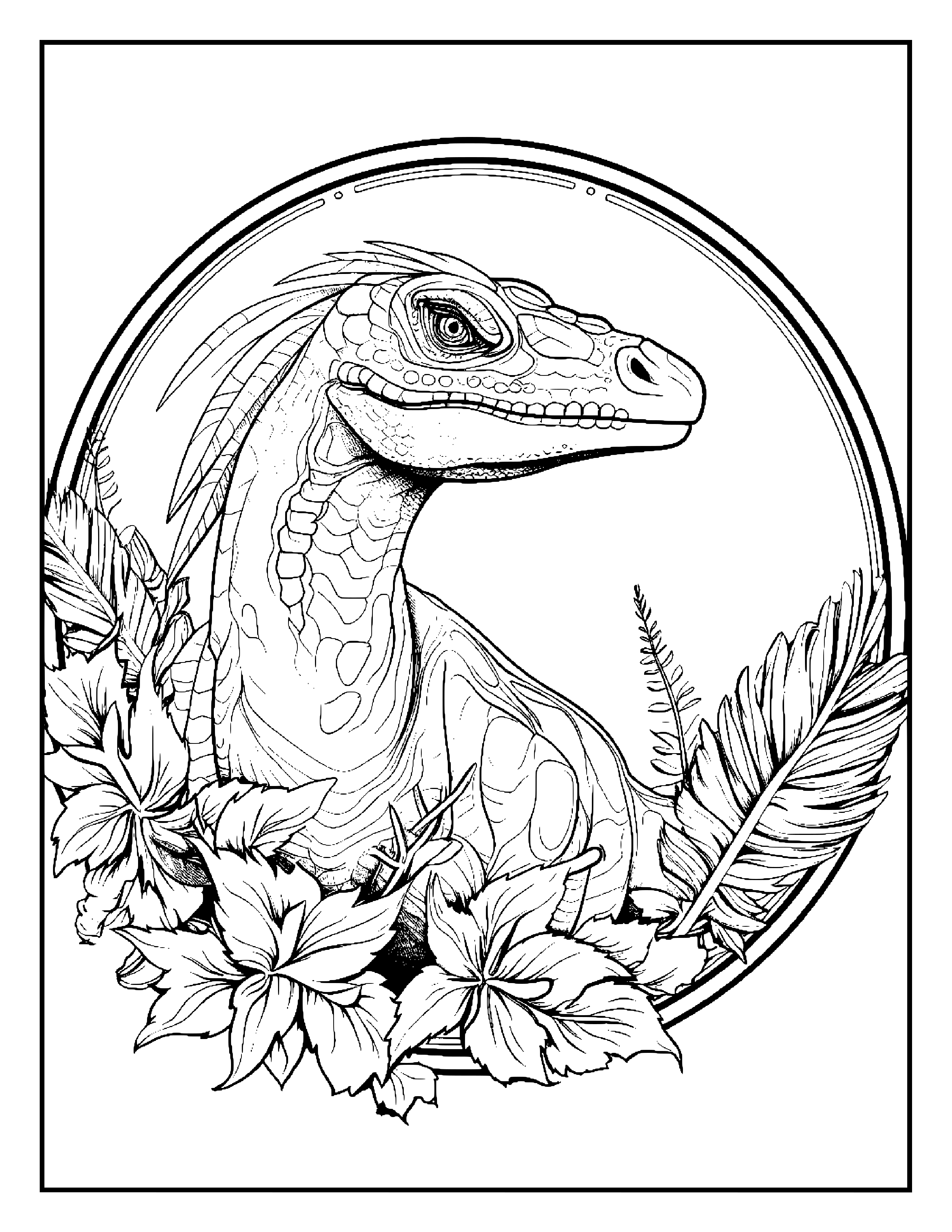
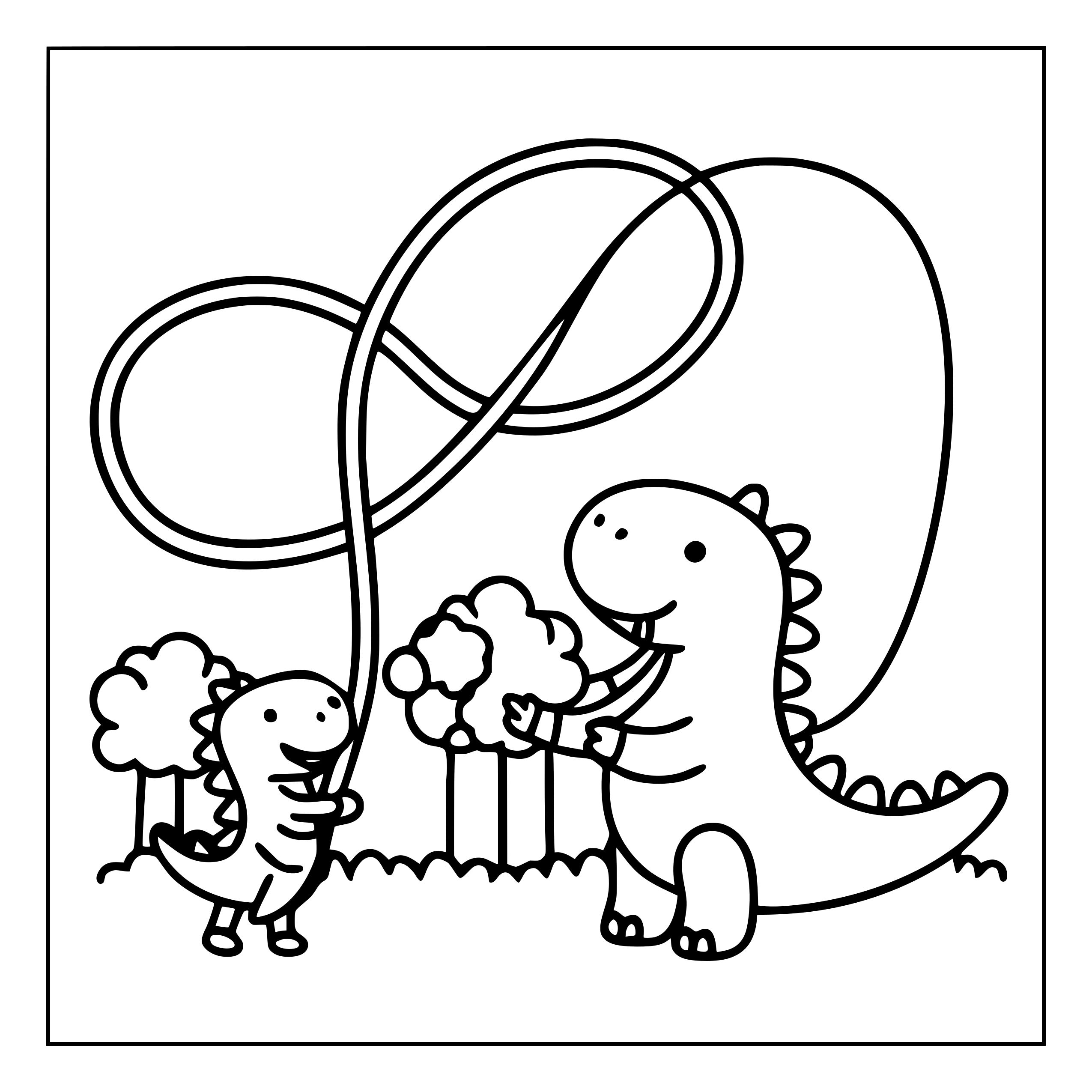
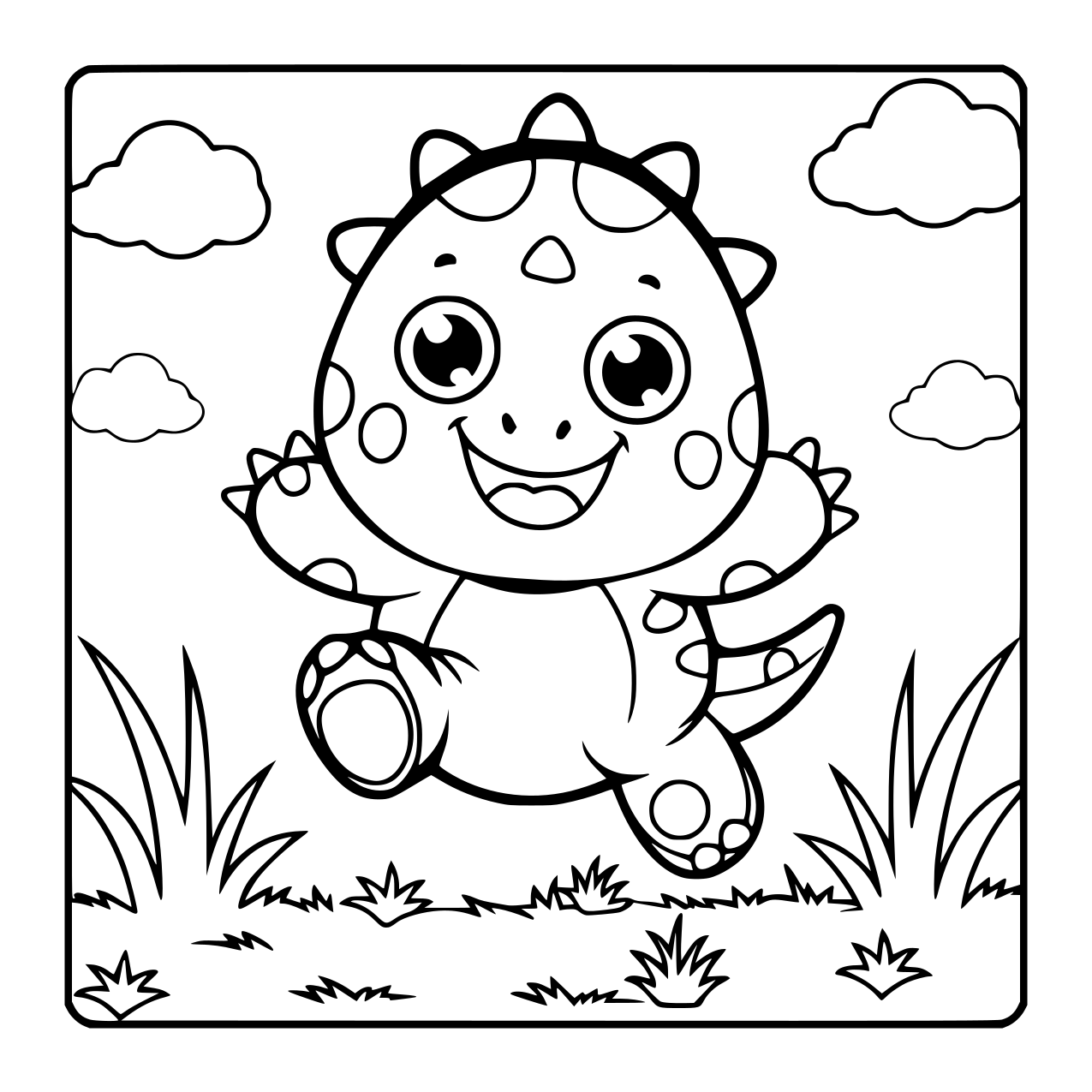

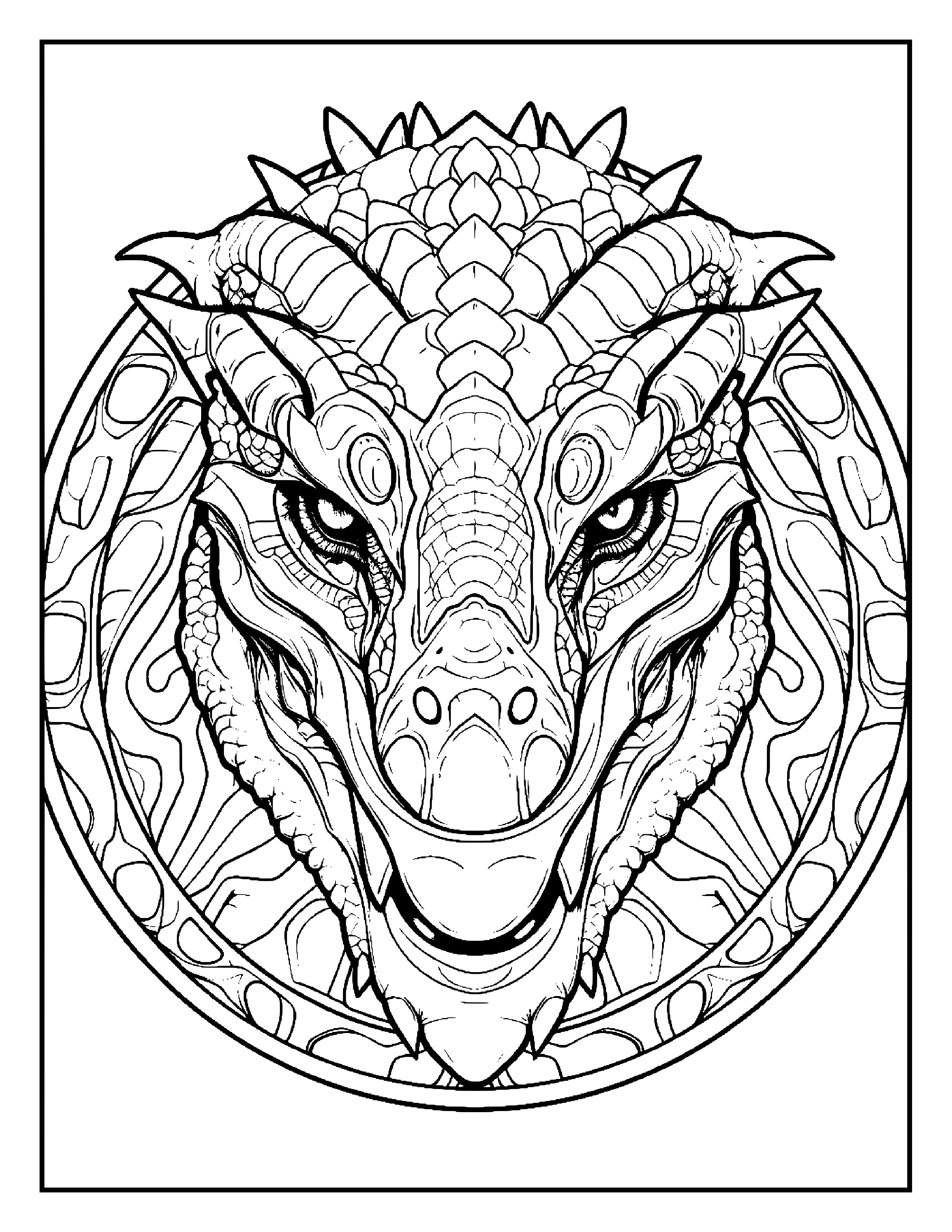
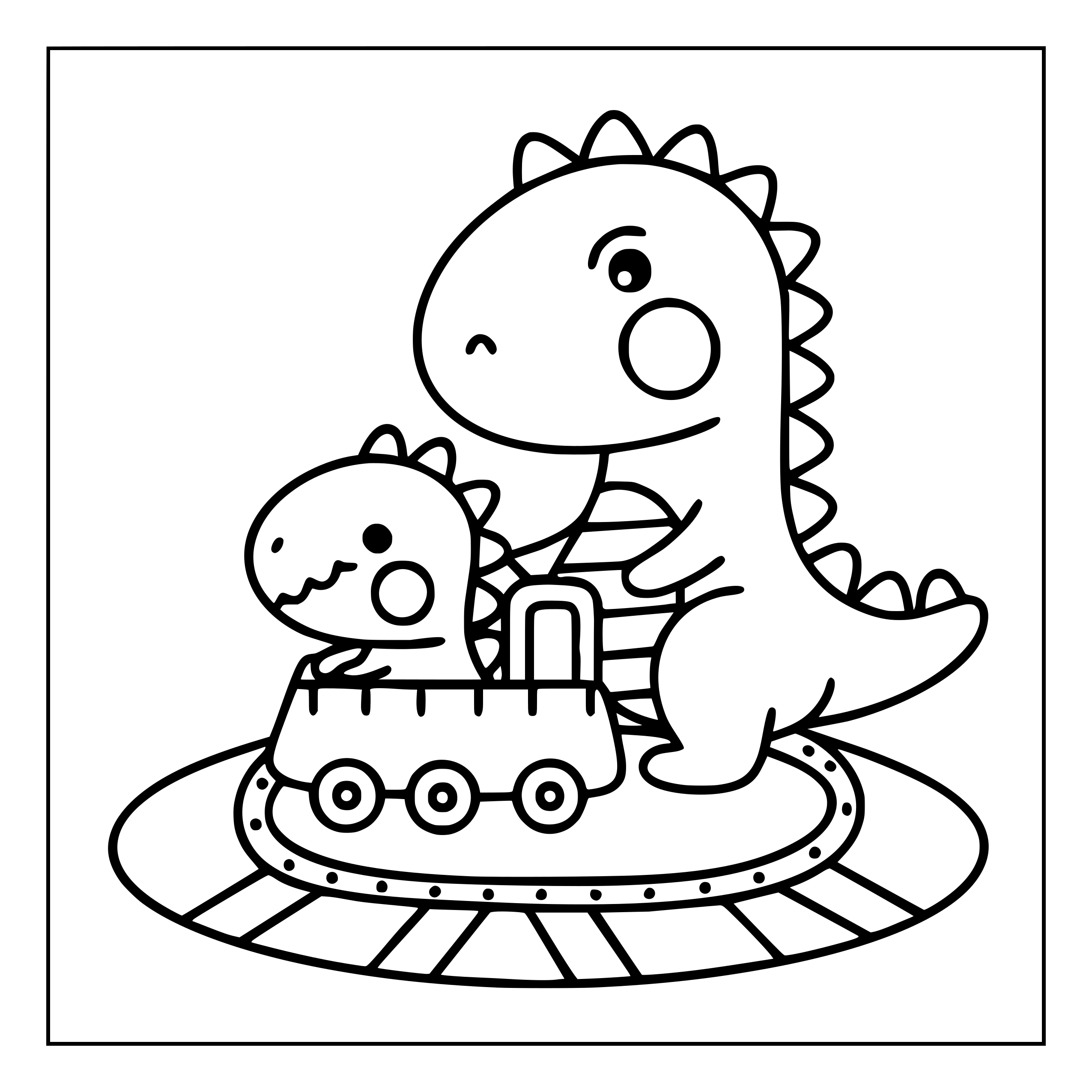


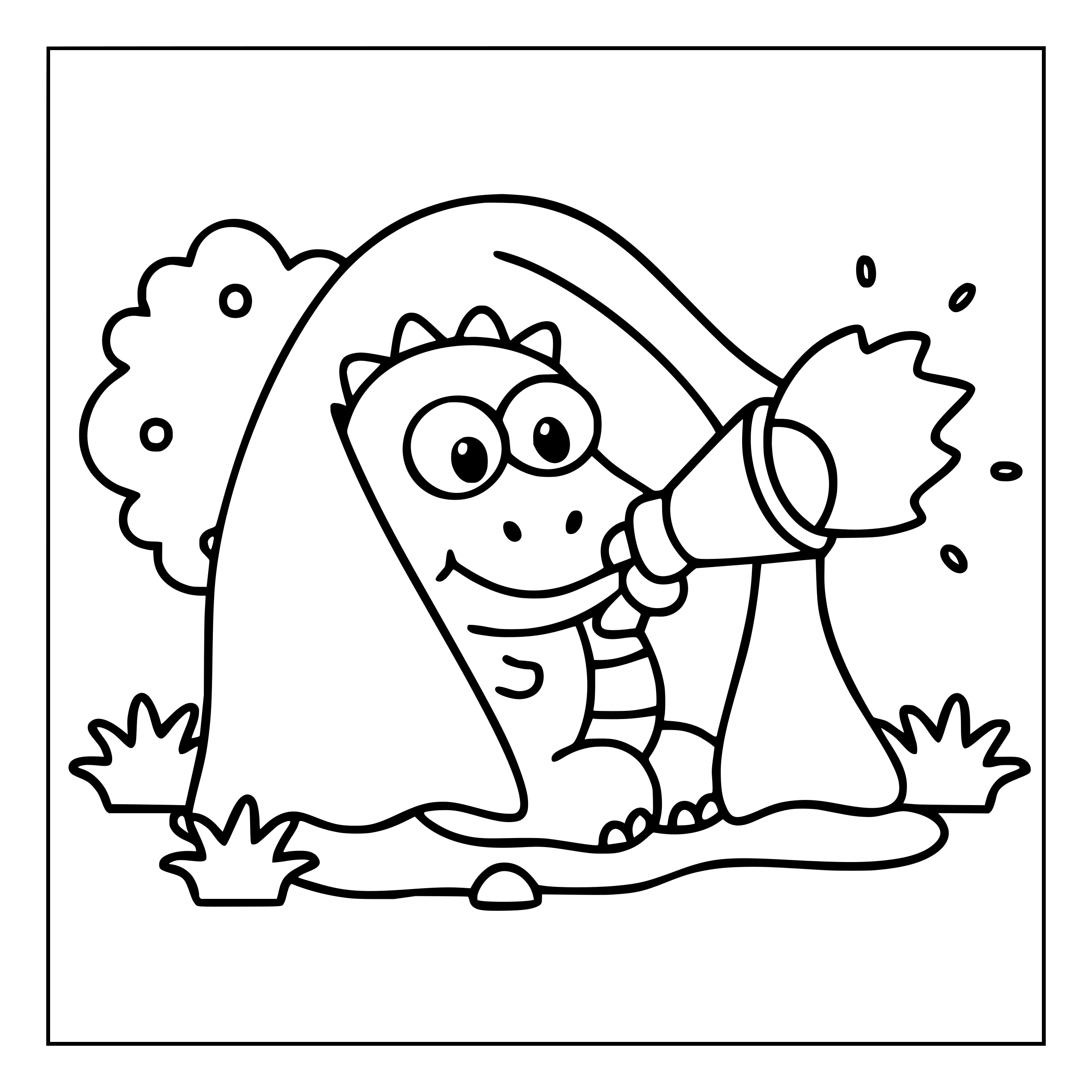
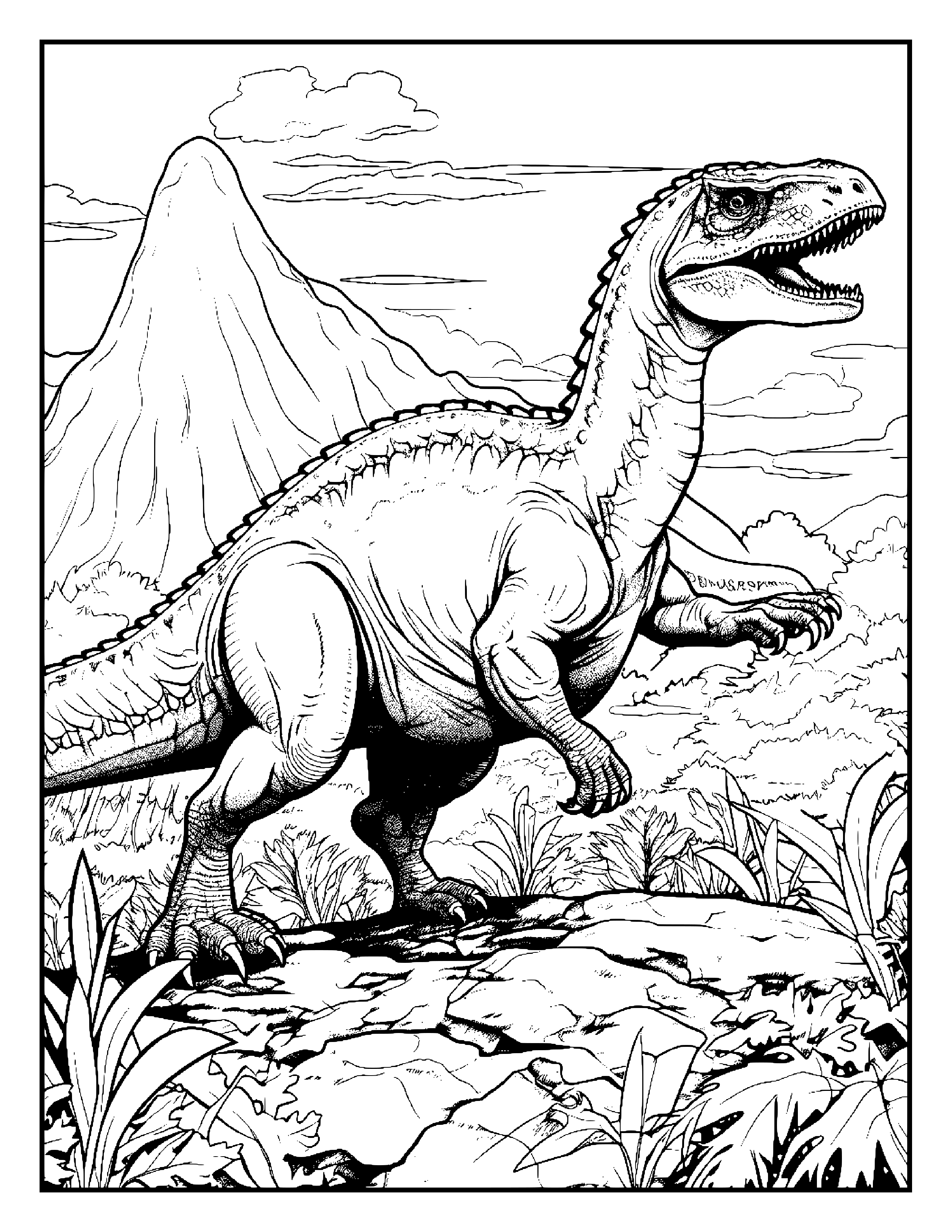
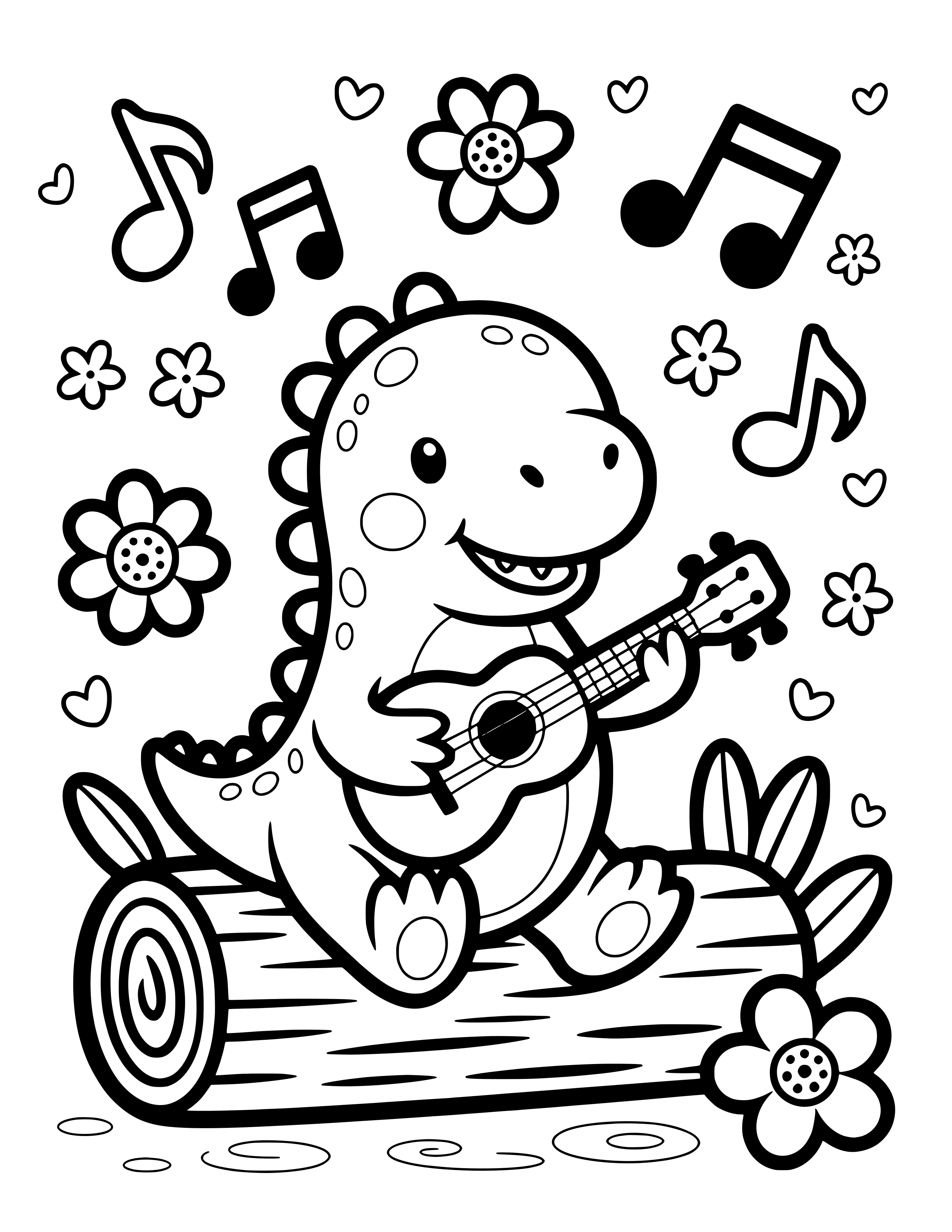
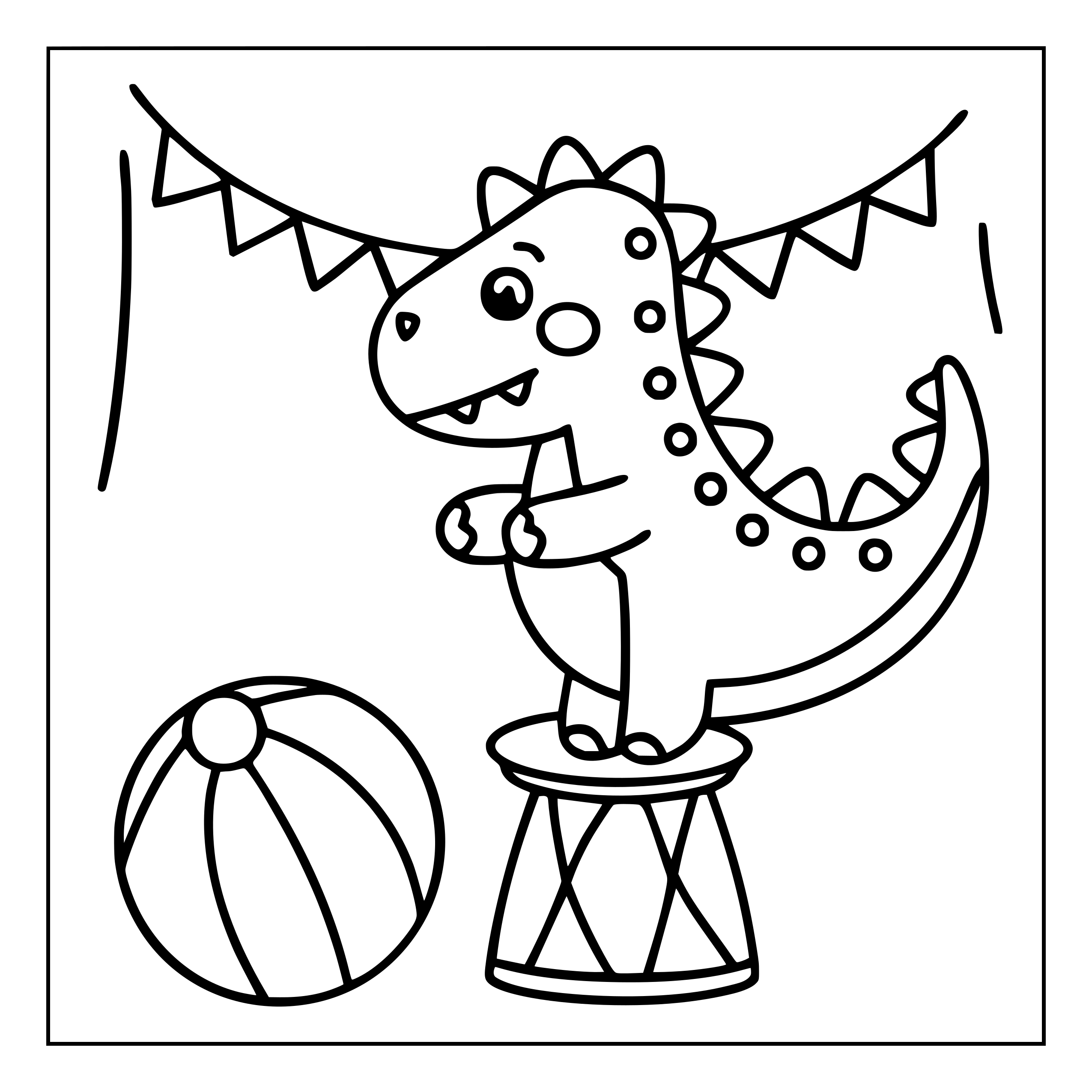
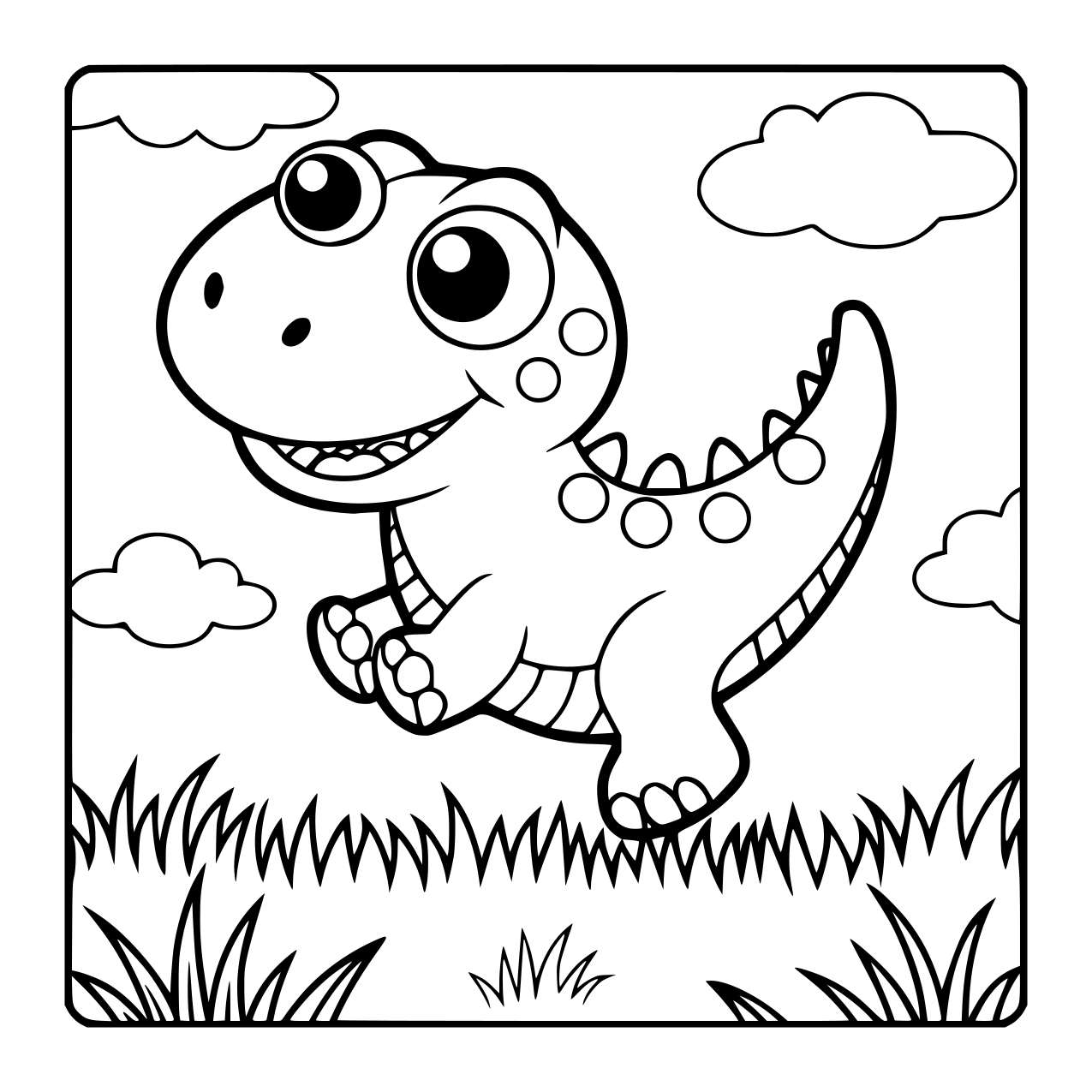
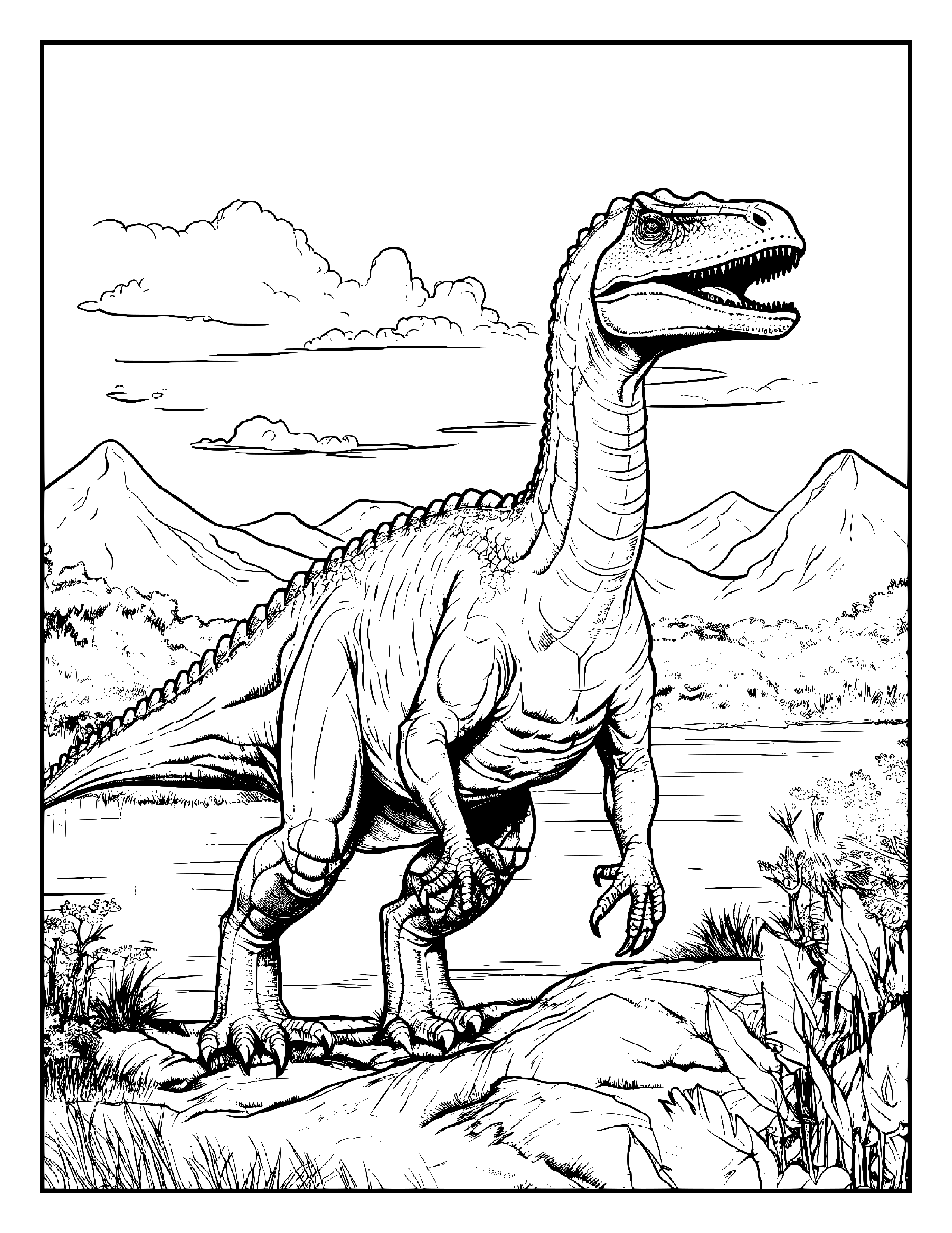
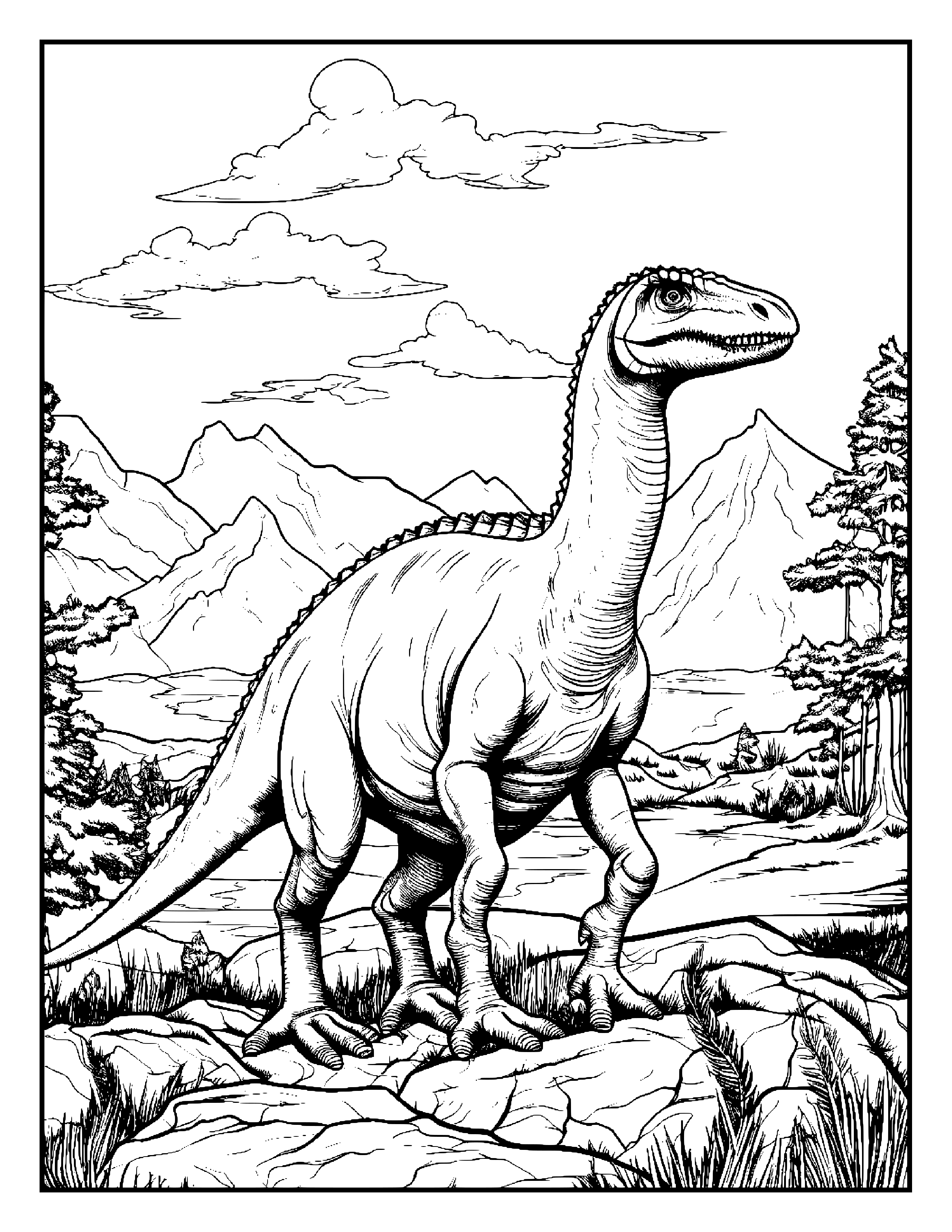
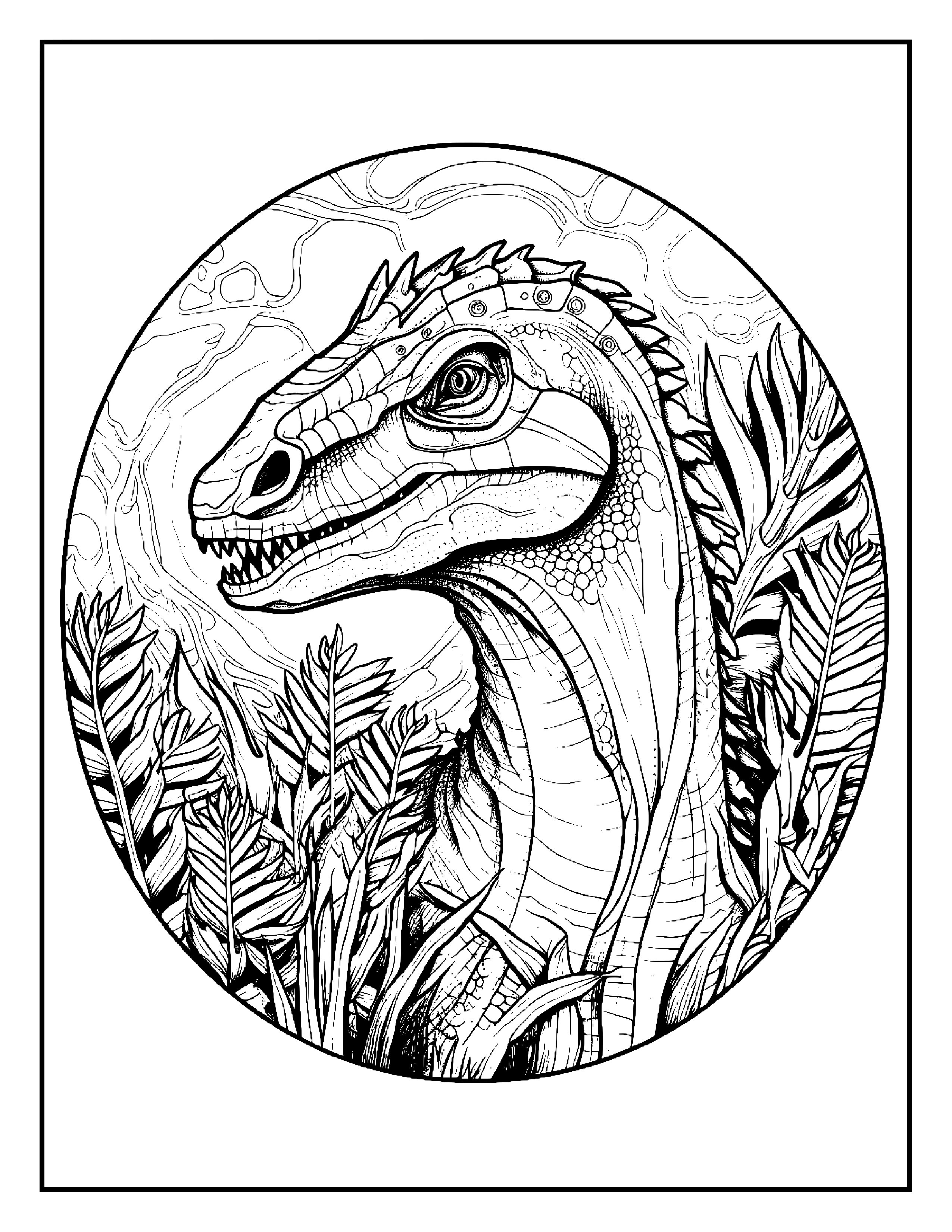
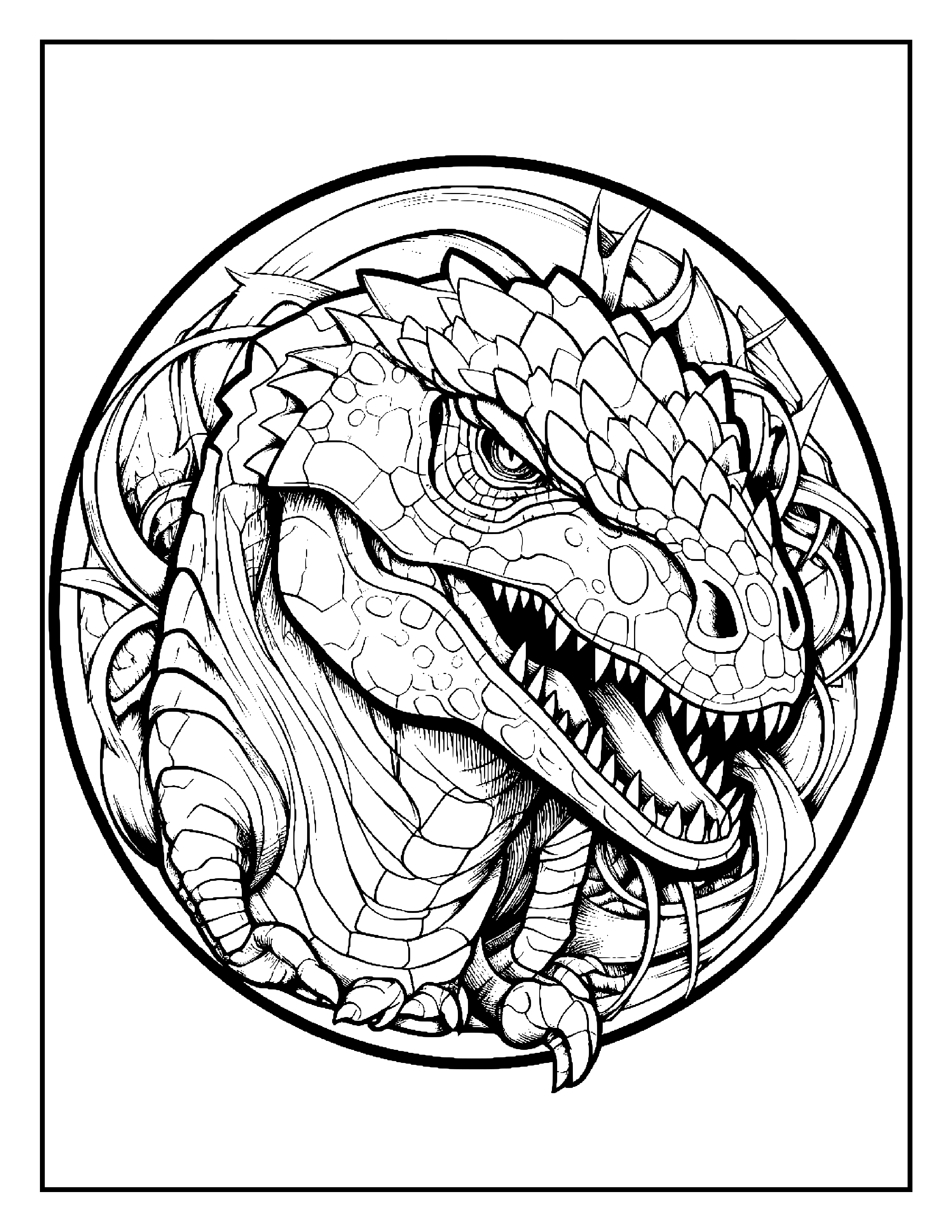


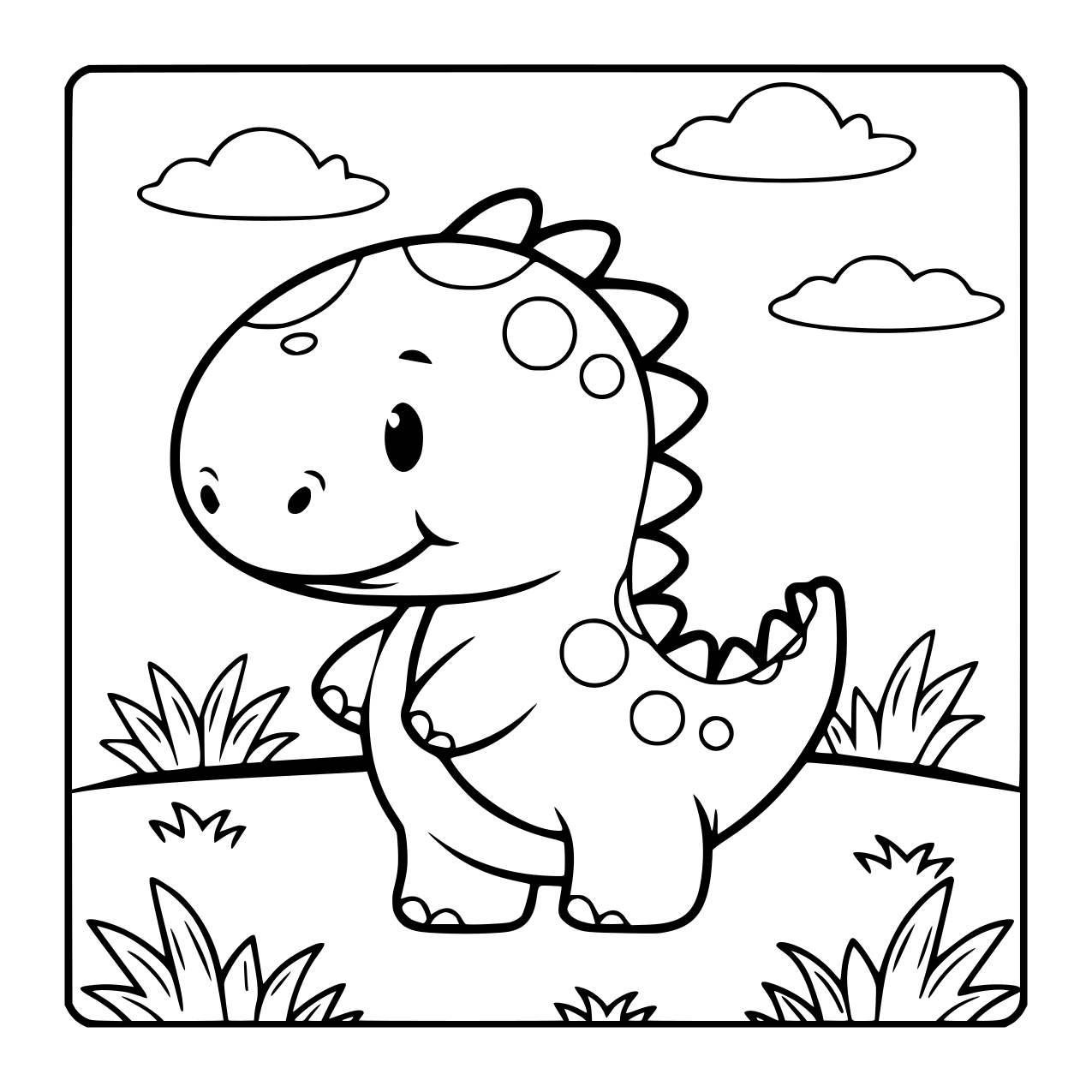
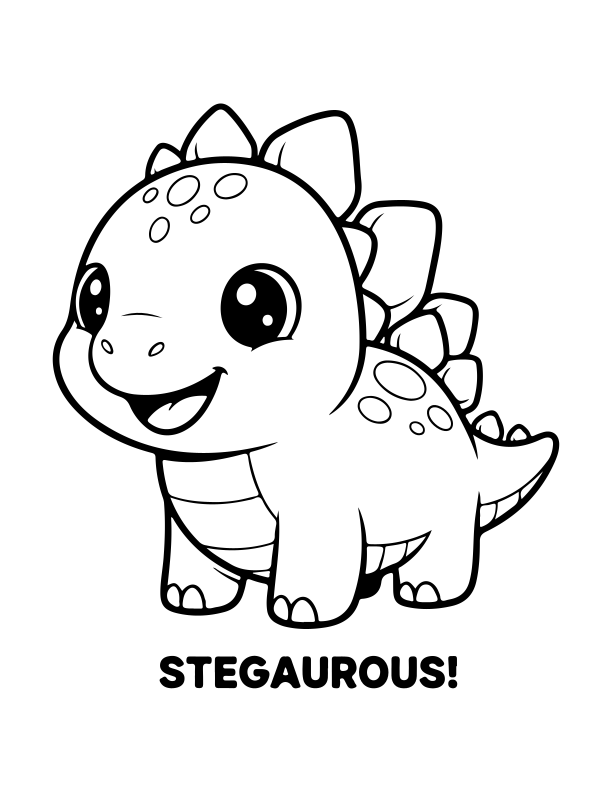
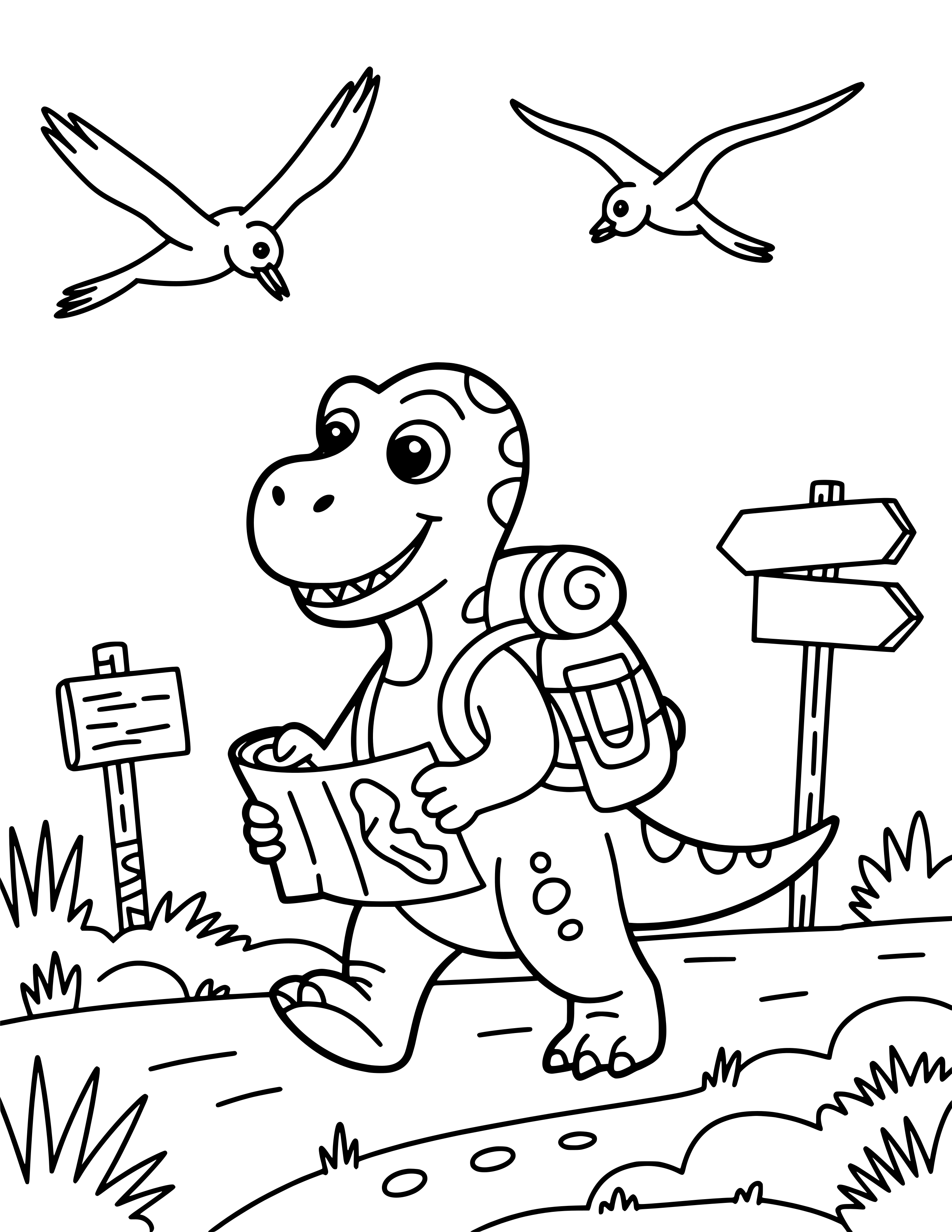

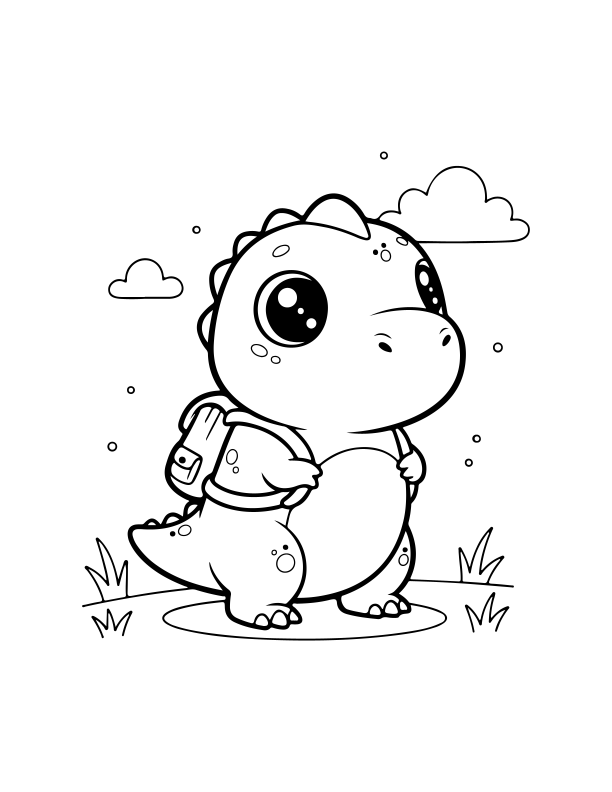
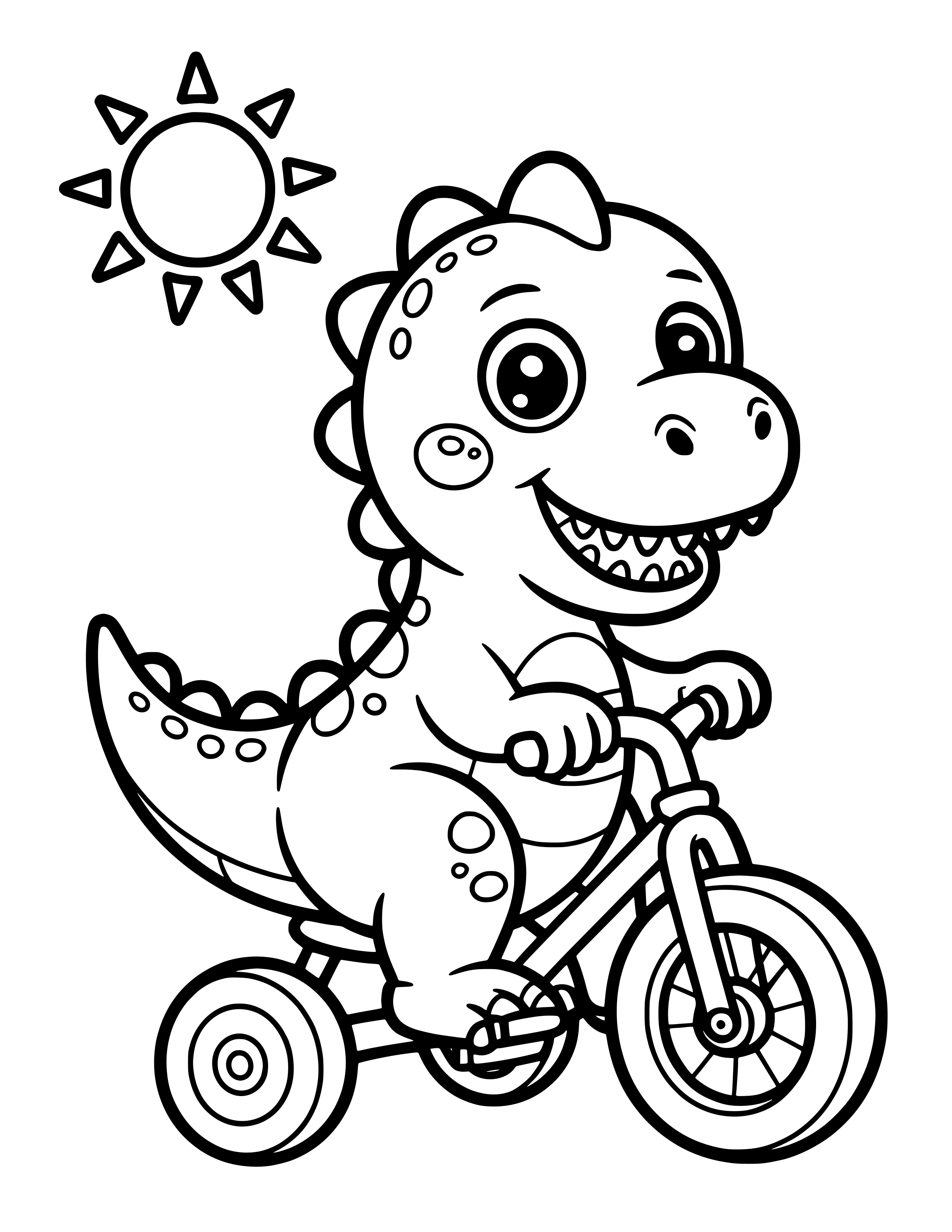
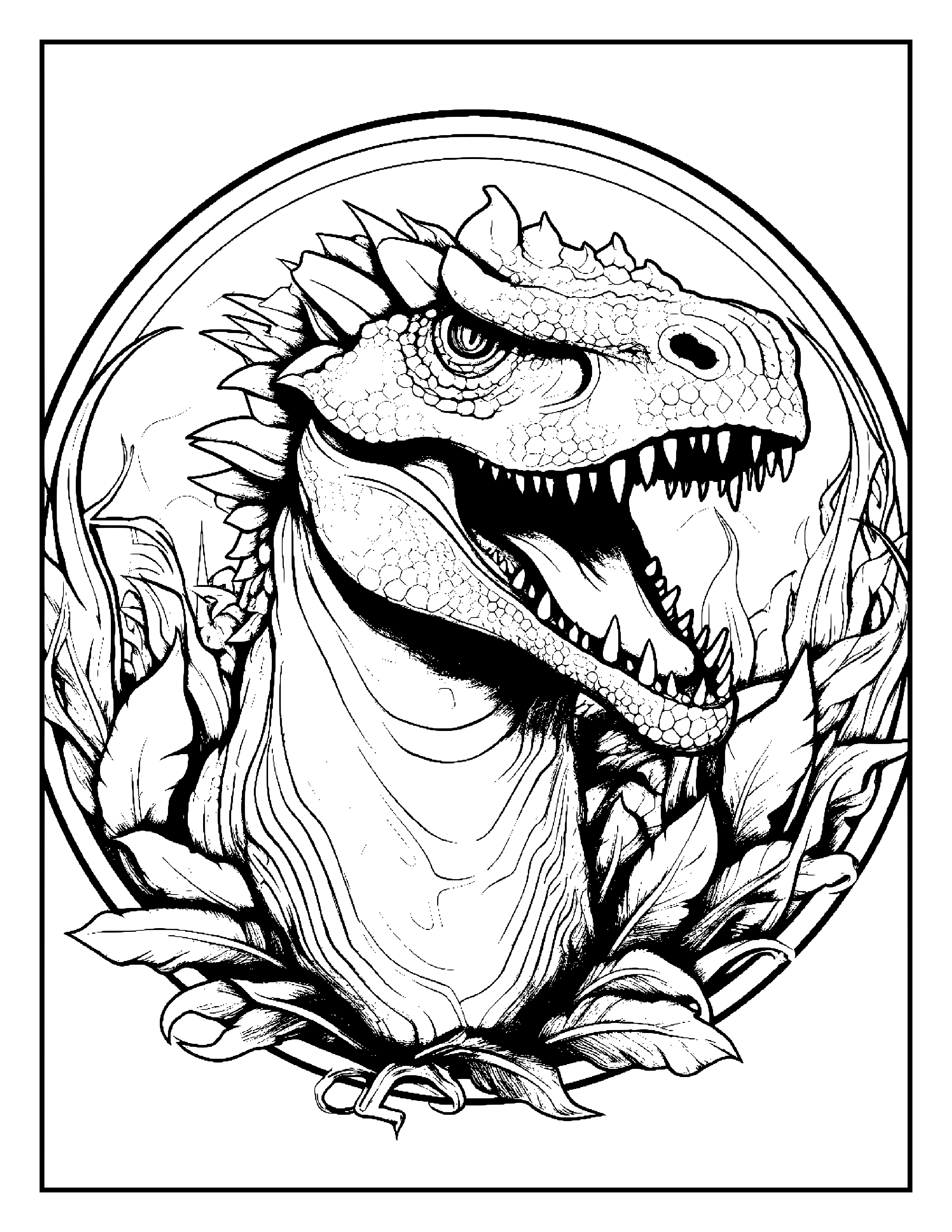
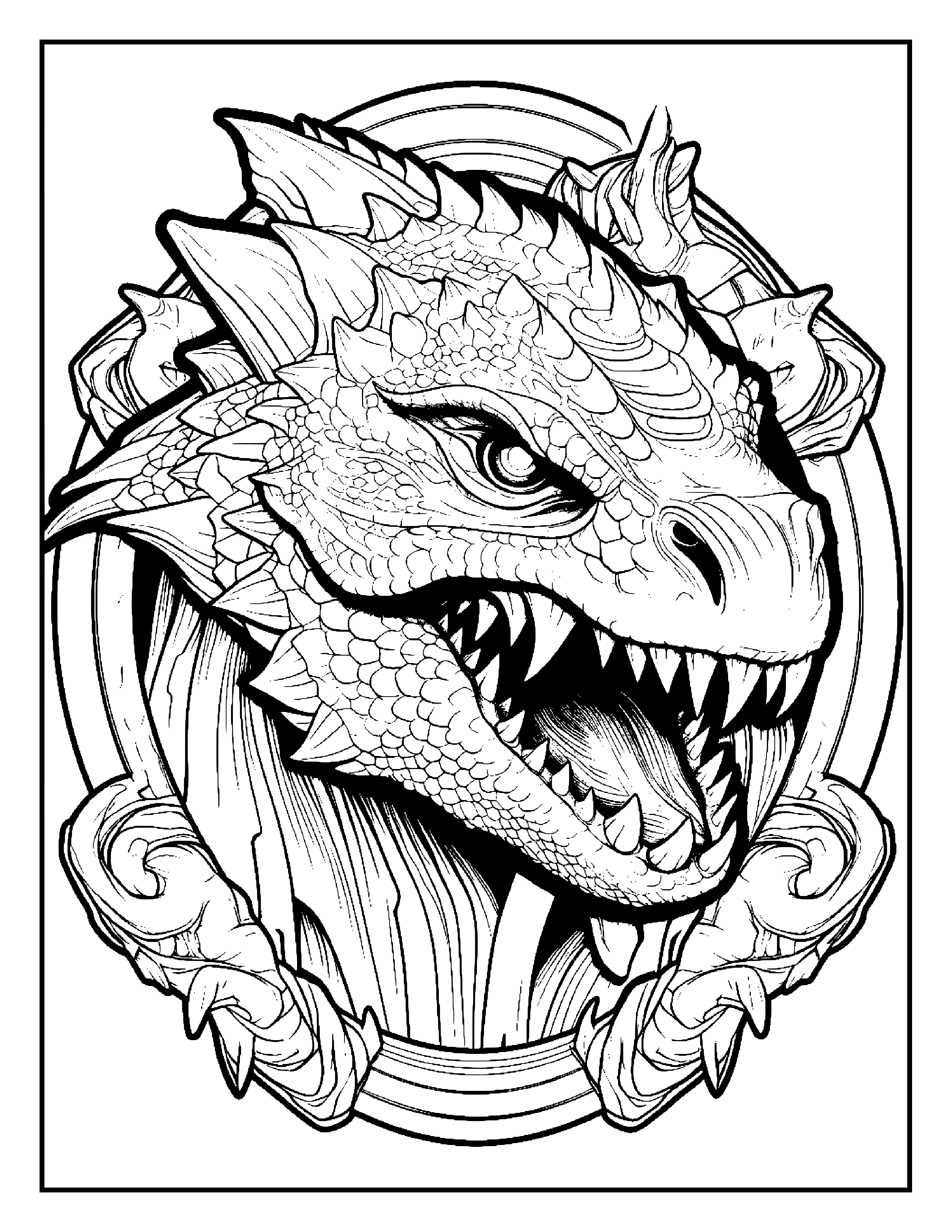

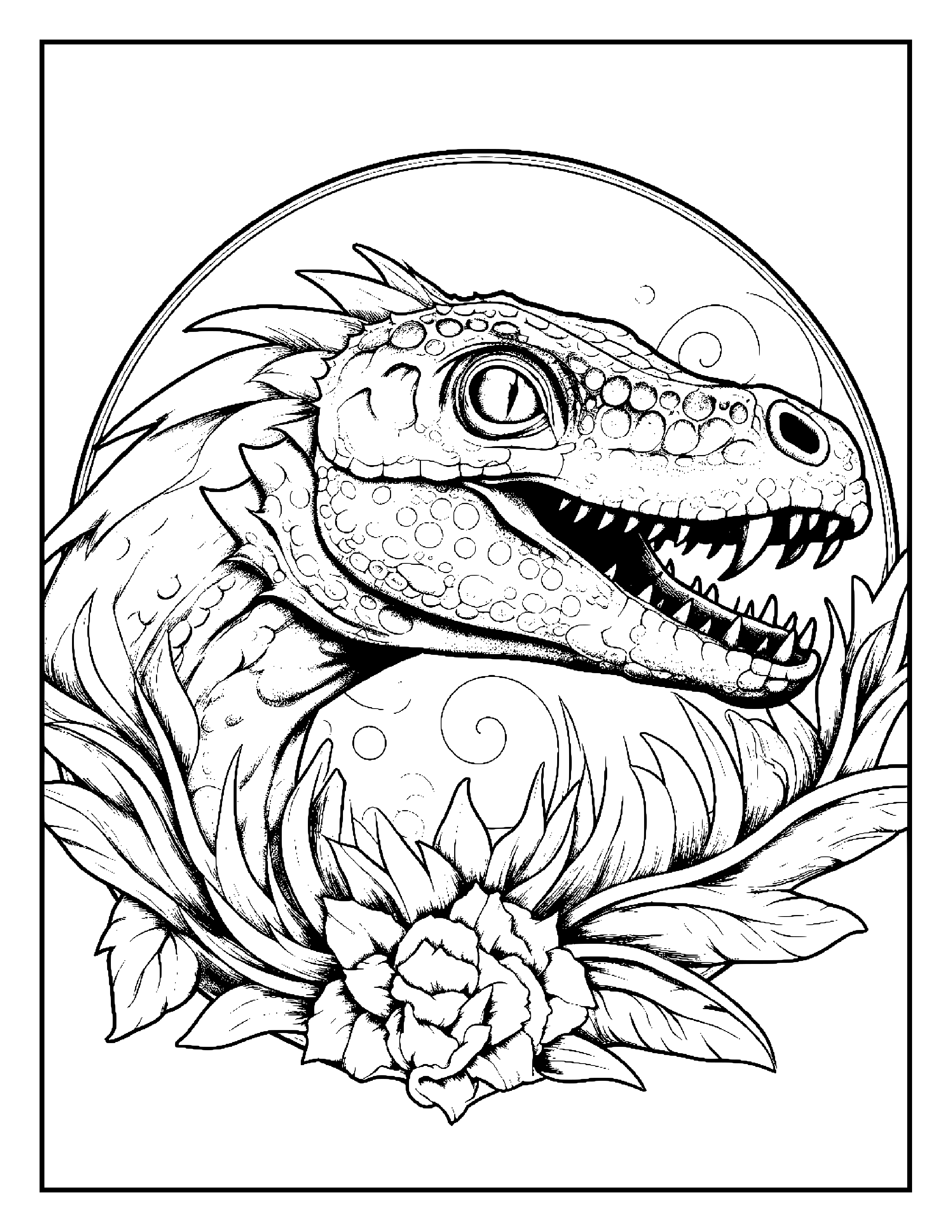
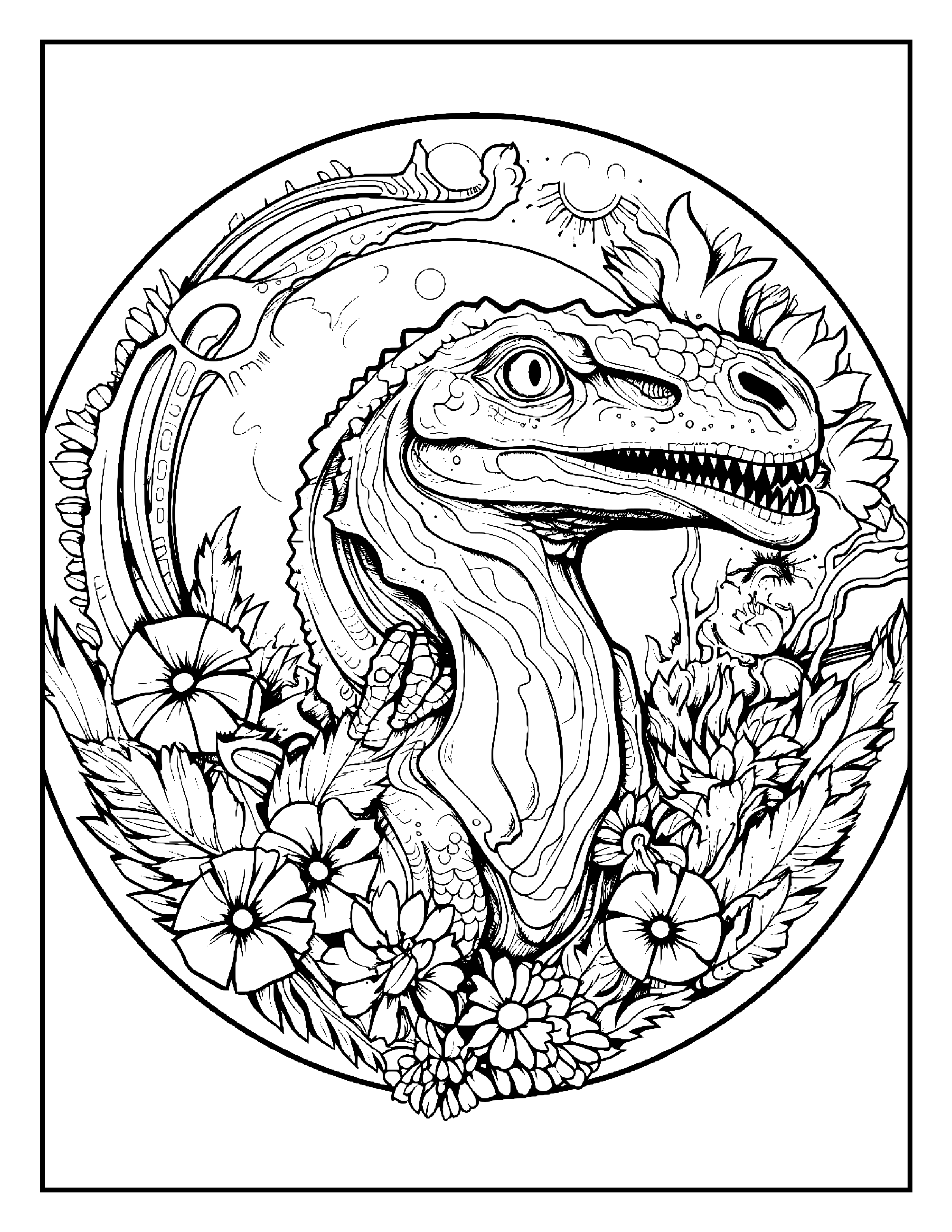
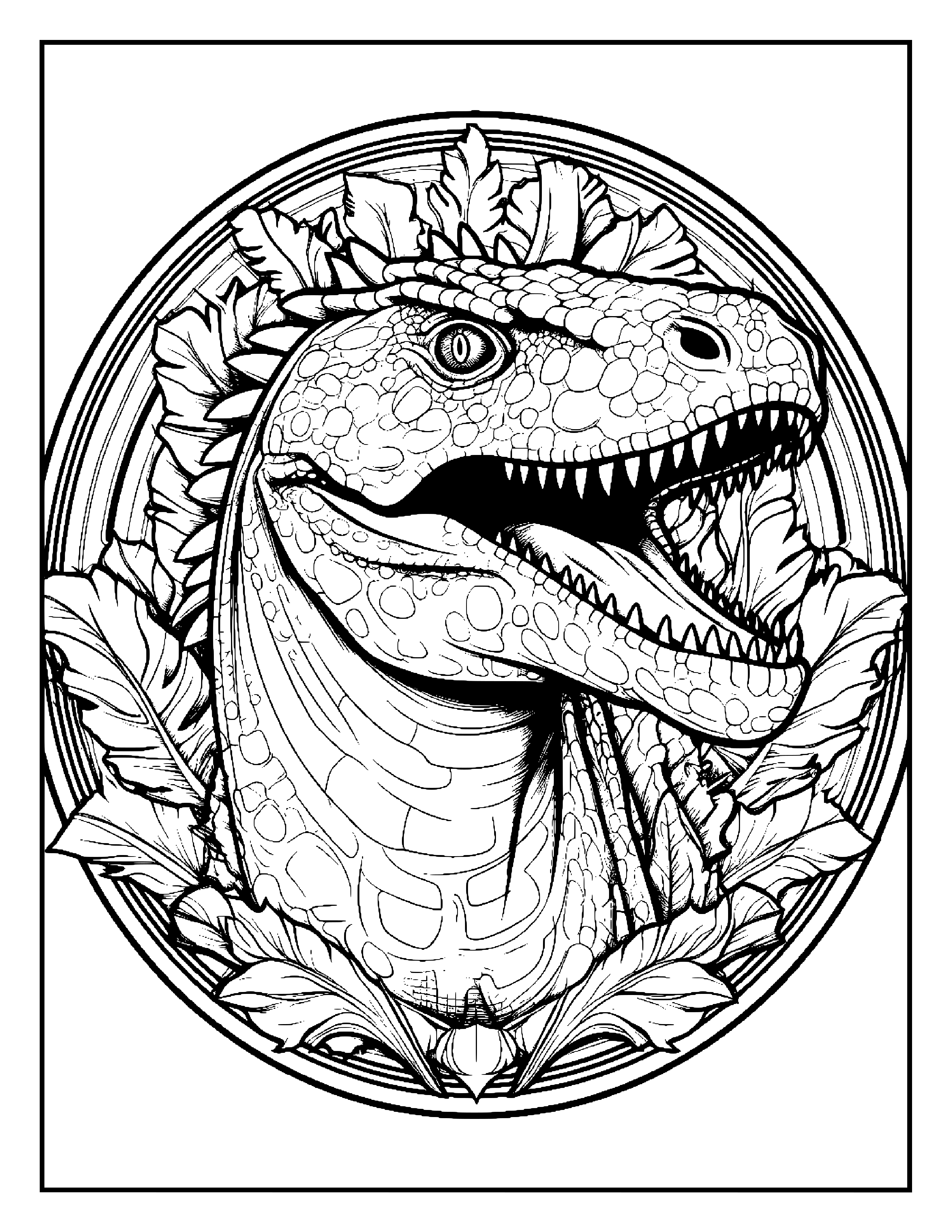
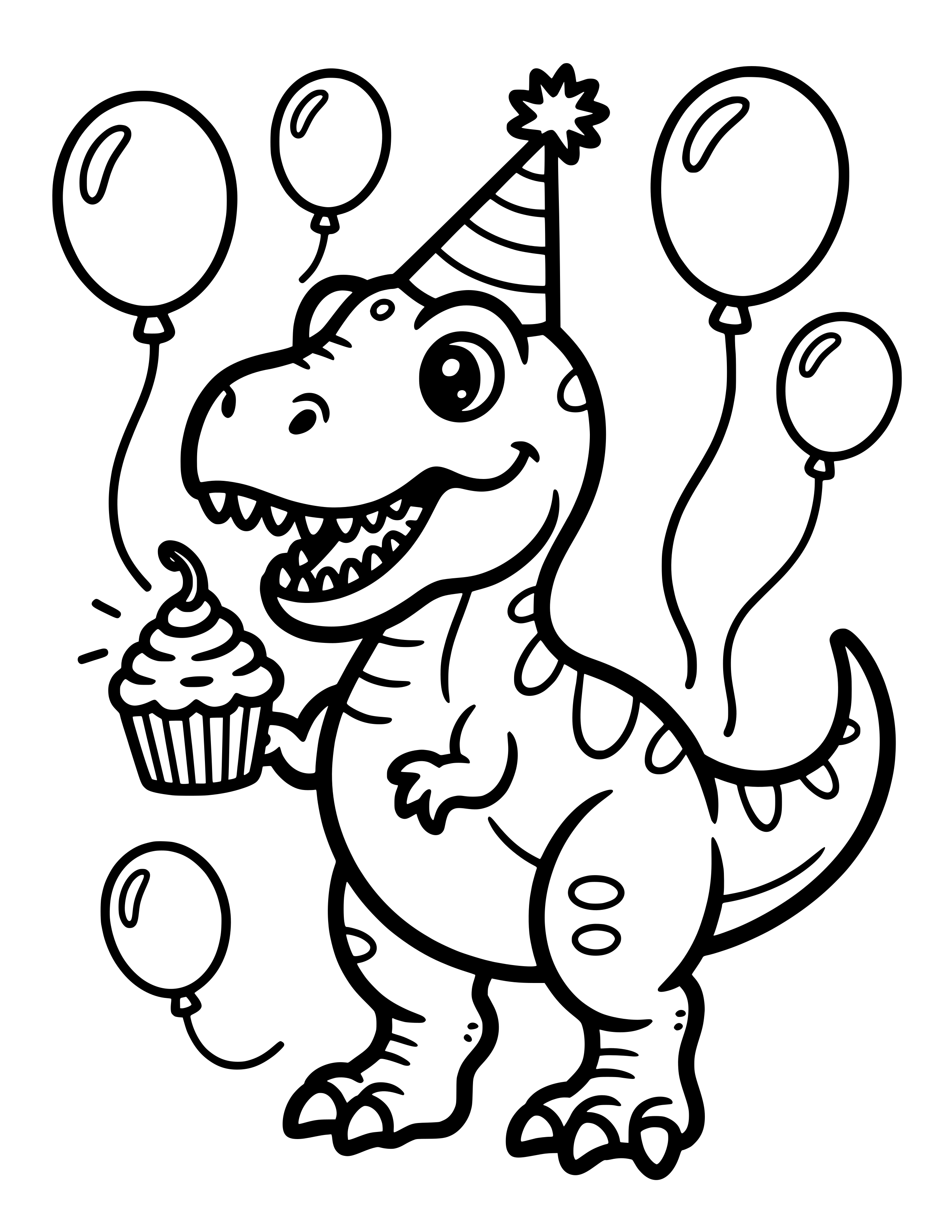
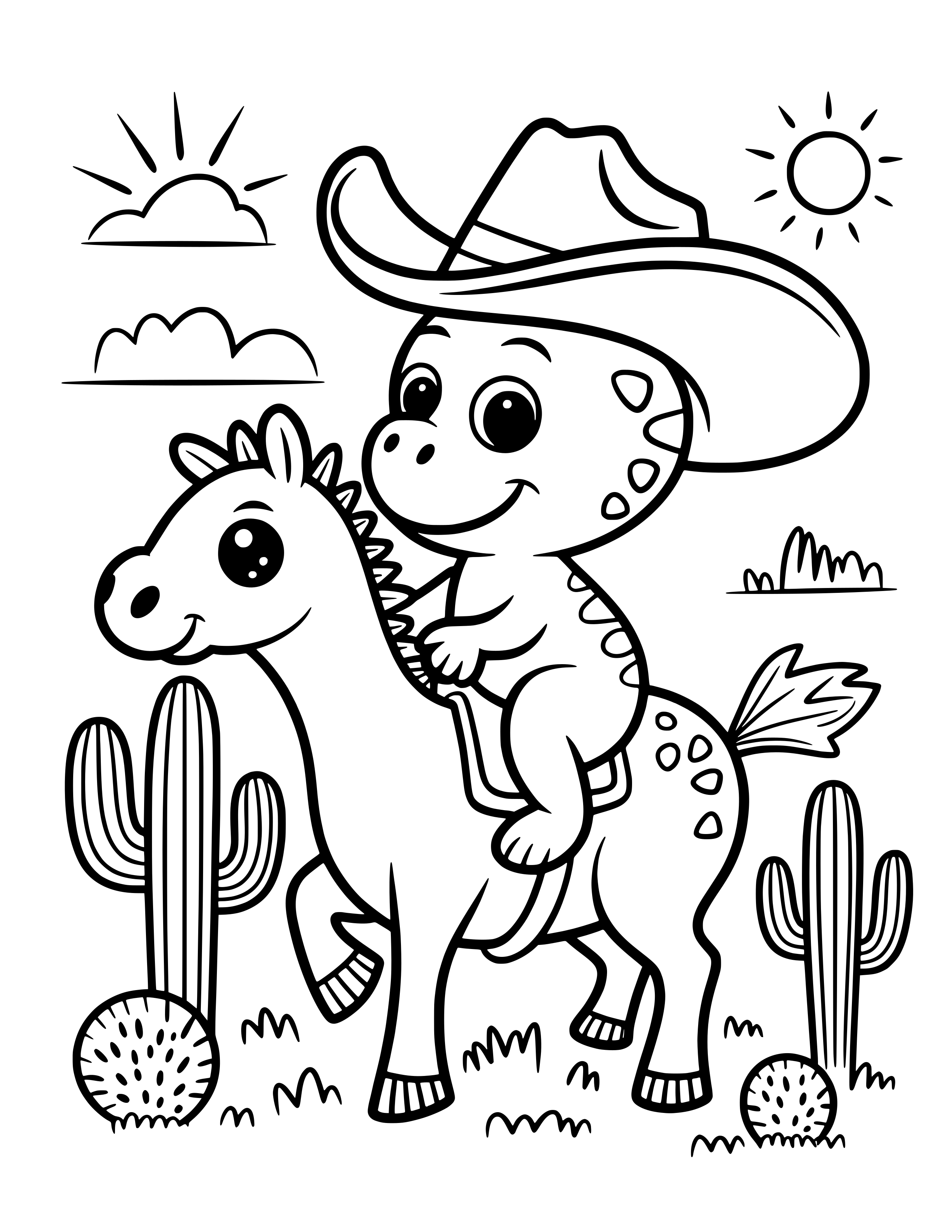
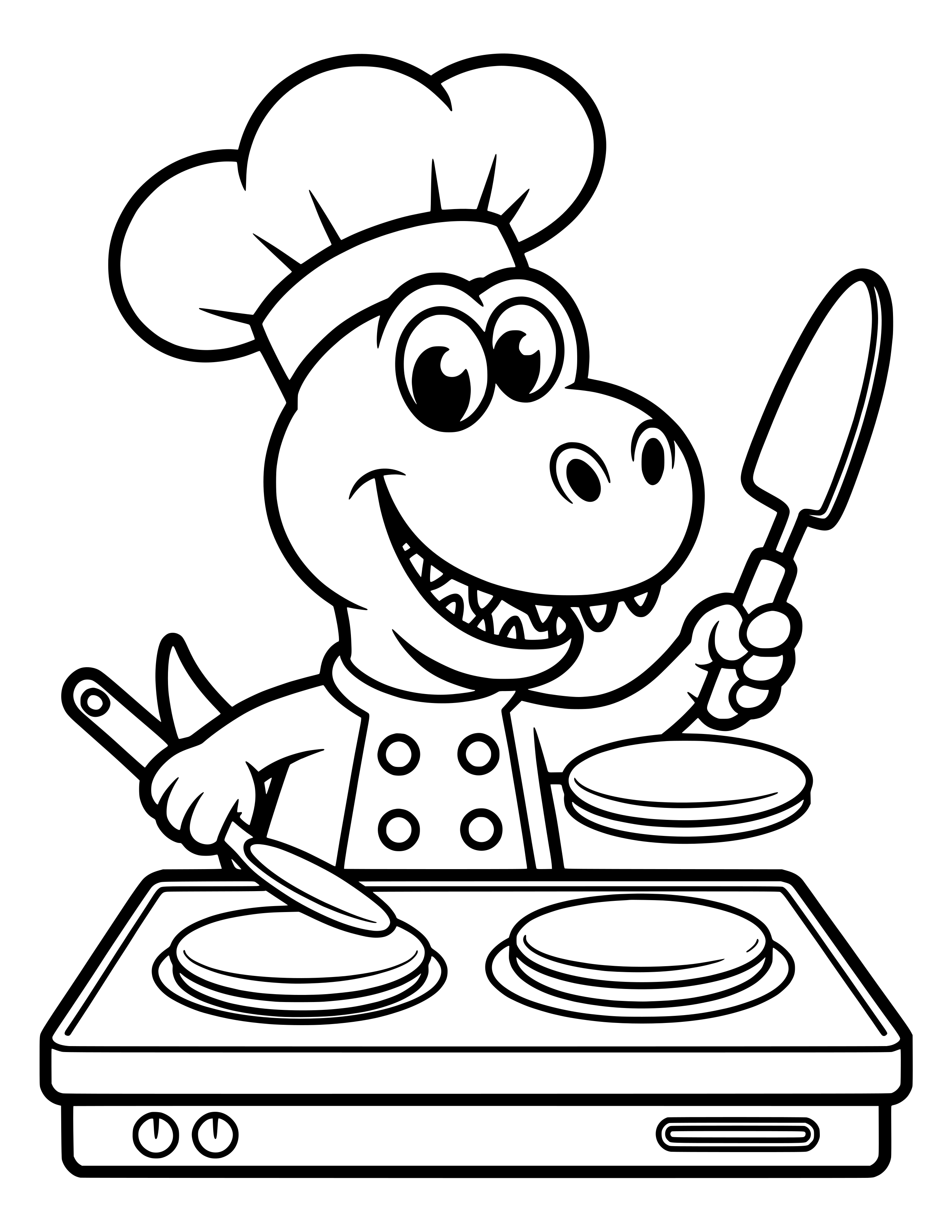

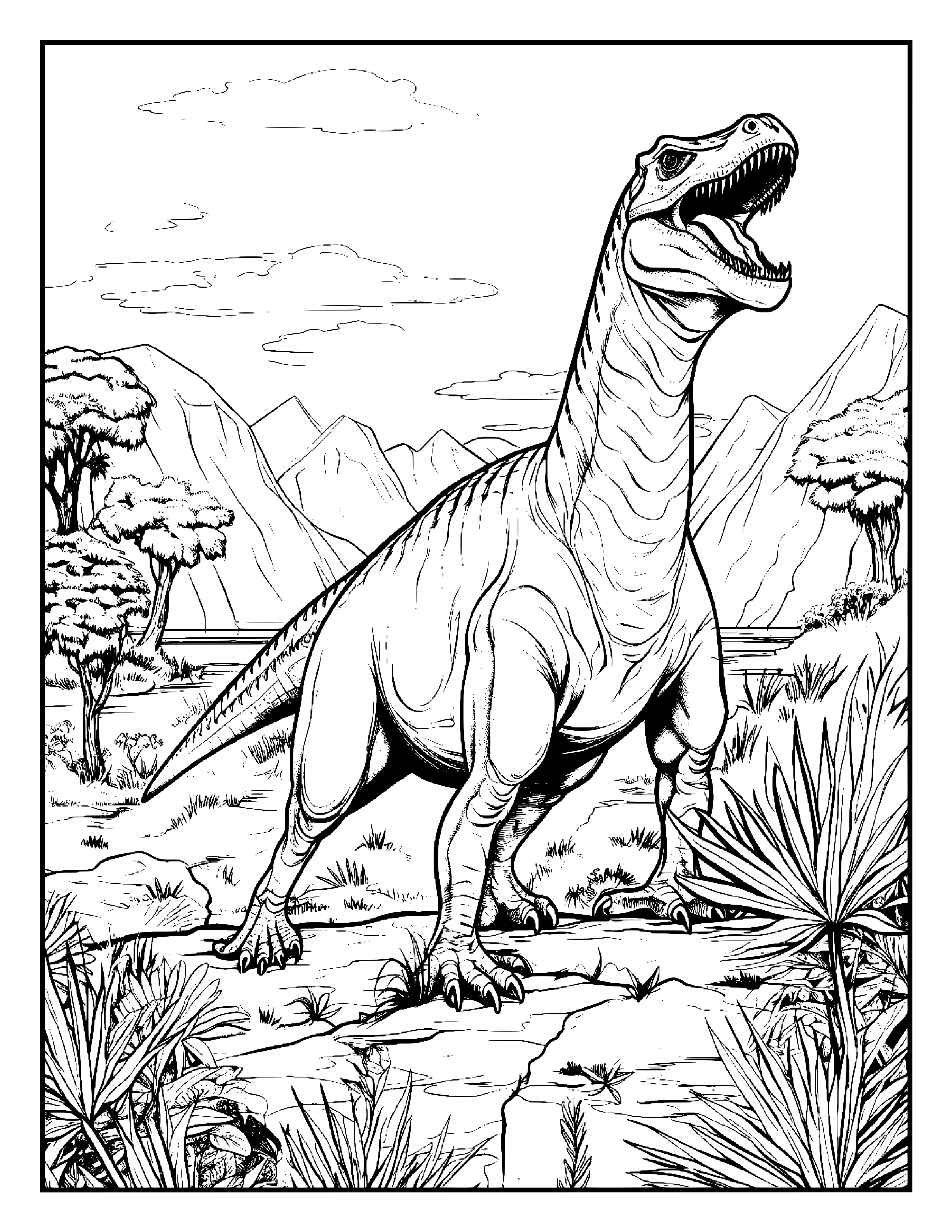
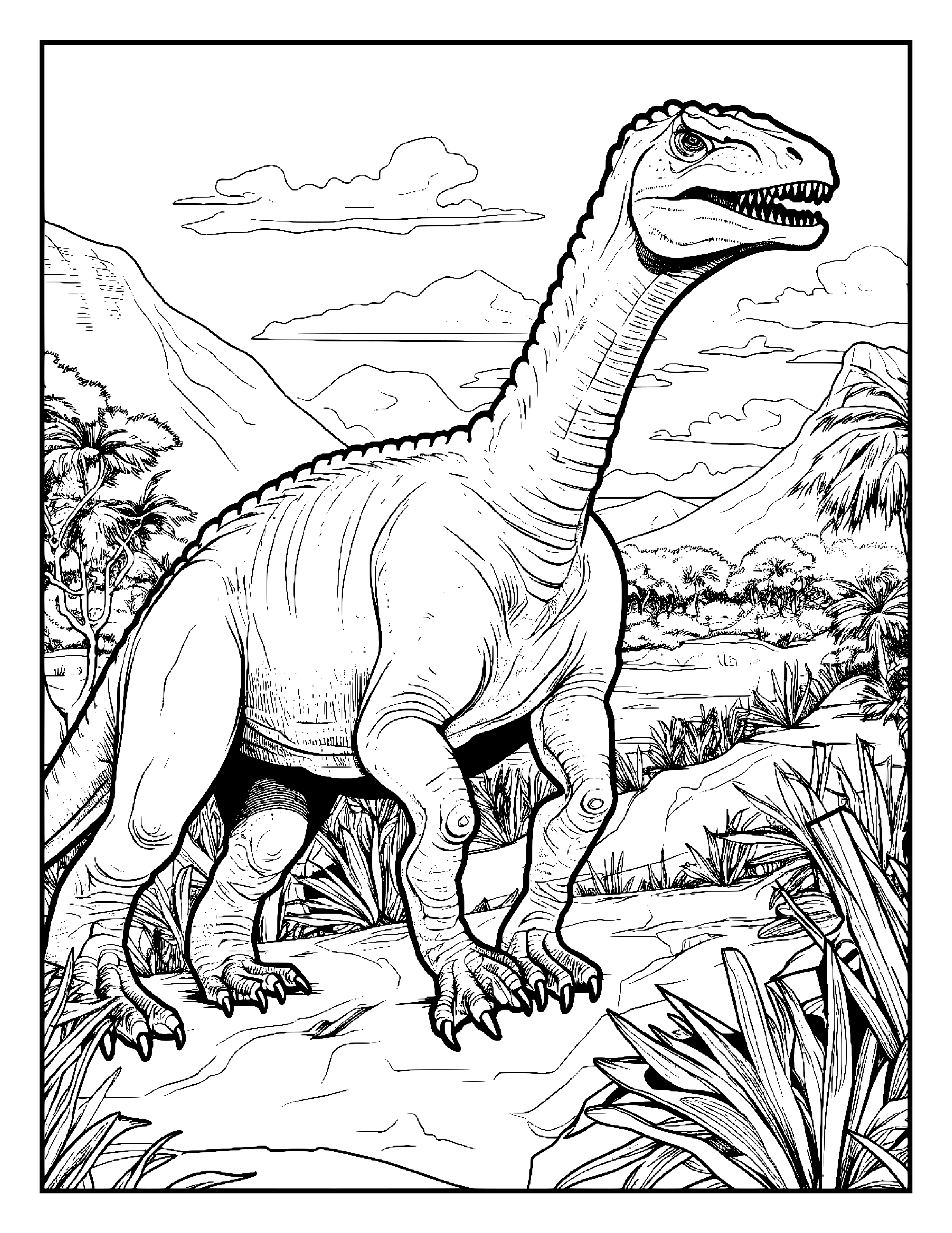
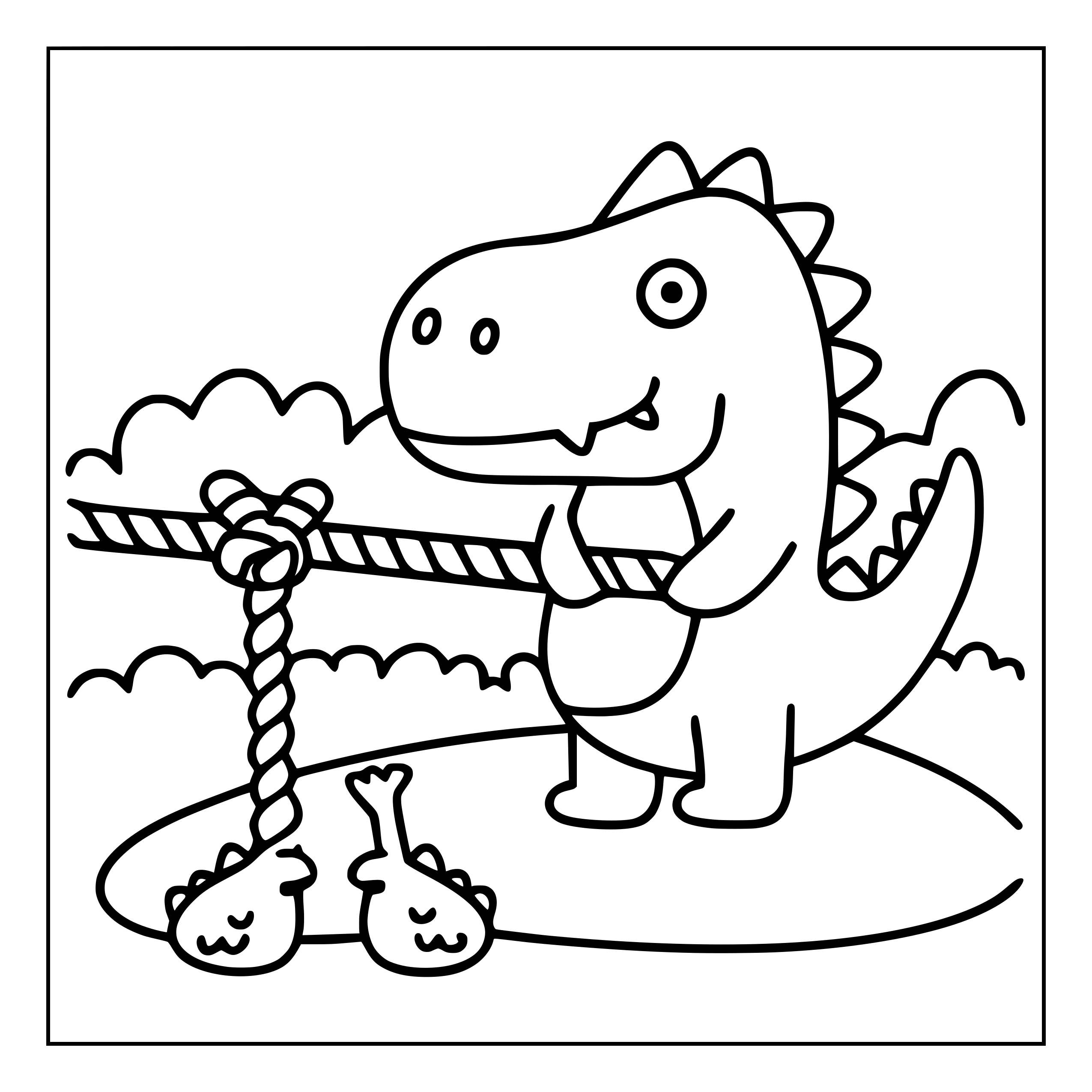

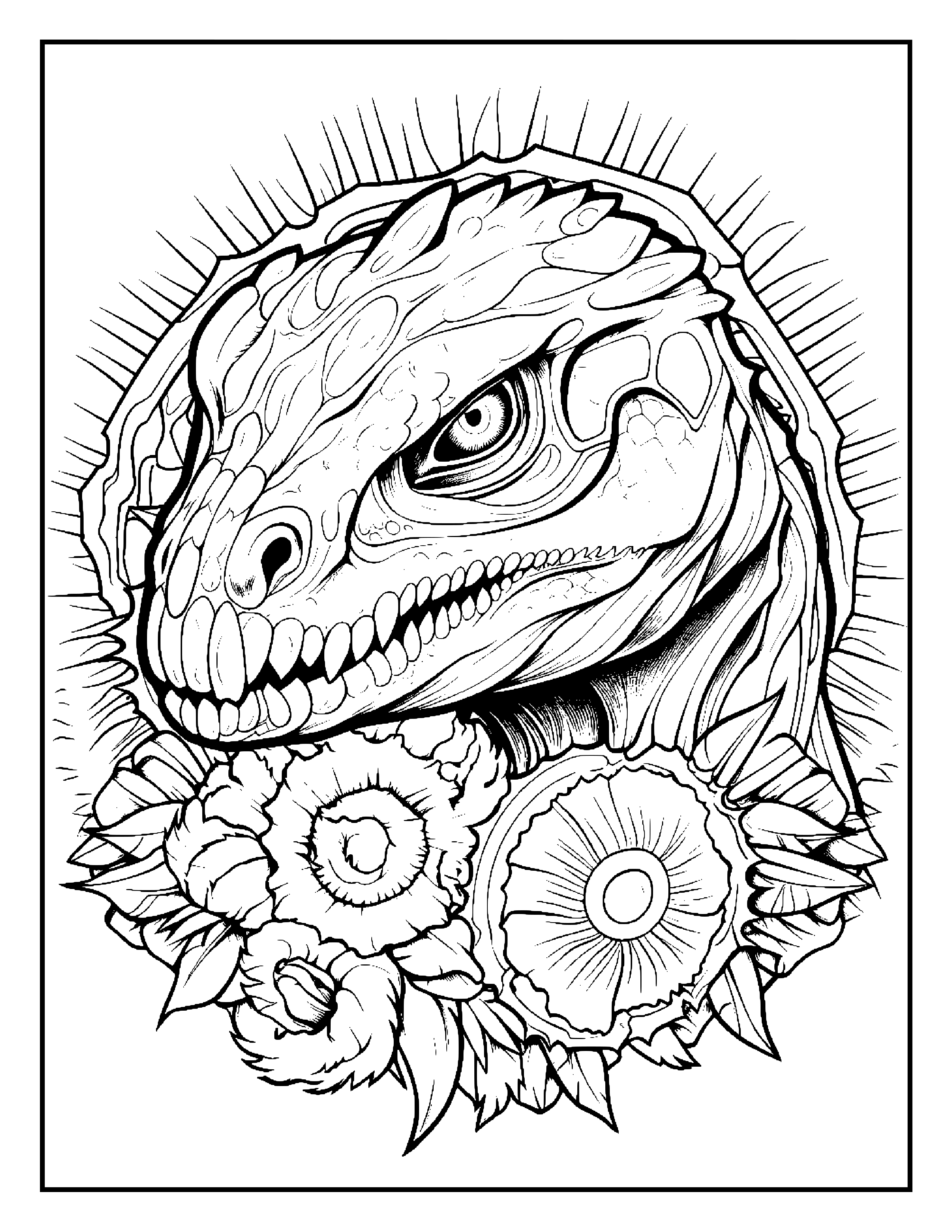

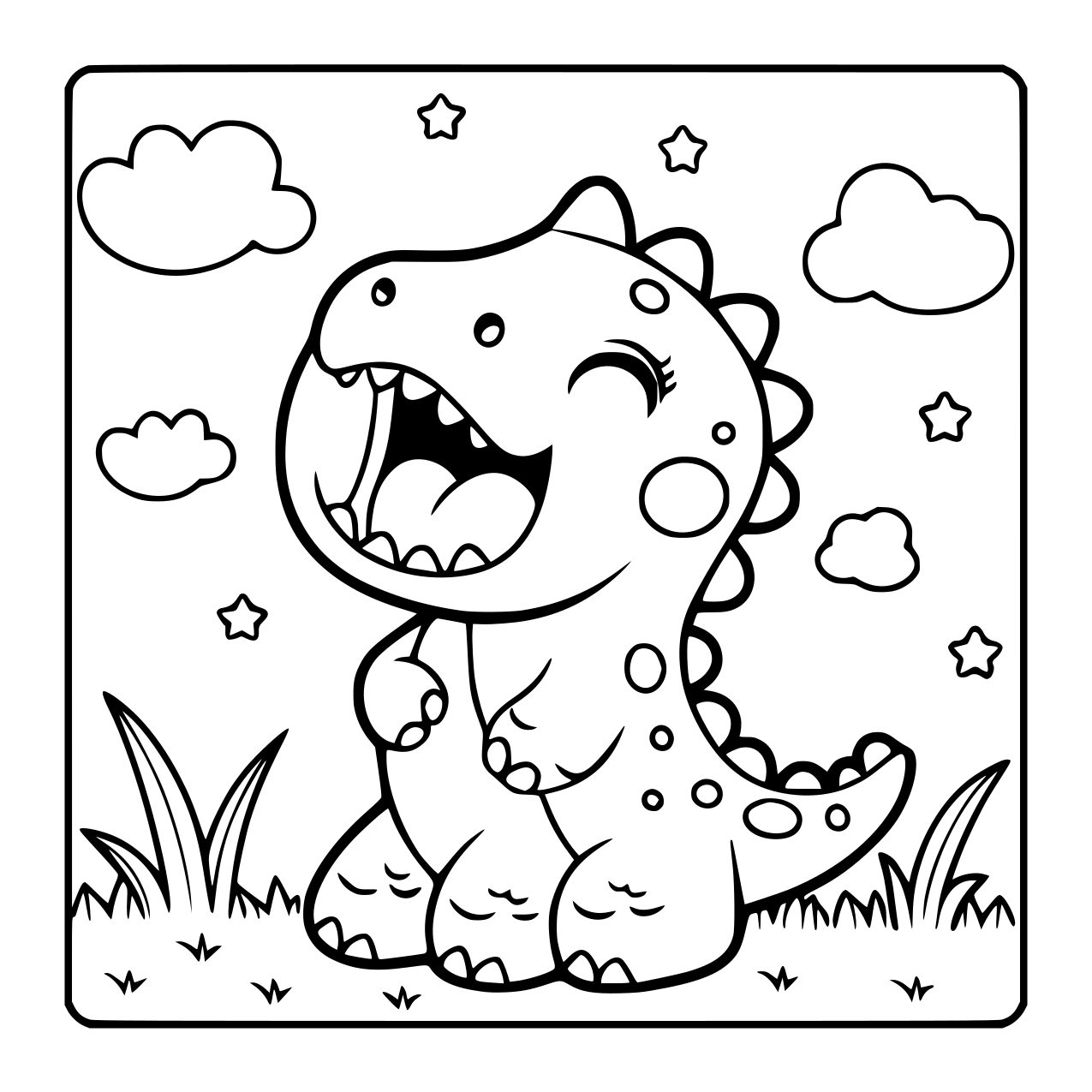
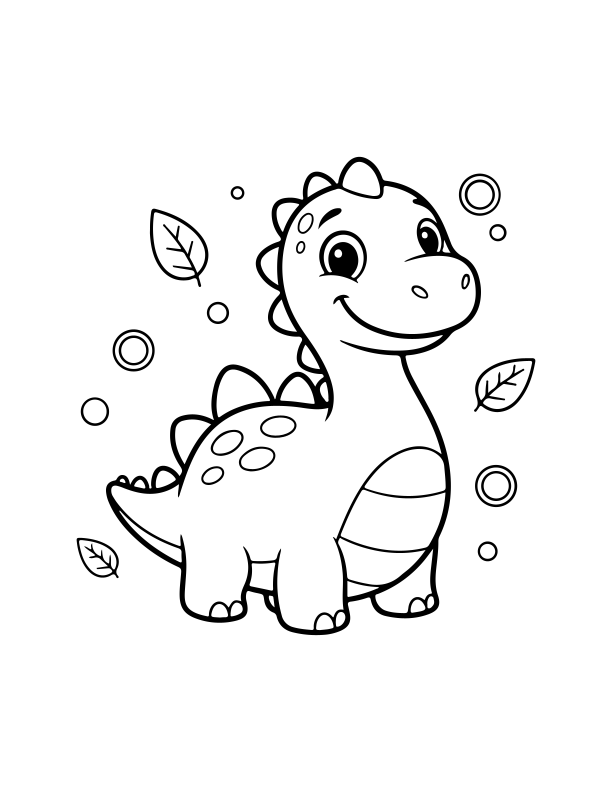
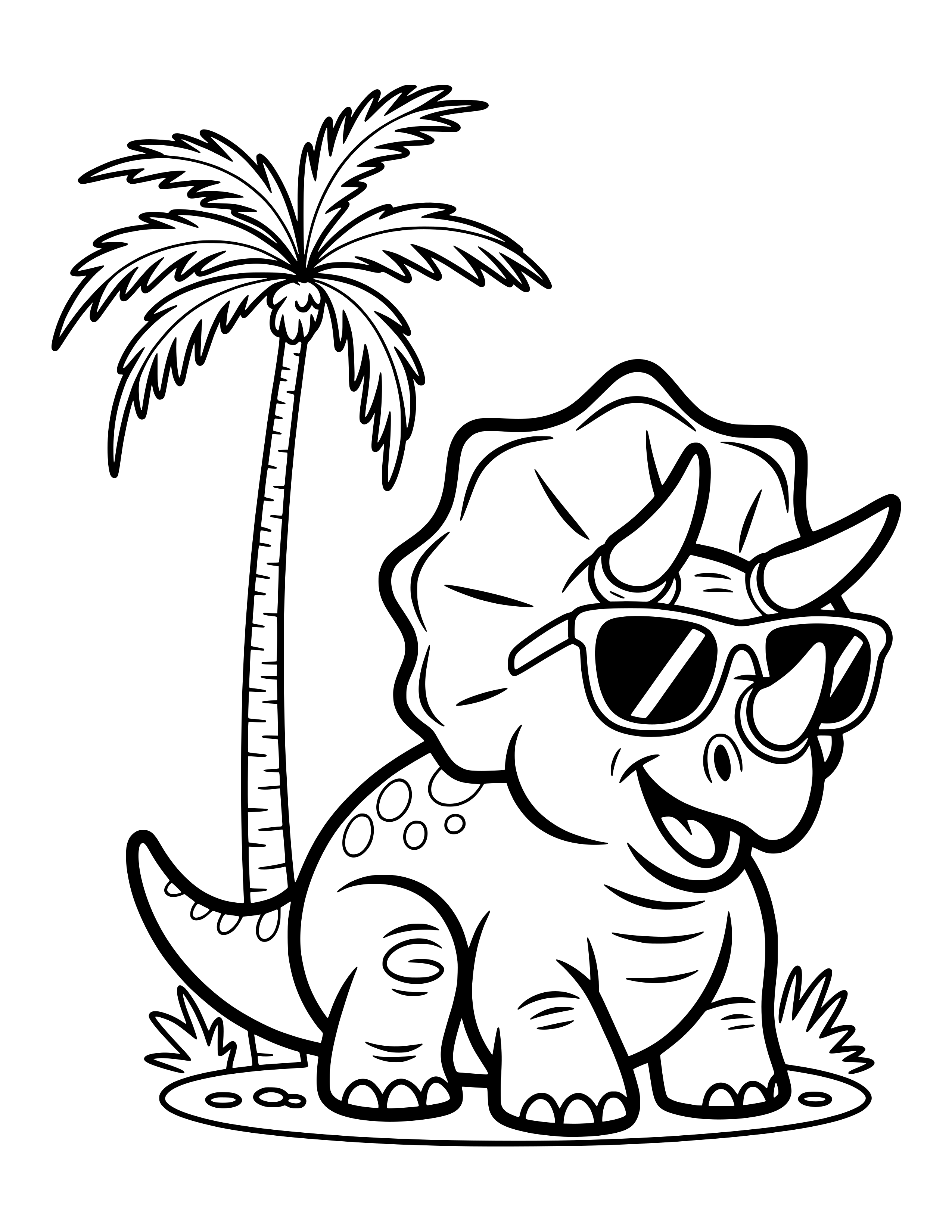
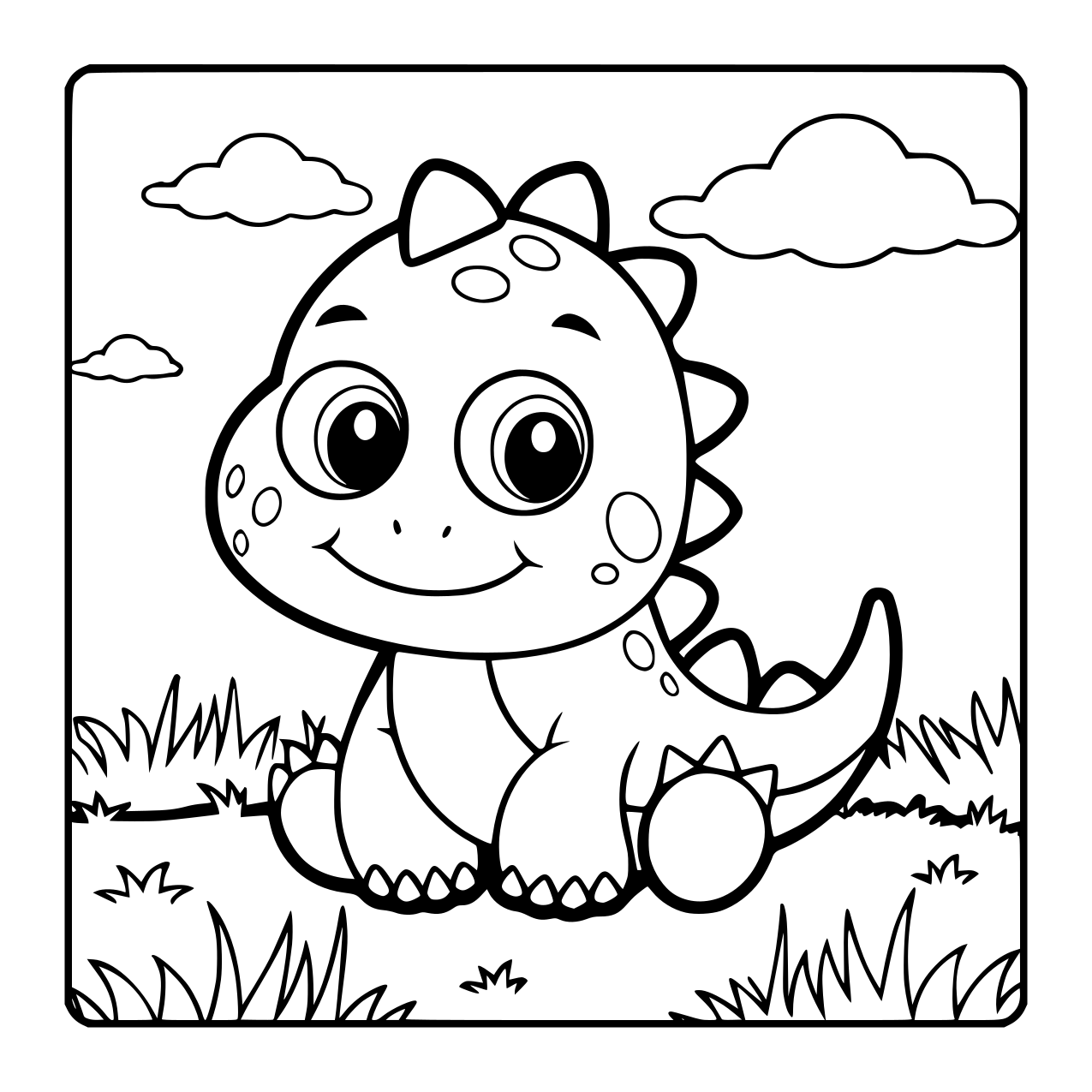

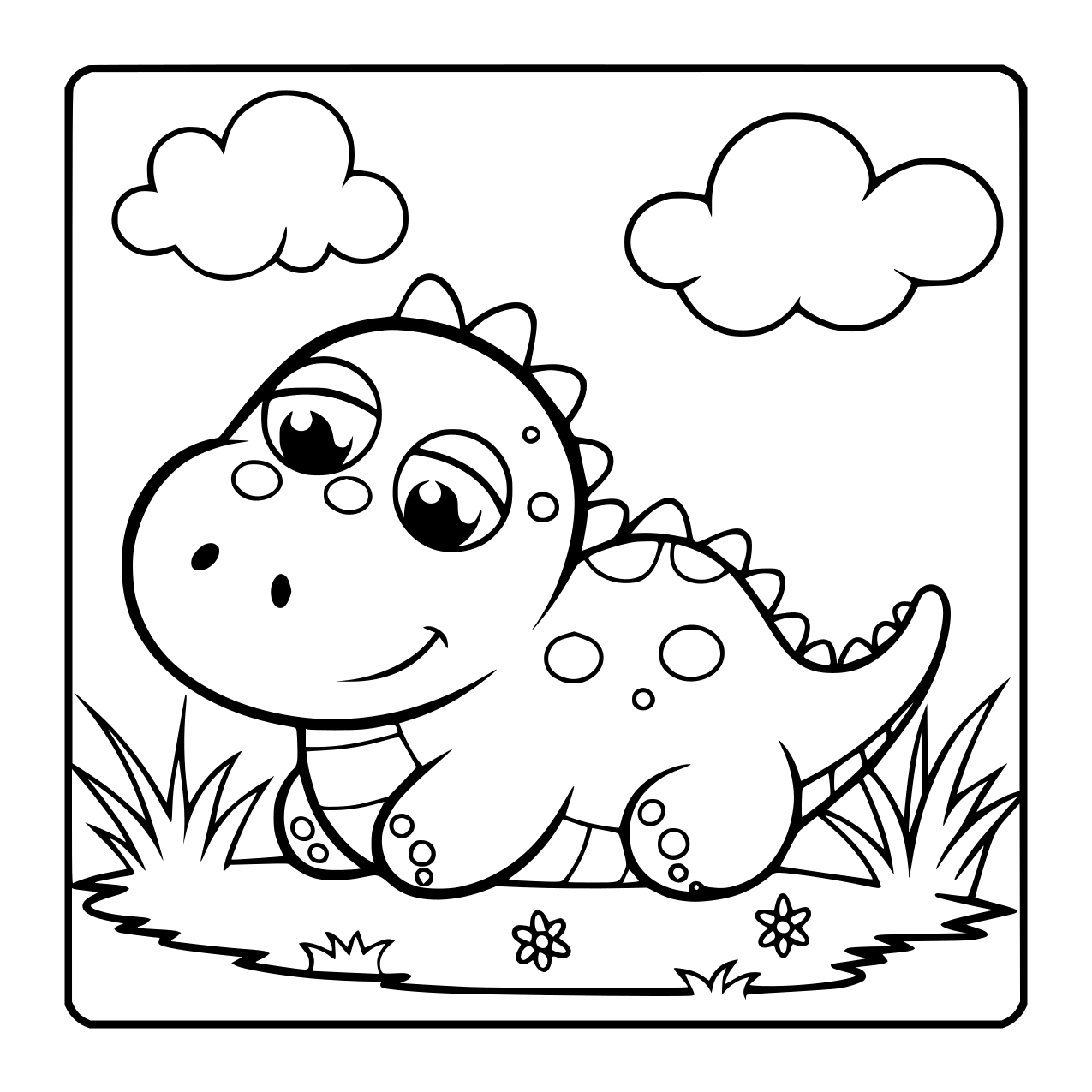
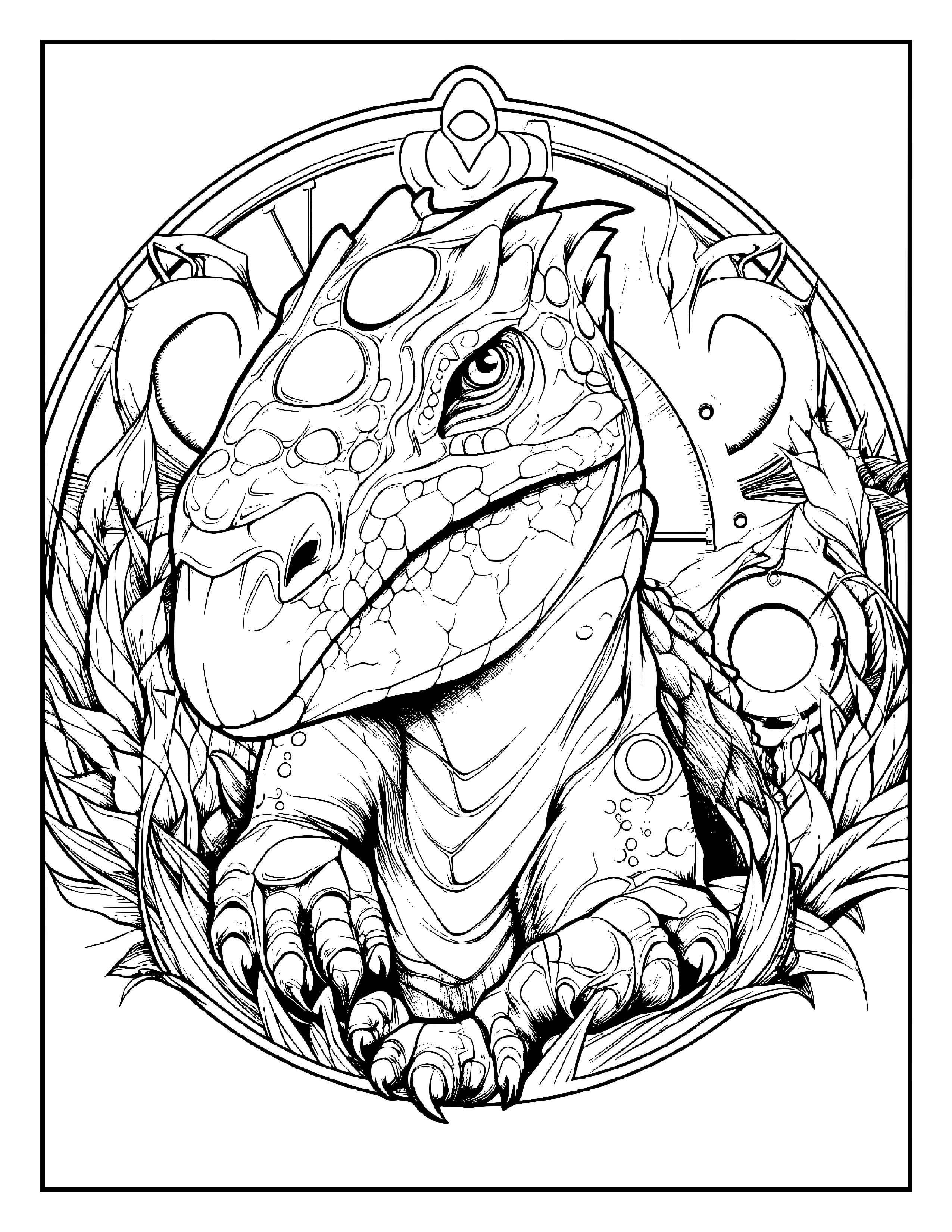
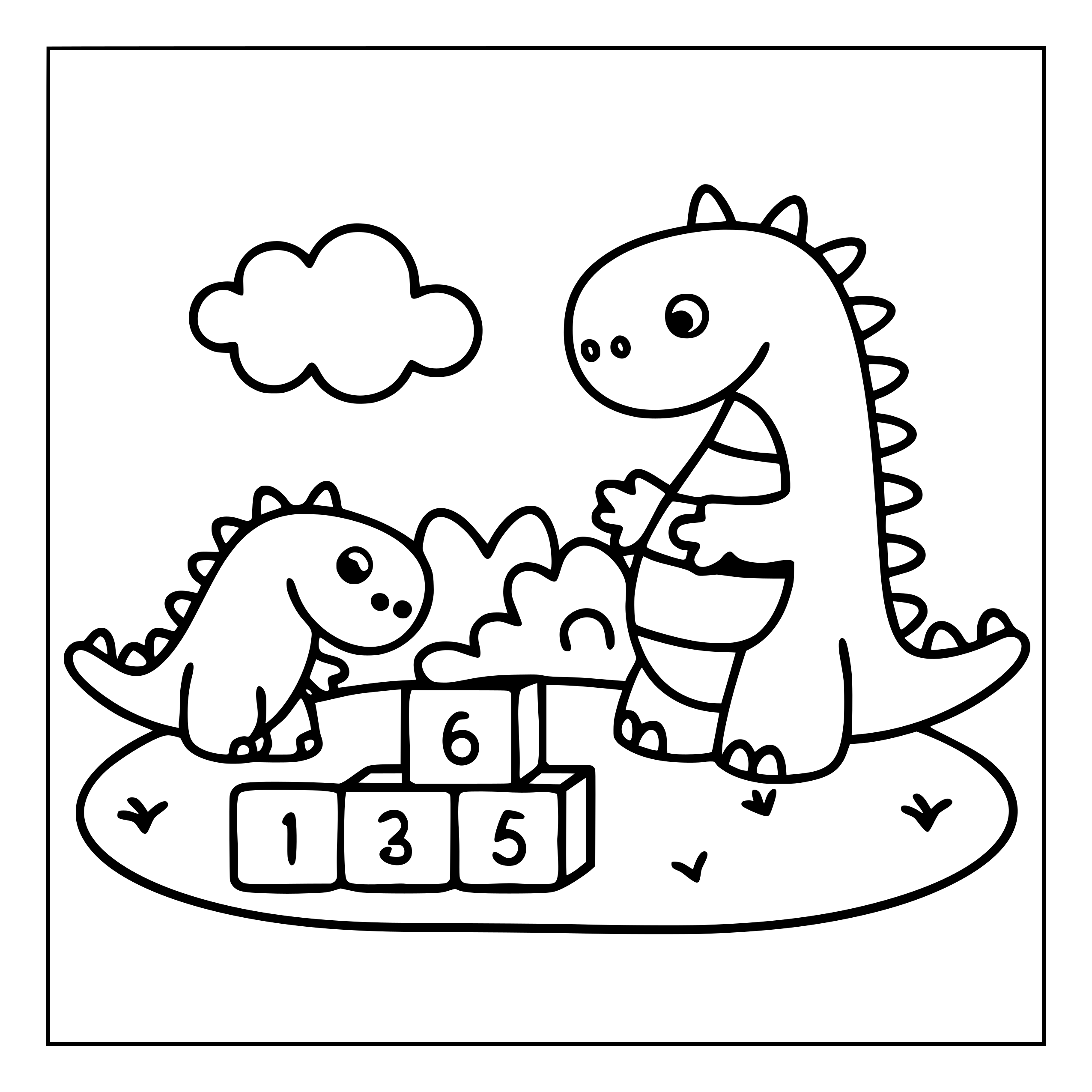
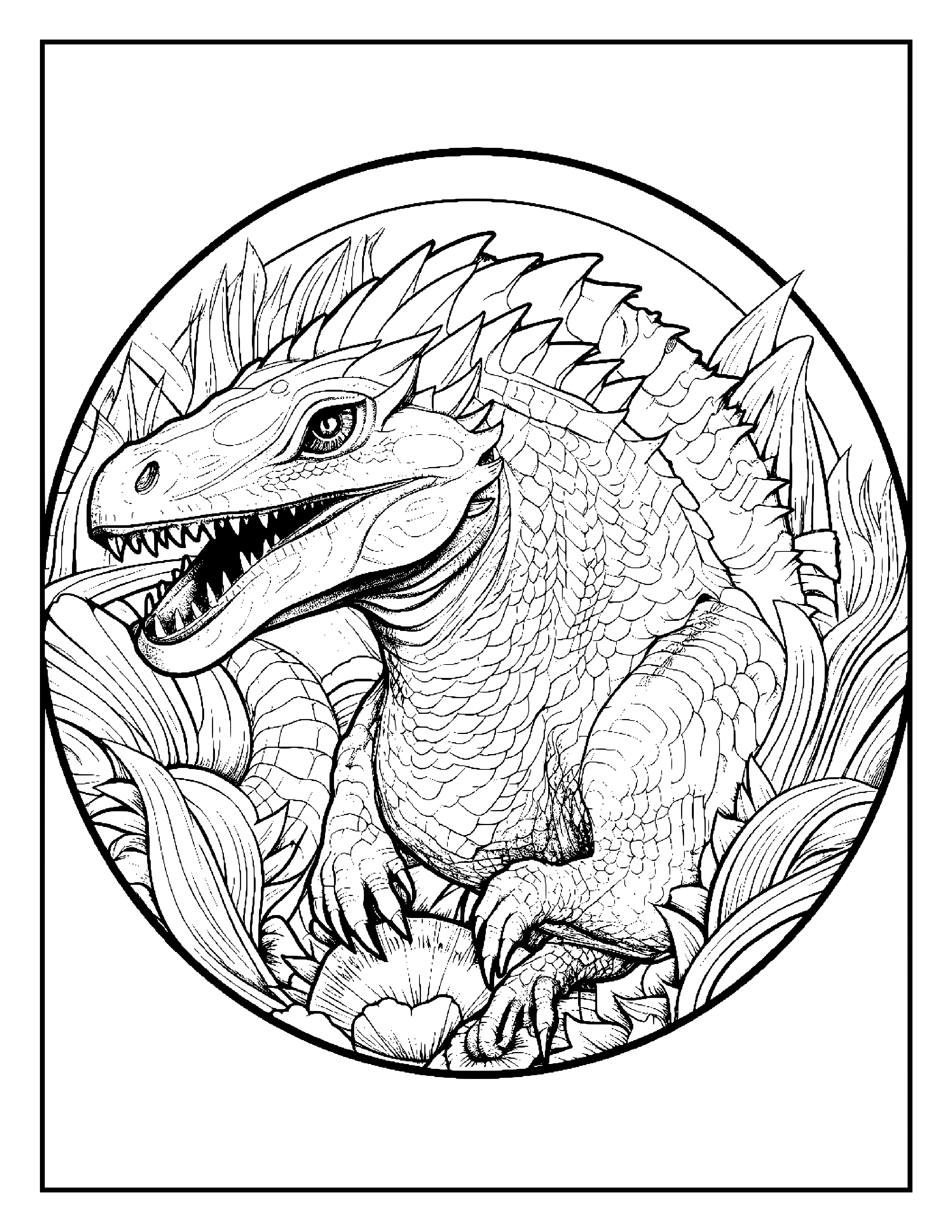
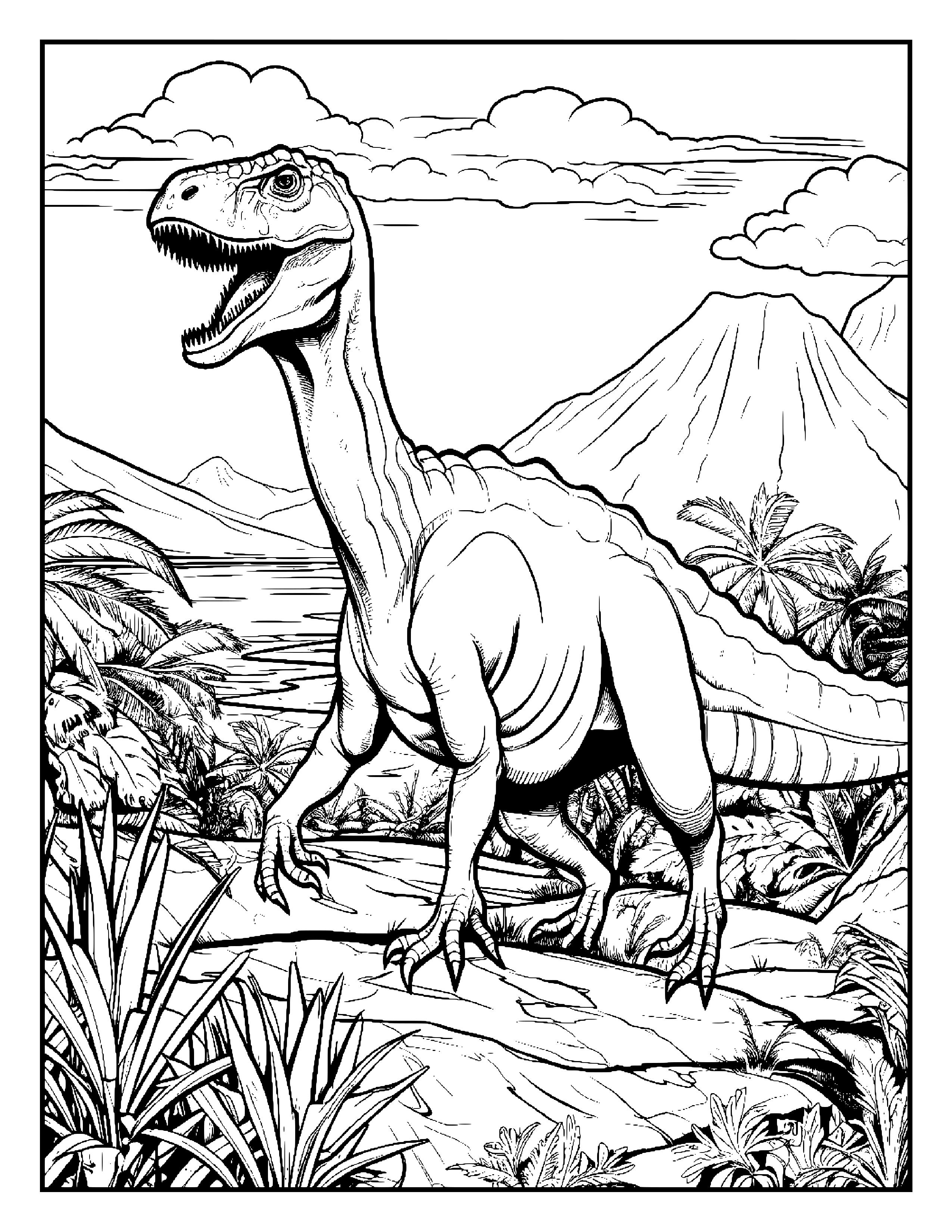
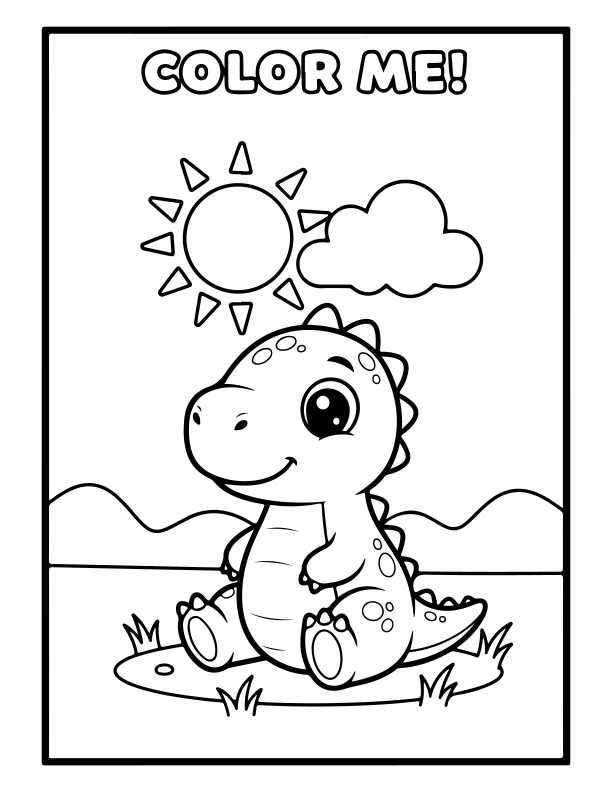
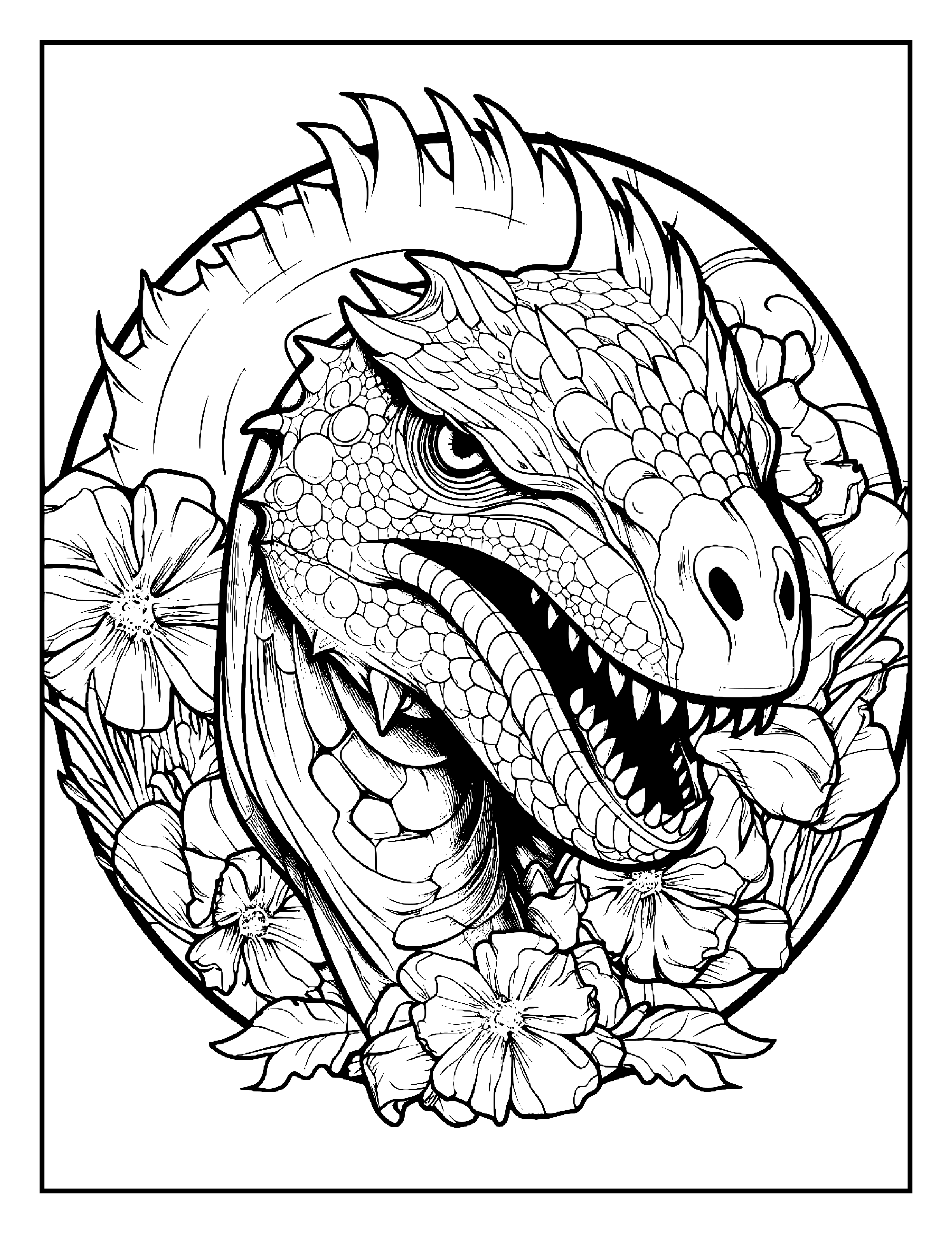
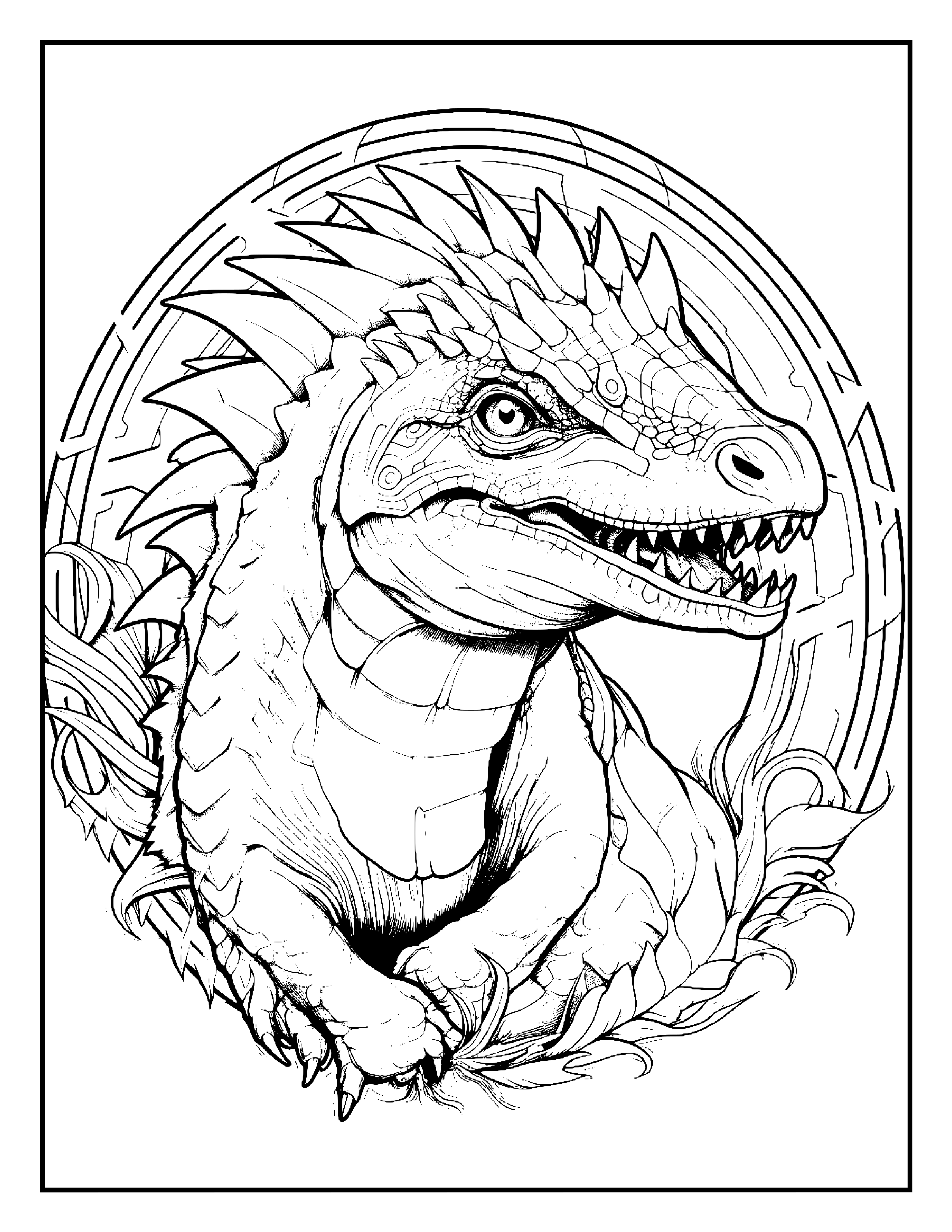

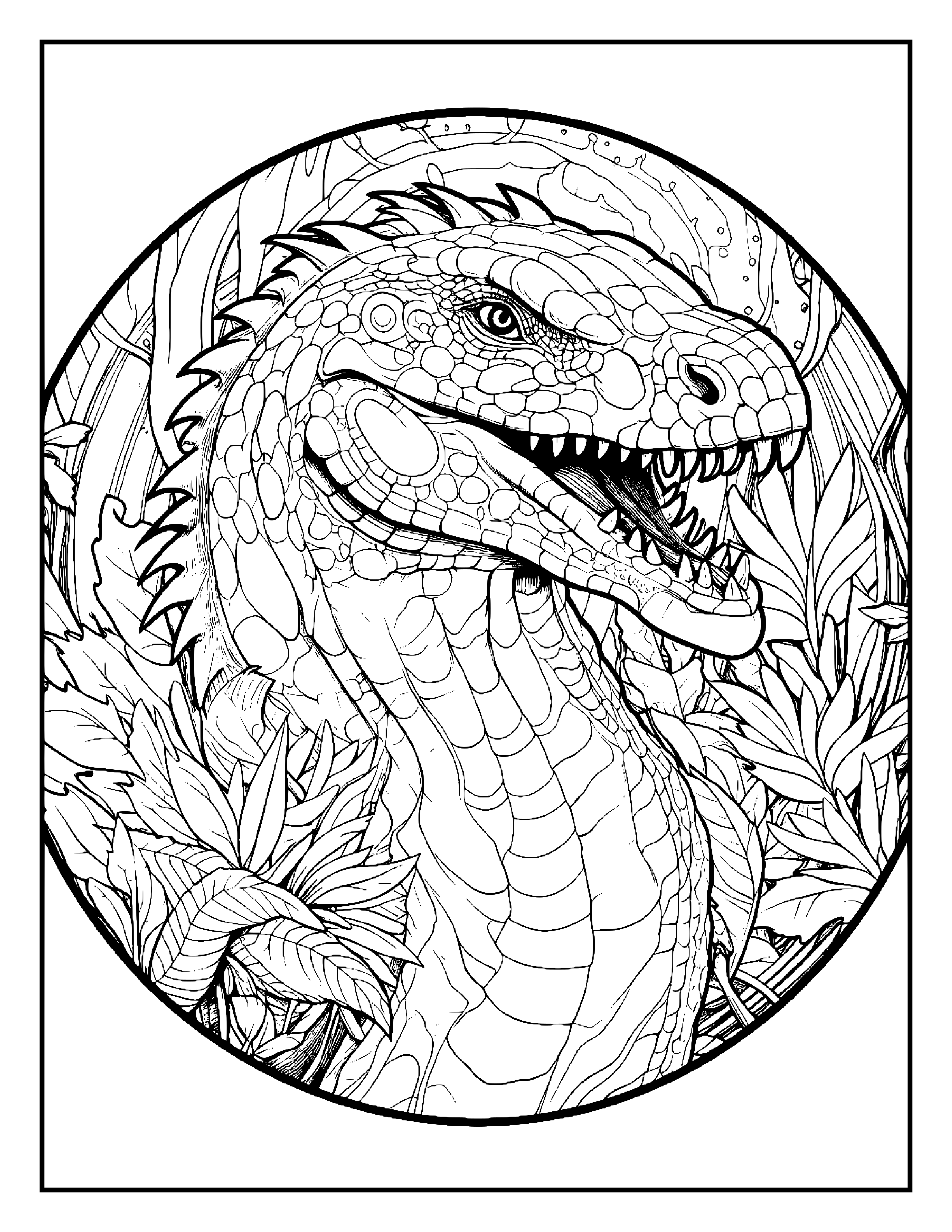
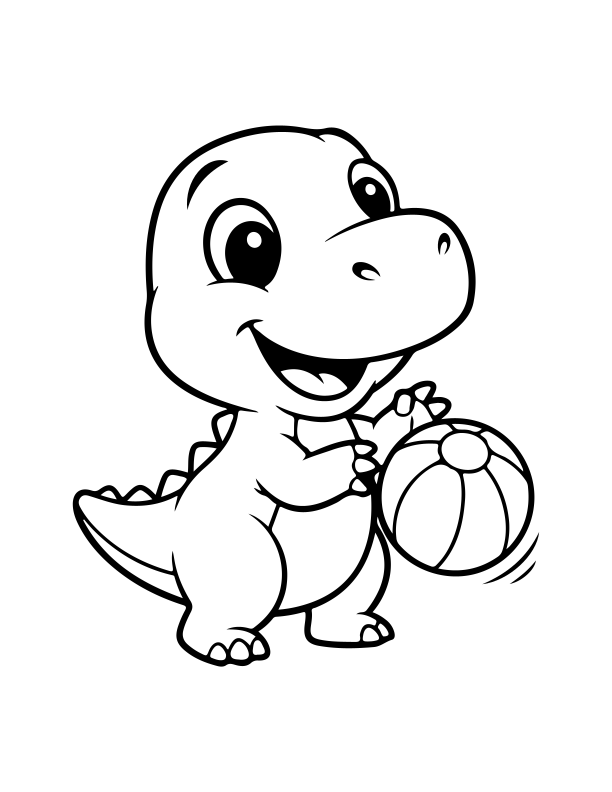

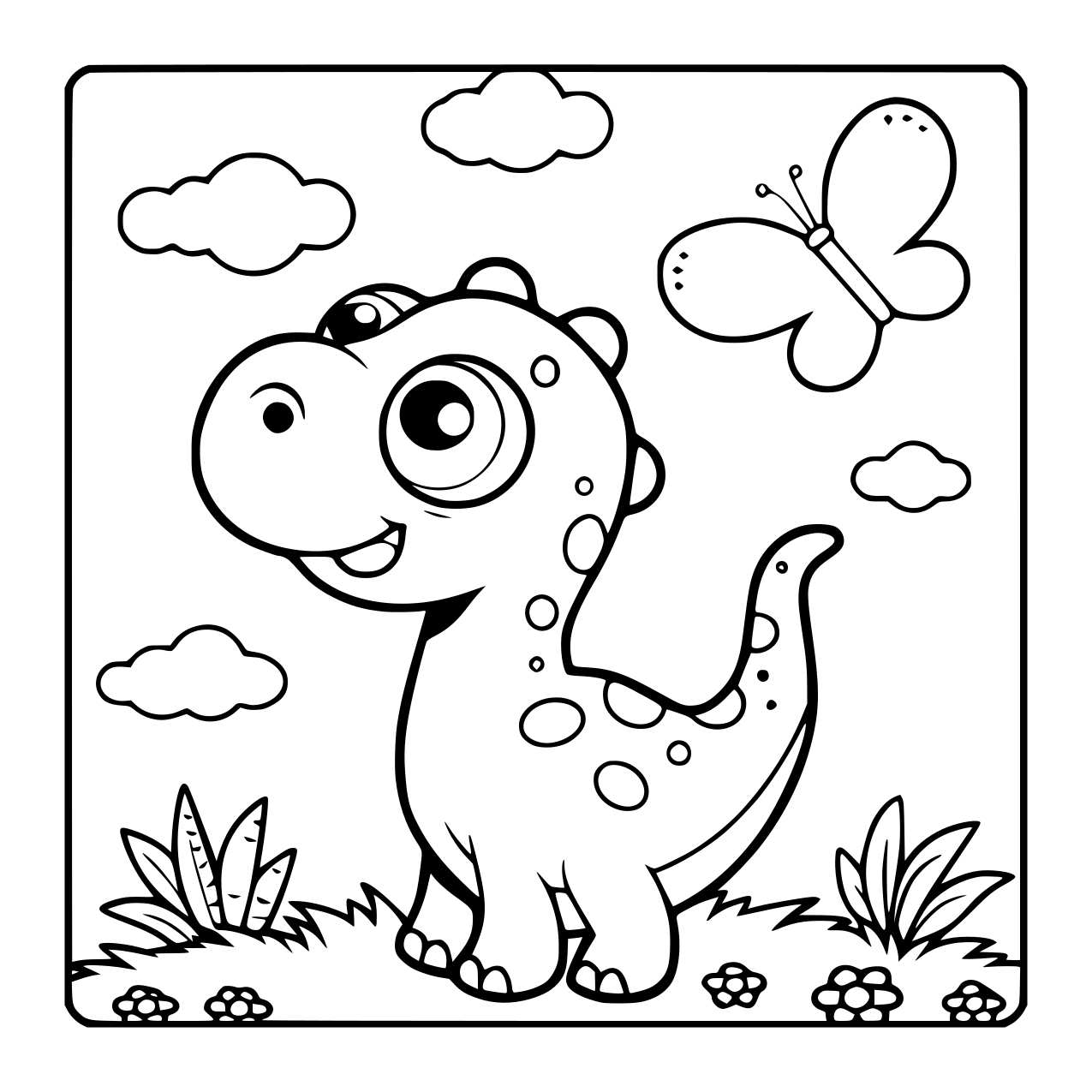
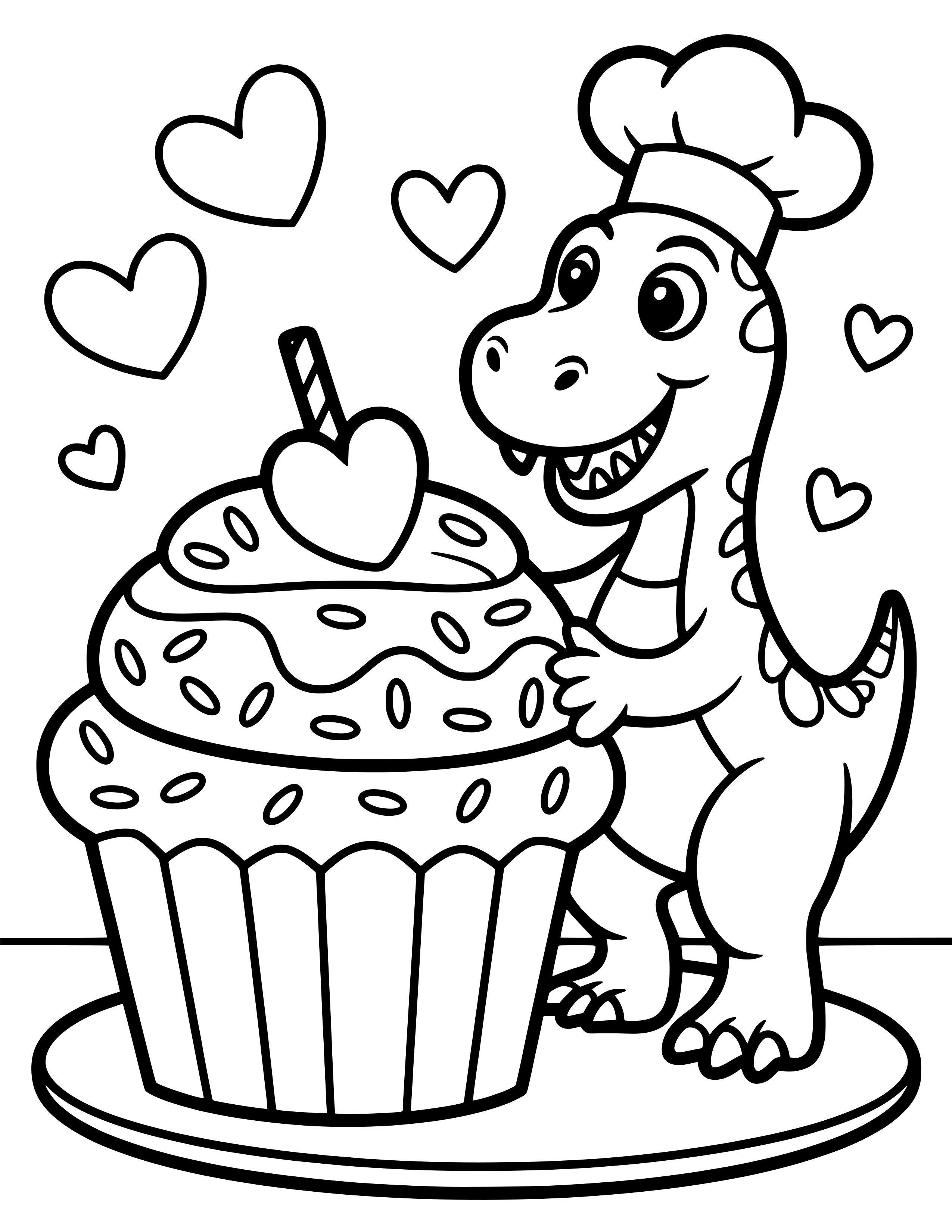
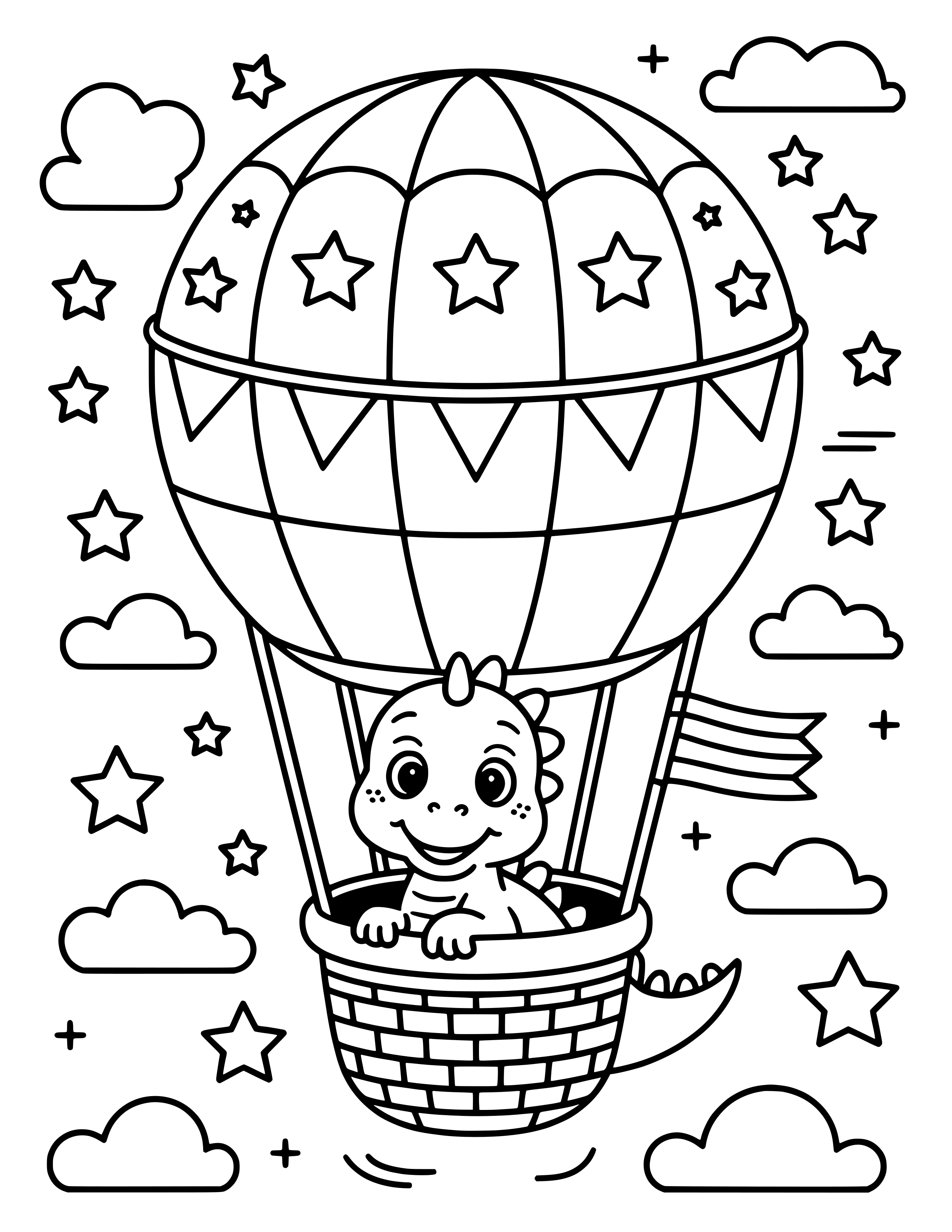
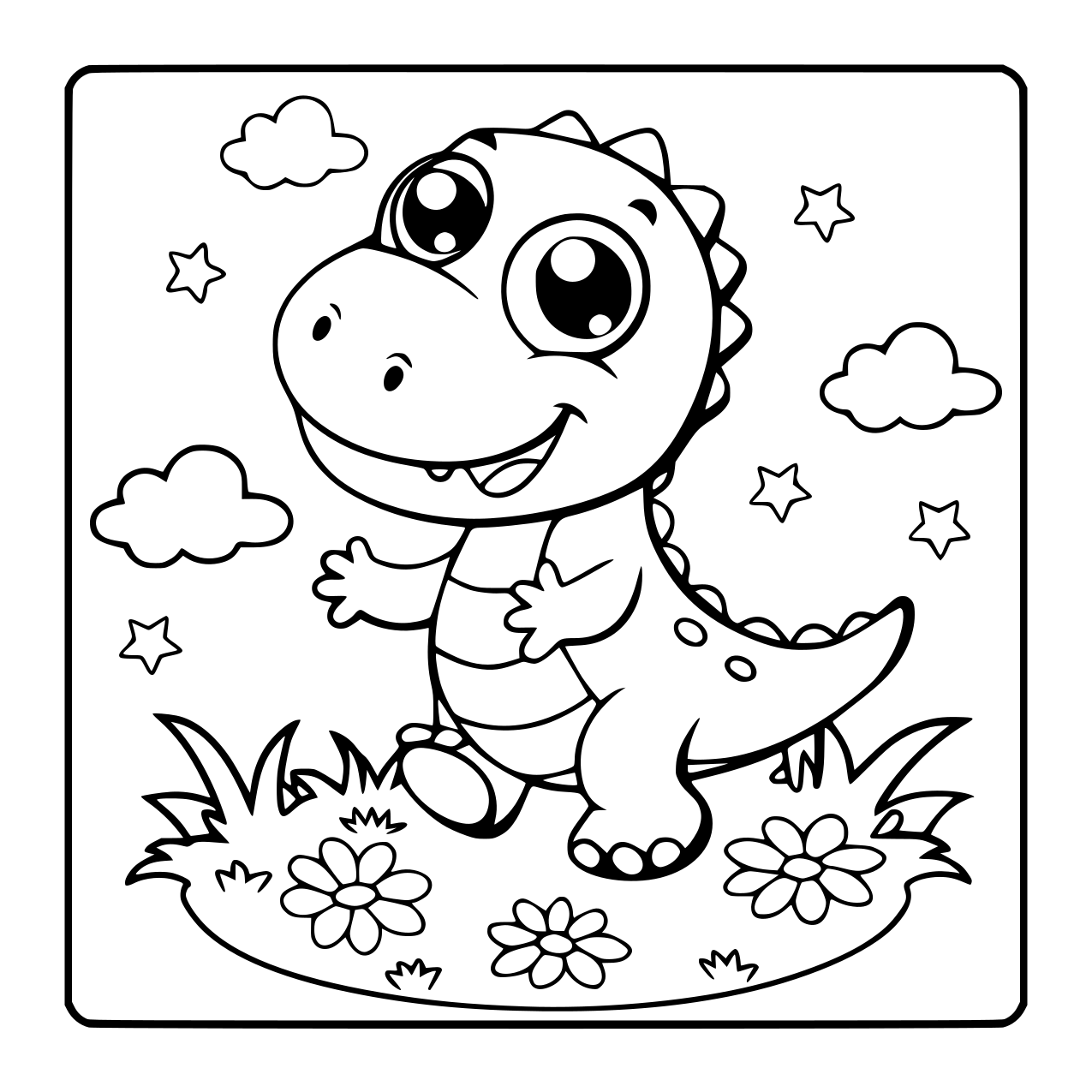
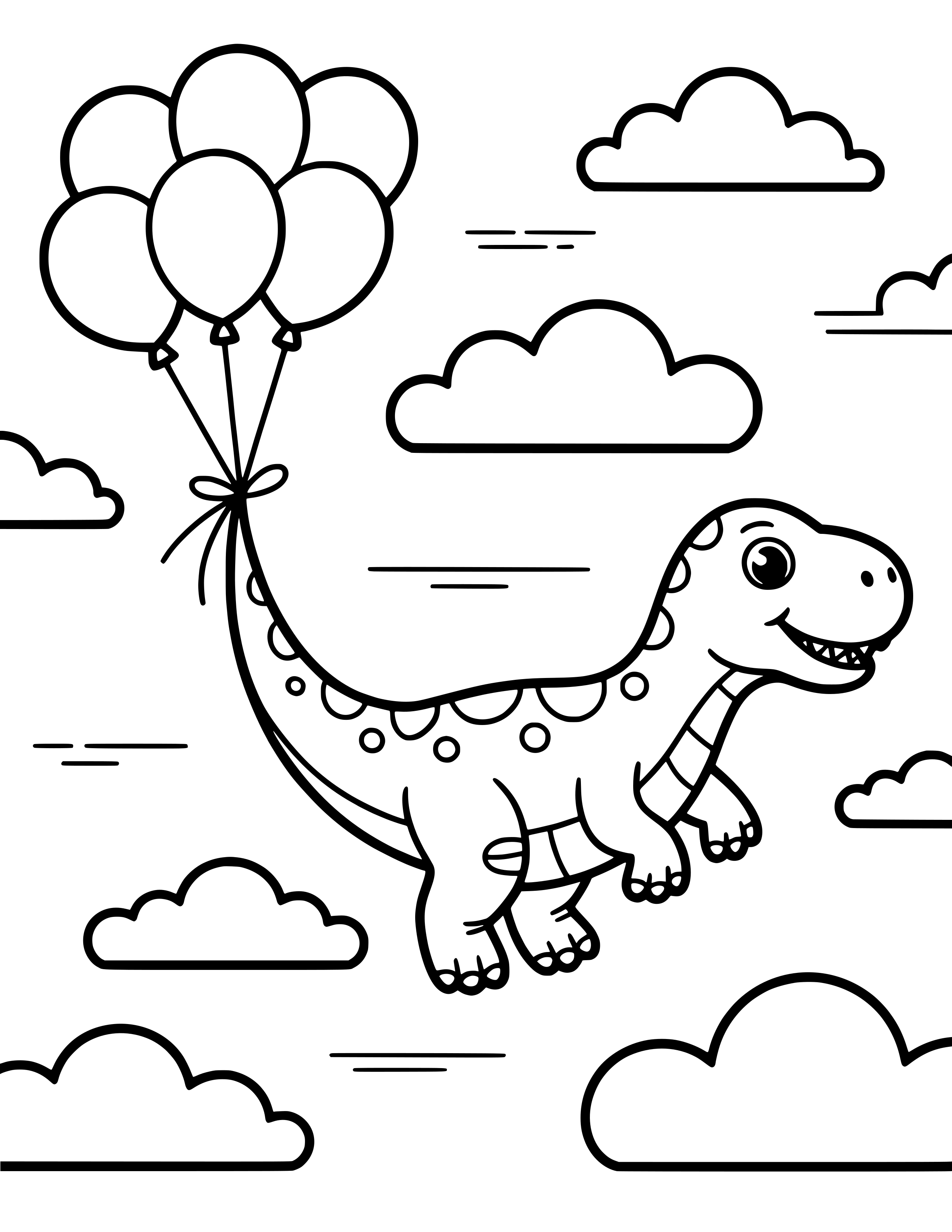
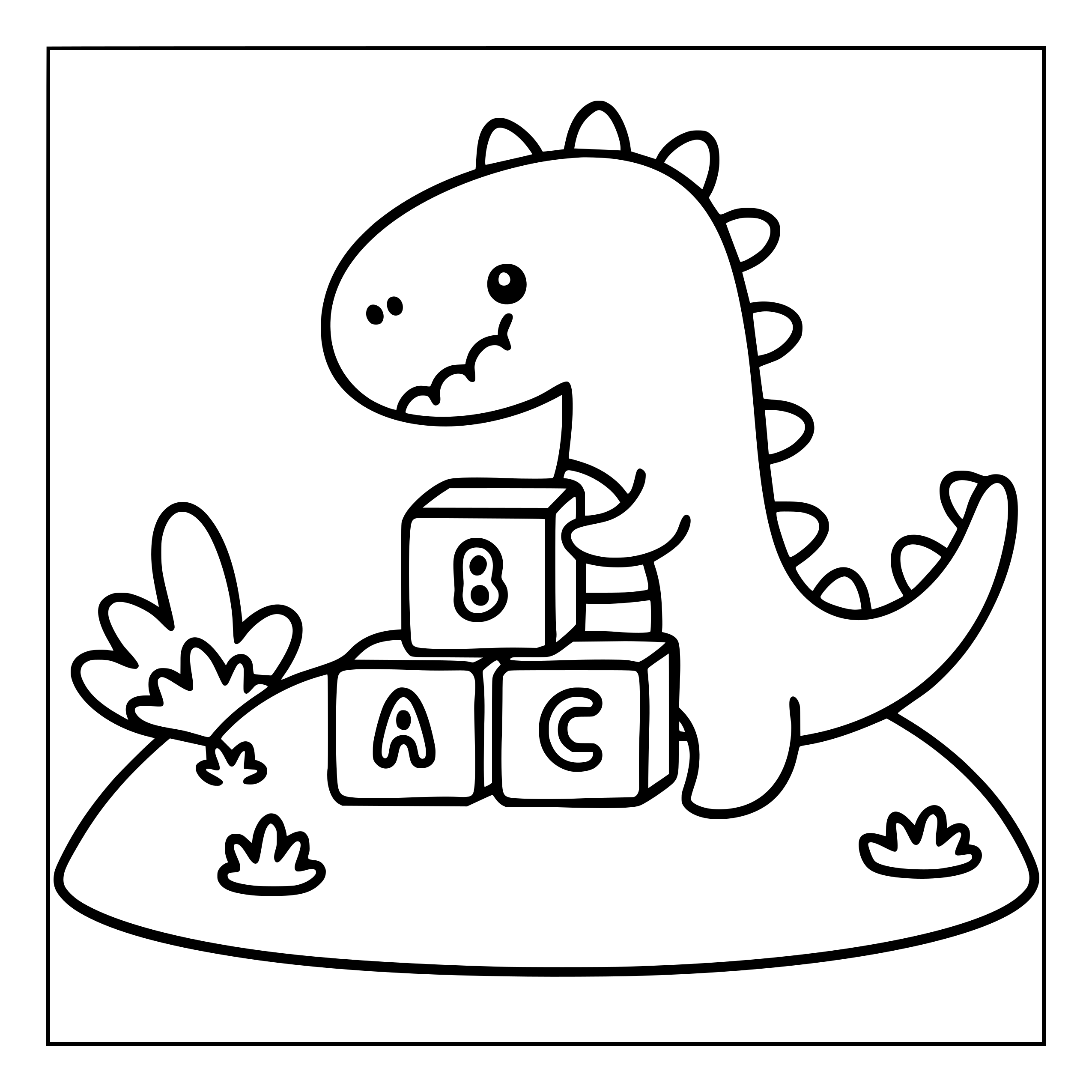

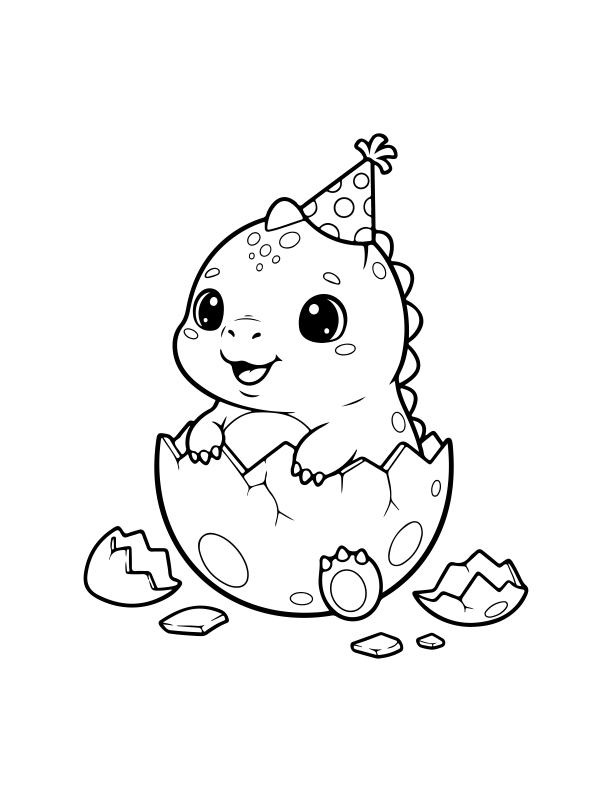
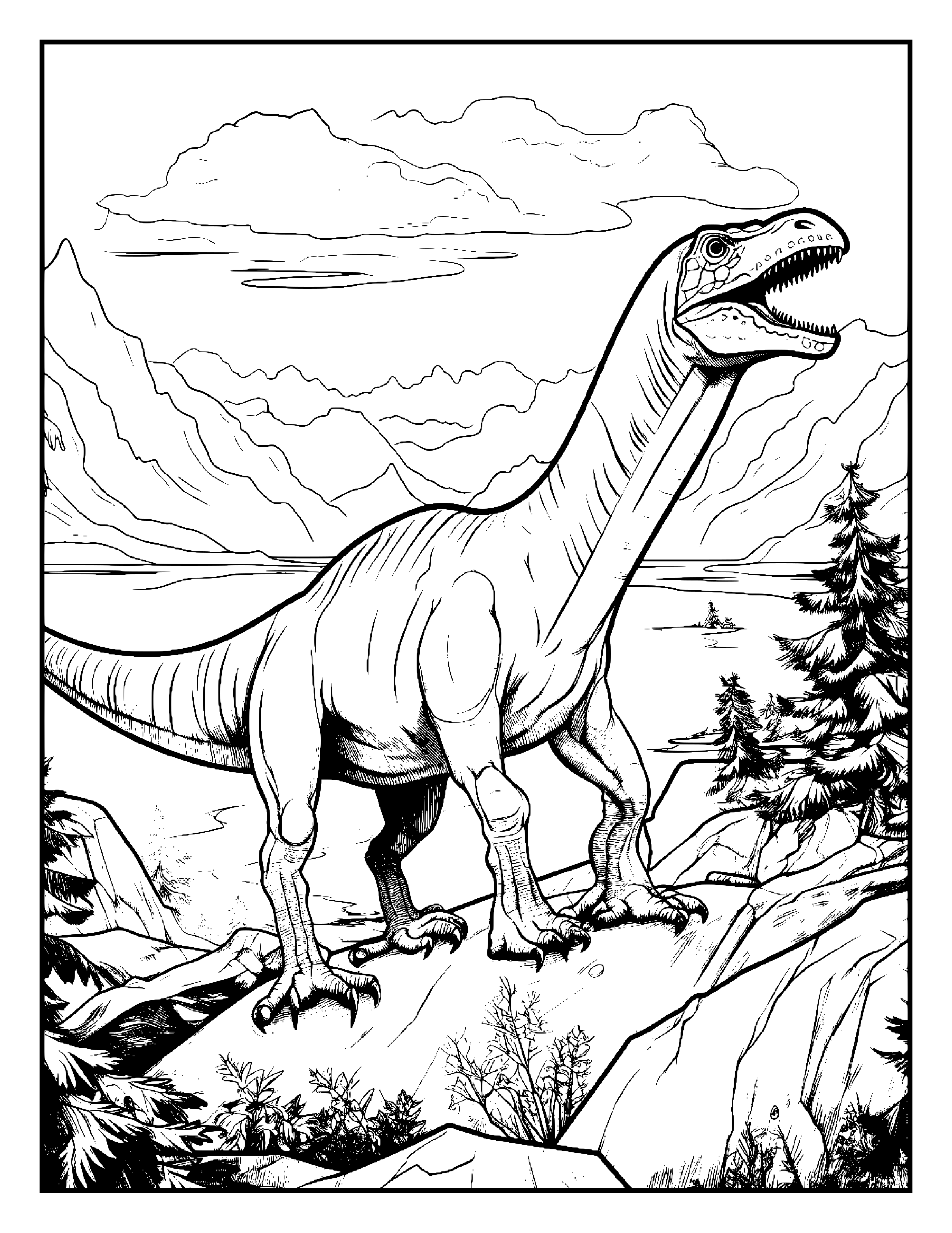
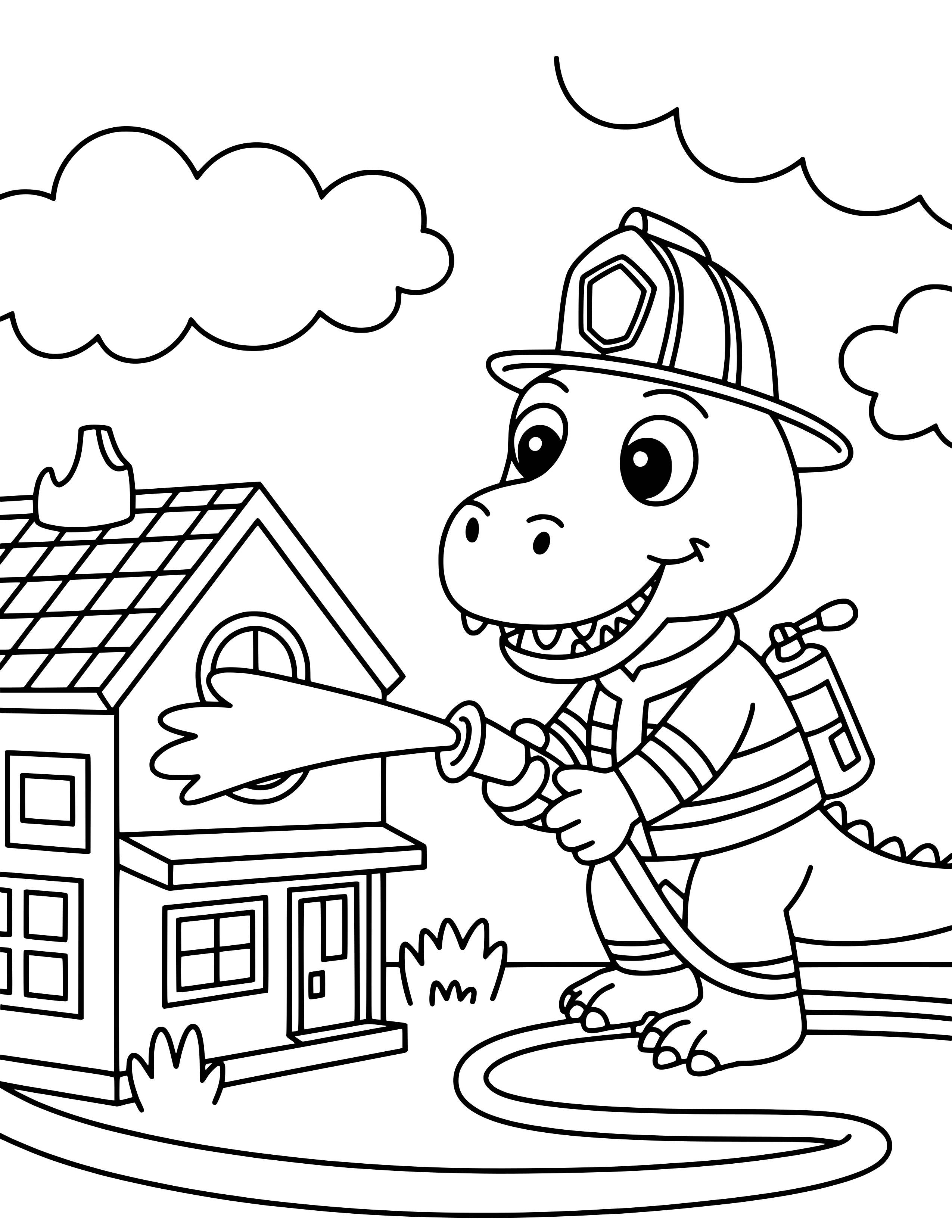
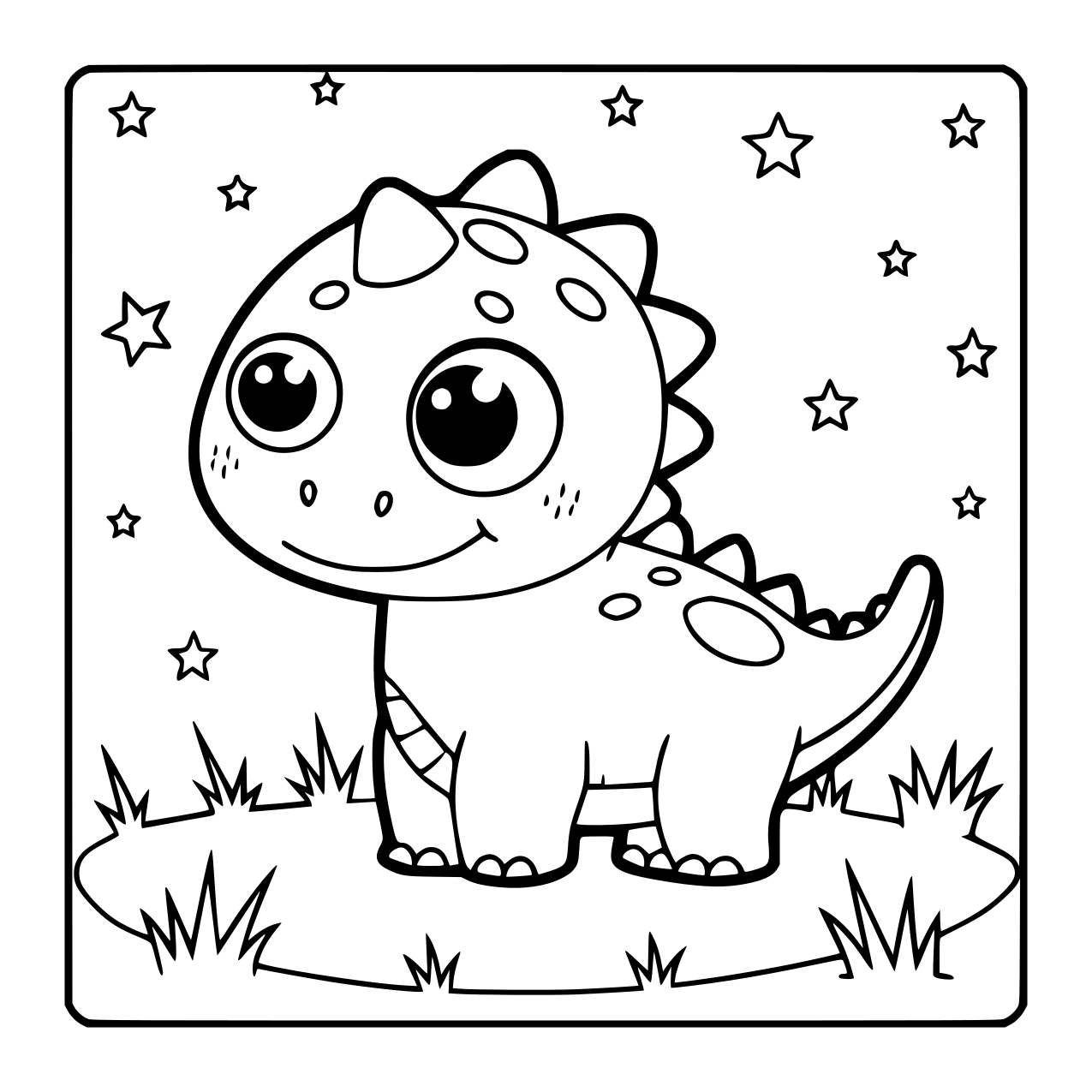

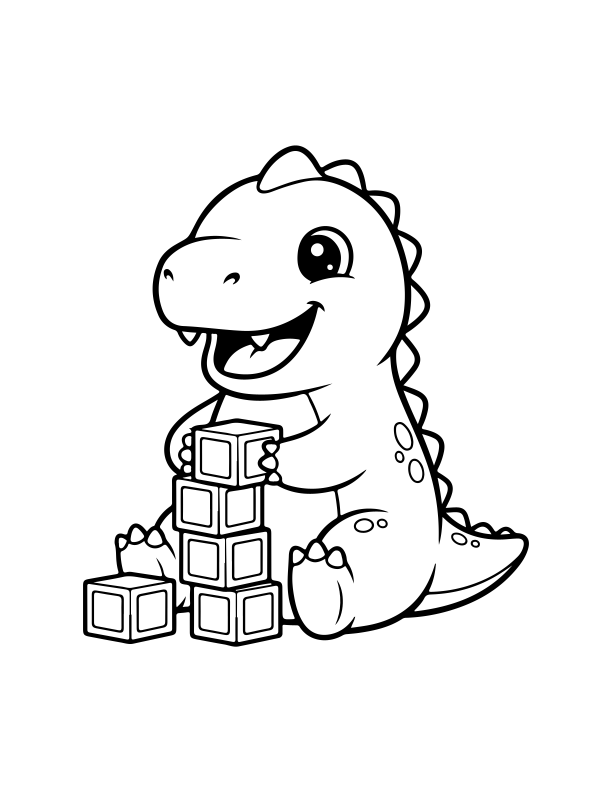
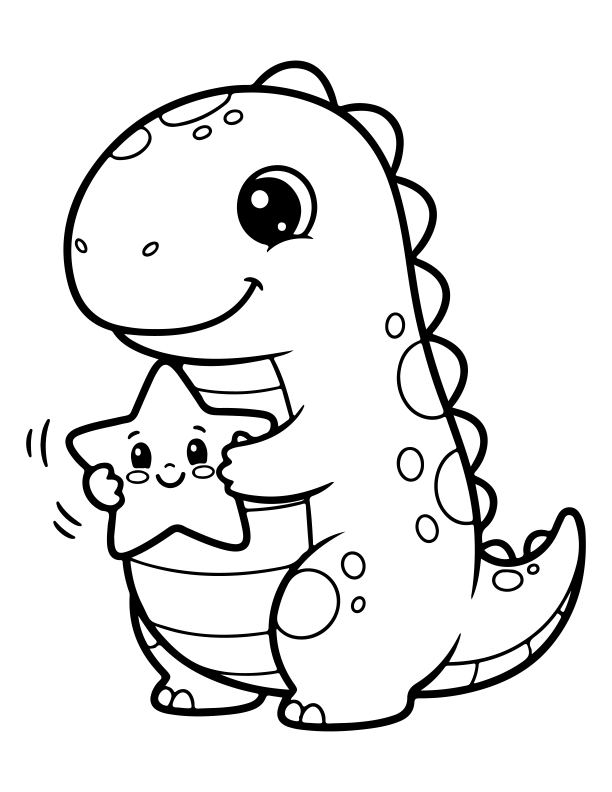


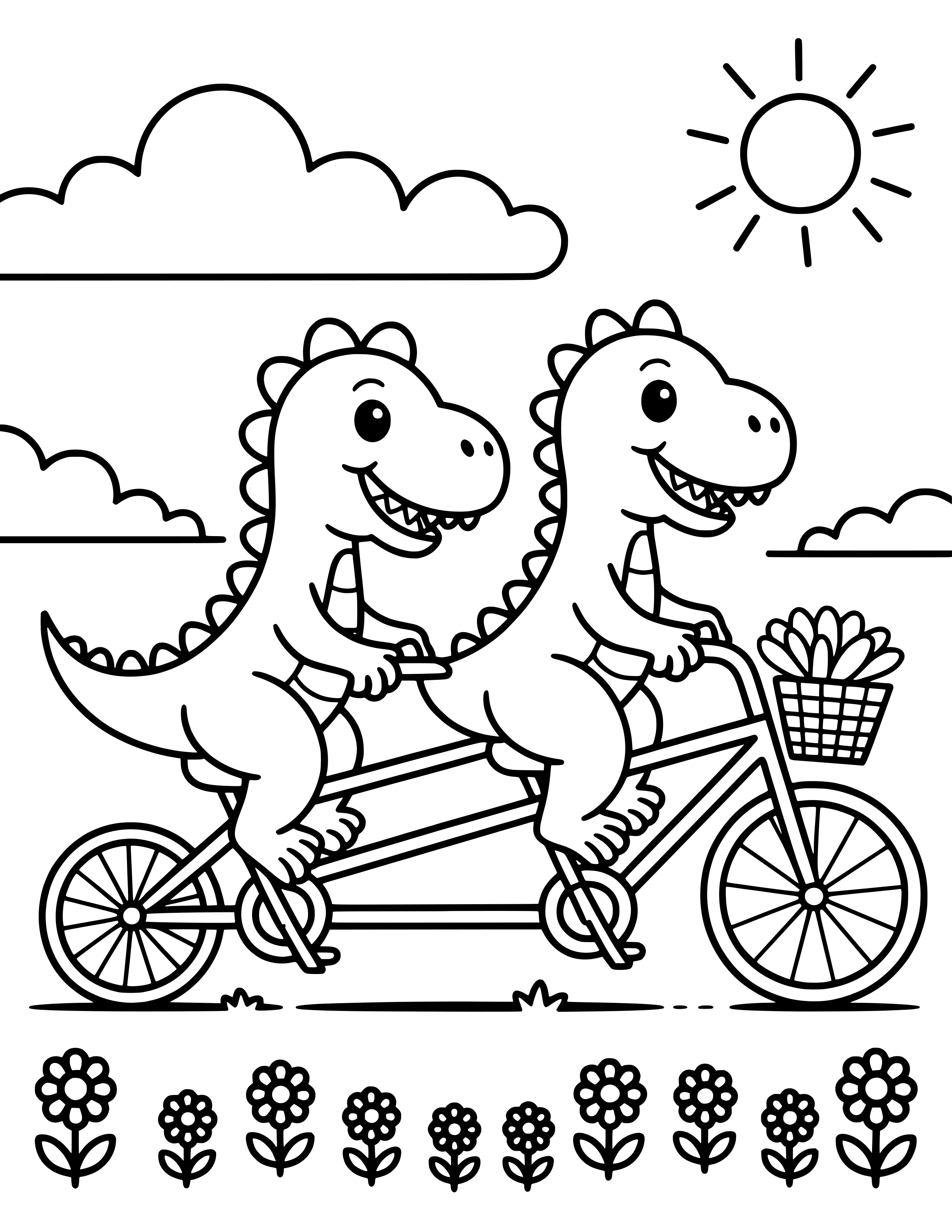
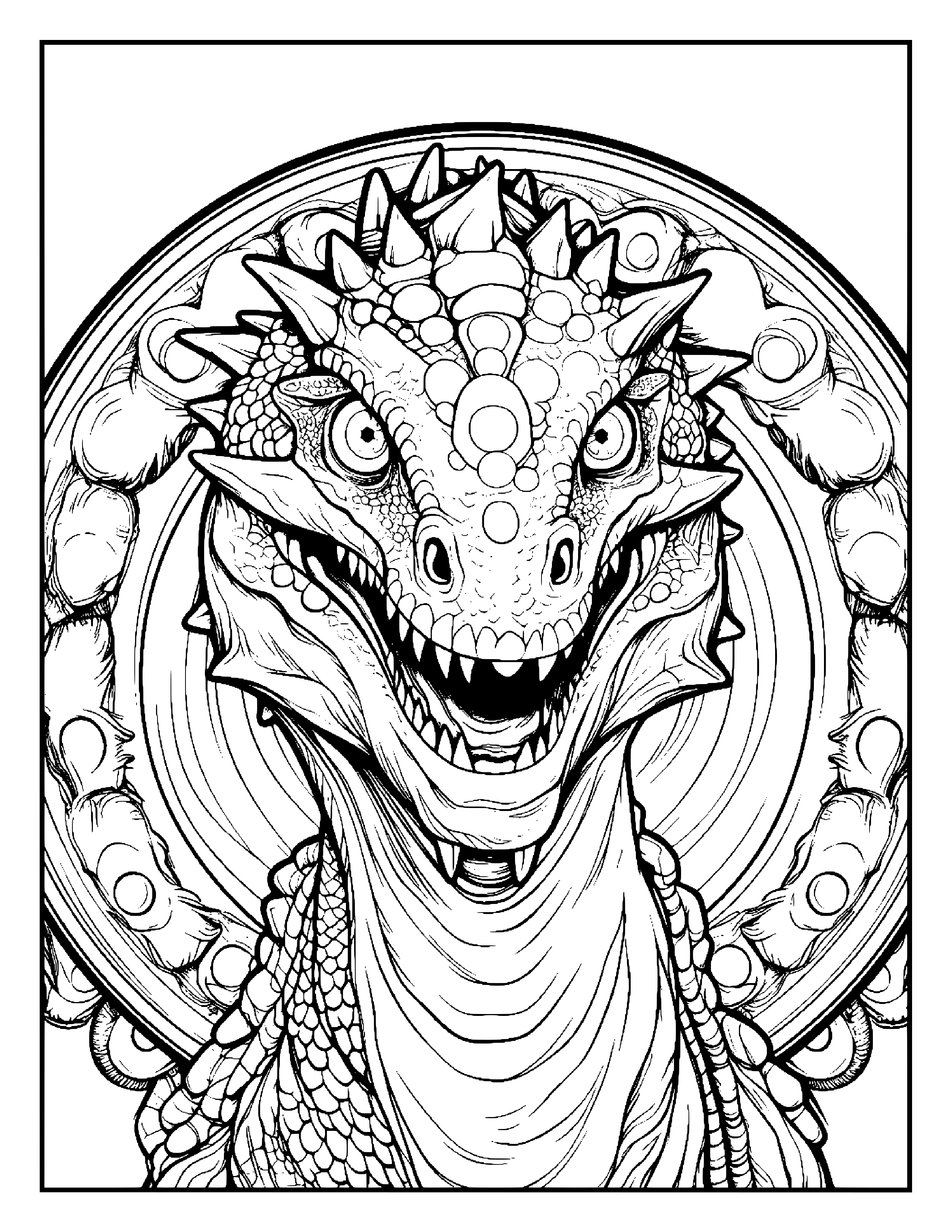



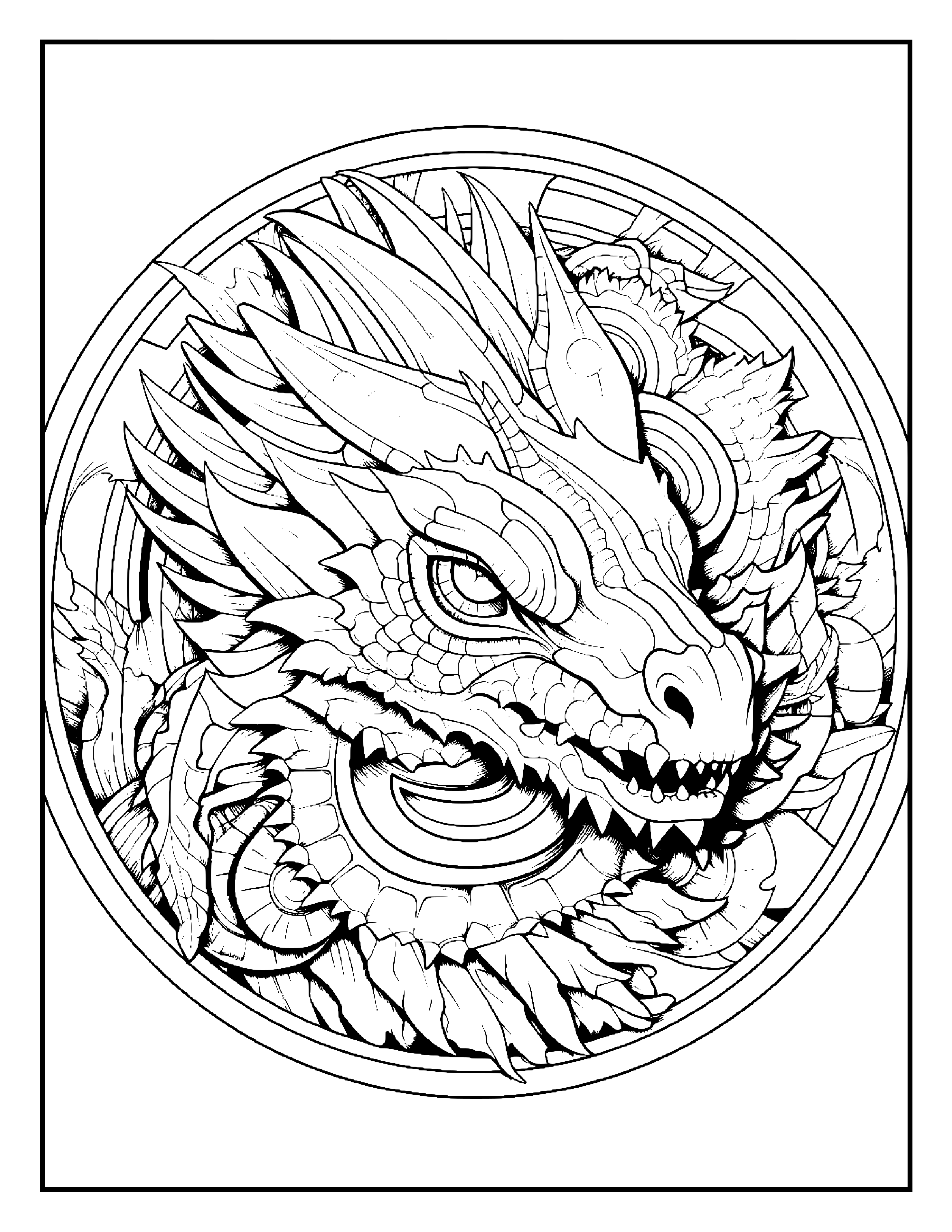
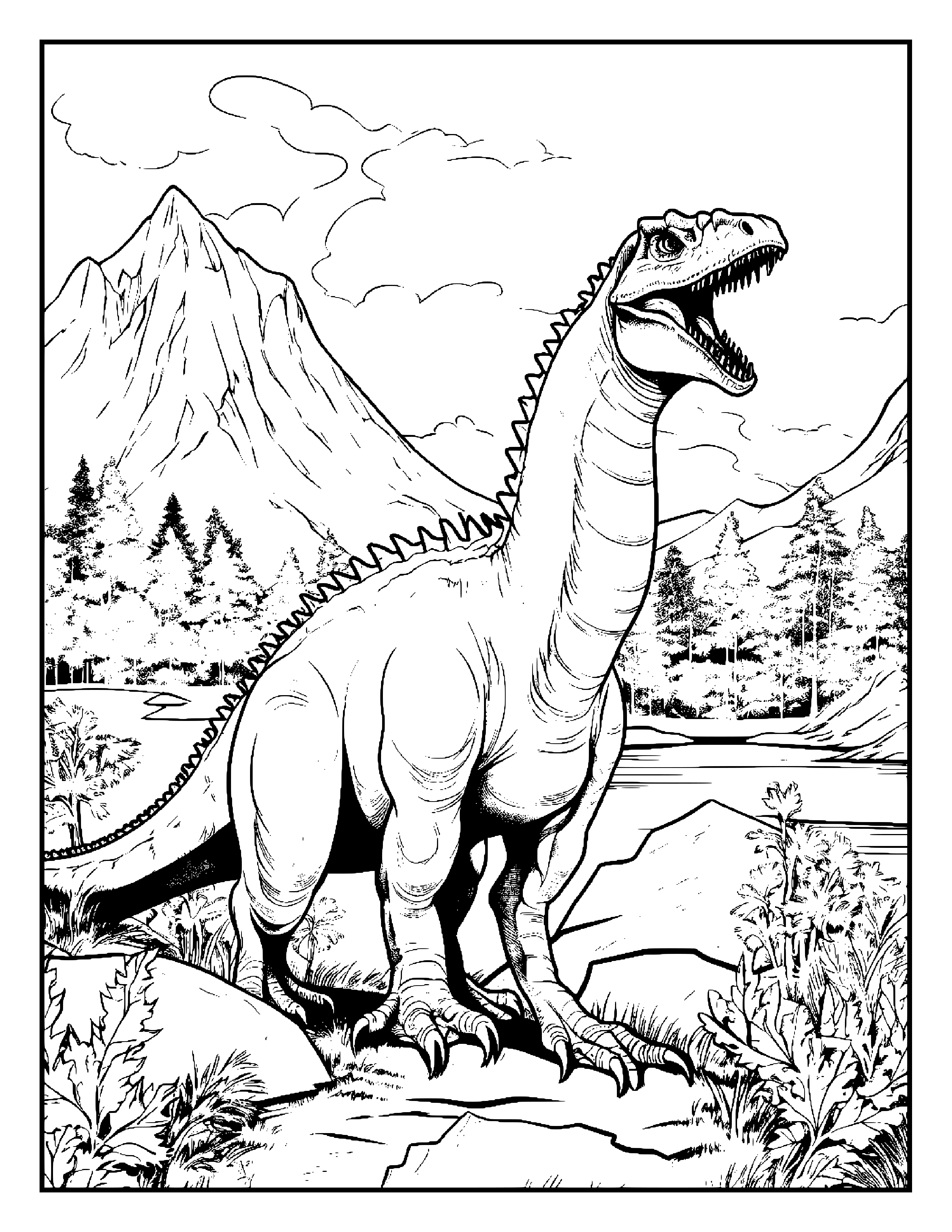
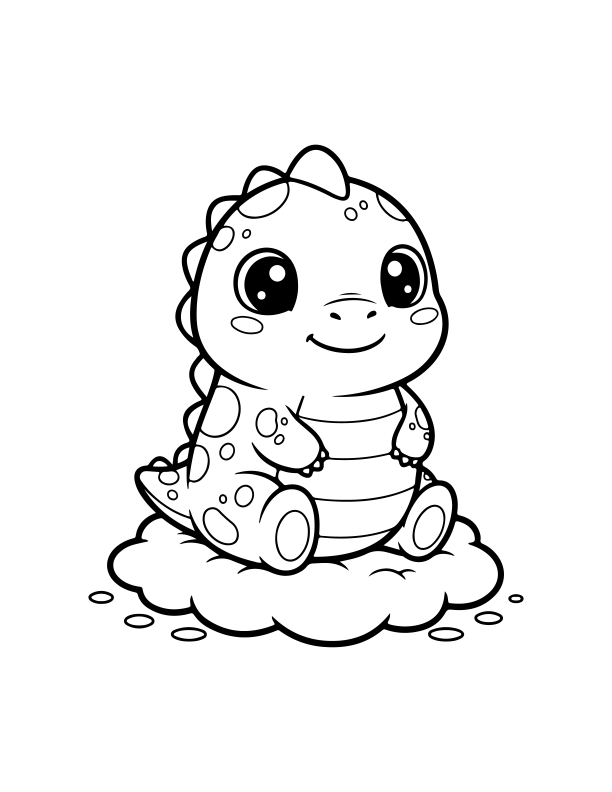
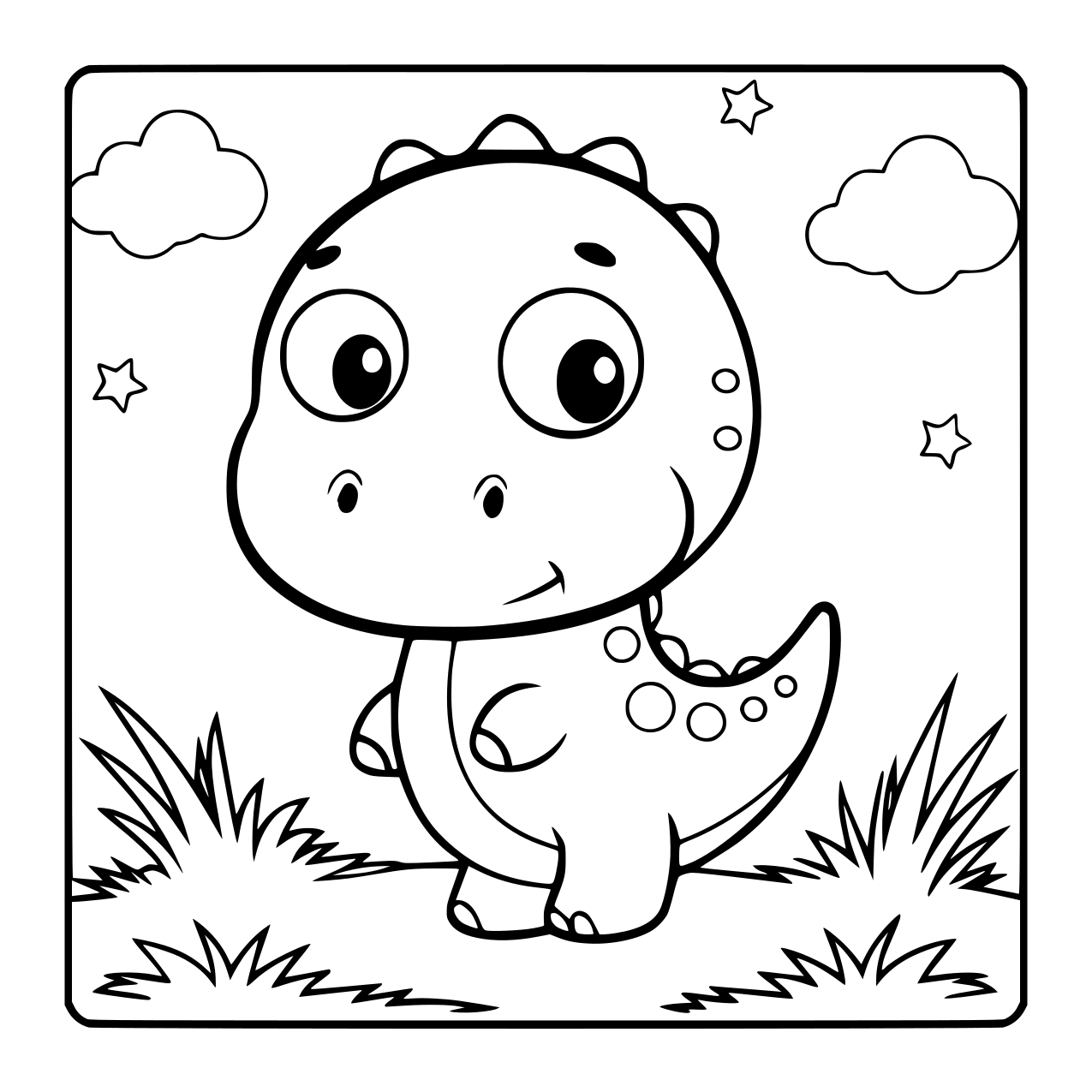
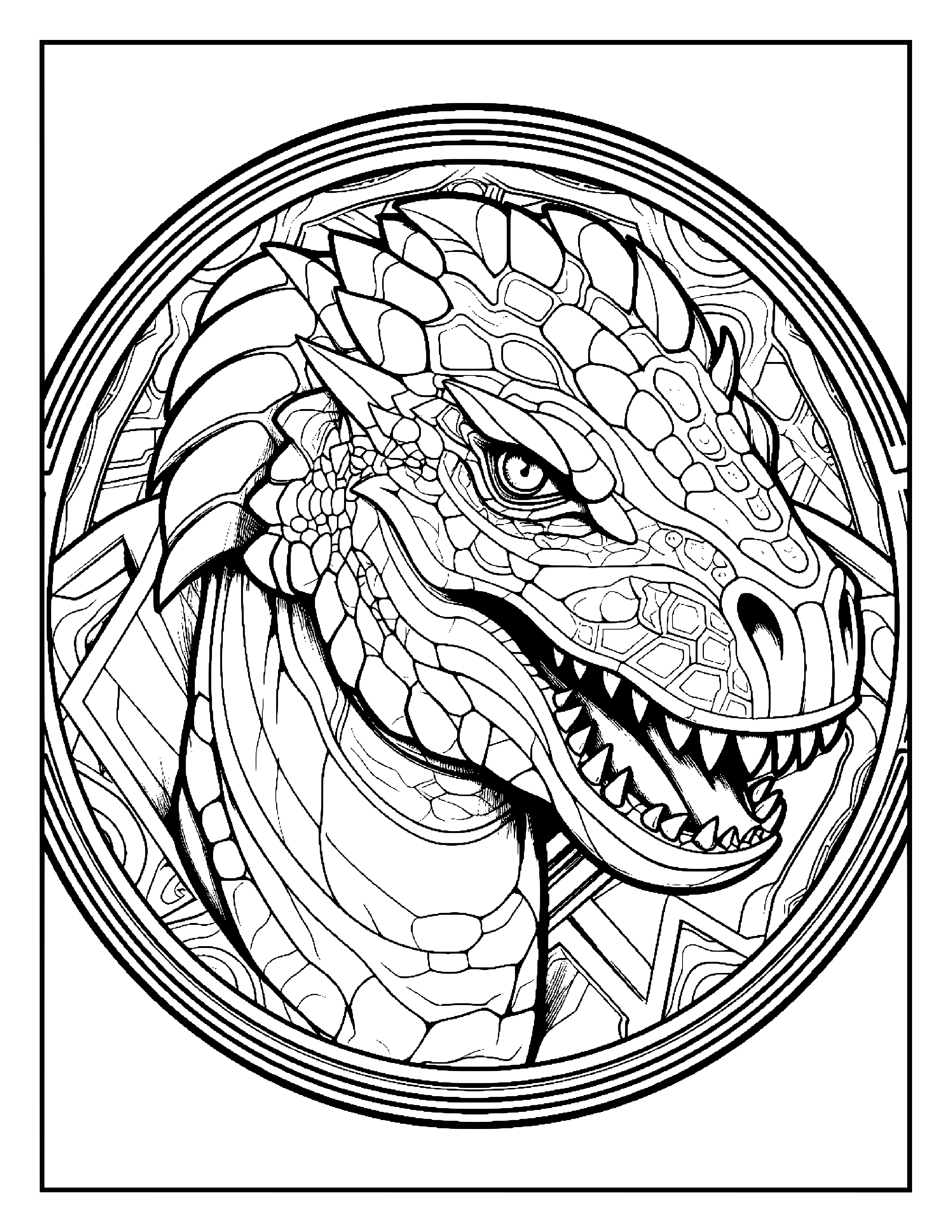
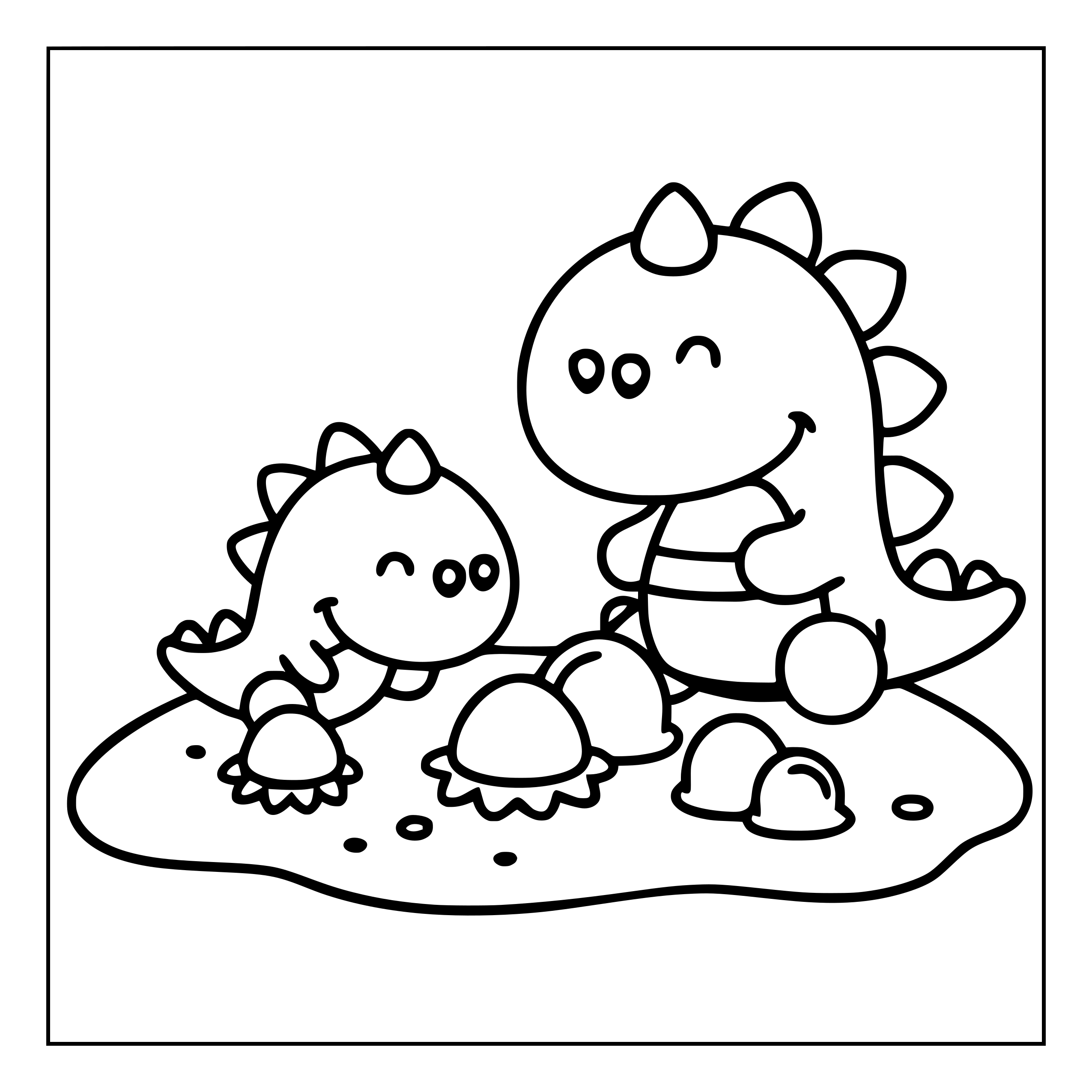
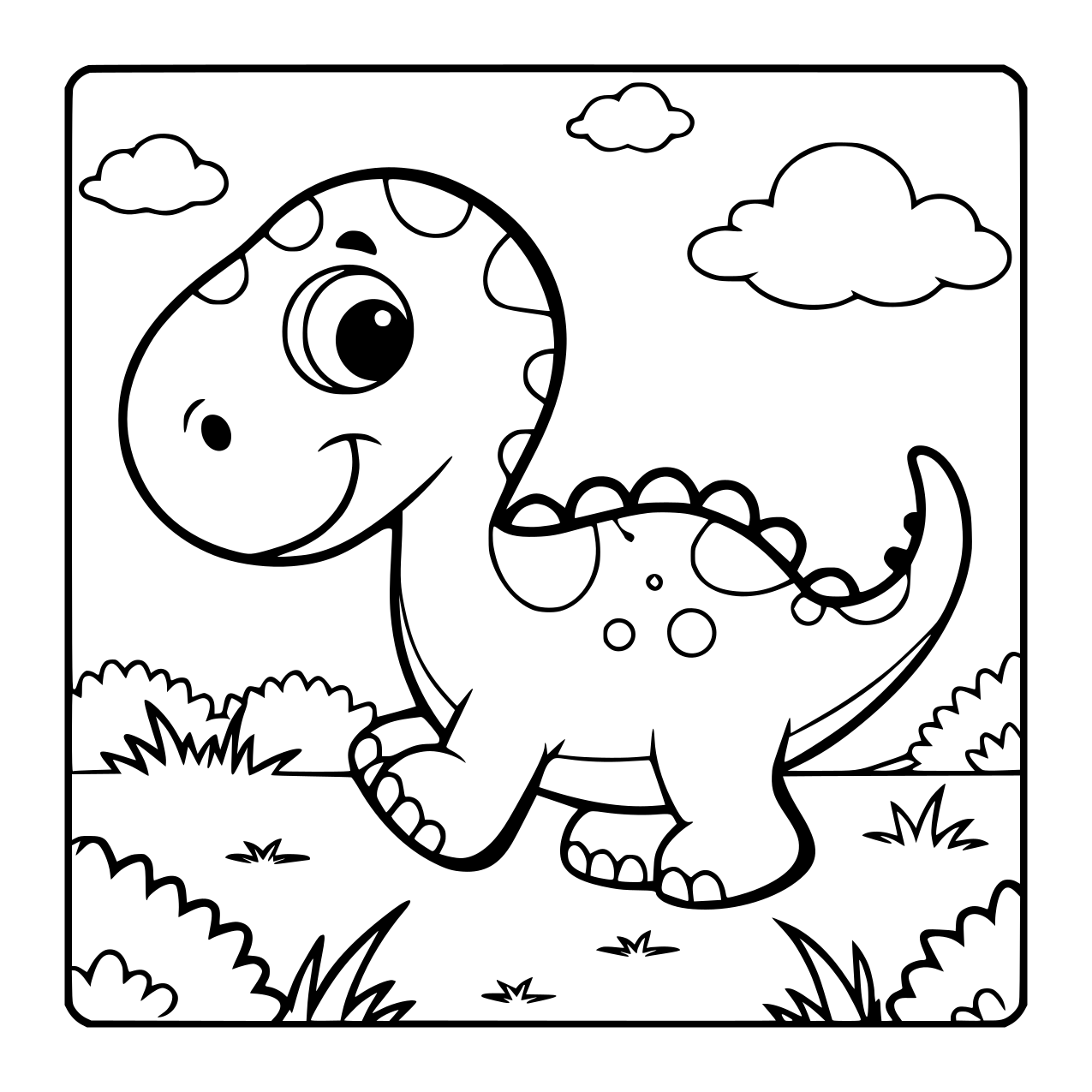

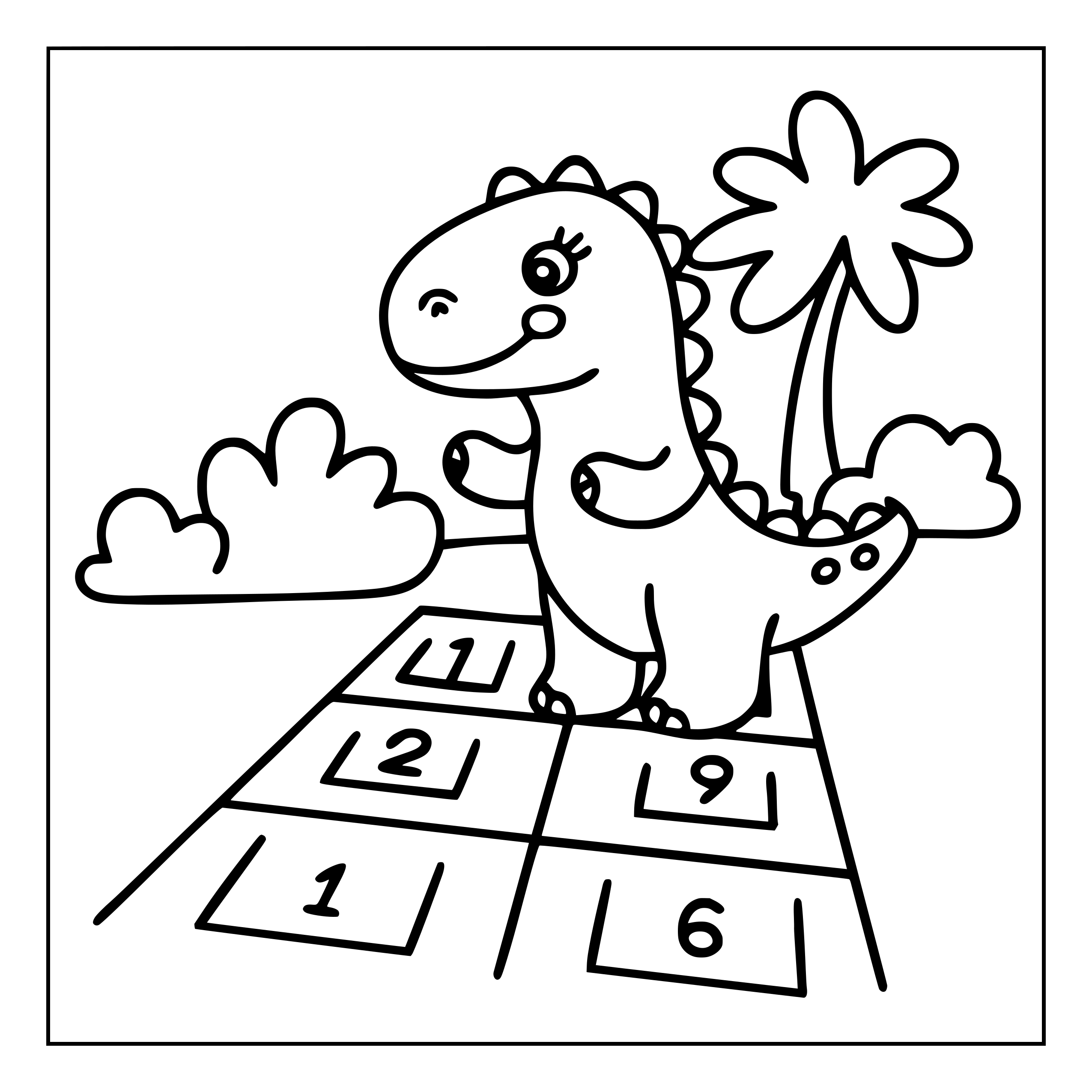

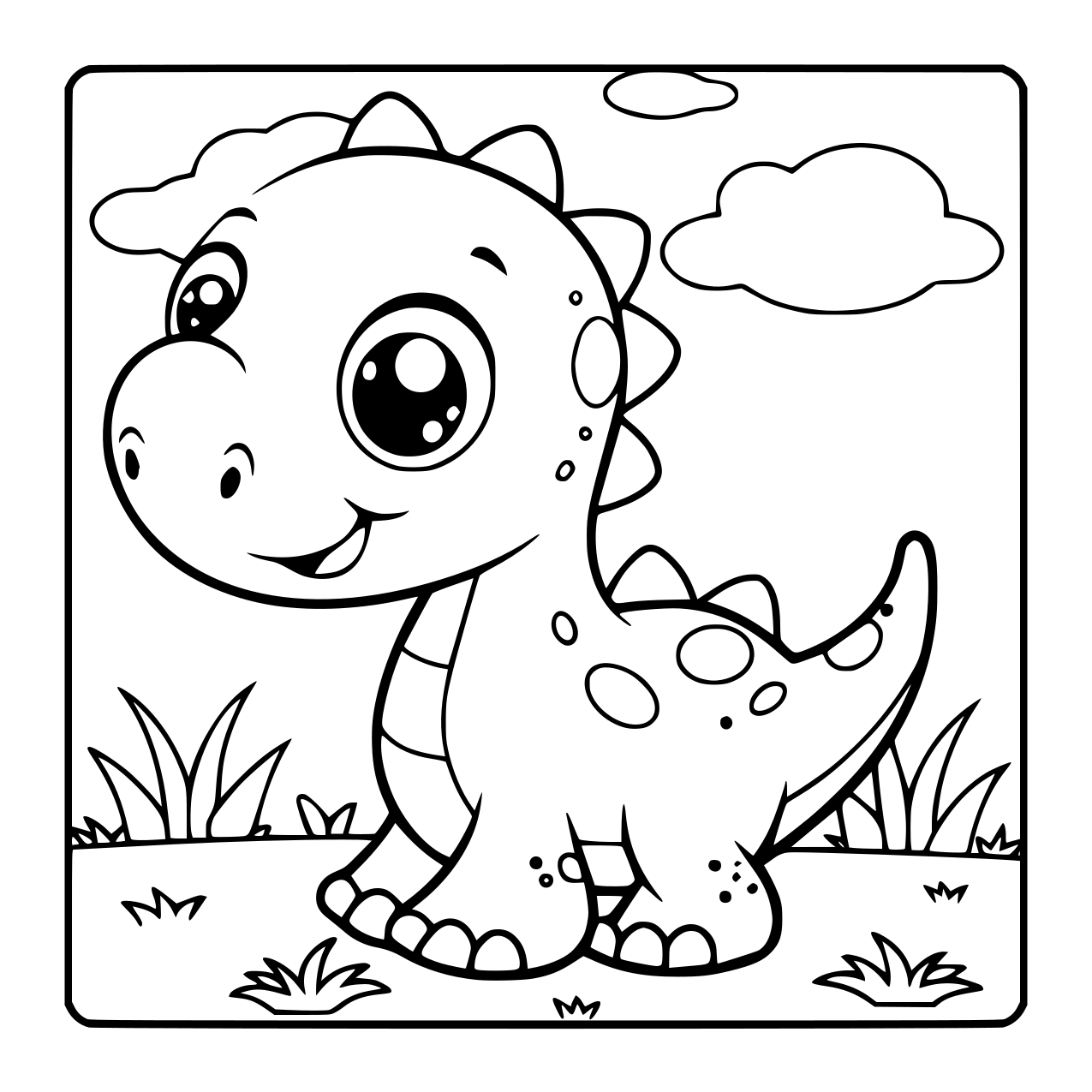
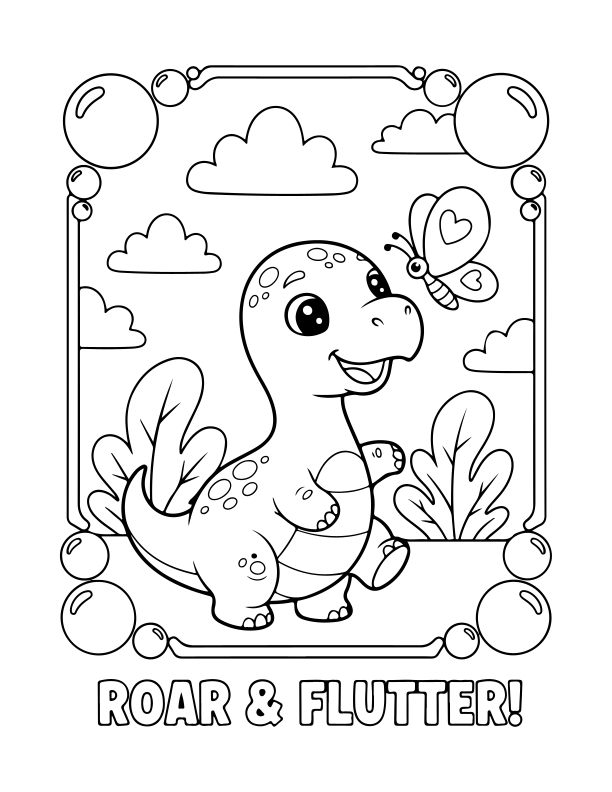
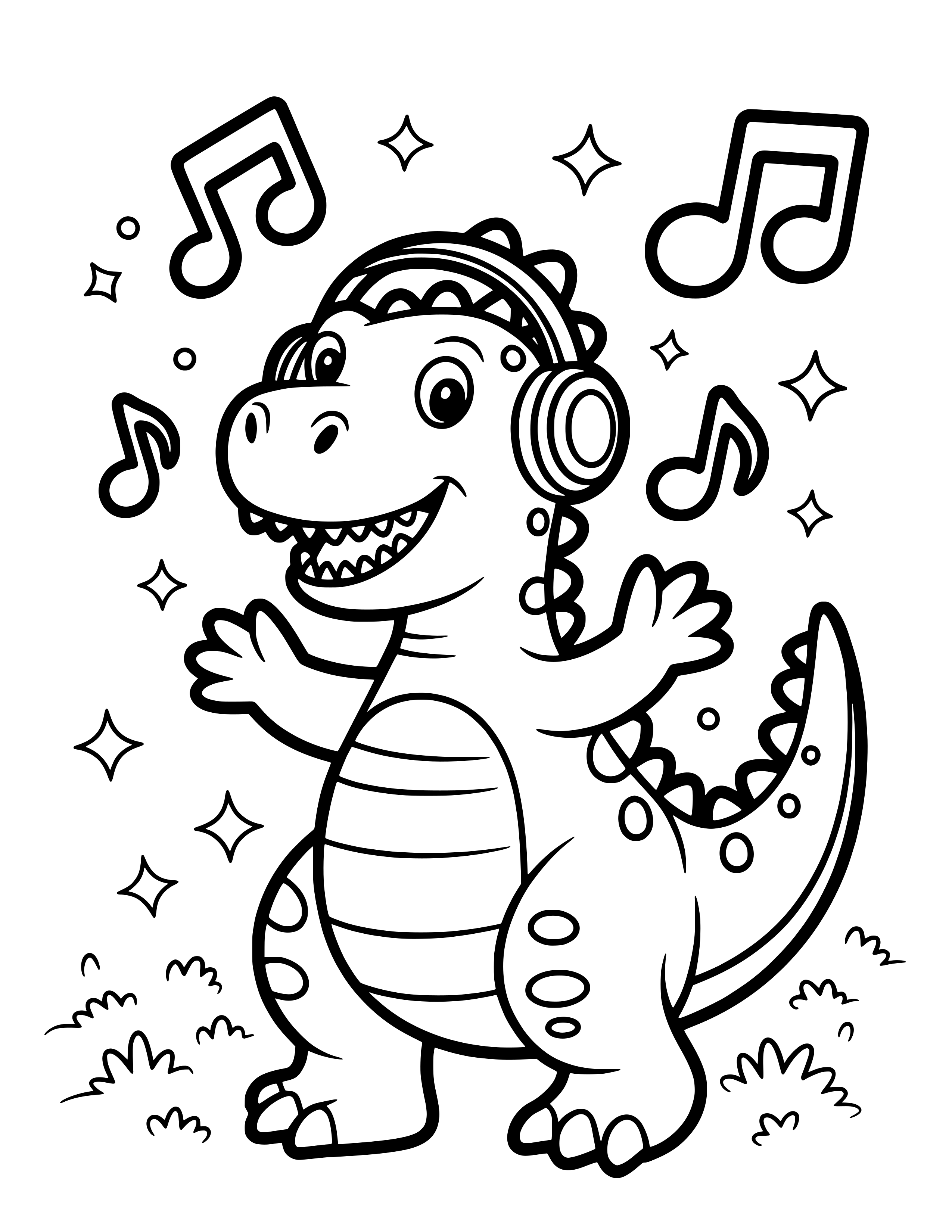

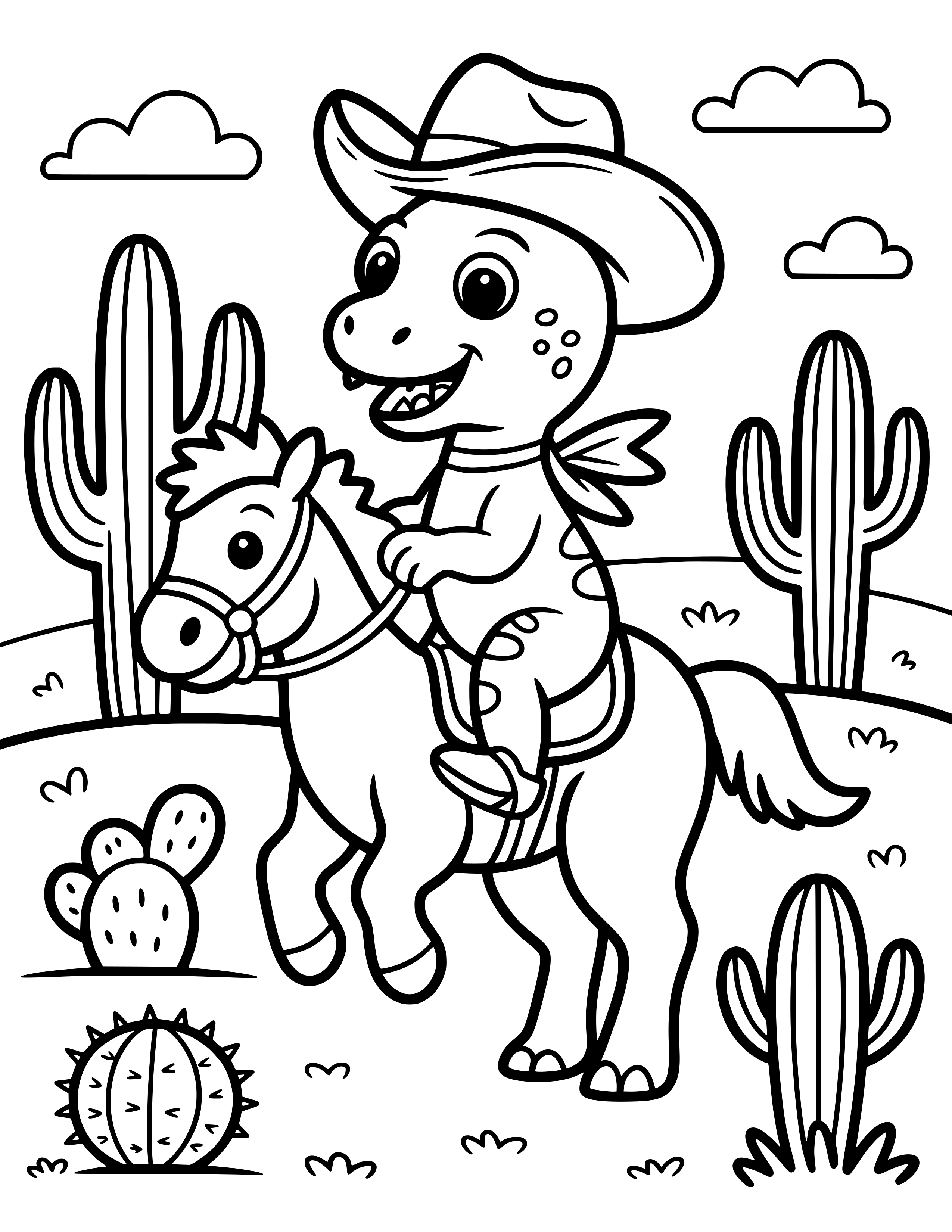
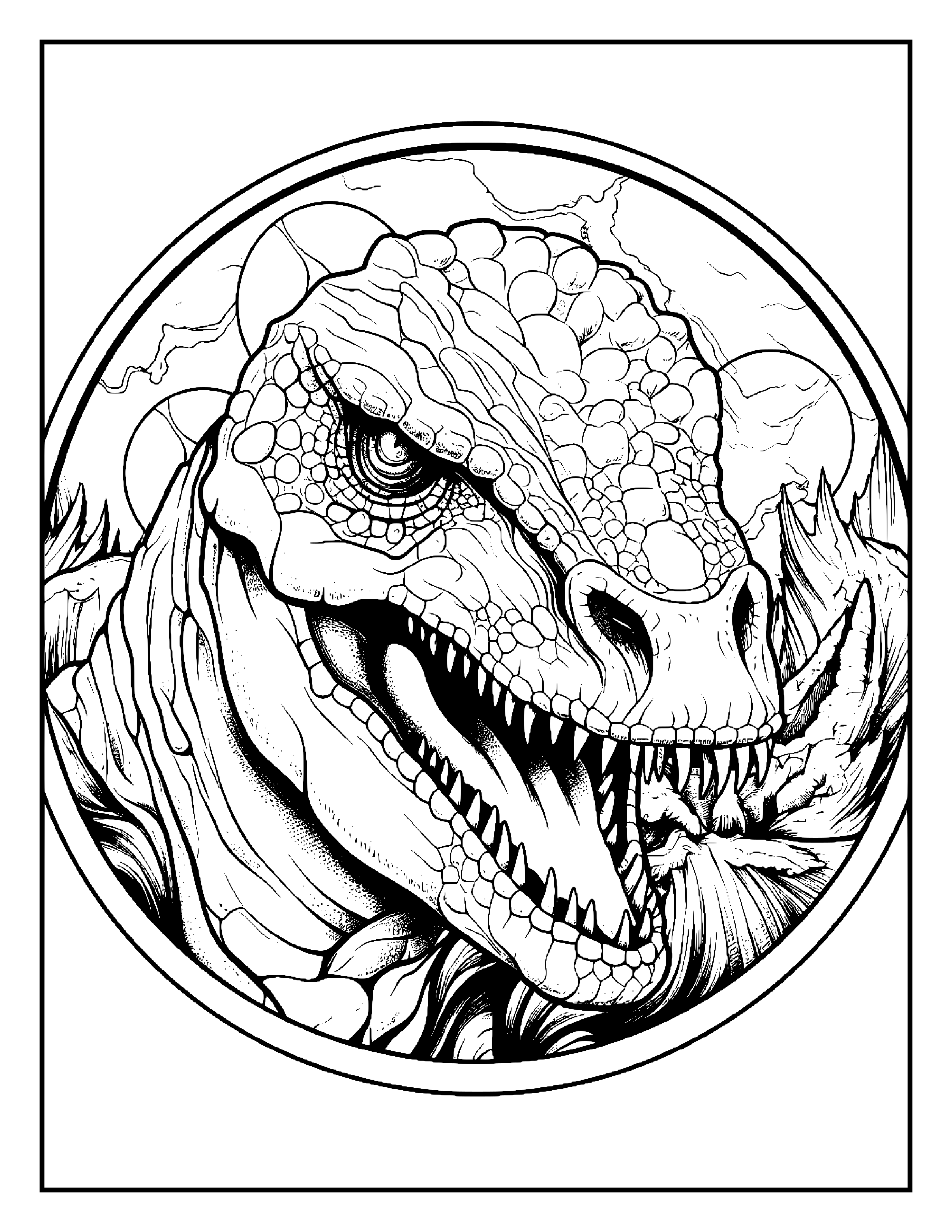
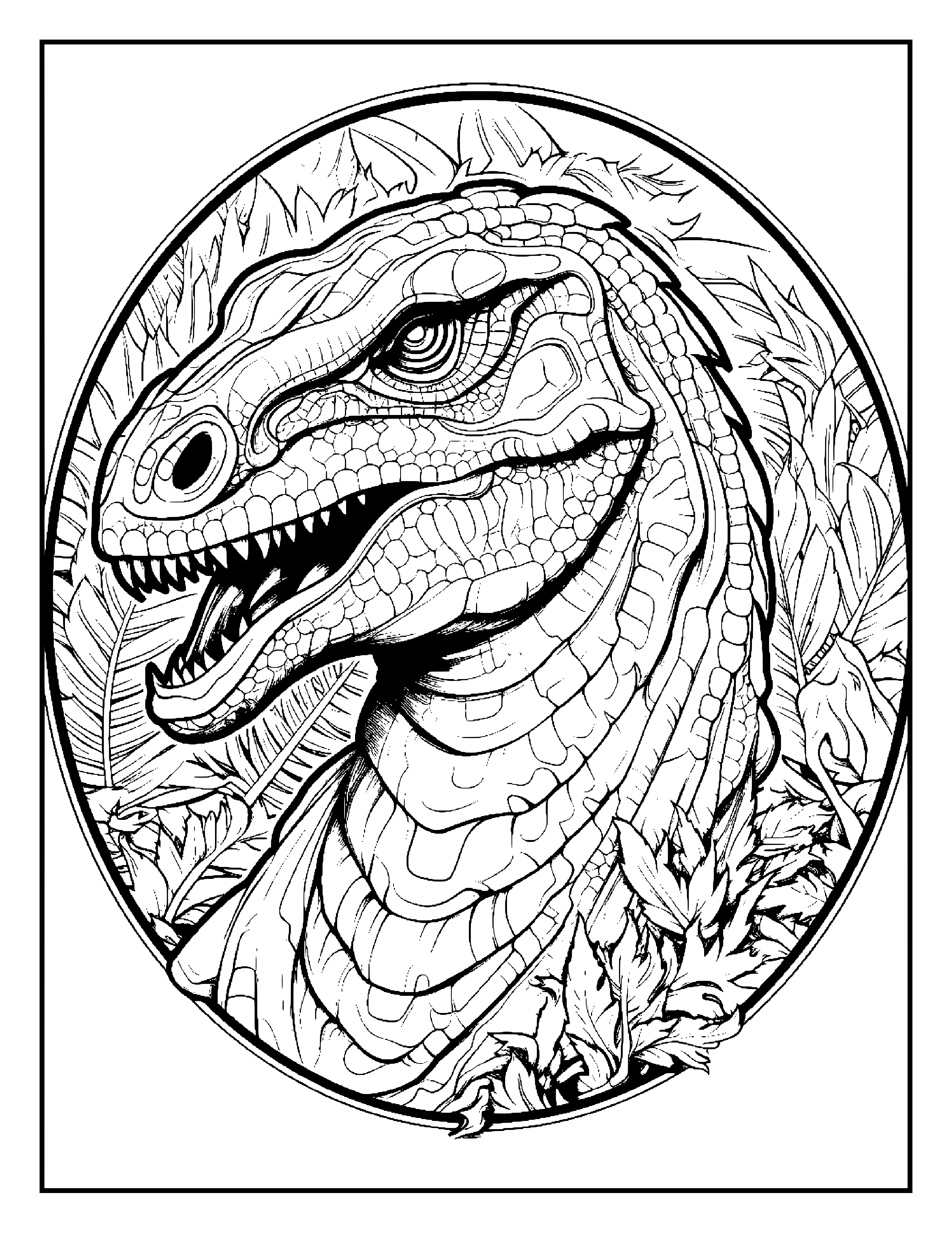
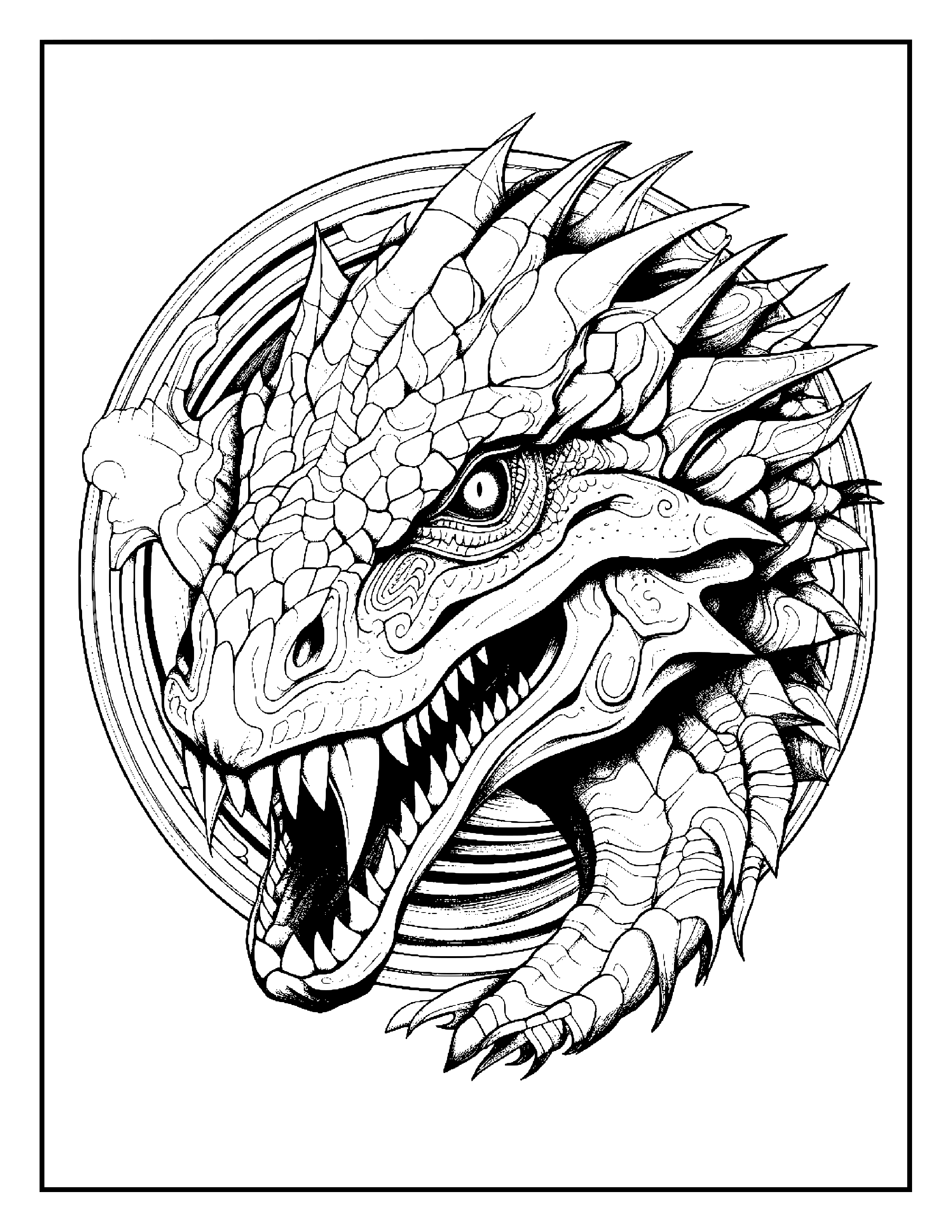
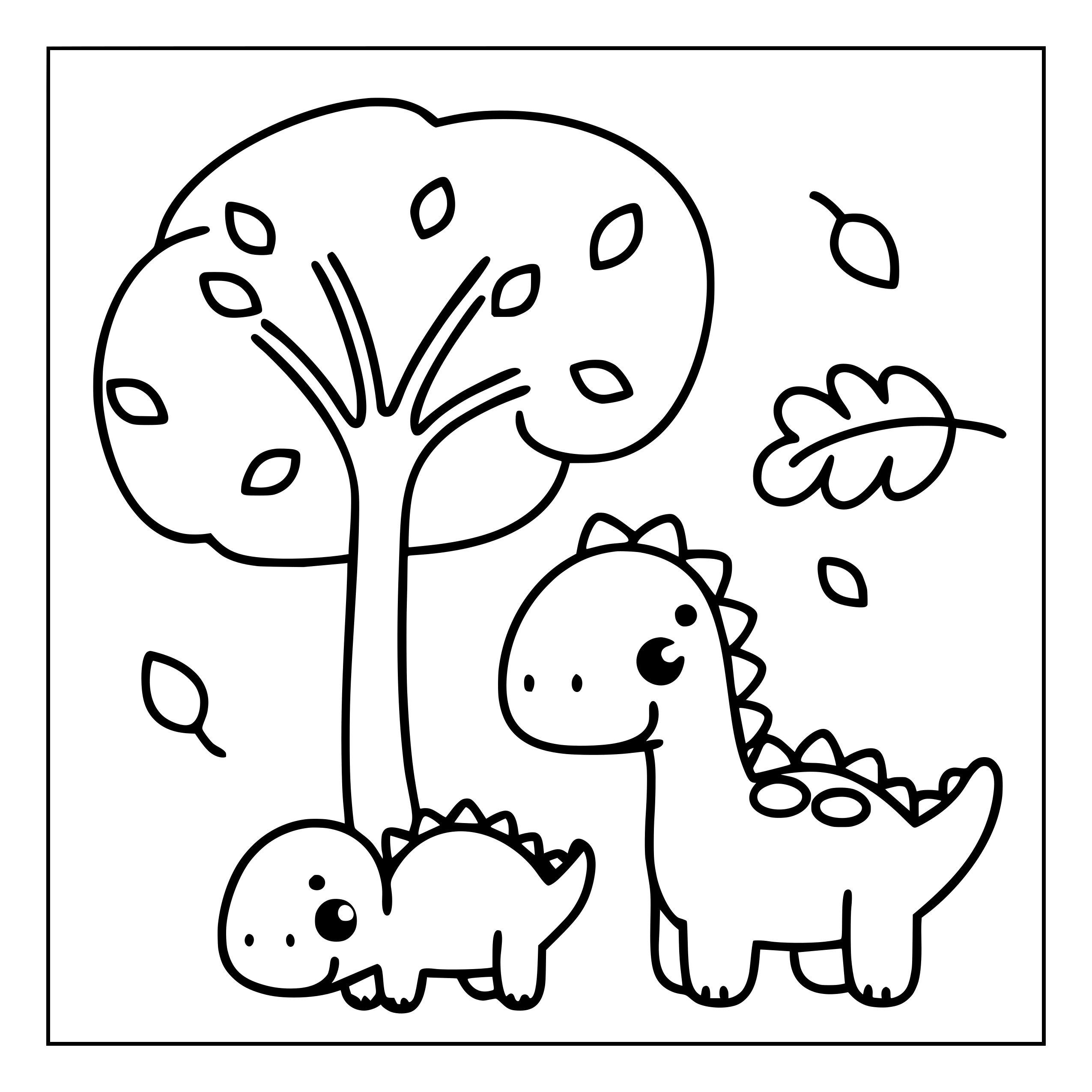
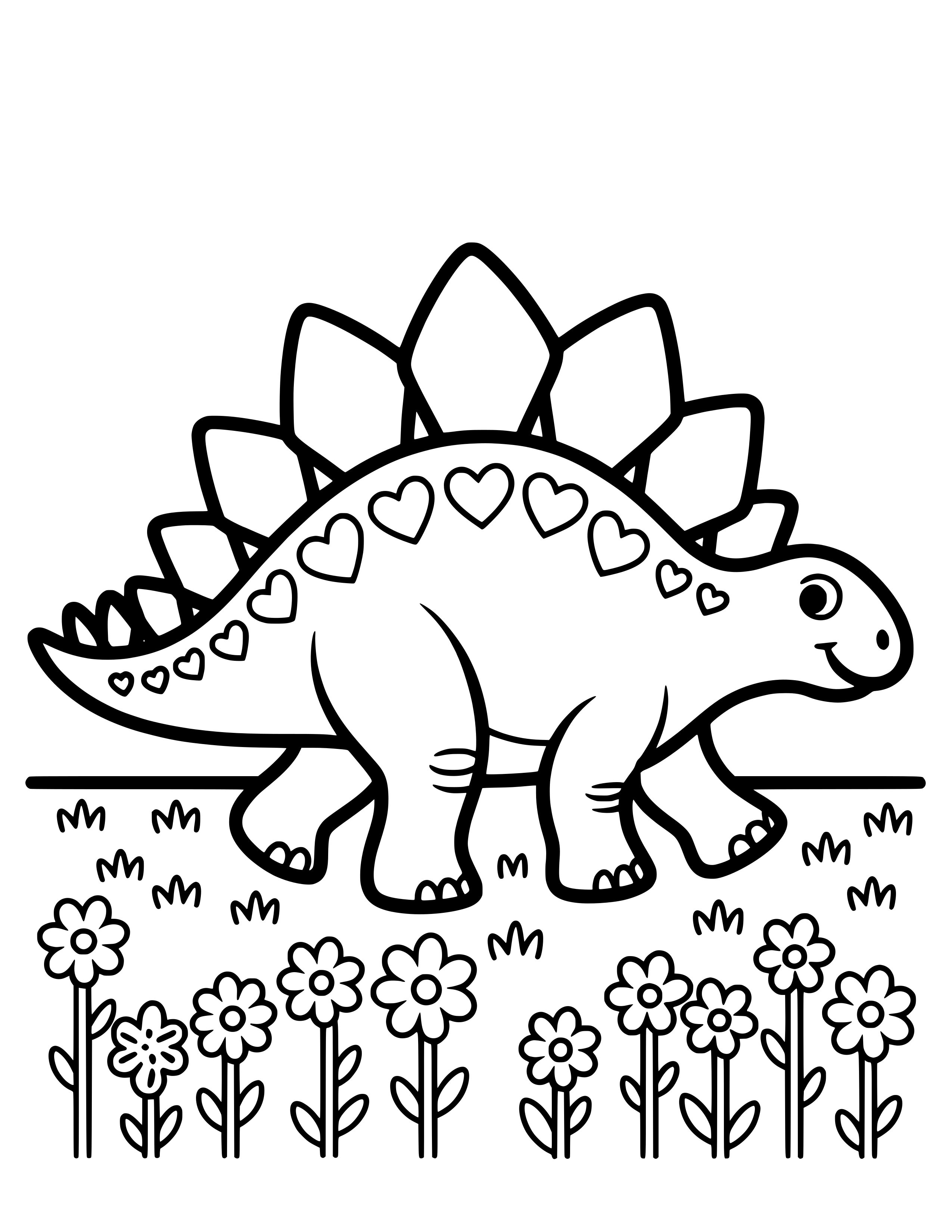
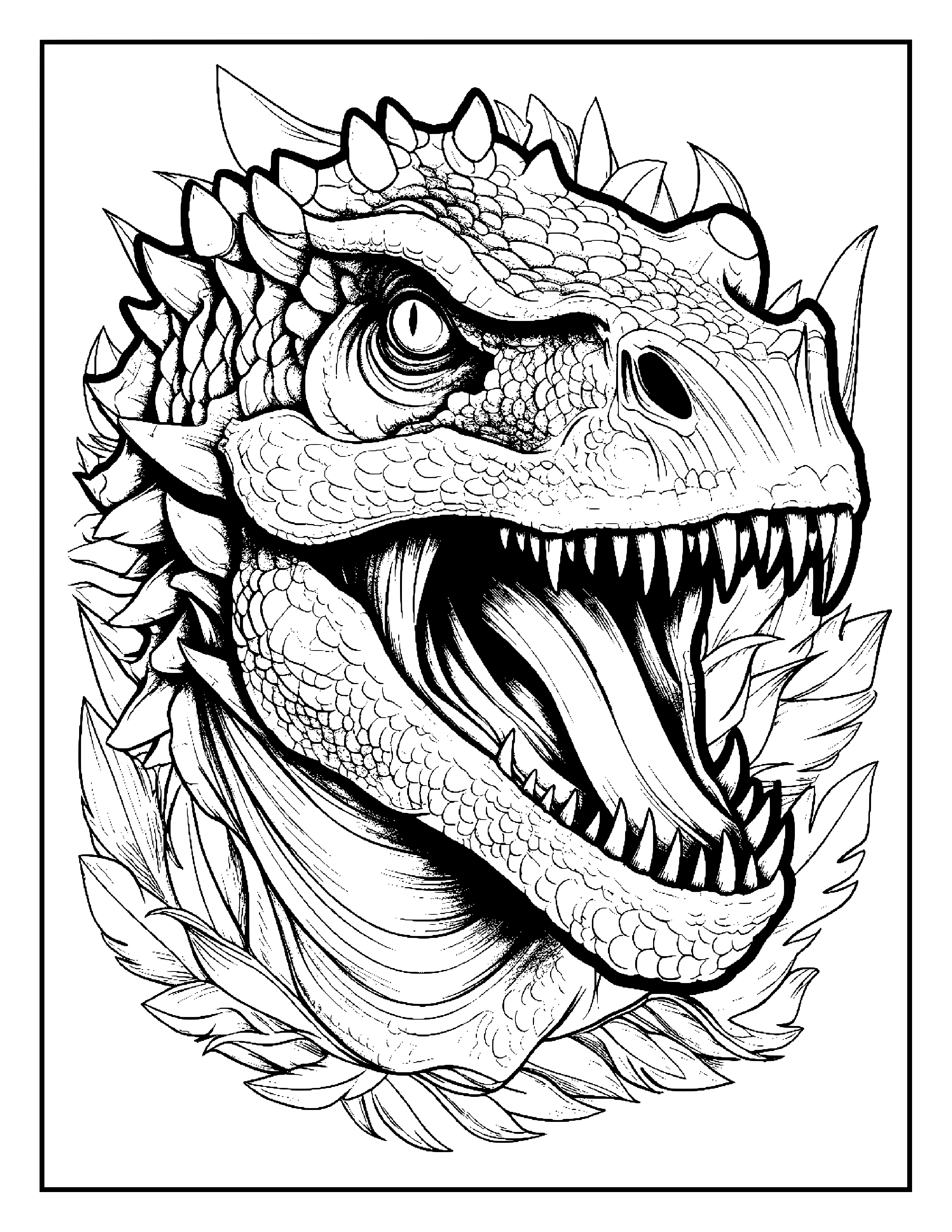





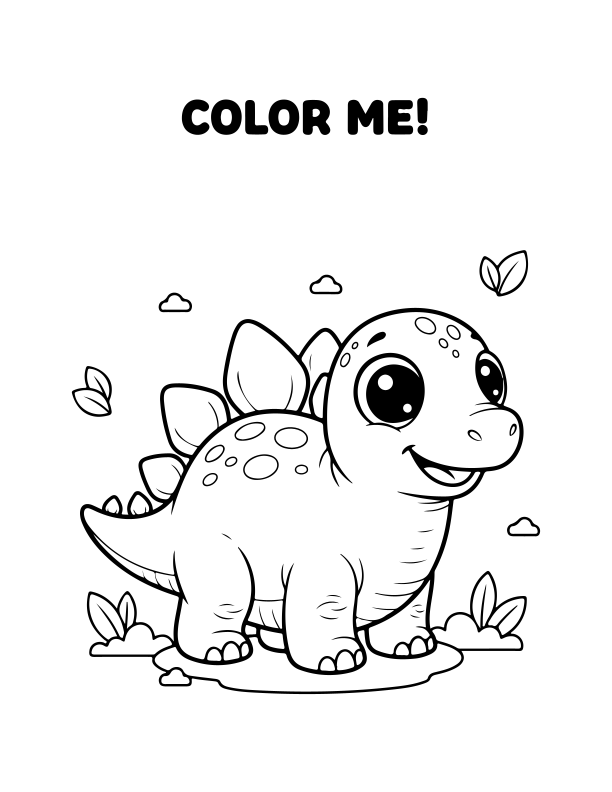

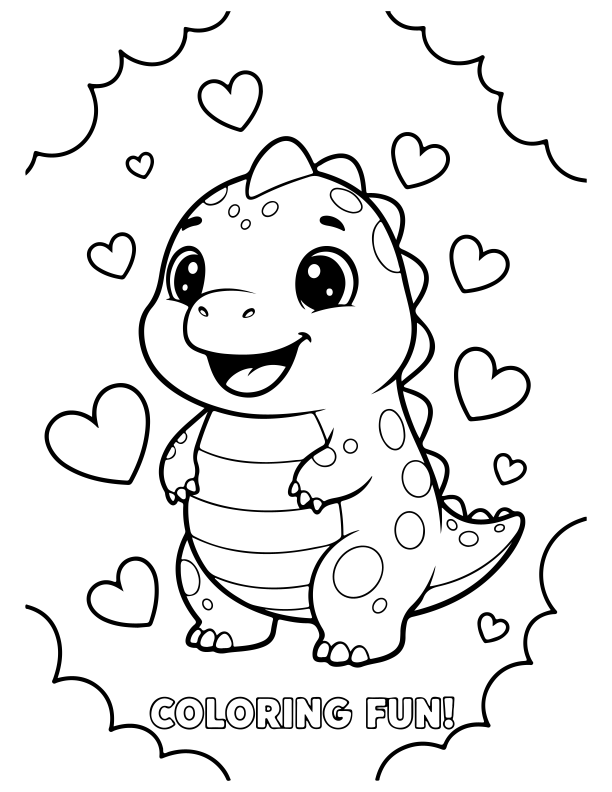

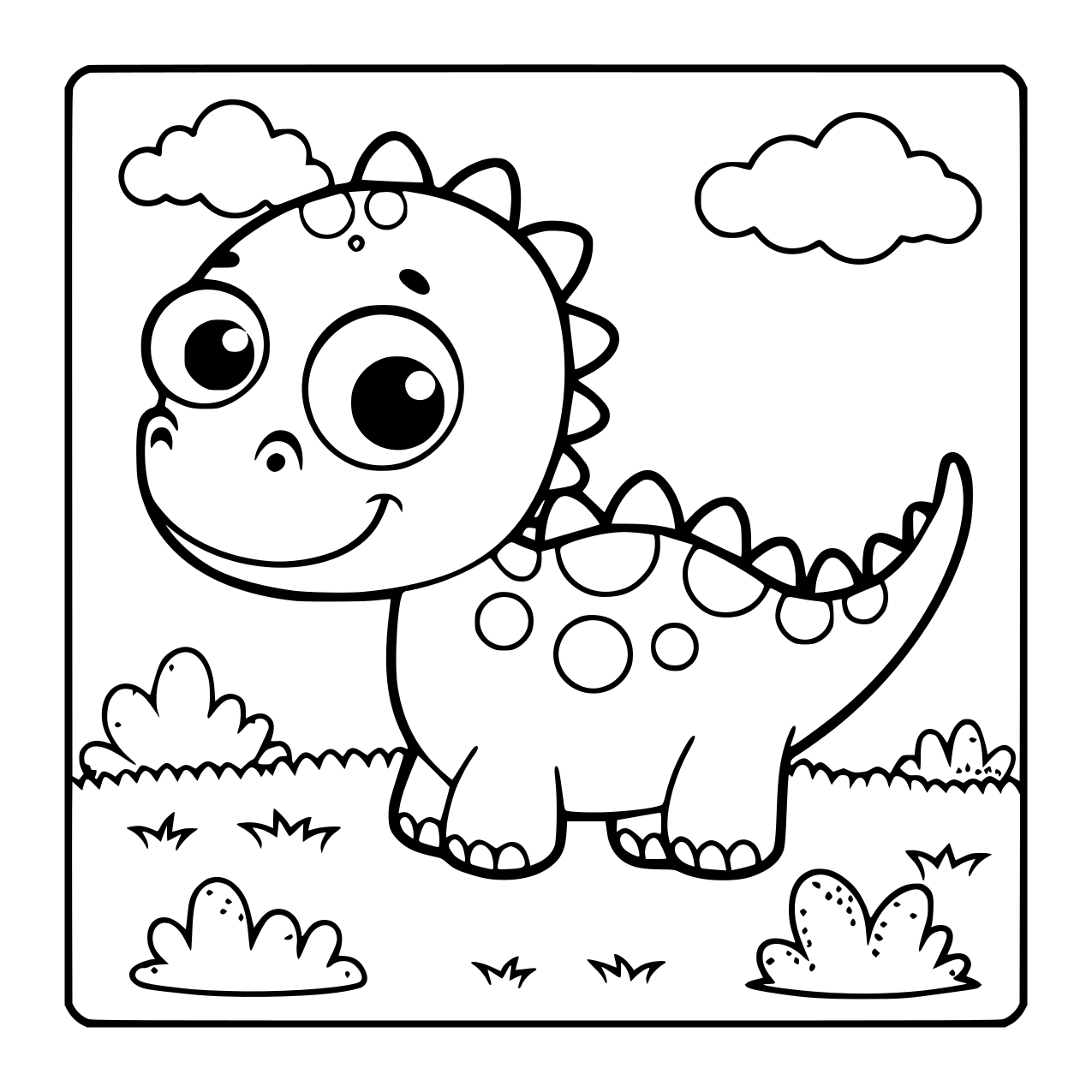
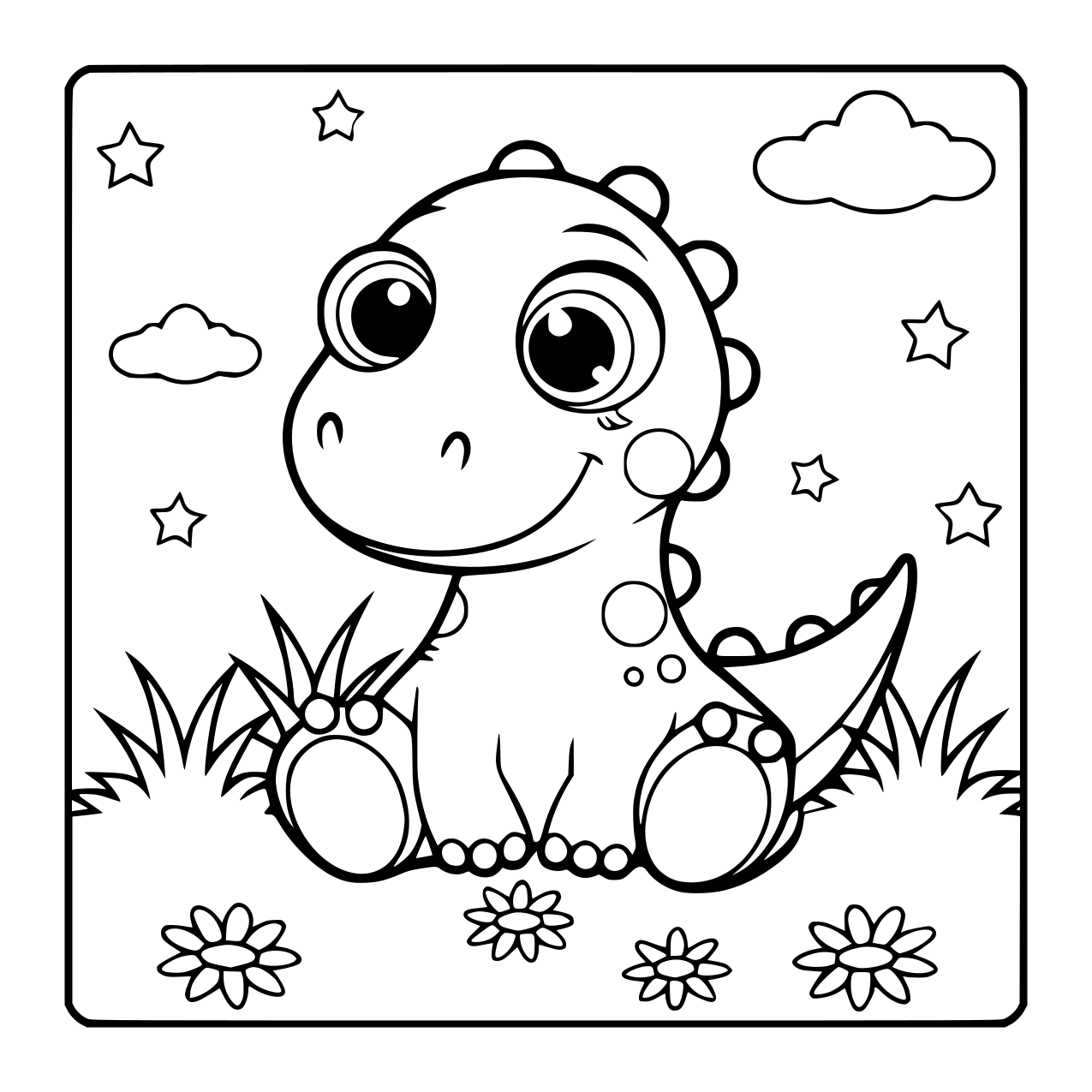





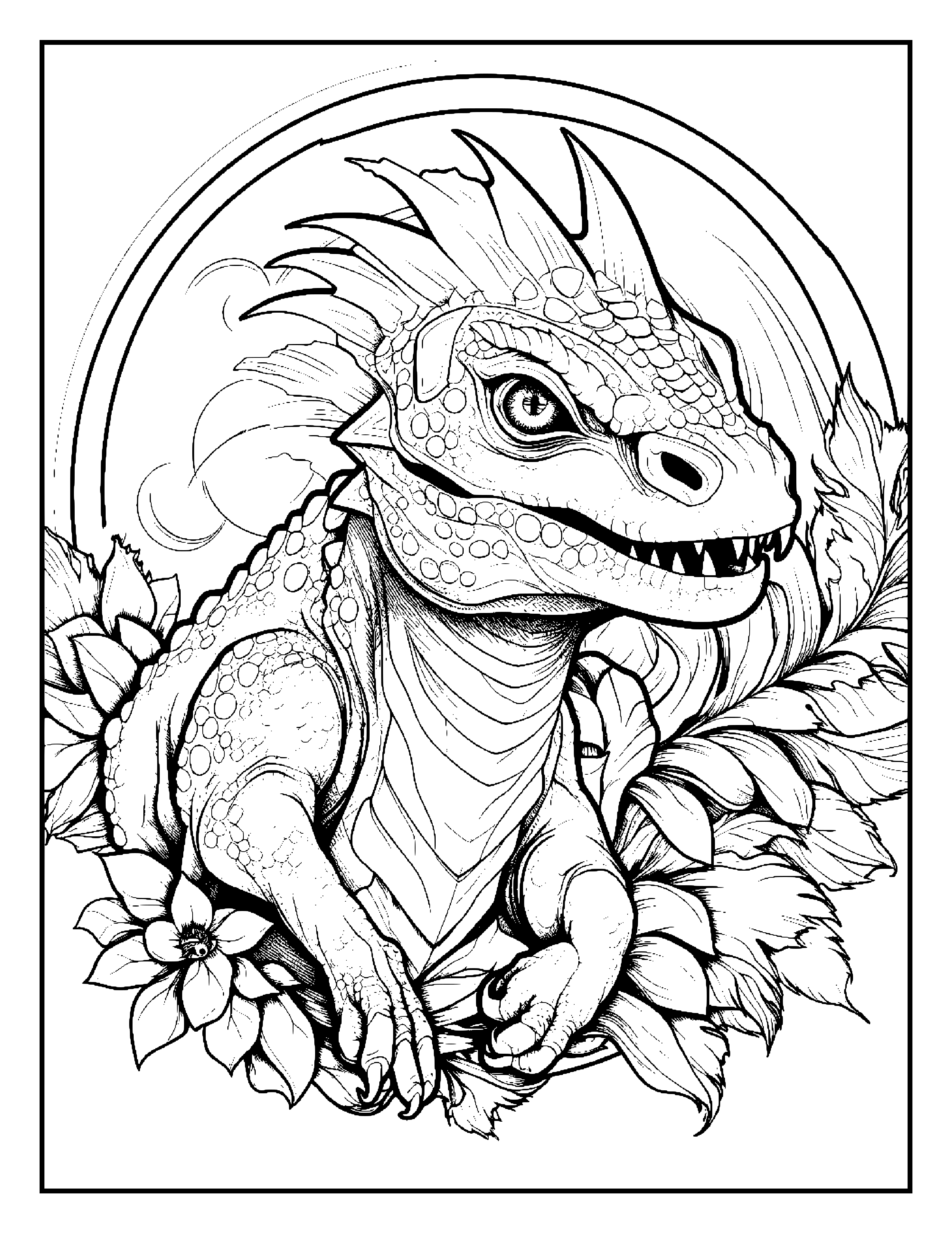
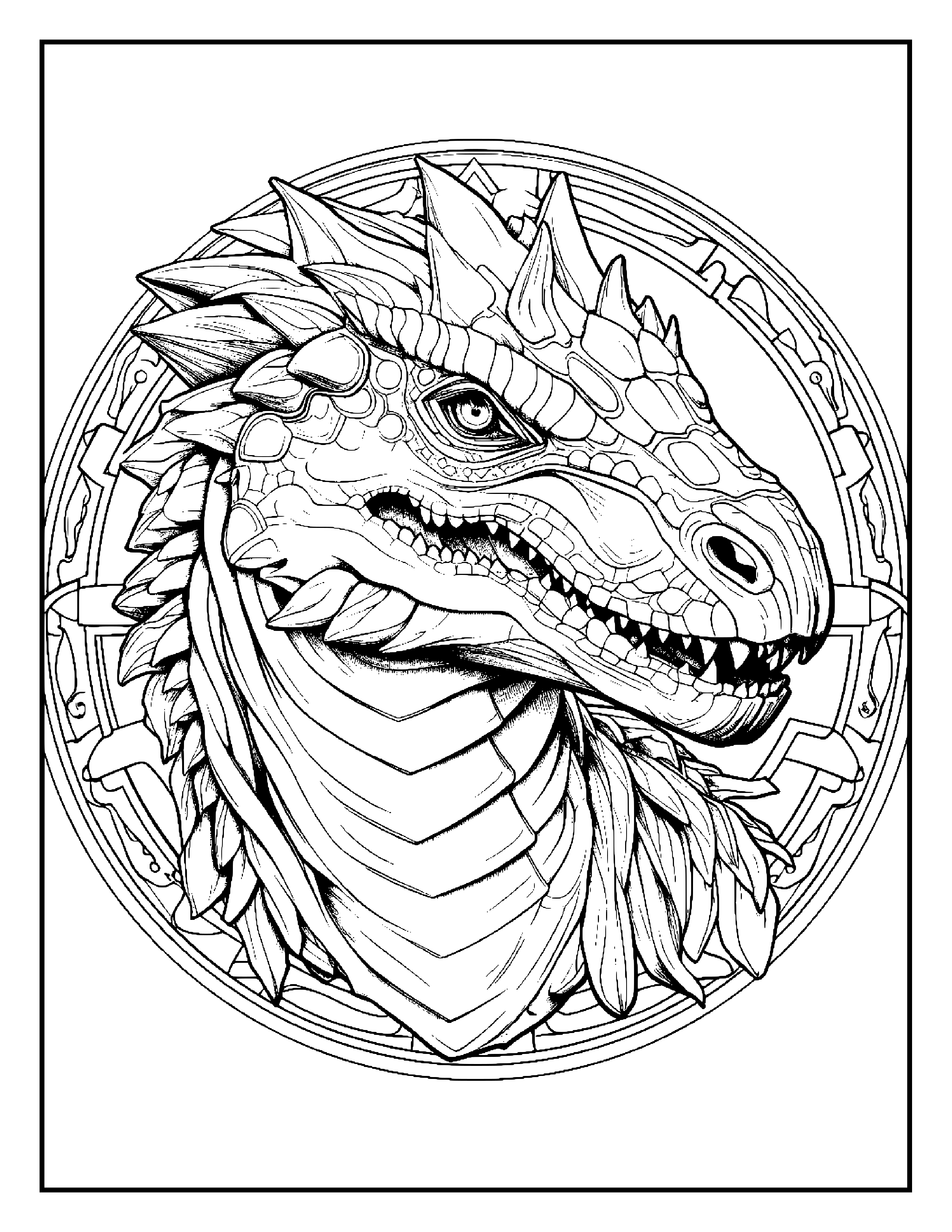
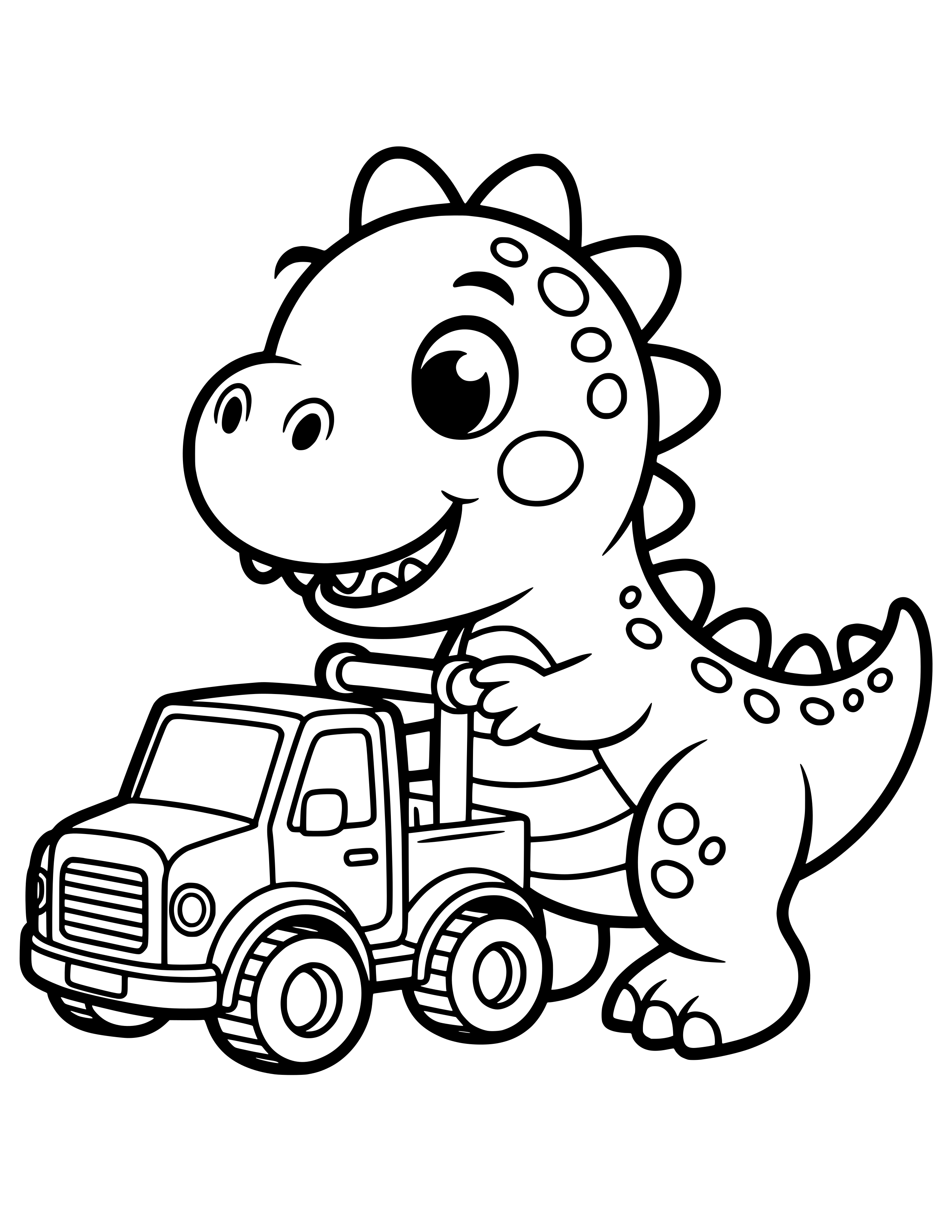
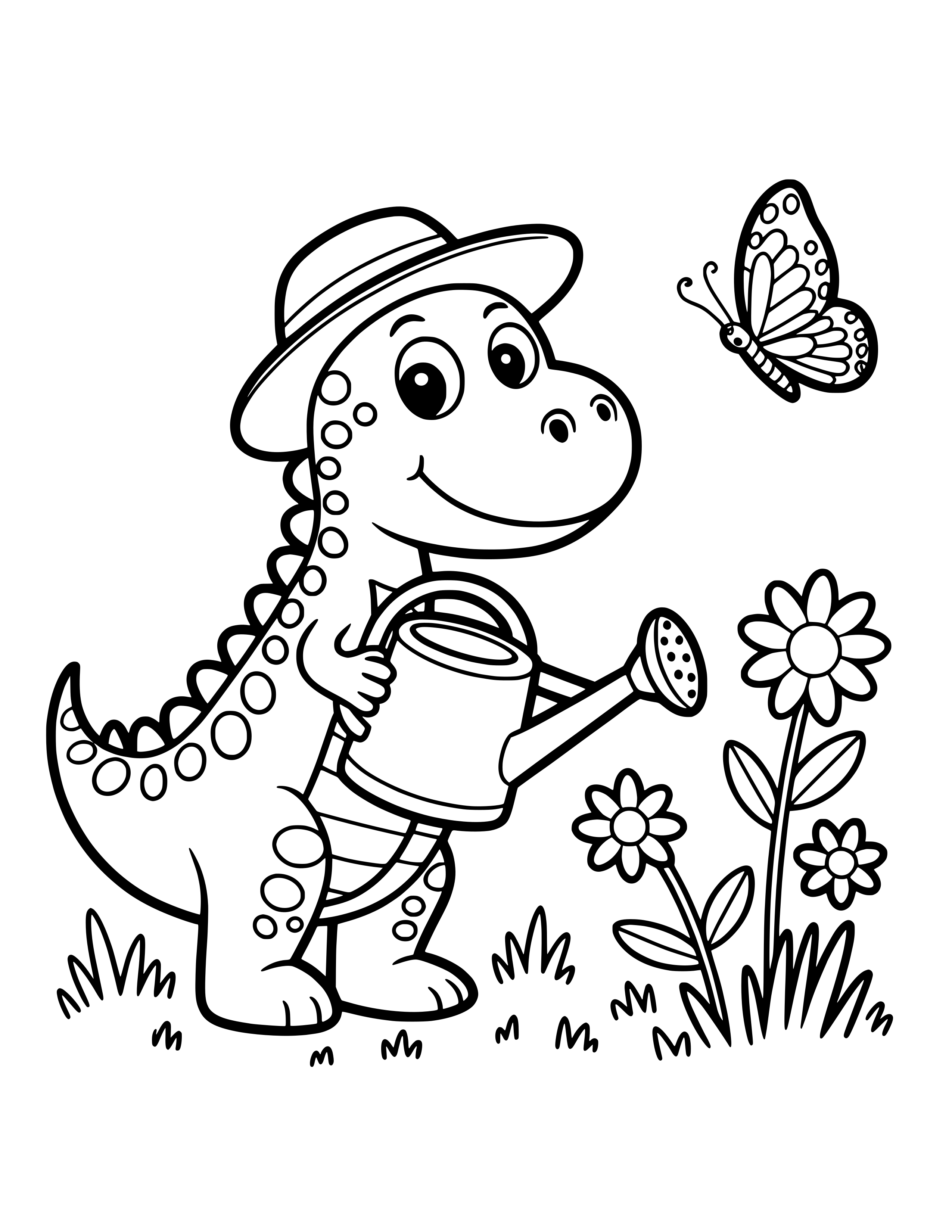
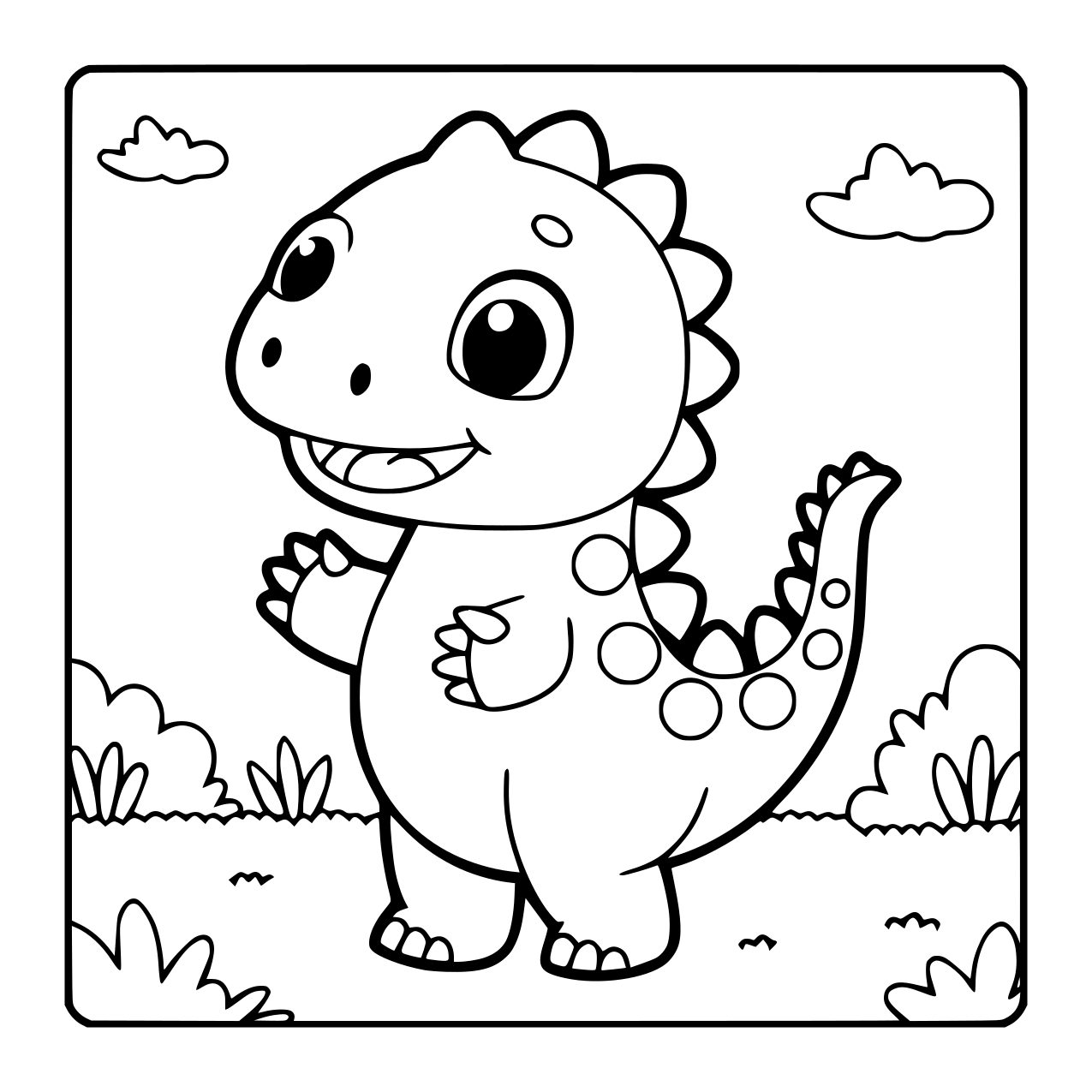

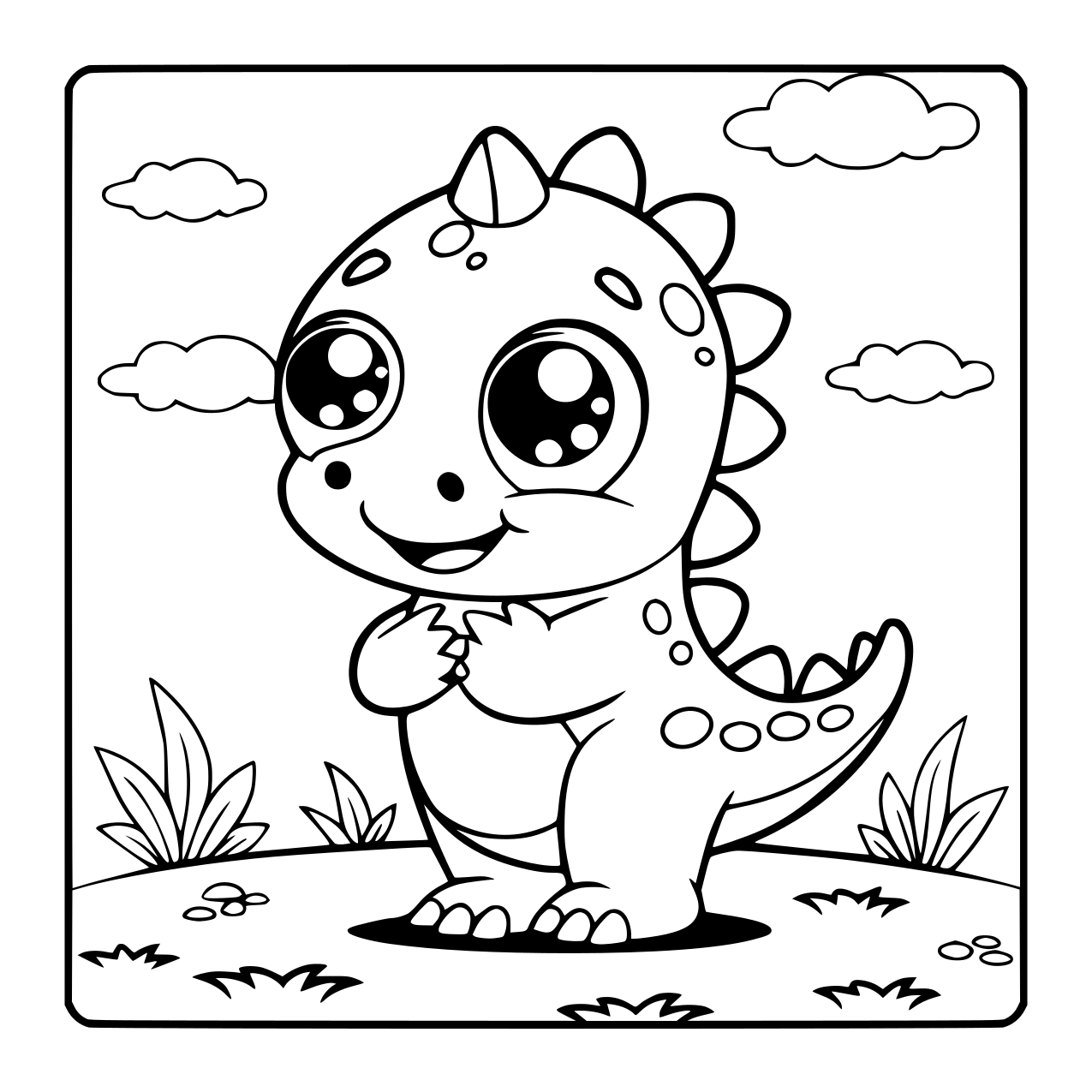
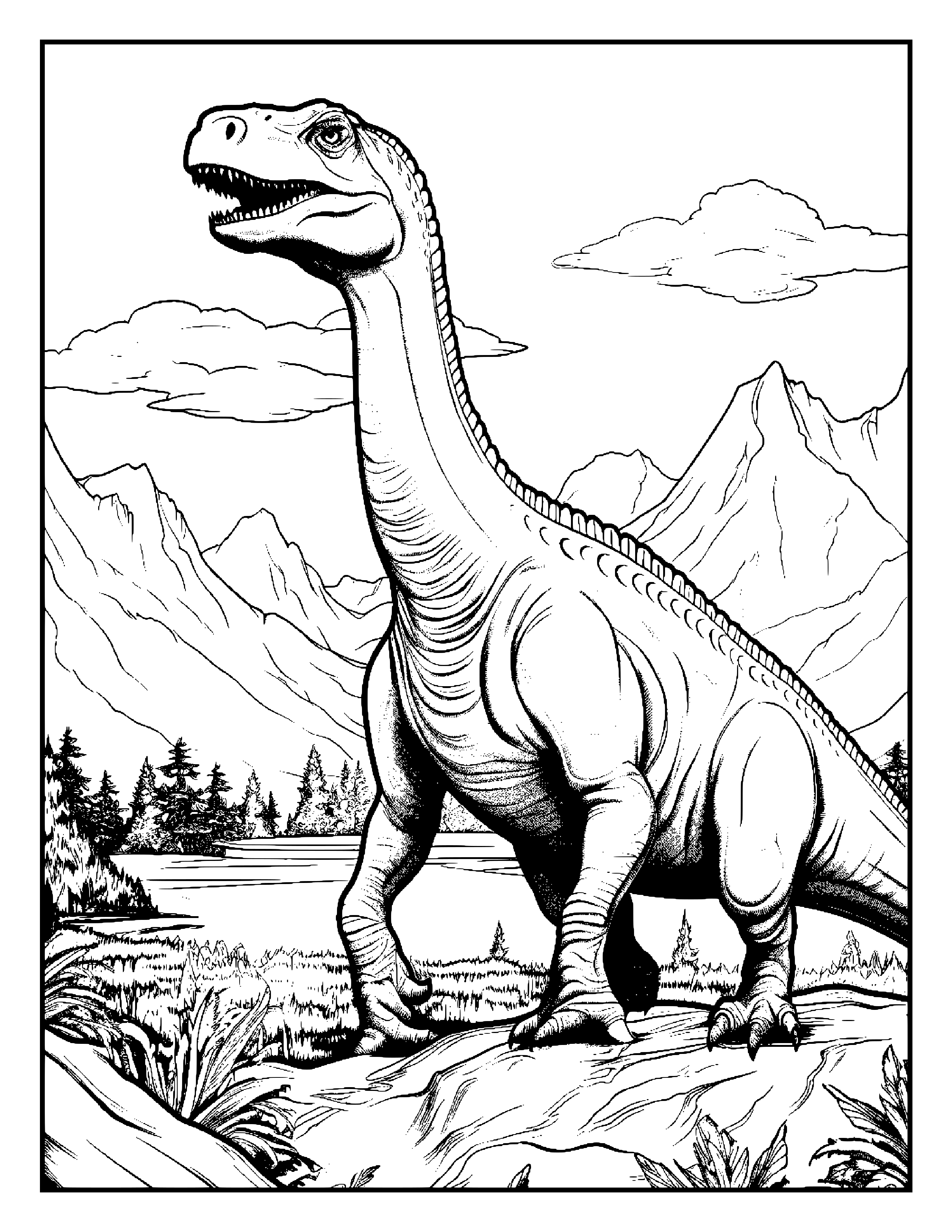
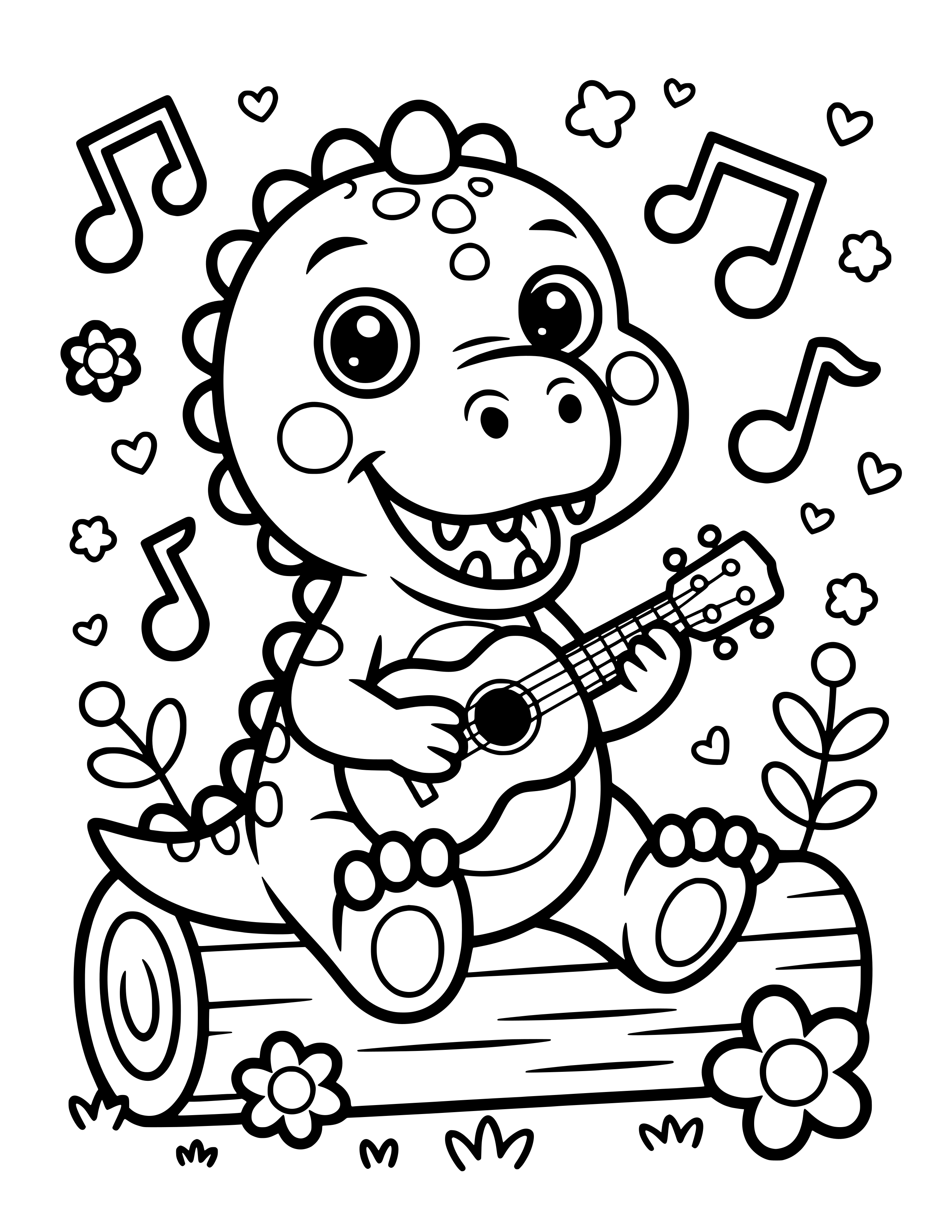

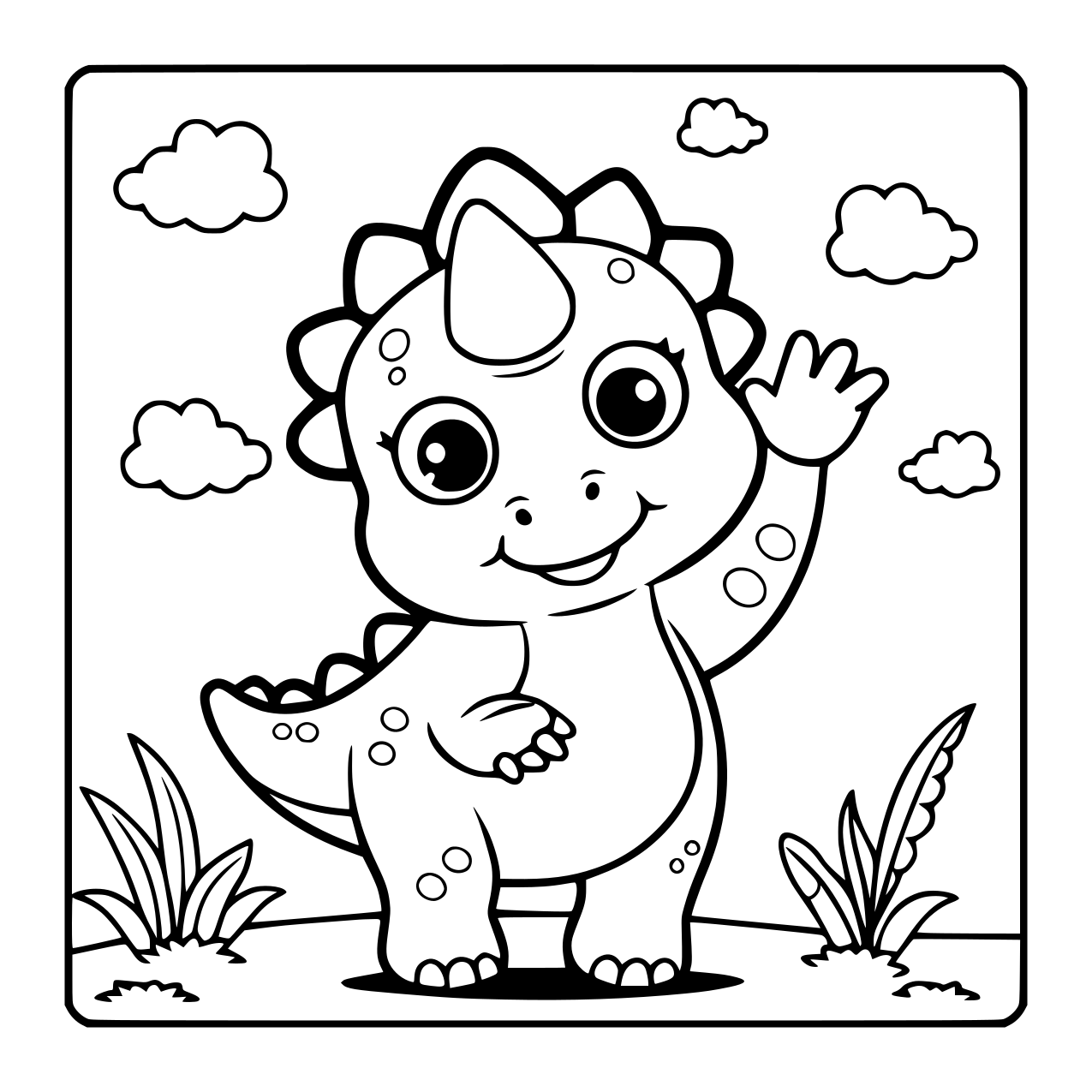
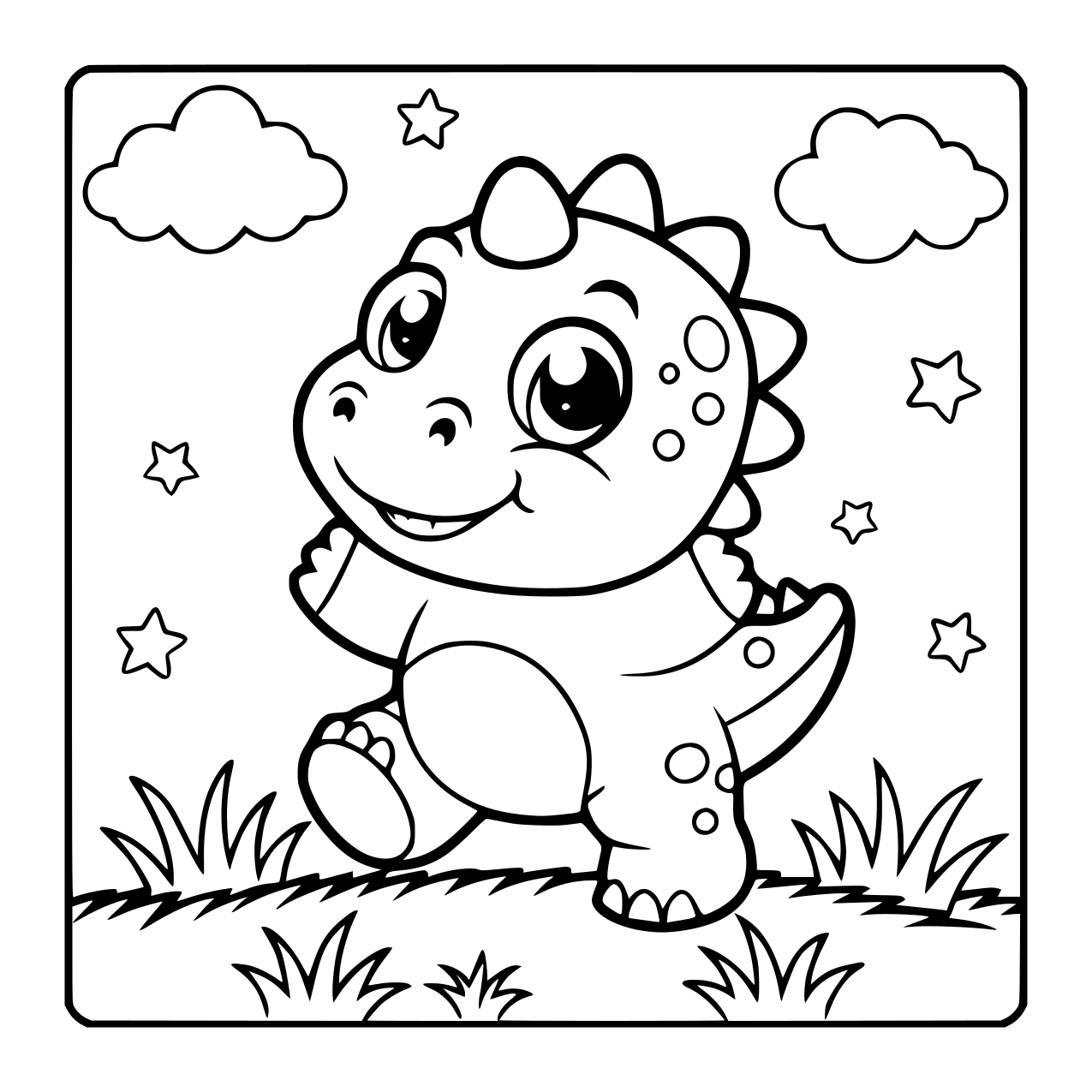
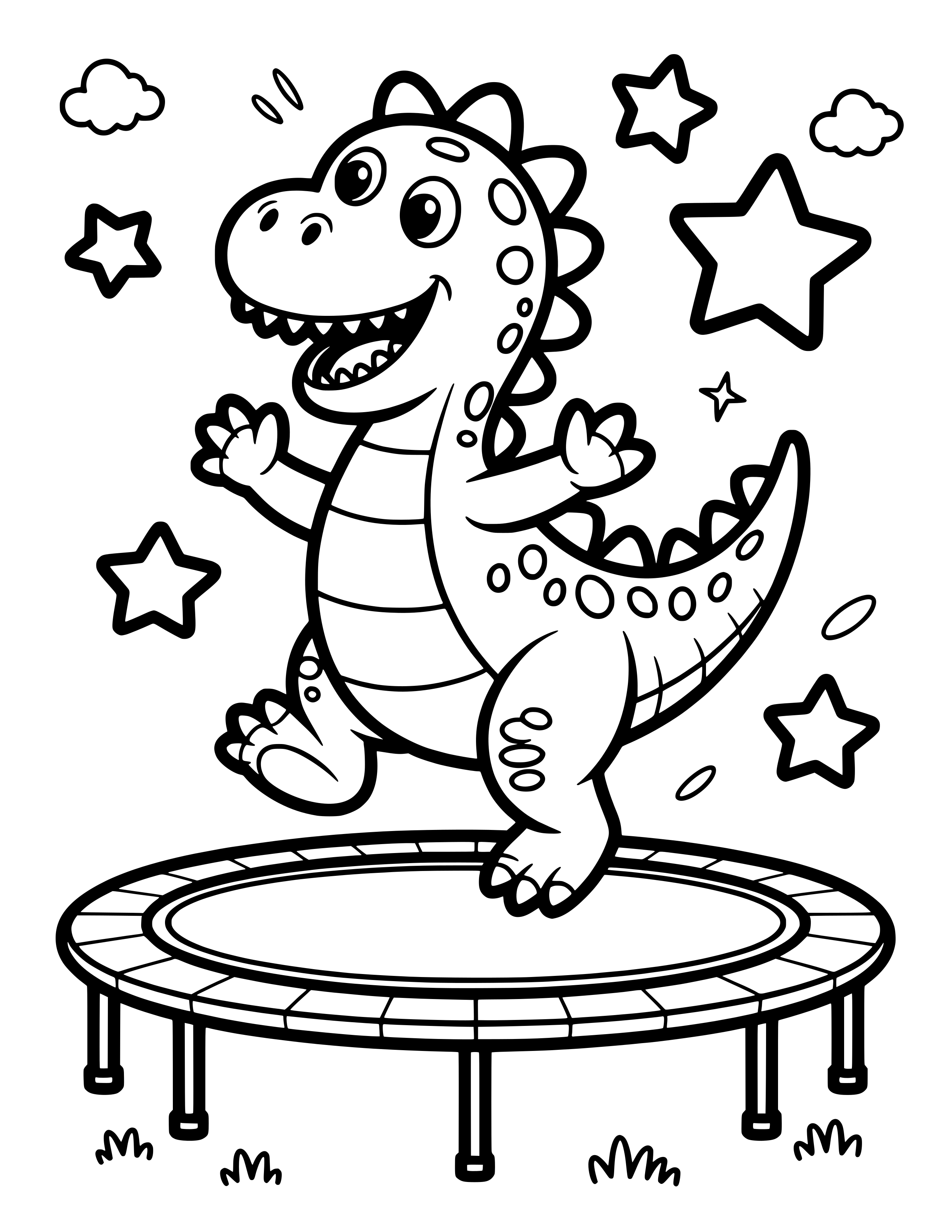
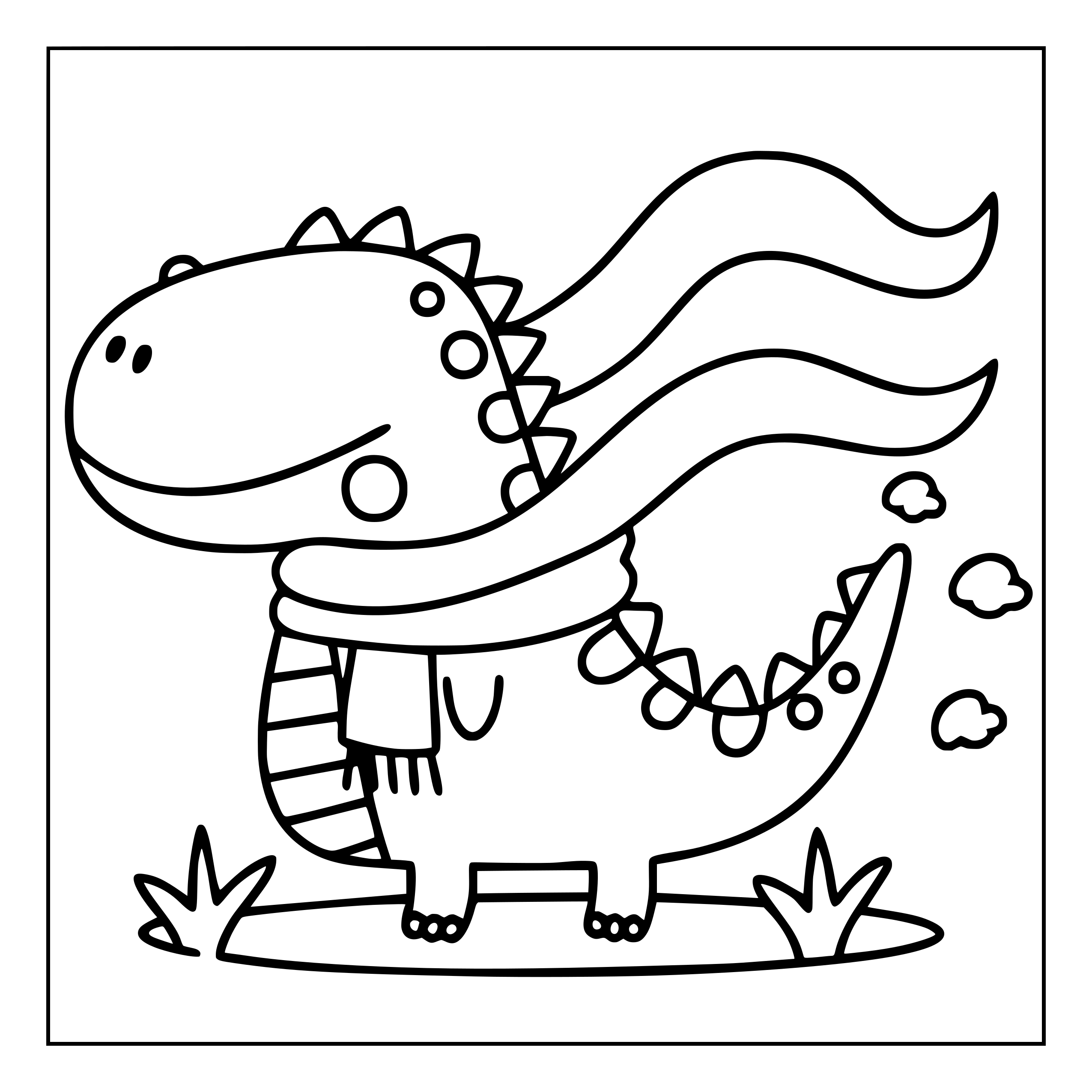


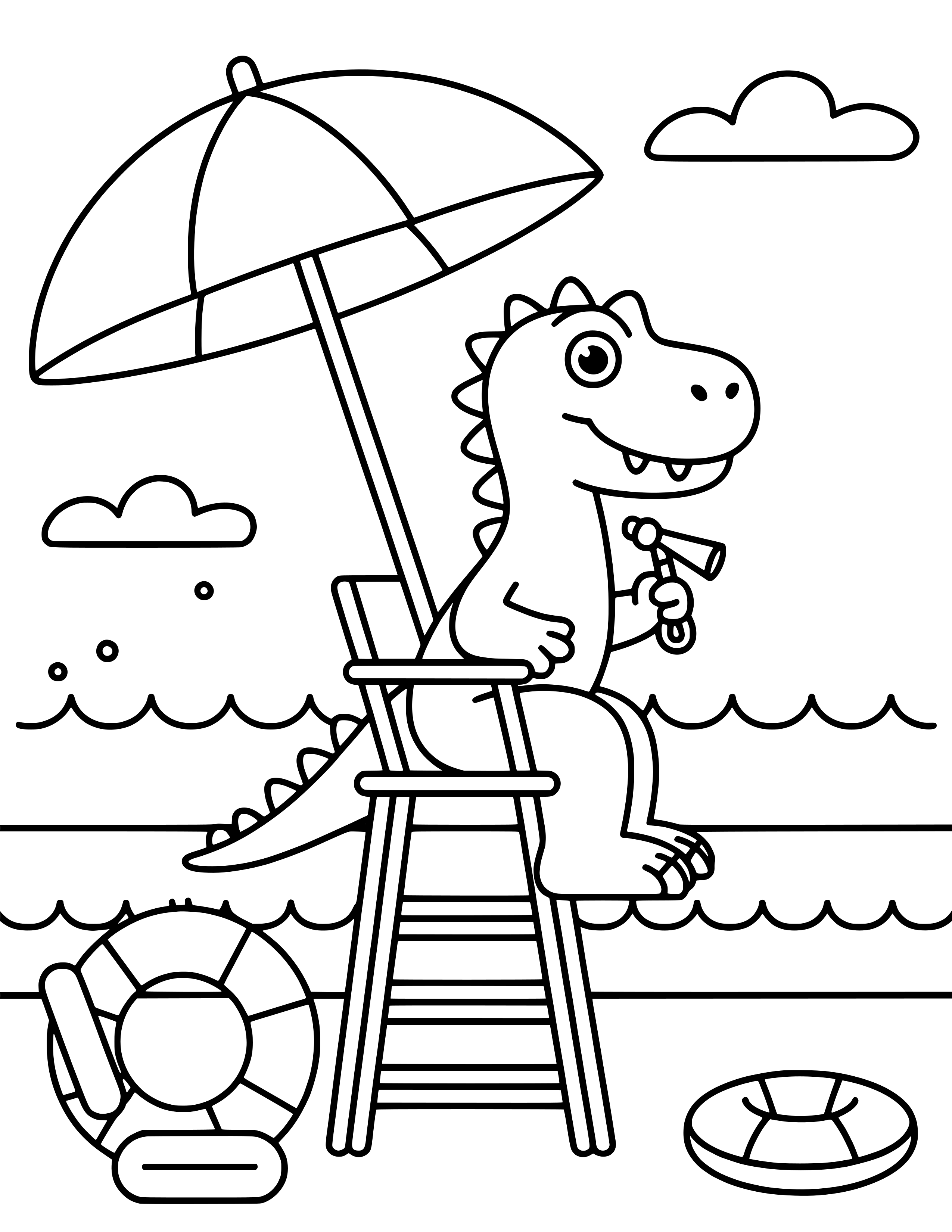

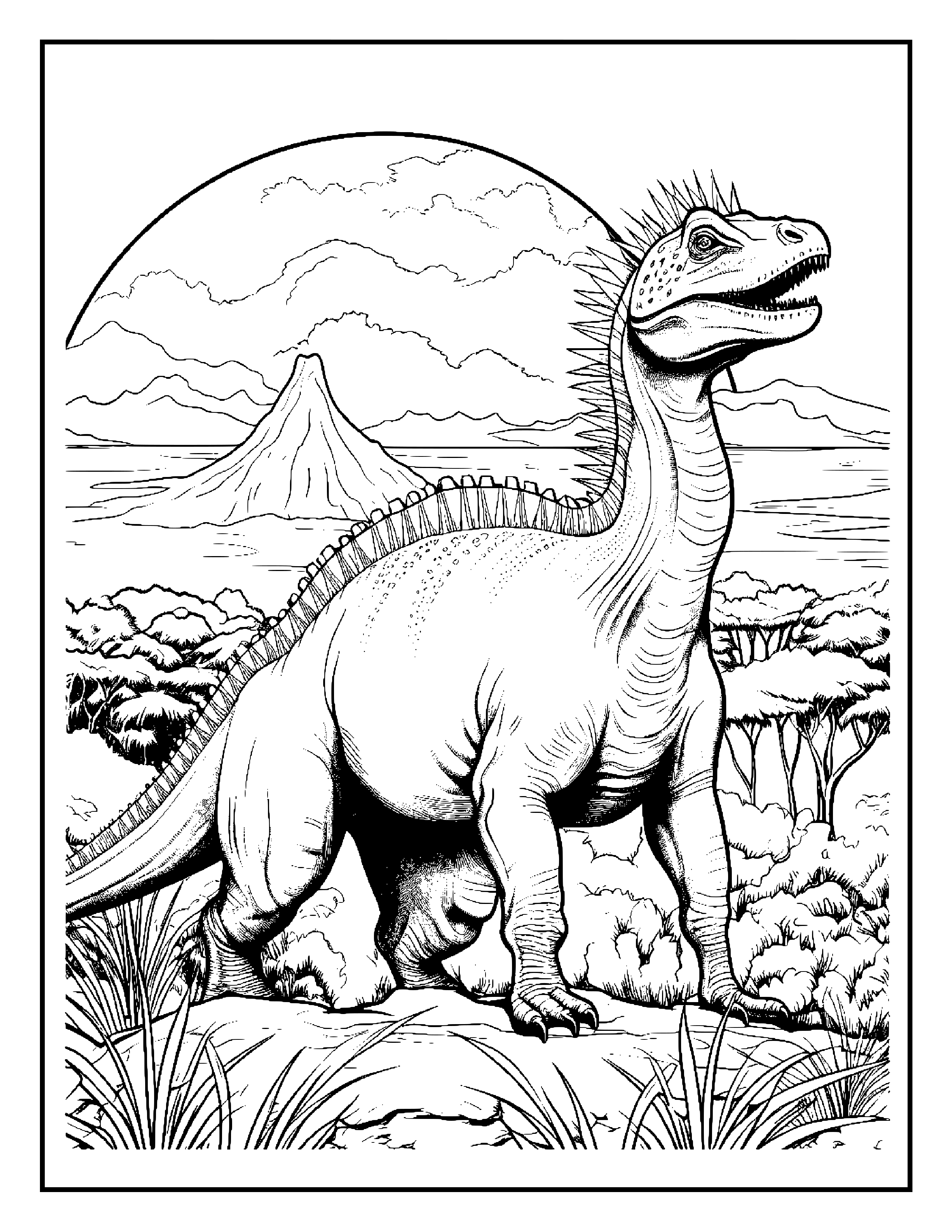

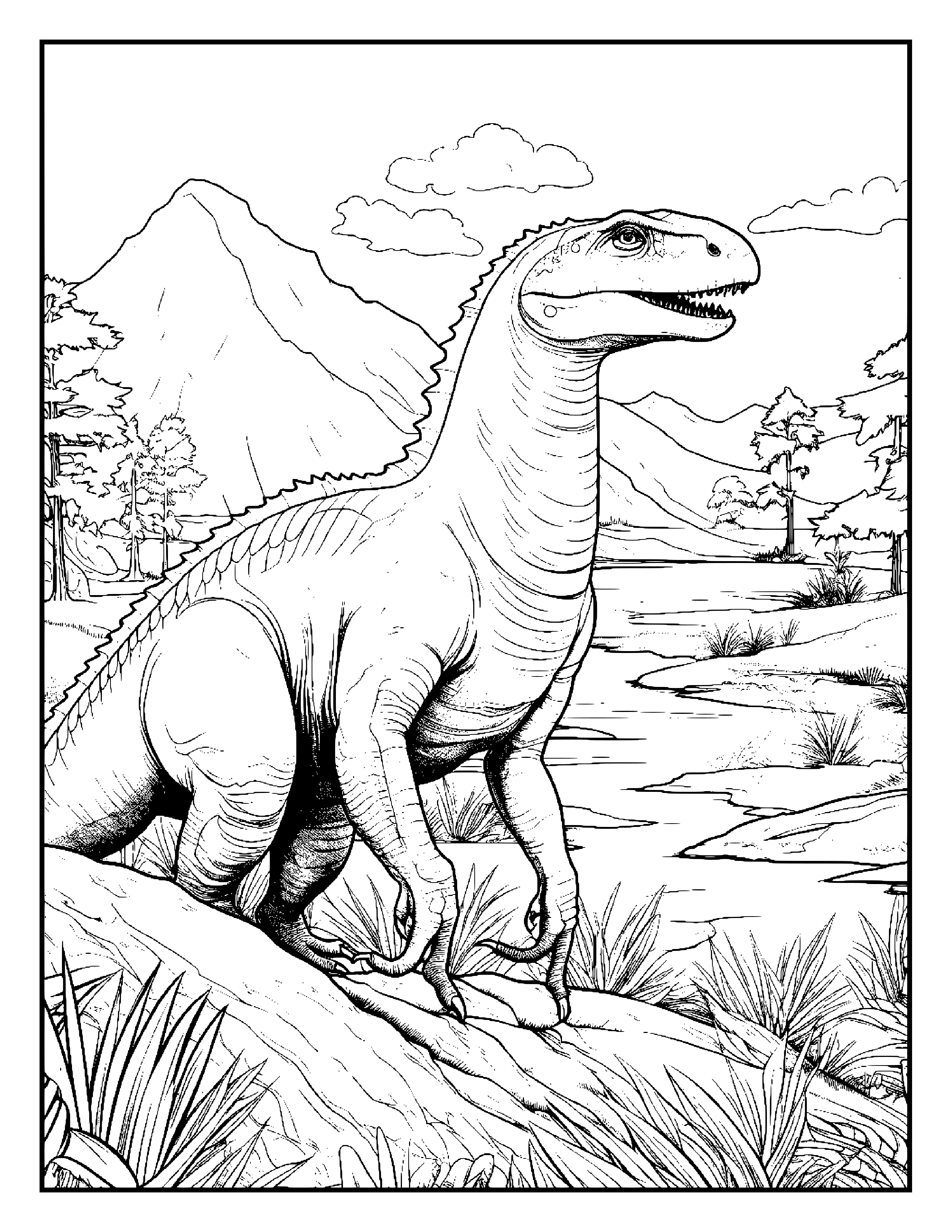

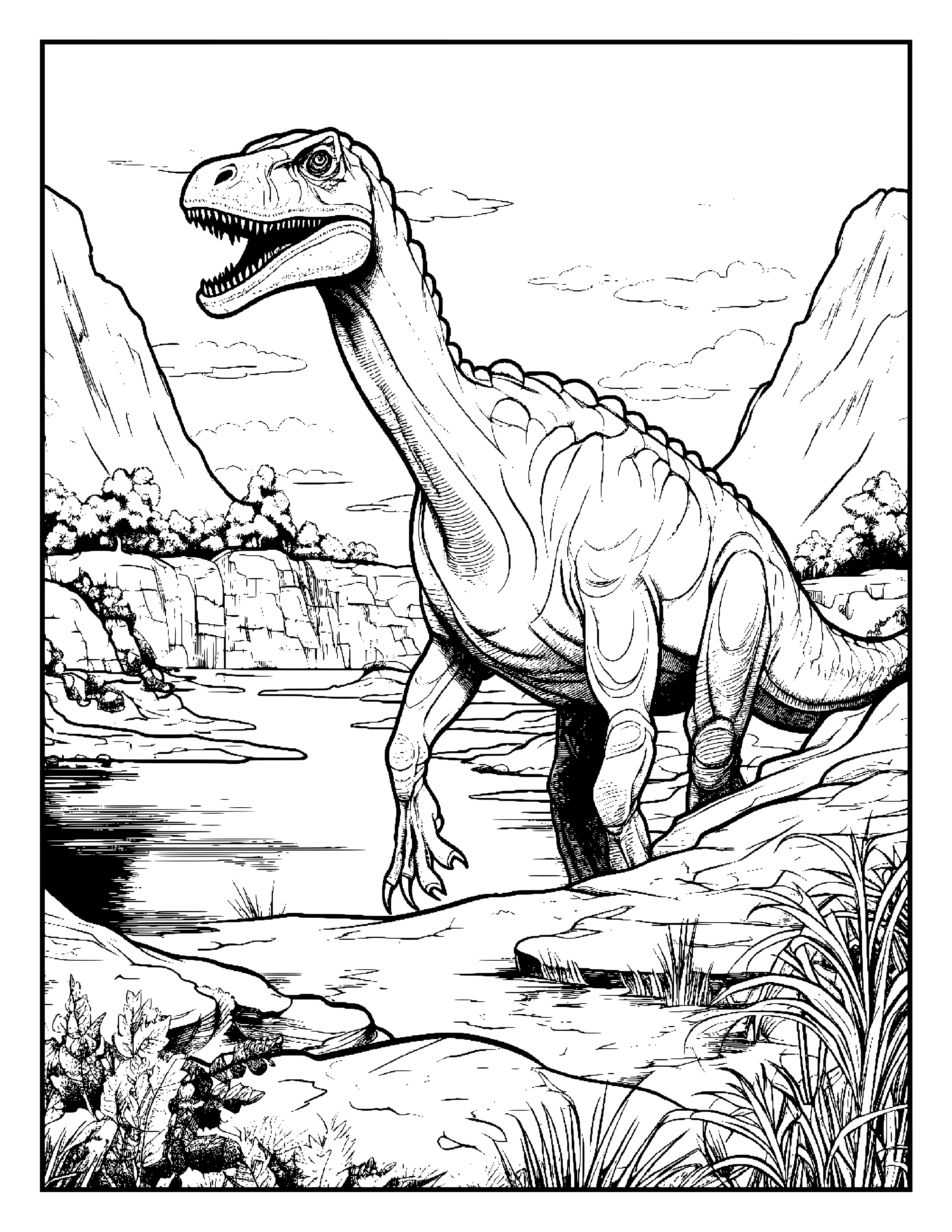

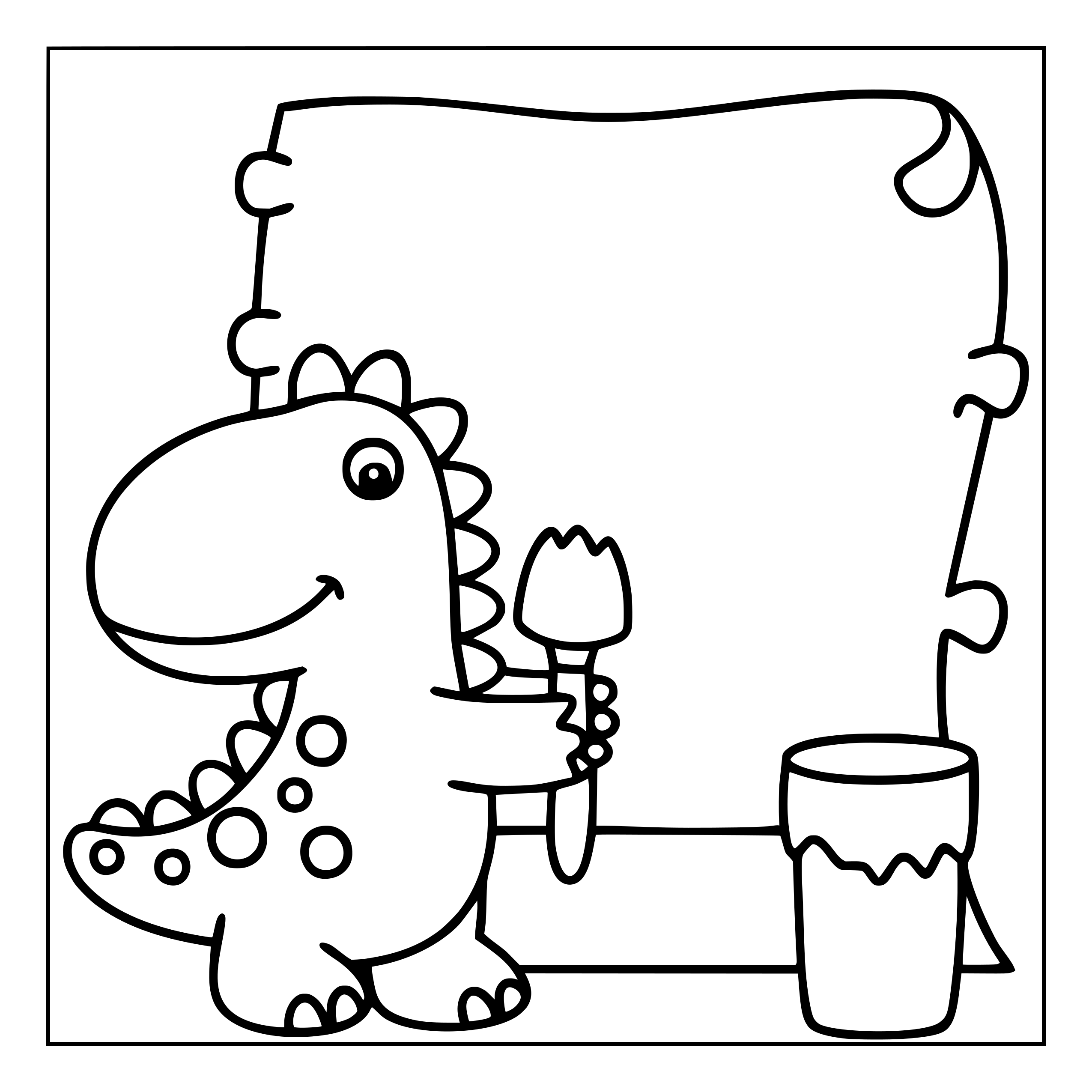


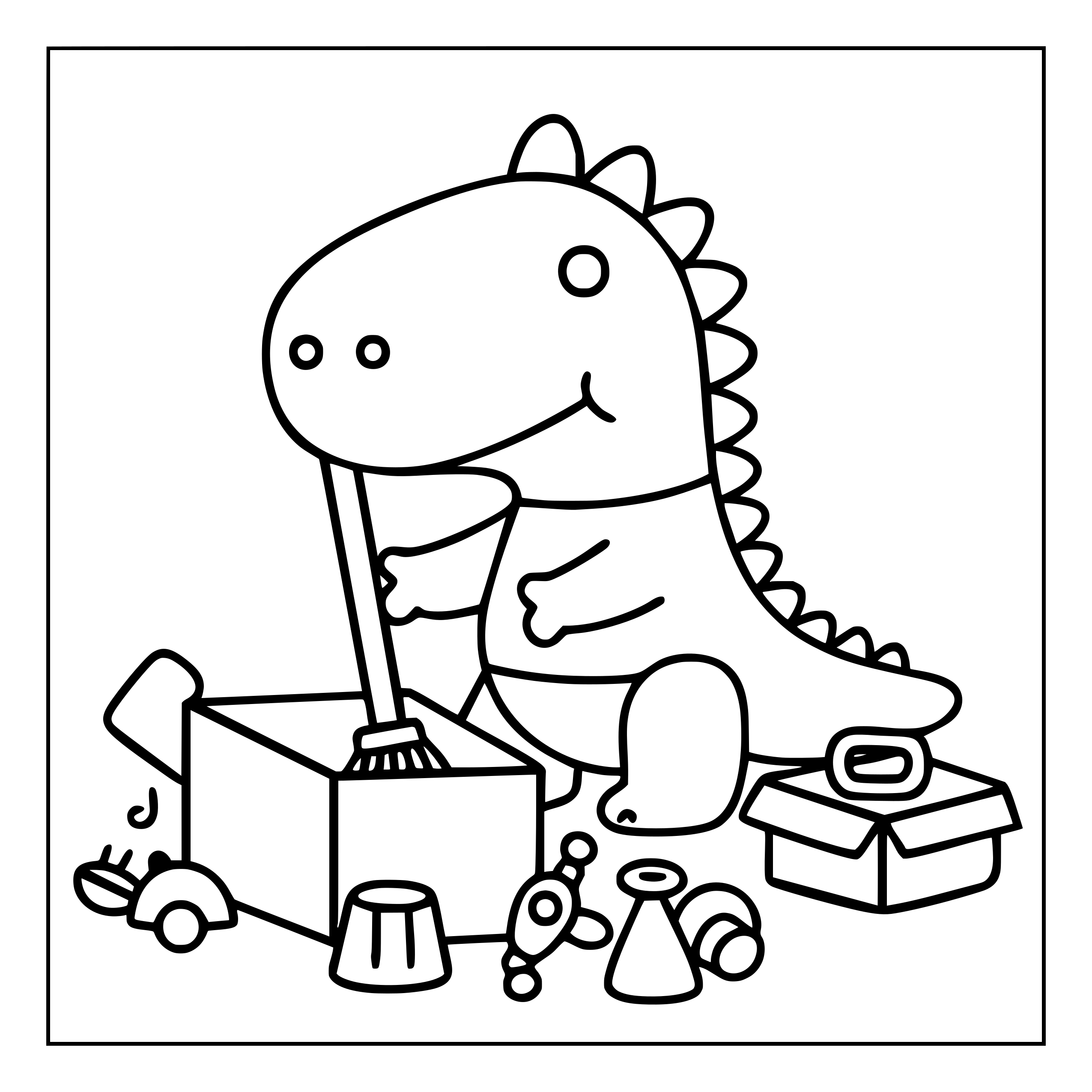

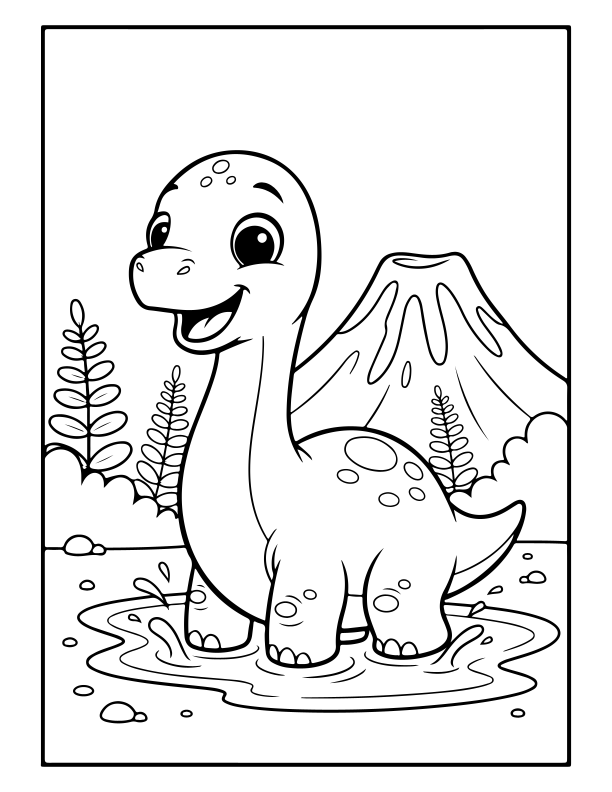
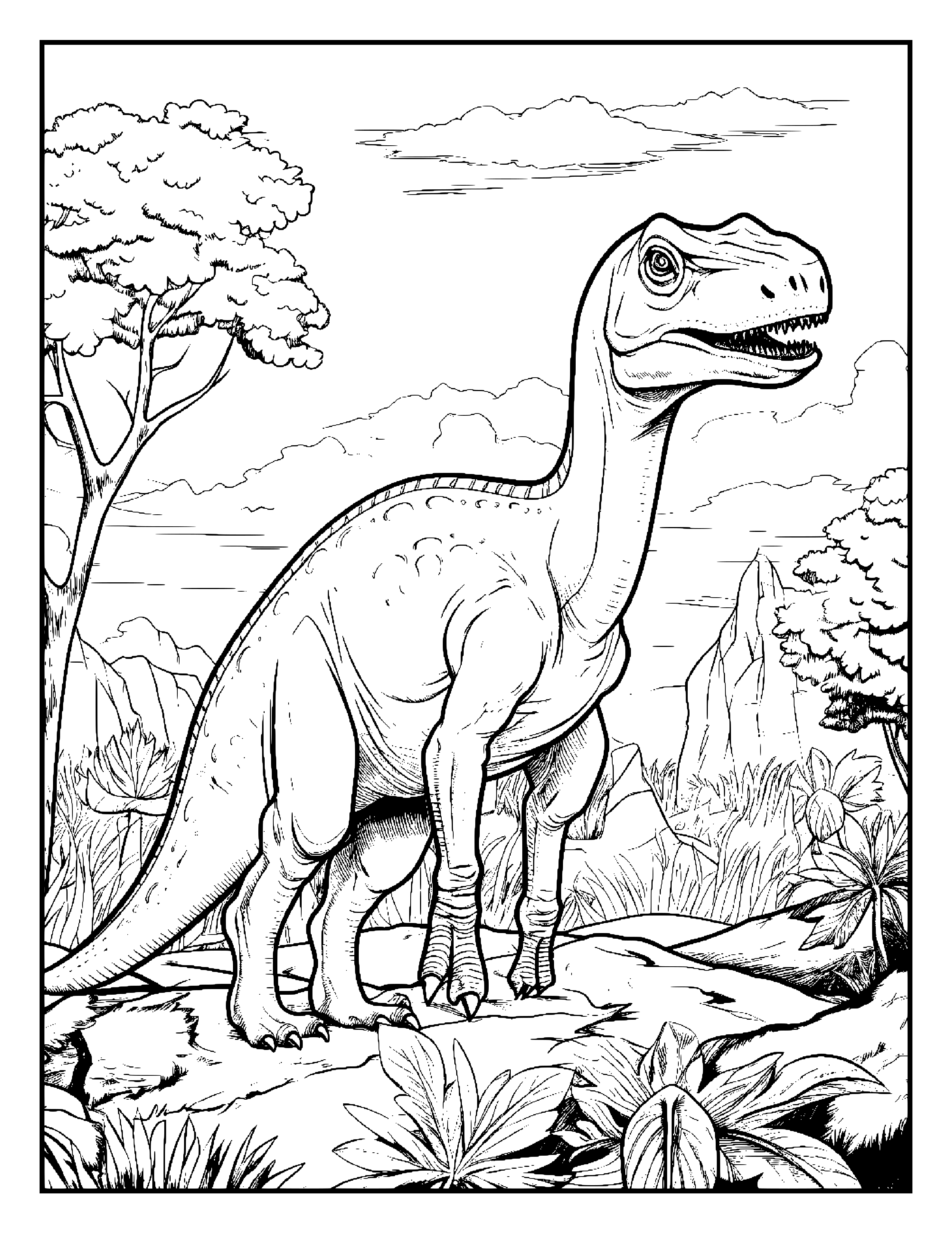
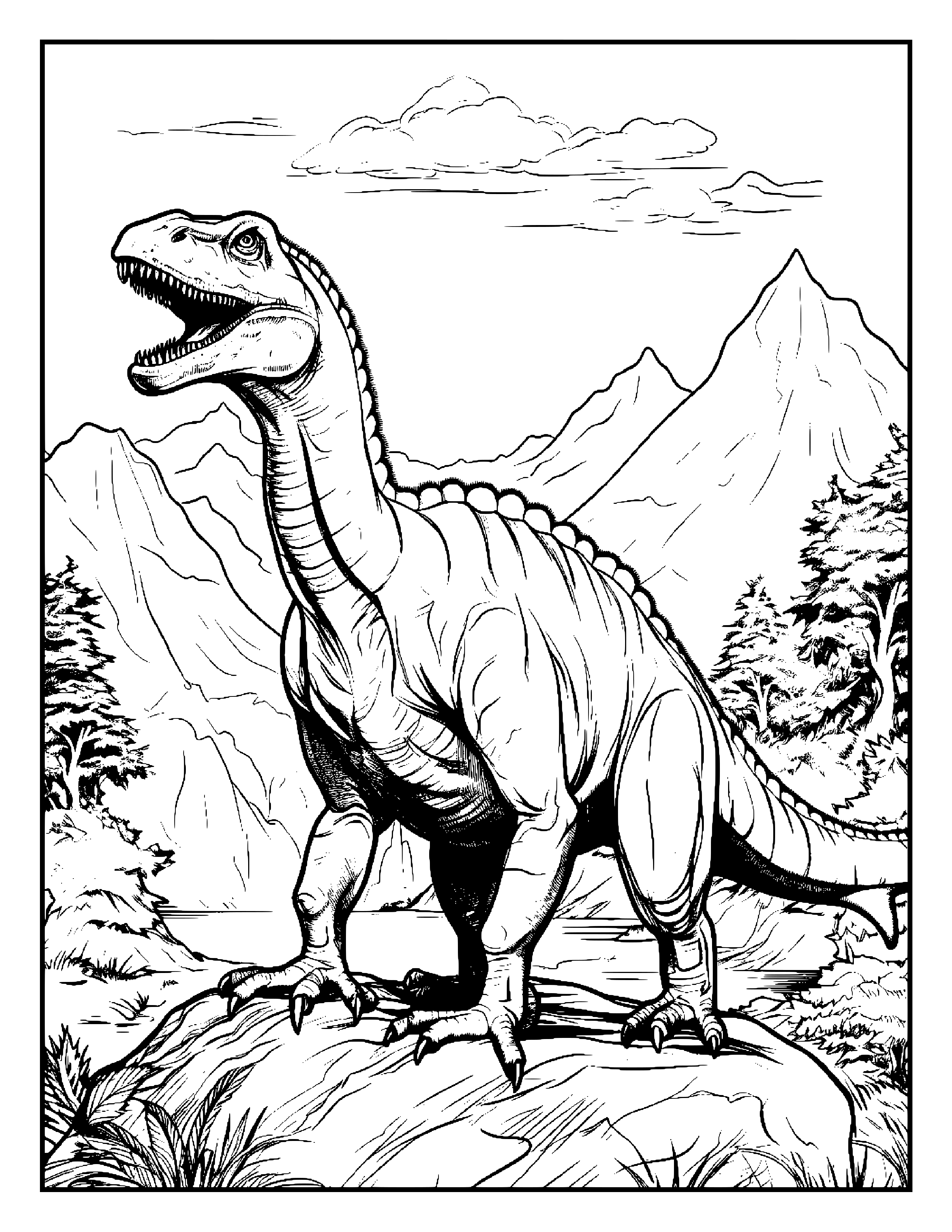
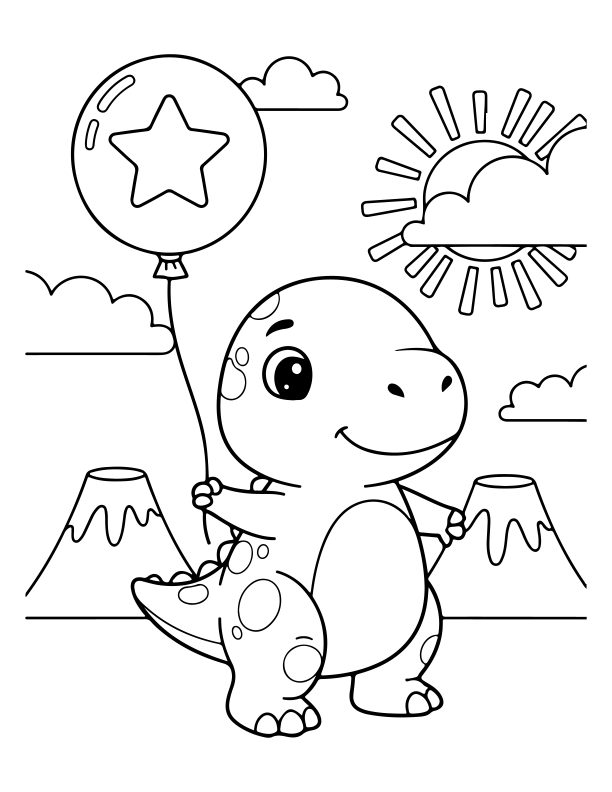

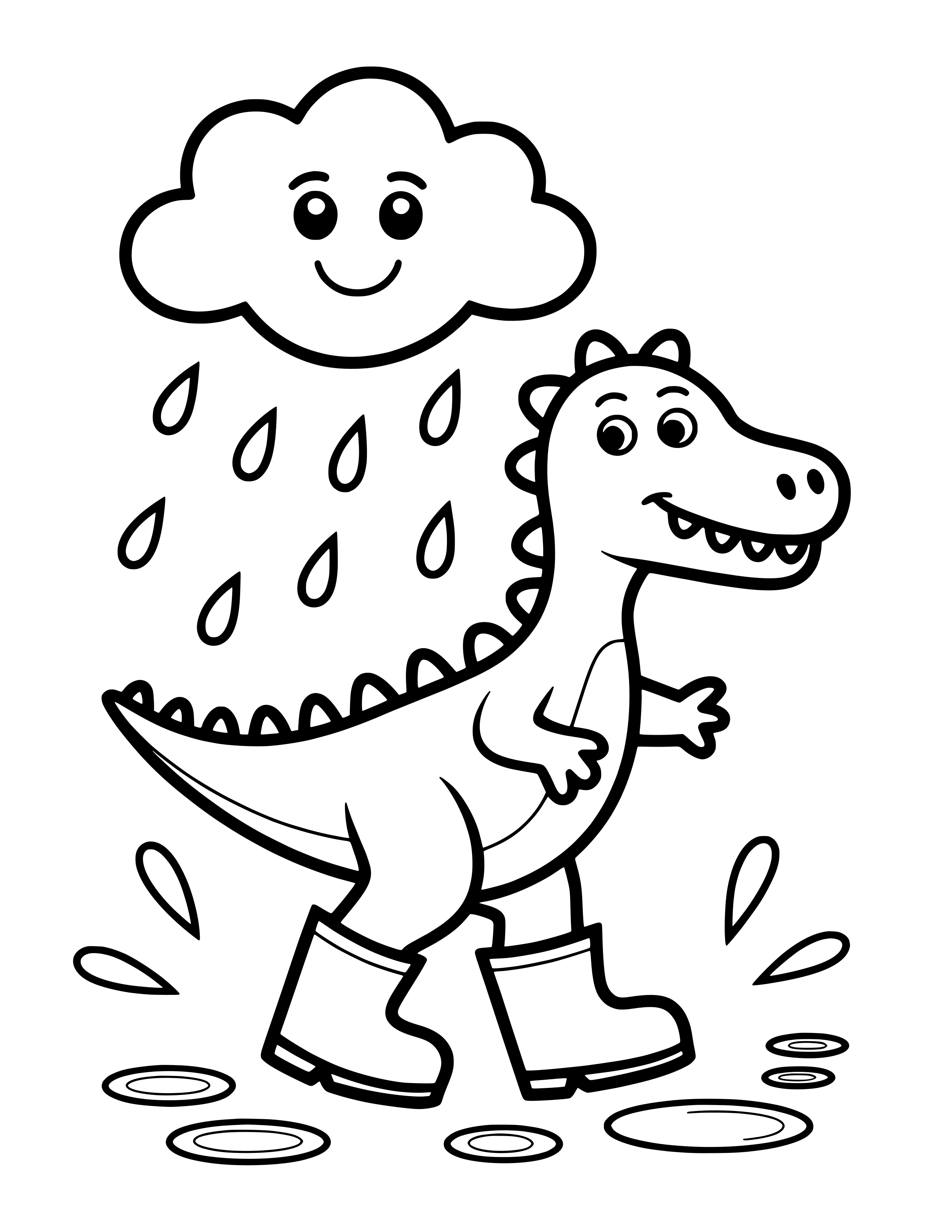
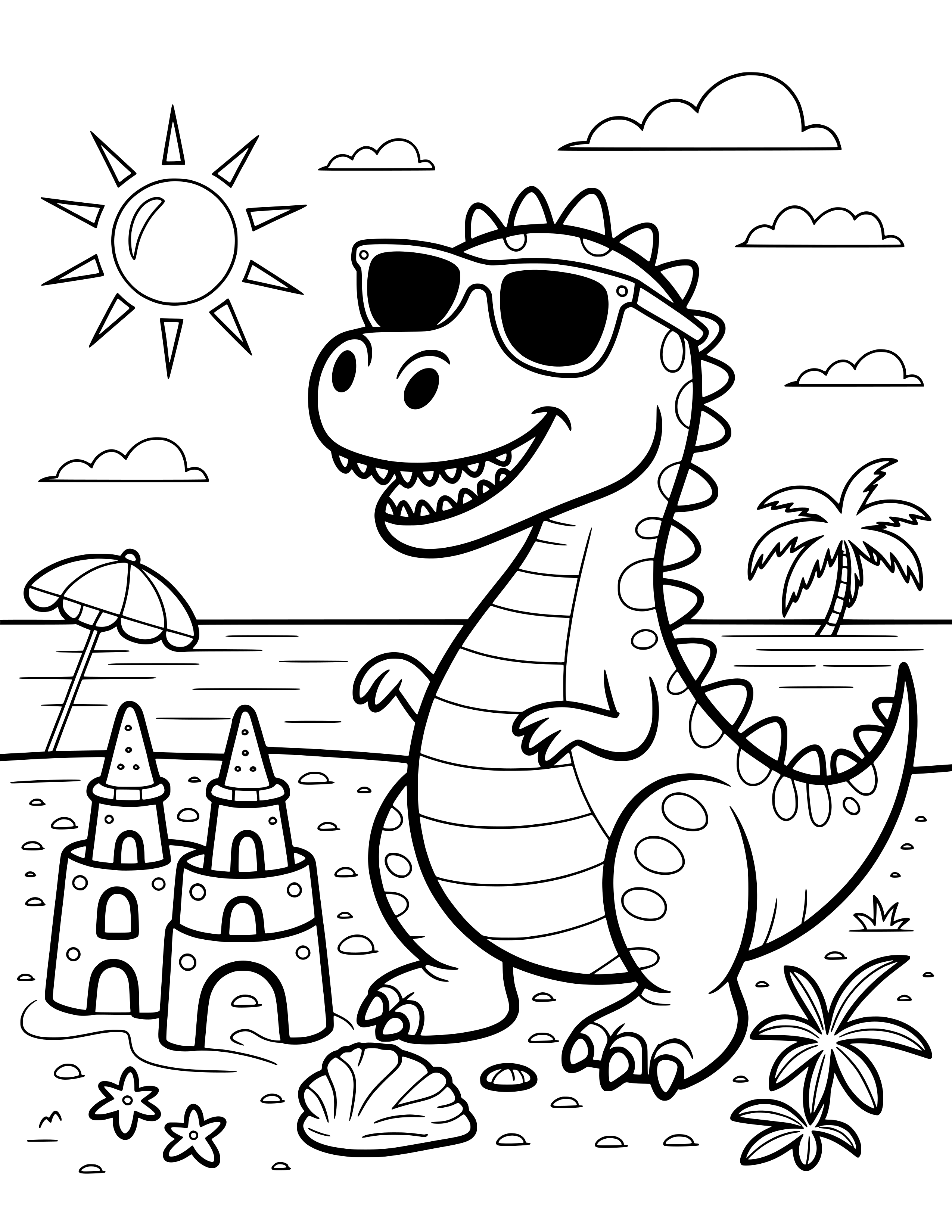

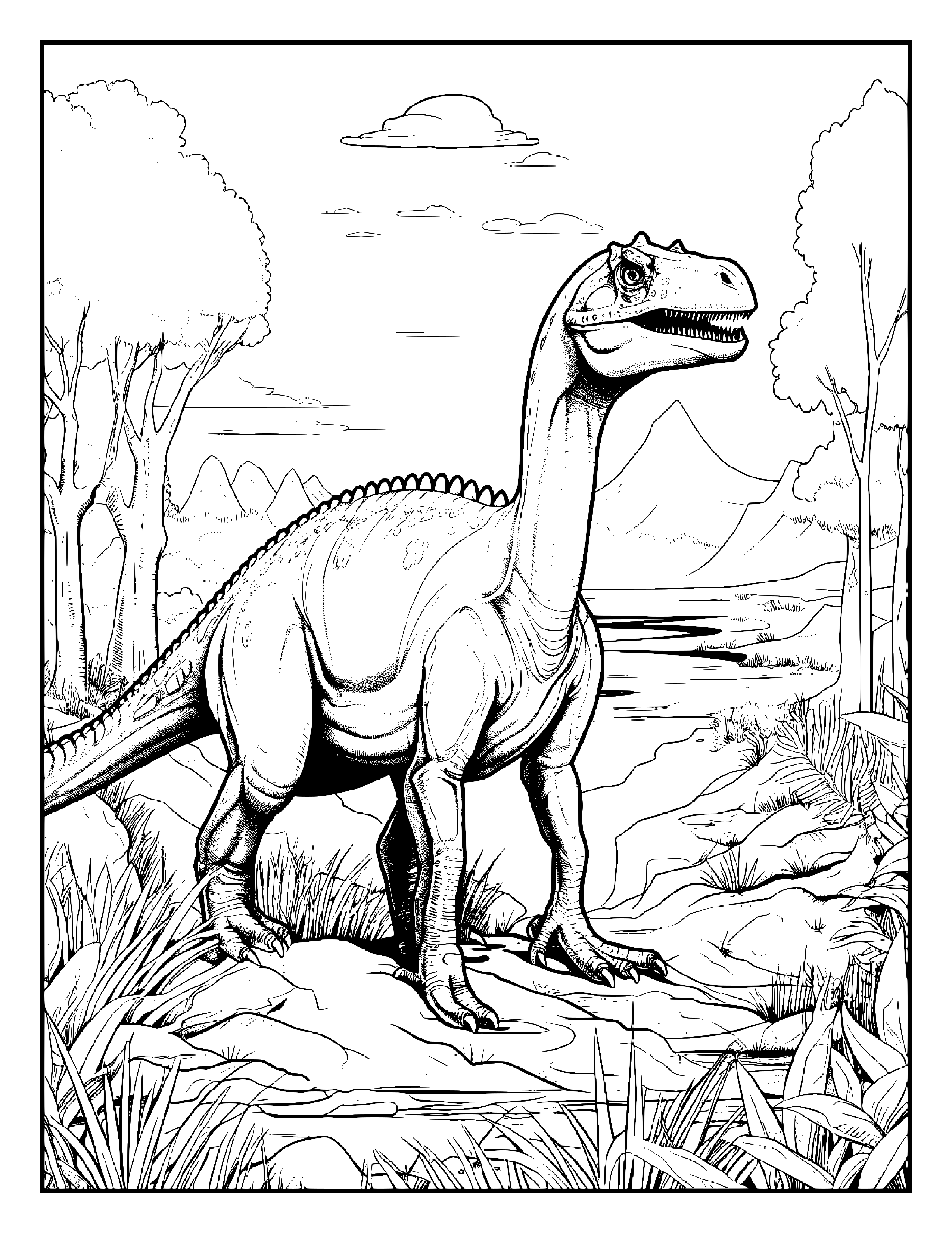
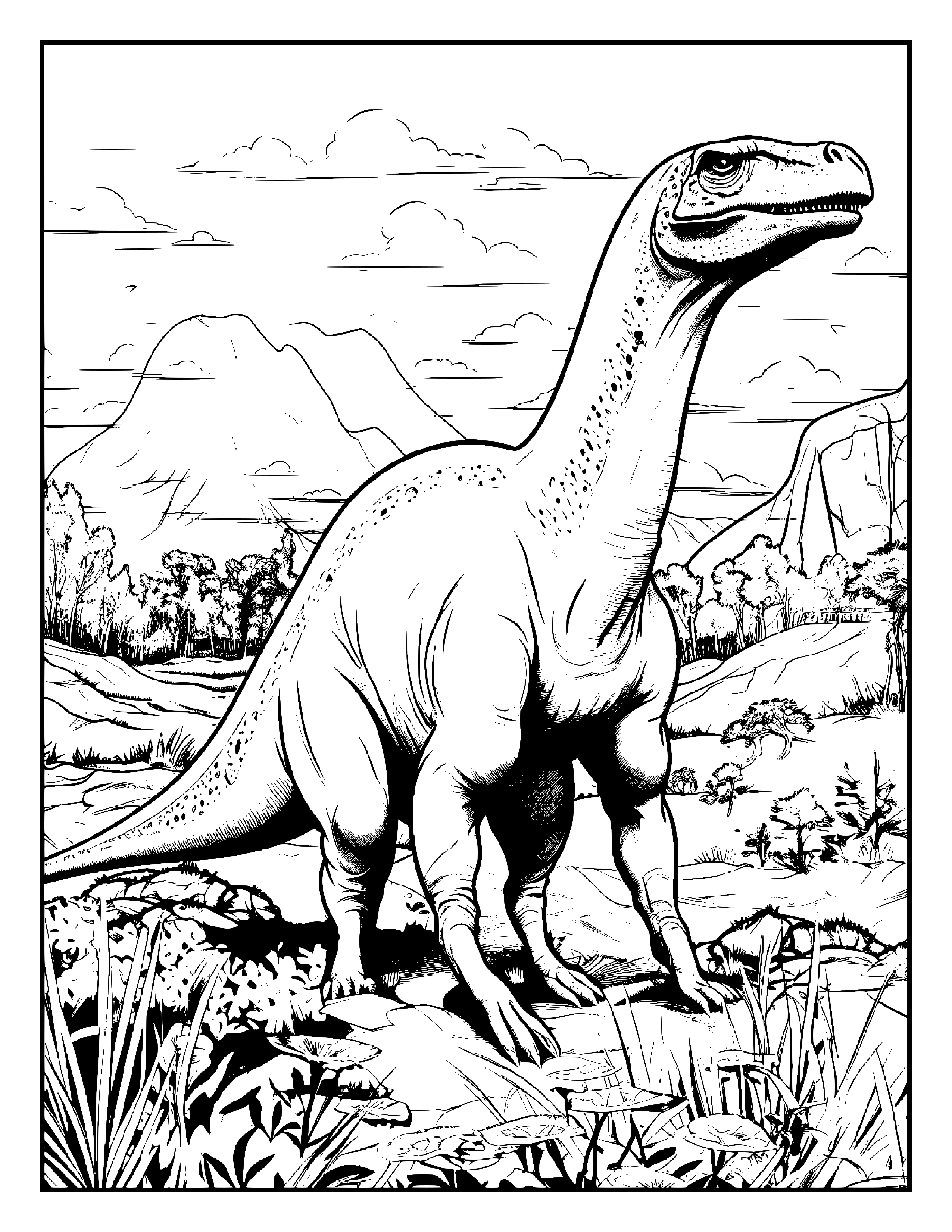

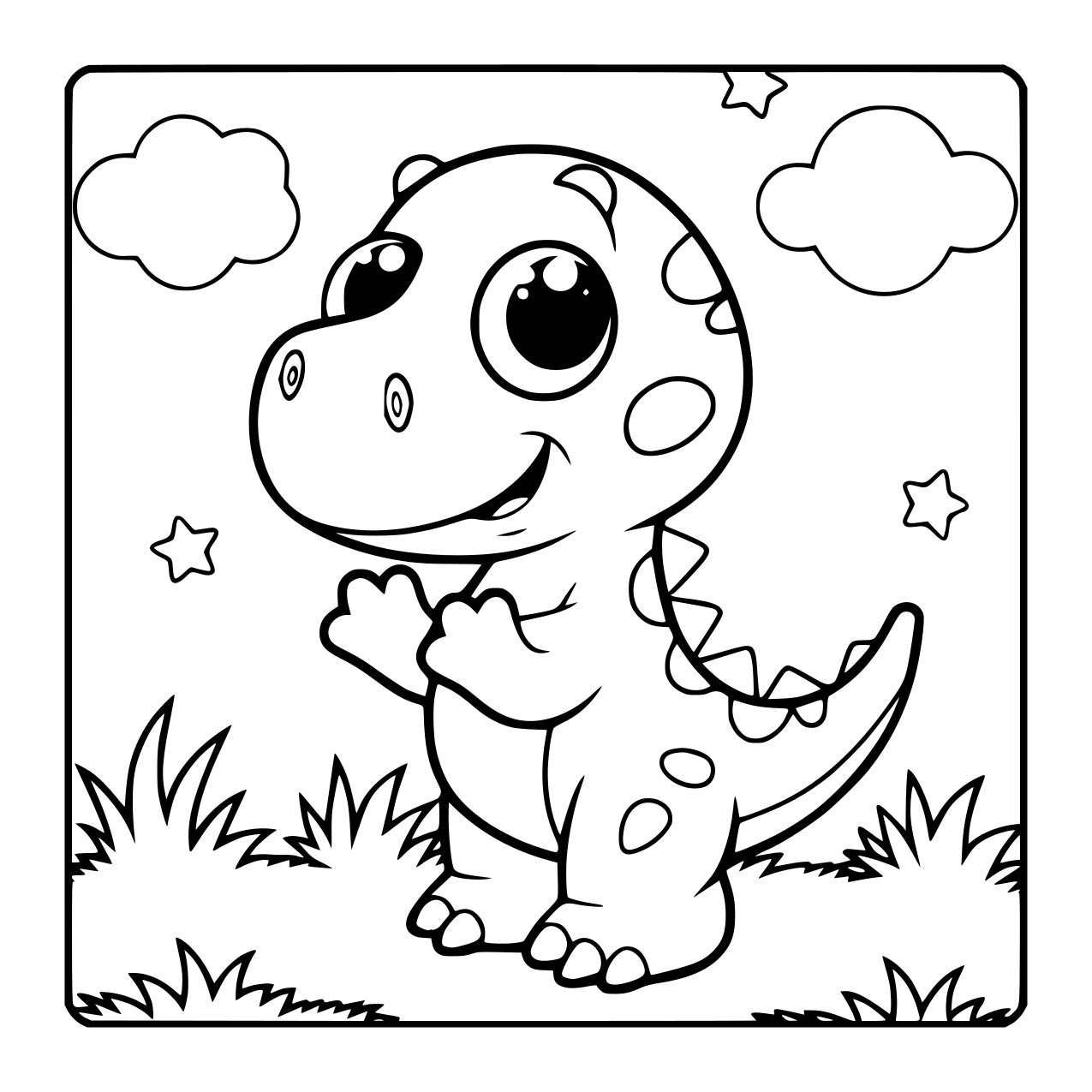

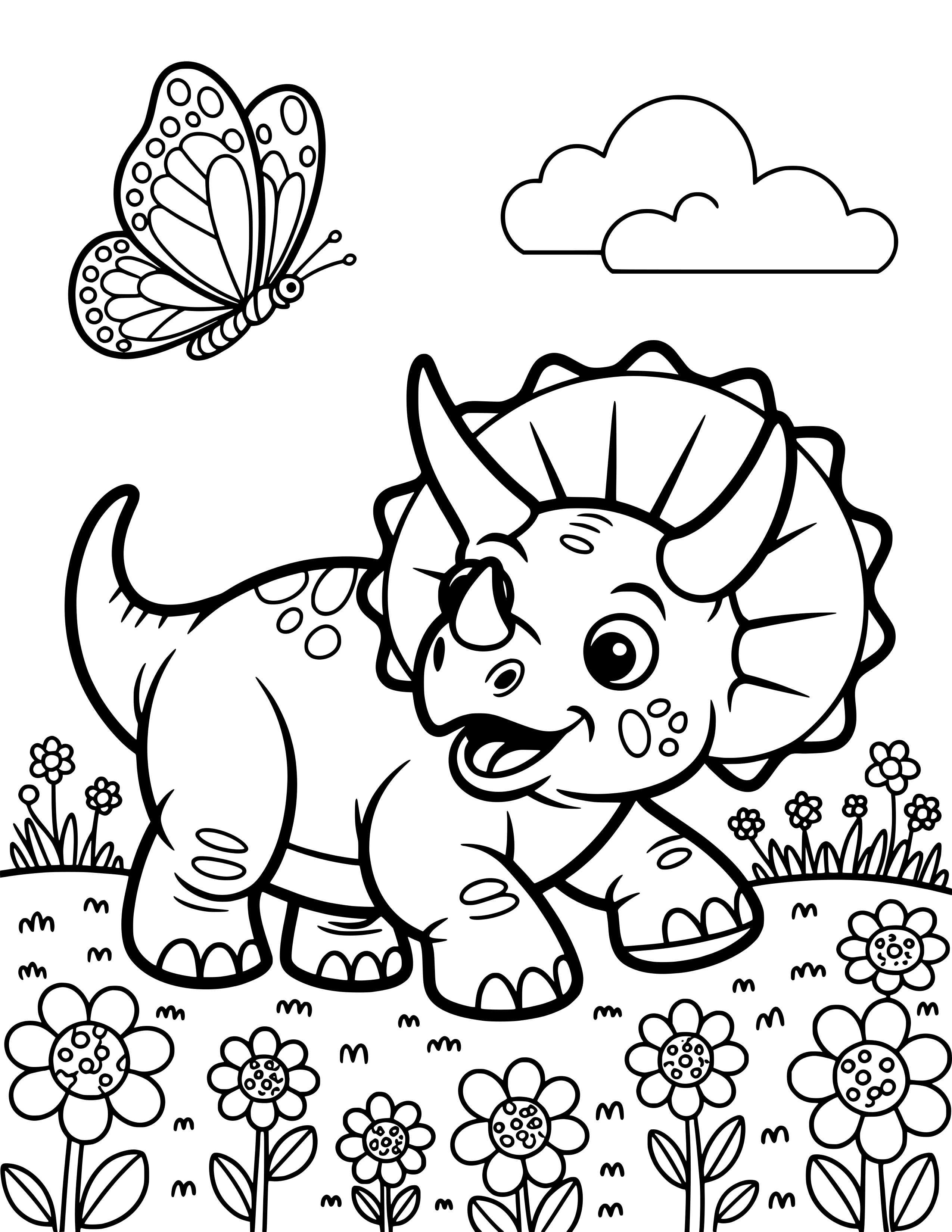
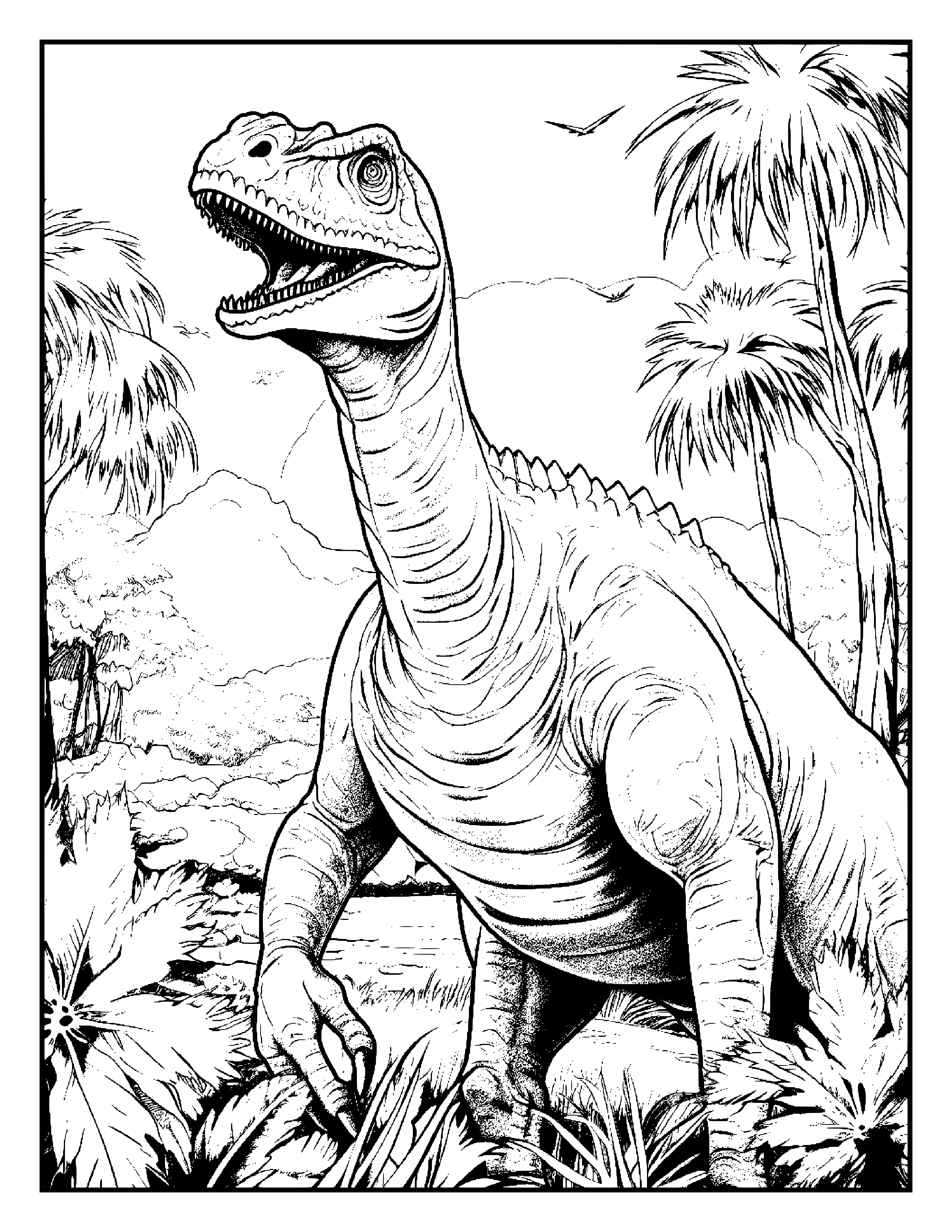
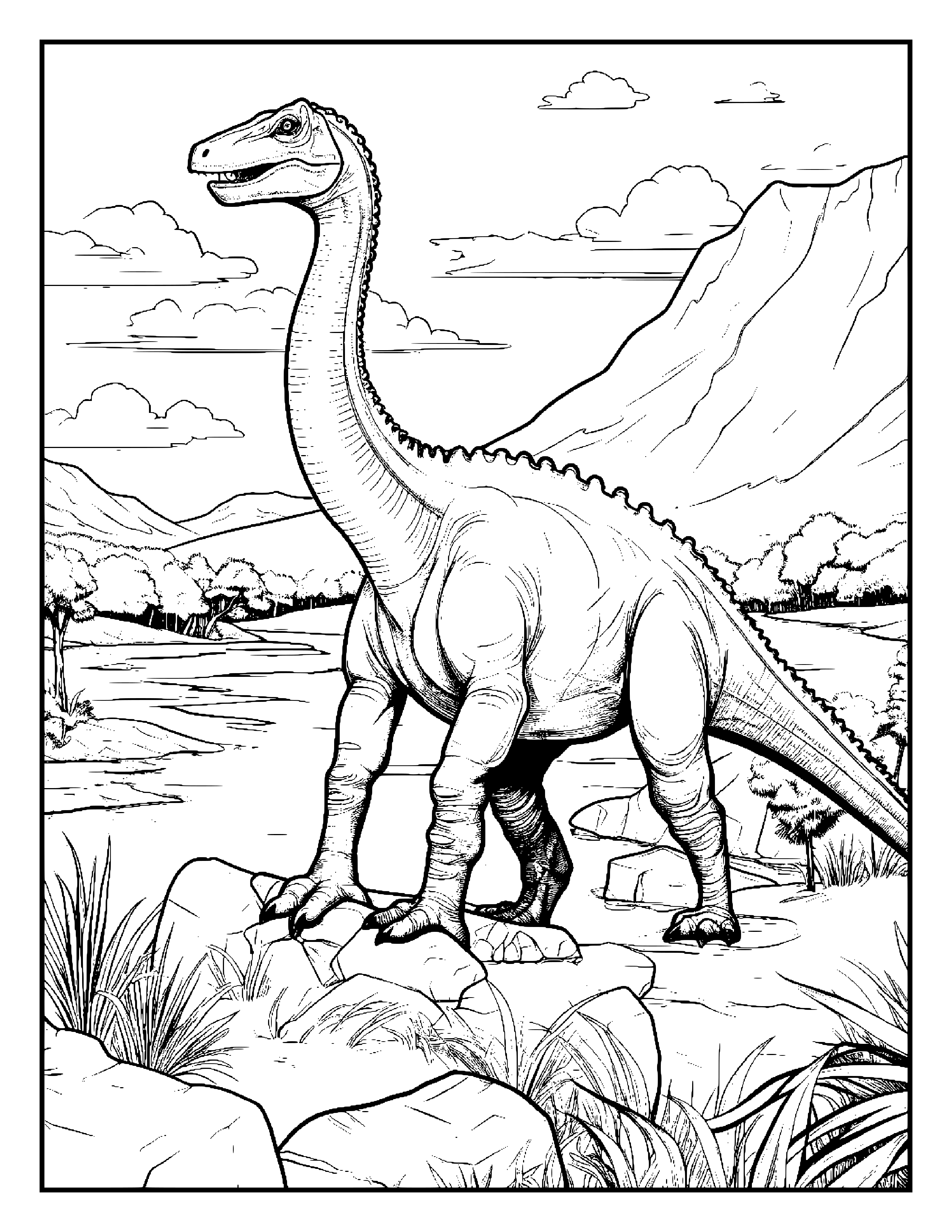
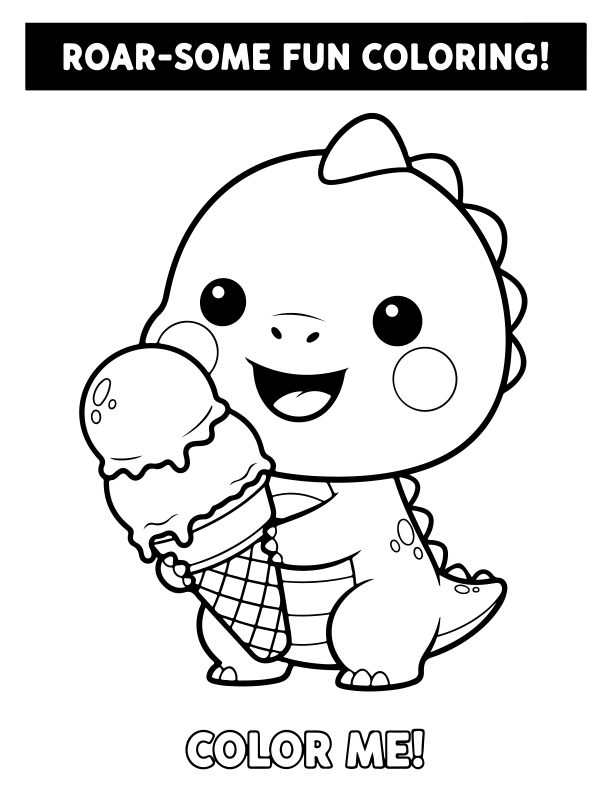
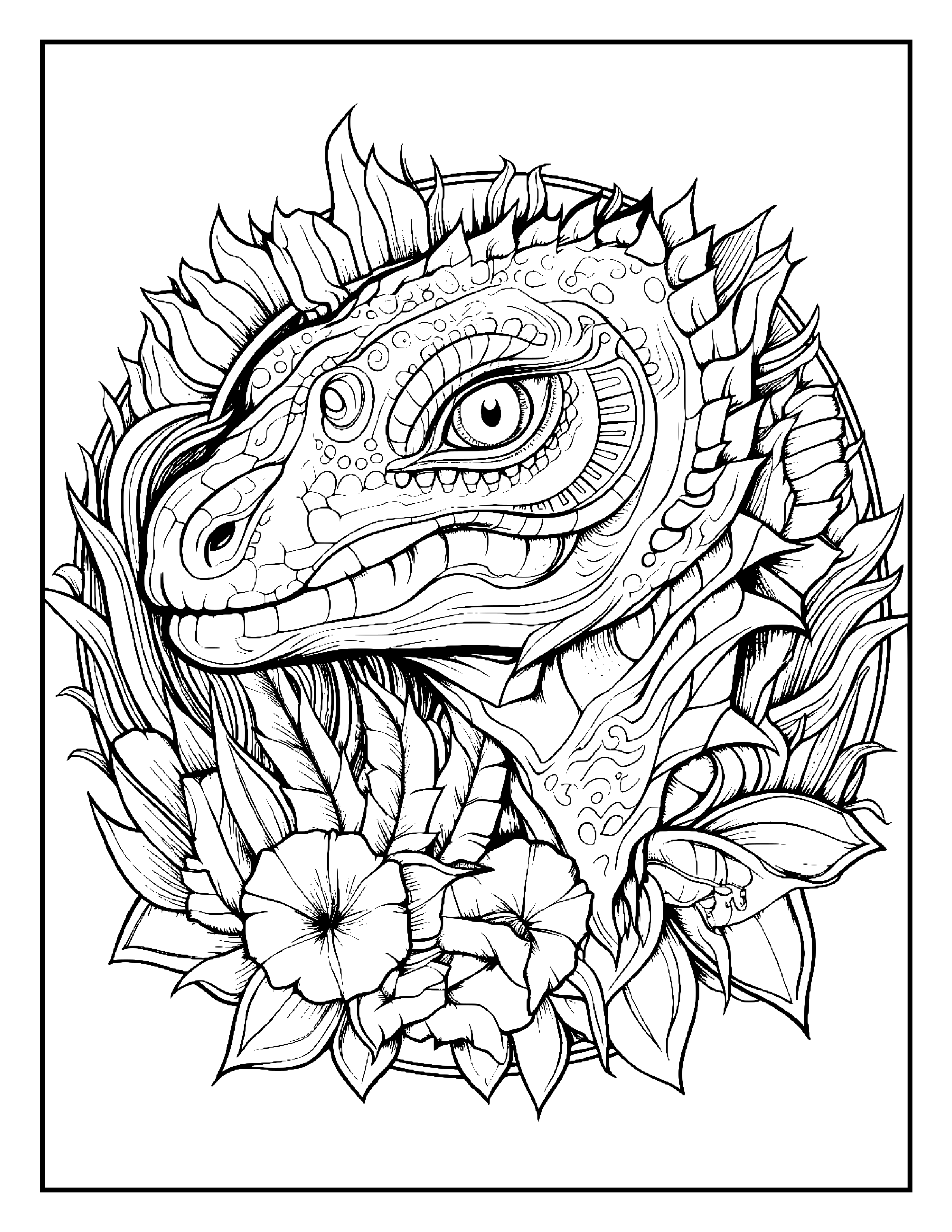
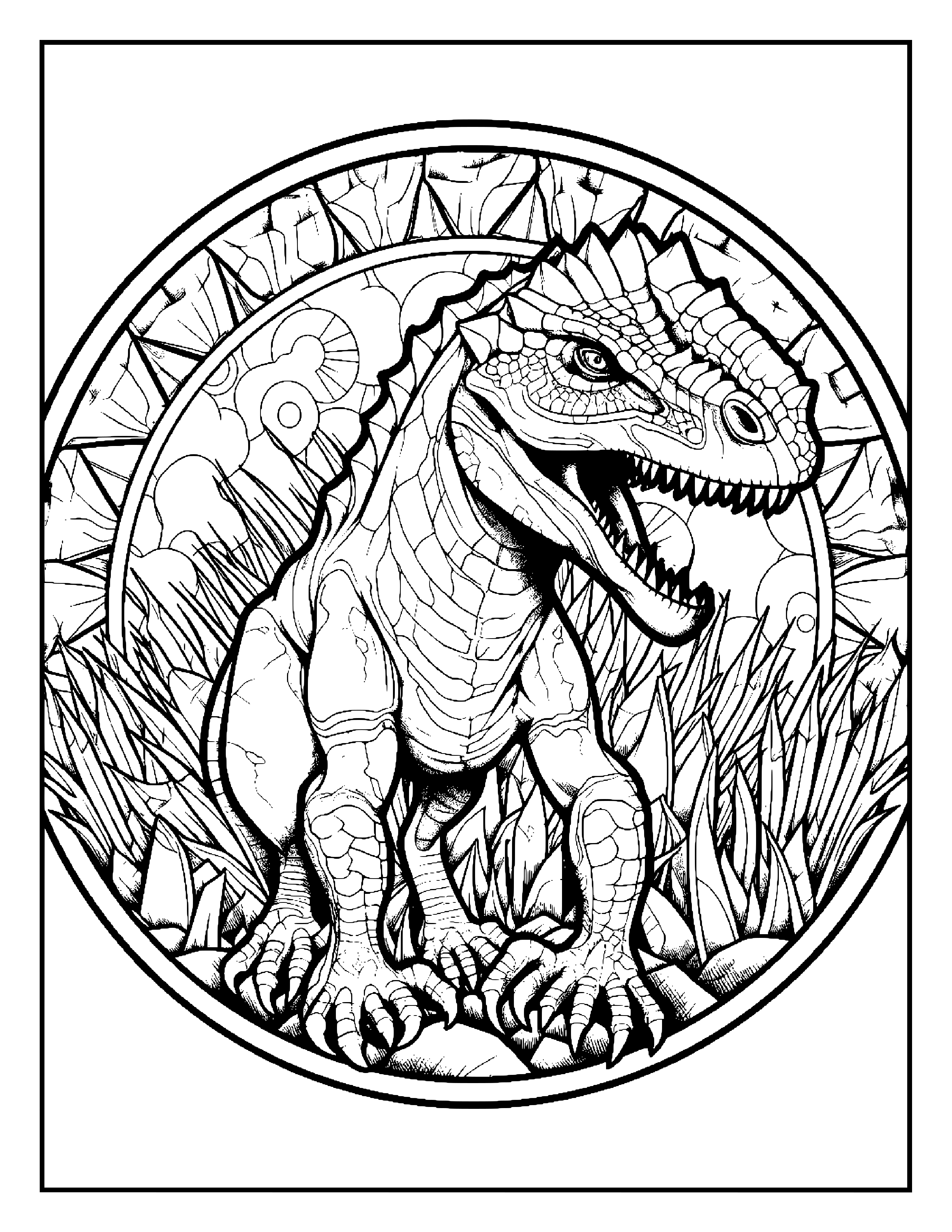
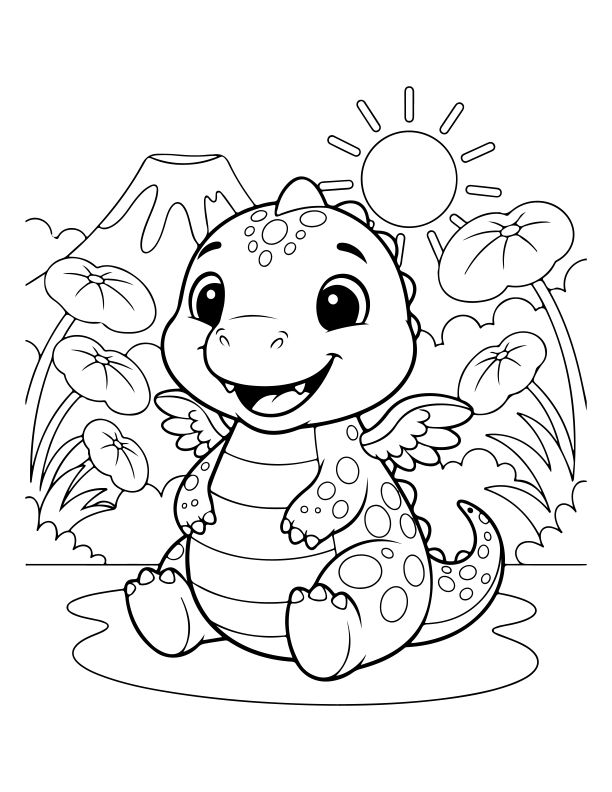

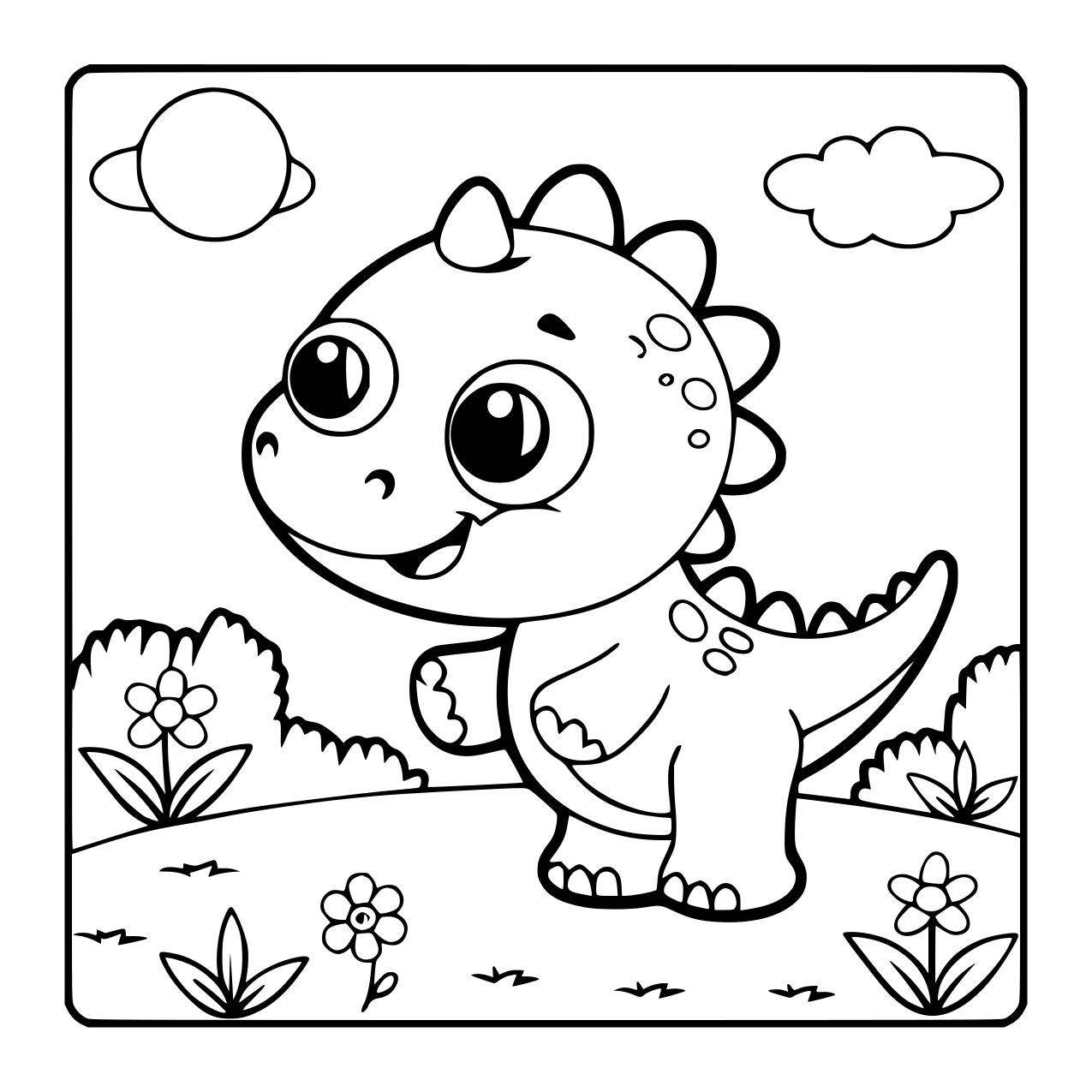
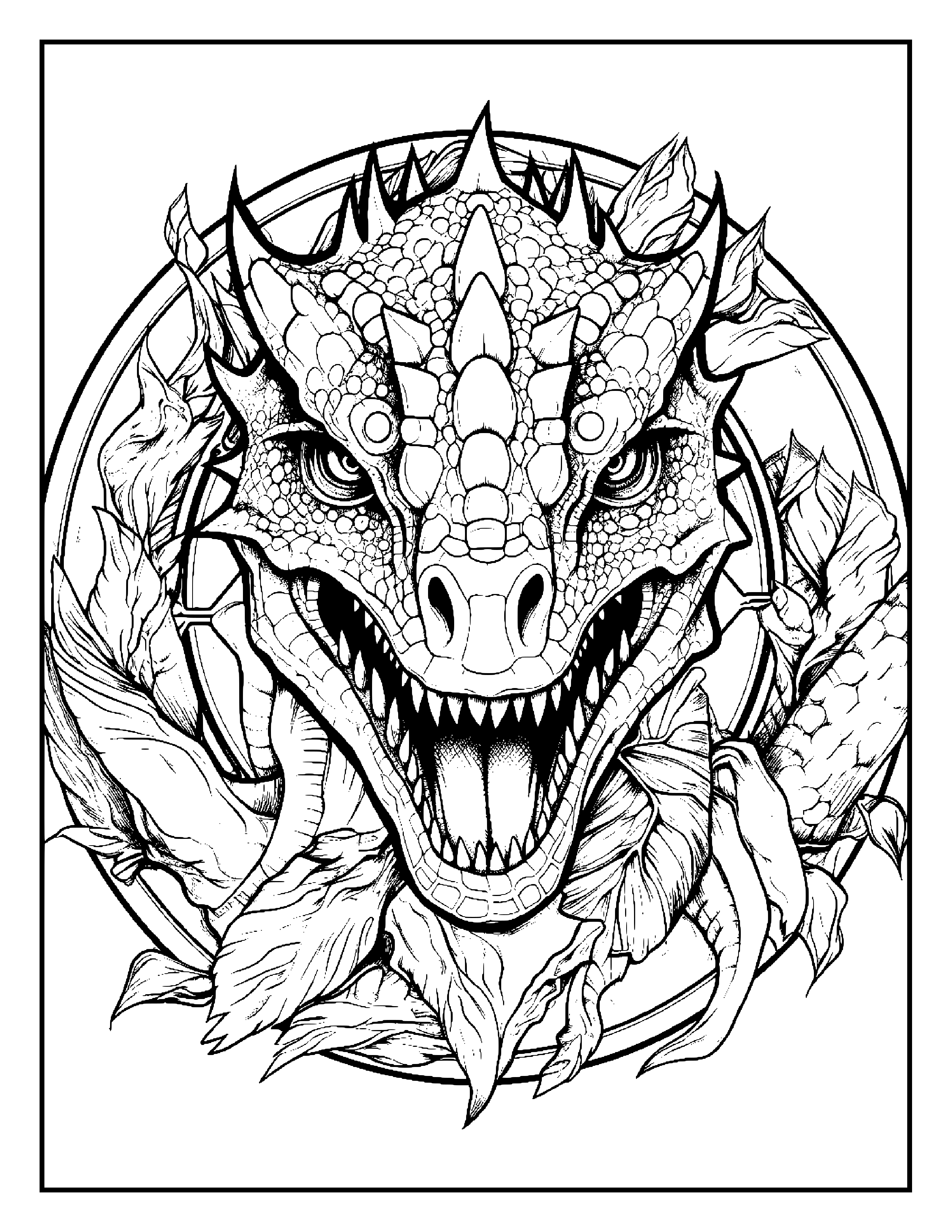

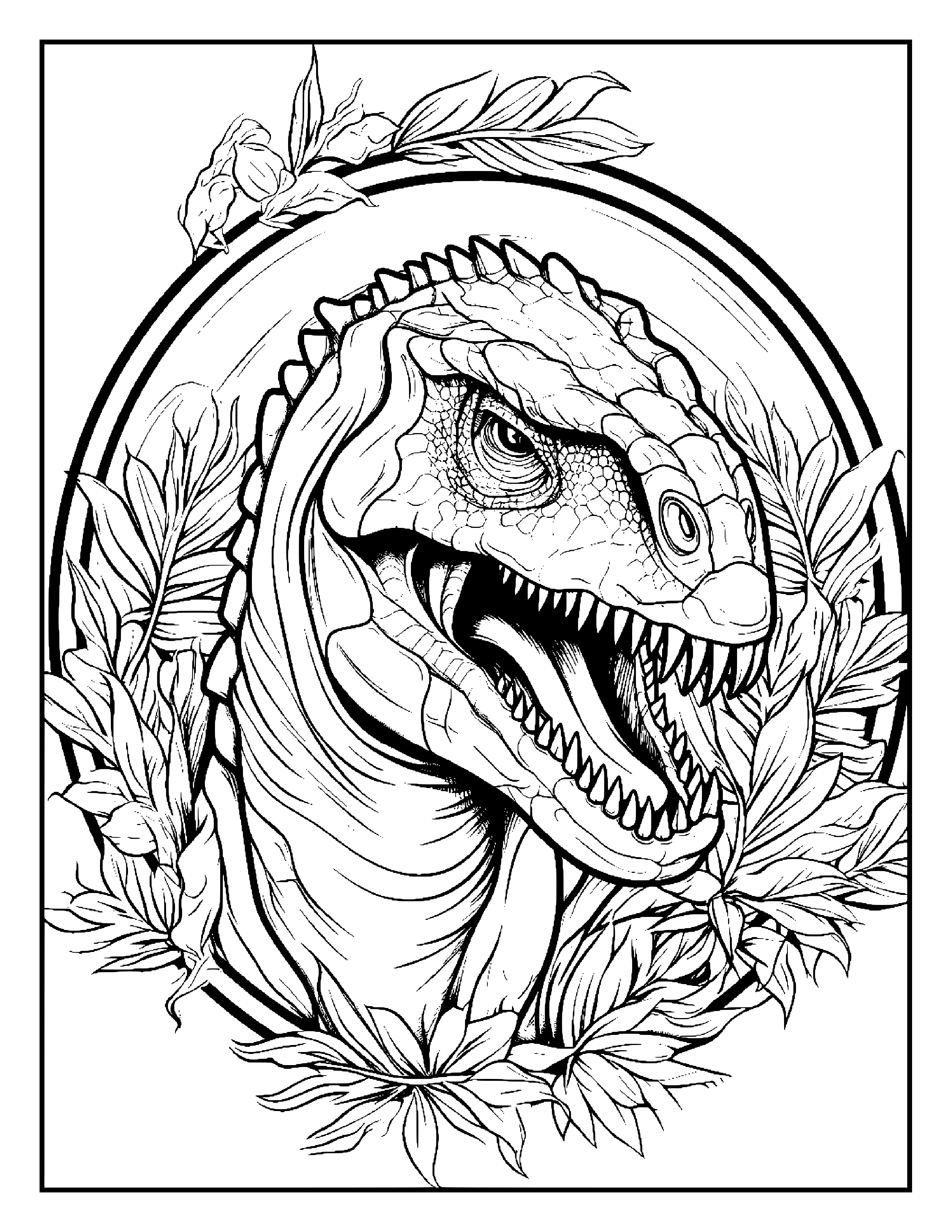
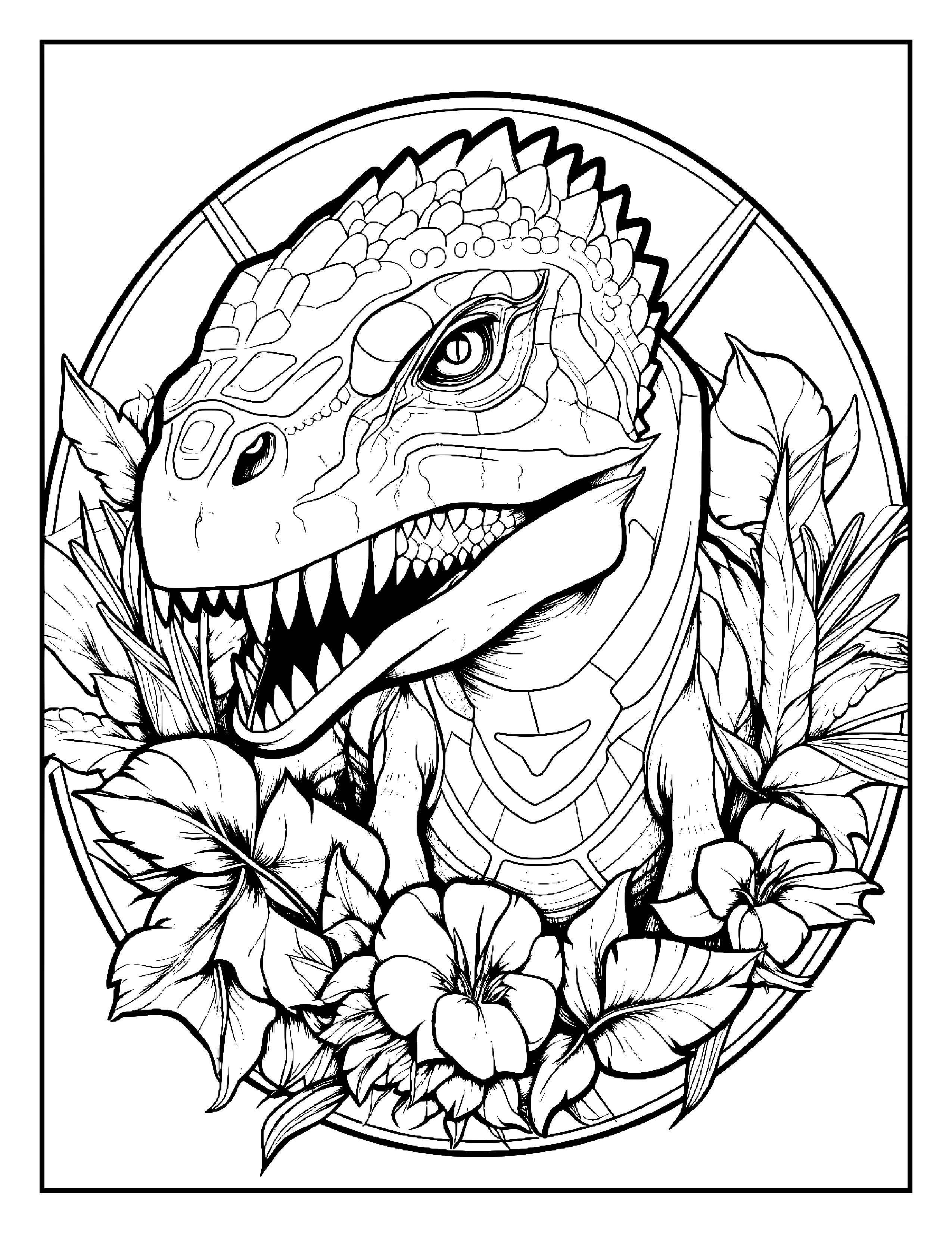
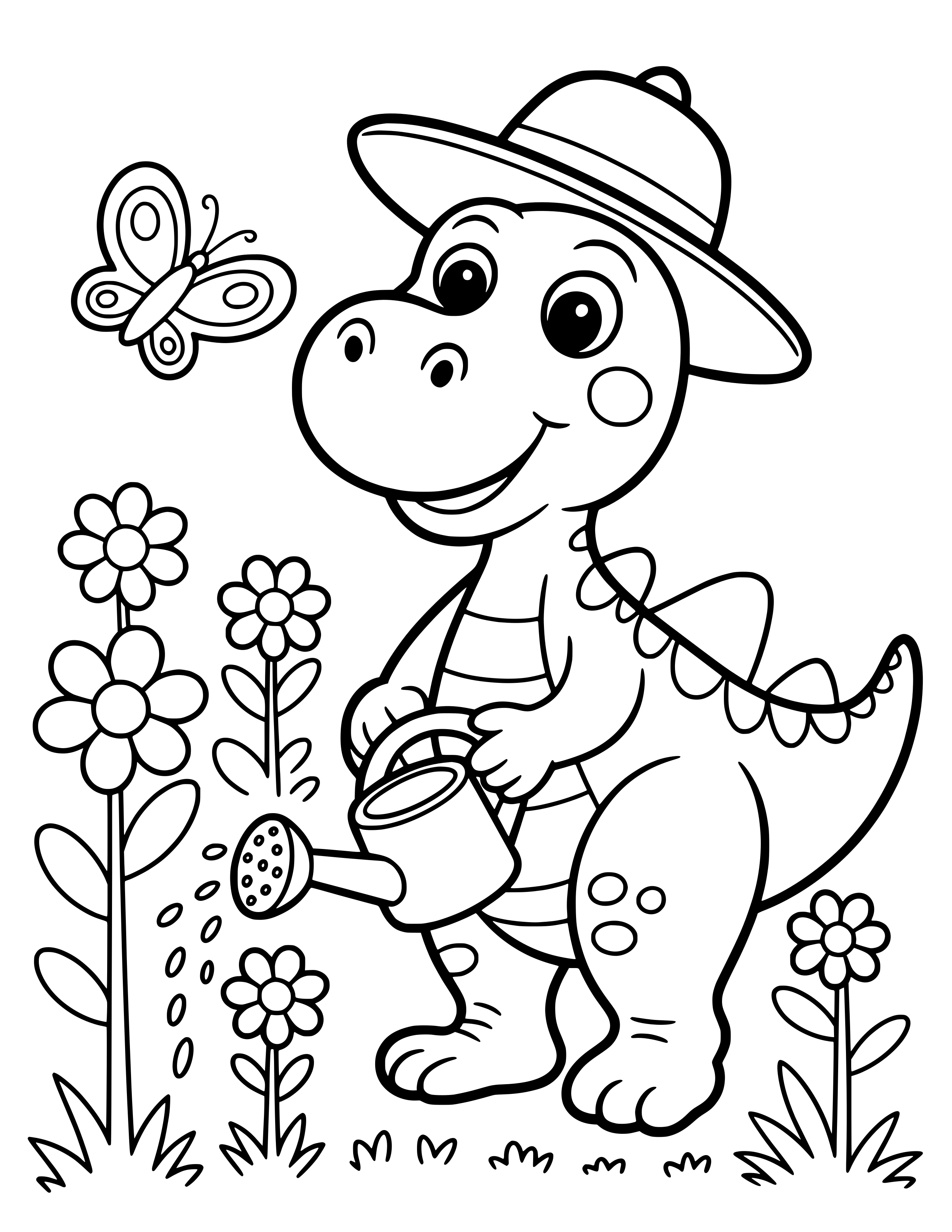
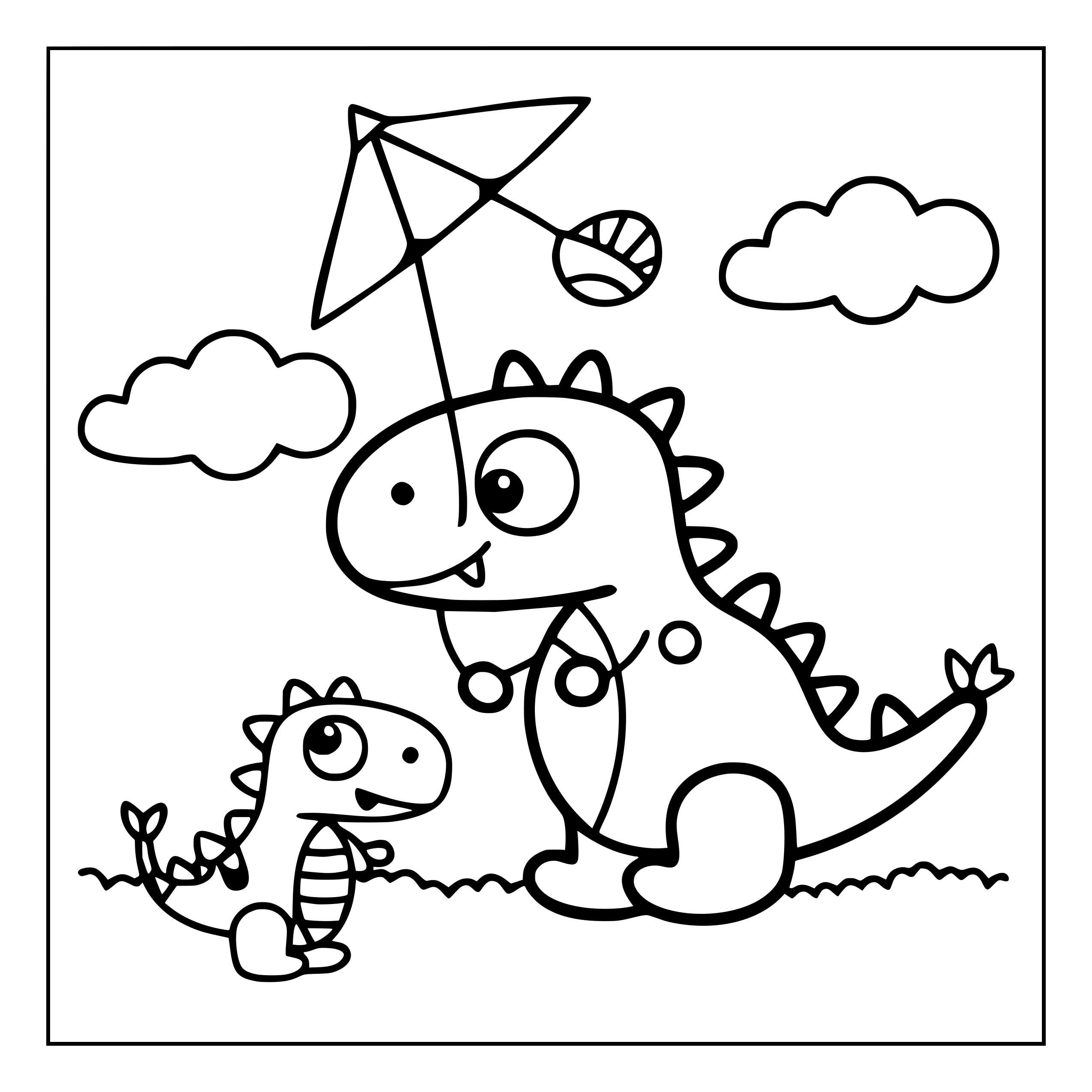

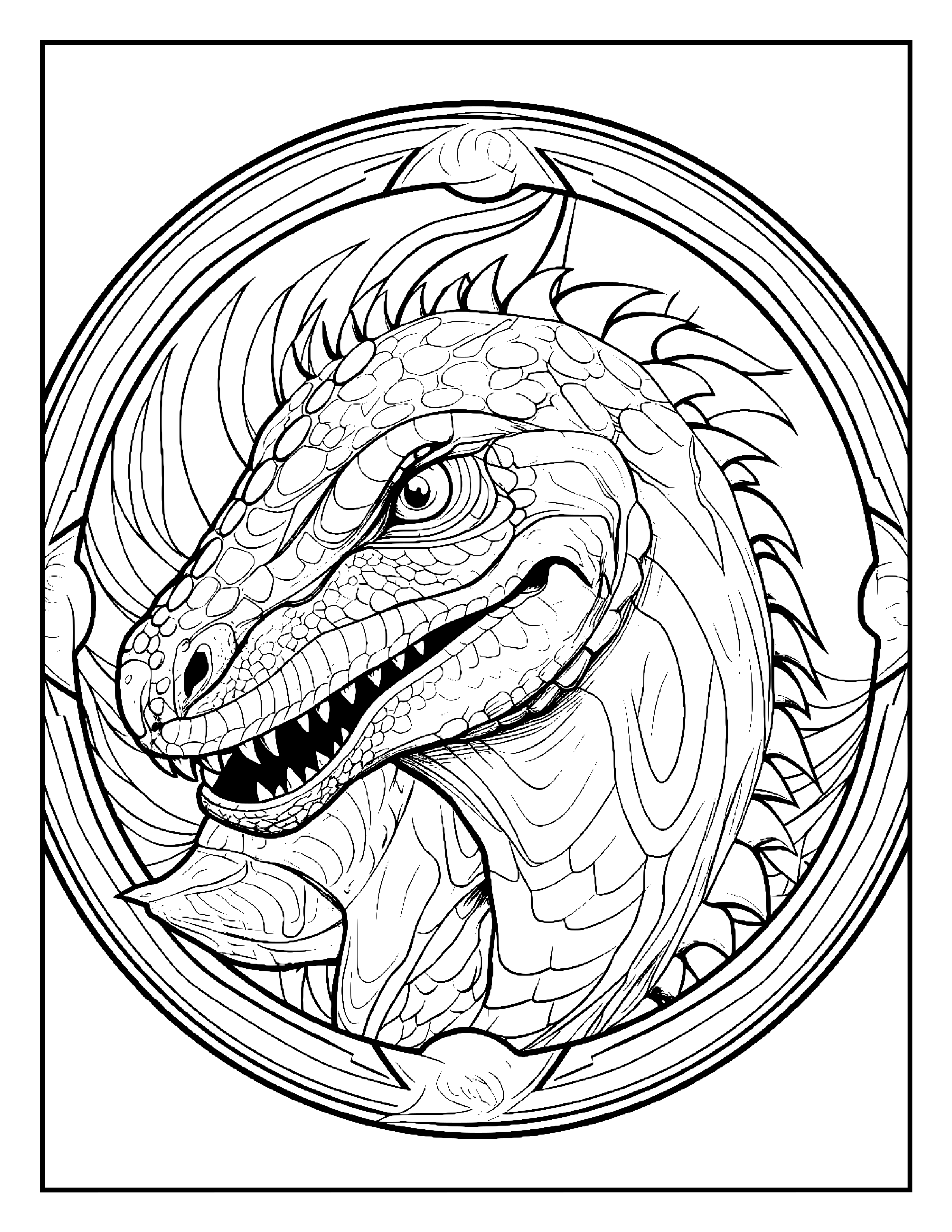
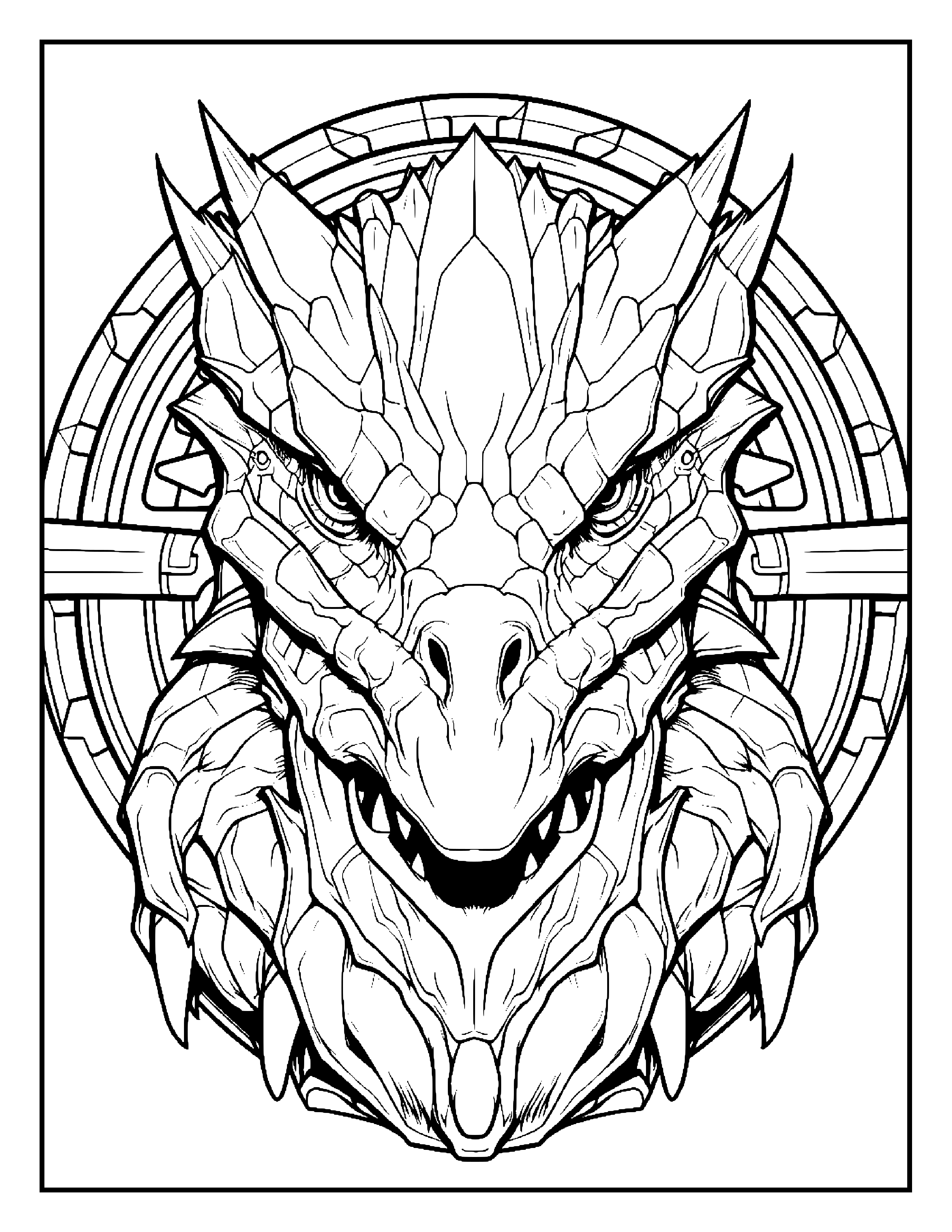
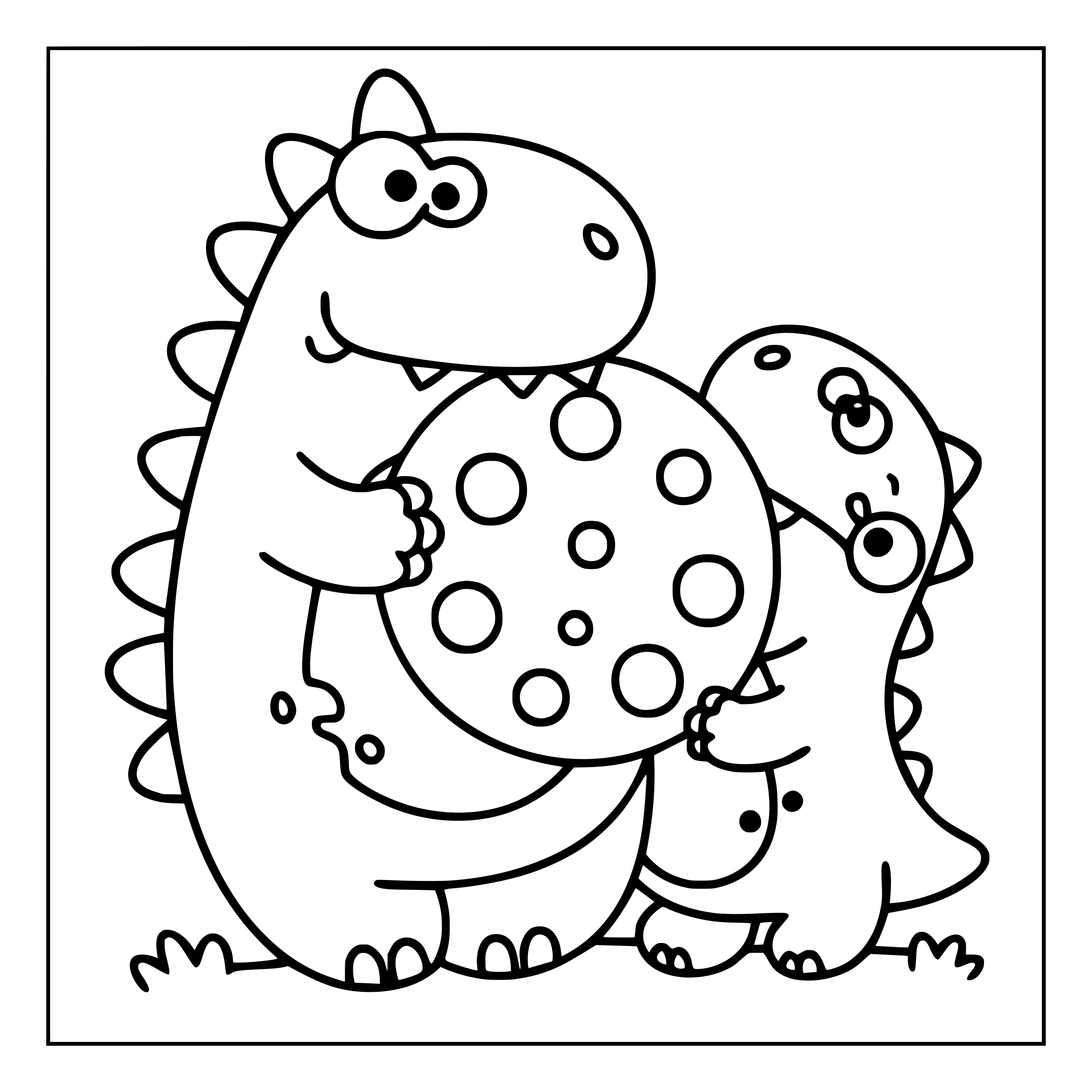
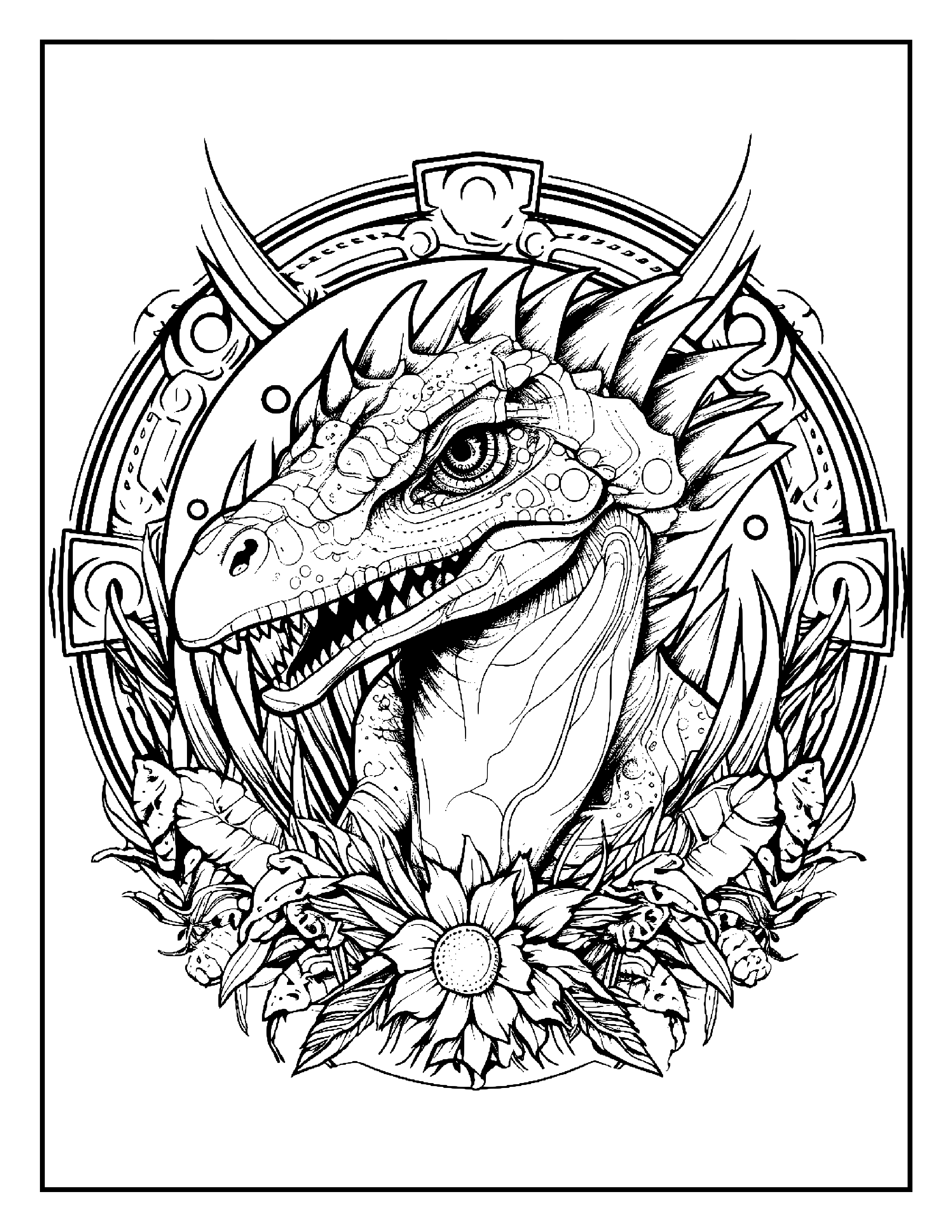
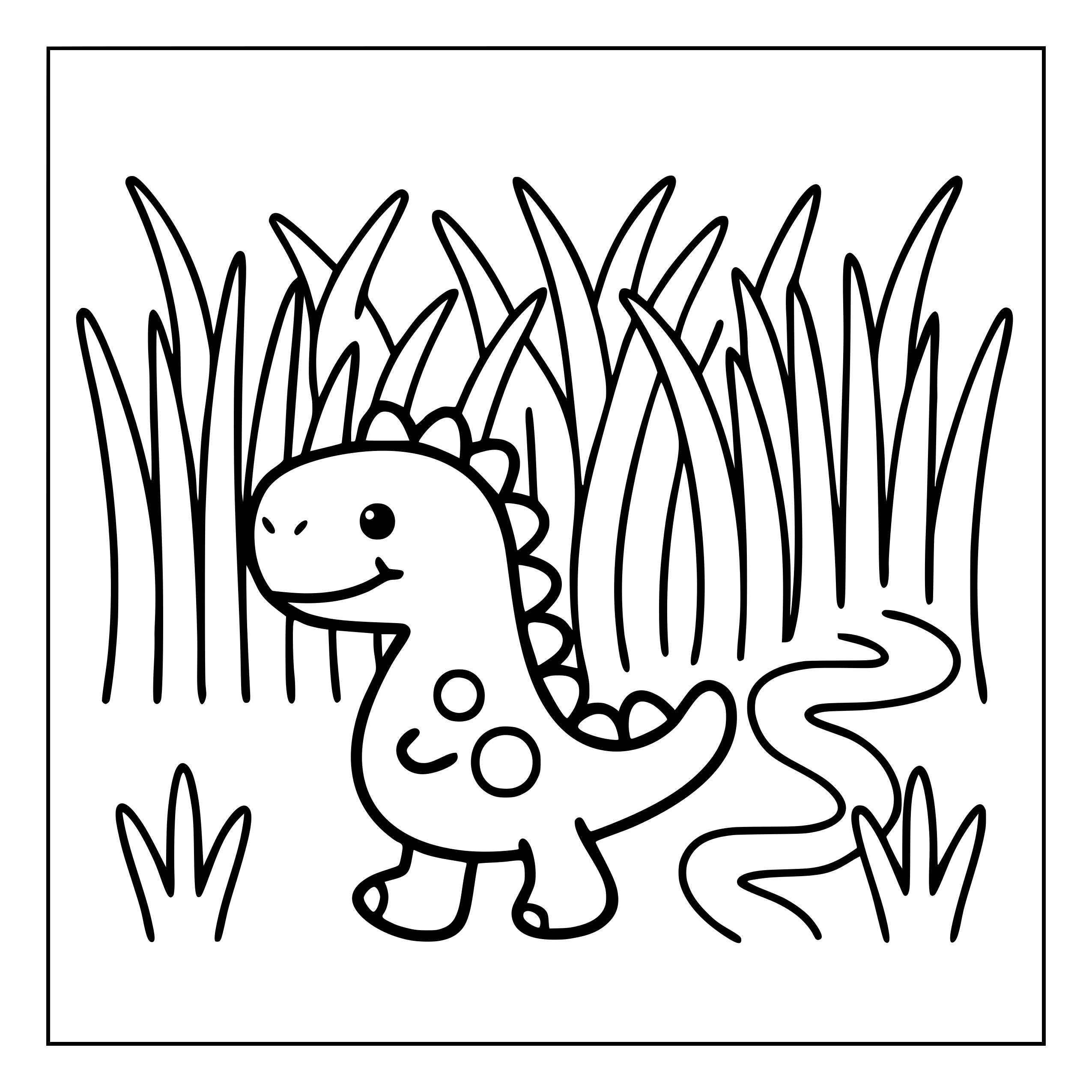
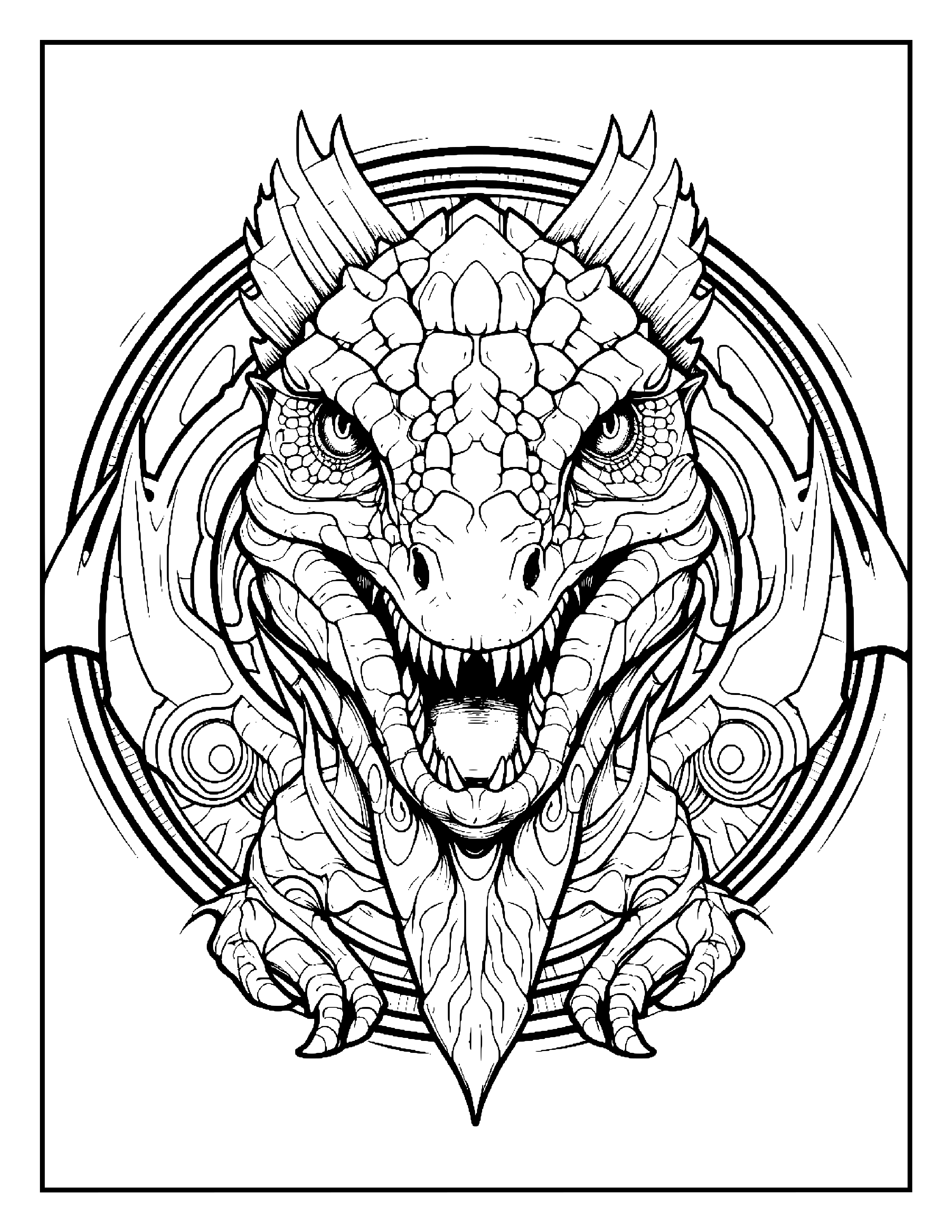
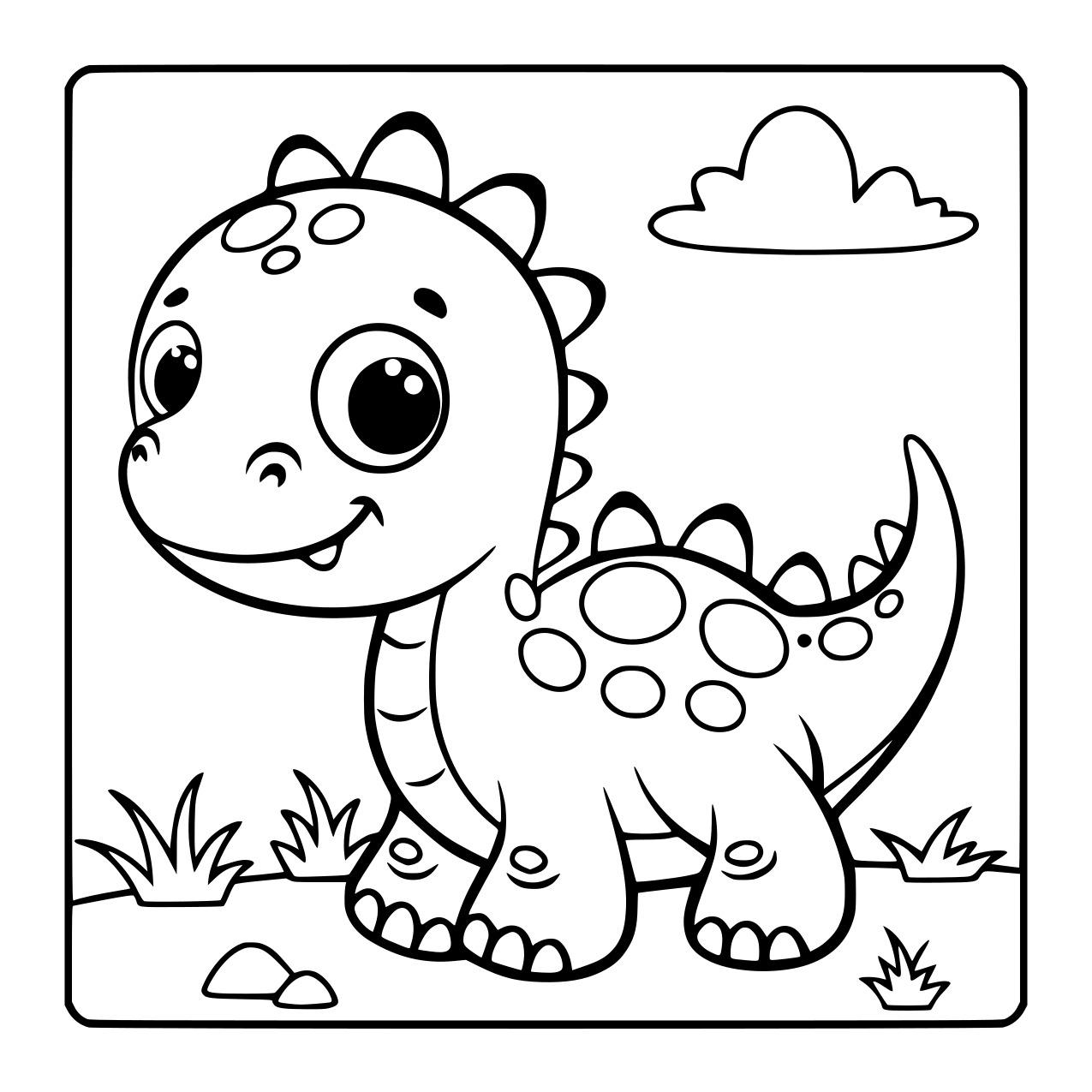
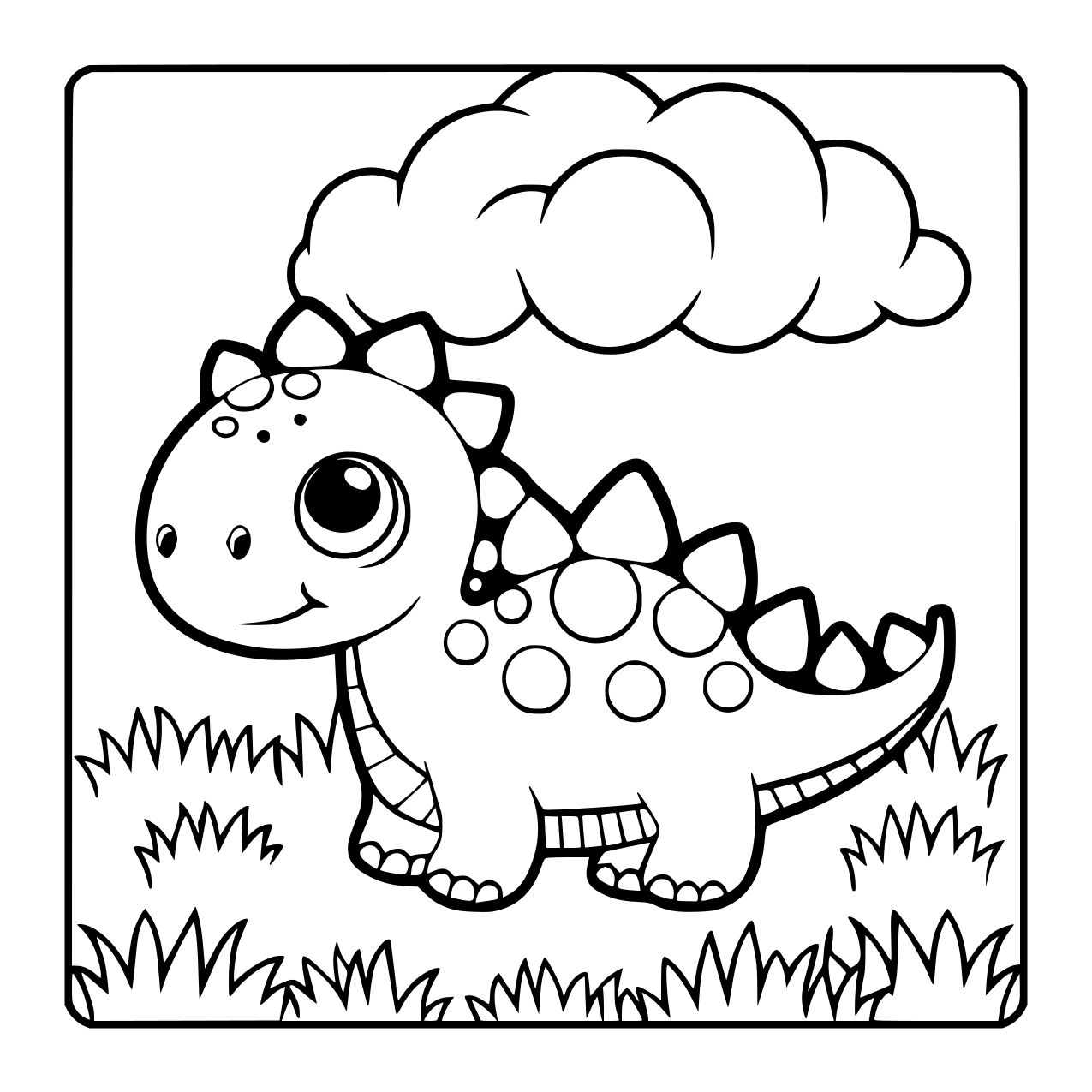
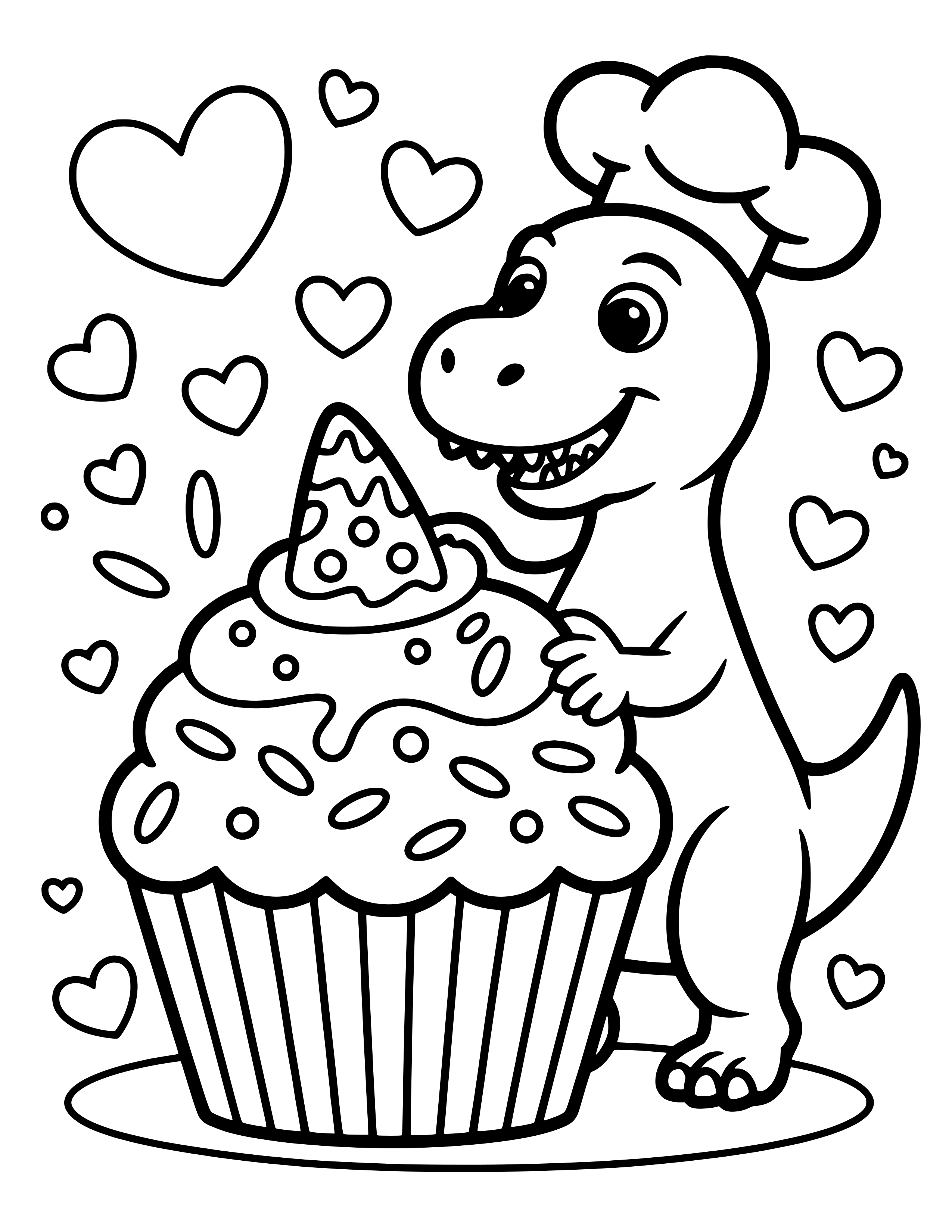
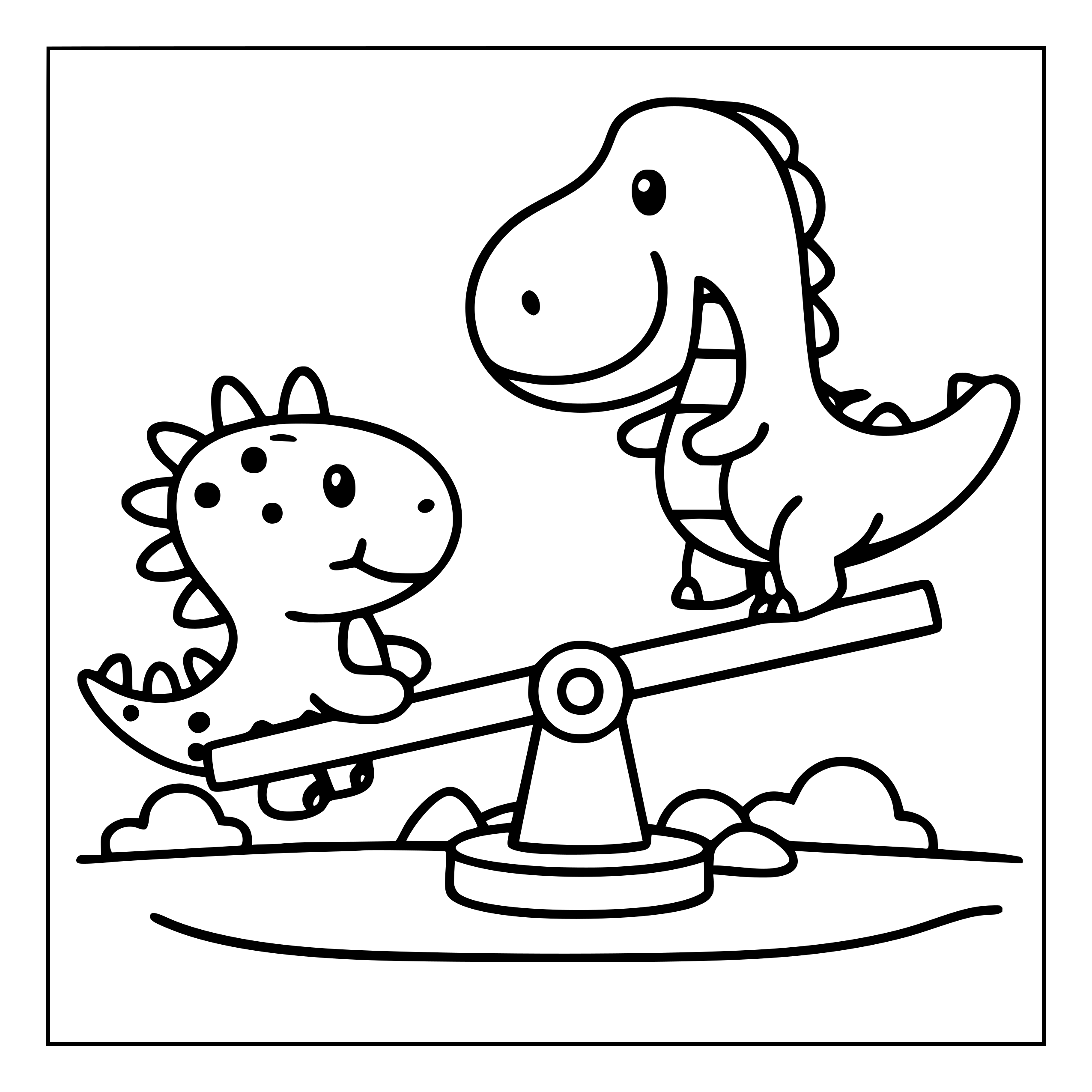
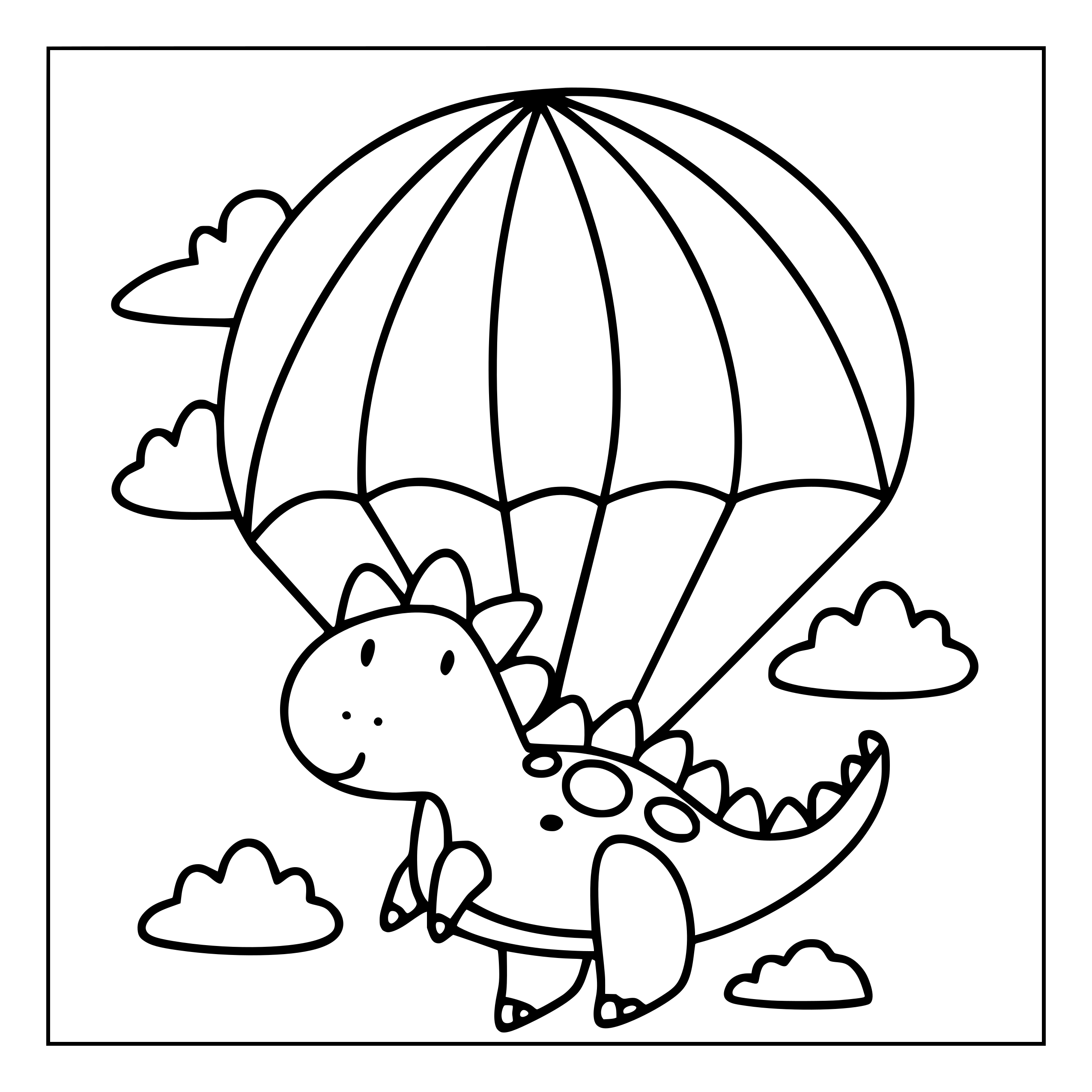
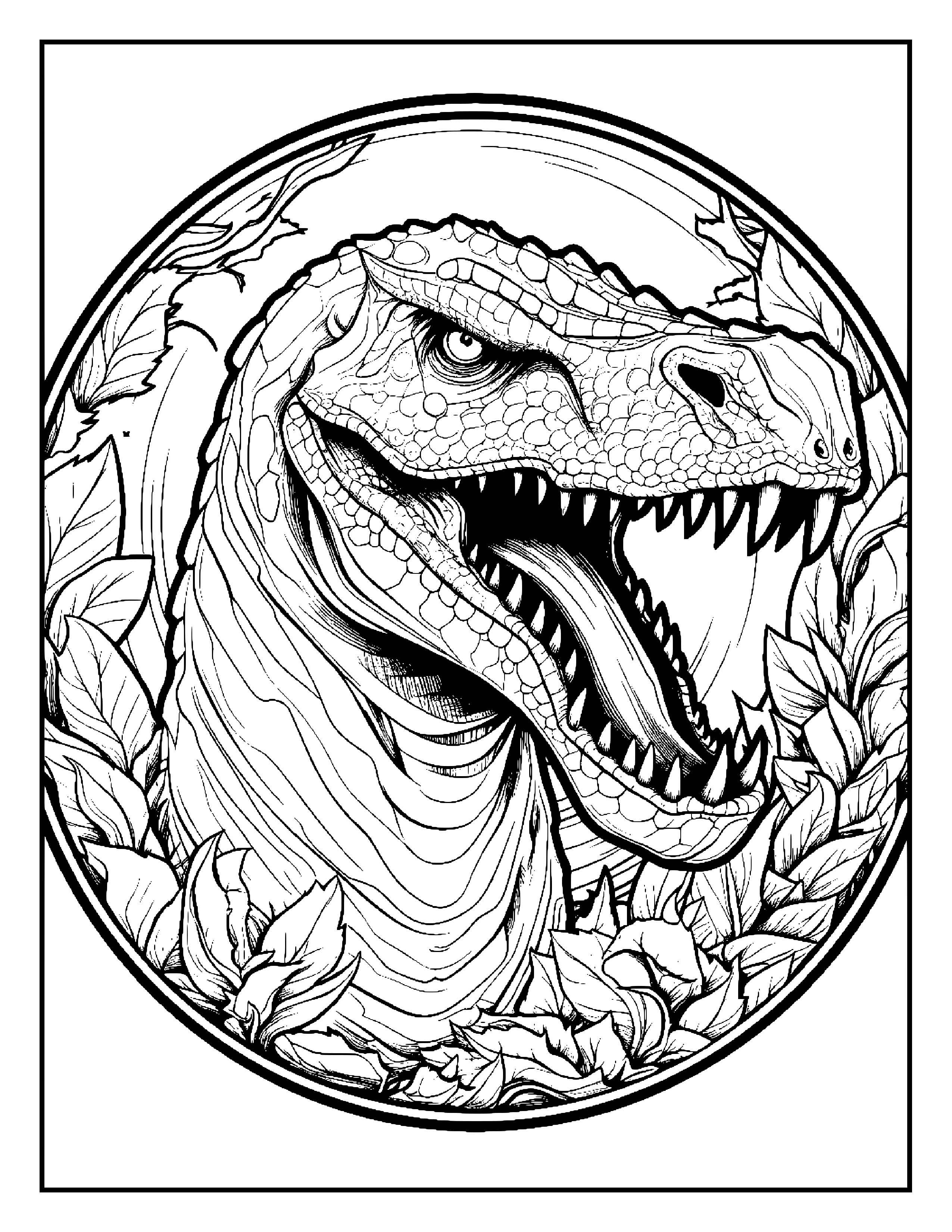
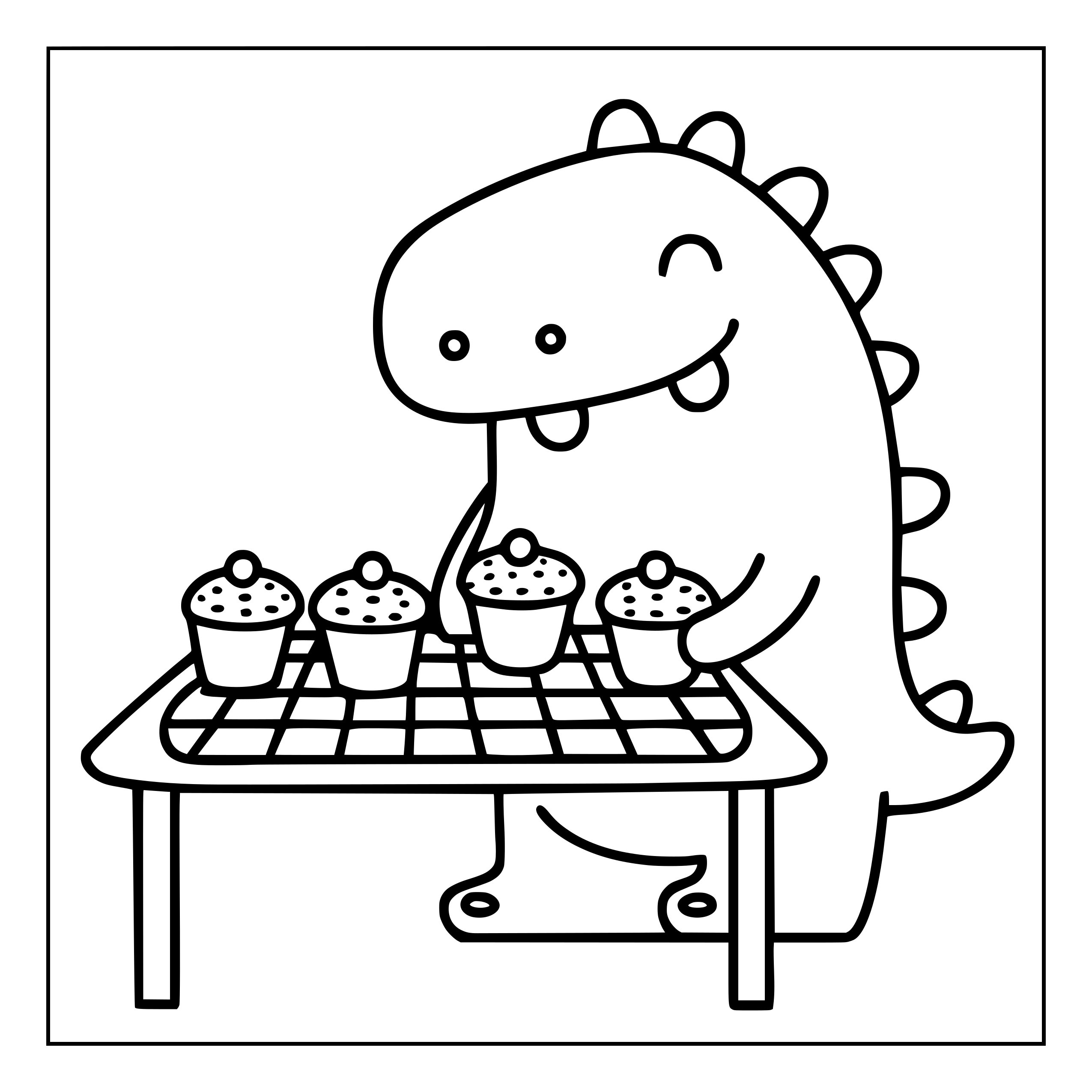
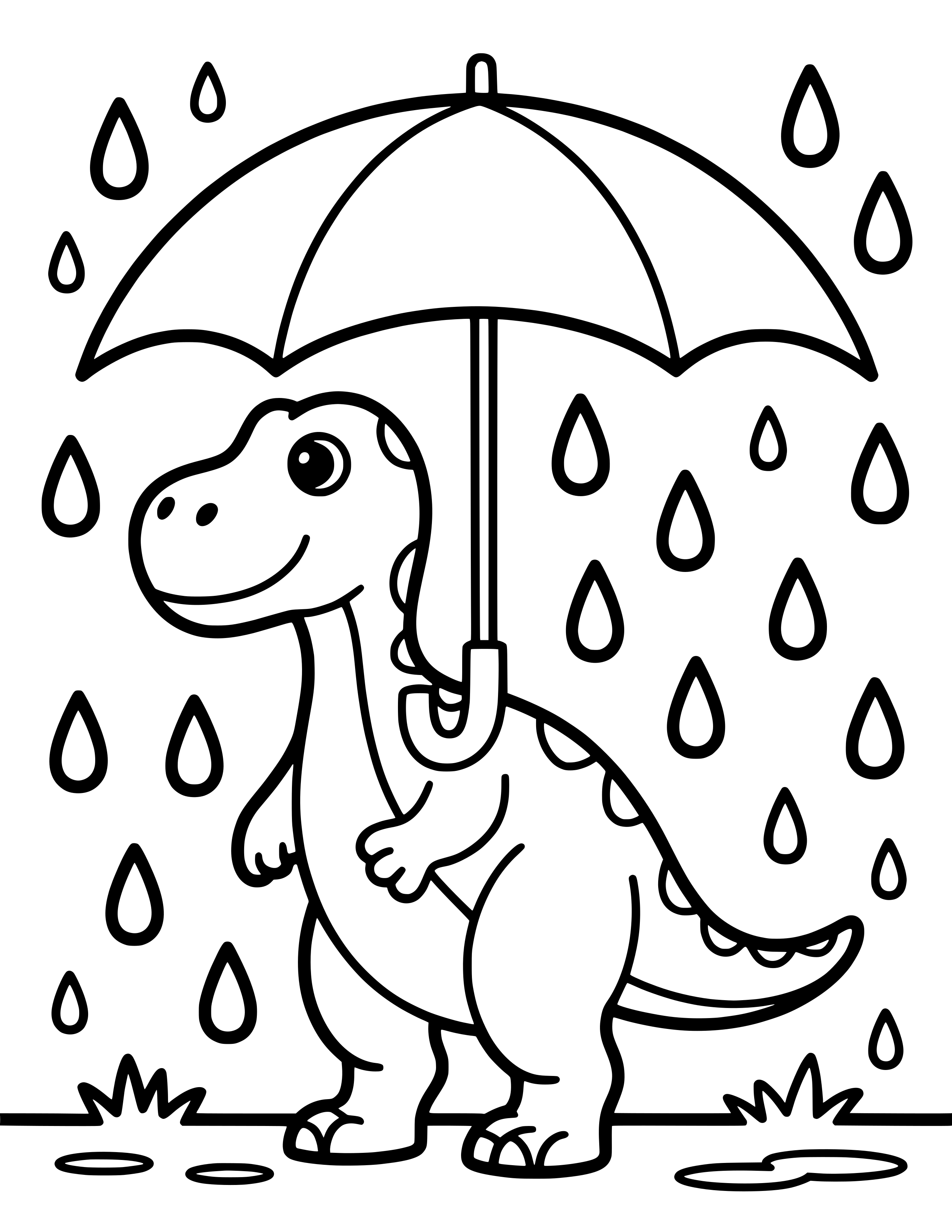

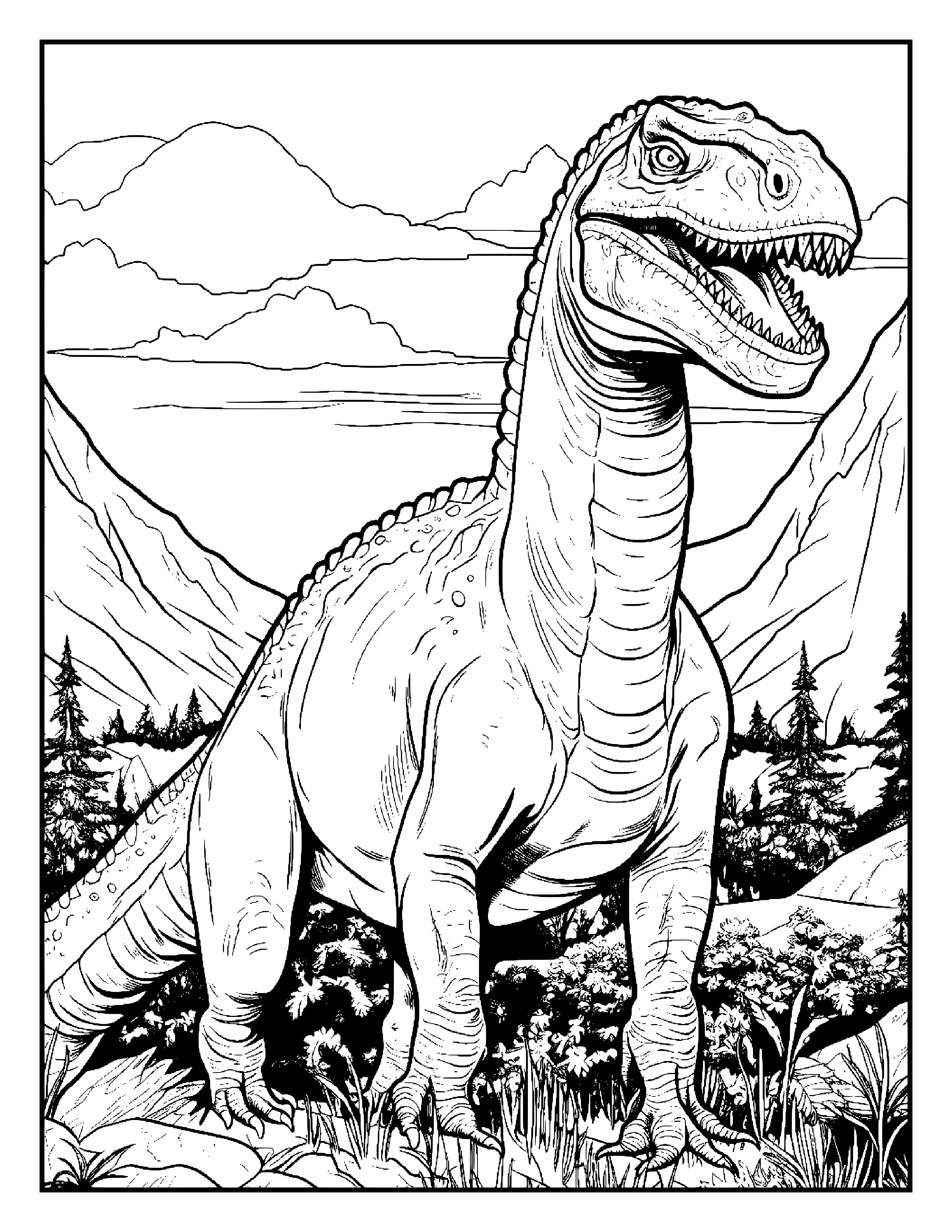
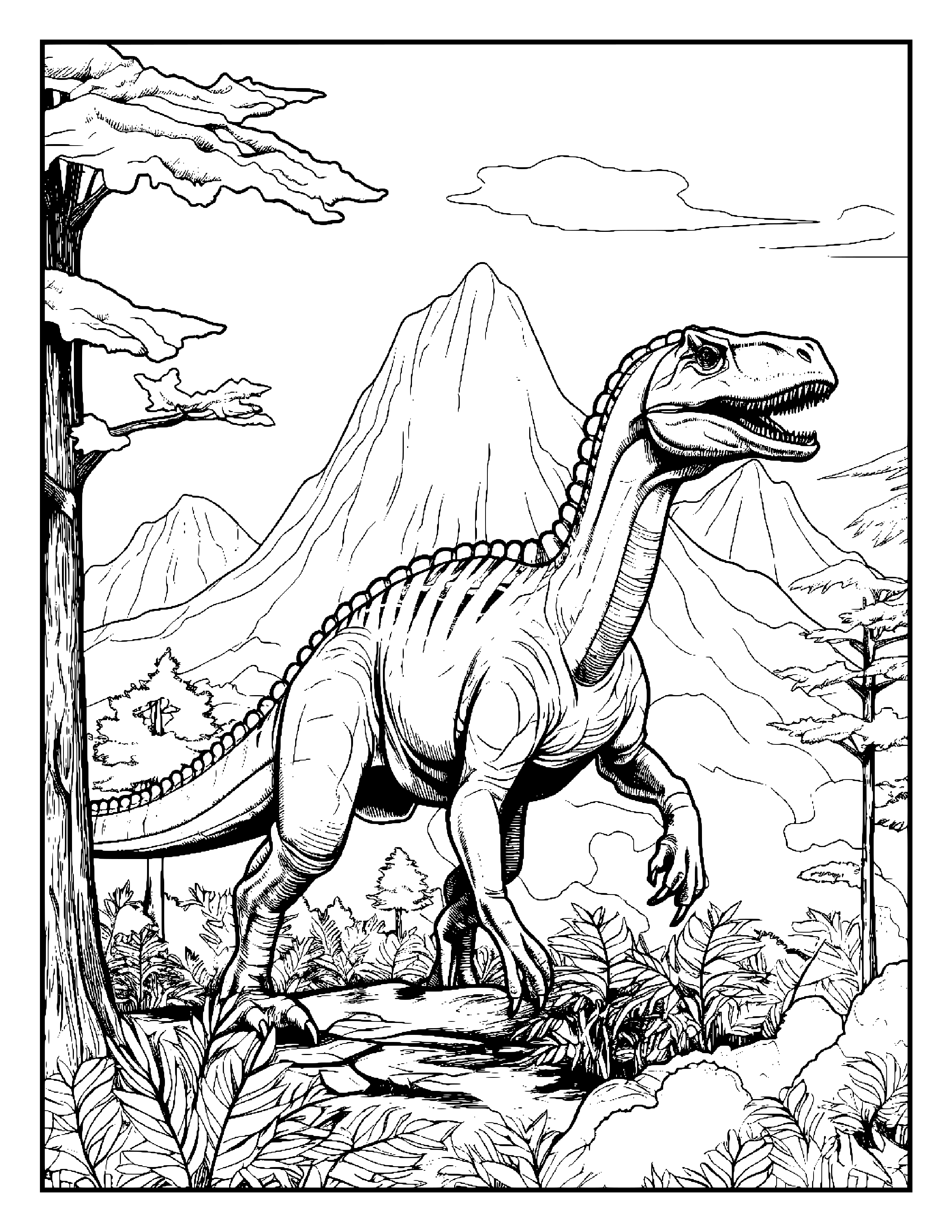
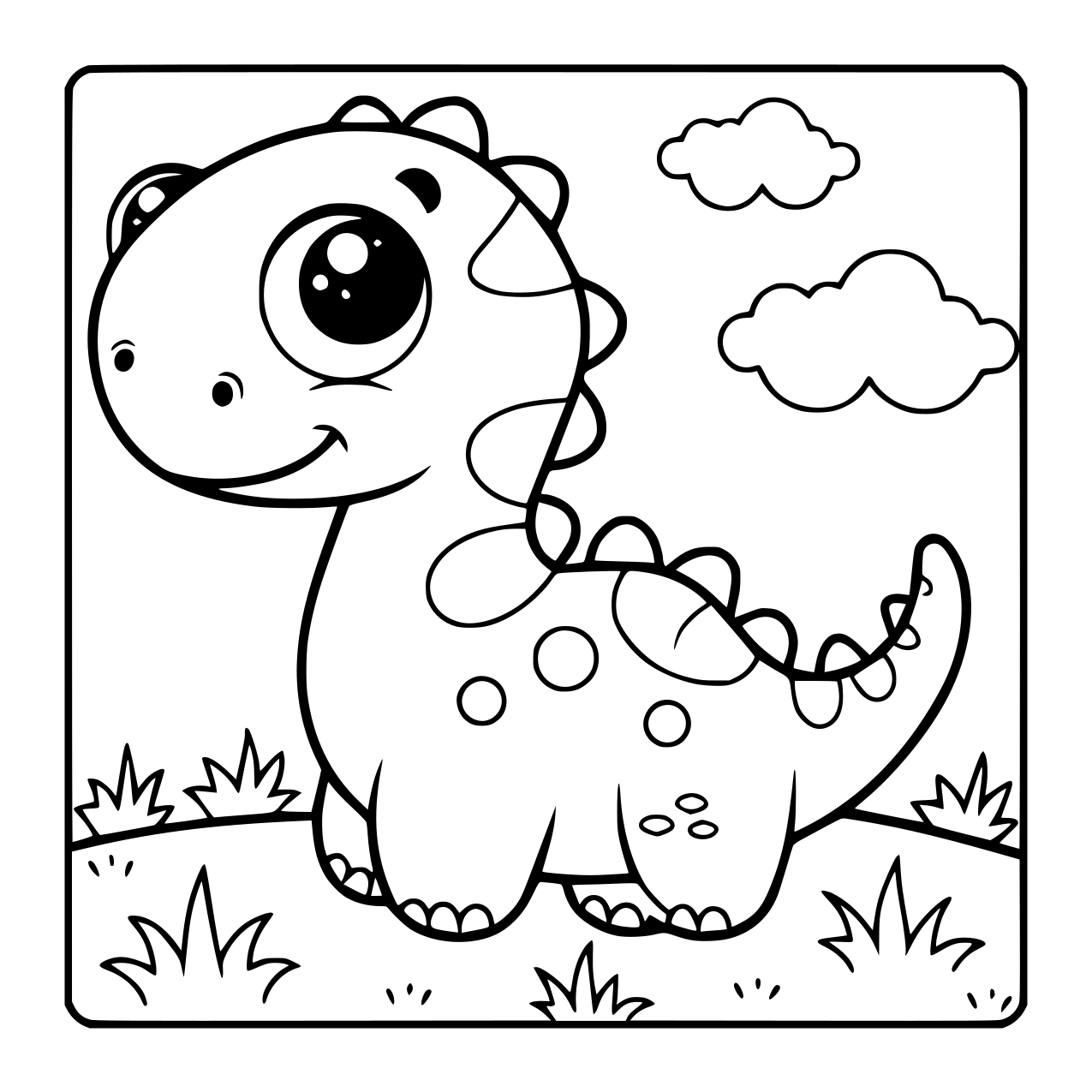
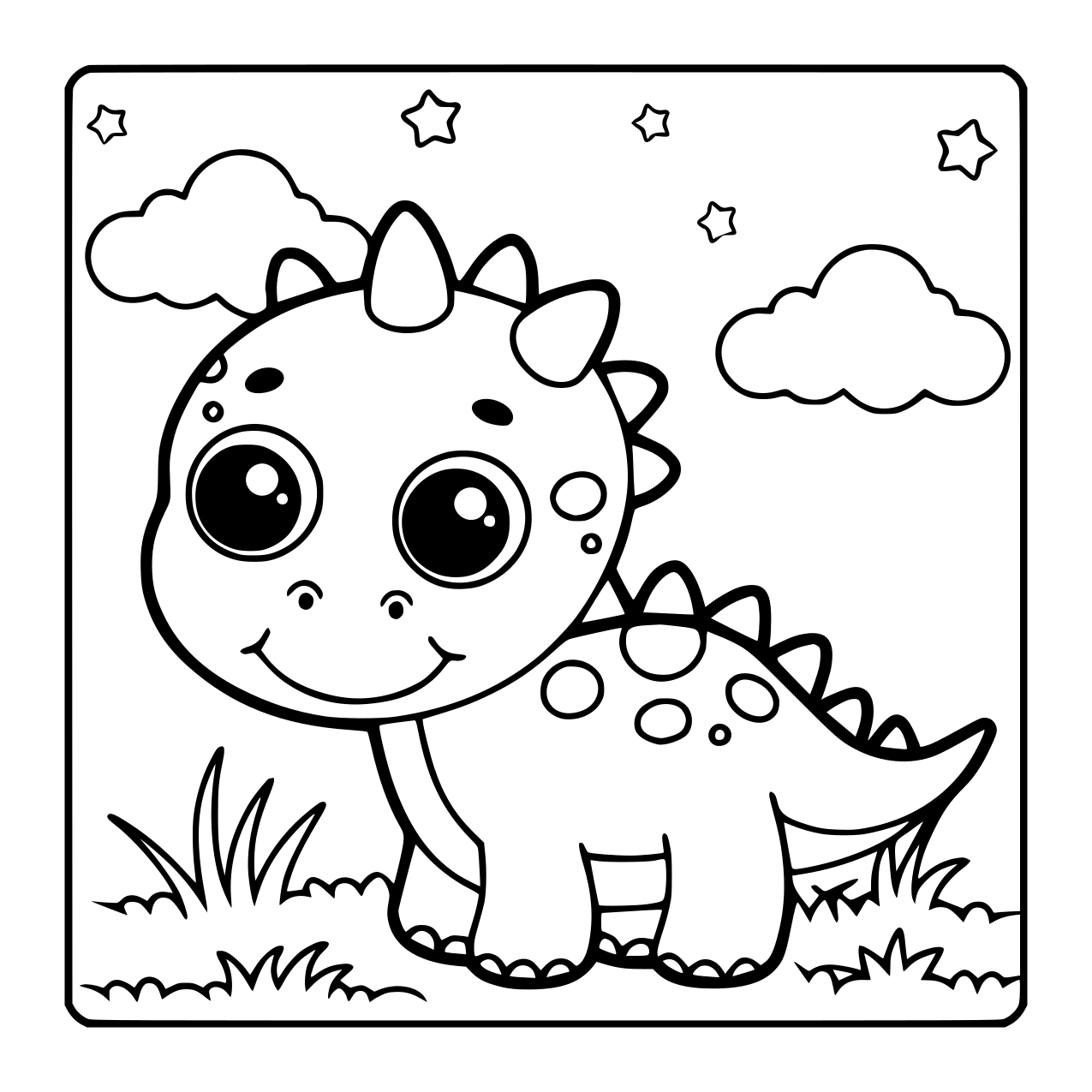
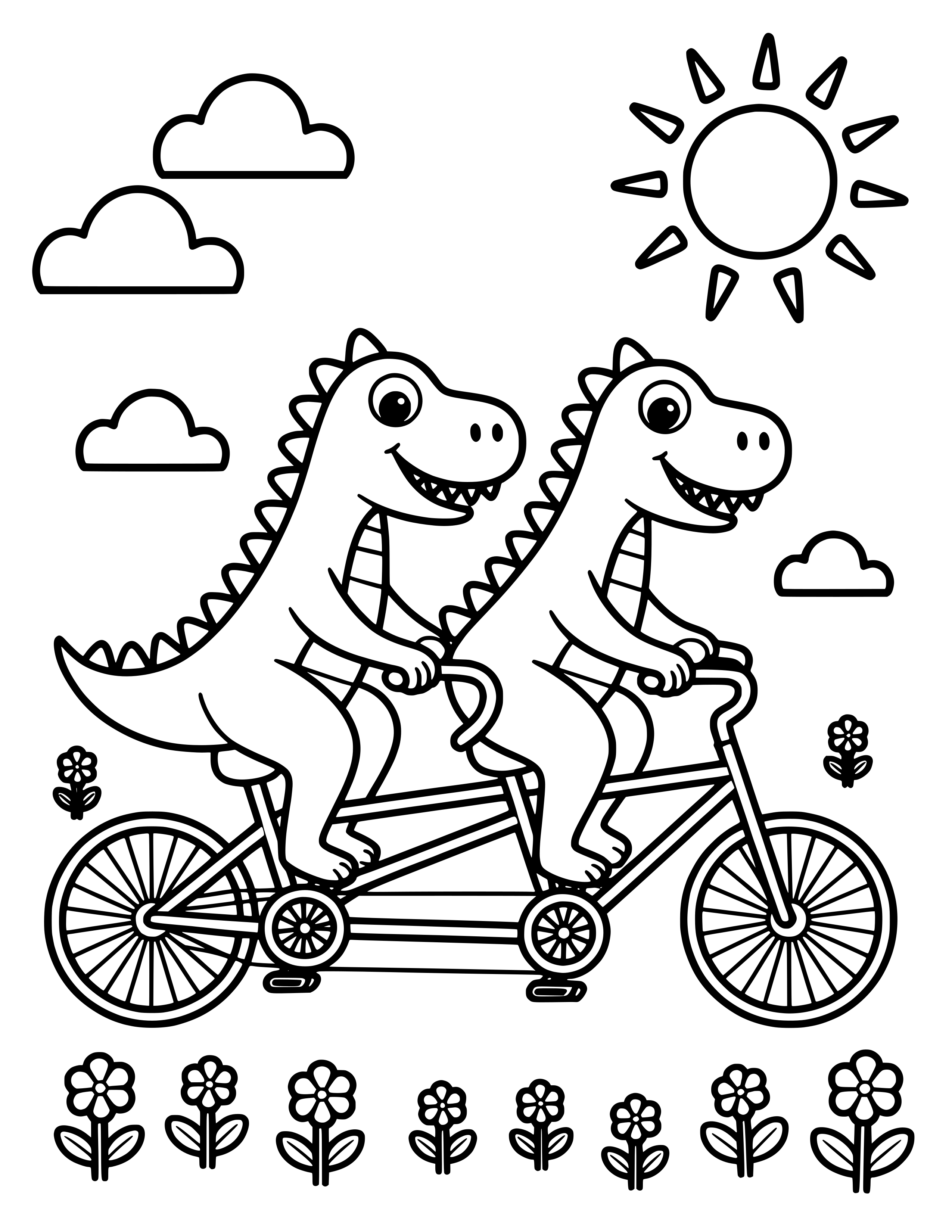
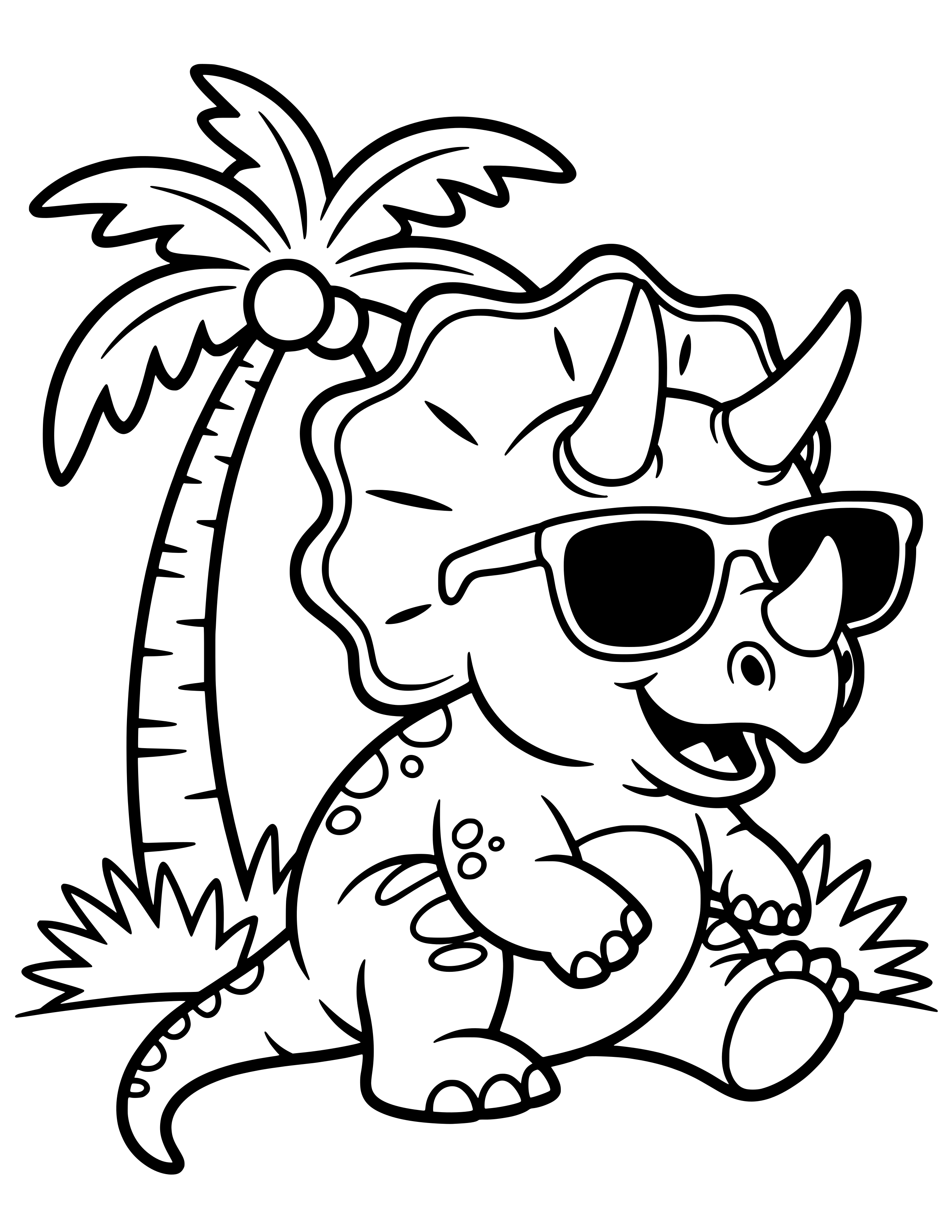
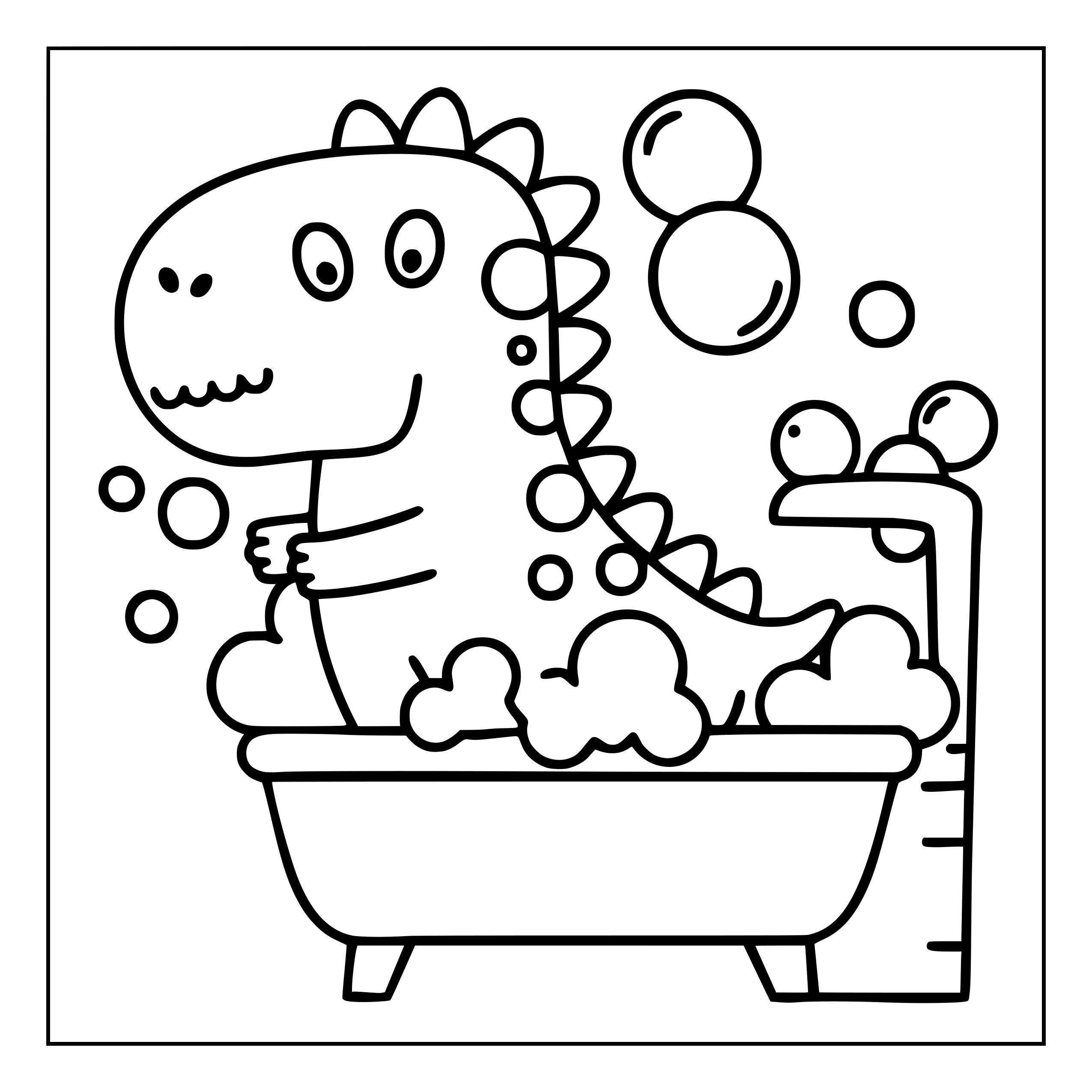
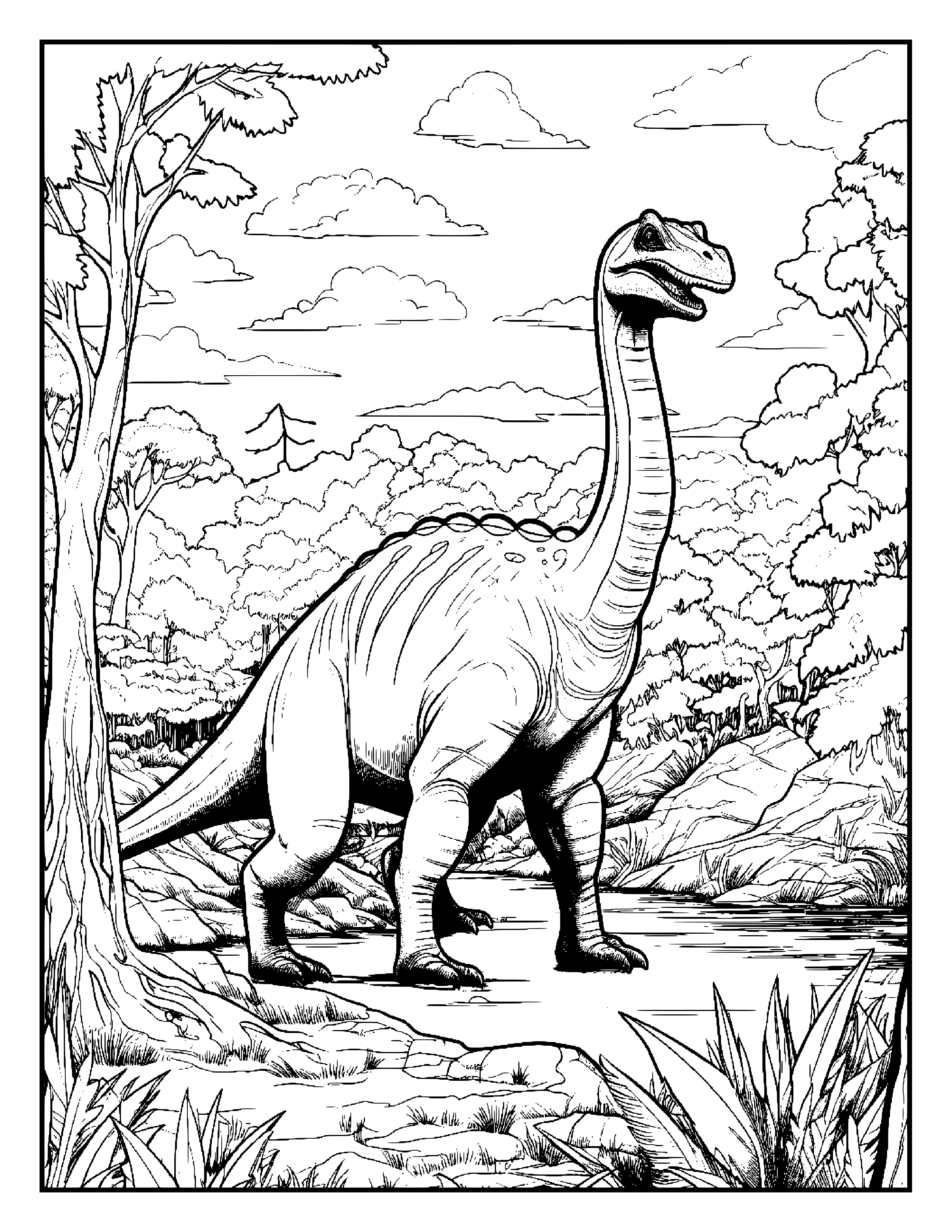
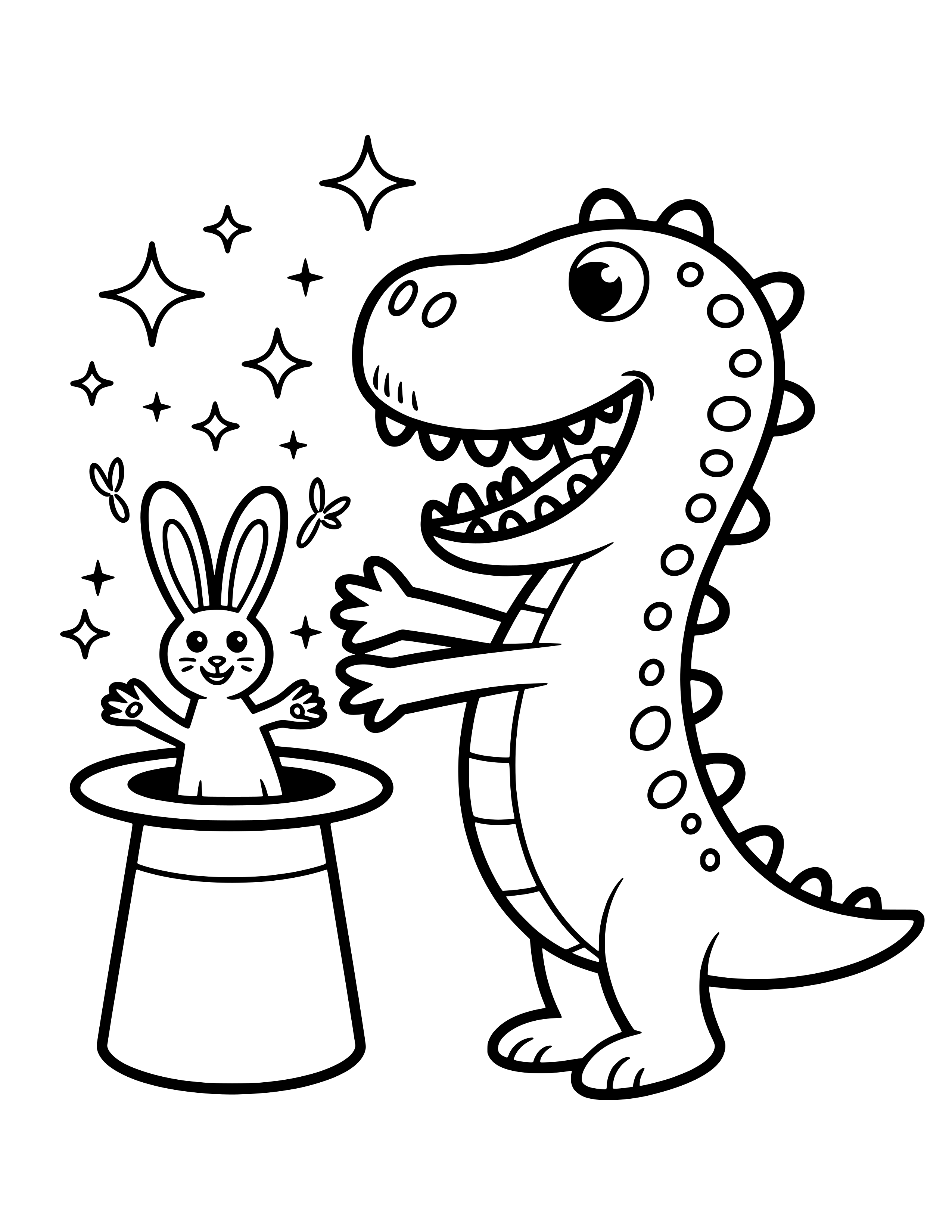
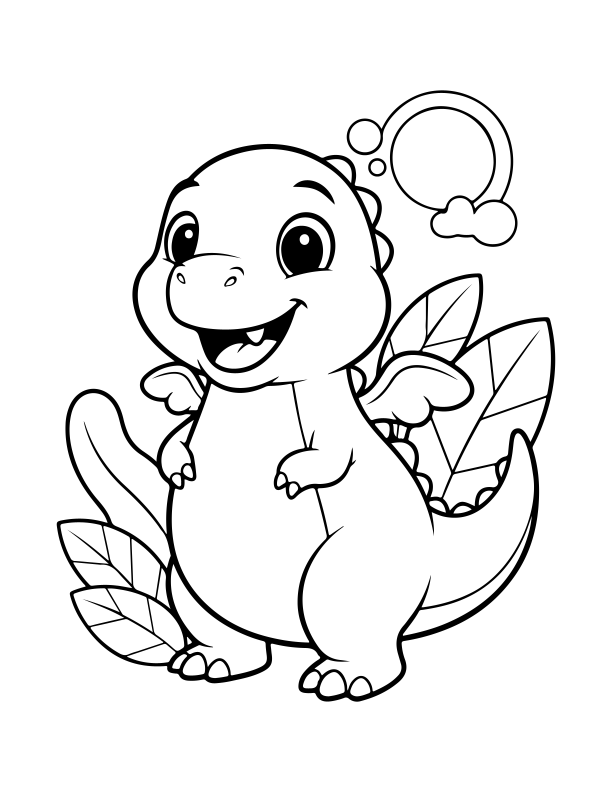
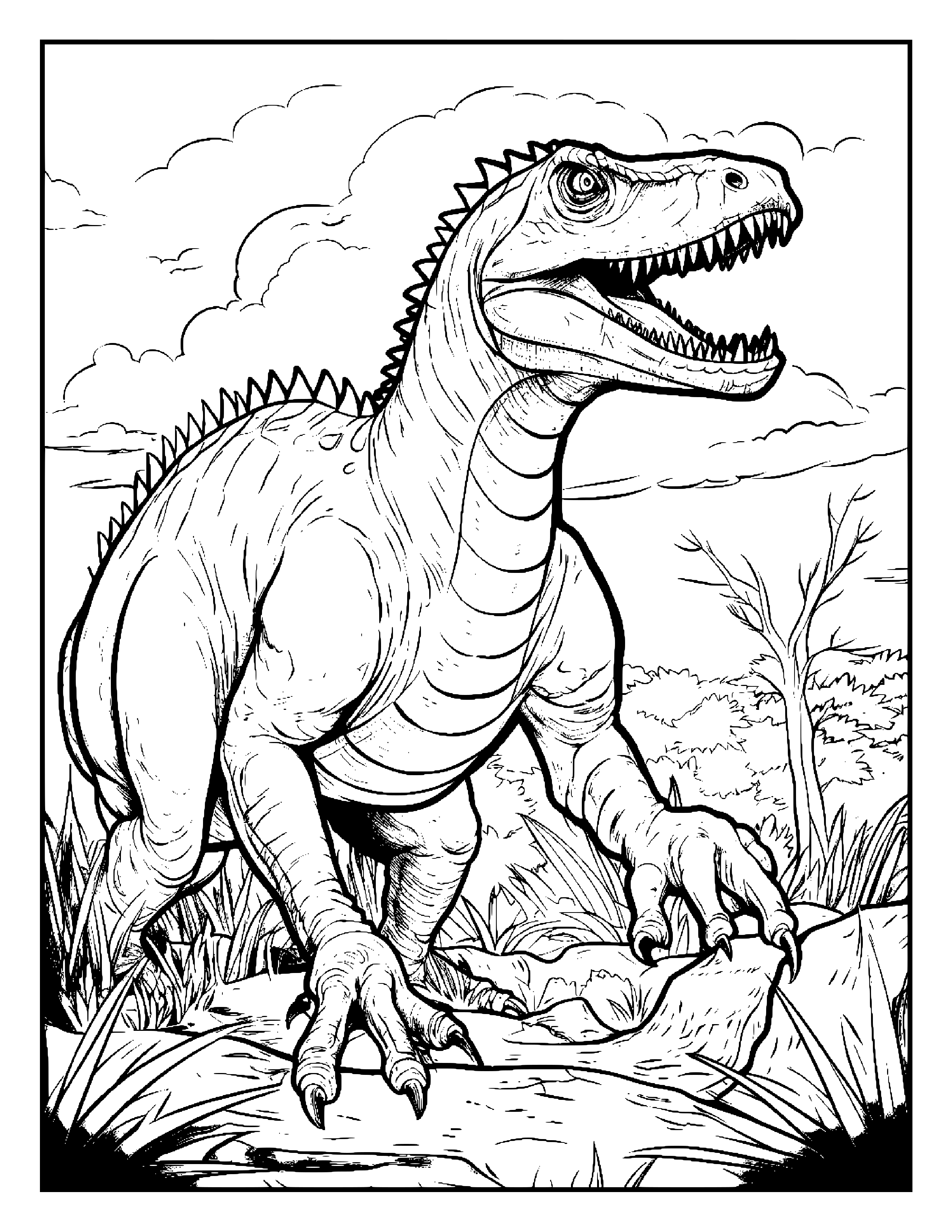
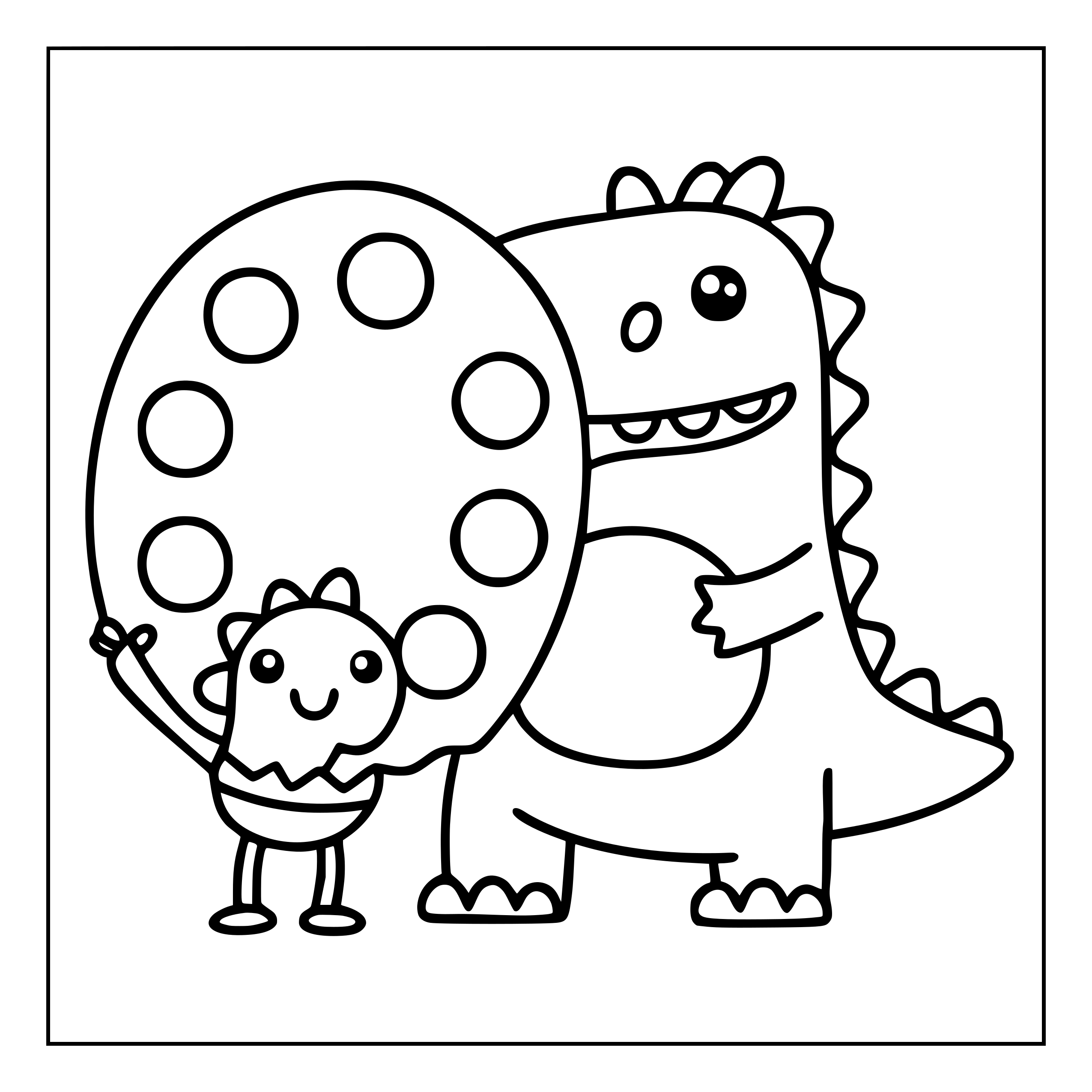
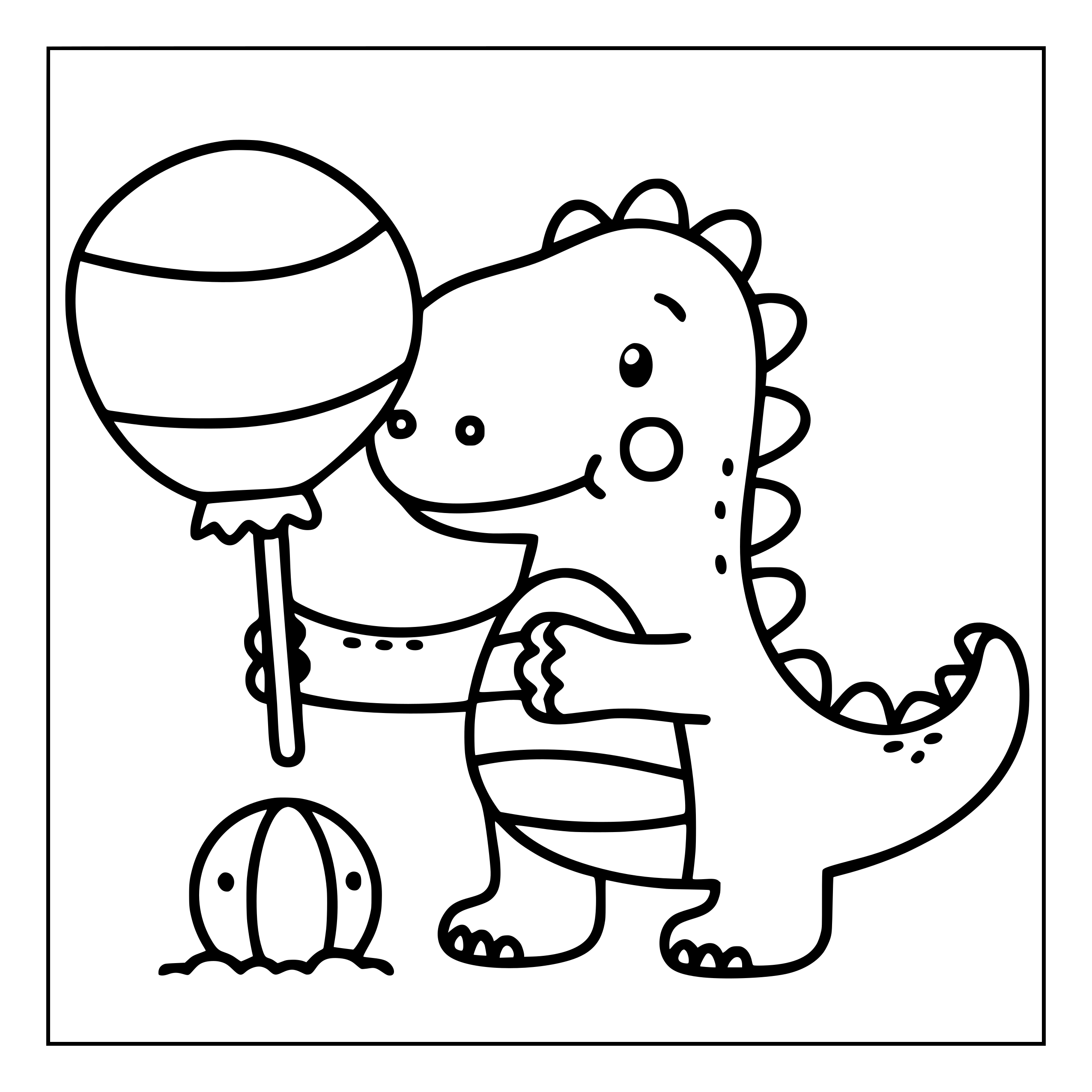
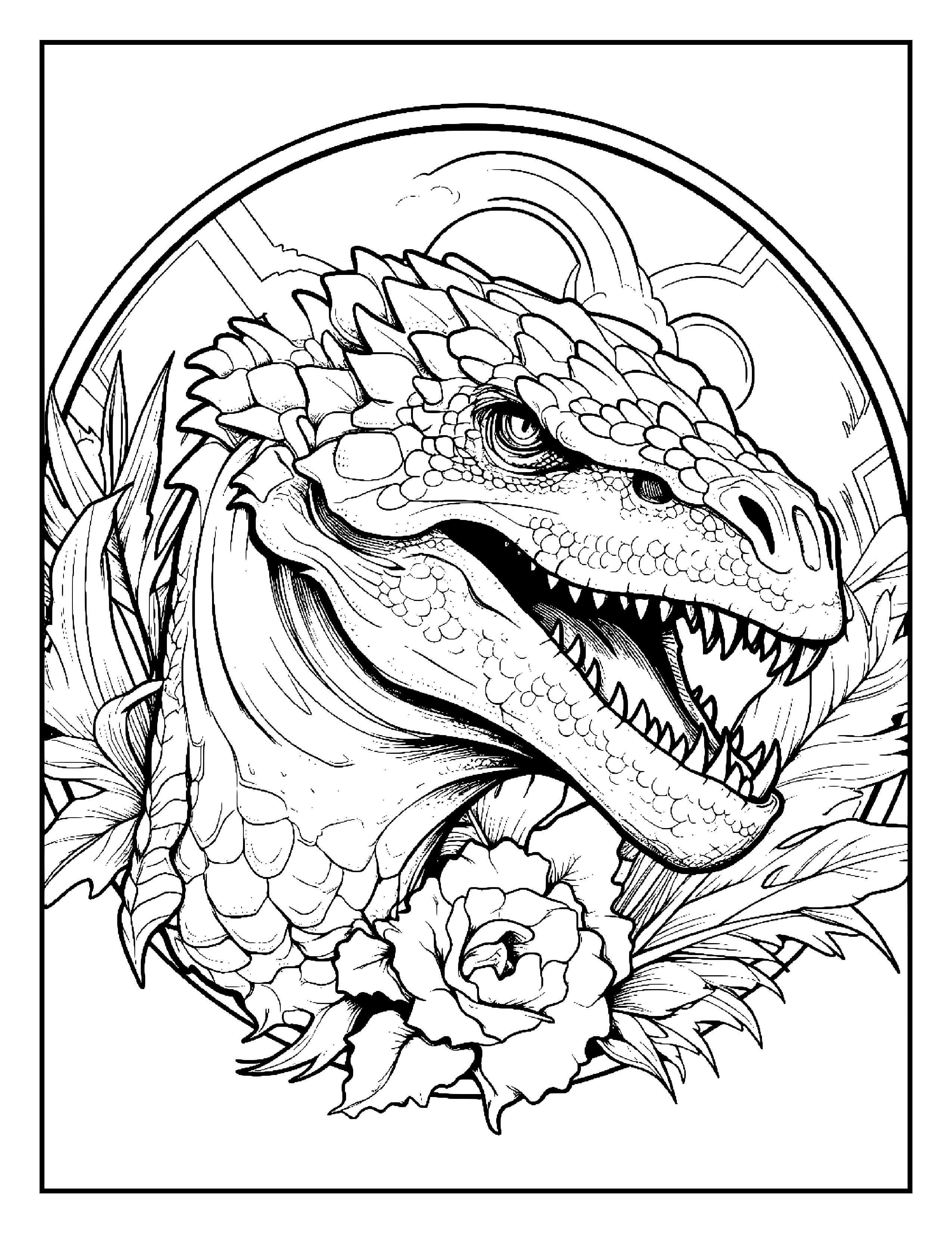
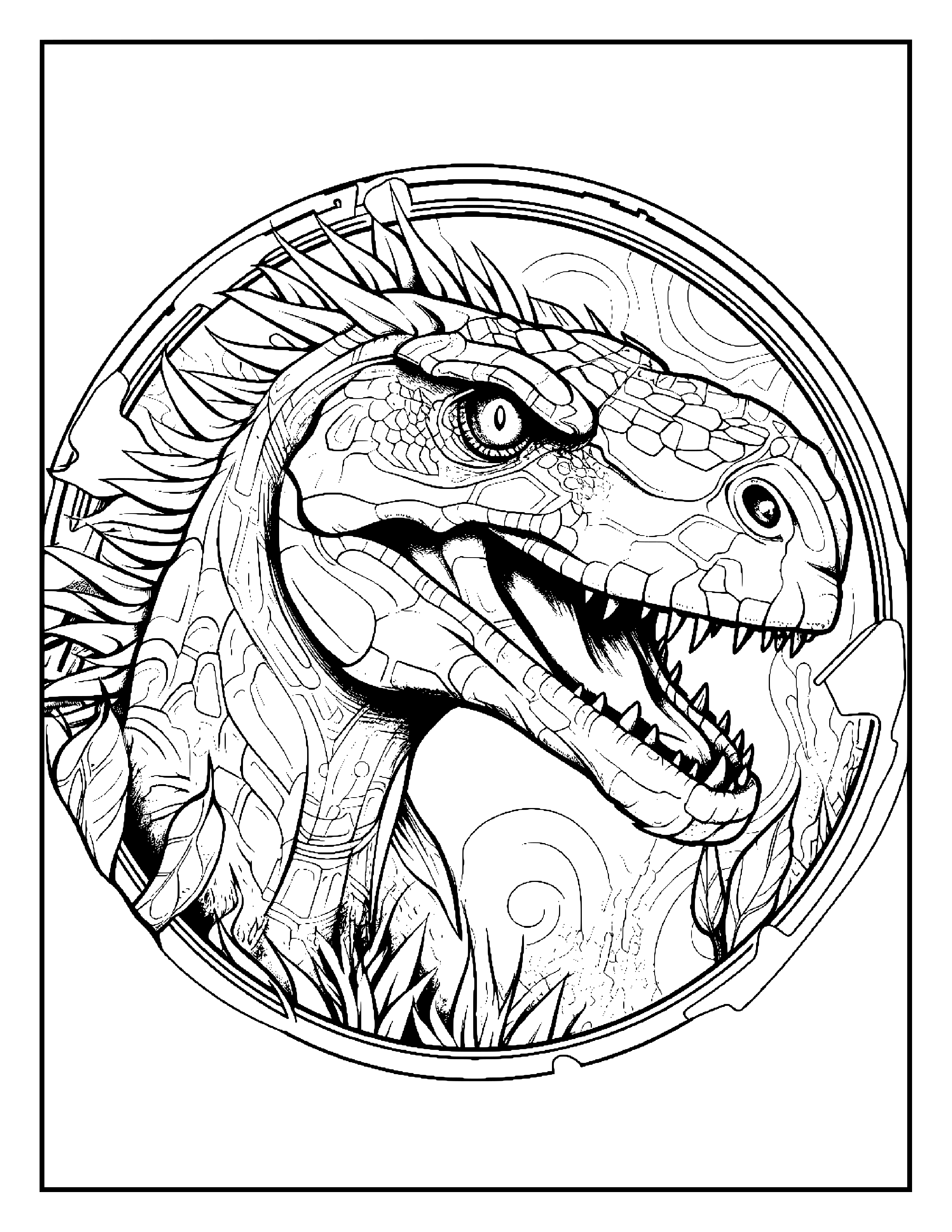
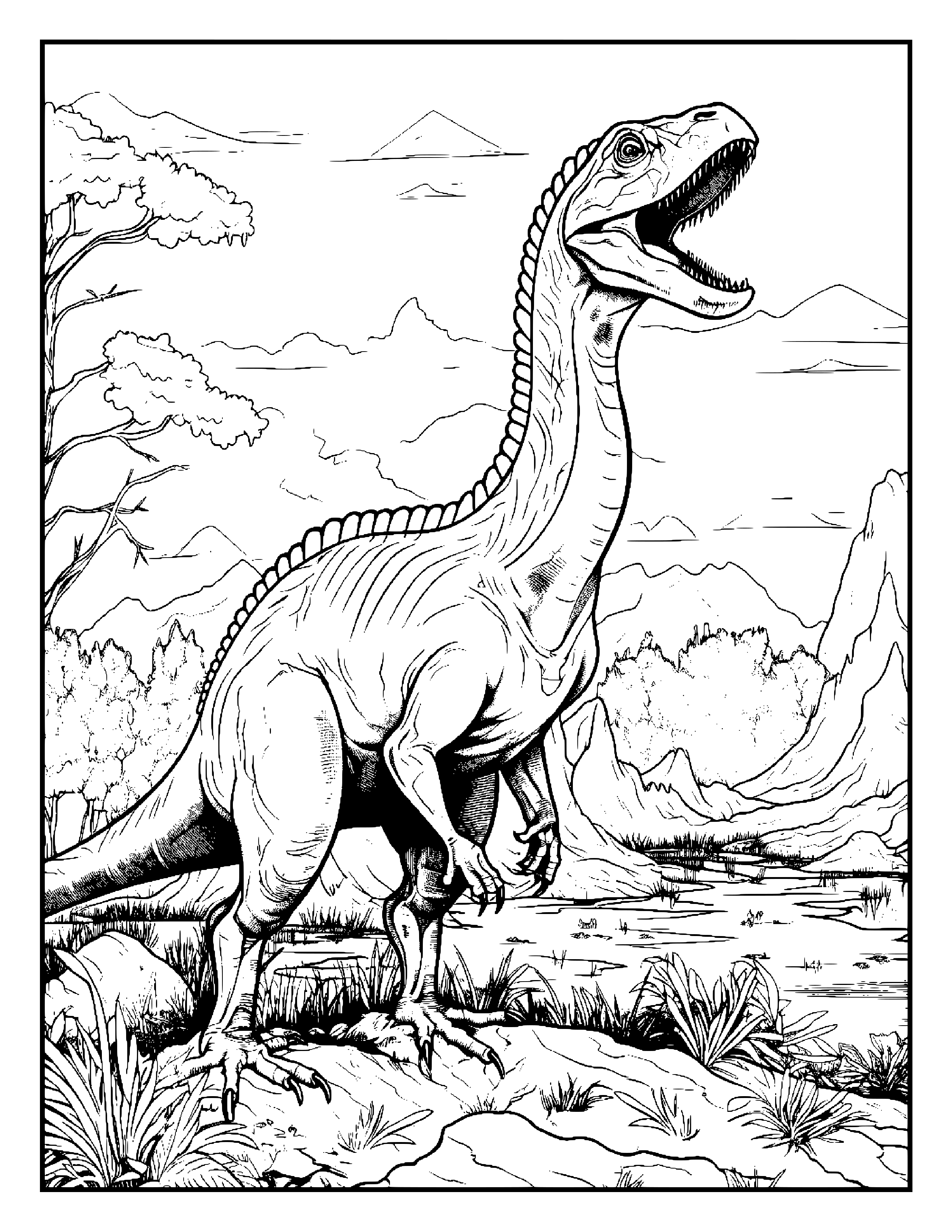
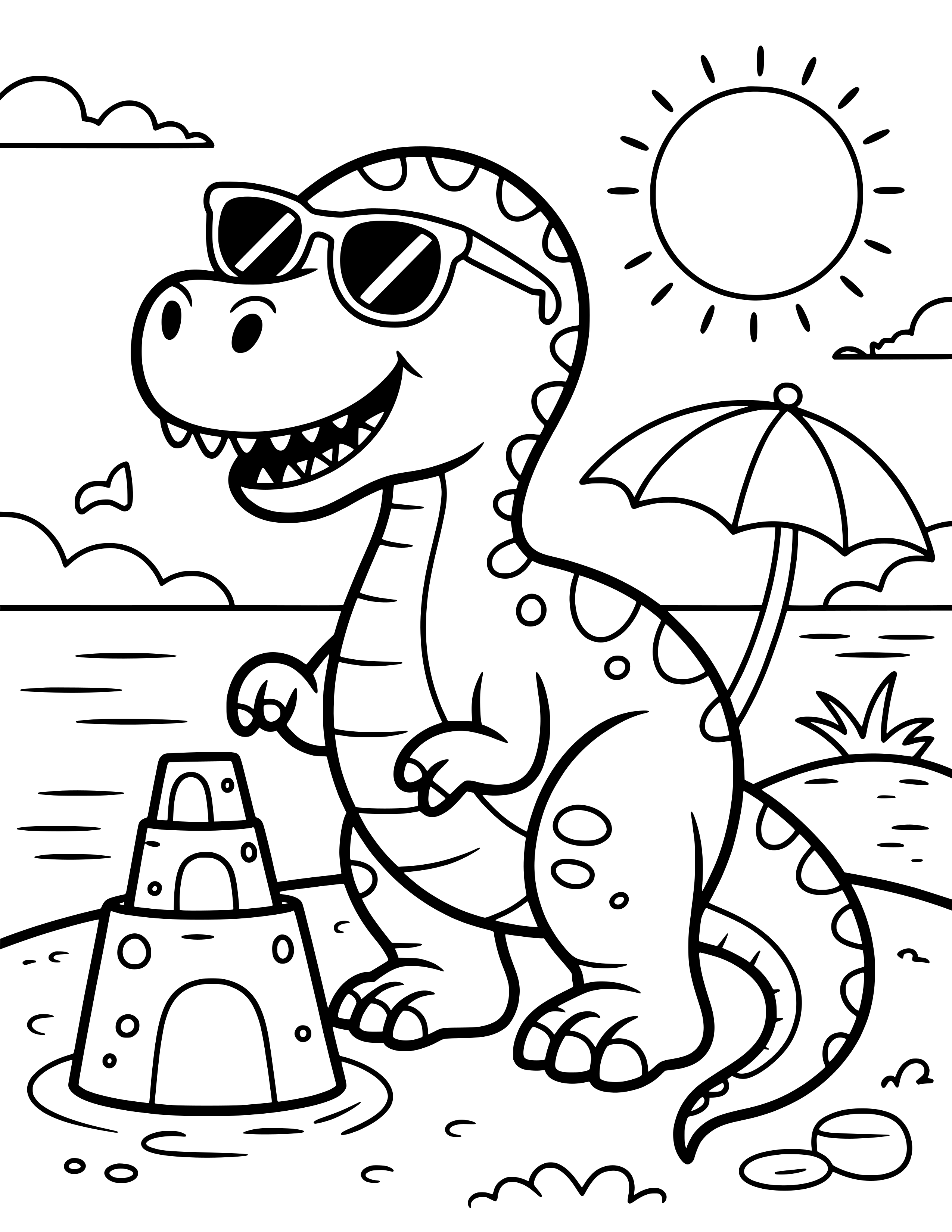
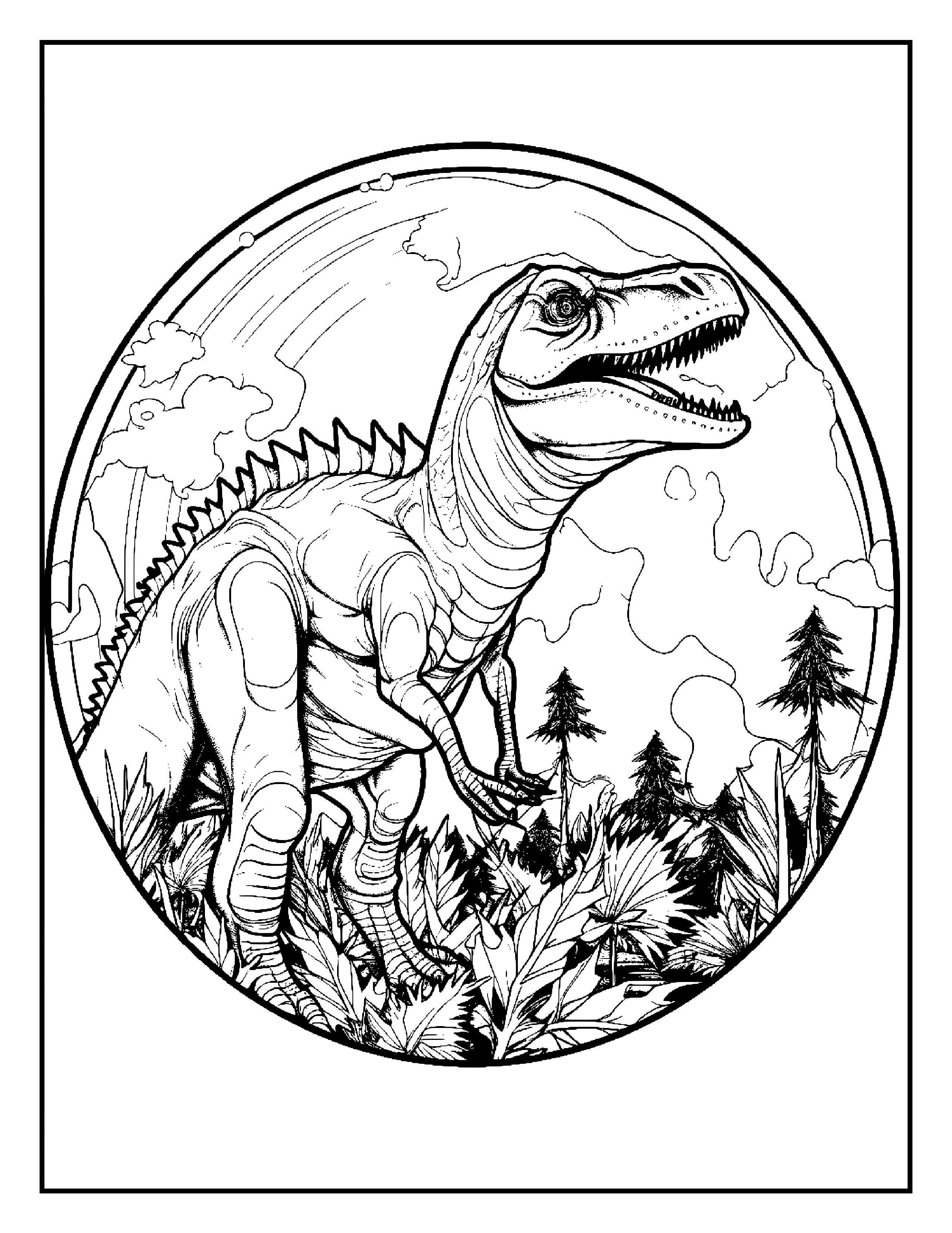

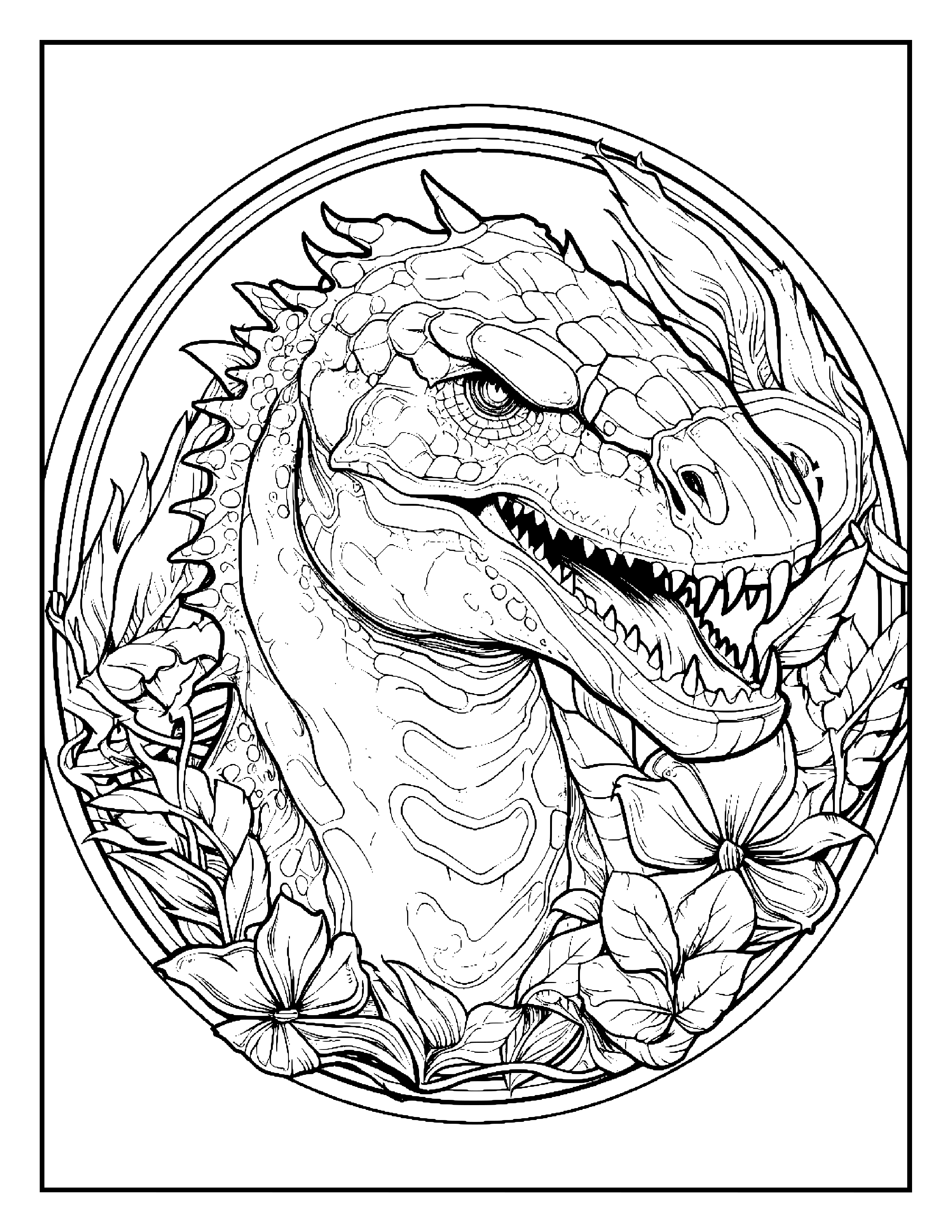
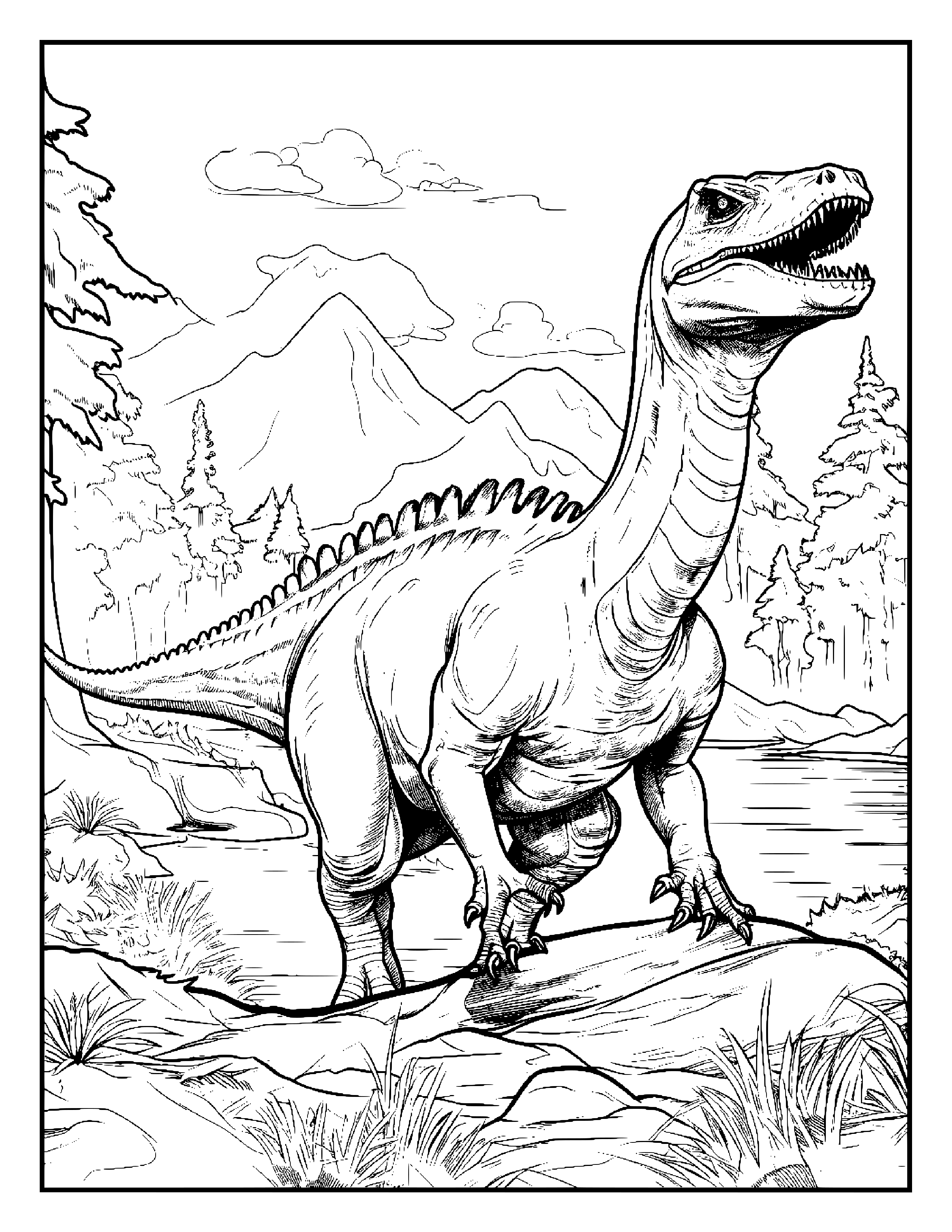

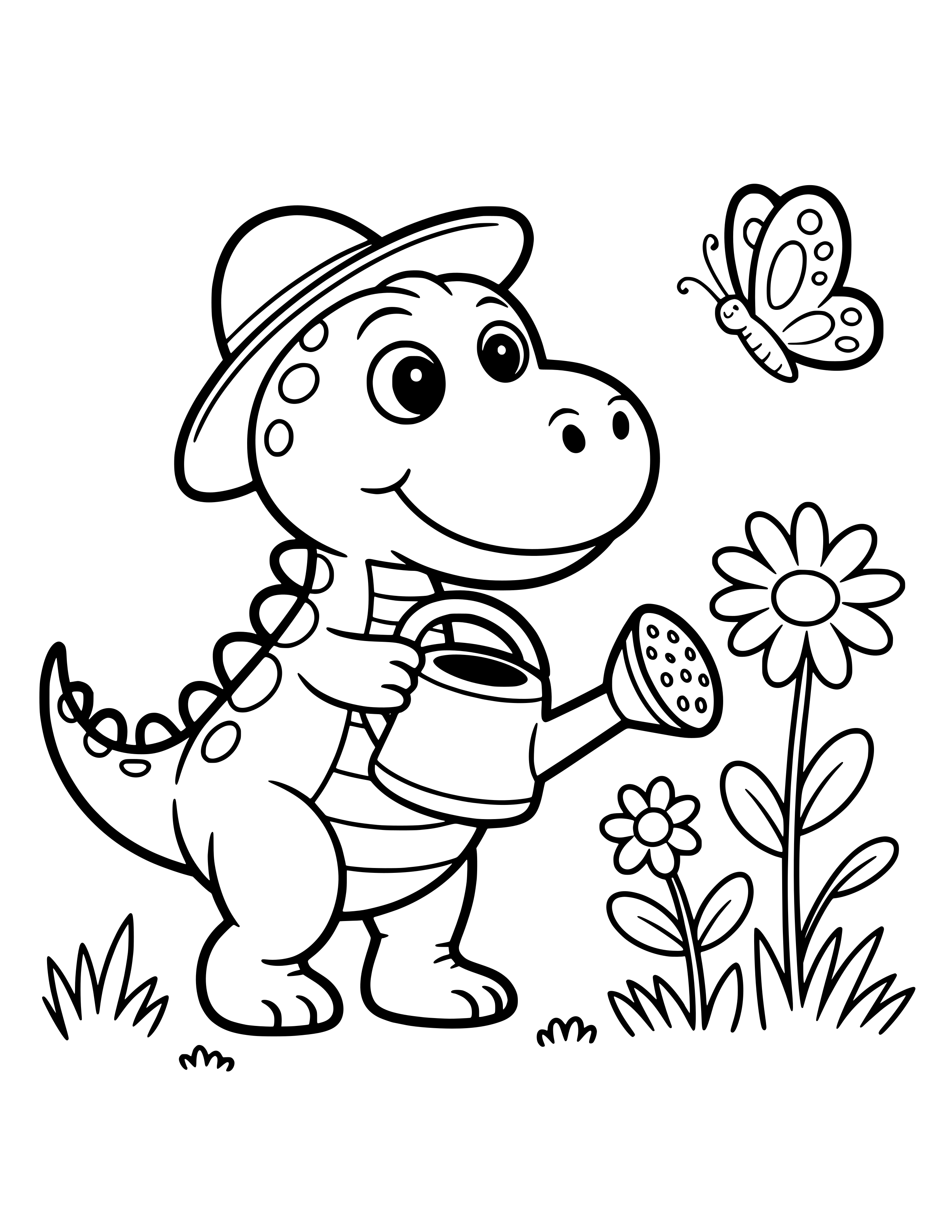


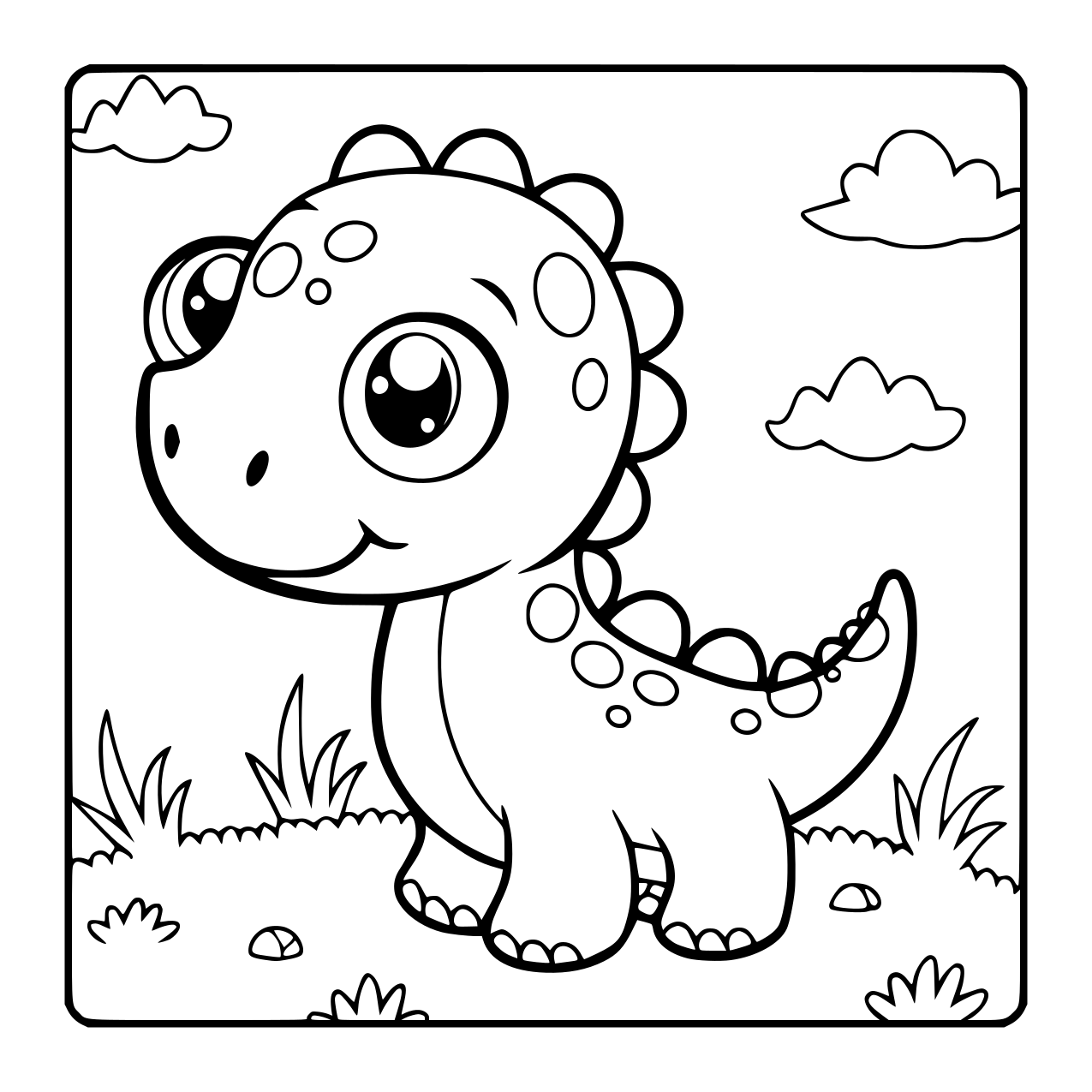
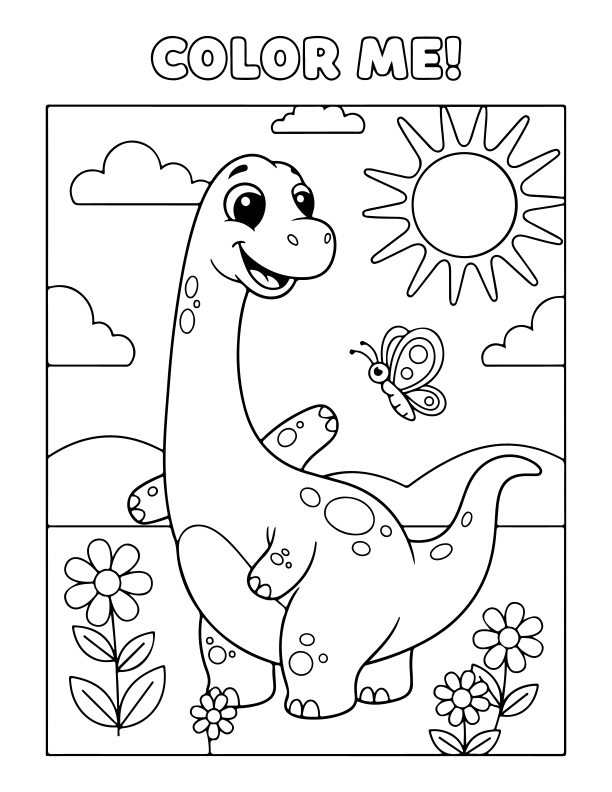
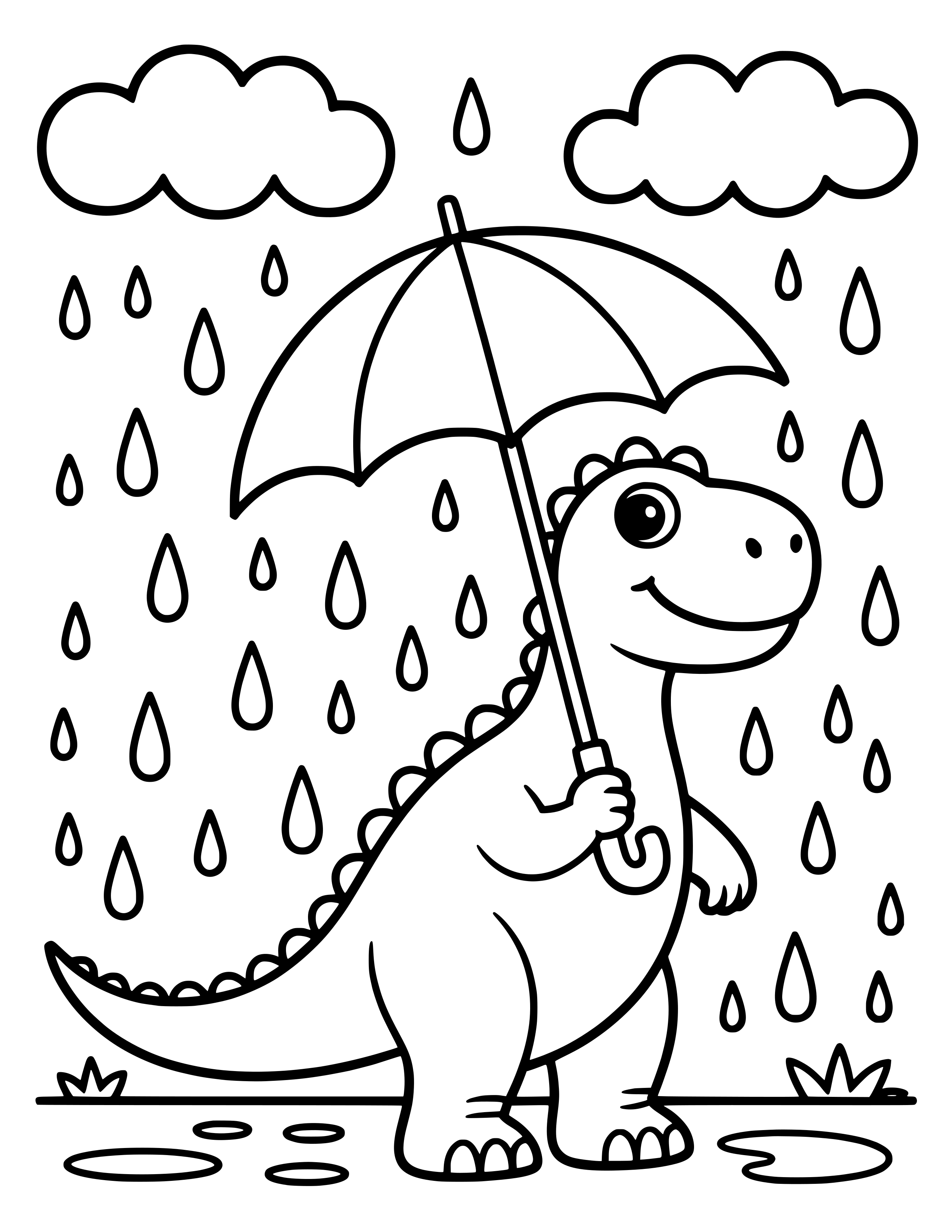
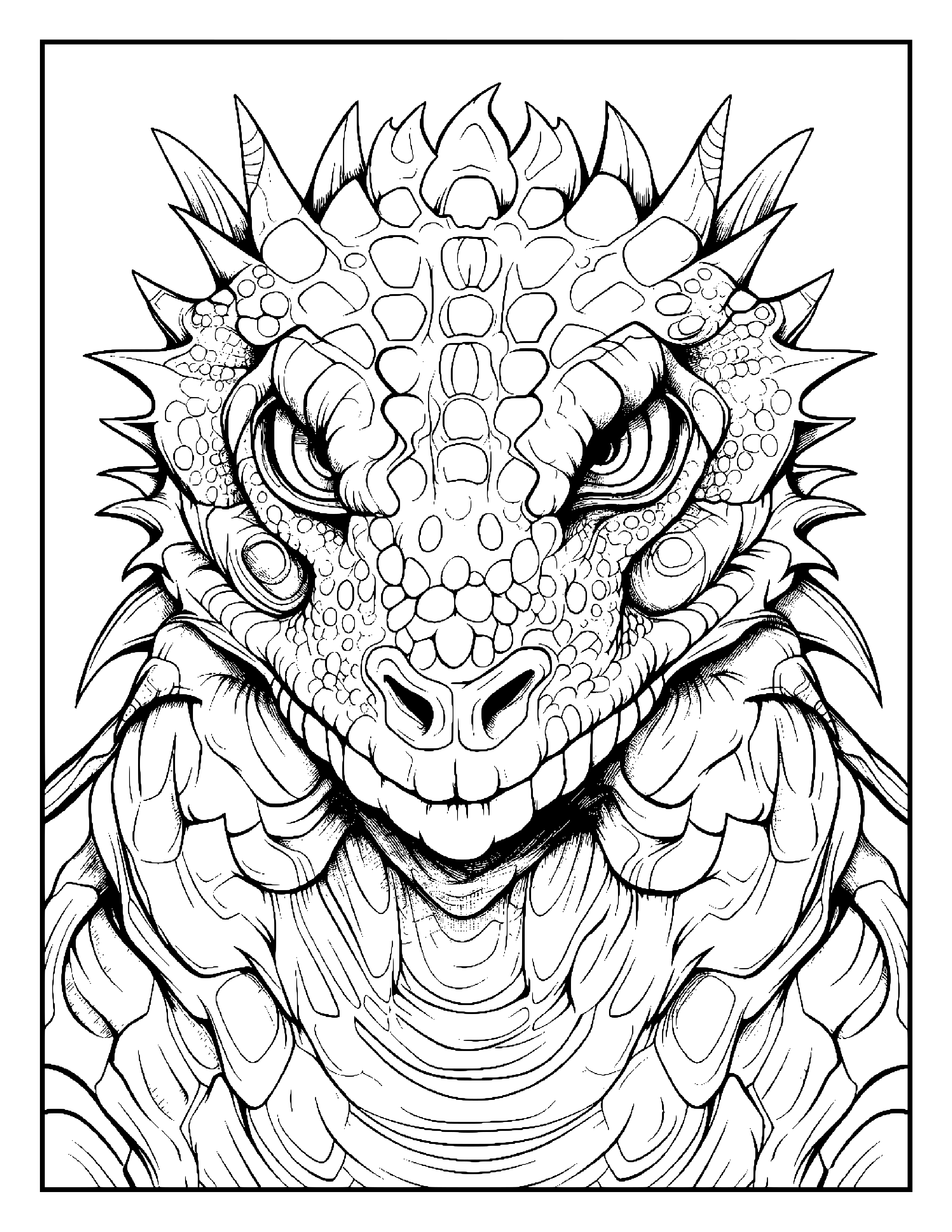
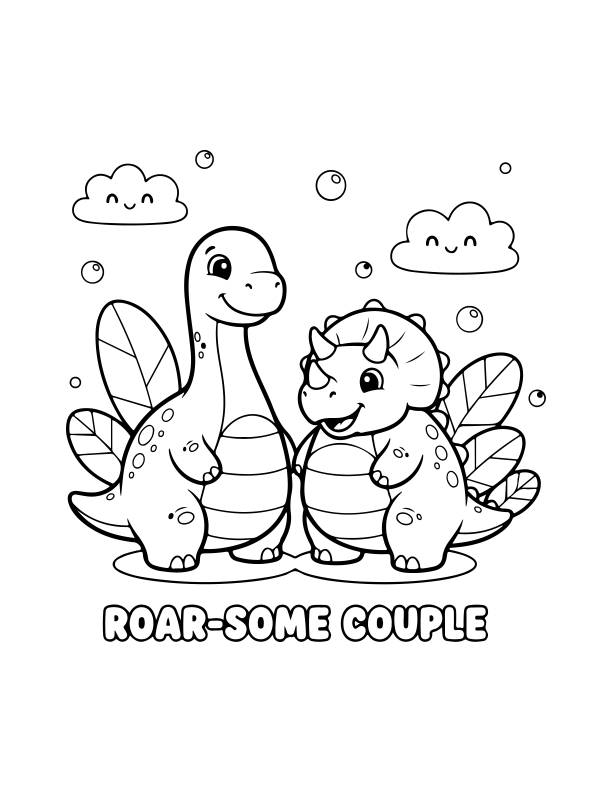
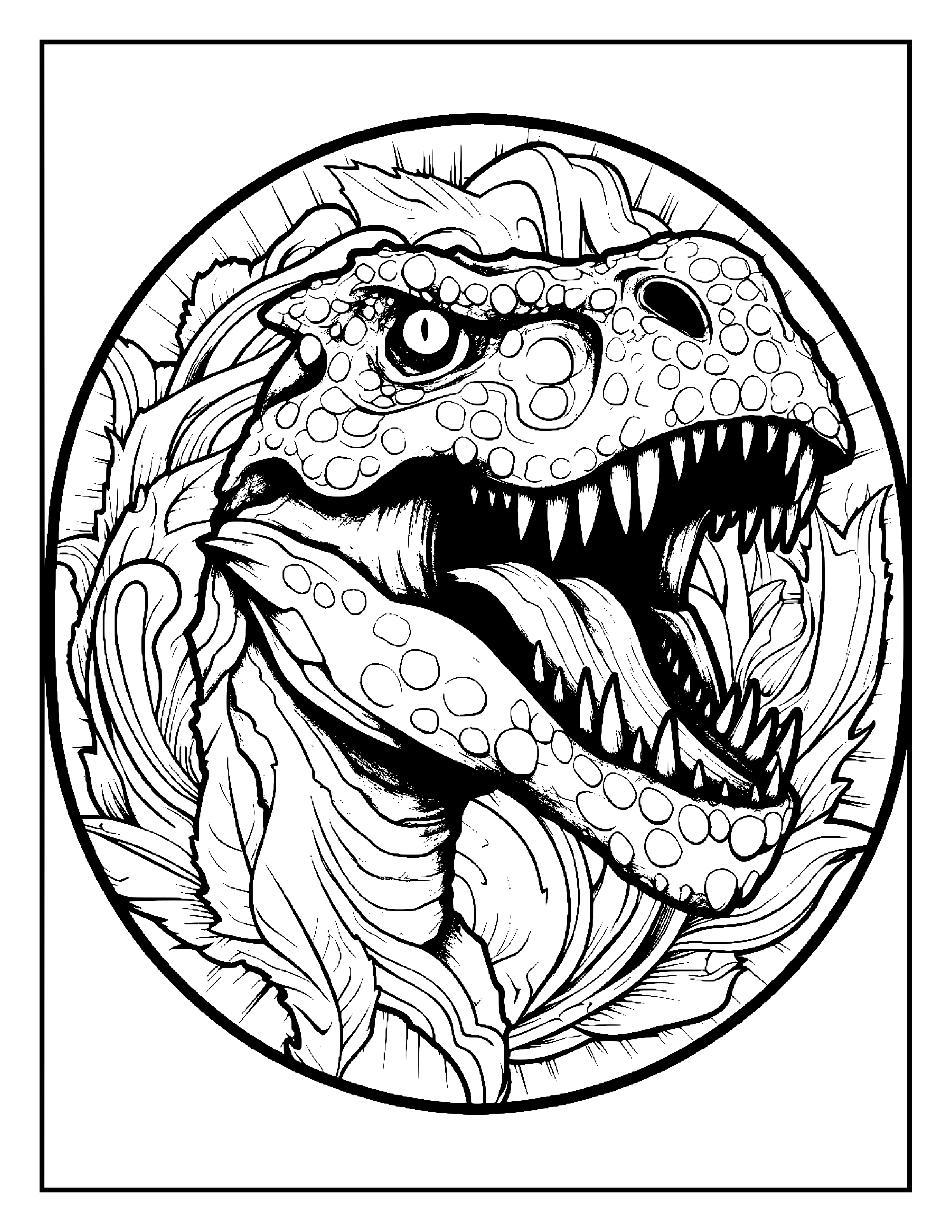


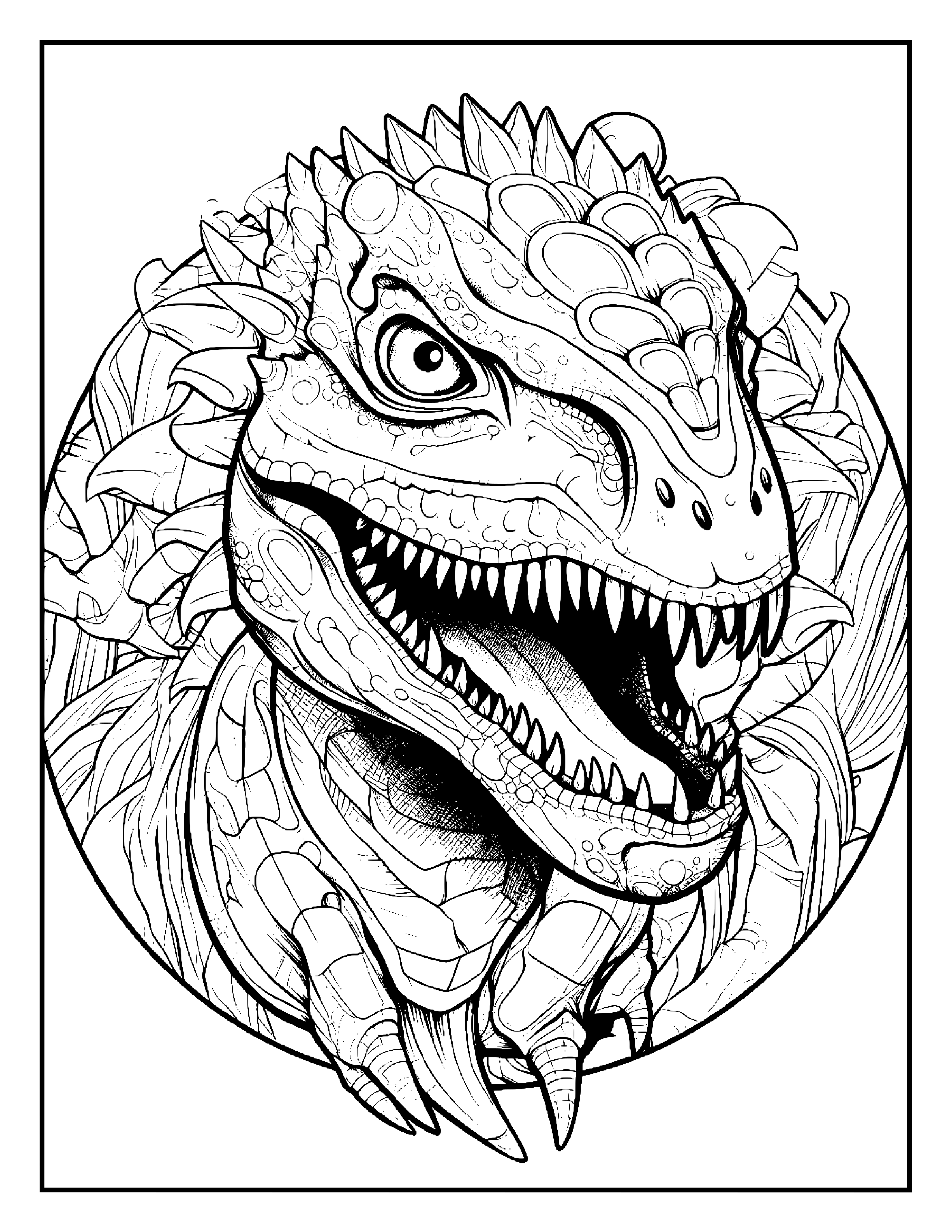
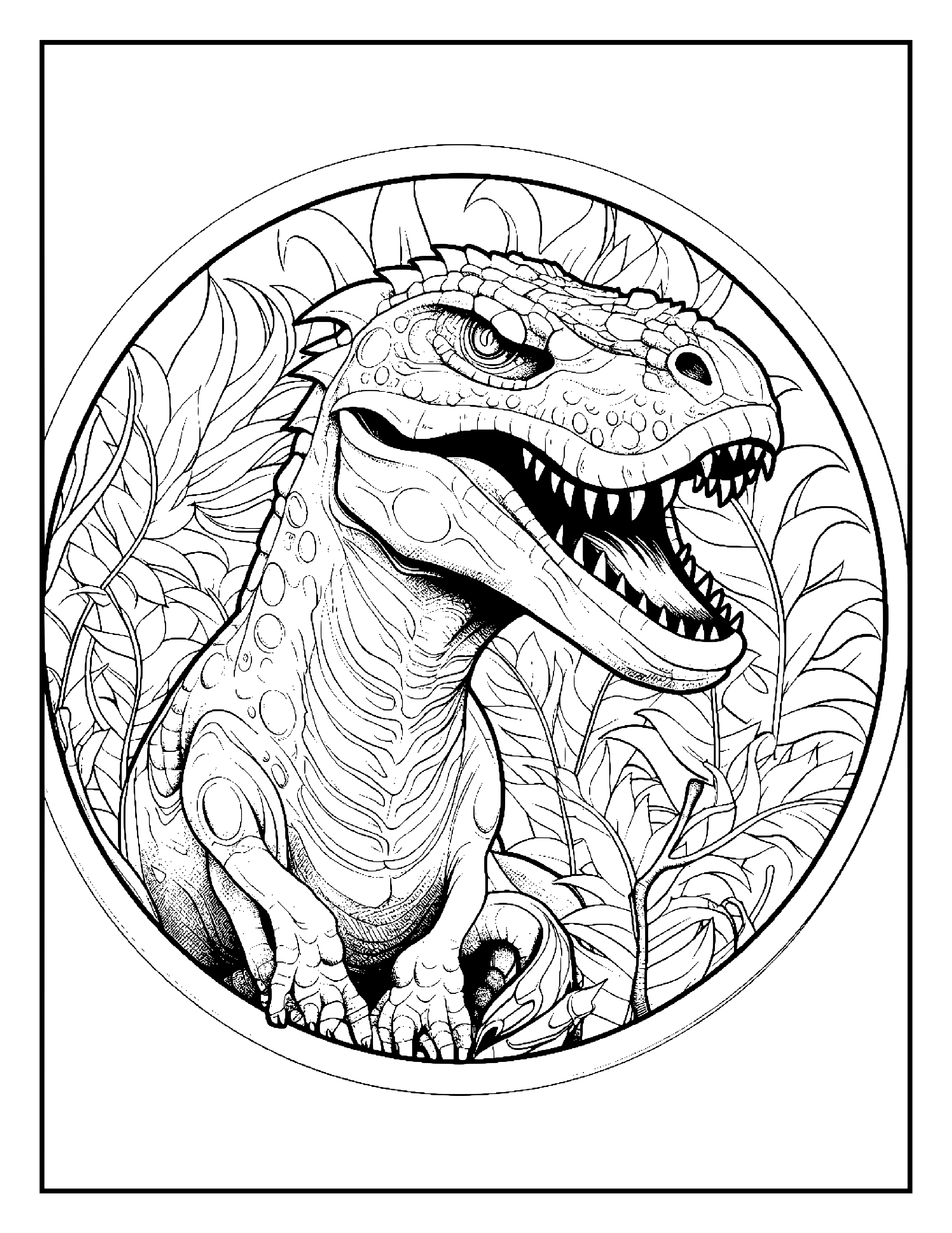
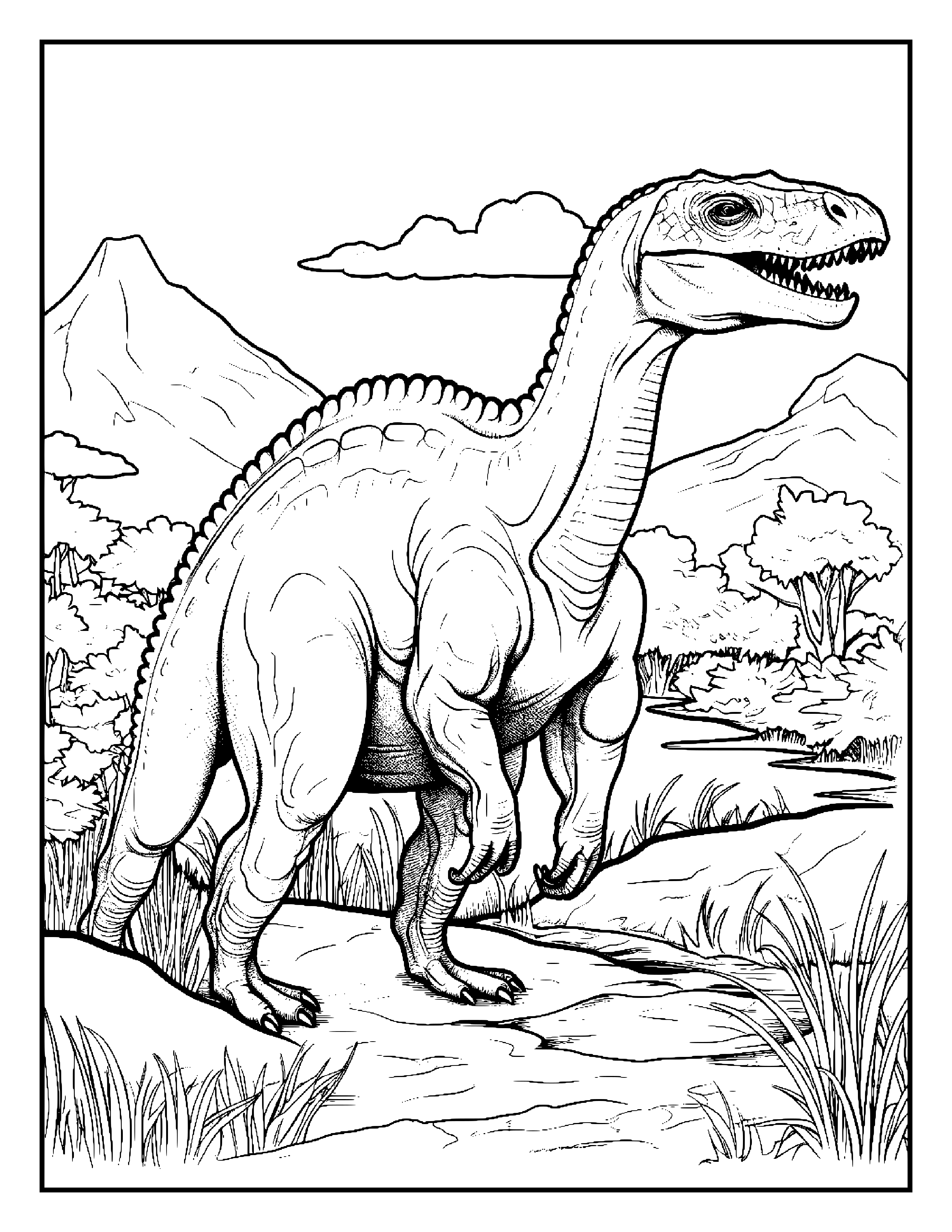
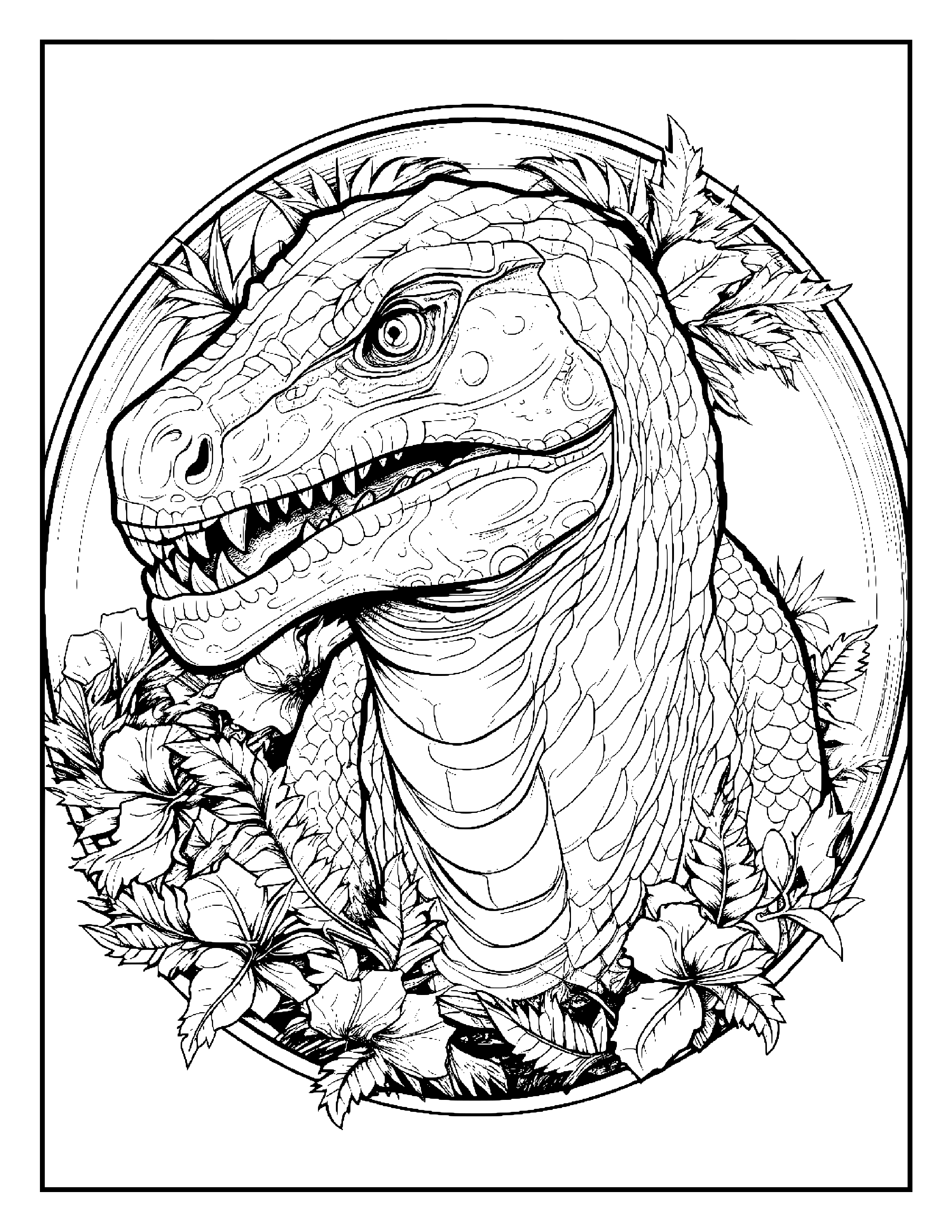
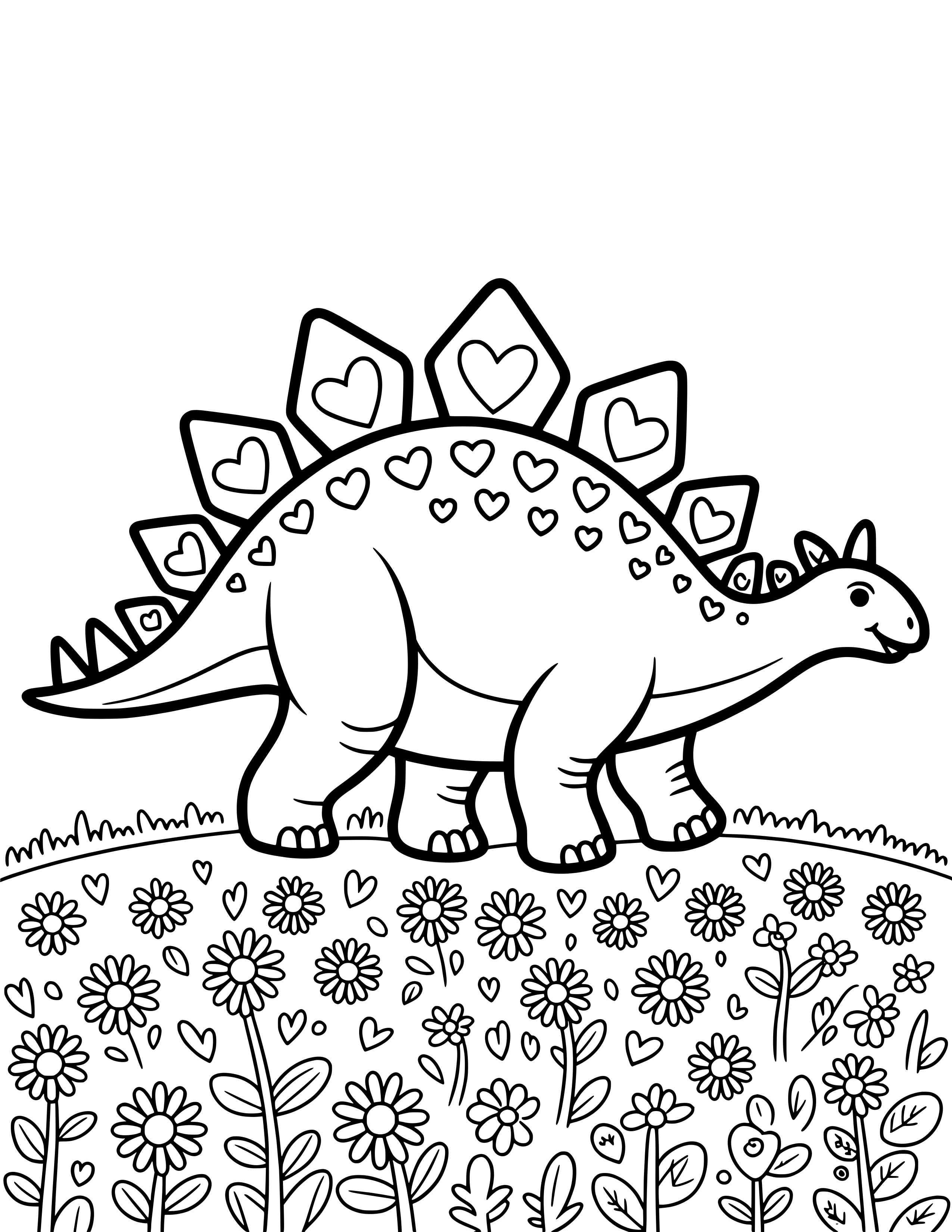


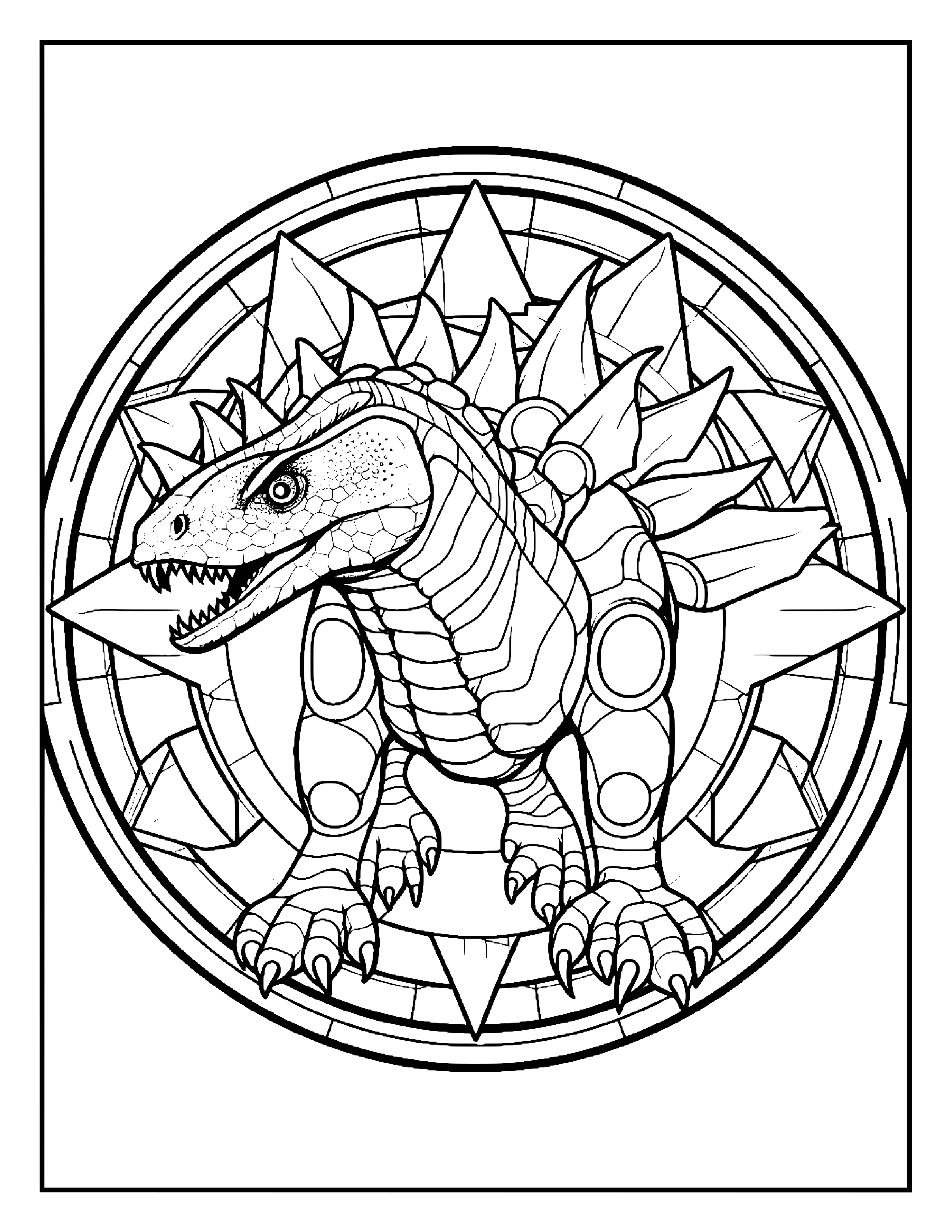
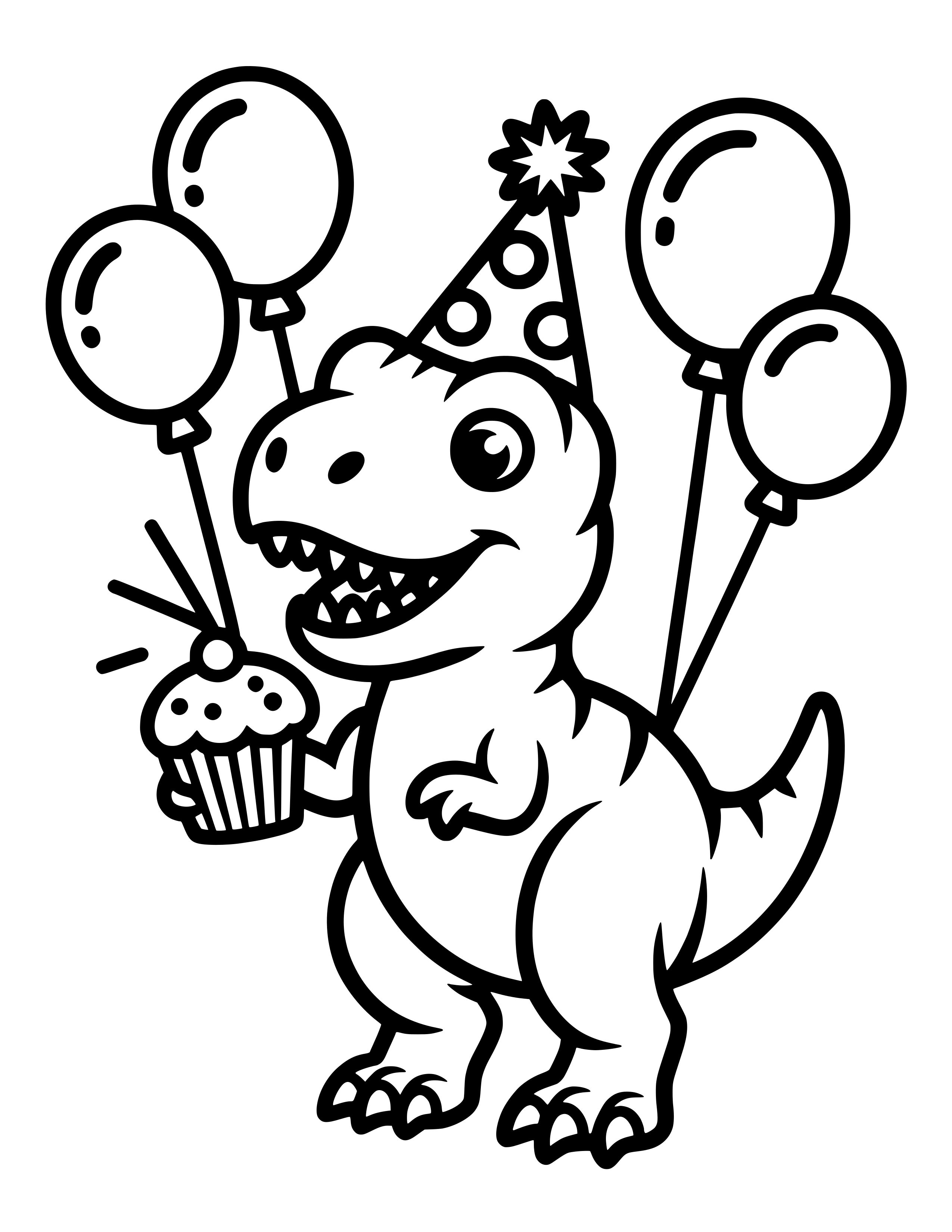
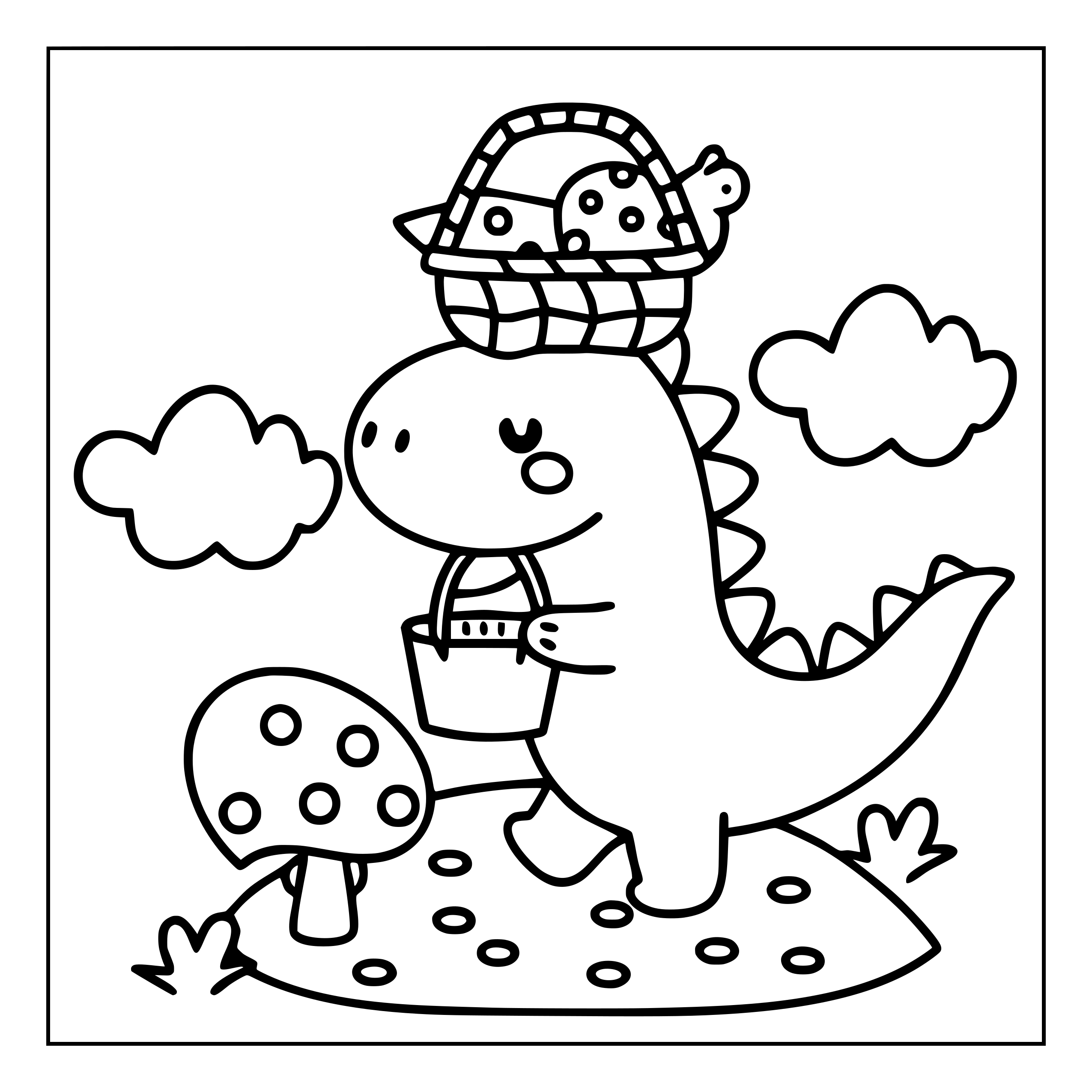
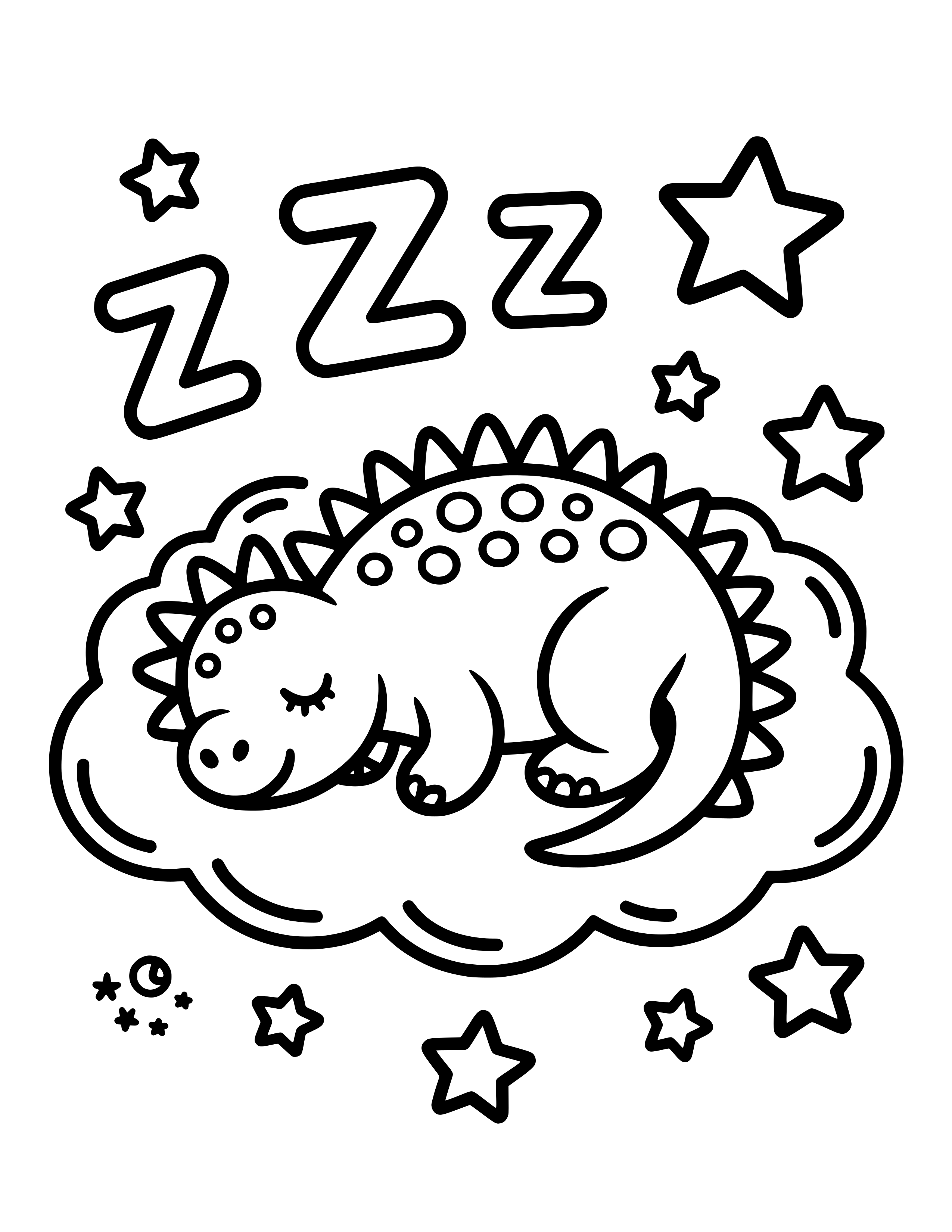

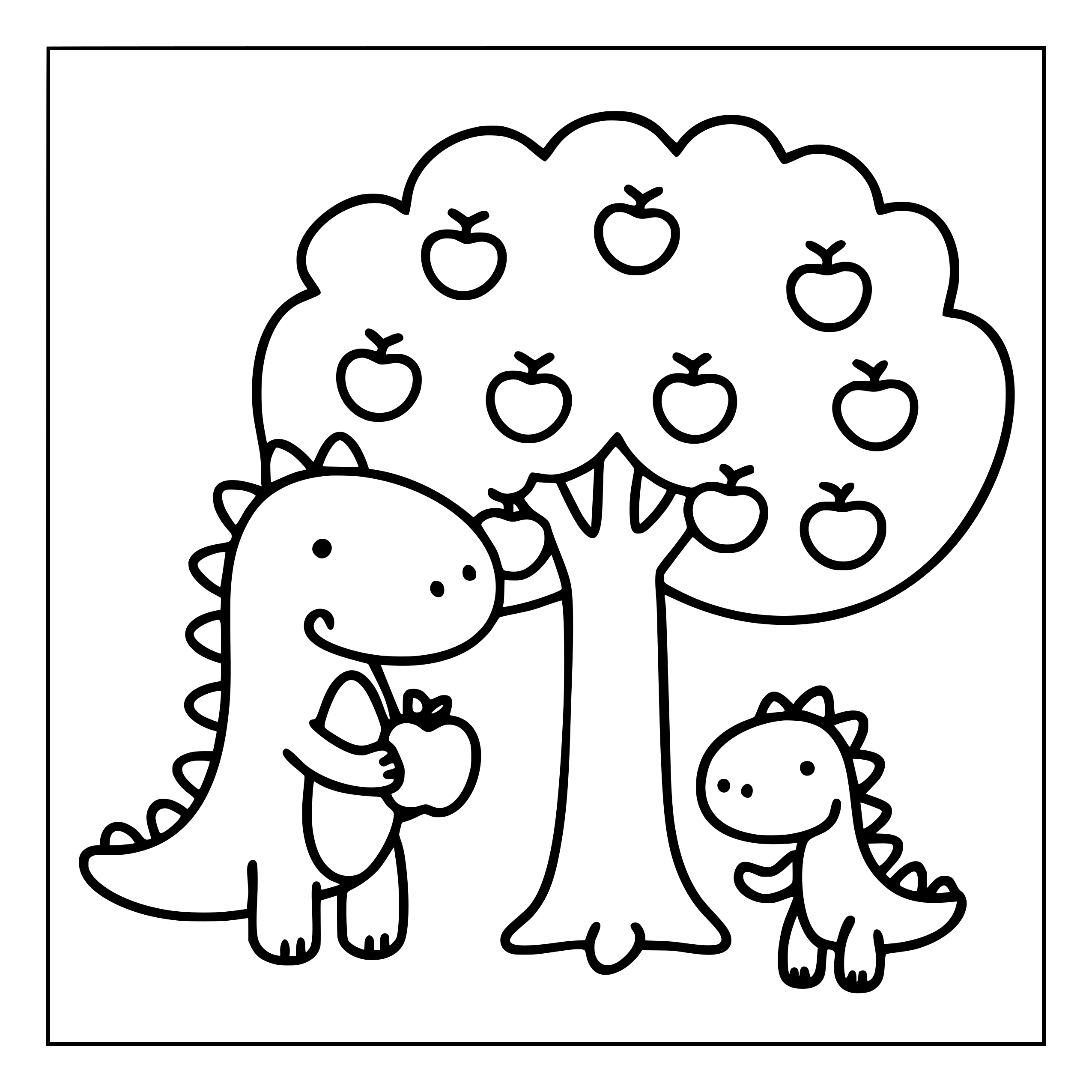
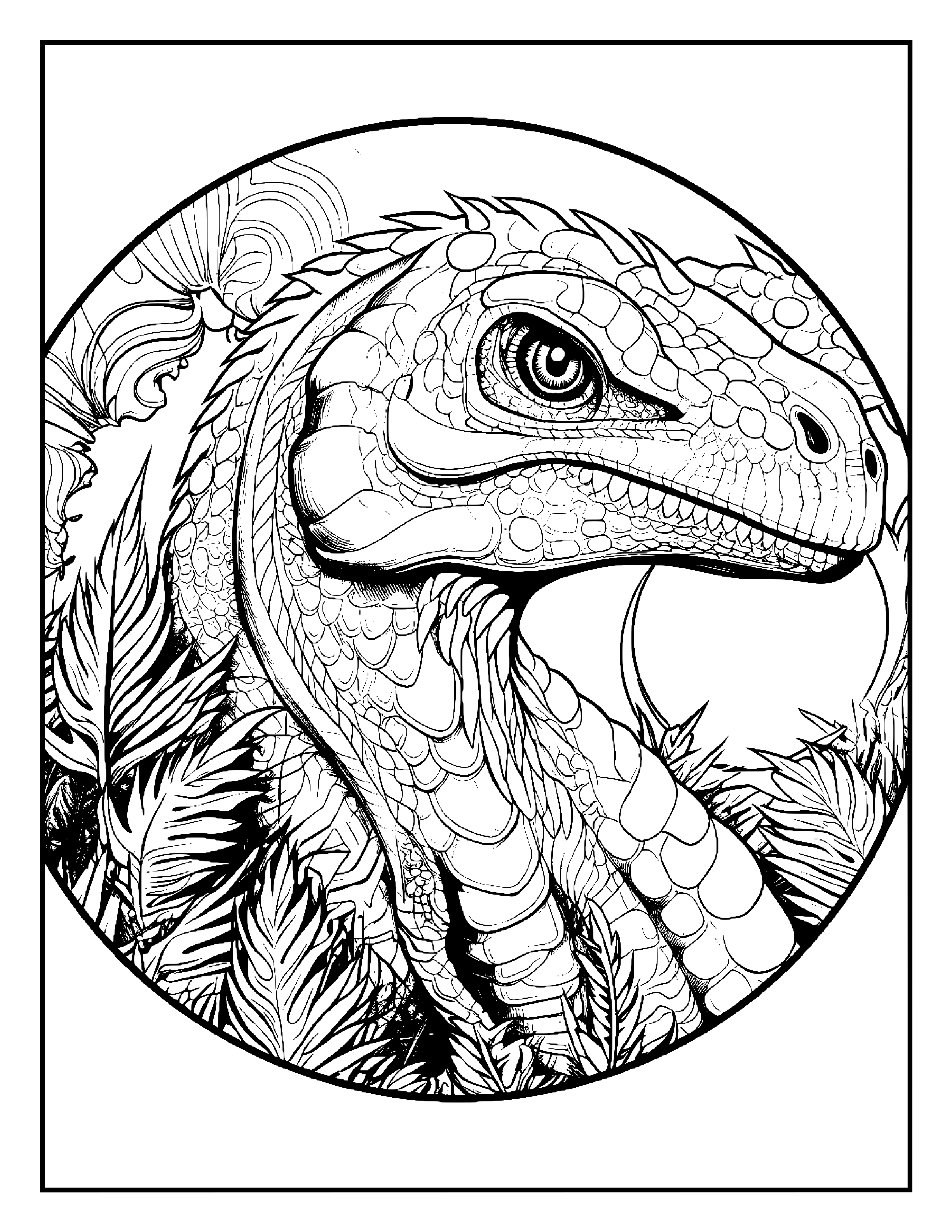
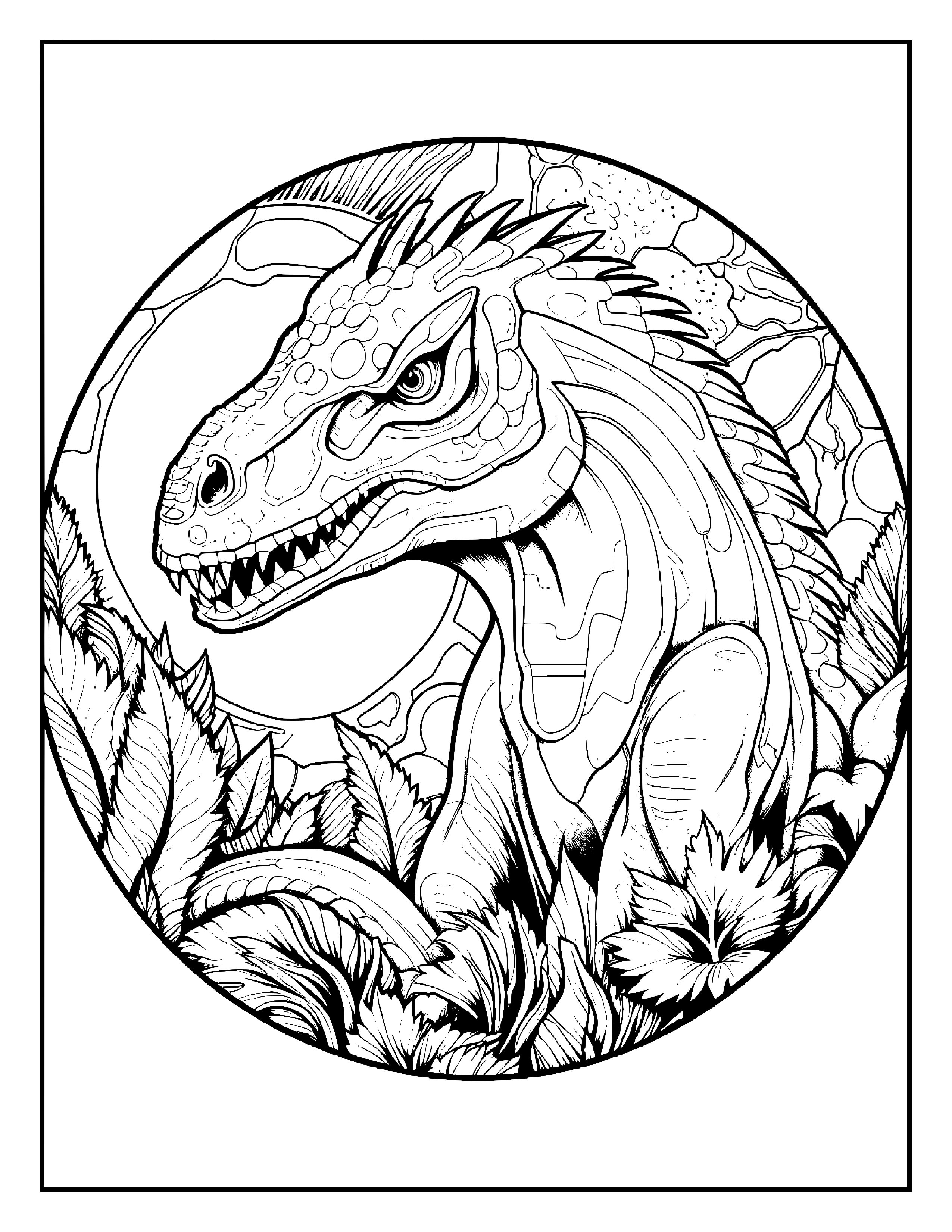
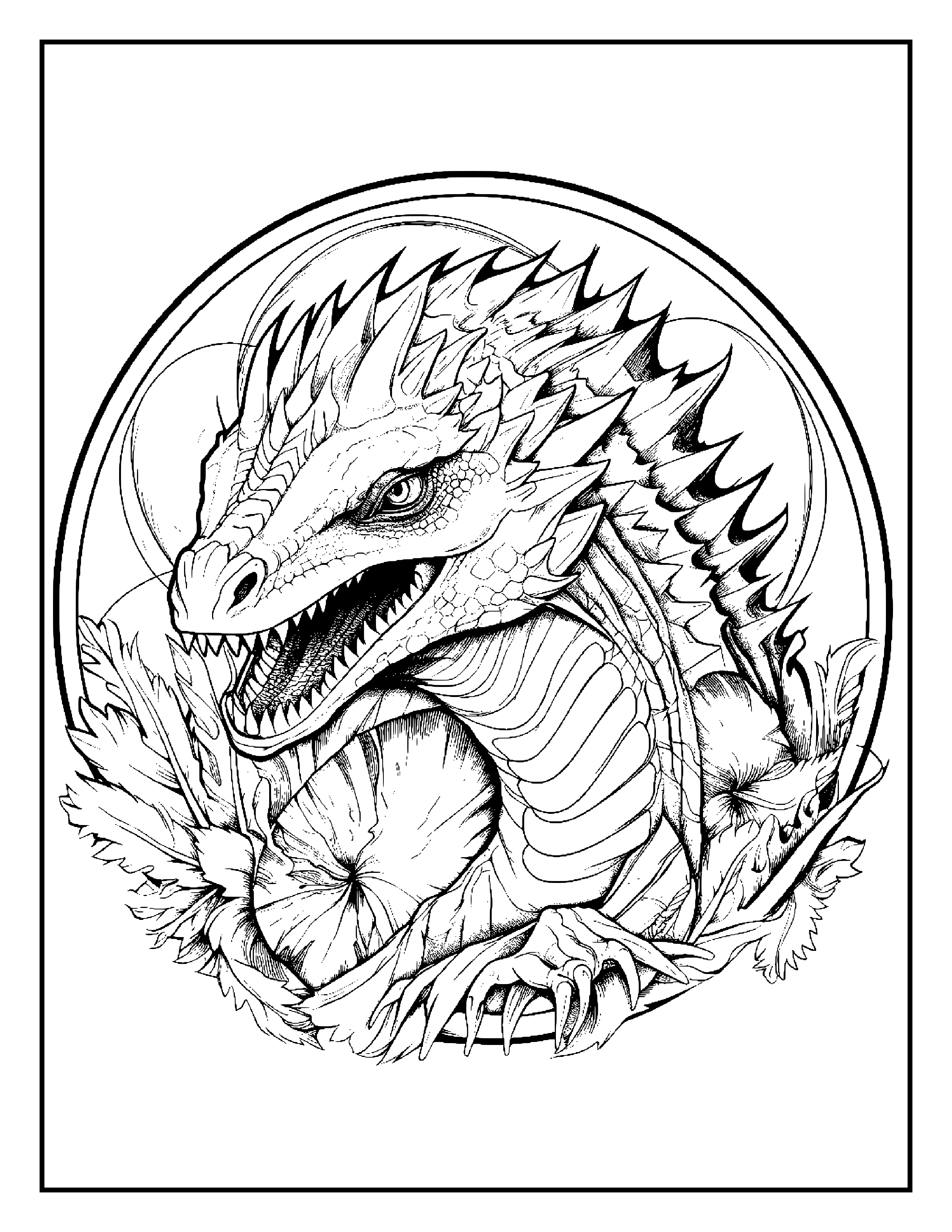


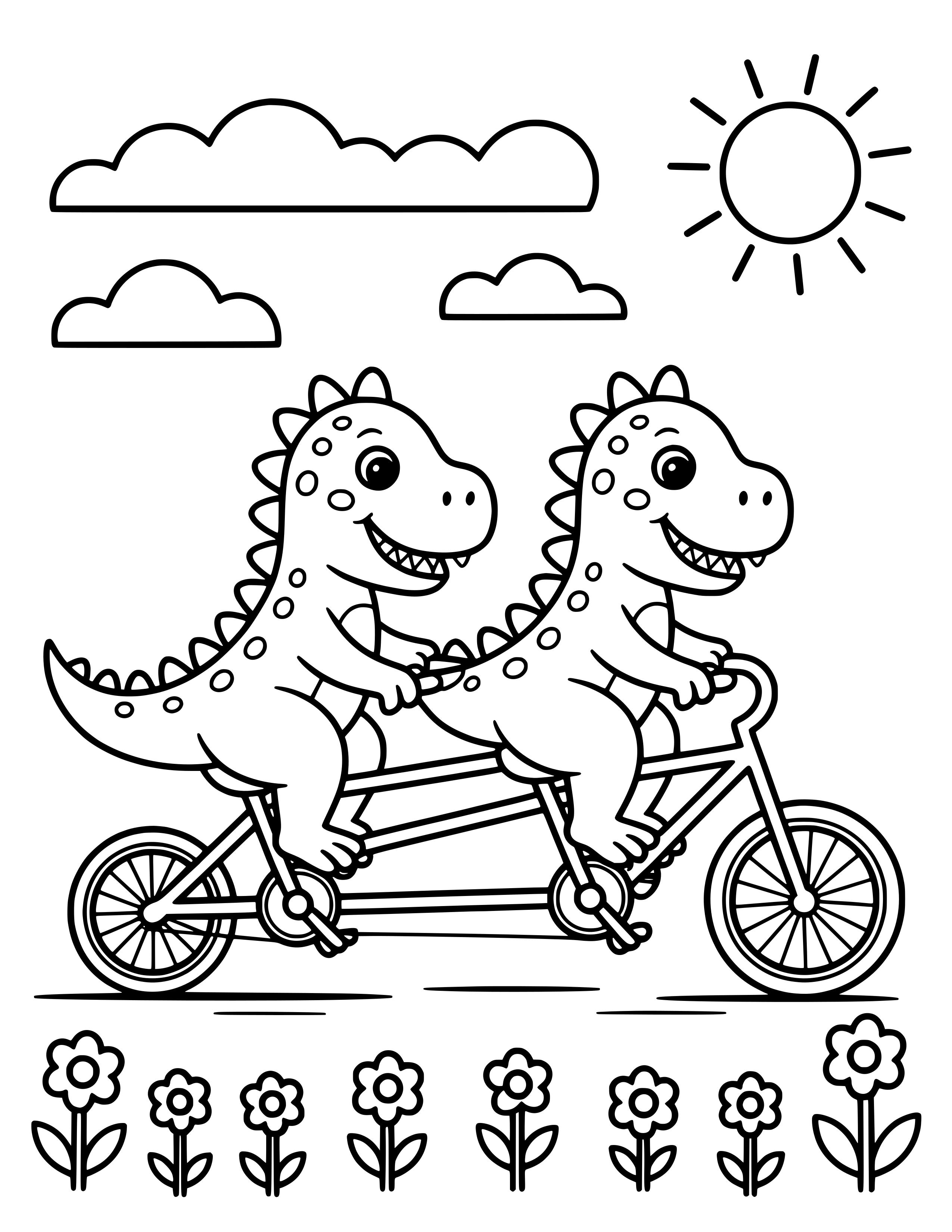
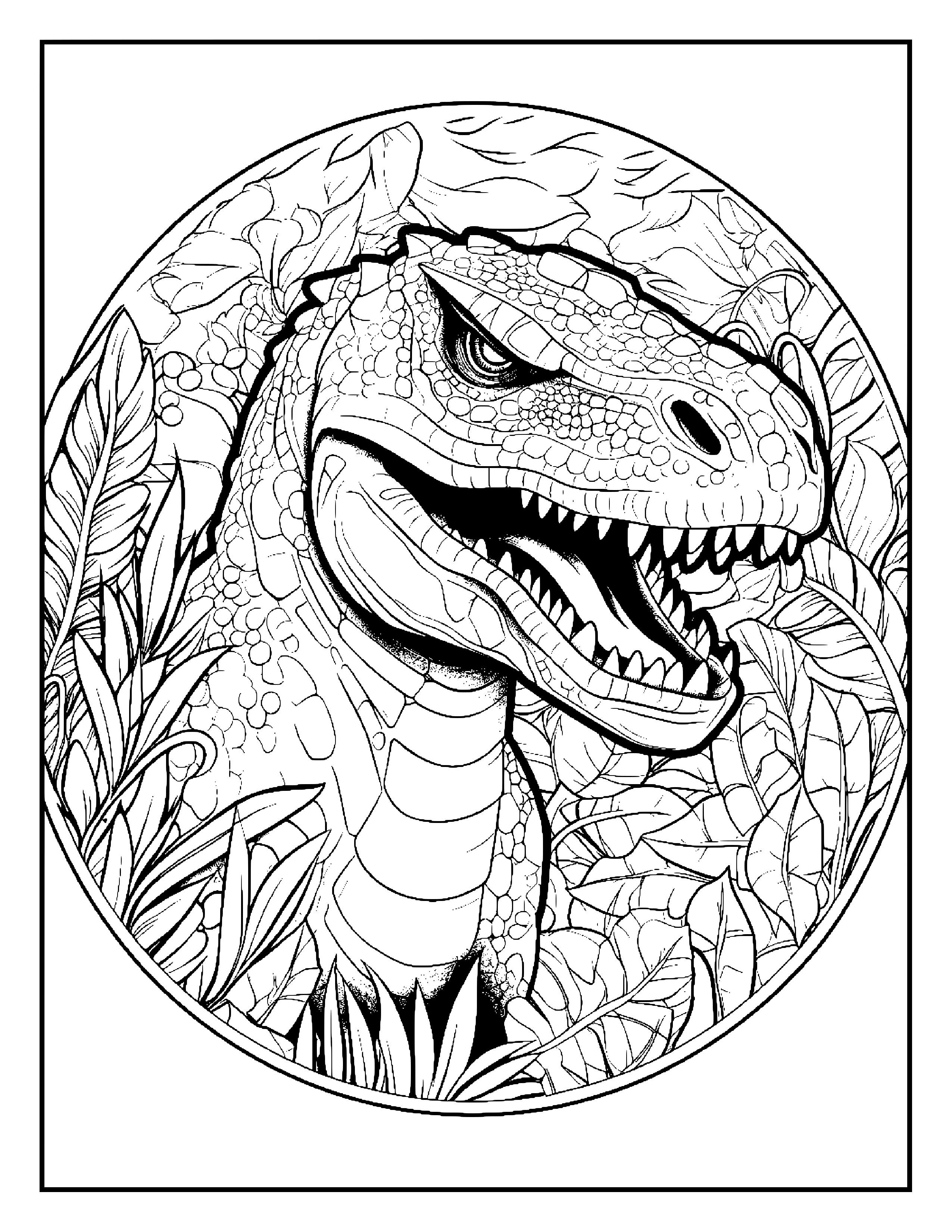
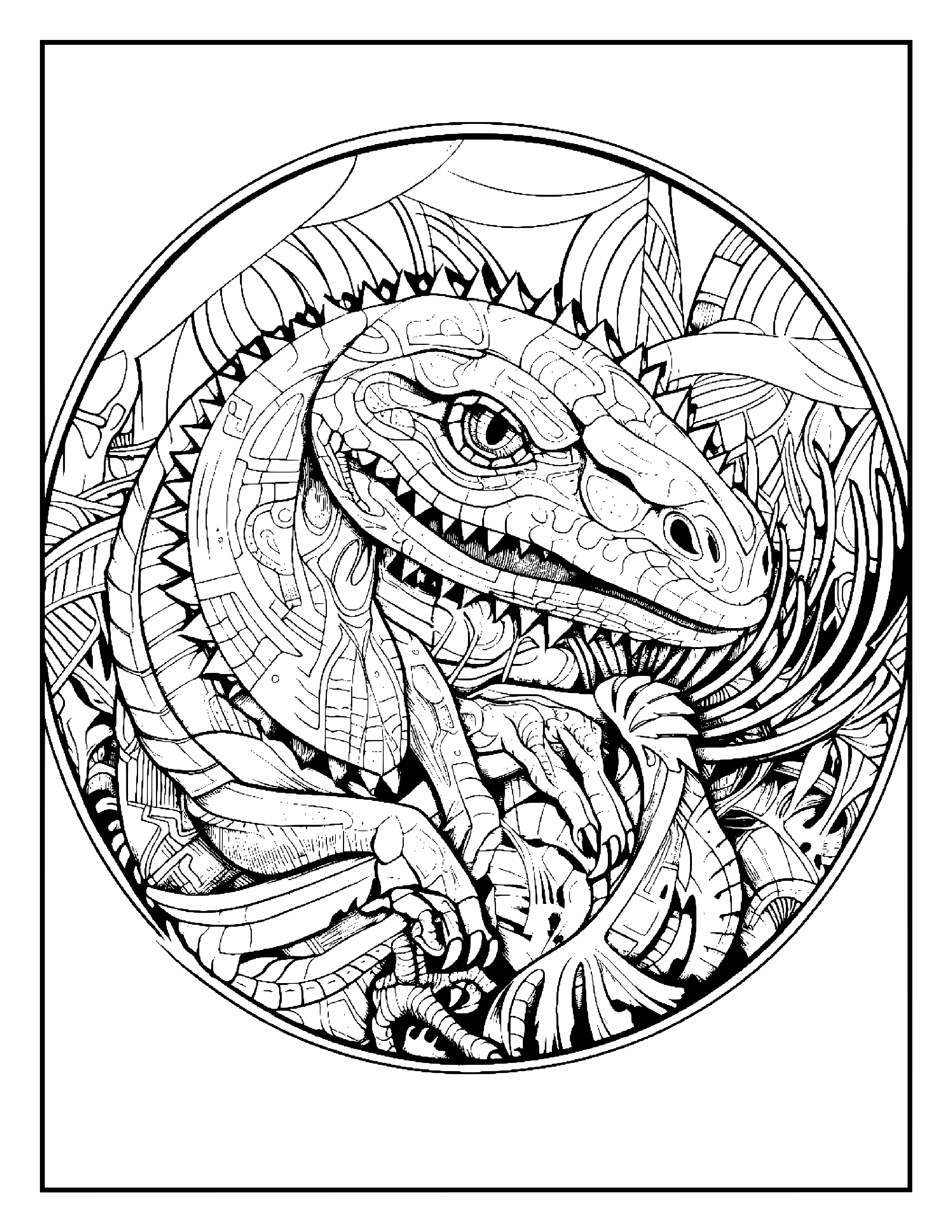
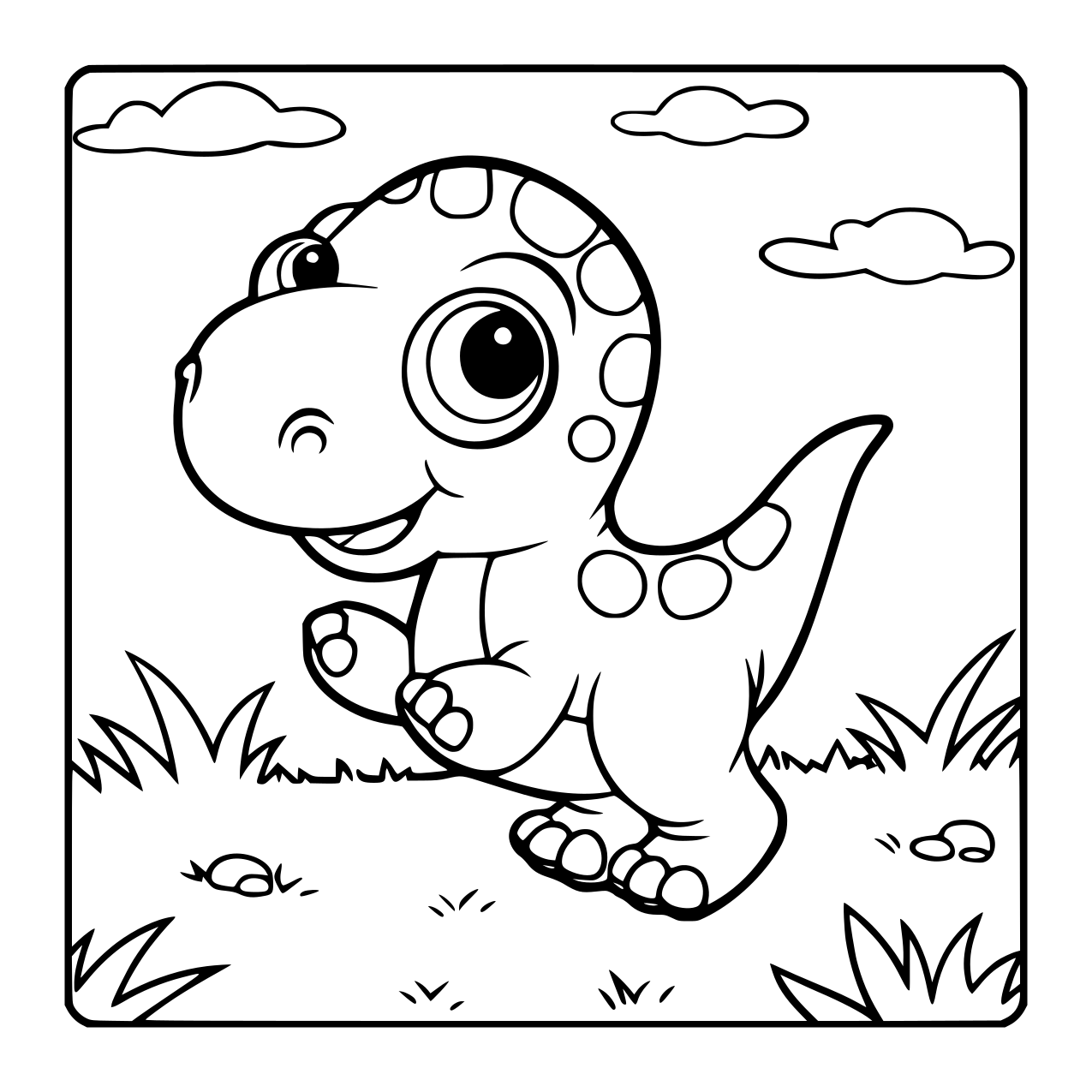
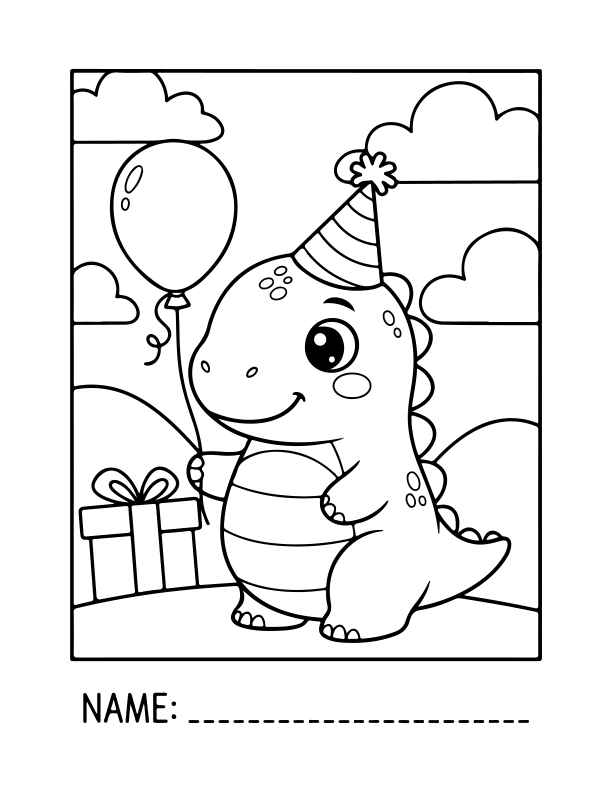
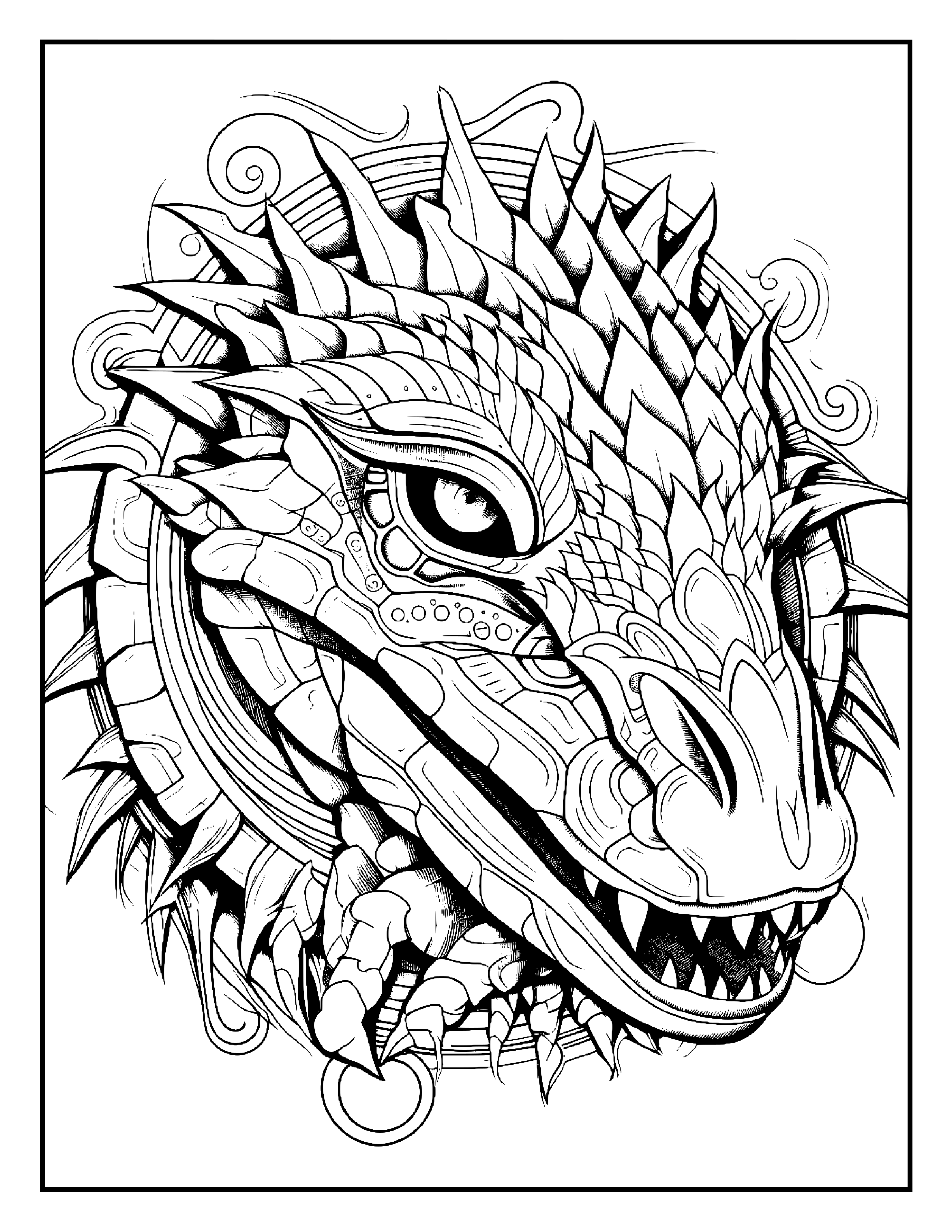
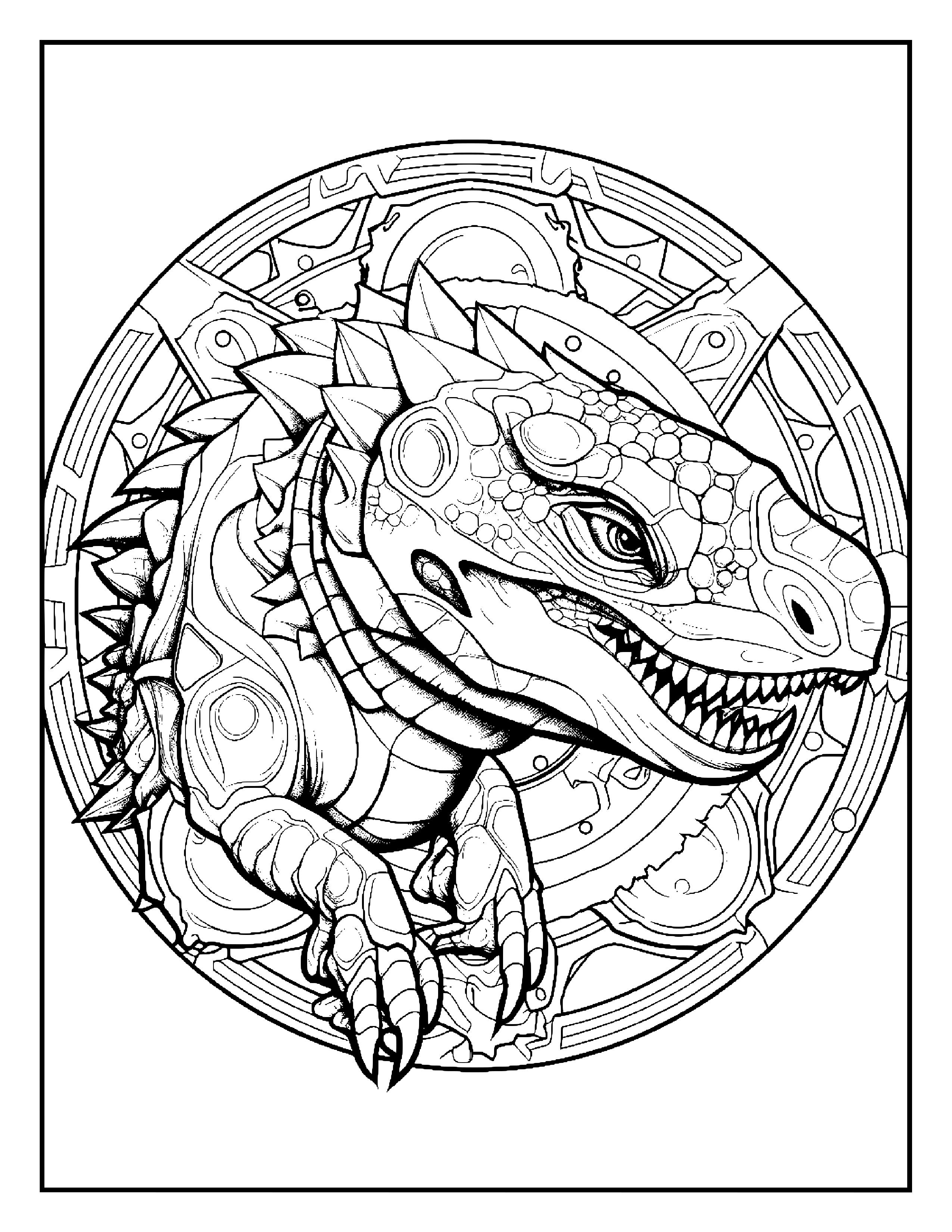
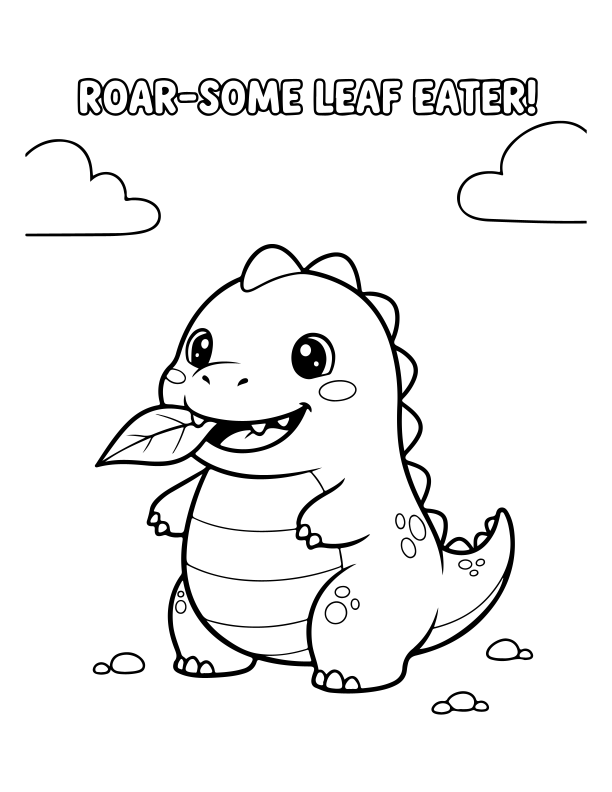



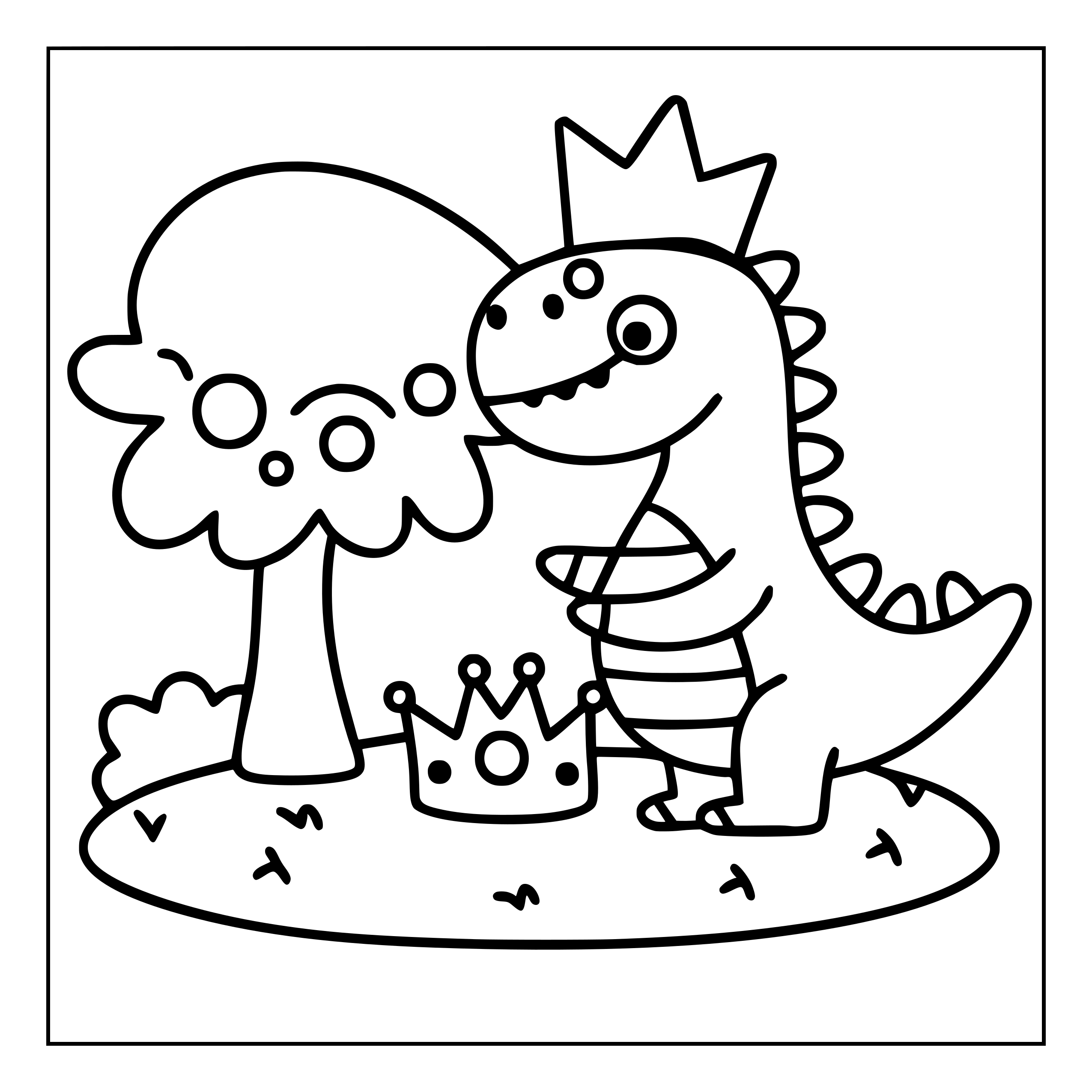
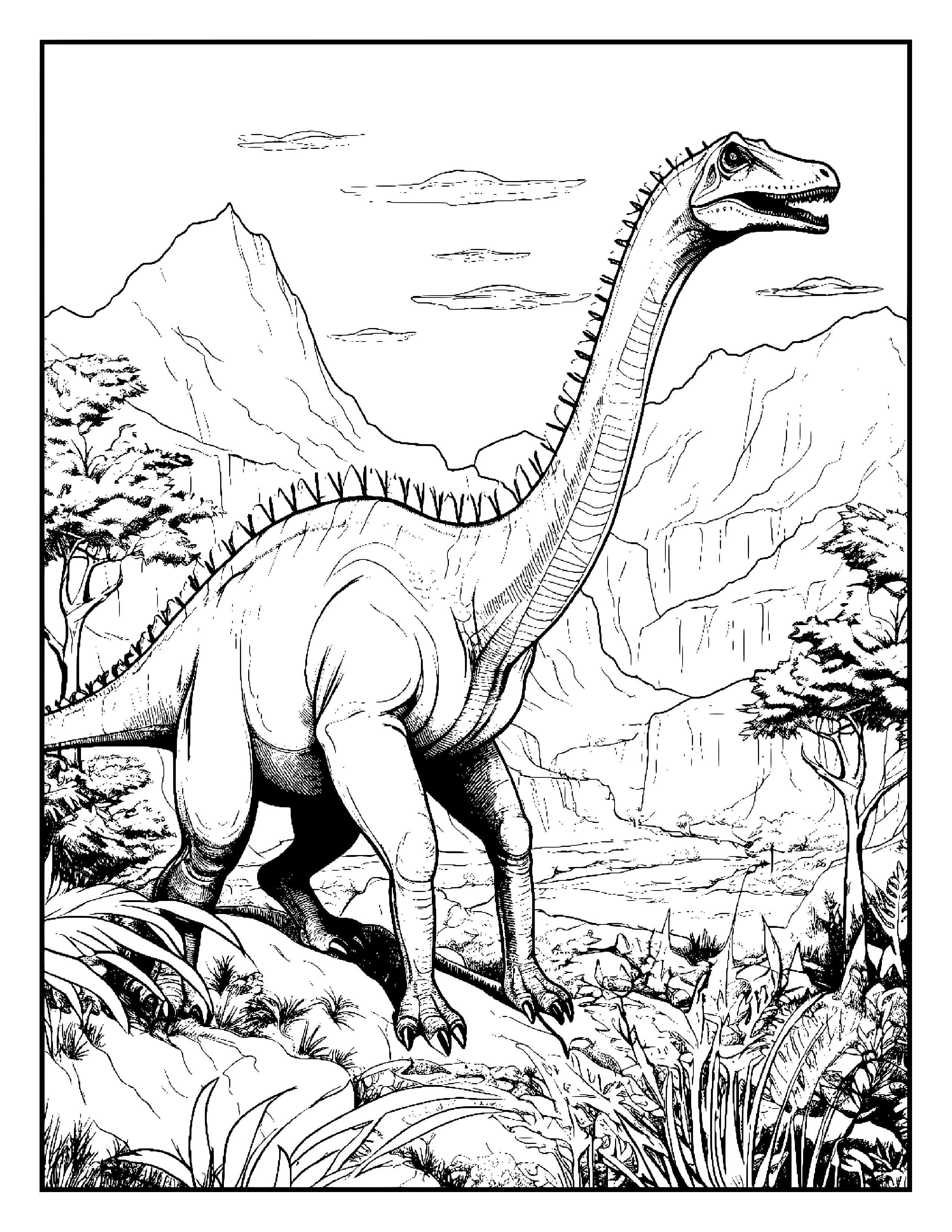
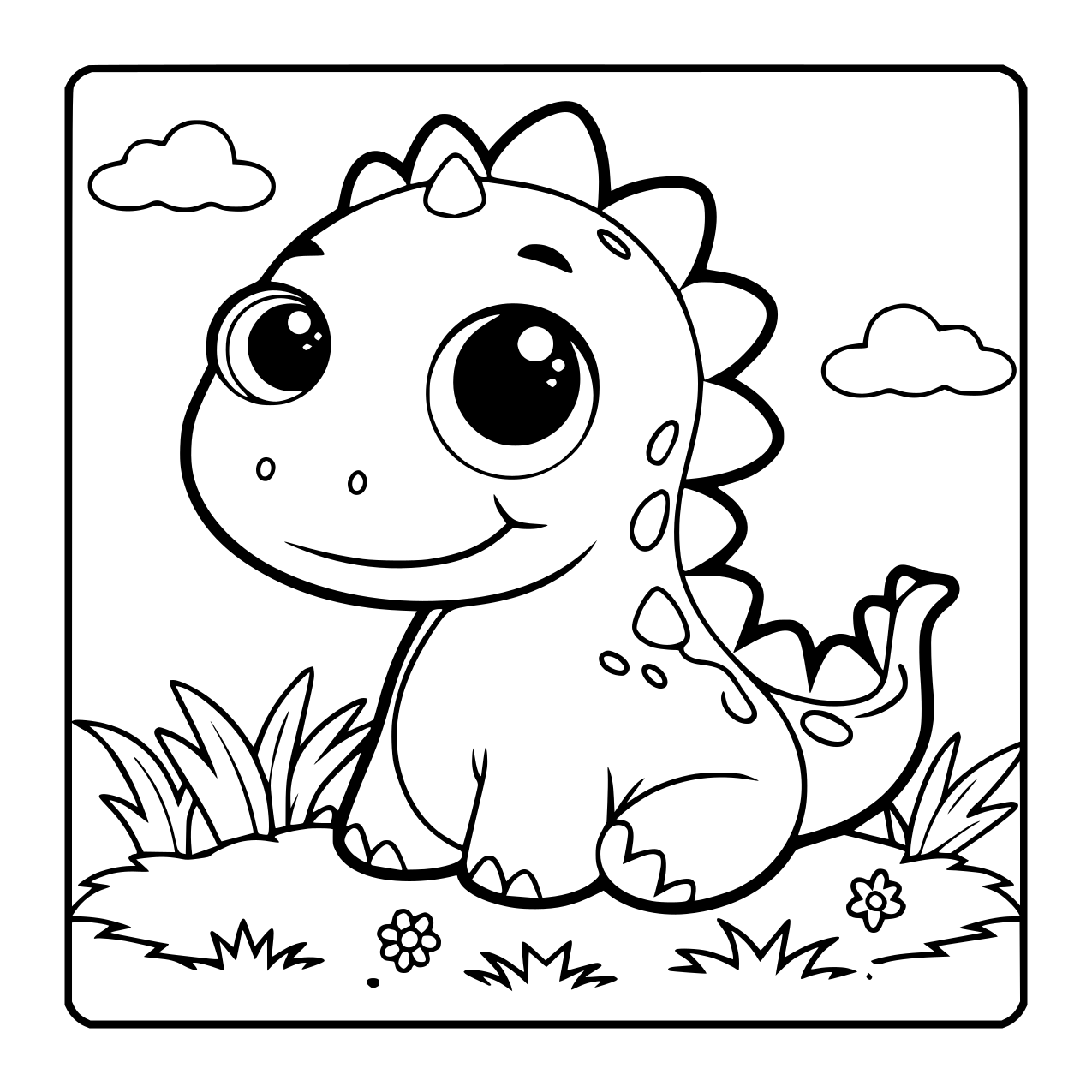
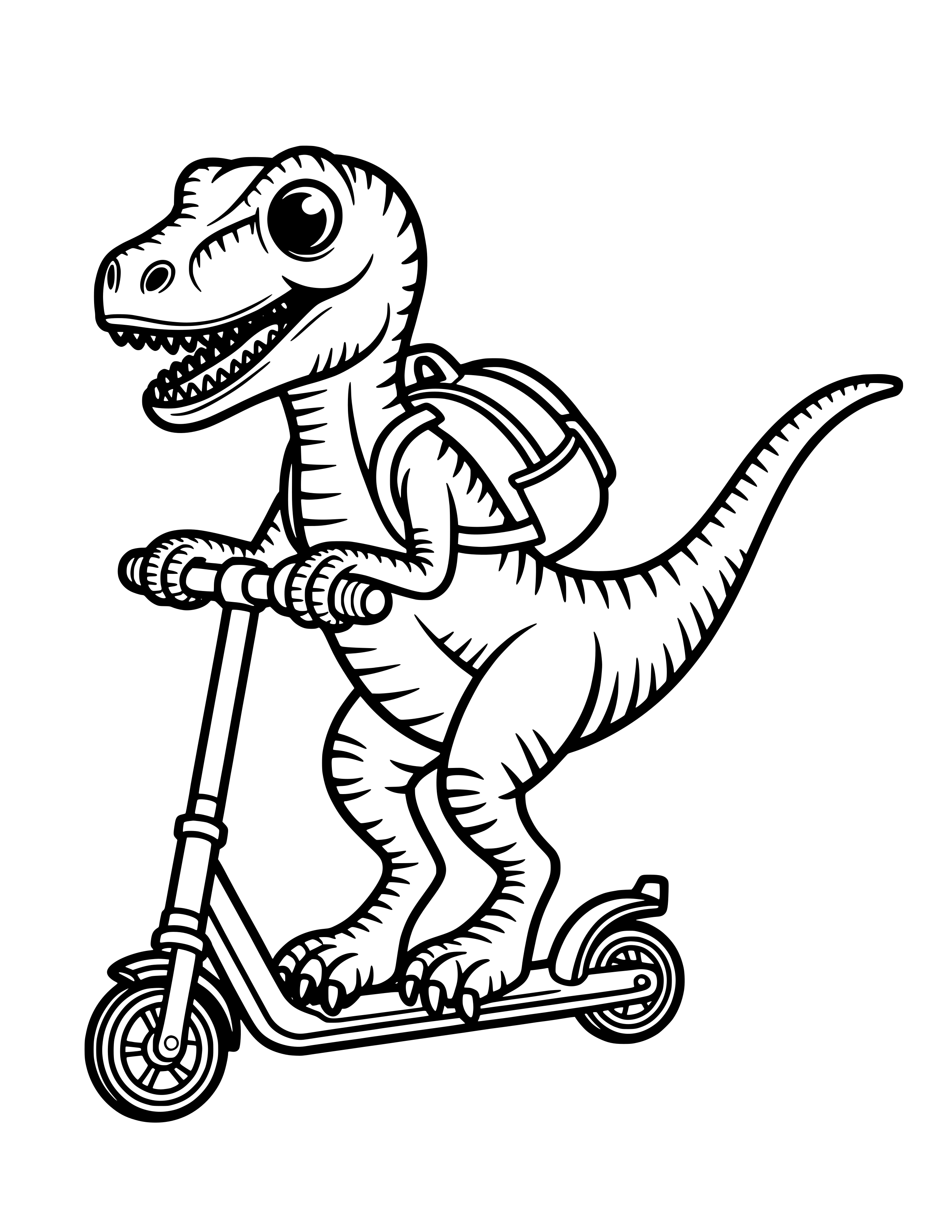



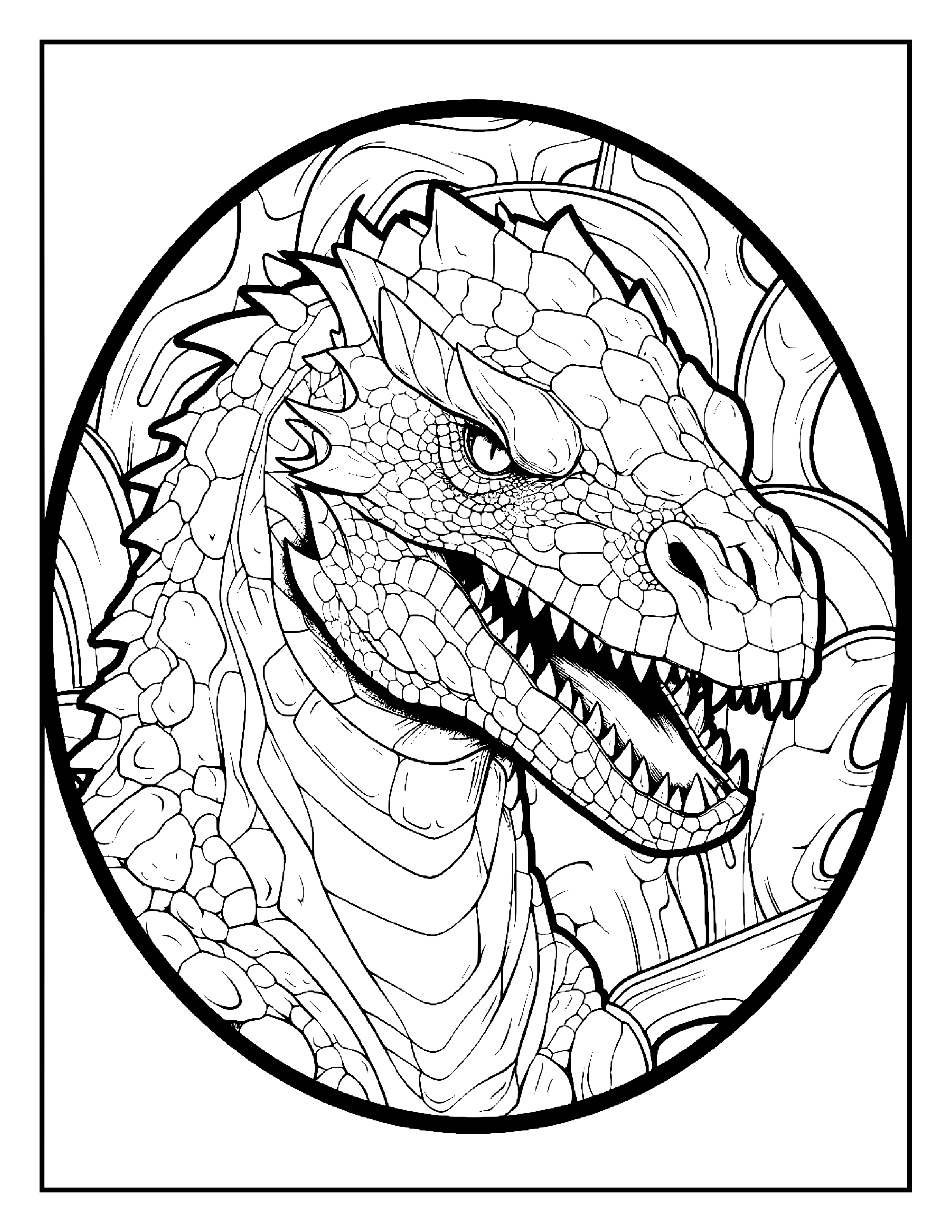
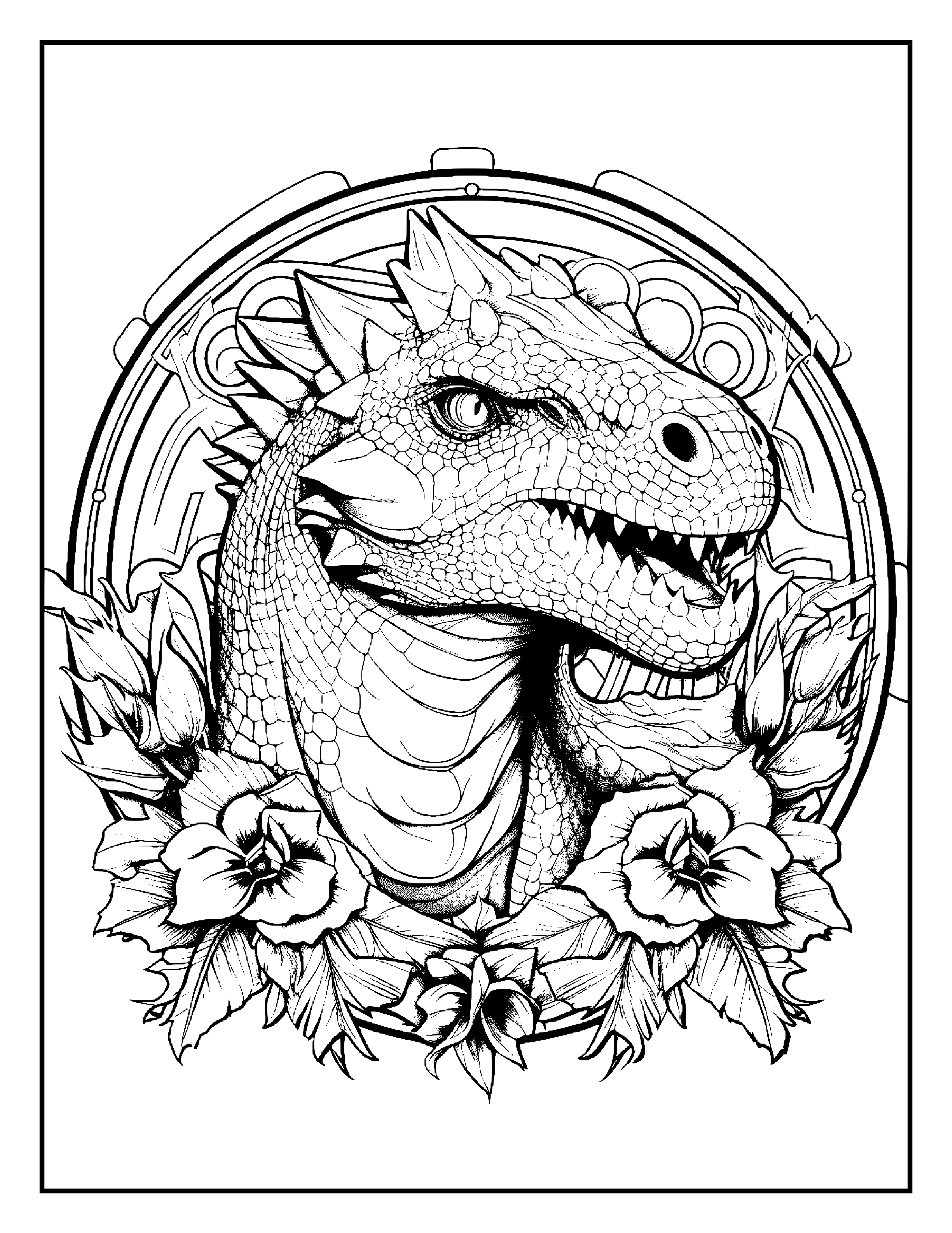
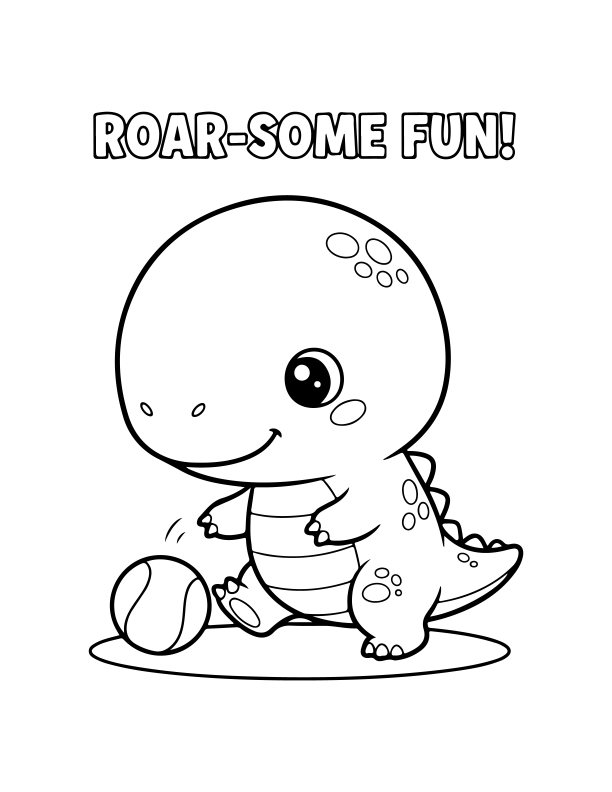
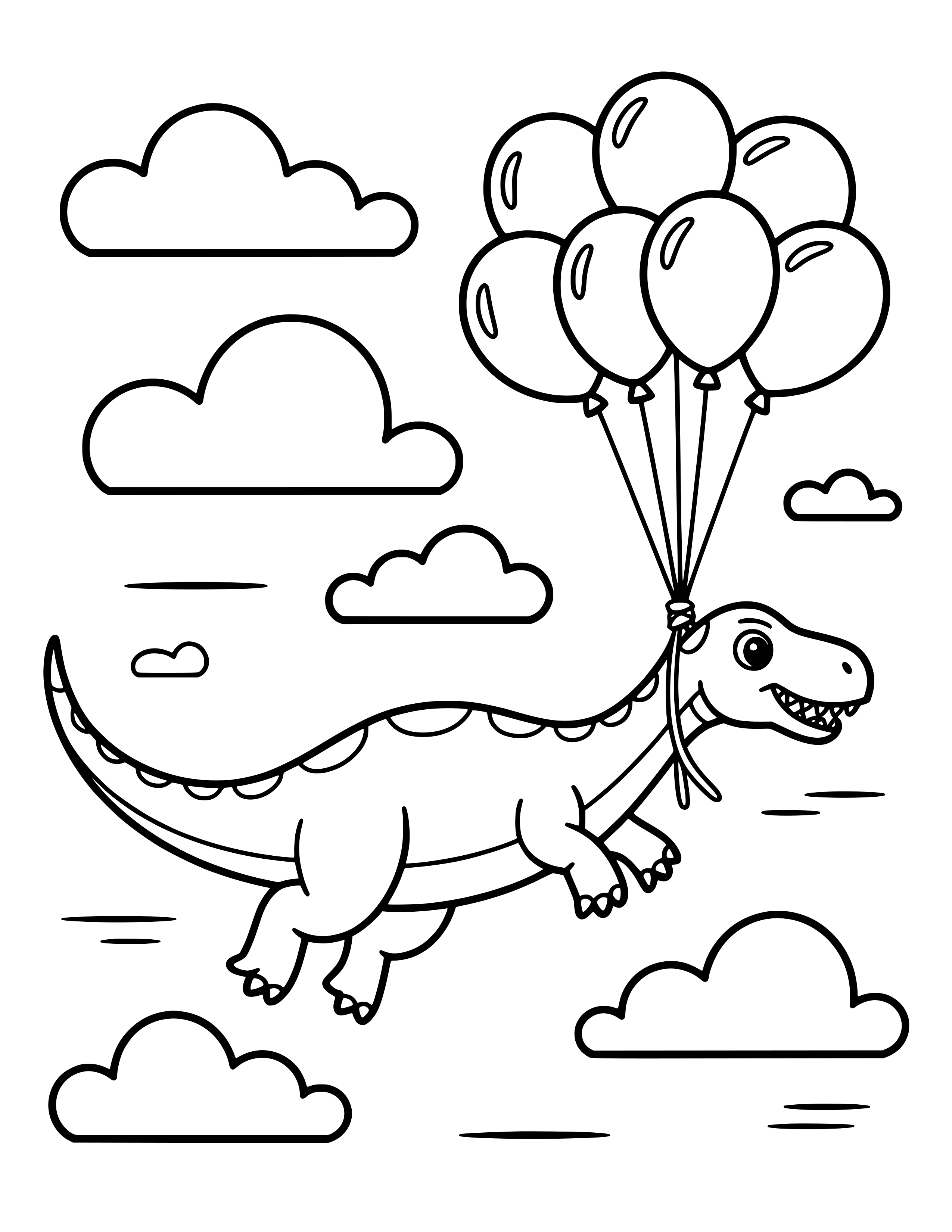
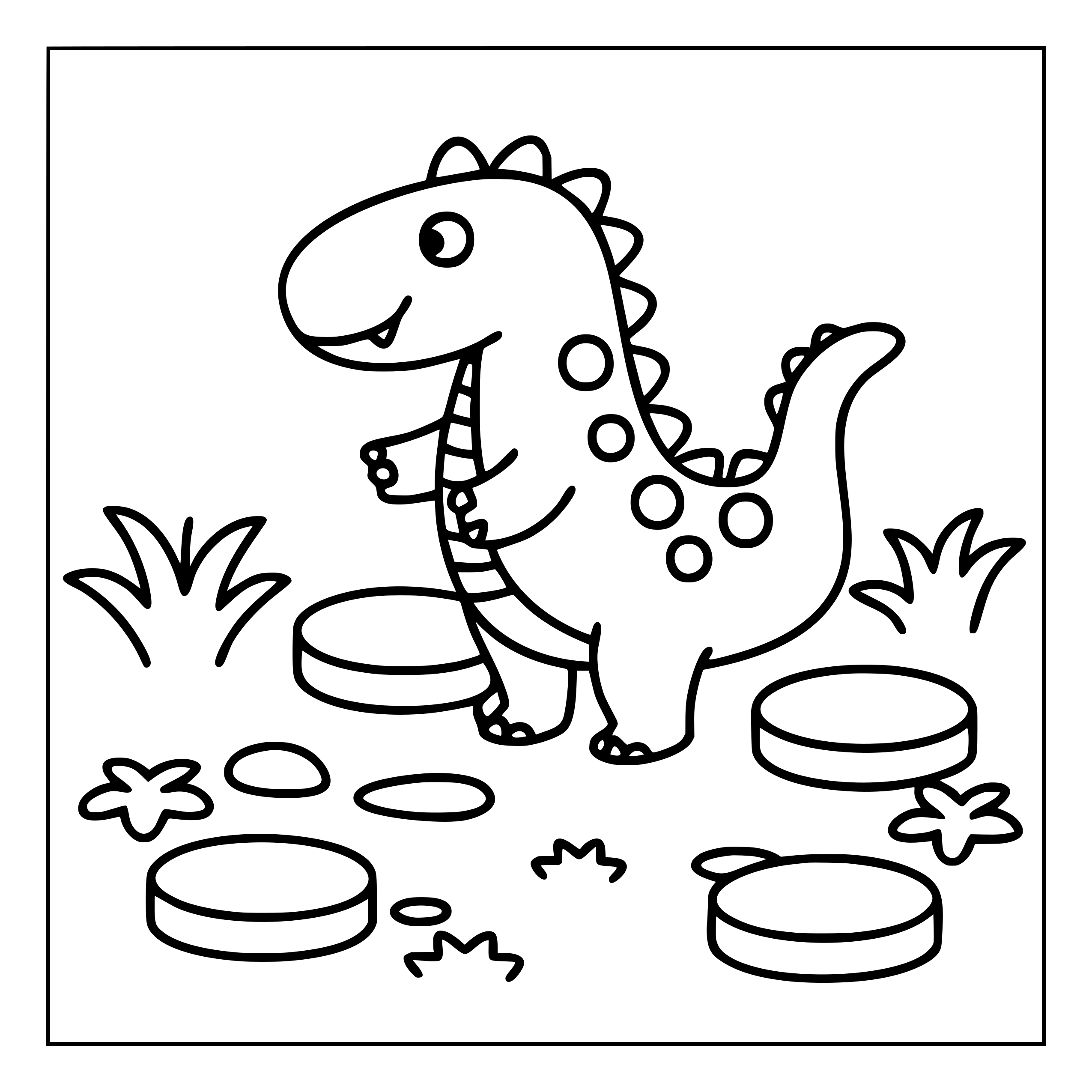
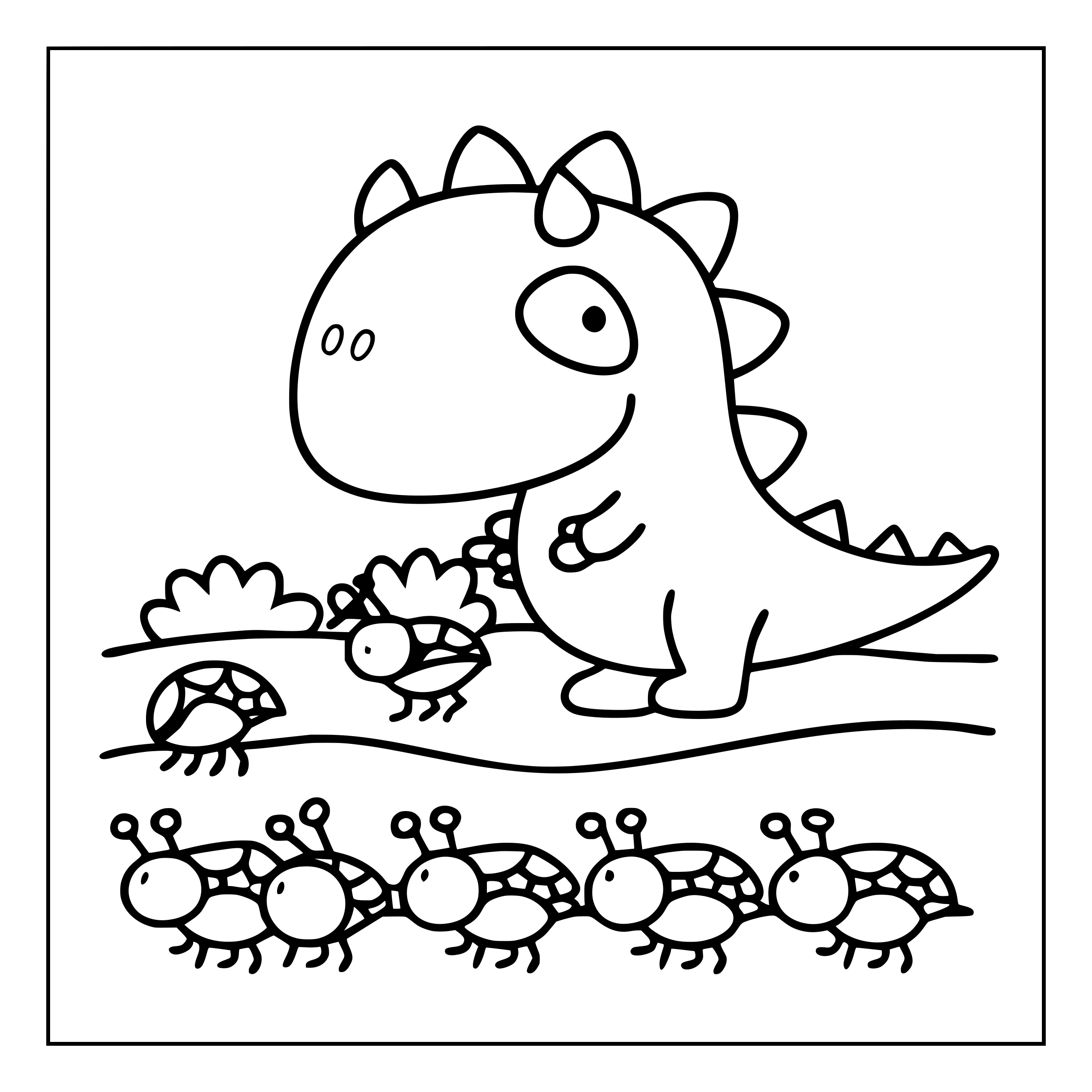
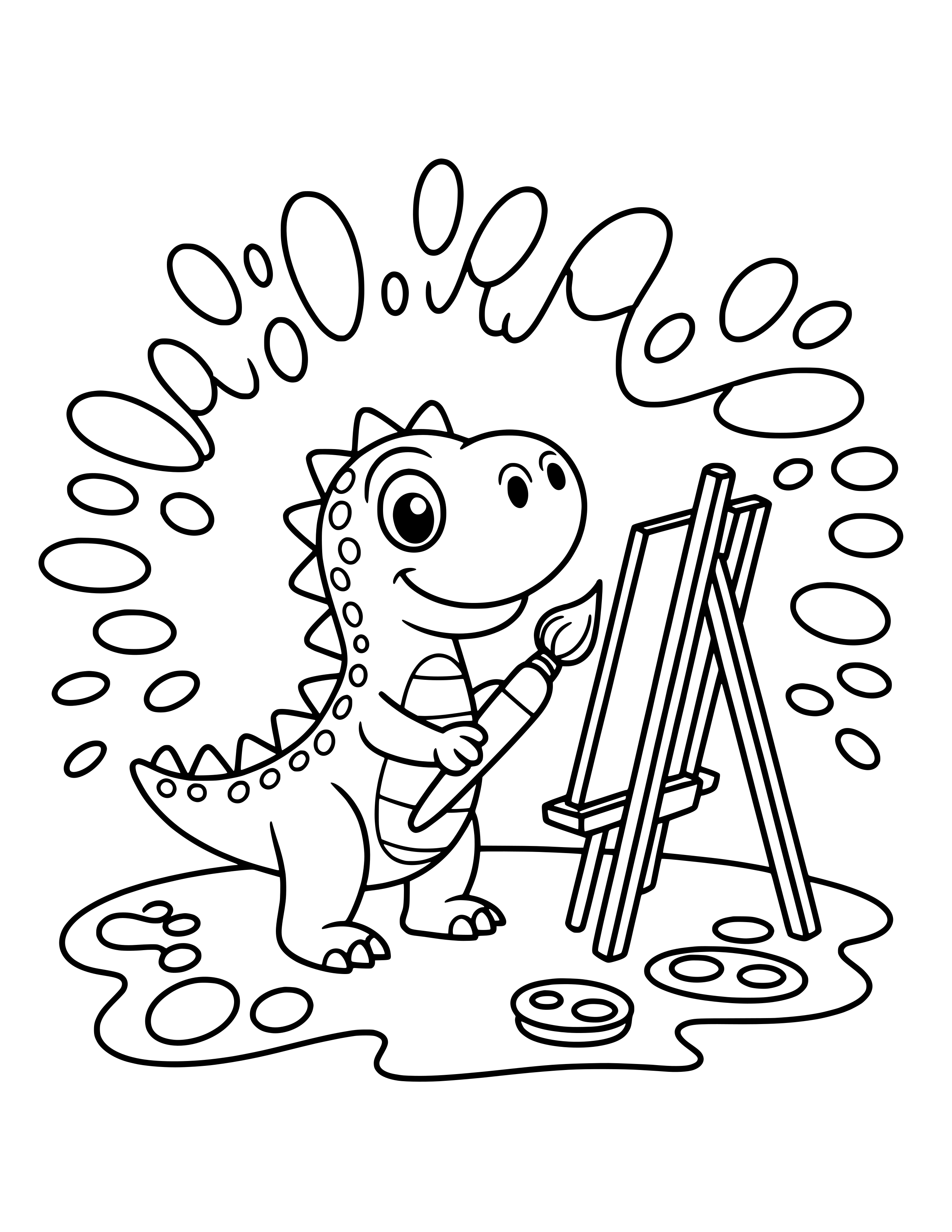

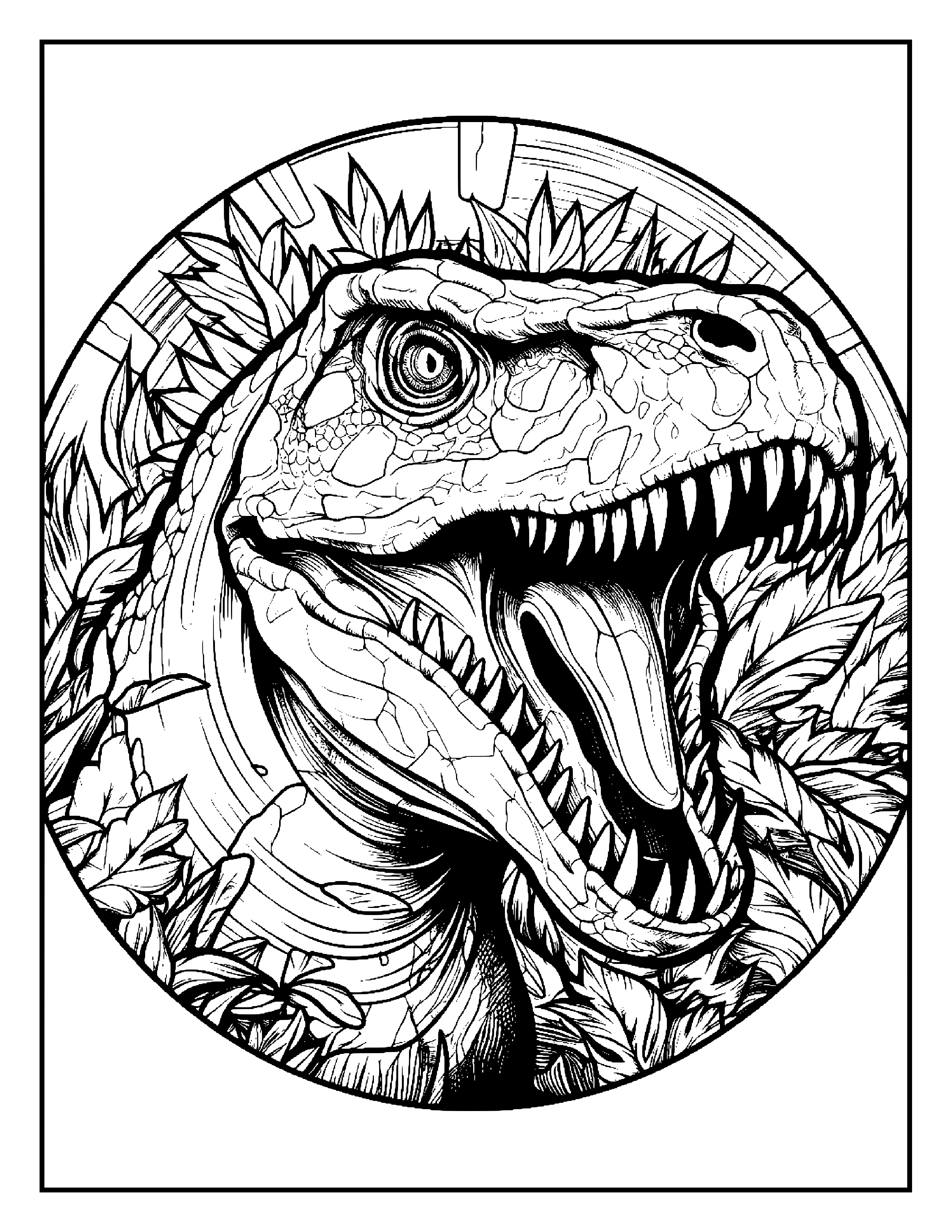
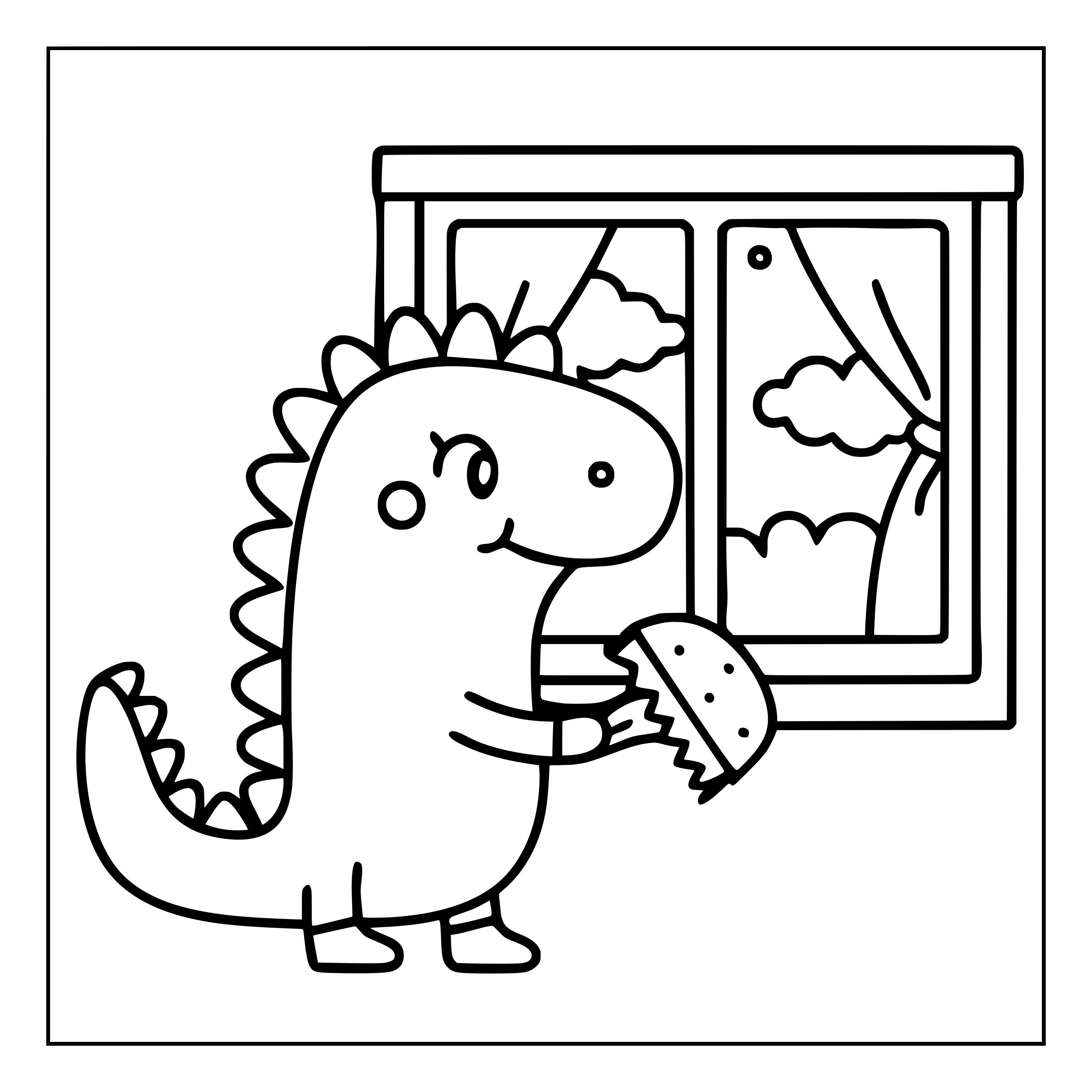
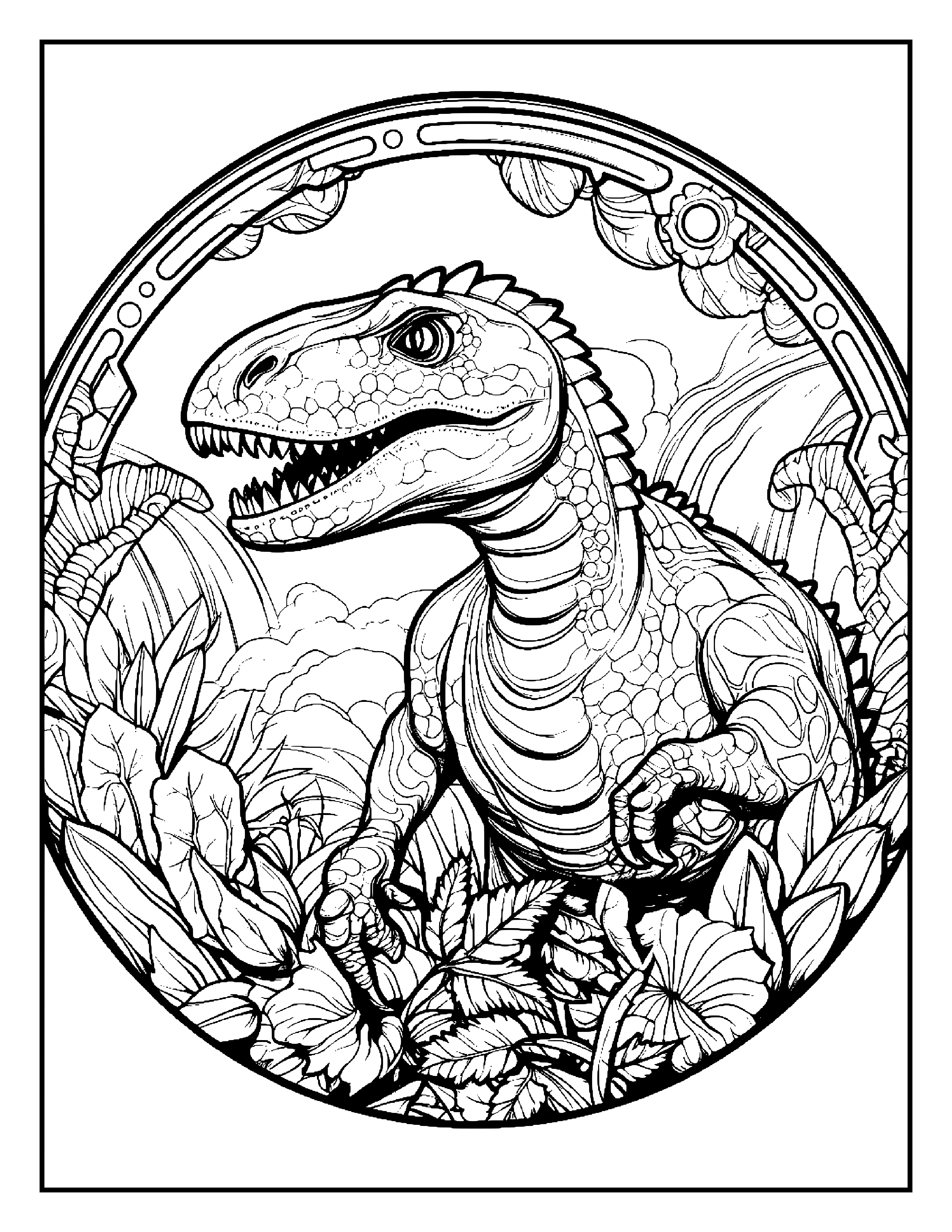

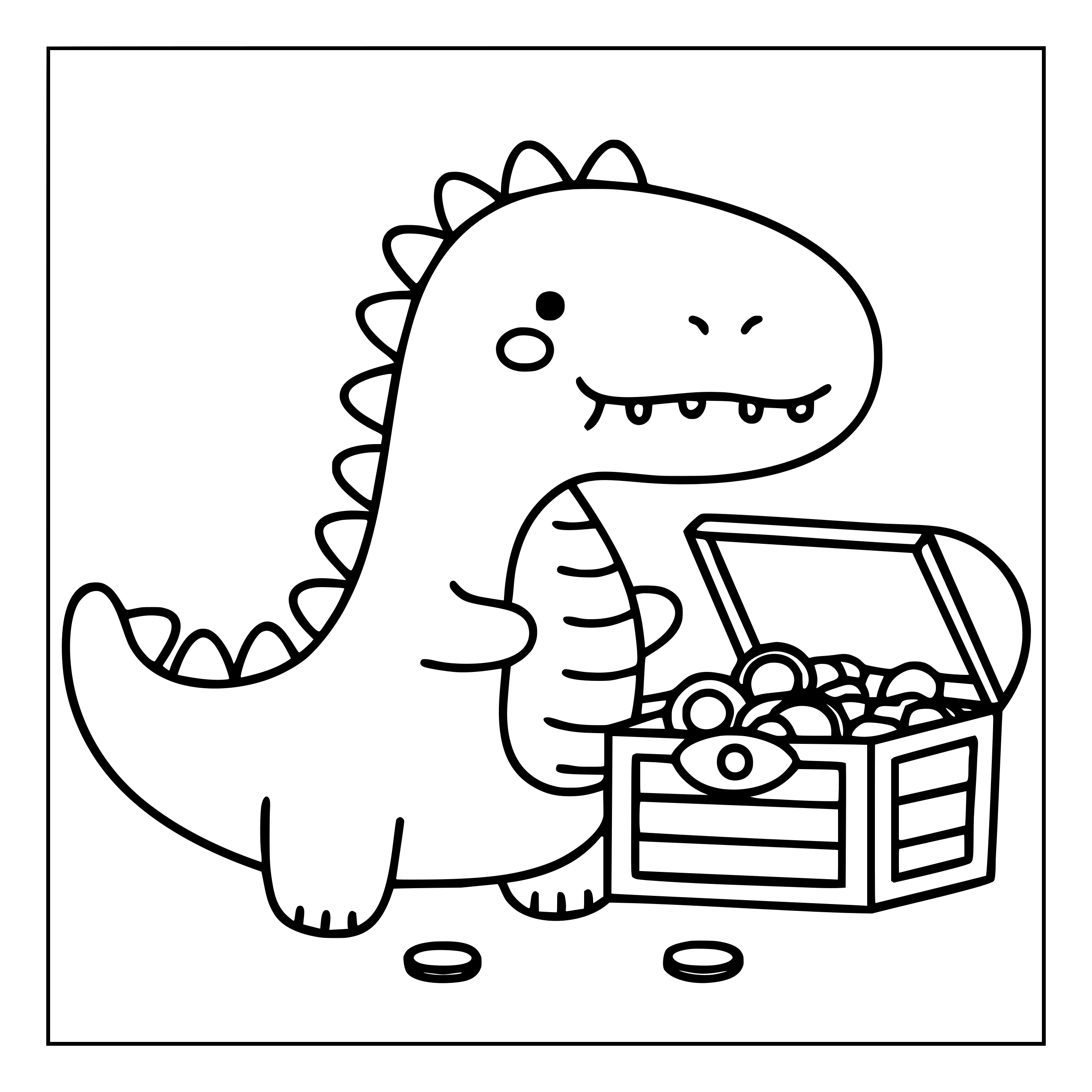
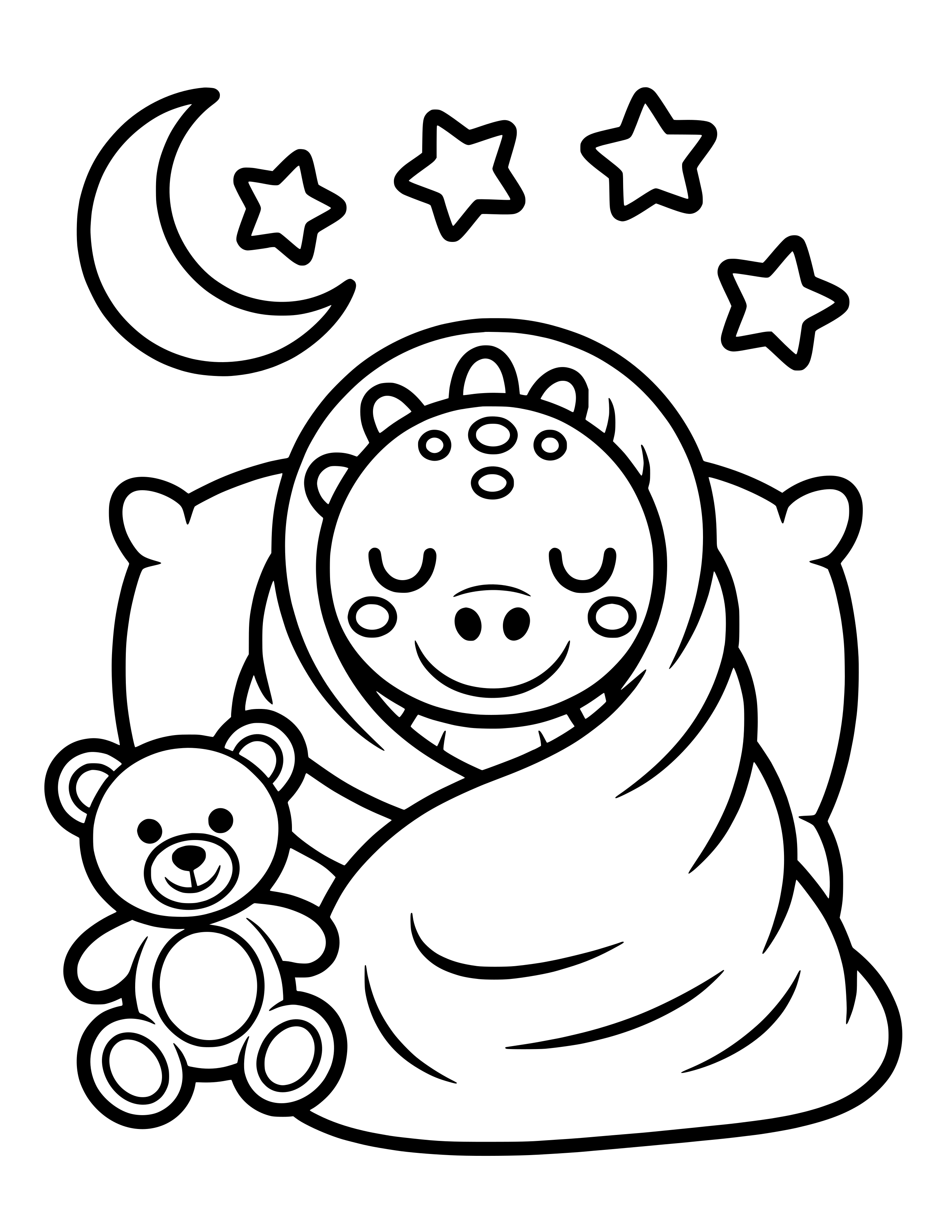

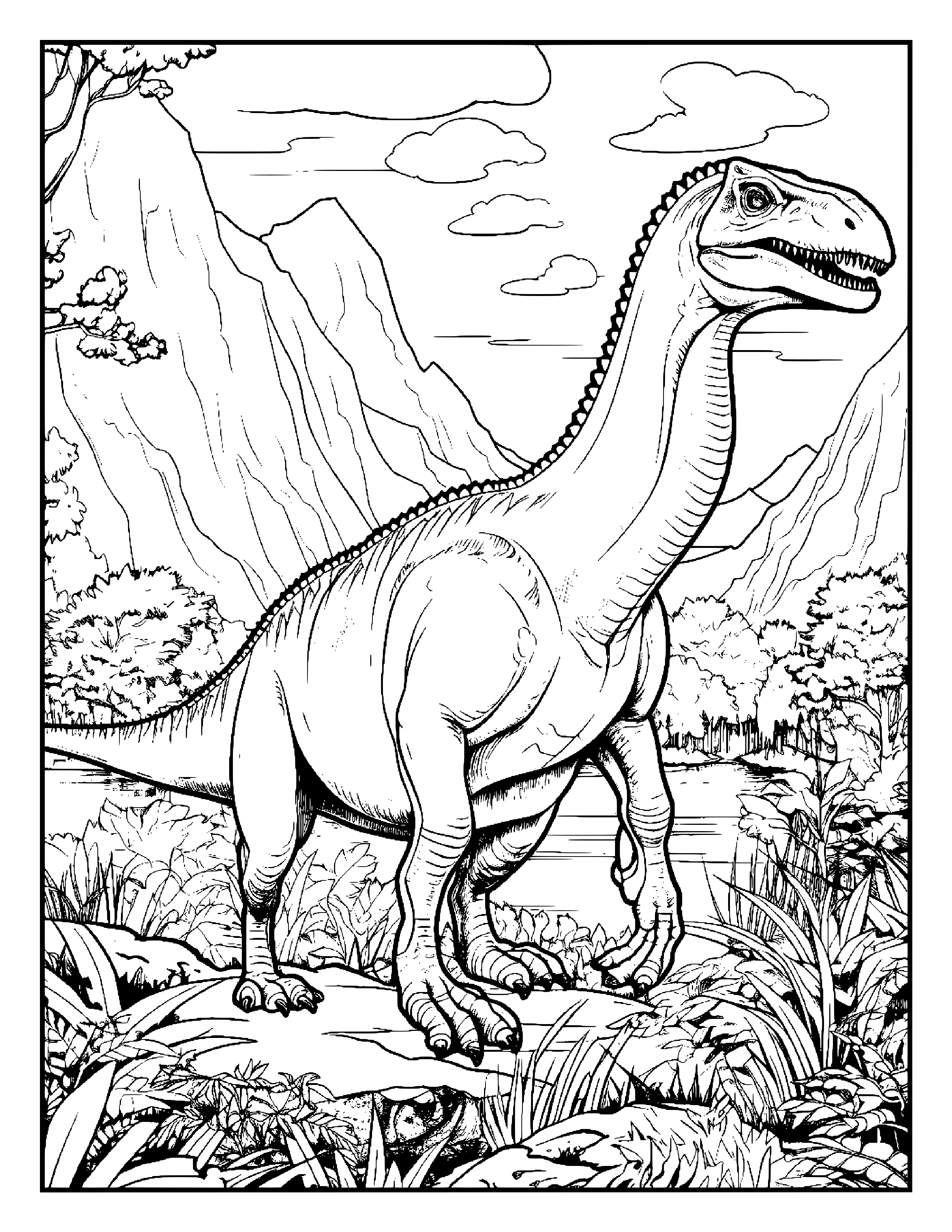
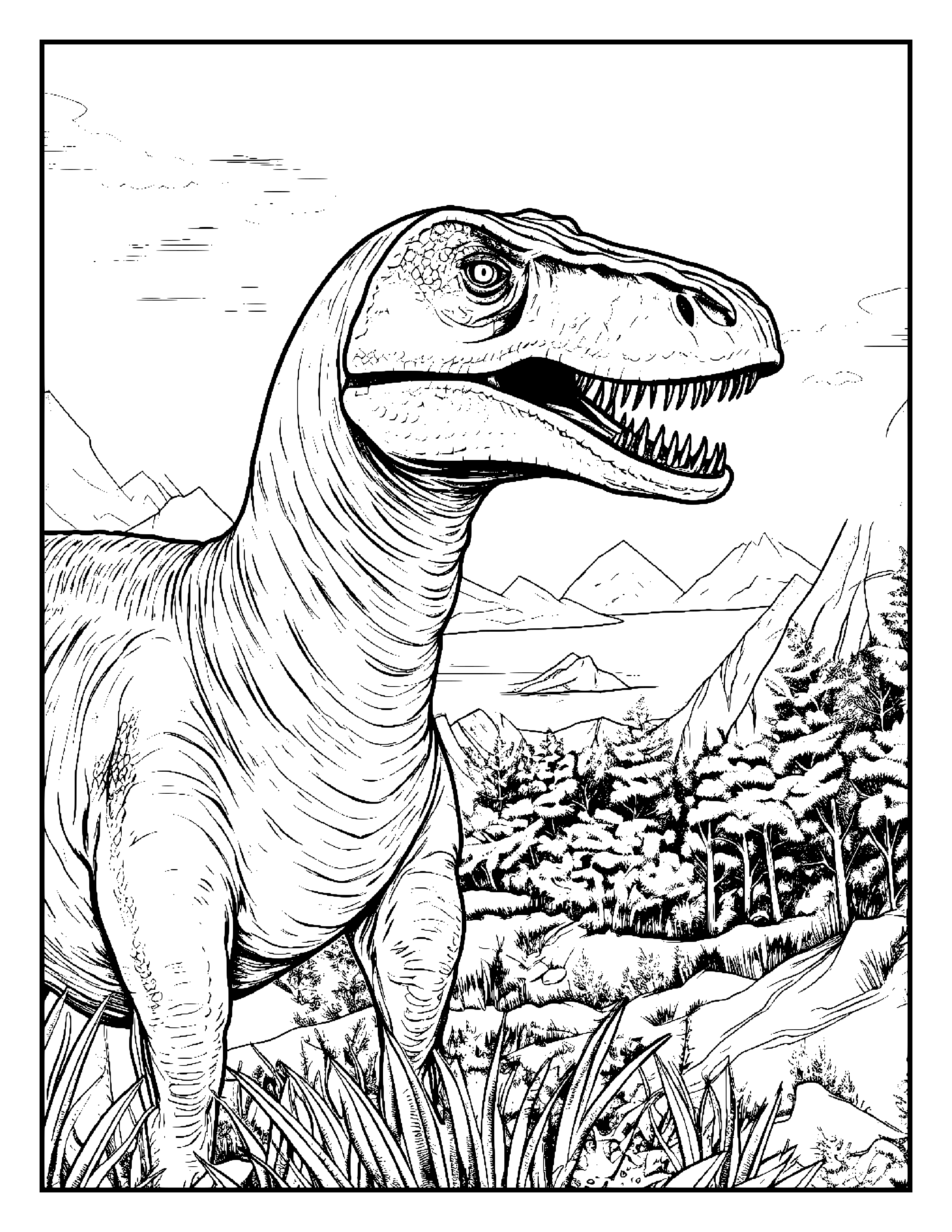
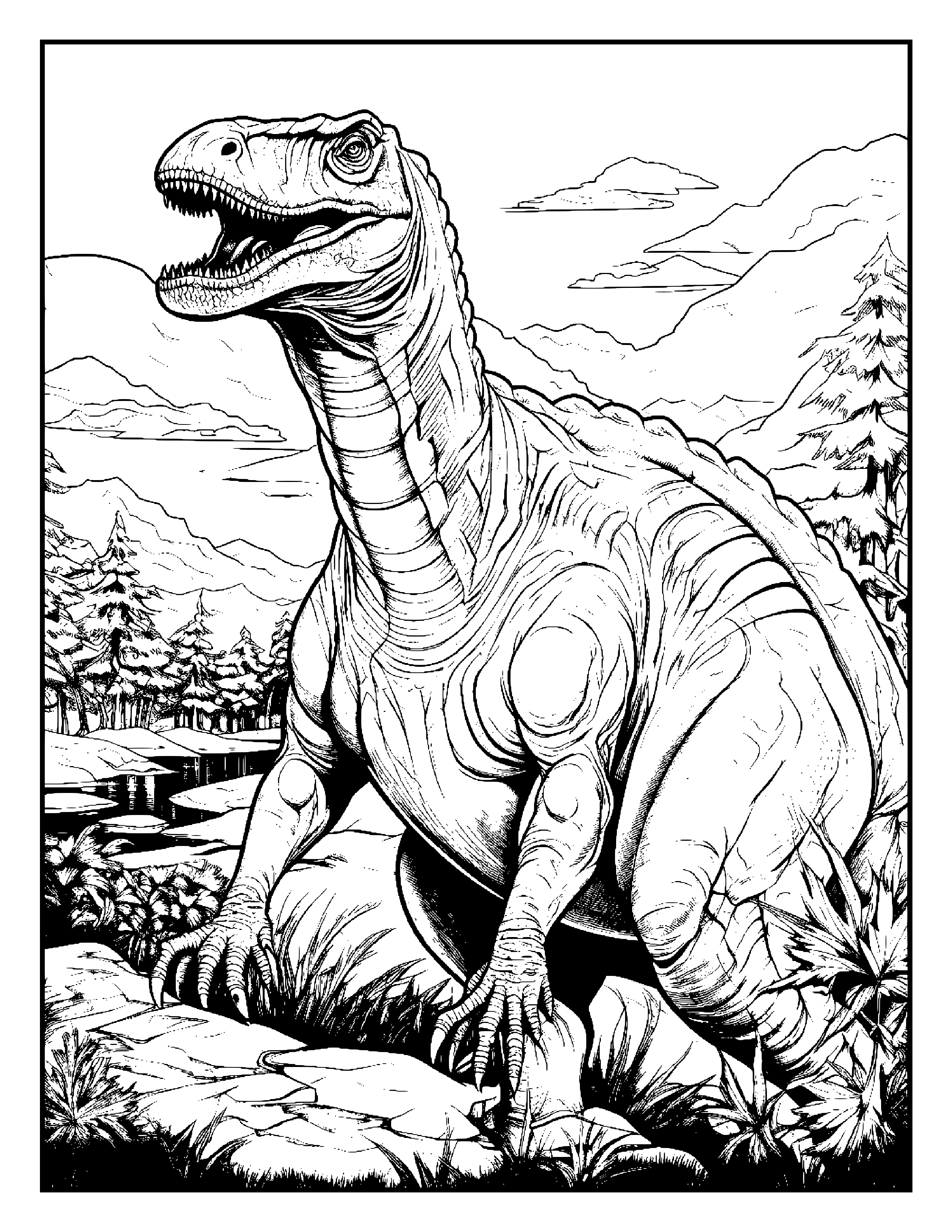
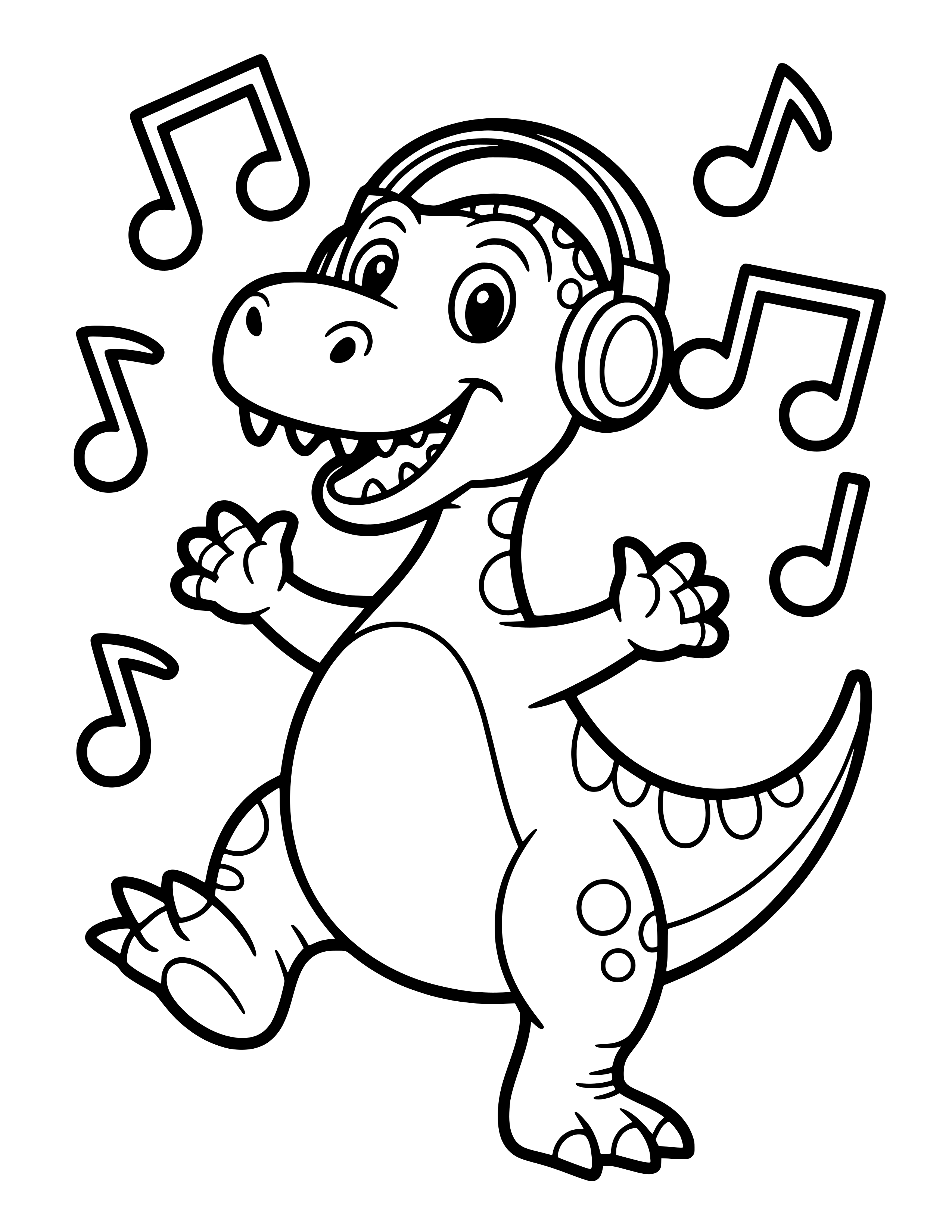



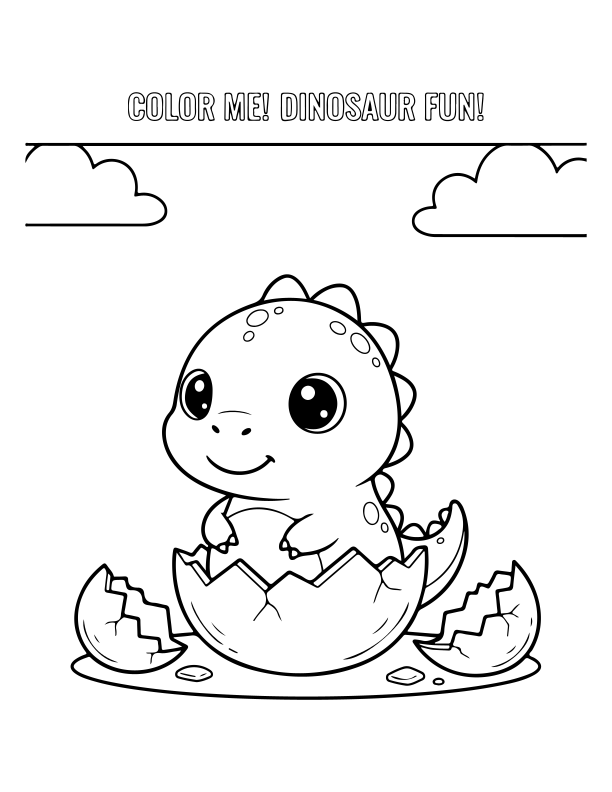
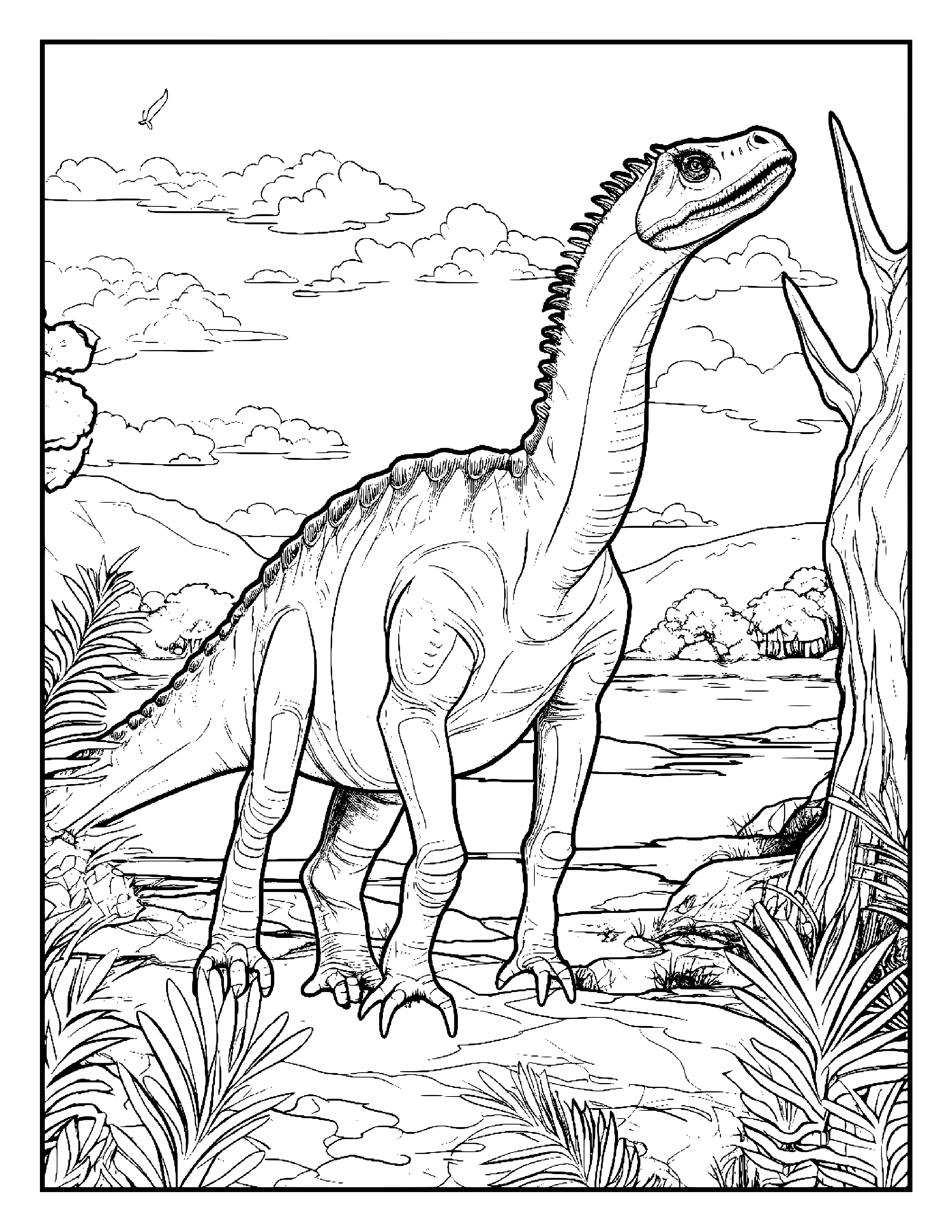
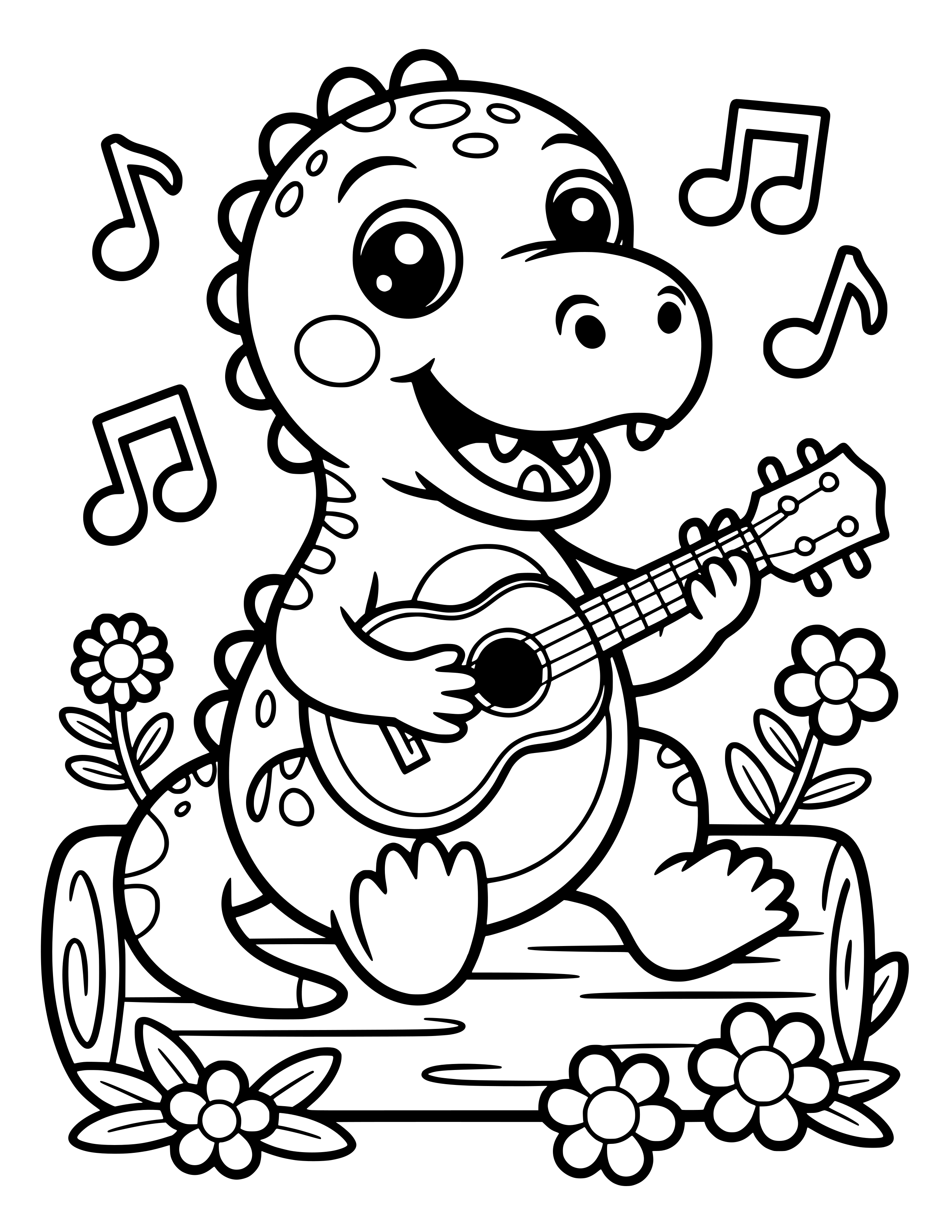
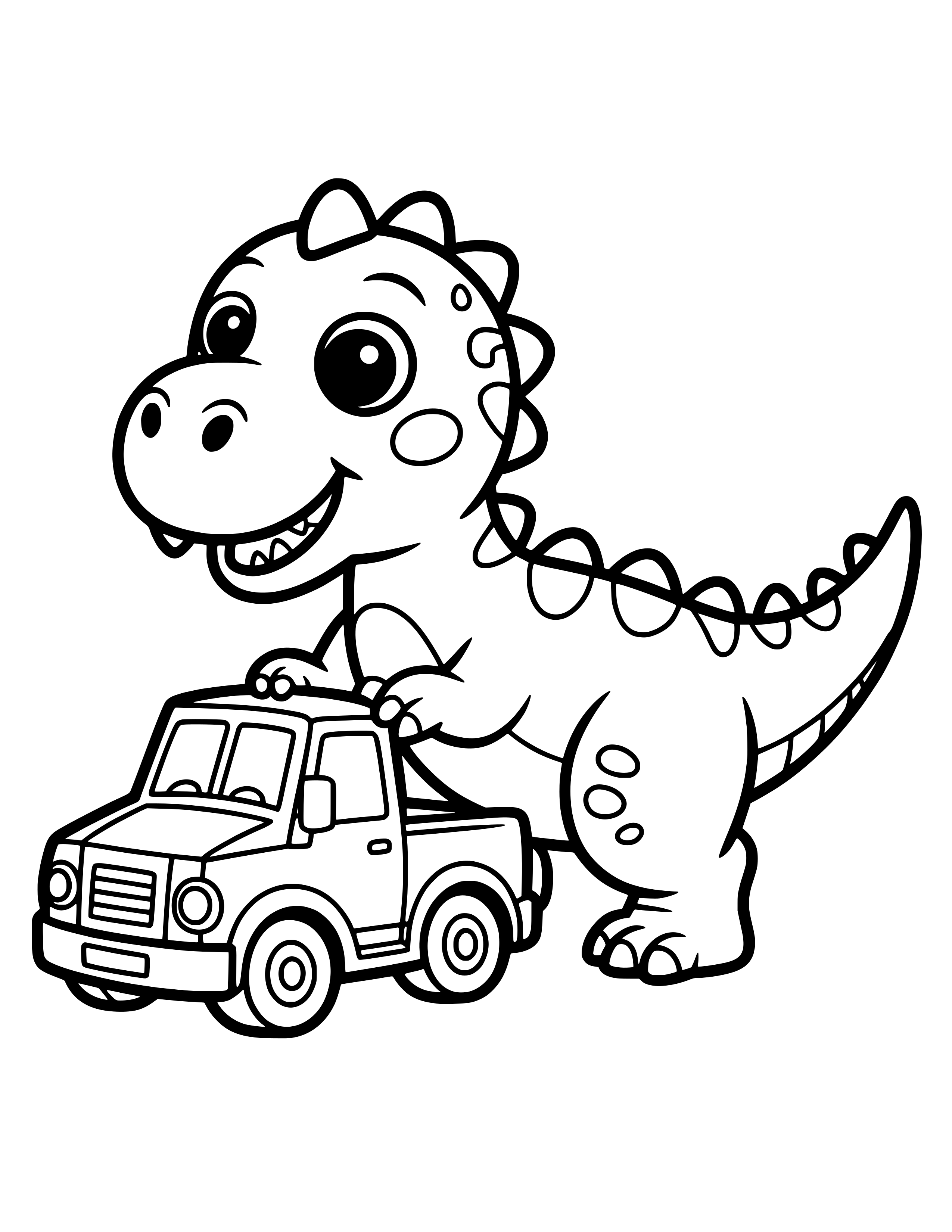
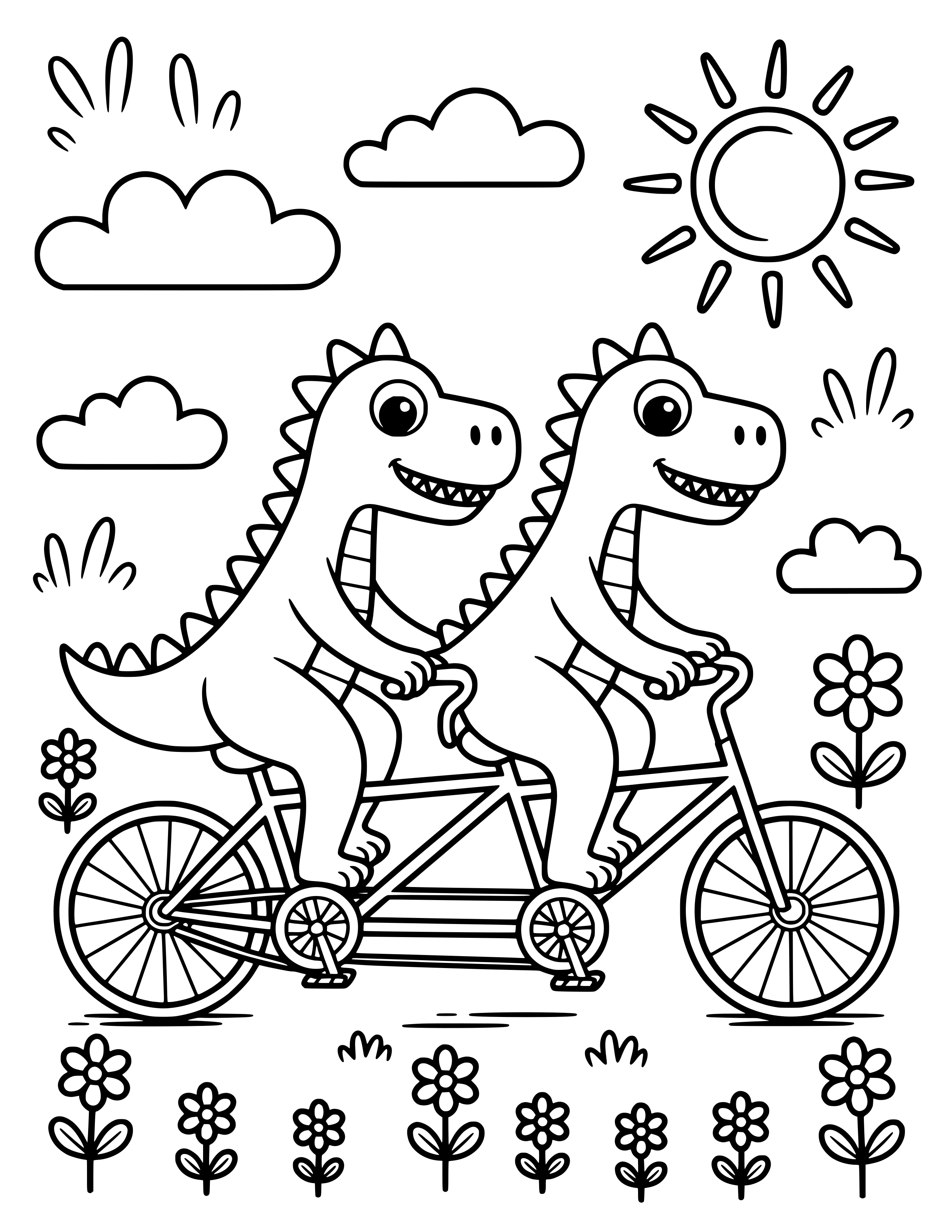
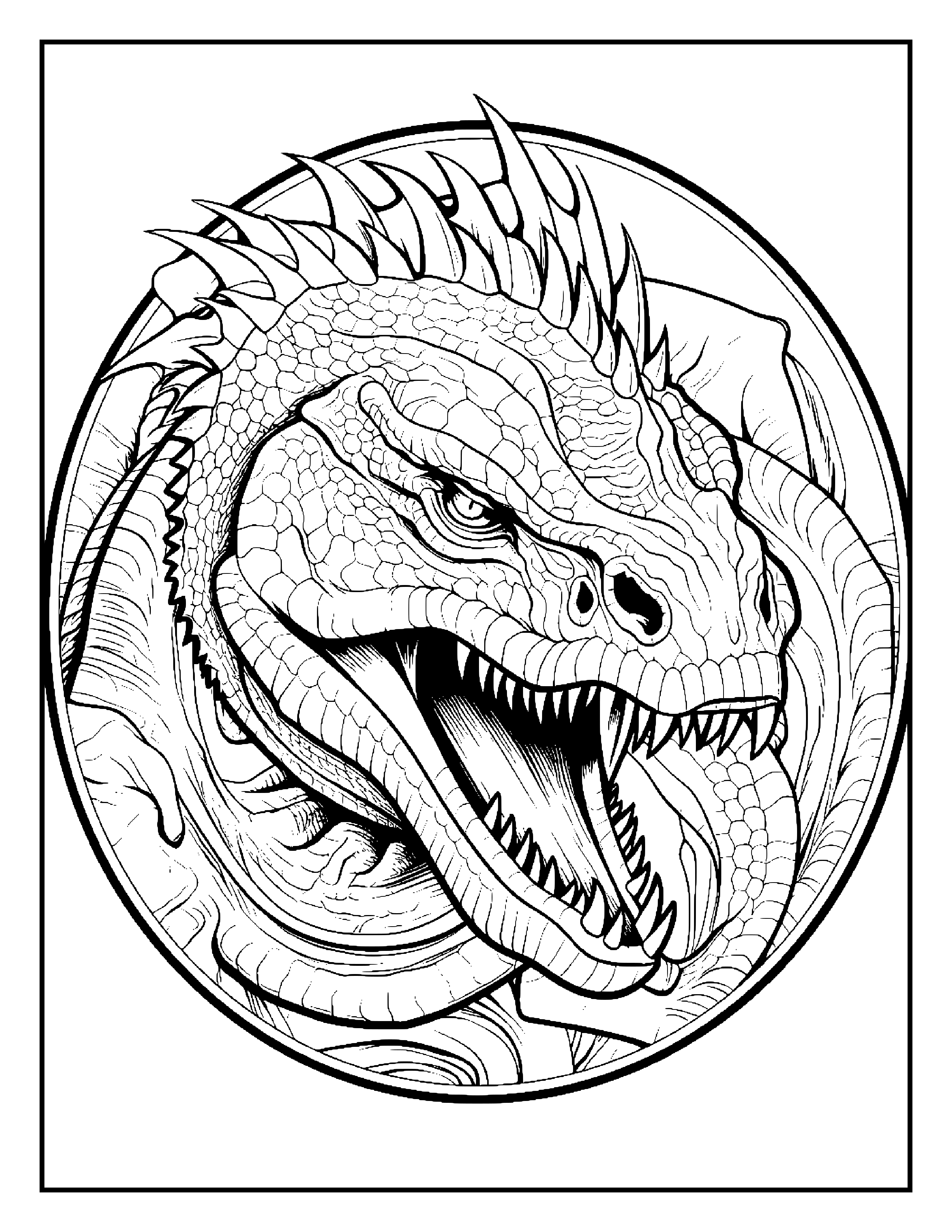
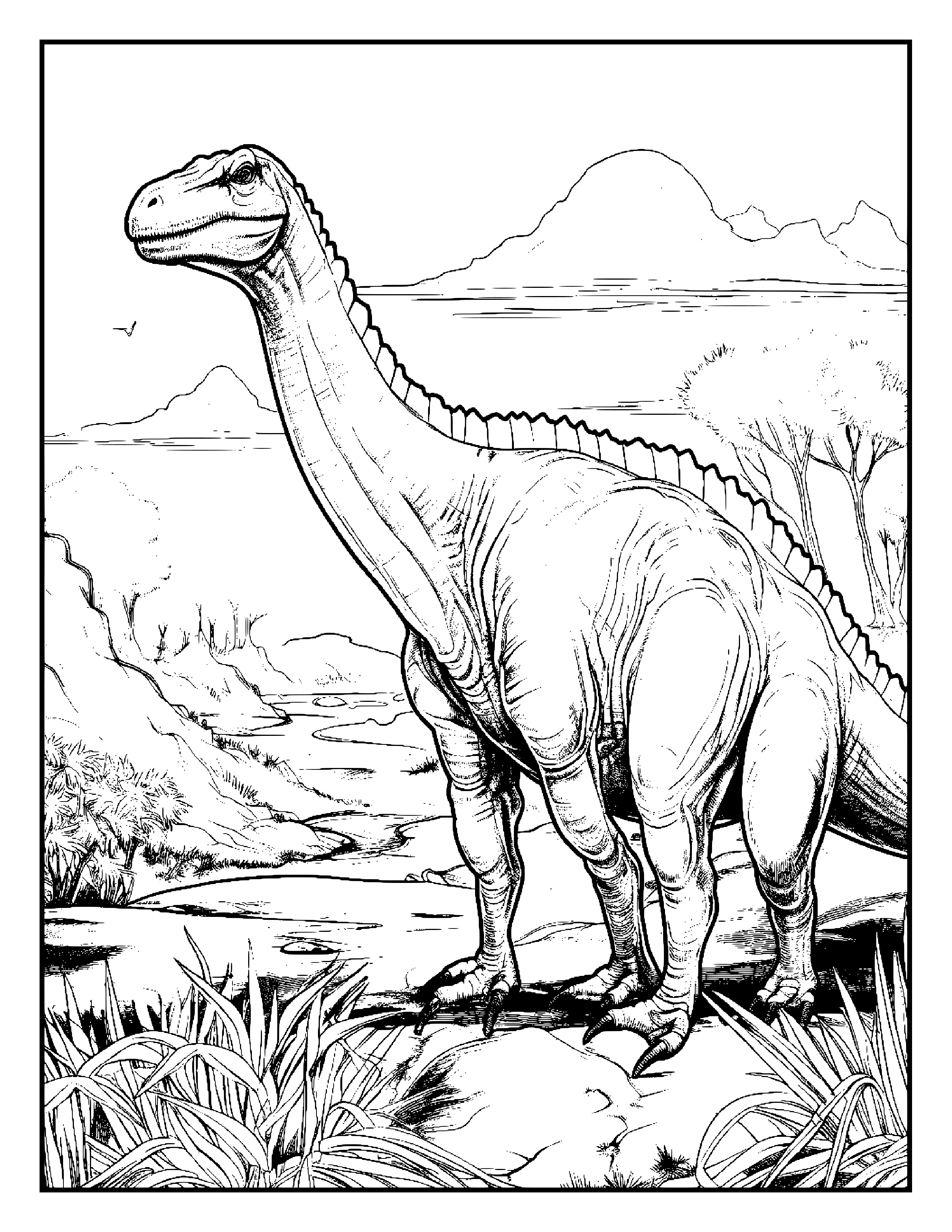
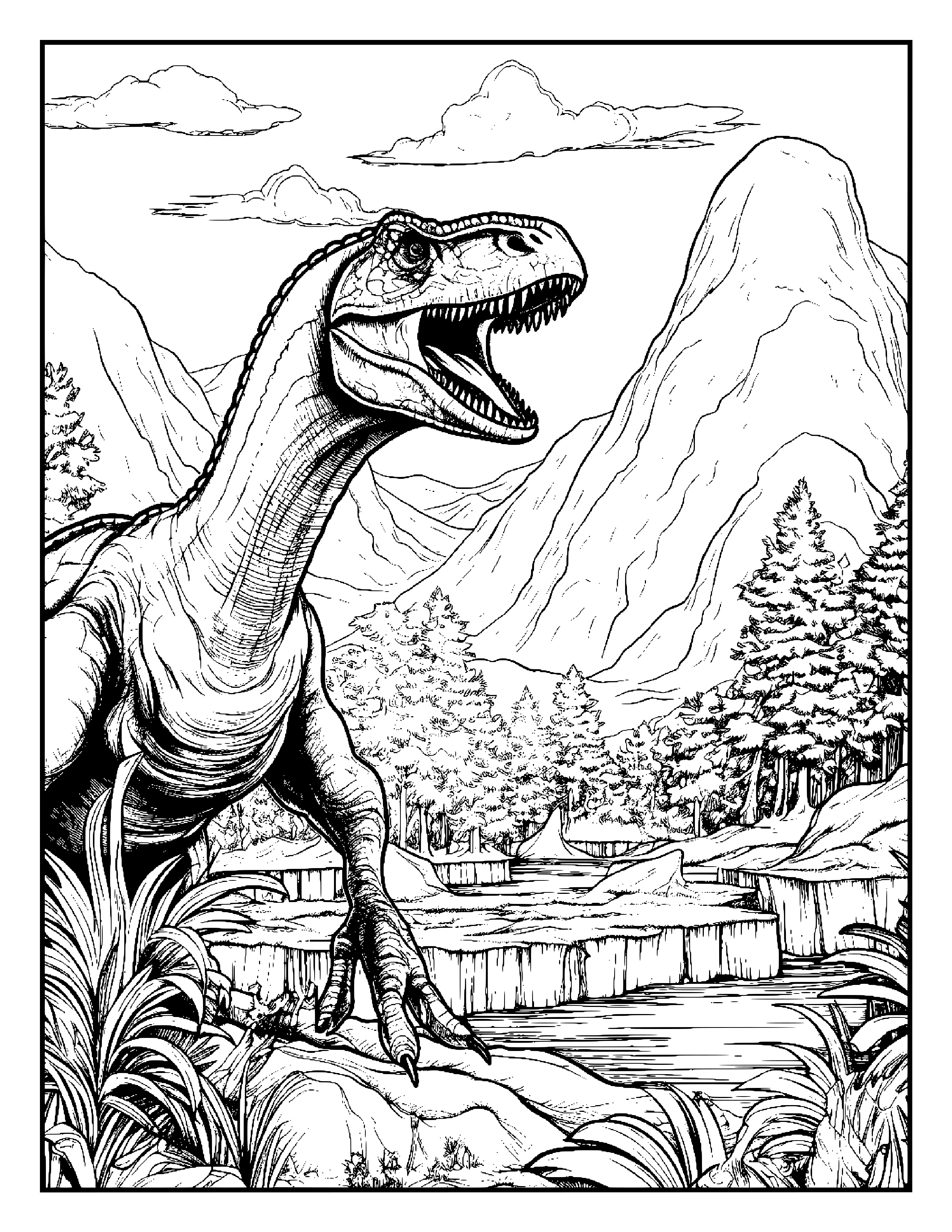



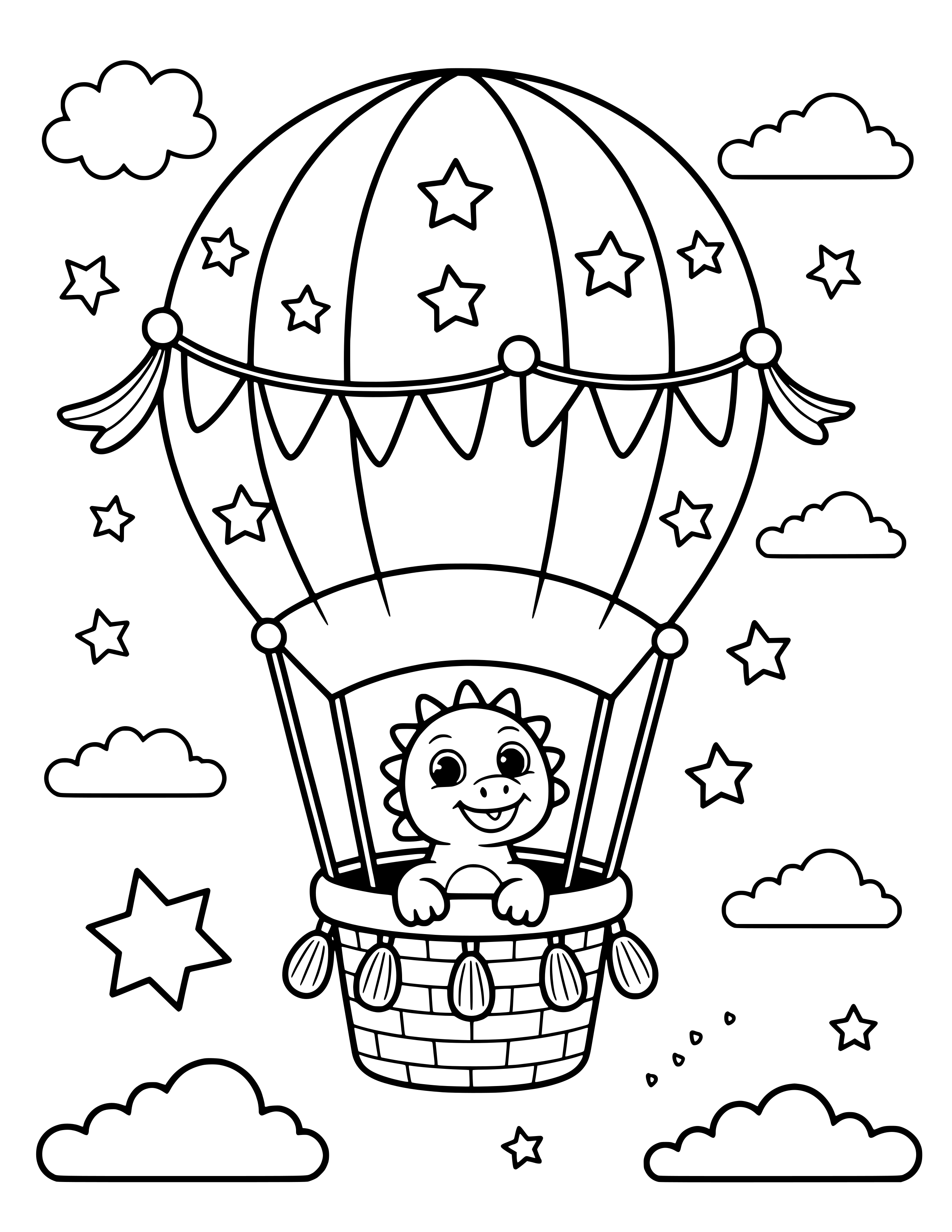
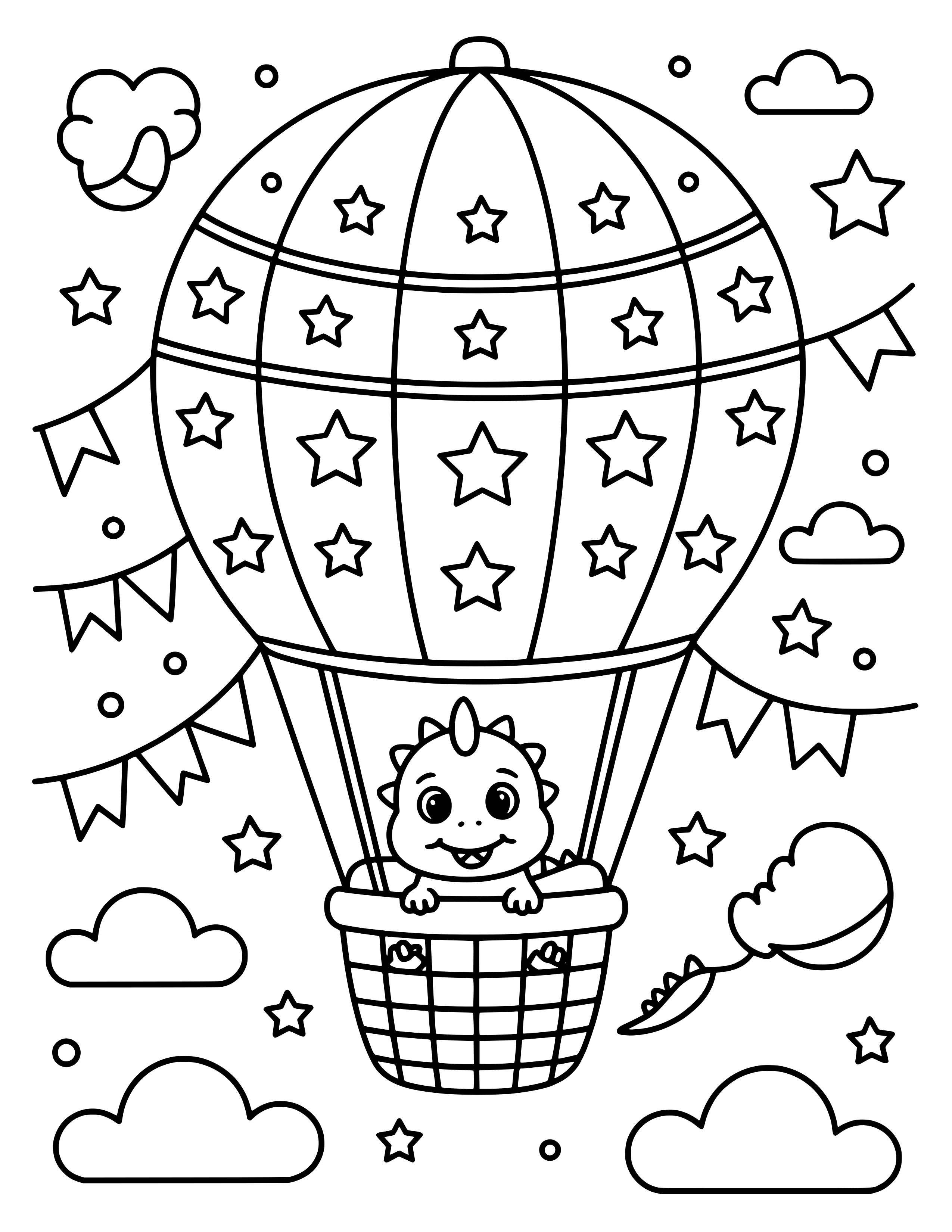
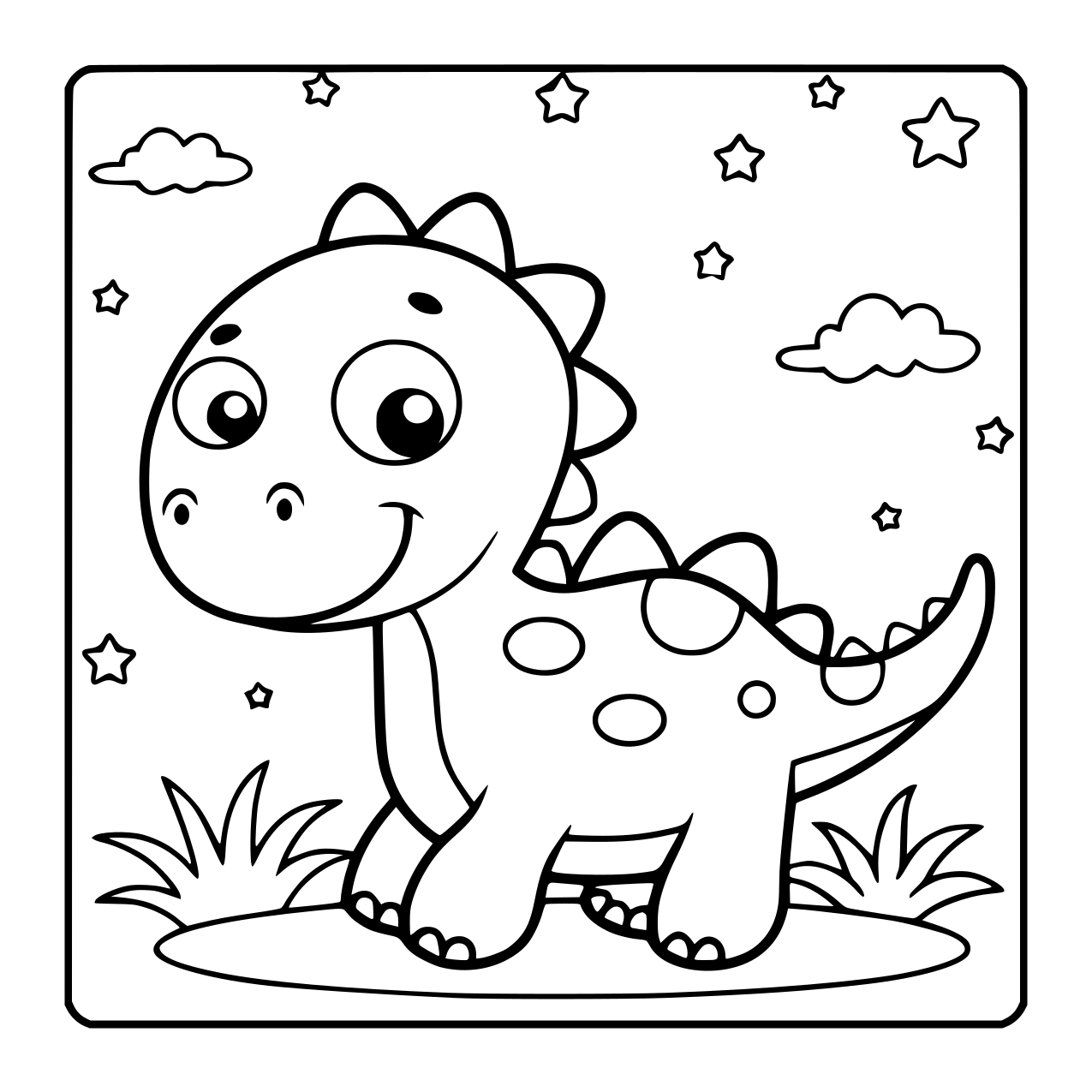
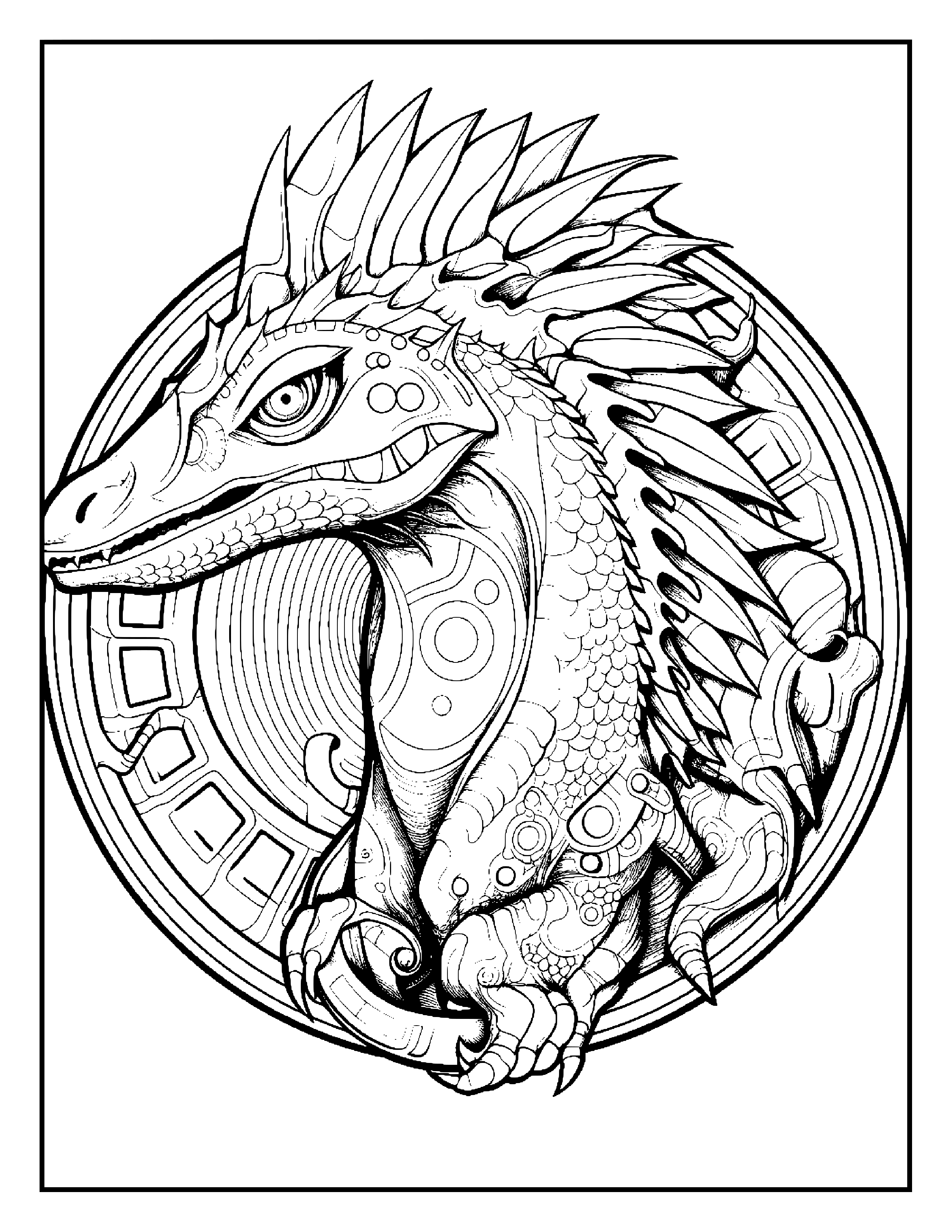
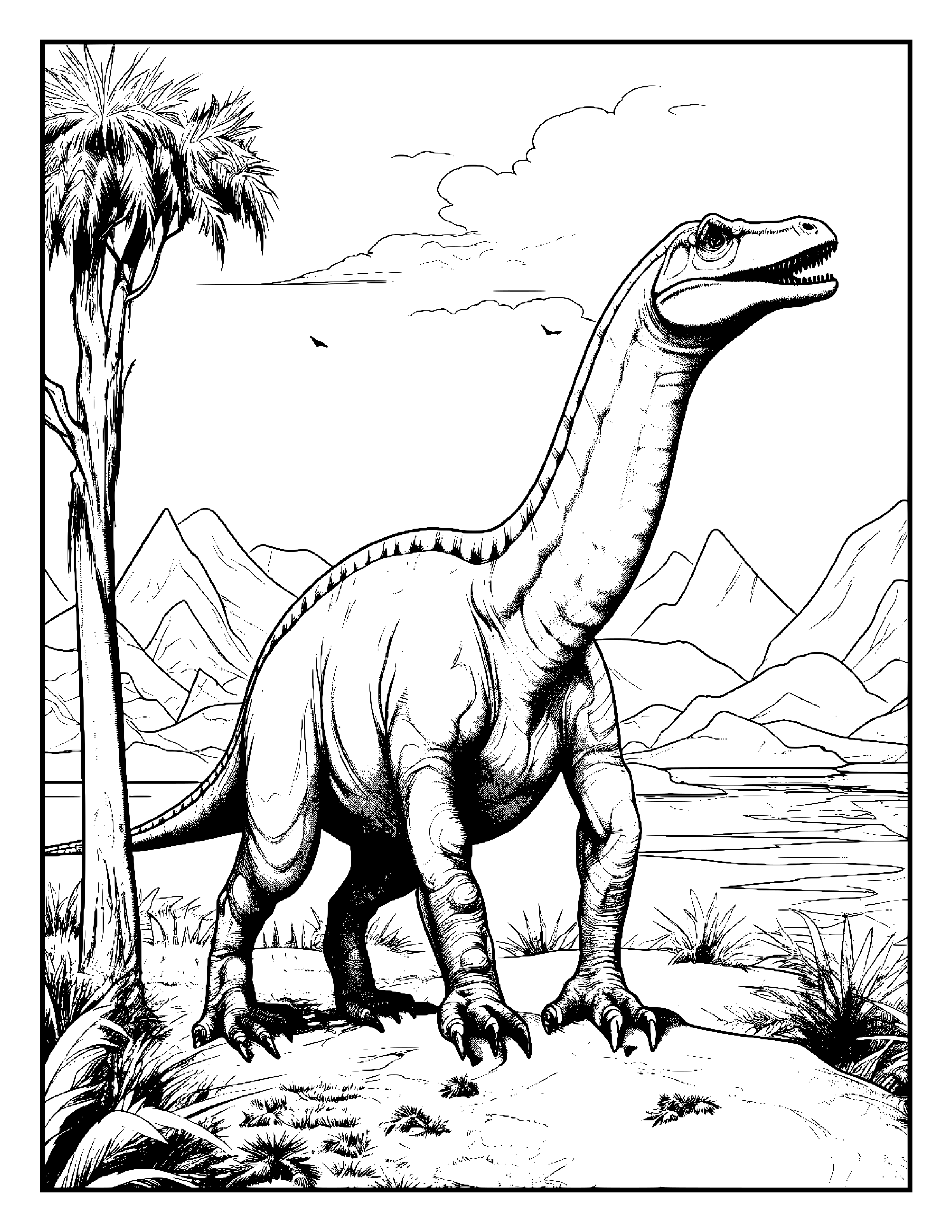
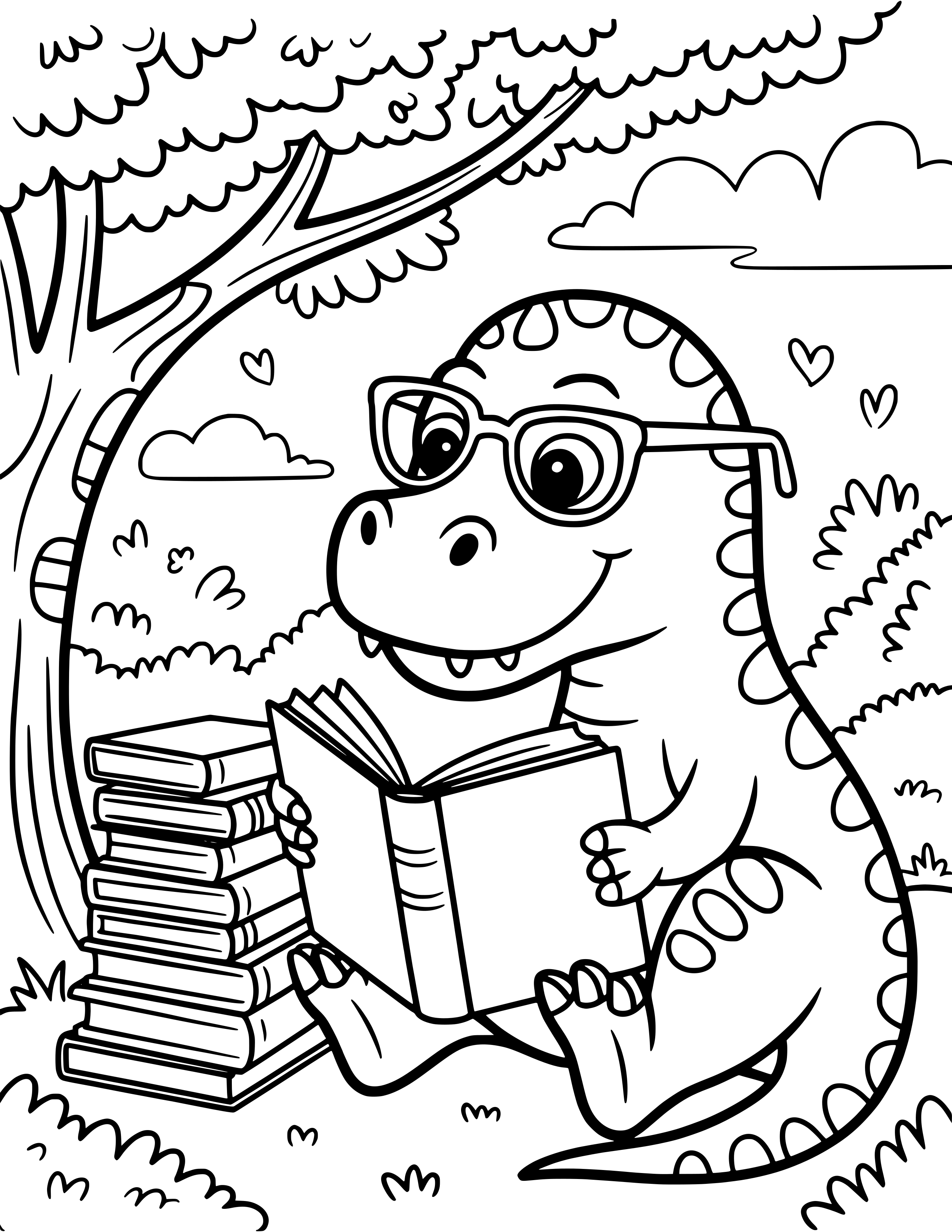
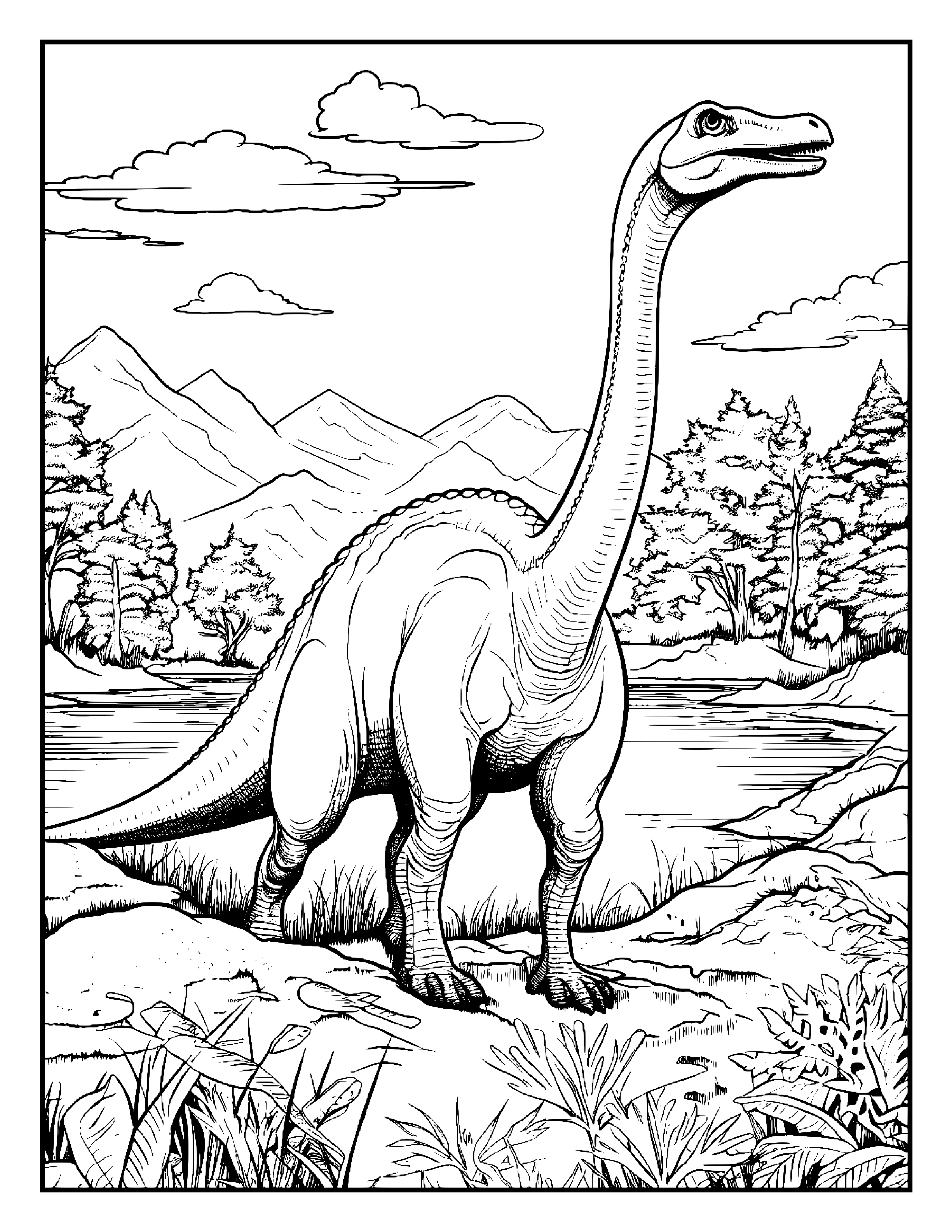
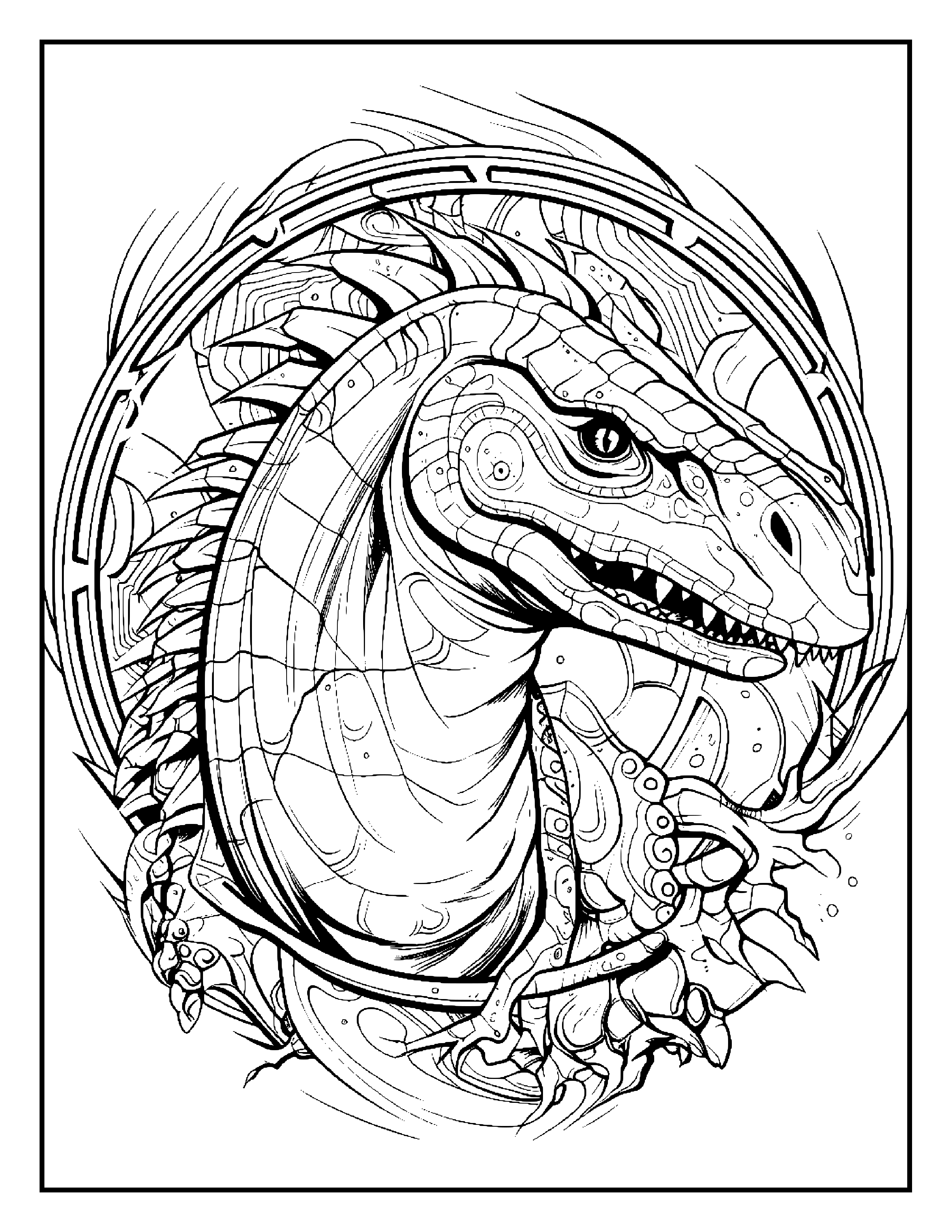
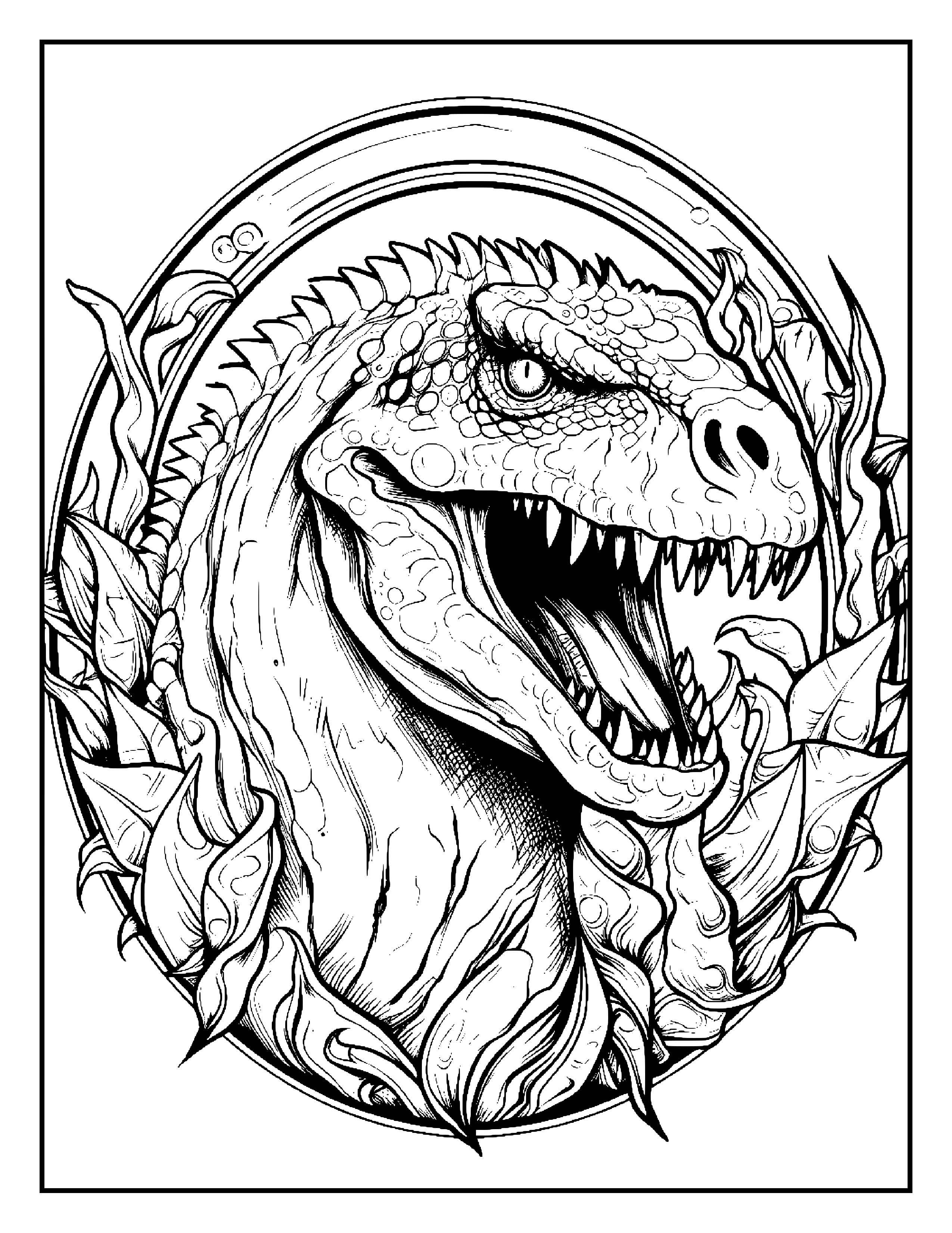

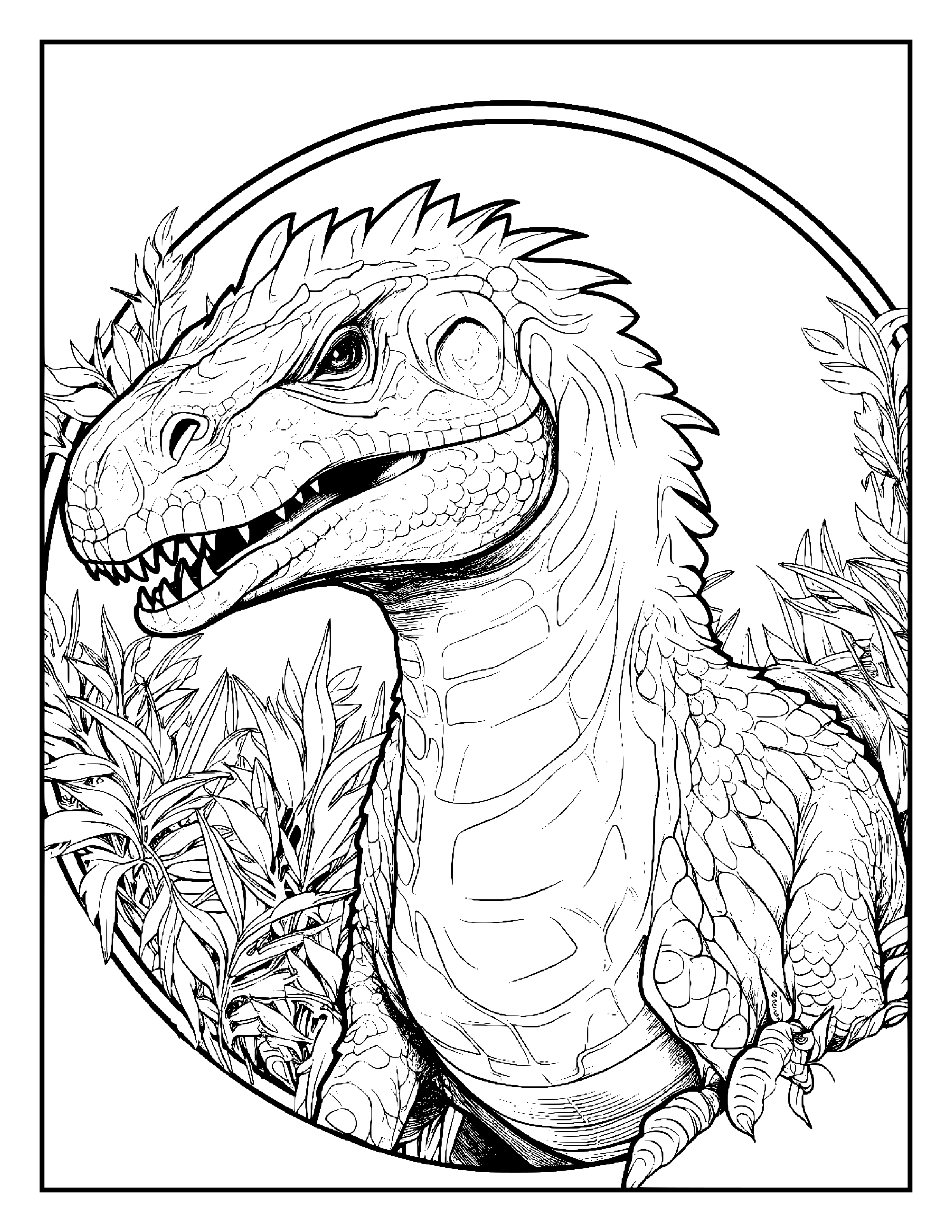
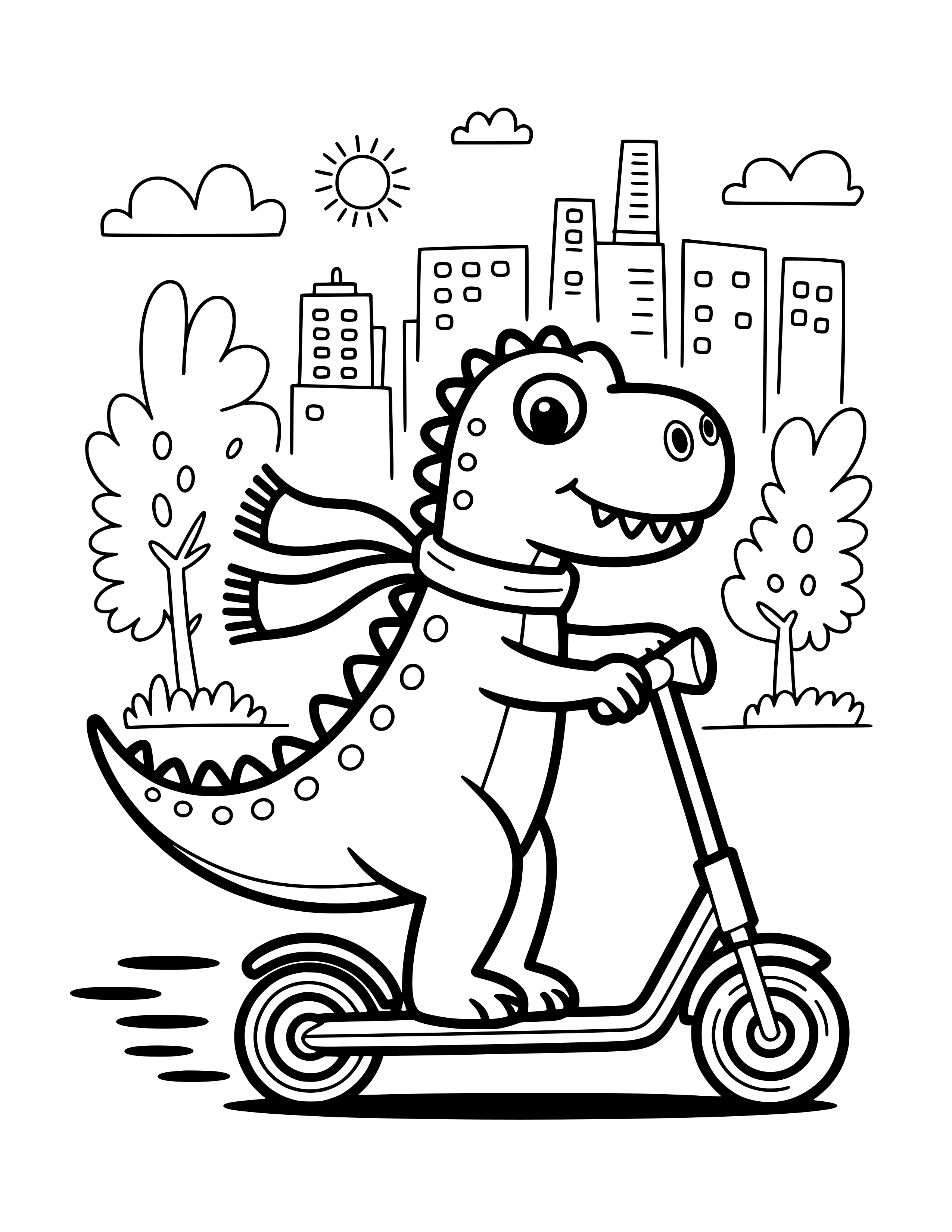

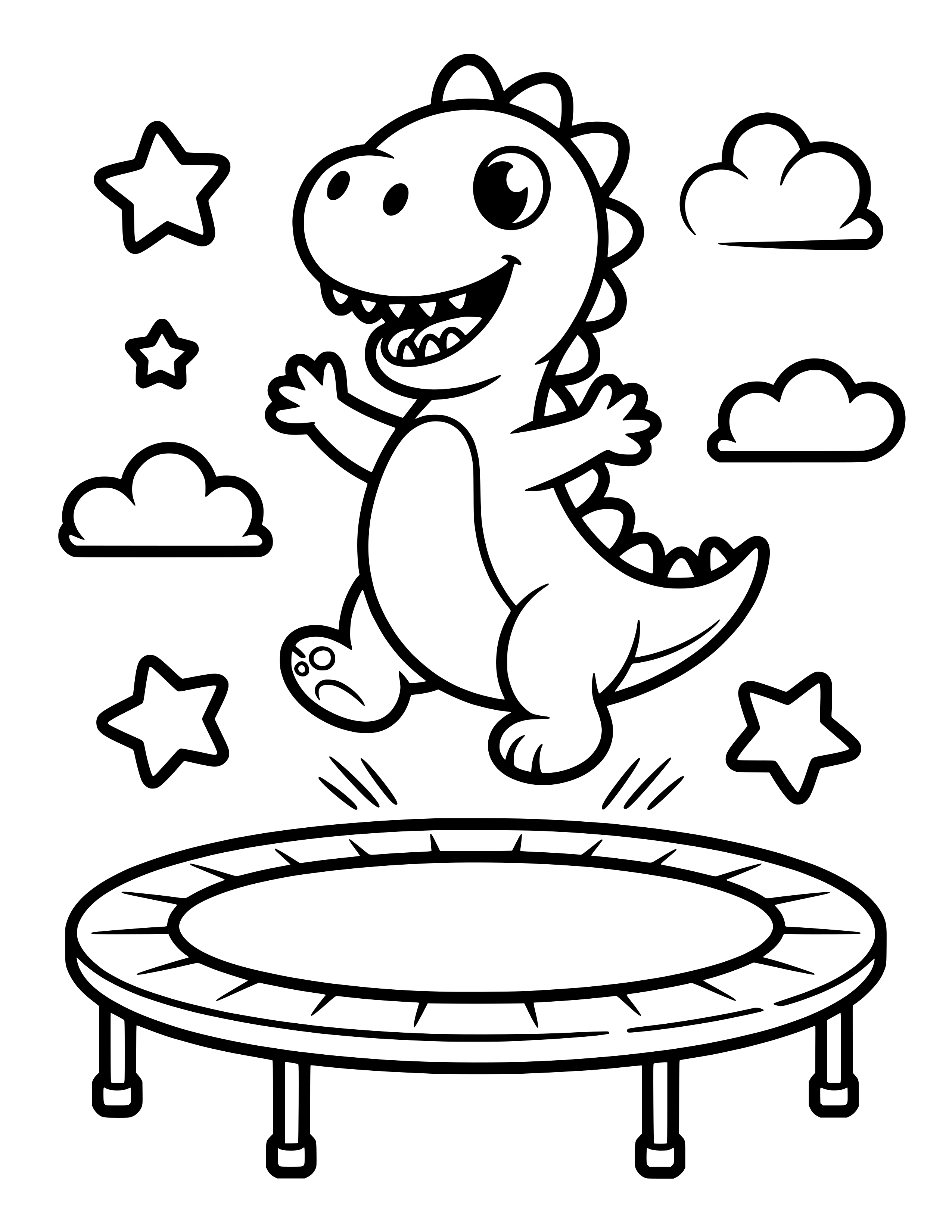




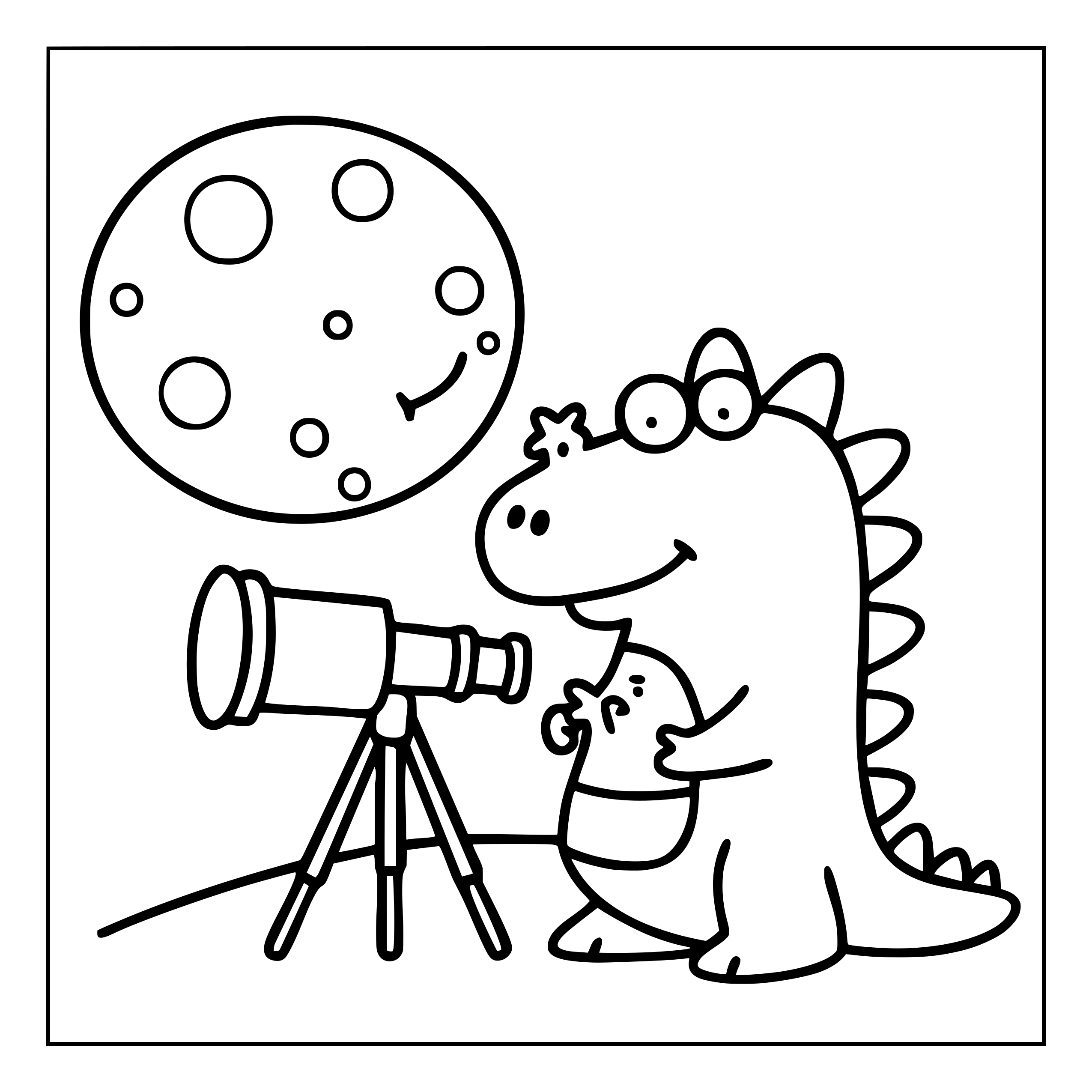


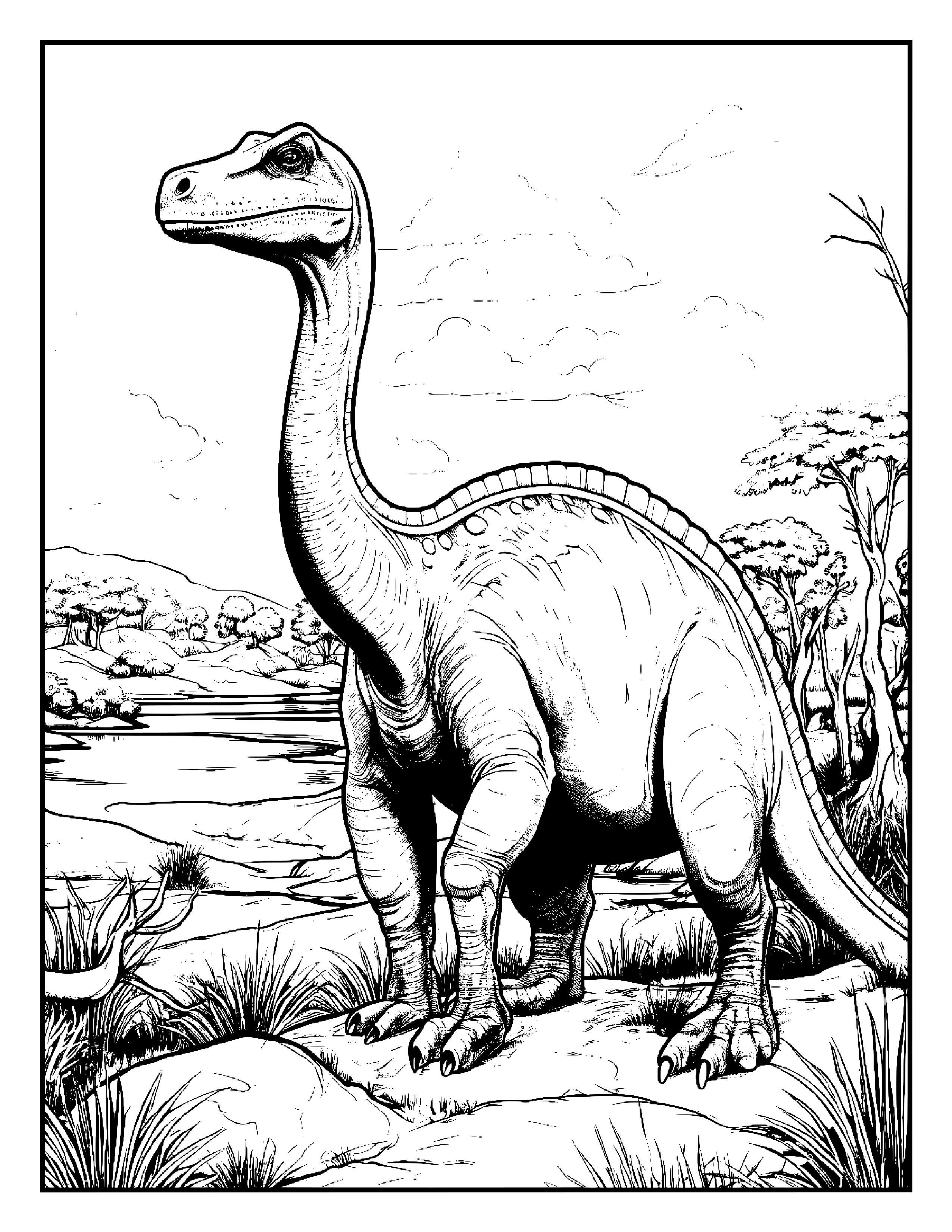
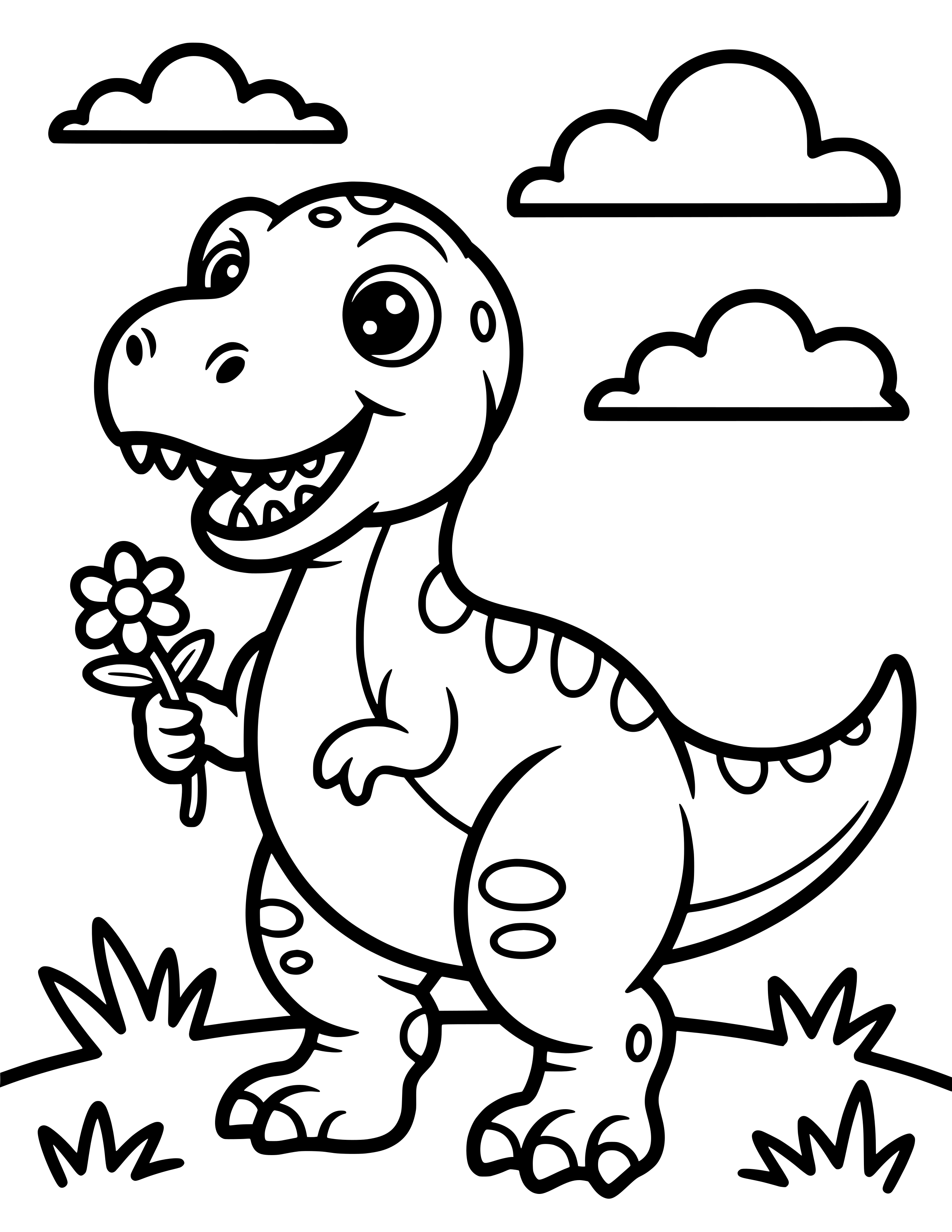
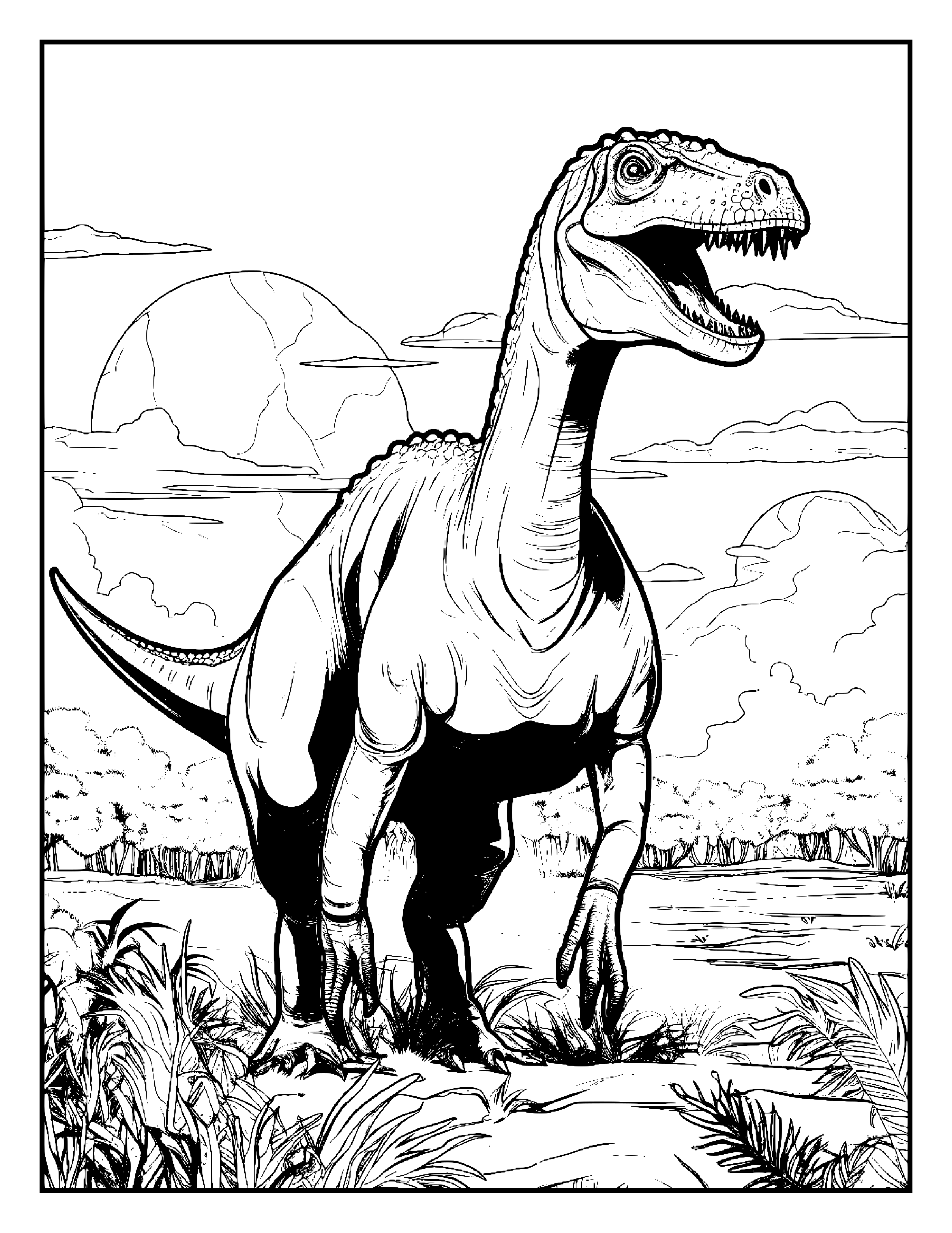




About Dinosaurs Coloring Pages
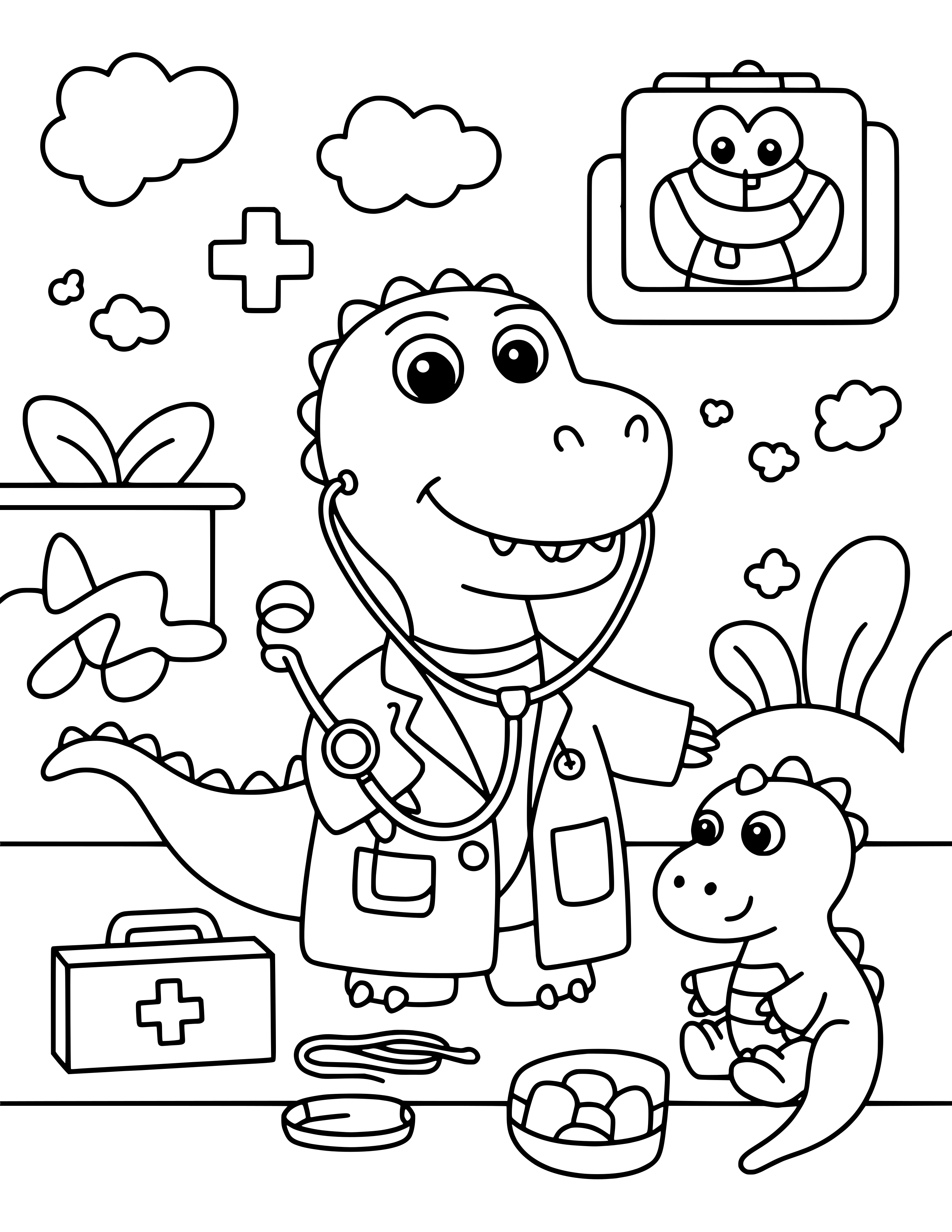
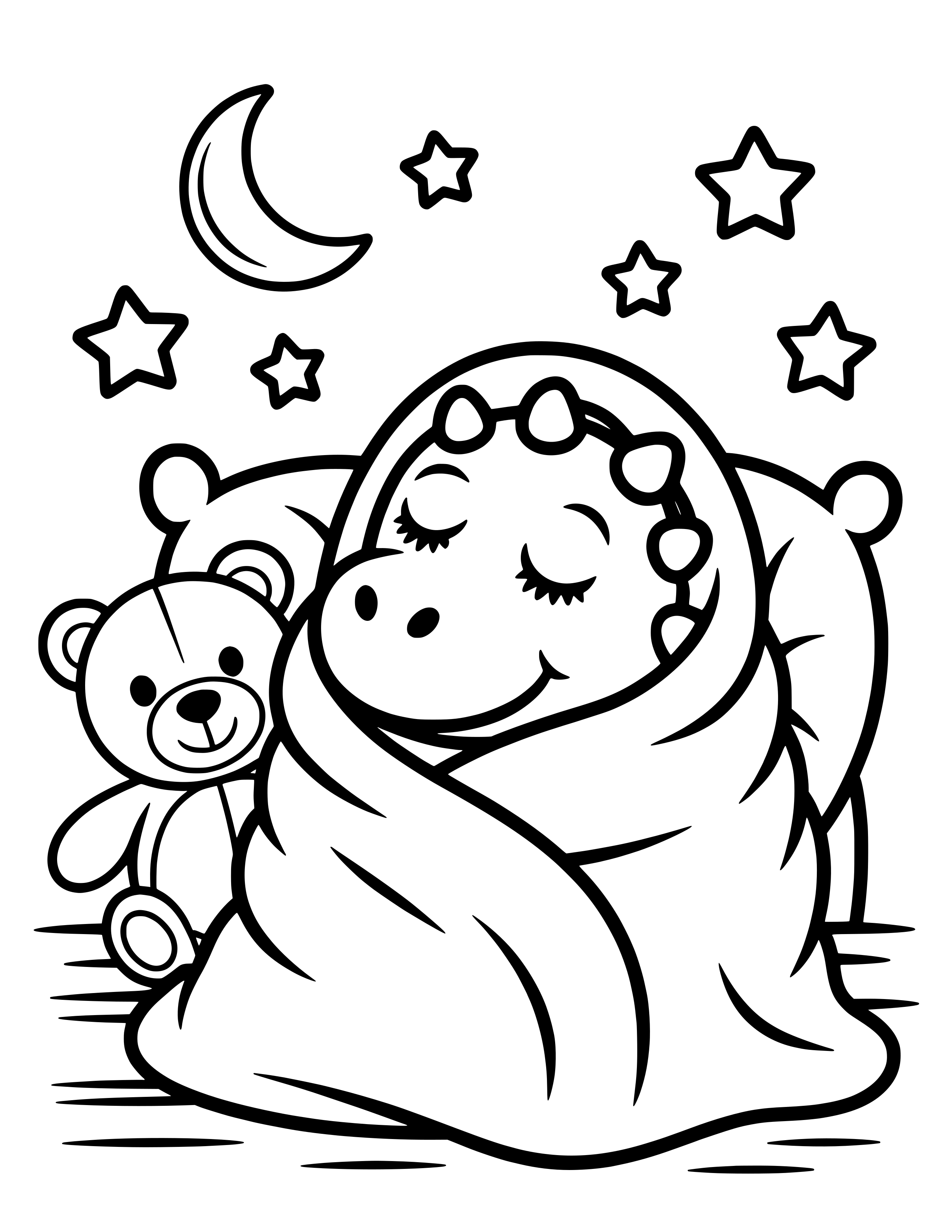
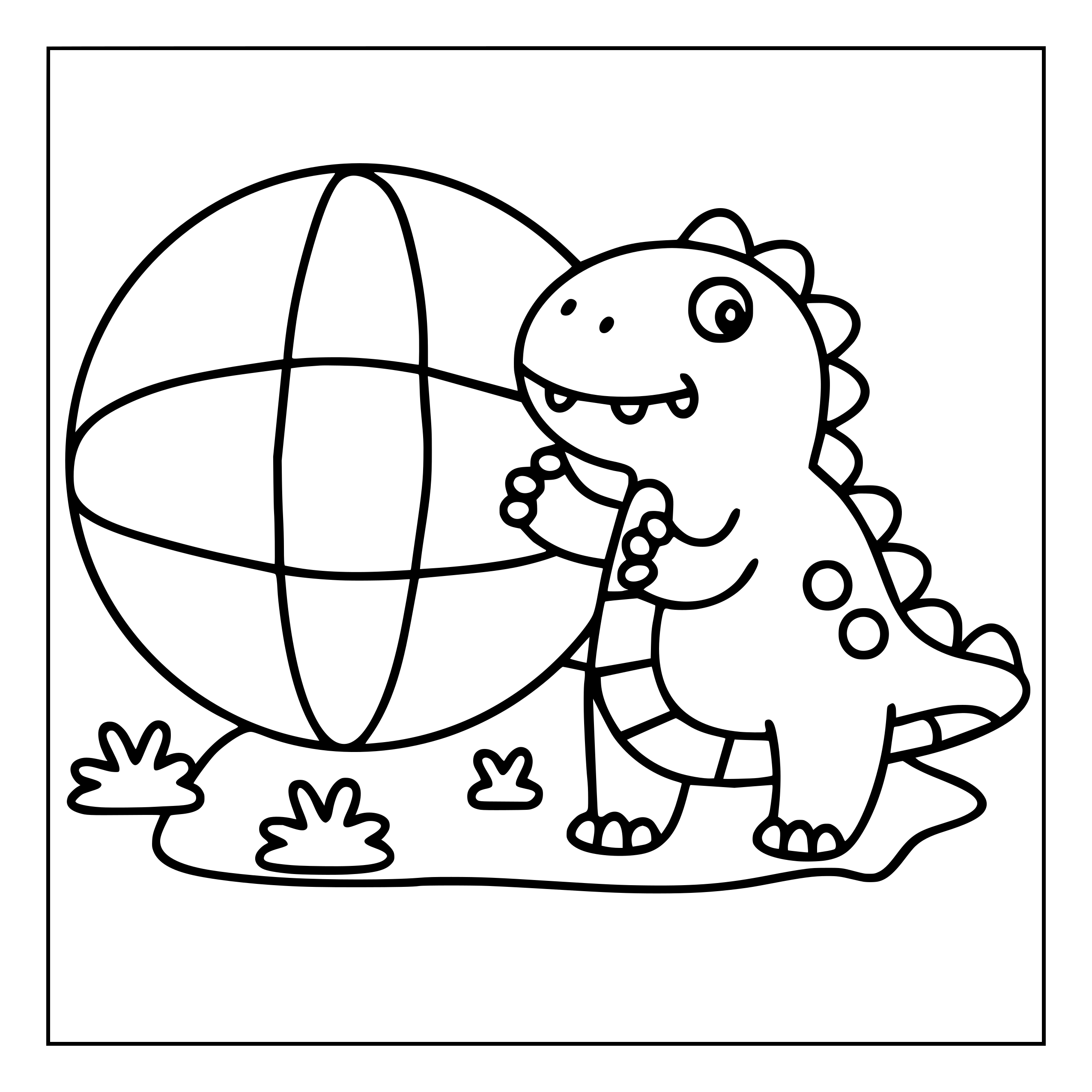
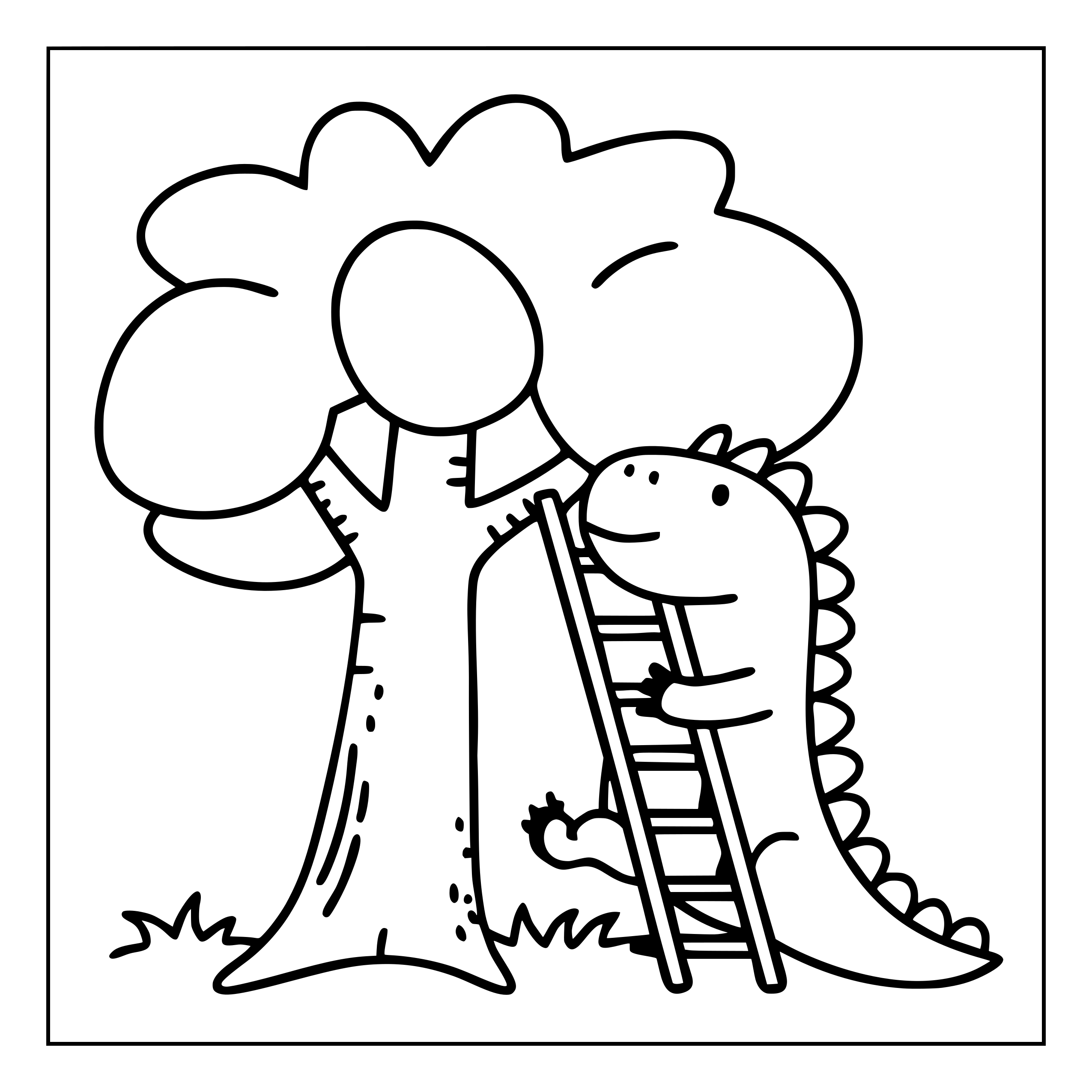
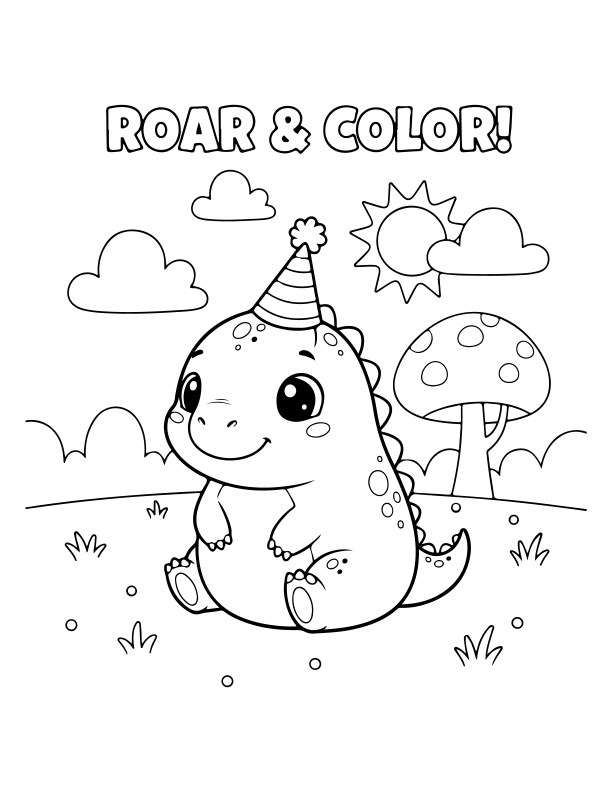
With 701 free dinosaur coloring pages across six themed collections — kawaii, cute, easy and baby dinosaurs for children, plus intricate dinosaur mandalas and realistic prehistoric scenes for teens and adults — this is one of the most complete free dinosaur coloring libraries online. T-Rex, Triceratops, Brachiosaurus, Velociraptor, Stegosaurus and many more appear throughout. Free PDF download, no account required.
Dinosaurs — 165 Million Years of Prehistoric Wonder
Dinosaurs ruled the Earth for over 165 million years — a span of time so immense it is almost impossible to comprehend. For context, the gap between T-Rex and Triceratops (about 2 million years) is smaller than the gap between us and T-Rex (66 million years). In other words, T-Rex lived closer in time to us than it did to the earliest dinosaurs. They were, and remain, the most successful large animals the planet has ever produced.
The first dinosaur fossils were recognized as something unusual in the early 19th century. In 1824, the British geologist William Buckland described Megalosaurus — the first dinosaur to receive a scientific name — based on a partial jaw and some bones found in Oxfordshire. In 1842, the great anatomist Richard Owen coined the word "Dinosauria" (from the Greek for "terrible lizard") to describe the strange group of extinct reptiles whose fossils were turning up across Europe and North America. The discovery of the first complete dinosaur skeletons in the following decades caused a worldwide sensation.
Today, paleontologists have named over 1,000 dinosaur species — and estimates suggest that represents only a fraction of those that ever lived. Crucially, dinosaurs are not fully extinct: birds are direct descendants of theropod dinosaurs, making every sparrow and eagle a living dinosaur. Coloring dinosaur pages is, in a very real sense, a window into the family tree of animals still alive around us.
Why Children Are Captivated by Dinosaurs
The universal childhood obsession with dinosaurs is so consistent across cultures that researchers have given it a name: "intense interest" — a deep, focused passion that children between the ages of 2 and 7 develop for a specific subject. Dinosaurs are the single most common trigger. Why? Because they hit a rare combination of qualities: they are real (unlike dragons), they are dramatic (biggest, fastest, most powerful), they are extinct (safely non-threatening), and — crucially — knowing their names and facts requires the kind of structured knowledge that young children find deeply satisfying to master. A four-year-old who can say "Pachycephalosaurus" fluently has discovered the power of expertise.
This makes dinosaur coloring pages particularly valuable as an educational activity. Unlike purely decorative coloring subjects, dinosaur pages reward learning. Children who know that T-Rex had feathers, or that Stegosaurus plates may have changed color, or that Brachiosaurus was taller than a four-story building, bring that knowledge to the page. Coloring becomes a form of embodied memory — each color choice reinforces a fact, each completed illustration deepens a connection with a specific creature. Parents and educators consistently report that children who color dinosaur pages also show improved recall of species names, geological periods and animal characteristics.
For older children and adults, dinosaur coloring pages also offer a quiet counter to screen fatigue. The fine detail work of coloring scales, the decision-making around color palettes, and the satisfaction of a completed page engage the hands and eyes in a way that is genuinely restorative — a focused, analog activity in a world that rarely slows down. Browse our kids coloring pages and animal coloring pages for more screen-free activity ideas.
The Six Dinosaur Coloring Collections
Our 701 designs are organized into six themed sub-categories, so you can go straight to the style that suits the colorist:
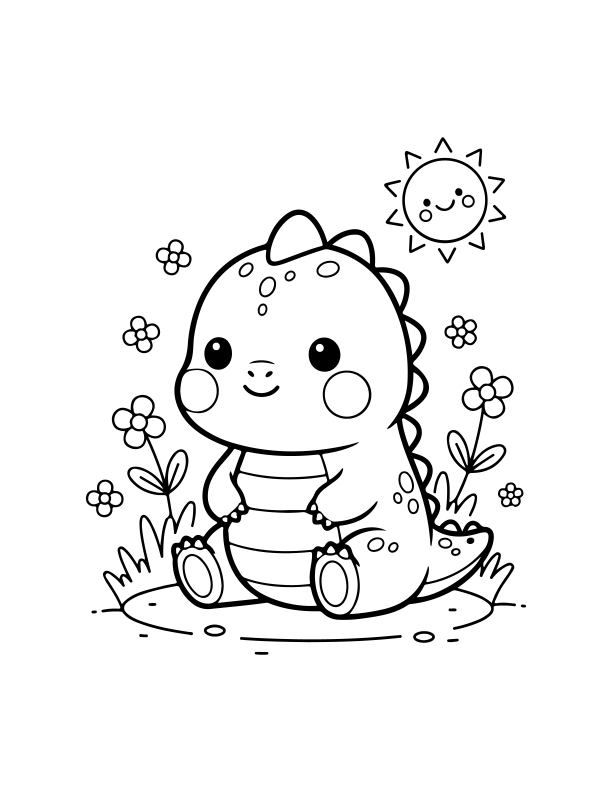
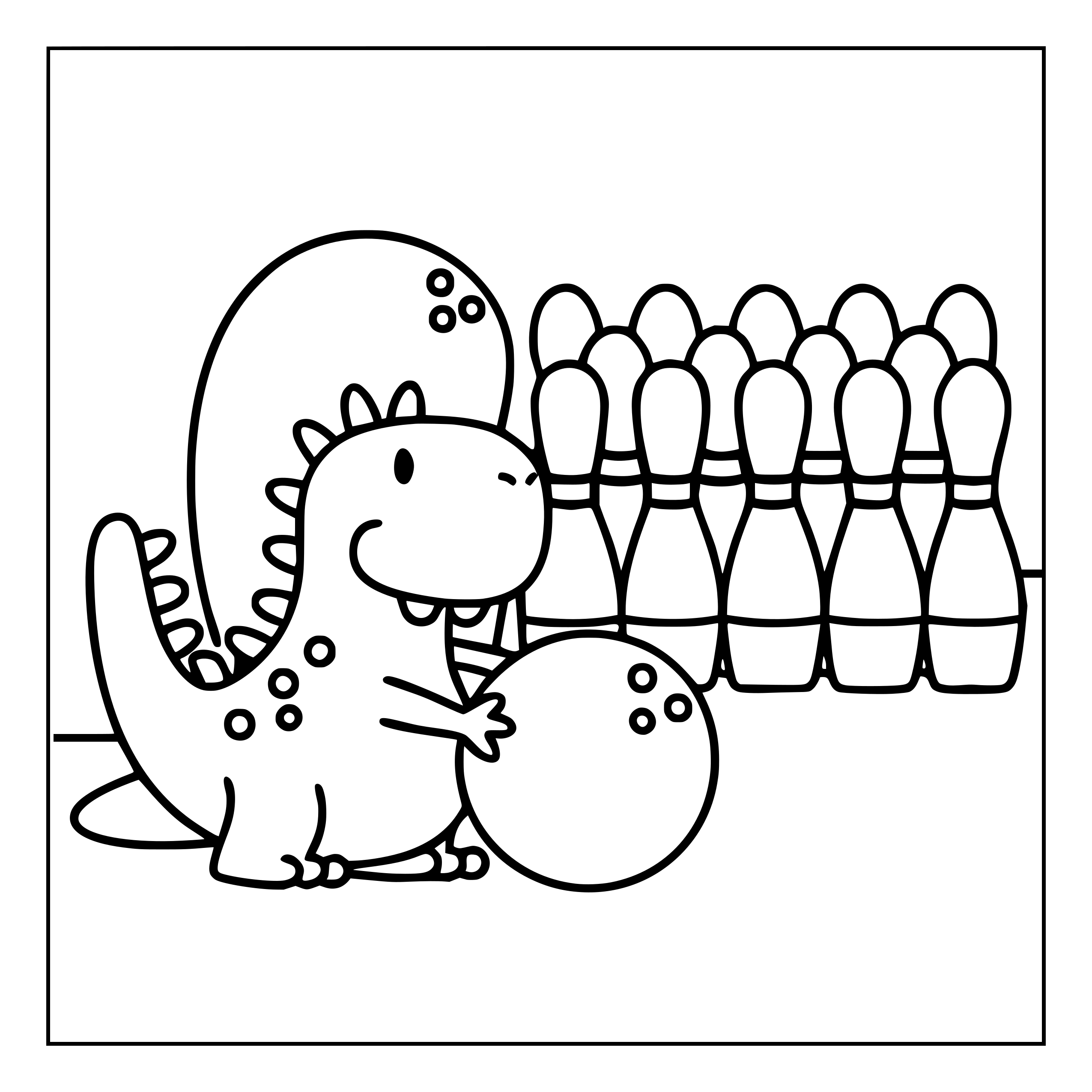
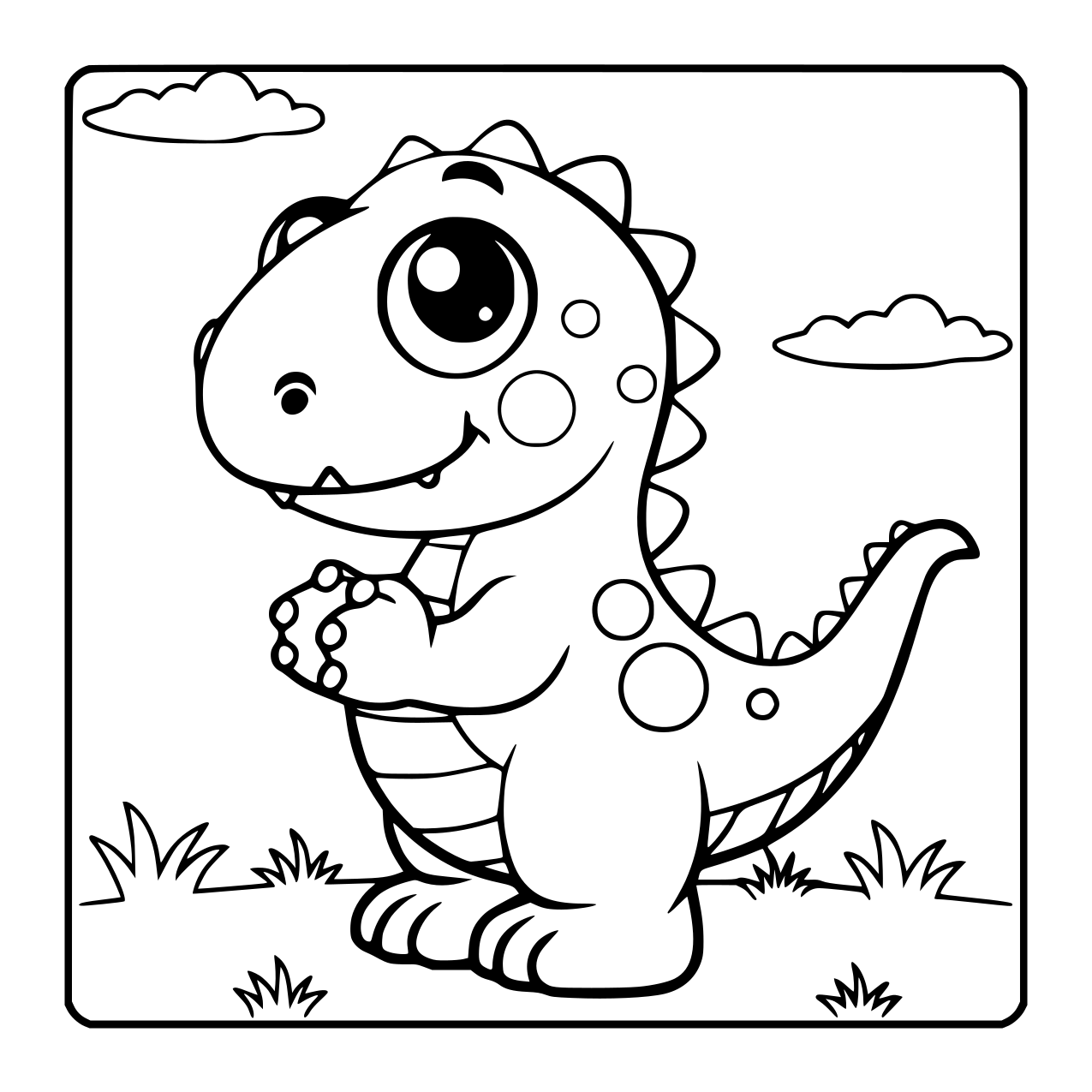
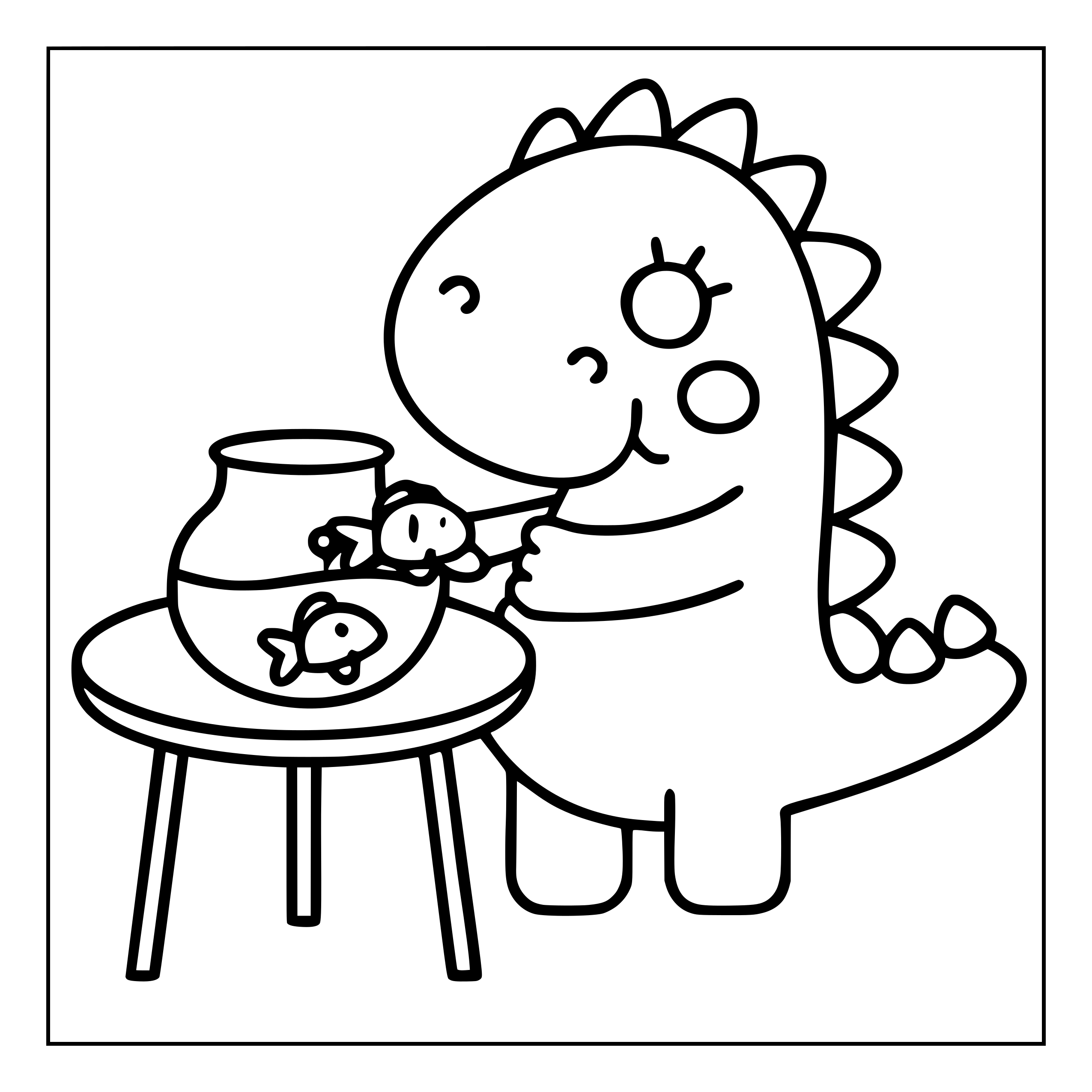
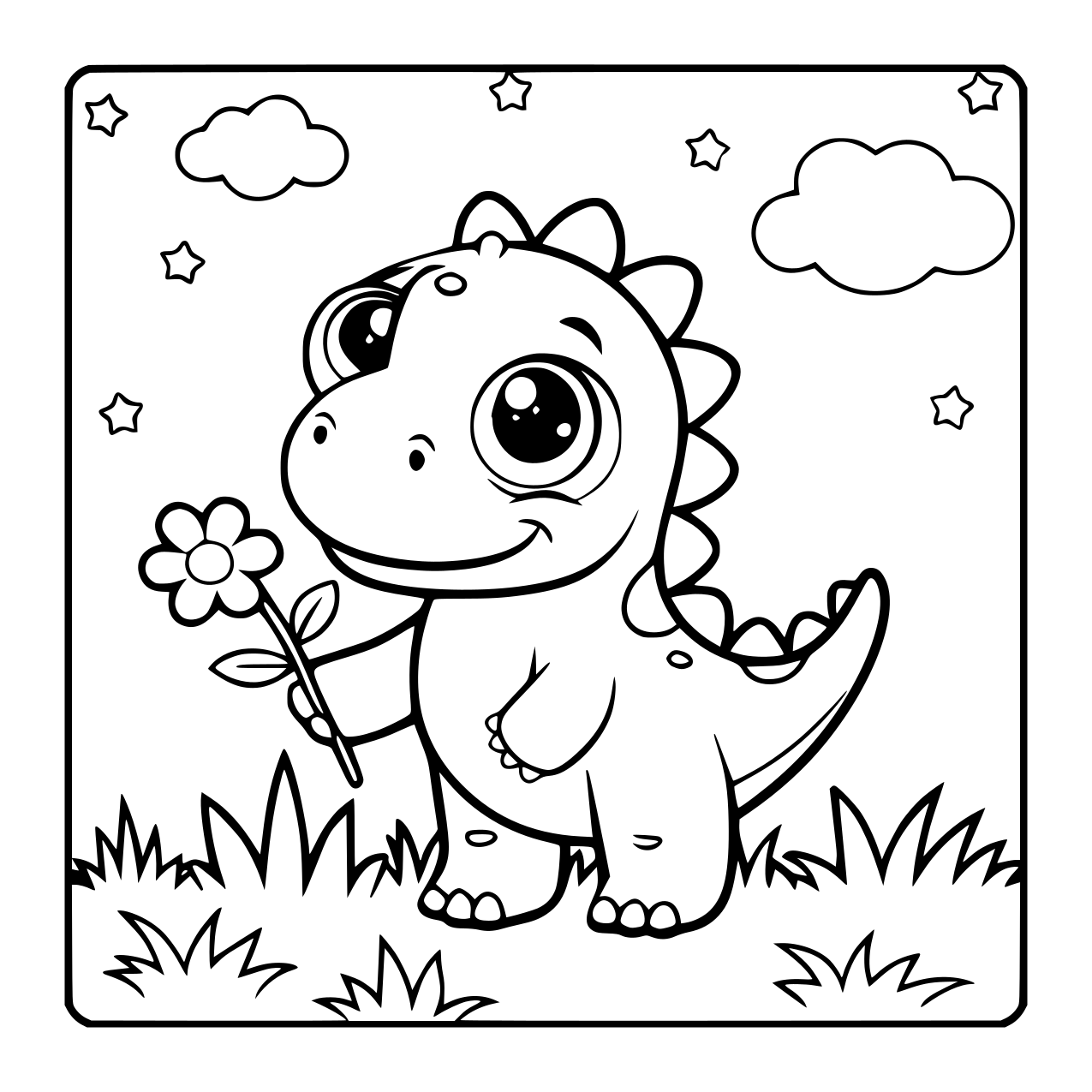
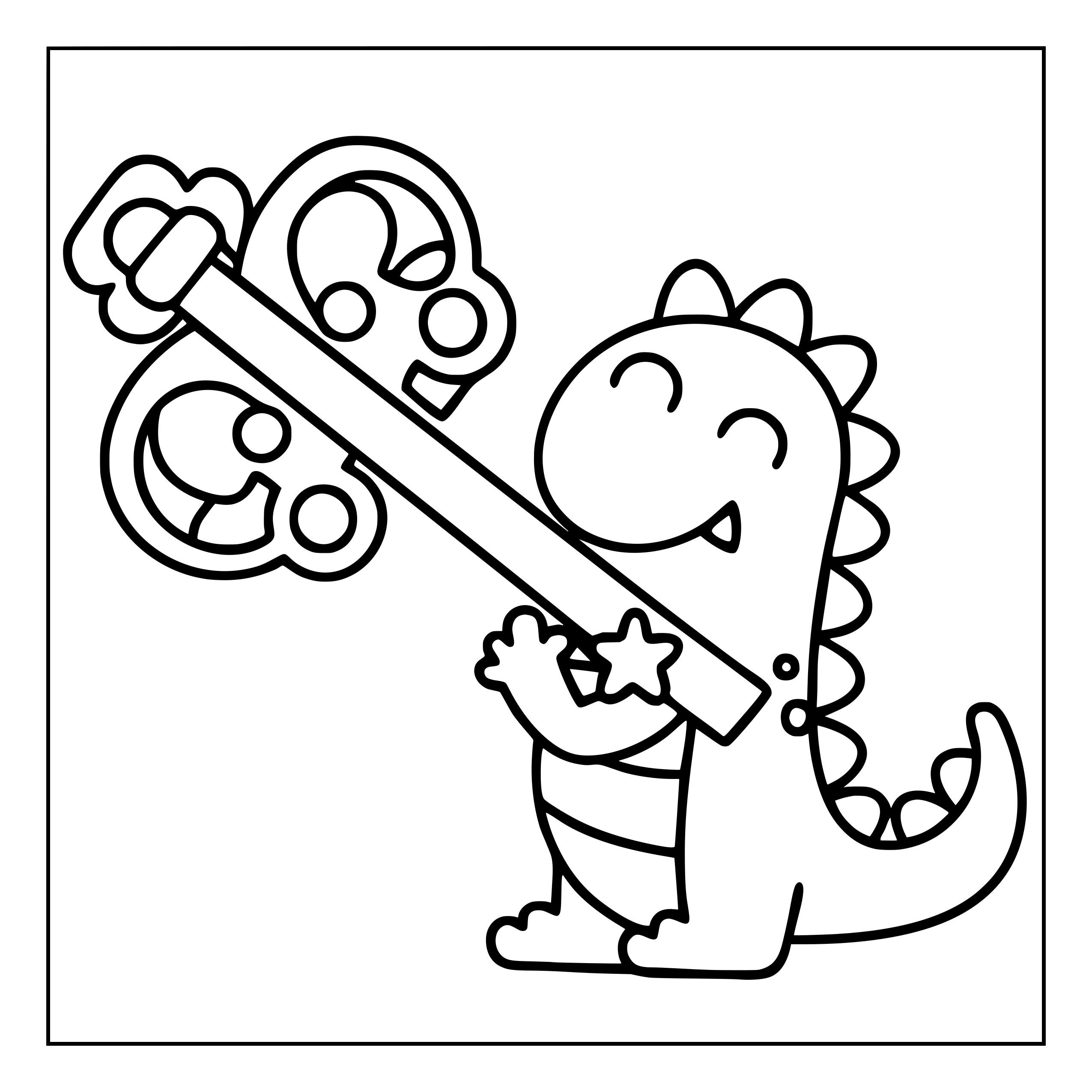
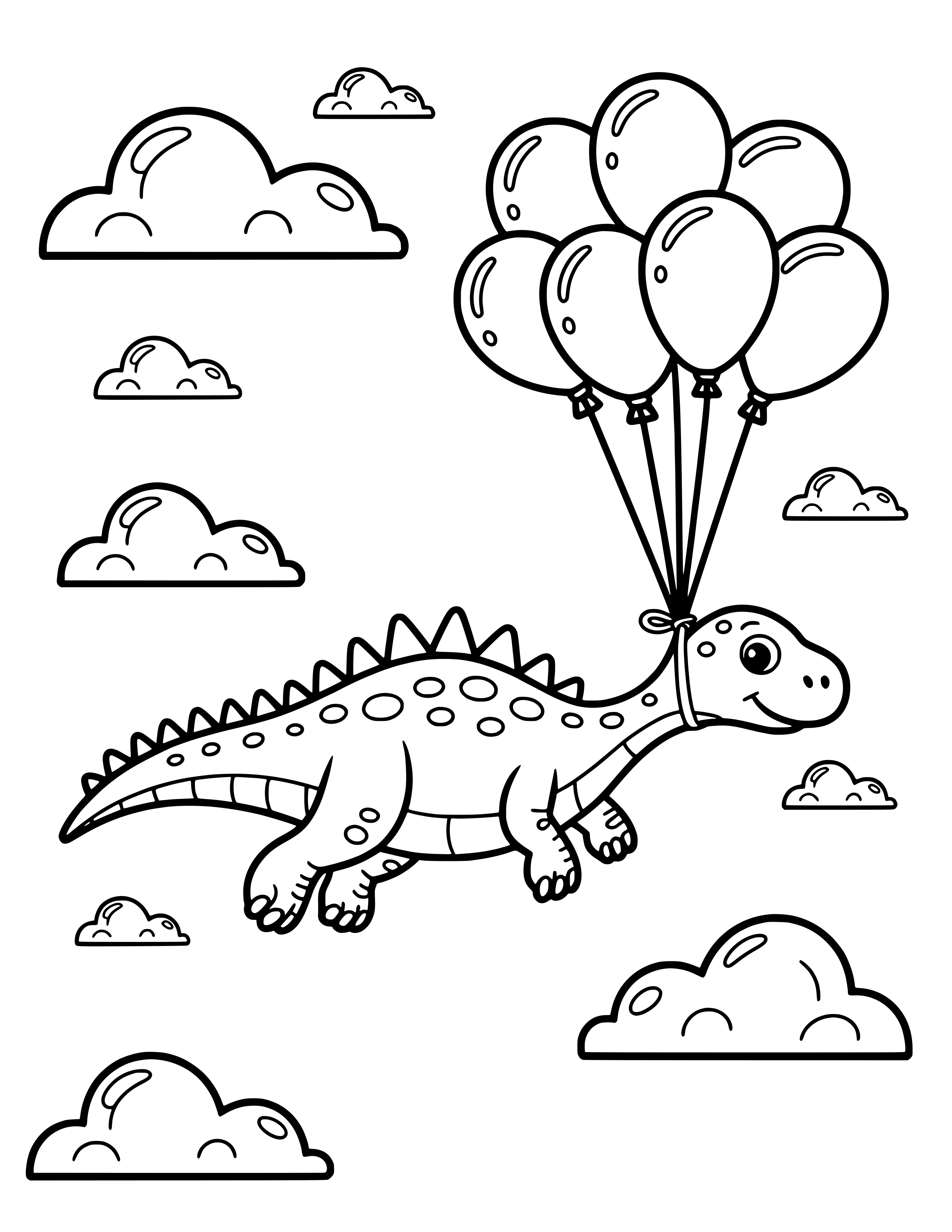
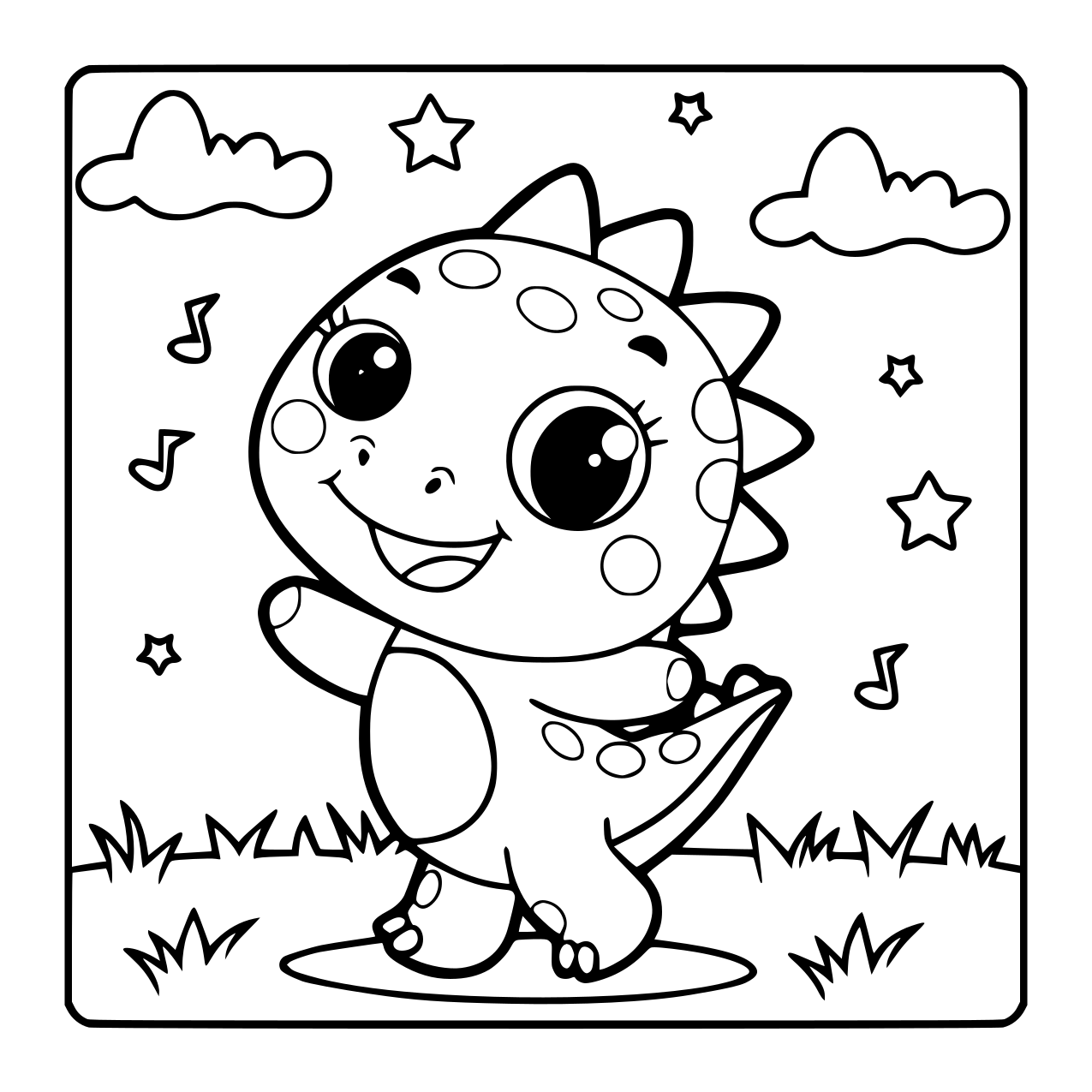
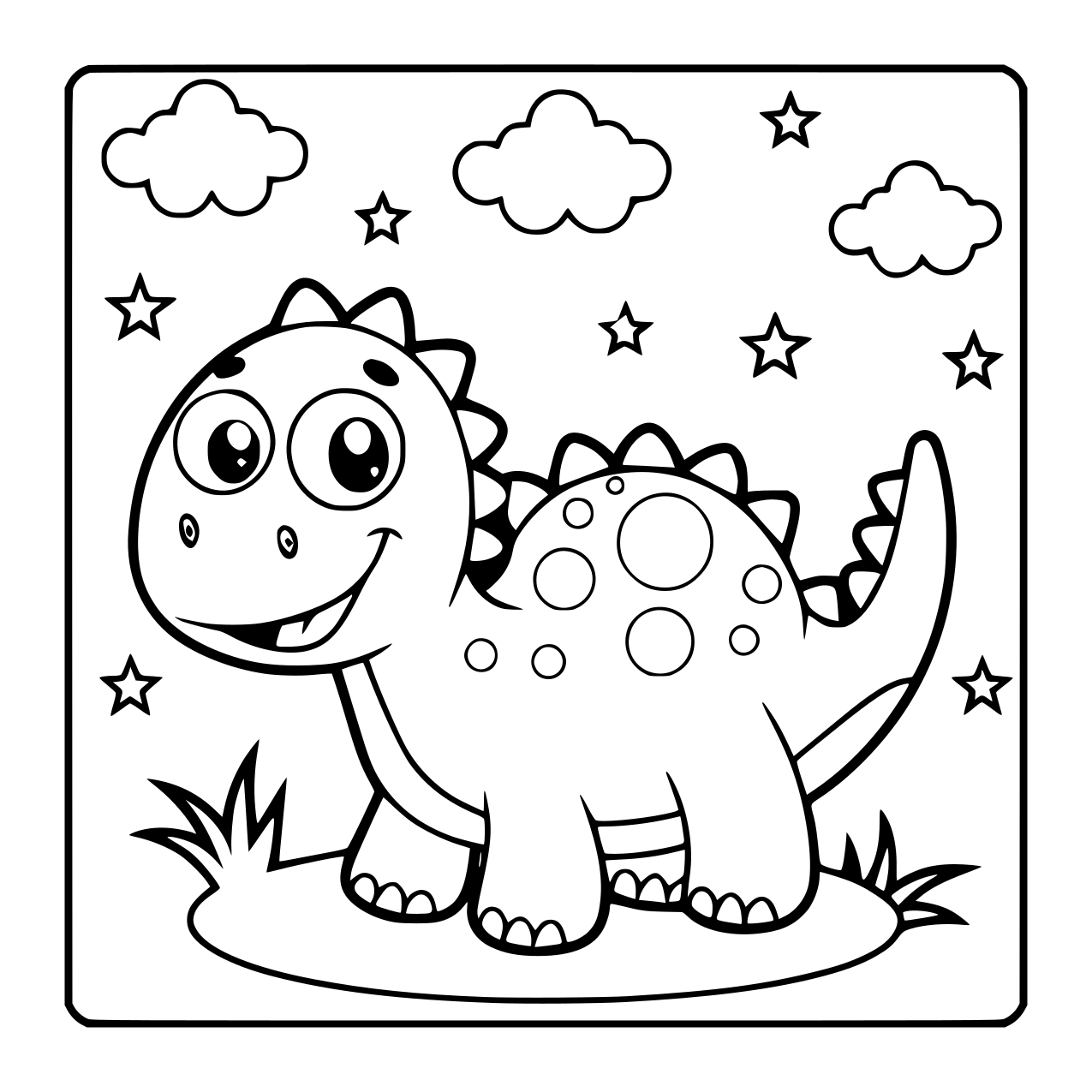
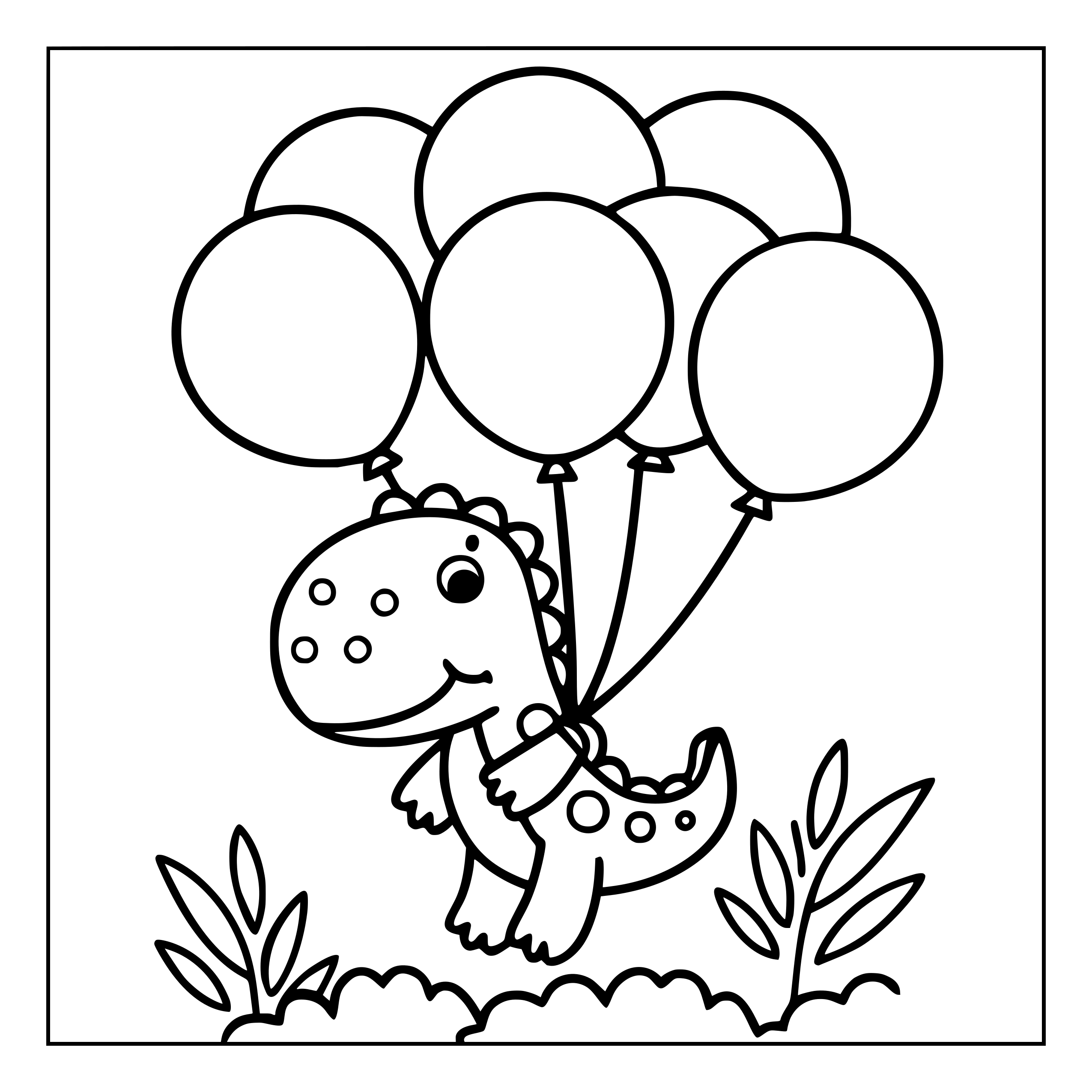
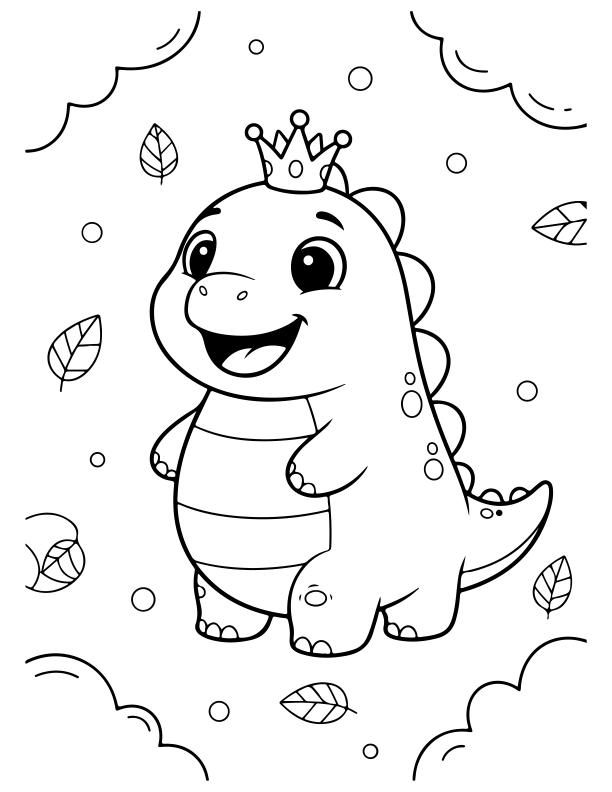
- Kawaii Dinosaurs — 50 adorable cartoon dinosaurs with big sparkling eyes and the happiest smiles, drawn in the Japanese kawaii style.
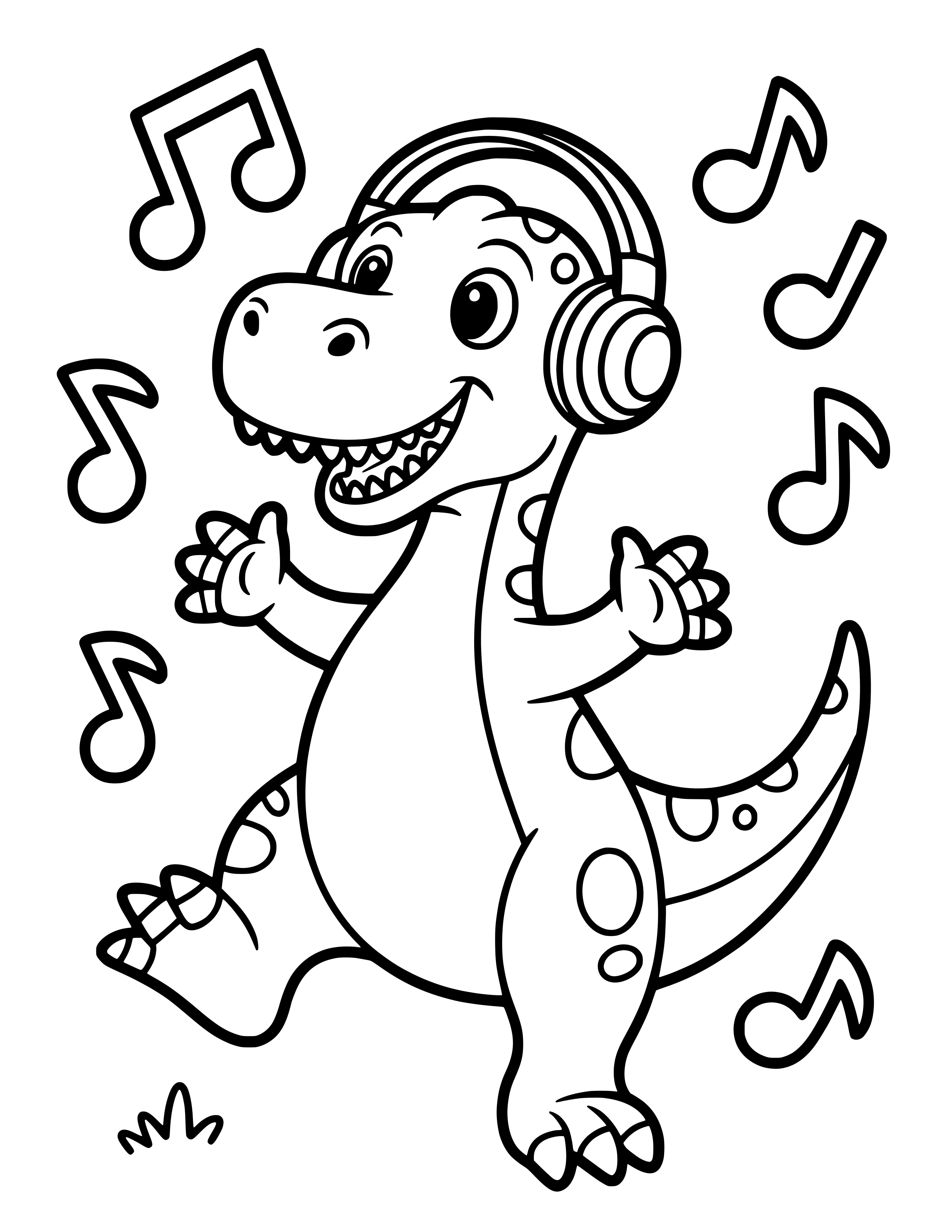
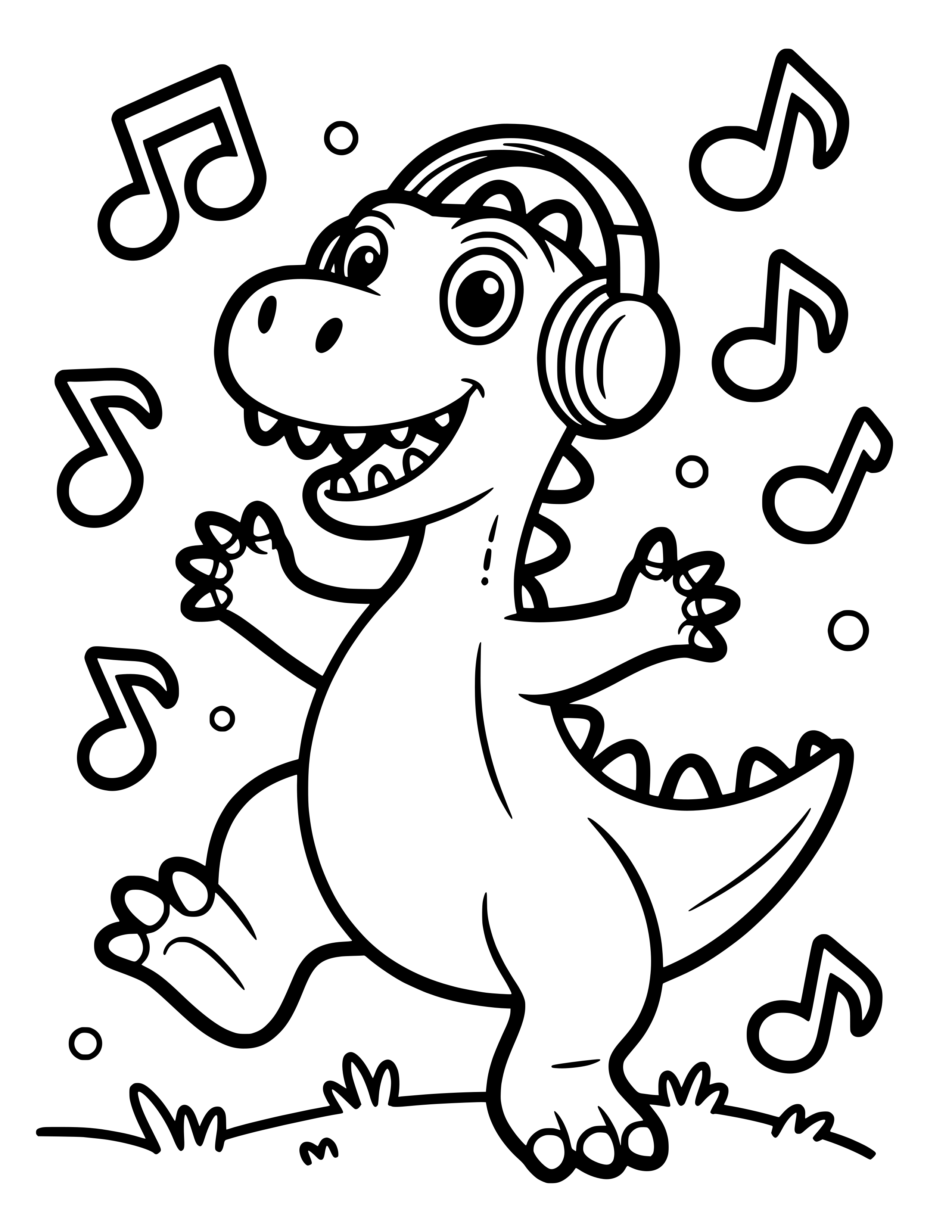
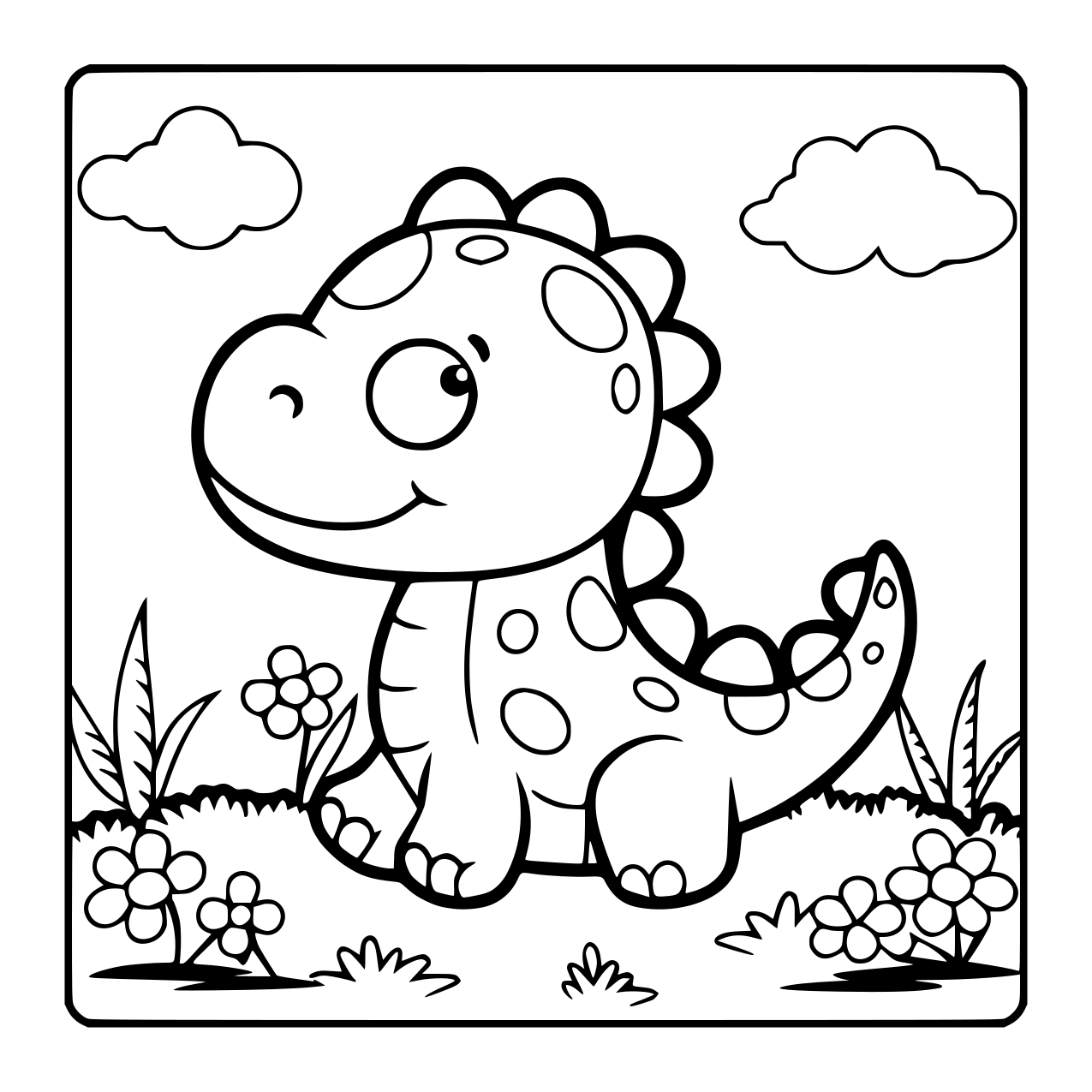
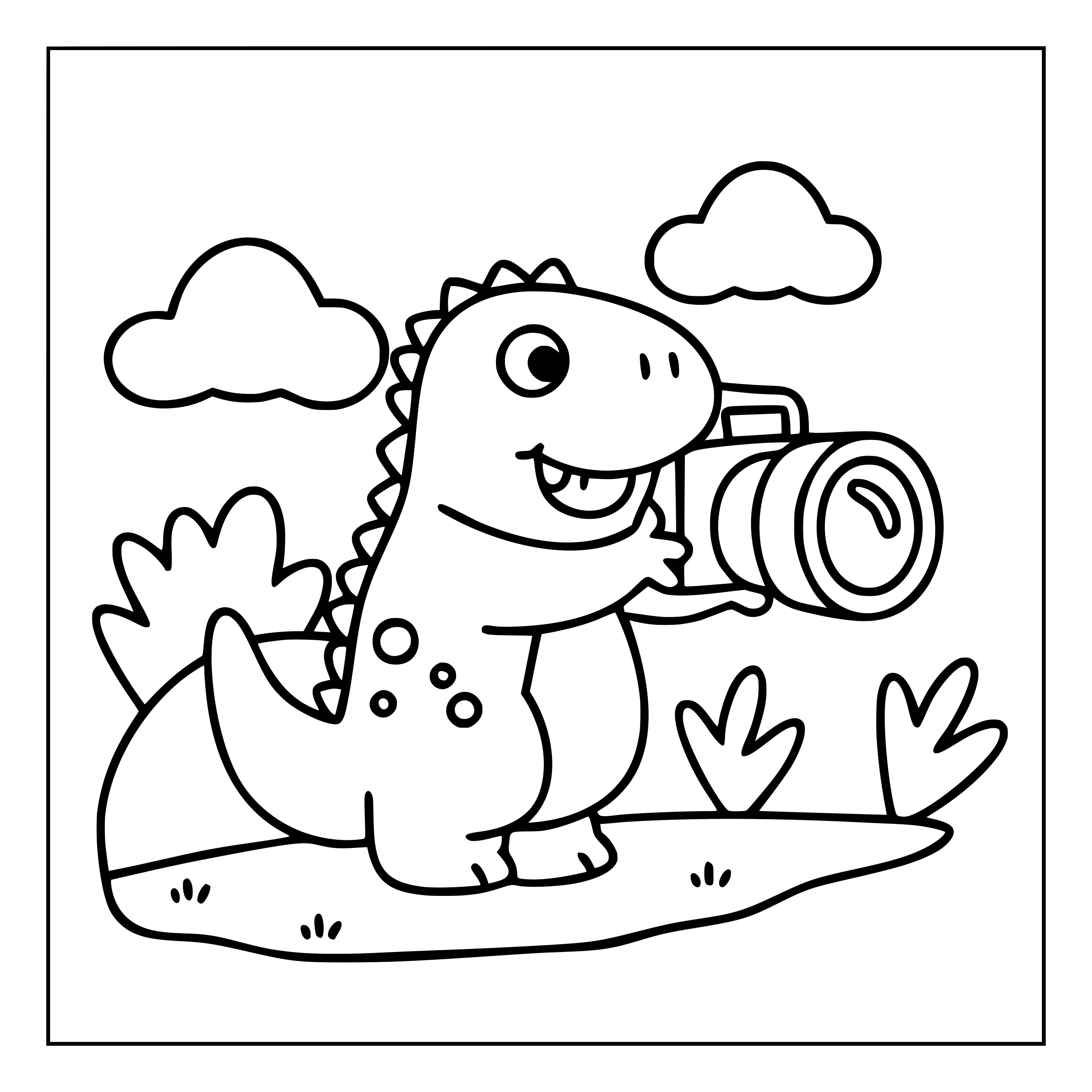
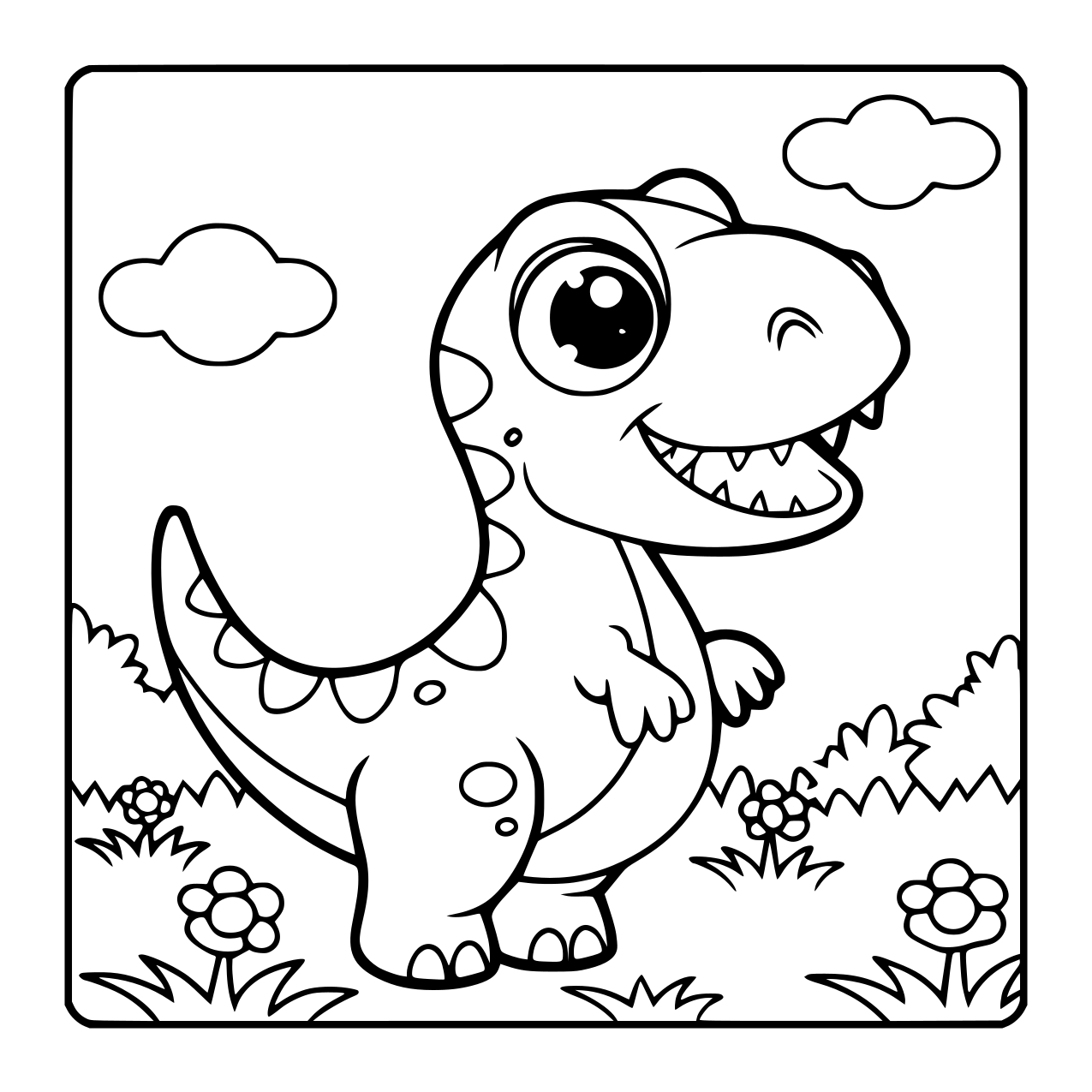
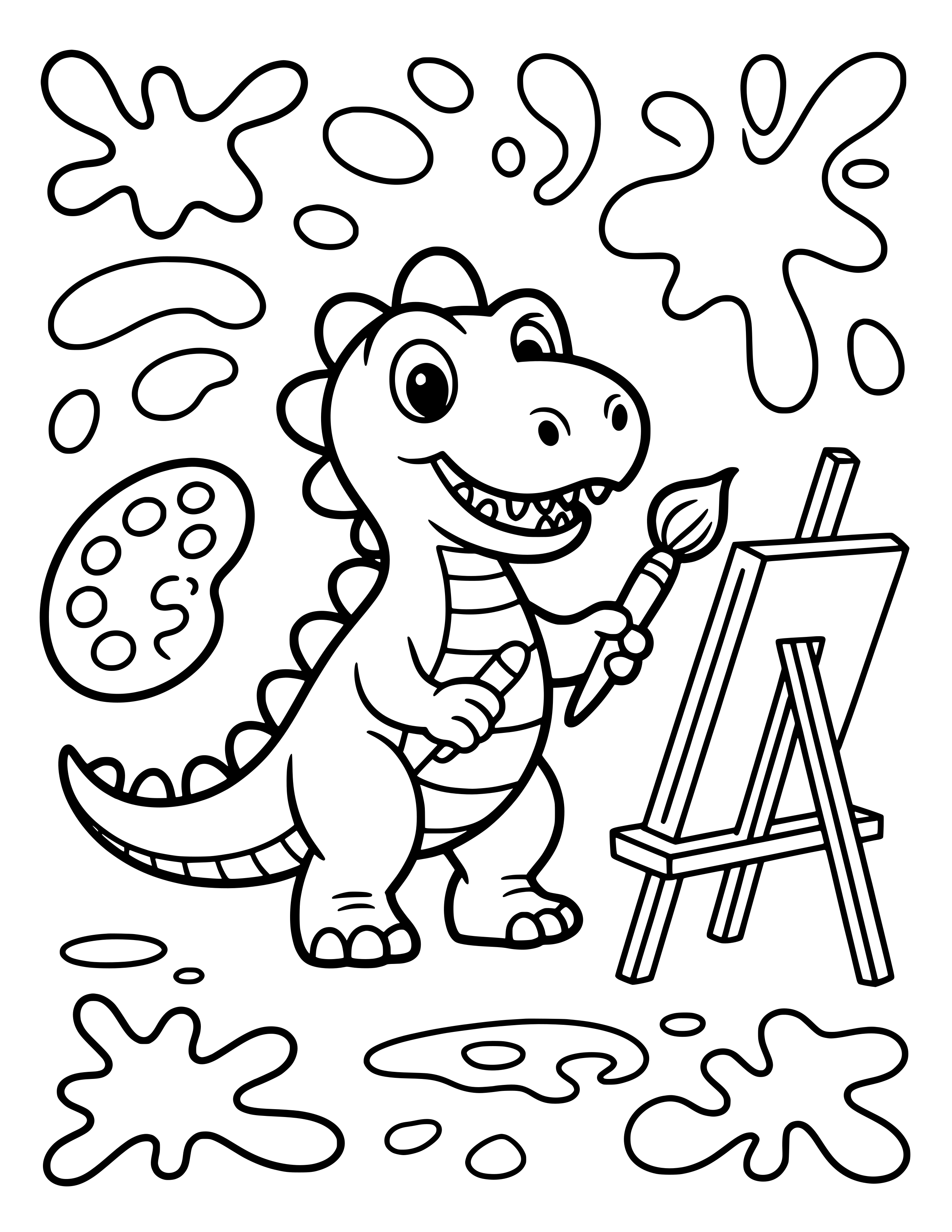
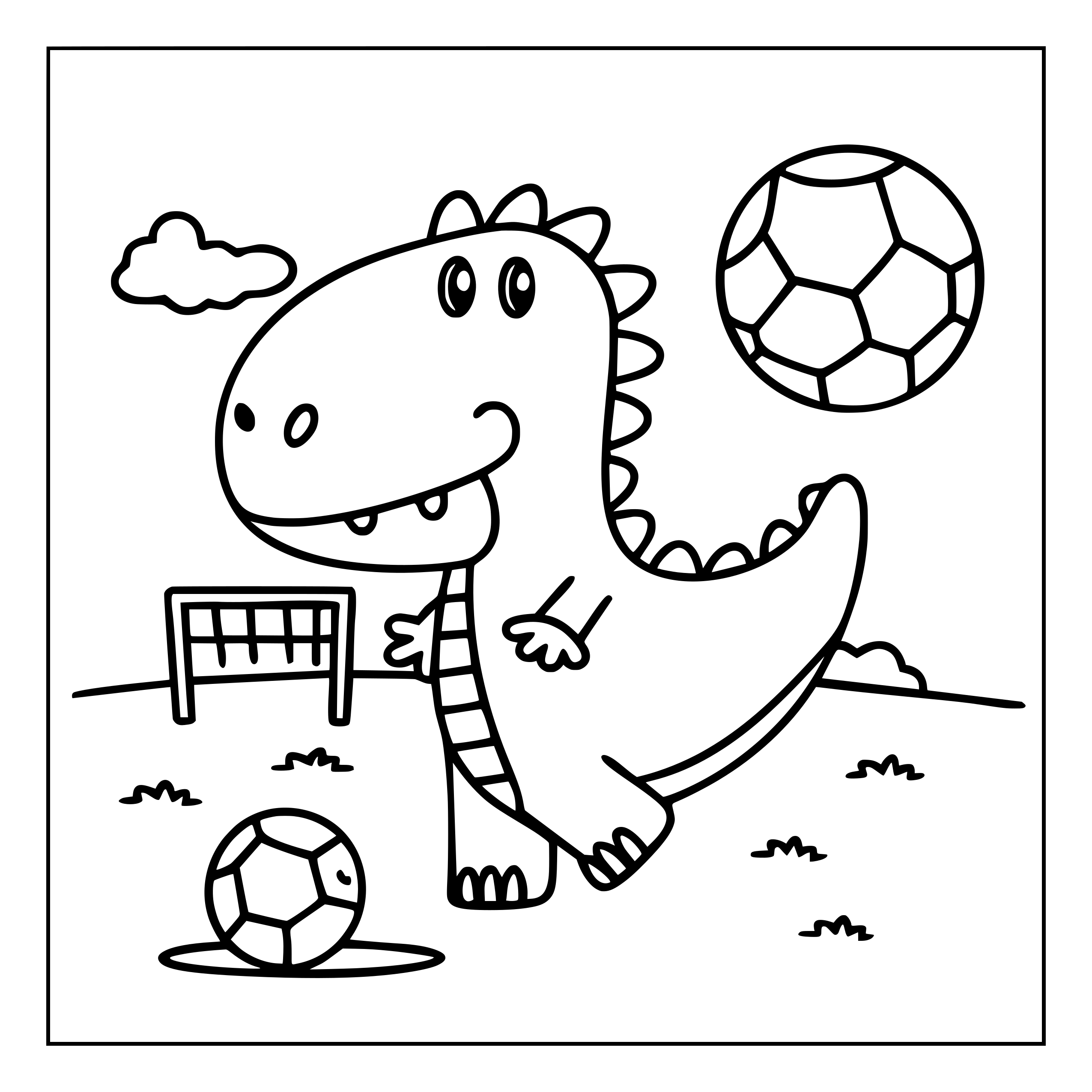
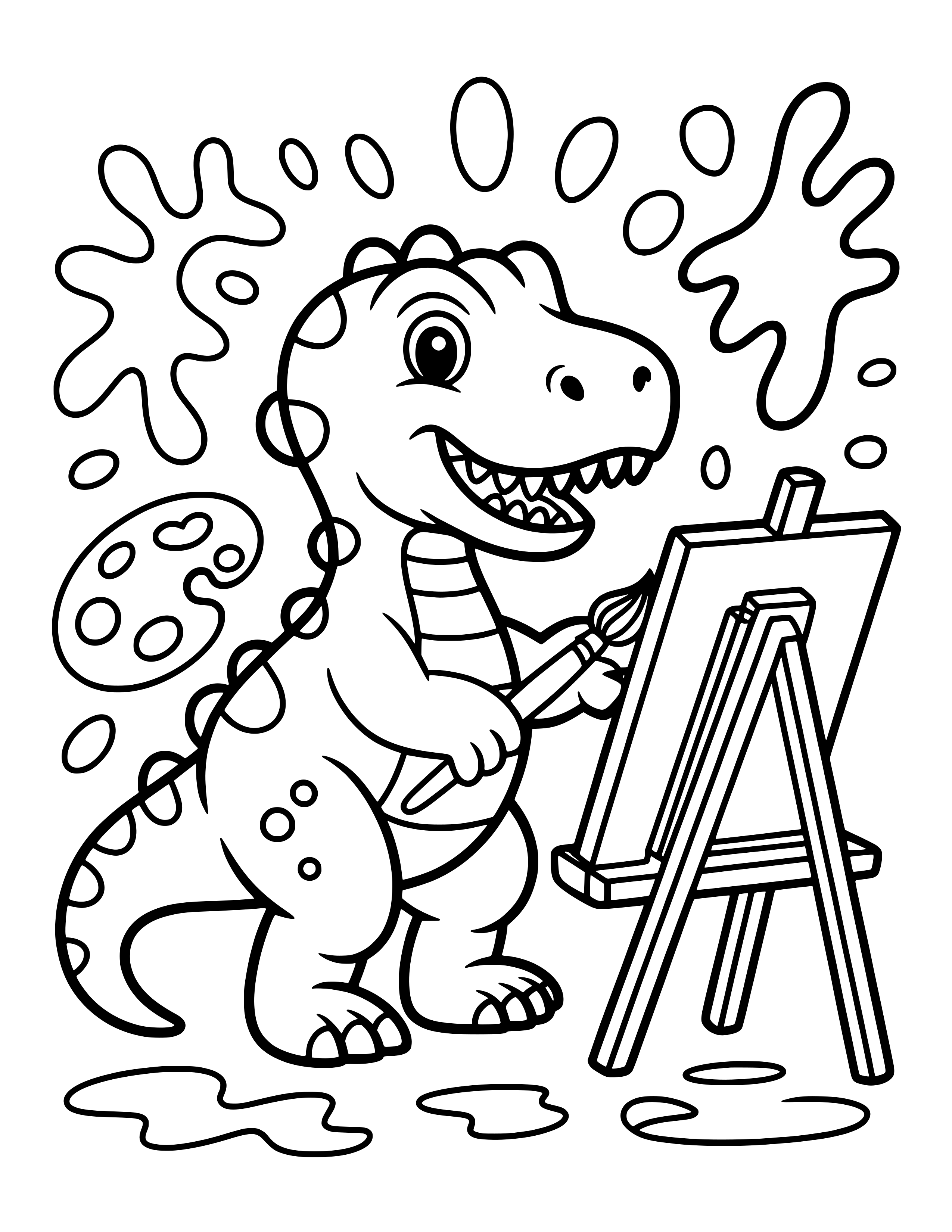
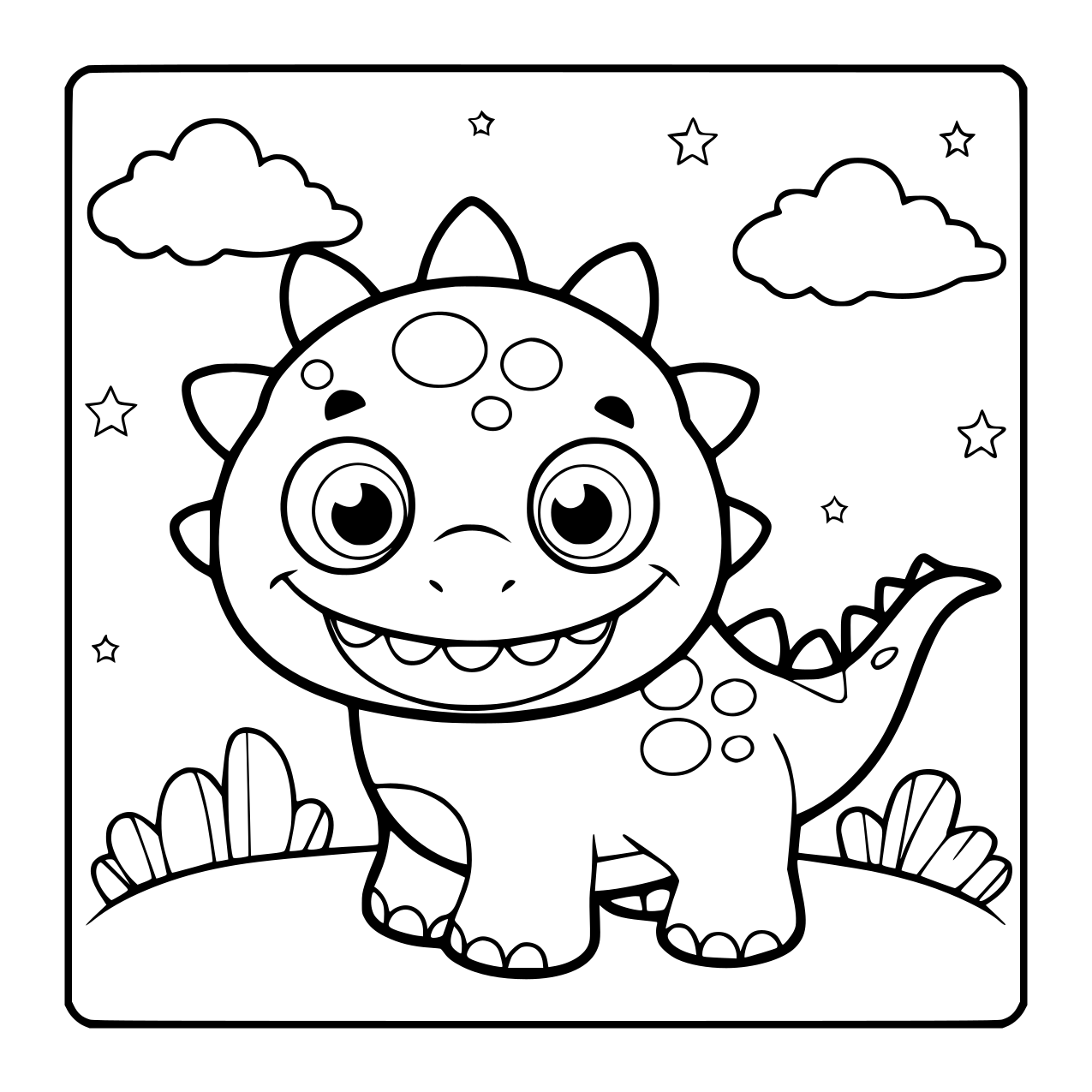
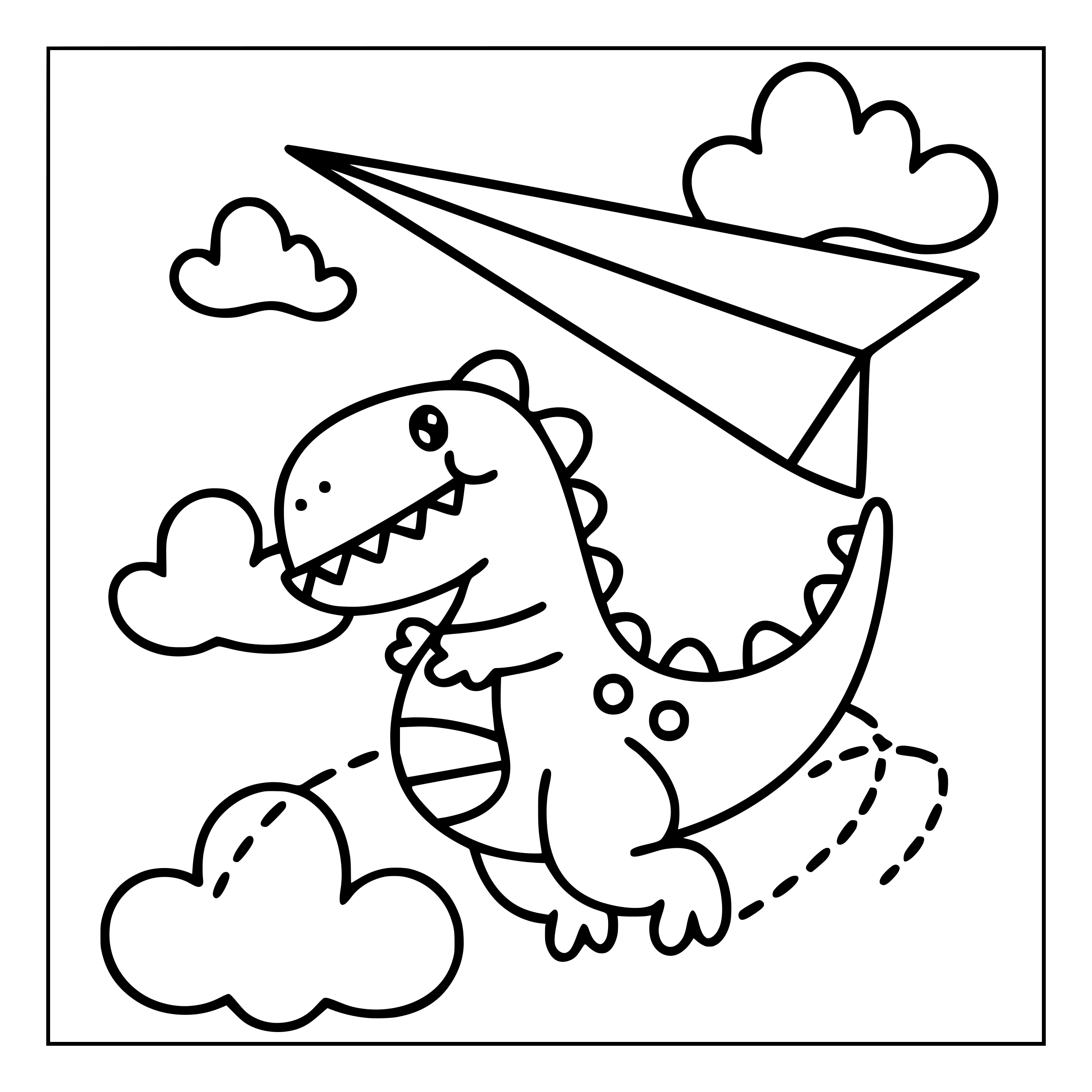
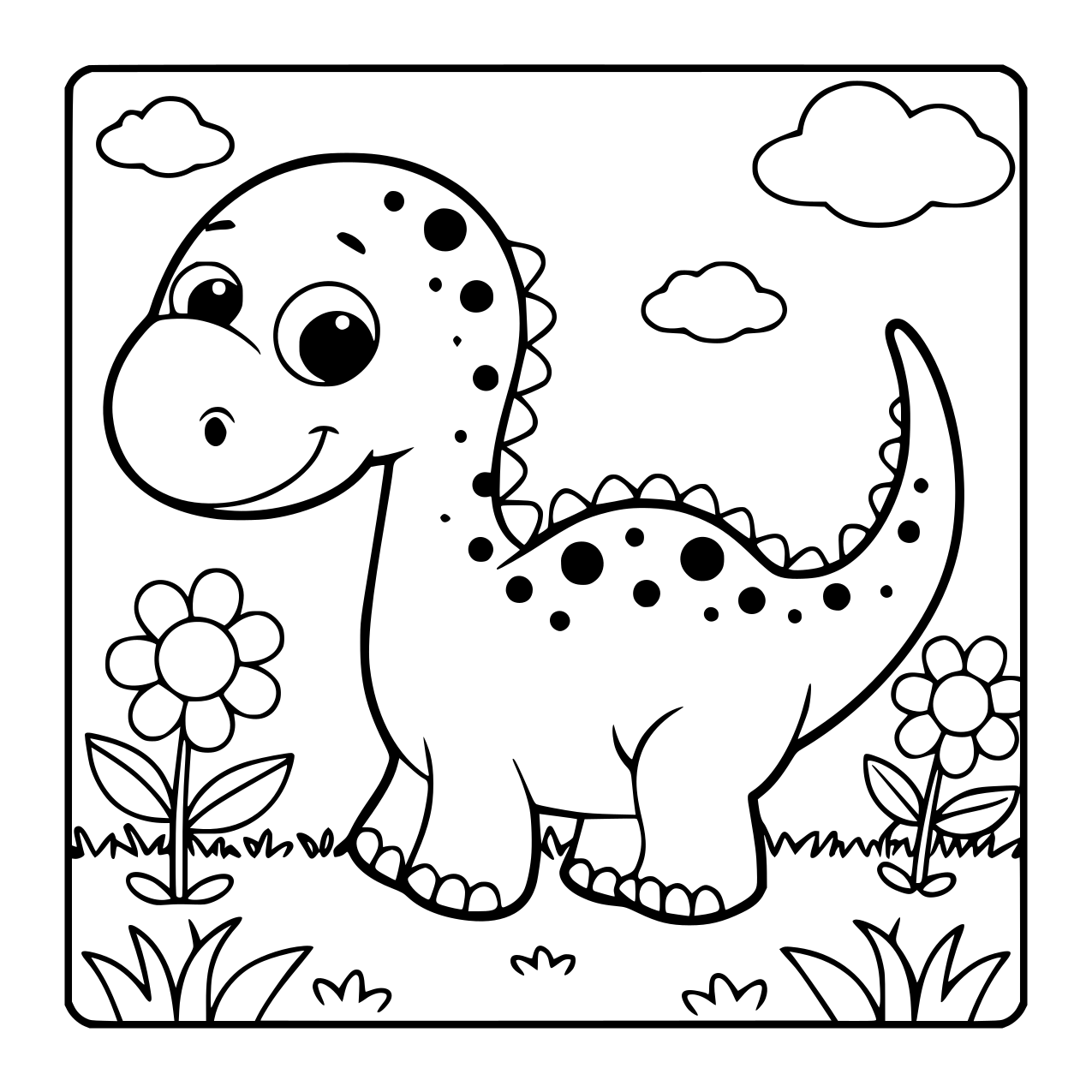
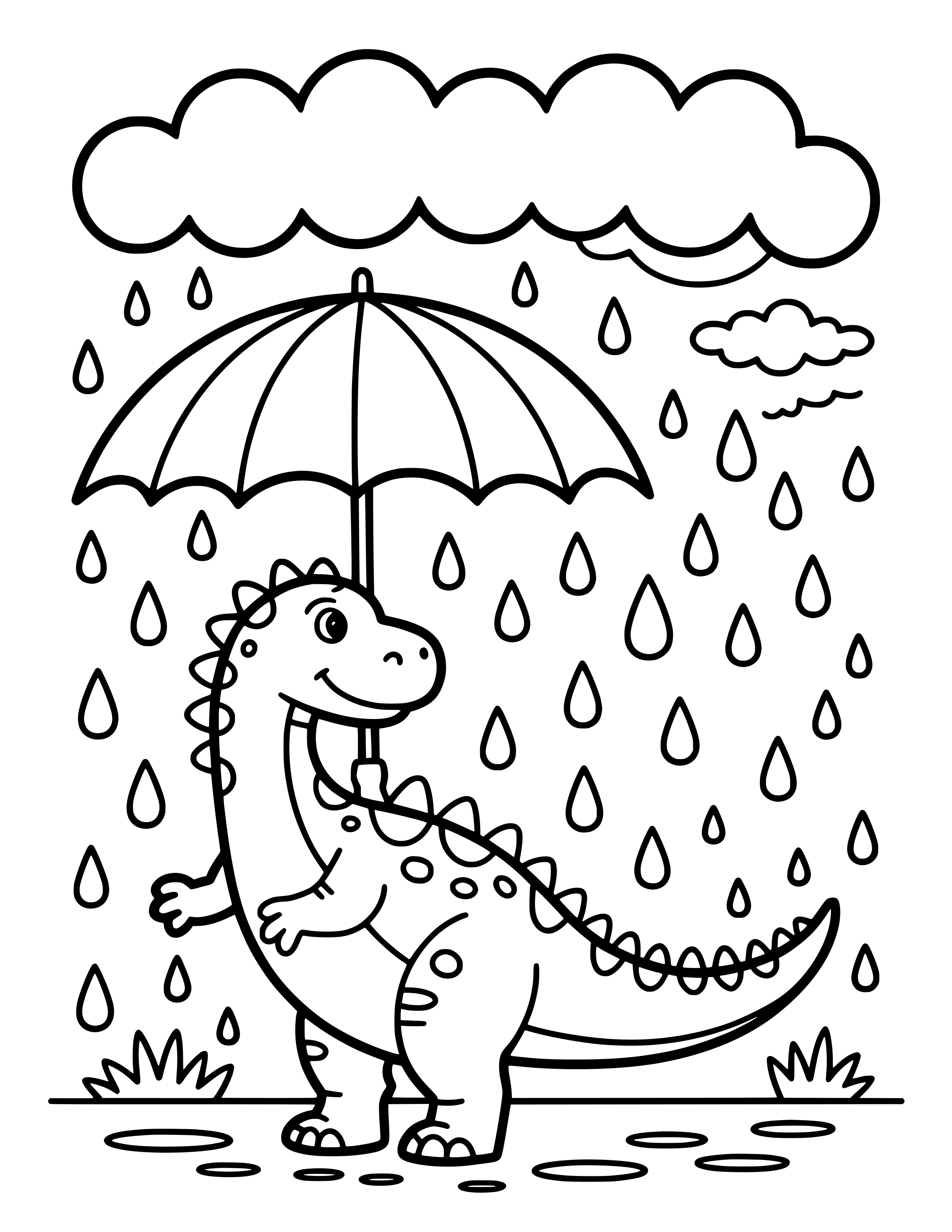
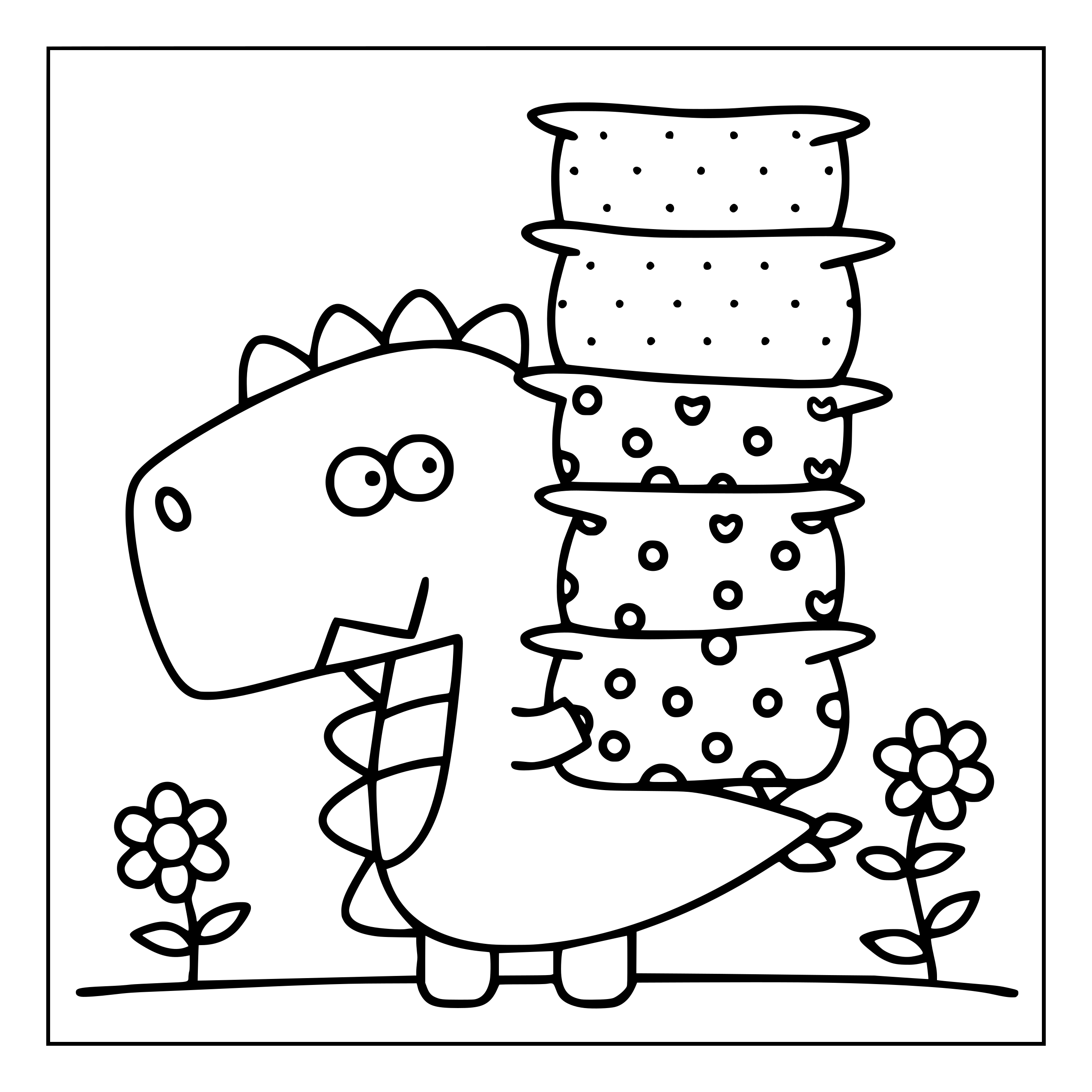
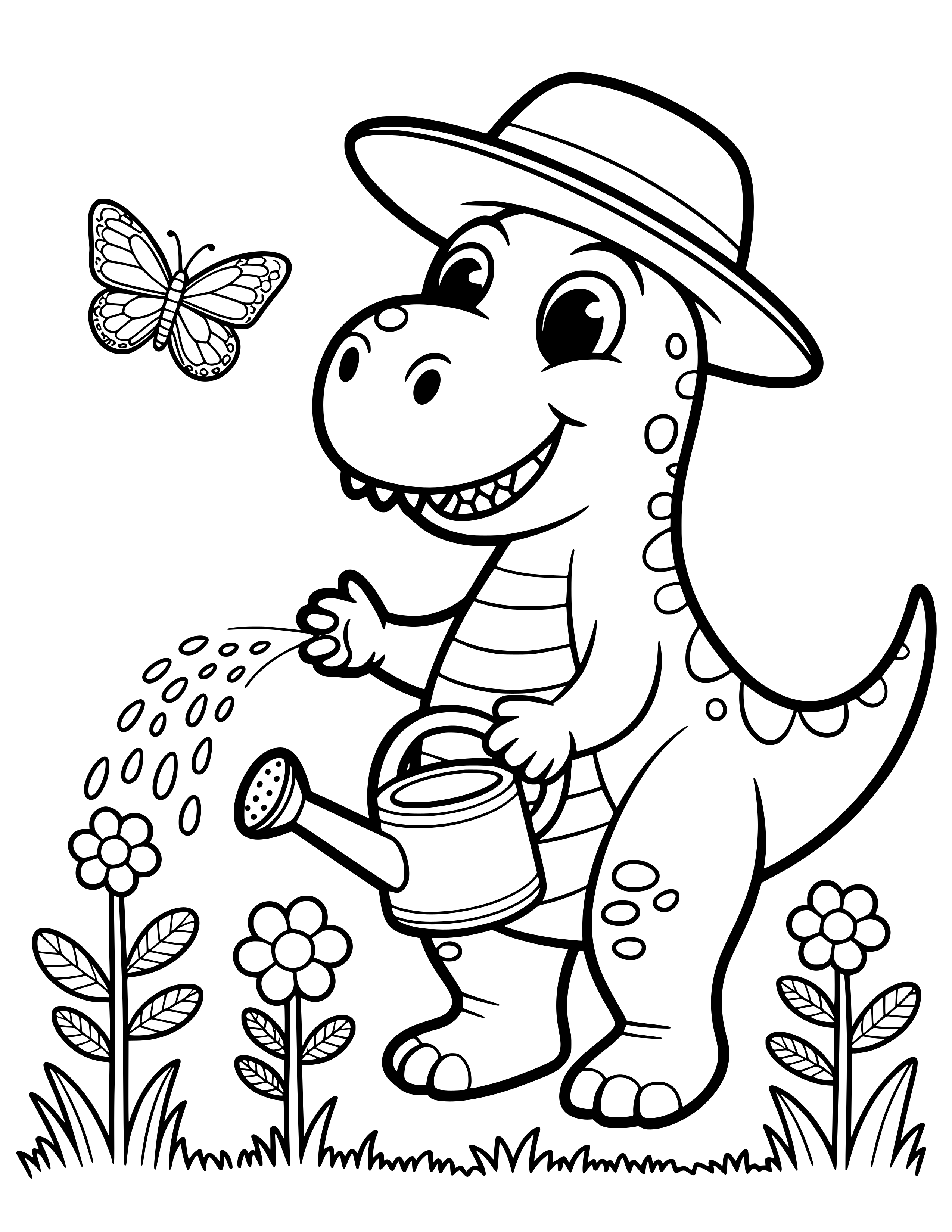
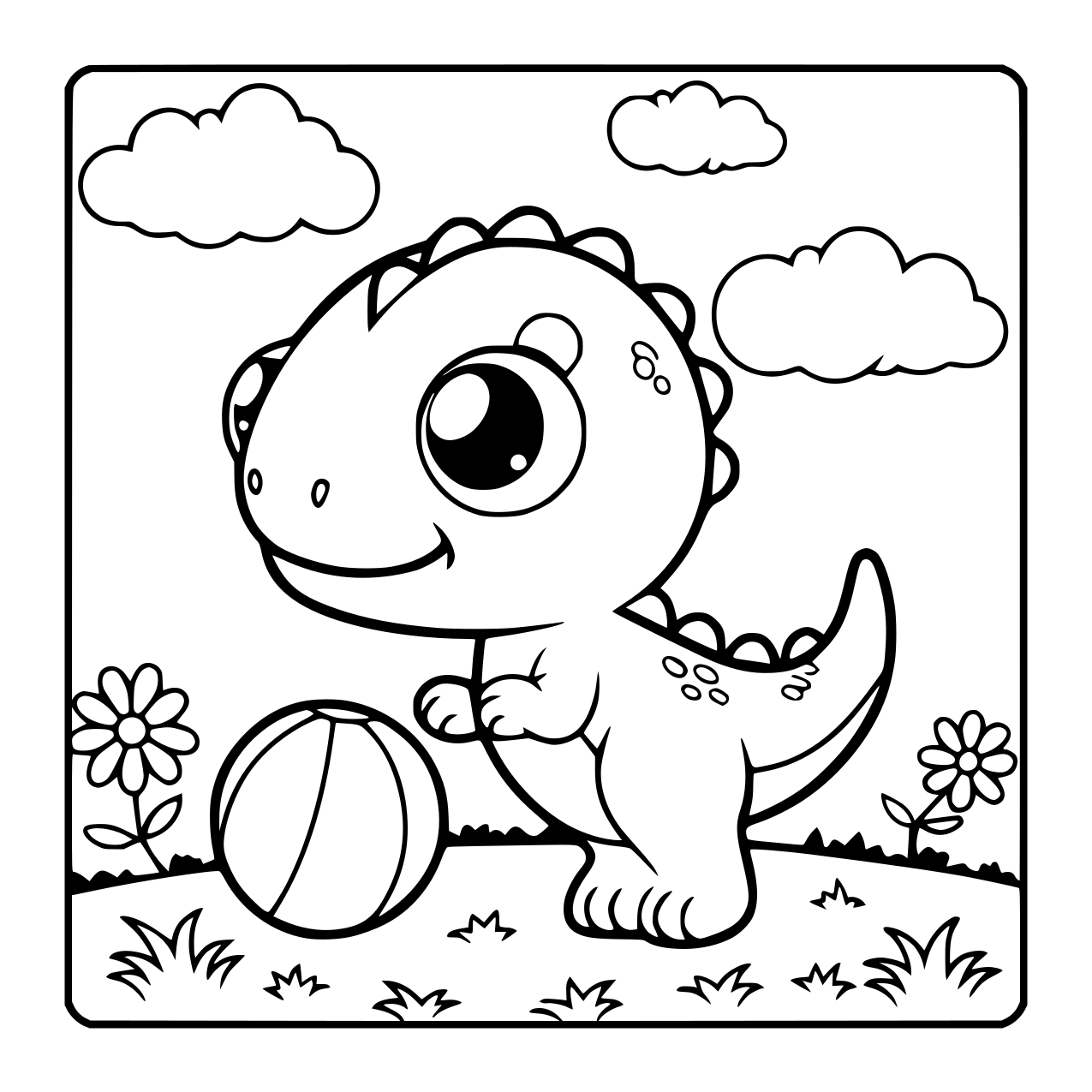
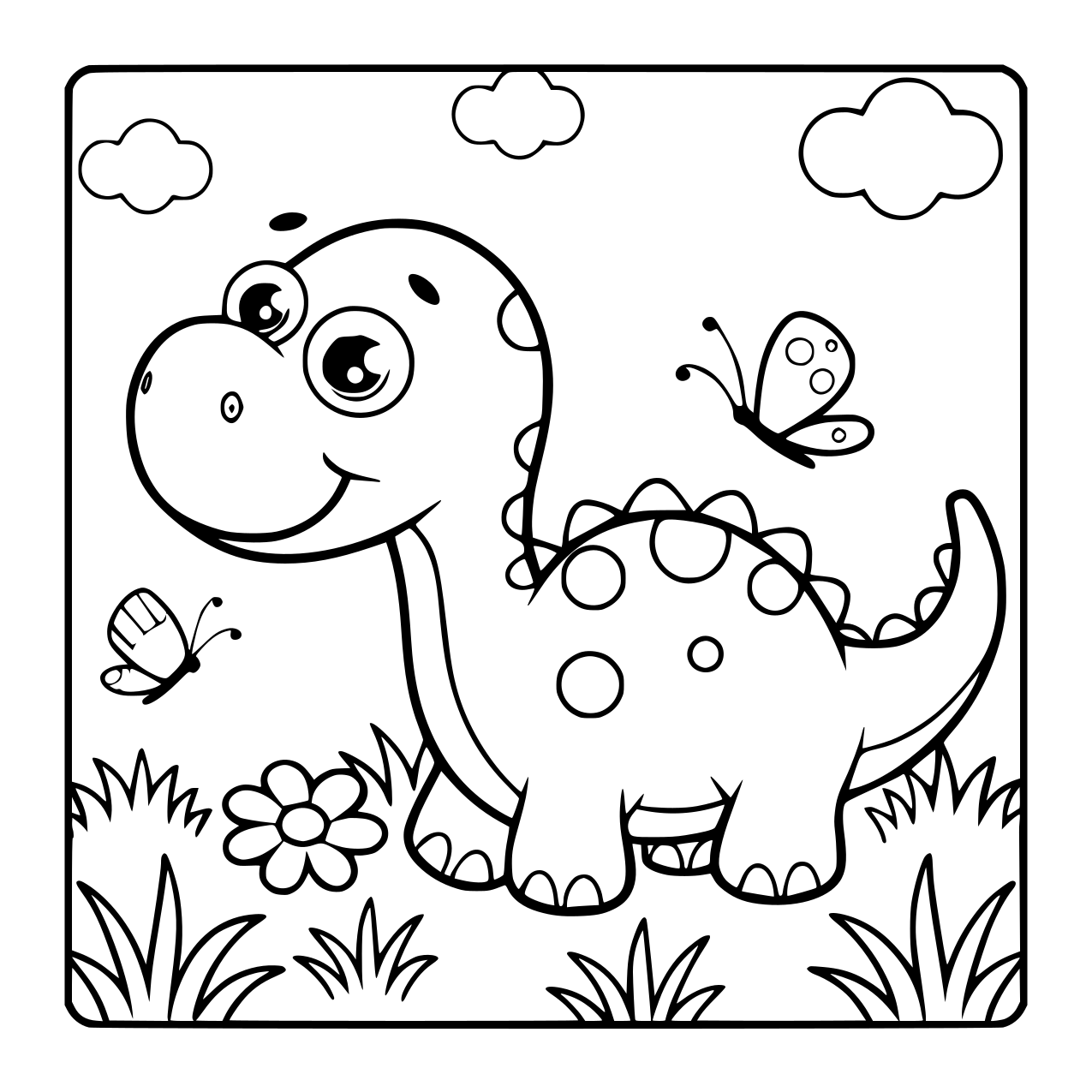
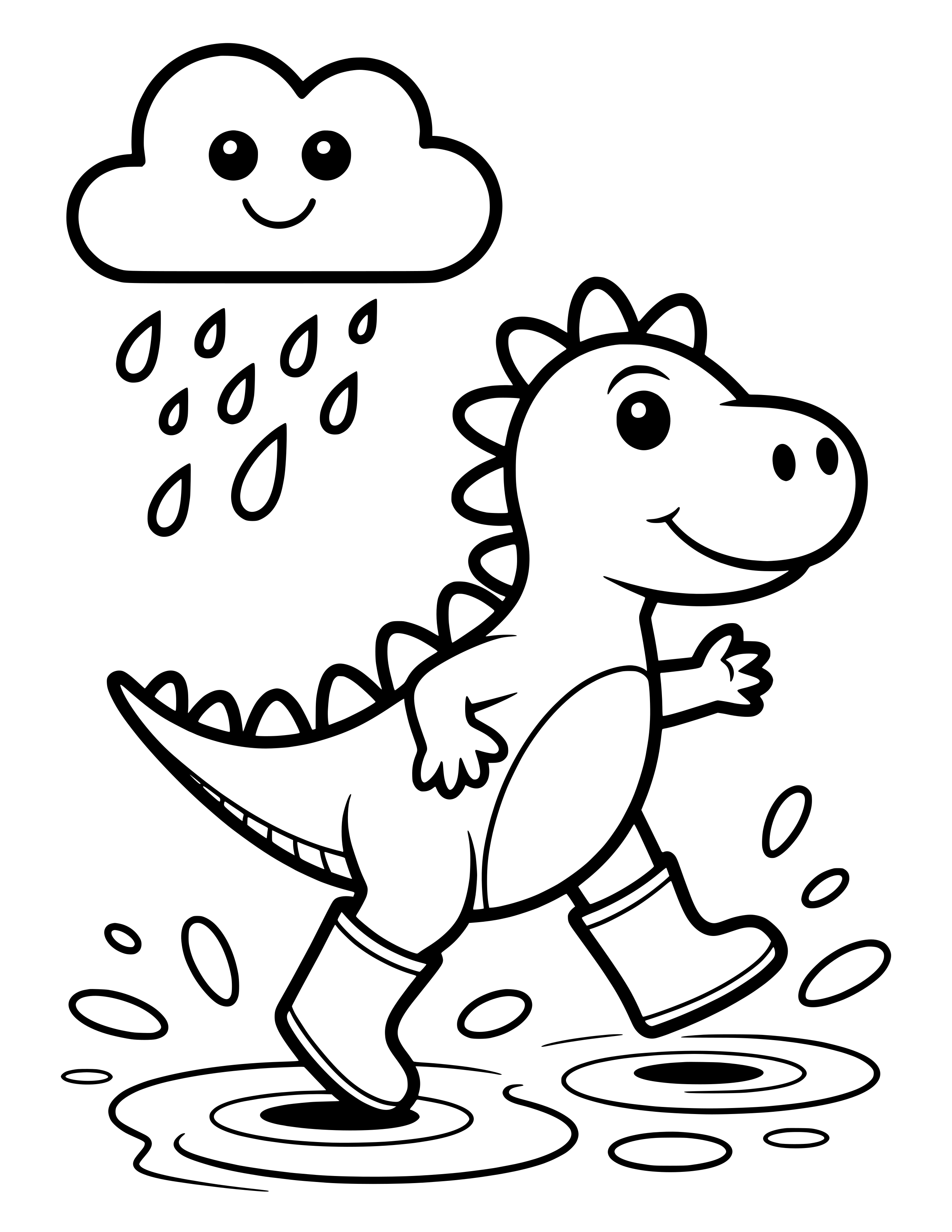
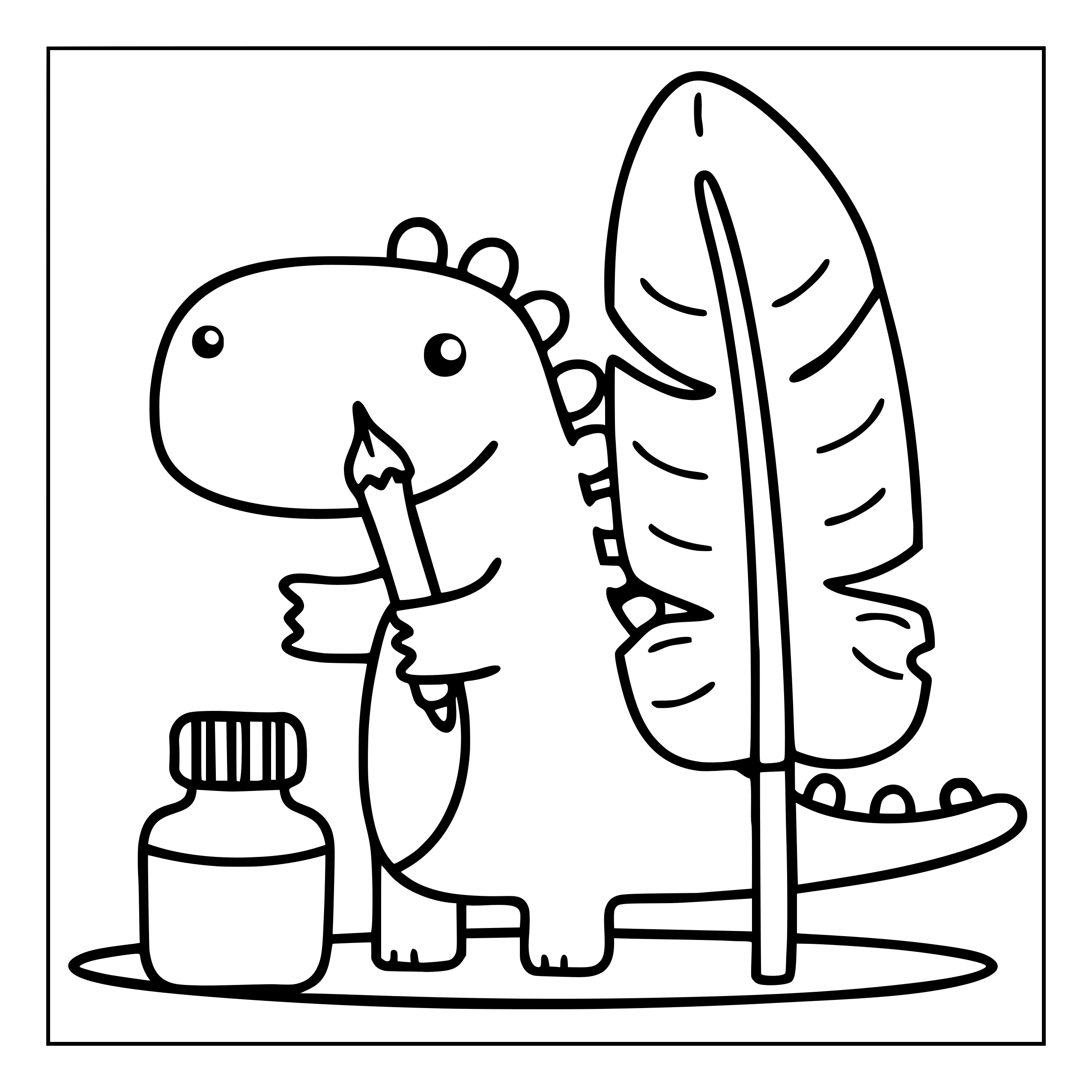
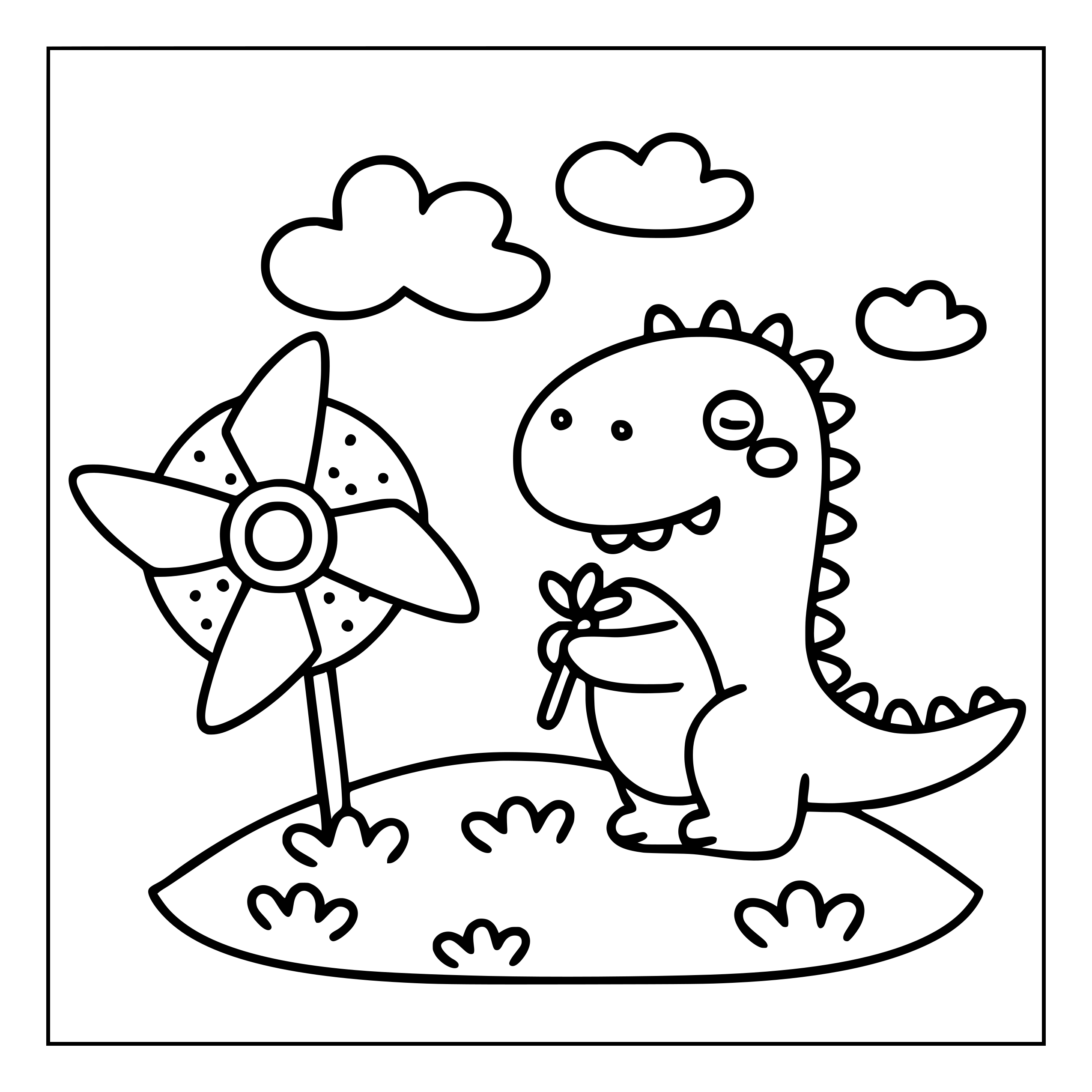
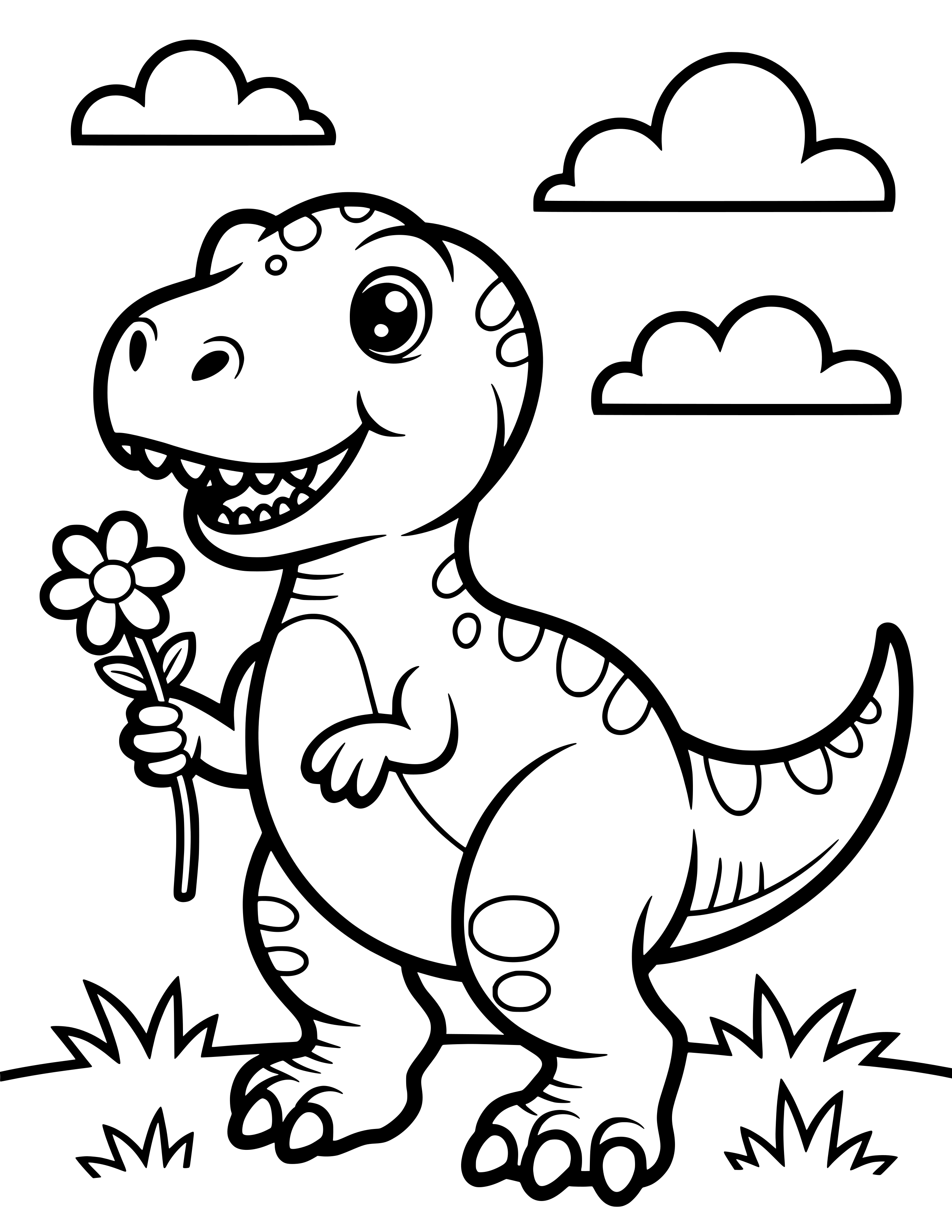
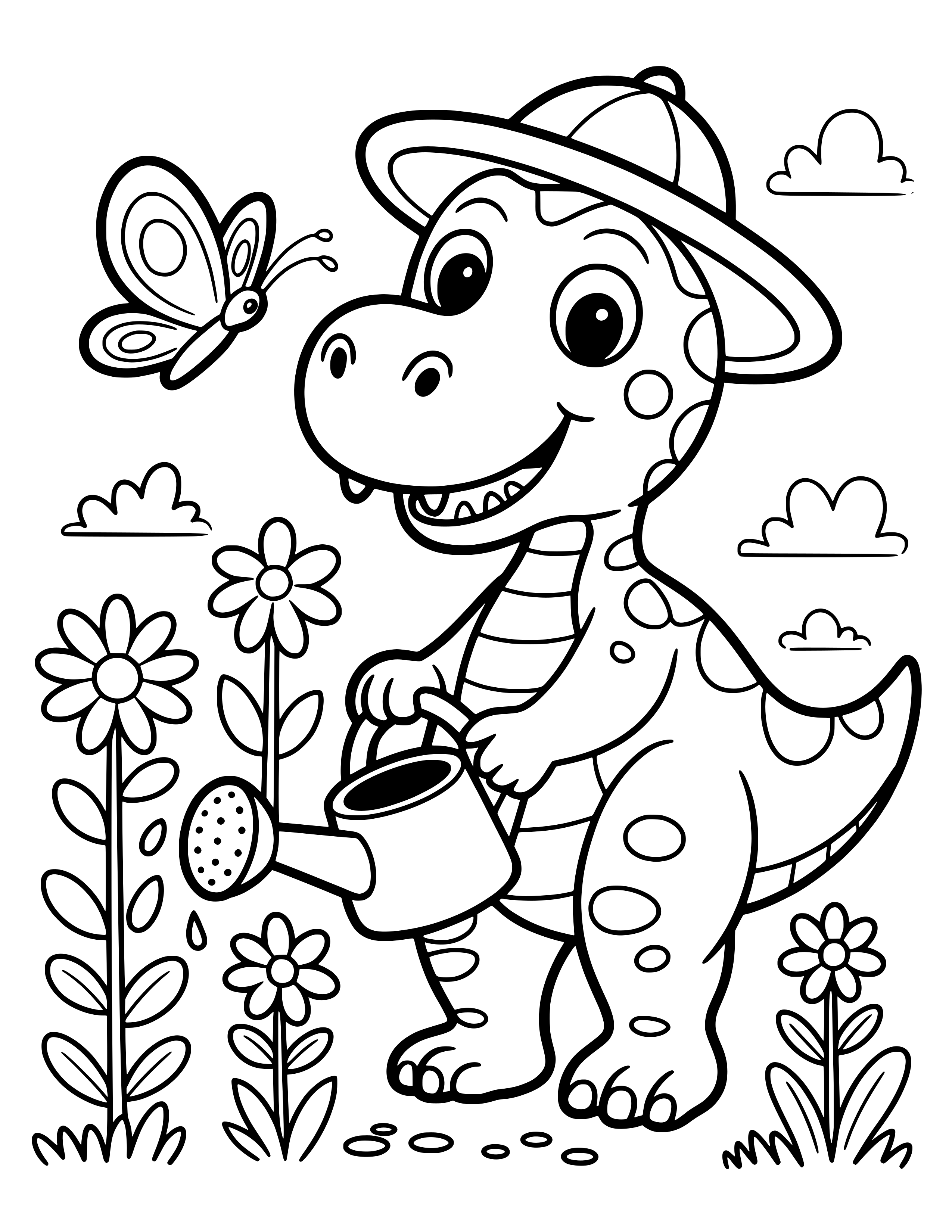
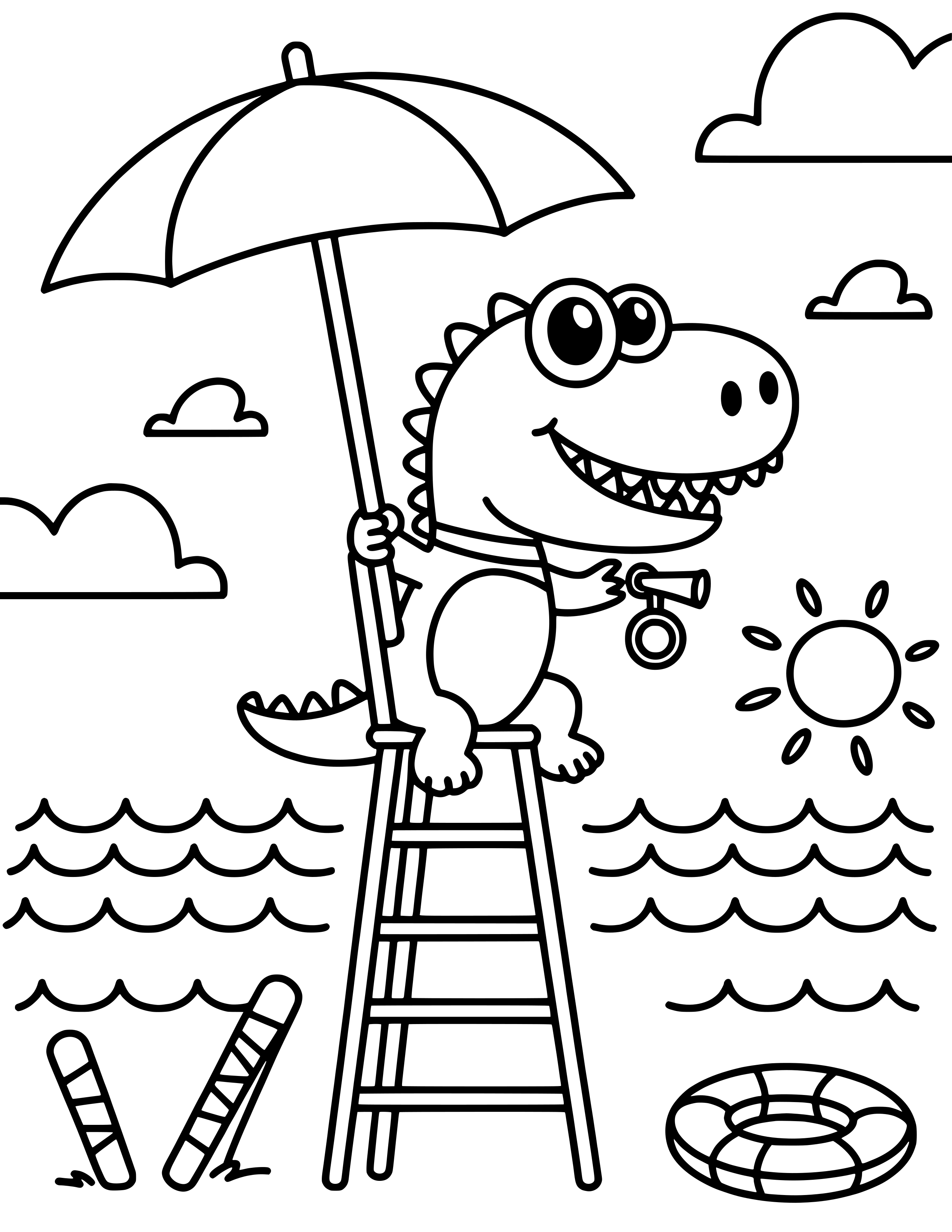
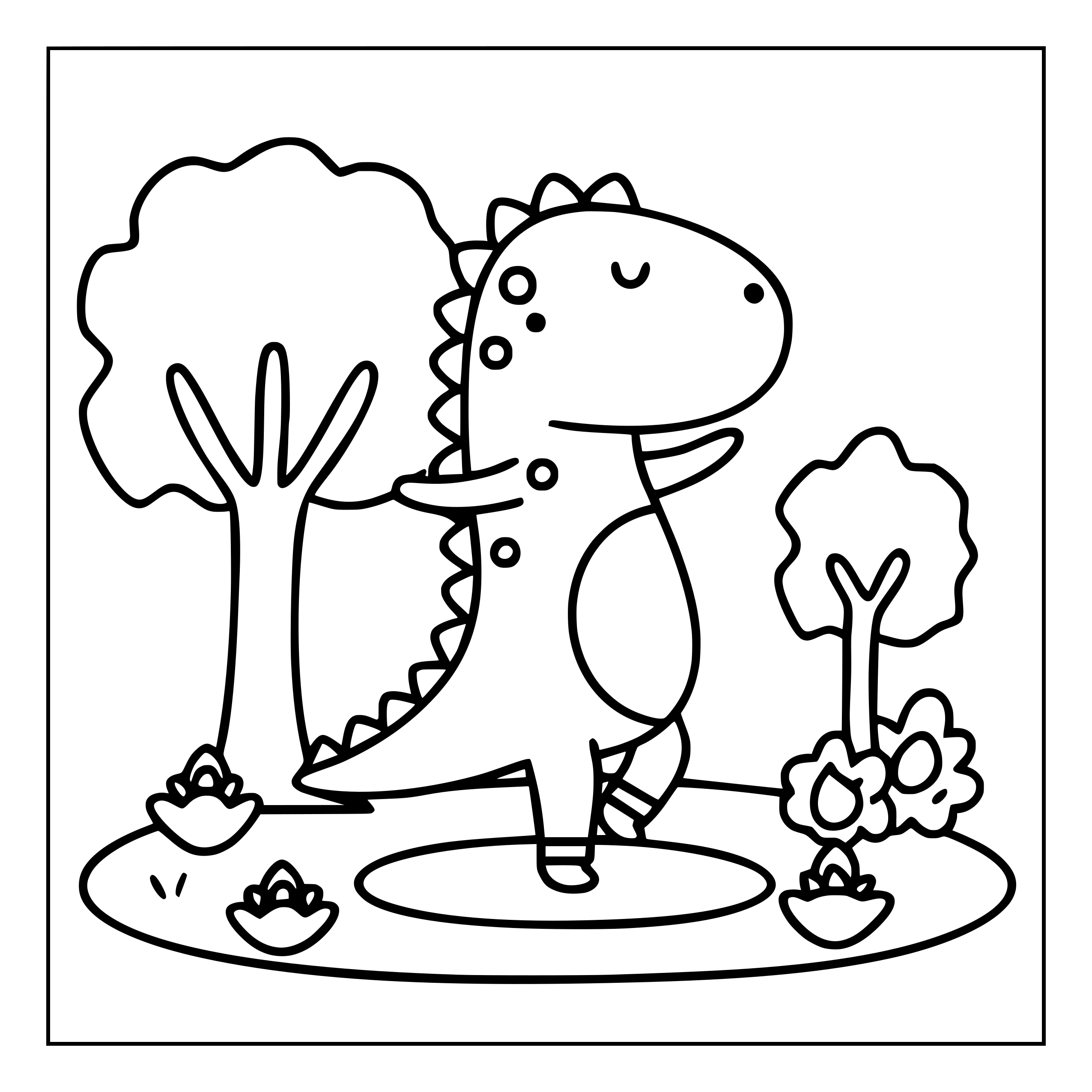
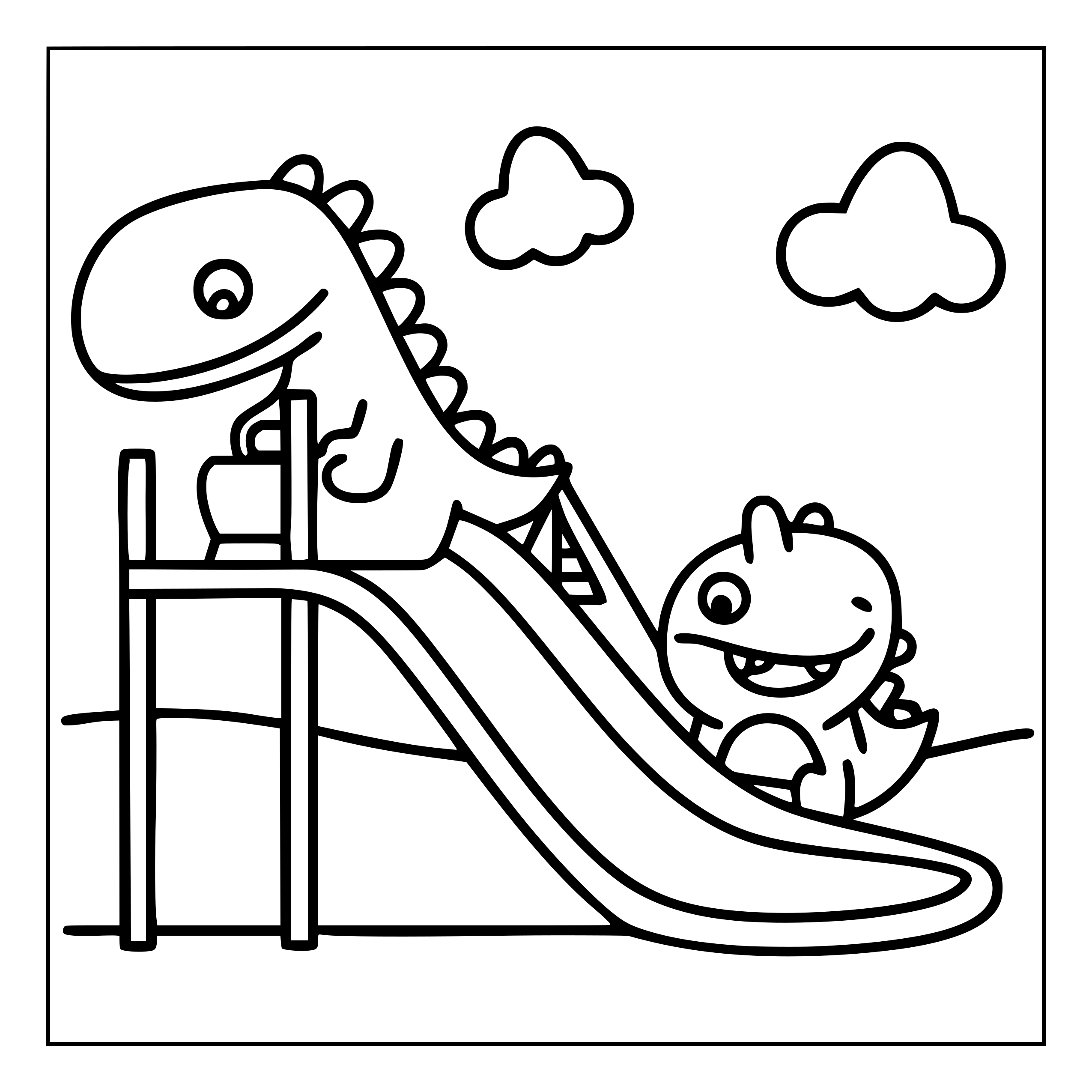
- Cute Dinosaurs — 100 friendly cartoon dinosaurs full of charm and personality, in fun, bold designs that kids love.
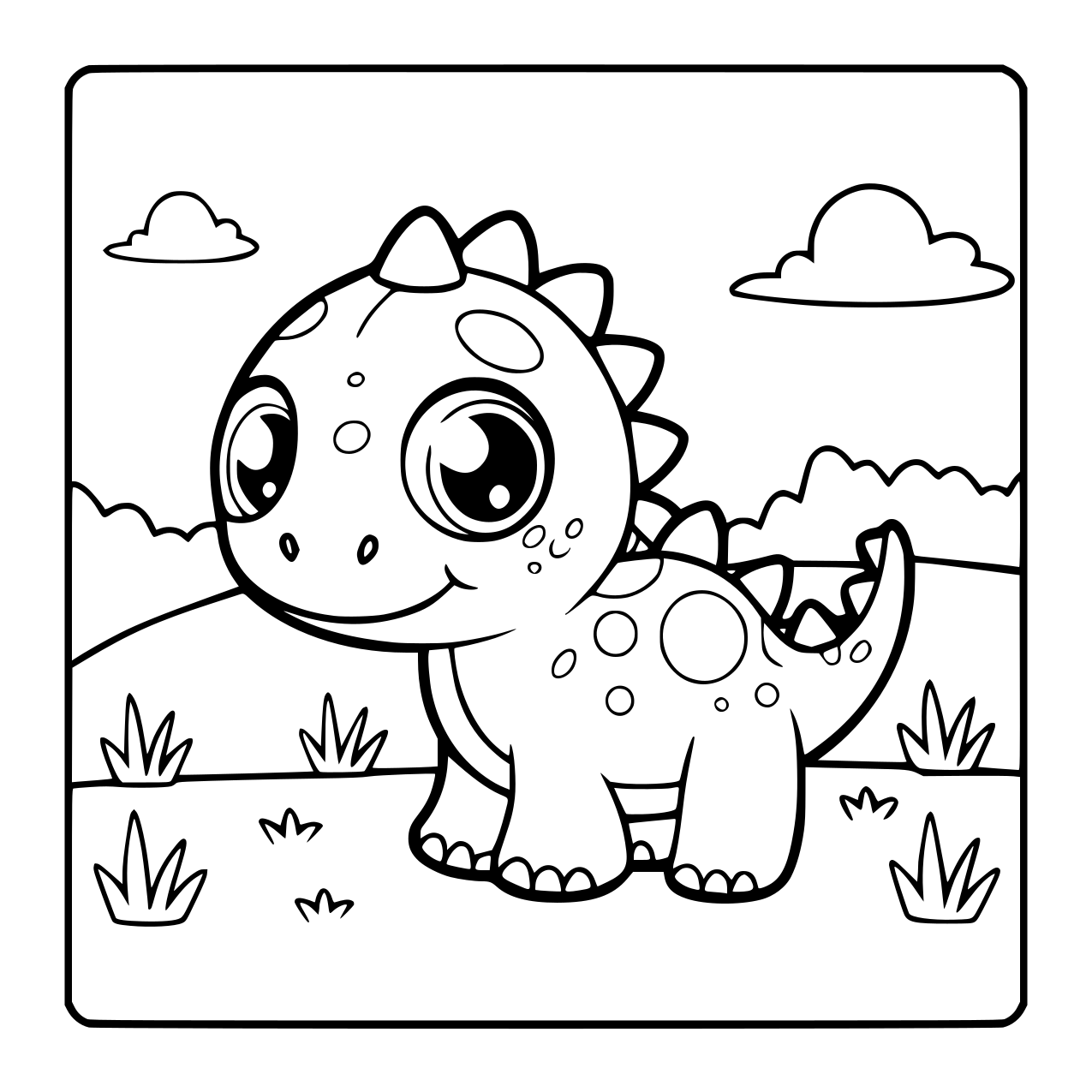
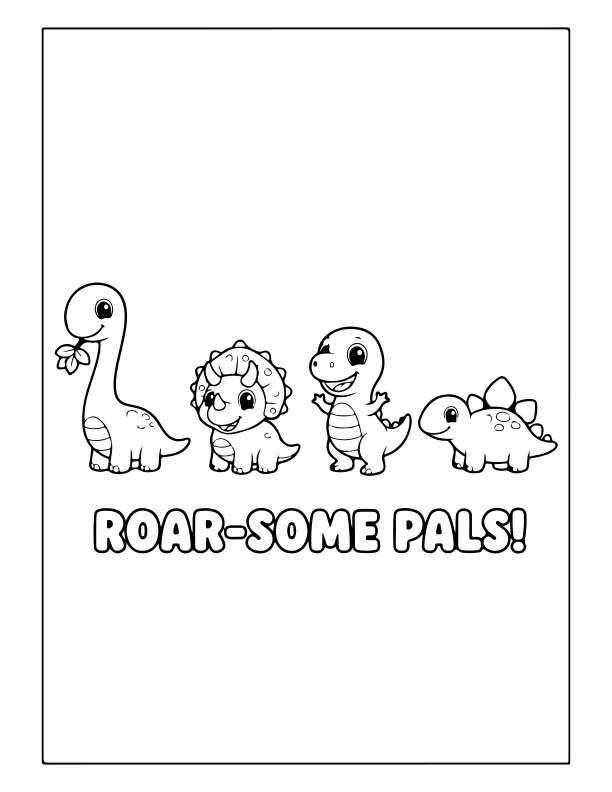
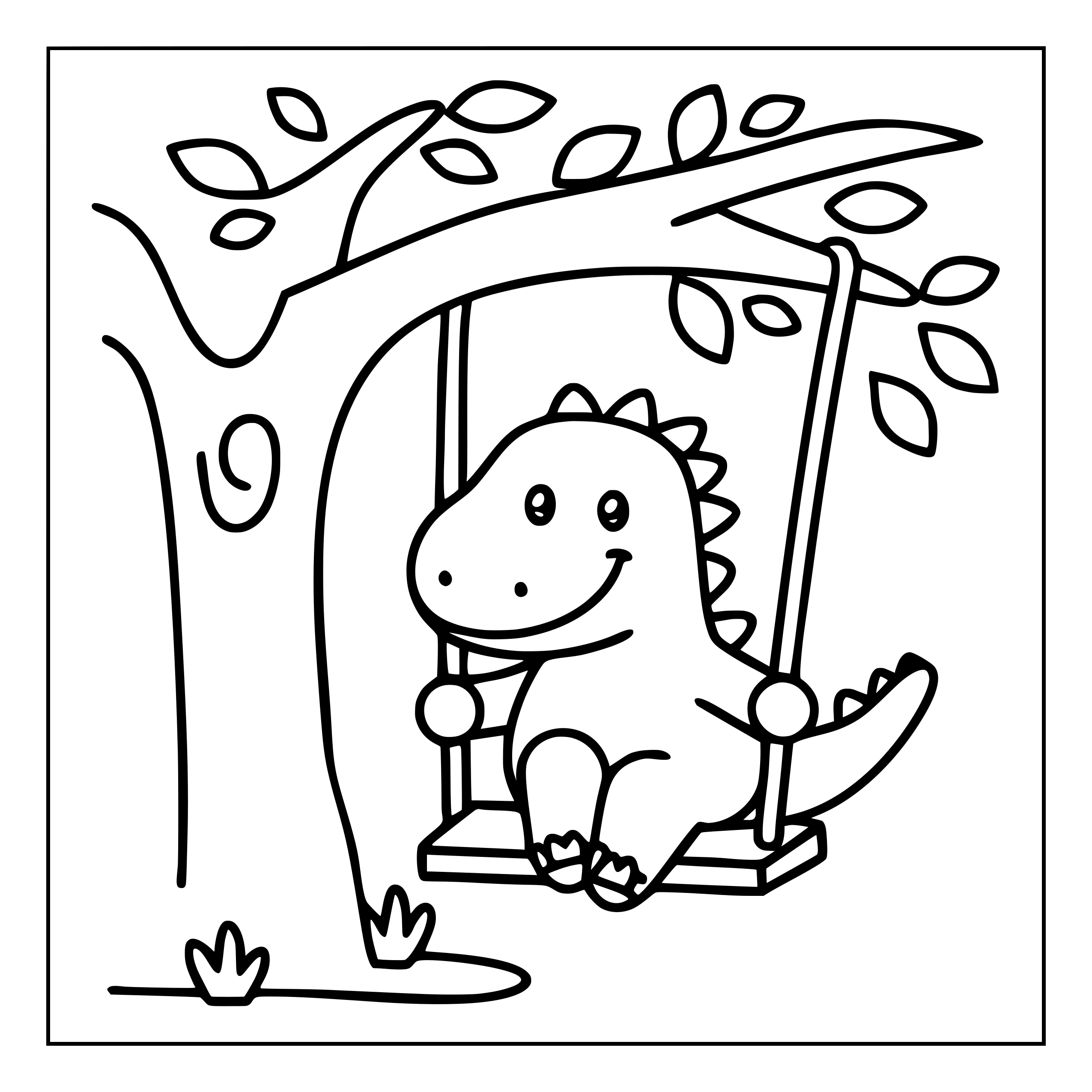
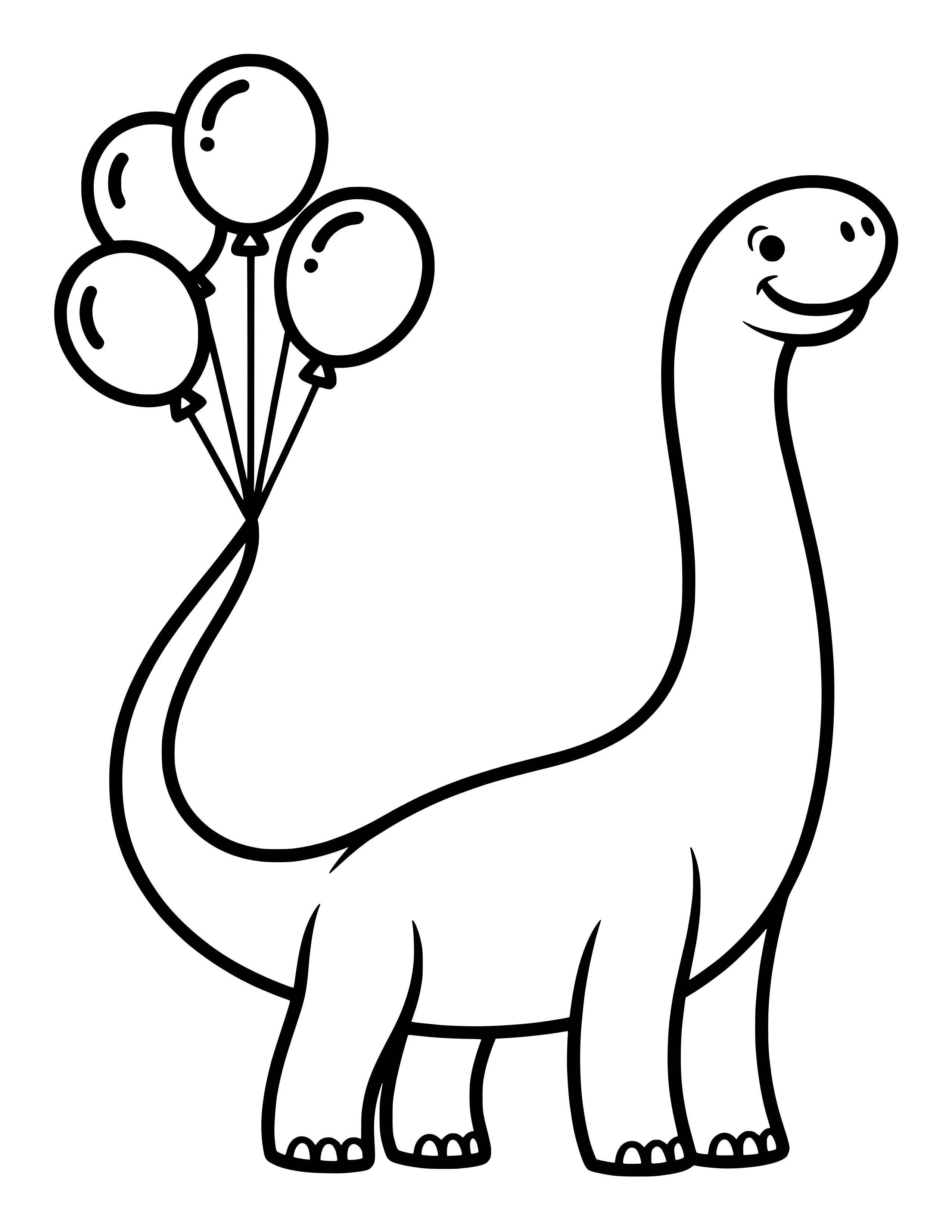
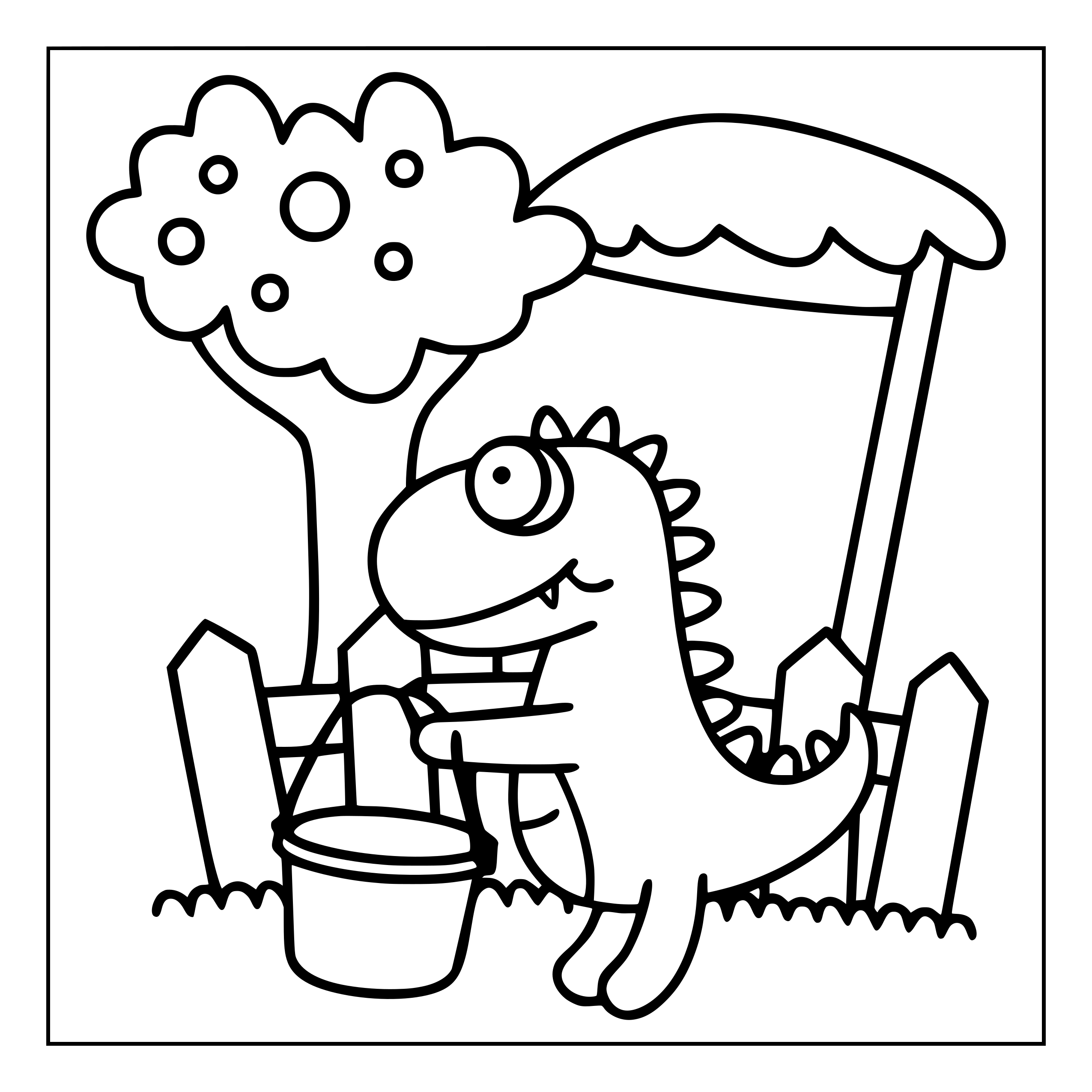
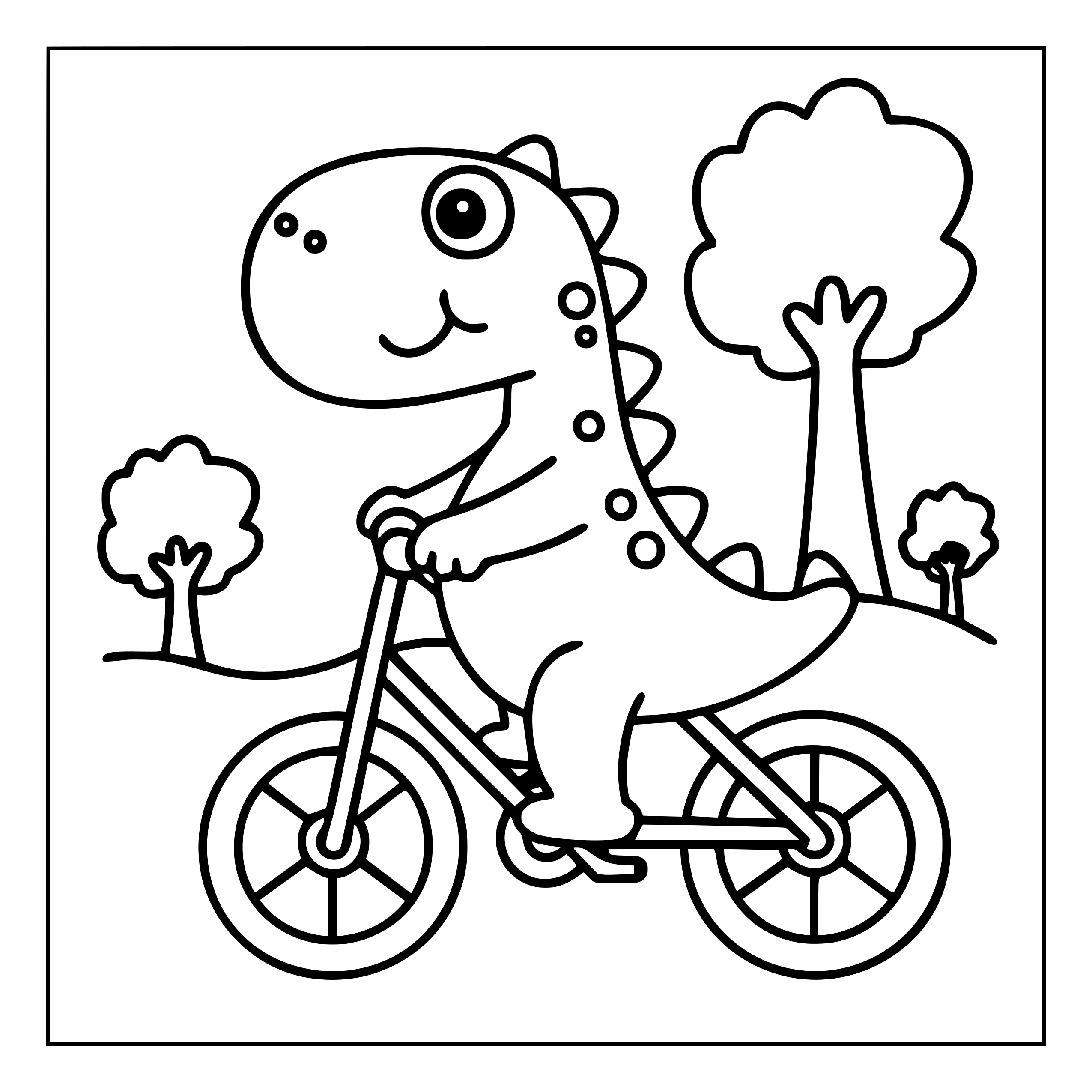
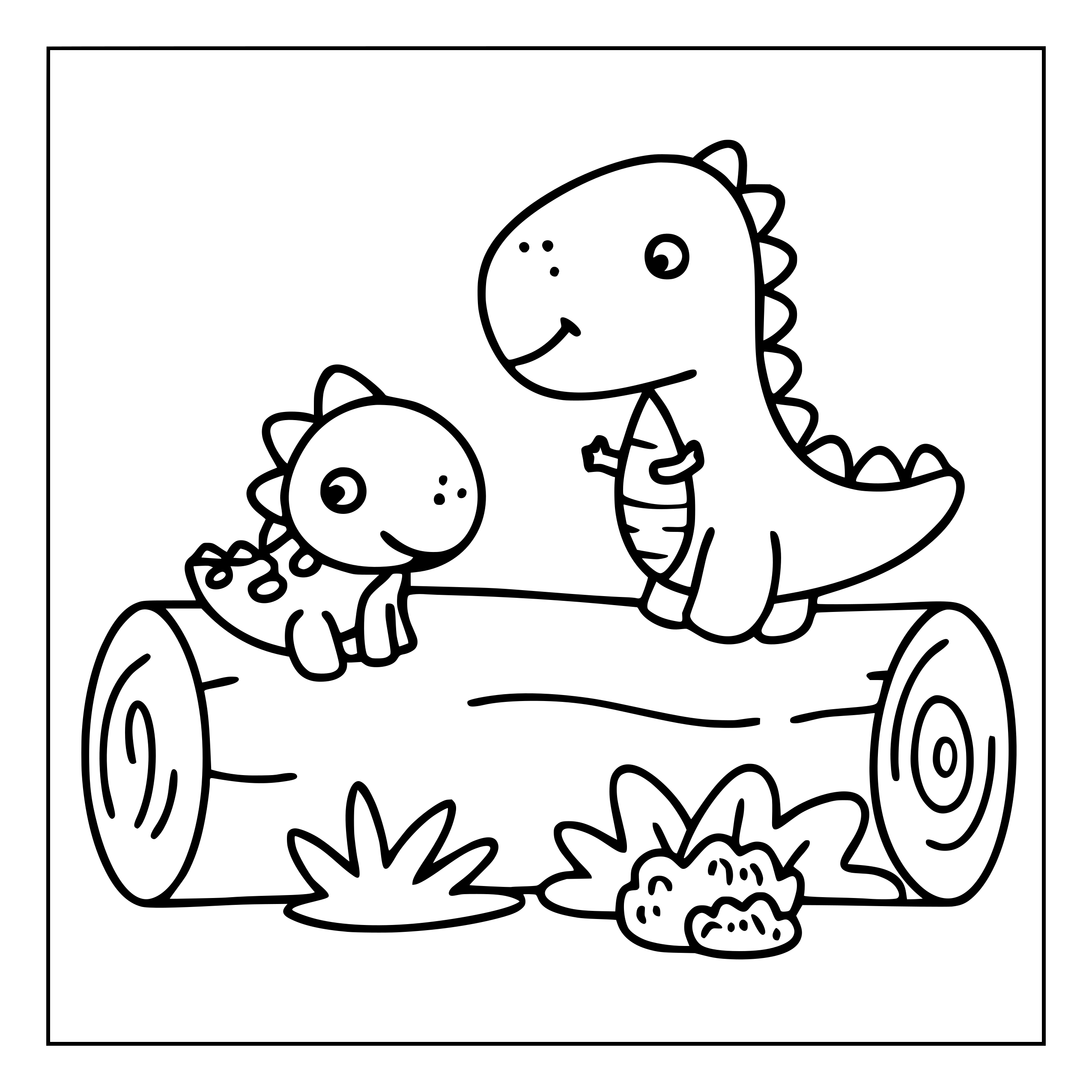
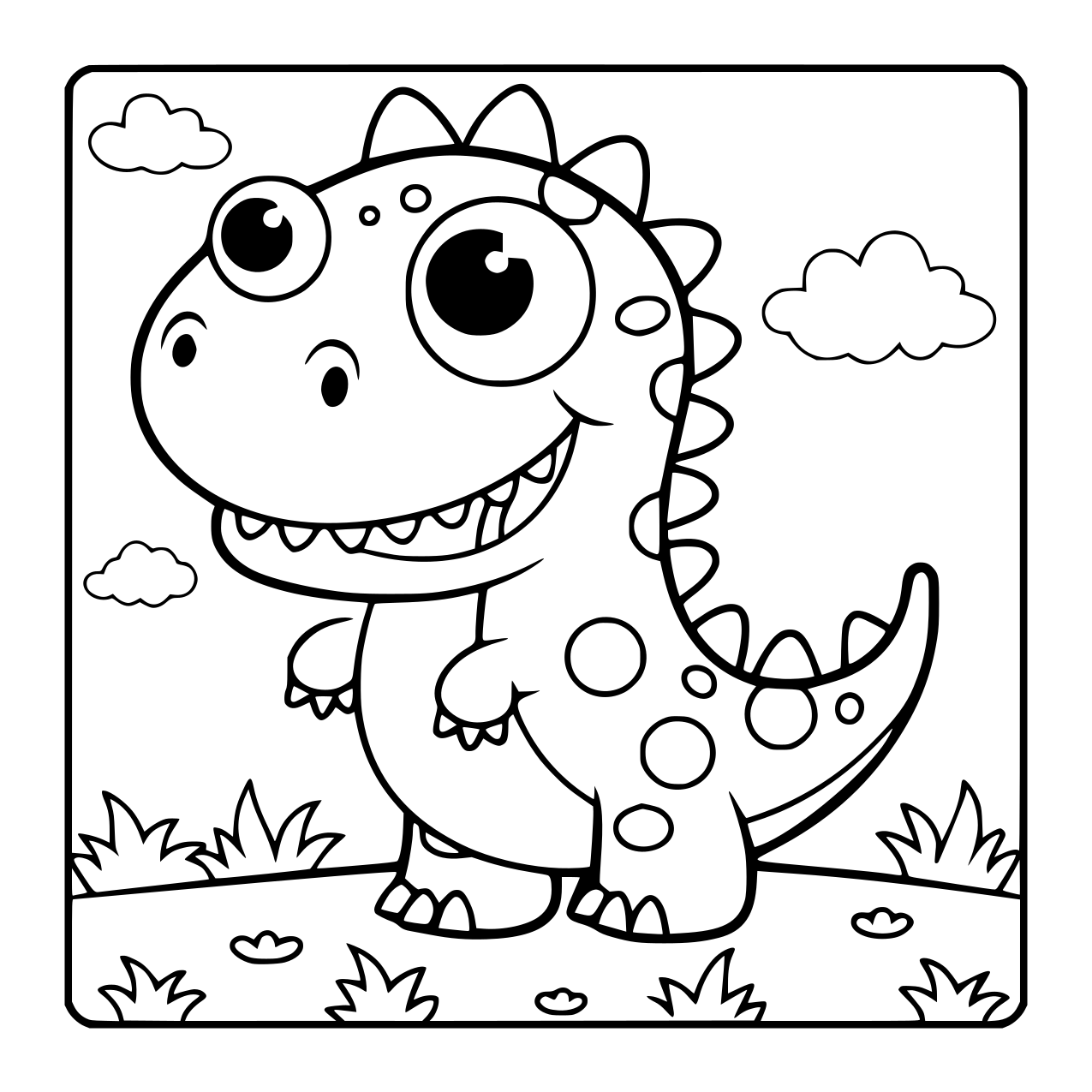
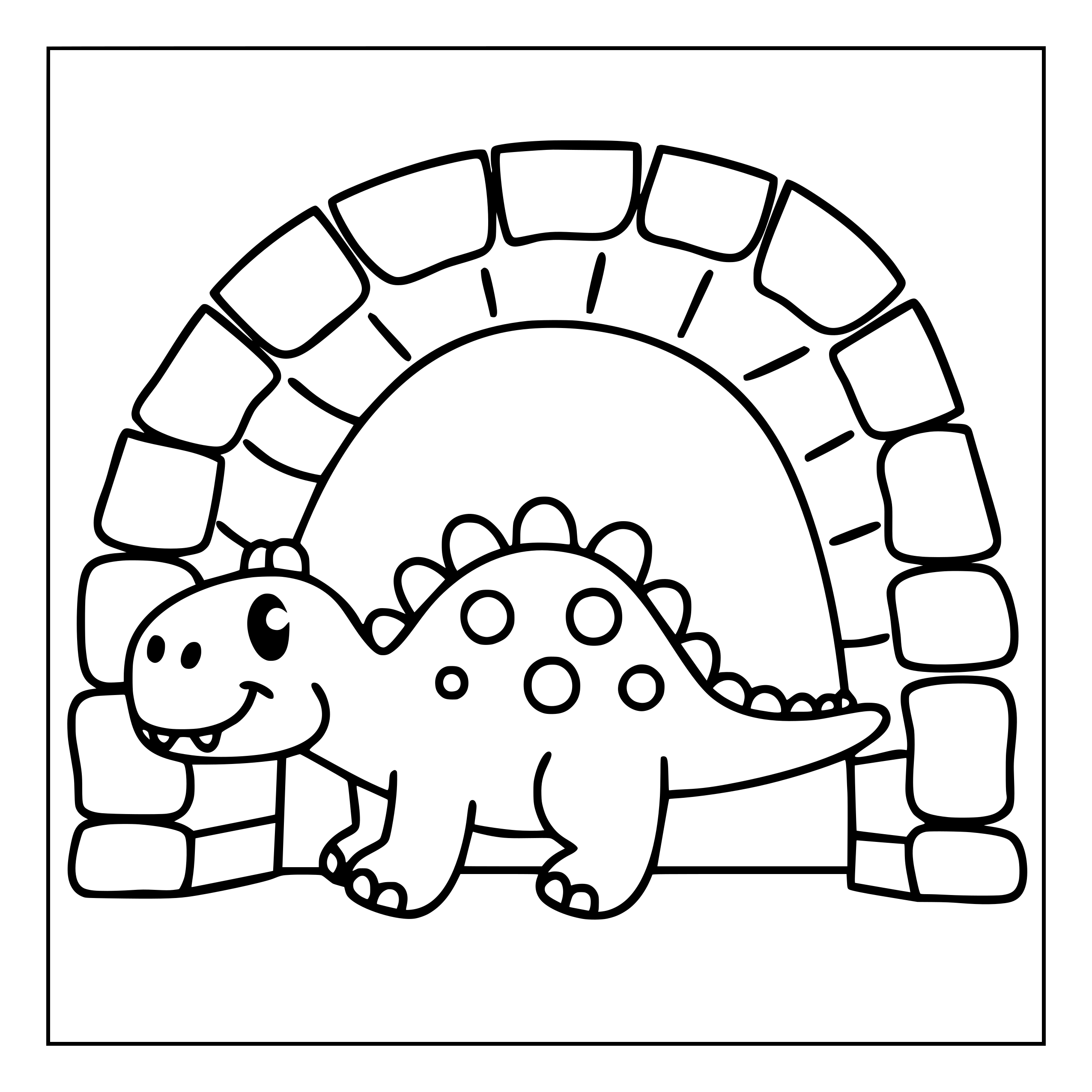
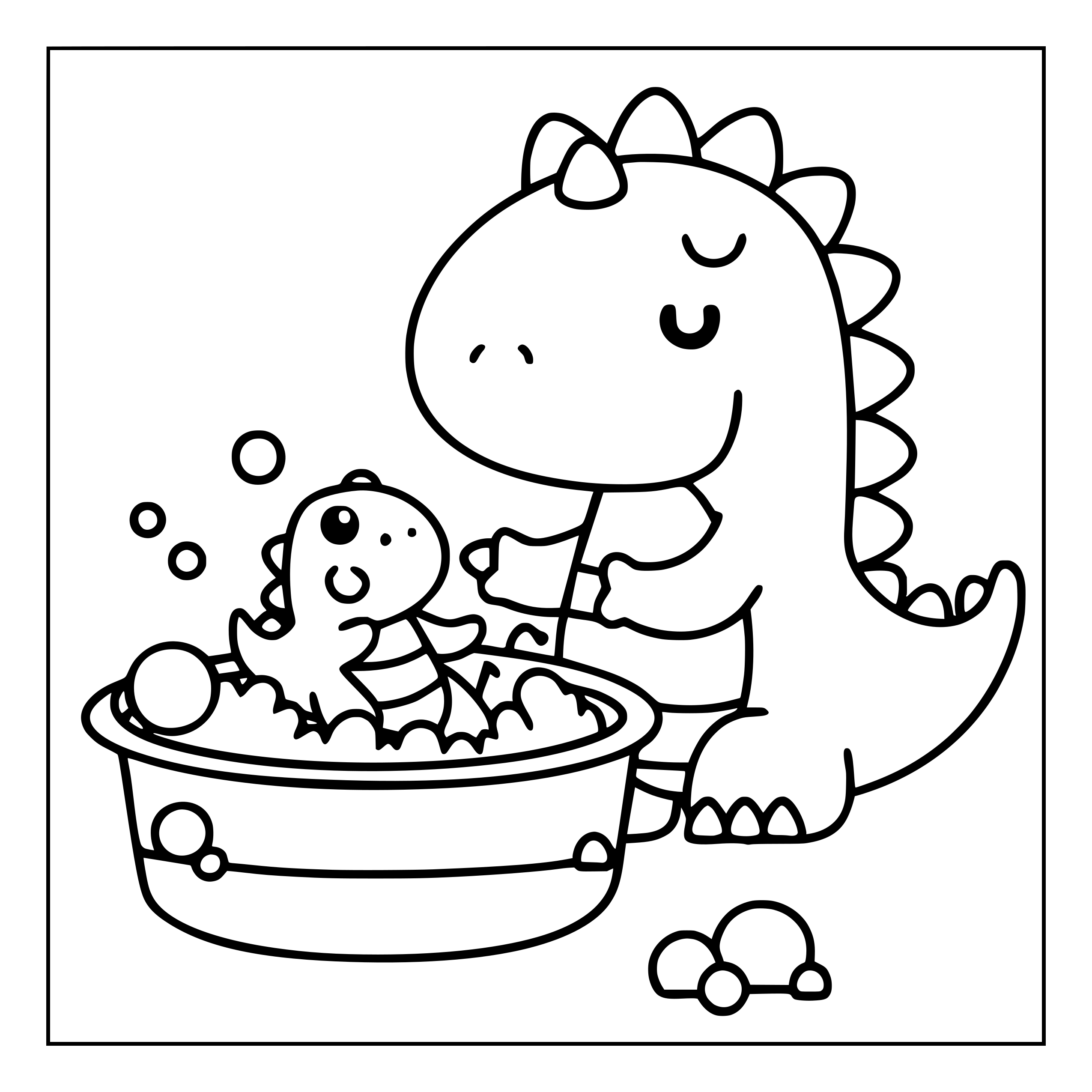
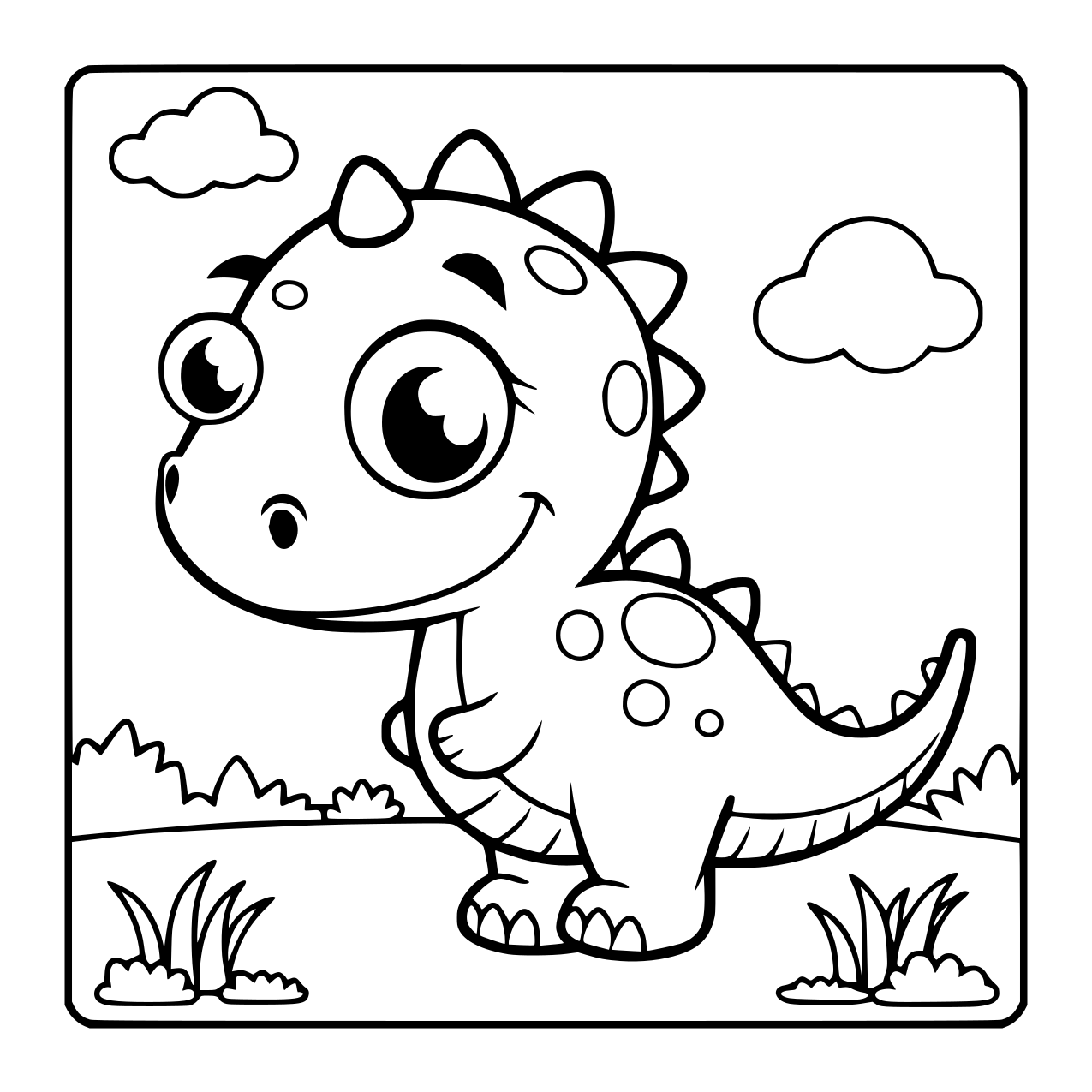
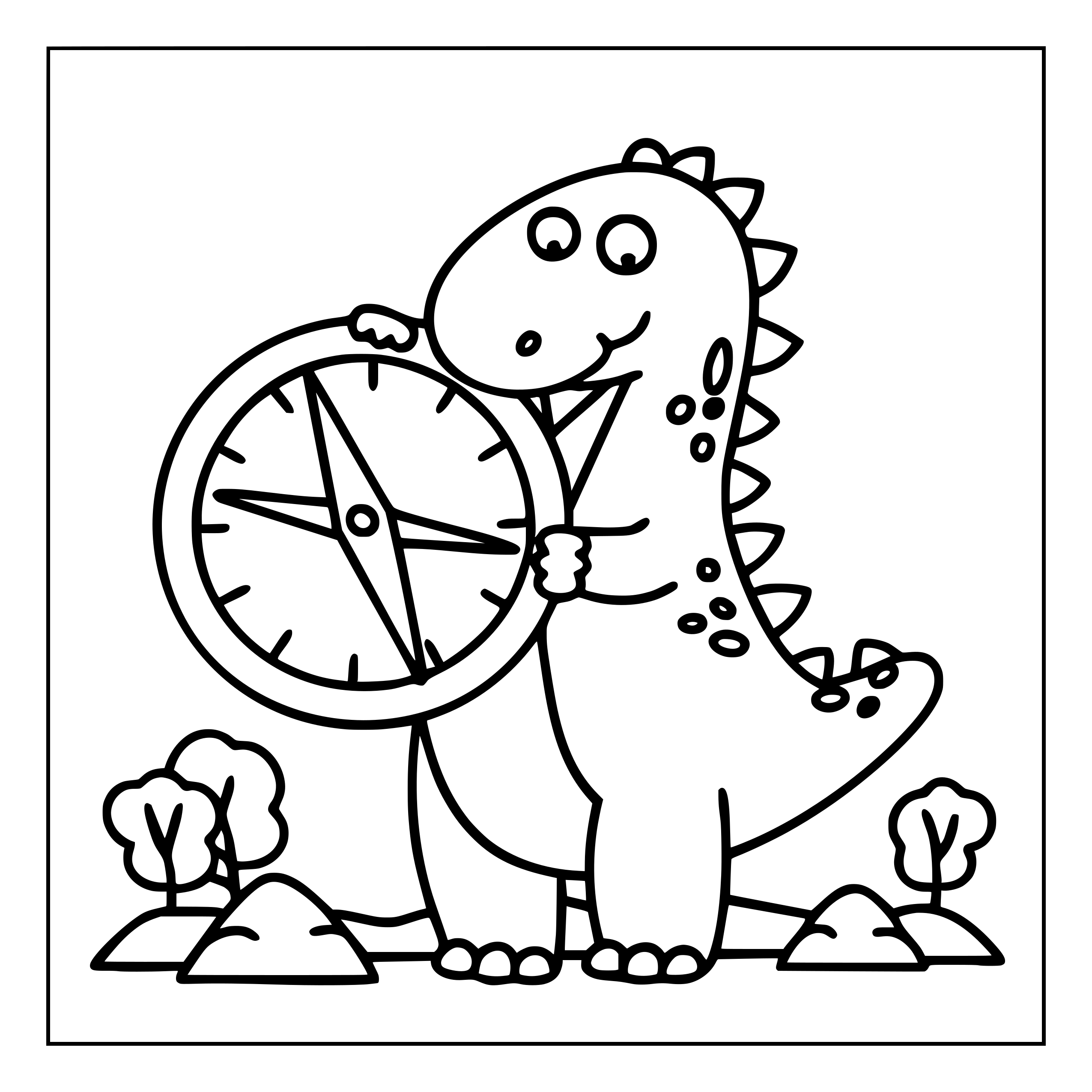
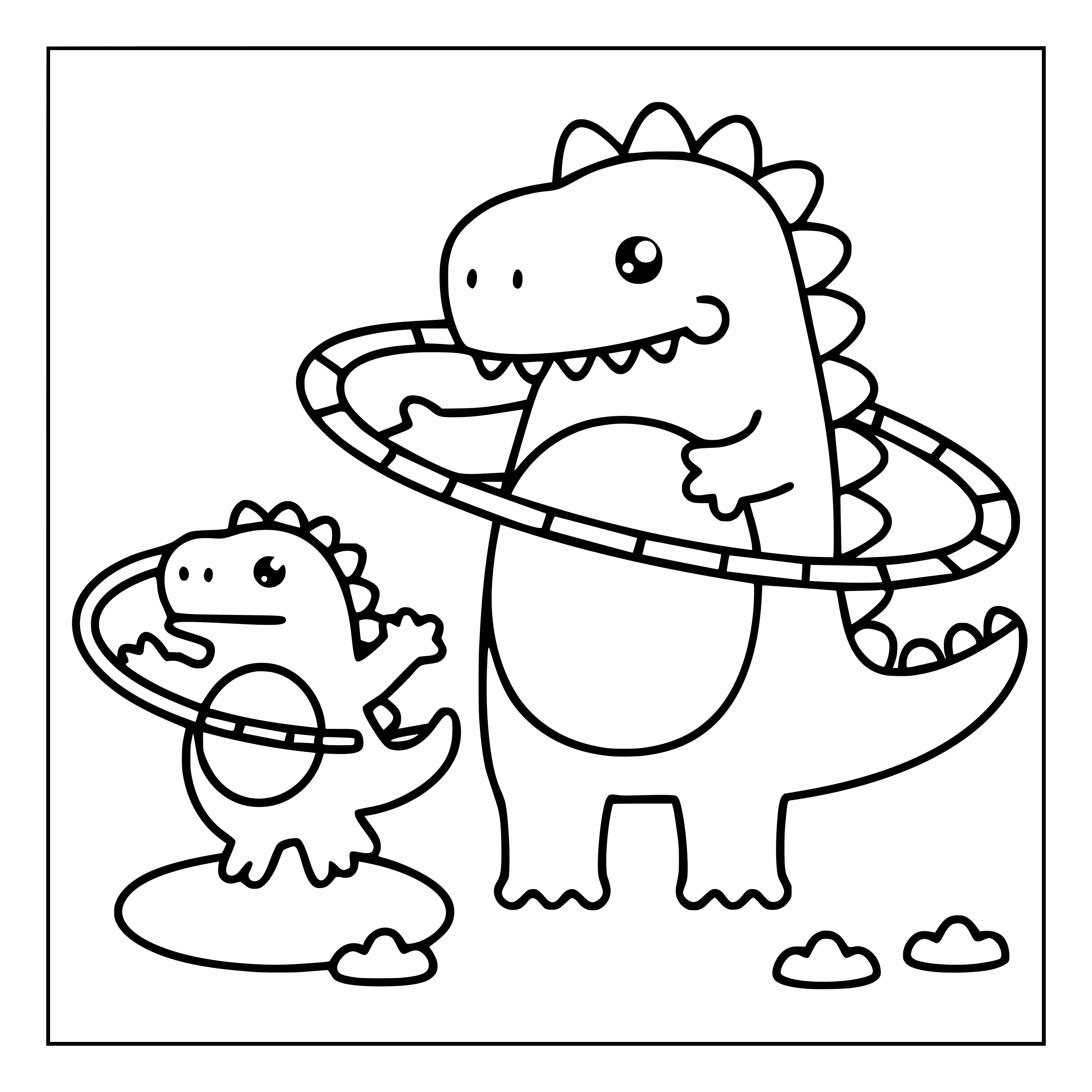
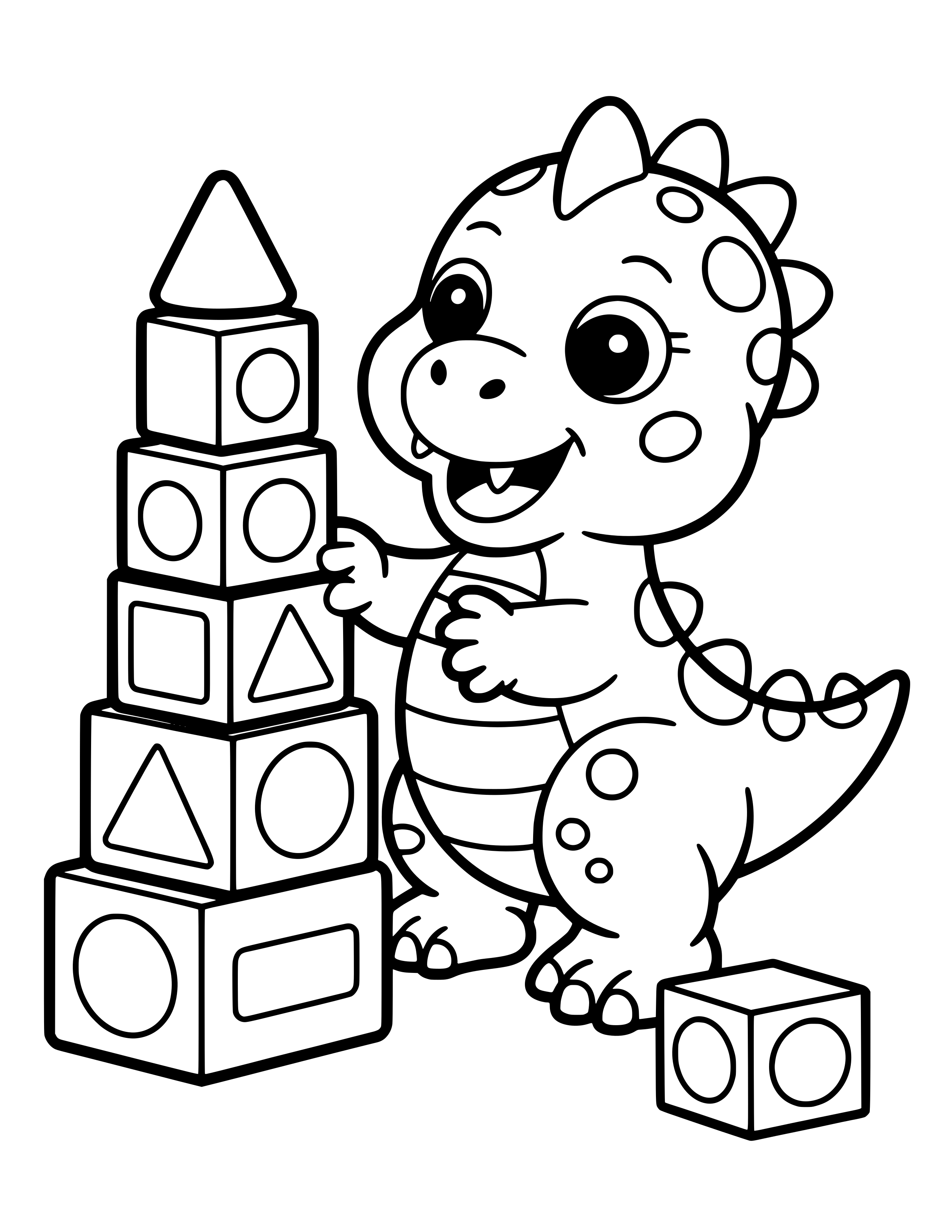
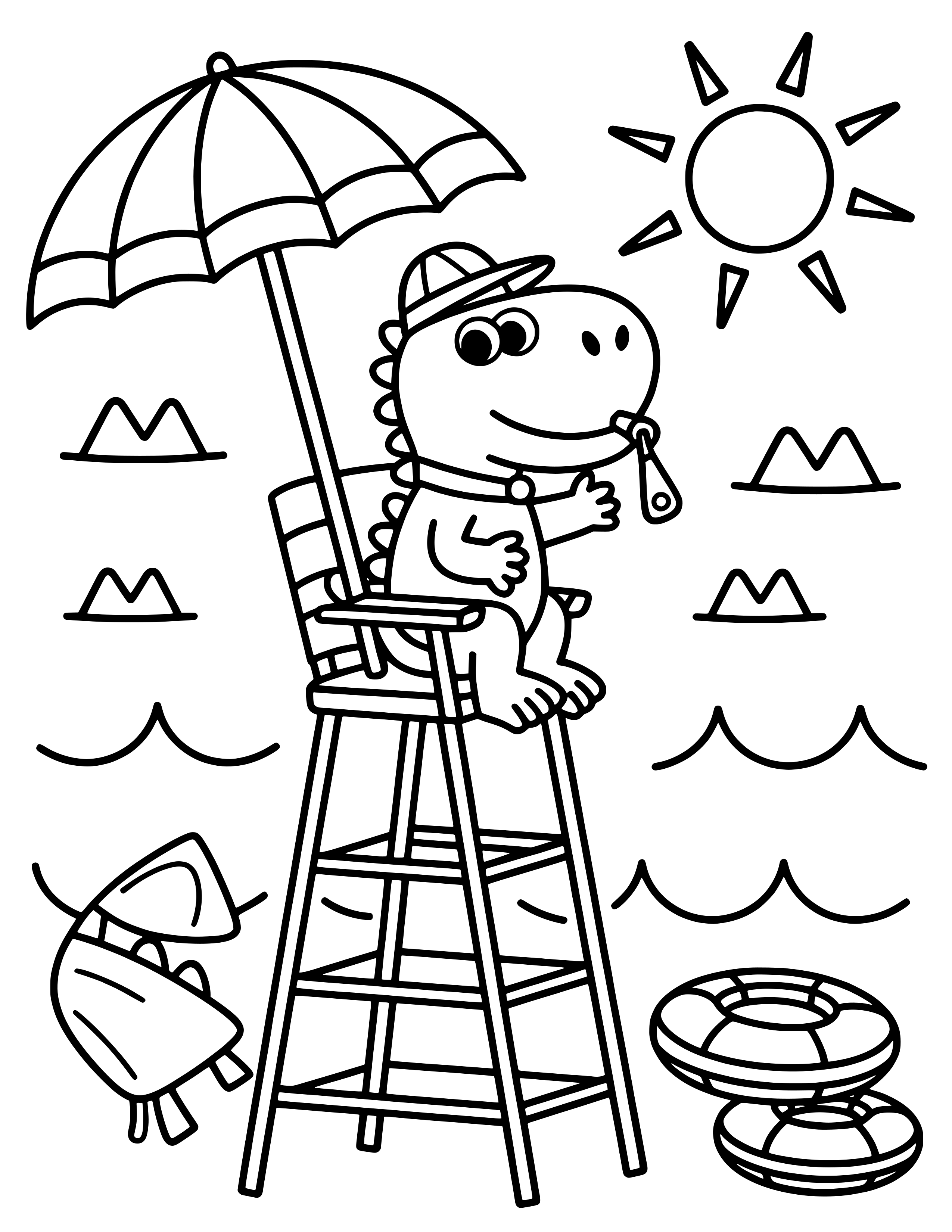
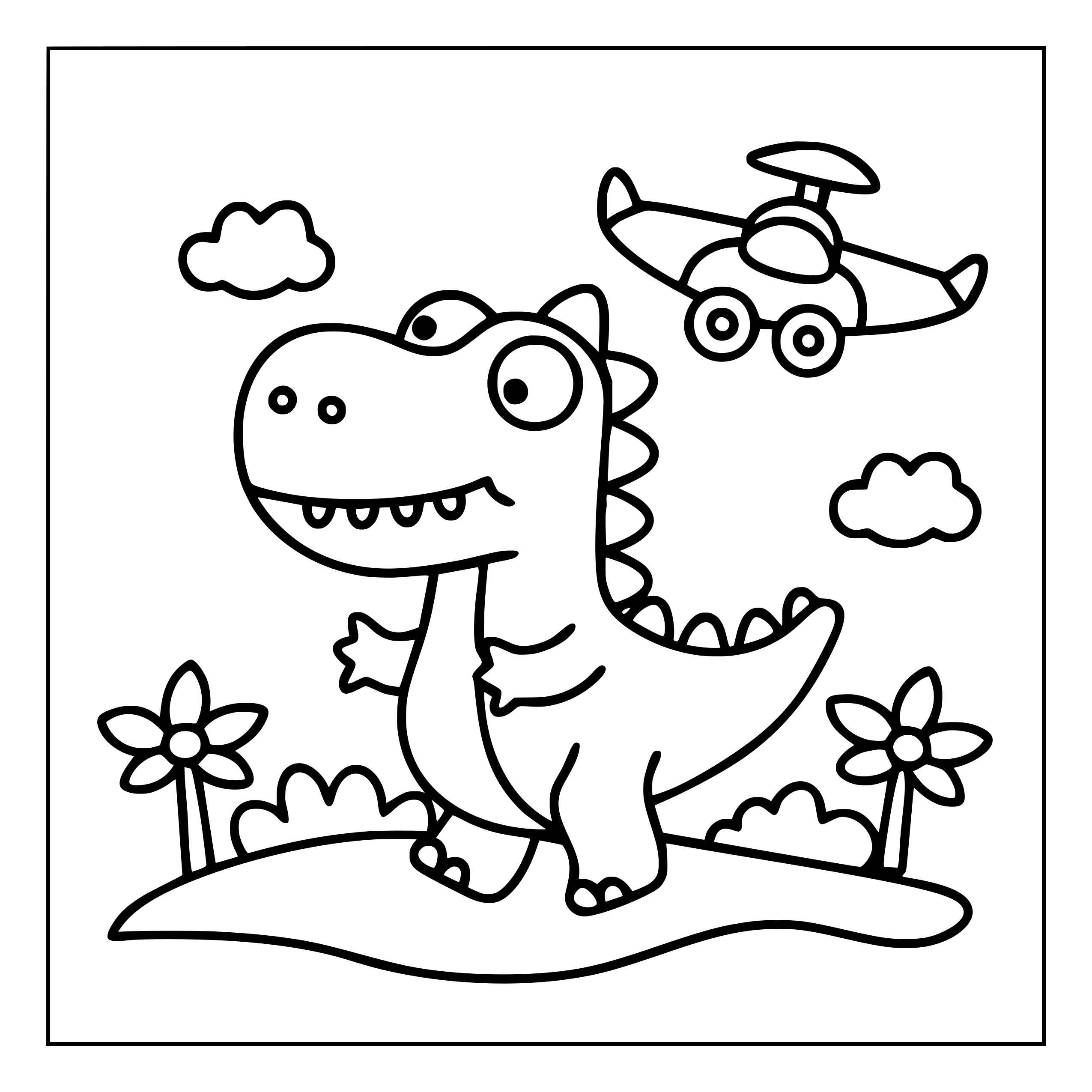
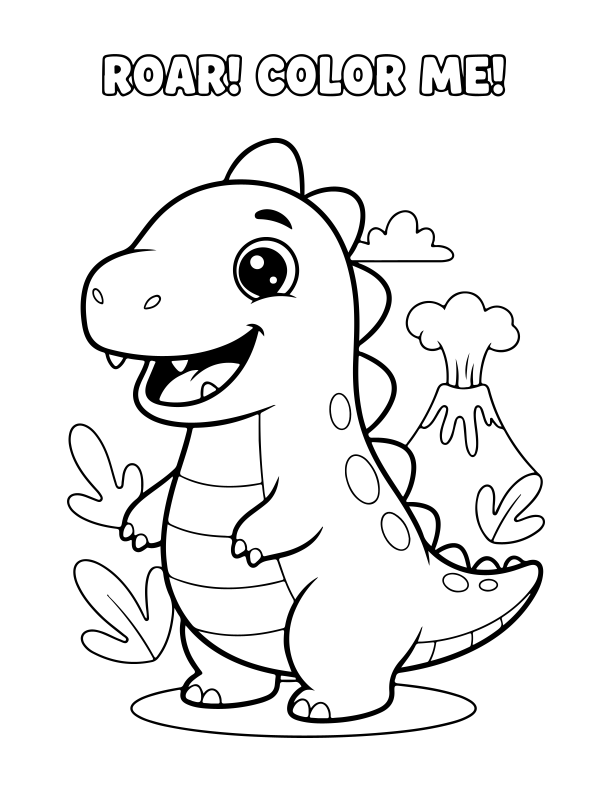
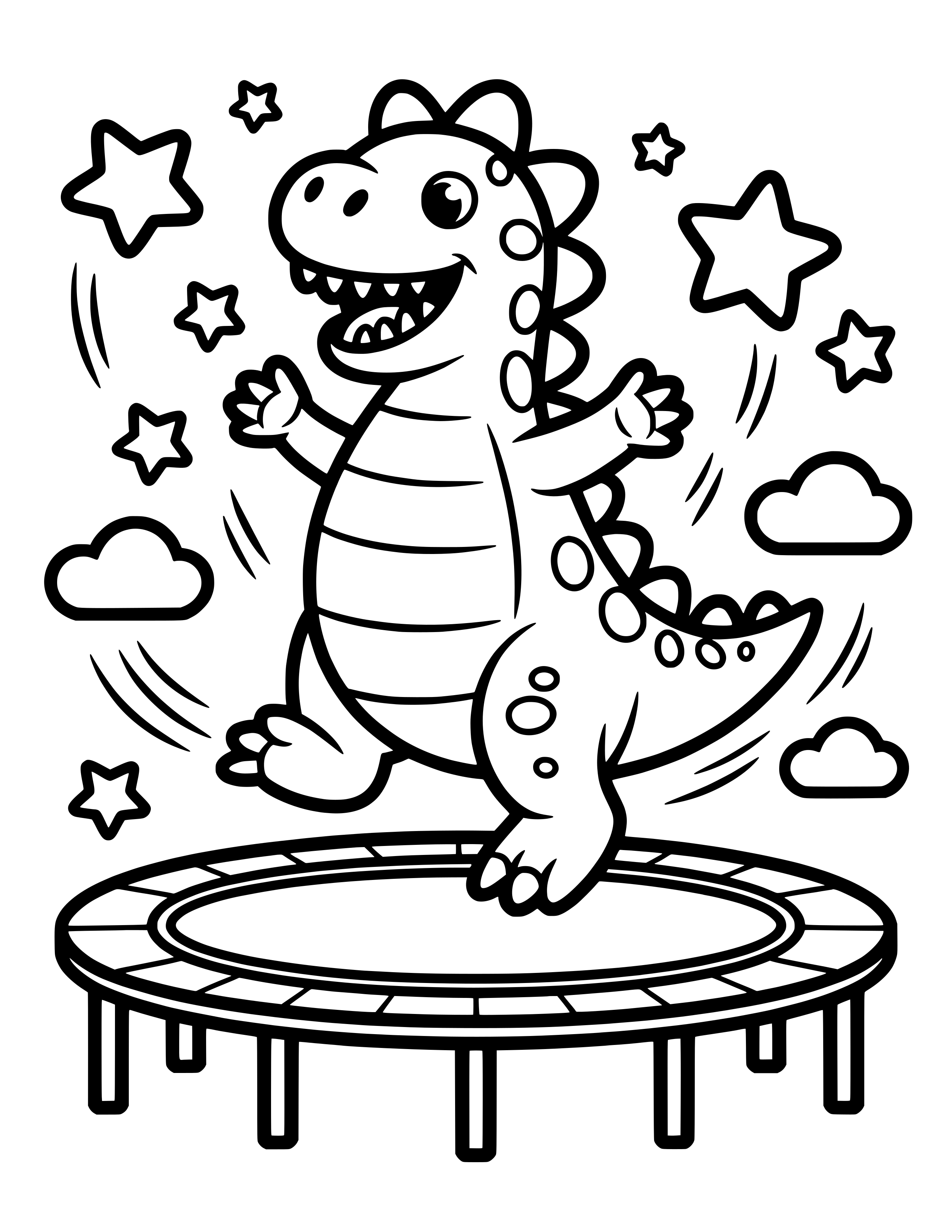
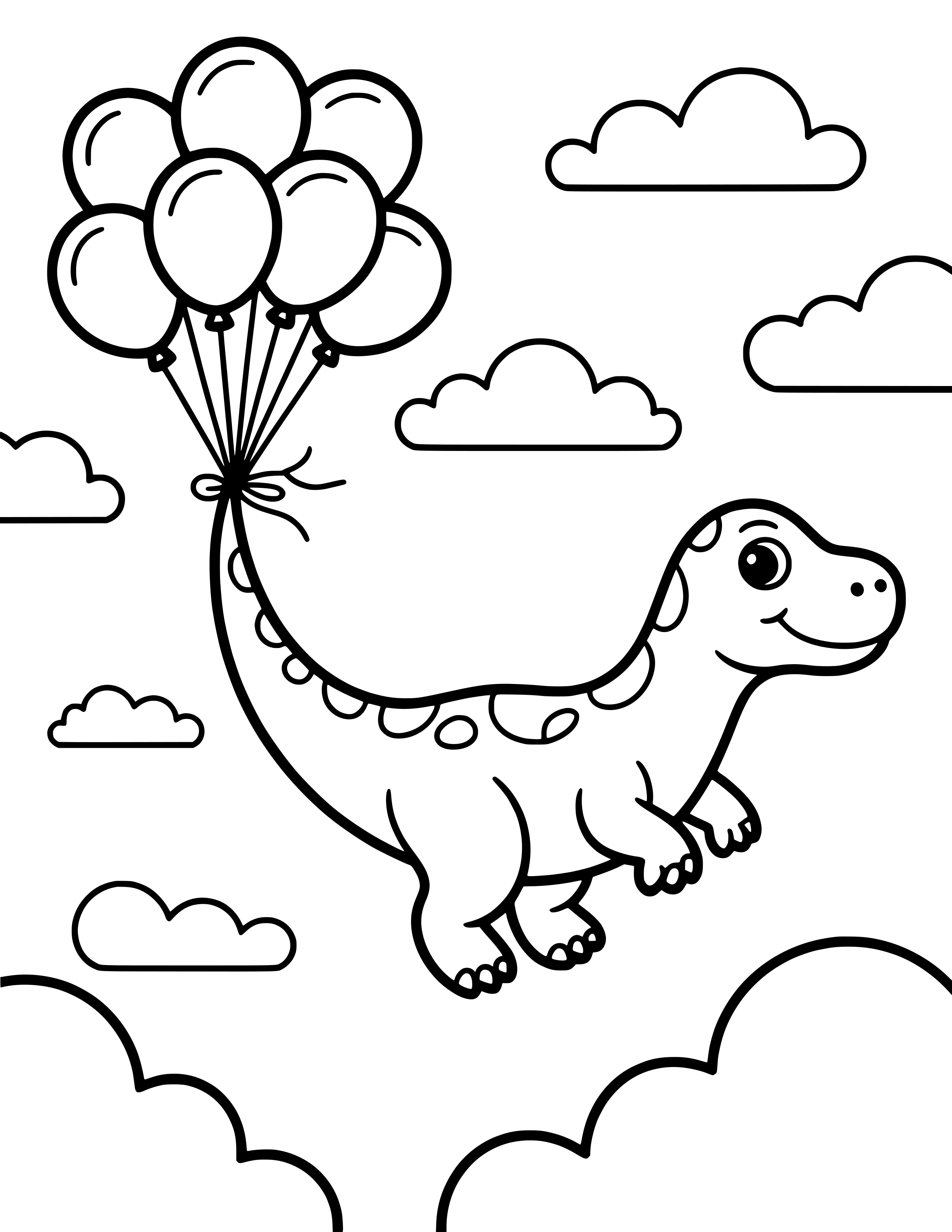
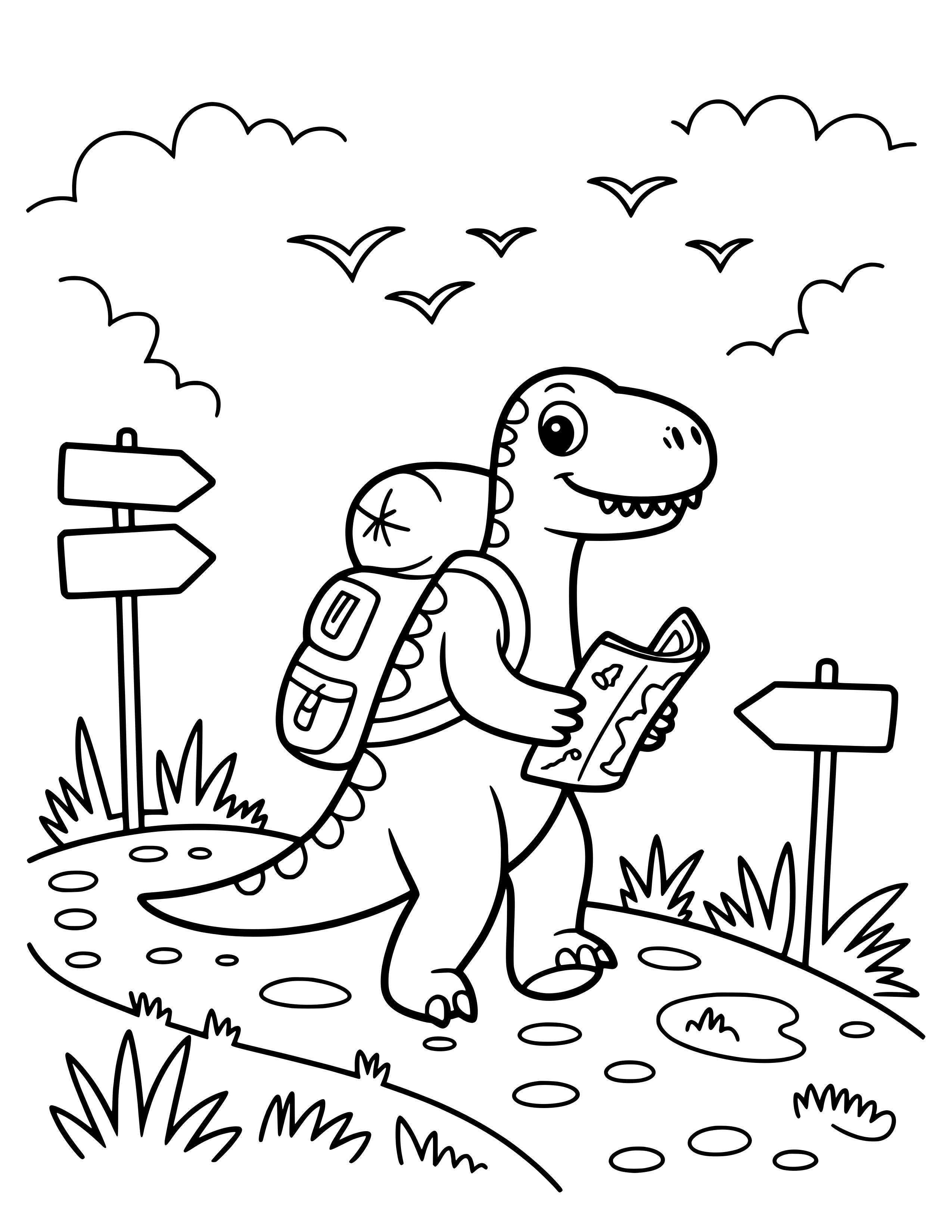
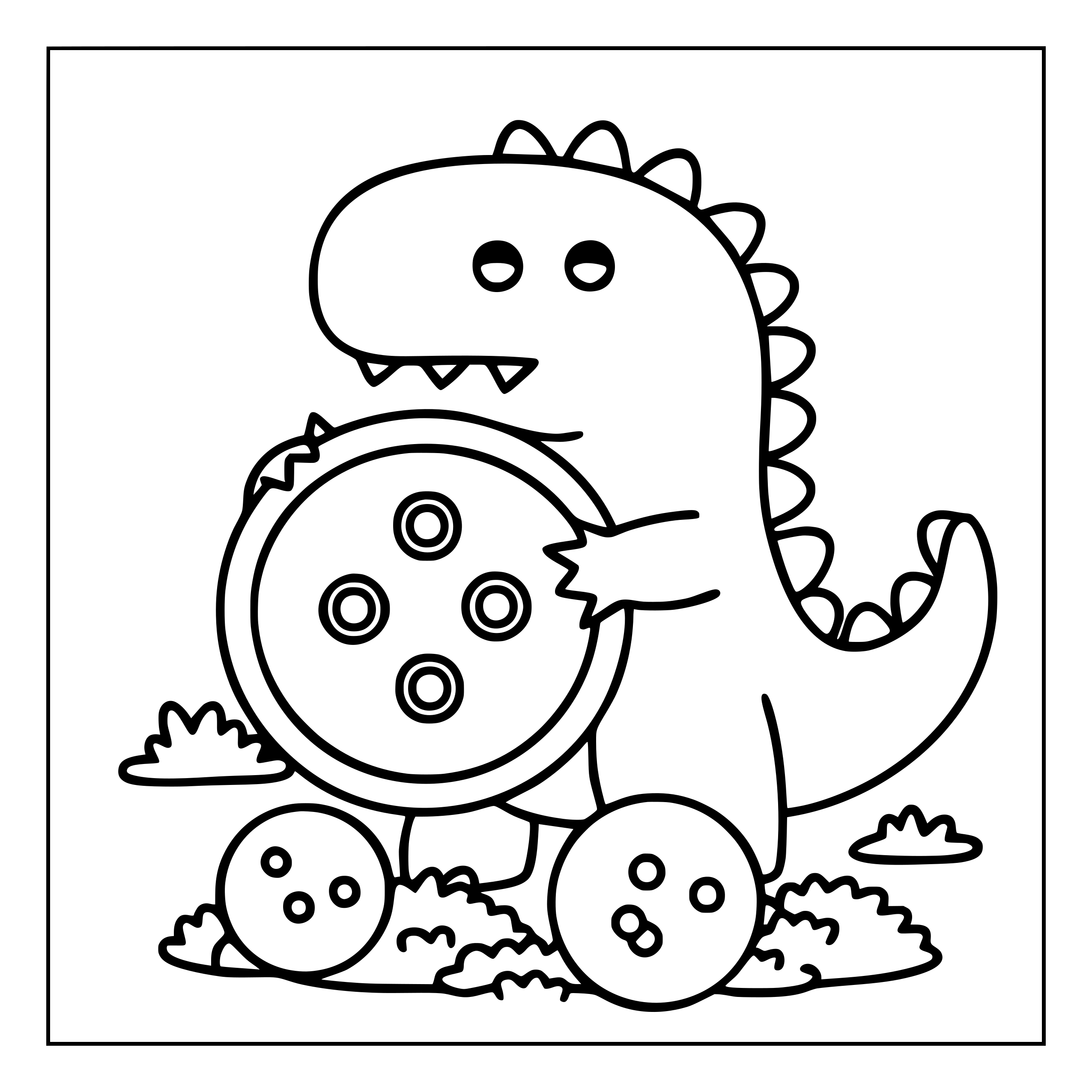
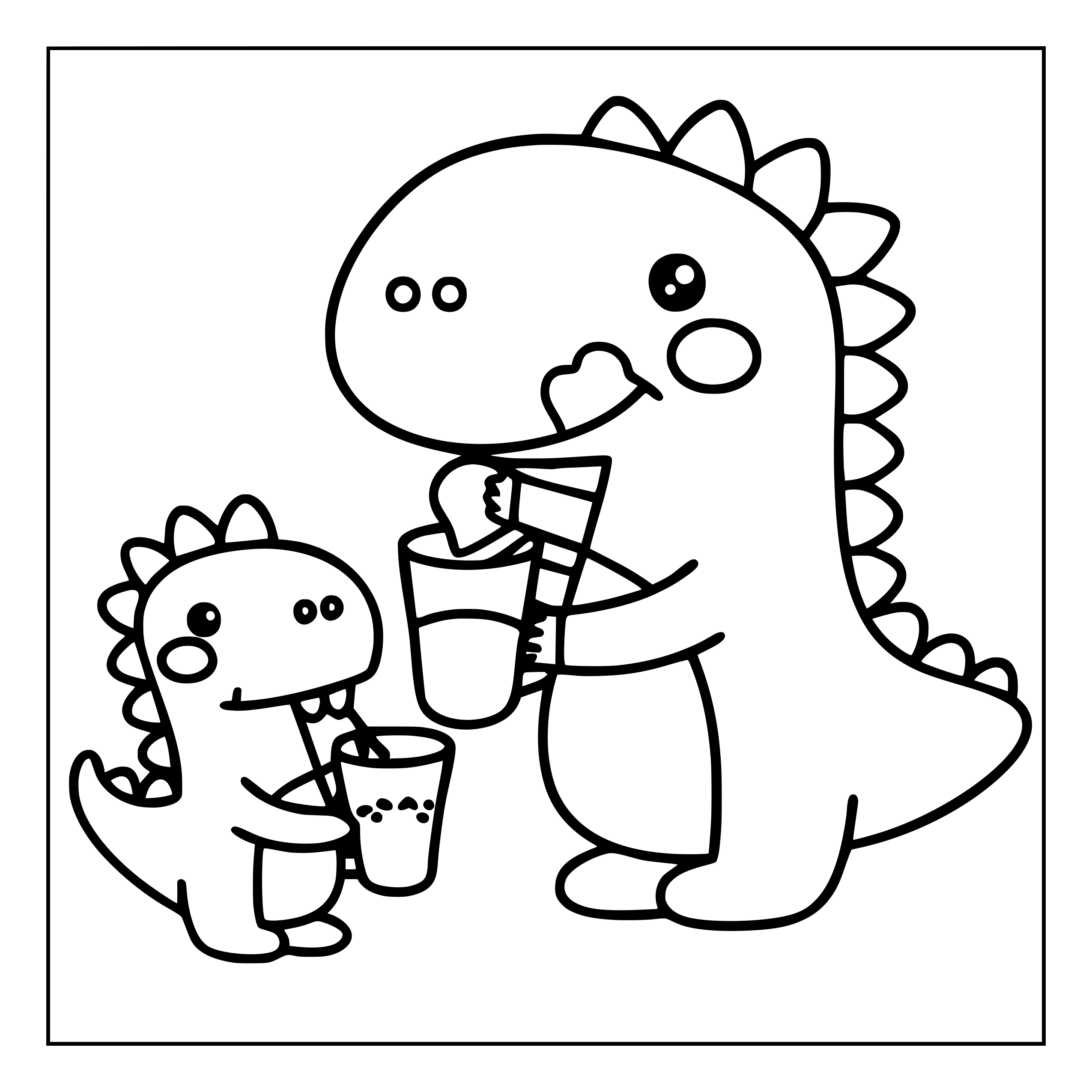
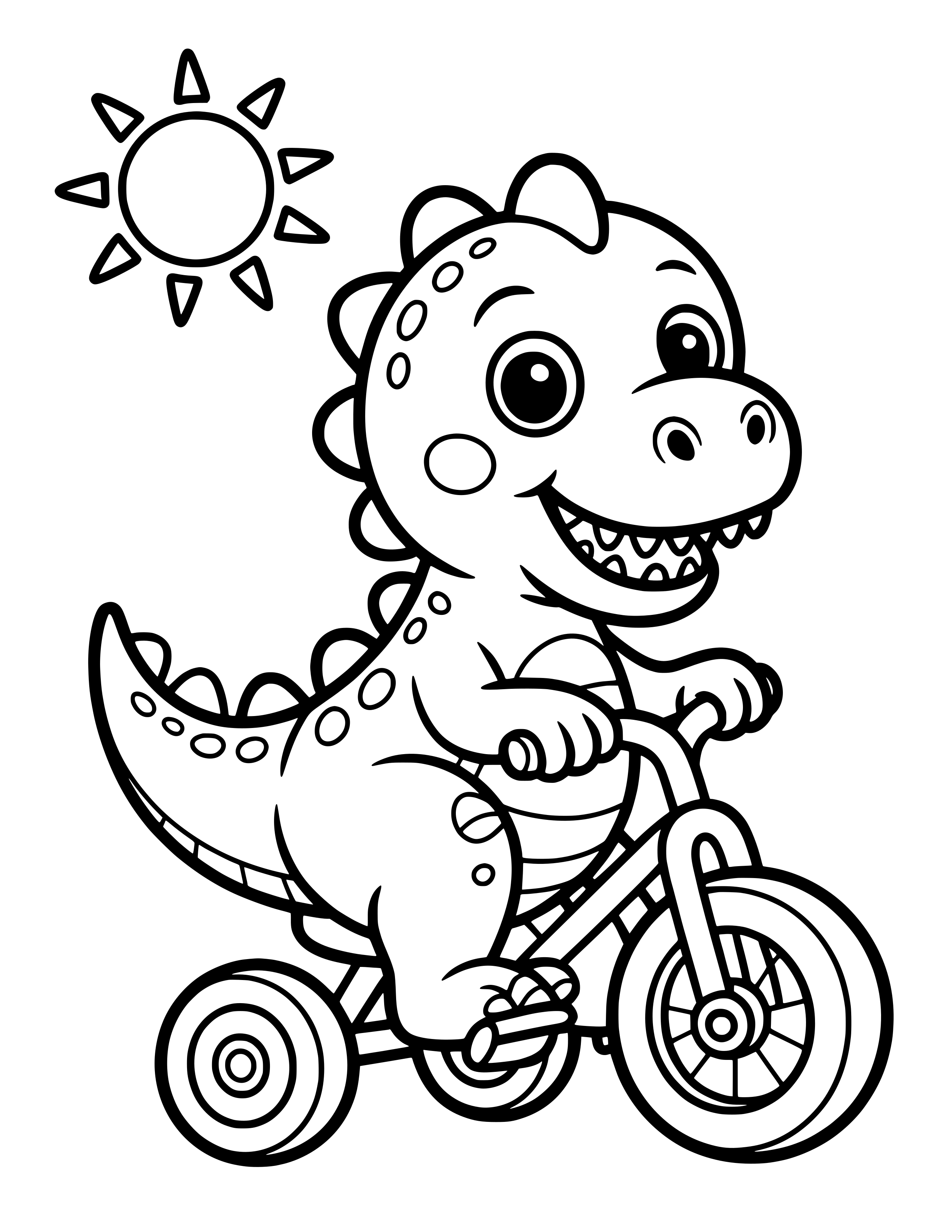
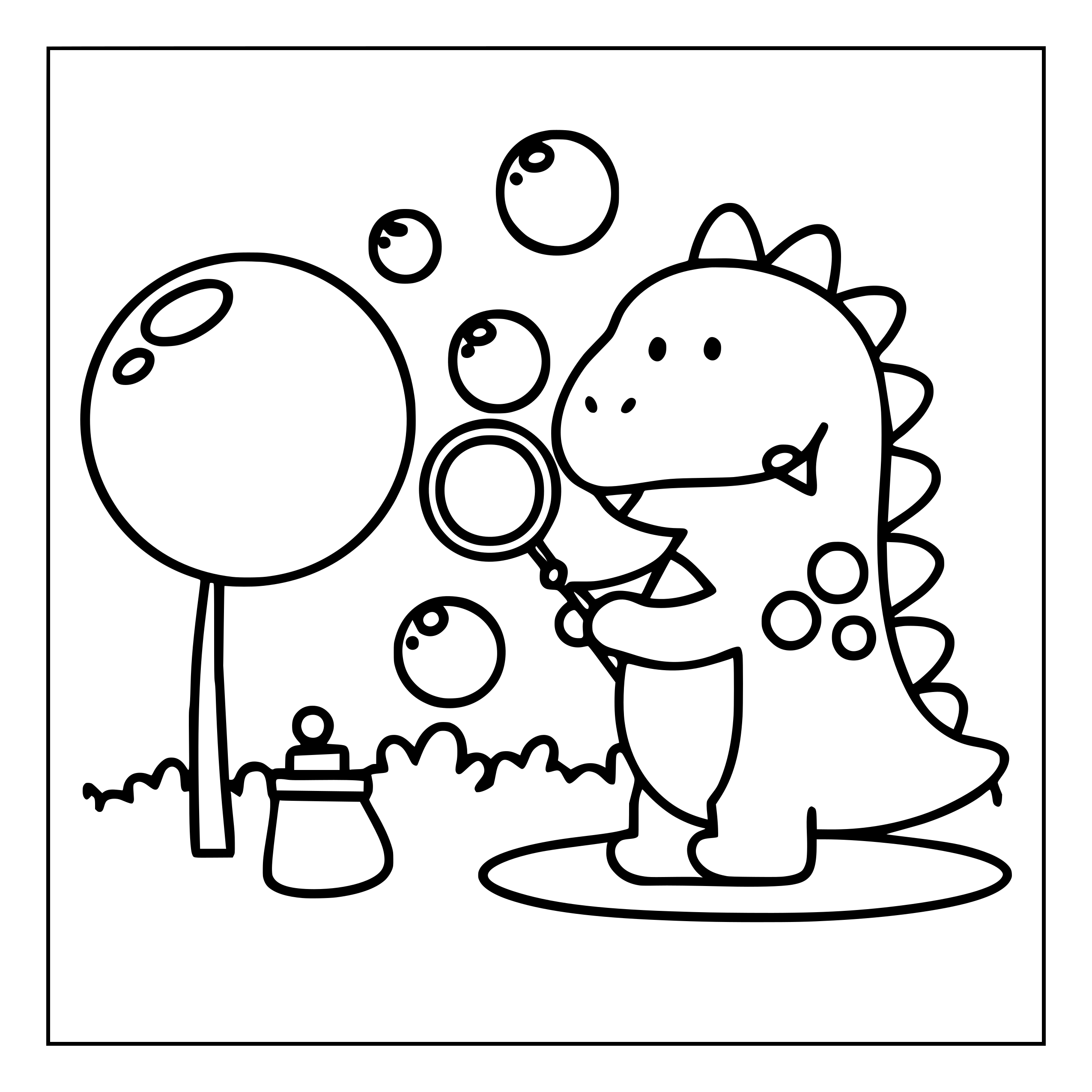
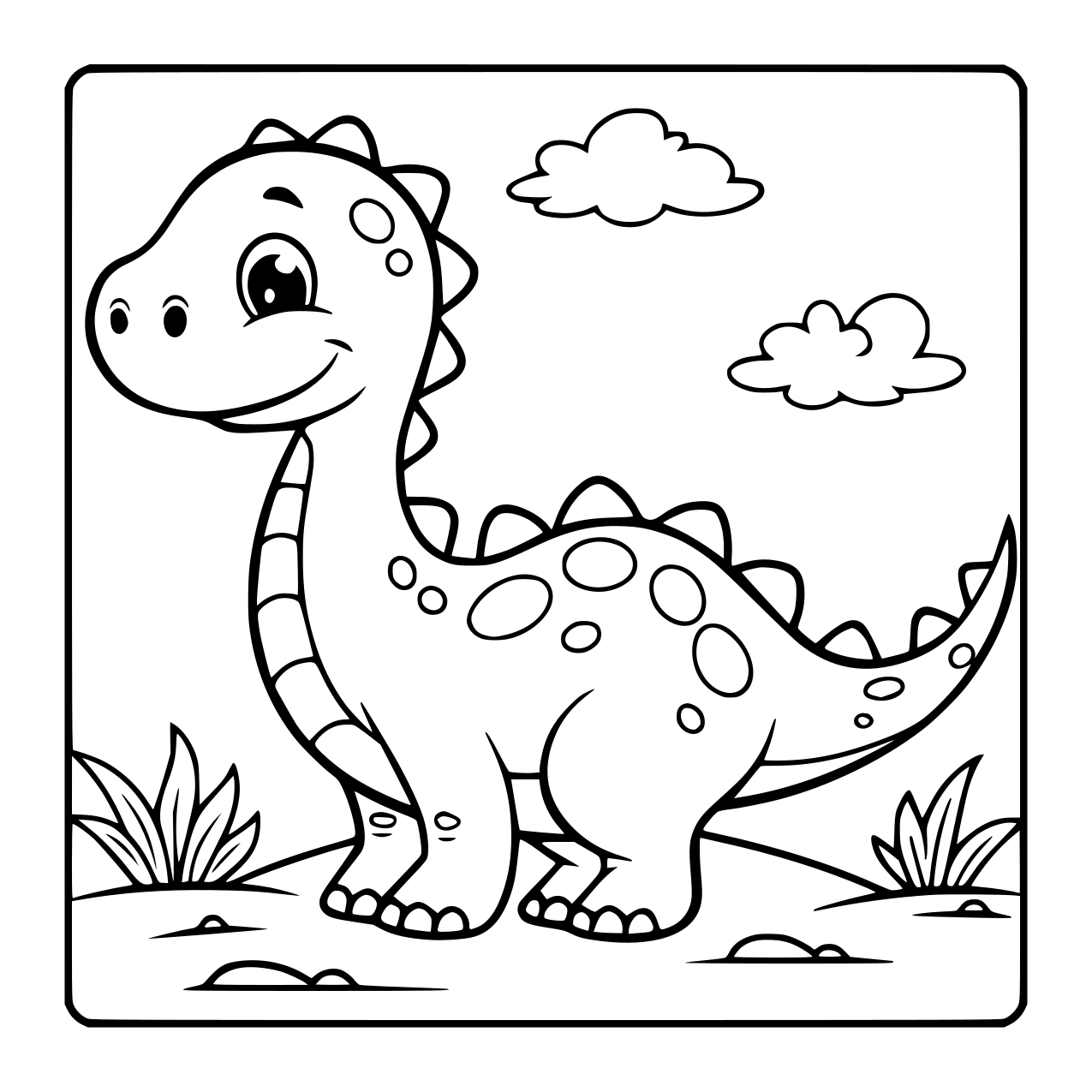
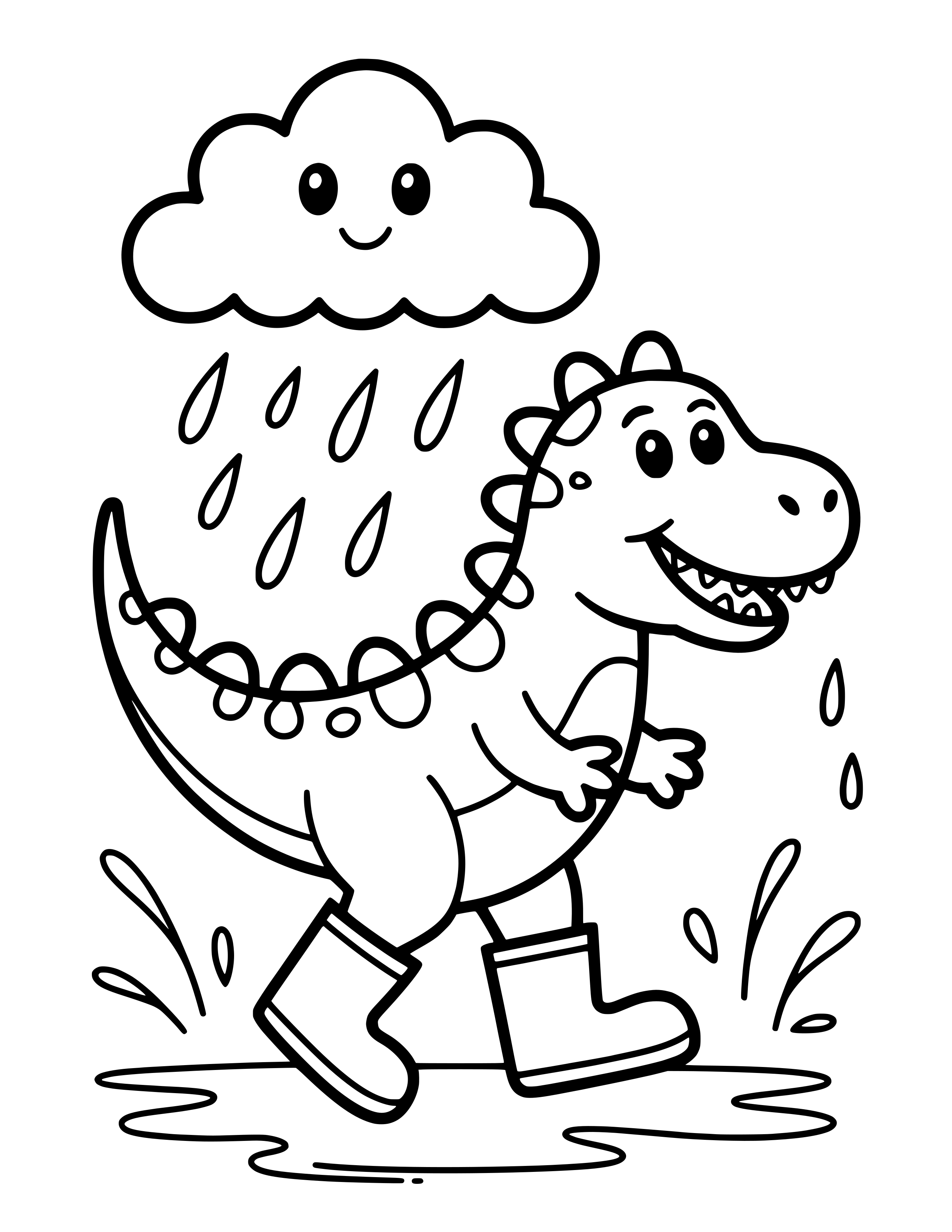
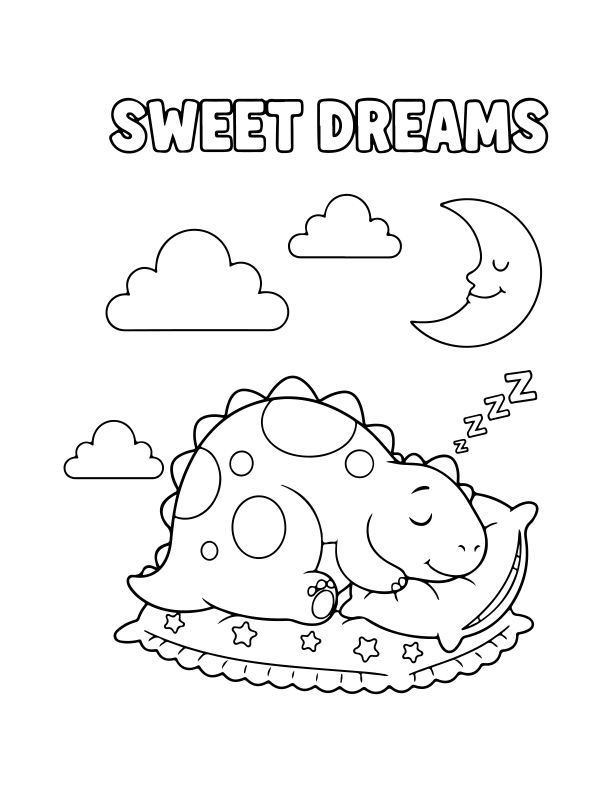
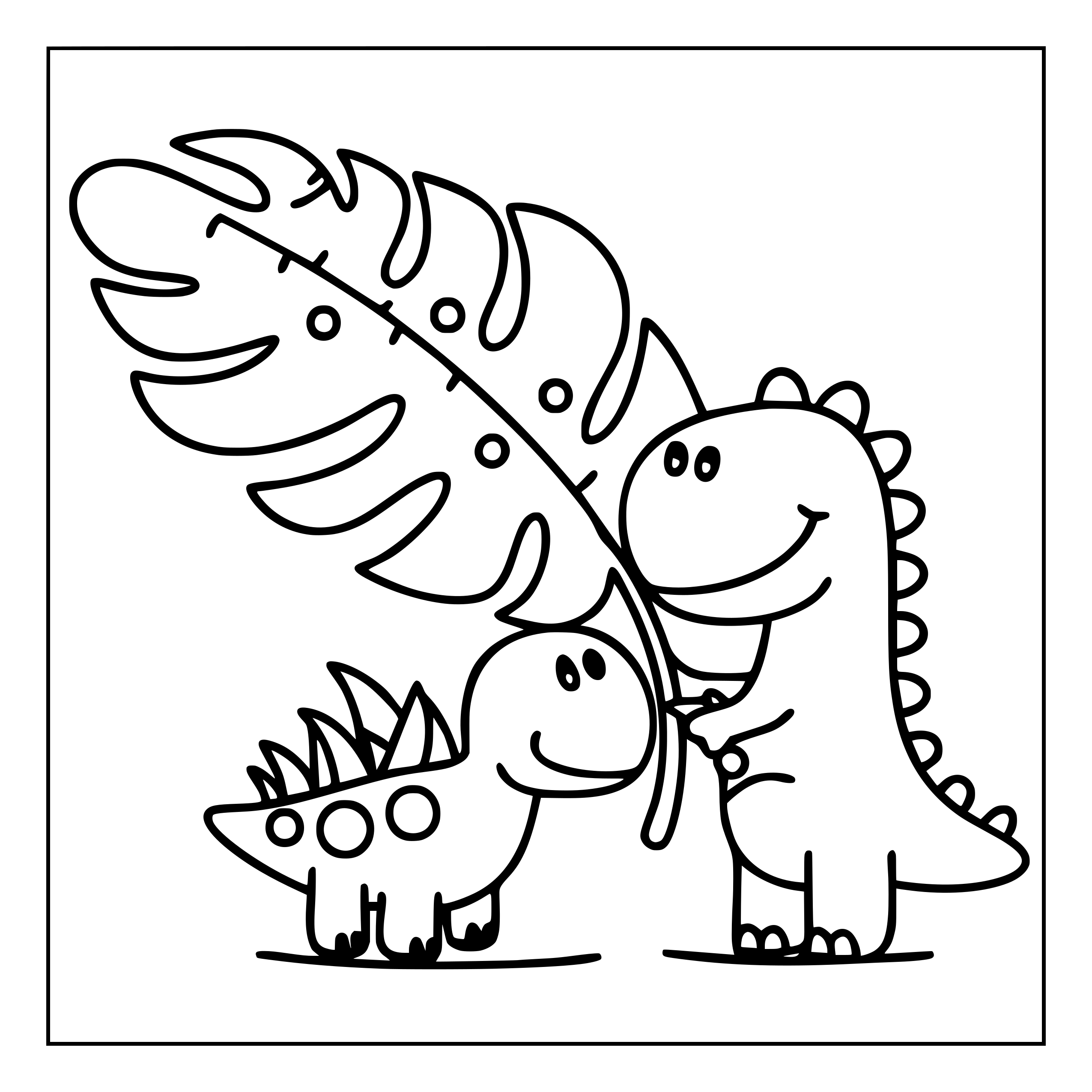
- Easy Dinosaurs — 85 simple dinosaurs with chunky outlines and big open spaces, perfect for toddlers and preschoolers.
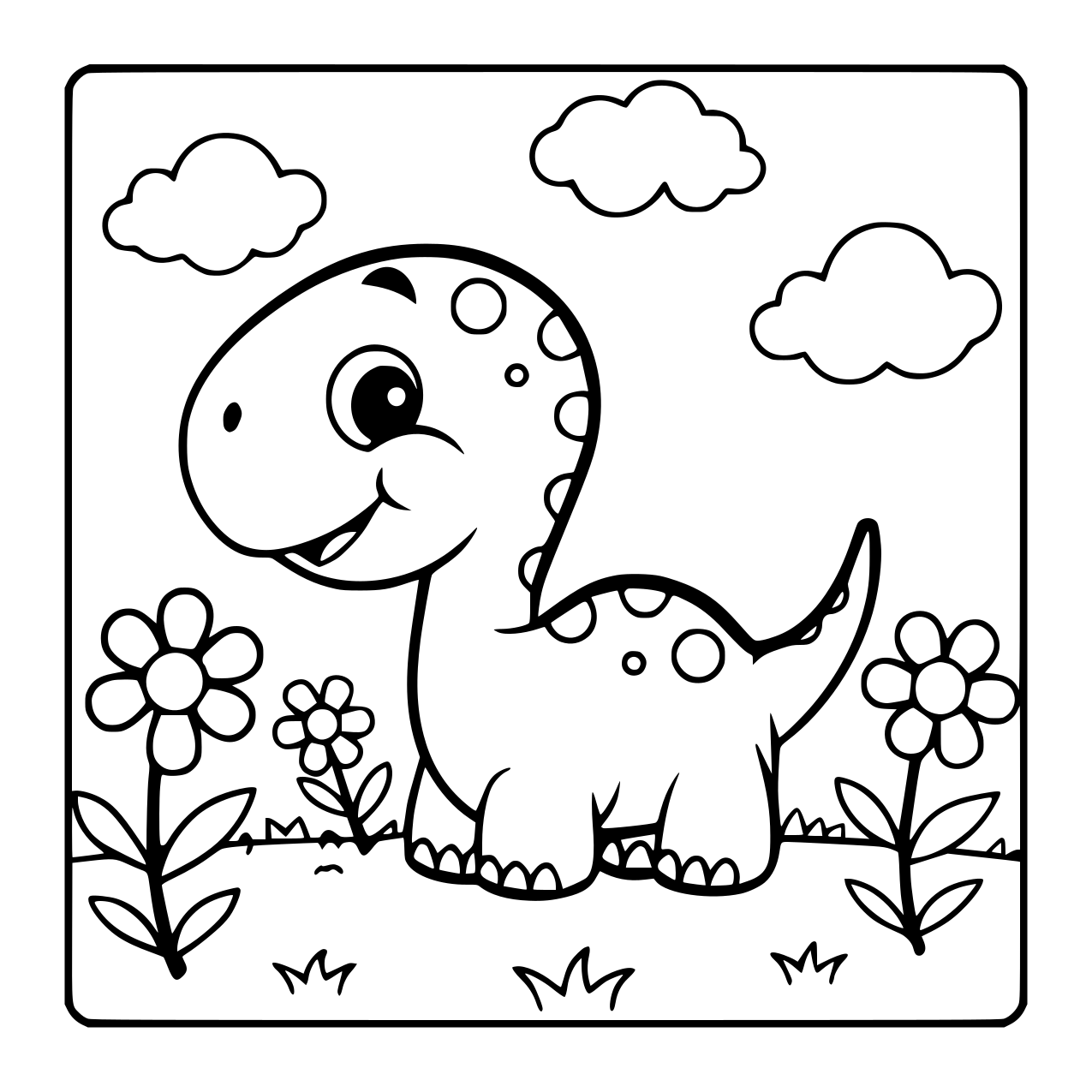
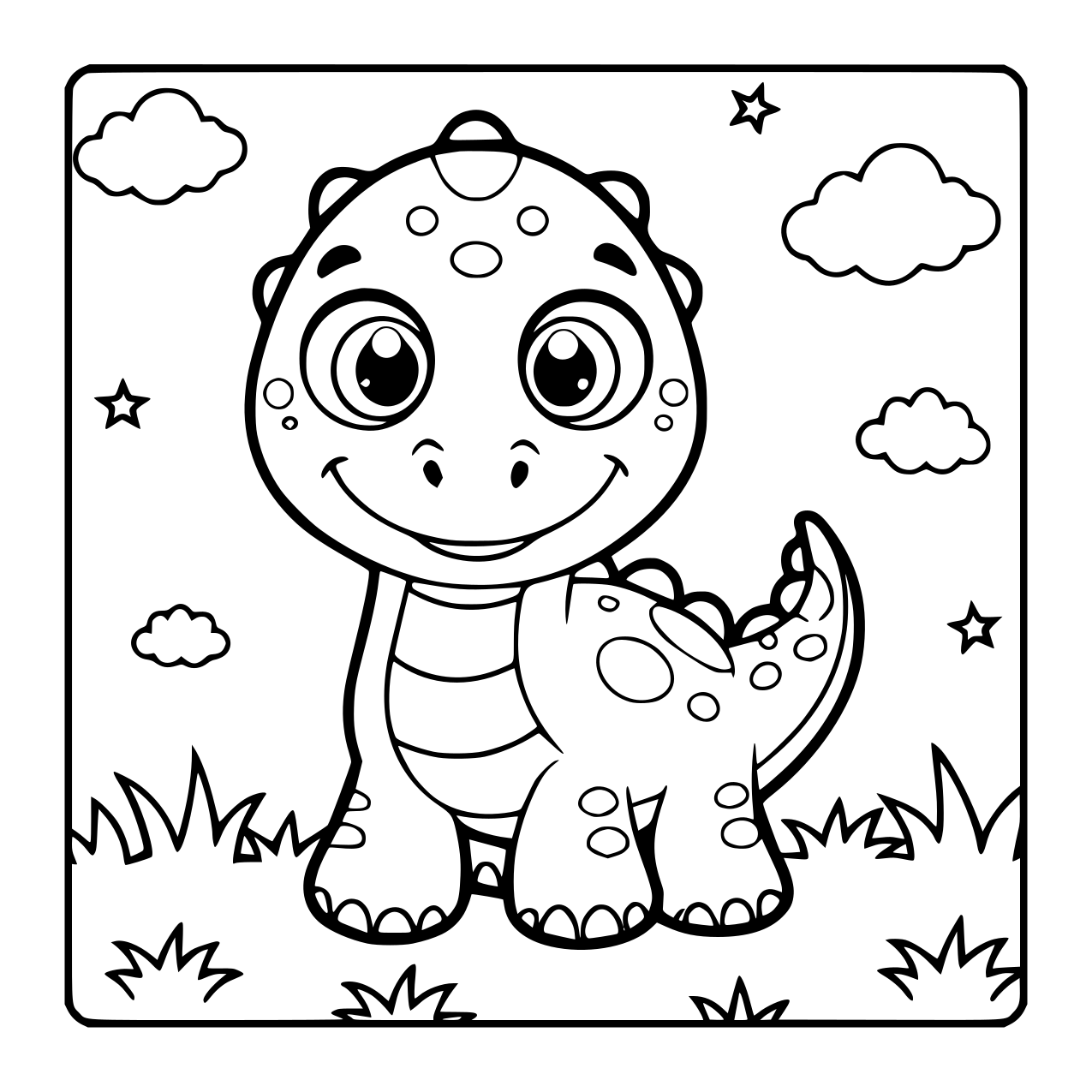
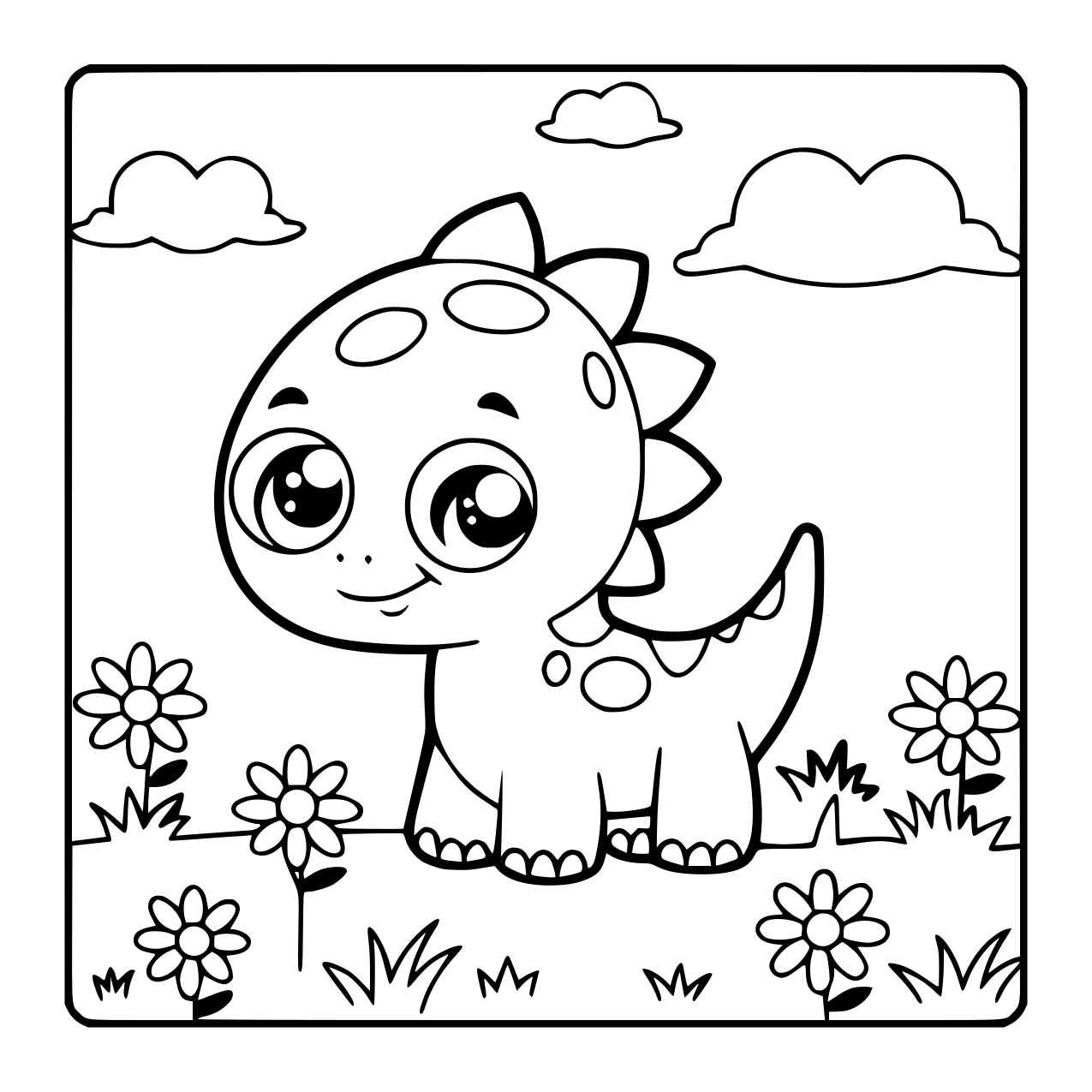
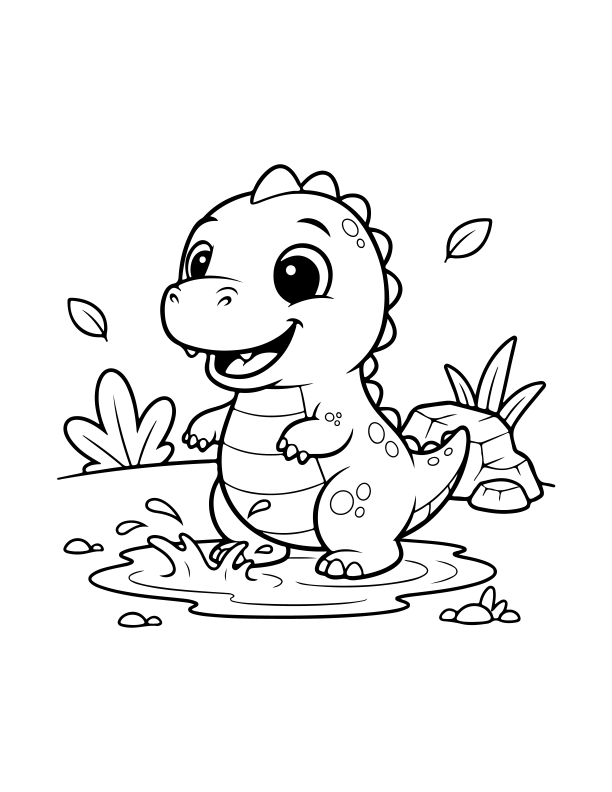
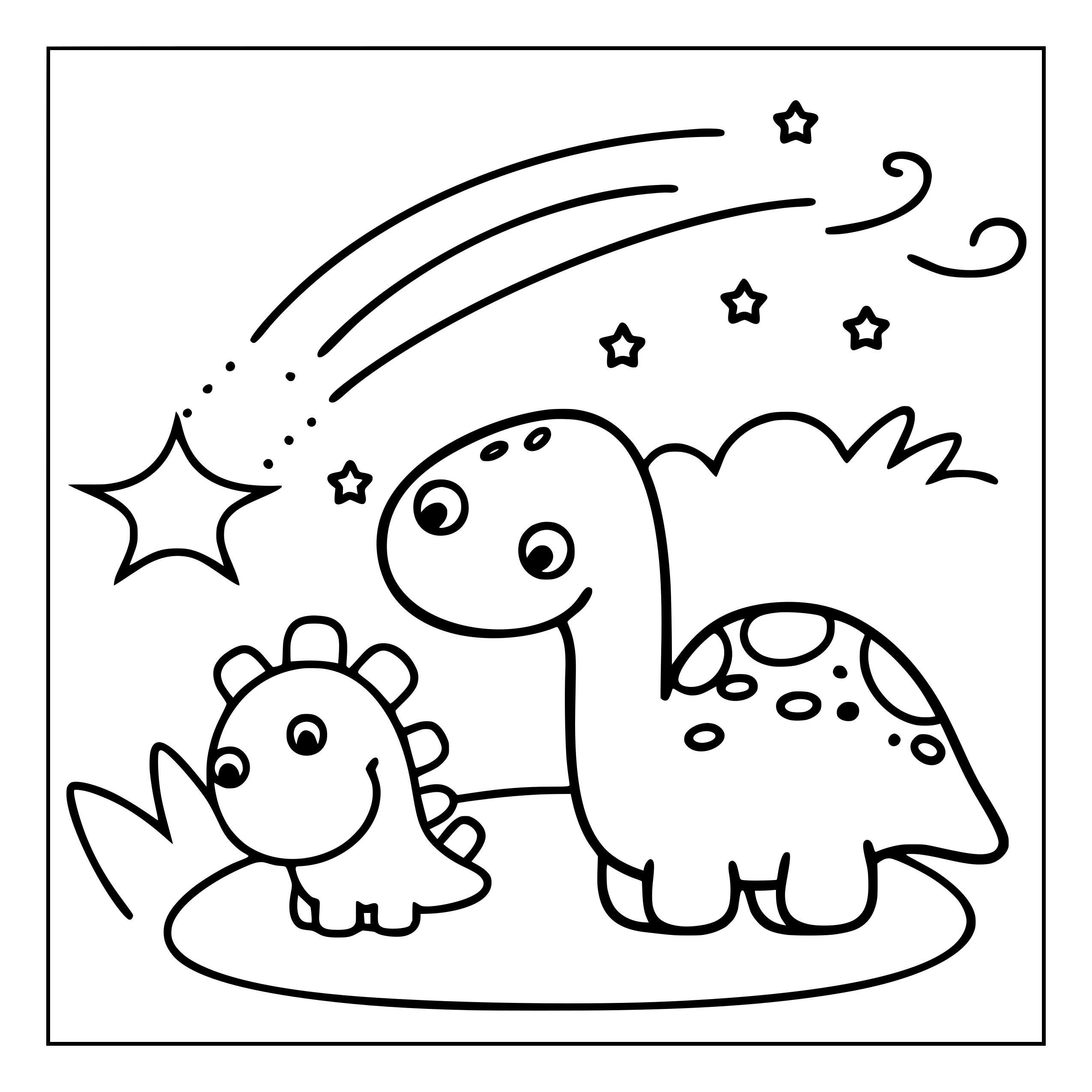
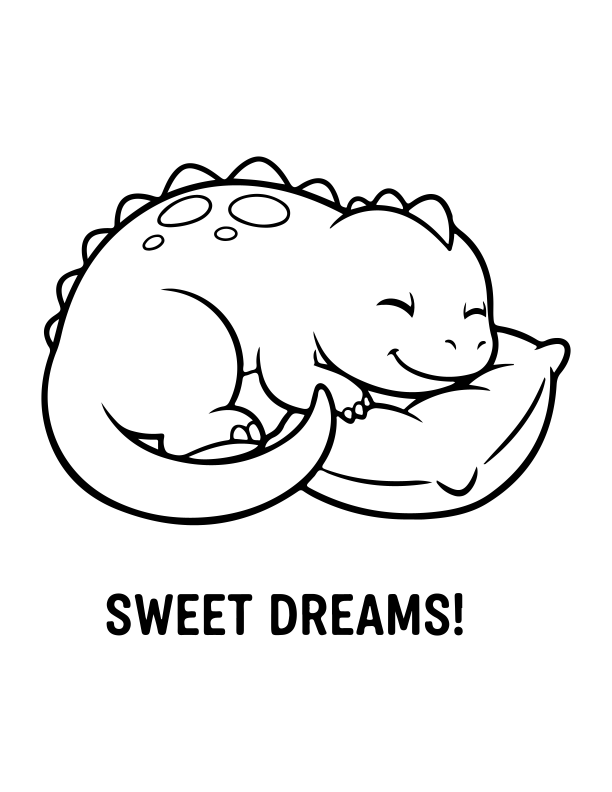
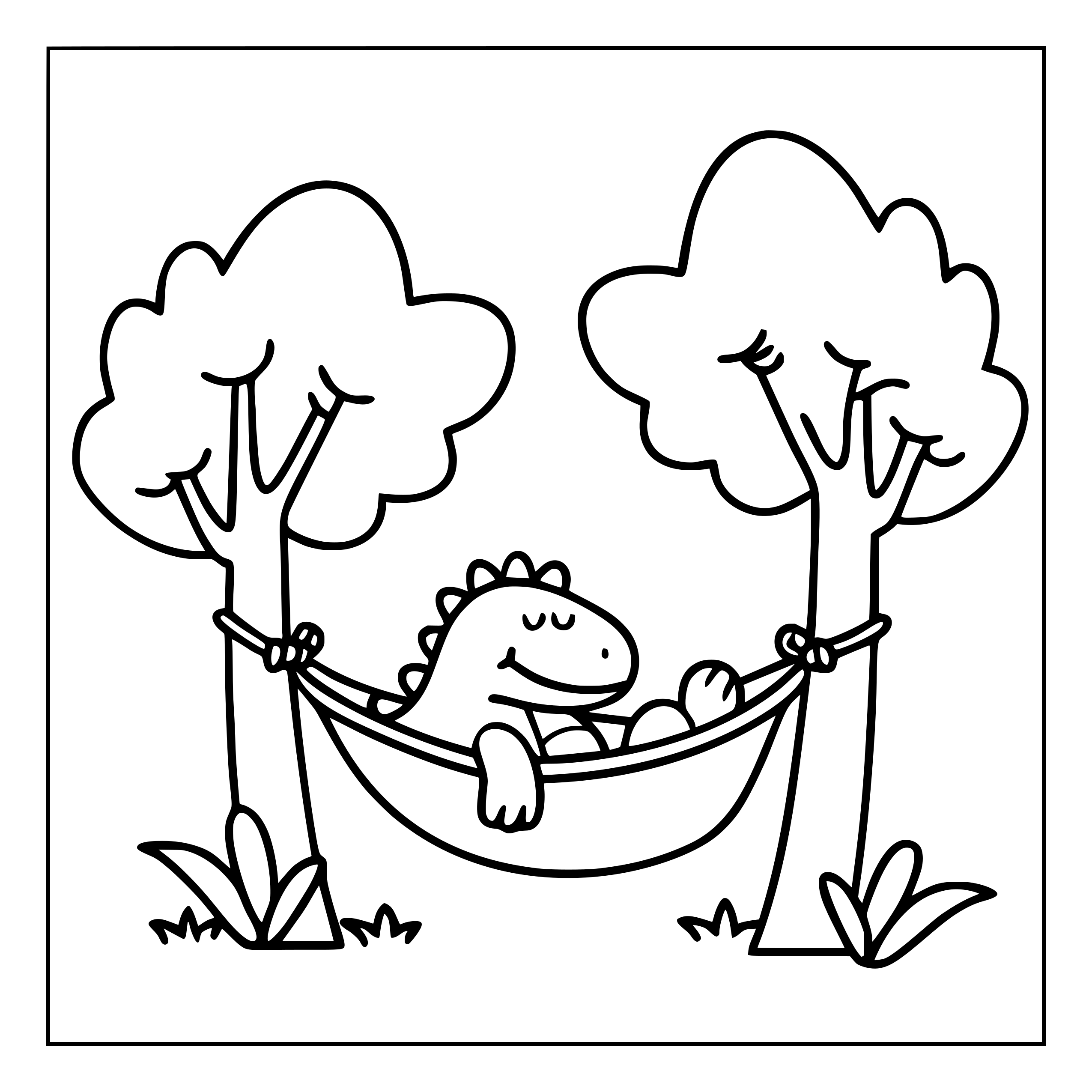
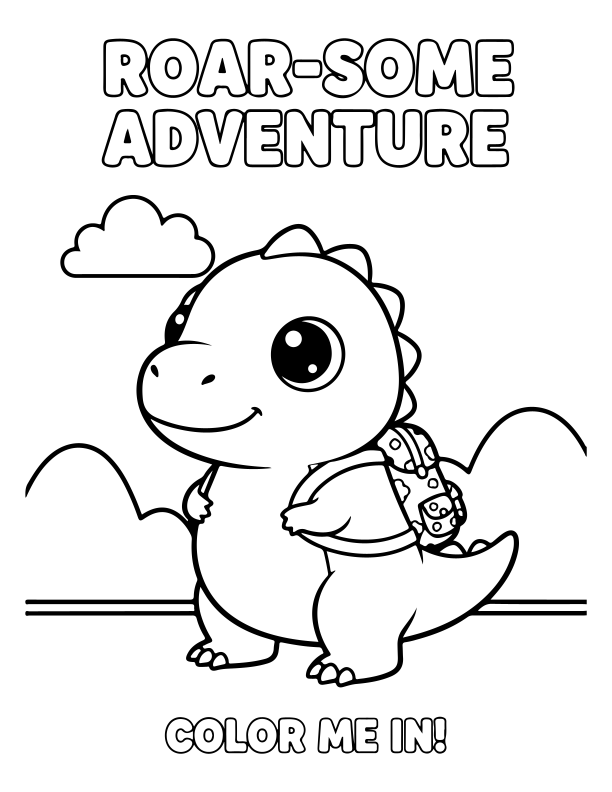
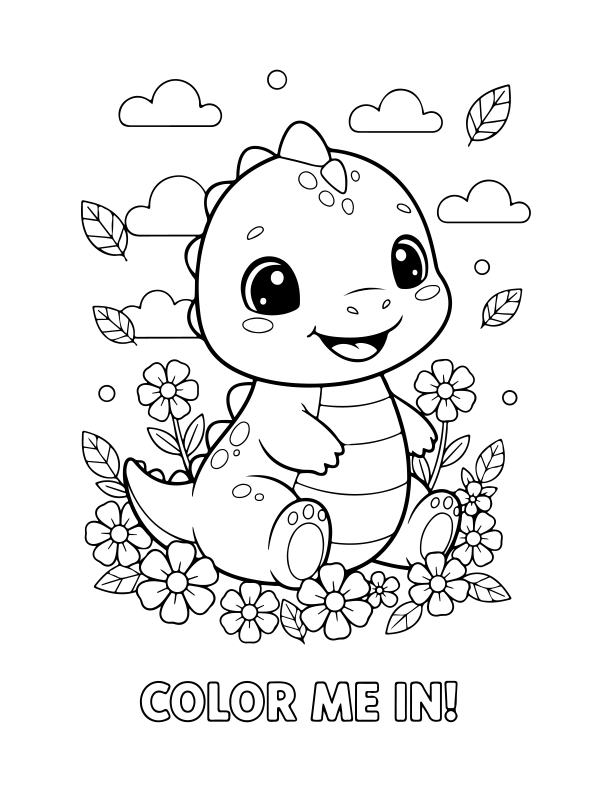
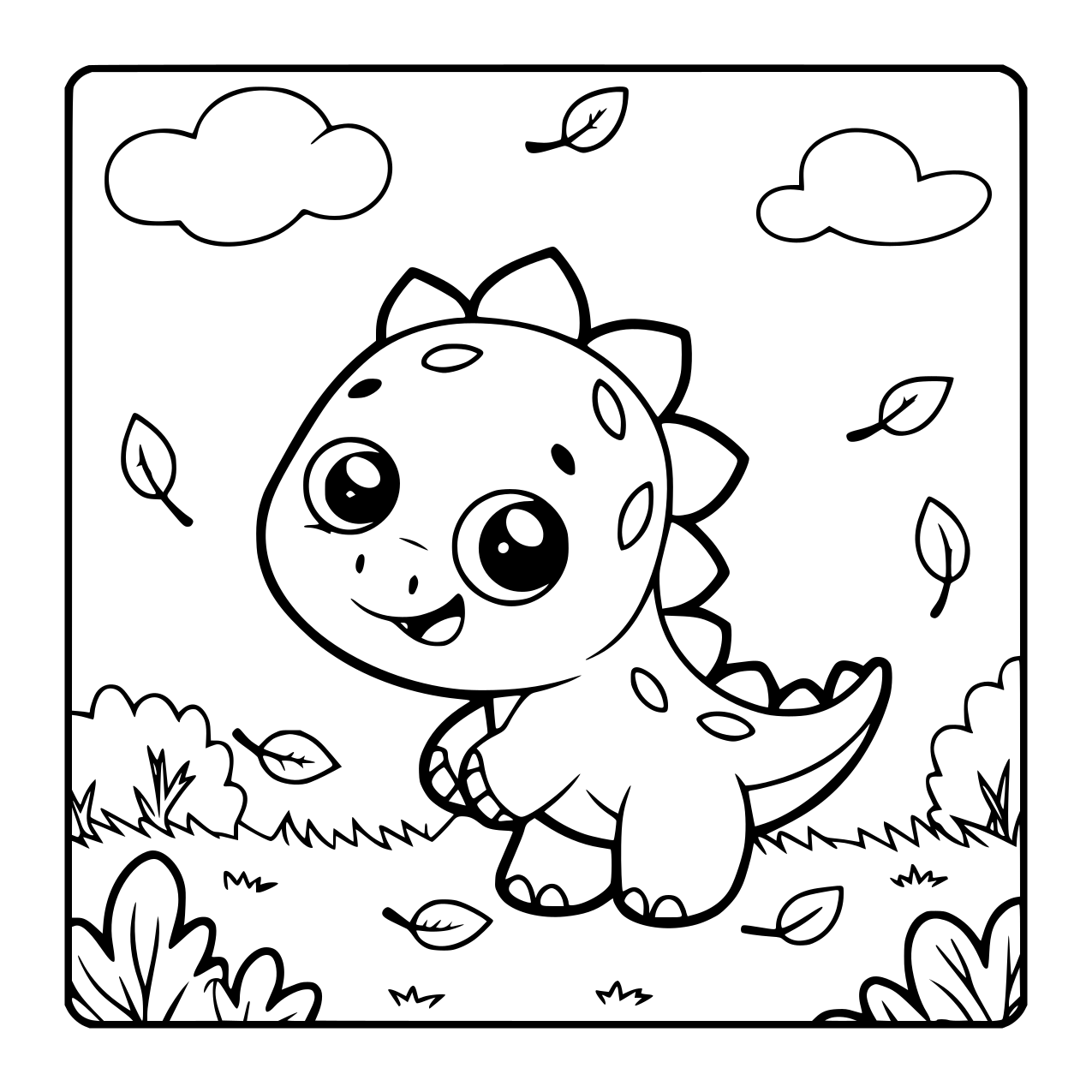
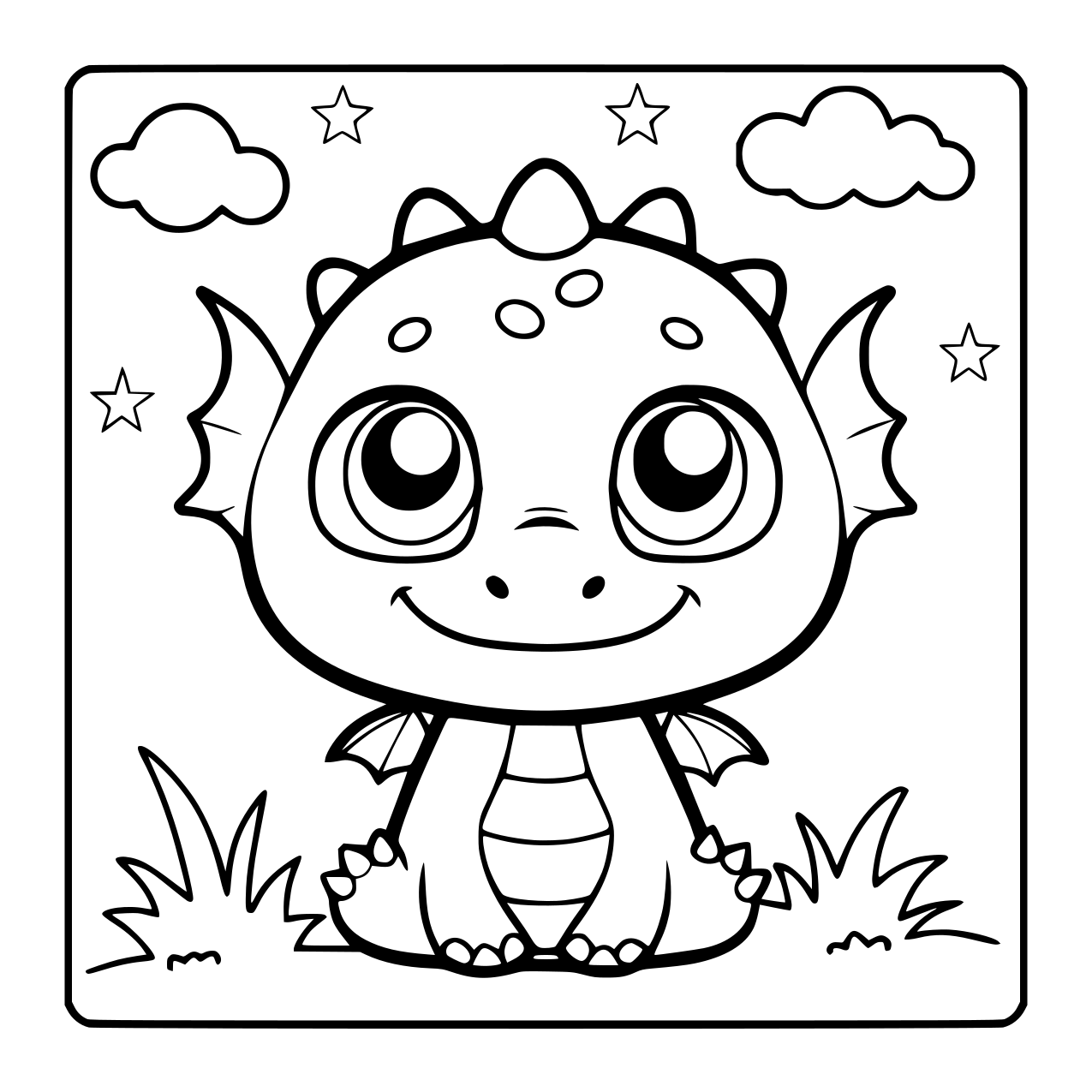
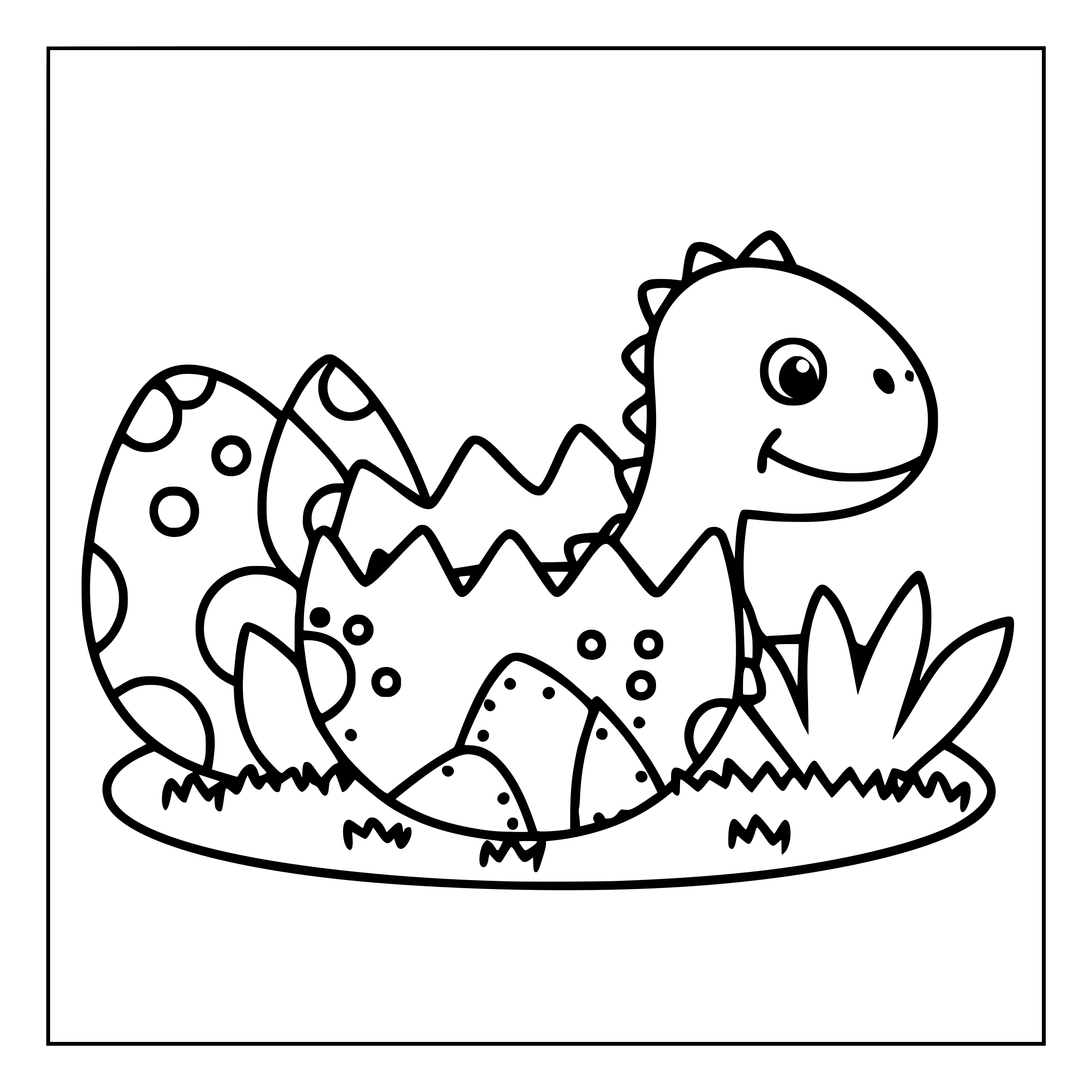
- Baby Dinosaurs — 66 sweet baby dinosaurs and hatchlings in gentle, simple designs made for young children.
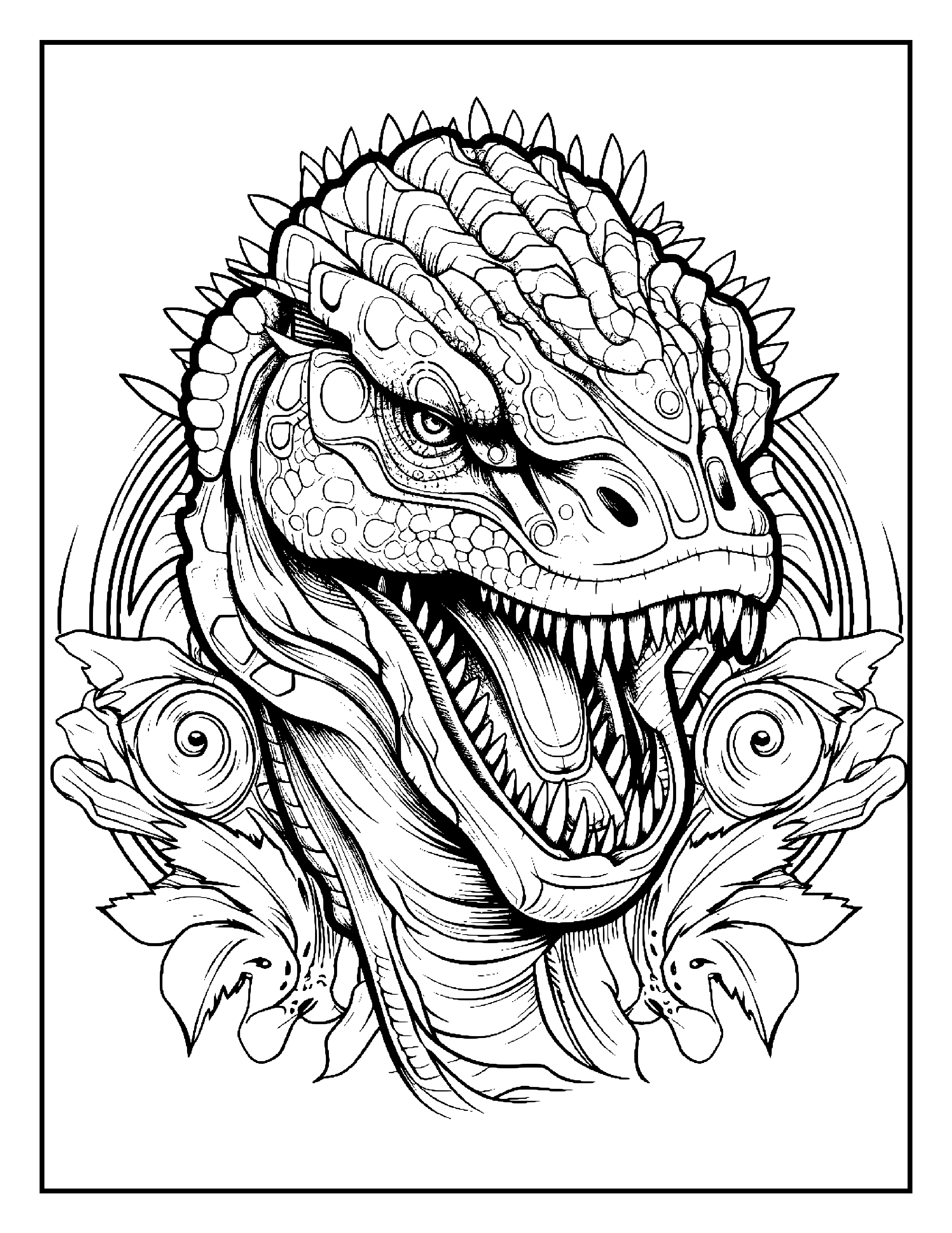
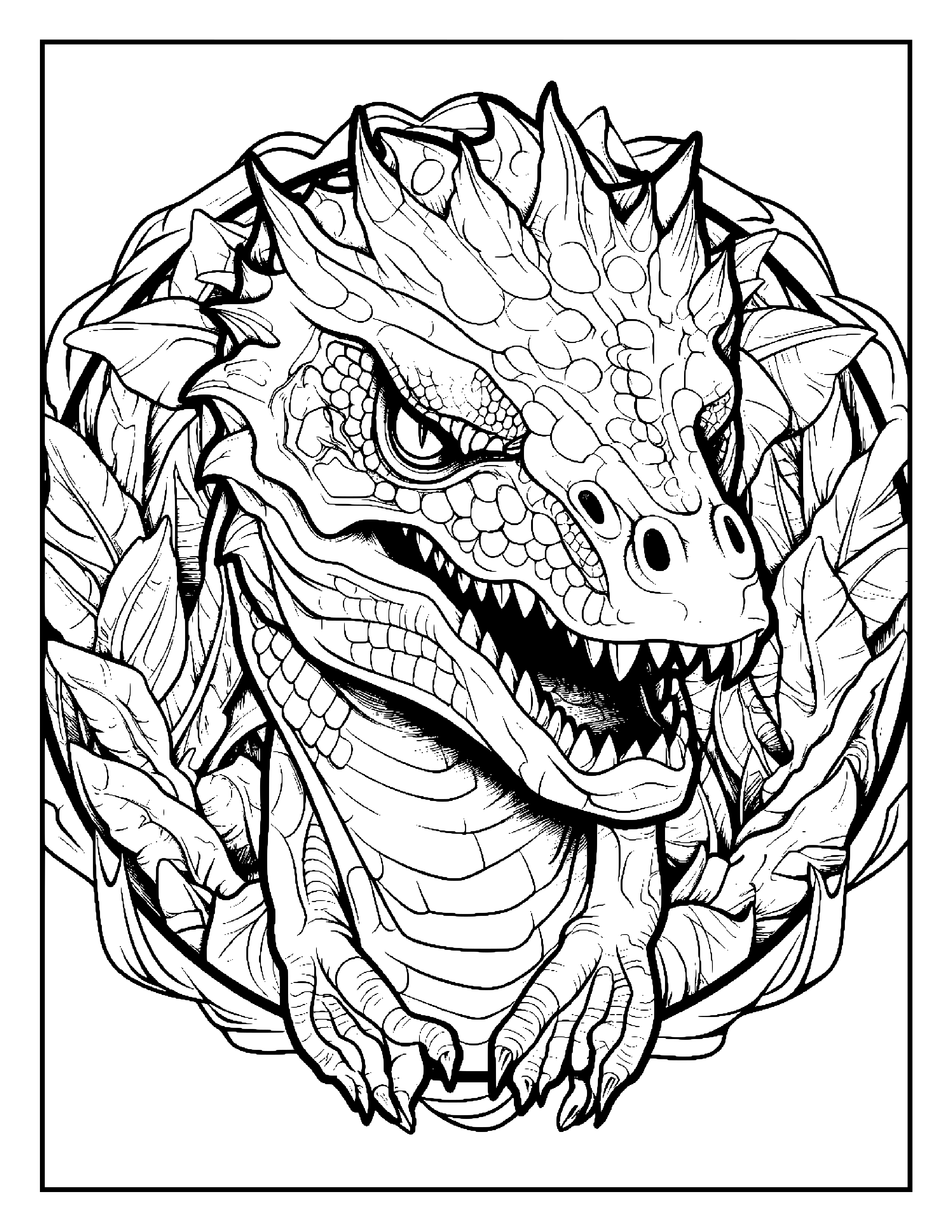
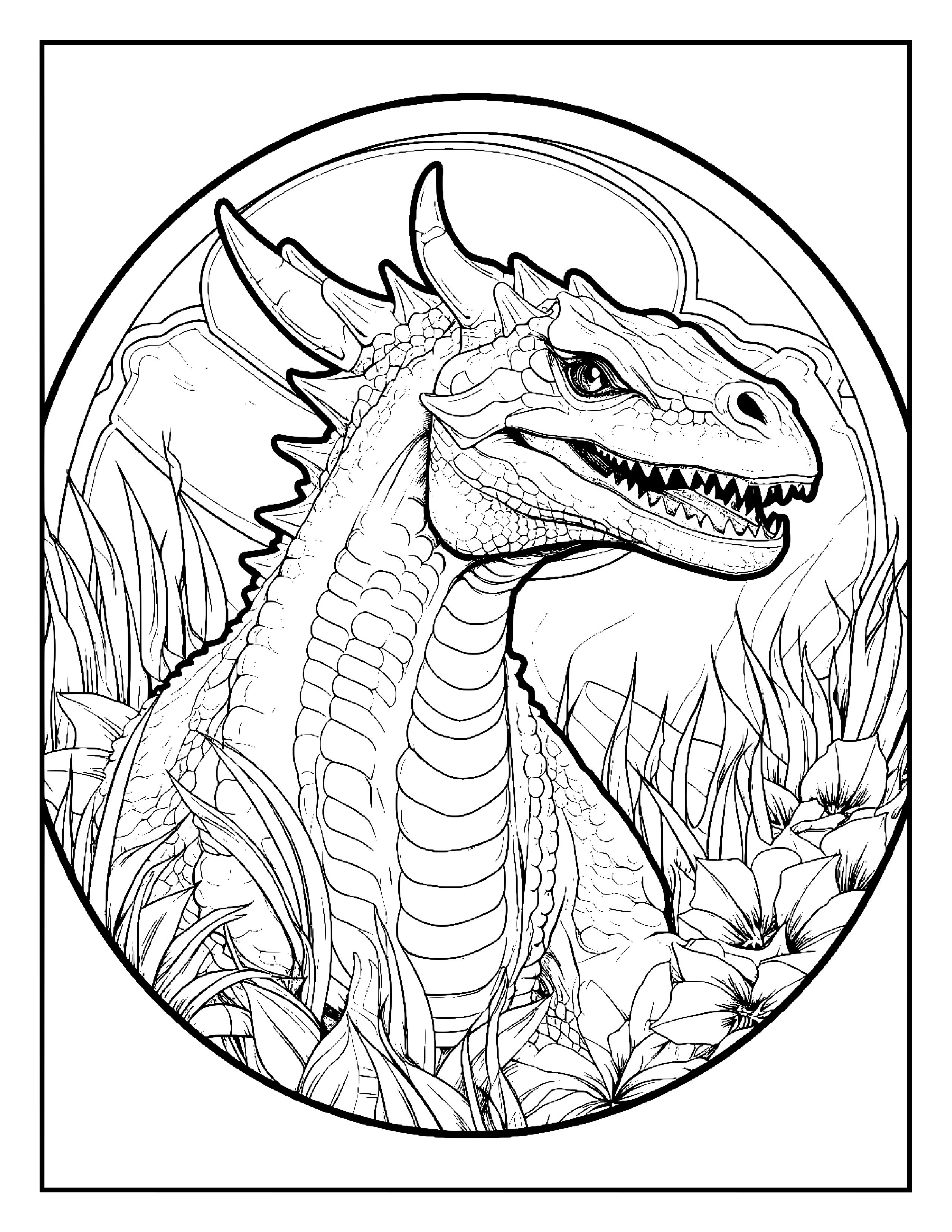
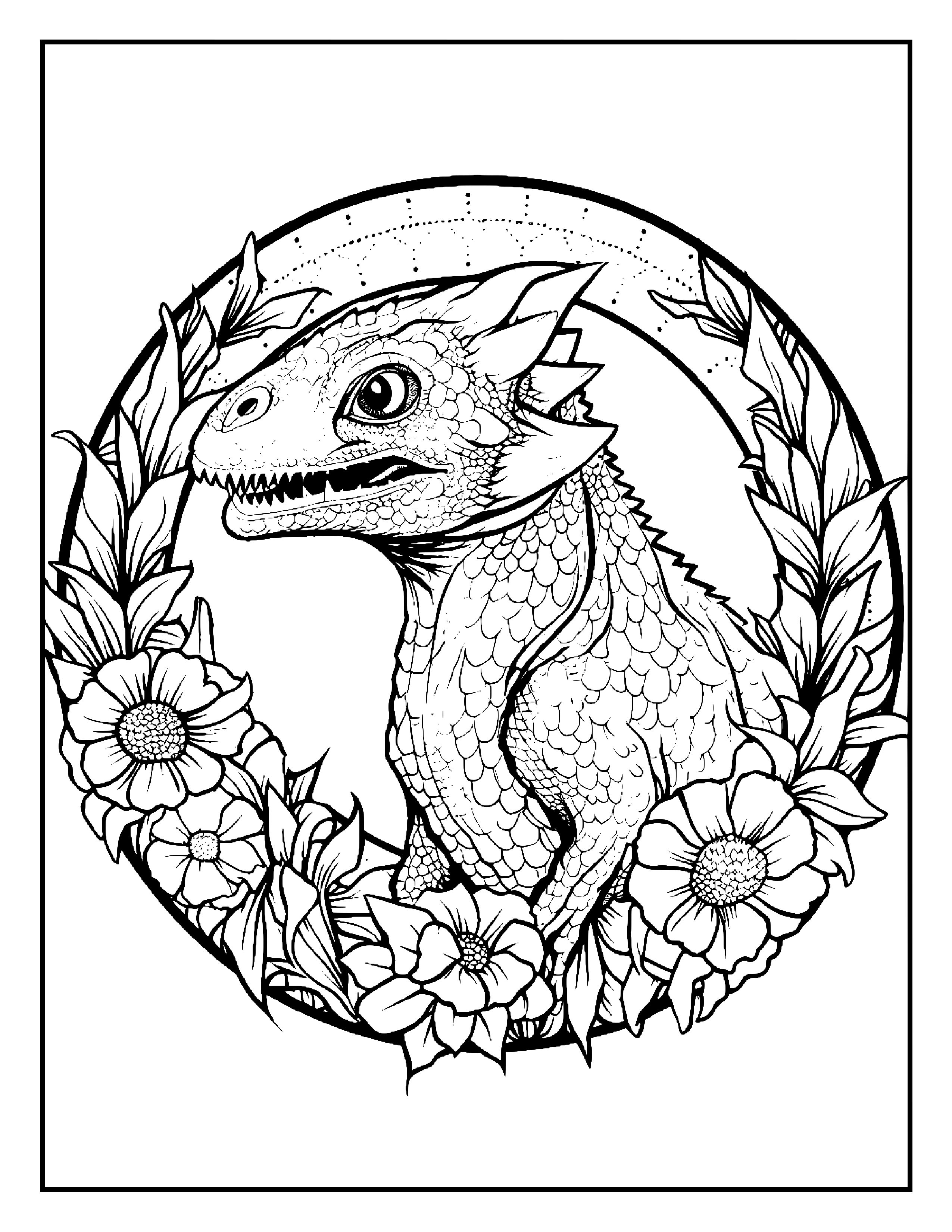
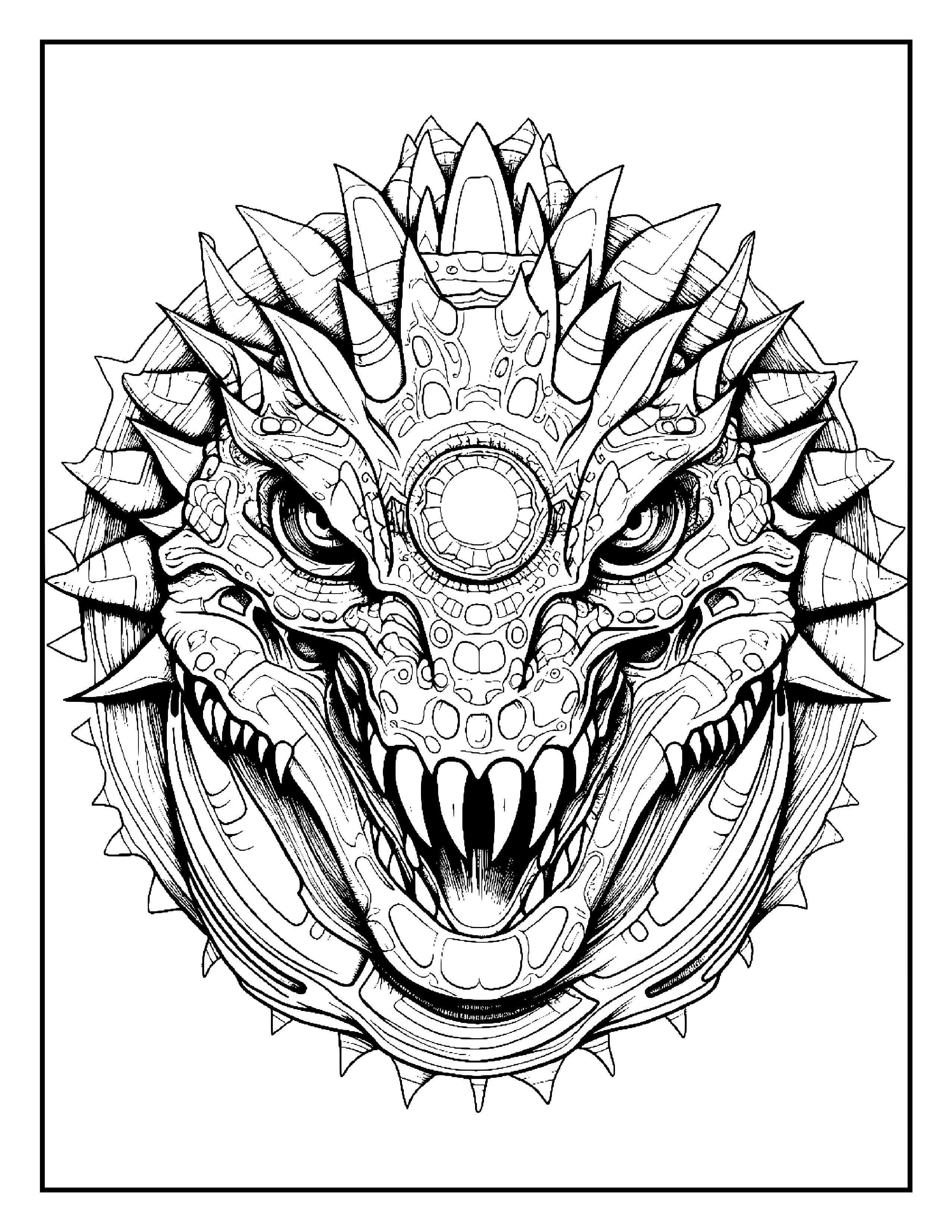
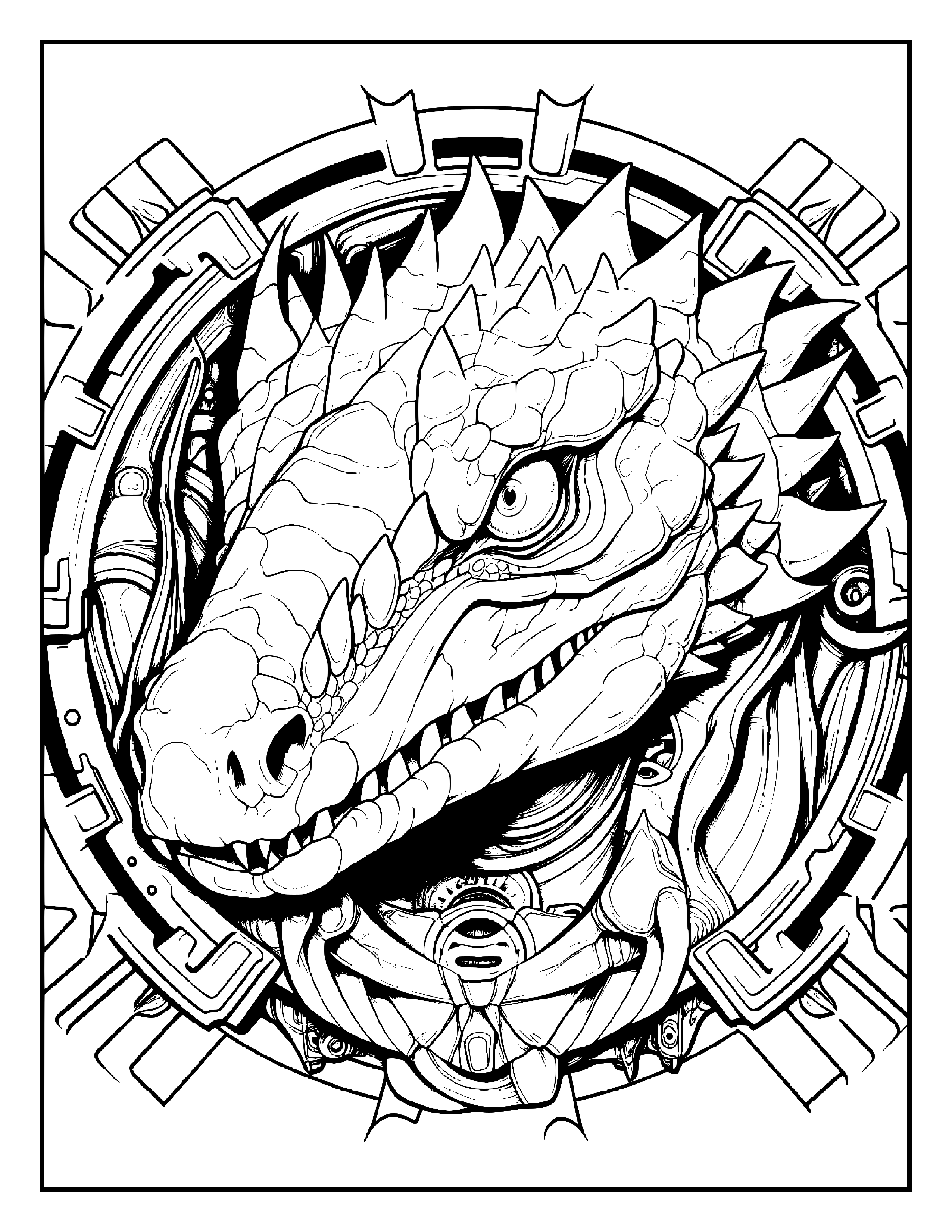
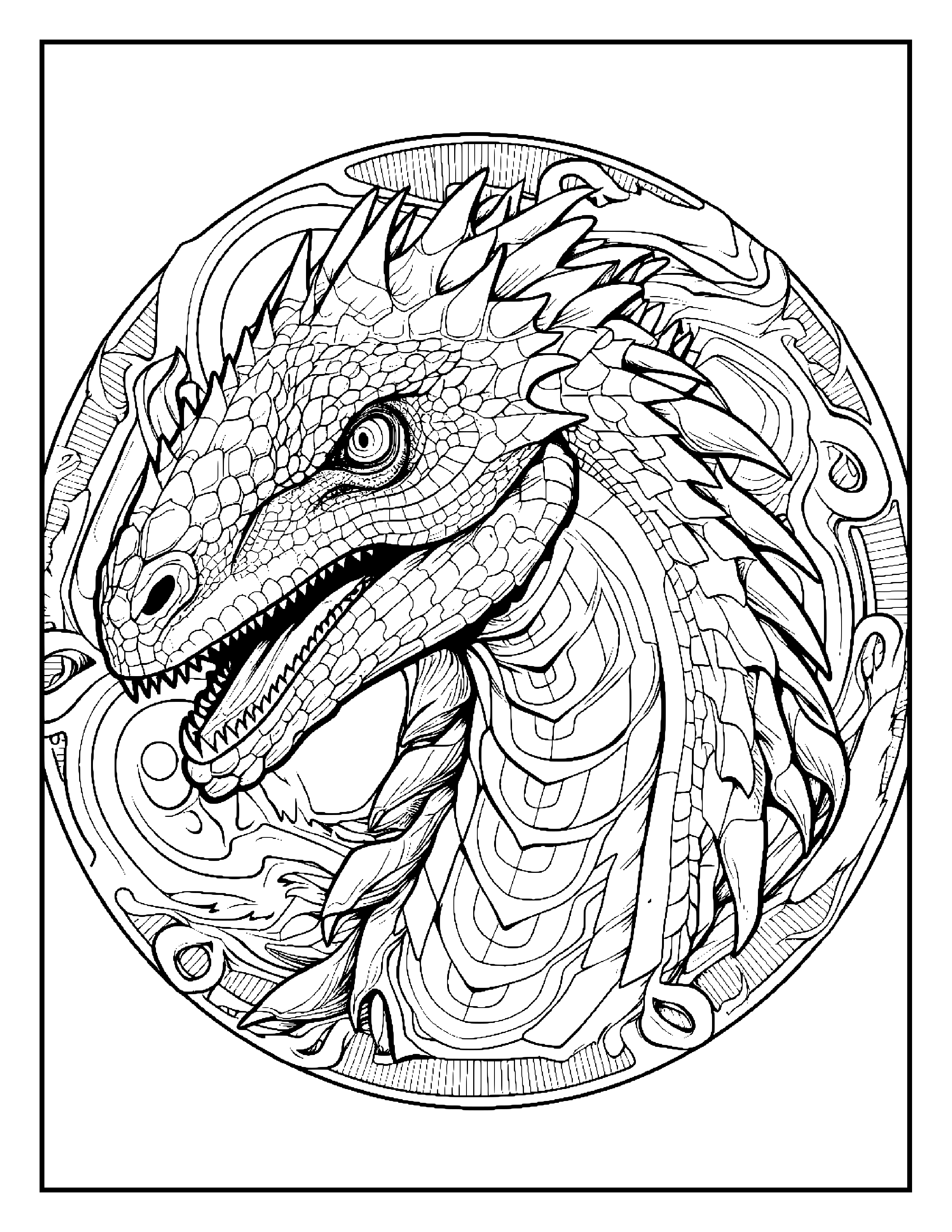
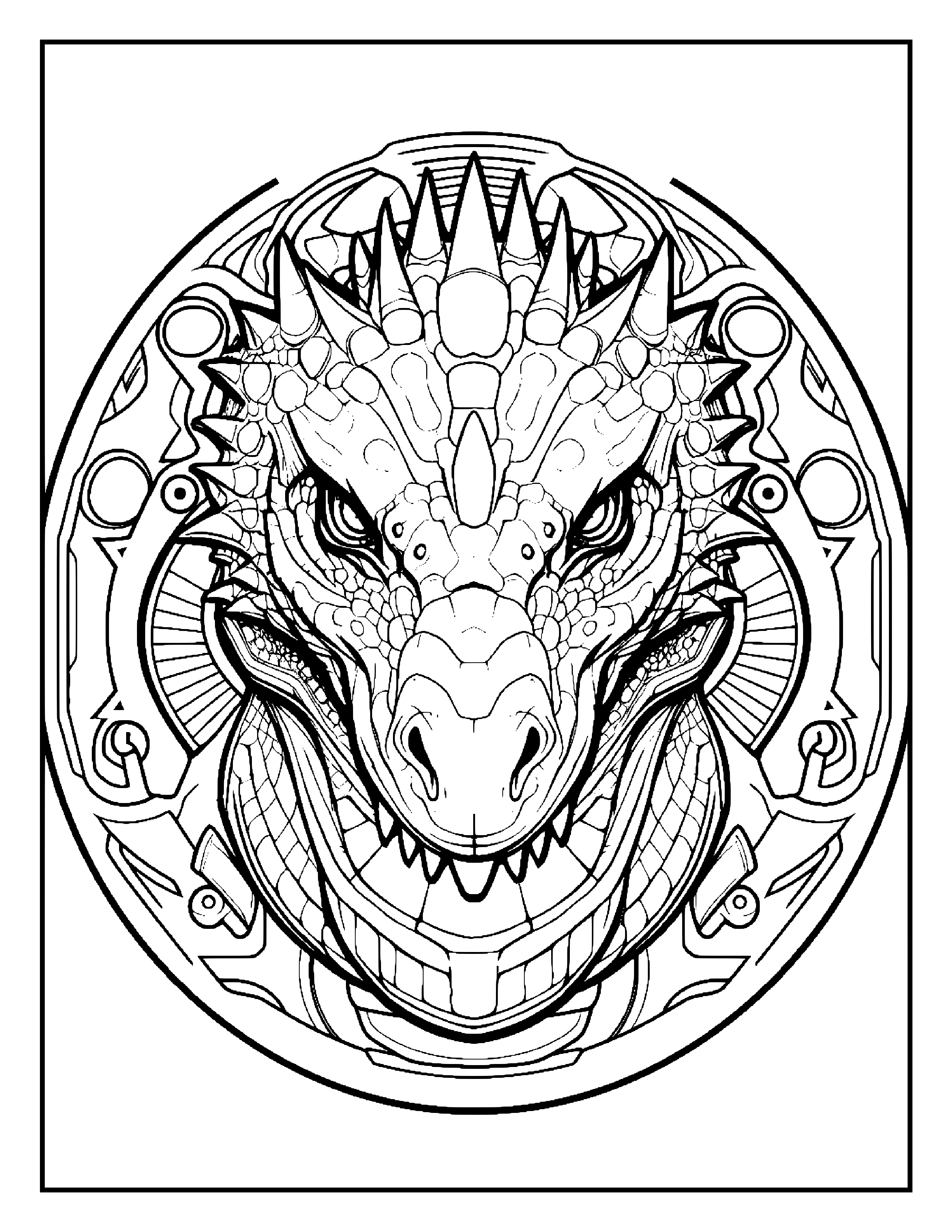
- Dinosaur Mandalas — 200 dinosaurs woven into intricate, symmetrical mandala patterns for relaxing, focused coloring.
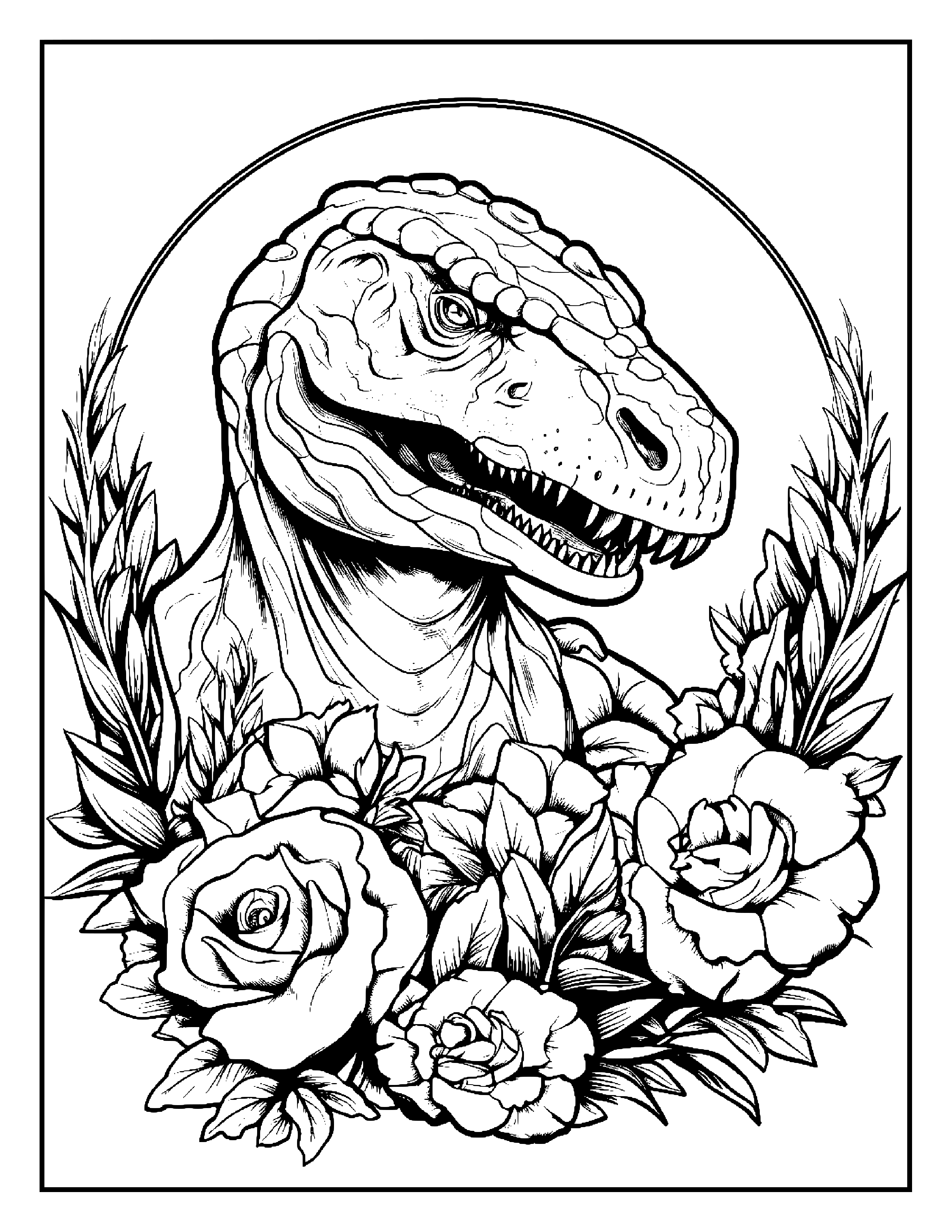
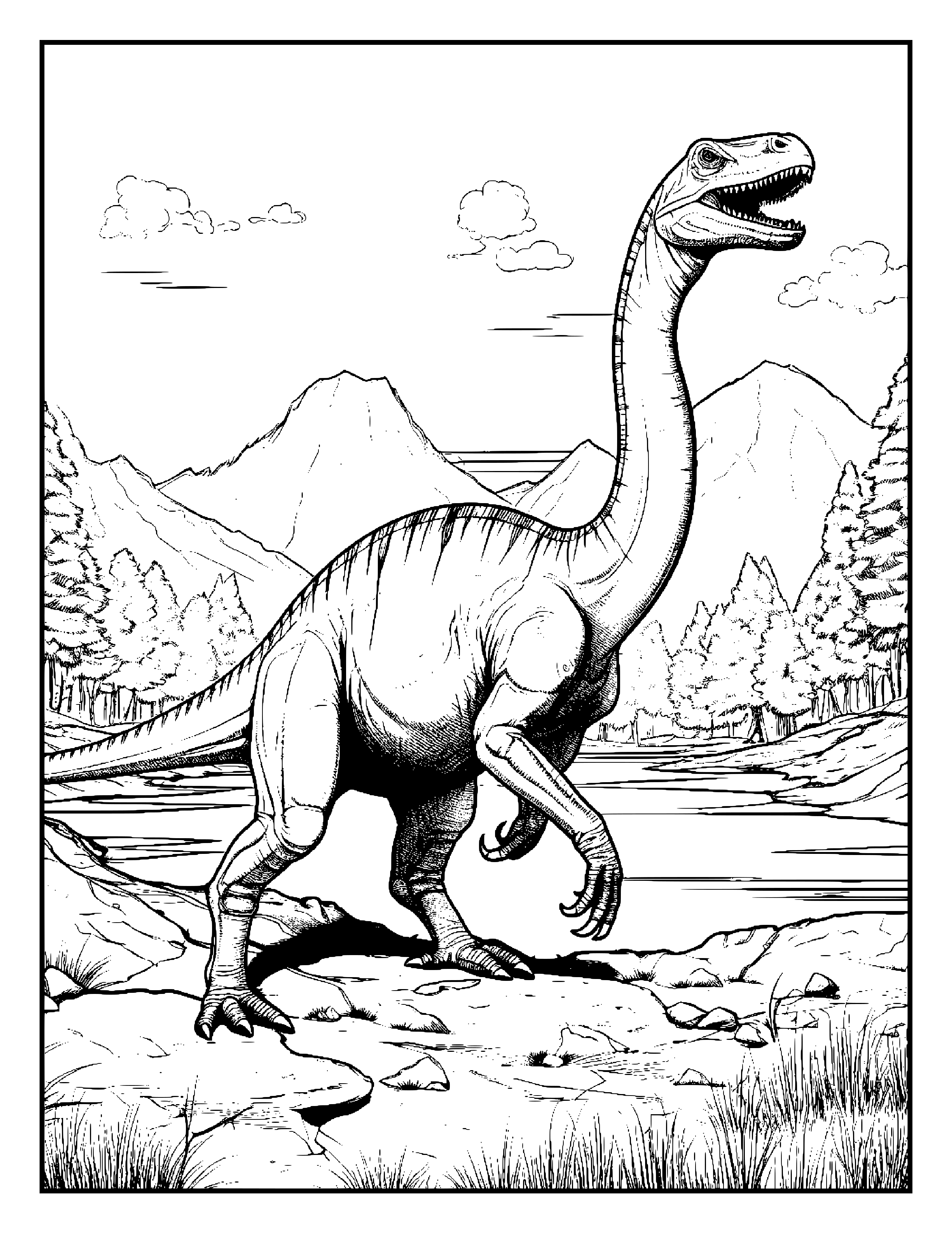
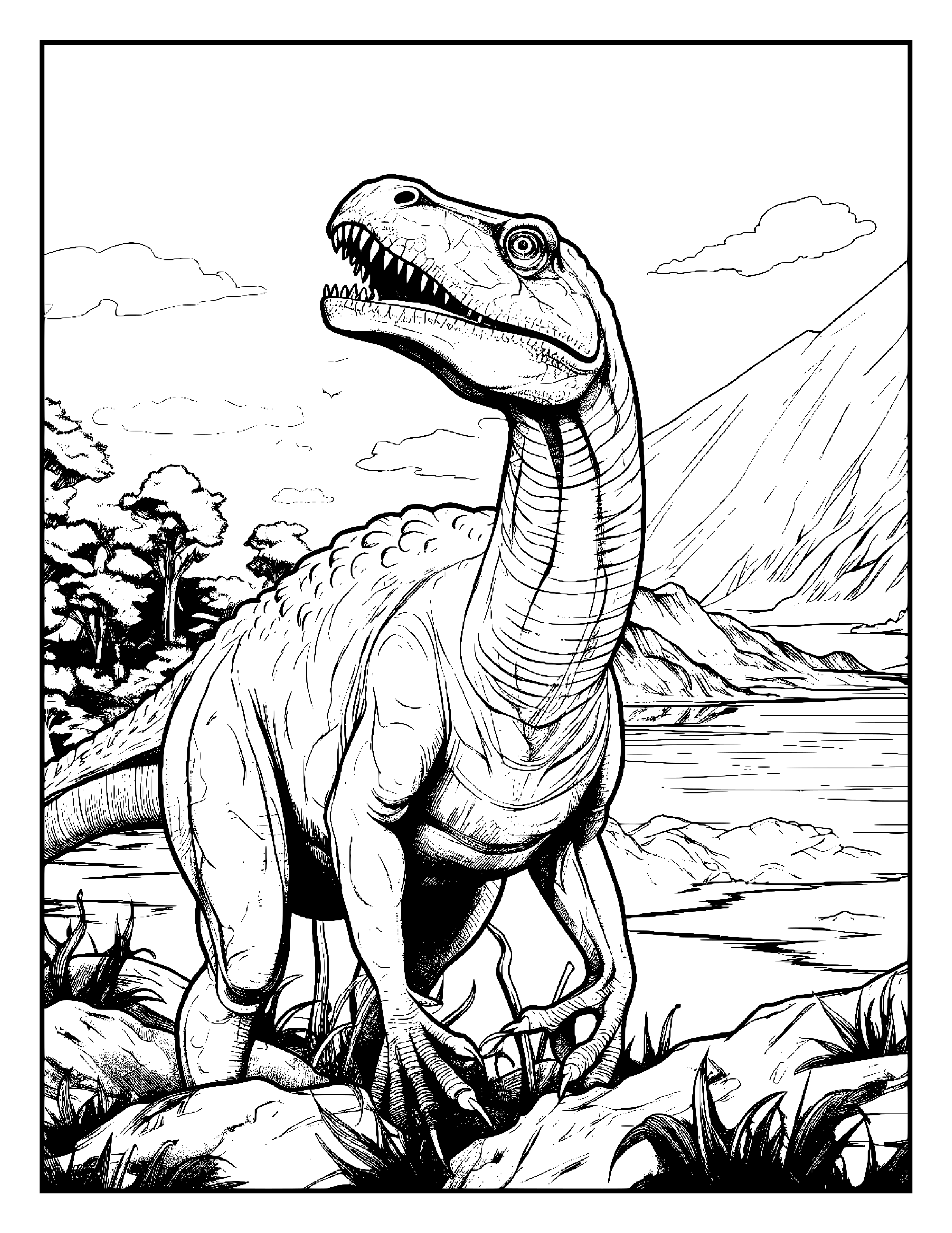
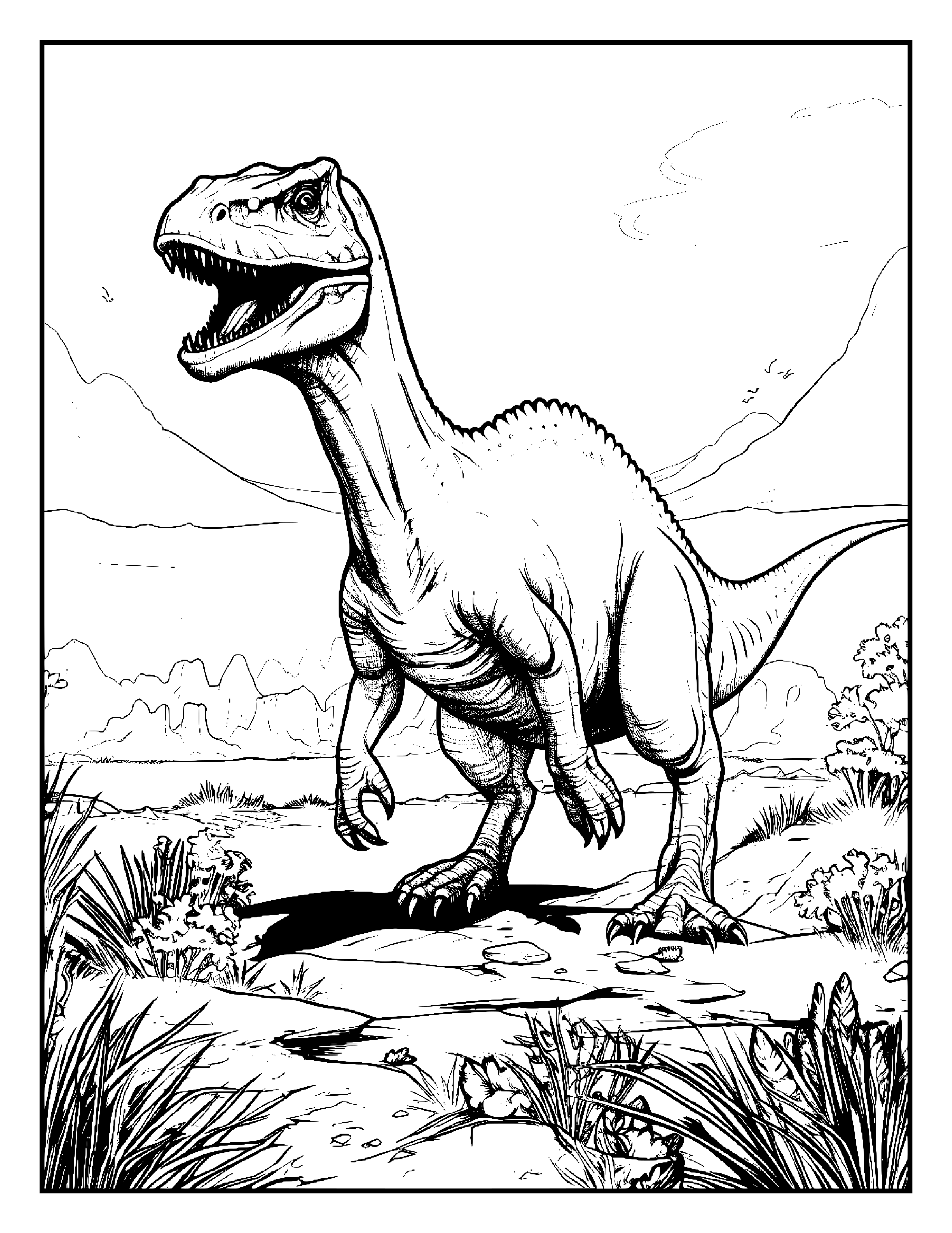
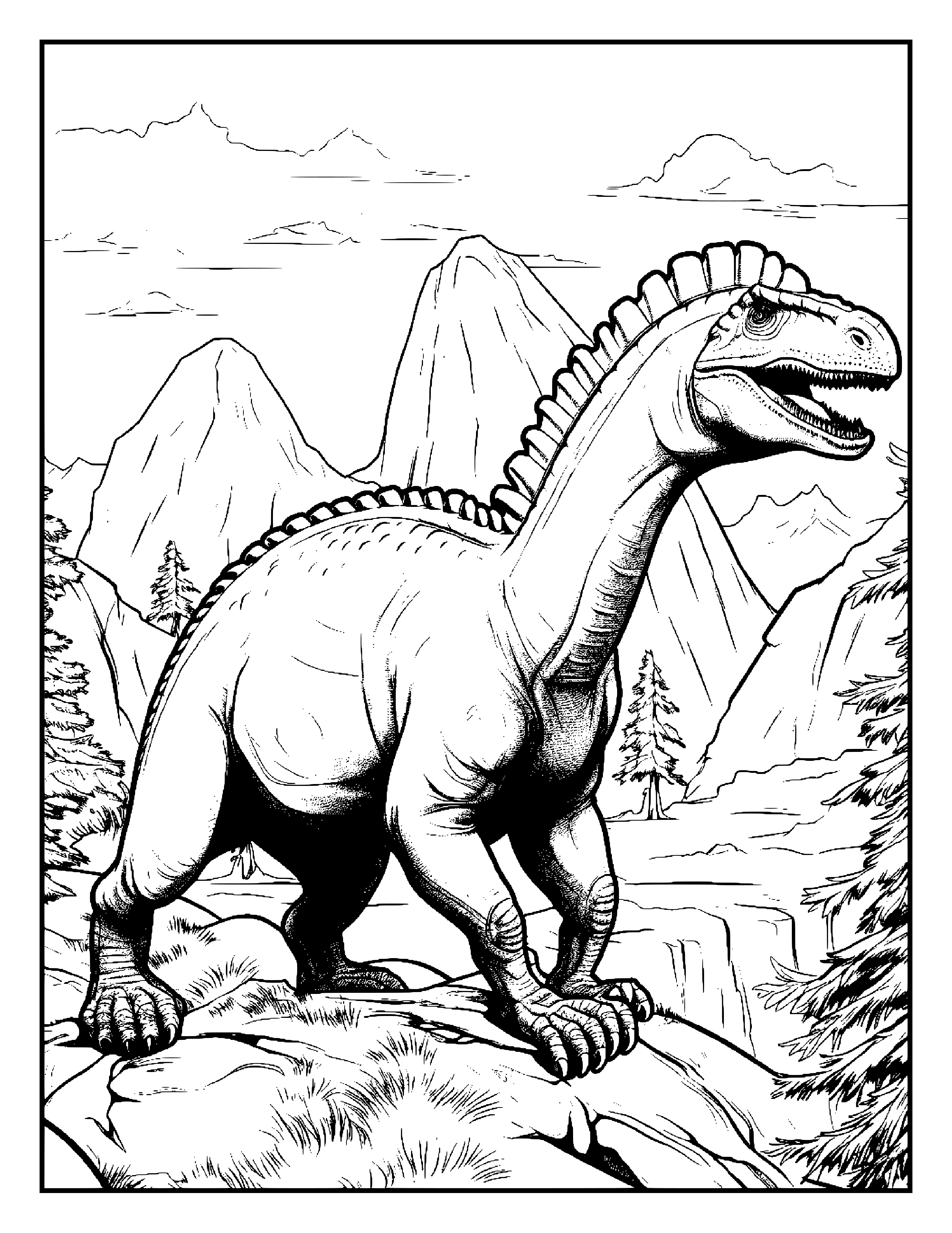
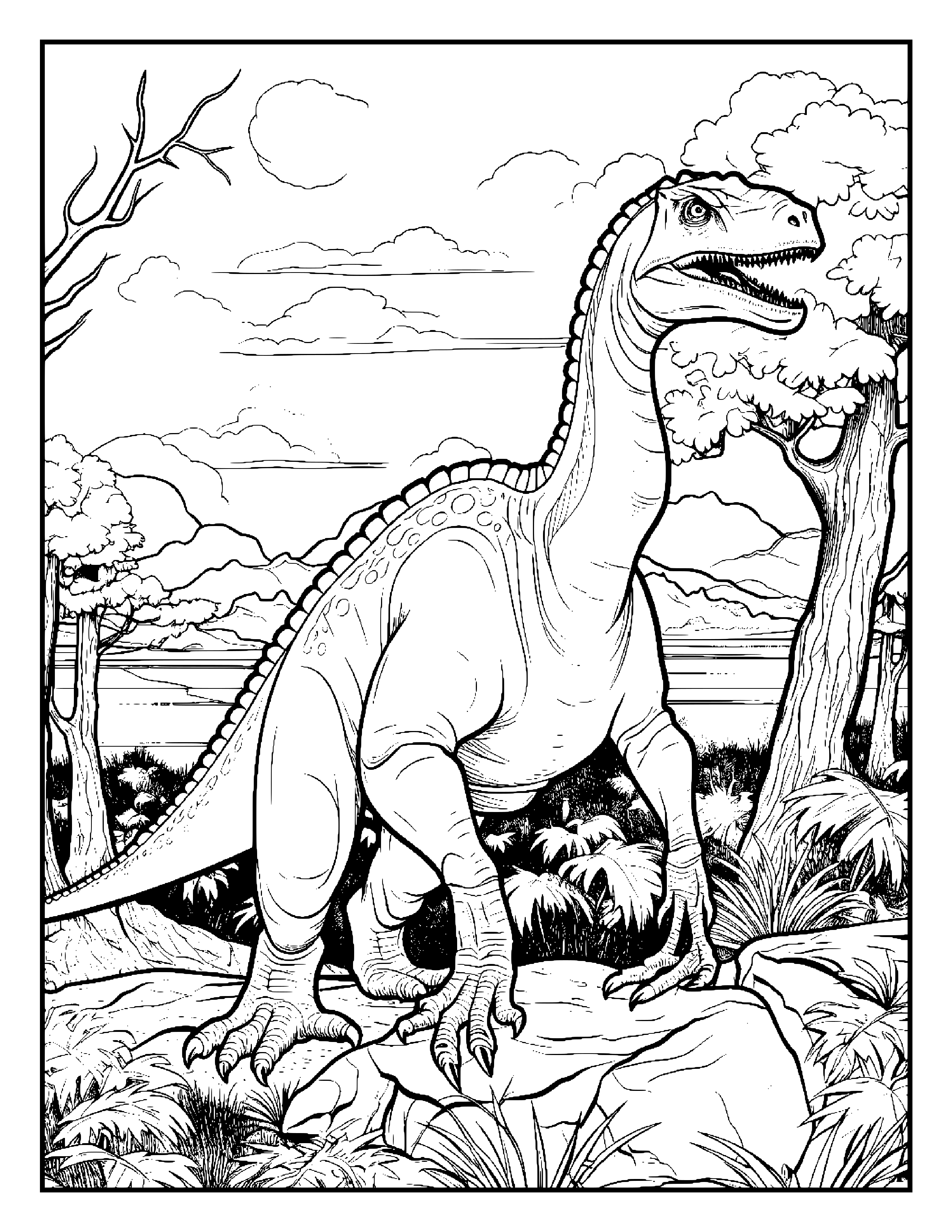
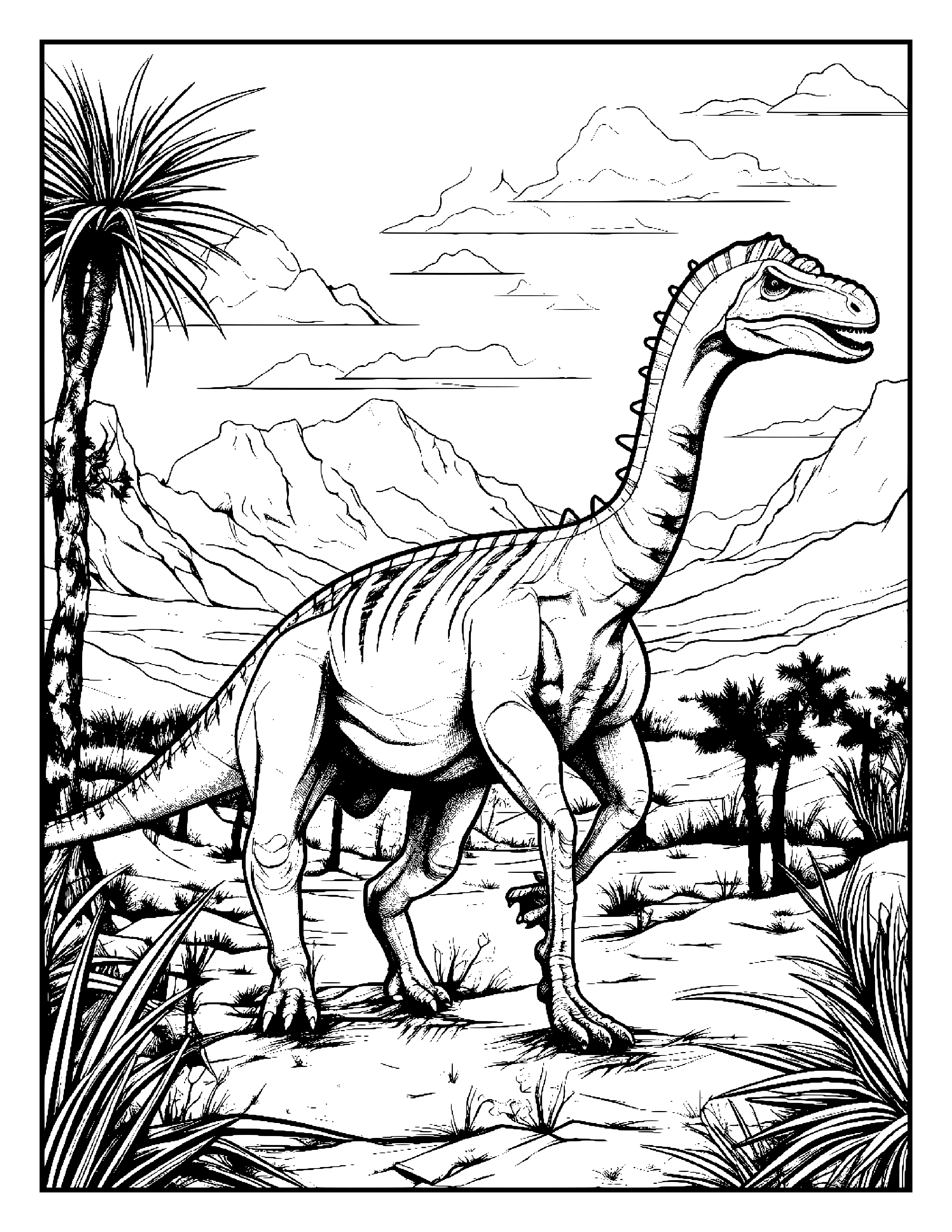
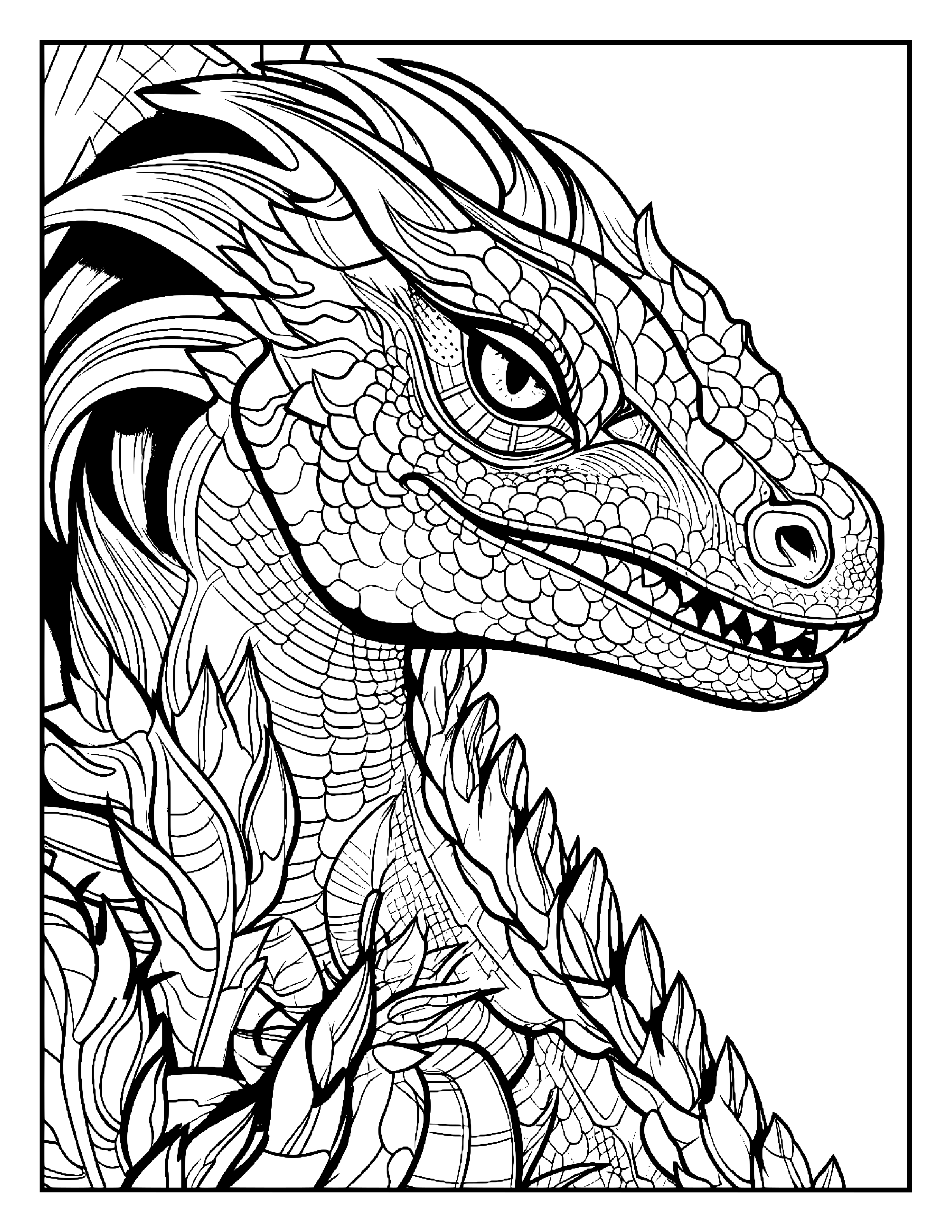
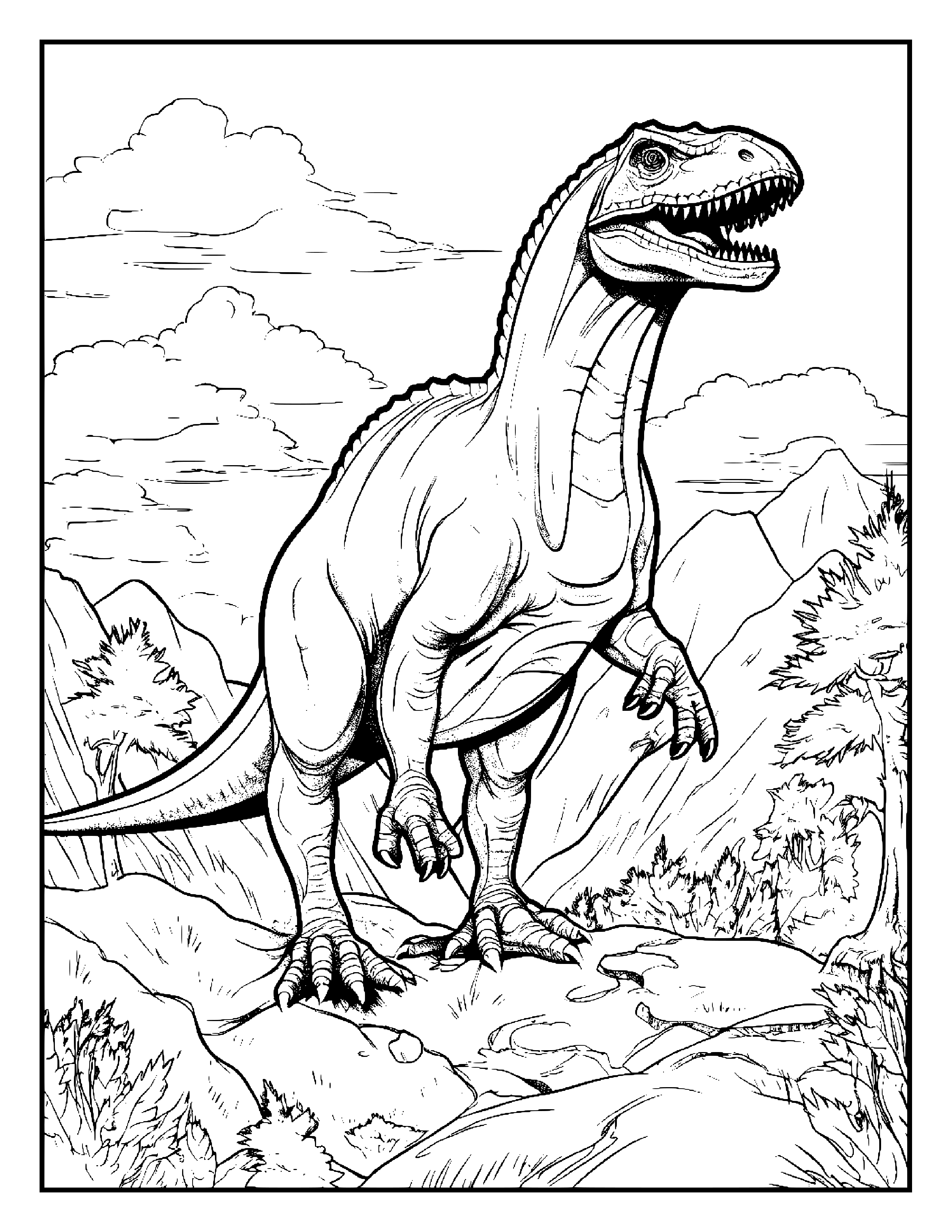
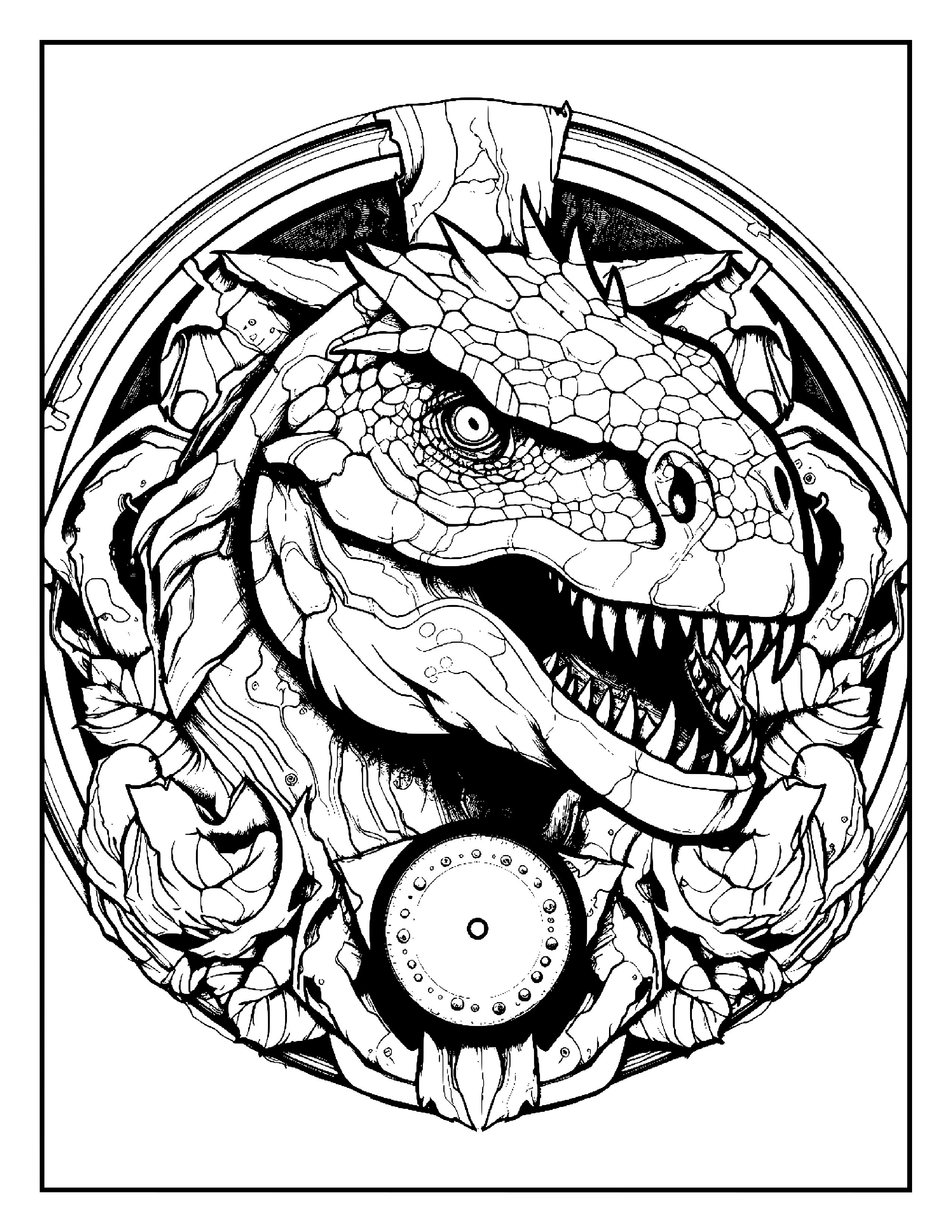
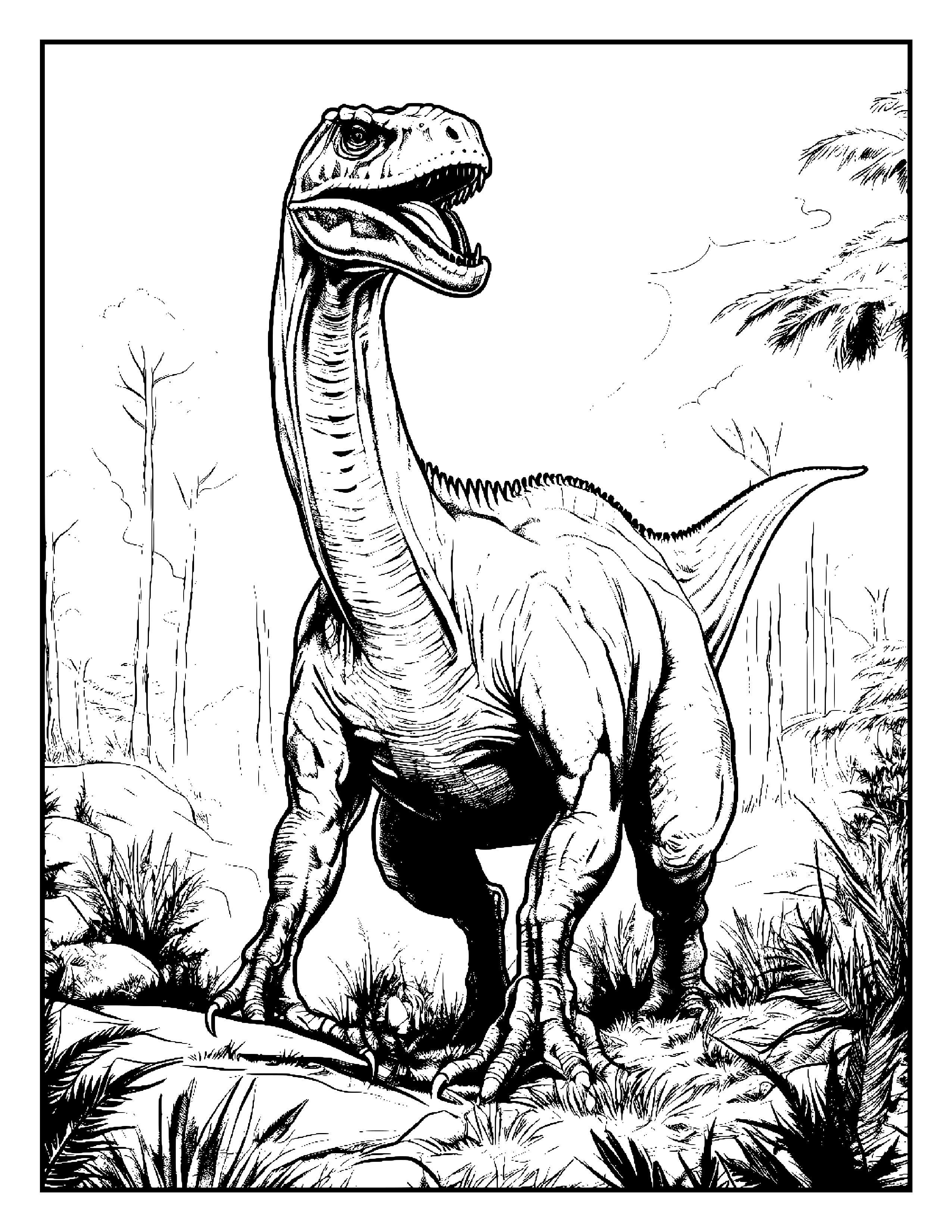
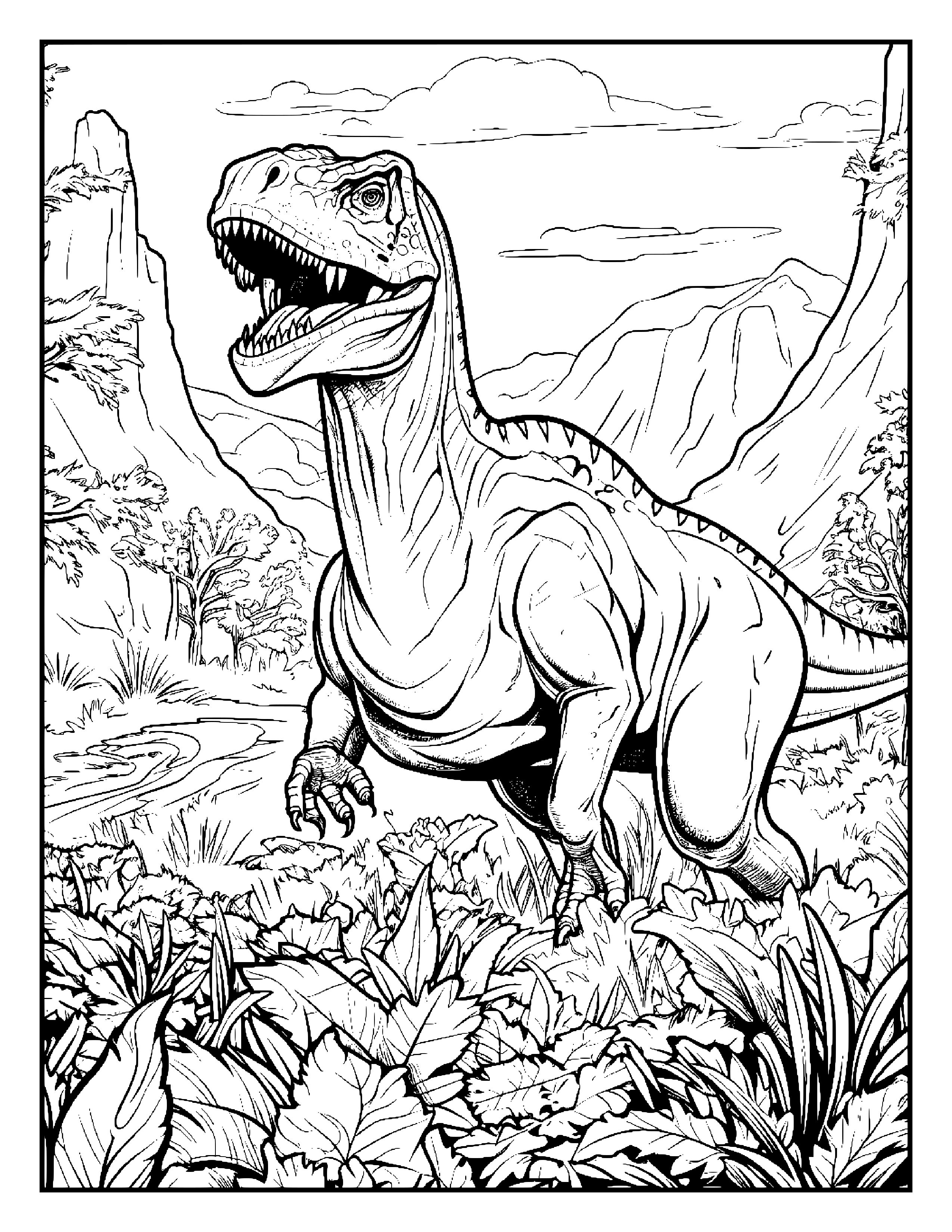
- Realistic Dinosaurs — 200 true-to-life dinosaurs in detailed line art, set in prehistoric landscapes — for older children, teens and adults.
How to Color Dinosaur Pages — A Practical Guide
Tools
- Colored pencils — The most versatile option for all dinosaur styles. They give precise control for scale textures, claws and eye details, and blend beautifully for body gradients. Use a sharp tip for detail work and a lighter hand for large body areas. Any brand works — Faber-Castell or Prismacolor for quality, supermarket sets for beginners and young children.
- Broad markers or crayons — Ideal for young colorists and for filling the large, simple body areas of kids' pages quickly. Vivid, saturated fills with minimal effort. Wide crayons are especially good for toddlers whose fine motor skills are still developing.
- Watercolor pencils — Outstanding for Pterodactyl wing membranes and background landscapes. Color dry, then blend with a damp brush — the result mimics the soft, translucent quality of membrane and sky. Use 100 g/m² paper or heavier to avoid wrinkling.
- White gel pen — A finishing tool that dramatically transforms any dinosaur page. Use it to add highlight dots on eyes, a line of light running along the back ridge, tiny claw highlights, and scale details in dark areas. Even three or four strategic strokes make a noticeable difference.
Which Page to Start With
For young children (ages 3–6): start with the Easy Dinosaurs and Baby Dinosaurs — the largest, simplest forms with the most forgiving outlines, designed specifically for the youngest colorists.
For older children and confident colorists: the Cute Dinosaurs and Kawaii Dinosaurs offer the most satisfying balance of fun and detail — recognizable shapes with enough character to make color choices interesting.
For adults and detailed work: the Realistic Dinosaurs and Dinosaur Mandalas are the most technically rewarding — intricate line art that suits the same patient, section-by-section approach that makes mandala coloring so absorbing.
The Dinosaur Color Palette
Here's an exciting fact: we genuinely do not know what color most dinosaurs were. Melanosomes (the microscopic structures that create color in feathers and scales) can sometimes be preserved in fossil specimens, and paleontologists have reconstructed the coloring of a handful of feathered dinosaurs — but for most species, color remains a scientific mystery. This means your choices are not just valid: they may be more accurate than you think.
For naturalistic palettes, look to modern relatives: lizards, crocodilians and birds. Deep forest greens, earthy browns, warm tans and grey-blues all read as believably prehistoric. For creative palettes, the sky is the limit — some paleontologists genuinely believe large dinosaurs may have had bright display colors like modern toucans, peacocks and parrots.
Species-Specific Tips
- T-Rex — Deep forest green or earthy brown for the body, pale cream or yellow on the belly. The tiny arms deserve a contrasting accent color to make them pop.
- Triceratops — Warm terracotta brown for the body, bold reds or purples on the frill to suggest display coloration. Each of the three horns can be a different shade.
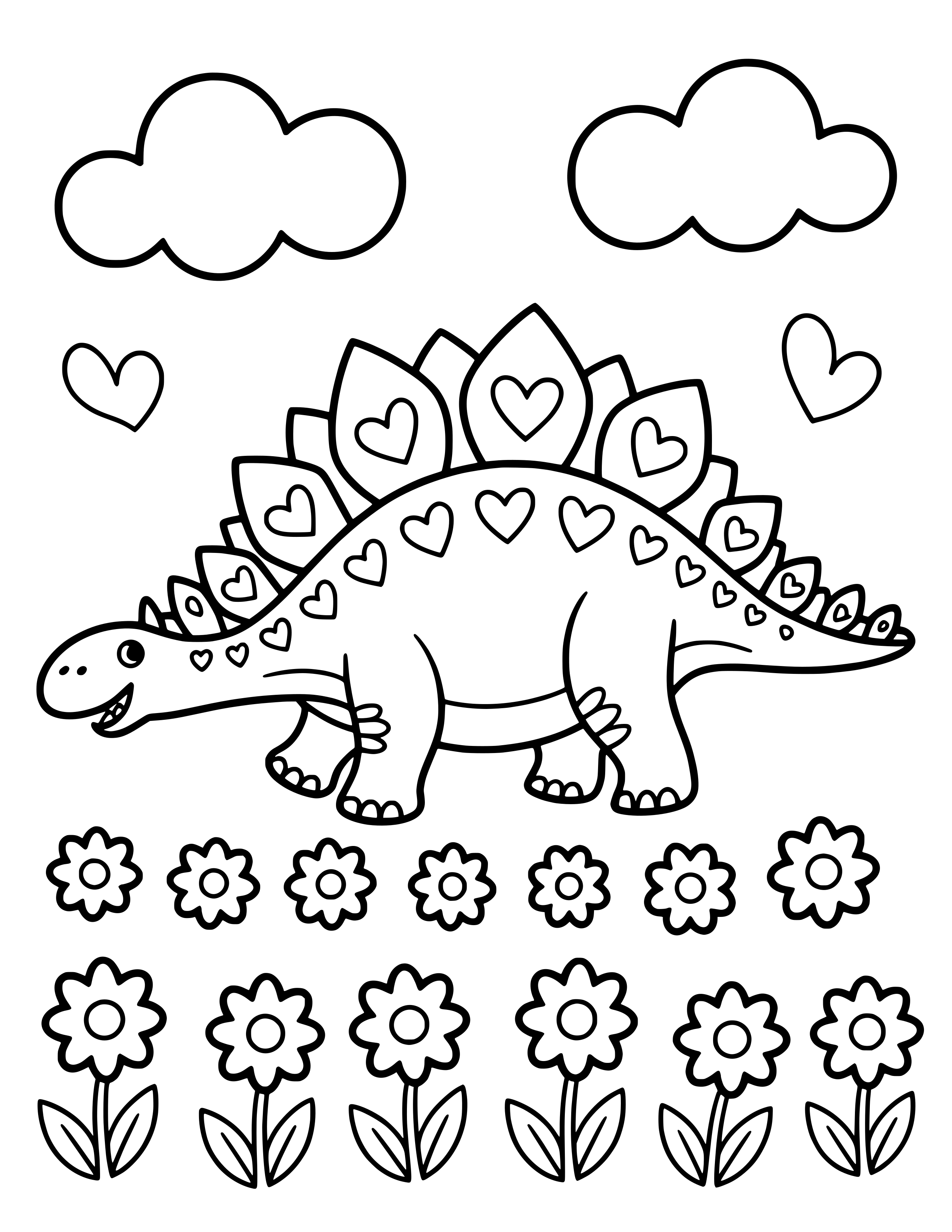
- Stegosaurus — Alternating warm colors on the back plates (red, orange, yellow) against a forest-green body — scientifically inspired by the blood-vessel display theory.
- Pterodactyl — Cool blue-gray for the wing membranes, blending lighter toward the body. Watercolor pencils blended wet create a beautiful translucent wing effect.
- Velociraptor — Slate gray and olive brown with hawk-like eye markings and striped wing patterns — inspired by the scientific evidence that raptors were feathered.
- Ankylosaurus — Sandy browns and khaki for the armor, with darker shadow tones in the gaps between plates. Treat each scute as a separate mosaic cell for a satisfying mosaic effect.
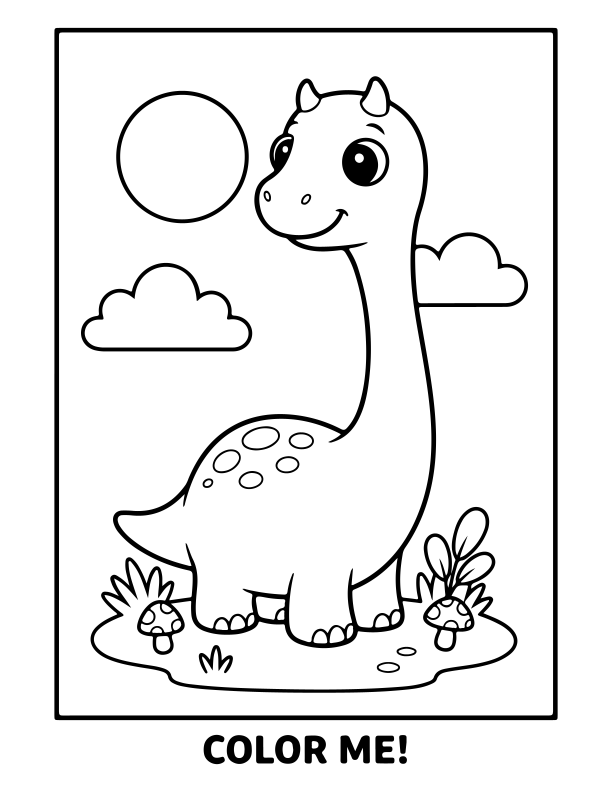
- Brachiosaurus and sauropods — Warm sage greens for the neck grading into deeper forest green on the back, with pale yellow-cream on the belly. Use smooth horizontal colored-pencil strokes to suggest the immense, gentle scale of the animal. A faint blue gradient at the top of the long neck suggests the sky it browses in.
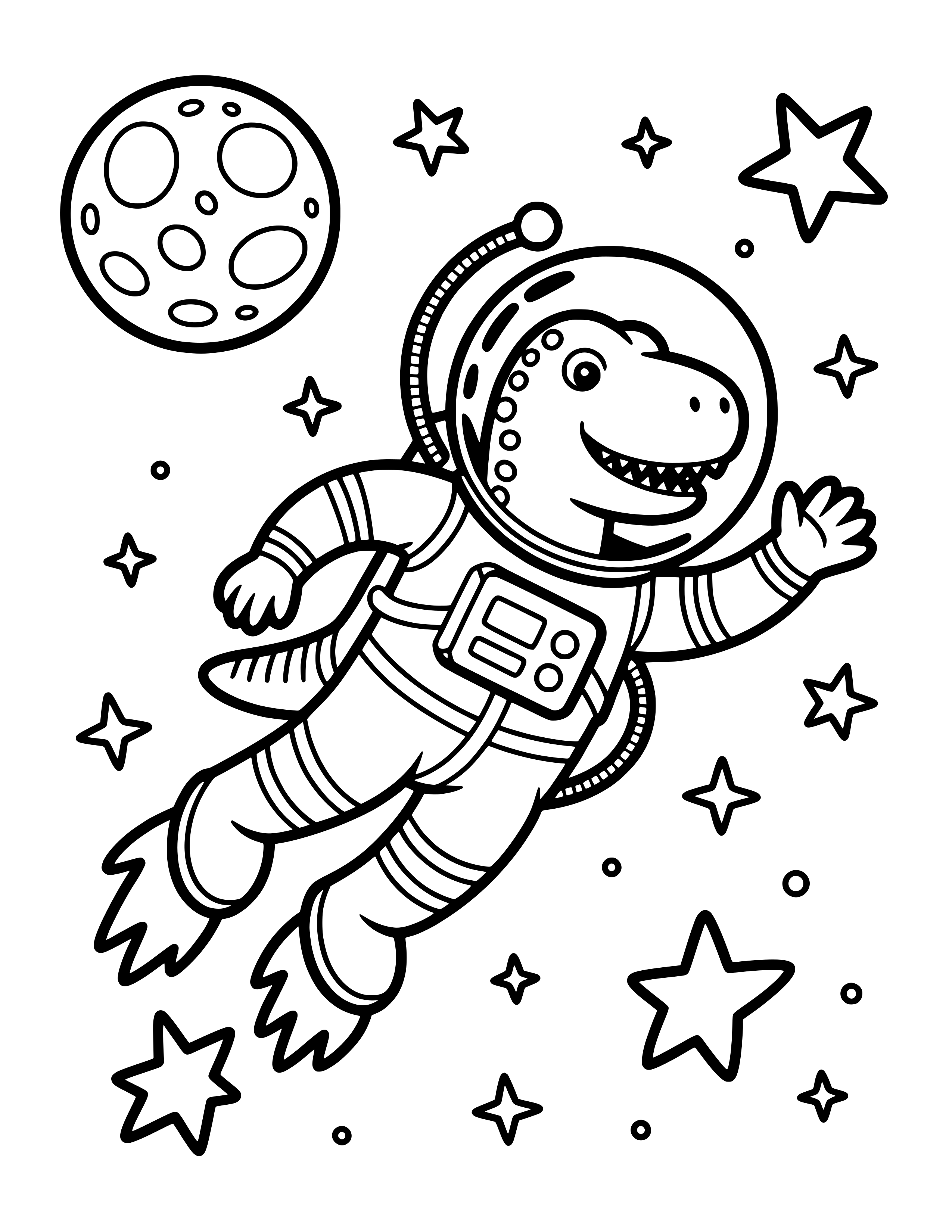
- Fun scenes and Dino adventures — These pages welcome any palette. The birthday cake and ice cream designs look especially vivid with bright saturated markers. Dino in Space suits a deep navy background with star-white gel pen dots. Dinosaur Egg pages are beautiful in soft gradients from warm cream at the tip to mottled earthy green-brown at the base — like a real reptile egg.
Dinosaur Coloring for Schools and Educational Use
Dinosaur coloring pages are one of the most effective entry points for teaching children about prehistoric life, geological time and the natural world. Each page can become a paired activity: print the coloring page alongside a species fact card listing the dinosaur's period, diet, size and one surprising fact. Children who color the illustration while reading the facts retain the information at dramatically higher rates than passive reading alone — the physical activity of coloring creates an embodied memory that abstract reading does not.
For classroom use, this collection maps naturally to a curriculum unit on the Mesozoic Era. The Realistic Dinosaurs suit a study of Jurassic and Cretaceous species and their landscapes, while the Easy and Baby Dinosaurs work for younger pupils. Pair each printed page with a species fact card listing the dinosaur's period, diet and size for a combined art-and-science activity. All pages are completely free to print for classroom use, in any quantity, with no attribution required.
Shading and Texture Techniques
The most common mistake in dinosaur coloring is treating the whole body as a single flat color. Real animals — and convincing illustrated dinosaurs — have light areas and dark areas determined by the direction of light. Work from the lightest tones first. Leave the top of the back and the raised edges of plates and scales closest to white — this is where direct light hits. Build your base color in the mid-body, then add a second, darker shade in the underbelly, under the chin, between the legs, under plate edges and in the shadow side of each scale cluster. This simple two-zone approach (light top, dark bottom) transforms a flat fill into a three-dimensional creature.
For scales and plates, use directional pencil strokes that follow the surface — small circular or C-shaped strokes for rounded scales, overlapping fan shapes for plate edges. Even subtle variation in stroke direction creates the impression of three-dimensional texture without requiring advanced technique. On large flat areas like a T-Rex's flank, a slight darkening toward the outline helps the body read as curved rather than flat — a technique used by professional illustrators called "edge darkening."
Color Palette Ideas for Dinosaurs
- Naturalistic Cretaceous — Forest green, earthy brown, pale cream belly, burnt sienna claws. The safest and most satisfying realistic palette.
- Vivid display colors — Tropical bird-inspired: electric teal, vivid orange, cobalt blue, white underbelly. Scientifically plausible and visually spectacular.
- Desert hunter — Sandy tan, dusty orange, warm grey, rust brown. Suggests a creature evolved in arid, savanna-like environments.
- Jungle camouflage — Dark green, dappled yellow-green spots, deep brown shadow. Evokes a forest-dwelling animal adapted to filtered light.
- Kawaii pastel — Soft lavender, baby pink, mint green. Perfect for the cute hatchling and baby dinosaur designs — particularly popular with younger colorists.
- Night scene — Deep navy background, phosphorescent green body, bright yellow eyes. Inspired by bioluminescent animals and perfect for the "Dino in Space" and night scene pages.
Printing Your Dinosaur Coloring Pages
- Print at High or Best quality to keep fine detail lines (scales, claws, eye details, plate edges) sharp and clear.
- Use A4 or US Letter paper for standard home printing — both formats work perfectly.
- For a dinosaur birthday party activity pack, print 10–15 different species pages and let each guest choose their favourite.
- For a classroom paleontology unit, pair each printed page with a species fact card for a combined art and science activity.
- For marker or broad brush work, use 90 g/m² paper or heavier to prevent bleed-through on large body areas.
All 701 dinosaur coloring pages on ColoringScape are completely free — no account, no watermark, no limit. Perfect for dinosaur-themed birthday parties, school science projects, holiday activity packs or simply an engaging rainy-day activity. Browse our animal coloring pages and kids coloring pages for more family-friendly designs.