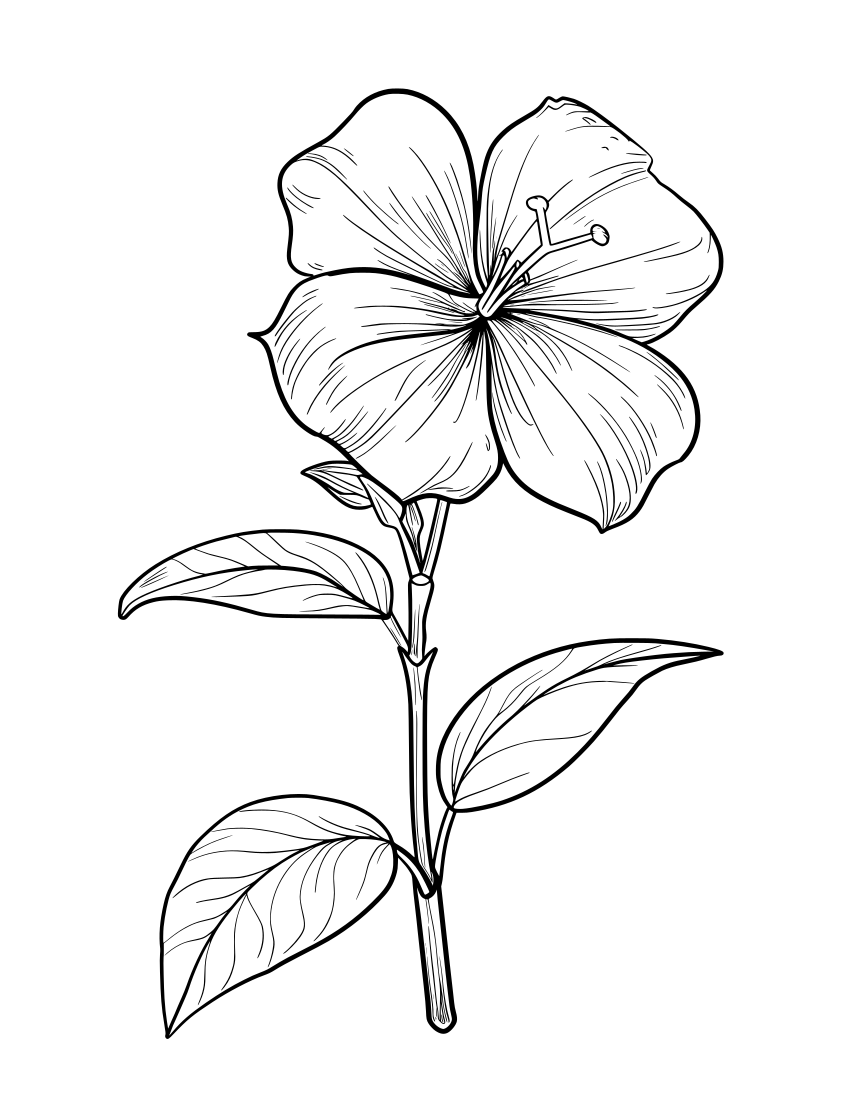
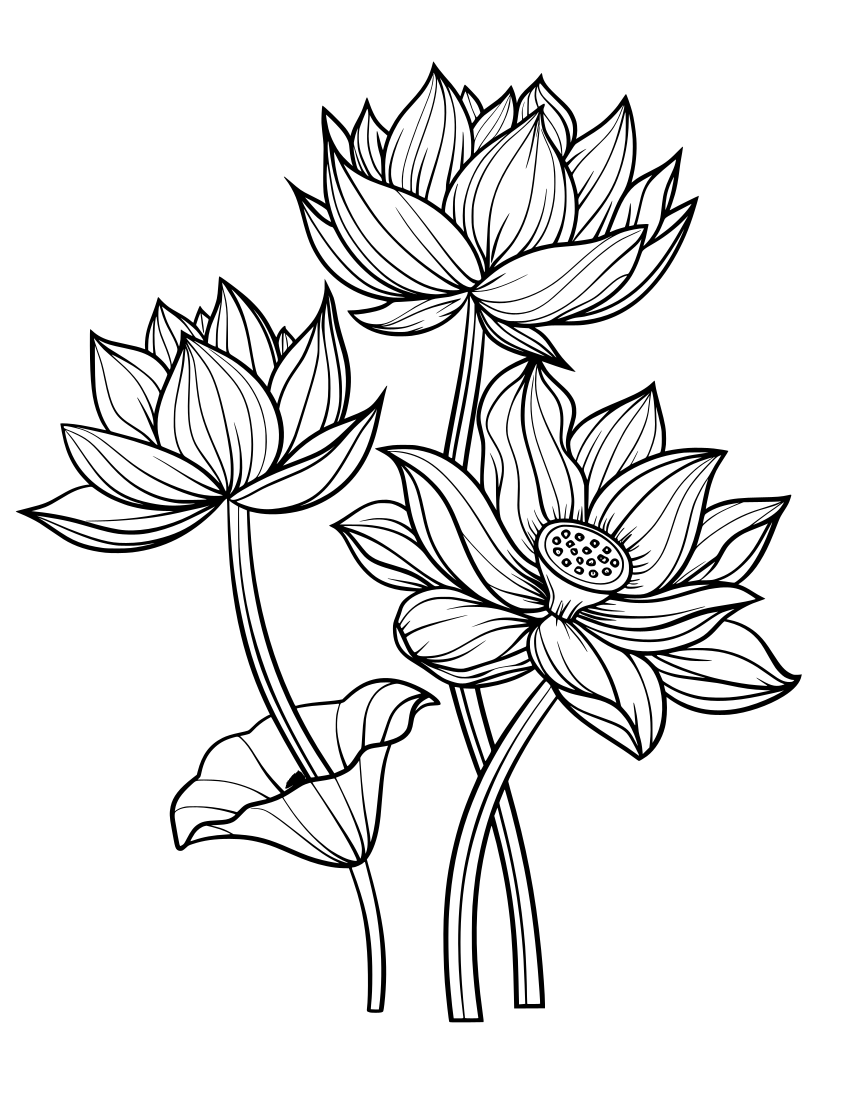
Botanical Aster Coloring Page presents the aster as a precise botanical study — combining the scientific accuracy of a natural history illustration with the aesthetic sensibility of a work of art. Part of our free flower coloring pages collection, this design is for colorists who love to engage with the actual form, structure and character of the flower they are coloring, not just its decorative potential.
The aster takes its name from the Greek word for "star" — an accurate description of its perfectly star-like flower form. In ancient Greece, asters were burned as incense to drive away evil spirits, and garlands of asters were placed on the altars of the gods. The Cherokees used asters medicinally; the ancient Chinese regarded the aster as a symbol of love and wisdom. In the Victorian language of flowers, the aster meant patience, elegance and "I will think of you." The Michaelmas daisy (Aster novi-belgii), an aster species, became one of Victorian England's most beloved garden flowers — its blue-purple flowers blooming in September just as summer releases its hold, providing color when most other flowers have faded.
The aster's star-like radiation of narrow ray petals around a bright yellow or golden disc makes it one of the most structurally satisfying flowers to color. Classic asters range from pure white through pale lavender to rich violet-purple, with some cultivars in deep red, pink and soft blue. The petal color is typically most intense at the tip and slightly paler where the petals meet the disc. The yellow central disc provides a warm, contrasting anchor: work it from bright gold at the outer edge to deeper amber-orange at the very center. The fine, precise ray petals benefit from a careful, patient approach — line art rendering with strokes following the petal direction.
Botanical illustration demands engagement with the actual structure of the aster as a living plant. Before coloring, take a moment to study the design: identify the different floral parts (petals, sepals, stamens, pistil), the leaf attachment and venation pattern, the stem structure. Color each element with reference to its botanical reality: leaves are lighter on the upper surface (which receives more light) and darker on the underside. Stems show subtle surface texture. The goal is not a pretty decoration but an accurate, beautiful record — in which truth to observation is the highest aesthetic value. This botanical coloring page is available as a free high-quality PDF. Print on premium paper for the finest result — a completed page is a genuine piece of natural history art worth displaying.
Leave a Comment
Comments
No comments yet. Be the first!