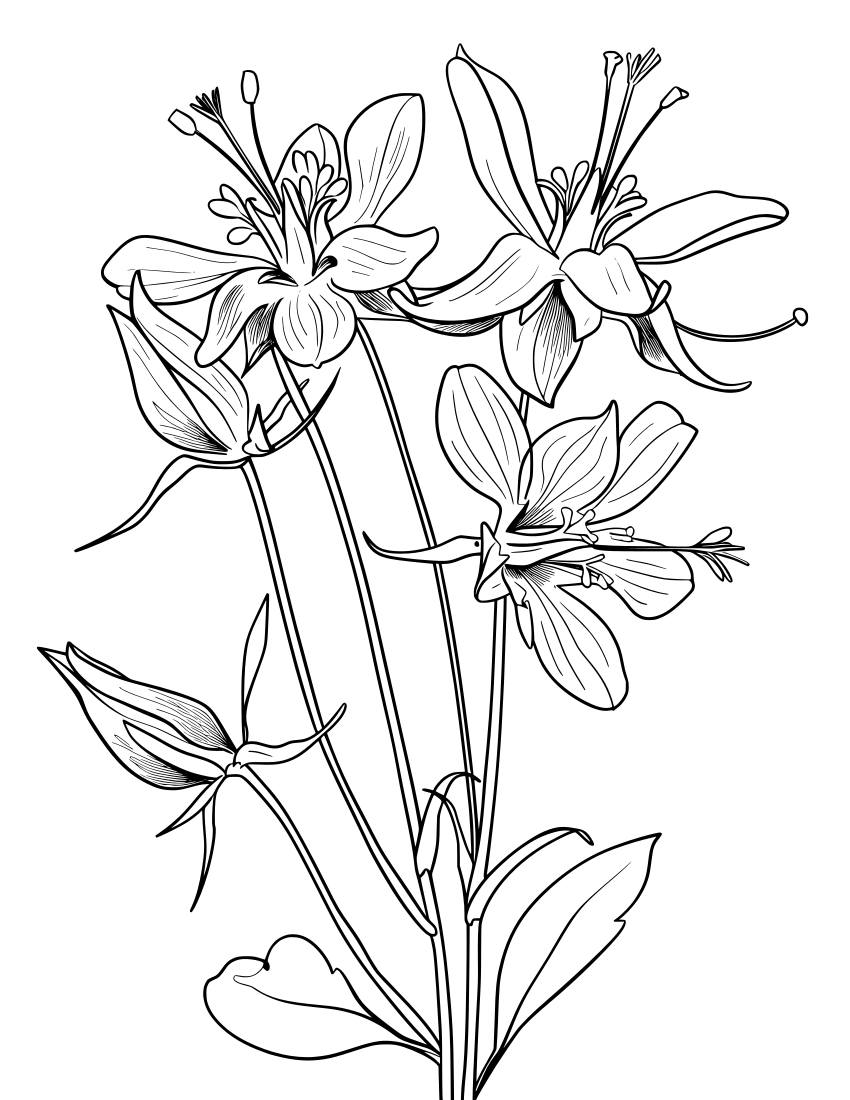
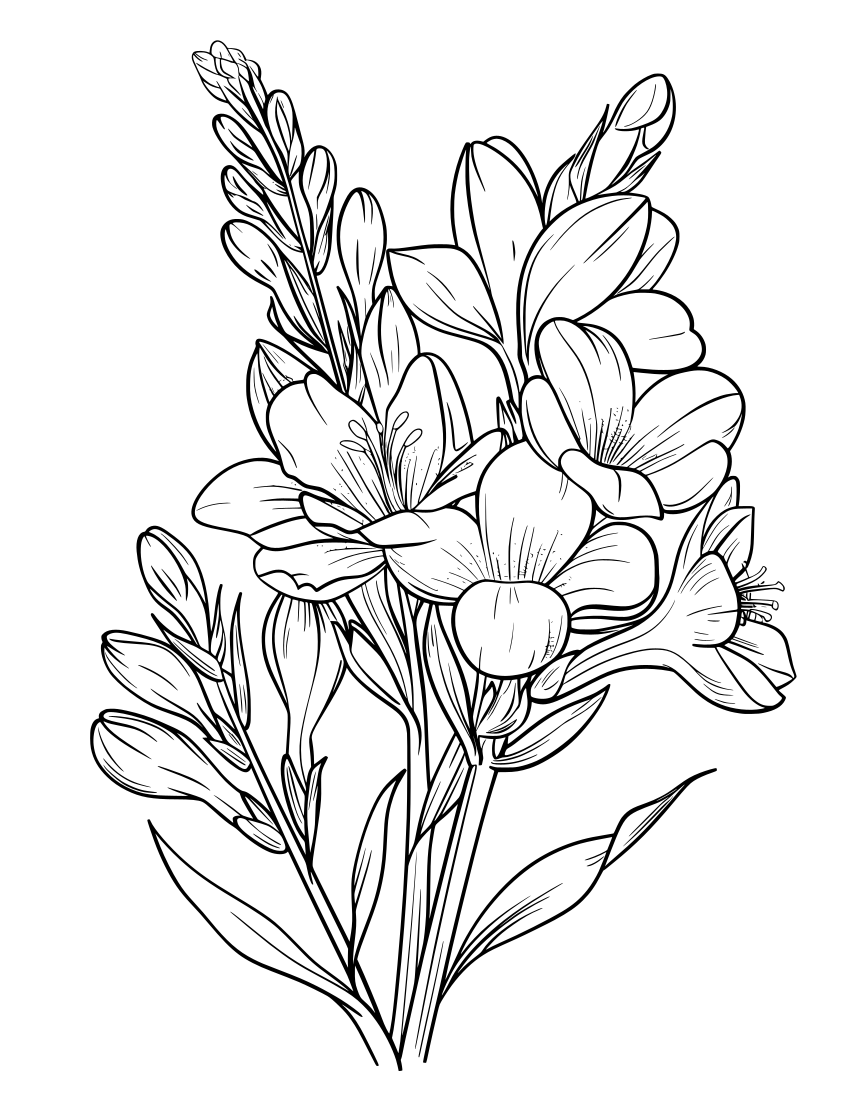
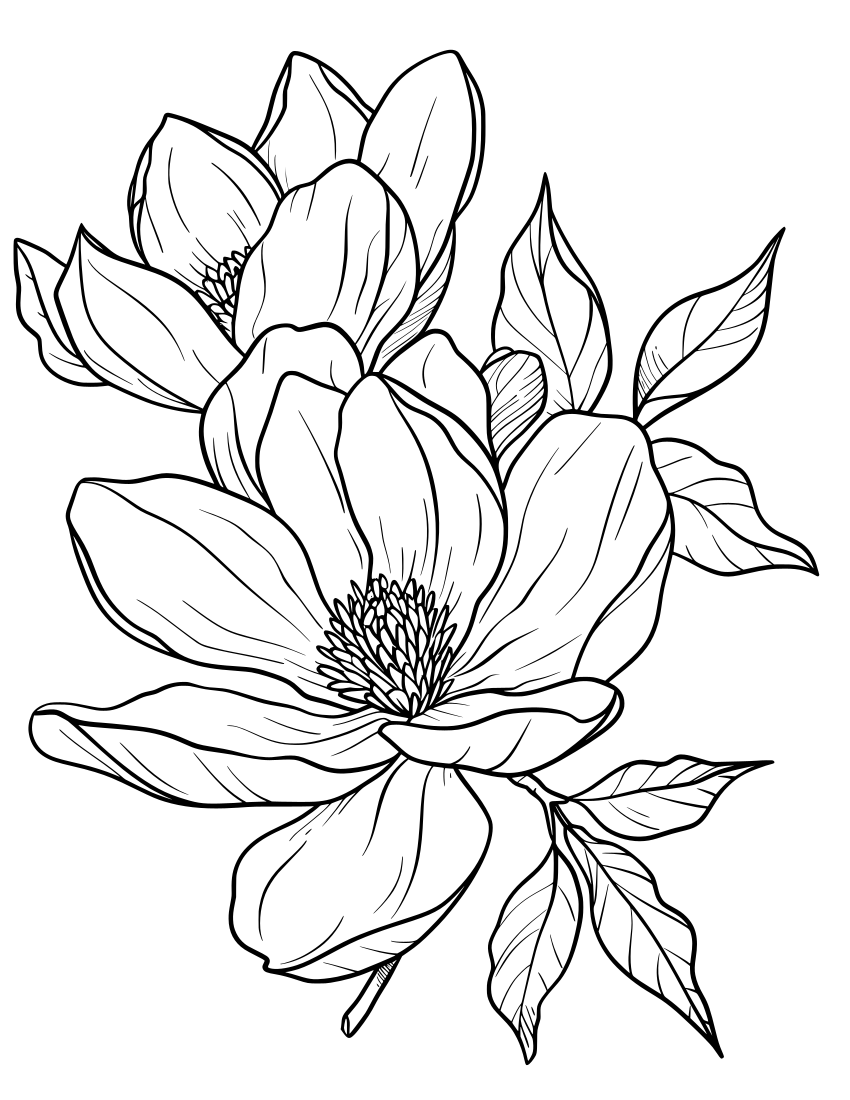
Bouquet Buttercup Coloring Page celebrates the buttercup as the centrepiece of a carefully composed bouquet — an art form with roots in classical European flower arrangement and the rich tradition of Dutch Golden Age flower painting. From our free flower coloring pages collection, this design rewards a thoughtful, layered approach to color that mirrors the arrangement artist's own craft.
The buttercup is one of England's most beloved wildflowers, its glossy golden cups brightening meadows and verges from April to August. Its name comes from a Victorian folk belief: cows that ate buttercups produced especially yellow, richly flavored butter — a charming theory that is, unfortunately, false (buttercups are mildly toxic to cattle and are consistently avoided). The "do you like butter?" childhood game — holding a buttercup under a friend's chin to see if the yellow is reflected — exploits the flower's extraordinary petal glossiness: buttercup petals have a unique dual-layer structure that creates a mirror-like reflectivity, the only flower known to produce this effect. The buttercup appears in paintings from Botticelli to the Pre-Raphaelites, its golden yellow inseparable from the idea of the English summer meadow.
The buttercup's extraordinary petal gloss — the result of a smooth, reflective epidermal layer over a yellow pigment layer — is its most distinctive feature and its most interesting coloring challenge. To suggest this mirror-like quality, leave a small, bright highlight on each petal (the highest point of the curved surface) completely untouched — or apply pure white gel pen as a final touch. The petal yellow should be vivid and warm: a rich golden-yellow rather than a pale or lemony tone. The deeply cut, complex leaves — dark green with multiple fine lobes — provide a beautiful detailed counterpoint to the simple, gleaming flowers.
Bouquet compositions invite a layered coloring approach that mirrors the structure of the arrangement itself: foreground flowers in the richest, most saturated tones; background elements progressively lighter and cooler to suggest recession and depth. The buttercup as a bouquet element is framed by complementary foliage and perhaps filler flowers, offering a full palette of greens, whites and accent tones to work with alongside the main floral color. A deep or dark background behind the bouquet — charcoal, deep navy or forest green — makes the buttercup blooms pop with dramatic contrast. This bouquet coloring page is free to download and print as a high-quality PDF. A completed page with a rich, carefully chosen palette makes a genuinely beautiful piece of floral art.
Leave a Comment
Comments
No comments yet. Be the first!