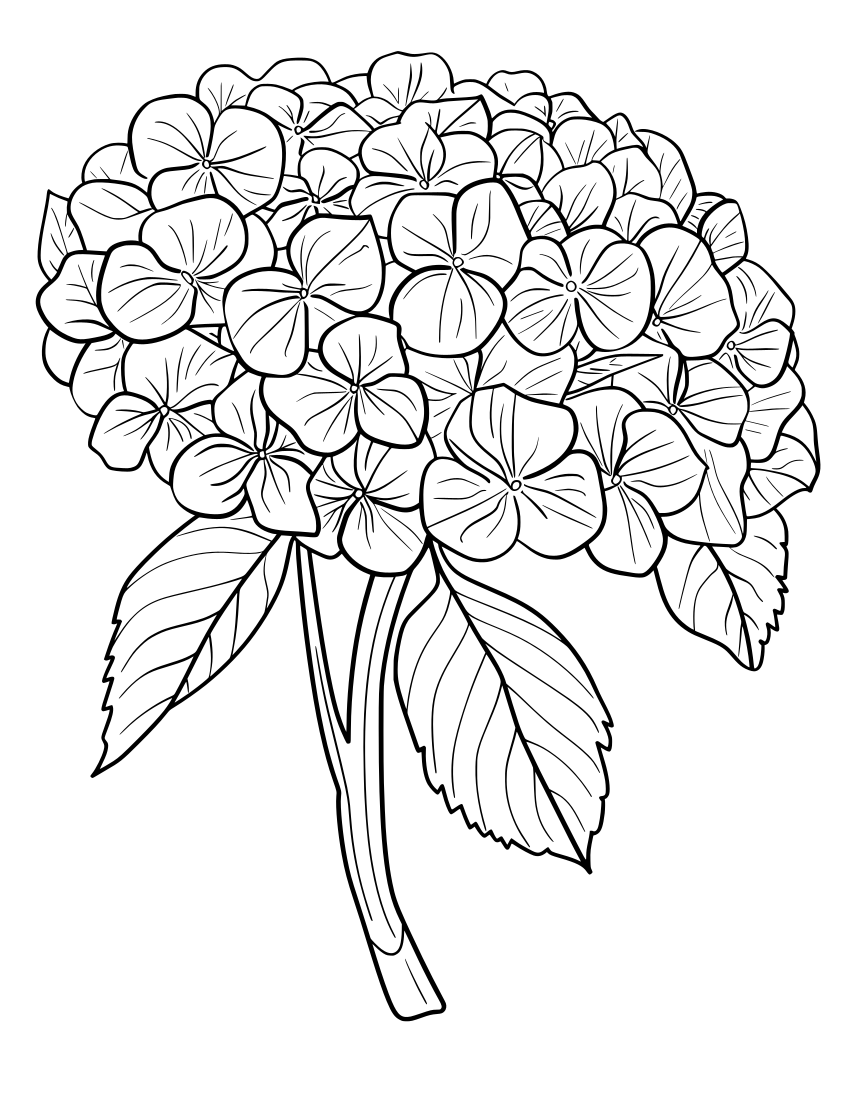
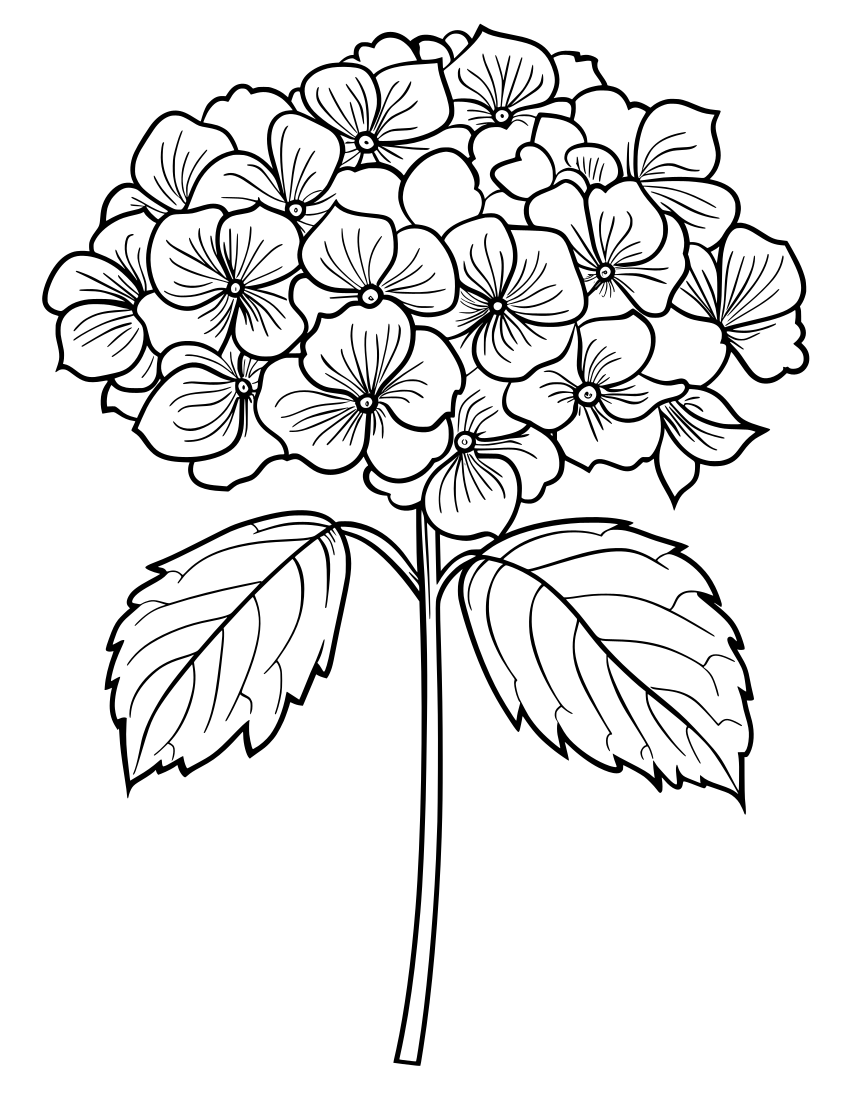
Garden Hydrangea Coloring Page captures the timeless beauty of the hydrangea in its natural garden setting — a design that celebrates one of the most beloved subjects in floral art and one of the most satisfying to bring to life with color. From our free flower coloring pages collection, this page invites you to explore the classic garden aesthetic through your own palette.
The hydrangea has the unusual botanical property of changing its flower color based on soil chemistry: in acidic soil (low pH), aluminum is available to the plant and the flowers turn blue; in alkaline soil, they turn pink. This strange responsiveness to its environment has made the hydrangea a symbol of heartfelt emotion and understanding in Japan, where it is called ajisai and celebrated each June during the rainy season. In the Japanese language of flowers, hydrangea carries the meaning of gratitude and deep understanding — though the Victorians gave it a less flattering attribution: boastfulness and vanity (perhaps because of its large, showy flower heads). The hydrangea was introduced to Europe from Japan in 1790 and became a major garden plant during the Victorian era.
The hydrangea's flower head is actually a cluster of dozens to hundreds of tiny individual florets, each with four rounded sepals. This clustered structure creates a beautiful challenge: a single "bloom" actually contains many colors and values as light hits the mounds and shadows gather in the hollows. Rather than filling the entire head with a single flat color, vary the tone continuously — lighter on the florets facing upward toward the light, progressively darker in the recesses between clusters. Blues and mauves often show a slight warm-pink shift at the petal edges that adds beautiful complexity.
In a garden composition, the hydrangea is shown in relationship with its natural companions — leaves, stems, neighbouring blooms — creating a coloring page rich with contextual detail. The classic garden aesthetic calls for a naturalistic palette that draws from real botanical colors: observe the actual hues of living hydrangeas and let them guide your choices. Begin with the focal bloom, establish its colors first, then build the supporting foliage and stems in harmonious tones that frame without competing. This coloring page is available as a completely free print-ready PDF. No account, no subscription — just download, print and enjoy a garden-inspired creative moment.
Leave a Comment
Comments
No comments yet. Be the first!