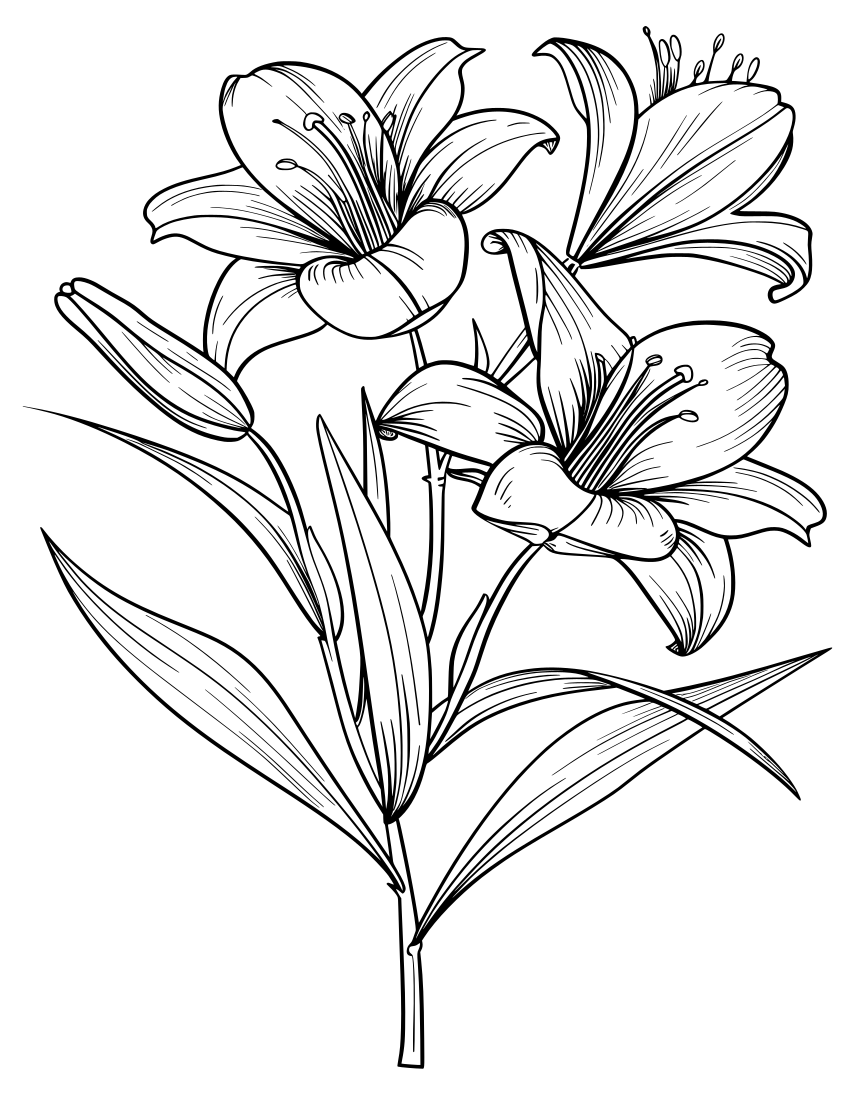
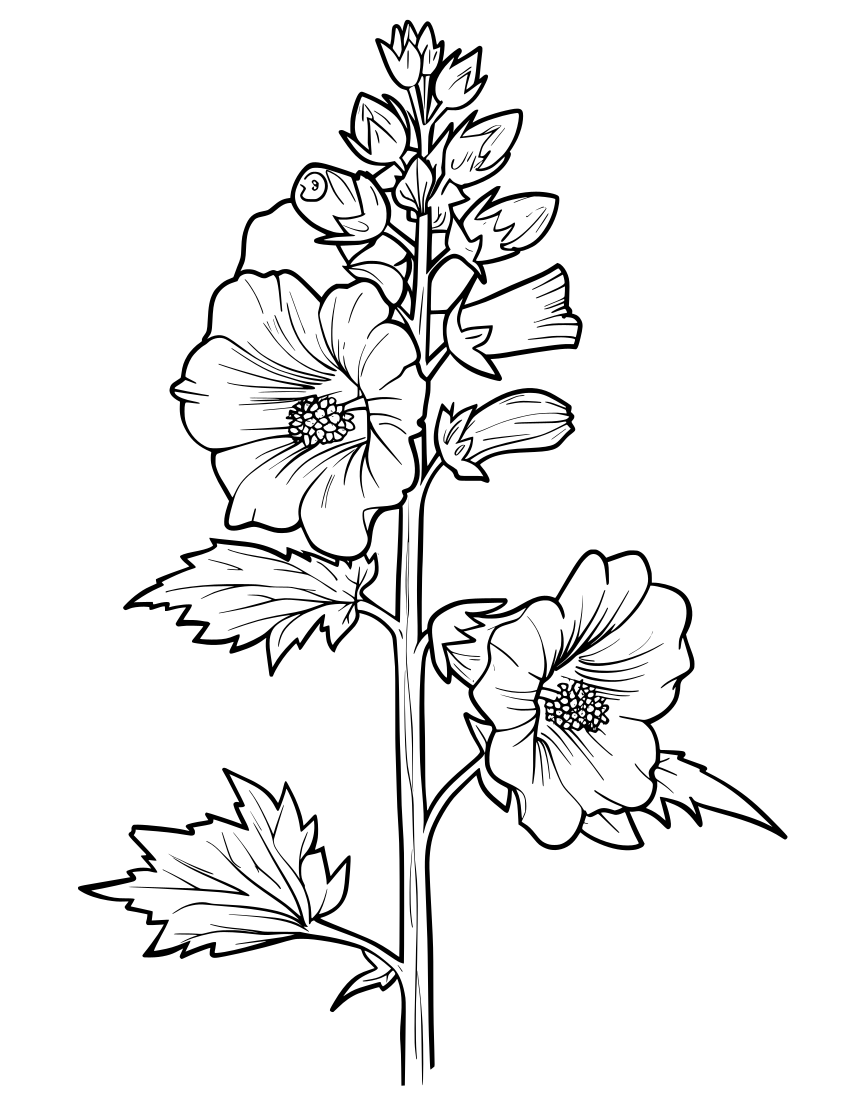
Garden Magnolia Coloring Page captures the timeless beauty of the magnolia in its natural garden setting — a design that celebrates one of the most beloved subjects in floral art and one of the most satisfying to bring to life with color. From our free flower coloring pages collection, this page invites you to explore the classic garden aesthetic through your own palette.
The magnolia is one of the oldest flowering plants on Earth: fossil records show magnolias blooming 20 million years ago, pre-dating the evolution of bees. They were pollinated by beetles — which is why their flowers are so robust and fleshy, built to withstand beetle feet rather than the delicate touch of bees. Named after the French botanist Pierre Magnol by Linnaeus in 1703, magnolias were among the botanical treasures brought back from China and Japan by 18th-century plant hunters. The magnolia became a symbol of the American South: the southern magnolia (Magnolia grandiflora) with its enormous cream flowers and glossy leaves is the state flower of both Mississippi and Louisiana — a tree of heat, fragrance and languorous summer afternoons.
Magnolia blooms are sculptural, almost architectural in their simplicity — large, smooth, cup-shaped tepals (botanically, magnolias have tepals rather than distinct petals and sepals) that come in cream, white, pure pink and deep rose-purple. The smooth, somewhat waxy surface reflects light softly: blend colors gently without leaving harsh pencil strokes. A warm peachy-cream in the inner cup transitioning to pure white at the petal edges works beautifully for white magnolias. Deep pink or purple varieties benefit from a deep magenta at the base of the tepals lightening dramatically toward the tips.
In a garden composition, the magnolia is shown in relationship with its natural companions — leaves, stems, neighbouring blooms — creating a coloring page rich with contextual detail. The classic garden aesthetic calls for a naturalistic palette that draws from real botanical colors: observe the actual hues of living magnolias and let them guide your choices. Begin with the focal bloom, establish its colors first, then build the supporting foliage and stems in harmonious tones that frame without competing. This coloring page is available as a completely free print-ready PDF. No account, no subscription — just download, print and enjoy a garden-inspired creative moment.
Leave a Comment
Comments
No comments yet. Be the first!