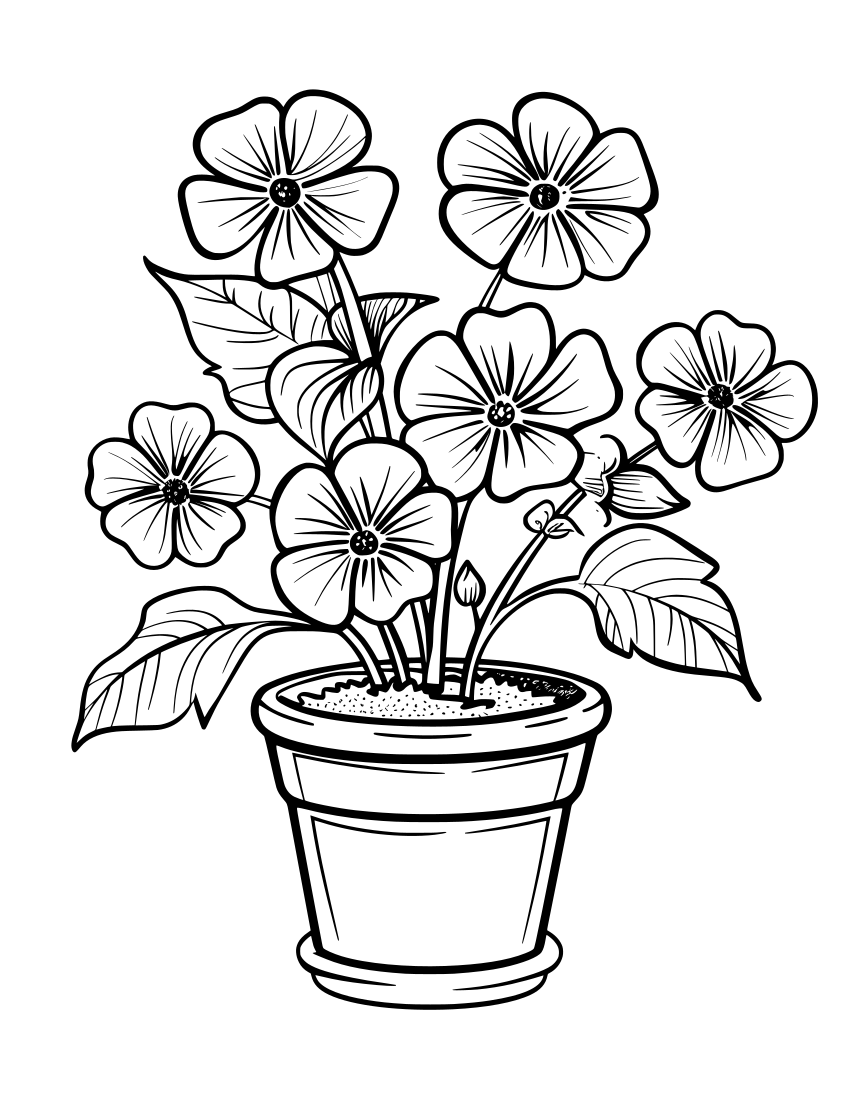
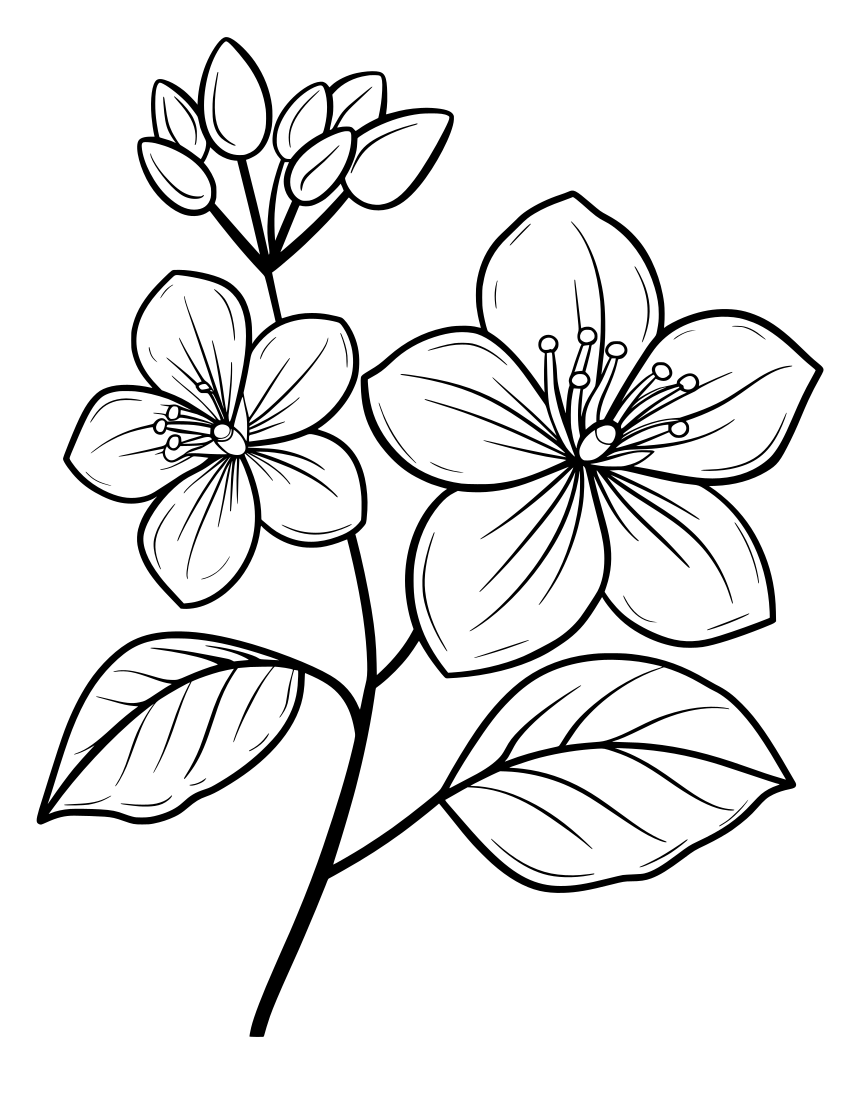
Vintage Jasmine Coloring Page evokes the refined world of Victorian botanical printing — the illustrated gift books, chromolithographic flower plates and hand-colored engravings that made botanical art one of the great aesthetic achievements of the 19th century. Part of our free flower coloring pages collection, this design is made for colorists who love the muted, harmonious palette of the historical botanical tradition.
Jasmine's name comes from the Persian yasamin, meaning "gift from God" — and its extraordinary fragrance has ensured it has been treasured across cultures for millennia. In South and Southeast Asia, jasmine flowers are woven into garlands for temple offerings, wedding ceremonies and everyday worship — India's mogra and Thailand's malee are central to daily spiritual life. The jasmine entered the Western perfumery tradition through the Arab world: Moorish Spain cultivated jasmine in palace gardens, and by the 17th century it was being cultivated in Grasse, Provence for the perfume industry. Jasmine absolute is one of the most expensive natural fragrance materials in the world, requiring 7–8 million hand-picked flowers to produce a single kilogram — it forms the heart of Chanel No.5.
Jasmine's white star-shaped flowers are deceptively simple in their basic form — five (sometimes more) narrow, fused-at-the-base petals radiating from a short tube — but exquisitely refined in their details. The petals are pure white with the faintest ivory or cream warmth, occasionally with a pink-tinted reverse. The dark, glossy green leaves create a beautiful, high-contrast backdrop that makes the white flowers glow. Pure white flowers require light, careful coloring to model form: use the very palest blue-grey or warm cream in the shadows, leaving the brightest paper areas completely untouched as highlights. The result should look luminous.
Achieving an authentic vintage botanical aesthetic requires deliberate restraint with your palette. Choose colors that feel slightly aged, slightly muted: dusty rose rather than hot pink, sage green rather than bright emerald, antique gold rather than vivid yellow. A very light wash of warm grey or pale sepia applied as a base layer creates the illusion of aged paper. Fine pencil hatching in the shadow areas — rather than flat color fills — echoes the engraving technique of 18th- and 19th-century botanical plates. The jasmine in a vintage treatment has the quality of a specimen encountered in an old illustrated book: precious, carefully observed, quietly beautiful. This vintage-style coloring page is free to download and print. Complete it with a muted botanical palette and it looks extraordinary mounted in a simple gilt or dark wood frame.
Leave a Comment
Comments
No comments yet. Be the first!