Free Ocean Animals Coloring Pages
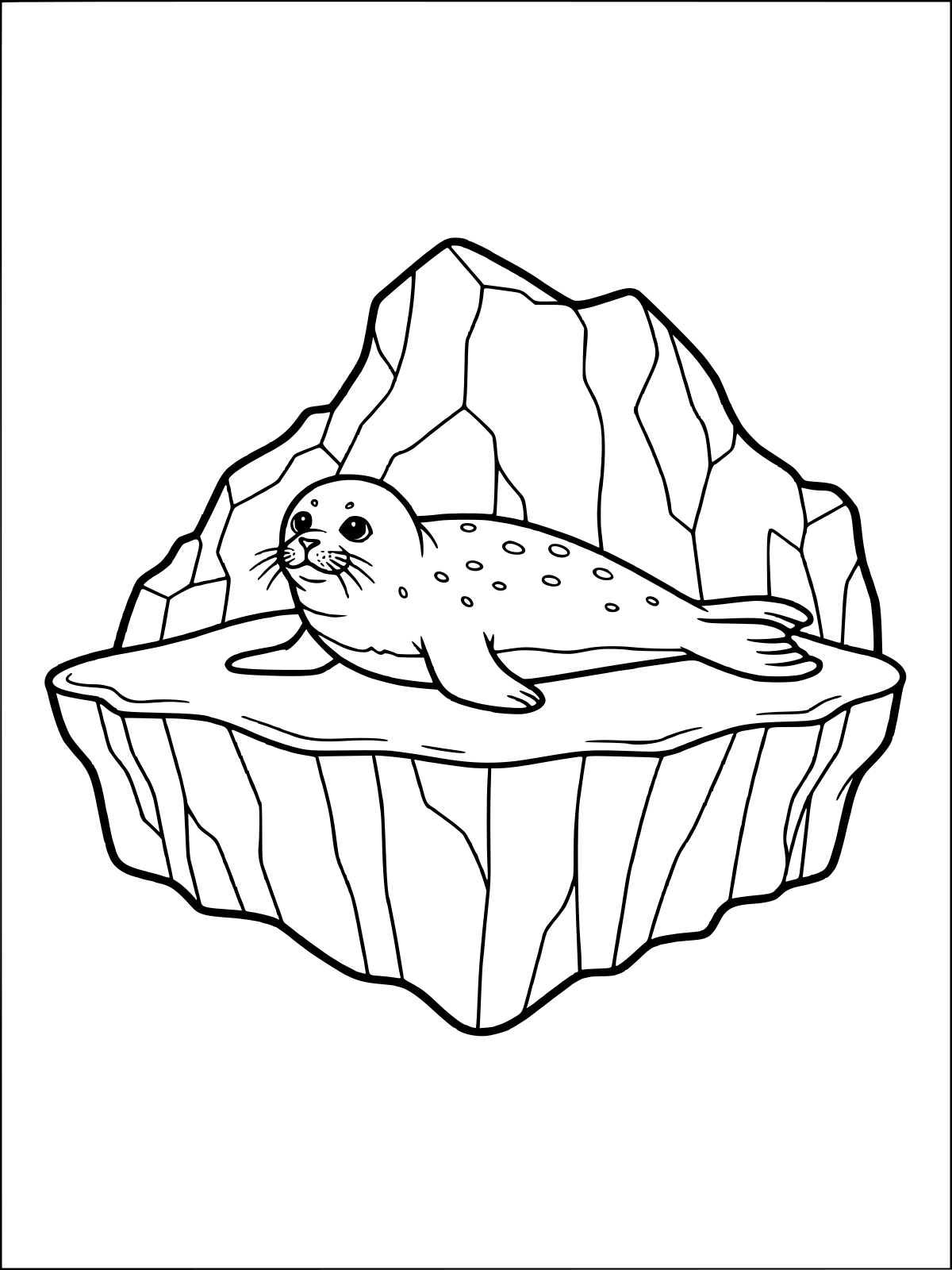
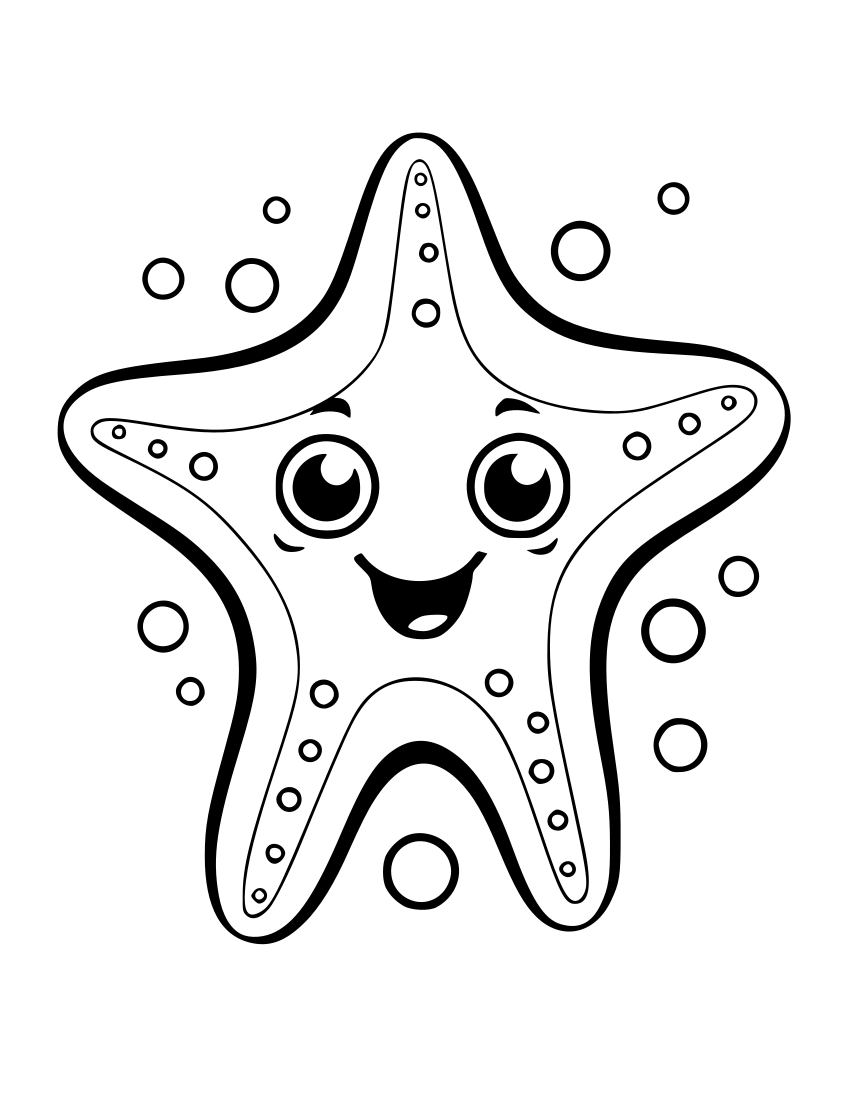
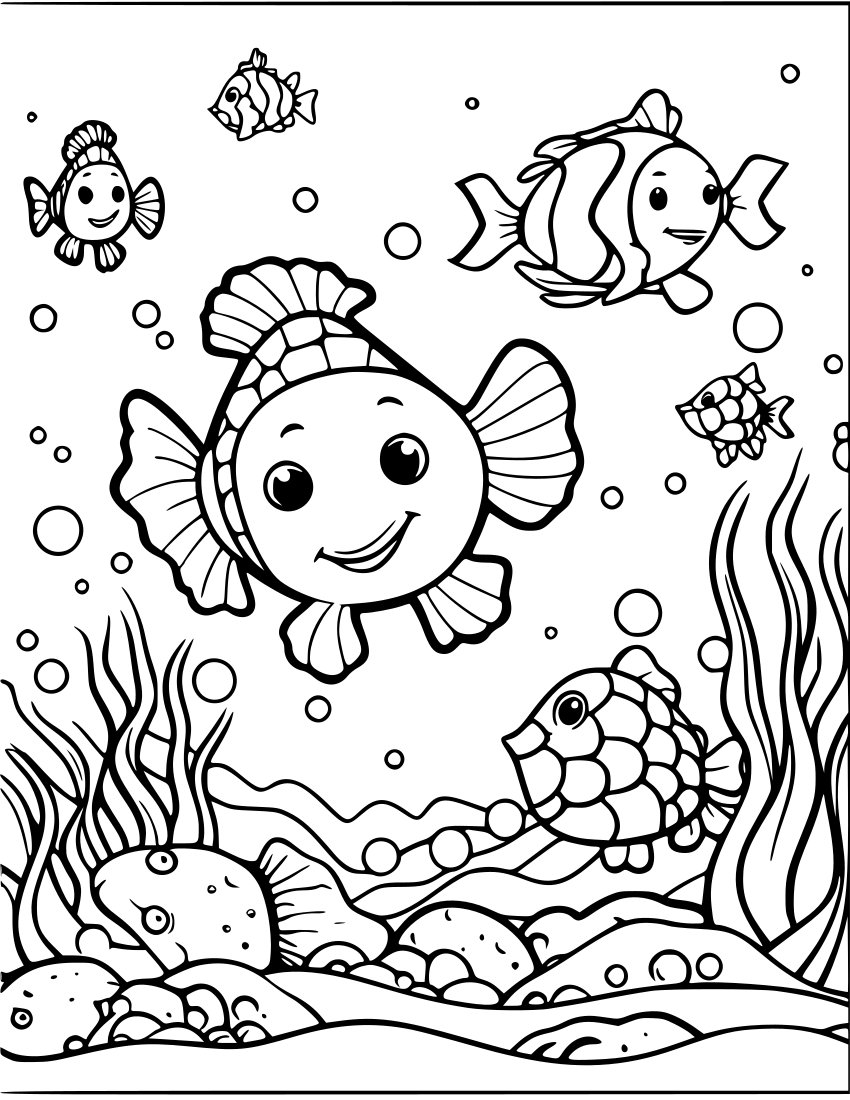
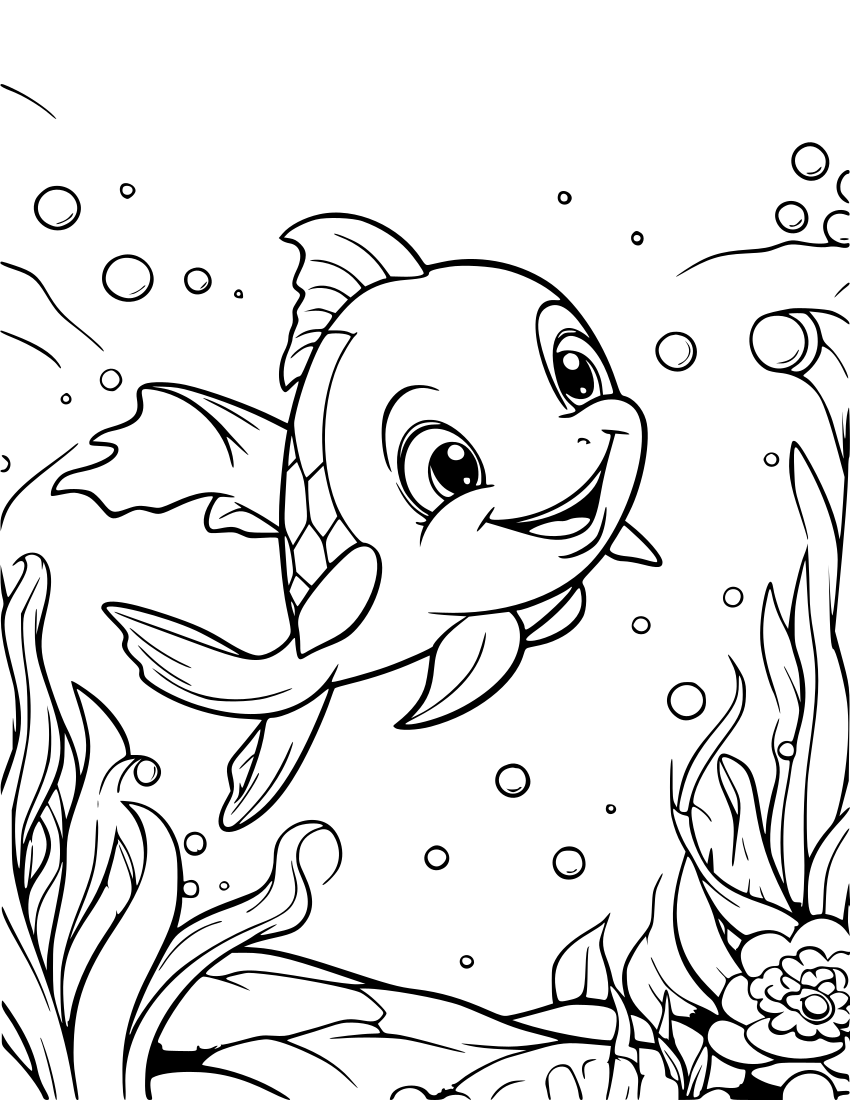
Free ocean animal coloring pages. Fish, dolphins, whales, sharks and underwater creature designs for kids.
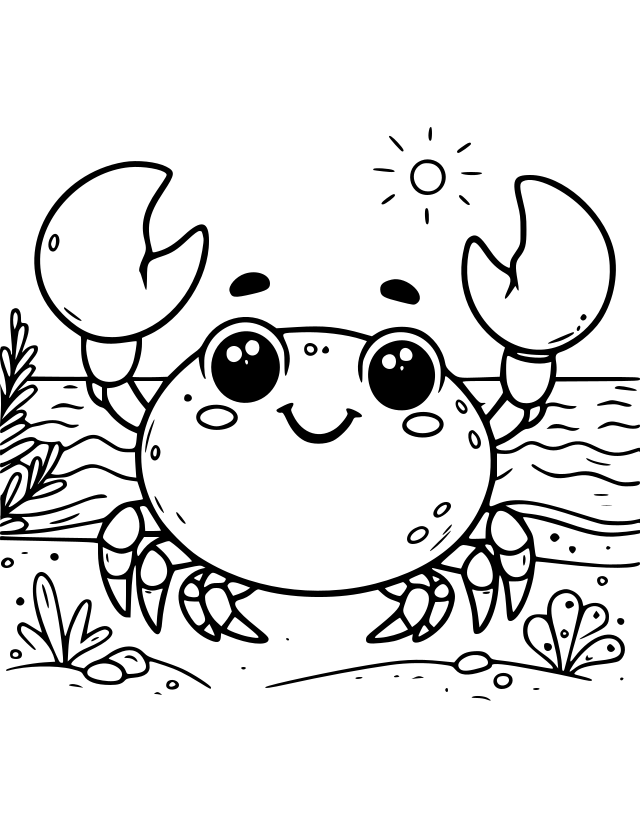
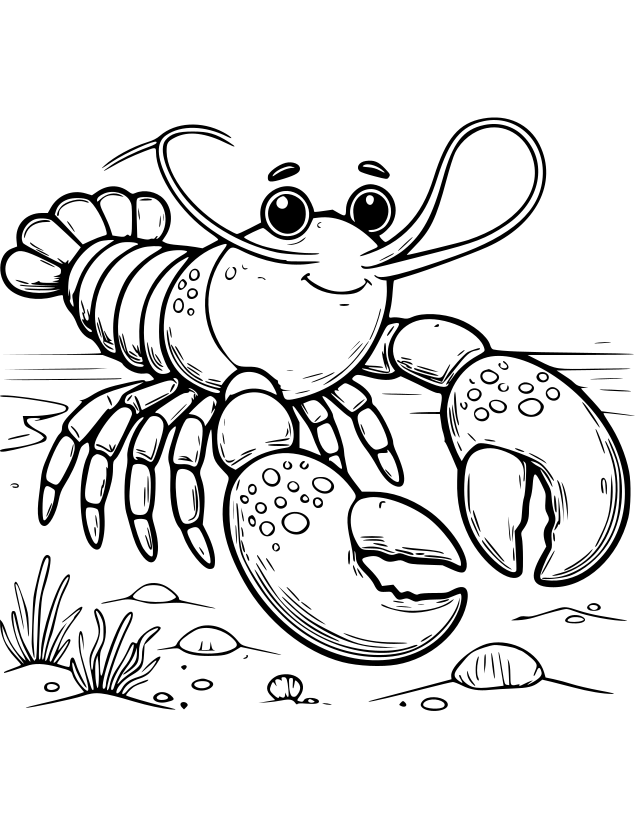
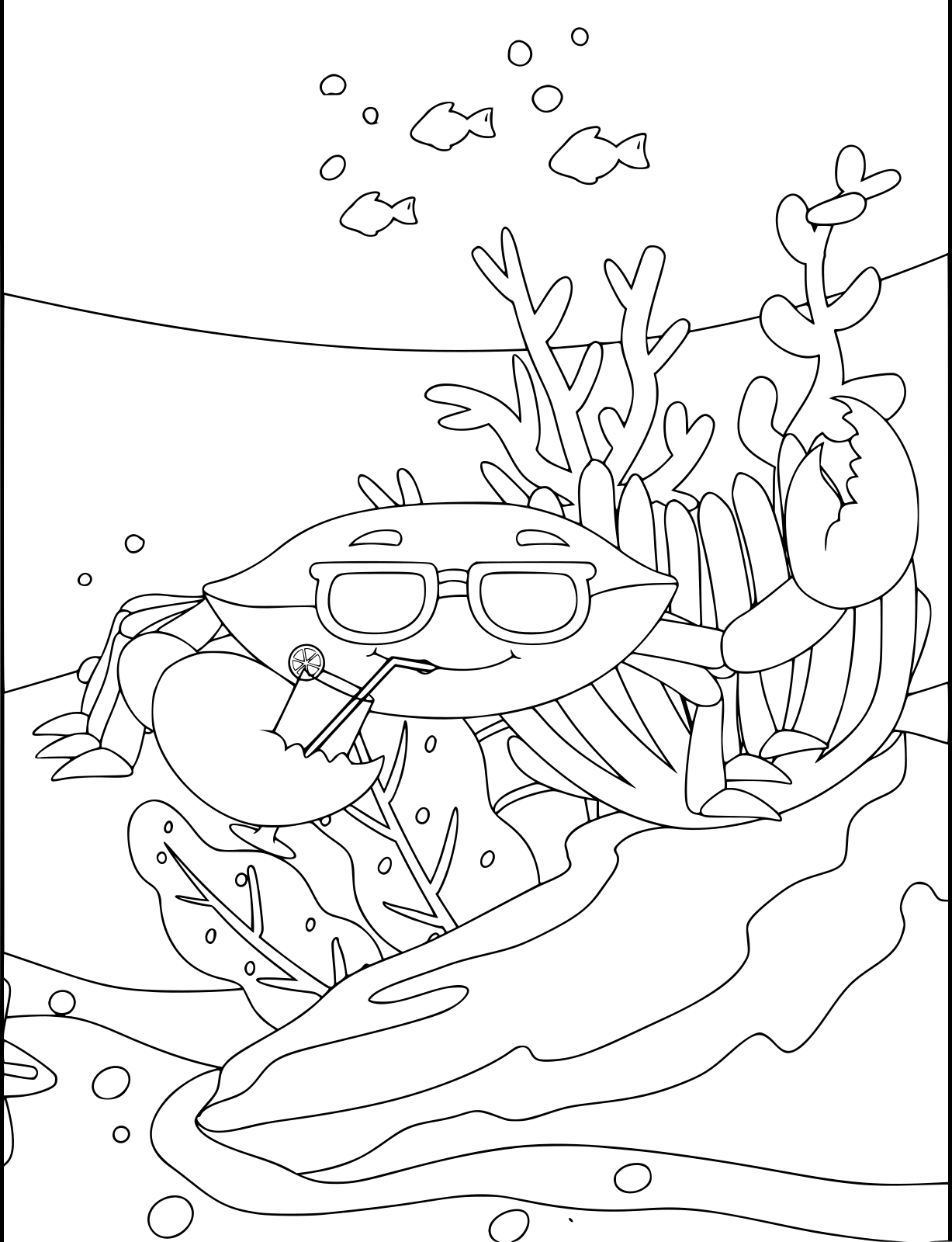
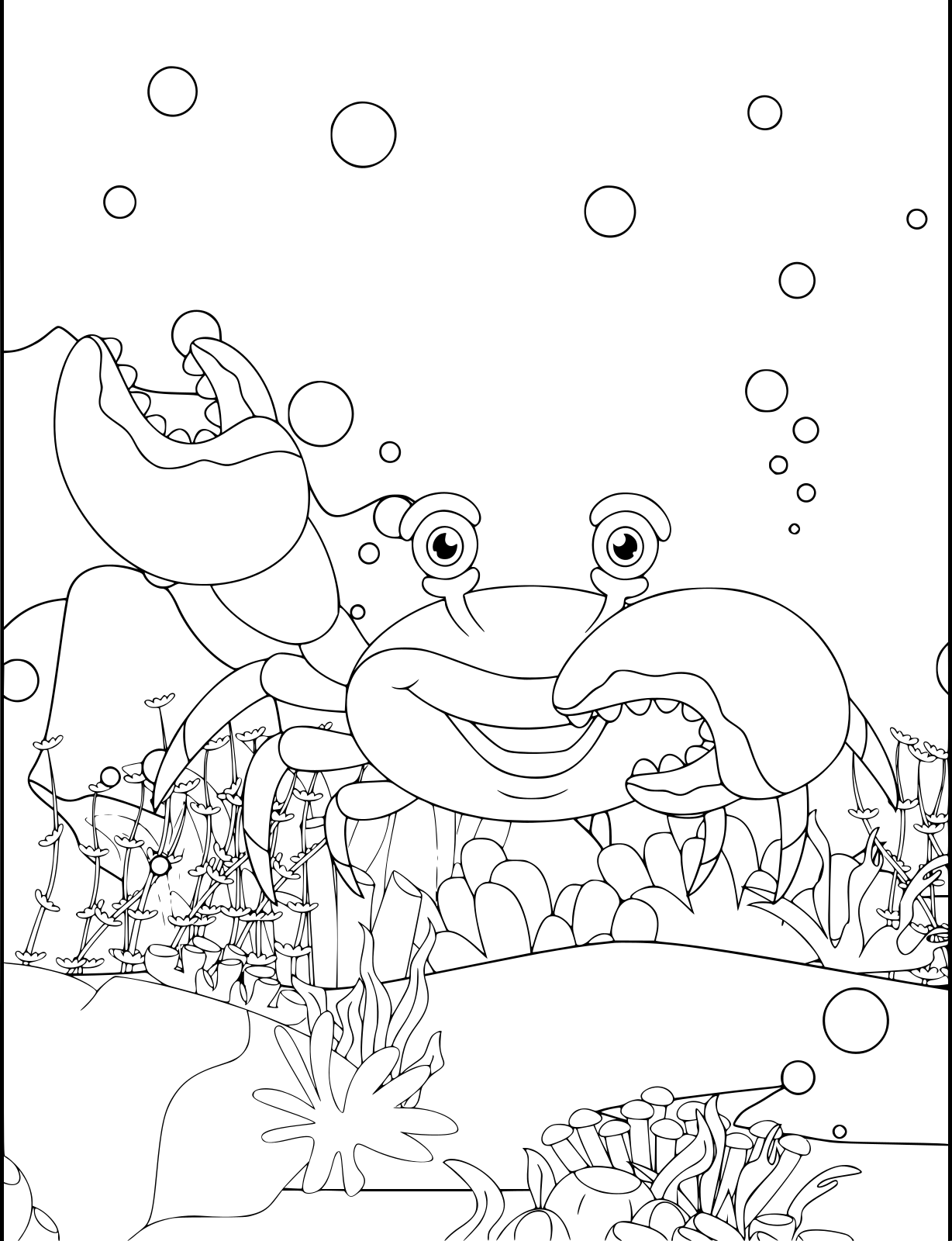
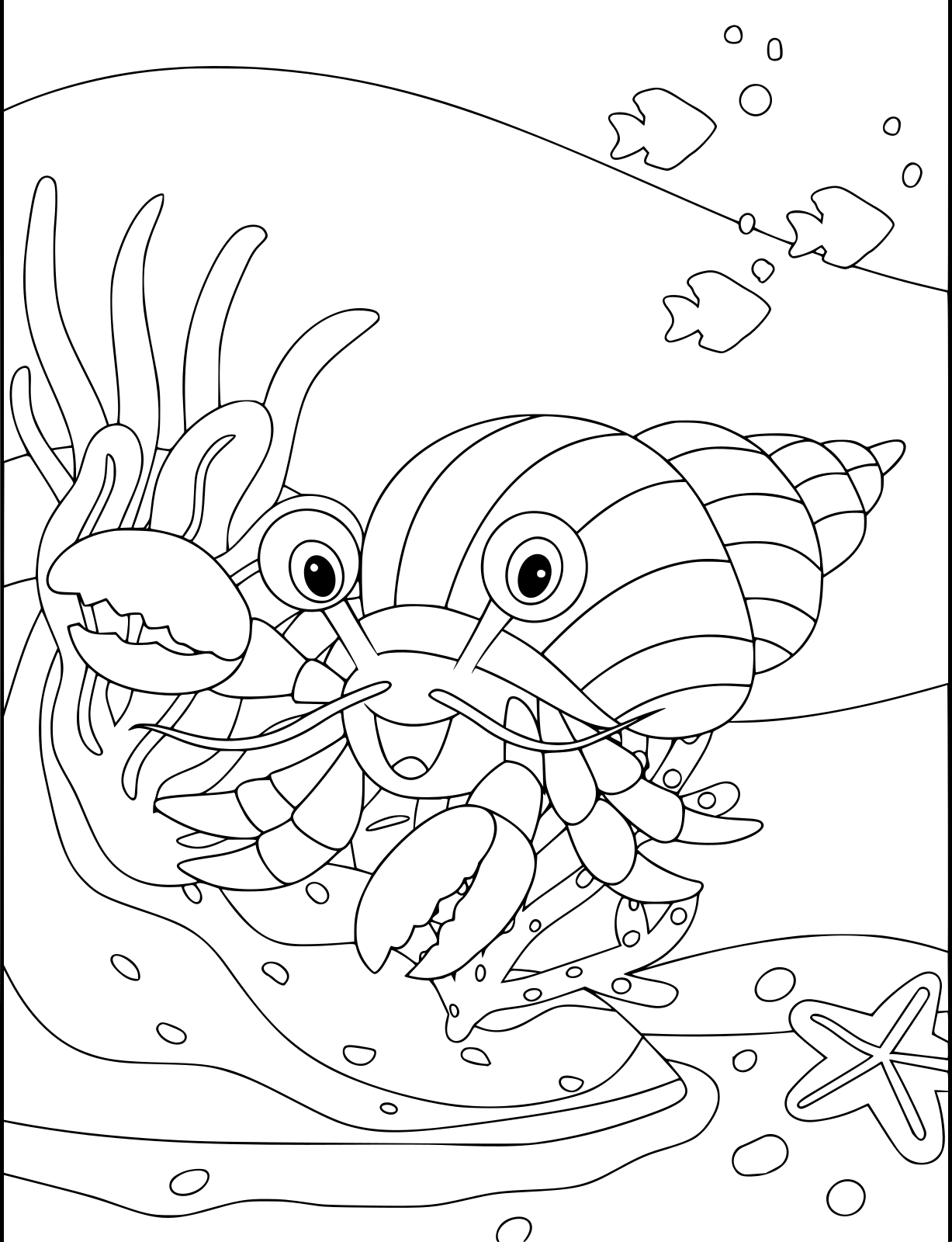
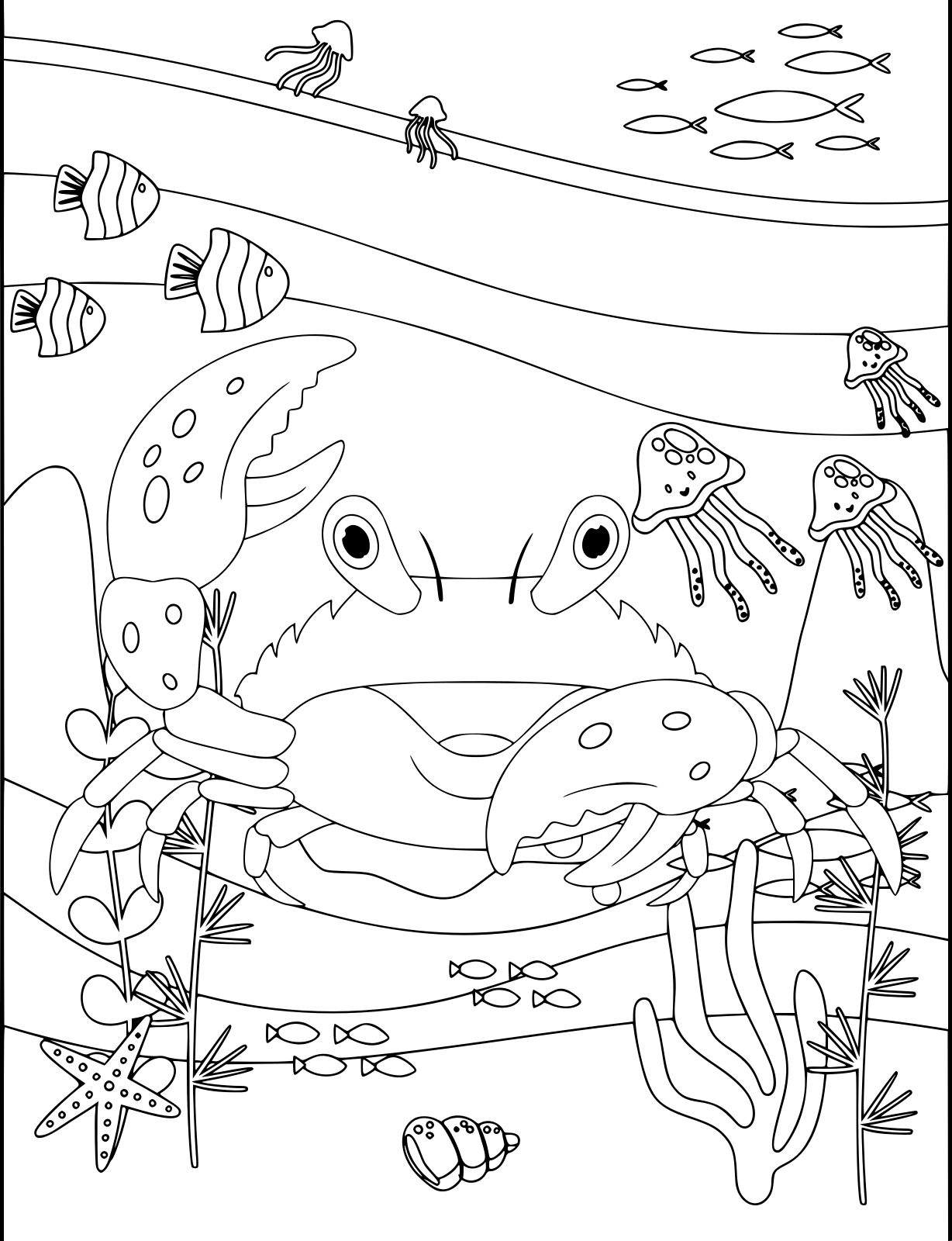
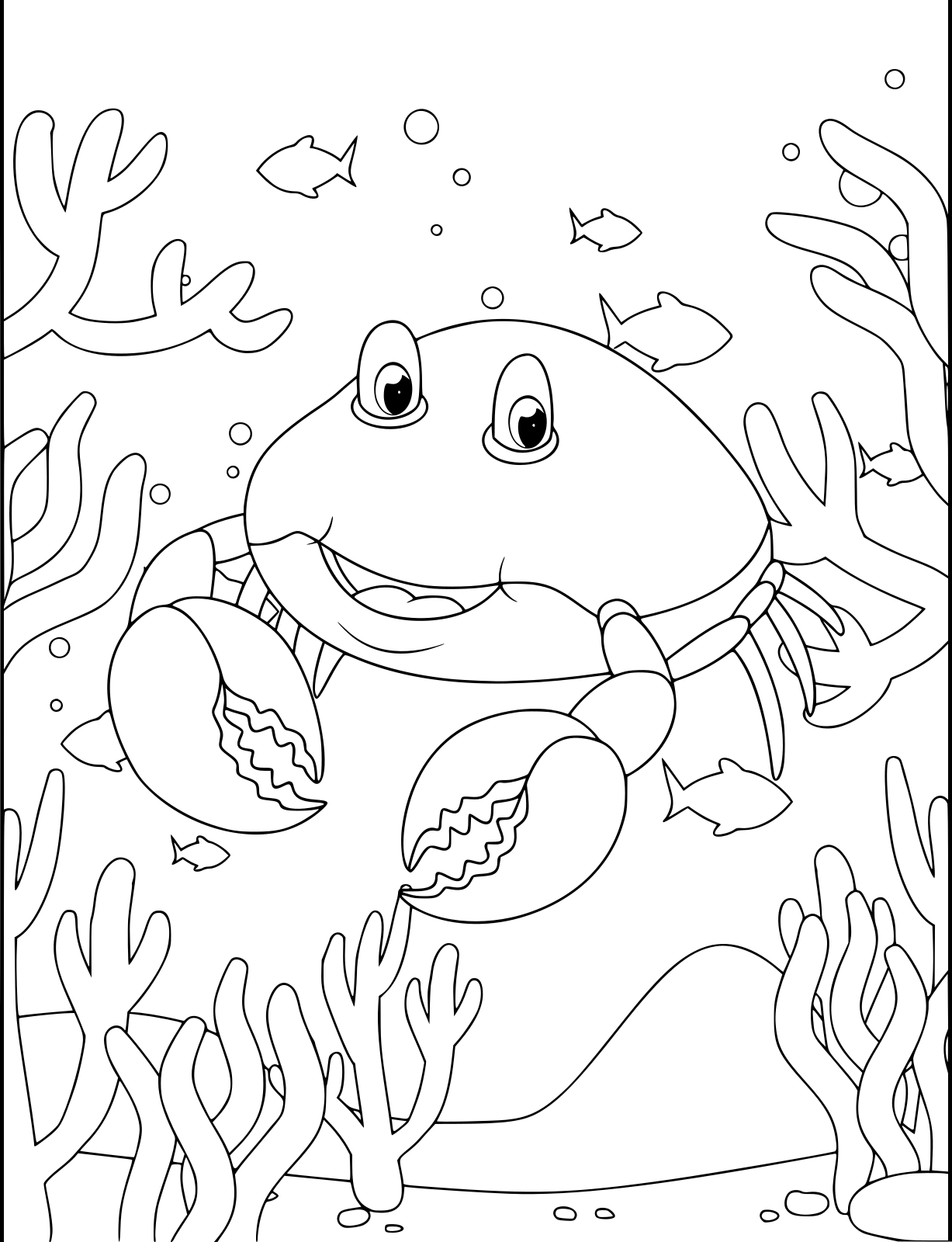
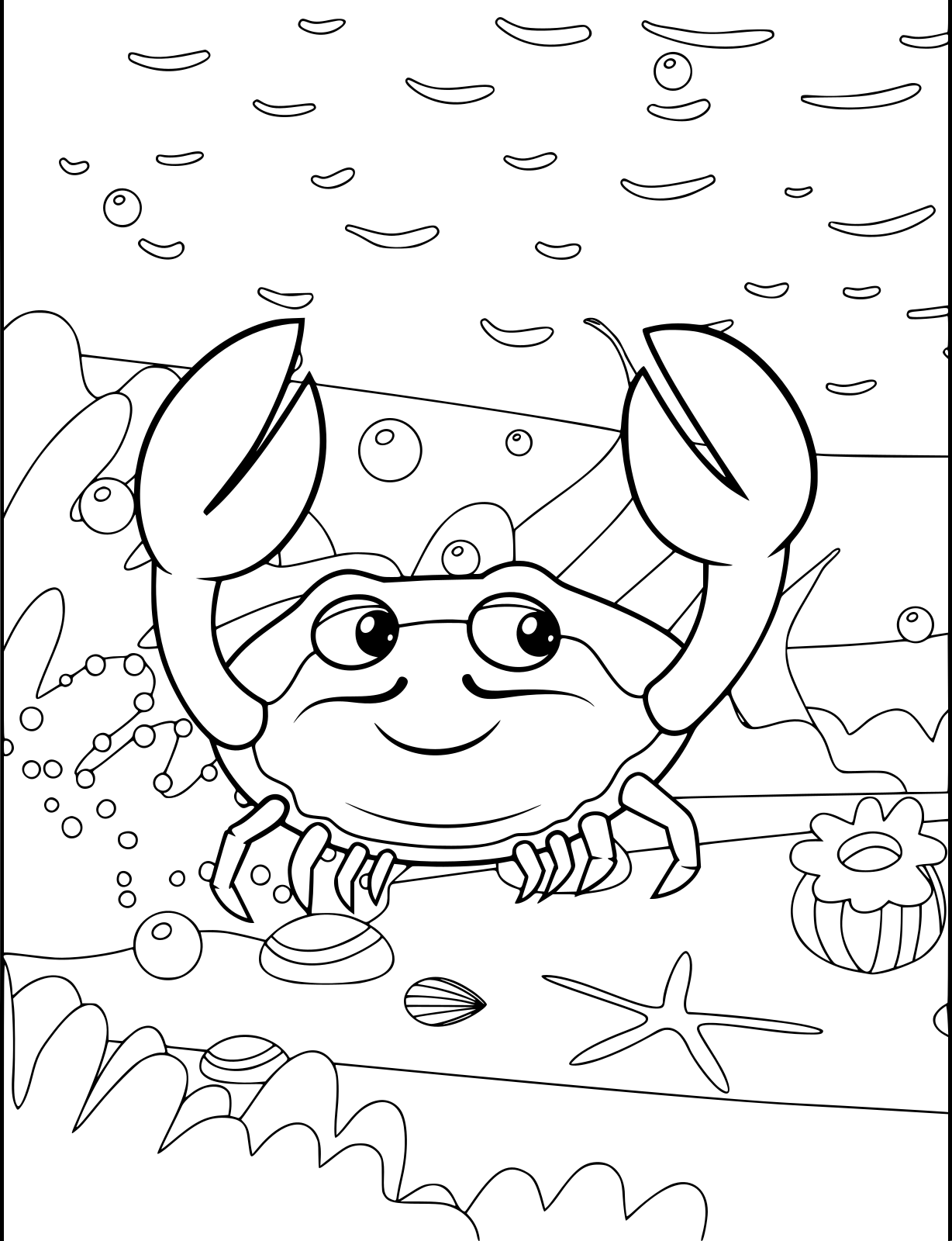
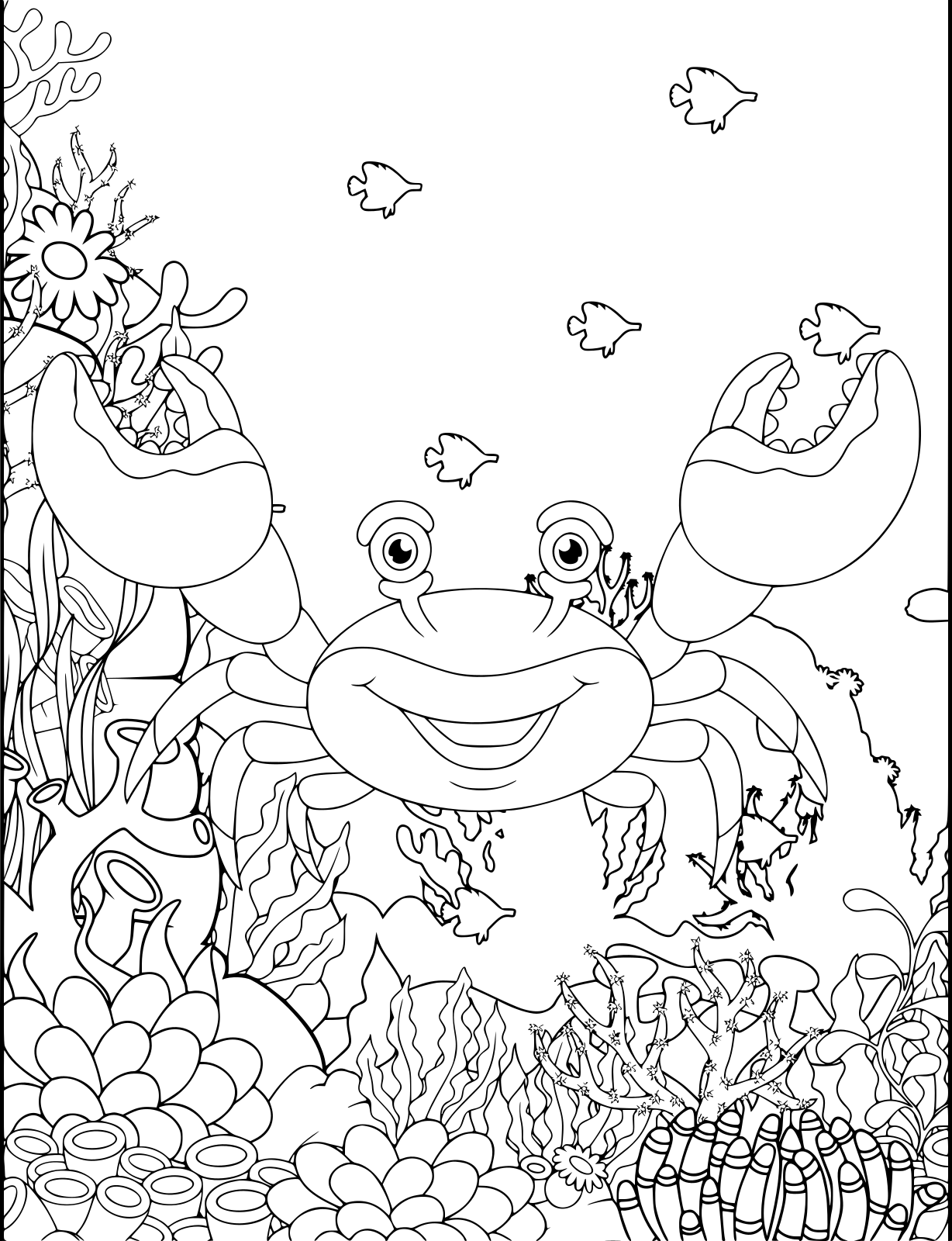
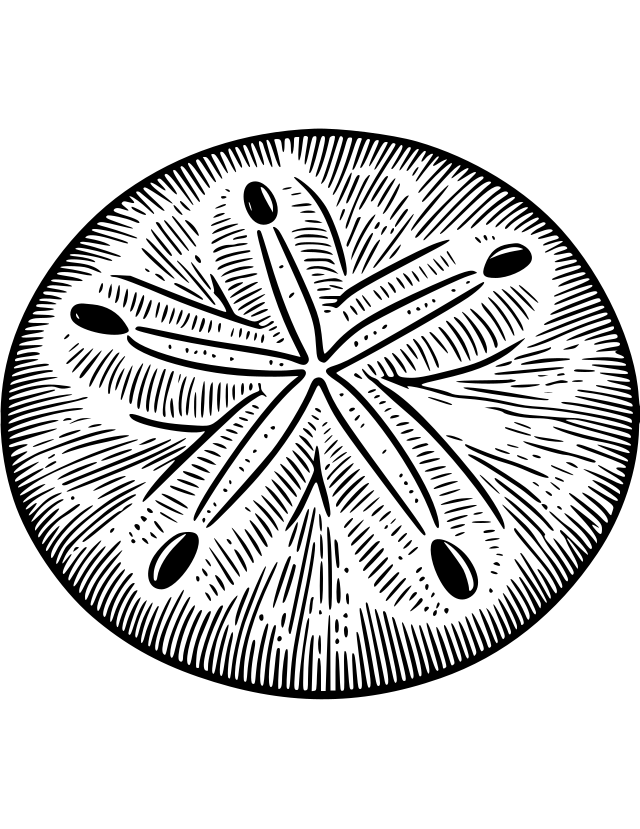
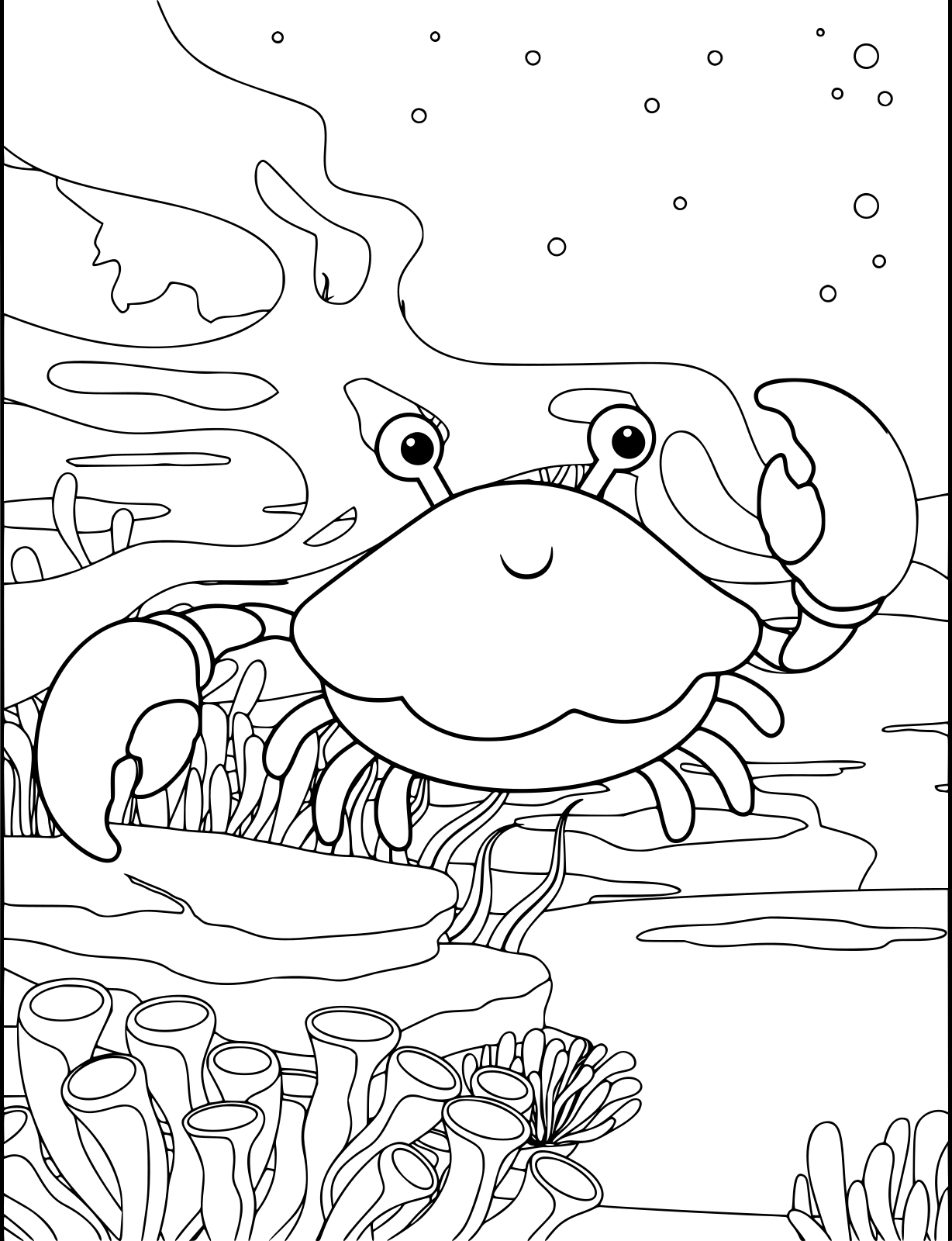
Realistic Crab Coloring Page
Easy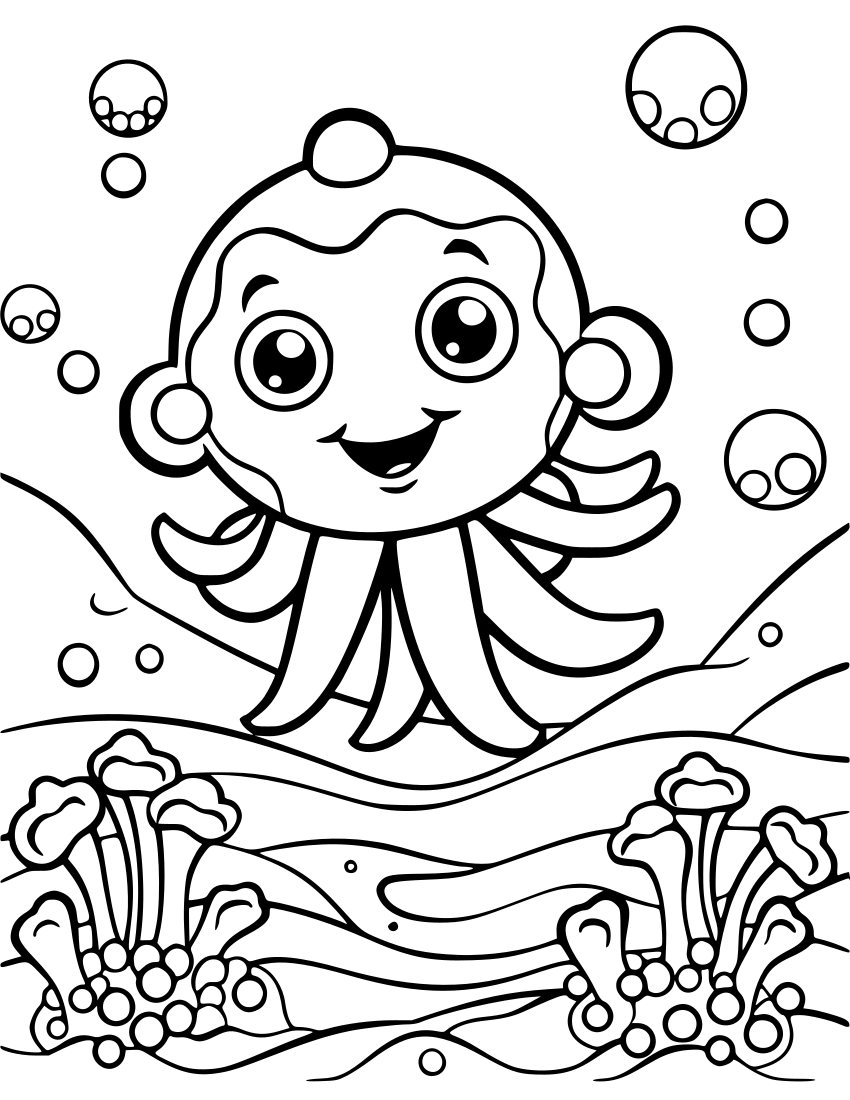
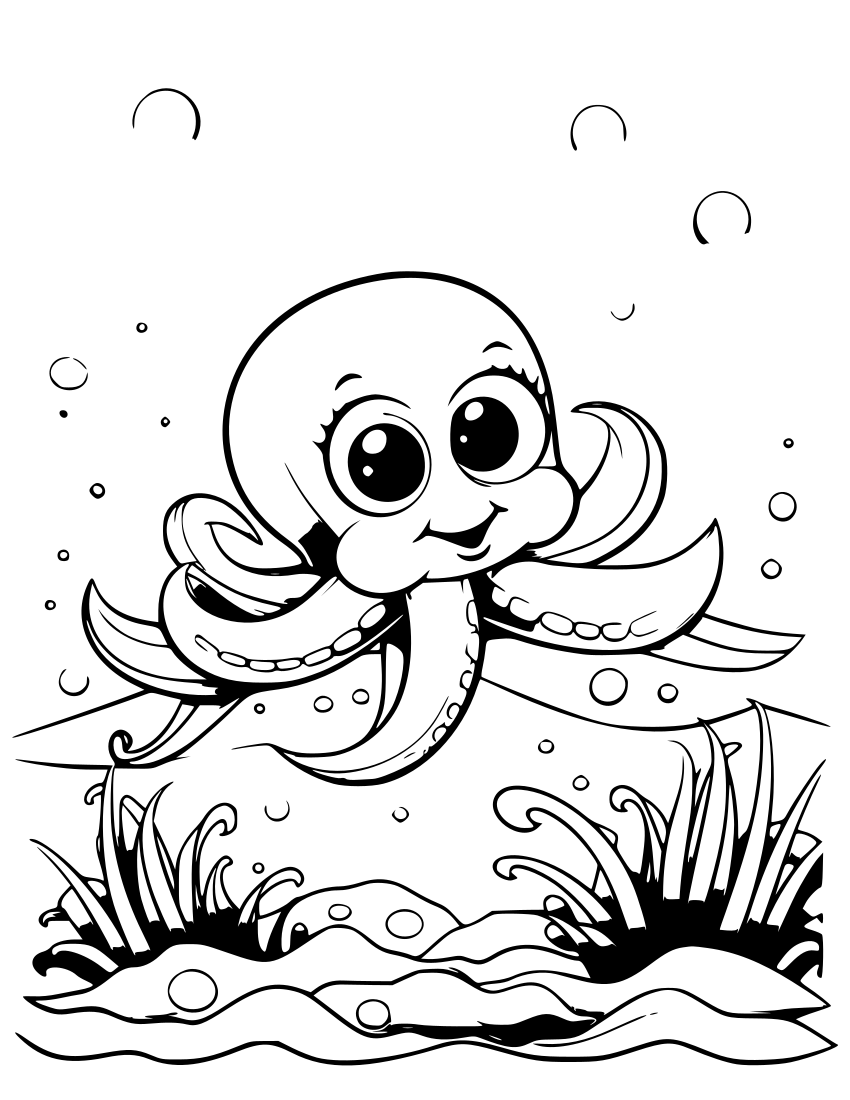
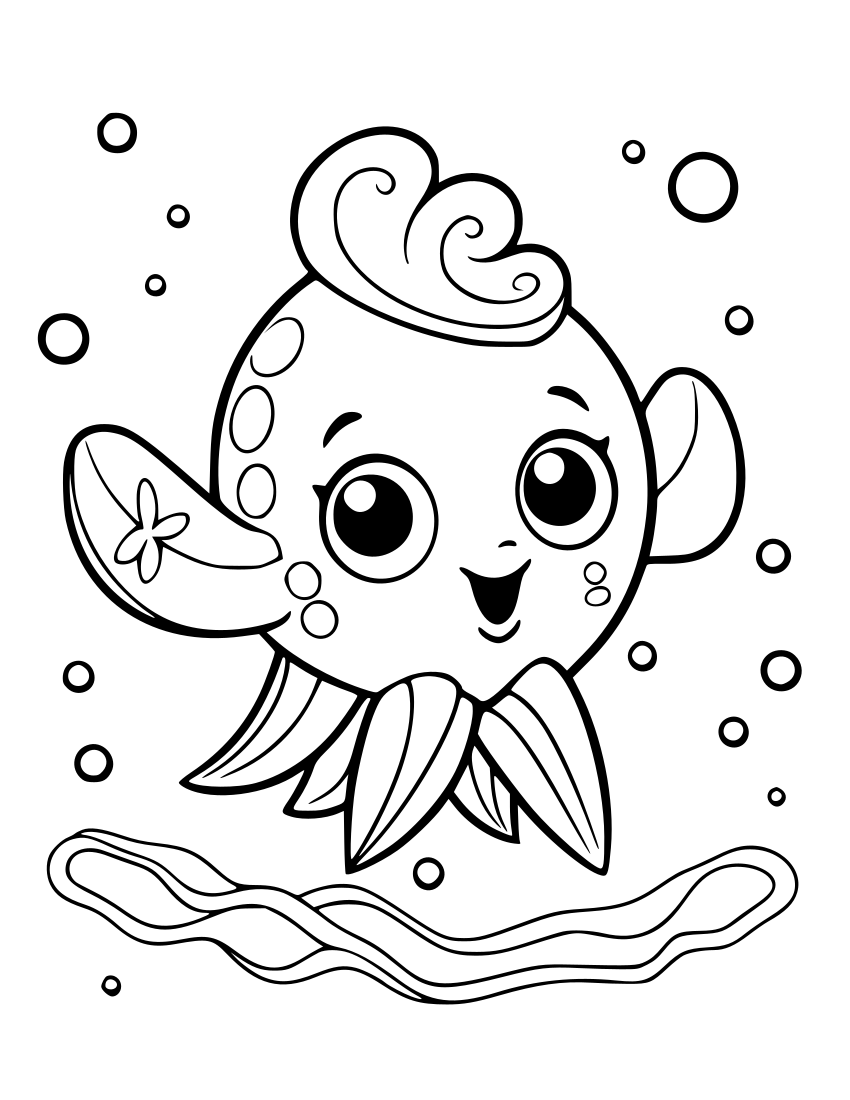
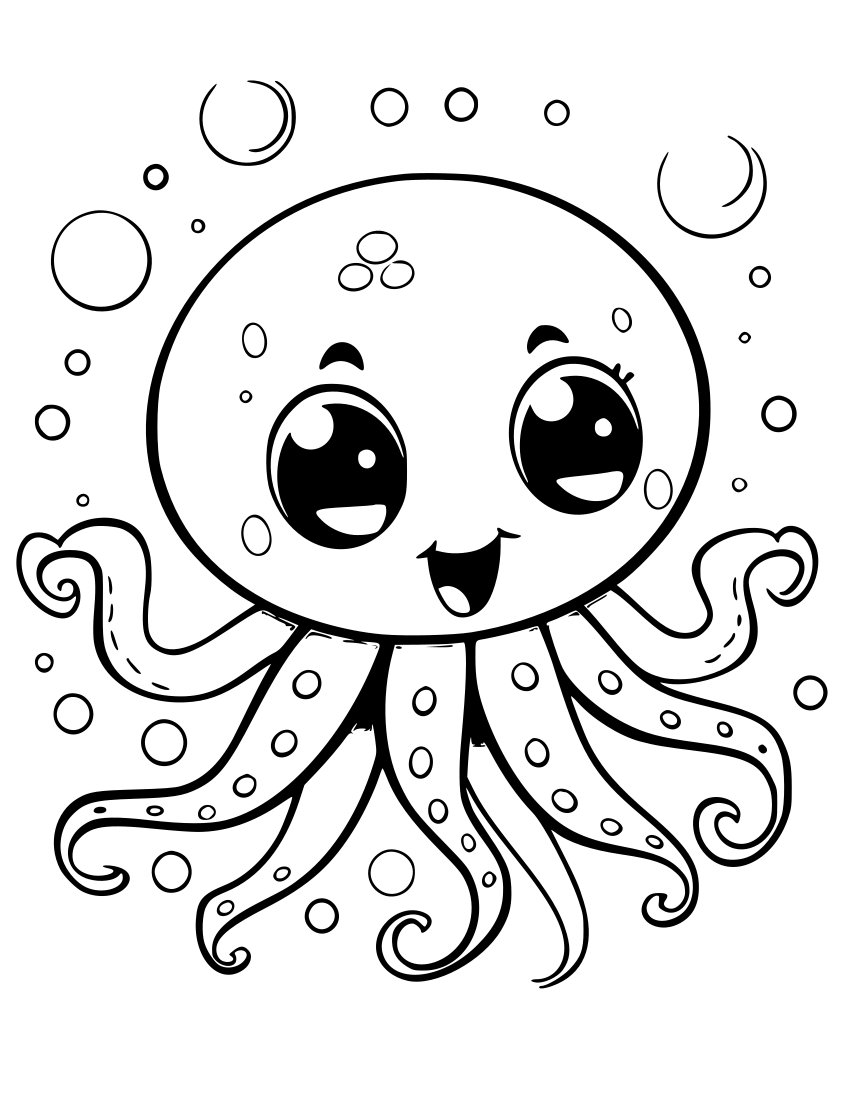
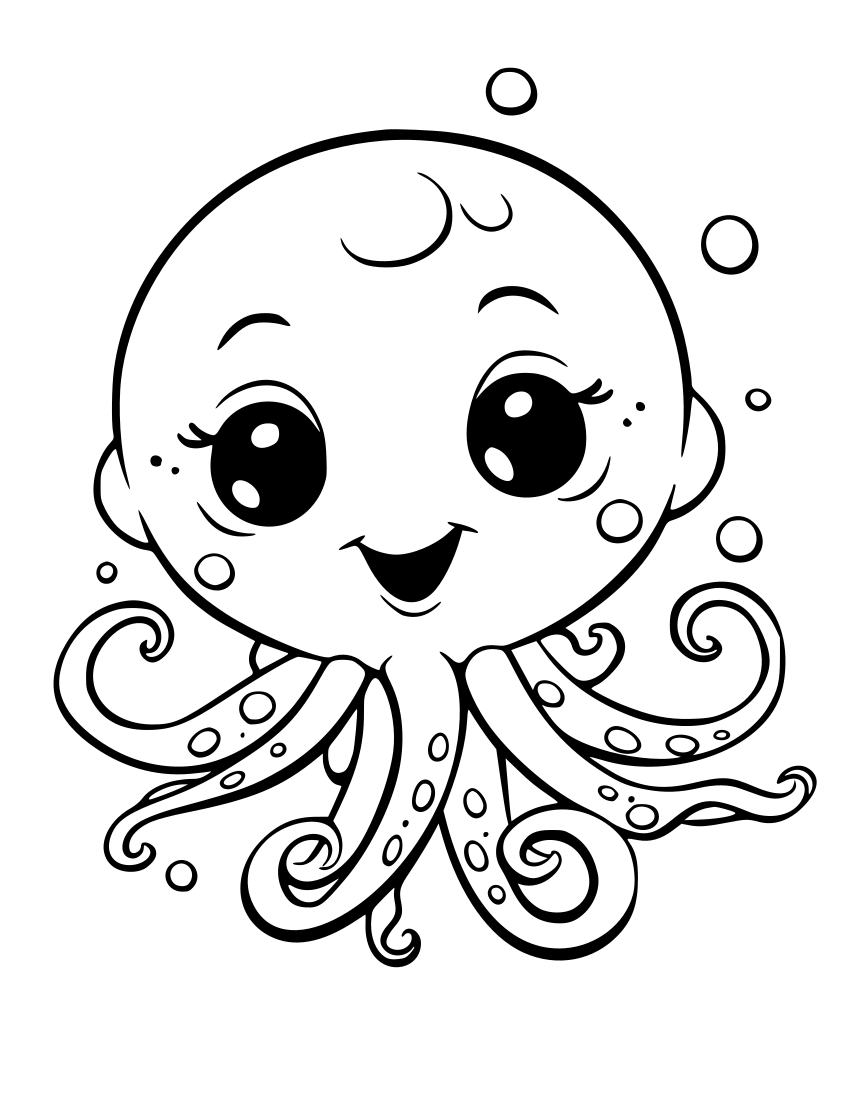
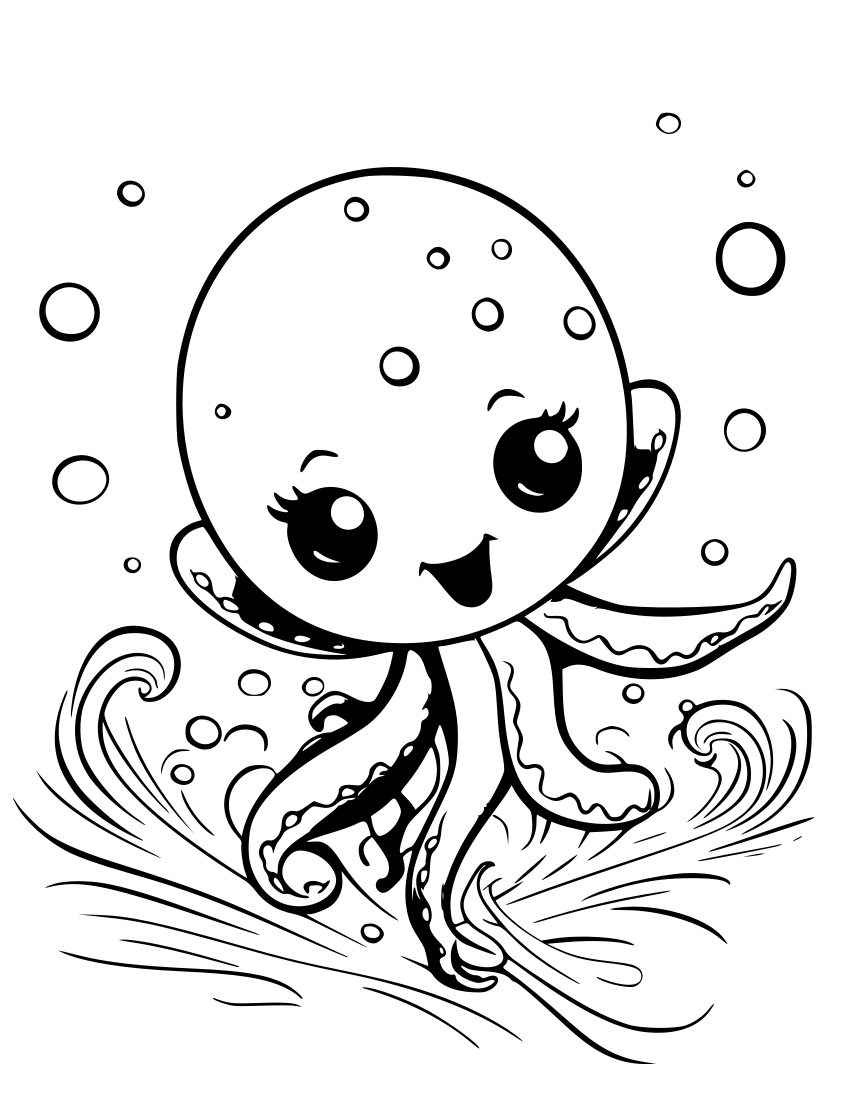
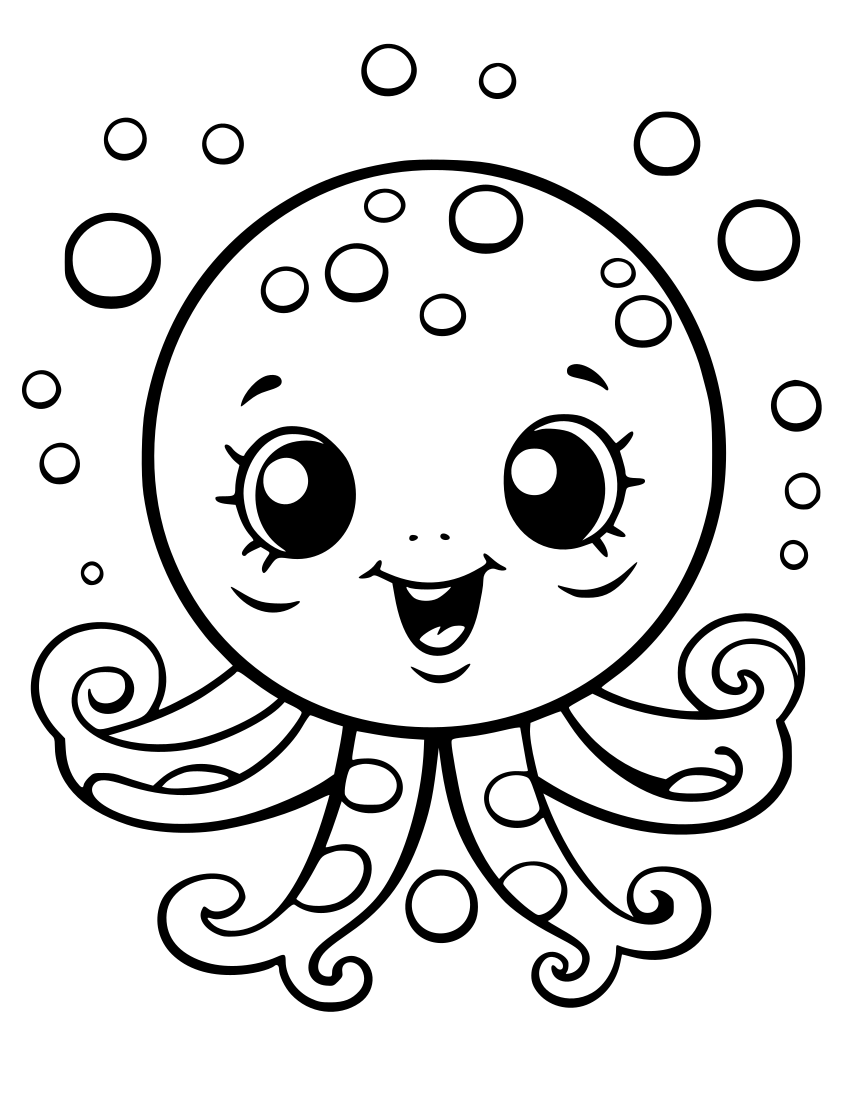
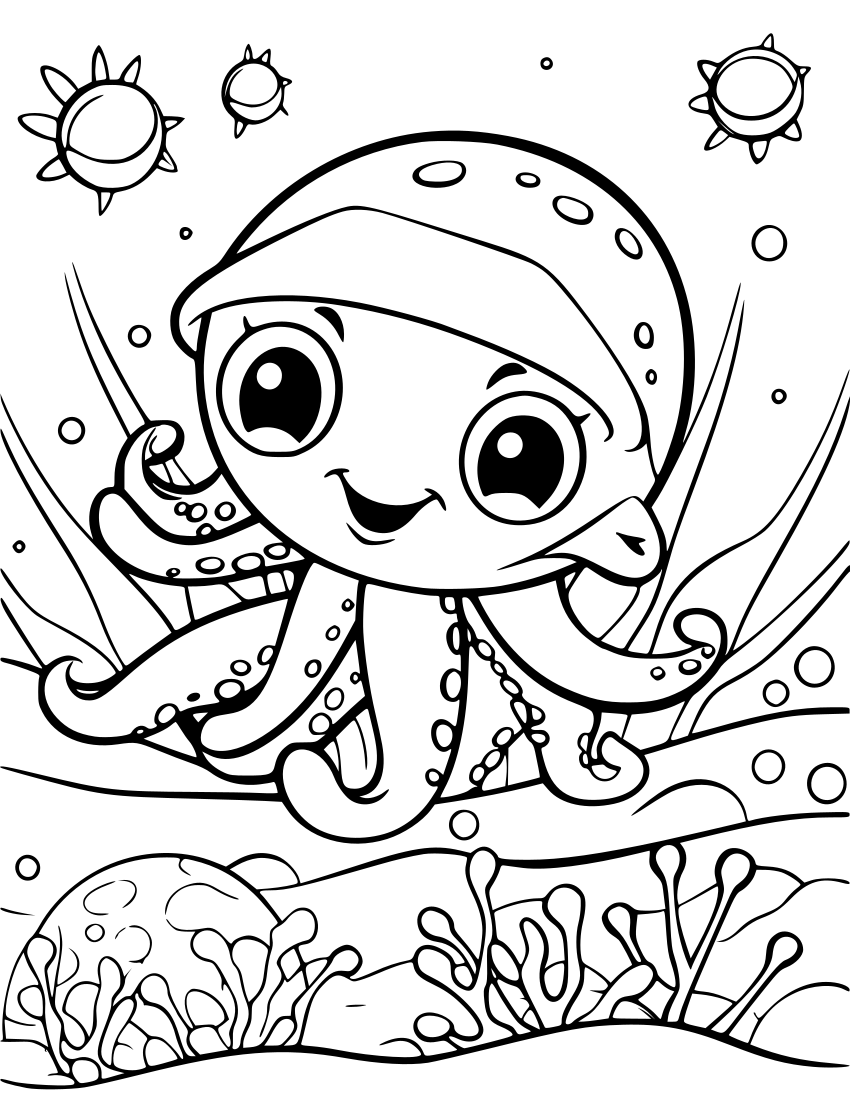
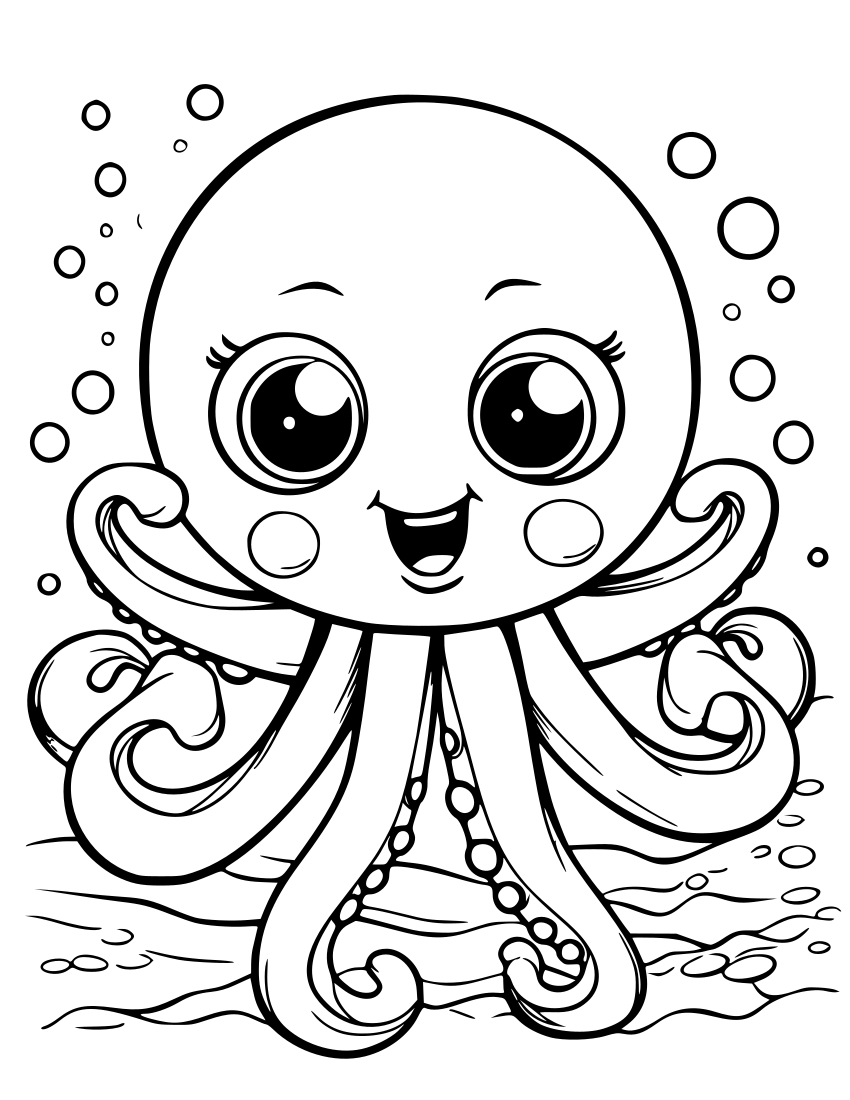
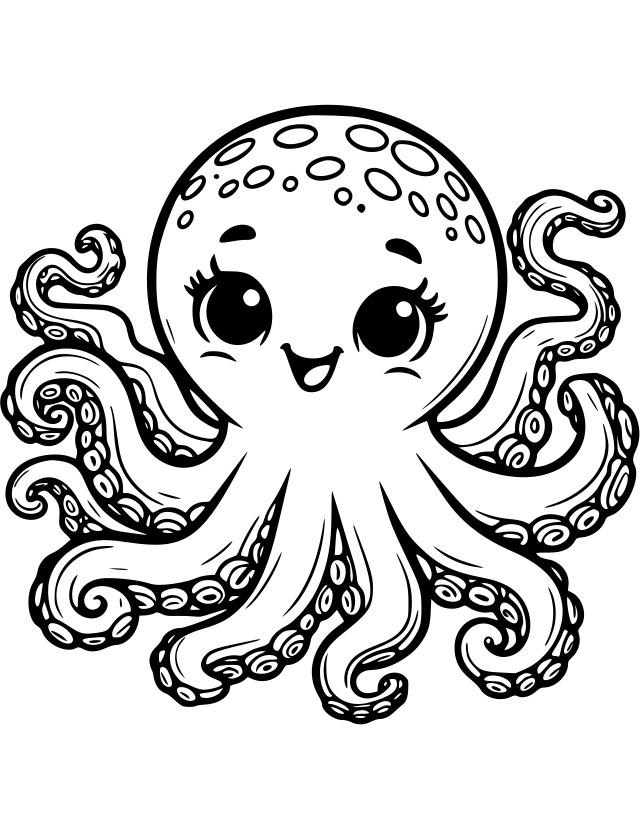
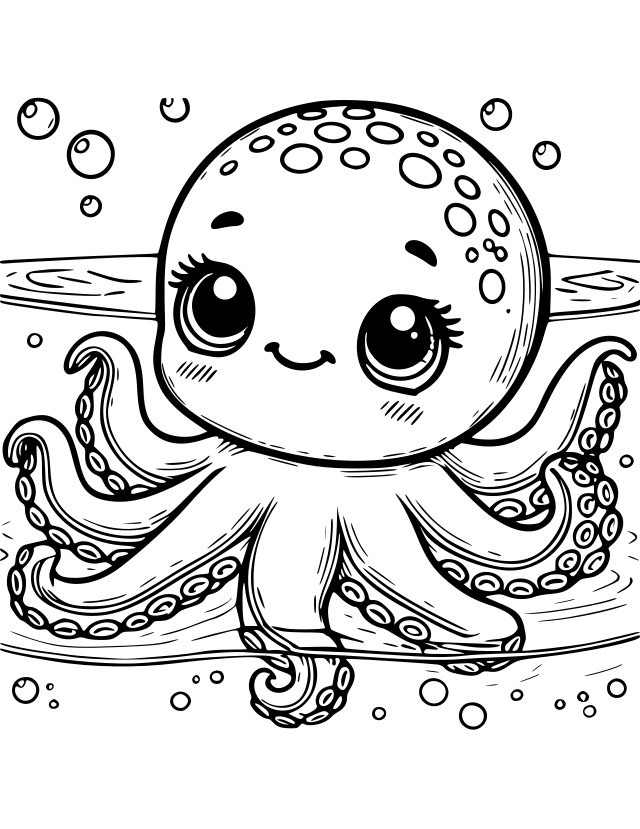
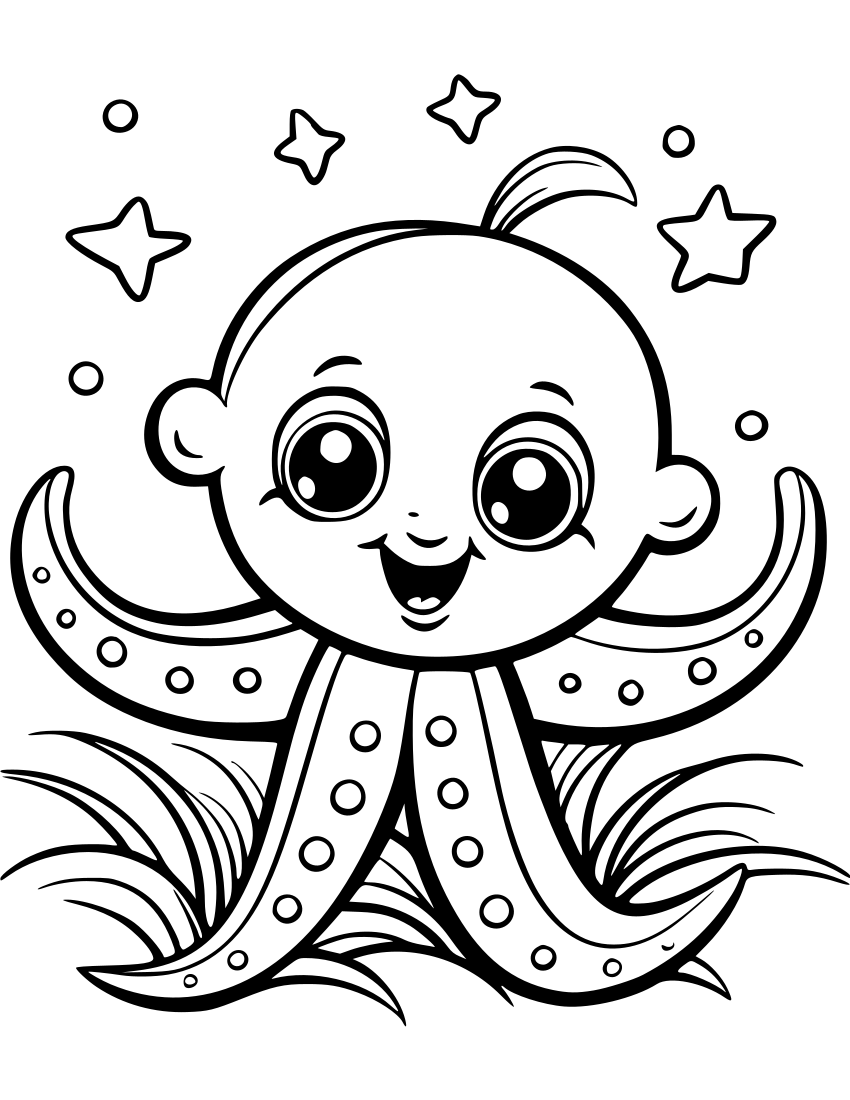
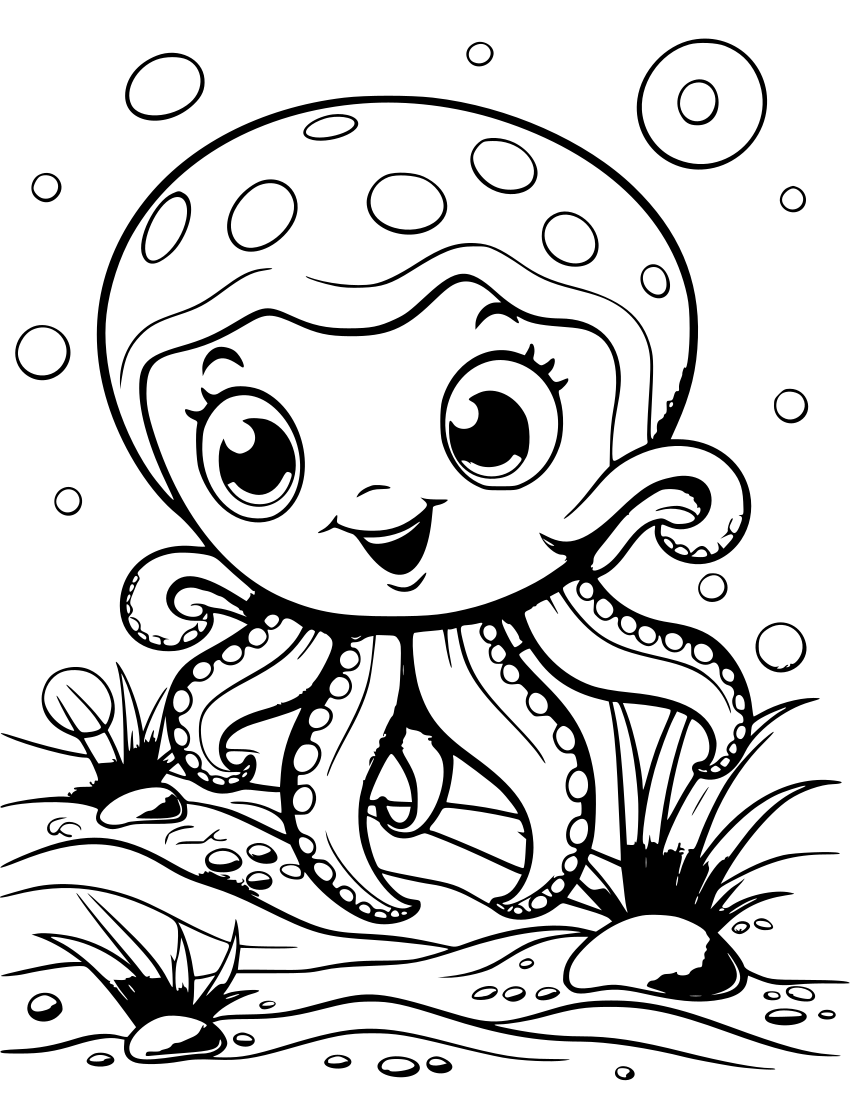
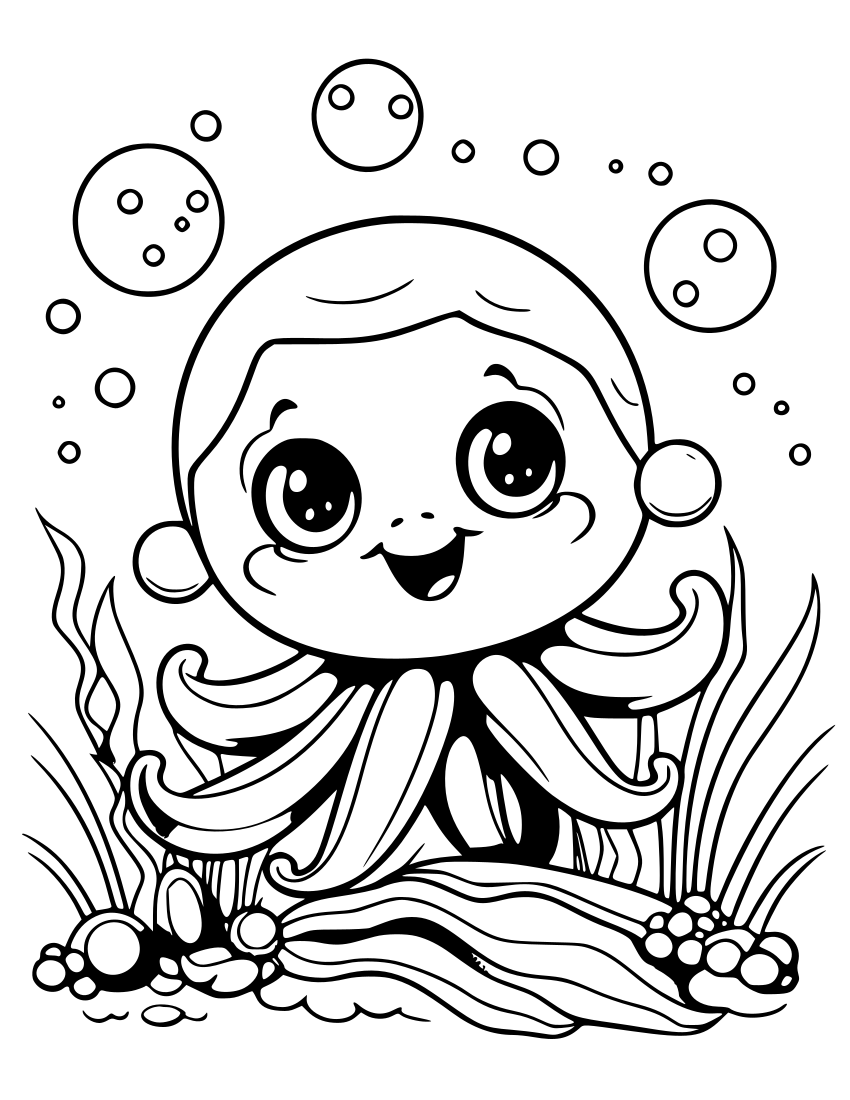
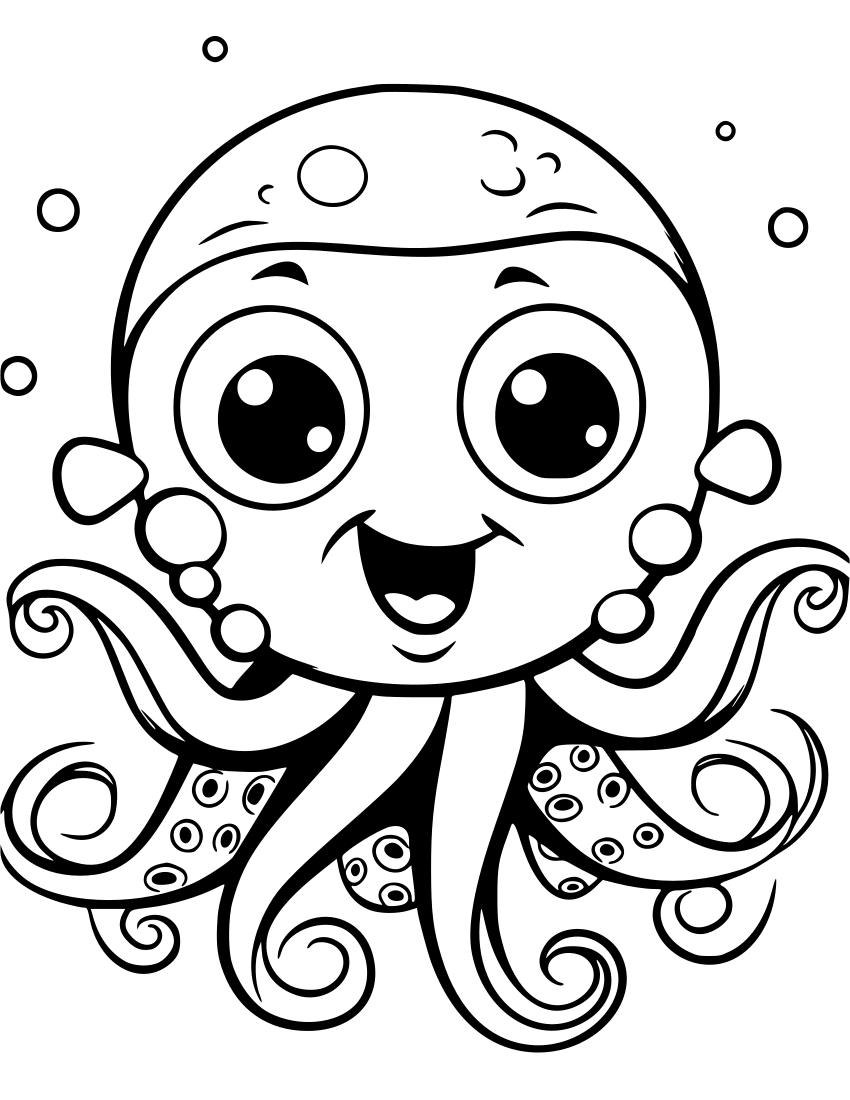
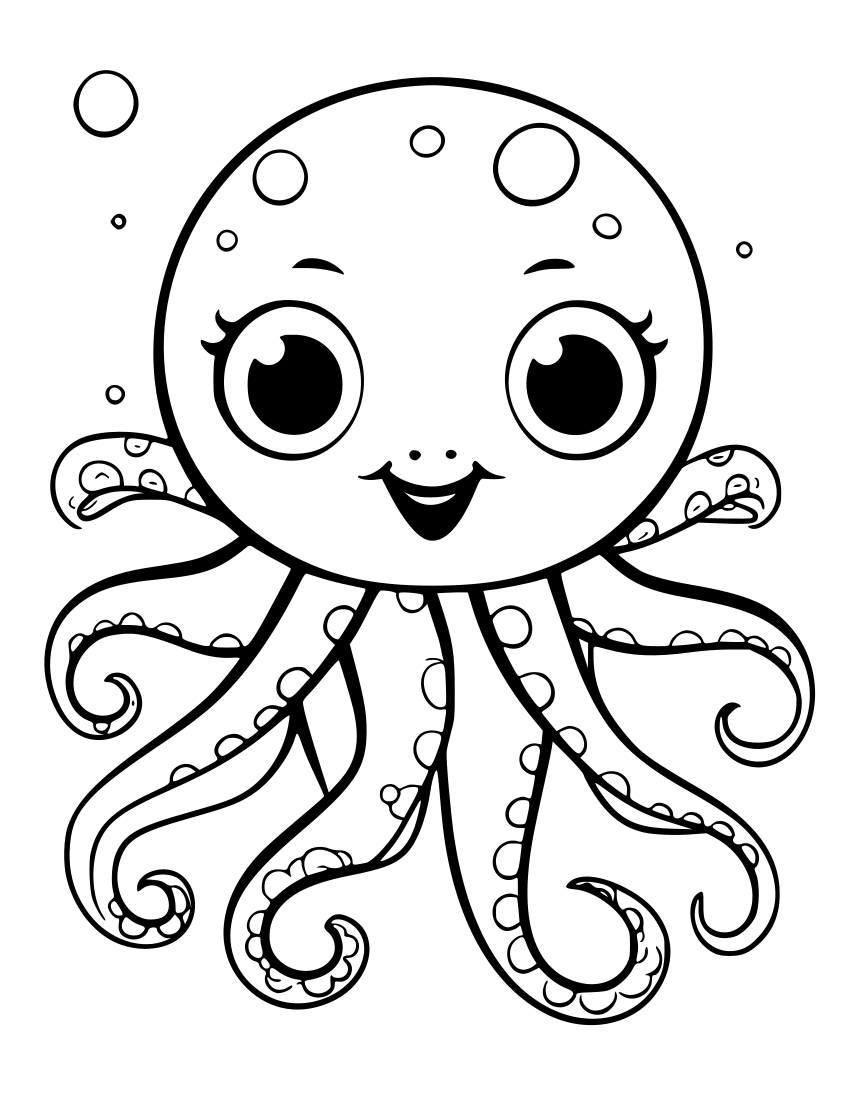
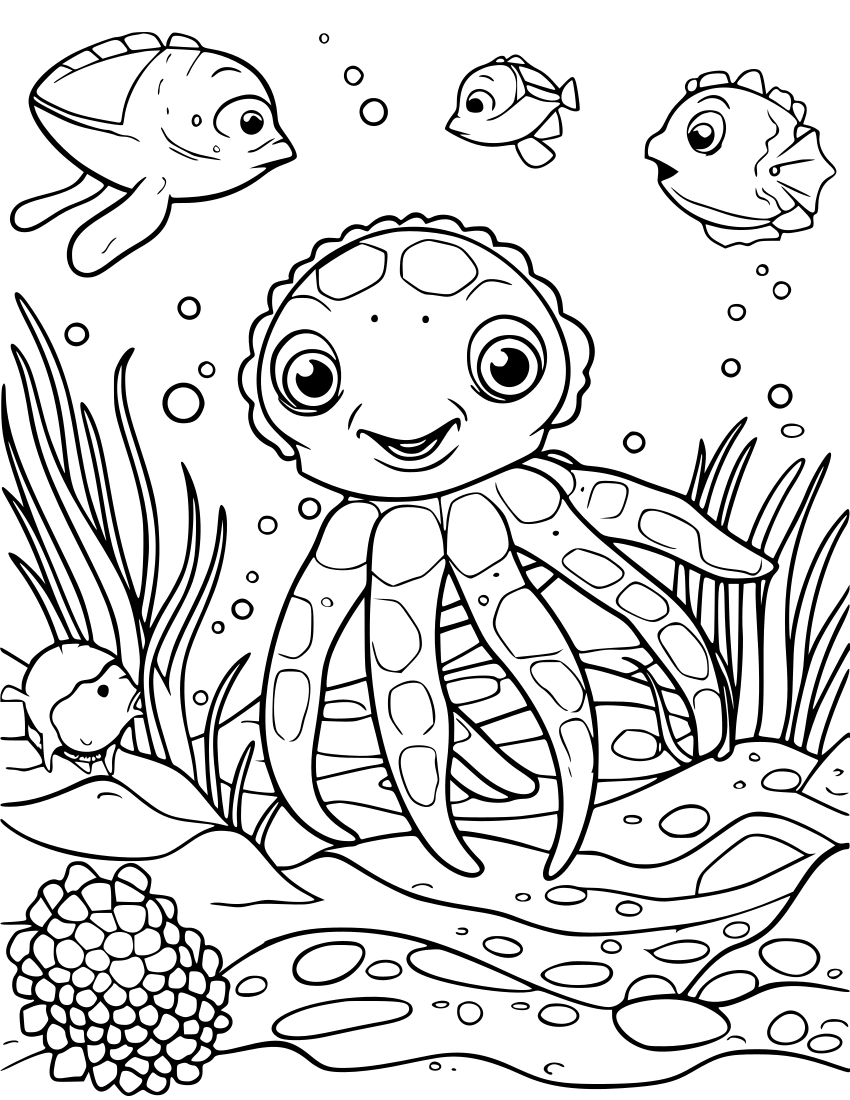
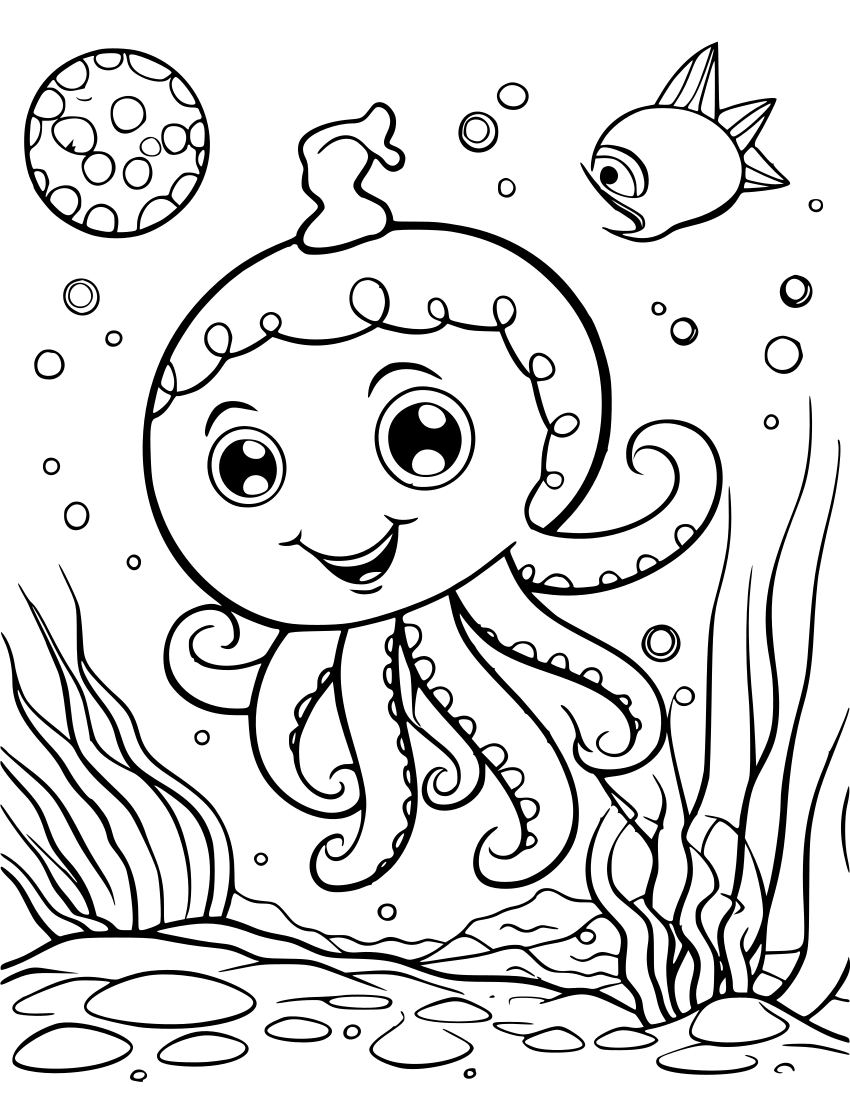
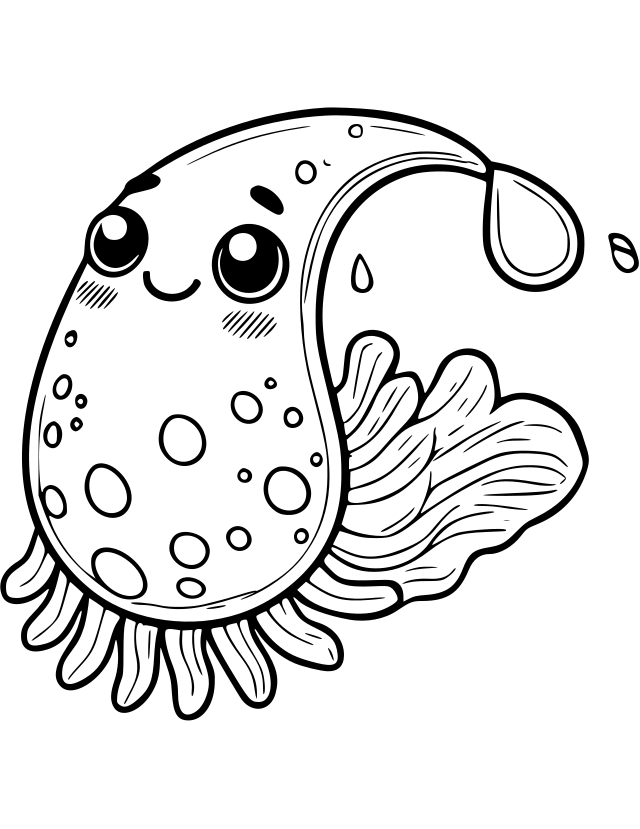
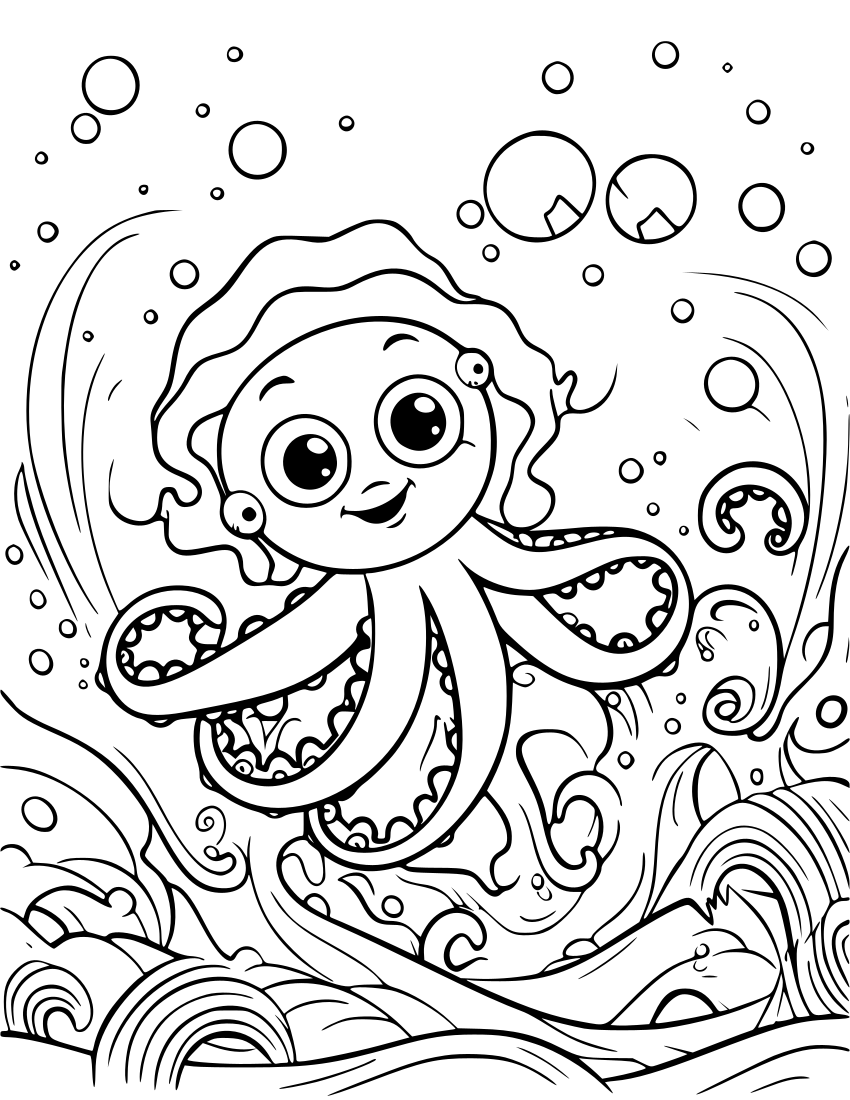
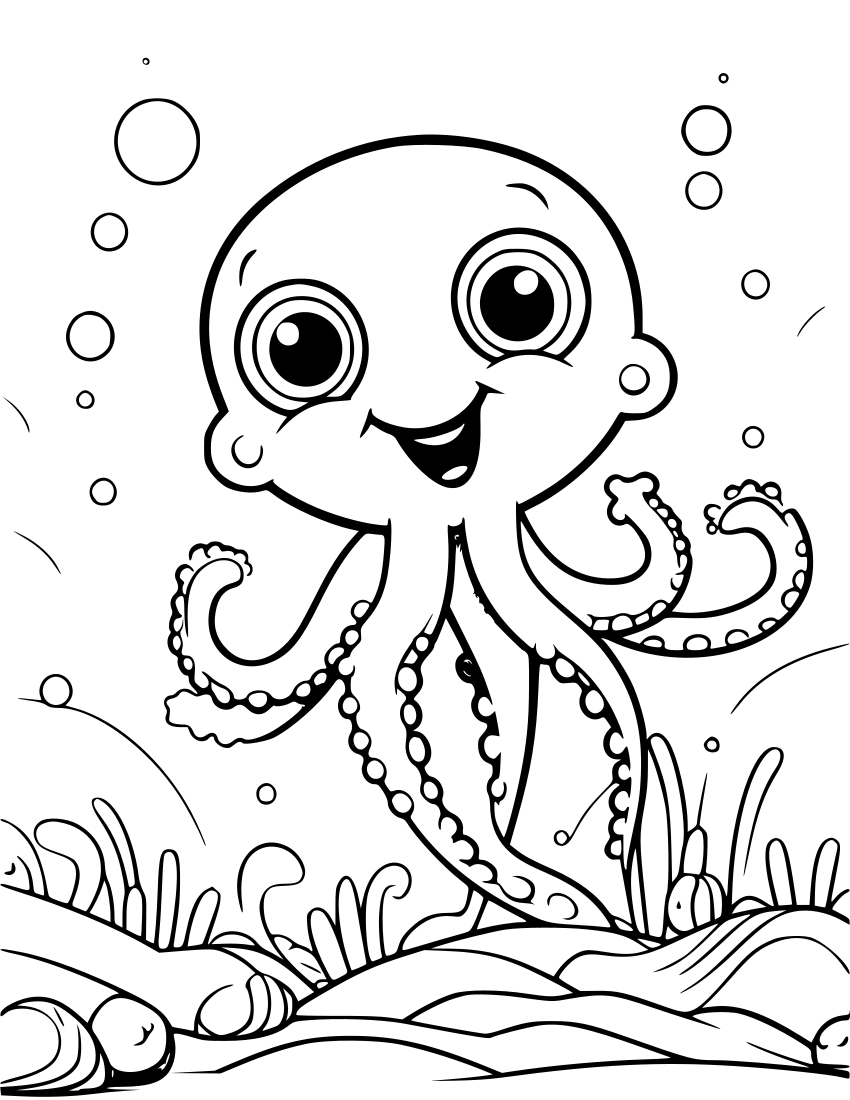
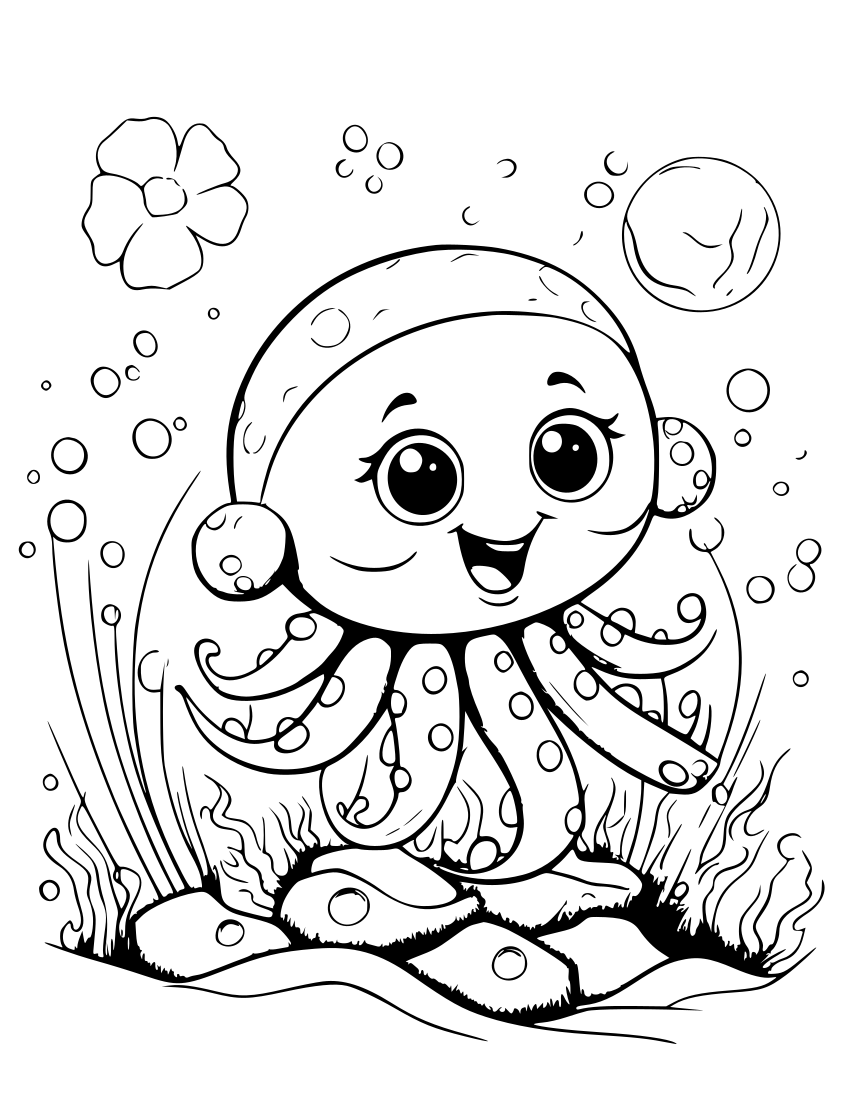
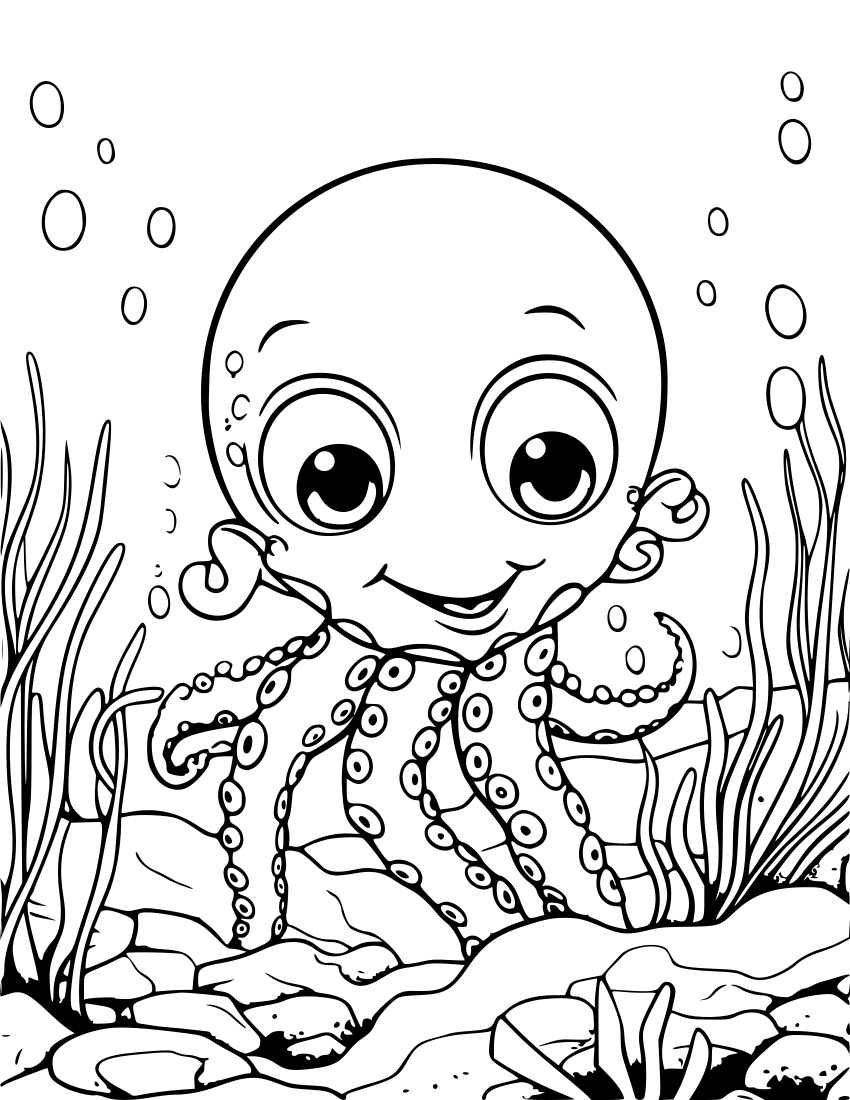
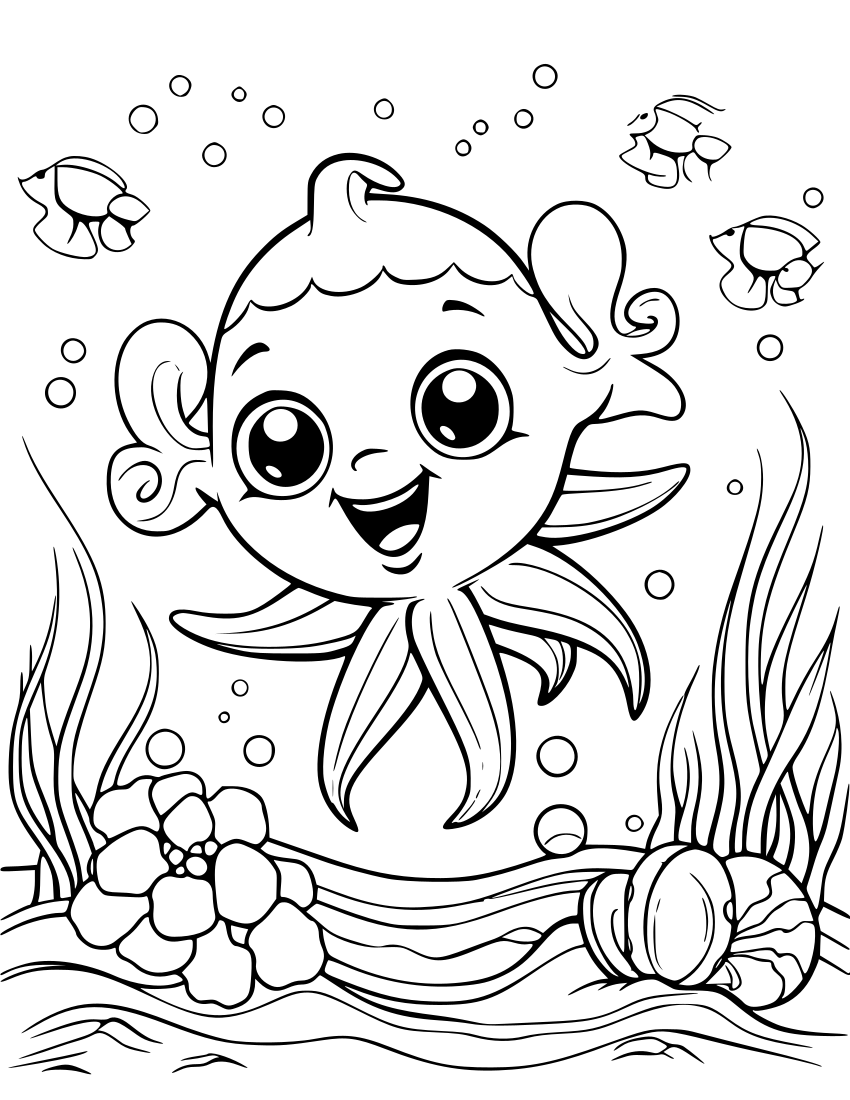
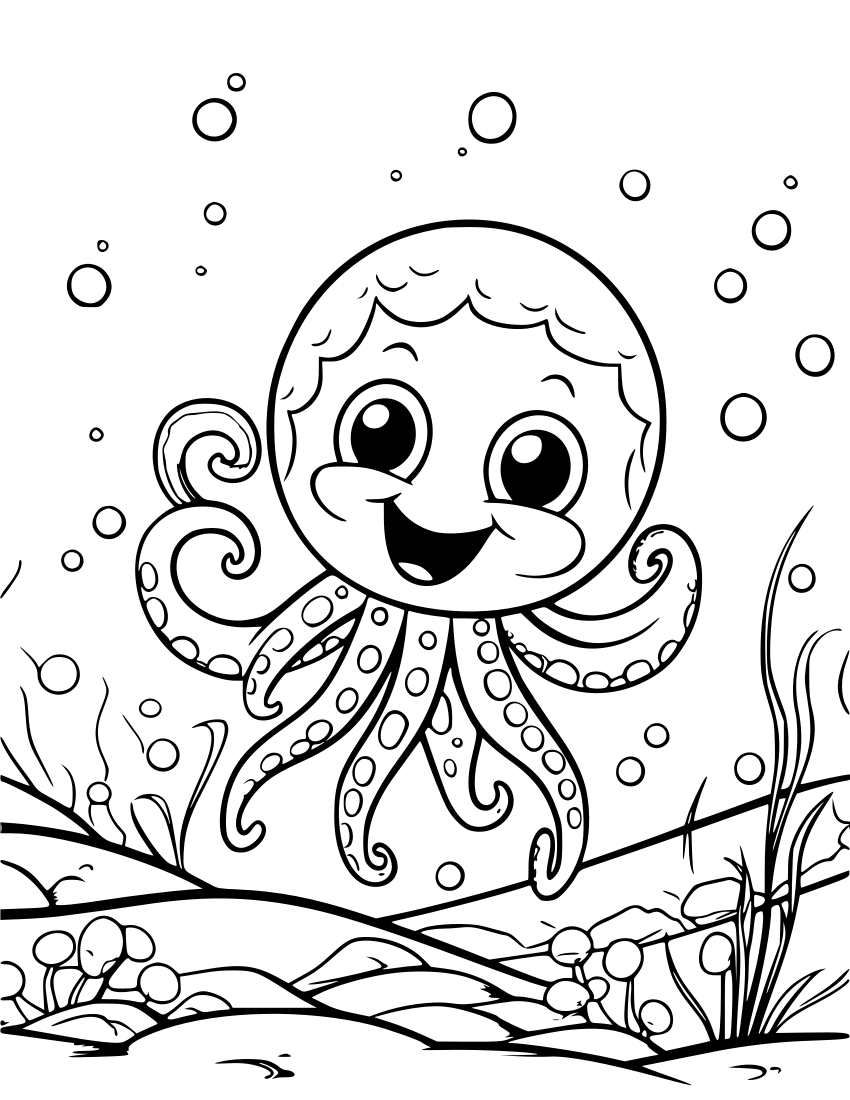
Little Kawaii Octopus Coloring Page
Easy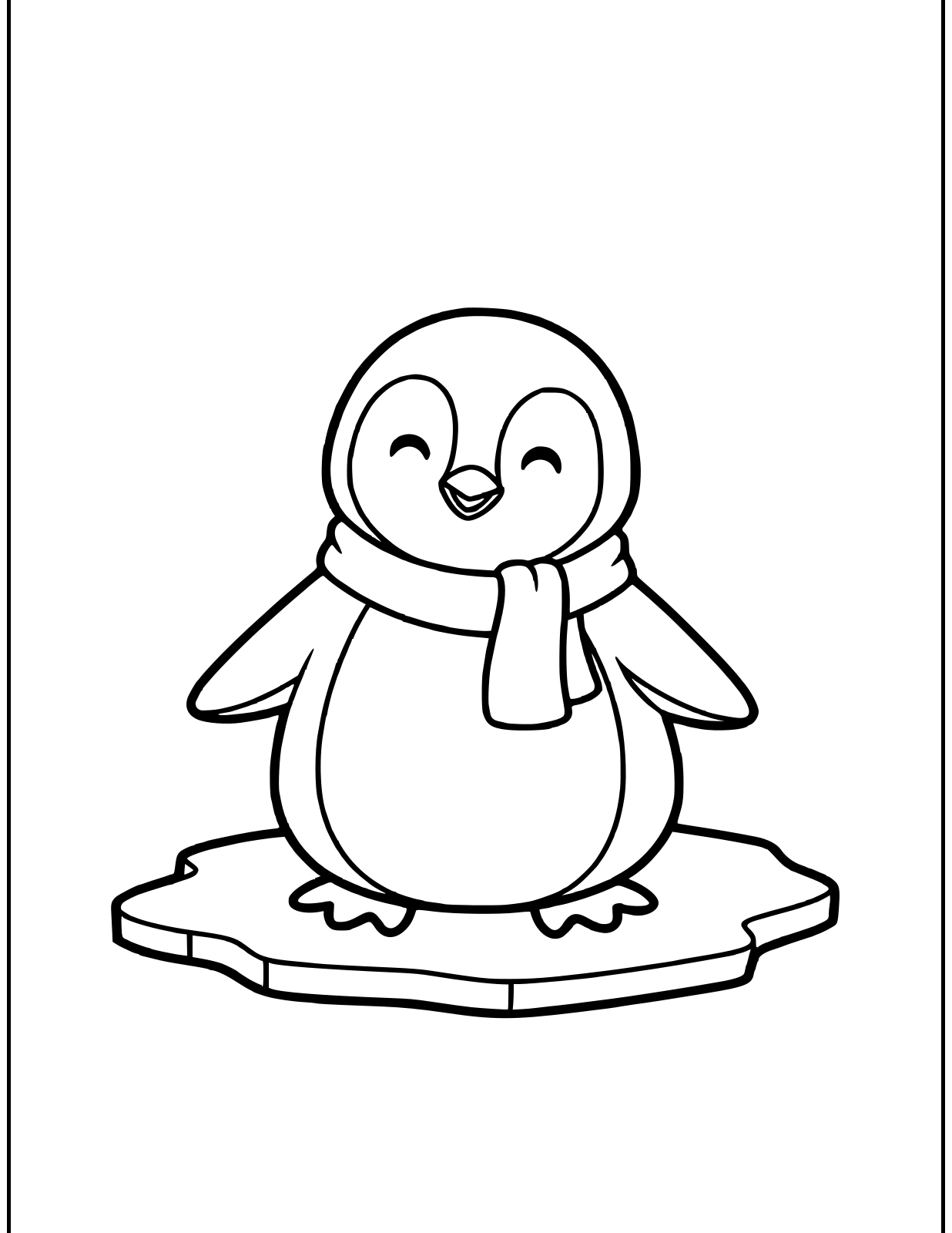
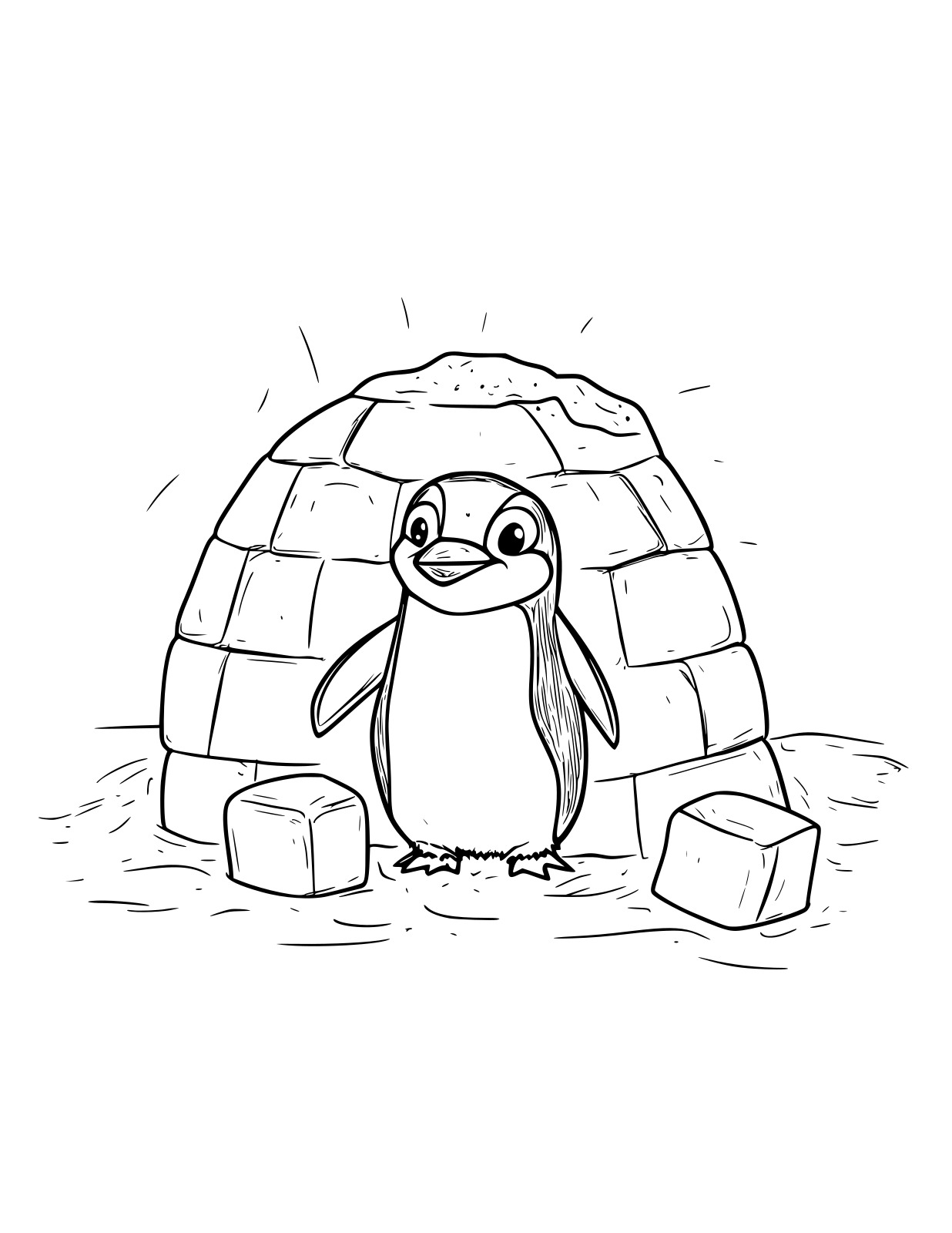
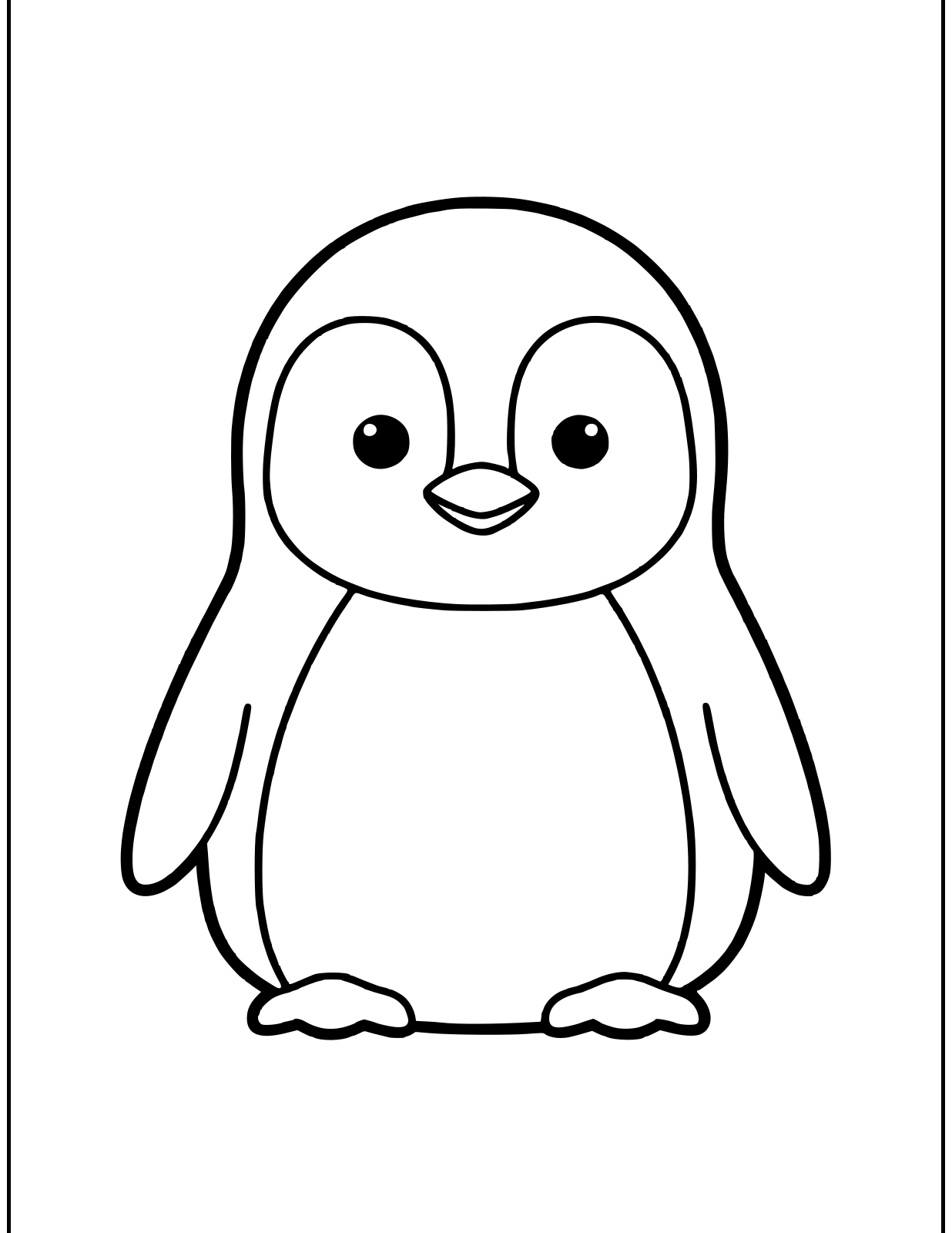
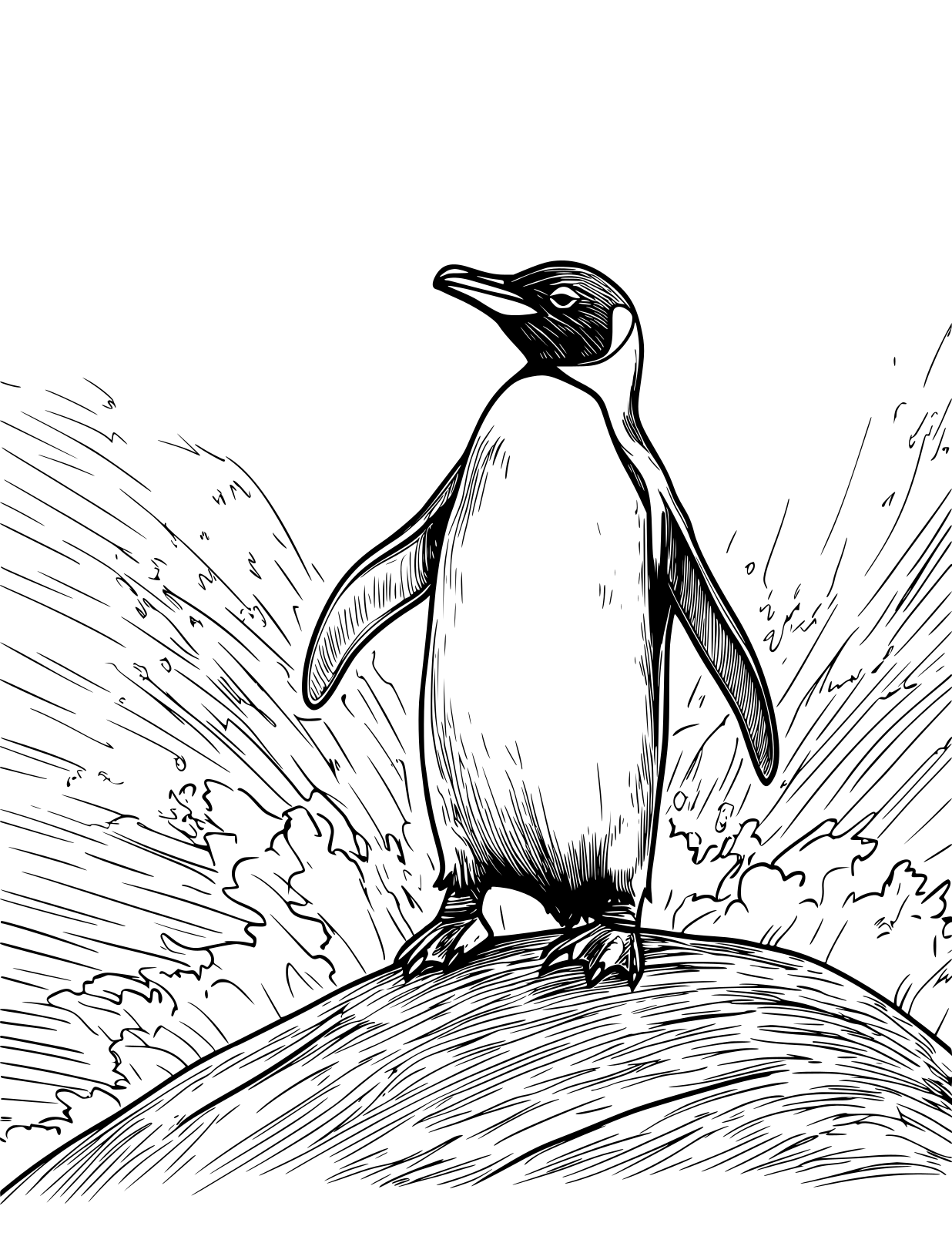
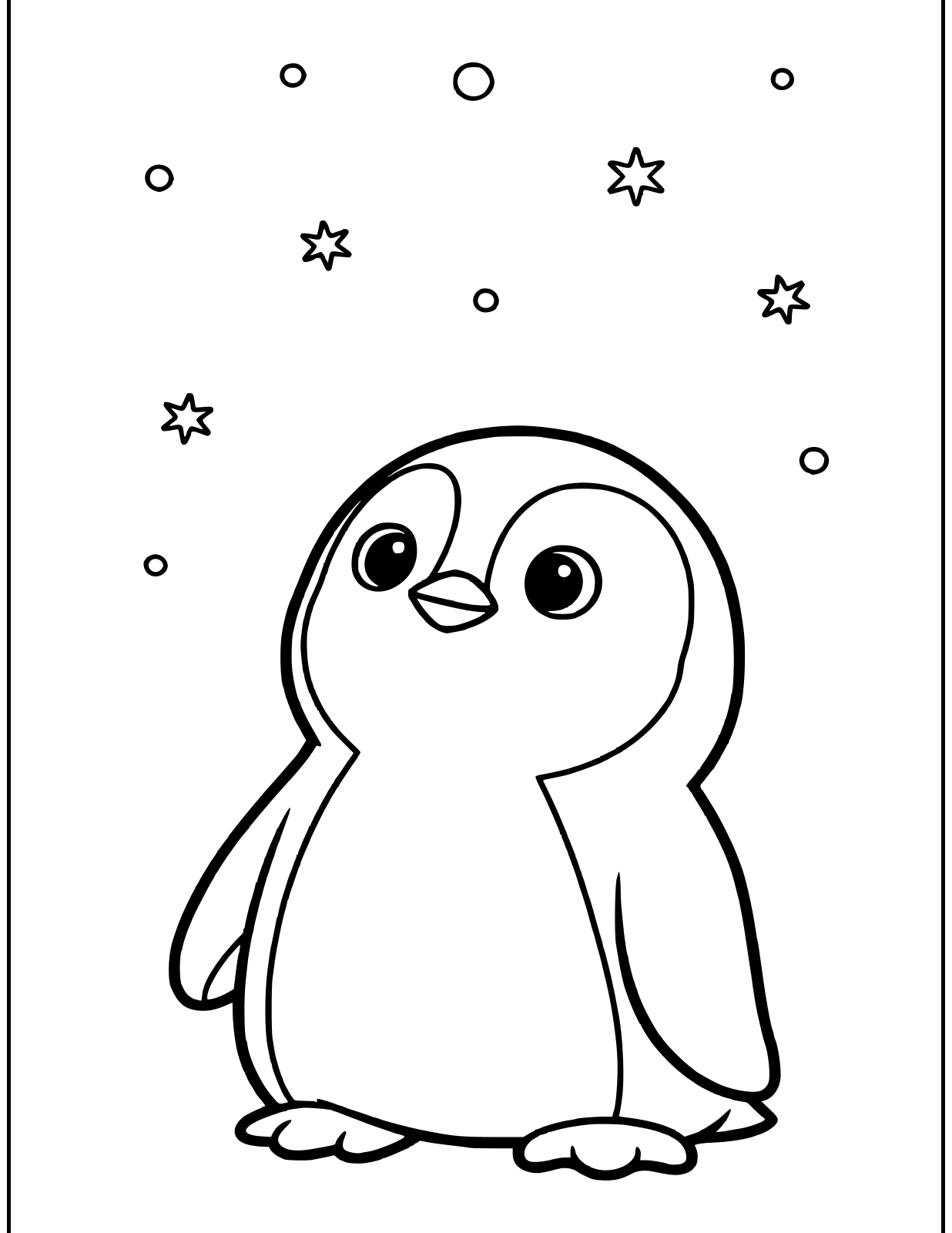
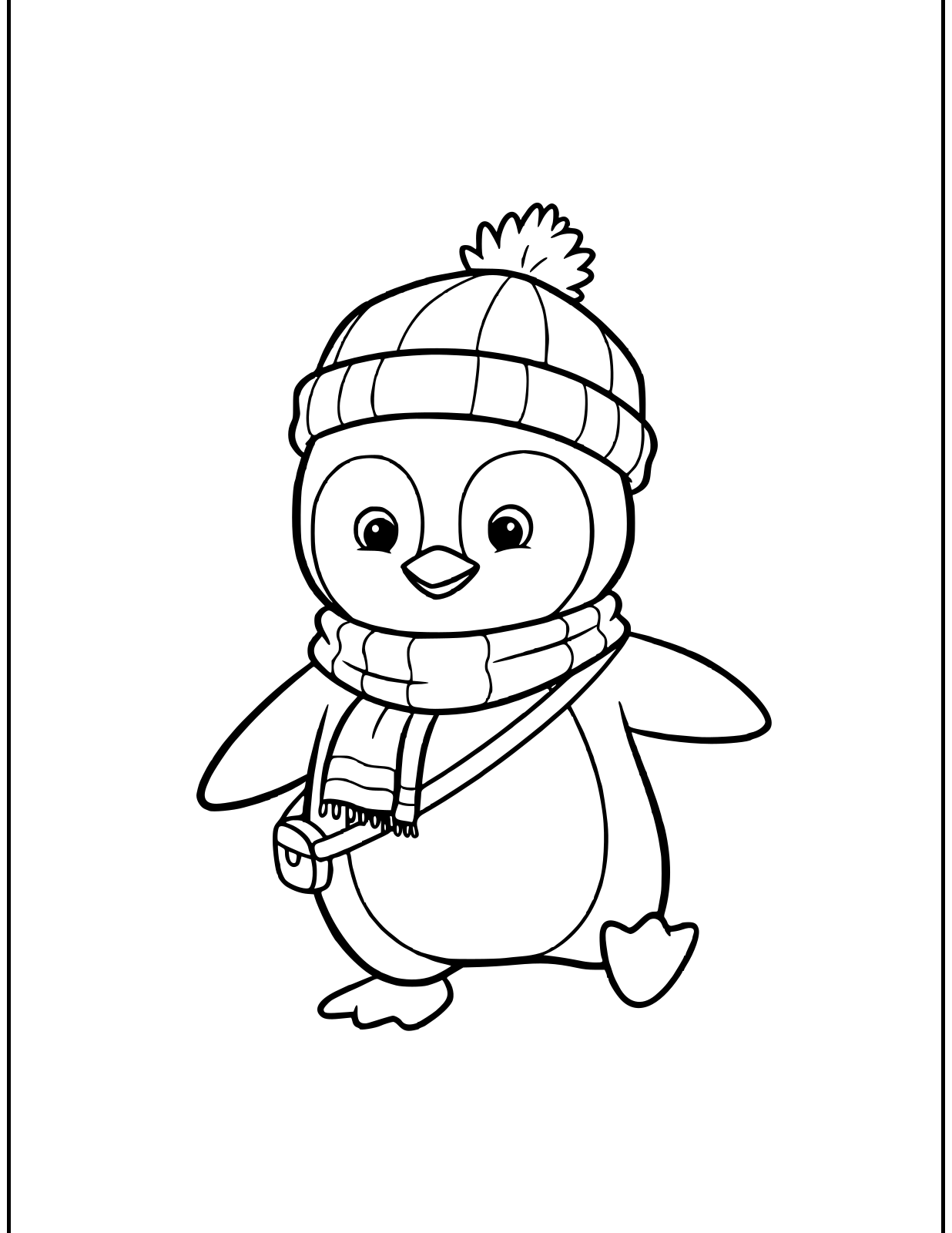
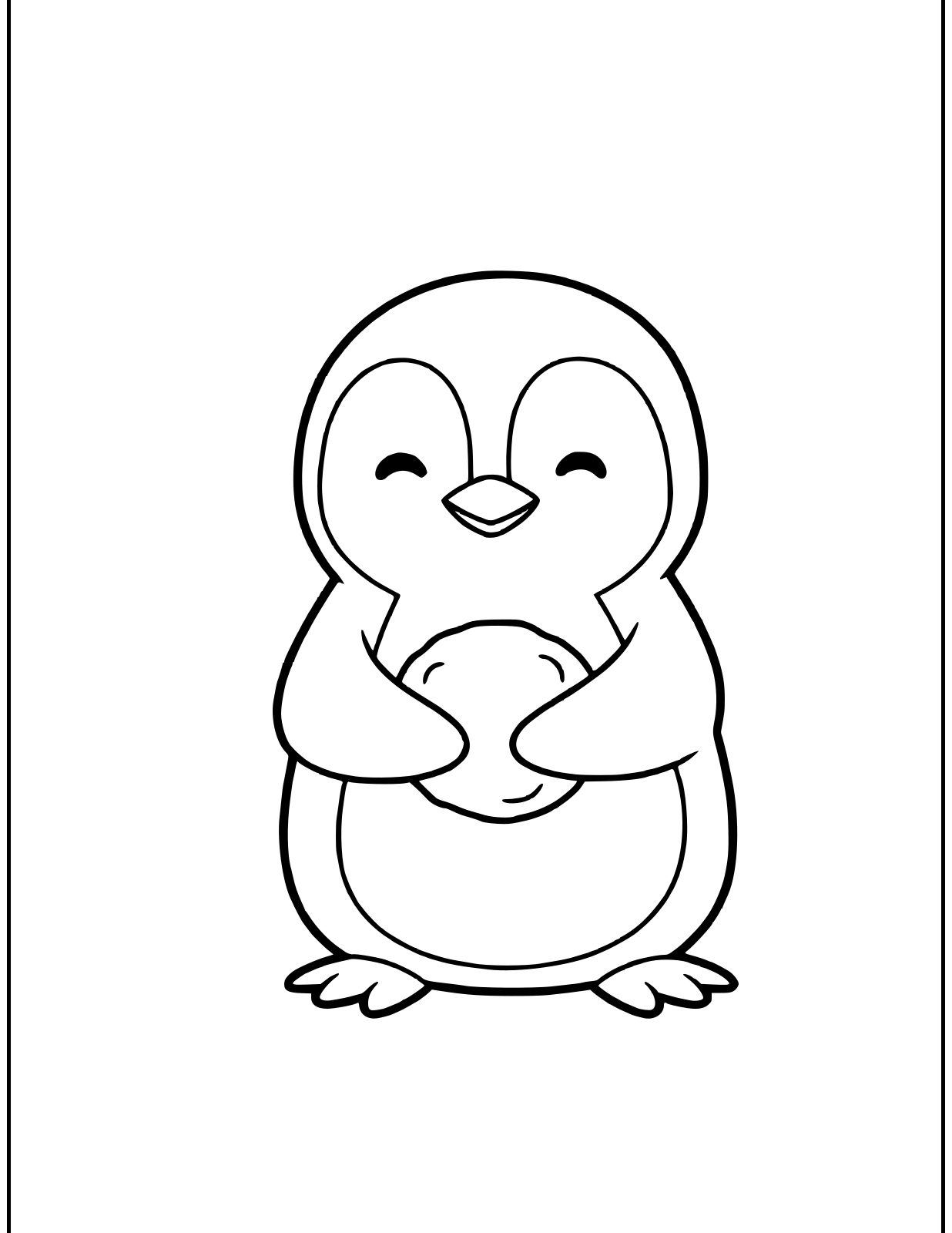
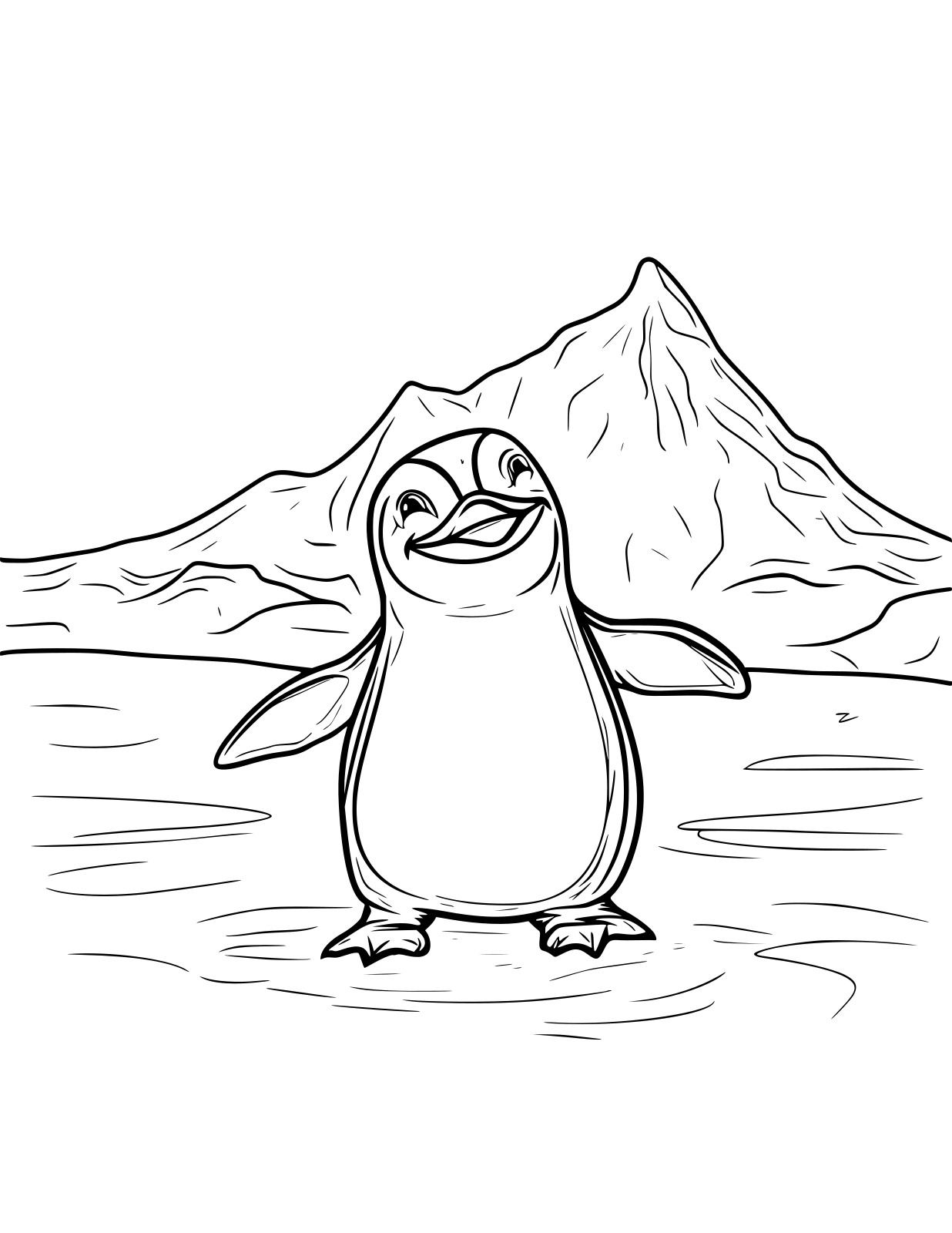
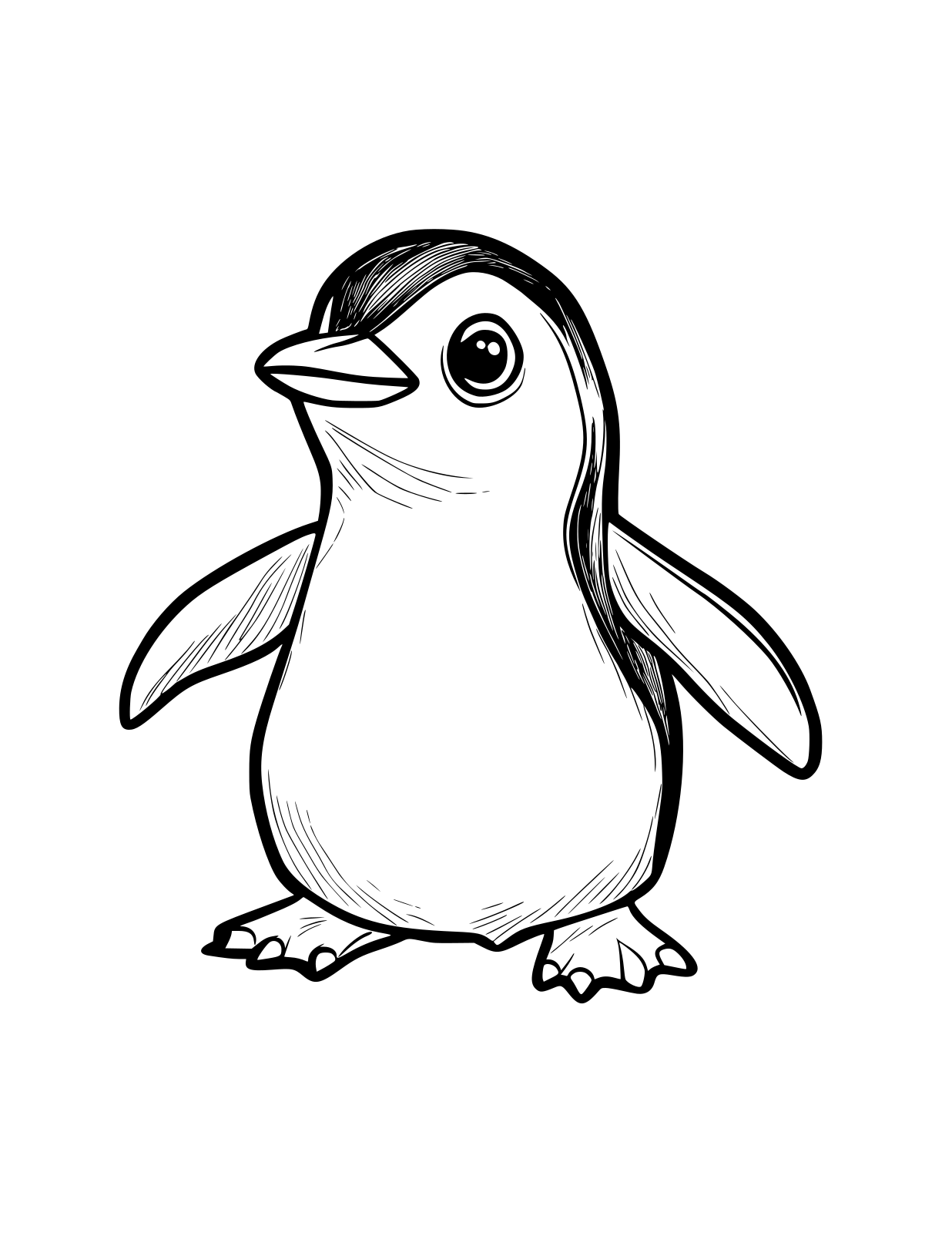
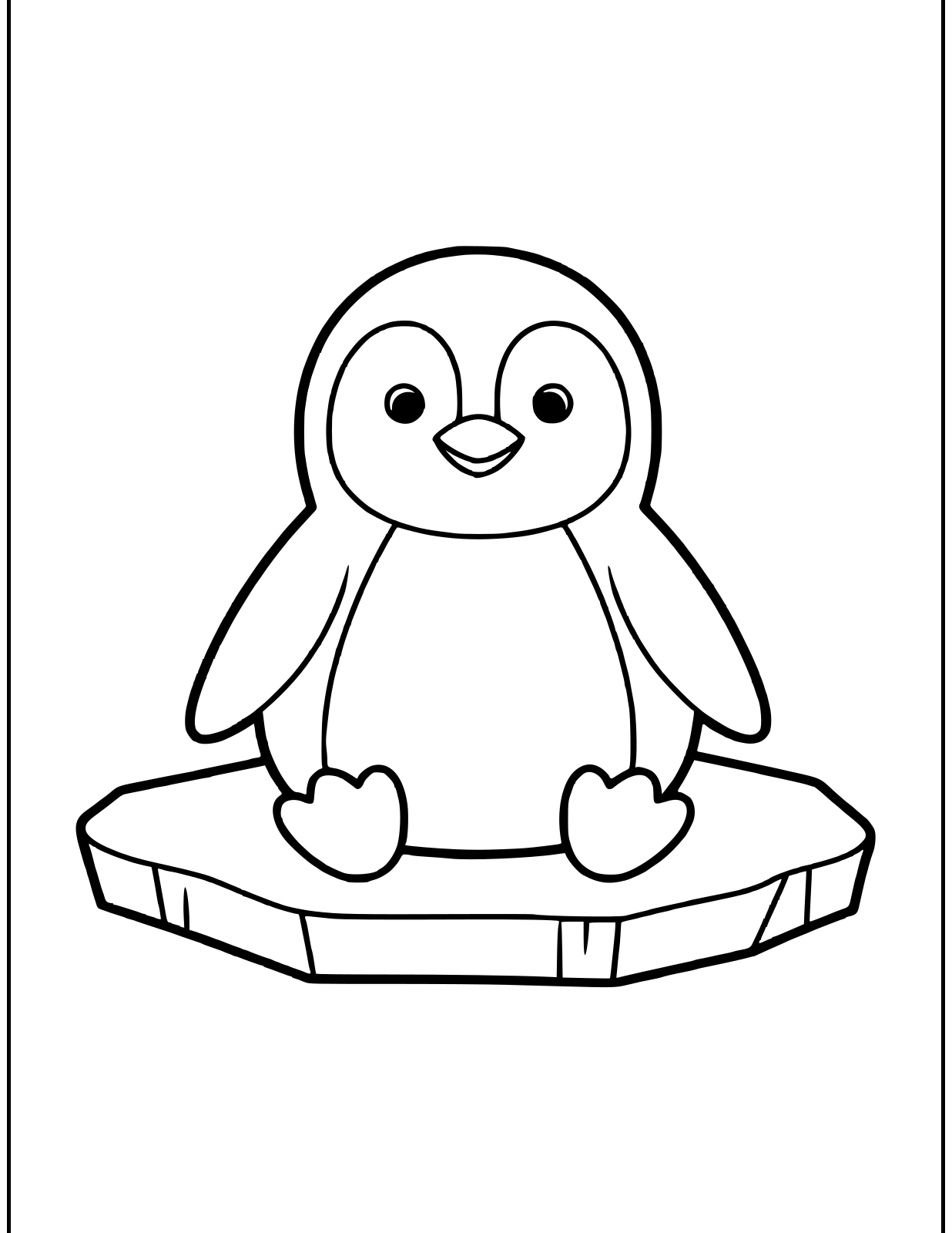
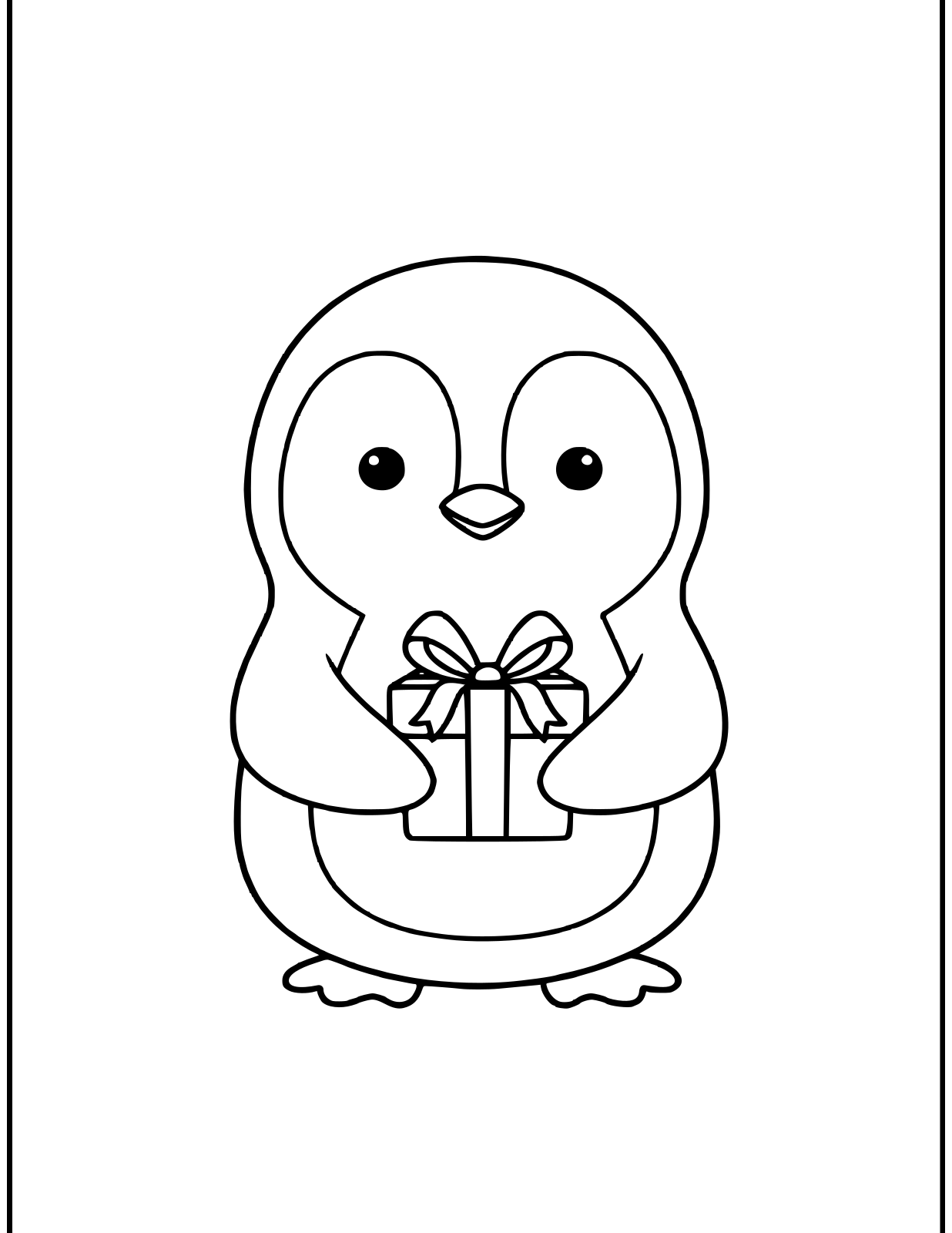
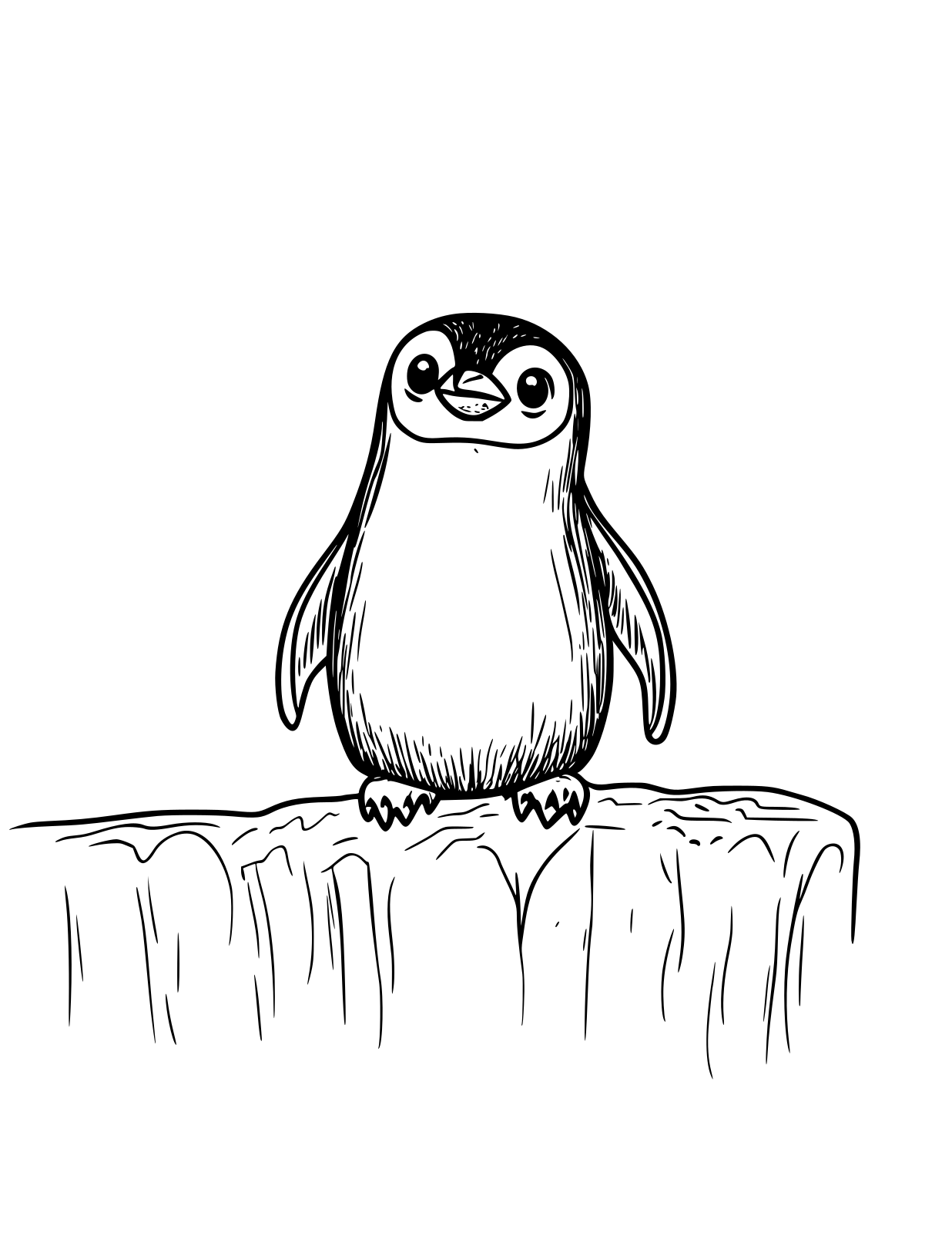
Penguin with Scarf on Ice Coloring Page
Easy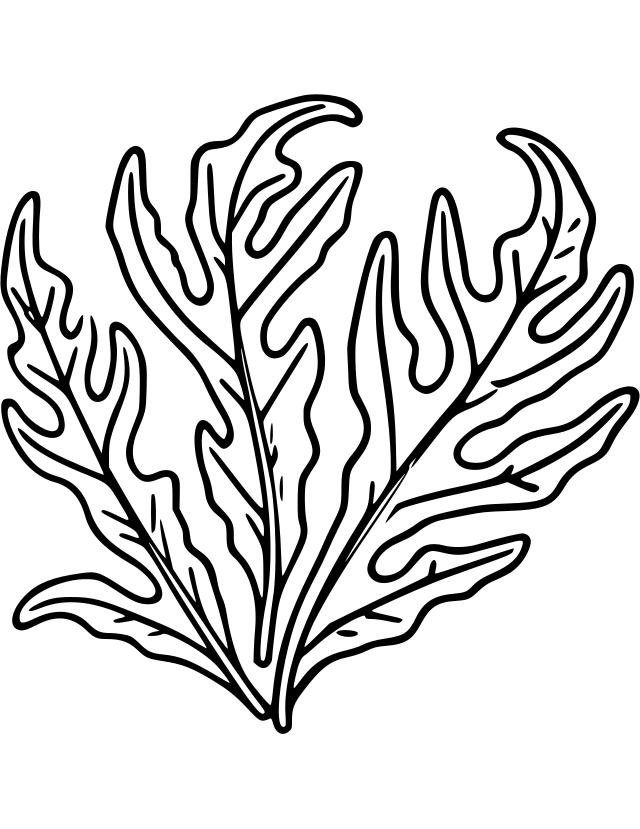
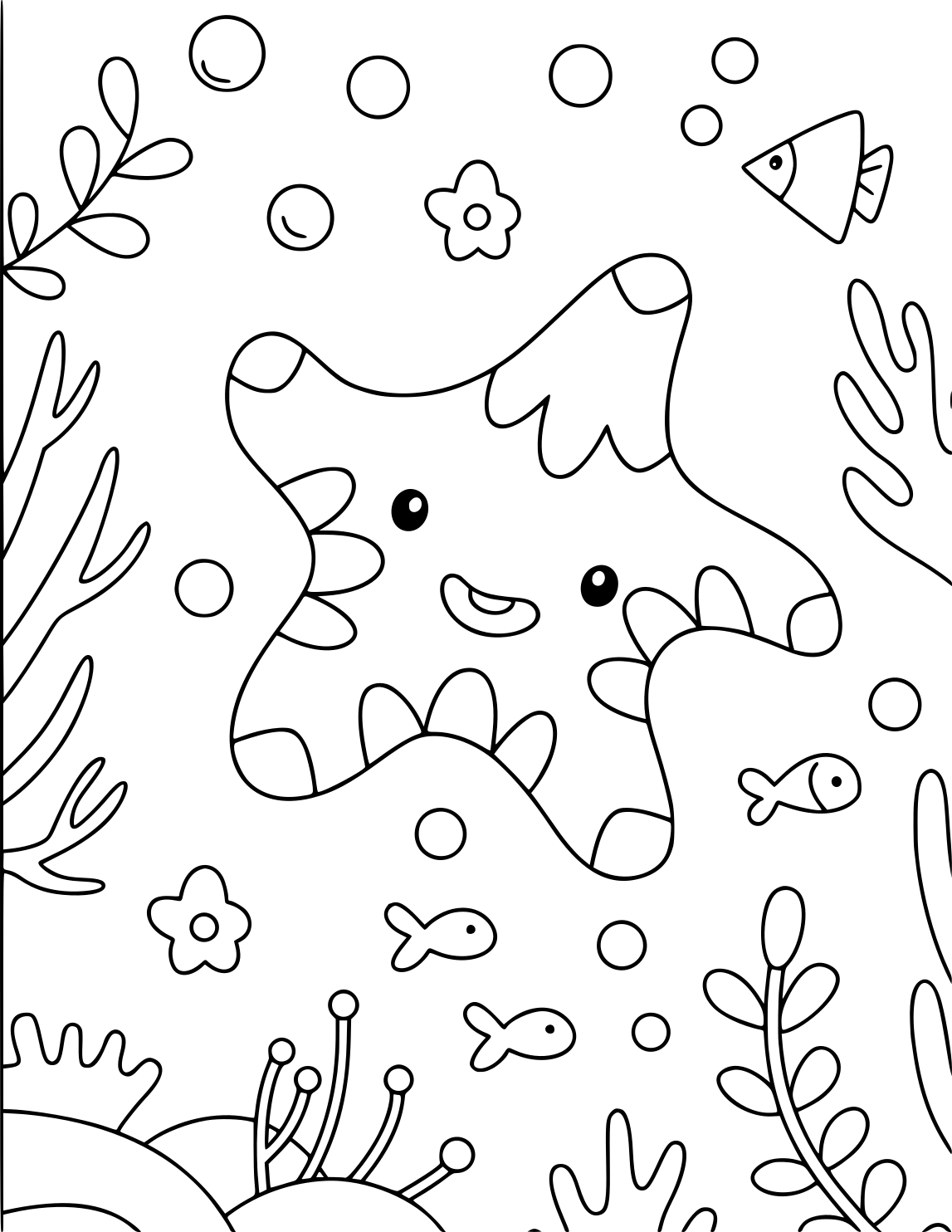
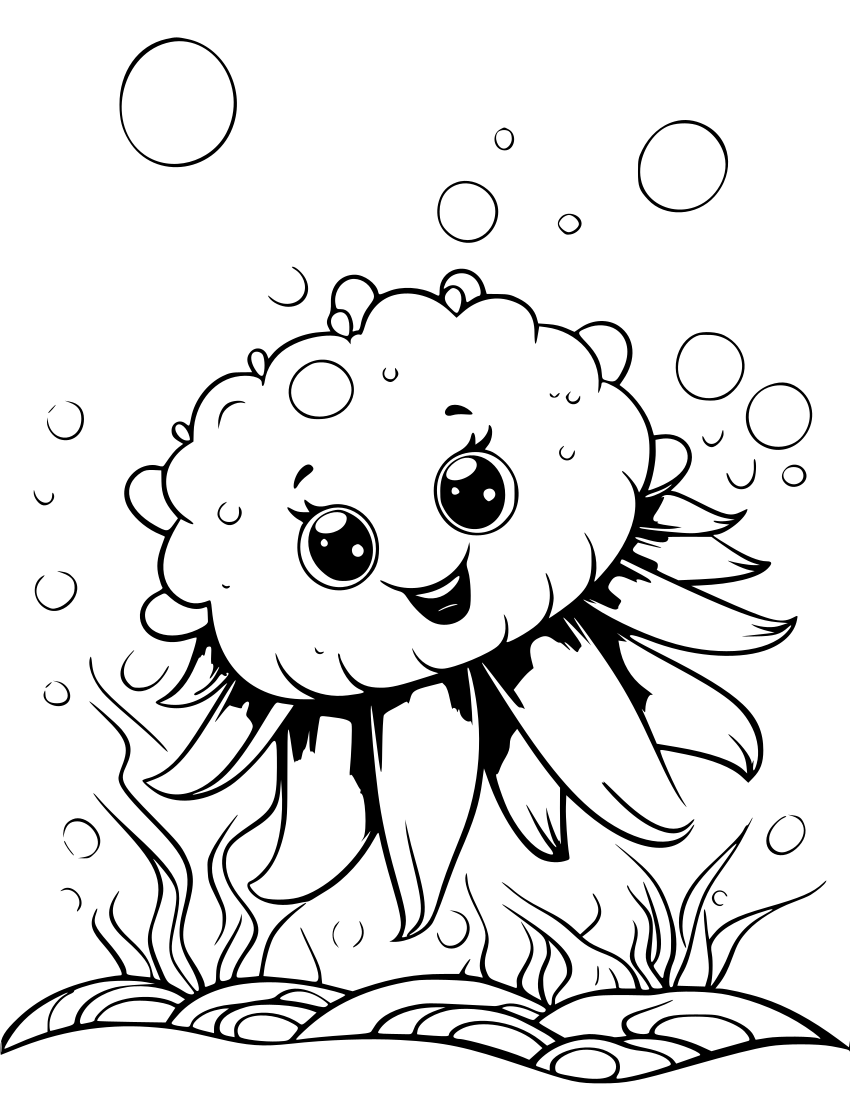
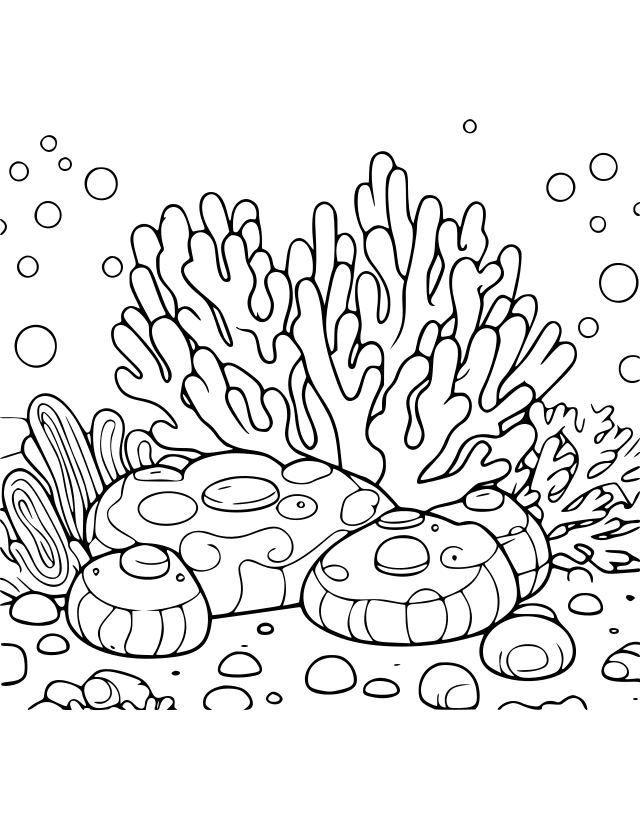
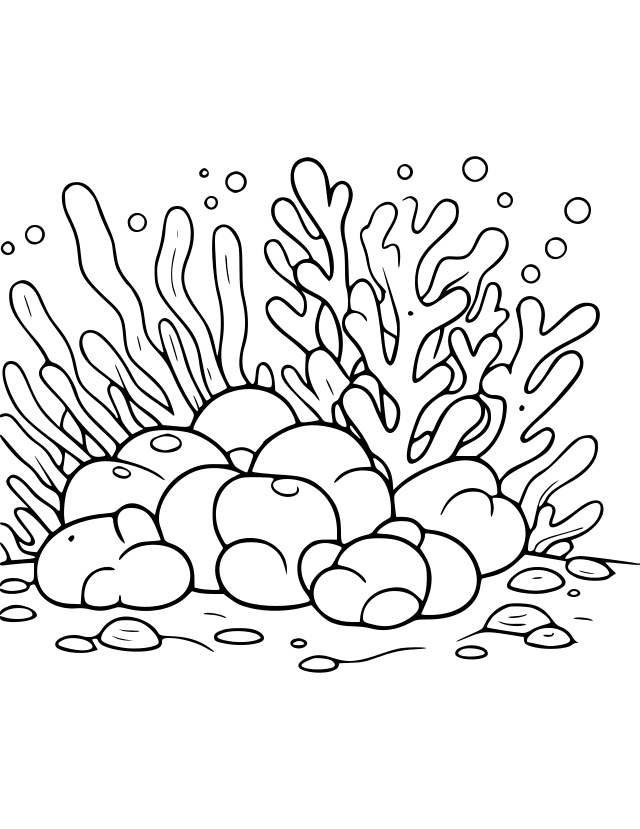
Curious Coral Coloring Page
Easy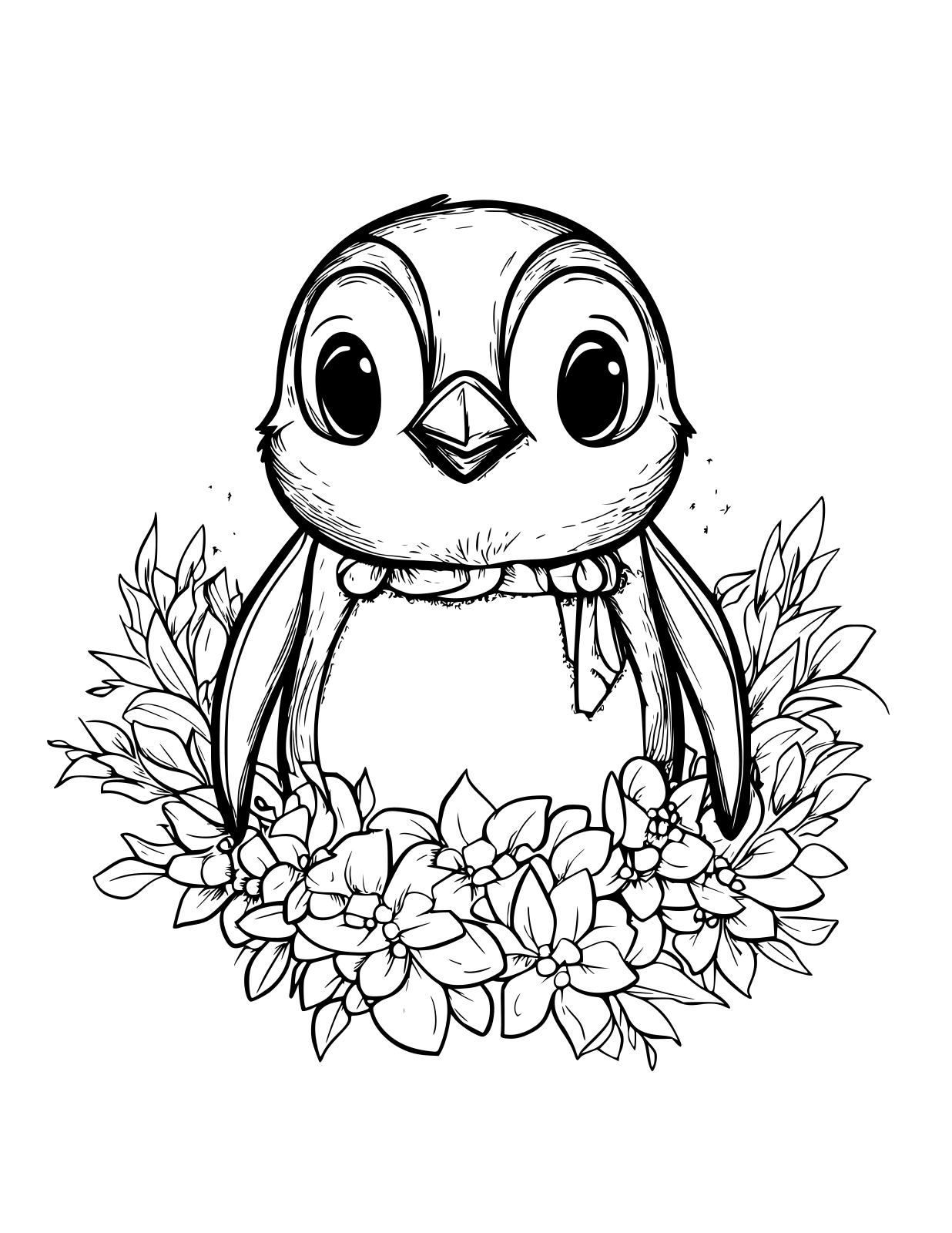
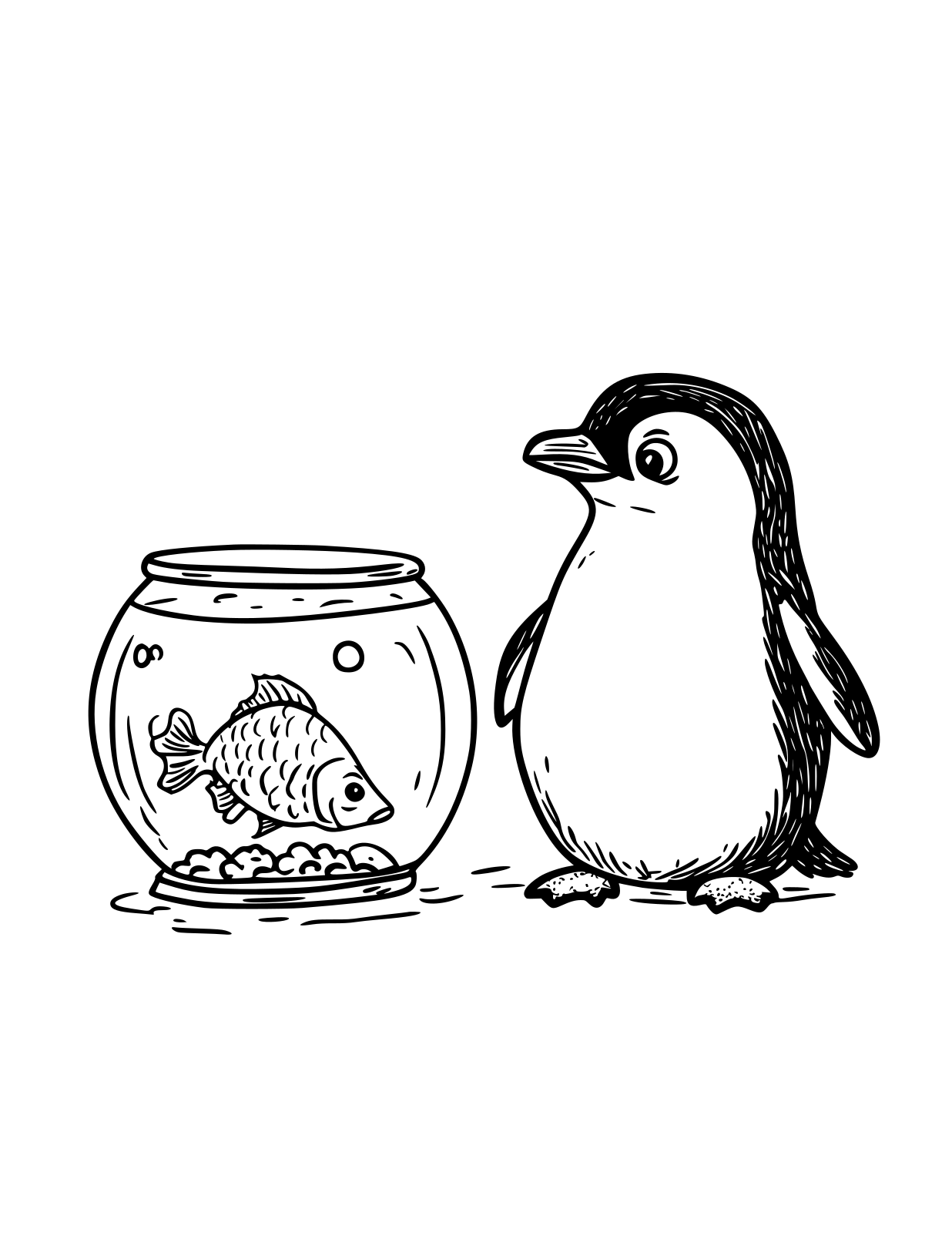
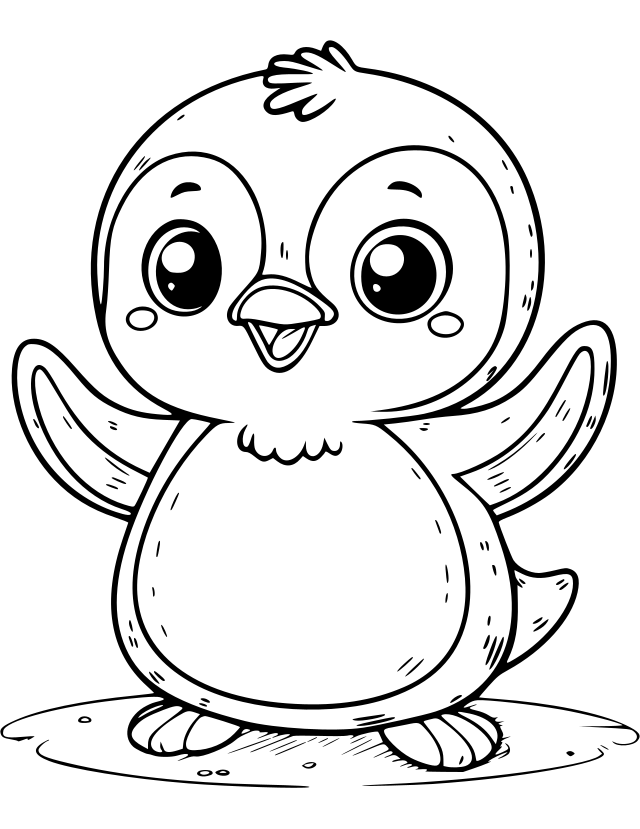
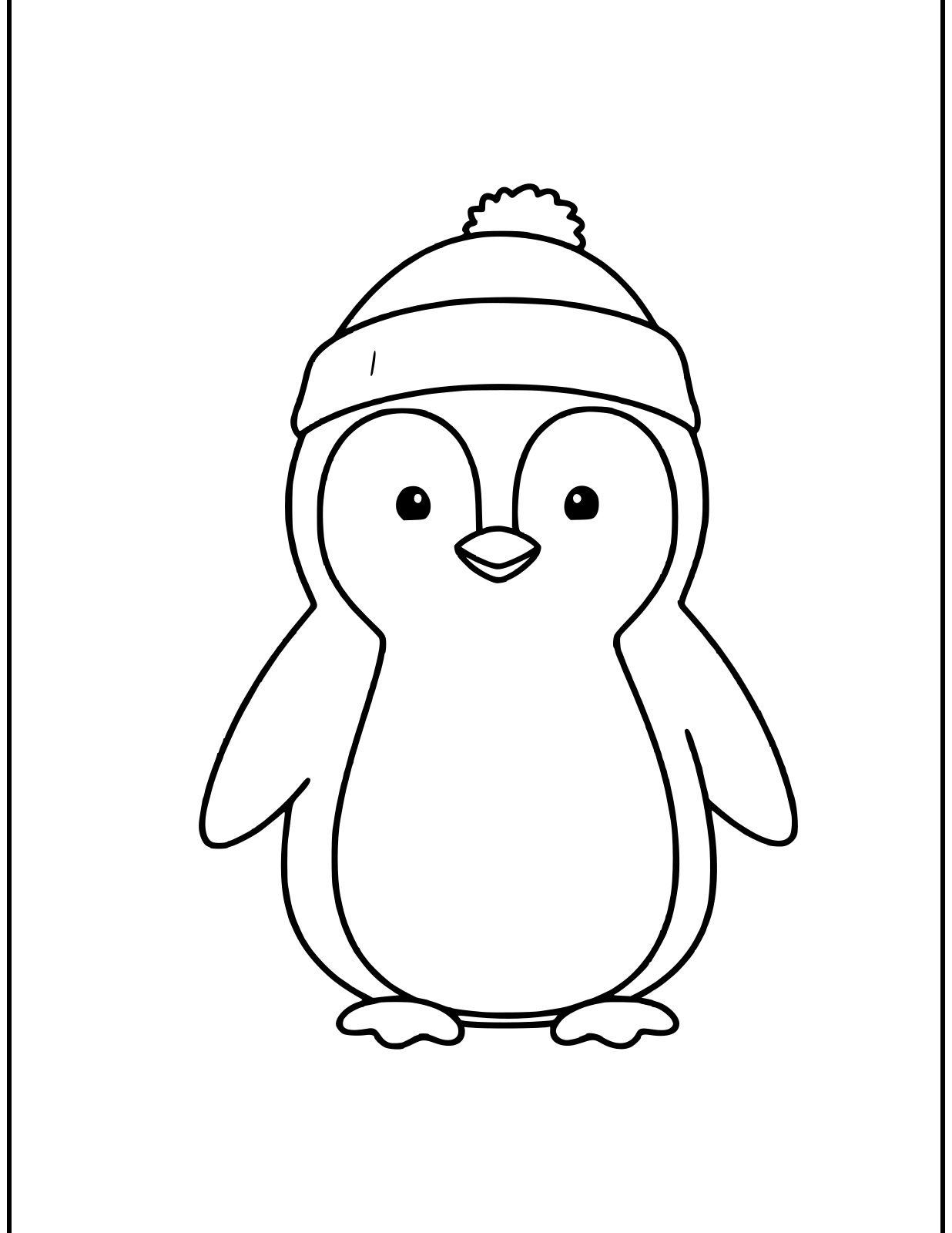
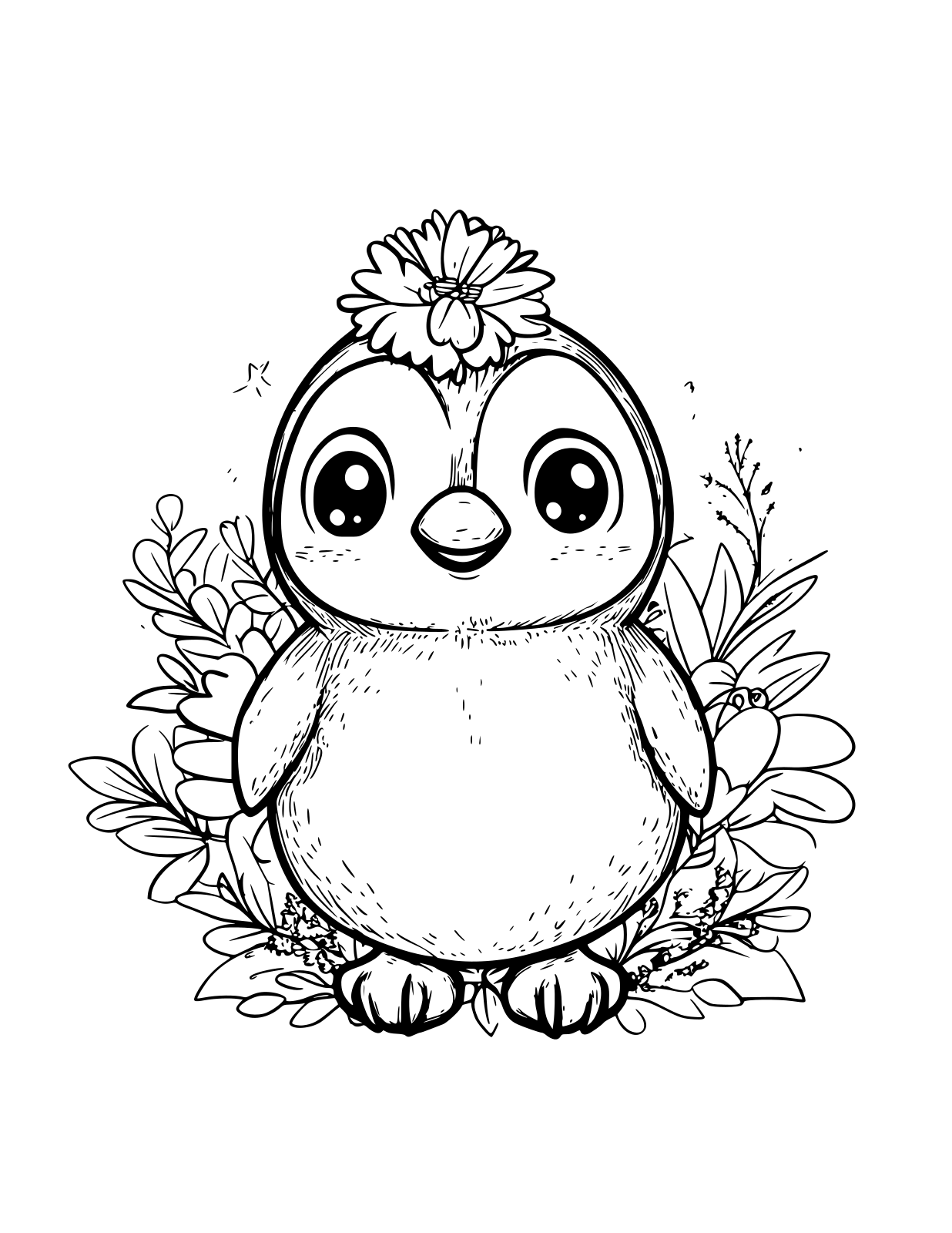
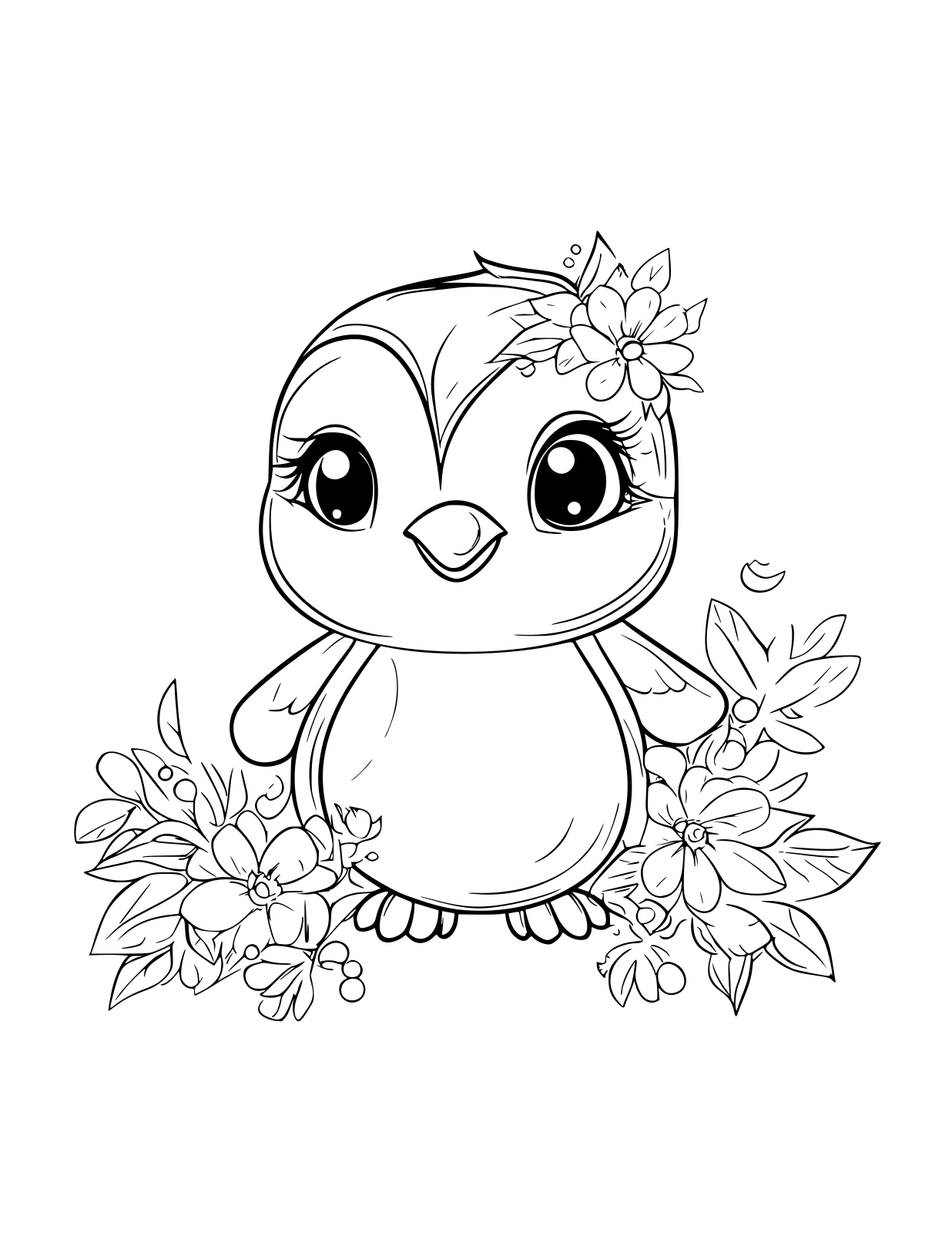
Penguin with Floral Bouquet Coloring Page
Medium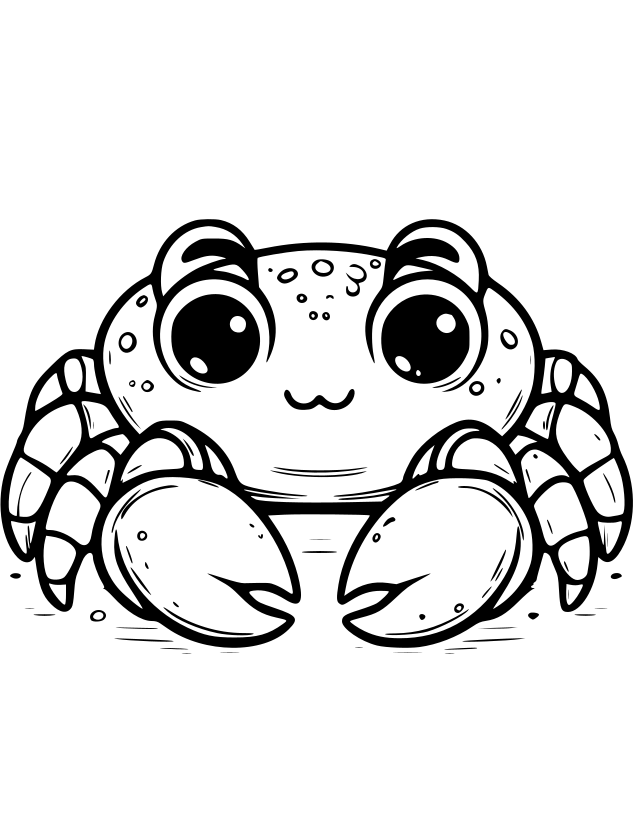
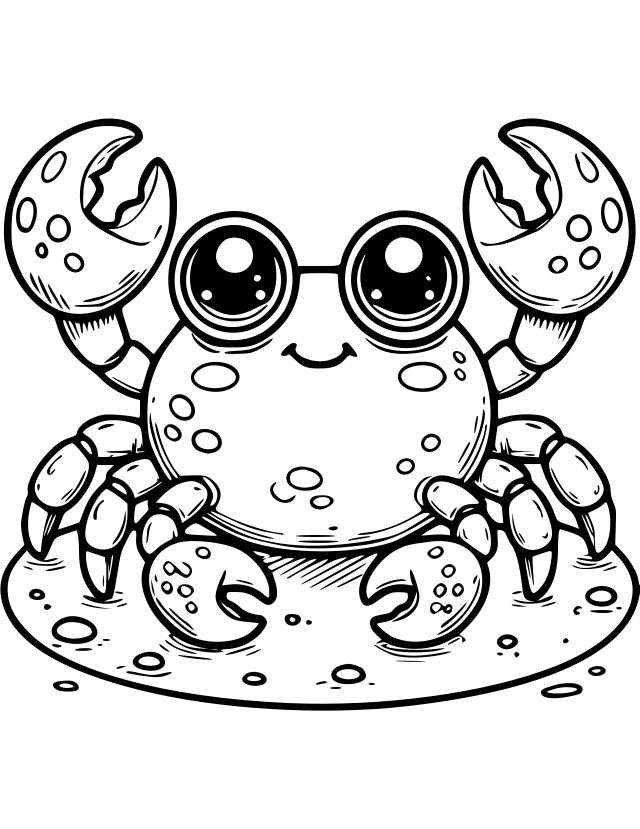
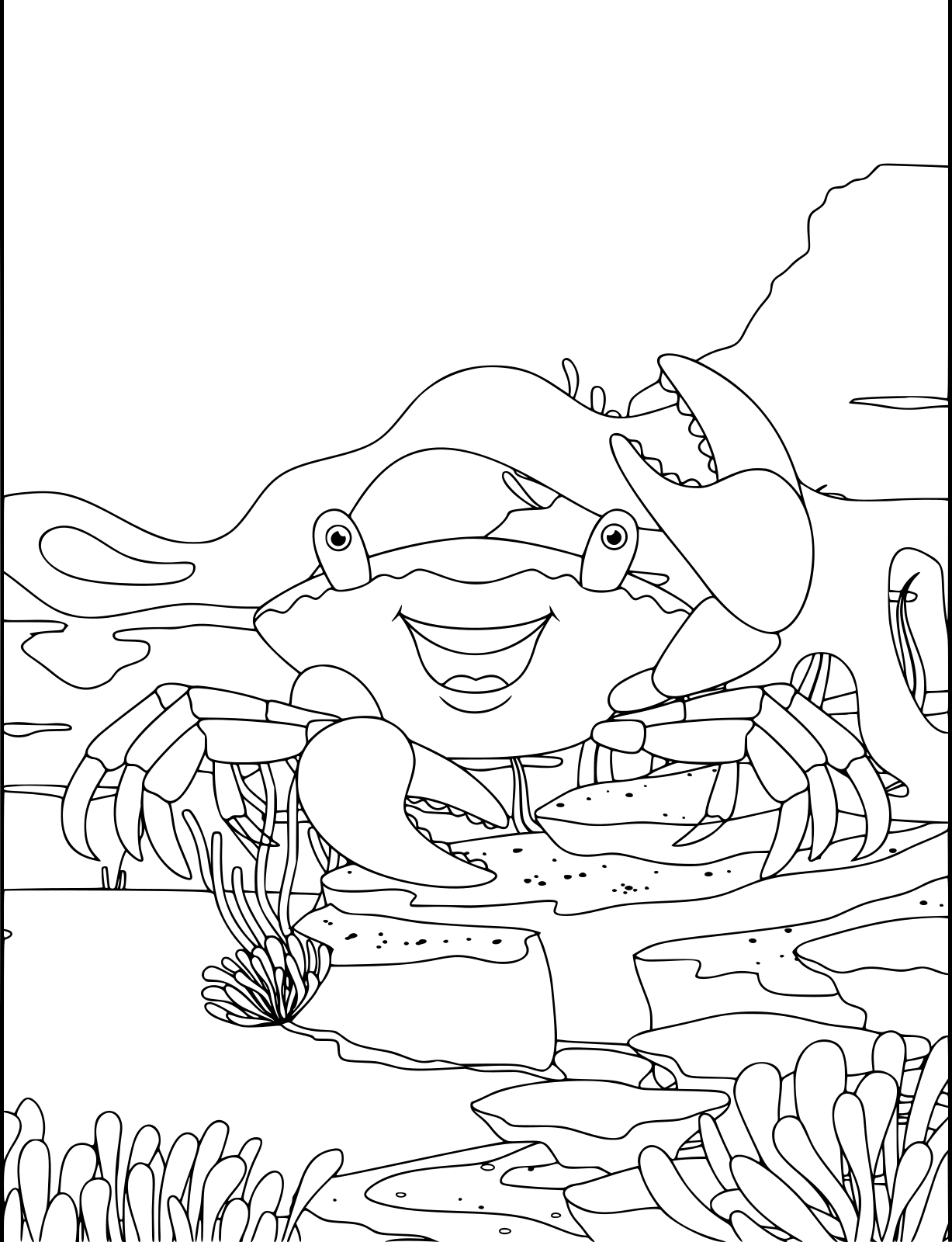
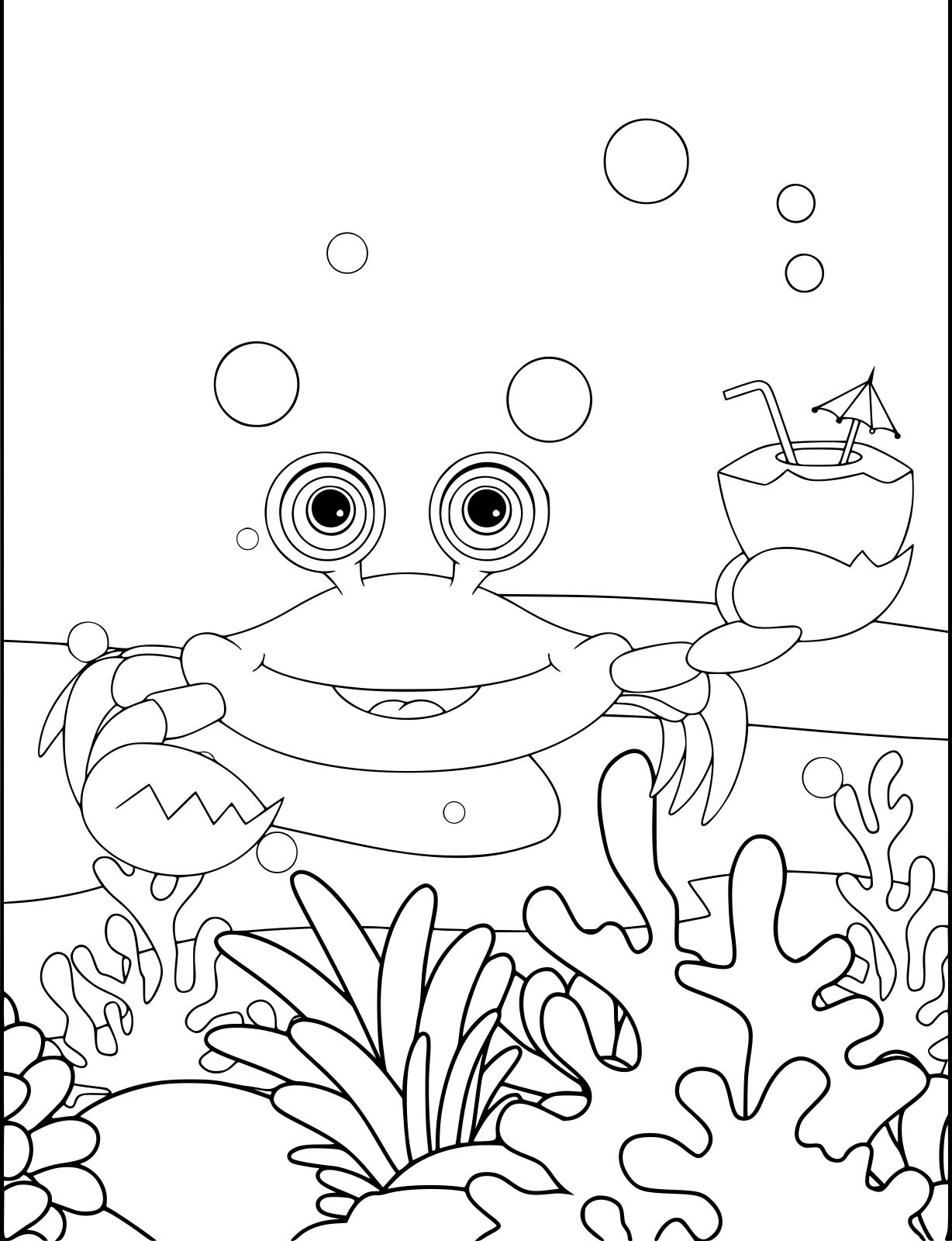
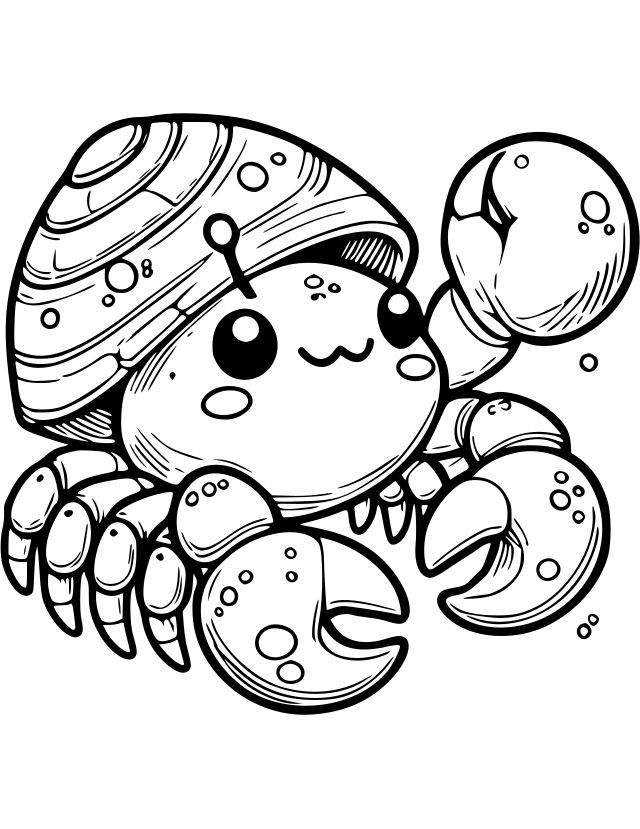
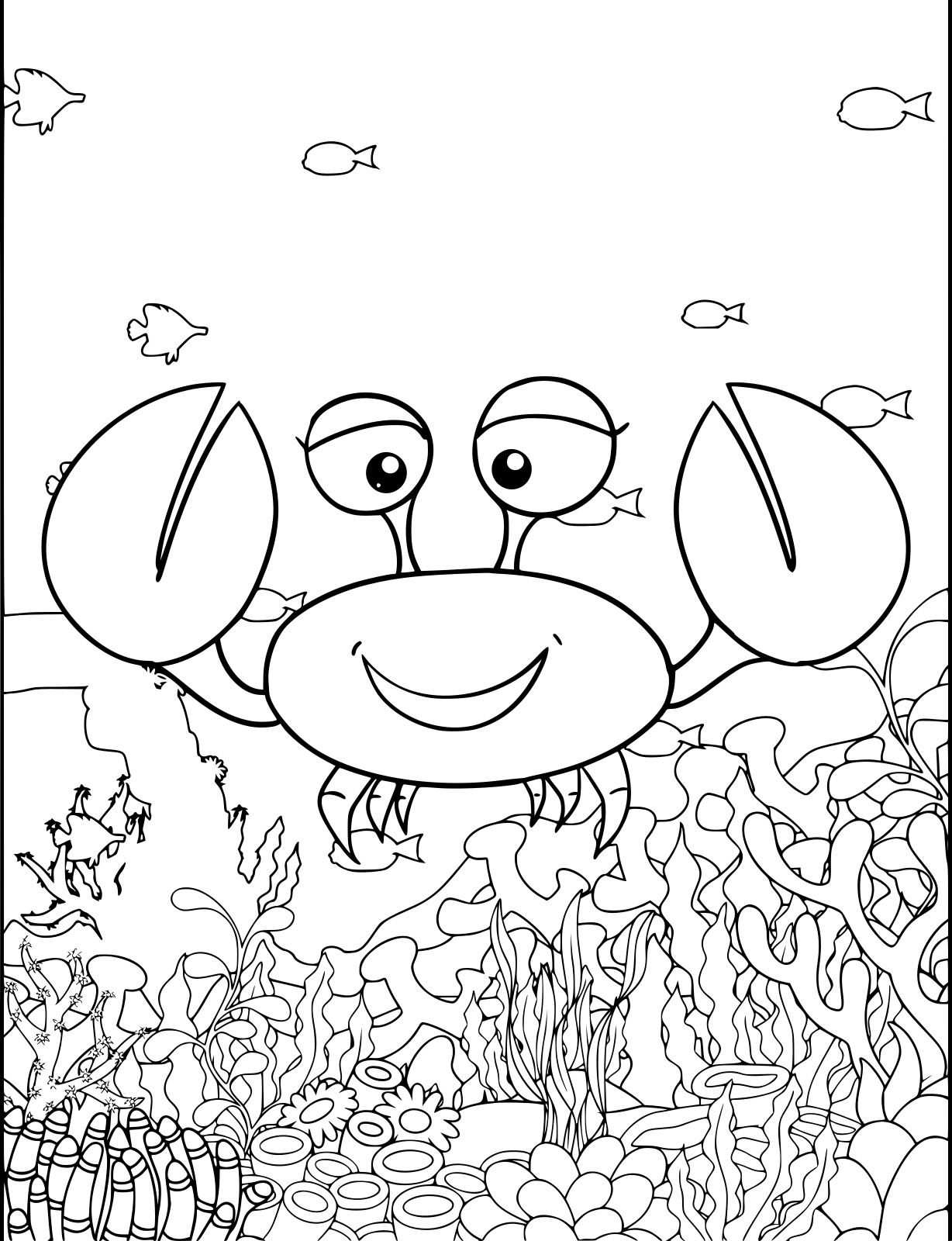
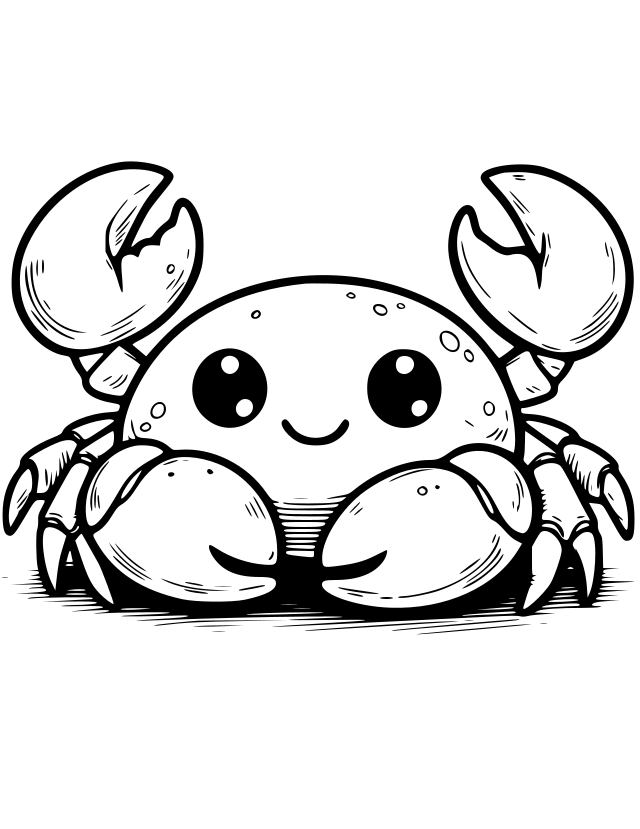
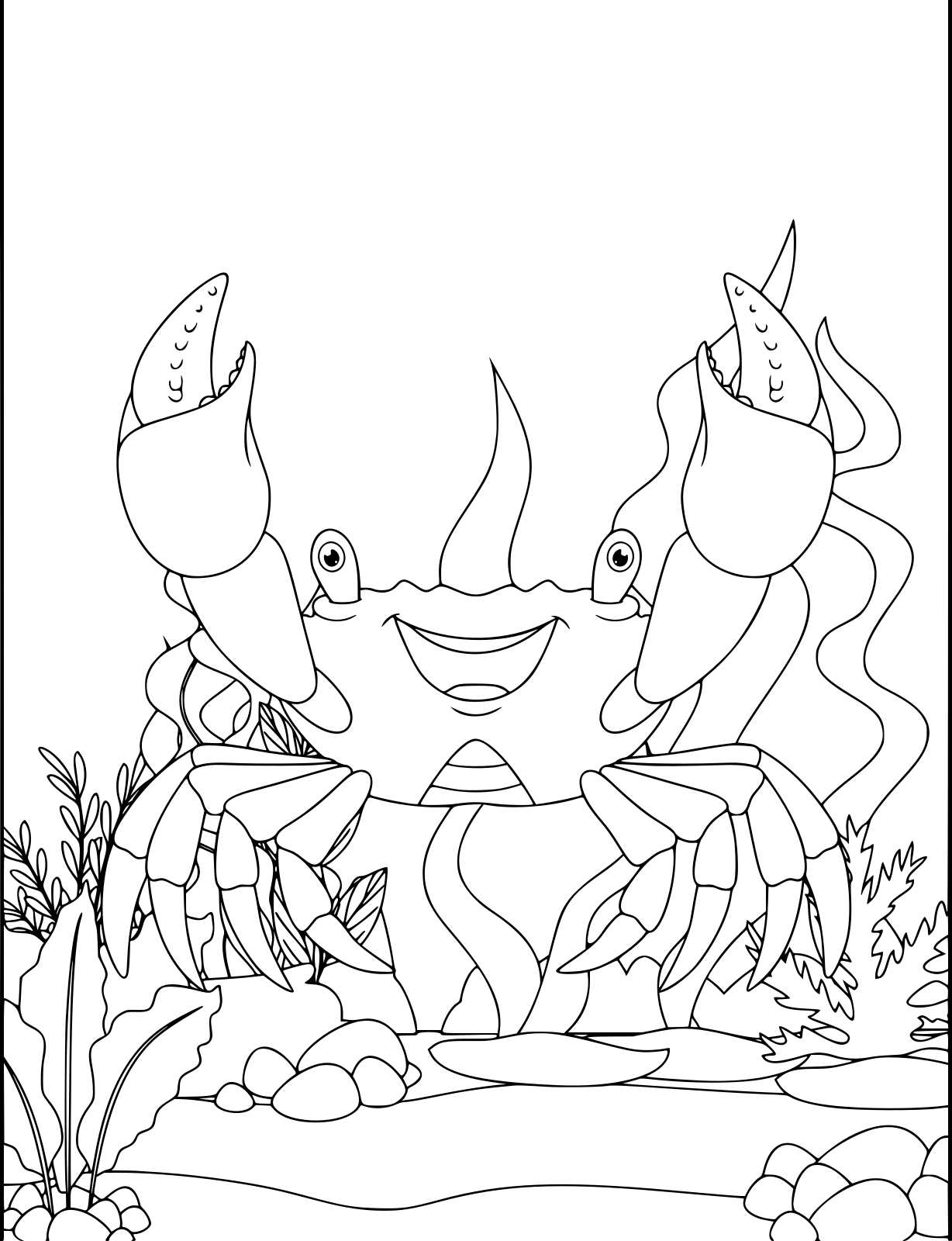
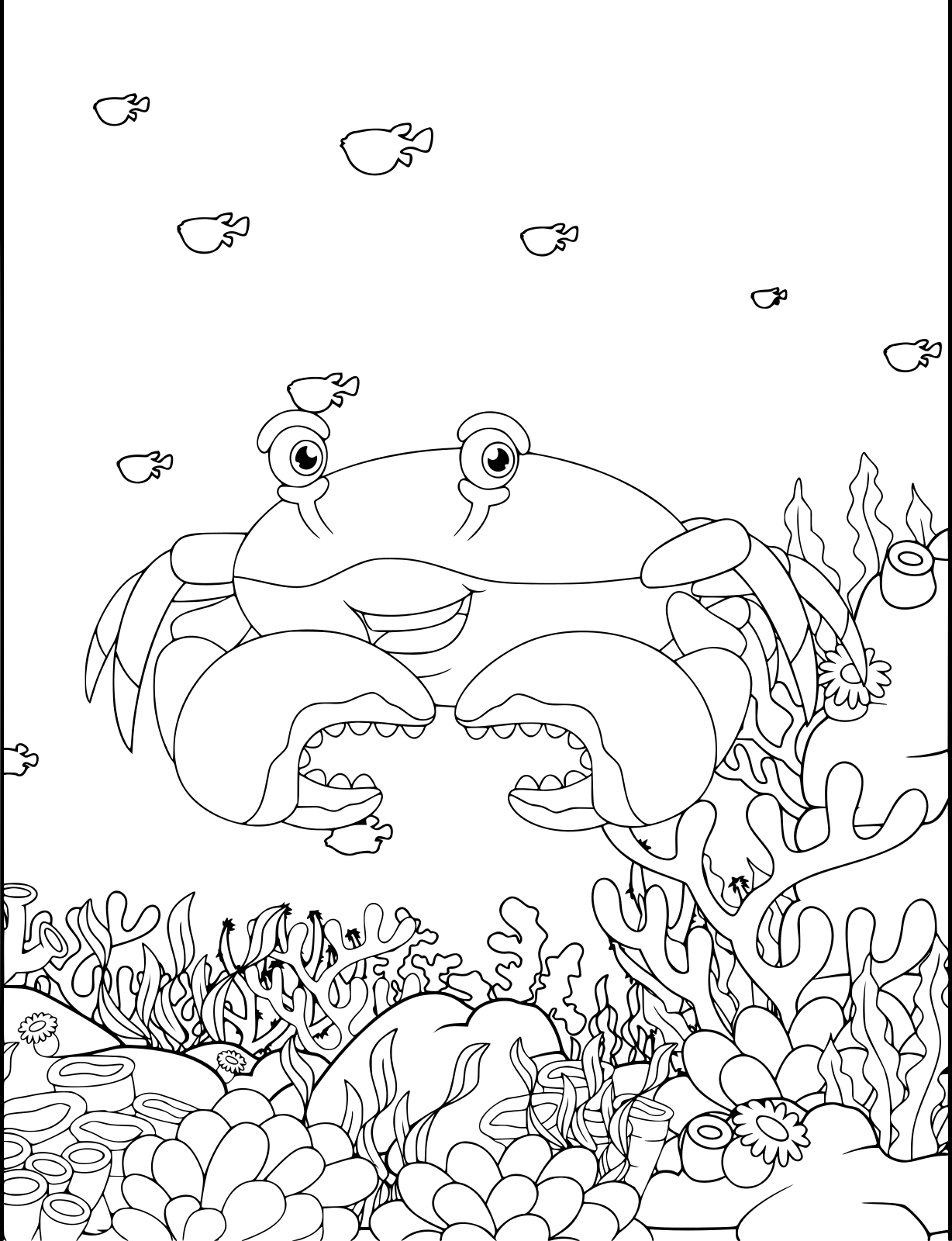
Kawaii Crab Coloring Page
Easy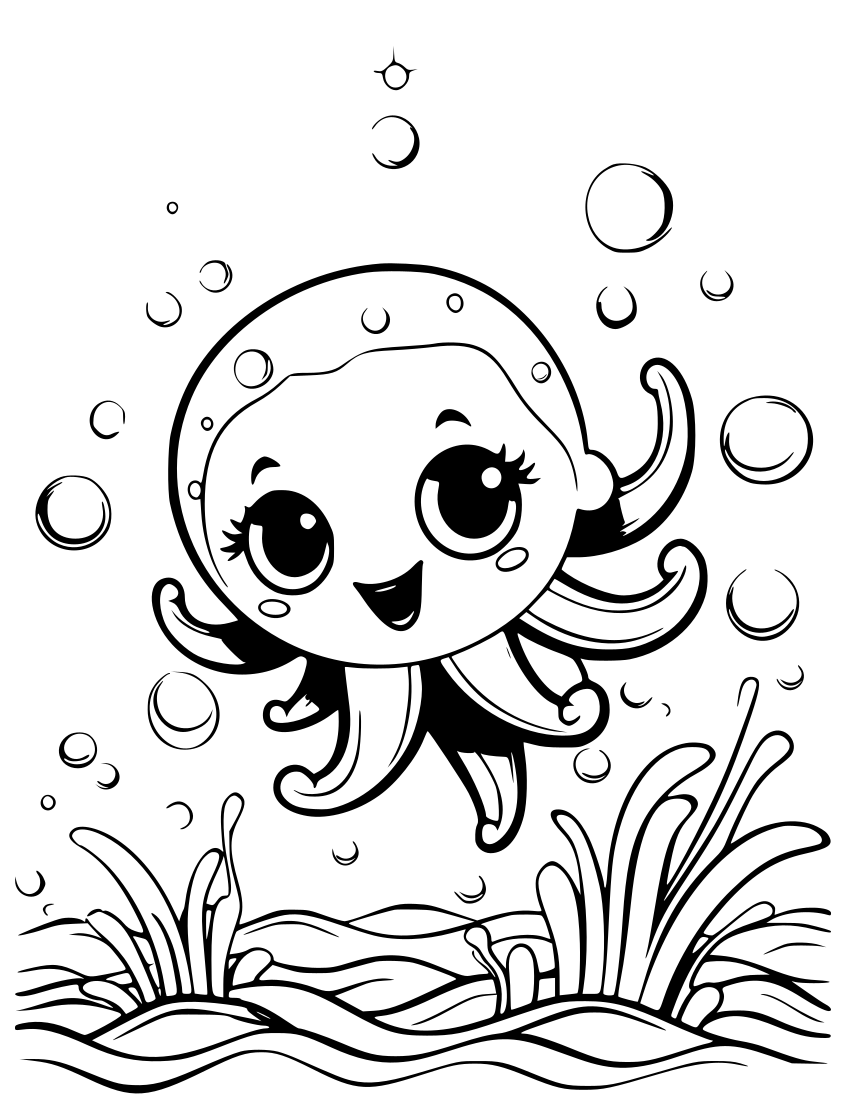
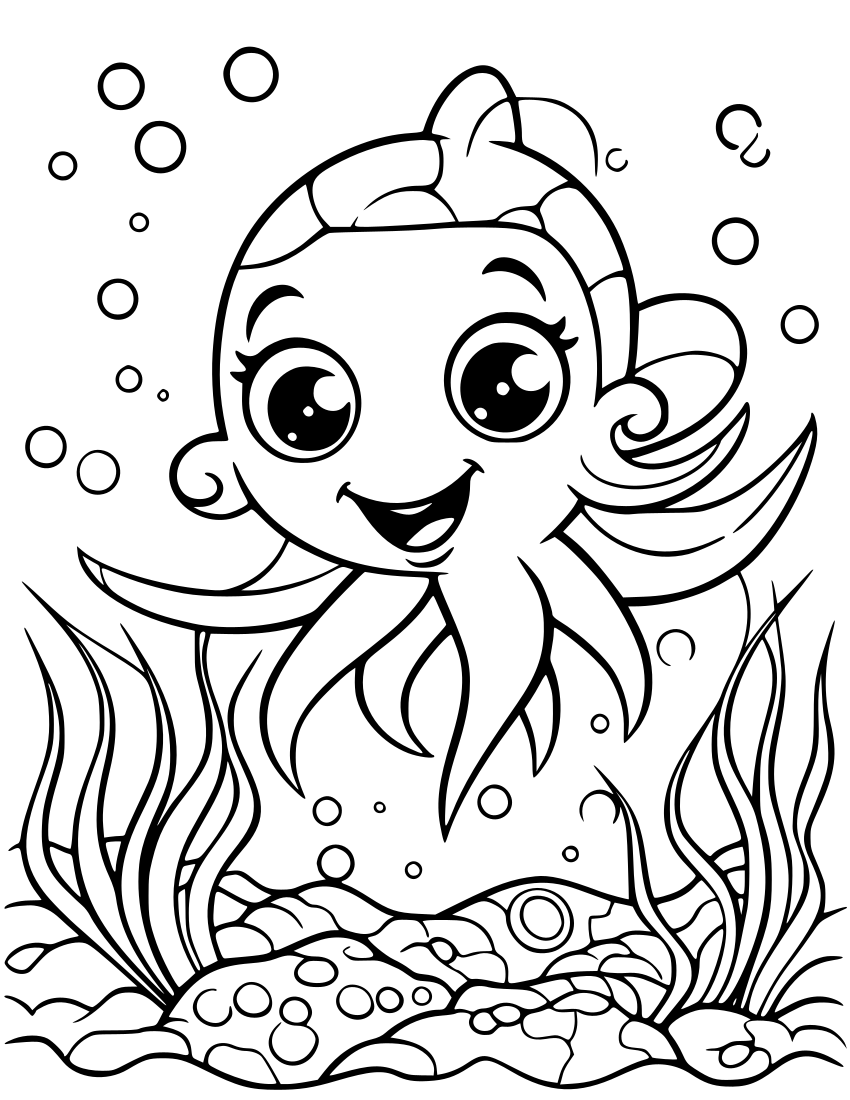
Octopus in Cave Coloring Page
Easy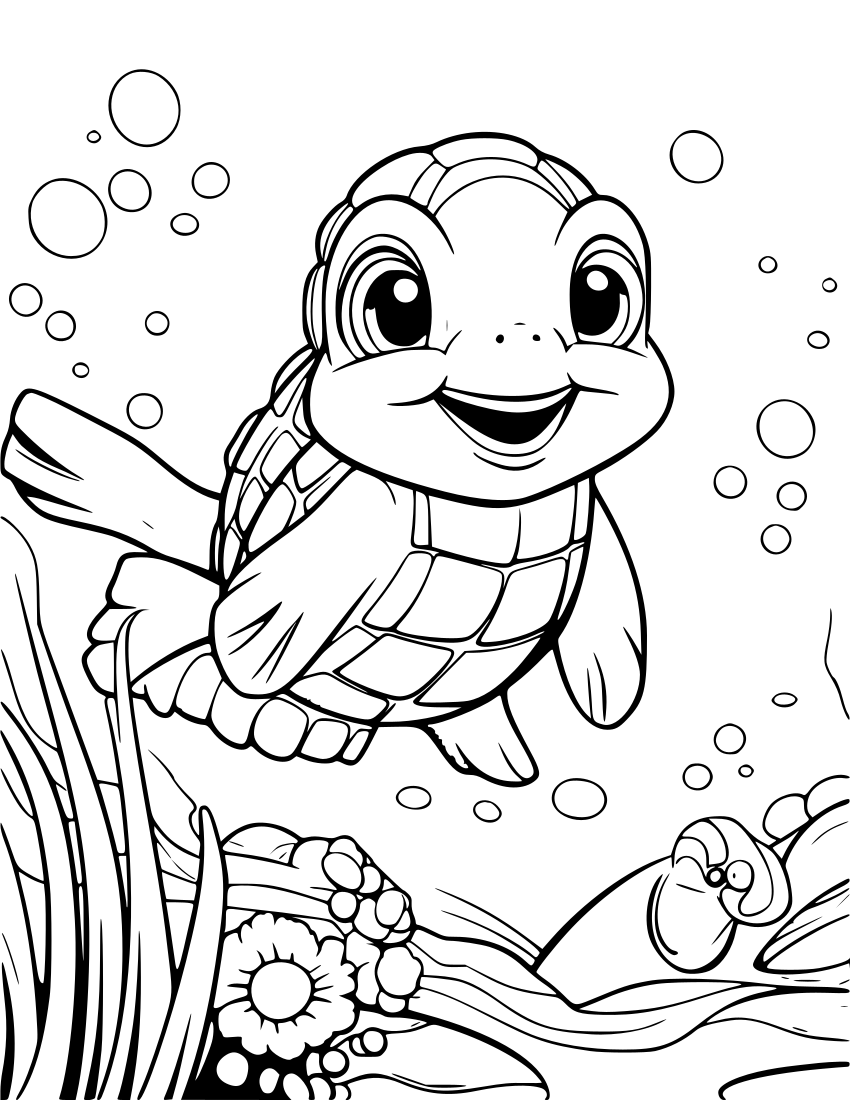
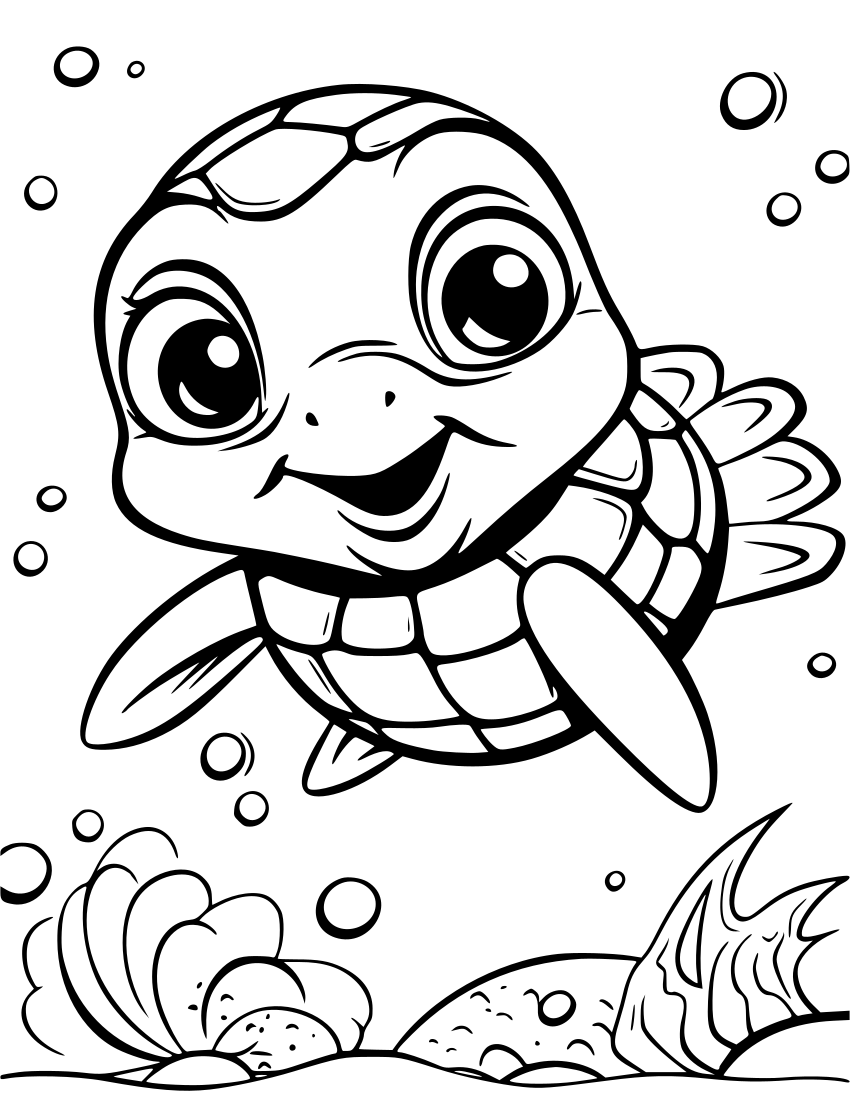
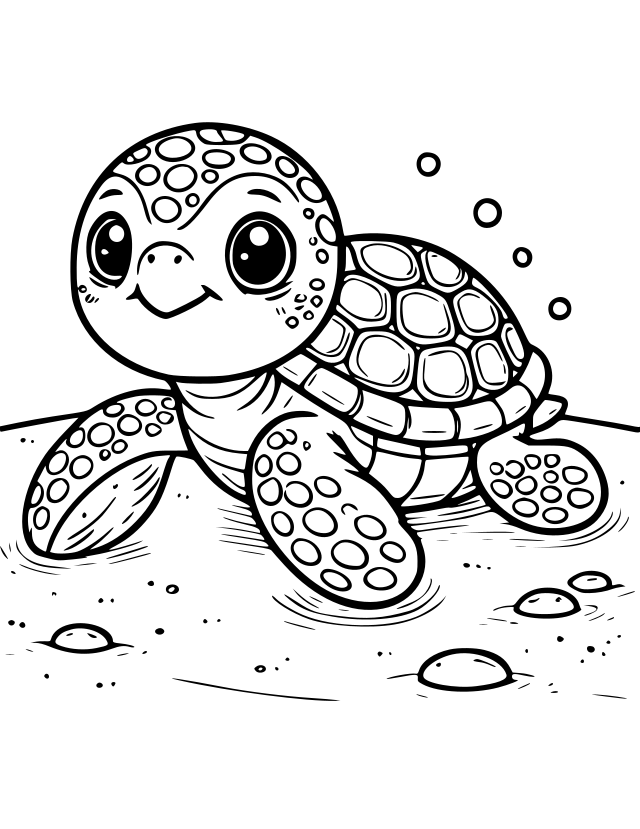
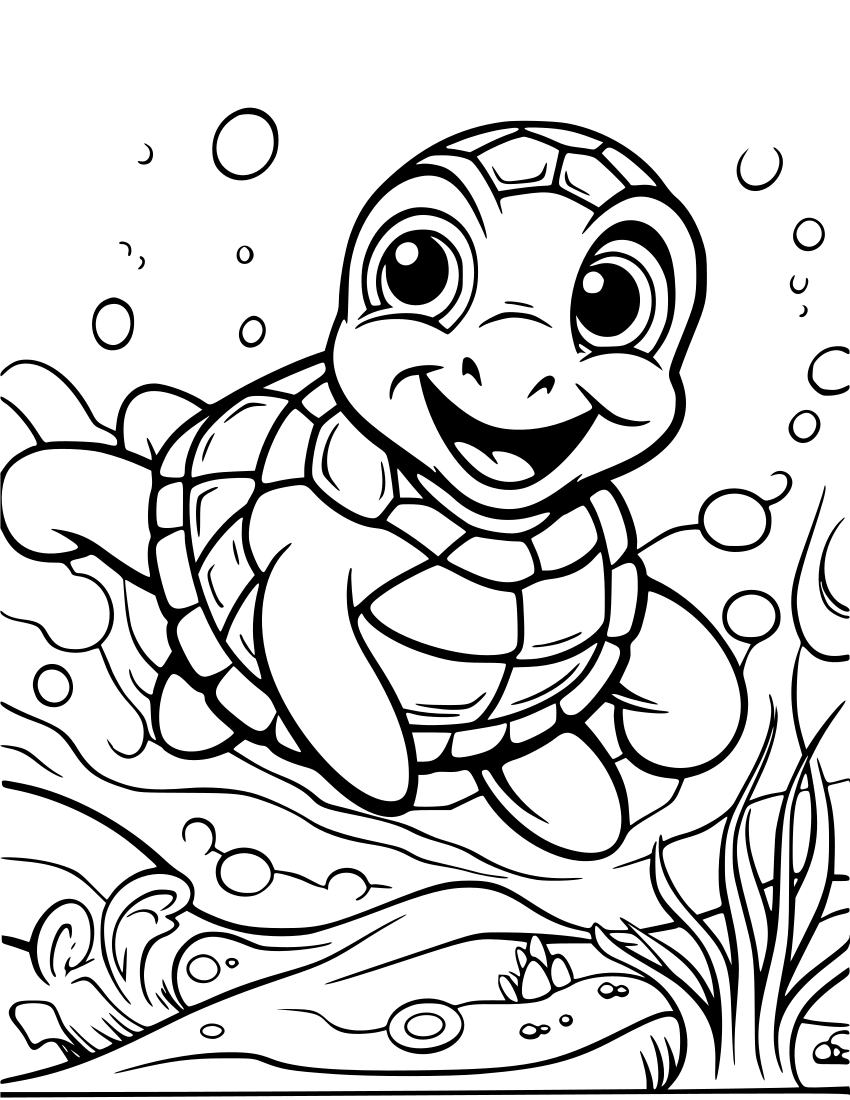
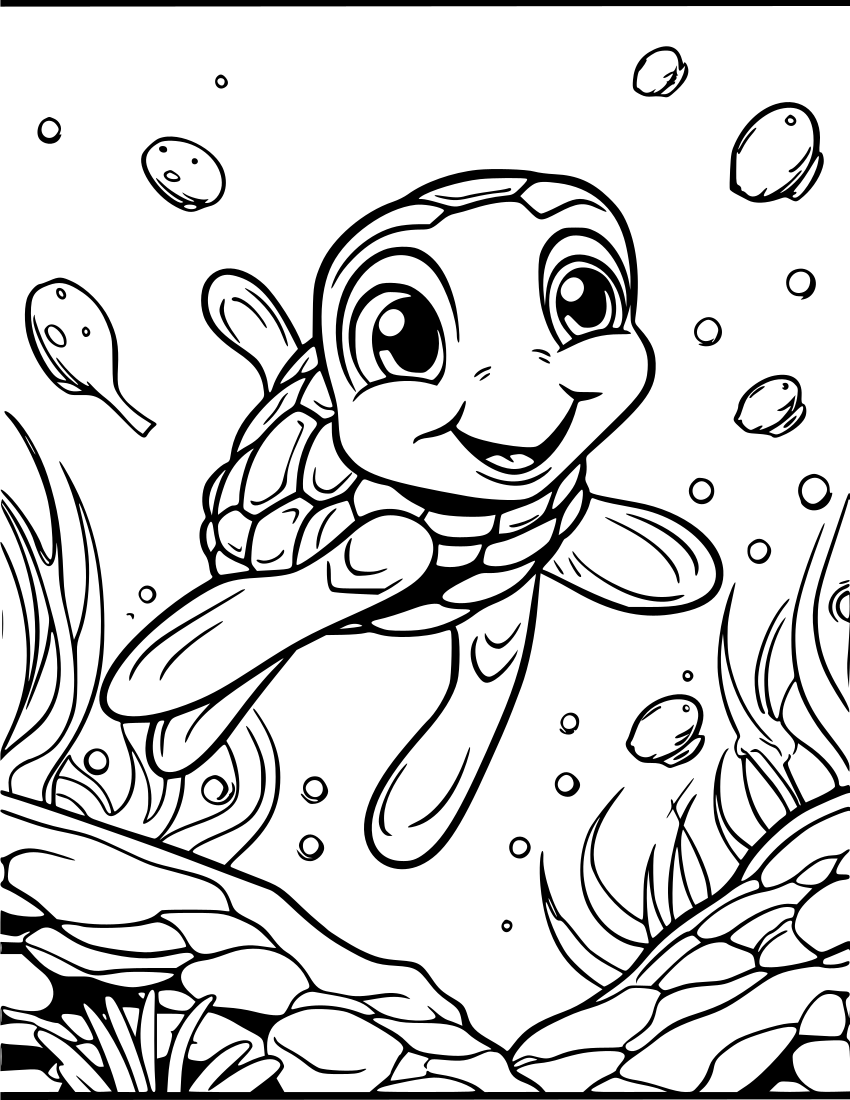
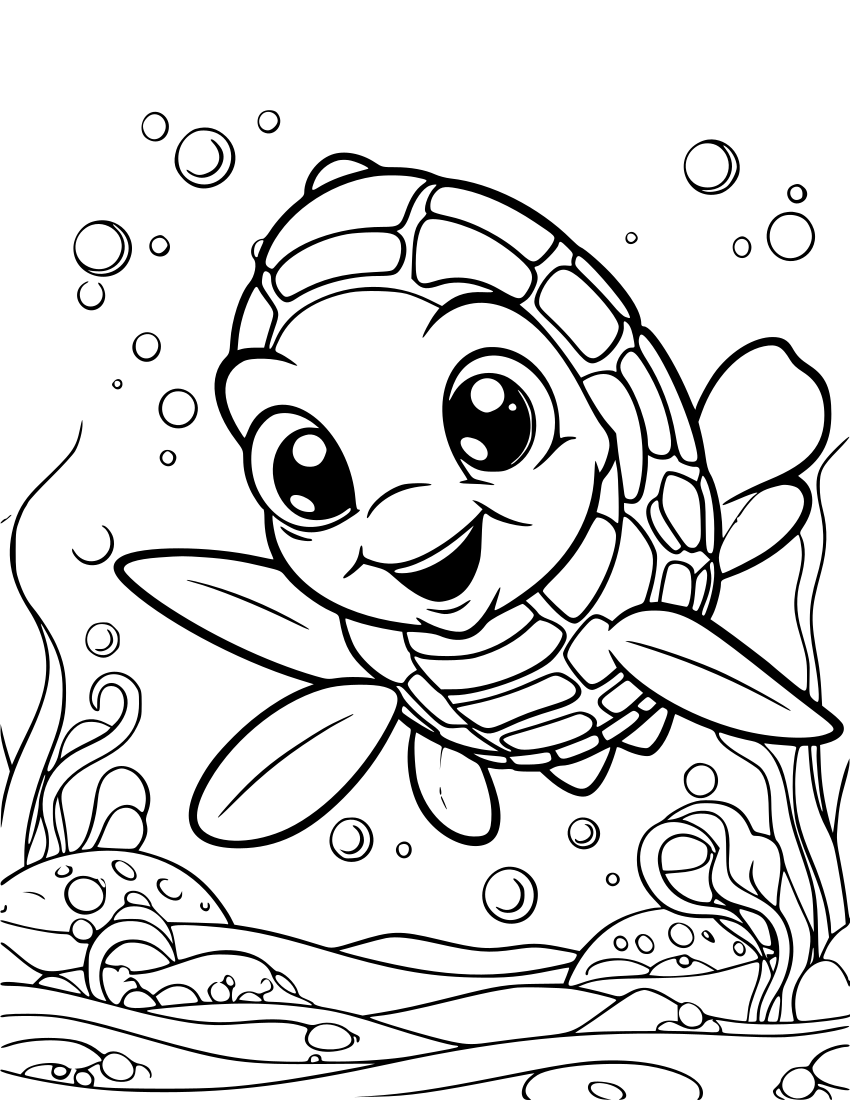
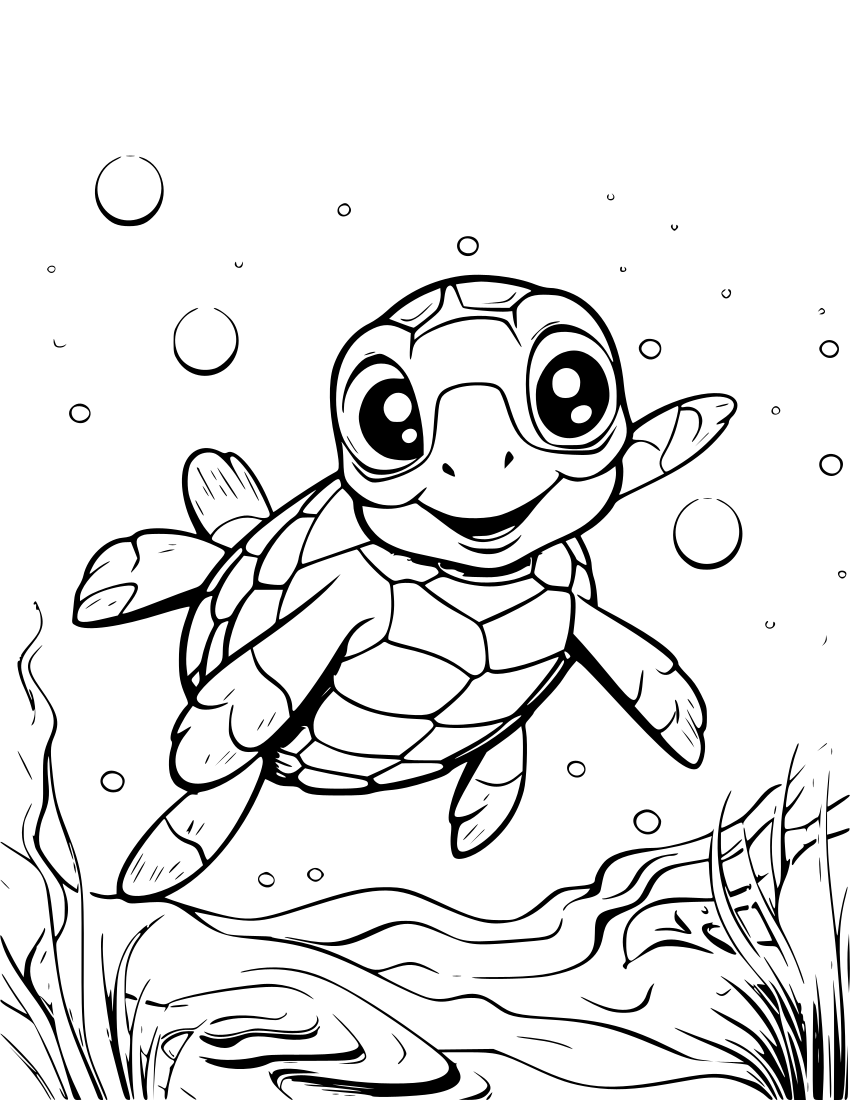
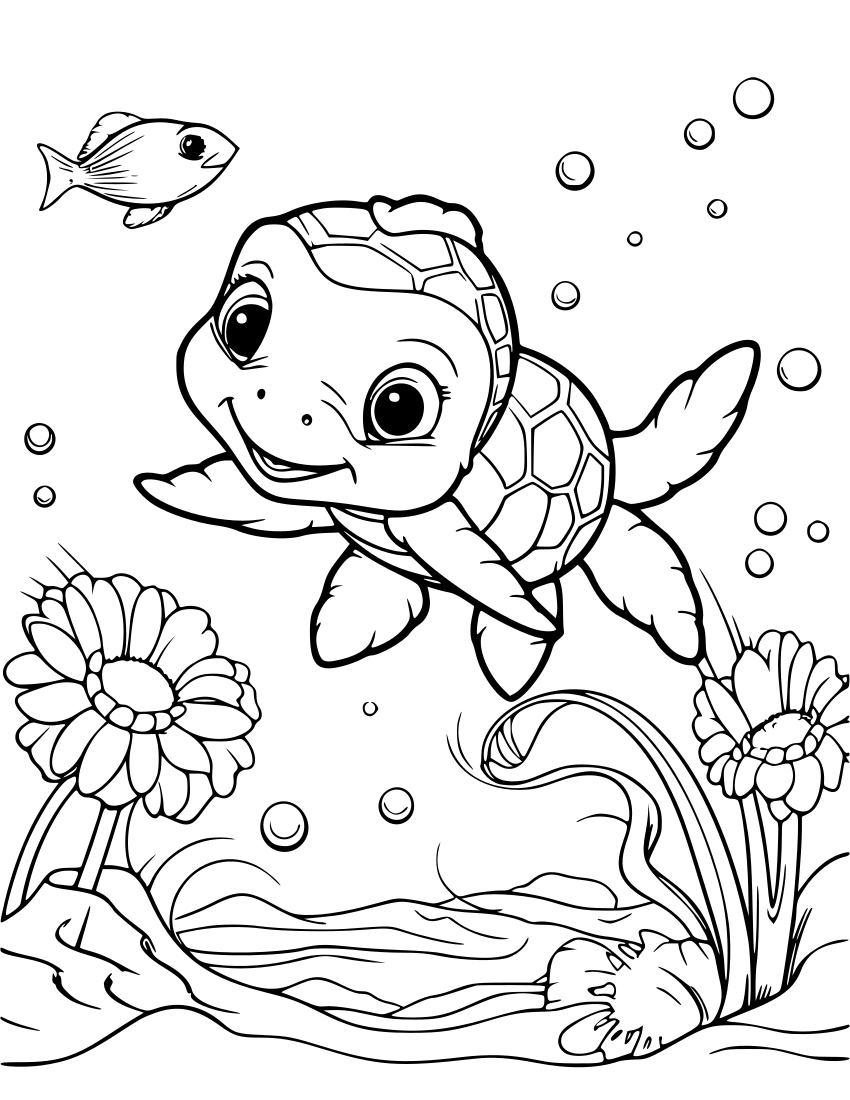
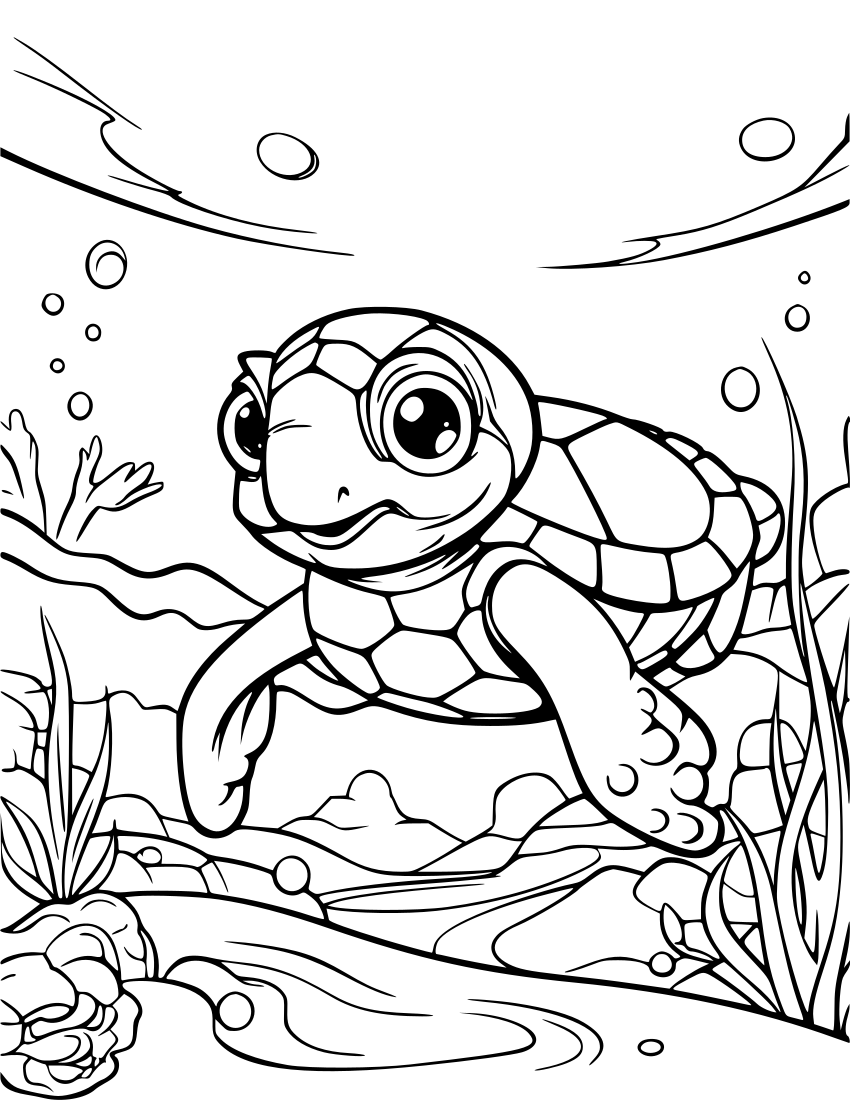
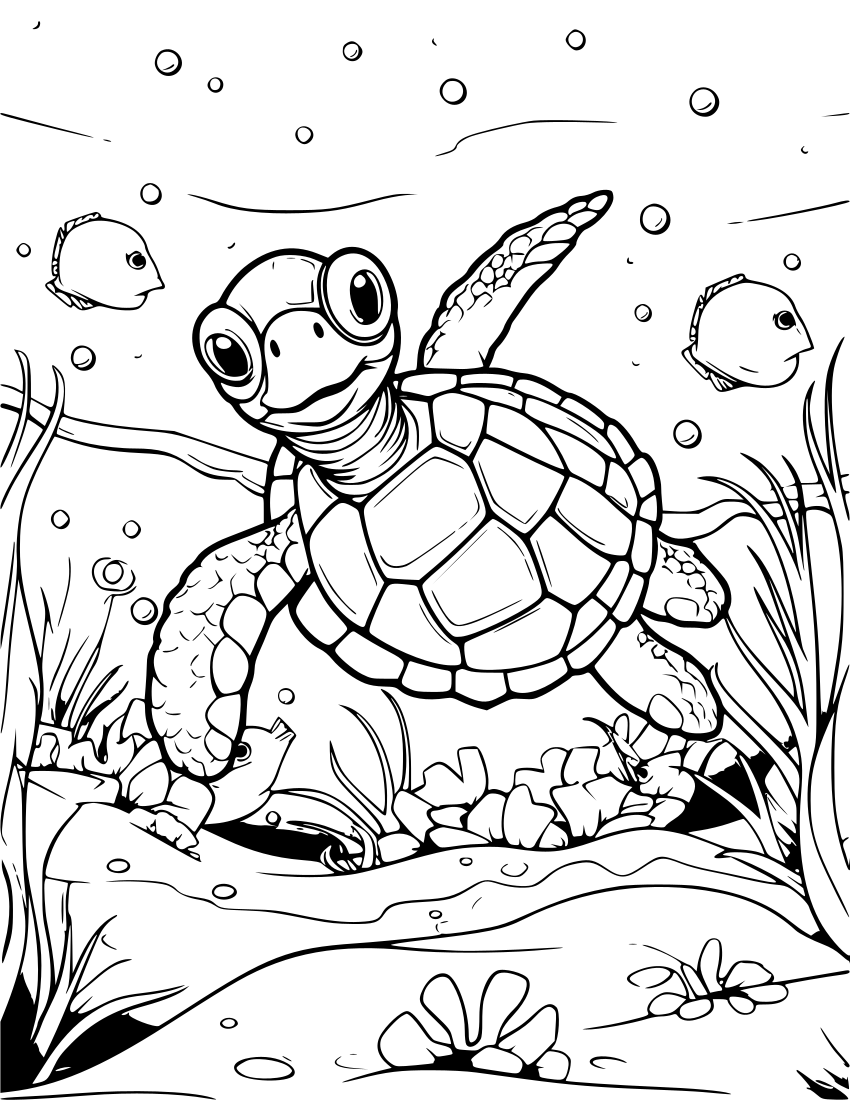
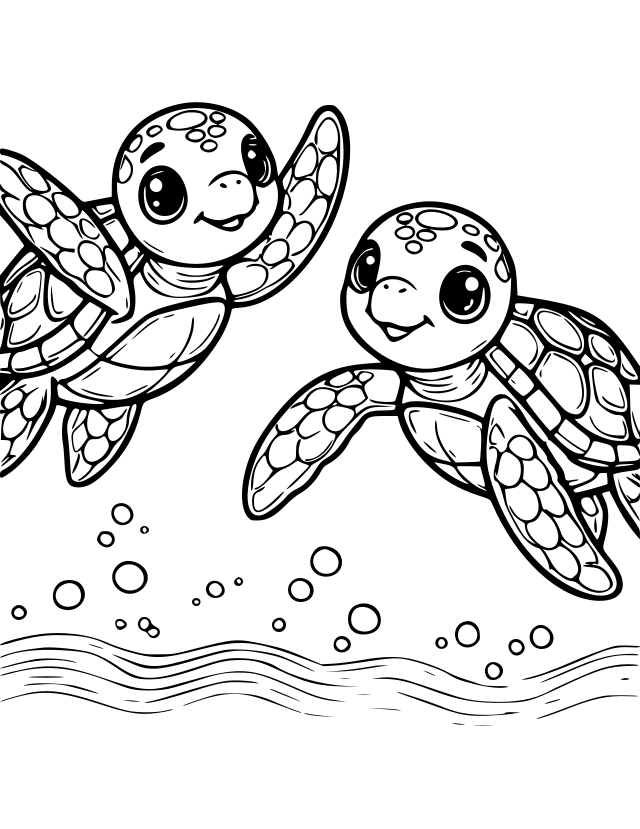
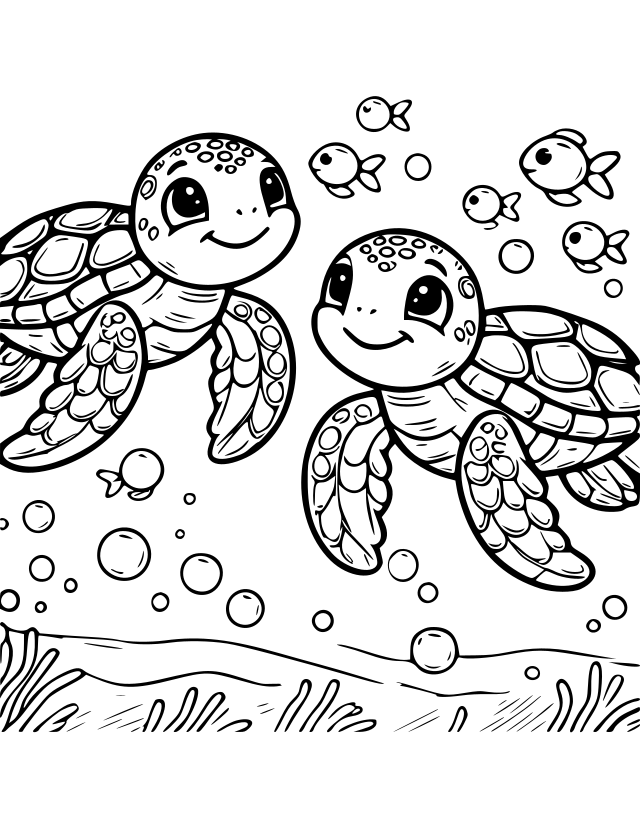
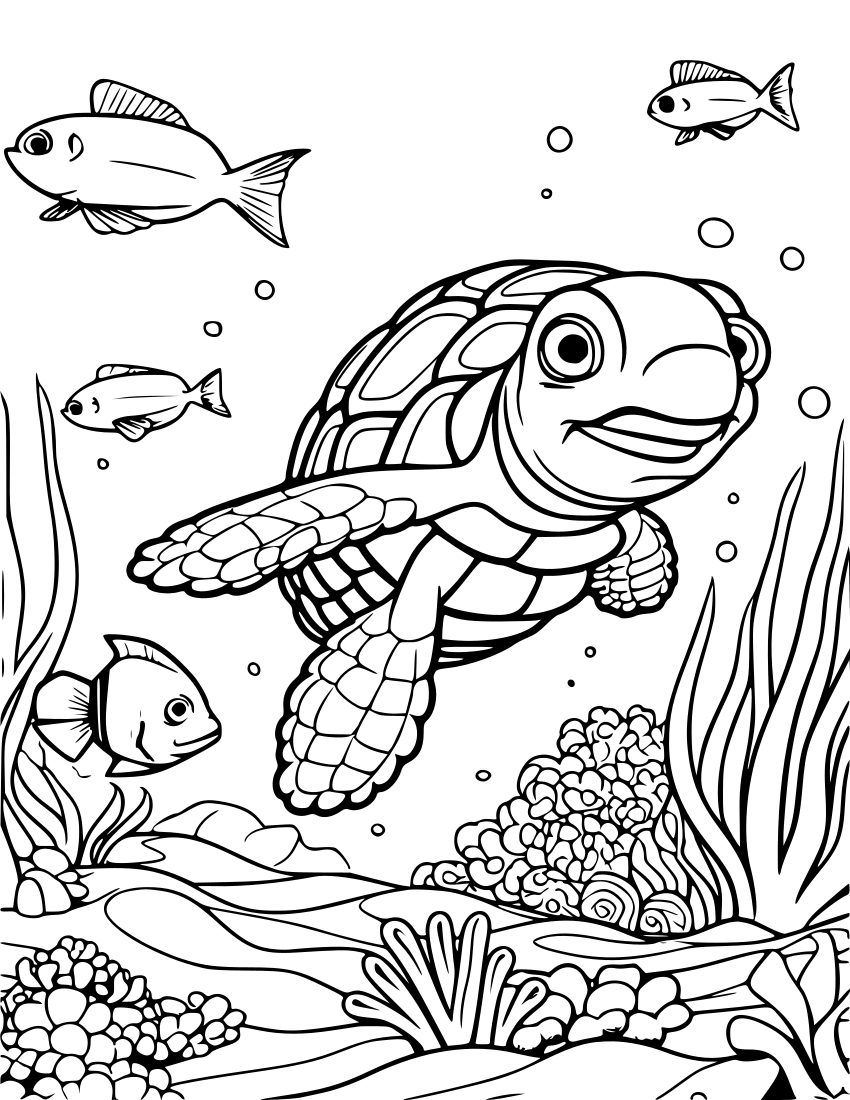
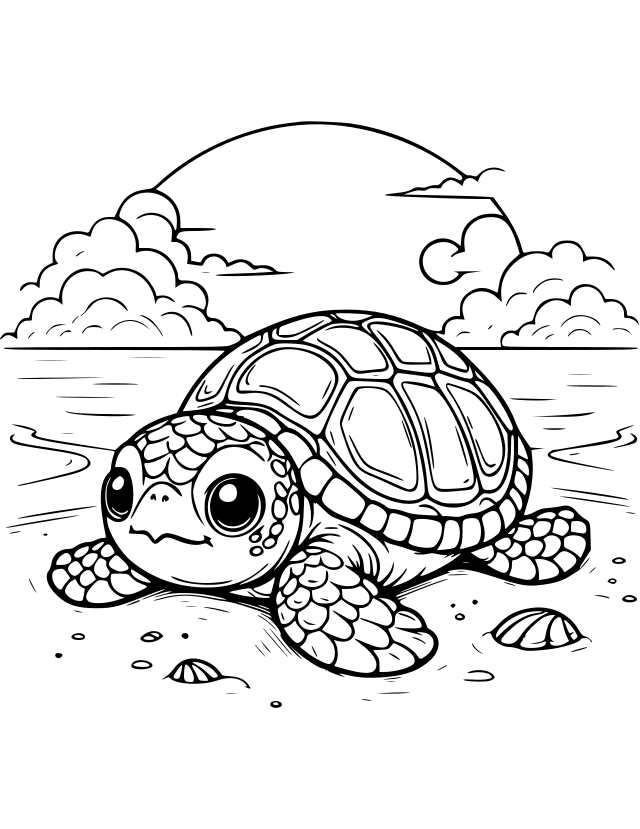
Cute Kawaii Sea Turtle Coloring Page
Easy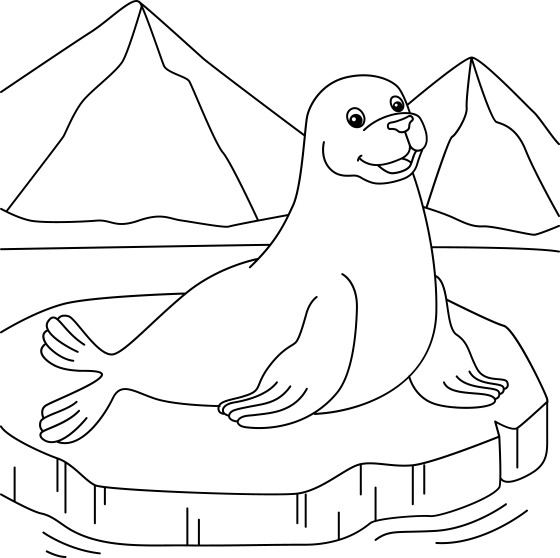
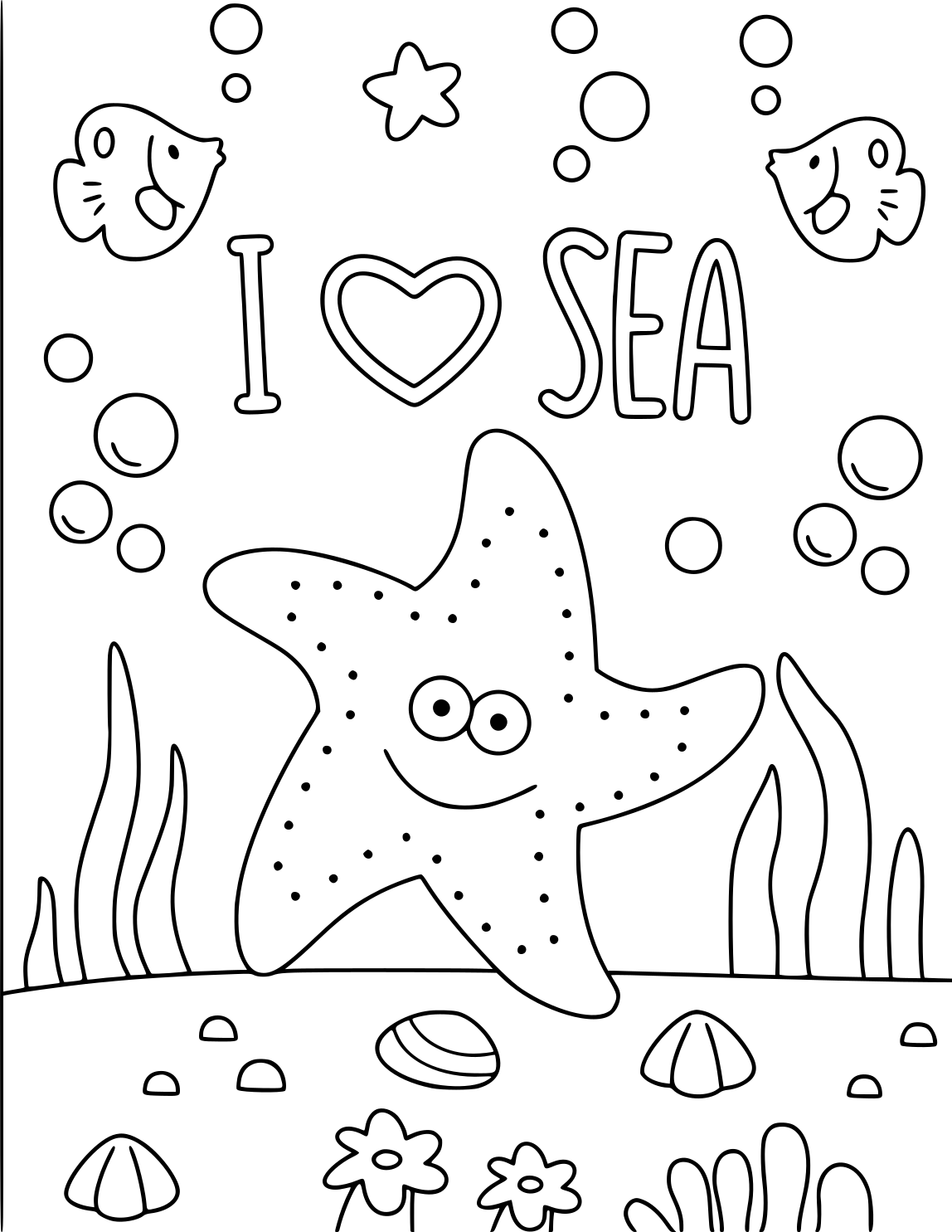
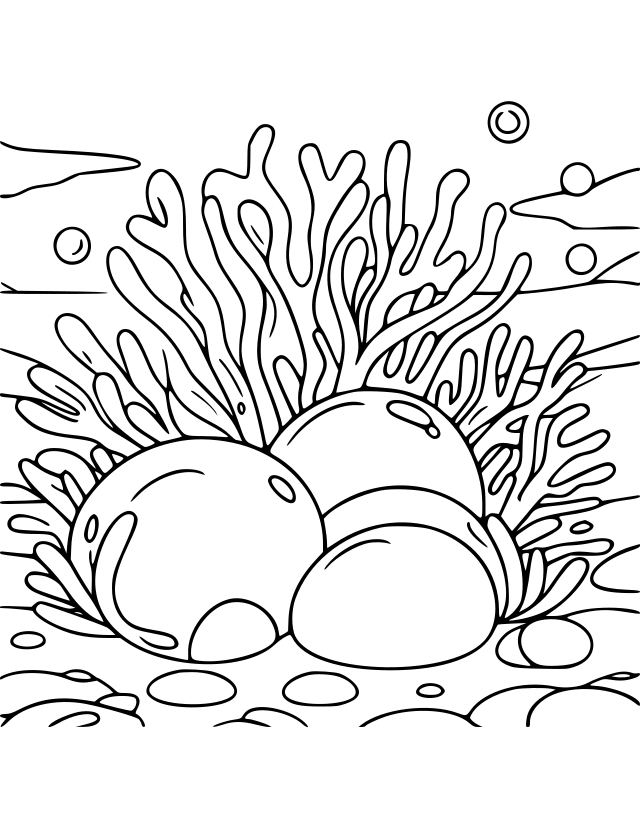
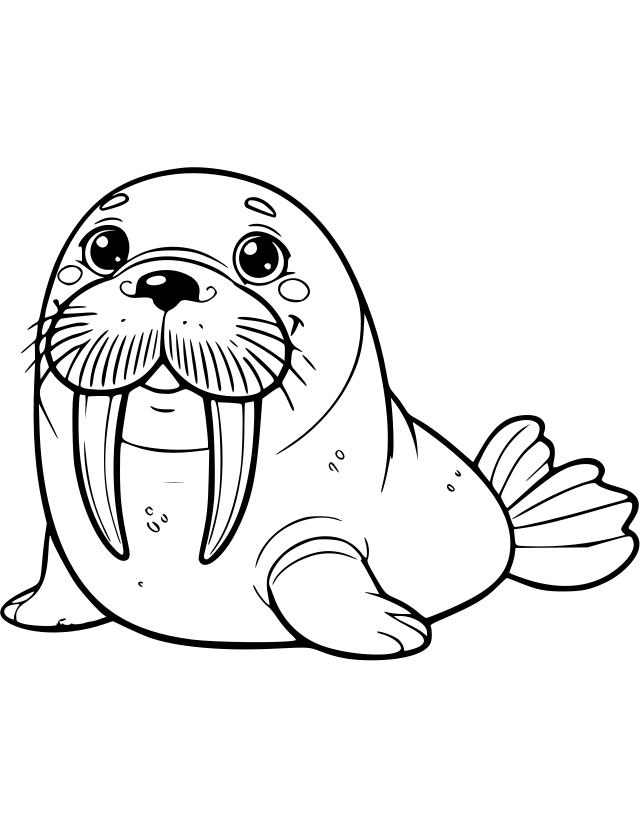
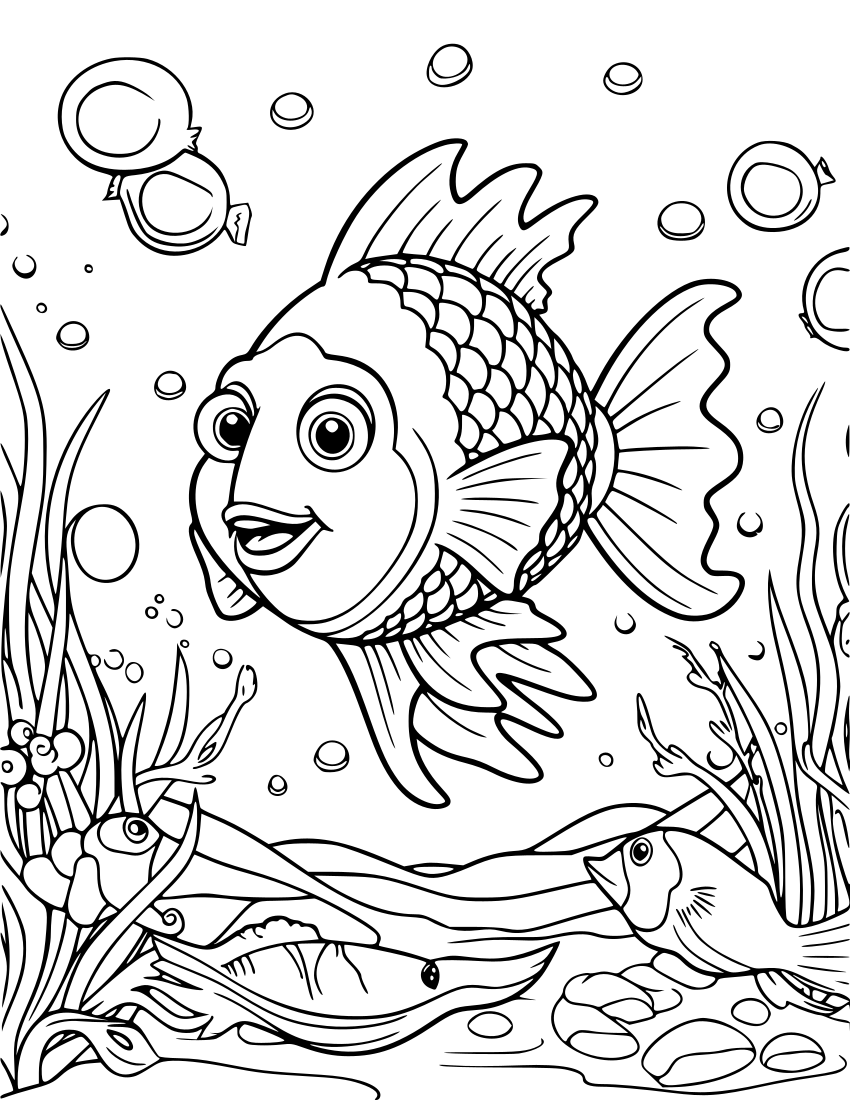
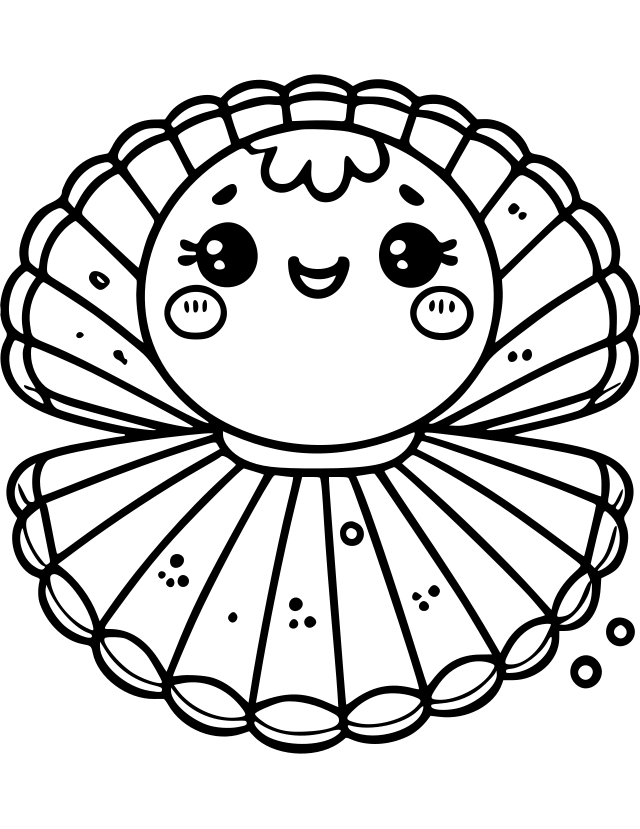
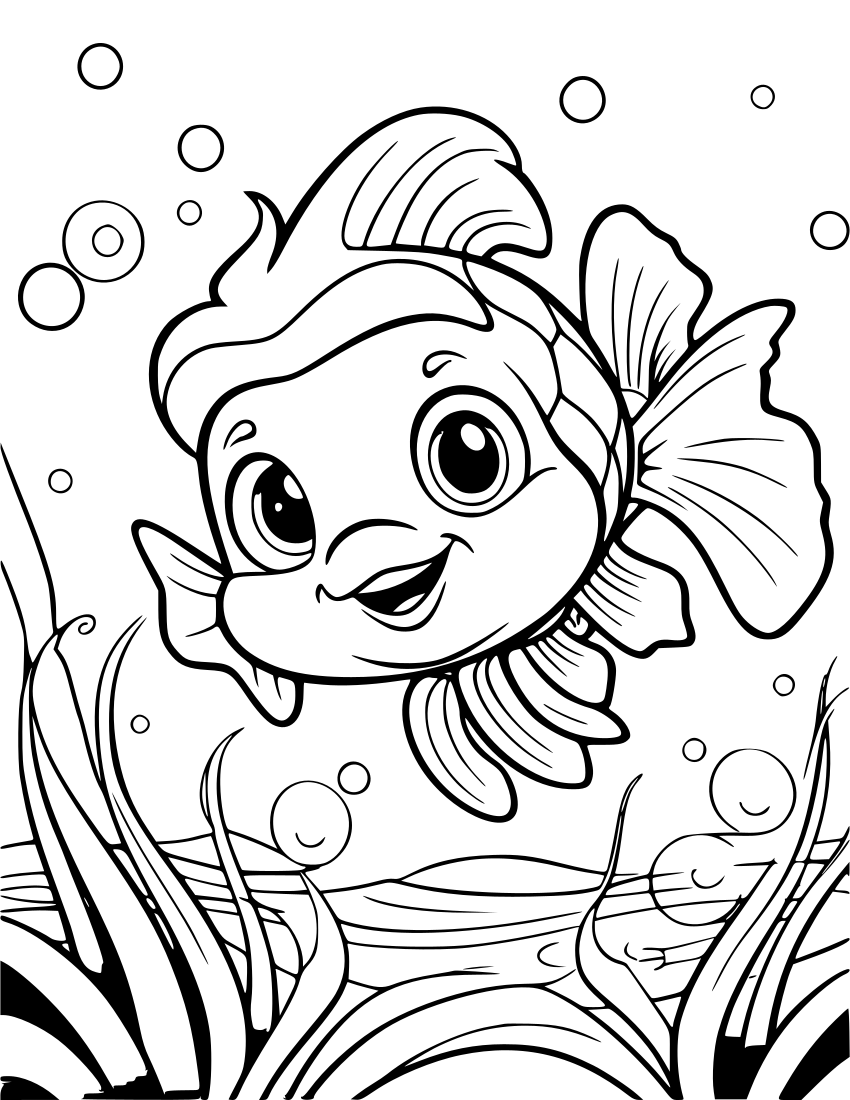
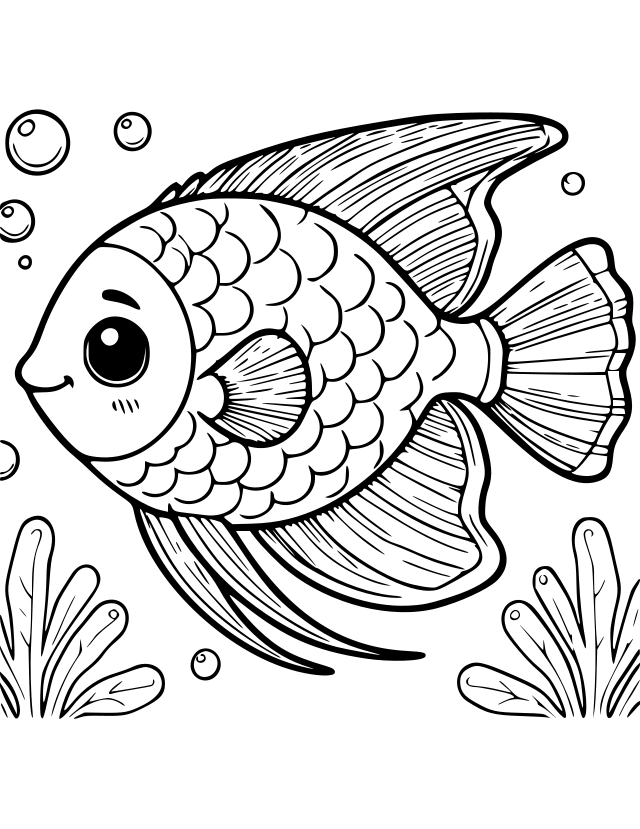
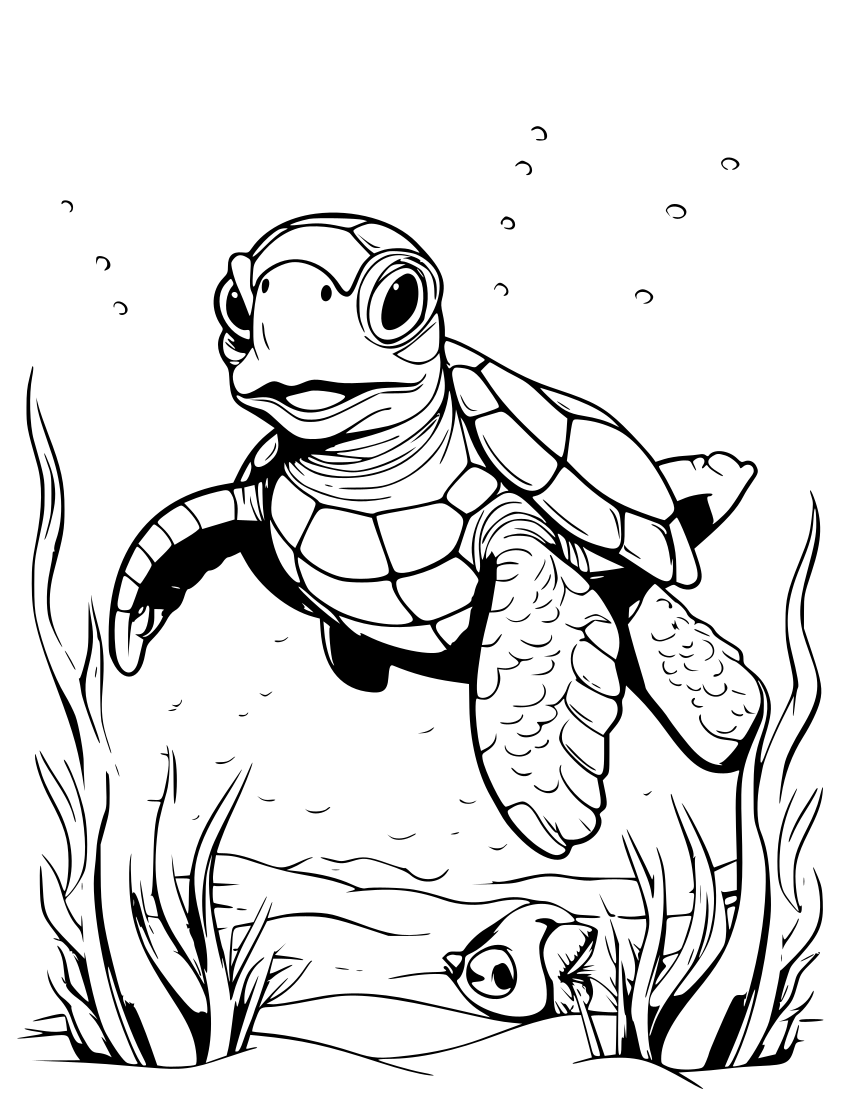
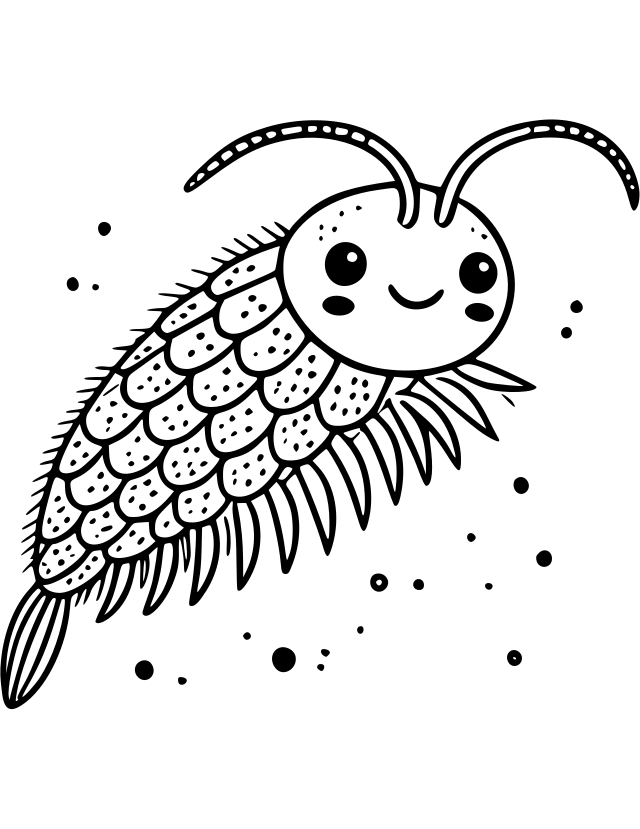
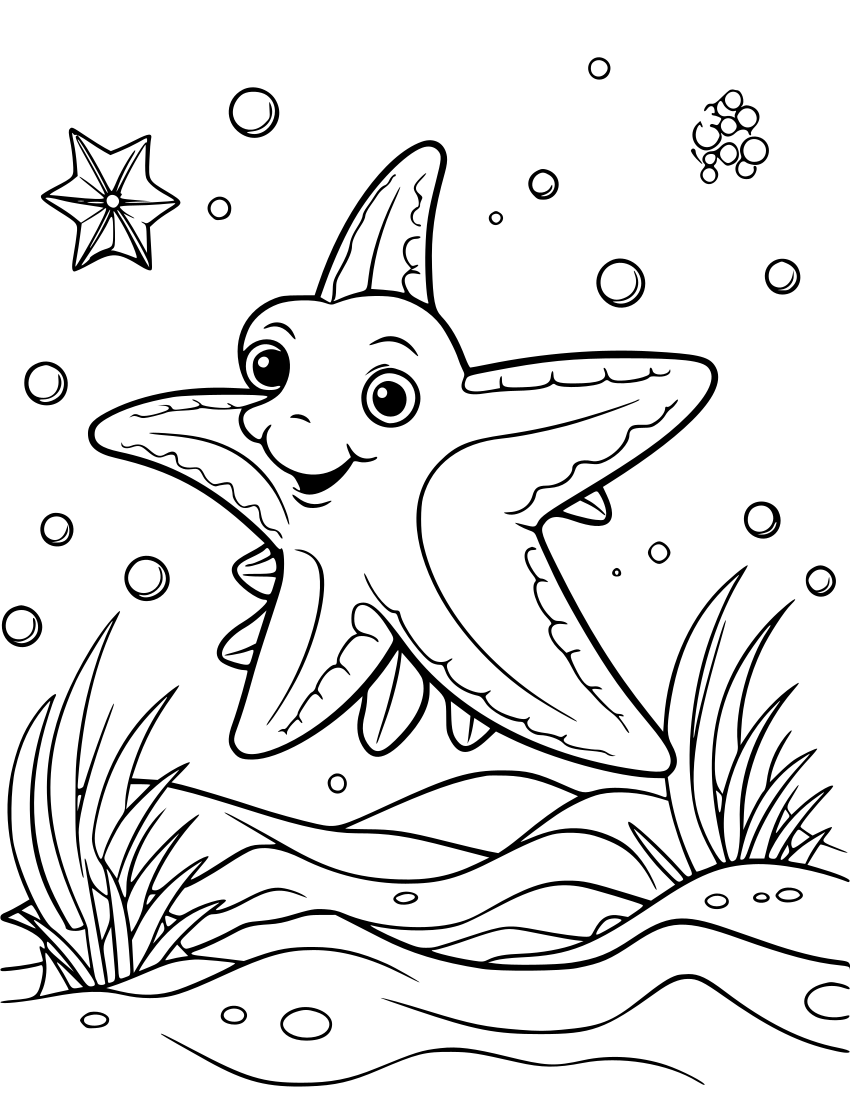
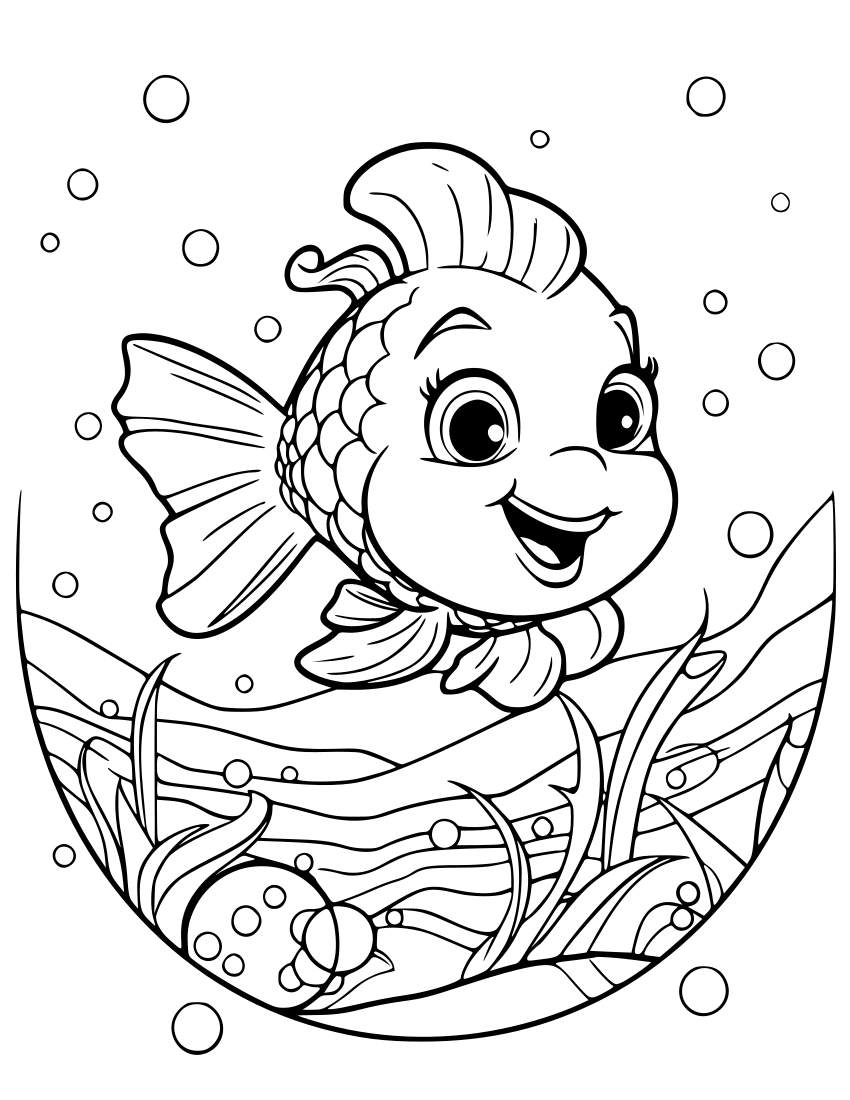
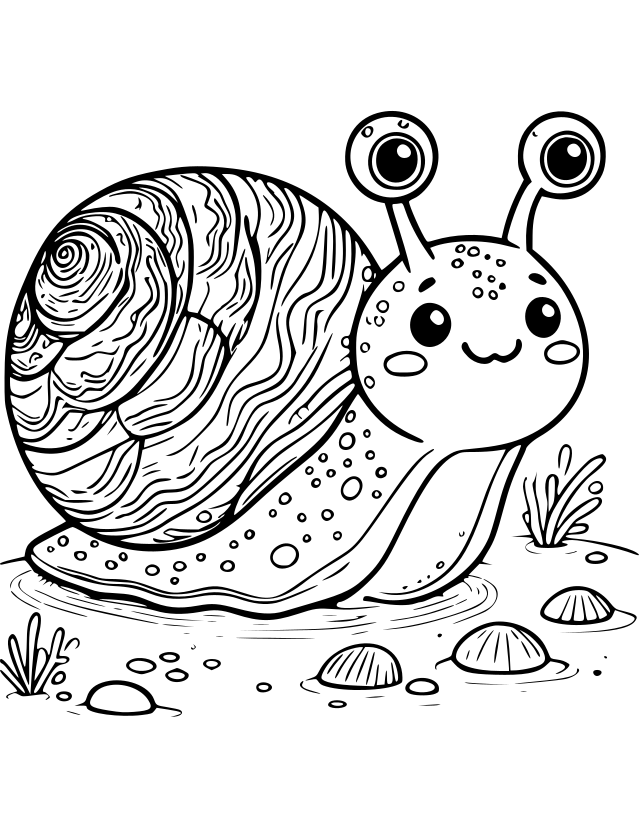
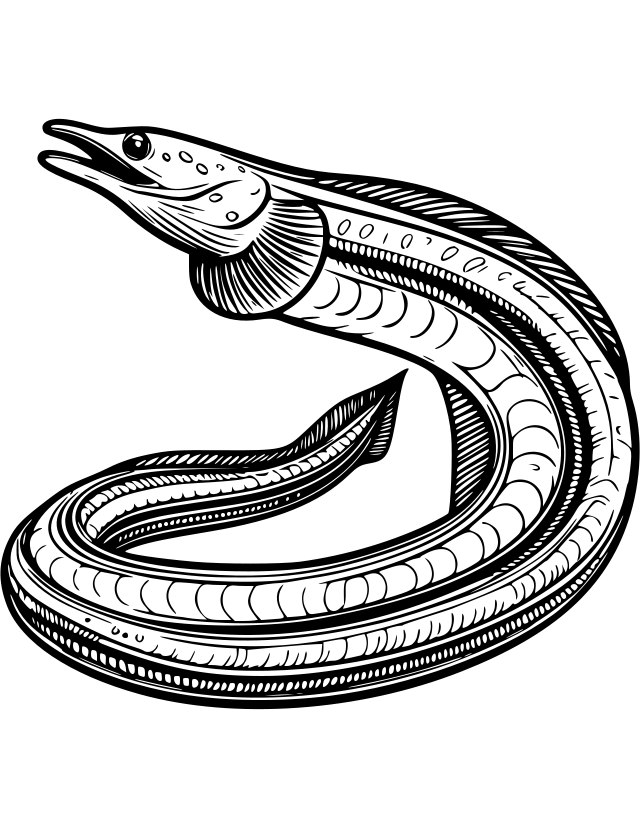
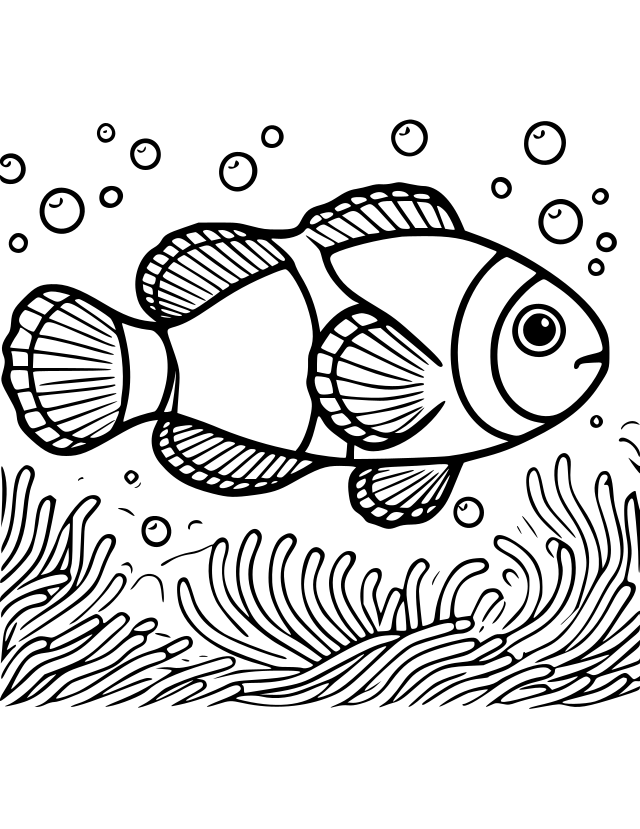
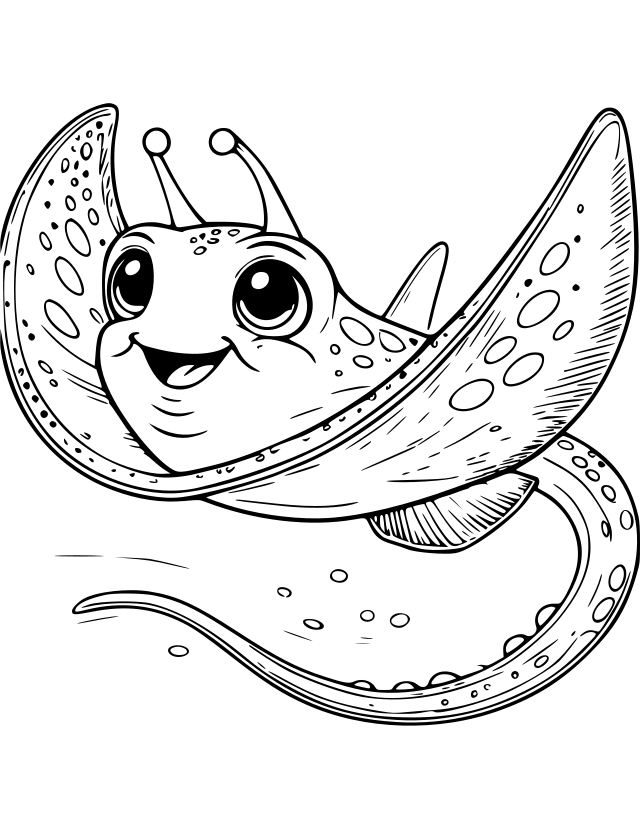
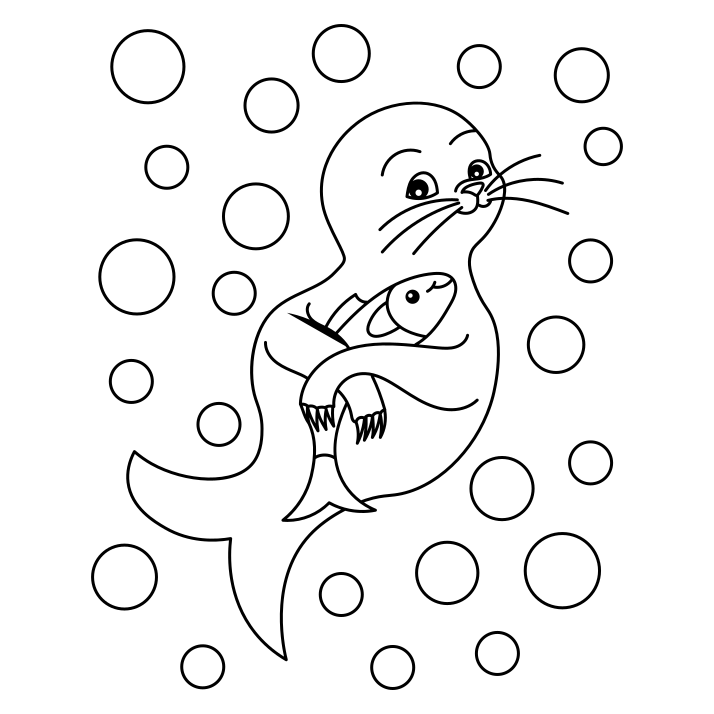
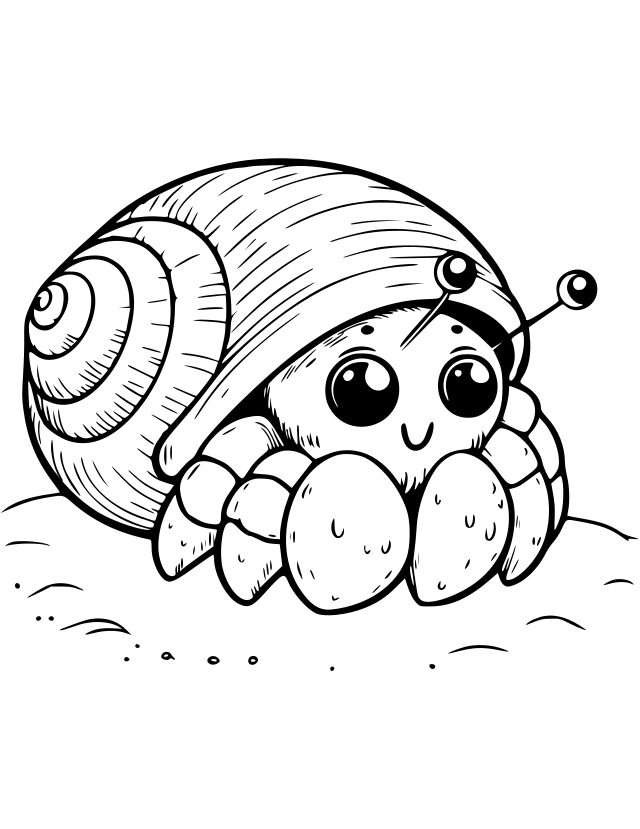
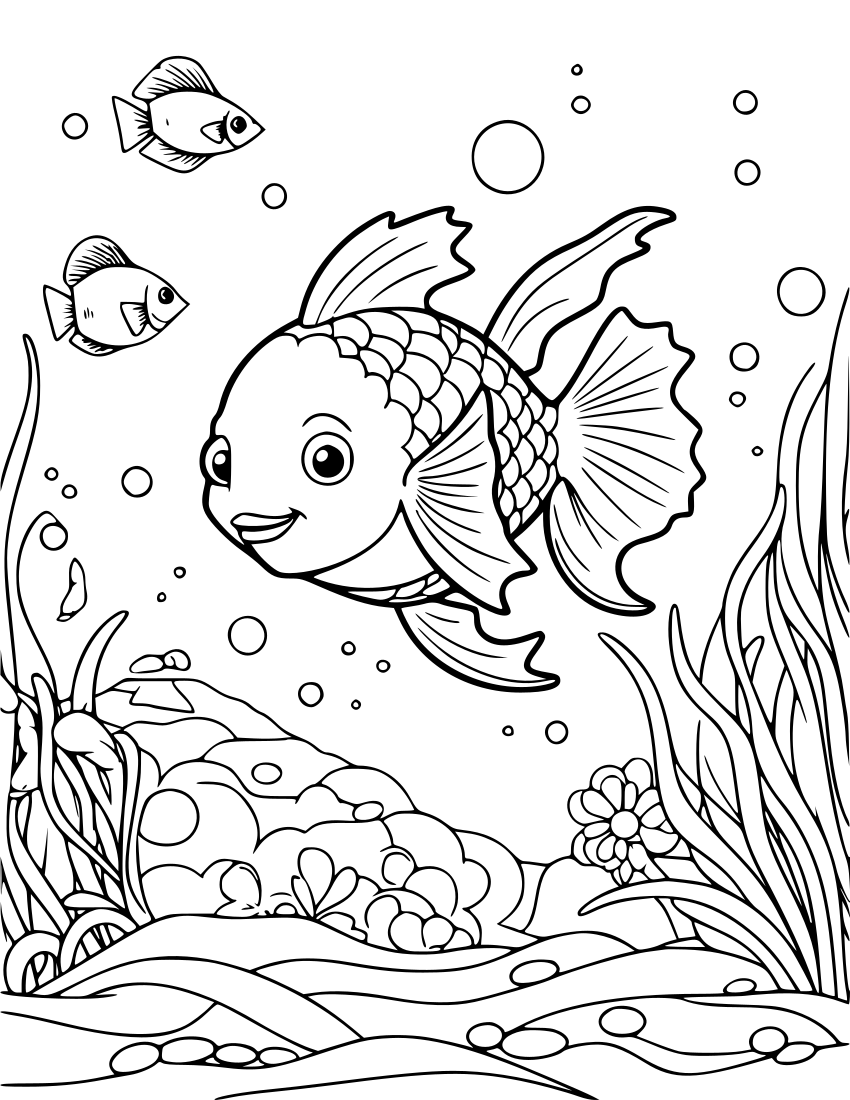
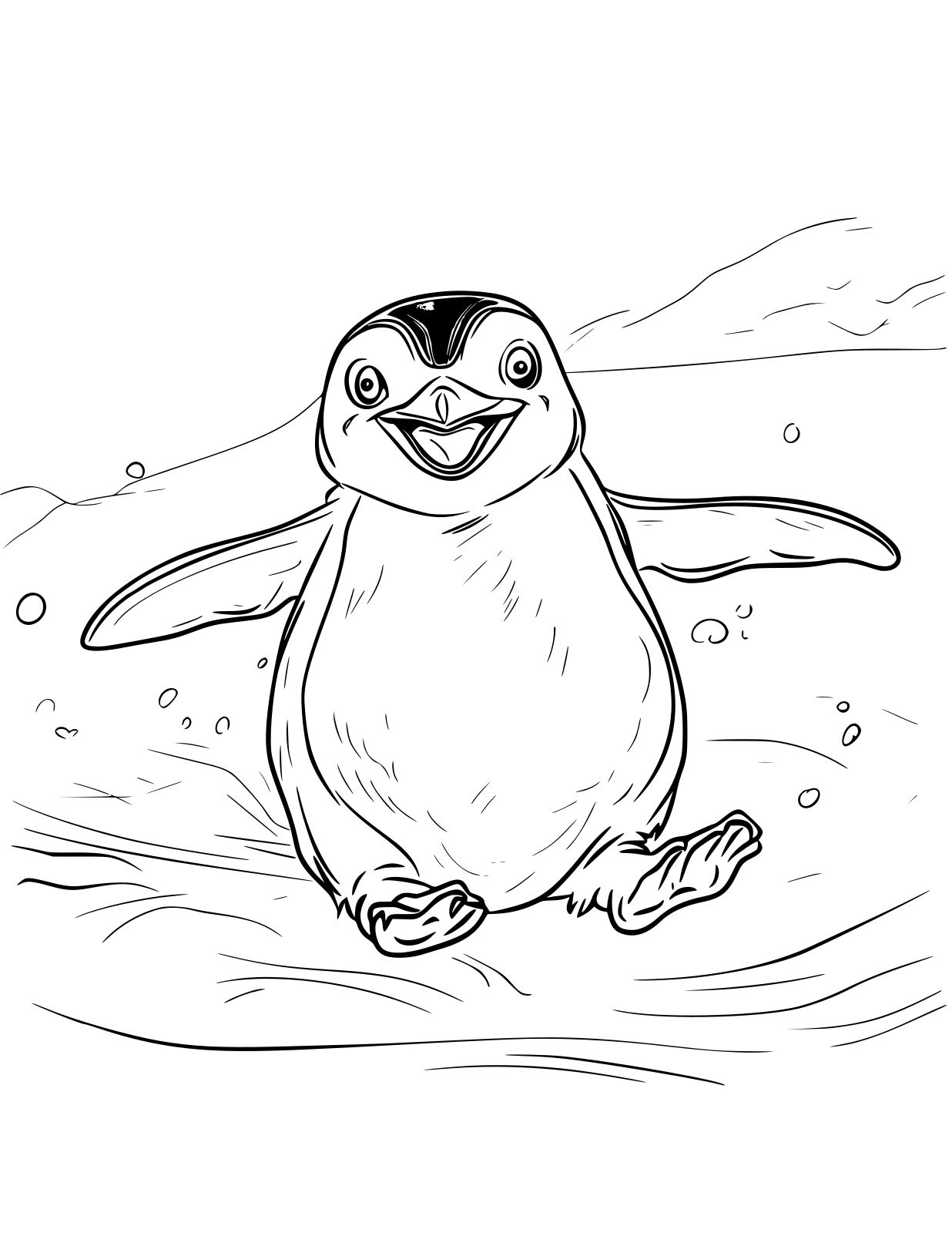
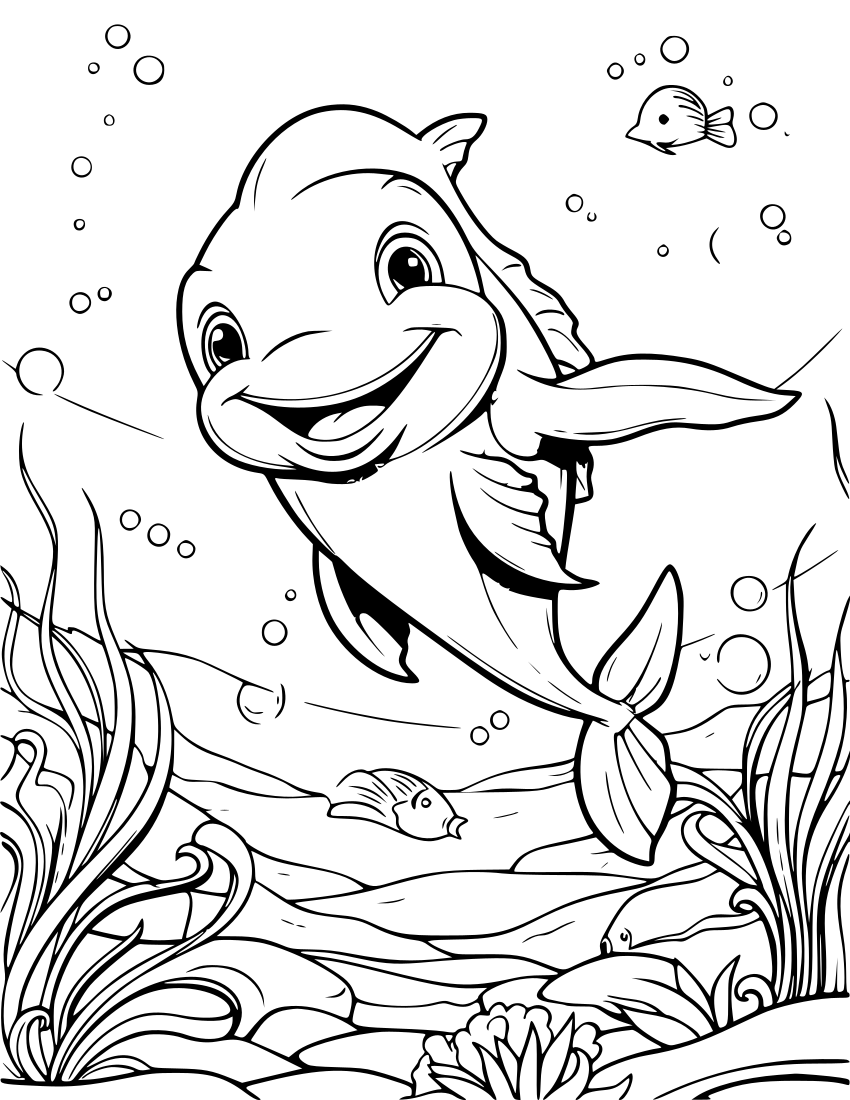
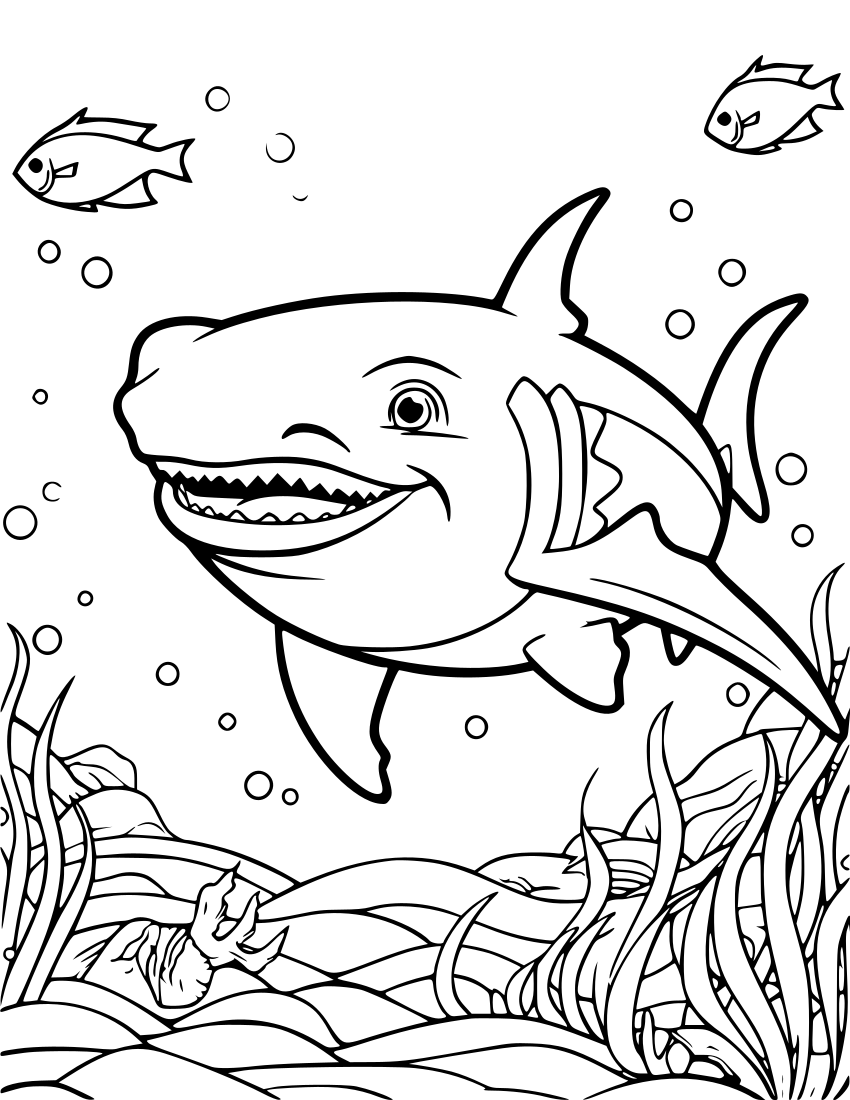
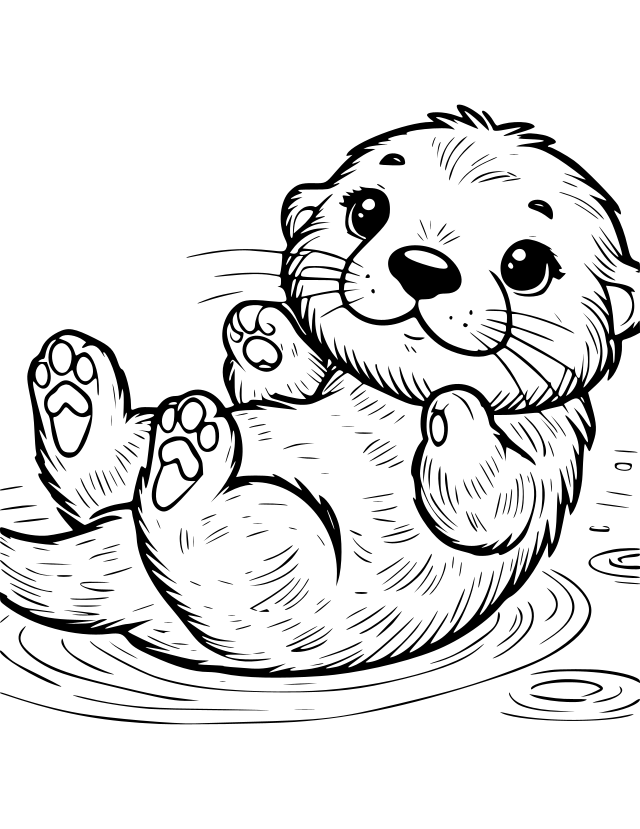
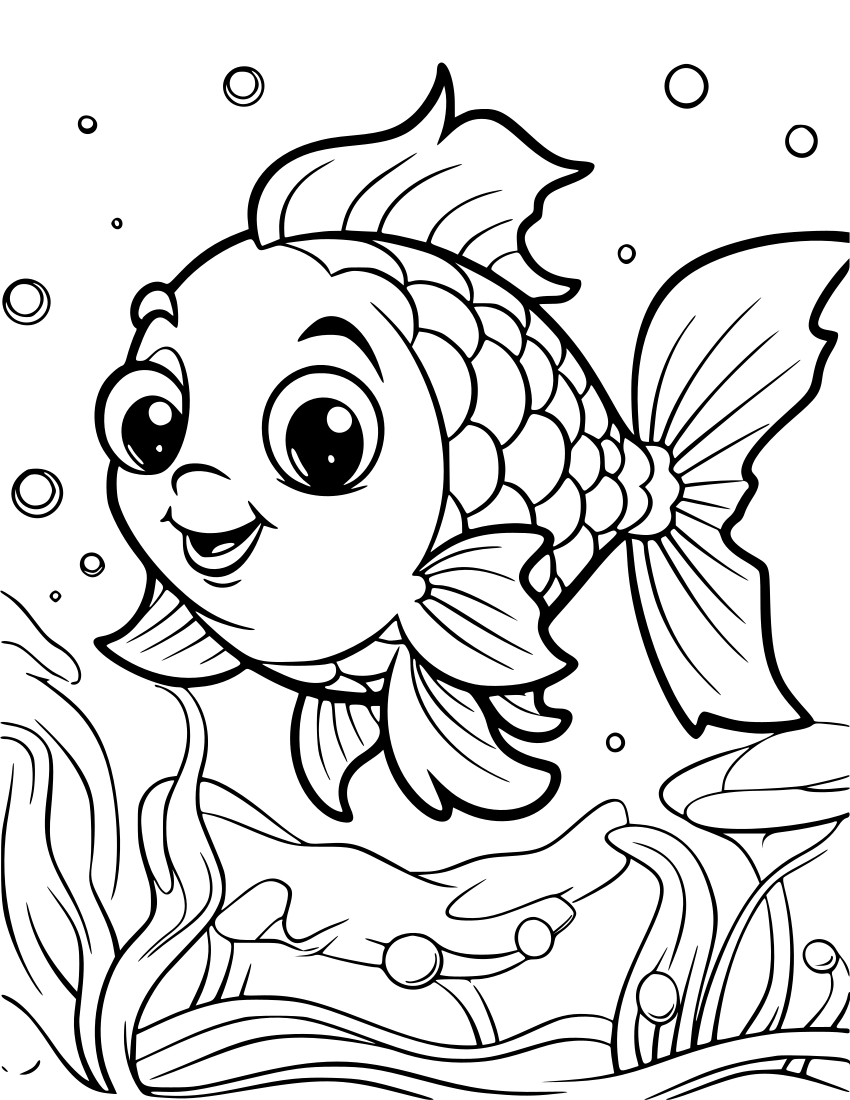
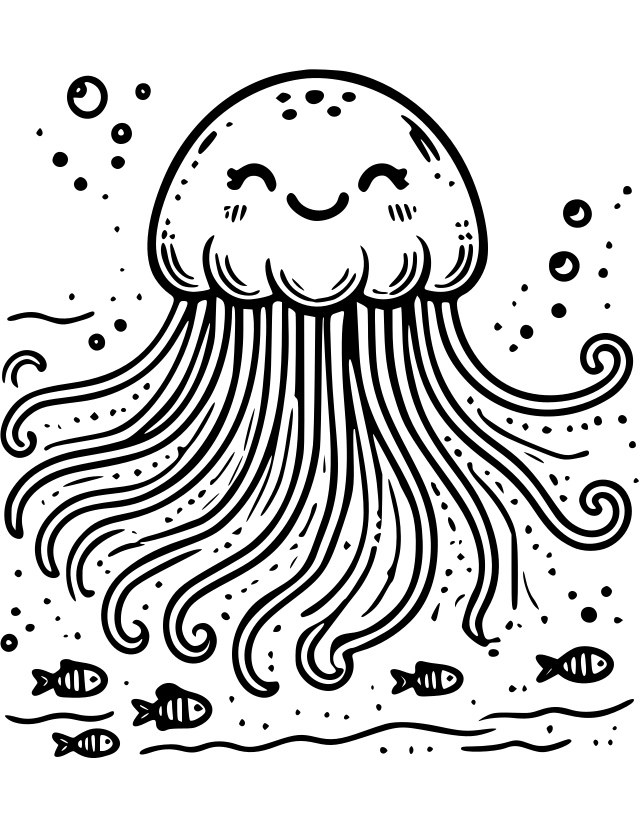
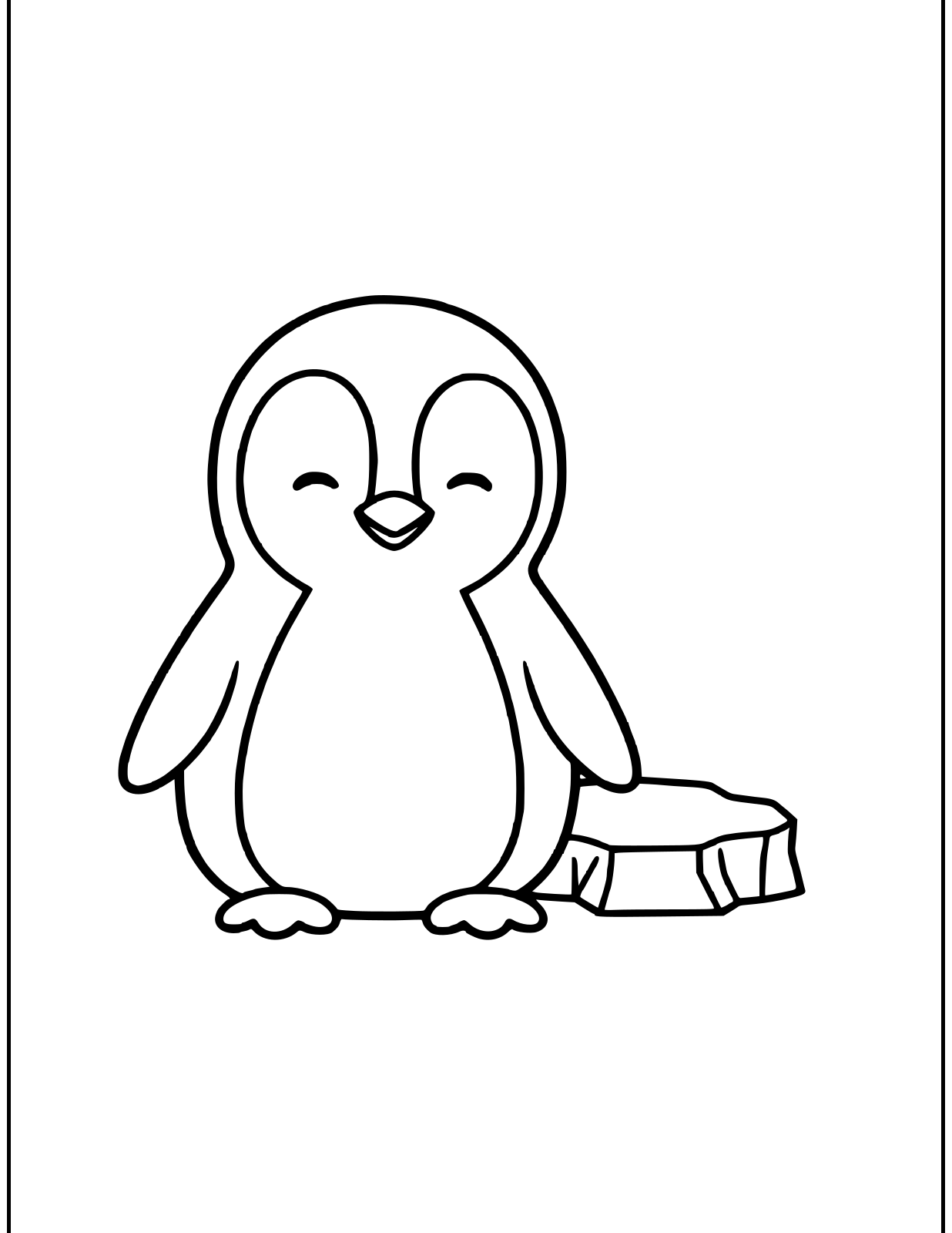
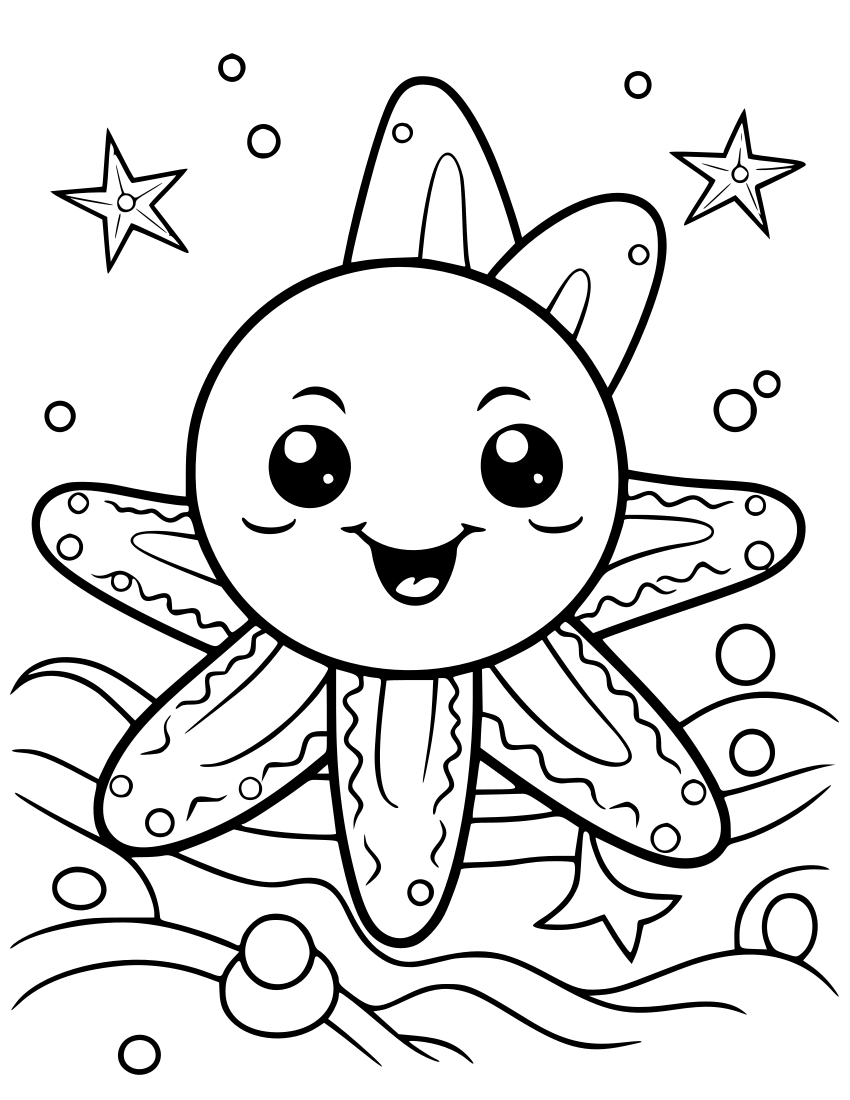
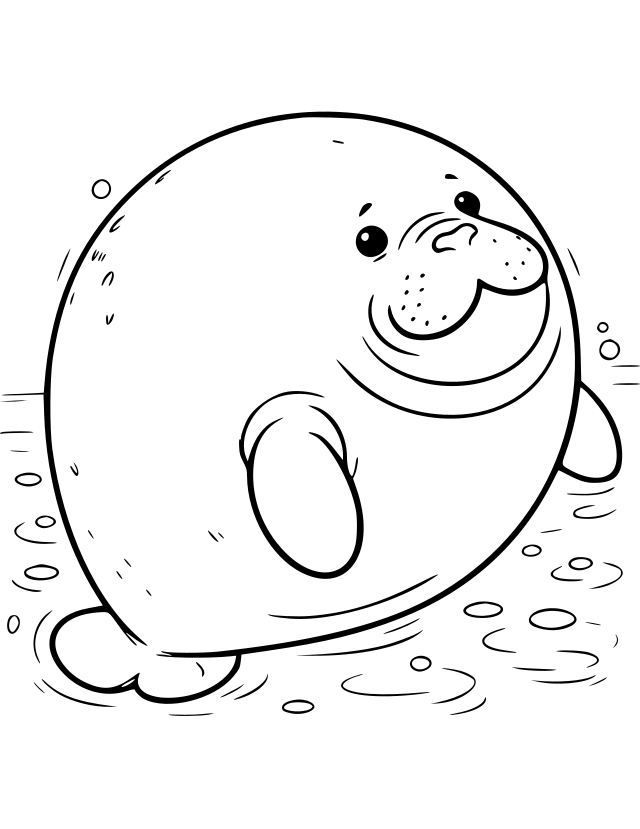
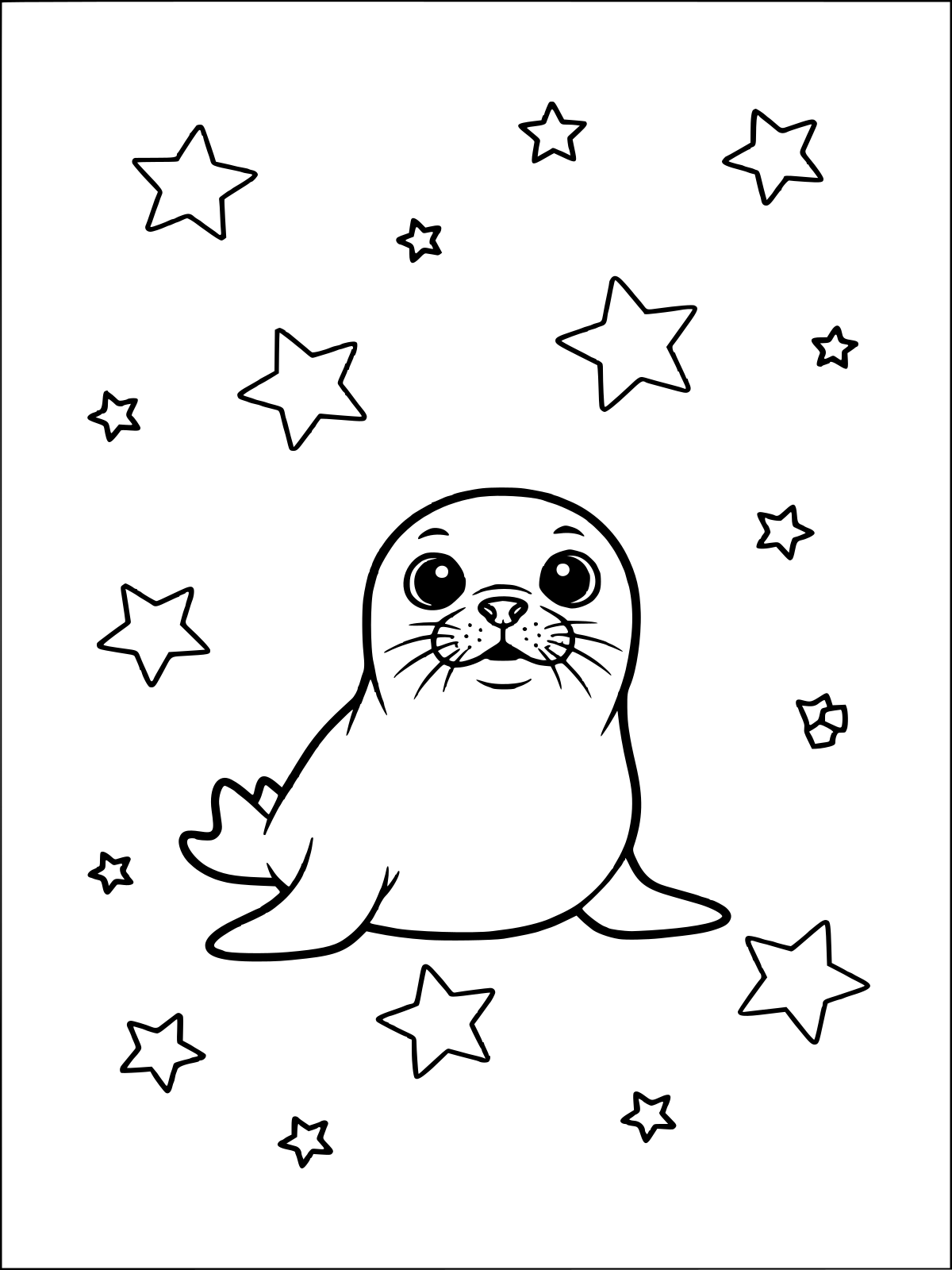
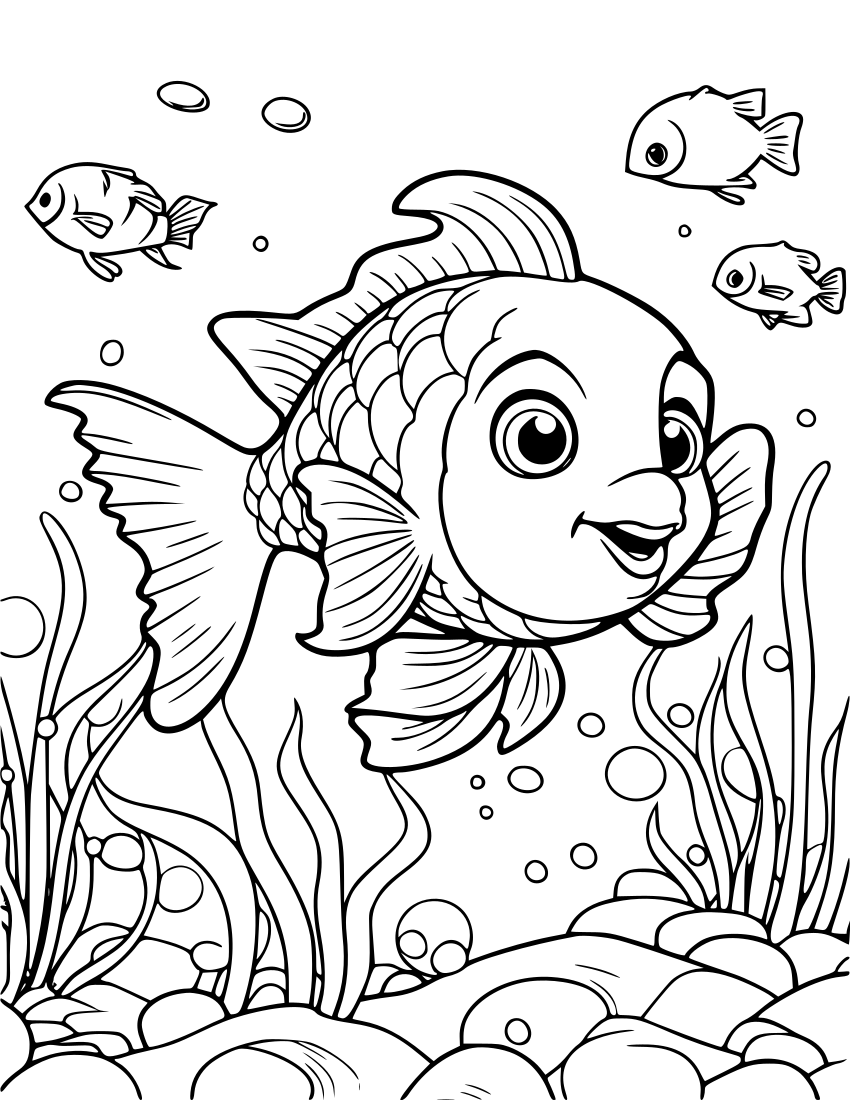
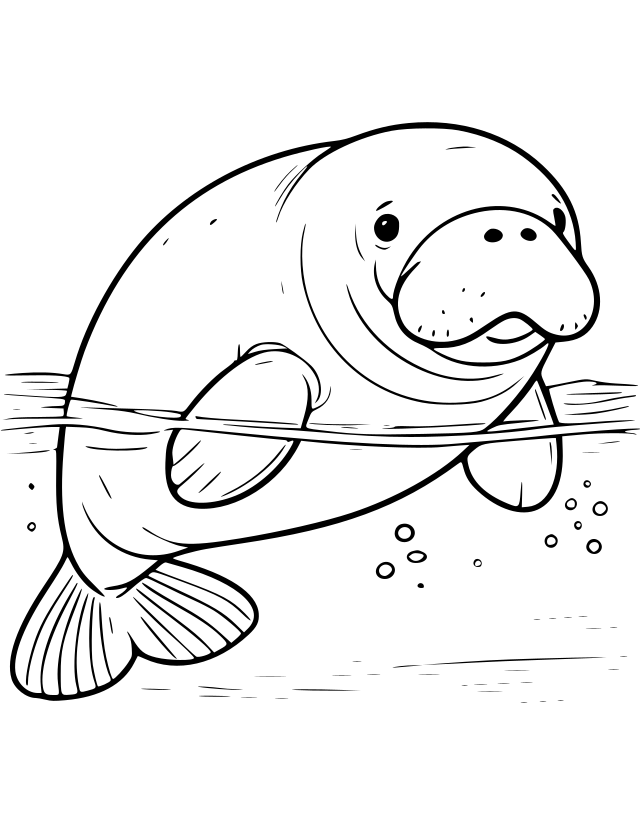
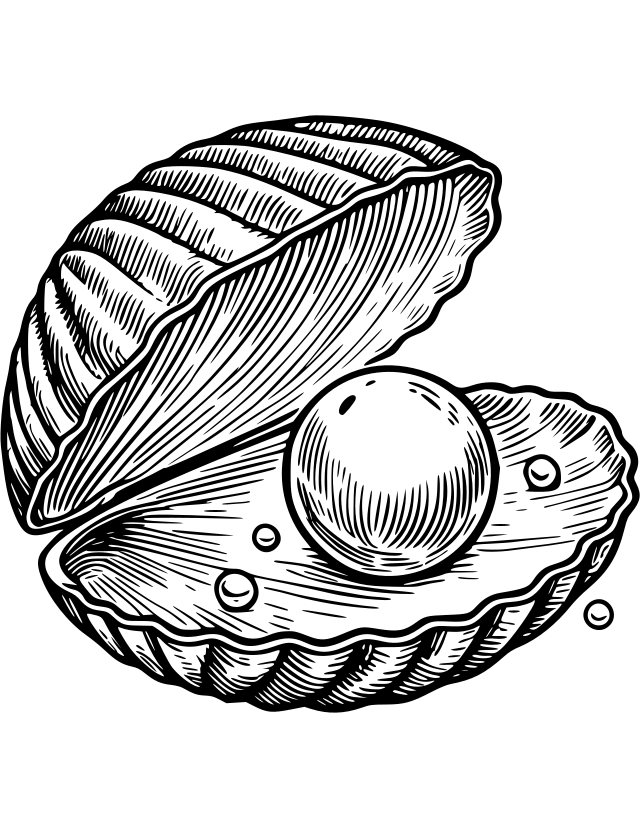
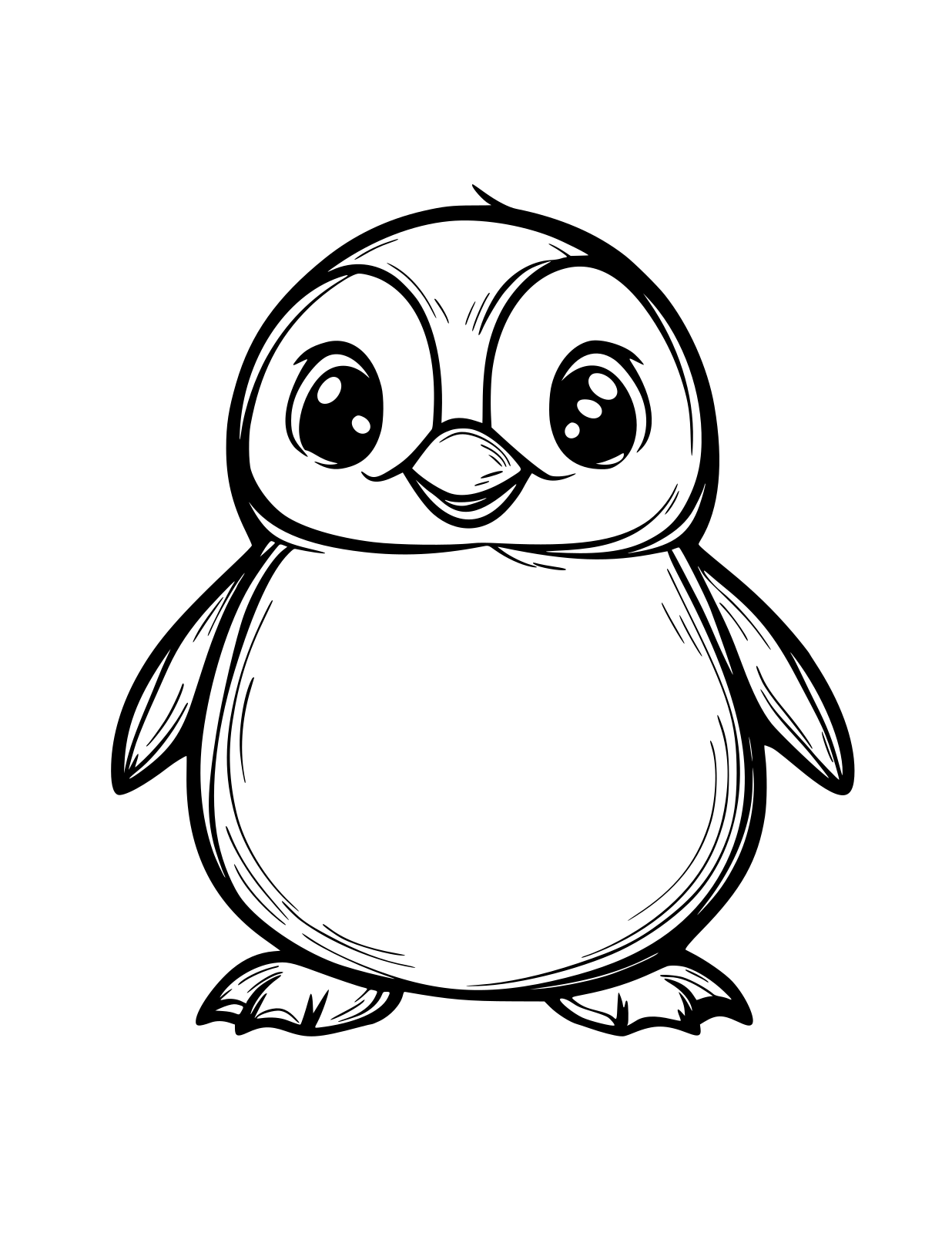
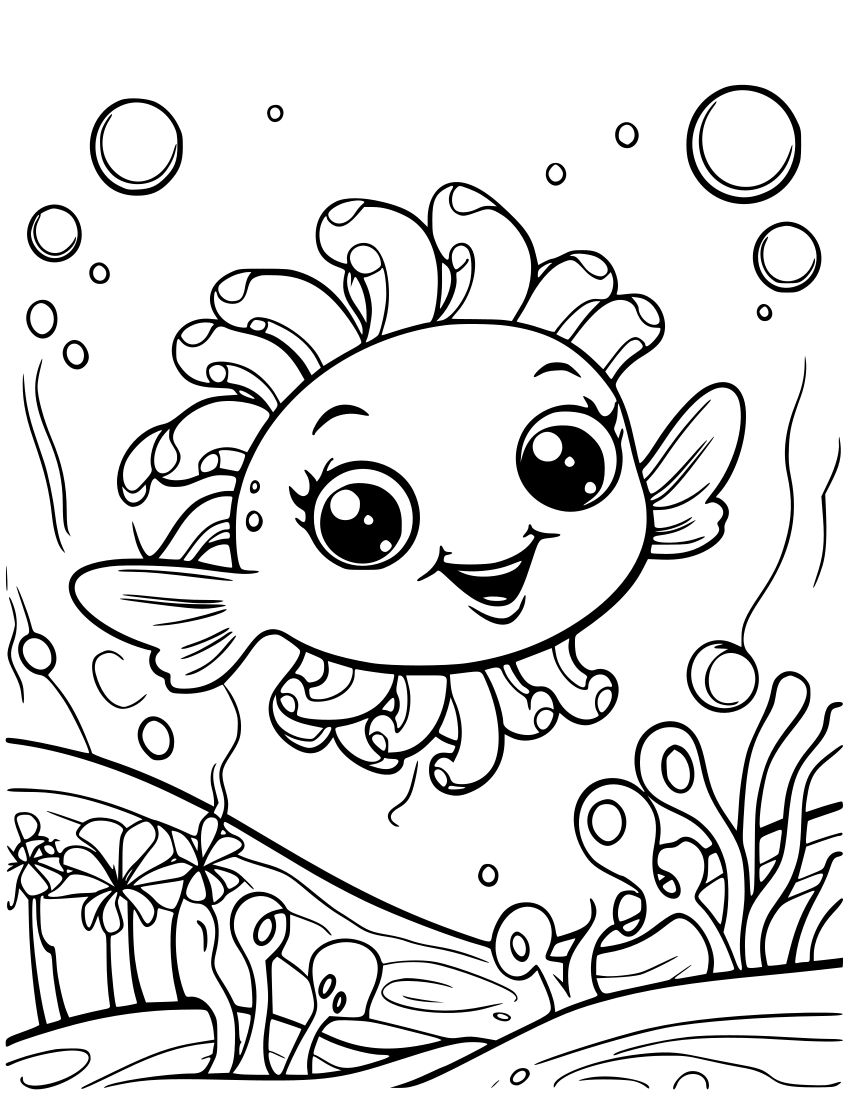
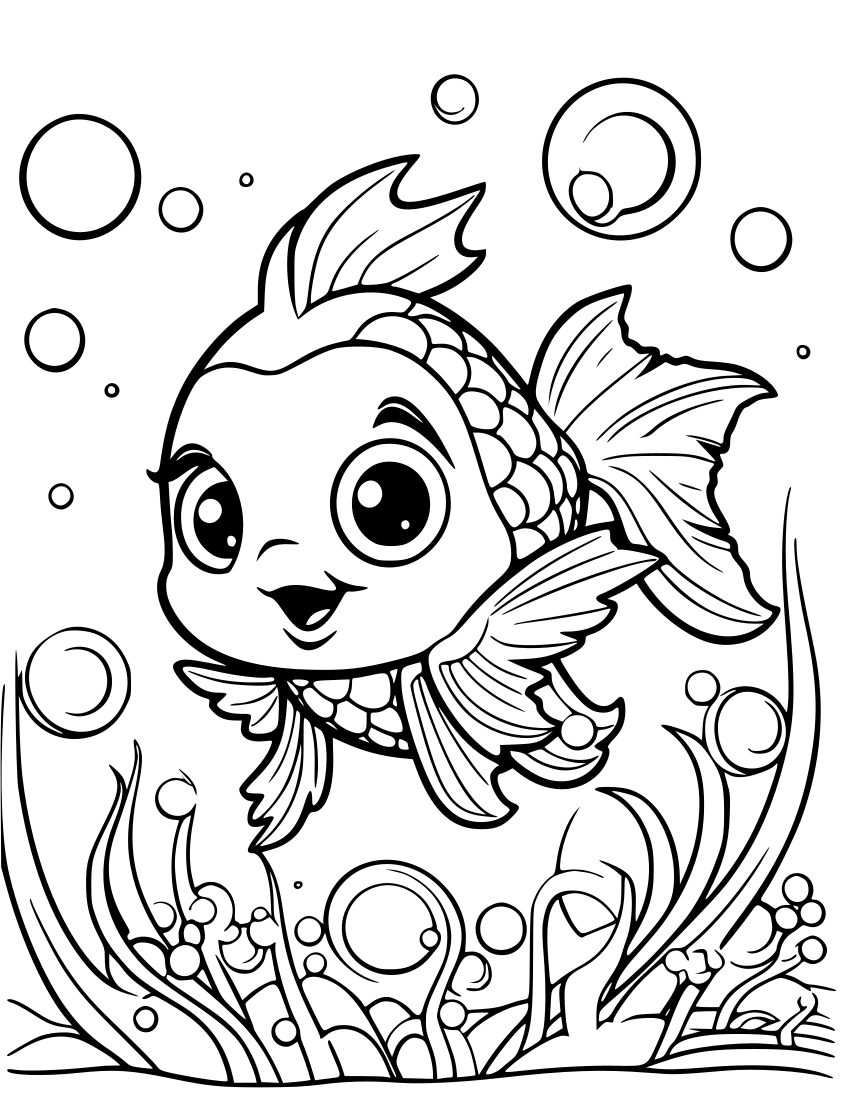
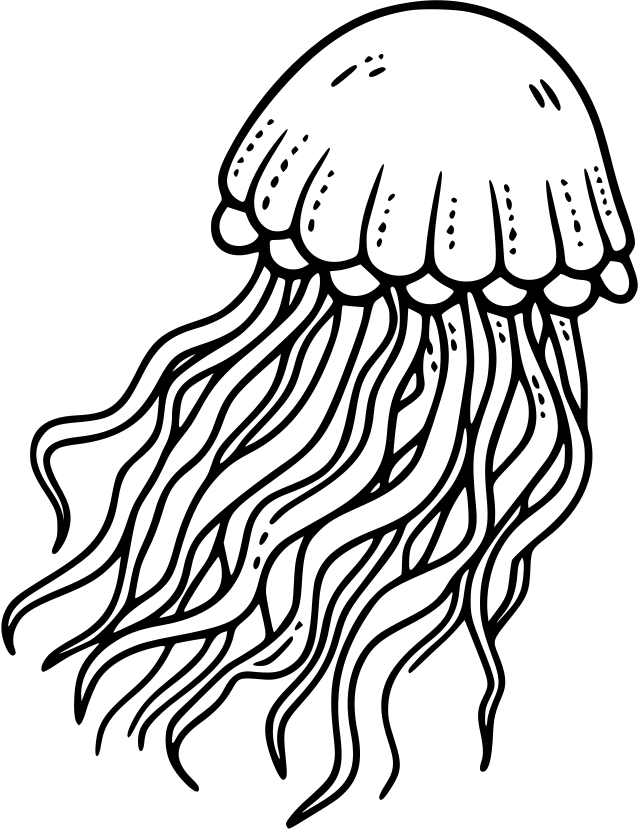
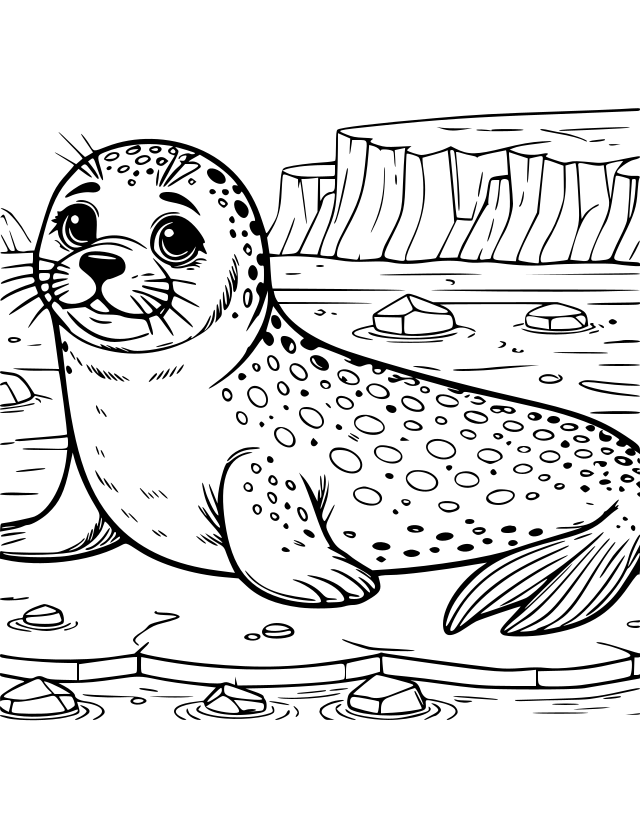
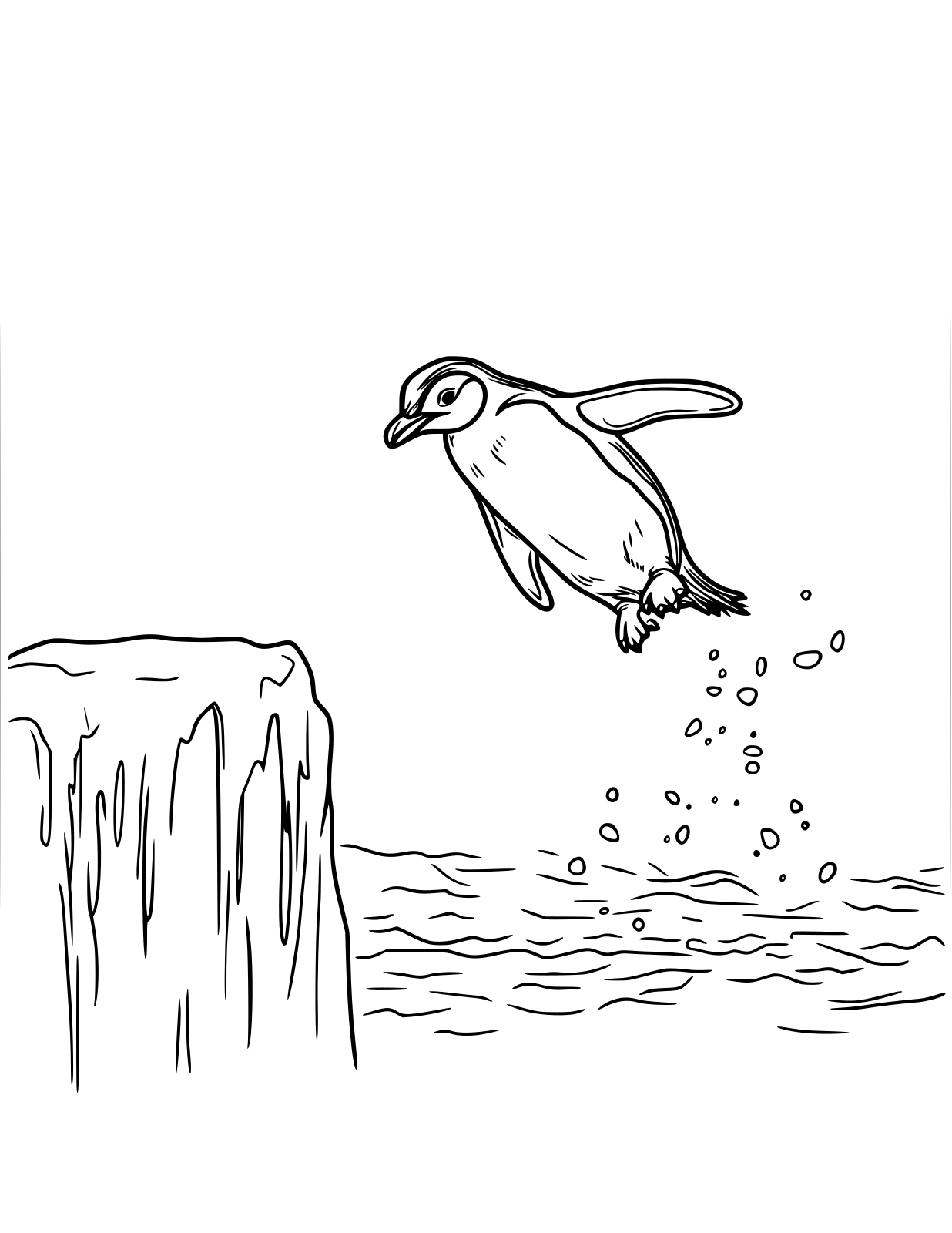
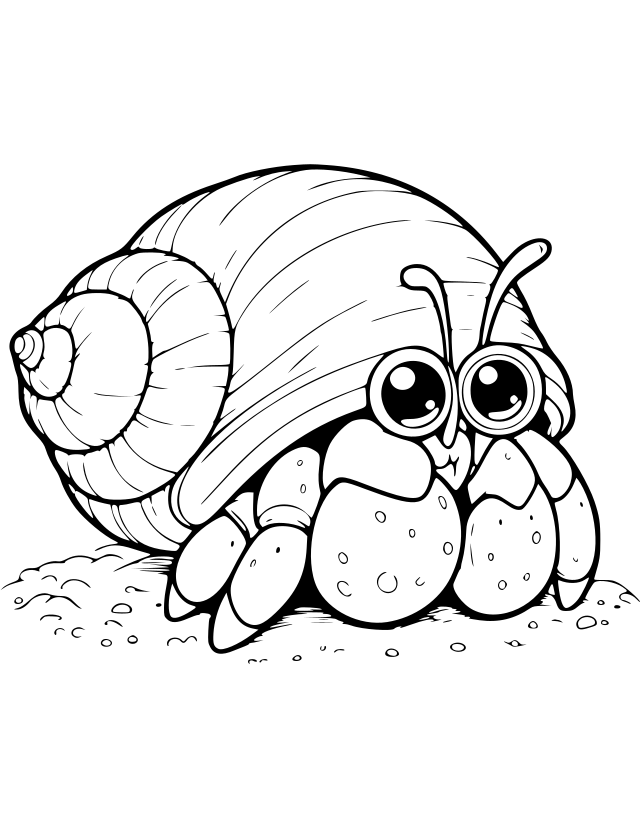
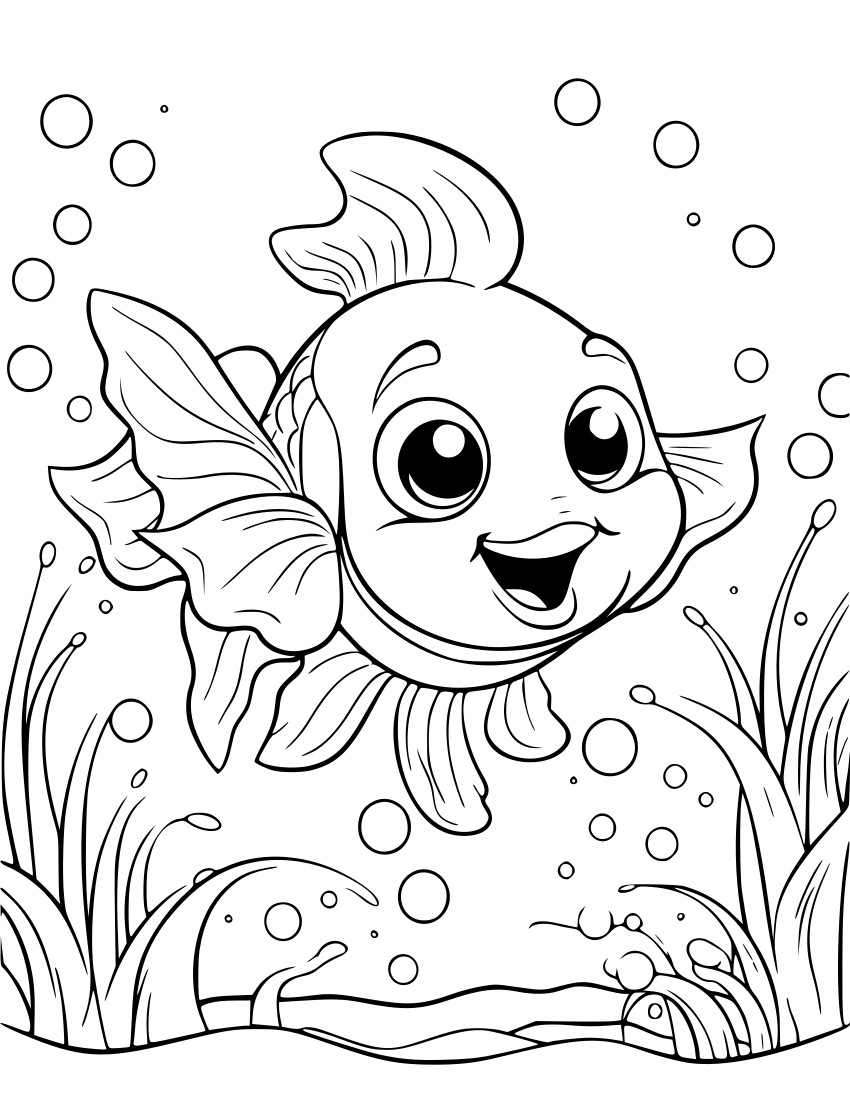
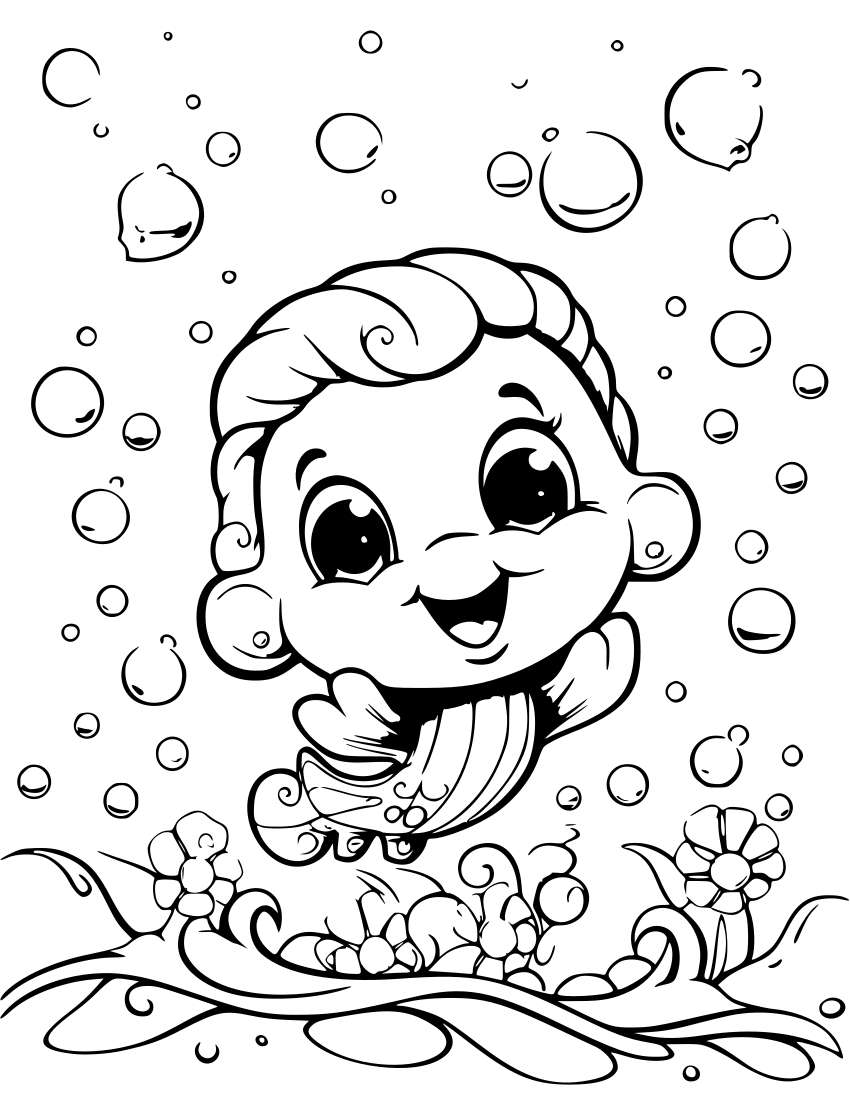
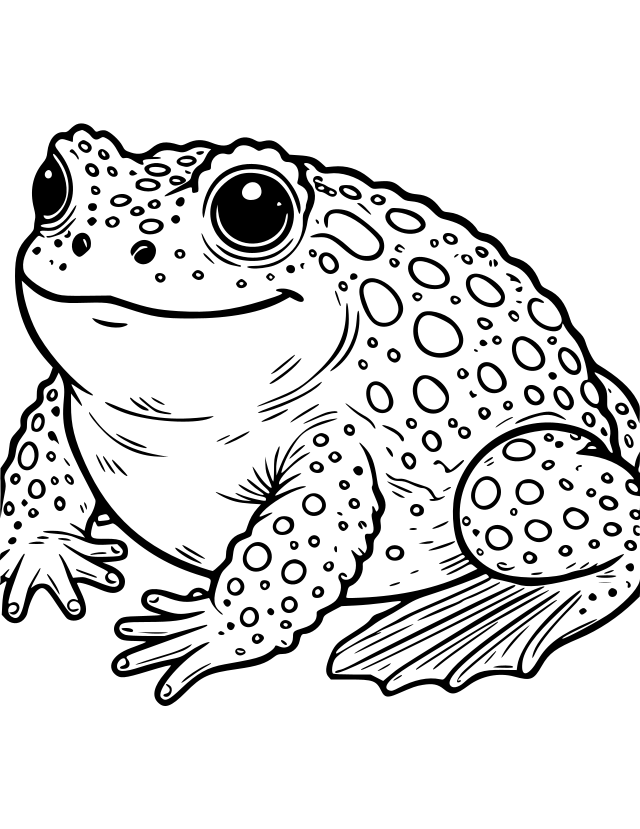
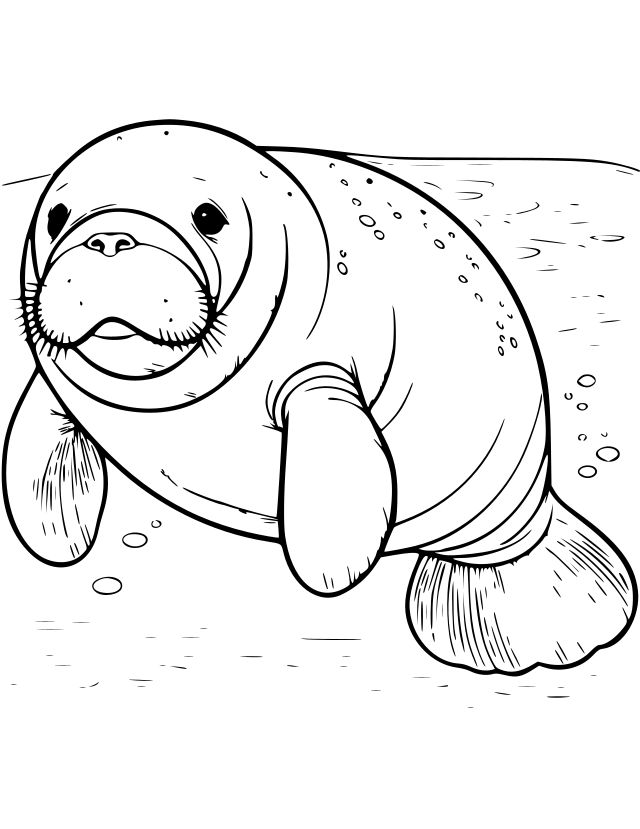
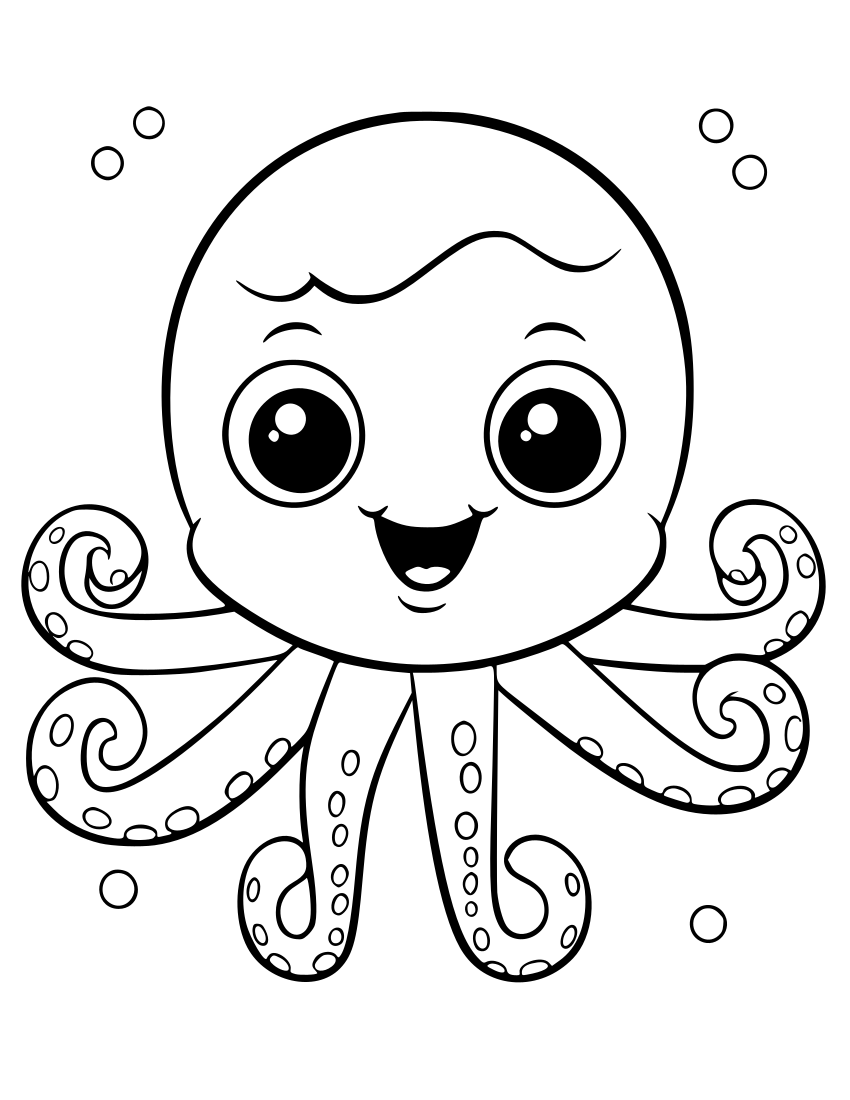
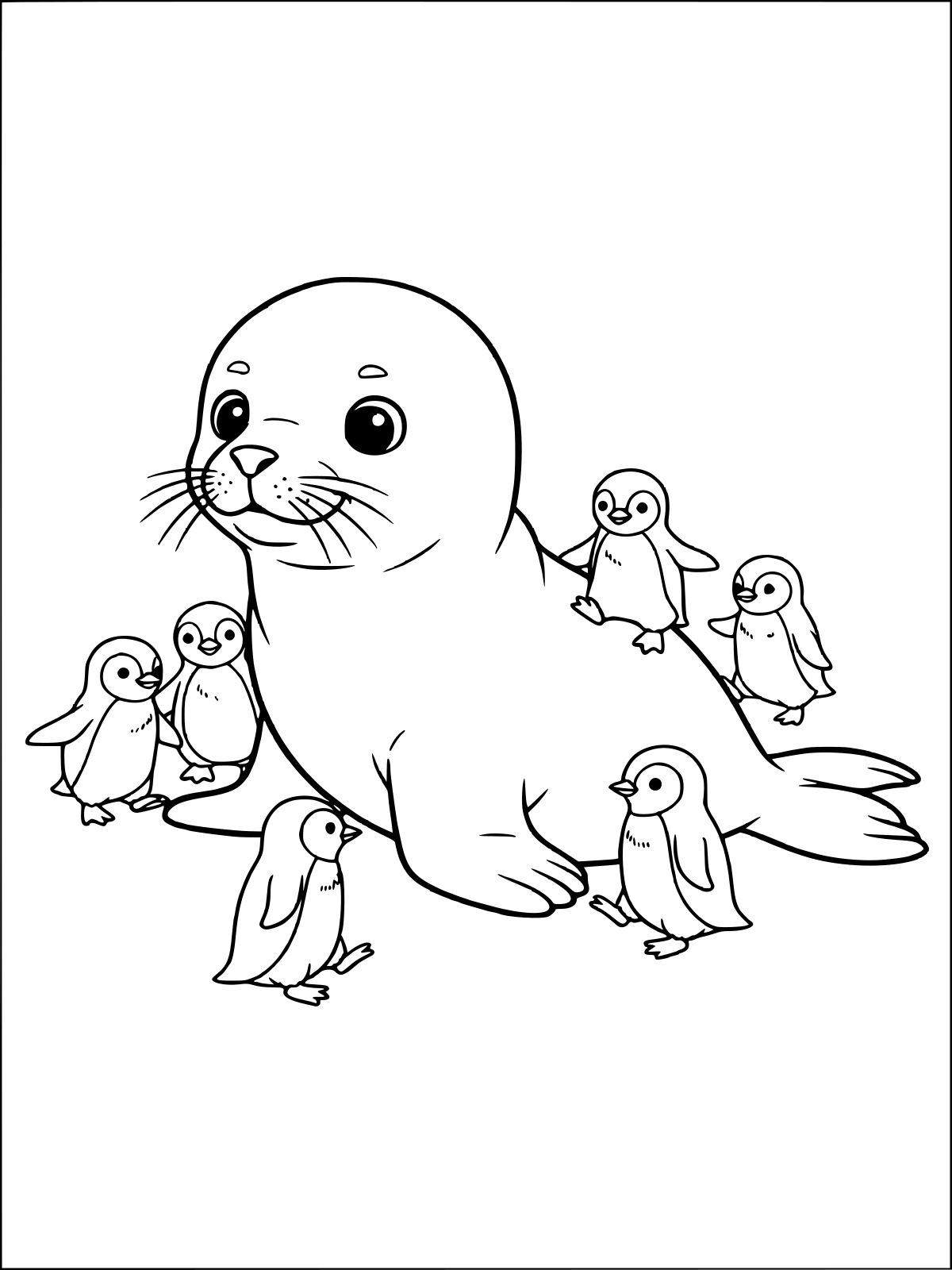
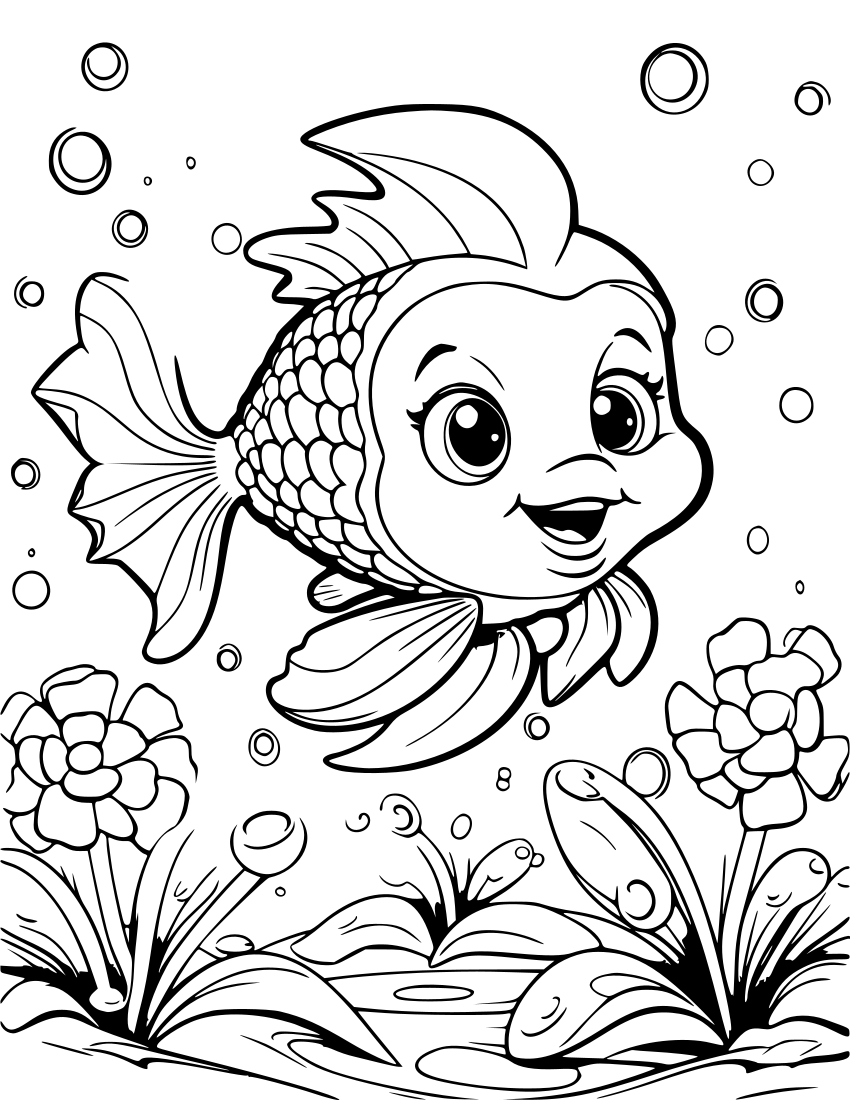
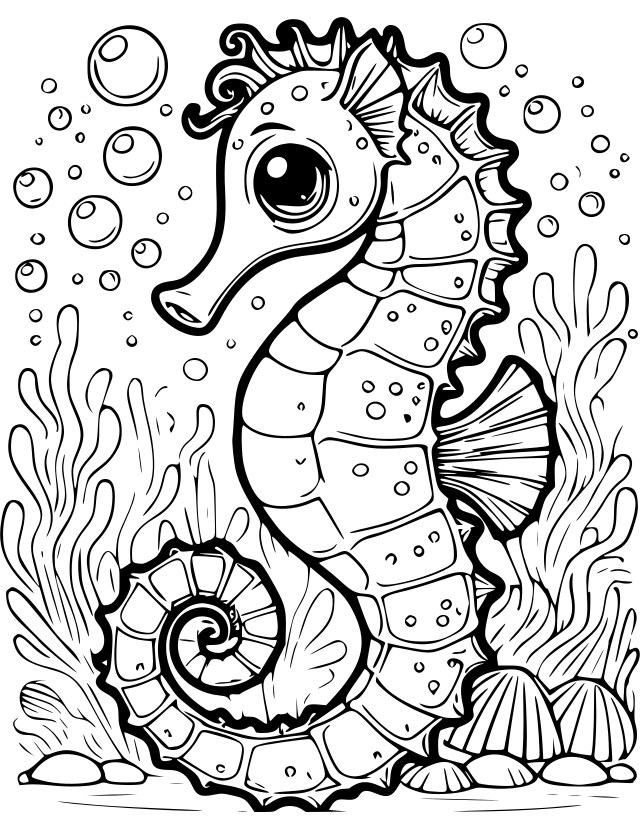
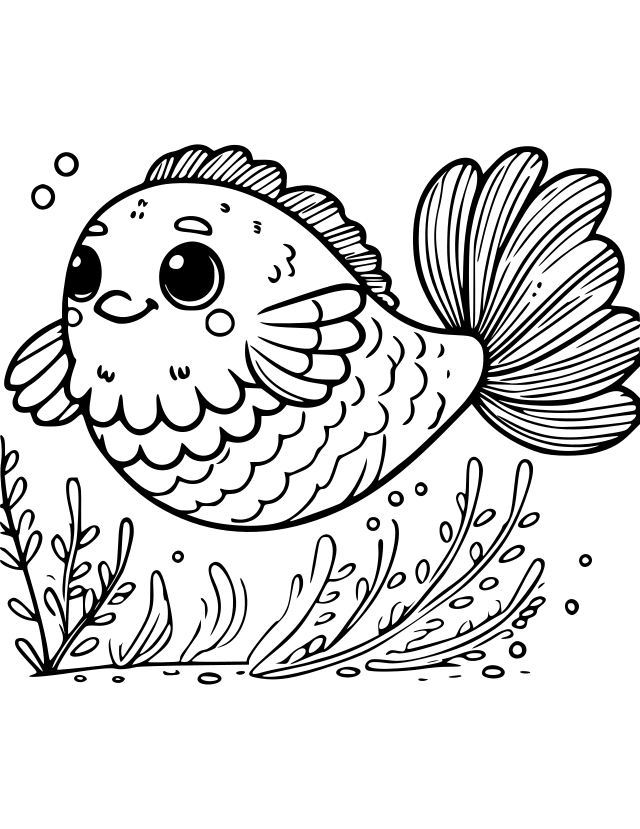
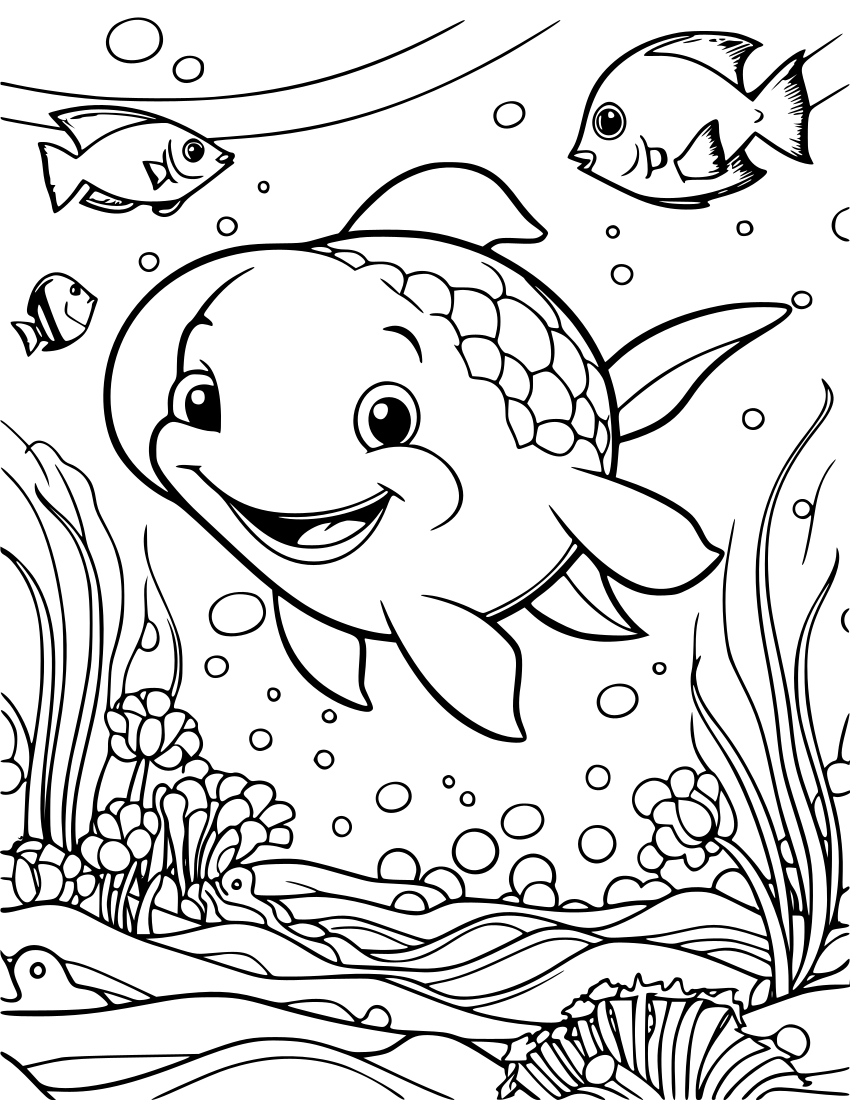
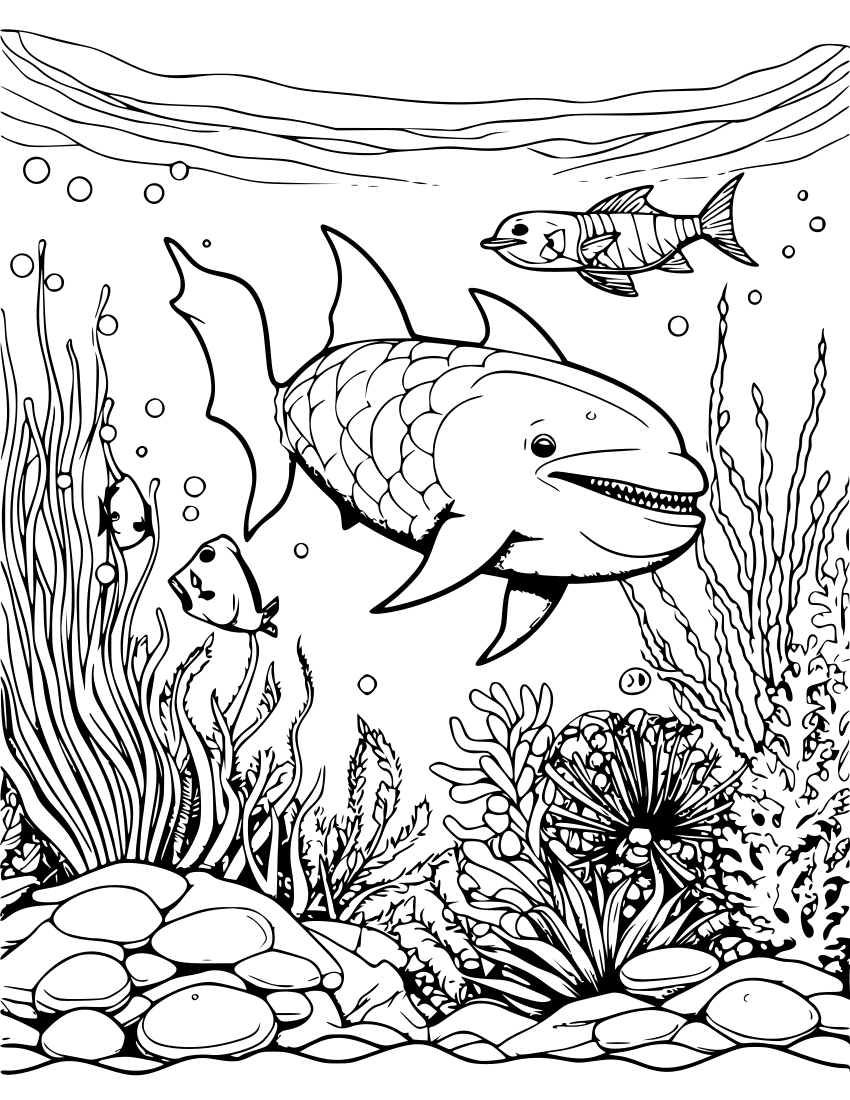
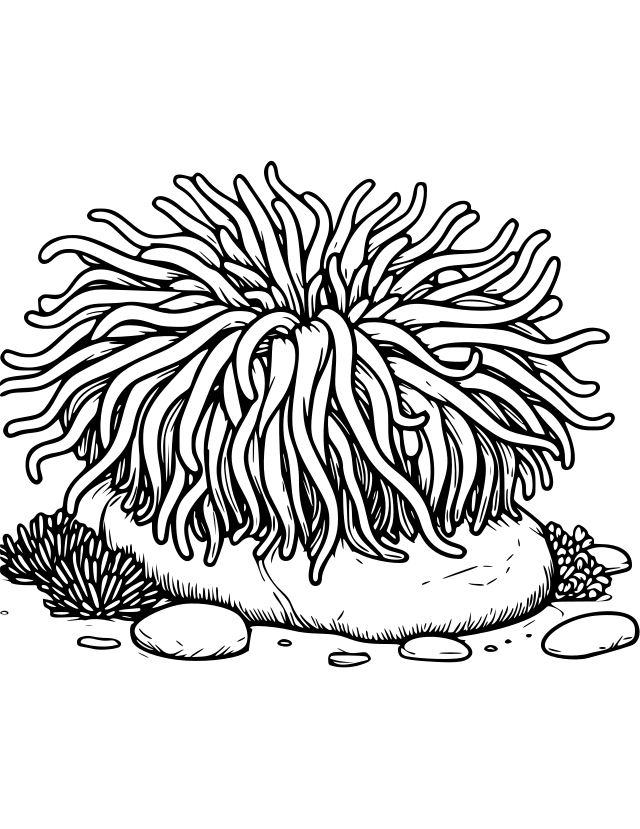
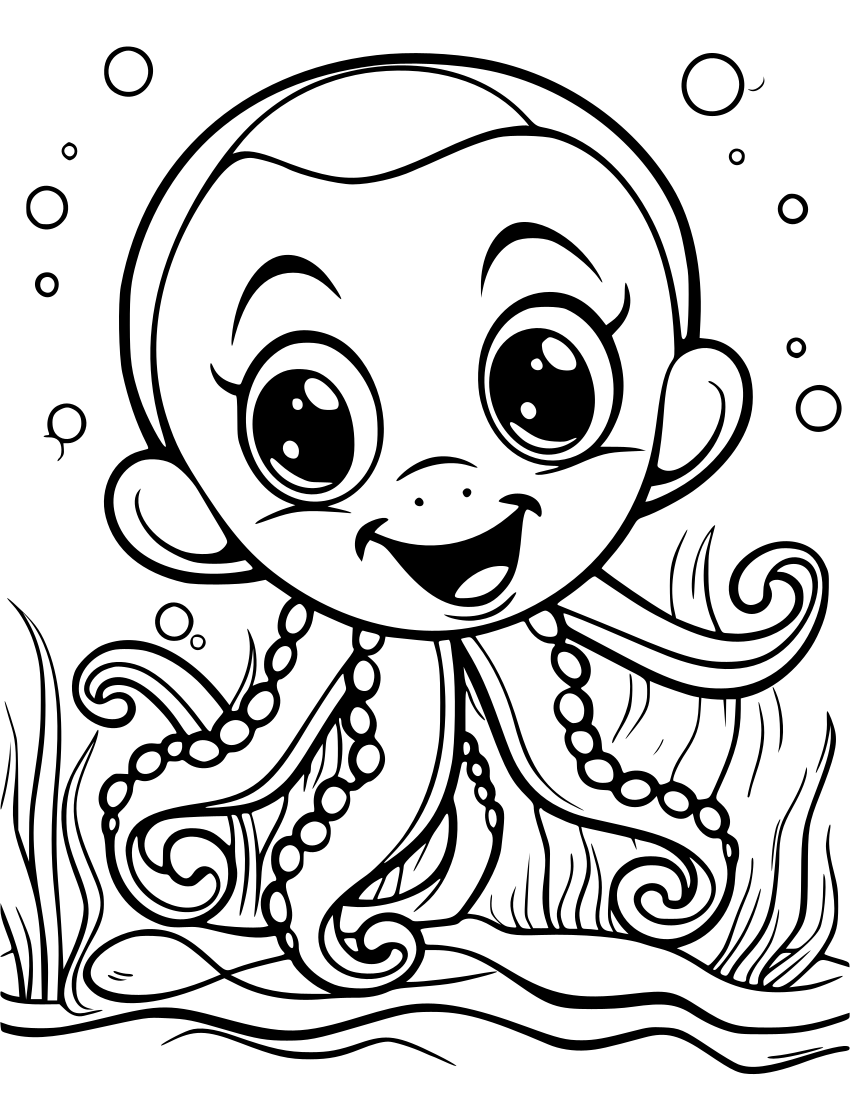
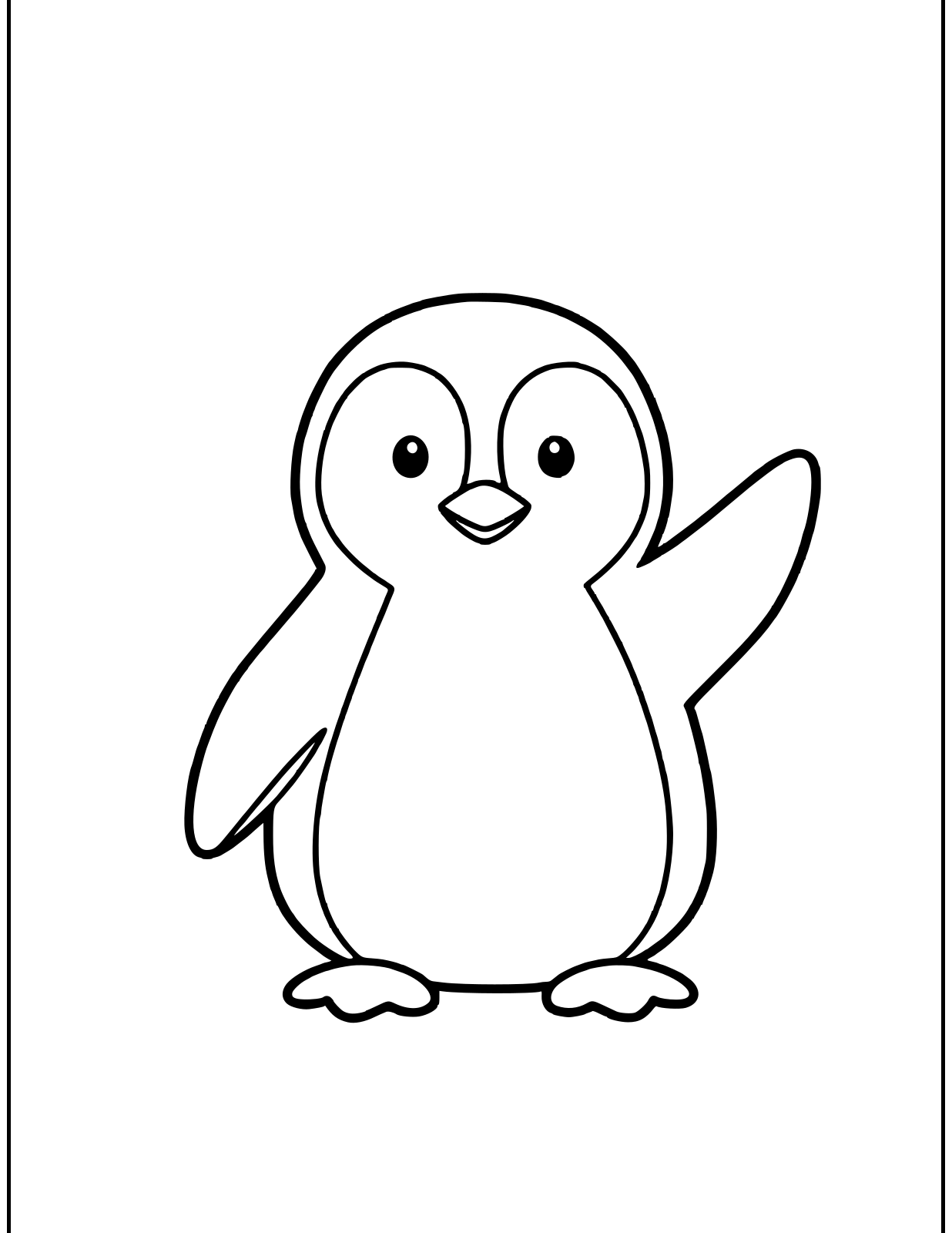
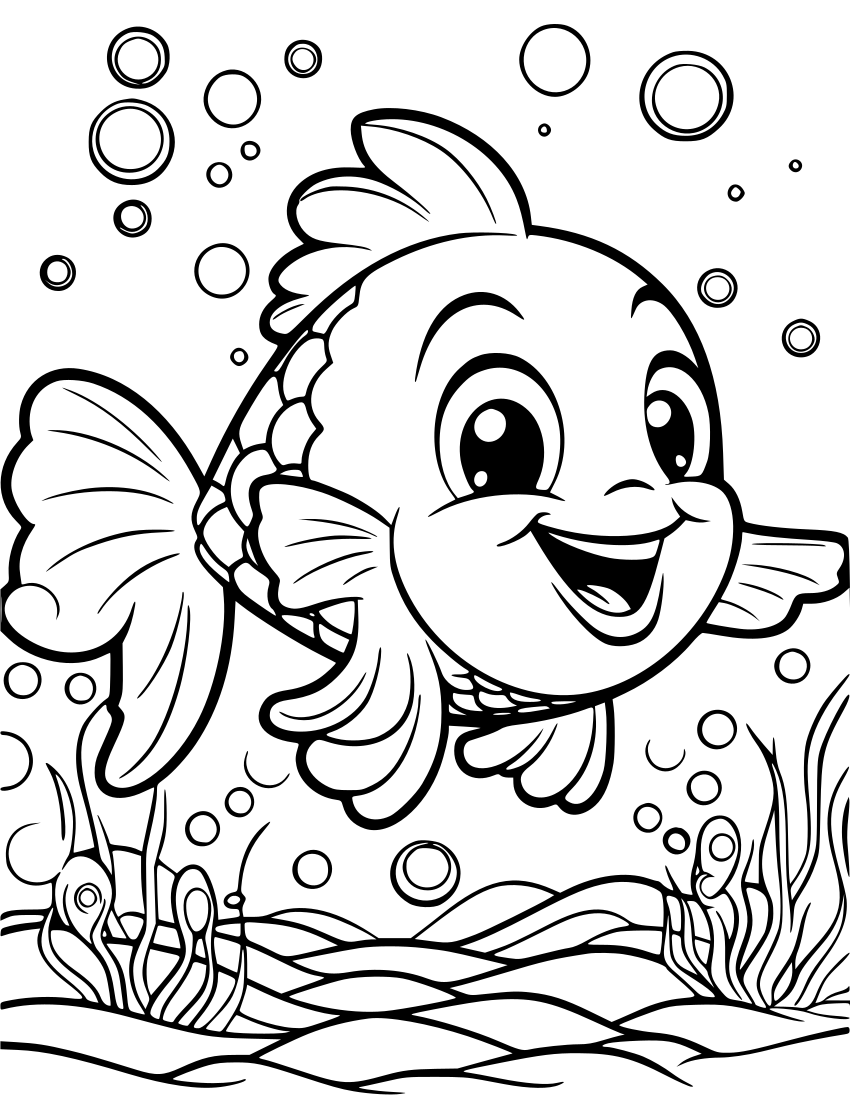
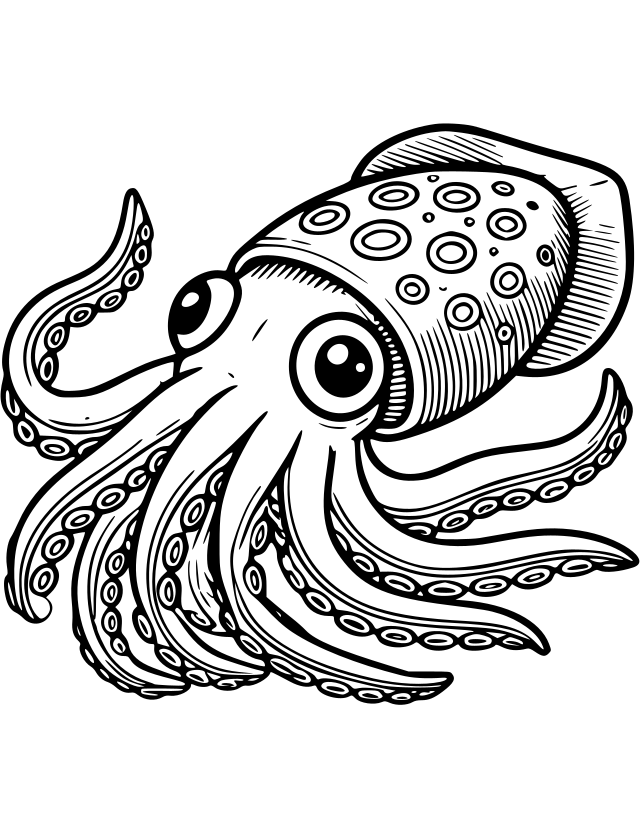
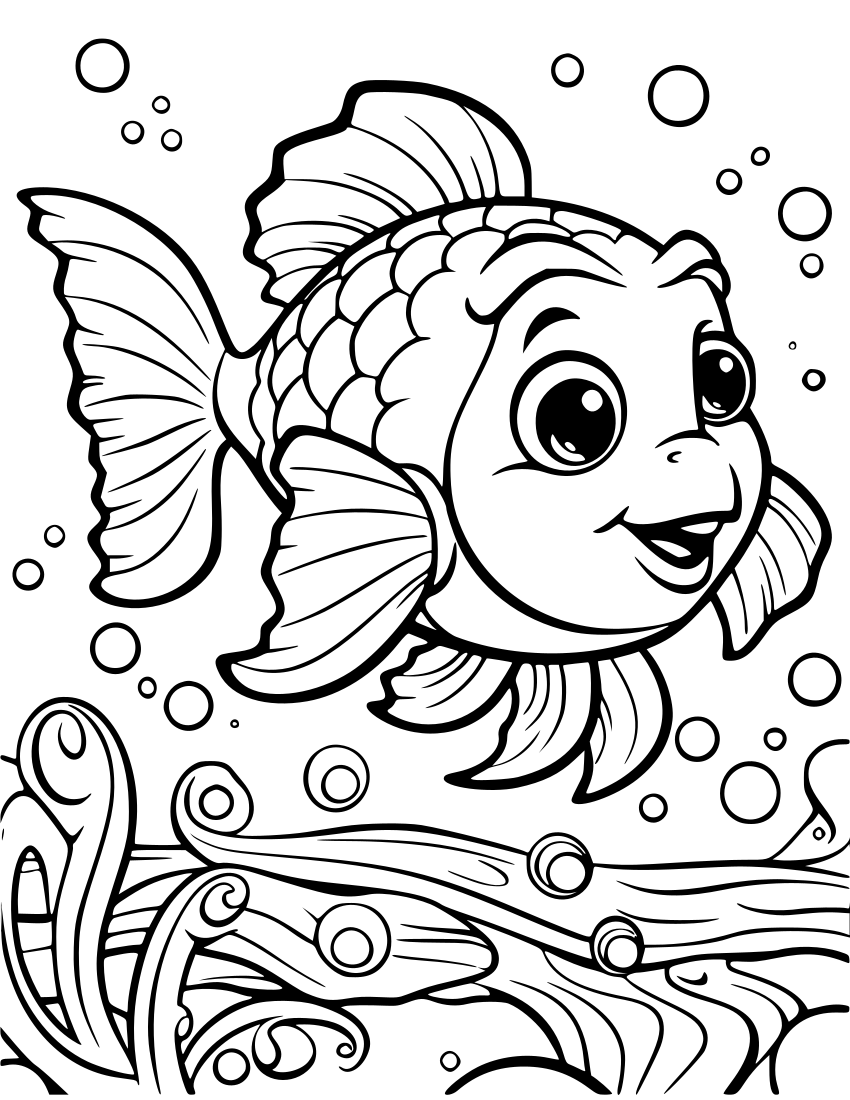
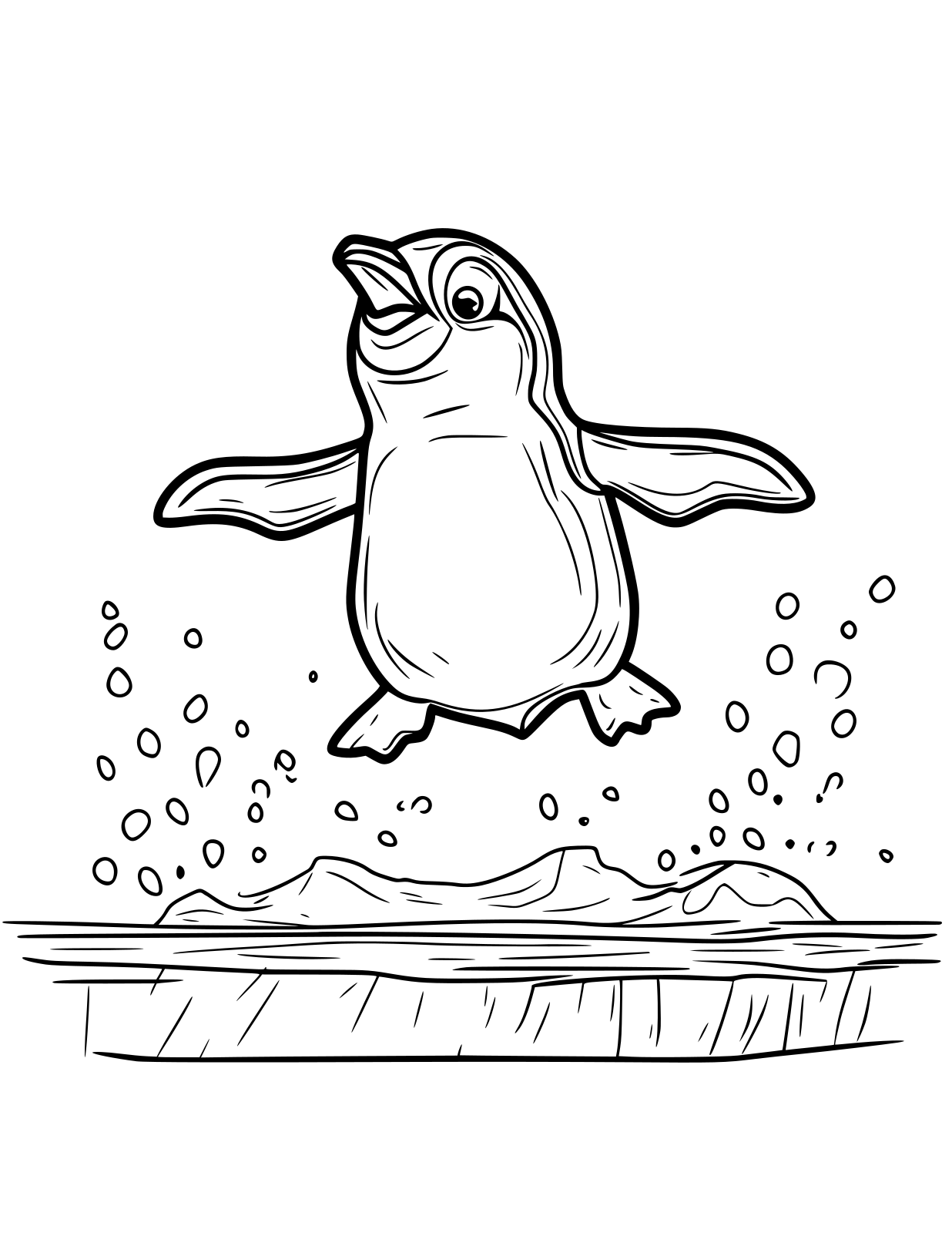
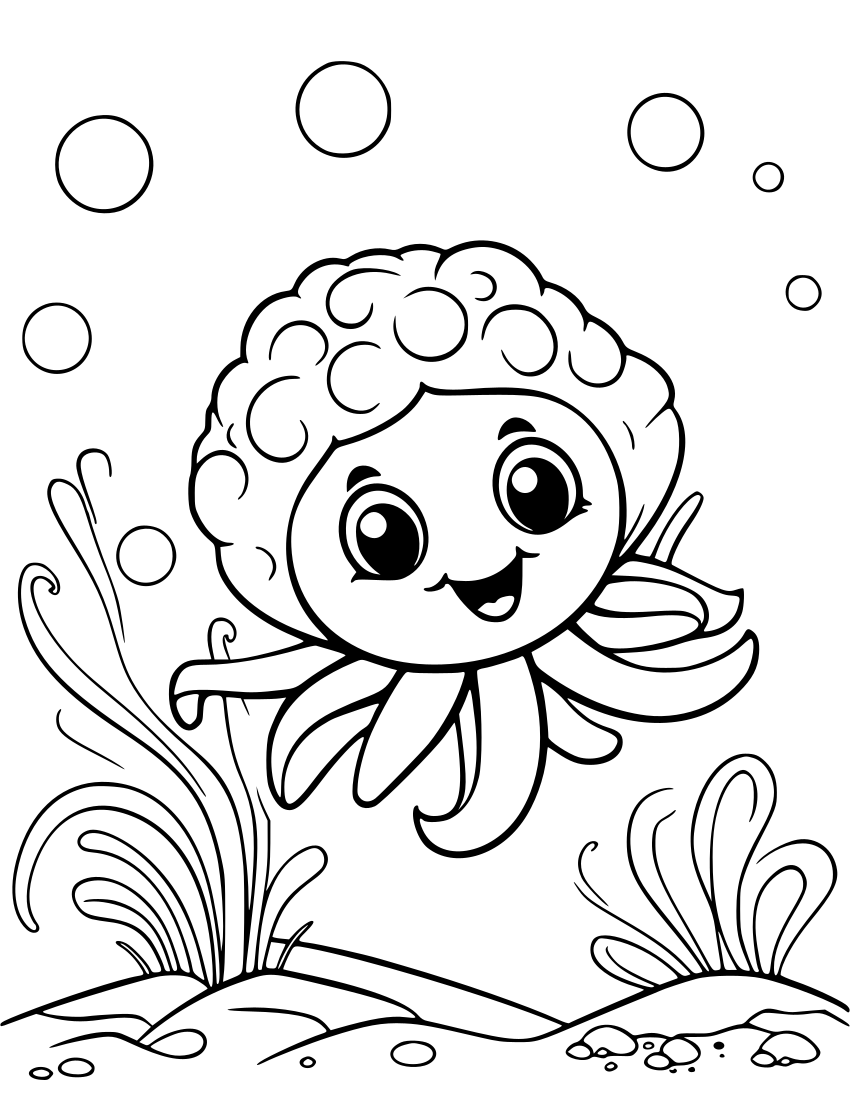
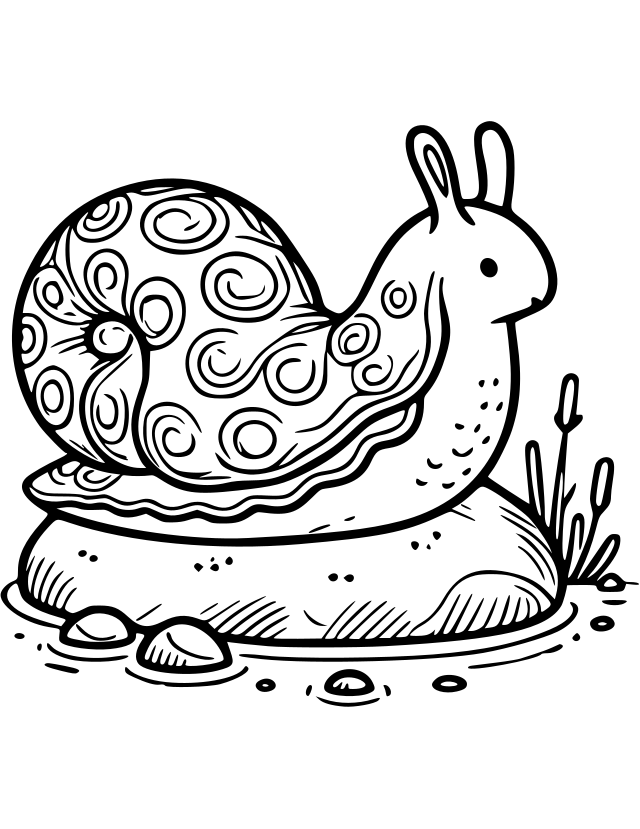
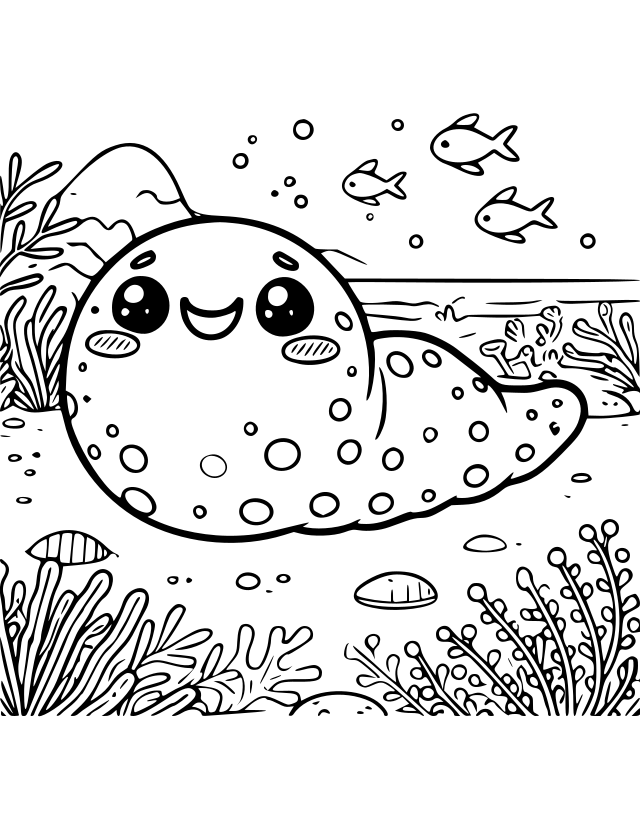
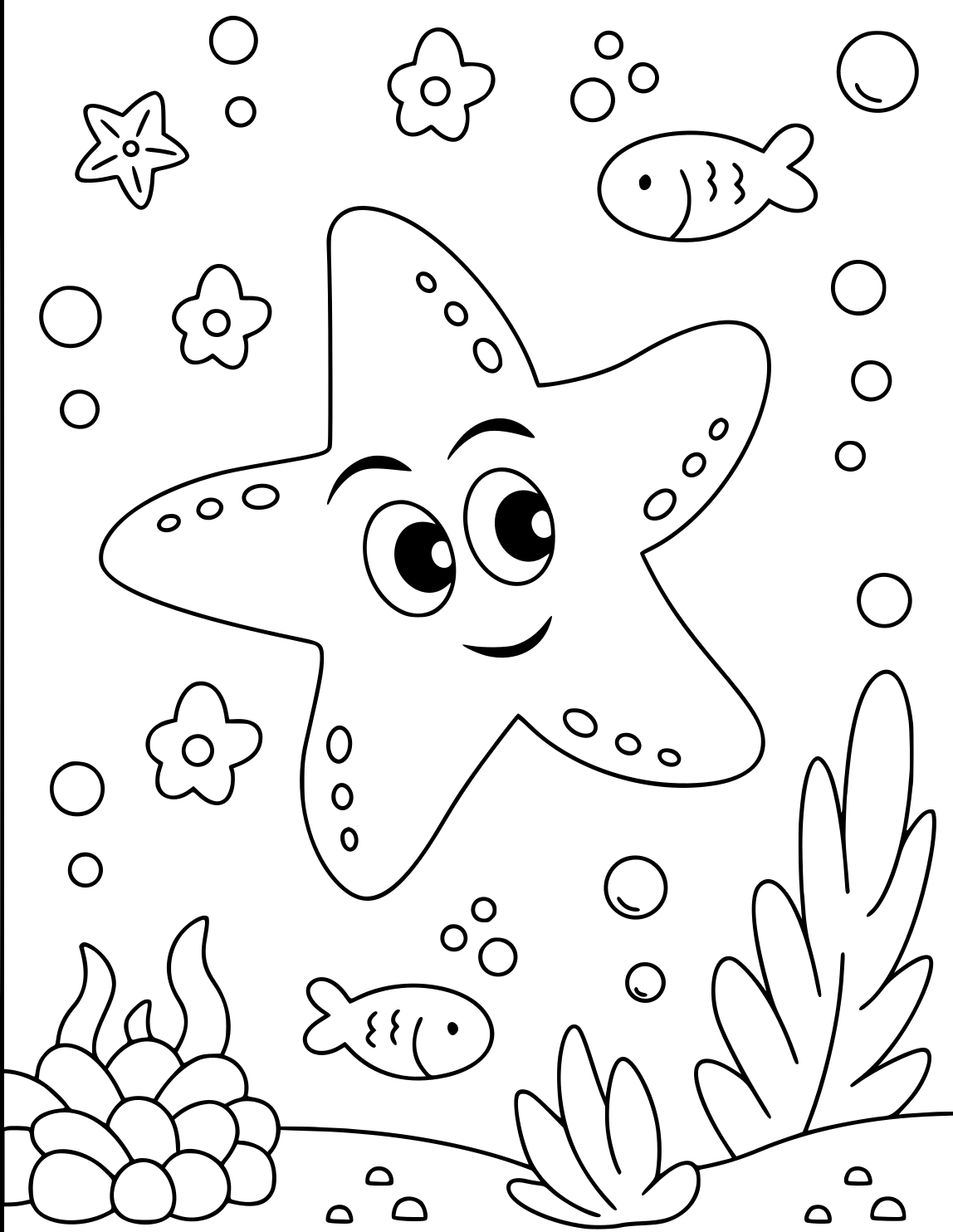
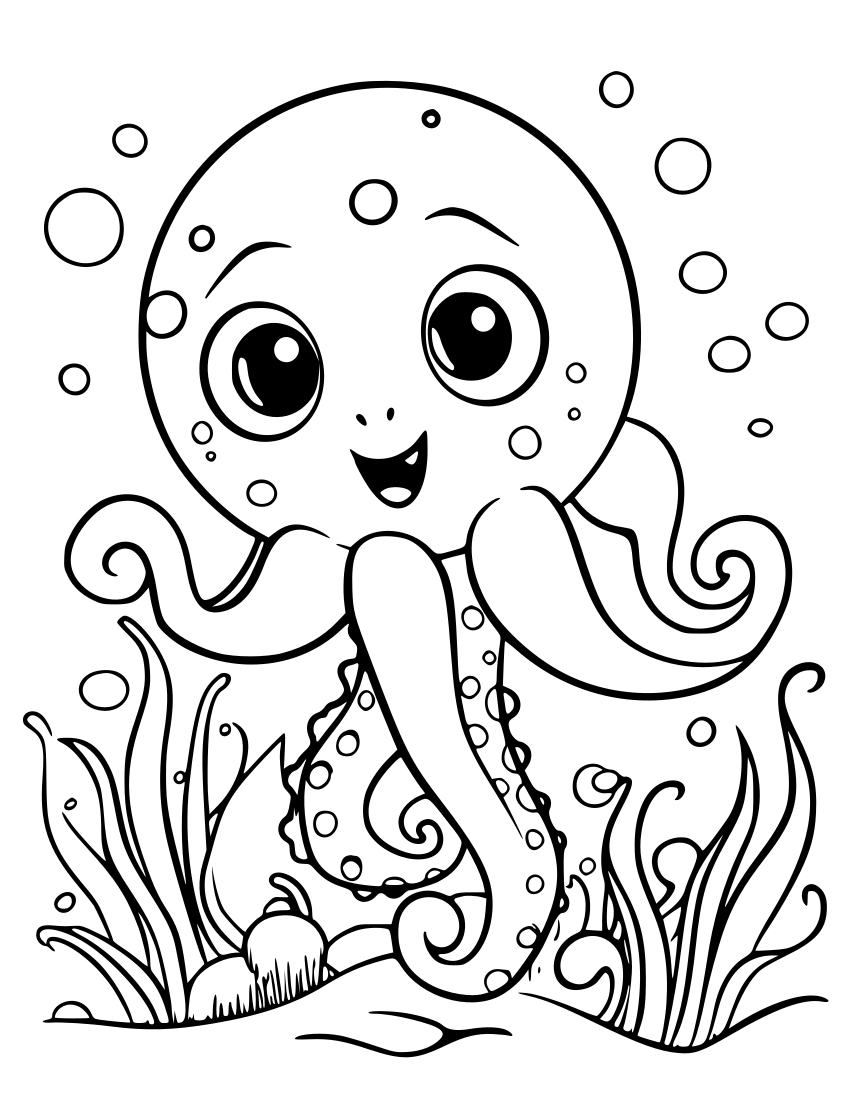
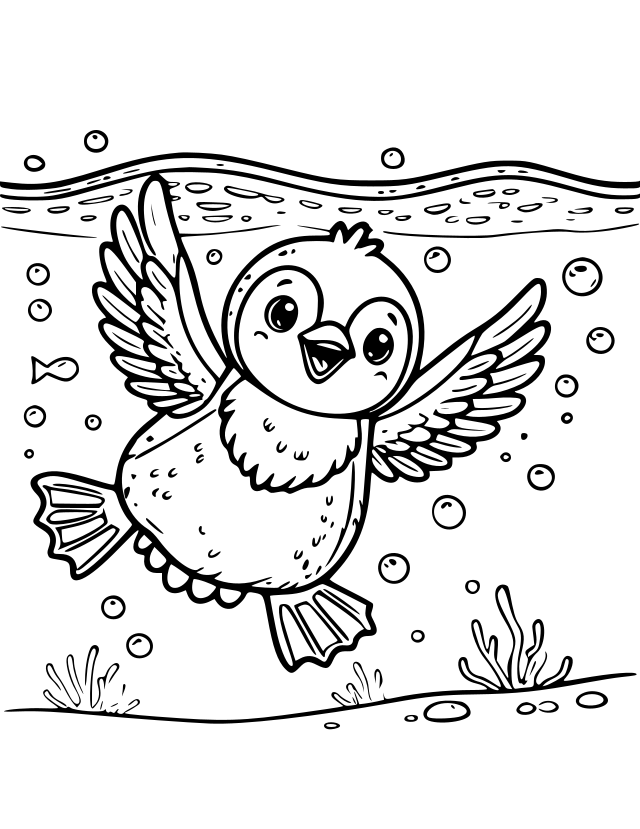
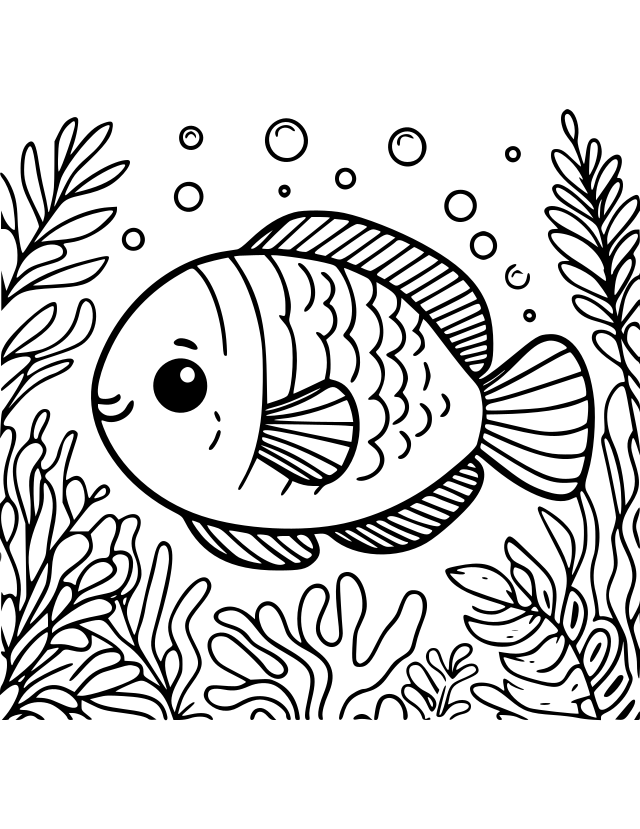
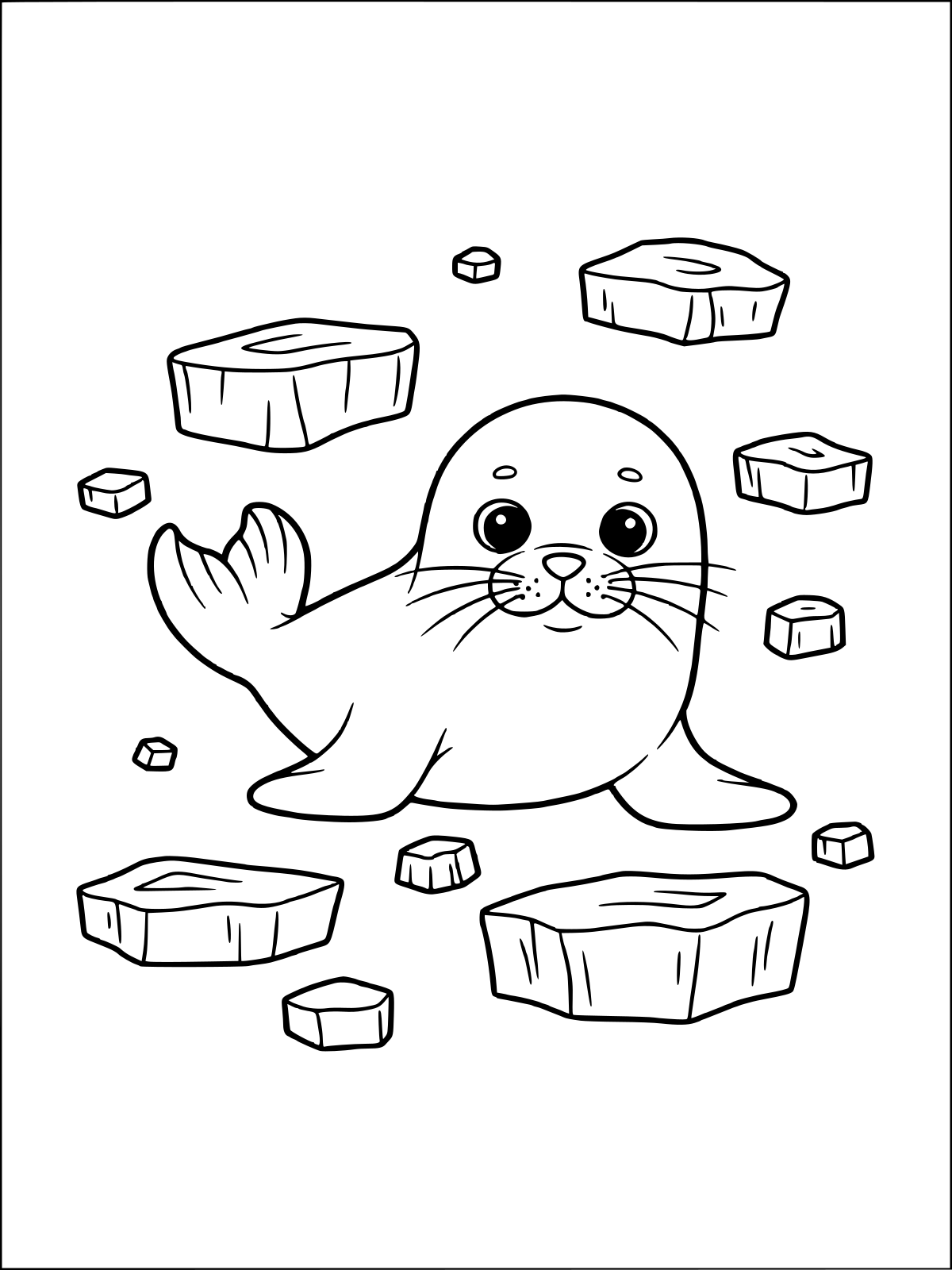
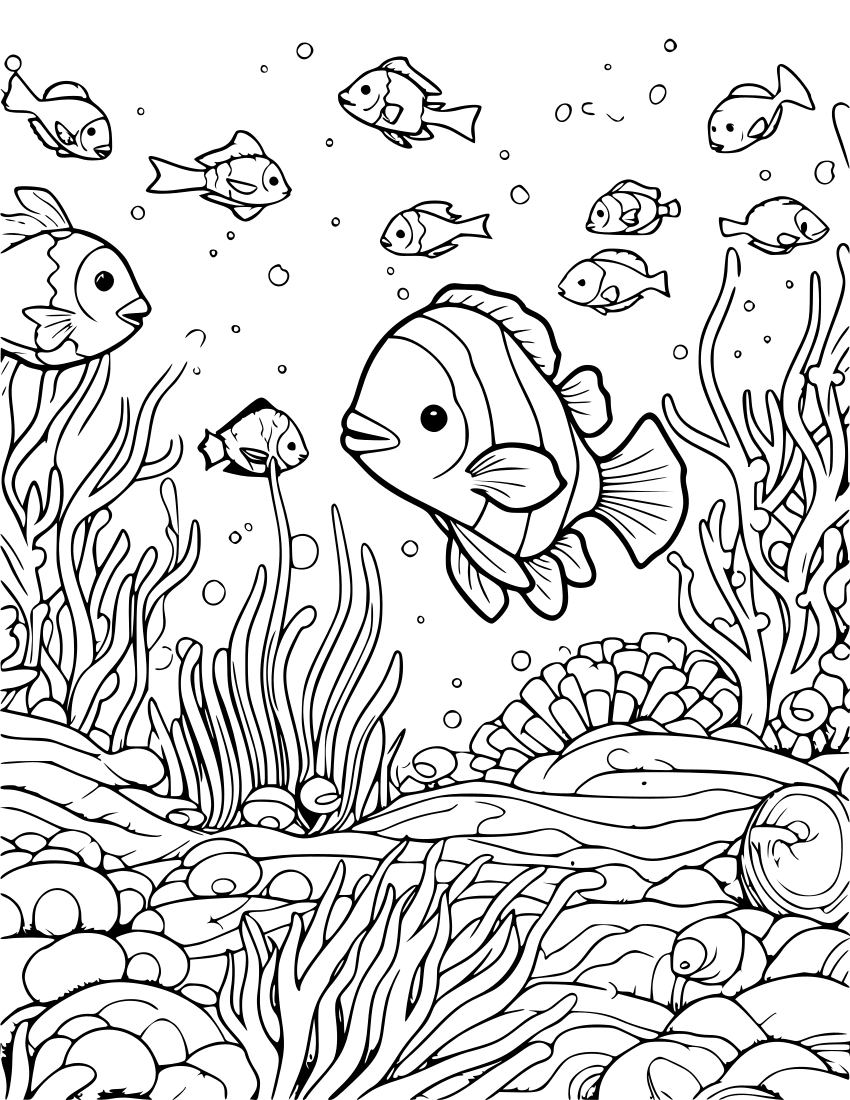
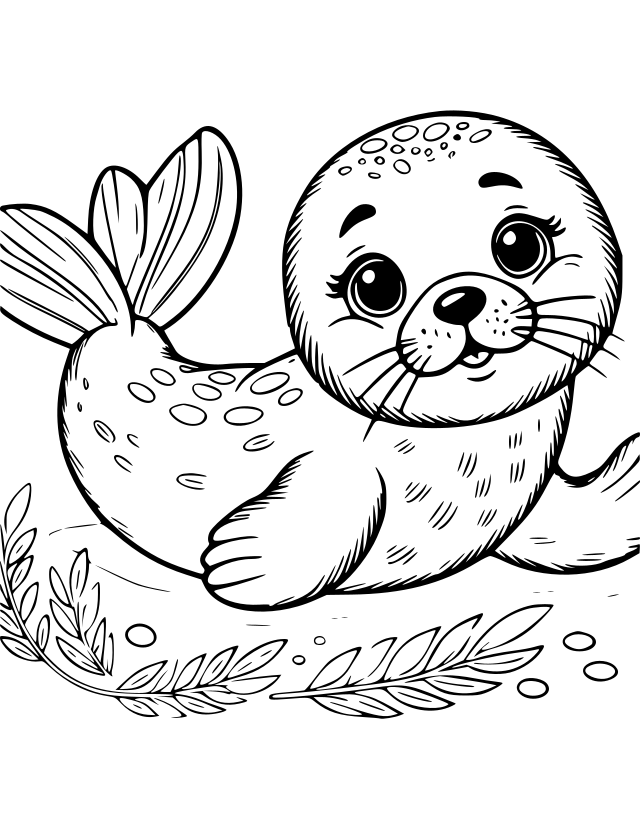
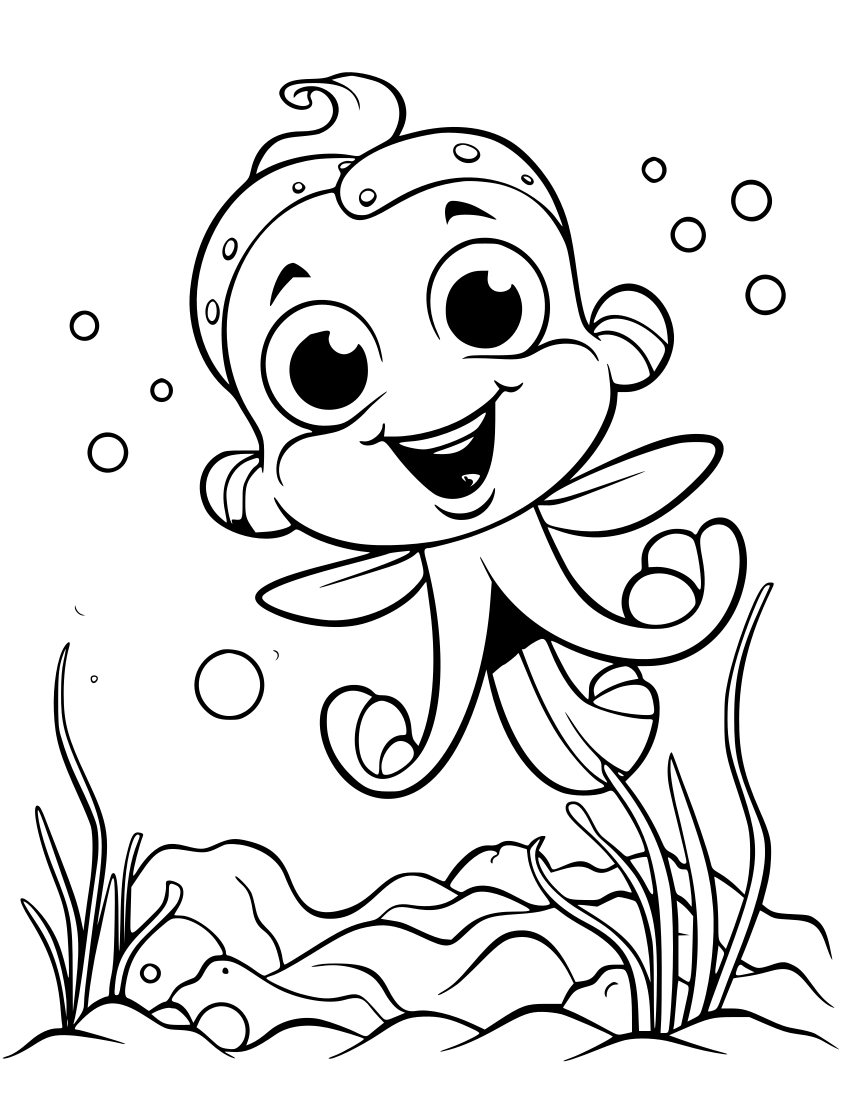
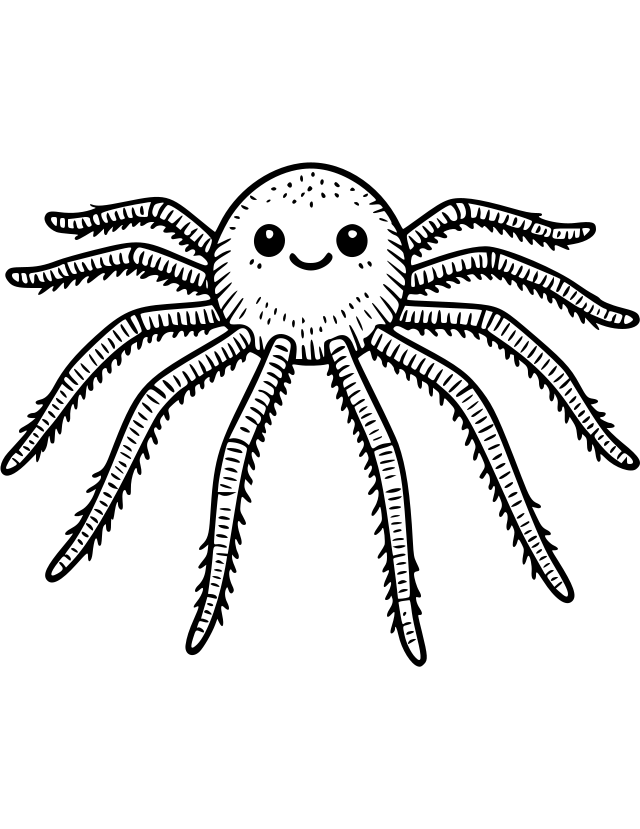
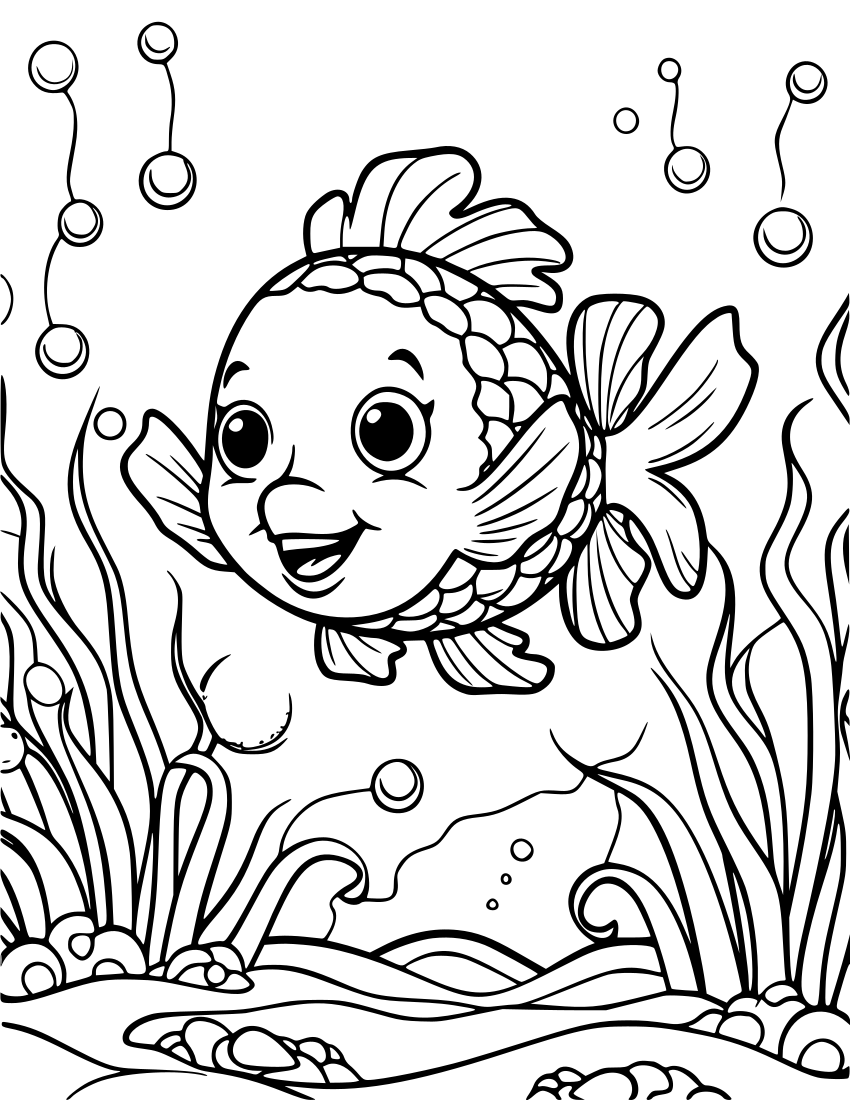
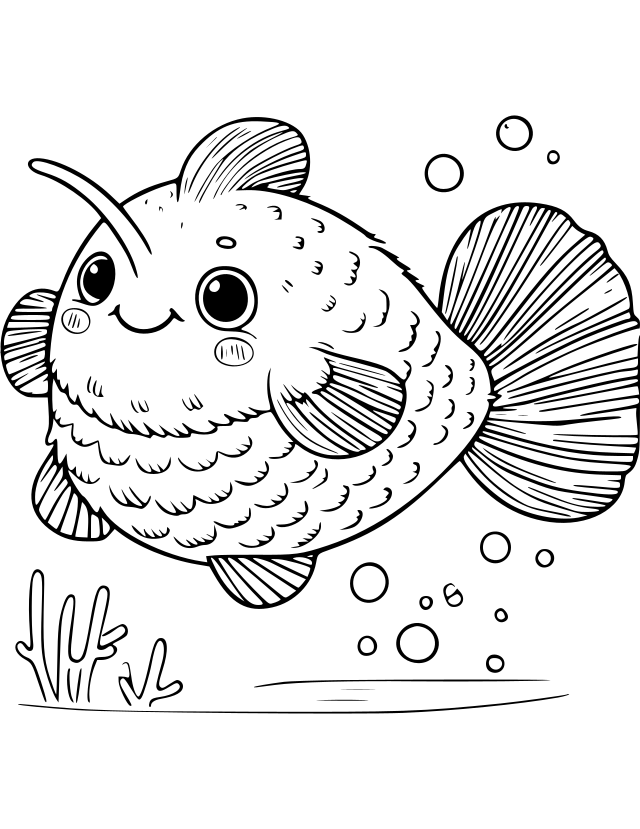
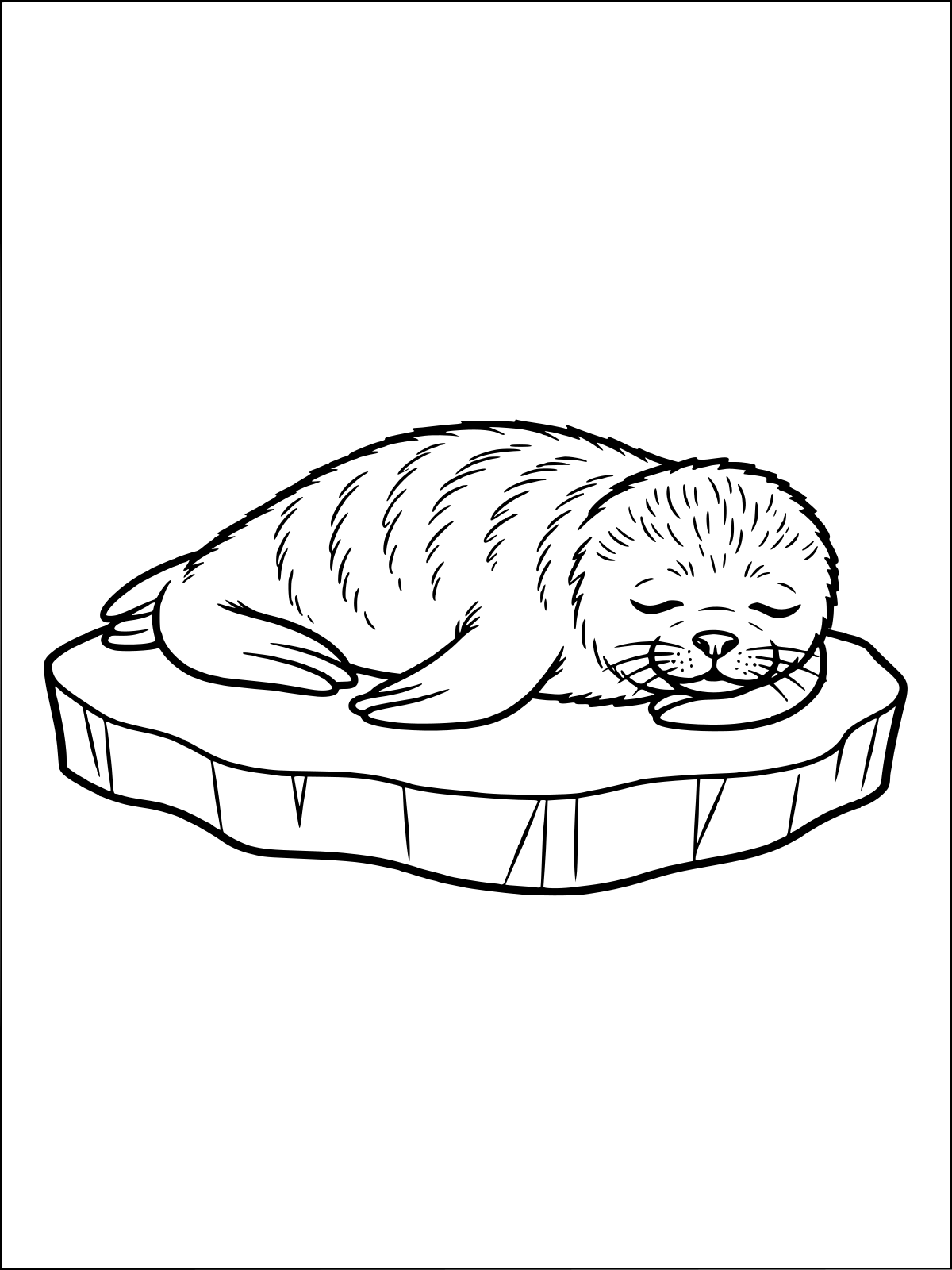
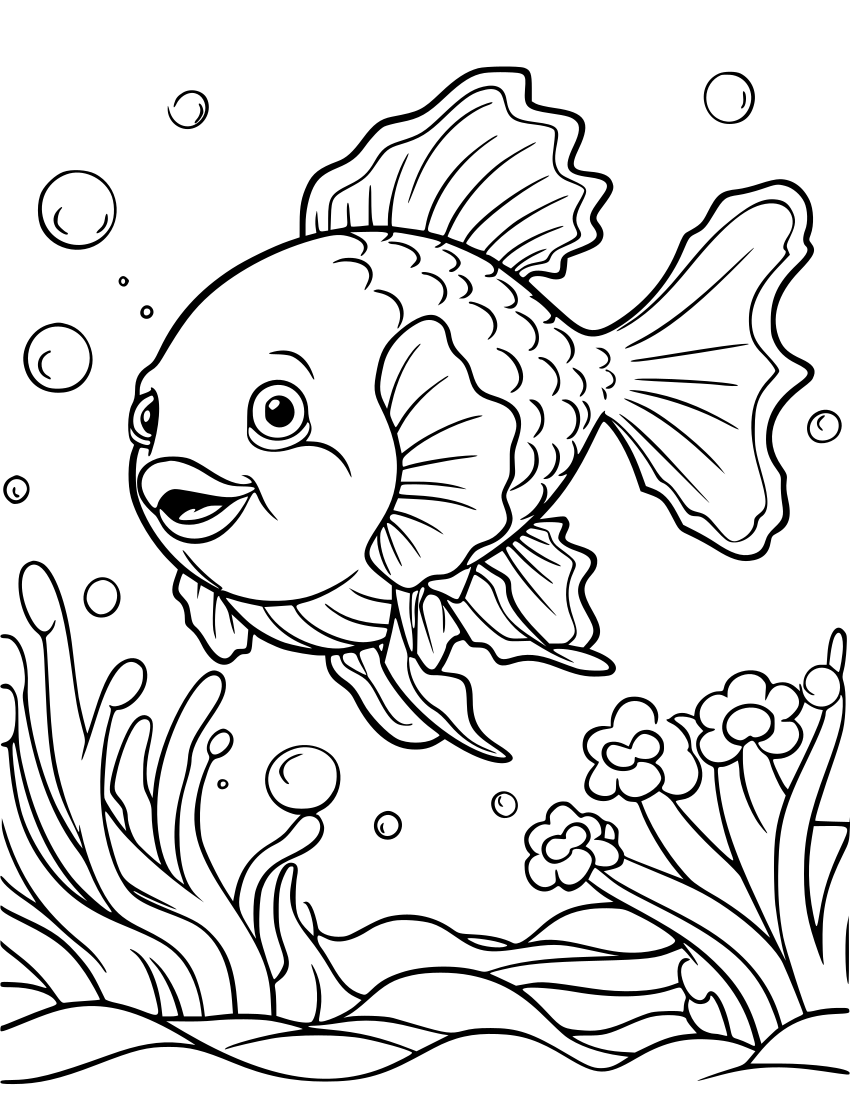
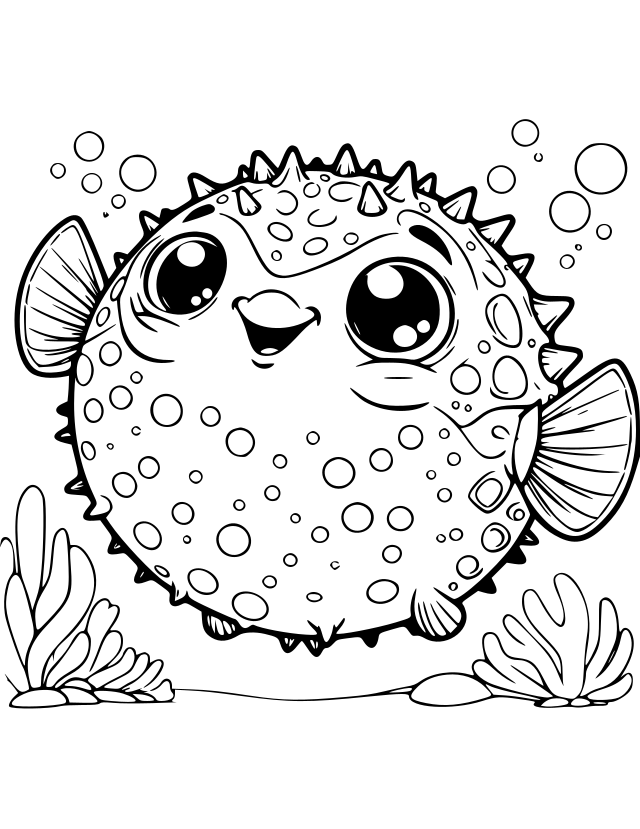
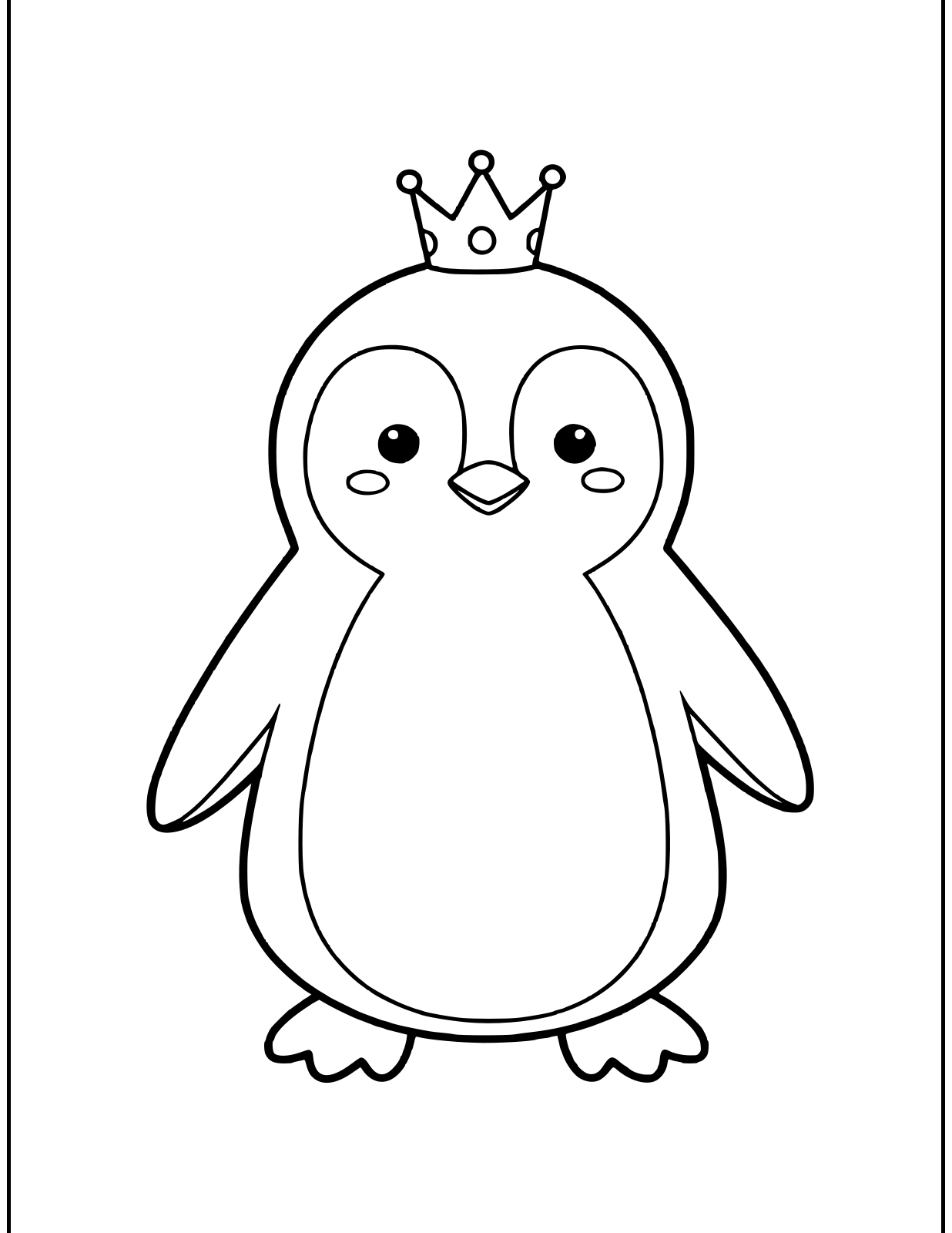
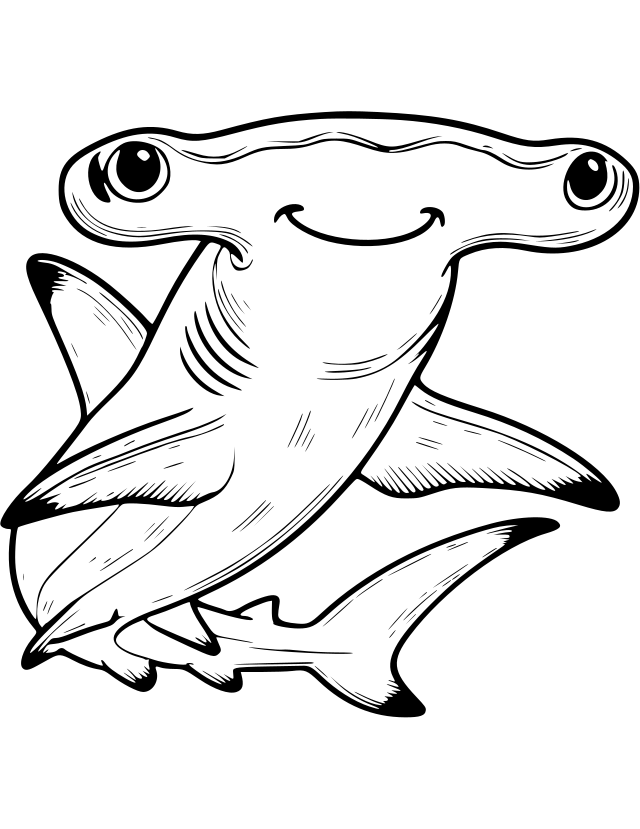
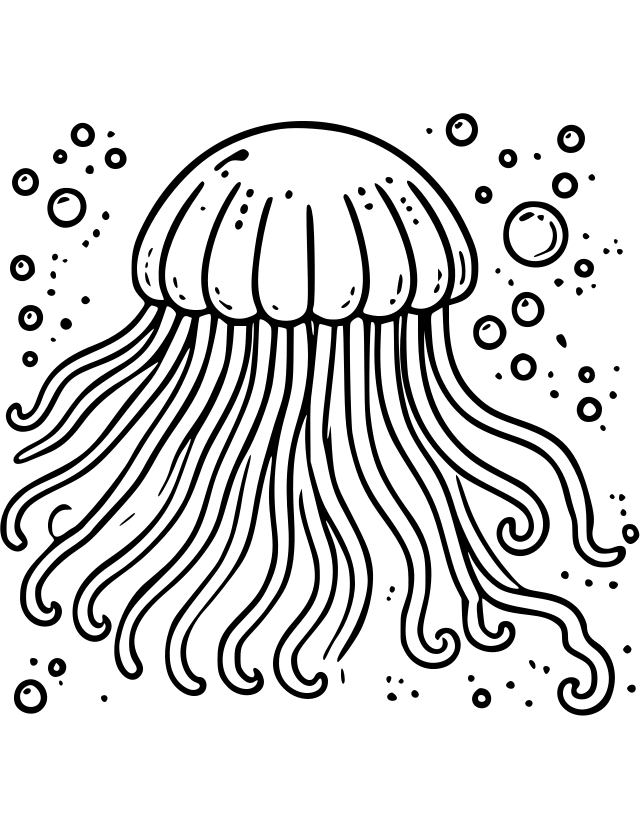
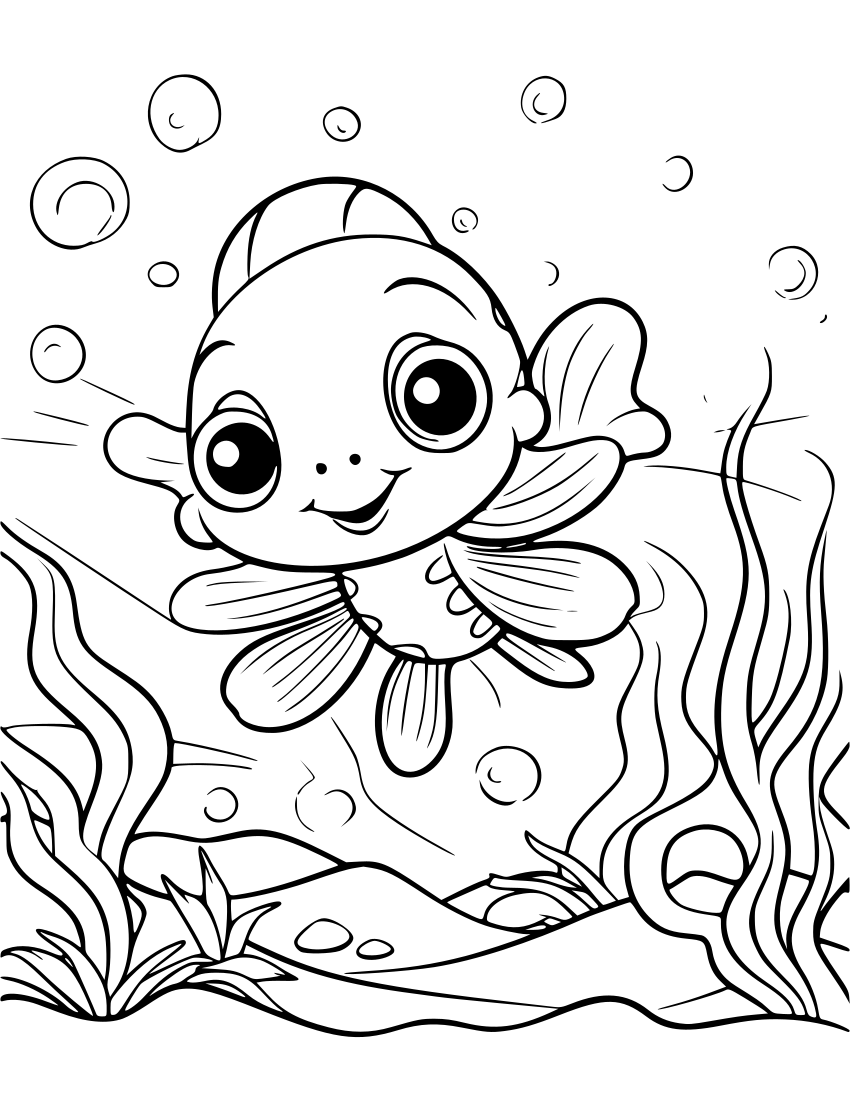
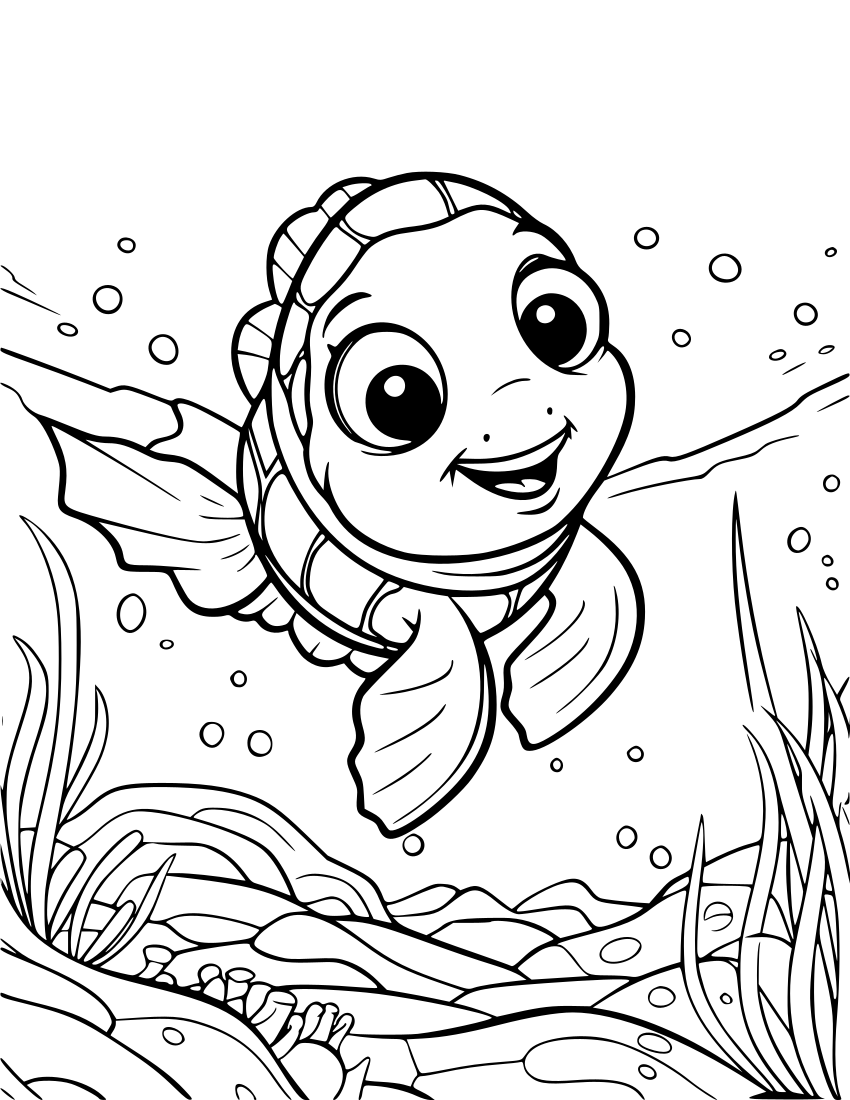
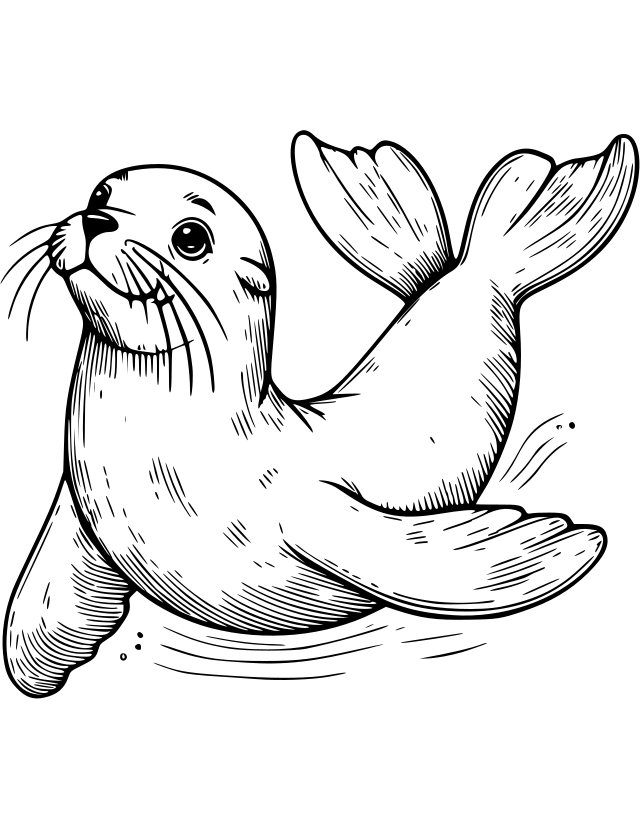
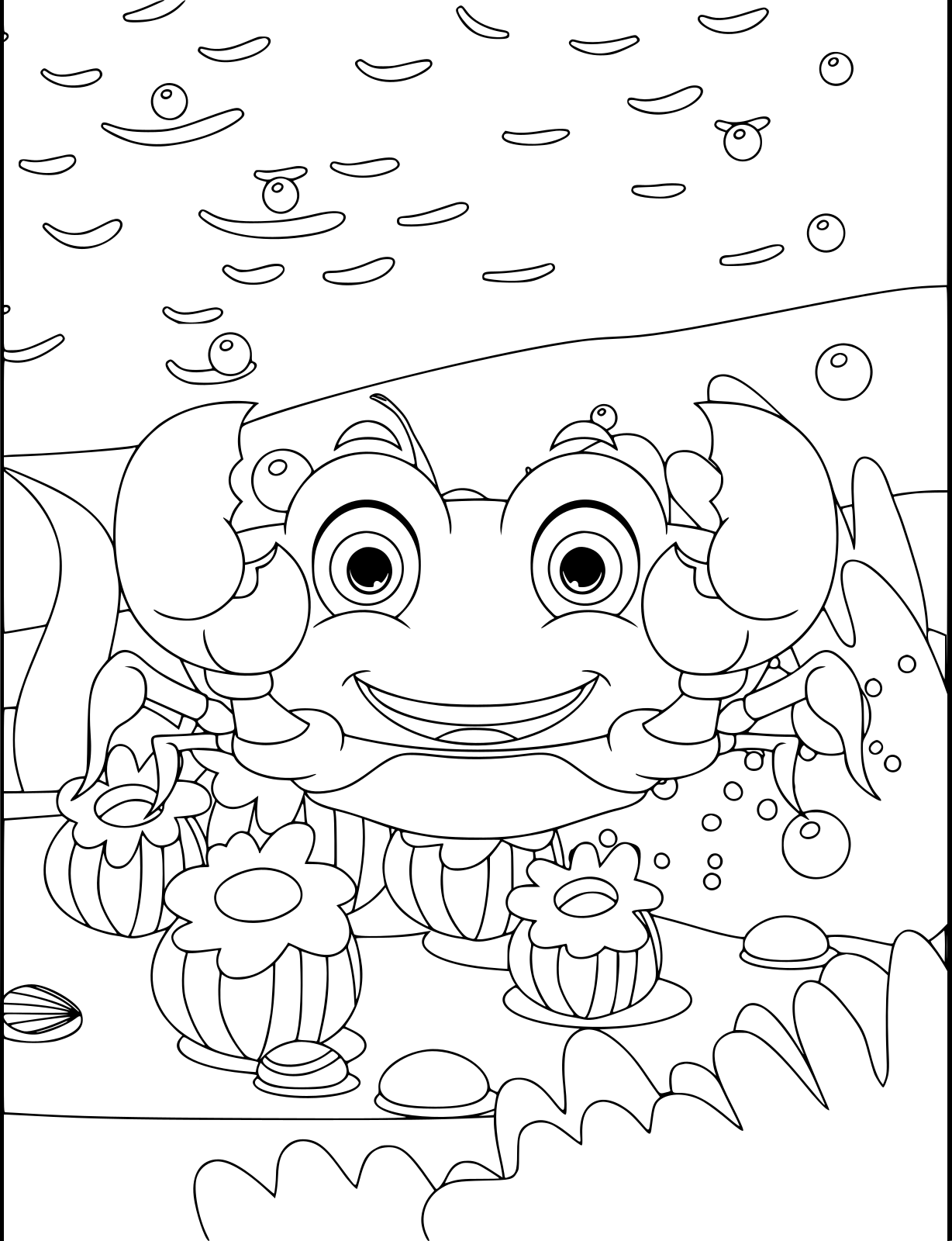
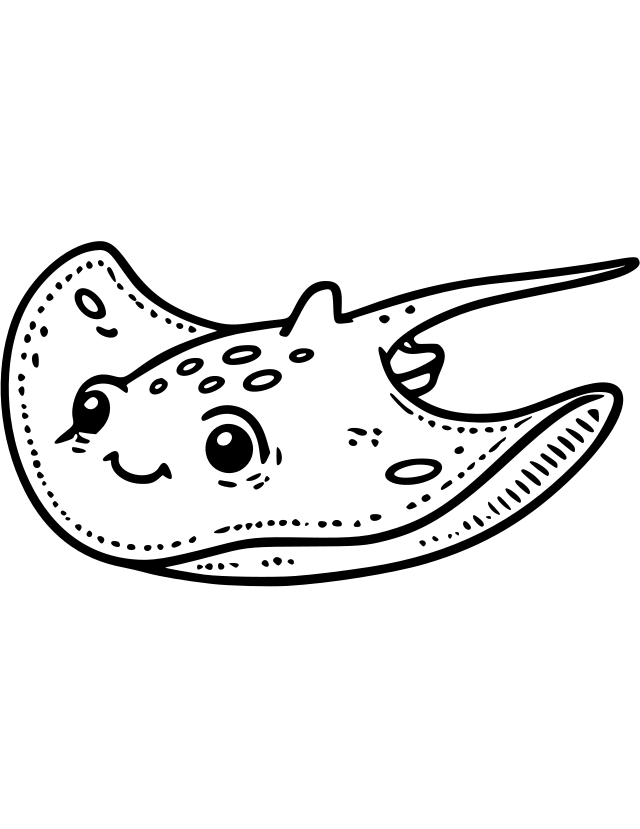
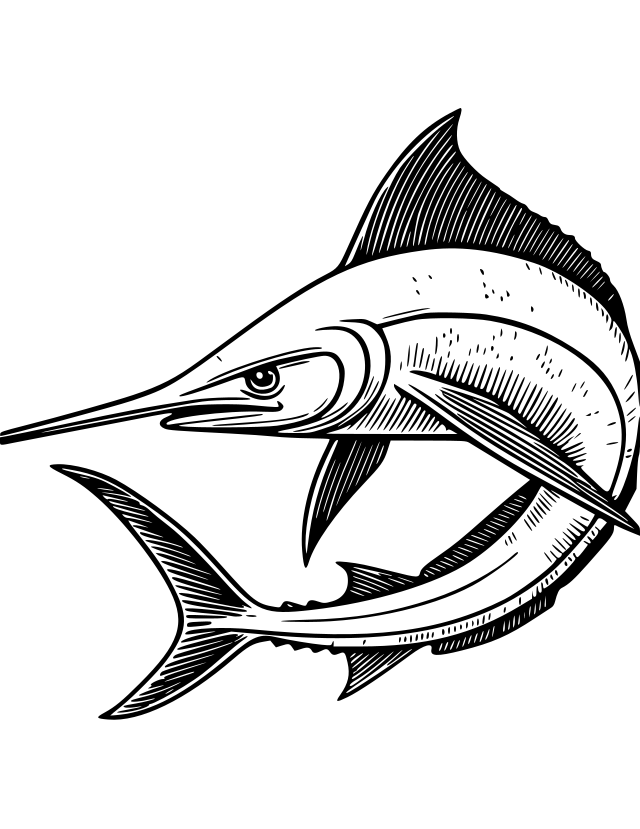
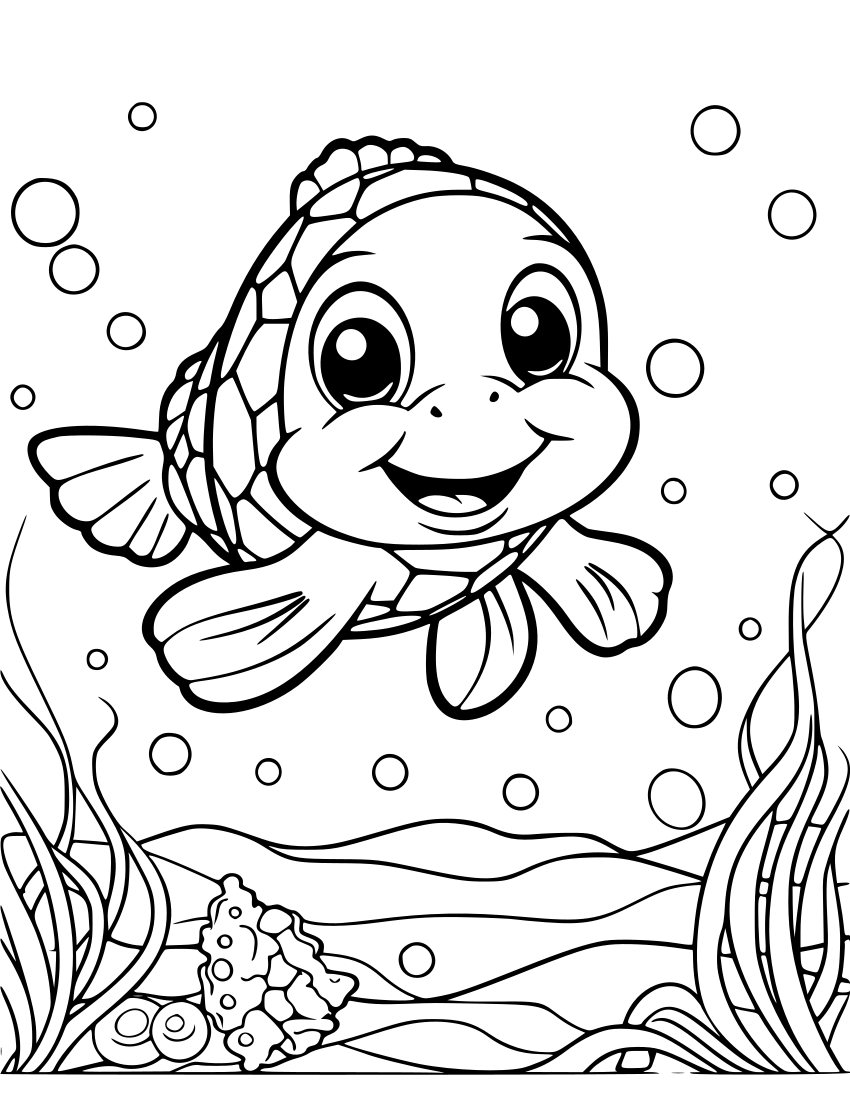
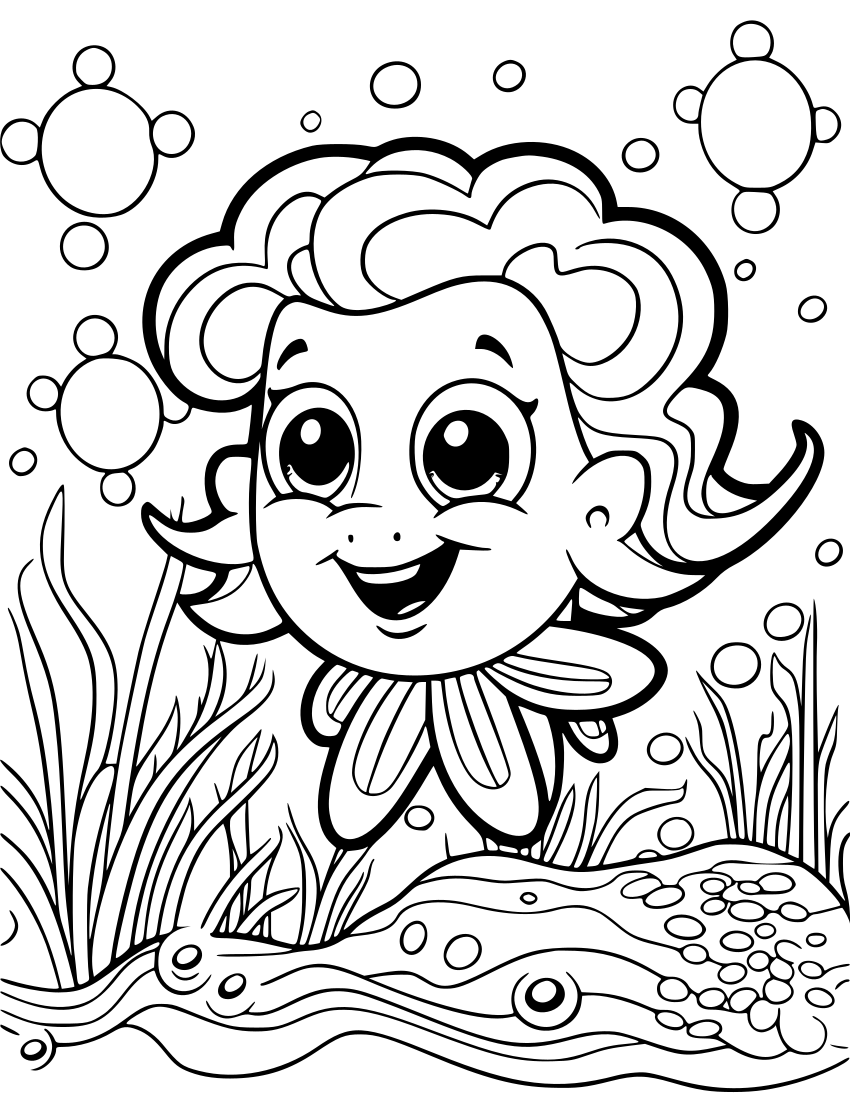
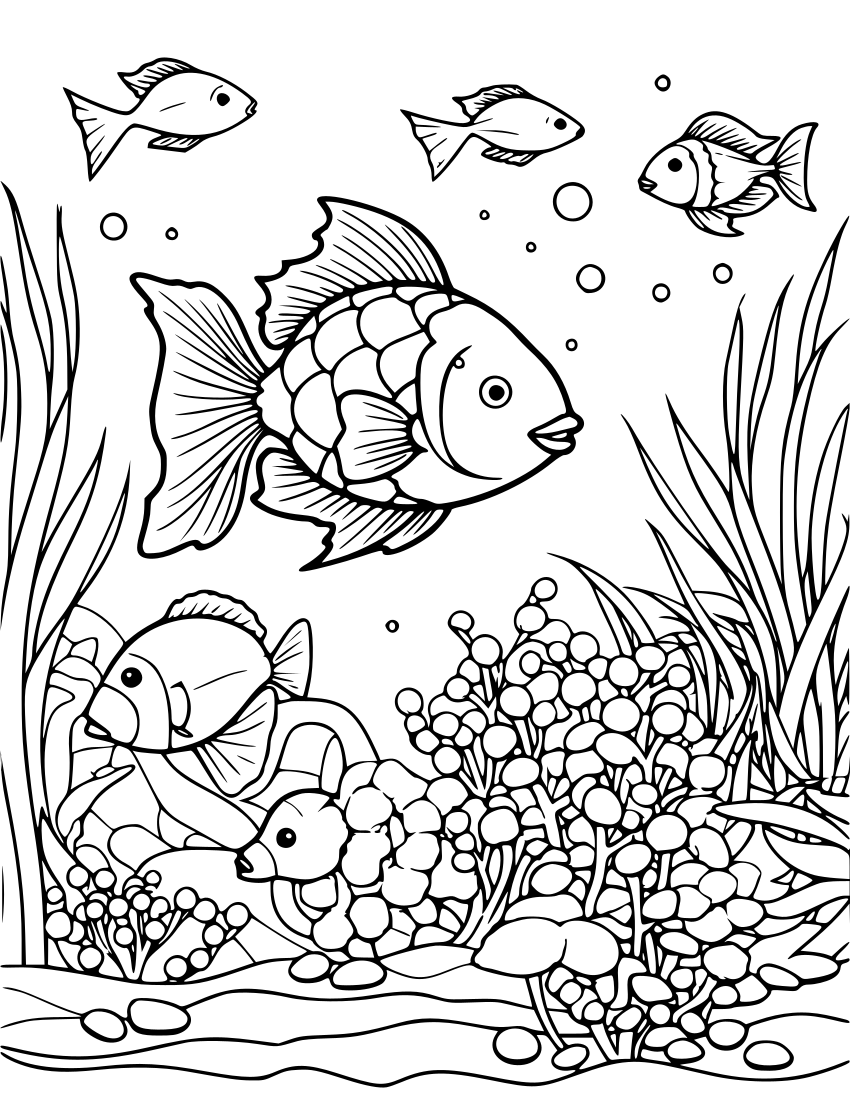
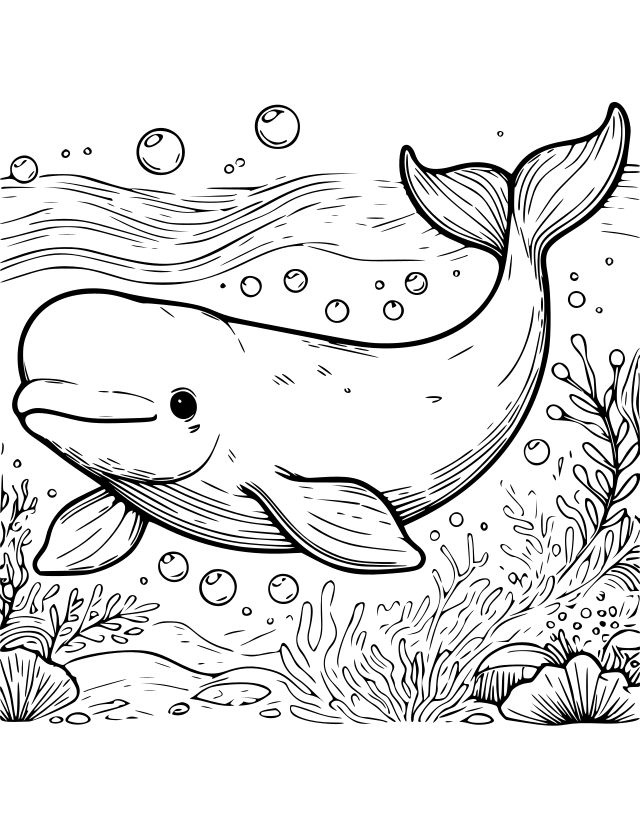
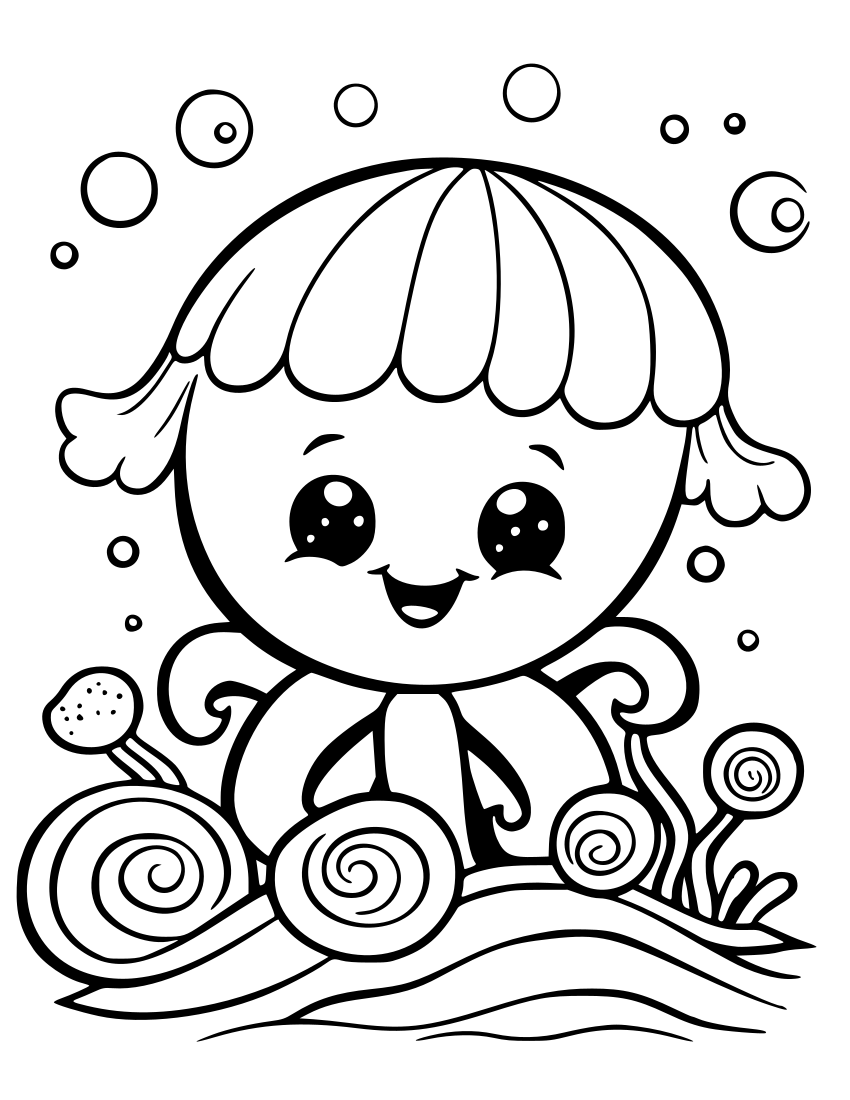
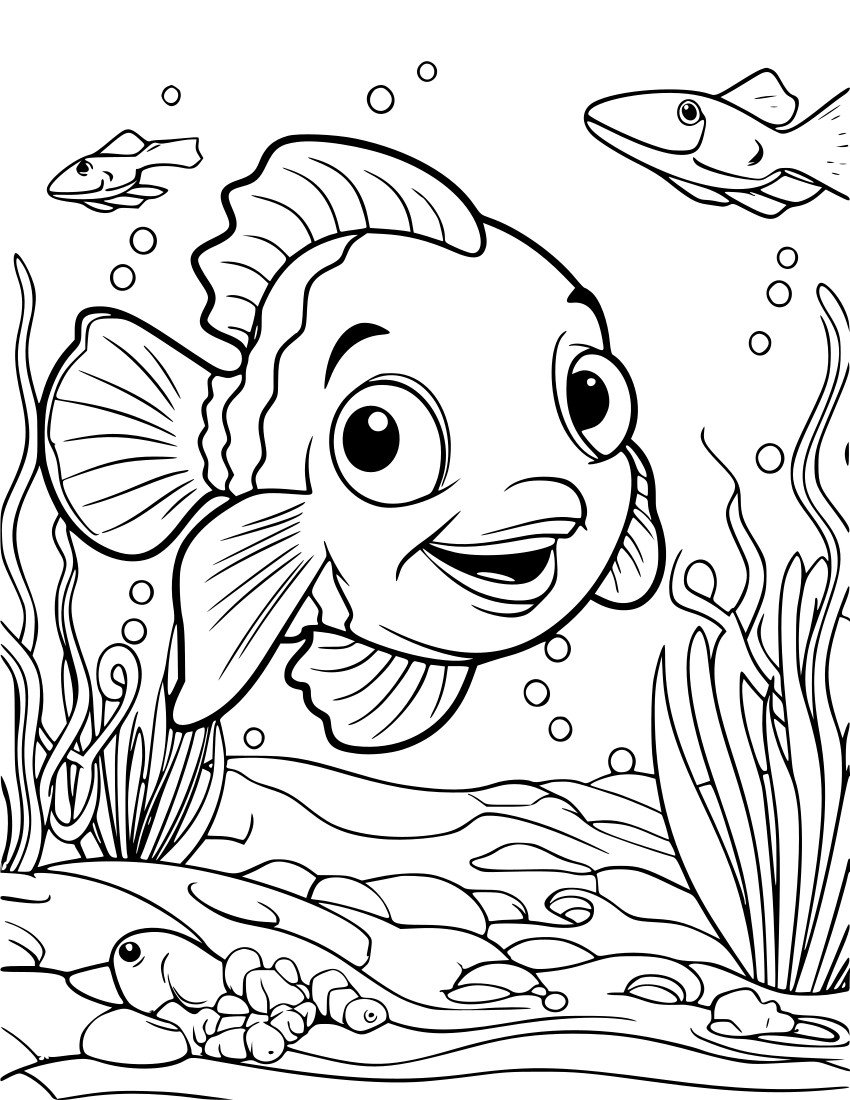
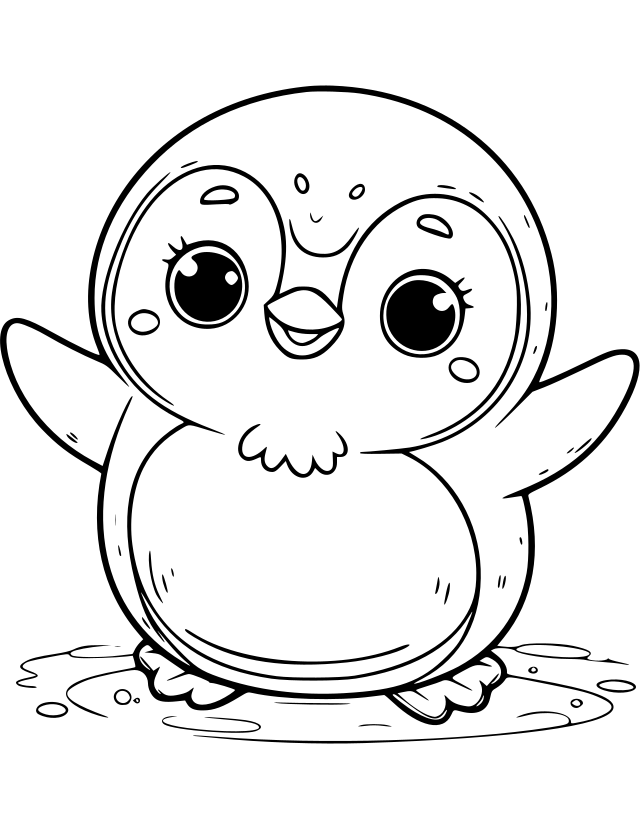
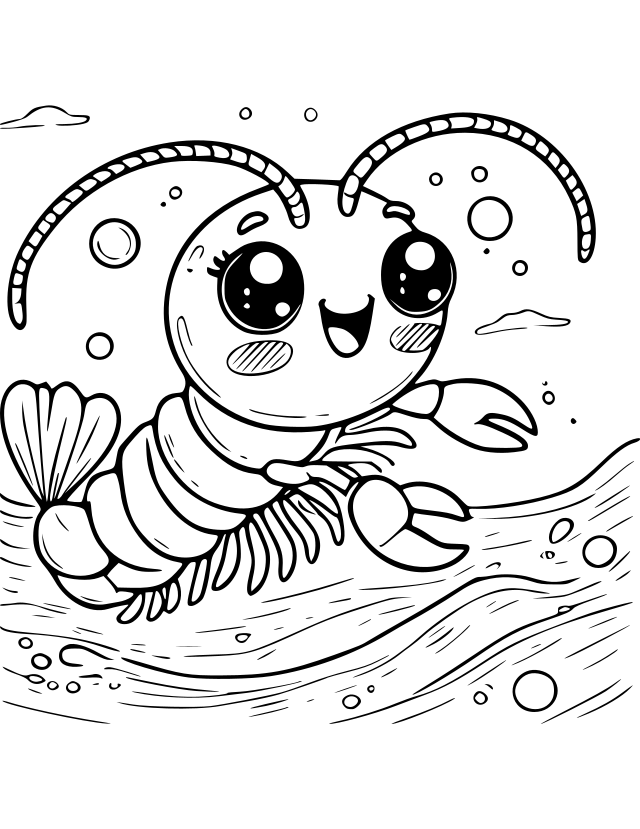
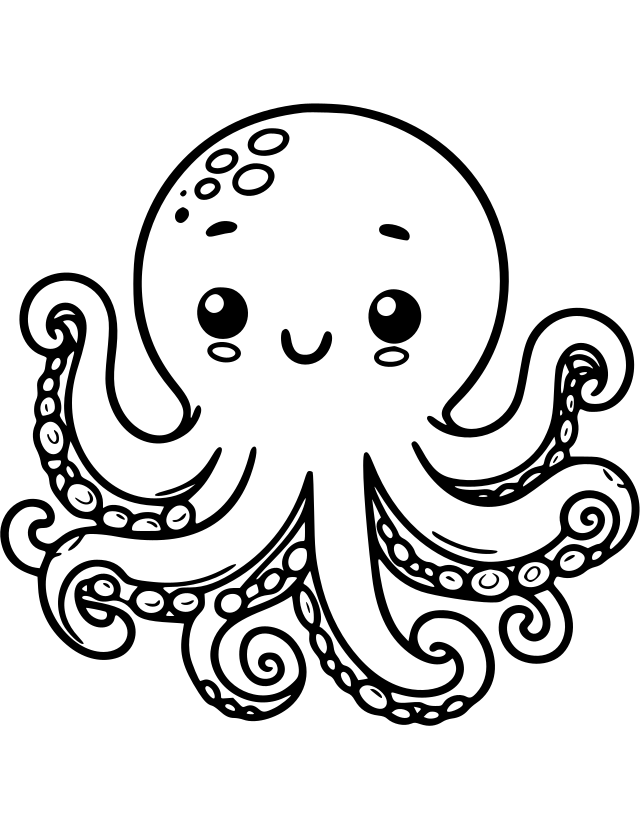
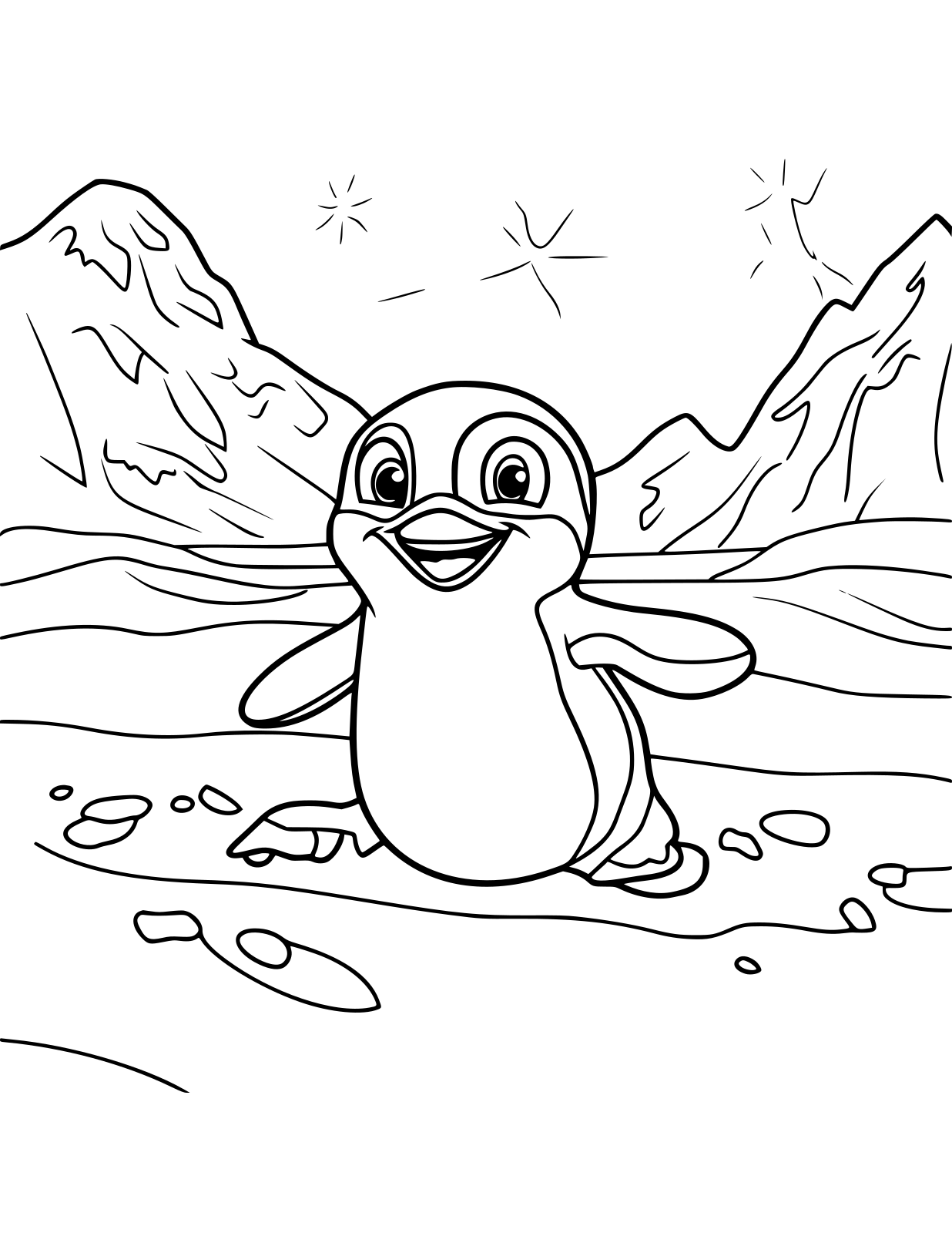
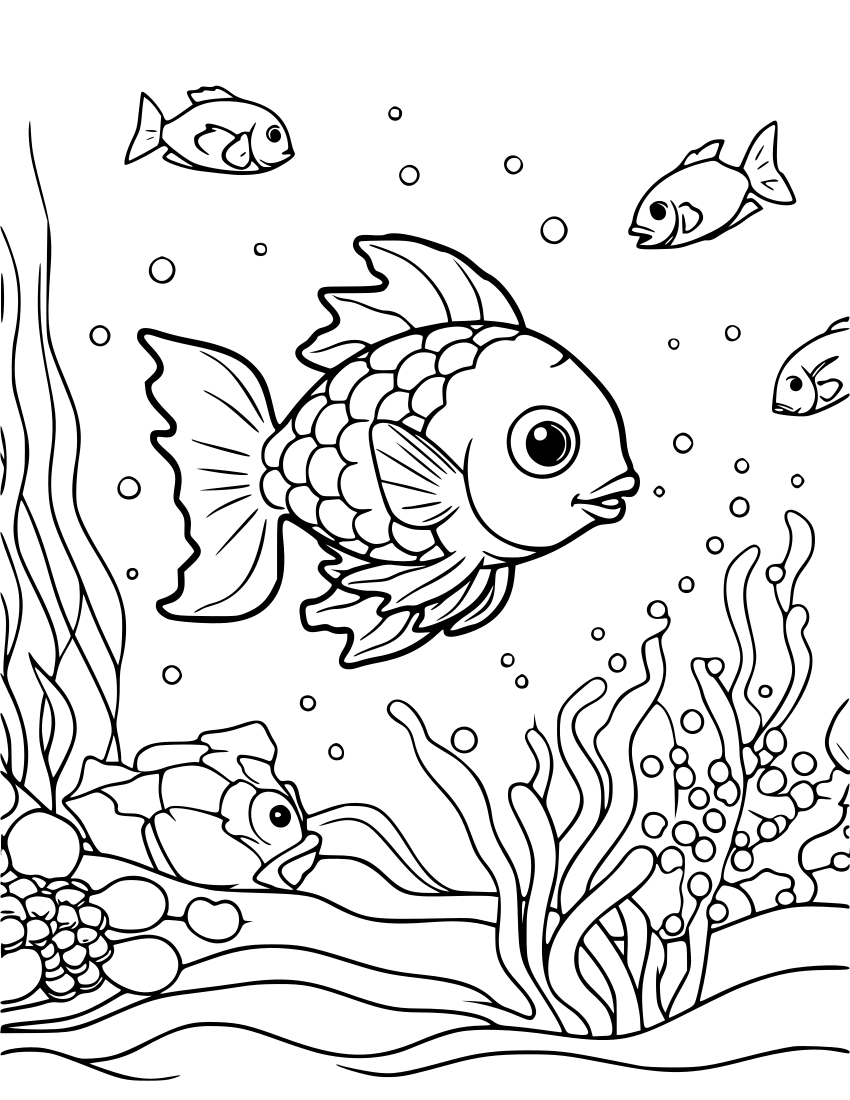
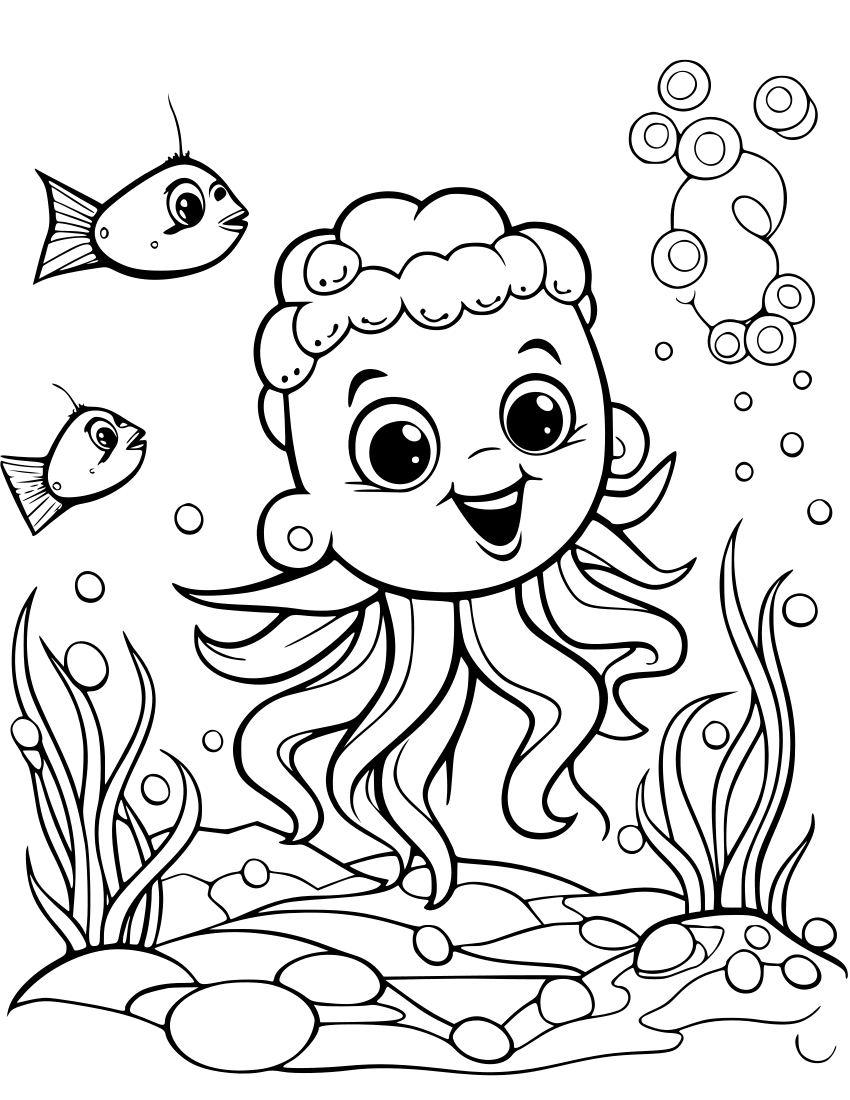
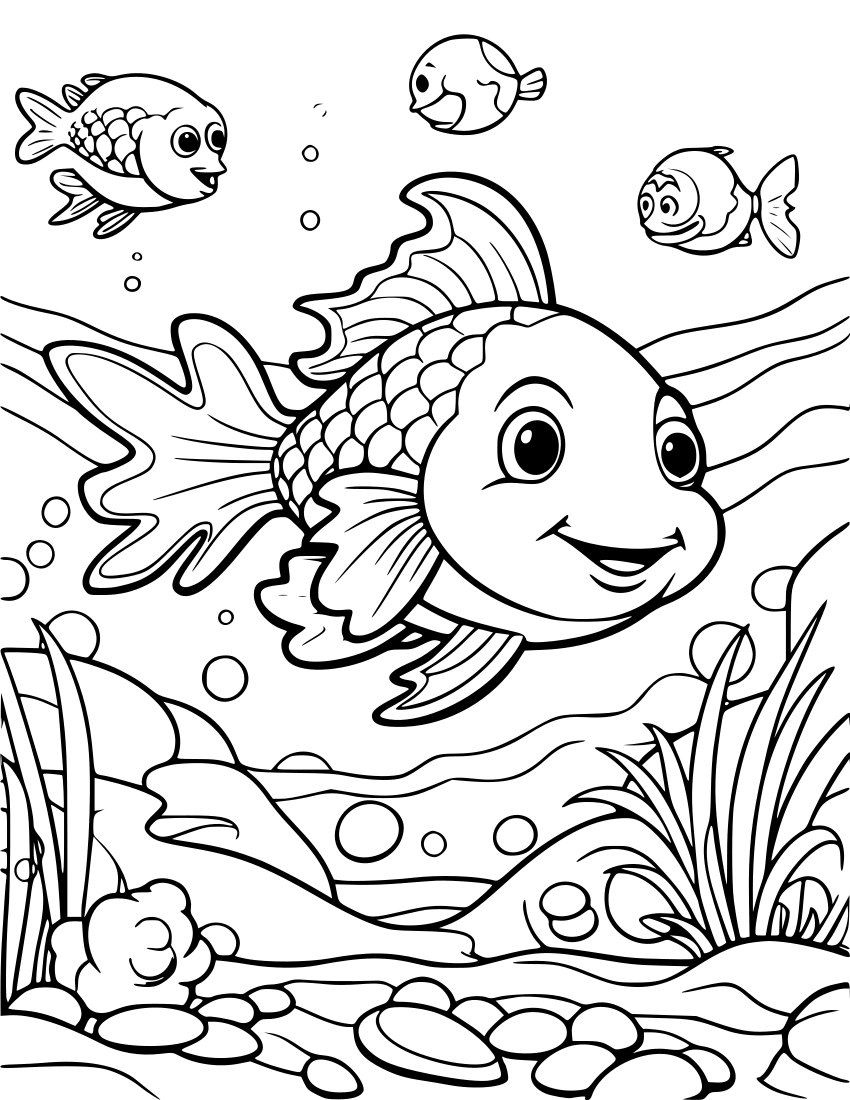
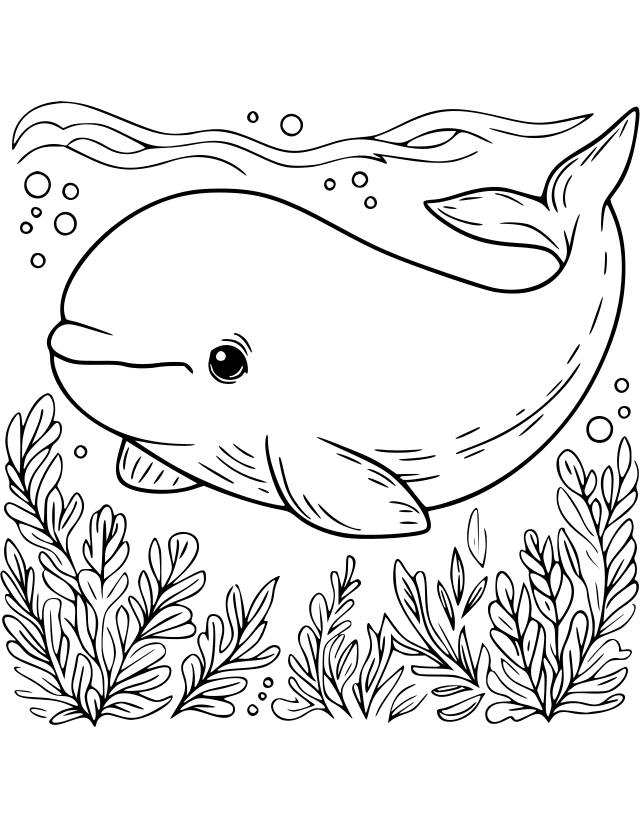
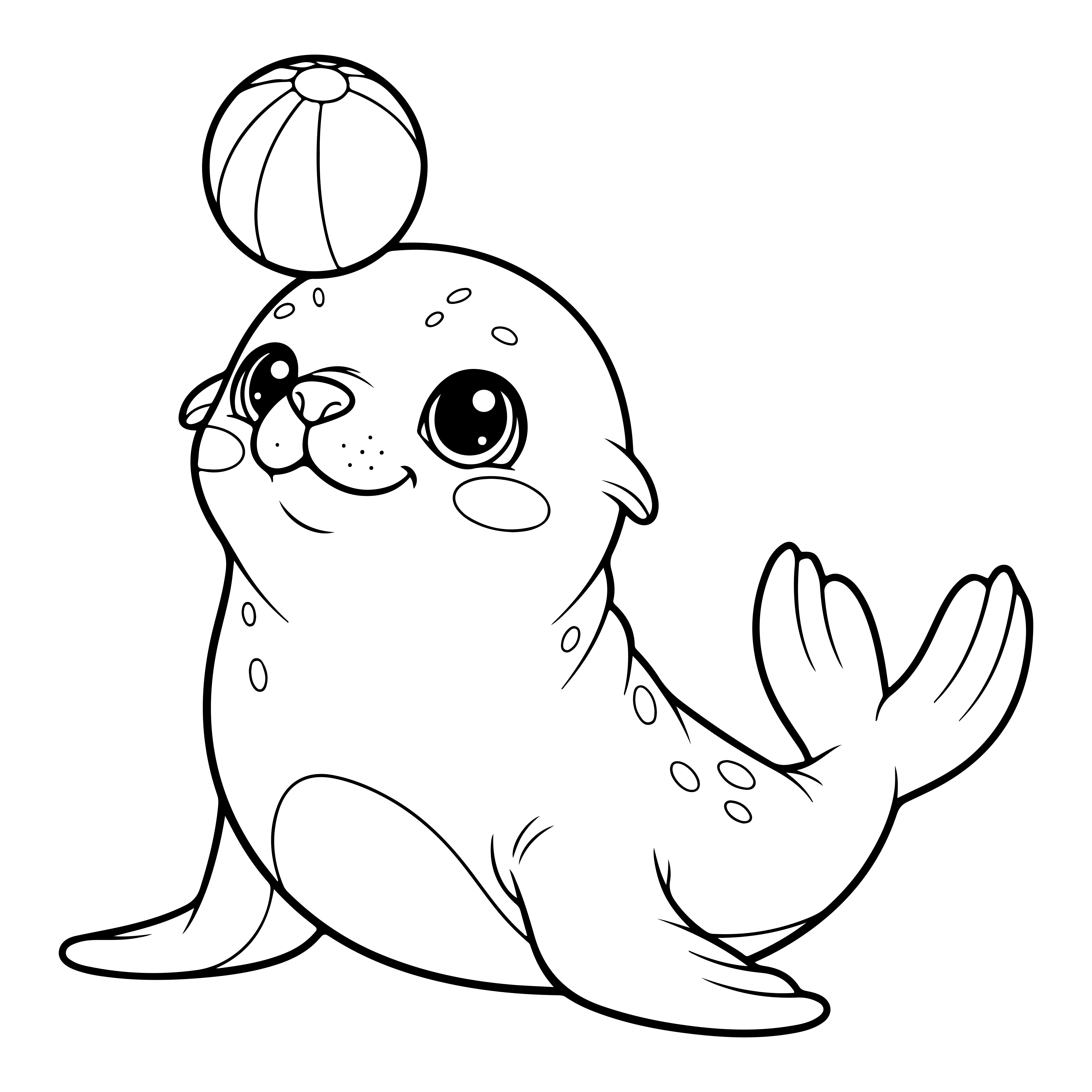
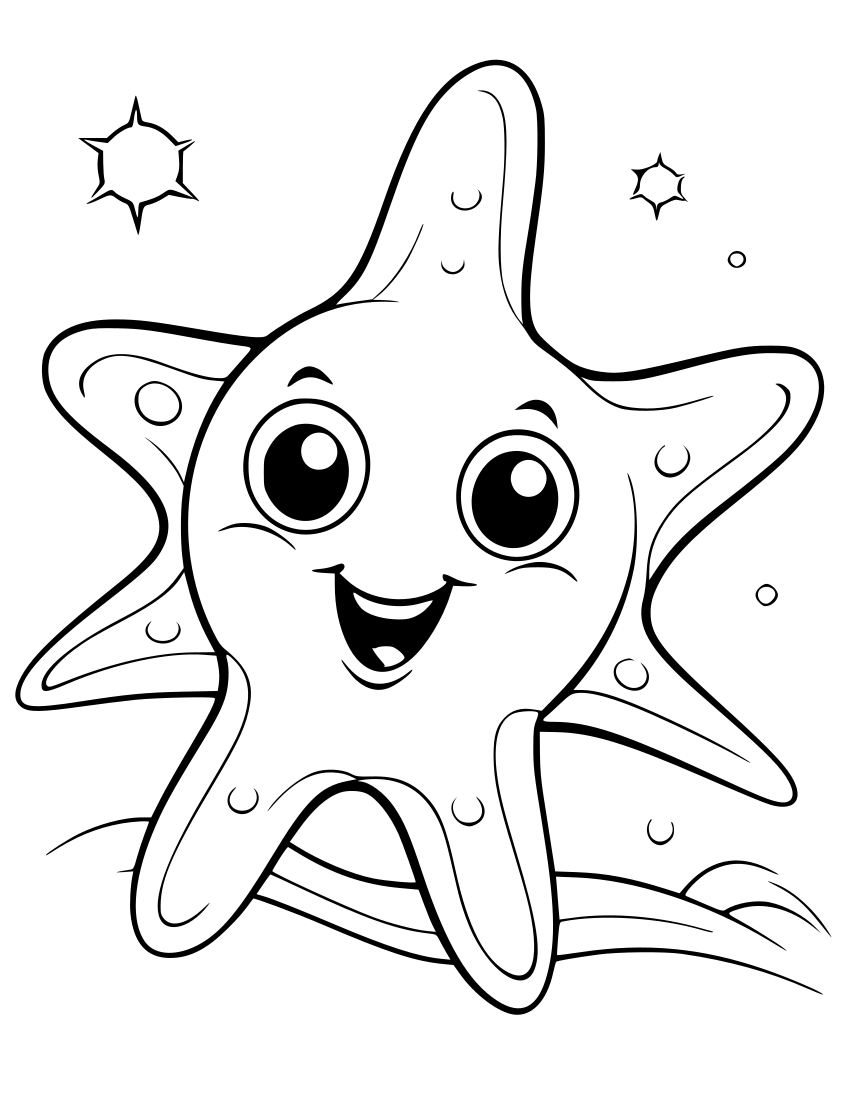
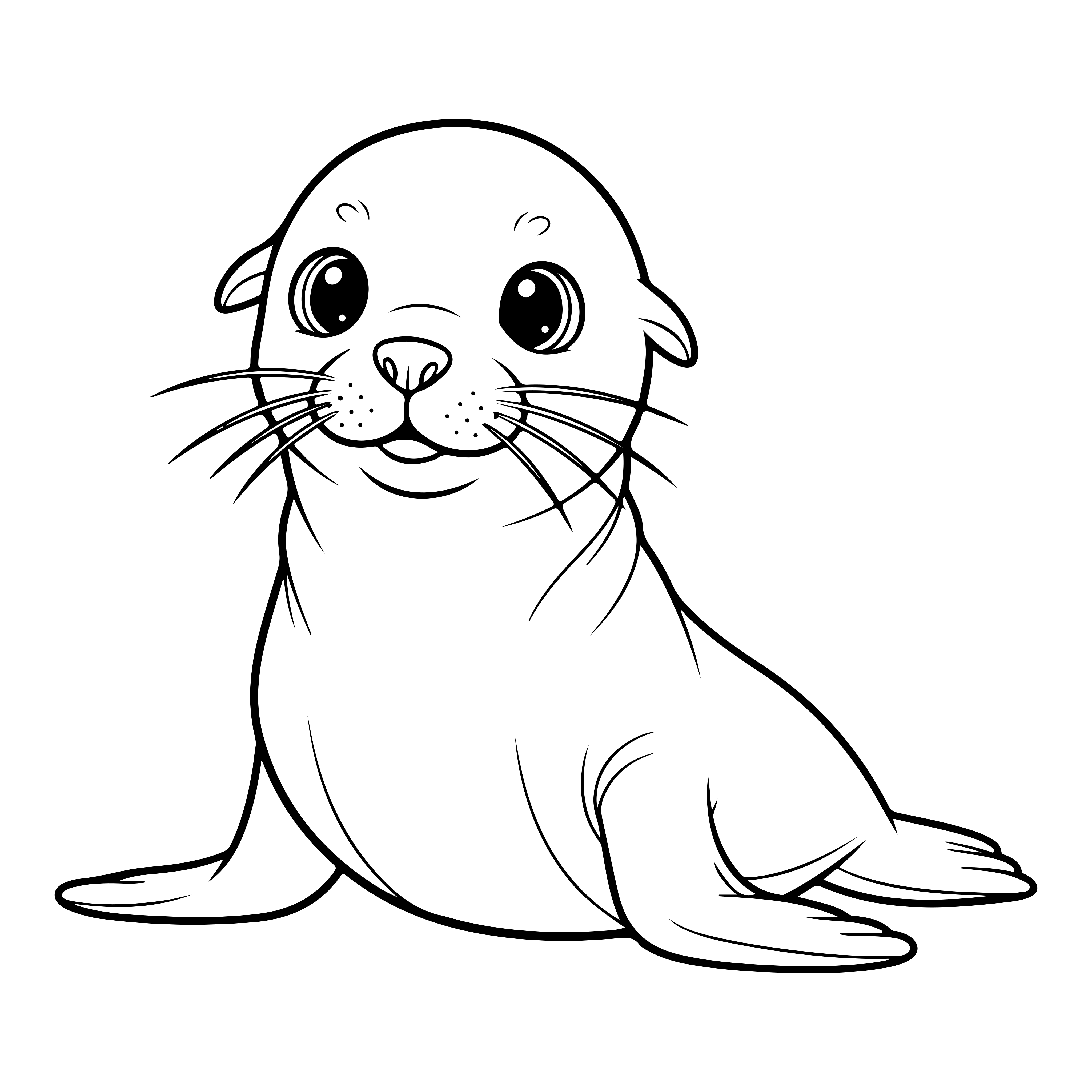
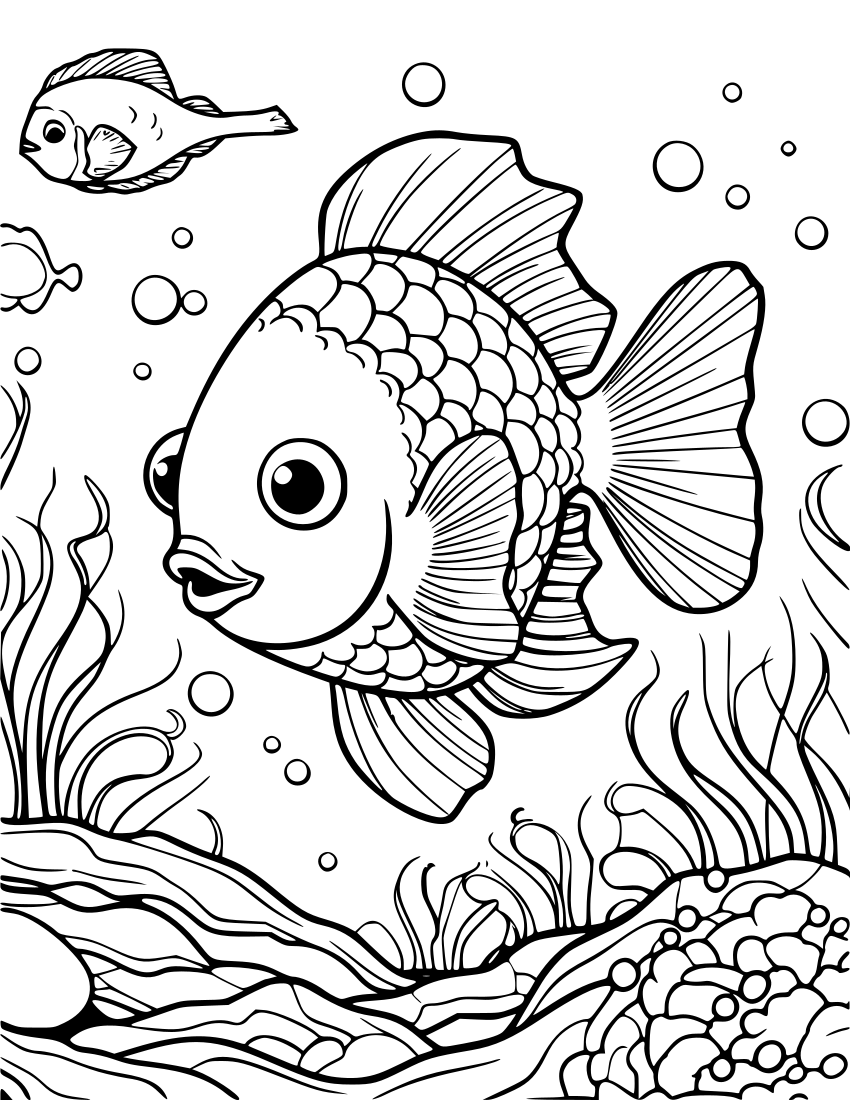
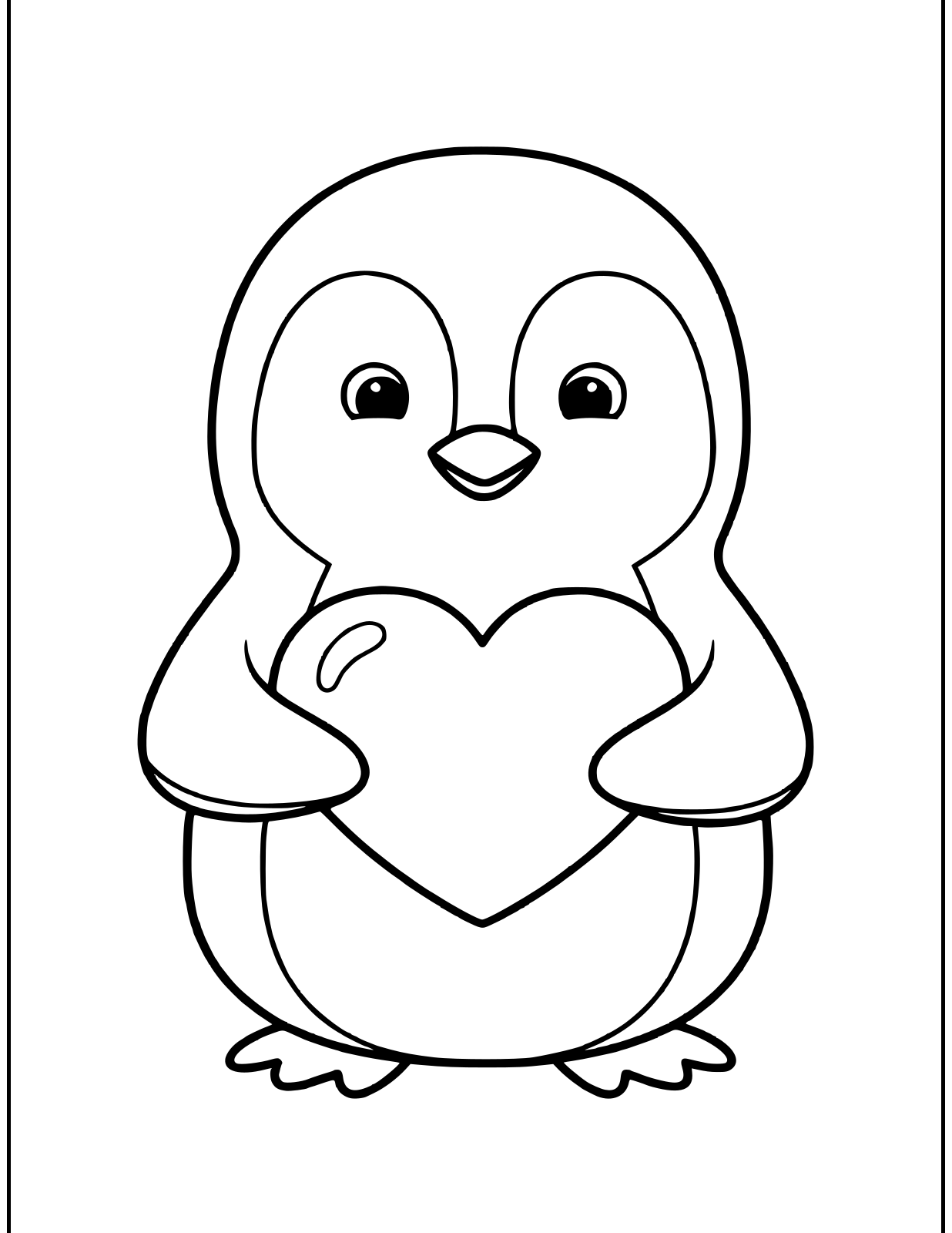
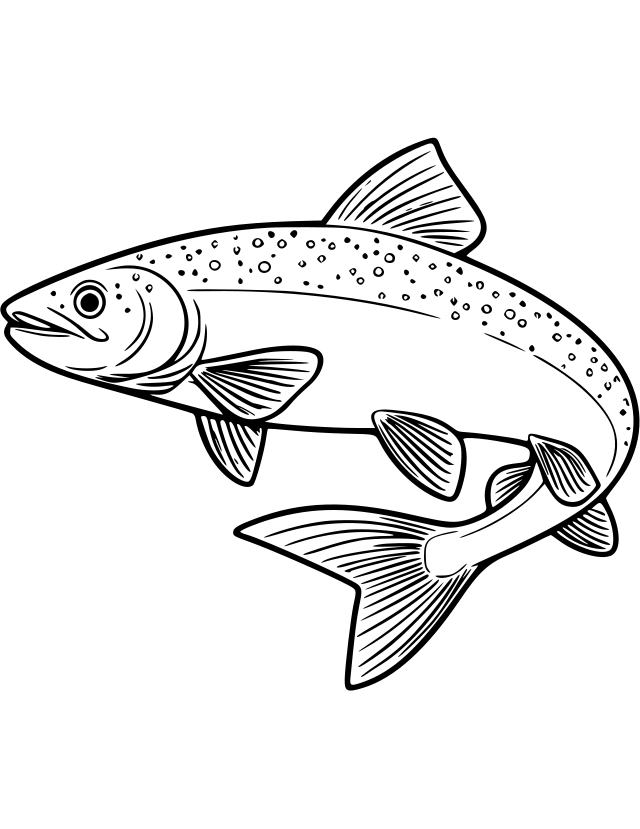
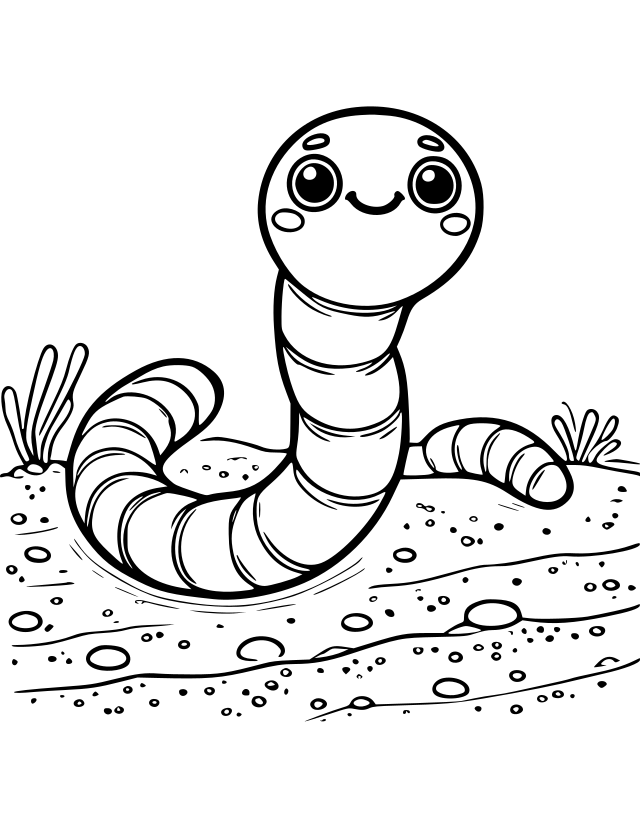
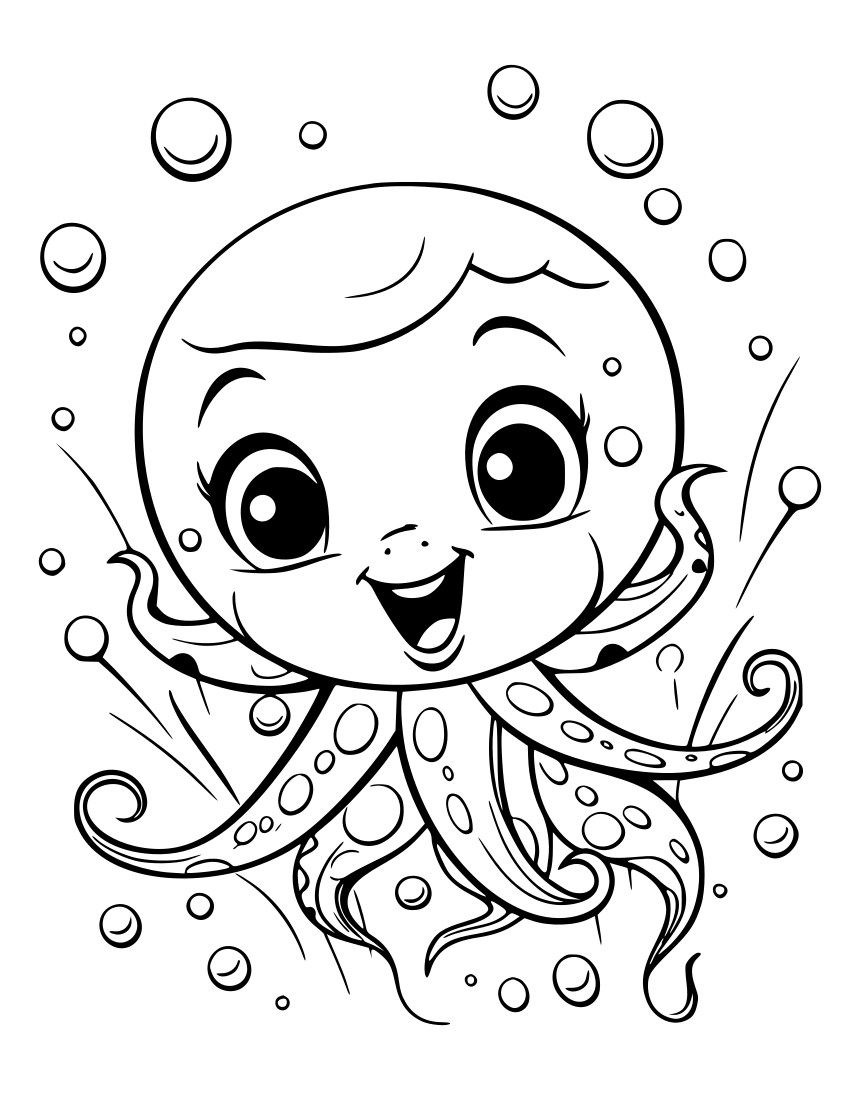
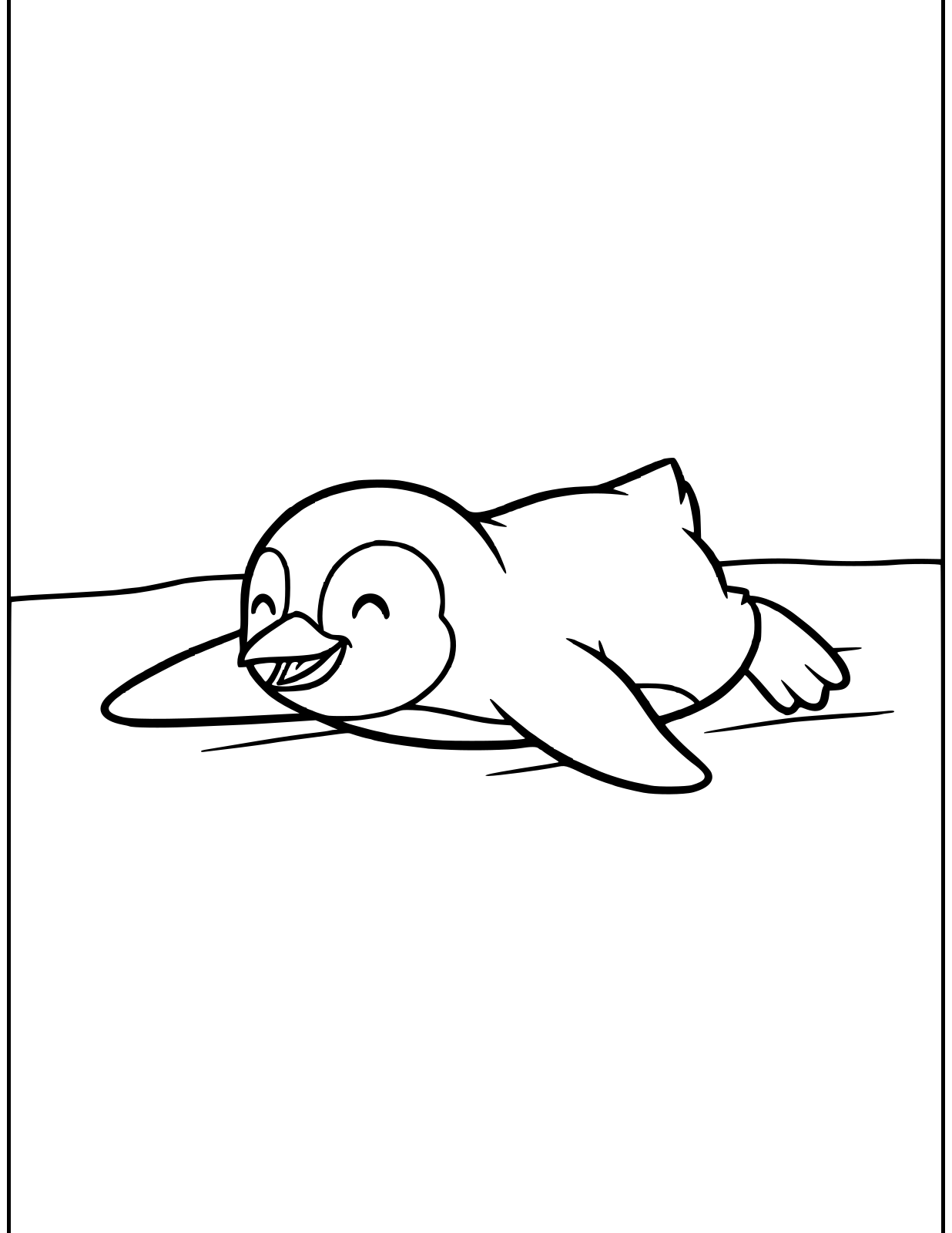
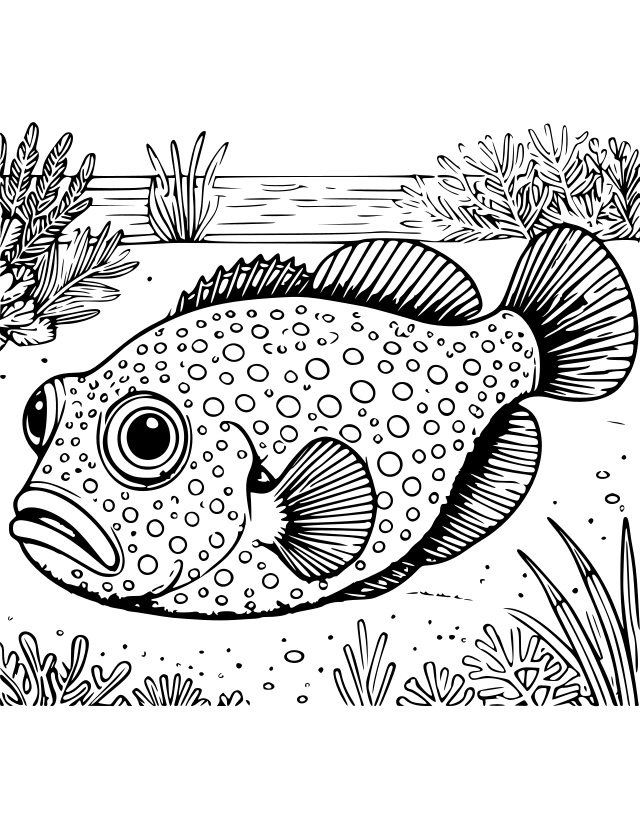
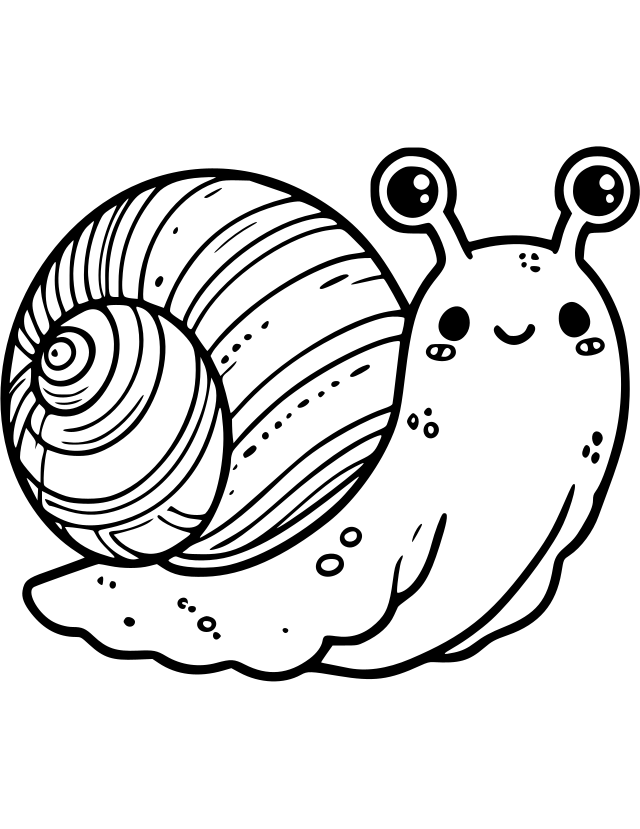
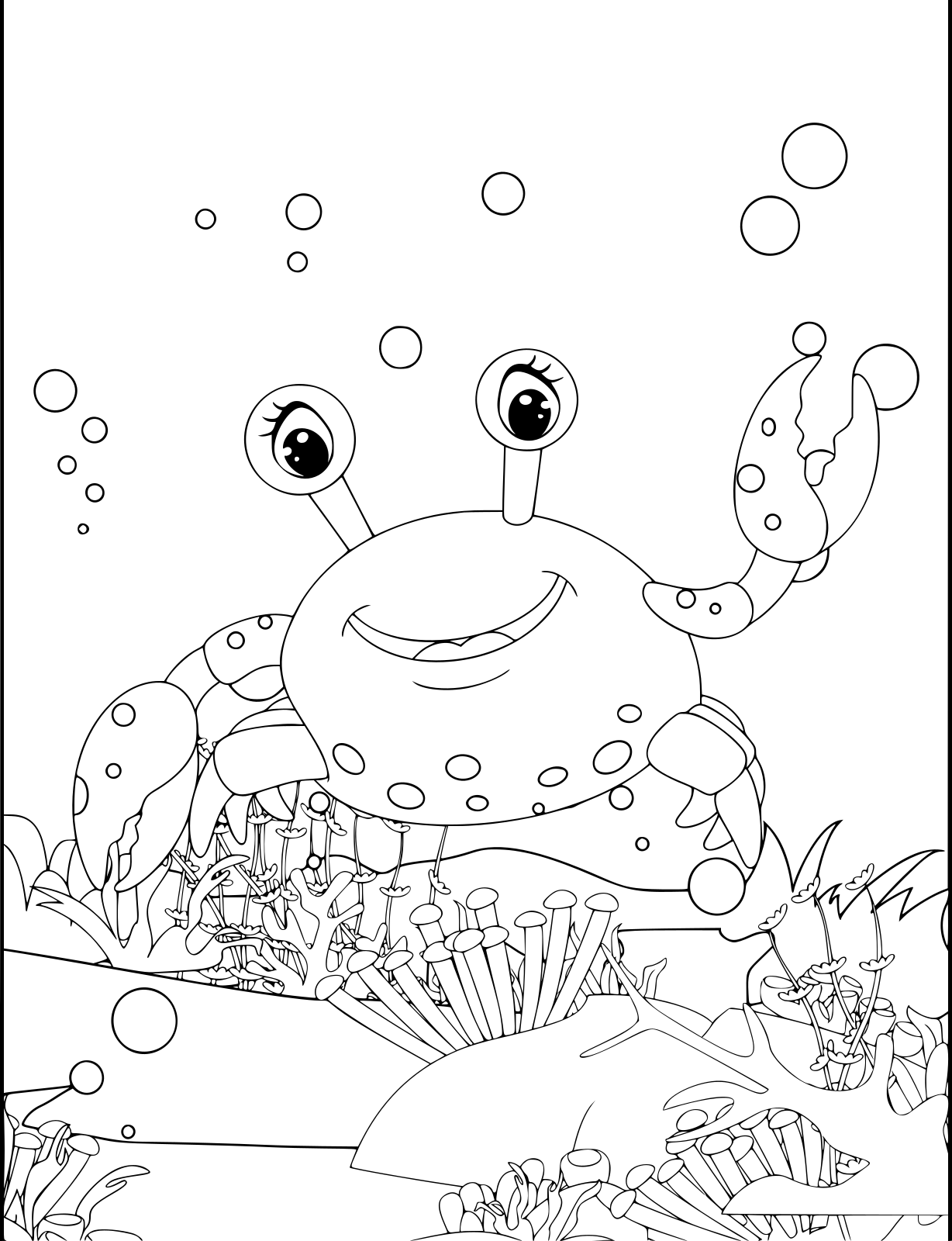
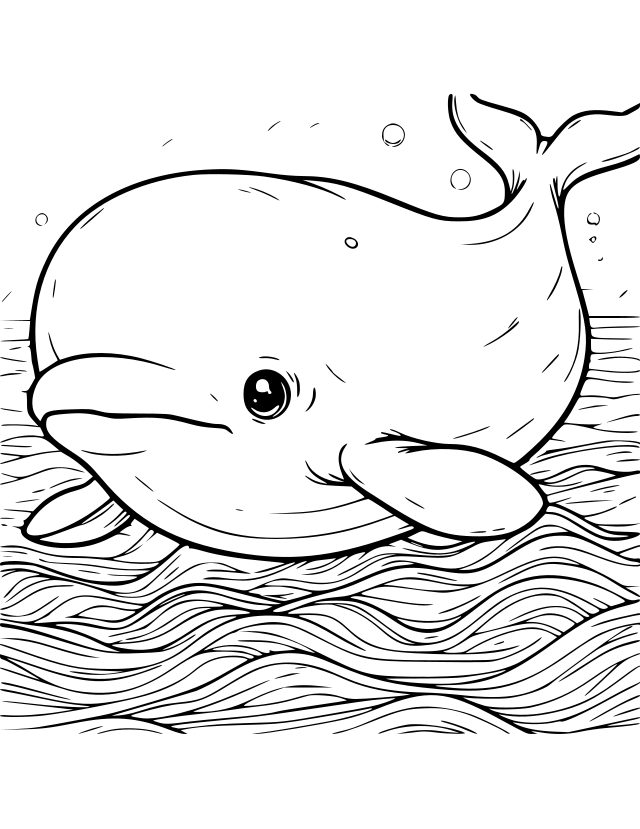

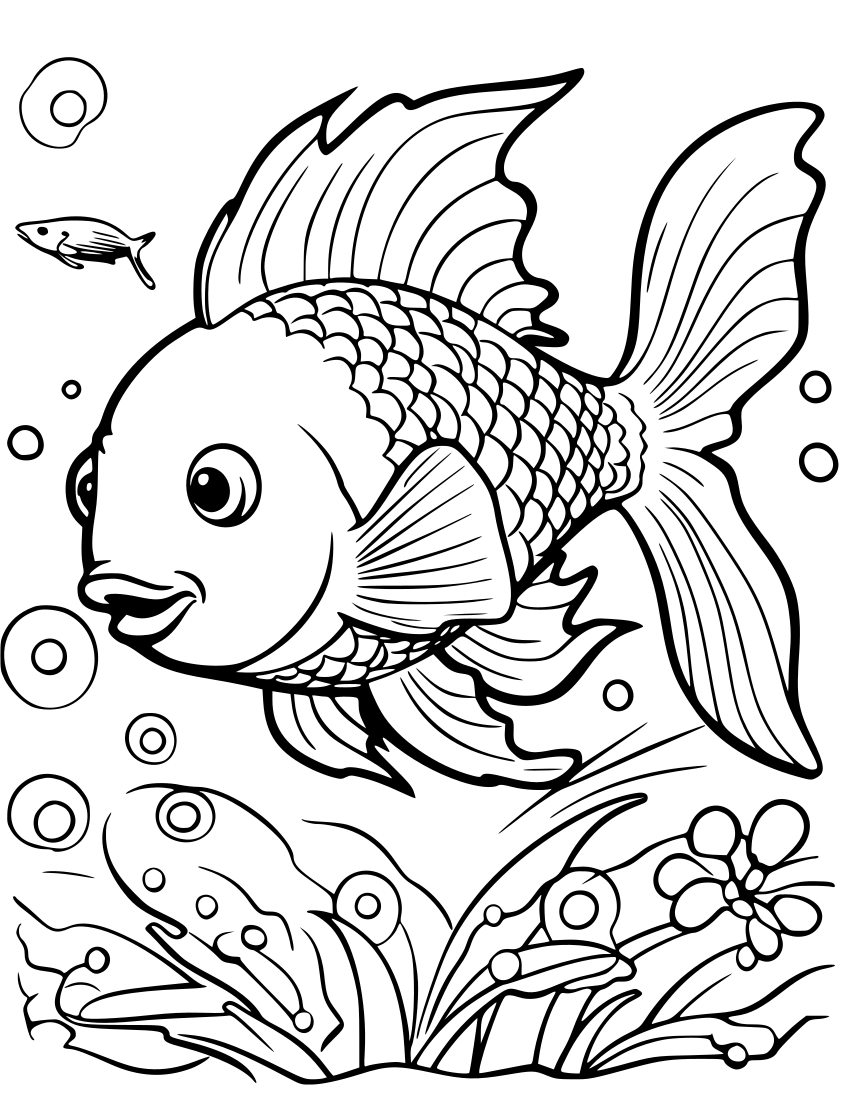
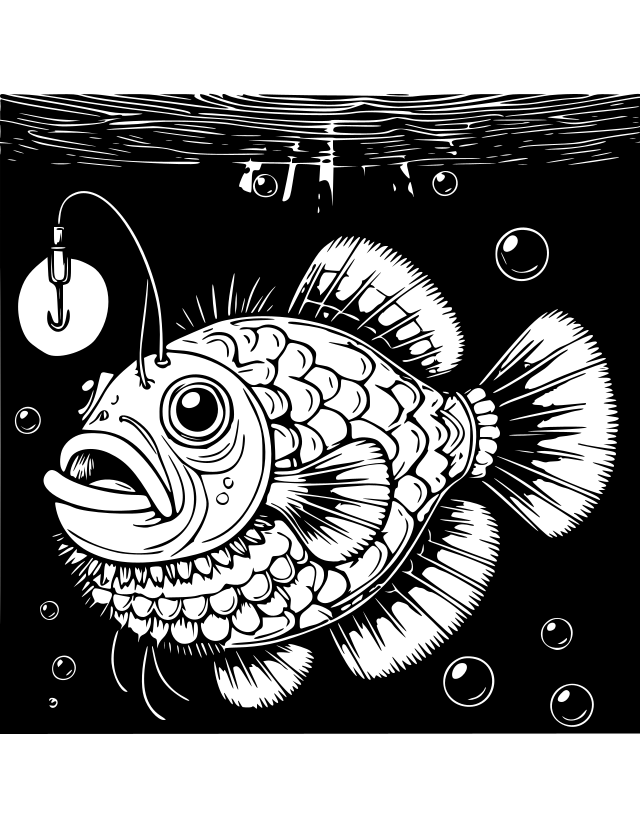
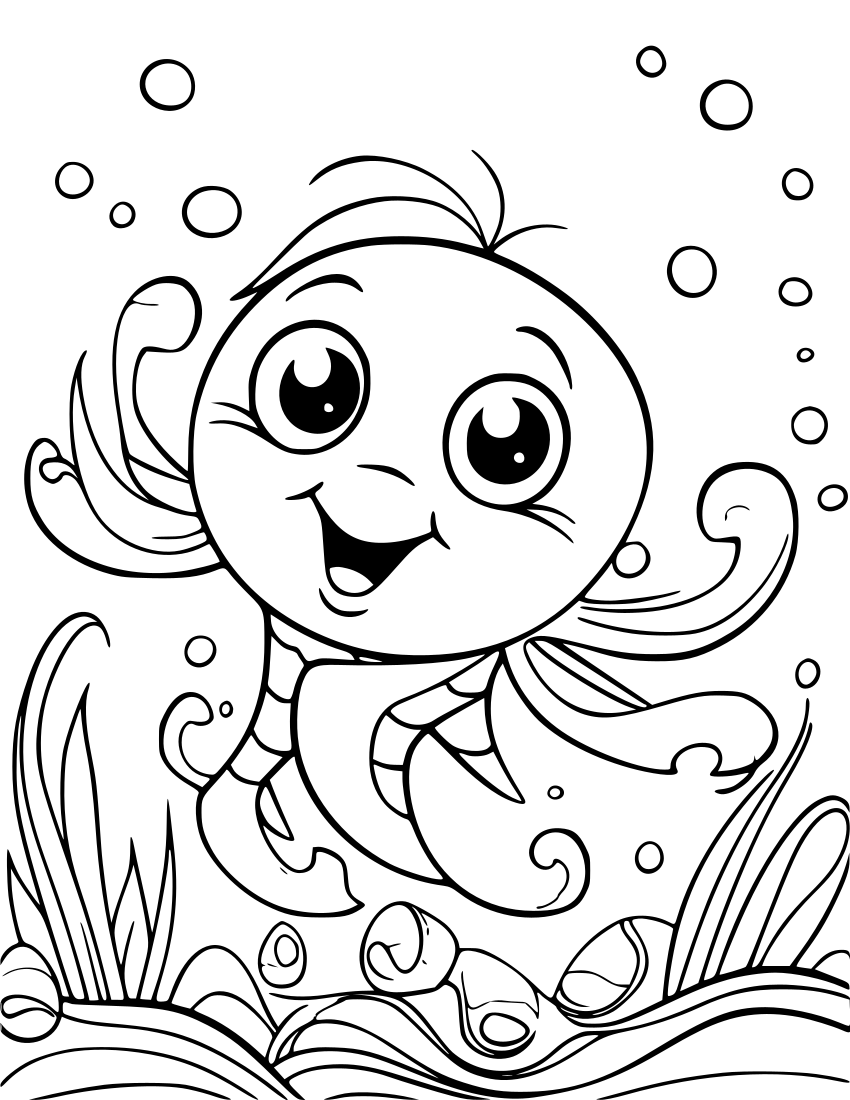
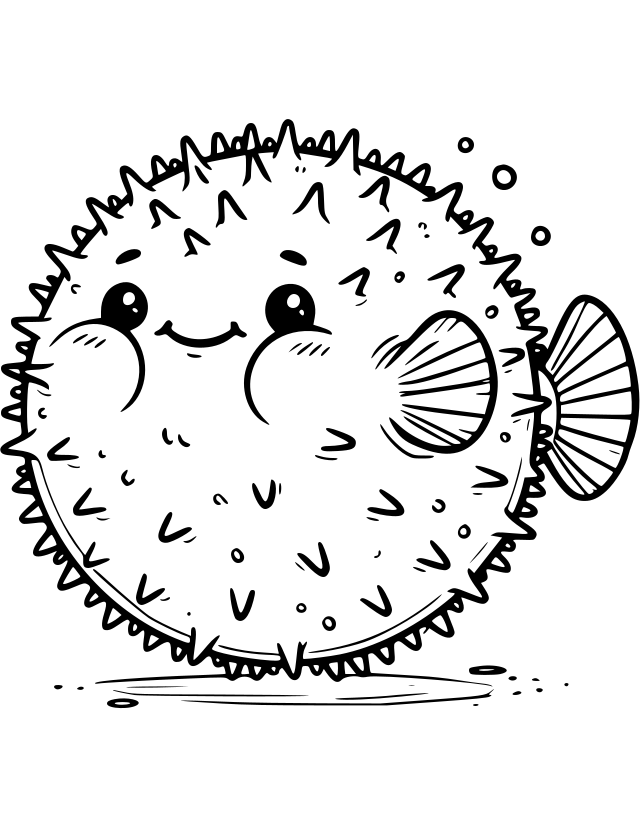
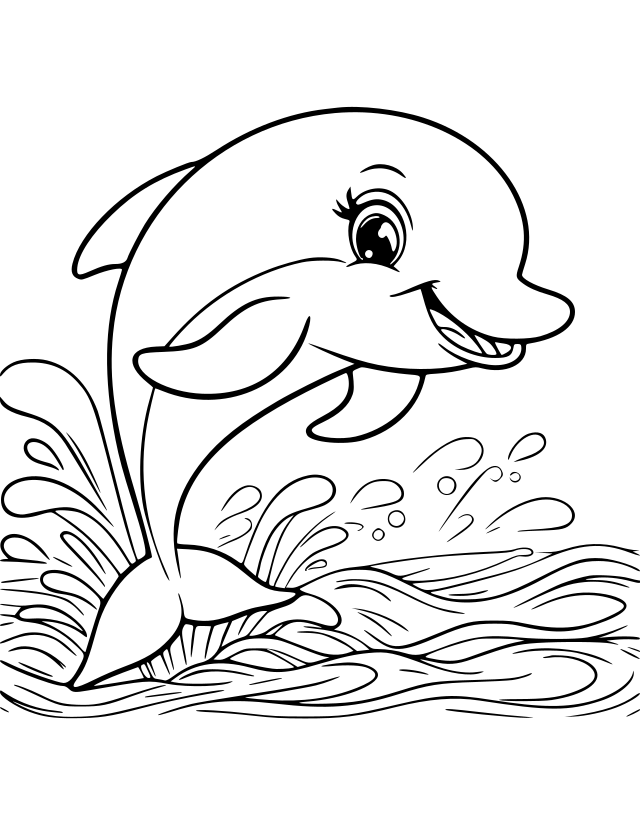
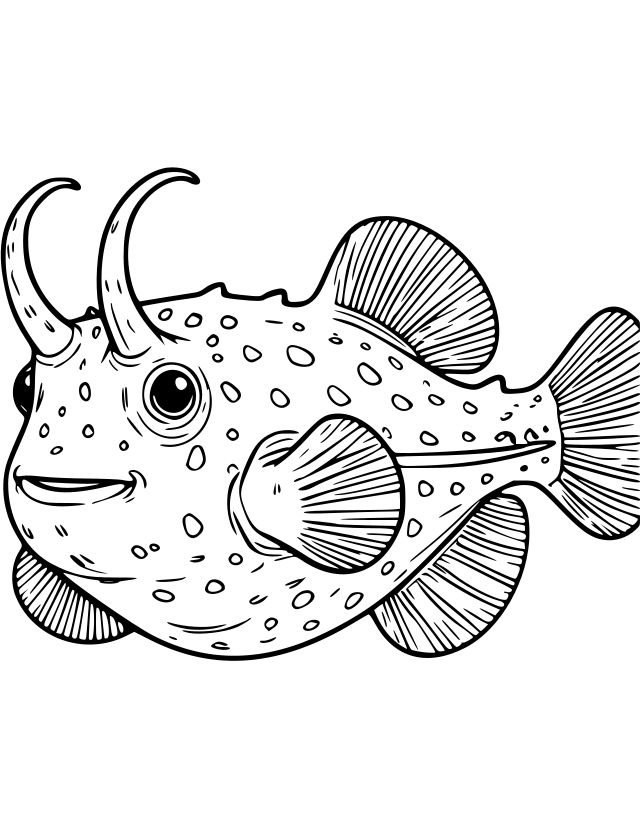
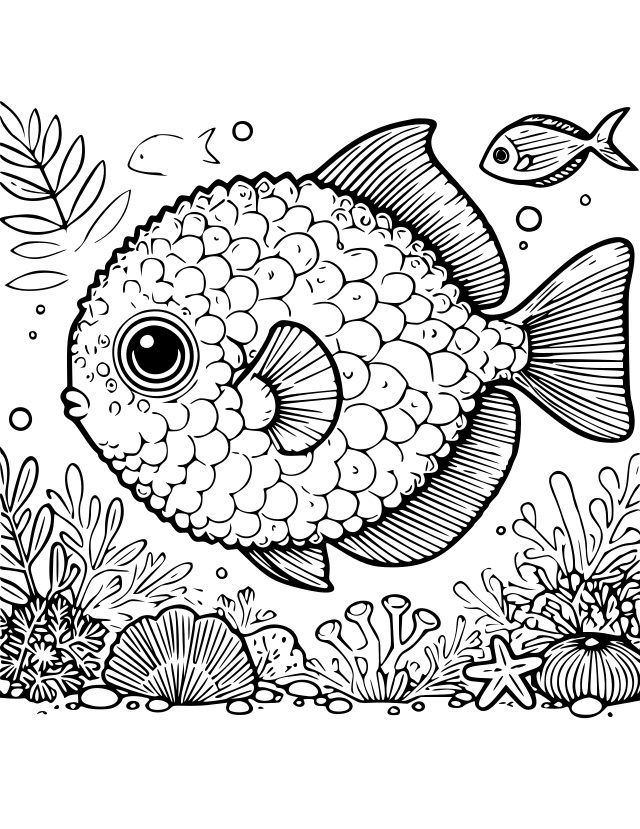
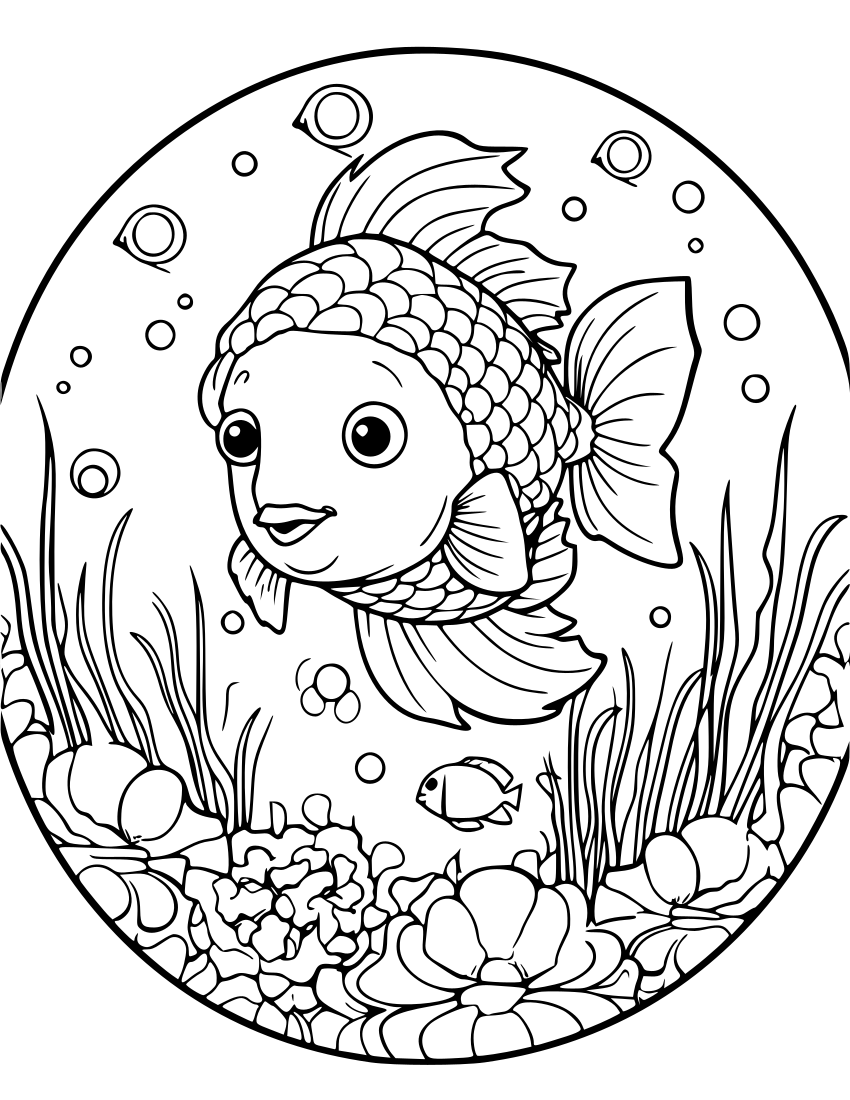
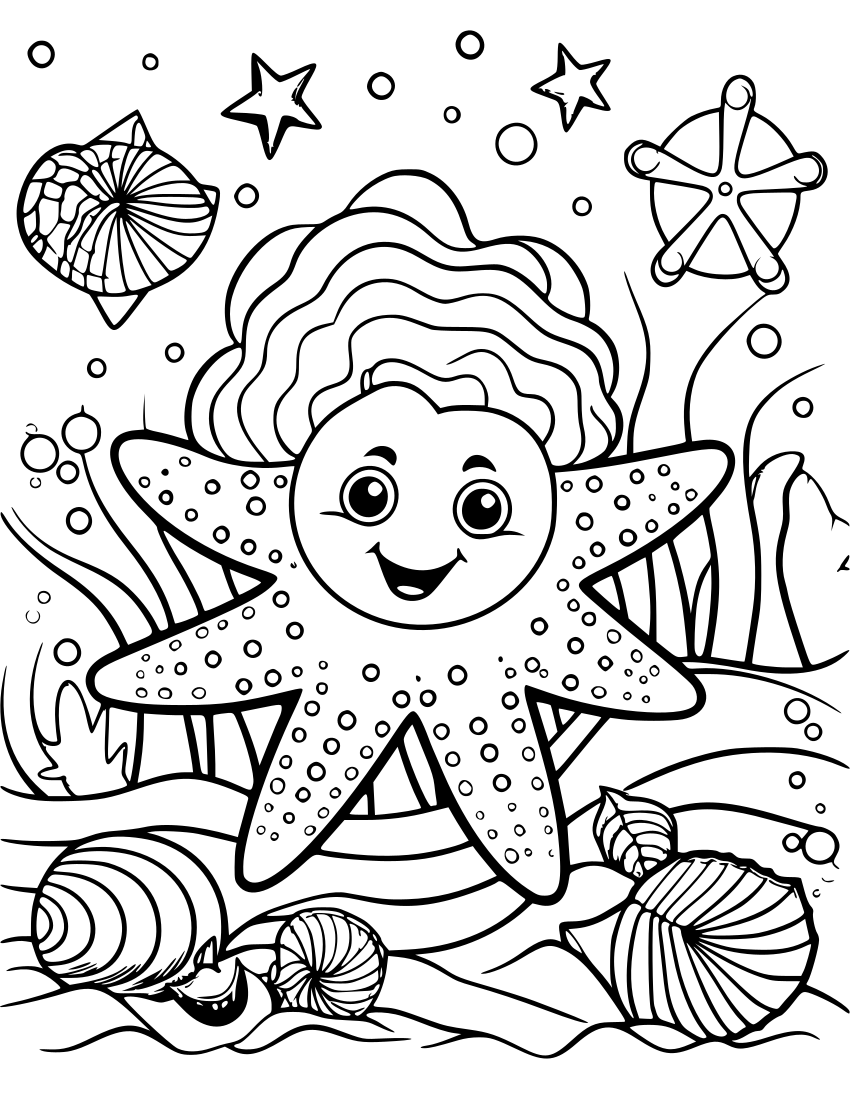
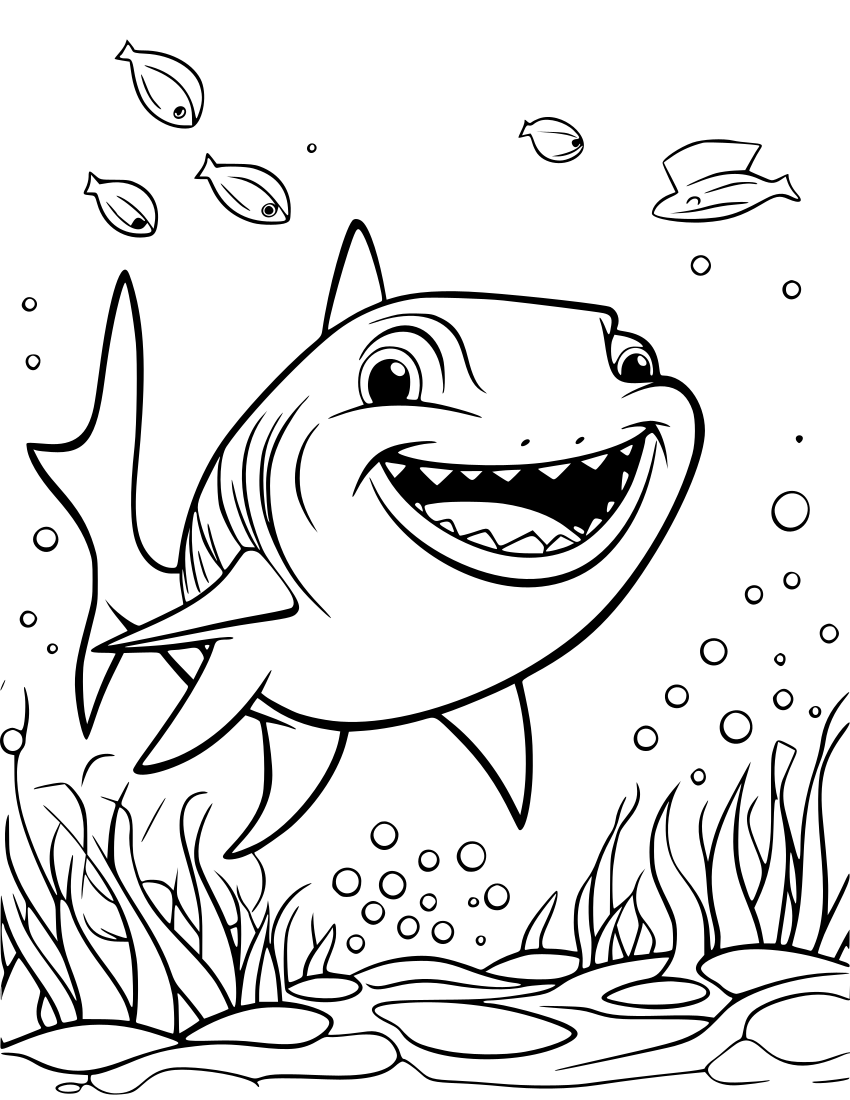
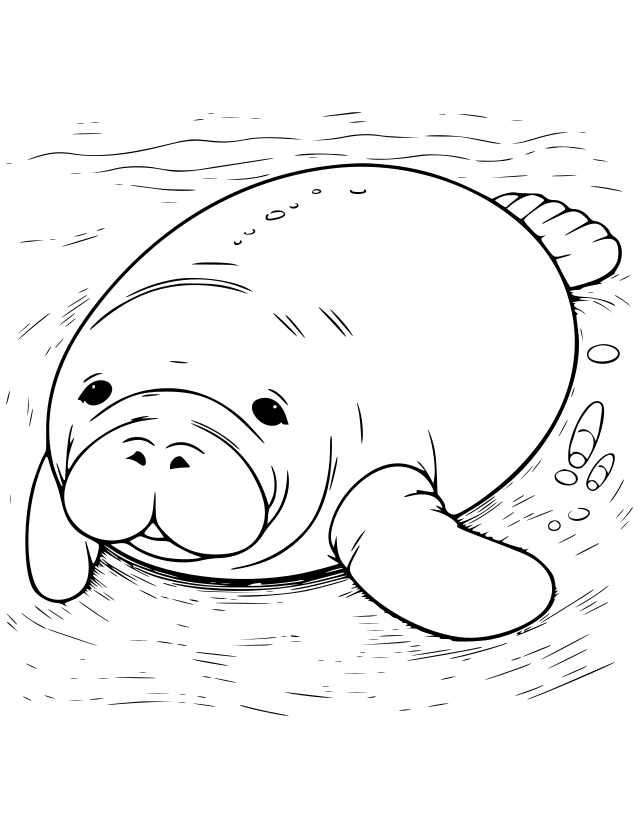
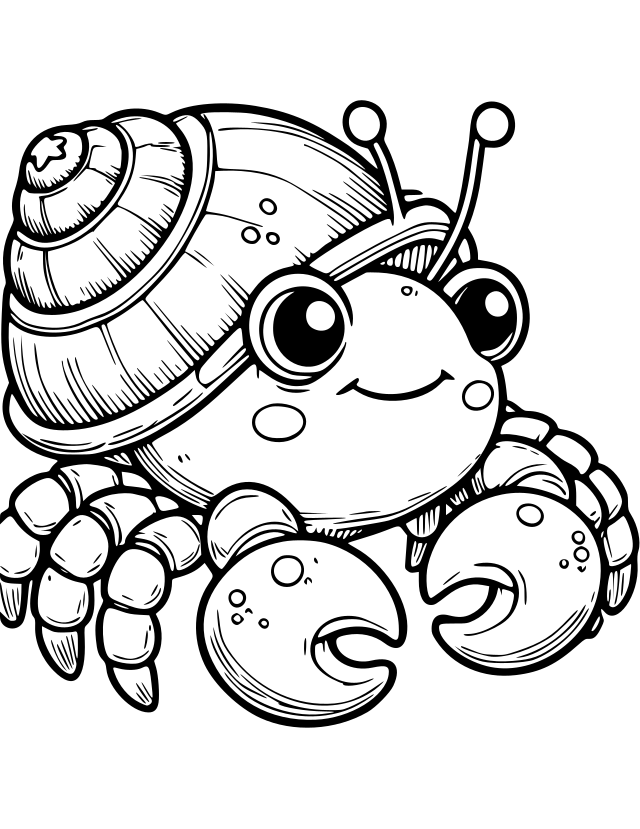
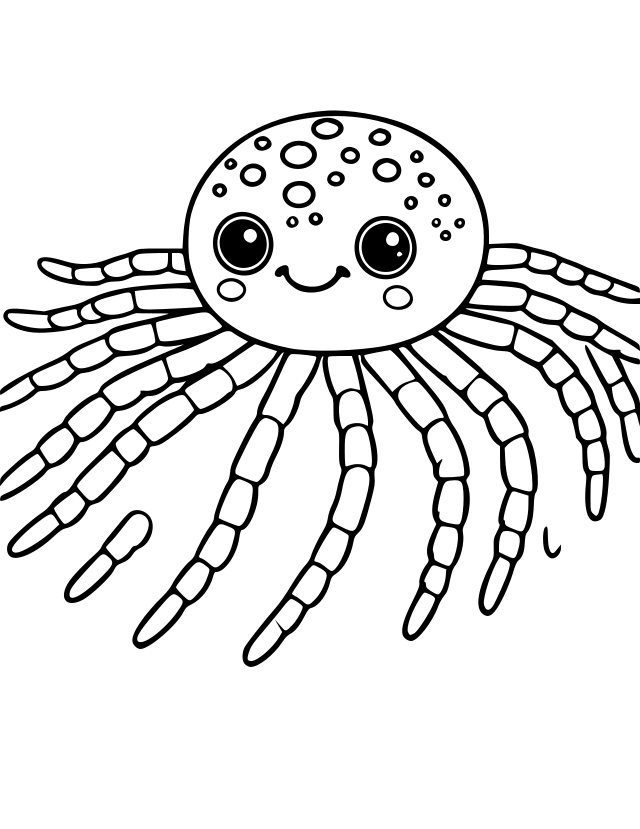
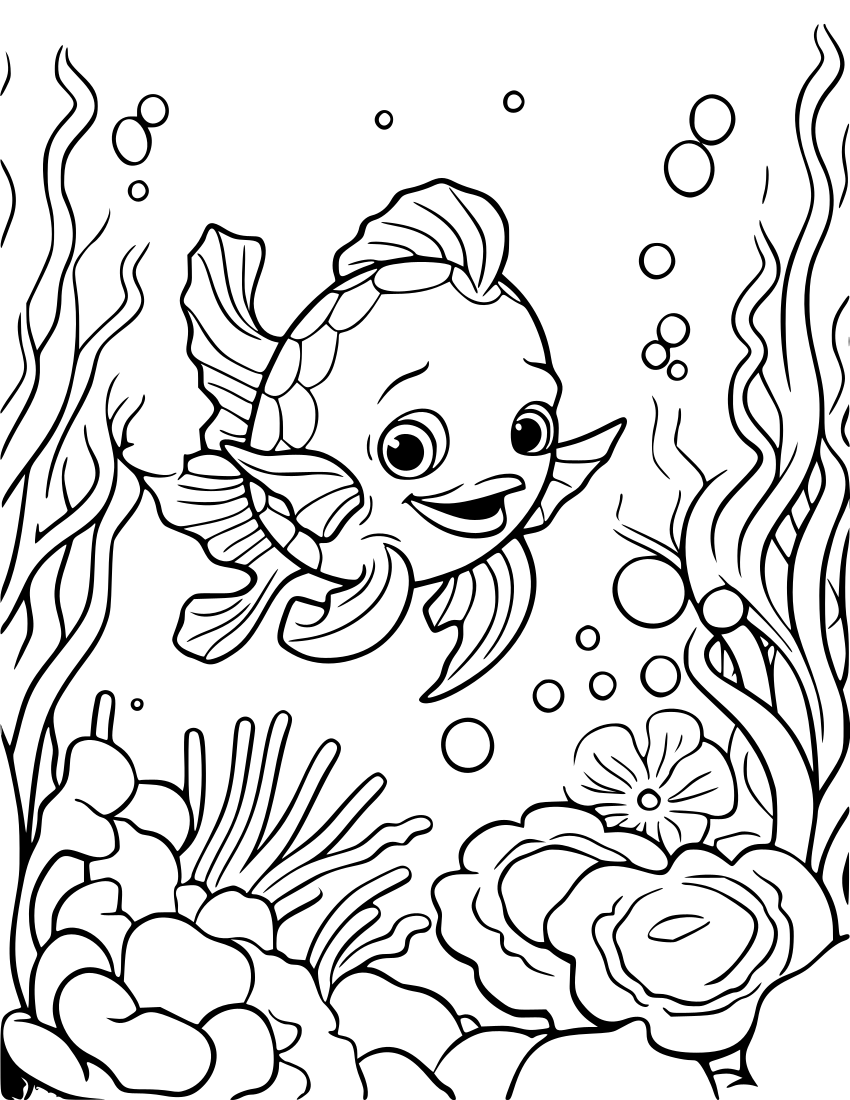
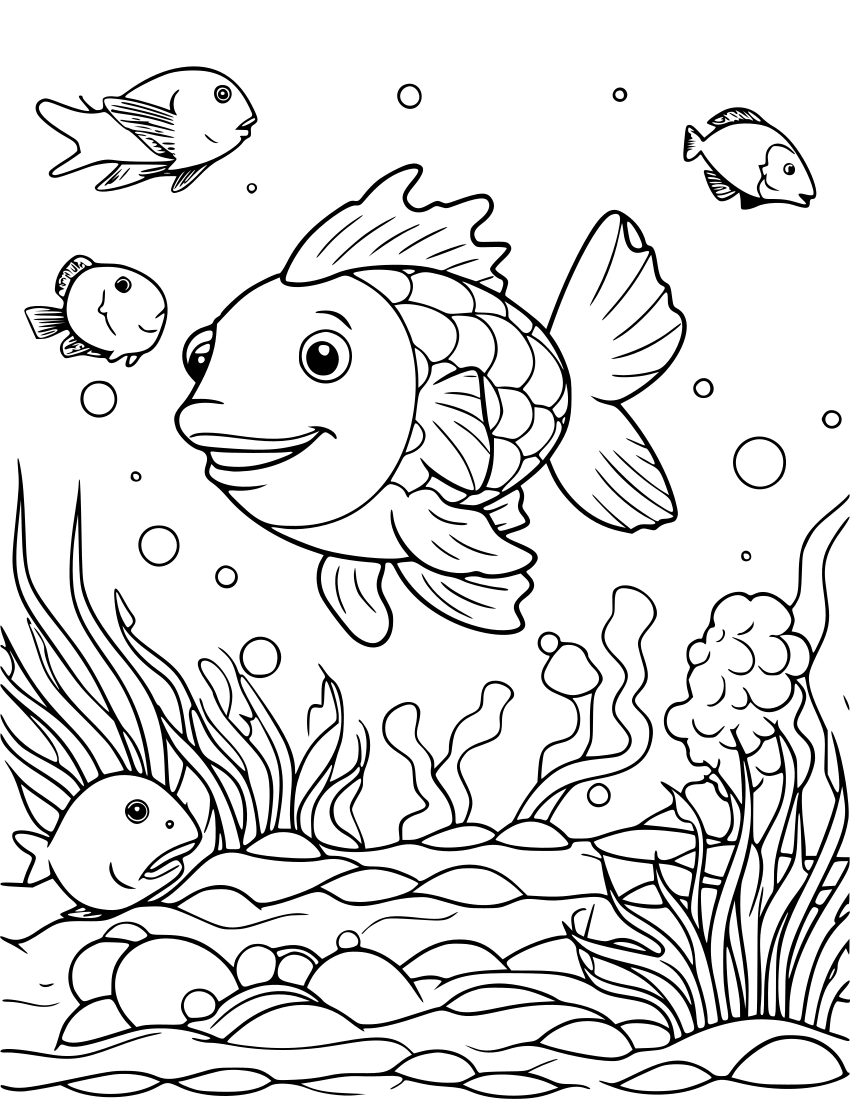
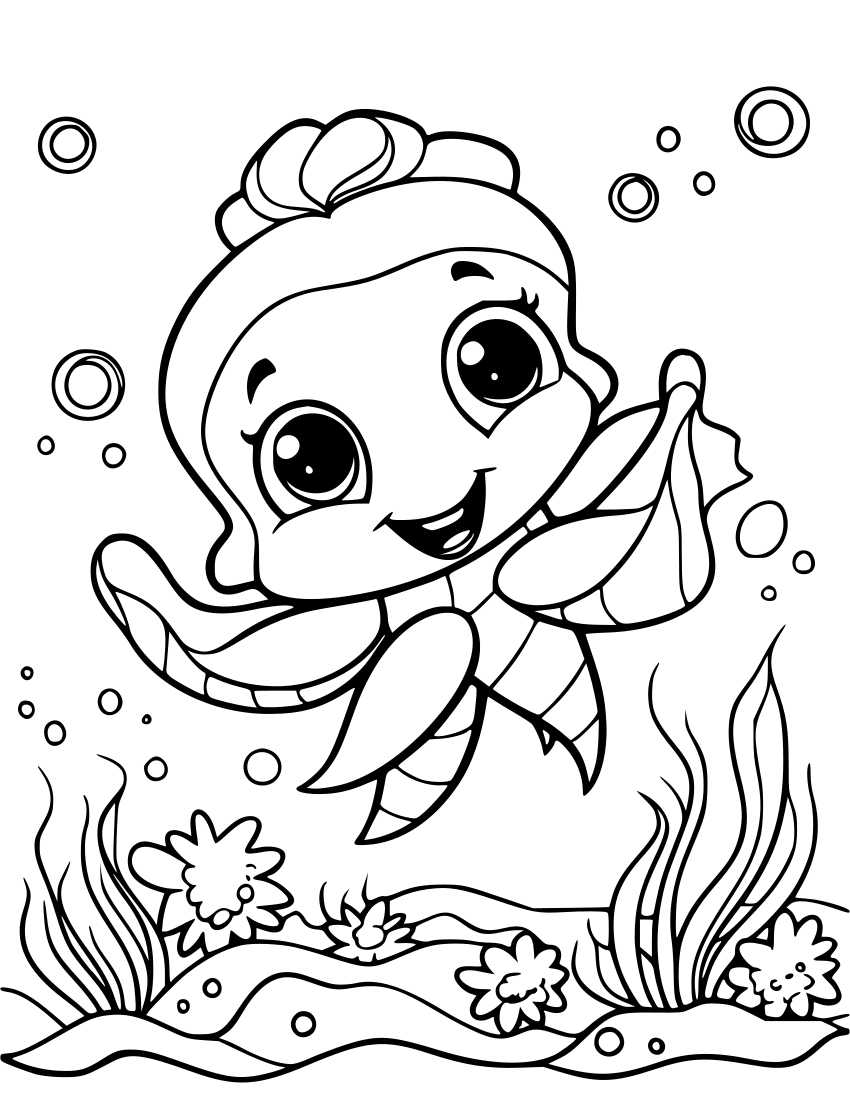
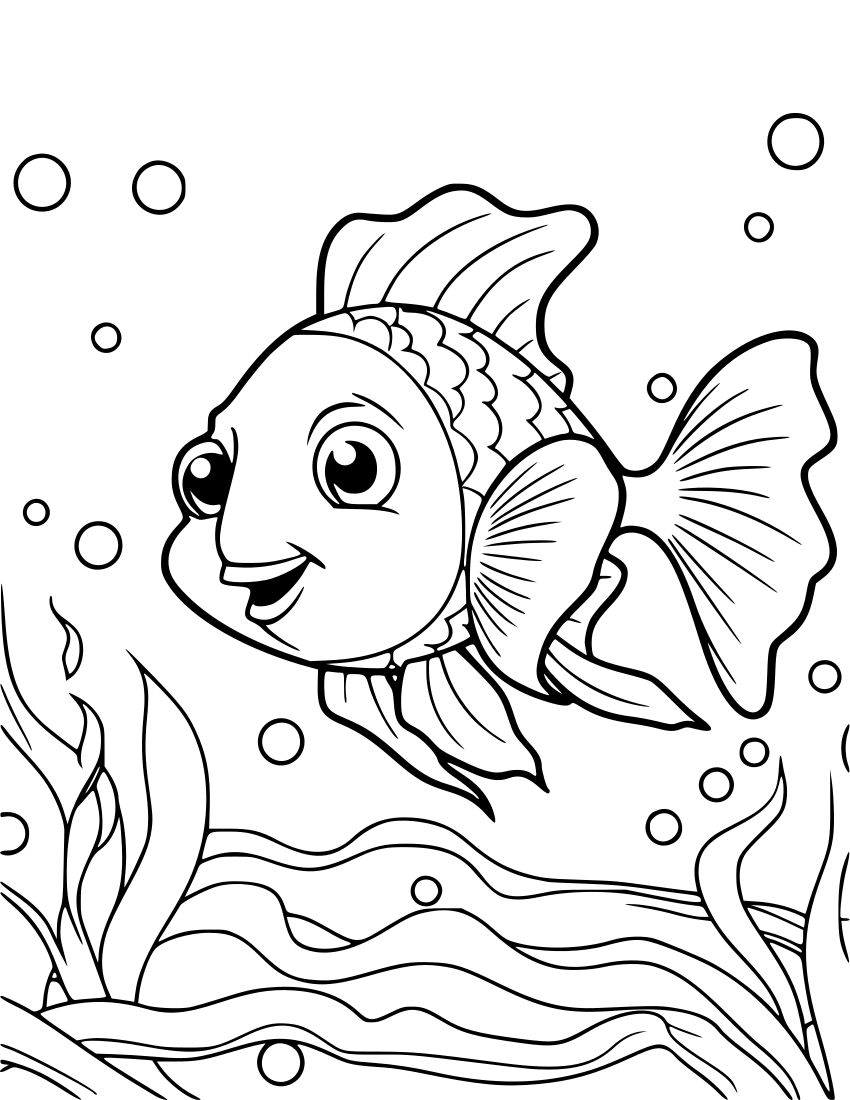
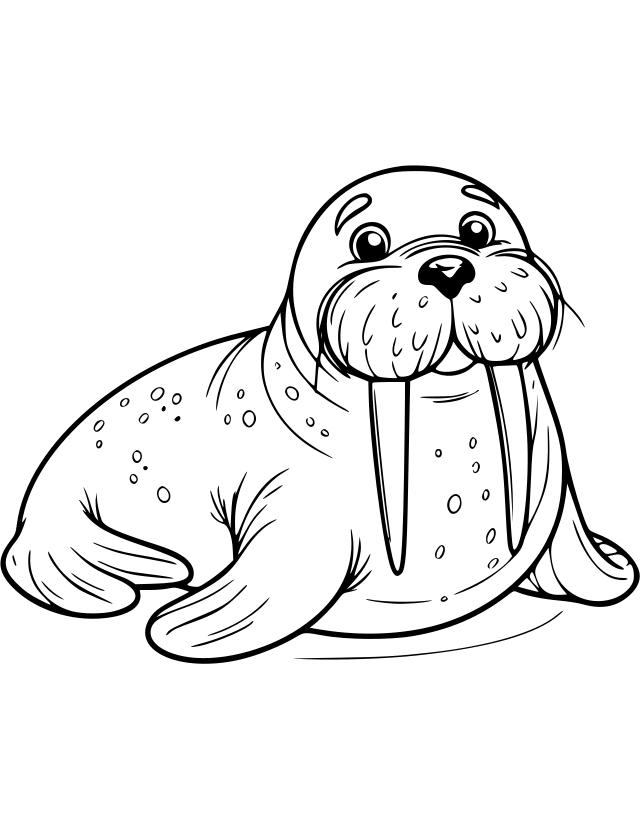
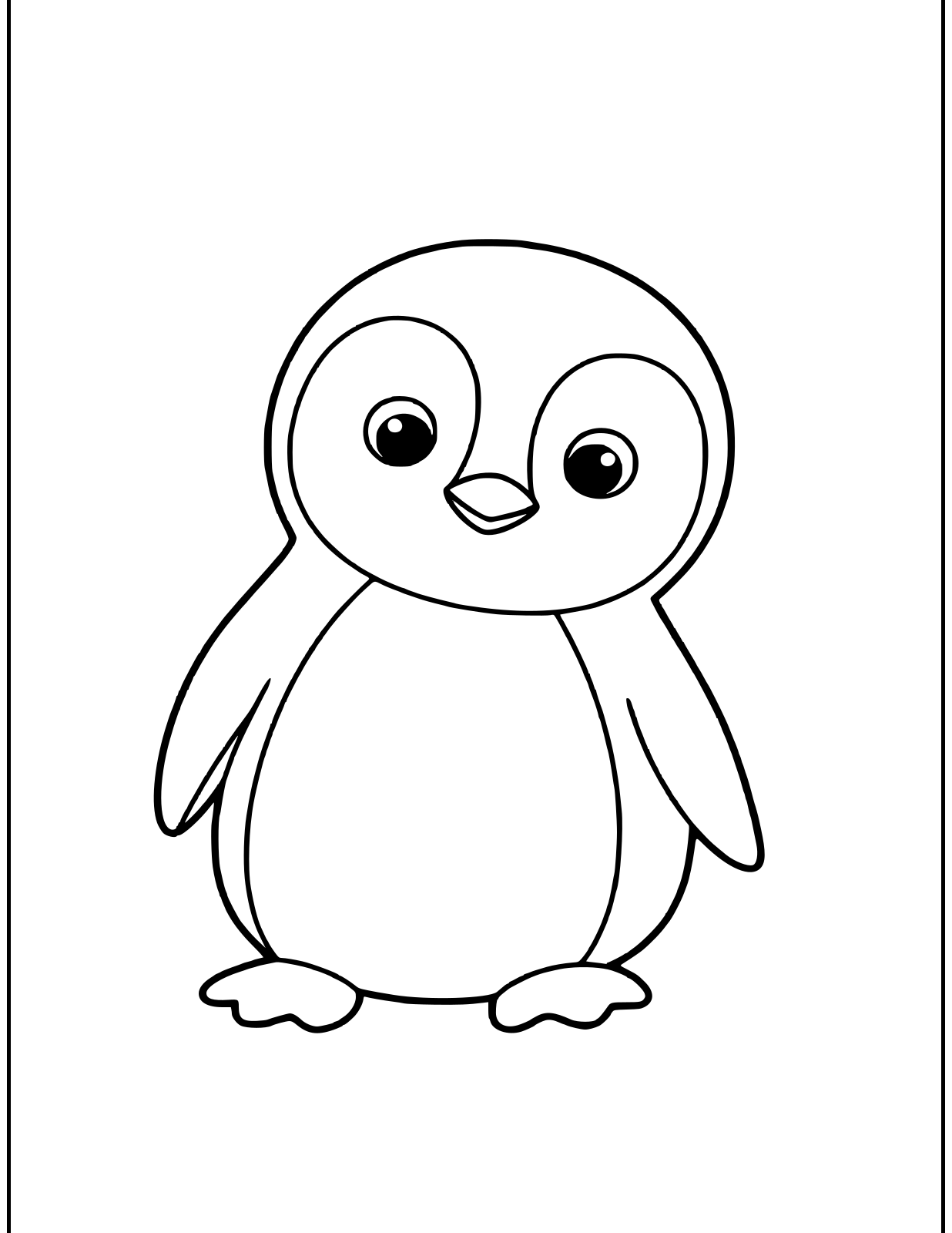
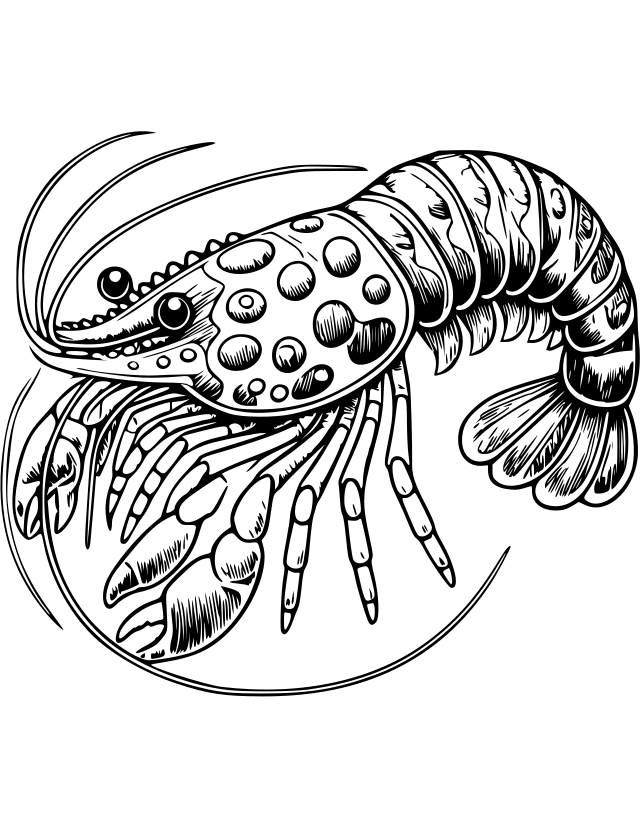
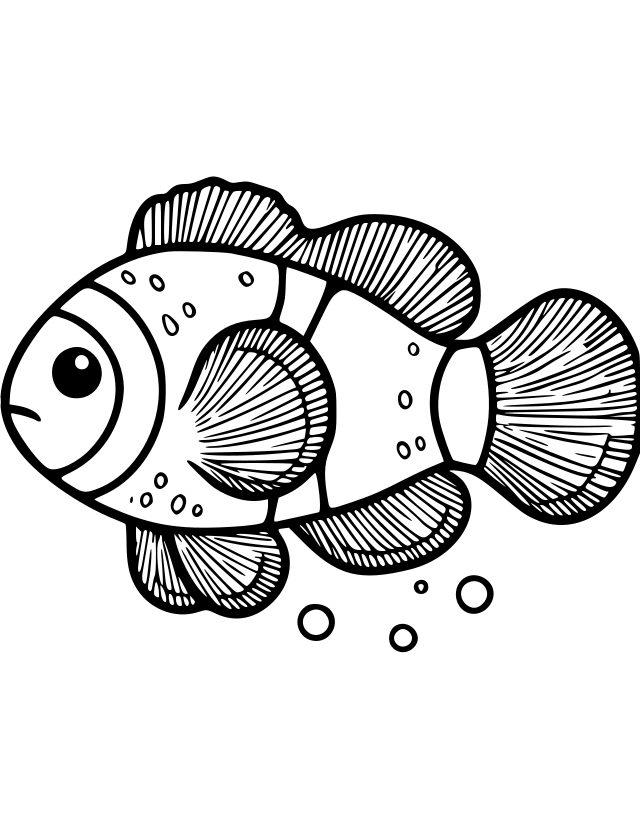
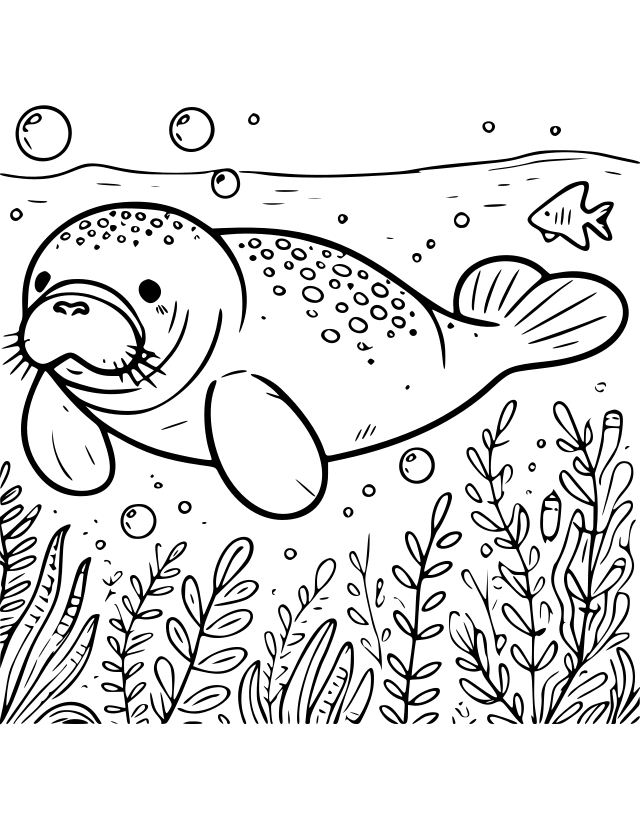
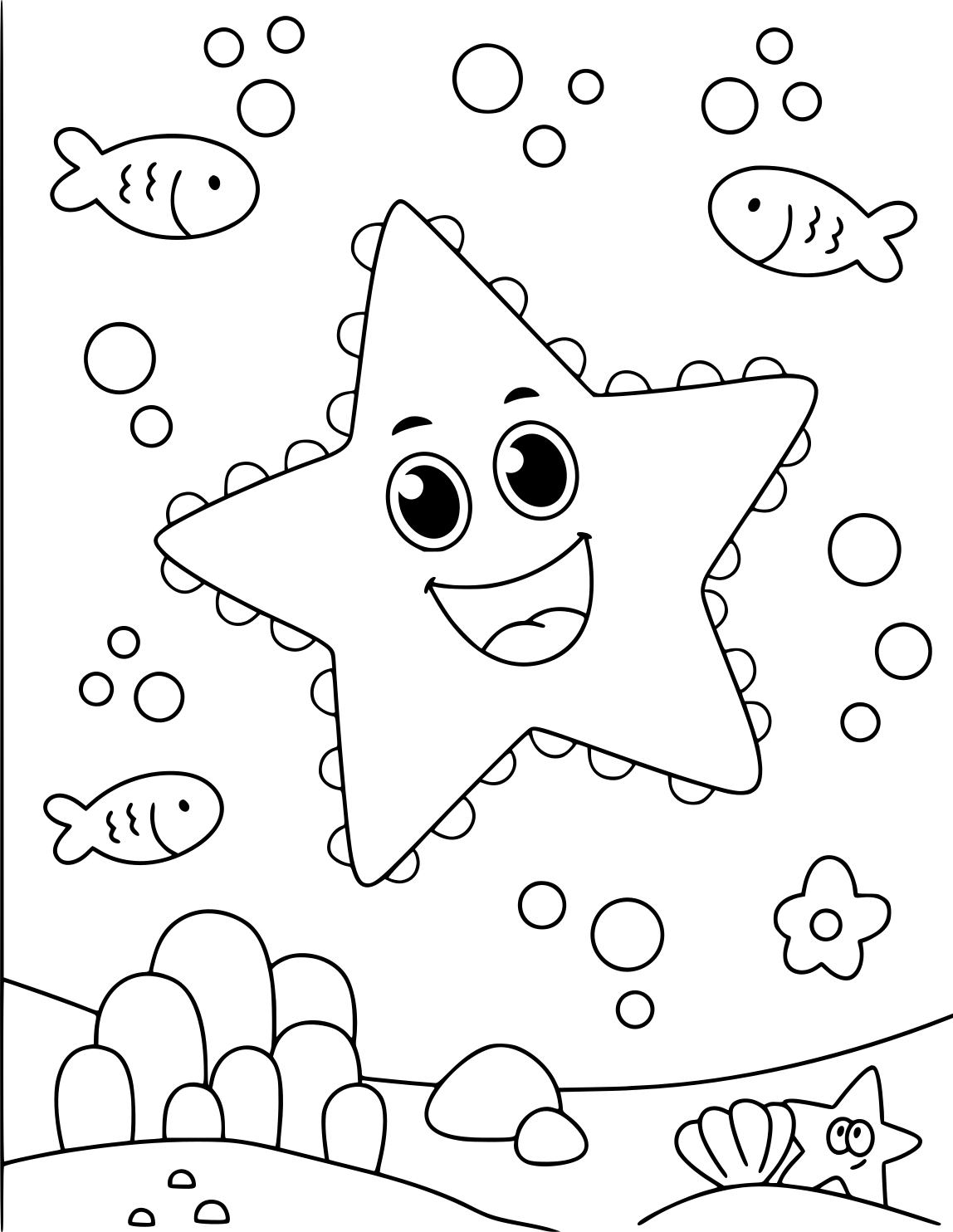
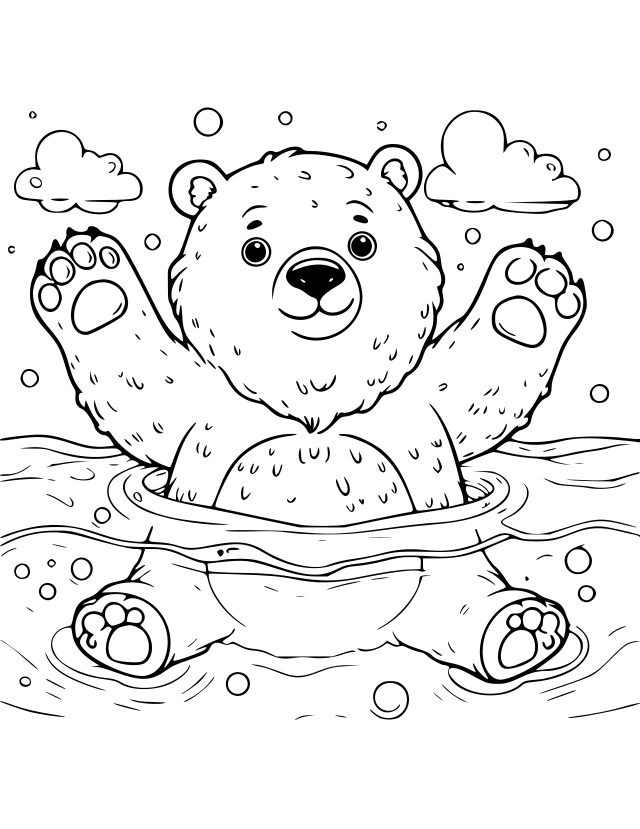
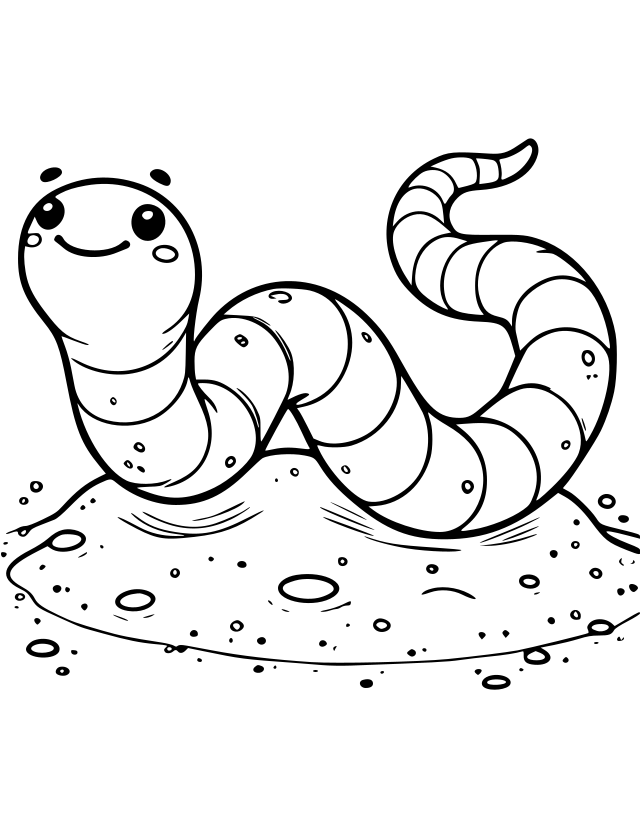
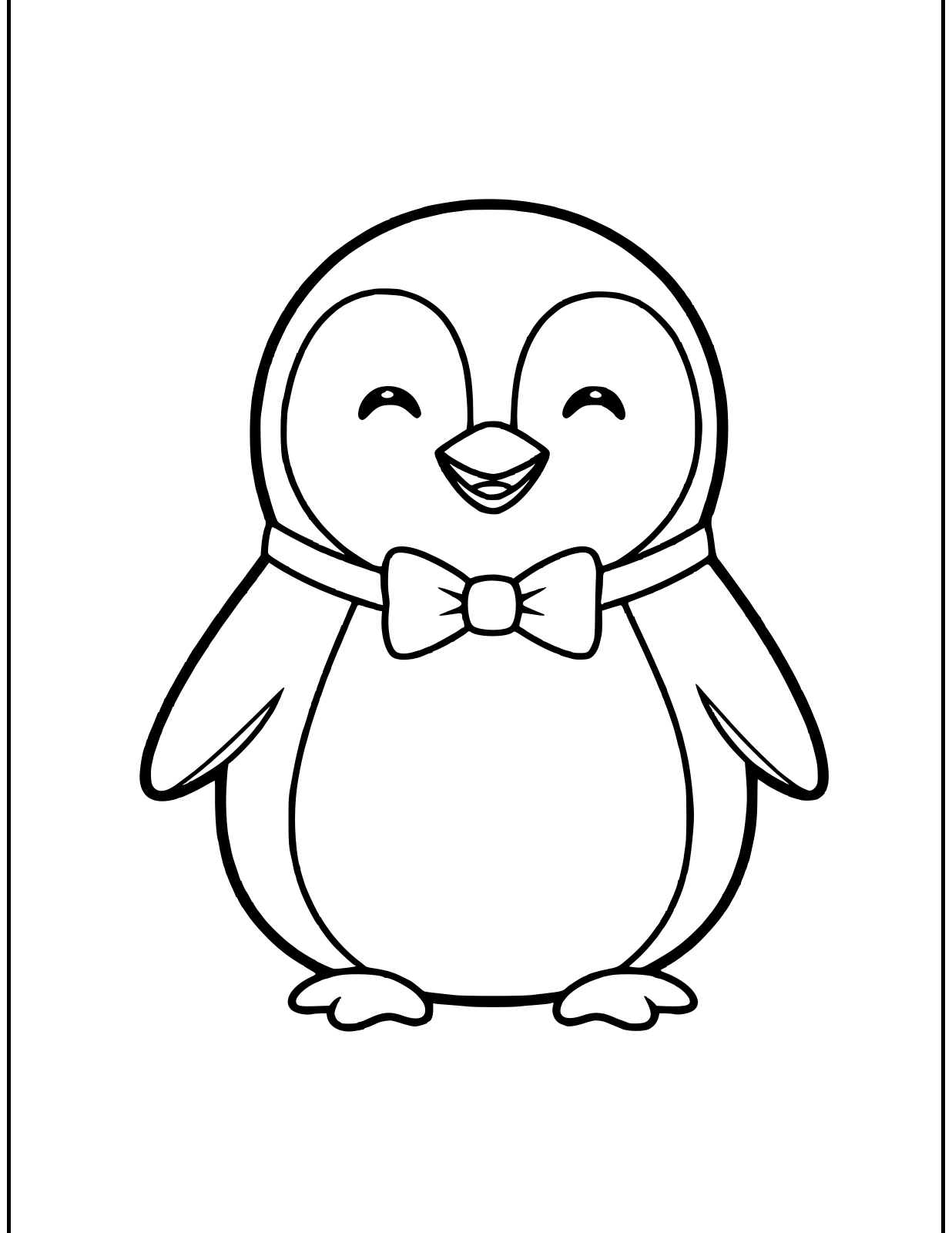
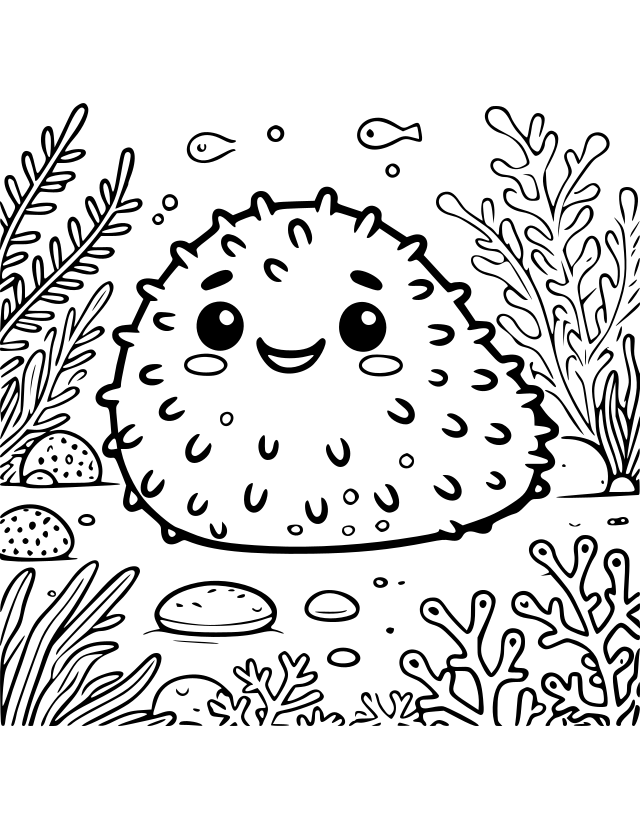
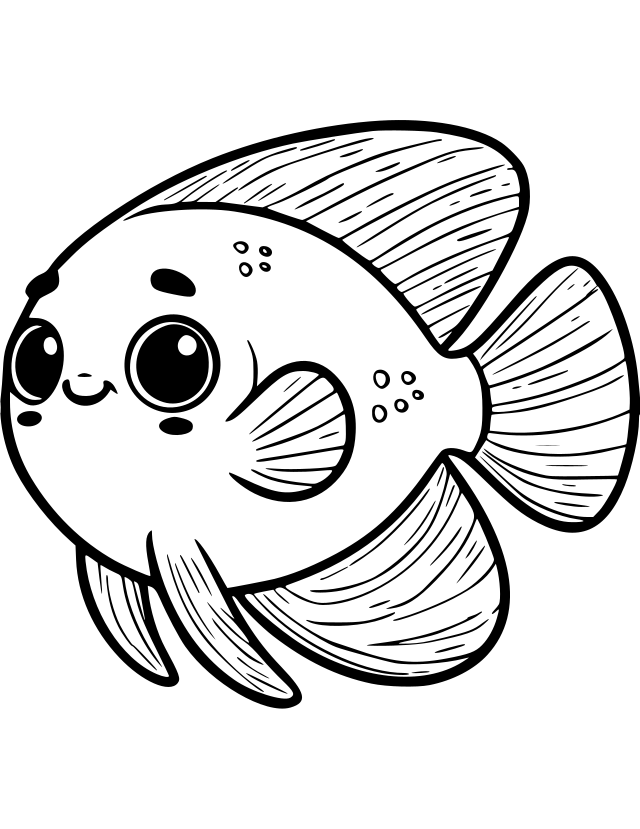
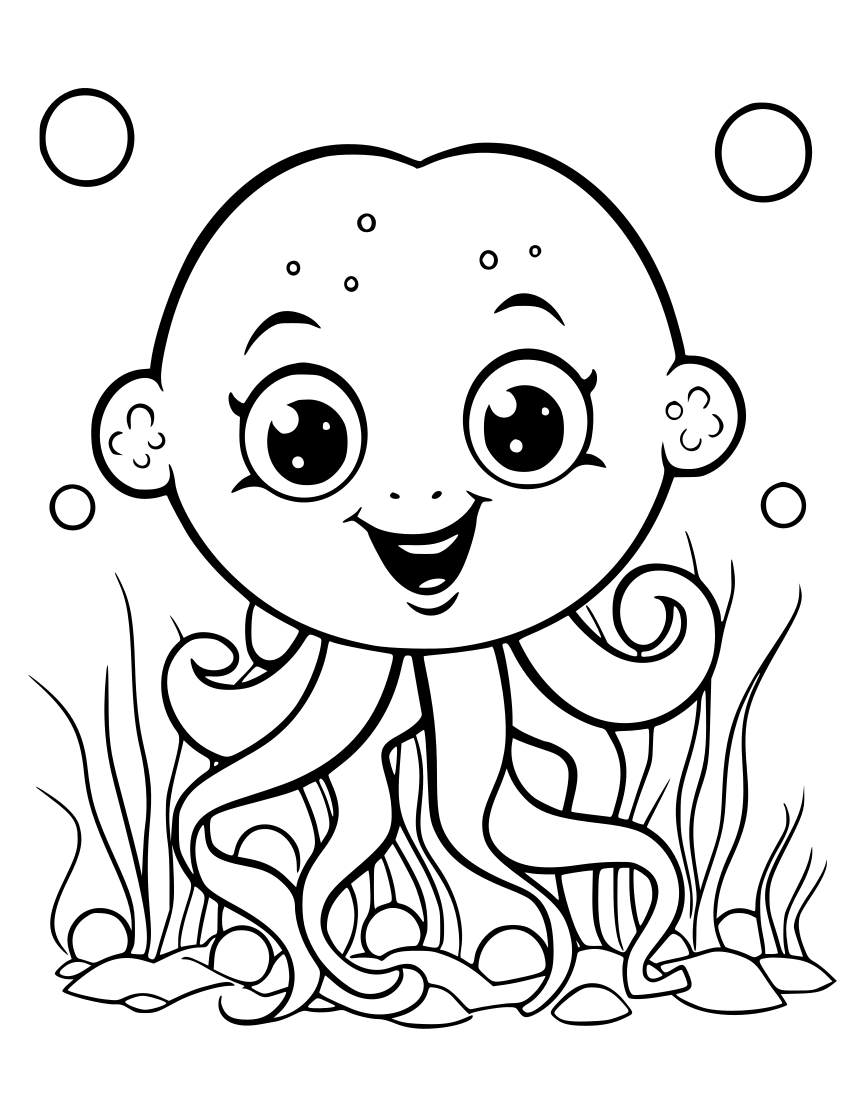
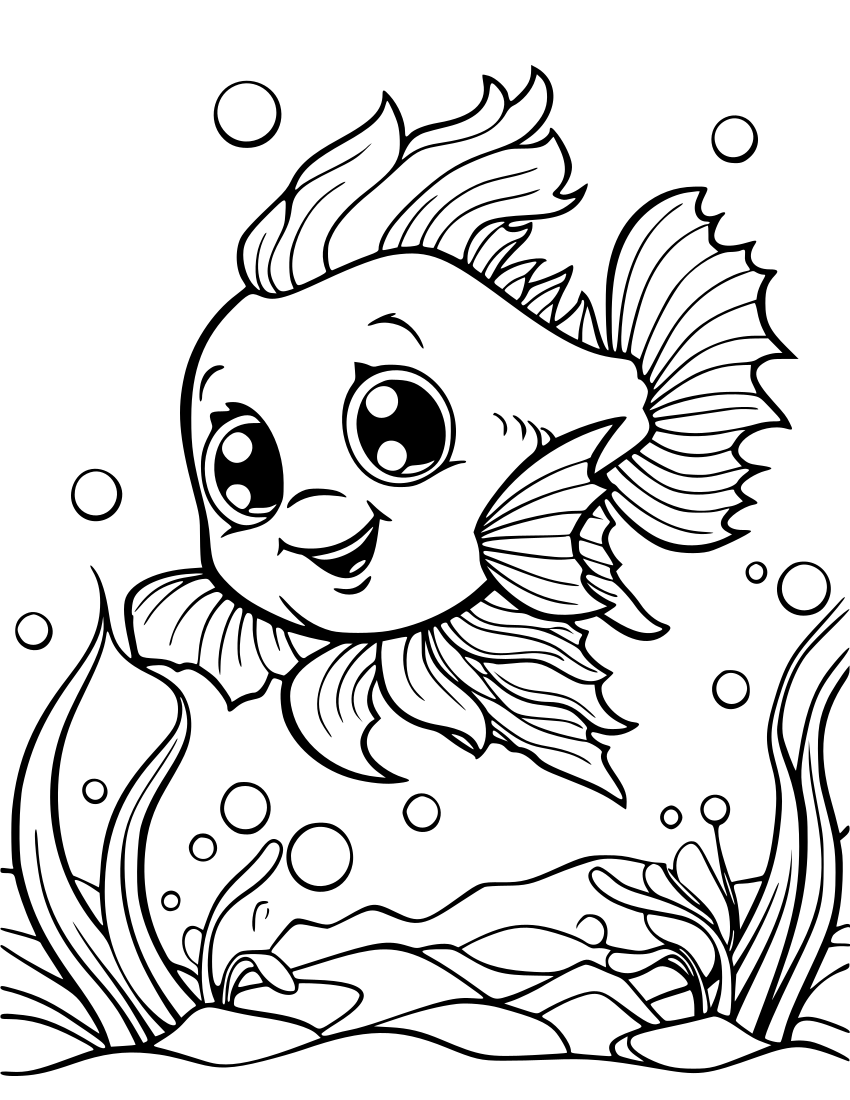
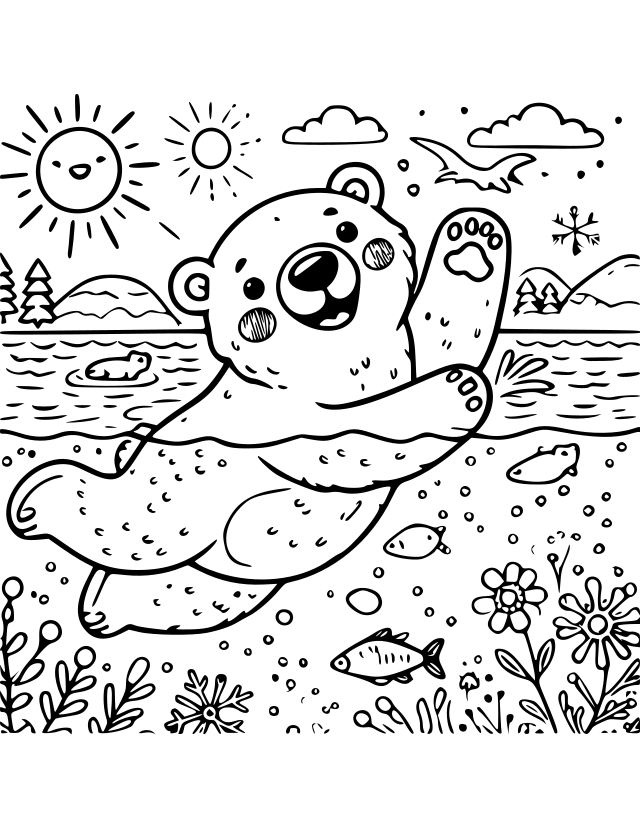
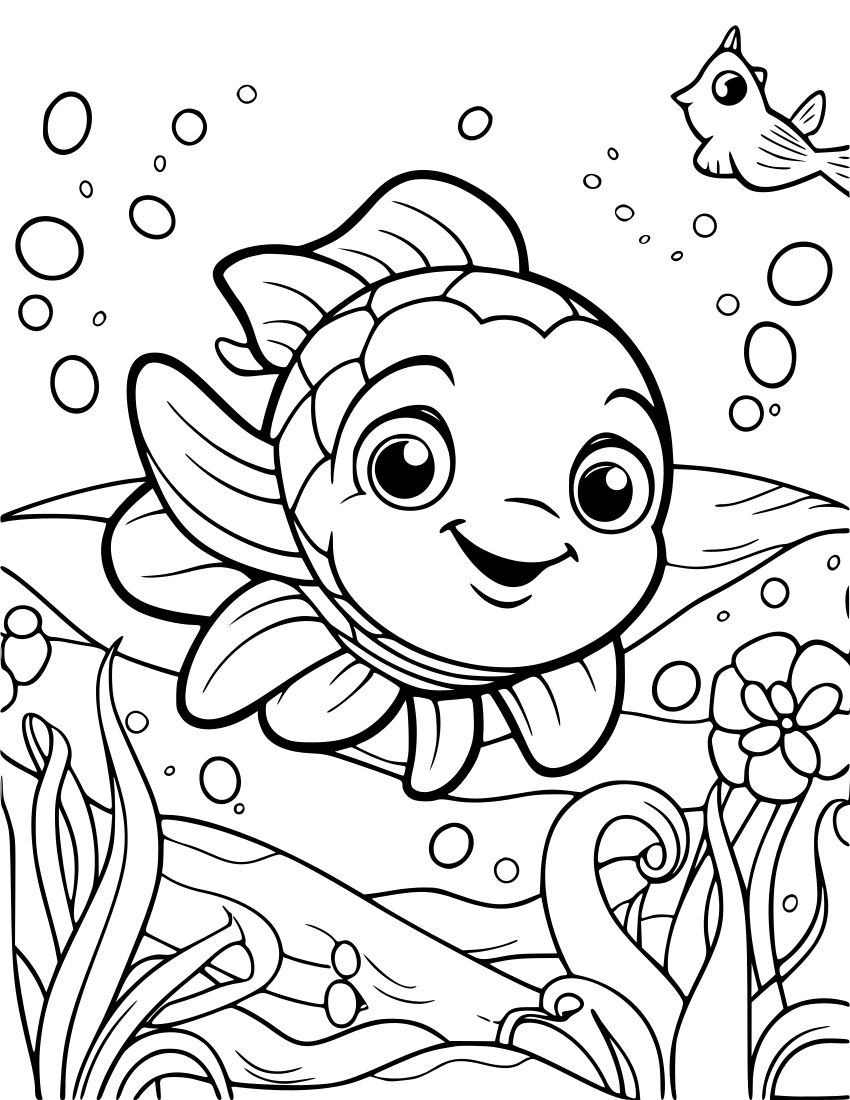
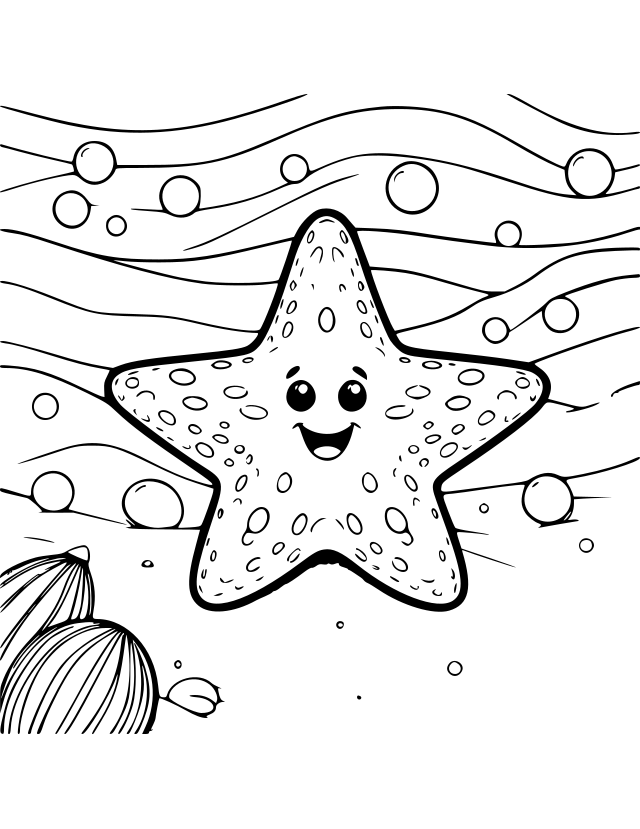
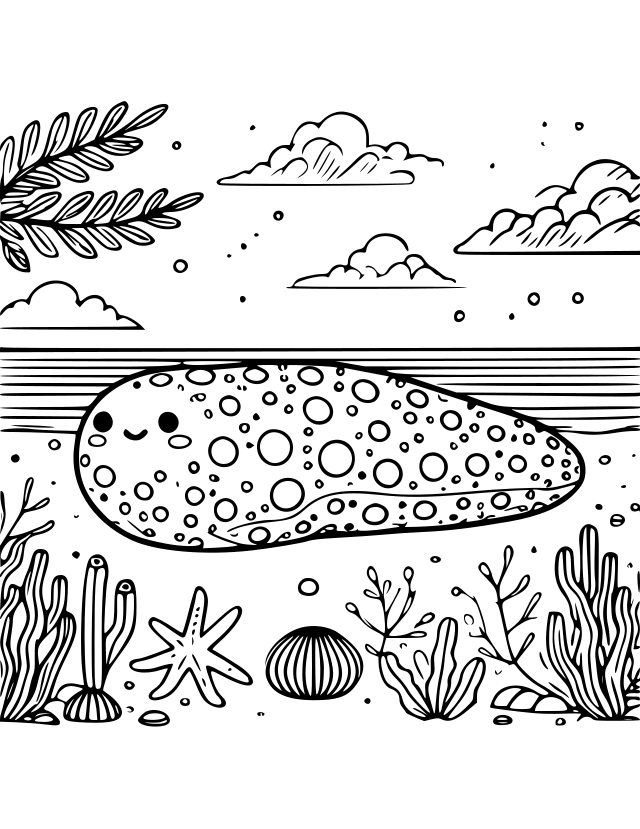
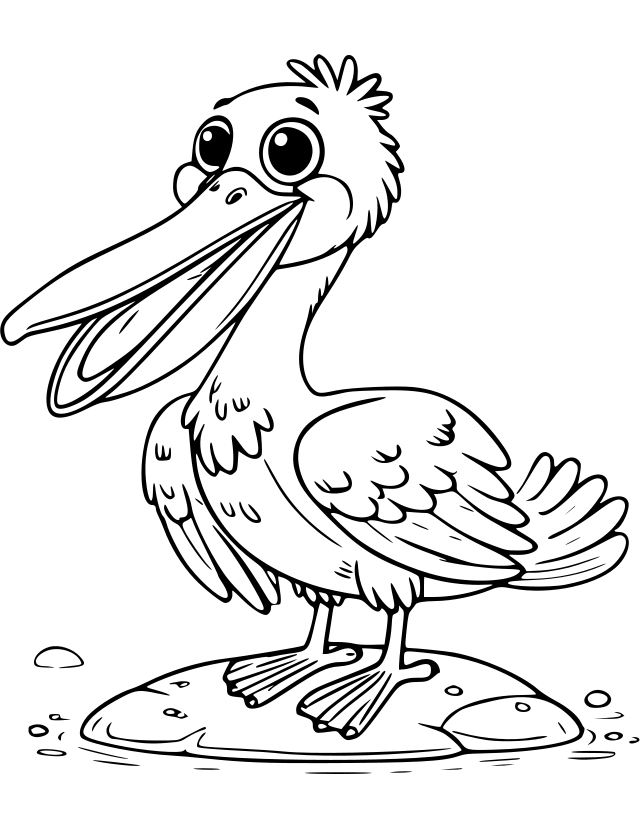
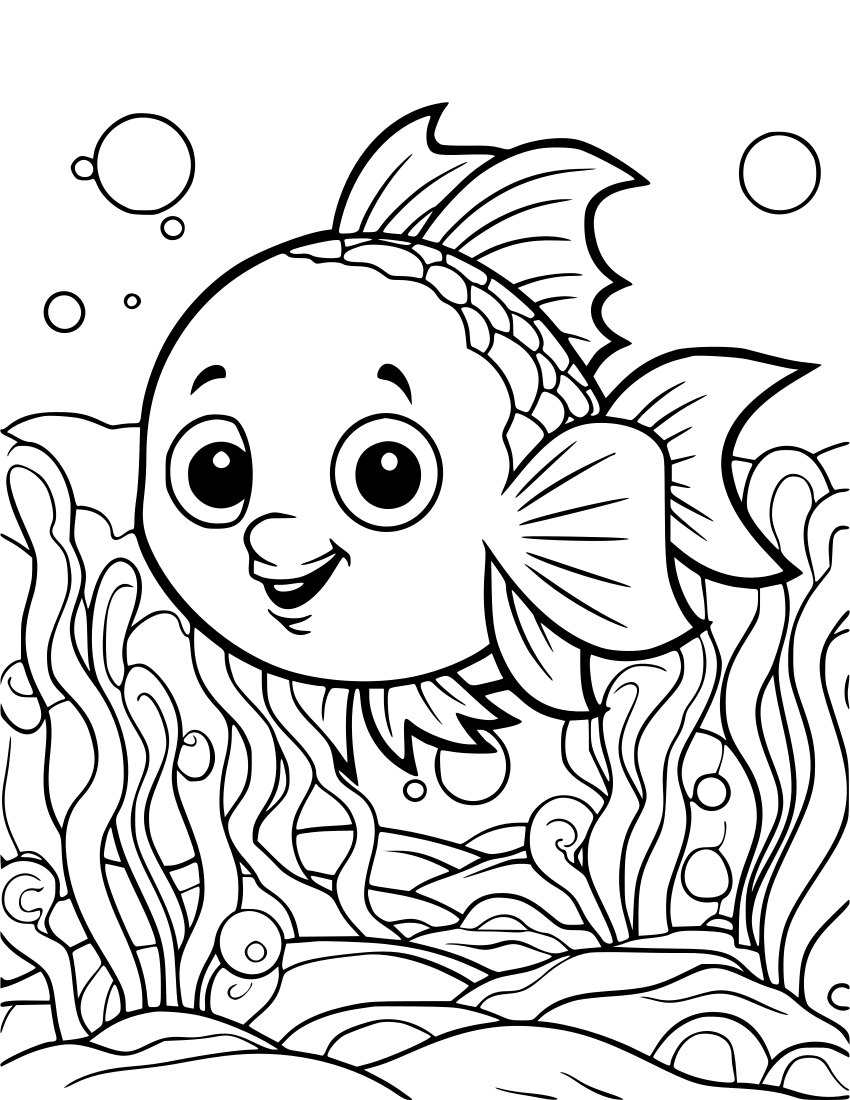
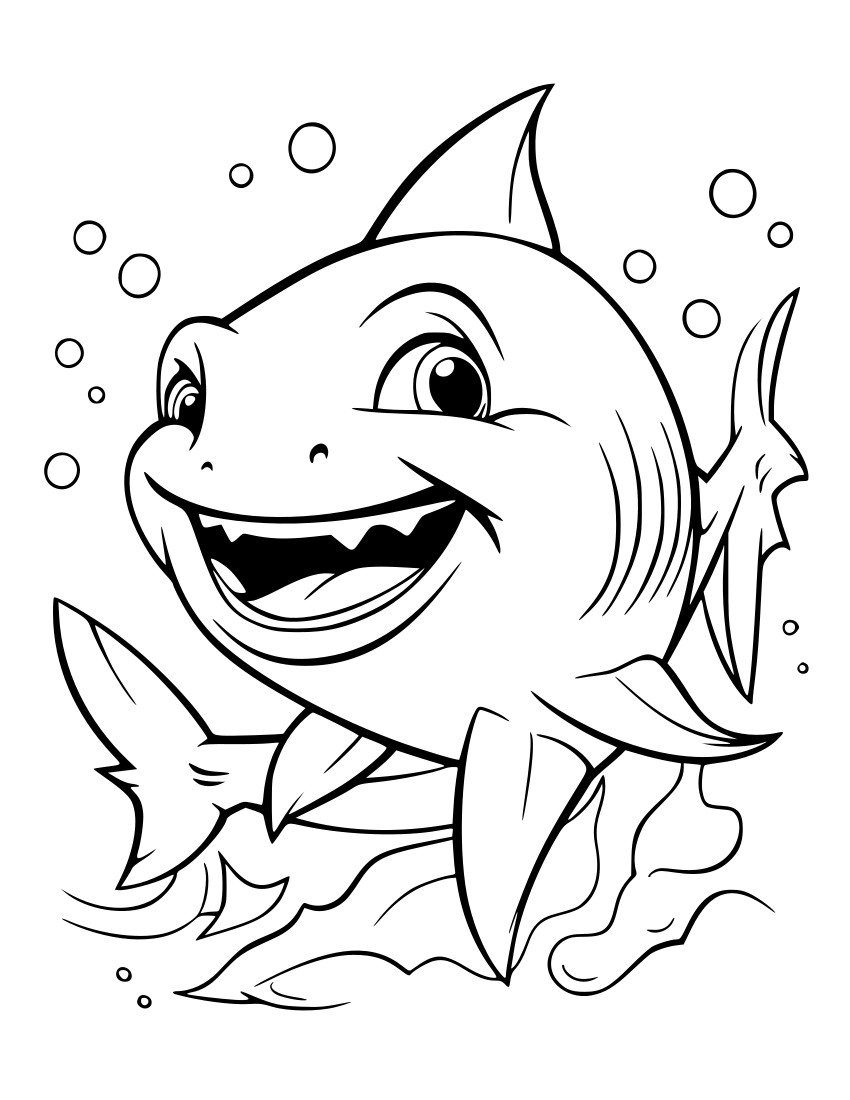
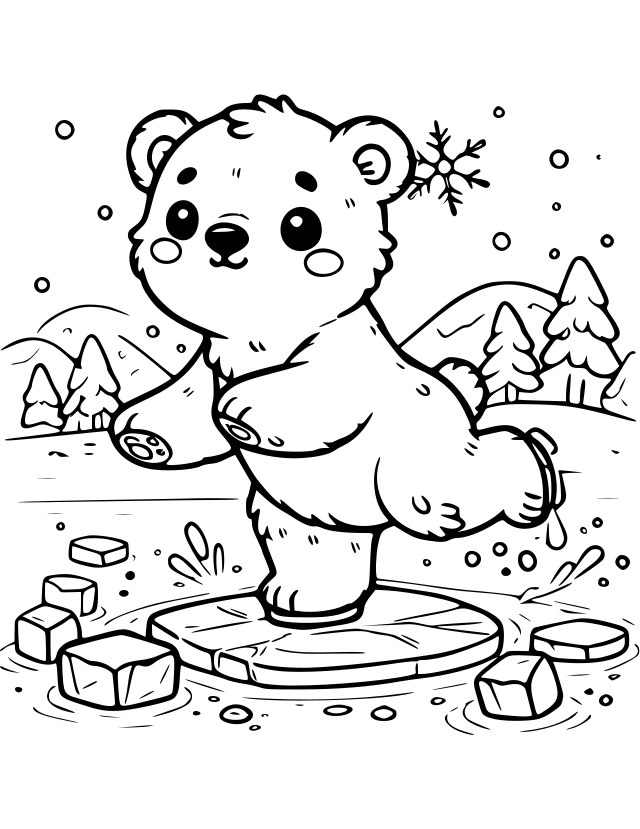
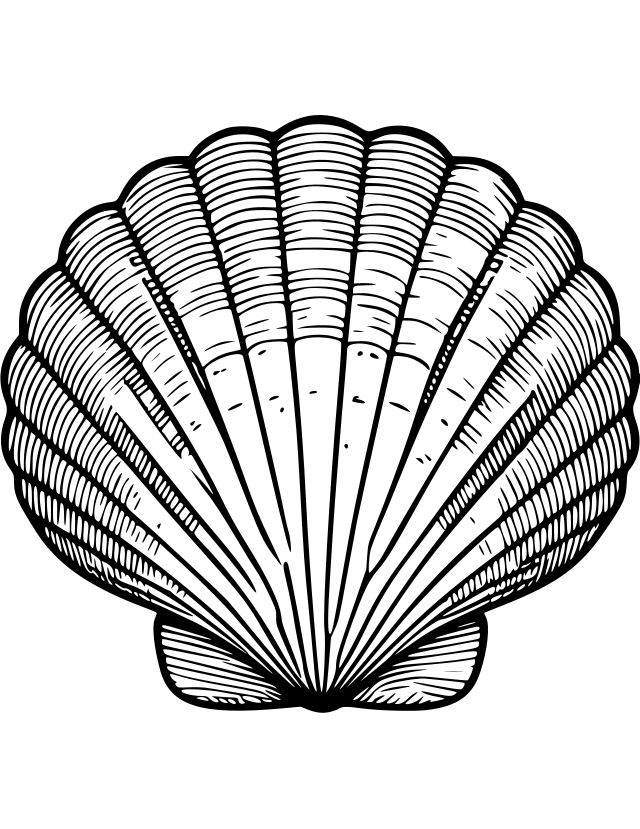
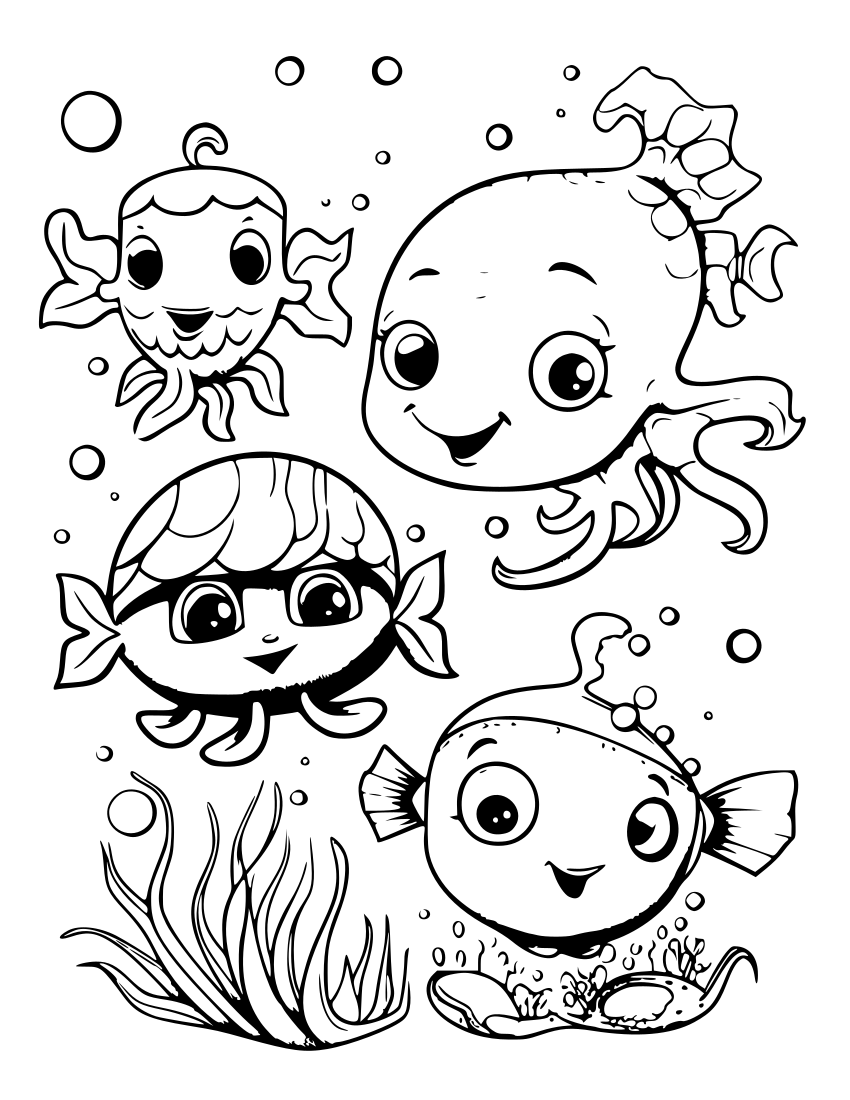
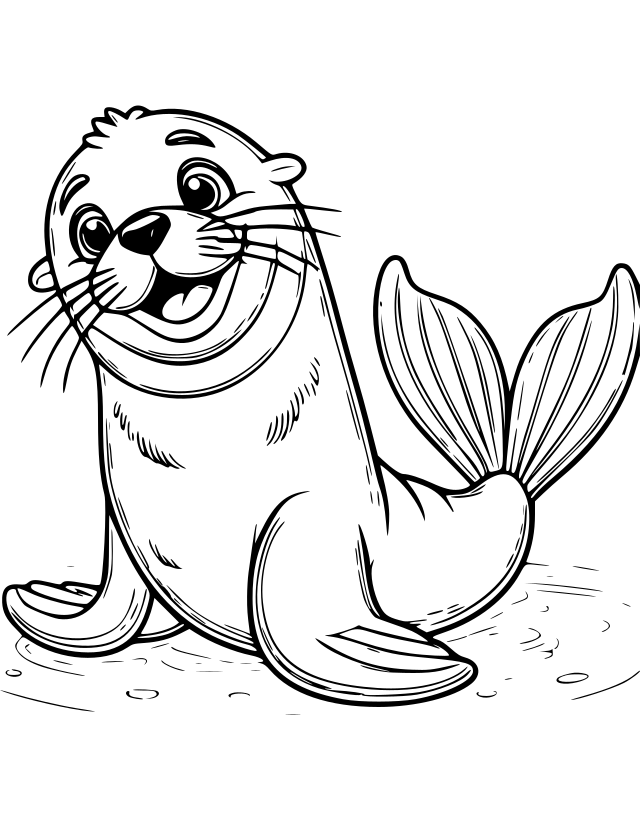
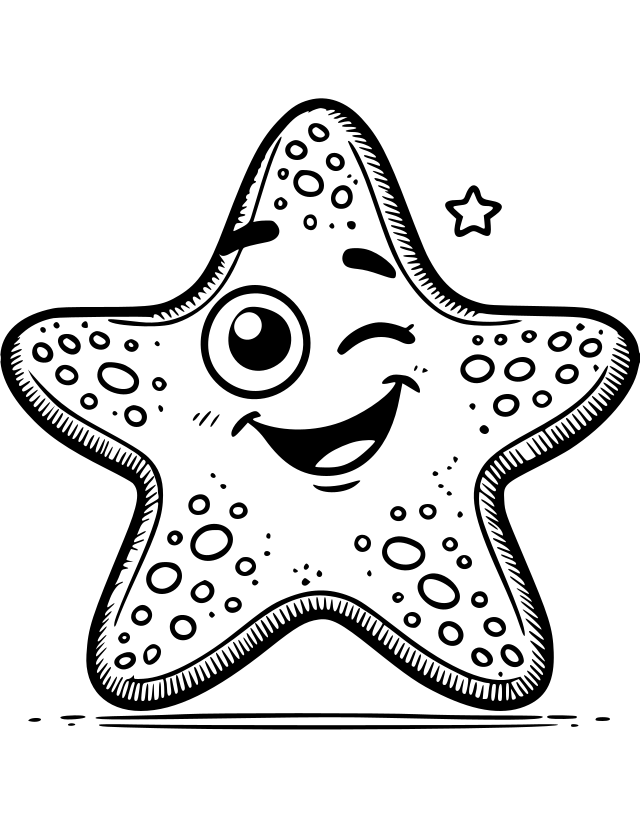
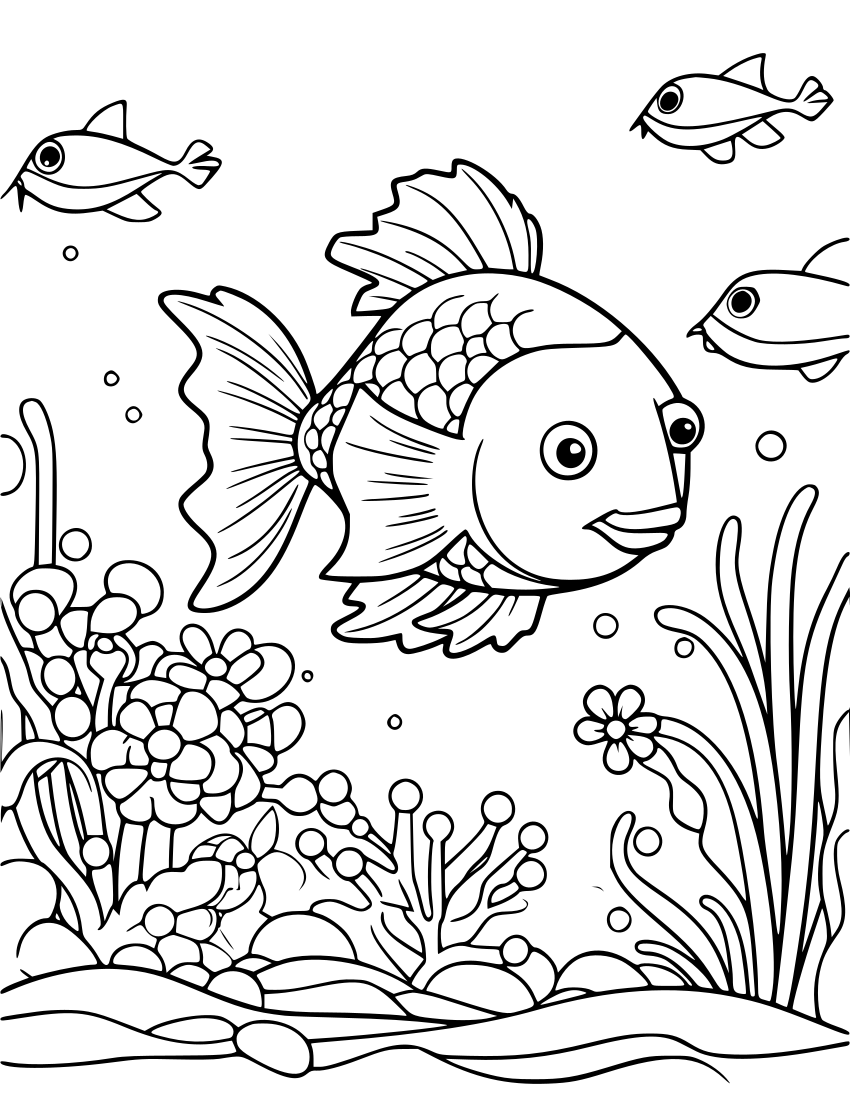
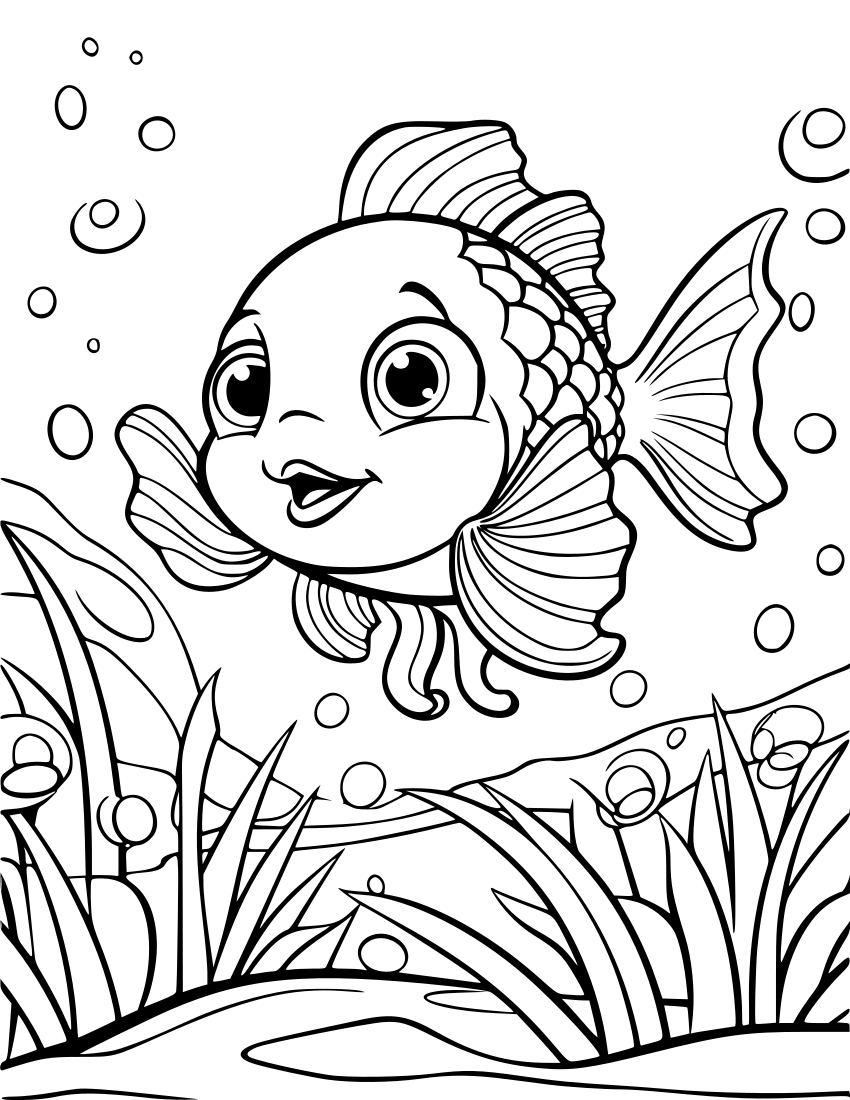
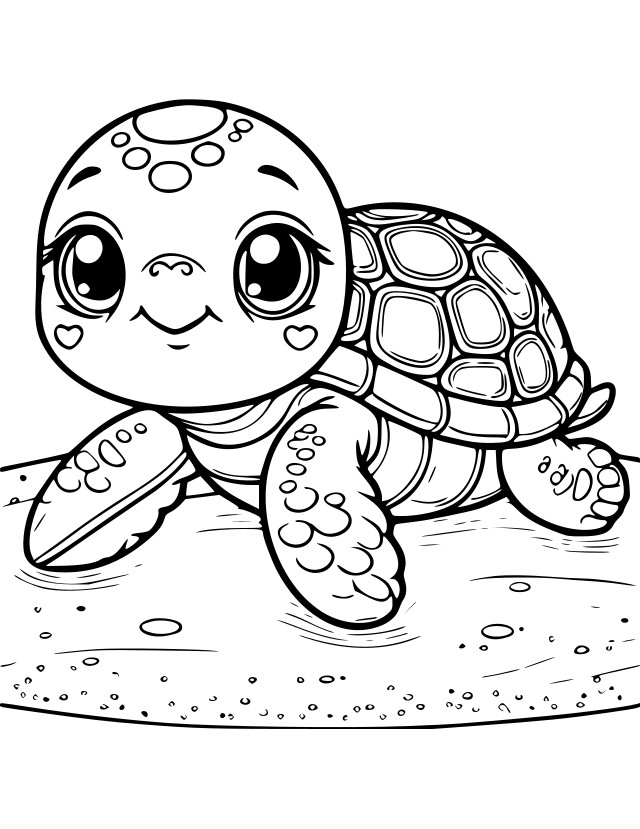
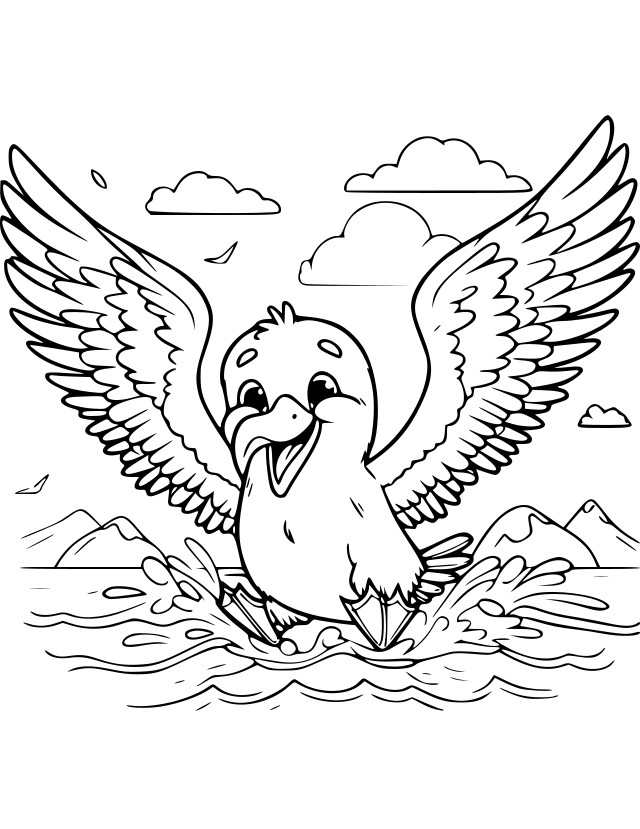
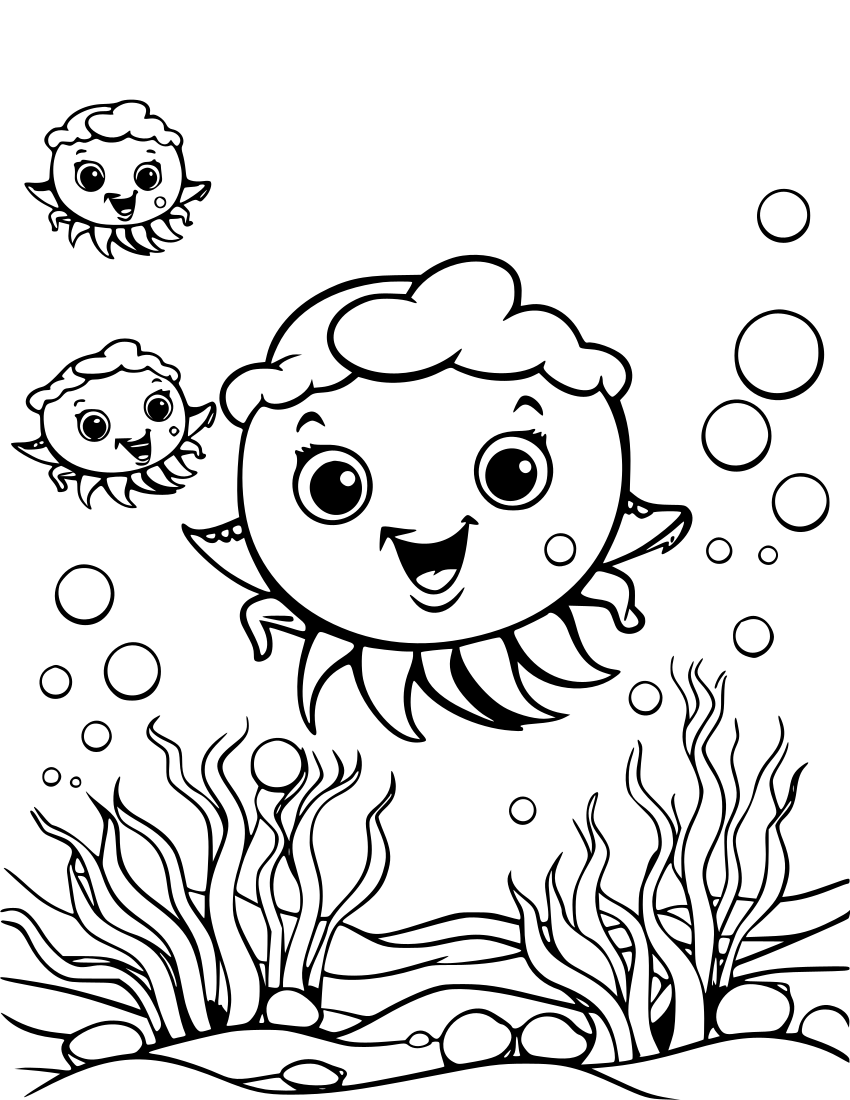
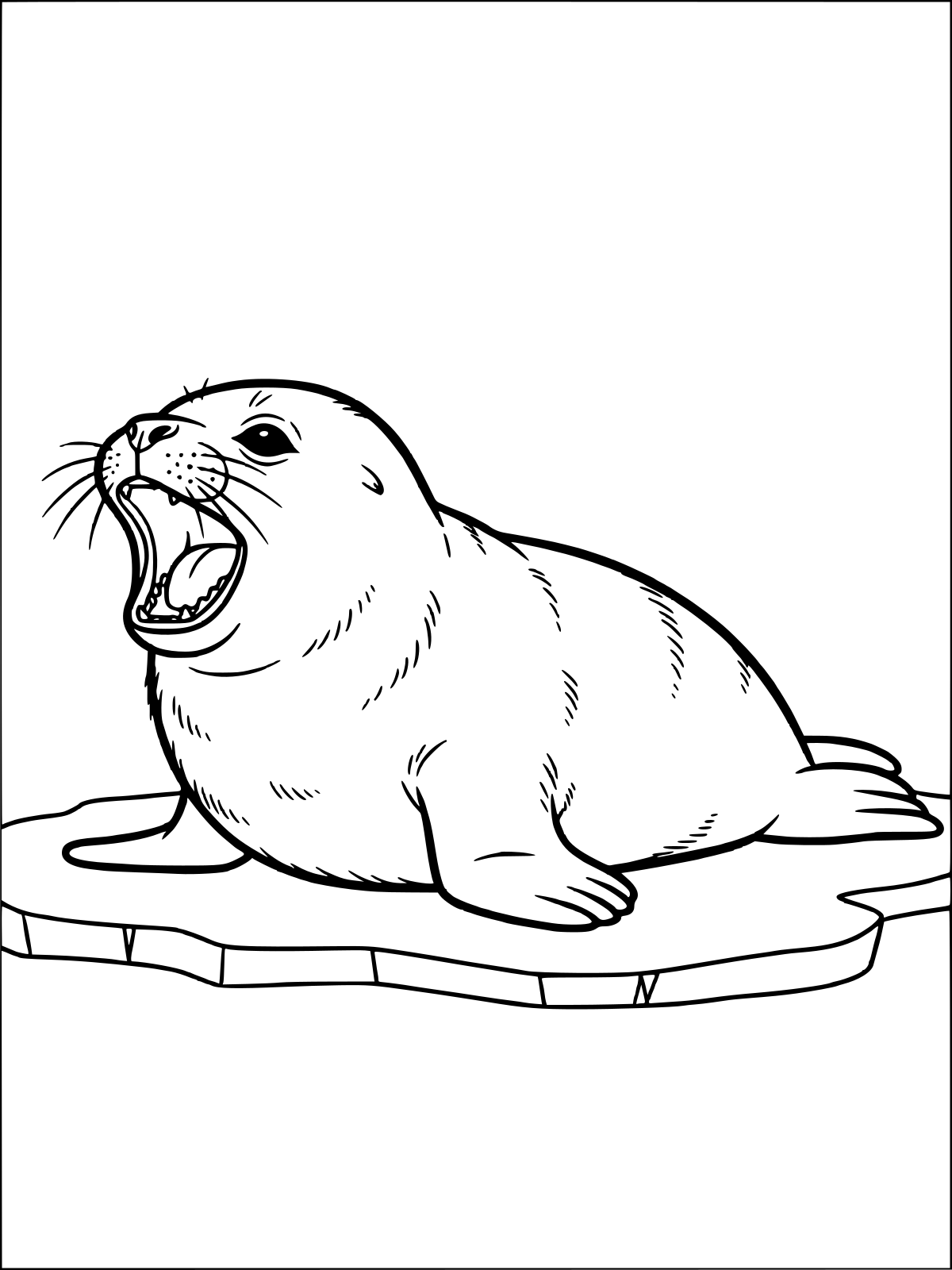
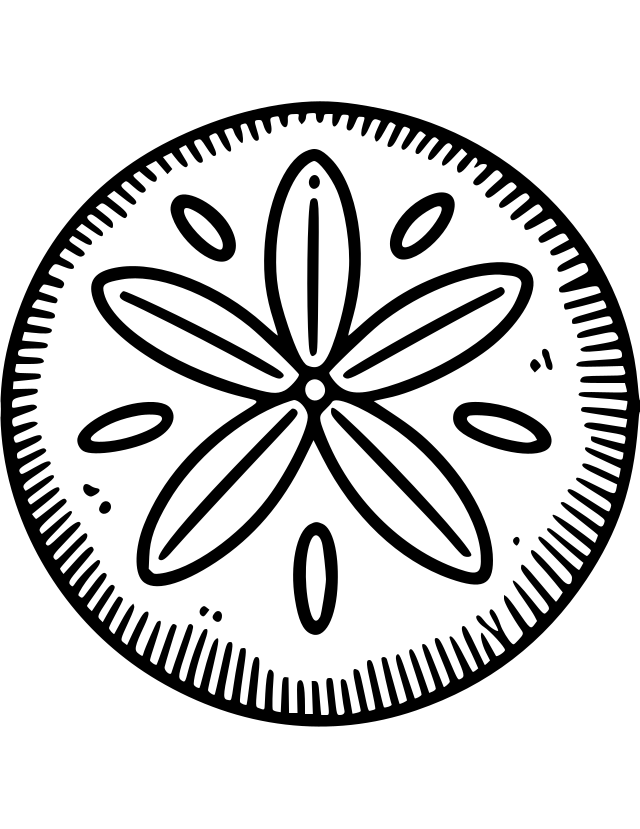
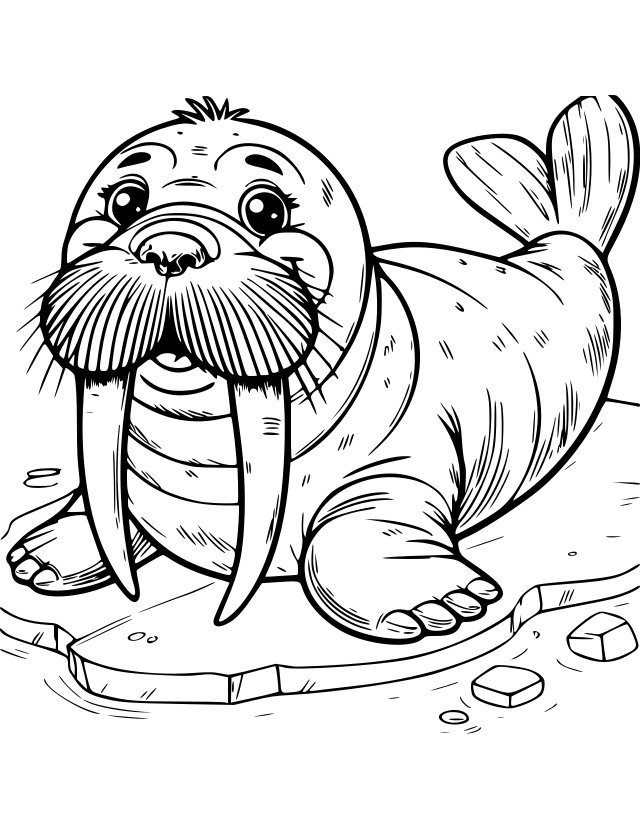
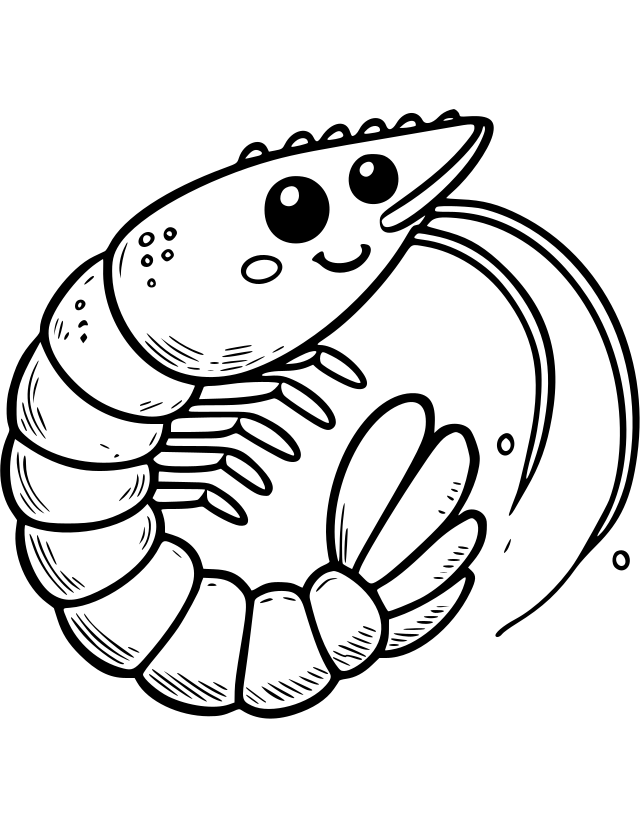
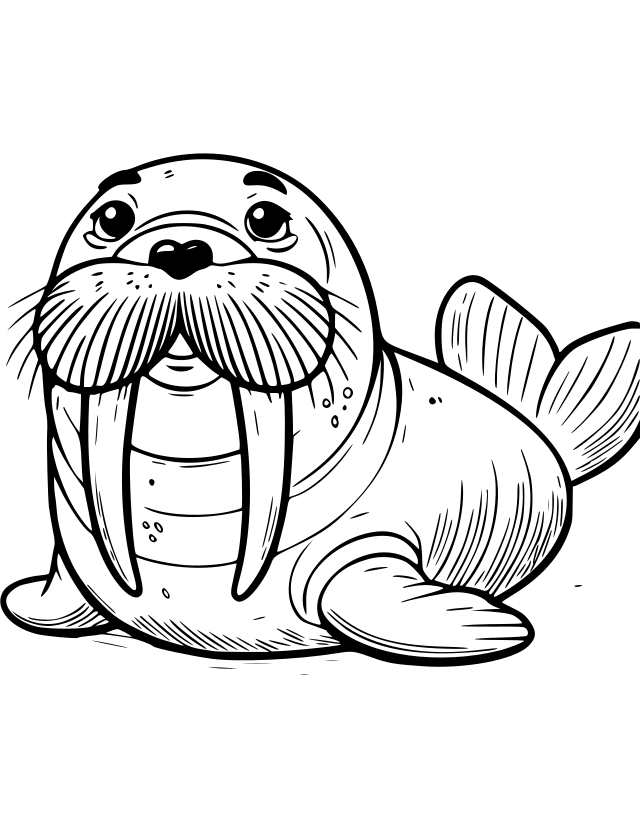
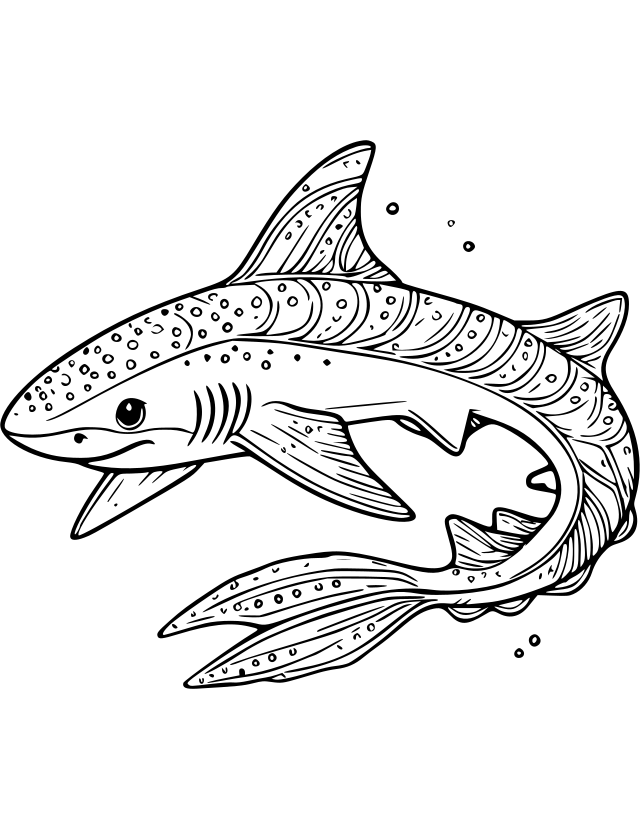
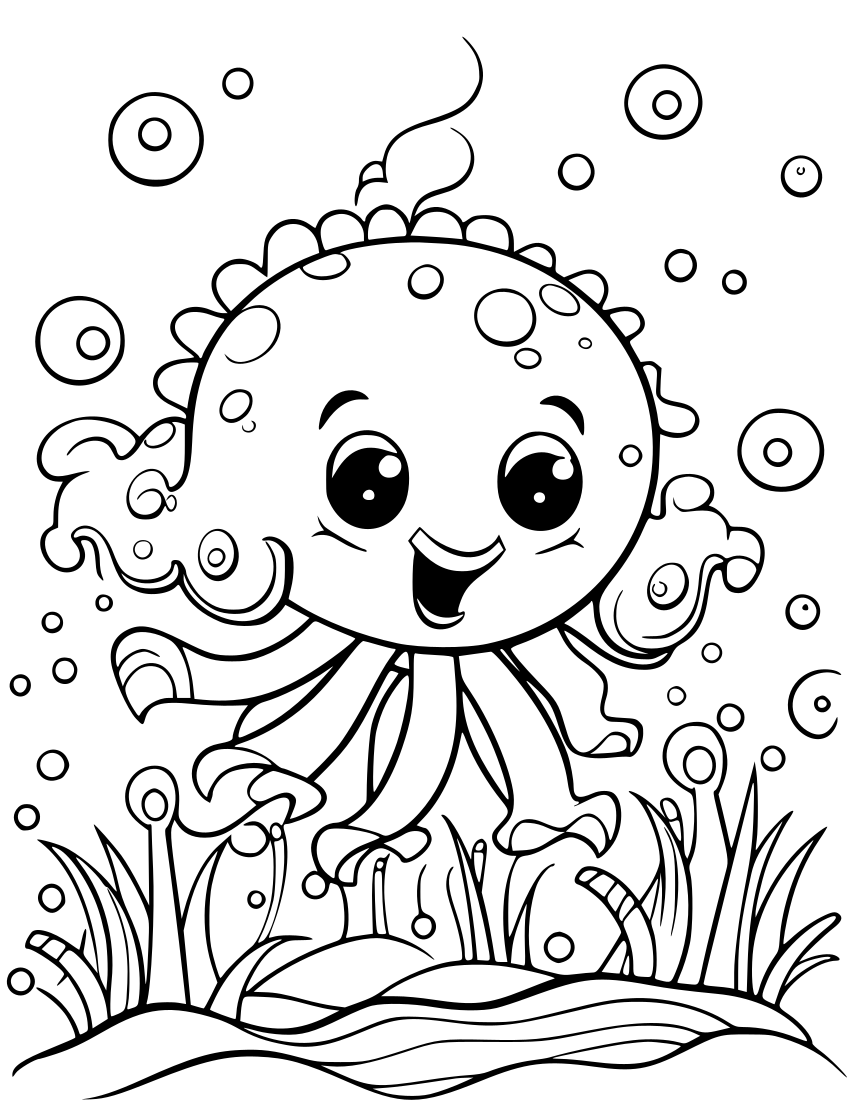
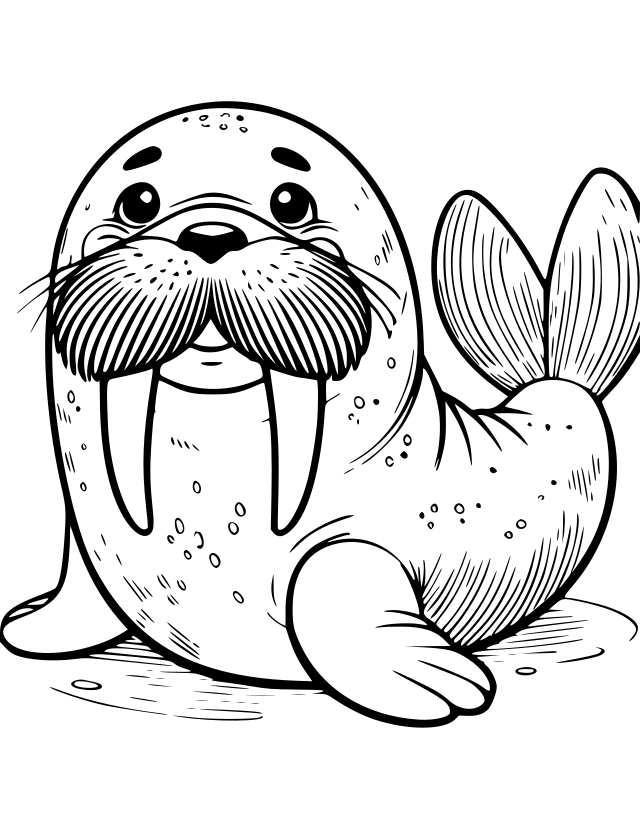
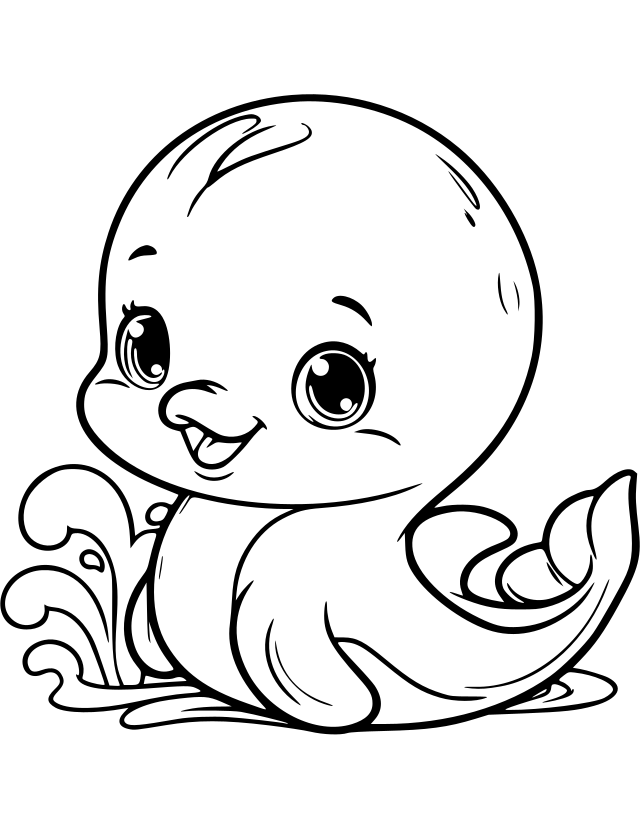
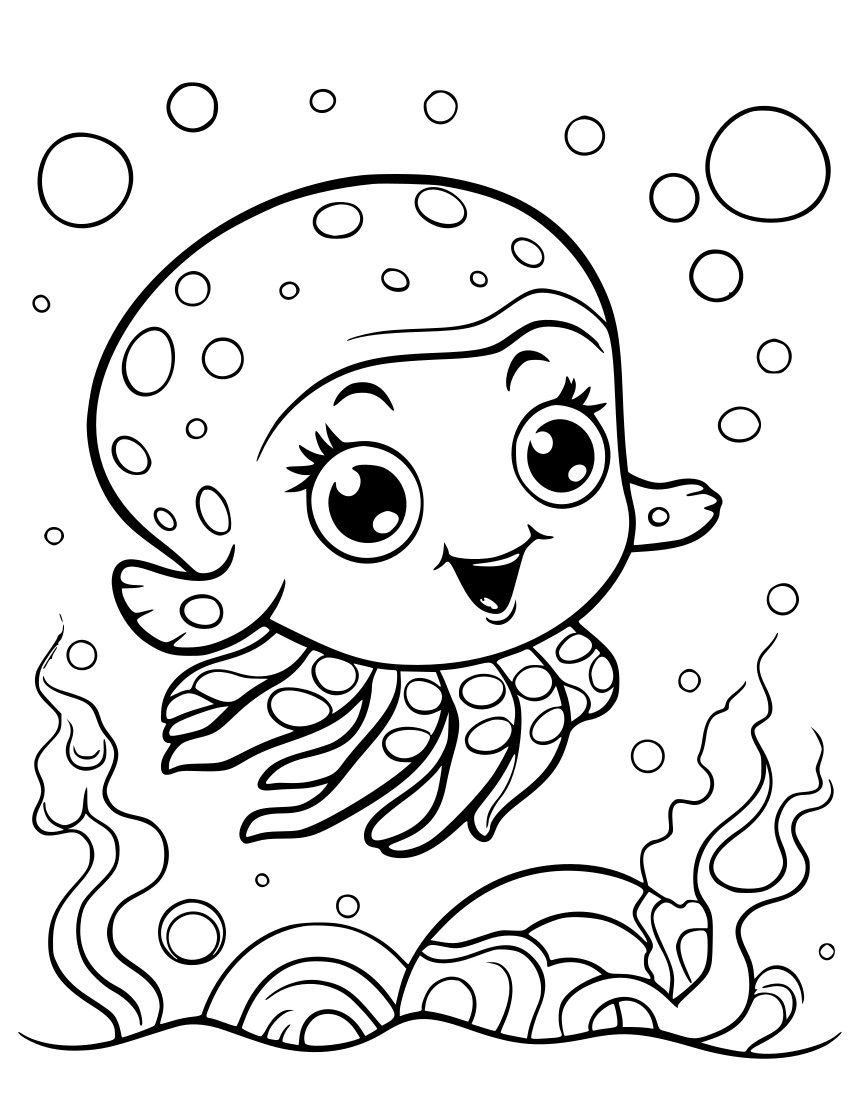
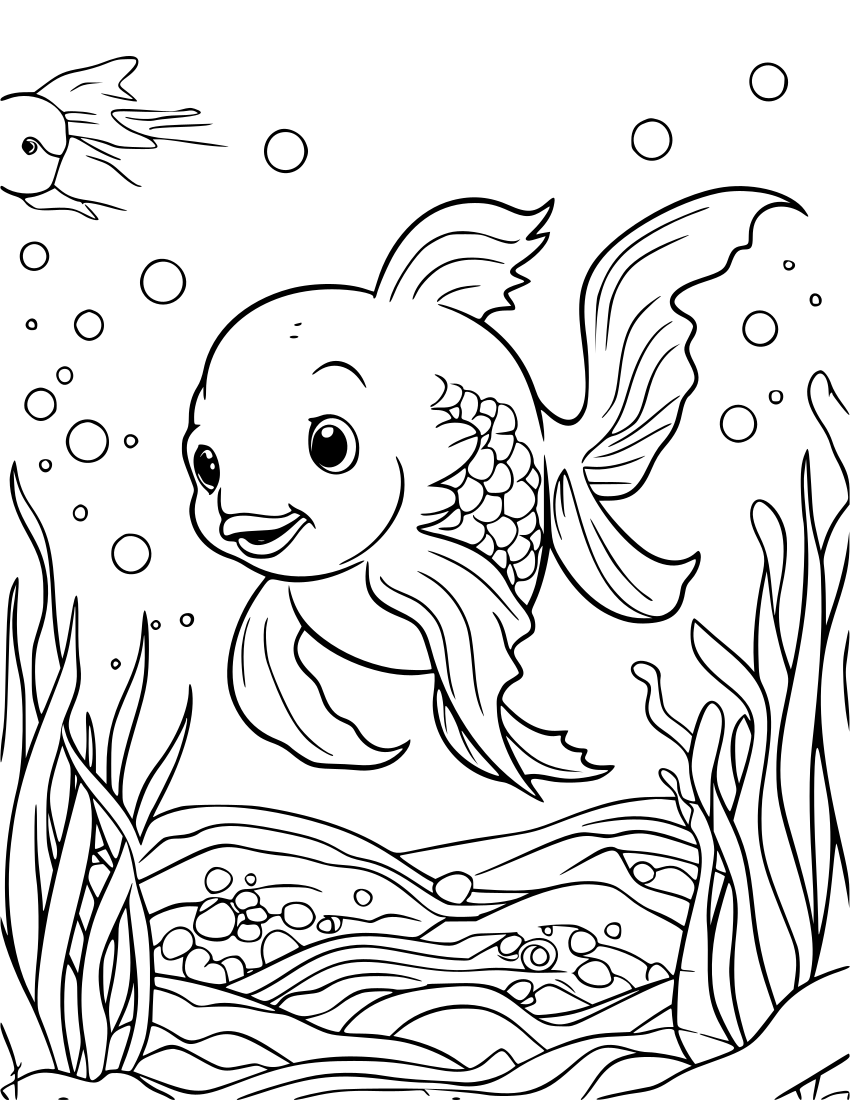
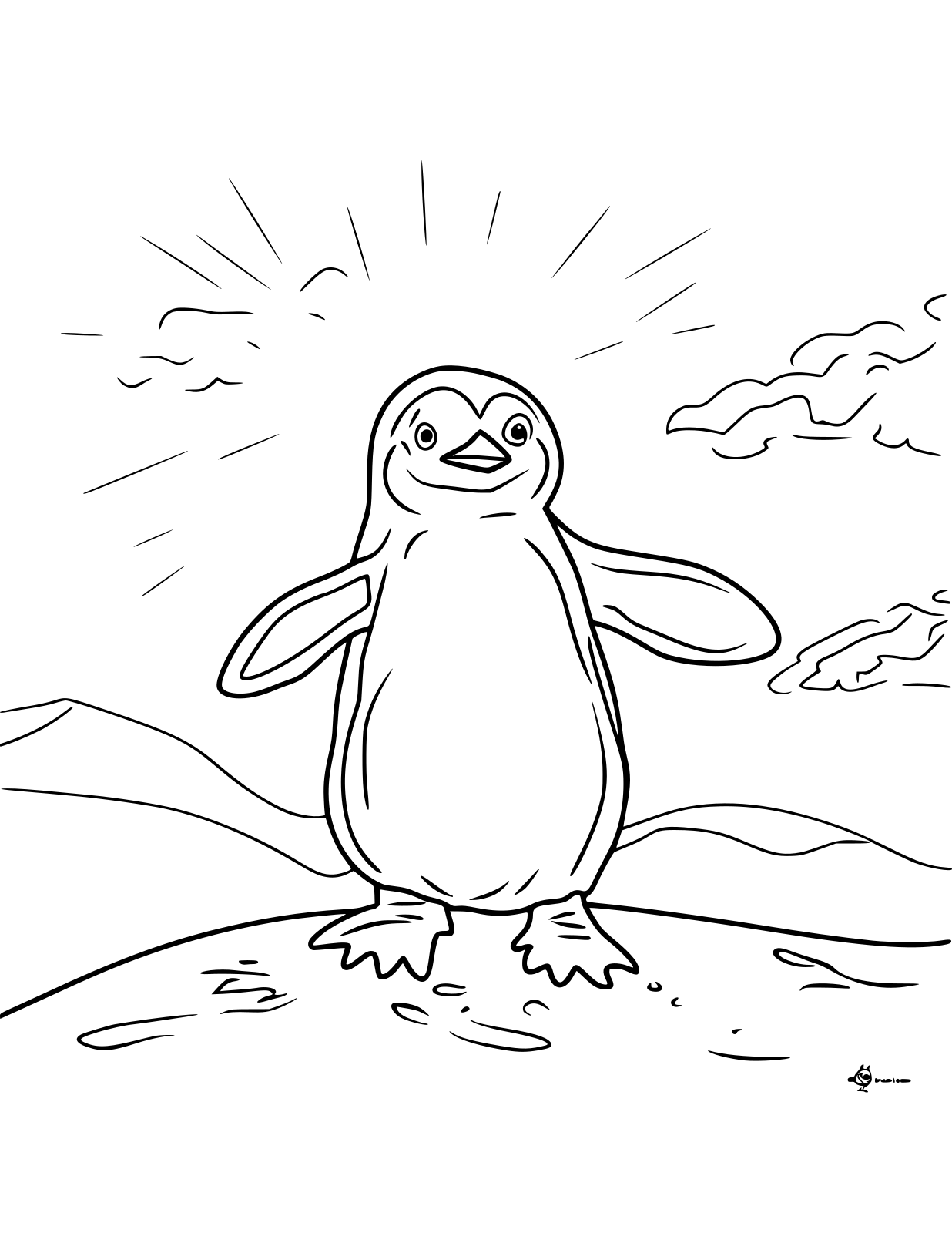
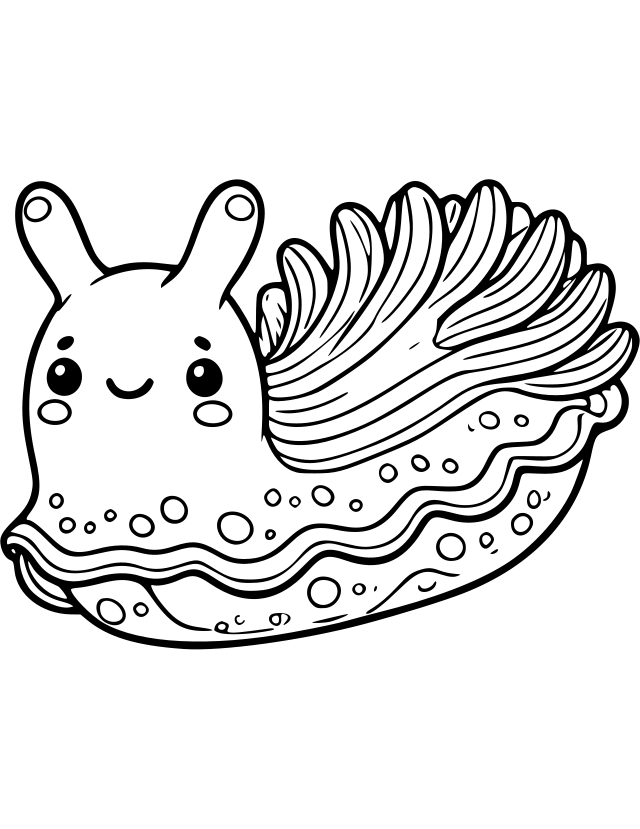

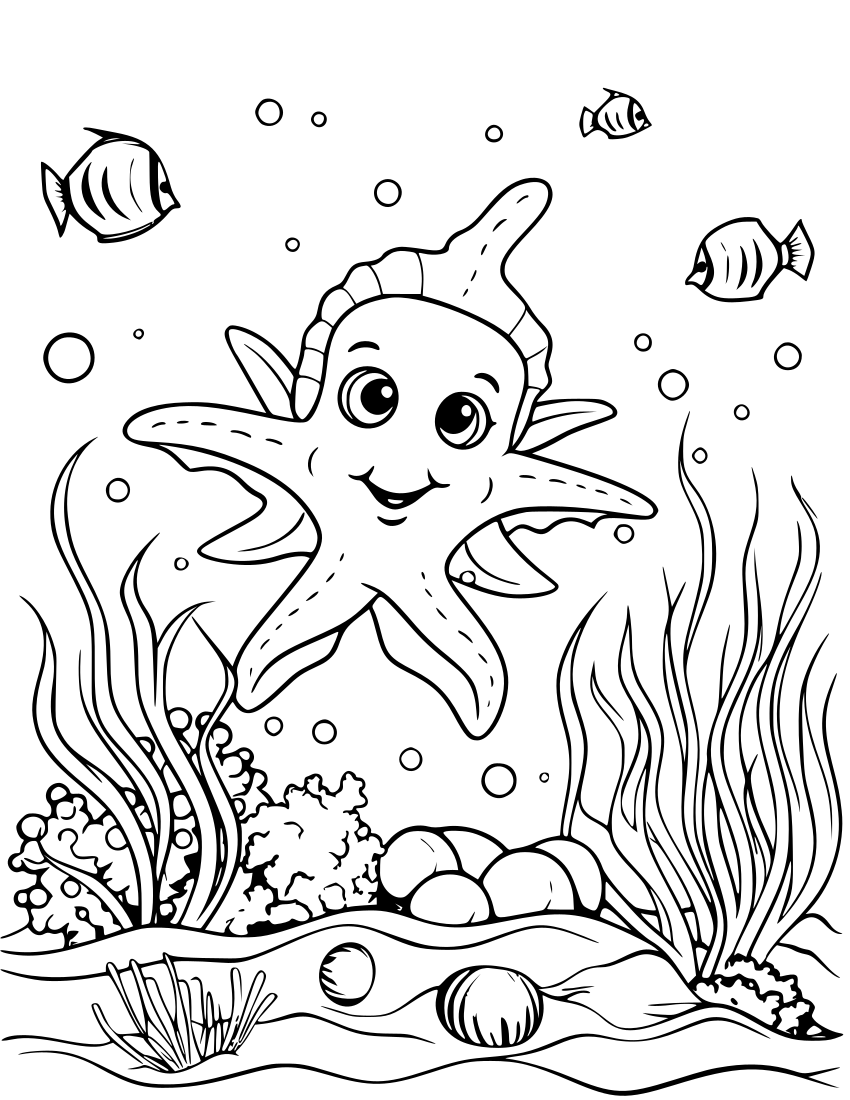
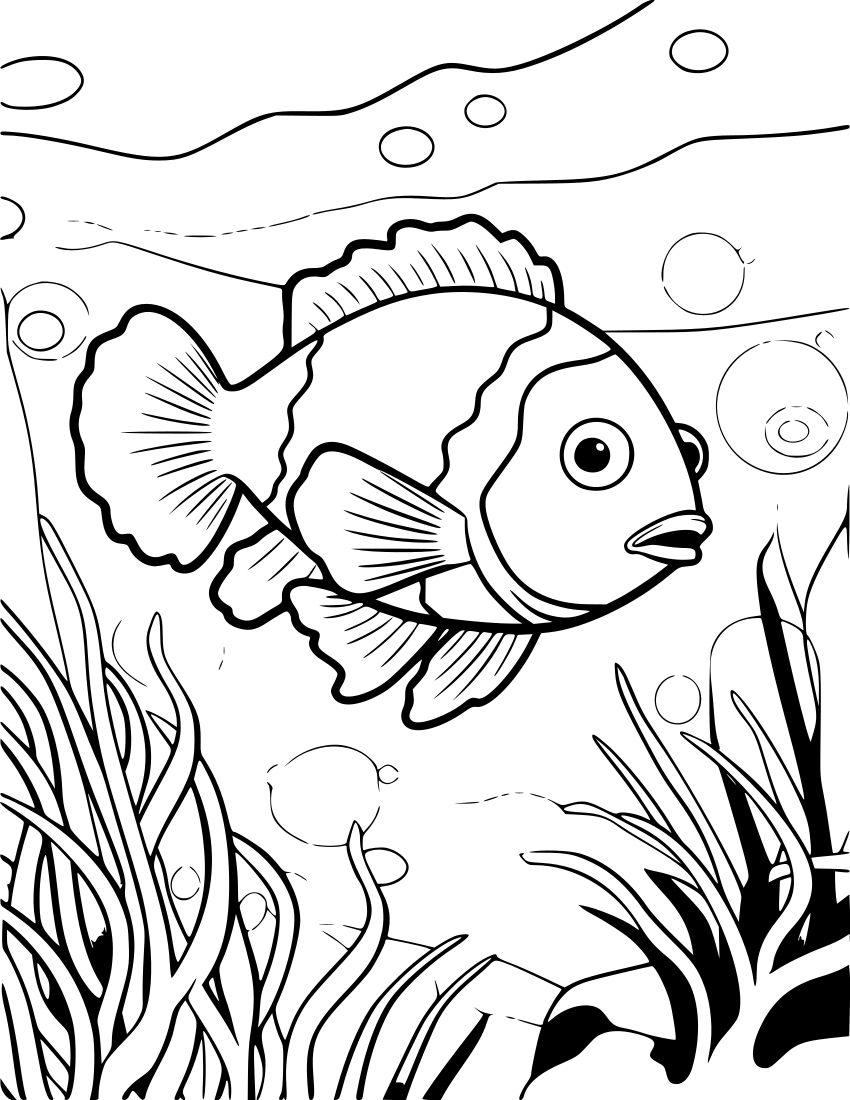
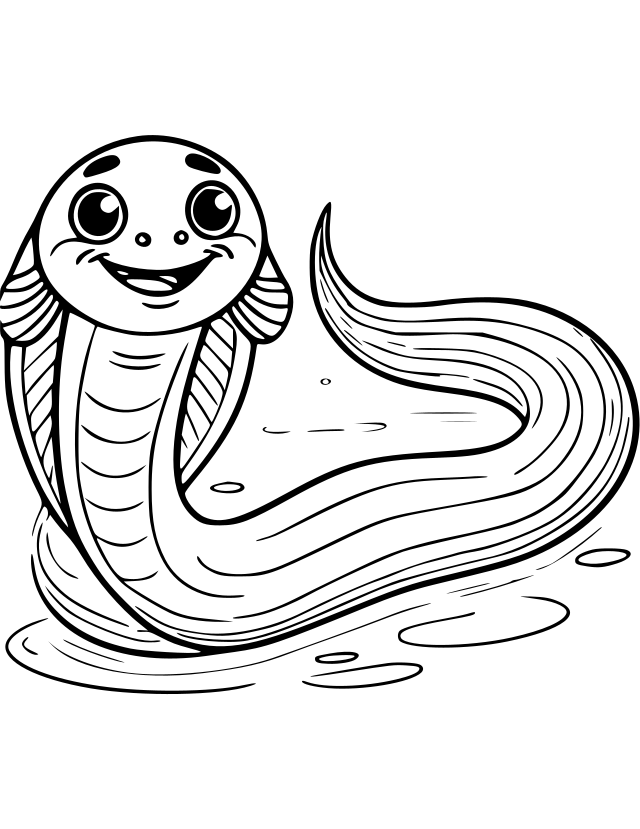
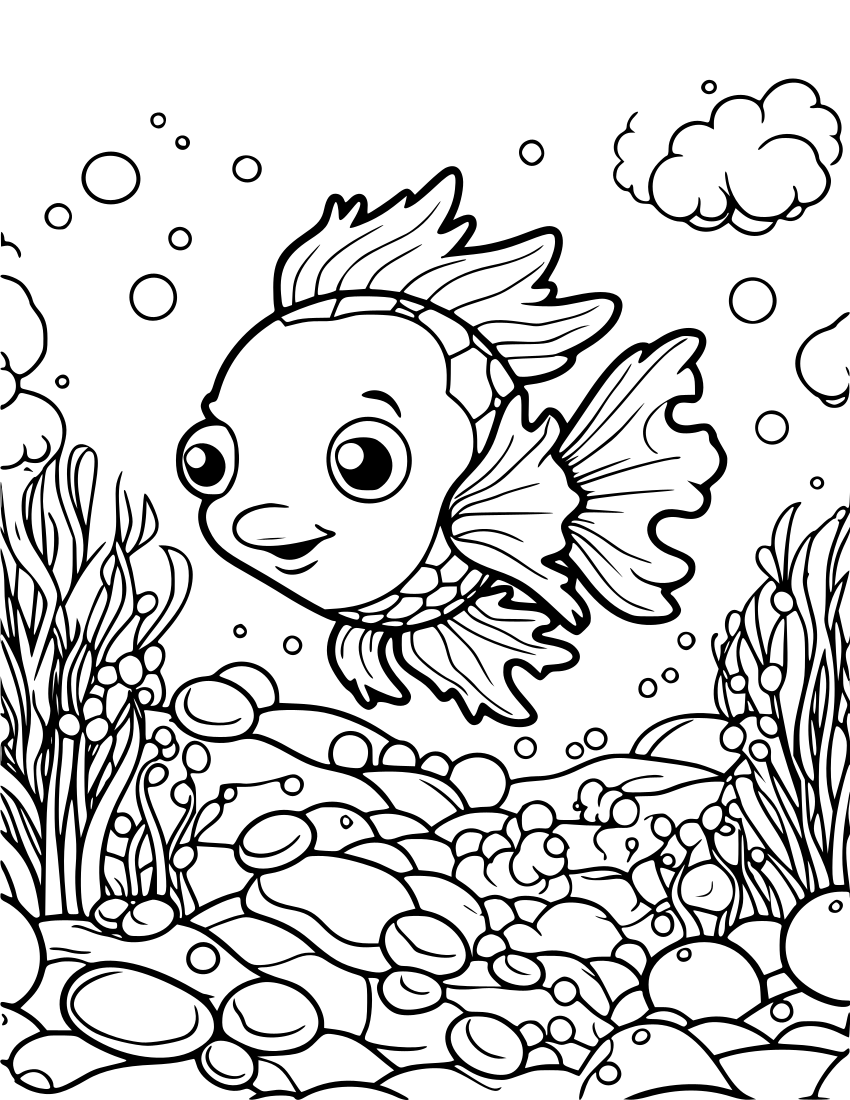
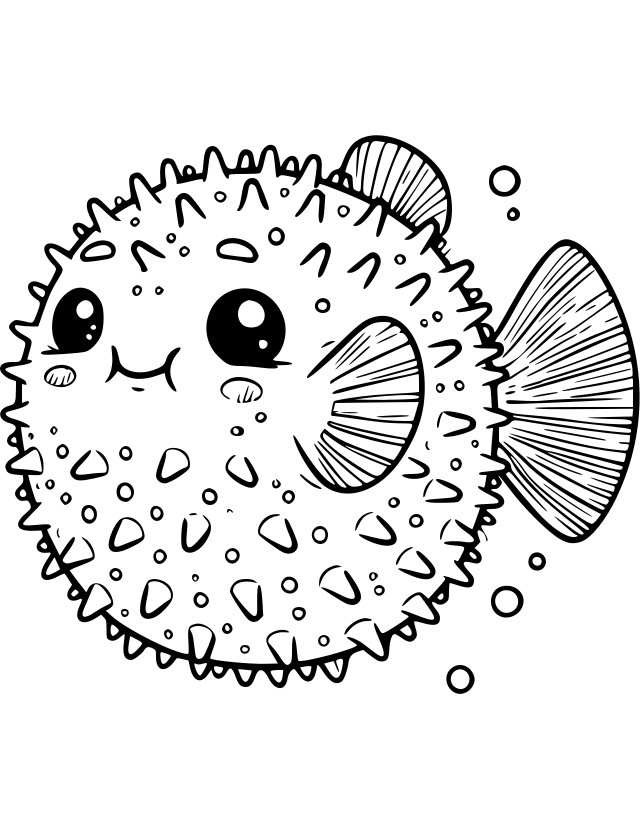
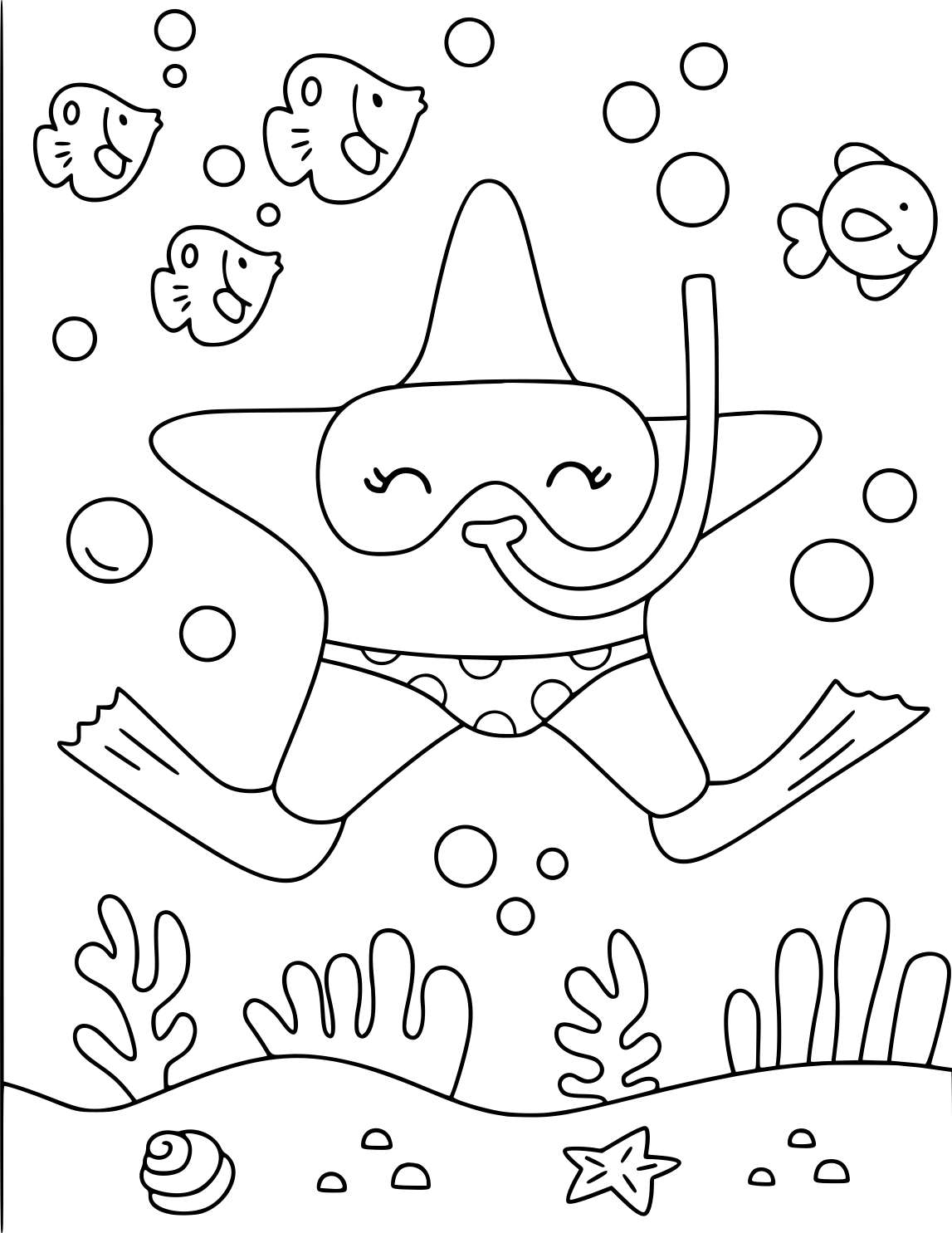
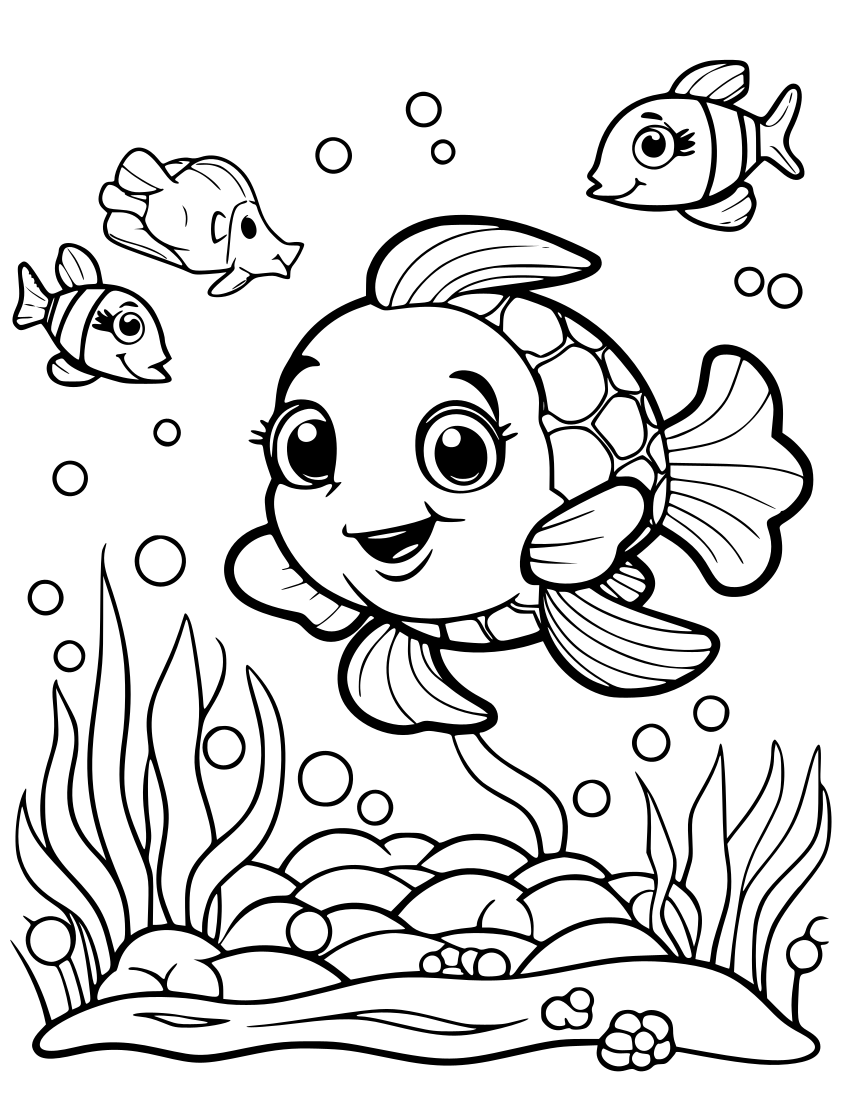
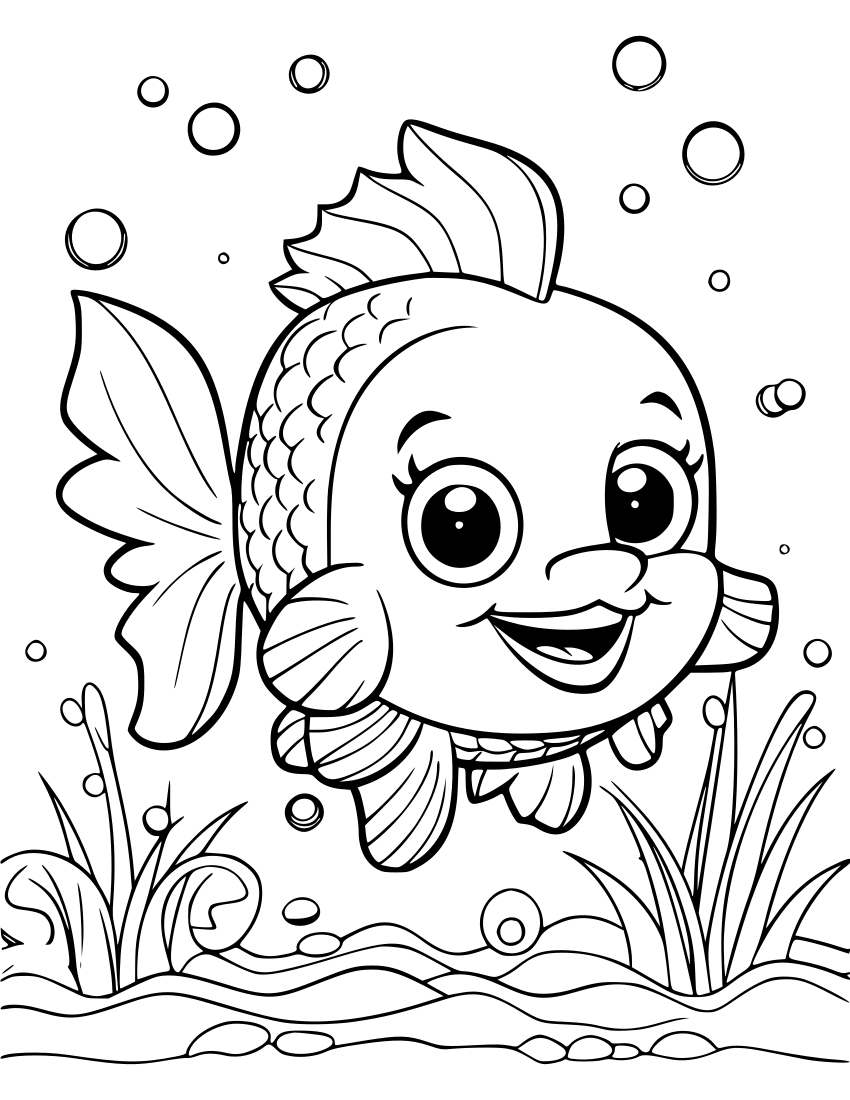
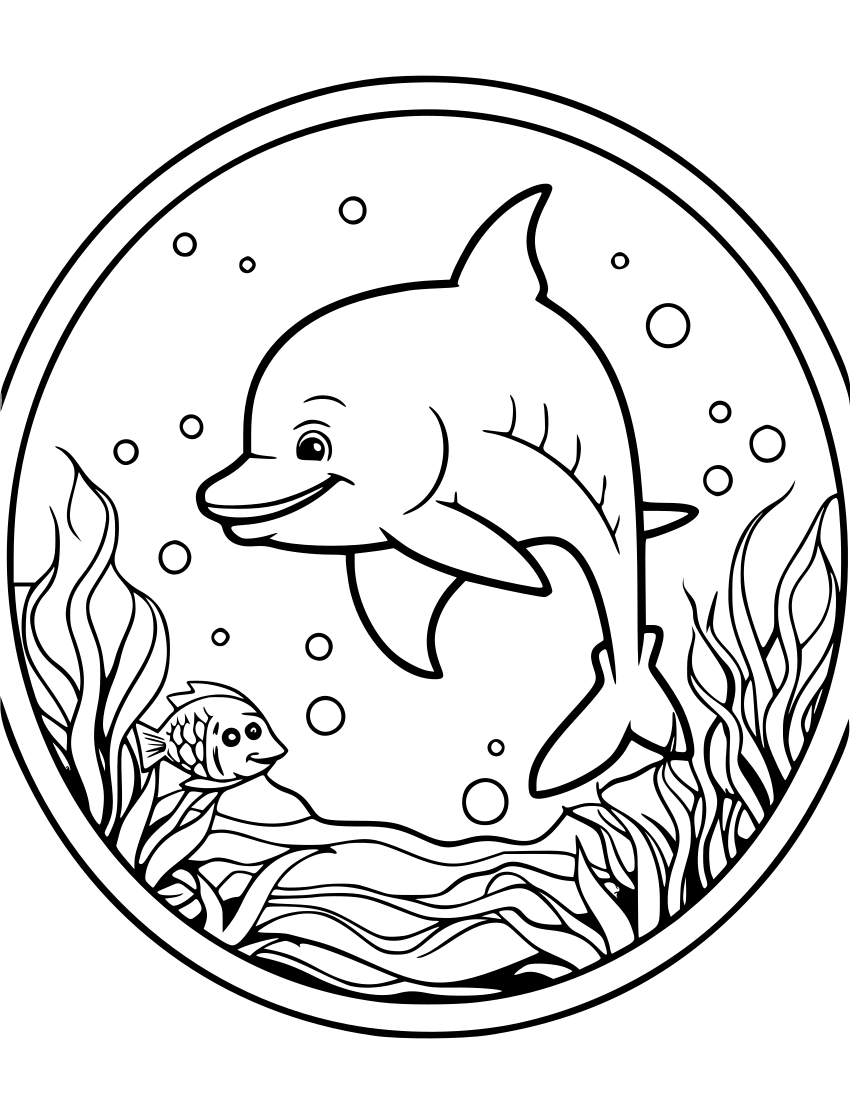
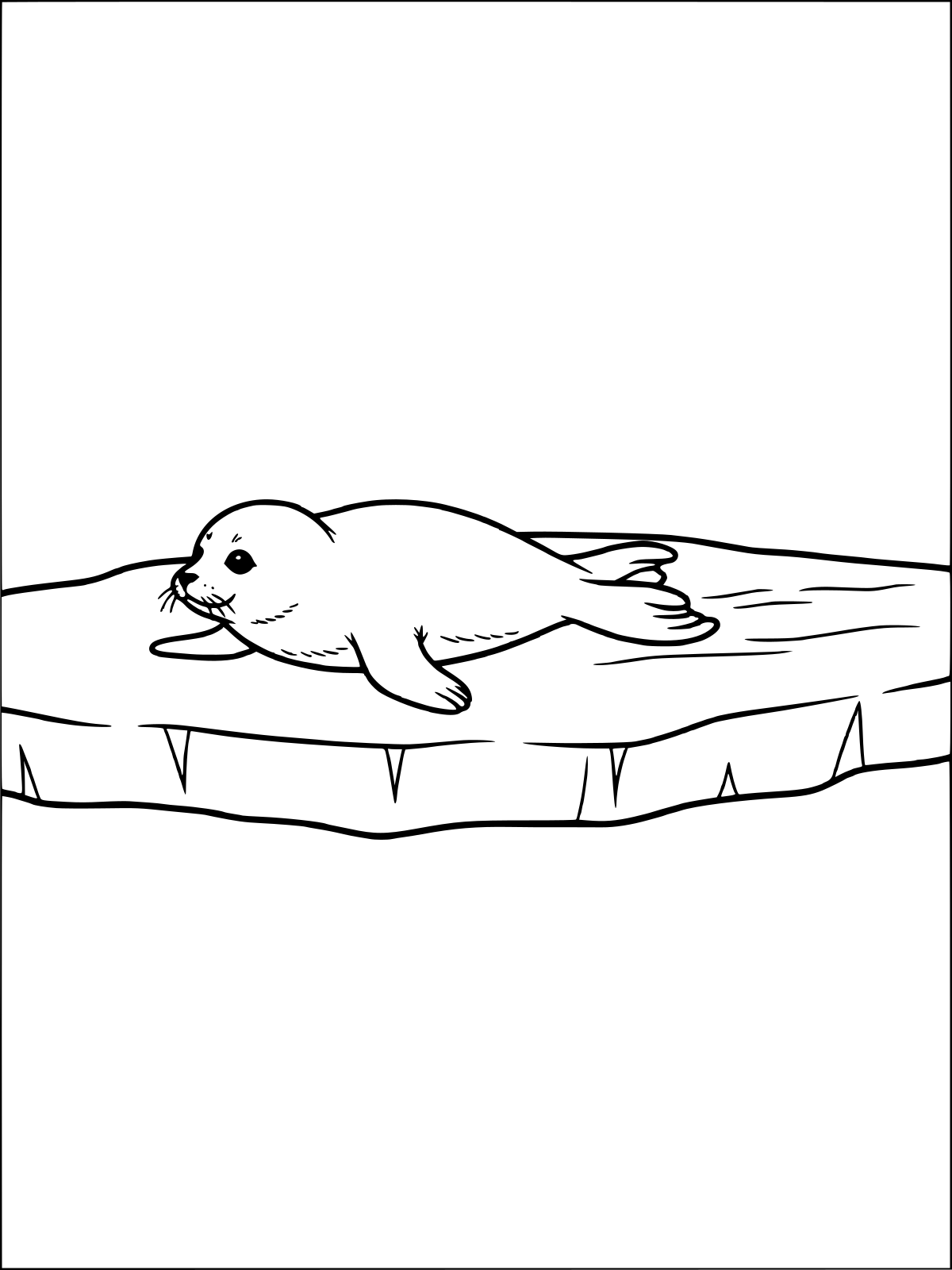

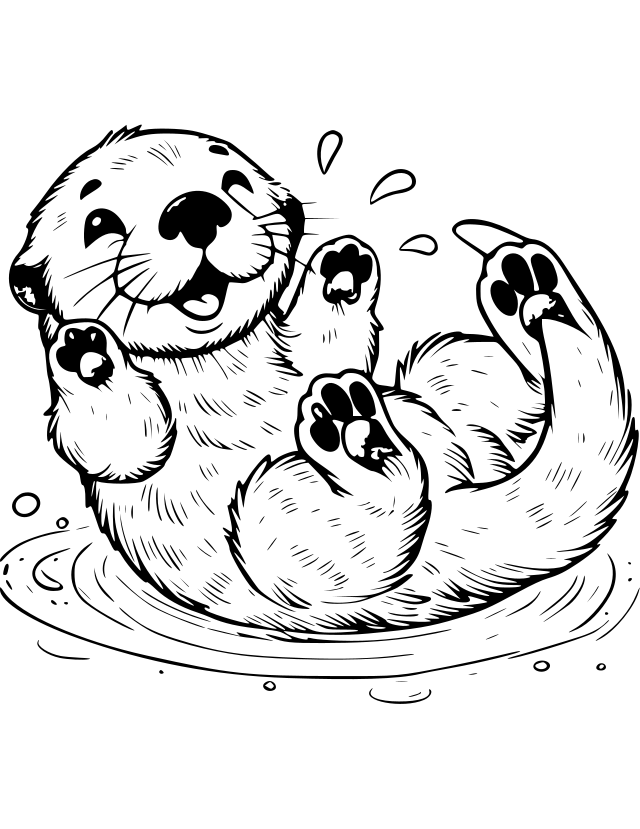
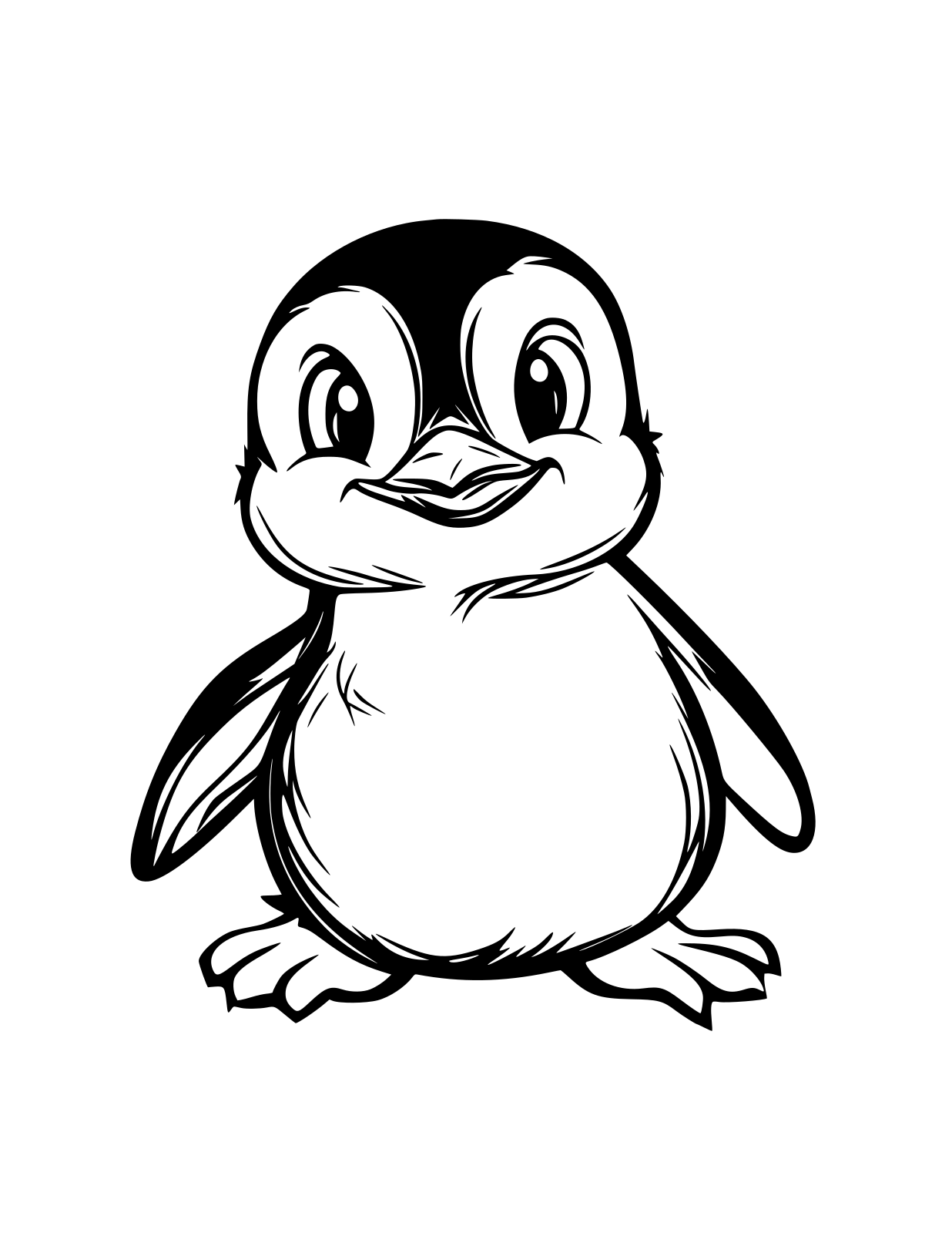
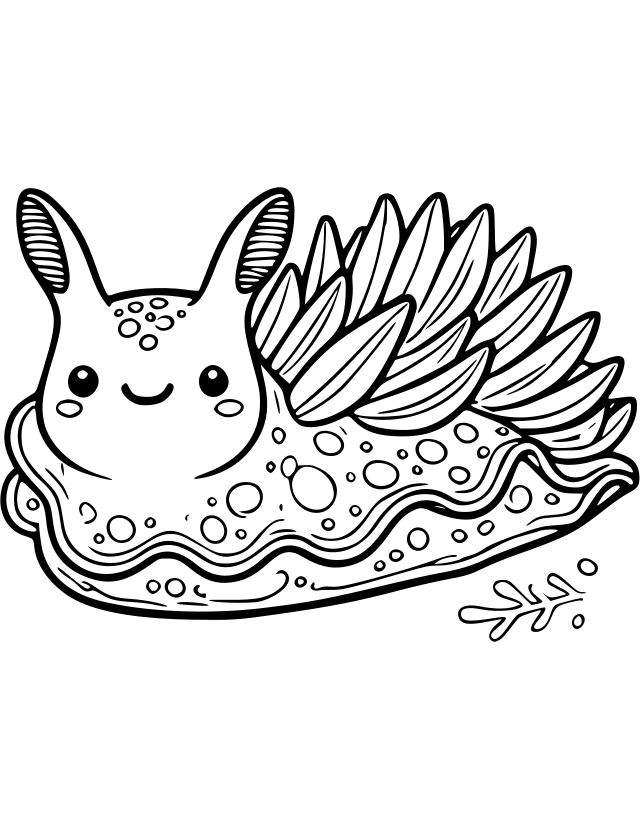
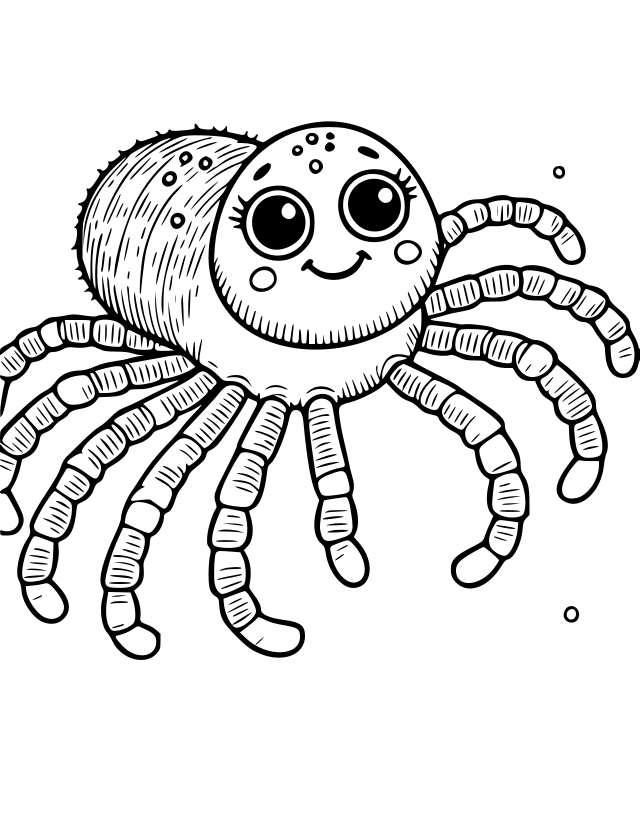
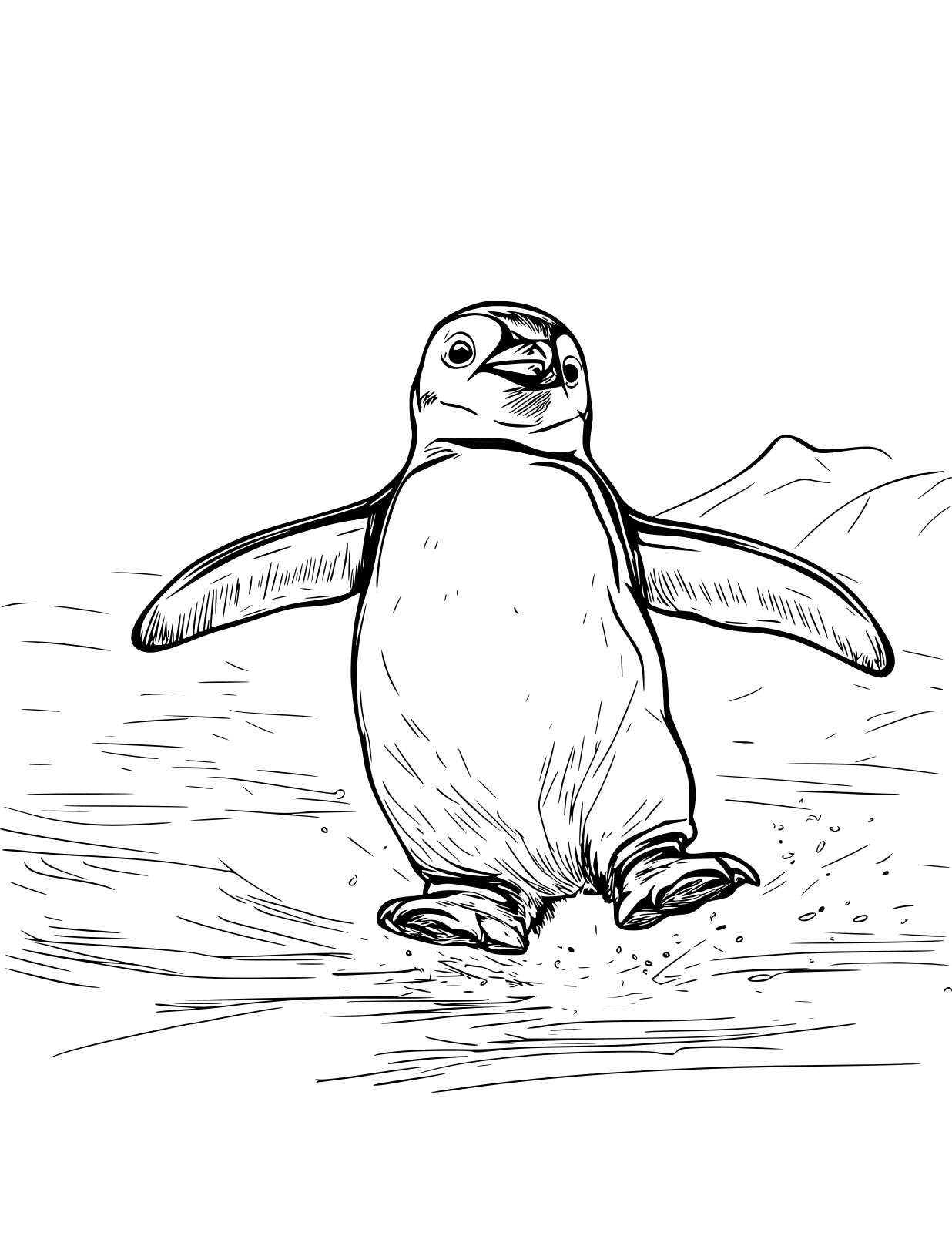
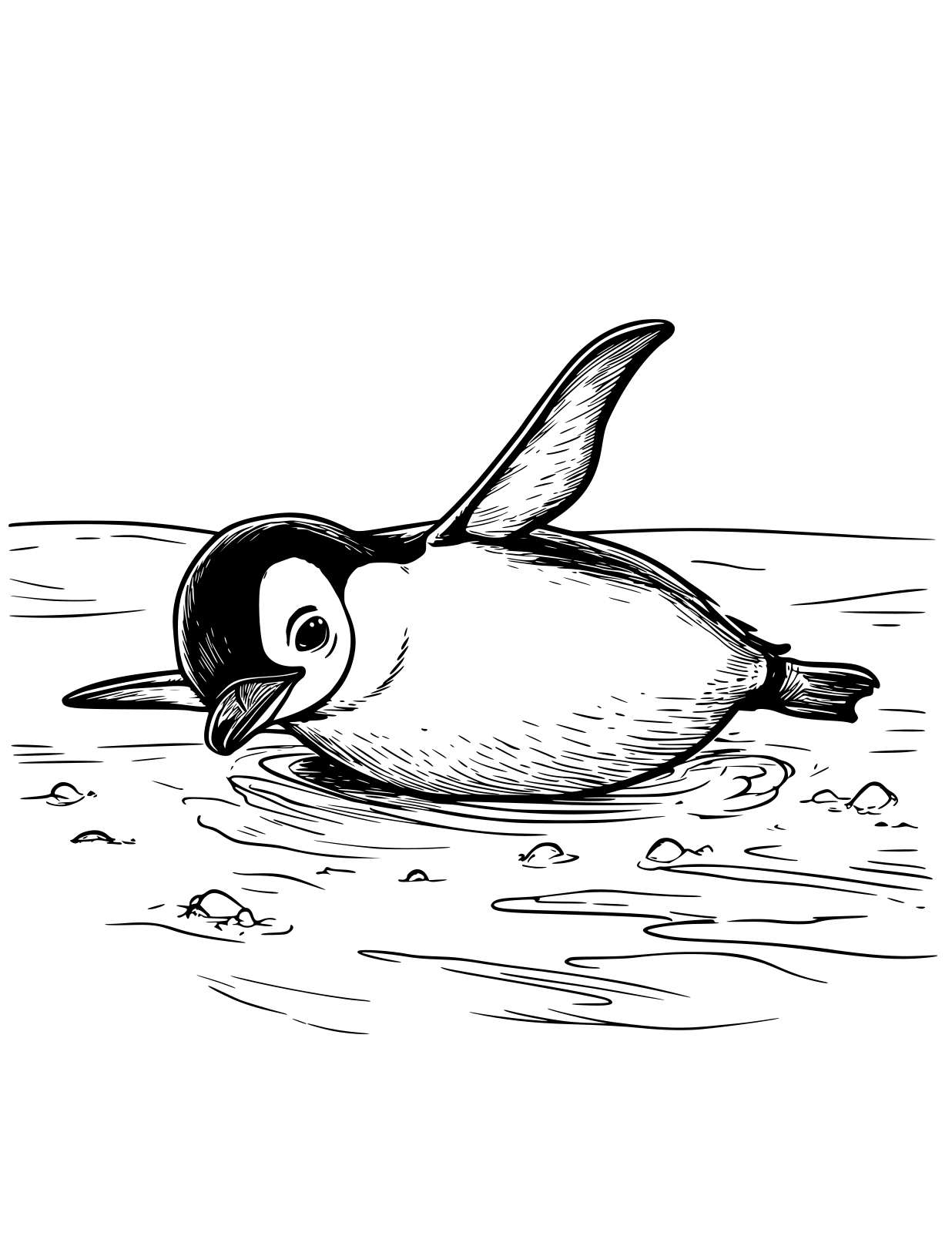
About Ocean Animals Coloring Pages
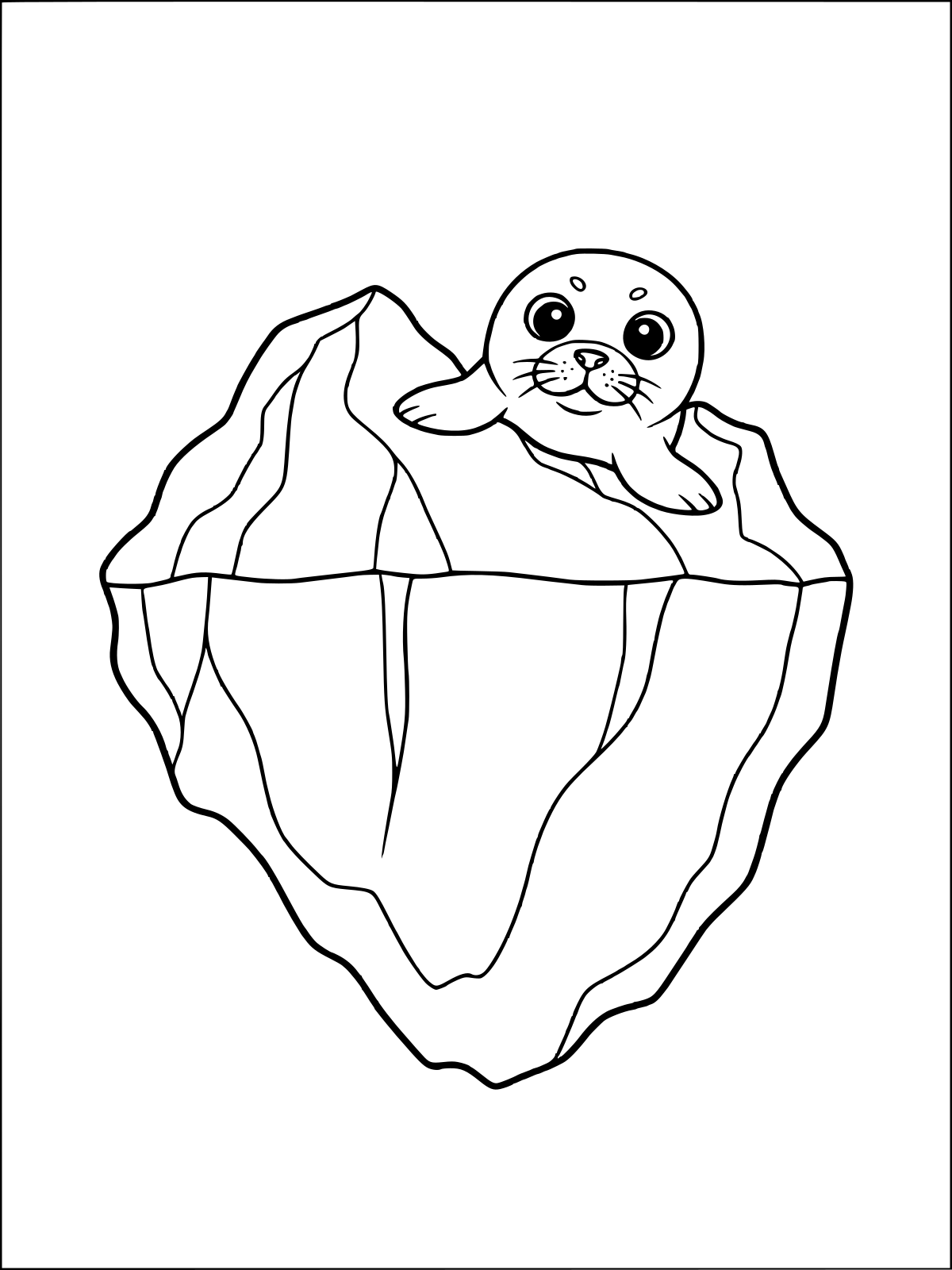
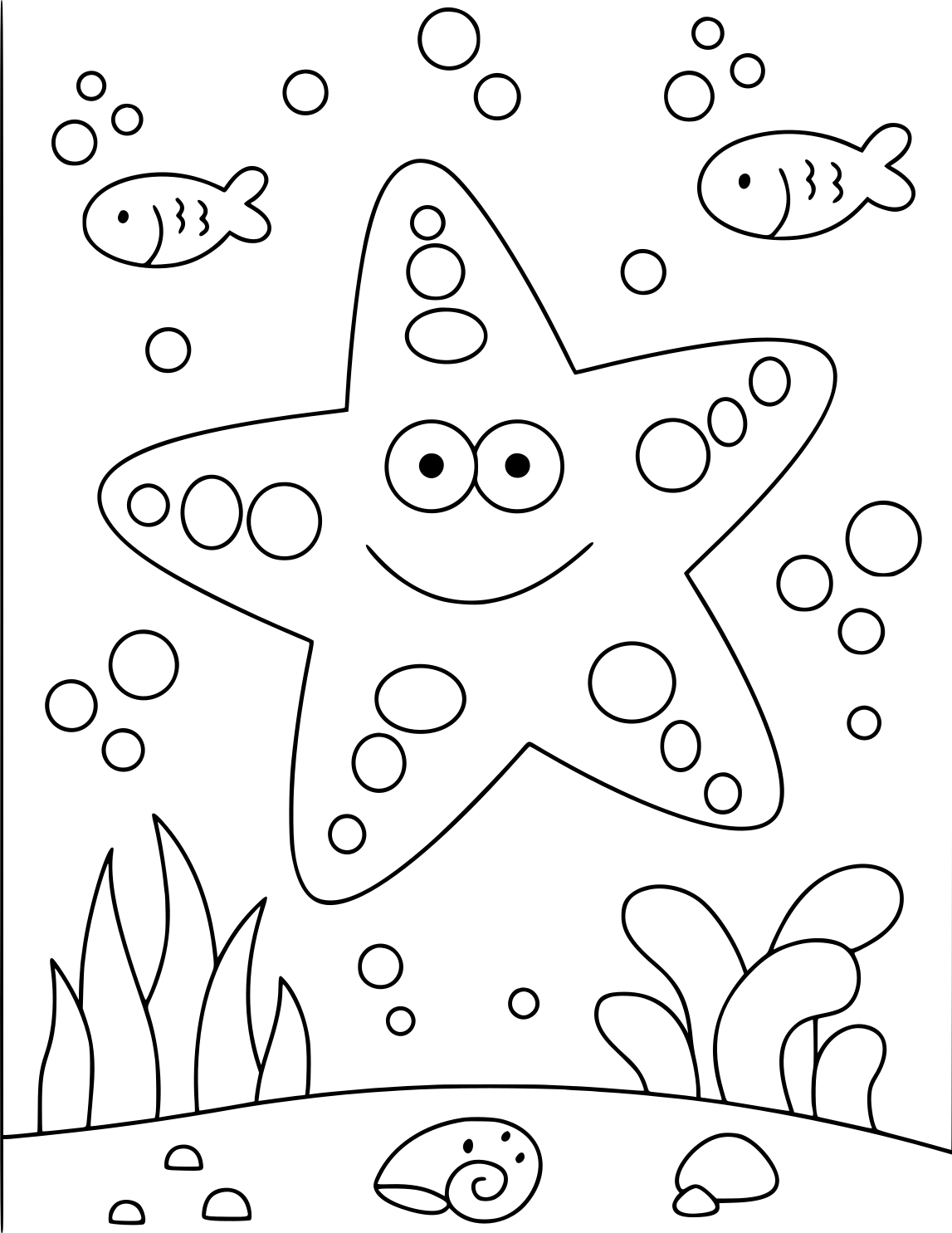
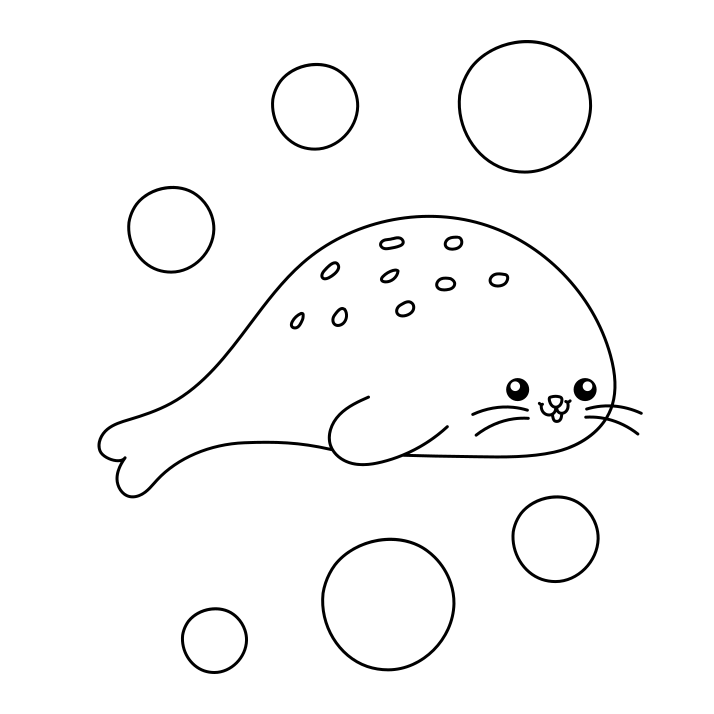
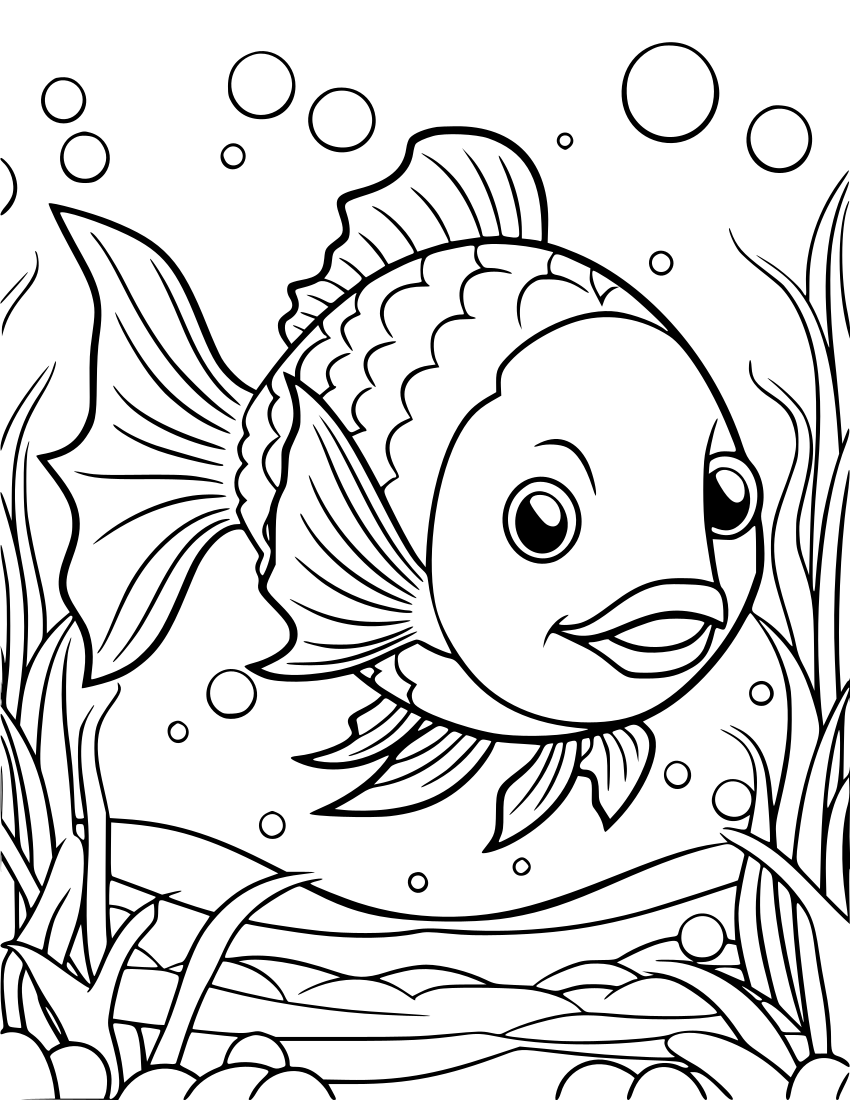
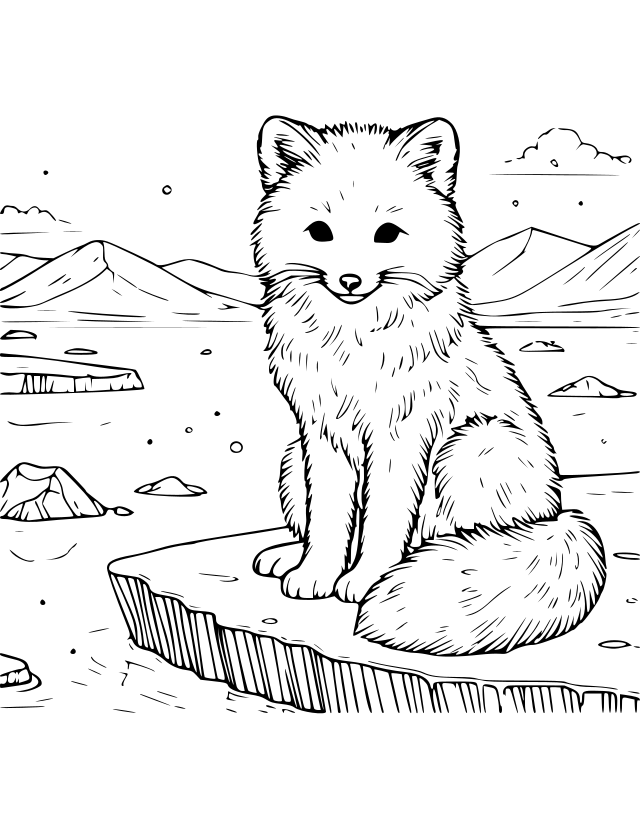
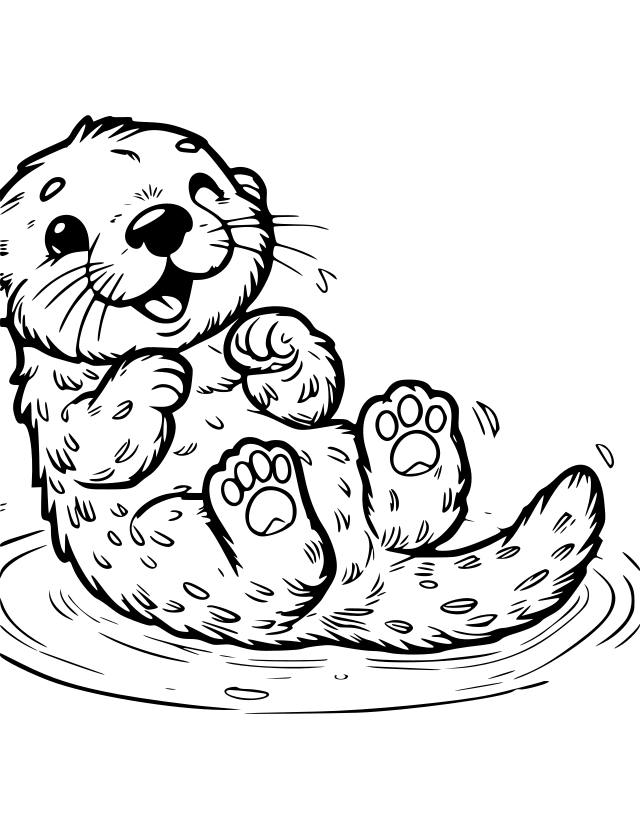
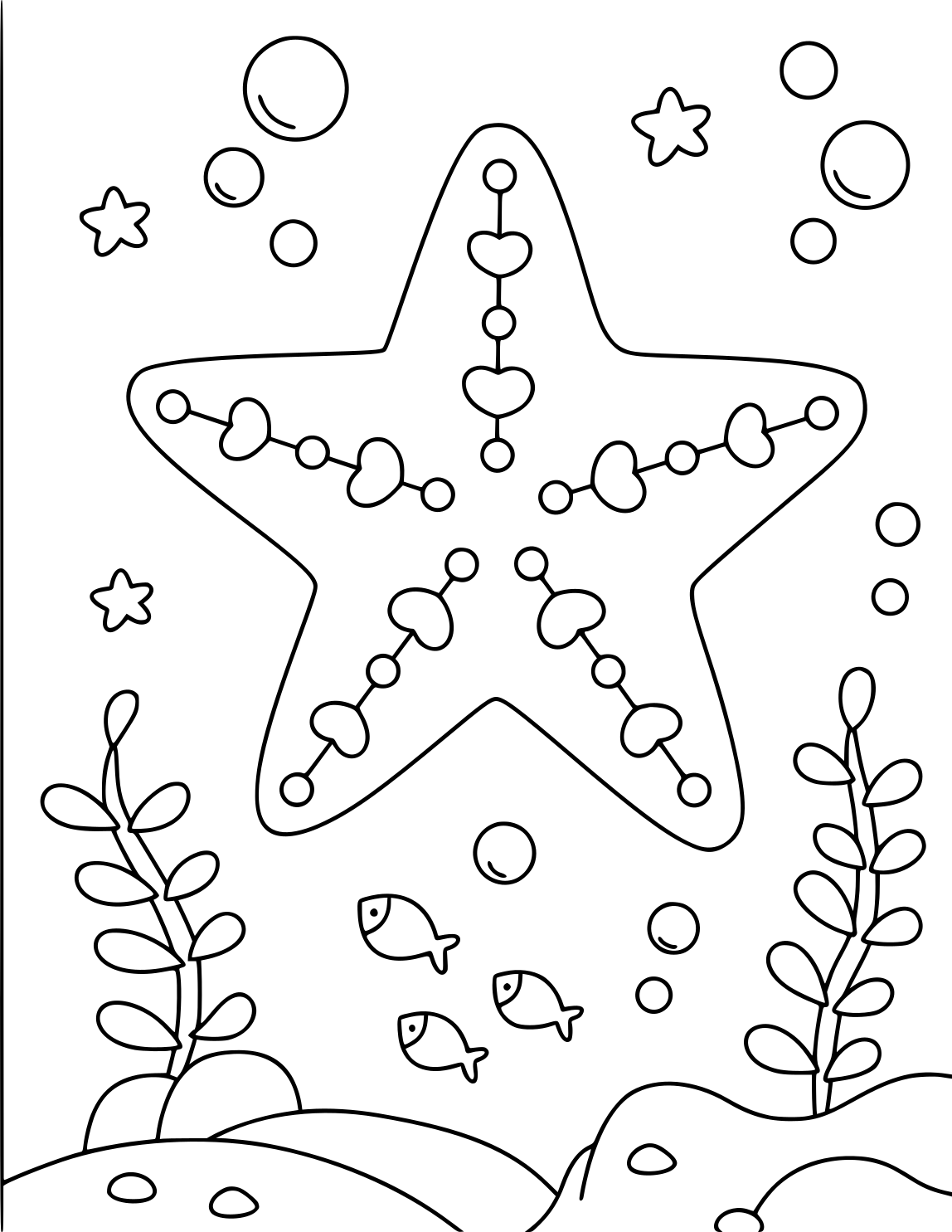
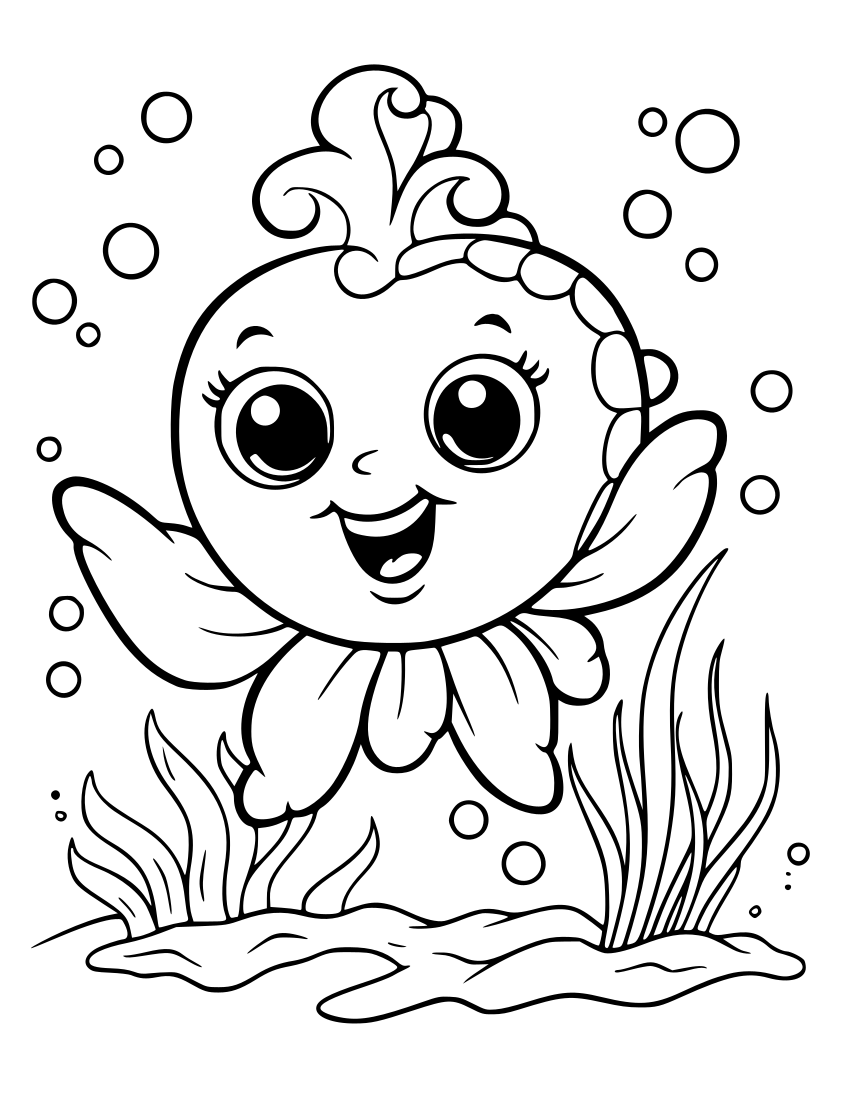
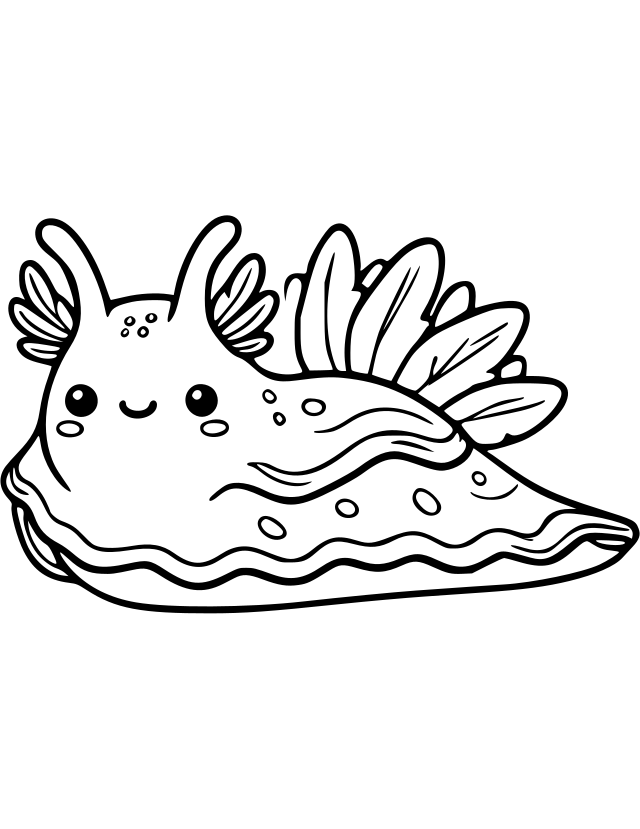
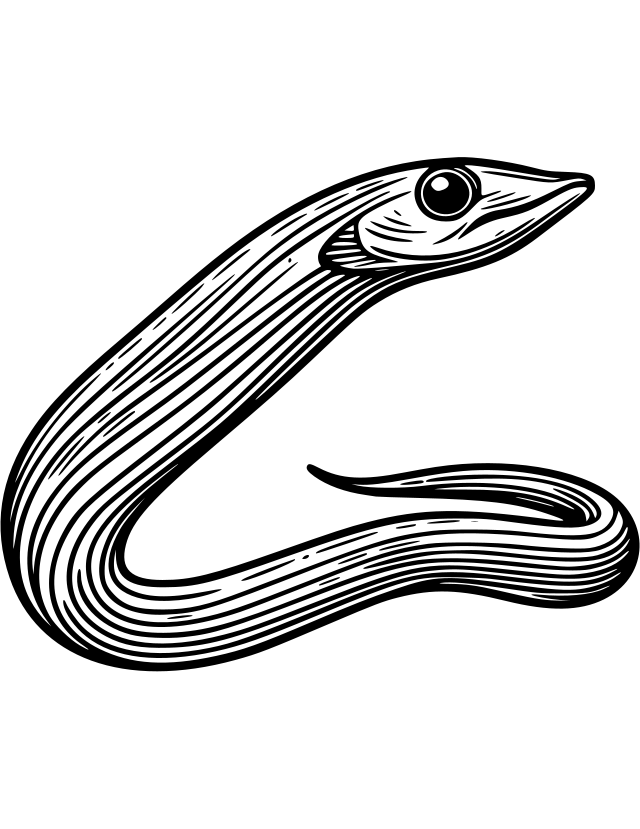
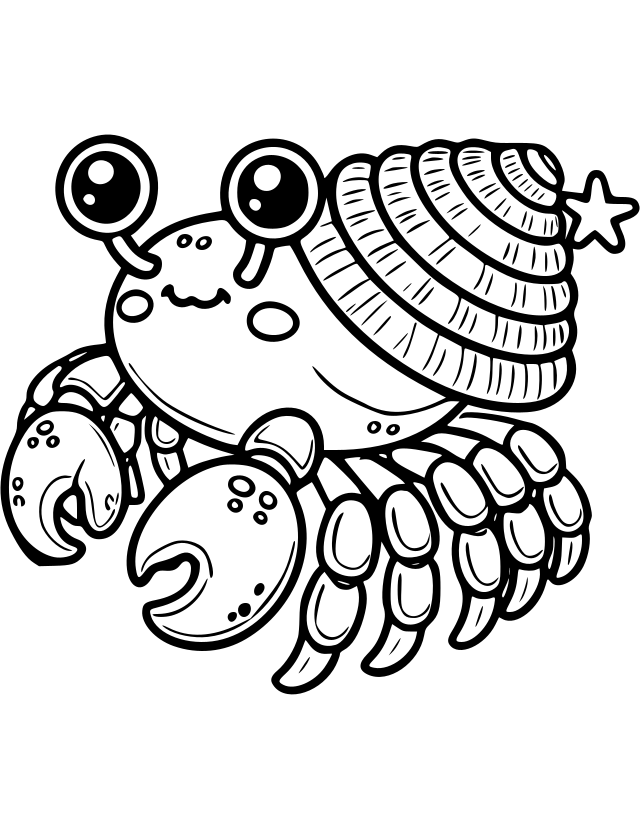
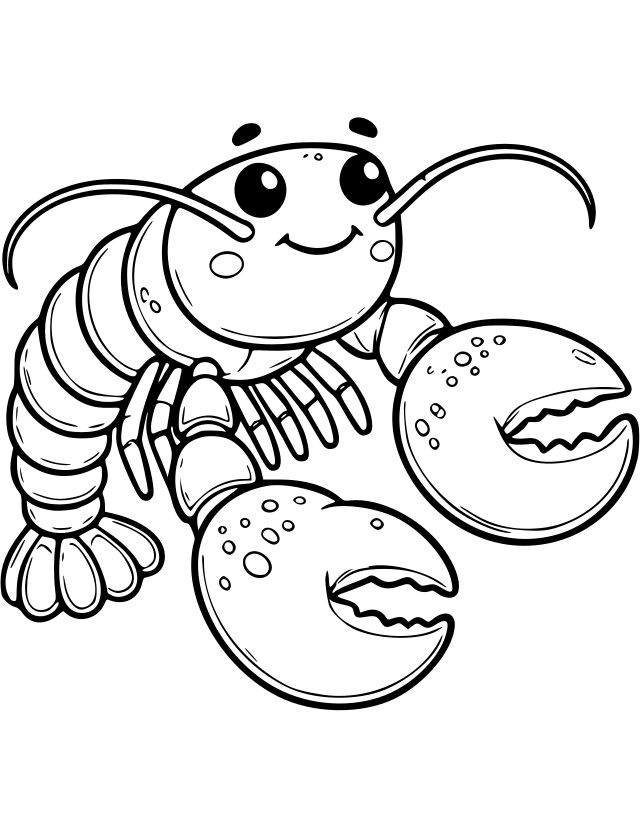
200 free ocean animal coloring pages — cute cartoon fish, sea turtles, sharks, dolphins, octopuses, jellyfish, seahorses and more. Kid-friendly designs with underwater backgrounds, every one available as a print-ready PDF. No account, no paywall, no watermark.
The Ocean — Earth's Last Great Wilderness
The world's oceans cover 71% of Earth's surface and reach depths of nearly 11 kilometers in the Mariana Trench. The ocean is the largest living system on the planet, home to an estimated 250,000 known species and potentially millions more yet to be discovered. From sun-dappled coral gardens of the Indo-Pacific to the cold nutrient-rich upwelling zones off Peru and Namibia, the ocean sustains virtually all life on Earth through its regulation of climate, oxygen production and weather.
Ocean animals have captivated human imagination since our earliest ancestors first stood at the water's edge. Ancient Mediterranean cultures worshipped dolphins as sacred animals. Pacific island peoples developed extraordinary knowledge of ocean creatures through generations of open-sea navigation. Today, marine biologists continue to discover extraordinary behaviors — octopuses using tools, dolphins calling each other by name, whales communicating across entire ocean basins through low-frequency song.
Ocean animal coloring pages let children engage with the marine world — learning the names, shapes and habitats of ocean creatures through the patient, absorbing process of coloring. Pair them with simple facts about each animal for an activity that combines science and creativity. Our animal coloring pages and nature coloring pages make natural companion collections.
Ocean Animals in This Collection
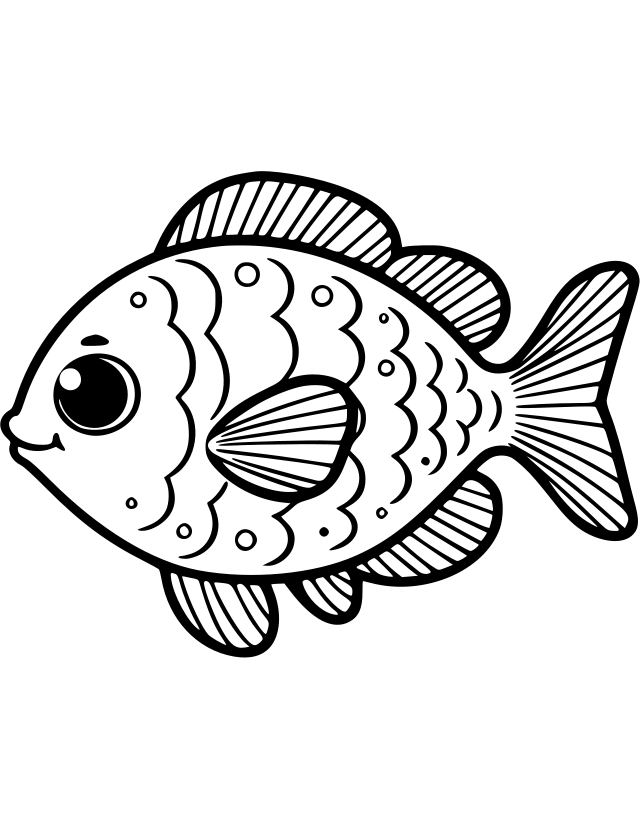
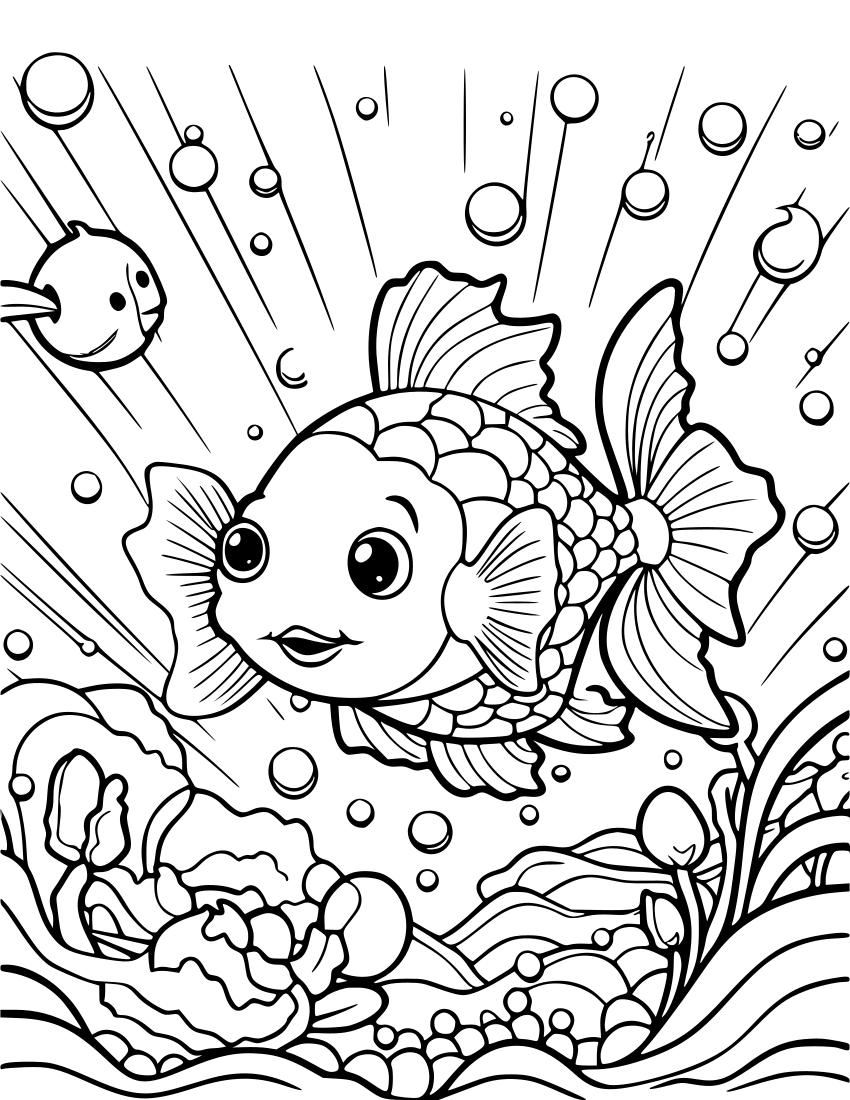
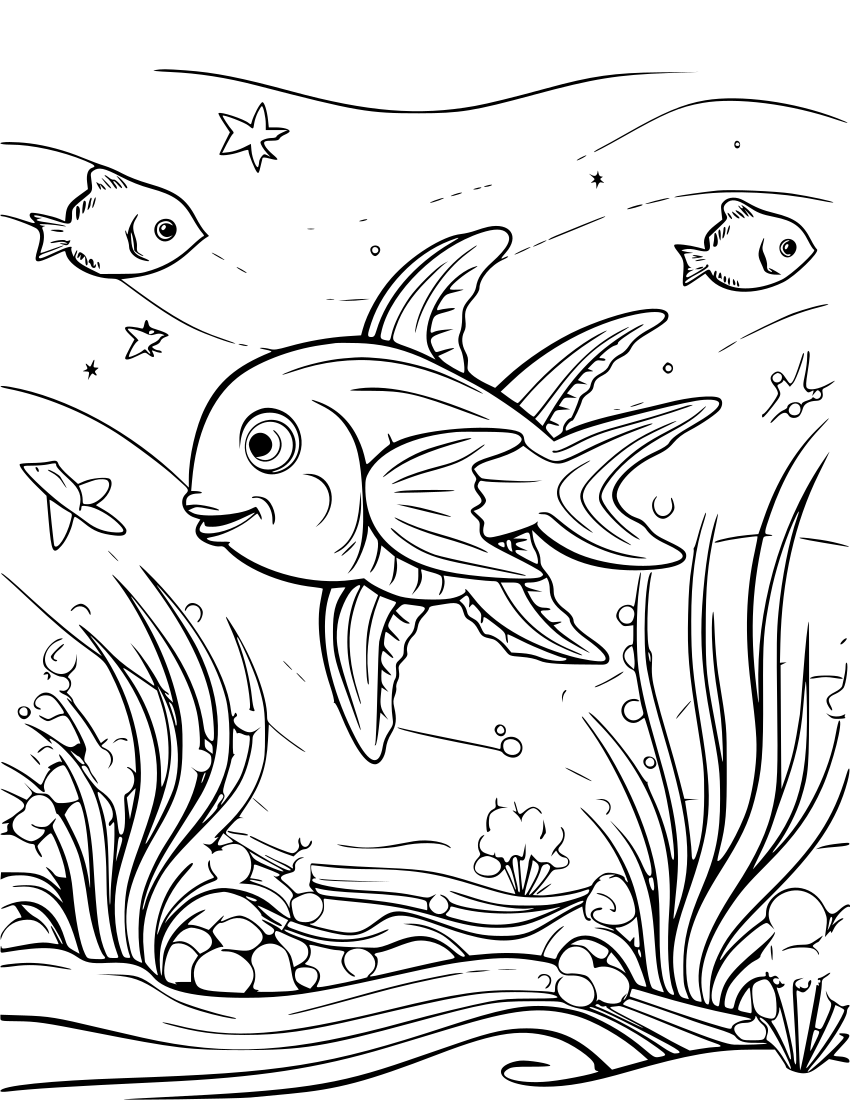
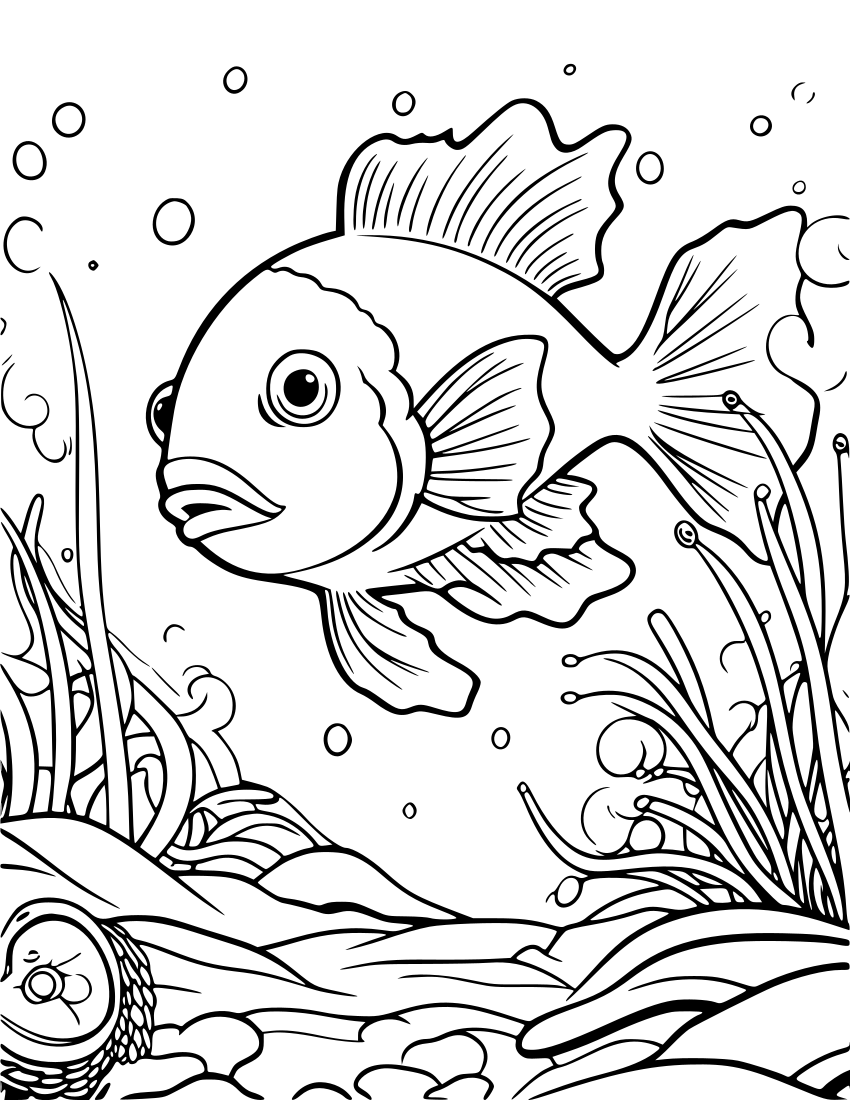
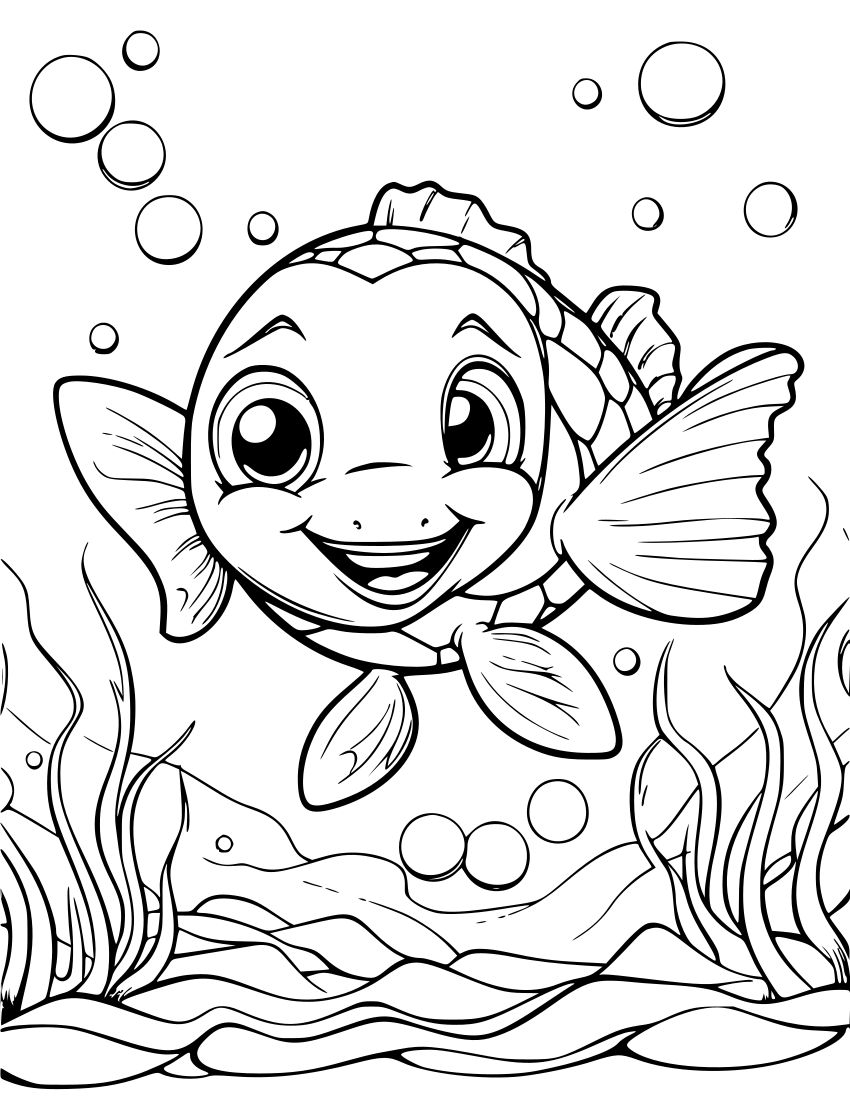
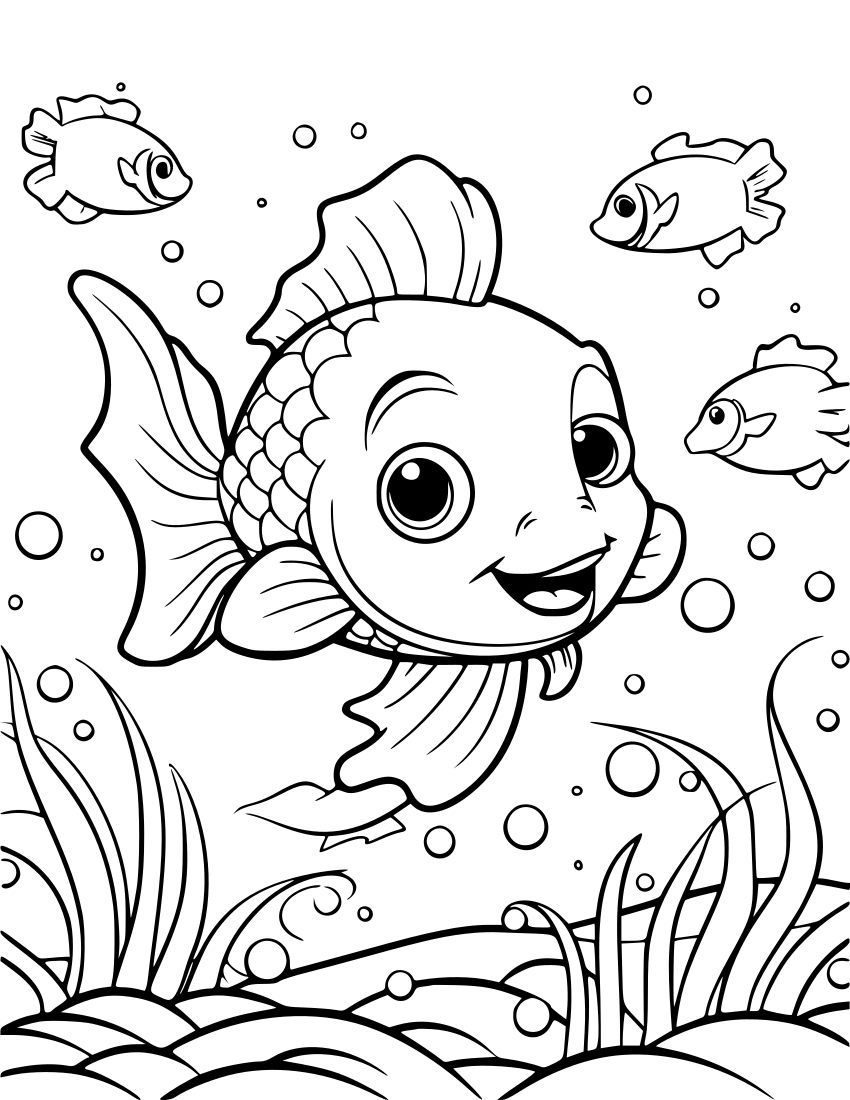
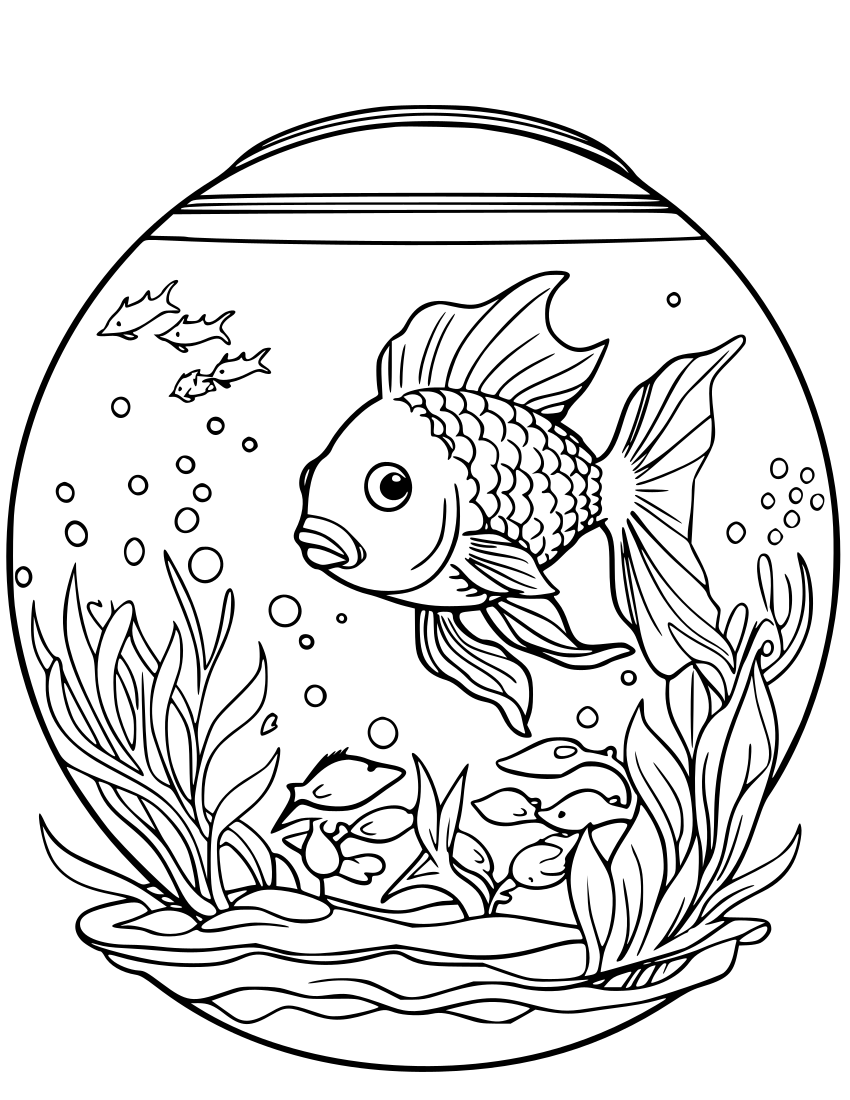
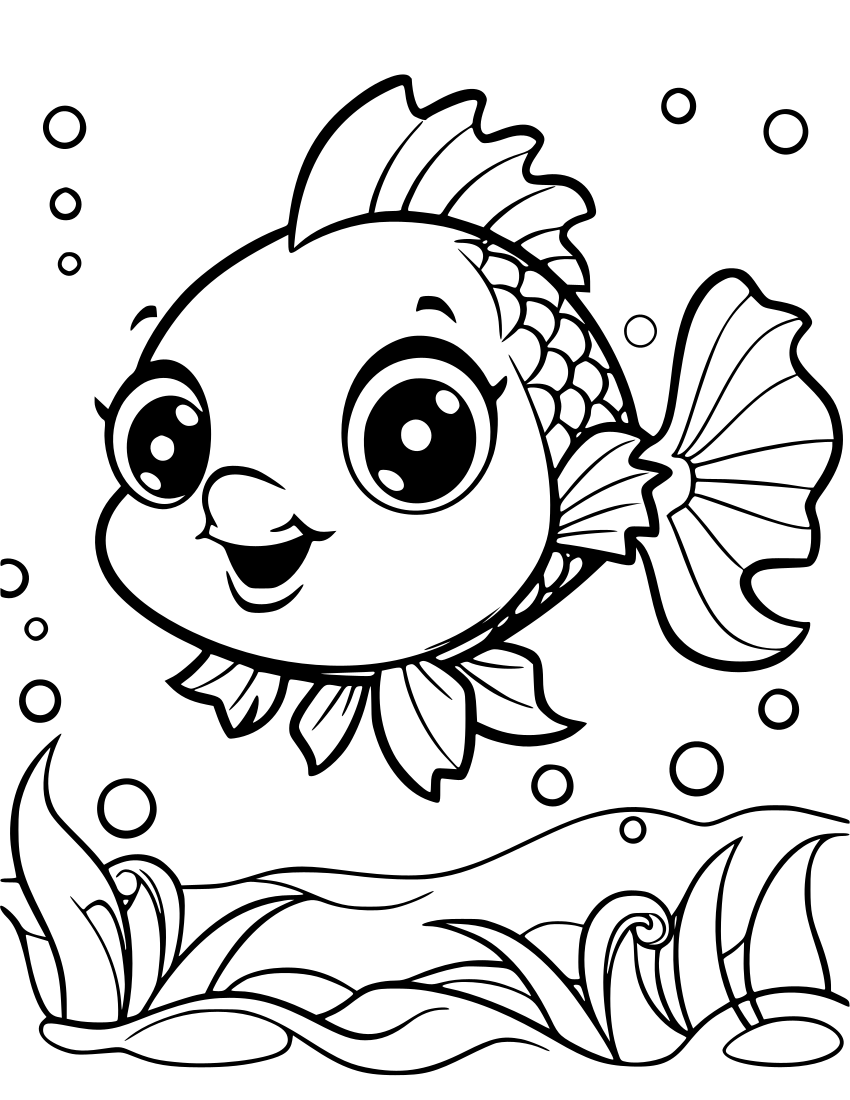
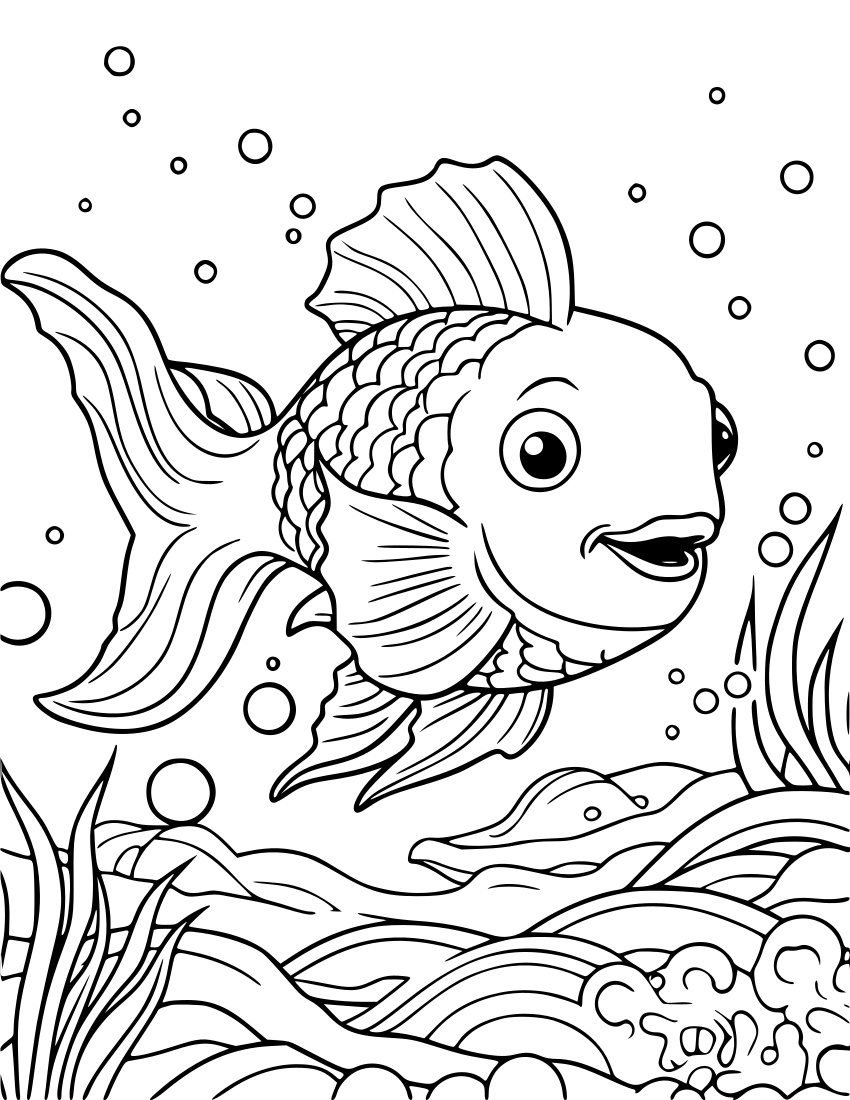
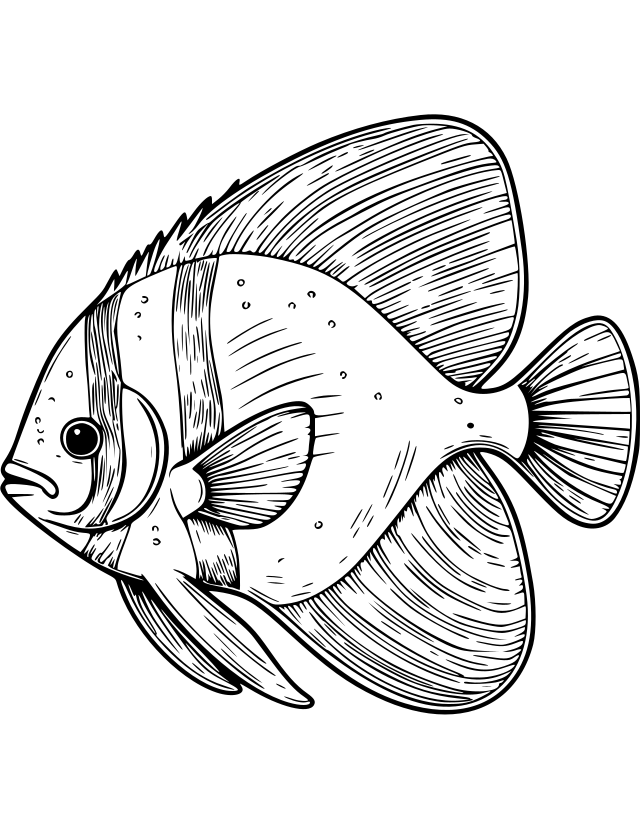
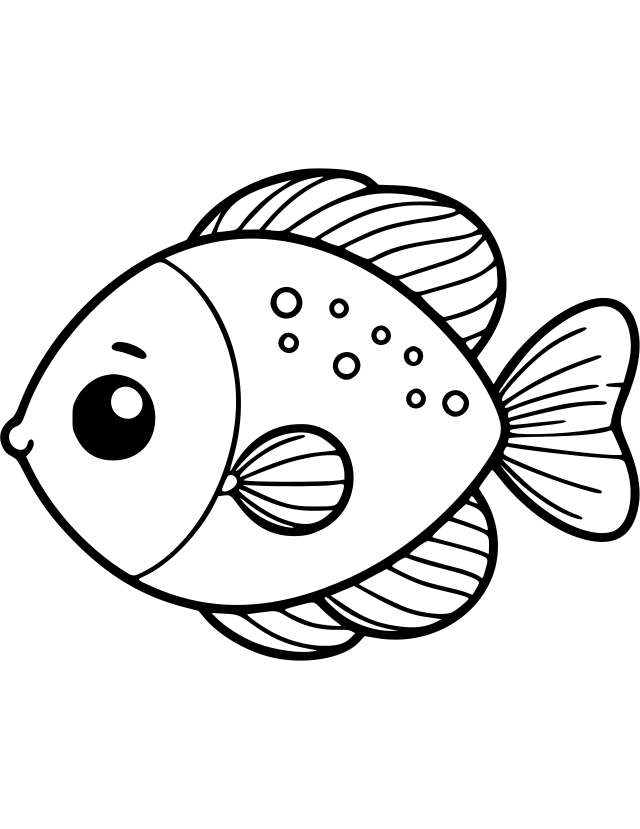
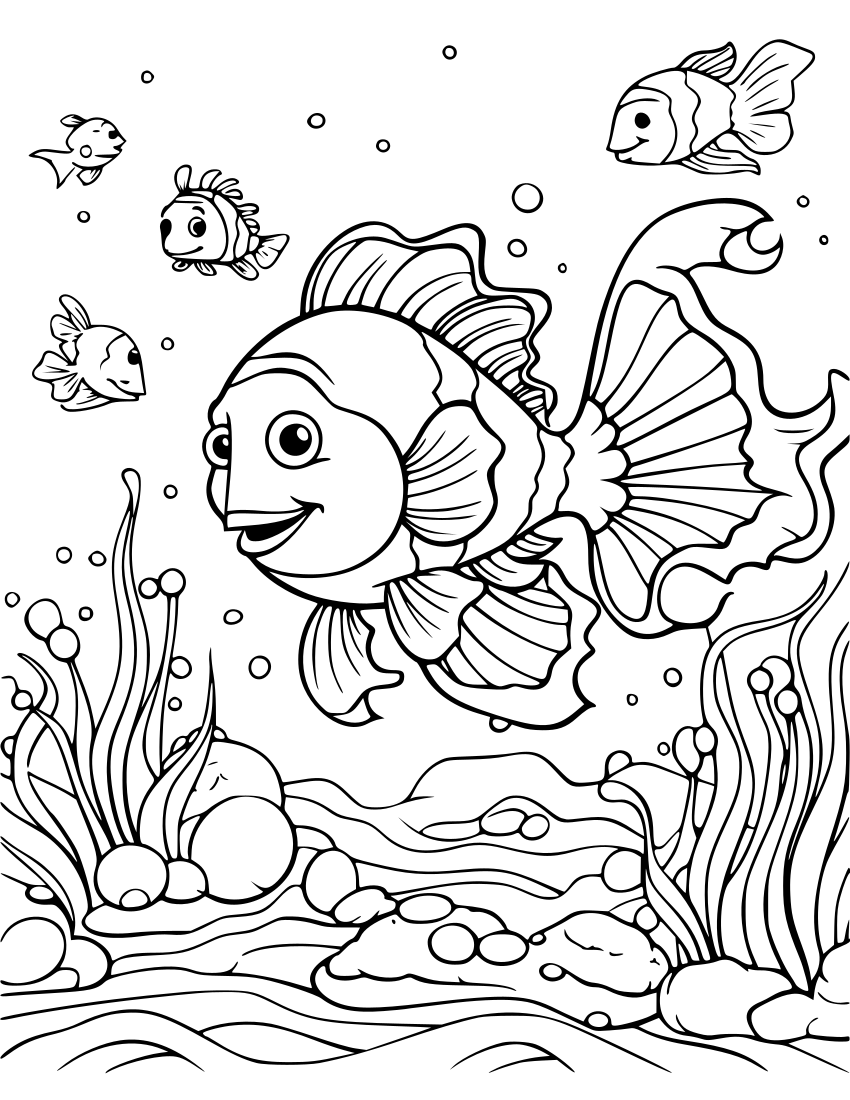
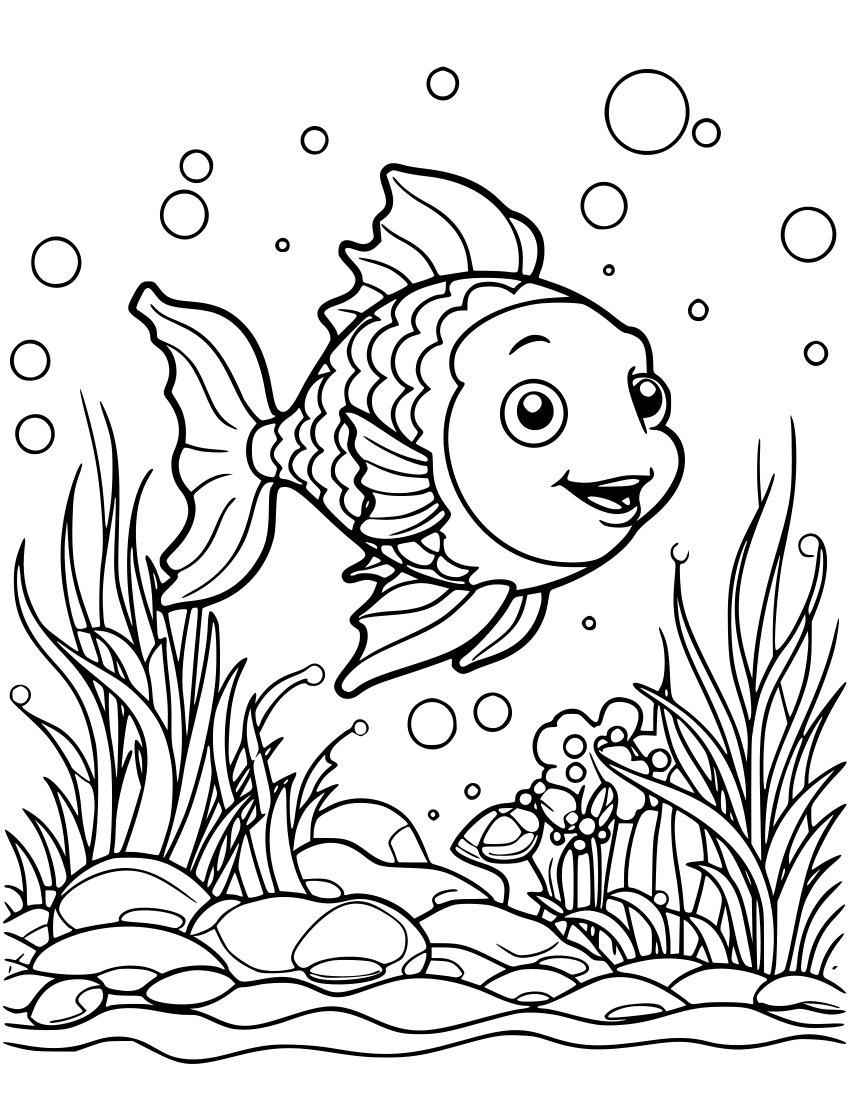
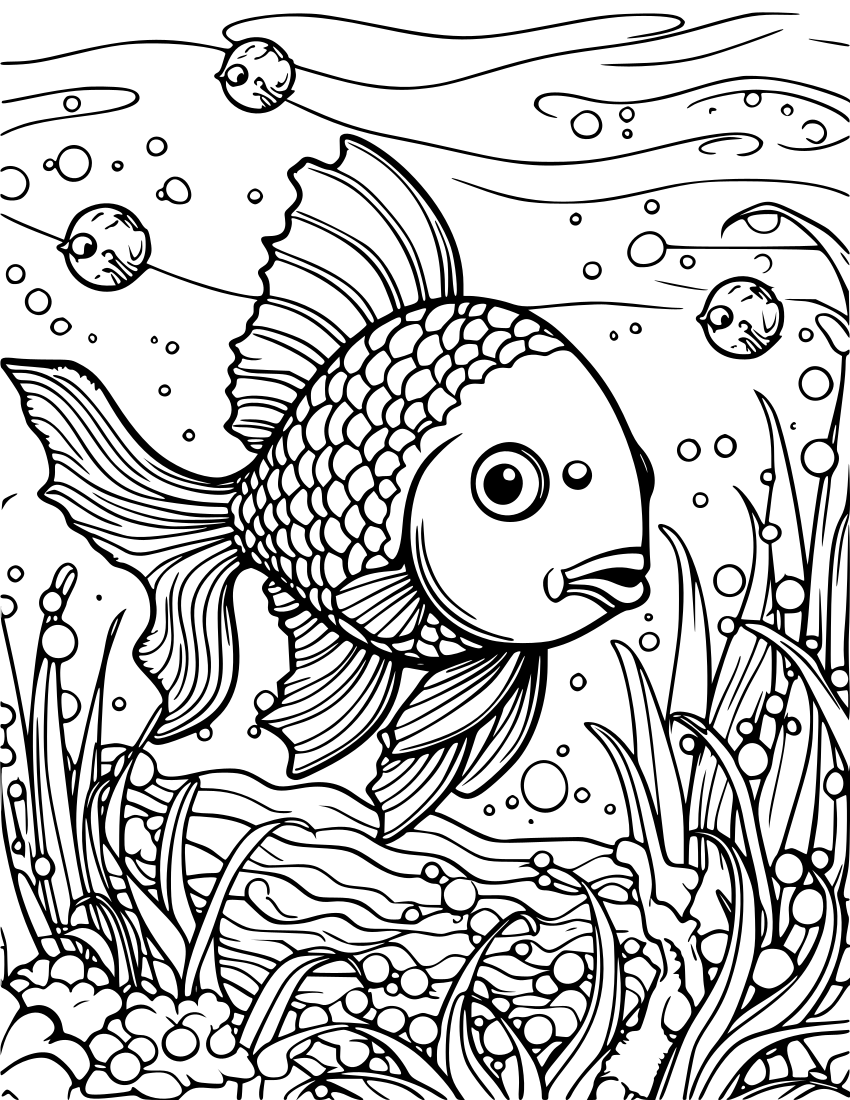
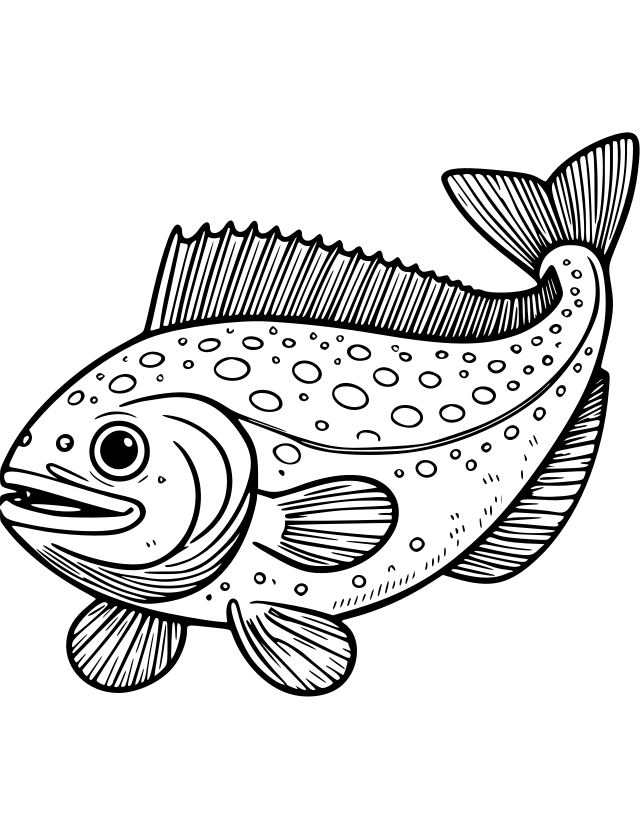
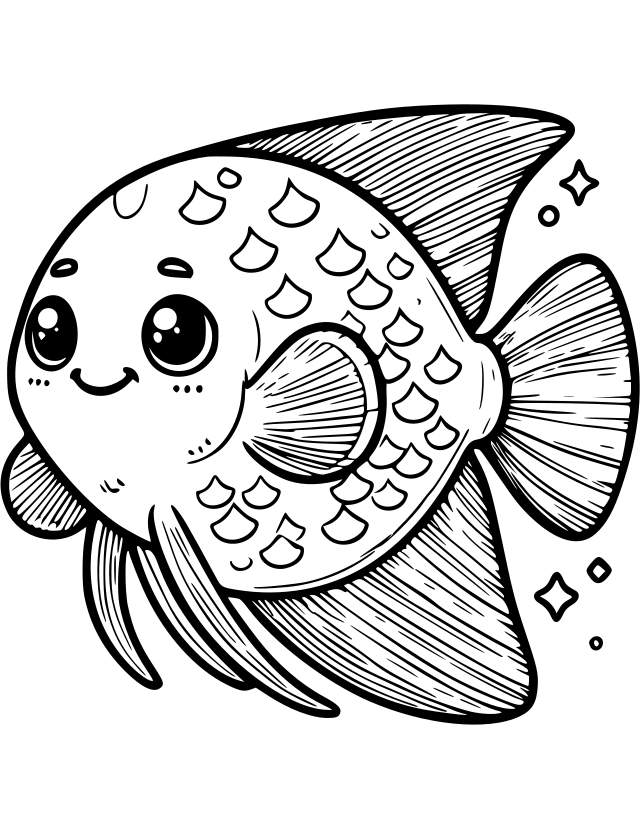
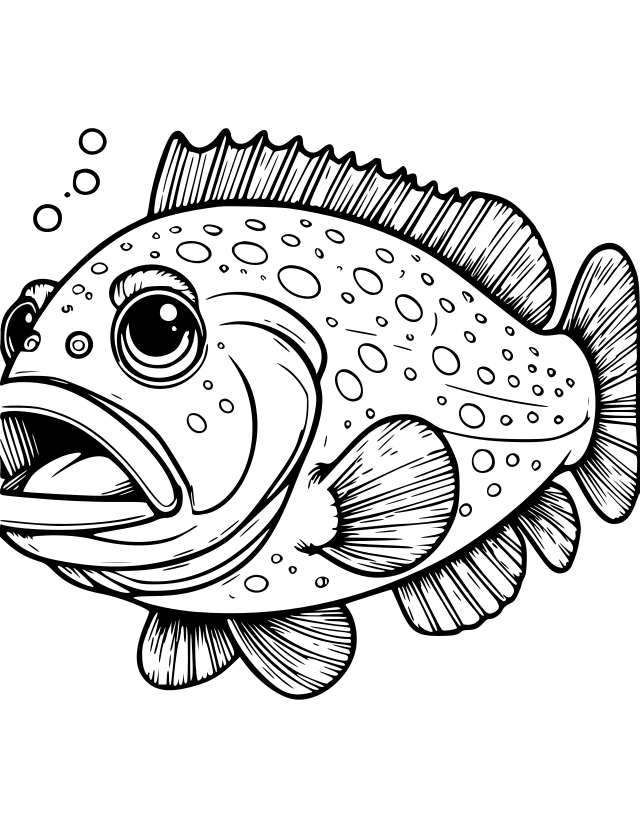
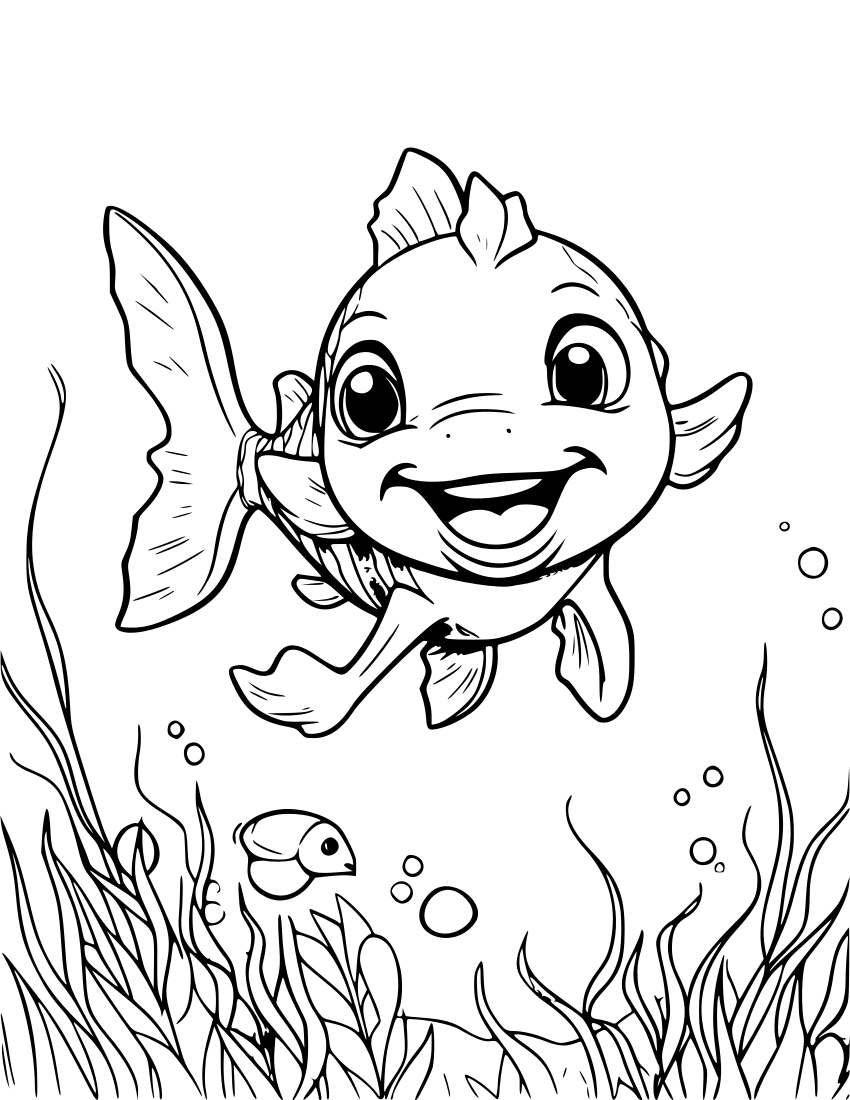
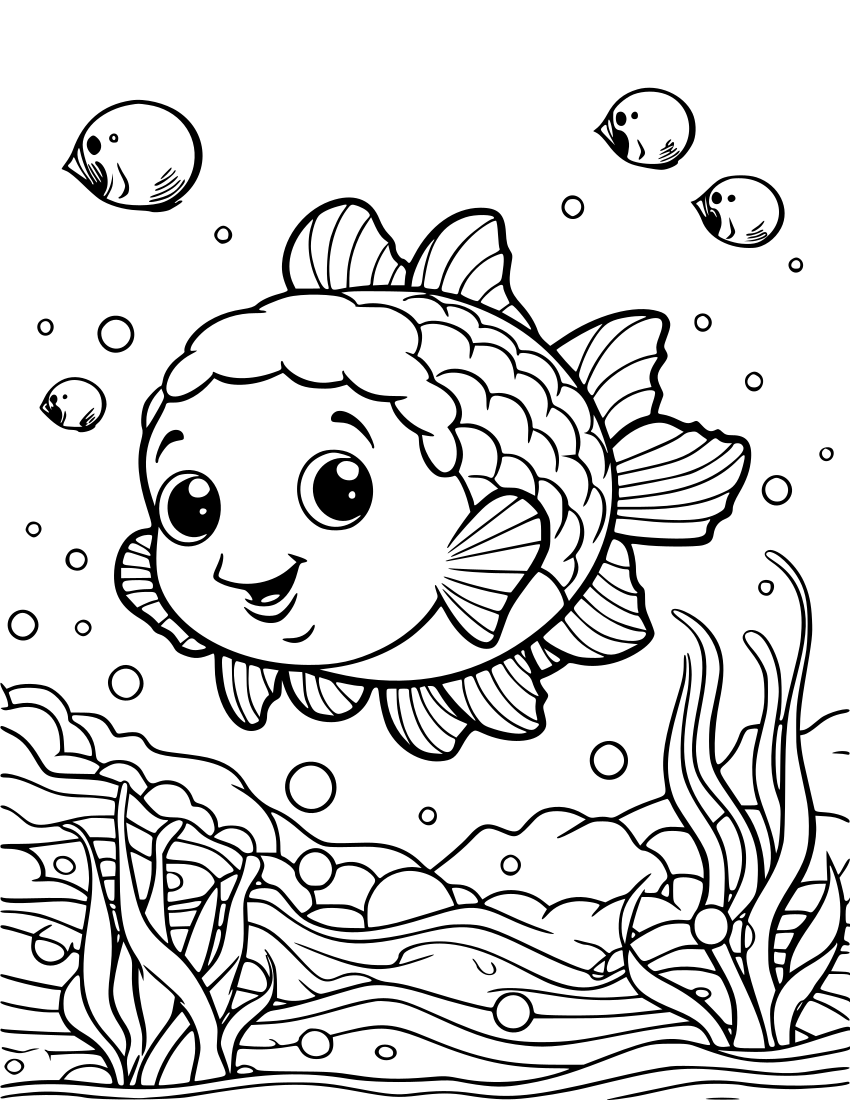
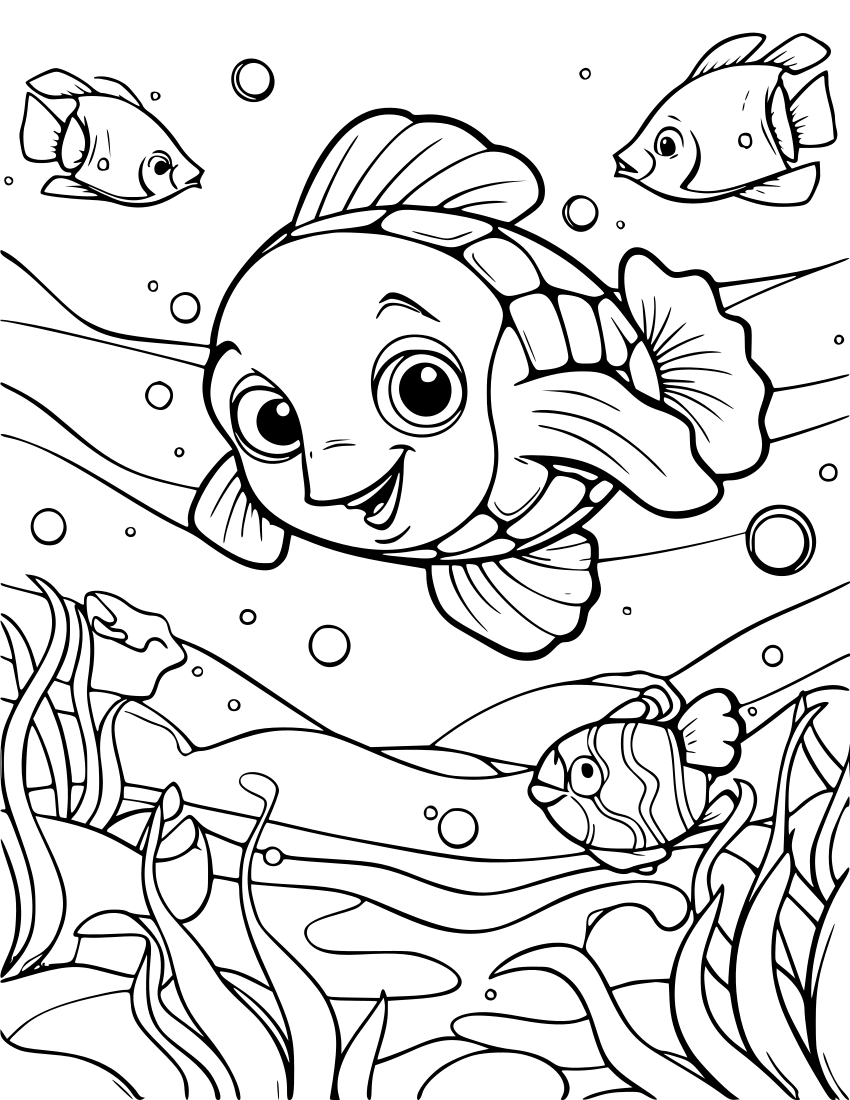
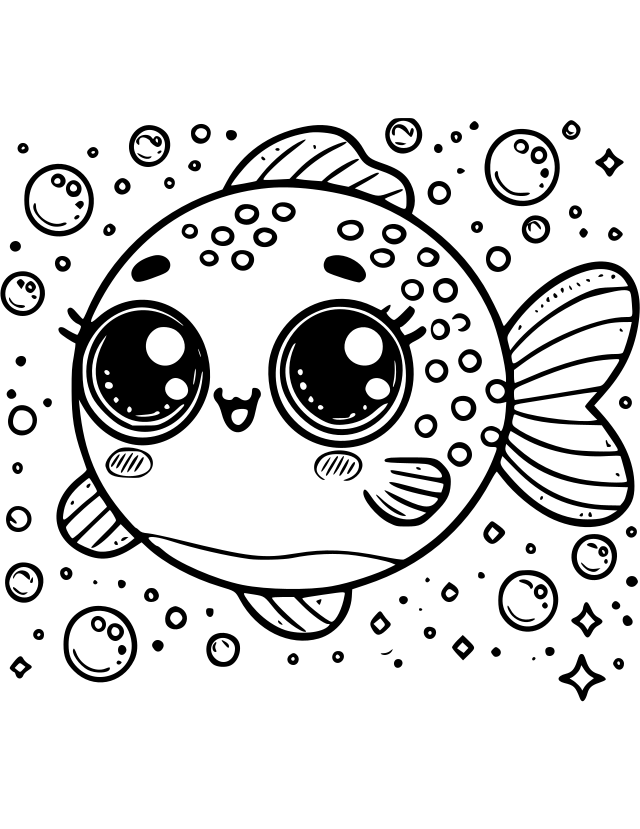
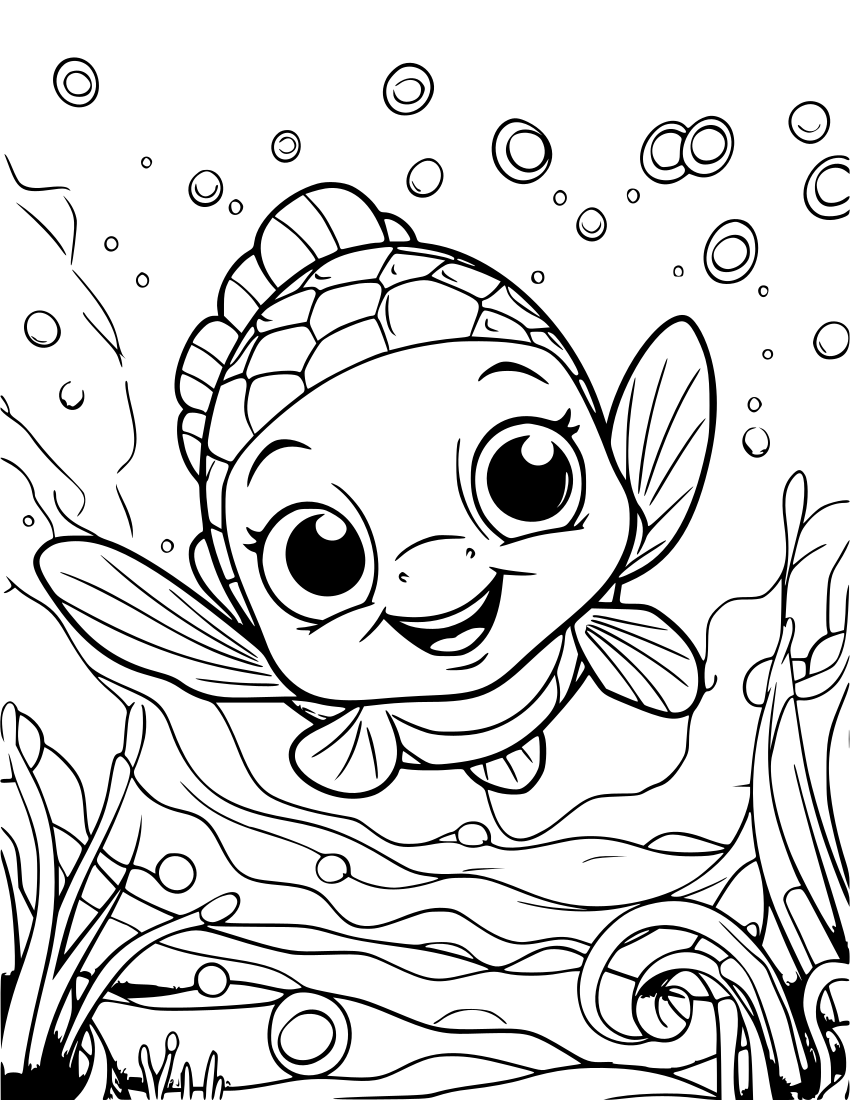
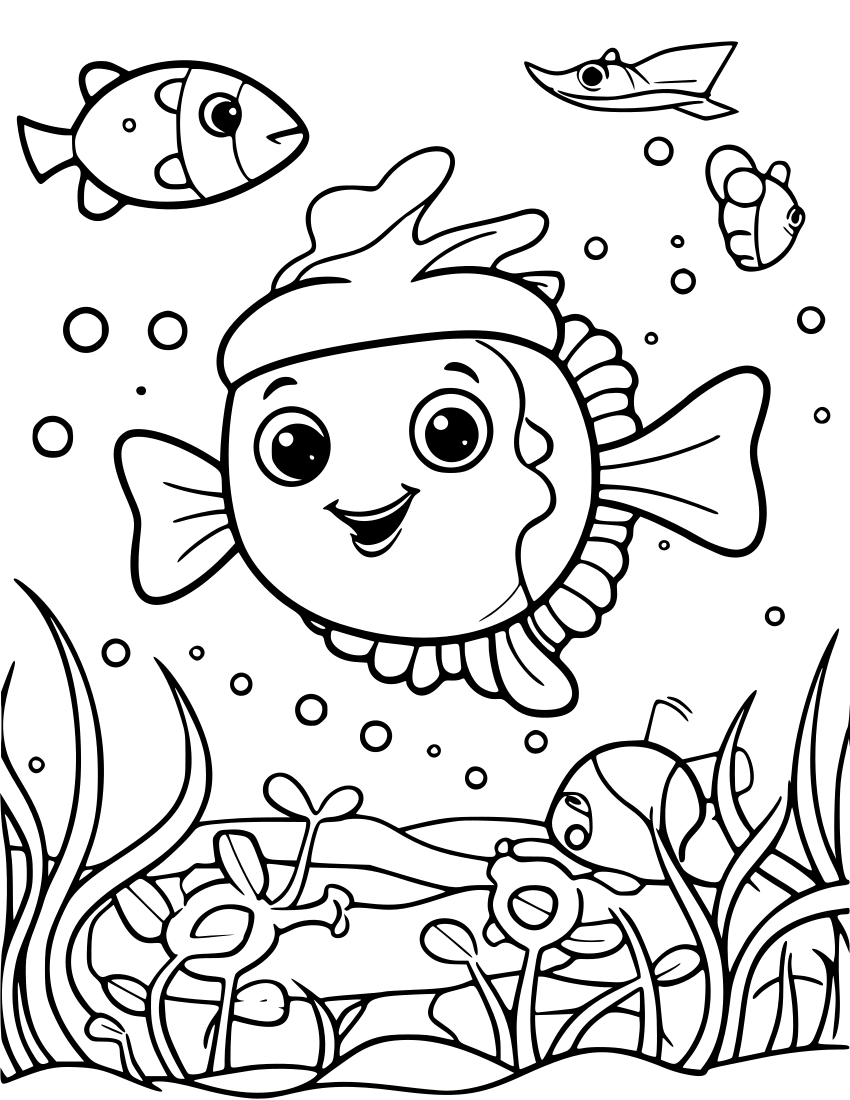
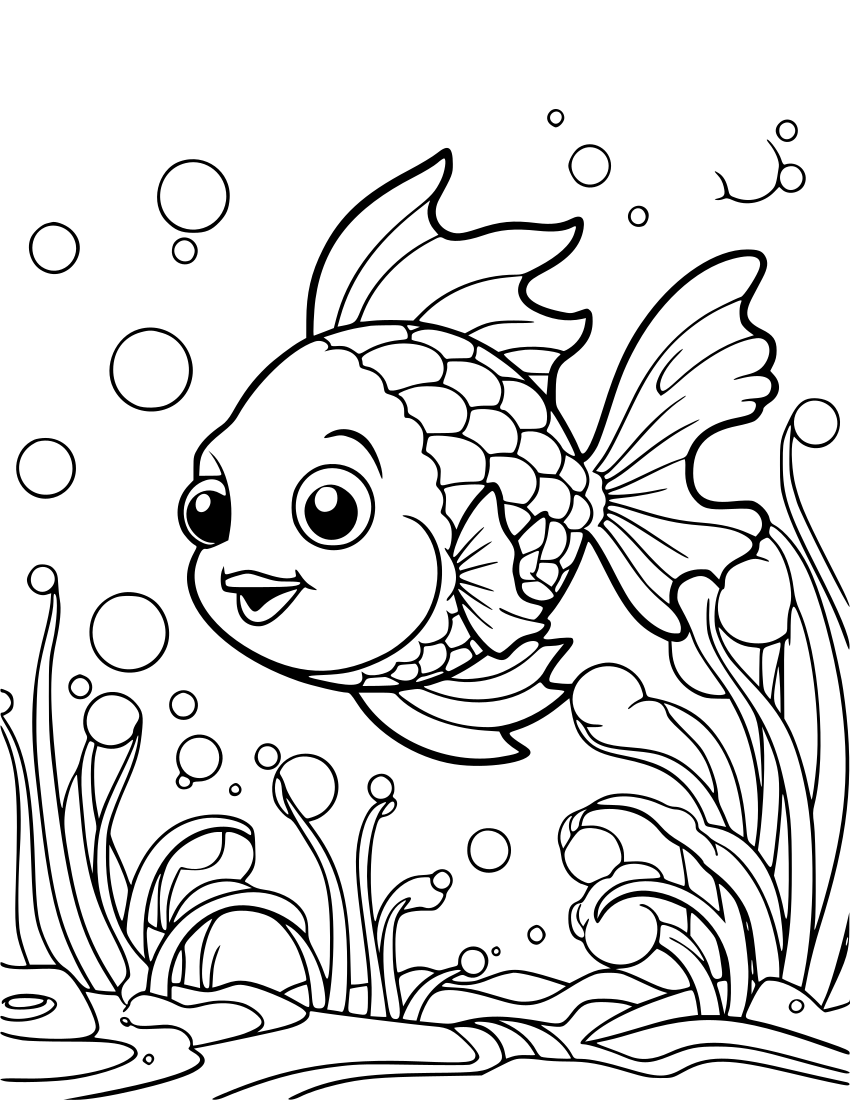
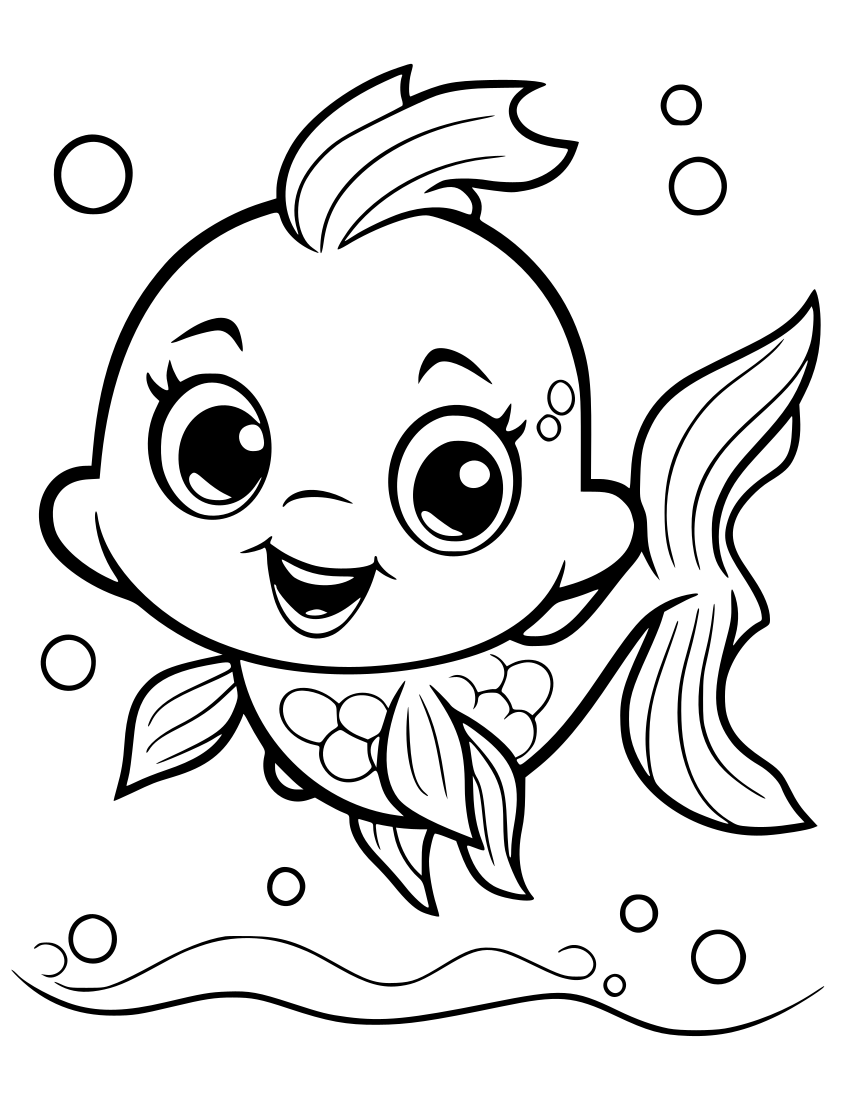
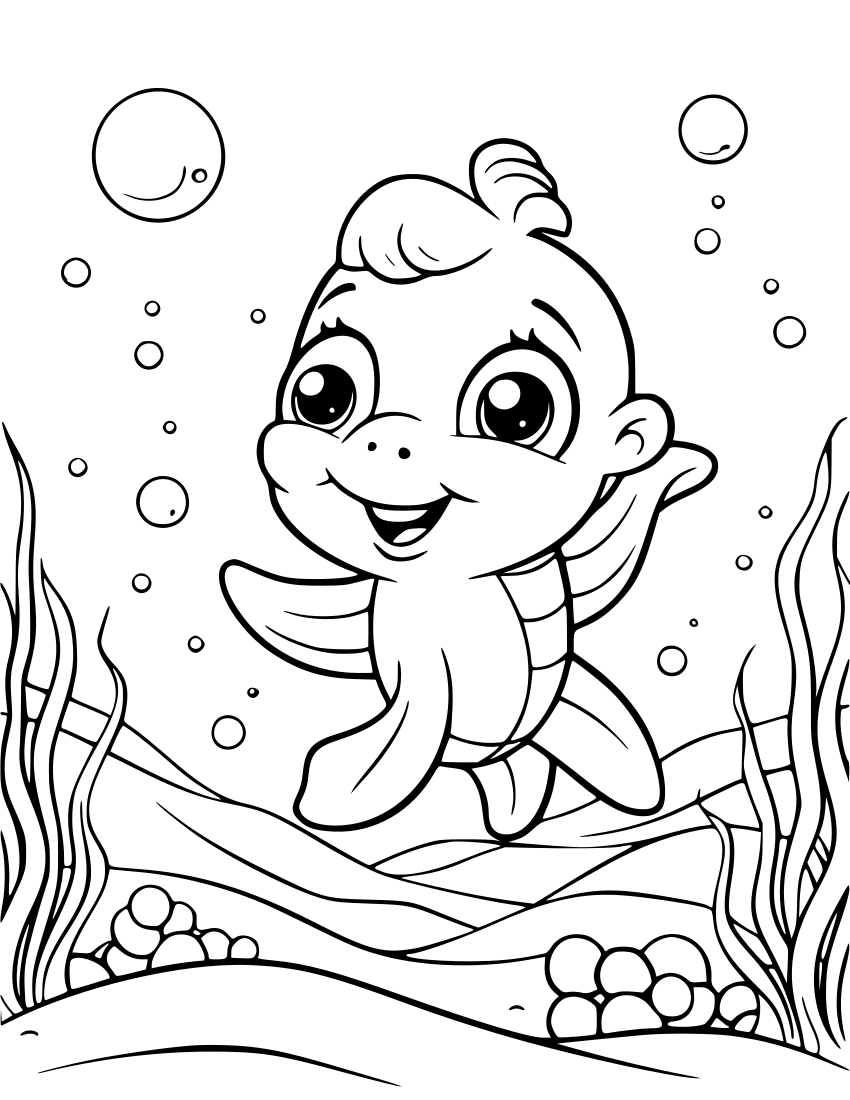
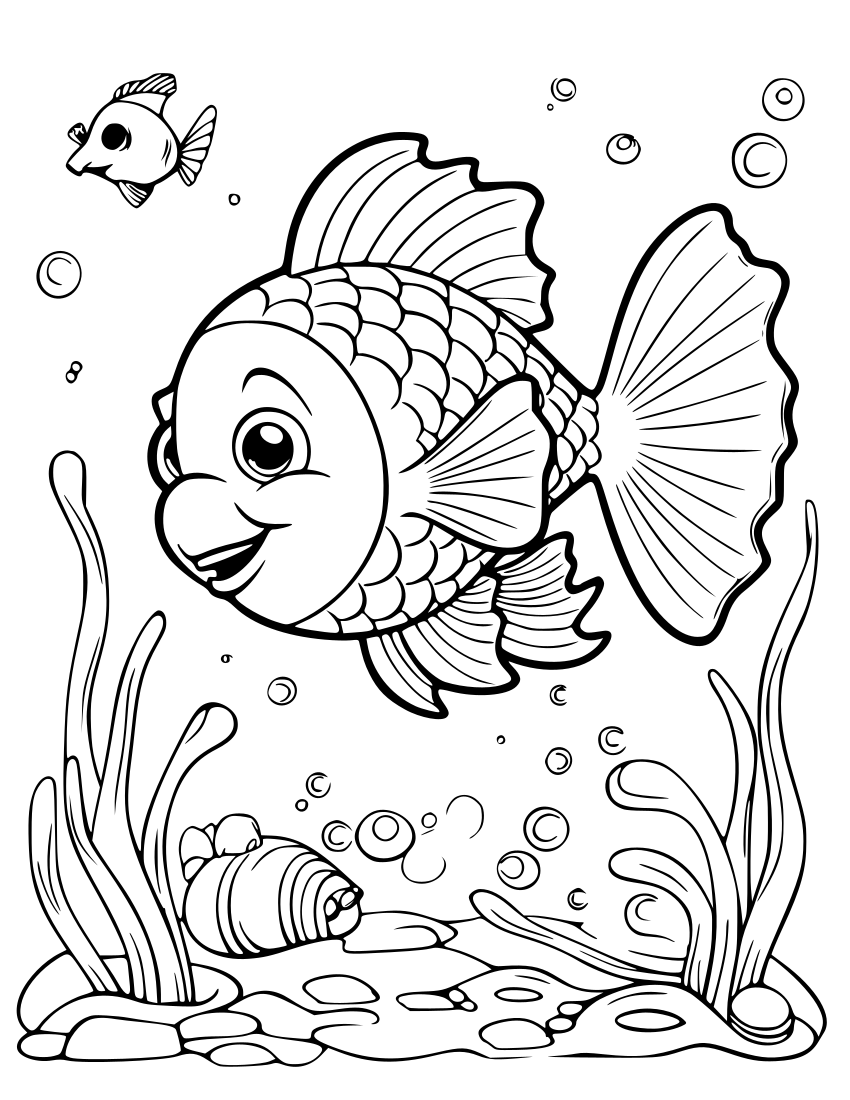
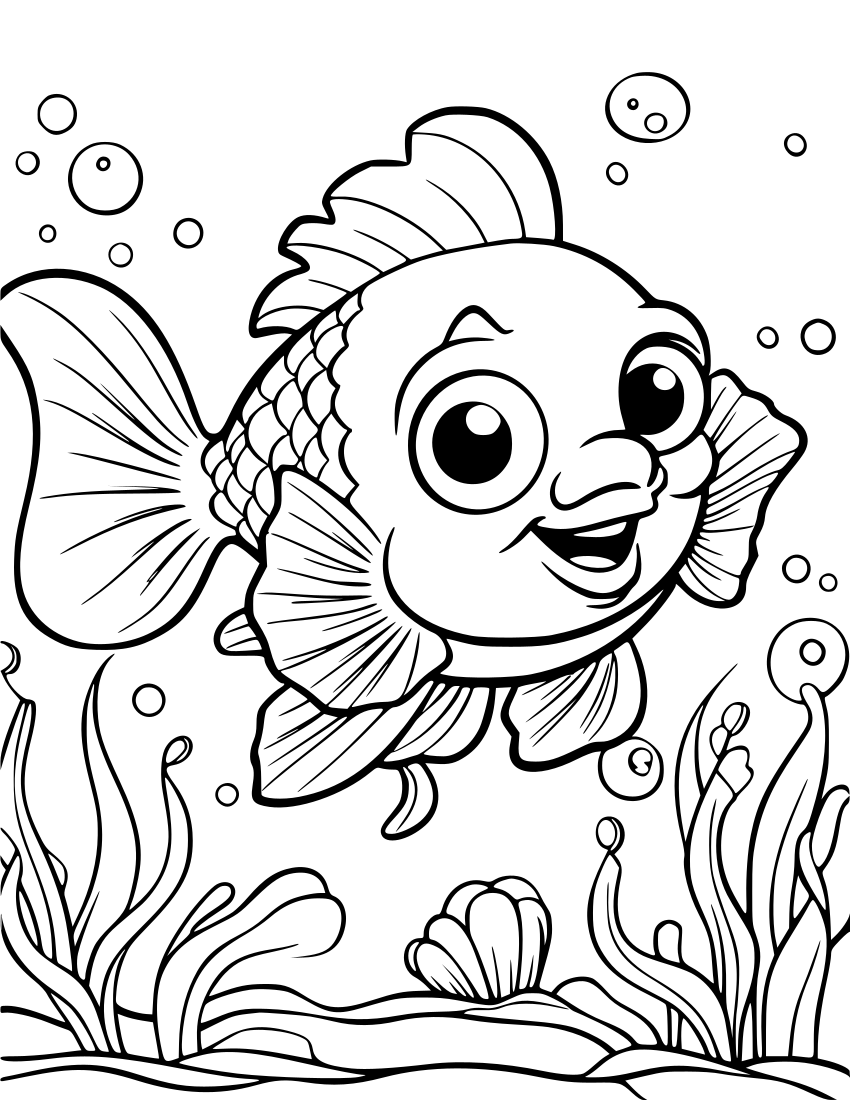
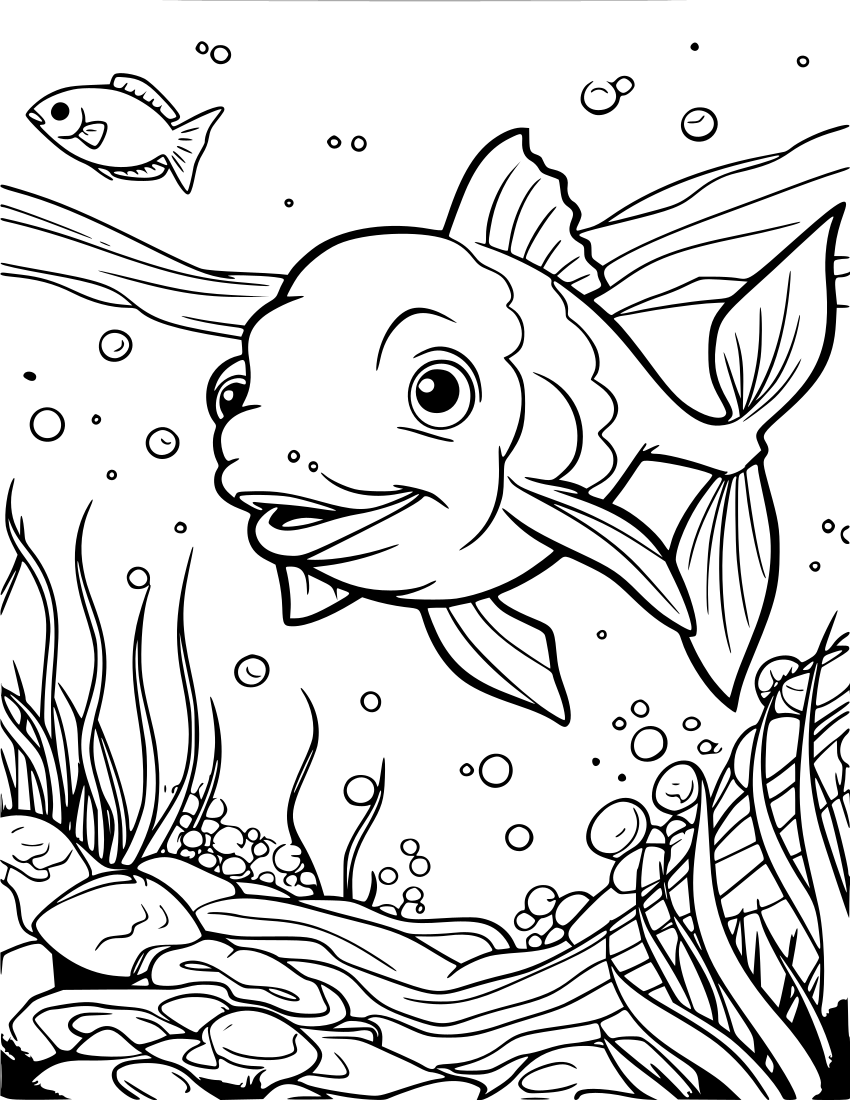
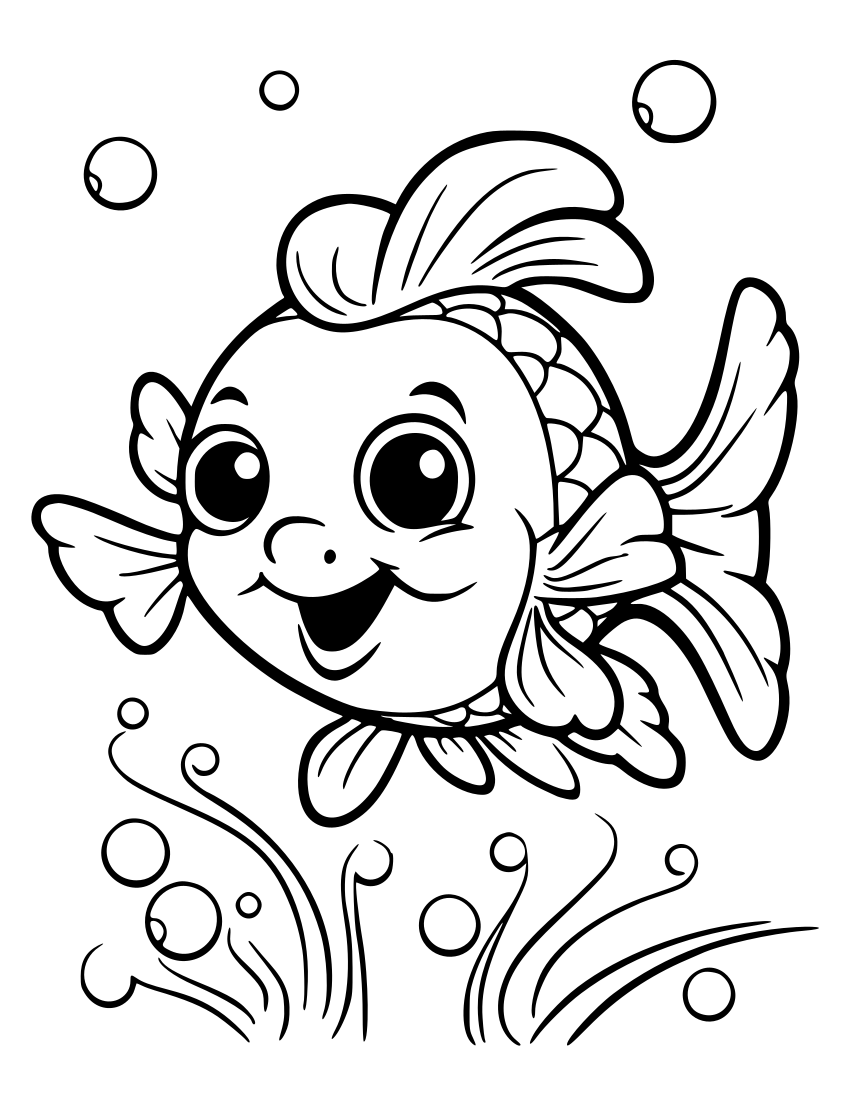
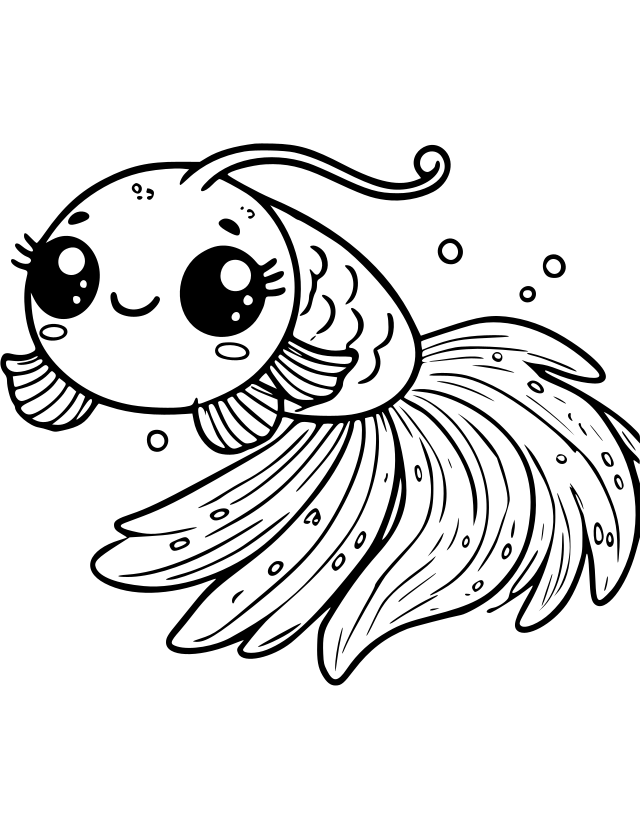
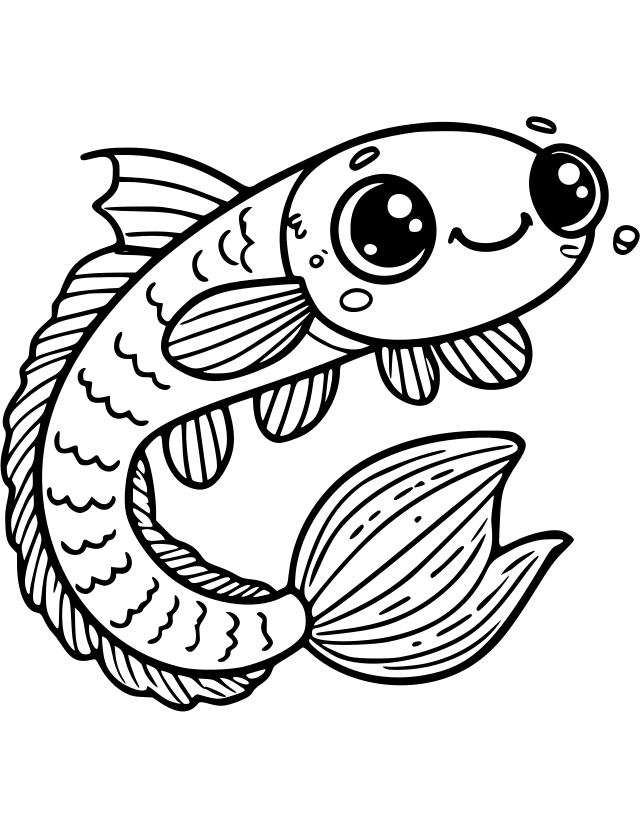
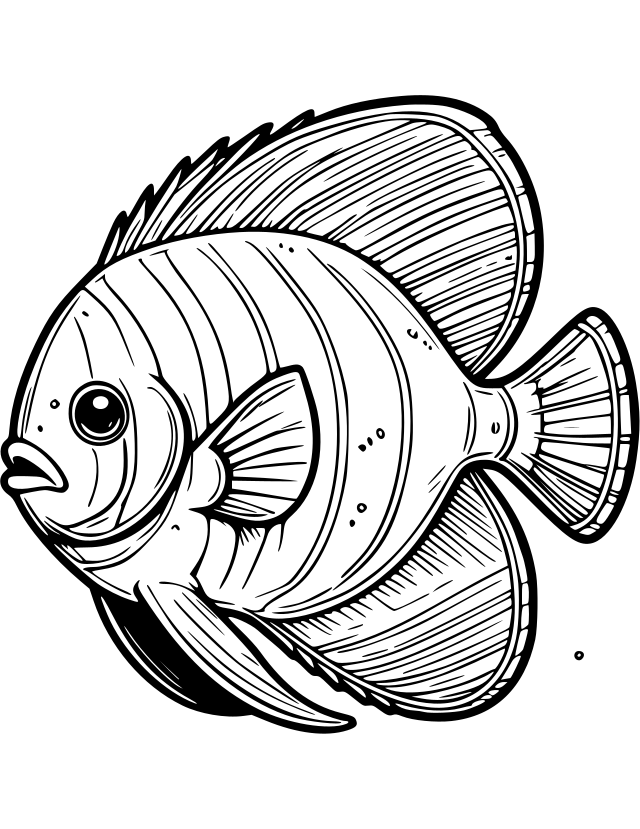
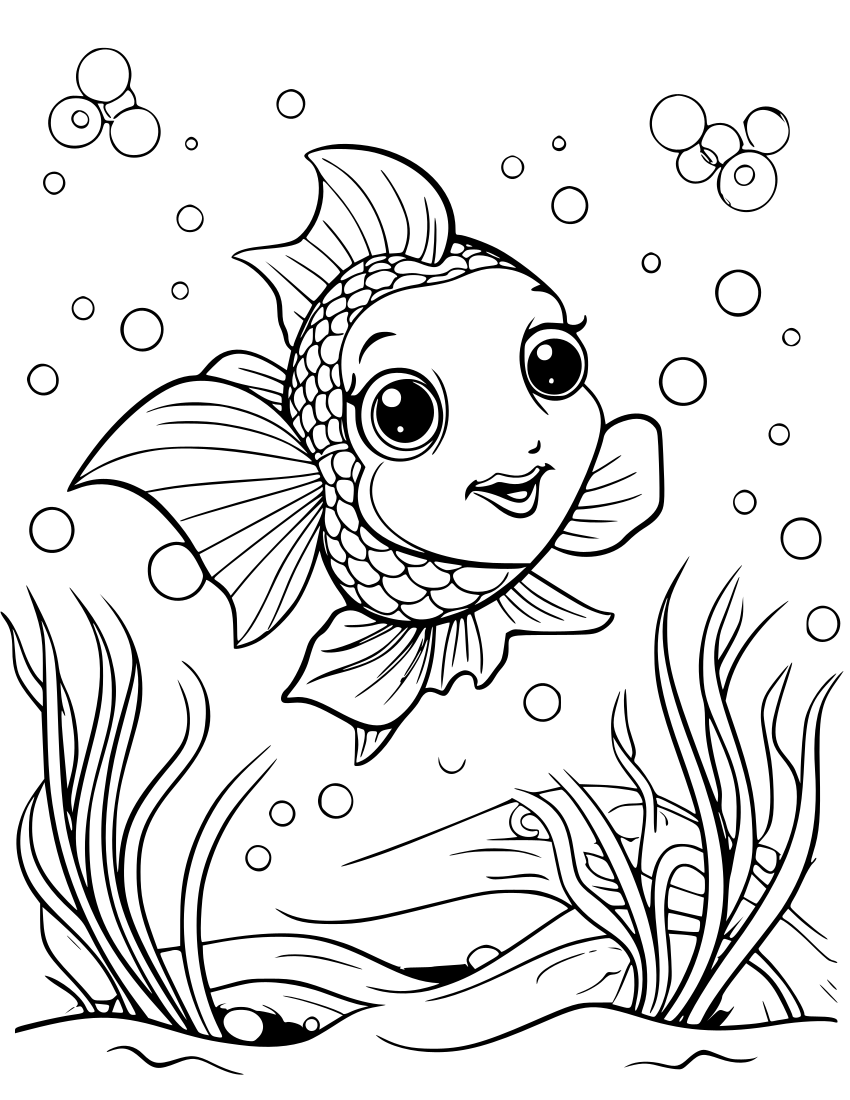
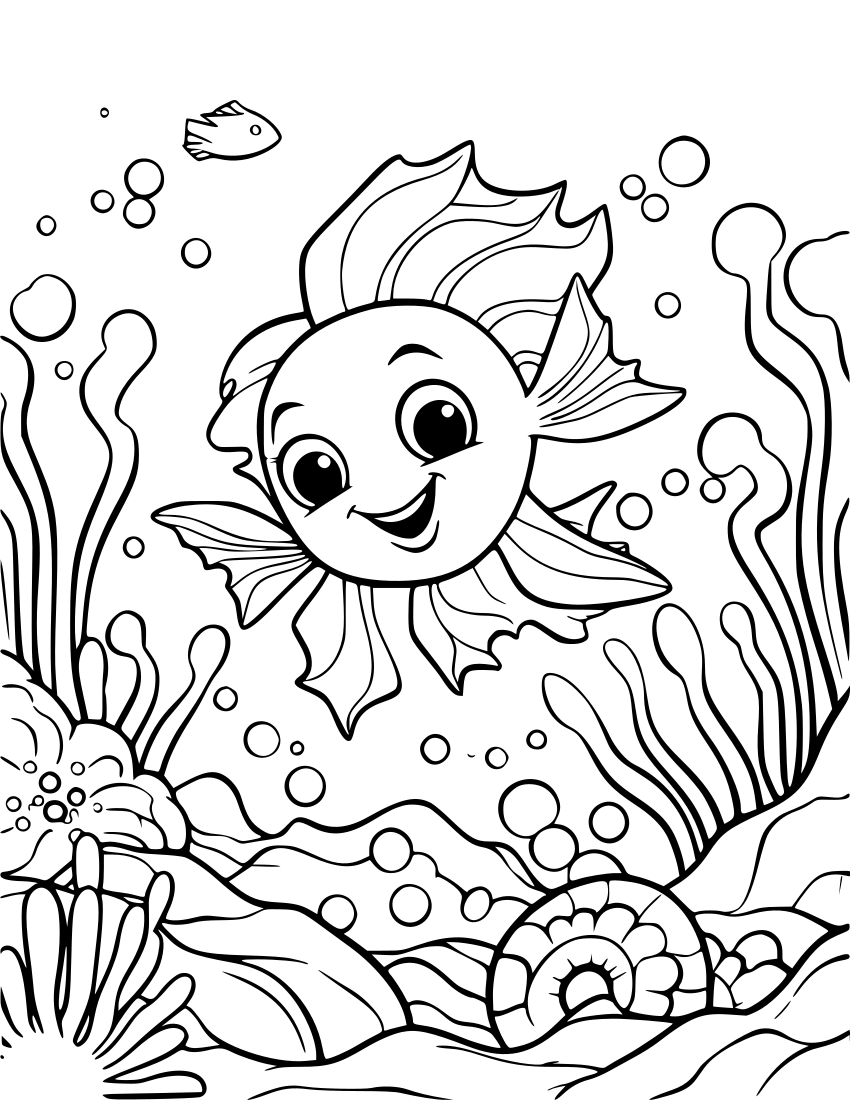
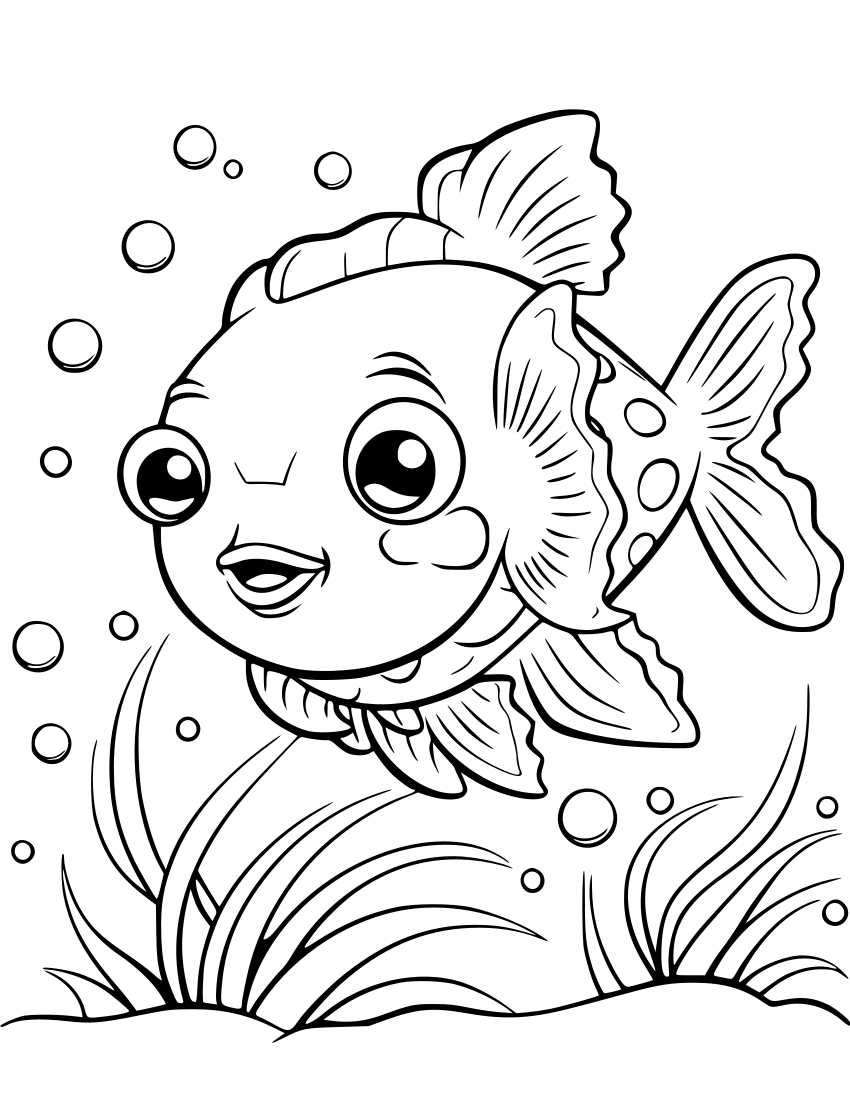
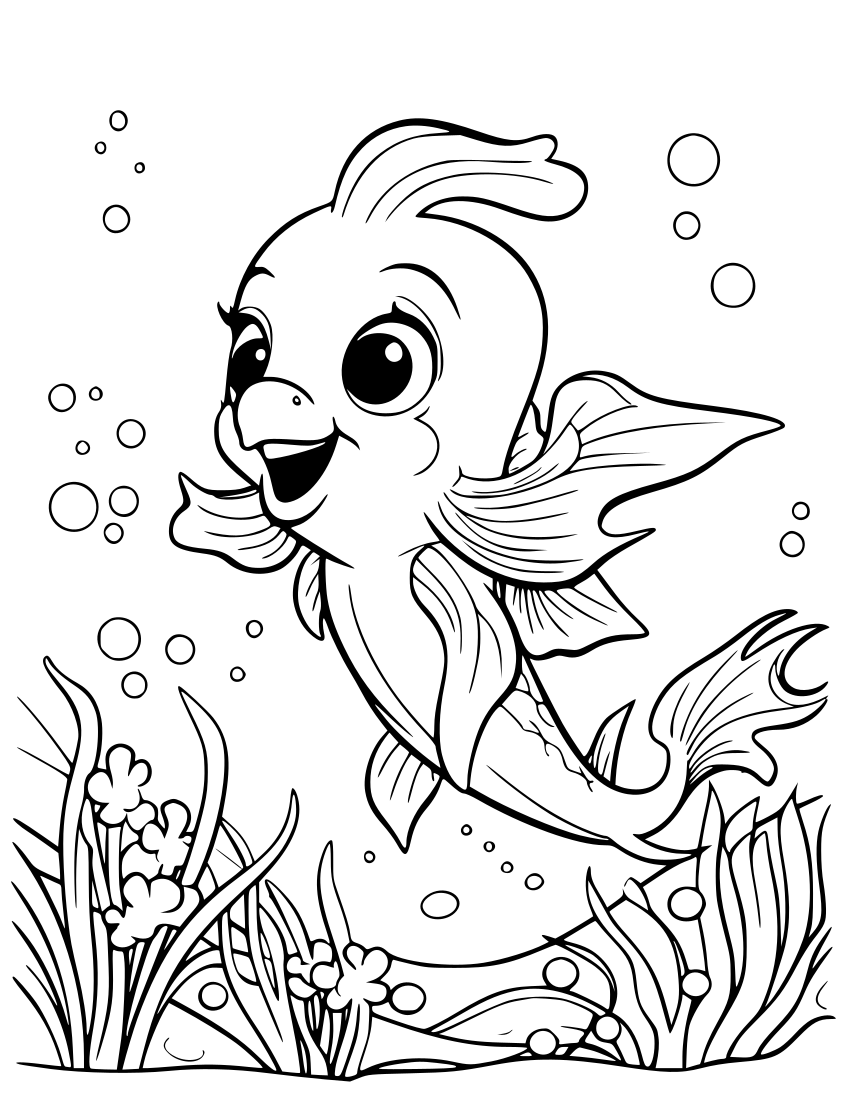
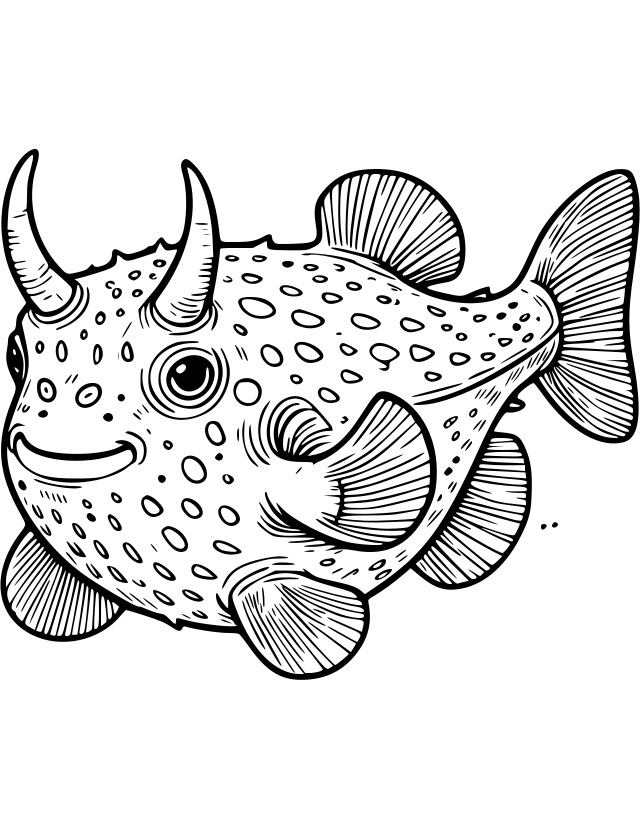
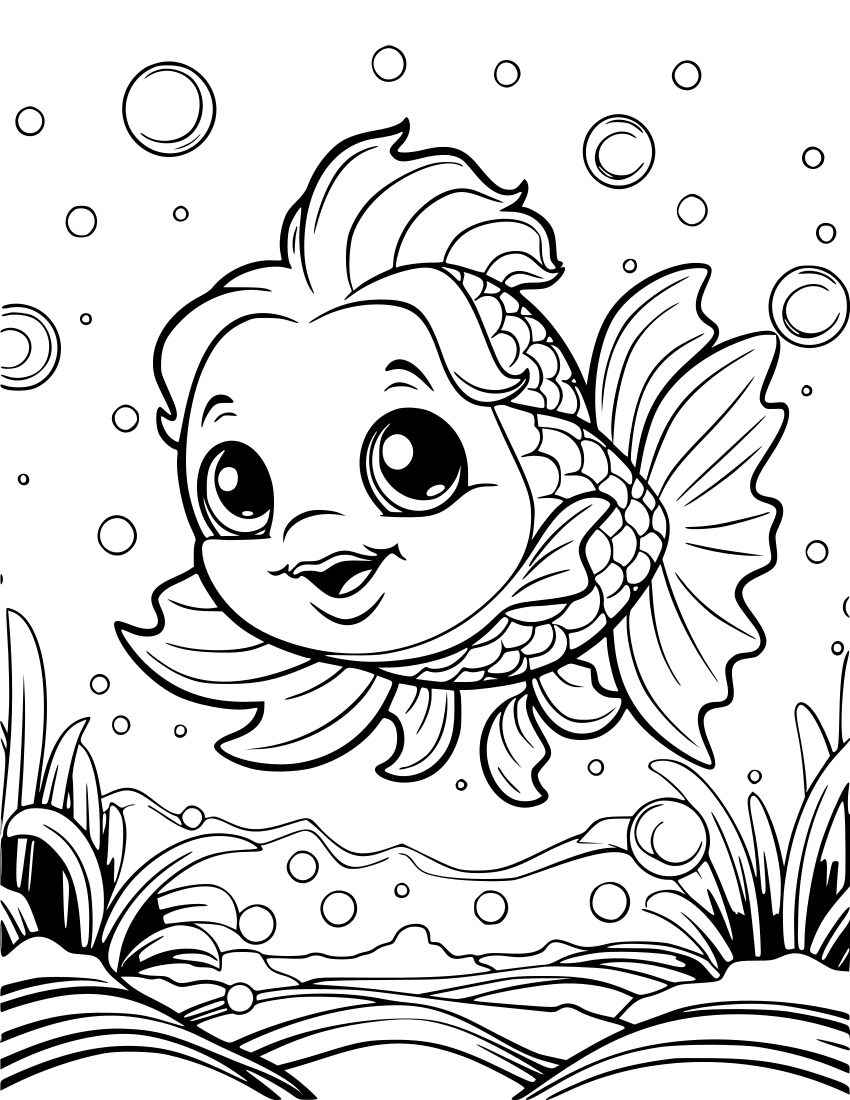
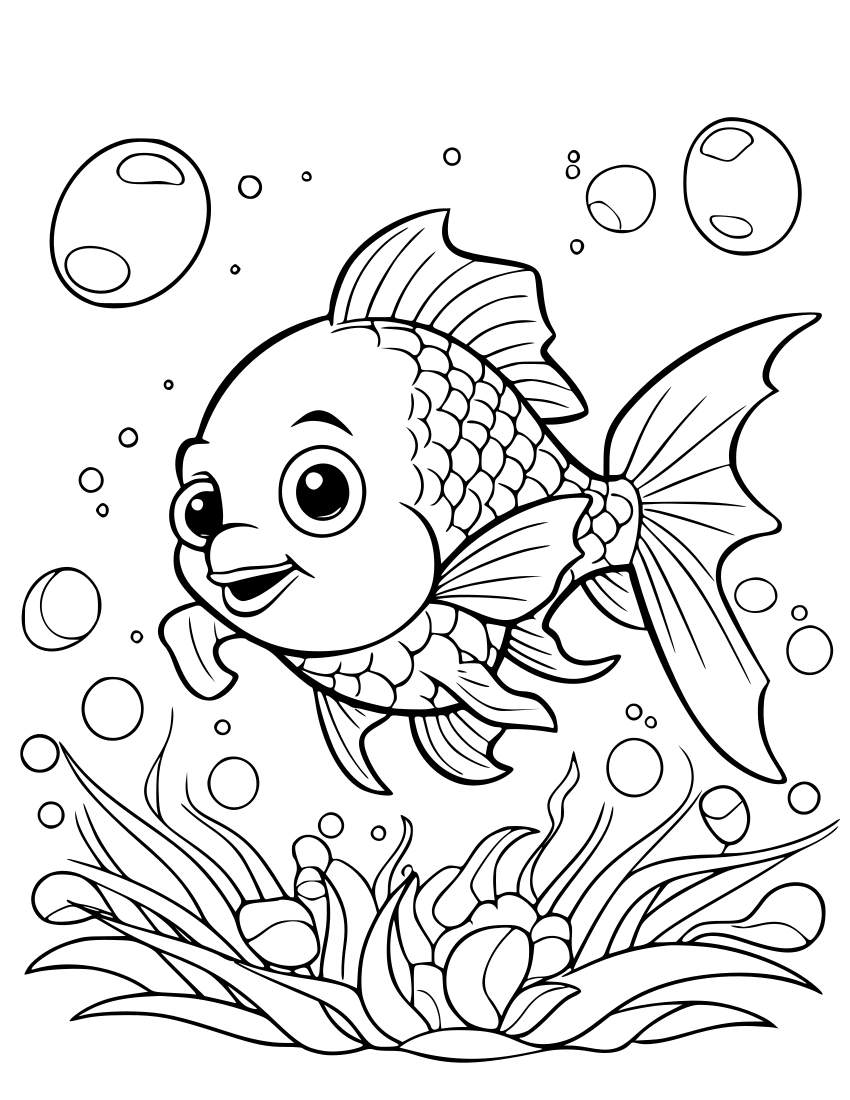
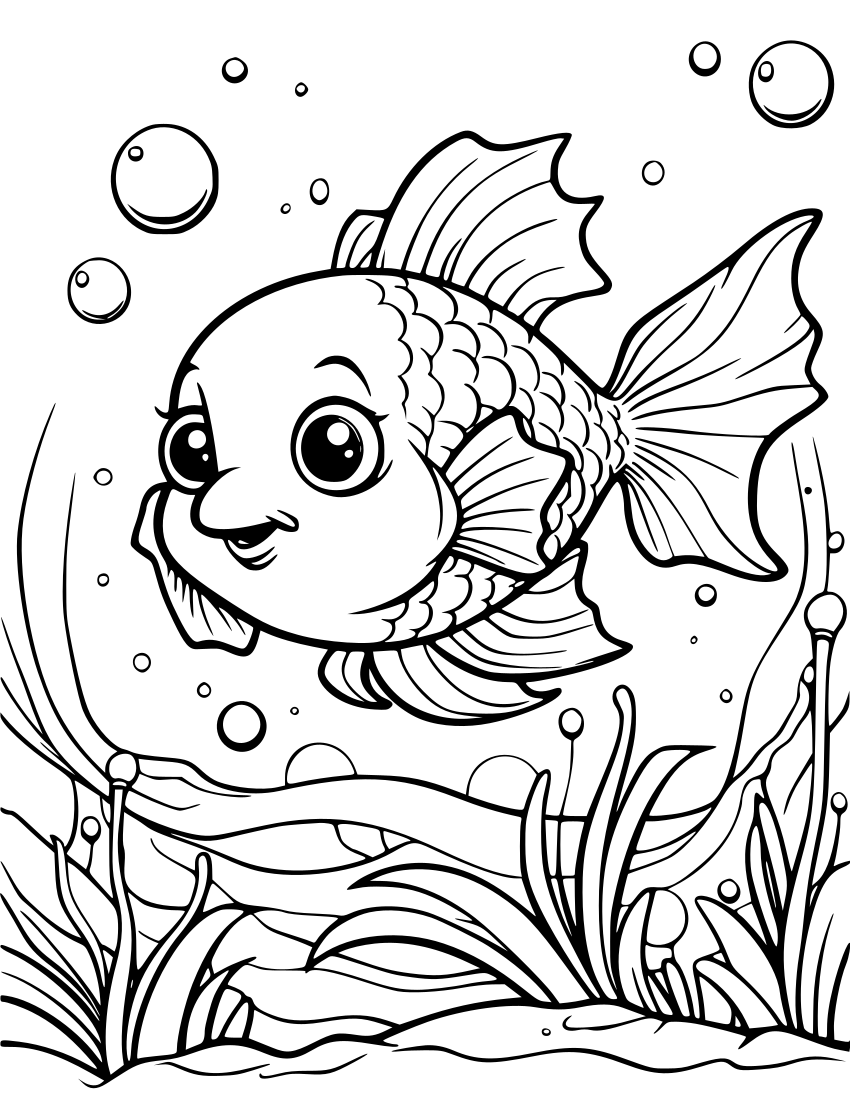
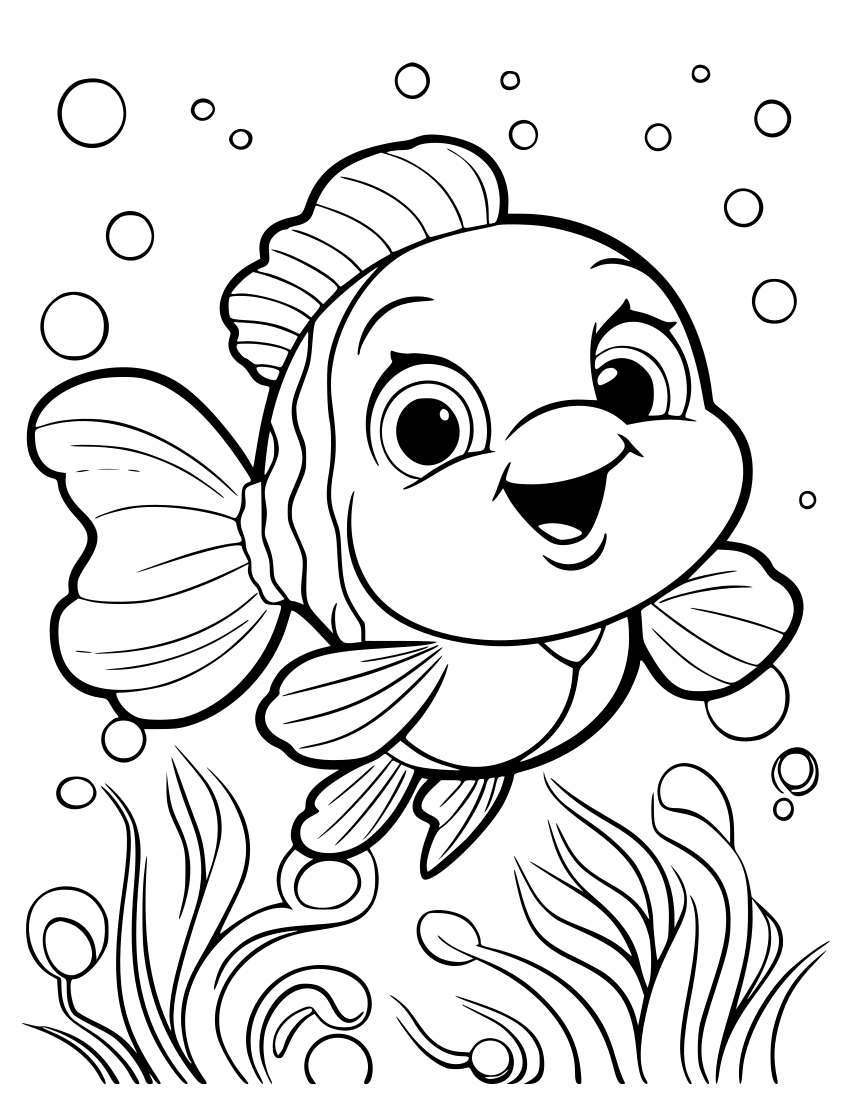
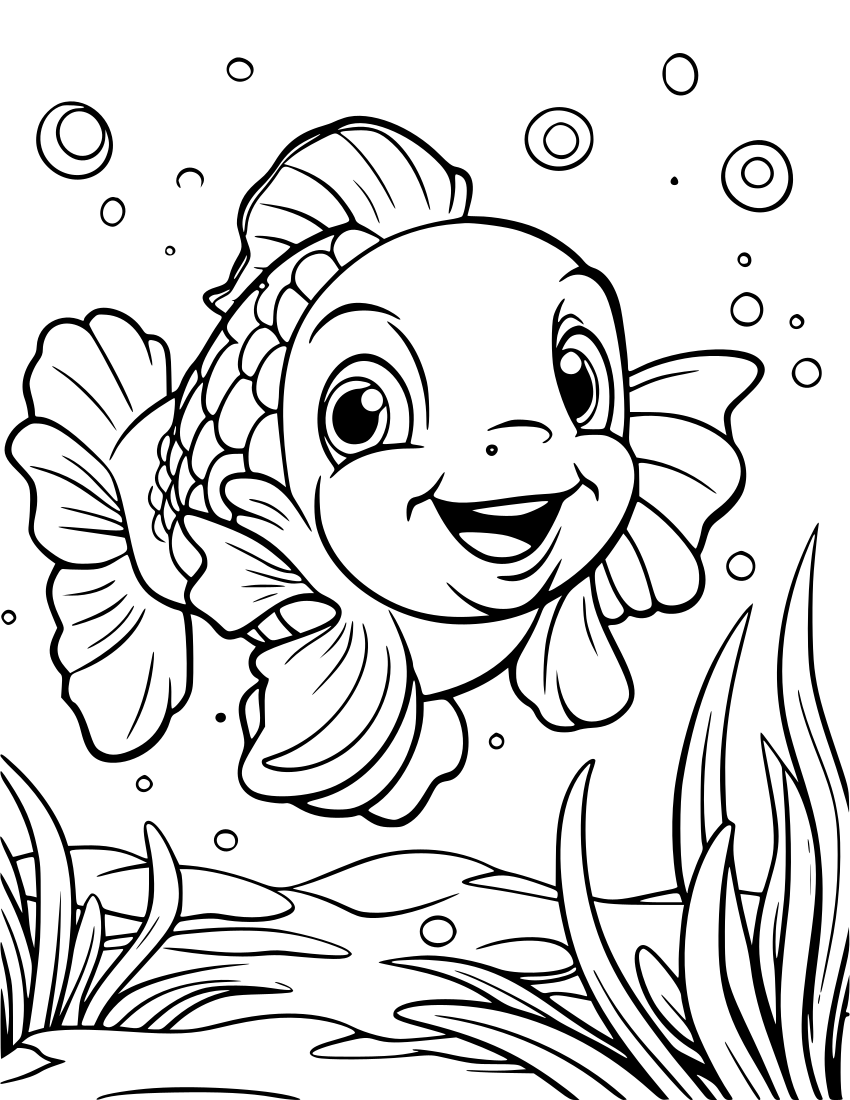
- Fish — Tropical reef fish with vivid patterns, friendly cartoon fish with big smiling eyes. Fish make up over half of all vertebrate species — the variety of shapes and colors in the ocean is astonishing.
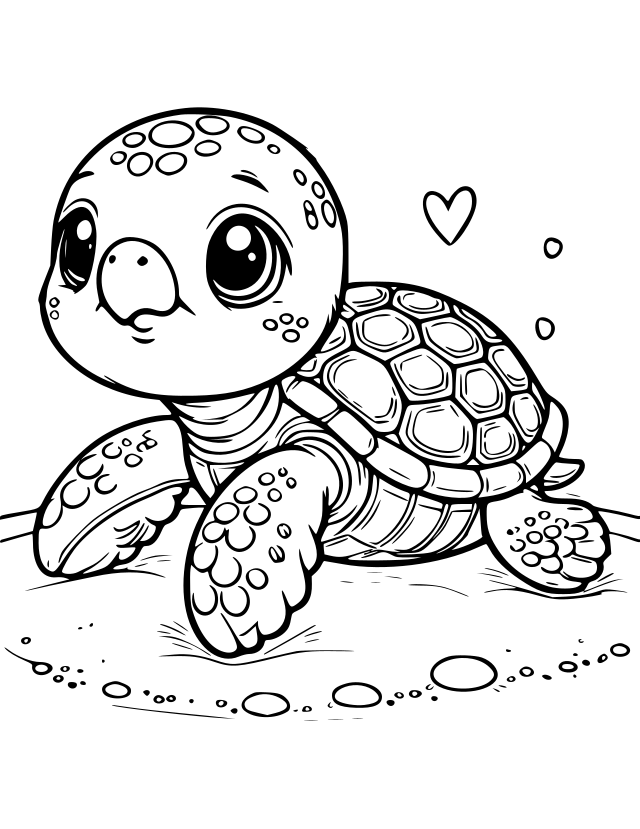
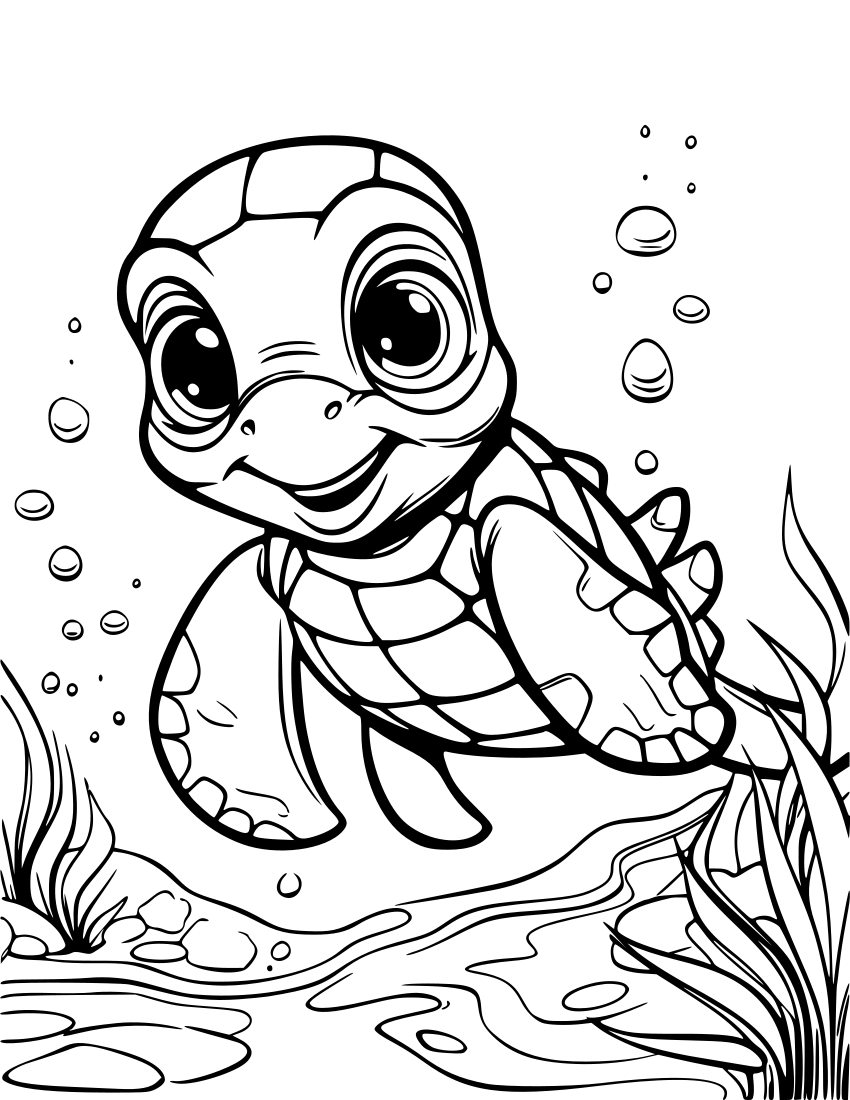
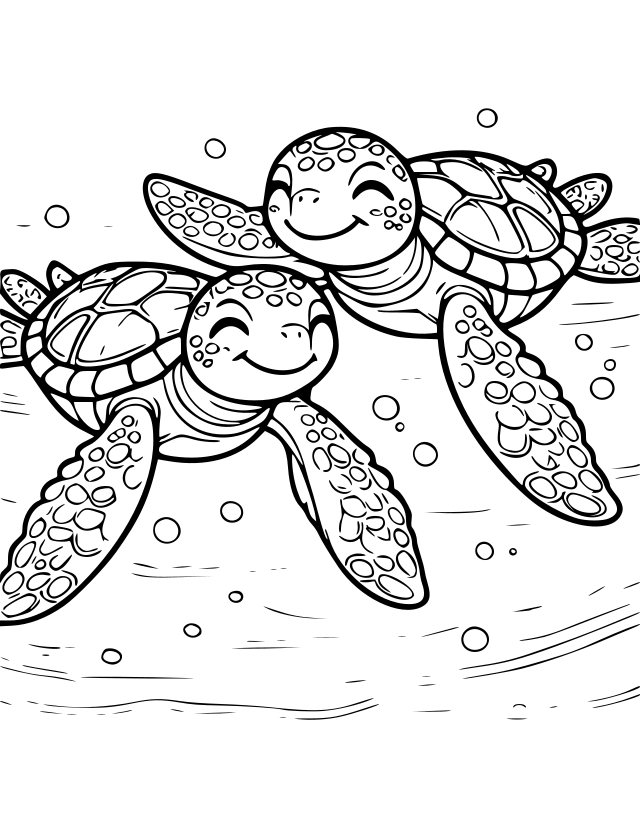
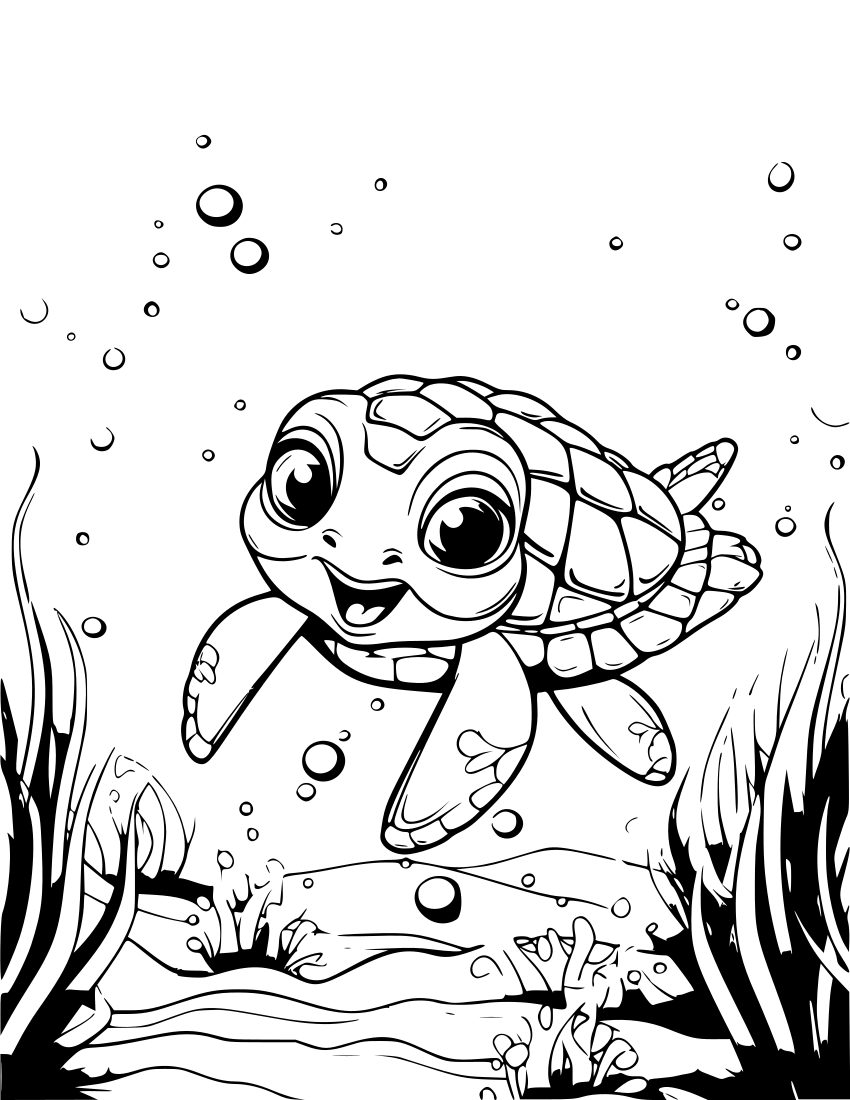
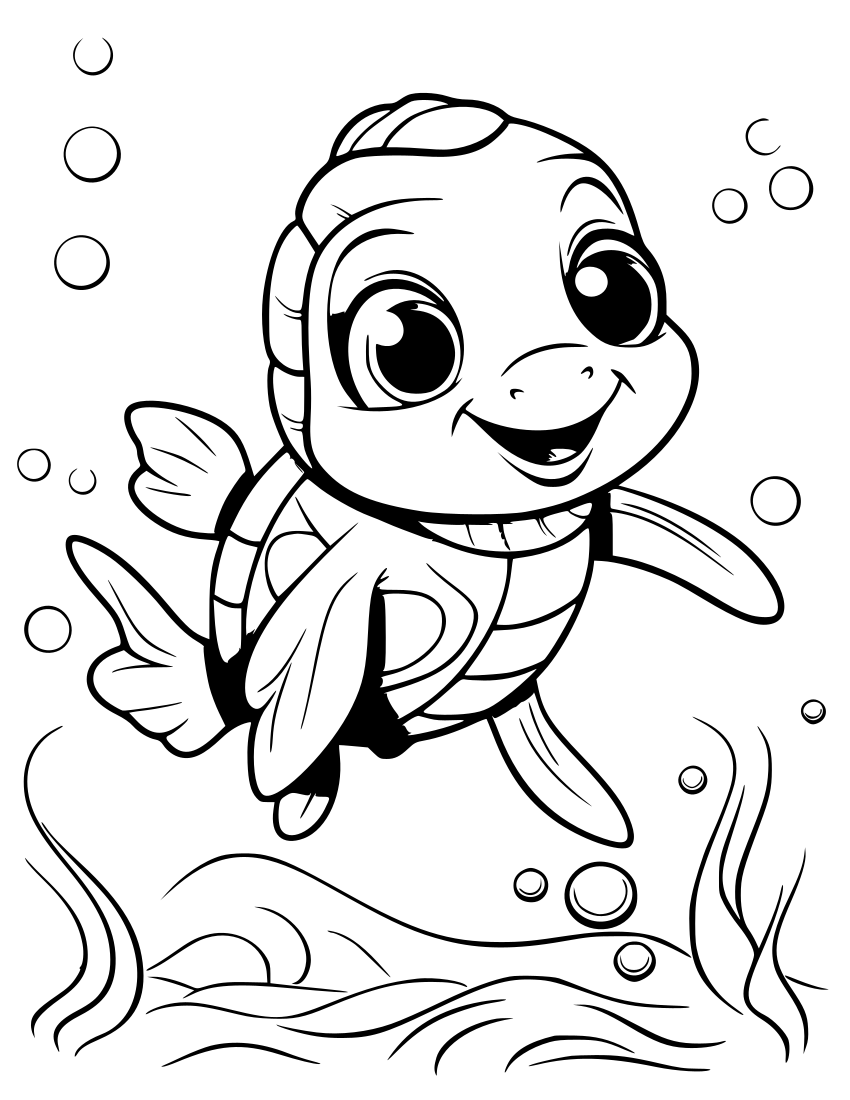
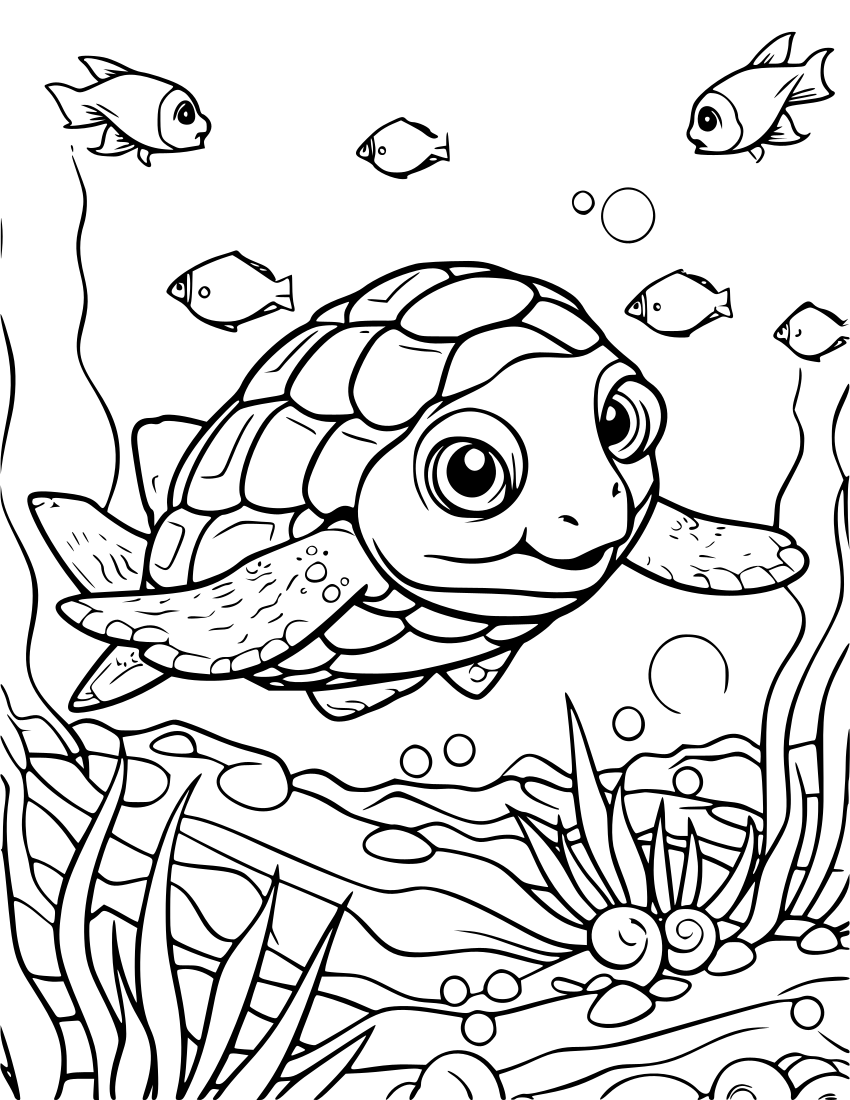
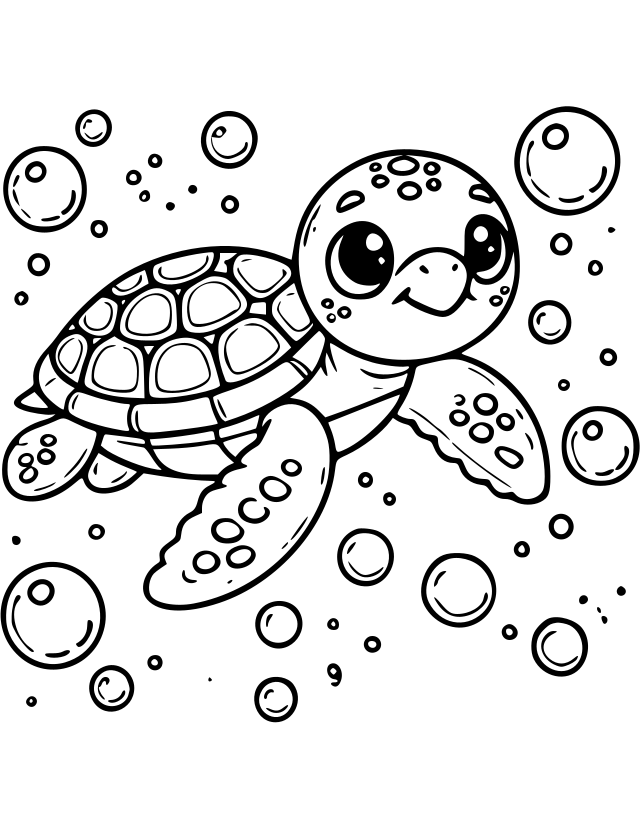
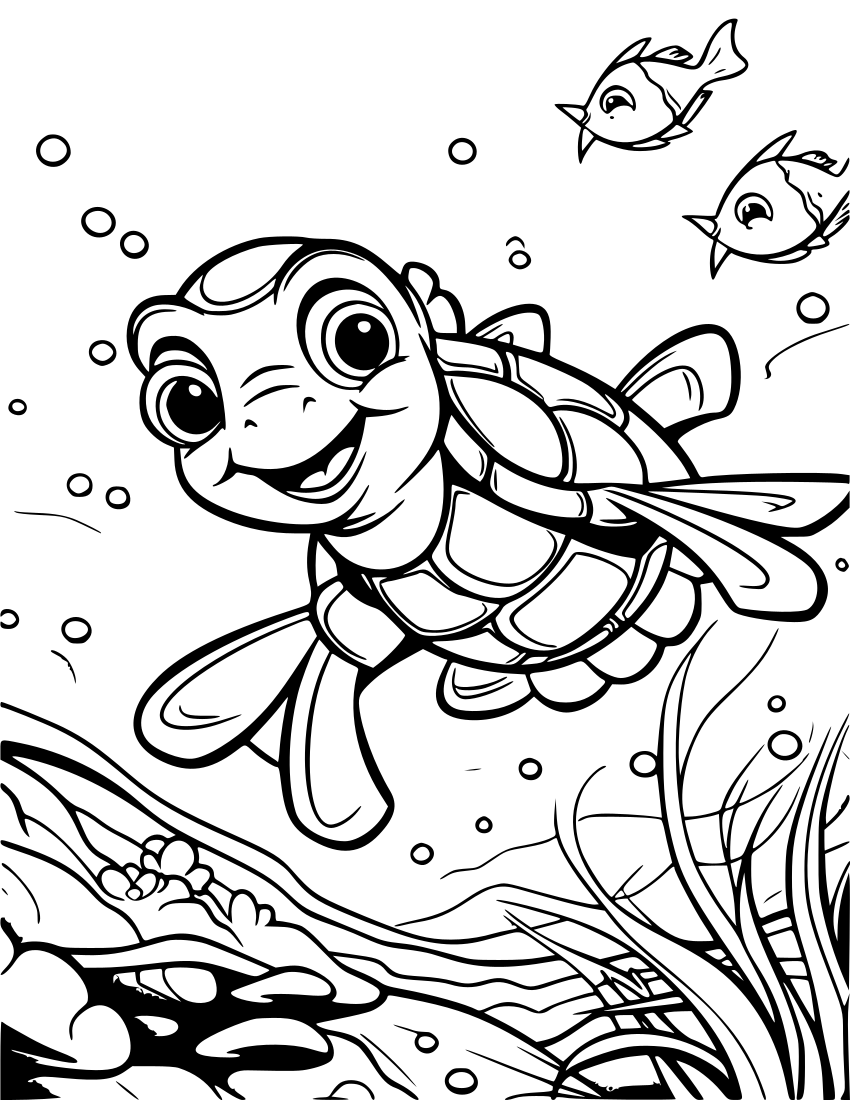
- Sea turtles — Ancient, gentle giants. The distinctive hexagonal shell pattern makes turtle pages especially rewarding — each scute (shell plate) can be a different shade of green or brown.
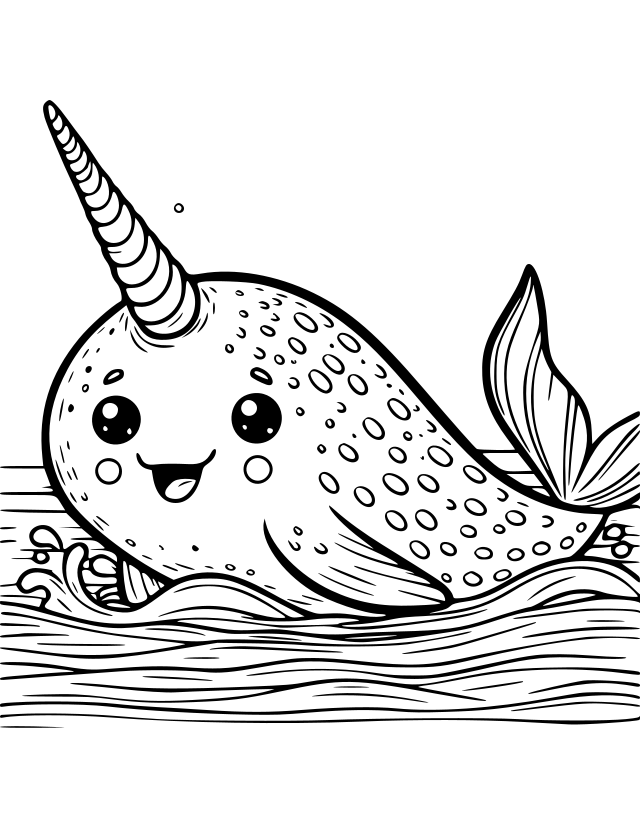
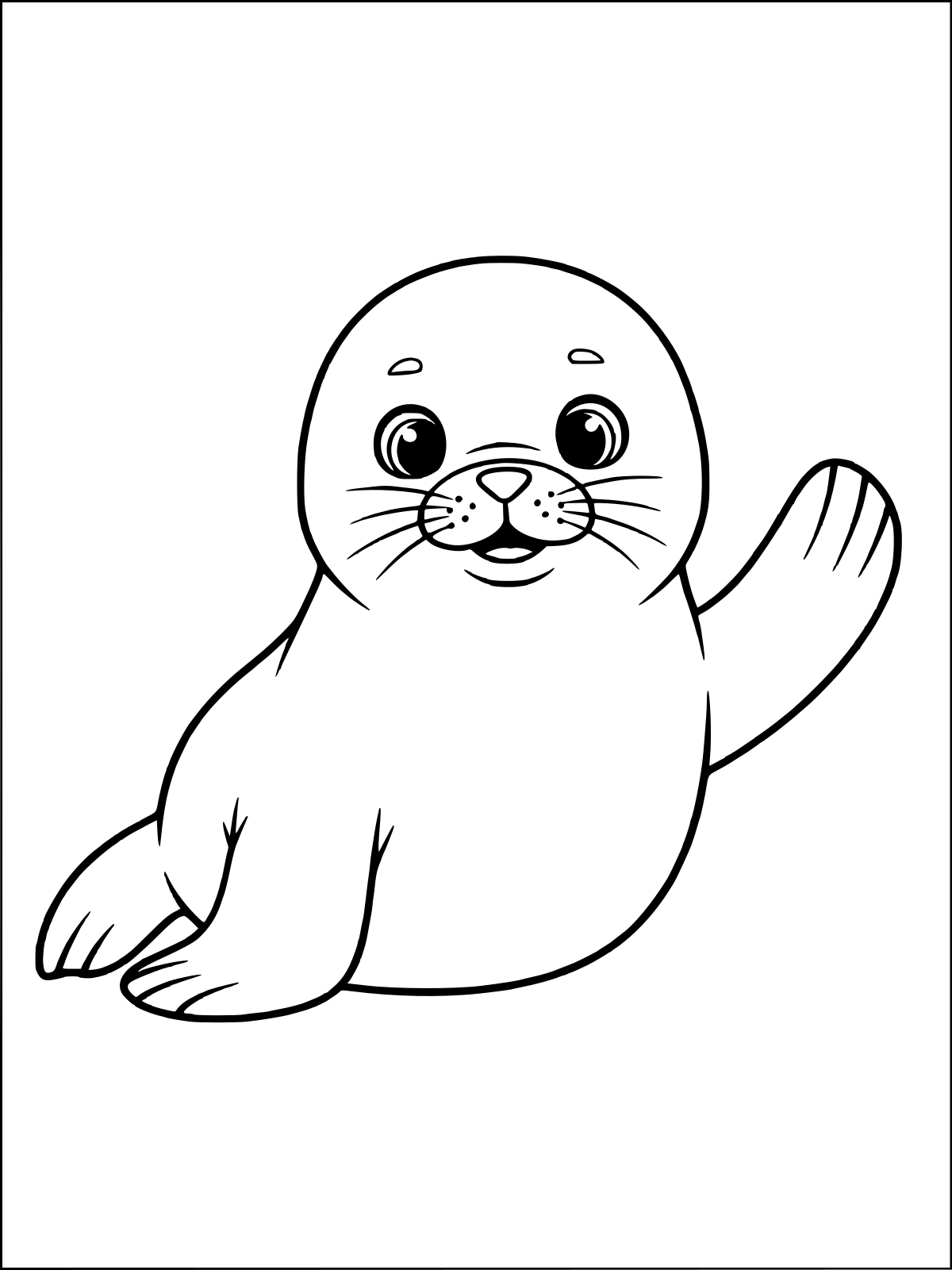
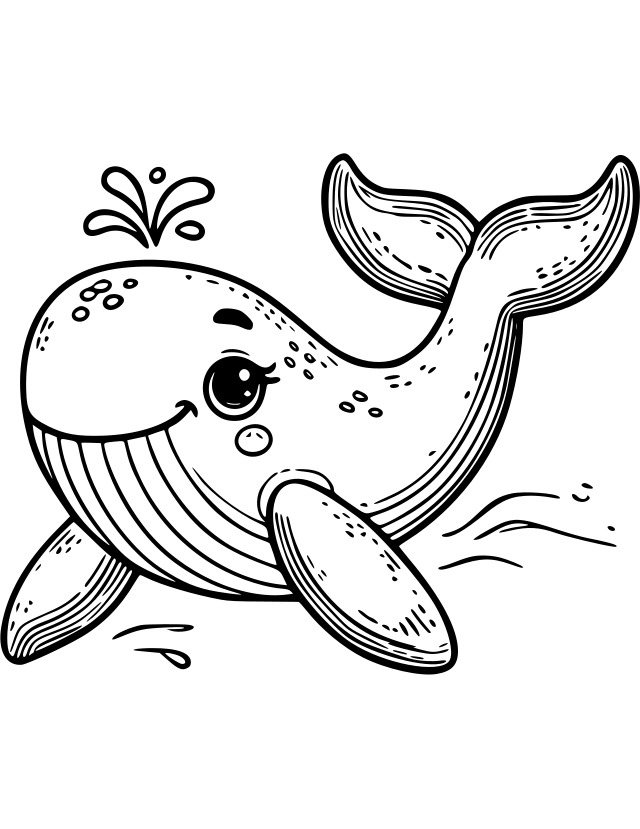
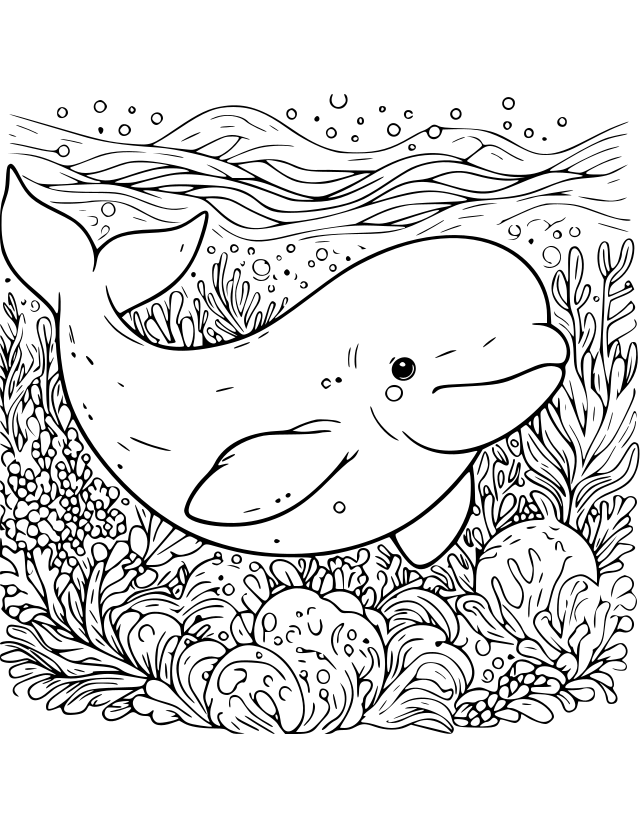
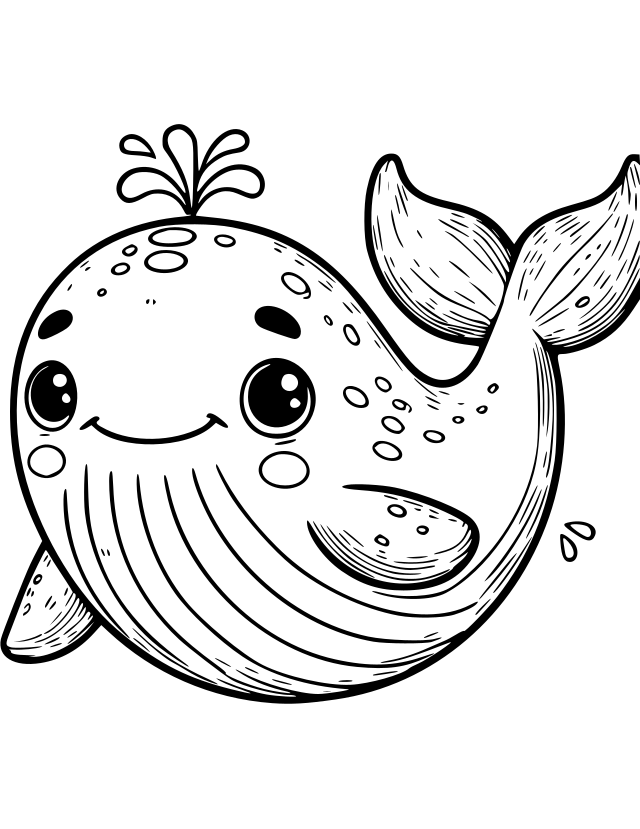
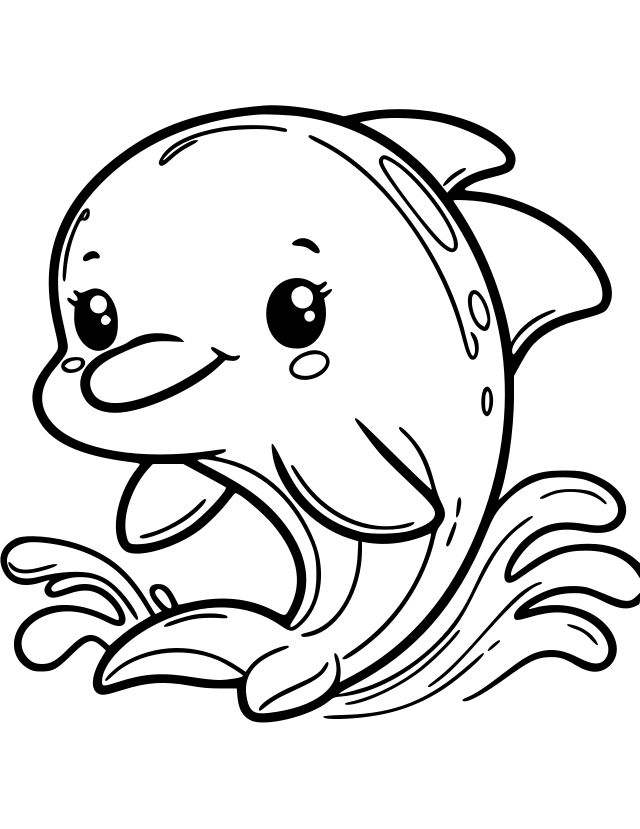
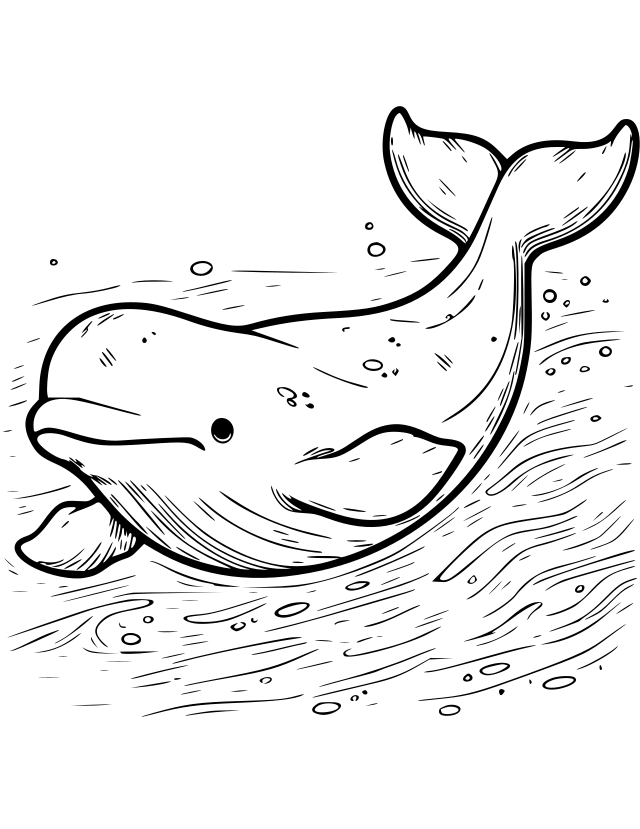
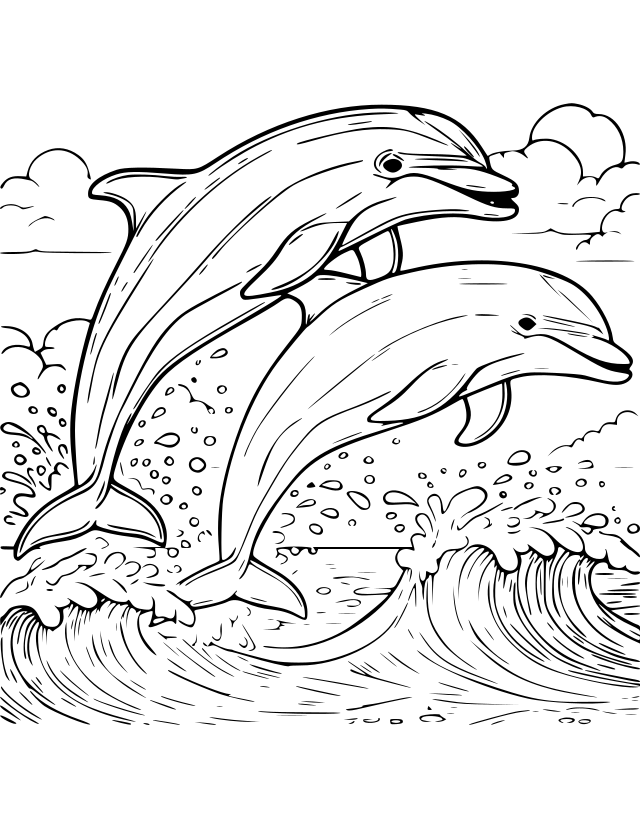
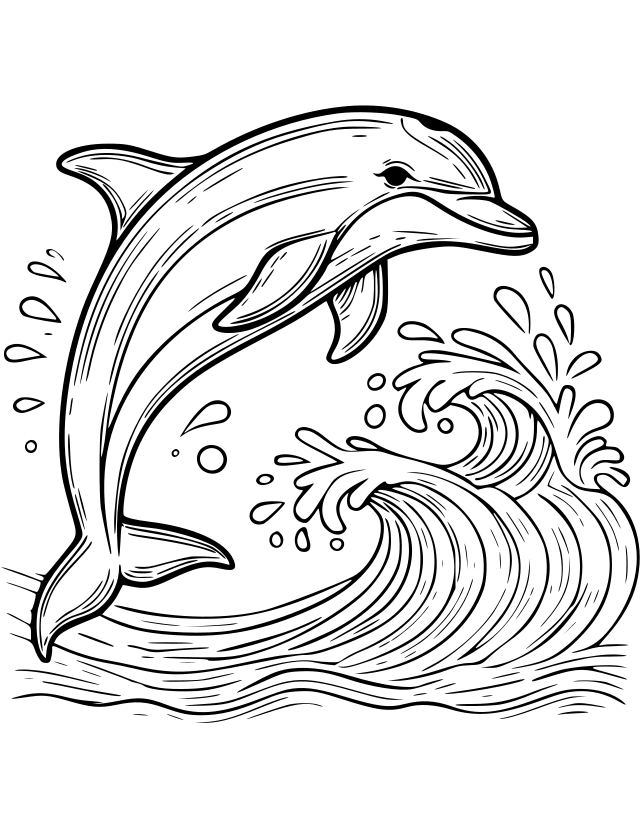
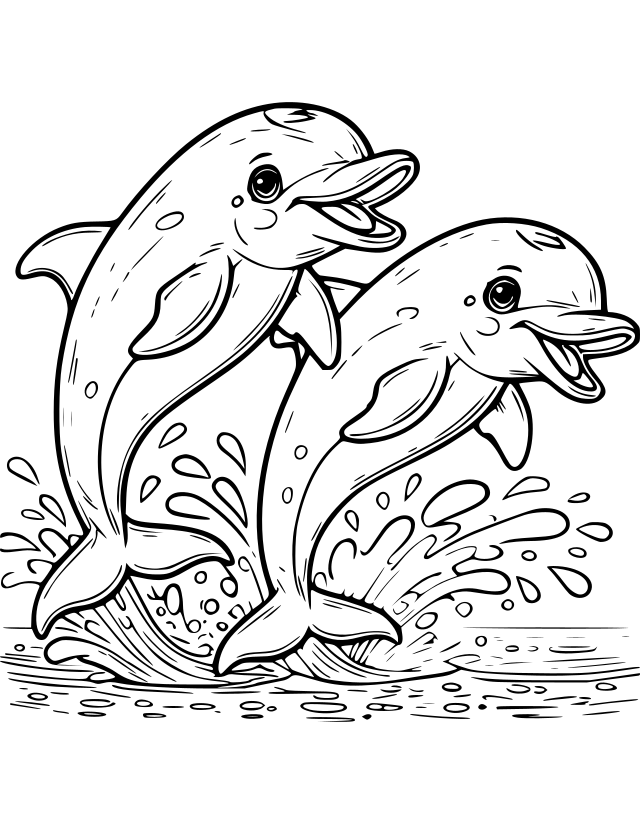
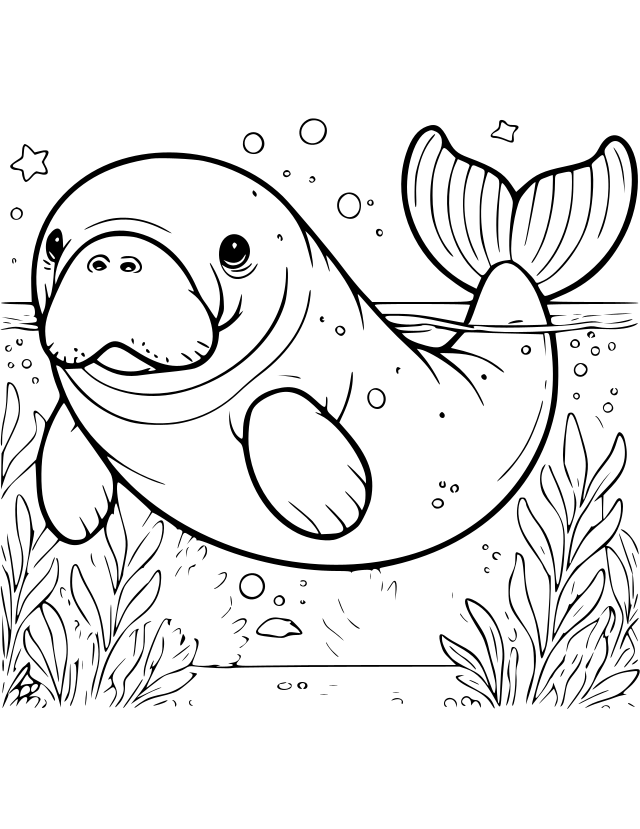
- Dolphins and whales — The most intelligent marine mammals. Their smooth, streamlined shapes are ideal for practicing blending and gradient techniques.
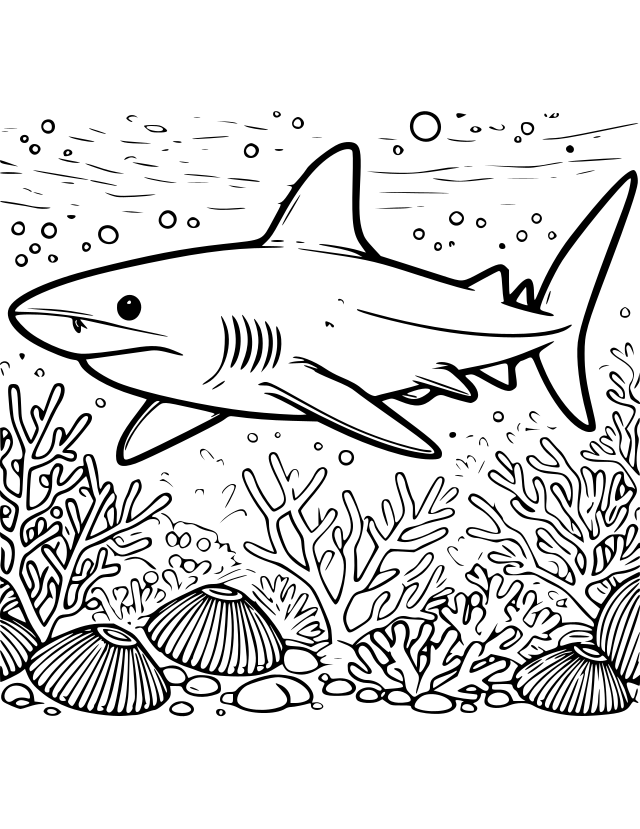
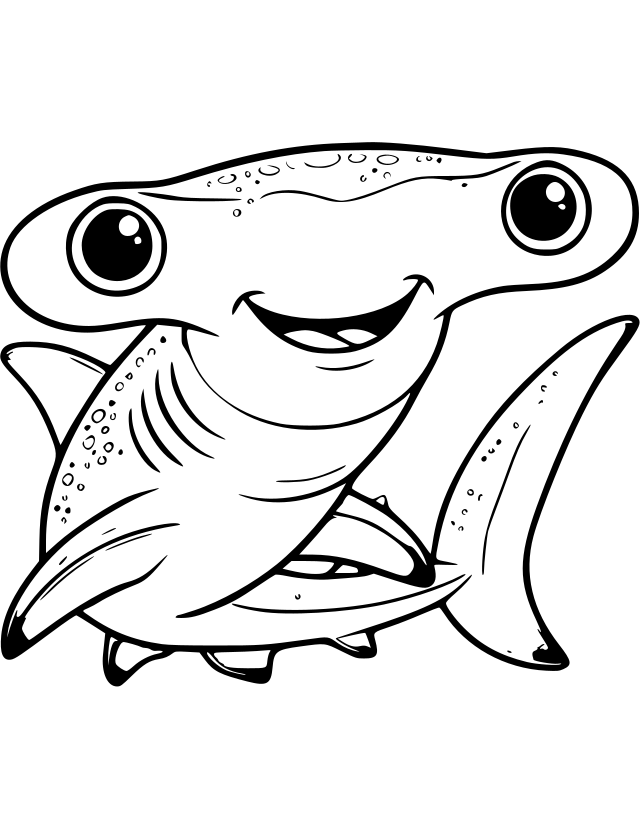
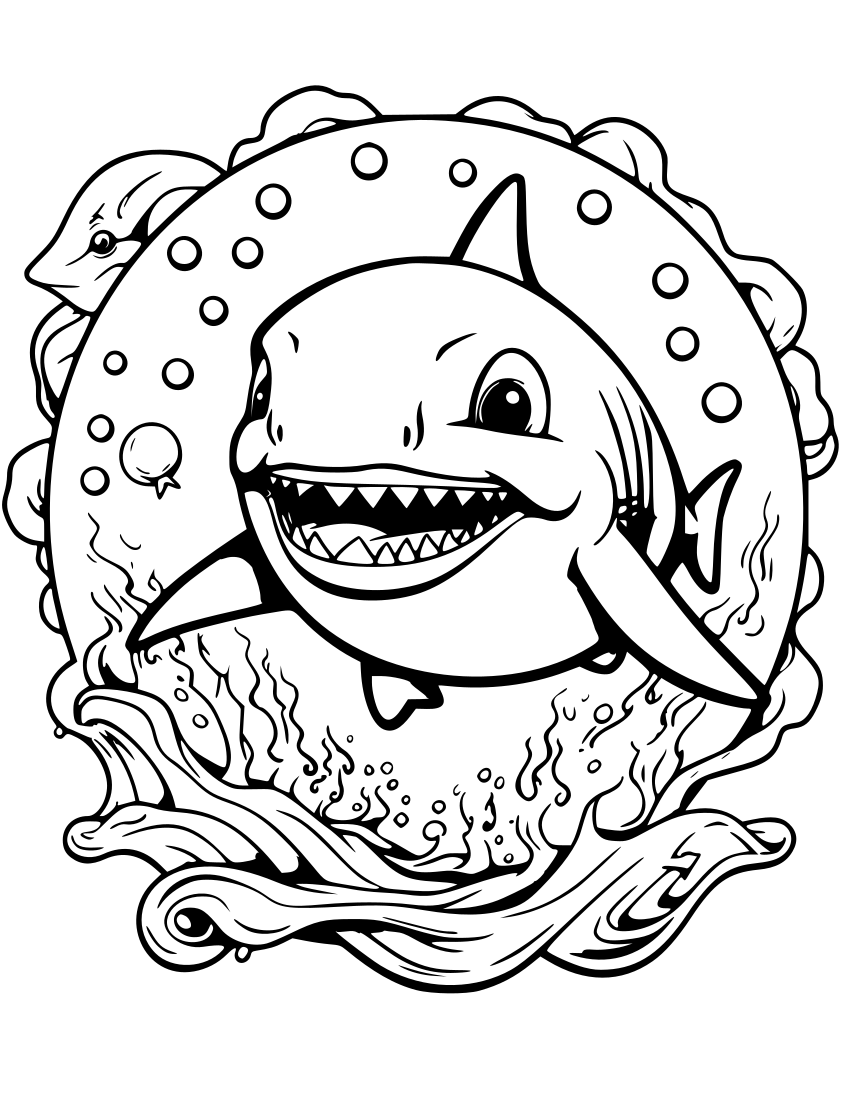
- Sharks — One of evolution's greatest success stories, unchanged for 450 million years. Essential to healthy ocean ecosystems and endlessly fascinating to children.
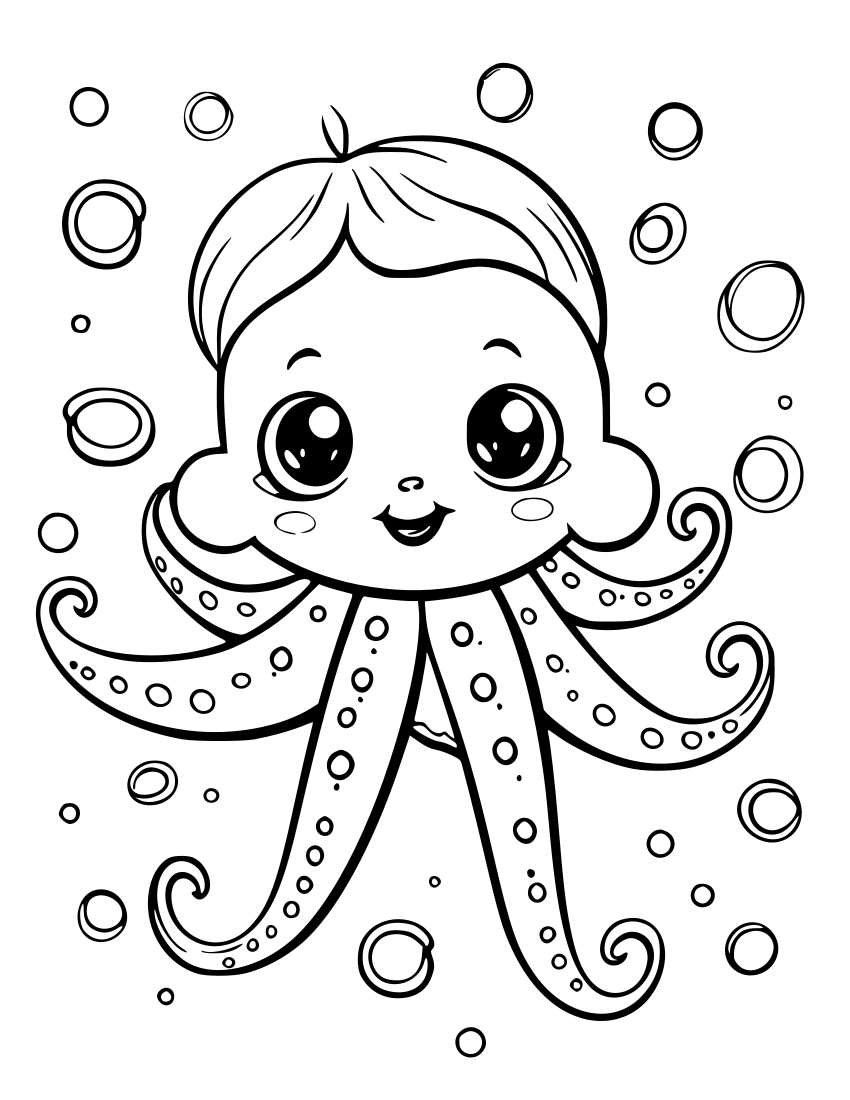
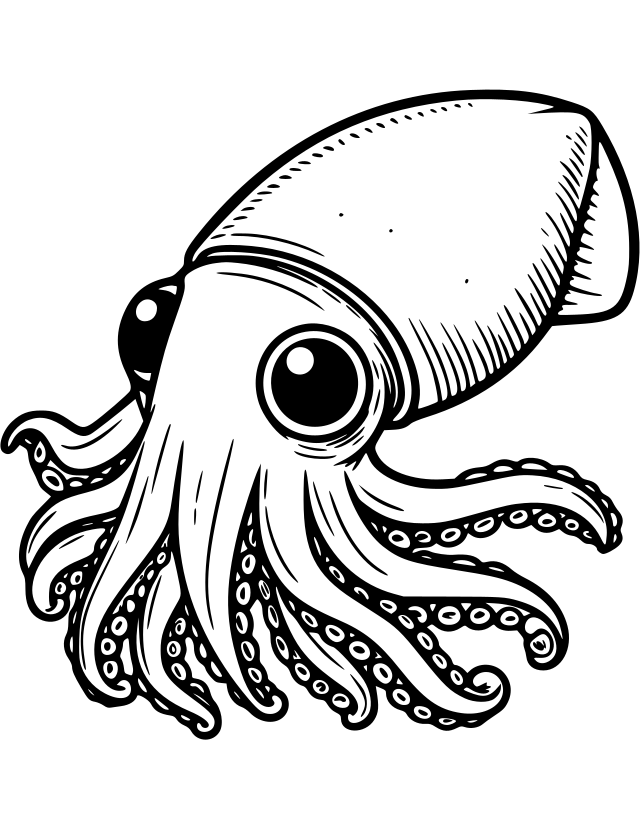
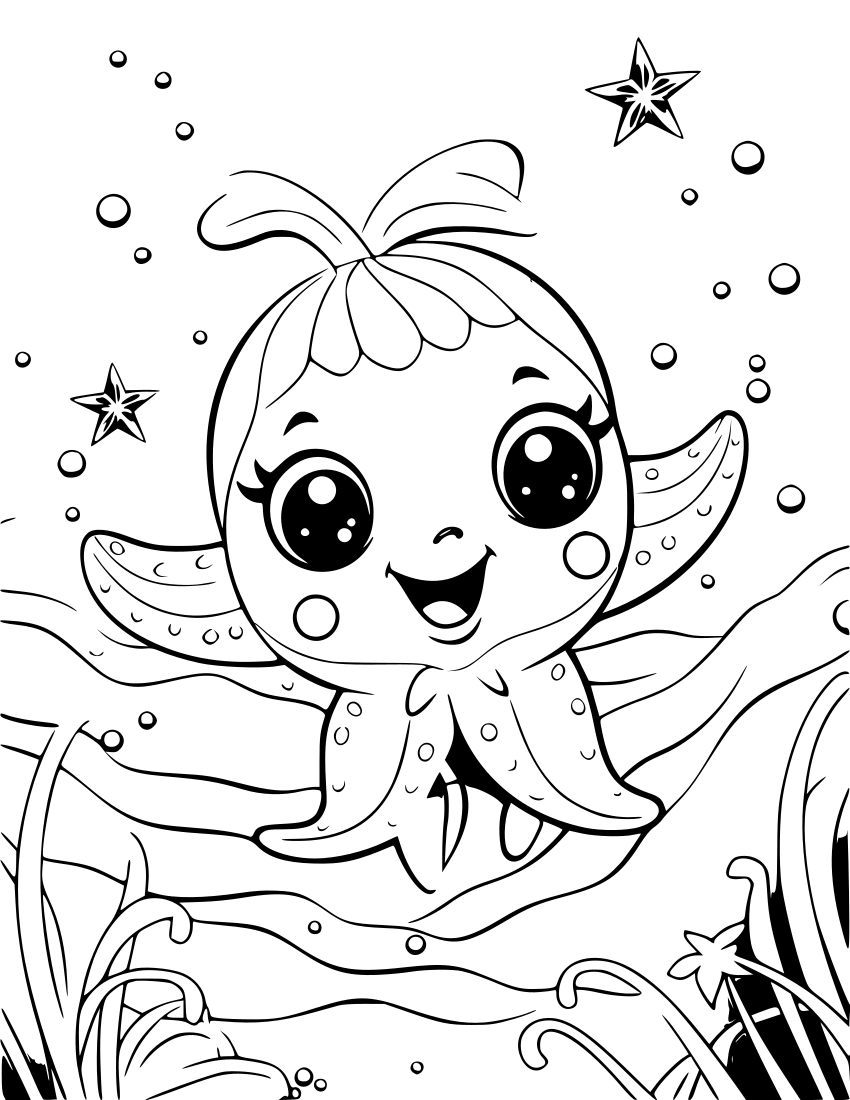
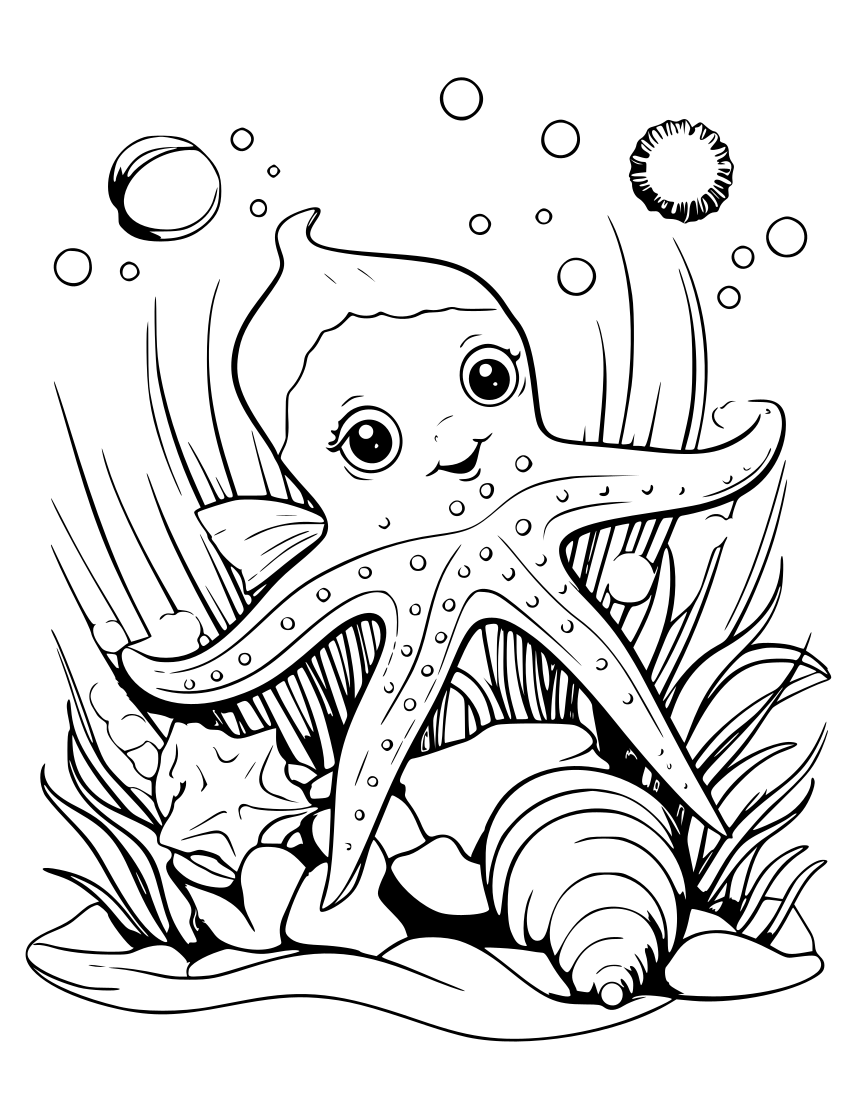
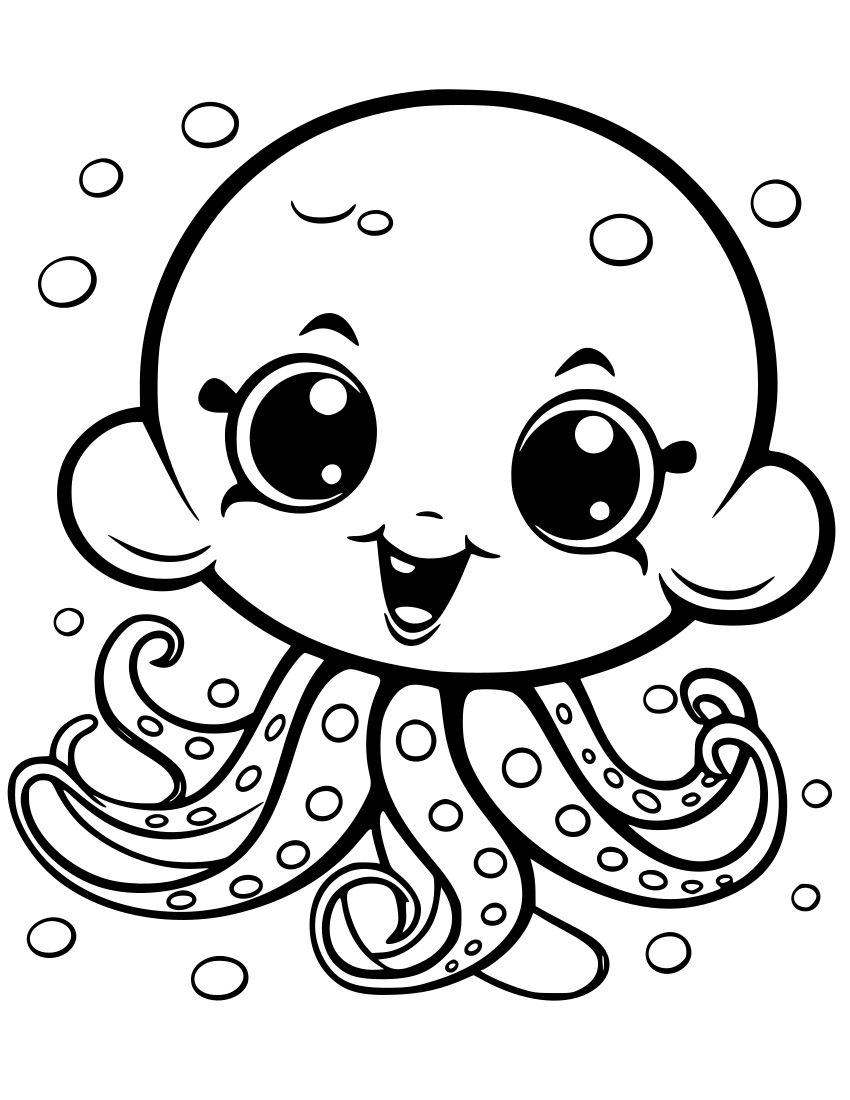
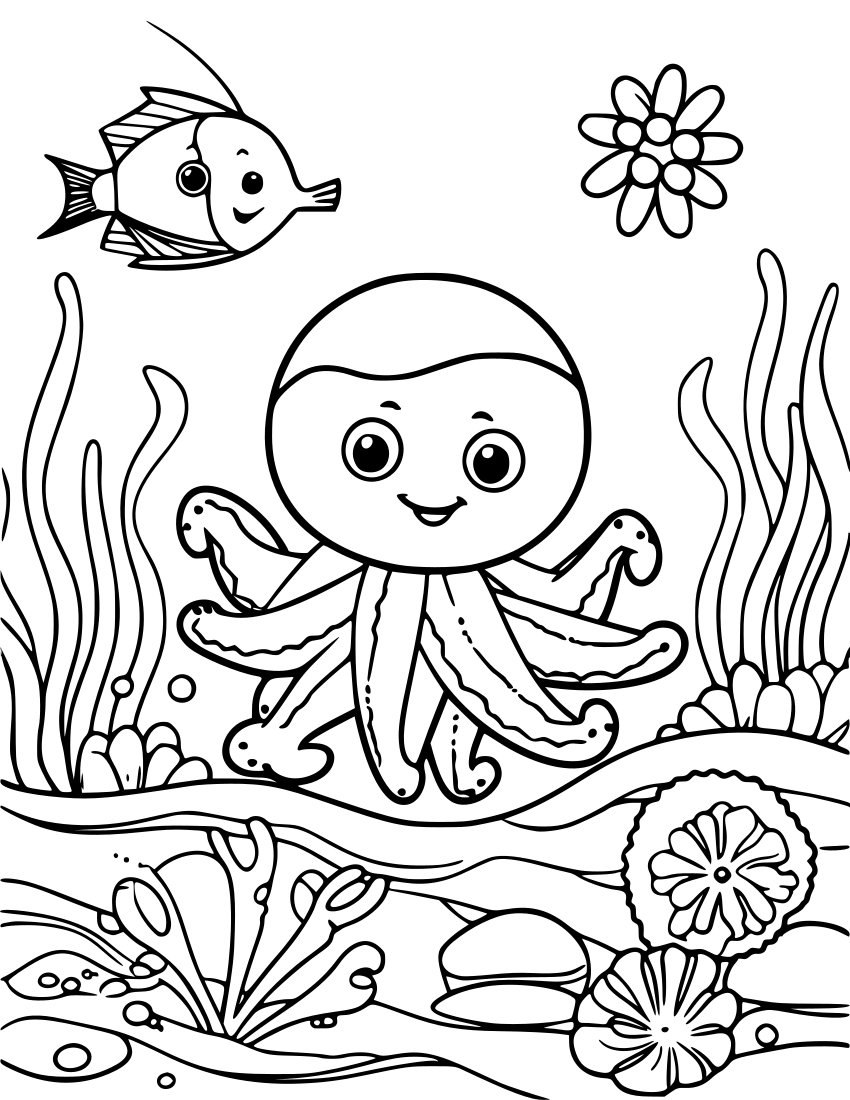
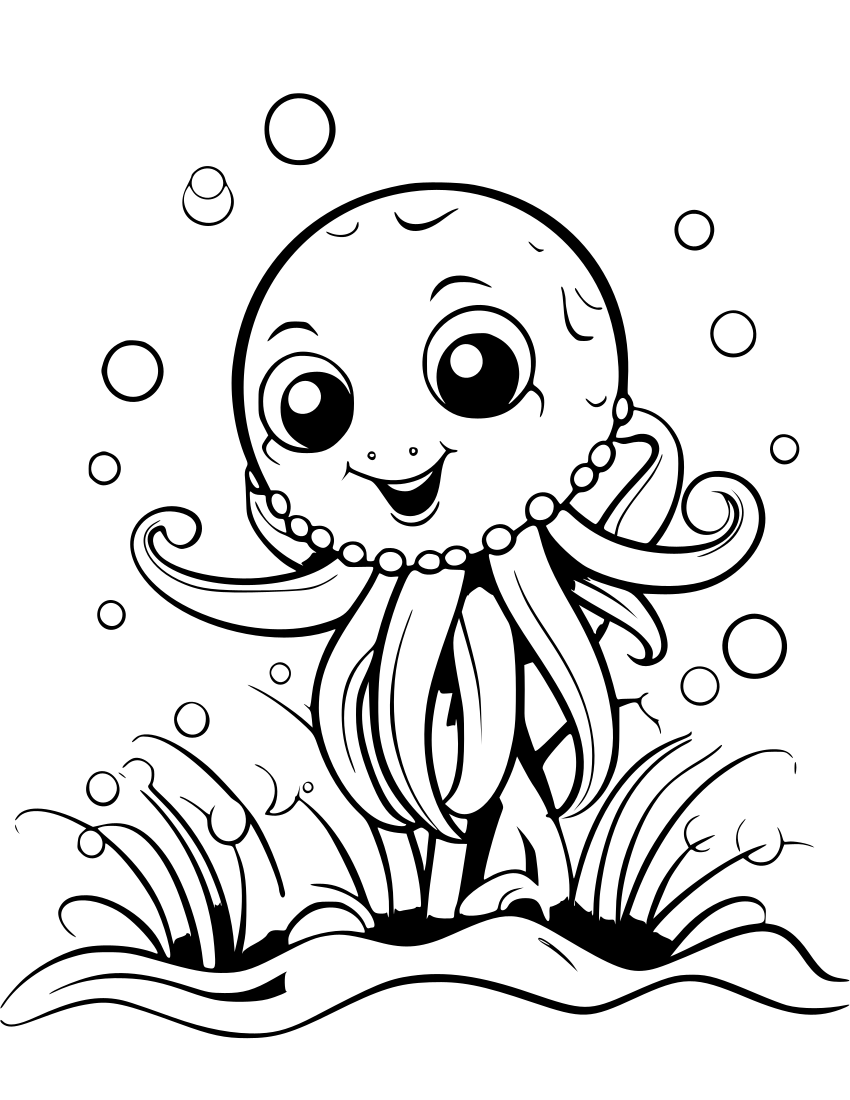
- Octopuses and squid — The most cognitively complex invertebrates on Earth. Their expressive eyes and flowing tentacles make for dynamic compositions.
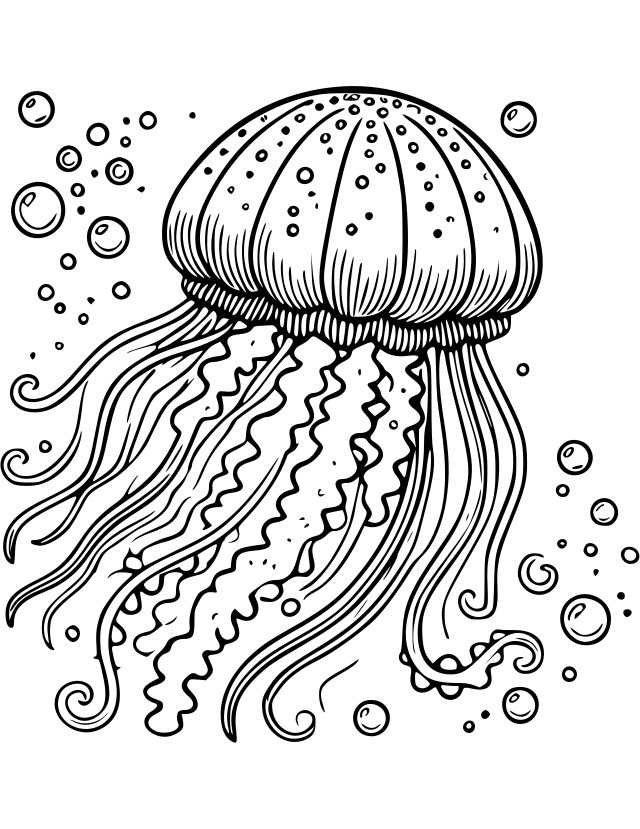
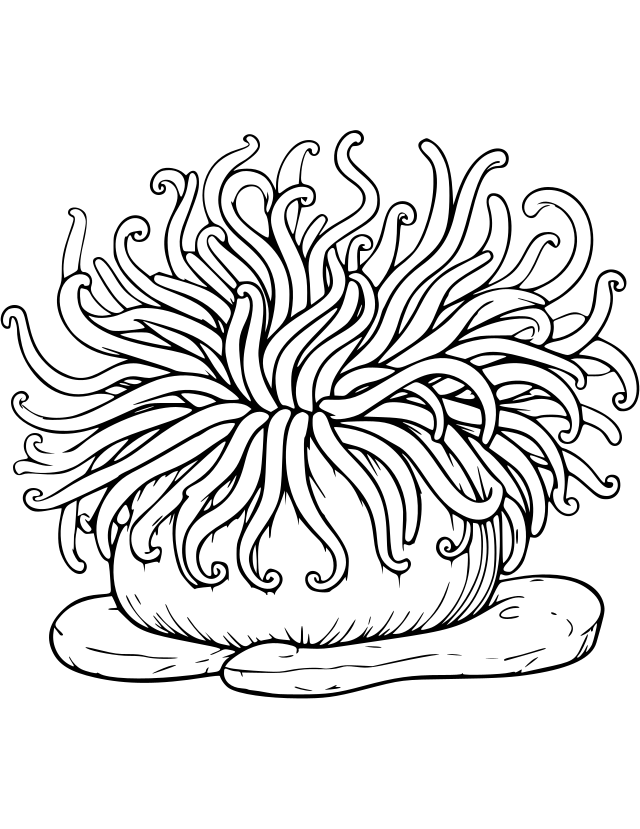
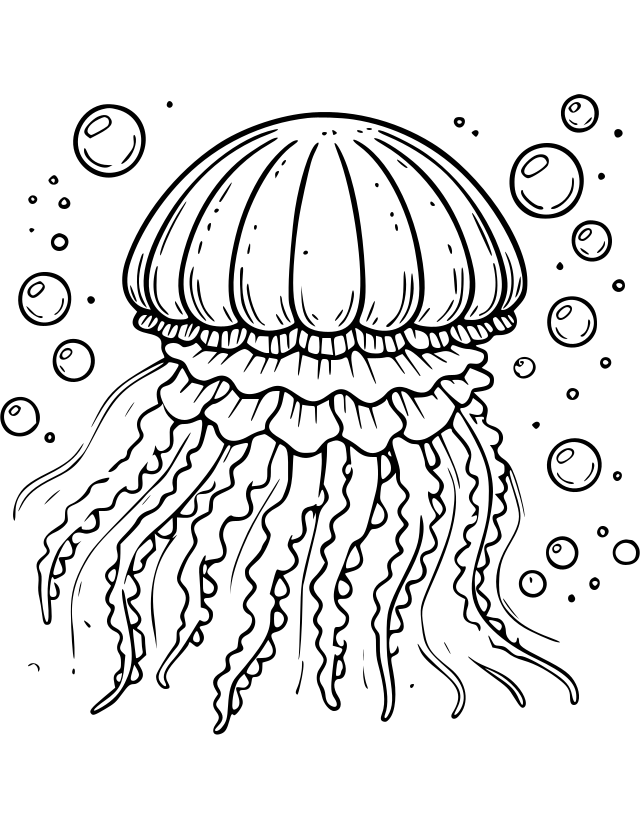
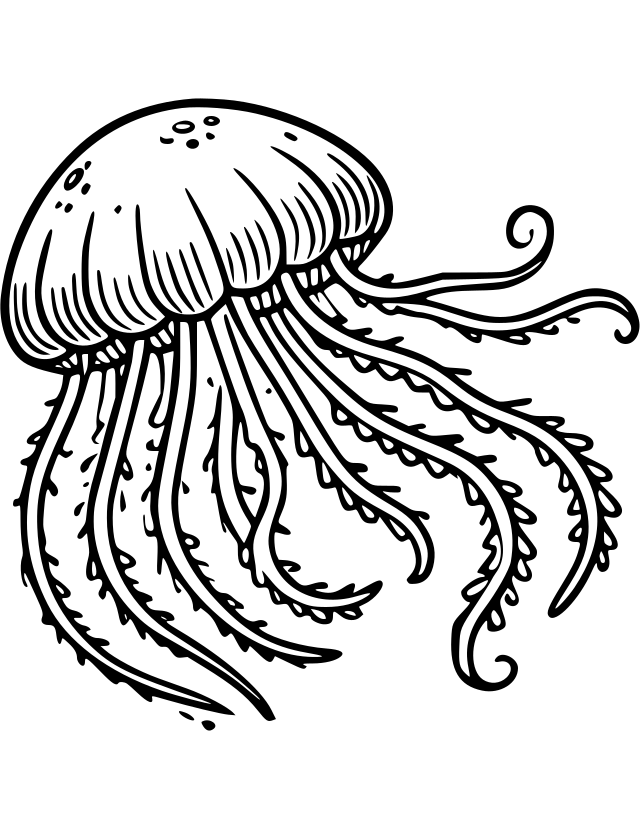
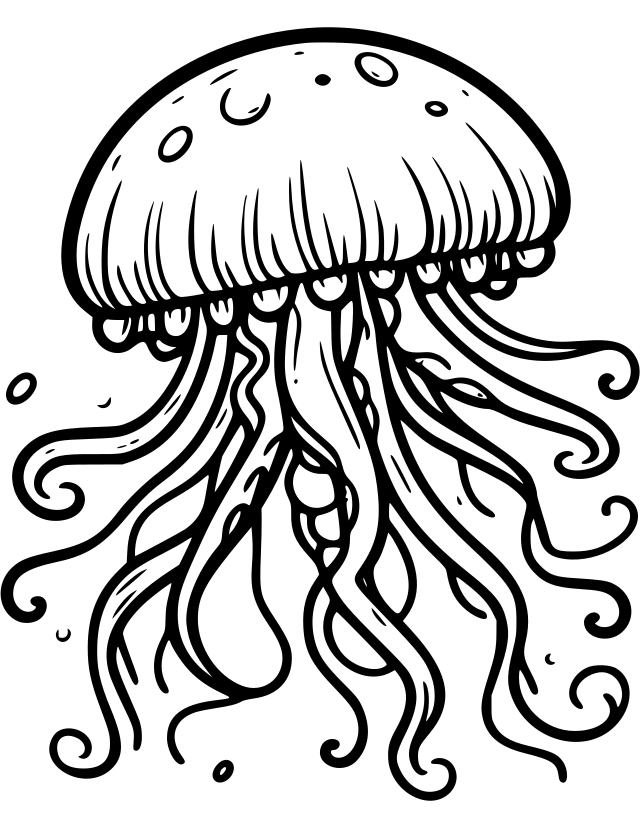
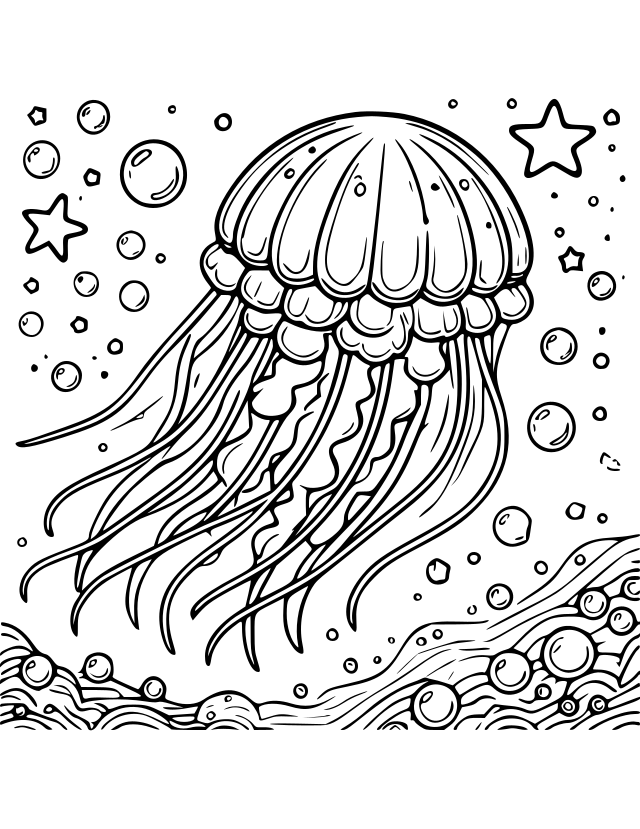
- Jellyfish and anemones — Visually spectacular creatures with translucent bells and trailing tentacles. Beautiful coloring opportunities with soft, glowing palettes.
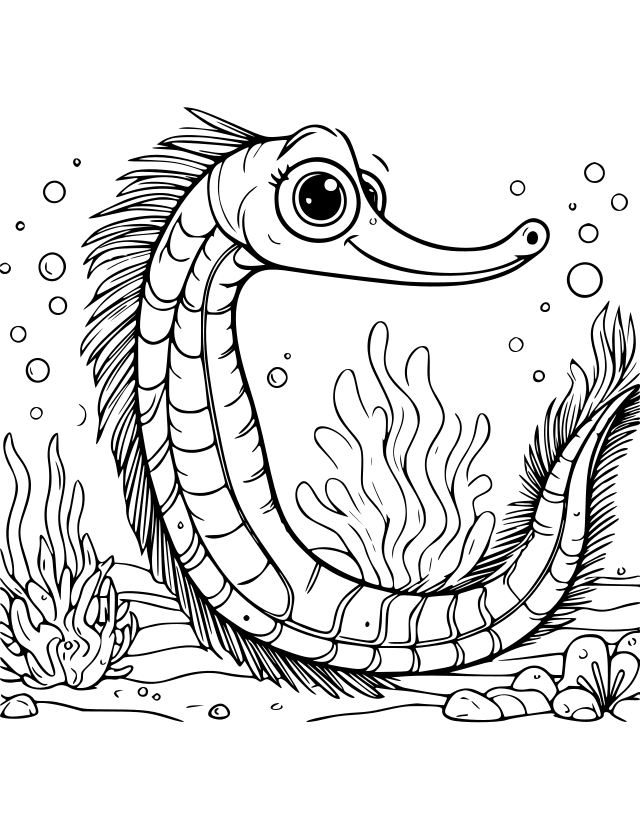
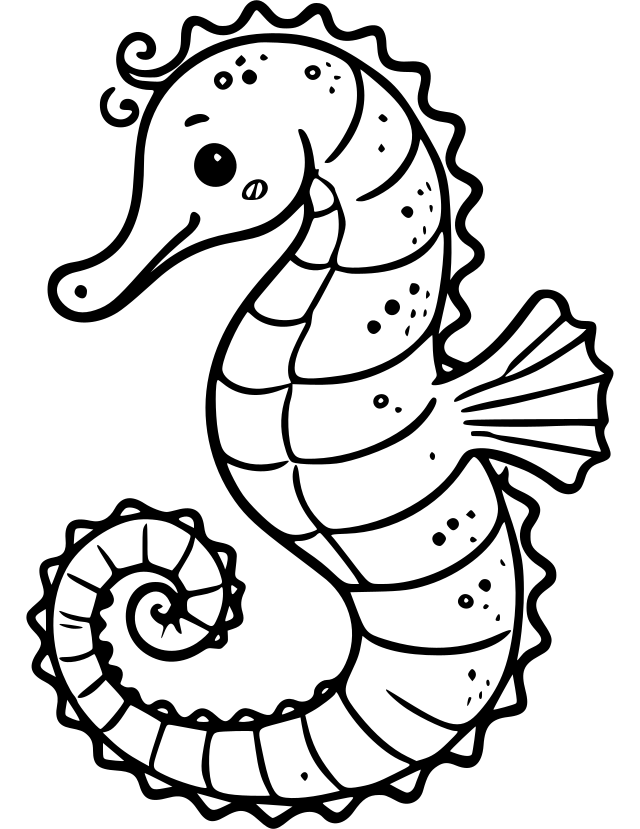
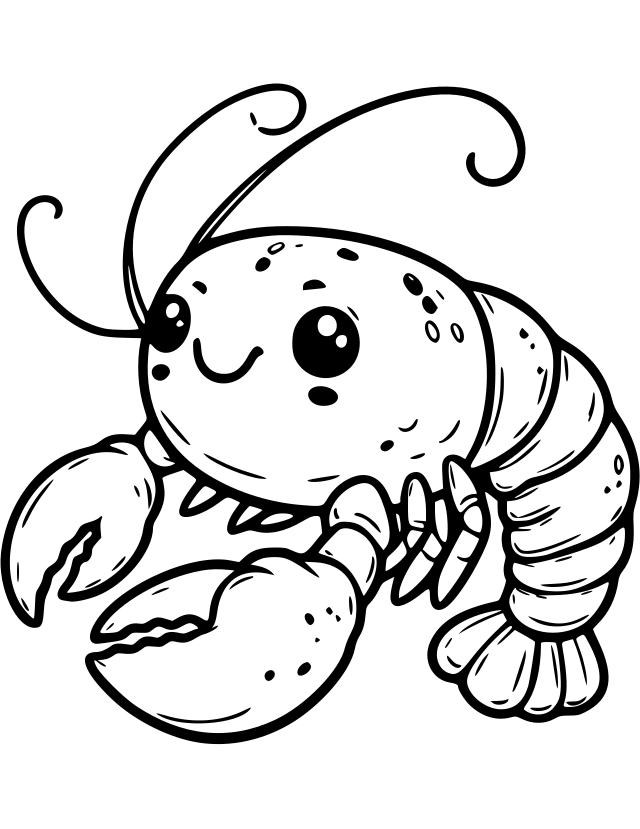
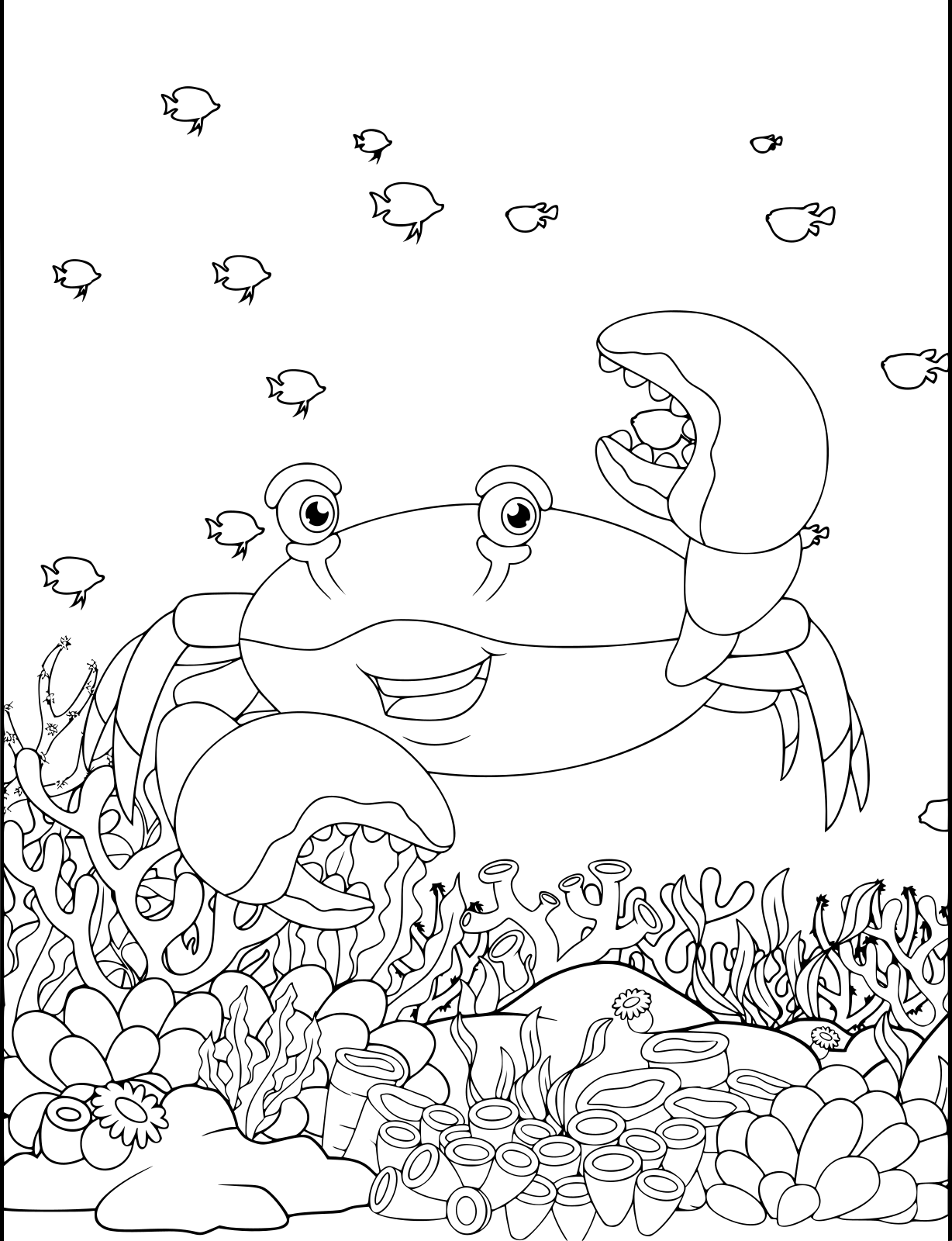
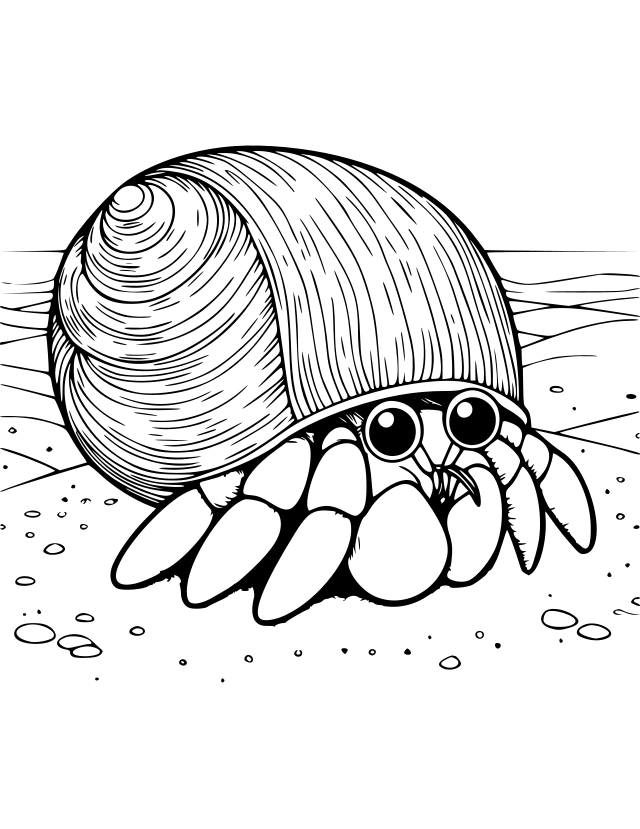
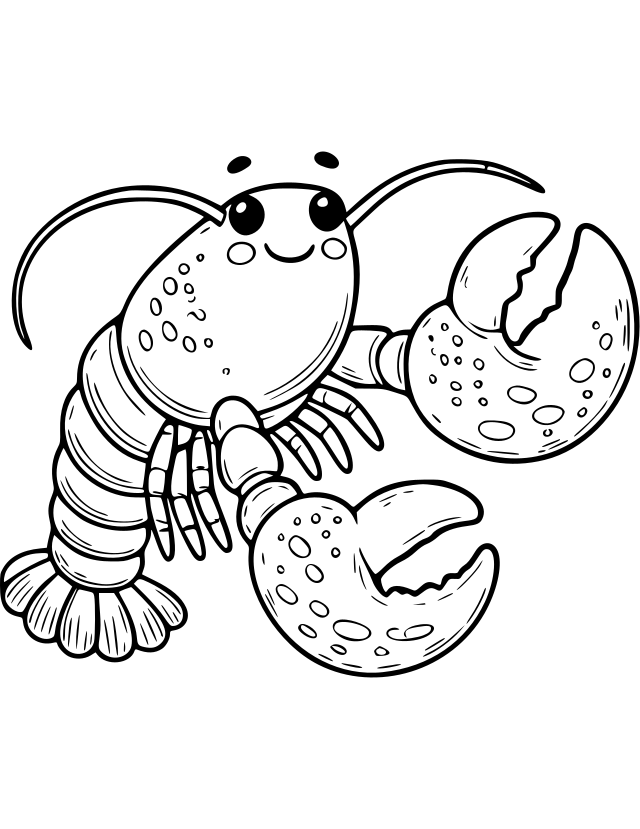
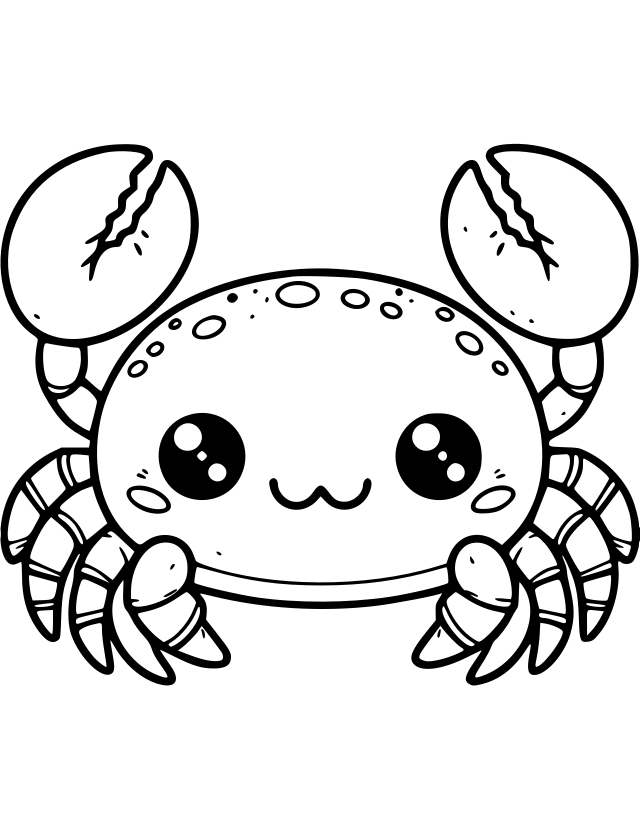
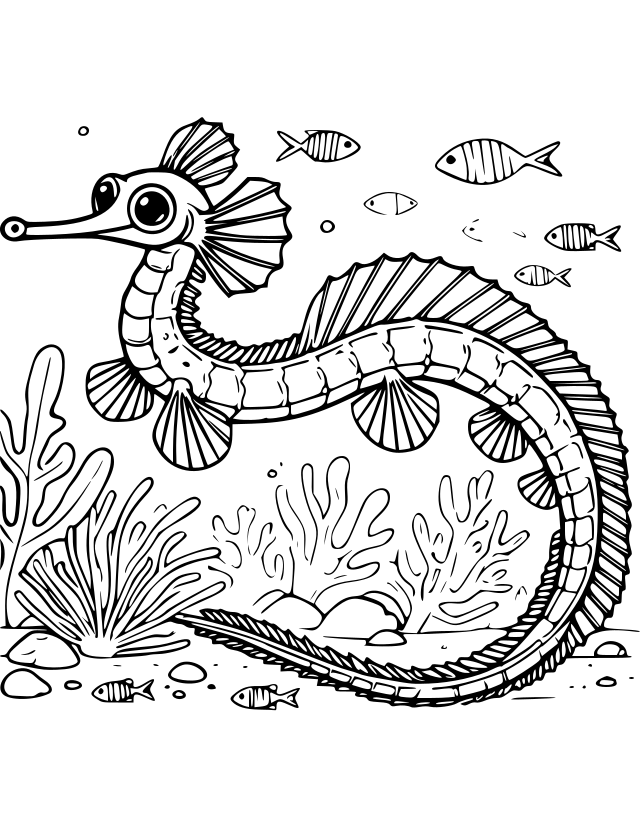
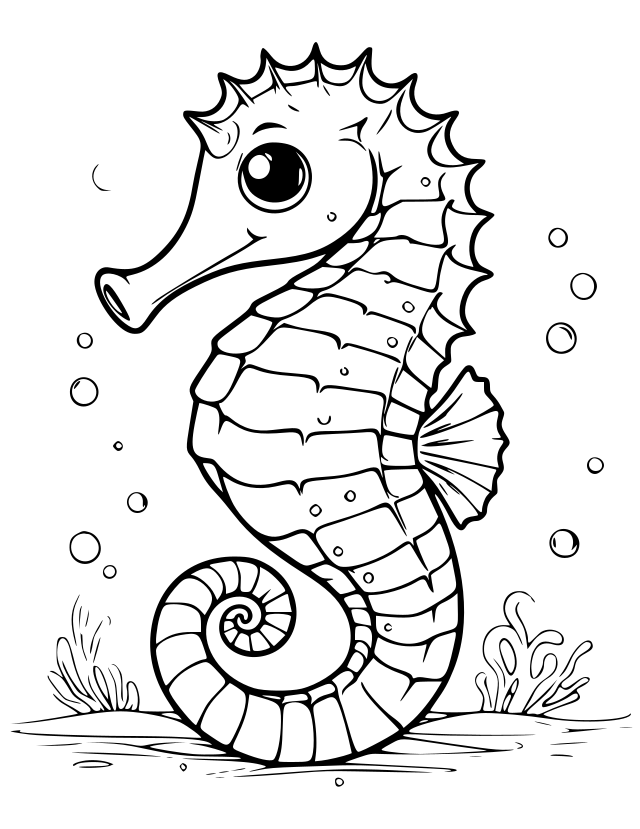
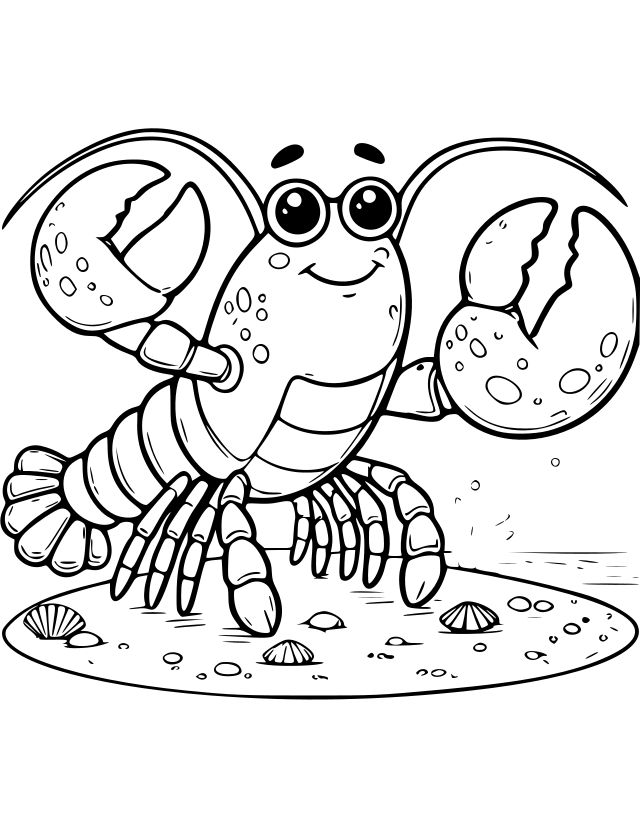
- Seahorses and crabs — Among the most distinctive shapes in the animal kingdom, each uniquely suited to coloring with their intricate surface textures.
How to Color Ocean Animal Pages — A Practical Guide
The Ocean Color Palette
Tropical reef environments combine electric blue, neon orange, vivid yellow, hot pink and lime green in combinations that seem almost impossible. Deeper environments favor cool tones: steel blue, teal and soft green. Sandy seafloor habitats use warm tans, oranges and ochres. Choose your palette based on the creature's habitat — it immediately gives the page a sense of place and atmosphere.
Creating the Water Effect
The most transformative technique: after coloring the main animal, use a very light blue or aquamarine colored pencil with gentle circular pressure in the background. Add slightly darker spots to suggest depth, and leave white areas to suggest light playing on the surface. This simple addition transforms a coloring page into an underwater scene.
Bubbles
Color just the outer edge of each bubble with a thin ring of light blue or pale grey, leaving the interior almost entirely white. A tiny white gel pen dot in the upper area of each bubble suggests light on the surface — a small detail that adds enormous life and movement.
Color Palette Ideas for Ocean Animals
- Tropical reef — Electric blue, neon orange, hot pink, bright yellow, lime green. Vivid and joyful — the palette of a real coral reef.
- Deep ocean — Navy blue, teal, steel grey, deep purple, soft white. Moody and dramatic — a midnight dive palette.
- Sandy shallows — Warm tan, soft orange, ochre, sea green, sky blue. Sunny and relaxed — a shallow tropical beach atmosphere.
- Bioluminescence — Dark navy background with electric turquoise, vivid pink and pale yellow animals. Inspired by deep-sea creatures that produce their own light.
- Realistic naturalist — True-to-life colors: grey-blue sharks, olive sea turtles, orange clownfish, grey dolphins. Educational and satisfying.
Printing Your Ocean Animal Coloring Pages
- Print at High or Best quality to keep fine detail lines (scales, shell textures, tentacle details) sharp and clean.
- Use A4 or US Letter paper for standard home printing.
- For a summer activity pack, print 10–15 pages and bind them together — a fun educational holiday project.
- For marker work on large water backgrounds, use 90 g/m² paper or heavier to prevent bleed-through.
All ocean animal coloring pages are completely free — no account, no watermark, no limit. Perfect for home coloring, classroom activities, summer holiday packs or ocean-themed birthday parties. Browse our kids coloring pages and animal coloring pages for more family-friendly designs.