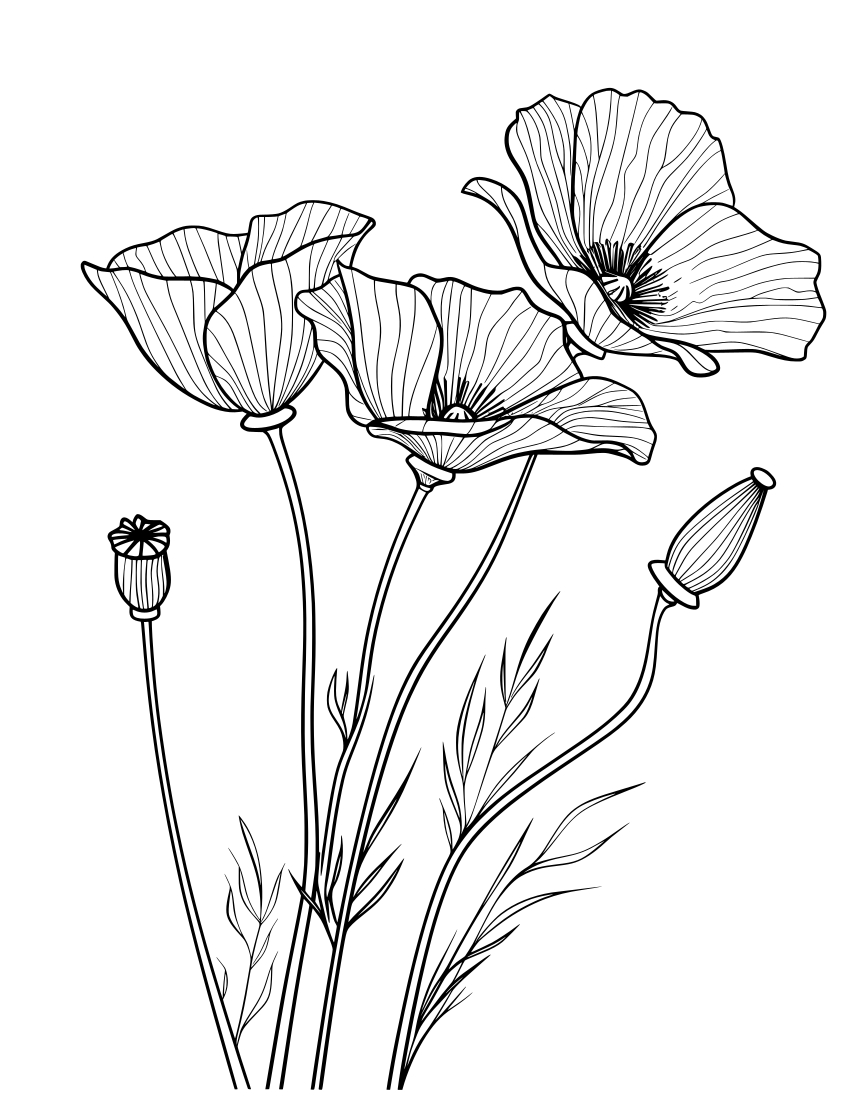
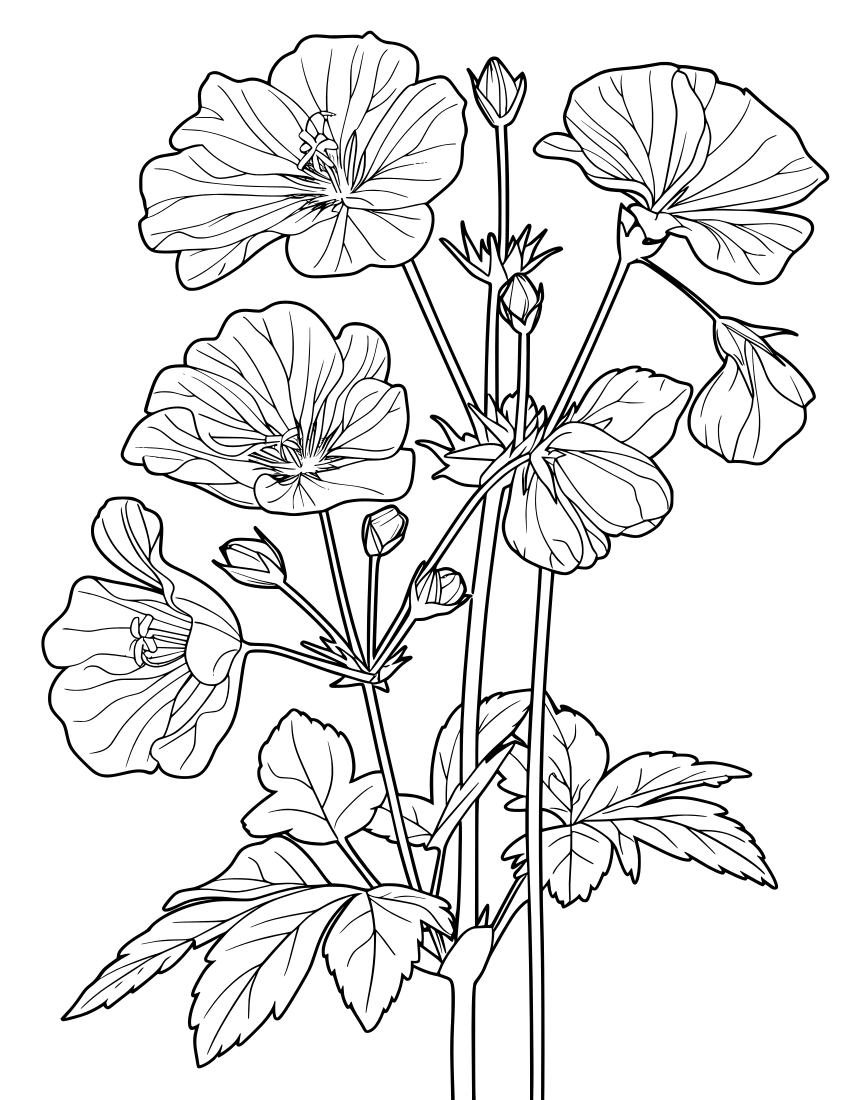
Botanical Jasmine Coloring Page presents the jasmine as a precise botanical study — combining the scientific accuracy of a natural history illustration with the aesthetic sensibility of a work of art. Part of our free flower coloring pages collection, this design is for colorists who love to engage with the actual form, structure and character of the flower they are coloring, not just its decorative potential.
Jasmine's name comes from the Persian yasamin, meaning "gift from God" — and its extraordinary fragrance has ensured it has been treasured across cultures for millennia. In South and Southeast Asia, jasmine flowers are woven into garlands for temple offerings, wedding ceremonies and everyday worship — India's mogra and Thailand's malee are central to daily spiritual life. The jasmine entered the Western perfumery tradition through the Arab world: Moorish Spain cultivated jasmine in palace gardens, and by the 17th century it was being cultivated in Grasse, Provence for the perfume industry. Jasmine absolute is one of the most expensive natural fragrance materials in the world, requiring 7–8 million hand-picked flowers to produce a single kilogram — it forms the heart of Chanel No.5.
Jasmine's white star-shaped flowers are deceptively simple in their basic form — five (sometimes more) narrow, fused-at-the-base petals radiating from a short tube — but exquisitely refined in their details. The petals are pure white with the faintest ivory or cream warmth, occasionally with a pink-tinted reverse. The dark, glossy green leaves create a beautiful, high-contrast backdrop that makes the white flowers glow. Pure white flowers require light, careful coloring to model form: use the very palest blue-grey or warm cream in the shadows, leaving the brightest paper areas completely untouched as highlights. The result should look luminous.
Botanical illustration demands engagement with the actual structure of the jasmine as a living plant. Before coloring, take a moment to study the design: identify the different floral parts (petals, sepals, stamens, pistil), the leaf attachment and venation pattern, the stem structure. Color each element with reference to its botanical reality: leaves are lighter on the upper surface (which receives more light) and darker on the underside. Stems show subtle surface texture. The goal is not a pretty decoration but an accurate, beautiful record — in which truth to observation is the highest aesthetic value. This botanical coloring page is available as a free high-quality PDF. Print on premium paper for the finest result — a completed page is a genuine piece of natural history art worth displaying.
Leave a Comment
Comments
No comments yet. Be the first!