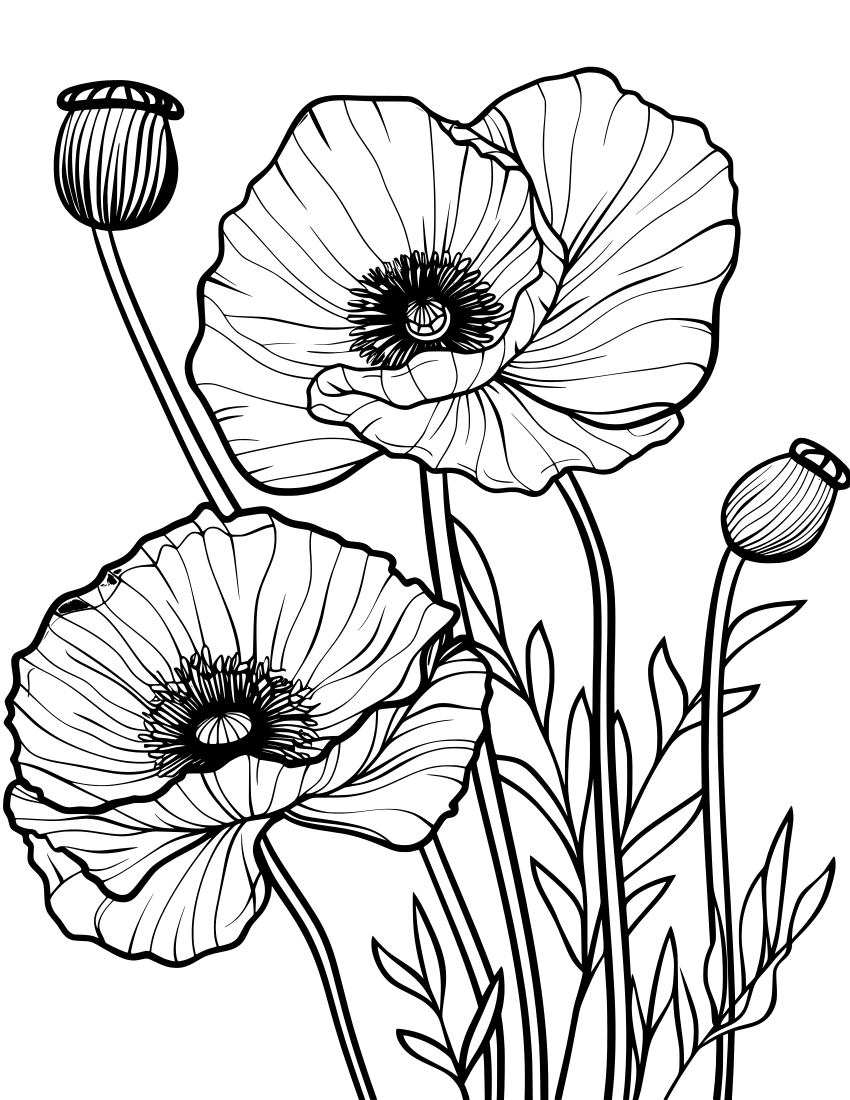
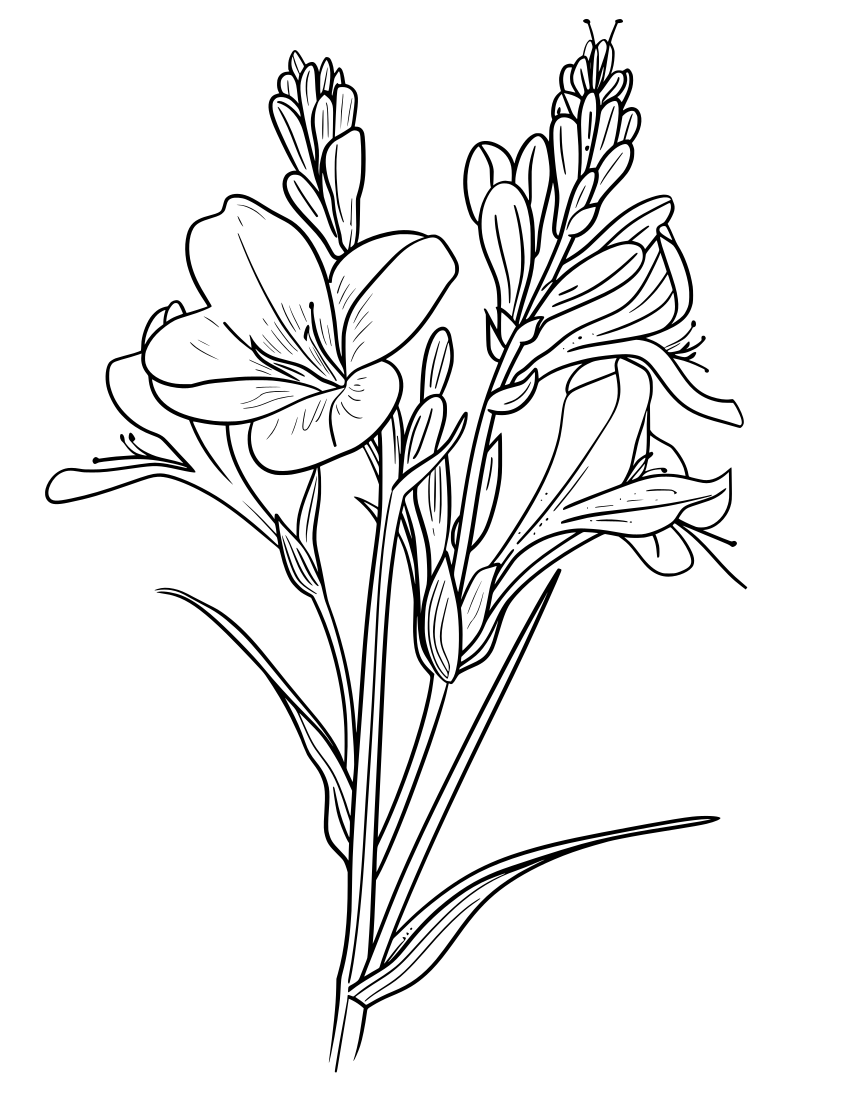
Vintage Lily Coloring Page evokes the refined world of Victorian botanical printing — the illustrated gift books, chromolithographic flower plates and hand-colored engravings that made botanical art one of the great aesthetic achievements of the 19th century. Part of our free flower coloring pages collection, this design is made for colorists who love the muted, harmonious palette of the historical botanical tradition.
The lily is among the oldest cultivated flowers in the world. White lilies (Lilium candidum) were grown in Minoan Crete over 3,500 years ago and appear in palace frescoes. In ancient Greek mythology, the lily sprang from the milk of Hera, queen of the gods; in Christianity, the white madonna lily became the symbol of the Virgin Mary's purity. Asian cultures developed their own lily traditions: the tiger lily (Lilium lancifolium) appears in Chinese and Japanese art as a symbol of prosperity and motherhood. The 16th–19th century saw an explosion of lily cultivation in Europe, culminating in the Victorian passion for Easter lilies as symbols of resurrection and spiritual renewal.
Lily petals have a distinctive recurved form — curling backward at the tips — and a smooth, slightly waxy texture that reflects light cleanly. Oriental lilies are famous for their dramatic speckled patterns: deep burgundy or chocolate spots scattered across cream or pink petals. When coloring spotted lilies, paint the base petal tone first, then add the spots afterward in a darker shade, using a soft circular motion at the edges to integrate them naturally. The prominent stamens — often rusty orange or deep red — deserve careful attention and are a beautiful colour accent.
Achieving an authentic vintage botanical aesthetic requires deliberate restraint with your palette. Choose colors that feel slightly aged, slightly muted: dusty rose rather than hot pink, sage green rather than bright emerald, antique gold rather than vivid yellow. A very light wash of warm grey or pale sepia applied as a base layer creates the illusion of aged paper. Fine pencil hatching in the shadow areas — rather than flat color fills — echoes the engraving technique of 18th- and 19th-century botanical plates. The lily in a vintage treatment has the quality of a specimen encountered in an old illustrated book: precious, carefully observed, quietly beautiful. This vintage-style coloring page is free to download and print. Complete it with a muted botanical palette and it looks extraordinary mounted in a simple gilt or dark wood frame.
Leave a Comment
Comments
No comments yet. Be the first!