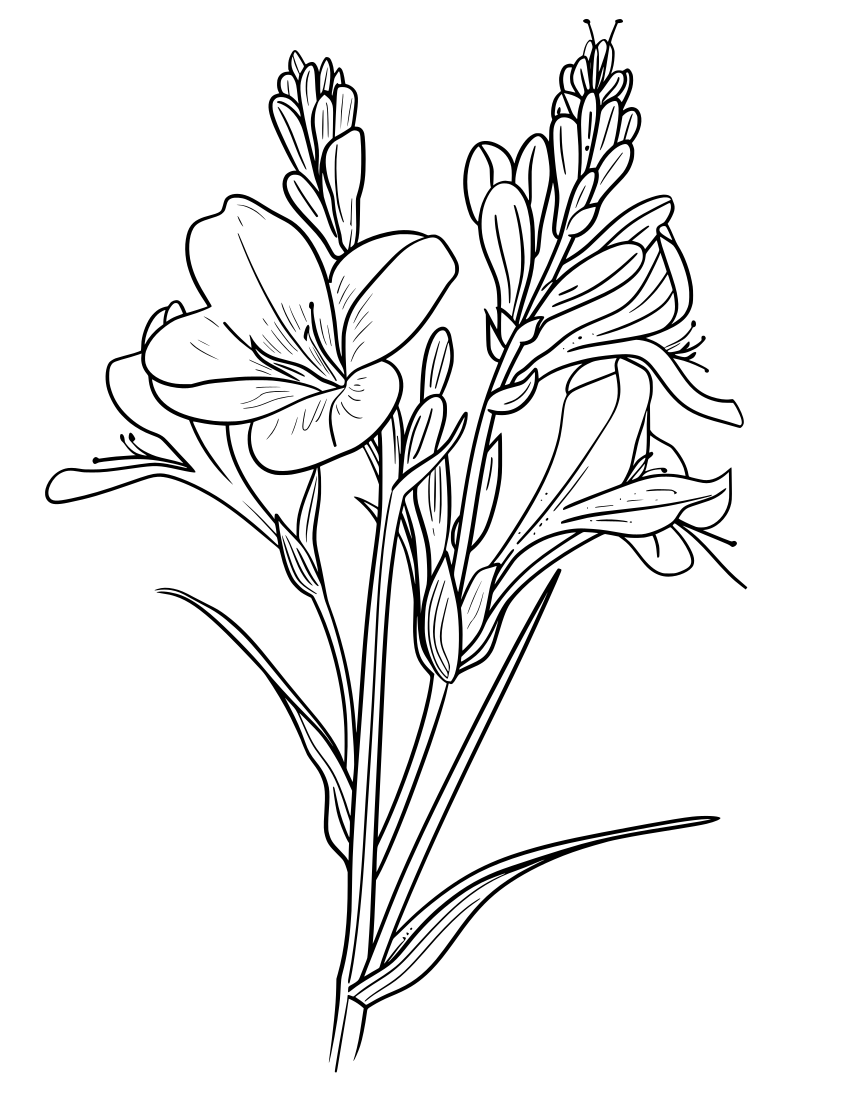
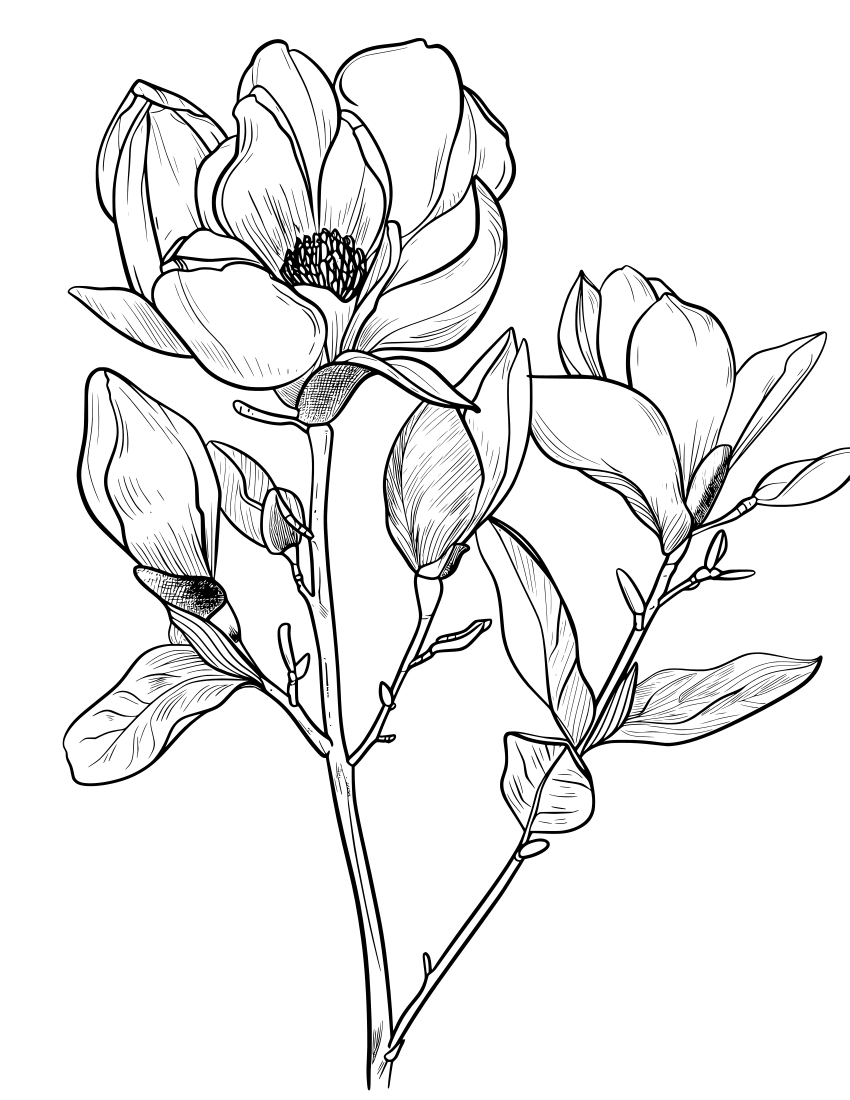
Vintage Peony Coloring Page evokes the refined world of Victorian botanical printing — the illustrated gift books, chromolithographic flower plates and hand-colored engravings that made botanical art one of the great aesthetic achievements of the 19th century. Part of our free flower coloring pages collection, this design is made for colorists who love the muted, harmonious palette of the historical botanical tradition.
The peony has been China's most prized ornamental flower for over 2,000 years. Called "the king of flowers," it symbolises royalty, prosperity and feminine beauty in Chinese culture — painted by court artists, woven into imperial silk robes and celebrated in poetry from the Tang Dynasty onward. The tree peony (Paeonia suffruticosa) arrived in Europe in the late 18th century and caused a sensation among gardeners and painters. French Impressionist painter Claude Monet grew them in his famous Giverny garden alongside the water lilies. In the Victorian language of flowers, the peony meant shame and bashfulness — a curious attribution for such an extravagant bloom.
The peony's extraordinary ruffled architecture — dozens of petals layered in concentric circles — is both its greatest visual glory and its most complex coloring challenge. Begin at the outermost ring of petals with the lightest tone, working progressively darker as you move toward the tightly packed center. Deep rose and magenta at the heart, softening through blush pink to almost-white at the outer fringe. The interior petals often have delicate veining or a slightly crumpled texture: a careful touch of a darker pink in fine strokes over the base layer captures this beautifully.
Achieving an authentic vintage botanical aesthetic requires deliberate restraint with your palette. Choose colors that feel slightly aged, slightly muted: dusty rose rather than hot pink, sage green rather than bright emerald, antique gold rather than vivid yellow. A very light wash of warm grey or pale sepia applied as a base layer creates the illusion of aged paper. Fine pencil hatching in the shadow areas — rather than flat color fills — echoes the engraving technique of 18th- and 19th-century botanical plates. The peony in a vintage treatment has the quality of a specimen encountered in an old illustrated book: precious, carefully observed, quietly beautiful. This vintage-style coloring page is free to download and print. Complete it with a muted botanical palette and it looks extraordinary mounted in a simple gilt or dark wood frame.
Leave a Comment
Comments
No comments yet. Be the first!