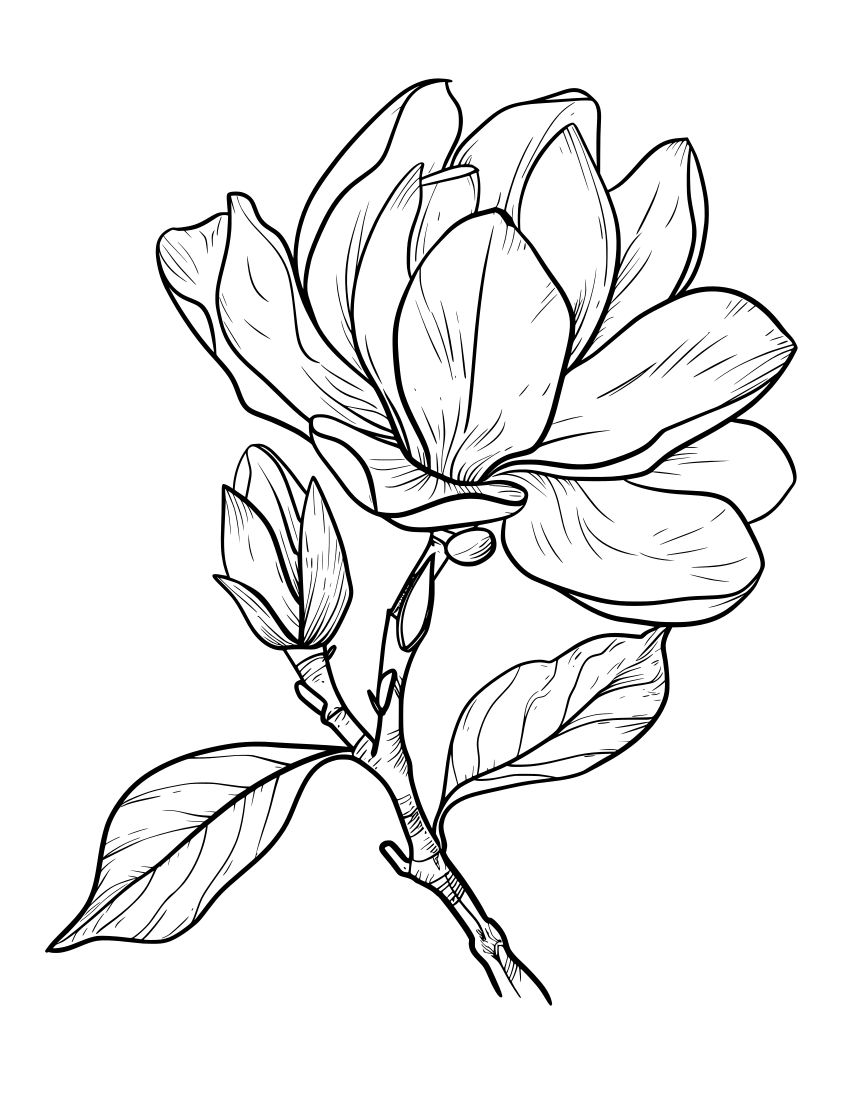
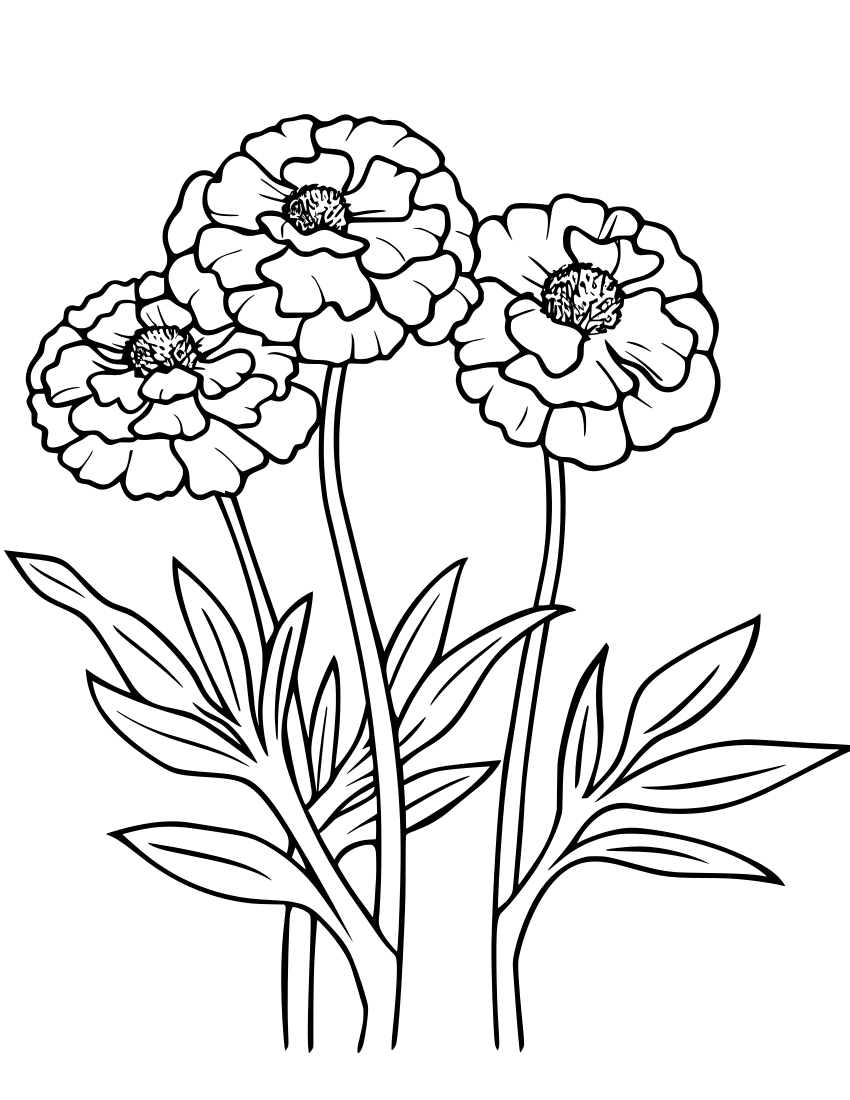
Vintage Tulip Coloring Page evokes the refined world of Victorian botanical printing — the illustrated gift books, chromolithographic flower plates and hand-colored engravings that made botanical art one of the great aesthetic achievements of the 19th century. Part of our free flower coloring pages collection, this design is made for colorists who love the muted, harmonious palette of the historical botanical tradition.
The tulip's story is one of obsession and financial madness. Originally a wildflower of the Central Asian steppes, it was cultivated in the Ottoman Empire for centuries before Dutch merchants brought it to Holland in the 1590s. What followed — "Tulip Mania" of 1636–1637 — was history's first recorded speculative bubble: a single Semper Augustus tulip bulb sold for as much as a canal house in Amsterdam. The Dutch Golden Age painters celebrated the tulip in extraordinary flower still-lifes, and Ottoman craftsmen wove them into tiles, textiles and manuscripts with such obsessive frequency that the 16th–18th century Ottoman aesthetic is sometimes called the "Tulip Period."
Tulips are wonderfully satisfying to color because of their clean, architectural cup shape and naturally bold, saturated colors. Real tulips come in nearly every hue except blue — from purest white through every shade of yellow, orange, red, pink and purple to near-black. The petals of a single tulip often show a subtle gradient from a lighter base to a richer tip. For parrot tulips or fringed varieties, add delicate irregular edges in a slightly darker or contrasting tone to capture their flamboyant character.
Achieving an authentic vintage botanical aesthetic requires deliberate restraint with your palette. Choose colors that feel slightly aged, slightly muted: dusty rose rather than hot pink, sage green rather than bright emerald, antique gold rather than vivid yellow. A very light wash of warm grey or pale sepia applied as a base layer creates the illusion of aged paper. Fine pencil hatching in the shadow areas — rather than flat color fills — echoes the engraving technique of 18th- and 19th-century botanical plates. The tulip in a vintage treatment has the quality of a specimen encountered in an old illustrated book: precious, carefully observed, quietly beautiful. This vintage-style coloring page is free to download and print. Complete it with a muted botanical palette and it looks extraordinary mounted in a simple gilt or dark wood frame.
Leave a Comment
Comments
No comments yet. Be the first!