Classic
Free printable classic fruit and vegetable coloring pages — clear, realistic line drawings of everyday and exotic fruits and vegetables. Great for learning and detailed coloring.
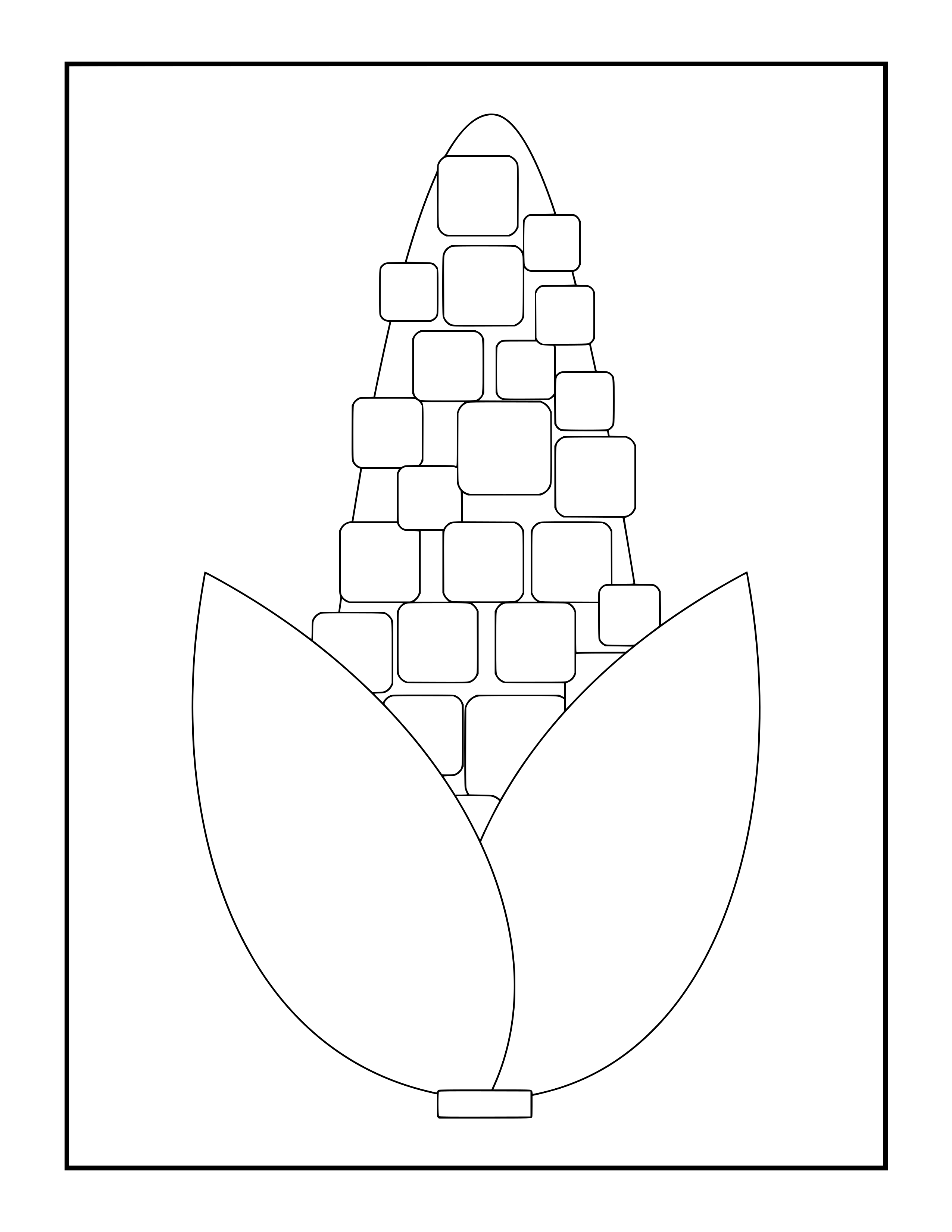
Happy Cute Corn Coloring Page
Easy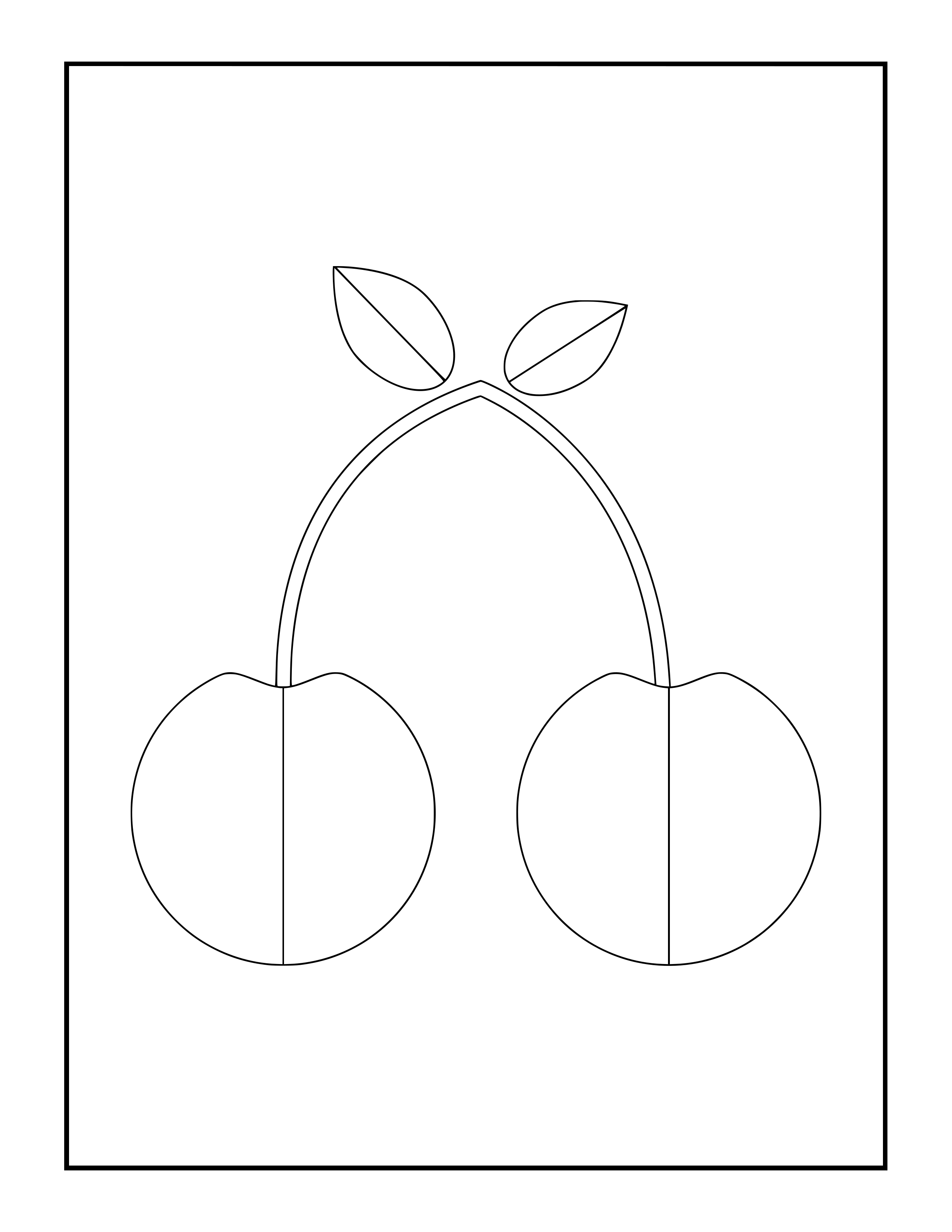
Kawaii Cherries Coloring Page
Easy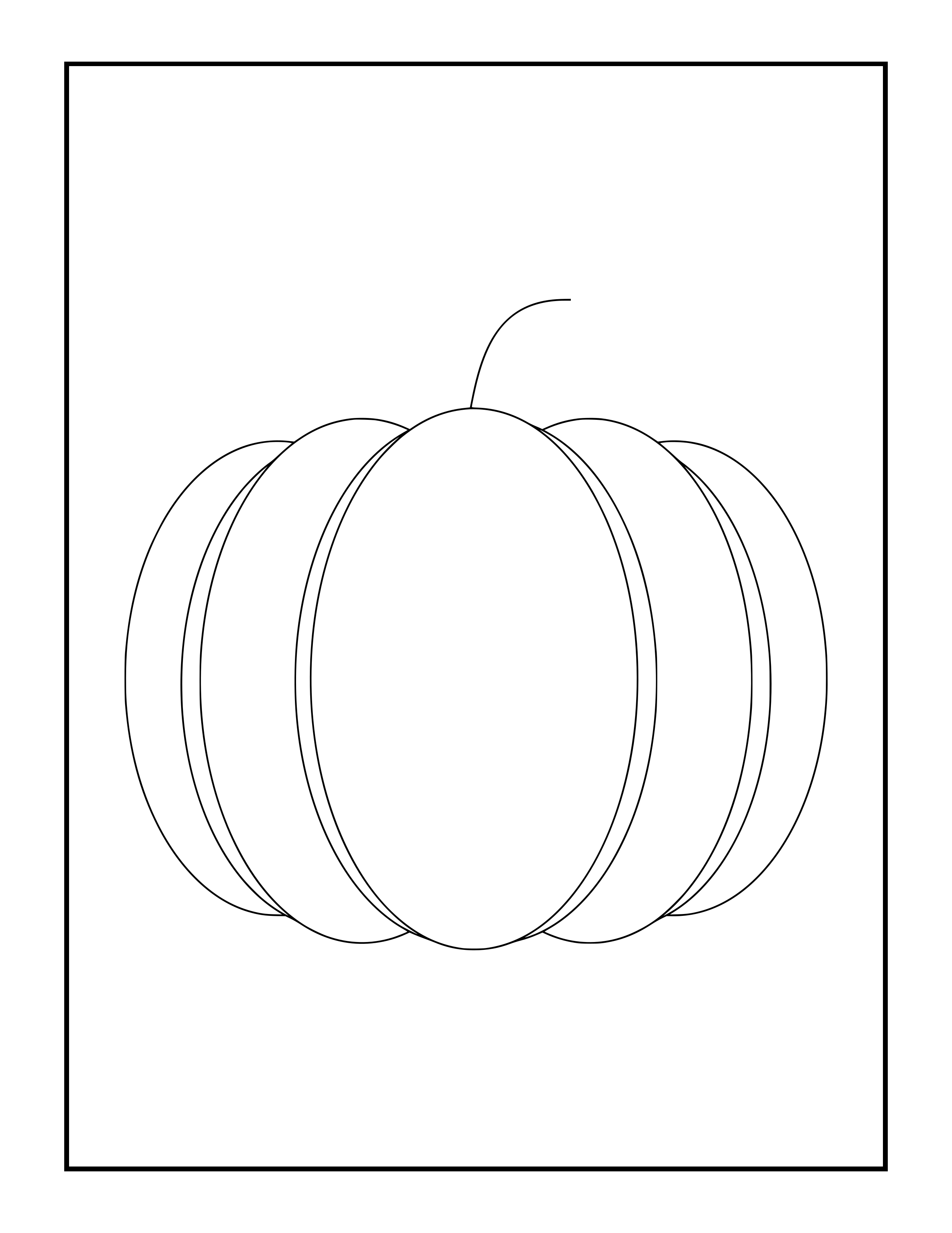
Kawaii Pumpkin Coloring Page
Easy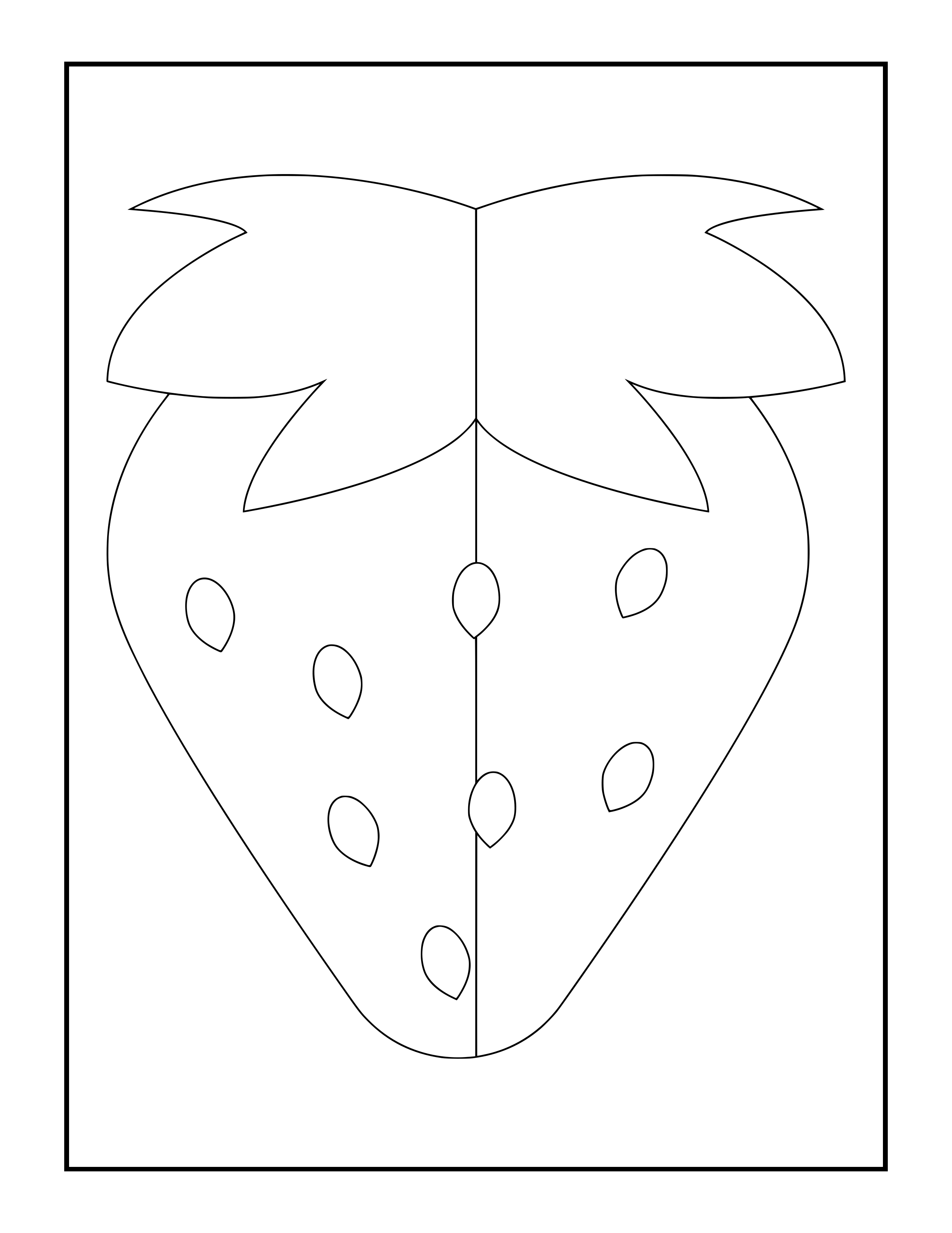
Cute Strawberry Coloring Page
Easy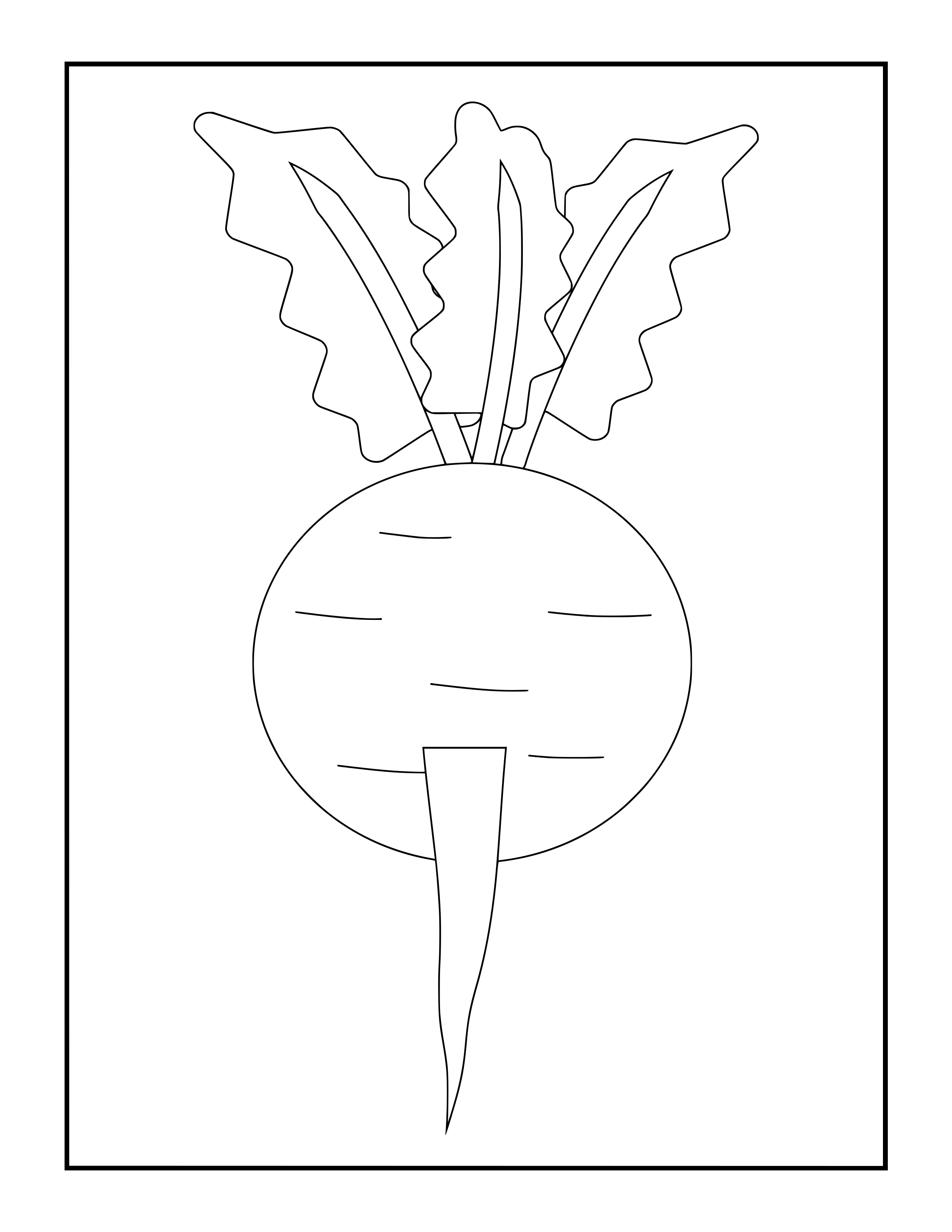
Kawaii Beet Coloring Page
Easy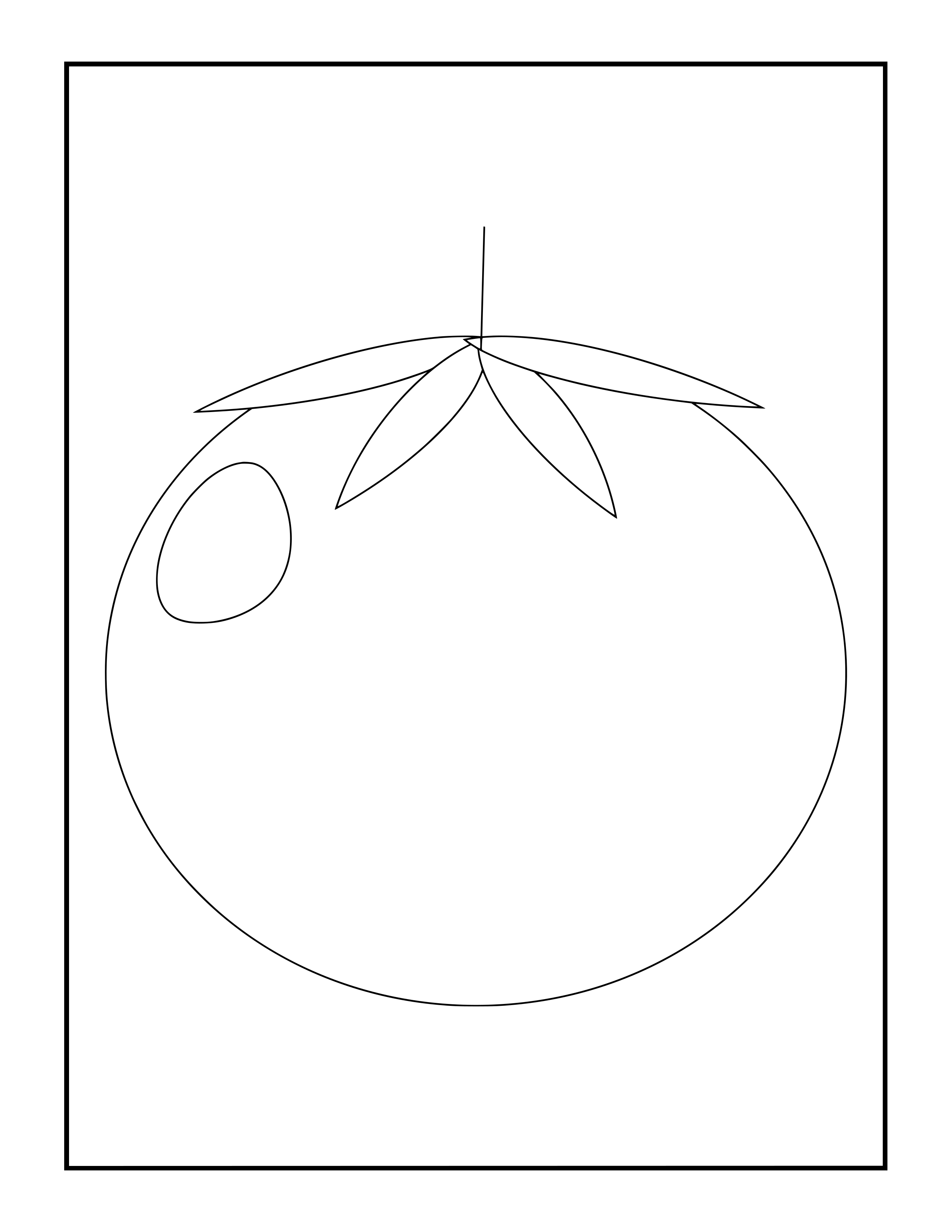
Kawaii Tomato Coloring Page
Easy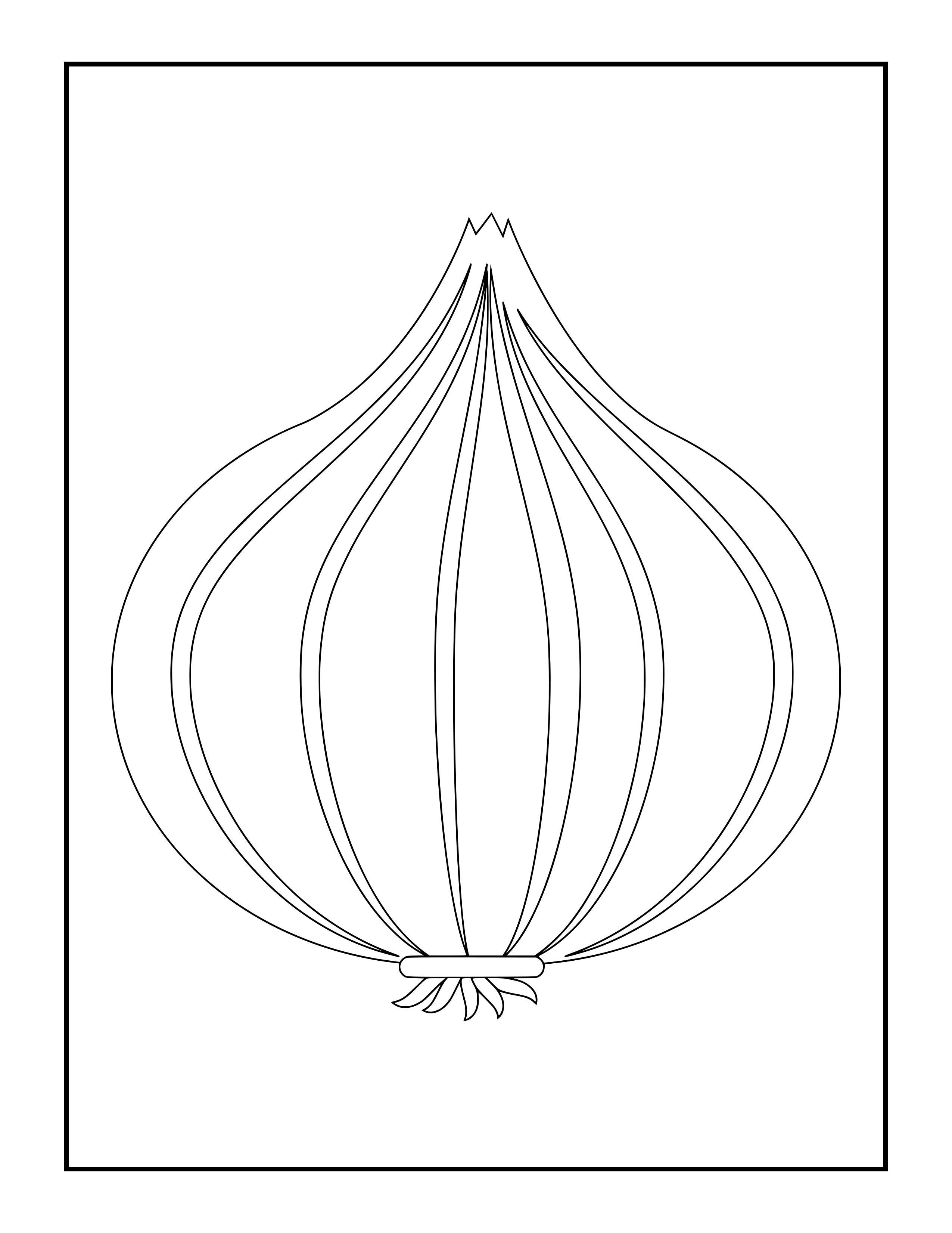
Cheerful Kawaii Onion Coloring Page
Easy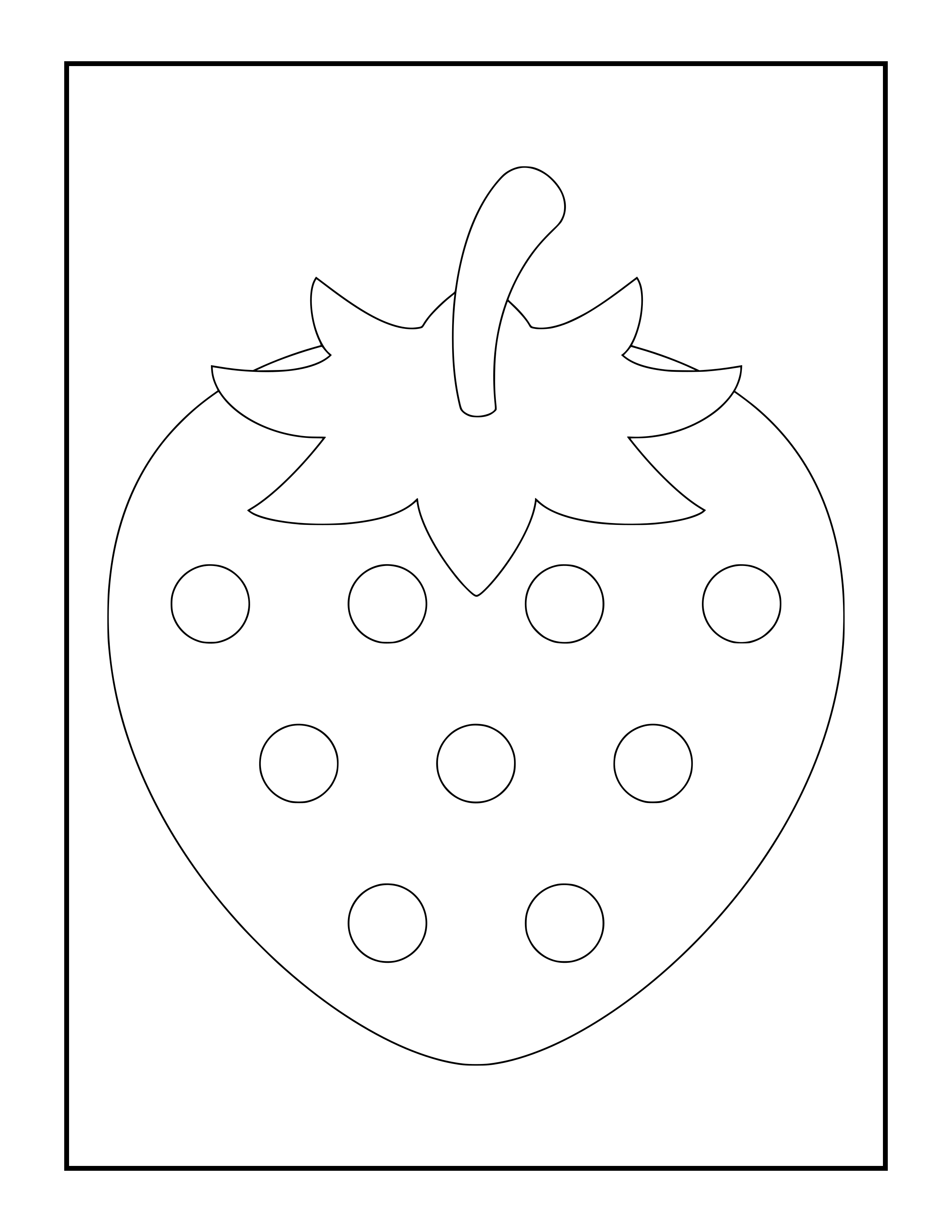
Big Strawberry Coloring Page
Easy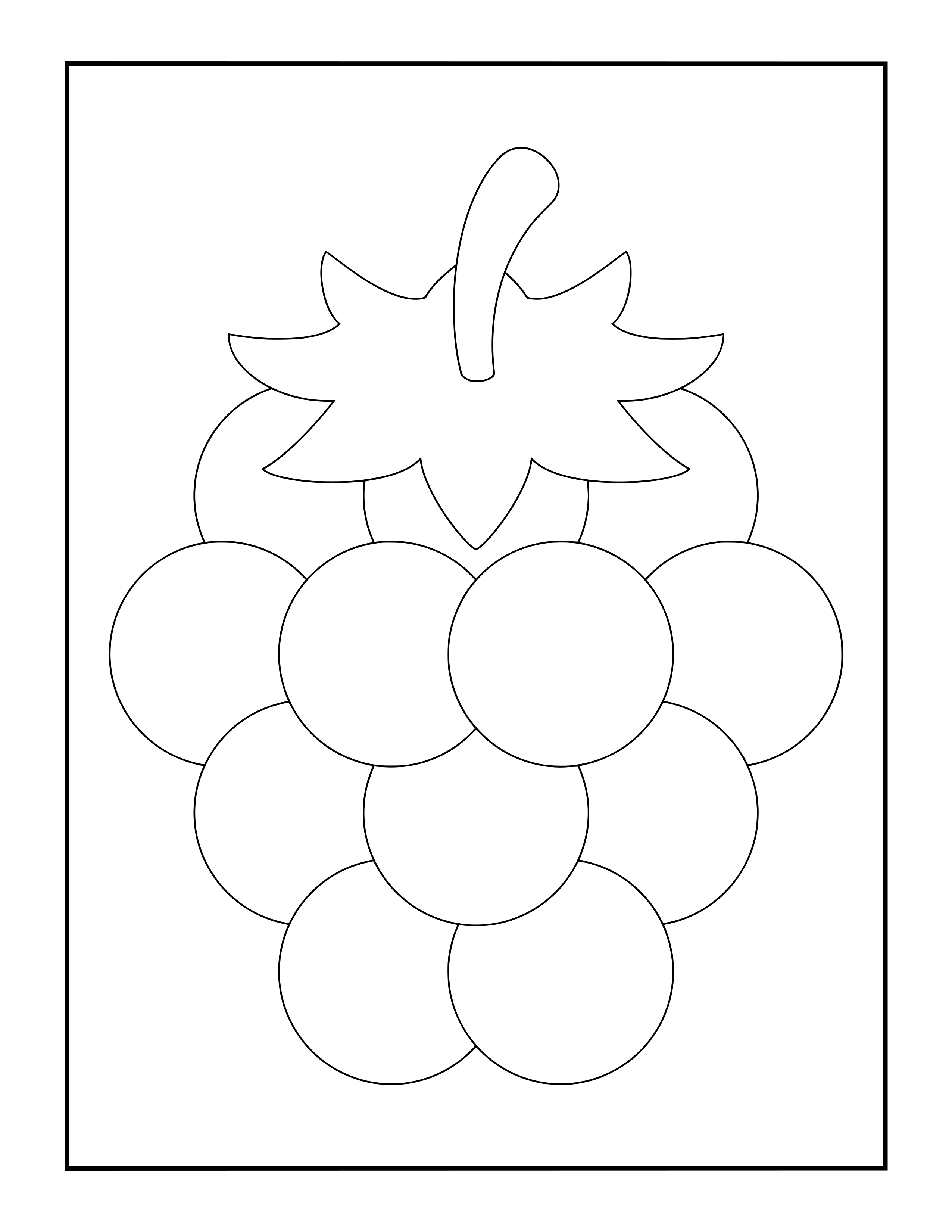
Cute Grapes Coloring Page
Easy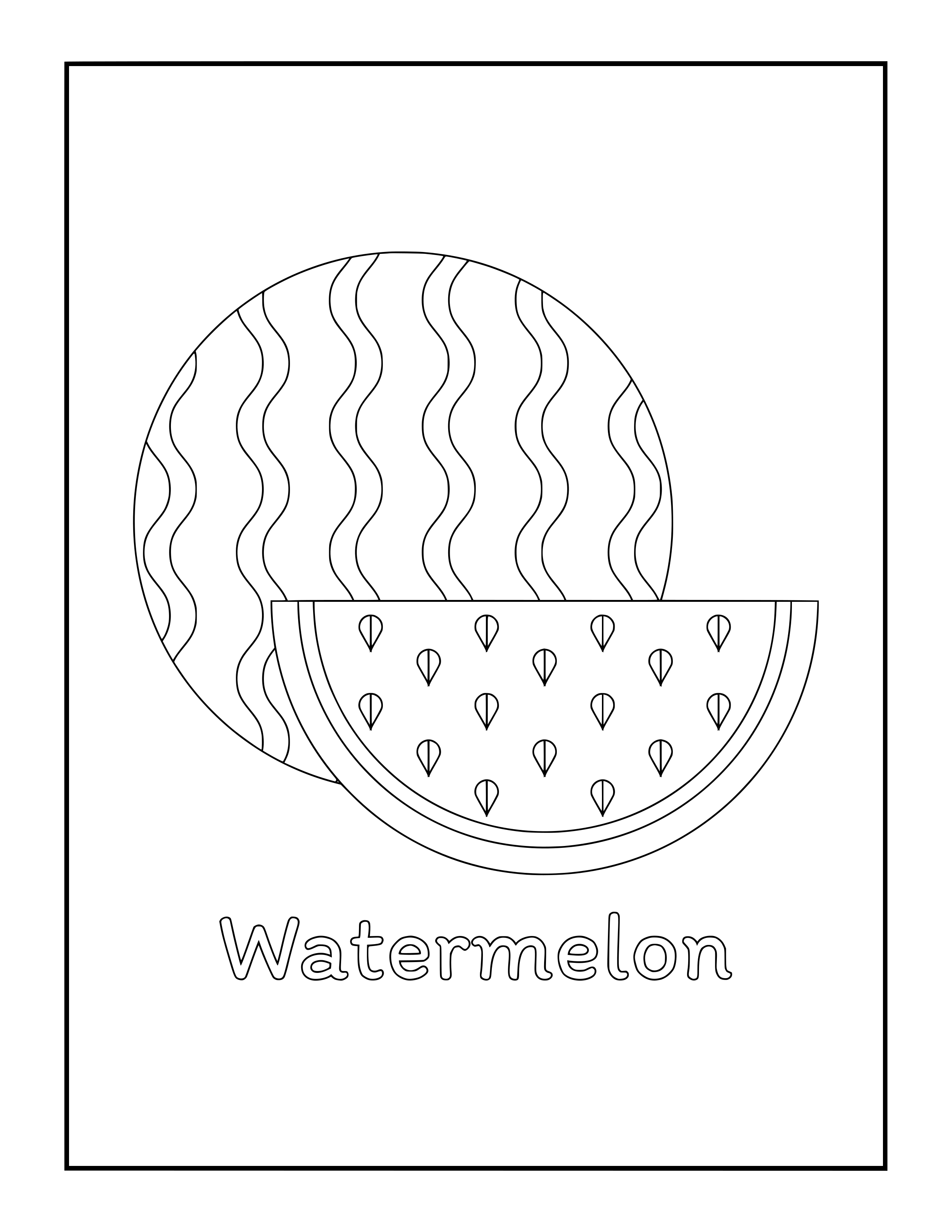
Happy Watermelon Coloring Page
Easy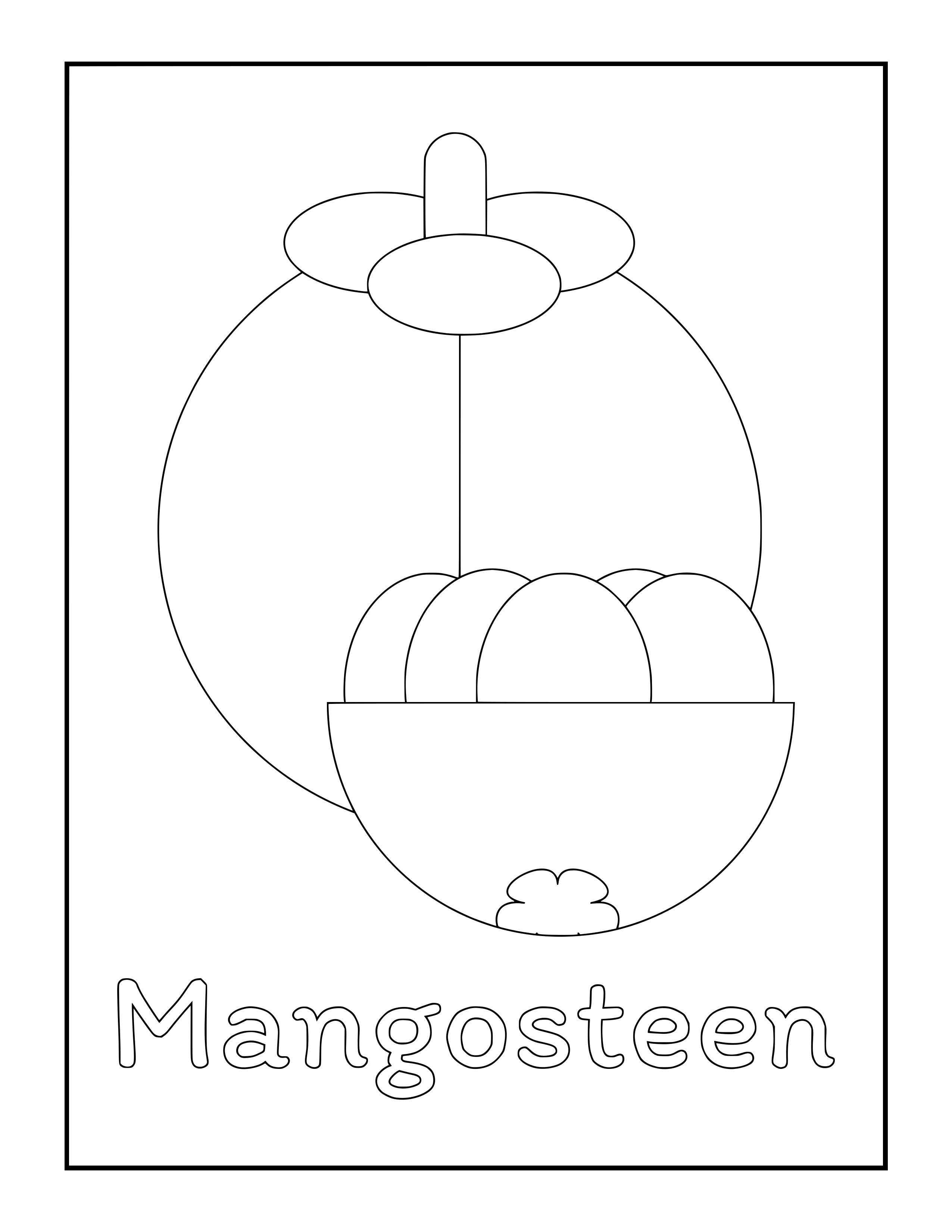
Mangosteen Coloring Page
Easy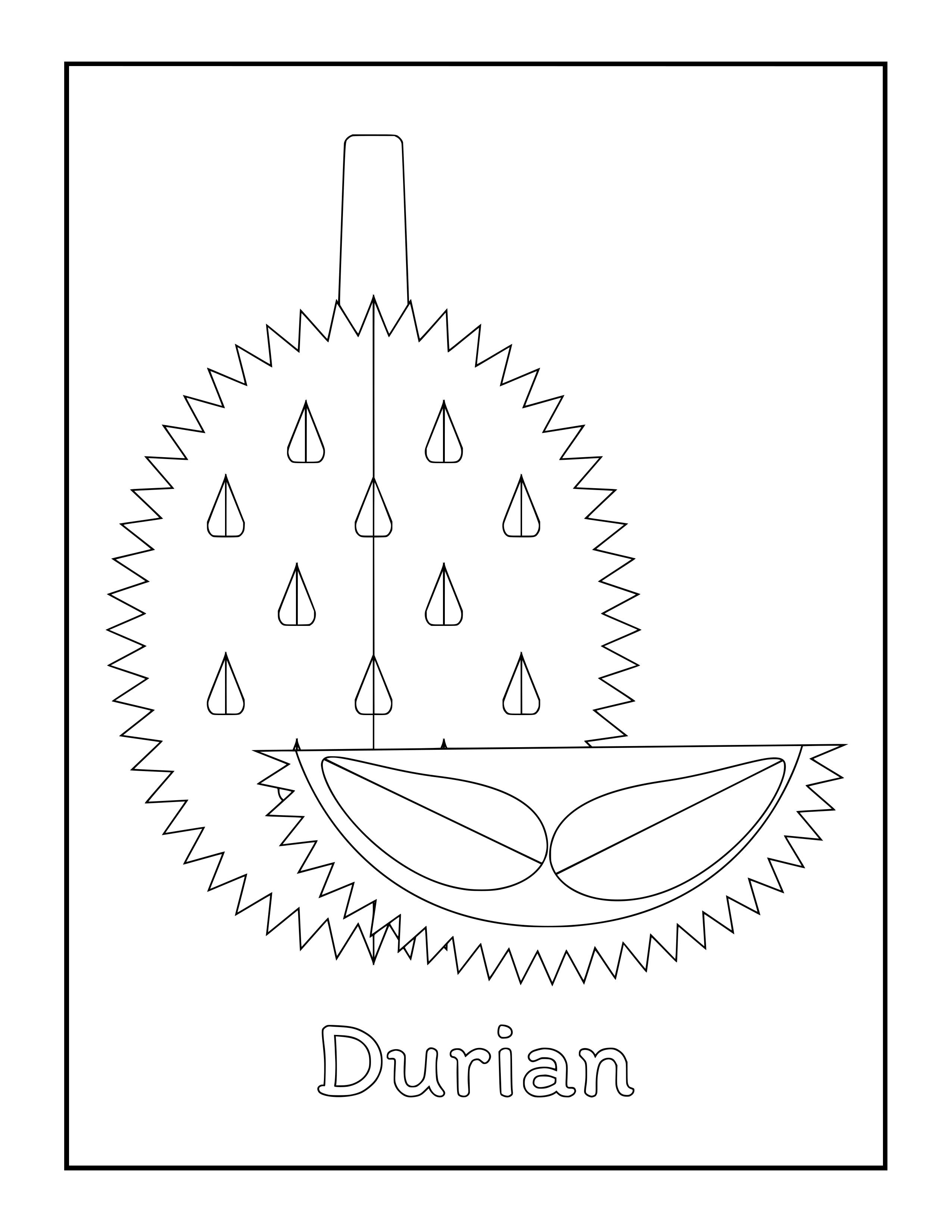
Kawaii Durian Coloring Page
Easy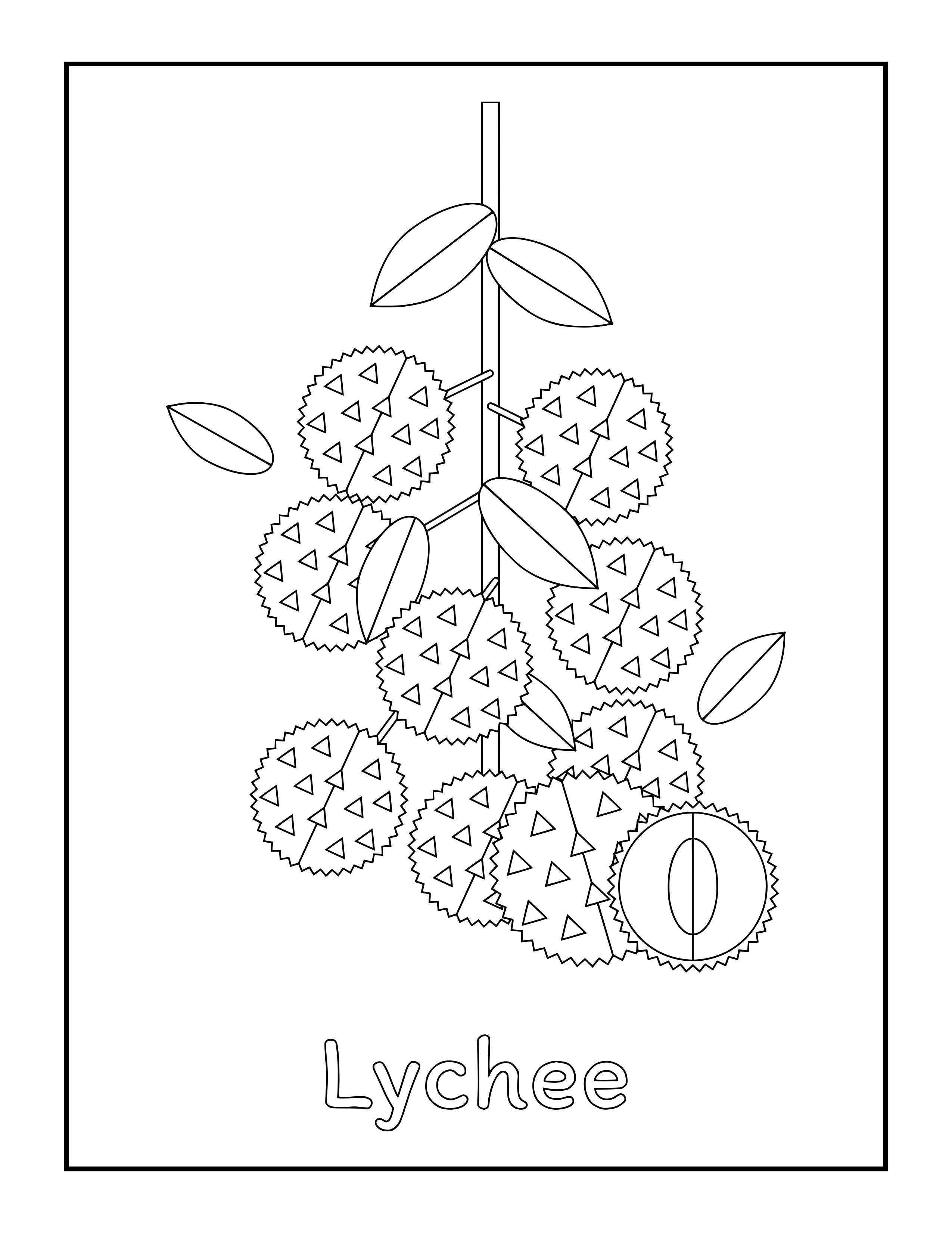
Lychee Cluster Coloring Page
Easy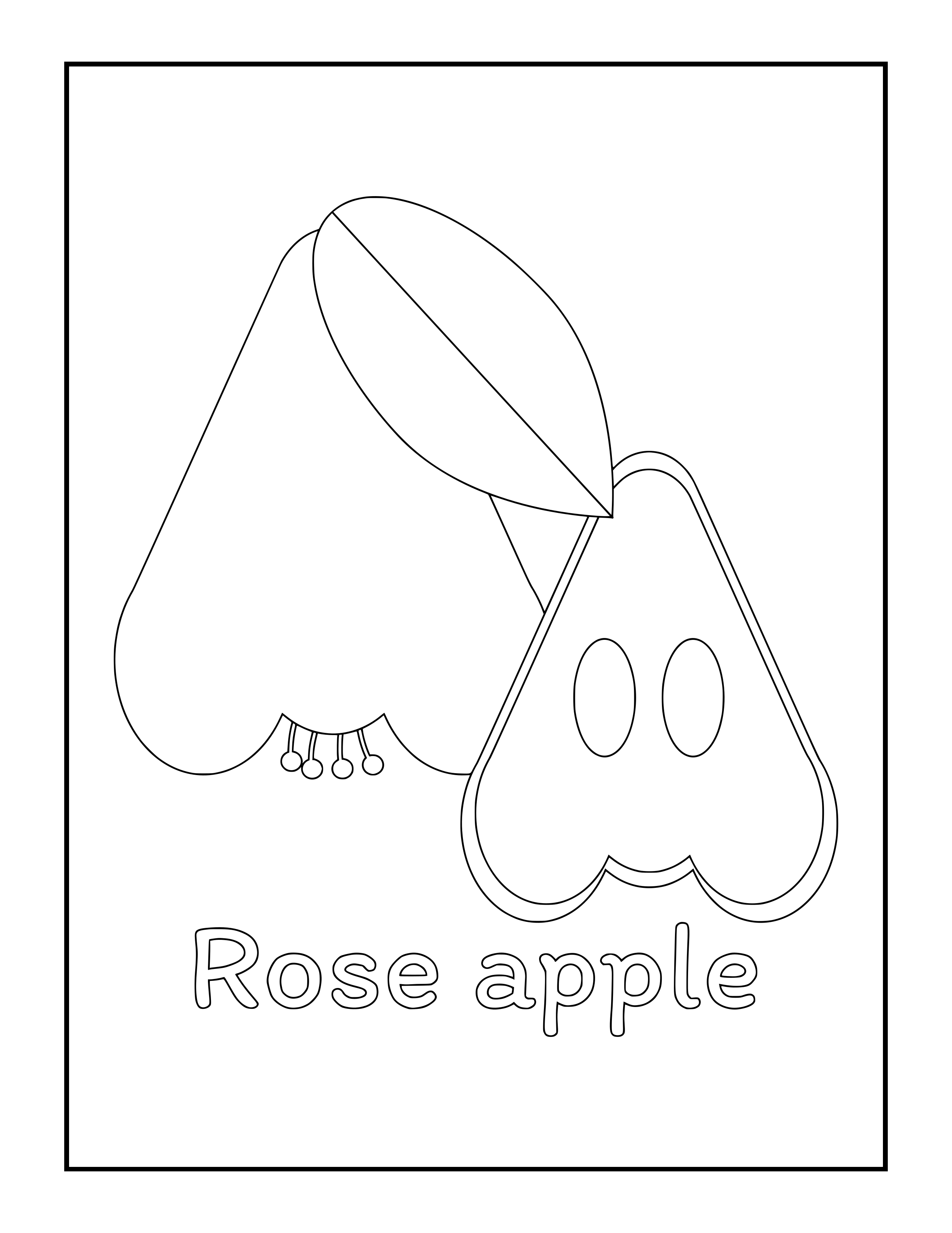
Rose Apple Coloring Page
Easy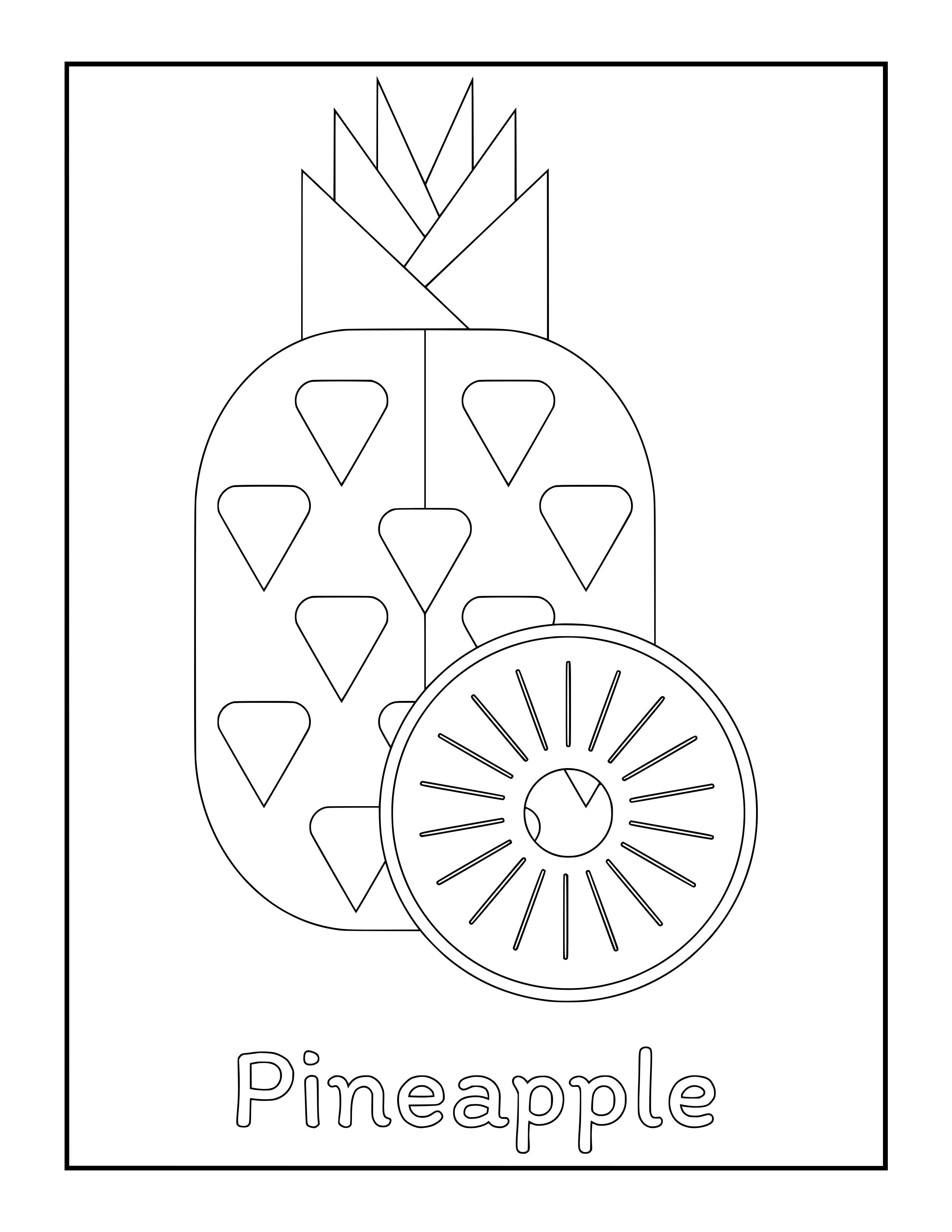
Smiling Cute Pineapple Coloring Page
Easy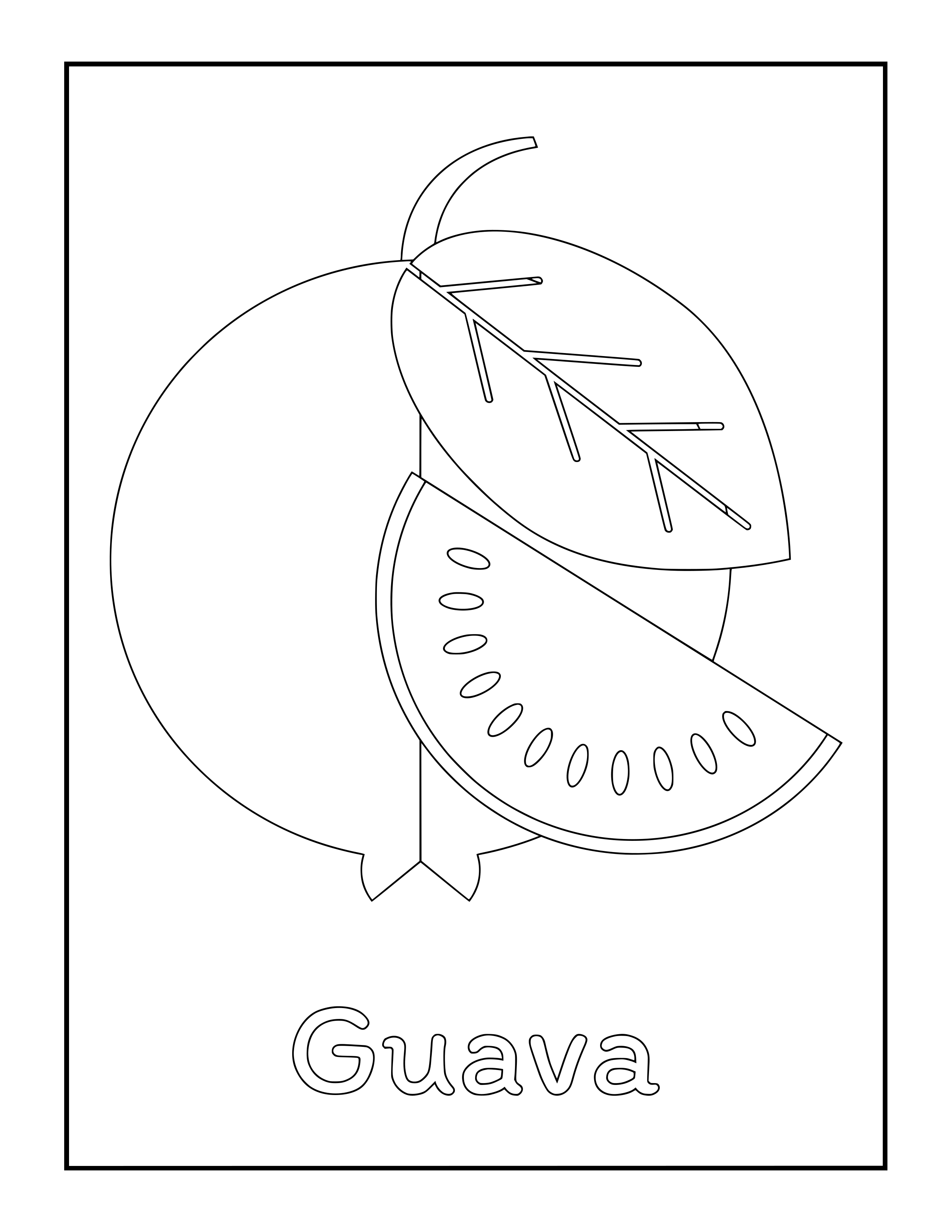
Guava Coloring Page
Easy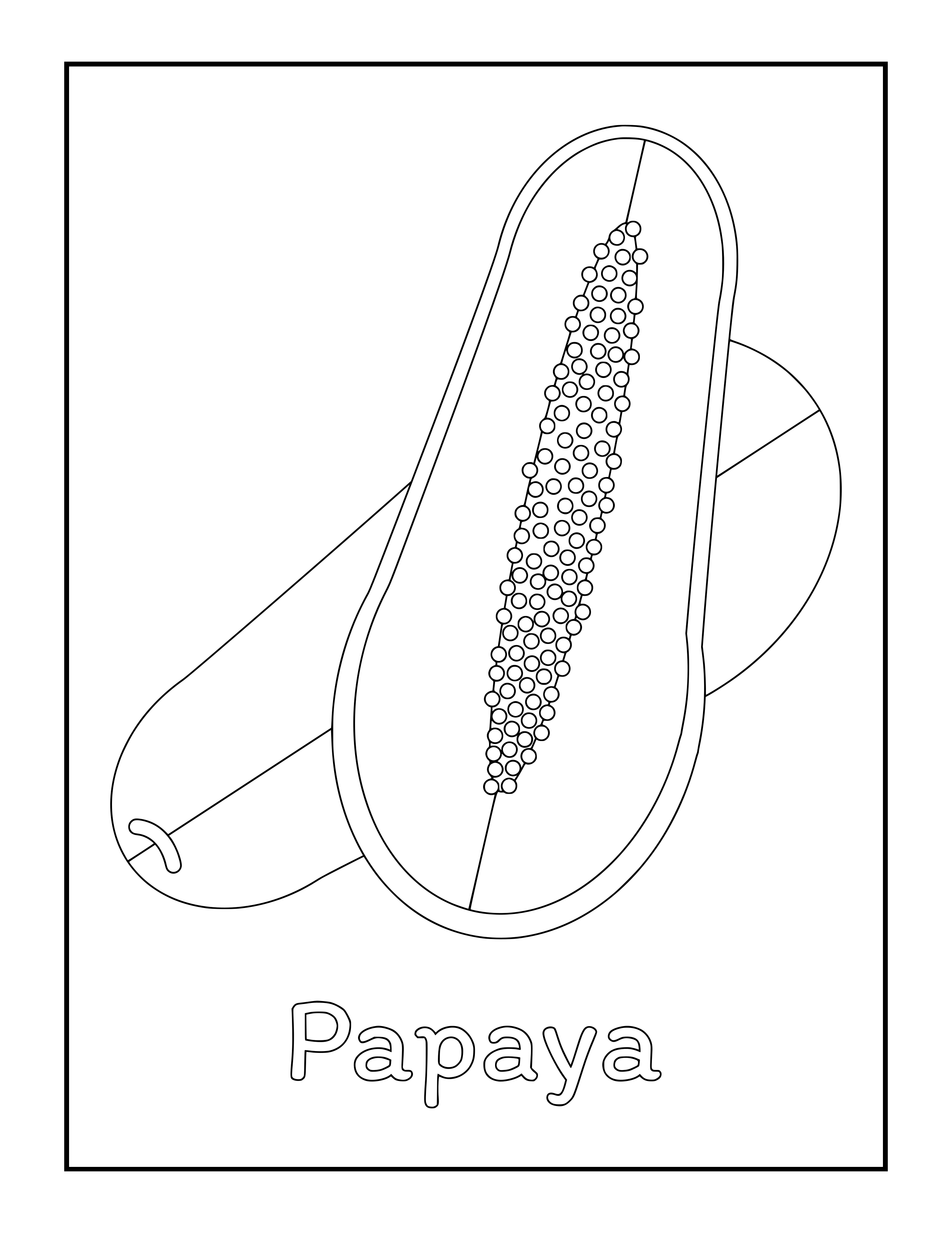
Papaya Coloring Page
Easy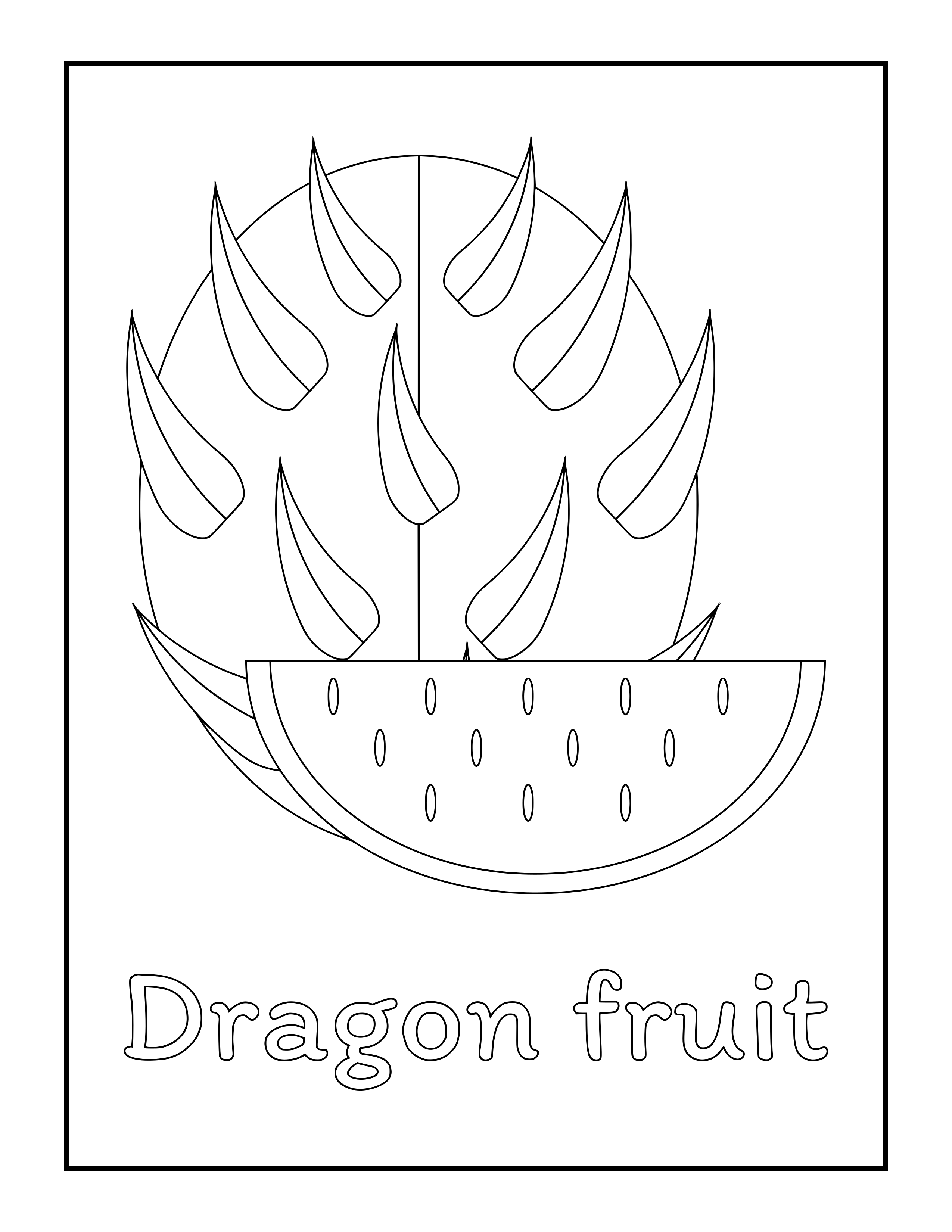
Dragon Fruit Coloring Page
Easy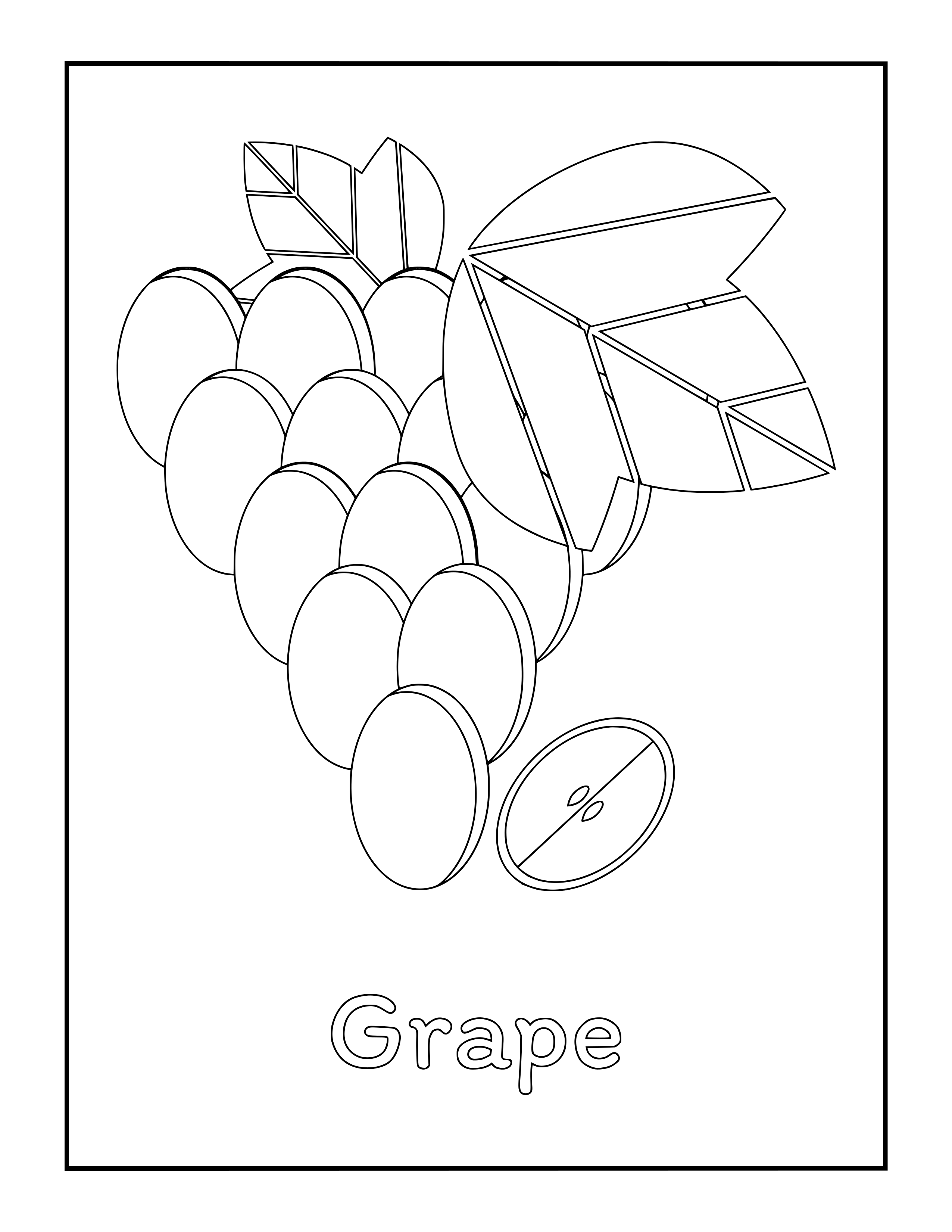
Happy Grapes Coloring Page
Easy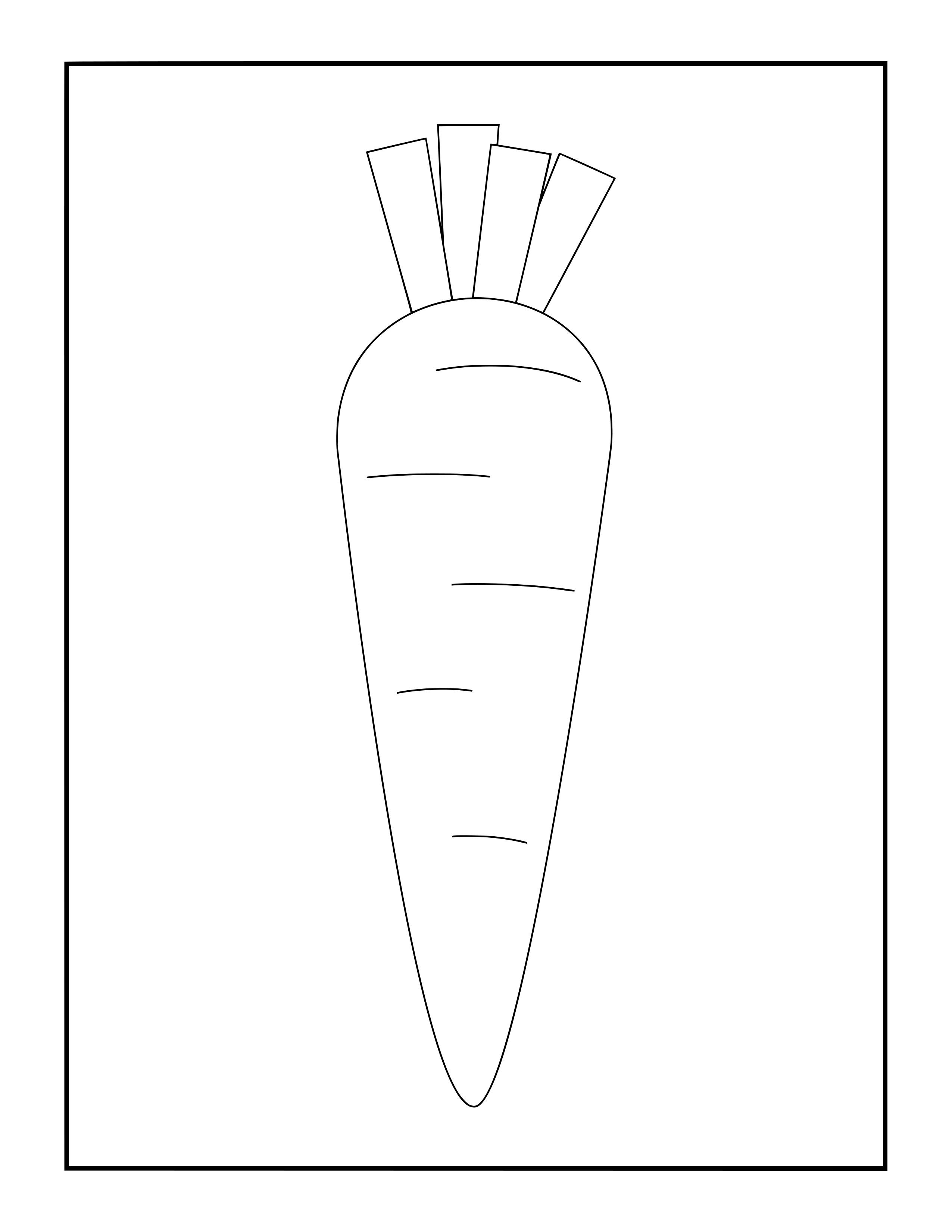
Kawaii Carrot Coloring Page
Easy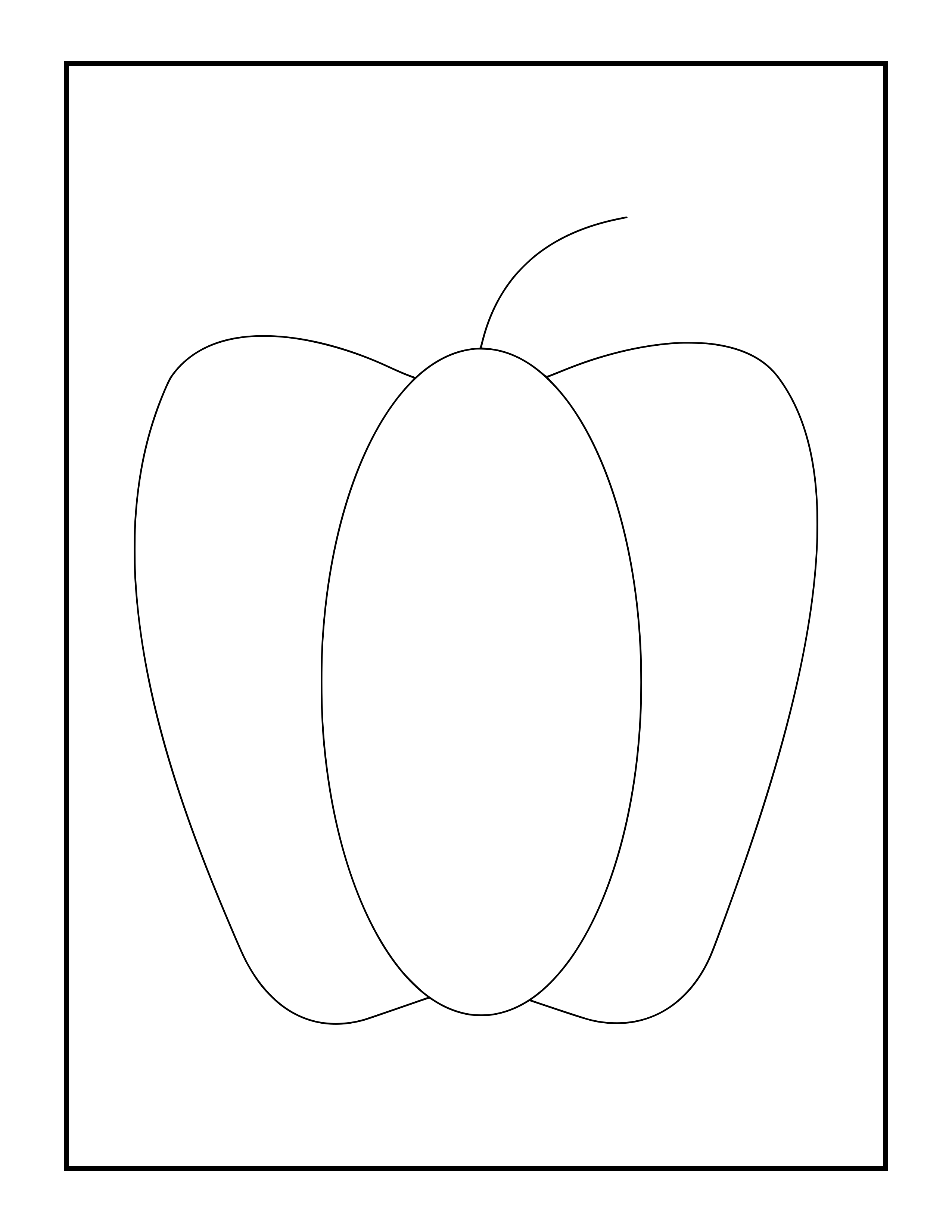
Kawaii Bell Pepper Coloring Page
Easy
Broccoli Coloring Page
Easy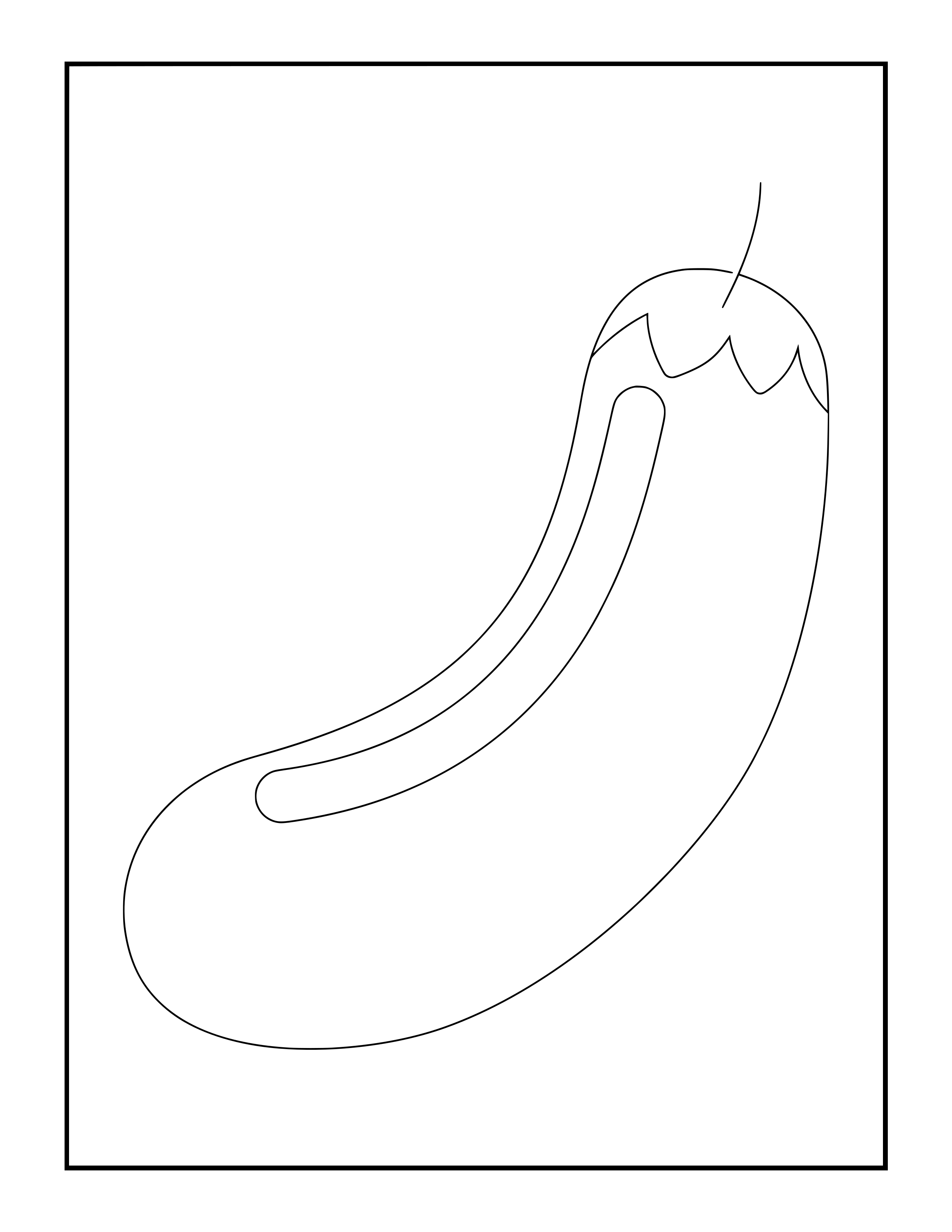
Eggplant Coloring Page
Easy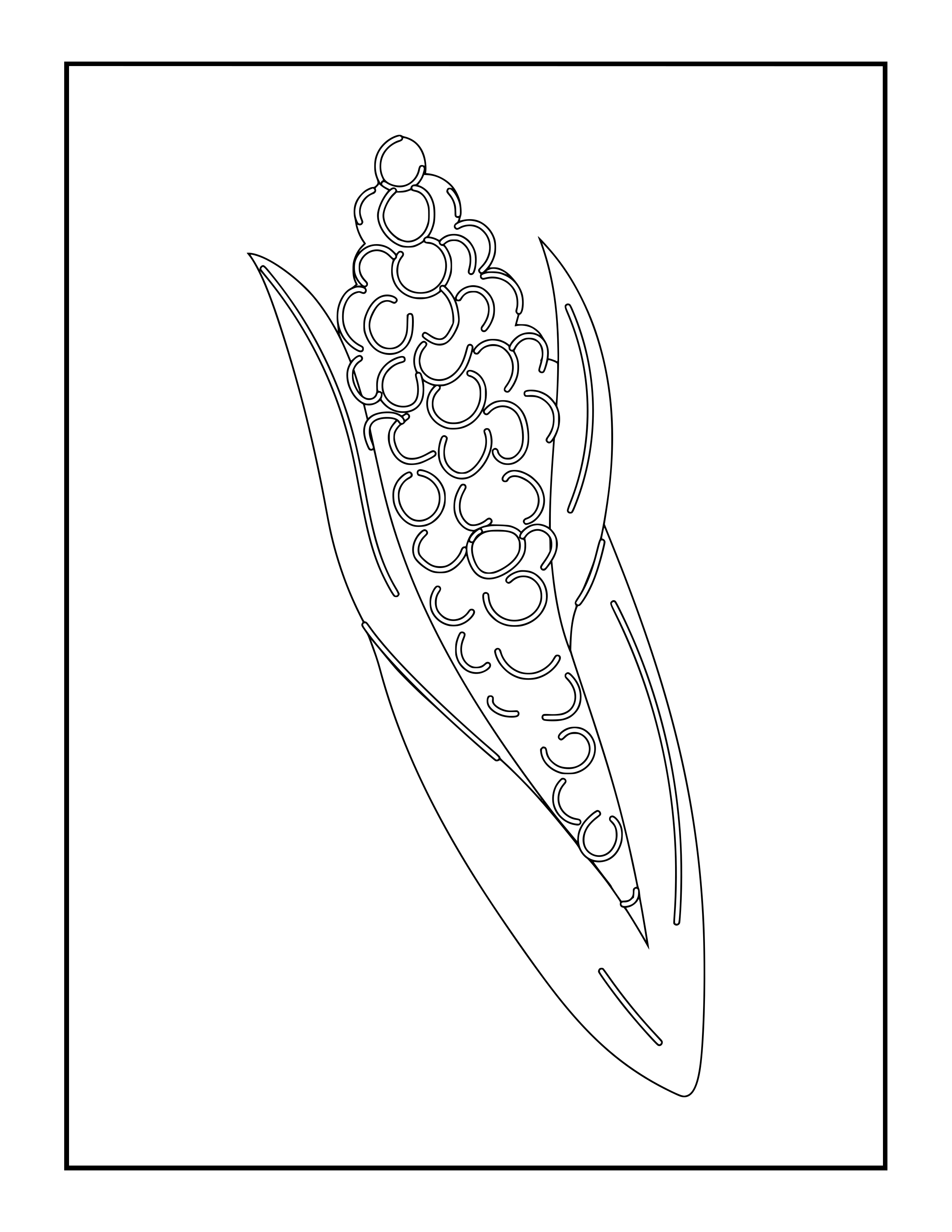
Happy Corn Coloring Page
EasyAbout Classic Coloring Pages
The Classic collection takes a clear, true-to-life approach: realistic line drawings of fruits and vegetables, drawn with clean outlines and accurate proportions. No cartoon faces, no decorative frames — just the natural shape and quiet beauty of each subject. All 24 pages are free to download as print-ready PDFs, with no account, no paywall and no watermark.
Realistic Fruit & Vegetable Line Art
These pages look the way fruits and vegetables really look. There is no cartoon styling and no exaggeration — just honest, observational linework that captures the genuine form of each plant: the curl of a pumpkin's ridges, the cluster of a bunch of grapes, the spiky crown of a pineapple. It is the botanical-illustration tradition translated into coloring pages.
That realism gives the collection a different appeal from the playful, character-led styles. With accurate shapes and true proportions, these pages reward patience and care, which makes them especially satisfying for older children, teenagers and adults. A finished page is not just a colored picture — it is a small, careful study of a real plant.
The clean, uncluttered outlines also leave room for proper coloring technique. Where a bold cartoon page invites a quick flat fill, a realistic drawing invites shading, blending and a thoughtful choice of tone. For anyone who wants to develop their coloring skills, this is the style to spend time with.
Everyday Produce and Exotic Discoveries
The collection balances the familiar with the unfamiliar. From the everyday kitchen come corn, cherries, pumpkin, strawberry, beet, tomato, onion, carrot, bell pepper, broccoli and eggplant — produce a colorist already knows well, drawn accurately enough to study and enjoy.
Alongside them the collection ventures somewhere more adventurous, into exotic fruits that many children — and plenty of adults — will be meeting for the very first time: mangosteen, durian, rose apple, guava, papaya, dragon fruit, lychee, along with pineapple, grapes and watermelon. Coloring a fruit you have never seen before is a small adventure in itself, and the realistic style means the page can stand in for the real thing while a child learns what it looks like.
A Coloring Page and a Lesson
Because the drawings are true to life, every page in this collection is also an opportunity to learn. As you color a fruit or vegetable, you can talk about it: what colour it really is, whether it grows on a tree, on a vine, on a bush or under the ground, how it tastes, what season it appears in and which meals it turns up in. A quiet coloring session becomes a relaxed, natural nature lesson.
The exotic fruits earn their place here especially well. A child colouring a spiky durian or a deep-purple mangosteen will almost always have questions, and those questions are the start of real curiosity about the wider world of food and plants. For homeschoolers and classroom teachers, the Classic collection works beautifully as the visual centre of a botany or nutrition lesson.
How to Color Realistic Fruits and Vegetables
Realistic line art rewards a slower, more deliberate approach than cartoon pages do. The goal is to make a flat shape look round, ripe and three-dimensional — and that comes down to two simple habits: building colour gradually, and paying attention to light and shadow.
Building Color and Shadow
Rather than pressing hard for an instant flat fill, build your colour gradually in light, layered strokes — it is far easier to deepen a tone than to lighten one. Then add a slightly darker shade on the shadowed side of each fruit or vegetable, where light does not reach, and keep the lit side paler. This simple two-tone approach is the single biggest step from a flat drawing to a convincing, rounded one. A touch of the surrounding colour reflected into the shadow makes it more believable still.
Choosing Realistic Colors
For a true-to-life finish, look closely at the real produce before you start. Few fruits are a single flat colour: a tomato shifts from deep red to a yellower tone near the stem, a pumpkin carries warmer and cooler oranges across its ridges, a bunch of grapes is a gathering of slightly different purples. Carrying two or three related shades across one subject is what makes realistic coloring sing — though there is, of course, nothing wrong with colouring purely for pleasure instead.
Tools for the Classic Style
Colored pencils are the natural choice for this collection. They give the fine control that realistic shading and blending need, they layer cleanly, and they make it easy to move gently from light to dark across a single fruit. A sharp tip helps in the smaller, more detailed areas.
- Use colored pencils — they offer the control and the smooth blending that true-to-life shading depends on.
- Layer light to dark — start pale and build depth gradually; you can always add more, but rarely take it away.
- Find the light source — keep one side of each fruit lighter and the opposite, shadowed side darker for instant three-dimensional form.
- Study the real thing — glance at a real fruit or a photo to catch the subtle blend of colours in its skin.
Printing Your Classic Pages
Every page is available as a high-quality PDF, the best format for printing because it keeps the clean linework crisp at any size. A few tips for the best printed result:
- Use A4 or US Letter for standard printing; A3 gives more room for detailed shading if your printer supports it.
- Set print quality to High or Best so the fine outlines stay sharp.
- Print in black ink — these are black-line drawings ready to be colored.
- For colored-pencil work, a slightly heavier paper holds layered colour and blending best.
Free to Print, Always
Every classic page is free to download as a high-quality PDF and print as many times as you like — for personal use, family activities, classrooms and homeschooling, with no account, no paywall, no watermark and no limit. For lighter, more playful ways to color healthy food, explore the cheerful framed scenes of the fun style and the adorable characters of the kawaii style, and browse the whole fruits and vegetables coloring collection. There is much more to discover in the free printables library.