Educational
Free printable educational solar system coloring pages for kids — coloring pages and space learning activities like planet diagrams, mazes and puzzles that teach children about astronomy while they color.
Friendly Alien on Planet Coloring Page
Easy
Astronaut Planting Flag Coloring Page
Easy
Shooting Star Comet Coloring Page
Easy
Cute Crescent Moon Coloring Page
Easy
Open Book with Moon Coloring Page
Easy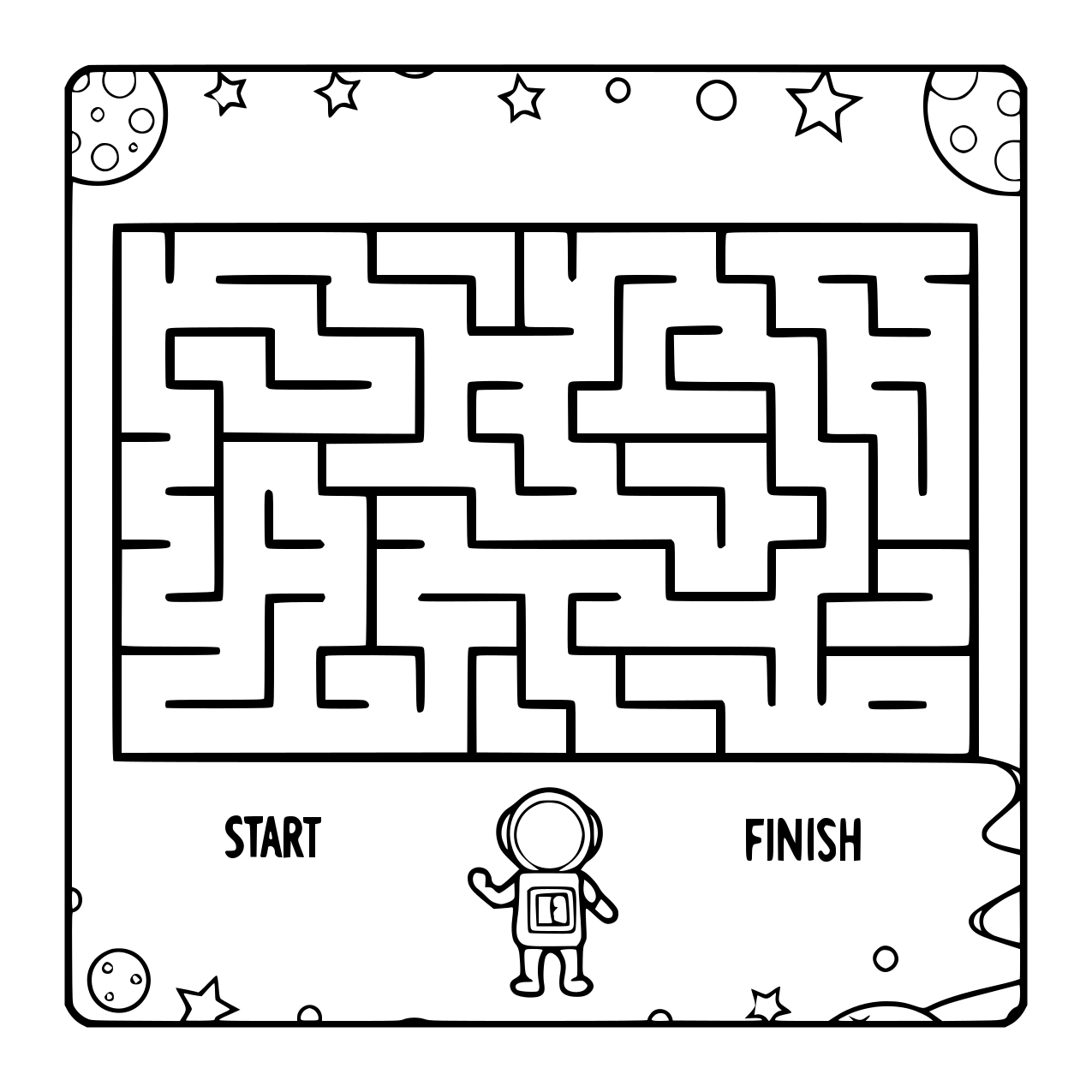
Astronaut Maze Activity Coloring Page
Easy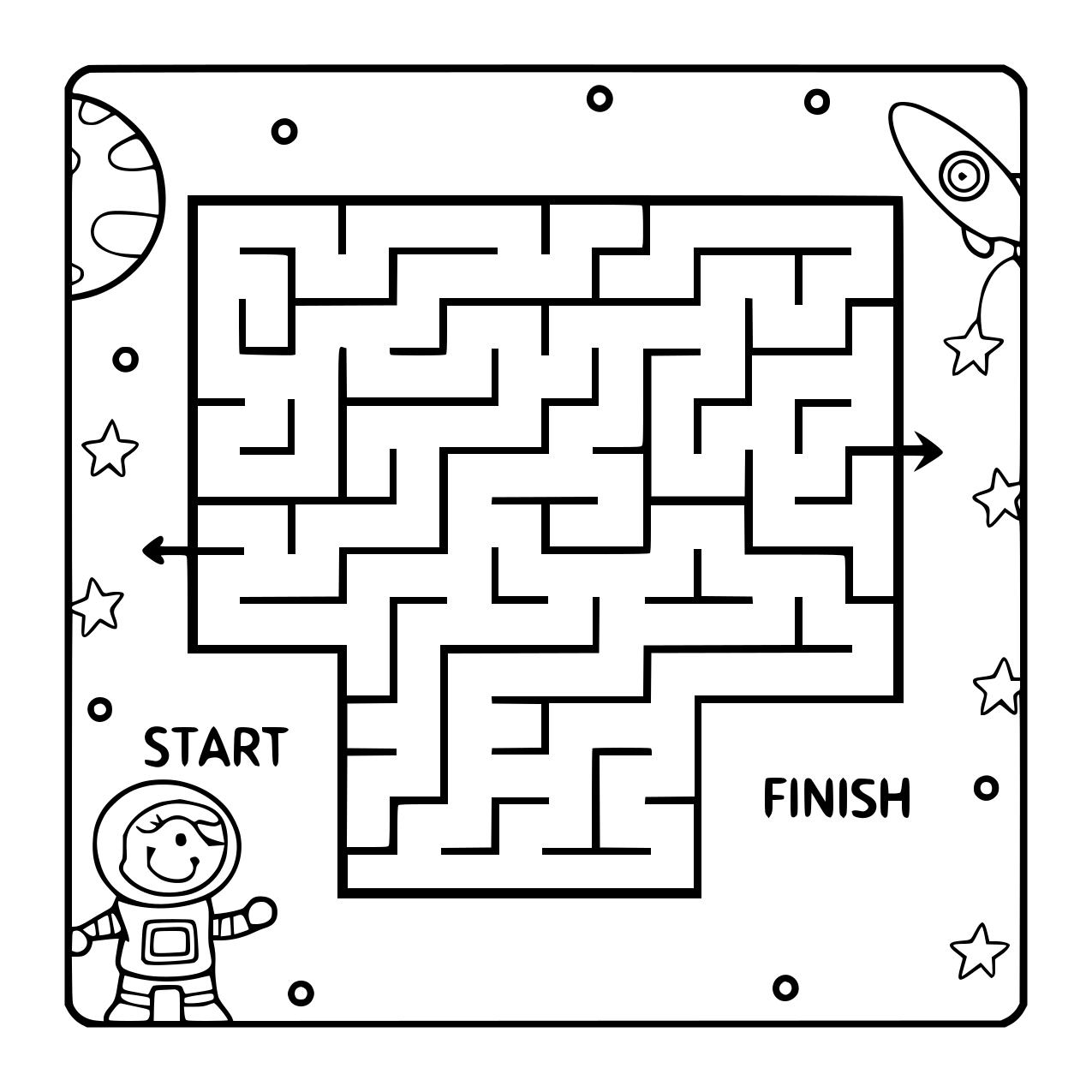
Rocket Maze Activity Coloring Page
Easy
Smiling Shooting Star Coloring Page
Easy
Spiral Galaxy Coloring Page
Easy
Cute Planets Group Coloring Page
Easy
Star Constellations Coloring Page
Easy
Ringed Planets with Faces Coloring Page
Easy
Smiling Sun with Rings Coloring Page
Easy
Astronaut Among Rings Coloring Page
Easy
Rocket and Saturn Coloring Page
Easy
Rover on Planet Surface Coloring Page
Easy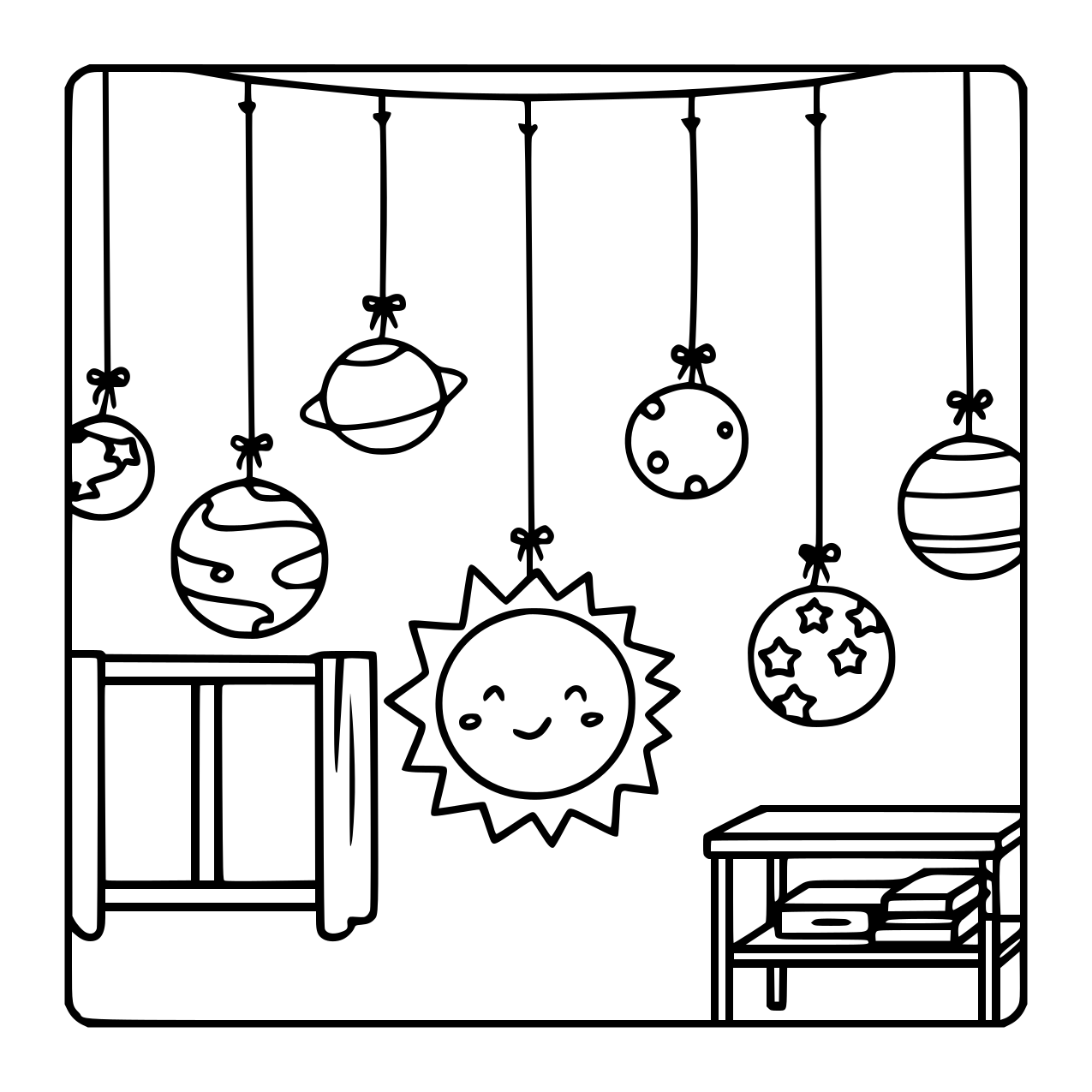
Hanging Planet Mobile Coloring Page
Easy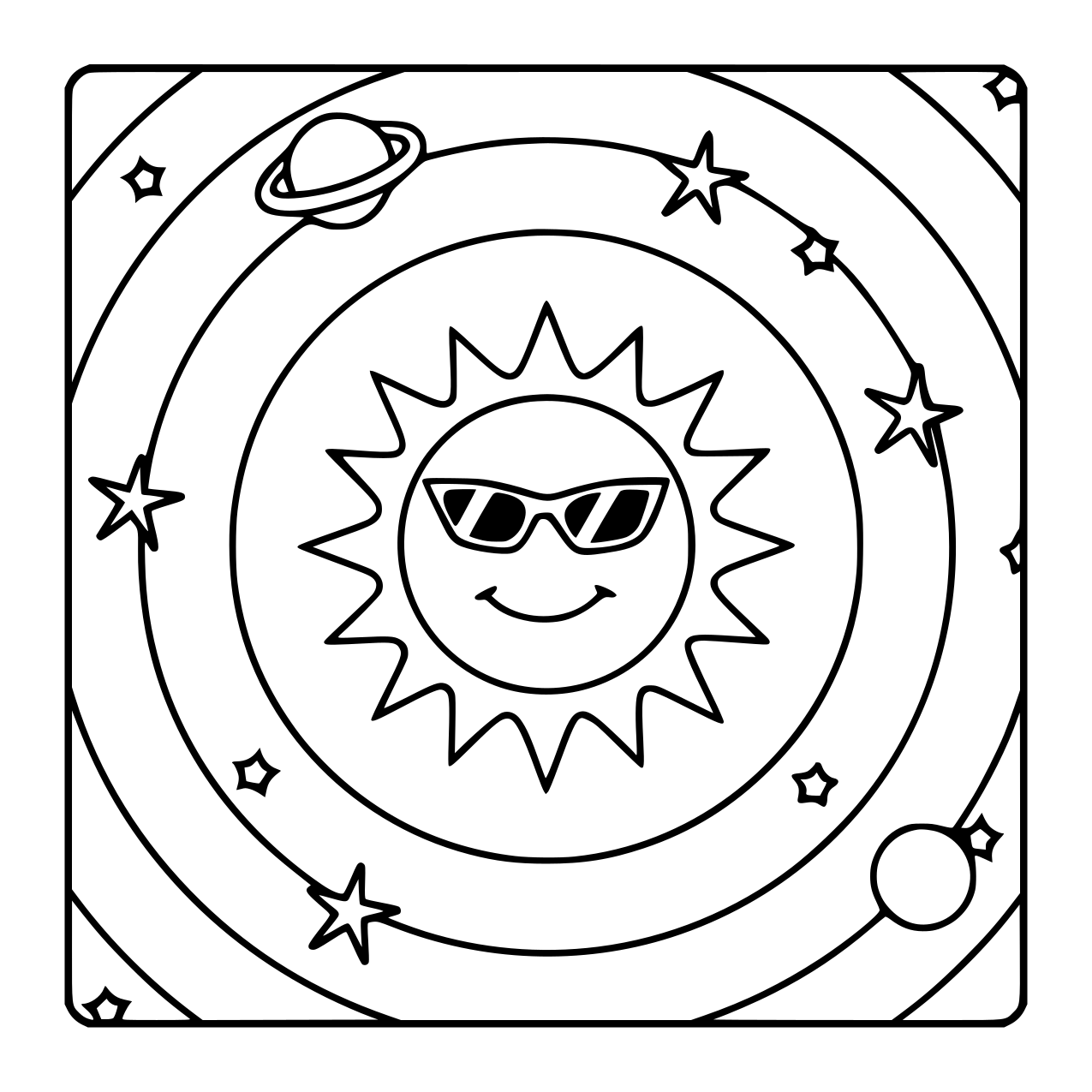
Cool Sun Wearing Sunglasses Coloring Page
Easy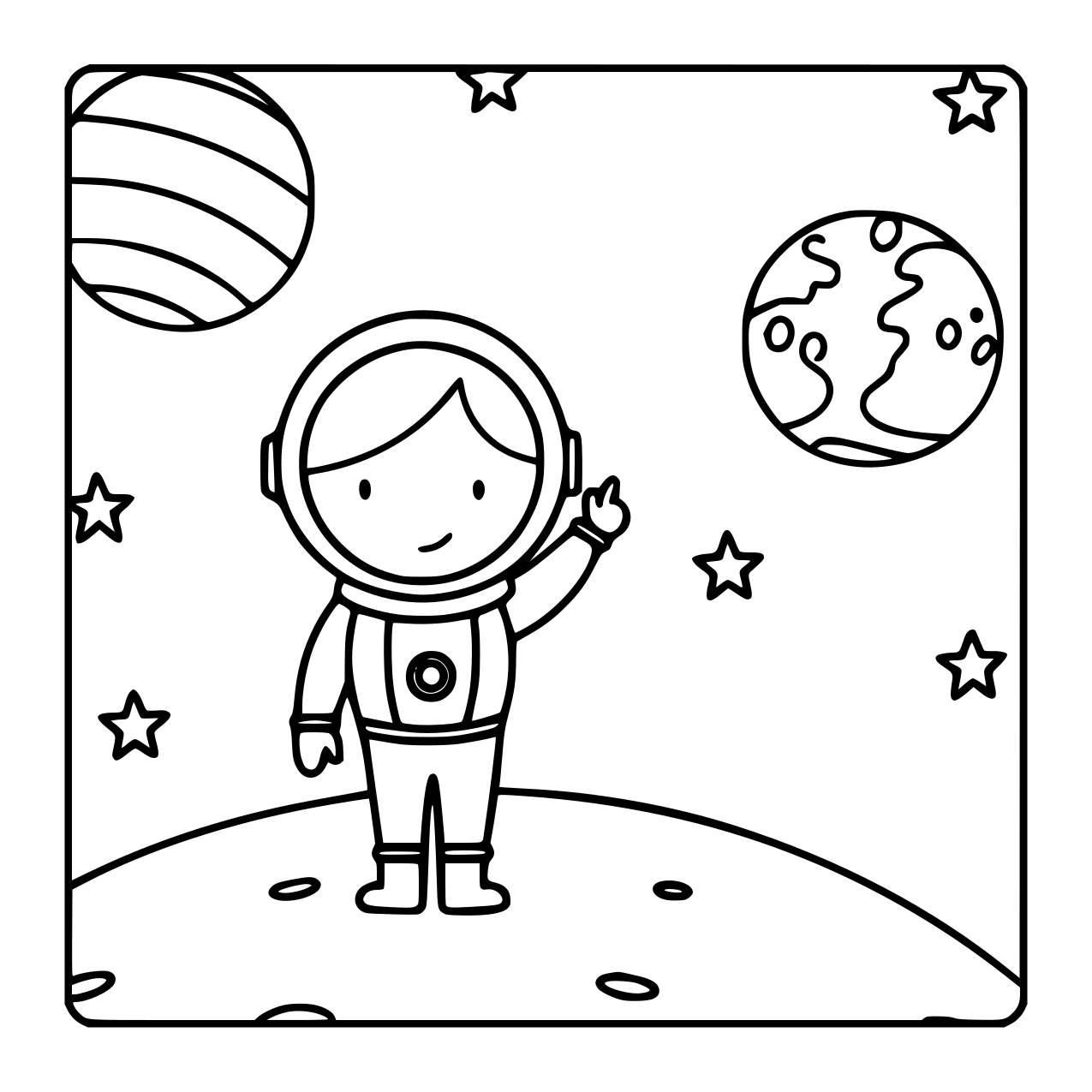
Astronaut Holding Earth Coloring Page
Easy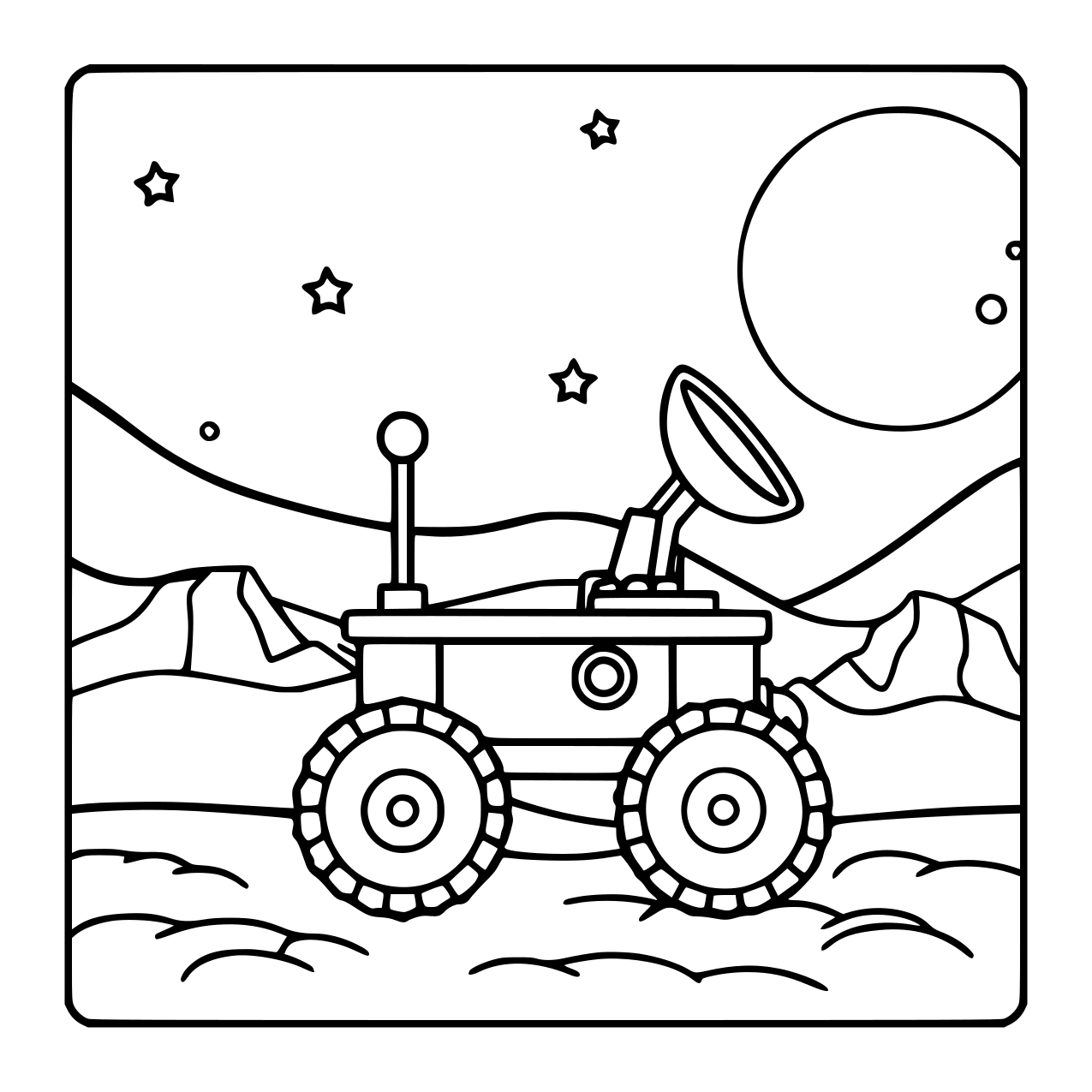
Mars Rover with Antenna Coloring Page
Easy
Rocket Blasting Off Coloring Page
Easy
Kids Using Telescope Coloring Page
Easy
Jupiter the Gas Giant Coloring Page
Easy
Cute Singing Earth Coloring Page
Easy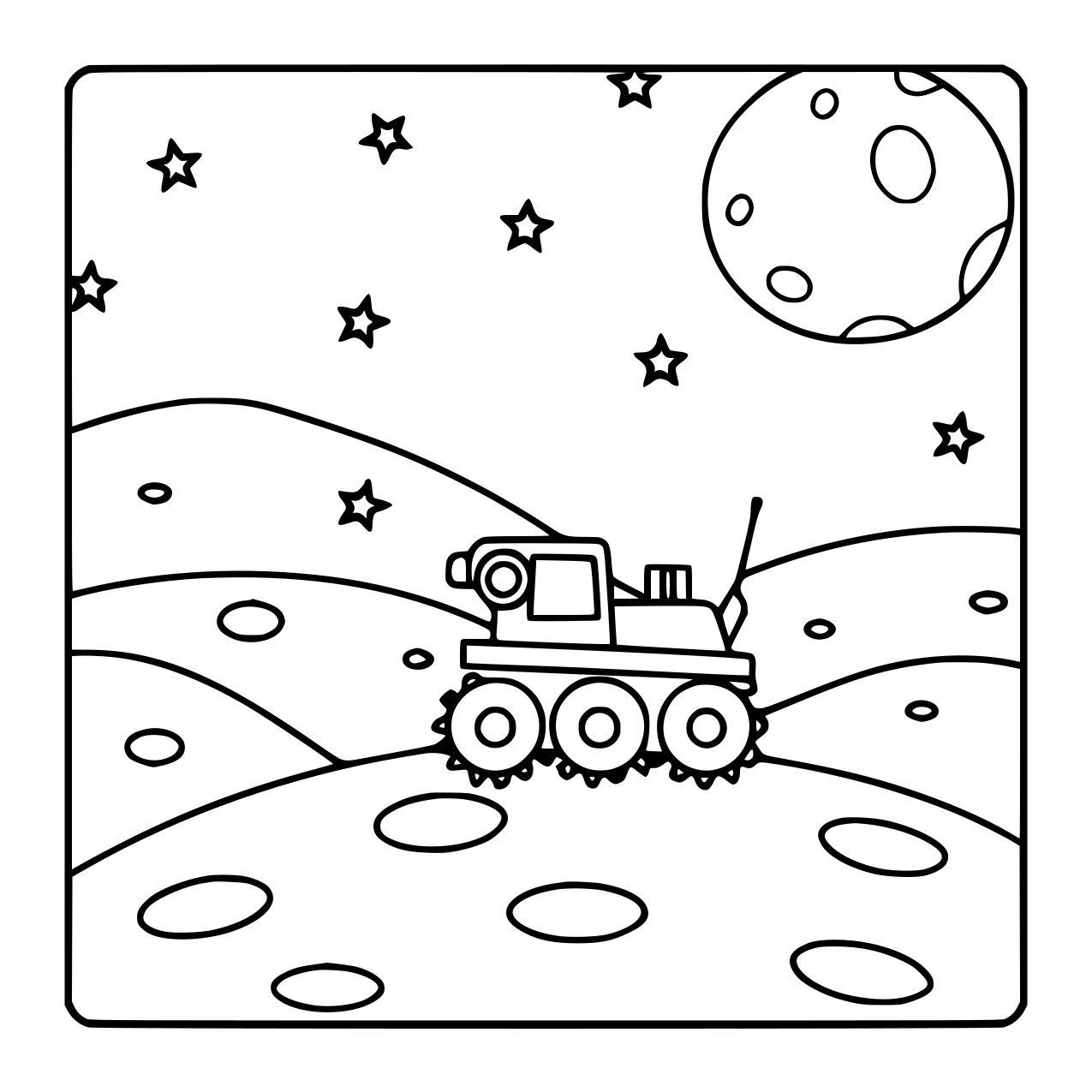
Rover on Cratered Moon Coloring Page
Easy
Smiling Planet with Stars Coloring Page
Easy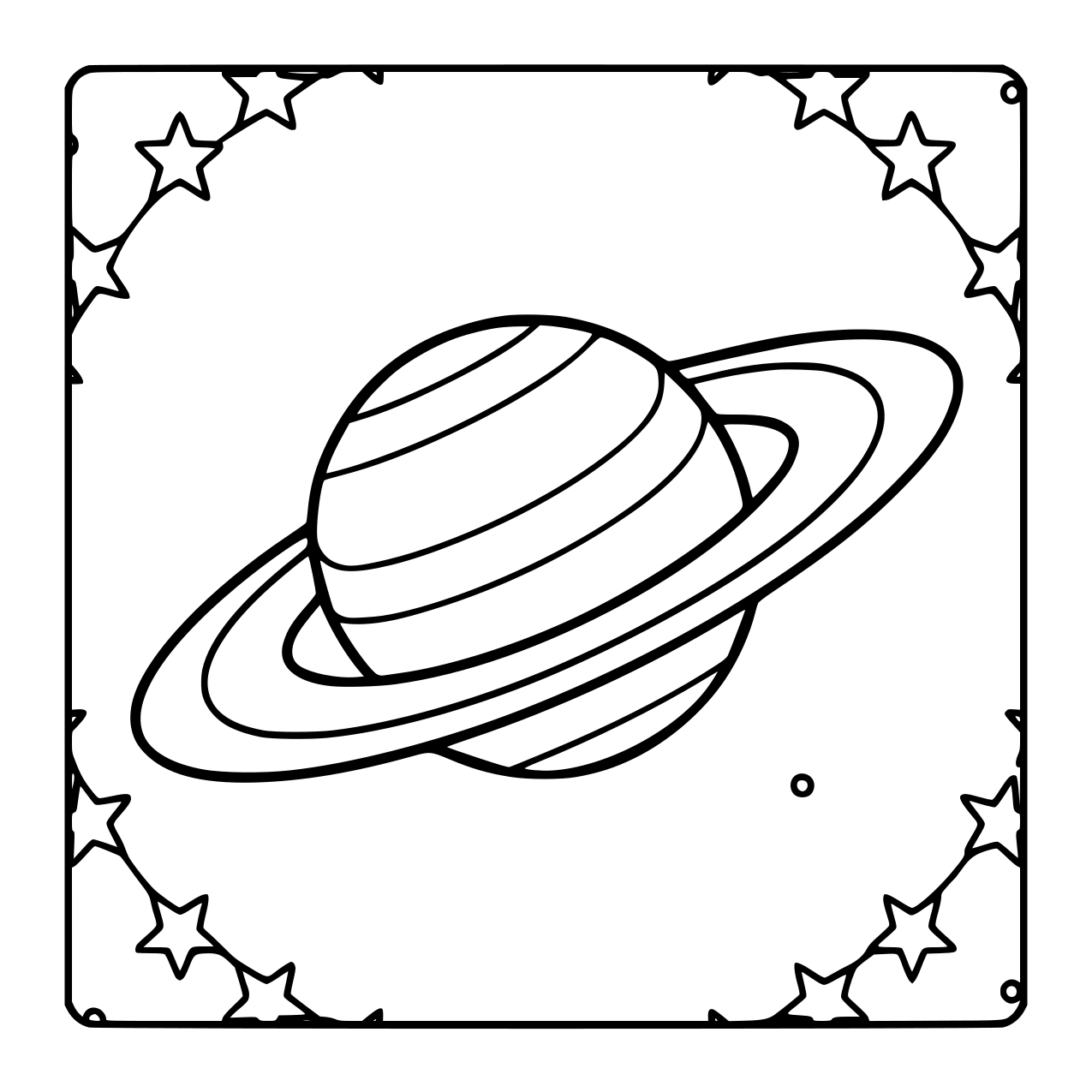
Saturn with Rings Coloring Page
Easy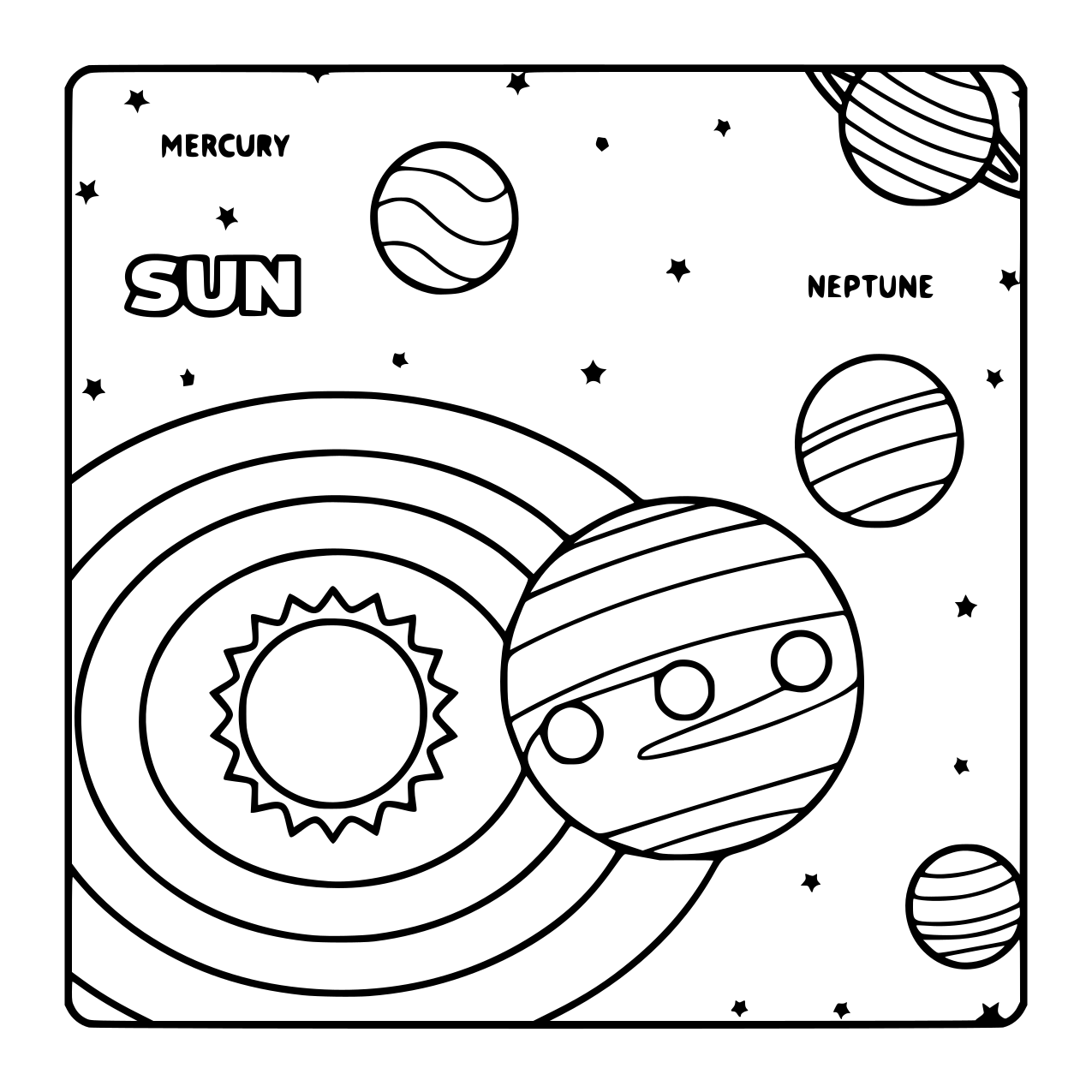
Solar System Diagram Coloring Page
Easy
Cute Striped Planet Coloring Page
Easy
Smiling Moon with Craters Coloring Page
Easy
Color by Number Solar System Coloring Page
Easy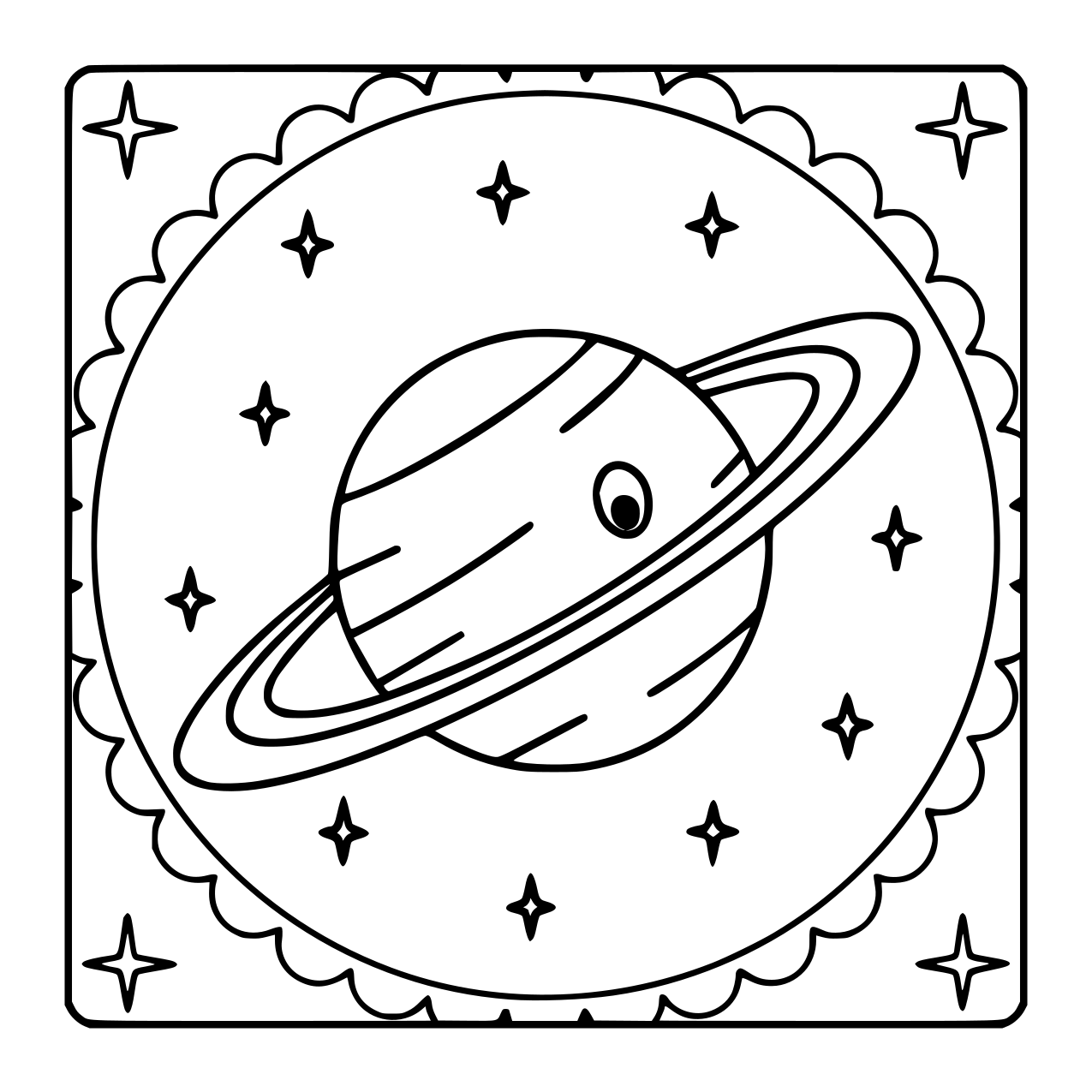
Saturn with Tilted Rings Coloring Page
Easy
Happy Earth Planet Coloring Page
Easy
Astronaut on the Moon Coloring Page
Easy
Astronaut Waving Flag Coloring Page
Easy
Solar System Orbits Coloring Page
Easy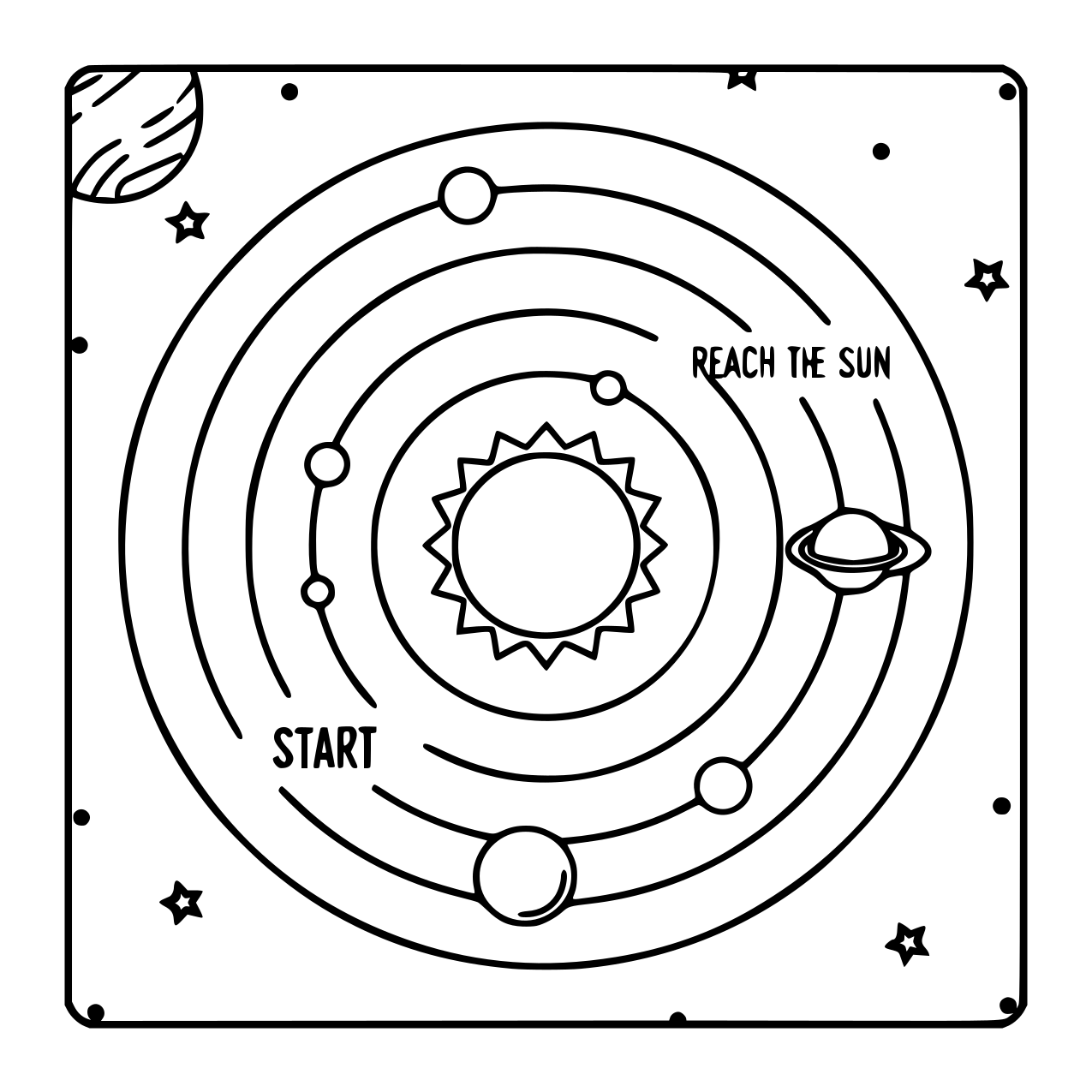
Solar System Maze Activity Coloring Page
Easy
Starburst Pattern Coloring Page
Easy
Cute Moon and Rocket Coloring Page
Easy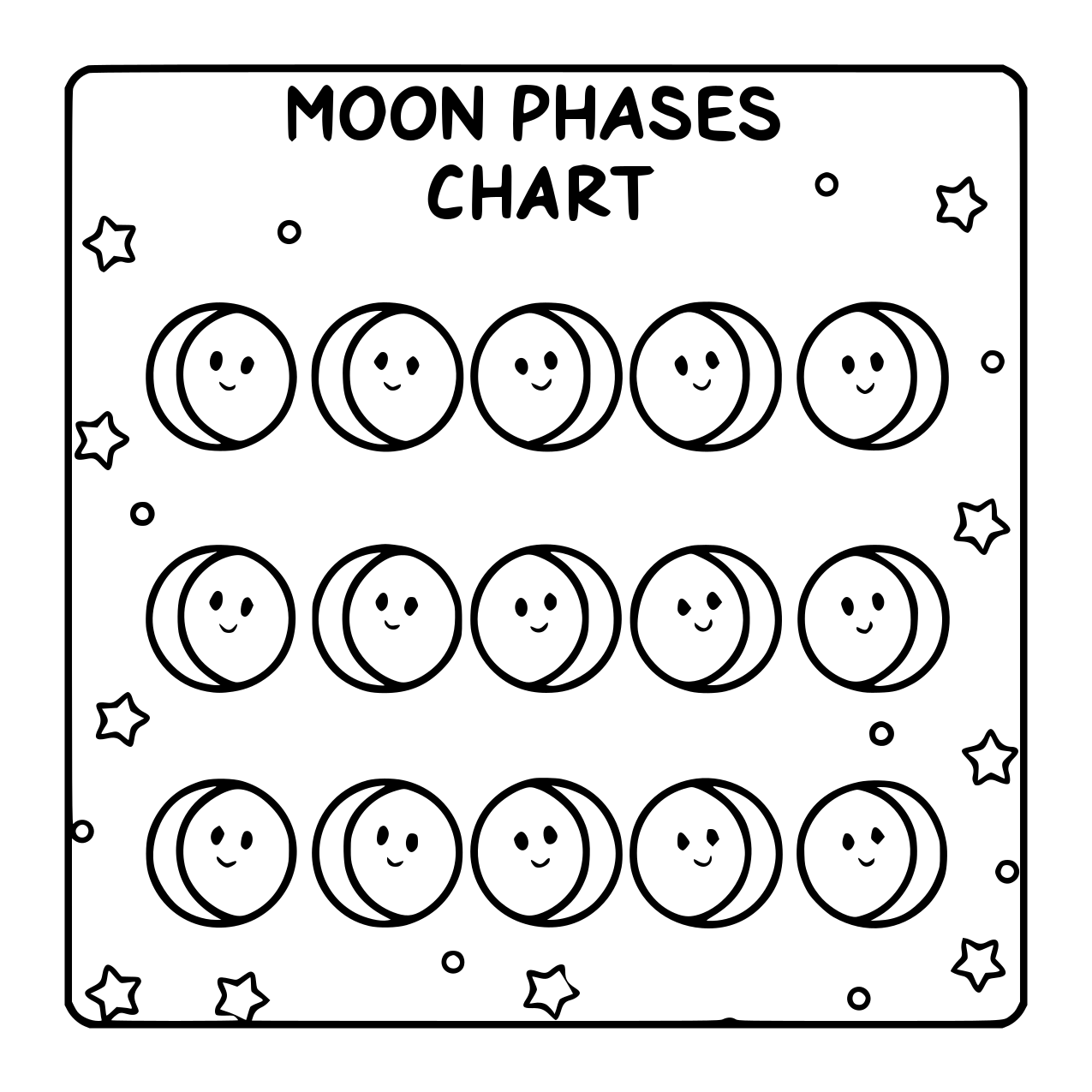
Moon Phases Chart Coloring Page
Easy
Flying Saucer UFO Coloring Page
Easy
Flag on the Moon Coloring Page
Easy
Three Ringed Planets Coloring Page
Easy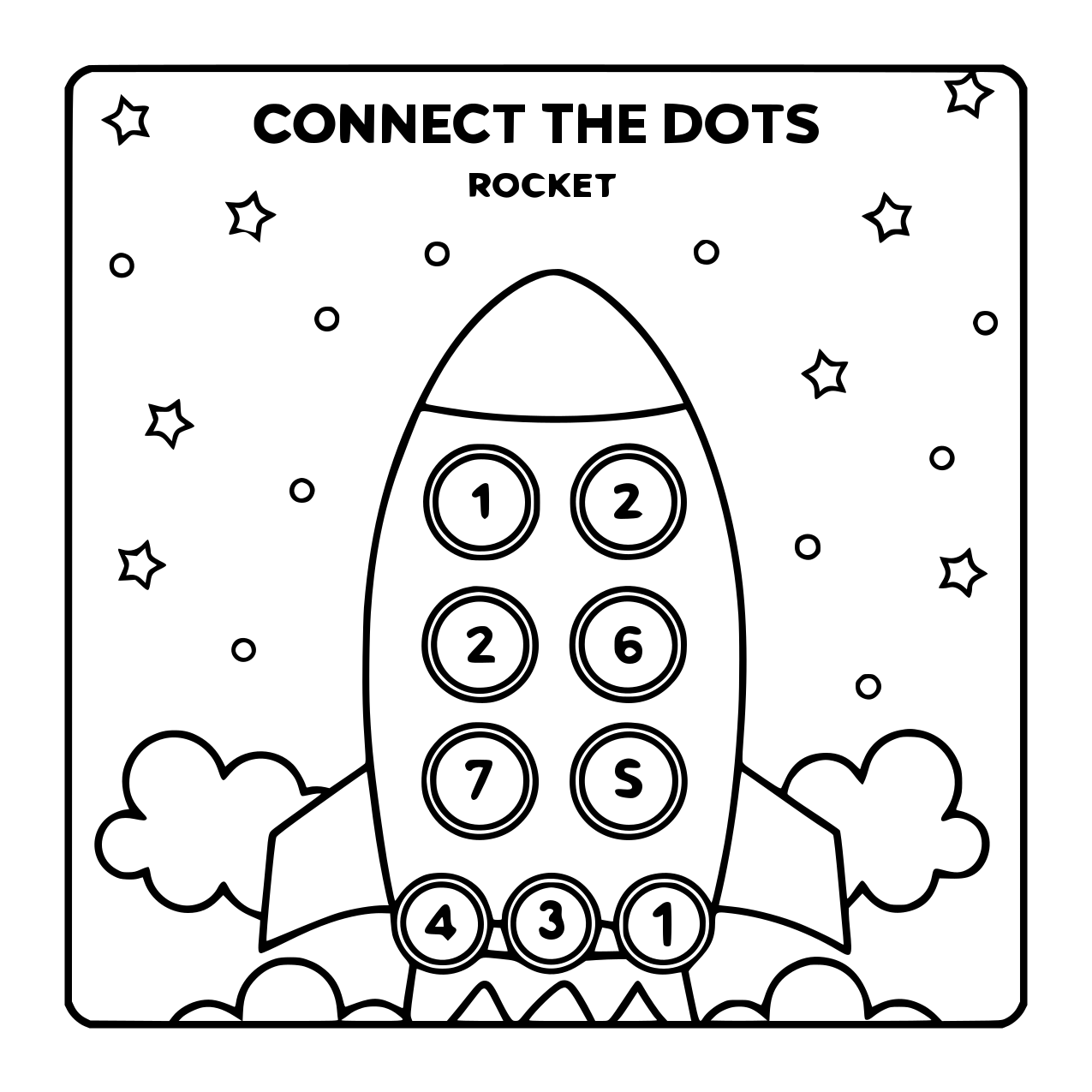
Connect the Dots Rocket Coloring Page
Easy
Satellite Orbiting Earth Coloring Page
Easy
Satellite Above Earth Coloring Page
Easy
Rocket Launch Countdown Coloring Page
Easy
Beautiful Satellite Orbiting Earth Coloring Page
Easy
Space Shuttle Launch Coloring Page
Easy
UFO Over Planet Surface Coloring Page
Easy
Planets and Starry Sky Coloring Page
Easy
Row of Ringed Planets Coloring Page
Easy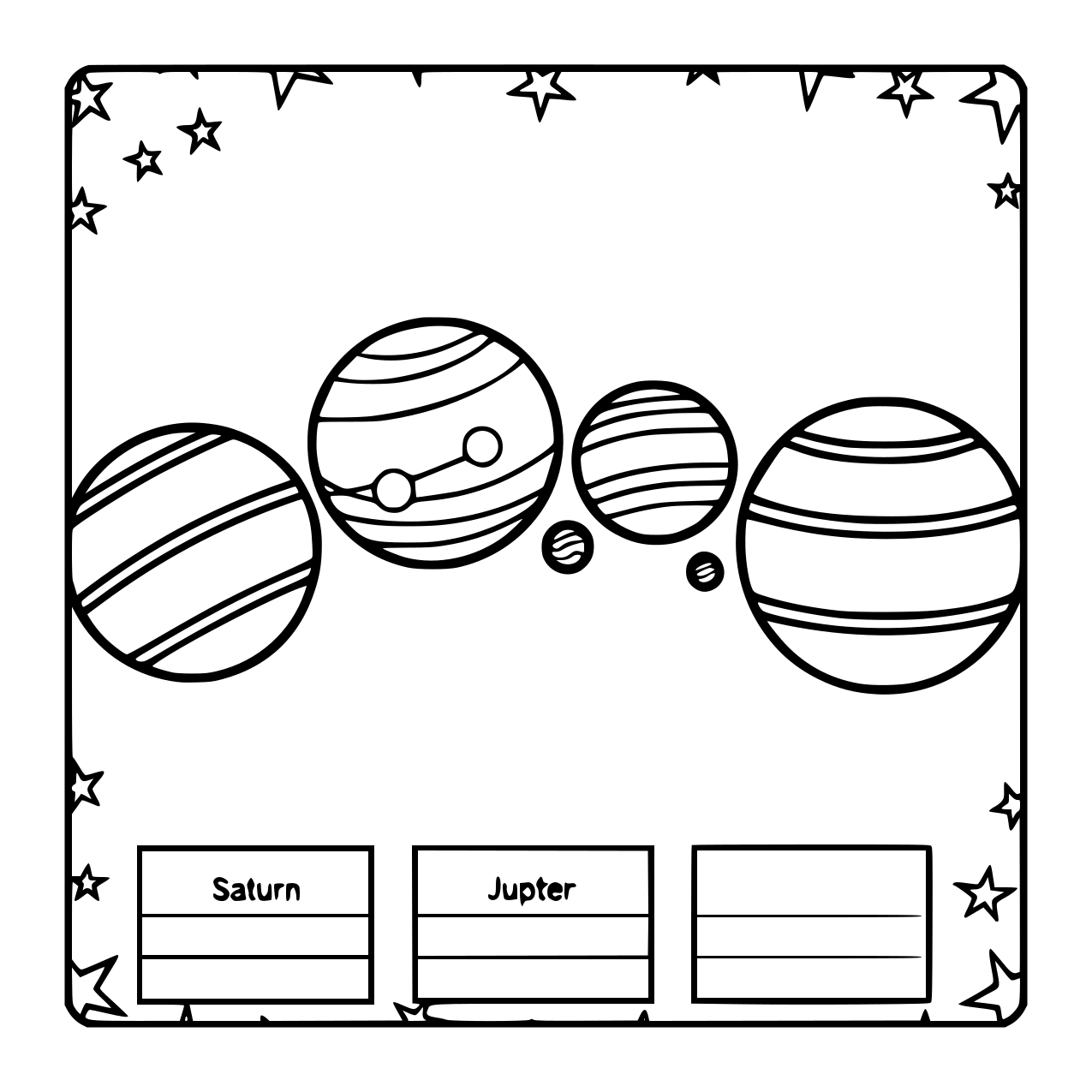
Planet Size Comparison Coloring Page
Easy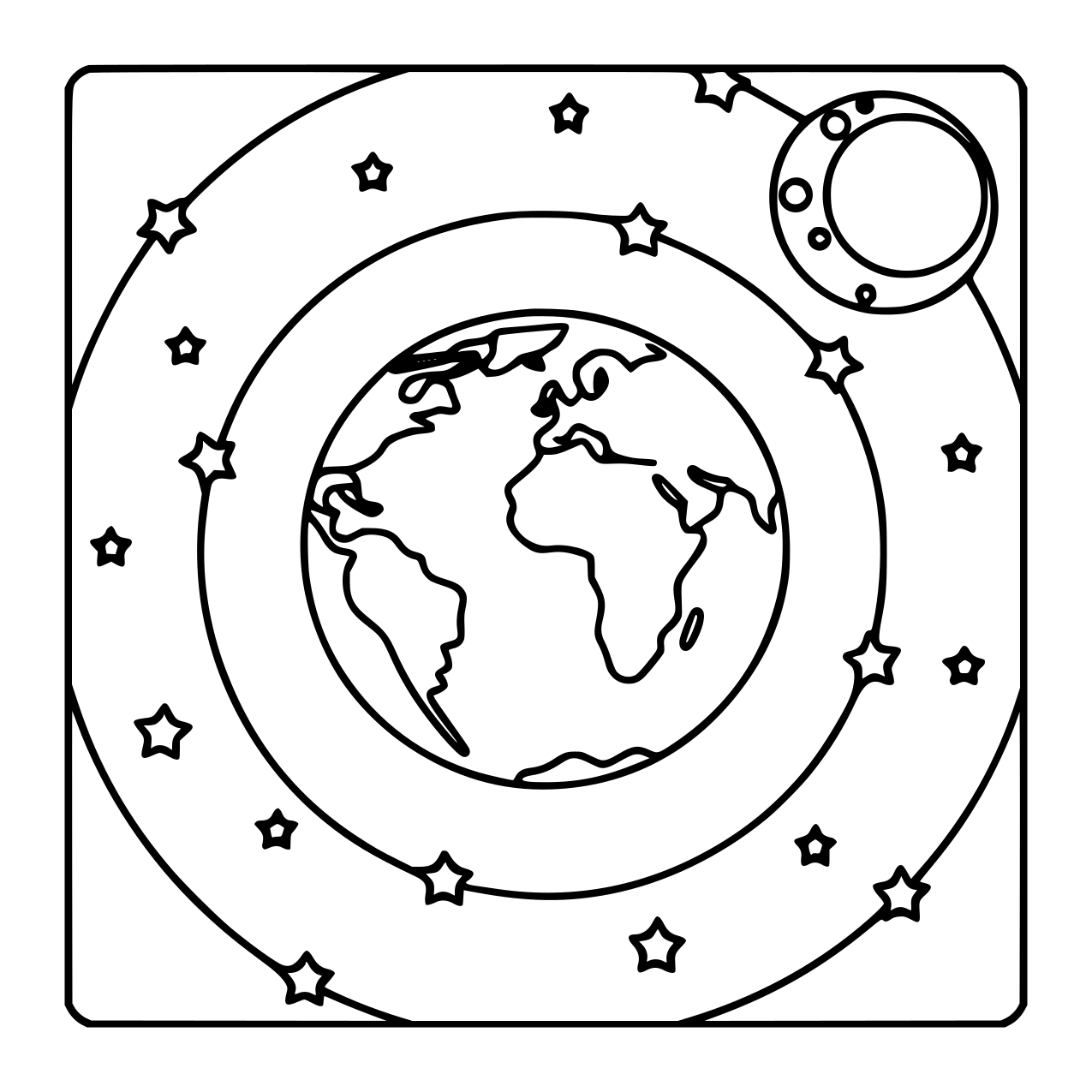
Earth Surrounded by Stars Coloring Page
Easy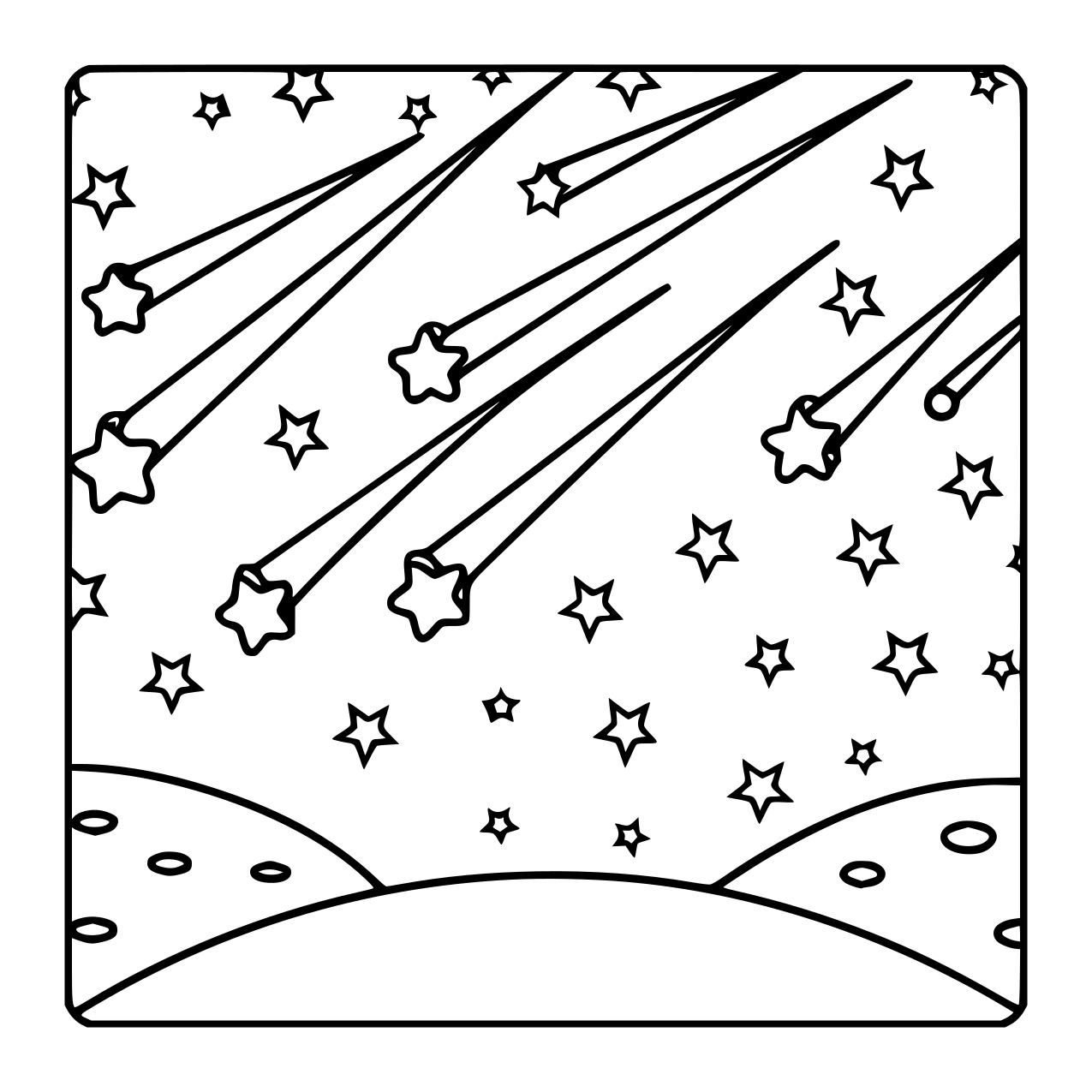
Comets Streaking Through Space Coloring Page
Easy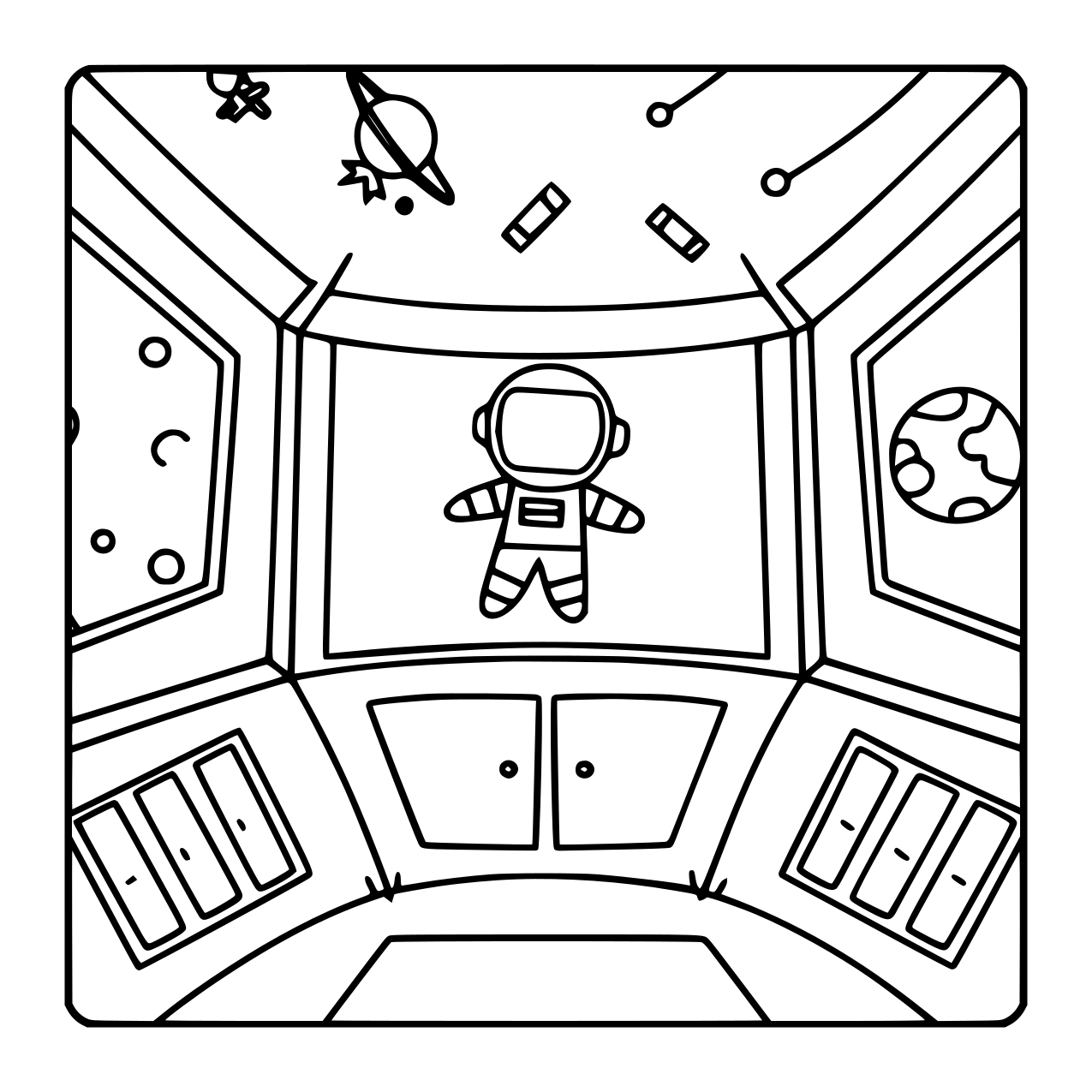
Astronaut in Spaceship Window Coloring Page
Easy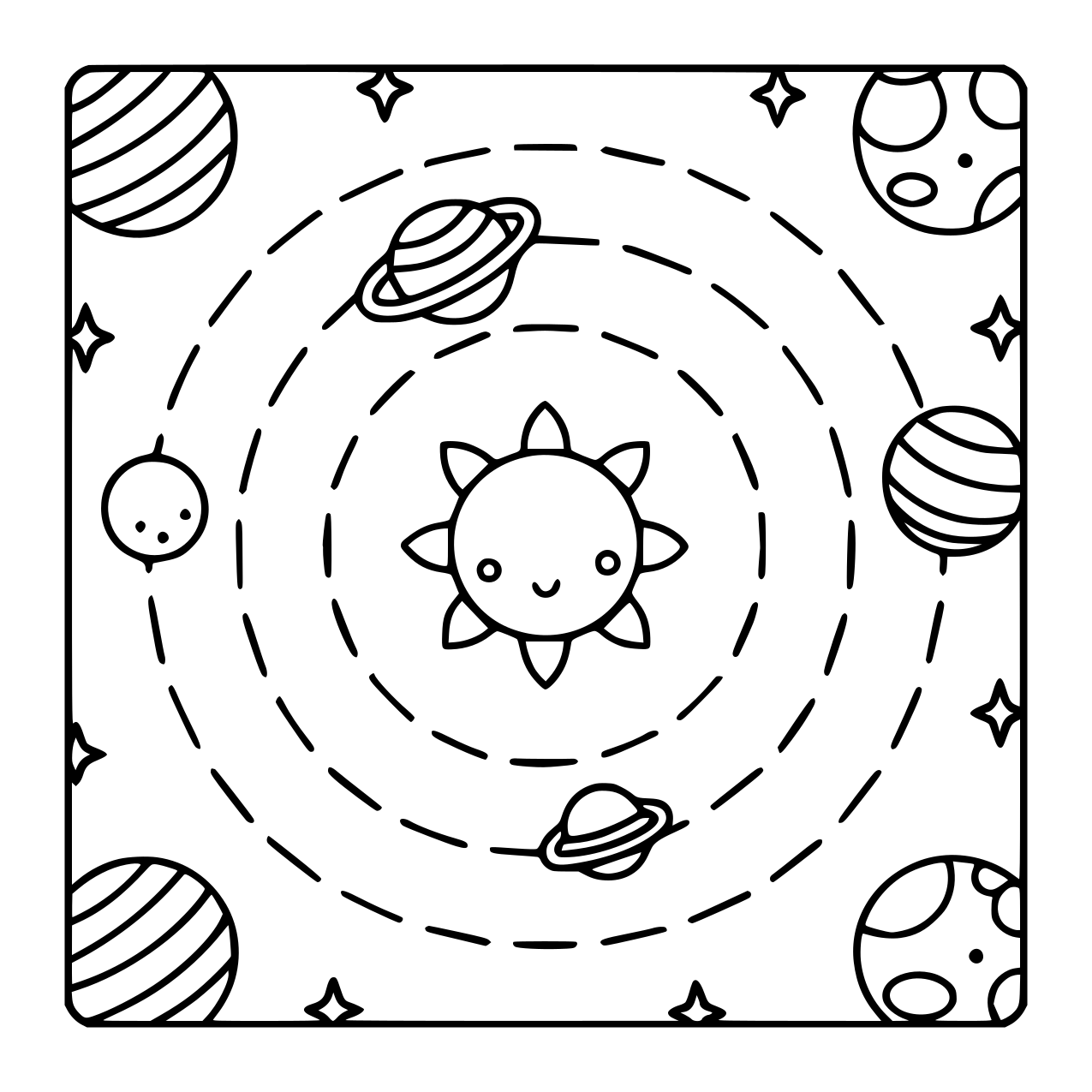
Sun and Orbiting Planets Coloring Page
Easy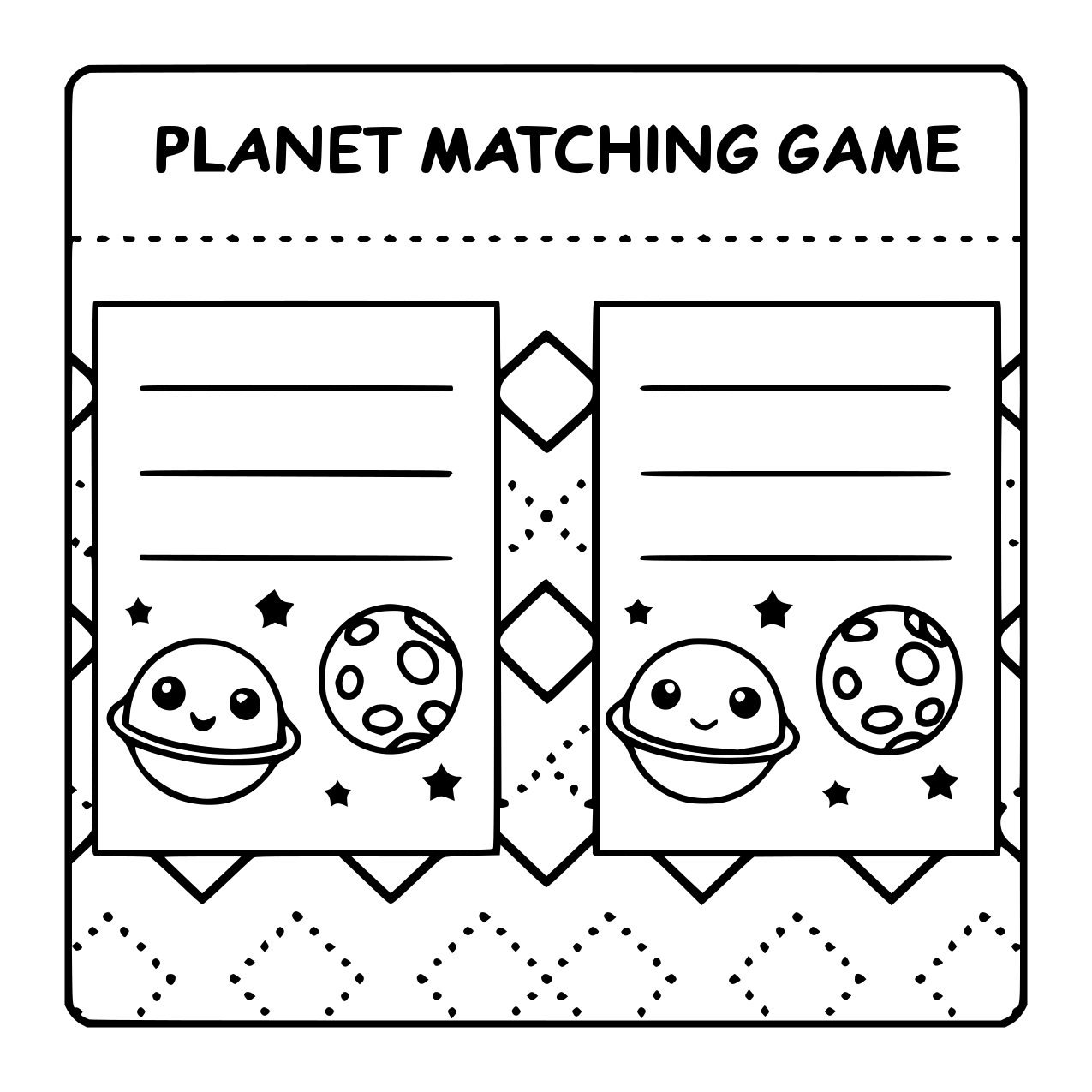
Planet Matching Game Coloring Page
Easy
Draw Your Own Planet Coloring Page
Easy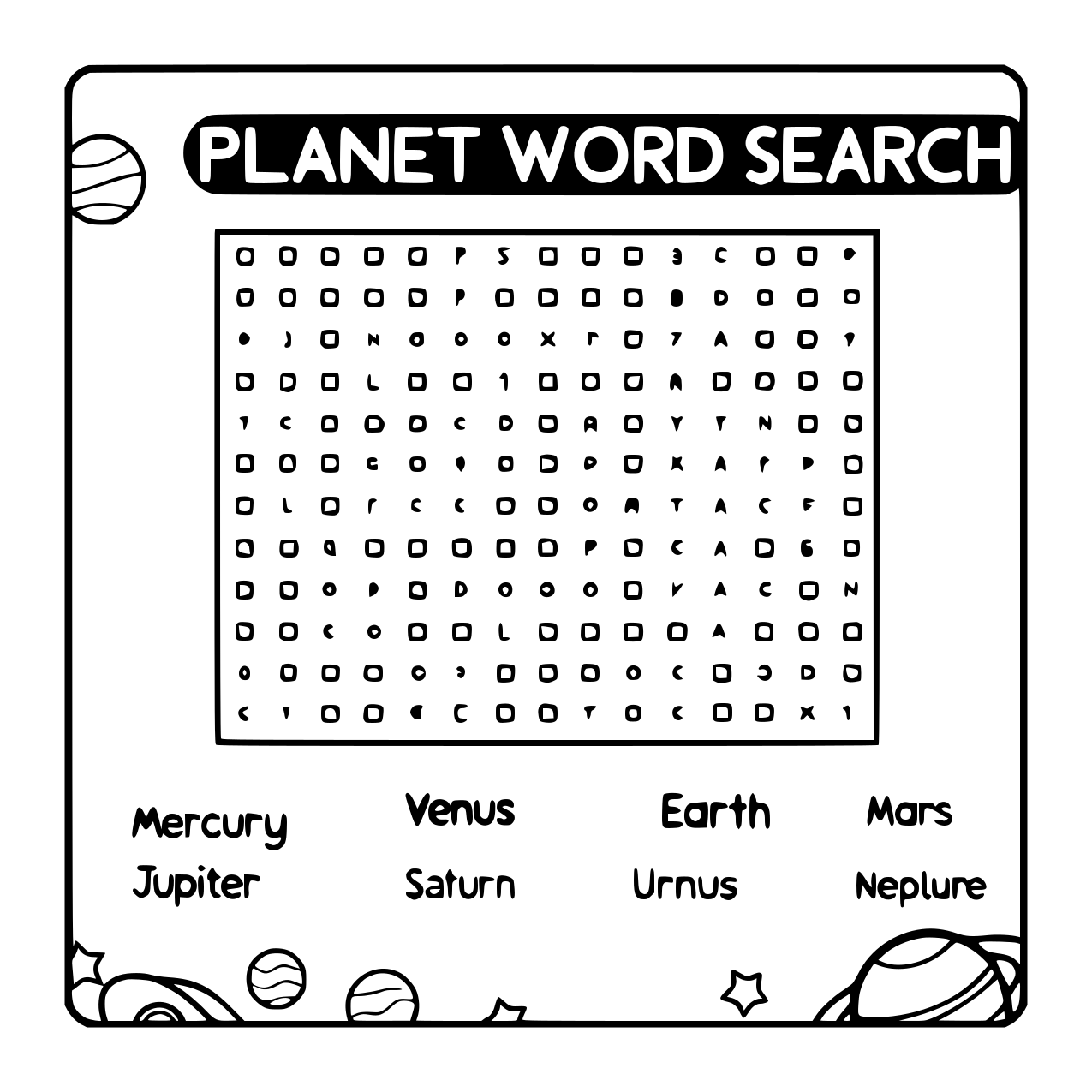
Planet Word Search Coloring Page
Easy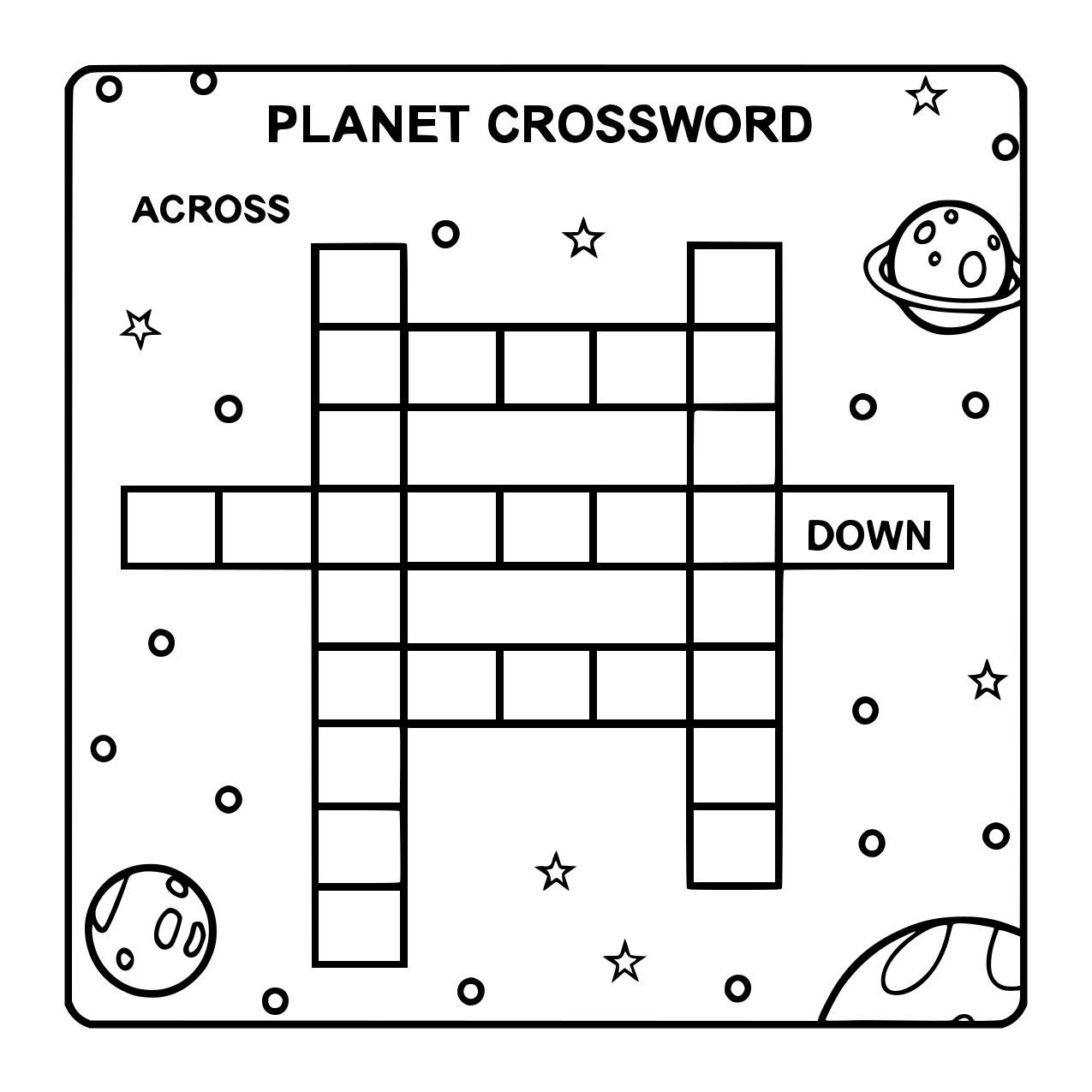
Planet Crossword Puzzle Coloring Page
Easy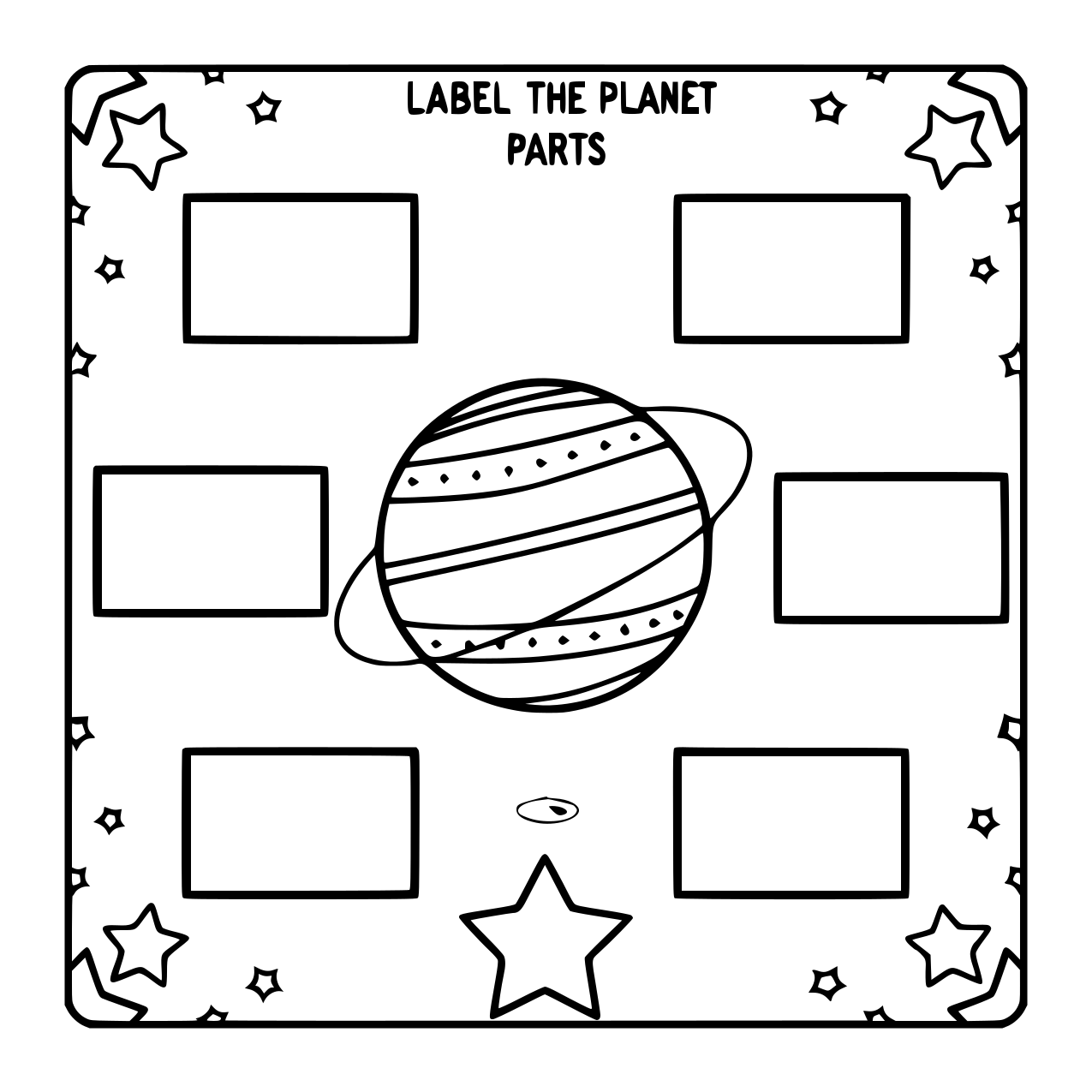
Label the Planet Parts Coloring Page
Easy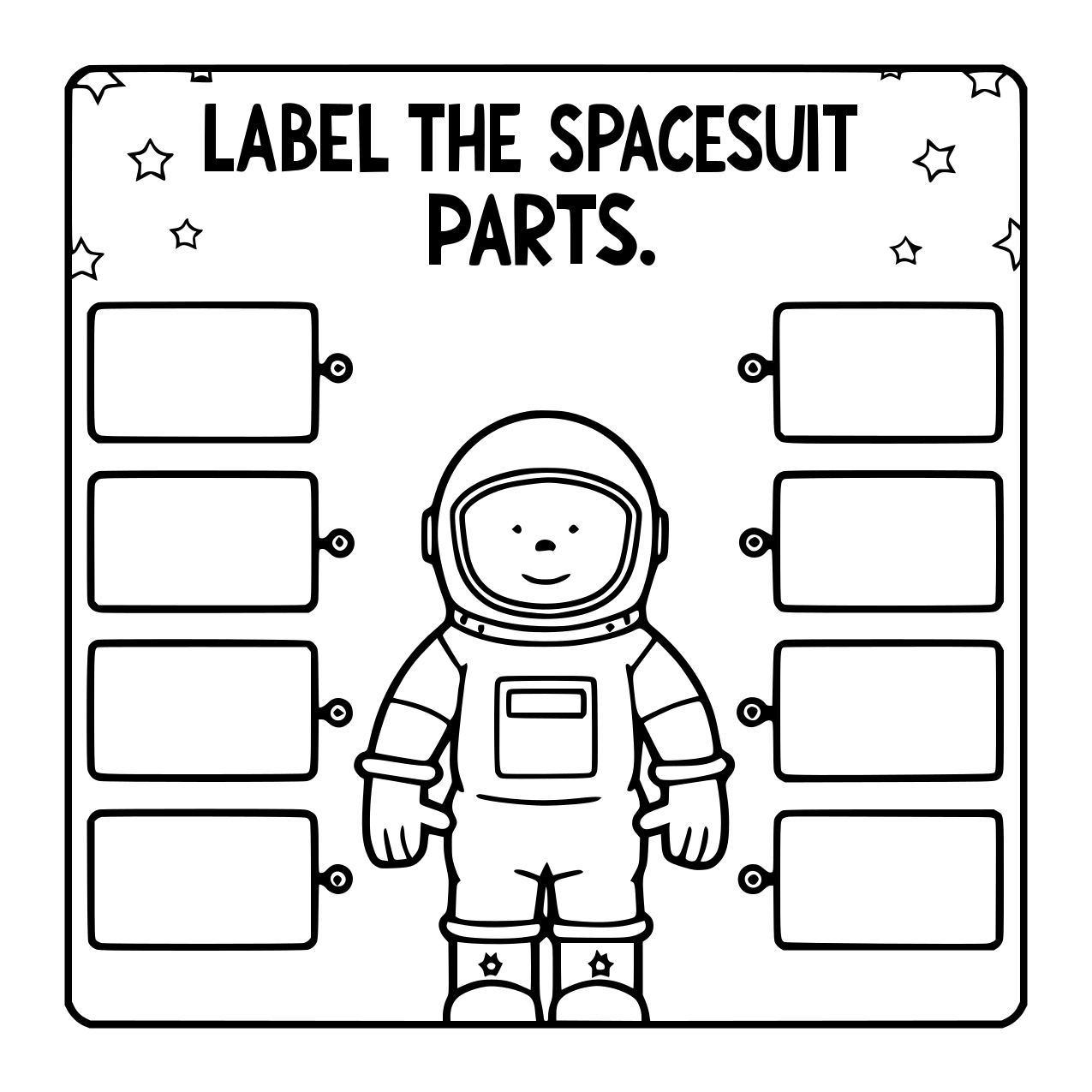
Label the Spacesuit Parts Coloring Page
Easy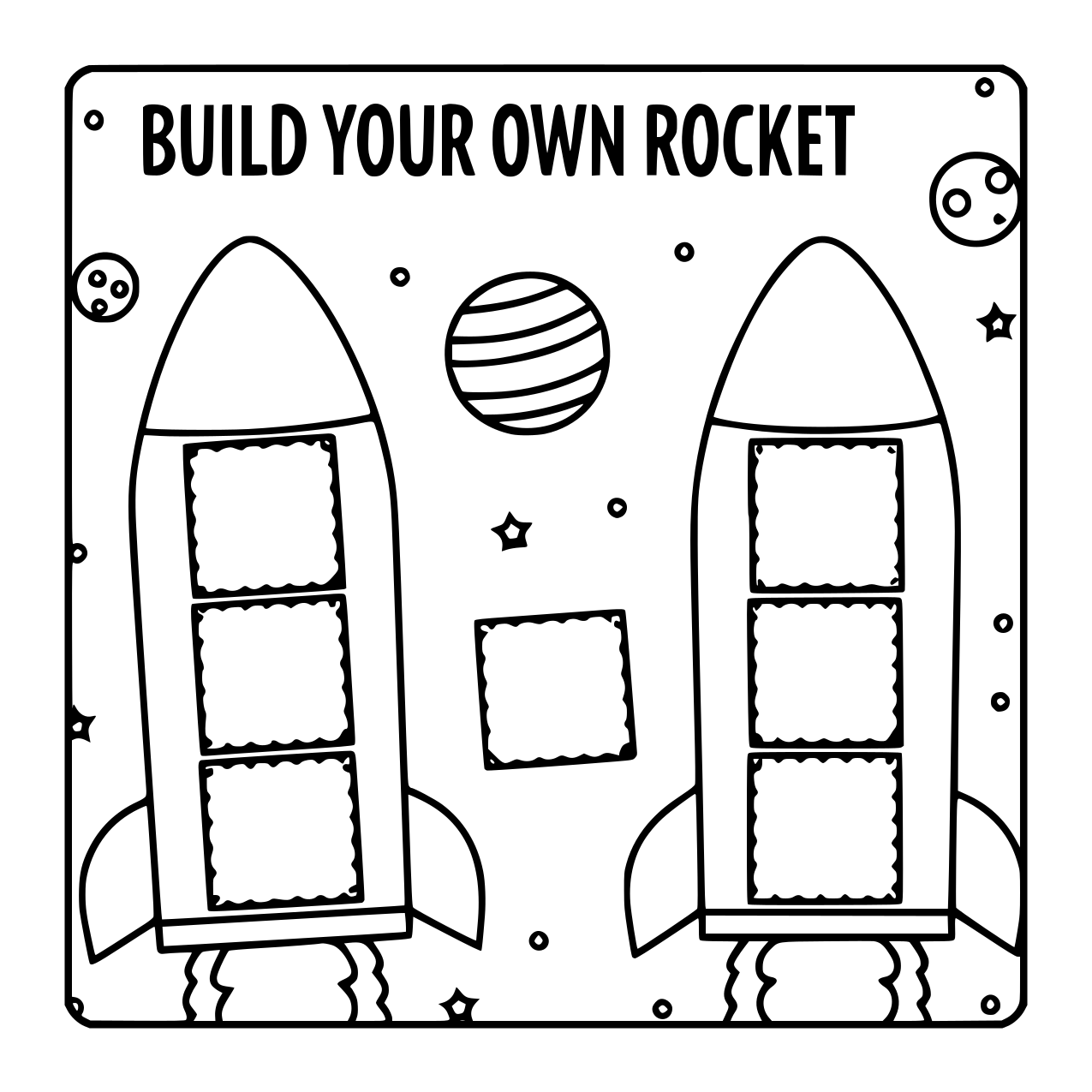
Build Your Own Rocket Coloring Page
Easy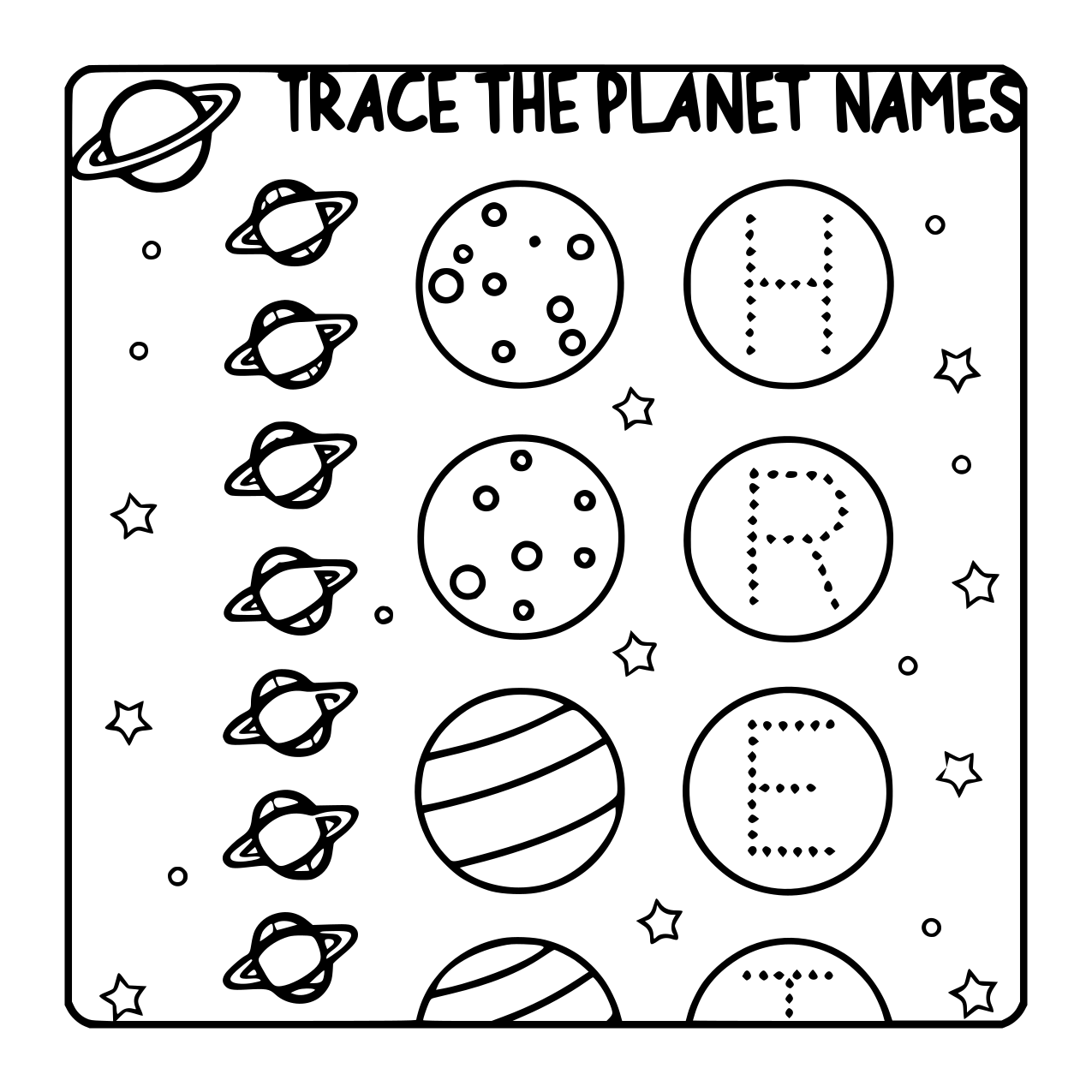
Trace the Planet Names Coloring Page
Easy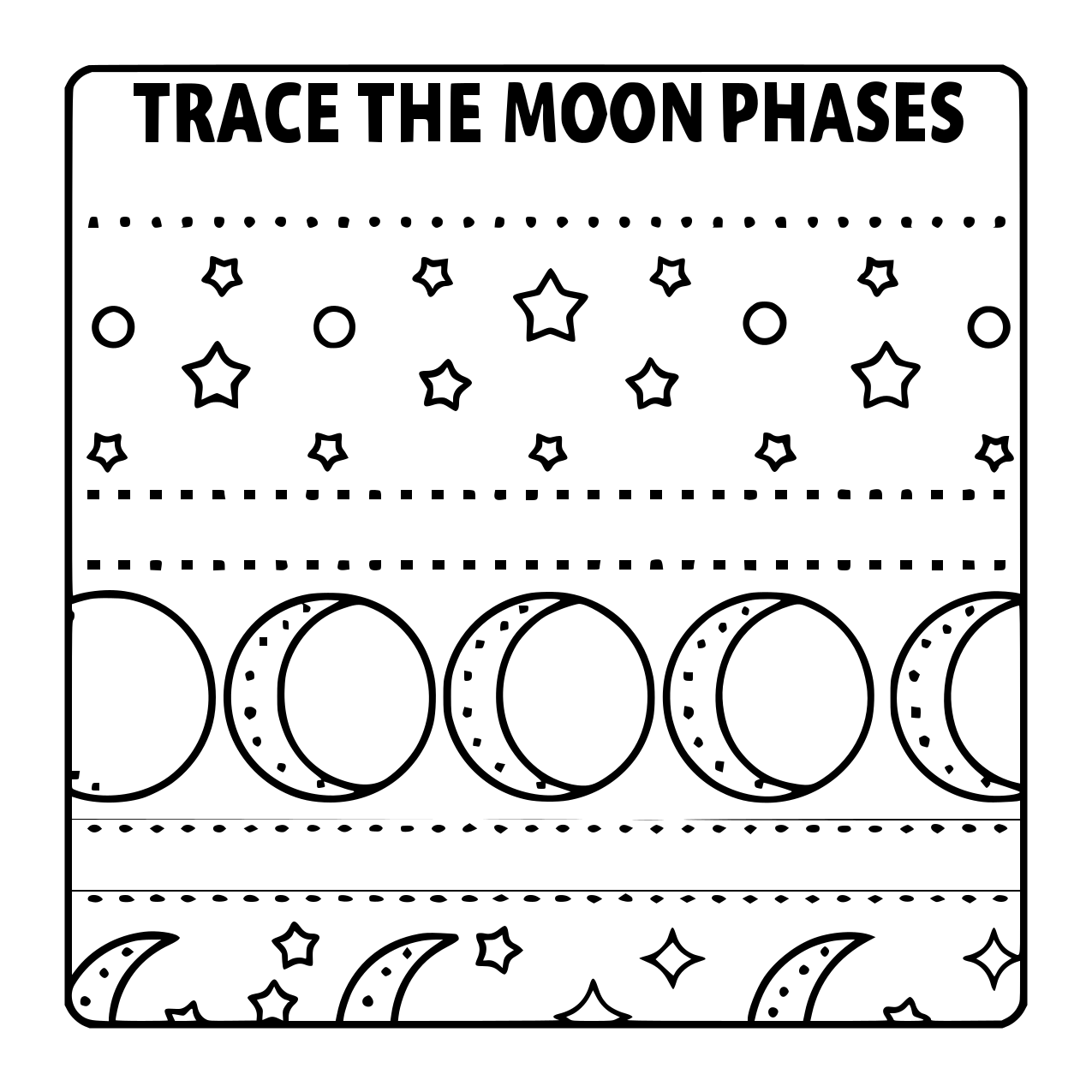
Trace the Moon Phases Coloring Page
Easy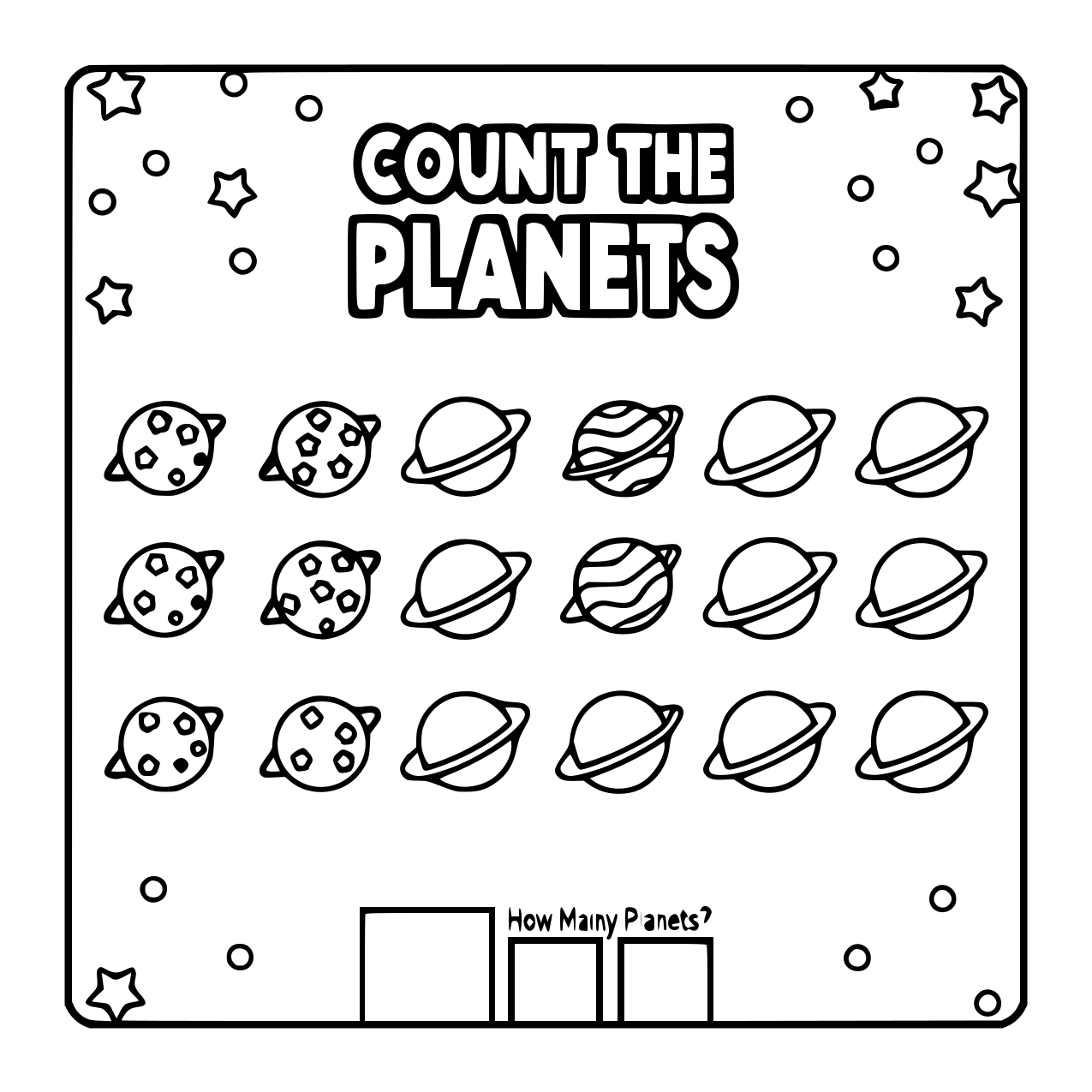
Count the Planets Activity Coloring Page
Easy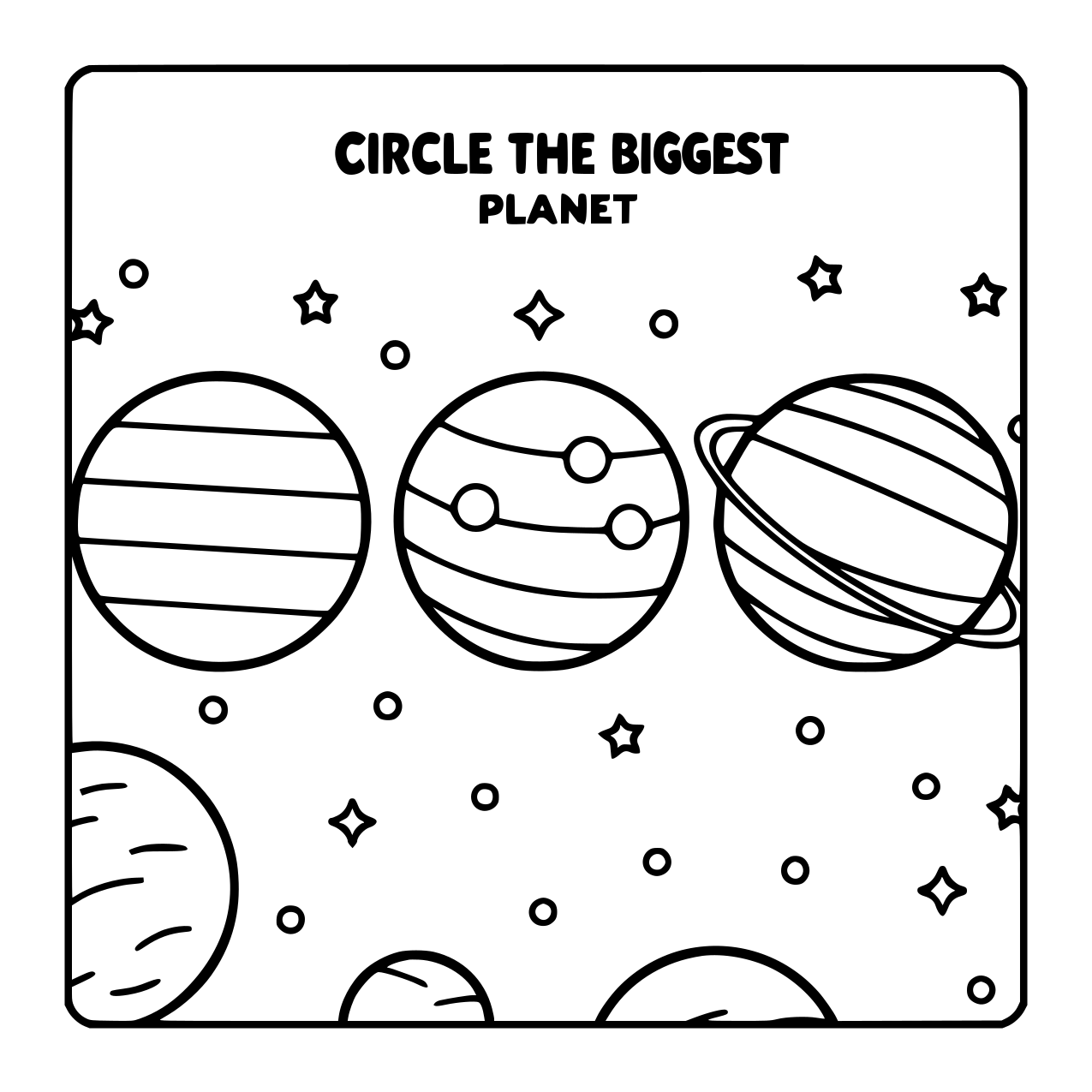
Find the Biggest Planet Coloring Page
Easy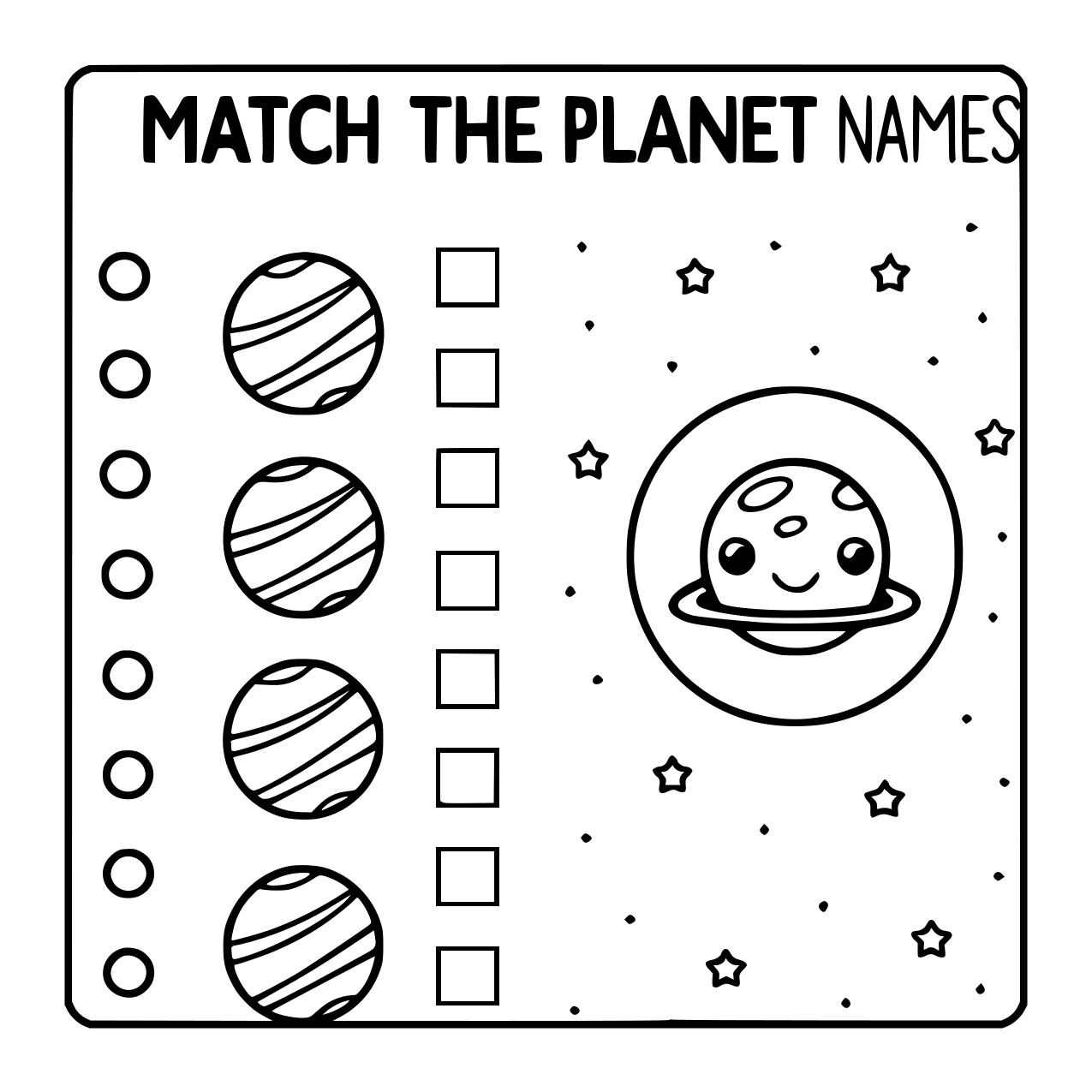
Match the Planet Names Coloring Page
Easy
Astronaut at Space Base Coloring Page
Easy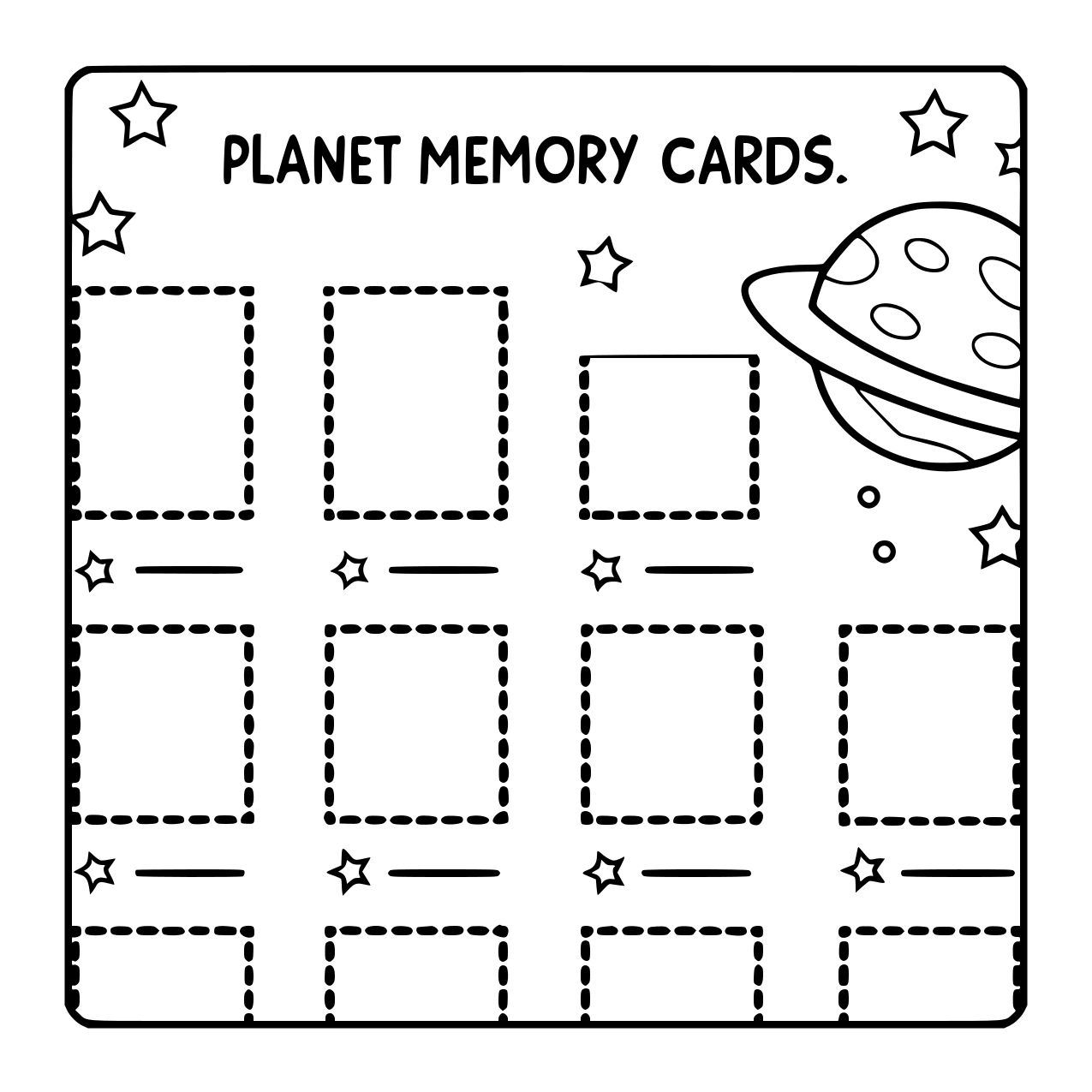
Planet Memory Cards Coloring Page
EasyAbout Educational Coloring Pages
The Educational Solar System collection turns space into a classroom you can color. Its 71 pages mix space coloring pages with hands-on learning activities — planet diagrams to label, mazes, word searches, crosswords, connect-the-dots, counting and matching games — so children learn the planets, the Sun, the Moon and the basics of astronomy while they color. Every page is free to download as a print-ready PDF, with no account, no paywall and no watermark.
Where Learning and Coloring Meet
Children are naturally fascinated by space. Planets, rockets, stars and the Moon belong to a child's imagination long before they ever appear in a lesson — and that built-in curiosity is one of the best teaching tools a parent or teacher has. This collection is designed to harness it, pairing the quiet pleasure of coloring with real, age-appropriate astronomy so that learning never feels like a chore.
The principle behind it is simple: a child remembers what they do, far more than what they are merely told. When a child colors the planets of the solar system, traces their order outward from the Sun, labels them on a diagram and then finds their names in a word search, the same knowledge is met four times over, in four different ways. Each pass makes it stick a little more firmly — and not one of them feels like a test.
Because the pages are activities rather than worksheets, they sidestep the resistance that flashcards and drills can provoke. A child happily completes a planet maze or a connect-the-dots rocket without ever noticing they are also learning to count, to spell Jupiter or to put the eight planets in order. That is learning at its most natural and most durable.
What Is in the Educational Collection
The 71 pages fall into two friendly halves that work hand in hand. The first is space coloring pages — the Sun, the Moon, each of the eight planets, stars, comets and rockets — drawn clearly enough for a child to color while talking about what each one is. The second half is learning-activity pages that put that knowledge to work.
The activity pages cover a genuinely useful range of skills. There are planet diagrams to label, where children write each planet's name in the right place; mazes that send a rocket weaving toward its destination; word searches hiding the names of planets and space words; crosswords with simple astronomy clues; connect-the-dots pages that build a picture while practising numbers; and counting and matching games that pair early maths with stars, planets and moons. Together they make a complete little space curriculum a child can color their way through.
What Children Learn
Worked through as a set, these pages teach the foundations of astronomy in a way a young child can hold onto. They learn the names of the eight planets — Mercury, Venus, Earth, Mars, Jupiter, Saturn, Uranus and Neptune — and the order in which they orbit the Sun. They learn that the Sun is a star at the centre of it all, that the Moon orbits our own planet Earth, and that Saturn wears a system of rings while Jupiter is the largest planet of them all.
Alongside the astronomy, the activity pages quietly build core early-learning skills. Word searches and crosswords strengthen spelling and letter recognition; counting and connect-the-dots pages reinforce numbers and sequence; mazes and matching games develop logic, problem-solving and visual attention. It is a genuinely cross-curricular collection — science, literacy and numeracy, all wrapped in the friendly disguise of a coloring book.
How to Use the Pages
These pages are flexible by design. You can follow a logical path — color and name a planet first, then label it on a diagram, then find its name in a word search — so each subject is reinforced step by step. Or you can simply let a child pick whatever page appeals on the day, since every sheet teaches something on its own. Both approaches work, and a mix of the two keeps things lively.
In the Classroom
In the classroom this collection is a ready-made space unit. The coloring pages suit calm starters and early-finisher activities; the labelling diagrams work as quick assessments of what has been learned; the word searches and crosswords make perfect literacy-centre tasks; and the mazes and counting games fit naturally into a learning rotation. Every page is free to print for an entire class, and the variety means a teacher can match the right activity to the right moment of the lesson.
At Home and for Homeschooling
At home, these pages turn an afternoon into a relaxed science lesson with no preparation required. For homeschooling families they form the backbone of a complete astronomy topic — read a little about a planet, color it, label the diagram, then solve the matching puzzle. Keep a stack printed and ready, and let a curious child reach for one whenever the questions about space start coming.
Coloring and Activity Tools
The coloring pages welcome any tool a child likes — chunky crayons for the youngest hands, colored pencils for finer control, washable markers for bold, happy fills. The activity pages have one extra requirement: keep a regular pencil with an eraser close by, since mazes, word searches, crosswords and counting games all involve writing, tracing and the occasional change of mind.
- Keep a pencil handy — labelling diagrams, crosswords and word searches need a writing pencil with an eraser alongside the crayons.
- Say the names aloud — read each planet's name as you color it so the word and the picture lock together.
- Color, then label — colour a planet first, then write its name on the diagram, so the activity reinforces the coloring.
- Talk while you work — ask which planet is biggest, which is closest to the Sun, where the Moon belongs, turning the page into a conversation.
- Use a highlighter for word searches — a bright highlighter makes found words easy to spot and adds a little extra fun.
Activity Ideas to Extend the Learning
A few simple ideas turn these pages into a richer space topic that lasts well beyond a single afternoon:
- Build a planet wall — color and label all eight planets, then pin them up in order outward from the Sun to make a classroom or bedroom solar system.
- Race the mazes — time how quickly a rocket can solve a maze, then try again to beat the record.
- Make a quiz — once the diagrams are labelled, hide the labels and ask a child to name the planets from memory.
- Spell it out — use the word searches as spelling practice, asking a child to copy each space word once it is found.
- Count the cosmos — extend the counting pages by tallying the stars, moons or comets on the coloring sheets too.
Printing Your Educational Solar System Pages
Every page is available as a high-quality PDF, the format that keeps both the coloring outlines and the puzzle text crisp at any size. A few tips for the best result:
- Use A4 or US Letter paper on any standard home or classroom printer.
- Set print quality to High or Best so puzzle clues, maze paths and small text stay sharp and readable.
- Print in black ink — these are black-line pages ready to be colored and completed.
- Print spare copies of the activity pages so a child can retry a maze or word search, and so a whole class can each have their own.
Free to Print, Always
All 71 educational solar-system pages are free to download as high-quality PDFs and print as many times as you like — for home learning, classrooms and homeschooling, with no account, no paywall, no watermark and no limit. For more space to color, explore the cute kids space pages for younger children and the intricate adult space pages for older ones, and browse the full solar system coloring collection. You will find many more learning activities in the free printables library.