Classic Letters
Free printable classic alphabet coloring pages — one big, bold uppercase letter per page, from A to Z. Simple outlines made for toddlers and preschoolers taking their first steps into the alphabet.
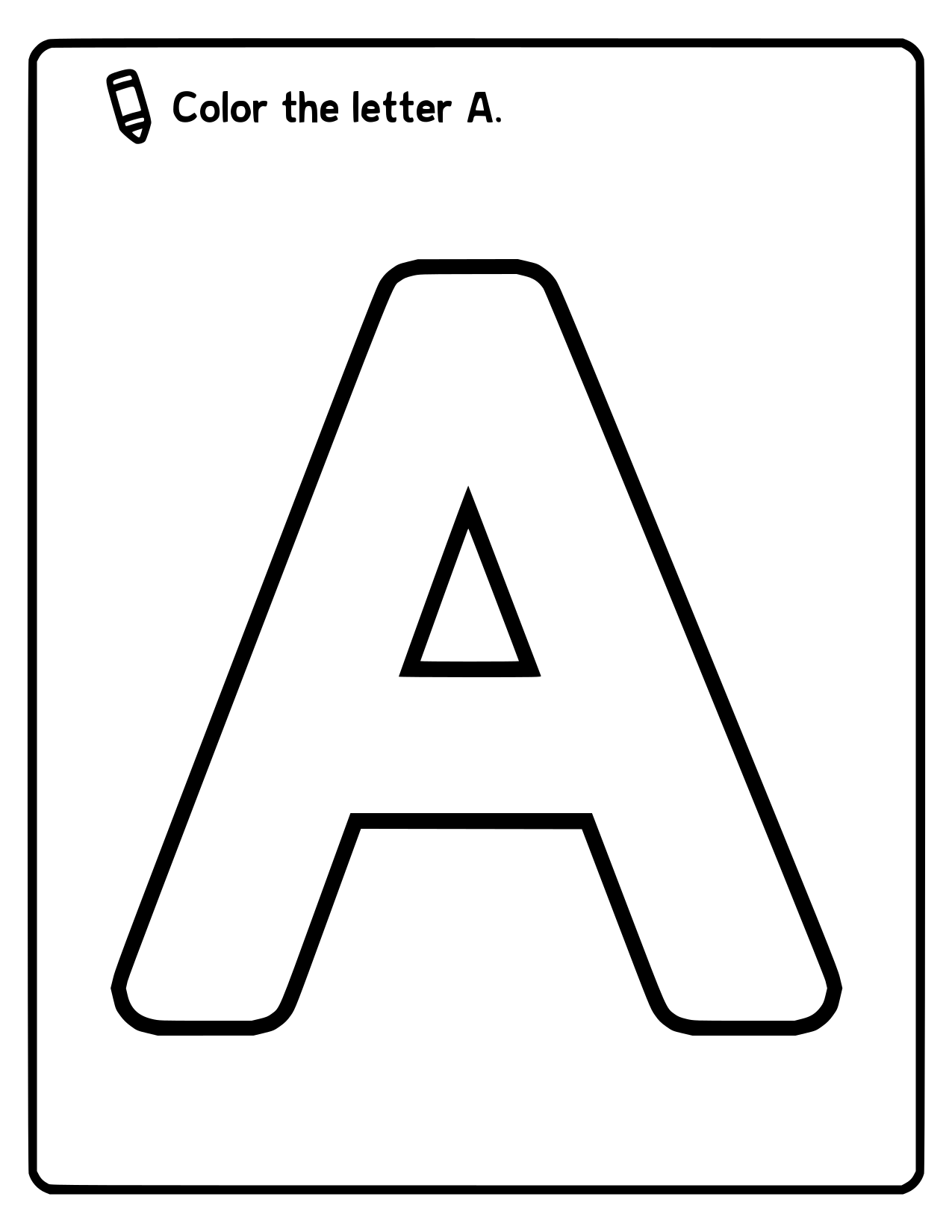
Letter A Coloring Page
Easy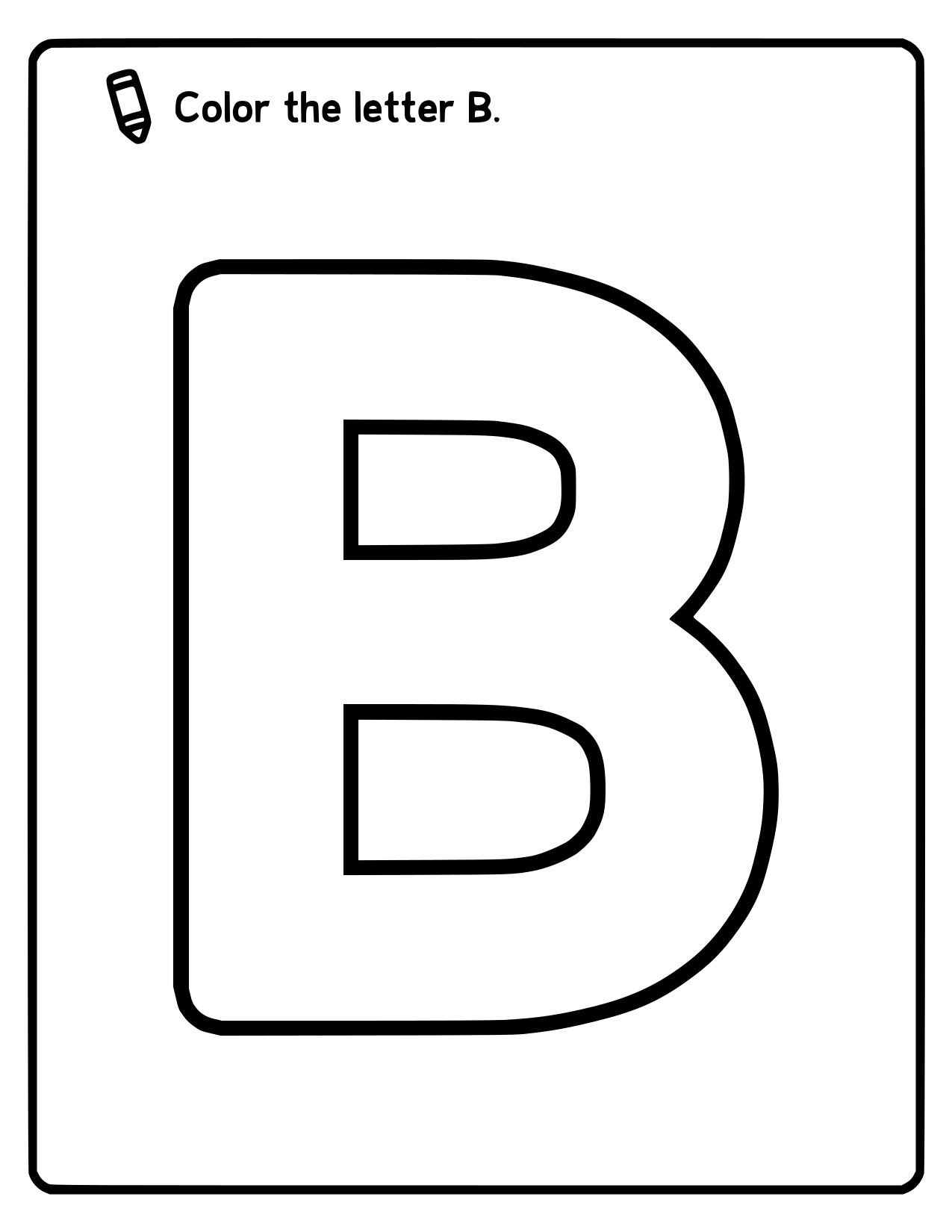
Letter B Coloring Page
Easy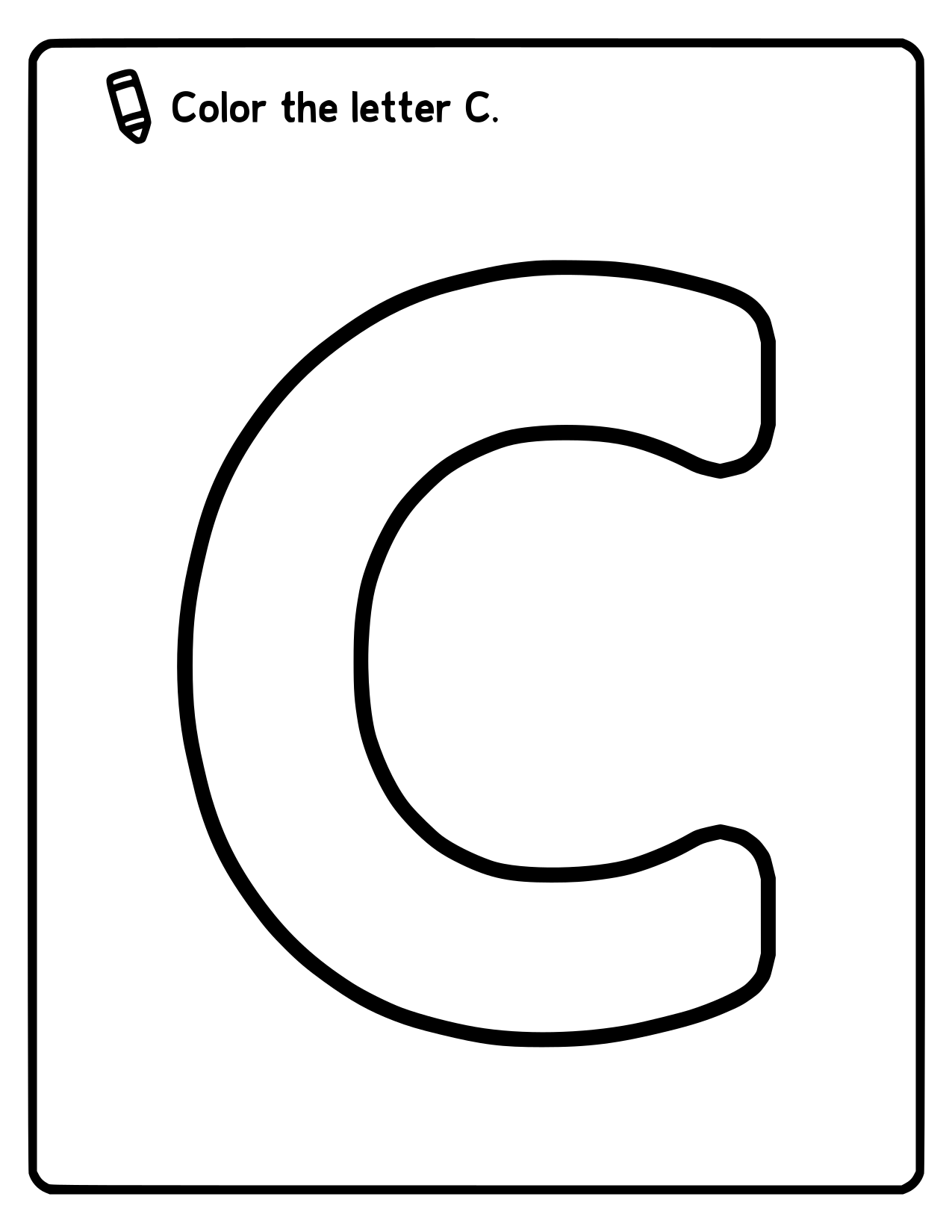
Letter C Coloring Page
Easy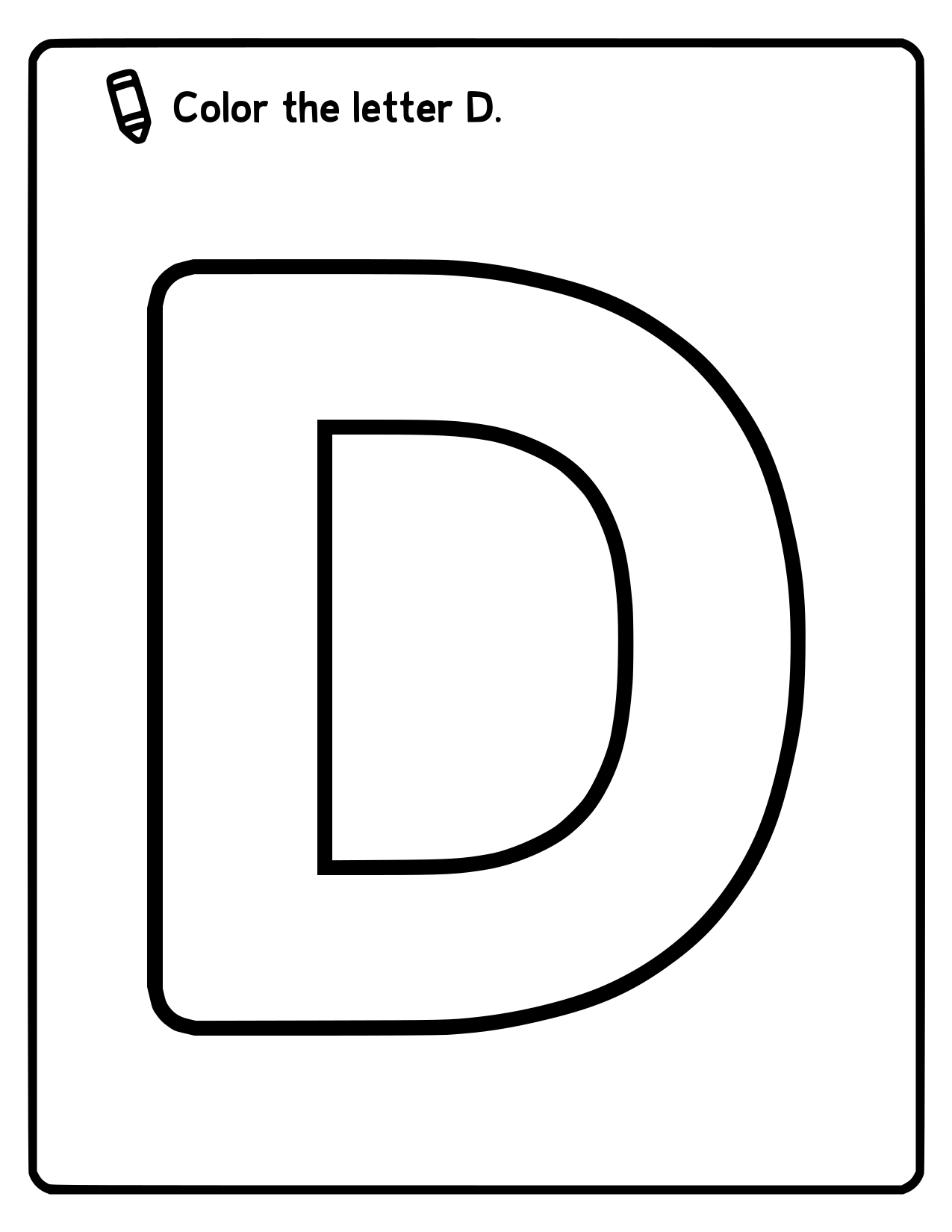
Letter D Coloring Page
Easy
Letter E Coloring Page
Easy
Letter F Coloring Page
Easy
Letter G Coloring Page
Easy
Letter H Coloring Page
Easy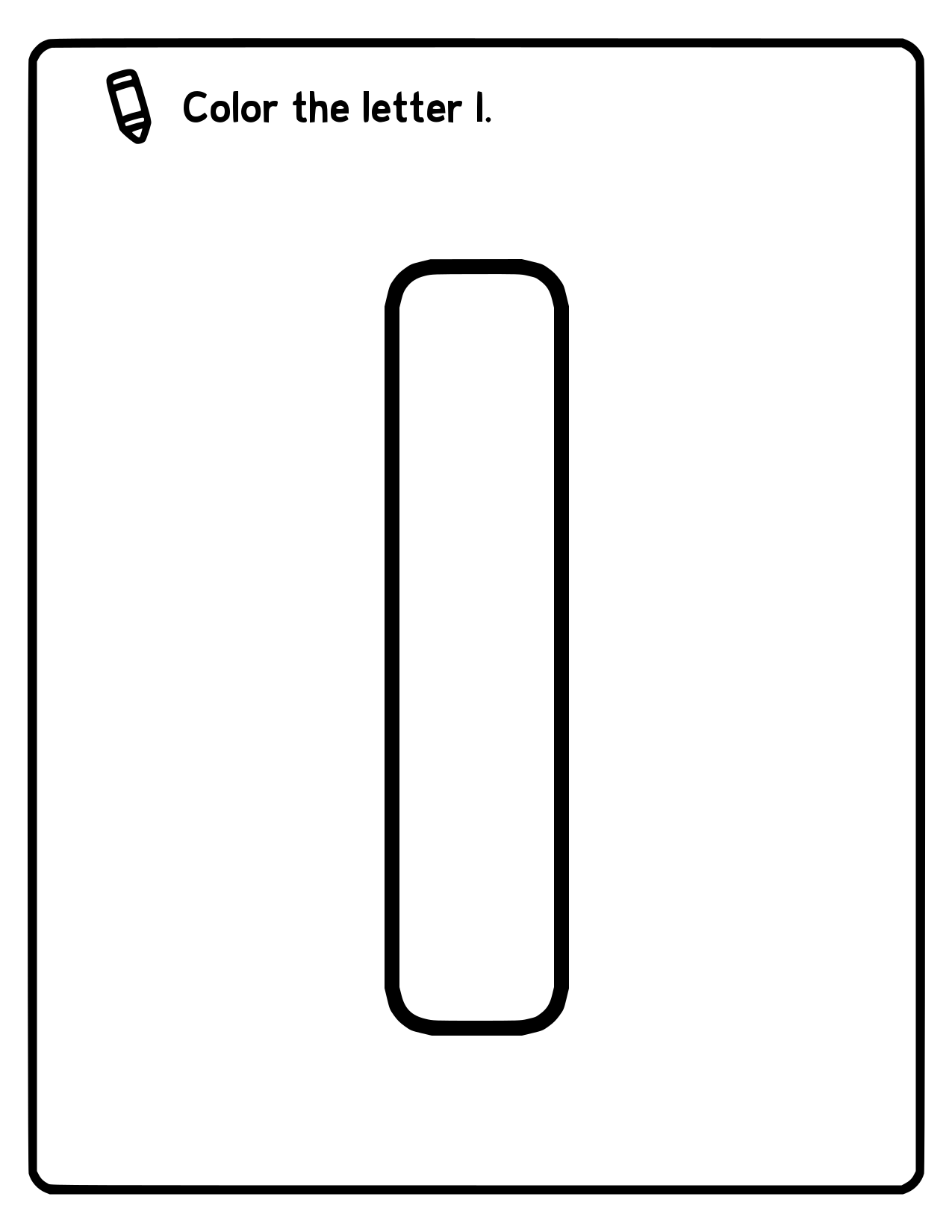
Letter I Coloring Page
Easy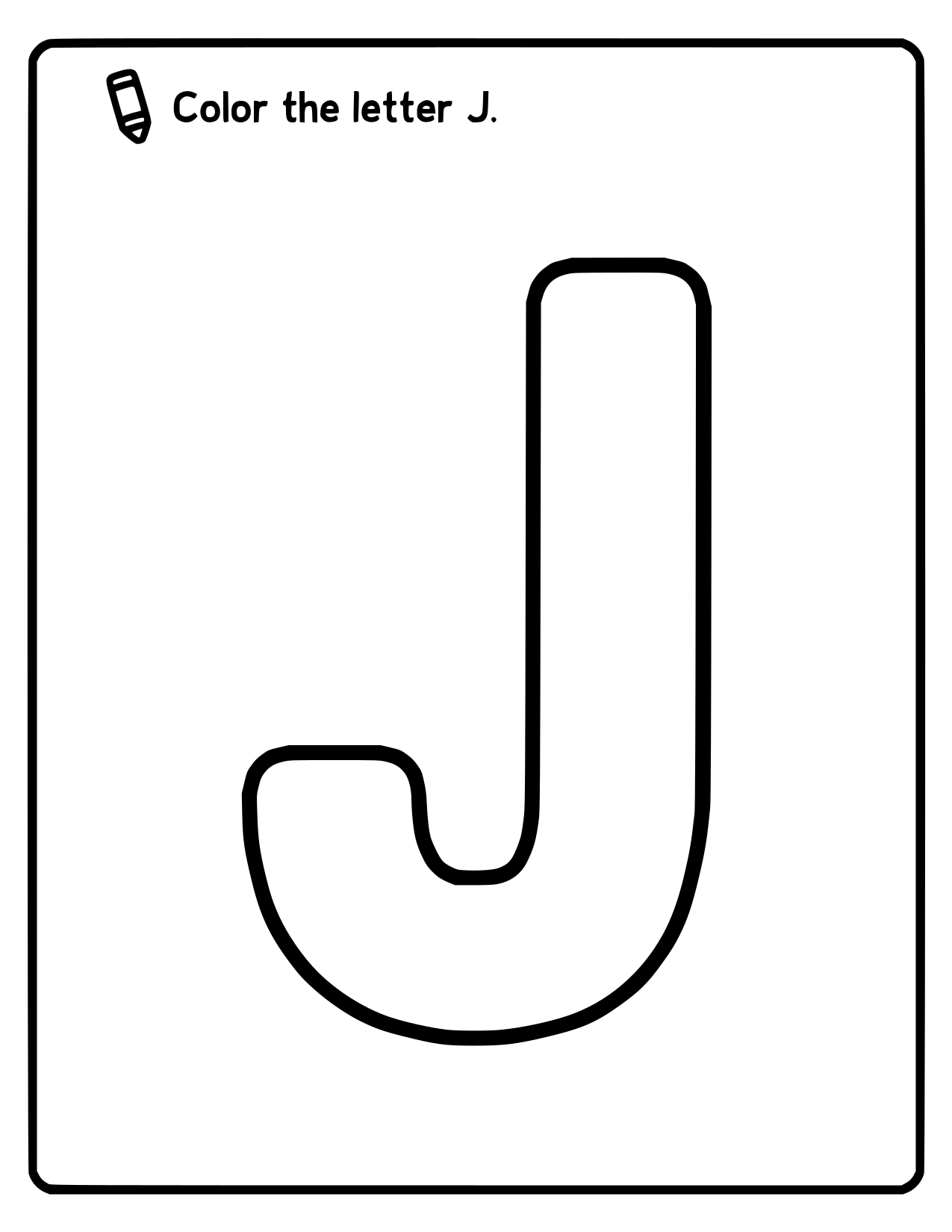
Letter J Coloring Page
Easy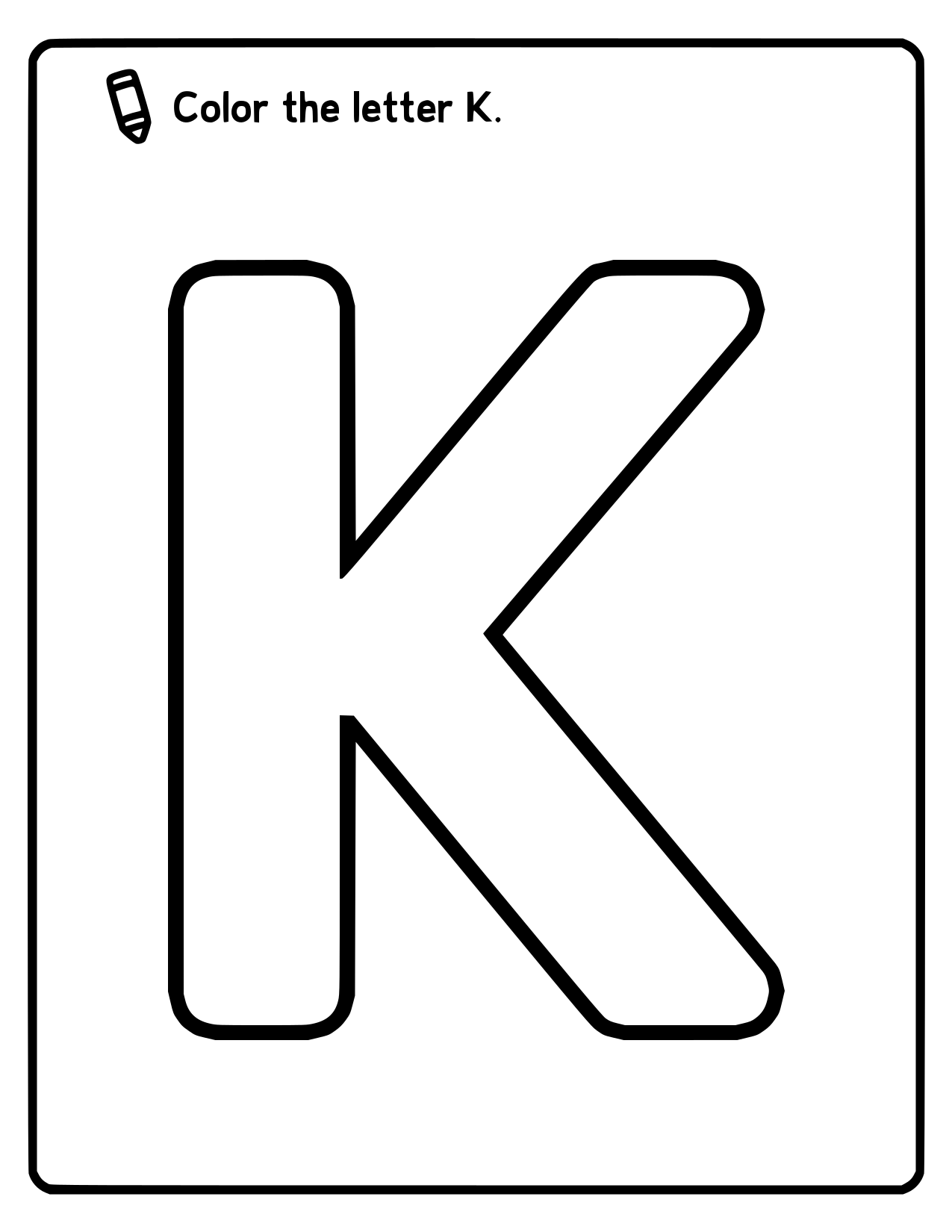
Letter K Coloring Page
Easy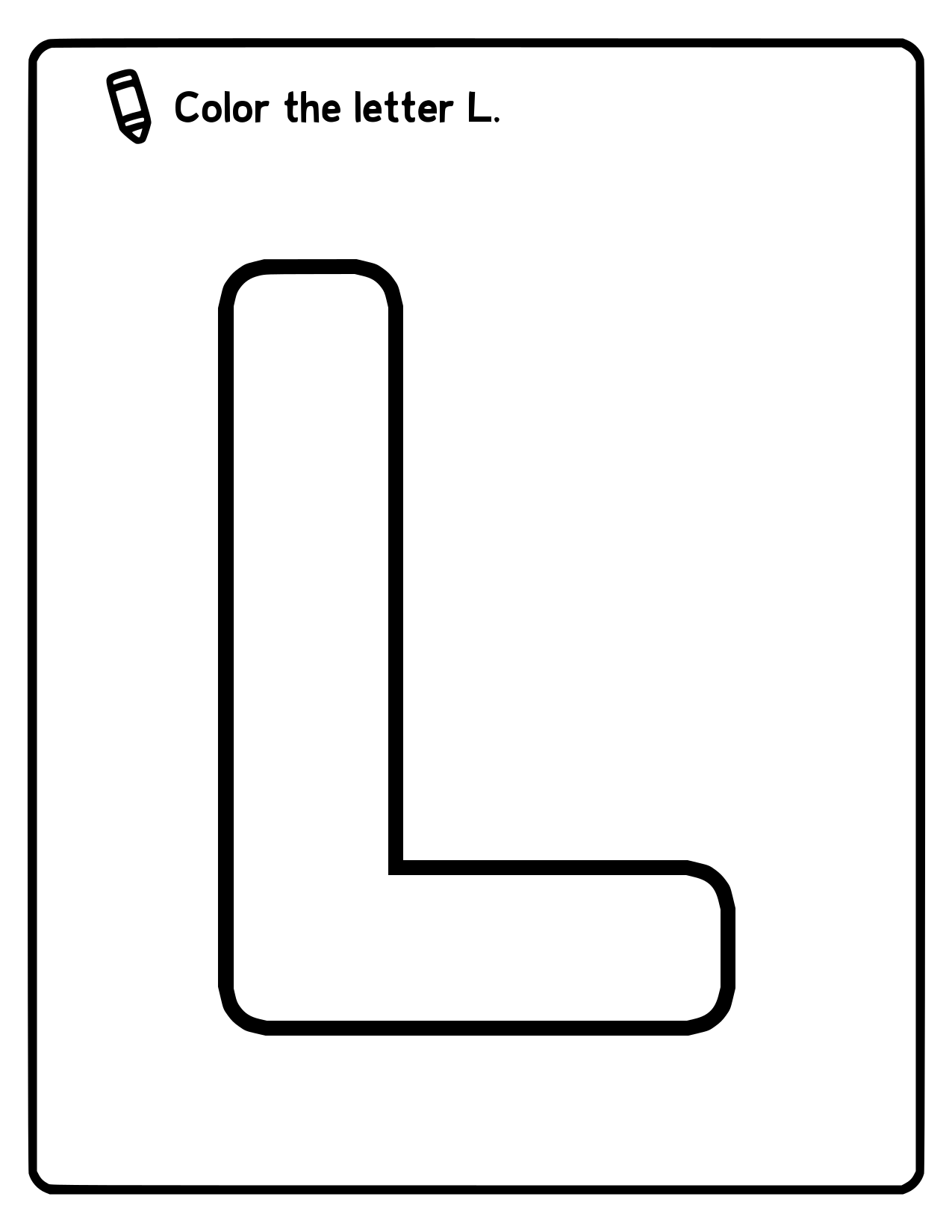
Letter L Coloring Page
Easy
Letter M Coloring Page
Easy
Letter N Coloring Page
Easy
Letter O Coloring Page
Easy
Letter P Coloring Page
Easy
Letter Q Coloring Page
Easy
Letter R Coloring Page
Easy
Letter S Coloring Page
Easy
Letter T Coloring Page
Easy
Letter U Coloring Page
Easy
Letter V Coloring Page
Easy
Letter W Coloring Page
Easy
Letter X Coloring Page
Easy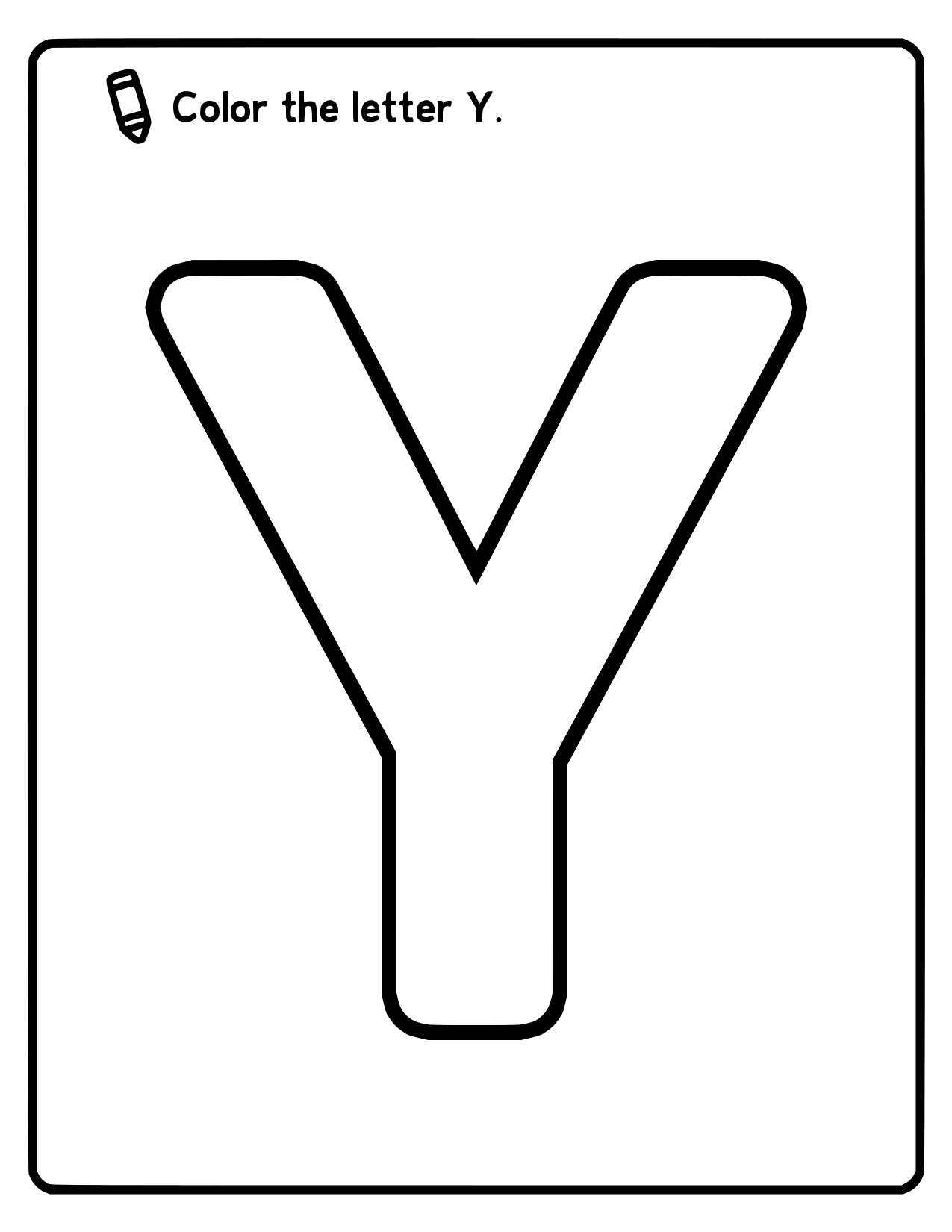
Letter Y Coloring Page
Easy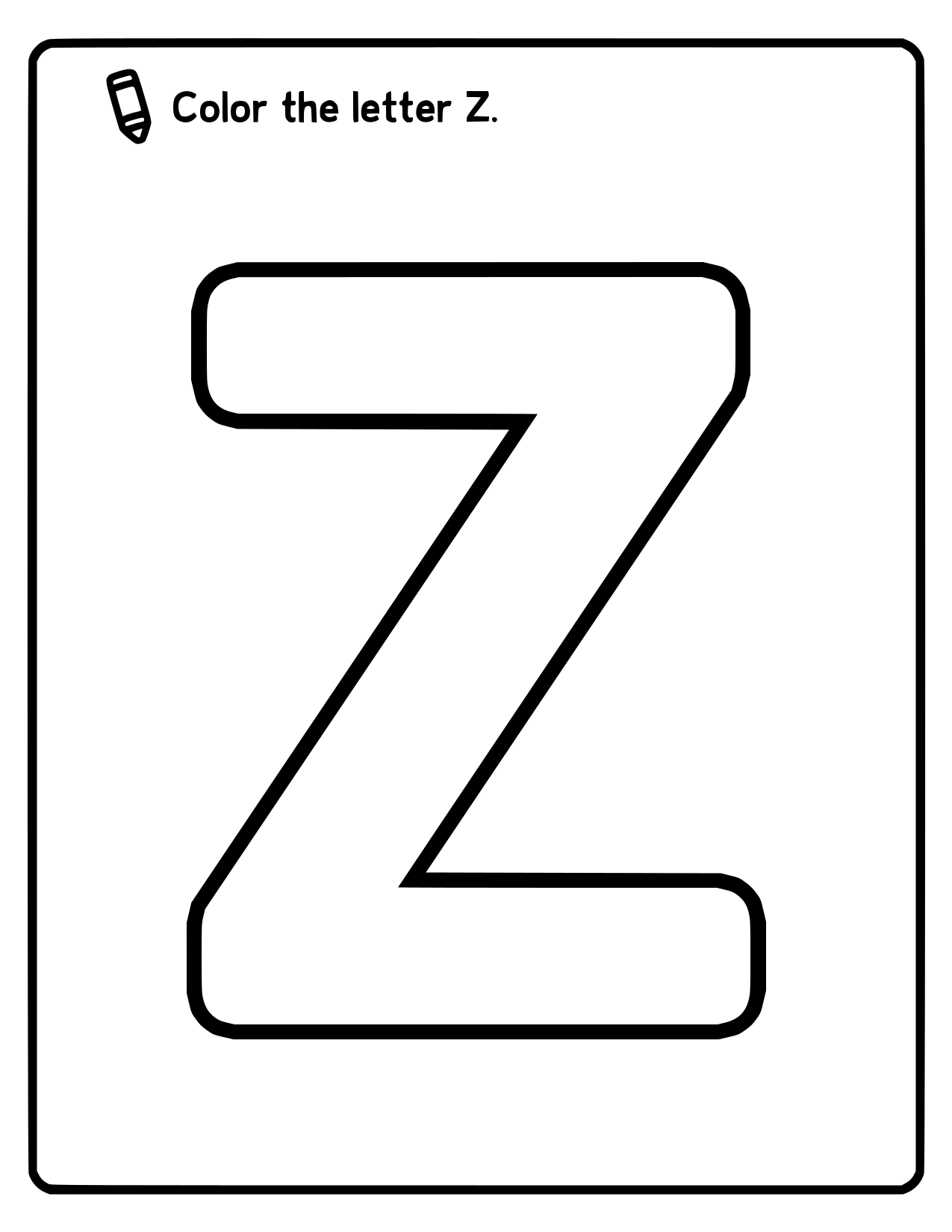
Letter Z Coloring Page
EasyAbout Classic Letters Coloring Pages
The Classic Letters collection is the simplest possible way into the alphabet: one big, bold uppercase letter on every page, from A to Z. There are no animals, no objects and no busy backgrounds — just the pure shape of the letter, drawn large and clear, waiting to be filled with color. All 26 pages are free to download as print-ready PDFs, with no account, no paywall and no watermark.
Why the Letter Comes First
Before a child can read a word, they have to recognise the letters that build it — and recognising a letter means knowing its shape from every angle, instantly and effortlessly. That kind of fluency does not come from glancing at the alphabet on a poster. It comes from spending real, unhurried time with each letter, one at a time.
A classic letter page gives a child exactly that. With nothing else on the sheet to compete for attention, the eye settles on a single form and stays there. As the child colors, they trace — slowly, repeatedly — the very lines that define the letter: how the two diagonal strokes of an A climb and meet at a peak, why a B has one straight spine and two stacked curves, how an O is a single unbroken loop with no beginning and no end. That is letter learning at its most honest and most effective.
It is also a quiet first lesson in handwriting. Long before a child holds a pencil to write, the hand that colors a large L or T is rehearsing the straight, controlled strokes those letters will one day need. Coloring builds the muscle memory; writing simply collects the reward later.
Why Single Letters Suit the Youngest Learners
For a toddler or preschooler meeting the alphabet for the first time, a busy page can feel like noise. A single large letter strips everything away and leaves one clear, achievable task. There is no decision about where to start and no risk of feeling lost — just a big friendly shape and a box of crayons.
Big letters are kind to small hands in a very practical way, too. The wide, open areas are easy to fill without the frustration of tiny gaps or fiddly corners, so even a child still figuring out how to hold a crayon can finish a page that genuinely looks finished. Those small, repeated successes are not a side effect — they are the point. Confidence is the fuel that early learning runs on, and a completed letter delivers a fresh tank of it every time.
Because there is no wrong way to color a letter, every page ends well. A child can fill an S with a single colour, with stripes, with spots or with a different shade for every curve, and each version is a success. That freedom keeps the activity calm and pressure-free — exactly the mood in which young children learn best.
What Is in the Classic Letters Collection
The collection covers the complete English alphabet — all 26 uppercase letters, A through Z — with one letter to a page. Every letter is drawn in the same bold, even outline and at a generous size, so the set feels consistent from the first page to the last. Worked through in order, the pages become a child's own hand-coloured alphabet, start to finish.
Because the style is so clean, the pages double as a handwriting and display resource. A finished letter can go straight onto a bedroom wall or a classroom frieze, and the uniform look means a wall of them lines up neatly into a proper A-to-Z. Print a letter more than once and a child can compare their early attempts with their later ones — a small, satisfying record of progress.
How to Color the Letters
There is no need to rush through the alphabet. Print a few letters at a time and let your child color one a day, or follow the familiar A-to-Z order from start to finish. The letters of a child's own name are almost always the best place to begin — a name is the first word any child truly wants to recognise, and seeing it built from letters they have coloured themselves is a powerful little moment.
As you color each letter together, say its name and the sound it makes out loud, and trace its outline with a finger before any crayon touches the page. Encourage experimenting: color the same letter as one solid block, then again as a rainbow of stripes, then as a pattern of dots. Each new version makes the child look at the letter afresh and notice its shape one more time.
At Home
At home, classic letters make a perfect calm-down or quiet-time activity — a screen-free way to wind down before bed or settle after a busy afternoon. Keep a small stack printed and ready in a drawer, and pin the finished letters up as they are completed so your child can watch their own alphabet grow across the wall, week by week.
In the Classroom
In the classroom these pages are a literacy-centre staple — ideal for morning work, letter-of-the-week displays, handwriting warm-ups and calm transitions between lessons. They are free to print and hand out for as many children as you need. For a richer letter unit, combine a classic letter for handwriting focus with one of the picture or animal pages for vocabulary, so a single letter is met in more than one way.
Coloring Tools and Tips
Chunky wax crayons suit the youngest hands and forgive a wobbly grip; colored pencils give a little more control as a child grows; washable markers produce the bold, saturated fills that small children love and clean up easily afterwards. Any of them works perfectly — the aim here is enjoyment and familiarity, not precision. A thicker grip simply means a happier, more confident young colorist.
- Trace before you color — run a finger slowly along the letter's outline first, naming the sound, so the hand knows the shape before the crayon does.
- One letter, several looks — print spares and color the same letter solid, striped and spotted to keep a young child engaged with its form.
- Start with the name — color the letters of your child's own name first for an instant, motivating connection between letters and a real word.
- Big strokes are fine — the wide open areas mean broad, sweeping crayon strokes are welcome; there is no need to stay perfectly inside the lines.
Printing Your Classic Letter Pages
Every letter is available as a high-quality PDF, the best format for printing because it keeps the outline crisp at any size. A few tips for a clean result:
- Use A4 or US Letter paper — the letters are sized for standard home and classroom printers.
- Set print quality to High or Best so the bold outline stays sharp and unbroken.
- Choose black ink when your printer asks — these are simple black-line drawings.
- Print spare copies so a child can color the same letter more than once and try new colours each time.
Free to Print, Always
All 26 classic letter coloring pages are free to download and print as many times as you like — at home, in the classroom or for homeschooling. No account, no paywall, no watermark, no limit. When the pure letter shapes feel familiar, give each letter a friend: pair every classic letter with its matching animal alphabet, fruit alphabet and picture alphabet page to connect the shape of a letter with real words and sounds. Browse the full alphabet coloring collection for all four styles, or explore the wider free printables library for more learning activities.