Picture Alphabet
Free printable picture alphabet coloring pages — every letter from A to Z surrounded by everyday objects that start with it. Great for building phonics, vocabulary and letter-sound skills.
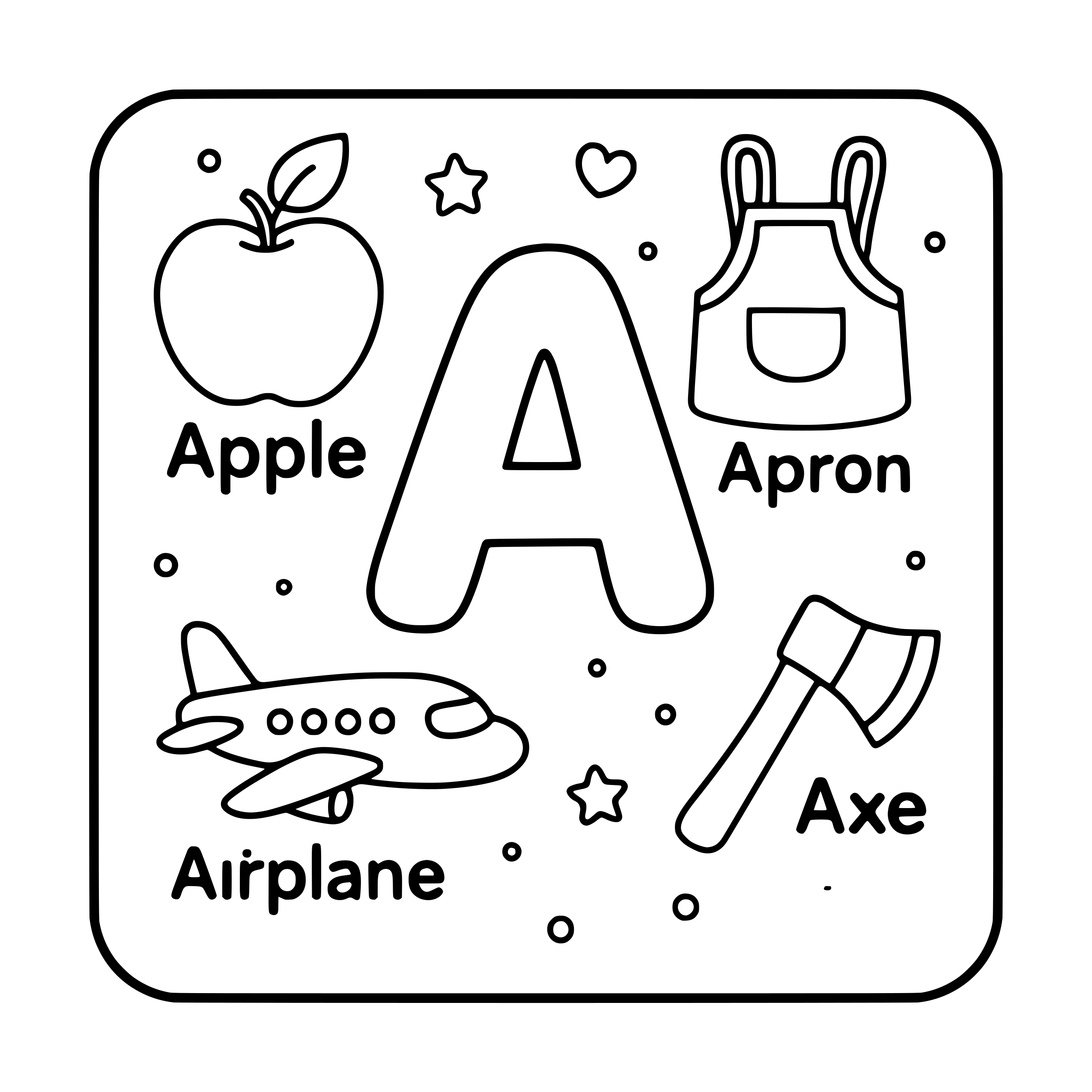
Letter A Objects Coloring Page
Easy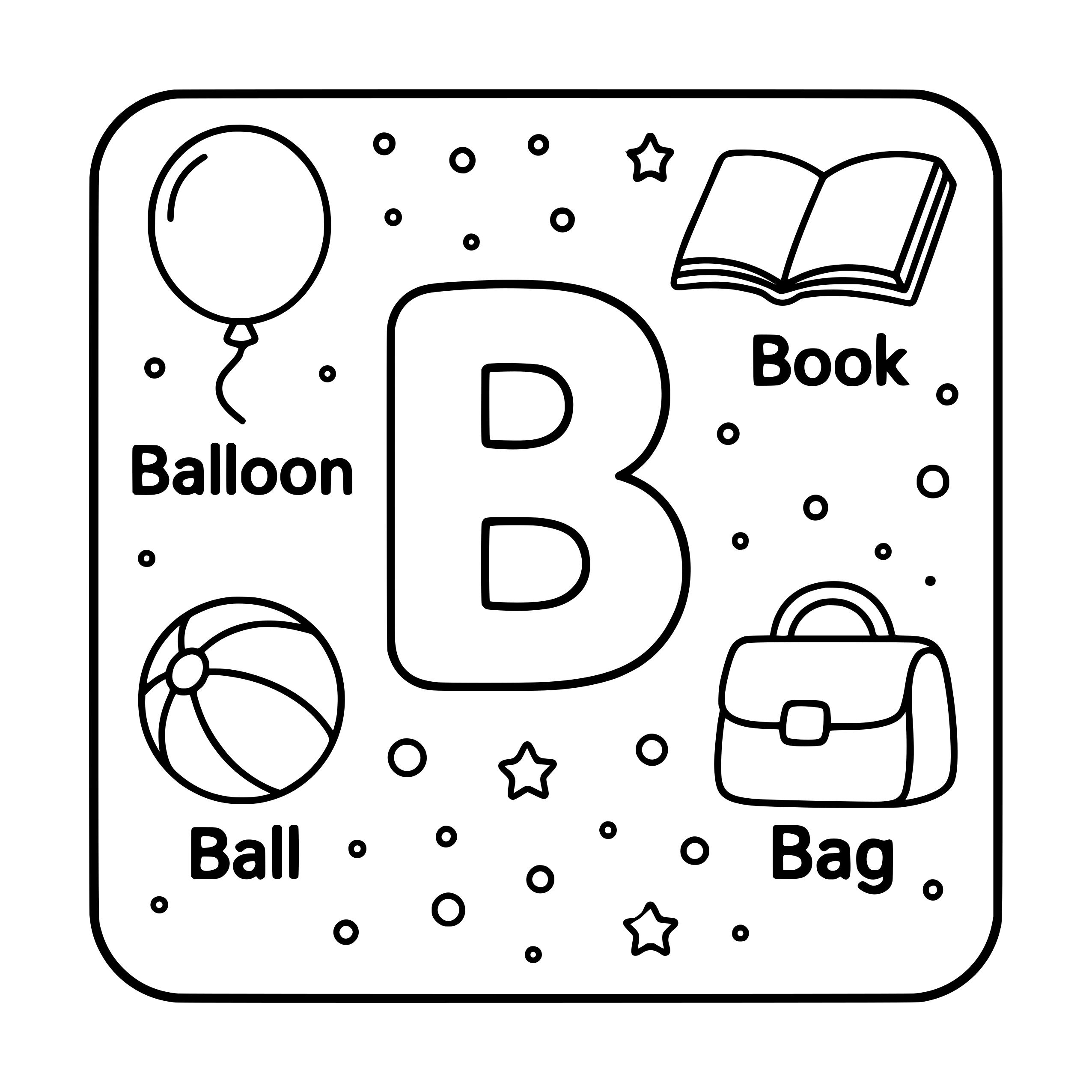
Letter B Objects Coloring Page
Easy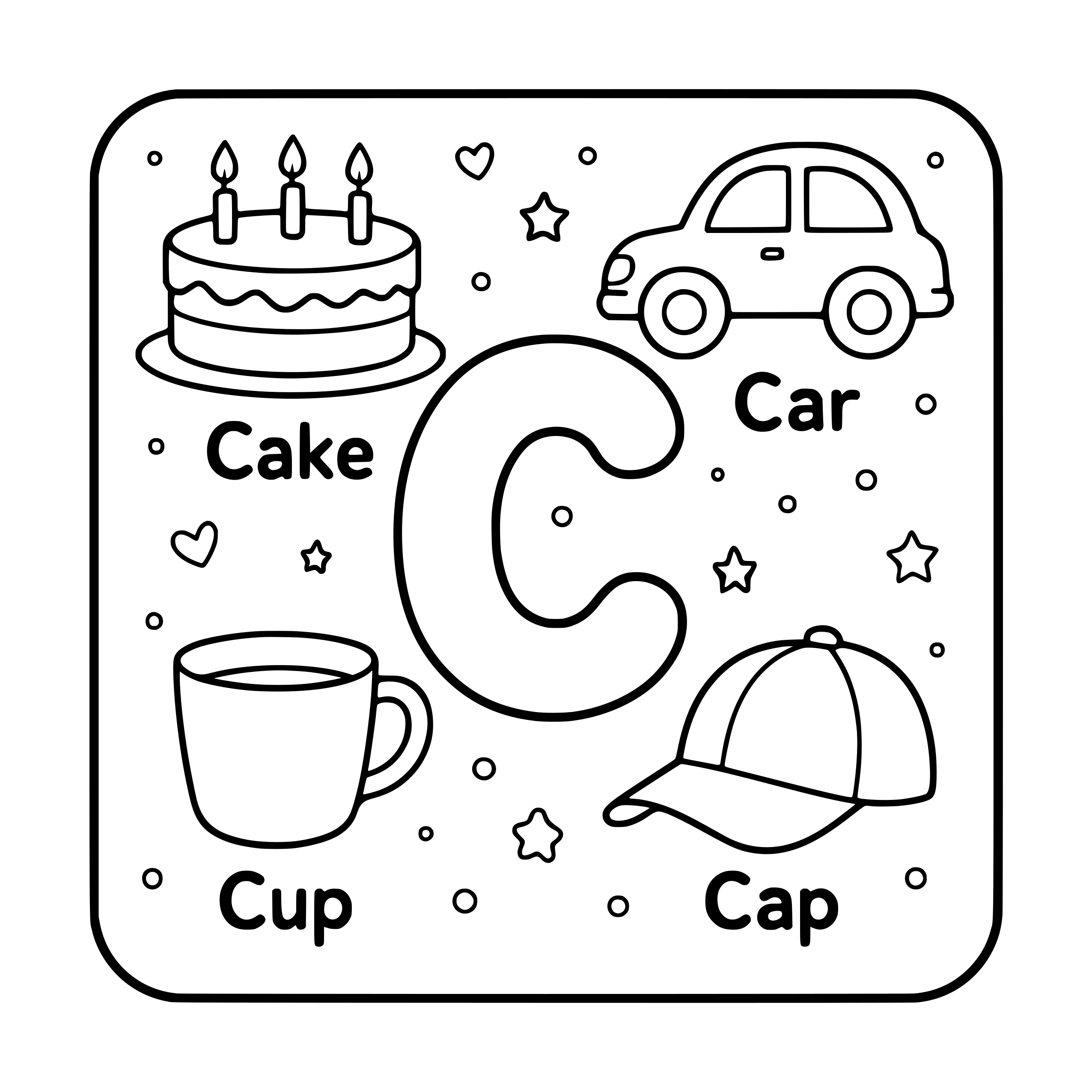
Letter C Objects Coloring Page
Easy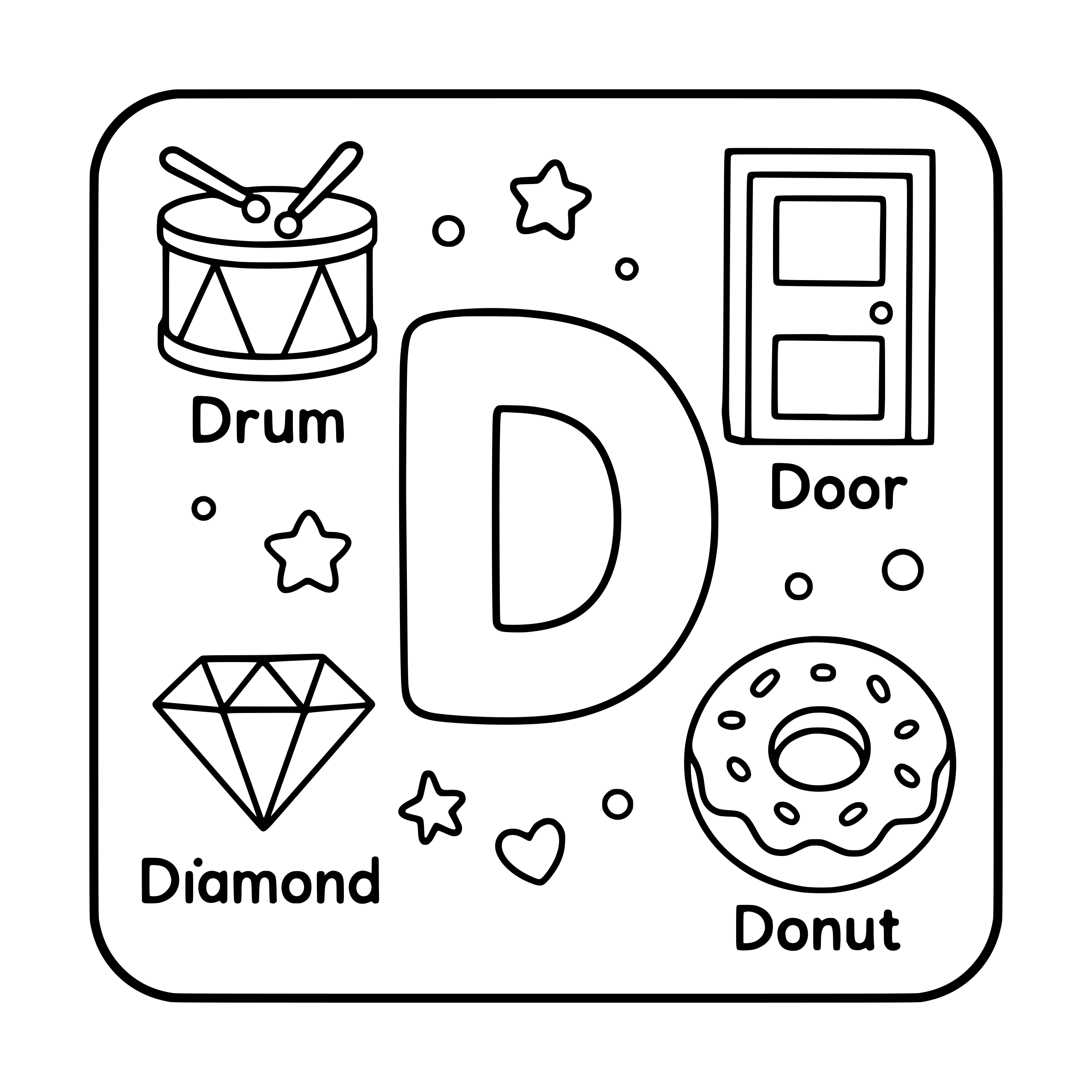
Letter D Objects Coloring Page
Easy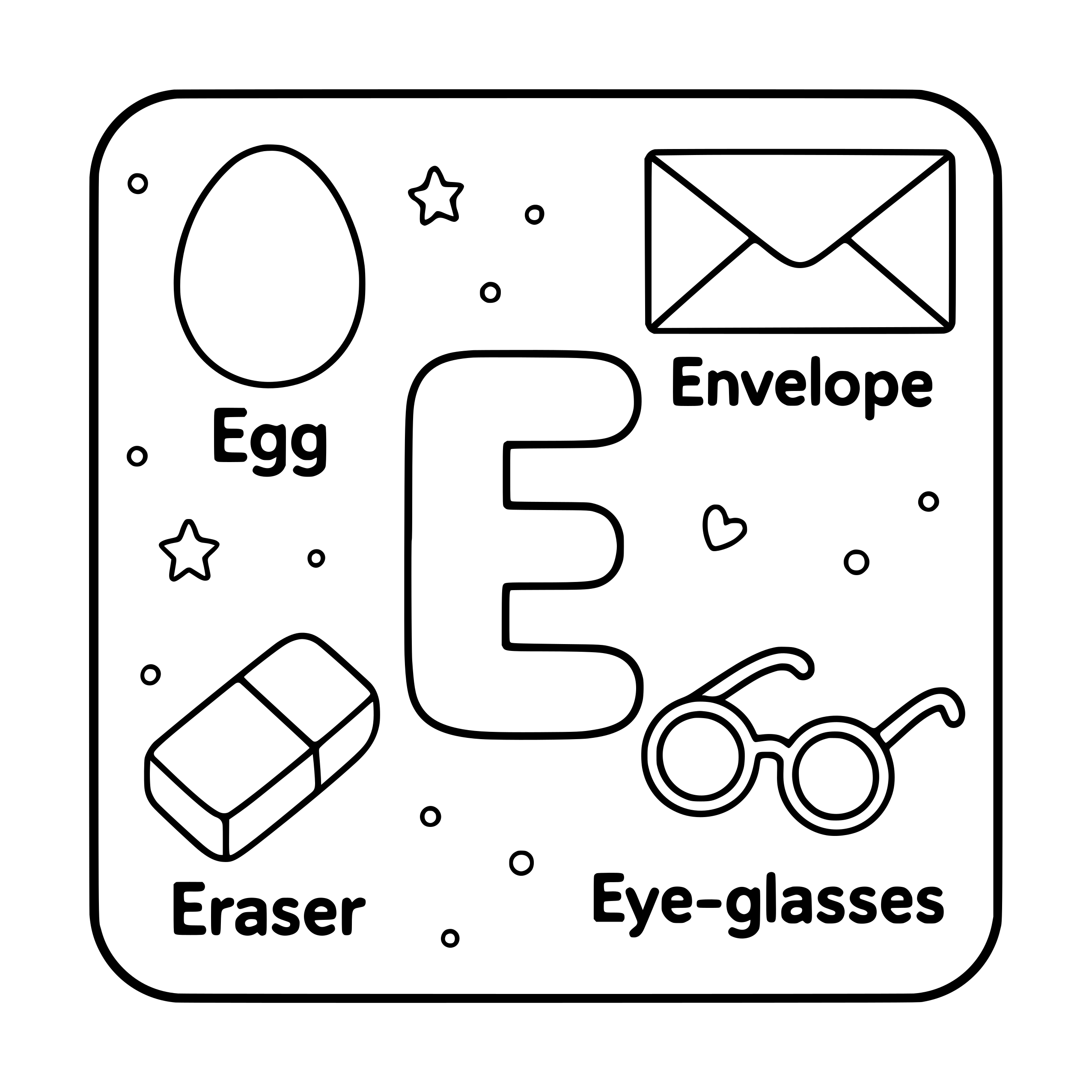
Letter E Objects Coloring Page
Easy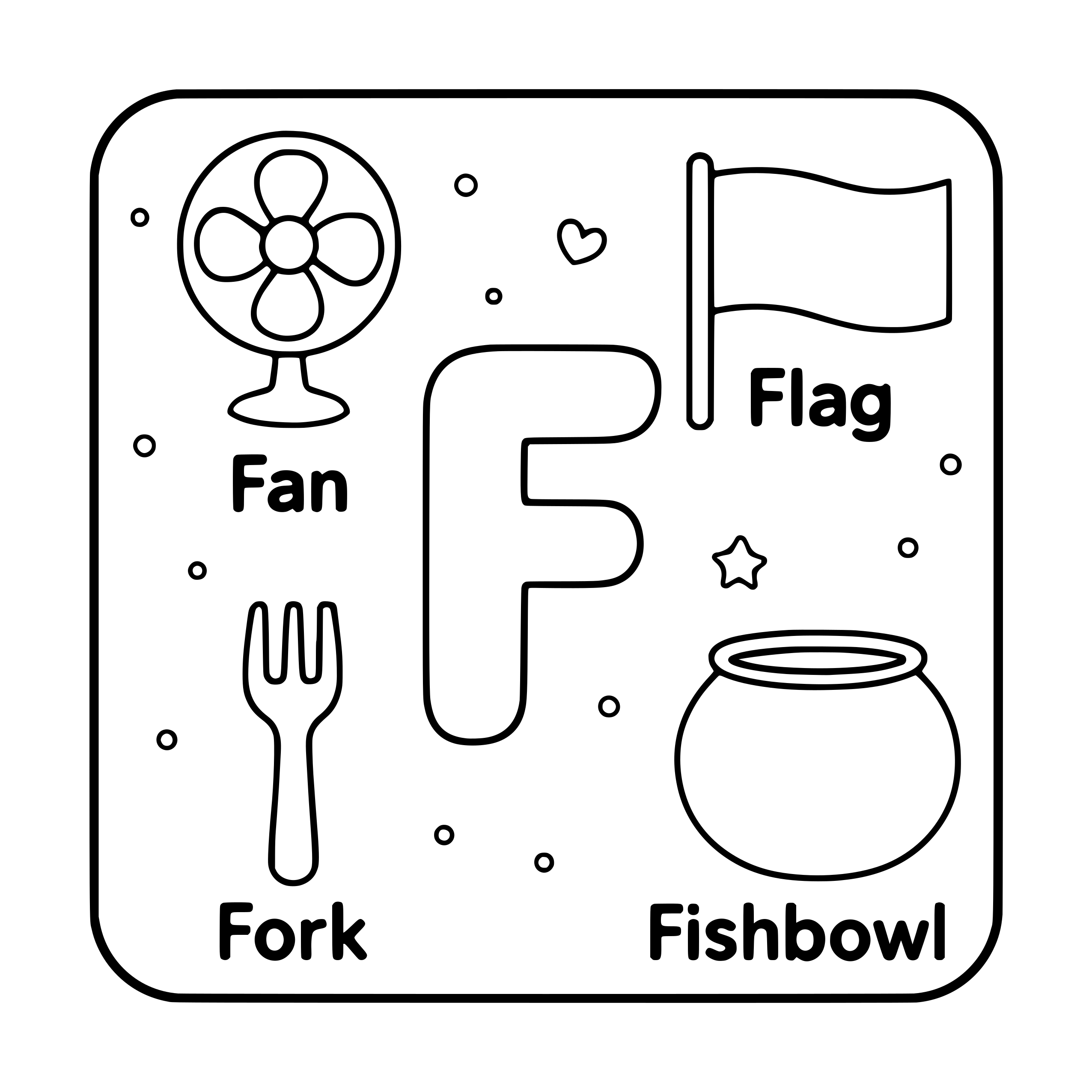
Letter F Objects Coloring Page
Easy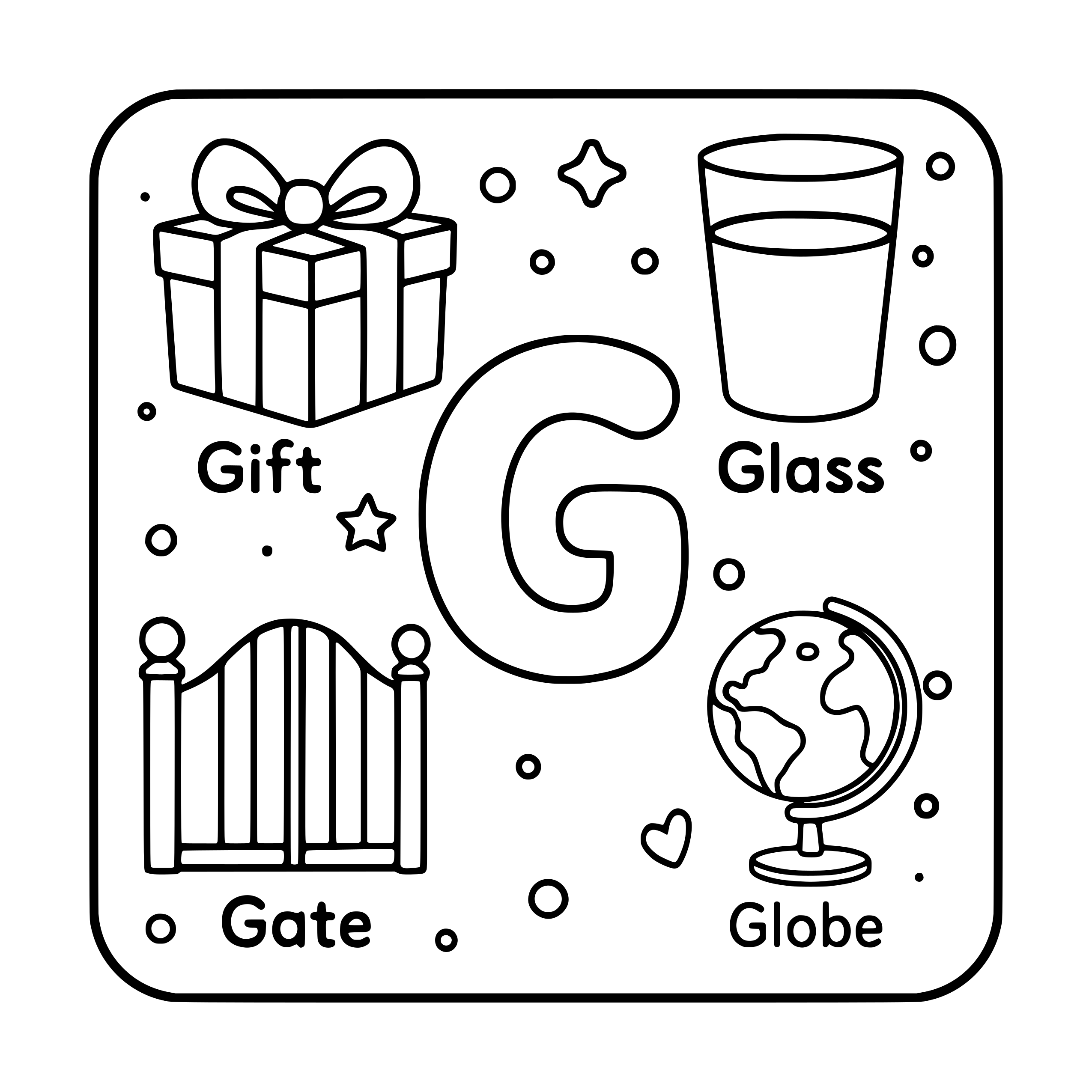
Letter G Objects Coloring Page
Easy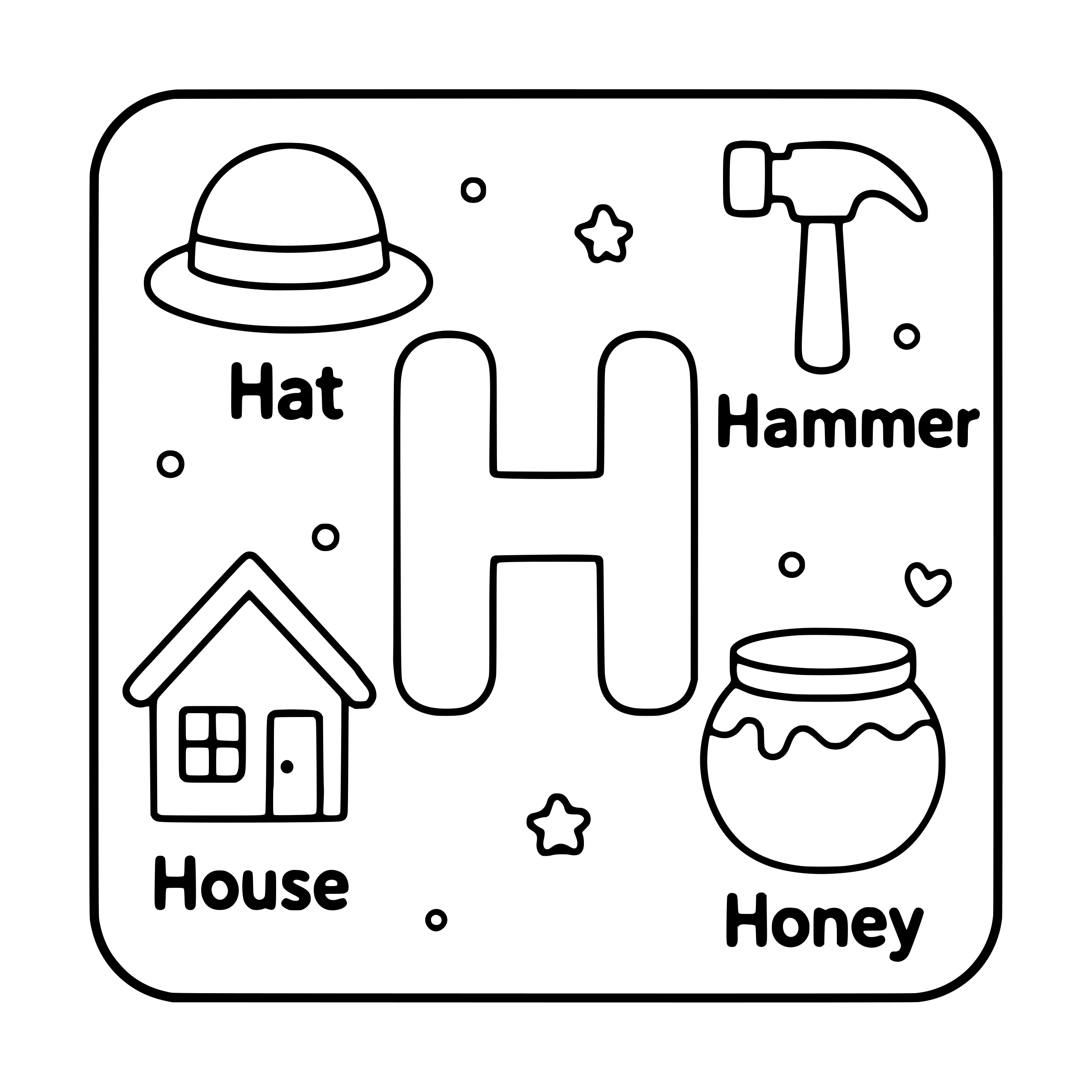
Letter H Objects Coloring Page
Easy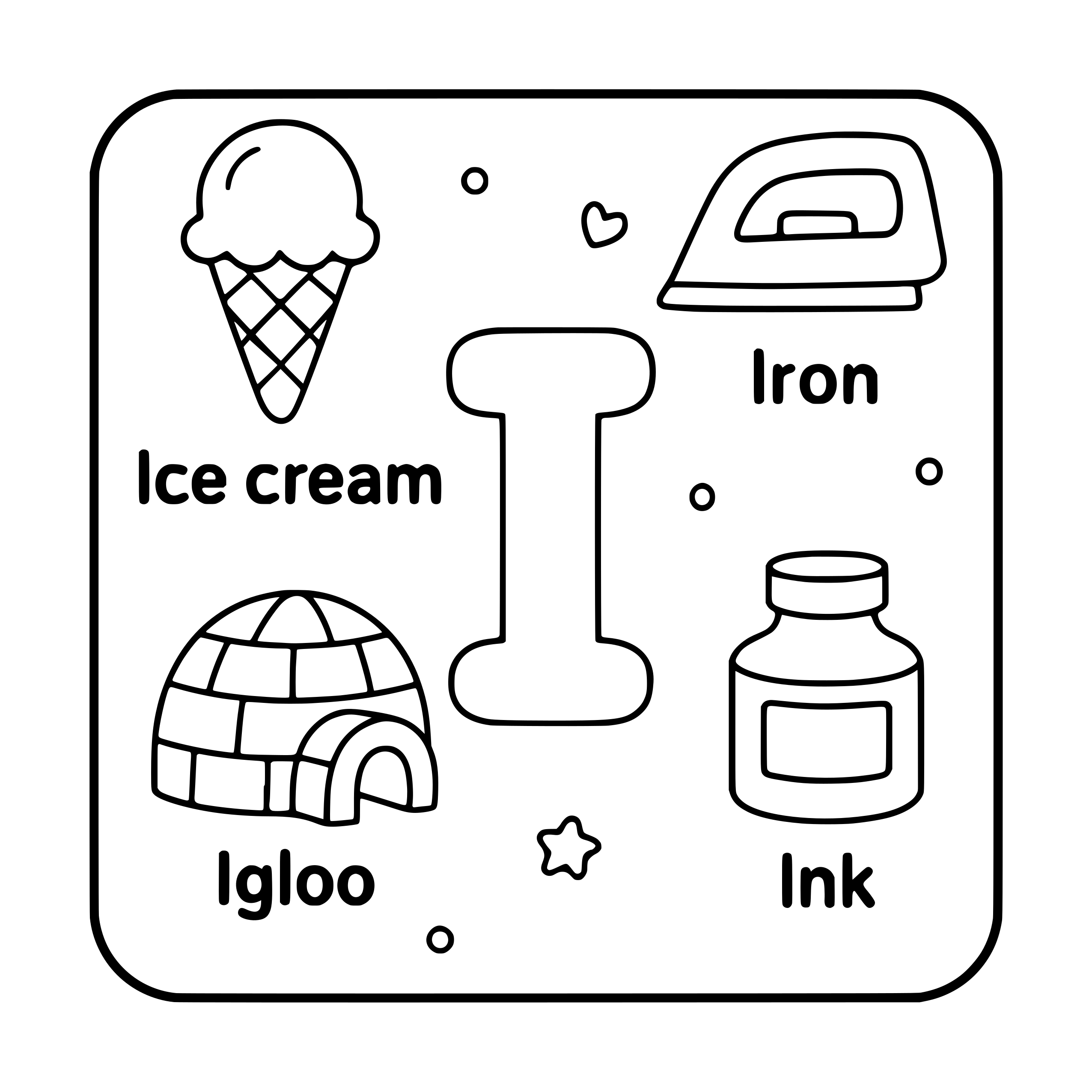
Letter I Objects Coloring Page
Easy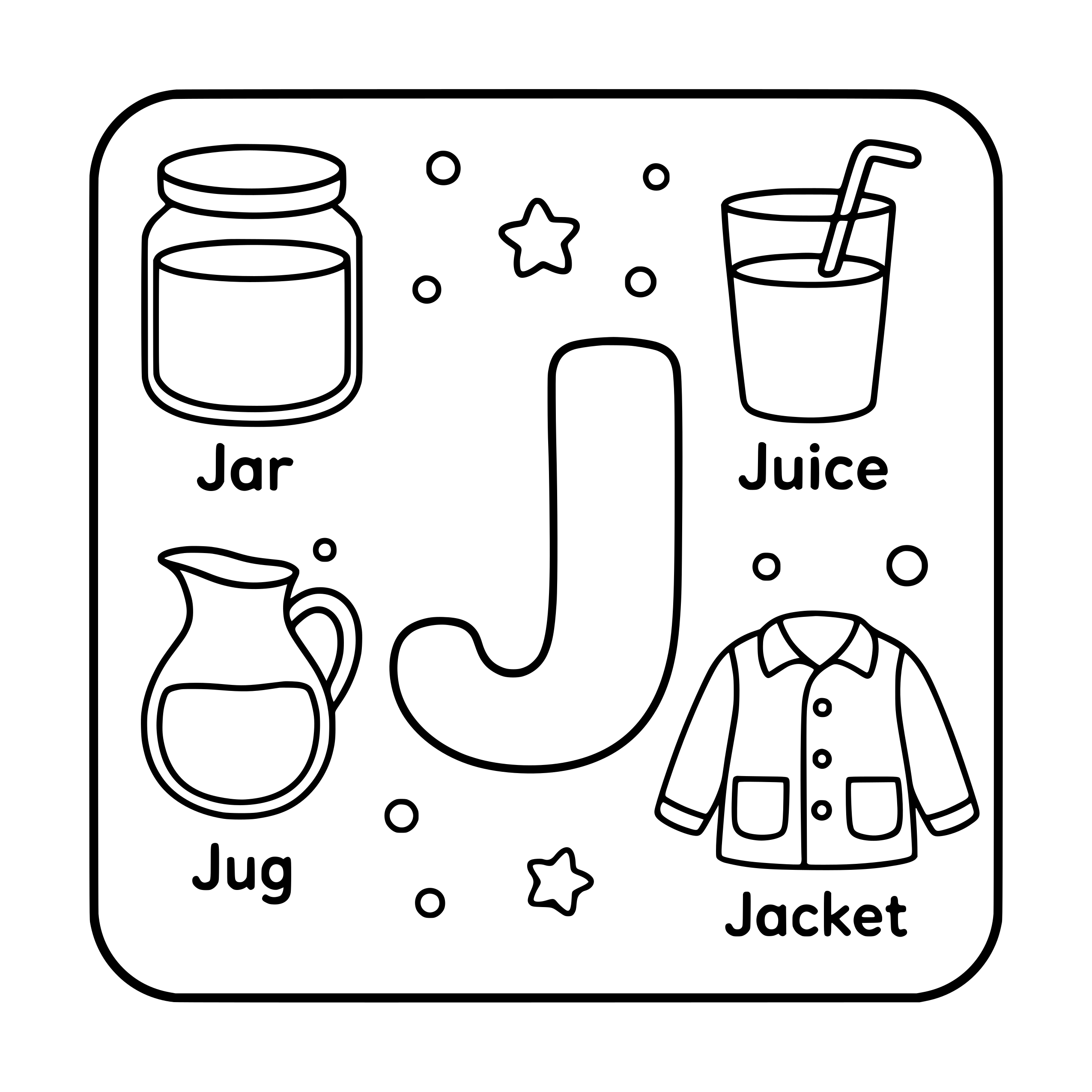
Letter J Objects Coloring Page
Easy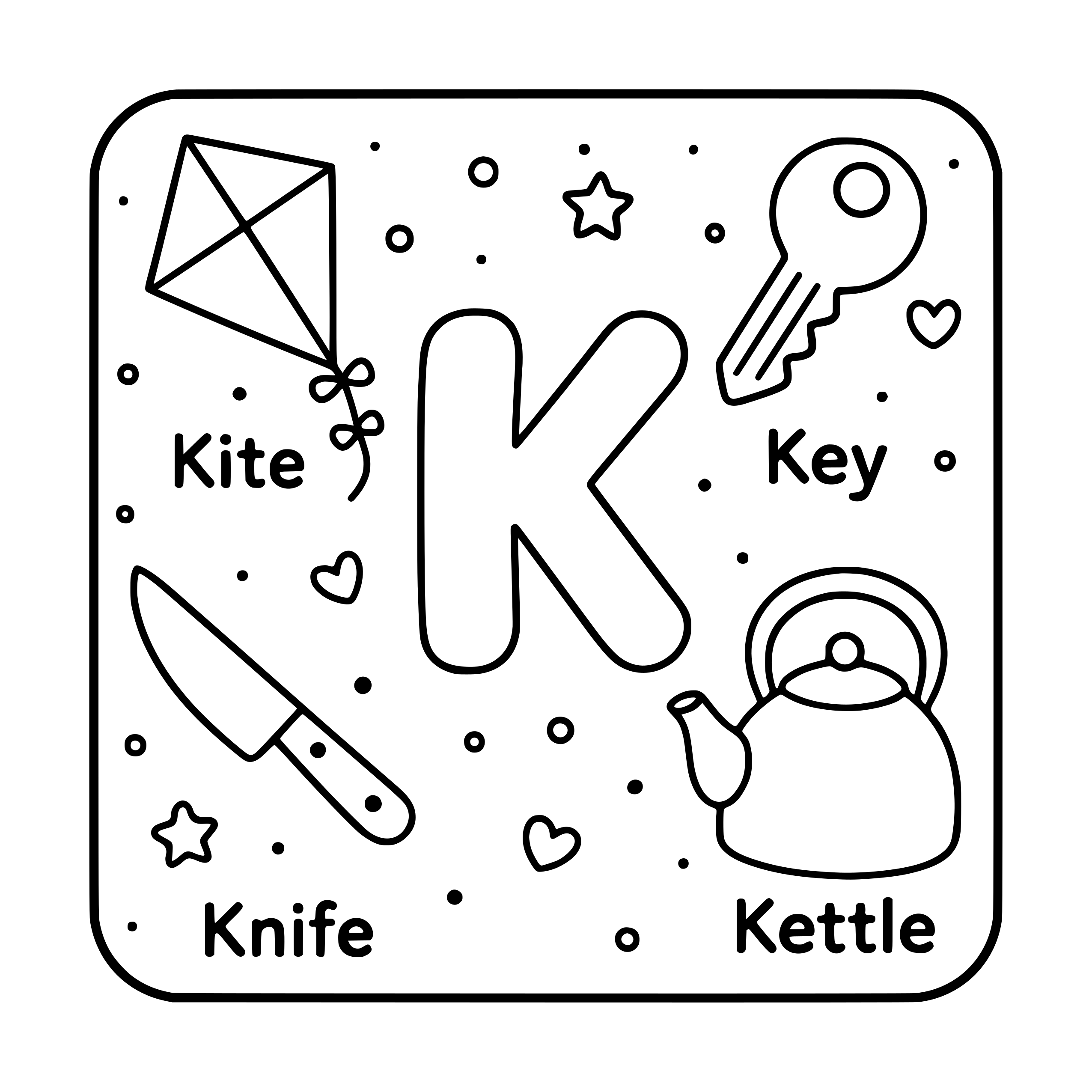
Letter K Objects Coloring Page
Easy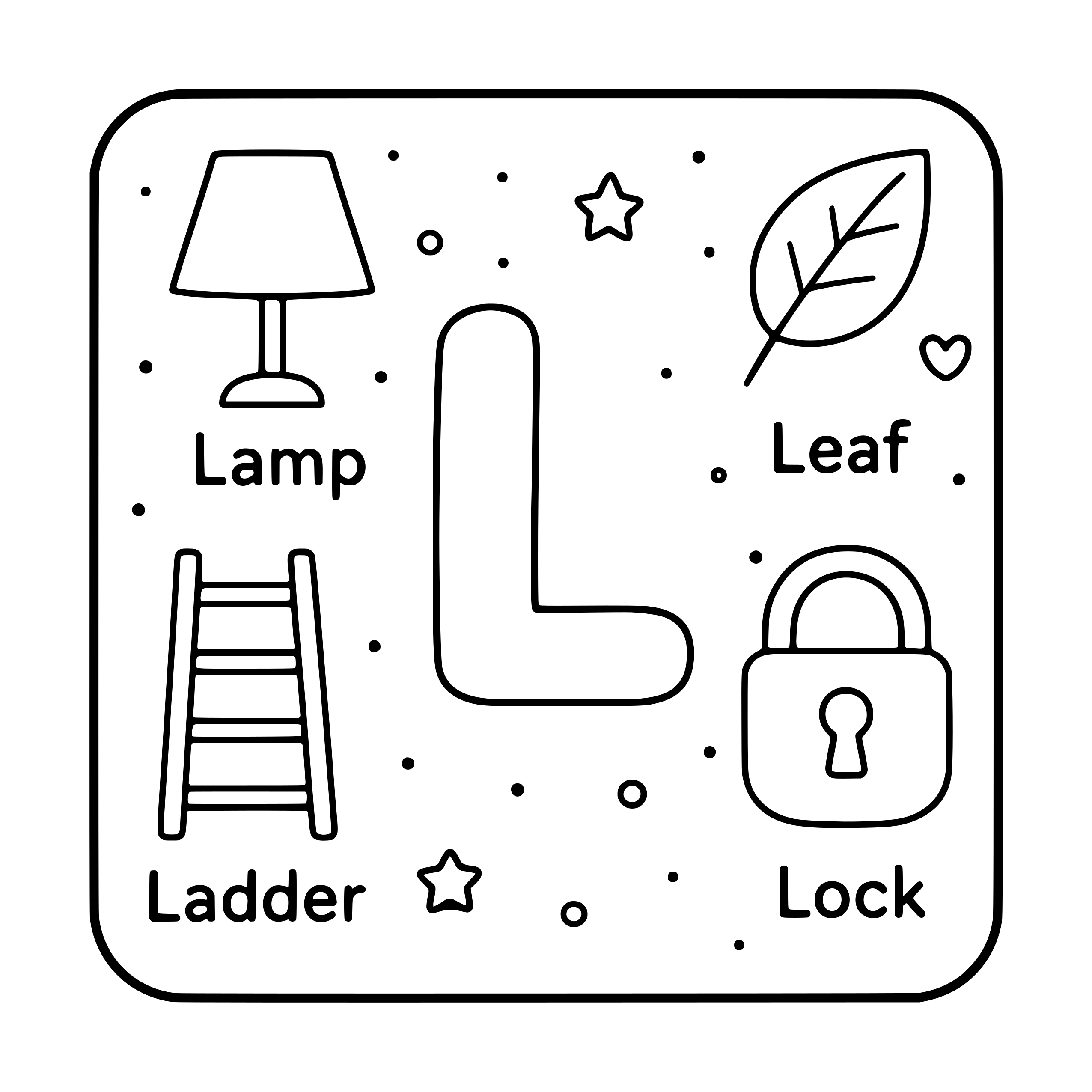
Letter L Objects Coloring Page
Easy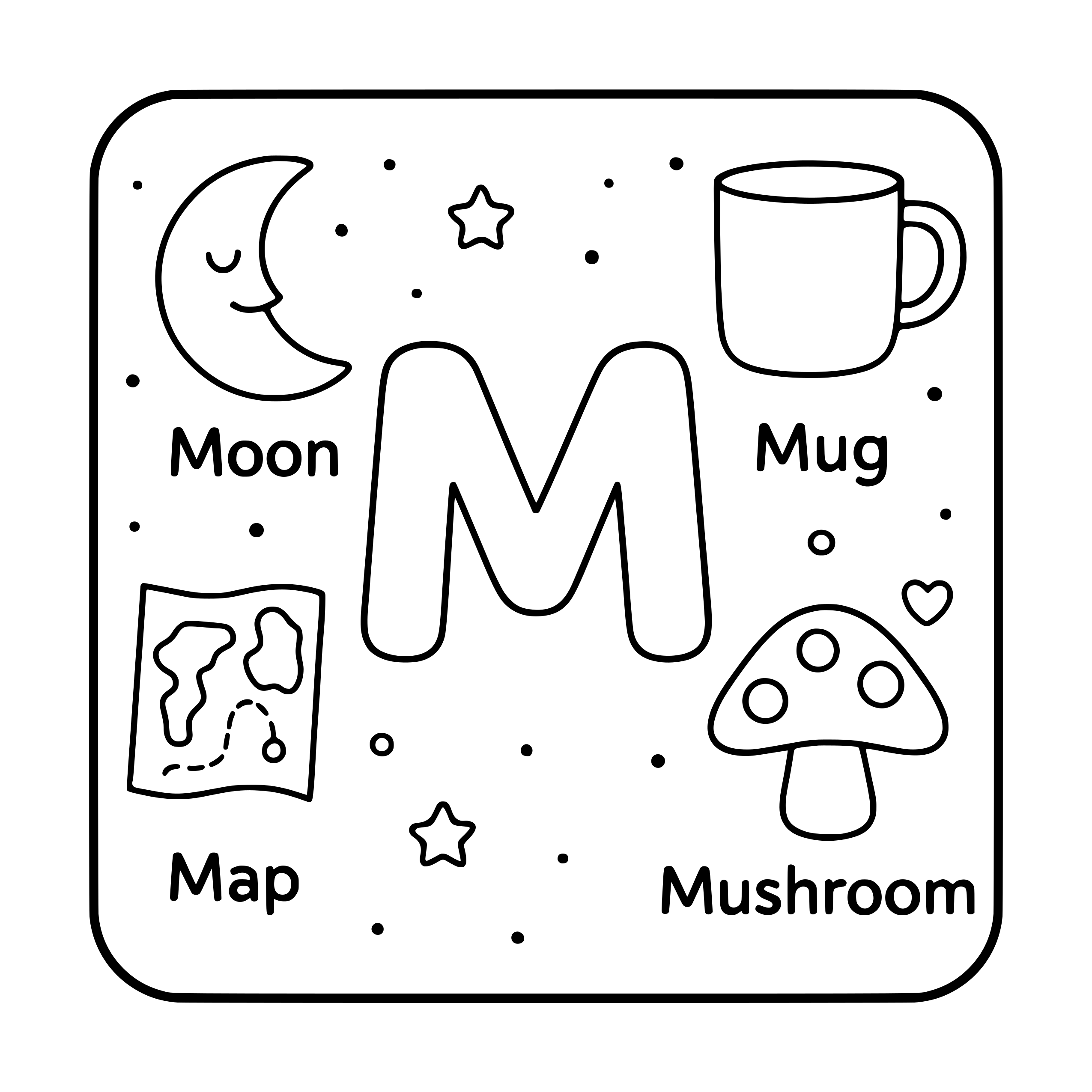
Letter M Objects Coloring Page
Easy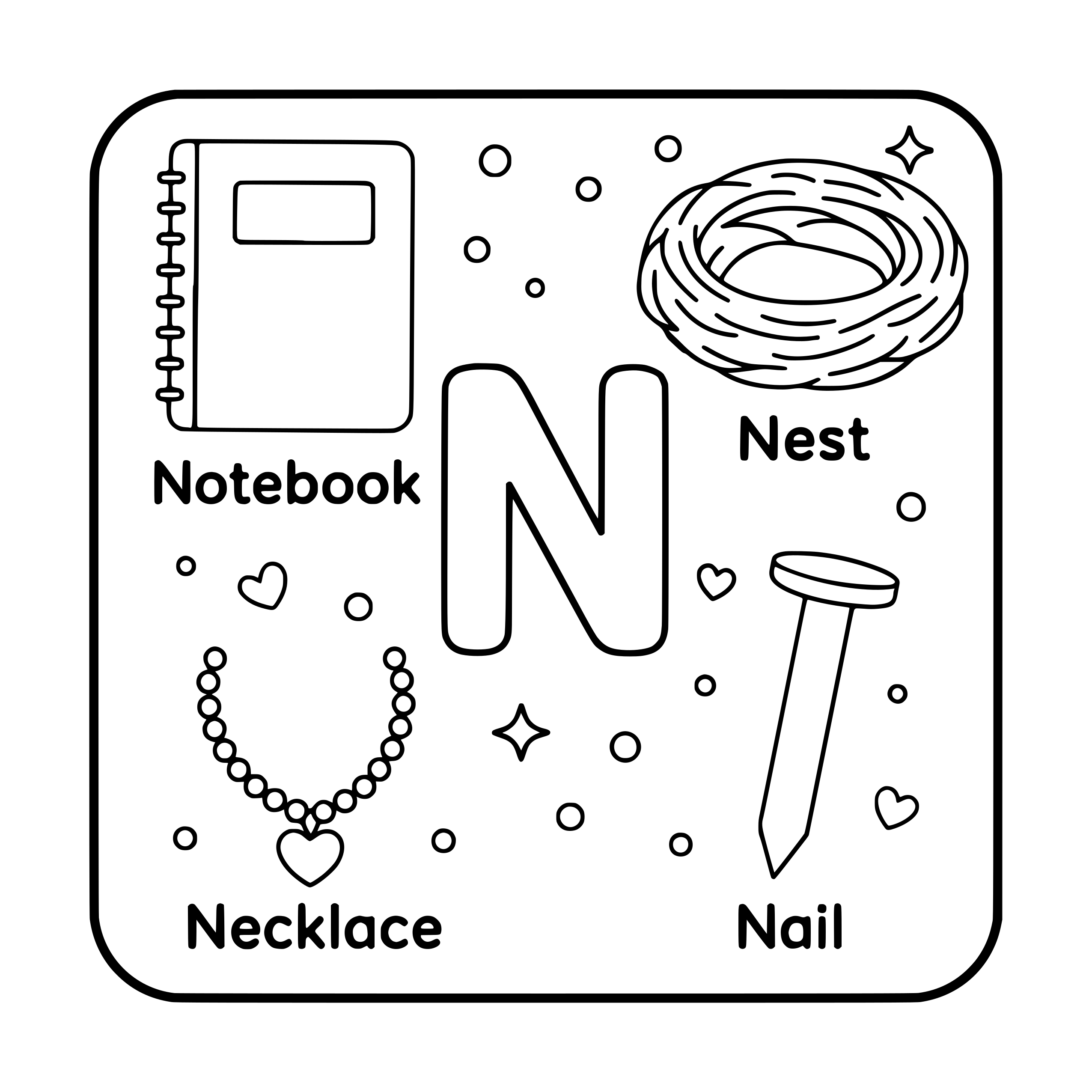
Letter N Objects Coloring Page
Easy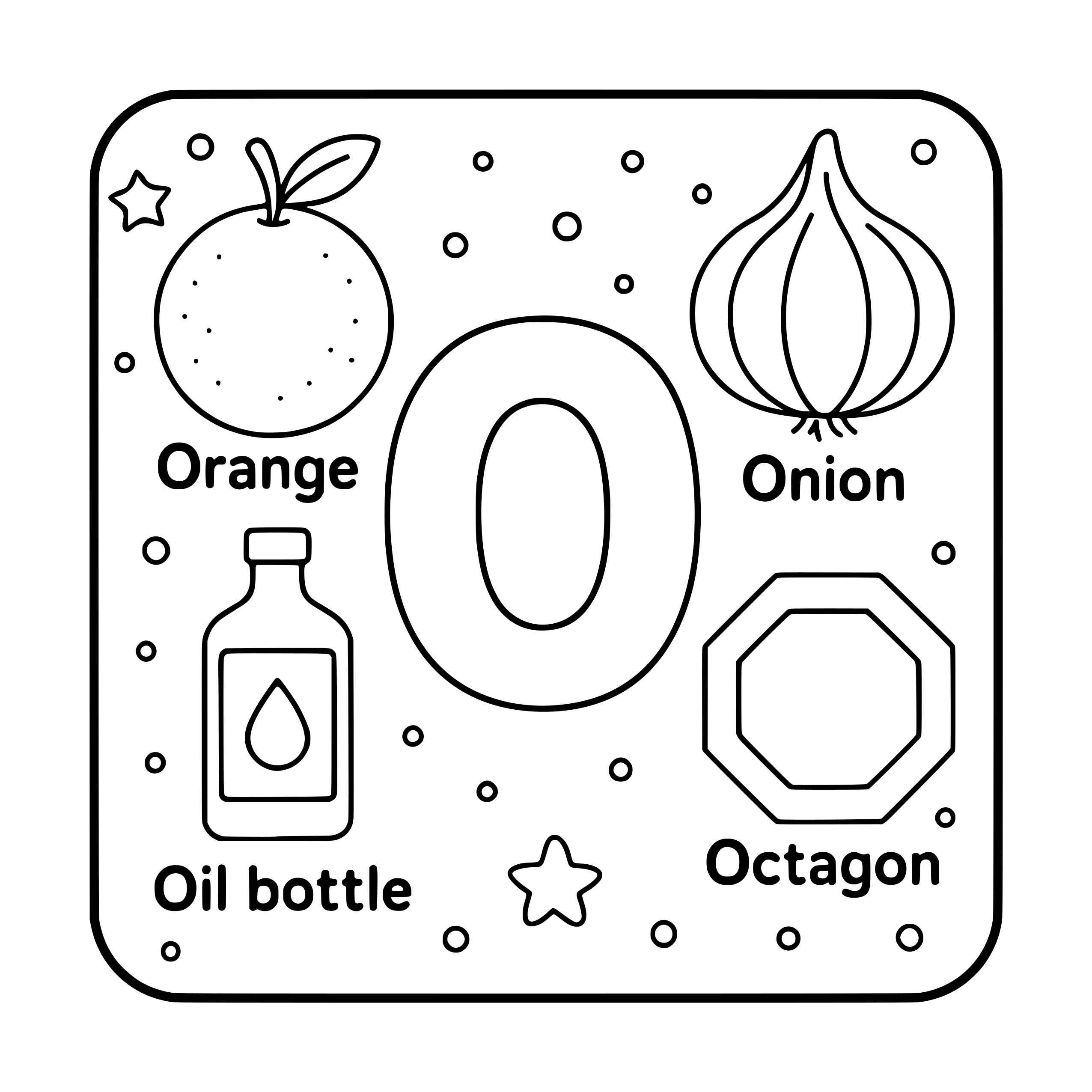
Letter O Objects Coloring Page
Easy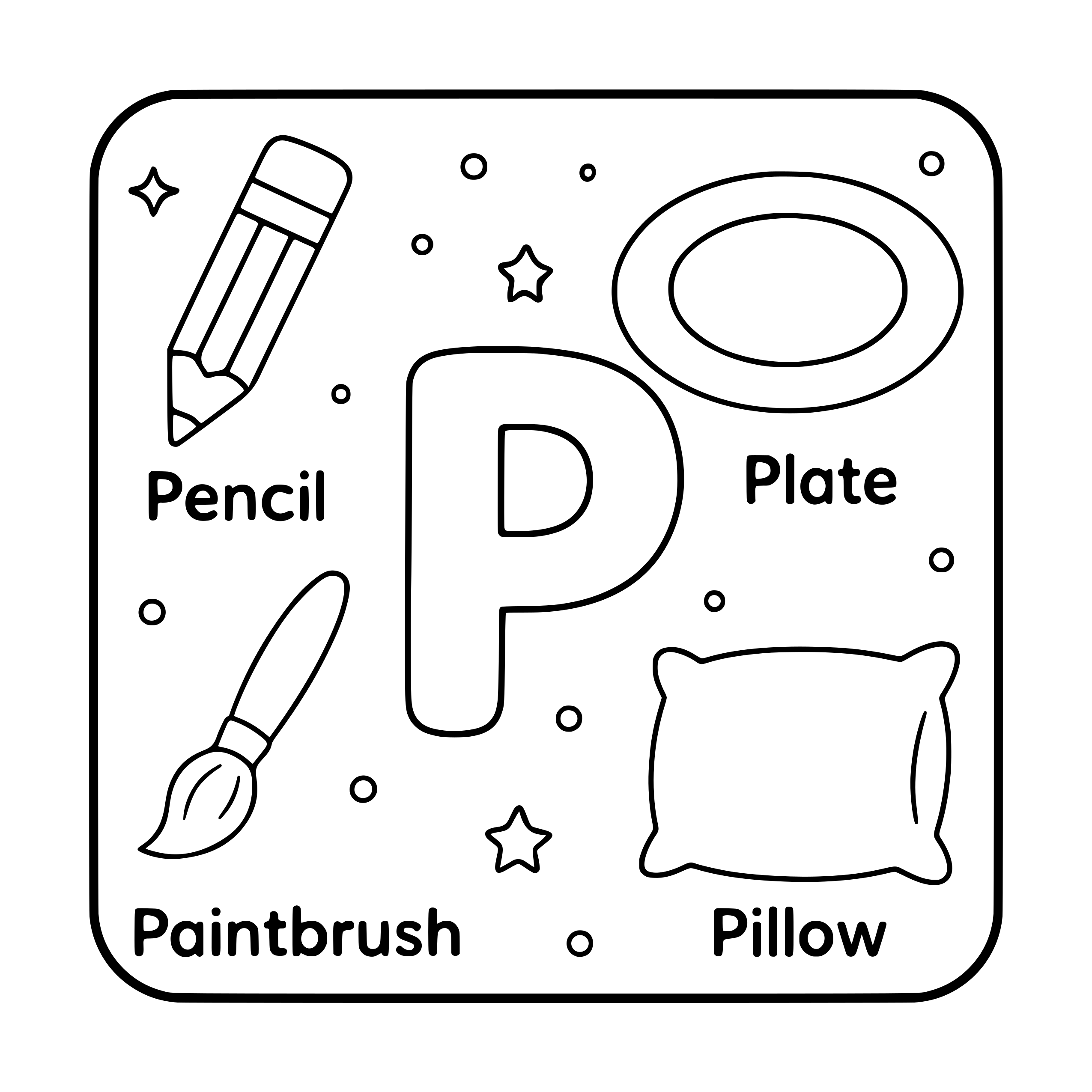
Letter P Objects Coloring Page
Easy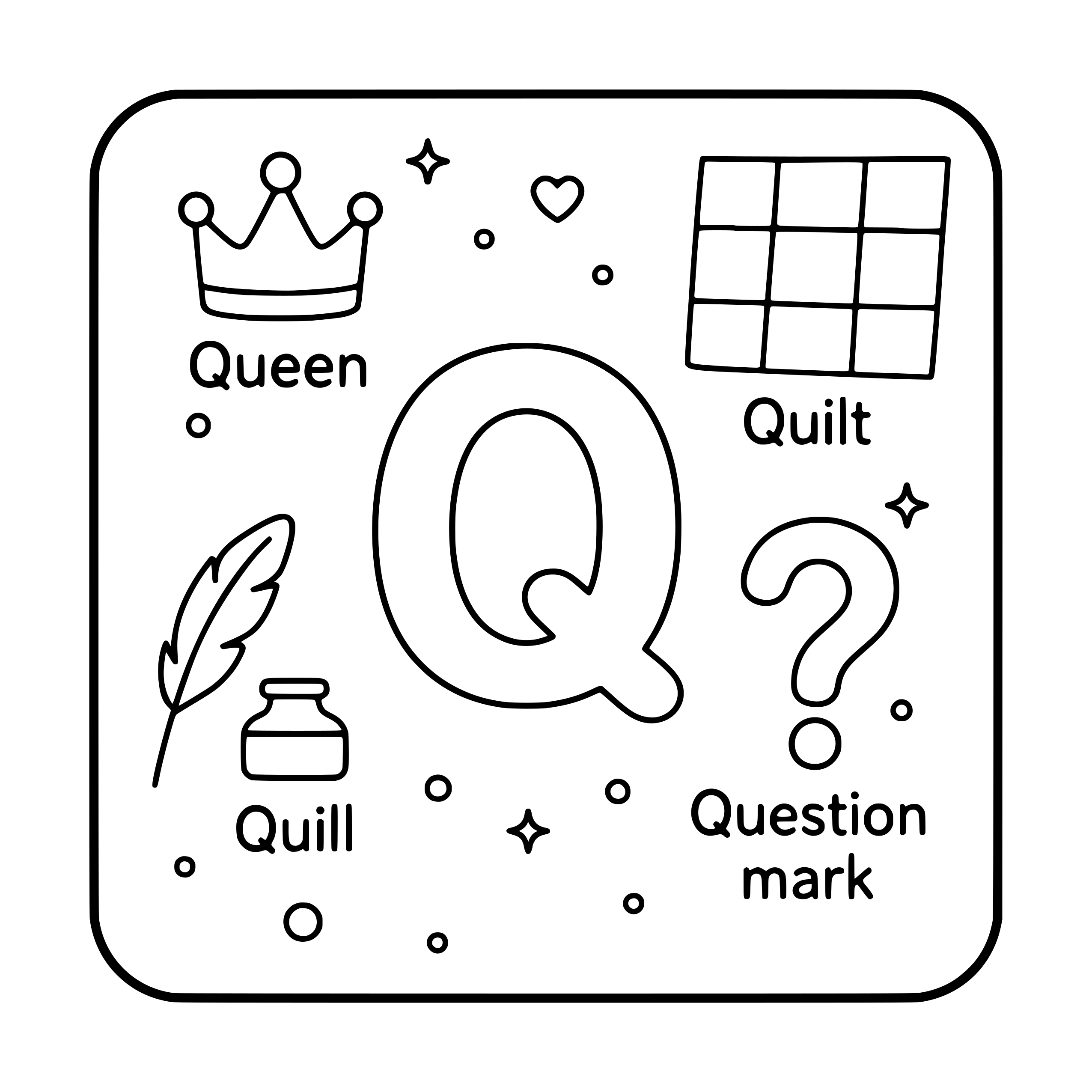
Letter Q Objects Coloring Page
Easy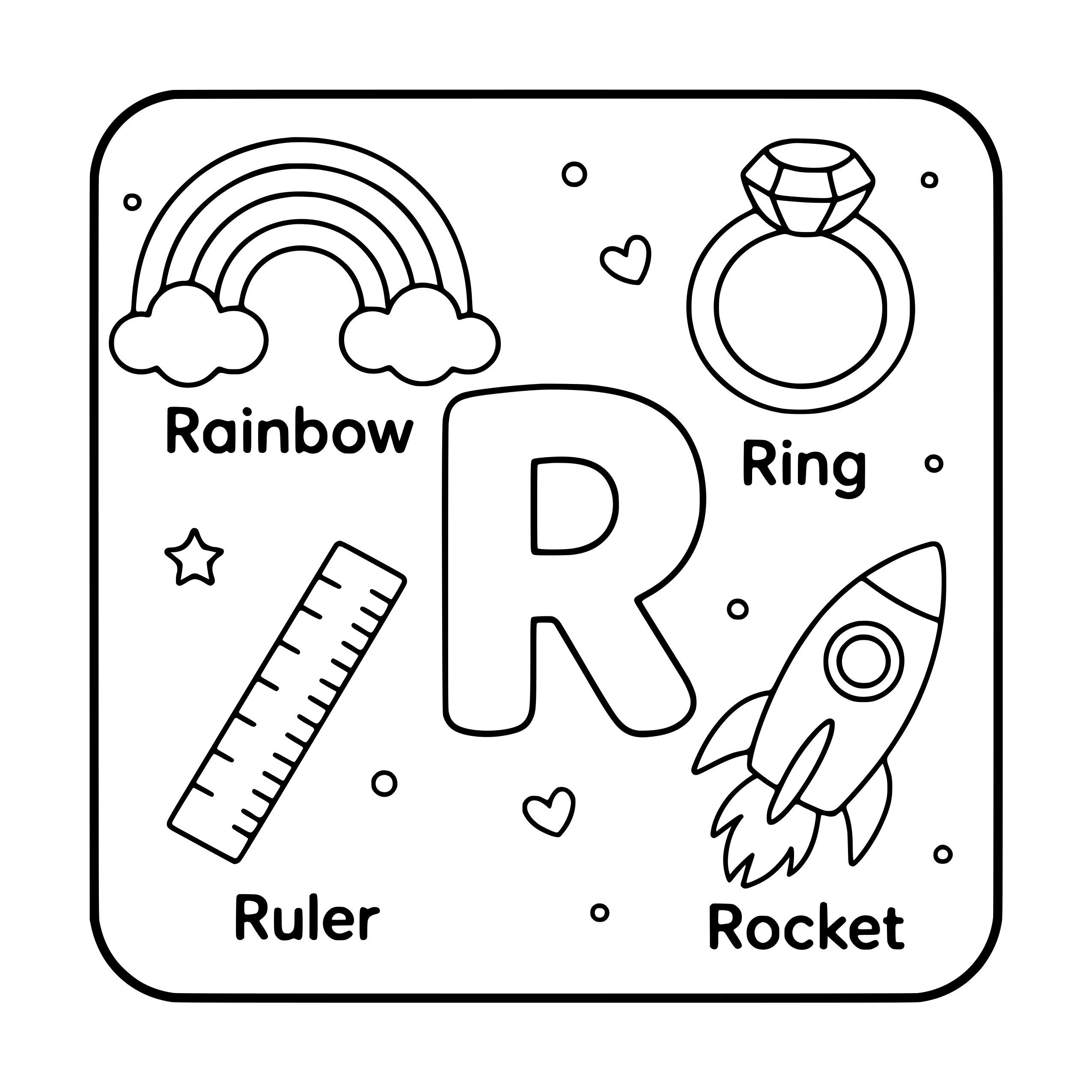
Letter R Objects Coloring Page
Easy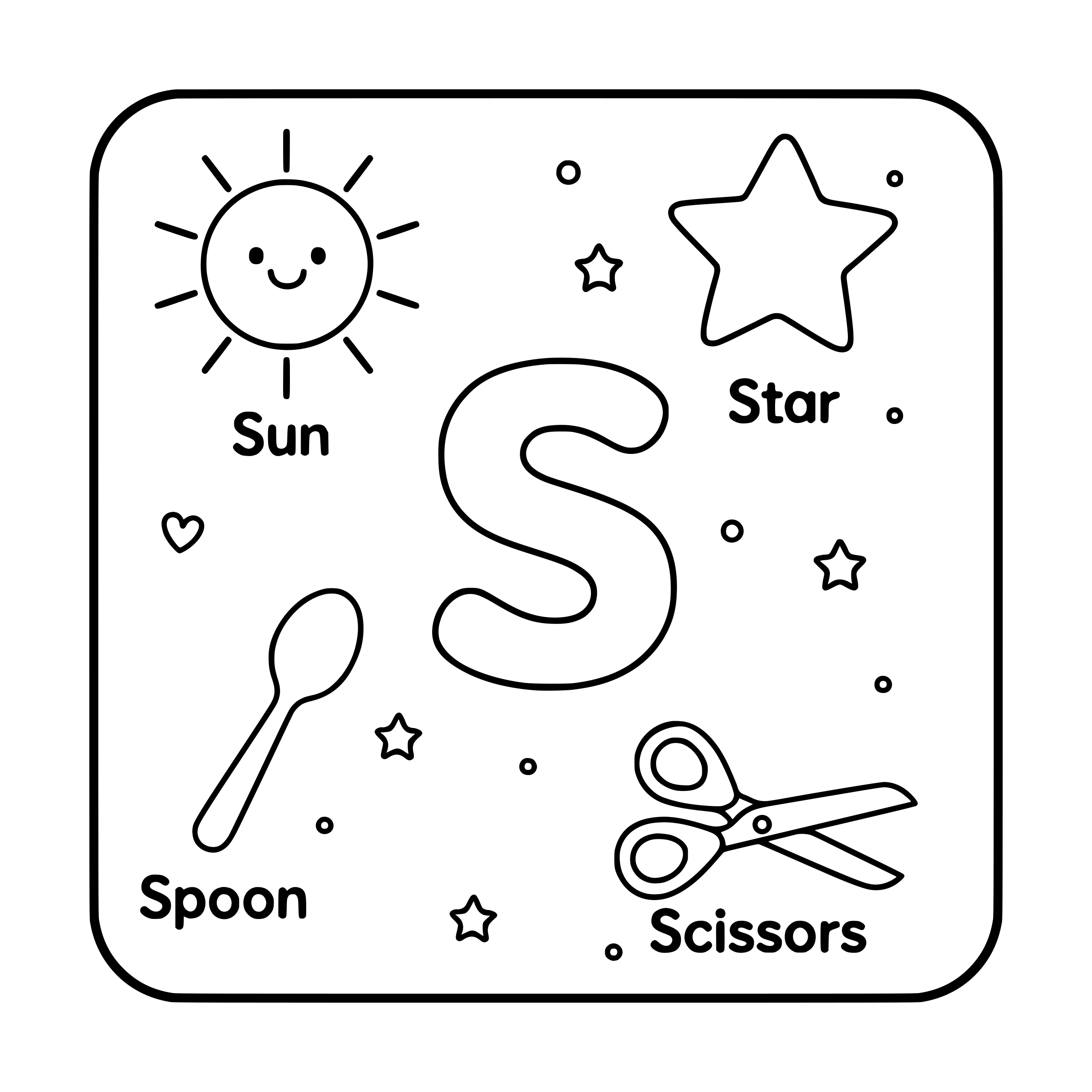
Letter S Objects Coloring Page
Easy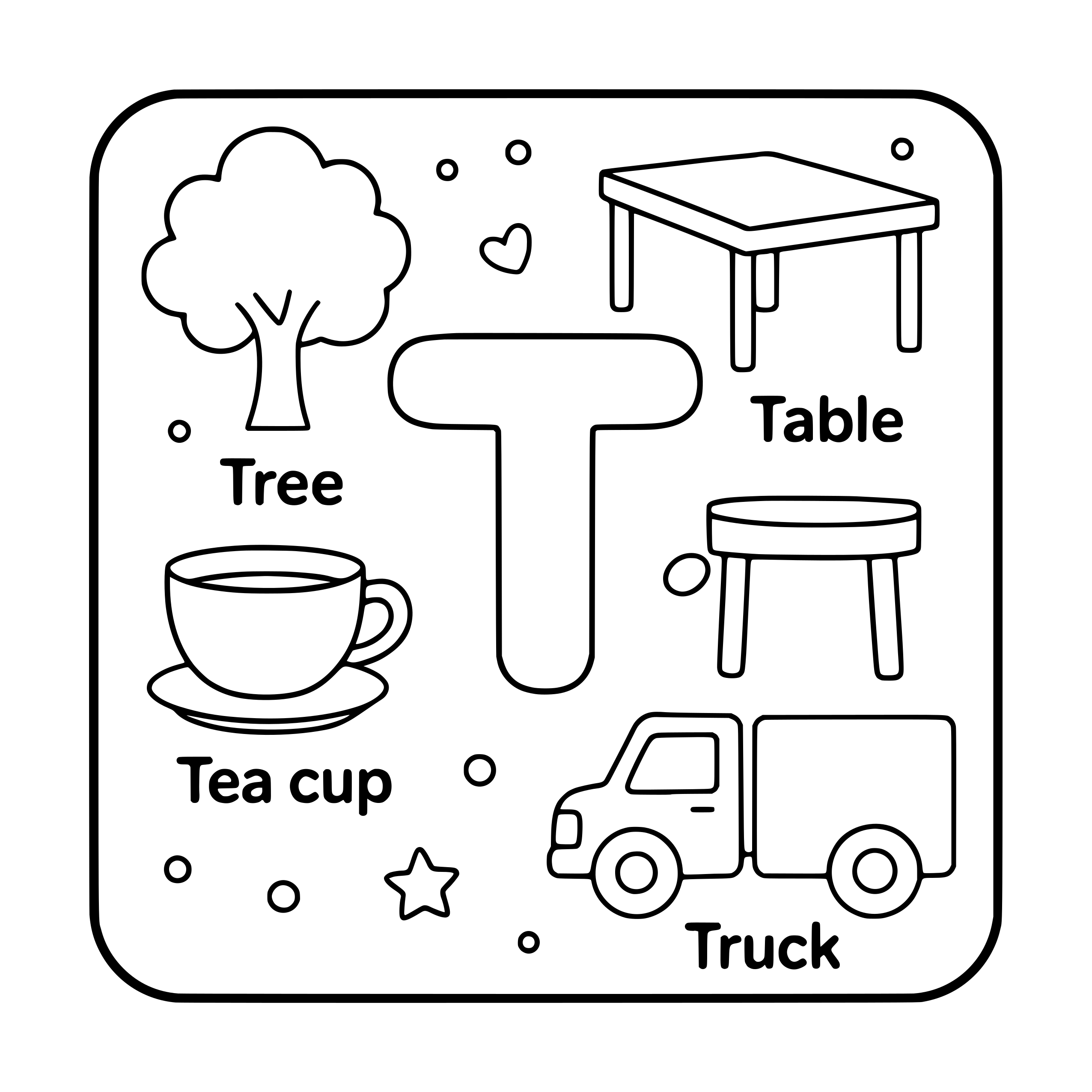
Letter T Objects Coloring Page
Easy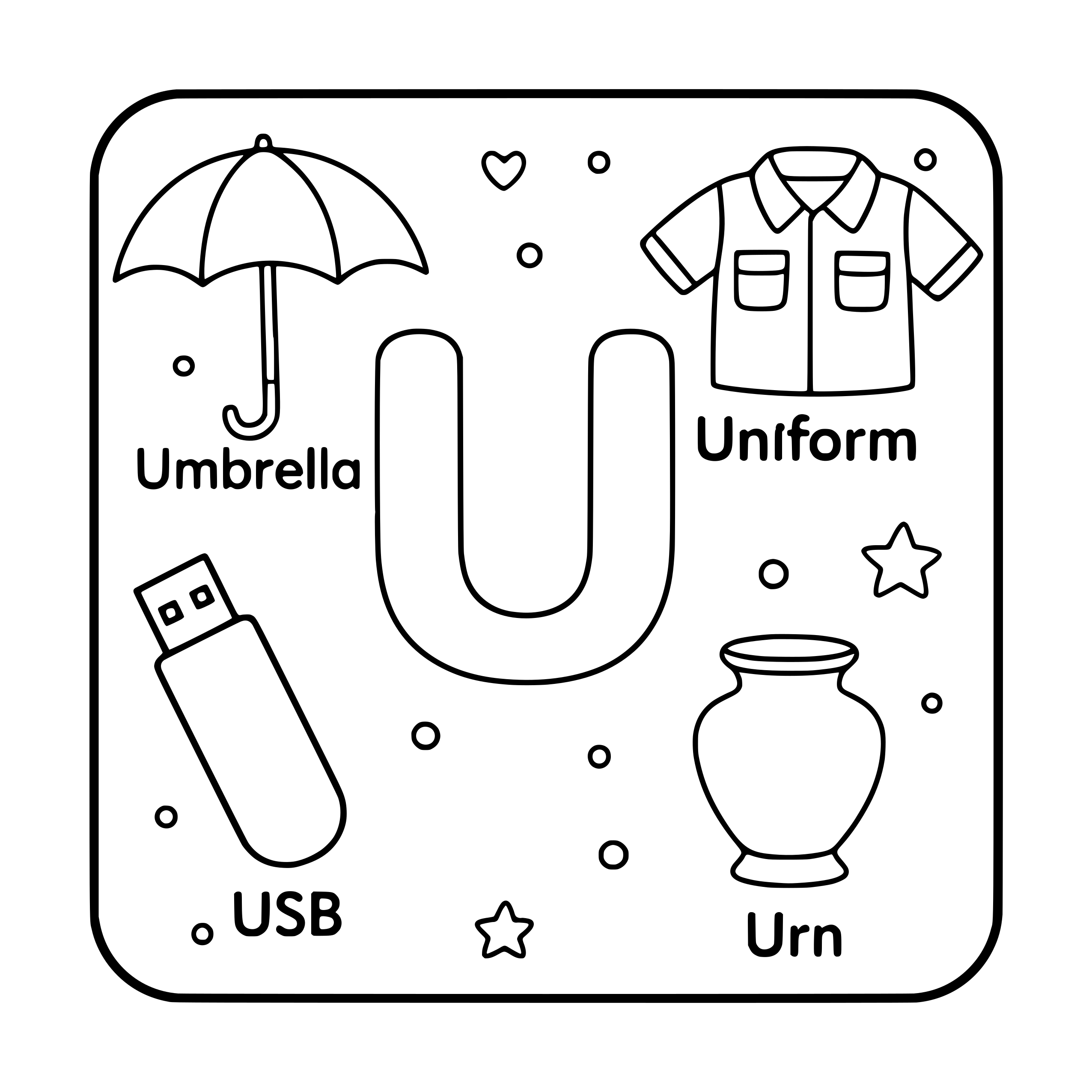
Letter U Objects Coloring Page
Easy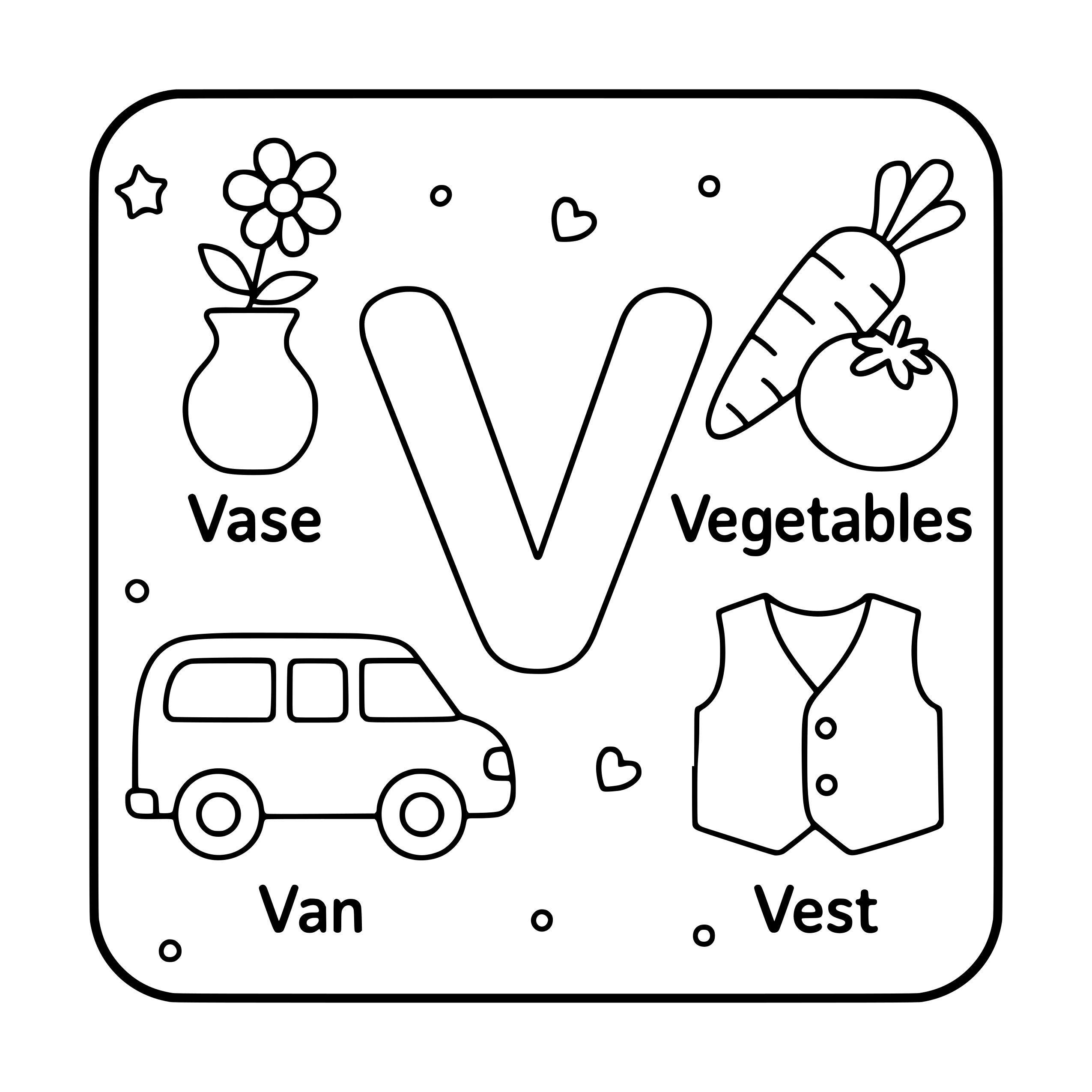
Letter V Objects Coloring Page
Easy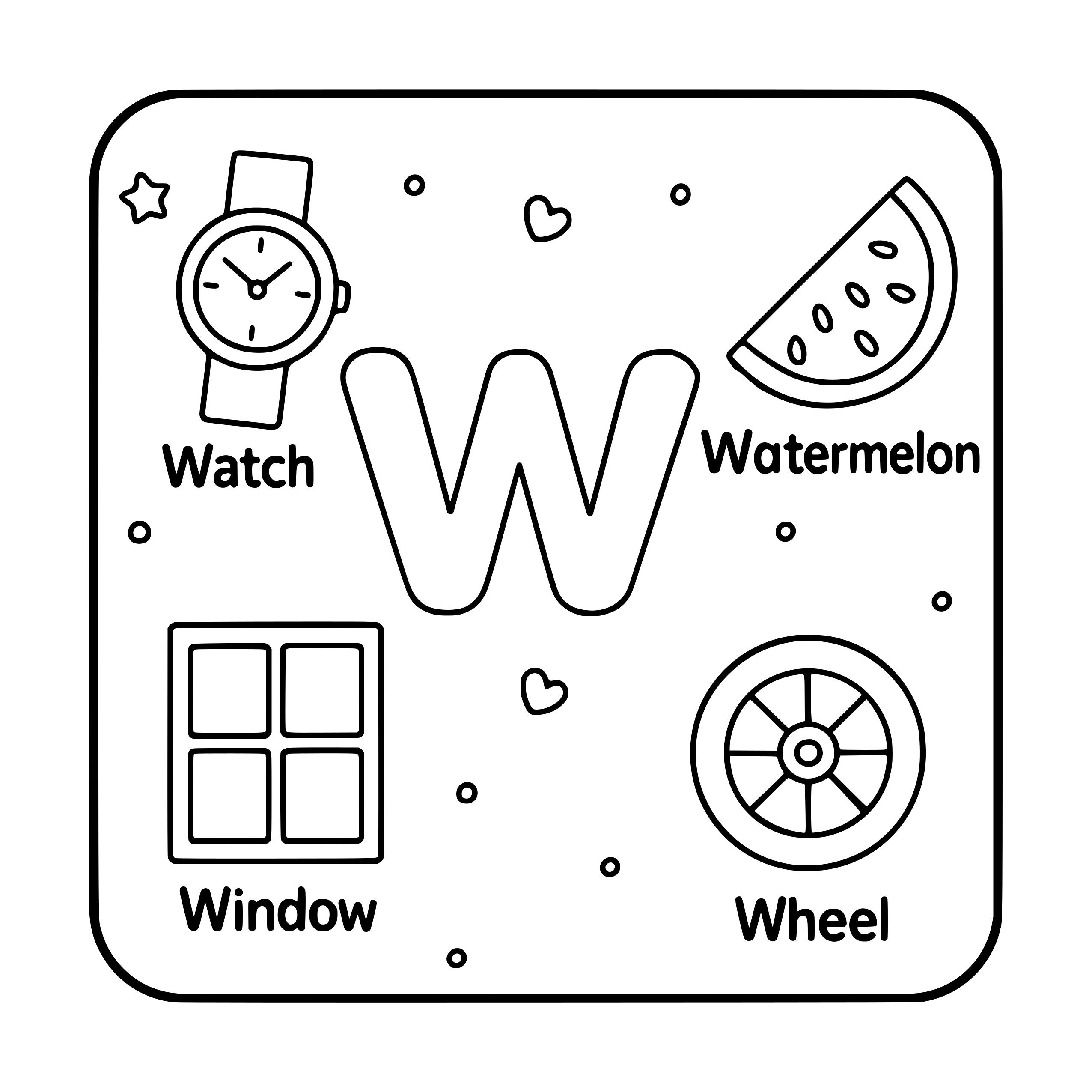
Letter W Objects Coloring Page
Easy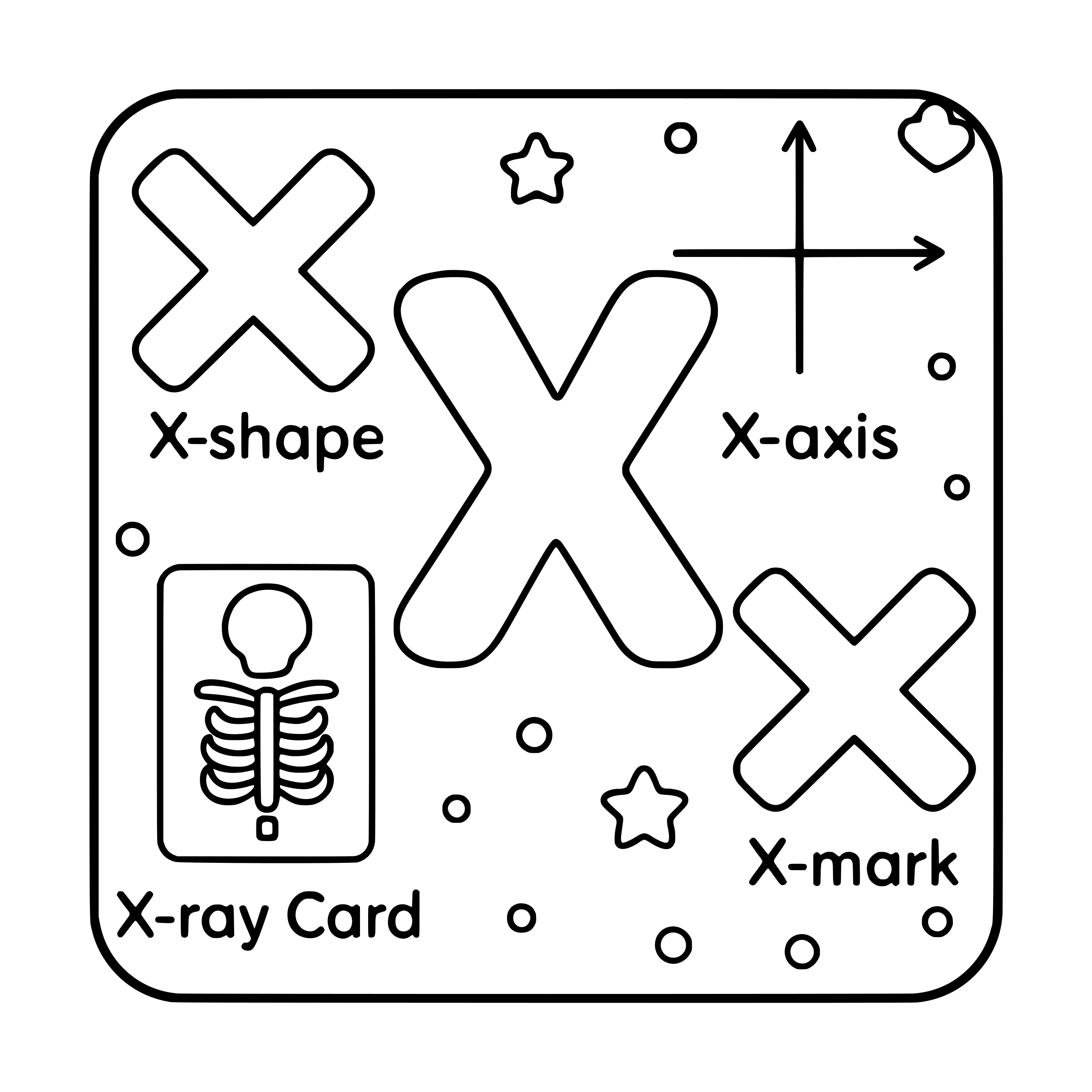
Letter X Objects Coloring Page
Easy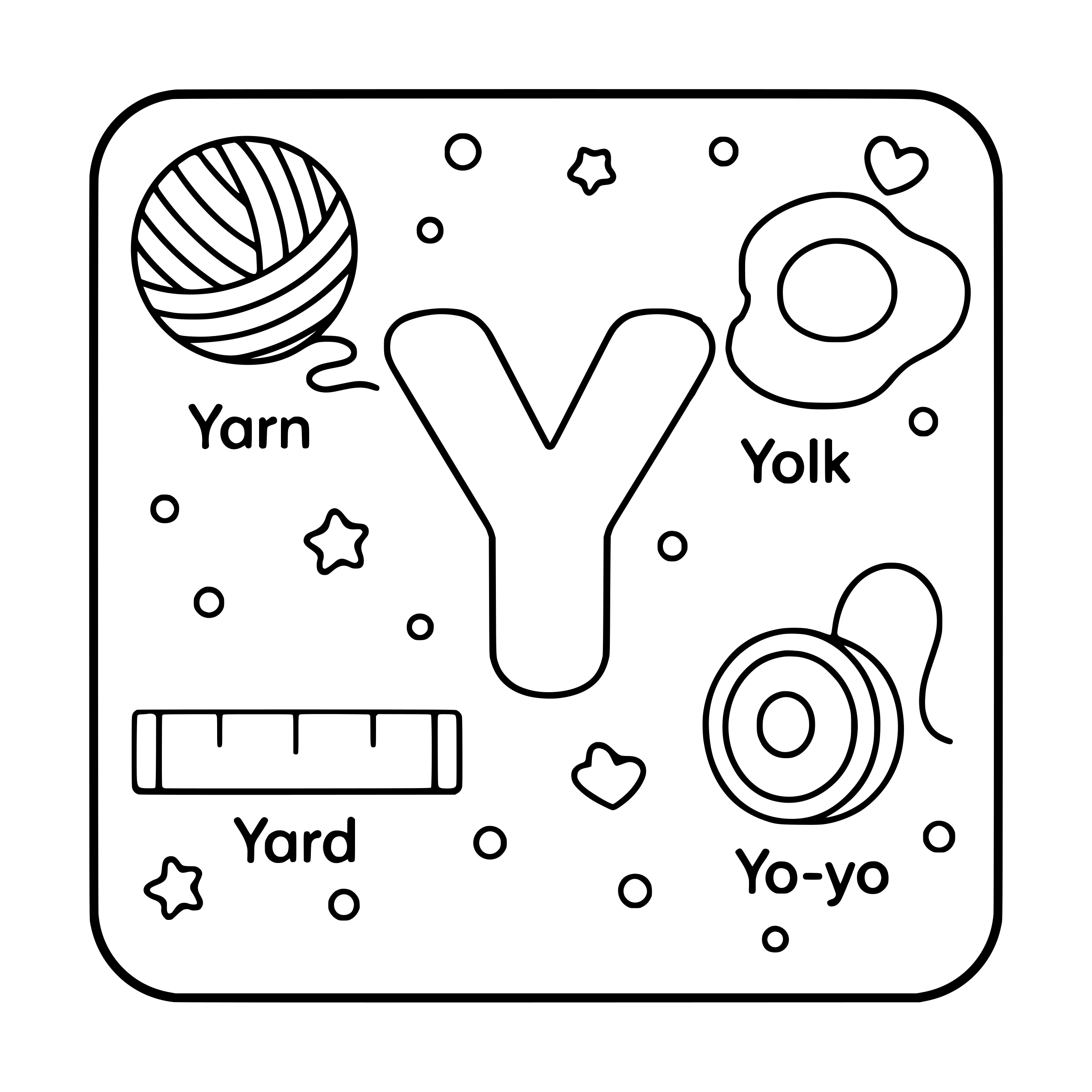
Letter Y Objects Coloring Page
Easy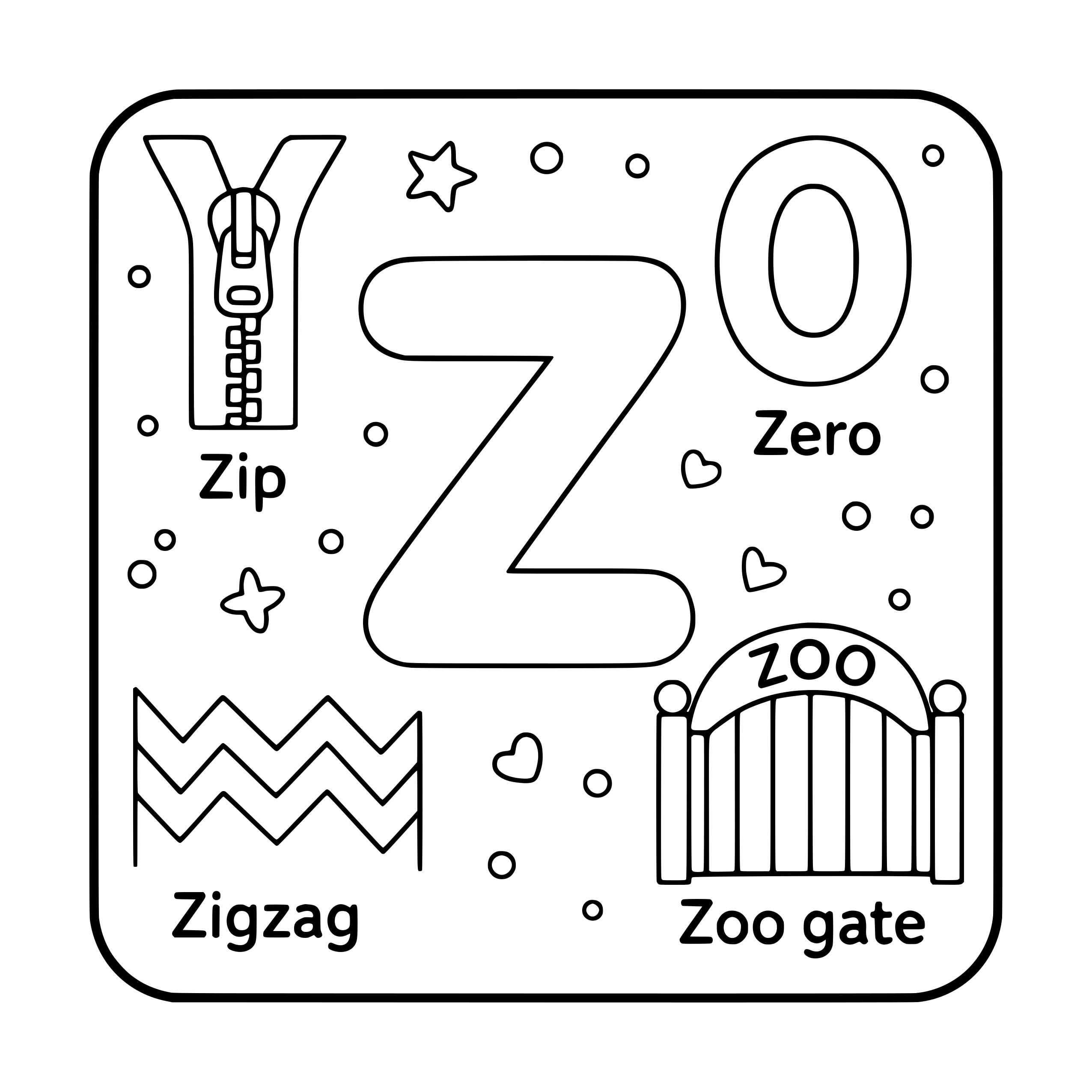
Letter Z Objects Coloring Page
EasyAbout Picture Alphabet Coloring Pages
The Picture Alphabet collection is built for phonics. Every page from A to Z places a big, bold letter at its centre and surrounds it with everyday objects that start with that letter — turning each page into a little letter-sound puzzle. All 26 pages are free to download as print-ready PDFs, with no account, no paywall and no watermark.
Phonics Through Familiar Objects
Learning to read begins with one quiet, crucial skill: connecting a letter to the sound it makes. A child who knows that the letter B says /b/ holds the key to sounding out hundreds of words. The picture alphabet is designed to teach exactly that connection — and to teach it through things a child already knows and loves.
Matching a letter to familiar objects is one of the most effective phonics methods there is. The page for A is surrounded by an apple, an apron, an airplane and an axe; the page for B by a balloon, a book, a ball and a bag; the page for C by a cake, a car, a cup and a cap. As a child colors each object, they hear and repeat its opening sound again and again. By the time the page is finished, the letter and its sound have been paired four times over — and the letter-to-sound link that early reading depends on is quietly built.
Crucially, the objects are ordinary, everyday things. A child does not have to learn a new word before they can hear its first sound, so all the attention goes where it belongs — onto the sound itself. Familiar pictures make the phonics effortless.
Every Page Is a Conversation
A picture alphabet sheet is never silent for long. Every object on it is a natural prompt: "What is this? What sound does it start with? Can you find something else in the room that begins the same way?" A quiet coloring session quietly becomes a playful vocabulary and phonics game, with the child doing the talking and the thinking.
That talking does real work. Naming the objects builds vocabulary; sorting them by their opening sound builds phonemic awareness — the ability to hear the separate sounds inside words. Both are among the strongest predictors of how smoothly a child will later learn to read, and both grow here without a single worksheet in sight.
What Is in the Picture Alphabet Collection
The collection covers the complete alphabet — all 26 letters, A through Z, one letter to a page. On every sheet, a large central letter is ringed by a cluster of everyday objects whose names share its opening sound, all drawn in the same clear, bold outline so the set feels consistent from A to Z.
Because each page carries several objects rather than one, the picture alphabet packs the most phonics practice of any style in the alphabet range. A single sheet doubles as a letter to color, a vocabulary list to name and a sound-sorting puzzle to solve — and it works just as well for a child meeting a letter for the first time as for one ready to start blending sounds into words.
How to Use Picture Alphabet Pages
Color one letter page at a time and name each object out loud as you go. Ask your child to point to the big central letter, say its sound, then say each object's name in turn, listening for that same sound at the start. Working through the alphabet in order builds a familiar routine; following your child's favourite letters first works just as well.
At Home
At home, the picture alphabet turns into an easy game. After coloring a page, send your child on a hunt around the house for more things that start with the same sound, and add them to the conversation. Keep a small stack of pages printed and ready, and pin finished sheets up so your child can revisit the sounds whenever they pass.
In the Classroom
In the classroom these pages are a natural fit for phonics lessons, literacy centers, letter-of-the-week displays and homeschool routines, and they are free to print for every child in the group. Use the cluster of objects as a ready-made prompt for a sound-sorting activity, and pair each page with a classic letter so handwriting practice sits alongside the phonics.
Coloring Tools and Activity Ideas
The bold outlines and clear shapes welcome any tool — chunky crayons for the youngest hands, colored pencils for finer control as a child grows, and washable markers for bright, satisfying fills. Because each page holds several small pictures, it gives a child plenty to do, and the variety keeps them happily engaged right to the end.
- Name before you color — say each object's name and its opening sound before adding any colour, so the sound leads the activity.
- Go on a sound hunt — once a page is done, search the room or the house for more objects beginning with that letter.
- Write the words — older children can copy the object words beneath the pictures to connect sounds, letters and spelling.
- Color objects realistically — a red apple and a yellow cup add a gentle real-world colour lesson alongside the phonics.
Printing Your Picture Alphabet Pages
Every page is available as a high-quality PDF, the format that keeps fine outlines crisp at any size. A few tips for the best printed result:
- Use A4 or US Letter paper on any standard home or classroom printer.
- Set print quality to High or Best so the smaller object outlines stay sharp.
- Print in black ink — these are black-line drawings ready to be colored.
- Print spare copies so children can color a page again and revisit its sounds.
Free to Print, Always
All 26 picture alphabet coloring pages are free to download as high-quality PDFs and print as many times as you like — for personal use, family activities, classrooms and homeschooling, with no account, no paywall, no watermark and no limit. Collect all four versions of every letter: use these pages alongside the matching classic letters, the animal alphabet and the fruit alphabet, and explore the full alphabet coloring collection. For more learning activities, browse the free printables library.