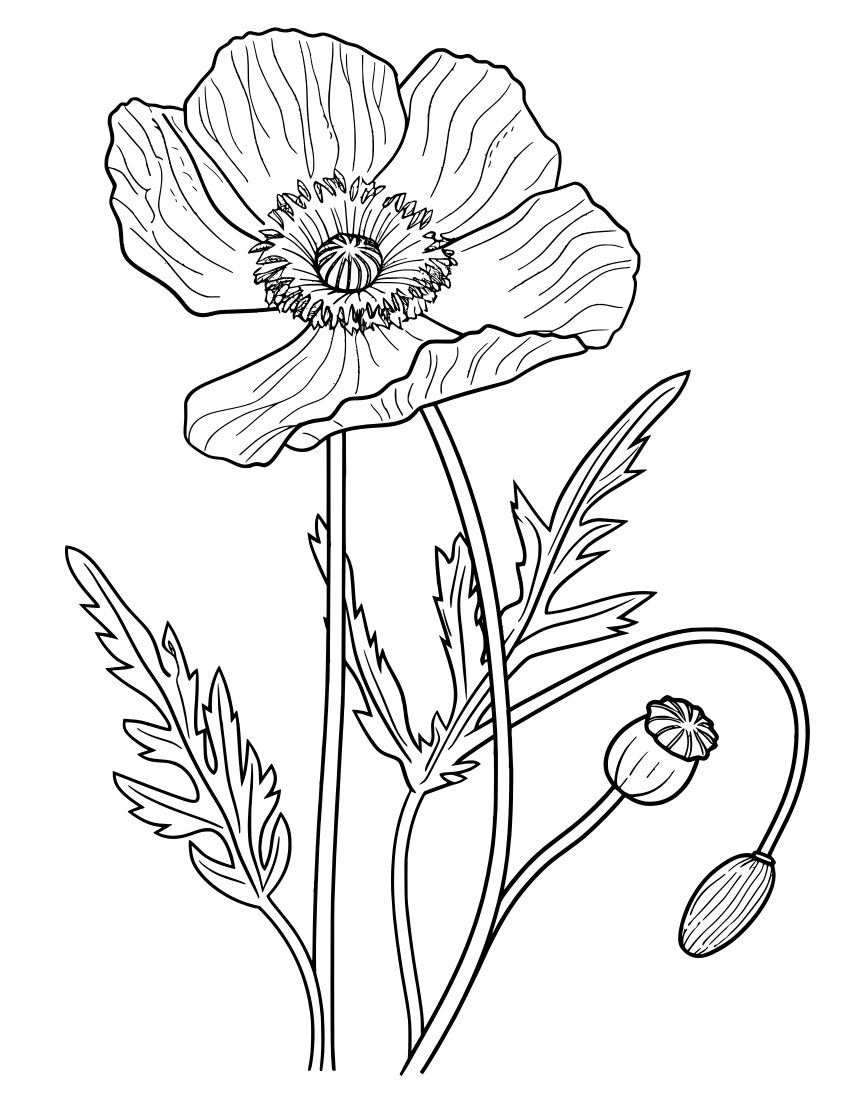
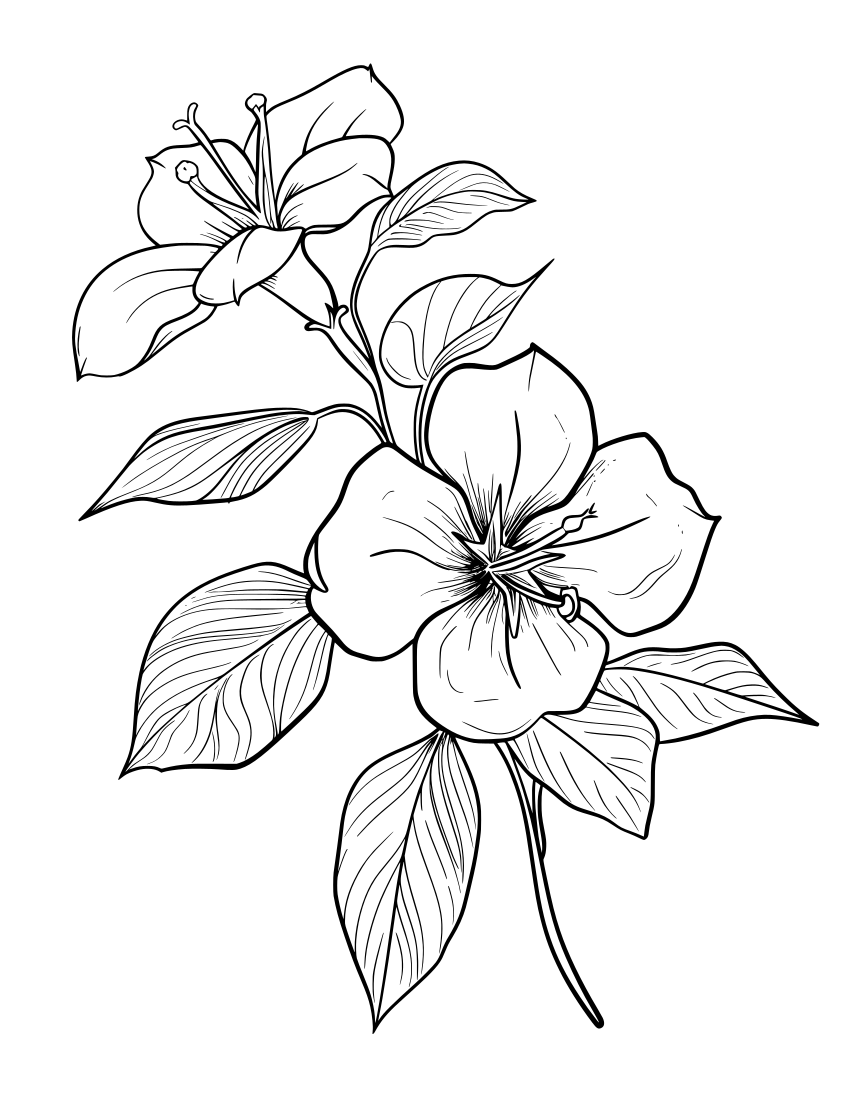
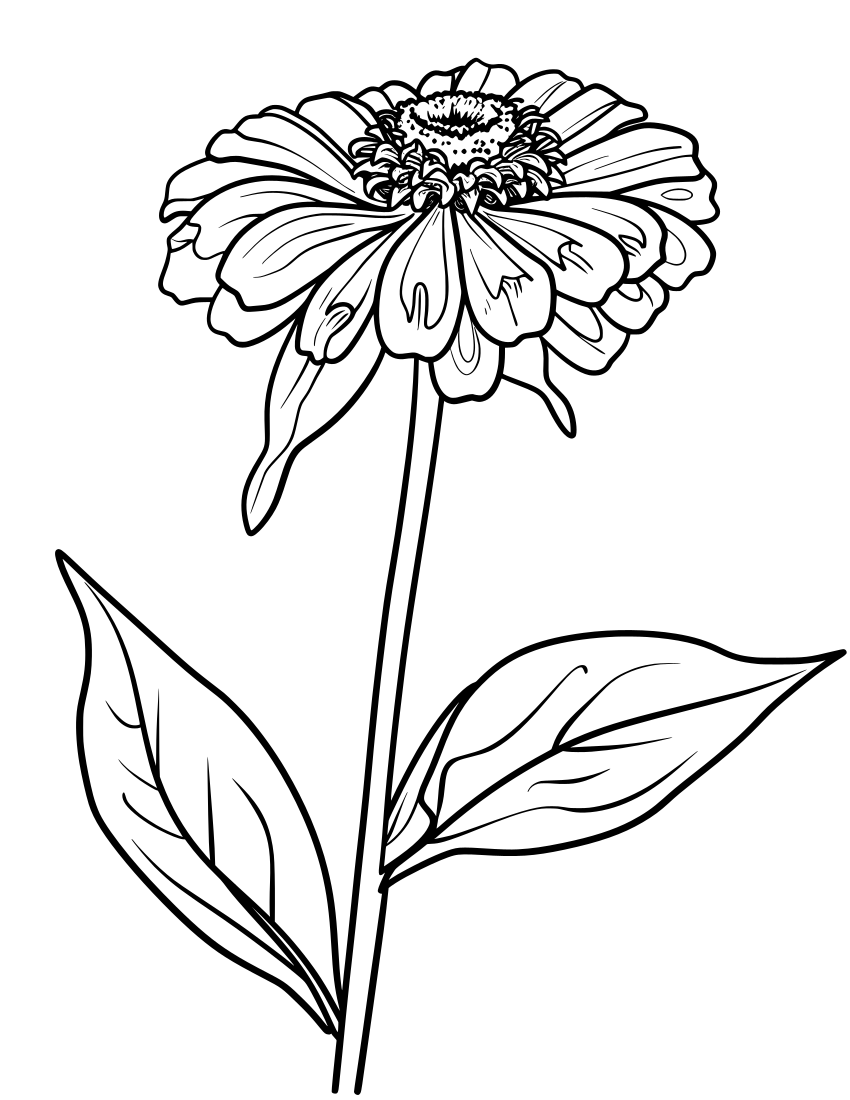
Botanical Hibiscus Coloring Page presents the hibiscus as a precise botanical study — combining the scientific accuracy of a natural history illustration with the aesthetic sensibility of a work of art. Part of our free flower coloring pages collection, this design is for colorists who love to engage with the actual form, structure and character of the flower they are coloring, not just its decorative potential.
The hibiscus grows across tropical and subtropical regions worldwide and carries deep cultural significance in many of them. It is the national flower of Malaysia (where it appears on the coat of arms as Bunga Raya, "celebratory flower"), South Korea, and Haiti. In Hawaii, the yellow hibiscus (pua aloalo) is the state flower and has long been worn in the hair — behind the left ear if you're taken, the right if you're available. Ancient Egyptians used hibiscus petals to make karkadé, a crimson herbal tea still drunk across the Middle East and Africa. The Aztecs used hibiscus in ritual offerings, recognising in its blood-red petals a connection to sacred solar energies.
The hibiscus is one of the most dramatic flowers to color: enormous petals — sometimes 15cm across — radiate from a prominent staminal column that thrusts boldly from the centre. The petals often show a darker "eye" zone near the centre transitioning to a lighter, brighter color at the edges: deep crimson fading to coral, or dark purple transitioning to lavender. The staminal column is spectacular — render each individual anther (the tiny pollen sacs at the tips) carefully for a botanically accurate touch. Use your full range of warm reds and pinks without restraint.
Botanical illustration demands engagement with the actual structure of the hibiscus as a living plant. Before coloring, take a moment to study the design: identify the different floral parts (petals, sepals, stamens, pistil), the leaf attachment and venation pattern, the stem structure. Color each element with reference to its botanical reality: leaves are lighter on the upper surface (which receives more light) and darker on the underside. Stems show subtle surface texture. The goal is not a pretty decoration but an accurate, beautiful record — in which truth to observation is the highest aesthetic value. This botanical coloring page is available as a free high-quality PDF. Print on premium paper for the finest result — a completed page is a genuine piece of natural history art worth displaying.
Leave a Comment
Comments
No comments yet. Be the first!