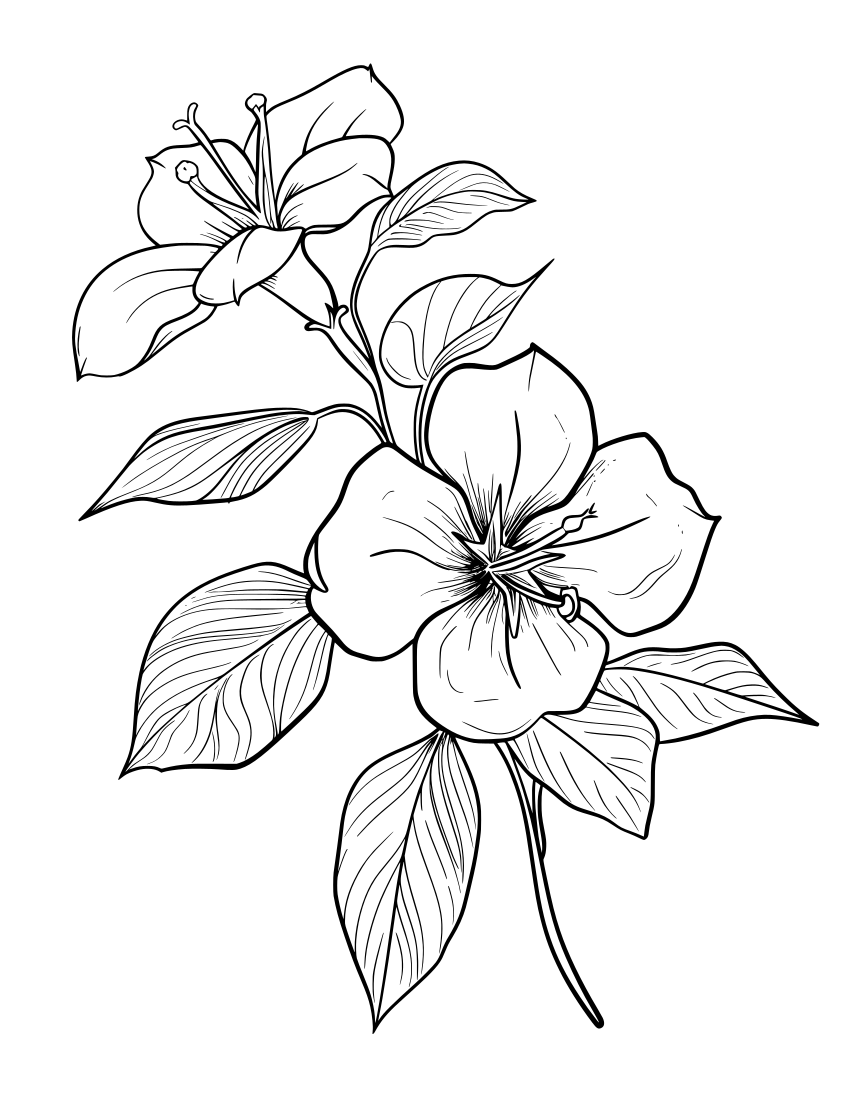
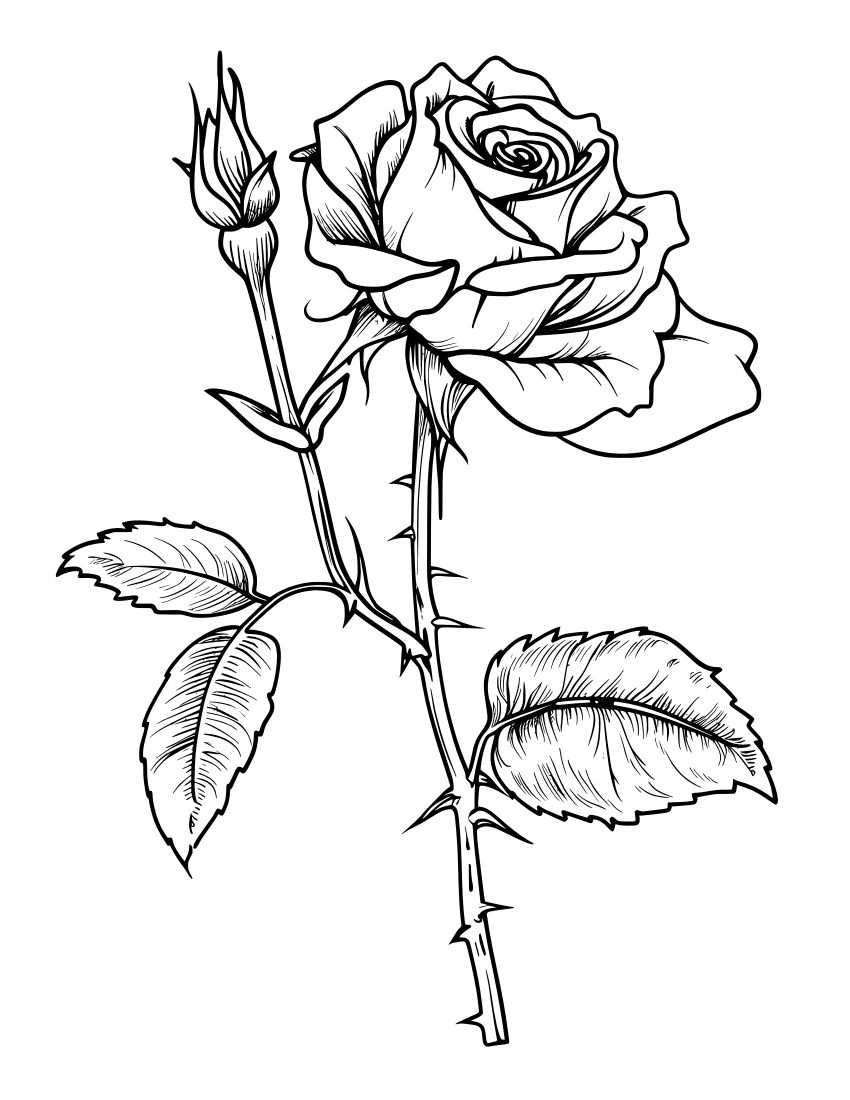
Botanical Lavender Coloring Page presents the lavender as a precise botanical study — combining the scientific accuracy of a natural history illustration with the aesthetic sensibility of a work of art. Part of our free flower coloring pages collection, this design is for colorists who love to engage with the actual form, structure and character of the flower they are coloring, not just its decorative potential.
Lavender has been used by humans for at least 2,500 years. The Romans carried it throughout their empire — the word lavandula may derive from lavare, to wash, reflecting its widespread use in baths and laundry. Provence, in southern France, became the lavender capital of the world: its vast purple fields, cultivated since the 13th century for perfumery, are now one of France's most iconic landscapes. The perfume industry of Grasse, Provence — supplier to Chanel, Dior and every other major house — depends on lavender at its foundation. During the First World War, nurses used lavender oil as both disinfectant and calming agent — early evidence-based aromatherapy.
Lavender presents a unique color challenge: it occupies the borderland between blue and purple, and real lavender flowers contain every shade from pale silver-lilac to deep violet-indigo depending on species, light and growing conditions. For the flower spires, build from a pale blue-violet base and deepen toward the tips of each floret cluster. The foliage is equally distinctive: silvery, grey-green with a soft, downy texture utterly unlike ordinary leaves. Use cool grey-green with hints of silver (try layering pale blue under sage green) for an authentic Provençal feel.
Botanical illustration demands engagement with the actual structure of the lavender as a living plant. Before coloring, take a moment to study the design: identify the different floral parts (petals, sepals, stamens, pistil), the leaf attachment and venation pattern, the stem structure. Color each element with reference to its botanical reality: leaves are lighter on the upper surface (which receives more light) and darker on the underside. Stems show subtle surface texture. The goal is not a pretty decoration but an accurate, beautiful record — in which truth to observation is the highest aesthetic value. This botanical coloring page is available as a free high-quality PDF. Print on premium paper for the finest result — a completed page is a genuine piece of natural history art worth displaying.
Leave a Comment
Comments
No comments yet. Be the first!