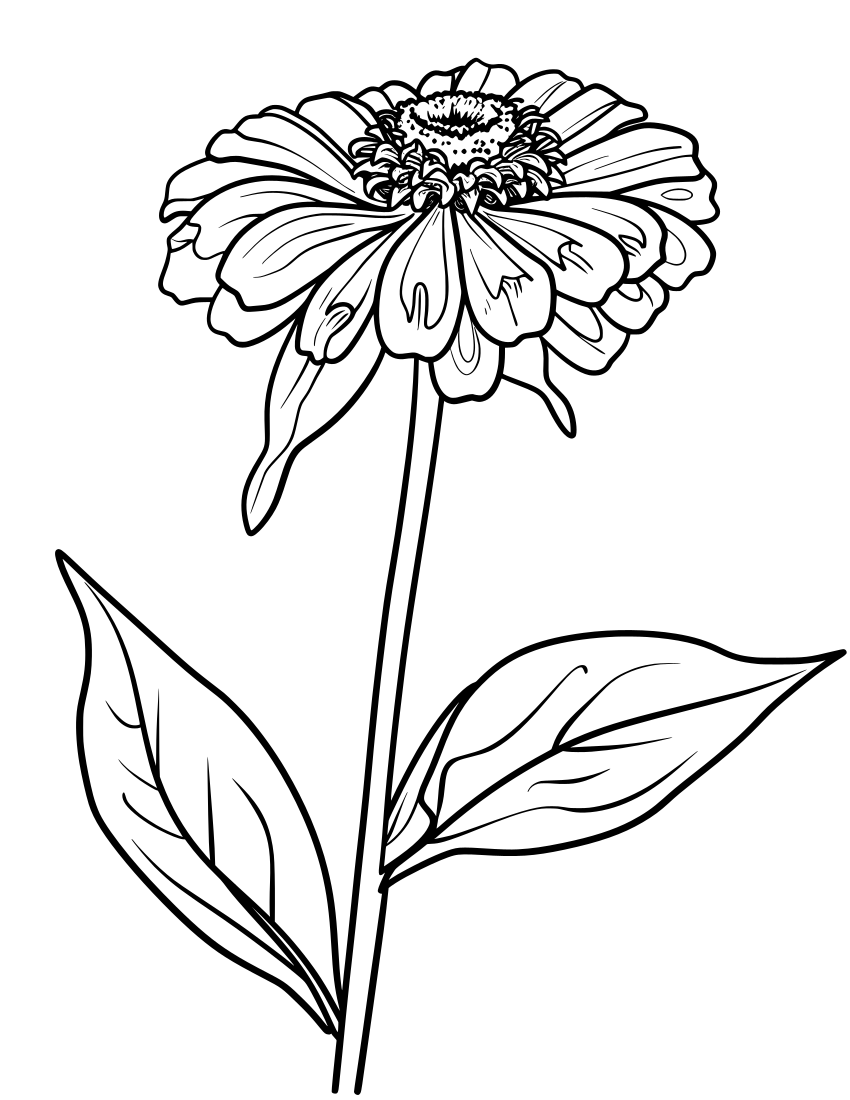
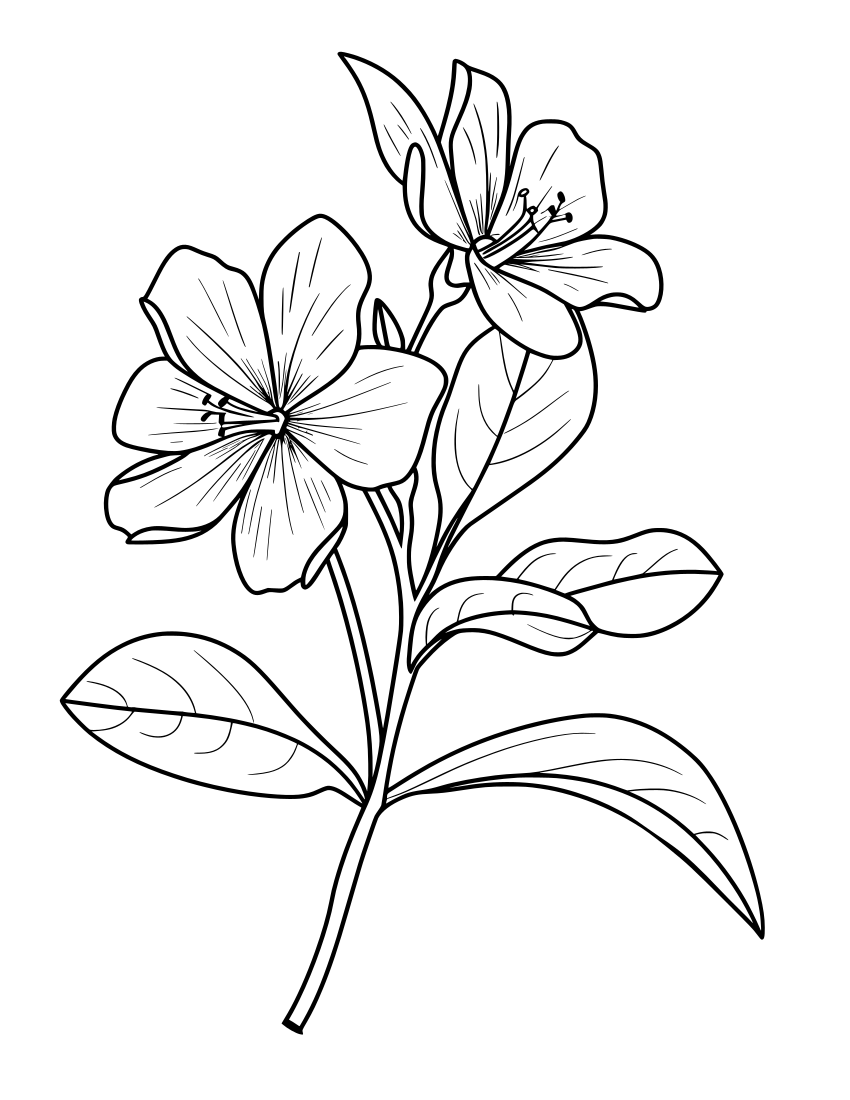
Botanical Cherry Blossom Coloring Page presents the cherry blossom as a precise botanical study — combining the scientific accuracy of a natural history illustration with the aesthetic sensibility of a work of art. Part of our free flower coloring pages collection, this design is for colorists who love to engage with the actual form, structure and character of the flower they are coloring, not just its decorative potential.
The cherry blossom (sakura) is Japan's most beloved flower and one of its most profound cultural symbols. For over a thousand years, the Japanese have practiced hanami — "flower viewing" — gathering under cherry trees during the brief 10–14 day bloom season each spring to contemplate the flowers' fleeting beauty. This impermanence gives sakura much of its emotional power: in Zen philosophy and samurai culture alike, the cherry blossom came to represent mono no aware — "the pathos of things," the bittersweet awareness of transience. During the Meiji era (1868–1912), cherry trees were planted across Japan as national symbols; today over 200 varieties are cultivated, from the familiar pale pink Somei-yoshino to the spectacular deep-pink Kanzan.
Cherry blossoms are deceptively subtle: from a distance they appear simply pink, but close examination reveals a sophisticated palette ranging from near-white at the petal edges through the palest blush to deeper rose-pink at the petal bases and at the delicate veins. The five-petaled flowers have a small notch at each petal tip — a distinctive detail worth rendering carefully. The branching twigs are an important compositional element: dark grey-brown, sometimes with a slight purple cast, contrasting beautifully with the pale blossoms. A few windswept petals rendered in a slightly deeper pink suggests the brief, beautiful fall.
Botanical illustration demands engagement with the actual structure of the cherry blossom as a living plant. Before coloring, take a moment to study the design: identify the different floral parts (petals, sepals, stamens, pistil), the leaf attachment and venation pattern, the stem structure. Color each element with reference to its botanical reality: leaves are lighter on the upper surface (which receives more light) and darker on the underside. Stems show subtle surface texture. The goal is not a pretty decoration but an accurate, beautiful record — in which truth to observation is the highest aesthetic value. This botanical coloring page is available as a free high-quality PDF. Print on premium paper for the finest result — a completed page is a genuine piece of natural history art worth displaying.
Leave a Comment
Comments
No comments yet. Be the first!