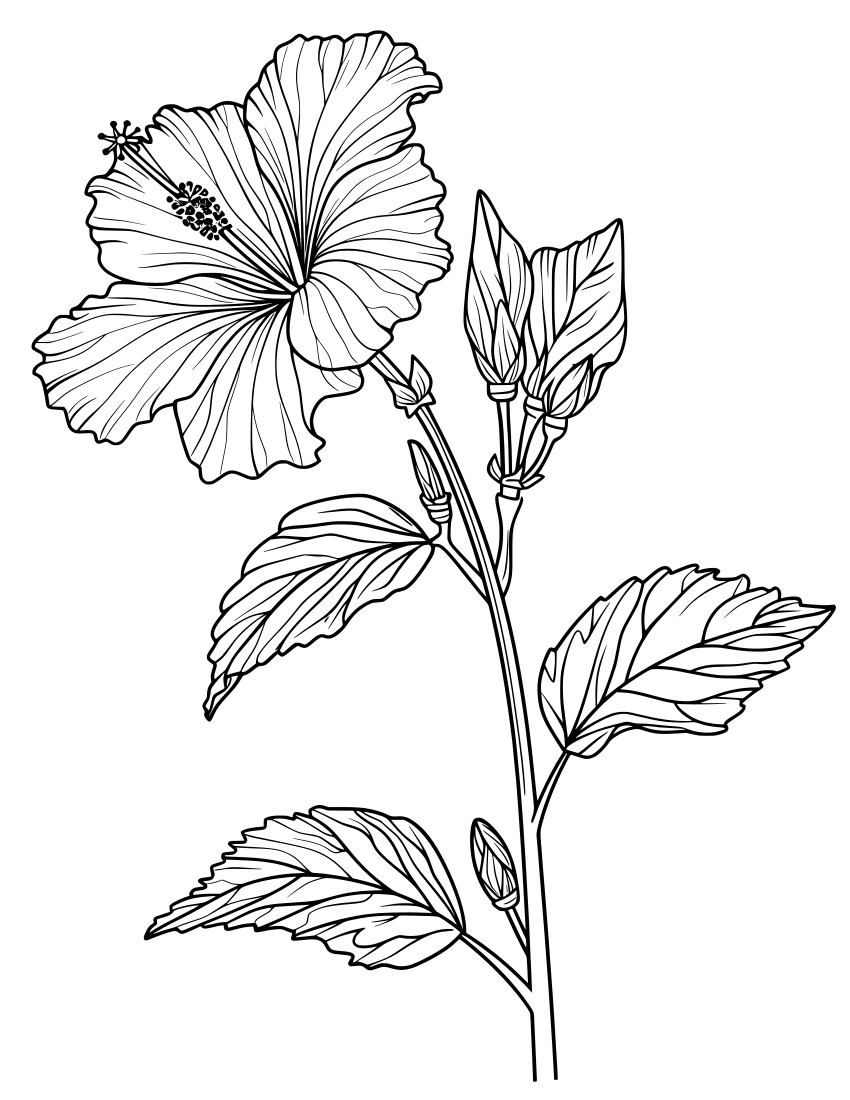
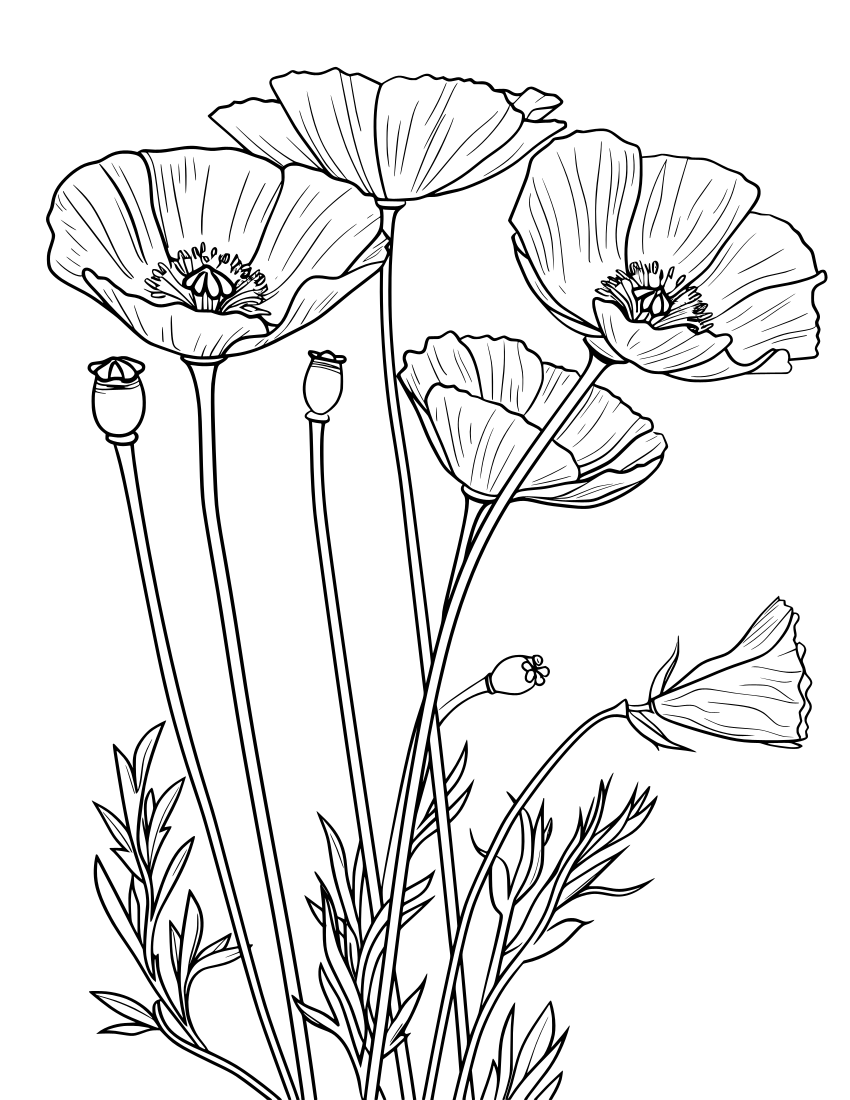
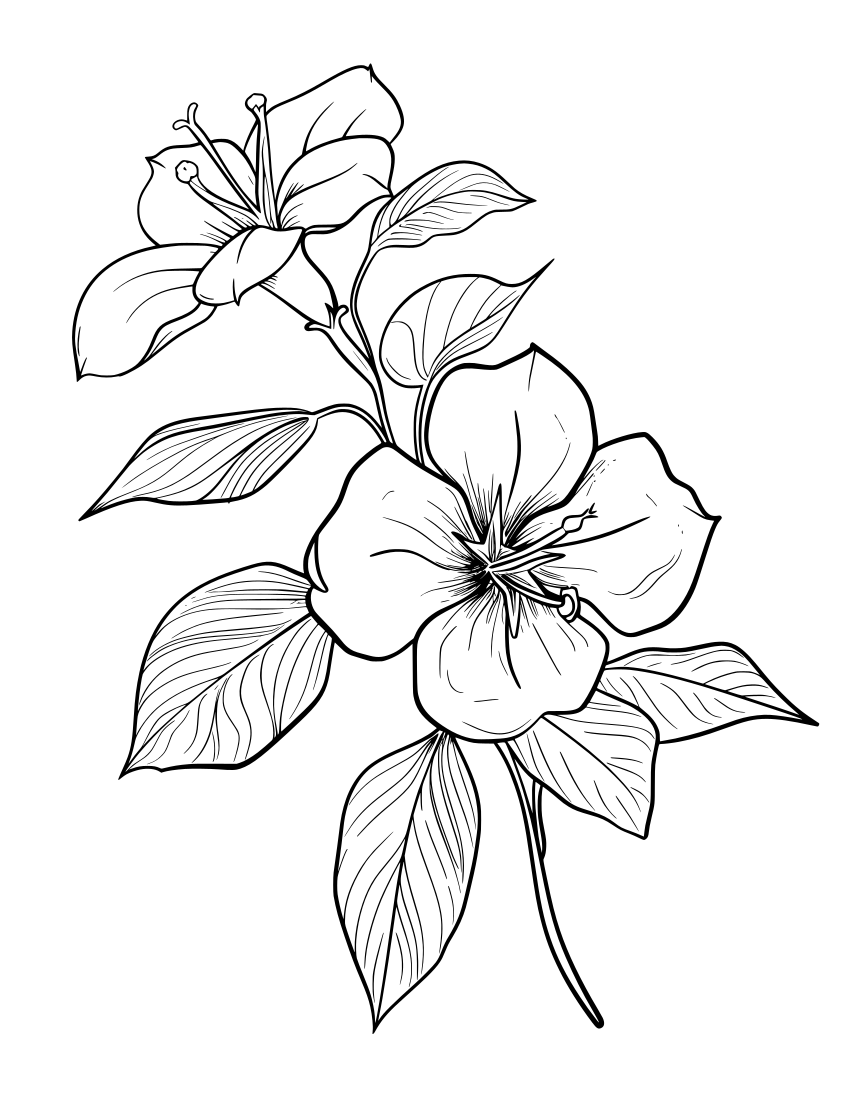
Botanical Poppy Coloring Page presents the poppy as a precise botanical study — combining the scientific accuracy of a natural history illustration with the aesthetic sensibility of a work of art. Part of our free flower coloring pages collection, this design is for colorists who love to engage with the actual form, structure and character of the flower they are coloring, not just its decorative potential.
The poppy carries more history than almost any other flower. In ancient Greece, it was sacred to Morpheus, god of sleep — its association with Hypnos and the underworld made it a symbol of eternal rest. By the 19th century, the opium poppy had become entangled with empire, addiction and the Opium Wars. But the poppy's most powerful symbolic moment came in April 1915, when the Canadian physician John McCrae wrote "In Flanders Fields" — inspired by the red poppies blooming over the graves of fallen soldiers in Belgium. The red poppy became the symbol of remembrance for the First World War, adopted across the Commonwealth, transforming a simple wildflower into the most emotionally charged botanical symbol of the 20th century.
The corn poppy's beauty lies in its apparent simplicity — four papery scarlet petals around a dramatic dark center — and the near-translucency of those petals in sunlight. This translucency is the key coloring challenge and opportunity: apply red lightly and in layers, leaving some white paper showing through the thinner petal areas. A deep wine or near-black blush at the petal base transitions to vivid vermillion at the tips. The central boss of stamens and the blue-black seed pod are magnificent details — render the stamens individually in dark indigo or black for a striking focal point.
Botanical illustration demands engagement with the actual structure of the poppy as a living plant. Before coloring, take a moment to study the design: identify the different floral parts (petals, sepals, stamens, pistil), the leaf attachment and venation pattern, the stem structure. Color each element with reference to its botanical reality: leaves are lighter on the upper surface (which receives more light) and darker on the underside. Stems show subtle surface texture. The goal is not a pretty decoration but an accurate, beautiful record — in which truth to observation is the highest aesthetic value. This botanical coloring page is available as a free high-quality PDF. Print on premium paper for the finest result — a completed page is a genuine piece of natural history art worth displaying.
Leave a Comment
Comments
No comments yet. Be the first!