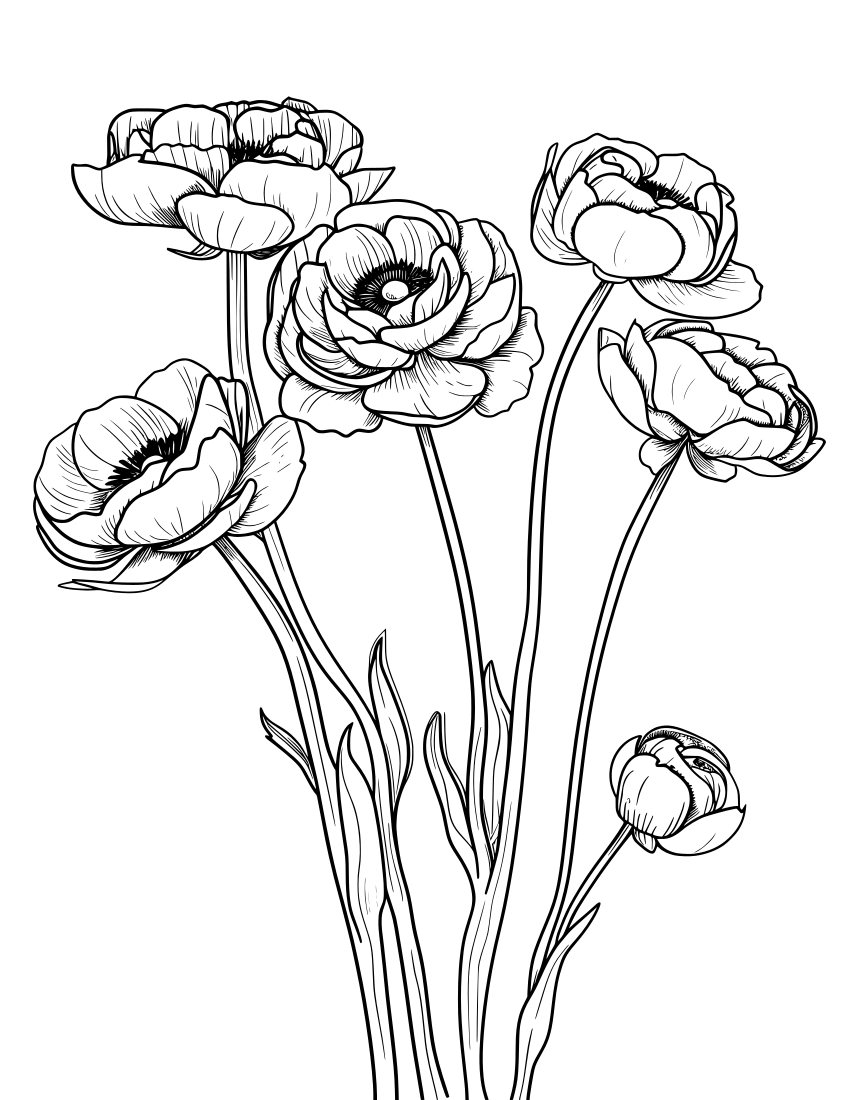
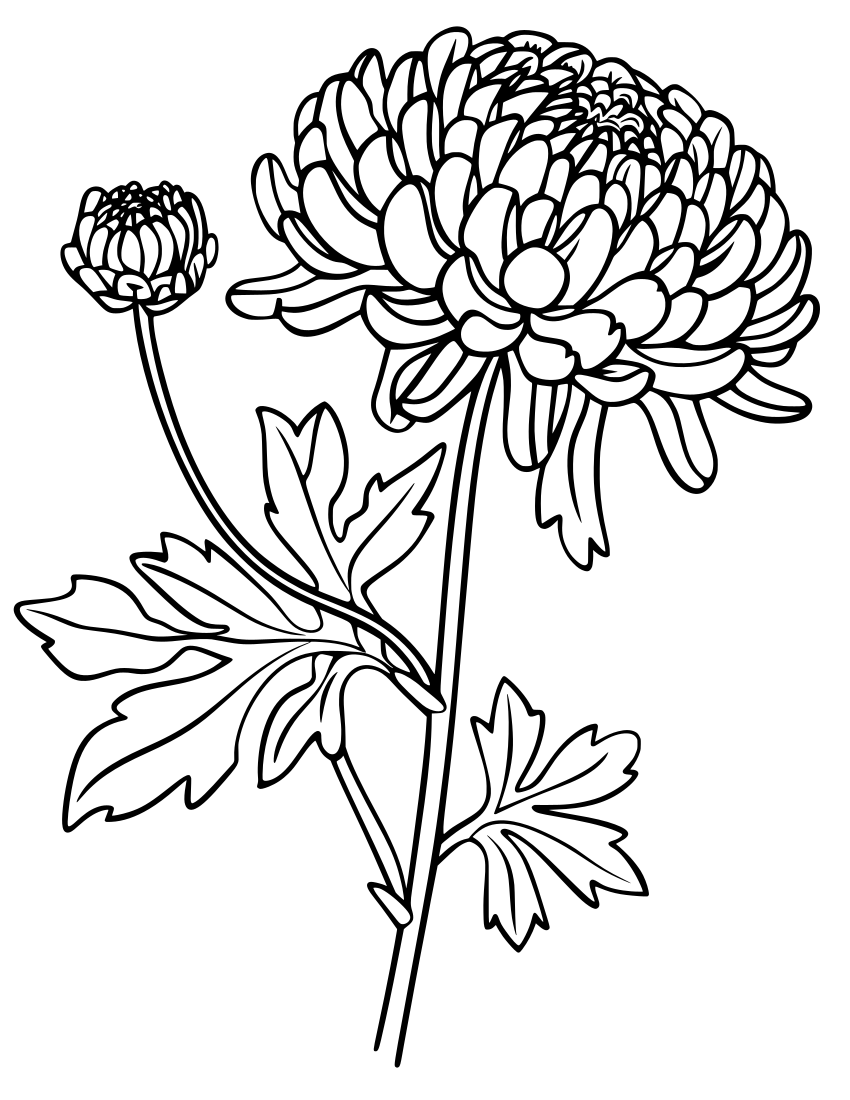
Botanical Lily Coloring Page presents the lily as a precise botanical study — combining the scientific accuracy of a natural history illustration with the aesthetic sensibility of a work of art. Part of our free flower coloring pages collection, this design is for colorists who love to engage with the actual form, structure and character of the flower they are coloring, not just its decorative potential.
The lily is among the oldest cultivated flowers in the world. White lilies (Lilium candidum) were grown in Minoan Crete over 3,500 years ago and appear in palace frescoes. In ancient Greek mythology, the lily sprang from the milk of Hera, queen of the gods; in Christianity, the white madonna lily became the symbol of the Virgin Mary's purity. Asian cultures developed their own lily traditions: the tiger lily (Lilium lancifolium) appears in Chinese and Japanese art as a symbol of prosperity and motherhood. The 16th–19th century saw an explosion of lily cultivation in Europe, culminating in the Victorian passion for Easter lilies as symbols of resurrection and spiritual renewal.
Lily petals have a distinctive recurved form — curling backward at the tips — and a smooth, slightly waxy texture that reflects light cleanly. Oriental lilies are famous for their dramatic speckled patterns: deep burgundy or chocolate spots scattered across cream or pink petals. When coloring spotted lilies, paint the base petal tone first, then add the spots afterward in a darker shade, using a soft circular motion at the edges to integrate them naturally. The prominent stamens — often rusty orange or deep red — deserve careful attention and are a beautiful colour accent.
Botanical illustration demands engagement with the actual structure of the lily as a living plant. Before coloring, take a moment to study the design: identify the different floral parts (petals, sepals, stamens, pistil), the leaf attachment and venation pattern, the stem structure. Color each element with reference to its botanical reality: leaves are lighter on the upper surface (which receives more light) and darker on the underside. Stems show subtle surface texture. The goal is not a pretty decoration but an accurate, beautiful record — in which truth to observation is the highest aesthetic value. This botanical coloring page is available as a free high-quality PDF. Print on premium paper for the finest result — a completed page is a genuine piece of natural history art worth displaying.
Leave a Comment
Comments
No comments yet. Be the first!