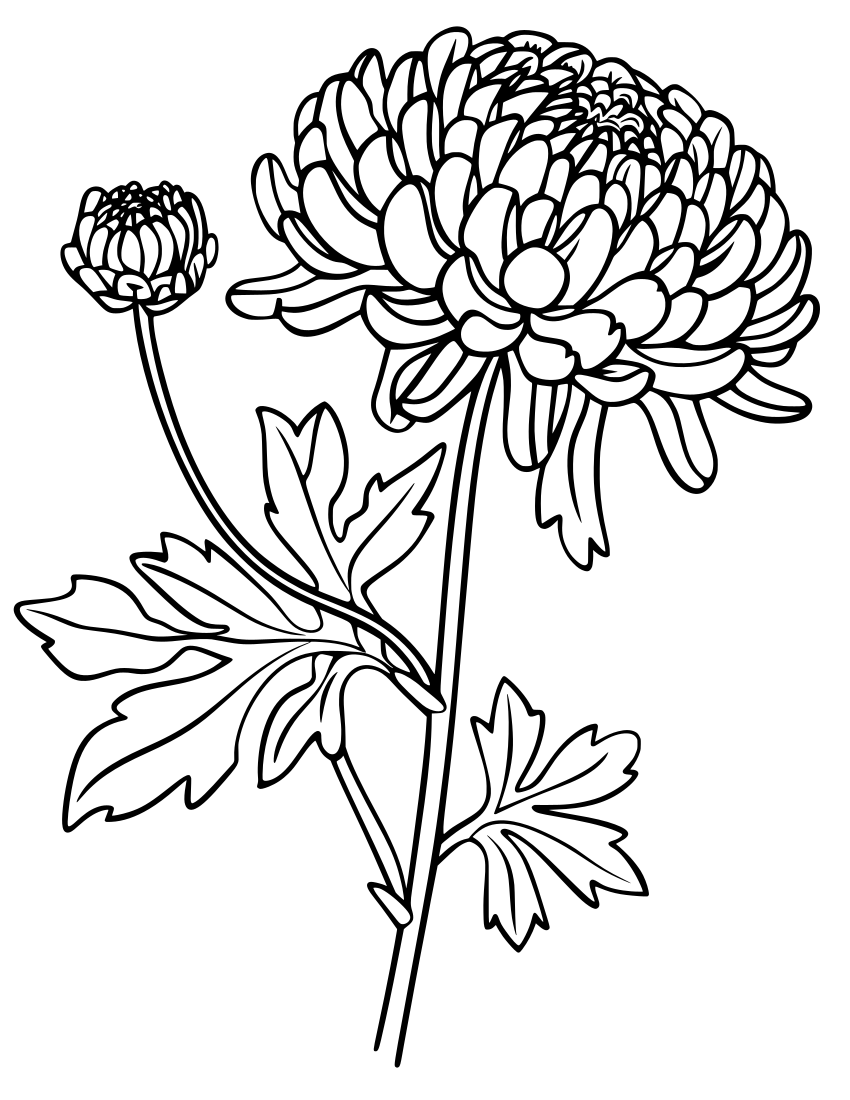
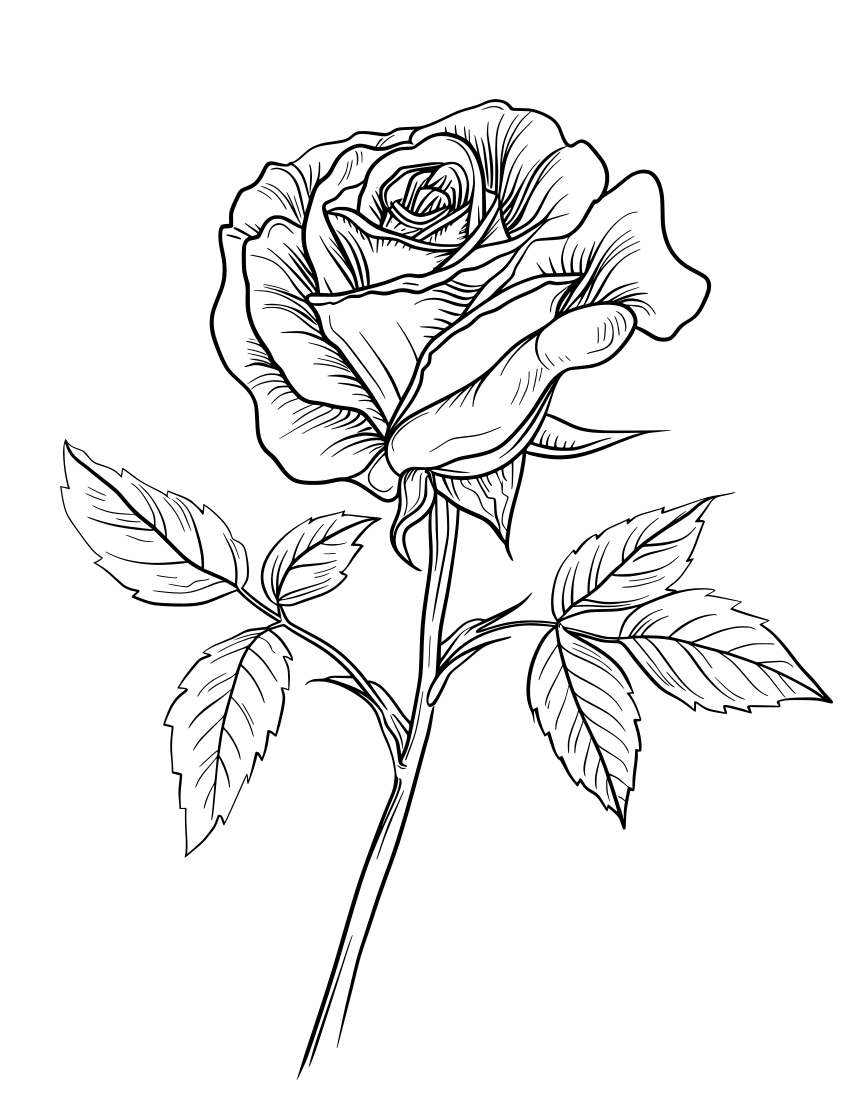
Botanical Peony Coloring Page presents the peony as a precise botanical study — combining the scientific accuracy of a natural history illustration with the aesthetic sensibility of a work of art. Part of our free flower coloring pages collection, this design is for colorists who love to engage with the actual form, structure and character of the flower they are coloring, not just its decorative potential.
The peony has been China's most prized ornamental flower for over 2,000 years. Called "the king of flowers," it symbolises royalty, prosperity and feminine beauty in Chinese culture — painted by court artists, woven into imperial silk robes and celebrated in poetry from the Tang Dynasty onward. The tree peony (Paeonia suffruticosa) arrived in Europe in the late 18th century and caused a sensation among gardeners and painters. French Impressionist painter Claude Monet grew them in his famous Giverny garden alongside the water lilies. In the Victorian language of flowers, the peony meant shame and bashfulness — a curious attribution for such an extravagant bloom.
The peony's extraordinary ruffled architecture — dozens of petals layered in concentric circles — is both its greatest visual glory and its most complex coloring challenge. Begin at the outermost ring of petals with the lightest tone, working progressively darker as you move toward the tightly packed center. Deep rose and magenta at the heart, softening through blush pink to almost-white at the outer fringe. The interior petals often have delicate veining or a slightly crumpled texture: a careful touch of a darker pink in fine strokes over the base layer captures this beautifully.
Botanical illustration demands engagement with the actual structure of the peony as a living plant. Before coloring, take a moment to study the design: identify the different floral parts (petals, sepals, stamens, pistil), the leaf attachment and venation pattern, the stem structure. Color each element with reference to its botanical reality: leaves are lighter on the upper surface (which receives more light) and darker on the underside. Stems show subtle surface texture. The goal is not a pretty decoration but an accurate, beautiful record — in which truth to observation is the highest aesthetic value. This botanical coloring page is available as a free high-quality PDF. Print on premium paper for the finest result — a completed page is a genuine piece of natural history art worth displaying.
Leave a Comment
Comments
No comments yet. Be the first!