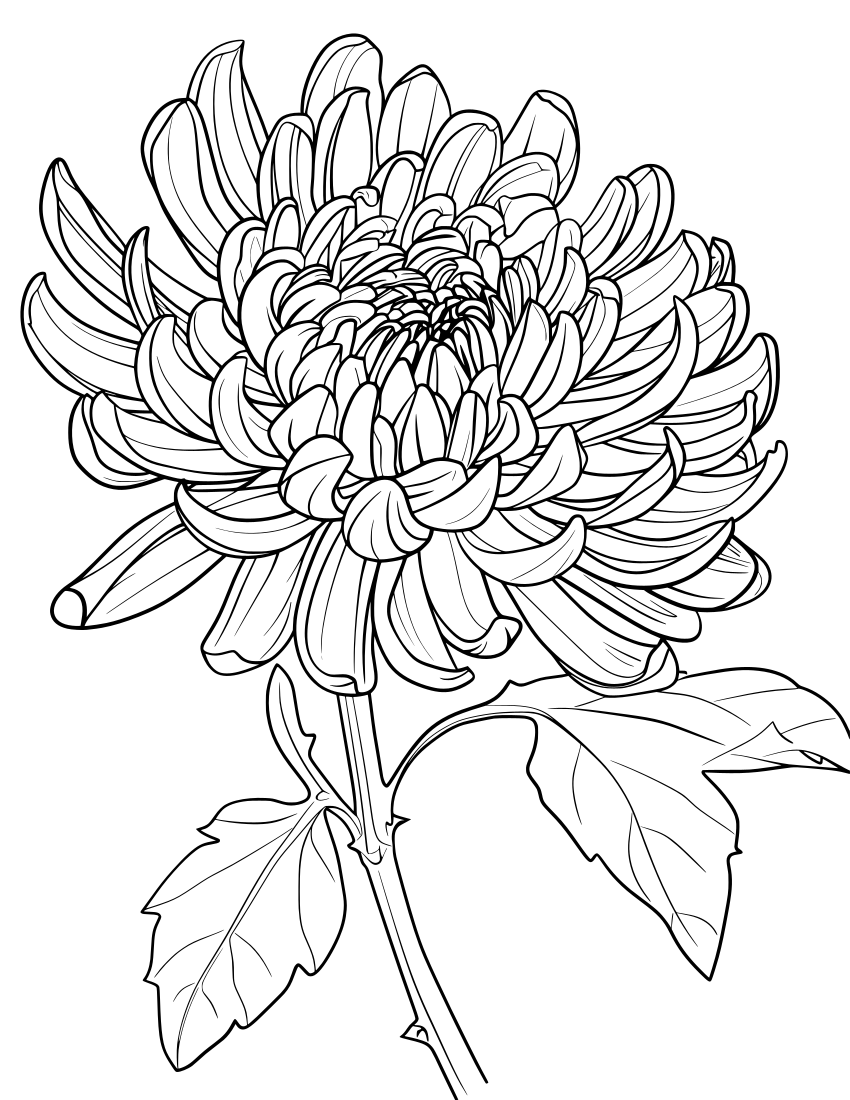
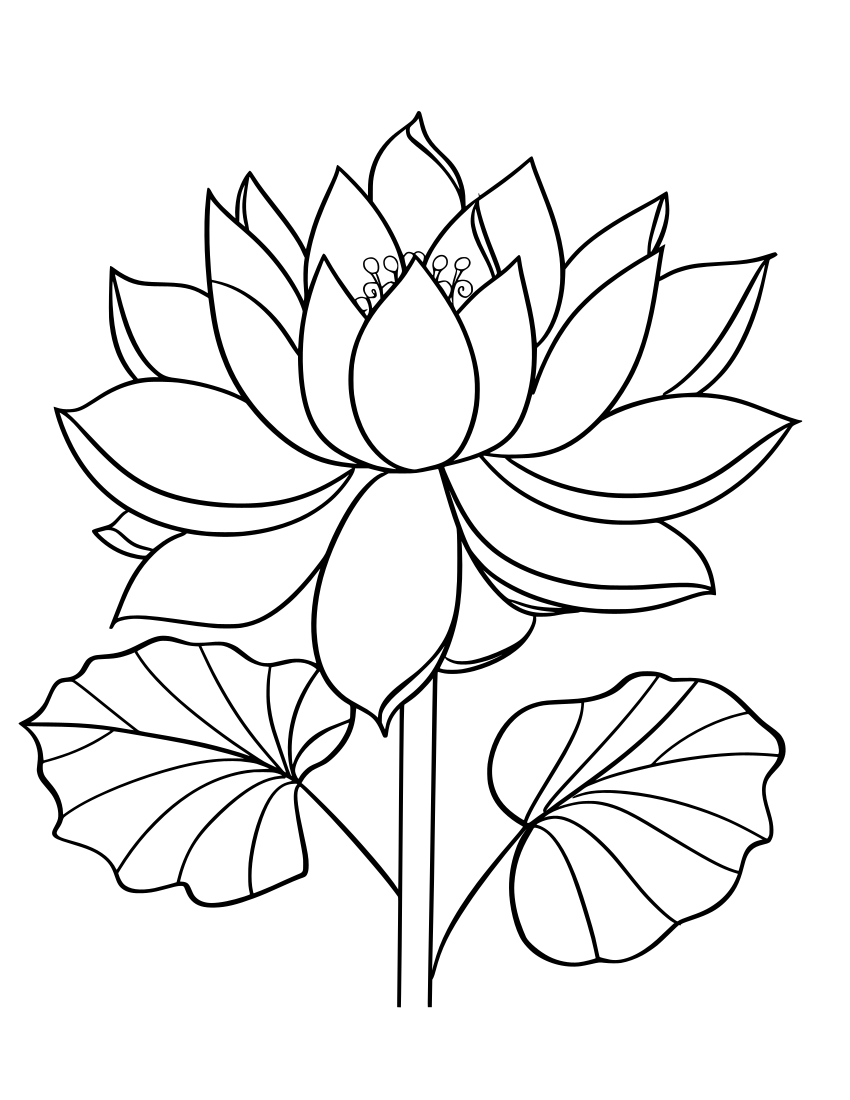
Botanical Marigold Coloring Page presents the marigold as a precise botanical study — combining the scientific accuracy of a natural history illustration with the aesthetic sensibility of a work of art. Part of our free flower coloring pages collection, this design is for colorists who love to engage with the actual form, structure and character of the flower they are coloring, not just its decorative potential.
No flower is more deeply embedded in the spiritual life of two great cultures — the Aztec and the Hindu — than the marigold. In ancient Mexico, marigolds (cempasúchil) were sacred to the dead: their vivid orange color and strong scent were believed to guide spirits back to the world of the living during the Festival of the Dead. This tradition lives on in Mexico's extraordinary DÃa de los Muertos celebrations, where marigold petals are still strewn in elaborate paths leading from cemetery to home altar. In India, the marigold is the most important flower in Hindu ritual: temple offerings, wedding garlands, festival decorations and funeral rites all use marigolds in vast quantities — India produces over 400,000 tonnes of marigolds annually.
Marigolds come in a glorious range of warm colors — from pale lemon through golden yellow, tangerine, deep orange to rusty red-brown — often with multiple tones in a single bloom. The densely packed ray florets (each "petal" is actually an individual flower) create a pompon-like roundness that responds beautifully to careful tonal work: lighter at the outer edges, progressively richer and more saturated as you fill the inner layers. The contrast between the vivid orange of the flower and the pungent, feathery, deep green foliage is one of the most satisfying in the garden to render.
Botanical illustration demands engagement with the actual structure of the marigold as a living plant. Before coloring, take a moment to study the design: identify the different floral parts (petals, sepals, stamens, pistil), the leaf attachment and venation pattern, the stem structure. Color each element with reference to its botanical reality: leaves are lighter on the upper surface (which receives more light) and darker on the underside. Stems show subtle surface texture. The goal is not a pretty decoration but an accurate, beautiful record — in which truth to observation is the highest aesthetic value. This botanical coloring page is available as a free high-quality PDF. Print on premium paper for the finest result — a completed page is a genuine piece of natural history art worth displaying.
Leave a Comment
Comments
No comments yet. Be the first!