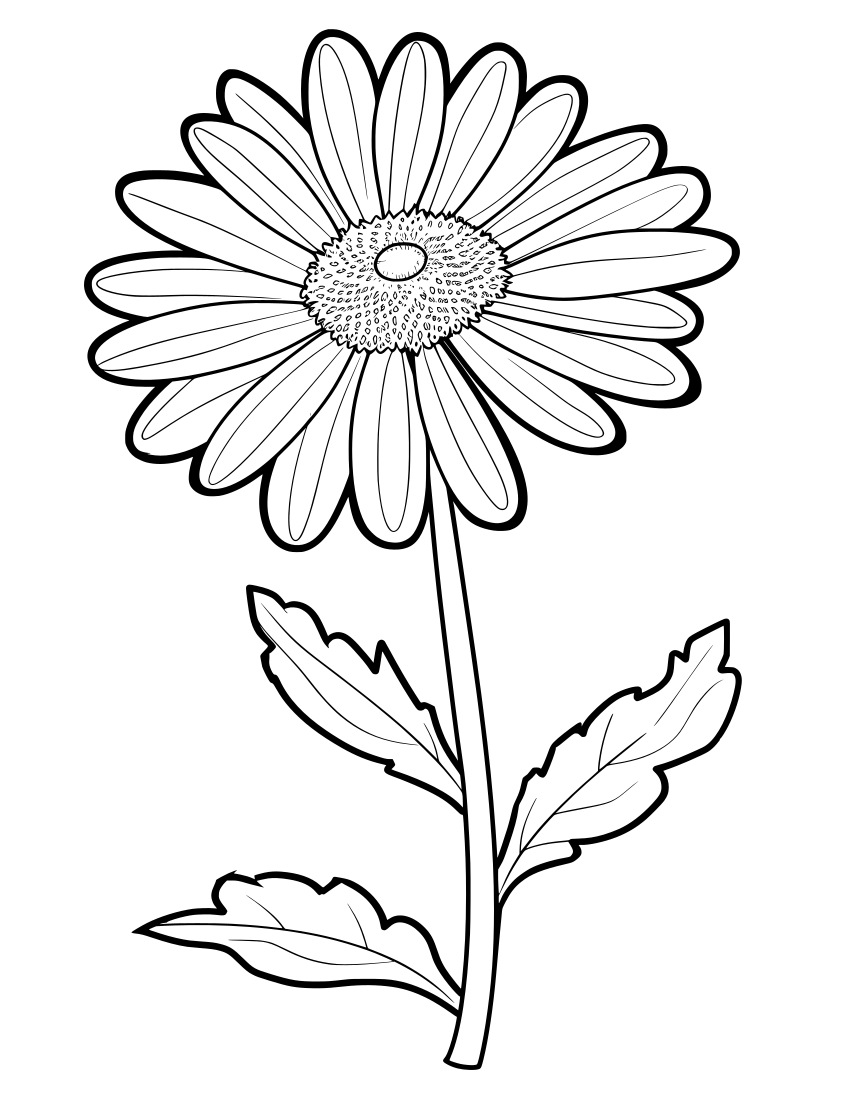
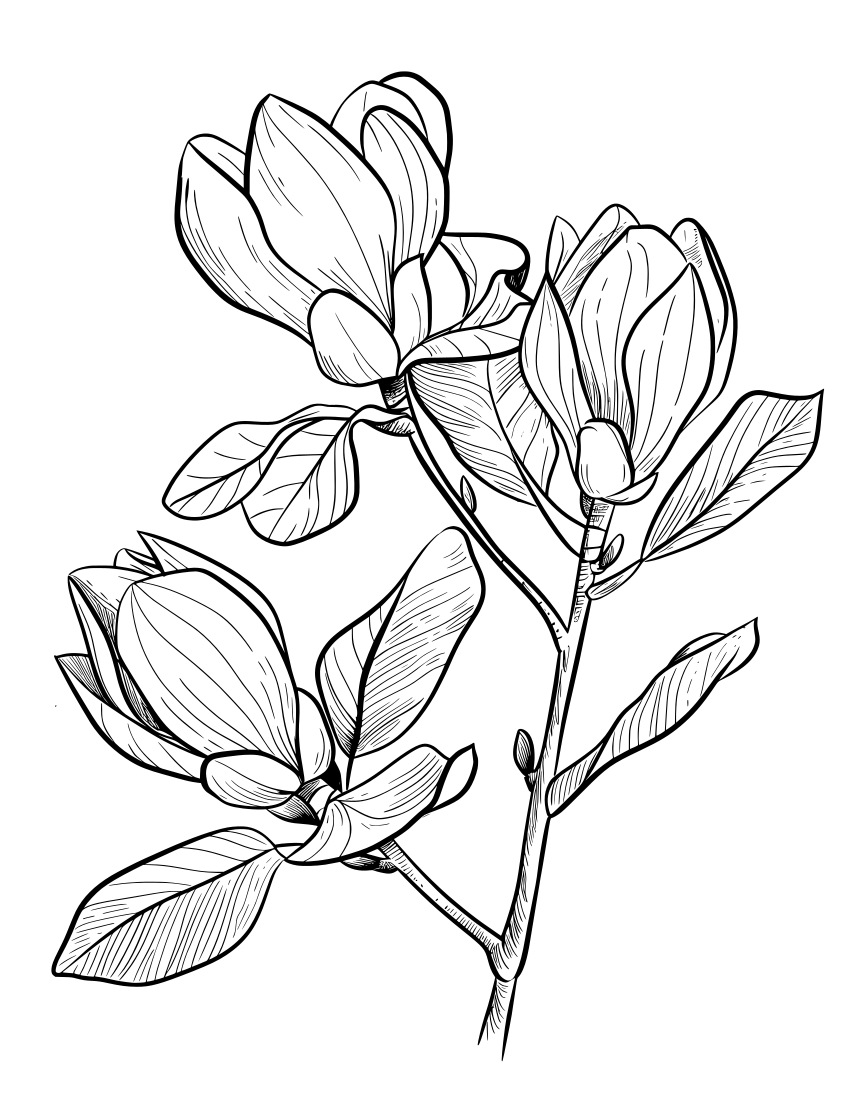
Botanical Tulip Coloring Page presents the tulip as a precise botanical study — combining the scientific accuracy of a natural history illustration with the aesthetic sensibility of a work of art. Part of our free flower coloring pages collection, this design is for colorists who love to engage with the actual form, structure and character of the flower they are coloring, not just its decorative potential.
The tulip's story is one of obsession and financial madness. Originally a wildflower of the Central Asian steppes, it was cultivated in the Ottoman Empire for centuries before Dutch merchants brought it to Holland in the 1590s. What followed — "Tulip Mania" of 1636–1637 — was history's first recorded speculative bubble: a single Semper Augustus tulip bulb sold for as much as a canal house in Amsterdam. The Dutch Golden Age painters celebrated the tulip in extraordinary flower still-lifes, and Ottoman craftsmen wove them into tiles, textiles and manuscripts with such obsessive frequency that the 16th–18th century Ottoman aesthetic is sometimes called the "Tulip Period."
Tulips are wonderfully satisfying to color because of their clean, architectural cup shape and naturally bold, saturated colors. Real tulips come in nearly every hue except blue — from purest white through every shade of yellow, orange, red, pink and purple to near-black. The petals of a single tulip often show a subtle gradient from a lighter base to a richer tip. For parrot tulips or fringed varieties, add delicate irregular edges in a slightly darker or contrasting tone to capture their flamboyant character.
Botanical illustration demands engagement with the actual structure of the tulip as a living plant. Before coloring, take a moment to study the design: identify the different floral parts (petals, sepals, stamens, pistil), the leaf attachment and venation pattern, the stem structure. Color each element with reference to its botanical reality: leaves are lighter on the upper surface (which receives more light) and darker on the underside. Stems show subtle surface texture. The goal is not a pretty decoration but an accurate, beautiful record — in which truth to observation is the highest aesthetic value. This botanical coloring page is available as a free high-quality PDF. Print on premium paper for the finest result — a completed page is a genuine piece of natural history art worth displaying.
Leave a Comment
Comments
No comments yet. Be the first!