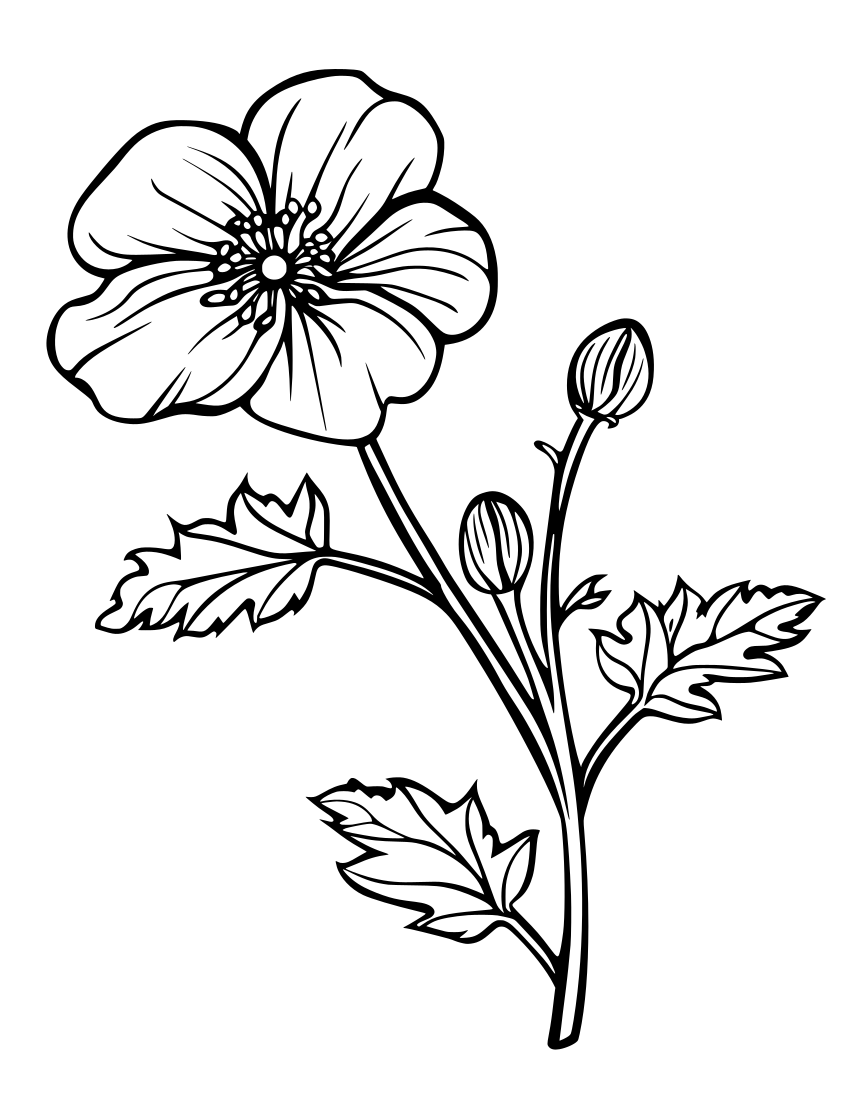
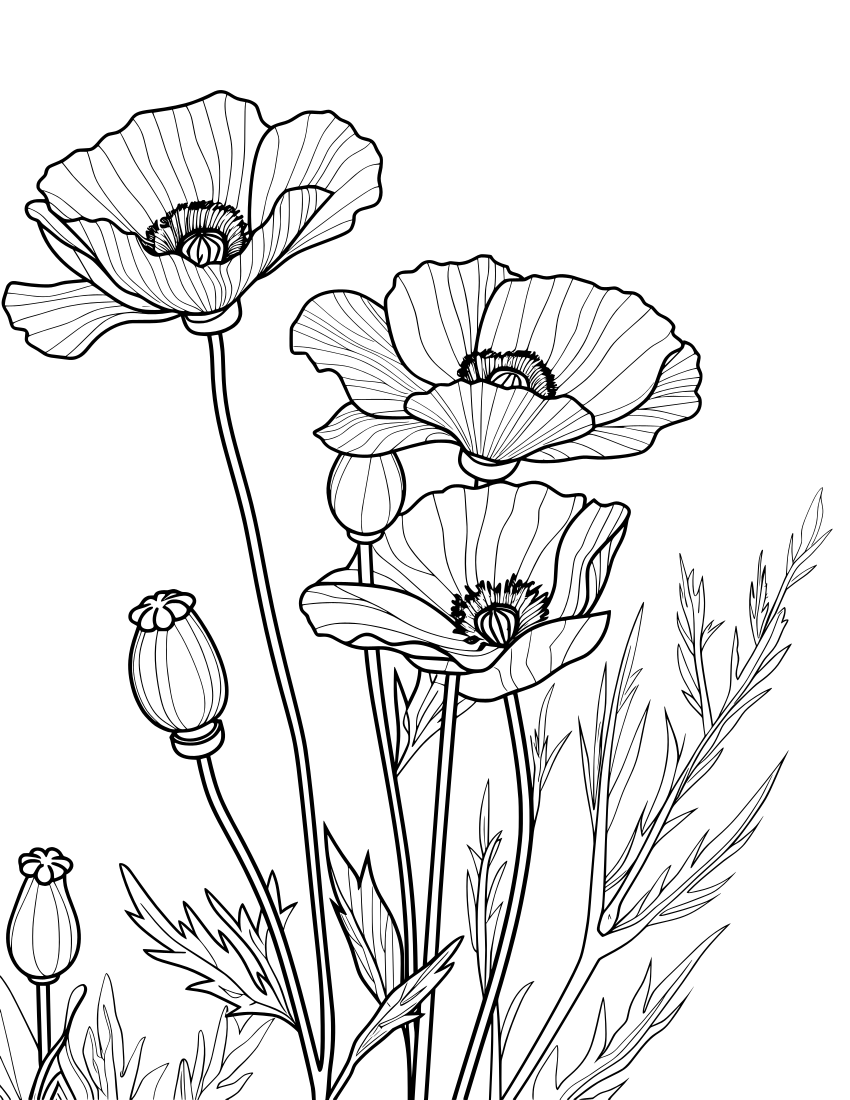
Wild Buttercup Coloring Page places the buttercup in the untamed, organic beauty of its natural wild habitat — a world away from the formal garden, this design celebrates the authentic botanical character of the flower growing freely, with all the asymmetry and liveliness that cultivation often irons out. Part of our free flower coloring pages collection, this page calls for a freer, more instinctive approach to color.
The buttercup is one of England's most beloved wildflowers, its glossy golden cups brightening meadows and verges from April to August. Its name comes from a Victorian folk belief: cows that ate buttercups produced especially yellow, richly flavored butter — a charming theory that is, unfortunately, false (buttercups are mildly toxic to cattle and are consistently avoided). The "do you like butter?" childhood game — holding a buttercup under a friend's chin to see if the yellow is reflected — exploits the flower's extraordinary petal glossiness: buttercup petals have a unique dual-layer structure that creates a mirror-like reflectivity, the only flower known to produce this effect. The buttercup appears in paintings from Botticelli to the Pre-Raphaelites, its golden yellow inseparable from the idea of the English summer meadow.
The buttercup's extraordinary petal gloss — the result of a smooth, reflective epidermal layer over a yellow pigment layer — is its most distinctive feature and its most interesting coloring challenge. To suggest this mirror-like quality, leave a small, bright highlight on each petal (the highest point of the curved surface) completely untouched — or apply pure white gel pen as a final touch. The petal yellow should be vivid and warm: a rich golden-yellow rather than a pale or lemony tone. The deeply cut, complex leaves — dark green with multiple fine lobes — provide a beautiful detailed counterpoint to the simple, gleaming flowers.
Wild flower coloring rewards an organic, slightly informal approach: resist the urge for perfect, uniform fills. Real buttercups growing in the wild show subtle variations in petal color from flower to flower, slight asymmetries, insect damage, sun-bleaching at the tips. These imperfections are the life of the design — include them deliberately. The foliage in wild settings is particularly expressive: mix olive, khaki, grass green and blue-green to suggest the variety of wild grasses and plants that surround the buttercup in its natural habitat. This wild flower coloring page is free to download and print as a PDF. Let the organic, living quality of the design inspire an equally free and instinctive approach to color.
Leave a Comment
Comments
No comments yet. Be the first!