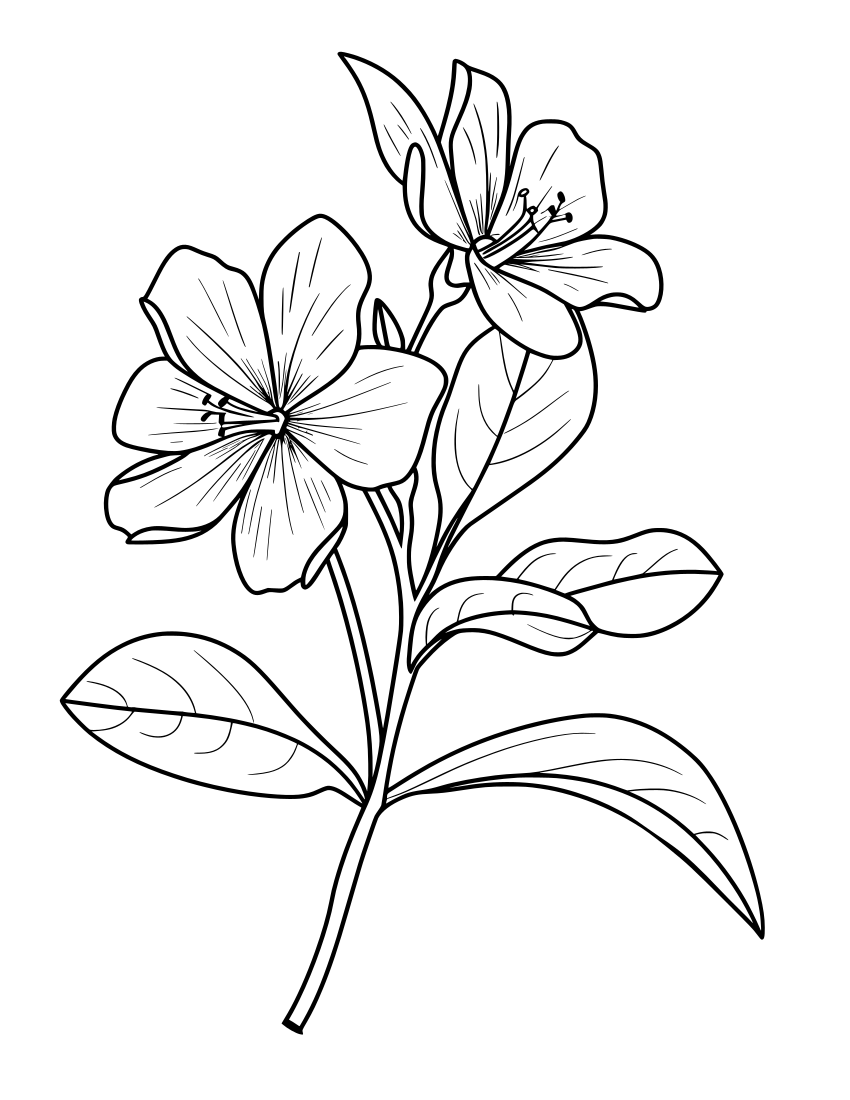
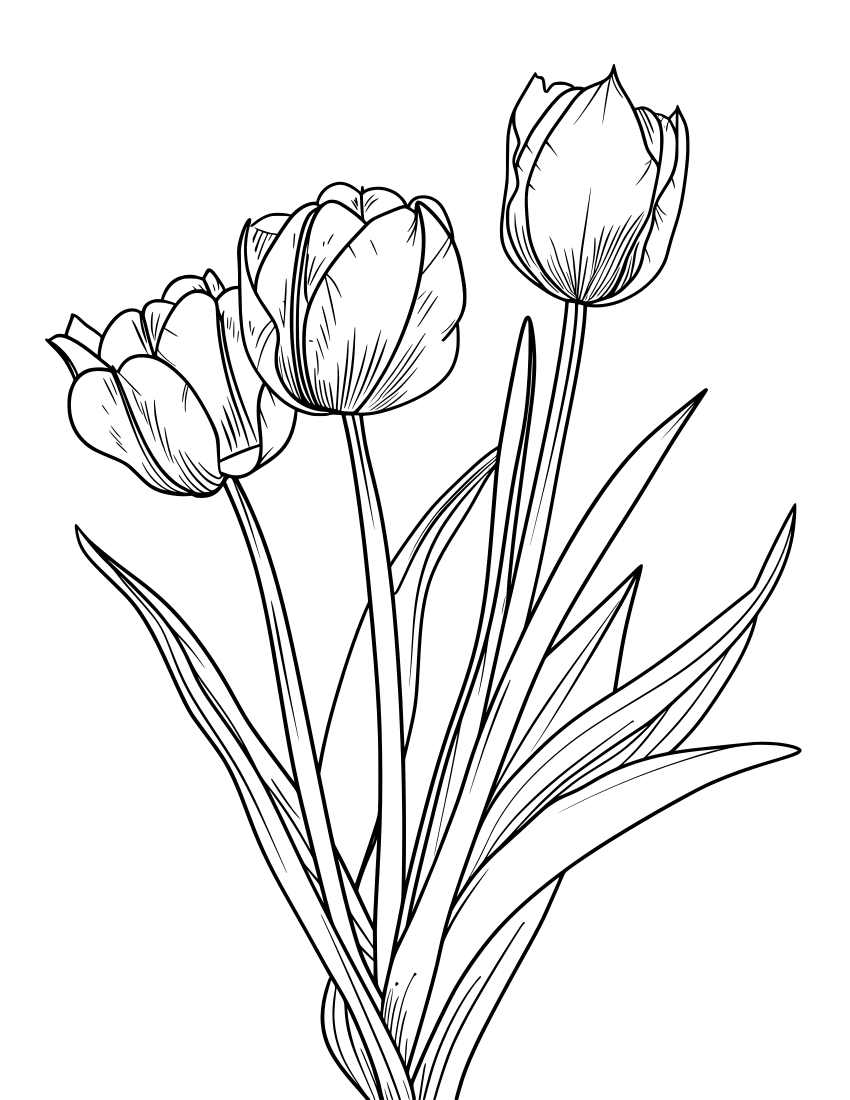
Botanical Wildflower Coloring Page presents the wildflower as a precise botanical study — combining the scientific accuracy of a natural history illustration with the aesthetic sensibility of a work of art. Part of our free flower coloring pages collection, this design is for colorists who love to engage with the actual form, structure and character of the flower they are coloring, not just its decorative potential.
The wildflower meadow is one of the most ecologically and culturally significant landscapes of the temperate world — and one of its most threatened. Before industrial agriculture, flower-rich meadows covered vast areas of Europe, their extraordinary botanical diversity (up to 40 species per square metre in the finest examples) supporting insects, birds and countless other creatures. Since 1930, Britain has lost 97% of its traditional wildflower meadows. The meadow restoration movement — championed by organisations from the RSPB to individual landowners — is attempting to bring them back. Artists from William Morris, who drew endlessly from English meadow flora, to Cicely Mary Barker (Flower Fairies) have celebrated wildflowers as the embodiment of an idealised, natural English beauty.
A wildflower composition rewards an improvisational, playful approach to color. Unlike formal garden flowers arranged with deliberate order, wildflowers tumble against each other in delightful chaos — overlapping stems, petals touching, leaves intertwining. Let your colors reflect this informality: slightly different greens for different species, a variety of warm and cool tones rather than a single unified palette. The key to a convincing wildflower meadow is to make the greens sing: use at least three different greens (yellow-green, mid-green, blue-green) in the foliage to suggest the variety of species.
Botanical illustration demands engagement with the actual structure of the wildflower as a living plant. Before coloring, take a moment to study the design: identify the different floral parts (petals, sepals, stamens, pistil), the leaf attachment and venation pattern, the stem structure. Color each element with reference to its botanical reality: leaves are lighter on the upper surface (which receives more light) and darker on the underside. Stems show subtle surface texture. The goal is not a pretty decoration but an accurate, beautiful record — in which truth to observation is the highest aesthetic value. This botanical coloring page is available as a free high-quality PDF. Print on premium paper for the finest result — a completed page is a genuine piece of natural history art worth displaying.
Leave a Comment
Comments
No comments yet. Be the first!